Advancements in the Management of Children with Cerebral Palsy
Share This Topical Collection
Editor
 Dr. Erich Rutz
Dr. Erich Rutz
E-Mail
Website
Collection Editor
1. Orthopaedic Department, The Royal Children's Hospital, Melbourne, VIC 3052, Australia
2. Department of Paediatrics, University of Melbourne, Melbourne, VIC
3010, Australia
Interests: paediatric rehabilitation; cerebral palsy; gait analysis; biomechanics; paediatric orthopaedics and trauma; neuromuscular disorders
Topical Collection Information
Dear Colleagues,
Over 17 million people worldwide have cerebral palsy. Cerebral palsy (CP) is a group of disorders that affect a person’s ability to move and maintain their balance and posture. CP is the most common cause of disability in childhood and is produced by abnormal brain development or damage to the developing brain, affecting a person’s ability to control their muscles. There is no cure for CP, but treatment can improve the lives of those who have this condition. Early detection and early intervention after diagnosis can promote the sustainable development of motor and intelligence in children, prevent complications, and reduce family and social burdens.
We invite you to contribute to this Topic collection, which aims to collate the latest evidence on novel intervention approaches for infants and children with or at high-risk of cerebral palsy, with a focus on rehabilitation, that is “interventions designed to optimise functioning and reduce disability”. Although the primary focus is on interventions for cerebral palsy, studies that include other disabilities along with cerebral palsy are invited. Manuscripts may be submitted in any format (original research, systematic reviews, state-of-the-art reviews, and protocols) and should contribute to the further understanding of novel approaches to improve outcomes for people with cerebral palsy and their families across their lifespan.
Dr. Erich Rutz
Collection Editor
Manuscript Submission Information
Manuscripts should be submitted online at www.mdpi.com by registering and logging in to this website. Once you are registered, click here to go to the submission form. All submissions that pass pre-check are peer-reviewed. Accepted papers will be published continuously in the journal (as soon as accepted) and will be listed together on the collection website. Research articles, review articles as well as short communications are invited. For planned papers, a title and short abstract (about 250 words) can be sent to the Editorial Office for assessment.
Submitted manuscripts should not have been published previously, nor be under consideration for publication elsewhere (except conference proceedings papers). All manuscripts are thoroughly refereed through a single-blind peer-review process. A guide for authors and other relevant information for submission of manuscripts is available on the Instructions for Authors page. Children is an international peer-reviewed open access monthly journal published by MDPI.
Please visit the Instructions for Authors page before submitting a manuscript.
The Article Processing Charge (APC) for publication in this open access journal is 2400 CHF (Swiss Francs).
Submitted papers should be well formatted and use good English. Authors may use MDPI's
English editing service prior to publication or during author revisions.
Keywords
- cerebral palsy
- brain injury
- motor function
- sensorimotor function
- gait
- postural control
- balance
- rehabilitation, gait analysis, surgery
Published Papers (4 papers)
2026
Open AccessCase Report
Movement Disorder Change in a Child with Choreic Movement Disorder Using an Elasto-Compressive Bodysuit
by
Domenico M. Romeo, Chiara Velli, Francesca Sini, Maddalena Bianchetti and Eugenio Mercuri
Viewed by 245
Abstract
Background/Objectives: Dynamic movement orthoses (DMOs) are elasto-compressive bodysuits used in the rehabilitation of children with motor disabilities, mainly in children with cerebral palsy. Among the DMOs, the FLEXA
® represents one of the most frequently used orthoses in clinical practice due to
[...] Read more.
Background/Objectives: Dynamic movement orthoses (DMOs) are elasto-compressive bodysuits used in the rehabilitation of children with motor disabilities, mainly in children with cerebral palsy. Among the DMOs, the FLEXA
® represents one of the most frequently used orthoses in clinical practice due to its adaptability and flexibility. The purpose of this case study is to describe the application of FLEXA
® in an 18-month-old female child with choreic cerebral palsy.
Methods: To evaluate the effect of the dynamic movement orthosis (FLEXA
®), the
Movement Disorder-Childhood Rating Scale (MD-CRS) 0–3 years was administered. The child was evaluated before the use of the FLEXA
® bodysuit, and with the bodysuit donned approximately 30 min after its application. A follow-up using the same assessments was carried out at 6 months.
Results: The results showed an important change in the severity of the movements according to the MD-CRS; mainly, the child’s movement disorder severity changed from a grade five severity (profoundly affected) without the bodysuit to grade three (moderately affected) with the use of the bodysuit. The benefit was maintained during follow-up even without the bodysuit, and a further improvement was observed in assessments with the bodysuit.
Conclusions: This case report highlights the potential benefits of dynamic movement orthosis, like the FLEXA
®, in managing movement disorders in children with choreic form of cerebral palsy. Extending the study to a larger sample would help to strengthen the validity of these findings and confirm the beneficial effects of use of DMOs for children with movement disorders.
Full article
Open AccessArticle
Influence of Immobilization, Stretching, and Activity on the Morphological Properties of Spastic Gastrocnemius Muscles
by
Andreas Habersack, Annika Kruse, Bernhard Guggenberger, Nina Mosser, Markus Tilp and Martin Svehlik
Cited by 1 | Viewed by 457
Abstract
Background/Objectives: Children with cerebral palsy (CP) often develop altered muscle architecture and calf muscle contractures. Orthotic immobilization aims to provide prolonged stretch to lengthen the muscle belly and muscle–tendon unit (MTU), but immobilization may also cause atrophy. This study investigated whether immobilization combined
[...] Read more.
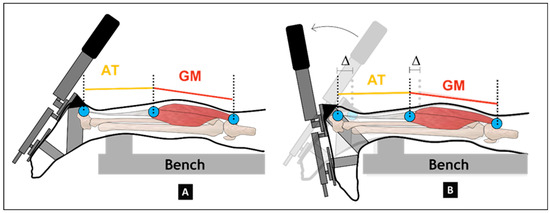
Background/Objectives: Children with cerebral palsy (CP) often develop altered muscle architecture and calf muscle contractures. Orthotic immobilization aims to provide prolonged stretch to lengthen the muscle belly and muscle–tendon unit (MTU), but immobilization may also cause atrophy. This study investigated whether immobilization combined with periods of daily muscle activation has a different effect on calf muscle properties than continuous immobilization alone.
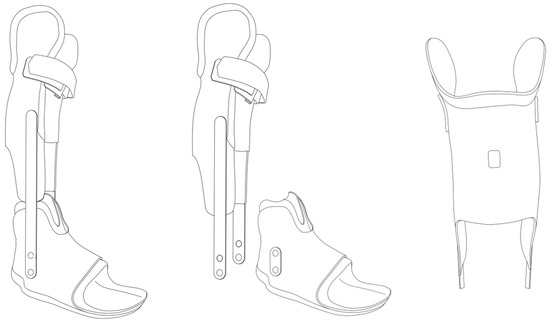
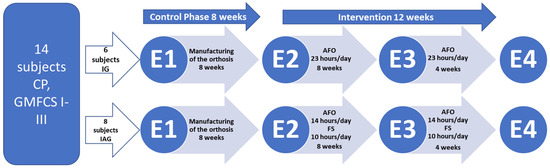
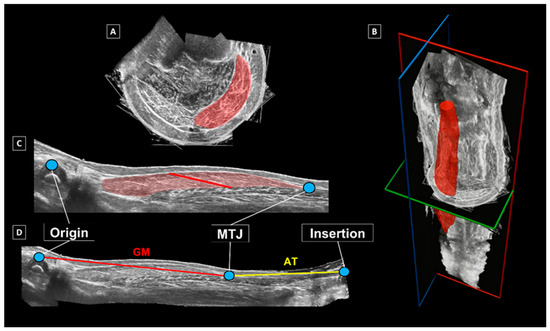
Methods: Fourteen children with CP and equinus deformity (mean age: 9.9 ± 3.0 years; GMFCS Level I: 10, II: 4) were enrolled in a 12-week randomized controlled trial. Participants were allocated to one of two groups: continuous immobilization (23 h per day) with a dynamic ankle–foot orthosis (AFO), or a combined regimen consisting of immobilization (14 h) and a daily activity phase (10 h). Gastrocnemius medialis (GM) MTU properties, including muscle belly and Achilles tendon (AT) length, fascicle length, and muscle volume, among others, were assessed four times using three-dimensional (3D) freehand ultrasound.
Results: Significant within-group increases in MTU and AT lengths were observed over time at both a 90° ankle position (
p < 0.01) and a more dorsiflexed ankle position (4 Nm applied torque,
p < 0.01). However, no significant group × time interactions were observed for any parameter.
Conclusions: Contrary to our hypothesis, combining activity and immobilization did not confer additional benefits. Nevertheless, shorter orthosis-wearing time had the same effect on the MTU and could lead to improved compliance with orthosis treatment in CP. Larger trials are needed to support our findings.
Full article
►▼
Show Figures
Open AccessArticle
How Do Gait Outcomes Evolve in Adults with Spastic Cerebral Palsy Who Received Orthopedic Treatment in Childhood?
by
Anne Tabard-Fougère, Alice Bonnefoy-Mazure, Geraldo de Coulon, Oscar Vazquez and Stéphane Armand
Viewed by 623
Abstract
Background/Objectives: Cerebral palsy (CP) is the most common cause of physical disability in childhood. While gait improvements are often observed during childhood, it remains unclear whether these gains are sustained into adulthood. This study aimed to evaluate the long-term evolution of gait
[...] Read more.
Background/Objectives: Cerebral palsy (CP) is the most common cause of physical disability in childhood. While gait improvements are often observed during childhood, it remains unclear whether these gains are sustained into adulthood. This study aimed to evaluate the long-term evolution of gait outcomes from childhood to adulthood in individuals with CP who received orthopedic care early in life.
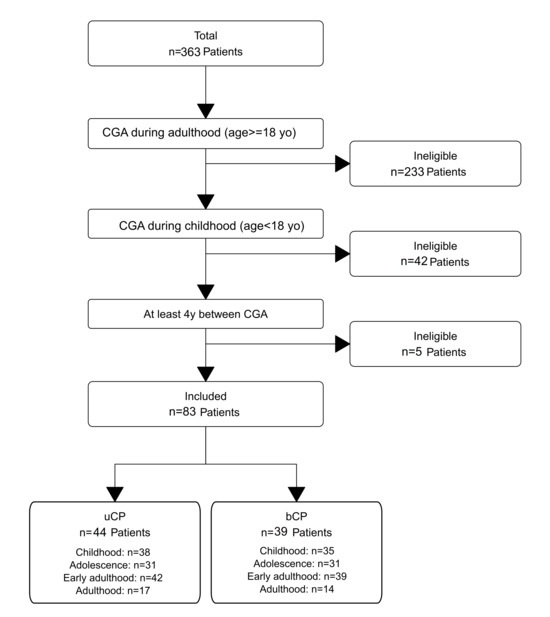
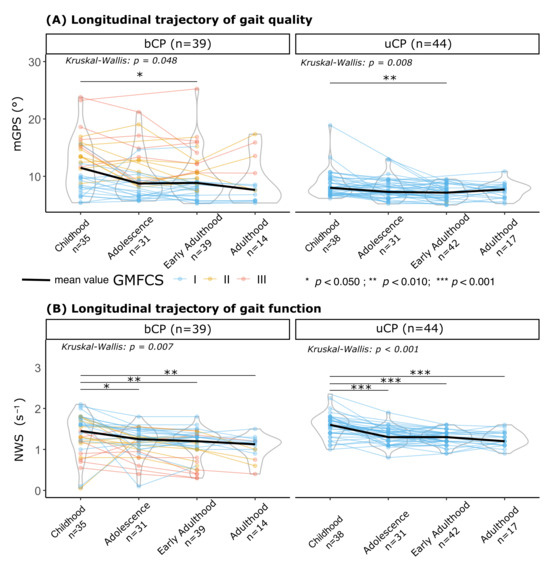
Methods: This retrospective study included 83 adults with cerebral palsy (44 unilateral/uCP, 39 bilateral/bCP; GMFCS I–III) who underwent clinical gait analysis in childhood and again as adults (minimum 4 years between visits, n = 249 CGA). Gait was assessed using the modified Gait Profile Score (mGPS) and normalized walking speed (NWS). The effects of life stage (childhood, adolescence, early adulthood, and adulthood) were analyzed using Kruskal–Wallis tests with post hoc comparisons. Individual clinical transitions were quantified from early adulthood to adulthood, with a minimal clinically important difference (MCID) change in mGPS (1.6°) and NWS (0.20 s
−1) for improvement or decline.
Results: Longitudinal analysis revealed that while group-average mGPS improved from childhood to adulthood, NWS declined significantly for all patients (
p < 0.01). However, individual trajectories from early adulthood to adulthood diverged by CP type. Those with bCP GMFCS II and III had a more frequent clinical decline in mGPS (4/14, 29%), with minimal potential for improvement (1/14, 17%). In contrast, individuals with uCP had less frequent decline (1/17, 6%) and a greater improvement (3/17, 18%).
Conclusions: While significant improvements in gait quality are achieved by early adulthood, substantial clinical decline occurs during adulthood in bCP (GMFCS II–III) patients. These findings highlight the need for lifelong monitoring, with re-evaluation regarding the need for surgical interventions from early adulthood to adulthood in bCP patients with greater motor impairments.
Full article
►▼
Show Figures
Open AccessArticle
Cine Phase Contrast Magnetic Resonance Imaging of Calf Muscle Contraction in Pediatric Patients with Cerebral Palsy and Healthy Children: Comparison of Voluntary Motion and Electrically Evoked Motion
by
Claudia Weidensteiner, Xeni Deligianni, Tanja Haas, Philipp Madoerin, Oliver Bieri, Meritxell Garcia Alzamora, Jacqueline Romkes, Erich Rutz, Francesco Santini and Reinald Brunner
Viewed by 578
Abstract
Background/Objectives: Magnetic resonance imaging (MRI) can be used to assess muscle function while performing a motion task within the scanner. Quantitative measures such as contraction velocity and strain can be derived from the images. Cine phase contrast (PC) MRI for time-resolved imaging of
[...] Read more.
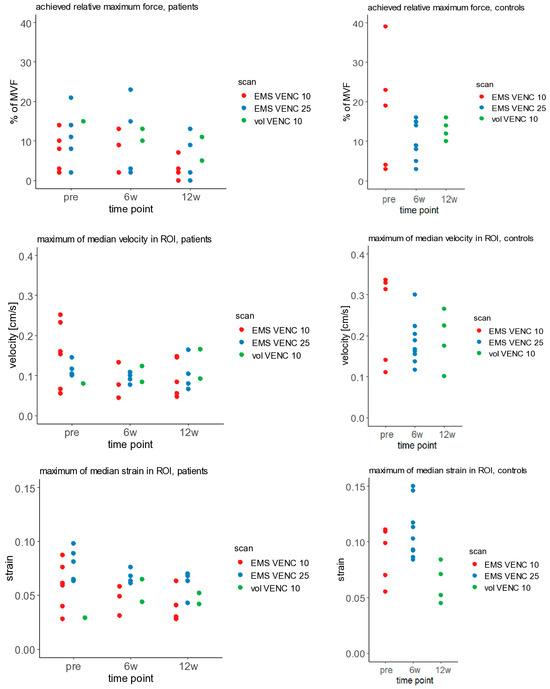
Background/Objectives: Magnetic resonance imaging (MRI) can be used to assess muscle function while performing a motion task within the scanner. Quantitative measures such as contraction velocity and strain can be derived from the images. Cine phase contrast (PC) MRI for time-resolved imaging of muscle function relies on the consistently repeated execution of the motion task for several minutes until data acquisition is complete. This may be difficult for patients with neuromuscular dysfunctions. To date, this approach has been applied only in adults, but not pediatric populations. The aim of this pilot study was to investigate the feasibility of PC MRI for assessing calf muscle function during electrically evoked and voluntary motion in children with cerebral palsy (CP) using open-source hardware and software. Methods: Cine PC MRI was performed at 3T in ambulatory pediatric patients with CP and typically developing children under electrical muscle stimulation (EMS) (
n = 14/13) and during voluntary plantarflexion (
n = 4/4) using a home-built pedal with a force sensor. A visual feedback software was developed to enable synchronized imaging of voluntary muscle contractions. Muscle contraction velocity and strain were calculated from the MRI data. Data quality was rated by two readers. Results: During EMS, the velocity data quality was rated as sufficient in 21% of scans in patients compared with 82% of scans in controls. During the voluntary task, all patients demonstrated increased compliance and greater generated force output than during EMS. Voluntary motion imaging was successful in all controls but none of the patients, as motion periodicity in patients was worse during voluntary than during stimulated contraction. Conclusions: Cine phase-contrast MRI combined with EMS or voluntary motion proved challenging in pediatric patients with CP, particularly in those with more severe baseline muscle dysfunction or reduced tolerance to stimulation. In contrast, the approach was successfully implemented in typically developing children. Although the scope of the patient-based findings is limited by data heterogeneity, the method demonstrates considerable potential as a tool for monitoring treatment-related changes in muscle function, particularly in less severely affected patients. Further refinement of the EMS and voluntary motion protocols, together with a reduction in MRI acquisition time, is required to improve motion periodicity, tolerability, and consequently the overall success rate in the intended pediatric patient cohort.
Full article
►▼
Show Figures