


Abstract
Background: Chronic periodontitis is a prevalent inflammatory disease. It goes beyond the oral cavity, exerting systemic immunomodulatory effects through continuous low-grade inflammation, microbial dysbiosis, and cytokine spillover. Accumulating evidence suggests that the immunological consequences of periodontitis may influence systemic immune homeostasis and alter responses to cancer immunotherapies, specifically checkpoint blockade. Objectives: This narrative review describes how periodontal inflammation induces systemic immune reprogramming. It also investigates possible effects on the efficacy of immunotherapy. Methods: The paper synthesizes current findings on molecular and cellular mechanisms linking periodontitis to immune dysfunction. It underscores the mutual signaling pathways NF-κB, STAT3, and PD-1/PD-L1 that connect oral and systemic immunity. Results: Chronic periodontal inflammation reprograms innate and adaptive immune responses. It elevates proinflammatory mediators, such as IL-1β, IL-6, and TNF-α. It alters T-cell polarization and promotes myeloid cell “training”. This process may lead to immune exhaustion, impaired antigen presentation, and treatment resistance. Preclinical and new clinical data suggest that controlling periodontal inflammation may partially reduce systemic inflammatory burden, although clinical evidence in immunotherapy-treated cancer cohorts remains limited. Conclusions: Periodontal health should be considered in the management of immunotherapy. This can facilitate new studies that integrate oral and systemic immunology. Understanding the two-way link between periodontal inflammation and systemic immune reprogramming may offer fresh opportunities for personalized immunomodulation and combined interventions.
1. Introduction
Periodontitis is a highly prevalent, chronic inflammatory disease resulting from pathogenic shifts in the oral microbiome, and it has traditionally been regarded as a localized oral condition [1,2]. However, recent evidence demonstrates that its effects are not limited to the gingival tissues. Instead, chronic periodontal inflammation promotes persistent low-grade systemic inflammation, facilitates the dissemination of microbial components, and induces sustained immune activation [3,4,5,6]. These perturbations alter circulating myeloid and lymphoid cells, disrupt cytokine networks, and reshape overall immune homeostasis [7,8,9,10,11]. This form of systemic immune reprogramming has now been recognized as a contributing factor for multiple chronic conditions, including cardiovascular disease, metabolic dysfunction, respiratory conditions, musculoskeletal disorders, reproductive system issues, and multiple malignancies [12,13,14,15,16,17,18].
At the same time, cancer immunotherapy, particularly immune checkpoint inhibitors (ICIs), has transformed oncology by using endogenous antitumor immunity [19,20,21,22]. However, only some patients achieve lasting responses, and the reasons for success or resistance are still not fully understood [23,24,25]. Resistance can result from multiple factors, including the tumor microenvironment (TME), genetic and epigenetic alterations, and tumor-driven protective or regenerative programs that support inflammation and related mechanisms [26,27,28,29]. While tumor-intrinsic features and the gut microbiome have been extensively investigated, the possible influence of oral inflammatory disease on immunotherapy outcomes has received comparatively little attention [30,31,32]. Importantly, periodontal pathogens and the inflammatory environment they sustain can promote T-cell exhaustion, expand immunosuppressive myeloid populations, and upregulate immune checkpoint pathways such as PD-1/PD-L1 (programmed cell death-1/ programmed death ligand-1)—molecular routes directly relevant to ICI efficacy [33,34,35,36].
Emerging preclinical and clinical observations suggest that periodontitis may shape systemic immune tone in ways that either hinder or recalibrate antitumor immune responses [34,37,38,39]. This potential introduces a persuasive question: Could chronic periodontal inflammation represent a previously unrecognized—and potentially modifiable—determinant of cancer immunotherapy response? Filling this void has the potential to advance our knowledge about host–microbiome–immune interactions as well as to identify an accessible, clinically actionable target for improving treatment outcomes.
The objectives of this review are to define the key mechanisms by which chronic periodontitis induces systemic immune reprogramming; to examine how these immune alterations intersect with pathways controlling immune checkpoint blockade; and to evaluate whether periodontal inflammation represents an underrecognized, yet potentially modifiable, host factor influencing cancer immunotherapy. Ultimately, this review addresses the main research question: Can chronic periodontal disease shape systemic immune fitness in ways that impact cancer immunotherapy outcomes?
This paper synthesizes current knowledge on the systemic immunological consequences of periodontitis, resulting from the axis of oral inflammation and systemic inflammation, and examines their possible consequences for cancer immunotherapy responses. By bringing together perspectives from microbiology, immunology, genetics, and oncologic therapeutics, we aim to draw attention to an underrecognized axis of host–oral microbiome immune modulation. In doing so, we propose a conceptual framework to guide future mechanistic investigations and translational studies that may ultimately shape plans to optimize immunotherapy outcomes.
Here, we propose that chronic periodontitis acts as a systemic immune-conditioning factor capable of reshaping innate and adaptive immune responsiveness through persistent inflammatory signaling and durable epigenetic reprogramming. We argue that this altered immune set point may predispose to immune exhaustion and tolerance, thereby influencing responsiveness to immune checkpoint blockade. By integrating oral immunology with cancer immunotherapy, this review positions periodontal inflammation as a previously underappreciated host determinant of immunotherapy outcomes.
This narrative review was conducted using a structured literature search of PubMed/MEDLINE, Scopus, Web of Science and Google Scholar databases through December 2025. The search strategy combined the following terms: “periodontitis”, “immune reprogramming”, “trained immunity”, “systemic inflammation”, “tumor microenvironment”, “immune checkpoint blockade”, “PD-1/PD-L1”, and “cancer immunotherapy”. Article selection was based on relevance to the associations among periodontal inflammation, systemic immune modulation, and immunotherapy response. Recent high-impact clinical and translational studies, and evidence supporting biologically plausible immune pathways were prioritized. Due to the narrative nature of this review, formal systematic screening and meta-analysis were not performed. All efforts were made to provide a balanced and comprehensive synthesis of the available evidence.
In this review, the term immune reprogramming is used to describe persistent functional changes in immune cells induced by chronic inflammatory conditions [40]. Immune reprogramming may involve both innate and adaptive compartments. Trained immunity refers specifically to memory-like responses in innate immune cells (monocytes, macrophages, NK cells) driven by epigenetic and metabolic rewiring following microbial or inflammatory stimulation, often resulting in heightened secondary inflammatory responses [41]. In contrast, adaptive immune exhaustion is a distinct phenomenon characterized by progressive functional impairment of T cells during chronic antigen exposure, frequently accompanied by upregulation of inhibitory receptors such as PD-1 [42]. Distinguishing between these processes is essential, as trained immunity may amplify systemic inflammation, whereas adaptive exhaustion may contribute to immunosuppression within tumor settings.
2. Mechanisms of Systemic Immune Reprogramming in Periodontitis
2.1. Cytokine Spillover and Chronic Inflammation
The systemic consequences of periodontitis extend far beyond the oral cavity and can disturb immune homeostasis by persistently releasing inflammatory mediators into circulation. This process, known as cytokine spillover, represents the first step of systemic immune reprogramming [43,44]. Local production of proinflammatory cytokines and acute-phase reactants translates into measurable systemic alterations that sustain chronic low-grade inflammation [45]. The following subsections delineate the sequential cascade—from elevated cytokine levels and their vascular dissemination to the downstream activation and exhaustion of immune and endothelial compartments—that collectively shape the systemic inflammatory milieu characteristic of periodontitis. Understanding these mechanisms provides a base for clarifying how local periodontal inflammation evolves into a systemic immunoinflammatory state. Figure 1 provides an integrated framework linking chronic periodontal inflammation with systemic immune remodeling and the potential modulation of cancer immunotherapy efficacy.
Figure 1.
Mechanisms of systemic immune reprogramming in periodontitis. Legend: Overview of the cascade from local periodontal inflammation and cytokine spillover (IL-6, TNF-α) to systemic immune reprogramming characterized by PD-1 upregulation, T-cell dysfunction, and exhaustion. These processes establish persistent systemic immune alterations and may modulate responses to cancer immunotherapy.
2.1.1. Elevated IL-1β, IL-6, TNF-α, and CRP in Chronic Periodontitis
Periodontitis is a classic example of a localized chronic infection capable of eliciting systemic immunoinflammatory consequences. The condition is not confined to periodontal tissues but acts as a systemic inflammatory driver, mediated mainly through the spillover of cytokines and acute-phase proteins into the bloodstream. High blood concentrations of interleukin-1β (IL-1β), interleukin-6 (IL-6), tumor necrosis factor-alpha (TNF-α), and C-reactive protein (CRP) are a constant finding in individuals with chronic periodontitis compared with healthy controls [46]. These mediators serve not only as biomarkers of local inflammation but also as potent effectors in systemic immune reprogramming. A comprehensive meta-analysis and spline-based meta-regression confirmed that circulating levels of IL-1β, IL-6, and TNF-α are significantly elevated in periodontitis and decrease only partially after intensive non-surgical periodontal therapy [47]. Similar temporal trends have been reported, showing transient cytokine surges after mechanical debridement followed by gradual normalization [48]. These findings indicate that even a temporary periodontal inflammatory episode contributes to measurable systemic cytokine fluctuations, maintaining a low-grade and persistent systemic inflammation [48]. Among these mediators, IL-6 acts as a dual-function cytokine, directing both local inflammation and systemic acute-phase responses through hepatic signaling that induces CRP and fibrinogen synthesis [49,50]. IL-6, IL-1β, and TNF-α have been emphasized as reliable diagnostic and prognostic biomarkers across chronic inflammatory diseases, including periodontitis [18]. Supplementary data showed that increased IL-6 levels are directly correlated with alveolar bone loss and disease severity [49]. Meta-analyses on CRP further support the systemic impact of periodontal inflammation [49]. It has been demonstrated that CRP levels are consistently higher in patients with periodontitis and decrease following periodontal therapy, suggesting a causal association between oral and systemic inflammation [51].
2.1.2. Dissemination of Inflammatory Mediators via Systemic Circulation
This persistent inflammatory state is sustained through systemic dissemination of locally generated mediators. Locally, cytokines (IL-1β, IL-6, TNF-α) and prostaglandin E2 diffuse from periodontal tissues into the circulation, transforming a localized lesion into a systemic inflammatory trigger [38,46]. Epithelial ulceration within periodontal pockets facilitates leakage of cytokines and bacterial components into blood vessels, where they engage circulating leukocytes and endothelial cells [52]. At the molecular level, this dissemination is governed mainly by TLR4 (toll-like receptor) engagement by Porphyromonas gingivalis lipopolysaccharide, which activates NF-κB (nuclear factor kappa-B) signaling and triggers the release of IL-6 and IL-8 from gingival and endothelial cells [53]. These events transform the periodontal vascularization into a gateway for the spillover of inflammatory mediators. Once in the bloodstream, these cytokines act as molecular messengers that can reprogram immune activity in distant tissues [54]. This process is bidirectional: systemic inflammatory conditions such as diabetes and metabolic syndrome amplify local periodontal inflammation through the same mediators, establishing what has recently been termed an “inflammatory connectome”—a dynamic communication network linking oral and systemic inflammation [7,55]. The vascular endothelium is both a target and an amplifier of this network.
Circulating IL-1β and TNF-α induce expression of adhesion molecules ICAM-1 (intercellular adhesion molecule 1), VCAM-1 (vascular cell adhesion molecule 1), E-selectin, promoting leukocyte recruitment and vascular permeability [56]. In parallel, bacterial components, such as Porphyromonas gingivalis lipopolysaccharide, outer membrane vesicles, and microbial DNA (deoxyribonucleic acid), may enter the bloodstream through inflamed capillaries [57]. Pathogens can survive intracellularly within monocytes and dendritic cells, disseminating via a “Trojan horse” mechanism to distant organs such as the liver or placenta, perpetuating systemic cytokine release [58]. These microbial and host-derived mediators stimulate NF-κB and JAK–STAT (Janus kinase—signal transducer and activator of transcription) pathways in monocytes, macrophages, and endothelial cells, promoting hepatic synthesis of acute-phase reactants such as CRP and serum amyloid A [59]. The resulting chronic cytokinemia mirrors the systemic inflammatory response syndrome, characterized by persistent complement activation, vascular leakage, and metabolic stress [60,61]. Although periodontitis does not trigger fulminant sepsis, the low-grade systemic inflammation it induces drives continuous endothelial stress and immune activation—hallmarks of systemic immune reprogramming. It is worth mentioning that these circulating mediators can cross biological barriers. Pro-inflammatory molecules and microbial fragments can break the blood–brain barrier, as demonstrated experimentally [3]. These findings emphasize the role of the vascular system as a channel for inflammatory communication between the oral and systemic environments.
2.1.3. Consequence: Chronic Activation of Myeloid and Endothelial CELLS → “Immune Fatigue”
The sustained stimulation of myeloid and endothelial cells by circulating IL-6, TNF-α, and IL-1β ultimately induces immune fatigue—a maladaptive, exhaustion-like state of myeloid and endothelial cells (hereafter referred to as ‘immune fatigue’) [62]. Continuous NF-κB and STAT3 (signal transducer and activator of transcription 3) signaling leads to oxidative stress, mitochondrial dysfunction, and diminished responsiveness to novel antigens [63]. As a result, phagocytic efficiency, cytokine modulation, and endothelial repair are progressively impaired. Comparable mechanisms are recognized in other chronic inflammatory settings. Prolonged activation of innate immune cells in the brain during HIV (human immunodeficiency virus) infection or chronic opioid exposure causes epigenetically mediated immune fatigue, characterized by loss of microglial homeostasis [64]. Likewise, metabolic stress-induced immune fatigue has been identified as a barrier to the efficacy of CAR T-cell (chimeric antigen receptor T cell) therapy in glioblastoma, where chronic inflammation suppresses cytotoxic function [65]. Analogously, in periodontitis, persistent activation of circulating monocytes and endothelial cells results in a paradoxical immune landscape that is hyper-inflammatory yet functionally depleted [66]. This “trained-yet-tired” phenotype exemplifies the systemic immune reprogramming driven by chronic oral inflammation, undermining both tissue homeostasis and host antitumor immunity [67]. This paradoxical state forms the biological bridge to the next phase of systemic immune adaptation—epigenetic and metabolic reprogramming of myeloid cells—addressed in Section 2.2. (Trained Immunity and Myeloid Reprogramming). These processes define the systemic inflammatory axis of periodontitis and establish the mechanistic basis for the epigenetic and metabolic reprogramming of innate immune cells discussed in the following section.
2.2. Trained Immunity and Myeloid Reprogramming
These processes establish the systemic inflammation observed in periodontitis. They also lay the foundation for how innate immune cells are changed at the epigenetic and metabolic levels, which will be discussed in the next section.
Chronic periodontitis induces sustained alterations in the innate immune system via trained immunity [68]. During this process, monocytes and macrophages undergo epigenetic and metabolic modifications [69]. In contrast to adaptive immune memory, trained immunity is an innate, memory-like response that enables cells to mount responses to subsequent stimuli [70]. In the context of periodontitis, this mechanism contributes to ongoing inflammation and immune dysregulation, even following local therapeutic interventions [71].
This reprogramming is evident as periodontitis induces both epigenetic and metabolic reprogramming of monocytes/macrophages [72,73].
2.2.1. Periodontitis Induces Epigenetic and Metabolic Reprogramming of Monocytes/Macrophages
Periodontitis-associated bacteria, Porphyromonas gingivalis and Fusobacterium nucleatum, cause extensive transcriptional and metabolic reprogramming in circulating monocytes. Noz et al. (2021) found that exposure to periodontal pathogens creates a trained phenotype. This phenotype is characterized by increased cytokine release and accelerated atherogenesis [66]. Four years later, Zhang et al. (2025) reported pronounced metabolic rewiring in macrophages from periodontitis. These cells shift toward aerobic glycolysis and change their mitochondria. As a result, they stay in a persistent pro-inflammatory state [74].
Trained macrophages exhibit lasting epigenetic and metabolic changes that reinforce one another. Daskalaki et al. (2025) found that innate immune training is regulated by histone methylation (H3K4me3) and histone acetylation (H3K27ac) as the promoters of inflammatory genes. Increased glycolysis and glutaminolysis support constant cytokine production [72]. Ferreira et al. (2024) described how TCA (tricarboxylic acid) cycle and mevalonate pathway intermediates help remodel chromatin and keep myeloid cells activated [75].
Mitochondrial homeostasis also shapes this process. Cheng et al. (2025) found that vitamin A derivatives restore mitochondrial function through the JAK–STAT pathway. This action counters hyperinflammatory reprogramming in macrophages linked to periodontitis [76], persistent periodontitis induces genetic polymorphism of interleukins [77].
All these studies show that trained immunity stems from an integrated epigenetic and metabolic network. This network controls macrophage persistence and shapes systemic inflammatory responses.
2.2.2. Mechanism: TLR Signaling, Histone Modification, and Glycolytic Shift
At the mechanistic level, the induction of trained immunity begins with pattern recognition receptor (PRR) activation, primarily through Toll-like receptors (TLR2/TLR4) and NOD2, which sense periodontal bacterial components such as LPS and peptidoglycans. Hajishengallis (2021) elucidated that these receptors trigger NF-κB and MAPK cascades that open chromatin at inflammatory loci, facilitating transcriptional priming of myeloid cells [4]. Lauterbach et al. (2019) revealed that TLR engagement activates ATP-citrate lyase (ACL), which converts citrate into acetyl-CoA for histone acetylation, creating a permissive chromatin landscape that sustains inflammatory gene expression [78]. Similarly, Irizarry-Caro et al. (2020) demonstrated that the TLR adapter BCAP regulates macrophage transition from inflammatory to reparatory states by modulating histone acetylation dynamics [79]. A groundbreaking layer of this regulation is histone lactylation, linking cellular metabolism directly to chromatin activity. Xie et al. (2022) and Wang et al. (2023) showed that lactate—a glycolytic end-product—serves as a substrate for histone lysine lactylation, activating genes that balance inflammation and tissue repair [80,81]. This phenomenon, induced by TLR-driven glycolytic flux, provides an elegant explanation for how metabolic shifts perpetuate inflammatory memory. Namgaladze et al. (2023) identified early glycolytic activation as a key mediator coupling innate immune signaling to histone modification, while Li et al. (2024) demonstrated that lactylation and glycolysis act synergistically to regulate macrophage function in both infection and cancer [82,83]. Wu et al. (2023) expanded these insights, showing that epigenetic marks—acetylation, methylation, lactylation—govern macrophage polarization and cytokine production during sepsis-like inflammation [84]. More recently, Bao et al. (2025) and Peng et al. (2025) revealed that reactive oxygen species (mROS)-induced glycolytic shifts promote histone lactylation at H3K18 and H3K23 residues, stabilizing pro-inflammatory transcriptional programs [85,86]. Yao et al. (2024) placed lactylation among nine novel post-translational histone modifications—alongside crotonylation and succinylation—integrating it into the broader regulatory network of inflammation and immunity [87]. These findings converge on a unified model: TLR activation triggers metabolic reprogramming toward glycolysis, generating lactate that fuels histone lactylation, which in turn locks macrophages into a “trained” transcriptional state. The result is sustained low-grade inflammation even after pathogen clearance—a hallmark of systemic immune reprogramming in periodontitis.
2.2.3. Systemic Effects: Persistent Hyperresponsiveness → Impaired Immunoregulation
The downstream consequence of this reprogramming is a systemic state of persistent hyperresponsiveness accompanied by immunoregulatory dysfunction. Trained monocytes maintain high basal cytokine output, driving chronic low-grade inflammation and oxidative stress. Breivik et al. (2025) demonstrated that persistent hyperactivation of the neuroimmune stress axis dysregulates TNF-α responsiveness, linking inflammation, stress hormones, and immune fatigue [88]. Simultaneously, mast cells act as amplifiers of this systemic state. Tsai et al. (2013) showed that mast cells function not only as effector cells but also as antigen-presenting cells, influencing adaptive immunity and perpetuating cytokine cascades during chronic inflammation [89]. Chronic exposure to IL-6 and TNF-α also induces glucocorticoid resistance in immune cells, blunting the anti-inflammatory effects of cortisol and prolonging immune activation [90]. According to Xu et al. (2025), corticosterone exerts dual effects—initially suppressing inflammation but ultimately causing maladaptive immunosuppression through feedback dysregulation [91]. The net result is an oscillation between hyperactivation and immune exhaustion, characteristic of systemic immune reprogramming. Comparable dynamics are observed in other chronic inflammatory diseases. In asthma, Chapman et al. (2015) described persistent airway hyperresponsiveness as a form of cellular memory resulting from chronic cytokine exposure [92], while Reza et al. (2025) confirmed that eosinophil-driven oxidative stress maintains a similar hyperreactive–exhausted cycle [93]. Abbas et al. (2025) further demonstrated that persistent hyperglycemia in diabetes mellitus suppresses immune response while maintaining systemic inflammation, a pattern similar to that observed in periodontitis [94]. This dysregulation extends to the hematopoietic niche, where chronic cytokinemia promotes myelopoietic bias at the expense of lymphopoiesis. The bone marrow thus becomes a reservoir of pre-activated monocytes and neutrophils, perpetuating inflammation even in the absence of microbial triggers. Kleniewska et al. (2024) linked this phenomenon to oxidative stress and dysbiosis, while Hirobumi et al. (2025) demonstrated that chronic mucosal inflammation disrupts neuroimmune coordination, further impairing systemic immunoregulation [95,96].
In summary, chronic periodontal inflammation has been shown to induce persistent innate immune alterations consistent with trained immunity–like reprogramming, although direct causal clinical validation remains limited. Through TLR signaling, histone modification, and metabolic adaptation, monocytes and macrophages acquire a trained yet dysfunctional phenotype—hyperresponsive but regulatory-deficient. This systemic immune reprogramming contributes to persistent inflammation, endothelial dysfunction, and reduced immune flexibility, representing a key biological bridge between periodontitis, metabolic disorders, and altered responses to cancer immunotherapy. These interconnected mechanisms are summarized in Table 1, providing an integrated overview of systemic immune reprogramming driven by chronic periodontitis.
Table 1.
Systemic immunological alterations associated with periodontitis.
This maladaptive immune conditioning extends to the adaptive compartment, where T-cell dysregulation further perpetuates systemic immune reprogramming, as explored in Section 2.3.
2.3. Adaptive Immunity and T-Cell Dysregulation
Building upon the innate immune alterations described previously, chronic periodontitis profoundly alters adaptive immune homeostasis, driving a sustained imbalance between effector and regulatory T-cell subsets and promoting features of immune exhaustion that mirror those observed in chronic infections and cancer. The continuous antigenic and inflammatory stimulation generated by the subgingival biofilm reshapes the T-cell landscape through cytokine-driven differentiation, checkpoint activation, and loss of cytotoxic competence. These adaptive immune perturbations extend systemically, influencing inflammatory homeostasis and potentially modulating responses to immunotherapy.
2.3.1. Skewing Toward Th17 and Treg Imbalance
The Th17/Treg axis represents a central regulatory node in the immunopathogenesis of periodontitis. Th17 cells, characterized by IL-17A, IL-22, and RORγt expression, promote neutrophil recruitment and osteoclastic bone resorption, whereas regulatory T cells (Tregs), expressing FOXP3 and secreting IL-10 and TGF-β, exert immunosuppressive and tissue-protective effects. A delicate equilibrium between these subsets is essential for periodontal homeostasis; disruption of this balance leads to persistent inflammation and progressive tissue destruction. Multiple studies have demonstrated that individuals with chronic periodontitis exhibit an elevated Th17/Treg ratio both in gingival tissues and peripheral blood [91,97,98,99]. Gao et al. (2017) first documented that increased Th17 frequency and reduced Treg activity correlate with disease severity and alveolar bone loss [97]. Subsequent analyses by Wang et al. (2021) confirmed that gingivitis and periodontitis are accompanied by elevated IL-17A, IL-6, and IL-23 levels, promoting Th17 polarization and inhibiting Treg differentiation [98]. The functional interplay between dendritic cells and CD4+ T cells further amplifies this disequilibrium: Porphyromonas gingivalis LPS activates CD40 on dendritic cells, increasing IL-6 and IL-23 production and enhancing STAT3-mediated Th17 differentiation [91]. Conversely, Treg depletion or dysfunction accelerates periodontal breakdown. Deng et al. (2022) emphasized that Tregs mitigate osteoclastic activity via RANKL/OPG modulation, while their decline promotes bone loss [99]. Aging and T-cell senescence exacerbate this imbalance, as shown by González-Osuna et al. (2022, MDPI), who reported that senescent CD4+CD28− lymphocytes exhibit reduced Treg functionality and enhanced Th17 cytokine expression [100]. Therapeutic modulation of this axis remains feasible: all-trans retinoic acid (ATRA) and traditional formulations such as Yunnan Baiyao have been shown to restore Th17/Treg equilibrium and reduce periodontal inflammation in experimental models [101]. Collectively, these findings indicate that Th17/Treg imbalance represents not merely a byproduct of inflammation but a driver of chronic immune activation in periodontitis.
2.3.2. Chronic Antigen Exposure Leads to T-Cell Exhaustion and PD-1 Upregulation
Sustained exposure to bacterial antigens and inflammatory mediators in chronic periodontitis results in functional exhaustion of T cells, a process analogous to that observed in chronic viral infections and malignancies, characterized by reduced IL-2, IFN-γ, and granzyme B expression, alongside decreased cytotoxic granule release that collectively limit their effector competence [102]. This phenomenon involves progressive loss of proliferative capacity, reduced cytokine secretion, and increased expression of inhibitory receptors, most notably programmed cell death-1 (PD-1) and its ligand PD-L1. Jubel et al. (2020) demonstrated that continuous antigenic stimulation leads to persistent PD-1 expression on both CD4+ and CD8+ T cells, impairing their ability to mediate pathogen clearance [103]. In the context of periodontitis, Bailly (2020) proposed that activation of the PD-1/PD-L1 checkpoint contributes to local immunosuppression and disease chronicity [35]. Recent work by Wang et al. (2024) confirmed this hypothesis by demonstrating increased PD-1+CD8+ T cells and PD-L1+ macrophages in periodontal tissues, concomitant with reduced IFN-γ+ effector T-cell populations [37]. The PD-1/PD-L1 axis mediates immune tolerance by dampening TCR signaling, reducing cytotoxic granule release, and promoting Treg expansion. Chronic microbial exposure, including to Porphyromonas gingivalis outer membrane vesicles, maintains persistent low-grade PD-1 induction, contributing to local and systemic immune exhaustion [104]. Comparable mechanisms have been described in other chronic infections such as CMV and HCV, where prolonged antigen stimulation induces PD-1, TIM-3, and LAG-3 expression, leading to anergy and loss of effector function [103]. Importantly, similar immunophenotypes have been detected in apical and gingival lesions, suggesting that oral inflammation can shape systemic T-cell profiles [105]. Furthermore, epigenetic stability of PD-1 expression—mediated through histone modifications and DNA methylation—locks exhausted T cells into a hyporesponsive state, limiting their capacity for reinvigoration even upon checkpoint blockade [106]. Thus, chronic antigen exposure in the periodontium may precondition the immune system toward exhaustion, undermining the host’s ability to control both microbial infections and neoplastic cells.
2.3.3. Impaired Cytotoxic Function May Blunt Immunotherapy Efficacy
An emerging body of evidence indicates that periodontitis-induced immune exhaustion extends its influence to systemic immune competence, potentially modulating responses to immunotherapy in oncology [71]. Chronic periodontal inflammation induces not only CD8+ T-cell exhaustion but also alters natural killer (NK) cell cytotoxicity, macrophage polarization, and antigen-presenting cell function [107]. These systemic effects may plausibly influence pathways relevant to immune checkpoint inhibitor responsiveness, although direct clinical validation remains scarce. Pai et al. (2023) reviewed the impact of periodontal disease on cancer immunotherapy outcomes, highlighting that oral dysbiosis and the resulting chronic inflammatory milieu can impair immune responsiveness to PD-1/PD-L1 blockade [36]. Indeed, patients with untreated periodontitis exhibit systemic elevations in IL-6 and TNF-α, cytokines known to promote myeloid-derived suppressor cell (MDSC) expansion and T-cell suppression, thereby reducing checkpoint inhibitor efficacy [108]. Conversely, some preliminary observations suggested that active periodontal treatment may enhance the effectiveness of immunotherapy by lowering systemic inflammation and restoring immune homeostasis [109].
At the mechanistic level, the immunosuppressive tumor microenvironment (TME) shares multiple features with chronic periodontal inflammation. Kzhyshkowska et al. (2024) noted that tumor-associated macrophages (TAMs) execute similar immunoregulatory functions as periodontal macrophages—producing IL-10, TGF-β, and VEGF, which collectively suppress cytotoxic activity and promote immune escape [110]. Moreover, chronic IL-6 signaling from the periodontium can activate STAT3 in circulating lymphocytes, further attenuating cytotoxic function and impairing responses to checkpoint blockade [111]. Additional evidence supports a role for co-inhibitory receptor synergy: TIM-3 and LAG-3 co-expression with PD-1 on CD8+ T cells correlate with markedly reduced cytotoxicity and diminished IFN-γ production [112]. The result is a systemic immunological landscape characterized by “double exhaustion”, in which both adaptive and innate cytotoxic arms are suppressed. This state may explain the lower responsiveness to immunotherapy observed in patients with coexisting chronic inflammatory diseases, including periodontitis. Finally, experimental and clinical data converge to suggest that immune reactivation therapies could benefit from concurrent management of oral inflammation. As emphasized by Zhang et al. (2025), microbial and inflammatory products derived from the oral cavity may modulate tumor-associated microbiota and immune signaling, ultimately influencing therapeutic efficacy [113]. Periodontal treatment, through modulation of systemic cytokine levels and reduction in immune checkpoint activation, may represent a conceptually promising adjunct strategy to potentiate antitumor immunity, but requires clinical validation. This bidirectional interplay between periodontal and systemic immunity represents a critical yet underexplored determinant of cancer immunotherapy responsiveness, warranting further translational investigation [113]. In summary, chronic periodontitis drives maladaptive T-cell reprogramming characterized by Th17/Treg disequilibrium, PD-1–mediated exhaustion, and suppression of cytotoxic function. These alterations propagate systemically, creating an immunological environment of chronic activation yet impaired effector potential—a hallmark of immune exhaustion. The convergence between periodontal and tumor immunopathology underscores the importance of periodontal health not only for local tissue integrity but also for optimizing systemic immune responsiveness and improving outcomes in the era of precision immunotherapy. Together, these innate and adaptive immune alterations outline a multilevel reprogramming of the host immune system in periodontitis. The convergence of cytokine spillover, myeloid training, and T-cell exhaustion creates a persistent state of systemic inflammation and immune dysregulation.
Collectively, these epigenetic and metabolic alterations establish a durable state of trained immunity that links chronic periodontal inflammation to sustained systemic immune activation.
4. Confounding Factors and Modifiers of the Periodontitis–Cancer Immunity Axis
Interpretation of links between periodontitis, systemic immune reprogramming, and cancer outcomes must consider several important confounding and modifying variables. Smoking is a major shared risk factor that influences periodontal tissue destruction, systemic inflammation, and immune suppression, while also shaping cancer susceptibility and response to immunotherapy [128]. Likewise, metabolic diseases such as diabetes and obesity are strongly associated with chronic low-grade inflammation, altered myeloid function, and impaired immune surveillance, potentially amplifying both periodontal and tumor-promoting immune phenotypes [4,129]. In addition, inter-individual variability in the oral and gut microbiome may contribute to differences in immune training, cytokine profiles, and checkpoint responsiveness [130]. Socioeconomic status and healthcare access further modulate periodontal burden, comorbidity prevalence, and cancer treatment disparities. These overlapping determinants underscore that periodontitis may act as one component within a broader inflammatory and environmental network, and future studies must incorporate careful adjustment for these confounders when evaluating causal relationships and immunotherapy outcomes.
These confounders highlight the necessity of well-controlled prospective studies adjusting for behavioral, metabolic, microbial, and socioeconomic determinants [131].
5. Knowledge Gaps, Limitations and Future Research Directions
Despite increasing recognition of the systemic immunological consequences of periodontitis, critical knowledge gaps remain regarding its role in shaping antitumor immunity and responses to cancer immunotherapy. Much of the current evidence is derived from preclinical models, in vitro experiments, cross-sectional human studies, or retrospective clinical observations. Although these data consistently support associations between periodontal inflammation, systemic immune dysregulation, and oncologic outcomes, prospective investigations designed to establish causality and temporal relationships are still lacking. In particular, direct clinical studies examining periodontal disease as a determinant of immune checkpoint blockade responsiveness remain scarce. Future research should incorporate rigorous periodontal phenotyping, systemic immune profiling, and immunotherapy outcome assessment in well-controlled longitudinal cohorts, and evaluate whether periodontal treatment may improve immune fitness and therapeutic response.
A major unresolved question concerns the extent to which periodontal inflammation independently contributes to systemic immune reprogramming in the context of complex comorbid states. Periodontitis frequently coexists with metabolic disorders, cardiovascular disease, smoking-related pathology, and aging-associated immune alterations, all of which engage overlapping inflammatory and immunosuppressive pathways. Disentangling the specific contribution of oral inflammatory burden from these confounding factors remains a key challenge for future clinical and translational research.
Another important gap relates to heterogeneity in disease characterization. Periodontitis encompasses a spectrum of clinical phenotypes, microbial compositions, and inflammatory intensities, yet most immunological studies do not stratify patients by disease severity, duration, or microbial signatures. Given that trained immunity and immune exhaustion are cumulative and context dependent, refined phenotyping will be essential to clarify how different periodontal states differentially influence systemic immune tone.
From a translational perspective, the impact of periodontal immune perturbations on cancer immunotherapy outcomes remains largely unexplored in prospective clinical settings. Future studies should incorporate standardized periodontal assessments into immunotherapy trials and longitudinal cancer cohorts, alongside systemic inflammatory markers, immune phenotyping, and treatment response metrics. Interventional studies evaluating whether periodontal therapy can recalibrate systemic immune parameters or enhance responsiveness to immune checkpoint blockade would be particularly informative.
Finally, mechanistic insights into how periodontal inflammation imprints durable immune memory warrant further investigation. Integrated multi-omics approaches—including epigenomic, metabolomic, and microbiome profiling—will be critical to elucidate how oral inflammatory signals shape long-term immune programming and interact with tumor-associated immune regulation. Addressing these knowledge gaps will be essential for translating oral–systemic immunology into actionable strategies within precision immunotherapy frameworks.
The proposed overlap between periodontal inflammation and immune checkpoint regulation is supported by shared inflammatory mediators, preclinical models, and indirect clinical associations. Although these convergent pathways offer a compelling mechanistic framework, definitive causal evidence linking periodontitis-driven NF-κB/STAT3 activation to altered immunotherapy response in cancer patients is currently limited. Prospective studies that incorporate periodontal status, systemic immune profiling, and immunotherapy outcomes are necessary to validate these interactions.
6. Clinical Implications and Evidence Boundaries
A clear distinction should be maintained between clinically established observations and emerging mechanistic hypotheses. Periodontitis is consistently associated with increased systemic inflammatory burden and has been linked epidemiologically to elevated cancer risk and poorer oncologic outcomes. However, most proposed associations with immune checkpoint regulation, trained immunity, and therapeutic response are primarily supported by preclinical models, indirect immune profiling, or associative human studies. While periodontal inflammation is a biologically plausible modifier of systemic immune fitness, its role as a clinically actionable determinant of immune checkpoint inhibitor efficacy remains unvalidated. Prospective clinical trials are necessary before periodontal assessment or intervention can be formally incorporated into immunotherapy decision-making.
From a translational perspective, integrating oral health assessment into immunotherapy management may be accomplished through practical, low-burden strategies. For instance, baseline periodontal screening and history-taking could be included in pre-treatment evaluations prior to the initiation of immune checkpoint blockade, particularly for patients with established risk factors such as smoking or diabetes. Patients with moderate-to-severe periodontal disease may be referred for dental or periodontal consultation as part of multidisciplinary supportive care. Standardized oral hygiene interventions and periodontal therapy, when clinically indicated, could help reduce systemic inflammatory burden, although their effects on immunotherapy efficacy or immune-related adverse events remain unproven. Collaboration among oncologists, immunologists, and dental specialists will be necessary to determine whether periodontal assessment should ultimately be integrated into immuno-oncology clinical pathways.
7. Conclusions
In summary, chronic periodontitis emerges as a systemic immunoinflammatory condition capable of reshaping immune responsiveness beyond the oral cavity. Through sustained cytokine signaling, trained immunity of myeloid cells, and adaptive immune exhaustion, periodontal inflammation may lower the immune set point required for effective antitumor immunity. Recognizing periodontal immune status as a modifiable host factor could refine patient stratification and open new avenues for immune recalibration in cancer immunotherapy.
Author Contributions
Conceptualization, C.F.B.-A. and Ş.-D.A.; methodology, O.B. and C.-C.A.; software, L.B., V.T. and E.C.; validation, D.A.S., Ş.-D.A., A.-M.B. and L.B.; formal analysis, D.A.S., V.T. and O.B.; investigation, Ş.-D.A. and O.B.; resources, A.-M.B.; data curation, E.C.; writing—original draft preparation, C.F.B.-A. and E.C.; writing—review and editing, C.-C.A. and A.-M.B.; visualization, D.A.S. and L.B.; supervision, C.F.B.-A. and C.-C.A.; project administration, C.F.B.-A. and Ş.-D.A.; funding acquisition, D.A.S., L.B., V.T., E.C., O.B. and A.-M.B. All authors have read and agreed to the published version of the manuscript.
Funding
This research received no external funding.
Institutional Review Board Statement
Not applicable.
Informed Consent Statement
Not applicable.
Data Availability Statement
No new data were created or analyzed in this study. Data sharing is not applicable to this article.
Conflicts of Interest
The authors declare no conflicts of interest.
Abbreviations
The following abbreviations are used in this manuscript:
| ACL | ATP-citrate lyase |
| APC | antigen-presenting cell |
| ATRA | all-trans retinoic acid |
| CAR-T | chimeric antigen receptor T-cell |
| CTLA-4 | cytotoxic T lymphocyte-associated protein 4 |
| CRP | C-reactive protein |
| DNA | deoxyribonucleic acid |
| H3K4me3 | histone H3 lysine 4 trimethylation |
| H3K27ac | histone H3 lysine 27 acetylation |
| HIV | human immunodeficiency virus |
| HPA | hypothalamic–pituitary–adrenal |
| ICAM-1 | intercellular adhesion molecule-1 |
| ICIs | immune checkpoint inhibitors |
| IFN-γ | interferon-gamma |
| irAEs | immune-related adverse events |
| IL | interleukin |
| IL-1β | interleukin-1β |
| IL-6 | interleukin-6 |
| IL-8 | interleukin-8 |
| JAK | Janus kinase |
| JAK-STAT | Janus kinase—signal transducer and activator of transcription |
| LAG-3 | lymphocyte activation gene-3 |
| lncRNA | long non-coding RNA |
| LPS | lipopolysaccharide |
| MAPK | mitogen-activated protein kinase |
| MDSC | myeloid-derived suppressor cell |
| mROS | mitochondrial reactive oxygen species |
| NF-κB | nuclear factor kappa-B |
| NK | natural killer |
| NOD2 | nucleotide-binding oligomerization domain-containing protein 2 |
| NSCLC | non-small cell lung cancer |
| OSCC | oral squamous cell carcinoma |
| PD-1 | programmed cell death-1 |
| PD-L1 | programmed death ligand-1 |
| PGE2 | prostaglandin E2 |
| PRR | pattern recognition receptor |
| RORγt | retinoic acid-related orphan receptor gamma t |
| STAT3 | signal transducer and activator of transcription 3 |
| TAM | tumor-associated macrophage |
| TCA | tricarboxylic acid |
| TCR | T-cell receptor |
| Th17 | T-helper 17 |
| TLR | toll-like receptor |
| TME | tumor microenvironment |
| TNF-α | tumor necrosis factor-alpha |
| Treg | regulatory T-cell |
| VCAM-1 | vascular cell adhesion molecule 1 |
| VEGF | vascular endothelial growth factor |
References
- Sedghi, L.M.; Bacino, M.; Kapila, Y.L. Periodontal Disease: The Good, The Bad, and The Unknown. Front. Cell. Infect. Microbiol. 2021, 11, 766944. [Google Scholar] [CrossRef] [Scilit] [PubMed]
- Foroughi, M.; Torabinejad, M.; Angelov, N.; Ojcius, D.M.; Parang, K.; Ravnan, M.; Lam, J. Bridging Oral and Systemic Health: Exploring Pathogenesis, Biomarkers, and Diagnostic Innovations in Periodontal Disease. Infection 2025, 53, 2277–2302. [Google Scholar] [CrossRef] [Scilit]
- Hajishengallis, G. Periodontitis: From microbial immune subversion to systemic inflammation. Nat. Rev. Immunol. 2015, 15, 30–44. [Google Scholar] [CrossRef] [Scilit]
- Hajishengallis, G.; Chavakis, T. Local and systemic mechanisms linking periodontal disease and inflammatory comorbidities. Nat. Rev. Immunol. 2021, 21, 426–440. [Google Scholar] [CrossRef] [Scilit]
- Bhuyan, R.; Bhuyan, S.K.; Mohanty, J.N.; Das, S.; Juliana, N.; Juliana, I.F. Periodontitis and Its Inflammatory Changes Linked to Various Systemic Diseases: A Review of Its Underlying Mechanisms. Biomedicines 2022, 10, 2659. [Google Scholar] [CrossRef] [Scilit] [PubMed]
- López-Valverde, N.; Quispe-López, N.; Blanco Rueda, J.A. Inflammation and immune response in the development of periodontal disease: A narrative review. Front. Cell. Infect. Microbiol. 2024, 14, 1493818. [Google Scholar] [CrossRef] [Scilit]
- Kleinstein, S.E.; Nelson, K.E.; Freire, M. Inflammatory Networks Linking Oral Microbiome with Systemic Health and Disease. J. Dent. Res. 2020, 99, 1131–1139. [Google Scholar] [CrossRef] [Scilit]
- Martínez-García, M.; Hernández-Lemus, E. Periodontal Inflammation and Systemic Diseases: An Overview. Front. Physiol. 2021, 12, 709438. [Google Scholar] [CrossRef] [Scilit]
- Yang, B.; Pang, X.; Li, Z.; Chen, Z.; Wang, Y. Immunomodulation in the Treatment of Periodontitis: Progress and Perspectives. Front. Immunol. 2021, 12, 781378. [Google Scholar] [CrossRef] [Scilit]
- Moreno, C.M.; Boeree, E.; Freitas, C.M.T.; Weber, K.S. Immunomodulatory role of oral microbiota in inflammatory diseases and allergic conditions. Front. Allergy 2023, 4, 1067483. [Google Scholar] [CrossRef] [Scilit] [PubMed]
- Wang, X.; Wang, C.; Ren, M.; Shi, Y.; Dong, T.; Liu, Z.; Jiang, J.; Wei, H. From mitochondria to immune networks: New mesenchymal stem cell strategies to treat periodontitis. Stem Cell Res. Ther. 2025, 16, 470. [Google Scholar] [CrossRef] [Scilit]
- Kondoh, N.; Mizuno-Kamiya, M.; Umemura, N.; Takayama, E.; Kawaki, H.; Mitsudo, K.; Muramatsu, Y.; Sumitomo, S. Immunomodulatory aspects in the progression and treatment of oral malignancy. Jpn. Dent. Sci. Rev. 2019, 55, 113–120. [Google Scholar] [CrossRef] [Scilit]
- Niklander, S.E. Inflammatory Mediators in Oral Cancer: Pathogenic Mechanisms and Diagnostic Potential. Front. Oral Health 2021, 2, 642238. [Google Scholar] [CrossRef] [Scilit]
- Tortora, S.C.; Agurto, M.G.; Martello, L.A. The oral-gut-circulatory axis: From homeostasis to colon cancer. Front. Cell. Infect. Microbiol. 2023, 13, 1289452. [Google Scholar] [CrossRef] [Scilit]
- Chavda, V.P.; Feehan, J.; Apostolopoulos, V. Inflammation: The Cause of All Diseases. Cells 2024, 13, 1906. [Google Scholar] [CrossRef] [Scilit]
- Albu, C.-C.; Albu, Ş.-D.; Bogdan-Andreescu, C.F.; Poalelungi, C.-V.; Damian, C.M.; Burcea, A.; Bănățeanu, A.-M.; Cadar, E.; Slăvescu, D.A.; Brăila, A.D. Chromosomal Instability and Periodontal Disease in Idiopathic Infertility: Evidence of a Possible Association. Biology 2025, 14, 1256. [Google Scholar] [CrossRef] [Scilit]
- Jee, Y.-M.; Lee, J.-Y.; Ryu, T. Chronic Inflammation and Immune Dysregulation in Metabolic-Dysfunction-Associated Steatotic Liver Disease Progression: From Steatosis to Hepatocellular Carcinoma. Biomedicines 2025, 13, 1260. [Google Scholar] [CrossRef] [Scilit]
- Hasan, F.; Tandon, A.; AlQallaf, H.; John, V.; Sinha, M.; Gibson, M.P. Inflammatory Association between Periodontal Disease and Systemic Health. Inflammation 2025, 48, 3763–3775. [Google Scholar] [CrossRef] [Scilit] [PubMed]
- Rebaudi, F.; De Franco, F.; Goda, R.; Obino, V.; Vita, G.; Baronti, C.; Iannone, E.; Pitto, F.; Massa, B.; Fenoglio, D.; et al. The landscape of combining immune checkpoint inhibitors with novel Therapies: Secret alliances against breast cancer. Cancer Treat. Rev. 2024, 130, 102831. [Google Scholar] [CrossRef] [Scilit] [PubMed]
- Ibrahim, A.; Mohamady Farouk Abdalsalam, N.; Liang, Z.; Kashaf Tariq, H.; Li, R.; Afolabi, L.O.; Rabiu, L.; Chen, X.; Xu, S.; Xu, Z.; et al. MDSC checkpoint blockade therapy: A new breakthrough point overcoming immunosuppression in cancer immunotherapy. Cancer Gene Ther. 2025, 32, 371–392. [Google Scholar] [CrossRef] [Scilit] [PubMed]
- Kyriakidis, N.C.; Echeverría, C.E.; Bautista, J.; Rivera-Orellana, S.; Ramos-Medina, M.J.; Salazar-Santoliva, C.; Izquierdo-Condoy, J.S.; Ortiz-Prado, E.; Guerrero, S.; López-Cortés, A. Reprogramming cancer immunity with next-generation combination therapies. Front. Cell Dev. Biol. 2025, 13, 1652047. [Google Scholar] [CrossRef] [Scilit]
- Zamani, M.R.; Šácha, P. Immune checkpoint inhibitors in cancer therapy: What lies beyond monoclonal antibodies? Med. Oncol. 2025, 42, 273. [Google Scholar] [CrossRef] [Scilit]
- Mellman, I.; Chen, D.S.; Powles, T.; Turley, S.J. The cancer-immunity cycle: Indication, genotype, and immunotype. Immunity 2023, 56, 2188–2205. [Google Scholar] [CrossRef] [Scilit] [PubMed]
- Fujisawa, Y. Novel Therapeutic Approaches for Cutaneous Angiosarcoma, Particularly Focusing on Immune Checkpoint Inhibitors. Cancers 2025, 17, 3163. [Google Scholar] [CrossRef] [Scilit] [PubMed]
- Sullivan, R.J.; Cillo, A.R.; Ferris, R.L.; Jenkins, R.W.; Kluger, H.M.; Kok, M.; Lipson, E.J.; Paruzzo, L.; Redmond, W.L.; Ruella, M.; et al. SITC vision: Opportunities for deeper understanding of mechanisms of anti-tumor activity, toxicity, and resistance to optimize cancer immunotherapy. J. Immunother. Cancer 2025, 13, e011929. [Google Scholar] [CrossRef] [Scilit]
- Hölzel, M.; Bovier, A.; Tüting, T. Plasticity of tumour and immune cells: A source of heterogeneity and a cause for therapy resistance? Nat. Rev. Cancer 2013, 13, 365–376. [Google Scholar] [CrossRef] [Scilit] [PubMed]
- Restifo, N.P.; Smyth, M.J.; Snyder, A. Acquired resistance to immunotherapy and future challenges. Nat. Rev. Cancer 2016, 16, 121–126. [Google Scholar] [CrossRef] [Scilit]
- Chatterjee, N.; Bivona, T.G. Polytherapy and Targeted Cancer Drug Resistance. Trends Cancer 2019, 5, 170–182. [Google Scholar] [CrossRef] [Scilit]
- Zhang, Y.; Liu, Z. Insights into the Mechanisms of Immune-Checkpoint Inhibitors Gained from Spatiotemporal Dynamics of the Tumor Microenvironment. Adv. Sci. 2025, 12, e08692. [Google Scholar] [CrossRef] [Scilit]
- Guo, C.; Kong, L.; Xiao, L.; Liu, K.; Cui, H.; Xin, Q.; Gu, X.; Jiang, C.; Wu, J. The impact of the gut microbiome on tumor immunotherapy: From mechanism to application strategies. Cell Biosci. 2023, 13, 188. [Google Scholar] [CrossRef] [Scilit]
- Kiousi, D.E.; Kouroutzidou, A.Z.; Neanidis, K.; Karavanis, E.; Matthaios, D.; Pappa, A.; Galanis, A. The Role of the Gut Microbiome in Cancer Immunotherapy: Current Knowledge and Future Directions. Cancers 2023, 15, 2101. [Google Scholar] [CrossRef] [Scilit] [PubMed]
- Lei, W.; Zhou, K.; Lei, Y.; Li, Q.; Zhu, H. Gut microbiota shapes cancer immunotherapy responses. NPJ Biofilms Microbiomes 2025, 11, 143. [Google Scholar] [CrossRef] [Scilit]
- Bailly, C. The implication of the PD-1/PD-L1 checkpoint in chronic periodontitis suggests novel therapeutic opportunities with natural products. Jpn. Dent. Sci. Rev. 2020, 56, 90–96. [Google Scholar] [CrossRef] [Scilit] [PubMed]
- Pai, S.I.; Matheus, H.R.; Guastaldi, F.P.S. Effects of periodontitis on cancer outcomes in the era of immunotherapy. Lancet Healthy Longev. 2023, 4, e166–e175. [Google Scholar] [CrossRef] [Scilit]
- Wang, S.; Nie, F.; Yin, Q.; Tian, H.; Gong, P.; Ju, J.; Liu, J.; Yang, P.; Yang, C. Periodontitis promotes tumor growth and immune evasion via PD-1/PD-L1. Cancer Immunol. Immunother. CII 2024, 74, 22. [Google Scholar] [CrossRef] [Scilit] [PubMed]
- Martínez-García, M.; Hernández-Lemus, E. Pro-Inflammatory and Anti-Inflammatory Interleukins in Periodontitis: Molecular Roles, Immune Crosstalk, and Therapeutic Perspectives. Int. J. Mol. Sci. 2025, 26, 10094. [Google Scholar] [CrossRef] [Scilit]
- Elebyary, O.; Barbour, A.; Fine, N.; Tenenbaum, H.C.; Glogauer, M. The Crossroads of Periodontitis and Oral Squamous Cell Carcinoma: Immune Implications and Tumor Promoting Capacities. Front. Oral Health 2021, 1, 584705. [Google Scholar] [CrossRef] [Scilit]
- Bezerra, B.; Monajemzadeh, S.; Silva, D.; Pirih, F.Q. Modulating the immune response in periodontitis. Front. Dent. Med. 2022, 3, 879131. [Google Scholar] [CrossRef] [Scilit]
- Hu, Y.; Yao, Y.; Xie, Y.; Liu, Q.; He, H.; Li, Z.; Chen, M.; Zhu, L. Correlation between systemic immune-inflammatory index and graded diagnosis of periodontitis: A combined cross-sectional and retrospective study. BMC Oral Health 2024, 24, 1545. [Google Scholar] [CrossRef] [Scilit]
- Domínguez-Andrés, J.; Netea, M.G. Long-Term Reprogramming of the Innate Immune System. J. Leukoc. Biol. 2019, 105, 329–338. [Google Scholar] [CrossRef] [Scilit]
- Netea, M.G.; Domínguez-Andrés, J.; Barreiro, L.B.; Chavakis, T.; Divangahi, M.; Fuchs, E.; Joosten, L.A.B.; van der Meer, J.W.M.; Mhlanga, M.M.; Mulder, W.J.M.; et al. Defining Trained Immunity and Its Role in Health and Disease. Nat. Rev. Immunol. 2020, 20, 375–388. [Google Scholar] [CrossRef] [Scilit]
- Baessler, A.; Vignali, D.A.A. T Cell Exhaustion. Annu. Rev. Immunol. 2024, 42, 179–206. [Google Scholar] [CrossRef]
- Liu, Y.Y.; Chiang, C.H.; Chuang, C.H.; Liu, S.L.; Jheng, Y.H.; Ryu, J.H. Spillover of cytokines and reactive oxygen species in ventilator-induced lung injury associated with inflammation and apoptosis in distal organs. Respir. Care 2014, 59, 1422–1432. [Google Scholar] [CrossRef] [Scilit] [PubMed]
- Cron, R.Q.; Goyal, G.; Chatham, W.W. Cytokine storm syndrome. Annu. Rev. Med. 2023, 74, 321–337. [Google Scholar] [CrossRef] [Scilit]
- Gulhar, R.; Ashraf, M.A.; Jialal, I. Physiology, acute phase reactants. In StatPearls; StatPearls Publishing: Treasure Island, FL, USA, 2025. Available online: https://www.ncbi.nlm.nih.gov/books/NBK519570/ (accessed on 3 February 2026).
- Krasniqi, M.S.; Dalipi, Z.S.; Shabani, D.B.; Droboniku, E.; Begolli, G.; Kaçani, G.; Meto, A. Inflammatory Cytokine Variations After Non-Surgical Periodontal Therapy Across Periodontal Stages and Grades. Dent. J. 2025, 13, 591. [Google Scholar] [CrossRef] [Scilit]
- Li, T.; Kosgei, B.K.; Soko, G.F.; Meena, S.S.; Cao, Q.; Hou, X.; Cheng, T.; Wen, W.; Liu, Q.; Zhang, L.; et al. An immunosensor for near real-time and site-specific detection of multiple proinflammatory cytokines. Biosens. Bioelectron. 2024, 263, 116618. [Google Scholar] [CrossRef] [Scilit]
- Cardisciani, M.; Di Nicolantonio, S.; Altamura, S.; Ortu, E.; Del Pinto, R.; Pietropaoli, D. Temporal dynamics of early inflammatory markers after professional dental cleaning: A meta-analysis and spline-based meta-regression of TNF-α, IL-1β, IL-6, and (hs)CRP. Front. Immunol. 2025, 16, 1634622. [Google Scholar] [CrossRef] [Scilit]
- Mazurek-Mochol, M.; Bonsmann, T.; Mochol, M.; Poniewierska-Baran, A.; Pawlik, A. The role of interleukin-6 in periodontitis and its complications. Int. J. Mol. Sci. 2024, 25, 2146. [Google Scholar] [CrossRef] [Scilit] [PubMed]
- Machado, V.; Botelho, J.; Escalda, C.; Hussain, S.B.; Luthra, S.; Mascarenhas, P.; Orlandi, M.; Mendes, J.J.; D’Aiuto, F. Serum C-reactive protein and periodontitis: A systematic review and meta-analysis. Front. Immunol. 2021, 12, 706432. [Google Scholar] [CrossRef] [Scilit]
- Moradi Haghgoo, J.; Torkzaban, P.; Farhadian, M.; Moosavi Sedeh, S.A. Association between the severity of periodontitis, COVID-19, C-reactive protein and interleukin-6 levels in hospitalized patients: A case–control study. BMC Oral Health 2023, 23, 556. [Google Scholar] [CrossRef] [Scilit] [PubMed]
- Konkel, J.E.; O’Boyle, C.; Krishnan, S. Distal consequences of oral inflammation. Front. Immunol. 2019, 10, 1403. [Google Scholar] [CrossRef] [Scilit]
- Charoensaensuk, V.; Chen, Y.C.; Lin, Y.H.; Ou, K.L.; Yang, L.Y.; Lu, D.Y. Porphyromonas gingivalis induces proinflammatory cytokine expression leading to apoptotic death through the oxidative stress/NF-κB pathway in brain endothelial cells. Cells 2021, 10, 3033. [Google Scholar] [CrossRef] [Scilit] [PubMed]
- Zhang, J.; Yu, C.; Zhang, X.; Chen, H.; Dong, J.; Lu, W.; Song, Z.; Zhou, W. Porphyromonas gingivalis lipopolysaccharide induces cognitive dysfunction mediated by neuronal inflammation via activation of the TLR4 signaling pathway in C57BL/6 mice. J. Neuroinflamm. 2018, 15, 37. [Google Scholar] [CrossRef] [Scilit]
- Diehl, D. Periodontitis and systemic health: An interconnected relationship. In Oral Immunology; Rezaei, N., Ziaei, H., Eds.; Springer: Cham, Switzerland, 2026; Volume 1492. [Google Scholar] [CrossRef] [Scilit]
- Zhang, F.; Yu, W.; Hargrove, J.L.; Greenspan, P.; Dean, R.G.; Taylor, E.W.; Hartle, D.K. Inhibition of TNF-α-induced ICAM-1, VCAM-1 and E-selectin expression by selenium. Atherosclerosis 2002, 161, 381–386. [Google Scholar] [CrossRef] [Scilit]
- Aleksijević, L.H.; Aleksijević, M.; Škrlec, I.; Šram, M.; Talapko, J. Porphyromonas gingivalis virulence factors and clinical significance in periodontal disease and coronary artery diseases. Pathogens 2022, 11, 1173. [Google Scholar] [CrossRef] [Scilit]
- Zachary, J.F. Mechanisms of microbial infections. In Pathologic Basis of Veterinary Disease; Elsevier: Amsterdam, The Netherlands, 2017; pp. 132–241.e1. [Google Scholar] [CrossRef] [Scilit]
- Ageeva, T.; Rizvanov, A.; Mukhamedshina, Y. NF-κB and JAK/STAT signaling pathways as crucial regulators of neuroinflammation and astrocyte modulation in spinal cord injury. Cells 2024, 13, 581. [Google Scholar] [CrossRef] [Scilit]
- Chaudhary, R.; Meher, A.; Krishnamoorthy, P.; Kumar, H. Interplay of host and viral factors in inflammatory pathway-mediated cytokine storm during RNA virus infection. Curr. Res. Immunol. 2023, 4, 100062. [Google Scholar] [CrossRef] [Scilit]
- Zhuang, C.; Xu, F.; Tsutsui, K.; Bokoch, M.P.; Hellman, J. Microbial and host inflammatory factors induce permeability and activate cytokine production by human glomerular microvascular endothelial cells. Shock, 2025; Online ahead of print. [CrossRef] [Scilit]
- Zhao, H.; Wu, L.; Yan, G.; Chen, Y.; Zhou, M.; Wu, Y.; Li, Y. Inflammation and tumor progression: Signaling pathways and targeted intervention. Signal Transduct. Target. Ther. 2021, 6, 263. [Google Scholar] [CrossRef] [Scilit] [PubMed]
- Ishteyaque, S.; Singh, G.; Yadav, K.S.; Verma, S.; Sharma, R.K.; Sen, S.; Srivastava, A.K.; Mitra, K.; Lahiri, A.; Bawankule, D.U.; et al. Cooperative STAT3–NF-κB signaling modulates mitochondrial dysfunction and metabolic profiling in hepatocellular carcinoma. Metabolism 2024, 152, 155771. [Google Scholar] [CrossRef] [Scilit] [PubMed]
- Owens, F.; Carbajal, C.; Rodriguez, M.; El-Hage, N. Epigenetic mechanisms of HIV- and opioid-induced neuropathology: Potential therapies and interventions. Mol. Ther. 2025, 33, 5965–5995. [Google Scholar] [CrossRef] [Scilit]
- Ijaz, M.; Tan, Q.; Yan, Y.; Zhang, D.; Chen, Q.; Zhang, Y.; Tu, Y.; Guo, B. Overcoming barriers in glioblastoma: The potential of CAR T-cell immunotherapy. Theranostics 2025, 15, 7090–7126. [Google Scholar] [CrossRef] [Scilit]
- Noz, M.P.; Plachokova, A.S.; Smeets, E.M.M.; Aarntzen, E.H.J.G.; Bekkering, S.; Vart, P.; Joosten, L.A.B.; Netea, M.G.; Riksen, N.P. An explorative study on monocyte reprogramming in the context of periodontitis in vitro and in vivo. Front. Immunol. 2021, 12, 695227. [Google Scholar] [CrossRef] [Scilit]
- Xu, W.; Guo, Z.; Xu, T.; Chen, J.; Chen, L.; Xu, W. Reversing inflammatory diseases via trained immunity: Mechanisms, challenges, and prospects. Front. Immunol. 2025, 16, 1666233. [Google Scholar] [CrossRef] [Scilit]
- Ye, X.; Bai, Y.; Li, M.; Ye, Y.; Chen, Y.; Liu, B.; Dai, Y.; Wang, S.; Pan, W.; Wang, Z.; et al. Genetic associations between circulating immune cells and periodontitis highlight the prospect of systemic immunoregulation in periodontal care. eLife 2024, 12, RP92895. [Google Scholar] [CrossRef] [Scilit]
- Guo, Z.; Wang, L.; Liu, H.; Xie, Y. Innate immune memory in monocytes and macrophages: Potential therapeutic strategies for atherosclerosis. Cells 2022, 11, 4072. [Google Scholar] [CrossRef] [Scilit]
- Ochando, J.; Mulder, W.J.M.; Madsen, J.C.; Netea, M.G.; Duivenvoorden, R. Trained immunity: Basic concepts and contributions to immunopathology. Nat. Rev. Nephrol. 2023, 19, 23–37. [Google Scholar] [CrossRef] [Scilit] [PubMed]
- El Ayachi, H.; Barjij, I.; Cherkaoui, A. Immunoinflammatory mechanisms connecting periodontitis and solid tumors: A systematic review of original evidence. Cureus 2025, 17, e96491. [Google Scholar] [CrossRef] [Scilit] [PubMed]
- Daskalaki, M.G.; Lapi, I.; Hurst, A.E.; Al-Qahtani, A.; Vergadi, E.; Tsatsanis, C. Epigenetic and metabolic regulation of macrophage responsiveness and memory. J. Immunol. 2025, 214, 2812–2821. [Google Scholar] [CrossRef] [Scilit] [PubMed]
- Suzuki, S.; Yamada, S. Epigenetics in susceptibility, progression, and diagnosis of periodontitis. Jpn. Dent. Sci. Rev. 2022, 58, 183–192. [Google Scholar] [CrossRef] [Scilit]
- Zhang, Z.; Liu, Y.; Yu, T.; Liu, Z. Unraveling the complex nexus of macrophage metabolism, periodontitis, and associated comorbidities. J. Innate Immun. 2025, 17, 211–225. [Google Scholar] [CrossRef] [Scilit]
- Ferreira, A.V.; Domínguez-Andrés, J.; Merlo Pich, L.M.; Joosten, L.A.B.; Netea, M.G. Metabolic regulation in the induction of trained immunity. Semin. Immunopathol. 2024, 46, 7. [Google Scholar] [CrossRef] [Scilit]
- Cheng, Z.; Huang, S.; Tang, Q.; Zhang, D.; Huang, L. Vitamin A family suppresses periodontitis by restoring mitochondrial metabolic reprogramming in macrophages through the JAK–STAT pathway. Front. Genet. 2025, 16, 1505933. [Google Scholar] [CrossRef] [Scilit]
- Albu, Ş.-D.; Dragomirescu, A.-O.; Albu, C.-C.; Suciu, I.; Ionescu, E. Genetic polymorphisms of interleukins IL-1A, IL-1B, and IL-1RN in patients with periodontal disease and dentomaxillary anomalies. Rom. J. Oral Rehabil. 2024, 16, 253–266. [Google Scholar] [CrossRef] [Scilit]
- Lauterbach, M.A.; Hanke, J.E.; Serefidou, M.; Mangan, M.S.J.; Kolbe, C.C.; Hess, T.; Rothe, M.; Kaiser, R.; Hoss, F.; Gehlen, J.; et al. Toll-like receptor signaling rewires macrophage metabolism and promotes histone acetylation via ATP-citrate lyase. Immunity 2019, 51, 997–1011.e7. [Google Scholar] [CrossRef] [Scilit]
- Irizarry-Caro, R.A.; McDaniel, M.M.; Overcast, G.R.; Jain, V.G.; Troutman, T.D.; Pasare, C. TLR signaling adapter BCAP regulates inflammatory-to-reparatory macrophage transition by promoting histone lactylation. Proc. Natl. Acad. Sci. USA 2020, 117, 30628–30638. [Google Scholar] [CrossRef] [Scilit] [PubMed]
- Xie, Y.; Hu, H.; Liu, M.; Zhou, T.; Cheng, X.; Huang, W.; Cao, L. The role and mechanism of histone lactylation in health and diseases. Front. Genet. 2022, 13, 949252. [Google Scholar] [CrossRef] [Scilit]
- Wang, R.P.; Huang, J.; Chan, K.W.Y.; Leung, W.K.; Goto, T.; Ho, Y.S.; Chang, R.C. IL-1β and TNF-α play an important role in modulating the risk of periodontitis and Alzheimer’s disease. J. Neuroinflamm. 2023, 20, 71. [Google Scholar] [CrossRef] [Scilit] [PubMed]
- Namgaladze, D.; Brüne, B. Rapid glycolytic activation accompanying innate immune responses: Mechanisms and function. Front. Immunol. 2023, 14, 1180488. [Google Scholar] [CrossRef] [Scilit]
- Li, Y.; Cao, Q.; Hu, Y.; He, B.; Cao, T.; Tang, Y.; Zhou, X.P.; Lan, X.P.; Liu, S.Q. Advances in the interaction of glycolytic reprogramming with lactylation. Biomed. Pharmacother. 2024, 177, 116982. [Google Scholar] [CrossRef] [Scilit] [PubMed]
- Wu, D.; Chen, Q.; Chen, X.; Han, F.; Chen, Z.; Wang, Y. The blood–brain barrier: Structure, regulation, and drug delivery. Signal Transduct. Target. Ther. 2023, 8, 217. [Google Scholar] [CrossRef] [Scilit]
- Bao, C.; Ma, Q.; Ying, X.; Wang, F.; Hou, Y.; Wang, D.; Zhu, L.; Huang, J.; He, C. Histone lactylation in macrophage biology and disease: From plasticity regulation to therapeutic implications. EBioMedicine 2025, 111, 105502. [Google Scholar] [CrossRef] [Scilit]
- Peng, X.; Du, J. Histone and non-histone lactylation: Molecular mechanisms, biological functions, diseases, and therapeutic targets. Mol. Biomed. 2025, 6, 38. [Google Scholar] [CrossRef] [Scilit] [PubMed]
- Yao, W.; Hu, X.; Wang, X. Crossing epigenetic frontiers: The intersection of novel histone modifications and diseases. Signal Transduct. Target. Ther. 2024, 9, 232. [Google Scholar] [CrossRef] [Scilit] [PubMed]
- Breivik, T.J.; Gjermo, P.; Opstad, P.K.; Murison, R.; von Hörsten, S.; Fristad, I. Brain structures, circuits, and networks involved in immune regulation, periodontal health, and disease. Life 2025, 15, 1572. [Google Scholar] [CrossRef] [Scilit]
- Tsai, M.; Grimbaldeston, M.; Galli, S.J. Mast cells and immunoregulation/immunomodulation. In Madame Curie Bioscience Database; Landes Bioscience: Austin, TX, USA, 2013. Available online: https://www.ncbi.nlm.nih.gov/books/NBK45995/ (accessed on 3 February 2026).
- Cohen, S.; Janicki-Deverts, D.; Doyle, W.J.; Miller, G.E.; Frank, E.; Rabin, B.S.; Turner, R.B. Chronic stress, glucocorticoid receptor resistance, inflammation, and disease risk. Proc. Natl. Acad. Sci. USA 2012, 109, 5995–5999. [Google Scholar] [CrossRef] [Scilit]
- Xu, J.; Wang, B.; Ao, H. Corticosterone effects induced by stress on immunity and inflammation: Mechanisms of communication. Front. Endocrinol. 2025, 16, 1448750. [Google Scholar] [CrossRef] [Scilit] [PubMed]
- Chapman, D.G.; Irvin, C.G. Mechanisms of airway hyper-responsiveness in asthma: The past, present and yet to come. Clin. Exp. Allergy 2015, 45, 706–719. [Google Scholar] [CrossRef] [Scilit]
- Reza, M.I.; Ambhore, N.S. Inflammation in asthma: Mechanistic insights and the role of biologics in therapeutic frontiers. Biomedicines 2025, 13, 1342. [Google Scholar] [CrossRef] [Scilit]
- Abbas, U.; Kumar, H.; Hussain, N.; Ahmed, I.; Laghari, R.N.; Tanveer, M.; Hadif, M.; Fatima, K.; Khalid, M.U.; Anwar, K.; et al. Immune dysregulation in type 2 diabetes mellitus: Implications for tuberculosis, COVID-19, and HIV/AIDS. Infect. Med. 2025, 4, 100211. [Google Scholar] [CrossRef] [Scilit]
- Kleniewska, P.; Pawliczak, R. The link between dysbiosis, inflammation, oxidative stress, and asthma—The role of probiotics, prebiotics, and antioxidants. Nutrients 2025, 17, 16. [Google Scholar] [CrossRef] [Scilit]
- Hirobumi, I. Epipharyngeal Abrasive Therapy (EAT) Field Theory: A Clinical Framework for EAT in Modulating Psycho-Neuro-Endocrino-Immune (PNEI) Dynamics. Cureus 2025, 17, e93254. [Google Scholar] [CrossRef] [Scilit]
- Gao, L.; Zhao, Y.; Wang, P.; Zhang, L.; Zhang, C.; Chen, Q.; Zhao, C. Detection of Th17/Treg cells and related factors in gingival tissues and peripheral blood of rats with experimental periodontitis. Iran. J. Basic Med. Sci. 2017, 20, 294–300. [Google Scholar] [CrossRef] [Scilit]
- Wang, M.; Zhai, X.; Li, J.; Guan, J.; Xu, S.; Li, Y.; Zhu, H. The role of cytokines in predicting the response and adverse events related to immune checkpoint inhibitors. Front. Immunol. 2021, 12, 670391. [Google Scholar] [CrossRef] [Scilit]
- Deng, J.; Lu, C.; Zhao, Q.; Chen, K.; Ma, S.; Li, Z. The Th17/Treg cell balance: Crosstalk among the immune system, bone and microbes in periodontitis. J. Periodontal Res. 2022, 57, 246–255. [Google Scholar] [CrossRef] [Scilit] [PubMed]
- González-Osuna, L.; Sierra-Cristancho, A.; Cafferata, E.A.; Melgar-Rodríguez, S.; Rojas, C.; Carvajal, P.; Cortez, C.; Vernal, R. Senescent CD4+CD28− T lymphocytes as a potential driver of Th17/Treg imbalance and alveolar bone resorption during periodontitis. Int. J. Mol. Sci. 2022, 23, 2543. [Google Scholar] [CrossRef] [Scilit] [PubMed]
- Zhao, R.; Chen, R.; An, Y.; Liu, W.; Zheng, M.; Ma, S.; Li, Y.; Ren, X.; He, H. Yunnan Baiyao regulates Th17/Treg cell homeostasis to inhibit periodontitis through the miR-155-5p/ATG5 pathway. Int. Immunopharmacol. 2025, 163, 115253. [Google Scholar] [CrossRef] [Scilit]
- Hoare, A.; Soto, C.; Rojas-Celis, V.; Bravo, D. Chronic inflammation as a link between periodontitis and carcinogenesis. Mediat. Inflamm. 2019, 2019, 1029857. [Google Scholar] [CrossRef] [Scilit] [PubMed]
- Jubel, J.M.; Barbati, Z.R.; Burger, C.; Wirtz, D.C.; Schildberg, F.A. The role of PD-1 in acute and chronic infection. Front. Immunol. 2020, 11, 487. [Google Scholar] [CrossRef] [Scilit]
- Sobstyl, M.; Mertowska, P.; Mertowski, S.; Zaborek-Łyczba, M.; Dudziński, D.; Polak, G.; Grywalska, E. The PD-1/PD-L1 Gateway: Peripheral Immune Regulation in the Pathogenesis of Endometriosis. Int. J. Mol. Sci. 2024, 25, 6775. [Google Scholar] [CrossRef] [Scilit]
- Delgado, R.J.R.; Pinheiro, C.R.; Gasparoto, T.H.; Sipert, C.R.; de Moraes, I.G.; Garcia, R.B.; Bramante, C.M.; Bernardineli, N.; Nishiyama, C.K.; da Silva, J.S.; et al. Programmed death-1 (PD-1) and PD-1 ligand (PD-L1) expression in chronic apical periodontitis. Eur. Endod. J. 2019, 4, 3–8. [Google Scholar] [CrossRef] [Scilit]
- Pauken, K.E.; Sammons, M.A.; Odorizzi, P.M.; Manne, S.; Godec, J.; Khan, O.; Drake, A.M.; Chen, Z.; Sen, D.R.; Kurachi, M.; et al. Epigenetic stability of exhausted T cells limits durability of reinvigoration by PD-1 blockade. Science 2016, 354, 1160–1165. [Google Scholar] [CrossRef] [Scilit]
- Fang, L.; Liu, K.; Liu, C.; Wang, X.; Ma, W.; Xu, W.; Wu, J.; Sun, C. Tumor accomplice: T cell exhaustion induced by chronic inflammation. Front. Immunol. 2022, 13, 979116. [Google Scholar] [CrossRef] [Scilit]
- Rembiałkowska, N.; Rekiel, K.; Urbanowicz, P.; Mamala, M.; Marczuk, K.; Wojtaszek, M.; Żywica, M.; Radzevičiūtė-Valčiukė, E.; Novickij, V.; Kulbacka, J. Epigenetic dysregulation in cancer: Implications for gene expression and DNA repair-associated pathways. Int. J. Mol. Sci. 2025, 26, 6531. [Google Scholar] [CrossRef] [Scilit]
- Harvard School of Dental Medicine. New Research Links Periodontitis Treatment with Improved Cancer Outcomes. 31 May 2023. Available online: https://www.hsdm.harvard.edu/news/new-research-links-periodontitis-treatment-improved-cancer-outcomes (accessed on 26 December 2025).
- Kzhyshkowska, J.; Shen, J.; Larionova, I. Targeting of TAMs: Can we be more clever than cancer cells? Cell. Mol. Immunol. 2024, 21, 1376–1409. [Google Scholar] [CrossRef] [Scilit]
- Xie, Y.; Liu, F.; Wu, Y.; Zhu, Y.; Jiang, Y.; Wu, Q.; Dong, Z.; Liu, K. Inflammation in cancer: Therapeutic opportunities from new insights. Mol. Cancer 2025, 24, 51. [Google Scholar] [CrossRef] [Scilit]
- Fourcade, J.; Sun, Z.; Benallaoua, M.; Guillaume, P.; Luescher, I.F.; Sander, C.; Kirkwood, J.M.; Kuchroo, V.; Zarour, H.M. Upregulation of Tim-3 and PD-1 expression is associated with tumor antigen-specific CD8+ T cell dysfunction in melanoma patients. J. Exp. Med. 2010, 207, 2175–2186. [Google Scholar] [CrossRef] [Scilit] [PubMed]
- Zhang, Y.; Qin, X.; Yang, J.; Rogers, H.M.; Baban, B.; Tian, S. Clinical effect of immunomodulatory therapy in periodontitis: A systematic review and meta-analysis. Front. Bioeng. Biotechnol. 2025, 13, 1693365. [Google Scholar] [CrossRef] [Scilit]
- Wei, W.; Li, J.; Shen, X.; Lyu, J.; Yan, C.; Tang, B.; Ma, W.; Xie, H.; Zhao, L.; Cheng, L.; et al. Oral Microbiota from Periodontitis Promote Oral Squamous Cell Carcinoma Development via γδ T Cell Activation. mSystems 2022, 7, e0046922. [Google Scholar] [CrossRef] [Scilit] [PubMed]
- Liu, X.; Yang, L.; Tan, X. PD-1/PD-L1 pathway: A double-edged sword in periodontitis. Biomed. Pharmacother. 2023, 159, 114215. [Google Scholar] [CrossRef] [Scilit]
- Ren, J.; Han, X.; Lohner, H.; Hoyle, R.G.; Li, J.; Liang, S.; Wang, H. P. gingivalis Infection Upregulates PD-L1 Expression on Dendritic Cells, Suppresses CD8+ T-cell Responses, and Aggravates Oral Cancer. Cancer Immunol. Res. 2023, 11, 290–305. [Google Scholar] [CrossRef] [Scilit] [PubMed]
- Groeger, S.; Meyle, J. The role of programmed death receptor (PD-)1/PD-ligand (L)1 in periodontitis and cancer. Periodontology 2000 2024, 96, 150–169. [Google Scholar] [CrossRef] [Scilit]
- Ma, K.S.; Chiang, C.H.; Chen, S.T.; Dinh, Y.; Chiang, C.H.; Van Dyke, T.E.; Sullivan, R.; Ananthakrishnan, A.N.; Hsia, Y.P.; Peng, C.M.; et al. Periodontitis is an immune-related adverse event associated with immune checkpoint inhibitors: A multi-center cohort study. Cancer Lett. 2024, 598, 217100. [Google Scholar] [CrossRef] [Scilit]
- Cardona Zorrilla, A.F. Impact of periodontal microbiome on response to immunotherapy in patients with advanced non-small cell lung cancer (NSCLC). J. Clin. Oncol. 2025, 43, e20549. [Google Scholar] [CrossRef] [Scilit]
- Thanigaimalai, A.; Ravindran, D.M.; Balaji, S.K.; Bhuvaneswari, B.; SriSanjhanaa, C. CTLA-4 and targeted immunotherapy-a key link in the systemic influence of periodontitis: A mini review. Front. Dent. Med. 2025, 6, 1700665. [Google Scholar] [CrossRef] [Scilit]
- Tuominen, H.; Rautava, J. Oral Microbiota and Cancer Development. Pathobiology 2021, 88, 116–126. [Google Scholar] [CrossRef] [Scilit]
- Bogdan-Andreescu, C.F.; Bănățeanu, A.-M.; Albu, C.-C.; Poalelungi, C.-V.; Botoacă, O.; Damian, C.M.; Dȋră, L.M.; Albu, Ş.-D.; Brăila, M.G.; Cadar, E.; et al. Oral Mycobiome Alterations in Postmenopausal Women: Links to Inflammation, Xerostomia, and Systemic Health. Biomedicines 2024, 12, 2569. [Google Scholar] [CrossRef] [Scilit]
- Gong, H.; Liu, Z.; Yuan, C.; Luo, Y.; Chen, Y.; Zhang, J.; Cui, Y.; Zeng, B.; Liu, J.; Li, H.; et al. Identification of Cuproptosis-Related lncRNAs with Significance in Prognosis and Immunotherapy of Oral Squamous Cell Carcinoma. Comput. Biol. Med. 2024, 171, 108198. [Google Scholar] [CrossRef] [Scilit]
- Zhang, S.; Chen, W.; Zhou, J.; Liang, Q.; Zhang, Y.; Su, M.; Zhang, Z.; Qu, J. The Benefits and Safety of Monoclonal Antibodies: Implications for Cancer Immunotherapy. J. Inflamm. Res. 2025, 18, 4335–4357. [Google Scholar] [CrossRef] [Scilit] [PubMed]
- Meng, R.; Xu, J.; Fan, C.; Liao, H.; Wu, Z.; Zeng, Q. Effect of Non-Surgical Periodontal Therapy on Risk Markers of Cardiovascular Disease: A Systematic Review and Meta-Analysis. BMC Oral Health 2024, 24, 692. [Google Scholar] [CrossRef] [Scilit] [PubMed]
- Villoria, G.E.M.; Fischer, R.G.; Tinoco, E.M.B.; Meyle, J.; Loos, B.G. Periodontal Disease: A Systemic Condition. Periodontology 2000 2024, 96, 7–19. [Google Scholar] [CrossRef] [Scilit] [PubMed]
- Matsuda, S.; Shintani, T.; Miyagawa, T.; Yumoto, H.; Komatsu, Y.; Dewake, N.; Iwata, T.; Nagano, T.; Morozumi, T.; Goto, R.; et al. Effect of Periodontal Treatment on Reducing Chronic Inflammation in Systemically Healthy Patients with Periodontal Disease. Am. J. Med. 2024, 137, 273–279.e2. [Google Scholar] [CrossRef] [Scilit] [PubMed]
- Nociti, F.H., Jr.; Casati, M.Z.; Duarte, P.M. Current Perspective of the Impact of Smoking on the Progression and Treatment of Periodontitis. Periodontology 2000 2015, 67, 187–210. [Google Scholar] [CrossRef] [Scilit]
- Chavakis, T. Immunometabolism: Where Immunology and Metabolism Meet. J. Innate Immun. 2022, 14, 1–3. [Google Scholar] [CrossRef] [Scilit]
- Gopalakrishnan, V.; Spencer, C.N.; Nezi, L.; Reuben, A.; Andrews, M.C.; Karpinets, T.V.; Prieto, P.A.; Vicente, D.; Hoffman, K.; Wei, S.C.; et al. Gut Microbiome Modulates Response to Anti-PD-1 Immunotherapy in Melanoma Patients. Science 2018, 359, 97–103. [Google Scholar] [CrossRef] [Scilit] [PubMed]
- Peres, M.A.; Macpherson, L.M.D.; Weyant, R.J.; Daly, B.; Venturelli, R.; Mathur, M.R.; Listl, S.; Celeste, R.K.; Guarnizo-Herreño, C.C.; Kearns, C.; et al. Oral Diseases: A Global Public Health Challenge. Lancet 2019, 394, 249–260. [Google Scholar] [CrossRef] [Scilit] [PubMed]
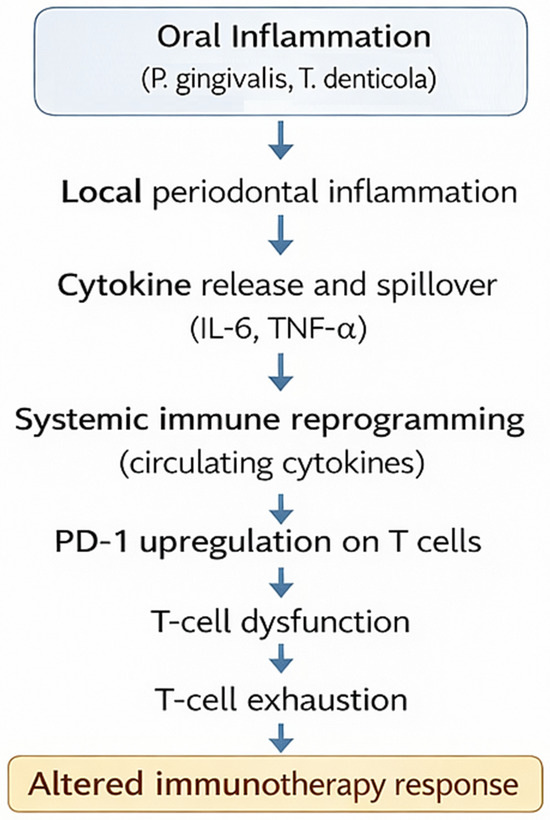
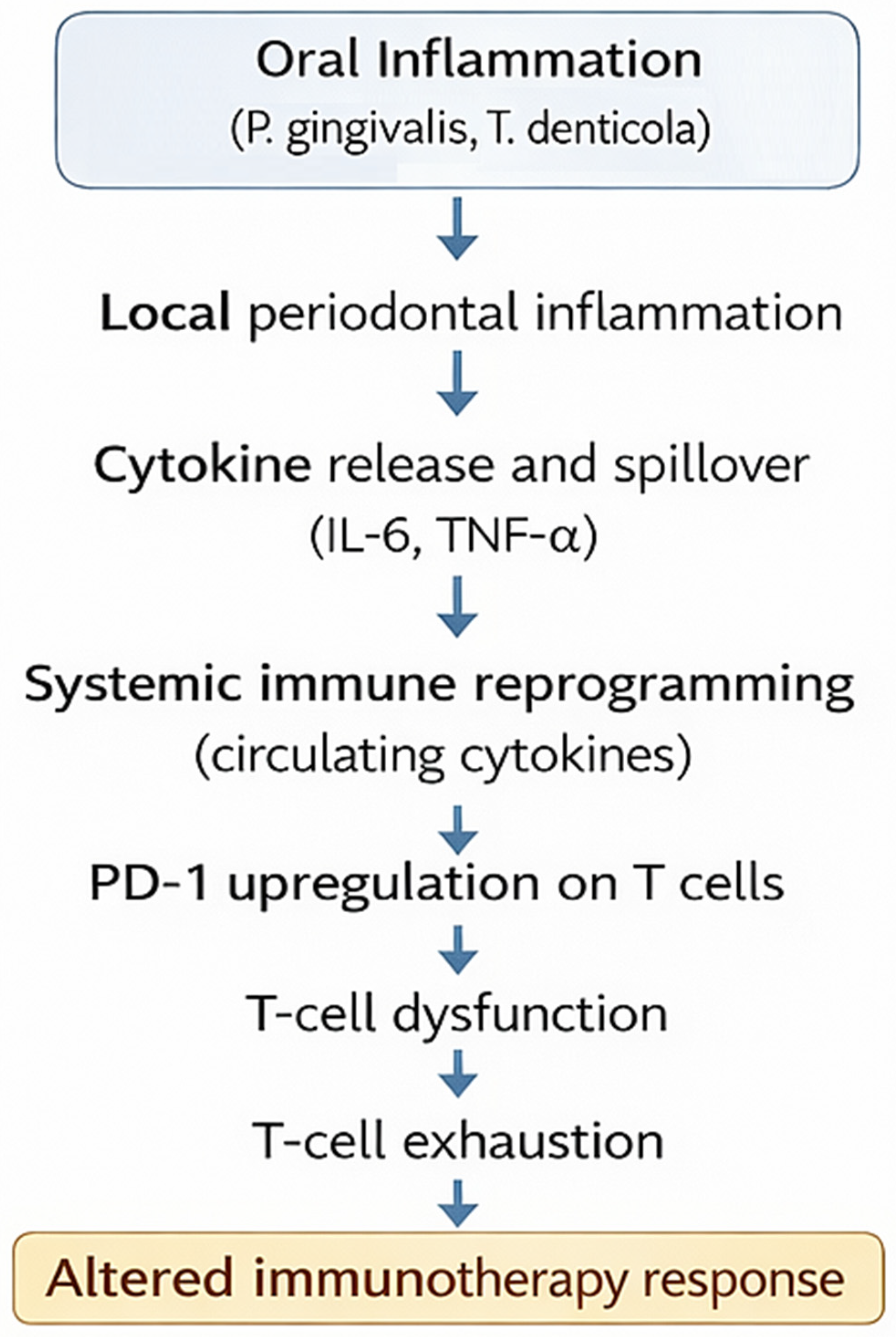
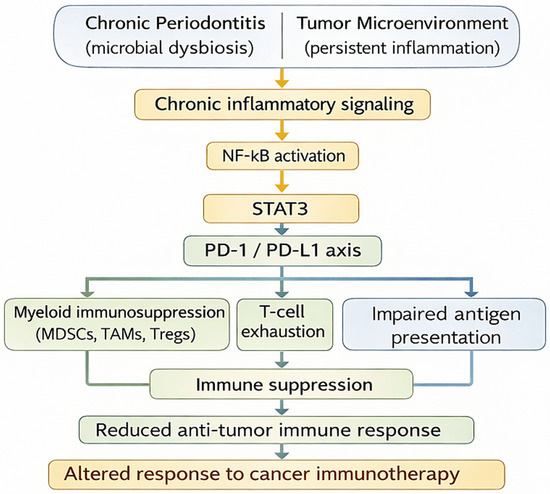
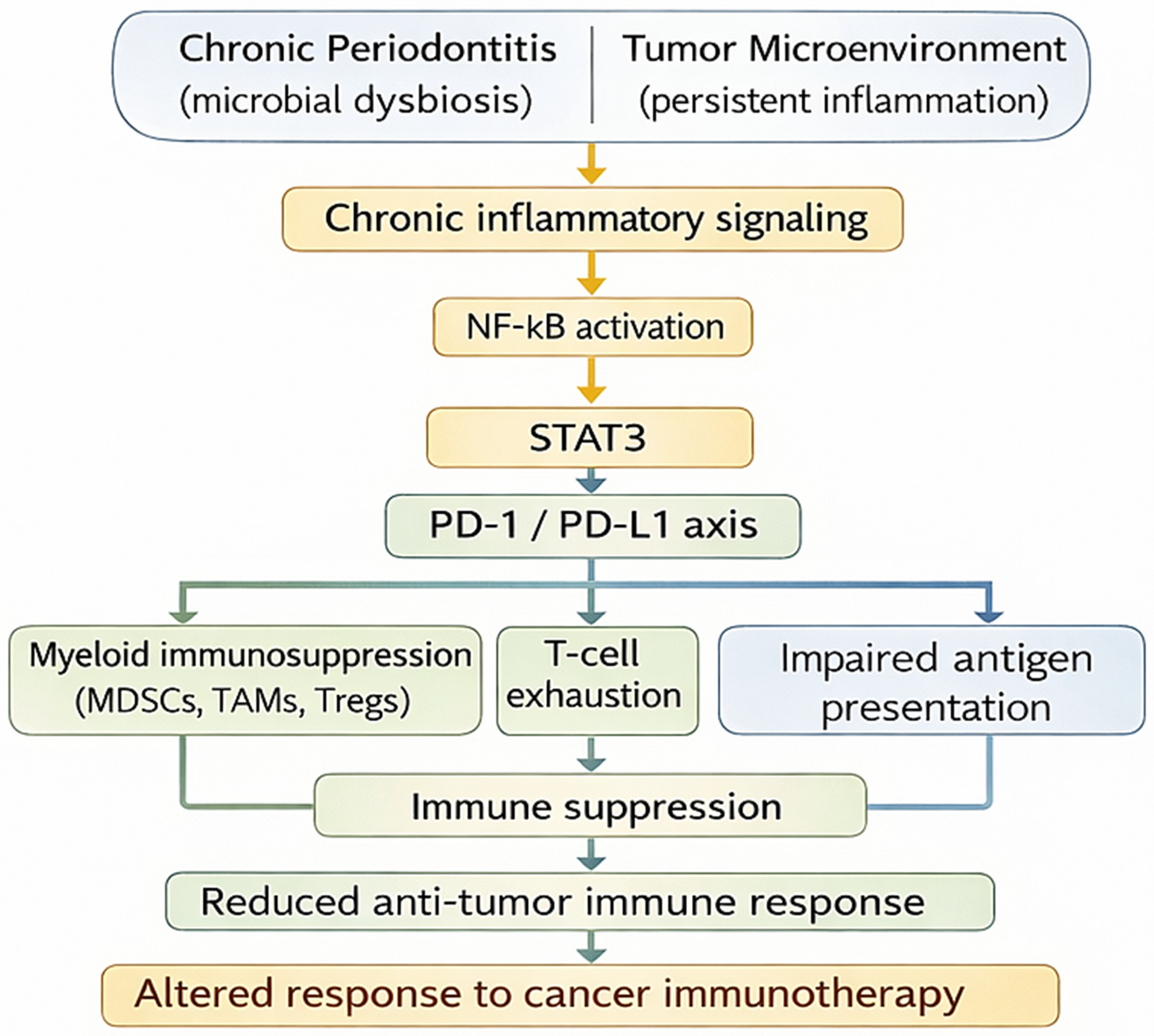

Disclaimer/Publisher’s Note: The statements, opinions and data contained in all publications are solely those of the individual author(s) and contributor(s) and not of MDPI and/or the editor(s). MDPI and/or the editor(s) disclaim responsibility for any injury to people or property resulting from any ideas, methods, instructions or products referred to in the content. |
© 2026 by the authors. Licensee MDPI, Basel, Switzerland. This article is an open access article distributed under the terms and conditions of the Creative Commons Attribution (CC BY) license.