


Abstract
Background/Objectives: Effective communication is essential to patient safety and healthcare quality. However, communication takes place under dynamically changing workload conditions that may influence how effectively surgical teams coordinate and share information. This study investigates the relationship between workload alignment and communication exchanges that support situation awareness and safe team performance in the operating room (OR). Methods: Communication and heart rate variability of OR teams were assessed across 21 routine open-heart surgeries (~87 h of surgery time). Workload alignment was calculated across 5 min segments and reflected segments in which the surgeon, anesthesiologist and perfusionist were simultaneously in a high- or low-workload state. Correlational analyses explored associations between workload alignment and the communication features of interest. Results: The number of simultaneous low workload segments per surgery showed a negative association with the proportion of communication errors (r(19) = −0.571, p = 0.041). Comments on the surgical task, exchanges aimed at establishing a shared understanding of the ongoing surgical task and state of the operative field, showed a positive association with workload alignment (Low workload alignment: r(19) = 0.58, p = 0.041; high workload alignment: r(19) = 0.61, p = 0.043). Reported p-values were adjusted for multiple comparisons using the false discovery rate method. These associations weakened when workload alignment was expressed as a proportion of available segments. A descriptive analysis of a single medical emergency highlights the potentially contrasting team dynamics between high stress events and routine procedures. Conclusions: Overall, these findings suggest that workload alignment may provide a useful approach for examining team-level conditions associated with intraoperative communication qualities. Understanding how communication varies under different workload conditions can help identify situations in which communication becomes particularly vulnerable. Given the exploratory nature of this study, further research is needed to establish how these associations relate to broader team processes and performance, particularly during emergencies and adverse events.
1. Introduction
The operating room (OR) is a high stakes and complex task environment that requires effective teamwork. During cardiac surgery, the large OR teams consist of several interdependent subgroups that must collaborate on shared tasks, while also completing their own group-specific subtasks. A lack of appropriate teamwork can lead to procedural errors and have serious consequences for the patient [1,2]. Communication quality is therefore an important aspect of patient safety, shaped not only by individual communication skills but also by the demands and conditions under which surgical teams operate. Consequently, the study of non-technical skills, including communication and situation awareness, is crucial to create a better understanding of the underlying factors that determine team performance, which, in turn, can guide the development and training of these important skills [3].
Situation awareness (SA) describes the perception, comprehension and projection of information, based on mental models and feedback from the environment, that dictate decisions and actions [4]. In dynamic teamwork settings, SA is distributed amongst the team members (i.e., distributed cognition theory), who each have a unique SA according to their own perspectives, goals and tasks [5]. It is then the appropriate coordination and communication of the information that each individual holds that enables successful team performance. Effective communication supports the development of shared mental models, ensuring common expectations about tasks roles and systems, and allows for shared situation awareness, reflecting the teams’ collective understanding of the situation [6,7]. Research has shown that improved situation awareness in clinical settings positively affects technical team performance [8,9]. Contrarily, ineffective communication can have negative consequences for team performance, such as procedural inefficiencies [10] and surgical errors [11].
Advances in physiological monitoring have enabled researchers to assess team dynamics using non-intrusive measures, such as heart rate and electrodermal activity [12]. These physiological indicators can provide real-time data of the psychophysiological states of team members, allowing for valuable insights into the conditions under which teams communicate and coordinate, that can complement traditional observational and self-report methods. In line with a “Safety II” approach, which emphasizes a proactive approach to safety management and the study of work as it is actually performed [13], integrating physiological data into OR-team research can help improve our understanding of team resilience, and support feedback opportunities that allow for OR teams to learn from their past experiences [14].
In particular, heart rate variability (HRV) has been used to assess intraoperative workload, where cognitive overload can negatively affect performance when situational demands outweigh our limited working memory capacities [15,16]. For example, high workload or acute stress can negatively impact the surgeon’s technical abilities, such as worse instrument handling and more procedural errors [17]. At the team-level, the synchrony of physiological states, i.e., the similarity or alignment of physiological measures across team members, is suggested to reflect the cohesion and implicit coordination of teams [18,19].
From a dynamic system perspective, physiological measures offer a means to study team performance as a dynamic system in which performance emerges through coordination and interaction over time rather than from isolated individual actions [20]. Physiological signals, such as HRV, allow for the study of team dynamics across multiple timescales and levels of analysis, where integrating signals measured at the individual level can capture dynamic aspects of team-level behavior and shared experience [21]. In this way, HRV can provide a window into how workload and coordination develop as teams work together, highlighting processes that unfold across time and interacting team members.
Research has highlighted better team performance, communication and coordination in teams that exhibit greater physiological synchrony [22,23,24]. For example, research exploring the training of medical first responder teams has found that synchronous heart rate variability and electrodermal activity are associated with closer teamwork, where more communication is necessary during lower physiological synchrony [25,26]. However, it is important to note that physiological synchrony is not universally associated with better team performance, as its functional meaning can vary across physiological measures, task context and time [27,28]. For example, within controlled laboratory settings, weaker synchronization by cross-recurrence quantification of movement signals has been found to predict better performance on collaborative tasks [29].
Importantly, research often conceptualizes synchrony as dynamic coupling between physiological signals [18,19]. In contrast, the current study focuses on the temporal alignment of concurrent physiological states across OR team members. As HRV reflects autonomic nervous system regulation and is influenced by various other factors, such as respiration, physical exertion, and emotional arousal, it does not provide a direct measure of cognitive workload [30,31]. Instead, it serves as a time-sensitive indicator of relative changes in workload [32,33,34]. Accordingly, this study uses HRV patterns to estimate moments in which team members exhibit similar levels of workload, rather than as a direct measure of individual or shared cognitive workload. Therefore, this method also forms a complementary, but conceptually distinct, construct that reflects periods of concurrent workload levels rather than interpersonal physiological coupling. Identifying moments during real-life surgery, in which multiple team members are concurrently under high demand, and examining how these moments correspond to communication patterns can reveal how teams manage collective stress and help generate actionable insights towards supporting effective OR team dynamics [35,36,37].
Research examining the relationship between HRV-assessed shared workload states and non-technical skills in the operating room is limited. A study [35] has found more frequent simultaneous workload peaks during cardiac surgeries that entailed increased predicted patient risk, which may indicate improved teamwork during more uncertain surgical procedures. However, non-technical skills of the team were not assessed. Additionally, a novel pilot study assessing HRV synchrony between consultant surgeons and registrars found the length of surgical procedures to be shorter during cases with greater synchrony, which may reflect improved team functioning and better efficiency [38]. However, the authors observed no significant association of synchrony with non-technical skills nor intraoperative glitches [38].
Therefore, to our knowledge, there remains a significant gap in the literature regarding the extent to which workload alignment relates to the quality of communication during real world surgical procedures, particularly communication errors and exchanges that support situation awareness. To address this gap, our prospective exploratory study aimed to evaluate the relationship between team communication and physiologically assessed workload alignment during routine cardiac surgeries. Specifically, we aimed to: (1) explore the relationship between workload alignment and indicators of safe communication during cardiac surgery; and (2) assess whether workload alignment is associated with communication exchanges that help OR teams maintain their situation awareness. Given the exploratory nature of this study, no a priori hypotheses were formulated, and the study was not preregistered. Therefore, the correlational analyses are intended to be hypothesis generating. By examining safety-relevant communication under different team workload conditions, we aim to better understand contextual factors associated with communication quality during complex clinical work.
2. Materials and Methods
2.1. Data Collection
Patients and staff present in the operating room provided written informed consent in accordance with the Central Ethics Committee of the University Medical Centre Groningen (CTc UMCG, ID: 2021100238, approved on 7 December 2021). The data used in this study was collected as part of a larger research project. A previous publication from this research project [36] examined the relationship between individual surgeon workload and intraoperative communication, using HRV data from the surgeons and intraoperative communication qualities. The present study extends this work to the team level by exploring concurrent workload states across OR team members and their associations with communication quality and exchanges relevant to team situation awareness.
24 Adult cardiac surgeries were recorded from incision until final skin closure. Three wide-angle cameras recorded the operating room, and an additional camera was directed at the incision site. Additional voice recorders, Olympus VN711PC (Olympus Imaging Corp., Tokyo, Japan) with Olympus ME-52 (Olympus Imaging Corp., Tokyo, Japan) microphones/RØDE VMPR (RØDE Microphones, Sydney, Australia), were placed at the drape, anesthesia cart and heart-lung machine to improve the audio quality of the recordings. Two surgical cases were removed due to missing heart rate data for both the anesthesiologist and anesthesia resident, which prevented the calculation of workload alignment.
Of the remaining 22 surgeries, a further surgical case was removed from analysis due to the occurrence of a medical emergency. To preserve the homogeneity of the dataset, the emergency outlier case was removed from the statistical analysis and was assessed separately in a descriptive single-case analysis.
The primary dataset of 21 surgeries included 86.9 h of recorded surgery time, with a mean surgery time of 4.14 h (SD = 0.86). Surgical cases included bypass surgeries (N = 7), valve repair surgeries (N = 6), bypass and valve repair surgeries (N = 4), aortic root replacements (N = 3), and a myxoma excision (N = 1). All cases were elective adult open-heart surgeries that required cardiopulmonary bypass (CPB).
OR team members were asked to wear Polar H10 (Polar Electro Oy, Kempele, Finland) heart rate monitor chest straps [39]. Circulating nurses and observing medical students were not asked to wear the heart rate monitors. Consent to collect heart rate data was given separately from the consent to record the operating room, resulting in varying number of recorded heart rate signals per surgery. In total, heart rate data was collected from 53 individuals, including six anesthesiologists, seven nurse anesthetists, six anesthesia residents, eight surgeons, eight surgical residents, 11 surgical assistants and/or instrumenting nurses, and seven perfusionists. Each surgical case had a unique OR team composition. Heart rate data from the Polar chest straps were sent via Bluetooth to an android smartphone using the “Polar Sensor Logger” application (version 0.30, Jukka Happonen, Helsinki, Finland) [40].
2.2. Workload
Heart rate variability was calculated from the heart rate data as a measure of intraoperative workload. HRV analysis was conducted with Kubios software (version 4.1.0, Kubios Oy, Kuopio, Finland), where raw RR intervals were revised for signal noise and artifacts with automated correction algorithms [41]. Subsequently, the Root Mean Square of Successive Differences (RMSSD) was calculated from 5 min non-overlapping windows. As RMSSD is driven by parasympathetic activity of the autonomous nervous system; greater RMSSD values reflect states of relaxation and thus lower workload [42,43]. Following Kennedy-Metz et al. [35], the RMSSD values were normalized for each recording, where RMSSD values were centered and scaled according to the mean of all 5 min intervals per surgical case and participant, thereby accounting for inter-individual differences. Five-minute windows were considered to represent high workload if the RMSSD was below the mean, while RMSSD values above the mean represented low workload. This approach extends the previous method by examining concurrent periods of both high and low workload, rather than solely focusing on high workload states.
Surgical team size varied across procedures, reflecting routine surgical practice in a teaching hospital setting that includes the presence of trainees, observing residents and undergraduate students. Each surgical case included a minimum of seven team members, while the total number of individuals present in the OR at any given time reached up to fourteen. HRV analyses were restricted to three predefined core team members who were consistently present across all cases, reflecting the study’s focus on the collective workload within the core OR team.
To calculate workload alignment at the team-level, the HRV of the surgeon, anesthesiologist and perfusionist were considered as representatives of the three subgroups during cardiac surgery. Segments reflected workload alignment if all three team members were simultaneously experiencing high or low workload. Furthermore, to account for segments during surgery where a team member leaves the operating room, the workload of assisting team members was used instead to calculate alignment, as they assumed the responsibilities of the missing team member. Specifically, when the lead surgeon was not present, the workload of the surgical resident was used instead. Similarly, if the anesthesiologist left the room, the workload of the anesthesia resident was considered if they were present for the surgical case, and otherwise the workload of the anesthesia nurse was considered for the calculation of workload alignment. Typical examples of missing team members are when the lead surgeon joins the OR at a later moment and the surgical resident performs the sternotomy by themself, or when the anesthesiologist leaves the room to conduct blood tests. Importantly, workload classifications were calculated independently for each individual using their own intraoperative mean RMSSD. Physiological recordings were aligned to corresponding five-minute intervals, and only segments with available measurements indicating simultaneous high or low workload across all three subgroups contributed to the cumulative alignment count.
Substitutions occurred in 16 of the 21 surgical procedures (76.2%). Across the surgical procedures included in our correlational analyses, HRV measurements from substitute team members were used to assess workload alignment in 195 of the 1043 five-minute segments (18.7%).
2.3. Surgical Phases
To explore workload alignment across different stages of surgery, five surgical phases were defined: (1) Opening, from skin incision until the initiation of cannulation. (2) Cannulation and Start CPB, from cannulation until aortic clamping. (3) Cardiac repair, from aorta clamp placement until clamp removal. (4) Decannulation and Stop CPB, from aorta clamp removal until decannulation. (5) Closure, from decannulation until skin closure.
2.4. Communication Quality
Surgery recordings were transcribed for all case-relevant communication between the three OR subgroups, surgical, anesthesiology and perfusion, and fully anonymized. Subsequently, the transcribed communication exchanges were annotated for their content and safety-relevant qualities. The quality of communication was assessed according to four important features of safe communication during cardiac surgery, namely loop-type, substantive responses, directed communication, and communication errors [44].
Exchanges were annotated by two researchers with backgrounds in human factors and communication science, using a double-coding approach. Both annotators were independent observers with no professional involvement in the operating room, thereby reducing the potential bias or conflicts of interest. The first two surgical recordings were coded collaboratively to establish coding consistency, after which subsequent recordings were coded independently by both researchers. Any disagreements were iteratively resolved through open discussion until consensus was reached.
Considering the loop-types and responses of verbal exchanges in the OR, this study will consider Open Loop and Substantive read-back exchanges measures of communication quality. Open loop refers to communication where no immediate reply or response is given by the receiver of the exchange. Due to the lack of an explicit reply, open loop communication can increase the chance of information loss and subsequent errors [45]. On the other hand, call-back communication occurs when either the recipient closes the communication loop by responding, or the sender closes the communication loop with an additional confirmation that the message was understood correctly. In line with so-called “read-back” communication, the call-back exchanges should include Substantive responses, i.e., a meaningful response to ensure the communication was received and correctly understood. By repeating the message back to the sender for confirmation, “read-back” communication can prevent communication breakdowns and errors in the operating room [46].
Exchanges were annotated as directed communications if the initiator directed the exchange by using the recipient’s name. Addressing the recipient by name can improve team coordination and prevent miscommunication by clearly identifying who has to act upon the message, as well as increasing the likelihood of receiving a substantive response [47].
Finally, communication errors were annotated when misunderstandings or repetitions occurred that required communications to be repeated in order to ensure an accurate understanding. Importantly, ambiguous communications and misunderstandings can result in communication breakdowns that can have negative consequences for the procedure and the patient [8,48].
2.5. Distributed Situation Awareness
The transcripts were also annotated to explore the occurrence of communication exchanges relevant for the distributed situation awareness of the teams. Six distinct types of exchanges that cardiac operating teams engage in to maintain the team’s situation awareness and promote team coordination during surgery were annotated. The six SA exchange types are defined as follows [49]: (1) Direction exchanges refer to an explicit request for action from another team member and serve to transition the system to a new state. (2) Status exchanges aim to create a shared understanding about the current state of the system. (3) Explanation exchanges aim to create a shared rationale for the current system state. (4) Alert exchanges aim to create a shared understanding about the abnormal current state of the system. (5) Goal Sharing exchanges aim to create a shared expectation about the desired future state of the system. (6) Problem Solving exchanges aim to create a shared rationale for the current unexpected state and form shared expectations towards the desired future state.
An additional seventh exchange type was also included, namely Permission exchanges, which were defined as exchanges that seek approval from another team member to allow an action to commence and thereby transition the system to a new state [44]. The exchange categories were not mutually exclusive, as individual exchanges could fulfil multiple communicative functions and were therefore assigned to multiple categories where applicable.
In addition to the functional exchange types outlined above, communication was coded for Comments on the Surgical Task as a separate, content-based variable. Whereas the categories derived from Hazlehurst et al. [49] characterize the communicative function of an exchange, such as establishing the current state through a Status exchange, or requesting action though a Direction exchange, Comments on the Surgical Task were introduced to assess the referent of the communication. Specifically, whether an exchange concerned the ongoing surgical task at the incision site. This inclusion was motivated by previous work on intraoperative briefings [50], which highlight the potential importance of communication concerning the ongoing surgical task during surgical procedures.
Comments on the Surgical Task included exchanges in which team members communicated or inquired about observations concerning the surgical task at the incision site. As such, Comments on the Surgical Task referred to exchanges that primarily aimed to create a shared understanding of the current or future state at the incision site, rather than aiming to complete a specific procedural subtask. These exchanges were often initiated by the surgeon to inform other team members, but also included inquiries from other team members about the situation at the incision site. Examples included observations regarding tissue characteristics or pathology encountered during surgery, such as the calcification or porosity in cardiac structures, ruptured chordae tendineae or an adherent pericardium.
2.6. Descriptive Single-Case Analysis
The surgical case involving a serious adverse event was examined separately in a post hoc descriptive single-case analysis. Workload assessment and communication coding were conducted using the same methods as described above. The case was subsequently examined retrospectively by the same two researchers, reviewing the audiovisual recordings alongside the annotated communication exchanges and physiological workload data. This approach allowed the observed workload and communication patterns to be contextualised in relation to the clinical events unfolding during the procedure. Particular attention was given to changes in workload and communication as the team transitioned from routine surgical activity to managing the medical emergency. Observations were derived from a review of the audiovisual recordings and served to contextualise the quantitative findings. These observations were descriptive in nature and were established through an iterative, consensus-based review process rather than through systematic coding or quantitative analysis.
2.7. Statistical Analysis
To explore the relationship between workload alignment and the communication variables a correlational analysis was conducted. Workload alignment was defined as the number of five-minute segments during which all team members simultaneously exhibited either high or low workload levels. Cumulative alignment counts were used to reflect the occurrence of concurrent workload states throughout a surgical procedure, rather than the proportion of time spent in these states. This choice was also informed by the absence of statistically significant associations between procedure duration and the number of simultaneous high- and low-workload segments in our dataset. Due to strong correlations between the total number of communication exchanges per surgery and the extracted communication features, the communication features are expressed as proportions relative to the total number of exchanges per surgery. As the dataset concerns routine surgical procedures, problem solving and alert type exchanges were not present in all surgical cases and occurred infrequently (approximately 1% or less of all exchanges). Therefore, these exchange-types were excluded from the correlational analysis. Pearson correlation coefficients are reported for the remaining communication features. Additional sensitivity analyses were conducted using proportional workload alignment, calculated as the number of aligned segments divided by the total number of available segments per procedure. Leave-one-out sensitivity analyses were also performed to assess the influence of individual surgical cases on the observed correlations. Significance was assessed at α = 0.05. False Discovery Rate corrections were applied familywise using the Benjamini–Hochberg procedure [51], with separate adjustments conducted for analyses involving simultaneous high-workload states and low-workload states (i.e., 12 correlations per family). Separate families were defined to reflect the conceptual distinction between concurrent high- and low-workload states, which may relate differently to intraoperative communication. Each family included all correlations conducted for the respective workload alignment measure, including procedure duration and the total number of communication exchanges, to account for multiple testing across the full set of analyses. All reported p-values are FDR-adjusted. All statistical analysis was conducted with R statistical analysis software (version 4.5.3, R Foundation for Statistical Computing, Vienna, Austria) [52].
3. Results
The 21 surgical cases contained a total of 1043 5 min segments with a mean of nearly 50 segments per surgery (Table 1). On average, 21.7% (SD = 10.1%) of the segments per surgery showed simultaneous high or low workload across the surgeon, anesthesiologist and perfusionist. 10.8% (SD = 5.0%) of the segments per surgery showed simultaneous low workload, while 10.9% (SD = 6.1%) showed simultaneous high workload.
Table 1.
The Mean Count of 5 min Segments per Surgery Displaying Workload Alignment and the Mean Proportion of Segments Relative to the Total Length of Procedure per Surgery.
3.1. Simultaneous Workload Across Phases and Sub-Teams
Workload alignment across phases was assessed as the percentage of aligned segments relative to the number of 5 min segments within each phase (Figure 1). Workload alignment across all three subgroups was most frequently observed during the cannulation/initiation of CPB (25.6%) and the discontinuation of CPB & decannulation (28.5%) phases of surgery and least frequent during the opening phase of surgery (14.9%).
Figure 1.
Proportions of aligned high and low workload segments across surgical phases. Note: “1” = Phase 1: Opening; “2” = Phase 2: Cannulation and Start CPB; “3” = Phase 3 Intra-Cardiac Repair; “4” = Phase 4: Decannulation and Stop CPB; “5” = Phase 5: Closure.
Simultaneous high workload segments were most frequent during cannulation/initiation of CPB (17.4%) and closing (18.5%), and least frequent during the intracardiac repair phase (5.4%). Simultaneous low workload segments were most frequent during the decannulation/discontinuation of CPB (19.8%) and least frequent during the opening phase (2.7%).
Considering individual sub-team pairings (Table 2), the greatest proportions of simultaneous high workload were observed between the surgeon and perfusionist during the cannulation/initiation of CPB phase (39.5%) and between the surgeon and anesthesiologist during the closing phase of surgery (33.2%). Simultaneous low workload was most frequently observed between the surgeon and perfusionist during the discontinuation of CPB/decannulation phase (52.6%). Overall, workload alignment was most frequent between the surgeon and perfusionist (44.1%) and least frequent between the anesthesiologist and perfusionist (37.4%).
Table 2.
Proportions of workload alignment segments per phase across the surgical, anesthesia and perfusionist teams.
3.2. Communication Features
A mean of 282.81 exchanges was observed per surgery (Table 3). Nearly 40% of the exchanges involved substantive responses, in line with read-back communication guidelines. However, nearly 10% of the exchanges involved a communication error, defined as the repetition of exchanges due to misunderstandings or miscommunications. Status exchanges (53%) were the most frequent type of exchanges relevant for the team situation awareness, followed by directions (32%).
Table 3.
The mean count of the communication features per surgery and the mean frequency of the features as proportions relative to the total number of exchanges per surgery.
3.3. Correlational Analysis
3.3.1. Workload Alignment and Length of Surgery
The length of surgical procedures and the total number of case-relevant communication exchanges did not show a significant correlation with the number of simultaneous low and high workload segments per surgery (Table 4).
Table 4.
Results from the correlations between workload alignment and the communication features relevant for communication quality and team situation awareness.
3.3.2. Workload Alignment and Communication Quality
The proportion of communication errors showed a significant negative correlation with the number of simultaneous low workload segments (r(19) = −0.57, p = 0.041).
The negative correlation between communication errors and simultaneous high workload did not reach significance after p-value correction (r(19) = −0.52, p = 0.067) (Figure 2). Open loop exchanges, substantive responses and directed exchanges showed no significant correlation with the number of simultaneous high and low workload segments (Table 4).
Figure 2.
Correlations of communication errors and workload alignment for the number of concurrent high workload segments and the number of concurrent low workload segments. Grey shading indicates the 95% confidence interval of the fitted regression line.
3.3.3. Workload Alignment and Distributed Situation Awareness
Comments on the surgical task showed a significant positive correlation with simultaneous high workload (r(19) = 0.61, p = 0.043), and simultaneous low workload segments (r(19) = 0.58, p = 0.041) (Figure 3).
Figure 3.
Correlations of comments on the surgical task and workload alignment for the number of concurrent high workload segments and the number of concurrent low workload segments. Grey shading indicates the 95% confidence interval of the fitted regression line.
All other situation awareness exchange types showed no significant correlation with workload alignment (Table 4). The frequency of explanation-type exchanges showed a moderate positive correlation with the number of simultaneous high workload segments, although this relationship also did not reach statistical significance (High: r(19) = 0.53, p = 0.067; Low: r(19) = 0.45, p = 0.17) (Figure 4). Similarly, the moderate positive correlation between goal sharing exchanges and simultaneous high workload did not reach statistical significance (r(19) = 0.45, p = 0.13) (Figure 5).
Figure 4.
Correlations of explanations and workload alignment for the number of concurrent high workload segments and the number of concurrent low workload segments. Grey shading indicates the 95% confidence interval of the fitted regression line.
Figure 5.
Correlation of goal-sharing and workload alignment for concurrent high workload segments. Grey shading indicates the 95% confidence interval of the fitted regression line.
3.4. Sensitivity Analysis
To assess the robustness of the correlational findings, sensitivity analyses were conducted using proportional workload alignment and leave-one-out correlations (Tables S1 and S2 in Supplement S1). When workload alignment was expressed as a proportion of total measurement segments per surgery, the associations weakened in magnitude, but maintained their original directionality (communication errors: high workload, r = −0.29, 95% CI [−0.64, 0.16], p = 0.336; low workload, r = −0.34, 95% CI [−0.67, 0.11], p = 0.404; comments on the surgical task: high workload, r = 0.35, 95% CI [−0.09, 0.68], p = 0.336; low workload, r = 0.33, 95% CI [−0.12, 0.67], p = 0.404). None of these associations remained statistically significant after FDR correction. These findings may indicate that the observed associations are sensitive to the operationalisation of workload alignment, highlighting the distinction between cumulative and proportional measures.
Leave-one-out sensitivity analyses suggested that the observed associations were not disproportionately dependent on any single surgical case. The correlation coefficients varied across iterations (r = −0.59 to −0.41 and r = −0.70 to −0.46 for high and low workload and communication errors, respectively; r = 0.49 to 0.70 and r = 0.40 to 0.67 for high and low workload and comments on the surgical task, respectively), but retained their original directions. However, statistical significance varied across iterations, with FDR-adjusted p-values ranging from 0.040 to 0.209 and 0.007 to 0.240 for high- and low-workload alignment and communication errors, respectively, and from 0.007 to 0.181 and 0.014 to 0.329 for high- and low-workload alignment and comments on the surgical task, respectively. These findings suggest that although the direction of the associations was consistent, their statistical significance was sensitive to the exclusion of individual surgical cases.
3.5. Outlier Case: The Effect of a Serious Adverse Event
One surgical case involving a serious adverse event was excluded from the correlational analysis and examined separately as an illustrative single-case analysis. At the early stages of a coronary artery bypass graft surgery, the lead surgeon discovered a serious bleeding, which was later determined to be a rupture of the carotid artery. In response to this emergency, the surgical assistant stopped harvesting the saphenous vein and a second surgeon was called into the OR to assist the lead surgeon in repairing the source of the bleeding. Together they decided to initiate CPB as quickly as possible before closing the tear. After approximately 60 min, the bleeding had been stopped, and the second surgeon left the OR.
Three key themes were observed during the emergency case. Firstly, this surgical case included the greatest number of aligned workload segments of all recorded surgical procedures, with 43.6% of the segments showing concurrent high or low workload, compared to the mean of 21.7% observed during the routine procedures (see Table 1). Nearly all the aligned high workload segments of this emergency case were observed during the bleeding (92%), while aligned low workload segments were mostly observed towards the end of the surgery. Secondly, compared to the routine procedures in the dataset (Table 3), this case also involved the greatest number of observed communication errors. Communication errors were more frequent during concurrent high workload segments (16.8%), i.e., during the bleeding, than during subsequent segments of low workload (10%) (Table 5). Similarly, open-loop exchanges and exchanges directed by name were also more frequently observed during simultaneous high workload segments. Thirdly, the proportion of goal-sharing exchanges during both aligned high (7%) and aligned low (13%) workload in the outlier case exceeded the mean proportion observed across entire routine cases (M = 6%; Table 3). Interestingly, goal-sharing exchanges accounted for a larger proportion of communication during aligned low workload than during aligned high workload in the outlier case. Also, due to the emergency, we observed a larger proportion of alerts and problem-solving exchanges than during the routine procedures; and these exchanges occurred predominantly during segments of concurrent high workload.
Table 5.
Count and frequency of communication features during simultaneous high and low workload of the outlier surgical case.
Figure 6 presents a temporal visualization of aligned workload states, communication errors and goal sharing exchanges during the surgical case with an unexpected emergency. By displaying these measures on a shared time axis, the figure illustrates how their relationships evolve across distinct phases of surgery. We focus on communication errors and goal-sharing exchanges as examples of communication quality and situation awareness exchanges, respectively, highlighting the differences observed at the aggregate level.
Figure 6.
Timeline of the surgical procedure with an unexpected emergency, showing communication errors, goal-sharing exchanges and workload alignment across surgical phases. Note: “P1” = Phase 1: Opening; “P2” = Phase 2: Cannulation and Start CPB; “P3” = Phase 3: Intra-Cardiac Repair; “P4” = Phase 4: Decannulation and Stop CPB; “P5” = Phase 5: Closure.
During the emergency phase, approximately lasting the initial 60 min, high collective workload was sustained across the surgeon, anesthesiologist and perfusionist, marking a prolonged period of increased demand. This interval coincided with the highest concentration of communication errors observed during the procedure. Communication errors emerged early in the emergency phase and persisted across multiple consecutive high workload windows, declining only after workload transitioned to lower levels. Similarly, goal sharing exchanges were also observed more frequently during the emergency phase, as team members worked to determine required actions and establish a shared understanding of the current situation and the plan of action.
Communication errors during this phase often involved repeated communication attempts and misunderstandings. Several situational factors were observed to coincide with these errors. For example, the primary surgeon appeared highly focused on resolving the source of bleeding. This narrow focus on the task at hand, coupled with ongoing discussion within sub-teams, such as discussions amongst the surgeons, limited accessibility to other team members who needed to communicate with the surgeons. Additionally, elevated noise levels in the OR likely contributed to the increased frequency of communication errors. The entire team had to quickly adapt to the emergency, resulting in simultaneous discussions, door movements, and the preparation of equipment and materials, which in turn made it more difficult for team members to hear or be heard.
Following stabilization, as collective workload began to drop to lower levels, communication errors became more sparse and temporally isolated, when compared to the emergency phase. Goal sharing exchanges were also largely absent during this phase, as the team focused on the routine intracardiac repair procedure, involving multiple bypass grafts. Routine intracardiac repair phases are typically marked by limited cross sub-team communication, as the surgeon is concentrated on their repair while the remaining team maintains vigilance and supports task execution.
Brief periods of shared low workload during the cardiac repair phase were observed, such as pauses while waiting for cardioplegia delivery or missing materials to be brought into the room. These moments of reduced task demand appeared to provide opportunities for the team to release tension. Subsequently, brief periods of shared high workload were also observed during the cardiac repair phase, particularly during the aorta clamp removal, when the team needed to proceed with heightened care to protect the repaired carotid artery (i.e., the bleeding site), perform additional repairs to the bleeding site following clamp removal, and stabilize critical patient vital parameters.
As the surgery neared completion, the frequency of shared low-workload periods increased. This increase in aligned low workload segments coincided with an observable sense of relief and a more relaxed atmosphere amongst the OR team, following the successful completion of the previous demanding surgical phases. Goal sharing exchanges became more frequent as the team coordinated weaning from cardiopulmonary bypass and discussed plans for closure and postoperative care of the vulnerable patient. These goal sharing exchanges took place particularly during shared moments of low workload. The increased frequency of cross sub-team communication during these later phases of surgery were also accompanied by more communication errors. However, unlike earlier in the procedure, these errors were not accompanied by shared moments of high workload. Taken together, communication behaviors varied across the procedure in relation to changing workload conditions and situational task demands, with different patterns emerging during the emergency, the routine intra-cardiac repair and the closing phases of surgery.
4. Discussion
This study aimed to explore how workload alignment relates to various safety-relevant communication features during cardiac surgery. Results showed that, during routine procedures, OR teams with more temporally aligned workload experienced less communication errors and engaged more frequently in communications about the situational state at the surgical incision site. These findings suggest that team-level workload conditions may be relevant to understanding variation in intraoperative communication quality.
Workload alignment was most frequently observed during the phases of surgery that require the most teamwork from all the three subgroups in the OR, namely the cannulation and decannulation of cardiopulmonary bypass. Interestingly, aligned workload during the cannulation phase was more likely to be simultaneous high workload, while the decannulation phase entailed more segments of simultaneous low workload. These results stand in partial alignment with previous research, where the cannulation and decannulation phases also showed a large and a small proportion of concurrent high workload peaks, respectively.
As previous research has focused on concurrent peaks in high workload, this study also offers novel insights into shared moments of low workload during cardiac procedures. The termination of CPB/decannulation and cardiac repair phases showed the greatest proportions of simultaneous low workload. This may be considered counterintuitive as these phases can be regarded as demanding and safety critical phases of cardiac surgery. However, our observations of the surgical recordings showed that OR teams often experienced a moment of recovery after completing the cardiac repair, as they waited for patient hemodynamics to stabilize before weaning off bypass. Similarly, our observations revealed periods of simultaneous low workload between demanding surgical subtasks, such as while waiting for cardioplegia delivery or after finishing an anastomosis. These observations suggest that even demanding surgical phases contain periods of reduced workload, which may provide shared opportunities for recovery between tasks. As previous research has associated physiological synchrony with cohesive team dynamics [25], the findings of our complementary approach towards concurrent workload states amongst OR teams raise the possibility that aligned workload may arise during shared tasks that require aligned mental models, as well as shared moments of recovery. However, whether aligned workload states reflect more cohesive team dynamics remains hypothetical, as team cohesion was not directly assessed in the present study.
Intraoperative communication errors can have a detrimental effect on patient safety and operational processes [10,53]. Our findings suggest that OR teams with more periods of aligned workload committed fewer communication errors. One possible interpretation is that this lower proportion of communication errors reflects safer and more effective communication amongst these teams. Both high and low workload alignment showed a moderate negative correlation with communication errors, although only the association with low workload was statistically significant after p-value correction for multiple testing. This suggests that team-level workload patterns may be relevant to understanding variation in communication behavior across surgical procedures.
Several mechanisms could potentially account for this relationship. One explanation for this finding could be that concurrent workload states arise during tasks requiring shared effort and attention amongst the team members. Shared tasks, such as during the cannulation of the heart, require team members to direct more attention towards others’ actions, resulting in more effective collaboration and reducing the likelihood of communication errors. On the other hand, conflicting levels of workload across team members may be associated with differences in attentional demands and reduced shared attention amongst the team, where cognitive tunnelling under high workload [54,55] or inattentiveness and distractions under low workload could contribute to the increased number of communication errors [56] and fewer concurrent workload states.
The stronger association observed for low-workload alignment may also reflect characteristics of the surgical procedure rather than team processes alone. Less demanding surgical cases involve more segments of simultaneous low workload and less communication errors due to the relative absence of cognitive overload. Alternatively, periods of simultaneous low workload may provide more opportunities for shared recovery and greater attention to team processes. However, as workload alignment and communication errors were aggregated across entire surgeries, the observed associations cannot distinguish the frequency of communication errors during specific periods of workload alignment, but rather highlight that surgeries characterized by more workload alignment also tended to entail fewer communication errors. As task- and team-related factors likely also contribute to the occurrence of communication errors, further research could examine communication errors at a finer temporal resolution, within the context of workload alignment and concurrent task demands, to further explore safe performance in the OR.
Surgeries with more communications explicitly dedicated towards creating a shared understanding of the current situation or future objectives at the incision site (i.e., Comments on the Surgical Task) were associated with more aligned workload amongst OR teams. Interestingly, this effect was observed for both high and low workload alignment. As this study employed correlational analyses, the results do not allow for conclusions to be drawn on the causality or directionality of the observed associations. A possible explanation is that the observed associations reflect shared task demands, where shared demands can contribute to workload alignment and comments on the surgical task. During surgical tasks that require the involvement of multiple team members, they may experience concurrent changes in workload, while also communicating more frequently about the surgical field. Additionally, engaging in these communications more frequently may contribute to shared situation awareness and more aligned workload levels. This explanation could be supported by research regarding “intraoperative briefings”, where structured pauses are used to brief the OR team on the current status and future objectives of the procedure, including possible problems and opportunities for questions. Such intraoperative briefings help teams maintain their situation awareness and improve patient outcomes [50], and may provide opportunities for concurrent workload states. While formal intraoperative briefings were not implemented in the medical institution in this study, we observed that the informal comments on the surgical task, whether initiated by the surgeon or prompted by questions from other team members, served a similar purpose.
Importantly, the sensitivity analysis revealed that the observed associations were not robust across a different operationalization of workload alignment. Although the correlations retained their original direction when alignment was expressed proportional to surgical length, their magnitude decreased and were no longer significant. A possible explanation for the difference in findings is that communication patterns in this study were more closely related to the cumulative count of concurrent workload states than to the proportion of surgical time spent in these states. However, cumulative counts are also influenced by the number of available measurement segments. Therefore, the observed associations should be interpreted with caution, as their statistical significance depends on the operationalization of workload alignment, and both the findings and their potential interpretations should be considered hypothesis generating rather than confirmatory. Future research should explore alternative ways of assessing team-level workload to further investigate the preliminary findings and hypotheses generated by this study and examine how different operationalizations capture relevant aspects of surgical demands and team dynamics.
Improved SA is associated with greater cohesion and team performance [57]. However, none of the SA-related exchange types adapted from Hazlehurst et al. [49] were significantly correlated with workload alignment, although “Explanation” and “Goal-sharing” exchanges did show moderate non-significant associations with simultaneous high workload. Research has demonstrated that OR teams show more mirrored peaks in workload during surgeries with greater anticipated risk [35]. Therefore, these correlations may suggest that more demanding surgical situations are associated with both concurrent high workload states and increased explanation and goal-sharing exchanges, as these types of exchanges might be expected when OR teams attempt to adapt and cope with greater procedural complexity or unexpected events during surgery.
Nonetheless, despite finding no associations with workload alignment, the SA exchange types are undoubtedly crucial for OR teams to maintain situation awareness and team performance. A reason for the lack of significant associations may be that some exchange types, such as Status, Direction and Permission exchanges, are frequent exchange types that form the basis of intraoperative communication [44] and therefore occur regardless of whether a team is showing aligned workload or not. At the same time, as this study was limited to routine procedures, problem solving and alerts occurred very rarely and therefore the correlational analysis was not capable of assessing their relationship with simultaneous workload.
While research conducted in other settings has found physiological synchrony to be associated with improved teamwork [24], a recent study in the operating room found no significant association between teamwork and physiological synchrony [38]. On the other hand, greater physiological synchrony was associated with shorter procedural durations, potentially indicating better team performance [38]. In the present study, workload alignment showed no significant association with surgery length, but was associated with aspects of team communication. Importantly, conceptual and methodological differences should be considered when comparing these findings. Rather than assessing physiological synchrony at the RR interval level, our study used RMSSD values calculated at the five-minute level to assess the alignment of concurrent high- or low-workload states. It is possible that our distinct approach to workload alignment and the resulting coarser temporal resolution in our analysis was able to capture aspects of team level workload that are particularly relevant to the dynamic nature of team behavior in the OR. Also, the lack of association with length of surgery may be explained by the more homogeneous dataset of routine open-heart procedures used in our study, while previous research included both vascular and otorhinolaryngology surgical cases [38].
Our data analysis also included a case that involved a severe bleeding, which showed striking differences in team dynamics and collective workload to routine surgeries. During this emergency event, team members showed prolonged periods of concurrently high workload, accompanied by a greater frequency of communication errors. While increased workload during emergencies is expected, the observed communication errors during moments when effective coordination is critical is concerning. This pattern raises a central hypothesis for future research: communication amongst team members may be most vulnerable when it matters most. This hypothesis aligns with previous work in human factors and patient safety, highlighting that non-technical skills, such as communication and shared situation awareness, are especially susceptible under time pressure, uncertainty and stress [13,58,59,60]. Rather than reflecting individual shortcomings, these breakdowns can be interpreted as emergent effects of teams operating under high system-level workload [61,62].
Importantly, this emergency case illustrates a key contribution of physiological monitoring and surgical data recorders within this study. The continuous physiological data enabled the identification of periods of increased collective workload, as illustrated in the timeline analysis. This temporal alignment of collective workload and communication behaviors serves as an example to highlight how OR teams transition from routine to non-routine work. Such transitions are central to safe team adaptation [13,62]. From a systems perspective, such an analysis of an emergency can expose how teams adapt, or potentially struggle to adapt, when confronted with unexpected critical events, and reveal the contextual conditions under which coordination and communication become vulnerable [61,62]. However, these moments of team adaptation are difficult to capture in detail through retrospective reporting or intermittent observation alone in such a dynamic, safety critical work environment [63]. In this context, physiological measures do not function as direct proxies of communication quality or teamwork, but as contextual indicators of collective workload that can help identify periods when teams may be most susceptible to coordination failures.
An important direction for future research concerns the functional meaning of physiological matching or synchrony within teams. Prior work in relationship science suggests that heightened physiological linkage is not uniformly beneficial but may serve different functions depending on task demands and contextual stressors [64]. Translating this perspective to surgical teams raises the possibility that synchrony and desynchrony can be both beneficial depending on the situational context. Accordingly, it is unlikely that effective teams experience aligned levels of workload across all phases of surgery. For example, simultaneous high workload during an emergency may reflect the teams’ collective response towards an unexpected critical complication, where excessive system-level demands can increase vulnerability to error. During routine procedures, mirrored workload may occur during shared tasks requiring coordinated activity, consistent with our findings of more frequent comments on the surgical task. At the same time, reduced workload synchrony may reflect beneficial role specializations and asymmetric task demands within the OR, particularly in task contexts where differentiated contribution across sub-teams is necessary to support effective system level performance. Additionally, highly experienced teams may engage in limited explicit communication due to established shared mental models and implicit coordination, whereby team members anticipate each other’s actions without the need for frequent verbal exchange [21,25].
Importantly, workload alignment in this study should not be interpreted as a direct measure of team cohesion or performance. Rather, the observed associations with communication errors and comments on the surgical task suggest that alignment may capture aspects of team-level processes that are relevant to communication and coordination. These relationships are likely shaped by the context in which surgical teams operate, including surgical complexity, professional experience, team composition and the demands of specific procedural tasks. For example, less complex surgical procedures may contribute to the observed associations with both communication errors and comments on the surgical task. Furthermore, reverse directionality cannot be excluded, as communication behavior may influence workload alignment rather than vice versa. As the present associations were observed across entire surgeries, further examination of workload and communication at a finer temporal resolution could provide insight into how these processes interact during specific surgical situations. Such research, alongside more direct assessments of teamwork and clinical performance, may help clarify the role of physiological workload alignment in understanding team dynamics and safe performance in the OR.
This study demonstrates how physiological sensing technologies in combination with surgical data recorders can support new ways of studying communication during live surgery. Rather than serving as direct indicators of performance, physiological measures of collective workload can help identify moments of increased global demand placed upon OR teams, during which coordination and communication are most vulnerable. By making these moments visible, such methodological approaches allow for focused analyses of non-technical skills during critical moments and, importantly, enable new data-driven opportunities for reflection, training and feedback. For example, recorded episodes of increased collective workload could inform structured team debriefings and help identify communication difficulties that may benefit from targeted training [65]. Additionally, these approaches could inform novel interventions aimed at improving non-technical skills in the OR, such as HRV-based decision support systems [66], real-time biofeedback for improved team performance [67,68], and automated analyses of team behaviors [69].
5. Limitations
Results from this study should be considered within the context of its limitations. The exploratory nature in a real-world setting is a strength of this study but also introduces inherent limitations in the conclusions that can be drawn. Firstly, the results are based on a relatively small sample size. Although the leave-one-out sensitivity analyses showed that the principal correlations retained their original direction when individual cases were removed, their statistical significance varied across iterations. The relatively wide confidence intervals also reflect the limited precision of the correlation estimates. Given the exploratory nature of the study, the small sample size and the number of correlations examined, the observed associations should be interpreted with caution, even after FDR correction.
Also, despite limiting ourselves to routine open-heart procedures, the diversity amongst the surgical cases, regarding the specific type of surgery and the composition of the team, further limits the generalizability of the results. This becomes especially apparent when considering the striking difference in the outlier case with a serious adverse event, highlighting that findings from routine elective surgeries may not necessarily generalize to emergency settings. Future research would benefit from the targeted inclusion of surgical cases involving emergency situations and consider clinical outcomes.
Although each surgical procedure involved a unique team composition, individual clinicians participated in multiple surgeries, reflecting the naturalistic setting of this study. Consequently, observations at the surgery level may not be fully independent. Given the limited sample size, these dependencies could not be adequately accounted for in our analysis. This may affect precision of the correlation estimates and the reliability of the statistical significance tests, as the observed associations may also partly reflect individual clinicians or recurring team members, rather than solely differences in team-level workload and communication patterns. As these potential dependencies were not accounted for, additional caution is warranted when interpreting the statistical significance of the associations found in this study. Furthermore, procedure type, complexity and duration may influence both workload alignment and communication behavior, but their potential confounding effects were not controlled for. Therefore, we consider this study an important proof-of-concept that contributes towards current academic efforts by highlighting the potential of physiologically assessed workload alignment for the study of team dynamics. Future research with larger datasets could employ statistical modelling approaches that account for the repeated participation of individual team members and the influence of procedural characteristics. For example, mixed-effect models could incorporate clinician-specific random effects to account for repeated participation across surgical cases, while also including relevant procedural characteristic as fixed effects. This would help distinguish variation associated with individual clinicians and procedural characteristic from the variation associated with workload alignment. However, substantial datasets are necessary to reliably conduct such quantitative analyses, placing them beyond the scope of the present study.
Another limitation inherent to the study design is the Hawthorne effect and the voluntary participation of OR teams. Efforts were made to habituate the participants to the observations, and, during recruitment, stress the anonymous nature of the study that aims to maintain a safe working culture in the OR. Nonetheless, it remains possible that OR teams not being observed could show differing results.
With regard to the annotation of the observations, a consensus coding approach was used rather than an approach aimed at quantifying inter-rater reliability. Our intention was not to quantify agreement between annotators, but establish a carefully reviewed, consensus-based interpretation of the communication transcripts. Consequently, no formal reliability statistics are available to assess the agreement between coders. Although this approach allowed for disagreement to be resolved through a shared interpretation of the communication exchanges, it does not provide an independent measure of coding consistency. As communication coding formed the basis of the variables included in our correlational analyses, the absence of formal reliability statistics limits the extent to which the reproducibility and consistency of the communication annotations can be evaluated.
Furthermore, the assessment of workload does not differentiate between simultaneous workload due to team cooperation on shared tasks or tasks being performed independently at the same time, which may affect team communication. Future research could utilize this method of team workload assessment in conjunction with task-analyses to study task-specific team dynamics during moments of simultaneous workload.
An additional limitation is the absence of a chance-baseline analysis against which the observed frequency of workload alignment could be compared. Because workload was classified relative to each participant’s mean RMSSD, the observed frequency of concurrent high- or low-workload states is influenced by the distribution of individual workload classifications. Temporal autocorrelation may lead to sustained periods of similar workload states across consecutive five-minute intervals, while procedural structures may influence when these states occur and how frequently they overlap across team members. Together, these factors may contribute to differences in observed alignment frequencies between surgical phases and procedures. A permutation-based or surrogate-data analysis could provide a reference for determining whether the observed frequency of alignment exceeds what would be expected under a null model based on the individual workload distributions. Without such a comparison, we cannot fully determine how these factors contribute to the observed differences in alignment frequency, nor whether workload alignment occurred more frequently than would be expected by chance. While this limitation does not change the interpretation of workload alignment as the simultaneous occurrence of relatively high or low workload across team members, the observed differences in alignment frequency remain descriptive findings and should not be interpreted as evidence of above-chance physiological synchronization or interpersonal coordination.
As workload was classified relative to each participant’s intraoperative mean rather than an independent baseline, high- and low-workload states reflect relative physiological changes rather than absolute levels of cognitive workload. Furthermore, workload was defined as a binary variable to allow for an exhaustive assessment of workload throughout the surgical procedure. Although this approach allowed us to assess relative workload states throughout surgery, the binary classification does not account for the magnitude of deviations from an individual’s mean RMSSD. Given our promising results, additional definitions of workload, such as considering the upper percentiles of workload, may allow for further insight towards team dynamics during the most challenging moments of surgery.
Also, as RMSSD is influenced by physiological processes beyond cognitive workload, such as movement and respiration, simultaneous changes across team members may not exclusively reflect shared cognitive demands. Differences in professional experience and responsibilities may influence individual physiological workload responses and, consequently, the observed patterns of workload alignment. Environmental factors, such as background noise, alarms and other distractions, may also influence both communication behavior and cognitive workload [70]. As these factors were not systematically measured, their potential contribution to the observed associations could not be separately assessed.
6. Conclusions
This study contributes to the ongoing efforts towards more systematic data-driven methods for examining non-technical skills in the OR, particularly safety-relevant communication. Our findings demonstrate the feasibility of assessing physiological workload alignment during cardiac surgery and exploring its associations with intraoperative communication. Across surgeries, greater alignment was associated with fewer communication errors and more frequent communication concerning the ongoing surgical task. The emergency case further illustrated how communication and workload patterns can change as teams transition from routine activity to managing an unexpected critical event. However, these findings should be interpreted with caution, as the associations were no longer significant when workload alignment was expressed proportionally, suggesting that the findings are sensitive to the operationalization of workload alignment, and given the limited generalizability of the descriptive single-case analysis. Together, these preliminary findings highlight the potential of physiological workload alignment as a complementary approach for examining team-level behaviors that are relevant to safe team performance in the OR, including communication quality and exchanges relevant to shared situation awareness. Further research is needed to better understand these relationships and to determine the potential value of workload alignment for studying and improving non-technical skills, particularly during emergency situations. Understanding the conditions under which communication becomes more effective or vulnerable may ultimately support more targeted approaches to communication training and quality improvement in the operating room.
Supplementary Materials
The following supporting information can be downloaded at: https://www.mdpi.com/article/10.3390/healthcare14234094/s1, Table S1: Pearson correlations for cumulative and proportional workload alignment; Table S2: Leave-one-out sensitivity analysis of the seven associations displayed in Figure 2, Figure 3, Figure 4 and Figure 5.
Author Contributions
Conceptualization, L.W., E.C., M.A.M. and F.C.; methodology, L.W., E.C., M.A.M. and F.C.; formal analysis, L.W.; investigation, L.W. and E.C.; resources, F.C.; data curation, L.W., E.C. and F.C.; writing—original draft preparation, L.W., E.C., M.A.M. and F.C.; writing—review and editing, L.W., E.C., M.A.M. and F.C.; supervision, M.A.M.; project administration, M.A.M. All authors have read and agreed to the published version of the manuscript.
Funding
This research received no external funding.
Institutional Review Board Statement
The study was conducted in accordance with the Declaration of Helsinki and approved by the Central Ethics Committee of the University Medical Centre Groningen (CTc UMCG, ID: 2021100238, approved on 7 December 2021).
Informed Consent Statement
Informed consent was obtained from all subjects involved in the study.
Data Availability Statement
The datasets presented in this article are not readily available in order to protect the privacy and confidentiality of patients and healthcare professionals involved in the recorded surgical procedures. Requests to access the datasets should be directed to the corresponding author.
Acknowledgments
We would like to thank Indy van Boven for her assistance with the data analysis.
Conflicts of Interest
The authors declare no conflicts of interest.
References
- Catchpole, K.R.; Giddings, A.E.B.; Wilkinson, M.; Hirst, G.; Dale, T.; de Leval, M.R. Improving patient safety by identifying latent failures in successful operations. Surgery 2007, 142, 102–110. [Google Scholar] [CrossRef] [Scilit]
- Mazzocco, K.; Petitti, D.B.; Fong, K.T.; Bonacum, D.; Brookey, J.; Graham, S.; Lasky, R.E.; Sexton, J.B.; Thomas, E.J. Surgical team behaviors and patient outcomes. Am. J. Surg. 2009, 197, 678–685. [Google Scholar] [CrossRef] [Scilit] [PubMed]
- Kolbe, M.; Burtscher, M.; Manser, T. Co-ACT—A framework for observing coordination behaviour in acute care teams. BMJ Qual. Saf. 2013, 22, 596–605. [Google Scholar] [CrossRef] [Scilit]
- Endsley, M.R. Toward a Theory of Situation Awareness in Dynamic Systems. Hum. Factors 1995, 37, 32–64. [Google Scholar] [CrossRef] [Scilit]
- Salas, E.; Prince, C.; Baker, D.P.; Shrestha, L. Situation Awareness in Team Performance: Implications for Measurement and Training. Hum. Factors 1995, 37, 123–136. [Google Scholar] [CrossRef] [Scilit]
- Bolstad, C.A.; Endsley, M.R. Shared Mental Models and Shared Displays: An Empirical Evaluation of Team Performance. In Proceedings of the Human Factors and Ergonomics Society Annual Meeting, Houston, TX, USA, 27 September–1 October 1999; Volume 43, pp. 213–217. [Google Scholar] [CrossRef] [Scilit]
- Cannon-Bowers, J.A.; Salas, E. Reflections on shared cognition. J. Organ. Behav. 2001, 22, 195–202. [Google Scholar] [CrossRef] [Scilit]
- Hjorth-Hansen, K.R.; Rosvig, L.; Hvidman, L.; Kierkegaard, O.; Uldbjerg, N.; Manser, T.; Brogaard, L. Video analysis of real-life shoulder dystocia to assess technical and non-technical performance. Acta Obstet. Gynecol. Scand. 2024, 103, 1985–1993. [Google Scholar] [CrossRef] [Scilit]
- Rosenman, E.D.; Dixon, A.J.; Webb, J.M.; Brolliar, S.; Golden, S.J.; Jones, K.A.; Shah, S.; A Grand, J.; Kozlowski, S.W.J.; Chao, G.T.; et al. A Simulation-based Approach to Measuring Team Situational Awareness in Emergency Medicine: A Multicenter, Observational Study. Acad. Emerg. Med. 2018, 25, 196–204. [Google Scholar] [CrossRef] [Scilit] [PubMed]
- Lingard, L.; Espin, S.; Whyte, S.; Regehr, G.; Baker, G.R.; Reznick, R.; Bohnen, J.; Orser, B.; Doran, D.; Grober, E. Communication failures in the operating room: An observational classification of recurrent types and effects. Qual. Saf. Health Care 2004, 13, 330–334. [Google Scholar] [CrossRef] [Scilit] [PubMed] [PubMed Central]
- Wiegmann, D.A.; ElBardissi, A.W.; Dearani, J.A.; Daly, R.C.; Sundt, T.M., III. Disruptions in surgical flow and their relationship to surgical errors: An exploratory investigation. Surgery 2007, 142, 658–665. [Google Scholar] [CrossRef] [Scilit]
- Howie, E.E.; Ambler, O.; Gunn, E.G.M.; Dias, R.D.; Wigmore, S.J.; Skipworth, R.J.E. Surgical Sabermetrics: A Scoping Review of Technology-enhanced Assessment of Nontechnical Skills in the Operating Room. Ann. Surg. 2024, 279, 973–984. [Google Scholar] [CrossRef] [Scilit] [PubMed] [PubMed Central]
- Braithwaite, J.; Wears, R.L.; Hollnagel, E. Resilient health care: Turning patient safety on its head. Int. J. Qual. Health Care 2015, 27, 418–420. [Google Scholar] [CrossRef] [Scilit] [PubMed]
- Yule, S.; Janda, A.; Likosky, D.S. Surgical Sabermetrics: Applying Athletics Data Science to Enhance Operative Performance. Ann. Surg. Open. 2021, 2, e054. [Google Scholar] [CrossRef] [Scilit] [PubMed] [PubMed Central]
- Dias, R.D.; Ngo-Howard, M.C.; Boskovski, M.T.; Zenati, M.A.; Yule, S.J. Systematic review of measurement tools to assess surgeons’ intraoperative cognitive workload. Br. J. Surg. 2018, 105, 491–501. [Google Scholar] [CrossRef] [Scilit]
- Howie, E.E.; Dharanikota, H.; Gunn, E.; Ambler, O.; Dias, R.; Wigmore, S.J.; Skipworth, R.J.; Yule, S. Cognitive Load Management: An Invaluable Tool for Safe and Effective Surgical Training. J. Surg. Educ. 2023, 80, 311–322. [Google Scholar] [CrossRef] [Scilit]
- Tam, A.; Bateman, S.; Buckingham, G.; Wilson, M.; Melendez-Torres, G.J.; Vine, S. The effects of stress on surgical performance: A systematic review. Surg. Endosc. 2025, 39, 77–98. [Google Scholar] [CrossRef] [Scilit] [PubMed] [PubMed Central]
- Hałgas, E.A.; van Eijndhoven, K.H.J.; Gevers, J.M.P.; Wiltshire, T.J.; Westerink, J.H.D.M.; Rispens, S. A Review of Using Wearable Technology to Assess Team Functioning and Performance. Small Group Res. 2023, 54, 41–76. [Google Scholar] [CrossRef] [Scilit]
- Palumbo, R.V.; Marraccini, M.E.; Weyandt, L.L.; Wilder-Smith, O.; McGee, H.A.; Liu, S.; Goodwin, M.S. Interpersonal Autonomic Physiology: A Systematic Review of the Literature. Personal. Soc. Psychol. Rev. 2017, 21, 99–141. [Google Scholar] [CrossRef] [Scilit] [PubMed]
- Amazeen, P.G. From physics to social interactions: Scientific unification via dynamics. Cogn. Syst. Res. 2018, 52, 640–657. [Google Scholar] [CrossRef] [Scilit]
- Gorman, J.C.; Dunbar, T.A.; Grimm, D.; Gipson, C.L. Understanding and Modeling Teams As Dynamical Systems. Front. Psychol. 2017, 8, 1053. [Google Scholar] [CrossRef] [Scilit]
- He, W.; Jiang, X.; Zheng, B. Synchronization of Pupil Dilations Correlates With Team Performance in a Simulated Laparoscopic Team Coordination Task. Simul. Healthc. 2021, 16, e206–e213. [Google Scholar] [CrossRef] [Scilit]
- Guastello, S.J.; Bednarczyk, C.; Hagan, R.; Johnson, C.; Marscisek, L.; McGuigan, L.; Peressini, A.F. Team Situation Awareness, Cohesion, and Autonomic Synchrony. Hum. Factors 2024, 66, 1186–1200. [Google Scholar] [CrossRef] [Scilit] [PubMed]
- Kazi, S.; Khaleghzadegan, S.; Dinh, J.V.; Shelhamer, M.J.; Sapirstein, A.; Goeddel, L.A.; Chime, N.O.; Salas, E.; Rosen, M.A. Team Physiological Dynamics: A Critical Review. Hum. Factors 2021, 63, 32–65. [Google Scholar] [CrossRef] [Scilit] [PubMed]
- Wespi, R.; Neher, A.N.; Birrenbach, T.; Schauber, S.K.; Frenkel, M.O.; Schrom-Feiertag, H.; Sauter, T.C.; Kämmer, J.E. Physiological team dynamics explored: Physiological synchrony in medical simulation training. Adv. Simul. 2025, 10, 5. [Google Scholar] [CrossRef] [Scilit]
- Misal, V.; Akiri, S.; Taherzadeh, S.; McGowan, H.; Williams, G.; Jenkins, J.L.; Mentis, H.; Kleinsmith, A. Physiological Synchrony, Stress and Communication of Paramedic Trainees During Emergency Response Training. In Companion Publication of the 2020 International Conference on Multimodal Interaction, Virtual Event, Netherlands; Association for Computing Machinery: New York, NY, USA, 2021; pp. 82–86. [Google Scholar]
- Wiltshire, T.J.; Steffensen, S.V.; Fiore, S.M. Multiscale movement coordination dynamics in collaborative team problem solving. Appl. Ergon. 2019, 79, 143–151. [Google Scholar] [CrossRef] [Scilit]
- Mayo, O.; Lavidor, M.; Gordon, I. Interpersonal autonomic nervous system synchrony and its association to relationship and performance—A systematic review and meta-analysis. Physiol. Behav. 2021, 235, 113391. [Google Scholar] [CrossRef] [Scilit]
- Abney, D.H.; Paxton, A.; Dale, R.; Kello, C.T. Movement dynamics reflect a functional role for weak coupling and role structure in dyadic problem solving. Cogn. Process. 2015, 16, 325–332. [Google Scholar] [CrossRef] [Scilit] [PubMed]
- Sztajzel, J. Heart rate variability: A noninvasive electrocardiographic method to measure the autonomic nervous system. Swiss Med. Wkly. 2004, 134, 514–522. [Google Scholar] [CrossRef] [Scilit]
- Hughes, A.M.; Hancock, G.M.; Marlow, S.L.; Stowers, K.; Salas, E. Cardiac Measures of Cognitive Workload: A Meta-Analysis. Hum. Factors 2019, 61, 393–414. [Google Scholar] [CrossRef] [Scilit] [PubMed]
- Luque-Casado, A.; Perales, J.C.; Cárdenas, D.; Sanabria, D. Heart rate variability and cognitive processing: The autonomic response to task demands. Biol. Psychol. 2016, 113, 83–90. [Google Scholar] [CrossRef] [Scilit]
- Wang, P.; Houghton, R.; Majumdar, A. Detecting and Predicting Pilot Mental Workload Using Heart Rate Variability: A Systematic Review. Sensors 2024, 24, 3723. [Google Scholar] [CrossRef] [Scilit] [PubMed] [PubMed Central]
- Arutyunova, K.R.; Bakhchina, A.V.; Konovalov, D.I.; Margaryan, M.; Filimonov, A.V.; Shishalov, I.S. Heart rate dynamics for cognitive load estimation in a driving simulation task. Sci. Rep. 2024, 14, 31656. [Google Scholar] [CrossRef] [Scilit]
- Kennedy-Metz, L.R.; Dias, R.D.; Stevens, R.H.; Yule, S.J.; Zenati, M.A. Analysis of Mirrored Psychophysiological Change of Cardiac Surgery Team Members During Open Surgery. J. Surg. Educ. 2021, 78, 622–629. [Google Scholar] [CrossRef] [Scilit]
- Wietzorrek, L.; Craenen, E.; van Boven, I.; Mariani, M.A.; Cnossen, F. The Effect of Surgeon Workload on Intraoperative Communication Qualities: An Observational Study Using Physiologically Assessed Workload During Cardiac Surgery. J. Surg. Educ. 2025, 82, 103697. [Google Scholar] [CrossRef] [Scilit]
- Passauer-Baierl, S.; Stumpf, U.; Weigl, M. Teamwork and stress in routine interventions: An observational study of multiprofessional OR teams. Unfallchirurg 2022, 125, 130–137. [Google Scholar] [CrossRef] [Scilit] [PubMed] [PubMed Central]
- Powezka, K.; Pettipher, A.; Hemakom, A.; Adjei, T.; Normahani, P.; Mandic, D.P. A Pilot Study of Heart Rate Variability Synchrony as a Marker of Intraoperative Surgical Teamwork and Its Correlation to the Length of Procedure. Sensors 2022, 22, 8998. [Google Scholar] [CrossRef] [Scilit] [PubMed] [PubMed Central]
- Polar Electro. Polar H10 Heart Rate Sensor; Polar Electro Oy: Kempele, Finland, 2019. [Google Scholar]
- Happonen, J.T. Polar Sensor Logger, version 0.30; Mobile Application; Jukka Happonen: Helsinki, Finland, 2019.
- Tarvainen, M.P.; Niskanen, J.-P.; Lipponen, J.A.; Ranta-aho, P.O.; Karjalainen, P.A. Kubios HRV – Heart rate variability analysis software. Comput. Methods Programs Biomed. 2014, 113, 210–220. [Google Scholar] [CrossRef] [Scilit]
- Shaffer, F.; Ginsberg, J.P. An Overview of Heart Rate Variability Metrics and Norms. Front. Public Health 2017, 5, 258. [Google Scholar] [CrossRef] [Scilit] [PubMed] [PubMed Central]
- Solhjoo, S.; Haigney, M.C.; McBee, E.; van Merrienboer, J.J.G.; Schuwirth, L.; Artino, A.R.; Battista, A.; Ratcliffe, T.A.; Lee, H.D.; Durning, S.J. Heart Rate and Heart Rate Variability Correlate with Clinical Reasoning Performance and Self-Reported Measures of Cognitive Load. Sci. Rep. 2019, 9, 14668. [Google Scholar] [CrossRef] [Scilit]
- de Lind van Wijngaarden, R.A.F.; Siregar, S.; Legué, J.; Fraaije, A.; Abbas, A.; Dankelman, J.; Klautz, R.J. Developing a Quality Standard for Verbal Communication During CABG Procedures. Semin. Thorac. Cardiovasc. Surg. 2019, 31, 383–391. [Google Scholar] [CrossRef] [Scilit]
- Parush, A.; Kramer, C.; Foster-Hunt, T.; Momtahan, K.; Hunter, A.; Sohmer, B. Communication and team situation awareness in the OR: Implications for augmentative information display. J. Biomed. Inform. 2011, 44, 477–485. [Google Scholar] [CrossRef] [Scilit]
- Brown, J.P. Closing the Communication Loop: Using Readback/Hearback to Support Patient Safety. Jt. Comm. J. Qual. Saf. 2004, 30, 460–464. [Google Scholar] [CrossRef] [Scilit]
- Davis, W.A.; Jones, S.; Crowell-Kuhnberg, A.M.; O’Keeffe, D.; Boyle, K.M.; Klainer, S.B.; Smink, D.S.; Yule, S. Operative team communication during simulated emergencies: Too busy to respond? Surgery 2017, 161, 1348–1356. [Google Scholar] [CrossRef] [Scilit]
- Neily, J.; Mills, P.D.; Eldridge, N.; Dunn, E.J.; Samples, C.; Turner, J.R.; Revere, A.; DePalma, R.G.; Bagian, J.P. Incorrect Surgical Procedures Within and Outside of the Operating Room. Arch. Surg. 2009, 144, 1028–1034. [Google Scholar] [CrossRef] [Scilit]
- Hazlehurst, B.; McMullen, C.K.; Gorman, P.N. Distributed cognition in the heart room: How situation awareness arises from coordinated communications during cardiac surgery. J. Biomed. Inform. 2007, 40, 539–551. [Google Scholar] [CrossRef] [Scilit]
- Tschan, F.; Keller, S.; Semmer, N.K.; Timm-Holzer, E.; Zimmermann, J.; Huber, S.A.; Wrann, S.; Hübner, M.; Banz, V.; Prevost, G.A.; et al. Effects of structured intraoperative briefings on patient outcomes: Multicentre before-and-after study. Br. J. Surg. 2021, 109, 136–144. [Google Scholar] [CrossRef] [Scilit]
- Benjamini, Y.; Hochberg, Y. Controlling the False Discovery Rate: A Practical and Powerful Approach to Multiple Testing. J. R. Stat. Soc. Ser. B (Methodol.) 1995, 57, 289–300. [Google Scholar] [CrossRef] [Scilit]
- R Core Team. R: A Language and Environment for Statistical Computing, 4.4.0 ed.; R Foundation for Statistical Computing: Vienna, Austria, 2023. [Google Scholar]
- Siu, J.; Maran, N.; Paterson-Brown, S. Observation of behavioural markers of non-technical skills in the operating room and their relationship to intra-operative incidents. Surgeon 2016, 14, 119–128. [Google Scholar] [CrossRef] [Scilit] [PubMed]
- Scheer, M.; Bülthoff, H.H.; Chuang, L.L. Auditory Task Irrelevance: A Basis for Inattentional Deafness. Hum. Factors 2018, 60, 428–440. [Google Scholar] [CrossRef] [Scilit] [PubMed] [PubMed Central]
- Douglas, H.E.; Raban, M.Z.; Walter, S.R.; Westbrook, J.I. Improving our understanding of multi-tasking in healthcare: Drawing together the cognitive psychology and healthcare literature. Appl. Ergon. 2017, 59, 45–55. [Google Scholar] [CrossRef] [Scilit]
- Wheelock, A.; Suliman, A.; Wharton, R.; Babu, E.D.; Hull, L.; Vincent, C.; Sevdalis, N.; Arora, S. The Impact of Operating Room Distractions on Stress, Workload, and Teamwork. Ann. Surg. 2015, 261, 1079–1084. [Google Scholar] [CrossRef] [Scilit]
- Weller, J.M.; Mahajan, R.; Fahey-Williams, K.; Webster, C.S. Teamwork matters: Team situation awareness to build high-performing healthcare teams, a narrative review. Br. J. Anaesth. 2024, 132, 771–778. [Google Scholar] [CrossRef] [Scilit]
- Klein, G. Sources of Power: How People Make Decisions. Leadersh. Manag. Eng. 2001, 1, 21. [Google Scholar] [CrossRef] [Scilit]
- Flin, R.; Salas, E.; Strub, M.; Martin, L. (Eds.) Decision-Making Under Stress: Emerging Themes and Applications; Routledge: Abingdon, UK, 2017. [Google Scholar] [CrossRef] [Scilit]
- Nemeth, P.C. Improving Healthcare Team Communication: Building on Lessons From Aviation and Aerospace; CRC Press: Aldershot, UK, 2008. [Google Scholar]
- Salas, E.; Fiore, S.M.; American Psychological, A. Team Cognition: Understanding the Factors That Drive Process and Performance; American Psychological Association: Washington, DC, USA, 2004. [Google Scholar]
- Cook, R.; Woods, D. Operating at the Sharp End: The Complexity of Human Error. In Human Error in Medicine; Lawrence Erlbaum Associates, Inc.: Hillsdale, NJ, USA, 1994; pp. 255–310. [Google Scholar]
- Irving, D.; Page, B.; Carthey, J.; Higham, H.; Undre, S.; Vincent, C. Adaptive strategies used by surgical teams under pressure: An interview study among senior healthcare professionals in four major hospitals in the United Kingdom. Patient Saf. Surg. 2024, 18, 8. [Google Scholar] [CrossRef] [Scilit] [PubMed] [PubMed Central]
- Timmons, A.; Margolin, G.; Saxbe, D. Physiological Linkage in Couples and Its Implications for Individual and Interpersonal Functioning: A Literature Review. J. Fam. Psychol. 2015, 29, 720–731. [Google Scholar] [CrossRef] [Scilit]
- van Dalen, A.; Jansen, M.; van Haperen, M.; van Dieren, S.; Buskens, C.J.; Nieveen van Dijkum, E.J.M. Implementing structured team debriefing using a Black Box in the operating room: Surveying team satisfaction. Surg. Endosc. 2021, 35, 1406–1419. [Google Scholar] [CrossRef] [Scilit] [PubMed] [PubMed Central]
- Arney, D.; Zhang, Y.; Kennedy-Metz, L.R.; Dias, R.D.; Goldman, J.M.; Zenati, M.A. An Open-Source, Interoperable Architecture for Generating Real-Time Surgical Team Cognitive Alerts from Heart-Rate Variability Monitoring. Sensors 2023, 23, 3890. [Google Scholar] [CrossRef] [Scilit]
- Yang, J.; Wiltshire, T.J.; Hałgas, E.A.; van Eijndhoven, K.H.J.; Gevers, J.M.P. Biofeedback in team settings: A systematic review of applications and outcomes. Comput. Hum. Behav. Rep. 2025, 20, 100831. [Google Scholar] [CrossRef] [Scilit]
- Wiltshire, T.J.; van Eijndhoven, K.; Halgas, E.; Gevers, J.M.P. Prospects for Augmenting Team Interactions with Real-Time Coordination-Based Measures in Human-Autonomy Teams. Top. Cogn. Sci. 2024, 16, 391–429. [Google Scholar] [CrossRef] [Scilit] [PubMed]
- Harari, R.E.; Dias, R.D.; Kennedy-Metz, L.R.; Varni, G.; Gombolay, M.; Yule, S.; Salas, E.; Zenati, M.A. Deep Learning Analysis of Surgical Video Recordings to Assess Nontechnical Skills. JAMA Netw. Open 2024, 7, e2422520. [Google Scholar] [CrossRef] [Scilit]
- Kennedy-Metz, L.R.; Arshanskiy, M.; Keller, S.; Arney, D.; Dias, R.D.; Zenati, M.A. Association Between Operating Room Noise and Team Cognitive Workload in Cardiac Surgery. In Proceedings of the 2022 IEEE Conference on Cognitive and Computational Aspects of Situation Management, Salerno, Italy, 6–10 June 2022; pp. 89–93. [Google Scholar] [CrossRef] [Scilit]
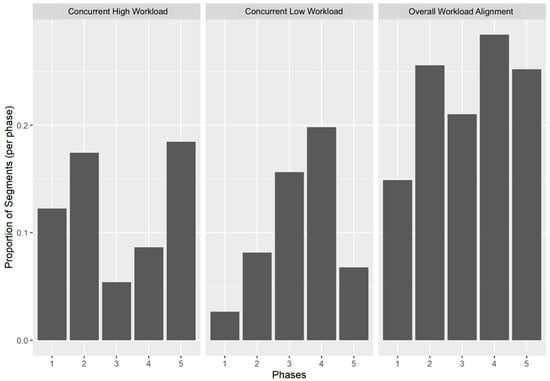
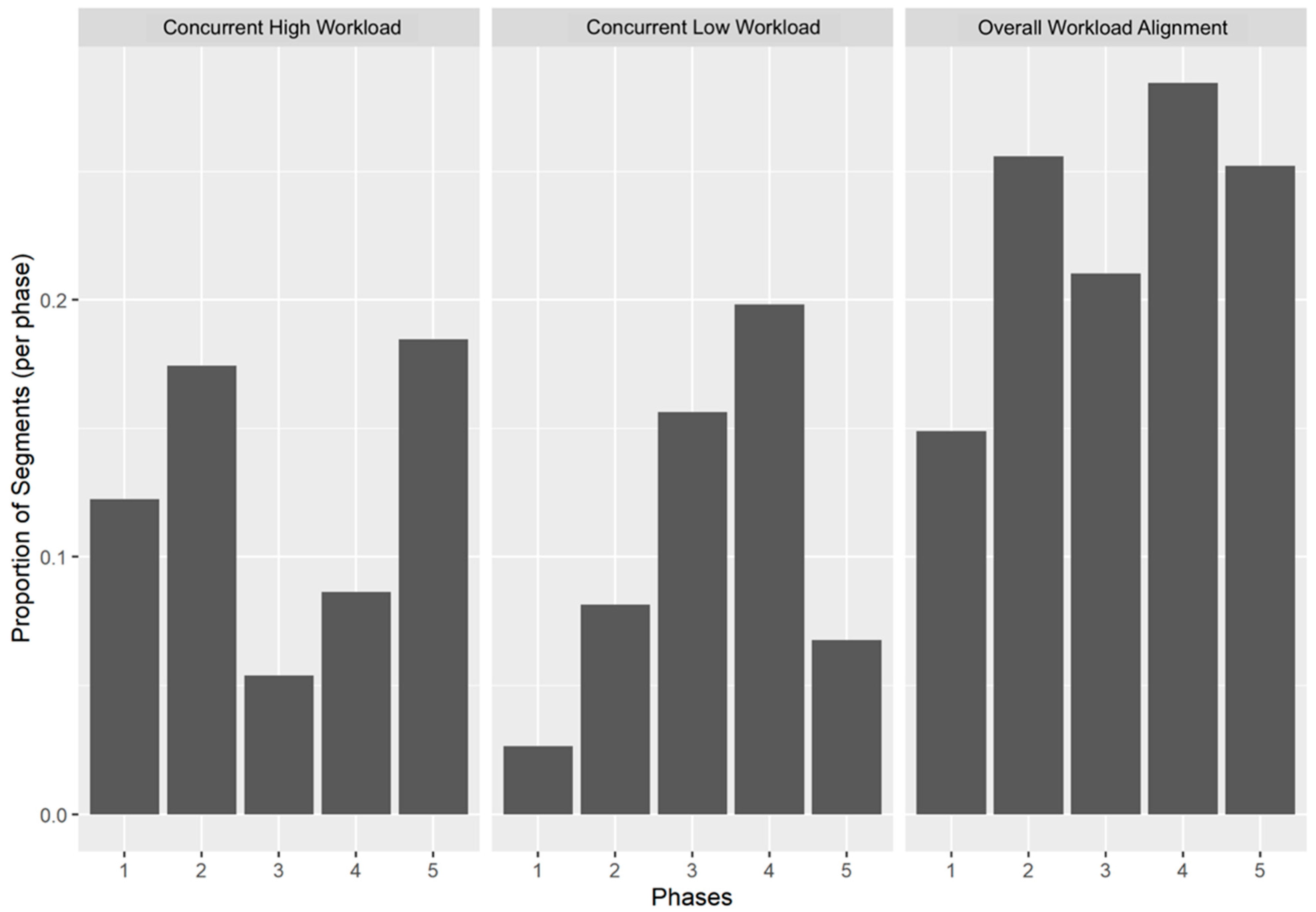
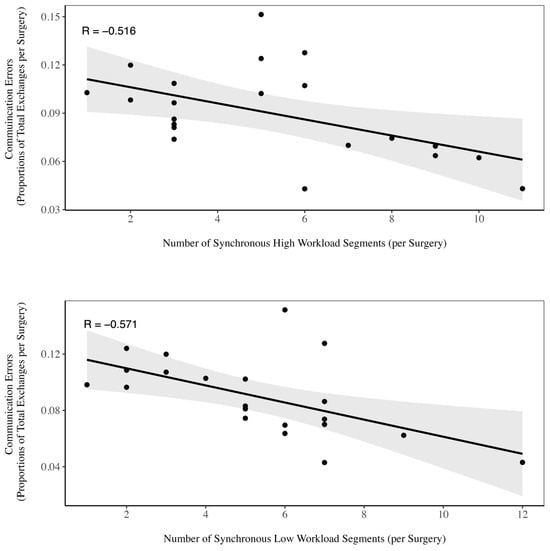
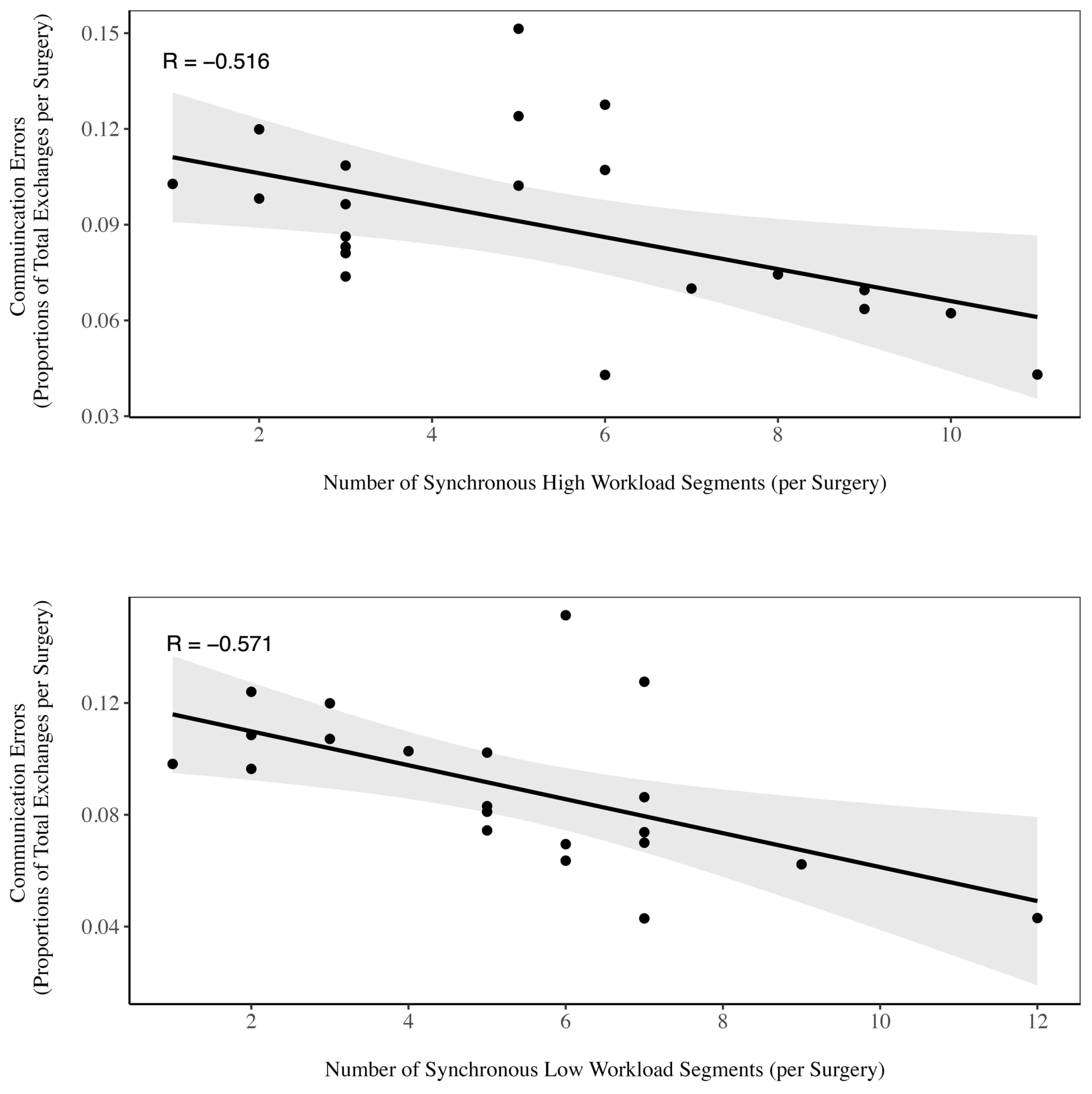
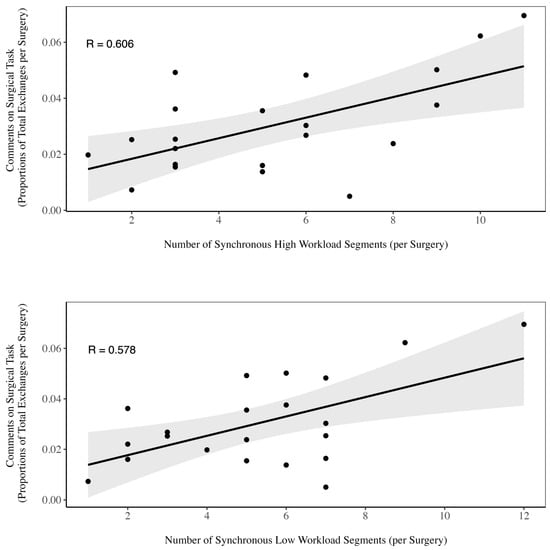
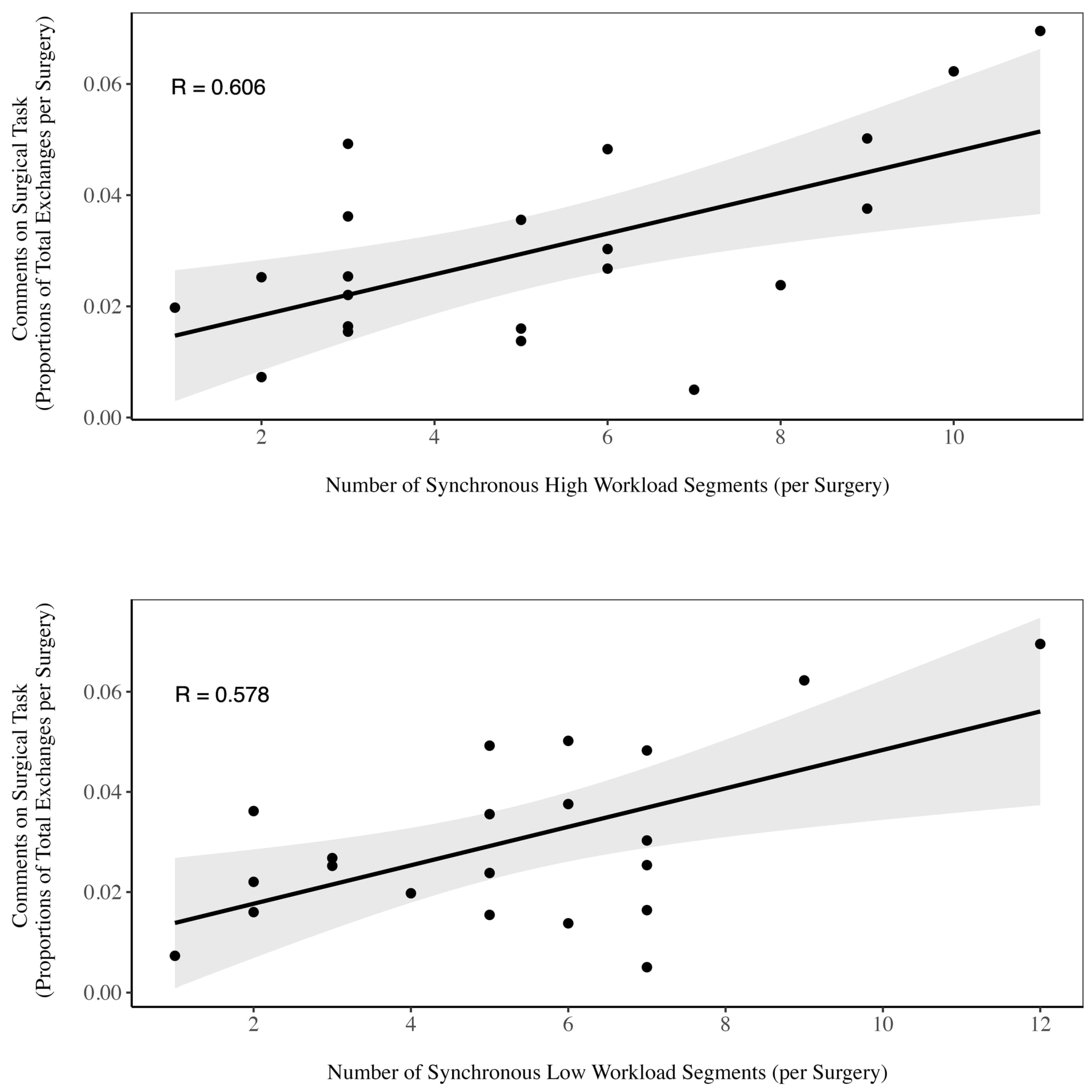
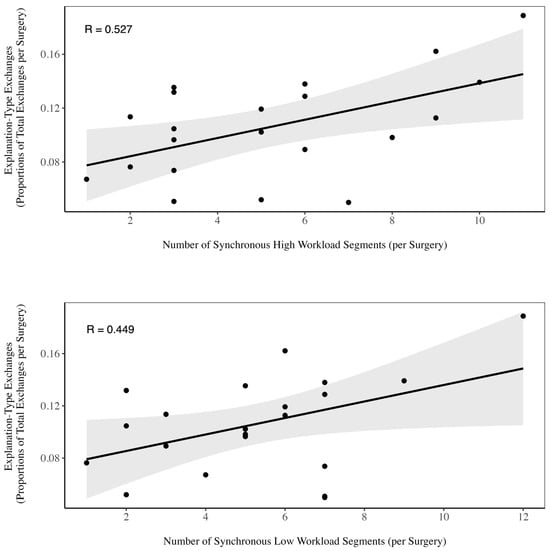
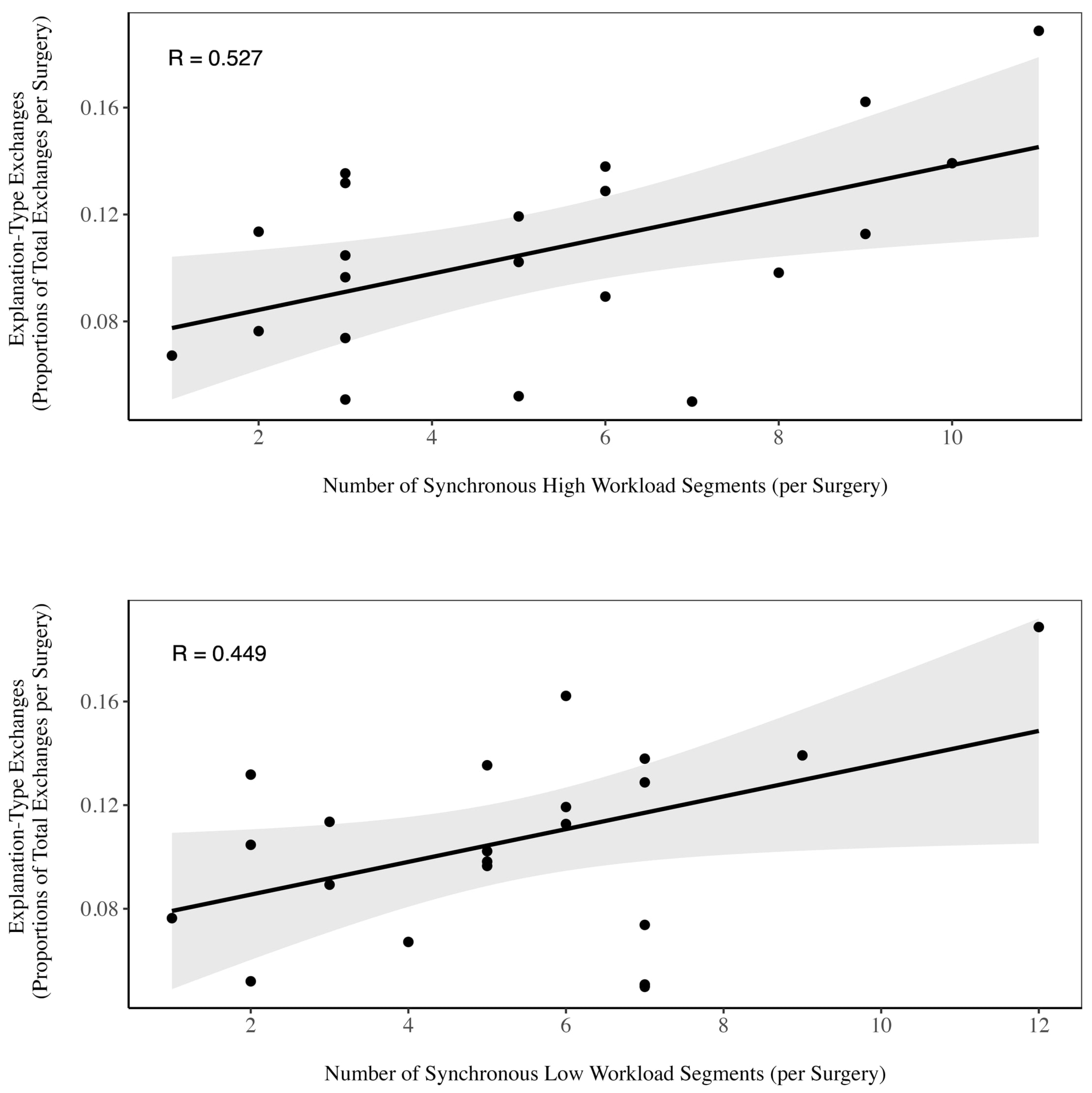
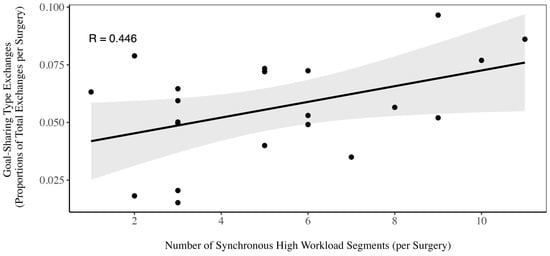
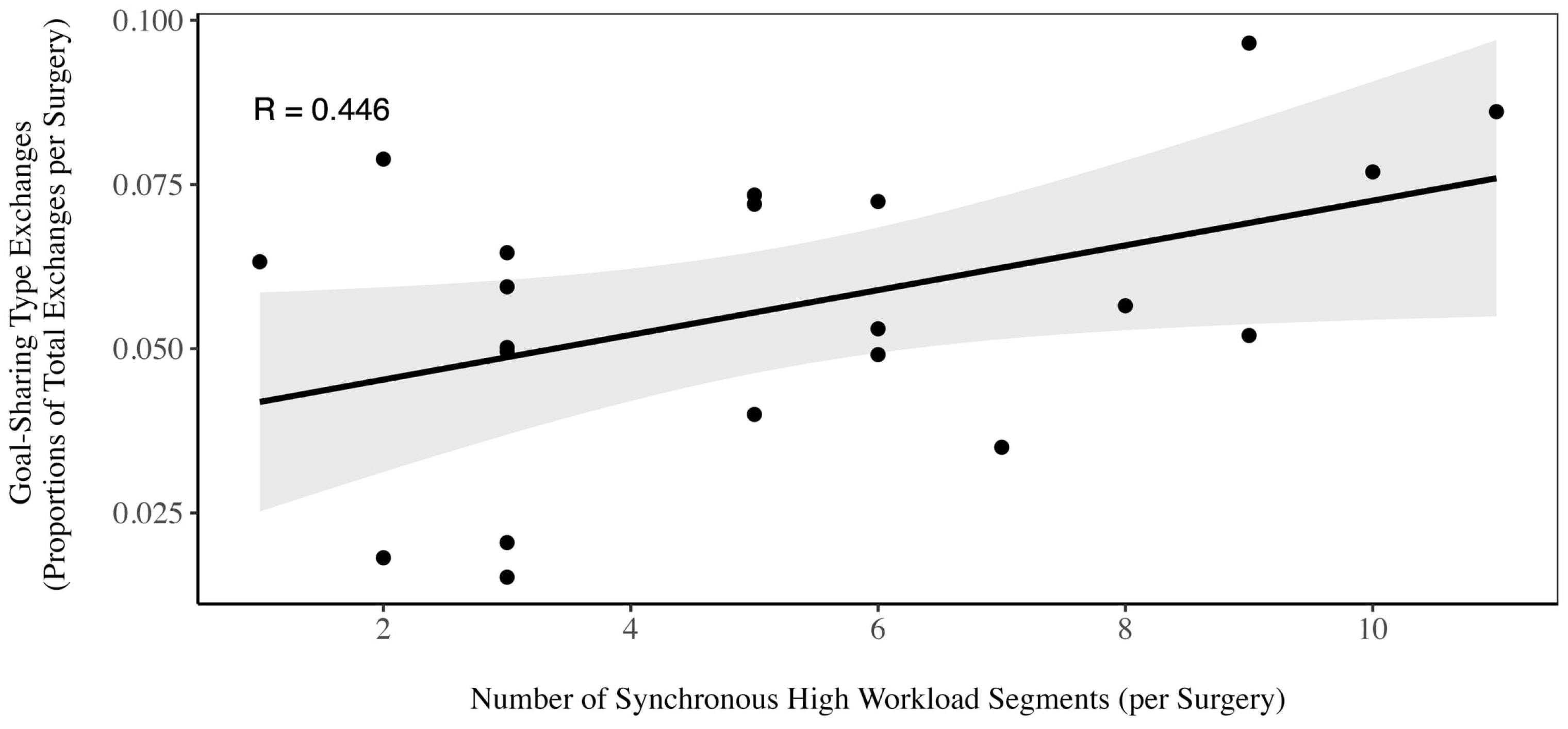
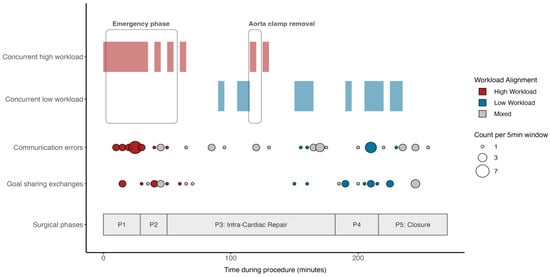
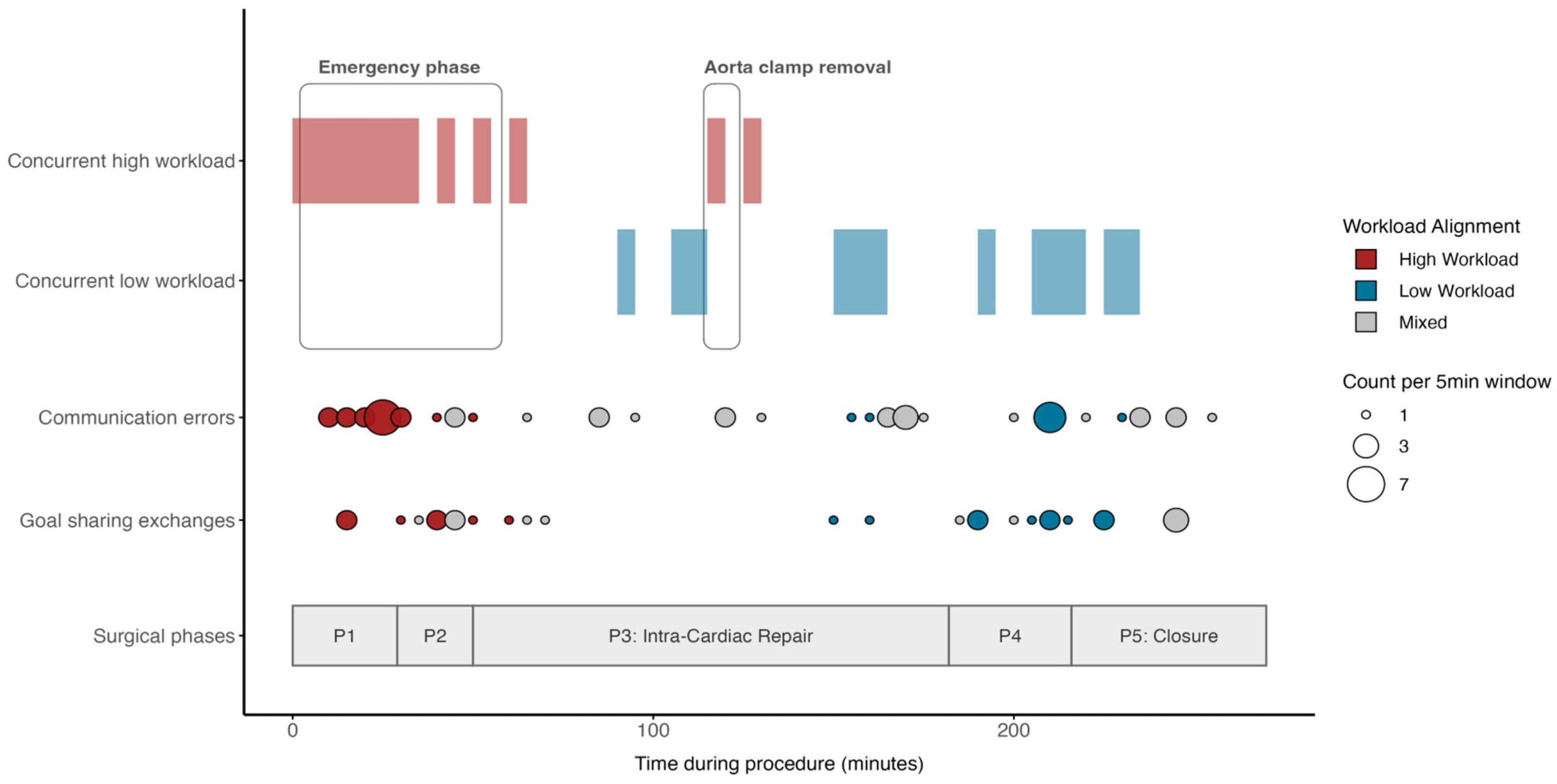

Disclaimer/Publisher’s Note: The statements, opinions and data contained in all publications are solely those of the individual author(s) and contributor(s) and not of MDPI and/or the editor(s). MDPI and/or the editor(s) disclaim responsibility for any injury to people or property resulting from any ideas, methods, instructions or products referred to in the content. |
© 2026 by the authors. Licensee MDPI, Basel, Switzerland. This article is an open access article distributed under the terms and conditions of the Creative Commons Attribution (CC BY) license.