


Abstract
Sensory Processing Disorder (SPD) affects how individuals detect, regulate, and interpret sensory input. Although assistive technologies have advanced in recent years, few directly address the visual characteristics that may contribute to sensory overload in real-world environments. This review charts 68 sources spanning clinical sensory evidence, ASD-related research, AI applications, and computational methods relevant to visual sensory-trigger detection. The charted publications serve different evidence roles and do not all directly validate sensory-trigger detection in SPD. Across the literature, validated AI systems for real-time and individualized visual-trigger detection still are insufficiently established. AI and ML models were comparatively assessed based on their accuracy, speed, computational complexity, and ability to analyze color and brightness where those characteristics were reported. A large number of studies used heterogeneous datasets, tasks, and computational settings, hence the comparison is literature-based. Convolutional models support visual feature extraction, lightweight architectures has the ability to improve computational efficiency, and real-time object-detection methods offer opportunities for rapid environmental analysis. For future work, environmental feature detection with individualized sensory profiles can support healthcare accommodations; however, SPD-specific datasets, real-world validation, privacy safeguards, and user control remain necessary.
1. Introduction
Understanding how humans perceive, process, and respond to sensory input is fundamental to both neuroscience and clinical research, as sensory experiences shape cognition, behavior, emotional regulation, and social functioning [1]. Sensory processing is deeply embedded in neurodevelopmental pathways, influencing how individuals interact with their environment and how they regulate internal states. Disruptions to this process are not merely behavioral differences but can form a significant component of broader neurodevelopmental disorders, contributing to difficulties in learning, communication, daily functioning, and mental health [2,3]. As a result, studying sensory processing is critical for improving diagnostic accuracy and therapeutic approaches as well as for designing adaptive technologies and environments that support individuals with sensory differences [4].
Sensory Processing Disorder (SPD) is a neurodevelopmental condition characterized by over-responsiveness, under-responsiveness, or sensory-seeking behaviors [5,6,7]. It is estimated that 5% to 16.5% of the population show some level of SPD, with higher levels reported for clinical populations such as people with Autism Spectrum Disorder (ASD) [8,9,10]. The condition affects multiple aspects of daily life, including learning, social interaction, and behavioral regulation, often leading to broader cognitive, emotional, and physical health challenges [11,12,13,14,15,16]. These challenges also extend to healthcare access, as Raymaker et al. [17] found that approximately 30% of autistic individuals reported sensory-related barriers in medical settings, compared to 9% of non-autistic people with disabilities and only 1% of non-autistic individuals without disabilities. Despite these wide-ranging effects, SPD remains underdiagnosed and frequently misunderstood, highlighting the need for comprehensive assessment and support [18,19]. SPD, sensory over-responsivity (SOR), and ASD are related but distinct constructs. SOR is described as a pattern of heightened responses to sensory input and may occur within SPD as well as in ASD and other neurodevelopmental conditions. ASD was therefore not treated as equivalent to SPD in this review. Studies involving ASD or related sensory conditions were only included when they contributed evidence about sensory-response mechanisms, visual characteristics, or AI methods relevant to the detection problem; findings from these populations are treated as indirect evidence and are not generalized automatically to SPD [8,9,10].
Symptoms of SPD are not static and can change across contexts, developmental stages, or in response to environmental stimuli. For instance, over-responsive behaviors such as heightened sensitivity to loud noises or bright lights may become more pronounced in high-stimulation environments, while under-responsive behaviors might be less noticeable in structured, predictable settings [20]. Sensory-seeking behaviors often reflect an attempt to self-regulate sensory input, with children engaging in repetitive actions or seeking specific stimuli to maintain focus and engagement [21]. This symptom variability necessitates a personalized and context-sensitive approach to diagnosis and intervention, as no single framework can address the diverse sensory profiles within the SPD population [22]. This complexity also means that sensory challenges cannot be managed effectively with static strategies. Instead, solutions must be dynamic, context-aware, and adaptable to individual differences, a principle that is especially critical when considering real-world applications.
1.1. Visual Sensory Triggers and AI-Based Detection
Recent advancements in Artificial Intelligence (AI) have opened new possibilities in supporting the needs of people with disabilities. For example, AI-powered tools are augmenting traditional navigation aids, such as the white cane, by using image processing and deep learning to detect obstacles and enhance safety, particularly in crowded environments [23]. Smart glasses equipped with AI can translate sign language into text and vice versa, facilitating communication for individuals who are deaf or mute [24]. Speech-to-text and text-to-speech technologies further support accessibility in social settings by enabling smoother verbal interactions [25]. Additionally, Virtual Reality (VR) applications contribute by capturing high-resolution, real-time data on sensory processing, allowing researchers to analyze differences in sensory responses between children with ASD and their typically developing peers [26].
Recently, machine-learning approaches have been explored for sensory-related support in ASD and related conditions. For example, Aktar et al. applied ML to improve sound measurement on mobile devices for accessibility [27], while virtual-environment measurements and behavioral models have been examined in ASD-related assessment [28,29]. These examples demonstrate the potential of AI to augment traditional support tools while also providing new insights into sensory functioning itself.
Despite progress in accessibility and sensory-related applications, the literature reviewed here provides limited direct validation of real-time systems that detect environmental visual features and reliably predict an individual’s sensory discomfort. Diagnostic classification, environmental object detection, and prediction of sensory responses are distinct tasks. General-purpose computer-vision methods can support candidate technical components, but they require task-specific data and prospective clinical evaluation before use for SPD-related decision support [30,31,32].
1.2. Review Gap and Objectives
From a research perspective, there is no consolidated view of how AI has been applied to SPD-related problems, no systematic comparison of techniques used for visual trigger detection, and no comprehensive assessment of how existing approaches align with the real needs of affected individuals. Furthermore, there has been little effort to connect the algorithmic capabilities of AI tools with the clinical and behavioral realities of sensory processing. As a result, the field lacks both a roadmap for future development and a clear understanding of where the most promising opportunities lie.
Therefore, the purpose of this paper is to examine how AI has been used to detect visual sensory triggers linked to SPD, evaluate current approaches in addressing the needs of individuals affected by it, and analyze AI tools in terms of their ability to support the development of effective detection methods for visual sensory triggers. The review is structured around four main questions that guide the analysis throughout the paper:
- How do existing literature and frameworks conceptualize SPD and visual sensory triggers, and do they adequately reflect the complexity and variability of real sensory responses?
- What types of AI tools, datasets, and modeling techniques have been employed to date, and are these approaches capable of advancing beyond simple classification toward active and structured trigger detection?
- How do these AI tools perform in terms of key metrics accuracy, speed, and computational complexity and do they possess the capability to analyze critical visual features such as color, brightness, and contrast?
- And finally, what specific design and functional requirements must be addressed to successfully build adaptive, SPD-friendly systems that can respond to individual sensory profiles in real time?
The remainder of this paper is organized as follows. Section 2 describes the methodology used to identify and analyze relevant literature, including the search strategy, inclusion criteria, and synthesis approach. Section 3 presents the results of the review, including the thematic analysis, visual sensory triggers identified in the literature, AI methods for sensory trigger detection, and the comparative evaluation of AI models. Section 4 discusses the implications of these findings for healthcare, with emphasis on sensory-aware environments, personalized detection, adaptive response, and clinical implementation considerations. Section 5 discusses the principal research gaps and limitations and outlines directions for future research. Finally, Section 6 concludes the paper by summarizing the main findings and their implications for the development of adaptive, personalized sensory-support systems.
2. Methodology
This study adopts a structured literature review approach to examine how artificial intelligence has been applied to SPD, with a focus on detecting visual sensory triggers. The methodology is designed to systematically identify relevant studies, evaluate their scope and contributions, and synthesize findings across both clinical and computational perspectives. The review process includes a multi-stage literature search, predefined inclusion criteria, structured study selection and verification, and a descriptive synthesis of the selected works. In addition, a keyword-based analysis is conducted to identify dominant research themes and highlight gaps in the existing literature.
2.1. Literature Search Procedures
A structured, multi-stage literature search was conducted using Google Scholar, PubMed/MEDLINE, and Web of Science to identify research related to Sensory Processing Disorder (SPD), artificial intelligence (AI), machine learning (ML), and sensory-trigger detection. The initial Google Scholar search was conducted in July 2025, followed by supplementary database verification searches in 2026. The literature synthesis focused on publications from 2014 through July 2025, encompassing clinical sensory research, related neurodevelopmental conditions, assistive technologies, and relevant computational methods.
The initial Google Scholar search using “Sensory Processing Disorder” returned approximately 6310 results. Adding “Machine Learning” narrowed the results to 232. Two subsequent search variations incorporating “Trigger” and “Triggers” yielded 55 and 33 records, respectively, for a total of 88 records. After removing 20 overlapping records, 68 unique records remained. These records underwent title and abstract screening followed by full-text eligibility assessment, and all 68 were retained for the interdisciplinary literature synthesis.
To strengthen the comprehensiveness of the literature search and verify the original findings, supplementary searches were conducted in PubMed/MEDLINE and Web of Science using the same core search concepts. The expanded Boolean search expression combined three groups of terms:
(“sensory processing disorder” OR “sensory processing” OR “sensory over-responsivity” OR “sensory sensitivity” OR “autism spectrum disorder” OR autism) AND (“machine learning” OR “artificial intelligence” OR “deep learning”) AND (trigger OR triggers OR “sensory trigger” OR “visual trigger” OR brightness OR color OR light)
In Web of Science, the expression was applied using the topic-search field (TS). The supplementary searches retrieved 58 records from PubMed/MEDLINE and 38 records from Web of Science. The retrieved publications were cross-referenced with the original literature collection to assess coverage across the databases and identify potentially relevant studies not captured in the initial search. No additional distinct studies were incorporated into the final synthesis. These searches served as supplementary verification and were reported separately from the original Google Scholar study-selection process.
The identification, screening, eligibility assessment, and inclusion process is summarized in Figure 1. The diagram presents the selection pathway for the Google Scholar search, while the supplementary database searches are reported separately.
Figure 1.
PRISMA-ScR-style flow diagram illustrating the identification, screening, eligibility assessment, and inclusion of literature in the review.
2.2. Inclusion Criteria
The literature was considered across two related evidence streams: (i) studies of SPD, ASD, sensory over-responsivity and other sensory-related conditions describing sensory characteristics, environments, assessment or response; and (ii) computational and sensing studies providing relevant visual-analysis, machine-learning, wearable, or detection methods. Clinical evidence from ASD or other populations was treated as indirect evidence for SPD; technical benchmarks were treated as examples of computational capability, in contrast to SPD clinical validation. The primary publication focus was 2014 through 31 July 2025. Foundational sources outside this window were used as background where they supported theory or the discussion of model architectures. Reviews, case studies, conceptual papers and technical benchmarks were charted as separate source types.
2.3. Study Selection Verification
All searches, screening decisions, and data extraction were conducted by the first author in accordance with the predefined inclusion criteria outlined in Section 2.2, with supervisory review as described below.
The first author conducted the literature search, initial title-and-abstract review, paper reading and thematic extraction. Interpretation of ambiguous evidence roles and the relevance of related clinical populations was discussed with the supervising authors. The two Google Scholar trigger-query variants returned 88 results with 20 overlaps, giving 68 unique records. All 68 records were screened by title and abstract with no screening exclusions; 68 full texts were sought and retrieved, with no full-text exclusions, and 68 sources were retained. In 2026, 58 PubMed/MEDLINE records and 38 Web of Science records were separately checked to verify coverage of literature published from 2014 through July 2025; no additional distinct studies were incorporated into the final synthesis.
Google Scholar provides a broad interdisciplinary reach, and its dynamic search algorithm represents a methodological limitation regarding full reproducibility.
2.4. Descriptive Synthesis
The keyword analysis identified four broad research topics: AI and machine learning, sensory assessment, healthcare and accessibility, and neuroscience and cognition. The 68 references were classified by primary evidence role into 25 clinical/sensory sources, 8 accessibility or sensing-technology sources, and 35 visual-AI or computational-method sources (Appendix A, Table A1). These three charting roles are mutually exclusive for descriptive counting and do not indicate that all sources are primary empirical studies or that all were clinically validated for SPD. An additional 25 references providing clinical, methodological, and computational context are summarized separately in Appendix B (Table A2). These supplementary references support the discussion but are not included in the 68-publication collection.
2.5. Keyword Extraction and Categorization
Following study selection, a keyword extraction and categorization process was applied to the interdisciplinary source mapping. The analysis recorded 278 keyword entries across the mapped literature. Because keyword availability and overlap differ among clinical articles, books and general technical sources, these entries describe a bibliographic inventory and not independent outcomes.
Due to inconsistent terminology across studies, a systematic categorization approach was implemented. All extracted keywords were reviewed to identify terms with semantic overlap (e.g., “autism,” “ASD,” and “Autism Spectrum Disorder”), and similar terms were grouped into unified thematic categories through an iterative refinement process. This process resulted in 14 primary thematic categories shown in Table 1: (1) Autism & ASD, (2) ML & AI, (3) Sensors & Wearables, (4) Mental Health & Wellbeing, (5) Sensory Processing & Regulation, (6) Augmented Reality (AR)/VR & Virtual Environments, (7) Assistive Technology, (8) Design & Accessibility, (9) Neurodiversity & Neurology, (10) Data Science & Visualization, (11) Cognition & Learning, (12) Regulatory Problems, (13) Chatbots & AI Applications, and (14) Headache & Neurological Disorders.
Table 1.
Keyword Clusters and Thematic Categories in SPD Machine Learning Research.
Keywords were assigned to categories based on the following criteria: (1) direct semantic equivalence (e.g., “autism” = “ASD”), (2) conceptual similarity within a research domain (e.g., “deep touch pressure” and “biofeedback” as forms of sensory regulation), and (3) methodological commonality (e.g., grouping ML approaches regardless of specific algorithm). Keywords that appeared only once in the literature were documented separately to identify isolated research efforts.
Keyword frequencies were calculated for each category to quantify research concentration. Categories with higher frequency indicate areas receiving greater research attention, while lower-frequency categories highlight underexplored areas. This analysis suggests that while computational approaches related to autism are well represented in literature, connections between visual sensory triggers and real-time AI detection remain limited.
Keyword occurrences characterize terminology in the mapped bibliography; they are not independent study counts or estimates of clinical prevalence, AI adoption, or model accuracy. A source may contribute more than one keyword and may be assigned to multiple thematic areas.
Representative citations illustrate each keyword. The “Others” row contains uncommon terms outside the 14 main clusters.
Table 1 presents the complete keyword categorization scheme, including all keywords assigned to each category. This framework provides a structured vocabulary for locating relevant research within this interdisciplinary field and supports the identification of research gaps and future directions.
Keyword counts and the number of reviewed sources are different units and are not expected to match. A single source can contribute several keywords, which may fall into one or more thematic categories, whereas other sources, such as books, reviews or general technical papers, provide no author keywords and contribute none. Keyword frequencies therefore describe the terminology used across the mapped literature and should not be read as the number of studies in each category. For the same reason, the representative citations in Table 1 are illustrative examples and do not list every source associated with a category.
2.6. Data Charting and Evidence Roles
A source-level summary of the 68 publications considered in the interdisciplinary synthesis is provided in Appendix A, including population or dataset, methodological approach, reported contribution, and the limits of transfer to SPD visual-trigger detection.
The characteristics of the 68 sources charted in Appendix A were organized by original bibliography reference number, publication title and year, source type, population or dataset, method or input, reported contribution, and limits of inference. Sources were grouped into clinical/sensory evidence (n = 35), accessibility/sensing technology (n = 8), and visual-AI/computational methods (n = 25). Clinical findings obtained in ASD or other populations were not assumed to be SPD-specific, and computational performance on general datasets was not treated as clinical trigger-detection accuracy.
For AI methods, source-reported performance indicators were considered only in relation to the data and tasks on which they were measured. Performance values are reported as stated in the sources and were not pooled. The method comparison is a technical interpretation of published capabilities.
3. Results
The Results summarize the clinical and technical literature in the review. Section 3.1 introduces the publication context and the charted evidence roles; Section 3.2 discusses the keyword themes and the three evidence-role groups. Section 3.3 examines visual sensory characteristics reported in clinical and related-population studies. Section 3.4 and Section 3.5 describe AI-method functions and task-specific benchmarks.
3.1. Overview of Reviewed Literature
Appendix A charts 68 references by source type, participant population or technical dataset, method, source-reported contribution, and relevance to visual sensory-trigger detection. The chart comprises 35 clinical/sensory sources, 8 accessibility or sensing-technology sources, and 25 visual-AI or computational sources.
The included evidence spans SPD and ASD sensory observations, clinical assessment, access barriers, sensory-management systems, and general-purpose visual AI methods. These source types cannot be treated as interchangeable measures of clinically validated SPD trigger detection. The descriptive synthesis therefore distinguishes clinical sensory findings, diagnostic or behavioral classification, environmental feature analysis, and actual validation of individual sensory-trigger prediction. Figure 2 displays the publication-year distribution of the literature identified in the initial search.
Figure 2.
Publication-year distribution of the literature identified in the initial search.
Studies involving ASD and pediatric sensory profiles are prominent within the clinical literature considered in this review. The limited directly validated SPD-specific visual-trigger evidence remains a central gap.
3.2. Thematic Analysis
Research on SPD spans multiple interconnected domains, including autism, mental health, neurodiversity, and assistive technology. Keyword-based analysis reveals that “Autism & ASD” is the most frequently occurring category, followed by “Neurodiversity & Neurology,” which includes topics such as neurodevelopmental disorders, neurodegenerative conditions, and neuroaesthetics. “Design & Accessibility” and “Sensory Processing & Regulation” also appear prominently, reflecting strong research interest in accessibility and sensory-related challenges. The distribution of keyword categories is shown in Figure 3.
Figure 3.
Frequency of keyword-category occurrences in the bibliographic analysis.
Figure 3 displays occurrences of keyword groups in the bibliographic inventory. Keyword frequencies count terms, not unique studies, and should not be interpreted as prevalence estimates or as the number of clinically validated SPD AI systems. The “Others” class contains one-off keywords and is additional to the 14 main substantive clusters listed in Table 1.
The literature was discussed under four conceptual topics: (1) AI and machine learning in SPD and related conditions, (2) sensory processing and clinical assessment, (3) healthcare accessibility and sensory-support technologies, and (4) neuroscience and cognition. Table 2 reports the three exclusive evidence-role groups used in Appendix A. These categories identify the type of contribution to this interdisciplinary analysis; they are not mutually comparable clinical outcomes.
Table 2.
Evidence roles and source distribution of the 68 charted references.
Table 2 and Appendix A describe 35 clinical/sensory references, 8 accessibility or sensing-technology references, and 25 visual-AI/computational references, totaling 68 distinct charted sources. These categories do not overlap in the table.
The counts in Table 2 were calculated from all 68 rows of Appendix A. Representative citations illustrate each group; the appendix supplies the complete reference-by-reference assignment. Groups are counted once per source, including reviews and technical studies.
Overall, the thematic distribution highlights a strong emphasis on AI-driven methods and autism-related research, with comparatively less focus on SPD as a distinct condition. This imbalance suggests a need for research that explicitly distinguishes SPD from ASD and develops AI-driven solutions tailored to sensory processing challenges. The results also indicate that, despite growing interdisciplinary interest, research remains fragmented across domains, limiting the development of integrated approaches for sensory trigger detection and intervention.
3.3. Visual Sensory Triggers in SPD
For potential SPD visual-trigger detection, it is important to identify measurable visual characteristics and to distinguish them from individual experiences of discomfort. Studies of SPD and related sensory conditions have investigated color, lighting, and environmental complexity, but available observations are heterogeneous and do not establish a universal threshold for sensory overload.
Brightness, contrast, color composition, glare, and illumination changes are candidate features for environmental assessment. The relationship of these measurable scene attributes to sensory discomfort is individual and context dependent; preferences, observed behavior, and clinically meaningful overload are not interchangeable outcomes.
Research has identified several visual characteristics associated with sensory responses in SPD and related populations. The color red, for example, has been investigated in relation to cross-sensory associations, particularly color–taste perception among individuals with ASD, demonstrating how visual stimuli may influence sensory experiences [53]. Green environments have been associated with improved cooperation and behavioral outcomes in some children with sensory processing challenges, although responses varied across participants [44]. A pilot study involving children with ASD also reported a trend toward improved cooperation under green lighting [45].
The color blue has been associated with distinctive sensory responses, including strong preference and obsession with blue accompanied by phobia of other colors in a child with ASD [54]. Bright lighting conditions have been associated with hypersensitivity, discomfort, and behavioral changes among light-sensitive children with ASD [46,55], while research involving individuals with fibromyalgia has demonstrated heightened light sensitivity and the involvement of pain-modulating mechanisms [42]. Sensitivity to low-light conditions has also been reported among some children with ASD, indicating that discomfort is not necessarily restricted to high illumination levels [46]. In addition, children with ASD have demonstrated lower preference for yellow compared with typically developing children [40], while white has been examined as a comparison condition in environmental-color studies involving children with sensory processing challenges [44]. These findings highlight the variability of sensory responses to visual stimuli across individuals and clinical populations [56] and support the importance of individualized approaches to visual-trigger detection.
Table 3 summarizes the visual characteristics and associated sensory responses reported in the literature. These findings provide a basis for identifying candidate visual features for computational analysis, while recognizing that evidence from ASD and other clinical populations does not necessarily establish the same sensory responses in individuals with SPD.
Table 3.
Visual Triggers considered in this research, based on relevant literature.
3.4. AI Methods for Sensory Trigger Detection
ML techniques, particularly neural networks and deep learning models, play a central role in sensory trigger detection across various applications. These methods have demonstrated strong capabilities in processing complex data and identifying patterns in real time, making them promising candidates for detecting visual stimuli such as color and brightness variations.
Several studies highlight the use of deep learning for event and trigger detection in complex environments [59]. For example, the PANDA experiment employs a software-based event (trigger) selection system designed to identify meaningful events while filtering out background noise. In this context, residual convolutional neural networks have been used to improve detection accuracy and efficiency, demonstrating the effectiveness of deep learning in handling high-dimensional data and binary classification tasks [60]. More broadly, the integration of machine learning with sensor technologies has led to improvements in accuracy, adaptability, and automation across domains such as assistive and accessibility applications [27,31,32]. These approaches enable enhanced calibration, object recognition, and behavior prediction, which are relevant to sensory monitoring and adaptive response systems.
Despite these advances, important limitations remain when applying these methods to sensory trigger detection in SPD. Many existing approaches are designed for general-purpose tasks, such as object recognition or classification, and are not specifically optimized for identifying fine-grained visual features associated with sensory triggers. In particular, accurately detecting variations in color and brightness under real-world conditions remains challenging, especially when accounting for individual variability in sensory responses.
Another challenge lies in ensuring comprehensive coverage of potential triggers while minimizing false positives. In sensitive applications such as SPD, inaccurate detection may lead to inappropriate or ineffective interventions. Current models also lack integration with structured frameworks for trigger identification, limiting their ability to provide consistent and interpretable outputs tailored to individual needs.
These limitations highlight the need for ML frameworks specifically designed for sensory trigger detection, with the ability to capture subtle visual features, adapt to individual sensitivities, and operate effectively in dynamic environments. Developing such approaches would support more accurate detection, enable personalized responses, and bridge the gap between existing computational methods and practical SPD applications.
3.5. Comparative Evaluation of AI Models
Understanding the strengths and limitations of different ML approaches is essential for evaluating their suitability for sensory trigger detection, particularly for the visual characteristics identified in Section 3.3. To support this analysis, methods were assessed based on four criteria: accuracy, speed, complexity, and capability to analyze color and brightness.
The evaluated methods were reported across studies using different datasets, tasks, hardware configurations, and performance measures. Accordingly, the comparison is literature-based and does not represent a direct experimental benchmark between models. Instead, the reported findings were synthesized into qualitative categories of High, Moderate, Low, or Not Applicable to reflect the relative suitability of each method for the requirements of visual sensory trigger detection.
Neural networks, particularly Convolutional Neural Networks (CNNs), are widely recognized for their precision in processing intricate image details. They achieve high accuracy by extracting subtle visual patterns, making them a reliable choice for detecting sensory triggers [61]. However, CNNs are computationally demanding, resulting in high complexity and moderate processing speed, which introduces a trade-off between accuracy and practical processing time [35,61]. Despite these limitations, their advanced feature extraction capabilities make them well-suited for analyzing colors and brightness [62]. Deep neural networks (DNNs) also demonstrate strong performance in capturing complex relationships within data [63,64]. They generally offer higher processing speed compared to CNNs, making them more suitable for applications requiring faster response times [65]. While DNNs remain moderately complex, they provide a balance between computational requirements and implementation feasibility. However, their ability to analyze colors and brightness is moderate, as they are typically designed for general-purpose tasks rather than fine-grained visual feature extraction [66,67].
For sequential data, Recurrent Neural Networks (RNNs) demonstrate high accuracy, leveraging their ability to capture temporal patterns [68]. However, their sequential nature results in moderate speed, as they process data step by step [69]. RNNs are categorized as highly complex due to the need for advanced training techniques to overcome challenges like vanishing gradients [70]. Unlike CNNs or DNNs, RNNs are not tailored for analyzing colors and brightness.
Speed-oriented methods like YOLO (You Only Look Once) prioritize real-time processing, achieving high speed while maintaining moderate accuracy [36]. Its architecture simplifies object detection, making it moderately complex and practical for applications requiring immediate responses [48,49]. However, YOLO’s capability to analyze fine visual features like colors and brightness is limited, as its design emphasizes rapid detection over detailed feature extraction [71].
Autoencoders provide high accuracy by reconstructing input data and filtering noise, making them effective for preserving important visual features in sensory analysis [72]. They operate at moderate speed, balancing efficiency with reconstruction quality [73], but are highly complex due to their deep encoding and decoding structures, which require significant computational resources. While their ability to analyze color and brightness is moderate, they remain valuable for tasks that require detailed feature representation [74,75].
Dimensionality reduction methods, such as principal component analysis (PCA), can complement detection models by simplifying high-dimensional data while maintaining computational efficiency [76,77,78]. PCA is low in complexity and well-suited for preprocessing tasks. However, because it focuses on preserving variance rather than specific visual characteristics, it is not suitable as a standalone method for detecting sensory triggers such as color and brightness [76].
For resource-constrained applications, MobileNet provides an efficient option, achieving moderate accuracy with high speed [79,80]. Its lightweight architecture reduces complexity while maintaining reasonable performance for analyzing colors and brightness [81]. This makes MobileNet a practical choice for scenarios requiring efficiency without sacrificing essential capabilities [50]. Support vector machines (SVMs) are powerful classification tools that achieve high accuracy by maximizing the margin between data classes [82,83]. Their speed is moderate, particularly during training, and their complexity remains manageable with proper parameter tuning [84,85]. However, SVMs are not designed for detailed visual feature extraction, limiting their applicability for tasks involving sensory triggers such as color and brightness [86].
Random forest classifiers, as ensemble methods, achieve high accuracy by combining multiple decision trees [87,88]. Their moderate speed and complexity make them a practical alternative to more computationally intensive approaches [89,90]. However, their limited ability to extract detailed visual features reduces their effectiveness for detecting sensory triggers such as color and brightness [91]. K-nearest neighbors (KNN), due to its simplicity, performs well on smaller datasets and achieves high accuracy based on proximity in feature space [92,93]. While its prediction phase is relatively fast, computational cost increases significantly with larger datasets [94]. Although KNN is easy to implement due to its low complexity, its lack of advanced feature extraction mechanisms limits its suitability for detailed sensory analysis [95]. A detailed comparison of the methods is provided in Table 4, highlighting their strengths and trade-offs to support the development of more effective detection systems.
Table 4.
Comparative Performance of Machine Learning Methods for Sensory Trigger Detection.
The comparison also demonstrates that the evaluated methods serve different functional roles within a potential sensory trigger detection system. CNNs and MobileNet are primarily suited to extracting visual features. CNNs provide a greater capability for detailed visual analysis and MobileNet offers greater efficiency for resource-constrained applications. YOLO-based models are better suited to rapid localization and real-time detection, whereas autoencoders can support feature representation and anomaly identification. RNNs and LSTMs are more appropriate for incorporating temporal information than for directly extracting visual characteristics. In contrast, SVM, Random Forest, and KNN are more applicable to classification after relevant features have been extracted, whereas PCA primarily functions as a preprocessing and dimensionality-reduction method. Given these conclusions, model suitability for SPD-related applications depends on overall performance as well as on the specific role a model is expected to perform within the detection framework.
Table 4 provides a literature-based comparison of AI methods according to their reported predictive performance, processing speed, computational complexity, and capability to analyze visual characteristics such as color and brightness. The numerical findings are presented within their original experimental contexts, as differences in datasets, model configurations, and evaluation protocols prevent direct performance comparisons.
To complement this comparison, Figure 4 presents an author-developed qualitative synthesis of the methods’ potential applicability to visual sensory-trigger detection in SPD. The heatmap summarizes the functional characteristics and computational considerations identified in Table 4 and the supporting literature. Scores represent the authors’ interpretation of potential suitability for different components of a visual-trigger detection framework and are not experimentally measured SPD performance scores.
Figure 4.
Method accuracy/reported performance, speed, computational complexity, and color and brightness capability. Cell colors correspond to the qualitative scores: dark green, 3 (high); light green, 2 (moderate); yellow-green, 1 (low); pale yellow, 0 (not applicable).
The heatmap does not represent a standardized benchmark or establish the superiority of any method for SPD visual-trigger detection. The suitability of the methods remains dependent on the intended application, individual sensory characteristics, and future validation using SPD-specific datasets.
Note that the qualitative ratings for color and brightness capability represent the authors’ literature-informed assessment of each method’s potential applicability to visual-feature analysis. The cited studies support the methods’ relevant computational functions or applications; they do not independently validate the assigned ratings or demonstrate SPD-specific sensory-trigger detection. Color and brightness detection capabilities may vary with model configuration, input features, training data, and implementation.
The qualitative color and brightness capability ratings represent a literature-informed assessment of the methods’ potential functional suitability. High indicates methods capable of directly extracting spatial visual features from images. Moderate indicates methods that can analyze visual characteristics using extracted features, suitable model configurations, or additional processing. Low indicates methods primarily intended for temporal modeling or dimensionality reduction that cannot independently perform visual-feature extraction and sensory-trigger detection.
Computational complexity refers to model size, processing requirements, memory demands, or architecture-specific computational characteristics where reported. Numerical performance values and complexity measures are specific to the model configurations identified in their respective studies. Missing measurements were not estimated.
4. Implications for Healthcare
The findings of this review highlight several implications for the application of AI-based visual trigger detection in healthcare. Effective systems should be able to detect relevant visual features while also considering individual sensory differences, environmental conditions, and practical implementation requirements. Therefore, this section discusses the potential use of these systems in sensory-aware healthcare environments, personalized and adaptive responses, and their clinical implementation and safety considerations.
4.1. Sensory-Aware Healthcare Environments
Real-time visual-trigger detection would be used as a reference tool of the design of sensory-aware healthcare systems. Existing accessibility and assistive technologies provide a foundation for extending sensory support to physical environments. In healthcare settings, adaptive lighting and visual monitoring systems could be developed to characterize environmental conditions and support individualized adjustments for people with sensory sensitivities. These potential applications remain directions for future development, as the reviewed computational studies do not establish the clinical effectiveness of real-time visual-trigger detection in SPD.
The visual characteristics identified in this review provide a practical basis for considering the evaluation of sensory conditions within healthcare spaces. Bright or highly contrasted lighting, changes in illumination, and visually intense color conditions may create difficulties for individuals with sensory sensitivities, although responses vary across individuals. In settings such as waiting areas, examination rooms, and therapeutic environments, AI-based visual analysis could therefore be used to characterize environmental conditions in real time and identify features that may warrant modification or further attention. Rather than treating particular colors or lighting conditions as universally problematic, such systems could provide information that supports individualized environmental adjustments based on the sensory profile of the user.
4.2. Personalized Detection and Adaptive Response
Designing sensory-aware healthcare systems requires careful consideration of individual variability in sensory processing. Interfaces must integrate multisensory technologies and universal design principles to accommodate diverse sensory profiles. Multisensory integration has been shown to enhance engagement and learning outcomes [38,112], while controlled sensory environments, such as VR-based systems, enable tailored interventions that promote focus and reduce sensory overload [113]. Adaptable interface designs can accommodate different sensory modalities and user needs, consistent with neuro-inclusive design principles [114,115]. Advance notice of potentially difficult stimuli and user-controlled settings may also be considered when designing sensory-support interfaces. However, research on general trigger warnings [116,117] and public guidance on sensory overload [118] do not establish that automated warnings prevent sensory overload in individuals with SPD.
Personalization is particularly significant because the visual features identified in this review cannot be interpreted as universally positive or negative stimuli. The same color or lighting condition may be tolerated by one individual and produce discomfort in another. Therefore, an effective AI-based system would distinguish between detecting an environmental feature and determining whether that feature represents a meaningful trigger for an individual. One considerable approach is to combine real-time environmental detection with individualized sensory profiles or user-defined thresholds, allowing the system to evaluate detected characteristics such as brightness, contrast, or color intensity in relation to the user’s known sensitivities. This would shift the role of AI from general trigger recognition toward personalized decision support for sensory accommodation. A personalized detection system could be developed using a closed-loop framework that combines environmental sensing, individual sensory profiles, and user feedback. First, visual characteristics such as brightness, contrast, flicker, and color distribution would be measured and analyzed using appropriate sensing and computational methods. The detected characteristics would then be compared with individualized sensory thresholds established through clinical assessment, user preferences, or previous responses. When a potentially relevant condition is identified, the system could provide a notification or recommend an environmental adjustment. Users and caregivers could confirm, dismiss, or override these recommendations, allowing the system to update its individualized thresholds over time. This framework builds on the use of sensor data, individual sensory profiles, and machine learning in sensory-management applications for children with ASD [47], while extending the concept toward visual-feature detection and personalized support for SPD. Its effectiveness would require prospective validation.
The importance of individualized sensory feedback is also illustrated by research in related assistive technologies. Demofonti et al. [119] investigated the use of noninvasive nerve stimulation to restore somatotopic sensory feedback in individuals with lower-limb amputations. Although this work does not address SPD or visual-trigger detection, it demonstrates the relevance of personalized sensory feedback in assistive-system development. Its applicability to SPD remains conceptual and would require separate clinical investigation.
4.3. Clinical Implementation and Safety Considerations
Incorporating real-time detection capabilities into healthcare environments could enable dynamic adaptation to changing environmental conditions and individual sensory responses. Effective systems must account for variability across individuals, accommodate different sensory needs, and maintain accessible and adaptable interfaces [114,115]. Existing sensor-based sensory-management research in ASD illustrates the potential for combining environmental monitoring with individualized recommendations [47]. However, translating these approaches into visual-trigger detection for SPD would require additional clinical validation. Privacy, informed consent, transparency in data collection, and user control must be considered throughout system development.
Despite these opportunities, several practical constraints must be addressed. High-complexity models require computational resources that may not be available in all deployment settings, particularly in mobile or wearable applications. In addition, system responsiveness must align with users’ sensory thresholds while minimizing false positives that could lead to unnecessary or disruptive adjustments. These challenges highlight the need for hybrid architectures that combine efficient real-time inference with customizable thresholds informed by user preferences and feedback.
These healthcare implications are to be interpreted as directions for future application rather than evidence of established clinical effectiveness. The literature reviewed in this study remains limited with respect to SPD-specific visual-trigger detection, real-time implementation, and validation in healthcare environments. Before such systems could be considered reliable clinical tools, they would require evaluation using SPD-specific data, testing under realistic environmental conditions, and assessment across individuals with diverse sensory profiles. Therefore, clinical implementation should emphasize decision support, personalization, user control, and validation before heading towards fully autonomous environmental intervention.
Practical deployment also requires consideration of processing architecture, computational efficiency, and hardware limitations. On-device processing may reduce dependence on network connectivity and limit the transmission of identifiable visual data, while cloud-based processing can provide additional computational resources at the expense of network dependency and potential communication delays. Hybrid architectures may provide a balance between these requirements. The development of lightweight visual models, including MobileNet-based architectures [50,80], and techniques such as quantization, pruning, and knowledge distillation could help reduce computational demands. However, deployment suitability must be evaluated through measurements of end-to-end inference latency, processing speed, memory requirements, model size, energy consumption, and battery performance on the intended hardware. Camera resolution, sensor sensitivity, frame acquisition, changing illumination, glare, motion, and environmental variability should also be considered when evaluating real-world robustness.
Clinical implementation requires validation beyond the detection of environmental visual features. A model could accurately identify brightness, color, or contrast without establishing whether these characteristics cause discomfort for a particular individual. Prospective evaluation should therefore examine detection accuracy against individualized sensory responses and assess the clinical consequences of false-positive and false-negative predictions. False positives could result in unnecessary warnings, alert fatigue, or inappropriate environmental adjustments, while false negatives could leave potentially distressing conditions unidentified. Usability, accessibility, acceptability, and the ability to override system recommendations should also be assessed. Continuous camera-based monitoring raises additional concerns regarding consent, bystander privacy, data retention, and unauthorized access. Appropriate safeguards include informed consent, data minimization, secure storage, access restrictions, and local processing where feasible. These requirements are essential before AI-based visual sensory-support systems can be considered clinically reliable.
5. Discussion
The reviewed literature indicates that AI methods relevant to SPD and related sensory conditions have been applied to different tasks, including classification, environmental monitoring, feature extraction, and predictive analysis. However, direct evidence of AI-based real-time visual-trigger detection in individuals with SPD remains limited. The comparative evaluation highlights methodological differences that are relevant to future system development. Convolutional architectures can support detailed visual feature extraction, while lightweight models such as MobileNet may offer advantages for resource-constrained deployment [35,80]. Object-detection architectures, including YOLO, provide additional capabilities for rapid analysis of visual scenes [49,100]. These findings suggest that future sensory-support systems should balance functional suitability, computational efficiency, interpretability, and individual sensory needs. The reported performance of these architectures in other applications does not establish their clinical effectiveness for SPD.
5.1. Research Gaps and Current Limitations
Despite the increased research on sensory processing and the expanding use of AI in related domains, several critical gaps remain. The thematic distribution of the literature highlights strong emphasis on autism-focused studies and AI-driven classification approaches, but comparatively limited attention to SPD as a distinct condition. This imbalance indicates a need for research that explicitly separates SPD from ASD and develops solutions tailored to sensory processing challenges rather than general neurodevelopmental classification.
While AI and ML have made significant advances in diagnostic and predictive tasks, most existing studies focus on diagnosis (classification of individuals) rather than real-time detection or analysis of sensory triggers. As a result, current approaches primarily support identification and categorization of conditions by analyzing individuals’ responses in controlled environments with limited capability for proactive and adaptive prediction of responses to sensory stimuli. This limitation restricts the practical applicability of these methods in real-world environments, where dynamic and context-aware systems are required. Moreover, sensory processing profiles vary across individuals, and the same stimulus may produce different responses.
Technological efforts in sensory monitoring and intervention remain at an early stage, although several related applications demonstrate the potential of computational approaches. Deng and Rattadilok [47] developed a sensor- and machine-learning-based sensory-management recommendation system for children with ASD, combining environmental and physiological information with individualized sensory profiles to support management recommendations. AI-based methods have also been investigated for quantitative behavioral assessment in sensory integration-related clinical observations [41]. In addition, virtual-reality systems have been developed to support sensory processing interventions, with occupational therapists reporting potential benefits for treatment engagement and individualized sensory experiences [37]. These studies demonstrate relevant developments in sensing, behavioral analysis, and supportive technologies. However, they do not establish clinically validated real-time detection of environmental visual triggers in individuals with SPD. A key limitation across existing technologies is the absence of a structured framework for systematically identifying and quantifying individual sensory triggers. Few existing solutions systematically isolate specific stimuli, such as variations in color or brightness, and quantify their effects on individuals with SPD. Without this capability, interventions remain reactive rather than proactive, limiting their effectiveness in supporting personalized sensory management.
In addition to technological limitations, current assessment practices often rely on standardized sensory questionnaires, caregiver reports, and observational methods. Although these approaches provide valuable information about individual sensory characteristics, they may be influenced by respondent perceptions and assessment context. The Sensory Processing Measure–Second Edition (SPM-2) is one instrument used to assess sensory processing across age groups. A critical appraisal by Brown et al. [120] identified strengths in its internal consistency, test–retest reliability, and validity evidence, while also highlighting limitations concerning responsiveness, normative data outside the United States, and aspects of methodological reporting. These findings emphasize the importance of selecting appropriate assessment instruments and recognizing their measurement limitations. For the development of AI-based visual-trigger detection systems, established sensory assessments could provide information for individual sensory profiling, while objective environmental measurements and prospective assessment of individual responses would be needed to evaluate detection reliability. Overall, these findings point to a critical need for objective, data-driven tools capable of accurately detecting and quantifying sensory triggers in real time. Addressing this gap would enable more precise assessment, support the development of personalized interventions, and advance the integration of AI into practical applications for individuals with SPD.
5.2. Future Research Directions
The findings suggest that future sensory-trigger detection systems should not necessarily be designed around a single machine learning architecture. The comparative analysis indicates that the evaluated methods perform different functional roles: convolutional models support detailed visual feature extraction [35], lightweight architectures such as MobileNet offer computational advantages [80], YOLO-based methods support rapid object localization [49], temporal models can incorporate changes over time [97,103], and traditional classifiers can operate on previously extracted features [82,87]. This functional separation suggests that modular or hybrid frameworks may be more suitable for SPD-related applications than selecting one model solely on the basis of overall accuracy. Such systems could combine detailed feature extraction with efficient real-time detection while allowing different components to be adapted according to computational resources and individual sensory profiles.
A second priority is the development of SPD-specific datasets and validation procedures. Much of the evidence used to evaluate the models in this review originates from general image-processing, classification, or related sensory applications rather than direct visual-trigger detection in individuals with SPD. Future studies should therefore evaluate candidate architectures using datasets that explicitly represent relevant visual characteristics, such as brightness, contrast, color composition, and changing lighting conditions, while also incorporating individual sensory responses. This would allow model performance to be assessed against the actual requirements of sensory-trigger detection rather than inferred from performance in unrelated applications. Future research should also consider evaluation approaches that address the clinical relevance and usability of AI-generated outputs alongside technical performance. Dahò and Caci [121] conducted a mixed-methods evaluation of AI-generated executive-function rehabilitation plans for individuals with ADHD, examining their theoretical validity, clinical relevance, and feasibility through qualitative analysis and expert assessment. Although this study concerns a different clinical application, its evaluation approach provides a useful example for assessing whether AI-based sensory-support recommendations are clinically meaningful, usable, and acceptable. Similar approaches could complement quantitative model validation and help identify limitations that may not be captured through conventional accuracy metrics.
Future research should also move from static detection toward continuous and context-aware approaches. Because sensory responses vary across individuals and environmental conditions, a trigger should not be treated as universally harmful based only on its physical characteristics. A more appropriate direction would be to combine environmental feature detection with individualized thresholds or sensory profiles, allowing the system to learn which visual conditions are relevant for a particular user. This would shift sensory-support technologies from generalized trigger recognition toward personalized and adaptive decision support. Future studies should evaluate the robustness of visual-analysis methods under realistic environmental conditions, including changes in illumination, glare, reflections, camera exposure, motion, and differences between sensing devices. This is particularly relevant for systems intended to identify potentially distressing visual conditions in everyday environments, where visual characteristics may change rapidly. The evaluation of proposed systems should include both computational and operational measures, such as inference latency, frame rate, model size, memory requirements, energy consumption, and reliability under varying environmental conditions. The potential benefits of lightweight architectures and model-compression techniques should be assessed in relation to their effects on accuracy and detection reliability. Such evaluations would help determine whether candidate methods can operate within the practical constraints of mobile, wearable, or embedded sensory-support systems.
A further research priority is the prospective validation of personalized sensory-trigger detection systems. Such studies should distinguish between the identification of environmental visual features and the prediction of individual sensory discomfort. Participants’ sensory profiles, observed responses, and feedback should be incorporated into evaluation procedures, with attention to false-positive and false-negative predictions, usability, user autonomy, and acceptability. Technological developments in sensory feedback and visual processing may inform future research directions. Demofonti et al. [119] demonstrated an approach to individualized sensory feedback using noninvasive stimulation in lower-limb prosthesis users. Wang et al. [52] developed a neuromorphic visual device combining sensing, memory, and computing functions and reported 93.62% accuracy in an image-recognition demonstration. Although these studies address different applications and do not establish visual-trigger detection in SPD, they illustrate complementary directions for personalized sensory-support technologies and efficient visual processing. Their potential use in SPD applications remains subject to task-specific technical and clinical validation.
6. Conclusions
This review examined the application of artificial intelligence and machine learning methods relevant to visual sensory-trigger detection in SPD, drawing on 68 sources spanning clinical sensory research, related neurodevelopmental conditions, accessibility technologies, and computational methods. The literature demonstrates considerable interest in classification, assessment, and general-purpose AI applications, while direct evidence of validated real-time visual-trigger detection in individuals with SPD remains limited. Although studies involving ASD and other sensory-related conditions provide relevant insights into sensory characteristics and potential technological approaches, their findings cannot be assumed to generalize directly to SPD. These limitations highlight the need for more targeted research on the identification, interpretation, and prediction of individualized visual sensory triggers. These findings highlight a fundamental gap between existing approaches and real-world needs. Current models are largely designed for classification in controlled environments and are not well suited to detecting dynamic sensory events as they occur. While detection is mentioned in some studies, structured frameworks for identifying and predicting specific stimuli, particularly visual triggers, remain limited. Addressing this gap requires a shift from classification-based approaches toward systems capable of real-time detection and response.
The results of this review support the development of practical, detection-driven frameworks in which machine learning models identify relevant environmental visual characteristics and relate them to individualized sensory profiles. In healthcare environments, such systems could support sensory-aware assessment by monitoring factors such as brightness, contrast, and color conditions and providing information that may guide personalized environmental adjustments. Rather than treating specific visual features as universal triggers, future systems should combine environmental detection with user-specific thresholds and preferences to support individualized sensory accommodation. Overall, the findings indicate that advancing visual sensory trigger detection will require both appropriate model selection and greater attention to the context in which these systems are deployed. Different AI architectures offer distinct advantages in feature extraction, real-time detection, temporal analysis, and computational efficiency, suggesting that modular or hybrid approaches may be more suitable than reliance on a single model. In healthcare settings, the value of these systems will depend on their ability to combine environmental detection with individualized sensory profiles while maintaining user control, privacy, and practical computational requirements. Further SPD-specific data collection and real-world clinical validation are therefore necessary before such systems can be considered reliable tools for sensory-aware healthcare applications.
Author Contributions
Conceptualization, Y.A., L.N. and O.A.; methodology, Y.A. and O.A.; validation, Y.A., L.N. and O.A.; formal analysis, Y.A. and O.A.; investigation, Y.A.; resources, O.A.; data curation, Y.A.; writing—original draft preparation, Y.A.; writing—review and editing, Y.A., L.N. and O.A.; visualization, Y.A.; supervision, L.N. and O.A.; project administration, O.A. All authors have read and agreed to the published version of the manuscript.
Funding
This research received no external funding.
Institutional Review Board Statement
Not applicable.
Informed Consent Statement
Not applicable.
Data Availability Statement
No new data were created or analyzed in this study. Data sharing is not applicable to this article.
Conflicts of Interest
The authors declare no conflicts of interest.
Appendix A. Characteristics of the 68 Sources Considered in the Interdisciplinary Synthesis
The main literature collection comprises 68 publications addressing sensory processing and related clinical conditions, sensory assessment and intervention, accessibility technologies, and artificial intelligence methods. These publications were examined to establish the clinical significance of sensory sensitivities, identify approaches to assessing and monitoring sensory responses, and evaluate computational methods potentially applicable to visual sensory-trigger detection. Each publication is described according to its contribution to the review, distinguishing clinical evidence from foundational and cross-domain computational research.
Table A1.
Summarizes 68 publications covering clinical sensory evidence, sensory assessment and intervention, accessibility and sensing technologies, and computational methods. Findings from ASD or other clinical populations are treated as indirect evidence where appropriate. General-purpose AI and machine-learning studies are included to characterize potentially relevant computational capabilities; their reported performance is not interpreted as clinical validation of visual sensory-trigger detection in SPD.
Appendix B. Additional Clinical and Computational Literature Supporting the Review
The supplementary literature comprises 25 references providing additional clinical, methodological, and computational perspectives. These sources support the discussion of sensory-processing characteristics, accessibility needs, environmental accommodations, and the technological capabilities and limitations of AI-based sensing systems. They are presented separately from the main literature collection to distinguish supplementary evidence from the 68 publications charted in Appendix A.
Table A2.
Presents 25 supplementary references that support the interpretation of clinical sensory characteristics, assistive technologies, and computational methods discussed in the review. These sources are distinct from the 68 publications in Appendix A. Their inclusion provides contextual, methodological, or technical evidence and does not establish direct clinical validation of AI-based visual sensory-trigger detection in SPD.
References
- Lin, J. Sensory Inputs Guiding Cognitive Behaviors and Decision Making. Highlights Sci. Eng. Technol. 2023, 74, 1399–1404. [Google Scholar] [CrossRef] [Scilit]
- Türer, F.; Köse, S. Neurodevelopmental Disorders and Sensory Processing. Turk. J. Child Adolesc. Ment. Health 2023, 30, 97–104. [Google Scholar] [CrossRef] [Scilit]
- Patil, O.; Kaple, M. Sensory Processing Differences in Individuals with Autism Spectrum Disorder: A Narrative Review of Underlying Mechanisms and Sensory-Based Interventions. Cureus 2023, 15, e48020. [Google Scholar] [CrossRef] [Scilit] [PubMed]
- Boyd, L.; Day, K.; Stewart, N.; Abdo, K.; Lamkin, K.; Linstead, E. Leveling the Playing Field: Supporting Neurodiversity via Virtual Realities. Technol. Innov. 2018, 20, 105–116. [Google Scholar] [CrossRef] [Scilit]
- Pearlstein, J.G.; Schmidt, A.T.; Lund, E.M.; Khazem, L.R.; Liu, N.H. Guidelines to address barriers in clinical training for trainees with sensory disabilities. Train. Educ. Prof. Psychol. 2022, 16, 220–228. [Google Scholar] [CrossRef] [Scilit] [PubMed]
- Purpura, G.; Cerroni, F.; Carotenuto, M.; Nacinovich, R.; Tagliabue, L. Behavioural Differences in Sensorimotor Profiles: A Comparison of Preschool-Aged Children with Sensory Processing Disorder and Autism Spectrum Disorders. Children 2022, 9, 408. [Google Scholar] [CrossRef] [Scilit] [PubMed]
- Miller, L.J.; Schaaf, R.C. Sensory Processing Disorder. In Encyclopedia of Infant and Early Childhood Development; Haith, M.M., Benson, J.B., Eds.; Academic Press: San Diego, CA, USA, 2008. [Google Scholar] [CrossRef] [Scilit]
- Miller, L.J.; Schoen, S.A.; Mulligan, S.; Sullivan, J. Identification of Sensory Processing and Integration Symptom Clusters: A Preliminary Study. Occup. Ther. Int. 2017, 2876080, 2017. [Google Scholar] [CrossRef] [Scilit] [PubMed]
- Perez, A. The Father’s Silent Voice of the Autistic Child: A Qualitative Phenomenological Study. Ph.D. Thesis, Northcentral University, San Diego, CA, USA, 2024. Available online: https://www.proquest.com/docview/3048016598/abstract/D9D31195B7A342DFPQ/1 (accessed on 3 March 2025).
- Raj, S.D.V.; Umaiorubagam, G.S.; Sandeep, R.S. The Impact of Sensory Processing on Sleep among Children with Autism Spectrum Disorder: A Systematic Review. J. Clin. Diagn. Res. 2024, 18, 6–11. [Google Scholar] [CrossRef] [Scilit]
- Hunter, J. Understanding Regulation Disorders of Sensory Processing: Management Strategies for Parents and Professionals. J. Can. Acad. Child Adolesc. Psychiatry 2009, 18, 358–359. [Google Scholar]
- Millington, E.; Simmons, D.R. ‘There’s No Functioning Power Left to Do What It’s Supposed to Be Doing’: Autistic Accounts of Sensory Overload. 2024. Available online: https://files.de-1.osf.io/v1/resources/caf67/providers/osfstorage/675b00ded45cdc827bea0c79?action=download&direct&version=1 (accessed on 16 April 2026).
- Khan, I.; Khan, M.A. Sensory and Perceptual Alterations. In StatPearls; StatPearls Publishing: Treasure Island, FL, USA, 2025. Available online: http://www.ncbi.nlm.nih.gov/books/NBK563136/ (accessed on 27 February 2025).
- Leal, A.S.M.; Alba, L.A.; Cummings, K.K.; Jung, J.; Waizman, Y.H.; Moreira, J.F.G.; Saragosa-Harris, N.M.; Ninova, E.; Waterman, J.M.; Langley, A.K.; et al. Sensory processing challenges as a novel link between early caregiving experiences and mental health. Dev. Psychopathol. 2023, 35, 1968–1981. [Google Scholar] [CrossRef] [Scilit] [PubMed]
- Kenemore, J.; Chavez, J.; Benham, G. The pathway from sensory processing sensitivity to physical health: Stress as a mediator. Stress Health 2023, 39, 1148–1156. [Google Scholar] [CrossRef] [Scilit] [PubMed]
- Iezzoni, L.I.; Davis, R.B.; Soukup, J.; O’Day, B. Quality Dimensions That Most Concern People with Physical and Sensory Disabilities. Arch. Intern. Med. 2003, 163, 2085–2092. [Google Scholar] [CrossRef] [Scilit] [PubMed]
- Raymaker, D.M.; McDonald, K.E.; Ashkenazy, E.; Gerrity, M.; Baggs, A.M.; Kripke, C.; Hourston, S.; Nicolaidis, C. Barriers to healthcare: Instrument development and comparison between autistic adults and adults with and without other disabilities. Autism 2017, 21, 972–984. [Google Scholar] [CrossRef] [Scilit] [PubMed]
- Gulácsi, Á.; Scheuring, N.; Stadler, J.; Siba, M.; Danis, I. Sensory food aversion in the context of a modern approach to eating disorders in early childhood. Orv. Hetil. 2023, 164, 1767–1777. (In Hungarian) [Google Scholar] [CrossRef] [Scilit] [PubMed]
- Harrison, L.A.; Kats, A.; Williams, M.E.; Aziz-Zadeh, L. The Importance of Sensory Processing in Mental Health: A Proposed Addition to the Research Domain Criteria (RDoC) and Suggestions for RDoC 2.0. Front. Psychol. 2019, 10, 103. [Google Scholar] [CrossRef] [Scilit] [PubMed]
- Lane, S.J.; Reynolds, S.; Dumenci, L. Sensory Overresponsivity and Anxiety in Typically Developing Children and Children with Autism and Attention Deficit Hyperactivity Disorder: Cause or Coexistence? Am. J. Occup. Ther. 2012, 66, 595–603. [Google Scholar] [CrossRef] [Scilit] [PubMed]
- Robertson, A.E.; Simmons, D.R. The Relationship between Sensory Sensitivity and Autistic Traits in the General Population. J. Autism Dev. Disord. 2013, 43, 775–784. [Google Scholar] [CrossRef] [Scilit] [PubMed]
- Schaaf, R.C.; Davies, P.L. Evolution of the Sensory Integration Frame of Reference. Am. J. Occup. Ther. 2010, 64, 363–367. [Google Scholar] [CrossRef] [Scilit] [PubMed]
- Triyono, L.; Gernowo, R.; Prayitno; Cholil, S.R.; Hestiningsih, I.; Wiktasari; Fahriah, S.; Prayitno, P. Advancing Accessibility: An Artificial Intelligence Framework for Obstacle Detection and Navigation Assistance for the Visually Impaired. E3S Web Conf. 2023, 448, 02042. [Google Scholar] [CrossRef] [Scilit]
- ZainEldin, H.; Gamel, S.A.; Talaat, F.M.; Aljohani, M.; Baghdadi, N.A.; Malki, A.; Badawy, M.; Elhosseini, M.A. Silent no more: A comprehensive review of artificial intelligence, deep learning, and machine learning in facilitating deaf and mute communication. Artif. Intell. Rev. 2024, 57, 188. [Google Scholar] [CrossRef] [Scilit]
- R, S.L.; M, S.; K, S.; Thilagavathy, A. AI-Powered Smart Glasses for Blind, Deaf, and Dumb. In Proceedings of the 2022 5th International Conference on Advances in Science and Technology (ICAST), Mumbai, India, 2–3 December 2022; pp. 280–285. [Google Scholar] [CrossRef] [Scilit]
- Koirala, A.; Yu, Z.; Schiltz, H.; Van Hecke, A.; Koth, K.A.; Zheng, Z. An Exploration of Using Virtual Reality to Assess the Sensory Abnormalities in Children with Autism Spectrum Disorder. In Proceedings of the 18th ACM International Conference on Interaction Design and Children, in IDC ’19; Association for Computing Machinery: New York, NY, USA, 2019; pp. 293–300. [Google Scholar] [CrossRef] [Scilit]
- Aktar, S.F.; Tian, S.; Drake, M.D.; Smith, R.O.; Ahamed, S.I. Poster: A Machine Learning-Based Approach to Enhance the Accuracy of Sound Measurements in iOS Devices for Accessibility Applications. In Proceedings of the 2022 IEEE/ACM Conference on Connected Health: Applications, Systems and Engineering Technologies (CHASE), Arlington, VA, USA, 17–19 November 2022; pp. 186–187. Available online: https://ieeexplore.ieee.org/document/9983612 (accessed on 20 November 2024).
- Raya, M.A.; Marín-Morales, J.; Minissi, M.E.; Garcia, G.T.; Abad, L.; Giglioli, I.A.C. Machine Learning and Virtual Reality on Body Movements’ Behaviors to Classify Children with Autism Spectrum Disorder. J. Clin. Med. 2020, 9, 1260. [Google Scholar] [CrossRef] [Scilit] [PubMed]
- Alateyat, H.; Cruz, S.; Cernadas, E.; Tubío-Fungueiriño, M.; Sampaio, A.; González-Villar, A.; Carracedo, A.; Fernández-Delgado, M.; Fernández-Prieto, M. A Machine Learning Approach in Autism Spectrum Disorders: From Sensory Processing to Behavior Problems. Front. Mol. Neurosci. 2022, 15, 889641. [Google Scholar] [CrossRef] [Scilit] [PubMed]
- Chemnad, K.; Othman, A. Digital accessibility in the era of artificial intelligence-Bibliometric analysis and systematic review. Front. Artif. Intell. 2024, 7, 1349668. [Google Scholar] [CrossRef] [Scilit] [PubMed]
- Baek, E.; Park, K.; Ko, J.; Oh, M.; Gong, T.; Kim, H.-S. AI Should Sense Better, Not Just Scale Bigger: Adaptive Sensing as a Paradigm Shift. arXiv 2025, arXiv:2507.07820. [Google Scholar] [CrossRef] [Scilit]
- Sae-Jia, B.; Paderon, R.; Srimuninnimit, T. A Head-Mounted Assistive Device for Visually Impaired People with Warning System from Object Detection and Depth Estimation. J. Phys. Conf. Ser. 2023, 2550, 012034. [Google Scholar] [CrossRef] [Scilit]
- Gaines, K.S.; Curry, Z.; Shroyer, J.; Amor, C.; Lock, R.H. The Perceived Effects of Visual Design and Features on Students with Autism Spectrum Disorder. J. Archit. Plan. Res. 2014, 31, 282–298. [Google Scholar]
- Galiana, A.; Flores-Ripoll, J.M.; Benito-Castellanos, P.J.; Villar-Rodriguez, C.; Vela-Romero, M. Prevalence and severity-based classification of sensory processing issues. An exploratory study with neuropsychological implications. Appl. Neuropsychol. Child 2022, 11, 850–862. [Google Scholar] [CrossRef] [Scilit] [PubMed]
- Simonyan, K.; Zisserman, A. Very Deep Convolutional Networks for Large-Scale Image Recognition. arXiv 2015, arXiv:1409.1556. [Google Scholar] [CrossRef] [Scilit]
- Bochkovskiy, A.; Wang, C.-Y.; Liao, H.-Y.M. YOLOv4: Optimal Speed and Accuracy of Object Detection. arXiv 2020, arXiv:2004.10934. [Google Scholar] [CrossRef] [Scilit]
- Rossi, H.; Prates, R.; Santos, S.; Ferreira, R. Development of a Virtual Reality-Based Game Approach for Supporting Sensory Processing Disorders Treatment. Information 2019, 10, 177. [Google Scholar] [CrossRef] [Scilit]
- Alkhawaldeh, M.A. Multisensory Technologies: Augmenting Learning Experiences for Students with Sensory Processing Disorders. J. Southwest Jiaotong Univ. 2023, 58, 554–565. Available online: https://www.jsju.org/index.php/journal/article/view/1859 (accessed on 3 February 2025). [CrossRef] [Scilit]
- Ramirez, A.R.G.; González-Carrasco, I.; Jasper, G.H.; Lopez, A.L.; Lopez-Cuadrado, J.L.; García-Crespo, A. Towards Human Smart Cities: Internet of Things for sensory impaired individuals. Computing 2017, 99, 107–126. [Google Scholar] [CrossRef] [Scilit]
- Grandgeorge, M.; Masataka, N. Atypical Color Preference in Children with Autism Spectrum Disorder. Front. Psychol. 2016, 7, 1976. [Google Scholar] [CrossRef] [Scilit] [PubMed]
- Jeong, E.H.; Seo, N.Y.; Cho, S.Y.; Jung, Y.J. Development of AI-Based Measurement Techniques for Quantitative Behavioral Assessment in Clinical Observation Evaluations Based on Sensory Integration. J. Magn. 2023, 28, 477–487. [Google Scholar] [CrossRef] [Scilit]
- Martenson, M.E.; Halawa, O.I.; Tonsfeldt, K.J.; Maxwell, C.A.; Hammack, N.; Mist, S.D.; Pennesi, M.E.; Bennett, R.M.; Mauer, K.M.; Jones, K.D.; et al. A possible neural mechanism for photosensitivity in chronic pain. Pain 2016, 157, 868–878. [Google Scholar] [CrossRef] [Scilit] [PubMed]
- Forster, J.L. Understanding Sensory Processing Difficulties in Children and Adolescents with ASD. In Proceedings of the AACAP’s 70th Annual Meeting, AACAP, New York, NY, USA, 23–28 October 2023; Available online: https://aacap.confex.com/aacap/2023/meetingapp.cgi/Paper/44422 (accessed on 30 October 2024).
- Read, M. Environmental Color and the Cooperative Behavior of Children with Sensory Processing Challenges: An Exploratory Study. Creat. Educ. 2019, 10, 2448–2456. [Google Scholar] [CrossRef]
- Sawicki, C.M.; Duran, P.; Hestehave, S.; Khanna, R.; Wade, S.D. Green light exposure in children with autism spectrum disorder: A pilot study. J. Clin. Pediatr. Dent. 2024, 48, 99–107. [Google Scholar] [CrossRef] [Scilit] [PubMed]
- Nair, A.S.; Priya, R.S.; Rajagopal, P.; Pradeepa, C.; Senthil, R.; Dhanalakshmi, S.; Lai, K.W.; Wu, X.; Zuo, X. A case study on the effect of light and colors in the built environment on autistic children’s behavior. Front. Psychiatry 2022, 13, 1042641. [Google Scholar] [CrossRef] [Scilit] [PubMed]
- Deng, L.; Rattadilok, P. A Sensor and Machine Learning-Based Sensory Management Recommendation System for Children with Autism Spectrum Disorders. Sensors 2022, 22, 5803. [Google Scholar] [CrossRef] [Scilit] [PubMed]
- Feng, Y.; Huang, J.; Du, S.; Ying, S.; Yong, J.-H.; Li, Y.; Ding, G.; Ji, R.; Gao, Y. Hyper-YOLO: When Visual Object Detection Meets Hypergraph Computation. IEEE Trans. Pattern Anal. Mach. Intell. 2024, 47, 2388–2401. [Google Scholar] [CrossRef] [Scilit] [PubMed]
- Redmon, J.; Divvala, S.; Girshick, R.; Farhadi, A. You Only Look Once: Unified, Real-Time Object Detection. arXiv 2016, arXiv:1506.02640. [Google Scholar] [CrossRef] [Scilit]
- Sandler, M.; Howard, A.; Zhu, M.; Zhmoginov, A.; Chen, L.-C. MobileNetV2: Inverted Residuals and Linear Bottlenecks. arXiv 2019, arXiv:1801.04381. [Google Scholar] [CrossRef] [Scilit]
- Tan, M.; Le, Q.V. EfficientNet: Rethinking Model Scaling for Convolutional Neural Networks. arXiv 2020, arXiv:1905.11946. [Google Scholar] [CrossRef] [Scilit]
- Wang, P.; Li, J.; Xue, W.; Ci, W.; Jiang, F.; Shi, L.; Zhou, F.; Zhou, P.; Xu, X. Integrated In-Memory Sensor and Computing of Artificial Vision Based on Full-vdW Optoelectronic Ferroelectric Field-Effect Transistor. Adv. Sci. 2024, 11, 2305679. [Google Scholar] [CrossRef] [Scilit] [PubMed]
- Griber, Y.A.; Elkind, G.V. The Influence of Color on the Perception of Taste of People with Autism Spectrum Disorders. Psychol. Psychotech. 2022, 32–43. [Google Scholar] [CrossRef] [Scilit]
- Ludlow, A.K.; Heaton, P.; Hill, E.; Franklin, A. Color obsessions and phobias in autism spectrum disorders: The case of J.G. Neurocase 2014, 20, 296–306. [Google Scholar] [CrossRef] [Scilit] [PubMed]
- Grover, P.; Dabholkar, A. Survey of the knowledge, attitude and practices regarding sensory processing disorders in special educators. Med. Sci. 2023, 27, 1–8. [Google Scholar] [CrossRef] [Scilit]
- Franklin, A.; Sowden, P.; Notman, L.; Gonzalez-Dixon, M.; West, D.; Alexander, I.; Loveday, S.; White, A. Reduced chromatic discrimination in children with autism spectrum disorders. Dev. Sci. 2010, 13, 188–200. [Google Scholar] [CrossRef] [Scilit] [PubMed]
- Schaaf, R.C.; Toth-Cohen, S.; Johnson, S.L.; Outten, G.; Benevides, T.W. The everyday routines of families of children with autism: Examining the impact of sensory processing difficulties on the family. Autism 2011, 15, 373–389. [Google Scholar] [CrossRef] [Scilit] [PubMed]
- Fillmer-Otte, A. Farbdiskrimination und Stroop-Effekt bei Kindern mit Chronischer Tic-Störung (CTS) und/oder Aufmerksamkeits-Defizit/Hyperaktivitäts-Störung (ADHS). Ph.D. Thesis, Georg-August-University Göttingen, Göttingen, Germany, 2009. [Google Scholar] [CrossRef] [Scilit]
- Fujimoto, A.; Yamashita, S.; Wang, Y.; Miyaji, A. Backdoored-input Detection by Trigger Embedding. In Proceedings of the 2024 19th Asia Joint Conference on Information Security (AsiaJCIS), Tainan, Taiwan, 13–14 August 2024; pp. 121–128. [Google Scholar] [CrossRef] [Scilit]
- Jiang, P.; Götzen, K.; Kliemt, R.; Nerling, F.; Peters, K.; P.A.N.D.A. Collaboration. Deep machine learning for the PANDA software trigger. Eur. Phys. J. C 2023, 83, 337. [Google Scholar] [CrossRef] [Scilit]
- Krizhevsky, A.; Sutskever, I.; Hinton, G.E. ImageNet Classification with Deep Convolutional Neural Networks. In Advances in Neural Information Processing Systems; Curran Associates Inc.: Red Hook, NY, USA, 2012; Available online: https://papers.nips.cc/paper_files/paper/2012/hash/c399862d3b9d6b76c8436e924a68c45b-Abstract.html (accessed on 22 January 2025).
- Hadji, I.; Wildes, R.P. What Do We Understand About Convolutional Networks? arXiv 2018, arXiv:1803.08834. [Google Scholar] [CrossRef] [Scilit]
- LeCun, Y.; Bengio, Y.; Hinton, G. Deep learning. Nature 2015, 521, 436–444. [Google Scholar] [CrossRef] [Scilit] [PubMed]
- Goodfellow, I.; Bengio, Y.; Courville, A. Deep Learning; MIT Press: Cambridge, MA, USA, 2016; Available online: http://www.deeplearningbook.org (accessed on 19 November 2026).
- Agha, S.; Nazir, S.; Kaleem, M.; Najeeb, F.; Talat, R. Performance evaluation of reduced complexity deep neural networks. PLoS ONE 2025, 20, e0319859. [Google Scholar] [CrossRef] [Scilit] [PubMed]
- Bengio, Y.; Lamblin, P.; Popovici, D.; Larochelle, H. Greedy Layer-Wise Training of Deep Networks. In Advances in Neural Information Processing Systems; MIT Press: Cambridge, MA, USA, 2006; Available online: https://papers.nips.cc/paper_files/paper/2006/hash/5da713a690c067105aeb2fae32403405-Abstract.html (accessed on 22 January 2025).
- Zhao, C.; Zhao, X.; Li, Z.; Zhang, Q. XGBoost-DNN Mixed Model for Predicting Driver’s Estimation on the Relative Motion States during Lane-Changing Decisions: A Real Driving Study on the Highway. Sustainability 2022, 14, 6829. [Google Scholar] [CrossRef] [Scilit]
- Graves, A.; Mohamed, A.; Hinton, G. Speech recognition with deep recurrent neural networks. In Proceedings of the 2013 IEEE International Conference on Acoustics, Speech and Signal Processing, Vancouver, BC, Canada, 26–31 May 2013; pp. 6645–6649. [Google Scholar] [CrossRef] [Scilit]
- Tornai, K.; Oláh, A.; Drenyovszki, R.; Kovács, L.; Pinté, I.; Levendovszky, J. Recurrent neural network based user classification for smart grids. In Proceedings of the 2017 IEEE Power & Energy Society Innovative Smart Grid Technologies Conference (ISGT), Washington, DC, USA, 23–26 April 2017; pp. 1–5. [Google Scholar] [CrossRef] [Scilit]
- Bengio, Y.; Simard, P.; Frasconi, P. Learning long-term dependencies with gradient descent is difficult. IEEE Trans. Neural Netw. 1994, 5, 157–166. [Google Scholar] [CrossRef] [Scilit] [PubMed]
- Camacho, J.C.; Morocho-Cayamcela, M.E. Mask R-CNN and YOLOv8 Comparison to Perform Tomato Maturity Recognition Task. In Information and Communication Technologies; Maldonado-Mahauad, J., Herrera-Tapia, J., Zambrano-Martínez, J.L., Berrezueta, S., Eds.; Springer Nature: Cham, Switzerland, 2023; pp. 382–396. [Google Scholar] [CrossRef] [Scilit]
- Vincent, P.; Larochelle, H.; Lajoie, I.; Bengio, Y.; Manzagol, P.-A. Stacked Denoising Autoencoders: Learning Useful Representations in a Deep Network with a Local Denoising Criterion. J. Mach. Learn. Res. 2010, 11, 3371–3408. [Google Scholar]
- Hinton, G.E.; Salakhutdinov, R.R. Reducing the Dimensionality of Data with Neural Networks. Science 2006, 313, 504–507. [Google Scholar] [CrossRef] [Scilit] [PubMed]
- Berahmand, K.; Daneshfar, F.; Salehi, E.S.; Li, Y.; Xu, Y. Autoencoders and their applications in machine learning: A survey. Artif. Intell. Rev. 2024, 57, 28. [Google Scholar] [CrossRef] [Scilit]
- Cheng, F.; Zhao, J. A novel process monitoring approach based on Feature Points Distance Dynamic Autoencoder. Comput. Aided Chem. Eng. 2019, 46, 757–762. [Google Scholar] [CrossRef] [Scilit]
- Jolliffe, I.T. Principal Component Analysis, 2nd ed.; Springer Series in Statistics; Springer: New York, NY, USA, 2002. [Google Scholar] [CrossRef] [Scilit]
- Wang, Z.; Ying, Y.; Kou, L.; Ke, W.; Wan, J.; Yu, Z.; Liu, H.; Zhang, F. Ultra-Short-Term Offshore Wind Power Prediction Based on PCA-SSA-VMD and BiLSTM. Sensors 2024, 24, 444. [Google Scholar] [CrossRef] [Scilit] [PubMed]
- Winter, T.S.; Paul, O. Model Complexity Reduction in Bayesian Sensor Calibration and its Relation to Principal Component Analysis. IEEE Sens. J. 2025, 25, 15167–15183. [Google Scholar] [CrossRef] [Scilit]
- Rybczak, M.; Kozakiewicz, K. Deep Machine Learning of MobileNet, Efficient, and Inception Models. Algorithms 2024, 17, 96. [Google Scholar] [CrossRef] [Scilit]
- Howard, A.G.; Zhu, M.; Chen, B.; Kalenichenko, D.; Wang, W.; Weyand, T.; Andreetto, M.; Adam, H. MobileNets: Efficient Convolutional Neural Networks for Mobile Vision Applications. arXiv 2017, arXiv:1704.04861. [Google Scholar] [CrossRef] [Scilit]
- Shahi, T.B.; Sitaula, C.; Neupane, A.; Guo, W. Fruit classification using attention-based MobileNetV2 for industrial applications. PLoS ONE 2022, 17, e0264586. [Google Scholar] [CrossRef] [Scilit] [PubMed]
- Vapnik, V.N. The Nature of Statistical Learning Theory; Springer: New York, NY, USA, 2000. [Google Scholar] [CrossRef] [Scilit]
- Azani, N.W.; Trisya, C.P.; Sari, L.M.; Handayani, H.; Alhamid, M.R.M. Performance Comparison of ARIMA, LSTM and SVM Models for Electric Energy Consumption Analysis. Public Res. J. Eng. Data Technol. Comput. Sci. 2024, 1, 2. [Google Scholar] [CrossRef] [Scilit]
- Smola, A.J.; Schölkopf, B. A tutorial on support vector regression. Stat. Comput. 2004, 14, 199–222. [Google Scholar] [CrossRef] [Scilit]
- Cristianini, N.; Shawe-Taylor, J. An Introduction to Support Vector Machines and Other Kernel-Based Learning Methods; Cambridge University Press: Cambridge, UK, 2000. [Google Scholar] [CrossRef] [Scilit]
- Hassan, A.; Sabha, M. Feature Extraction for Image Analysis and Detection using Machine Learning Techniques. Int. J. Adv. Netw. Appl. 2023, 14, 5499–5508. [Google Scholar] [CrossRef] [Scilit]
- Fernández-Delgado, M.; Cernadas, E.; Barro, S.; Amorim, D. Do we need hundreds of classifiers to solve real world classification problems? J. Mach. Learn. Res. 2014, 15, 3133–3181. [Google Scholar]
- Ho, T.K. Random decision forests. In Proceedings of the 3rd International Conference on Document Analysis and Recognition, Montreal, QC, Canada, 14–16 August 1995; Volume 1, pp. 278–282. [Google Scholar] [CrossRef] [Scilit]
- Probst, P.; Wright, M.; Boulesteix, A.-L. Hyperparameters and Tuning Strategies for Random Forest. WIREs Data Min. Knowl. 2019, 9, e1301. [Google Scholar] [CrossRef] [Scilit]
- Kumar, M.; Samui, P.; Kumar, D.R.; Asteris, P.G. State-of-the-art XGBoost, RF and DNN based soft-computing models for PGPN piles. Geomech. Geoengin. 2024, 19, 975–990. [Google Scholar] [CrossRef] [Scilit]
- Chowdhury, M.S. Comparison of accuracy and reliability of random forest, support vector machine, artificial neural network and maximum likelihood method in land use/cover classification of urban setting. Environ. Chall. 2024, 14, 100800. [Google Scholar] [CrossRef] [Scilit]
- Agarwal, M.; Gill, K.S.; Chauhan, R.; Kapruwan, A.; Banerjee, D. Classification of Network Security Attack using KNN (K-Nearest Neighbour) and Comparison of different Attacks through different Machine Learning Techniques. In Proceedings of the 2024 3rd International Conference for Innovation in Technology (INOCON), Bangalore, India, 1–3 March 2024; pp. 1–7. [Google Scholar] [CrossRef] [Scilit]
- Cover, T.; Hart, P. Nearest neighbor pattern classification. IEEE Trans. Inf. Theory 1967, 13, 21–27. [Google Scholar] [CrossRef] [Scilit]
- Muja, M.; Lowe, D.G. Scalable Nearest Neighbor Algorithms for High Dimensional Data. IEEE Trans. Pattern Anal. Mach. Intell. 2014, 36, 2227–2240. [Google Scholar] [CrossRef] [Scilit] [PubMed]
- Hayit, T.; Endes, A.; Hayit, F. KNN-based approach for the classification of fusarium wilt disease in chickpea based on color and texture features. Eur. J. Plant Pathol. 2024, 168, 665–681. [Google Scholar] [CrossRef] [Scilit]
- Agrawal, A.; Mittal, N. Using CNN for facial expression recognition: A study of the effects of kernel size and number of filters on accuracy. Vis. Comput. 2020, 36, 405–412. [Google Scholar] [CrossRef] [Scilit]
- Chung, J.; Gulcehre, C.; Cho, K.; Bengio, Y. Empirical Evaluation of Gated Recurrent Neural Networks on Sequence Modeling. arXiv 2014, arXiv:1412.3555. [Google Scholar] [CrossRef] [Scilit]
- Haq, S.A.U.; Dangwal, B.P.; Darak, S. RNN-Based Low Complexity High Speed Channel Estimation Architectures for Vehicular Networks. In Proceedings of the 2024 IEEE 6th International Conference on AI Circuits and Systems (AICAS), Abu Dhabi, United Arab Emirates, 22–25 April 2024; pp. 51–55. [Google Scholar] [CrossRef] [Scilit]
- Gill, H.; Khehra, B. An integrated approach using CNN-RNN-LSTM for classification of fruit images. Mater. Today Proc. 2021, 51, 591–595. [Google Scholar] [CrossRef] [Scilit]
- Wang, A.; Chen, H.; Liu, L.; Chen, K.; Lin, Z.; Han, J.; Ding, G. YOLOv10: Real-Time End-to-End Object Detection. arXiv 2024, arXiv:2405.14458. [Google Scholar] [CrossRef] [Scilit]
- Zhang, Y.; Zhou, B.; Zhao, X.; Song, X. Enhanced object detection in low-visibility haze conditions with YOLOv9s. PLoS ONE 2025, 20, e0317852. [Google Scholar] [CrossRef] [Scilit] [PubMed]
- Hamiane, S.; Khalifi, H.; Ghanou, Y.; Casalino, G. Forecasting the Gross Domestic Product using LSTM and ARIMA. In Proceedings of the 2023 IEEE International Conference on Technology Management, Operations and Decisions (ICTMOD), Rabat, Morocco, 22–24 November 2023; pp. 1–6. [Google Scholar] [CrossRef] [Scilit]
- Hochreiter, S.; Schmidhuber, J. Long short-term memory. Neural Comput. 1997, 9, 1735–1780. [Google Scholar] [CrossRef] [Scilit] [PubMed]
- Gers, F.A.; Schmidhuber, J.; Cummins, F. Learning to forget: Continual prediction with LSTM. Neural Comput. 2000, 12, 2451–2471. [Google Scholar] [CrossRef] [Scilit] [PubMed]
- Seo, J.; Kim, Y.; Ha, J.; Kwak, D.; Ko, M.; Yoo, M. Unsupervised anomaly detection for earthquake detection on Korea high-speed trains using autoencoder-based deep learning models. Sci. Rep. 2024, 14, 639. [Google Scholar] [CrossRef] [Scilit] [PubMed]
- Zhai, J.; Zhang, S.; Chen, J.; He, Q. Autoencoder and Its Various Variants. In Proceedings of the 2018 IEEE International Conference on Systems, Man, and Cybernetics (SMC), Miyazaki, Japan, 7–10 October 2018; pp. 415–419. [Google Scholar] [CrossRef] [Scilit]
- Chou, T.-R.; Shao, J.-Y. Color Palette Generation of Mixed Color Images Using Autoencoder. Sens. Mater. 2024, 36, 135–146. [Google Scholar] [CrossRef] [Scilit]
- Bishop, C.M. Pattern Recognition and Machine Learning; Springer: New York, NY, USA, 2006; Available online: https://link.springer.com/in/book/9780387310732 (accessed on 16 April 2026).
- Xu, M.; Li, J.; Yin, J.; Wu, M.; Zhou, W.; Yang, X.; Zhang, R.; He, J. Color and Nutritional Analysis of Ten Different Purple Sweet Potato Varieties Cultivated in China via Principal Component Analysis and Cluster Analysis. Foods 2024, 13, 904. [Google Scholar] [CrossRef] [Scilit] [PubMed]
- Andrian, R.; Herwanto, H.C.; Taufik, R.; Kurniawan, D. Performance Comparison Between LeNet and MobileNet in Convolutional Neural Network for Lampung Batik Image Identification. Sci. J. Inform. 2024, 11, 147–154. [Google Scholar] [CrossRef] [Scilit]
- Wang, H.; Zhu, Z.; Shao, Y. Fast Support Vector Machine with Low-Computational Complexity for Large-Scale Classification. IEEE Trans. Syst. Man Cybern. Syst. 2024, 54, 4151–4163. [Google Scholar] [CrossRef] [Scilit]
- Wheeler, D. Instructional Design on Neurodiverse Learners’ Cognitive Load in Online Learning Environments: A Phenomenological Study. Doctoral Dissertation, South College, Knoxville, TN, USA, 2024. Available online: https://www.proquest.com/docview/3074113209/abstract/5834BC55012A47ECPQ/1 (accessed on 28 January 2025).
- Schroeder, A.H.; Bogie, B.J.M.; Rahman, T.T.; Thérond, A.; Matheson, H.; Guimond, S. Feasibility and Efficacy of Virtual Reality Interventions to Improve Psychosocial Functioning in Psychosis: Systematic Review. JMIR Ment. Health 2022, 9, e28502. [Google Scholar] [CrossRef] [Scilit] [PubMed]
- González, M.; González, M.; Manrubia, J. Adapting User Interfaces to the User Interaction Requirements in Real Time. In Artificial Intelligence Applications and Innovations; Maglogiannis, I., Karpouzis, K., Bramer, M., Eds.; Springer: Boston, MA, USA, 2006; pp. 156–162. [Google Scholar] [CrossRef] [Scilit]
- Boyd, L. Neuro-Inclusive Design Considerations for Assistive and Accessible Technologies and Beyond. In The Sensory Accommodation Framework for Technology: Bridging Sensory Processing to Social Cognition; Boyd, L., Ed.; Springer Nature: Cham, Switzerland, 2024; pp. 113–124. [Google Scholar] [CrossRef] [Scilit]
- Wiegmann, M.; Wolska, M.; Schröder, C.; Borchardt, O.; Stein, B.; Potthast, M. Trigger Warning Assignment as a Multi-Label Document Classification Problem. In Proceedings of the 61st Annual Meeting of the Association for Computational Linguistics; Long Papers; Rogers, A., Boyd-Graber, J., Okazaki, N., Eds.; Association for Computational Linguistics: Toronto, ON, Canada, 2023; Volume 1, pp. 12113–12134. [Google Scholar] [CrossRef] [Scilit]
- Bruce, M.; Stasik-O’Brien, S.; Hoffmann, H. Students’ psychophysiological reactivity to trigger warnings. Curr. Psychol. 2021, 42, 5470–5479. [Google Scholar] [CrossRef] [Scilit]
- Queensland Health. How to Use Your Senses to Support Your Mental Wellbeing. Available online: https://www.health.qld.gov.au/newsroom/features/how-to-use-your-senses-to-support-your-mental-wellbeing (accessed on 19 November 2026).
- Demofonti, A.; Germanotta, M.; Zingaro, A.; Bailo, G.; Insalaco, S.; Cordella, F.; Aprile, I.G.; Zollo, L. Restoring Somatotopic Sensory Feedback in Lower Limb Amputees through Noninvasive Nerve Stimulation. Cyborg Bionic Syst. 2025, 6, 0243. [Google Scholar] [CrossRef] [Scilit] [PubMed]
- Brown, T.; Almiento, L.; Yu, M.-L.; Bhopti, A. The Sensory Processing Measure-Second Edition: A Critical Review and Appraisal. Occup. Ther. Health Care 2024, 38, 842–875. [Google Scholar] [CrossRef] [Scilit] [PubMed]
- Dahò, M.; Caci, B. Exploring AI-assisted design of executive function rehabilitation programs for individuals with ADHD: A mixed-methods evaluation of prompts and ChatGPT outputs. BMC Psychol. 2026, 14, 25. [Google Scholar] [CrossRef] [Scilit] [PubMed]
- Sedjelmaci, H.; Senouci, S.M.; Ansari, N. A Hierarchical Detection and Response System to Enhance Security Against Lethal Cyber-Attacks in UAV Networks. IEEE Trans. Syst. Man Cybern. Syst. 2018, 48, 1594–1606. [Google Scholar] [CrossRef] [Scilit]
- Geng, Y.; Li, Q.; Zheng, R.; Zhuang, F.; He, R.; Xiong, N. RECOME: A new density-based clustering algorithm using relative KNN kernel density. Inf. Sci. 2018, 436–437, 13–30. [Google Scholar] [CrossRef] [Scilit]
- Lonkar, H. An Overview of Sensory Processing Disorder. Honor’s Thesis, Western Michigan University, Kalamazoo, MI, USA, 2014. Available online: https://scholarworks.wmich.edu/honors_theses/2444 (accessed on 19 November 2026).
- Bandara, L.K.; Nawodya, A.; Amandi, K.; Vihangana, K.; Pandithage, D.; Gamage, N. Innovative System for Early Detection and Intervention in Developmental Disorders: A Multi-Sensory, Child-Centric Approach. In Proceedings of the 2024 IEEE 16th International Conference on Computational Intelligence and Communication Networks (CICN), Indore, India, 22–23 December 2024; pp. 1122–1126. [Google Scholar] [CrossRef] [Scilit]
- Mohai, K.; Kálózi-Szabó, C.; Jakab, Z.; Fecht, S.D.; Domonkos, M.; Botzheim, J. Development of an Adaptive Computer-Aided Soft Sensor Diagnosis System for Assessment of Executive Functions. Sensors 2022, 22, 5880. [Google Scholar] [CrossRef] [Scilit] [PubMed]
- Nourani, V.; Gökçekuş, H.; Umar, I.K. Artificial intelligence based ensemble model for prediction of vehicular traffic noise. Environ. Res. 2020, 180, 108852. [Google Scholar] [CrossRef] [Scilit] [PubMed]
- Nourani, V.; Gökçekuş, H.; Umar, I.K.; Najafi, H. An emotional artificial neural network for prediction of vehicular traffic noise. Sci. Total Environ. 2020, 707, 136134. [Google Scholar] [CrossRef] [Scilit] [PubMed]
- Becker, B.; Vaccari, M.; Prescott, M.; Grobler, T. CNN architecture comparison for radio galaxy classification. Mon. Not. R. Astron. Soc. 2021, 503, 1828–1846. [Google Scholar] [CrossRef] [Scilit]
- Peruničić, A.; Djukanović, S.; Cvijetić, A. Vision-based Vehicle Speed Estimation Using the YOLO Detector and RNN. In Proceedings of the 2023 27th International Conference on Information Technology (IT), Zabljak, Montenegro, 15–18 February 2023; pp. 1–4. [Google Scholar] [CrossRef] [Scilit]
- Srinivasan, K.; Garg, L.; Datta, D.; Alaboudi, A.A.; Jhanjhi, N.Z.; Agarwal, R.; Thomas, A.G. Performance Comparison of Deep CNN Models for Detecting Driver’s Distraction. Comput. Mater. Contin. 2021, 68, 4109–4124. [Google Scholar] [CrossRef] [Scilit]
- Bouaafia, S.; Khemiri, R.; Maraoui, A.; Sayadi, F.E. CNN-LSTM Learning Approach-Based Complexity Reduction for High-Efficiency Video Coding Standard. Sci. Program. 2021, 2021, 6628041. [Google Scholar] [CrossRef] [Scilit]
- Lu, L.; Zhao, H.; Xv, F.; Luo, Y.; Chen, J.; Ding, X. GA-LSTM speed prediction-based DDQN energy management for extended-range vehicles. Energy AI 2024, 17, 100367. [Google Scholar] [CrossRef] [Scilit]
- Cui, H.; Li, Y.; Wang, Y.; Xu, D.; Wu, L.-M.; Xia, Y. Toward Accurate Cardiac MRI Segmentation with Variational Autoencoder-Based Unsupervised Domain Adaptation. IEEE Trans. Med. Imaging 2024, 43, 2924–2936. [Google Scholar] [CrossRef] [Scilit] [PubMed]
- John, A.; Bin Isnin, I.F.; Madni, S.H.H.; Muchtar, F.B. Enhanced intrusion detection model based on principal component analysis and variable ensemble machine learning algorithm. Intell. Syst. Appl. 2024, 24, 200442. [Google Scholar] [CrossRef] [Scilit]
- Gomes, D.; Sousa, I. Real-Time Drink Trigger Detection in Free-living Conditions Using Inertial Sensors. Sensors 2019, 19, 2145. [Google Scholar] [CrossRef] [Scilit] [PubMed]
- Aldahdooh, A.; Hamidouche, W.; Fezza, S.A.; Déforges, O. Adversarial example detection for DNN models: A review and experimental comparison. Artif. Intell. Rev. 2022, 55, 4403–4462. [Google Scholar] [CrossRef] [Scilit]
- Setiawan, A. Intelligent Systems for Disabilities Technology for A More Inclusive Life; SSRN Scholarly Paper 5062273; Social Science Research Network: Rochester, NY, USA, 2024. [Google Scholar] [CrossRef] [Scilit]
- Cotter, J. Tailoring the Rehabilitative Environment for People with Sensory Overload. Master’s Thesis, Munster Technological University, Cork, Ireland, 2022. Available online: https://sword.mtu.ie/allthe/549/ (accessed on 19 November 2026).
- Panda, P.K.; Ramachandran, A.; Kumar, V.; Sharawat, I.K. Sensory processing abilities and their impact on disease severity in children with attention-deficit hyperactivity disorder. J. Neurosci. Rural Pract. 2023, 14, 509–515. [Google Scholar] [CrossRef] [Scilit] [PubMed]
- Barbello, B.; Pedersen, K.; Jones, D.; Wantland, T. Trigger Sound Detection in Ambient Audio to Provide Related Functionality on a User Interface. U.S. Patent 10930278B2, 23 February 2021. Available online: https://patents.google.com/patent/US10930278B2/en (accessed on 28 January 2025).
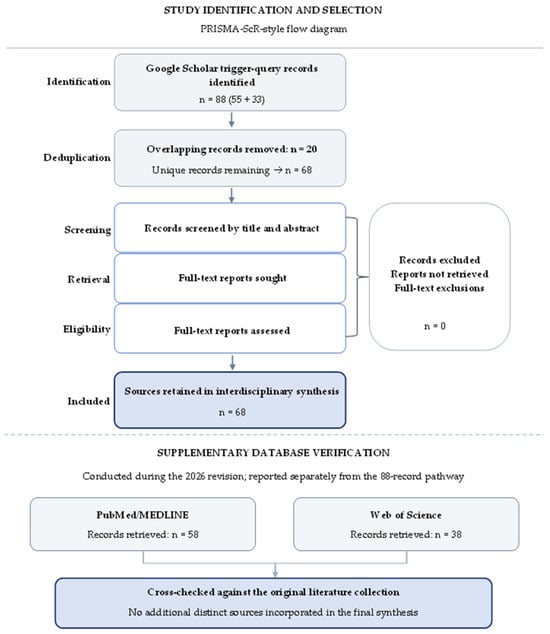
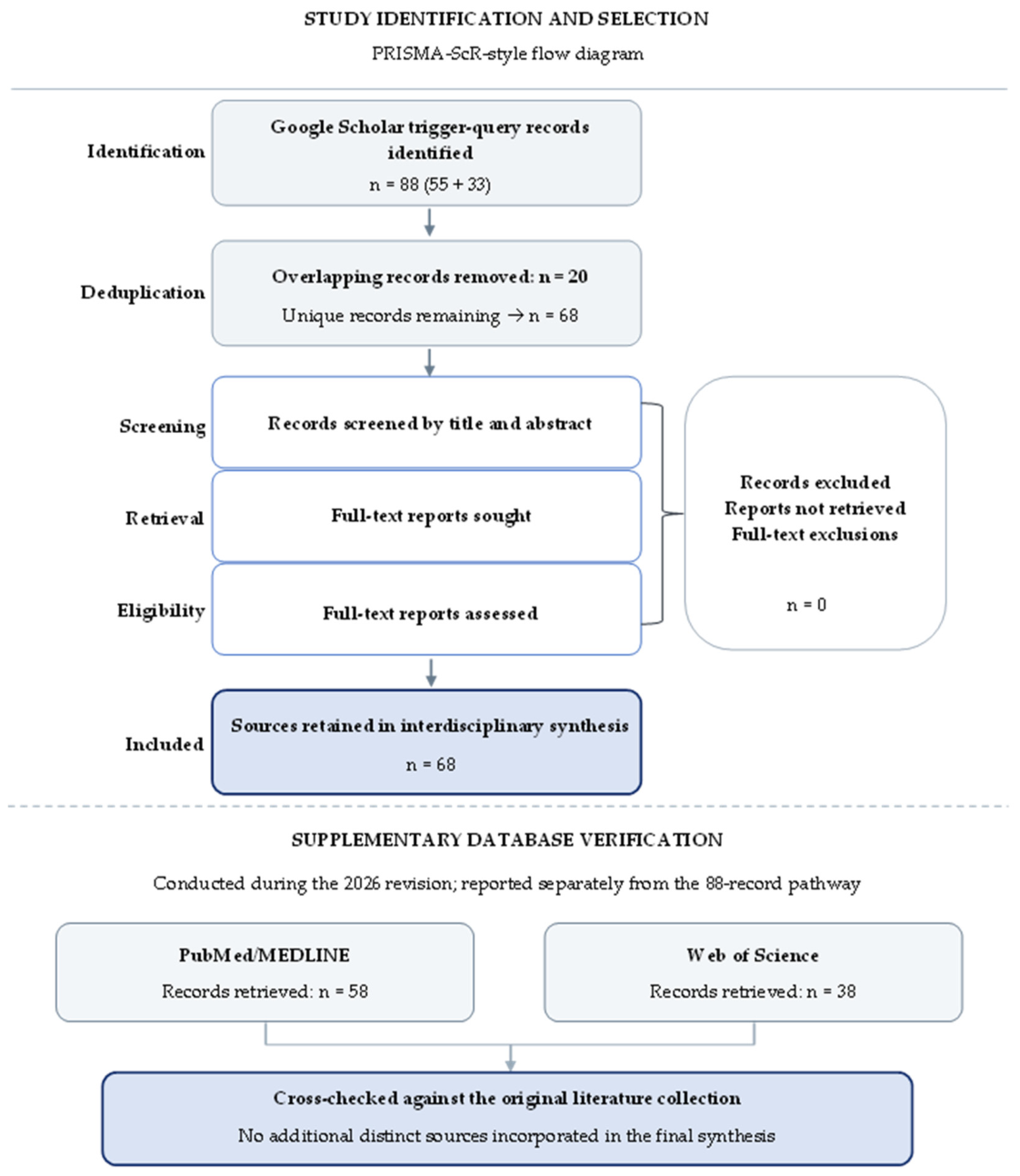
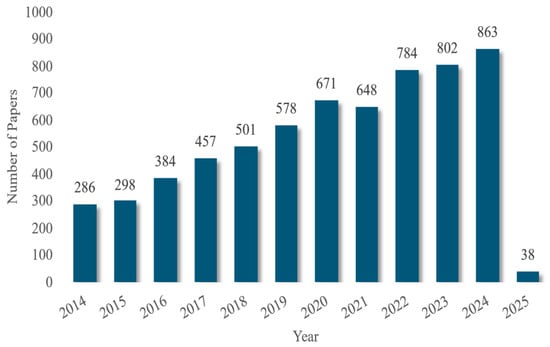
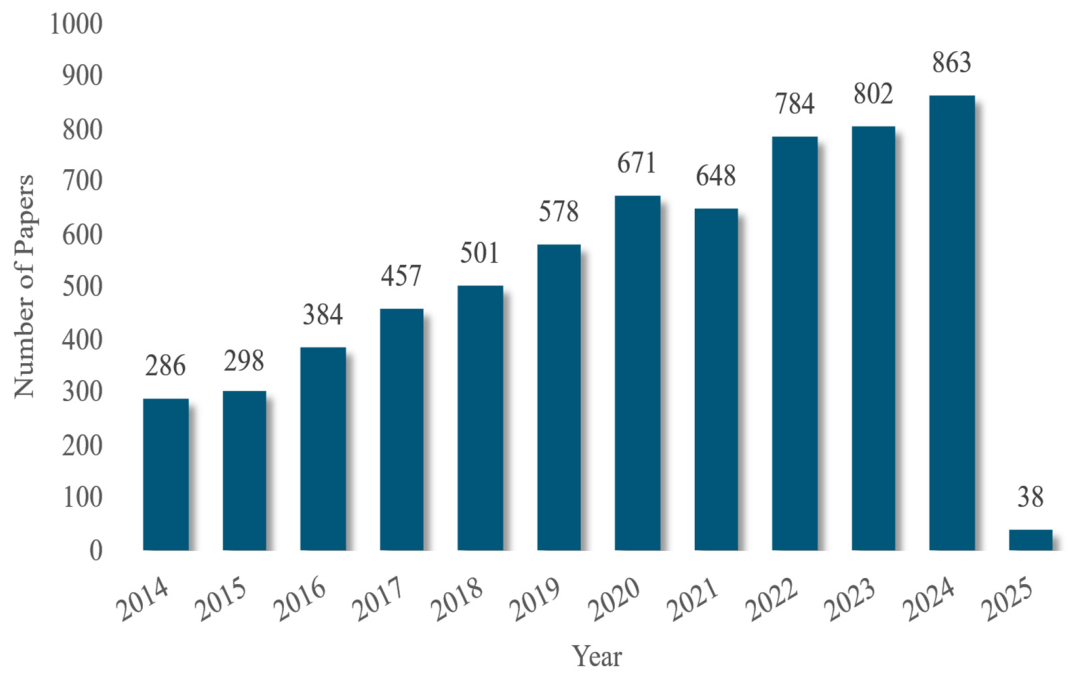
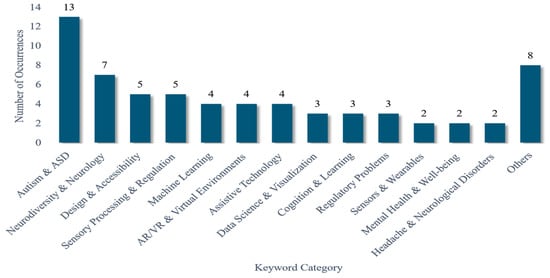
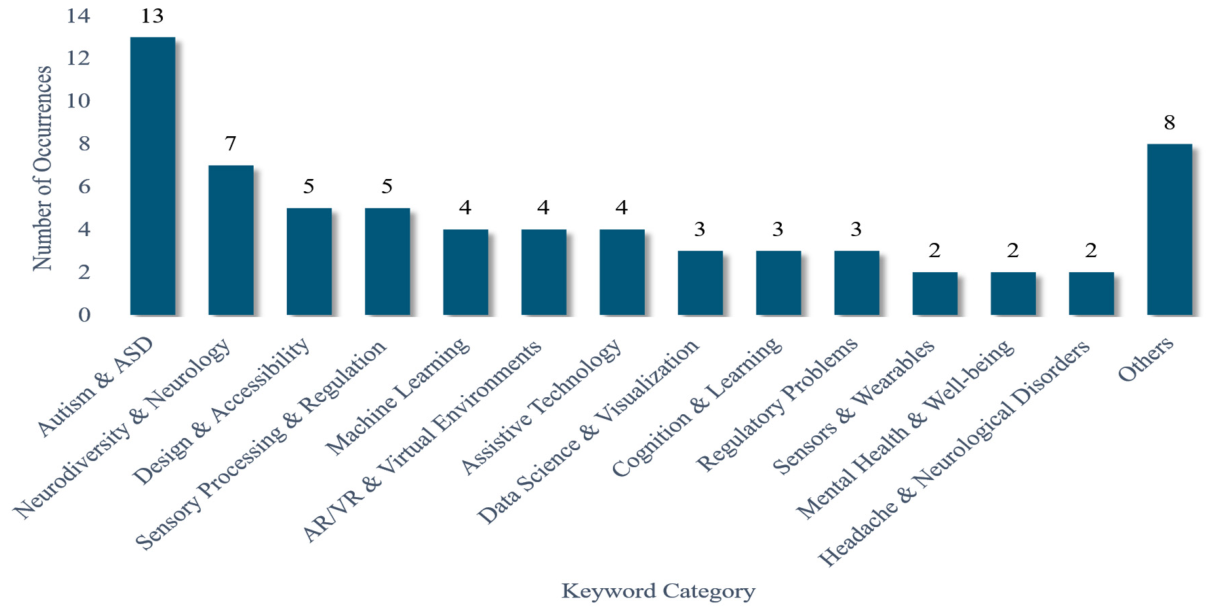
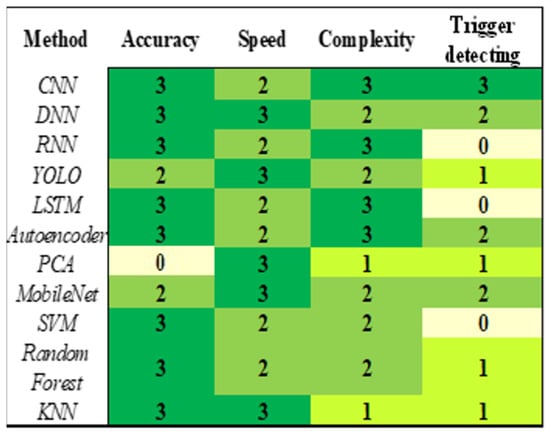
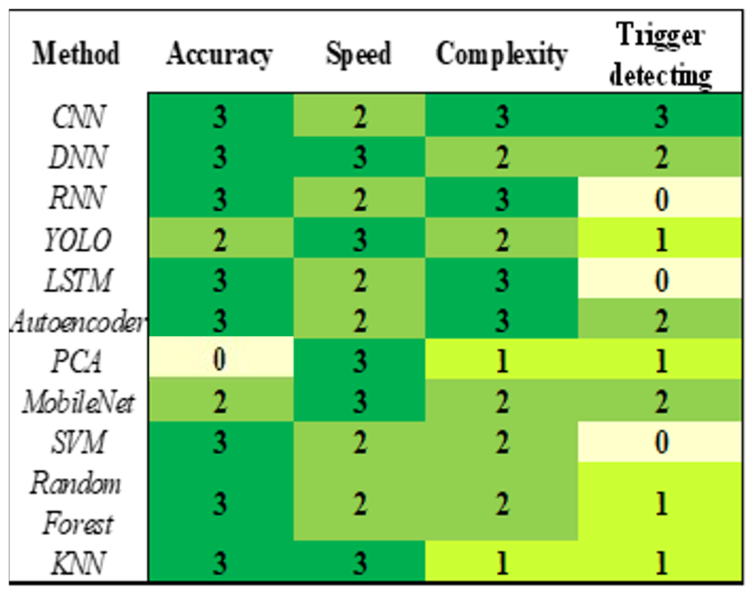

Disclaimer/Publisher’s Note: The statements, opinions and data contained in all publications are solely those of the individual author(s) and contributor(s) and not of MDPI and/or the editor(s). MDPI and/or the editor(s) disclaim responsibility for any injury to people or property resulting from any ideas, methods, instructions or products referred to in the content. |
© 2026 by the authors. Licensee MDPI, Basel, Switzerland. This article is an open access article distributed under the terms and conditions of the Creative Commons Attribution (CC BY) license.