


Highlights
What are the main findings?
- Evidence from 83 studies is dominated by short-term and demographically limited evaluations.
- Testing 10 interface designs with 30 older adults revealed substantial usability variation.
What are the implications of the main findings?
- A four-phase framework supports evaluation from formative review to continuous monitoring.
- Evaluation methods should be adapted to the development stage, user group, and context.
Abstract
Background: Usability influences the safety, effectiveness, and sustained adoption of telemedicine systems, yet evaluation practices remain fragmented and inconsistent. This study synthesized current approaches to telemedicine interface usability evaluation and developed a context-adaptive evaluation framework. Methods: A systematic review was conducted in accordance with PRISMA guidelines. Web of Science Core Collection was searched for studies published between 2021 and 2025. Two reviewers independently screened and extracted data from 83 eligible studies, including evaluation methods, instruments, usability dimensions, participant characteristics, and sample sizes. An empirical case study used the System Usability Scale to evaluate 10 telemedicine interface designs with 30 older adults. Results: Mixed-method evaluations were increasingly adopted, but short-term laboratory studies, demographic bias, limited socio-technical integration, and inadequate assessment of artificial intelligence transparency and safety remained prevalent. The case study revealed substantial variation in usability across the interface designs, highlighting the importance of adapting evaluation methods to specific populations and contexts. The findings informed a four-phase framework comprising formative review, iterative usability testing, summative real-world validation, and continuous ecological monitoring and optimization. Conclusions: Stage-specific and population-sensitive method combinations are essential for robust telemedicine interface evaluation. The proposed framework provides structured methodological guidance and identifies priorities for artificial intelligence assessment, longitudinal evaluation, and inclusive recruitment.
1. Introduction
With the rapid advancement of mobile health (mHealth), electronic health (eHealth), and telemedicine technologies, digital health applications have become integral tools for disease management, health promotion, and the extension of healthcare services [1]. The COVID-19 pandemic further accelerated this trajectory, transforming telemedicine from a supplementary option into an indispensable mode of healthcare delivery. However, the usability of digital health applications critically influences user adoption, sustained engagement, and downstream health outcomes [2]. Consequently, usability evaluation has emerged as a pivotal component in the design and optimization of digital health products. Telemedicine interface design is no longer merely a technical or aesthetic concern; rather, it constitutes a core issue directly related to healthcare quality, patient safety, and health equity [3]. Within this context, user interface (UI) and user experience (UX) function as key mediators shaping the effectiveness of telemedicine interventions.
A defining characteristic of telemedicine interfaces lies in their responsibility for supporting high-risk clinical tasks while simultaneously facilitating complex emotional communication. Such interfaces must achieve a delicate balance among information density, cognitive load, operational efficiency, and emotional support [4]. For instance, symptom-tracking interfaces designed for patients with chronic conditions [5], or interactive conversational interfaces developed for mental health interventions [2], require a deep understanding of users’ condition-specific needs, psychological states, and technological capabilities. This complexity renders targeted usability evaluation indispensable. Usability evaluation aims to systematically identify interface design issues that hinder users from achieving their goals effectively, efficiently, and satisfactorily. Its scope encompasses navigation logic, clarity of information architecture, timeliness of interaction feedback, and accessibility of visual design, among other dimensions [6]. In healthcare contexts, usability evaluation transcends product optimization and represents a concrete embodiment of ethical commitments to “user-centered” and “patient-centered” design principles [7].
Recently, the volume of empirical research on digital health usability has grown substantially. Researchers have employed a wide array of evaluation methods across diverse health domains, ranging from standardized questionnaire-based instruments (e.g., the System Usability Scale (SUS) and the mHealth App Usability Questionnaire (MAUQ)) to in-depth qualitative approaches such as think-aloud protocols, as well as heuristic expert evaluations and real-world field testing [8,9]. These studies have generated valuable insights into interface requirements for specific applications and populations. Nevertheless, the existing literature remains highly fragmented. A considerable proportion of studies focus on single disease domains, such as breast cancer or diabetes [10,11], or on specific user groups, including pregnant women or older adults [12]. Moreover, substantial heterogeneity exists in evaluation methods and reporting dimensions, which impedes cross-study comparison and knowledge integration [13]. As a result, a comprehensive, macroscopic understanding of the overall landscape of usability evaluation research in digital health remains lacking. Specifically, it is unclear whether certain health domains are disproportionately emphasized while others remain underexplored, whether dominant methodological trends or best practices have emerged, and whether participant recruitment adequately represents the diversity of end users. In addition, some critical dimensions may be insufficiently addressed in current evaluations, such as the interpretability and explainability of artificial intelligence-driven decision-making systems [14]. The absence of such an overarching perspective constrains the translation of micro-level empirical findings into generalizable design guidelines and theoretical frameworks, and limits practitioners’ ability to rapidly identify evaluation strategies suited to their specific design contexts.
A small but growing number of recent systematic reviews have begun to deepen understanding of telemedicine usability challenges from methodological, framework-level, and design-oriented perspectives. Sharma and Kumar [15] synthesized usability testing studies of self-management mHealth applications, highlighting the frequent use of mixed-method approaches, particularly the System Usability Scale and think-aloud protocols, while identifying limitations related to sample size justification, evaluation dimensions, and longitudinal research designs. Powis, Ali [16] examined broader evaluation challenges in digital health interventions and emphasized persistent gaps in implementation processes, health equity, privacy and security, and stakeholder perspectives. Golubovic, Dedijer [17] investigated usability issues in medical mobile applications based on Nielsen’s heuristic principles, identifying common usability violations and their implications for interface design. Galavi, Montazeri [18] further highlighted the importance of aesthetic minimalism and operational flexibility in mHealth usability evaluation.
Despite these contributions, several unresolved issues remain in the current literature. Existing reviews have primarily focused on specific application domains, individual evaluation approaches, or isolated usability attributes, resulting in fragmented evidence rather than a comprehensive understanding of telemedicine interface usability evaluation from a human–computer interaction perspective. In particular, the relationships among evaluation methodologies, usability dimensions, measurement instruments, and design implications remain insufficiently synthesized. Furthermore, limited attention has been given to how empirical usability findings can inform the iterative improvement of telemedicine interface design, particularly for populations with specific usability requirements. Building on previous reviews, this study proposes a four-phase guidance framework that links evaluation objectives, methods, and evidence requirements across the telemedicine product life cycle.
To address these gaps, this study adopted a sequential mixed-methods research design comprising three interconnected phases: (1) a systematic literature review of 83 studies published between 2021 and 2025 to synthesise current approaches to telemedicine interface usability evaluation; (2) a persona-based design experiment involving 10 design students to examine how evidence-informed older-adult personas can support the development of telemedicine interface designs; and (3) a usability evaluation involving 30 older adults to assess and compare the usability of the resulting interface designs. By linking evidence synthesis, persona-informed design, and end-user evaluation, the study aims to provide an integrated and practice-oriented understanding of telemedicine interface usability evaluation and improvement. Specifically, the study addresses the following research objectives:
RO1. To systematically identify and synthesize the evaluation methods, usability and user experience dimensions, and measurement instruments used to assess telemedicine interface design from a human–computer interaction perspective.
RO2. To critically identify the limitations and gaps in current telemedicine interface usability evaluation research and derive evidence-informed implications for user-centred design improvement.
RO3. To explore the interface design outcomes produced by students provided with older-adult personas, compared with those produced by students without persona support, in a preliminary design experiment.
RO4. To examine older adults’ prototype preferences and perceived usability through unfiltered selection frequencies and SUS ratings of their self-selected interfaces.
The principal contribution is a proposed framework comprising formative review, iterative testing, real-world validation, and continuous ecological monitoring. It translates the evidence synthesis into guidance on when and why to combine evaluation methods. Findings on expert inspection and complementary user evaluation methods inform the first two phases. Gaps concerning sustained use, population coverage, and clinical workflow inform the latter two phases. The pilot provides exploratory insights into early design and evaluation, while prospective assessment of the complete framework remains necessary.
2. Methods
This study employed a sequential mixed-methods design comprising a systematic literature review, a persona-based design experiment, and an end-user usability evaluation. First, a systematic literature review was conducted to identify and synthesize existing studies on telemedicine interface design evaluation. Second, 10 design students used older-adult personas to develop telemedicine interface designs. Finally, 30 older adults evaluated 10 resulting telemedicine application interfaces using the System Usability Scale (SUS). Together, these phases linked evidence synthesis, persona-informed design, and end-user evaluation to identify usability strengths and priorities for iterative improvement.
To ensure the rigor and transparency of the review process, we strictly followed the Preferred Reporting Items for Systematic Reviews and Meta-Analyses (PRISMA) guidelines, which consist of a 27-item checklist and a flow diagram [19]. The BIBLIO checklist for reporting the bibliometric reviews of the biomedical literature as shown in Supplementary Material S4 Table S5. The Web of Science database was selected as the primary data source due to its authoritative coverage across disciplines ranging from the natural sciences to the social sciences and humanities. Web of Science Core Collection was selected because its SCI-EXPANDED, SSCI, and AHCI indices provide curated interdisciplinary coverage of healthcare, human–computer interaction, and design research. The database was searched on 25 December 2025 for studies published between 1 January 2021 and 25 December 2025. The use of a single database is acknowledged as a methodological limitation because relevant studies indexed elsewhere may have been omitted. These indices were used to retrieve publications related to the evaluation of telemedicine interface design. The following search string was applied: “TS=((telehealth* OR tele-health OR telemedicine OR tele-medicine OR telecare OR “remote consult*” OR “remote monitor*” OR “virtual visit*” OR “virtual care” OR ehealth OR “e-health” OR mhealth OR “m-health” OR “digital health”) AND (“user interface*” OR “human-computer interaction” OR HCI OR “user experience” OR UX OR “user cent*red design” OR usability OR “interaction design” OR “graphical user interface” OR GUI OR “visual design” OR “information architecture”)AND (evaluat* OR assess* OR test* OR measur* OR “heuristic evaluation” OR “usability test*” OR “user test*” OR “cognitive walkthrough”))”. The TS field searches titles, abstracts, author keywords, and Keywords Plus, rather than the full texts of articles.
Two reviewers independently screened the titles and abstracts and assessed the full texts against the predefined eligibility criteria. Two reviewers independently conducted study selection and appraised the methodological quality of all 83 included empirical studies using the 2018 Mixed Methods Appraisal Tool (MMAT) [20]. They resolved disagreements at both stages through discussion, with a third reviewer adjudicating study selection disagreements when consensus could not be reached. All included studies met both MMAT screening criteria. The studies comprised 45 mixed-methods studies, 26 quantitative descriptive studies, nine qualitative studies, two quantitative non-randomised studies, and one randomised controlled trial. For each mixed-methods study, the reviewers appraised the qualitative and quantitative components separately using the criteria appropriate to each component’s design, then applied the mixed-methods criteria to assess the rationale for combining methods, the integration and interpretation of findings, the handling of discrepancies, and the quality of both components. Supplementary Material S2 presents the criterion-level judgements and study-specific justifications. No aggregate quality score was calculated. Incomplete reporting left some judgements indeterminate, particularly those concerning sample representativeness, nonresponse bias, and the handling of discrepancies between qualitative and quantitative findings. In interpreting the evidence for the proposed framework, we drew more directly on studies that linked observed usability problems to specific design changes to support formative evaluation and iterative testing. Restricted samples, short follow-up periods, and incomplete outcome data limited confidence in conclusions about sustained use, clinical safety, and effectiveness in routine practice.
2.1. Inclusion Criteria and Study Selection
All retrieved records were imported into EndNote X20 for management and screening. The first two authors independently screened all titles and abstracts to identify potentially eligible studies, followed by full-text assessments of articles meeting the inclusion criteria. Each author independently recorded inclusion decisions. Any disagreements during the screening process were resolved through discussion among three researchers until consensus was reached. The inclusion and exclusion criteria were developed based on the PICOS (Population, Intervention, Comparison, Outcome, and Study Design) framework (Table 1). All studies included in this review were peer-reviewed journal articles published between 2021 and 2025. Titles and abstracts were independently examined, and all eligible articles were comprehensively evaluated according to the predefined criteria.
Table 1.
Inclusion and exclusion criteria based on the PICOS model.
2.2. Data Extraction and Analysis
Data extraction and analysis were conducted using a structured tabulation approach. The extracted information included key study characteristics such as authorship, study design, participant characteristics, sample size, and country of origin. The grey literature and conference proceedings were excluded, as such sources are often preliminary or exploratory in nature, lack peer review, and pose challenges for systematic retrieval. This exclusion was intended to ensure the overall quality and reliability of the included evidence.
2.3. Search Results
The literature search and study selection were completed on 25 December 2025 according to the predefined protocol. As illustrated in Figure 1, the selection process comprised four sequential stages: identification, preliminary filtering, title and abstract screening, and full-text eligibility assessment. First, the Web of Science Core Collection search identified 3599 records. Second, filtering by publication year (2021–2025), language (English), and document type (article) reduced the number to 1882. Third, title and abstract screening against the predefined eligibility criteria retained 146 articles for full-text assessment. Finally, the full-text assessment resulted in 83 publications being included in the final evidence set. Figure 1 therefore presents the study selection procedure for the systematic review phase of the overall research design.
Figure 1.
PRISMA flow diagram of the study selection process.
2.4. Document Characteristics
We systematically collected and synthesized relevant information from the 83 included studies and compiled a comprehensive summary table. The table documents key study characteristics, including authorship, application name, evaluation methods, number of evaluation participants, participant demographics (age and gender), targeted health domain, and principal findings (see Supplementary Material S1).
Table 2 summarizes the distribution of the 83 included studies across health domains, with each study assigned to one primary domain according to its main application purpose and target population. Chronic disease management was the most frequently represented domain (n = 25), followed by aging health and rehabilitation (n = 17) and clinical support and healthcare systems (n = 16). Maternal and child health accounted for 11 studies, mental health for seven, and prevention and health promotion for five. The remaining two studies addressed tuberculosis treatment support and were classified as other domains. All corresponding studies are listed in Table 2.
Table 2.
Statistics by Category in the Health Sector.
Table 3 summarizes the frequency and specific instruments of the evaluation methods adopted in the 83 reviewed studies. The findings underscore a clear predominance of mixed-methods approaches. Questionnaire surveys were the most prevalent method, employed in 66 studies (79.5%). Within this category, the System Usability Scale (SUS) and the mHealth App Usability Questionnaire (MAUQ) were the dominant tools, used in 13.3% and 14.5% of all studies, respectively. Other standardized instruments, including the Mobile Application Rating Scale (MARS), Post-Study System Usability Questionnaire (PSSUQ), and User Experience Questionnaire (UEQ), were applied less frequently. Notably, a significant portion of studies (26.5%) utilized customized or other questionnaires tailored to specific theoretical frameworks or evaluation needs. Task-based testing and user observation (e.g., measuring completion rates, time-on-task, errors, and employing think-aloud protocols) formed the second core method, applied in 23 studies (27.7%). Qualitative interviews, including semi-structured interviews and focus groups, were conducted in 30 studies (36.1%) to gain in-depth user insights. Heuristic evaluation (e.g., using Nielsen’s principles or the SMART framework) served as a formative expert-driven method in 24 studies (28.9%). Log data and usage statistics analysis was incorporated in 8 studies (9.6%), while expert review or cognitive walkthrough was utilized in 8 studies (9.6%). In contrast, advanced physiological measurements like eye-tracking (with tools such as Tobii) remained exploratory and were reported in only one study.
Table 3.
Evaluation Methods Used in the Included Studies.
The evaluation methods summarized in Table 3 demonstrate distinct strengths and limitations. Questionnaire surveys provide standardized and efficient measurement of usability and user experience, enabling large sample comparisons; however, they rely on self-reported perceptions and may not capture actual behavioral performance. Task-based testing and user observation offer objective evidence of interaction effectiveness through indicators such as task completion and error rates, yet these methods are resource intensive and may be influenced by laboratory settings. Qualitative interviews allow in-depth exploration of user needs and contextual factors, but their findings are often subjective and limited in generalizability. Heuristic evaluation is cost-effective and useful for early identification of interface problems, although it depends heavily on evaluator expertise and may overlook real user difficulties. Physiological measurements, such as eye tracking, provide precise data on visual attention, but their application is constrained by high equipment costs and complex analysis. Log analysis and usage statistics reflect real-world behavior over time, yet they cannot fully explain underlying motivations or experiential factors. Therefore, a mixed-method approach is recommended to balance validity, efficiency, and ecological relevance in telemedicine usability evaluations.
3. Results
Taken together, the synthesis of the 83 included studies reveals consistent patterns in how usability evaluations of telemedicine interfaces are designed and implemented. The findings highlight a strong reliance on mixed-method approaches, substantial variability in participant characteristics and sample sizes, and pronounced differences in evaluation strategies across user groups and healthcare contexts. These patterns underscore the methodological complexity of assessing telemedicine usability and the need to balance standardization with contextual sensitivity. The following results elaborate on these trends by examining methodological practices, participant profiles, and population-specific evaluation considerations in greater detail.
3.1. Dominance of Mixed-Methods Evaluation Strategies
Across the 83 included studies, the selection of evaluation methods exhibited a pronounced dominance of mixed-methods designs. More than 95% of the studies employed two or more evaluation approaches, while studies relying on a single method were exceedingly rare. Only a small number of studies exclusively adopted a single instrument, such as the System Usability Scale (SUS) [60], semi-structured interviews, the Mobile App Usability Questionnaire (MAUQ) [79], the User Experience Questionnaire (UEQ) [48], or heuristic evaluation alone [49,90]. This widespread adoption of methodological combinations indicates a shared recognition among researchers that no single measurement dimension can fully capture the complexity of user experience in telemedicine interfaces. A typical and recurring evaluation pattern was a triadic framework integrating quantitative questionnaires, qualitative insights, and behavioral performance metrics. Specifically, standardized instruments such as SUS, MAUQ, and UEQ provided comparable benchmarks of usability and satisfaction [21,39]. Behavioral indicators, including task completion rates and task execution time, objectively revealed interface efficiency and effectiveness [5]. Meanwhile, think-aloud protocols, semi-structured interviews, and focus groups were used to uncover the underlying causes, emotional responses, and unmet needs behind quantitative findings [2,9]. In many studies, heuristic evaluation was additionally employed as a preliminary expert review to identify critical design flaws prior to user testing [5]. This triangulation of methods and data sources substantially enhanced the robustness, credibility, and interpretive depth of the findings and represents a defining methodological characteristic of contemporary usability evaluation in digital health.
3.2. Participant Characteristics and Sampling Patterns
Analysis of participant characteristics revealed substantial variability in sample sizes, ranging from 5 to 574 participants, with a median sample size of 30. The majority of studies (53/83) recruited fewer than 50 participants, consistent with typical formative usability testing practices. In contrast, studies with sample sizes exceeding 100 participants were relatively rare (10/83) and were predominantly validation-oriented surveys or long-term field deployments [74,87]. In terms of age distribution, adult users aged 18–65 constituted the primary study population. Nevertheless, a notable proportion of studies specifically targeted older adults (≥60 years; 19/83) and children or adolescents (<18 years; 15/83). Research involving older adults mainly focused on rehabilitation management and cognitive impairment [58,60], whereas studies involving children and adolescents emphasized pediatric conditions and health promotion [22,23]. Gender distribution was uneven across studies, with female participants generally over represented. This imbalance largely reflects the prominence of research domains such as maternal and child health [1] and breast cancer management [33], which predominantly target female populations. In contrast, studies centered on male users, such as paternal mental health [2] were comparatively scarce.
Regarding participant roles, patients or end users constituted the core evaluation group in most studies (68/83). A substantial proportion of studies also included healthcare professionals as key stakeholders (31/83) [8], while others incorporated expert evaluators (19/83) or caregivers (11/83) to capture complementary perspectives [50,52]. Despite this diversity, several limitations were evident. The predominance of small-sample studies may constrain generalizability; participant coverage across gender and age groups remains uneven; and reporting of deeper demographic variables, such as education level and socioeconomic status, was often insufficient, limiting more nuanced analyses of digital divide issues.
3.3. Context- and Population-Sensitive Evaluation Practices
Systematic synthesis of the included literature indicates that the selection of telemedicine usability evaluation methods is highly sensitive to user population characteristics and contextual factors. Evaluation designs must therefore respond to the distinct capabilities, needs, and psychosocial backgrounds of different user groups. For general and chronic disease populations, evaluations typically combined standardized questionnaires (e.g., SUS, MAUQ) with contextual task-based testing to balance subjective satisfaction and objective performance outcomes [5,21]. In mental health contexts, evaluation approaches were further deepened through qualitative interviews and participatory design methods to explore how interface design can mitigate stigma, provide emotional support, and accommodate personalized treatment trajectories. For example, one study employed space-themed gamified visual designs to reduce stigma surrounding paternal perinatal mental health [2], while others adopted iterative participatory designs to support long-term tuberculosis treatment adherence [91].
In clinician-facing interface evaluations, the methodological emphasis shifted toward heuristic evaluation and workflow analysis to validate efficiency in clinical decision-making and data integration [8]. For older adults, evaluation strategies prioritized age-related cognitive and perceptual constraints, using questionnaires and observational methods to verify the effectiveness of age-friendly features such as large fonts, high-contrast interfaces, and voice navigation [60,71]. Evaluations involving children and adolescents integrated gamified prototypes, visual feedback tools (e.g., icon-based scales), and privacy-sensitive interaction testing to align with developmental characteristics and engagement preferences [7,23].
For family caregivers, in-depth interviews were commonly employed to understand interface needs related to care coordination and patient–provider communication [52]. Studies involving culturally diverse populations or users with limited digital skills frequently adopted community-based participatory design and focus group methods to ensure cultural appropriateness and baseline accessibility [53,74]. Collectively, these practices demonstrate that contemporary usability evaluation has evolved into a nuanced, population-specific methodological system. However, insufficient attention to socioeconomic determinants of technology adoption and a lack of cross-population comparative analyses remain notable gaps, representing important directions for future research.
3.4. Transition from Systematic Review to Empirical Validation
The systematic review findings collectively suggest that current telemedicine usability evaluation practices, while methodologically sophisticated in their adoption of mixed-methods designs and population-sensitive protocols, exhibit two persistent limitations that warrant further investigation. First, despite the widespread recognition that evaluation strategies must be tailored to user characteristics, the operationalization of age-related physical and cognitive constraints in usability testing remains largely implicit rather than systematically embedded within experimental protocols. Second, the practical challenges associated with recruiting vulnerable populations, particularly older adults, have not been adequately addressed methodologically, resulting in a reliance on small convenience samples that may not fully capture the diversity of end-user capabilities. These gaps point to a need for empirical validation that explicitly tests whether the evaluation strategies advocated in the literature can be effectively implemented in a controlled setting and whether they yield actionable insights beyond those generated by standard testing protocols.
To address this need, this study integrates the review findings with an exploratory empirical investigation to inform a proposed four-phase guidance framework comprising formative review, iterative testing, real-world validation, and continuous ecological monitoring. The empirical investigation used 14 older-adult personas previously developed from 476 questionnaire responses and semi-structured interviews with 12 designers and 20 older adults. These personas served as design materials for examining persona-informed interface development and subsequent user evaluation. The following section details the design, implementation, and findings of this exploratory investigation, which provides insights relevant to the early phases of the proposed framework.
4. Preliminary Evaluation of Persona Use and Telemedicine Interface Usability
This pilot study explored the use of personas in design students’ development of telemedicine interfaces for older adults through a comparative design experiment, followed by usability testing with older adults. Ten senior-year design students with experience in interaction or user interface design participated in the design task, of whom five were provided with personas to guide the design process, while the remaining five worked without such guidance. To bridge the design and evaluation phases, a two-stage selection process was implemented. The resulting interfaces were subsequently evaluated in usability testing with 30 older-adult participants, who completed basic tasks such as online registration and consultation, selected the four most satisfactory designs from the ten prototypes, and subsequently rated the selected interfaces using the System Usability Scale. This selection threshold was chosen to balance the practical constraints of recruiting older adult participants for extended testing sessions against the need to obtain a sufficiently diverse range of design solutions for comparative analysis. However, validating the effectiveness and accuracy of personas in real scenarios remains challenging [92]. Existing validation processes primarily use evaluation scales, such as the Persona Perception Scale (PPS) [93] and the Persona Readiness Scale (PRS) [94], which enable rapid assessment of persona models but depend heavily on reviewers’ subjective judgments and professional backgrounds, potentially introducing bias. Furthermore, these methods are unable to directly measure the actual impact of personas on design outcomes.
Comparative interface design experiments can provide insights into the potential practical value of personas by examining differences in design quality, user experience, or task performance between designs developed with and without personas. In a preliminary pilot study, this approach offers an opportunity to explore persona use in practice and generate hypotheses for subsequent, adequately powered evaluations. The personas served as design references that translated older adults’ goals, abilities, usage contexts, and barriers into interface considerations, including readable text, simplified navigation, clear information hierarchy, reduced task complexity, and understandable feedback. The flow chart of the persona validation is shown in Figure 2.
Figure 2.
Validation of the personas used to design telemedicine interface for older adults.
4.1. Controlled Design Experiment
A controlled design experiment was conducted with senior-year design students at a university, focusing on telemedicine interfaces for older adults. The participants were divided into two groups for a controlled design experiment. Usability testing was then performed to evaluate the design outcomes.
4.2. Controlled Design Experiment on Telemedicine Interface for Older Adults
Senior-year design students from a public university in Guangdong Province, China, participated in the telemedicine interface design experiment for older adults. The experiment was conducted within an interface design course taught by the researcher, comprising 64 h over 8 weeks (8 h per week) using a workshop-based, seminar-style format. Of the 30 students in the class, 20 selected telemedicine for older adults as their design topic. The first four weeks covered fundamental interface design knowledge, including design concepts, case analysis, goals and principles, design processes, market and user research, layout, visual elements, colour and icon design, and design specifications. With the students’ consent, 10 participants were selected from the 20 telemedicine-themed projects, based on comparable interface design skills assessed through coursework and assignments during the first four weeks, to participate in the controlled design experiment.
The instructor randomly drew student identification numbers to allocate the 10 students to an experimental group and a control group, with five students in each group. Group allocation was distinct from the random assignment of prototype identifiers and the randomisation of prototype presentation order during subsequent usability testing.
At the beginning of week 5, the experimental group received the complete set of 14 personas. The number reflected the size of the existing persona database used in the experiment. Providing the complete set allowed students to review the available user profiles before selecting those relevant to their design proposals. Although traditional guidance commonly recommends fewer than ten personas, Salminen [95] found that presenting 15 rather than five personas through an interactive system broadened persona selection without statistically significant adverse effects on measured recall or perceptions, although browsing required more time. These findings highlight the importance of considering both user diversity and the time required to examine persona materials. In the present experiment, students were advised to select approximately 8–10 personas to consider diverse target-user characteristics within the course schedule. They retained discretion over the number and profiles selected according to their design requirements. This range served as an instructional guideline.
The control group completed the design assignment without receiving the persona materials. Both groups followed the same project brief, schedule, submission requirements, and assessment criteria and received equivalent instructional support. During the design phase, the instructor provided minimal design intervention, allowing students to develop their proposals independently. Design activities continued from weeks 5 to 8, and the final prototypes were collected on the last day of the eighth week.
4.3. Results of the Controlled Design Experiment Involving 10 Senior-Year Design Students
The controlled design experiment included two groups: an experimental group of five students and a control group of five students, as shown in Supplementary Material S3.1 Design Experiment Results (the persona-based experimental group: A2, B1, A4, B3, B4; the control group: A1, A5, A3, B2, B5). Each student produced one prototype. After completing market and user research, the control group proceeded with information architecture design, interactive prototyping, and visual interface design without additional guidance. From the fifth week, the experimental group received personas to guide their design, including functional planning, interaction logic, user experience, and visual design. The results of the students’ interface designs were used solely for this study. Following the course, the designs were reviewed and analysed, and older adults participated in usability testing based on these outcomes. The results are presented in Supplementary Material S3 Table S4. Following prototype completion, 30 older adults participated in usability testing. Each participant experienced all 10 prototypes in a randomised presentation order and selected four preferred interfaces for SUS assessment, yielding 120 ratings.
The researcher maintained observational notes during testing and retained selected photographs. The notes documented interaction difficulties, requests for assistance, and spontaneous participant comments and were used to contextualise the usability findings. Standardised task timing, systematic event counts, and complete verbal transcripts were unavailable for retrospective analysis. Accordingly, SUS ratings and selection frequencies constitute the systematically analysed outcomes reported in this study.
4.3.1. Results of the Experimental Group Involving Senior Design Students
The experimental group’s telemedicine interface designs for older adults are presented in Supplementary Material S3 Table S4. Figure 3 shows an example of the telemedicine interface design. This student used the persona database during both the demand analysis and design practice phases and employed a user journey map to examine the operation process, identify pain points, and explore design opportunities.
Figure 3.
Example of telemedicine interface design produced by the experimental group.
Key pain points and opportunities identified included limited promotion channels for telemedicine apps, questionable reliability, frequent operations, and high learning costs. The proposed solutions comprised one-click access, AI voice assistants, doctor and appointment recommendations through conversation analysis, streamlined data entry via facial recognition, customisable doctor filtering, conflict alerts, accent or dialect recognition, flexible service methods post-appointment, visit preparation reminders, priority local doctor recommendations, additional medical staff in special cases, medical record and medication reminders, logistics tracking, health condition monitoring, patient communities, optional follow-up scheduling, data sharing with higher-level doctors, multi-dimensional anonymous doctor evaluation, personalised health information push, and location-based health product recommendations.
In terms of design concept, the telemedicine interface should remain simple and intuitive, enabling older adults to understand and operate it easily. The system should offer operation training and health education content, provide timely feedback to improve fault tolerance, and convey emotional care and support. Personalised settings and recommendations should be available based on users’ health status, with strong privacy and data security measures to enhance system reliability and trust.
For design implementation, the participants were advised to use brainstorming to generate multiple ideas, select one for refinement, and define functional modules, information architecture, interaction logic, and interface style. The primary functional modules for older adults included: (1) Home, featuring quick consultation, expert consultation, appointment registration, and one-click guidance; (2) Pharmacy, covering shopping cart, prescription import, medicine search, intelligent medication reminders, and drug scanning; (3) Message, enabling communication with doctors or patients; and (4) Me, supporting login/registration, order tracking, health condition monitoring, medical record management, and family assistance requests.
4.3.2. Results of the Control Group Involving Senior Design Students
The telemedicine interface designs for older adults produced by the control group are presented in Supplementary Material S3 Table S4. Figure 4 shows an example of the telemedicine interface design by this group. The design consisted of four modules: Pharmacy, Body Monitoring, Medical Records, and Collections. The design emphasises guidance functions to assist novice users. The Pharmacy module included health knowledge, medicinal diet recipes, and healthcare methods. The Body Monitoring module presented data visually through charts. The Medical Records module documented patients’ medical histories, while the Collections module contained popular science articles.
Figure 4.
Example of telemedicine interface design produced by the control group.
4.4. Usability Testing of Telemedicine Interface Designs for Older Adults
Usability goals are often framed as questions to guide interactive designers in evaluating products and user experiences. Findings from usability testing are distilled into guidelines that inform future product improvements. This evaluation approach integrates experimental design, observation, interviews, and surveys to collect data in controlled settings, thereby optimising the user interface [96]. Based on the controlled design experiment results, the usability of the telemedicine interface designs was assessed using the System Usability Scale (SUS), which comprises five positive and five negative items [97]. To aid participants’ comprehension, the telemedicine interface and information architecture were included in the survey.
4.4.1. Usability Testing Process
When recruiting older adults, it is essential to understand their specific needs fully and create a conducive testing environment to build trust with participants. In this study, 30 older adults were recruited from communities, areas around schools, and parks. Eligible participants were aged 50 years or older, able to read and communicate in Chinese, had normal or corrected-to-normal vision, possessed sufficient hand mobility to operate a touchscreen device, and provided informed consent. Participants with cognitive, visual, hearing, or motor impairments that prevented task completion were excluded. Their demographic characteristics and previous digital and telemedicine experience are summarised in Table 4. Testing was conducted individually in a quiet, well-lit environment using the same iPhone 14 Pro with a 6.1-inch touchscreen.
Table 4.
Participant and usability-testing characteristics.
To minimise allocation bias, the 10 prototypes developed by senior design students were randomly assigned to the persona-guided experimental group and the control group and coded A1–B5 (Appendix A Design Experiment Results). Each participant interacted with all 10 prototypes in a counterbalanced order and completed the same predefined tasks, including identifying the main functions, locating a telemedicine service, initiating an appointment or consultation, and viewing personal health information. Participants used the think-aloud method to verbalise their thoughts [98], while task-completion time, operational errors, requests for assistance, and emotional responses were recorded.
After testing all prototypes, each participant selected the four interfaces they preferred most and completed the System Usability Scale (SUS) separately for each selected interface. The SUS as shown in Supplementary Material S3.2 Table S3. The four-interface rating limit was adopted to manage participant burden and testing duration while obtaining evaluations of multiple design alternatives. Thus, every participant experienced all 10 prototypes but provided SUS ratings for only four self-selected interfaces. SUS scores were calculated by subtracting 1 from odd-item ratings and subtracting even-item ratings from 5, summing the adjusted scores, and multiplying the total by 2.5. A score of 68 was used as a reference benchmark for interpreting perceived usability [97]. All collected ratings were included in the analysis. Because interfaces were self-selected, the scores describe perceived usability among participants who selected each prototype, limiting unbiased comparisons across prototypes.
SUS was used to assess participants’ overall perceived usability of the selected prototypes. Its use as a quantitative usability outcome is consistent with recent clinical interface research, including the comparison of alternative explanation formats by Hur, Lee [99]. Observational notes and comments elicited during prototype use supplemented the quantitative assessment. Thomas, Asnes [100] similarly combined SUS with think-aloud interviews, using qualitative analysis to identify specific design changes. In the present study, the retained notes provided contextual information for interpreting participant responses. Their interpretation remained exploratory because complete transcripts and systematic behavioural measurements were unavailable.
4.4.2. Analysis of the Usability Testing Results
The usability testing results were first ranked according to older adults’ preferences. All collected SUS ratings are reported in Table 5, together with the unfiltered frequency with which each interface was selected. Individual SUS scores are presented first, followed by the arithmetic mean in bold. Because participants rated only their four preferred interfaces, these scores describe perceived usability among participants who selected each interface and do not support an unbiased comparison across all prototypes. Prototypes were ranked by selection frequency, with ties resolved using mean SUS scores. The four highest-ranked prototypes (A4, B4, B3, and B1) all belonged to the experimental group, providing preliminary evidence that the proposed personas may inform telemedicine interface designs that reflect older adults’ preferences. However, although these apps were preferred by participants, their System Usability Scale (SUS) scores were not particularly high, indicating that both the proposed personas and the telemedicine interface designs still require further refinement and optimisation. Because SUS ratings were obtained only for self-selected interfaces, they were not interpreted as a direct usability comparison across all 10 prototypes.
Table 5.
Ranking of the SUS scores.
Selection frequency and SUS scores captured different aspects of participants’ responses. Selection frequency represented participants’ relative preferences among the available prototypes, whereas SUS assessed their overall perceived usability. Thus, a prototype could be preferred over the available alternatives while still receiving a modest SUS score. This distinction offers a possible interpretation of the observed pattern, although the retained observational notes and participant comments were insufficient to establish the reasons for individual selections or ratings.
The findings characterise prototype preferences and perceived usability among participants who selected each interface. The self-selection of interfaces limits unbiased comparisons of SUS scores across prototypes. Observational notes and participant comments provided contextual information, but the available records were insufficient to systematically link reported difficulties to specific interface features. Any design implications derived from these notes should therefore be treated as provisional and examined through subsequent task-based testing.
This pattern suggests that the personas may have helped guide designers in responding to older adults’ preferences. However, given the small number of designers in each group and the absence of a formal between-group statistical comparison, the findings should be interpreted cautiously and cannot yet confirm the effectiveness of the personas. Design students also reported that some persona statements lacked clarity and required further revision and that selecting and combining multiple personas could be challenging. Therefore, clearer persona descriptions and more explicit guidance on persona selection and application may be needed to support interface design, verification, and iterative refinement. Overall, personas may help designers understand older adults’ needs and the contexts in which they use telemedicine, although their practical value requires further investigation.
5. Discussion
This systematic review synthesized evidence from 83 studies to delineate the methodological contours of usability evaluation within telemedicine interface design. The analysis reveals a domain characterized by methodological pluralism, yet one that grapples with persistent challenges related to ecological validity, demographic inclusivity, and the assessment of increasingly complex socio-technical systems. The prevailing reliance on mixed-methods approaches and the context-dependent nature of method selection stand out as defining features of contemporary practice.
5.1. The Need for Mixed-Methods Approaches
A central finding of this review is the frequent use of mixed-methods approaches. Rather than relying exclusively on a single instrument, many studies combined standardised questionnaires, qualitative inquiry, and objective performance measures to capture complementary aspects of usability. This methodological consensus reflects a sophisticated understanding that usability in healthcare is a multidimensional construct, irreducible to a single quantitative score. Standardized questionnaires, particularly the System Usability Scale (SUS) and the Mobile Health App Usability Questionnaire (MAUQ), serve a vital function in providing reliable, benchmarkable metrics for perceived ease of use and satisfaction [21,39]. However, these instruments inherently capture the what of user perception, not the why. This explanatory gap is effectively addressed through complementary qualitative methods. Think-aloud protocols and semi-structured interviews offer a window into the user’s cognitive processes, emotional responses, and the contextual hurdles they face during interaction [9]. Concurrently, objective performance measures, such as task completion rates and time-on-task, yield data on efficiency and effectiveness that are independent of subjective bias. The strategic triangulation of subjective perception, objective performance, and rich qualitative insight constitutes a robust epistemological stance, transforming evaluation from a summative activity into a diagnostic process that informs iterative design refinement.
5.2. Method Adaptation to User Archetypes
The review strongly underscores that method selection is not a neutral technical decision but a deeply contextual one, fundamentally shaped by the target user archetype and their situated use case. Evaluations targeting clinical professionals logically prioritize heuristic evaluation and workflow task analysis, focusing on information density, decision-support efficiency, and integration with clinical protocols [8]. In contrast, evaluations for older-adult populations necessitate a focus on accessibility, demanding methods like direct observation and simplified task scenarios to uncover challenges stemming from visual, motor, or cognitive age-related changes [60,71]. For interfaces serving populations managing stigmatized conditions, such as mental health or HIV, methodological sensitivity is paramount. Studies here frequently employ participatory design and in-depth qualitative interviews to explore how interface aesthetics, language, and interaction patterns can either mitigate or exacerbate feelings of stigma and influence therapeutic alliance [2,91]. This specificity necessitates that evaluators possess not only methodological expertise but also substantive empathy and domain knowledge to appropriately tailor their approach.
5.3. Value and Limitations of Expert Evaluation
The incorporation of dedicated heuristic evaluation studies further clarifies the methodological ecosystem [49,90]. These studies highlight the formidable strength of expert review as a formative, cost-effective tool for identifying a high volume of usability violations prior to end-user involvement. They efficiently uncover fundamental flaws in consistency, mapping to real-world concepts, and critical safety oversights, such as interfaces that permit entry of clinically aberrant data without triggering alerts [49]. The longitudinal application of this method also provides a unique lens to track design evolution and the persistence of high-severity issues over time, as demonstrated in the assessment of pandemic era telemedicine apps [90]. However, this approach is fundamentally a proxy measure, constrained by its expert-centric perspective. It cannot capture the lived experience of learnability, the evolution of user competence over time, or the motivational and emotional dimensions of engagement that are crucial for long-term adherence. Its optimal utility is therefore as a preliminary filter, not a substitute for empirical evaluation with representative end-users.
5.4. Persistent Gaps and Methodological Shortcomings
Despite the observed sophistication, several critical lacunae in current evaluation practices are evident. First, a tension exists between internal and ecological validity. The predominance of small-sample (median n = 30), controlled usability studies, while methodologically sound for identifying specific interface flaws, limits generalizability and fails to capture how usability manifests in the messy reality of daily life over extended periods. Longitudinal field studies incorporating analytics of real-world use patterns remain underrepresented. Second, significant demographic and socio-technical blind spots persist. Participant samples are heavily skewed, with an over-representation of adult females in specific health domains, while male health in non-stigmatized contexts, digitally-naïve older adults, and culturally diverse populations are inadequately studied. Moreover, evaluations seldom account for key socio-technical determinants of adoption, such as education level, health literacy, and access to technology, thereby offering an incomplete picture of the “digital divide” [81]. Third, the review exposes a methodological lag in evaluating advanced system features. As interfaces integrate artificial intelligence for tasks like symptom checking or predictive analytics, traditional methods prove inadequate for assessing critical dimensions like trust, perceived fairness, and the explainability of algorithmic outputs, a shortcoming noted in heuristic evaluations of AI-powered tools [14]. Recent studies further indicate that advanced telemedicine evaluation should extend beyond interface interaction. Reliable physiological data processing is essential for trustworthy user-facing outputs [101], while organisational collaboration, information infrastructure, governance, and equitable access shape the implementation of AI-enabled medical technologies [102]. These findings support the inclusion of data reliability and socio-technical readiness alongside conventional usability measures. Finally, the field suffers from a dearth of comparative methodological research. While methods are frequently combined, there is little empirical evidence comparing the efficacy, efficiency, and value of different method combinations for answering specific research questions, hindering the development of evidence-based best practice guidelines.
5.5. Proposed Evidence-Informed Phased Evaluation Framework
In response to these gaps, a more structured, principled, and phased evaluation framework is proposed. This proposed framework conceptualizes evaluation as an integrated, stage-gated process aligned with the product development lifecycle. The four phases were derived by mapping the evaluation purposes and methods identified in the 83 reviewed studies onto the product development lifecycle and integrating the empirical findings on interface preferences, observed usability problems, SUS ratings, and designers’ feedback. The Formative Phase would leverage heuristic evaluation [49] and participatory requirement gathering to establish a robust foundation and eliminate critical flaws early. The Iterative Testing Phase would employ targeted mixed-methods protocols, where the specific combination of performance measurement, questionnaires, and qualitative inquiry is dynamically selected based on the user archetype and the design questions at hand. The Summative Validation Phase would involve larger-scale, longitudinal deployments that couple standardized outcome measures with the analysis of behavioral analytics and systematic longitudinal feedback, explicitly assessing factors like integration with healthcare systems [90]. Finally, an Ongoing Ecological Monitoring Phase would institute lightweight, embedded mechanisms for continuous user feedback and usability assessment post-launch.
Methods are selected according to the evaluation objective and product maturity: formative methods identify early design problems, iterative testing examines user–interface interaction, field validation assesses real-world performance, and continuous monitoring detects issues emerging after launch. Safety and inclusivity are embedded across all phases through diverse user recruitment, accessibility testing, privacy protection, clinical review, human oversight, and escalation pathways. After launch, task failures, abandonment, system errors, support requests, accessibility concerns, and safety incidents are periodically reviewed by a multidisciplinary team. Critical issues trigger immediate corrective action, whereas other findings inform the prioritised development backlog. This framework emphasizes intentionality, advocating for the deliberate selection and sequencing of methods to address specific validity goals at each stage, while mandating consideration for inclusivity, safety, and real-world context from the outset. The specific evaluation framework is shown in Figure 5.
Figure 5.
Adaptive Evaluation Framework for Telemedicine Interface Design [5,9,14,21,31,44,62,65,74,77].
As illustrated in Figure 5, this study introduces an integrated framework for the usability evaluation of telemedicine interfaces that structures evaluation activities into four interrelated phases: formative and expert review, iterative usability testing, summative real-world validation, and continuous ecological monitoring and optimization. The framework emphasizes a context-adaptive pathway in which evaluation methods are dynamically aligned with the specific needs and characteristics of target user groups. Its core proposition is that there is no universally optimal method; instead, effective evaluation relies on strategically combining approaches that are most appropriate to particular stages of development and user populations. The accompanying application guidelines further articulate the non-linear and iterative nature of the process, enabling feedback loops across phases, while methodological choices are guided by a decision matrix that balances user attributes, evaluation objectives, and available project resources. Importantly, the framework advocates the inclusion of diverse users from the earliest stages to support inclusive and equitable design. By systematically embedding validated mixed-method strategies within the product life cycle and concrete usage contexts, the proposed framework aims to address persistent limitations in existing research, including insufficient ecological validity, a lack of longitudinal assessment, and inadequate attention to vulnerable populations, and thereby provides robust methodological support for the development of more equitable, effective, and sustainable telemedicine interfaces.
6. Conclusions
This study examined the usability evaluation of telemedicine interface design from the dual perspectives of a systematic literature review and an empirical case study. The review identified frequent combinations of evaluation methods and highlighted the importance of aligning method selection with evaluation objectives and user characteristics. Expert heuristic review supported the identification of potential interface problems during early development, while user testing and questionnaires provided complementary evidence on interaction difficulties and perceived usability. Nevertheless, substantial gaps persist, including the dominance of short-term laboratory studies, limited representation of older adults and digitally disadvantaged populations, insufficient attention to socio-technical integration, and limited evidence on measures of artificial intelligence transparency and clinical safety.
Drawing on this synthesis and the exploratory empirical study, this study proposes a four-phase guidance framework comprising formative review, iterative testing, real-world validation, and continuous ecological monitoring. Its contribution lies in organising evaluation methods around the objectives and evidence requirements of successive stages of the telemedicine product life cycle. Expert inspection and complementary user evaluation findings provide a basis for formative review and iterative testing. The proposed real-world validation and monitoring phases address gaps in evidence on sustained use, clinical workflows, and performance across populations and settings. The framework provides guidance for future application and evaluation.
In the pilot, the four prototypes with the highest selection frequencies originated from the persona-informed experimental group. This finding suggests that persona-informed design may help develop interfaces aligned with the preferences of the participating older adults. However, the small student sample, single educational setting, and self-selection of interfaces for SUS assessment limit causal interpretation and generalisability. The pilot provides preliminary evidence relevant to early design and evaluation, with the complete framework requiring prospective assessment.
The empirical analysis included all 120 SUS ratings and unfiltered selection frequencies. Observational notes provided contextual information, but the retained records were insufficient for systematic analysis of task completion times, error rates, assistance requests, or verbal responses. Consequently, the behavioural evidence available to explain differences in preferences and SUS ratings was limited. The SUS alone does not capture telemedicine-specific quality dimensions, including safety, cognitive load, and digital accessibility. Future evaluations could incorporate eye-tracking and other behavioural assessment tools to examine users’ interaction patterns and usability difficulties in greater detail. The systematic review was limited to the Web of Science Core Collection and did not include relevant studies from other major databases, including PubMed, Scopus, IEEE Xplore, the ACM Digital Library, and PsycINFO. The synthesis should therefore be interpreted within the coverage of the database, search strategy, and eligibility criteria.
To further advance the field, future studies should prioritize longitudinal and real-world investigations that capture sustained use, clinical outcomes, and workflow impacts. There is an urgent need to develop specialized tools for evaluating artificial intelligence explainability, decision safety, and human oversight within telemedicine interfaces. Comparative methodological research is also required to determine the relative effectiveness of different method combinations across medical specialties and cultural settings. In addition, larger and more diverse participant recruitment, including older adults, people with disabilities, and low-digital-literacy groups, is essential for improving generalizability. Future reviews should adopt a multidisciplinary, multi-database search strategy to provide broader coverage of this field. By adopting more rigorous, holistic, and ethically grounded approaches, future research can ensure that telemedicine interfaces are not only usable, but also safe, effective, and equitable within the evolving digital health ecosystem.
Supplementary Materials
The following supporting information can be downloaded at: https://www.mdpi.com/article/10.3390/healthcare14234026/s1.
Author Contributions
H.H.: Conceptualization, Methodology, Writing—Original Draft, Data Curation, Formal Analysis, Visualization. R.Z.: Supervision, Conceptualization, Writing—Reviewing and Editing. S.H.A.-R.: Supervision, Conceptualization, Writing—Reviewing and Editing. R.A.R.G.: Supervision, Methodology, Writing—Review and Editing. H.W.: Writing—Review and Editing, Visualization. All authors interpreted the results, and revised and approved the submission of the final article. All authors have read and agreed to the published version of the manuscript.
Funding
This study was funded by the 2025 Zhaoqing City Science and Technology Innovation Guidance Project: “Design and Application Research of Smart Medical Accompaniment Service System Based on Artificial Intelligence” (KJCX2025002). The Ministry of Education of China Humanities and Social Sciences Research Planning Fund Project “Research and Practice of a Gait Analysis-Based Frailty Risk Assessment System for Older Adults” (23YJAZH201). Guangzhou Key Research and Development Program “Research on AI-Based Early Screening and Novel Immune Intervention Technologies for Frail and Disabled Older Adults” (2023B04J0106). Guangzhou Key Research and Development Program “Research and Demonstration of Key Technologies for Age-Friendly Rehabilitation Landscapes and Green Care” (2023B04J0121). Guangzhou Civil Affairs Science and Technology Fund Open Competition Project “Research and Demonstration of Intelligent Protection and Novel Intervention Models for Older Adults with Dementia” (GCAAL2022001).
Institutional Review Board Statement
This study was approved by the University of Malaya Research Ethics Committee (UM.TNC2/UMREC_2969) on 2 January 2024. This study adhered to the Declaration of Helsinki.
Informed Consent Statement
Informed consent was obtained from all subjects involved in the study. Written informed consent was obtained from patients/participants for their personal or clinical in-formation and identifiable images to be published in this study.
Data Availability Statement
The datasets used and/or analysed during the current study are available from the corresponding author on reasonable request.
Acknowledgments
The authors express their gratitude to the authors of the original papers that were cited in this paper. The authors would like to thank the participants who participated in this study.
Conflicts of Interest
The authors declare no conflicts of interest.
References
- van den Berg, L.A.; van Beukering, M.D.M.; de Leeuw, R.A.; Peute, L.W. Exploring the Influence of End-Users’ Lived Experience on Usability Problem Detection: A Case Study of the Pregnancy and Work App. Int. J. Hum.-Comput. Interact. 2026, 42, 7682–7697. [Google Scholar] [CrossRef] [Scilit]
- Teague, S.J.; Shatte, A.B.R.; Fuller-Tyszkiewicz, M.; Hutchinson, D.M. User-centred design and evaluation of an mHealth app for fathers’ perinatal mental health: A feasibility, acceptability, and usability study. Behav. Inf. Technol. 2025, 44, 4950–4964. [Google Scholar] [CrossRef] [Scilit] [PubMed]
- He, H.; Raja Ghazilla, R.A.; Abdul-Rashid, S.H. A Systematic Review of the Usability of Telemedicine Interface Design for Older Adults. Appl. Sci. 2025, 15, 5458. [Google Scholar] [CrossRef] [Scilit]
- He, H.; Raja Ghazilla, R.A.; Abdul-Rashid, S.H. Factors influencing the intention to use telemedicine services among older adults in China. Sci. Rep. 2025, 15, 37772. [Google Scholar] [CrossRef] [Scilit] [PubMed]
- Park, M.; Lee, J.; Cheon, J.H.; Yoon, N.; Yu, J.; Nam, H. User-needs based app for patients with inflammatory bowel disease: Development and usability study. BMC Health Serv. Res. 2025, 25, 15. [Google Scholar] [CrossRef] [Scilit] [PubMed]
- Liu, Z.Y.; Yu, X.R. Development of a T2D App for Elderly Users: Participatory Design Study via Heuristic Evaluation and Usability Testing. Electronics 2024, 13, 3862. [Google Scholar] [CrossRef] [Scilit]
- Skeens, M.A.; Kochashvili, M.; Benhayoun, A.; Ralph, J.; Bajwa, R.; Vannatta, K.; Gerhardt, C.A.; Sezgin, E. Enhancing medication adherence: A family-centered co-designed mHealth app for children undergoing hematopoietic stem cell transplant. J. Pediatr. Nurs.-Nurs. Care Child. Fam. 2024, 79, e132–e140. [Google Scholar] [CrossRef] [Scilit] [PubMed]
- Onyeabor, U.S.; Onwuasoigwe, O.; Okenwa, W.O.; Schaaf, T.; Pinkwart, N.; Balzer, F. Assessing the usability and performance of digital healthcare systems in Nigerian teaching hospitals: Challenges and future directions. Digit. Health 2025, 11, 28. [Google Scholar] [CrossRef] [Scilit] [PubMed]
- Stabile, A.J.; Iribarren, S.; Sonney, J.; Demiris, G.; Schnall, R. Usability testing of a mobile health application to support individuals with active tuberculosis: A mixed methods study. Inform. Health Soc. Care 2024, 49, 136–148. [Google Scholar] [CrossRef] [Scilit] [PubMed]
- Taramasco, C.; Rimassa, C.; Noel, R.; Storm, M.L.B.; Sánchez, C. Co-design of a Mobile App for Engaging Breast Cancer Patients in Reporting Health Experiences: Qualitative Case Study. J. Med. Internet Res. 2023, 25, 23. [Google Scholar] [CrossRef] [Scilit] [PubMed]
- Alzghaibi, H. Barriers to the Utilization of mHealth Applications in Saudi Arabia: Insights from Patients with Chronic Diseases. Healthcare 2025, 13, 665. [Google Scholar] [CrossRef] [Scilit] [PubMed]
- Moghaddam-Banaem, L.; Rahimi, R.; Ahmadi, S.; Hossainpour, S. Enhancing maternal nutrition: The development of Doojan, a gamified mHealth app for pregnant women. Health Inform. J. 2025, 31, 14. [Google Scholar] [CrossRef] [Scilit] [PubMed]
- Philip, B.; Abdelrazek, M.; Barnett, S.; Bonti, A.; Grundy, J. Toward a Unified mHealth Platform: A Survey of Current User Challenges and Expectations. IEEE Access 2023, 11, 19876–19891. [Google Scholar] [CrossRef] [Scilit]
- Alduhailan, H.W.; Alshamari, M.A.; Wahsheh, H.A.M. A Comprehensive Comparison and Evaluation of AI-Powered Healthcare Mobile Applications’ Usability. Healthcare 2025, 13, 1829. [Google Scholar] [CrossRef] [Scilit] [PubMed]
- Sharma, S.; Kumar, B.A. A systematic review of user-based usability testing practices in self-care mHealth apps. Digit. Health 2025, 11, 12. [Google Scholar] [CrossRef] [Scilit] [PubMed]
- Powis, M.; Ali, A.; Salmini, J.; Hack, S.; Fazelzad, R.; Barbara, L.; Berlin, A.; Cheung, M.; Devera, M.; Edwards, A.; et al. Virtual Care, What Are We Measuring and What Should We Measure? Scoping Review of Reviews. J. Med. Internet Res. 2025, 27, 12. [Google Scholar] [CrossRef] [Scilit] [PubMed]
- Golubovic, G.; Dedijer, S.; Kerac, J.; Kerestes, N.M.; Vladic, G.; Petrovic, S.; Kasikovic, N. UI/UX design and usage effectiveness of mHealth applications: Review paper. Univers. Access Inf. Soc. 2025, 24, 2091–2104. [Google Scholar] [CrossRef] [Scilit]
- Galavi, Z.; Montazeri, M.; Khajouei, R. Which criteria are important in usability evaluation of mHealth applications: An umbrella review. BMC Med. Inform. Decis. Mak. 2024, 24, 10. [Google Scholar] [CrossRef] [Scilit] [PubMed]
- Page, M.J.; McKenzie, J.E.; Bossuyt, P.M.; Boutron, I.; Hoffmann, T.C.; Mulrow, C.D.; Shamseer, L.; Tetzlaff, J.M.; Akl, E.A.; Brennan, S.E. The PRISMA 2020 statement: An updated guideline for reporting systematic reviews. BMJ 2021, 372, n71. [Google Scholar] [CrossRef] [Scilit] [PubMed]
- Hong, Q.N.; Fàbregues, S.; Bartlett, G.; Boardman, F.; Cargo, M.; Dagenais, P.; Gagnon, M.-P.; Griffiths, F.; Nicolau, B.; O’Cathain, A. The Mixed Methods Appraisal Tool (MMAT) version 2018 for information professionals and researchers. Educ. Inf. 2018, 34, 285–291. [Google Scholar] [CrossRef] [Scilit]
- Tang, Y.L.; Gierc, M.; La, H.; Kim, J.; Liu, S.; Lam, R.W.; Puterman, E.; Faulkner, G. MoodMover: Development and usability testing of an mHealth physical activity intervention for depression. Digit. Health 2025, 11, 18. [Google Scholar] [CrossRef] [Scilit] [PubMed]
- Roman, S.S.; Panek, E.; Niemeyer, L.; Saase, V.; Norden, M.; Frenkel, M.O. Bridging the gap in outpatient care for adolescent eating disorders: Usability of a digital mental health intervention for anorexia or bulimia nervosa. Front. Psychiatry 2025, 16, 13. [Google Scholar] [CrossRef] [Scilit] [PubMed]
- Pera, M.C.; Poli, C.; Gnazzo, M.; Baldini, V.; Delsante, L.; Pacchioni, M.; Orsini, M.; Campana, B.R.; Diodati, F.; Puntoni, M.; et al. Design and Usability Testing of a Novel Internet-Delivered Cognitive Behavioral Therapy (iCBT) Software Platform for Children with Anxiety. Children 2025, 12, 1535. [Google Scholar] [CrossRef] [Scilit] [PubMed]
- De Angelis, M.; Volpi, L.; Giusino, D.; Pietrantoni, L.; Fraboni, F. Acceptability and Usability of a Digital Platform Promoting Mental Health at Work: A Qualitative Evaluation. Int. J. Hum.-Comput. Interact. 2025, 41, 1246–1259. [Google Scholar] [CrossRef] [Scilit]
- Albesher, A.S.; Alwahib, M.F. Psychological consultation apps in Saudi Arabia: A study for experts’ evaluation and users’ points of view. PLoS ONE 2025, 20, 17. [Google Scholar] [CrossRef] [Scilit] [PubMed]
- Xiang, X.L.; Kayser, J.; Ash, S.; Zheng, C.X.; Sun, Y.H.; Weaver, A.; Dunkle, R.; Blackburn, J.A.; Halavanau, A.; Xue, J.; et al. Web-Based Cognitive Behavioral Therapy for Depression Among Homebound Older Adults: Development and Usability Study. Jmir Aging 2023, 6, 14. [Google Scholar] [CrossRef] [Scilit] [PubMed]
- Parmar, G.; Howard, A.F.; Noga, H.; Tannock, L.; Abdulai, A.F.; Allaire, C.; Lett, S.; Sutherland, J.; de Arbina, E.L.; Hummelshoj, L.; et al. Pelvic pain & endometriosis: The development of a patient-centred e-health resource for those affected by endometriosis-associated dyspareunia. BMC Med. Inform. Decis. Mak. 2025, 25, 12. [Google Scholar] [CrossRef] [Scilit] [PubMed]
- Moulaei, K.; Dinari, F.; Sheikhtaheri, A.; Bahaadinbeigy, K.; Hajesmaeel-Gohari, S. The persian version of mhealth app usability questionnaire (MAUQ) for patients: A psychometric assessment study. BMC Med. Inform. Decis. Mak. 2025, 25, 9. [Google Scholar] [CrossRef] [Scilit] [PubMed]
- Mogharab, G.M.; Khajouei, R.; Norouzkhani, N.; Esmaeili, Z.; Bagheri, F.Z.; Habibi, M.R.M. Expert evaluation of mobile health apps for breast cancer management: A feature-based analysis using the Mobile Application Rating Scale (MARS). BMC Health Serv. Res. 2025, 25, 17. [Google Scholar] [CrossRef] [Scilit] [PubMed]
- Luo, X.; He, H.; Chen, J.; Li, M.F.; Yan, J. Development and evaluation of a WeChat-based intervention program for prevention of breast cancer-related lymphedema. Support. Care Cancer 2025, 33, 15. [Google Scholar] [CrossRef] [Scilit] [PubMed]
- Jiang, X.H.; Chen, Y.H.; Ye, W.F.; Lin, Y.J.; Chen, X.J.; Sun, Q.; Peng, J.S. Development and evaluation of an intelligent individualized nutrition management (iNutrition) applet for postdischarge gastric cancer patients following gastrectomy. Support. Care Cancer 2025, 33, 11. [Google Scholar] [CrossRef] [Scilit] [PubMed]
- Dozie, U.W.; Daniel, G.U.; Raphael, C.O.; Dozie, K.C.N.; Nnadede, C.J.; Nkem, I.C.; Anthony, A.; Dozie, I.N.S. Digital health tools for hypertension self-management: Evaluating user experience and effectiveness in referral hospital in Imo state. BMC Public Health 2025, 25, 11. [Google Scholar] [CrossRef] [Scilit] [PubMed]
- Contreras-Sánchez, S.E.; Doubova, S.; Romero-Espinal, I.; González-Garnica, M.F.; Leslie, H.H. The Mexican Version of the Interactive mHealth App Usability Questionnaire (Mx-MAUQ) in Women with Breast Cancer: Instrument Validation Study. J. Med. Internet Res. 2025, 27, 12. [Google Scholar] [CrossRef] [Scilit] [PubMed]
- Caldwell, S.; Kirby, O.; Flickinger, T.; Frietas, G.; Ingersoll, K.; Castel, A.D. on behalf of the DC Cohort-PositiveLinks Study team. Curating an HIV mHealth App for People Living with HIV in Washington, DC Through Think-Aloud Usability Testing and Beta Testing. AIDS Behav. 2025, 29, 1810–1820. [Google Scholar] [PubMed]
- Alzghaibi, H. Barriers to the utilization of the Sehaty mobile health application in Saudi Arabia: A cross-sectional survey of non-healthcare users. Front. Med. 2025, 12, 12. [Google Scholar] [CrossRef] [Scilit] [PubMed]
- Alfikri, Z.F.; Johnson, M.E.; Dicianno, B.E.; Greco, C.M.; Parmanto, B.; Piva, S.R.; Roos, R.E.; Saptono, A.; Sowa, G.A.; Zhou, L.M.; et al. Mobile Health (mHealth) for Chronic Low Back Pain Assessment: Design, Development, and Usability Evaluation. Jor Spine 2025, 8, 9. [Google Scholar] [CrossRef] [Scilit] [PubMed]
- Stevenson, R.D.M.; Chowdhury, E.A.; Inza, V.B.; Western, M.J.; Walsh, N.E.; Jones, S.L.; Bilzon, J.L.J. Development of the intelligent knee osteoarthritis lifestyle app: A person-based approach. BMC Musculoskelet. Disord. 2024, 25, 15. [Google Scholar] [CrossRef] [Scilit] [PubMed]
- Shen, Y.C.; Wang, S.Y.; Shen, Y.H.; Tan, S.L.; Dong, Y.; Qin, W.; Zhuang, Y.W. Evaluating the Usability of mHealth Apps: An Evaluation Model Based on Task Analysis Methods and Eye Movement Data. Healthcare 2024, 12, 1310. [Google Scholar] [CrossRef] [Scilit] [PubMed]
- López, A.D.; Real, J.; Meza, C.; Borras-Santos, A.; Collado-Borrell, R.; Escudero-Vilaplana, V.; Gomis-Pastor, M. Validation of a Questionnaire to Assess the Usability of and User Experience with Mobile Health Applications. Healthcare 2024, 12, 2328. [Google Scholar] [CrossRef] [Scilit] [PubMed]
- Kelly, M.; Fullen, B.M.; Martin, D.; Bradley, C.; O’Riain, E.; McVeigh, J.G. Design and development of an eHealth intervention to support self-management in people with musculoskeletal disorders: ‘eHealth: It’s TIME’. Clin. Rehabil. 2024, 38, 1677–1690. [Google Scholar] [CrossRef] [Scilit] [PubMed]
- Hahn, A.L.; Michaels, C.L.; Khawly, G.; Nichols, T.K.; Baez, P.; Ramirez, S.O.; Padilla, J.J.; Stonbraker, S.; Olender, S.; Schnall, R. Comparison of evaluation methods for improving the usability of a Spanish mHealth tool. Int. J. Med. Inform. 2024, 184, 9. [Google Scholar] [CrossRef] [Scilit] [PubMed]
- Naranjo-Rojas, A.; Torres, L.; Cruz-Mosquera, F.E.; Molina-Recio, G. Usability of a mobile application for the clinical follow-up of patients with chronic obstructive pulmonary disease and home oxygen therapy. Int. J. Med. Inform. 2023, 175, 11. [Google Scholar] [CrossRef] [Scilit] [PubMed]
- Mortezaei, S.; Rabiei, R.; Asadi, F.; Emami, H. Development and usability evaluation of a mHealth application for albinism self-management. BMC Med. Inform. Decis. Mak. 2023, 23, 9. [Google Scholar] [CrossRef] [Scilit] [PubMed]
- Fernández, C.; Vicente, M.A.; Guilabert, M.; Carrillo, I.; Mira, J.J. Developing a mobile health app for chronic illness management: Insights from focus groups. Digit. Health 2023, 9, 17. [Google Scholar] [CrossRef] [Scilit] [PubMed]
- Angelucci, A.; Pongiglione, B.; Bernasconi, S.; Carrone, F.; Mazziotti, G.; Costantino, M.L.; Aliverti, A.; Compagni, A. A participatory process to design an app to improve adherence to anti-osteoporotic therapies: A development and usability study. Digit. Health 2023, 9, 13. [Google Scholar] [CrossRef] [Scilit] [PubMed]
- Kirkscey, R. Development and Patient User Experience Evaluation of an mHealth Informational App for Osteoporosis. Int. J. Hum.-Comput. Interact. 2022, 38, 707–718. [Google Scholar] [CrossRef] [Scilit]
- Zhang, J.; Mihai, C.; Tüshaus, L.; Scebba, G.; Distler, O.; Karlen, W. Wound Image Quality from a Mobile Health Tool for Home-Based Chronic Wound Management with Real-Time Quality Feedback: Randomized Feasibility Study. Jmir Mhealth Uhealth 2021, 9, 16. [Google Scholar] [CrossRef] [Scilit] [PubMed]
- Salari, R.; Kalhori, S.R.N.; GhaziSaeedi, M.; Jeddi, M.; Nazari, M.; Fatehi, F. Mobile-Based and Cloud-Based System for Self-management of People with Type 2 Diabetes: Development and Usability Evaluation. J. Med. Internet Res. 2021, 23, 13. [Google Scholar] [CrossRef] [Scilit] [PubMed]
- Harrington, L.; Parker, C.; Ulanday, K.; Harrington, C. Heuristic Evaluation of a Top-Rated Diabetes Self-Management App. Appl. Clin. Inform. 2021, 12, 1014–1020. [Google Scholar] [CrossRef] [Scilit] [PubMed]
- Ramirez, A.S.; Ayala, G.X.; Murillo, M.; Glik, D.C.; Guerrero, A.D. Integrating Theory with a User-Centered Design Approach to Maximize mHealth Acceptability and Usability. Health Educ. Behav. 2025, 52, 329–339. [Google Scholar] [CrossRef] [Scilit] [PubMed]
- Müller, P.; Schulze, A.; Geppert, J.; Menning, A.; Brand, F.; Stehr, P.; Reifegerste, D.; Rossmann, C. Poisoning accidents in young children-Theory-based evaluation of an mHealth app. Digit. Health 2025, 11, 16. [Google Scholar] [CrossRef] [Scilit] [PubMed]
- de Leonardis, G.; Vanoncini, M.; Gatti, G.; Arnoldi, A.; Gabbiadini, A.; Fioravanti, M.; Zampini, L.; Salomone, E. Meet Kica: Design, prototyping and user testing of a mobile application based on the WHO Caregiver Skills Training. Res. Dev. Disabil. 2025, 161, 14. [Google Scholar] [CrossRef] [Scilit] [PubMed]
- Antonaccio, C.M.; Preston, J.; Rutirasiri, C.; Bhattacharya, S.; Moigua, M.; Feika, M.; Desrosiers, A. Applying user-centered design to enhance the usability and acceptability of an mHealth supervision tool for community health workers delivering an evidence-based intervention in rural Sierra Leone. Camb. Prism.-Glob. Ment. Health 2025, 12, 10. [Google Scholar] [CrossRef] [Scilit] [PubMed]
- Rezaee, R.; Ghaffari, M.; Rabiei, R.; Kavousi, A.; Rakhshanderou, S. Design and usability evaluation of a mobile application for self-care among Iranian adolescents. BMC Public Health 2024, 24, 15. [Google Scholar] [CrossRef] [Scilit] [PubMed]
- Özcan, H.; Burger, N.B.; Derksen, M.E.; Peute, L.W.; Huirne, J.A.F.; De Leeuw, R.A. The differences between adults and adolescents using a mobile health application for menstrual complaints: A usability and qualitative study. Int. J. Med. Inform. 2024, 185, 11. [Google Scholar] [CrossRef] [Scilit] [PubMed]
- Johansen, S.K.; Kanstrup, A.M.; Thomsen, J.L.; Christensen, M.N.; Rathleff, M.S. Exploring the barriers and facilitators for supporting adolescents with knee pains adherence to mobile health apps: A think-aloud study. Digit. Health 2023, 9, 22. [Google Scholar] [CrossRef] [Scilit] [PubMed]
- Zhang, C.; Ran, L.K.; Chai, Z.W.; Yu, C.; Song, J.L. The design, development and usability testing of a smartphone-based mobile system for management of children’s oral health. Health Inform. J. 2022, 28, 15. [Google Scholar] [CrossRef] [Scilit] [PubMed]
- Perotti, L.; Stamm, O.; Dietrich, M.; Buchem, I.; Müller-Werdan, U. The usability and user experience of an interactive e-learning platform to empower older adults when using electronic personal health records: An online intervention study. Univers. Access Inf. Soc. 2025, 24, 1193–1208. [Google Scholar] [CrossRef] [Scilit]
- Panzavolta, A.; Caffarra, P.; De Vita, D.; Dodich, A.; Fonti, C.; L’Abbate, F.; Lavorgna, L.; Laganà, V.; Marra, C.; Papagno, C.; et al. Usability and user experience of tablet-based teleneuropsychology platform for the diagnosis of mild cognitive impairment: The Italian experience. Neurol. Sci. 2025, 46, 6501–6508. [Google Scholar] [CrossRef] [Scilit] [PubMed]
- Leite, M.M.; Silva, A.D.; Funghetto, S.S.; de Lima, L.R.; Abdelmur, S.B.M.; Pinheiro, H.A.; Silva, C.M.D.; Dutra, M.T.; Stival, M.M. Home-Based Exercise and Fall Prevention in Older Adults: Development, Validation and Usability of the Mais Equilíbrio Mobile App. Jmir Aging 2025, 8, 15. [Google Scholar] [CrossRef] [Scilit] [PubMed]
- Hilberger, H.; Buchgraber-Schnalzer, B.; Huber, S.; Weitlaner, T.; Bödenler; Abaci, A.; Bruinsma, J.; Diaz, A.; Guazzarini, A.G.; Lehtisalo, J.; et al. Design of a Mobile App and a Clinical Trial Management System for Cognitive Health and Dementia Risk Reduction: User-Centered Design Approach. Jmir Aging 2025, 8, 26. [Google Scholar] [CrossRef] [Scilit] [PubMed]
- Gutiérrez, M.; Cabello, V.; SanMartín, C.D.; Mauro, J.; Musa, G.; Torres, M.; San Martin, M.C.; Márquez, C.; Beltrán, R.; Rogers, N.; et al. An mHealth App (NeoMayor) to Promote Healthy Lifestyles and Brain Health in Older Adults: Design and Validation Study. Jmir Aging 2025, 8, 16. [Google Scholar] [CrossRef] [Scilit] [PubMed]
- Chien, S.Y. A usability evaluation framework for a mobile application in supporting home-based rehabilitation for stroke patients: A qualitative study. Digit. Health 2025, 11, 18. [Google Scholar] [CrossRef] [Scilit] [PubMed]
- Bakhshayesh, S.; Gholoobi, A.; Moulaei, K.; Khoshrounejad, F.; Habibi, M.R.M.; Ebnehoseini, Z.; Jangi, M.; Eslami, S. From hospital to home: A comprehensive platform supporting cardiac rehabilitation post-revascularization. BMC Med. Inform. Decis. Mak. 2025, 25, 14. [Google Scholar] [CrossRef] [Scilit] [PubMed]
- Adler, R.F.; Shan, J.W.; Sotelo, J.; Reyes, D.I.R.; Baez, K.; Delgado, M.; Mathur, A.; Phillips, A.; Zhou, K.Z.; Magasi, S. Designing an mHealth prototype for people with disabilities: Insights from co-design and heuristic evaluation. Disabil. Rehabil.-Assist. Technol. 2025, 21, 904–924. [Google Scholar] [CrossRef] [Scilit] [PubMed]
- Wootton, S.L.; Dale, M.T.; Tian, Y.; King, M.; Alison, J.A.; Chan, A.S.L.; Varnfield, M.; Yang, I.A.; McKeough, Z.J. User experience testing of the mobile pulmonary rehabilitation (m-PR™) app in people with chronic obstructive pulmonary disease. Digit. Health 2024, 10, 11. [Google Scholar] [CrossRef] [Scilit] [PubMed]
- Sien, S.W.; Kobekyaa, F.K.; Puts, M.; Currie, L.; Tompson, M.; Hedges, P.; McGrenere, J.; Mariano, C.; Haase, K.R. Tailored Self-Management App to Support Older Adults with Cancer and Multimorbidity: Development and Usability Testing. Jmir Aging 2024, 7, 16. [Google Scholar] [CrossRef] [Scilit] [PubMed]
- Nesbitt, K.; Beleigoli, A.; Champion, S.; Gebremichael, L.G.; Bulamu, N.; Tirimacco, R.; Clark, R.A.; Preven, N.C.H.A. Development and evaluation of a co-designed website for delivering interactive self-directed cardiac rehabilitation. Eur. J. Cardiovasc. Nurs. 2024, 23, 81–89. [Google Scholar] [CrossRef] [Scilit] [PubMed]
- McCarthy, B.; Sabharwal, J.K.; Chawla, S. Old age or cognitive decline? Examining the usability of a mobile health app for older Australians. Inform. Health Soc. Care 2024, 49, 83–97. [Google Scholar] [CrossRef] [Scilit] [PubMed]
- Cao, W.J.; Wang, J.; Wang, Y.H.; Hassan, I.I.; Kadir, A.A. mHealth App to improve medication adherence among older adult stroke survivors: Development and usability study. Digit. Health 2024, 10, 15. [Google Scholar] [CrossRef] [Scilit] [PubMed]
- Alnanih, R.; Balabid, A.; Bahmdean, L. Senior-centered design for mobile medication adherence applications based on cognitive and technology attributes. Univers. Access Inf. Soc. 2024, 23, 871–888. [Google Scholar] [CrossRef] [Scilit]
- Ramaswamy, S.; Gilles, N.; Gruessner, A.C.; Burton, D.; Fraser, M.A.; Weingast, S.; Kunnakkat, S.; Afable, A.; Kaufman, D.; Singer, J.; et al. User-Centered Mobile Applications for Stroke Survivors (MAPPS): A Mixed-Methods Study of Patient Preferences. Arch. Phys. Med. Rehabil. 2023, 104, 1573–1579. [Google Scholar] [CrossRef] [Scilit] [PubMed]
- Cristiano, A.; Musteata, S.; De Silvestri, S.; Bellandi, V.; Ceravolo, P.; Cesari, M.; Azzolino, D.; Sanna, A.; Trojaniello, D. Older Adults’ and Clinicians’ Perspectives on a Smart Health Platform for the Aging Population: Design and Evaluation Study. Jmir Aging 2022, 5, 16. [Google Scholar] [CrossRef] [Scilit] [PubMed]
- Sehgal, N.J.; Jackson, D.N.; Herlihy, C.; Dickerson, J.; Baur, C. Advancing African American and hispanic health literacy with a bilingual, personalized, prevention smartphone application. Health Inform. J. 2025, 31, 15. [Google Scholar] [CrossRef] [Scilit] [PubMed]
- Lin, Y.P.; Lee, K.C.; Ma, W.F.; Syu, B.S.; Liao, W.C.; Yang, H.T.; Lu, S.H.; Hong, O. A mobile technology-based tailored health promotion program for sedentary employees: Development and usability study. BMC Public Health 2025, 25, 17. [Google Scholar] [CrossRef] [Scilit] [PubMed]
- Schaaf, J.; Weber, T.; von Wagner, M.; Stephan, C.; Köhler, S.M.; Voigt, A.; Noll, R.; Storf, H.; Müller, A. Exploring patient-centered design solutions of a telehealth app for HIV—A qualitative study. Int. J. Med. Inform. 2024, 189, 7. [Google Scholar] [CrossRef] [Scilit] [PubMed]
- Regan, C.; Von Rosen, P.; Andermo, S.; Hagströmer, M.; Johansson, U.B.; Rossen, J. The acceptability, usability, engagement and optimisation of a mHealth service promoting healthy lifestyle behaviours: A mixed method feasibility study. Digit. Health 2024, 10, 15. [Google Scholar] [CrossRef] [Scilit] [PubMed]
- Kuhns, L.M.; Hereth, J.; Garofalo, R.; Hidalgo, M.; Johnson, A.K.; Schnall, R.; Reisner, S.L.; Belzer, M.; Mimiaga, M.J. A Uniquely Targeted, Mobile App-Based HIV Prevention Intervention for Young Transgender Women: Adaptation and Usability Study. J. Med. Internet Res. 2021, 23, 12. [Google Scholar] [CrossRef] [Scilit] [PubMed]
- Asadiara, E.; Emami, H.; Safari, M.; Rabiei, R. Development and usability evaluation of a mHealth application for prehospital triage. Sci. Rep. 2025, 15, 11. [Google Scholar] [CrossRef] [Scilit] [PubMed]
- Alzghaibi, H. Healthcare Practitioners’ Perceptions of mHealth Application Barriers: Challenges to Adoption and Strategies for Enhancing Digital Health Integration. Healthcare 2025, 13, 494. [Google Scholar] [CrossRef] [Scilit] [PubMed]
- Alzghaibi, H. Examining Healthcare Practitioners’ Perceptions of Virtual Physicians, mHealth Applications, and Barriers to Adoption: Insights for Improving Patient Care and Digital Health Integration. Int. J. Gen. Med. 2025, 18, 1865–1885. [Google Scholar] [CrossRef] [Scilit] [PubMed]
- Kim, G.; Hwang, D.; Park, J.; Kim, H.K.; Hwang, E.S. How to Design and Evaluate mHealth Apps? A Case Study of a Mobile Personal Health Record App. Electronics 2024, 13, 213. [Google Scholar] [CrossRef] [Scilit]
- Hajesmaeel-Gohari, S.; Sheikhtaheri, A.; Dinari, F.; Farokhzadian, J.; Bahaadinbeigy, K.; Moulaei, K. The psychometric assessment of the provider version of mHealth App Usability Questionnaire (MAUQ) in persian language. BMC Med. Inform. Decis. Mak. 2024, 24, 10. [Google Scholar] [CrossRef] [Scilit] [PubMed]
- Blocker, A.; Datay, M.I.; Mwangama, J.; Malila, B. Development of a telemedicine virtual clinic system for remote, rural, and underserved areas using user-centered design methods. Digit. Health 2024, 10, 14. [Google Scholar] [CrossRef] [Scilit] [PubMed]
- Yu, H.; Tan, L.C.; Zhu, T.; Deng, X.Q. A WeChat applet-based national remote emergency system for malignant hyperthermia in China: A usability study. BMC Med. Inform. Decis. Mak. 2023, 23, 7. [Google Scholar] [CrossRef] [Scilit] [PubMed]
- Heijsters, F.; van Loon, G.A.P.; Santema, J.M.M.; Mullender, M.G.; Bouman, M.; de Bruijne, M.C.; van Nassau, F. A usability evaluation of the perceived user friendliness, accessibility, and inclusiveness of a personalized digital care pathway tool. Int. J. Med. Inform. 2023, 175, 9. [Google Scholar] [CrossRef] [Scilit] [PubMed]
- Zhao, S.Q.; Cao, Y.J.; Cao, H.; Liu, K.; Lv, X.Y.; Zhang, J.X.; Li, Y.X.; Davidson, P.M. Chinese Version of the mHealth App Usability Questionnaire: Cross-Cultural Adaptation and Validation. Front. Psychol. 2022, 13, 12. [Google Scholar] [CrossRef] [Scilit] [PubMed]
- Silburn, P.; DeBates, S.; Tomlinson, T.; Schwark, J.; Creek, G.; Patel, H.; Punnoose, A.; Cheeran, B.; Ross, E.; Lautner, D.; et al. Rapid development of an integrated remote programming platform for neuromodulation systems through the biodesign process. Sci. Rep. 2022, 12, 14. [Google Scholar] [CrossRef] [Scilit] [PubMed]
- Broekhuis, M.; van Velsen, L. Improving usability benchmarking for the eHealth domain: The development of the eHealth UsaBility Benchmarking instrument (HUBBI). PLoS ONE 2022, 17, 16. [Google Scholar] [CrossRef] [Scilit] [PubMed]
- Aldekhyyel, R.N.; Almulhem, J.A.; Binkheder, S. Usability of Telemedicine Mobile Applications during COVID-19 in Saudi Arabia: A Heuristic Evaluation of Patient User Interfaces. Healthcare 2021, 9, 1574. [Google Scholar] [CrossRef] [Scilit] [PubMed]
- Iribarren, S.; Vidrio, O.A.A.; Roberti, J.; Goodwin, K.; Chirico, C.; Telles, H.; Lutz, B.; Bornengo, F.; Rubinstein, F. User-Centered Refinement of a Digital Tool for Tuberculosis Treatment Support: Iterative Mixed Methods Study. J. Med. Internet Res. 2025, 27, 11. [Google Scholar] [CrossRef] [Scilit] [PubMed]
- Chapman, C.N.; Milham, R.P. The personas’ new clothes: Methodological and practical arguments against a popular method. Proc. Hum. Factors Ergon. Soc. Annu. Meet. 2006, 50, 634–636. [Google Scholar] [CrossRef] [Scilit]
- Salminen, J.; Santos, J.M.; Kwak, H.; An, J.S.; Jung, S.G.; Jansen, B.J. Persona Perception Scale: Development and Exploratory Validation of an Instrument for Evaluating Individuals’ Perceptions of Personas. Int. J. Hum.-Comput. Stud. 2020, 141, 23. [Google Scholar] [CrossRef] [Scilit]
- Salminen, J.; Nielsen, L.; Bahloul, M.; Jorgensen, R.G.; Santos, J.M.; Jung, S.G.; Jansen, B.J. Persona preparedness: A survey instrument for measuring the organizational readiness for deploying personas. Inf. Technol. Manag. 2024, 25, 173–198. [Google Scholar] [CrossRef] [Scilit] [PubMed]
- Salminen, J.; Jung, S.-G.; Nielsen, L.; Şengün, S.; Jansen, B.J. How does varying the number of personas affect user perceptions and behavior? Challenging the ‘small personas’ hypothesis! Int. J. Hum.-Comput. Stud. 2022, 168, 102915. [Google Scholar] [CrossRef] [Scilit]
- Sharp, H.; Rogers, Y.; Preece, J. Interaction Design: Beyond Human-Computer Interaction; John Wiley & Sons, Inc.: Hoboken, NJ, USA, 2023. [Google Scholar]
- Barnum, C.M. Usability Testing Essentials: Ready, Set… Test! Morgan Kaufmann: Burlington, MA, USA, 2020. [Google Scholar]
- Van Someren, M.; Barnard, Y.F.; Sandberg, J. The Think Aloud Method: A Practical Approach to Modelling Cognitive; Academic Press: London, UK, 1994; Volume 11. [Google Scholar]
- Hur, S.; Lee, Y.; Park, J.; Jeon, Y.J.; Cho, J.H.; Cho, D.; Lim, D.; Hwang, W.; Cha, W.C.; Yoo, J. Comparison of SHAP and clinician friendly explanations reveals effects on clinical decision behaviour. npj Digit. Med. 2025, 8, 578. [Google Scholar] [CrossRef] [Scilit] [PubMed]
- Thomas, A.; Asnes, A.; Libby, K.; Hsiao, A.; Tiyyagura, G. Developing and Testing the Usability of a Novel Child Abuse Clinical Decision Support System: Mixed Methods Study. J. Med. Internet Res. 2024, 26, e51058. [Google Scholar] [CrossRef] [Scilit] [PubMed]
- Chen, X.; Olakorede, I.; Bögli, S.Y.; Xu, W.; Beqiri, E.; Li, X.; Tang, C.; Gao, Z.; Gao, S.; Ercole, A. Generalised Label-free Artefact Cleaning for Real-time Medical Pulsatile Time Series. IEEE Trans. Biomed. Eng. 2026, 73, 3545–3554. [Google Scholar] [CrossRef] [Scilit] [PubMed]
- Hu, F.; Yang, H.; Cheng, J.; Huang, Z.; Yang, S.; Wang, X.; Zhou, H.; Hu, J.; Hu, H.; Zhao, S. Spatiotemporal evolution of innovation collaboration networks in China’s AI medical device industry: Implications for public health governance. Front. Public Health 2026, 14, 1899325. [Google Scholar] [CrossRef] [Scilit] [PubMed]
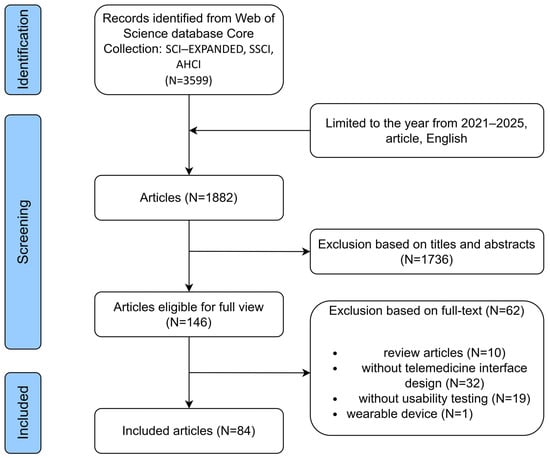
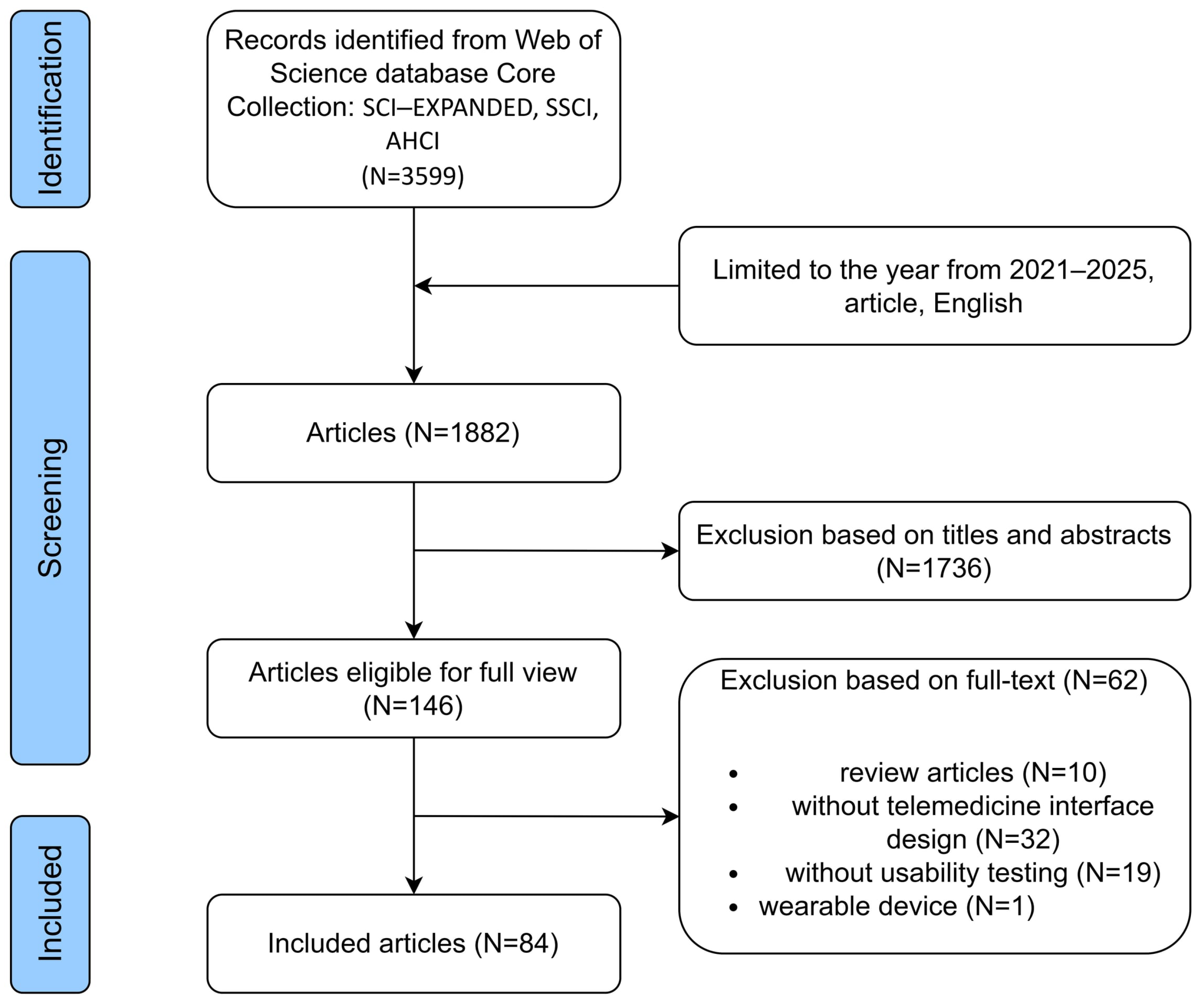
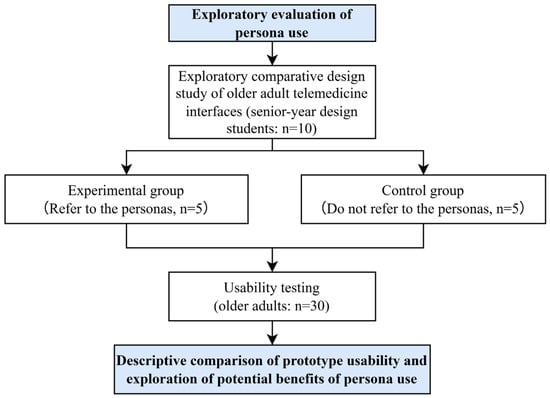
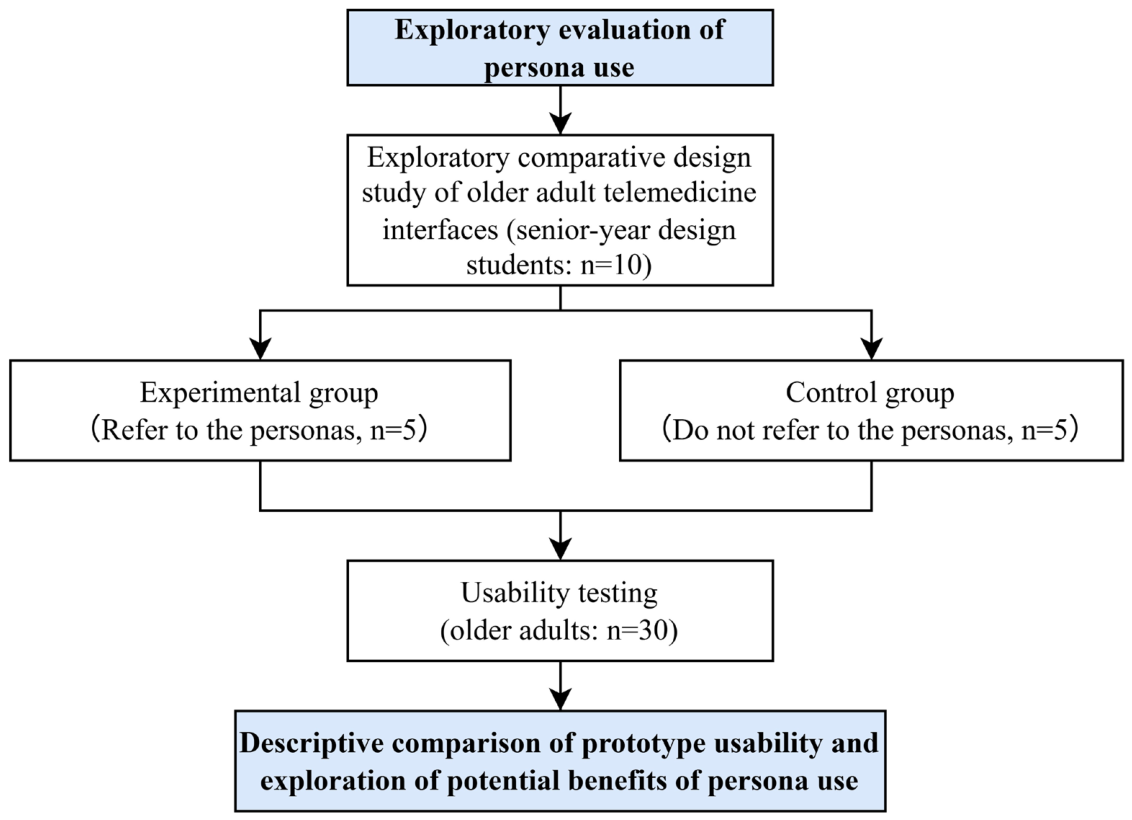
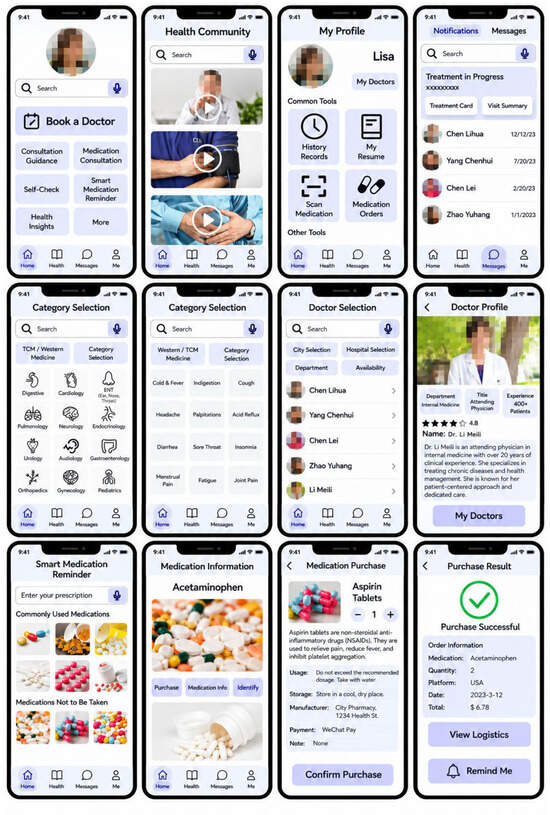
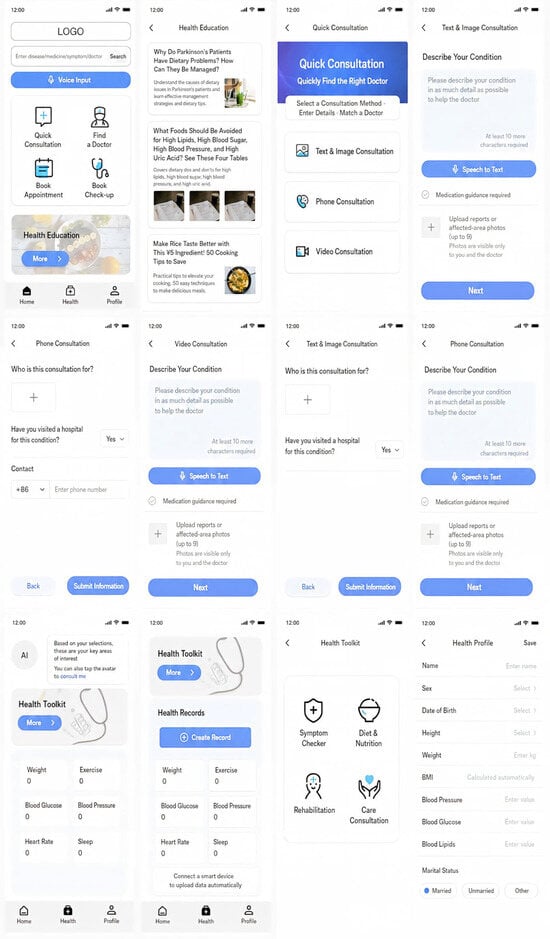
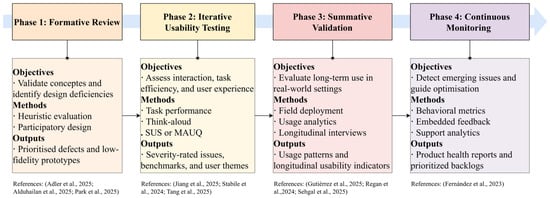
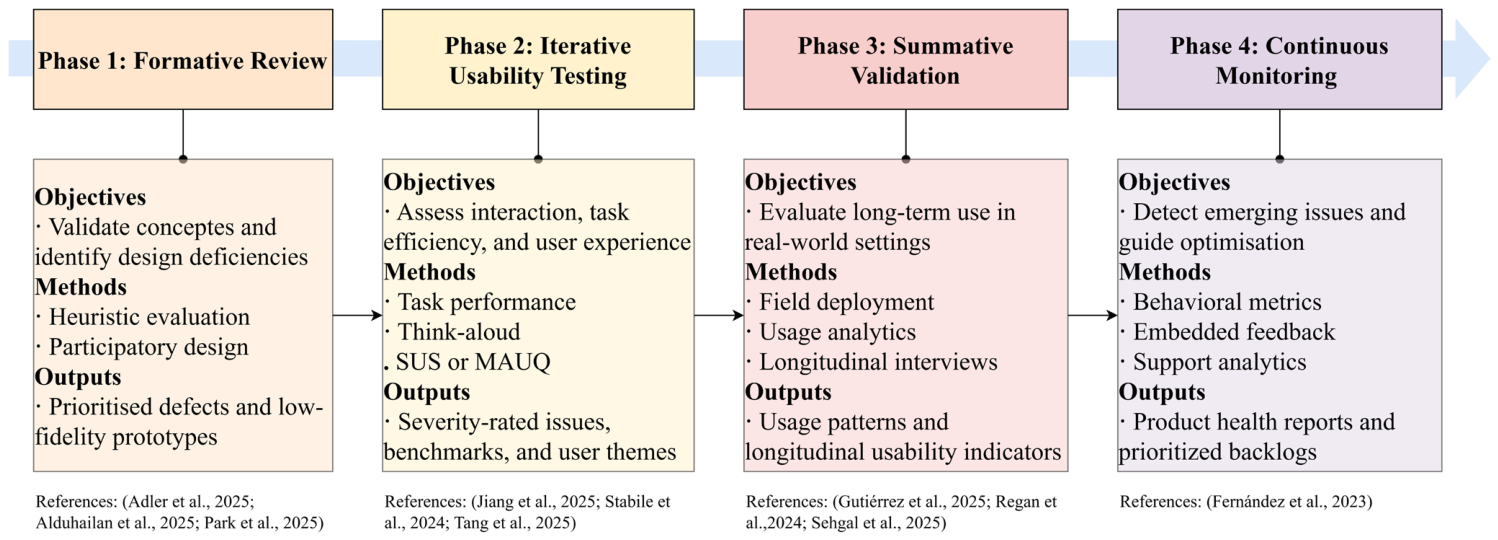

Disclaimer/Publisher’s Note: The statements, opinions and data contained in all publications are solely those of the individual author(s) and contributor(s) and not of MDPI and/or the editor(s). MDPI and/or the editor(s) disclaim responsibility for any injury to people or property resulting from any ideas, methods, instructions or products referred to in the content. |
© 2026 by the authors. Licensee MDPI, Basel, Switzerland. This article is an open access article distributed under the terms and conditions of the Creative Commons Attribution (CC BY) license.