


Abstract
Background/Objectives: Congenital heart surgery combines episodes of critical illness with continuing family caregiving. This scoping review mapped child- and parent-reported support needs, preferences and care gaps across the surgical continuum and identified implications for family-centred nursing care. Methods: Following JBI guidance and PRISMA-ScR, PubMed, CINAHL Complete and Scopus scientific databases were searched to identify English-language primary evidence published between January 2010 and July 2026. Two reviewers independently screened titles and abstracts and assessed the original full texts; both confirmed the eligibility of four revision-stage additions. Descriptive mapping and content analysis classified reports by care stage, support domain and reporter. Results: The findings primarily reflect parent and caregiver accounts of support needs, care gaps and preferences across the surgical continuum. Database searching yielded 2263 records. Following record reconciliation and reference checking, 154 reports were assessed, with 73 included in the study. Information or education was represented in 55 reports (75.3%), followed by emotional or psycho-social support (43, 58.9%), communication or participation (40, 54.8%), and discharge or home-care support (32, 43.8%). Discharge, home and interstage care was the care stage grouping most represented (21, 28.8%). Five reports (6.8%) included the perspectives of children and adolescents alongside caregivers. The limited inclusion of child and adolescent perspectives restricts conclusions about children’s own priorities and highlights the need for developmentally appropriate research that elicits their views directly. Conclusions: The review provides a stage-specific map linking reported support requirements to potential nursing responses. Priorities include repeated needs assessment, tailored communication, family participation, discharge preparation and coordinated support. These responses require evaluation, while the limited representation of children’s perspectives restricts conclusions about their own priorities.
1. Introduction
Congenital heart disease (CHD) is one of the most common congenital anomalies requiring lifelong care. Global meta-analyses estimate a birth prevalence of approximately 9 per 1000 live births, although rates vary by period, geography and diagnostic capacity [1,2]. Advances in diagnosis, perioperative care and paediatric cardiac surgery have substantially improved survival and shifted attention from operative mortality alone to the longer-term effects of CHD on child development, psychosocial functioning and family life.
For children and families, congenital heart surgery is not a single event. It is a treatment journey that can evolve from antenatal diagnosis and expected neonatal surgery, to preoperative preparation, surgery, paediatric cardiac intensive care, inpatient recovery and discharge, and home management, lifelong monitoring, repeat operations and longer-term transition. At each stage, children and parents may need information, emotional support, help in communicating with clinicians, opportunities to participate in care, practical and financial assistance, discharge preparation, peer support and coordinated follow-up. The psychosocial burden is also well established. Reviews document elevated anxiety, depression, traumatic stress and practical strain among parents of children with critical CHD, particularly around diagnosis and surgery [3,4]. Qualitative synthesis further indicates that parental coping changes over time and depends on information, social support, professional relationships and the ability to maintain a sense of normality [5]. Within paediatric cardiac intensive care, uncertainty, loss of the parental role, the child’s appearance and technology-rich care are major stressors [6].
However, distress is not synonymous with an unmet support need. A clinically useful evidence map should distinguish anxiety or reduced quality of life from direct evidence that families require information, preparation, communication, emotional care, practical help, participation, navigation or other assistance. Parent-informed intervention research indicates preferences for formalised, multidisciplinary and flexible support that strengthens partnership, advocacy, self-care, communication and preparation for life after hospitalisation [7]. Reviews and primary research on hospitalisation and interstage care similarly emphasise altered parenting roles, anticipatory grief, professional support and the challenge of establishing a ‘new normal’ [8,9].
CHD brings together acute episodes of critical illness and the continuing demands of a chronic condition. The surgical pathway therefore provides a clinically relevant setting in which to examine mental health, family caregiving and supportive nursing care across time. Previous reviews have examined parental psychological morbidity [3,4] and coping across diagnosis, surgery and childhood [5]. Parent-informed intervention research has identified preferences for flexible, multidisciplinary support [7], while reviews of hospital admission experiences and qualitative interstage studies describe caregiving challenges and family adjustment [8,9]. Existing family-centred care frameworks and consensus guidance emphasise multidisciplinary psychosocial support, parental engagement and continuity of care. These contributions address related questions about psychological burden, adaptation, family experiences and care delivery.
Consequently, a complementary synthesis is needed to clarify which forms of support participants report as needed, lacking or preferred, at which stage of paediatric congenital heart surgery and from whose perspective. Psychological distress, coping difficulties and descriptions of care models do not alone establish that a specific support requirement remains unmet. The present review therefore centres on participant-derived support requirements and maps them jointly by support domain, care stage and reporting perspective. It examines children’s self-reports, caregivers’ reports of their own needs and proxy accounts, distinguishing these perspectives where identifiable. This approach provides a descriptive basis for nursing assessment and the development and evaluation of support responses, while identifying whose priorities remain under-represented. Figure 1 summarises the conceptual care continuum and cross-cutting support domains.
Figure 1.
Conceptual summary of the support domains identified inductively in the included studies, mapped across the congenital heart surgery care continuum discussed in the background literature [6,7,8,9]. The figure was developed after synthesis to illustrate the organisation of the findings and does not represent a tested causal model. PCICU, paediatric cardiac intensive care unit; PICU, paediatric intensive care unit.
2. Aim and Review Questions
This scoping review aimed to map child- and parent-reported support needs and care gaps across the congenital heart surgery continuum and to identify implications for family-centred nursing care. The review questions were: (1) Which informational, emotional, psychosocial, practical, communication, participation and related support requirements are reported? (2) At which stages of the surgical pathway are these requirements described? (3) How are child self-report, parent or caregiver own-report and parent proxy-report represented? (4) Which support approaches elicit participant-derived needs, preferences or acceptability concerns? (5) What evidence gaps inform nursing practice, education and service design?
3. Methods
3.1. Design and Reporting Framework
A scoping review design was selected to map heterogeneous evidence on participant-reported support needs. The review followed the foundational framework [10], subsequent methodological refinements [11,12], and updated JBI guidance [13,14]. Reporting followed PRISMA-ScR [15], with the PRISMA 2020 flow structure used to present study selection [16] and PRISMA-S used for search reporting [17]. There was no formal review protocol that was established or registered in a publicly available registry before conducting this scoping review. However, a specific methodological review was performed, and the inclusion criteria, screening process, data extraction and synthesis procedures were described in the Section 3. The PRISMA-ScR reporting crosswalk is provided in Supplementary Table S7 (Supplementary S5).
3.2. Eligibility Criteria
Eligibility was operationalized using the Population–Concept–Context (PCC) framework. After the initial full-text assessment and before final data charting and synthesis, both researchers agreed to refine the eligibility criteria by adding more restrictive requirements concerning participant-derived support needs, preferences and care gaps. This refinement maintained the original review question while distinguishing eligible support-related evidence from psychosocial, clinical or intervention outcomes alone. The refined criteria were reapplied to all 150 retrieved full-text reports, including the 17 initially excluded. Five mandatory criteria concerned a central and separable surgical context, direct child or caregiver reporting, a participant-derived need or preference, an additional requirement for intervention evidence and actionable relevance to family-centred nursing. Table 1 presents these criteria alongside population and publication limits. The operational definitions and corresponding exclusion consequences are detailed in Supplementary Table S4 (Supplementary S4).
Table 1.
Population–Concept–Context eligibility criteria and mandatory requirements for the included evidence set.
3.3. Information Sources and Search Strategy
PubMed/MEDLINE, CINAHL Complete via EBSCOhost, and Scopus (Elsevier) were systematically searched on July 2026 for publications dated from 1 January 2010 to the final search date. PubMed was selected for biomedical and clinical literature relevant to congenital heart disease and surgery, CINAHL Complete for nursing and allied health research, and Scopus for broader multidisciplinary coverage, including social sciences. This combination addressed the review’s clinical, nursing and family-support dimensions. Reference-list checking during revision provided a supplementary route for identifying eligible reports.
The search strategies were developed using four concept blocks: (1) congenital heart disease and specific congenital cardiac diagnoses; (2) congenital cardiac surgery, surgical palliation, and interstage care; (3) children, adolescents, parents, and caregivers as potential reporters; and (4) participant-reported needs, experiences, preferences, psychosocial support, information, communication, education, participation, discharge, and continuity of care.
Within each concept block, synonymous terms were combined using the Boolean operator OR, while the four blocks were combined using AND. The PubMed strategy incorporated Medical Subject Headings (MeSH), including “Heart Defects, Congenital”, “Cardiac Surgical Procedures”, “Parents”, and “Caregivers”, together with free-text terms searched in title and abstract fields ([Title/Abstract]). The strategy was adapted to the indexing and search syntax of CINAHL Complete, incorporating CINAHL subject headings and title/abstract fields, and Scopus, using the TITLE-ABS-KEY field restriction. The strategies used database-specific Boolean expressions, field tags, controlled vocabulary, and truncation.
No age, language, peer-reviewed publication or study-design filters were applied during the initial database searches. The English-language criterion was applied during screening. Age filters were avoided because parental and caregiver perspectives may not be consistently indexed under paediatric age categories. The archived strategies specify publication-date restrictions from 1 January 2010 onward. Publication-date restrictions from 1 January 2010 onward were applied. The searches retrieved 828 records from PubMed, 298 from CINAHL Complete and 1137 from Scopus, yielding 2263 records before deduplication. A separate post-export date check removed 73 records (Table 2). The complete database-specific search strategies are provided in Supplementary S1, with platforms, recorded limits and yields in Supplementary Table S1.
Table 2.
Database search yields and source attribution for records retained after deduplication and pre-screening removals.
3.4. Record Management, Quality Checks and Deduplication
Bibliographic records retrieved from the three databases were consolidated and standardised using computational tools. Standardised fields included title, abstract, author, publication year, journal, Digital Object Identifier (DOI), and PubMed identifier (PMID). Exact duplicate detection was supported by identifier-based and normalised title–year comparisons. Potential fuzzy title matches were flagged for manual verification rather than automatically removed.
Zotero supported bibliographic management. Two researchers independently screened records and assessed eligibility. The revision included source and bibliographic cross-checking, preparation of source-linked amendments, coding and numerical consistency checks, and figure preparation. Assistance during revision is declared in the Acknowledgements; eligibility decisions and responsibility for the extracted and coded data remained with the researchers.
3.5. Title and Abstract Screening
Two researchers independently screened all 1373 titles and abstracts, initially advancing 151 reports for full-text retrieval.
3.6. Full-Text Retrieval
Full texts were sought using DOI/PMID links and open-access or institutional access. One additional report, Driscoll et al. [18], was identified through reference-list checking, retrieved and assessed, giving 154 reports in total. Initially, 151 database reports were sought, and 150 were retrieved. During revision, two original-search reports [19,20] were reinstated, and the correct full text of the previously unavailable report [21] was recovered.
3.7. Full-Text Assessment, Refinement and Consensus
The eligibility criteria were restricted after initial full-text assessment to distinguish participant-reported support needs, preferences and concrete care gaps from psychological, clinical or intervention outcomes alone, thereby narrowing the evidence base to the review’s stated support-related focus. Both researchers agreed on the refined criteria and reapplied them to all 150 initially retrieved full texts, including the 17 initially excluded. Initial assessment had provisionally retained 133 reports. The final evidence base comprised 69 reports from this initial set and four revision-stage additions, giving 73 inclusions among 154 assessed reports. The four distinct revision-stage additions [18,19,20,21] comprised two reinstated original-search reports, Hoffman et al. [19] and Lohmae et al. [20]; the correct English full text of Barreto et al. [21], recovered after an earlier attachment mismatch; and Driscoll et al. [18], identified through reference-list completeness checking. Driscoll et al. [18] was assigned only to the other-methods route, because its presence in the original database search had not been established. Each report was counted once. This attribution is documented in Supplementary Tables S3a and S6d and corresponds to the 153 database reports and one reference-check report in Figure 2. These changes also incorporate subsequent source verification and cannot be attributed solely to the eligibility amendment. Full-text exclusion reasons are summarised in Table 3. The selection chronology, exclusion categories and record-level decisions are detailed in Supplementary Table S3a–c (Supplementary S3).
Figure 2.
Flow diagram using the PRISMA 2020 structure for identification, screening, retrieval and inclusion. The aggregate title and abstract exclusion count incorporates the staged screening and final consensus adjudication. Full-text exclusion categories are presented in Table 3.
Table 3.
Reasons for exclusion at full-text assessment (n = 81).
The refined eligibility framework comprised five mandatory criteria: (1) a central and separable congenital heart surgery context; (2) direct reporting by children, adolescents, parents, or caregivers; (3) identifiable participant-derived support needs, preferences, or care gaps; (4) for intervention studies, evidence of participant-reported needs, preferences, acceptability concerns, or pre-existing support gaps beyond intervention outcomes alone; and (5) actionable relevance to family-centred nursing care.
The flow contains 153 database reports assessed plus one from reference checking, 81 full-text exclusions and 73 inclusions. Of the 81 full-text exclusions, four reports initially retained were excluded following verification against the source articles [22,23,24,25].
3.8. Data Charting and Data Items
Data charting was undertaken for the 73 reports retained after the final eligibility refinement, using a structured extraction framework aligned with the review objectives and Population–Concept–Context (PCC) eligibility criteria. The research team agreed on a structured data-extraction form before extracting data from the full texts, informed by the content of the screened abstracts. The form was not formally pilot-tested. It covered study and participant characteristics, reporting perspectives, care stages and participant-derived support-related findings. The support-domain categories were developed inductively during analysis. Table 4 summarises the final charting fields and support domains. Two researchers independently extracted data from the original 69 included reports. For the four revision-stage additions [18,19,20,21], one researcher extracted the data and the second checked them. Few discrepancies were identified, and these were resolved through discussion between the two researchers. No formal quantitative assessment of inter-reviewer agreement was undertaken. Support-domain and primary-stage codes were assigned by one researcher and checked by the second against the extracted findings. Each report received one primary care-stage classification and could contribute to multiple support domains. Revision assistance is disclosed in the Acknowledgements. The full charting fields are provided in Supplementary Table S5a, and the four revision-stage inclusions and their extraction workflow are documented in Supplementary Table S6d (Supplementary S4).
Table 4.
Data-charting framework for the 73 included reports.
3.9. Synthesis
The synthesis combined descriptive evidence mapping with qualitative content analysis of participant-derived support needs. Report characteristics were summarised descriptively. Support categories were developed from the findings during analysis, then refined at the end to group related studies and findings. The final evidence map was organised by reporter, primary care stage and support domain.
The qualitative content analysis was guided by the review question and the structured charting framework. Four evidence types are distinguished. An explicit unmet support need is a child’s, adolescent’s or caregiver’s report that a specified form of help, information or care is required but unavailable, insufficient, delayed or inaccessible. A participant-described care gap is a concrete shortcoming in support identifiable in participant accounts, such as unanswered questions, inadequate discharge preparation or inability to obtain advice, even when participants do not explicitly label it an unmet need.
An expressed preference concerns the desired content, timing, format, provider or degree of participation in care or support. Preferences inform support provision but do not, by themselves, demonstrate that an existing need is unmet. An author-inferred support requirement is a recommendation or interpretation made by primary-study authors or review authors without an identifiable corresponding participant-derived need, care gap or preference. Distress, uncertainty, impaired quality of life, low knowledge, readiness scores, service use or intervention effects alone do not establish an eligible support need.
The same content-based definitions were applied across qualitative, quantitative and mixed-methods reports. Classification concerned individual findings, allowing different findings within the same report to represent different evidence types. Qualitative quotations and themes had to be identifiably grounded in participant accounts of support requirements, shortcomings or preferences. Quantitative findings were eligible when the item wording and responses directly identified required support, a support deficit or a preference; symptom, knowledge and clinical-outcome scores alone were insufficient. In mixed-methods reports, both components were interpreted using the same definitions. Evidence type was distinguished from support domain, and a preference was interpreted as an unmet need only when a corresponding support deficit was also reported. Each report was counted once within each support domain, irrespective of the number of contributing findings or evidence types.
Eligibility requires at least one identifiable participant-derived support need, care gap or preference that also meets the population, surgical-context and other review criteria. A qualitative theme can provide eligible evidence when its grounding in participant accounts of a specific support need, shortcoming or preference is identifiable; a verbatim quotation is not mandatory. Each support-domain assignment requires corresponding eligible evidence. A report may therefore remain eligible even if an unsupported domain assignment is removed. Preference evidence must not be interpreted as evidence of unmet need unless participants also identify a corresponding shortcoming in existing support.
One researcher allocated the original codes and the second cross-referenced these with extracted findings. The same framework informed the four additions and subsequent source-linked amendments. Each report has one main care stage and can contribute to a range of domains; preferences, identified gaps and support received are distinct. The final domain definitions and coding boundaries are provided in Supplementary Table S5b; source-linked coding examples and amendments are documented in Supplementary Table S6a (Supplementary S4).
Descriptive report-level frequencies were calculated to summarise the distribution of the evidence available. Percentages were based on the 73 included reports and multiple domain assignments were retained; therefore, category totals were not expected to sum up to 100%. These frequencies represented the coverage of topics in the included literature, rather than the prevalence of severity of unmet needs in children and families.
The narrative synthesis investigated patterns across the care continuum, differences in perspectives of child and parent/caregiver, and implications for family-centred nursing assessment, communication, education, discharge preparation and continuity. Proposed nursing implications are the review authors’ synthesis and therefore should not be interpreted as demonstrated intervention effects. Support preferences and acceptability concerns were distinguished from evidence that services had failed to meet a need.
The nature of the evidence was considered separately from its topical support domain using the “Nature and source of need” charting field (Table 4). Evidence concerning a preferred support format or approach was retained as a preference unless participant accounts also identified a corresponding shortcoming in existing care. Author recommendations and psychological or clinical outcomes alone were insufficient to establish an unmet need or care gap. Individual reports could contribute different evidence types within the same domain or across several domains.
The support domains were developed inductively during analysis of participant-reported needs, preferences and concrete care gaps in the included studies. They were not established as fixed coding categories before data extraction. The structured charting fields described in Table 4 supported information recording, while the support-domain categories emerged from the analysis. Figure 1 was created after synthesis to visualise the resulting domains across the care continuum and did not guide eligibility assessment or constitute a prospectively specified analytical framework.
3.10. Critical Appraisal and Ethics
Formal appraisal of methodological quality or risk of bias was not undertaken. The review aimed to map the types of participant-reported support requirements, their distribution across care stages and the reporting perspectives represented. It did not seek to compare intervention effects, estimate pooled outcomes or establish certainty of evidence. Accordingly, critical appraisal was not incorporated into the mapping process; its use in scoping reviews depends on the review objectives [13,14,15]. Study designs and limitations reported by primary-study authors were considered descriptively, without assigning quality scores, risk-of-bias ratings or quality-based weights.
Ethics approval was not required because the review was based exclusively on previously published research reports and involved no direct collection of participant data.
4. Results
4.1. Search and Selection
The initial database searches identified 2263 records. Before screening, 890 were removed: 815 duplicates, 73 pre-2010 records and two unusable titles. Of 1373 screened records, 1220 were excluded and 153 database reports were sought, retrieved and assessed. One further report [18] was identified through reference checking and assessed. Across both routes, 154 reports were assessed, 81 excluded and 73 included. Revision included two reinstated original-search reports [19,20], the recovered report [21] and the reference-check addition [18]. Figure 2 shows the final flow.
4.2. Full-Text Exclusions
The largest exclusion category was support-intervention effectiveness without a participant-derived unmet need or gap (n = 31), followed by psychological, quality-of-life or clinical outcome evidence without an unmet support need (n = 16). These categories demonstrate the effect of the final conceptual refinement: an intervention could be clinically relevant yet remain outside the strict core review when it did not elicit a family-expressed need, preference, acceptability concern or care gap.
4.3. Characteristics of the Included Evidence
The 73 included reports [7,9,18,19,20,21,26,27,28,29,30,31,32,33,34,35,36,37,38,39,40,41,42,43,44,45,46,47,48,49,50,51,52,53,54,55,56,57,58,59,60,61,62,63,64,65,66,67,68,69,70,71,72,73,74,75,76,77,78,79,80,81,82,83,84,85,86,87,88,89,90,91,92] were published between 2010 and 2026. The evidence included 29 reports from the United States, 11 from the United Kingdom and five from Australia. One United States/international mixed-setting report was classified separately. Qualitative, quantitative and mixed-methods designs were represented. Illustrative samples included 34 parents of children aged 1–3 years in a mixed-methods study [7] and 45 patients and/or parents completing questionnaires concerning children aged 4–16 years in a quantitative survey [83]. Report-level country, design, sample-size, age and reporter characteristics, including restricted extractions, are presented in Supplementary Table S2 (Supplementary S2).
Sixty-seven (91.8%) contain parent/caregiver own-report or proxy-report only; five (6.8%) include child or adolescent perspectives alongside caregiver data [26,35,83,84,92], including parent-assisted reporting; and one (1.4%) includes caregiver reporting with a professional comparator [45]. These are reporting profiles, not independent participant samples (Figure 3).
Figure 3.
Reporting-profile categories among the 73 included reports. The first category comprises parent/caregiver-only own-report or proxy-report; the other categories include additional child/adolescent or professional perspectives.
The evidence extended from antenatal counselling and anticipated surgery through preoperative preparation, surgical decision-making, cardiac intensive care, inpatient recovery, discharge, home and interstage management, and surgery-linked follow-up or transition. Discharge, home-care and interstage evidence formed the largest care-stage group (n = 21, 28.8%). The distribution of the 73 included reports by publication period, reporting profile, and care-continuum stage is summarised in Table 5. These descriptive characteristics provide an overview of the available evidence and highlight the relative under-representation of direct child and adolescent perspectives.
Table 5.
Descriptive characteristics of the included evidence (n = 73 reports).
4.4. Distribution of Participant-Reported Support Needs
Information or education was represented in 55 of the 73 reports (75.3%), followed by emotional or psychosocial support in 43 reports (58.9%) and communication, participation or decision-making in 40 reports (54.8%). These percentages use the included reports as the denominator and indicate the proportion containing eligible findings in each support domain. They describe reporting across the evidence base and do not estimate the prevalence of support needs among children, parents or caregivers. Discharge, home care or navigation appeared in 32 reports (43.8%), peer, social or family support in 30 (41.1%), and practical, financial or access support in 25 (34.2%). Developmental, rehabilitation, school or transition support appeared in 13 reports (17.8%) and feeding or nutrition support in nine (12.3%). Reports could contribute to several domains. These frequencies describe literature coverage of participant-derived needs, preferences and care gaps, rather than the prevalence or severity of unmet needs (Table 6). For Table 6, each report was counted once per domain when it contained at least one eligible finding, irrespective of the number or type of findings. The combined domain frequencies therefore describe literature coverage and cannot establish how many reports specifically documented explicit unmet needs. The participant-derived findings supporting these domain assignments are presented in Supplementary Table S2b; the full domain frequencies are reproduced in Supplementary Table S6b.
Table 6.
Participant-reported support unmet needs, care gaps and preferences across the congenital heart surgery care continuum (n = 73 reports).
Discharge and feeding findings clustered around home care, while developmental findings extended into follow-up (Figure 4).
Figure 4.
Support domains by primary care stage across the 73 included reports. Each cell shows the number of reports assigned to that domain and primary care-stage category. Each report has one primary care-stage classification but may contribute to multiple support domains. Row totals therefore equal the domain counts in Table 6. The underlying domain-by-primary-stage counts are provided in Supplementary Table S6c.
Domain counts combine reports containing any of the three eligible evidence types. Each report is counted once per domain, although it may contain several evidence types and contribute to multiple domains. These counts do not provide separate frequencies for unmet needs, care gaps or preferences. A preference alone does not demonstrate that a need is unmet. Frequencies describe evidence coverage, not the prevalence, severity or strength of evidence for unmet needs. Support preferences do not necessarily indicate unmet needs. Nursing implications are the review authors’ synthesis and do not imply demonstrated intervention effectiveness. References are numbered by first appearance in the revised manuscript. ICU, intensive care unit.
4.5. Evidence Gaps
Parent and caregiver reporting predominated, indicating limited representation of child and adolescent perspectives. Parent proxy-report should not be treated as child self-report. Five reports included child or adolescent perspectives alongside parent/caregiver data [26,35,83,84,92], including parent-assisted reporting where applicable. This small and heterogeneous evidence base limits comparisons of support needs by age, diagnosis, surgical stage or social context. Report-level frequencies describe where evidence has accumulated; they do not quantify the prevalence or severity of unmet needs among individuals.
5. Discussion
5.1. Principal Findings and Contribution
This scoping review assessed 73 reports referring to child-, parent- or caregiver-reported support needs, preferences or care gaps linked to congenital heart surgery. Requested support and barriers to obtaining it have different implications for care. Parents’ preferences for brief individual or small-group psychosocial support [7] can inform delivery format, while unanswered discharge questions [58] and difficulties obtaining a prescription after discharge [89] identify shortcomings in responsiveness and access. These examples suggest that providing more information alone may leave organisational barriers unresolved. Evidence on psychological morbidity and outcome measurement provides important context for assessment [4,93,94,95], while participant accounts help specify the assistance sought and the circumstances limiting its provision.
Clinical implications should therefore be linked to the reported problem: responsive explanations and checks of understanding for information gaps, and clear contact, coordination and escalation arrangements for access difficulties. These are potential responses derived from the evidence map, requiring assessment of feasibility and evaluation of whether the reported gap is addressed [96]. Interpretation must also recognise that caregiver accounts predominate; their preferred responses cannot be assumed to represent children’s own priorities. The present synthesis focuses on expressed support needs, preferences and concrete care gaps [4,96].
5.2. A Longitudinal, Stage-Sensitive Model of Support
Reported support needs, preferences and care gaps differed in emphasis across care stages in the included studies. Antenatal and preoperative phases require comprehensible information, emotional containment and support with empathy for high-stakes decisions. The prenatal counselling should include balanced, family-responsive discussion of neurodevelopment as well as anatomy, surgical options and prognosis [97]. During surgery, intensive care and inpatient recovery, uncertainty intersects with disruption of the parental role and dependence on biotechnical support and specialised teams. At discharge, priorities shift toward practical competence, resilience, self-care and confidence at home. Developmental, educational and transition needs may emerge later, when environmental demands increase.
This temporal pattern supports repeated assessment rather than one admission-based evaluation. Reviews and care models likewise favour multidisciplinary, family-centred support that transforms across the prolonged care pathway and supports both collaborative care and family wellbeing [8,20,98]. Continuity should therefore mean continuity of understanding, relationships and access to help across foetal cardiology, surgery, intensive care, ward, community, school, rehabilitation and adult congenital heart services. Cultural and local health-system context must shape implementation without replacing individual assessment [99].
5.3. Psychosocial Support as Routine Cardiac Care
The prominence of emotional and psychosocial support complements wider evidence of anxiety, depressive symptoms, traumatic stress, uncertainty and impaired quality of life among parents of children with critical CHD. Parents must make critical decisions and cope with physical, financial and other practical challenges [3,4,100,101,102]. Participant-derived accounts identify when help is wanted, its desired form and barriers to obtaining it. Screening and support-need assessment should therefore be connected but distinguished.
While some paediatric patients and their parents use adaptive coping, others experience maladaptive patterns. Therefore, a stepped support pathway could combine psychologically informed communication, repeated nurse-led emotional check-ins, targeted peer or psychosocial support and timely referral for specialist mental-health care. Assessment should distinguish the child’s psychological concerns from the caregiver’s own distress and from practical difficulties in providing care. Best-practice and scientific guidance support embedding mental-health expertise within congenital cardiac services [103,104]. Screening should be linked to an accessible response pathway, agreed follow-up and reassessment of the support gap. These actions have implications for service design, and this review cannot establish their comparative effectiveness. Acceptability and feasibility should not be equated with clinical benefit, particularly because intervention evidence remains heterogeneous and sometimes inconclusive [96,105].
5.4. Communication, Participation and Under-Represented Voices
Information was the most frequently mapped domain, but the concurrent communication and participation findings show that information transfer alone is insufficient. Families require consistent explanations, opportunities to ask questions, recognition of expertise acquired through caregiving and meaningful roles in bedside care and decision-making. Family-centred developmental care links parental engagement with infant regulation, attachment and recovery rather than treating participation as an optional courtesy [106]. To address inconsistency and uncertainty about participation, proposed nursing actions include role negotiation, predictable bedside updates, preparation before procedures, teach-back, documentation of preferences and escalation of unanswered questions.
Five reports included child or adolescent perspectives alongside parent/caregiver data [26,35,83,84,92], including parent-assisted reporting where applicable. Parent own-report, parent proxy-report and child self-report answer different questions. Evidence of imperfect adolescent–parent agreement in health-related quality of life provides supporting context for keeping these perspectives distinct [107]. Based on the findings, unmet healthcare needs in families often show great differences between what children require and what parents experience or report. Since children mainly rely on parents to navigate their care, their views and needs are intertwined with parental capacity, stress and family circumstances. Children’s qualitative statements describe vulnerability, procedural ordeals, disrupted normality and the value of empathy, information and continuity [83,84,92,108]. Therefore, based on their own reports and experiences, there is a clear need for age-appropriate explanations, visual or play-based preparation, private opportunities to ask questions and supported assent to preserve agency without shifting inappropriate responsibility onto the child.
Adolescents with CHD face burdens concerning physical symptoms and lifestyle, mental and emotional challenges, relationships and ongoing healthcare needs with transition challenges. Therefore, adolescents should be engaged early in knowledge-building, self-management and transition planning, while school, peer, body-image and reproductive concerns are addressed directly [109]. The whole-family lens should also include siblings and fathers; sibling research identifies fear of deterioration or death, reduced parental attention and constrained activities, together with preferences for understandable information, empathy and peer support [110]. Cognitive, school and quality-of-life evidence further supports retaining distinct self- and proxy-reported outcomes [111,112].
5.5. Discharge, Home Management, Interstage Care and Feeding
Discharge from hospital to home for children and their parents is a challenging process during which healthcare professionals should plan individual care. During discharge, families need to learn to respond to deterioration, manage medicines, surgical trauma, equipment, and appointments, maintain feeding and growth, seek advice promptly, and incorporate complex care into everyday life. Mixed methods studies have revealed gaps in pre-discharge education, documentation, coordination, and follow-up, and access to timely advice [113]. Nursing recommendations for the transition home similarly address feeding, medication use, wound care, exercise, oral health and family-centred care to improve children’s and parents’ experiences [114].
These reported gaps support checking children’s readiness for discharge and caregivers’ ability to manage care at home. Education should be spaced and reinforced, include return demonstration, and be supported by an individualised written or electronic plan, explicit danger signs, medication reconciliation, named contacts and early follow-up. For children with single-ventricle physiology, interstage monitoring combines caregiver education, surveillance and responsive management within a coordinated safety-net strategy [115]. However, there is growing recognition that strategies to improve care coordination depend on geographic location, transportation, communication technologies, health literacy, caregiver wellbeing, and caregiver capacity [116].
Feeding and nutrition support were mentioned in nine articles; seven of them were primarily focused on discharge, home or interstage care; one article primarily focused on surgery or inpatient care, and one article discussed care across settings. Feeding supports clinical and developmental outcomes while building parental confidence, promoting parent–child interactions, and facilitating family routines. Systematic reviews highlight oral feeding difficulties in newborns discharged from the hospital after congenital heart defect (CHD) surgery with an emphasis on gastrostomy tube placement [117] and the need for anticipatory guidance and training opportunities for parents [118]. These findings support pre-discharge preparation addressing children’s nutritional needs and parental expectations regarding feeding at home. This could include education, parental practice and an individualised plan covering feeding practices, developmental goals and responses to feeding-associated complications. As part of family-centred care, access to lactation consultants, speech–language pathologists and dietitians, with follow-up, ongoing assessment and plan adjustment according to feeding progress, may support feeding function and parental empowerment at home.
5.6. Developmental, Educational and Transition Needs
Developmental, rehabilitation, school-related or transition needs were identified in 13 articles, targeting inpatient care and longer-term follow-up. These needs should be addressed throughout the care pathway rather than considered only as later outcomes. Meta-analytic evidence indicates difficulties in cognitive and executive functioning, while updated guidance recommends risk stratification, ongoing developmental surveillance, and appropriate assessment and support across the life course [112,119]. The person-centred question is not only whether risk exists, but which supports children and families report as missing or difficult to obtain.
To connect these reported needs with support for daily functioning, nursing assessment could consider feeding and motor milestones in infancy, communication and behaviour in early childhood, attendance and learning at school age, and self-management and transition readiness in adolescence. Referral pathways should connect cardiac services with developmental paediatrics, neuropsychology, rehabilitation, primary care and education. Since needs may emerge as demands change, a reassuring assessment at one stage should not close access to later re-evaluation [109].
5.7. Equity, Culture and Access
Practical, financial or access needs were represented in 25 reports (34.2%) and should not be treated as secondary concerns. Poverty, insurance, housing, transport, parental education and other structural factors influence detection, postoperative outcomes, access, follow-up, neurodevelopment and quality of life [120]. In low- and middle-income countries, barriers include delayed diagnosis, limited caregiver education, financial constraints and difficulty reaching specialist treatment [121]. Racial and ethnic disparities and socioeconomic barriers also persist within high-income and universal-coverage systems [122,123].
An apparently standard pathway may be unequal if it assumes fluency in the dominant language, stable internet access, flexible employment, private transport or familiarity with specialist systems. Care that promotes equity requires routine assessment of families’ social needs, access to trained interpreters, information in accessible formats, flexible appointment times, and transport or accommodation support where available. Referral pathways should include documented follow-up to establish whether families have accessed the support they need. Adaptation to each family’s cultural and language needs, relationships, spiritual beliefs and financial circumstances should be guided by direct discussion of needs and preferences rather than assumptions based on background [99].
5.8. Implications for Family-Centred Nursing Care and Service Design
Together, the domain-specific findings suggest a structured, child- and family-centred, flexible nursing approach across the care pathway. A core assessment might use the domains described above and include social and family support. Documentation should include who reported which need, who needed what support, what actions were agreed, referrals made, who was responsible for following up and whether the need was met. These components require local adaptation. Psychosocial, developmental and family-centred care frameworks can inform such an approach. Psychosocial, developmental and family-centred care frameworks can inform coordination of these responses within a shared care pathway [18,98,106].
A named nurse (liaison nurse) or care coordinator may help maintain continuity of care between services. Implementation will need to define nursing responsibility, access to psychology and social work, processes for confirming that referrals led to supportive action, and response to complaints after discharge. Evaluation should consider unmet needs, the experience of patients and caregivers, equitable access to services and the feasibility of maintaining such an approach across services.
5.9. Priorities for Future Research
Future research should give greater weight to children’s and adolescents’ own experiences using qualitative methods and self-report measures appropriate to their developmental stage and make explicit distinctions between children’s self-reports, parents’ reports of their own needs and parents’ reports on behalf of their children. Sampling strategies should actively include fathers, siblings, single-parent families, families who require interpreters, rural communities and populations beyond specialist centres in high-income countries. Longitudinal studies and studies of child–parent pairs are needed to understand how needs persist, recur or change across multiple procedures, discharge and developmental transitions.
Intervention studies should be based on priorities identified by children and families and assess if the provided support addresses the individual needs they report. Involving participants in intervention design may improve relevance while evaluation should examine effectiveness, accessibility, unmet needs and implementation in routine care. The variety of instruments used in CHD family research together with inconsistent evidence of their validity and reliability make comparisons between studies difficult [93]. A common reporting framework should identify who reports each need, who requires support, the stage of care, the type of need, how it was assessed, relevant social and demographic factors, the support provided and whether the need is resolved over time.
Research on paediatric nursing minimum data sets has proposed a structured approach to examining nursing care complexity and its relationship with hospital outcomes [124]. Future studies could explore whether this approach might also help document family-reported support needs, nursing interventions, and related outcomes across the congenital heart surgery continuum.
5.10. Strengths and Limitations
This review used an explicit Population–Concept–Context framework, three complementary databases, record deduplication, staged screening, independent eligibility assessment by two researchers and documented full-text exclusions. The five mandatory eligibility criteria focused the review on participant-derived support needs, preferences or care gaps with actionable relevance to family-centred nursing. The reporter or reporters, the care stage and the support domain were recorded independently. Each report received one primary care-stage classification and could contribute to multiple support domains.
Several limitations should be considered. English-language, publication-period and database restrictions may have limited coverage. PsycINFO and Web of Science were not searched. PsycINFO could have identified additional psychological, behavioural and family-support research, while Web of Science could have provided further multidisciplinary coverage. Reference-list checking cannot ensure that studies missed through these omissions were recovered. The number and characteristics of potentially missed eligible studies remain unknown, and their inclusion could have altered the distribution of support domains or reporting perspectives. The absence of formal critical appraisal limits assessment of the relative methodological credibility of the included reports. The synthesis did not weight reports by methodological quality, and we could not determine whether the mapped patterns would change after accounting for study limitations. Domain frequencies therefore indicate evidence coverage and should not be interpreted as indicators of evidential strength or certainty. The proposed nursing responses identify potential priorities for development and evaluation; their effectiveness is not established by this review.
The strict-core definition improved conceptual specificity but intentionally excluded clinically relevant evidence on distress, quality of life, intervention effectiveness, feasibility and implementation when participant-derived need was absent. The findings should therefore be interpreted alongside, not as a replacement for, adjacent evidence. The descriptive scoping design means that the review maps the presence and distribution of evidence but cannot establish certainty, comparative effectiveness or causality. Report-level, multi-label frequencies are not prevalence estimates and should not be used to rank the importance or severity of individual needs.
Heterogeneity in design, setting, CHD complexity, age, reporter and methods limits comparison. Parent accounts cannot substitute for children’s own perspectives. Extraction was independently duplicated for the original 69 reports; one researcher extracted and the second checked the four revision-stage additions. Original coding was performed by one researcher and checked by the second.
No prospective protocol was registered. The absence of a prospective protocol and the post hoc restriction of eligibility introduce uncertainty concerning study selection. Although both researchers reapplied the refined criteria to all initially retrieved full texts, familiarity with their findings may have influenced the operational definition of eligible support-related evidence. The restriction may have favoured studies explicitly eliciting needs and preferences while excluding clinically relevant outcome-focused or intervention-effectiveness research. Consequently, the evidence distribution and domain frequencies should be interpreted as conditional on the final eligibility framework.
6. Conclusions
This scoping review identified support needs, preferences, and care gaps associated with unmet needs as reported by children and parents across the congenital heart defect care trajectory, from diagnosis and hospitalisation to home care and lifelong follow-up. Domains most frequently represented were information and education, emotional support, communication, and participation. Practical assistance, family and social support, feeding, development, schooling and transition to adult services were also reported. Evidence clustering around discharge, home and interstage care highlighted the importance of continued support as families navigate complex caregiving responsibilities. However, the frequency of reporting reflects coverage in the literature and should not be interpreted as prevalence or the relative importance of unmet needs.
The findings and proposed nursing implications primarily reflect parent and caregiver accounts, including parent proxy-reports. Only five of the 73 reports (6.8%) included child or adolescent perspectives alongside caregiver data, with parent-assisted reporting where applicable. This limited representation restricts conclusions about children’s own support needs and preferences. Parent proxy-reports should therefore be distinguished from children’s self-reports, and the priorities identified in this review require further exploration directly with children and adolescents using developmentally appropriate approaches.
Findings support a coordinated, family-centred nursing approach, with repeated assessment and responsive actions tailored to the child’s developmental stage, the family’s needs, and the care trajectory. Priorities included effective and consistent communication, meaningful participation, emotional support, demonstrated caregiving competencies prior to discharge, and access to advice and follow-up in a timely manner. Concerns related to feeding, development and school should be considered alongside immediate clinical needs. Assessment should identify both requested and unfulfilled support needs, with explicit responsibility for referrals and follow-up. A nominated nurse or care coordinator may support continuity between specialist services, community care and education. Local adaptation and evaluation of these proposed approaches are needed to determine whether they address the gaps identified by children and families. Direct perspectives of children and adolescents remain an evidence gap, reported alongside caregiver accounts in only five included reports.
Future research should utilise developmentally appropriate methods, making distinctions between children’s reports and proxy accounts, and include under-represented families and those experiencing access barriers. Longitudinal and child–parent studies could elucidate changing needs across repeated procedures and developmental transitions. Co-developed interventions should be trialled for effectiveness, accessibility, feasibility and continuing unmet need. Given the heterogeneity of evidence and absence of formal quality appraisal, this review provides a foundation for developing and evaluating care pathways, rather than evidence of effectiveness.
Supplementary Materials
The following supporting information can be downloaded at: https://www.mdpi.com/article/10.3390/healthcare14223963/s1. The supplementary appendices contain: S1, complete database search strategies and Table S1 (databases, platform-specific limits and recorded yields); S2, Table S2 (study-level characteristics and coded support domains of the 73 retained reports) and Table S2b (principal participant-reported support needs, care gaps and preferences); S3, Table S3a–c (selection counts, full-text exclusion categories and record-level exclusions, respectively); S4, Table S4 (mandatory eligibility criteria), Table S5a (structured data-charting fields), Table S5b (support-domain definitions and boundaries), Table S6a (support-domain recoding audit), Table S6b (report-level domain frequencies), Table S6c (domain-by-primary-stage counts) and Table S6d (revision-stage inclusion reconciliation and extraction workflow); and S5, Table S7 (PRISMA-ScR item-to-source crosswalk).
Author Contributions
Conceptualization, methodology, formal analysis, writing—original draft preparation, and writing—review and editing, K.P., M.D., E.D. and E.A. All authors have read and agreed to the published version of the manuscript.
Funding
This research received no external funding.
Institutional Review Board Statement
Not applicable. This scoping review synthesised published literature and did not recruit participants or collect identifiable participant data.
Informed Consent Statement
Not applicable.
Data Availability Statement
No new data were created or analysed in this study. Data sharing is not applicable to this article.
Acknowledgments
ChatGPT (OpenAI), Sol 6.1 in Codex Work Mode assisted during revision with language editing, bibliographic/source cross-checking, preparation of source-linked amendments, coding/numerical consistency checks and figure code. Two independent researchers conducted screening and eligibility assessment; they independently extracted the original 69 reports, while one extracted and the second checked the four additions. The authors retain responsibility for verification of the revisions, interpretation and the final content. Zotero 10.0.6 (64bit) supported bibliographic management.
Conflicts of Interest
The authors declare no conflicts of interest.
References
- Liu, Y.; Chen, S.; Zühlke, L.; Black, G.C.; Choy, M.-K.; Li, N.; Keavney, B.D. Global birth prevalence of congenital heart defects 1970–2017: Updated systematic review and meta-analysis of 260 studies. Int. J. Epidemiol. 2019, 48, 455–463. [Google Scholar] [CrossRef] [Scilit] [PubMed]
- van der Linde, D.; Konings, E.E.M.; Slager, M.A.; Witsenburg, M.; Helbing, W.A.; Takkenberg, J.J.M.; Roos-Hesselink, J.W. Birth prevalence of congenital heart disease worldwide. J. Am. Coll. Cardiol. 2011, 58, 2241–2247. [Google Scholar] [CrossRef] [Scilit] [PubMed]
- Kolaitis, G.A.; Meentken, M.G.; Utens, E.M.W.J. Mental health problems in parents of children with congenital heart disease. Front. Pediatr. 2017, 5, 102. [Google Scholar] [CrossRef] [Scilit] [PubMed]
- Woolf-King, S.E.; Anger, A.; Arnold, E.A.; Weiss, S.J.; Teitel, D. Mental health among parents of children with critical congenital heart defects: A systematic review. J. Am. Heart Assoc. 2017, 6, e004862. [Google Scholar] [CrossRef] [Scilit] [PubMed]
- Lumsden, M.R.; Smith, D.M.; Wittkowski, A. Coping in parents of children with congenital heart disease: A systematic review and meta-synthesis. J. Child Fam. Stud. 2019, 28, 1736–1753. [Google Scholar] [CrossRef] [Scilit]
- Lisanti, A.J.; Golfenshtein, N.; Medoff-Cooper, B. The pediatric cardiac intensive care unit parental stress model. Adv. Nurs. Sci. 2017, 40, 319–336. [Google Scholar] [CrossRef] [Scilit] [PubMed]
- Gramszlo, C.; Karpyn, A.; Demianczyk, A.C.; Shillingford, A.; Riegel, E.; Kazak, A.E.; Sood, E. Parent perspectives on family-based psychosocial interventions for congenital heart disease. J. Pediatr. 2020, 216, 51–57.e2. [Google Scholar] [CrossRef] [Scilit] [PubMed]
- de Man, M.A.C.P.; Segers, E.W.; Schappin, R.; van der Leeden, K.; Wösten-van Asperen, R.M.; Breur, H.; de Weerth, C.; van den Hoogen, A. Parental experiences of their infant’s hospital admission undergoing cardiac surgery: A systematic review. Acta Paediatr. 2021, 110, 1730–1740. [Google Scholar] [CrossRef] [Scilit] [PubMed]
- Elliott, M.; Erickson, L.; Russell, C.L.; Chrisman, M.; Gross Toalson, J.; Emerson, A. Defining a new normal: A qualitative exploration of the parent experience during the single ventricle congenital heart disease interstage period. J. Adv. Nurs. 2021, 77, 2437–2446. [Google Scholar] [CrossRef] [Scilit] [PubMed]
- Arksey, H.; O’Malley, L. Scoping studies: Towards a methodological framework. Int. J. Soc. Res. Methodol. 2005, 8, 19–32. [Google Scholar] [CrossRef] [Scilit]
- Colquhoun, H.L.; Levac, D.; O’Brien, K.K.; Straus, S.; Tricco, A.C.; Perrier, L.; Kastner, M.; Moher, D. Scoping reviews: Time for clarity in definition, methods, and reporting. J. Clin. Epidemiol. 2014, 67, 1291–1294. [Google Scholar] [CrossRef] [Scilit] [PubMed]
- Levac, D.; Colquhoun, H.; O’Brien, K.K. Scoping studies: Advancing the methodology. Implement. Sci. 2010, 5, 69. [Google Scholar] [CrossRef] [Scilit] [PubMed]
- Pollock, D.; Peters, M.D.J.; Tricco, A.C.; Munn, Z.; Jia, R.M.; Alexander, L.; Pieper, D.; Evans, C.; Godfrey, C.M.; Brandão de Moraes, E.; et al. Scoping reviews (2020). In JBI Manual for Evidence Synthesis; Aromataris, E., Lockwood, C., Porritt, K., Pilla, B., Jordan, Z., Eds.; JBI: Adelaide, Australia, 2024. [Google Scholar] [CrossRef] [Scilit]
- Peters, M.D.J.; Marnie, C.; Tricco, A.C.; Pollock, D.; Munn, Z.; Alexander, L.; McInerney, P.; Godfrey, C.M.; Khalil, H. Updated methodological guidance for the conduct of scoping reviews. JBI Evid. Synth. 2020, 18, 2119–2126. [Google Scholar] [CrossRef] [Scilit] [PubMed]
- Tricco, A.C.; Lillie, E.; Zarin, W.; O’Brien, K.K.; Colquhoun, H.; Levac, D.; Moher, D.; Peters, M.D.J.; Horsley, T.; Weeks, L.; et al. PRISMA extension for scoping reviews (PRISMA-ScR): Checklist and explanation. Ann. Intern. Med. 2018, 169, 467–473. [Google Scholar] [CrossRef] [Scilit] [PubMed]
- Page, M.J.; McKenzie, J.E.; Bossuyt, P.M.; Boutron, I.; Hoffmann, T.C.; Mulrow, C.D.; Shamseer, L.; Tetzlaff, J.M.; Akl, E.A.; Brennan, S.E.; et al. The PRISMA 2020 statement: An updated guideline for reporting systematic reviews. BMJ 2021, 372, n71. [Google Scholar] [CrossRef] [Scilit] [PubMed]
- Rethlefsen, M.L.; Kirtley, S.; Waffenschmidt, S.; Ayala, A.P.; Moher, D.; Page, M.J.; Koffel, J.B.; Blunt, H.; Brigham, T.; Chang, S.; et al. PRISMA-S: An extension to the PRISMA statement for reporting literature searches in systematic reviews. Syst. Rev. 2021, 10, 39. [Google Scholar] [CrossRef] [Scilit] [PubMed]
- Driscoll, C.F.B.; Christofferson, J.; McWhorter, L.G.; Demianczyk, A.C.; Brosig, C.L.; Jackson, E.A.; Gramszlo, C.; Zyblewski, S.C.; Kazak, A.E.; Sood, E. A psychosocial care model for families affected by congenital heart disease. Pediatr. Crit. Care Med. 2023, 24, 901–909. [Google Scholar] [CrossRef] [Scilit] [PubMed]
- Hoffman, M.F.; Karpyn, A.; Christofferson, J.; Neely, T.; McWhorter, L.G.; Demianczyk, A.C.; James, R.; Hafer, J.; Kazak, A.E.; Sood, E. Fathers of children with congenital heart disease: Sources of stress and opportunities for intervention. Pediatr. Crit. Care Med. 2020, 21, e1002–e1009. [Google Scholar] [CrossRef] [Scilit] [PubMed]
- Lohmae, U.; Pattanasombutsook, M.; Chantarasiripoot, B.; Chemama, N.; Thepsao, S.; Maramoh, R. Muslim mothers’ experiences in taking care of children with open heart surgery: A qualitative study in Southern Thailand. Belitung Nurs. J. 2025, 11, 155–162. [Google Scholar] [CrossRef] [Scilit] [PubMed]
- Barreto, T.S.M.; Sakamoto, V.T.M.; Magagnin, J.S.; Coelho, D.F.; Waterkemper, R.; Canabarro, S.T. Experience of parents of children with congenital heart disease: Feelings and obstacles. Rev. Rene 2016, 17, 128–136. [Google Scholar] [CrossRef] [Scilit]
- Buehne, K.L.; Winder, M.; Marietta, J.; Park, J.; Dwyer, M.; Eckhauser, A.W.; Hummel, K. A qualitative needs assessment of early participants in an enhanced recovery after surgery program in CHD. Cardiol. Young 2024, 34, 2323–2328. [Google Scholar] [CrossRef] [Scilit] [PubMed]
- Lotto, R.; Jones, I.; Seaton, S.E.; Dhannapuneni, R.; Guerrero, R.; Lotto, A. Congenital cardiac surgery and parental perception of risk: A quantitative analysis. World J. Pediatr. Congenit. Heart Surg. 2019, 10, 669–677. [Google Scholar] [CrossRef] [Scilit] [PubMed]
- Ma, Q.; Makhdzir, N.; Durai, R. Lived experiences of parents of children undergoing surgery for congenital heart disease: A phenomenological study. Rawal Med. J. 2025, 50, 678–681. [Google Scholar] [CrossRef] [Scilit]
- So, I.C. Decisional conflict in parents of children with congenital heart defect: Towards development of a model. Int. J. Nurs. Pract. 2024, 30, e13152. [Google Scholar] [CrossRef] [Scilit] [PubMed]
- Alderson, P.; Bellsham-Revell, H.; Dedieu, N.; King, L.; Mendizabal, R.; Sutcliffe, K. Children’s understanding and consent to heart surgery: Multidisciplinary teamwork and moral experiences. J. Child Health Care 2023, 27, 197–211. [Google Scholar] [CrossRef] [Scilit] [PubMed]
- Amaro, C.M.; Alderfer, M.A.; Wawrzynski, S.E.; Christofferson, J.; McWhorter, L.G.; Demianczyk, A.C.; Kazak, A.E.; Sood, E. Siblings of young children with congenital heart disease: Parent perspectives from a crowdsourcing study. J. Pediatr. Psychol. 2026, 51, 44–54. [Google Scholar] [CrossRef] [Scilit] [PubMed]
- Cantwell-Bartl, A.M.; Tibballs, J. Psychosocial experiences of parents of infants with hypoplastic left heart syndrome in the PICU. Pediatr. Crit. Care Med. 2013, 14, 869–875. [Google Scholar] [CrossRef] [Scilit] [PubMed]
- Choi, S.; Shin, H.; Heo, J.; Gedlu, E.; Nega, B.; Moges, T.; Bezabih, A.; Park, J.; Kim, W.-H. How do caregivers of children with congenital heart diseases access and navigate the healthcare system in Ethiopia? BMC Health Serv. Res. 2021, 21, 110. [Google Scholar] [CrossRef] [Scilit] [PubMed]
- Coban, N.; Ortabag, T. Home care needs and symptoms of children undergoing heart surgery and quality of life of parents. Int. J. Caring Sci. 2022, 15, 109–117. [Google Scholar]
- Connor, J.A.; Kline, N.E.; Mott, S.; Harris, S.K.; Jenkins, K.J. The meaning of cost for families of children with congenital heart disease. J. Pediatr. Health Care 2010, 24, 318–325. [Google Scholar] [CrossRef] [Scilit] [PubMed]
- Dandy, S.; Wittkowski, A.; Murray, C. Parenting a child with a functionally univentricular heart: Mothers’ experiences of role and identity. J. Child Fam. Stud. 2024, 33, 2401–2414. [Google Scholar] [CrossRef] [Scilit]
- David Vainberg, L.; Vardi, A.; Jacoby, R. The experiences of parents of children undergoing surgery for congenital heart defects: A holistic model of care. Front. Psychol. 2019, 10, 2666. [Google Scholar] [CrossRef] [Scilit] [PubMed]
- Delaney, R.K.; Pinto, N.M.; Ozanne, E.M.; Brown, H.; Stark, L.A.; Watt, M.H.; Karasawa, M.; Patel, A.; Donofrio, M.T.; Steltzer, M.M.; et al. Parents’ decision-making for their foetus or neonate with a severe congenital heart defect. Cardiol. Young 2022, 32, 896–903. [Google Scholar] [CrossRef] [Scilit] [PubMed]
- Du Plessis, K.; Culnane, E.; Peters, R.; d’Udekem, Y. Adolescent and parent perspectives prior to involvement in a Fontan transition program. Int. J. Adolesc. Med. Health 2019, 31, 20170021. [Google Scholar] [CrossRef] [Scilit] [PubMed]
- Eagleson, K.J.; Chin, T.I.; Larmar, S.; Justo, R.N.; Kasparian, N.A.; Bora, S. Longer-term experiences of families of children with dextro-transposition of the great arteries: A qualitative study. Pediatr. Res. 2026, 99, 2624–2633. [Google Scholar] [CrossRef] [Scilit] [PubMed]
- Ellinger, M.K.; Rempel, G.R. Parental decision making regarding treatment of hypoplastic left heart syndrome. Adv. Neonatal Care 2010, 10, 316–322. [Google Scholar] [CrossRef] [Scilit] [PubMed]
- Gaskin, K.L.; Barron, D.J.; Daniels, A. Parents’ preparedness for their infants’ discharge following first-stage cardiac surgery: Development of a parental early warning tool. Cardiol. Young 2016, 26, 1414–1424. [Google Scholar] [CrossRef] [Scilit] [PubMed]
- Gaskin, K.L. Patterns of transition experience for parents going home from hospital with their infant after first stage surgery for complex congenital heart disease. J. Pediatr. Nurs. 2018, 41, e23–e32. [Google Scholar] [CrossRef] [Scilit] [PubMed]
- Gaskin, K.L.; Barron, D.; Wray, J. Parents’ experiences of transition from hospital to home after their infant’s first-stage cardiac surgery: Psychological, physical, physiological, and financial survival. J. Cardiovasc. Nurs. 2021, 36, 283–292. [Google Scholar] [CrossRef] [Scilit] [PubMed]
- Gaskin, K.L.; Barron, D.; Wray, J. Parents’ journeys of mastery and knowledge construction after their infant’s first stage of surgery for complex congenital heart disease. Compr. Child Adolesc. Nurs. 2024, 47, 68–81. [Google Scholar] [CrossRef] [Scilit] [PubMed]
- Green, M.D.; Prevost-Reilly, A.; Parker, D.M.; Carpenter-Song, E. Navigating family life with hypoplastic left heart syndrome: A qualitative study. PLoS Ment. Health 2024, 1, e0000208. [Google Scholar] [CrossRef] [Scilit] [PubMed]
- Hartman, D.M.; Medoff-Cooper, B. Transition to home after neonatal surgery for congenital heart disease. MCN Am. J. Matern. Child Nurs. 2012, 37, 95–100. [Google Scholar] [CrossRef] [Scilit] [PubMed]
- Harvey, K.A.; Kovalesky, A.; Woods, R.K.; Loan, L.A. Experiences of mothers of infants with congenital heart disease before, during, and after complex cardiac surgery. Heart Lung 2013, 42, 399–406. [Google Scholar] [CrossRef] [Scilit] [PubMed]
- Harvey, K.A.; Kovalesky, A. Post-operative pain and comfort in children after heart surgery: A comparison of nurses and families pre-operative expectations. J. Pediatr. Nurs. 2018, 43, 9–15. [Google Scholar] [CrossRef] [Scilit] [PubMed]
- Houlihan, T.H.; Combs, J.; Smith, E.; Coulter, E.; Figueroa, L.; Falkensammer, C.; Savla, J.; Goldmuntz, E.; Degenhardt, K.; Szwast, A.; et al. Parental impressions and perspectives of efficacy in prenatal counseling for single ventricle congenital heart disease. Pediatr. Cardiol. 2024, 45, 605–613. [Google Scholar] [CrossRef] [Scilit] [PubMed]
- Hoyos, M.E.; O’Connor, M.; Mery, C.M.; Carberry, K.; Lamari-Fisher, A.; Stewart, E.; Dillingham, C.; Fraser, C.D.; Well, A. Prioritising gaps in care in the real-life journey of single ventricle CHD. Cardiol. Young 2025, 35, 1871–1880. [Google Scholar] [CrossRef] [Scilit] [PubMed]
- Imperial-Perez, F.; Pike, N.A.; Doering, L.V.; Eastwood, J.-A.; Heilemann, M.V. Caregiving for interstage infants: A continuous process of compromise during the pandemic. World J. Pediatr. Congenit. Heart Surg. 2022, 13, 443–450. [Google Scholar] [CrossRef] [Scilit] [PubMed]
- Imperial-Perez, F.; Heilemann, M.V.; Doering, L.V.; Eastwood, J.-A.; Pike, N.A. Developing a sense of self-reliance: Caregivers of infants with single-ventricle heart disease during the interstage period. Cardiol. Young 2022, 32, 465–471. [Google Scholar] [CrossRef] [Scilit] [PubMed]
- Kankaya, E.A.; Özer Özlü, N.G.; Müezzinler Evsine, N. A qualitative study on the experiences of caregivers of children undergoing surgery for congenital heart diseases. J. Pediatr. Nurs. 2025, 80, 137–146. [Google Scholar] [CrossRef] [Scilit] [PubMed]
- Kelly, S.L.; Kelling, E.M.; Zaki, K.; Wolfe, K.R.; Younoszai, A.; Brigham, D.; Jacobsen, R.M.; Hawkins, S.; Di Maria, M.V.; Darst, J.R. “Hope is so fragile”: Parent perspectives on the care of children with single-ventricle heart disease. Cardiol. Young 2026, 36, 731–737. [Google Scholar] [CrossRef] [Scilit] [PubMed]
- Kosta, L.; Harms, L.; Franich-Ray, C.; Anderson, V.; Northam, E.; Cochrane, A.; Menahem, S.; Jordan, B. Parental experiences of their infant’s hospitalization for cardiac surgery. Child Care Health Dev. 2015, 41, 1057–1065. [Google Scholar] [CrossRef] [Scilit] [PubMed]
- Kristjánsdóttir, Ó.; Sjöström-Strand, A.; Kristjánsdóttir, G. Living with the memories-parents’ experiences of their newborn child undergoing heart surgery abroad: A qualitative study. Int. J. Environ. Res. Public Health 2020, 17, 8840. [Google Scholar] [CrossRef] [Scilit] [PubMed]
- Ladak, L.A.; Gallagher, R.; Hasan, B.S.; Awais, K.; Abdullah, A.; Gullick, J. Exploring the influence of socio-cultural factors and environmental resources on the health related quality of life of children and adolescents after congenital heart disease surgery: Parental perspectives from a low middle income country. J. Patient Rep. Outcomes 2020, 4, 72. [Google Scholar] [CrossRef] [Scilit] [PubMed]
- Landry, M.; Katers, M.; Olson, E.; Cern, L.; Nelson, T.J.; Campbell, K.A. Identifying gaps in parental support for families of children with hypoplastic left heart syndrome. Cardiol. Young 2022, 32, 215–222. [Google Scholar] [CrossRef] [Scilit] [PubMed]
- Lumsden, M.R.; Smith, D.M.; Twigg, E.; Guerrero, R.; Wittkowski, A. Children with single ventricle congenital heart defects: An interpretative phenomenological analysis of the lived parent experience. Prog. Pediatr. Cardiol. 2020, 59, 101297. [Google Scholar] [CrossRef] [Scilit]
- Maneekunwong, K.; Srichantaranit, A.; Thampanichawat, W. Factors influencing caregivers’ uncertainty of children undergoing cardiac surgery in Bangkok, Thailand. J. Health Res. 2022, 36, 919–928. [Google Scholar] [CrossRef] [Scilit]
- Mannarino, C.N.; Michelson, K.; Jackson, L.; Paquette, E.; McBride, M.E. Post-operative discharge education for parent caregivers of children with congenital heart disease: A needs assessment. Cardiol. Young 2020, 30, 1788–1796. [Google Scholar] [CrossRef] [Scilit] [PubMed]
- March, S.; Keim-Malpass, J. Transition experiences between hospital- and home-care for parents of children with hypoplastic left heart syndrome. J. Spec. Pediatr. Nurs. 2018, 23, e12225. [Google Scholar] [CrossRef] [Scilit] [PubMed]
- Momin, N.H.; Nelson, J.L.; Steiden, C.; Coolidge, N.; Aljiffry, A.; Simione, M. Interstage feeding and caregiver impact on single ventricle patients. Cardiol. Young 2025, 35, 695–701. [Google Scholar] [CrossRef] [Scilit] [PubMed]
- Moosazad, Y.; Valizadeh, F.; Ghasemi, F.; Karami, K. Mothers’ experiences of children undergoing congenital heart disease surgery: A qualitative study. Jundishapur J. Chronic Dis. Care 2024, 13, e144797. [Google Scholar] [CrossRef] [Scilit]
- Ni, Z.H.; Lv, H.T.; Ding, S.; Yao, W.Y. Home care experience and nursing needs of caregivers of children undergoing congenital heart disease operations: A qualitative descriptive study. PLoS ONE 2019, 14, e0213154. [Google Scholar] [CrossRef] [Scilit] [PubMed]
- Obas, K.A.; Leal, J.M.; Zegray, M.; Rennick, J.E. Parental perceptions of transition from intensive care following a child’s cardiac surgery. Nurs. Crit. Care 2016, 21, e1–e9. [Google Scholar] [CrossRef] [Scilit] [PubMed]
- Pande, C.K.; Burns, J.; Schwab, S.; Medchill, M.; Rizk, C.; Schlosser, R.; Davis, K.; Carretero, S.; Kimbrough, D.; Elhoff, J. Parental perceptions of developmental care rounds in a pediatric heart center. Pediatr. Cardiol. 2026, 47, 153–157. [Google Scholar] [CrossRef] [Scilit] [PubMed]
- Puriani, D.; Allenidekania, A.; Afiyanti, Y. The experience of uncertainty in mothers caring for children at home after palliative heart surgery. Indian J. Palliat. Care 2023, 29, 46–50. [Google Scholar] [CrossRef] [Scilit] [PubMed]
- Raj, M.; Paul, M.; Sudhakar, A.; Varghese, A.A.; Haridas, A.C.; Kabali, C.; Kumar, R.K. Micro-economic impact of congenital heart surgery: Results of a prospective study from a limited-resource setting. PLoS ONE 2015, 10, e0131348. [Google Scholar] [CrossRef] [Scilit] [PubMed]
- Re, J.; Dean, S.; Menahem, S. Infant cardiac surgery: Mothers tell their story: A therapeutic experience. World J. Pediatr. Congenit. Heart Surg. 2013, 4, 278–285. [Google Scholar] [CrossRef] [Scilit] [PubMed]
- Rempel, G.R.; Ravindran, V.; Rogers, L.G.; Magill-Evans, J. Parenting under pressure: A grounded theory of parenting young children with life-threatening congenital heart disease. J. Adv. Nurs. 2013, 69, 619–630. [Google Scholar] [CrossRef] [Scilit] [PubMed]
- Robinson, J.; Huskey, D.; Schalley, S.; Wratchford, D.; Hammel, J.; Weaver, M.S. Discovering dad: Paternal roles, responsibilities, and support needs as defined by fathers of children with complex cardiac conditions perioperatively. Cardiol. Young 2019, 29, 1143–1148. [Google Scholar] [CrossRef] [Scilit] [PubMed]
- Salgado, C.L.; Lamy, Z.C.; Nina, R.V.D.A.H.; Melo, L.A.D.; Lamy Filho, F.; Nina, V.J.D.S. Pediatric cardiac surgery under the parents sight: A qualitative study. Rev. Bras. Cir. Cardiovasc. 2011, 26, 36–42. [Google Scholar] [CrossRef] [Scilit] [PubMed]
- Silberberg, A.; Castro Méndez, J.; Torres, S.F.; Fraire, R.; Siaba Serrate, A.; Kreutzer, C.; López Daneri, M.; Iolster, T. Experiences of parents of children with hypoplastic left heart syndrome during their treatment: A qualitative study. Cardiol. Young 2023, 33, 2553–2558. [Google Scholar] [CrossRef] [Scilit] [PubMed]
- Simeone, S.; Pucciarelli, G.; Perrone, M.; Dell’Angelo, G.; Rea, T.; Guillari, A.; Gargiulo, G.; Comentale, G.; Palma, G. The lived experiences of the parents of children admitted to a paediatric cardiac intensive care unit. Heart Lung 2018, 47, 631–637. [Google Scholar] [CrossRef] [Scilit] [PubMed]
- Sjöberg, C.; Zetterberg, A.; Åvik Persson, H.; Terp, K.; Jildenstål, P. Parental participation during children’s vital sign monitoring in connection with surgery for congenital heart disease. Front. Pediatr. 2026, 14, 1809877. [Google Scholar] [CrossRef] [Scilit] [PubMed]
- Sprong, M.C.A.; Zwagerman, I.R.; Soeters, L.; Slieker, M.G.; Takken, T.; van den Hoogen, A.; van Brussel, M. Prioritizing family-centered developmental care: Insights from parents of children with critical congenital heart disease: A qualitative study. Eur. J. Pediatr. 2024, 183, 3863–3876. [Google Scholar] [CrossRef] [Scilit] [PubMed]
- Srichantaranit, A.; Chontawan, R.; Yenbut, J.; Ray, L.; Laohaprasittiporn, D.; Wanitkun, S. Thai families’ caring practices for infants with congenital heart disease prior to cardiac surgery. Pac. Rim Int. J. Nurs. Res. 2010, 14, 61–78. [Google Scholar]
- Stewart, J.; Dempster, R.; Allen, R.; Miller-Tate, H.; Dickson, G.; Fichtner, S.; Principe, A.J.; Fonseca, R.; Nicholson, L.; Cua, C.L. Caregiver anxiety due to interstage feeding concerns. Congenit. Heart Dis. 2015, 10, E98–E106. [Google Scholar] [CrossRef] [Scilit] [PubMed]
- Stoffel, G.; Spirig, R.; Stiasny, B.; Bernet, V.; Dave, H.; Knirsch, W. Psychosocial impact on families with an infant with a hypoplastic left heart syndrome during and after the interstage monitoring period—A prospective mixed-method study. J. Clin. Nurs. 2017, 26, 3363–3370. [Google Scholar] [CrossRef] [Scilit] [PubMed]
- Thomi, M.; Pfammatter, J.-P.; Spichiger, E. Parental emotional and hands-on work-experiences of parents with a newborn undergoing congenital heart surgery: A qualitative study. J. Spec. Pediatr. Nurs. 2019, 24, e12269. [Google Scholar] [CrossRef] [Scilit] [PubMed]
- Thorpe, A.; Delaney, R.K.; Pinto, N.M.; Ozanne, E.M.; Pershing, M.L.; Hansen, L.M.; Lambert, L.M.; Fagerlin, A. Parents’ psychological and decision-making outcomes following prenatal diagnosis with complex congenital heart defect: An exploratory study. MDM Policy Pract. 2023, 8, 23814683231204551. [Google Scholar] [CrossRef] [Scilit] [PubMed]
- Tregay, J.; Wray, J.; Crowe, S.; Knowles, R.; Daubeney, P.; Franklin, R.; Barron, D.; Hull, S.; Barnes, N.; Bull, C.; et al. Going home after infant cardiac surgery: A UK qualitative study. Arch. Dis. Child. 2016, 101, 320–325. [Google Scholar] [CrossRef] [Scilit] [PubMed]
- Tregay, J.; Brown, K.L.; Crowe, S.; Bull, C.; Knowles, R.L.; Smith, L.; Wray, J. Signs of deterioration in infants discharged home following congenital heart surgery in the first year of life: A qualitative study. Arch. Dis. Child. 2016, 101, 902–908. [Google Scholar] [CrossRef] [Scilit] [PubMed]
- Tregay, J.; Brown, K.; Crowe, S.; Bull, C.; Knowles, R.; Wray, J. “I was so worried about every drop of milk”—Feeding problems at home are a significant concern for parents after major heart surgery in infancy. Matern. Child Nutr. 2017, 13, e12302. [Google Scholar] [CrossRef] [Scilit] [PubMed]
- van Egmond-van Dam, J.C.; Vliet Vlieland, T.P.M.; Kuipers, I.M.; Blom, N.A.; ten Harkel, A.D.J. Improvement of physical activity levels in children and adolescents after surgery for congenital heart disease: Preferences and use of physical therapy. Disabil. Rehabil. 2022, 44, 5101–5108. [Google Scholar] [CrossRef] [Scilit] [PubMed]
- Wawrzynski, S.E.; Sood, E.; Higgins, K.; Perez-Ramirez, A.; Kang, N.; Del Grippo, E.; Alderfer, M.A. Challenges, preparations, and recommendations: Family perspectives on pediatric cardiac surgery across childhood and adolescence. J. Fam. Nurs. 2026, 32, 177–189. [Google Scholar] [CrossRef] [Scilit] [PubMed]
- Wei, H.; Roscigno, C.I.; Swanson, K.M.; Black, B.P.; Hudson-Barr, D.; Hanson, C.C. Parents’ experiences of having a child undergoing congenital heart surgery: An emotional rollercoaster from shocking to blessing. Heart Lung 2016, 45, 154–160. [Google Scholar] [CrossRef] [Scilit] [PubMed]
- Wei, H.; Roscigno, C.I.; Swanson, K.M. Healthcare providers’ caring: Nothing is too small for parents and children hospitalized for heart surgery. Heart Lung 2017, 46, 166–171. [Google Scholar] [CrossRef] [Scilit] [PubMed]
- West, C.; Yu, S.; Lowery, R.; Goldberg, C.S.; Uzark, K. Utilisation of early intervention services in infants with congenital heart disease following open-heart surgery. Cardiol. Young 2021, 31, 786–791. [Google Scholar] [CrossRef] [Scilit] [PubMed]
- Woolf-King, S.E.; Arnold, E.; Weiss, S.; Teitel, D. “There’s no acknowledgement of what this does to people”: A qualitative exploration of mental health among parents of children with critical congenital heart defects. J. Clin. Nurs. 2018, 27, 2785–2794. [Google Scholar] [CrossRef] [Scilit] [PubMed]
- Wray, J.; Brown, K.; Tregay, J.; Crowe, S.; Knowles, R.; Bull, K.; Gibson, F. Parents’ experiences of caring for their child at the time of discharge after cardiac surgery and during the postdischarge period: Qualitative study using an online forum. J. Med. Internet Res. 2018, 20, e155. [Google Scholar] [CrossRef] [Scilit] [PubMed]
- Wright, E.; Phillips, C.; Matthews, S.; Kavalieratos, D.; Sharp, W.G.; Raol, N. Feeding after congenital heart surgery: A mixed-methods study of the caregiver experience. Cardiol. Young 2024, 34, 822–830. [Google Scholar] [CrossRef] [Scilit] [PubMed]
- Wu, M.-H.; Lee, T.-Y.; Lin, M.-H. The parental experience of participating in surgical decision-making regarding one’s child with a congenital heart disease in Taiwan. J. Pediatr. Nurs. 2023, 68, e103–e108. [Google Scholar] [CrossRef] [Scilit] [PubMed]
- Zahmacioglu, O.; Yildiz, C.E.; Koca, B.; Ugurlucan, M.; Gokalp, S.; Cetin, G.; Guler Eroglu, A.; Oztunc, F. Coming from behind to win--a qualitative research about psychological conditions of adolescents who have undergone open-heart surgery for single ventricle between the ages 0–5. J. Cardiothorac. Surg. 2011, 6, 155. [Google Scholar] [CrossRef] [Scilit] [PubMed]
- Eagleson, K.J.; McCombs, D.; Gerlich, T.M.; Justo, R.N.; Kasparian, N.A.; Bora, S. Systematic review of instruments assessing psychosocial adaptation and outcomes among families of children with congenital heart disease. J. Pediatr. Psychol. 2023, 48, 537–552. [Google Scholar] [CrossRef] [Scilit] [PubMed]
- Francis, J.; Prothasis, S.; George, J.; Stoica, S. Patient-reported outcome measures in congenital heart surgery: A systematic review. Cardiol. Young 2023, 33, 337–341. [Google Scholar] [CrossRef] [Scilit] [PubMed]
- Ladak, L.A.; Hasan, B.S.; Gullick, J.; Gallagher, R. Health-related quality of life in congenital heart disease surgery in children and young adults: A systematic review and meta-analysis. Arch. Dis. Child. 2019, 104, 340–347. [Google Scholar] [CrossRef] [Scilit] [PubMed]
- Tesson, S.; Butow, P.N.; Sholler, G.F.; Sharpe, L.; Kovacs, A.H.; Kasparian, N.A. Psychological interventions for people affected by childhood-onset heart disease: A systematic review. Health Psychol. 2019, 38, 151–161. [Google Scholar] [CrossRef] [Scilit] [PubMed]
- Lee, F.-T.; Sun, L.; Freud, L.; Seed, M. A guide to prenatal counseling regarding neurodevelopment in congenital heart disease. Prenat. Diagn. 2023, 43, 661–673. [Google Scholar] [CrossRef] [Scilit] [PubMed]
- Utens, E.M.W.J.; Callus, E.; Levert, E.M.; De Groote, K.; Casey, F. Multidisciplinary family-centred psychosocial care for patients with CHD: Consensus recommendations from the AEPC Psychosocial Working Group. Cardiol. Young 2018, 28, 192–198. [Google Scholar] [CrossRef] [Scilit] [PubMed]
- Jha, N.K.; Hassan, A.A.; Elmahi, M. Patient and family-centered concerns in pediatric cardiac surgery: A Middle Eastern perspective. J. Cardiothorac. Surg. 2026, 21, 623. [Google Scholar] [CrossRef] [Scilit] [PubMed]
- Gregory, M.R.B.; Prouhet, P.M.; Russell, C.L.; Pfannenstiel, B.R. Quality of life for parents of children with congenital heart defect: A systematic review. J. Cardiovasc. Nurs. 2018, 33, 363–371. [Google Scholar] [CrossRef] [Scilit] [PubMed]
- Jackson, A.C.; Frydenberg, E.; Liang, R.P.; Higgins, R.O.; Murphy, B.M. Familial impact and coping with child heart disease: A systematic review. Pediatr. Cardiol. 2015, 36, 695–712. [Google Scholar] [CrossRef] [Scilit] [PubMed]
- Jones, M.B.; Cameron, V.K.; Lee, S.; McNelis, A.M. Traumatic stress in parents of children with congenital heart disease: A scoping review. Cardiol. Young 2024, 34, 1622–1635. [Google Scholar] [CrossRef] [Scilit] [PubMed]
- Kasparian, N.A.; Kan, J.M.; Sood, E.; Wray, J.; Pincus, H.A.; Newburger, J.W. Mental health care for parents of babies with congenital heart disease during intensive care unit admission: Systematic review and statement of best practice. Early Hum. Dev. 2019, 139, 104837. [Google Scholar] [CrossRef] [Scilit] [PubMed]
- Kovacs, A.H.; Brouillette, J.; Ibeziako, P.; Jackson, J.L.; Kasparian, N.A.; Kim, Y.Y.; Livecchi, T.; Sillman, C.; Kochilas, L.K. Psychological outcomes and interventions for individuals with congenital heart disease: A scientific statement from the American Heart Association. Circ. Cardiovasc. Qual. Outcomes 2022, 15, e000110. [Google Scholar] [CrossRef] [Scilit] [PubMed]
- van der Mheen, M.; Meentken, M.G.; van Beynum, I.M.; van der Ende, J.; van Galen, E.; Zirar, A.; Aendekerk, E.W.C.; van den Adel, T.P.L.; Bogers, A.J.J.C.; McCusker, C.G.; et al. CHIP-Family intervention to improve the psychosocial well-being of young children with congenital heart disease and their families: Results of a randomised controlled trial. Cardiol. Young 2019, 29, 1172–1182. [Google Scholar] [CrossRef] [Scilit] [PubMed]
- Lisanti, A.J.; Vittner, D.; Medoff-Cooper, B.; Fogel, J.; Wernovsky, G.; Butler, S. Individualized family-centered developmental care: An essential model to address the unique needs of infants with congenital heart disease. J. Cardiovasc. Nurs. 2019, 34, 85–93. [Google Scholar] [CrossRef] [Scilit] [PubMed]
- Huang, Y.-C.; Chen, Y.-C.; Gau, B.-S.; Wang, J.-K.; Chang, S.-H.; Yang, H.-L. Psychometric evaluation of the traditional Chinese version of PedsQL 3.0 cardiac module scale in adolescents with congenital heart disease: Reliability, validity, measurement invariance, and adolescent-parent agreement. Health Qual. Life Outcomes 2023, 21, 39. [Google Scholar] [CrossRef] [Scilit] [PubMed]
- Chong, L.S.H.; Fitzgerald, D.A.; Craig, J.C.; Manera, K.E.; Hanson, C.S.; Celermajer, D.; Ayer, J.; Kasparian, N.A.; Tong, A. Children’s experiences of congenital heart disease: A systematic review of qualitative studies. Eur. J. Pediatr. 2018, 177, 319–336. [Google Scholar] [CrossRef] [Scilit] [PubMed]
- John, A.S.; Jackson, J.L.; Moons, P.; Uzark, K.; Mackie, A.S.; Timmins, S.; Lopez, K.N.; Kovacs, A.H.; Gurvitz, M. Advances in managing transition to adulthood for adolescents with congenital heart disease: A practical approach to transition program design: A scientific statement from the American Heart Association. J. Am. Heart Assoc. 2022, 11, e025278. [Google Scholar] [CrossRef] [Scilit] [PubMed]
- Schamong, A.S.; Seven, U.S.; Folkerts, A.K.; Brockmeier, K.; Kalbe, E. Experiences of siblings and parents of children with congenital heart disease and exploration of siblings’ support needs. J. Child Health Care 2025, 29, 905–919. [Google Scholar] [CrossRef] [Scilit] [PubMed]
- Mamasoula, C.; Pennington, L.; Adesanya, A.M.; Rankin, J. A systematic review and meta-analysis of school and cognitive function domains of health-related quality of life measures for children and young adults with congenital heart disease. Birth Defects Res. 2024, 116, e2275. [Google Scholar] [CrossRef] [Scilit] [PubMed]
- Sood, E.; Newburger, J.W.; Anixt, J.S.; Cassidy, A.R.; Jackson, J.L.; Jonas, R.A.; Lisanti, A.J.; Lopez, K.N.; Peyvandi, S.; Marino, B.S. Neurodevelopmental outcomes for individuals with congenital heart disease: Updates in neuroprotection, risk-stratification, evaluation, and management: A scientific statement from the American Heart Association. Circulation 2024, 149, e997–e1022. [Google Scholar] [CrossRef] [Scilit] [PubMed]
- Brown, K.L.; Wray, J.; Knowles, R.L.; Crowe, S.; Tregay, J.; Ridout, D.; Barron, D.J.; Cunningham, D.; Parslow, R.; Franklin, R.; et al. Infant deaths in the UK community following successful cardiac surgery: Building the evidence base for optimal surveillance, a mixed-methods study. Health Serv. Deliv. Res. 2016, 4, 1–176. [Google Scholar] [CrossRef] [Scilit] [PubMed]
- Amazonas, B.A.M.; da Silva, D.M.G.V.; Ribeiro, M.N.S. Nursing guidelines for caregivers of children with congenital heart disease after discharge: Integrative review. Investig. Educ. Enferm. 2023, 41, e05. [Google Scholar] [CrossRef] [Scilit] [PubMed]
- Rudd, N.A.; Ghanayem, N.S.; Hill, G.D.; Lambert, L.M.; Mussatto, K.A.; Nieves, J.A.; Robinson, S.; Shirali, G.; Steltzer, M.M.; Uzark, K.; et al. Interstage home monitoring for infants with single ventricle heart disease: Education and management: A scientific statement from the American Heart Association. J. Am. Heart Assoc. 2020, 9, e014548. [Google Scholar] [CrossRef] [Scilit] [PubMed]
- Moore, E.F.; Gephart, S.M. State of the science of care coordination, rurality, and well-being for infants with single ventricle heart disease in the interstage period: An integrative review. Heart Lung 2021, 50, 720–729. [Google Scholar] [CrossRef] [Scilit] [PubMed]
- Elgersma, K.M.; Trebilcock, A.L.; Whipple, M.O.; Tanner, L.R.; Pilditch, S.J.; Shah, K.M.; McKechnie, A.C. Risk factors for tube feeding at discharge in infants undergoing neonatal surgery for congenital heart disease: A systematic review. Pediatr. Cardiol. 2023, 44, 769–794. [Google Scholar] [CrossRef] [Scilit] [PubMed]
- Jacobwitz, M.; Dean Durning, J.; Moriarty, H.; James, R.; Irving, S.Y.; Licht, D.J.; Yost, J. Oral feeding dysfunction in post-operative infants with CHDs: A scoping review. Cardiol. Young 2023, 33, 570–578. [Google Scholar] [CrossRef] [Scilit] [PubMed]
- Feldmann, M.; Bataillard, C.; Ehrler, M.; Ullrich, C.; Knirsch, W.; Gosteli-Peter, M.A.; Held, U.; Latal, B. Cognitive and executive function in congenital heart disease: A meta-analysis. Pediatrics 2021, 148, e2021050875. [Google Scholar] [CrossRef] [Scilit] [PubMed]
- Davey, B.; Sinha, R.; Lee, J.H.; Gauthier, M.; Flores, G. Social determinants of health and outcomes for children and adults with congenital heart disease: A systematic review. Pediatr. Res. 2021, 89, 275–294. [Google Scholar] [CrossRef] [Scilit] [PubMed]
- Cheng, S.P.S.; Heo, K.; Joos, E.; Vervoort, D.; Joharifard, S. Barriers to accessing congenital heart surgery in low- and middle-income countries: A systematic review. World J. Pediatr. Congenit. Heart Surg. 2024, 15, 94–103. [Google Scholar] [CrossRef] [Scilit] [PubMed]
- Greenwell, A.A.; Deng, M.X.; Ross, S.; Weixler, V.; Vervoort, D. Socioeconomic status and access to care for pediatric and adult congenital heart disease in universal health coverage models. J. Cardiovasc. Dev. Dis. 2024, 11, 250. [Google Scholar] [CrossRef] [Scilit] [PubMed]
- Ross, F.J.; Latham, G.; Tjoeng, L.; Everhart, K.; Jimenez, N. Racial and ethnic disparities in U.S. children undergoing surgery for congenital heart disease: A narrative literature review. Semin. Cardiothorac. Vasc. Anesth. 2023, 27, 224–234. [Google Scholar] [CrossRef] [Scilit] [PubMed]
- Cesare, M.; D’Agostino, F.; Cocchieri, A. Exploring the association between complexity of care, medical complexity, and length of stay in the paediatric setting using a nursing minimum data set: A study protocol. Nurs. Rep. 2024, 14, 2923–2934. [Google Scholar] [CrossRef] [Scilit] [PubMed]
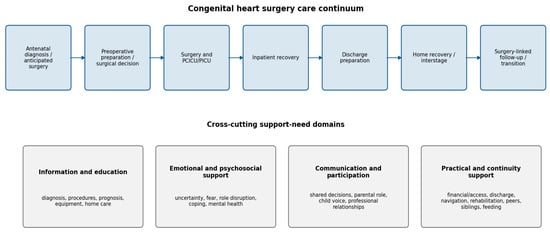
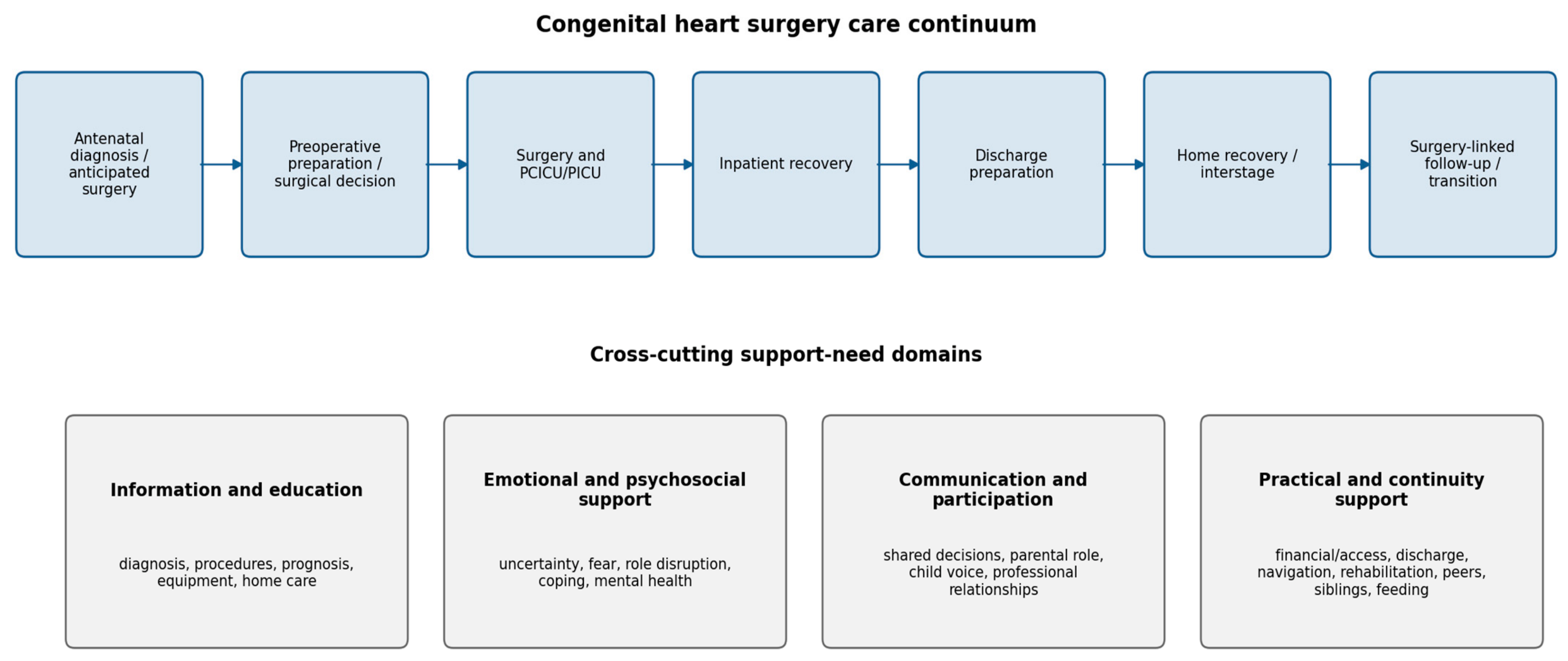
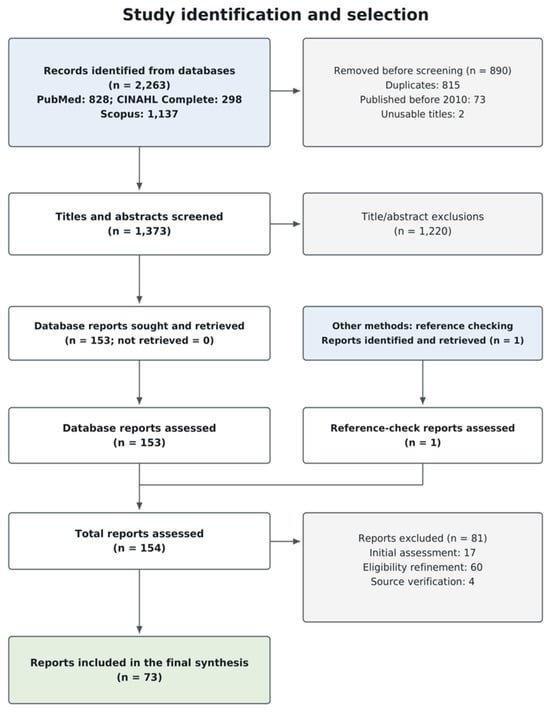
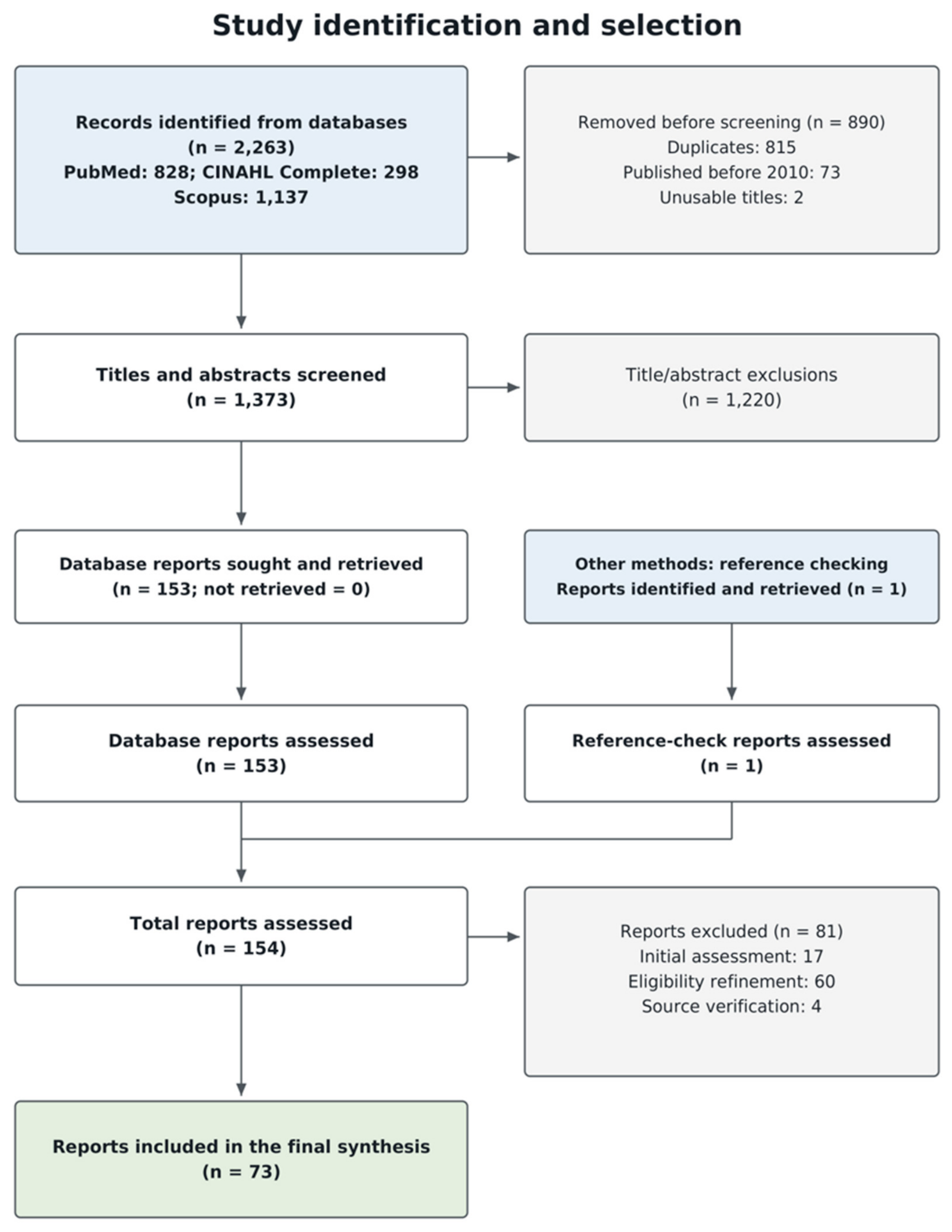
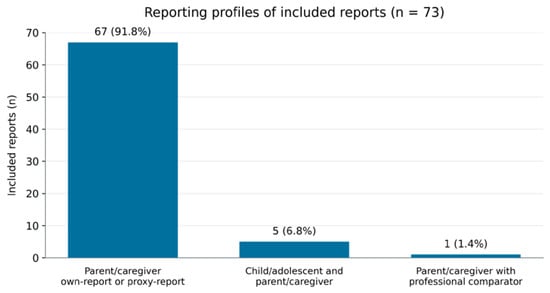
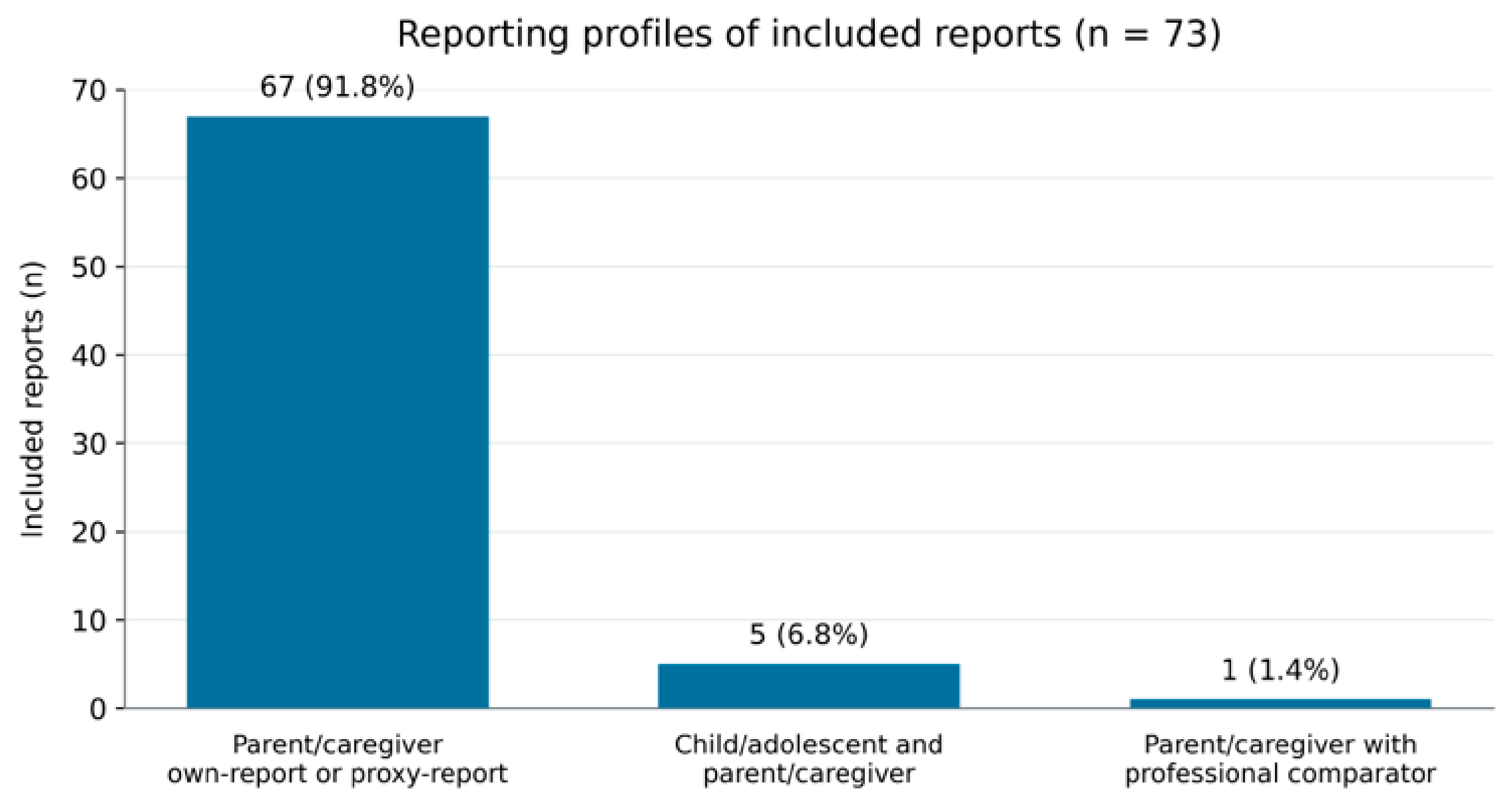
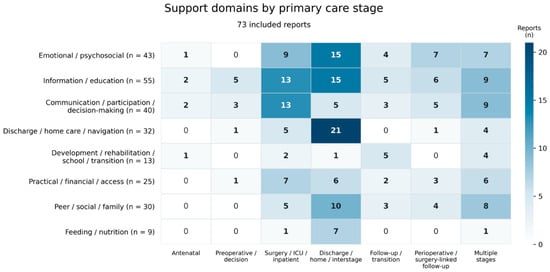
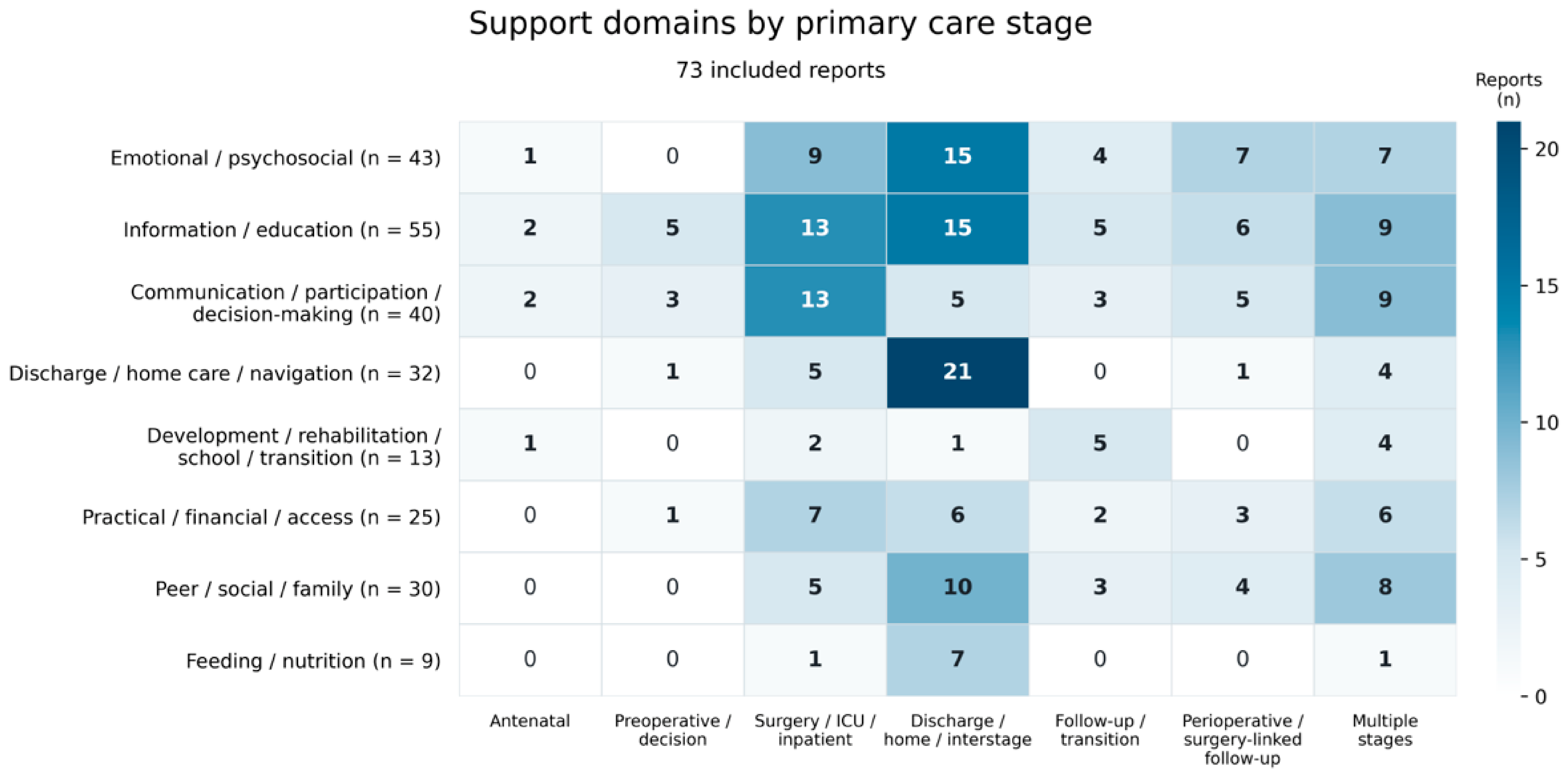

Disclaimer/Publisher’s Note: The statements, opinions and data contained in all publications are solely those of the individual author(s) and contributor(s) and not of MDPI and/or the editor(s). MDPI and/or the editor(s) disclaim responsibility for any injury to people or property resulting from any ideas, methods, instructions or products referred to in the content. |
© 2026 by the authors. Licensee MDPI, Basel, Switzerland. This article is an open access article distributed under the terms and conditions of the Creative Commons Attribution (CC BY) license.