


Highlights
What are the main findings?
- Between 2013 and 2022, MDR-TB prevalence in Kazakhstan declined by 45.2% (from 40.80 to 22.35 per 100,000) and TB mortality among MDR-TB patients by 71.5%, while XDR-TB declined to rare registered cases with no XDR-TB deaths recorded in 2022.
- The age-standardized DALY rate of drug-resistant TB decreased by 71.3% (from 97.0 to 27.8 per 100,000), largely reflecting reductions in premature mortality; however, the burden remained 2.3 times higher in men than in women and varied substantially across regions.
What are the implications of the main findings?
- The substantial decline in drug-resistant TB burden indicators demonstrates major progress over the study period, while persistent regional and sex disparities indicate that these gains were not evenly distributed.
- Strengthened regional surveillance and targeted interventions, particularly in higher-burden regions and among working-age men, may help address remaining disparities and support progress towards the End TB targets. Regional DR-TB prevalence was higher in regions with more recipients of targeted social assistance, whereas per capita income was not associated with the burden
Abstract
Background/Objectives: Tuberculosis (TB) remains one of the leading infectious causes of death worldwide, while multidrug-resistant (MDR) and extensively drug-resistant (XDR) TB continue to pose major global health challenges. Kazakhstan is among the 30 high MDR-TB burden countries prioritized by the World Health Organization (WHO). This study aimed to assess national and regional trends in the burden of MDR-TB and XDR-TB in Kazakhstan between 2013 and 2022. Methods: We conducted a retrospective population-based study using anonymized case-level records of the National Tuberculosis Register of Kazakhstan for 2013–2022; duplicate registrations due to transfers were removed. Crude and age-standardized prevalence and mortality rates were calculated at the national and regional levels. Disability-adjusted life years (DALYs) were estimated as the sum of years of life lost (YLL) and years lived with disability (YLD), following the Global Burden of Disease methodology, using WHO-based treatment durations and HIV-specific disability weights. The burden was additionally assessed by sex and age group, and associations between regional burden and socio-economic and health-system indicators were assessed using Spearman correlation and linear mixed models. Results: Between 2013 and 2022, crude MDR-TB prevalence decreased from 40.80 to 22.35 per 100,000 population (−45.2%) and XDR-TB prevalence from 2.12 to 0.05 per 100,000 (−97.8%). TB mortality among MDR-TB patients decreased by 71.5%, and no XDR-TB deaths were recorded in 2022. The age-standardized DALY rate of drug-resistant TB decreased from 97.0 to 27.8 per 100,000 (−71.3%). DALYs were 2.3–2.6 times higher among men than among women, with the greatest burden in working-age groups. In 2022, the highest burden was observed in West Kazakhstan, Kyzylorda and North Kazakhstan. DR-TB prevalence was higher in regions with more recipients of targeted social assistance, and per capita income was not associated with the burden; higher physician density was associated with lower DALY rates in the main analysis, but not consistently in sensitivity analyses. Conclusions: Kazakhstan experienced substantial reductions in the burden of MDR-TB and XDR-TB during 2013–2022. However, persistent sex and regional differences indicate that these improvements were not uniform across the population. Continued surveillance and targeted interventions in higher-burden population groups and regions remain important for further reducing the burden of drug-resistant TB.
1. Introduction
Tuberculosis (TB) is a widespread infection caused by the bacterium Mycobacterium tuberculosis [1,2] TB is the 13th-leading cause of death worldwide, with a greater impact in low-income countries, with a death rate just behind that of COVID-19 [3] The overall trends are improving, albeit at a very gradual rate. Between 2015 and 2020, TB incidence worldwide declined by only 2% per year instead of the targeted 4%, and mortality fell by just 3% per year, far below the 7% goal set by WHO [4] The disability-adjusted life years (DALYs) attributable to TB worldwide range from 4.13 per 100,000 population in New Zealand to 6993.63 per 100,000 in the Central African Republic [5]. In Central Asian countries, the DALY rate due to TB is higher than in European countries; for instance, in 2023 Kyrgyzstan reported the highest DALYs rate at 144.36 per 100,000 population, in Kazakhstan the DALYs rate was 96.6 per 100,000 compared to only 46.04 per 100,000 in North Macedonia [5].
Multidrug-resistant tuberculosis (MDR-TB) remains a significant global health threat, with nearly half a million cases reported in 2020, primarily impacting the most vulnerable populations in low- and middle-income countries [6] MDR-TB is defined as TB resistant to at least isoniazid and rifampicin, while extensively drug-resistant tuberculosis (XDR-TB) exhibits additional resistance to any fluoroquinolone and at least one of the three injectable second-line drugs, as determined by drug-susceptibility testing (DST) [7] The global prevalence of different forms of drug-resistant TB, including MDR-TB and XDR-TB, was estimated at 11.6% and 2.5%, respectively [2].
While TB incidence declined by approximately 2% annually from 2010 to 2020, it rose again during 2020–2022 due to the COVID-19 pandemic. Global TB cases increased by ~5% annually, while MDR-TB cases grew by over 20% per year during this period (WHO, 2023) [8] The estimated incidence of MDR-TB and rifampicin-resistant tuberculosis (MDR/RR-TB) remained relatively stable between 2020 and 2022, with approximately 410,000 new cases reported in 2022. However, data from the 2020 cohort study indicated that the global treatment success rate for MDR/RR-TB was only 63% [9] The global burden of MDR-TB varies significantly across countries. The highest DALY rate due to MDR-TB was recorded in Lesotho (601.27 per 100,000 population), while the lowest was observed in Iceland (0.12 per 100,000). Similarly, the burden of XDR-TB ranged from 44.07 per 100,000 in Mongolia to 0.024 per 100,000 in New Zealand. In Kazakhstan, the DALY rate for MDR-TB reached 40.35 per 100,000, while for XDR-TB, it was 18.01 per 100,000, placing the country among those with the highest disease burden globally [5].
Eastern European countries, Russia, Central Asian nations, and certain regions of China have a high prevalence of MDR-TB infections [10,11] The study also identified 6 million latent MDR-TB cases in China, 4 million in India, and 1.8 million in Russia [2,12,13]. There are many major factors contributing to the occurrence of MDR-TB worldwide [14], and most of them are related to living conditions [15], lifestyle, medical history [16], including previous illnesses, diabetes, and infection caused by the human immunodeficiency virus (HIV) [2]. There is a notable association between the incidence of MDR-TB and age, with young adults, particularly those aged between 26 and 45, being at a higher risk for MDR-TB [17] However, this correlation may differ across regions and specific demographic groups. The study conducted by Baya et al. reported that the mean age of patients was 39.31 ± 14.64 years, with 62.6% being younger than 40 years. The majority of patients were male (76.2%), and among them, 77.1% were married [13]. Previous research has identified alcohol use as an independent risk factor for TB [18]. As a distinct form of TB, MDR-TB’s relationship with alcohol consumption has been less extensively investigated. Predictive studies on the burden of MDR-TB are of paramount importance for comprehending and managing the disease’s dissemination [19].
Kazakhstan is a Former Soviet Union (FSU) country in Northern Central Asia with 18.3 million inhabitants. It is one of thirty countries prioritized by the WHO because of its high-burden of MDR-TB. In Kazakhstan, an estimated 25% of all new TB cases are MDR-TB, while 43% of previously treated TB cases are MDR-TB in 2017 [20]. Apart from resistance to Rifampin (RIF) and Isoniazid (INH) that defines MDR, resistance to streptomycin (SRM), fluoroquinolones (FLQ) and other second-line injectable drugs (SLID) is common in MTC isolates from Russia and in FSU republics [21].
Kazakhstan bears a significant TB burden, with high DALY rates associated with both overall disease prevalence and specific risk factors, including occupational exposure. In particular, the high incidence of MDR-TB and XDR-TB remains a critical public health issue, as Kazakhstan is among the countries with the highest burden of drug-resistant TB worldwide [20,21,22] Understanding the burden and trends of drug-resistant TB is essential for developing effective control strategies.
AIM of paper: (1) to estimate national trends in the burden of MDR-TB and XDR-TB in Kazakhstan in 2013–2022 using GBD metrics; (2) to describe annual regional trajectories and identify regions with persistently high burden; and (3) to examine whether regional differences were associated with socio-economic (per capita income, targeted social assistance) and health-system (physician density) indicators.
2. Materials and Methods
2.1. Study Design and Setting
We conducted a retrospective, population-based study of drug-resistant tuberculosis (TB) in Kazakhstan using routinely collected national surveillance data for the period 1 January 2013 to 31 December 2022. Prevalence, mortality, years of life lost (YLL), years lived with disability (YLD) and disability-adjusted life years (DALYs) were estimated for multidrug-resistant TB (MDR-TB) and extensively drug-resistant TB (XDR-TB). National estimates were produced for each year of the study period and stratified by sex and 5-year age group; regional estimates were produced for each year of the study period (Supplementary Tables S1 and S2). The study extends our previous assessment of the overall TB burden in Kazakhstan for 2017–2021 [23] a ten-year period, with a specific focus on drug-resistant forms of the disease and on differences between regions.
2.2. Data Sources
Data on MDR-TB and XDR-TB cases and deaths were obtained from the National Tuberculosis Register, which is maintained by the National Scientific Centre of Phthisiopulmonology (NSCP) of the Ministry of Health of the Republic of Kazakhstan. The register is a nationwide case-based system that records demographic, clinical, laboratory and treatment outcome data for every notified TB patient, including pulmonary and extrapulmonary TB. For this analysis, the NSCP provided anonymized case-level records of the TB-register without names or personal identification numbers. Each record contained sex, age, date of birth, region of residence or primary health care (PHC) facility, reason for enrolment (resistance category), HIV status, dates of registration and treatment initiation, and treatment outcome. Records were aggregated by the investigators by calendar year, region, sex, resistance category, HIV status and 5-year age group (0–4, 5–9, 10–14, 15–19, 20–24, 25–29, 30–34, 35–39, 40–44, 45–49, 50–54, 55–59, 60–64, 65–69, 70–74, 75–79, 80–84 and ≥85 years). No personal identifiers were available to the investigators. Duplicate registrations of the same patient resulting from transfers between facilities were removed: a record with the outcome “transferred out” (from 2020, “not evaluated”) was excluded when the same patient, identified by date of birth and sex, had a subsequent “transferred in” registration (62–307 records per year, 0.8–6.2%).
Population denominators by year, region, sex and 5-year age group were obtained from the Bureau of National Statistics of the Agency for Strategic Planning and Reforms of the Republic of Kazakhstan [24]. Population estimates as of 1 January of each year were used. The analysis was based on registered data only; apart from the adjustments described below (completeness of the 2016 data and estimation of TB deaths for 2013–2017), no correction for under-ascertainment or misclassification was applied.
2.3. Case Definitions
MDR-TB was defined as TB caused by Mycobacterium tuberculosis strains resistant to at least isoniazid and rifampicin. XDR-TB was defined as MDR-TB with additional resistance to any fluoroquinolone and to at least one of the three second-line injectable drugs (amikacin, capreomycin or kanamycin), in accordance with the WHO definitions applied during the study period [7]. The resistance category assigned in the register (laboratory-confirmed or clinically diagnosed MDR-TB and XDR-TB) was used without reclassification. During the study period, MDR-TB and XDR-TB cases were identified according to the classifications recorded in the National Tuberculosis Register. WHO revised the definitions of pre-XDR-TB and XDR-TB in 2021 [25]; however, the present study relied on the diagnostic categories documented in the Register for each respective year. Cases recorded in 2021–2022 were therefore analyzed according to their registered classification, without retrospective reclassification by the study team using the revised WHO definitions. To account for this change, trends are also presented for drug-resistant TB overall (MDR-TB + XDR-TB), which are not affected by reclassification between the two categories. HIV-positive status was defined as a recorded HIV risk factor, a positive HIV test or antiretroviral therapy recorded in the register; patients without a test result (0.05–4.1% per year) were classified as HIV-negative. Treatment outcomes were documented according to WHO definitions and classified into the following categories: cured, treatment completed, died, treatment failed, lost to follow-up, and not evaluated.
2.4. Administrative Units
Regional estimates were produced for the administrative units existing in each year: 14 regions and 2 cities of republican significance in 2013–2017 (with Shymkent included in South Kazakhstan Region), 14 regions and 3 cities (Turkistan Region and Shymkent city separately) in 2018–2021, and 17 regions and 3 cities in 2022, when the Abai, Zhetysu and Ulytau regions were established from the East Kazakhstan, Almaty and Karaganda regions. The region of each patient was determined from the recorded address or region of residence and, if missing, from the PHC facility to which the patient was attached; the two methods agreed in 93–95% of patients in the years when both were available. Patients whose region could not be determined (0–117 per year) were included in national estimates only. To allow comparisons over time, estimates were additionally calculated in constant 2013 boundaries, with Turkistan Region and Shymkent combined as South Kazakhstan, and the Abai, Zhetysu and Ulytau regions included in East Kazakhstan, Almaty and Karaganda regions, respectively (Supplementary Table S2).
2.5. Prevalence and Mortality Rates
Crude prevalence and mortality rates were calculated by dividing the number of prevalent cases and deaths by the corresponding population and are expressed per 100,000 population.
The corresponding population size by year, sex, age group, or region, depending on the level of analysis, was used as the denominator [24]).
Prevalent cases for a given year comprised all patients registered with MDR-TB or XDR-TB on the register during that year (new cases, relapses, patients transferred in, patients resuming treatment after interruption, patients re-registered after treatment failure and other previously treated patients), excluding patients who died, after removal of duplicate registrations. Registry data for 2016 covered registrations from January to September only; annual estimates were obtained using age-specific correction factors (1.26–1.35), calculated as the ratio of annual to January–September registrations in complete years of the same registry (2014, 2015, 2017 and 2018).
Deaths were defined as deaths due to TB among patients with MDR-TB or XDR-TB. Since 2018, the register has recorded whether a patient died from TB or from other causes, and observed TB deaths were used for 2018–2022. For 2013–2017, only the total number of deaths was available; therefore, TB deaths were estimated by multiplying the number of all deaths in each age group by the proportion of TB deaths in the same age group observed in 2018–2022. The robustness of this approach was assessed in a sensitivity analysis (Supplementary Table S7).
Age-standardized rates were calculated by the direct method as the sum of age-specific rates weighted by the Segi world standard population [26], as in our previous study [23]:
where Ri is the corresponding age-specific prevalence or mortality rate per 100,000 population in age group i, and Wi is the corresponding standard population weight for that age group. Standardized rates were calculated for the country as a whole and for each region.
Relative change between 2013 and 2022 was calculated as:
2.6. Estimation of DALYs
DALYs were calculated as the sum of YLL and YLD following the methodology of the Global Burden of Disease (GBD) 2019 study [27], using the same approach as in our previous analysis [23]. Estimates were calculated separately for MDR-TB and XDR-TB by year, sex, age group and region; estimates for drug-resistant TB overall are the sum of the two.
DALY = YLL + YLD
Years of life lost. YLL were calculated as the number of deaths in each age and sex group multiplied by the standard remaining life expectancy for that age group:
where Di is the number of deaths in age group i and LEi is the remaining life expectancy for age group i taken from the GBD 2019 standard reference life table. The same normative life table was applied to both sexes and all regions, so that differences in YLL reflect the number and age distribution of deaths rather than differences in local life expectancy.
Years lived with disability. YLD were estimated with a prevalence-based approach as the number of prevalent cases multiplied by the disability weight and the average duration of disease:
where Pi is the number of prevalent MDR-TB or XDR-TB cases in a given year and DWi is the disability weight. Each patient was assigned the disability weight corresponding to his or her HIV status: 0.333 for HIV-negative TB and 0.408 for HIV-associated TB, in accordance with the GBD methodology. L is the average duration of disease. Consistent with our previous study on drug-susceptible TB [25], in which L corresponded to the full 6-month treatment course (L = 0.5), the full treatment episode was attributed to the year of registration. Based on WHO recommendations over the study period (≥20 months for longer regimens in 2011 [28]; 18–20 months from 2018 [29]; shorter 9–12-month regimens from 2016 [30]), L was set to 1.5 years (18 months) for MDR-TB and 2.0 years (24 months) for XDR-TB, as treatment of cases with extended resistance may need to exceed 20 months.
2.7. Statistical Analysis
Results are presented as absolute numbers, crude and age-standardized rates per 100,000 population, the proportion of DALYs attributable to YLL, and relative changes between 2013 and 2022. Sensitivity analyses assessed (i) the duration of disease (L = 0.75 and 2.0 years for both forms), (ii) year-specific instead of pooled proportions of TB deaths for 2013–2017, and (iii) the minimum and maximum correction factors for 2016 (Supplementary Table S7). To examine regional determinants, we used three indicators from the Bureau of National Statistics: per capita nominal money income, the number of recipients of targeted social assistance per 1000 population, and the number of physicians per 10,000 population. Their association with regional DR-TB burden was assessed for 16 regions in constant 2013 boundaries (160 region-years). We used Spearman rank correlation within each year and a linear mixed model of log-transformed age-standardized rates, which included all three indicators as z-scores, year fixed effects and a random intercept for region. Comparisons within each year account for nationwide changes, such as income inflation and the 2018 reform of targeted social assistance. In a sensitivity analysis, the analyses were repeated for the actual administrative units of each year (168 region-years).
Analyses were performed using IBM SPSS Statistics for Windows, version 26.0 (IBM Corp., Armonk, NY, USA) and Microsoft Excel 2021 (Microsoft Corporation, Redmond, WA, USA).
2.8. Ethics Statement
The study was approved by the Local Ethics Committee of Al-Farabi Kazakh National University, Almaty, Kazakhstan (Protocol No. IRB-A653, dated 7 September 2023). Patient consent was waived due to the retrospective nature of the study and the use of anonymous registry data. All methods were performed in accordance with the relevant guidelines and regulations.
3. Results
3.1. Mortality and Morbidity
In the period from 2013 to 2022, the prevalence of both MDR-TB and XDR-TB decreased in most regions of Kazakhstan (Table 1). On a national level, the crude prevalence of MDR-TB declined from 40.80 to 22.35 per 100,000 population, representing a 45.2% reduction. XDR-TB also decreased by 97.8%, from 2.12 to 0.05 per 100,000. Most regions experienced meaningful declines, though the magnitude of reduction varied.
Table 1.
Crude and age-standardized prevalence rates for MDR and XDR TB per 100,000 in Kazakhstan in 2013 and 2022.
Age-standardized prevalence rates mirrored this positive trend. On a national level the age-standardized rate for MDR-TB dropped from 36.86 to 21.33 per 100,000, representing a reduction of 42.1%. XDR-TB age-standardized rates decreased from 1.90 to 0.05 per 100,000 population, with particularly low rates observed in recent years.
In 2013, the highest crude MDR-TB prevalence was observed in Atyrau (85.01 per 100,000), West Kazakhstan (61.19) and Kyzylorda (54.63), while the lowest levels were recorded in South Kazakhstan (22.73), Almaty city (25.90) and Almaty Region (28.56). In 2022, the highest rates were observed in Kyzylorda (46.64), Atyrau (39.34), Kostanay (33.27) and West Kazakhstan (32.20). The largest decreases occurred in Zhambyl (−60.7%), North Kazakhstan (−60.6%), Atyrau (−53.7%), Astana (−53.1%) and Mangystau (−52.8%), and the smallest in Kyzylorda (−14.6%). For regions whose boundaries changed, changes are given in constant 2013 boundaries: South Kazakhstan −33.2%, East Kazakhstan −37.2%, Almaty Region −40.3% and Karaganda −52.8%.
Regarding XDR-TB, crude prevalence decreased across most regions between 2013 and 2022, with values approaching zero in the majority of regions by the end of the study period. At the regional level, XDR-TB prevalence declined substantially between 2013 and 2022. In most regions, no XDR-TB cases were registered in 2022. Single cases remained in Almaty Region (0.14 per 100,000), Mangystau and Akmola (0.13 per 100,000 each), Kyzylorda (0.12 per 100,000), Aktobe (0.11 per 100,000), Almaty city (0.10 per 100,000) and Turkistan (0.05 per 100,000).
Between 2013 and 2022, TB mortality rates among MDR-TB and XDR-TB patients declined across most regions of Kazakhstan (Table 2). The crude TB mortality rate among MDR-TB patients declined from 1.51 to 0.43 per 100,000 (−71.5%). TB mortality among XDR-TB patients decreased from 0.24 to 0.00 per 100,000, with no XDR-TB deaths registered in 2022. Age-standardized TB mortality among MDR-TB patients decreased from 1.37 to 0.40 per 100,000 (−71.1%), and among XDR-TB patients from 0.22 to 0.00. Values for 2013 are based on estimated TB deaths (Section 2.5).
Table 2.
Crude and age-standardized TB mortality rates among patients with MDR and XDR TB per 100,000 in Kazakhstan in 2013 and 2022.
In 2013, the highest estimated TB mortality rates among MDR-TB patients were observed in Atyrau (3.20 per 100,000), North Kazakhstan (2.22) and Pavlodar (2.01). In 2022, the highest rates were recorded in West Kazakhstan (1.02), North Kazakhstan (0.93), Kyzylorda (0.85) and East Kazakhstan (0.68). Substantial reductions were observed in Atyrau (from 3.20 to 0.44 per 100,000), Pavlodar (2.01 to 0.26), Mangystau (1.88 to 0.40) and Almaty city (1.25 to 0.29). No TB deaths among MDR-TB patients were registered in Aktobe and Ulytau in 2022. Shymkent had a rate of 0.34 per 100,000 in 2022.
For XDR-TB, the highest estimated TB mortality rates in 2013 were observed in Atyrau (0.48 per 100,000), Mangystau (0.45) and North Kazakhstan (0.40); no XDR-TB deaths were registered in 2022.
3.2. Burden of Drug Resistant Tuberculosis
The burden of TB in Kazakhstan, as measured by DALY, has demonstrated a significant decline from 2013 to 2022 (Figure 1). In 2013, the total burden of DR-TB was 18,343.2 DALYs (YLL 14,623.3; YLD 3719.9). The burden declined to 14,275.0 DALYs in 2015 and 7951.9 in 2018 (YLL 4948.8; YLD 3003.1). A temporary increase was observed in 2020 (8688.6 DALYs), driven by YLL (6637.1). By 2022, the burden reached 5775.3 DALYs (YLL 3562.3; YLD 2213.0). The age-standardized DALY rate decreased from 97.0 to 27.8 per 100,000 (−71.3%). The steep decline in YLL between 2016 and 2017 partly reflects differences in the completeness of recorded outcomes between data extractions (see Limitations). In sensitivity analyses, the decline in DALYs between 2013 and 2022 ranged from 65% to 76% depending on the proportion of TB deaths applied for 2013, and YLD in 2022 ranged from 1106 to 2949 for L between 0.75 and 2.0 years (Supplementary Table S7).
Figure 1.
YLL, YLD and DALY of total drug-resistant tuberculosis in Kazakhstan, 2013–2022.
During 2013–2022, the DALY indicators for both MDR and XDR TB in Kazakhstan showed a steady decline, indicating improved control of resistant forms of the disease (Figure 2).
Figure 2.
YLL, YLD and DALY rates (per 100,000 population) of MDR (a) and XDR (b) in Kazakhstan, 2013–2022 (crude rates).
In 2013, the crude DALY rate for MDR-TB was 94.1 per 100,000 population, and by 2022 it had decreased to 29.6 (−68.6%). Most of the decrease occurred between 2013 and 2018 (to 38.6; −59.0%). In 2019–2020, a small increase was observed (from 40.3 to 44.3; +9.9%), coinciding with the COVID-19 pandemic; after 2020, the decline resumed.
The DALY rate for XDR-TB decreased from 14.36 per 100,000 in 2013 to 6.76 in 2017 and 0.03 in 2022 (−99.8%). By 2022, XDR-TB had been reduced to rare registered cases without registered deaths.
During the period 2013–2022, the total burden of DR-TB decreased in both sexes. For men, DALYs decreased by 69.6%, from 13,208 in 2013 to 4018 in 2022; for women, by 65.8%, from 5136 to 1758. The overall reduction is primarily attributable to a decrease in YLL (Figure 3). In 2013, YLL among men were 2.8 times higher than among women (10,737 vs. 3886). Among men, YLL decreased by 67.1% between 2013 and 2018 (to 3527).
Figure 3.
Sex differences in YLL, YLD, and DALY total drug-resistant tuberculosis in Kazakhstan, 2013–2022.
A temporary increase was observed in 2020 among men (from 5673 DALYs in 2019 to 6306), whereas among women DALYs remained stable (2346 in 2019 and 2383 in 2020). Among women, DALYs decreased by 53.2% between 2013 and 2018 (to 2406) and reached 1758 in 2022.
Between 2013 and 2022, Kazakhstan experienced a substantial reduction in the overall burden of disease attributable to MDR- and XDR-TB (Table 3). Among men, DALYs from MDR-TB declined by 65.1%, with a corresponding 70.0% reduction in the crude DALY rate. Among women, DALYs decreased by 60.3%, while the crude DALY rate declined by 65.2%. For XDR-TB, DALYs decreased by 99.7% in men and by 99.8% in women.
Table 3.
Absolute numbers and rates per 100,000 population of DALY and YLL proportion for MDR and XDR TB with relative changes in 2013 and 2022 in Kazakhstan.
The proportion of DALYs attributable to YLL provides additional insight into the contribution of premature mortality to the overall disease burden. For MDR-TB, the YLL proportion decreased from 79.9% in 2013 to 64.3% in 2022 among men (−15.6 percentage points) and from 73.6% to 56.0% among women (−17.6 percentage points). For XDR-TB, YLL accounted for 90.5% of DALYs among men and 88.9% among women in 2013, declining to 0% in both sexes by 2022, consistent with the absence of recorded XDR-TB deaths in that year.
Overall, DALYs decreased by 63.7% for MDR-TB and by 99.8% for XDR-TB. In 2013, the burden of MDR-TB was 6.6 times higher than that of XDR-TB; by 2022, XDR-TB had been reduced to rare registered cases.
In 2013, the burden of MDR-TB was considerably higher among men than among women in almost all age groups (Figure 4a). Among men, the highest YLL rates were observed at 30–49 years, peaking at 302.2 per 100,000 in the 35–39-year group, whereas among women the highest YLL rate was observed at 25–29 years (96.7 per 100,000). YLD rates were notably lower than YLL rates in both sexes. The rates decreased after 50 years of age and particularly after 65 years, and values among children and adolescents remained negligible.
Figure 4.
Age- and sex-specific YLL and YLD rates (per 100,000 population) for MDR-TB in 2013 (a), XDR-TB in 2013 (b), MDR-TB in 2022 (c) and XDR-TB in 2022 (d) in Kazakhstan.
The XDR-TB burden in 2013 was substantially lower than that of MDR-TB (Figure 4b). Among men, the highest YLL rate (48.7 per 100,000) was registered at 30–34 years, while among women the maximum (18.7 per 100,000) was observed at 25–29 years. In the age groups 30–49 years, rates among men were 2.5–3.5 times higher than among women. YLD rates were low in both sexes, indicating that the burden of XDR-TB was predominantly due to premature mortality. Overall, MDR-TB accounted for about 6.6 times more DALYs than XDR-TB in 2013, although both forms showed a similar age pattern, with the greatest impact on the economically active population aged 25–44 years.
By 2022, YLL rates for MDR-TB had declined in most age groups (Figure 4c). Among men, the peak of YLL shifted to older ages, with the highest rates at 45–49 years (80.8 per 100,000) and 50–54 years (88.9 per 100,000). Among women, YLL rates were lower and more irregular because of the small number of deaths, with the highest value at 40–44 years (31.3 per 100,000). Compared with 2013, YLL rates in the age groups with the highest burden in 2013 (men aged 30–44 years and women aged 25–39 years) declined three- to tenfold. The relative contribution of YLD to DALYs increased, although YLD rates themselves decreased in most age groups. Among children (0–14 years), no TB deaths were registered, and YLD rates remained below 2.5 per 100,000. In 2022, XDR-TB was registered in only nine patients (seven men and two women) aged 20–54 years, and no XDR-TB deaths were recorded; therefore, the burden consisted entirely of YLD and did not exceed 0.22 per 100,000 in any age group (Figure 4d).
Overall, between 2013 and 2022, the burden of DR-TB in Kazakhstan declined. YLL decreased over the study period, and the share of YLD in DALYs increased (from 20% in 2013 to 38% in 2022). The age distribution of the burden shifted from younger and middle-aged adults in 2013 toward older age groups in 2022.
Between 2013 and 2022 (Figure 5), all regions of Kazakhstan experienced notable declines in YLL, YLD, and DALY rates attributable to DR-TB. In 2013, the highest DALY rate was observed in Atyrau (YLL 179.99 and YLD 45.50 per 100,000; DALY 225.50), followed by Mangystau (121.68; 26.21), North Kazakhstan (118.41; 27.45), Pavlodar (112.66; 27.31) and West Kazakhstan (98.17; 31.91). The lowest burden was observed in South Kazakhstan (70.16; 12.22), Almaty city (68.99; 14.25) and Almaty Region (68.08; 16.62).
Figure 5.
Crude YLL, YLD and DALY rates (per 100,000) of Total DR TB in Kazakhstan by regions, 2013 (a), 2022 (b). The regional differences between panels (a,b) reflect administrative changes: South Kazakhstan is shown in (a), while Turkistan Region and Shymkent, as well as the Abai, Zhetysu and Ulytau regions established in 2022, are presented separately in (b).
By 2022, rates had declined in all regions. The highest burden was observed in West Kazakhstan (YLL 49.91; YLD 16.20), Kyzylorda (35.68; 23.38) and North Kazakhstan (46.73; 10.10), followed by Kostanay (27.75; 17.03) and East Kazakhstan (26.12; 16.45). The lowest burden was observed in the newly established Ulytau (YLL 0; YLD 9.95) and Zhetysu (3.68; 8.75) regions, Aktobe (0; 13.25) and Turkistan (7.49; 7.37). Atyrau, the region with the highest burden in 2013, decreased to 16.18 YLL and 19.70 YLD per 100,000. These findings indicate a shift of the geographic pattern of DR-TB burden towards western and northern regions (West Kazakhstan, North Kazakhstan, Kyzylorda and Kostanay).
3.3. Regional Trajectories
Annual regional estimates are presented in Supplementary Table S1 (administrative units of each year) and Supplementary Table S2 (constant 2013 boundaries). In constant boundaries, the age-standardized DALY rate decreased in all 16 regions between 2013 and 2022, from −37% in West Kazakhstan and −42% in Kyzylorda to −83% in Atyrau and −88% in Aktobe. The trajectories were not monotonic. In most regions, the largest decrease occurred between 2013 and 2018. Temporary increases in 2019–2020 were observed in Zhambyl (from 34.1 per 100,000 in 2018 to 78.0 in 2020), Kyzylorda (from 46.0 to 84.2) and Akmola (from 35.5 in 2019 to 74.0 in 2020), mainly due to YLL. In West Kazakhstan, the DALY rate remained at 25–30 per 100,000 in 2018–2021 and increased to 69.5 in 2022, driven by YLL (from 13.2 to 54.4 per 100,000) based on a small number of deaths. YLD rates decreased more uniformly, by 17% (Kyzylorda) to 65% (North Kazakhstan).
3.4. Socio-Economic and Health-System Indicators
In the main analysis of 16 regions in constant 2013 boundaries (160 region-years), per capita income was not associated with any burden indicator (DALY: +6.1% per 1 SD, 95% CI −9.0 to 23.7%; p = 0.45). A higher number of recipients of targeted social assistance was associated with higher DR-TB prevalence (+5.7% per 1 SD, i.e., 40 recipients per 1000 population; 95% CI 2.9–8.7%; p < 0.001) and YLD (+5.4%; 95% CI 2.6–8.3%; p < 0.001), but not with TB mortality, YLL or DALY. Higher physician density was associated with lower burden: each 1-SD increase (16.5 physicians per 10,000 population) was associated with an 11.6% lower age-standardized DALY rate (95% CI 1.4–20.8%; p = 0.027), a 13.7% lower YLL rate (95% CI 2.8–23.3%; p = 0.015) and a 5.6% lower TB mortality rate (95% CI 0.6–10.2%; p = 0.028). Pooled within-year rank correlations were consistent (physicians and DALY: ρ = −0.25, p = 0.002; social assistance and prevalence: ρ = 0.28, p < 0.001). In the sensitivity analysis using the actual administrative units of each year (168 region-years), the association of social assistance with prevalence persisted (+5.0%; 95% CI 1.6–8.5%; p = 0.004; ρ = 0.22, p = 0.004), whereas the association of physician density with DALY was in the same direction but weaker and not statistically significant in the mixed model (−5.7%; 95% CI −17.3 to 7.6%; p = 0.38), although the rank correlation remained significant (ρ = −0.19, p = 0.014) (Supplementary Tables S4–S6).
3.5. HIV Co-Infection
HIV-positive patients accounted for 4.1–6.2% of prevalent DR-TB cases, increasing from 4.2% in 2013 to 6.1% in 2022, and for 6.3–22.0% of TB deaths among DR-TB patients. In 2022, HIV-positive patients accounted for 12.0% of DR-TB DALYs (692 of 5775) (Supplementary Table S3).
4. Discussion
As our study has shown, from 2013 to 2022, Kazakhstan experienced a substantial reduction in the burden of MDR and XDR TB, as reflected in the declining trends in prevalence, mortality, and DALY indicators. The age-standardized prevalence of MDR-TB decreased by 42.1%, while XDR-TB declined to rare registered cases (−97.8%). Nearly all regions demonstrated positive dynamics, though the pace of reduction varied. These trends indicate progress in TB control efforts, with decreasing age-adjusted burden across the country. Our findings show a steady decline in TB burden over the study period, consistent with trends reported in our previous analysis of Kazakhstan and Mongolia. This supports the persistence of long-term improvements in TB detection and management [23].
In 2022, the prevalence of MDR-TB in Kazakhstan was 22.35 per 100,000 population, while XDR-TB prevalence had declined to 0.05 per 100,000. The substantial burden of drug-resistant TB observed in the broader Eastern European and Central Asian region is also reflected in GBD 2021 estimates, which identified several countries in the region, including Kyrgyzstan, Ukraine, the Russian Federation, and Kazakhstan, among those with the highest estimated prevalence rates of XDR-TB. However, direct numerical comparisons should be interpreted with caution, as the present study is based on national registry data, whereas GBD estimates are model-based and differ in population coverage and methodology [31]. Between 2013 and 2022, Kazakhstan achieved a 45.2% reduction in MDR-TB prevalence. This downward trend contrasts with the long-term global pattern reported in the GBD 2019 analysis, which showed an overall increase in the age-standardized prevalence rate of MDR-TB between 1990 and 2019 (AAPC 5.9%, 95% CI 5.4–6.4), although a declining trend was observed globally during 2005–2013 (APC −2.7%, 95% CI −3.0 to −2.5) [32]. While global XDR-TB incidence remained stable, registered XDR-TB in Kazakhstan decreased by 97.8%. This decline may reflect programmatic improvements, but also changes in diagnostic practice and the 2021 revision of XDR-TB definitions, and should not be interpreted as elimination [33]. These results align with broader international trends indicating gradual progress in the fight against DR-TB. According to Cui et al. [34], the global prevalence of MDR-TB among individuals aged 15–49 declined by approximately 30% between 2010 and 2021, with a particularly sharp drop observed in Central Asia. This regional trend is consistent with our findings and highlights the success of TB control programs in this part of the world, including Kazakhstan [28]. In terms of XDR-TB, Cui et al. (2024 [34]) found that its global prevalence remained relatively stable over the past decade, averaging around 0.049 per 100,000 population between 2010 and 2021. This closely matches the XDR-TB prevalence in Kazakhstan in 2022, which stood at 0.05 per 100,000 [35].
Although most regions demonstrated a declining MDR- and XDR-TB burden, the magnitude and pace of improvement varied geographically and by place of residence. A large retrospective cohort study of TB cases in Kazakhstan (2014–2019) showed that urban residents comprised about 58% of all patients, while rural residents made up about 42%, with urban residence being statistically associated with lower survival rates compared with rural settings after adjustment for other risk factors [36]. Furthermore, in a national MDR-TB treatment outcomes study (2018–2021), urban residency was associated with higher risk of unsuccessful treatment outcomes, suggesting real differences in treatment challenges and patient populations between urban and rural contexts [36]. The country’s healthcare system includes a structured network of primary care, family medicine and specialized services, with publicly funded state-guaranteed benefits covering prevention, diagnosis and treatment of major diseases, although disparities in service utilization persist between urban and rural populations [37].
Our analysis of regional indicators provides some insight into the determinants of these differences. Regional DR-TB burden was not associated with per capita income, but DR-TB prevalence was consistently higher in regions with more recipients of targeted social assistance. This is in line with the concentration of drug-resistant TB among socially vulnerable populations and suggests that social vulnerability within regions, rather than the average income level, is relevant for the number of patients. Higher physician density was associated with lower burden, mainly through lower YLL, which may reflect better access to timely diagnosis and treatment; however, this association was weaker when the actual administrative units were analysed and should be interpreted with caution. However, these associations are ecological, were based on 16 regions and may be confounded by factors not included in the analysis, such as migration, incarceration, alcohol use and HIV prevalence; they should therefore be interpreted as hypothesis-generating.
TB mortality among MDR-TB patients declined by 71.5%, while no deaths attributed to XDR-TB were registered across the regions of Kazakhstan in 2022. However, this finding should be interpreted with caution because the estimates are based on routine surveillance data. Misclassification of the cause of death, incomplete information on drug-resistance status, or delays in registry updates may have resulted in underreporting, particularly among socially vulnerable and rural populations or when deaths occurred outside specialized TB facilities. This limitation is especially relevant for XDR-TB, given the small number of cases and the possibility that cases without complete laboratory confirmation were recorded as MDR-TB rather than XDR-TB. In addition, because the cause of death was recorded in the register only from 2018, TB deaths for 2013–2017 were estimated, and the magnitude of the decline should be interpreted with caution.
A small temporary increase in DALYs was observed in 2020, coinciding with the COVID-19 pandemic, when the number of registered DR-TB cases decreased (from 5532 in 2019 to 3988 in 2020) and TB deaths increased (from 121 to 149). Given the descriptive design and the limited number of annual observations, we did not formally test this disruption, and the contribution of the pandemic cannot be quantified. After 2020, the downward trend resumed [38].
The decline observed in our study is consistent with broader regional and global trends in TB burden. Recent analyses have reported reductions in age-standardized mortality and DALY rates for MDR-TB in Central Asia [39], while GBD 2021 data also demonstrate a substantial long-term decline in overall TB burden globally, in Central Asia, and in Kazakhstan [40]. Although these findings provide useful epidemiological context, direct comparison of absolute DALY estimates is limited by methodological differences between registry-based and model-based estimates. GBD estimates are model-based and adjust for under-ascertainment, use cause-of-death ensemble modelling and incidence-based durations, whereas our estimates are based on registered cases and deaths; therefore, our values should be regarded as minimum estimates of the registered burden, and comparisons with GBD are limited to the direction of trends.
Evidence on MDR- and XDR-TB in Kazakhstan remains limited [31]. Previous studies have identified the predominance of Beijing-family M. tuberculosis strains among multidrug-resistant isolates in Kazakhstan and neighboring countries [21,35,41,42,43], while previous TB disease and treatment, bacterial excretion, and other clinical factors have been associated with MDR-TB [44,45,46,47]. The higher burden among men observed in our study is also consistent with previous international and national evidence [48,49,50,51]. Socioeconomic and behavioral factors may further contribute to unfavorable outcomes [52], although these determinants were not directly assessed in our study.
In our study, the burden of MDR-TB was 2.3–2.6 times higher (2.8 times for YLL in 2013) among men than among women, consistent with findings from international studies [19,53]. This difference may be related to the higher prevalence of established risk factors among men, including smoking, alcohol use, and a history of imprisonment, as well as differences in exposure and health-seeking behavior [23,53,54].
Overall, between 2013 and 2022, Kazakhstan experienced a substantial reduction in the burden of DR-TB. The decline in YLL indicates a major improvement in early detection, timely treatment, and patient outcomes, while the share of YLD in DALYs increased. The age shift in the burden—from young and middle-aged adults in 2013 toward older age groups in 2022—may suggest an epidemiological transition related to TB control, reduced transmission and population aging, although these factors were not assessed directly.
Age- and sex-specific patterns of MDR-TB burden also changed over the study period (Figure 4). In 2013, the highest burden among men was concentrated in the 35–44-year age groups, whereas by 2022 the peak had shifted toward older ages, particularly the 50–54-year age group. Among women, the burden in 2013 was more pronounced at younger adult ages, while in 2022 it shifted toward older age groups. Overall, these findings suggest an age shift in the MDR-TB burden over the study period, with a more pronounced burden among men. This pattern is broadly consistent with global evidence showing an increasing risk of MDR-TB with advancing age, particularly among men aged 40 years and older in lower-SDI regions [19]. However, there are large country differences, and some studies report increased risk of MDR-TB in people under 45 years of age. In Korea, the largest proportion of MDR-TB patients was noted at ages 15–34 years, with risk decreasing with age [55]. A study from China noted a trend toward significant increase in the proportion of MDR-TB over the period 2004–2019 among the age group over 60 years [56].
The Central Asia region, which includes Kazakhstan, is among the three regions with the highest MDR-TB burden [57]. Global absolute DALYs and mortality rates have almost tripled over the past three decades. DALY rates were 55 per 100,000 people, and mortality 0.62 per 100,000, with the highest rates noted in children under 5 years. The annual increase in the Central Asia region was 62.1% for incidence rate and 19.0% for mortality and DALYs. Approximately 3% of children with TB have MDR-TB, and only 3–4% of them are diagnosed and treated, resulting in about 21% mortality among children with MDR-TB. The main risk factors for developing MDR-TB in children are lack of BCG vaccination and social vulnerability [58]. In Kazakhstan, single-dose vaccination against TB has been carried out since the 1960s for healthy newborns on days 2–4 after birth with the BCG vaccine [59]. BCG coverage among newborns has somewhat decreased in Kazakhstan (from 97.2% in 2011 to 93.0% in 2023), requiring strengthening of social mobilization measures.
In our study, HIV-positive patients accounted for 4.1–6.2% of DR-TB cases, with an increasing trend over the study period, and HIV-specific disability weights were applied in YLD estimation (Supplementary Table S3). The relationship between HIV infection and MDR-TB has been thoroughly studied, but results remain ambiguous. Some meta-analyses indicate a slight increase in MDR-TB risk in HIV-positive individuals [60,61], while others found no clear overall association [62]. HIV-infected people have 20 times higher probability of developing active TB and up to 6 times higher risk of fatal outcome (aOR = 5.6) [63]. In 2023, 0.16 million TB deaths were associated with HIV infection globally. HIV infection is strongly associated with primary MDR-TB (OR = 2.76) [62]. However, antiretroviral therapy (ART) was found to reduce mortality rates in HIV-positive patients with MDR-TB [64]. Eastern Europe and Central Asia have the world’s fastest-growing HIV epidemic: from 2010 to 2020, HIV infections increased by 43.0%, with Kazakhstan showing the largest increase in HIV infections in the EECA region [65], with a prevalence of 0.3% (from 1900 in 2010 to 3500 in 2021 [66]).
A systematic review and meta-analysis found that the proportion of MDR-TB patients facing catastrophic costs (defined as costs exceeding 20% of annual household income) reaches 70–85% in low- and middle-income countries [6]. Although TB treatment in Kazakhstan is funded by the state budget, data from a 2016 study showed that MDR-TB patients still bear direct and indirect costs during treatment, which reached $3125 USD per MDR-TB treatment episode [67].
Our results demonstrate a 1.8-fold decrease in MDR-TB prevalence, a 3.5-fold decrease in TB mortality among MDR-TB patients and a 3.5-fold decrease in the age-standardized DR-TB burden. This positive dynamic may be related to state measures and active cooperation with international partners in the fight against TB, encompassing prevention through vaccination and preventive treatment, early detection and appropriate treatment, as well as to broader socio-economic development and improvements in living conditions. In our analysis, regional differences were not associated with per capita income, whereas DR-TB prevalence was higher in regions with more recipients of social assistance, and a lower burden was observed in regions with higher physician density. All activities are funded by the state budget [68]. Since 2012, rapid diagnostic tests and highly specific molecular genetic method GeneXpert for TB diagnosis and determination of resistance to one of the main anti-tuberculosis drugs (rifampicin) have been implemented throughout Kazakhstan [69]. In 2017, the interferon gamma release assay (IGRAs), recommended by WHO, was introduced for early TB diagnosis among children and at-risk populations [70]. Population screening among high-risk groups is carried out through fluorography in adults and tuberculin diagnostics in children and adolescents [71]. In 2016–2019, within the framework of the state program, phthisiatric services were integrated into the primary healthcare system to ensure a comprehensive approach to diagnosis, treatment and rehabilitation of TB patients. This integration led to a reduction in specialized hospital beds, with the resulting cost saving directed toward improving diagnosis, drug procurement, ensuring psycho-social support, and improving TB awareness among citizens [72].
The burden of MDR and XDR is exacerbated by limited therapeutic options, necessitating research into multicomponent approaches designed to improve treatment outcomes [52,73]. Kazakhstan has progressively expanded access to modern treatment regimens for drug-resistant TB, including new WHO-recommended drugs and fully oral regimens. National data reported a treatment success rate of 80.2% among patients with drug-resistant TB [74]. These improvements in treatment may have contributed to the declining MDR-TB burden observed in our study.
Changes in diagnostic criteria, registry coding practices, and reporting procedures for drug-resistant TB over the study period, including updates following revised WHO definitions, may have influenced the recording of XDR-TB cases, particularly in recent years. This should be considered when interpreting the observed low XDR-TB estimates.
Despite positive dynamics in MDR-TB prevalence indicators, Kazakhstan still needs to continue intensive TB control according to United Nations Sustainable Development Goals (UN SDGs), which includes TB epidemic elimination, requiring prevalence reduction to 10 cases per 100,000 population by 2030, 80% incidence reduction from 2015, 90% mortality reduction, and cost reduction for treatment. Although our results demonstrate a substantial downward trend in key MDR-TB indicators, including prevalence, mortality, and DALYs, drug-resistant TB remains an important public health challenge in Kazakhstan. WHO data indicate that the proportion of MDR/RR-TB is particularly high in countries of Eastern Europe and Central Asia. In 2022, an estimated 24% of new TB cases and 54% of previously treated cases in the WHO European Region had MDR/RR-TB, compared with global estimates of 3.3% and 17%, respectively [9]. These regional disparities underscore the continued importance of strengthening drug-resistance surveillance, early diagnosis, and effective treatment despite the substantial reductions in MDR-TB burden observed in Kazakhstan.
International experience demonstrates successful approaches to MDR-TB control that have led to improved outcomes in several settings. In South Korea, analysis of nationwide registry data showed that the treatment success rate for MDR/RR-TB patients significantly increased from 63.9% in 2011 to 75.1% in 2017, reflecting improvements in programmatic management, case holding, and patient support [75]. Moreover, studies incorporating newer therapeutic agents such as bedaquiline and delamanid have reported treatment success rates of around 80%, indicating the potential contribution of expanded drug options and structured care delivery to better outcomes [76]. Similarly, Peru’s community-based directly observed therapy (DOTS-Plus) program, integrating social support with medical treatment, resulted in treatment success rates exceeding 75% among MDR-TB patients. The program’s emphasis on addressing socioeconomic barriers, including nutritional support and transportation assistance, proved crucial for treatment adherence [77,78]. Estonia’s experience is particularly relevant for post-Soviet countries. After comprehensive TB program reforms in the early 2000s, including implementation of rapid diagnostic methods, standardized treatment protocols, and integration of TB services into primary healthcare, the country achieved a steady decline in MDR-TB incidence, averaging around 8% per year between 2002 and 2015.
Despite improvements in MDR-TB treatment outcomes in Kazakhstan, challenges related to treatment accessibility and adherence remain significant obstacles to further burden reduction. Treatment interruption and unsuccessful treatment outcomes remain a significant challenge in the management of MDR-TB in the region. In Kazakhstan, retrospective analysis of national registry data reported an overall unsuccessful treatment outcome rate of approximately 18.8% among MDR/XDR-TB patients, which reflects persistent barriers to treatment adherence and completion [36]. In broader Asian contexts, systematic reviews estimate treatment interruption or incomplete therapy rates for tuberculosis (including MDR-TB) at around 17%, highlighting regional adherence challenges compared with WHO targets [79]. Key factors contributing to treatment discontinuation include geographical barriers, with rural patients often required to travel long distances to specialized facilities, leading to financial hardship and social disruption. Treatment interruption and unsuccessful treatment outcomes remain important challenges in Kazakhstan, particularly among patients residing outside urban centers. Retrospective registry analysis indicates that urban versus rural residence is associated with differences in TB survival and outcomes, with urban residence linked to lower survival rates after adjustment for other factors, suggesting that place of residence and associated barriers such as transportation and access to care may influence treatment continuity [50]. Additionally, the prolonged duration of MDR-TB treatment (18–24 months) poses significant challenges for patient adherence, particularly among economically vulnerable populations who cannot afford extended periods away from work. Stigma and discrimination related to TB continue to pose challenges for patient engagement and adherence to therapy. Studies have documented that perceived stigma at family, workplace, and community levels can discourage patients from seeking care, disclosing diagnosis, and maintaining consistent follow-up, ultimately undermining treatment outcomes [80]. Qualitative research from Central Asian contexts also indicates that fear of negative social reactions leads many patients to conceal their condition from social networks, further complicating engagement with health services [81]. The complexity of MDR-TB treatment, involving multiple daily medications and frequent adverse drug reactions, can lead to poor adherence and treatment interruption, undermining therapy outcomes [82,83]. Achieving a further reduction in the MDR-TB burden requires a comprehensive approach that integrates medical, social, and economic interventions to enhance treatment adherence and ensure equitable access to care.
5. Conclusions
Between 2013 and 2022, the registered burden of DR-TB in Kazakhstan decreased by 71% (age-standardized DALY rate), mainly due to lower premature mortality, while XDR-TB was reduced to rare registered cases. The burden remained 2.3 times higher in men, was concentrated in working-age groups and shifted geographically towards West Kazakhstan, Kyzylorda and North Kazakhstan. Regional differences were not explained by per capita income; DR-TB prevalence was higher in regions with more recipients of social assistance, and the burden tended to be lower in regions with higher physician density. Targeted support for regions with persistently high burden and for socially vulnerable populations, strengthening of health-workforce capacity and improved drug-resistance surveillance, including XDR-TB diagnosis under the revised definitions, are needed to sustain progress towards the End TB targets.
6. Strength and Limitations
This study provides a national assessment of MDR- and XDR-TB burden in Kazakhstan using standardized GBD methodology and official registry data over a ten-year period. In addition to national estimates, we also incorporated subnational calculations of DALY, YLL, and YLD for all drug-resistant TB forms at the regional level for each year of the study period. The inclusion of age-standardized DALY, YLL, and YLD indicators enables meaningful temporal and international comparisons, strengthening the reliability of the observed trends. However, the study is limited by reliance on a single data source—the National Tuberculosis Registry—without independent validation from hospital or surveillance datasets. The absence of reported XDR-TB mortality in 2022 may reflect incomplete reporting rather than true elimination. Additionally, the DALY estimates were based solely on registry data without external validation, which may introduce uncertainty due to potential gaps or inconsistencies in routine reporting. Such limitations can result in a systematic deviation of the estimated burden from the true epidemiological situation. Therefore, the findings, while informative for national policy, should be interpreted with caution. Several further limitations should be noted. First, TB deaths for 2013–2017 were estimated from the proportion of TB deaths among all deaths observed in 2018–2022. Second, treatment outcomes were recorded as of the date of data extraction, which varied between years; deaths occurring later in treatment may therefore have been captured incompletely for some cohorts, and YLL, particularly the decline between 2016 and 2017, should be interpreted with caution. Third, registry data for 2016 covered January–September only and were corrected using age-specific factors. Fourth, duplicate registrations were identified by date of birth and sex, as personal identifiers were not available. Fifth, region was assigned from the address or PHC facility; agreement between the two was 93–95%. Sixth, patients without an HIV test were classified as HIV-negative, and a single disability weight was applied to all patients with the same HIV status, as the GBD study does not provide stage-specific disability weights for drug-resistant TB and the register does not record disease severity. Seventh, the analysis of socio-economic indicators was ecological, based on 16 regions, and did not include migration, incarceration, alcohol use or HIV prevalence; moreover, the number of social assistance recipients is not comparable before and after the 2018 reform of the programme. Finally, capture–recapture methods and external validation against independent sources (laboratory logbooks, vital registration) were not feasible.
Supplementary Materials
The following supporting information can be downloaded at: https://www.mdpi.com/article/10.3390/healthcare14223923/s1, Table S1: Age-standardized DALY rate of DR-TB (MDR + XDR) per 100,000 by region and year, administrative units of each year; Table S2: Age-standardized DALY, YLL and YLD rates of DR-TB per 100,000 by region and year, constant 2013 boundaries (16 regions); Table S3: DR-TB burden by HIV status, Kazakhstan, 2013–2022; Table S4: Socio-economic and health-system indicators by region (Bureau of National Statistics), 2013 and 2022; Table S5: Spearman rank correlation between regional DR-TB burden (age-standardized rates) and indicators, 2013–2022; Table S6: Linear mixed models: % change in age-standardized rate per 1 SD increase each indicator (95% CI); Table S7: Sensitivity analyses: national DALY and YLD of DR-TB, Kazakhstan.
Author Contributions
Conceptualization, E.V.D.L., N.G.; methodology, E.V.D.L., N.G.; software, M.S., F.K., M.I., Z.N.; validation—M.I., N.G., N.K.; formal analysis, M.I., F.K.; investigation, N.G., E.V.D.L.; resources, M.I., G.D., M.S., M.A.; visualization—M.I., A.O.; data curation—M.I., F.K., M.A.; writing—original draft preparation—M.I., N.G.; writing—review, editing M.I., N.G., E.V.D.L.; supervision, N.G., E.V.D.L.; project administration, N.G., K.D.; funding acquisition A.O. All authors have read and agreed to the published version of the manuscript.
Funding
This research was funded by a grant received by Khoja Akhmet Yassawi International Kazakh-Turkish University from the Committee of Science of the Ministry of Science and Higher Education of the Republic of Kazakhstan, grant number BR24992814 “Development of innovative technologies and creation of modern infrastructure for sustainable development of South Kazakhstan region” (2024–2026).
Institutional Review Board Statement
The study was conducted in accordance with the Declaration of Helsinki, and approved by the Local Ethics Committee of Al-Farabi Kazakh National University (Protocol IRB-A653, 7 September 2023).
Informed Consent Statement
Patient consent was waived due to the retrospective nature of the study and the use of anonymous registry data.
Data Availability Statement
The data presented in this study are available on request from the corresponding author due to privacy and data-use restrictions applicable to anonymized individual-level data from the National Tuberculosis Register of Kazakhstan. Access to the data is subject to approval by the data custodian.
Acknowledgments
This work was conducted within the framework of the CATINCA project (Capacities and Infrastructures for Health Policy Development). We gratefully acknowledge the Robert Koch Institute for mentorship and scientific guidance. During the preparation of this manuscript/study, the authors used Claude (Anthropic, San Francisco, CA, USA; model Claude Opus 5.5) for the purposes of checking calculations and language editing. The authors reviewed and verified all outputs and take full responsibility for the content of this publication.
Conflicts of Interest
The authors declare no conflict of interest.
Abbreviations
The following abbreviations are used in this manuscript:
| TB | TuBerculosis |
| HIV | Human Immunodeficiency Virus |
| WHO | World Health Organization |
| DALYs | Disability-Adjusted Life Years |
| USA | United States of America |
| DR-TB | Drug-Resistant Tuberculosis |
| MDR-TB | Multidrug-Resistant Tuberculosis |
| NOS | Newcastle-Ottawa Scale |
| SD | Standard Deviation |
| EU countries | European Union countries |
| XDR-TB | Extensively Drug-Resistant Tuberculosis |
| BCG | Bacille Calmette–Guérin |
References
- Kapata, N.; Chanda-Kapata, P.; Bates, M.; Mwaba, P.; Cobelens, F.; Grobusch, M.P.; Zumla, A. Multidrug-resistant TB in Zambia: Review of national data from 2000 to 2011. Trop. Med. Int. Health 2013, 18, 1386–1391. [Google Scholar] [CrossRef] [Scilit] [PubMed]
- Salari, N.; Kanjoori, A.H.; Hosseinian-Far, A.; Hasheminezhad, R.; Mansouri, K.; Mohammadi, M. Global prevalence of drug-resistant tuberculosis: A systematic review and meta-analysis. Infect. Dis. Poverty 2023, 12, 57. [Google Scholar] [CrossRef] [Scilit] [PubMed]
- World Health Organization (WHO). Tuberculosis; World Health Organization: Geneva, Switzerland, 2025; Available online: https://www.who.int/es/news-room/fact-sheets/detail/tuberculosis (accessed on 2 April 2025).
- Chakaya, J.; Khan, M.; Ntoumi, F.; Aklillu, E.; Fatima, R.; Mwaba, P.; Kapata, N.; Mfinanga, S.; Hasnain, S.E.; Katoto, P.D.; et al. Global Tuberculosis Report 2020—Reflections on the Global TB burden, treatment and prevention efforts. Int. J. Infect. Dis. 2021, 113, S7–S12. [Google Scholar] [CrossRef] [Scilit] [PubMed]
- Institute for Health Metrics and Evaluation (IHME). VizHub–GBD Compare; IHME, University of Washington: Seattle, WA, USA, 2025; Available online: https://vizhub.healthdata.org/gbd-compare/ (accessed on 2 April 2025).
- Akalu, T.Y.; Clements, A.C.A.; Wolde, H.F.; Alene, K.A. Economic burden of multidrug-resistant tuberculosis on patients and households: A global systematic review and meta-analysis. Sci. Rep. 2023, 13, 22361. [Google Scholar] [CrossRef] [Scilit] [PubMed]
- World Health Organization. Definitions and Reporting Framework for Tuberculosis–2013 Revision: Updated December 2014 and January 2020. Available online: https://iris.who.int/handle/10665/79199 (accessed on 2 April 2025).
- Lange, C.; Chesov, D.; Heyckendorf, J.; Leung, C.C.; Udwadia, Z.; Dheda, K. Drug-resistant tuberculosis: An update on disease burden, diagnosis and treatment. Respirology 2018, 23, 656–673. [Google Scholar] [CrossRef] [Scilit] [PubMed]
- World Health Organization. Global Tuberculosis Report 2023. Available online: https://www.who.int/publications/i/item/9789240083851 (accessed on 2 April 2025).
- Zager, E.M.; McNerney, R. Multidrug-resistant tuberculosis. BMC Infect. Dis. 2008, 8, 10. [Google Scholar] [CrossRef] [Scilit] [PubMed]
- World Health Organization; Wright, A. Anti-Tuberculosis Drug Resistance in the World: Fourth Global Report: The Who/Iuatld Global Project on Anti-Tuberculosis Drug Resistance Surveillance. 2009. Available online: https://www.who.int/publications/i/item/9789241563611 (accessed on 18 March 2025).
- World Health Organization. Global Tuberculosis Report 2022. Available online: https://www.who.int/publications-detail-redirect/9789240061729 (accessed on 18 March 2025).
- Baya, B.; Achenbach, C.J.; Kone, B.; Toloba, Y.; Dabitao, D.K.; Diarra, B.; Goita, D.; Diabaté, S.; Maiga, M.; Soumare, D.; et al. Clinical risk factors associated with multidrug-resistant tuberculosis (MDR-TB) in Mali. Int. J. Infect. Dis. 2019, 81, 149–155. [Google Scholar] [CrossRef] [Scilit] [PubMed]
- Molla, K.A.; Reta, M.A.; Ayene, Y.Y. Prevalence of multidrug-resistant tuberculosis in East Africa: A systematic review and meta-analysis. PLoS ONE 2022, 17, e0270272. [Google Scholar] [CrossRef] [Scilit] [PubMed]
- Chen, S.; Huai, P.; Wang, X.; Zhong, J.; Wang, X.; Wang, K.; Wang, L.; Jiang, S.; Li, J.; Peng, Y.; et al. Risk factors for multidrug resistance among previously treated patients with tuberculosis in eastern China: A case–control study. Int. J. Infect. Dis. 2013, 17, e1116–e1120. [Google Scholar] [CrossRef] [Scilit] [PubMed]
- Abdella, K.; Abdissa, K.; Kebede, W.; Abebe, G. Drug resistance patterns of Mycobacterium tuberculosis complex and associated factors among retreatment cases around Jimma, Southwest Ethiopia. BMC Public Health 2015, 15, 599. [Google Scholar] [CrossRef] [Scilit] [PubMed]
- Ambaye, G.Y.; Tsegaye, G.W. Factors Associated with Multi-Drug Resistant Tuberculosis among TB Patients in Selected Treatment Centers of Amhara Region: A Case-Control Study. Ethiop. J. Health Sci. 2021, 31, 25–34. [Google Scholar] [CrossRef] [Scilit] [PubMed]
- Wigger, G.W.; Bouton, T.C.; Jacobson, K.R.; Auld, S.C.; Yeligar, S.M.; Staitieh, B.S. The Impact of Alcohol Use Disorder on Tuberculosis: A Review of the Epidemiology and Potential Immunologic Mechanisms. Front. Immunol. 2022, 13, 864817. [Google Scholar] [CrossRef] [Scilit] [PubMed]
- Song, H.W.; Tian, J.H.; Song, H.P.; Guo, S.J.; Lin, Y.H.; Pan, J.S. Tracking multidrug resistant tuberculosis: A 30-year analysis of global, regional, and national trends. Front. Public Health 2024, 12, 1408316. [Google Scholar] [CrossRef] [Scilit] [PubMed]
- Maretbayeva, S.M.; Rakisheva, A.S.; Adenov, M.M.; Yeraliyeva, L.T.; Algozhin, Y.Z.; Stambekova, A.T.; Berikova, E.A.; Yedilbayev, A.; Rich, M.L.; Seung, K.J.; et al. Culture conversion at six months in patients receiving bedaquiline- and delamanid-containing regimens for the treatment of multidrug-resistant tuberculosis. Int. J. Infect. Dis. 2021, 113, S91–S95. [Google Scholar] [CrossRef] [Scilit] [PubMed]
- Klotoe, B.J.; Kacimi, S.; Costa-Conceicão, E.; Gomes, H.M.; Barcellos, R.B.; Panaiotov, S.; Slimene, D.H.; Sikhayeva, N.; Sengstake, S.; Schuitema, A.R.; et al. Genomic characterization of MDR/XDR-TB in Kazakhstan by a combination of high-throughput methods predominantly shows the ongoing transmission of L2/Beijing 94–32 central Asian/Russian clusters. BMC Infect. Dis. 2019, 19, 553. [Google Scholar] [CrossRef] [Scilit] [PubMed]
- Yeraliyeva, L.T.; Issayeva, A.M. Comparison of Predictors of Tuberculosis in Kazakhstan and Ukraine. Infekc. Bolezn. 2020, 18, 90–95. [Google Scholar] [CrossRef] [Scilit]
- Amartsengel, O.; Idayat, M.; Rommel, A.; Glushkova, N.; Davletov, K.; Adenov, M.; Dambaa, N.; Khorolsuren, L.; Von Der Lippe, E. Trends and Disparities in Tuberculosis Burden in Kazakhstan and Mongolia (2017–2021): A Comparative Analysis Using GBD Metrics. Front. Public Health 2025, 13, 1575107. [Google Scholar] [CrossRef] [Scilit] [PubMed]
- Agency for Strategic Planning and Reforms of the Republic of Kazakhstan. Bureau of National Statistics. Available online: https://stat.gov.kz/ (accessed on 6 October 2025).
- Meeting Report of the WHO Expert Consultation on the Definition of Extensively Drug-Resistant Tuberculosis, 27–29 October 2020. Available online: https://www.who.int/publications/b/56720 (accessed on 8 November 2026).
- Ho, J.; Retno Mahanani, W.; Wang, H. Revised WHO Standard Population for Calculating Age-Standardized Rates Background; World Health Organization: Geneva, Switzerland, 2026. [Google Scholar]
- Abbafati, C.; Abbas, K.M.; Abbasi, M.; Abbasifard, M.; Abbasi-Kangevari, M.; Abbastabar, H.; Abd-Allah, F.; Abdelalim, A.; Abdollahi, M.; Abdollahpour, I.; et al. Global Burden of 369 Diseases and Injuries in 204 Countries and Territories, 1990–2019: A Systematic Analysis for the Global Burden of Disease Study 2019. Lancet 2020, 396, 1204–1222. [Google Scholar] [CrossRef] [PubMed]
- World Health Organization. Guidelines for the Programmatic Management of Drug-Resistant Tuberculosis; World Health Organization: Geneva, Switzerland, 2011; Available online: https://www.who.int/publications/i/item/9789241501583 (accessed on 8 November 2026).
- World Health Organization. Mundial de la Salud Directrices Unificadas de la OMS Sobre el Tratamiento de la Tuberculosis; World Health Organization: Geneva, Switzerland, 2019; pp. 1–110. [Google Scholar]
- World Health Organization. WHO Treatment Guidelines for Drug-Resistant Tuberculosis; WHO/HTM/TB/2016.04; World Health Organization: Geneva, Switzerland, 2016; Available online: https://www.who.int/publications/i/item/9789241549639 (accessed on 9 November 2026).
- Dahl, V.N.; Butova, T.; Rosenthal, A.; Grinev, A.; Gabrielian, A.; Vashakidze, S.; Shubladze, N.; Toxanbayeva, B.; Chingissova, L.; Crudu, V.; et al. Drug-Resistant Tuberculosis, Georgia, Kazakhstan, Kyrgyzstan, Moldova, and Ukraine, 2017–2022. Emerg. Infect. Dis. 2024, 30, 831–833. [Google Scholar] [CrossRef] [Scilit] [PubMed]
- Lv, H.; Zhang, X.; Zhang, X.; Bai, J.; You, S.; Li, X.; Li, S.; Wang, Y.; Zhang, W.; Xu, Y. Global Prevalence and Burden of Multidrug-Resistant Tuberculosis from 1990 to 2019. BMC Infect. Dis. 2024, 24, 243. [Google Scholar] [CrossRef] [Scilit] [PubMed]
- Bu, Q.; Qiang, R.; Fang, L.; Peng, X.; Zhang, H.; Cheng, H. Global Trends in the Incidence Rates of MDR and XDR Tuberculosis: Findings from the Global Burden of Disease Study 2019. Front. Pharmacol. 2023, 14, 1156249. [Google Scholar] [CrossRef] [Scilit] [PubMed]
- Cui, K.; Zhao, X.; Liu, W.; Bai, L. Global, Regional, and National Burden and Trends of Multidrug-Resistant Tuberculosis and Extensively Drug-Resistant Tuberculosis in Adolescents and Adults Aged 15-49 Years from 2010 to 2021: Insights from the Global Burden of Disease Study 2021. BMC Med. 2025, 23, 445. [Google Scholar] [CrossRef] [Scilit] [PubMed]
- Akhmetova, A.; Bismilda, V.; Chingissova, L.; Filipenko, M.; Akilzhanova, A.; Kozhamkulov, U. Prevalence of Beijing Central Asian/Russian Cluster 94-32 among Multidrug-Resistant M. Tuberculosis in Kazakhstan. Antibiotics 2023, 13, 9. [Google Scholar] [CrossRef] [Scilit] [PubMed]
- Akhmedullin, R.; Algazyeva, G.; Rakisheva, A.; Mussabekova, G.; Zhakhina, G.; Tursynbayeva, A.; Gaipov, A.; Adenov, M.; Erimbetov, K.; Ismailov, S. Treatment Outcomes for Drug-Resistant Tuberculosis: A Retrospective Longitudinal Study. BMC Infect. Dis. 2025, 25, 1125. [Google Scholar] [CrossRef] [Scilit] [PubMed]
- World Health Organization. Kazakhstan Health System. WHO European Health Information Gateway. Available online: https://eurohealthobservatory.who.int/countries/kazakhstan (accessed on 26 January 2026).
- Sarría-Santamera, A.; Abdukadyrov, N.; Glushkova, N.; Peck, D.R.; Colet, P.; Yeskendir, A.; Asúnsolo, A.; Ortega, M.A. Towards an Accurate Estimation of COVID-19 Cases in Kazakhstan: Back-Casting and Capture–Recapture Approaches. Medicina 2022, 58, 253. [Google Scholar] [CrossRef] [Scilit] [PubMed]
- Chen, Y.; Liu, J.; Zhang, Q.; Chen, H.; Chai, L.; Wang, Y.; Zhang, J.; Qiu, Y.; Shen, N.; Shi, X.; et al. Global burden of MDR-TB and XDR-TB attributable to high fasting plasma glucose from 1990 to 2019: A retrospective analysis based on the global burden of disease study 2019. Eur. J. Clin. Microbiol. Infect. Dis. 2024, 43, 747–765. [Google Scholar] [CrossRef] [Scilit] [PubMed]
- Yang, H.; Ruan, X.; Li, W.; Xiong, J.; Zheng, Y. Global, regional, and national burden of tuberculosis and attributable risk factors for 204 countries and territories, 1990–2021: A systematic analysis for the Global Burden of Diseases 2021 study. BMC Public Health 2024, 24, 3111. [Google Scholar] [CrossRef] [Scilit] [PubMed]
- Akhmetova, A.; Akilzhanova, A.; Bismilda, V.; Chingissova, L.; Kozhamkulov, U. Use of 15 MIRU-VNTR Genotyping for Discriminating M. Tuberculosis Clinical Isolates from Kazakhstan. Georgian Med. News 2021, 316–317, 129–135. Available online: https://pubmed.ncbi.nlm.nih.gov/34511459/ (accessed on 6 October 2025).
- Daniyarov, A.; Molkenov, A.; Rakhimova, S.; Akhmetova, A.; Yerezhepov, D.; Chingissova, L.; Bismilda, V.; Toksanbayeva, B.; Rakisheva, A.; Akilzhanova, A.; et al. Genomic Analysis of Multidrug-Resistant Mycobacterium tuberculosis Strains From Patients in Kazakhstan. Front. Genet. 2021, 12, 683515. [Google Scholar] [CrossRef] [Scilit] [PubMed]
- Auganova, D.; Atavliyeva, S.; Amirgazin, A.; Akisheva, A.; Tsepke, A.; Tarlykov, P. Genomic Characterization of Drug-Resistant Mycobacterium tuberculosis L2/Beijing Isolates from Astana, Kazakhstan. Antibiotics 2023, 12, 1523. [Google Scholar] [CrossRef] [Scilit] [PubMed]
- Xi, Y.; Zhang, W.; Qiao, R.J.; Tang, J. Risk factors for multidrug-resistant tuberculosis: A worldwide systematic review and meta-analysis. PLoS ONE 2022, 17, e0270003. [Google Scholar] [CrossRef] [Scilit] [PubMed]
- Tadesse, F. Risk Factors for Multi-drug Resistant Tuberculosis in Addis Ababa, Ethiopia. Univers. J. Public Health 2015, 3, 65–70. [Google Scholar] [CrossRef] [Scilit]
- Metcalfe, J.Z.; Makumbirofa, S.; Makamure, B.; Sandy, C.; Bara, W.; Mungofa, S.; Hopewell, P.C.; Mason, P. Drug-Resistant Tuberculosis in High-Risk Groups, Zimbabwe. Emerg. Infect. Dis. 2014, 20, 135–137. [Google Scholar] [CrossRef] [Scilit] [PubMed]
- Andrews, J.R.; Shah, N.S.; Weissman, D.; Moll, A.P.; Friedland, G.; Gandhi, N.R. Predictors of Multidrug- and Extensively Drug-Resistant Tuberculosis in a High HIV Prevalence Community. PLoS ONE 2010, 5, e15735. [Google Scholar] [CrossRef] [Scilit] [PubMed]
- Pape, S.; Karki, S.J.; Heinsohn, T.; Brandes, I.; Dierks, M.L.; Lange, B. Tuberculosis case fatality is higher in male than female patients in Europe: A systematic review and meta-analysis. Infection 2024, 52, 1775–1786. [Google Scholar] [CrossRef] [Scilit] [PubMed]
- Horton, K.C.; MacPherson, P.; Houben, R.M.G.J.; White, R.G.; Corbett, E.L. Sex Differences in Tuberculosis Burden and Notifications in Low- and Middle-Income Countries: A Systematic Review and Meta-analysis. PLoS Med. 2016, 13, e1002119. [Google Scholar] [CrossRef] [Scilit] [PubMed]
- Sakko, Y.; Madikenova, M.; Kim, A.; Syssoyev, D.; Mussina, K.; Gusmanov, A.; Zhakhina, G.; Yerdessov, S.; Semenova, Y.; Crape, B.L.; et al. Epidemiology of tuberculosis in Kazakhstan: Data from the Unified National Electronic Healthcare System 2014–2019. BMJ Open 2023, 13, e074208. [Google Scholar] [CrossRef] [Scilit] [PubMed]
- Gabdullina, M.; Maes, E.F.; Horth, R.Z.; Dzhazybekova, P.; Amanova, G.N.; Zikriyarova, S.; Nabirova, D.A. COVID-19 pandemic and other factors associated with unfavorable tuberculosis treatment outcomes-Almaty, Kazakhstan, 2018–2021. Front. Public Health 2023, 11, 1247661. [Google Scholar] [CrossRef] [Scilit] [PubMed]
- Korotych, O.; Achar, J.; Gurbanova, E.; Hovhannesyan, A.; Lomtadze, N.; Ciobanu, A.; Skrahina, A.; Dravniece, G.; Kuksa, L.; Rich, M.; et al. Effectiveness and safety of modified fully oral 9-month treatment regimens for rifampicin-resistant tuberculosis: A prospective cohort study. Lancet Infect. Dis. 2024, 24, 1151–1161. [Google Scholar] [CrossRef] [Scilit] [PubMed]
- Finn McQuaid, C.; Horton, K.C.; Dean, A.S.; Knight, G.M.; White, R.G. The risk of multidrug- or rifampicin-resistance in males versus females with tuberculosis. Eur. Respir. J. 2020, 56, 2000626. [Google Scholar] [CrossRef] [Scilit] [PubMed]
- Baluku, J.B.; Mukasa, D.; Bongomin, F.; Stadelmann, A.; Nuwagira, E.; Haller, S.; Ntabadde, K.; Turyahabwe, S. Gender differences among patients with drug resistant tuberculosis and HIV co-infection in Uganda: A countrywide retrospective cohort study. BMC Infect. Dis. 2021, 21, 1093. [Google Scholar] [CrossRef] [Scilit] [PubMed]
- Lee, E.G.; Min, J.; Kang, J.Y.; Kim, S.K.; Kim, J.W.; Kim, Y.H.; Yoon, H.K.; Lee, S.H.; Kim, H.W.; Kim, J.S. Age-stratified anti-tuberculosis drug resistance profiles in South Korea: A multicenter retrospective study. BMC Infect. Dis. 2020, 20, 446. [Google Scholar] [CrossRef] [Scilit] [PubMed]
- An, Q.; Song, W.; Liu, J.; Tao, N.; Liu, Y.; Zhang, Q.; Xu, T.; Li, S.; Liu, S.; Li, Y.; et al. Primary Drug-Resistance Pattern and Trend in Elderly Tuberculosis Patients in Shandong, China, from 2004 to 2019. Infect. Drug Resist. 2020, 13, 4133–4145. [Google Scholar] [CrossRef] [Scilit] [PubMed]
- Zhong, Y.; Xie, H.; Cai, F.; Liu, M.; Gan, H.; Tang, Z.; Bai, Y. Global burden of multidrug-resistant tuberculosis in children and adolescents. Pediatr. Res. 2025, 98, 901–908. [Google Scholar] [CrossRef] [Scilit] [PubMed]
- Alene, K.A.; Viney, K.; Gray, D.J.; McBryde, E.S.; Xu, Z.; Clements, A.C.A. Development of a risk score for prediction of poor treatment outcomes among patients with multidrug-resistant tuberculosis. PLoS ONE 2020, 15, e0227100. [Google Scholar] [CrossRef] [Scilit] [PubMed]
- Favorov, M.; Ali, M.; Tursunbayeva, A.; Aitmagambetova, I.; Kilgore, P.; Ismailov, S.; Chorba, T. Comparative Tuberculosis (TB) Prevention Effectiveness in Children of Bacillus Calmette-Guérin (BCG) Vaccines from Different Sources, Kazakhstan. PLoS ONE 2012, 7, e32567. [Google Scholar] [CrossRef] [Scilit] [PubMed]
- Mesfin, Y.M.; Hailemariam, D.; Biadglign, S.; Kibret, K.T. Association between HIV/AIDS and Multi-Drug Resistance Tuberculosis: A Systematic Review and Meta-Analysis. PLoS ONE 2014, 9, e82235. [Google Scholar] [CrossRef] [Scilit] [PubMed]
- Sultana, Z.Z.; Hoque, F.U.; Beyene, J.; Islam, A.U.; Khan, H.R.; Ahmed, S.; Hawlader, D.H.; Hossain, A. HIV infection and multidrug resistant tuberculosis: A systematic review and meta-analysis. BMC Infect. Dis. 2021, 21, 51. [Google Scholar] [CrossRef] [Scilit] [PubMed]
- Suchindran, S.; Brouwer, E.S.; Van Rie, A. Is HIV Infection a Risk Factor for Multi-Drug Resistant Tuberculosis? A Systematic Review. PLoS ONE 2009, 4, e5561. [Google Scholar] [CrossRef] [Scilit] [PubMed]
- Saenko, S.S.; Sterlikov, S.A.; Rusakova, L.I. Risk factors of fatal outcomes in patients with multidrug-resistant tuberculosis. Bull. Cent. Res. Inst. Tuberc. (Vestnik TsNIIT) 2020, 4, 35–42. [Google Scholar]
- van der Walt, M.; Lancaster, J.; Shean, K. Tuberculosis Case Fatality and Other Causes of Death among Multidrug-Resistant Tuberculosis Patients in a High HIV Prevalence Setting, 2000–2008, South Africa. PLoS ONE 2016, 11, e0144249. [Google Scholar] [CrossRef] [Scilit] [PubMed]
- Davis, A.; Rosenthal, S.L.; Tucker, J.D.; Balabekova, O.; Nyblade, L.; Sun, Y.; Gryazev, D.; Lunze, K.; Landers, S.E.; Tang, W.; et al. A citizen science approach to develop a digital intervention to reduce HIV stigma and promote HIV self-testing among adolescents and young adults: A mixed methods analysis from Kazakhstan. J. Int. AIDS Soc. 2024, 27, e26314. [Google Scholar] [CrossRef] [Scilit] [PubMed]
- Joint United Nations Programme on HIV/AIDS (UNAIDS). UNAIDS Data 2022; UNAIDS: Geneva, Switzerland, 2022; Available online: https://www.unaids.org/sites/default/files/media_asset/data-book-2022_en.pdf (accessed on 28 October 2025).
- Hof, S.v.D.; Collins, D.; Hafidz, F.; Beyene, D.; Tursynbayeva, A.; Tiemersma, E. The socioeconomic impact of multidrug resistant tuberculosis on patients: Results from Ethiopia, Indonesia and Kazakhstan. BMC Infect. Dis. 2016, 16, 470. [Google Scholar] [CrossRef] [Scilit] [PubMed]
- World Health Organization (WHO). Global Programme on Tuberculosis and Lung Health: The End TB Strategy; World Health Organization: Geneva, Switzerland, 2015; Available online: https://www.who.int/teams/global-programme-on-tuberculosis-and-lung-health/the-end-tb-strategy (accessed on 28 October 2025).
- World Health Organization (WHO). WHO Consolidated Guidelines on Tuberculosis. Module 3: Diagnosis–Rapid Diagnostics for Tuberculosis Detection; World Health Organization: Geneva, Switzerland, 2021; Available online: https://www.who.int/publications/i/item/9789240029415 (accessed on 6 October 2025).
- World Health Organization (WHO). Latent Tuberculosis Infection: Updated and Consolidated Guidelines for Programmatic Management; World Health Organization: Geneva, Switzerland, 2018; Available online: https://www.who.int/publications-detail-redirect/9789241550239 (accessed on 6 October 2025).
- World Health Organization (WHO). Systematic Screening for Active Tuberculosis: An Operational Guide; World Health Organization: Geneva, Switzerland, 2015; Available online: https://www.who.int/publications/i/item/9789241549172 (accessed on 6 October 2025).
- United Nations Development Programme (UNDP). Kazakhstan; UNDP: New York, NY, USA, 2025; Available online: https://www.undp.org/kazakhstan (accessed on 28 October 2025).
- Rashitov, M.; Franke, M.F.; Trevisi, L.; Bekbolatova, G.; Shalimova, J.; Eshmetov, G.; Bektasov, S.; LaHood, A.; Arlyapova, N.; Osso, E.; et al. Safety and Effectiveness of 3 Novel All-Oral Shortened Regimens for Rifampicin- or Multidrug-Resistant Tuberculosis in Kazakhstan. Clin. Infect. Dis. 2024, 79, 1046–1053. [Google Scholar] [CrossRef] [Scilit] [PubMed]
- Yerezhepov, D.; Gabdulkayum, A.; Akhmetova, A.; Kozhamkulov, U.; Rakhimova, S.; Kairov, U.; Zhunussova, G.; Kalendar, R.; Akilzhanova, A. Pulmonary tuberculosis epidemiology and genetics in Kazakhstan. Front. Public Health 2024, 12, 1340673. [Google Scholar] [CrossRef] [Scilit] [PubMed]
- Choi, H.; Mok, J.; Kang, Y.A.; Jeong, D.; Kang, H.-Y.; Kim, H.J.; Kim, H.-S.; Jeon, D. Nationwide Treatment Outcomes of Patients With Multidrug/Rifampin-Resistant Tuberculosis in Korea, 2011–2017: A Retrospective Cohort Study (Korean TB-POST). J. Korean Med. Sci. 2023, 38, e33. [Google Scholar] [CrossRef] [Scilit] [PubMed]
- Min, J.; Jeong, Y.; Kim, H.W.; Kim, J.S. Tuberculosis Notification and Incidence: Republic of Korea, 2023. Tuberc. Respir. Dis. 2025, 88, 606–609. [Google Scholar] [CrossRef] [Scilit] [PubMed]
- Wingfield, T.; A Tovar, M.; Huff, D.; Boccia, D.; Montoya, R.; Ramos, E.; Datta, S.; Saunders, M.J.; Lewis, J.J.; Gilman, R.H.; et al. A randomized controlled study of socioeconomic support to enhance tuberculosis prevention and treatment, Peru. Bull. World Health Organ. 2017, 95, 270–280. [Google Scholar] [CrossRef] [Scilit] [PubMed]
- A Paz-Soldán, V.; E Alban, R.; Jones, C.D.; A Oberhelman, R. The provision of and need for social support among adult and pediatric patients with tuberculosis in Lima, Peru: A qualitative study. BMC Health Serv. Res. 2013, 13, 290. [Google Scholar] [CrossRef] [Scilit] [PubMed]
- Oh, A.L.; Makmor-Bakry, M.; Islahudin, F.; Wong, I.C. Prevalence and predictive factors of tuberculosis treatment interruption in the Asia region: A systematic review and meta-analysis. BMJ Glob. Health 2023, 8, e010592. [Google Scholar] [CrossRef] [Scilit] [PubMed]
- Kamble, B.D.; Singh, S.K.; Jethani, S.; Chellaiyan, V.G.D.; Acharya, B.P. Social stigma among tuberculosis patients attending DOTS centers in Delhi. J. Fam. Med. Prim. Care 2020, 9, 4223–4228. [Google Scholar] [CrossRef] [Scilit] [PubMed]
- Avicenna Tajik State Medical University. Avicenna Bulletin; Avicenna Tajik State Medical University: Dushanbe, Tajikistan, 2019; Available online: https://www.vestnik-avicenna.tj/upload/uf/d22/Vestnik-Avitsenny-2019-1.pdf (accessed on 26 January 2026).
- Zhang, Y.; Wu, S.; Xia, Y.; Wang, N.; Zhou, L.; Wang, J.; Fang, R.; Sun, F.; Chen, M.; Zhan, S. Adverse Events Associated with Treatment of Multidrug-Resistant Tuberculosis in China: An Ambispective Cohort Study. Med. Sci. Monit. 2017, 23, 2348–2356. [Google Scholar] [CrossRef] [Scilit] [PubMed]
- Schnippel, K.; Firnhaber, C.; Berhanu, R.; Page-Shipp, L.; Sinanovic, E. Adverse drug reactions during drug-resistant TB treatment in high HIV prevalence settings: A systematic review and meta-analysis. J. Antimicrob. Chemother. 2017, 72, 1871–1879. [Google Scholar] [CrossRef] [Scilit] [PubMed]
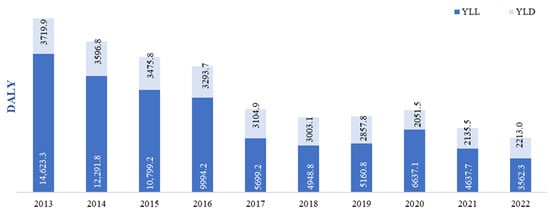
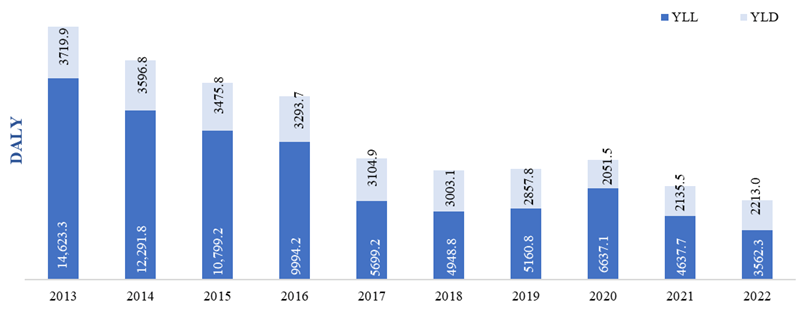
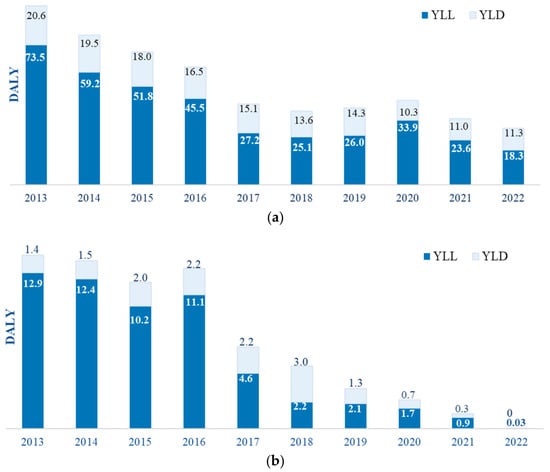
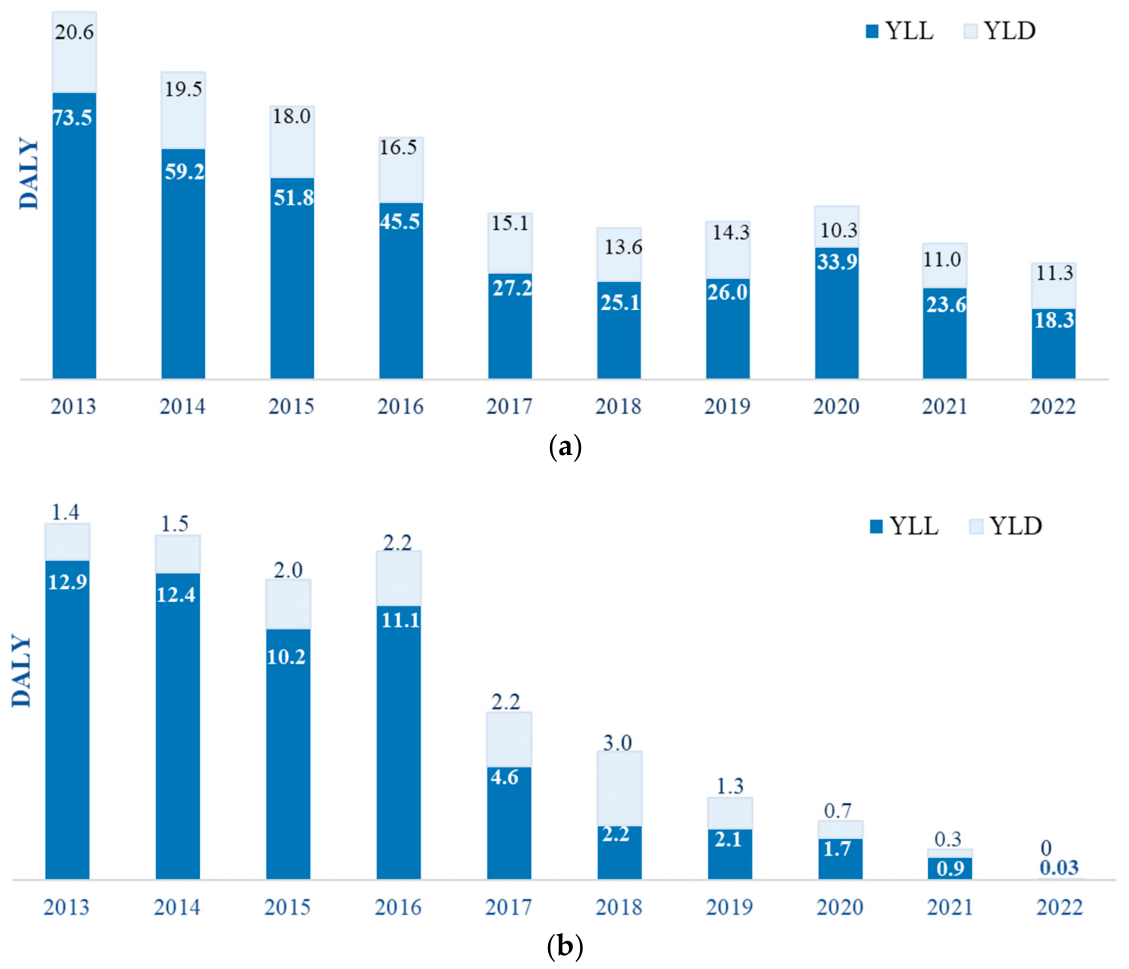
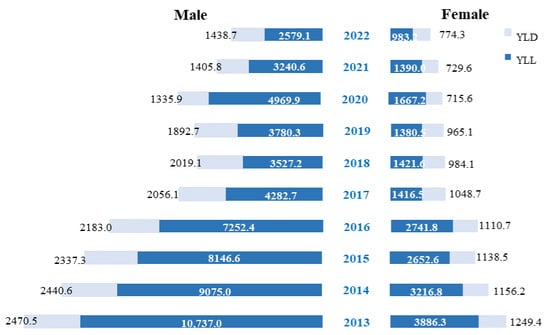
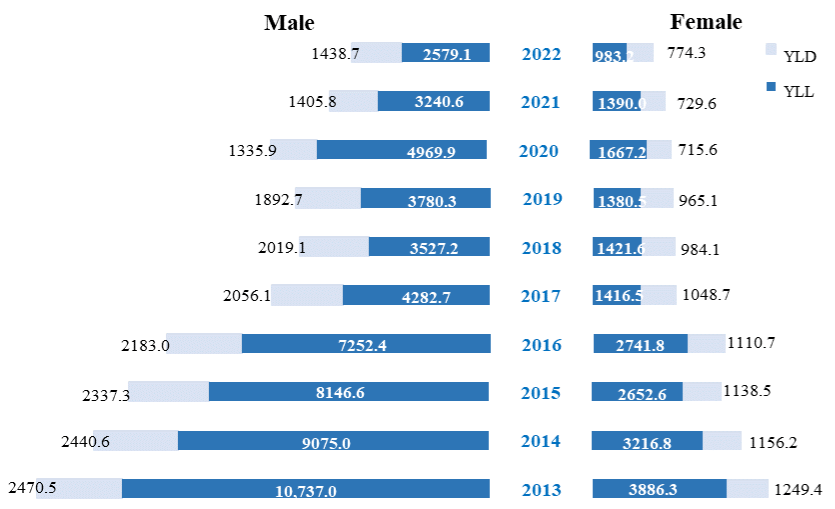
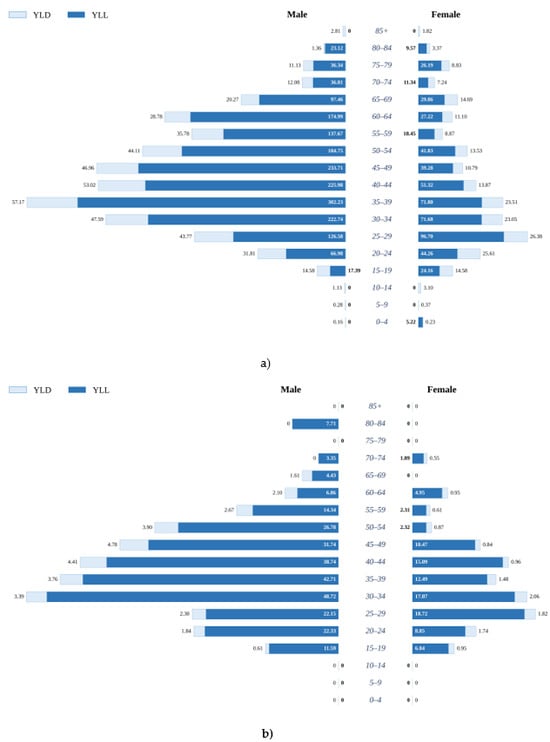
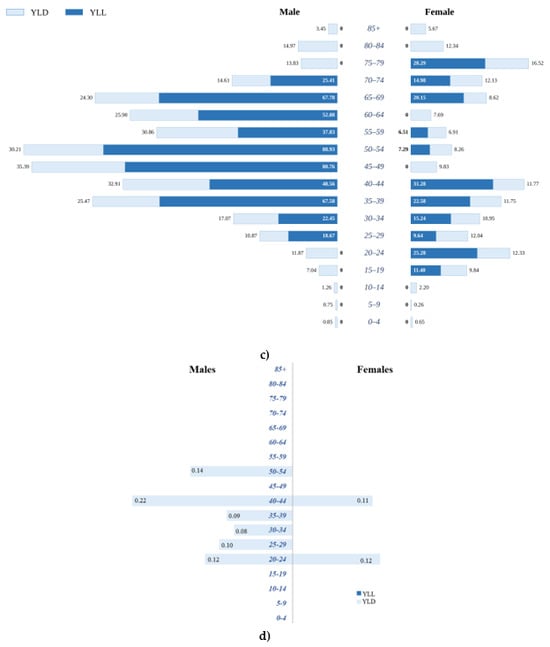
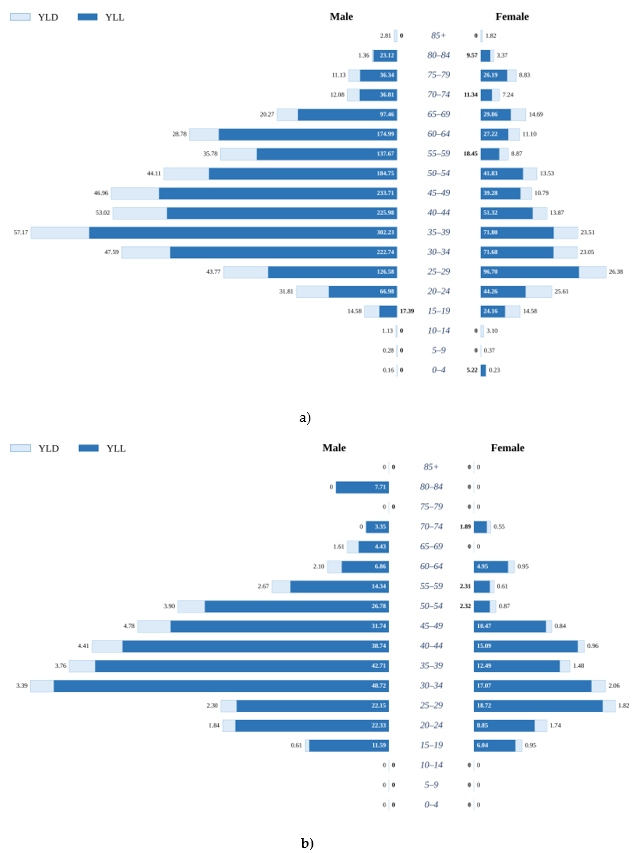
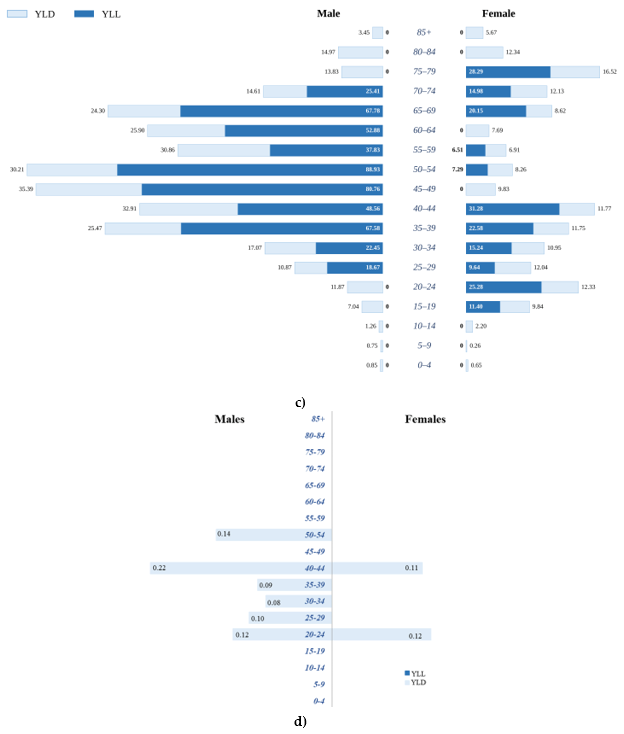
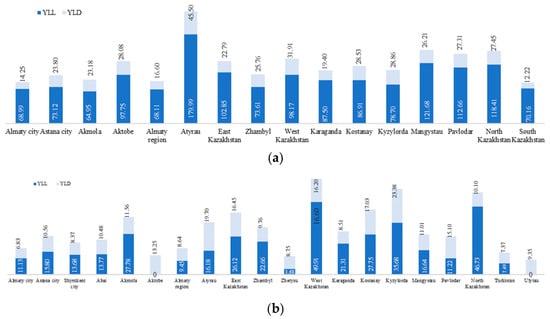
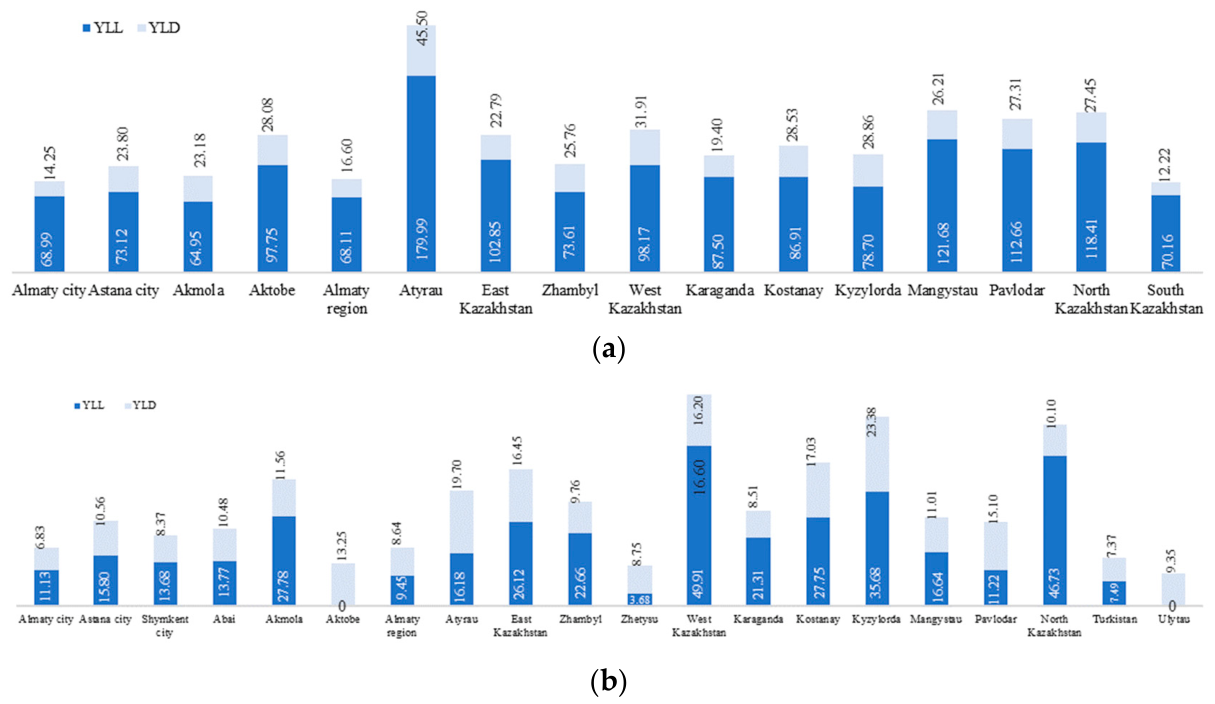

Disclaimer/Publisher’s Note: The statements, opinions and data contained in all publications are solely those of the individual author(s) and contributor(s) and not of MDPI and/or the editor(s). MDPI and/or the editor(s) disclaim responsibility for any injury to people or property resulting from any ideas, methods, instructions or products referred to in the content. |
© 2026 by the authors. Licensee MDPI, Basel, Switzerland. This article is an open access article distributed under the terms and conditions of the Creative Commons Attribution (CC BY) license.