


Abstract
Background/Objectives: Disability certification in Romania rests mainly on medical diagnosis. We examined whether documented standardized functional assessment in certification dossiers differs across diagnostic groups. Methods: We analyzed 460 anonymized adult dossiers collected in January 2023, ten from each of 46 disability assessment commissions in 41 of Romania’s 42 first-level administrative units. Because the commissions selected the files and at least half had to include a psychological evaluation, we compared diagnostic groups rather than estimating national rates and repeated the main comparison accounting for clustering. Results: Most files concerned older adults with neurocognitive or mental disorders; dementias accounted for 40.2% of primary diagnoses. An activity scale (ADL, IADL or Barthel Index) was documented in 69.0% of non-dementia neurological dossiers, 34.4% of dementia dossiers and 10.8% of other mental-disorder dossiers; the gradient persisted after accounting for clustering. Cognitive and global instruments were documented more often than activity scales. Conclusions: Functional evidence was scarcest in neurocognitive and mental disorders, in which diagnosis predicts functioning least well. The national criteria list activity scales for neurological conditions but only cognitive and global instruments for neurocognitive and mental disorders; adding activity scales for these groups, then ICF-based assessment such as WHODAS 2.0, would address the gap.
1. Introduction
The World Health Organization’s International Classification of Functioning, Disability and Health (ICF) defines disability as an umbrella term for impairments, activity limitations and participation restrictions. These denote the negative aspects of the interaction between an individual with a health condition and that individual’s contextual factors, both environmental and personal. Disability is therefore the result of that interaction and not only an attribute of the individual [1,2]. This biopsychosocial perspective extends the assessment beyond the diagnostic label, towards functioning at the level of body functions, activities and participation [3]. Romania ratified the United Nations Convention on the Rights of Persons with Disabilities (CRPD) in 2010, placing this approach within a rights-based framework that obliges states to ensure equitable access to social protection on the basis of a fair and transparent assessment [4].
Formal alignment followed ratification. The definition of disability in the Special Law on persons with disabilities (Law No. 448/2006) was revised by Emergency Ordinance No. 84/2010 to locate disability in the interaction between the person and an unadapted social environment [5,6], and a national strategy for the rights of persons with disabilities for 2022–2027 was adopted [7]. Implementation has been slower. Romania submitted its initial report under Article 35 of the Convention in 2022, more than a decade after ratification [6], and a 2021 diagnostic of the assessment system found it still predominantly medical and not aligned with ICF principles [8]. An ICF-based assessment methodology, including a Romanian adaptation of the WHODAS 2.0, was then piloted in 2022–2023 [9].
In many national social protection systems, access to benefits and services for people with disabilities depends on a formal assessment or certification procedure. The assessment models differ between jurisdictions, but medical documentation and evidence of a diagnosed health condition commonly remain an important requirement for obtaining support [10]. Approaches range from impairment-based methods, in which a diagnosis or a percentage of impairment determines eligibility, to functional and needs-based assessments. Reviewing the CRPD Committee’s concluding observations on European states, Waddington and Priestley found repeated recommendations to replace medically framed definitions and assessments with a human rights model, for example in Czechia and Belgium; in Italy, the Committee noted that disability “continues to be defined through a medical perspective” [10]. Needs-based elements exist in some schemes, such as the assessment for adult social care in England and Wales [10], and Italy has since begun to add functional assessment to its diagnosis-oriented process [11]. According to the same review, assessment compatible with the CRPD requires a legal definition that reflects the interaction between the person and the environment, a focus on participation restrictions and support needs, and assessors trained in this model [10]. In Romania, the assessment of adults has traditionally been based on medical diagnoses coded according to ICD-10 (International Classification of Diseases, 10th Revision) and on medico-psychosocial criteria whose chapters follow the ICF categories of body functions [12]. As a result, the administrative records have generally documented the presence and the severity of health conditions rather than their impact on daily activities and social participation. The diagnostic profile recorded in these files also reflects the eligibility rules, the access pathways, and the assessment practices through which particular conditions are recognized for certification [13].
The transition from ICD-10 to ICD-11 offers a route to integrate functioning more directly into disability-related information. This matters for the modernization of disability assessment in Romania, because it may ease the shift from impairment-based diagnosis to an approach that also considers how health conditions affect a person’s functioning in context [14]. In ICD-11, functioning is assessed through the Supplementary Section for Functioning Assessment, which is based on the WHODAS 2.0 (World Health Organization Disability Assessment Schedule 2.0). Difficulty is rated from 0 (none) to 4 (extreme or impossible) across six domains, and the responses are combined into domain-specific and overall scores, where higher values indicate greater functional limitation [15]. An ICF-based instrument was also developed for post-COVID-19 patients, the ClinFIT COVID-19 (Clinical Functioning Information Tool—Coronavirus Disease 2019), built on the same framework [16].
Standardized functional instruments, such as the Barthel Index, the ADL (Activities of Daily Living) and IADL (Instrumental Activities of Daily Living) scales and the FIM (Functional Independence Measure), convert selected components of the ICF framework into quantifiable indicators of functioning [17]. They provide reproducible and comparable evidence of a person’s capacity to carry out daily activities and reduce reliance on subjective clinical judgment [18]. They may also promote equity by applying the same assessment criteria to applicants from different regions [19].
When such instruments are not used, the certification decision relies mostly on the diagnosis and on global clinical judgment. This may underestimate or overestimate functional needs, especially in conditions where the impairment is heterogeneous and is poorly predicted by the diagnostic code alone [20]. The problem is particularly relevant in aging populations, where dementia and other chronic neurological and mental disorders contribute substantially to disability [21]. Within these diagnostic groups, the functional profiles may differ widely between individuals [22]. Diagnostic information alone therefore cannot adequately capture limitations in daily activities, restrictions in social participation or the level of support required [23]. Mental disorders deserve particular attention. In 2023, they were the leading cause of years lived with disability worldwide, with an estimated 1.17 billion prevalent cases and 17.3% of all years lived with disability [24], and dementia, which ICD-10 classifies among them, is a major and growing cause of disability in aging populations [21].
Romania is an instructive setting for this question for three reasons. First, like other post-communist states, it inherited a medically oriented, impairment-based approach to disability [25], and its transition towards the CRPD model is recent: the assessment system was formally diagnosed as predominantly medical in 2021 [8], and an ICF-based alternative was piloted only in 2022–2023 [9]. A baseline of current documentation practice is therefore directly relevant to a reform still under way. Second, the caseload is large and is growing in a rapidly aging population. On 30 June 2023, 899,066 people were officially registered as persons with disabilities, a reported national rate of 4.1%, calculated by the issuing authority against the resident-by-domicile population [26]. Persons aged 65 and over made up 18.0% of this population on 1 July 2023, and the demographic aging index rose from 121.1 to 124.9 older persons per 100 young persons within a single year [27]. The national long-term care strategy expects the share of persons aged 65 and over to reach 27.7% by 2050. It reports that 43% of the 857,638 persons with a disability certificate in 2020 were aged 65 or over and describes a large movement of dependent older people into the disability protection system, which increases the pressure on long-term care services [28]. Third, the stakes for individuals are high: in 2024, 38.4% of persons with disabilities in Romania were at risk of poverty or social exclusion, against an EU average of 28.7%, one of the highest rates in the Union [29]. In this context, the structured assessment of functioning is also a public health instrument, because it identifies the limitations that rehabilitation and support services can address to preserve autonomy.
Certification in Romania formally involves a complex assessment covering the medical, psychological, social, and vocational dimensions. The assessment is carried out by the county or Bucharest sector Services for the Complex Evaluation of Adults with Disabilities (Serviciul de Evaluare Complexă a Persoanelor Adulte cu Handicap—SECPAH). The final decision and the disability certificate are issued by the corresponding Commissions for the Evaluation of Adults with Disabilities (Comisia de Evaluare a Persoanelor Adulte cu Handicap—CEPAH), referred to below as disability assessment commissions (DACs), on the basis of nationally defined medico-psychosocial criteria [12]. Two features of this procedure matter for the present study. First, although the assessment is multidimensional on paper, the criteria that determine the grade are organized mainly by diagnosis and impairment severity [8,12]. Second, the clinical evidence is produced upstream of the commission: the treating and referring physicians document the diagnosis, together with the assessment scales that the national criteria specify for each condition, in the medical letters attached to the application, while SECPAH and CEPAH evaluate and decide downstream on the basis of this documentation. What the dossier contains therefore reflects both what the criteria request and how consistently referring clinicians provide it.
The 2021 World Bank diagnostic [8], prepared for the national disability authority, now the National Authority for the Protection of the Rights of Persons with Disabilities (Autoritatea Națională pentru Protecția Drepturilor Persoanelor cu Dizabilități—ANPDPD), documented heterogeneous practice mainly through qualitative and process-level analysis. The empirical question at the level of the individual dossier has not yet been addressed. It is not known to what extent standardized functional instruments are actually present in the evaluation record, or how their presence relates to the diagnostic profile of the applicants. The present study examines these aspects in a multi-county sample of disability assessment files.
The primary objective of this study was to examine whether the documented presence of standardized functional assessment in disability certification dossiers differs across diagnostic groups, taking into account the clustering of files within commissions. The secondary objective was to describe which standardized instruments are documented, distinguishing activity scales from cognitive and global instruments. A third, exploratory objective was to describe how documented instrument scores relate to the disability grade, in the subset of files that recorded it. The demographic and diagnostic profile of the applicants is reported as the context for these comparisons. We expected (i) that documented functional assessment would be least frequent in neurocognitive and mental disorders, in which diagnosis predicts functioning least well, and (ii) that this gradient would persist within commissions, indicating that it originates upstream of the commissions, in the documentation that referring physicians are asked to provide. Together, these aims provide a dossier-level baseline for the ongoing reform of disability assessment in Romania.
2. Materials and Methods
This was a retrospective, descriptive cross-sectional study of anonymized case files of persons evaluated for disability grading by the county-level DACs in Romania. The files were collected between 9 and 13 January 2023, within the ANPDPD–World Bank (WB) collaboration on modernizing the Romanian disability assessment system in line with ICF standards. Because the specialist referral documents submitted with an application are, in practice, issued shortly before the appointment, the clinical documentation in the files dates from the weeks preceding the evaluation, at the end of 2022 or the beginning of 2023, and reflects routine practice after the acute phase of the COVID-19 pandemic. The temporary extension of expiring disability certificates during the 2020 state of emergency [30] concerned the certificates themselves and did not apply to the referral documents. The dossiers were evaluated under the medico-psychosocial criteria approved in 2007 [12]. These criteria were replaced in November 2025 by a new joint order [31], which also defines the conditions that qualify for a permanent certificate.
The records were subsequently obtained from ANPDPD for the present analysis, following a formal request submitted by the first author in 2025. The study protocol was approved by the Ethics Committee of Elias Emergency University Hospital, Bucharest (approval no. 2473/27.04.2026, amended 29 July 2026), for the retrospective secondary analysis of these previously collected anonymized records. The study was conducted in accordance with the Declaration of Helsinki. Access to the files was formally authorized by ANPDPD for scientific use only. The data were transferred through a secure, time-limited link, under the personal-data safeguards described in the authorization and in Regulation (EU) 2016/679. The study is reported according to the STROBE guidance for cross-sectional studies, and the completed checklist is provided as Supplementary Material.
The dataset comprised 460 case files from 41 of Romania’s 42 first-level administrative units (40 counties plus the Municipality of Bucharest, represented by its 6 sectors). Ilfov County did not participate. ANPDPD asked each of the 47 DACs (41 county commissions and the six Bucharest sector commissions) to submit ten application files from the reference week of 9–13 January 2023. The commissions were to select at random two of the files that entered evaluation on each day, at least one of which had to include a psychological evaluation [9]. The selection was made by the commissions themselves and could not be verified independently. The World Bank analysis of the same collection was based on 418 files from 42 commissions [9]; the present study used all 460 files from 46 commissions that ANPDPD provided to the authors.
Eligibility
All files submitted by the participating commissions within the ANPDPD–World Bank data-collection exercise (9–13 January 2023) were eligible; each documented a formal disability-grading evaluation of an adult. No submitted file was excluded. Because the recorded data were heterogeneous, each result reports the number of files on which it was calculated.
Data cleaning and coding
Routinely collected administrative records are not produced for research, and their secondary use requires documented cleaning and coding before analysis [32,33]. Cleaning corrected individual data points within otherwise valid records; no file was excluded. All 64 changes were logged: 29 ICD-10 codes truncated to the three-character category, 22 inconsistencies between the recorded presence of a scale and its score resolved (a score without recorded presence was deleted, and recorded presence without a score was recoded as absent), four recalculations of the secondary-diagnosis count, three deletions of invalid free-text entries, and six manual corrections after ambiguous entries were checked against the source. The secondary diagnoses were also checked for the ICD-10 pairs F00-G30 and F02-G20. Missing G30 codes were added in 48 case files, of which 45 had F00 as the primary diagnosis, and 3 had F00 only as a secondary diagnosis. The rule was applied in one direction only, from F00 to G30 and never the reverse, because Alzheimer’s disease may be diagnosed before the dementia stage. The codes added in this way were marked in a dedicated indicator field, and the count of secondary diagnoses was recalculated. Because the added codes were secondary diagnoses only, they did not change any primary diagnosis, the diagnostic grouping, or the principal comparison. Their only effect was on the secondary-diagnosis count, and the analyses using that count were repeated without them. The F02-G20 pair was reviewed case by case and was not completed algorithmically, because F02 is not etiologically specific at the three-character level. In two files, the source documentation did not support the assignment of an underlying-disease code, and none was added.
To describe the geographic coverage of the sample, the units were grouped into the eight official NIS (National Institute of Statistics)/Eurostat development regions (North-East, South-East, South-Muntenia, South-West Oltenia, West, North-West, Centre, and Bucharest–Ilfov). Because Ilfov was absent, the Bucharest–Ilfov region is represented by the six Bucharest sectors only. These descriptive comparisons are reported in the Supplementary Materials (Tables S3 and S4).
The demographic and socioeconomic variables were the administrative unit, sex, age at 1 January 2023, residence, education, marital status, and socio-professional status. The clinical variables were the type of evaluation, the previous disability grade, the primary diagnosis, and up to nine secondary ICD-10 diagnoses. The diagnoses were coded manually from the free-text source diagnoses by the physiatrists in the research team. A battery of functional and psychological instruments was also recorded: ADL, IADL, Barthel Index, FIM, Mini-Mental State Examination (MMSE), Global Assessment of Functioning (GAF), Goodenough–Harris test, Reisberg scale, and Beck Depression Inventory. For the rheumatologic cases, the Disease Activity Score 28-C-Reactive Protein (DAS28-CRP), the Tender Joint Count (TJC), the Swollen Joint Count (SJC), and the Health Assessment Questionnaire (HAQ) were recorded. Finally, the outcome variables were recorded (disability grade, type, category and certificate validity). Instruments with fewer than five valid observations were reported descriptively only.
The functional and psychological instruments recorded in the dossiers were not administered by the assessment commission. They were completed by the treating or referring physicians and reached the commission within the medical letters, specialist reports and psychological reports submitted in support of the application. The corresponding variables therefore record which instruments arrived with the file, and not what the commission itself measured. The scales were used in the versions printed in the national medico-psychosocial criteria in force at the time [12]. These differ from some international versions and are described here. The ADL scale scores five activities (personal hygiene, dressing, toileting, sphincter continence, feeding), each rated 2/1/0, giving a total of 0–10, and is not the Katz index (0–6). Four stages are printed on the form: stage I autonomy, stage II quasi-independence, stage III assisted independence, and stage IV total dependence requiring a personal assistant. The printed intervals overlap at their boundaries, so the analysis used the single unambiguous reading, in which each score belongs to one stage only (stage IV = 0–3, stage III = 4–7, stage II = 8–9, stage I = 10) [12]. This partition was not validated against an external criterion; it was chosen because it is the only one in which every score falls into a single stage. Because the alternative boundary (stage IV = 0–2, stage III = 3–7) is equally compatible with the printed form, all stage-based results were repeated with it. The principal comparison uses the presence of the scale, not its stage, and is not affected by this choice. The IADL scale comprises eight items (0–8) and corresponds to the Lawton index. The Barthel Index scores ten activities up to a maximum of 100, with the thresholds printed on the Romanian form at 60 (assisted independence) and 75 (quasi-independence) [12]. The Barthel results are additionally reported against the conventional international bands (0–20, 21–60, 61–90, 91–99, 100), to allow international comparison.
Statistical Analysis
Continuous variables were summarized as mean and standard deviation or as median and interquartile range, according to their distribution. Categorical variables were reported as frequencies and percentages, together with the number of valid observations, given the variable degree of missingness.
Non-parametric methods were used throughout. Two-group comparisons used the Mann–Whitney U test and comparisons across more than two groups used the Kruskal–Wallis H test. Associations between categorical variables were assessed with the chi-square test, with Yates’ continuity correction applied to all 2 × 2 tables, and with Fisher’s exact test. Where the expected cell frequencies were below 5, the chi-square p-value was obtained by Monte Carlo simulation with 10,000 replicates. Correlations were quantified with Spearman’s coefficient (ρ), and the agreement between the instrument and the administrative decision was measured with Cohen’s kappa (κ). For the correlation and trend analyses, the disability grade was treated as an ordinal variable. It was coded as not classified as disabled = 0, moderate = 1, accentuated = 2, severe = 3, and severe with entitlement to a personal assistant = 4. This ordering follows the statutory hierarchy of entitlements. It is not assumed to increase monotonically with clinical severity, because the severe-with-personal-assistant category reflects an entitlement rule and not a higher level of impairment. p-values were adjusted for multiple testing with the Benjamini–Hochberg false-discovery-rate procedure, with the significance threshold set at p < 0.05. The family comprised the 63 primary inferential tests listed in Supplementary Table S7, which were adjusted in a single step. Assumption checks (Shapiro–Wilk tests), the sensitivity analyses, and the clustering models were not included. Both the unadjusted and the adjusted values are reported for the comparisons that lie near the significance threshold. Because ten files were drawn from each commission, the observations are clustered and are not fully independent. The principal comparison was the documented presence of any standardized functional scale across diagnostic groups. It was therefore repeated in two models that account for this structure. The first was a generalized estimating equation with a logit link, an exchangeable working correlation, and the submitting commission as the clustering unit. The second was a logistic model with a random intercept for commission. Proportions are accompanied by Wilson score 95% confidence intervals. The files were selected by the commissions themselves and not by probability sampling, so the analysis is framed as a comparison between diagnostic groups within the sample. The observed proportions are not intended as national prevalence estimates. If the commissions submitted their best-documented files, the observed proportions are upper bounds of documentation completeness. The disability grade was available for 90 files from 11 commissions, 88 of them (97.8%) from nine; analyses involving the grade are therefore exploratory and describe this subset only. Two composite indicators were used. Documented functional assessment was defined as the presence of at least one activity scale (ADL, IADL, or the Barthel Index), and documented cognitive or global assessment as the presence of the MMSE or of the GAF. Two sensitivity analyses were applied to the principal comparison. In the first, the Reisberg Global Deterioration Scale was counted as a functional rather than a cognitive instrument, since its stages are defined largely by decline in activities and instrumental activities. The second was the pair of clustering models described above.
The statistical analyses were performed in Python 3.12.3, using pandas 3.0.2, NumPy 2.4.4, SciPy 1.17.1, and statsmodels 0.15.0.
3. Results
3.1. Sample Characteristics
The 460 files were evenly distributed across the 46 participating units, ten each. The applicants were predominantly older (mean age 62.7 ± 19.5 years; 44.6% aged 70 or older), and urban and rural residence were almost equally represented (Table 1). Comparisons of age and comorbidity by sex, residence, and type of evaluation are given in Supplementary Table S1. The primary diagnosis was predominantly neuropsychiatric: mental and behavioral disorders (ICD-10 Chapter V) accounted for 62.9% of the 458 valid primary diagnoses, and diseases of the nervous system (Chapter VI) for 12.7% (Figure 1). Dementias (F00, F01, and F03) made up 40.2% of primary diagnoses (Table 2). This profile partly reflects the selection rule, which required at least one file with a psychological evaluation per day (Section 2). Multimorbidity was common, with a mean of 3.87 ± 2.70 secondary diagnoses per file, most often circulatory (Supplementary Table S2); excluding the 48 algorithmically added G30 codes, the mean was 3.76. Age, sex, and the diagnostic chapter did not differ significantly between the eight development regions (Supplementary Table S3), and the Bucharest files were younger and less often psychiatric than the others (Supplementary Table S4).
Table 1.
Demographic and social characteristics of the sample.
Figure 1.
Distribution of primary diagnoses by ICD-10 chapter, among the 458 files with a valid primary diagnosis.
Table 2.
Twelve most frequent primary-diagnosis codes (three-character ICD-10).
3.2. Documentation Completeness and Variation Between Commissions
Completeness varied between variables (Table 3). Age, sex, residence and the primary diagnosis were recorded in almost every file, whereas the type of evaluation, the socio-professional category, education, and marital status were recorded in fewer than half. The outcome was the least complete domain: the disability grade was documented in 90 files (19.6%) (Figure 2). In 368 files, the record stated that the complex evaluation report had not been submitted, and in 2 the field was blank; two outcome records documented a proposed grade and were analyzed with the corresponding final categories. The availability of the outcome depended on the submitting commission rather than on the applicant. Nine commissions supplied the complex evaluation report for all their files with a valid entry, two for a single file each and 35 for none; within Bucharest, sectors 1, 3 and 5 supplied it for all ten files and sectors 2, 4 and 6 for none. The recording of the type of evaluation also differed between regions, from 24.0% to 83.3% (χ2 = 49.36, df = 7, p < 0.001, Cramér’s V = 0.328) (Supplementary Table S3). Compared with the other files, the 90 files with an outcome concerned slightly younger, more often urban applicants and had fewer primary psychiatric diagnoses, although this last difference did not remain significant after adjustment (Supplementary Table S5). They did not contain more standardized functional scales (ADL 26% versus 22%, IADL 18% versus 14%, Barthel 26% versus 24%; all p > 0.4), and contained fewer psychological instruments (MMSE 34% versus 55%; GAF 54% versus 72%).
Table 3.
Completeness of the analyzed variables.
Figure 2.
Analytic flow of the 460 case files. Blue blocks describe the overall dataset; green blocks show analyses of documented instrument presence and coverage by diagnosis; orange blocks show exploratory analyses involving documented disability grades. Arrows indicate the analytical flow.
3.3. Documented Assessment Instruments
The psychological report was the most frequently recorded component (77.0%), followed by the GAF (68.7%) and the MMSE (51.3%), whereas the activity scales were documented less often: the Barthel Index in 24.1% of the files, the ADL in 22.6% and the IADL in 15.0% (Figure 3; 95% confidence intervals in Table 4). Ninety-seven files (21.1%) contained no instrument at all, and no FIM score was recorded anywhere in the dataset; the FIM was marked as administered in a single file, without a score, and that entry was recoded as absent. Because the commissions selected the files themselves, these proportions are best read as upper bounds of documentation completeness. The selection rule also favored files with a psychological evaluation, which raises in particular the proportions of the psychological report, the GAF and the MMSE. The psychological report and the complex evaluation report are administrative documents rather than measurement instruments; they are shown in Figure 3 only to describe what the dossiers contained.
Figure 3.
Documented presence of assessment instruments and supporting documents across the 460 dossiers. The psychological report and the complex evaluation report are administrative documents, not measurement instruments, and are shown hatched.
Table 4.
Descriptive statistics for the evaluation instruments.
The scores were oriented predominantly toward severe impairment, consistent with the neuropsychiatric profile of the sample (Table 4). More than half of the MMSE scores (54.7%) fell in the severe range (0–9), and 51.0% of the ADL scores were in stage IV; under the alternative reading of the ADL form (stage IV = 0–2), 41 persons (39.4%) were in stage IV and 50 (48.1%) in stage III. On the Barthel Index, 64.0% scored below the 60-point threshold printed on the Romanian form; against the conventional international bands, 27.9% scored 0–20, 42.3% 21–60, 27.0% 61–90, 0.9% 91–99, and 1.8% 100. Several data-quality signals are worth flagging. One GAF score was recorded as 0, below the instrument’s floor of 1. The MMSE scores clustered at 7–9 (100 of 236 files, 42.4%), within the band that the criteria in force assigned to the severe grade (MMSE ≤ 9) [12], which may reflect reporting at this benefit-relevant threshold rather than the true distribution of scores. The Goodenough–Harris results ranged from 19 to 115; the lower values fall below the psychometric floor usually reported for this instrument and may be raw scores recorded as IQ equivalents, and excluding them did not change any correlation involving this instrument. The rheumatologic instruments (DAS28-CRP, TJC, SJC, and HAQ; 2–3 files each) and the Beck Depression Inventory (five files) are reported descriptively only.
3.4. Functional Assessment Coverage by Diagnostic Group
The presence of any standardized functional scale (ADL, IADL or Barthel) differed between the ICD-10 chapter groups (V, VI, II, XIII, and all others combined; χ2 = 60.13, df = 4, p < 0.001, Cramér’s V = 0.362), being highest for nervous system conditions (Figure 4a). Because ICD-10 places dementia within Chapter V, the analysis was repeated on clinically defined groups. Coverage was 69.0% in non-dementia neurological conditions, 34.4% in dementia, 23.2% in other somatic conditions, 10.8% in non-dementia mental disorders, and 4.7% in neoplasms (Table 5) (χ2 = 77.52, df = 4, p < 0.001, Cramér’s V = 0.411). The dementia group comprises 184 files with a primary diagnosis of F00, F01 or F03, together with the two files coded F02. In contrast, at least one cognitive or global instrument (MMSE or GAF) was documented in 97.3% of the dementia files and in 95.1% of the other mental-disorder files, compared with 53.4% of the non-dementia neurological files. Standardized functional measurement was therefore concentrated in neurological pathology and remained rare in the other groups, in which the functional status cannot be reliably determined from the diagnosis alone (Figure 4). Because each commission contributed ten files and the documentation practice varied between commissions, the comparison was repeated in models that treat the commission as a cluster. In a generalized estimating equation with an exchangeable working correlation, the effect of the diagnostic group remained significant (Wald χ2 = 64.84, df = 4, p < 0.001). Relative to non-dementia neurological conditions, the odds of a documented functional scale ranged from 0.23 in dementia to 0.02 in neoplasms (Table 5). A logistic model with a random intercept for commission gave equivalent estimates. It also showed variation between commissions (standard deviation of the random intercept 0.72, 95% interval 0.59–0.89). The commissions therefore differ in what their files contain, while the diagnostic gradient holds within them. A sensitivity analysis was applied to this comparison. When the Reisberg Global Deterioration Scale was counted as a functional rather than a cognitive instrument, coverage became 72.4% in non-dementia neurological conditions, 49.5% in dementia, 24.6% in other somatic conditions, 11.8% in non-dementia mental disorders and 4.7% in neoplasms. The gradient was preserved, and the effect size increased (χ2 = 96.19, df = 4, p < 0.001, Cramér’s V = 0.458).
Figure 4.
Proportion of dossiers with any standardized functional scale (ADL, IADL or Barthel Index). Percentages are calculated on the 458 files with a valid primary diagnosis; group sizes are given on each bar.
Table 5.
Documented functional assessment by clinical diagnostic group, among the 458 files with a valid primary diagnosis. Functional scale = ADL, IADL or the Barthel Index.
3.5. Exploratory Analyses in the 90-File Subset (11 of the 46 Commissions)
Among the 90 files documenting an outcome, the severe grade with entitlement to a personal assistant was the most frequent (41.1%), followed by the accentuated grade (36.7%) (Table 6). Of the 37 permanent certificates, 24 were issued to persons in the severe-with-personal-assistant grade. These distributions describe only the 90-file subset supplied by 11 of the 46 commissions and are not national estimates.
Table 6.
Outcome of the evaluation, among the 90 files documenting it (11 of the 46 commissions, 88 files from nine). Not a national estimate.
Among the 23 files documenting both an ADL score and a grade, 9 of the 10 persons in stage IV were awarded the severe grade with personal assistant, and 11 of the 13 persons in stages I–III were not (Table 7). The observed agreement was 87.0% (Cohen’s κ = 0.738, Fisher’s exact p < 0.001; 95% CI for κ 0.46–1.00, n = 23) (Table 8). The cell counts are very small (23 files, of which 9 in the critical cell) and the confidence interval is correspondingly wide, so this agreement is reported as a secondary, illustrative observation and not as a validation of concordance. Stage IV of the ADL is defined on the form as total dependence requiring a personal assistant, and can therefore be compared directly with the corresponding administrative decision. Within this small subset, the two converged. The ADL classification was completed by the referring physician and the grade was decided by the commission, so they do not originate from the same assessor. The commission had, however, the completed form before it, and stage IV is labeled on that form as requiring a personal assistant. The agreement therefore indicates that the commission acted on the instrument where the instrument was present, and does not constitute an independent validation of the instrument against the decision. In a sensitivity analysis using the alternative reading of the overlapping printed intervals (stage IV = 0–2), the agreement fell to 82.6% and κ to 0.649 (Fisher’s exact p = 0.003).
Table 7.
ADL stage versus the disability grade awarded (23 files with both; 11-commission subset).
Table 8.
Concordance between ADL stage IV and the severe-with-personal-assistant grade (23 files; 11-commission subset; illustrative only).
Unadjusted and Benjamini–Hochberg adjusted p-values are reported together in Table 9 and Supplementary Table S6, and the adjusted value determines statistical significance. These associations are exploratory, were not used to support the main conclusions, and include only the files in which both the score and the grade were available.
Table 9.
Exploratory bivariate associations with the disability grade (90 files from 11 of the 46 commissions; not national estimates).
Age was associated with the severity of the disability grade (Spearman ρ = 0.361, p < 0.001; Kruskal–Wallis H = 24.00, p < 0.001, ε2 = 0.235) (Table 9). The highest median age was observed among individuals with severe disability and entitlement to a personal assistant (73 years), and the lowest in the severe-without-personal-assistant group (41 years). This last group comprised nine persons, three of whom had a malignant neoplasm as the primary diagnosis, while the others had non-geriatric conditions (intellectual disability, schizophrenia, multiple sclerosis, or stroke sequelae). The relationship between age and grade is therefore ordinal but not monotonic, and the Spearman coefficient should be read together with the group medians. Sex (p = 0.810), residence (p = 0.151) and the ICD-10 chapter of the primary diagnosis (p = 0.523) were not associated with the grade, and the number of secondary diagnoses was unrelated to it (ρ = −0.004, p = 0.971; ρ = −0.021, p = 0.846 without the added G30 codes). The cross-tabulation of the primary-diagnosis chapter against the grade was too sparse for the test to be informative (χ2 = 42.47, Cramér’s V = 0.343) and is reported for completeness only (Table 9).
Within this subset, the instrument scores were inversely associated with the grade (Table 9). The coefficients rest on 16 to 49 paired observations and describe the subset, not the national caseload. The strongest association, for the GAF (ρ = −0.859, n = 49; Kruskal–Wallis H = 39.20, p < 0.001, and ε2 = 0.800), is inflated by shared method variance (Section 4.4) and is reported for completeness only. The IADL association did not reach significance (ρ = −0.442, p = 0.086).
3.6. Correlations Between Instruments
Functional impairment increased with age on every instrument except the Goodenough–Harris test, and the comorbidity count was only weakly and inconsistently related to the scores (Supplementary Table S6). Instruments applied to the same individuals were strongly correlated (Barthel–ADL ρ = 0.931; MMSE–GAF ρ = 0.730).
4. Discussion
This study had three objectives, and the answers can be stated briefly. First, the documented presence of standardized functional assessment differed markedly between diagnostic groups: an activity scale accompanied 69.0% of non-dementia neurological files but only 34.4% of dementia files and 10.8% of other mental-disorder files, and the gradient persisted within commissions. Second, the documented assessment favored cognitive and global instruments over activity scales, and no FIM score was recorded. Third, in the exploratory subset with a documented outcome, instrument scores were associated with the grade awarded, whereas the number of coexisting diagnoses was not. These findings must be read against the profile of the sample, which the selection rule weighted towards files with a psychological evaluation. The applicants were older and predominantly neuropsychiatric, with mental and behavioral disorders accounting for almost two-thirds of primary diagnoses and dementias for two-fifths, as in the Italian certification cohort of Raggi et al., in which the mean age was 62.3 years and mental and neurological conditions predominated [34]. In contrast, an analysis of 76,581 certificates from Lublin, Poland, identified musculoskeletal conditions as the leading cause of certification [35].
4.1. Diagnostic Gradient in Functional Assessment
The central finding concerns the distribution of functional assessment across diagnostic groups. Coverage of any standardized functional scale differed between ICD-10 chapter groups (χ2 = 60.13, p < 0.001; Cramér’s V = 0.362). It reached 69.0% in nervous-system conditions, but fell to 26.0% in the dominant mental and behavioral group and to 4.7% in neoplasms. On clinically defined groups, the contrast is larger (χ2 = 77.52, V = 0.411): 69.0% in non-dementia neurological conditions, against 34.4% in dementia and 10.8% in other mental disorders. This distribution does not follow clinical need. In cognitive and mental disorders, the diagnosis and even the stage of the disease predict daily functioning poorly. Functional capacity is influenced more by age, education, and cognitive reserve than by the diagnostic label. Bruderer-Hofstetter et al. showed that functioning in mild cognitive impairment and early Alzheimer’s disease was influenced by mobility, balance and educational attainment, and not only by cognition. Together, these factors explained 75% of the variability in instrumental activities of daily living [36]. Two individuals with the same diagnosis of dementia or schizophrenia may also differ widely in the activities they can perform, and functional status varies even between dementia subtypes [37]. Standardized functional instruments would therefore be most informative in the groups in which they were least documented. An important qualification is that these scales are not administered by the assessment commission. They arrive with the medical letters and specialist reports submitted in support of each application. The gap therefore lies upstream of the commission, in the documentation that referring clinicians provide. Coverage reached 69.0% in non-dementia neurological conditions, so these instruments are familiar to Romanian clinicians. Their rarity in dementia and other mental-disorder files mirrors the structure of the medico-psychosocial criteria applied to these dossiers [12]. For disorders of the central and peripheral nervous system and for most musculoskeletal conditions, the criteria list the ADL and IADL scales, and for neurological conditions also the Barthel Index, among the functional parameters. For neurocognitive disorders, they list the MMSE, the Reisberg scale and the GAF, and set the grade by MMSE and GAF score bands; for major psychoses and personality disorders, they set it by GAF bands [12]. The diagnostic gradient therefore follows what the criteria ask referring physicians to provide for each condition. The criteria adopted in November 2025 keep this structure, with the grade in neurocognitive disorders set by MMSE bands and in major psychoses by GAF bands, and list the WHODAS 2.0 only for intellectual disability and autism spectrum disorder [31]. The gap is therefore an addressable target for reform, and the requirement would have to be placed in the criteria that define the documentation submitted to the commission. Because our data describe what was recorded and not what was performed, this explanation remains an inference.
The diagnostic profile of the sample, although partly shaped by the selection rule, provides useful context for interpreting the limited use of standardized functional assessment. Mental and behavioral disorders accounted for 62.9% of the primary diagnoses, dementias (F00, F01, F03) for 40.2% and diseases of the nervous system for 12.7%, and nearly half of the sample was aged 70 years or older. This is consistent with the global burden of these disorders, now the leading cause of years lived with disability [24].
4.2. Which Instruments Were Documented
The documented assessment within these dossiers was tilted away from measured activity. Global and psychological instruments were recorded in most of the files, the basic activity scales appeared in fewer than a quarter, and no Functional Independence Measure score was recorded at all. The files were selected by the commissions themselves, so these proportions cannot be read as national rates. A selection biased towards better-documented dossiers would, however, raise them rather than lower them, so the low frequency of the activity scales is unlikely to be an artifact of the way the sample was assembled. The high frequency of the psychological instruments is, in part, such an artifact, because the selection rule required files with a psychological evaluation. The limited documentation of standardized functional assessment is consistent with the findings of Bogardus et al., who reported that information on basic and instrumental activities of daily living was absent from 61% to 98% of medical records [38]. Similar findings were reported from a large United States electronic health record database, in which ADL were recorded for only 4.2% of older adults, while IADL were absent from the structured records [39].
In Romania, two decades after the introduction of the ICF, a gap remains between its conceptual adoption and its routine implementation in disability assessment [8]. The present findings quantify that gap at the level of the individual dossier. The functional instruments were not routinely documented (ADL 22.6%, IADL 15.0%, Barthel 24.1%), no FIM score was recorded in any file, and a complete complex evaluation report was present in only one fifth of the files. The psychological report (77.0%), the GAF (68.7%) and the MMSE (51.3%) were, by contrast, the norm. In this pattern, the assessment rests on global clinical impression and cognitive screening rather than on measured activity and participation. This is the deficiency that the 2021 World Bank report identified qualitatively in the medico-psychosocial criteria of the Romanian system [8], and our results give it an empirical basis at the level of the dossier. One internal comparison supports reading these figures as a reflection of documentation rather than of assessment capacity. The files containing a complete complex evaluation report did not contain more standardized functional scales than the files without one, and contained fewer psychological instruments. If the instruments had originated in the complex evaluation itself, the opposite would be expected. The scales therefore arrive with the documentation of the referring physician, and what differs between files is which documents were assembled and retained, not how thoroughly the commission worked.
The composition of the instruments that were used is itself telling. The GAF was documented in 68.7% of the files, although it was removed from DSM-5, which recommended the WHODAS 2.0 instead, because of concerns that the GAF combines symptom severity and functioning within a single score [40,41]. Its frequency reflects its role in the national criteria, which set the grade in mental disorders by GAF score bands [12]; the criteria adopted in 2025 still do so for major psychoses [31]. The MMSE, recorded in 51.3% of the files, is primarily a cognitive screening instrument and not a measure of everyday functioning. It is insensitive to mild and early impairment and is influenced by education, culture, and language [42]. A system that documents these two instruments in half to two-thirds of the files, and a validated activity scale in only a quarter, measures the global and cognitive state more consistently than it measures functioning [43].
4.3. Variation Between Commissions
The documentation also varied between commissions, and this variation underpins the implications drawn below. In the random-intercept model, the presence of a functional scale varied between commissions beyond what the diagnostic mix explained (standard deviation of the random intercept 0.72). The complex evaluation report was supplied on an all-or-nothing basis by individual commissions, including a complete split between Bucharest sectors, and the recording of the type of evaluation ranged from one quarter to more than four fifths of files between regions. The demographic and diagnostic profile, by contrast, did not differ between regions. What a dossier contains therefore depends on local referral and archiving practice rather than on the applicant, and a nationally defined minimum content of the dossier is a precondition for comparable decisions.
4.4. Exploratory Findings on the Grade
In the subset of files that documented an outcome, instrument scores were associated with the assigned disability grade, while the number of coexisting diagnoses was not. This subset comes from eleven of the 46 commissions, and the associations are exploratory. They are consistent with the ability of standardized instruments to differentiate levels of functional limitation, but they do not establish it. Related evidence comes from Spain, where the WHODAS 2.0 was used as the reference standard in a sample of applicants for disability assessment. A single global indicator (GALI) detected only 58.3% of the cases that the WHODAS 2.0 classified as severely disabled, which shows how much severity information a standardized functional measure carries and a global judgment does not [44]. Our finding that the disability grade was unrelated to the number of coexisting diagnoses parallels the results of Raggi et al. [34]. They found no association between the number of diseases and the severity of the disability among 552 adults who applied for certification. The comorbidity burden did not correlate with the grade awarded by the commission, while the instrument scores did. This is partly expected by design: the criteria define the grade in neurocognitive disorders and psychoses by MMSE and GAF score bands, and label ADL stage IV as requiring a personal assistant [12]. These correlations therefore show that the commissions applied the criteria, and do not by themselves establish that the instruments measure disability validly. A systematic review of older inpatients similarly found that morbidity indices are generally poor predictors of functional limitations in basic ADL and IADL [45].
The diagnosis alone is not sufficient to determine disability, because people with the same condition may have different functioning and different support needs [2,46]. Functioning has been proposed as a “third health indicator”, alongside mortality and morbidity, and as the central outcome for rehabilitation and disability policy [47,48]. Our data are consistent with this perspective, with the caveat that the criteria define several grades by these scores. The disability grade correlated with every instrument tested except the IADL, where the association did not reach significance. The correlation was strongest for the GAF (ρ = −0.86) and the MMSE (ρ = −0.75), and was also substantial for the ADL (ρ = −0.64) and the Barthel (ρ = −0.59) indices. In contrast, the grade was unrelated to the number of secondary diagnoses (ρ = −0.004). The association observed between the Barthel Index and the assigned grade is in the same direction as the one reported in a single-center stroke cohort. In that cohort, Barthel scores corresponded to graded ADL levels, mapped to the Longshi Scale, across all age groups [49].
In this setting, the assigned grade reflected the functional consequences of the primary condition more closely than the accumulated burden of comorbidity. Where both an ADL classification and an administrative decision were available, the two converged in this small subset (Cohen’s κ = 0.738). Strong correlations were also observed between related instruments (Barthel-ADL ρ = 0.93 and MMSE-GAF ρ = 0.73), which supports their convergent validity in this population. Where the instruments were present, the decisions were consistent with them, as the criteria require. The strong correlation between the Barthel and the ADL scores is consistent with Rathnayake et al. They reported a strong association between the Katz ADL index and the Barthel Index (r = 0.96) and a close agreement between their functional classifications (κ = 0.70) [50]. The concordance between the ADL stage and the grade comes from the eleven-commission subset and rests on 23 paired observations; it is consistent with criterion validity but does not establish it. The association between the GAF and the grade (ρ = −0.86) needs particular caution. The criteria in force set the grade in major psychoses, and in part in dementia, by GAF score bands [12], so a strong correlation is expected by construction. In psychiatric dossiers, the GAF score and the diagnostic letter also often come from the same psychiatrist, and the commission may read the score as a summary of that clinician’s severity judgment. The two are therefore not independent measurements: the correlation shows that the decision followed the criteria and the global clinical judgment, and it does not validate the GAF as a measure of functioning.
4.5. Romania in the International Context
Romania’s position resembles that of other Central and Eastern European states that inherited medically oriented assessment systems and are now introducing functioning into status determination, often with World Bank technical support, as in Bulgaria, Latvia and Lithuania [25]. Medically anchored assessment is not limited to this region, as the CRPD Committee’s recommendations to several Western European states show [10]. What is specific to Romania is the timing: the dossiers analyzed here were collected while an ICF-based methodology was being piloted [9], so they document the starting point of a reform that was still under way.
The administrative applicability of the WHODAS 2.0 has been shown in Greece, where its 12-item version had a strong internal consistency among 10,163 applicants for welfare benefits. Its weak associations with the disability percentages and with the number of comorbidities suggest that a standardized assessment of functioning captures information that diagnostic and impairment-based classifications alone may not reflect [51]. The approach is now being incorporated into national determination systems. In Italy, for example, functional assessment is being added to a previously diagnosis-oriented invalidity process, in order to improve the accuracy of the assessment and to harmonize access between regions, as described in a recent OECD review [11].
Romania has followed a similar pathway, piloting an ICF-based assessment that includes the WHODAS 2.0 [9]. Our results provide a dossier-level baseline for this reform and indicate where it is most needed, namely in psychiatric and neurocognitive disorders, where the measurement is at the same time most informative and least documented.
4.6. Implications for Long-Term Care and System Design
The certification system is the route through which people obtain benefits and services, so the weak functional documentation in cognitive conditions has an important consequence. The decisions taken determine access to long-term care and personal assistance, and these benefits should be guided by measured ADL and IADL performance rather than by the diagnosis [52]. Comparable evidence was reported from Japan. An analysis of 6219 long-term care insurance assessments showed that changes in the certified care needs were associated with limitations in specific basic and instrumental activities, including bathing, mobility, medication management, meal preparation and financial management [53].
These findings bear directly on the allocation of long-term care resources. The grade determines access to the personal-assistant or companion entitlement and to personal care services [12]. When the decision rests on the diagnosis or on a brief cognitive screen, applicants with the same diagnosis but different levels of dependence may receive the same entitlement, and applicants with similar needs may receive different ones, depending on what their physicians attached. As the population ages and the dementia caseload grows [21,28], grounding these entitlements in measured activity limitations, mobility and support needs is a matter of both efficiency and equity [52,53].
Multimorbidity added further complexity, with a mean of 3.87 secondary diagnoses per file, most often circulatory. In the subset with a documented outcome, however, comorbidity was not associated with the disability grade. This does not mean that comorbidity is irrelevant in the evaluation of disability. It means that a count of diagnoses should not be placed above measured functioning when support is allocated to an aging and cognitively impaired population. Recent work using ICD-10 coded administrative data suggests that multimorbidity becomes more informative when the conditions are weighted according to their impact on physical functioning, instead of being treated as equivalent diagnostic entries [54].
Taken together, these findings point towards the integration of a standardized functional assessment into the routine determination procedure [51,55]. The WHODAS 2.0 was designed for this purpose. It is linked to the ICF, has been validated in a wide range of diagnostic and cultural settings, and is included among the DSM-5-TR disability measures as an alternative to the discontinued GAF [41].
Making such documentation routine is also a matter of information flow. In the dossiers analyzed here, the instruments reached the commission as attachments to medical letters, in non-standardized formats. A structured referral form, transmitted electronically from health-care providers to the SECPAH–CEPAH services and including a standardized functional assessment such as the WHODAS 2.0, would make the documentation complete and comparable between commissions. Continuing medical education on the ICF for referring physicians, who produce most of this documentation, would support its use. Digital tools, including artificial intelligence, might later help check the completeness and internal consistency of submitted documentation, but their accuracy and reliability in this setting would first need to be evaluated.
4.7. Strengths and Limitations
The main strengths of this study are its scale and reach: 460 dossiers from 46 DACs, covering 41 of Romania’s 42 first-level administrative units. The analysis uses the original dossiers rather than self-reported data or registry summaries, relies on non-parametric methods with adjustment for multiple testing, and accounts for clustering by commission.
The study also has several limitations.
The documented presence reflects what is recorded in the dossier. An absence may mean either that the instrument was not used or that it was not archived, and the two cannot be fully separated. For this reason, the study reports documented presence throughout, and the proportions given should not be read as estimates of how often the instruments were administered.
Ten dossiers per unit ensure coverage, but not representativeness at the level of the unit. The sample is not probabilistic, and none of the proportions reported here is a national prevalence estimate. The conclusions rest on the comparison between diagnostic groups within the same sample, which is less sensitive to a selection mechanism operating at the level of the commission, and not on the absolute proportions.
The status of first evaluation versus re-evaluation was incompletely recorded; the type of evaluation was missing in approximately 53% of the dossiers, so comparisons of the applicant pathway were not pursued. This is a target for future data collection.
ICD-10 coding was derived from free-text diagnoses and depends on the accuracy of the source documents.
The disability grade was documented in only 90 of the 460 files, and its availability was a property of the submitting commission and not of the applicant. Eleven of the 46 commissions supplied these files, nine of them contributing 88 of the 90, while 35 supplied none. Every statement about the grade awarded, including the associations in Section 3.5 and the ADL concordance, therefore describes an eleven-commission subset and not a national estimate.
The ten files per unit were selected by the same commissions whose practice is described here. The randomization could not be verified independently. Commissions aware that the files were destined for an external review may have submitted their best-documented dossiers. If this occurred, the completion rates reported here are upper bounds, and the underuse of the instruments is greater than shown. The selection rule also required at least one file with a psychological evaluation for each day, so files with a psychological evaluation, and with them mental and neurocognitive diagnoses, are likely over-represented. The diagnostic profile of the sample therefore does not describe the national caseload, and the frequency of psychological instruments is probably higher than among all applications. The comparison between diagnostic groups is less directly affected, although within each group the files with a psychological evaluation may differ from the others.
The functional and psychological instruments were not administered by the commission. They arrived with the medical letters and specialist reports supporting each application. What is measured here is therefore the documented presence of an instrument in the dossier, which reflects what the criteria request, how consistently referring physicians provide it, and how the commission archived it. An instrument may have been administered without ever reaching the file.
No multivariable model was fitted. With 90 documented outcomes distributed across five grade categories, an ordinal regression would have too few events per predictor to be credible. The reported associations are therefore unadjusted, and in particular they are not adjusted for age, which is associated both with the grade and with the instrument scores. For the coverage analysis, which uses the full sample, the clustering by commission was addressed through the models described in the Methods, but the case-mix within commissions was not further adjusted for. Residual confounding by unmeasured applicant characteristics cannot be excluded. The dossier form allowed up to nine secondary diagnoses, and 14.3% of the files were recorded at eight or nine. The comorbidity count is therefore censored at the upper end, and the absence of an association with the assigned grade is correspondingly weaker.
Incomplete and heterogeneous records are common in studies based on routinely collected data, and the under-recording of functional status in particular has been reported from other health systems [38,39]. They are therefore not specific to Romania, and in this study they are also part of the finding: the dossier, with its gaps, is what the commission has before it when it decides. Several of these limitations can be addressed in future work, through a probability sample drawn centrally by ANPDPD, systematic recording of the outcome and linkage of dossiers to electronic administrative records. Mental and behavioral disorders accounted for almost two-thirds of the primary diagnoses and dementia for two-fifths, a profile shaped in part by the selection rule. The conclusions therefore apply mainly to these groups; the estimates for the smaller groups, such as neoplasms and musculoskeletal conditions, are less precise and should not be generalized.
Lastly, the dossiers were collected between 9 and 13 January 2023 and describe the system as it operated at that time, under the 2007 criteria [12]. New medico-psychosocial criteria were adopted in November 2025 [31]. They keep the structure described in Section 4.1, so the gap identified here is unlikely to have been closed by the new criteria, although their effect on documentation remains to be examined.
5. Conclusions
In this multi-county sample of disability certification dossiers, in which almost two-thirds of applicants had a mental or behavioral disorder, and two-fifths had dementia, standardized functional assessment was infrequent and unevenly documented. Activity scales accompanied two-thirds of the non-dementia neurological files, one-third of the dementia files, and one in ten of the files with another mental disorder, and the gradient persisted after accounting for differences between commissions. Functional evidence was therefore weakest in neurocognitive and mental disorders, the groups in which functional status is least predictable from the diagnosis. Because the same instruments were documented frequently elsewhere in the same system, the constraint most likely lies in what the national criteria request for each diagnostic group rather than in the availability of the instruments, and its consequences are likely to grow as the population ages.
Implications. Aligning certification with the biopsychosocial model requires action at two levels. In the short term, a standardized activity scale (ADL, IADL, or the Barthel Index), already familiar to Romanian clinicians, could be added to the criteria for dementia and other mental disorders, which still set the grade by MMSE and GAF bands in the version adopted in 2025. The scale could then be required in the referral documentation of these applicants, as part of a nationally defined minimum content of the dossier that would also reduce the variation between commissions. In the longer term, an ICF-linked instrument such as the WHODAS 2.0 could be integrated into the routine determination, alongside the transition to ICD-11 and its functioning section, electronic exchange of documentation between health-care providers and the SECPAH–CEPAH services, continuing education on the ICF for referring physicians and, once evaluated, digital tools that check the completeness of the documentation. Together, these measures would make the assessment more accurate and more equitable, and connect it to the individualized support that person-centered intervention requires.
Future research. Prospective studies should assess whether routine functional measurement improves the consistency and the equity of disability grading, evaluate the feasibility of the WHODAS 2.0 within the SECPAH–CEPAH workflow, and determine whether functional scores predict subsequent service use and support needs. Linking certification data to actual service use is the most demanding test of an assessment system’s validity: it would show whether measured functioning predicts real support needs.
Supplementary Materials
The following supporting information can be downloaded at https://www.mdpi.com/article/10.3390/healthcare14223871/s1. Checklist S1: STROBE checklist for cross-sectional studies; Table S1: Secondary demographic and comorbidity comparisons; Table S2: Twelve most frequent ICD-10 chapters among secondary diagnoses (460 files); Table S3: Profile of the eight development regions; Table S4: The six Bucharest sectors (ten case files each); Table S5: Characteristics associated with the availability of the complex evaluation report (90 files with the report versus 370 without); Table S6: Spearman correlations of age and of the number of secondary diagnoses with the evaluation instruments, and between instruments; Table S7: Complete family of inferential tests included in the Benjamini–Hochberg false-discovery-rate adjustment.
Author Contributions
Conceptualization, M.G.S. and C.U.; methodology, M.N.P. and C.P.; software, I.C.; validation, S.E.S. and I.C.; formal analysis, M.G.S.; investigation, M.G.S.; resources, M.N.P.; data curation, C.P. and C.U.; writing—original draft preparation, M.G.S.; writing—review and editing, M.N.P. and C.P.; visualization, C.U.; supervision, M.B.; project administration, F.L.F.; funding acquisition, M.N.P. All authors have read and agreed to the published version of the manuscript.
Funding
This research received no external funding.
Institutional Review Board Statement
The study was conducted in accordance with the Declaration of Helsinki. It was approved by the Institutional Ethics Committee of Elias Emergency University Hospital, Bucharest (approval no. 2473/27.04.2026, amended 29 July 2026) on 27 April 2026, for the retrospective secondary analysis of these previously collected anonymized records. Access to the files was formally authorized by ANPDPD, in response to a written request by the first author, for scientific use only. The data were transferred through a secure, time-limited link, under the personal-data safeguards described in the authorization and in Regulation (EU) 2016/679.
Informed Consent Statement
Informed consent was not required. This was a retrospective secondary analysis of previously collected, de-identified administrative records. The authors had no contact with the persons evaluated and had no access to identifying data, and no individual is identifiable in this article.
Data Availability Statement
The anonymized case files analyzed in this study were provided by ANPDPD under the authorization described in the Methods, for scientific use only, and cannot be redistributed by the authors. Requests for access should be addressed to ANPDPD. The analysis code and the derived, non-identifying summary tables that support the reported results are available from the corresponding author on reasonable request.
Acknowledgments
The authors used Claude Fable 5 (Anthropic) to assist with drafting and language editing of parts of this manuscript, and to check the manuscript for internal numerical consistency. No generated text was retained without author review. Publication of this paper was supported by the University of Medicine and Pharmacy Carol Davila, through the institutional program “Publish not Perish”.
Conflicts of Interest
The authors declare no conflicts of interest.
Abbreviations
The following abbreviations are used in this manuscript:
| ADL | Activities of Daily Living |
| ANPDPD | Autoritatea Națională pentru Protecția Drepturilor Persoanelor cu Dizabilități (National Authority for the Protection of the Rights of Persons with Disabilities) |
| Barthel | Barthel Index |
| BH | Benjamini–Hochberg (false discovery rate correction) |
| CEPAH | Comisia de Evaluare a Persoanelor Adulte cu Handicap (Commission for the Evaluation of Adults with Disabilities) |
| CI | Confidence Interval |
| ClinFIT | Clinical Functioning Information Tool |
| COVID-19 | Coronavirus Disease 2019 |
| CRP | C-Reactive Protein |
| CRPD | Convention on the Rights of Persons with Disabilities |
| DAC | Disability Assessment Commission |
| DAS28-CRP | Disease Activity Score 28-C-Reactive Protein |
| DSM-5 | Diagnostic and Statistical Manual of Mental Disorders, 5th Edition |
| dx | Diagnosis |
| FDR | False Discovery Rate |
| FIM | Functional Independence Measure |
| GAF | Global Assessment of Functioning |
| GALI | Global Activity Limitation Indicator |
| GDS | Global Deterioration Scale (Reisberg scale) |
| HAQ | Health Assessment Questionnaire |
| IADL | Instrumental Activities of Daily Living |
| ICD-10 | International Classification of Diseases, 10th Revision |
| ICD-11 | International Classification of Diseases, 11th Revision |
| ICF | International Classification of Functioning, Disability and Health |
| IQ | Intelligence Quotient |
| MC | Monte Carlo (simulation) |
| MMSE | Mini-Mental State Examination |
| NIS | National Institute of Statistics |
| OECD | Organisation for Economic Co-operation and Development |
| OR | Odds Ratio |
| PA | Personal Assistant |
| SD | Standard Deviation |
| SECPAH | Serviciul de Evaluare Complexă a Persoanelor Adulte cu Handicap (Service for the Complex Evaluation of Adults with Disabilities) |
| SJC | Swollen Joint Count |
| STROBE | Strengthening the Reporting of Observational Studies in Epidemiology |
| SW | Shapiro–Wilk (test) |
| TJC | Tender Joint Count |
| WB | World Bank |
| WHODAS 2.0 | World Health Organization Disability Assessment Schedule 2.0 |
References
- Stucki, G.; Cieza, A.; Melvin, J. The International Classification of Functioning, Disability and Health (ICF): A Unifying Model for the Conceptual Description of the Rehabilitation Strategy. J. Rehabil. Med. 2007, 39, 279–285. [Google Scholar] [CrossRef] [Scilit] [PubMed]
- World Health Organization. International Classification of Functioning, Disability and Health: ICF; World Health Organization: Geneva, Switzerland, 2001. [Google Scholar]
- Prodinger, B.; Cieza, A.; Oberhauser, C.; Bickenbach, J.; Üstün, T.B.; Chatterji, S.; Stucki, G. Toward the International Classification of Functioning, Disability and Health (ICF) Rehabilitation Set: A Minimal Generic Set of Domains for Rehabilitation as a Health Strategy. Arch. Phys. Med. Rehabil. 2016, 97, 875–884. [Google Scholar] [CrossRef] [Scilit] [PubMed]
- United Nations. Convention on the Rights of Persons with Disabilities; General Assembly Resolution 61/106; United Nations: New York, NY, USA, 2006. [Google Scholar]
- Government of Romania. Emergency Ordinance No. 84/2010 Amending and Supplementing Law No. 448/2006 on the Protection and Promotion of the Rights of Persons with Disabilities. Official Gazette of Romania, 22 September 2010; p. 654.
- Committee on the Rights of Persons with Disabilities. Initial Report Submitted by Romania Under Article 35 of the Convention, Due in 2013; CRPD/C/ROU/1; United Nations: Geneva, Switzerland, 2025. [Google Scholar]
- Government of Romania. Government Decision No. 490 of 6 April 2022 Approving the National Strategy on the Rights of Persons with Disabilities “A Fair Romania” 2022–2027. Official Gazette of Romania, 15 April 2022; p. 375.
- Sulla, V.; Salazar, M.; Stănculescu, M.S. (Eds.) Diagnosis Report on the Current Disability Assessment System in Romania; World Bank: Bucharest, Romania, 2021. (In Romanian) [Google Scholar]
- World Bank. Final Report with Recommendations on Disability Determination and Needs Assessment; Deliverable 7 of the Reimbursable Advisory Services Agreement on Modernizing the Disability Assessment System in Romania (P171157); World Bank: Bucharest, Romania, 2023. (In Romanian) [Google Scholar]
- Waddington, L.; Priestley, M. A Human Rights Approach to Disability Assessment. J. Int. Comp. Soc. Policy 2021, 37, 1–15. [Google Scholar] [CrossRef] [Scilit]
- OECD. Disability, Work and Inclusion in Italy: Better Assessment for Better Support; OECD Publishing: Paris, France, 2023. [Google Scholar] [CrossRef] [Scilit]
- Ministry of Labour, Family and Equal Opportunities; Ministry of Public Health. Joint Order No. 762/1992/2007 Approving the Medico-Psychosocial Criteria for Determining the Disability Degree. Official Gazette of Romania, 27 December 2007; p. 885.
- Bickenbach, J.; Posarac, A.; Cieza, A.; Kostanjsek, N. Assessing Disability in Working Age Population: A Paradigm Shift from Impairment and Functional Limitation to the Disability Approach; World Bank: Washington, DC, USA, 2015. [Google Scholar]
- World Health Organization. International Classification of Diseases, Eleventh Revision (ICD-11); World Health Organization: Geneva, Switzerland, 2022. [Google Scholar]
- Üstün, T.B.; Chatterji, S.; Kostanjsek, N.; Rehm, J.; Kennedy, C.; Epping-Jordan, J.; Saxena, S.; Von Korff, M.; Pull, C. Developing the World Health Organization Disability Assessment Schedule 2.0. Bull. World Health Organ. 2010, 88, 815–823. [Google Scholar] [CrossRef] [Scilit] [PubMed]
- Mukaino, M.; Aguiar Branco, C.; Alghwiri, A.; Amato, S.; Kontaxakis, A.; Berteanu, M.; Bölük Şenlikci, H.; Borman, P.; Diouane, S.; Fourtassi, M.; et al. Clinical Functioning Information Tool–Coronavirus Disease 2019 (ClinFIT COVID-19): Psychometric Evaluation and Development of an Interval-Scaled Functioning Score across the Care Continuum. J. Rehabil. Med. 2025, 57, jrm43227. [Google Scholar] [CrossRef] [Scilit] [PubMed]
- Prodinger, B.; O’Connor, R.; Stucki, G.; Tennant, A. Establishing Score Equivalence of the Functional Independence Measure Motor Scale and the Barthel Index, Utilising the International Classification of Functioning, Disability and Health and Rasch Measurement Theory. J. Rehabil. Med. 2017, 49, 416–422. [Google Scholar] [CrossRef] [Scilit] [PubMed]
- Kidd, D.; Stewart, G.; Baldry, J.; Johnson, J.; Rossiter, D.; Petruckevitch, A.; Thompson, A.J. The Functional Independence Measure: A Comparative Validity and Reliability Study. Disabil. Rehabil. 1995, 17, 10–14. [Google Scholar] [CrossRef] [Scilit] [PubMed]
- Hobart, J.C.; Lamping, D.L.; Freeman, J.A.; Langdon, D.W.; McLellan, D.L.; Greenwood, R.J.; Thompson, A.J. Evidence-Based Measurement: Which Disability Scale for Neurologic Rehabilitation? Neurology 2001, 57, 639–644. [Google Scholar] [CrossRef] [Scilit] [PubMed]
- Barth, J.; De Boer, W.E.L.; Busse, J.W.; Hoving, J.L.; Kedzia, S.; Couban, R.; Fischer, K.; Von Allmen, D.Y.; Spanjer, J.; Kunz, R. Inter-Rater Agreement in Evaluation of Disability: Systematic Review of Reproducibility Studies. BMJ 2017, 356, j14. [Google Scholar] [CrossRef] [Scilit] [PubMed]
- Steinmetz, J.D.; Seeher, K.M.; Schiess, N.; Nichols, E.; Cao, B.; Servili, C.; Cavallera, V.; Cousin, E.; Hagins, H.; Moberg, M.E.; et al. Global, Regional, and National Burden of Disorders Affecting the Nervous System, 1990–2021: A Systematic Analysis for the Global Burden of Disease Study 2021. Lancet Neurol. 2024, 23, 344–381. [Google Scholar] [CrossRef] [Scilit] [PubMed]
- Ayesa-Arriola, R.; Ortíz-García De La Foz, V.; Martínez-García, O.; Setién-Suero, E.; Ramírez, M.L.; Suárez-Pinilla, P.; Mayoral-van Son, J.; Vázquez-Bourgon, J.; Juncal-Ruiz, M.; Gómez-Revuelta, M.; et al. Dissecting the Functional Outcomes of First Episode Schizophrenia Spectrum Disorders: A 10-Year Follow-up Study in the PAFIP Cohort. Psychol. Med. 2021, 51, 264–277. [Google Scholar] [CrossRef] [Scilit] [PubMed]
- Lutte, I.; Schneider, M.; Kapita, A.; Gille, A.; Staquet, P.; Tomberg, C. Impact of the Biopsychosocial Model of Disability on the Medicolegal Assessment of Personal Injury. Arch. Public Health 2024, 82, 248. [Google Scholar] [CrossRef] [Scilit] [PubMed]
- Santomauro, D.F.; Miller, P.A.; Shadid, J.; Wulf Hanson, S.; Vo, A.; Roy, D.J.; Hagins, H.; Mantilla Herrera, A.M.; Scott, J.G.; Erskine, H.E.; et al. Updated Trends in the Global Prevalence and Burden of Mental Disorders, 1990–2023: A Systematic Analysis for the Global Burden of Disease Study 2023. Lancet 2026, 407, 2040–2064. [Google Scholar] [CrossRef] [Scilit] [PubMed]
- World Bank. Disability-Inclusive Social Protection Across Europe and Central Asia. Brief, 28 June 2023. Available online: https://www.worldbank.org/en/region/eca/brief/disability-inclusive-social-protection-across-europe-and-central-asia (accessed on 25 October 2026).
- National Authority for the Protection of the Rights of Persons with Disabilities. Statistical Bulletin on Persons with Disabilities: Second Quarter of 2023; ANPDPD: Bucharest, Romania, 2023.
- National Institute of Statistics. Legally Resident Population of Romania on 1st of July 2023; Press Release No. 273; National Institute of Statistics: Bucharest, Romania, 2023. Available online: https://insse.ro/cms/sites/default/files/com_presa/com_pdf/popdom1iul2023e.pdf (accessed on 25 October 2026).
- Government of Romania. National Strategy on Long-Term Care and Active Aging for the Period 2023–2030, approved by Government Decision No. 1492 of 14 December 2022. Official Gazette of Romania, 23 December 2022; p. 1251.
- Friedrich-Ebert-Stiftung. People with Disabilities in Romania Are at High Risk of Poverty and Social Exclusion; Friedrich-Ebert-Stiftung: Bucharest, Romania, 2026. [Google Scholar]
- President of Romania. Decree No. 195 of 16 March 2020 on the Establishment of the State of Emergency in Romania. Official Gazette of Romania, 16 March 2020; p. 212.
- Ministry of Labour, Family, Youth and Social Solidarity; Ministry of Health. Joint Order No. 2300/1457/2025 Approving the Medico-Psychosocial Criteria for Determining the Disability Degree. Official Gazette of Romania, 6 November 2025; p. 1027.
- Van den Broeck, J.; Argeseanu Cunningham, S.; Eeckels, R.; Herbst, K. Data Cleaning: Detecting, Diagnosing, and Editing Data Abnormalities. PLoS Med. 2005, 2, e267. [Google Scholar] [CrossRef] [Scilit] [PubMed]
- Benchimol, E.I.; Smeeth, L.; Guttmann, A.; Harron, K.; Moher, D.; Petersen, I.; Sørensen, H.T.; von Elm, E.; Langan, S.M.; RECORD Working Committee. The REporting of Studies Conducted Using Observational Routinely-Collected Health Data (RECORD) Statement. PLoS Med. 2015, 12, e1001885. [Google Scholar] [CrossRef] [Scilit] [PubMed]
- Raggi, A.; Covelli, V.; Pagani, M.; Meucci, P.; Martinuzzi, A.; Buffoni, M.; Russo, E.; Leonardi, M. Sociodemographic Features and Diagnoses as Predictors of Severe Disability in a Sample of Adults Applying for Disability Certification. Int. J. Rehabil. Res. 2014, 37, 180–186. [Google Scholar] [CrossRef] [Scilit] [PubMed]
- Nieradko-Iwanicka, B.; Witkowska-Zimny, M.; Iwanicki, J. Musculoskeletal Diseases as the Basis for Disability Certificates in Lublin (Poland) in 2006–2021. Reumatologia 2022, 60, 376–383. [Google Scholar] [CrossRef] [Scilit] [PubMed]
- Bruderer-Hofstetter, M.; Gorus, E.; Cornelis, E.; Meichtry, A.; De Vriendt, P. Influencing Factors on Instrumental Activities of Daily Living Functioning in People with Mild Cognitive Disorder–a Secondary Investigation of Cross-Sectional Data. BMC Geriatr. 2022, 22, 791. [Google Scholar] [CrossRef] [Scilit] [PubMed]
- Gure, T.R.; Kabeto, M.U.; Plassman, B.L.; Piette, J.D.; Langa, K.M. Differences in Functional Impairment Across Subtypes of Dementia. J. Gerontol. Ser. A Biol. Sci. Med. Sci. 2010, 65A, 434–441. [Google Scholar] [CrossRef] [Scilit] [PubMed]
- Bogardus, S.T.; Towle, V.; Williams, C.S.; Desai, M.M.; Inouye, S.K. What Does the Medical Record Reveal about Functional Status?: A Comparison of Medical Record and Interview Data. J. Gen. Intern. Med. 2001, 16, 728–736. [Google Scholar] [CrossRef] [PubMed]
- Schiltz, N.; Foradori, M.; Reimer, A.; Dolansky, M. Functional Measures Are Severely Under-Captured in Electronic Health Records. Innov. Aging 2020, 4, 289. [Google Scholar] [CrossRef] [Scilit]
- De La Peña, F.R.; Escalona, M.P.; Ulloa, R.E.; Palacios-Cruz, L.; Palacio, J.D.; Mayer, P.; Diaz, R.; Rosetti, M.F. Comparing the Global Assessment of Functioning (GAF) and the World Health Organization Disability Assessment Schedule (WHODAS) 2.0 in children and adolescents. Salud Ment. 2024, 47, 137–143. [Google Scholar] [CrossRef] [Scilit]
- American Psychiatric Association. Diagnostic and Statistical Manual of Mental Disorders, 5th ed.; text rev. (DSM-5-TR); American Psychiatric Association Publishing: Washington, DC, USA, 2022. [Google Scholar]
- D’Ignazio, G.; Carlucci, L.; Sergi, M.R.; Palumbo, R.; Dattilo, L.; Terrei, M.; Balsamo, M. Is the MMSE Enough for MCI? A Narrative Review of the Usefulness of the MMSE. Front. Psychol. 2025, 16, 1727738. [Google Scholar] [CrossRef] [Scilit] [PubMed]
- Nichols, E.; Ng, D.K.; Hayat, S.; Langa, K.M.; Lee, J.; Steptoe, A.; Deal, J.A.; Gross, A.L. Measurement Differences in the Assessment of Functional Limitations for Cognitive Impairment Classification across Geographic Locations. Alzheimer’s Dement. 2023, 19, 2218–2225. [Google Scholar] [CrossRef] [Scilit] [PubMed]
- Tarazona, B.; González-Enríquez, J.; Almazán-Isla, J.; Alcalde-Cabero, E.; De Pedro-Cuesta, J.; Galán, I. Validity of the Global Activity Limitation Indicator (GALI) to Evaluate Severity of Disability. Eur. J. Public Health 2021, 31, 539–540. [Google Scholar] [CrossRef] [Scilit] [PubMed]
- Soh, C.H.; Hassan, S.W.U.; Sacre, J.; Lim, W.K.; Maier, A.B. Do Morbidity Measures Predict the Decline of Activities of Daily Living and Instrumental Activities of Daily Living amongst Older Inpatients? A Systematic Review. Int. J. Clin. Pract. 2021, 75, e13838. [Google Scholar] [CrossRef] [Scilit] [PubMed]
- National Academies of Sciences, Engineering, and Medicine. Advances in the Diagnosis and Evaluation of Disabling Physical Health Conditions; The National Academies Press: Washington, DC, USA, 2023. [Google Scholar] [CrossRef] [Scilit] [PubMed]
- Stucki, G.; Bickenbach, J. Functioning: The Third Health Indicator in the Health System and the Key Indicator for Rehabilitation. Eur. J. Phys. Rehabil. Med. 2017, 53, 134–138. [Google Scholar] [CrossRef] [Scilit] [PubMed]
- Escorpizo, R.; Stucki, G. Disability Evaluation, Social Security, and the International Classification of Functioning, Disability and Health: The Time Is Now. J. Occup. Environ. Med. 2013, 55, 644–651. [Google Scholar] [CrossRef] [Scilit] [PubMed]
- Zhang, J.; Zhou, M.; Liu, A.; Ye, R.; Wang, Y. Determining Optimal Barthel Index Cutoff Scores for Predicting Longshi Scale Grades across Age Groups in Stroke Patients. Front. Aging 2026, 7, 1701910. [Google Scholar] [CrossRef] [Scilit] [PubMed]
- Rathnayake, N.; Karunadasa, R.; Abeygunasekara, T.; De Zoysa, W.; Palangasinghe, D.; Lekamwasam, S. Katz Index of Activities of Daily Living in Assessing Functional Status of Older People: Reliability and Validity of Sinhala Version. Dialogues Health 2023, 2, 100134. [Google Scholar] [CrossRef] [Scilit] [PubMed]
- Theotokatos, G.; Escorpizo, R.; Angelopoulos, T.J.; Chrysagis, N.K.; Bickenbach, J.; Venieri, A.; Karteroliotis, K.; Grammatopoulou, E.; Skordilis, E. Psychometric Properties of the 12-Item World Health Organization Disability Assessment Schedule (WHODAS 2.0), Greek Version: A Cross-Sectional Study on Applicants of Welfare Benefits. Cureus 2023, 15, e48588. [Google Scholar] [CrossRef] [Scilit] [PubMed]
- Agner, J.L.; Seol, J.; Zan, H.; Pereira, H. Long-Term Services and Supports Assessments Do Not Adequately Address Functional Limitations Associated with Serious Mental Illness. BMC Health Serv. Res. 2026, 26, 452. [Google Scholar] [CrossRef] [Scilit] [PubMed]
- Sagari, A.; Tabira, T.; Maruta, M.; Miyata, H.; Hasegawa, T.; Kawagoe, M. Effect of Daily Living Activities on the Need for Long-Term Care in Older Adults. Asian J. Occup. Ther. 2021, 17, 69–77. [Google Scholar] [CrossRef] [Scilit]
- Wei, M.Y.; Leis, A.M.; Vasilyev, A.; Kang, A.J. Development and Validation of New Multimorbidity-Weighted Index for ICD-10-Coded Electronic Health Record and Claims Data: An Observational Study. BMJ Open 2024, 14, e074390. [Google Scholar] [CrossRef] [Scilit] [PubMed]
- Federici, S.; Tosti, A.; Russo, E.A.; Conigli, L. Measurement Characteristics of WHODAS 2.0 and WHODAS-Child: A Systematic Review of Global Psychometric Studies in Specific Populations since 2010. Front. Psychiatry 2026, 17, 1737452. [Google Scholar] [CrossRef] [Scilit] [PubMed]
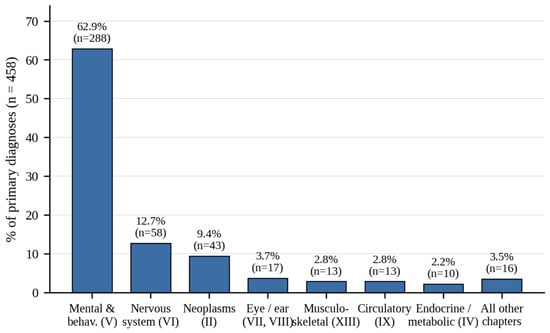
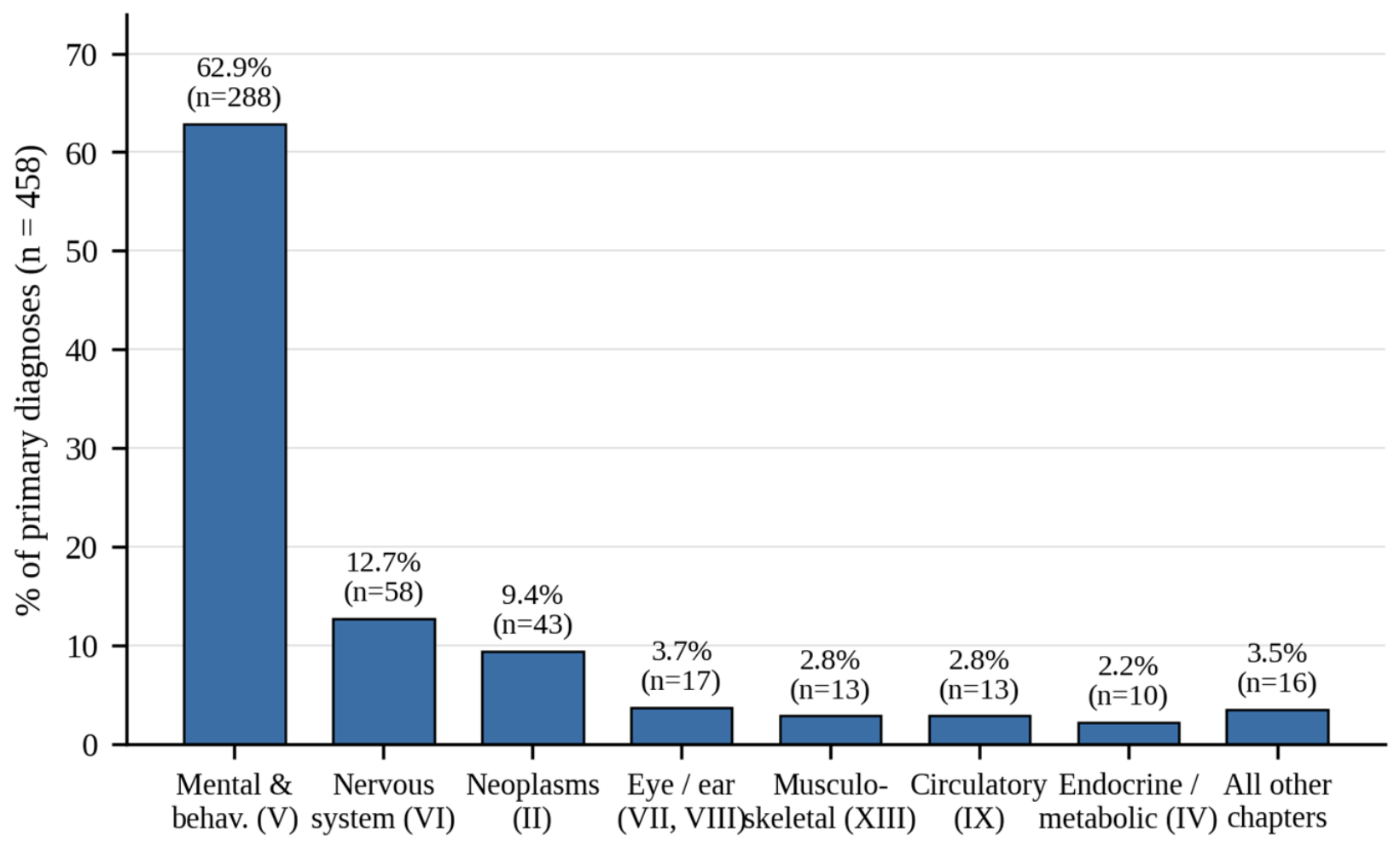
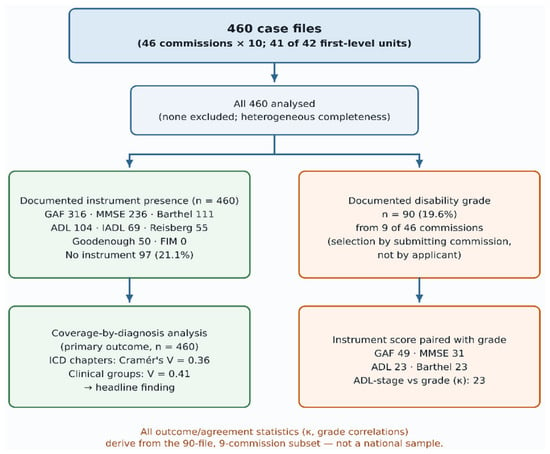
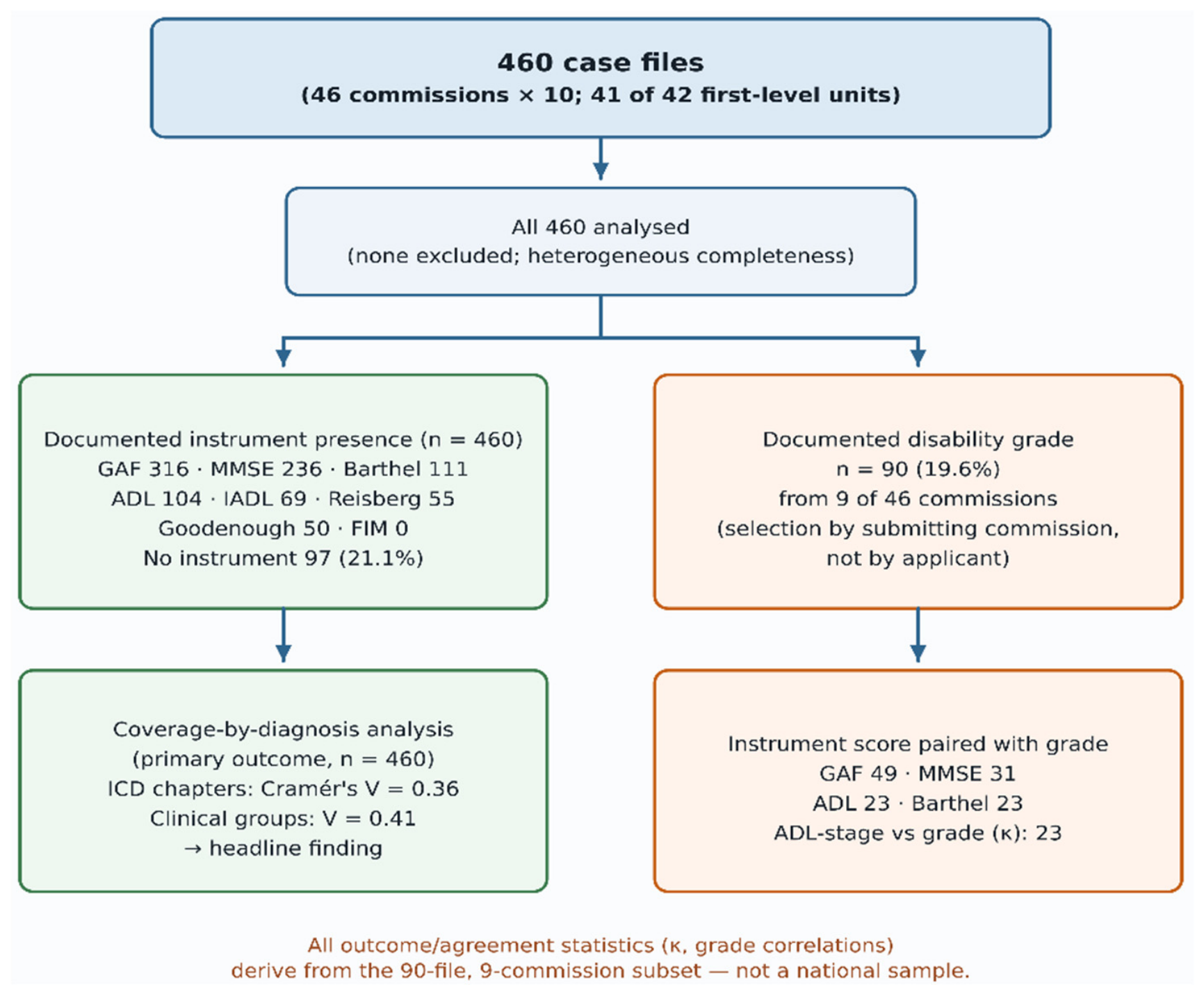
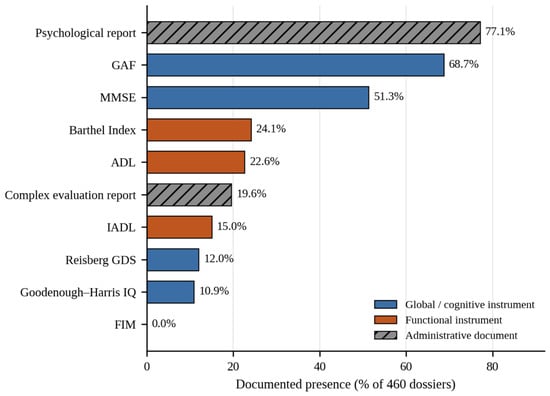
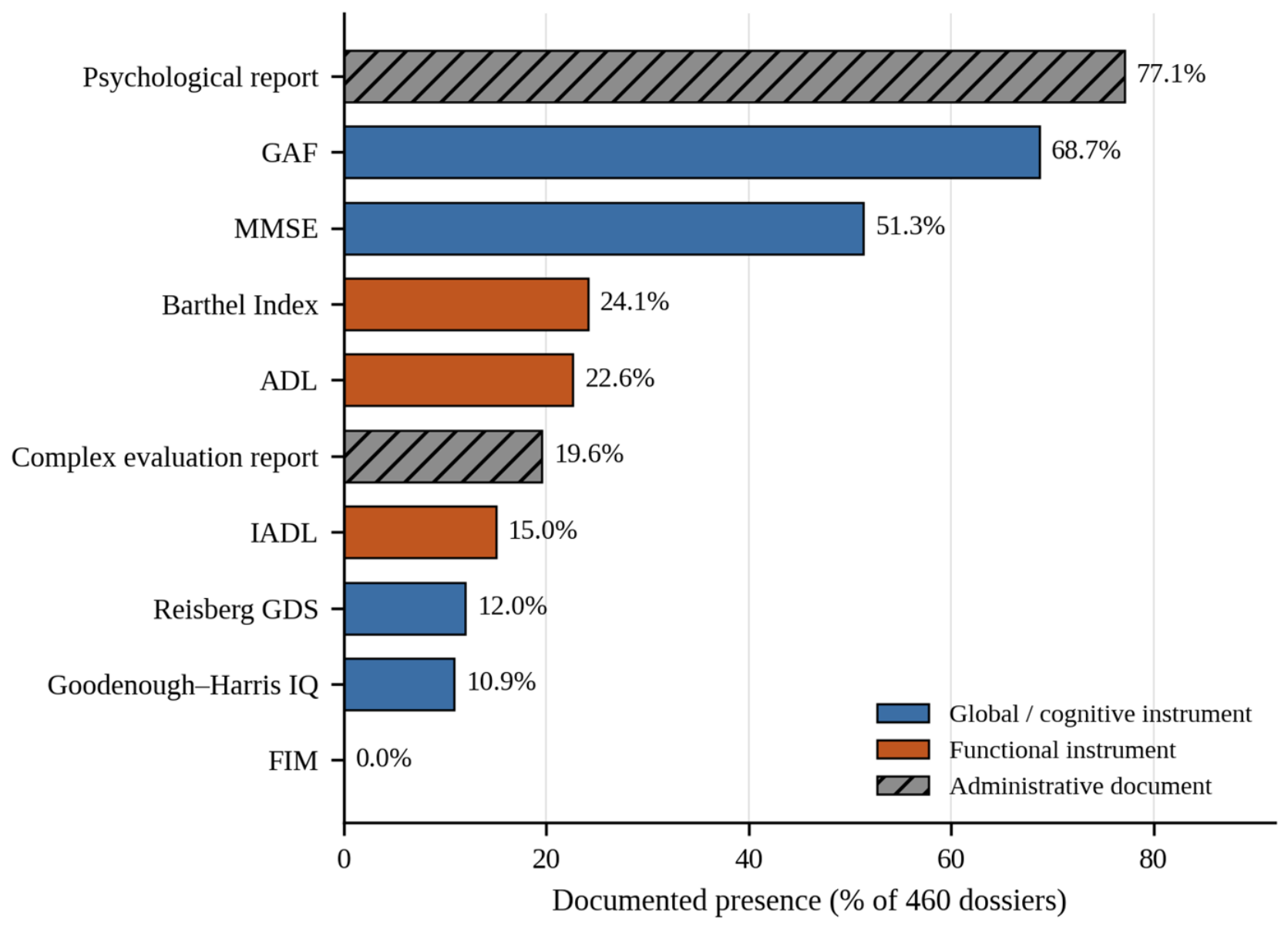
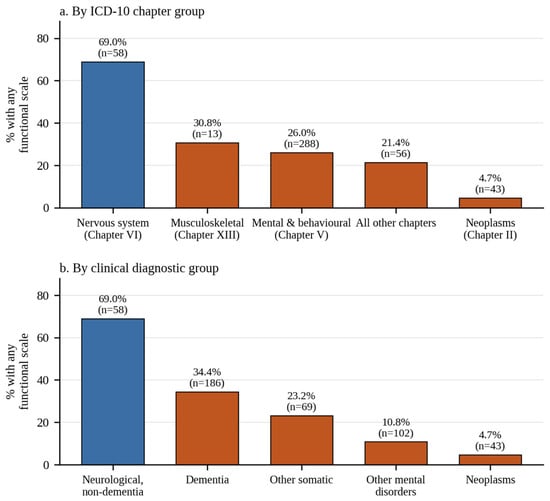
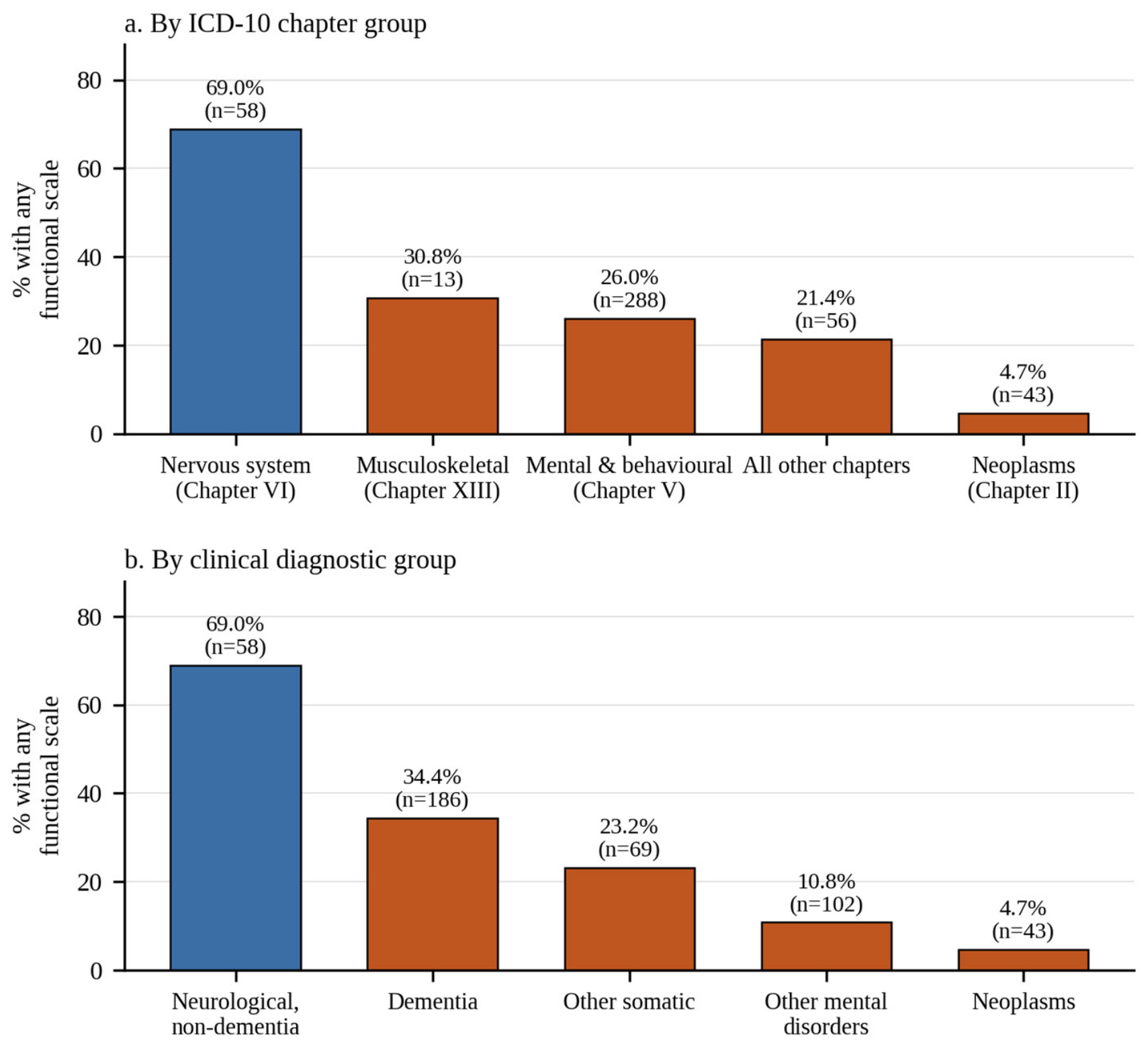

Disclaimer/Publisher’s Note: The statements, opinions and data contained in all publications are solely those of the individual author(s) and contributor(s) and not of MDPI and/or the editor(s). MDPI and/or the editor(s) disclaim responsibility for any injury to people or property resulting from any ideas, methods, instructions or products referred to in the content. |
© 2026 by the authors. Licensee MDPI, Basel, Switzerland. This article is an open access article distributed under the terms and conditions of the Creative Commons Attribution (CC BY) license.