


Abstract
Background/Objectives: Coronary heart disease (CHD) is a major cause of morbidity, disability, and loss of autonomy among older adults. Nursing interventions may support rehabilitation and continuity of care, although their characteristics and delivery remain heterogeneous. This scoping review aimed to map nursing interventions implemented and evaluated to support rehabilitation and functional improvement in older adults with CHD, focusing on how these interventions were organised and delivered, the roles assumed by nurses, and the outcomes assessed. Methods: A scoping review was conducted following Joanna Briggs Institute’s guidance and reported according to PRISMA-ScR. PubMed, CINAHL, Scopus, Web of Science, and Cochrane were searched between November 2025 and February 2026. Eligibility criteria followed the Population–Concept–Context framework. Quantitative and mixed-method intervention studies involving adults with CHD with a mean age ≥60 years were included. Study selection was performed independently by two reviewers. Results: Twelve studies were included. Most interventions were multicomponent (10/12), commonly integrating health education, exercise, psychosocial support, and self-care strategies. Nine programs combined face-to-face care with remote follow-up, and ten were directly led and delivered by nurses. Intervention duration ranged from four weeks to six months. Outcomes included functional, physiological, psychological, self-care, and quality-of-life domains. Favourable findings were frequently reported for functional capacity, anxiety and depression, self-care, self-efficacy, and health-related quality of life, whereas cardiovascular and physiological findings were less consistent. Conclusions: Nursing interventions for older adults with CHD are predominantly multicomponent and delivered across hospital and home settings. Further research should assess long-term outcomes and improve representation of very old, frail, and digitally vulnerable populations.
1. Introduction
Despite advances in the diagnosis and treatment of acute coronary syndromes [1], coronary heart disease (CHD) remains a major challenge for healthcare systems. It is estimated to affect approximately 240 million people worldwide and is a leading cause of morbidity, mortality and disability [2]. Its impact is particularly significant among older adults (people aged 60 years or over) [3,4]. In Spain, CHD makes a substantial contribution to the burden of disability among people aged over 70 years [5,6]. CHD is associated with loss of independence and poorer quality of life among older people living in the community [7,8]. The consequences of CHD extend beyond those affected, potentially increasing the need for family support and the complexity of care, thus resulting in physical, emotional and organisational implications for caregivers [9]. At the same time, CHD management has progressively shifted from hospital to outpatient and community settings, requiring greater continuity and coordination across different levels of care [10].
CHD encompasses the clinical manifestations resulting from reduced blood and oxygen supply to the myocardium [11]. It is commonly associated with structural or functional abnormalities of the coronary circulation system and may present as angina pectoris, myocardial ischaemia, acute coronary syndrome or myocardial infarction [12]. Although therapeutic advances have improved prognosis following acute coronary events, many older people continue to experience physical, functional and psychosocial consequences that affect recovery and disease progression [1,13]. From a physical and functional perspective, CHD is associated with reduced functional capacity, loss of muscle mass and strength, limitations in activities of daily living and an increased risk of dependency [14,15,16,17]. These limitations may coexist with persistent fatigue, anxiety, depressive symptoms and fear of further cardiovascular events [18,19]. Collectively, these problems can increase psychological distress, hinder adjustment to the condition and impair well-being and quality of life [20,21]. These consequences also extend to the social domain, limiting participation in everyday activities and increasing demands for care and support from families and healthcare services [18,19,20,21]. In addition, the frequent coexistence of multimorbidity and frailty increases the use of healthcare services, the risk of hospitalisation and the costs associated with caring for this population [22,23]. These circumstances reinforce the need for continuous, integrated models of care that coordinate clinical management, functional recovery and psychosocial support across different levels and services within the healthcare system [24].
Cardiac rehabilitation is an essential component of secondary prevention and is recommended by major clinical practice guidelines for people with CHD [24]. However, functional recovery and adjustment to the condition often require ongoing clinical support [25]. Furthermore, the rates of participation, adherence and completion of cardiac rehabilitation remain low among older adults [26,27]. Nurses often coordinate these programmes and are responsible for key components such as education, self-care support and follow-up after discharge, helping to promote continuity of care and prevent or limit CHD-related functional decline [28,29,30]. However, rehabilitation programmes are usually evaluated as a whole package, and the contribution of nurses is rarely described [10,30]. Where it is reported, the evidence is highly heterogeneous in terms of intervention structure, duration, mode of delivery, care setting and level of nursing involvement [31]. Moreover, the oldest old people and those living with frailty remain under-represented [10,32,33]. Although a recent systematic review examined nurse-led consultations for secondary prevention in adults with CHD, it did not specifically address rehabilitation and functional improvement in older people or the broader range of interventions delivered across different care settings [10]. Therefore, the purpose of this scoping review was to examine and map nursing interventions implemented and evaluated to support the rehabilitation of and functional improvement in older adults with coronary heart disease, with particular attention to how these interventions are organised, delivered and integrated across healthcare settings. The specific objectives were to: (1) identify nursing interventions aimed at the rehabilitation of and functional improvement in older adults with CHD; (2) describe their organisational and delivery characteristics, including structure, components, duration, frequency, mode of delivery and healthcare setting; (3) characterise nurses’ roles and their level of involvement or leadership in the interventions; (4) identify the main health problems and functional domains addressed; (5) map the outcome domains and measurement instruments used in the included studies; and (6) identify key evidence gaps related to the delivery and implementation of these interventions.
2. Materials and Methods
2.1. Design
A scoping review was conducted in accordance with the methodological recommendations of the Joanna Briggs Institute (JBI) [34,35]. This review was reported in accordance with the PRISMA-ScR (Preferred Reporting Items for Systematic Reviews and Meta-Analyses Extension for Scoping Reviews) checklist [36]. The scoping review protocol was retrospectively registered with the Open Science Framework (OSF) on 27 August 2026, following completion of this review (DOI: https://doi.org/10.17605/OSF.IO/HC4KR). Consequently, although the protocol was developed prospectively, its registration does not constitute prospective documentation of the review methods.
2.2. Search Strategy
A comprehensive search was conducted between November 2025 and February 2026. The search strategy was developed following the three-step approach recommended by JBI for scoping reviews [35]. In the first step, an exploratory search was conducted in PubMed, Cochrane, CINAHL, Web of Science and Scopus to identify the natural-language terms and MeSH descriptors most relevant to the research question. The main natural-language terms included “older adults”, “coronary heart disease”, “nursing”, “intervention”, “functional rehabilitation” and their respective variations (see Appendix A.1). In the second step, these terms were combined with MeSH descriptors, including “Coronary Disease”, “Aged”, “Nurses”, “Therapeutics” and “Rehabilitation”, using the Boolean operators OR, AND and NOT. The NOT operator was used to exclude studies focused exclusively on pharmacological interventions. Finally, in the third step, the search strategy was adapted to the specific syntax of each database. The combination of natural-language terms and MeSH descriptors resulted in the following main search strategy, used in PubMed: ((((((((((Chronic ischemic heart disease[Title/Abstract]) OR (Coronary heart disease[Title/Abstract])) OR (Acute coronary syndrome[Title/Abstract])) OR (Post-heart attack[Title/Abstract])) OR (Myocardial ischemia[Title/Abstract])) OR (coronary disease[MeSH Terms])) OR (Myocardial ischemia[MeSH Terms])) AND (((((((Elderly[Title/Abstract]) OR (Aged[Title/Abstract])) OR (Senior adults[Title/Abstract])) OR (Older adults[Title/Abstract])) OR (Older people[Title/Abstract])) OR (Aging[Title/Abstract])) OR (aged[MeSH Terms])))) AND ((((((((((Intervention[Title/Abstract]) OR (Program[Title/Abstract])) OR (Treatment[Title/Abstract])) OR (Therapy[Title/Abstract])) OR (Strategy[Title/Abstract])) OR (Method[Title/Abstract])) OR (Care[Title/Abstract]))) OR (therapeutics[MeSH Terms]))) AND ((((nurses[MeSH Terms]) OR (nurse*[Title/Abstract])) OR (“nurse interventions”[Title/Abstract])) OR (“nurse programs”[Title/Abstract])) AND (((((((((((((Functional rehabilitation[Title/Abstract]) OR (Physical rehabilitation[Title/Abstract])) OR (Cardiac rehabilitation[Title/Abstract])) OR (Comprehensive rehabilitation[Title/Abstract])) OR (Motor rehabilitation[Title/Abstract])) OR (Functional recovery[Title/Abstract])) OR (Functional capacity[Title/Abstract])) OR (Functional mobility[Title/Abstract])) OR (Activities of daily living[Title/Abstract])) OR (Quality of life[Title/Abstract])) OR (Community-based rehabilitation[Title/Abstract])) OR (Post-hospital rehabilitation[Title/Abstract])) OR (rehabilitation[MeSH Terms]))) NOT ((“Drug Therapy”[MeSH Terms] OR “Pharmacological treatment”[Title/Abstract] OR “Medication”[Title/Abstract] OR “Pharmacotherapy”[Title/Abstract])). This core search string served as the basis for the other databases, with the corresponding formatting modifications applied to each one (see Appendix A.3).
2.3. Eligibility Criteria
In line with the methodological guidance of the Joanna Briggs Institute (JBI) for conducting scoping reviews, the PCC framework (P: participants; C: concept; C: context) was used to define the inclusion criteria [37].
2.3.1. Type of Participants
This scoping review considered all studies focusing on older adults with CHD. The initial eligibility criteria specified that studies should have a mean participant age of 60 years or older and include patients diagnosed with coronary heart disease or any of its clinical manifestations or complications. Eligibility was assessed at the study level, based on the characteristics of the study population, rather than at the individual participant level.
For studies including participants of different ages or with different diagnoses, the initial eligibility criteria required that data relating specifically to older adults with coronary heart disease could be identified separately. However, during study selection, three studies reporting mean participant ages below 60 years were retained despite not strictly meeting the original age criterion. Their reported age distributions indicated that participants aged 60 years or older were included, although age-specific outcome data could not be extracted separately. This decision therefore represented a deviation from the initially specified eligibility criteria and it has been acknowledged as a study limitation.
2.3.2. Concepts
This review considered studies focused on nursing interventions implemented and evaluated to support rehabilitation and functional improvement in older adults with coronary heart disease. Non-pharmacological rehabilitation programmes and models of clinical care led or coordinated by nurses were included. Multidisciplinary interventions were also considered when nurses’ involvement and roles were clearly described. Studies in which the nursing role could not be identified from the description of the intervention were excluded at the full-text stage. Furthermore, interventions had to have been implemented directly with patients. They could include health education, psychosocial or behavioural support, promotion of self-care, clinical follow-up, care coordination and other strategies aimed at maintaining or improving functional capacity and independence. Studies assessing domains related to rehabilitation and functional improvement were also considered. These domains included physical and functional capacity, independence, quality of life, self-efficacy and other biopsychosocial outcomes. These outcomes were included to identify which dimensions had been assessed, rather than to compare the effectiveness of the interventions.
Studies focusing exclusively on pharmacological interventions were excluded. Studies describing theoretical programmes, protocols or proposed interventions that had not been implemented with patients were also excluded.
2.3.3. Context
This review considered interventions delivered in any healthcare or community setting related to the care and rehabilitation of older adults with CHD. This included hospitals, cardiac rehabilitation units, outpatient clinics, primary care, community services and home-based care. Interventions delivered through digital or telehealth modalities were also included. No restrictions were applied according to level of care, provided that the nursing intervention and its mode of delivery were clearly described.
2.3.4. Type of Sources
This scoping review considered quantitative and mixed-method studies. Eligible quantitative designs included randomised controlled trials, quasi-experimental studies and pre-test–post-test studies evaluating an implemented intervention. Mixed-method studies were included when they incorporated a quantitative or qualitative evaluation of the implementation, delivery or outcomes of the intervention. Studies published in English or Spanish from 1 January 2020 to the date on which the search was conducted were considered eligible. The publication date restriction was established to focus this review on recent nursing interventions and contemporary approaches to cardiac rehabilitation, including developments in care delivery, continuity of care, and digital health technologies. This timeframe was selected to provide a focused mapping of recent evidence rather than a comprehensive historical synthesis. Nevertheless, relevant studies published before 2020, including those addressing home-based cardiac rehabilitation, may have been excluded as a result of this restriction. Literature reviews, protocols, editorials, letters to the editor and other documents that did not report data derived from an implemented intervention were excluded.
2.4. Study Selection
Records retrieved from five databases (Web of Science, CINAHL, Scopus, PubMed and Cochrane) were exported and managed for screening. Duplicate records were first removed, and a date filter was applied to restrict the evidence to studies published between 2020 and 2026. The remaining records were then screened sequentially and independently by two reviewers. Records that were not intervention studies were excluded. The titles and abstracts of the remaining records were subsequently screened, and those that did not meet the criteria relating to the population, concept or review objective were excluded. Full-text articles were then assessed against the predefined eligibility criteria. Any disagreements between the reviewers were resolved through discussion and consensus.
2.5. Data Extraction and Synthesis
Data were extracted by one reviewer using a standardised data-charting instrument specifically developed for this review. A second reviewer systematically verified the extracted data for all included studies against the original publications, checking the accuracy and completeness of each data field. Any discrepancies identified during verification were discussed between the two reviewers and resolved through reaching a consensus, with the agreed corrections incorporated directly into the data-charting instrument. The instrument was developed in accordance with methodological guidance from the Joanna Briggs Institute and aligned with the review objective and research questions. Before final use, the instrument was piloted on a sample of the included studies and refined as necessary.
The following data were charted: authorship, year and country of publication; study design and objective; population characteristics, including sample size and mean age; type and domain of the nursing intervention; healthcare setting and mode of delivery; professionals involved and nurses’ roles; intervention structure, components, duration, frequency and follow-up; functional and biopsychosocial domains assessed; measurement instruments used; and the main findings reported by the studies. Any uncertainties or discrepancies arising during data extraction were resolved through discussion and reaching a consensus between the two reviewers. Intervention characteristics and outcomes were then grouped into categories and summarised as frequencies. Outcomes were charted as reported by the original authors. Given the diversity of instruments, scoring ranges and assessment time points, outcome data were not harmonised or pooled, and the results were synthesised descriptively by outcome domain.
2.6. Quality Assessment
The methodological quality and risk of bias of the included studies were assessed using the JBI Critical Appraisal tools specific to each study design [38,39]. The mixed-method study was assessed using the Mixed Methods Appraisal Tool (MMAT) [40]. Studies were grouped according to their methodological design, and the appraisal results were recorded in design-specific tables. The columns in each table corresponded to the criteria established by the relevant appraisal tool. This process yielded an individual quality score for each study, enabling the main methodological strengths and limitations to be identified and supporting a critical interpretation of the included evidence (see Appendix B).
3. Results
3.1. Search Results and Study Selection Process
During the initial identification stage, records were retrieved from Web of Science (n = 569), CINAHL (n = 303), Scopus (n = 111), PubMed (n = 157) and Cochrane (n = 123), yielding a total of 1263 records. After removal of 403 duplicates, 860 records remained. A date filter was then applied to restrict the evidence to the previous six years, resulting in the exclusion of 598 records and reducing the sample to 262 articles. Screening for an intervention focus further reduced the number of records to 137. Title and abstract screening led to the exclusion of an additional 115 records, leaving 22 articles for full-text assessment. Of these, ten did not meet the eligibility criteria and were excluded. Lastly, 12 studies were included in this review. The study selection process is presented in the PRISMA-ScR flow diagram (Figure 1).
Figure 1.
PRISMA-ScR flow diagram of the study selection process.
3.2. Characteristics of the Studies and Study Population
Twelve primary studies were included, comprising randomised controlled trials (n = 9), quasi-experimental studies (n = 2) and a mixed-method study (n = 1). Most studies were conducted in China (n = 8), followed by Iran (n = 2), Jordan (n = 1) and Denmark (n = 1). The combined sample comprised 1345 participants, with individual study sample sizes ranging from 30 to 200 patients. Most included studies reported a mean participant age of 60 years or older [41,42,43,44,45,46,47,48,49]. However, three studies reported mean ages below this threshold [50,51,52]. These studies were retained despite not strictly meeting the initially specified mean-age criterion, representing a deviation from the original eligibility criteria. Their reported age distributions suggested that older adults were represented within the study populations; however, the available aggregate data did not allow the proportion of participants aged 60 years or older to be determined. Eligibility was assessed at the study level rather than at the individual participant level. This deviation should be considered when interpreting the applicability of the findings specifically to older adults. All participants had serious cardiac conditions, primarily coronary heart disease, acute coronary syndrome and acute myocardial infarction. Alongside the primary cardiac diagnosis, the most common comorbidities were hypertension, diabetes mellitus and dyslipidaemia (see Table 1).
Table 1.
Main results of the included articles.
3.3. Characteristics, Organisation and Delivery of Nursing Interventions
Table 2 summarises the included interventions by clinical population, mean age, duration, care setting, mode of delivery, nursing role and outcome domains assessed.
Table 2.
Synthesis of intervention characteristics and outcome domains across the included studies (n = 12).
3.3.1. Structure and Components of the Interventions
Most programmes combined several therapeutic components. Ten of the twelve studies incorporated two or more components within a single care pathway, typically education, exercise and emotional support [41,42,43,44,45,46,47,50,51,52]. Only two studies were structured around a single core component: peer support provided by patients with previous experience of the condition [48,49].
Health education was the most frequently reported component and was included in eleven programmes [41,42,43,44,45,46,47,49,50,51,52]. The format varied considerably across studies. Li et al. [47] showed brief five-to-eight-minute videos in patients’ rooms during their hospital stay. Hao et al. [44] delivered multimedia materials daily via a messaging application. Su & Yu [51] integrated educational content into a web-based platform that could be accessed from home. Cao et al. [41] provided individual face-to-face sessions supplemented by manuals, leaflets and self-monitoring diaries, while Heidari et al. [45] combined face-to-face, virtual and telephone sessions with an educational leaflet. The content was broadly similar across studies and included information about the condition, medication management, dietary advice, physical activity and recognition of warning signs.
Physical training was incorporated with varying degrees of structure. Four programmes prescribed a structured and progressive exercise load [42,43,44,47]. Hao et al. [44] progressed participants from basic mobilisation in bed to walking and squats, adjusting the level of exertion according to tolerance. Li et al. [47] instructed participants to regulate exercise intensity using the Borg scale and to record it in a diary. Duan and Ren [42] developed individualised rehabilitation programmes with a gradual increase in physical activity under nurses’ supervision. Guo et al. [43] incorporated physical training into a standardised cardiac rehabilitation protocol. A further four programmes promoted physical activity without prescribing a specific exercise load [45,50,51,52]. Su & Yu [51] used goal setting and self-monitoring with pedometers. Snaid and Qibalat [50], Heidari et al. [45] and Zou et al. [52] incorporated physical activity as an educational component and monitored it during follow-up.
Psychological and behavioural support was included in seven programmes [41,43,44,46,48,50,52]. Strategies included relaxation, cognitive restructuring, mindfulness, emotional regulation, stress coping, self-motivation and empathetic support. Some programmes also involved family members or peer mentors with previous experience of the condition [44,48].
Promotion of self-care was included in eight programmes [41,42,44,45,46,47,49,51]. This was implemented through goal setting agreed jointly with patients [41,42,46,51] and systematic recording of daily activities in diaries [41,47]. Su & Yu [51] also incorporated a visual feedback system that enabled patients to track their own progress using a traffic-light display of goal attainment. Heidari et al. [45] tailored self-care support to the deficits identified in each patient.
Three programmes explicitly incorporated peer support, although using different approaches [48,49,51]. Roshandel et al. [49] assigned the delivery of the educational content to trained peer patients, who shared videos via a messaging application. Su & Yu [51] created professionally moderated messaging groups, preceded by a face-to-face orientation session. Pedersen et al. [48] used one-to-one matching between mentors and patients, with flexible contact tailored to each participant, during which mentors shared their own recovery experiences to encourage continued engagement with rehabilitation.
3.3.2. Care Settings and Modes of Delivery
The interventions were implemented at different points along the care pathway. The most common model involved continuity from hospital to home and was used in six programmes [41,42,47,50,51,52]. In these cases, the intervention began during hospital admission and continued after discharge through home-based follow-up. Three programmes were delivered exclusively at home following hospital discharge [46,48,49]. Two programmes initiated the intervention during hospital admission [43,45], one of them in an intensive care unit following acute myocardial infarction [45], although the articles did not specify whether the intervention continued after discharge. Only one programme was delivered in a community setting [44].
Regarding mode of delivery, nine programmes used a blended approach combining face-to-face interventions with one or more forms of remote follow-up [41,42,43,44,45,47,48,50,52]. Two studies relied predominantly on digital tools [49,51], while one was delivered exclusively by telephone [46]. Messaging applications and web-based platforms were among the channels used for remote follow-up [44,49,51,52]. Scheduled telephone follow-up was used in five programmes [41,46,48,50,52] and was mentioned without specifying frequency in a further two [43,45]. Face-to-face home visits were explicitly described in two programmes [44,48] and mentioned without further detail in a third study [43]. Two other programmes used audiovisual materials without internet connectivity or remote contact [42,47], while another study used a pedometer for self-monitoring [51].
3.3.3. Duration, Frequency and Intensity
The duration of the programmes ranged from four weeks to six months. The most common timeframe was 12 weeks, adopted by five studies [41,42,44,47,51]. Five programmes were delivered over periods of eight weeks or less [43,45,46,49,52], while the longest interventions lasted six months [48,50].
The frequency of contact varied across programmes. Four programmes included components delivered daily [43,44,47,52], while others combined weekly sessions with more frequent activities [43,46,50,52]. In some cases, contact frequency decreased progressively over the course of the intervention [41,44]. Other programmes used a flexible schedule according to patient needs [48] or allowed for contact on demand through a digital platform [51].
Where specified, individual sessions generally lasted between 20 and 60 min. The shortest formats involved audiovisual content and self-motivation exercises [43,47]. Face-to-face sessions tended to be longer, lasting 30–45 min [45], at least one hour during the hospital phase [41], and 30–60 min for psychological counselling [43]. Snaid and Qibalat [50] set cognitive behavioural therapy sessions at 30 min. Four studies did not specify session duration [42,49,51,52].
Follow-up periods after completion of the intervention ranged from one to six months. Six studies assessed outcomes at two or more time points [41,45,47,48,51,52].
3.4. Nursing Role and Level of Leadership
Nurses’ involvement was identified in all included studies, although the degree of leadership varied. Two levels of involvement were identified: direct delivery of the intervention by nurses (n = 10) and coordination and supervision of other providers who delivered it (n = 2) [48,49].
Ten programmes were led and delivered directly by nurses [41,42,43,44,45,46,47,50,51,52]. Nurses conducted the initial assessment, set goals, delivered the intervention content and provided follow-up. The level of specialist expertise required varied across programmes. Guo et al. [43] involved mental health nurses working in coordination with cardiac rehabilitation nurses. Su & Yu [51] assigned the programme to a nurse with experience in cardiovascular nursing. Hao et al. [44] included specialist nurses within a cardiac disease management team, where they took the lead in delivering the programme. In the two remaining programmes, nurses trained and supervised peer mentors or peer patients, who delivered the intervention content, while nurses retained responsibility for coordinating the programme [48,49].
Some studies provided details of the nurses’ qualifications, experience and responsibilities [43,44,51]. In others, their involvement was inferred from the intervention content or its grounding in nursing models rather than being explicitly stated [41,52].
3.5. Health Problems and Domains Assessed
Most articles focused on older adults with a general diagnosis of coronary heart disease [41,42,44,47,48,49,51]. The remaining studies focused on populations defined by a specific condition, event or procedure: patients following acute coronary syndrome [52], patients with stable angina [50], patients admitted to an intensive care unit after acute myocardial infarction [45], or patients recovering from percutaneous coronary intervention [43,46]. The most common comorbidities included hypertension, diabetes mellitus and dyslipidaemia [42,43,44,51]. Symptoms of anxiety and depression were also identified [52], and one study included type D personality as an eligibility criterion [41].
The included interventions addressed different dimensions of care for older adults with CHD, which can be grouped into four broad domains: (1) biological and functional; (2) psychological and emotional; (3) social, educational and self-care; and (4) healthcare utilisation and patient experience.
3.6. Outcomes Assessed
3.6.1. Biological and Functional Outcomes
Functional and Exercise Capacity
Several programmes (n = 4) assessed patients’ functional capacity using the six-minute walk test, with improvements observed in the intervention group in all cases [42,44,47,50]. Improvements were reported by Li et al. [47] (495.55 m vs. 370.24 m; p < 0.001) and Hao et al. [44] (326.82 m vs. 273.24 m; p < 0.001). Aerobic capacity was assessed in only one study, which also reported results favouring the intervention [42] (p < 0.01).
Cardiovascular and Physiological Parameters
Several studies assessed participants’ clinical parameters (n = 4). Duan and Ren [42] reported a higher left ventricular ejection fraction in the intervention group (38.3% vs. 35.7%; p < 0.001), while Snaid and Qibalat [50] reported a lower Tei index at six months (0.42 ± 0.30 vs. 0.54 ± 0.32), with statistical significance reported for the magnitude of the reduction (0.12 vs. 0.03; p = 0.041). Zou et al. [52] observed a reduction in systolic blood pressure at 12 weeks (β = −3.32; p = 0.01), with no differences in diastolic blood pressure, body mass index, lipid levels, blood glucose or smoking status. Su & Yu [51] found no significant differences in blood pressure, body mass index or waist circumference.
3.6.2. Psychological and Emotional
Anxiety and Depression
Six studies assessed symptoms of anxiety and depression. Snaid and Qibalat [50] reported lower anxiety (49.24 ± 25.22 vs. 67.56 ± 28.64) and depression scores (49.24 ± 28.54 vs. 60.37 ± 30.22) at six months, with significantly greater mean reductions in the intervention group (anxiety, p = 0.016; depression, p = 0.029). Guo et al. [43] documented favourable differences in anxiety (25.71 vs. 27.95; p = 0.013) and depression (30.98 vs. 34.30; p < 0.001). Cao et al. [41] reported lower levels at one and three months (anxiety, β = −1.84, 95% CI −2.91 to −0.77; depression, β = −1.41, 95% CI −2.27 to −0.55; p < 0.05). Zou et al. [52] observed sustained reductions in depression (β = −2.01 at T1 and −2.08 at T2; p < 0.001) and anxiety (β = −1.02 at T1, p < 0.001; β = −0.93 at T2, p = 0.002). By contrast, Su & Yu [51] and Pedersen et al. [48] found no statistically significant improvements.
Kinesiophobia, Stress, Resilience and Mood
Some authors assessed specific coping-related variables (n = 4). Guo et al. [43] reported lower kinesiophobia scores at two months (33.88 vs. 41.32; p < 0.001), indicating less fear of movement. Zou et al. [52] observed a reduction in perceived stress (β = −1.18 at T1, p < 0.001; β = −1.26 at T2, p = 0.001). Hua et al. [46] found greater resilience (65.79 ± 13.40 vs. 58.74 ± 12.77; p < 0.05). Hao et al. [44] reported lower scores for negative emotions (13.28 vs. 19.87) and higher scores for hope (37.99 vs. 32.83; p < 0.001).
3.6.3. Social, Educational and Self-Care Outcomes
Self-Care Skills and Adherence
Several studies assessed self-care competencies and health behaviours (n = 8). Duan and Ren [42] observed higher self-care capacity scores (144.5 vs. 137.1; p < 0.001), while Hao et al. [44] reported improvements across all dimensions of self-care (p < 0.001). Heidari et al. [45] reported substantial differences in self-care skills (102.10 vs. 53.03), readiness (31.60 vs. 17.46) and knowledge (112.77 vs. 41.74) at eight weeks (p < 0.005). Li et al. [47] reported higher self-management scores (3.84 vs. 2.78; p < 0.001), a greater proportion of participants exercising weekly (85% vs. 31%; p < 0.001) and a lower rate of smoking relapse (6% vs. 43%; p = 0.028). Roshandel et al. [49] reported increases in self-care (18.46 ± 7.93 vs. 7.06 ± 3.71) and treatment adherence (10.93 ± 4.75 vs. 3.83 ± 1.55; p < 0.001). Su & Yu [51] documented better health-promoting behaviours (110.35 vs. 95.00; p < 0.001), a higher daily step count (9502 vs. 7298; p = 0.006) and less sedentary time (1240 vs. 2011 min/week; p = 0.004). Pedersen et al. [48] found no significant differences in diet or physical activity. Zou et al. [52] reported improvements in dietary behaviour (β = +0.069; p = 0.04) and physical activity levels (β = +177.542; p = 0.01) at 12 weeks.
Self-Efficacy
Four studies assessed self-efficacy using different instruments, with inconsistent findings. Su & Yu [51] reported higher scores (3.31 vs. 2.79; p = 0.005), Guo et al. [43] found greater exercise self-efficacy (52.90 vs. 44.86; p = 0.009), and Cao et al. [41] reported an increase at three months (β = +2.08; p < 0.05). Pedersen et al. [48] found no significant differences.
Health-Related Quality of Life
The vast majority of studies (n = 11) assessed quality of life. Guo et al. [43] reported higher scores (85.43 vs. 79.21; p < 0.001), as did Hua et al. [46] (67.06 ± 14.83 vs. 60.76 ± 11.13; p = 0.029), Snaid and Qibalat [50] (p < 0.001) and Roshandel et al. [49] (8.20 ± 4.69 vs. 2.73 ± 1.62; p < 0.001). Heidari et al. [45] reported a substantial difference, with scores increasing from 58.94 to 168.43 in the intervention group compared with 54.69 to 72.00 in the control group (p < 0.001). Duan and Ren [42] (31.4 vs. 29.8) and Hao et al. [44] (127.84 vs. 103.69) also reported significant improvements in quality of life (p < 0.001). Cao et al. [41] observed greater angina stability (β = +20.98 at one month and +29.23 at three months; p < 0.05). Zou et al. [52] reported improvements in the physical (β = +0.088; p = 0.03) and emotional (β = +0.294; p < 0.001) subscales and in the overall score (β = +0.147; p < 0.001) immediately after the intervention, although at 12 weeks, the effect was maintained only for the emotional subscale (β = +0.249; p = 0.001). Su & Yu [51] found no statistically significant difference in the overall MacNew score (5.90 vs. 5.58; β = 0.40; 95% CI −0.01 to 0.80; p = 0.057), although significant improvements were observed in the physical (β = 0.45; p = 0.049) and social (β = 0.54; p = 0.025) subscales. Pedersen et al. [48] found no significant quantitative differences; however, in the qualitative component, participants reported that mentors’ empathetic support reduced their fear of death and feelings of loneliness during the early period following hospital discharge.
3.6.4. Use and Experience of the Service Outcomes
Healthcare Utilisation
Su & Yu [51] found no relevant between-group differences in unplanned healthcare use. Two participants in the intervention group were readmitted for chest pain, one of whom underwent percutaneous coronary intervention, while in the control group, two participants attended the emergency department for cardiac symptoms and a further two were readmitted for revascularisation. Survival analysis showed a slightly longer time to hospital admission in the intervention group, although this did not reach statistical significance (p = 0.25). Hao et al. [44] reported greater adherence to scheduled clinical follow-up visits in the intervention group (79.1% vs. 60.4%; p < 0.05).
Accessibility and Programme Retention
Pedersen et al. [48] observed a higher proportion of participants being offered community-based rehabilitation in the intervention group (48% vs. 34%), while only the control group received an exclusively hospital-based rehabilitation offer (9%). Zou et al. [52] reported an intervention completion rate of 76% and a lower dropout rate in the intervention group (15% vs. 21%). Completion of a greater number of sessions was associated with a greater reduction in depressive symptoms (r = 0.324; p = 0.003). Other studies reported losses to follow-up without analysing them as an outcome [41,47,51].
Satisfaction and Acceptability
Zou et al. [52] reported high acceptability of the intervention, with positive responses ranging from 93% to 100% among participants who completed the questionnaire. However, 15% reported experiencing difficulties during the programme. No adverse events were recorded. Pedersen et al. [48] reported that 34% of participants were satisfied and 58% were very satisfied with the intervention, while 42% perceived some benefit and 32% perceived a substantial benefit. Cao et al. [41] found a significant improvement in treatment satisfaction at three months (β = +6.95; p < 0.05).
3.7. Results of the Quality Assessment
The methodological quality of the included studies was assessed using the Joanna Briggs Institute’s (JBI) critical appraisal tools, according to study design [38,39], and the Mixed Methods Appraisal Tool (MMAT) [40]: randomised controlled trials (RCTs), quasi-experimental studies and mixed-method studies.
The randomised controlled trials showed moderate-to-good methodological quality, with scores ranging from 9 to 11 out of 13 items. Four studies scored 11 points [46,47,51,52], one scored 10 [41], and four scored 9 [42,43,49,50]. The main methodological limitations identified were the absence of blinding of participants and intervention providers, together with limited clarity regarding allocation concealment. In educational or behavioural interventions, blinding is often difficult to implement; therefore, its absence should be interpreted as an inherent limitation of the study design rather than as a direct indicator of poor methodological quality (Appendix B.1).
The two quasi-experimental studies showed high methodological quality, each scoring 8 out of 9 items [44,45]. As specific limitations, Hao et al. [44] did not include multiple measurements before and after the intervention. Heidari et al. [45] did not adequately describe follow-up procedures or losses to follow-up. In the latter study, discrepancies were also identified between the figures reported in the abstract and those presented in the result tables, as well as in the quality-of-life values, whose magnitude was difficult to interpret in relation to the usual range of the instrument used (see Appendix B.2).
The mixed-method study showed high methodological quality, scoring 5 out of 5 items on the MMAT. It provided an appropriate justification for the study design, integrated the quantitative and qualitative components, and presented a coherent interpretation of the findings (see Appendix B.3).
Overall, the critical appraisal identified several methodological strengths across the included studies while also highlighting limitations related to blinding, allocation concealment, and follow-up procedures. Although most studies fulfilled the majority of the appraisal criteria, these findings should not be interpreted as evidence of intervention effectiveness or as indicating a high level of certainty in the overall body of evidence. The appraisal results were used to contextualise the findings reported by individual studies and identify methodological limitations relevant to their interpretation.
4. Discussion
The aim of this scoping review was to examine and map the nursing interventions implemented and evaluated to support the rehabilitation of and functional improvement in older adults with coronary heart disease. Our findings indicate that most nursing interventions extended beyond hospital discharge, highlighting the importance of continuity of care during the transition from hospital to home. However, access to these services may be constrained by eligibility criteria and technological requirements, potentially limiting participation among patients who face the greatest barriers to accessing care. In this context, older adults with CHD are particularly vulnerable to these barriers due to the interaction of multiple factors. The high burden of age-related comorbidity [14,20] is compounded by the frequent presence of anxiety and depressive symptoms following a cardiac event [18,19], together with multidimensional frailty that affects quality of life [21]. Considerable heterogeneity was also observed in the design and components of the programmes analysed, consistent with previous reviews reporting substantial diversity among nurse-led cardiac rehabilitation models [31,53,54].
The interventions were delivered across different stages of the care pathway, although they were concentrated particularly in the post-discharge period. This pattern is consistent with the importance attributed to continuity of care in coronary heart disease [55] and with the favourable outcomes reported for home-based transitional care models in older adults [56]. Okazaki et al. [57] documented a similar pattern regarding heart failure, where structured nursing interventions support self-care after discharge. However, this continuity does not appear to be fully integrated into the organisation of healthcare. As highlighted by Korkmaz Yaylagul et al. [58], the sustainability of these programmes depends not only on their effectiveness, but also on organisational models capable of embedding them into clinical practice.
The programmes differed in the degree of structure applied to physical activity interventions. Some incorporated progressive exercise prescriptions and monitoring of exercise intensity [42,44,47], whereas others focused on physical activity promotion, education, and follow-up without specifying a progressive exercise load [45,50,51,52]. Improvements in functional outcomes were reported in some studies incorporating structured exercise components [42,44,47]. However, differences in study populations, intervention components, outcome measures, assessment time points, and study designs preclude direct comparisons of effectiveness between these approaches. Previous evidence has highlighted the role of structured and progressive exercise in addressing physical deconditioning associated with ageing and disease [59,60]. Within the interventions mapped in this review, the nursing role extended beyond education and support to include the prescription, progression, and monitoring of rehabilitation activities.
However, the way in which nurses exercised leadership varied across interventions, while maintaining their central coordinating role. In some cases, this included delegating specific intervention components to expert patients trained by the research team. Beyond its potential to optimise the use of healthcare resources, this peer-led approach may also strengthen the intervention by drawing on shared experience and providing support that is accessible and relatable to participants. Peer mentoring has been shown to improve health literacy and self-management capacity [61]. By promoting a person-centred model of care, these interventions can help older adults feel more capable and engaged, encouraging more active and independent management of their health [62,63]. This effect appears to differ from that of unstructured social support, whose benefits have been associated primarily with emotional relief rather than necessarily with behavioural change [64]. These findings highlight the diversity of supportive and structured components incorporated into nursing interventions, although the relative contribution of each component remains unclear. Despite existing evidence on structured nursing interventions in patients with multimorbidity and their implications for healthcare resource use [65,66], none of the studies included in this review reported the workload associated with programme delivery, the patient-to-professional ratio, or the training required for replication. This lack of information limits the assessment of the feasibility and reproducibility of these interventions in routine clinical practice.
As an alternative to face-to-face contact, some programmes used general-purpose messaging applications and a web-based platform to maintain follow-up after discharge. Digital platforms enabled continued follow-up without requiring patients to travel, a considerable advantage for those with limited mobility and consistent with findings reported in other chronic conditions [67,68,69]. However, digitalisation introduces an additional barrier to access by excluding patients without internet access, suitable devices or sufficient digital skills [51,52]. Thus, despite digitalisation potentially improving access for some patients, it may also create new inequalities, particularly among older people and those with lower levels of education. This issue has already been described in relation to technology adoption among older adults with chronic conditions [26], socioeconomic and geographical inequalities in geriatric telerehabilitation [70], and the under-representation of frail patients in digital health trials [71]. In routine clinical practice, this suggests that nurses should avoid applying a standard rehabilitation protocol. Instead, they should conduct a comprehensive initial assessment to identify the specific barriers faced by each older adult and select the rehabilitation modality best suited to their needs and available resources.
Alongside barriers to access, the findings also support psychosocial intervention as a priority for addressing isolation and kinesiophobia, both of which can negatively affect adherence to physical rehabilitation [72]. Sakamoto et al. [19] further support this association by linking depressive symptoms with poorer physical performance during rehabilitation. This pattern extends beyond cardiology, as seen in recovery after hip fracture, where fear of falling can hinder functional recovery if it is not addressed alongside motor impairment [73,74]. Fear of movement therefore represents an important barrier to rehabilitation, reinforcing the need to incorporate emotional assessment before prescribing exercise [75,76].
The duration and persistence of intervention effects remain underexplored. Although six studies assessed outcomes at two or more time points, only Zou et al. [52] explicitly examined whether the effects were sustained over time. Improvements in the physical and overall dimensions of quality of life diminished at 12 weeks, whereas the effect on the emotional dimension was maintained. Moreover, the association between the number of sessions completed and improvement in depressive symptoms suggests that adherence may influence intervention effectiveness. As no study included follow-up beyond six months, it remains unclear whether the benefits persist once professional support has ended. This reinforces one of the main gaps identified in the cardiac rehabilitation literature [32,33]. This uncertainty is compounded by considerable variation in the duration and frequency of contact across studies. In contrast to the shorter programmes described in younger adults, older adults may benefit from longer periods of adaptation and a gradual reduction in contact frequency to consolidate self-care [27,56,77,78,79]. This approach would allow more intensive support to be provided after discharge and gradually reduced as patients become more independent [57]. Comparisons of intervention duration are further complicated by the substantial heterogeneity of the instruments used to assess mental health, self-efficacy and quality of life. This variability, also reported in previous reviews of nurse-led cardiac rehabilitation [31,53], reflects the lack of standardisation in outcome assessment within this field. Consequently, although this review identifies common trends across interventions, the diversity of outcome measures limits the ability to determine the magnitude and consistency of their effects with precision.
Finally, the nursing role in these interventions should be interpreted with caution. In all included studies, the intervention was compared with usual care or standard rehabilitation, and none evaluated nurse involvement as an independent factor. Moreover, the nursing role was largely consistent across studies, with nurses delivering the intervention directly in ten of the twelve studies. The favourable findings reported should therefore be attributed to the interventions as a whole rather than to the nursing role itself.
The methodological appraisal provides additional context for interpreting the reported outcomes. Although the included studies generally met several quality criteria, limitations related to blinding, allocation concealment, and follow-up procedures were identified. Importantly, methodological quality at the individual study level does not establish the overall certainty of evidence regarding intervention effectiveness. Given the heterogeneity of interventions and outcome measures, together with the limited duration of follow-up, the favourable outcomes reported in individual studies should be interpreted cautiously. Further research with robust methodological designs, standardised outcome measures, and longer follow-up periods is needed to establish the consistency and sustainability of these findings.
Limitations of This Study
This scoping review has several methodological limitations arising from both the review methodology and the characteristics of the included primary studies.
Regarding the scoping review methodology, a date restriction was applied, limiting the search to the previous five years. This methodological decision was based on the rapid technological evolution of digital health interventions, which reduces the current clinical applicability of earlier technological approaches. Although this restriction may have led to the omission of relevant earlier studies, the search was conducted across five databases and yielded twelve studies with a combined sample of 1345 patients. Additionally, three studies with mean participant ages below 60 years were retained despite not strictly meeting the original age criterion. Given that age-specific outcomes could not be extracted separately, their inclusion may limit the applicability of the findings to populations exclusively aged 60 years or older. In addition, during study selection, efforts were made to include interventions grounded in foundational nursing models, particularly those of Dorothea Orem and Virginia Henderson. This approach enabled this review to capture both contemporary nursing practice and the theoretical frameworks underpinning the discipline. Although the review protocol was developed before the review process began, its retrospective registration limits the independent verification of the methodological decisions established prospectively. Moreover, the requirement that the nursing role be explicitly described may have excluded programmes in which nurses took part but their role was not reported, which partly explains the small number of included studies. Given the variability, a scoping review design was considered appropriate for mapping the available evidence, and methodological quality was assessed using the Joanna Briggs Institute’s critical appraisal tools. However, although methodological quality was assessed at the individual study level, no formal assessment of the overall certainty of evidence was undertaken. Therefore, the appraisal findings should not be interpreted as establishing the effectiveness of nursing interventions, particularly given the limited follow-up periods and variability in the outcomes assessed.
Regarding the included primary studies, another limitation is the geographical concentration of studies in Asia. This geographical imbalance, together with the use of locally dominant platforms such as WeChat rather than those more commonly used in Europe, limits the direct transferability of the findings to other health and social care contexts, including our own. Future trials should therefore adapt, implement and validate these multicomponent interventions in Western populations. The substantial heterogeneity in programme duration and the measurement scales used should also be considered, as should the impossibility of blinding patients in educational interventions. This heterogeneity precludes meaningful comparisons of effectiveness between intervention approaches. Therefore, the findings should be interpreted as a descriptive mapping of intervention characteristics and reported outcomes, rather than as evidence of the greater effectiveness of particular rehabilitation strategies. In addition, routine reliance on technology may introduce selection bias by frequently excluding the oldest and frailest patients, as well as those without internet access; so, the findings should not be generalised to all older adults with CHD. Future nursing care plans should therefore adopt hybrid approaches that combine digital literacy support with traditional face-to-face follow-up to promote equitable access. Finally, there was a notable lack of reporting on long-term clinical outcomes, such as cardiovascular mortality or hospital readmission, as the literature focused predominantly on functional outcomes. Given that the ultimate aim is to improve both prognosis and quality of life, future research should prioritise follow-up periods exceeding 12 months and integrate the outcomes of nursing interventions directly into older adults’ clinical records.
5. Conclusions
Holistic, multicomponent interventions were associated with favourable findings for functional capacity and kinesiophobia. These approaches are characterised by the simultaneous integration of psychological and behavioural support, physical exercise and structured education. Other strategies based primarily on digital technologies (eHealth) or unstructured social support reported less consistent findings for physiological or mental health outcomes. However, differences in study designs, intervention characteristics and outcome measures preclude conclusions regarding the comparative effectiveness of these approaches. The evidence also suggests that longer programmes with progressive or transitional designs, providing intensive initial support that gradually decreases over time, may better promote empowerment and sustained self-management at home. The need to overcome emotional barriers that can hinder adherence to exercise, such as kinesiophobia and depression, highlights the importance of nurses moving beyond an exclusively physical approach by conducting comprehensive assessments and developing personalised care plans. The scarcity of follow-up periods exceeding 12 months also underscores the need to evaluate the impact of these interventions on long-term clinical outcomes, including mortality and hospital readmission rates. This review further highlights the marked geographical concentration of evidence in Asian populations and the frequent exclusion of older patients with frailty or limited digital access. Consequently, the findings apply mainly to the populations studied and cannot be generalised to all older adults with coronary heart disease. Despite the methodological heterogeneity of the included studies and the limitations inherent in the use of locally specific technological platforms, the findings support the need to develop and evaluate flexible, equitable and multicomponent nursing interventions to optimise comprehensive rehabilitation for older adults with coronary heart disease.
Author Contributions
A.O.-M.: Conceptualization, Investigation, Methodology, Project administration, Resources, Validation, Visualization, Writing—original draft, Writing—review & editing. D.d.M.G.-L.: Data curation, Formal analysis, Supervision, Validation, Writing—review & editing. A.C.-P.: Conceptualization, Funding acquisition, Investigation, Methodology, Project administration, Resources, Validation, Visualization, Writing—original draft, Writing—review & editing. C.F.-S.: Data curation, Software, Supervision, Writing—review & editing. M.G.-D.-P.: Formal analysis, Methodology, Writing—original draft. J.M.H.-P.: Conceptualization, Methodology, Project administration, Resources, Software, Supervision, Validation, Writing—original draft, Writing—review & editing. All authors have read and agreed to the published version of the manuscript.
Funding
This research was funded by the Health Sciences Research Group of the University of Almería [CTS-451] and the Department of Nursing, Physiotherapy and Medicine at the University of Almería.
Institutional Review Board Statement
Not applicable.
Informed Consent Statement
Not applicable.
Data Availability Statement
No new data were created or analyzed in this study. Data sharing is not applicable to this article.
Conflicts of Interest
The authors declare no conflicts of interest.
Appendix A. Search Terms and Search Strategies
Appendix A.1
Table A1.
Structured Language Standardisation Table.
Appendix A.2
To exclude articles focusing on pharmacological approaches from the database searches, the Boolean operator NOT was used in combination with the following terms.
Table A2.
Search Terms Excluded Using the Boolean Operator NOT.
Appendix A.3
Table A3.
Search strategy adapted to each database.
Appendix B. Quality Assessment of Included Studies
Appendix B.1
Table A4.
Quality Assessment Table Using the JBI Critical Appraisal Tool for Randomised Controlled Trials (RCTs).
Appendix B.2
Table A5.
Methodological Quality Assessment Table Using the JBI Critical Appraisal Tool for Quasi-Experimental Studies.
Appendix B.3
Table A6.
Methodological Quality Assessment Table Using the Mixed Methods Appraisal Tool (MMAT) for Mixed-Method Studies.
References
- Doenst, T.; Thiele, H.; Haasenritter, J.; Wahlers, T.; Massberg, S.; Haverich, A. The Treatment of Coronary Artery Disease—Current Status Six Decades After the First Bypass Operation. Dtsch. Ärztebl. Int. 2022, 119, 716–723. [Google Scholar] [CrossRef] [Scilit] [PubMed]
- Tsao, C.W.; Aday, A.W.; Almarzooq, Z.I.; Alonso, A.; Beaton, A.Z.; Bittencourt, M.S.; Boehme, A.K.; Buxton, A.E.; Carson, A.P.; Commodore-Mensah, Y.; et al. Heart Disease and Stroke Statistics—2022 Update: A Report from the American Heart Association. Circulation 2022, 145, e153–e639. [Google Scholar] [CrossRef] [Scilit] [PubMed]
- World Health Organization. Decade of Healthy Ageing: Baseline Report; World Health Organization: Geneva, Switzerland, 2021; Available online: https://www.who.int/publications/i/item/9789240017900 (accessed on 15 November 2025).
- Roth, G.A.; Mensah, G.A.; Johnson, C.O.; Addolorato, G.; Ammirati, E.; Baddour, L.M.; Barengo, N.C.; Beaton, A.Z.; Benjamin, E.J.; Benziger, C.P.; et al. Global Burden of Cardiovascular Diseases and Risk Factors, 1990–2019: Update From the GBD 2019 Study. J. Am. Coll. Cardiol. 2020, 76, 2982–3021. [Google Scholar] [CrossRef] [Scilit]
- Hurtado-Prieto, Á.; Mariscal-López, E.; Gutierrez-Bedmar, M.; López-Gigosos, R. Reversed Sex Disparities in Heart Failure Mortality in Spain, 2000–2023: A Population-Based Analysis of Older Adults. Front. Public Health 2025, 13, 1645351. [Google Scholar] [CrossRef] [Scilit] [PubMed]
- Ministerio de Sanidad. Informe Anual del Sistema Nacional de Salud 2024; Ministerio de Sanidad: Madrid, Spain, 2025. Available online: https://www.sanidad.gob.es/estadEstudios/estadisticas/sisInfSanSNS/tablasEstadisticas/InfAnual2024/INFORME_ANUAL_2024.pdf (accessed on 15 November 2025).
- Elnaggar, A.; Hoffmann, T.J.; Whooley, M.A.; Szuba, R.; Park, L.G. The Association of Social Support with Functional Status and Physical Activity in Patients with Coronary Heart Disease from The Heart and Soul Study. BMC Cardiovasc. Disord. 2025, 25, 903. [Google Scholar] [CrossRef] [Scilit] [PubMed]
- Nguyen, D.D.; Spertus, J.A.; Alexander, K.P.; Newman, J.D.; Dodson, J.A.; Jones, P.G.; Stevens, S.R.; O’Brien, S.M.; Gamma, R.; Perna, G.P.; et al. Health Status and Clinical Outcomes in Older Adults with Chronic Coronary Disease: The ISCHEMIA Trial. J. Am. Coll. Cardiol. 2023, 81, 1697–1709. [Google Scholar] [CrossRef] [Scilit] [PubMed]
- Bouchard, K.; Dans, M.; Higdon, G.; Quinlan, B.; Tulloch, H. Caregiver Distress and Coronary Artery Disease: Prevalence, Risk, Outcomes, and Management. Curr. Cardiol. Rep. 2022, 24, 2081–2096. [Google Scholar] [CrossRef] [Scilit] [PubMed]
- Alzhanova, A.; Schadewaldt, V.; Hendriks, J.M.; Schultz, T.J. Effectiveness of Nurse-Led Clinics for Patients with Coronary Heart Disease: A Systematic Review and Meta-Analysis. Eur. J. Cardiovasc. Nurs. 2026, 25, 443–457. [Google Scholar] [CrossRef] [Scilit] [PubMed]
- National Heart, Lung, and Blood Institute. What Is Coronary Heart Disease? 2024. Available online: https://www.nhlbi.nih.gov/health/coronary-heart-disease (accessed on 15 November 2025).
- Frąk, W.; Wojtasińska, A.; Lisińska, W.; Młynarska, E.; Franczyk, B.; Rysz, J. Pathophysiology of Cardiovascular Diseases: New Insights into Molecular Mechanisms of Atherosclerosis, Arterial Hypertension, and Coronary Artery Disease. Biomedicines 2022, 10, 1938. [Google Scholar] [CrossRef] [Scilit] [PubMed]
- Steen, D.L.; Khan, I.; Andrade, K.; Koumas, A.; Giugliano, R.P. Event Rates and Risk Factors for Recurrent Cardiovascular Events and Mortality in a Contemporary Post Acute Coronary Syndrome Population Representing 239,234 Patients During 2005 to 2018 in the United States. J. Am. Heart Assoc. 2022, 11, e022198. [Google Scholar] [CrossRef] [Scilit] [PubMed]
- Aïdoud, A.; Gana, W.; Poitau, F.; Debacq, C.; Leroy, V.; Nkodo, J.-A.; Poupin, P.; Angoulvant, D.; Fougère, B. High Prevalence of Geriatric Conditions Among Older Adults with Cardiovascular Disease. J. Am. Heart Assoc. 2023, 12, e026850. [Google Scholar] [CrossRef] [Scilit] [PubMed]
- Chaudhari, J.; Pani, S.; Mhaske, A.; Mulay, A. Impact of Coronary Artery Bypass Graft on Activities of Daily Living of Patients with Coronary Artery Disease: A Comparative Study Using the Extended Nursing Care Model. MGM J. Med. Sci. 2021, 8, 146–150. [Google Scholar] [CrossRef] [Scilit] [PubMed][Green Version]
- Dibben, G.O.; Faulkner, J.; Oldridge, N.; Rees, K.; Thompson, D.R.; Zwisler, A.-D.; Taylor, R.S. Exercise-Based Cardiac Rehabilitation for Coronary Heart Disease: A Meta-Analysis. Eur. Heart J. 2023, 44, 452–469. [Google Scholar] [CrossRef] [Scilit] [PubMed]
- Shmakova, N.; Puzin, S.; Zarariy, N.; Abol, A. The Characteristics of Impaired Functions and Life Limitations of Disabled People Due to Coronary Heart Disease. J. Popul. Ther. Clin. Pharmacol. 2022, 29, e1. [Google Scholar] [CrossRef] [Scilit] [PubMed]
- Princip, M.; Ledermann, K.; von Känel, R. Posttraumatic Stress Disorder as a Consequence of Acute Cardiovascular Disease. Curr. Cardiol. Rep. 2023, 25, 455–465. [Google Scholar] [CrossRef] [Scilit] [PubMed]
- Sakamoto, M.; Suematsu, Y.; Yano, Y.; Kaino, K.; Teshima, R.; Matsuda, T.; Fujita, M.; Tazawa, R.; Fujimi, K.; Miura, S. Depression and Anxiety Are Associated with Physical Performance in Patients Undergoing Cardiac Rehabilitation: A Retrospective Observational Study. J. Cardiovasc. Dev. Dis. 2022, 9, 21. [Google Scholar] [CrossRef] [Scilit] [PubMed]
- Alonso Salinas, G.L.; Cepas-Guillén, P.; León, A.M.; Jiménez-Méndez, C.; Lozano-Vicario, L.; Martínez-Avial, M.; Díez-Villanueva, P. The Impact of Geriatric Conditions in Elderly Patients with Coronary Heart Disease: A State-of-the-Art Review. J. Clin. Med. 2024, 13, 1891. [Google Scholar] [CrossRef] [Scilit] [PubMed]
- Mei, D.; Yang, Y.; Meng, D.; Hu, Y.; Wang, X. Association Between Multidimensional Frailty and Quality of Life in Older Adults with Coronary Heart Disease: A Cross-Sectional Study. Front. Psychol. 2025, 16, 1563493. [Google Scholar] [CrossRef] [Scilit] [PubMed]
- Dodson, J.A.; Hajduk, A.M.; Murphy, T.E.; Geda, M.; Krumholz, H.M.; Tsang, S.; Nanna, M.G.; Tinetti, M.E.; Goldstein, D.; Forman, D.E.; et al. Thirty-Day Readmission Risk Model for Older Adults Hospitalized with Acute Myocardial Infarction. Circ. Cardiovasc. Qual. Outcomes 2019, 12, e005320. [Google Scholar] [CrossRef] [Scilit] [PubMed]
- Gudnadottir, G.S.; Gudnason, T.; Wilhelmson, K.; Ravn-Fischer, A. Multimorbidity and Readmissions in Older People with Acute Coronary Syndromes. Cardiology 2022, 147, 121–132. [Google Scholar] [CrossRef] [Scilit] [PubMed]
- Virani, S.S.; Newby, L.K.; Arnold, S.V.; Bittner, V.; Brewer, L.C.; Demeter, S.H.; Dixon, D.L.; Fearon, W.F.; Hess, B.; Johnson, H.M.; et al. 2023 AHA/ACC/ACCP/ASPC/NLA/PCNA Guideline for the Management of Patients with Chronic Coronary Disease: A Report of the American Heart Association/American College of Cardiology Joint Committee on Clinical Practice Guidelines. Circulation 2023, 148, e9–e119. [Google Scholar] [CrossRef] [Scilit] [PubMed]
- Soleimani, M.A.; Zarabadi-Pour, S.; Huak Chan, Y.; Allen, K.-A.; Shamsizadeh, M. Factors Associated with Hope and Quality of Life in Patients with Coronary Artery Disease. J. Nurs. Res. 2022, 30, e200. [Google Scholar] [CrossRef] [Scilit] [PubMed]
- Bertolazzi, A.; Quaglia, V.; Bongelli, R. Barriers and Facilitators to Health Technology Adoption by Older Adults with Chronic Diseases: An Integrative Systematic Review. BMC Public Health 2024, 24, 506. [Google Scholar] [CrossRef] [Scilit] [PubMed]
- Lutz, A.H.; Forman, D.E. Cardiac Rehabilitation in Older Adults: Apropos Yet Significantly Underutilized. Prog. Cardiovasc. Dis. 2022, 70, 94–101. [Google Scholar] [CrossRef] [Scilit] [PubMed]
- Gok Metin, Z.; Izgu, N.; Gulbahar Eren, M.; Eroglu, H. Theory-Based Nursing Interventions in Adults with Coronary Heart Disease: A Systematic Review and Meta-Analysis of Randomized Controlled Trials. J. Nurs. Scholarsh. 2023, 55, 439–463. [Google Scholar] [CrossRef] [Scilit] [PubMed]
- Myneni, P.; Bodduluri, M.; Gadde, S.T.; Nimmagadda, R.; Manvitha, M.; Valiveti, S.C.; Sahu, S.; Younas, S. Effectiveness of Cardiac Rehabilitation in Enhancing Clinical Outcomes for Coronary Artery Disease: A Systematic Analysis. Cureus 2024, 16, e69224. [Google Scholar] [CrossRef] [Scilit] [PubMed]
- Taylor, R.S.; Dalal, H.M.; McDonagh, S.T.J. The Role of Cardiac Rehabilitation in Improving Cardiovascular Outcomes. Nat. Rev. Cardiol. 2022, 19, 180–194. [Google Scholar] [CrossRef] [Scilit] [PubMed]
- Yang, B.; Lu, Q.; Li, Y.; Wang, B.; Zhang, Z.; Han, Y.; Guo, X.; Liu, Y. Heterogeneity of Self-Regulatory Fatigue in Patients with Coronary Heart Disease in China: A Latent Profile and Associated Factors Analysis from a Cross-Sectional Study. BMJ Open 2025, 15, e104995. [Google Scholar] [CrossRef] [Scilit] [PubMed]
- Beatty, A.L.; Beckie, T.M.; Dodson, J.; Goldstein, C.M.; Hughes, J.W.; Kraus, W.E.; Martin, S.S.; Olson, T.P.; Pack, Q.R.; Stolp, H.; et al. A New Era in Cardiac Rehabilitation Delivery: Research Gaps, Questions, Strategies, and Priorities. Circulation 2023, 147, 254–266. [Google Scholar] [CrossRef] [Scilit] [PubMed]
- Damluji, A.A.; Tomczak, C.R.; Hiser, S.; O’Neill, D.E.; Goyal, P.; Pack, Q.R.; Foulkes, S.J.; Brown, T.M.; Haykowsky, M.J.; Needham, D.M.; et al. Benefits of Cardiac Rehabilitation: Mechanisms to Restore Function and Clinical Impact. Circ. Res. 2025, 137, 255–272. [Google Scholar] [CrossRef] [Scilit] [PubMed]
- Munn, Z.; Pollock, D.; Khalil, H.; Alexander, L.; McInerney, P.; Godfrey, C.M.; Peters, M.; Tricco, A.C. What Are Scoping Reviews? Providing a Formal Definition of Scoping Reviews as a Type of Evidence Synthesis. JBI Evid. Synth. 2022, 20, 950–952. [Google Scholar] [CrossRef] [Scilit] [PubMed]
- Peters, M.D.J.; Marnie, C.; Tricco, A.C.; Pollock, D.; Munn, Z.; Alexander, L.; McInerney, P.; Godfrey, C.M.; Khalil, H. Updated Methodological Guidance for the Conduct of Scoping Reviews. JBI Evid. Synth. 2020, 18, 2119–2126. [Google Scholar] [CrossRef] [Scilit] [PubMed]
- Tricco, A.C.; Lillie, E.; Zarin, W.; O’Brien, K.K.; Colquhoun, H.; Levac, D.; Moher, D.; Peters, M.D.J.; Horsley, T.; Weeks, L.; et al. PRISMA Extension for Scoping Reviews (PRISMA-ScR): Checklist and Explanation. Ann. Intern. Med. 2018, 169, 467–473. [Google Scholar] [CrossRef] [Scilit] [PubMed]
- Peters, M.D.J.; Godfrey, C.; McInerney, P.; Khalil, H.; Larsen, P.; Marnie, C.; Pollock, D.; Tricco, A.C.; Munn, Z. Best Practice Guidance and Reporting Items for the Development of Scoping Review Protocols. JBI Evid. Synth. 2022, 20, 953–968. [Google Scholar] [CrossRef] [Scilit] [PubMed]
- Barker, T.H.; Stone, J.C.; Sears, K.; Klugar, M.; Tufanaru, C.; Leonardi-Bee, J.; Aromataris, E.; Munn, Z. The Revised JBI Critical Appraisal Tool for the Assessment of Risk of Bias for Randomized Controlled Trials. JBI Evid. Synth. 2023, 21, 494–506. [Google Scholar] [CrossRef] [Scilit] [PubMed]
- Barker, T.H.; Habibi, N.; Aromataris, E.; Stone, J.C.; Leonardi-Bee, J.; Sears, K.; Hasanoff, S.; Klugar, M.; Tufanaru, C.; Moola, S.; et al. The Revised JBI Critical Appraisal Tool for the Assessment of Risk of Bias for Quasi-Experimental Studies. JBI Evid. Synth. 2024, 22, 378–388. [Google Scholar] [CrossRef] [Scilit] [PubMed]
- Hong, Q.N.; Pluye, P.; Fàbregues, S.; Bartlett, G.; Boardman, F.; Cargo, M.; Dagenais, P.; Gagnon, M.-P.; Griffiths, F.; Nicolau, B.; et al. Improving the Content Validity of the Mixed Methods Appraisal Tool: A Modified e-Delphi Study. J. Clin. Epidemiol. 2019, 111, 49–59. [Google Scholar] [CrossRef] [Scilit] [PubMed]
- Cao, X.; Chair, S.Y.; Wong, E.M.L.; Tao, M.Y. An Educational Intervention for Coronary Heart Disease Patients with Type D Personality: A Randomized Controlled Trial. J. Nurs. Res. 2023, 31, e288. [Google Scholar] [CrossRef] [Scilit] [PubMed]
- Duan, W.; Ren, B. Application Effects of NNN-Link Care Model in Patients with Coronary Heart Disease. Heart Surg. Forum 2023, 26, E592–E599. [Google Scholar] [CrossRef] [Scilit] [PubMed]
- Guo, X.; Li, W.; Sun, J.; Ma, Y. The Influence of Psychological Intervention-Assisted Cardiac Rehabilitation on Kinesiophobia in Individuals Diagnosed with Coronary Heart Disease. Front. Cardiovasc. Med. 2025, 12, 1561505. [Google Scholar] [CrossRef] [Scilit] [PubMed]
- Hao, W.; Ma, T.; Feng, C. Application Effect of Meticulous Nursing on Community Elderly Patients with Coronary Heart Disease under the Background of Medical Treatment Partnerships. J. Healthc. Eng. 2021, 2021, 3511985. [Google Scholar] [CrossRef] [Scilit] [PubMed]
- Heidari, M.; Aazami, S.; Sayehmiri, K.; Taghinejad, H. The Effect of Implementing Orem’s Self-Care Model on the Quality of Life of Patients with Myocardial Infarction: A Quasi-Experimental Study. J. Tehran Univ. Heart Cent. 2024, 19, 32–39. [Google Scholar] [CrossRef] [Scilit] [PubMed]
- Hua, Y.; Wang, M.; Li, L.; Guo, C.; Huang, Z.; Li, Y.; Lin, Y.; Xiao, Y.; Ni, C.; Lv, A. Telephone Follow-Up Based on Empowerment Theory to Improve Resilience and Quality of Life Among Patients After Coronary Artery Stent Implantation: A Randomized Controlled Trial. Front. Psychiatry 2024, 15, 1248424. [Google Scholar] [CrossRef] [Scilit] [PubMed]
- Li, J.-N.; Zeng, C.; Zhu, S.; Mao, L.; Huang, L.-Z. Effectiveness of Micro-Lecture Based Cardiac Rehabilitation Education on Health Status in Individuals with Coronary Artery Disease: A Randomized Clinical Trial. Clin. Rehabil. 2022, 36, 801–812. [Google Scholar] [CrossRef] [Scilit] [PubMed]
- Pedersen, M.; Petersen, R.A.; Boateng, T.; Egerod, I.; Overgaard, D.; Bennich, B.B. Peer-Mentor Support for Older, Vulnerable Patients with Ischemic Heart Disease: A Mixed Methods Process-Outcome Evaluation. J. Adv. Nurs. 2025, 81, 8946–8958. [Google Scholar] [CrossRef] [Scilit] [PubMed]
- Roshandel, M.; Rakhshan, M.; Najafi Kalyani, M. The Effect of Using Peer on Self-Care, Quality of Life, and Adherence in Elderly People with Coronary Artery Disease. Sci. World J. 2021, 2021, 4770721. [Google Scholar] [CrossRef] [Scilit] [PubMed]
- Snaid, S.; Qibalat, T. Nursing Intervention in Management of Coronary Artery Disease. J. Pharm. Negat. Results 2022, 13, 4393–4402. [Google Scholar] [CrossRef]
- Su, J.J.; Yu, D.S.-F. Effects of a Nurse-Led eHealth Cardiac Rehabilitation Programme on Health Outcomes of Patients with Coronary Heart Disease: A Randomised Controlled Trial. Int. J. Nurs. Stud. 2021, 122, 104040. [Google Scholar] [CrossRef] [Scilit] [PubMed]
- Zou, H.; Chair, S.Y.; Feng, B.; Liu, Q.; Liu, Y.J.; Cheng, Y.X.; Luo, D.; Wang, X.Q.; Chen, W.; Huang, L.; et al. A Social Media–Based Mindfulness Psycho-Behavioral Intervention (MCARE) for Patients with Acute Coronary Syndrome: Randomized Controlled Trial. J. Med. Internet Res. 2024, 26, e48557. [Google Scholar] [CrossRef] [Scilit] [PubMed]
- Bernier, J.A.; Breton, M.; Houle, J.; Poitras, M. Nursing Interventions in Cardiac Rehabilitation Programs for Post-Myocardial Infarction Patients: A Scoping Review. J. Cardiovasc. Nurs. 2026, 41, E464–E474. [Google Scholar] [CrossRef] [Scilit] [PubMed]
- Miah, N.; Halili, A.; Raqeebuzzaman, M. Effectiveness of Nurse-Led Cardiac Rehabilitation Compared to Routine Care: A Systematic Review. Cureus 2025, 17, e96408. [Google Scholar] [CrossRef] [Scilit] [PubMed]
- Posadas-Collado, G.; Membrive-Jiménez, M.J.; Romero-Béjar, J.L.; Gómez-Urquiza, J.L.; Albendín-García, L.; Suleiman-Martos, N.; Cañadas-De La Fuente, G.A. Continuity of Nursing Care in Patients with Coronary Artery Disease: A Systematic Review. Int. J. Environ. Res. Public Health 2022, 19, 3000. [Google Scholar] [CrossRef] [Scilit] [PubMed]
- Khalil, M.I.M.; El-Monshed, A.; Shaala, R.; El-Sherif, S.; Mousa, E. Home-Based Transitional Cardiac Telerehabilitation in Older Adults Post Coronary Artery Bypass Grafting: A Randomized Controlled Trial. Geriatr. Nurs. 2024, 59, 139–149. [Google Scholar] [CrossRef] [Scilit] [PubMed]
- Okazaki, M.; Suzuki, T.; Mizuno, A.; Ikegame, T.; Itŏ, N.; Onoda, M.; Miyawaki, I.; Moriyama, Y.; Yabuki, T.; Yamada, S.; et al. Propelling Nurse-Led Structured Intervention to Enhance Self-Care among Patients with Chronic Heart Failure (PROACT-HF): A Cluster Randomized Controlled Trial Study Protocol. J. Pers. Med. 2024, 14, 832. [Google Scholar] [CrossRef] [Scilit] [PubMed]
- Korkmaz Yaylagul, N.; Kirisik, H.; Bernardo, J.; Dantas, C.; van Staalduinen, W.; Illario, M.; De Luca, V.; Apóstolo, J.; Silva, R. Trends in Telecare Use among Community-Dwelling Older Adults: A Scoping Review. Int. J. Environ. Res. Public Health 2022, 19, 16672. [Google Scholar] [CrossRef] [Scilit] [PubMed]
- McCaskey, M.; Schättin, A.; Martin-Niedecken, A.L.; de Bruin, E.D. Making More of IT: Enabling Intensive Motor Cognitive Rehabilitation Exercises in Geriatrics Using Information Technology Solutions. BioMed Res. Int. 2018, 2018, 4856146. [Google Scholar] [CrossRef] [Scilit] [PubMed]
- Rizvi, M.; Sharma, A.; Kashoo, F.; Shaik, A.R.; Seyam, M.K.; Elrefaey, B.H.; Ali, Z.A.; Asiri, A.; Ahmad, I.; Ahmad, F. Reversing Frailty: The Transformative Effects of Structured Physical-Activity-Based Physiotherapy on Physical, Cognitive and Emotional Health in Older Adults—An Evidence-Based Systematic Review. Eur. J. Clin. Investig. 2025, 56, e70158. [Google Scholar] [CrossRef] [Scilit] [PubMed]
- Dinh, T.T.H.; Bonner, A. Exploring the Relationships Between Health Literacy, Social Support, Self-Efficacy and Self-Management in Adults with Multiple Chronic Diseases. BMC Health Serv. Res. 2023, 23, 923. [Google Scholar] [CrossRef] [Scilit] [PubMed]
- Moura, C.; Lista, A.; João, A.; António, A.; Bia, F. Rehabilitation Nursing on the Self-Management of the Elderly Person with Chronic Obstructive Pulmonary Disease: A Rapid Review. Rev. Port. Enferm. Reabil. 2024, 7, e36446. [Google Scholar] [CrossRef] [Scilit]
- Tok Yildiz, F.; Kaşikçi, M. Impact of Training Based on Orem’s Theory on Self-Care Agency and Quality of Life in Patients with Coronary Artery Disease. J. Nurs. Res. 2020, 28, e125. [Google Scholar] [CrossRef] [Scilit] [PubMed]
- Lopez, R.B.; Courtney, A.L.; Liang, D.; Swinchoski, A.; Goodson, P.N.; Denny, B.T. Social Support and Adaptive Emotion Regulation: Links Between Social Network Measures, Emotion Regulation Strategy Use, and Health. Emotion 2023, 23, 2110–2124. [Google Scholar] [CrossRef] [Scilit] [PubMed]
- Ruksakulpiwat, S.; Pongsuwun, K.; Junphongsri, P.; Preeprem, C.; Nguantad, S.; Samart, B. Nurse-Led Interventions to Improve Health, Adherence, and Functional Outcomes in Adults and Older Adults with Multimorbidity: A Systematic Review of Randomized and Quasi-Experimental Studies. J. Nurs. Manag. 2025, 2025, 6252049. [Google Scholar] [CrossRef] [Scilit] [PubMed]
- Yin, X.; Huang, C.; Lin, B. Application of Intensive Management of Risk Awareness Combined with Cardiac Rehabilitation Nursing in Elderly Patients with Acute Myocardial Infarction and Heart Failure. Medicine 2024, 103, e38270. [Google Scholar] [CrossRef] [Scilit] [PubMed]
- Ariyanto, H.; Rosa, E. Effectiveness of Telenursing in Improving Quality of Life in Patients with Heart Failure: A Systematic Review and Meta-Analysis. J. Taibah Univ. Med. Sci. 2024, 19, 664–676. [Google Scholar] [CrossRef] [Scilit] [PubMed]
- Aksoy, Z.; Erol, S.; Oruç, Ö. Effects of Empowerment Model-Based Telenursing Interventions on Empowerment in Individuals with COPD. BMC Nurs. 2025, 25, 52. [Google Scholar] [CrossRef] [Scilit] [PubMed]
- Kilfoy, A.; Chu, C.; Krisnagopal, A.; McAtee, E.; Baek, S.; Zworth, M.; Hwang, K.; Park, H.; Jibb, L. Nurse-Led Remote Digital Support for Adults with Chronic Conditions: A Systematic Synthesis Without Meta-Analysis. J. Clin. Nurs. 2025, 34, 715–736. [Google Scholar] [CrossRef] [Scilit] [PubMed]
- Veras, M.; Auger, L.-P.; Sigouin, J.; Gheidari, N.; Nelson, M.L.A.; Miller, W.C.; Hudon, A.; Kairy, D. Ethics and Equity Challenges in Telerehabilitation for Older Adults: Rapid Review. JMIR Aging 2025, 8, e69660. [Google Scholar] [CrossRef] [Scilit] [PubMed]
- Kokorelias, K.M.; Hoang, P.M.; Khan, M.; Harris, M.T. Digital Health Interventions for Older Adults with Heart Failure: A Scoping Review of Participant Representation, Engagement, and Equity Considerations. Digit. Health 2026, 12, 20552076261438677. [Google Scholar] [CrossRef] [Scilit] [PubMed]
- Wang, Z.; Zhang, Y.; Wang, Y.; Liu, L.; Zhang, J. Kinesiophobia and Its Associated Factors in Patients with Coronary Heart Disease: A Cross-Sectional Study Based on Latent Feature Analysis. BMJ Open 2023, 13, e072170. [Google Scholar] [CrossRef] [Scilit] [PubMed]
- Gadhvi, C.; Bean, D.; Rice, D. A Systematic Review of Fear of Falling and Related Constructs After Hip Fracture: Prevalence, Measurement, Associations with Physical Function, and Interventions. BMC Geriatr. 2023, 23, 190. [Google Scholar] [CrossRef] [Scilit] [PubMed]
- Guerra, S.; Ellmers, T.; Turabi, R.Y.; Law, M.; Chauhan, A.; Milton-Cole, R.; Godfrey, E.; Sheehan, K.J. Factors Associated with Concerns About Falling and Activity Restriction in Older Adults After Hip Fracture: A Mixed-Methods Systematic Review. Eur. Geriatr. Med. 2024, 15, 305–332. [Google Scholar] [CrossRef] [Scilit] [PubMed]
- Hughes, J.W.; Serber, E.R.; Kuhn, T. Psychosocial Management in Cardiac Rehabilitation: Current Practices, Recommendations, and Opportunities. Prog. Cardiovasc. Dis. 2022, 73, 76–83. [Google Scholar] [CrossRef] [Scilit] [PubMed]
- Vigorè, M.; Sattin, D.; Maestri, R.; Bussotti, M.; Ranucci, L.; Parma, C.; Maioli, R.; Triffiletti, A.; Scuotto, R.S.; Parazzoli, P.; et al. Beyond the Heart: The Role of Psychological Factors and Coping Strategies in Cardiovascular Rehabilitation. Int. J. Cardiol. 2025, 437, 133144. [Google Scholar] [CrossRef] [Scilit] [PubMed]
- Jansson, A.; Schumacher, T.L.; Kocanda, L.; Whatnall, M.C.; Fenwick, M.J.; Betts, D.; Bauman, A.; Kerr, J.; Duncan, M.J.; Collins, C.E.; et al. A Systematic Review of the Completion of Cardiac Rehabilitation Programs for Adults Aged 18–50 Years. J. Cardiopulm. Rehabil. Prev. 2024, 44, E30–E51. [Google Scholar] [CrossRef] [Scilit] [PubMed]
- Jepma, P.; Jørstad, H.; Snaterse, M.; ter Riet, G.; Kragten, H.; Lachman, S.; Minneboo, M.; Boekholdt, M.; Peters, R.; Scholte op Reimer, W. Lifestyle Modification in Older Versus Younger Patients with Coronary Artery Disease. Heart 2020, 106, 1066–1072. [Google Scholar] [CrossRef] [Scilit] [PubMed]
- Liu, Y.; Yi, Y.; Du, X.; Shan, Y.; Li, Q.; Tao, L. Optimizing Post-Myocardial Infarction Care: The Critical Role of Timing Theory. BMC Nurs. 2026, 25, 185. [Google Scholar] [CrossRef] [Scilit] [PubMed]
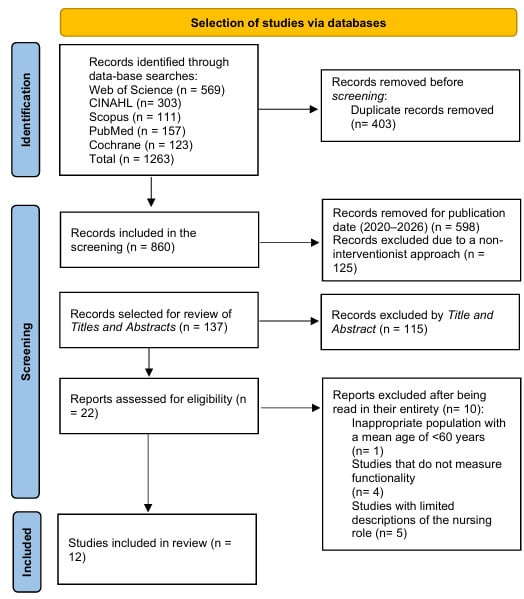
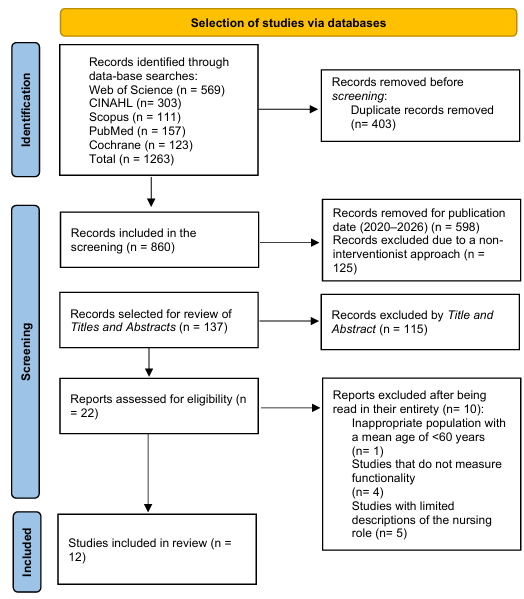

Disclaimer/Publisher’s Note: The statements, opinions and data contained in all publications are solely those of the individual author(s) and contributor(s) and not of MDPI and/or the editor(s). MDPI and/or the editor(s) disclaim responsibility for any injury to people or property resulting from any ideas, methods, instructions or products referred to in the content. |
© 2026 by the authors. Licensee MDPI, Basel, Switzerland. This article is an open access article distributed under the terms and conditions of the Creative Commons Attribution (CC BY) license.