


Highlights
- •
- Main findings: Pooled mortality was 36.0% at 28/30 days and 50.2% at 90 days (11 direct cohorts each), with substantial between-study heterogeneity (95% prediction intervals 17.3–60.3% and 19.2–81.0%, respectively). In a structured qualitative synthesis, mainly of direct alcohol-related ACLF cohorts, organ-failure burden, infection or sepsis, hepatic encephalopathy, renal dysfunction, shock, and higher MELD-, CLIF-, or AARC-based severity were the most consistent adverse signals.
- •
- Implications: Risk assessment should combine a framework-appropriate score with serial evaluation of infection, neurological and circulatory dysfunction, renal and respiratory failure, and short-interval clinical trajectory. Novel biomarkers require external validation.
Abstract
Background/Objectives: Alcohol-related acute-on-chronic liver failure (ACLF) carries high early mortality, but prognostic evidence varies by definition, endpoint, and adjustment. We estimated short-term mortality and synthesized clinically useful predictors. Methods: PubMed/MEDLINE, Scopus, and Web of Science were searched to 25 June 2026 and, with a revised strategy, to 28 September 2026. Direct alcohol-related ACLF cohorts formed the core evidence base. Mortality was pooled using REML random-effects models with Hartung–Knapp confidence intervals and 95% prediction intervals (PIs); predictors were synthesized qualitatively. Risk of bias and certainty were assessed with QUIPS and GRADE. Results: Forty reports (35 independent cohorts) were included. Pooled mortality was 36.0% at 28/30 days (11 cohorts; 95% CI 28.9–43.8; PI 17.3–60.3%) and 50.2% at 90 days (11 cohorts; 95% CI 39.5–60.8; PI 19.2–81.0%), without significant differences between APASL/AARC- and EASL-CLIF-defined cohorts. Qualitatively, organ-failure burden, infection or sepsis, hepatic encephalopathy, renal dysfunction, shock, and higher MELD-, CLIF-, or AARC-based severity were the most consistent adverse signals; pooled predictor effects could not be estimated. Conclusions: About one-third of patients die by 28/30 days and half by 90 days, but mortality varies widely across settings. Predominantly very low-certainty predictor evidence supports framework-appropriate scores and repeated assessment rather than a universal cutoff.
1. Introduction
Acute-on-chronic liver failure (ACLF) is a distinct syndrome in patients with chronic liver disease or cirrhosis who develop acute deterioration, organ failure, and a high risk of death over weeks to months [1]. International frameworks are not interchangeable: the EASL-CLIF approach emphasizes hepatic and extrahepatic organ failure, whereas APASL/AARC definitions focus on acute hepatic injury, jaundice, coagulopathy, ascites, and hepatic encephalopathy; the World Gastroenterology Organisation additionally classifies patients according to the stage of underlying chronic liver disease [2,3,4]. Alcohol may contribute both as the cause of chronic liver disease and as an acute precipitant through alcohol-associated hepatitis, and patients frequently present with malnutrition, systemic inflammation, immune dysfunction, bacterial infection, and multiorgan failure [5].
ACLF is dynamic. Organ failures may improve or progress during the first days after admission, and prognosis changes accordingly [6]. Infection can be a precipitating event, a baseline complication, or a time-varying event after ACLF onset; each pathway can amplify systemic inflammation and accelerate renal, circulatory, respiratory, and neurological dysfunction [7]. Broader acute-decompensation cohorts similarly show that trajectories, rather than a single admission measurement, distinguish patients with reversible deterioration from those who progress to persistent or worsening ACLF [8].
Alcohol-specific prognostic evidence is dispersed across registries, single-center cohorts, intensive-care populations, severe alcohol-associated hepatitis studies, and biomarker investigations [9,10,11,12,13,14,15,16,17,18,19,20,21,22,23,24,25,26]. These reports use different ACLF definitions, predictor scales, follow-up windows, effect measures, and adjustment sets. Mortality may be reported at 28 or 30 days, at 90 days or three months, during the index hospitalization, or as transplant-free or competing-risk survival. Individual predictors also overlap with diagnostic criteria and composite scores: creatinine is both a marker of renal dysfunction and a component of MELD- and ACLF-based scores, while hepatic encephalopathy may be modeled independently, incorporated into cerebral organ failure, or included in disease grading.
Conventional scores such as MELD summarize hepatic synthetic and renal dysfunction, whereas CLIF-C ACLF incorporates age, inflammation, and the extent of organ failure [27]. In APASL-defined populations, the AARC score provides a framework-specific alternative based on bilirubin, INR, lactate, creatinine, and hepatic encephalopathy [28]. Their relative performance may therefore depend on the diagnostic framework, clinical setting, and mortality window. New biomarkers and study-derived models may improve discrimination, but their incremental value and transportability remain uncertain.
This systematic review and meta-analysis aimed to estimate 28/30-day and 90-day mortality in adults with alcohol-related ACLF and to identify the most reproducible clinical, biochemical, inflammatory, organ-failure, and score-based predictors. Secondary objectives were to compare prognostic-score discrimination, distinguish direct alcohol-related ACLF evidence from supportive or indirect evidence, and examine the influence of endpoint definition, ACLF framework, clinical setting, and risk of bias.
2. Materials and Methods
2.1. Protocol, Reporting Standards, and Registration
The review was conducted in accordance with PRISMA 2020 [29]. Search reporting followed PRISMA-S [30], and methodological decisions for observational prognostic research were informed by MOOSE and the Cochrane Handbook [31,32]. The protocol was registered in PROSPERO (CRD420261433393). Aggregate data from published reports were used; therefore, institutional review board approval and individual informed consent were not required. Any deviations from the prespecified protocol were documented and justified in the review report. Two deviations from the registered protocol occurred: the search strategy was revised and rerun after the targeted update (Section 2.3), and a framework-stratified analysis was added post hoc in response to peer review (Section 2.6); the PROSPERO record was updated accordingly.
2.2. Eligibility Criteria
The core population of interest was adults with ACLF in whom alcohol was the cause of the underlying chronic liver disease, studied either in an alcohol-restricted ACLF cohort or in an extractable alcohol-related ACLF subgroup (direct evidence). Only such studies were eligible for the primary mortality meta-analyses and could support the principal prognostic conclusions. Studies of severe alcohol-associated hepatitis, mixed-etiology ACLF, or combined acute decompensation/ACLF populations without a separable alcohol-related ACLF analysis were retained only as supportive evidence to corroborate or contextualize direct findings; they did not enter the primary mortality meta-analyses. Eligible studies enrolled adults (aged 18 years or older) with alcohol-related cirrhosis, alcohol-associated liver disease, or alcohol-associated hepatitis complicated by ACLF. ACLF could be defined using EASL-CLIF/CANONIC, APASL/AARC, WGO, CLIF-SOFA, or another clearly described clinical framework. Mixed-etiology studies were eligible only when an alcohol-related subgroup was extractable or when the cohort provided clinically relevant supportive evidence. Studies of severe alcohol-associated hepatitis were eligible when ACLF was present in most participants, an ACLF subgroup was identifiable, or ACLF-specific scores or organ-failure variables were evaluated.
Predictors included demographics and comorbidities; infection, sepsis, systemic inflammatory response, hepatic encephalopathy, shock, acute kidney injury, hepatorenal syndrome, and organ-support requirements; biochemical and inflammatory markers; organ-failure number or grade; conventional liver-specific scores; ACLF-specific scores; and novel biomarkers or study-derived models. Comparators included survivors versus nonsurvivors, patients with versus without a predictor, higher versus lower predictor categories, different ACLF grades, continuous predictor increments, or alternative prognostic models.
The primary outcomes were all-cause mortality at 28 or 30 days and at 90 days. Three-month mortality was considered clinically adjacent to 90-day mortality only in sensitivity analysis. In-hospital mortality was analyzed separately because follow-up duration depended on length of stay and discharge practice. Long-term outcomes without a fixed short-term window, transplant-free or competing-risk outcomes that could not be reconciled with conventional mortality, and composite endpoints in which death could not be separated were retained only for narrative interpretation.
Eligible designs were prospective or retrospective cohort studies, registry analyses, prognostic-factor studies, and prognostic-model development or validation studies. Reviews, editorials, case reports, conference abstracts without adequate data, nonclinical studies, exclusively post-transplant studies, and reports without extractable alcohol-related ACLF or short-term outcome data were excluded.
2.3. Information Sources, Search, and Study Selection
The original search of PubMed/MEDLINE, Scopus, and Web of Science Core Collection covered the period from database inception to 25 June 2026; the final search, using a revised strategy, was run from inception to 27–28 September 2026 (Supplementary Table S1). Records were imported into EndNote 20.6.0 (Clarivate, Philadelphia, PA, USA) reference-management software and deduplicated. Two reviewers independently screened titles and abstracts and then assessed potentially eligible full texts. Disagreements were resolved by discussion and re-examination of the source report, with third-reviewer adjudication when required. Reasons for full-text exclusion were recorded. During final evidence reconciliation, before the quantitative analyses were finalized, a targeted evidence update was performed to identify eligible reports not retrieved by the original database searches. The update consisted of a manual search of recently published literature. Records identified by the update were screened and assessed by the same two reviewers using the eligibility criteria and procedures applied to the original search. This process identified two additional full-text reports, Saini et al. [25] and Glisic et al. [26], both of which met the eligibility criteria; both reports were identified through this manual search. No other new eligible reports were identified by the targeted update. Because the identification of these reports suggested that the original strategy may have been overly restrictive, the search strategy was then systematically revised by replacing the phrase-based alcohol block with truncated terms (alcohol*, ethanol, ALD, ArLD, AALD) and the Medical Subject Headings “Liver Diseases, Alcoholic” and “Alcoholism”, adding ACLF synonyms and ACLF-specific scores (CLIF-C, CLIF-SOFA, CLIF-OF, CANONIC, AARC score), broadening the outcome block with truncated terms, and removing the study-design block and the transplantation exclusion, and was rerun in PubMed/MEDLINE, Scopus, and Web of Science from inception to 27–28 September 2026; the revised strategies are reported in Supplementary Table S1. Records were deduplicated and screened using the same dual-reviewer procedure: 2061 records were retrieved (PubMed/MEDLINE 504, Scopus 1022, Web of Science 535); after removal of 886 duplicates, 1175 records were screened, including all 18 previously included reports. Thirty-two new reports were sought for full-text assessment, of which five could not be retrieved; of the 27 reports assessed, 22 met the eligibility criteria, representing 18 additional independent cohorts (Figure 1). The revised strategy retrieved all 18 previously included reports, including Saini et al. [25] and Glisic et al. [26]. Their omission from the original search was attributable to three features of the original strategy: the alcohol block used disease-specific phrases (e.g., “alcohol-related liver disease”) that did not capture reports describing “alcohol-related acute-on-chronic liver failure”; a study-design block required design terms in the title or abstract; and a NOT operator excluded any record mentioning transplantation. Potentially overlapping reports were linked at the cohort level using study center, investigators, recruitment context, eligibility criteria, and sample characteristics. When participant independence could not be established, the broader cohort report was retained as the independent synthesis unit, whereas the additional report was used only for narrative contextualization to avoid double counting.
Figure 1.
PRISMA 2020 flow diagram for the updated review. Studies included in the previous version (17 independent cohorts; 18 reports, including two identified by a targeted manual search) are shown on the left. The revised database search (27–28 September 2026) retrieved 2061 records and yielded 22 additional eligible reports representing 18 independent cohorts. In total, 40 reports representing 35 independent cohorts were included; five potentially overlapping secondary reports were used only for contextual interpretation. The primary meta-analyses included 11 cohorts for 28/30-day and 11 for exact 90-day mortality.
2.4. Data Extraction and Predictor Classification
A standardized extraction form was piloted before use. One reviewer extracted study characteristics, population and ACLF definitions, sample size, mortality events, follow-up, transplantation and censoring procedures, predictor definitions and timing, crude and adjusted effect estimates, covariates, and discrimination metrics; a second reviewer verified all entries against the source reports. Adjusted estimates from the most comprehensive clinically appropriate model were preferred. Univariable estimates were retained only when no adjusted estimate was available and were clearly labeled. When the number of deaths was not reported directly, it was derived from reported Kaplan–Meier or cumulative-incidence estimates and the cohort size, or by subtraction; such derived counts were identified and examined in sensitivity analyses.
Evidence was classified as direct when a study was restricted to alcohol-related ACLF or provided an extractable alcohol-related ACLF subgroup. Supportive or indirect evidence included severe alcohol-associated hepatitis, mixed-etiology ACLF, and combined acute decompensation/ACLF populations without a fully separable alcohol-related ACLF analysis. Jindal et al. [11] was classified as near-direct because most participants in this severe alcohol-associated hepatitis cohort had ACLF. To keep this distinction visible throughout, the evidence type is summarized for each study in the “Evidence type” column of the study characteristics table (Section 3.1), labeled for each predictor estimate in predictor tables (Section 3.3), and stated in the figurelegends . Predictors were grouped into clinical, biochemical, inflammatory/immune, organ-failure/severity, established-score, and novel-biomarker domains.
2.5. Risk of Bias
Two reviewers independently assessed prognostic-factor studies using the Quality In Prognosis Studies (QUIPS) tool across study participation, attrition, prognostic-factor measurement, outcome measurement, confounding, and statistical analysis/reporting [33]. Because the review focused on prognostic factors rather than formal validation of complete prediction models, QUIPS was applied consistently; model-development and score-performance evidence was treated as supportive and interpreted with attention to PROBAST principles [34]. Overall risk was classified as high when at least one domain was high or at least three domains were moderate; moderate when no domain was high and one or two were moderate; and low when all domains were low. Judgments informed interpretation rather than being converted to a numerical quality score.
2.6. Statistical Analysis
A narrative synthesis was performed for all eligible studies. Quantitative pooling was restricted to studies that were clinically comparable in population, endpoint, and effect definition. The primary early-mortality model combined clinically adjacent 28- and 30-day endpoints; a strict 28-day analysis excluded 30-day reports. The primary later model included exact 90-day endpoints; three-month reports were added only in sensitivity analysis. In-hospital mortality was kept separate.
Mortality proportions were transformed to the logit scale and pooled with restricted maximum-likelihood random-effects models [35]. Hartung–Knapp confidence intervals and 95% prediction intervals were calculated, and analyses were conducted in Rversion 4.5.2 (R Foundation for Statistical Computing, Vienna, Austria; https://www.R-project.org/) via RStudio 2025.09.2 (Posit Software, PBC, Boston, MA, USA) using the metafor package version 5.0.1 [36,37]. Heterogeneity was described using Cochran Q, I2, and tau2 and interpreted together with clinical diversity and the number of studies [38].
Hazard ratios (HRs), odds ratios (ORs), subdistribution HRs, and time ratios were not treated as interchangeable. Continuous estimates were retained in their reported units, and predictor effects based on incompatible cutoffs or transformations were not combined. AUROC and C-index values were displayed on a common discrimination scale for descriptive comparison but were not pooled. Predictor-specific pooling was undertaken only when independent studies used sufficiently comparable definitions, effect measures, populations, and mortality windows. Because this condition was not met for any individual predictor, prognostic factors were synthesized using a structured qualitative approach that considered the direction, consistency, adjustment, directness (direct vs. supportive evidence), and precision of the reported associations; no pooled predictor effect estimates were generated.
Prespecified sensitivity analyses used stricter or broader endpoint and eligibility definitions. The strict early analysis excluded 30-day reports, whereas broader analyses added clinically restricted or methodologically less direct cohorts and a clearly defined three-month cohort. ICU in-hospital mortality was retained as a separate descriptive analysis, and potentially overlapping reports were excluded from independent counts and pooling. Formal small-study-effect testing was planned only for syntheses with at least 10 independent studies; because all principal models included fewer than 10, funnel plots and Egger regression were not used to infer publication bias [39]. In response to peer review, a post hoc analysis stratified the primary mortality analyses by ACLF diagnostic framework (APASL/AARC, EASL-CLIF, WGO, or Chinese national criteria). Strata containing at least two studies were pooled with the same model, and single-study strata were reported descriptively. Differences between APASL/AARC- and EASL-CLIF-defined cohorts were tested with a mixed-effects meta-regression using the Hartung–Knapp adjustment; a cohort reporting separate APASL-only and EASL-CLIF subgroups contributed each subgroup to its respective stratum. Additional sensitivity analyses excluded the cohort with high attrition and cohorts with derived death counts.
2.7. Certainty of Evidence
Certainty for the major prognostic-factor domains was evaluated using an adapted GRADE framework for prognostic-factor research [40,41]. Judgments considered risk of bias, inconsistency, indirectness, imprecision, publication bias, magnitude and consistency of association, dose–response, and the likelihood that residual confounding explained the observed association. Direct and supportive evidence were considered separately, and certainty was rated high, moderate, low, or very low by two reviewers with consensus resolution.
3. Results
3.1. Study Selection and Characteristics
The original database searches identified 270 records: 128 from PubMed/MEDLINE, 99 from Scopus, and 43 from Web of Science. After removal of 86 duplicates, 184 records were screened and 156 were excluded by title and abstract. All 28 reports sought for full-text review were obtained; 12 were excluded for lack of alcohol-specific ACLF data, a relevant short-term mortality outcome, extractable prognostic data, or an eligible design, leaving 16 eligible reports. A targeted manual search (Section 2.3) identified two further eligible reports, Saini et al. [25] and Glisic et al. [26]. The revised comprehensive search retrieved 2061 records; after removal of 886 duplicates, 1175 records were screened, including all 18 previously included reports. Of 32 new reports sought for full-text assessment, five could not be retrieved and five of the 27 assessed were excluded (Supplementary Table S2), leaving 22 additional eligible reports [42,43,44,45,46,47,48,49,50,51,52,53,54,55,56,57,58,59,60,61,62,63]. In total, 40 reports representing 35 independent cohorts were included (Figure 1). Five reports were treated as potentially overlapping secondary reports and were used only for contextual interpretation: Glisic et al. [26] (same center and investigators as Matovic Zaric et al. [16]); Maiwall et al. [52], Kumar et al. [50], and Thanapirom et al. [61] (APASL ACLF Research Consortium registry, overlapping with Duseja et al. [9]); and Shalimar et al. [59] (same center and period as Sonika et al. [60]).
The 35 independent cohorts were published between 2010 and 2026. Twenty-two were retrospective and 13 prospective or prospectively observed. Twenty-one were conducted in Asia or the Asia-Pacific region, ten in Europe, and four in the Americas. Full cohorts ranged from 25 to 1216 participants, and alcohol-related ACLF subgroups ranged from 19 to 1216. Populations were predominantly male and middle-aged.
Sixteen cohorts used EASL-CLIF/CANONIC-based criteria, ten used APASL/AARC criteria, one reported both APASL-only and EASL-CLIF subgroups, one used WGO categories, two used Chinese national liver failure criteria, two used Japanese criteria including extended or probable cases, two used study-specific or earlier working definitions, and one evaluated alcohol-associated hepatitis with CLIF-based scores without a separately enumerated ACLF subgroup. Mortality windows included 28 or 30 days, 90 days or three months, and in-hospital death. Transplantation and censoring procedures were inconsistently reported. Table 1 summarizes the design, population, endpoint, evidence type, and contribution of each independent cohort, grouped by role in the synthesis.
Table 1.
Characteristics and analytical role of the included studies.
3.2. Short-Term Mortality
Eleven direct cohorts contributed to the primary 28/30-day analysis (2497 participants; 855 deaths). Study-specific mortality ranged from 20.5% to 57.9%, and the pooled proportion was 36.0% (95% CI 28.9–43.8). Heterogeneity was substantial (I2 = 87.6%; τ2 = 0.177; Q p < 0.001), and the 95% prediction interval was 17.3–60.3% (Figure 2A). The strict 28-day analysis (eight cohorts) yielded 34.9% (95% CI 25.1–46.1; prediction interval 13.1–65.5%), and estimates were similar after excluding the high-attrition cohort (35.0%) or the cohort with derived death counts (37.5%). The broader analysis adding clinically restricted, ICU-restricted, and non-standard-definition cohorts (16 cohorts) yielded 36.4% (95% CI 28.1–45.6; prediction interval 12.1–70.4%) (Table 2).
Figure 2.
Pooled short-term mortality in alcohol-related ACLF. (A) Random-effects meta-analysis of 28/30-day mortality (k = 11) [9,16,21,24,25,42,43,46,51,57,62]. (B) Random-effects meta-analysis of exact 90-day mortality (k = 11) [9,11,21,24,25,42,43,46,57,60,63]. Squares show study estimates with 95% confidence intervals; diamonds show pooled estimates; dotted lines show 95% prediction intervals. REML models were fitted on the logit scale with Hartung–Knapp confidence intervals. Both primary analyses included only direct, non-ICU-restricted cohorts using standard ACLF definitions (Table 1); clinically restricted, ICU-restricted, non-standard-definition, and three-month cohorts were added only in the broader sensitivity analyses (Table 2). The wide prediction intervals indicate the range within which mortality in a new comparable setting would be expected to fall. * Number of deaths derived from reported Kaplan–Meier estimates (Broekhoven et al.) [42] or by subtraction (Ray et al. [57], 90 days).
Eleven direct cohorts contributed to the primary exact 90-day analysis (3167 participants; 1380 deaths). Study-specific estimates ranged from 28.8% to 75.9%, and pooled mortality was 50.2% (95% CI 39.5–60.8), with I2 = 95.5%, τ2 = 0.382, and a prediction interval of 19.2–81.0% (Figure 2B). Excluding the high-attrition cohort (47.2%) or cohorts with derived death counts (47.9%) had little effect, and the broader 90-day/three-month analysis (19 cohorts) yielded 51.9% (95% CI 42.6–61.0; prediction interval 18.8–83.4%). In the post hoc framework-stratified analysis, APASL/AARC-defined cohorts contributed six studies to each primary analysis and EASL-CLIF-defined cohorts five at 28/30 days and three at 90 days; the cohort of Xi et al. [62] was split into its APASL-only and EASL-CLIF subgroups. Pooled mortality was 34.2% (95% CI 22.5–48.2) versus 40.5% (95% CI 24.2–59.2) at 28/30 days and 48.4% (95% CI 29.9–67.2) versus 57.9% (95% CI 22.2–86.9) at 90 days for APASL/AARC- and EASL-CLIF-defined cohorts, respectively. The difference between frameworks was not statistically significant (p = 0.46 and p = 0.48), and substantial heterogeneity persisted within both strata (I2 80.9–97.5%), indicating that the diagnostic framework alone did not explain the between-study variation (Table 2; Supplementary Figure S6).
In the ICU-only cohort, crude in-hospital mortality was 45.2% (85/188) and differed markedly by precipitant: 60.2% with sepsis-associated ACLF versus 20.0% with nonseptic precipitants [23]. This estimate was not combined with fixed-time mortality. In the two additional ICU-restricted cohorts, 30-day mortality was 34.8% in alcohol-related cirrhosis with ACLF [47] and 74.7% (cumulative incidence) in severe alcohol-associated hepatitis–precipitated ACLF [55]; both entered only the broader sensitivity analyses.
Table 2.
Primary and sensitivity analyses of short-term mortality.
3.3. Clinical and Organ-Failure Predictors
3.3.1. ACLF Severity, Organ Failure, and Renal Dysfunction
Predictor findings in Section 3.3, Section 3.4 and Section 3.5 derive from a structured qualitative synthesis; no pooled predictor effects were estimated. Estimates from supportive populations are explicitly identified as such and are used only to corroborate or contextualize findings from direct alcohol-related ACLF cohorts (Table 3 and Table 4).
Greater ACLF severity was one of the most consistent prognostic signals. In the direct alcohol-related ACLF cohort of Kim et al. [13], grade 2 versus grade 1 was associated with HR 3.94 (95% CI 1.17–13.26), and grade 3 with HR 6.17 (95% CI 1.86–20.46). In the ICU cohort, grades 2–3 versus grade 1 were associated with adjusted OR 2.07 (95% CI 1.28–3.37), while each SOFA point increased the odds of in-hospital death by 15% in a separate model [23] (Figure 3). Sersté et al. [19] reported a parallel 28-day cumulative mortality gradient of 30.8%, 58.3%, and 72.4% across prevalent grades 1, 2, and 3 (Supplementary Figure S2). In a mixed-etiology long-term cohort, adjusted time ratios also shortened progressively with ACLF grade (Supplementary Figure S4), but these estimates were not combined with fixed-time mortality effects. Additional direct cohorts showed the same gradient: four-week mortality was 14.6%, 59.1%, and 83.6% for ACLF grades 1–3 among patients managed without transplantation [51]; 30-day mortality was 7.1%, 35.3%, and 80.0% across grades 1–3 in an ICU cohort [47]; and, within severe alcohol-associated hepatitis–precipitated ACLF in the ICU, grade 3 versus grade 1 was associated with sHR 2.27 (95% CI 1.20–4.31) [55] (Table 3).
Figure 3.
Association of ACLF severity and organ-failure burden with mortality. Panel (A) shows hazard ratios for ACLF grades 2 and 3 versus grade 1. Panel (B) shows separate adjusted odds-ratio models for advanced ACLF and SOFA score in an ICU cohort. HRs and ORs were displayed separately and were not pooled. Both panels represent direct alcohol-related ACLF evidence (Kim et al. [13]; von Maldeghem et al. [23]).
Renal dysfunction was frequent and, although creatinine and kidney failure are embedded in MELD, AARC, CLIF-C, and SOFA, two direct cohorts provided adjusted renal-specific estimates: each 1 mg/dL increase in serum creatinine was associated with HR 1.14 (95% CI 1.02–1.27) for in-hospital death in alcohol-related ACLF [60], and creatinine was the only independent predictor of 90-day mortality in the ACLF subgroup of a first-decompensation cohort (OR 2.69, 95% CI 1.26–5.76) [46]. An overlapping registry report also identified creatinine as independently associated with 90-day mortality [50]. Because endpoints and effect measures differed, these estimates were not pooled.
3.3.2. Hepatic Encephalopathy, Infection, and Shock
Hepatic encephalopathy showed a consistent adverse direction across adjusted analyses. Zhang et al. [24] reported HR 2.25 (95% CI 1.52–3.31) for 90-day mortality in the alcohol-related subgroup. Jindal et al. [11] reported an adjusted estimate of 1.63 (95% CI 1.36–2.25), although the publication inconsistently labeled the effect measure; it was therefore described neutrally and was not pooled. In mixed acute decompensation/ACLF cohorts, each increase in encephalopathy grade was associated with OR 1.69 (95% CI 1.20–2.38) [12], and the presence of encephalopathy was associated with OR 3.63 (95% CI 1.07–12.34) [16]. Glisic et al. [26] provided supportive ICU evidence but was not counted as an independent cohort because participant-level overlap with an included Serbian cohort could not be excluded. The two 90-day estimates are displayed in Supplementary Figure S3. In an additional direct alcohol-related ACLF cohort, early and advanced hepatic encephalopathy were independently associated with in-hospital death (HR 2.08, 95% CI 1.17–3.68, and HR 2.33, 95% CI 1.27–4.28) [60].
Infection and sepsis were adverse across clinically distinct definitions. Baseline infection predicted poorer survival in the Korean alcohol-related ACLF cohort (HR 1.87, 95% CI 1.12–3.10) [13], and baseline bacterial infection predicted 90-day mortality in the alcohol-specific WGO subgroup (HR 1.83, 95% CI 1.02–3.30) [24]. In the ICU cohort, sepsis was associated with adjusted OR 4.68 (95% CI 2.31–9.51) for in-hospital death [23]. Infection developing during follow-up in severe alcohol-associated hepatitis produced a much larger time-varying association (adjusted HR 27.79, 95% CI 10.95–70.47) [19]. Because exposure timing, severity, endpoints, and populations differed, no common infection effect was calculated; OR estimates are shown in Figure 4 and HR estimates in Supplementary Figure S1. Infection at admission was also independently associated with in-hospital death in alcohol-related ACLF (HR 1.87, 95% CI 1.16–3.03) [60], and spontaneous bacterial peritonitis was associated with 30-day mortality in an ICU cohort [47].
Figure 4.
Individual odds-ratio estimates for infection/sepsis and short-term mortality. Community-acquired infection was evaluated in a combined acute decompensation/ACLF cohort and was unadjusted (Matovic Zaric et al. [16]; supportive/indirect evidence); sepsis was evaluated in an ICU alcohol-related ACLF cohort and was multivariable-adjusted (von Maldeghem et al. [23]; direct evidence). No pooled estimate was calculated because exposure definitions, populations, adjustments, and mortality endpoints differed.
Shock independently predicted 28-day mortality in infection-associated ALD-ACLF (OR 6.33, 95% CI 1.53–26.10) [18]. Other markers of circulatory and portal-hemodynamic dysfunction were also informative: a hepatic venous pressure gradient of at least 20 mmHg was associated with an adjusted effect of 1.86 (95% CI 1.31–2.37) in severe alcohol-associated hepatitis [11], while norepinephrine concentration, intrahepatic vascular resistance, and hepatic venous pressure gradient showed AUROCs of 0.91, 0.85, and 0.80, respectively, in a small exploratory cohort [17].
3.4. Biochemical, Inflammatory, and Novel Biomarker Predictors
Bilirubin, INR, creatinine, sodium, and albumin commonly tracked disease severity, but most lost independent significance when organ-failure variables or composite scores were included. Albumin was independently protective in one large alcohol-specific subgroup (HR 0.95 per g/L, 95% CI 0.90–1.00) [24]. In a 25-patient pilot study, total protein was associated with lower 90-day mortality (HR 0.03, 95% CI 0.003–0.36), but the estimate was imprecise and vulnerable to overfitting [15]. In a direct ALD-ACLF cohort, white blood cell count, total bilirubin, and prothrombin time dichotomized at data-derived cutoffs were independently associated with 90-day mortality (OR 4.99, 8.03, and 16.30, respectively) [63].
Ammonia was independently associated with 28-day death in infected ALD-ACLF (OR 1.027 per unit, 95% CI 1.006–1.049), and a model combining ammonia, MELD, and shock achieved AUROC 0.861 versus 0.776 for MELD alone [18]. Higher neutrophil percentage predicted 28-day mortality in the alcohol-related WGO subgroup (HR 1.05 per percentage point, 95% CI 1.01–1.08) [24]. Log-transformed leukocyte count predicted 30-day mortality in a combined acute decompensation/ACLF model (OR 3.81, 95% CI 1.03–14.03) [12]. The updated prospective cohort additionally identified systemic inflammatory response syndrome, serum lactate, and recent alcohol intake as candidate predictors of 15-day mortality; however, the data-derived thresholds, effect coding, and lack of external validation limit their immediate clinical application [25].
Novel biomarkers were promising but not ready for routine use. GP73 was independently associated with both 28- and 90-day mortality in 100 ALD-ACLF patients; the highest versus lowest tertile yielded HR 3.52 (95% CI 1.15–10.79) at 90 days, and GP73 AUROCs were 0.739 and 0.711 [21]. In a 25-patient cohort, A-FABP was associated with higher mortality (HR 1.27 per ng/mL), whereas L-FABP was inversely associated (HR 0.69) [15]. Decorin remained protective in a combined acute decompensation/ACLF model (OR 0.10, 95% CI 0.02–0.56), but the model was not ACLF-specific [12]. Circulating monocyte phenotypes were linked to a composite poor outcome in only six events and were considered mechanistic rather than validated predictors [22]. Further candidates included serum interleukin-6 (>23.3 pg/mL; HR 5.70, 95% CI 2.24–14.5, for 6-month mortality) [53], presepsin and procalcitonin in an ICU cohort [47], the CT-derived liver-to-abdominal area ratio (HR 1.067 per unit for three-month mortality) [44], and intestinal microbiota dominance indices [43]; all were derived in small single-center cohorts without external validation. In an overlapping registry report, diabetes mellitus was associated with 90-day mortality (HR 1.74, 95% CI 1.26–2.40) [50].
3.5. Prognostic Scores
MELD showed a consistent adverse direction. In the large AARC registry, each one-point increase was associated with HR 1.06 (95% CI 1.05–1.08) for 30-day mortality [9]. In the infected ALD-ACLF cohort, the corresponding OR was 1.103 (95% CI 1.011–1.203) for 28-day death [18], and in a combined acute decompensation/ACLF cohort it was OR 1.06 (95% CI 1.00–1.12) [12] (Figure 5). The two OR estimates showed a consistent adverse direction but were displayed separately and were not pooled because the populations and mortality models differed.
Figure 5.
Association between MELD score and short-term mortality. Panel (A) shows the hazard ratio for 30-day mortality per one-point increase in MELD. Panel (B) shows odds ratios for 28/30-day mortality per point. HRs and ORs were displayed separately and were not pooled. Panel (A) (Duseja et al. [9]) and the infected ALD-ACLF cohort in Panel (B) (Peng et al. [18]) represent direct alcohol-related ACLF evidence, whereas the combined acute decompensation/ACLF cohort in Panel (B) (Kaur et al. [12]) represents supportive/indirect evidence.
CLIF-C ACLF provided the most consistent discrimination in EASL-CLIF-defined alcohol-related ACLF. Kim et al. [13] reported C-indices of 0.726 at 28 days and 0.758 at 90 days, exceeding Child–Pugh, MELD, and MELD-Na. Zhang et al. [24] found HR 1.07 (95% CI 1.04–1.11) per CLIF-C ACLF point for 28-day mortality; in the WGO type C subgroup, its AUROCs were 0.758 and 0.734 at 28 and 90 days. Figure 6 compares discrimination estimates in direct alcohol-related ACLF cohorts.
Figure 6.
Discrimination of prognostic scores for short-term mortality in direct alcohol-related ACLF cohorts. (A) Twenty-eight-day mortality [13,16,62]. (B) Ninety-day or three-month mortality [13,44,46,60]. C-index and AUROC estimates are shown on a common descriptive scale but were not pooled; estimates from different cohorts are not head-to-head comparisons. Supportive estimates from populations without a separately analyzed ACLF subgroup are shown in Supplementary Figure S5. AARC, APASL ACLF Research Consortium; ABIC, age, bilirubin, INR, and creatinine score; ACLF, acute-on-chronic liver failure; APACHE II, Acute Physiology and Chronic Health Evaluation II; APASL, Asian Pacific Association for the Study of the Liver; AUROC, area under the receiver operating characteristic curve; CI, confidence interval; C-index, concordance index; CLIF-C ACLF, Chronic Liver Failure Consortium acute-on-chronic liver failure score; CLIF-SOFA, Chronic Liver Failure–Sequential Organ Failure Assessment; CTP, Child–Turcotte–Pugh score; EASL-CLIF, European Association for the Study of the Liver–Chronic Liver Failure Consortium; INR, international normalized ratio; LAAR, liver-to-abdominal area ratio; LaFAS, lactate-free AARC ACLF score; LIV-IN, Liver Mortality Inpatients prognostic score; MDF, Maddrey discriminant function; MELD, Model for End-Stage Liver Disease; MELD-Na, MELD–sodium.
In additional direct cohorts, APACHE II and CLIF-C ACLF provided the highest 90-day AUROCs (0.821 and 0.794) in EASL-CLIF-defined alcohol-related ACLF [60]; CLIF-SOFA outperformed MELD, MDF, ABIC, and Child–Pugh for 28-day mortality in both APASL-only and EASL-CLIF subgroups (AUROC 0.889 and 0.916) [62]; and the lactate-free AARC score and MELD performed best in an APASL-defined subgroup (90-day AUROC 0.788 and 0.776) [46].
AARC was independently associated with mortality in two APASL-defined cohorts: HR 1.09 per point (95% CI 1.06–1.12) in the 1216-patient registry [9] and HR 3.30 (95% CI 1.15–9.54) in the small pilot cohort [15]. Child–Pugh generally performed less well. The study-derived LIV-IN score achieved AUROC 0.742 in a 38-patient ACLF subgroup but lacked external validation [16]. In a supportive severe alcohol-associated hepatitis cohort without a separate ACLF denominator, CLIF-C OF had the highest 28-day AUROC (0.89), whereas MELD-Na had the highest 90-day AUROC (0.87) (Supplementary Figure S5).
Table 3.
Representative adjusted prognostic associations, with evidence type (direct vs. supportive/indirect) indicated for each estimate.
3.6. Risk of Bias and Certainty of Evidence
No study had low overall risk of bias. Of the 35 independent cohorts, 21 (60.0%) were rated moderate and 14 (40.0%) high. Outcome measurement was low risk in 33 cohorts and prognostic-factor measurement in 21. The most frequent concerns were selected study participation, attrition, incomplete control of confounding, small event counts, data-driven modeling, overfitting, and limited internal or external validation. High overall risk was assigned to Kulkarni et al. [15], Matovic Zaric et al. [16], Peng et al. [18], Vijayalekshmi et al. [22], von Maldeghem et al. [23], Saini et al. [25], Castaño-Jiménez et al. [43], Igna et al. [47], Kamezaki et al. [48], Murakami et al. [53], Pati et al. [54], Ray et al. [57], Rutledge et al. [58], and Yao et al. [63] (Figure 7).
Figure 7.
Risk of bias across 35 independent cohorts [9,10,11,12,13,14,15,16,17,18,19,20,21,22,23,24,25,42,43,44,45,46,47,48,49,51,53,54,55,56,57,58,60,62,63] using QUIPS [33]. Green, low risk; yellow, moderate risk; red, high risk. Cohorts added from the revised search are marked †. No study had low overall risk of bias.
Certainty was moderate only for the single large, precise 30-day MELD HR estimate. Despite additional direct cohorts, evidence for infection/sepsis, hepatic encephalopathy, MELD expressed as an OR, ACLF severity/organ-failure burden, and renal dysfunction remained very low because of heterogeneous definitions, mixed effect measures and endpoints, small information size, and residual confounding (Table 4). Publication bias could not be assessed formally for any predictor domain because no domain contained at least 10 independent studies; funnel-plot methods were not applied to the mortality proportions because they are unreliable for proportion data.
Table 4.
GRADE summary for major predictor domains, with the evidence type of contributing studies.
4. Discussion
4.1. Principal Findings
This review synthesized 35 independent cohorts of alcohol-related ACLF. Pooled mortality was 36.0% at 28/30 days and 50.2% at 90 days, but these averages conceal major variation: I2 was 87.6% and 95.5% in the primary models, and the prediction intervals extended from 17.3% to 60.3% and from 19.2% to 81.0%, respectively. These prediction intervals, rather than the pooled point estimates alone, are the most informative summary for clinical interpretation: they indicate that 28/30-day mortality in a new, comparable setting could plausibly range from approximately 1 in 6 to 3 in 5 patients, and 90-day mortality from approximately 1 in 5 to 4 in 5 patients. The pooled averages should therefore not be used as a fixed benchmark for an individual center, for audit targets, or for patient-level prognosis. This dispersion is consistent with the differences in clinical setting, case mix, and handling of transplantation and censoring discussed in Section 4.5; notably, it was not explained by the ACLF diagnostic framework. Comparable adjusted estimates were rarely available, so pooled effect sizes could not be generated for any individual prognostic factor; the predictor findings therefore derive from a structured qualitative synthesis based on the direction, consistency, adjustment, and directness of reported associations, not from quantitative meta-analysis. Within this synthesis, the most reproducible adverse signals, each observed in at least one direct alcohol-related ACLF cohort, were a greater number or grade of organ failures, infection or sepsis, hepatic encephalopathy, renal dysfunction, shock, and higher multicomponent severity scores. Isolated laboratory abnormalities were less consistently independent, and most novel biomarkers were supported by one small or selected cohort.
The findings support a syndrome-based rather than single-marker approach to prognosis. Organ-failure burden showed a dose–response pattern across direct alcohol-related cohorts, and SOFA retained prognostic value in critically ill patients. Renal dysfunction, although embedded within ACLF classification and several prognostic scores, retained independent associations with mortality in two direct cohorts [46,60]. The principal conclusions of this review rest on direct alcohol-related ACLF evidence. Both primary mortality meta-analyses were restricted to direct cohorts, and each of the most consistent adverse signals was observed in at least one direct cohort: organ-failure burden or ACLF grade [13,23,47,51,55], baseline infection or sepsis [13,23,24,60], hepatic encephalopathy [24,60] (with near-direct support [11]), renal dysfunction [46,60], shock [18], and MELD-, CLIF-C ACLF-, or AARC-based severity [9,13,15,18,24,46,60,62]. Supportive populations contributed corroborating or contextual findings only. Several observations rest solely on supportive evidence and should not be extrapolated to alcohol-related ACLF without confirmation: the magnitude of risk associated with infection developing during follow-up [19], leukocyte count and decorin [12], community-acquired infection and hepatic encephalopathy in combined acute decompensation/ACLF models [12,16], and the relative discrimination of CLIF-C OF and MELD-Na in severe alcohol-associated hepatitis [14]. The post hoc framework-stratified analysis showed no significant difference between APASL/AARC- and EASL-CLIF-defined cohorts at either time point, and marked heterogeneity persisted within both frameworks; cohorts defined by Japanese criteria, which include patients who do not meet EASL-CLIF criteria [48], were analyzed only in sensitivity analyses [48,53].
4.2. Infection, Neurological Dysfunction, and Dynamic Risk
Infection was consistently adverse, but effect magnitude depended on what was measured. Baseline bacterial infection produced moderate HRs, while sepsis in the ICU and infection emerging during follow-up produced much larger associations. This is biologically and clinically coherent: culture-negative infection, microbiologically confirmed infection, sepsis, and septic shock represent different exposures, and infection after ACLF onset can be both a cause and a consequence of worsening organ dysfunction. A single pooled infection effect would therefore be misleading.
Hepatic encephalopathy also remained adverse across direct and supportive analyses. It captures severe hepatic dysfunction, cerebral organ failure, systemic inflammation, and vulnerability to aspiration and infection, but it overlaps with ACLF grading. At the bedside, the key implication is not to choose between encephalopathy and grade, but to document neurological status explicitly and reassess it alongside renal, circulatory, and respiratory function.
A recently published, potentially overlapping ICU report from the same Serbian center evaluated 100 patients with alcohol-related ACLF and hepatic encephalopathy. Twenty-eight-day mortality was 55.7% among patients with West Haven grades I–II and 81.2% among those with grades III–IV, while higher-grade hepatic encephalopathy was associated with an increased hazard of death (HR 2.34, 95% CI 1.15–2.98) [26]. Because participant-level independence from the included Serbian cohort could not be established, this report was used only for contextual interpretation and was not treated as an independent unit in the quantitative synthesis.
Because ACLF changes rapidly, serial assessment is more defensible than relying on an isolated admission score. Deterioration during the first 24–72 h, a new infection, escalating vasopressor or ventilatory requirements, or increasing organ-failure count should trigger immediate risk reclassification. Conversely, early improvement may materially alter expected outcome and should prevent premature use of a baseline score as a futility threshold.
4.3. Prognostic Scores and Biomarkers
MELD had the most credible replicated direction of association, but its discrimination varied. CLIF-C ACLF was more consistent in EASL-CLIF-defined alcohol-related ACLF because it represents extrahepatic organ failure and inflammation rather than liver and renal laboratory values alone. AARC was prognostic in APASL-defined populations. These findings do not establish a universally superior score; they indicate that the score should match the diagnostic framework and intended time horizon. Additional direct cohorts reinforced the advantage of organ-failure-based scores (CLIF-C ACLF, CLIF-SOFA, APACHE II) over liver-specific scores (MDF, ABIC, Child–Pugh) [60,62], whereas the lactate-free AARC score and MELD performed well in an APASL-defined subgroup [46].
Novel biomarkers may eventually refine risk classification, but the evidence is not yet sufficient for routine use. GP73, ammonia-based models, fatty acid-binding proteins, decorin, and hemodynamic measures showed encouraging associations or discrimination. However, small samples, selected eligibility criteria, transformed predictor scales, stepwise modeling, incomplete calibration reporting, and lack of external validation create a high risk of optimism. Incremental AUROC gains alone are insufficient; future studies should evaluate calibration, reclassification, net benefit, and clinical impact. The same limitations apply to interleukin-6, presepsin, procalcitonin, the liver-to-abdominal area ratio, and microbiota-based indices identified in the updated search [43,44,47,53].
4.4. Clinical Implications
At admission, clinicians should document the ACLF definition and grade, calculate a framework-appropriate score, and assess infection or sepsis, hepatic encephalopathy, shock or vasopressor requirement, kidney injury, respiratory failure, and current organ-support needs. This integrated assessment is more reliable than any isolated biochemical marker. Infection surveillance should continue throughout hospitalization because incident infection can substantially change prognosis.
High-risk patients require early multidisciplinary involvement, including hepatology, critical care, infectious diseases, and transplant teams where appropriate. Prognostic estimates can guide monitoring intensity, ICU escalation, antimicrobial investigation, renal replacement or circulatory support, and timely transplant evaluation. They should not be used as stand-alone rules to deny treatment, particularly given the observational evidence base, heterogeneous definitions, and capacity for early clinical improvement.
4.5. Strengths and Limitations
Strengths include the explicit separation of direct alcohol-related ACLF evidence from supportive mixed or severe-hepatitis evidence, endpoint-specific mortality pooling, preservation of reported effect measures, use of REML random-effects models with Hartung–Knapp confidence intervals and prediction intervals, and independent QUIPS and GRADE assessment. The review also avoided converting ORs to HRs or pooling incompatible predictor units solely to increase the number of estimates.
The main limitation is clinical and methodological heterogeneity. I2 was 87.6% and 95.5% in the primary mortality models, and the 95% prediction intervals spanned approximately 17–60% and 19–81%, so the pooled estimates describe an average across heterogeneous settings rather than the expected mortality in any single setting. Framework-specific pooling was feasible for APASL/AARC- and EASL-CLIF-defined cohorts, but heterogeneity persisted within both strata, only single cohorts used WGO or Chinese national criteria, and cohorts using Japanese criteria were analyzed only in sensitivity analyses. Pooled effect estimates could not be generated for individual prognostic factors, so predictor conclusions rest on a structured qualitative synthesis and cannot be expressed as summary effect sizes. Studies used EASL-CLIF, APASL/AARC, WGO, Chinese, Japanese, or study-specific definitions; enrolled ward, ICU, infection-restricted, or severe-hepatitis populations; and handled transplantation and censoring inconsistently. All studies had moderate or high overall risk of bias, and several models had few events or no external validation. Death counts had to be derived from survival or cumulative-incidence estimates in six cohorts, and one cohort had high attrition; excluding these did not materially change the pooled estimates. Generalizability is limited by predominantly Asian and male cohorts. Patient-level data were unavailable for harmonized reanalysis, and publication bias could not be evaluated statistically. The targeted manual search identified two eligible reports. Saini et al. was treated as an independent cohort, whereas Glisic et al. was handled as a potentially overlapping secondary report because participant-level independence from the Serbian cohort could not be established; four further reports from the APASL ACLF Research Consortium registry or from the same center as an included cohort were handled in the same way. Identification of the two reports after the original database searches suggested that the original strategy had been overly restrictive; the search was therefore systematically revised and rerun in all three databases (Section 2.3), and it retrieved all previously included reports. Nevertheless, five potentially eligible reports could not be retrieved in full text, and eligible reports that are not indexed in these databases or not published in English may have been missed. The search procedures are reported in Section 2.3 and Supplementary Table S1 to allow their reproduction.
4.6. Research Priorities
Future studies should prospectively enroll clearly defined alcohol-related ACLF populations, state the diagnostic framework, use prespecified 28/30-day and 90-day endpoints, and report transplantation, terminal discharge, loss to follow-up, and competing events transparently. Predictor timing and units should be standardized, and serial models should capture improvement or progression during the first days. Prediction-model studies should use adequate event numbers, handle missing data and nonlinearity appropriately, and report discrimination, calibration, and decision-curve or clinical-utility measures. Development should be followed by temporal and geographic external validation and reporting consistent with TRIPOD and PROBAST [34,65]. Particular priorities are dynamic infection models, validation of biomarker panels against CLIF-C ACLF, MELD, and AARC, and impact studies testing whether model-guided triage or transplant referral improves patient-centered outcomes.
5. Conclusions
Alcohol-related ACLF carries substantial early mortality: across 11 direct cohorts for each endpoint, pooled mortality was 36.0% at 28/30 days and 50.2% at 90 days, although the wide 95% prediction intervals (17.3–60.3% and 19.2–81.0%, respectively) indicate that mortality in individual settings may differ substantially from these averages. Estimates did not differ significantly between APASL/AARC- and EASL-CLIF-defined cohorts. In a structured qualitative synthesis of direct alcohol-related ACLF evidence, the most consistent adverse signals were increasing organ-failure burden, infection or sepsis, hepatic encephalopathy, renal dysfunction, shock, and higher MELD-, CLIF-, or AARC-based severity. Pooled effect estimates could not be generated for individual predictors. Clinical risk stratification should therefore combine a framework-appropriate score with direct assessment of infection, neurological and circulatory dysfunction, renal and respiratory failure, and short-interval trajectory. Substantial heterogeneity, moderate or high risk of bias in all included cohorts, and predominantly very low-certainty predictor evidence preclude endorsement of a universal cutoff or a single model for every alcohol-related ACLF population. Prospective multicenter validation with standardized definitions and fixed mortality windows is required before newer biomarkers or models can be adopted routinely.
Supplementary Materials
The following supporting information can be downloaded at: https://www.mdpi.com/article/10.3390/healthcare14203543/s1, Table S1: Full database search strategies and targeted evidence update; Table S2: Full-text articles excluded and reasons for exclusion; Figure S1: Non-pooled hazard-ratio estimates for infection and short-term mortality; Figure S2: Twenty-eight-day mortality according to prevalent ACLF grade in severe alcohol-associated hepatitis; Figure S3: Study-reported adjusted associations of hepatic encephalopathy with short-term mortality; Figure S4: Sensitivity analysis of ACLF grade and time to death; Figure S5: Prognostic-score discrimination for short-term mortality in supportive populations; Figure S6: Short-term mortality stratified by ACLF diagnostic framework (post hoc analysis added in response to peer review). References [66,67,68,69,70,71,72,73,74,75,76,77,78,79,80,81,82,83,84,85,86,87] are cited in the Supplementary Materials.
Author Contributions
Conceptualization, A.A.S., A.M.M. and A.T.; methodology, A.A.S., A.M.M., V.S.R. and A.T.; formal analysis, A.A.S., V.S.R. and A.M.M.; investigation, A.A.S., V.S.R. and A.M.M.; data curation, A.A.S., V.S.R. and A.M.M.; validation, A.M.M., A.T. and S.T.A.; visualization, A.A.S. and V.S.R.; writing—original draft preparation, A.A.S.; writing—review and editing, A.M.M., V.S.R., A.T., and S.T.A.; supervision, A.M.M., A.T. and S.T.A.; project administration, A.M.M. All authors have read and agreed to the published version of the manuscript.
Funding
This research received no external funding.
Institutional Review Board Statement
This systematic review analyzed aggregate data from previously published studies.
Informed Consent Statement
Not applicable.
Data Availability Statement
No new primary data were generated in this study. This systematic review and meta-analysis extracted and quantitatively analyzed published aggregate data from the included studies. The study-level data used in the analyses (sample sizes, numbers of deaths, reported effect estimates with confidence intervals, and discrimination statistics) are reported in the article (Table 1, Table 2, Table 3 and Table 4 and Figure 2, Figure 3, Figure 4, Figure 5 and Figure 6) and Supplementary Materials. The complete data-extraction dataset and the R code used for the meta-analyses are available from the corresponding author upon reasonable request. The original data are available in the cited source publications.
Conflicts of Interest
The authors declare no conflicts of interest.
Abbreviations
| Abbreviation | Definition |
| AARC | APASL ACLF Research Consortium |
| ACLF | Acute-on-chronic liver failure |
| AD | Acute decompensation |
| ALD | Alcohol-related liver disease |
| APASL | Asian Pacific Association for the Study of the Liver |
| AUROC | Area under the receiver operating characteristic curve |
| CI | Confidence interval |
| CLIF-C | Chronic Liver Failure Consortium |
| EASL-CLIF | European Association for the Study of the Liver–Chronic Liver Failure Consortium |
| HE | Hepatic encephalopathy |
| HR | Hazard ratio |
| ICU | Intensive care unit |
| MELD | Model for End-Stage Liver Disease |
| OR | Odds ratio |
| QUIPS | Quality In Prognosis Studies |
| REML | Restricted maximum likelihood |
| SOFA | Sequential Organ Failure Assessment |
| WGO | World Gastroenterology Organisation |
References
- Moreau, R.; Jalan, R.; Gines, P.; Pavesi, M.; Angeli, P.; Cordoba, J.; Durand, F.; Gustot, T.; Saliba, F.; Domenicali, M.; et al. Acute-on-chronic liver failure is a distinct syndrome that develops in patients with acute decompensation of cirrhosis. Gastroenterology 2013, 144, 1426–1437.e9. [Google Scholar] [CrossRef] [Scilit]
- European Association for the Study of the Liver. EASL Clinical Practice Guidelines on acute-on-chronic liver failure. J. Hepatol. 2023, 79, 461–491. [Google Scholar] [CrossRef] [Scilit]
- Sarin, S.K.; Choudhury, A.; Sharma, M.K.; Maiwall, R.; Al Mahtab, M.; Rahman, S.; Saigal, S.; Saraf, N.; Soin, A.S.; Devarbhavi, H.; et al. Acute-on-chronic liver failure: Consensus recommendations of the Asian Pacific Association for the Study of the Liver (APASL): An update. Hepatol. Int. 2019, 13, 353–390. [Google Scholar] [CrossRef] [Scilit]
- Jalan, R.; Yurdaydin, C.; Bajaj, J.S.; Acharya, S.K.; Arroyo, V.; Lin, H.-C.; Gines, P.; Kim, W.R.; Kamath, P.S. Toward an improved definition of acute-on-chronic liver failure. Gastroenterology 2014, 147, 4–10. [Google Scholar] [CrossRef] [Scilit]
- Arroyo, V.; Moreau, R.; Jalan, R. Acute-on-chronic liver failure. N. Engl. J. Med. 2020, 382, 2137–2145. [Google Scholar] [CrossRef] [Scilit]
- Gustot, T.; Fernandez, J.; Garcia, E.; Morando, F.; Caraceni, P.; Alessandria, C.; Laleman, W.; Trebicka, J.; Elkrief, L.; Hopf, C.; et al. Clinical course of acute-on-chronic liver failure syndrome and effects on prognosis. Hepatology 2015, 62, 243–252. [Google Scholar] [CrossRef] [Scilit]
- Fernández, J.; Acevedo, J.; Wiest, R.; Gustot, T.; Amoros, A.; Deulofeu, C.; Reverter, E.; Martínez, J.; Saliba, F.; Jalan, R.; et al. Bacterial and fungal infections in acute-on-chronic liver failure: Prevalence, characteristics and impact on prognosis. Gut 2018, 67, 1870–1880. [Google Scholar] [CrossRef] [Scilit]
- Trebicka, J.; Fernandez, J.; Papp, M.; Caraceni, P.; Laleman, W.; Gambino, C.; Giovo, I.; Uschner, F.E.; Jimenez, C.; Mookerjee, R.; et al. The PREDICT study uncovers three clinical courses of acutely decompensated cirrhosis that have distinct pathophysiology. J. Hepatol. 2020, 73, 842–854. [Google Scholar] [CrossRef] [Scilit]
- Duseja, A.; De, A.; Taneja, S.; Choudhury, A.K.; Devarbhavi, H.; Hu, J.; Hamid, S.S.; Butt, A.S.; Jafri, S.M.W.; Ghazinian, H.; et al. Impact of metabolic risk factors on the severity and outcome of patients with alcohol-associated acute-on-chronic liver failure. Liver Int. 2021, 41, 150–157. [Google Scholar] [CrossRef] [Scilit]
- Idalsoaga, F.; Díaz, L.A.; Fuentes-López, E.; Ayares, G.; Valenzuela, F.; Meza, V.; Manzur, F.; Sotomayor, J.; Rodriguez, H.; Chianale, F.; et al. Active alcohol consumption is associated with acute-on-chronic liver failure in Hispanic patients. Gastroenterol. Hepatol. 2024, 47, 562–573. [Google Scholar] [CrossRef] [Scilit]
- Jindal, A.; Sharma, M.K.; Vijayaraghavan, R.; Sm, S.; Kumar, G.; Sarin, S.K. Severity of acute portal hypertension determines the clinical outcomes in severe alcoholic hepatitis. Dig. Dis. Sci. 2024, 69, 298–307. [Google Scholar] [CrossRef] [Scilit]
- Kaur, P.; Verma, N.; Garg, P.; Ralmilay, S.; Wadhawan, A.; Nadda, R.; Prajapati, J.; Sharma, G.; Rathi, S.; De, A.; et al. Myokines are associated with progression, course and mortality in alcohol-associated liver disease. Aliment. Pharmacol. Ther. 2024, 60, 1005–1020. [Google Scholar] [CrossRef] [Scilit]
- Kim, H.Y.; Chang, Y.; Park, J.Y.; Ahn, H.; Cho, H.; Han, S.J.; Oh, S.; Kim, D.; Jung, Y.J.; Kim, B.G.; et al. Characterization of acute-on-chronic liver failure and prediction of mortality in Asian patients with active alcoholism. J. Gastroenterol. Hepatol. 2016, 31, 427–433. [Google Scholar] [CrossRef] [Scilit]
- Kim, H.Y.; Kim, C.W.; Kim, T.Y.; Song, D.S.; Sinn, D.H.; Yoon, E.L.; Jung, Y.K.; Suk, K.T.; Lee, S.S.; Lee, C.H.; et al. Assessment of scoring systems for acute-on-chronic liver failure at predicting short-term mortality in patients with alcoholic hepatitis. World J. Gastroenterol. 2016, 22, 9205–9213. [Google Scholar] [CrossRef] [Scilit]
- Kulkarni, A.V.; Sharma, M.; Kumar, P.; Simhadri, V.; Sowmya, T.R.; Mitnala, S.; Reddy, D.N.; Rao, P.N. Adipocyte fatty acid-binding protein as a predictor of outcome in alcohol-induced acute-on-chronic liver failure. J. Clin. Exp. Hepatol. 2021, 11, 201–208. [Google Scholar] [CrossRef] [Scilit]
- Matovic Zaric, V.; Pantic, I.; Lugonja, S.; Glisic, T.; Konjikusic, S.; Lolic, I.; Baljosevic, N.; Zgradic, S.; El Mezeni, J.; Vojnovic, M.; et al. Survival of patients with alcohol-related liver disease cirrhosis—Usefulness of the new Liver Mortality Inpatients prognostic score. Diagnostics 2024, 14, 2508. [Google Scholar] [CrossRef] [Scilit]
- Mehta, G.; Mookerjee, R.P.; Sharma, V.; Jalan, R. Systemic inflammation is associated with increased intrahepatic resistance and mortality in alcohol-related acute-on-chronic liver failure. Liver Int. 2015, 35, 724–734. [Google Scholar] [CrossRef] [Scilit]
- Peng, Y.; Chen, J.; Liu, X.; Li, C.; Sun, M.; Ning, P.; Li, H.; Yan, L.; Guan, C.; Su, H. Short-term prognosis of patients with alcohol-related liver diseases-acute-on-chronic liver failure comorbid with infection. J. Clin. Hepatol. 2025, 41, 1388–1393. [Google Scholar]
- Sersté, T.; Cornillie, A.; Njimi, H.; Pavesi, M.; Arroyo, V.; Putignano, A.; Weichselbaum, L.; Deltenre, P.; Degré, D.; Trépo, E.; et al. The prognostic value of acute-on-chronic liver failure during the course of severe alcoholic hepatitis. J. Hepatol. 2018, 69, 318–324. [Google Scholar] [CrossRef] [Scilit]
- Slyvka, N.; Virstyuk, N.; Abdelrahman, F. Validation of CLIF-C-ACLF score for alcoholic liver cirrhosis. Georgian Med. News 2018, 278, 98–103. [Google Scholar]
- Tong, J.J.; Yao, M.J.; Mu, X.Y.; Wang, L.; Wen, X.; Zhai, X.; Xu, X.; Wang, Y.; Chen, J.; Zhai, X.; et al. Relationship between the level of serum Golgi protein 73 and the risk of short-term death in patients with ALD-ACLF. J. Clin. Transl. Hepatol. 2022, 10, 449–457. [Google Scholar] [CrossRef] [Scilit]
- Vijayalekshmi, B.; Chaudhary, A.; Prabhu, S.B.; Sharma, A.; Balasubramanian, K.A.; Zachariah, U.; Eapen, C.E.; Goel, A. Plasma-driven monocyte dysfunction drives disease progression in alcohol-related acute-on-chronic liver failure. J. Gastroenterol. Hepatol. 2025, 40, 2591–2600. [Google Scholar] [CrossRef] [Scilit]
- von Maldeghem, E.; Zimmermann, K.; Mester, P.; Pavel, V.; Athanasoulas, G.; Kirsch, L.; Kolben, D.; Rusch, S.; Schlosser-Hupf, S.; Müller, M.; et al. Sepsis drives severity and mortality in acute-on-chronic liver failure among ICU patients with alcohol-related cirrhosis: A retrospective single-center study. J. Clin. Med. 2025, 14, 7025. [Google Scholar] [CrossRef] [Scilit]
- Zhang, Q.; Hu, J.; Qiu, S.; Bian, J.; Gao, A.; Liu, F.; Zhao, C.; Zhang, L.; Ren, W.; Xin, S.; et al. Clinical differences between HBV and alcohol-related ACLF in a WGO classification multicenter study. Sci. Rep. 2025, 15, 25292. [Google Scholar] [CrossRef] [Scilit]
- Saini, V.; Dadhich, P.; Swami, R.; Dadhich, S.K.; Yadav, A.; Bhati, R.; Mitrolia, B.; Choudhary, S.R.; Hussain, S.; Bhargava, N.; et al. Forecasting medium-term mortality in alcohol-related acute-on-chronic liver failure (ACLF): A study from a tertiary care center. J. Clin. Exp. Hepatol. 2025, 15, 103121. [Google Scholar] [CrossRef] [Scilit]
- Glisic, T.; Korica, B.; Beronja, B.; Djakovic, M.; Baljosevic, N.; Popovic, D.D.; Nestorov, J.M.; Lalosevic, M.S. Hepatic encephalopathy severity and mortality risk stratification in alcohol-related acute-on-chronic liver failure. Diagnostics 2026, 16, 1741. [Google Scholar] [CrossRef] [Scilit]
- Jalan, R.; Saliba, F.; Pavesi, M.; Amoros, A.; Moreau, R.; Ginès, P.; Levesque, E.; Durand, F.; Angeli, P.; Caraceni, P.; et al. Development and validation of a prognostic score to predict mortality in patients with acute-on-chronic liver failure. J. Hepatol. 2014, 61, 1038–1047. [Google Scholar] [CrossRef] [Scilit]
- Choudhury, A.; Jindal, A.; Maiwall, R.; Sharma, M.K.; Sharma, B.C.; Pamecha, V.; Mahtab, M.; Rahman, S.; Chawla, Y.K.; Taneja, S.; et al. Liver failure determines the outcome in patients of acute-on-chronic liver failure: Comparison of AARC and CLIF-SOFA models. Hepatol. Int. 2017, 11, 461–471. [Google Scholar] [CrossRef] [Scilit]
- Page, M.J.; McKenzie, J.E.; Bossuyt, P.M.; Boutron, I.; Hoffmann, T.C.; Mulrow, C.D.; Shamseer, L.; Tetzlaff, J.M.; Akl, E.A.; Brennan, S.E.; et al. The PRISMA 2020 statement: An updated guideline for reporting systematic reviews. BMJ 2021, 372, n71. [Google Scholar] [CrossRef] [Scilit]
- Rethlefsen, M.L.; Kirtley, S.; Waffenschmidt, S.; Ayala, A.P.; Moher, D.; Page, M.J.; Koffel, J.B.; PRISMA-S Group. PRISMA-S: An extension to the PRISMA Statement for reporting literature searches in systematic reviews. Syst. Rev. 2021, 10, 39. [Google Scholar] [CrossRef] [Scilit]
- Stroup, D.F.; Berlin, J.A.; Morton, S.C.; Olkin, I.; Williamson, G.D.; Rennie, D.; Moher, D.; Becker, B.J.; Sipe, T.A.; Thacker, S.B. Meta-analysis of observational studies in epidemiology: A proposal for reporting. JAMA 2000, 283, 2008–2012. [Google Scholar] [CrossRef] [Scilit]
- Higgins, J.P.T.; Thomas, J.; Chandler, J.; Cumpston, M.; Li, T.; Page, M.J.; Welch, V.A. (Eds.) Cochrane Handbook for Systematic Reviews of Interventions; Version 6.4; Cochrane: London, UK, 2023. [Google Scholar]
- Hayden, J.A.; van der Windt, D.A.W.M.; Cartwright, J.L.; Côté, P.; Bombardier, C. Assessing bias in studies of prognostic factors. Ann. Intern. Med. 2013, 158, 280–286. [Google Scholar] [CrossRef] [Scilit]
- Wolff, R.F.; Moons, K.G.M.; Riley, R.D.; Whiting, P.F.; Westwood, M.; Collins, G.S.; Reitsma, J.B.; Kleijnen, J.; Mallett, S.; for the PROBAST Group. PROBAST: A tool to assess the risk of bias and applicability of prediction model studies. Ann. Intern. Med. 2019, 170, 51–58. [Google Scholar] [CrossRef] [Scilit]
- Barendregt, J.J.; Doi, S.A.; Lee, Y.Y.; Norman, R.E.; Vos, T. Meta-analysis of prevalence. J. Epidemiol. Community Health 2013, 67, 974–978. [Google Scholar] [CrossRef] [Scilit]
- Viechtbauer, W. Conducting meta-analyses in R with the metafor package. J. Stat. Softw. 2010, 36, 1–48. [Google Scholar] [CrossRef] [Scilit]
- Balduzzi, S.; Rücker, G.; Schwarzer, G. How to perform a meta-analysis with R: A practical tutorial. Evid. Based Ment. Health 2019, 22, 153–160. [Google Scholar] [CrossRef] [Scilit]
- Higgins, J.P.T.; Thompson, S.G.; Deeks, J.J.; Altman, D.G. Measuring inconsistency in meta-analyses. BMJ 2003, 327, 557–560. [Google Scholar] [CrossRef] [Scilit]
- Egger, M.; Davey Smith, G.; Schneider, M.; Minder, C. Bias in meta-analysis detected by a simple, graphical test. BMJ 1997, 315, 629–634. [Google Scholar] [CrossRef] [Scilit]
- Guyatt, G.H.; Oxman, A.D.; Akl, E.A.; Kunz, R.; Vist, G.; Brozek, J.; Norris, S.; Falck-Ytter, Y.; Glasziou, P.; DeBeer, H.; et al. GRADE guidelines: 1. Introduction-GRADE evidence profiles and summary of findings tables. J. Clin. Epidemiol. 2011, 64, 383–394. [Google Scholar] [CrossRef] [Scilit]
- Huguet, A.; Hayden, J.A.; Stinson, J.; McGrath, P.J.; Chambers, C.T.; Tougas, M.E.; Wozney, L. Judging the quality of evidence in reviews of prognostic factor research: Adapting the GRADE framework. Syst. Rev. 2013, 2, 71. [Google Scholar] [CrossRef] [Scilit]
- Broekhoven, A.G.C.; Ostyn, T.; van Melkebeke, L.; Verspaget, H.W.; van der Merwe, S.; Verbeek, J.; Coenraad, M.J.; Roskams, T.A.; Nevens, F. Histological characteristics in patients admitted to the hospital with alcoholic hepatitis complicated by acute-on-chronic liver failure. Scand. J. Gastroenterol. 2024, 59, 577–583. [Google Scholar] [CrossRef] [Scilit]
- Castaño-Jiménez, P.A.; Baltazar-Díaz, T.A.; González-Hernández, L.A.; García-Salcido, R.; Klimov-Kravtchenko, K.; Andrade-Villanueva, J.F.; Arellano-Arteaga, K.J.; Padilla-Sánchez, M.P.; Del Toro-Arreola, S.; Bueno-Topete, M.R. Deciphering the language of intestinal microbiota associated with sepsis, organ failure, and mortality in patients with alcohol-related acute-on-chronic liver failure (ACLF): A pioneer study in Latin America. Microorganisms 2025, 13, 1138. [Google Scholar] [CrossRef] [Scilit]
- Chen, J.; Lin, S.; Zhu, Y. Liver to abdominal area ratio in prognosis prediction in alcohol-induced acute-on-chronic liver failure. Zhonghua Yi Xue Za Zhi 2016, 96, 801–806. (In Chinese) [Google Scholar] [CrossRef] [Scilit]
- Gasperment, M.; Duhaut, L.; Terzi, N.; Gerard, C.; Haudebourg, L.; Demoule, A.; Randrianarisoa, M.; Castelain, V.; Sarfati, S.; Tamion, F.; et al. Alcohol related hepatitis in intensive care units: Clinical and biological spectrum and mortality risk factors: A multicenter retrospective study. Ann. Intensive Care 2025, 15, 53. [Google Scholar] [CrossRef] [Scilit]
- Giri, S.; Ingawale, S.; Harindanath, S.; Jain, M.; Garg, P.; Darak, H.; Kumar, S.; Kale, A.; Shukla, A. Outcome of individuals with alcoholic cirrhosis hospitalized with first decompensation and their predictors. Indian J. Med. Res. 2024, 159, 213–222. [Google Scholar] [CrossRef] [Scilit]
- Igna, R.; Muzica, C.; Zenovia, S.; Minea, H.; Girleanu, I.; Huiban, L.; Trifan, A. The value of presepsin and procalcitonin as prognostic factors for mortality in patients with alcoholic liver cirrhosis and acute on chronic liver failure. Arch. Clin. Cases 2024, 11, 61–68. [Google Scholar] [CrossRef] [Scilit]
- Kamezaki, H.; Yamada, N.; Iwanaga, T.; Sakuma, T.; Takahashi, K.; Senoo, J.; Arai, M.; Kanda, T.; Ogasawara, S.; Kato, J. Discordance between Japanese and European definitions of acute-on-chronic liver failure in alcohol-related cirrhosis: Insights from a 10-year consecutive cohort. Hepatol. Res. 2026. online ahead of printing. [Google Scholar] [CrossRef] [Scilit]
- Katoonizadeh, A.; Laleman, W.; Verslype, C.; Wilmer, A.; Maleux, G.; Roskams, T.; Nevens, F. Early features of acute-on-chronic alcoholic liver failure: A prospective cohort study. Gut 2010, 59, 1561–1569. [Google Scholar] [CrossRef] [Scilit]
- Kumar, A.; Arora, A.; Sharma, P.; Maiwall, R.; Choudhury, A.; Arora, V.; Rela, M.; Jothimani, D.; Mahtab, M.A.; Devarbhavi, H.; et al. Diabetes mellitus is linked to higher mortality in alcohol-related acute-on-chronic liver failure. Hepatol. Int. 2026, 20, 149–162. [Google Scholar] [CrossRef] [Scilit]
- Lee, M.; Lee, J.H.; Oh, S.; Jang, Y.; Lee, W.; Lee, H.J.; Yoo, J.; Choi, W.; Cho, Y.Y.; Cho, Y.; et al. CLIF-SOFA scoring system accurately predicts short-term mortality in acutely decompensated patients with alcoholic cirrhosis: A retrospective analysis. Liver Int. 2015, 35, 46–57. [Google Scholar] [CrossRef] [Scilit]
- Maiwall, R.; Pasupuleti, S.S.R.; Choudhury, A.; Kim, D.J.; Sood, A.; Goyal, O.; Midha, V.; Devarbhavi, H.; Arora, A.; Kumar, A.; et al. AARC score determines outcomes in patients with alcohol-associated hepatitis: A multinational study. Hepatol. Int. 2023, 17, 662–675. [Google Scholar] [CrossRef] [Scilit]
- Murakami, S.; Imamura, M.; Uchida, T.; Suehiro, Y.; Namba, M.; Fujii, Y.; Uchikawa, S.; Teraoka, Y.; Fujino, H.; Ono, A.; et al. Serum interleukin-6 level predicts the prognosis for patients with alcohol-related acute-on-chronic liver failure. Hepatol. Int. 2023, 17, 1225–1232. [Google Scholar] [CrossRef]
- Pati, G.K.; Singh, A.; Misra, B.; Misra, D.; Das, H.S.; Panda, C.; Singh, S.P. Acute-on-chronic liver failure (ACLF) in coastal eastern India: “A single-center experi-ence”. J. Clin. Exp. Hepatol. 2016, 6, 26–32. [Google Scholar] [CrossRef] [Scilit]
- Patidar, K.R.; Peng, J.L.; Kaur, H.; Worden, A.; Kettler, C.D.; Pike, F.; Buckley, C.A.; Orman, E.S.; Desai, A.P.; Nephew, L.D.; et al. Severe alcohol-associated hepatitis is associated with worse survival in critically ill patients with acute on chronic liver failure. Hepatol. Commun. 2022, 6, 1090–1099. [Google Scholar] [CrossRef] [Scilit]
- Perricone, G.; Viganò, R.; Mazzarelli, C.; Becchetti, C.; Dispinzieri, G.; Panariello, A.; Prandoni, P.; Conti, S.; Cortesi, P.A.; Camozzi, M.; et al. Acute-on-chronic liver failure in severe alcohol-associated hepatitis: Impact on management, prognostication, and urgency of liver transplantation. J. Clin. Med. 2026, 15, 7020. [Google Scholar] [CrossRef] [Scilit]
- Ray, G.; Manjubhargav, P. Clinical presentation and mortality determinants of alcohol-related liver disease: A single-center experience of the rising menace from eastern India. Inflamm. Intest. Dis. 2019, 4, 104–114. [Google Scholar] [CrossRef] [Scilit]
- Rutledge, S.M.; Nathani, R.; Wyatt, B.E.; Eschbach, E.; Trivedi, P.; Kerznerman, S.; Chu, L.; Schiano, T.D.; Kim-Schluger, L.; Florman, S.; et al. Age added to MELD or ACLF predicts survival in patients with alcohol-associated hepatitis declined for liver transplantation. Hepatol. Commun. 2024, 8, e0514. [Google Scholar] [CrossRef] [Scilit]
- Shalimar; Kedia, S.; Mahapatra, S.J.; Nayak, B.; Gunjan, D.; Thakur, B.; Acharya, S.K. Severity and outcome of acute-on-chronic liver failure is dependent on the etiology of acute hepatic insults: Analysis of 368 patients. J. Clin. Gastroenterol. 2017, 51, 734–741. [Google Scholar] [CrossRef] [Scilit]
- Sonika, U.; Jadaun, S.; Ranjan, G.; Rout, G.; Gunjan, D.; Kedia, S.; Nayak, B.; Shalimar. Alcohol-related acute-on-chronic liver failure—Comparison of various prognostic scores in predicting outcome. Indian J. Gastroenterol. 2018, 37, 50–57. [Google Scholar] [CrossRef] [Scilit]
- Thanapirom, K.; Teerasarntipan, T.; Treeprasertsuk, S.; Choudhury, A.; Sahu, M.K.; Maiwall, R.; Pamecha, V.; Moreau, R.; Al Mahtab, M.; Chawla, Y.K.; et al. Impact of compensated cirrhosis on survival in patients with acute-on-chronic liver failure. Hepatol. Int. 2022, 16, 171–182. [Google Scholar] [CrossRef] [Scilit]
- Xi, R.R.; Han, T.; Lv, J.Y.; Cai, J.J. Comparison of five different scoring models for predicting short-term mortality in patients with alcohol-related acute-on-chronic liver failure. World Chin. J. Dig. 2018, 26, 365–372. (In Chinese) [Google Scholar] [CrossRef] [Scilit]
- Yao, Q.; Tang, B.; Huang, X.; Xiao, M. Clinical characteristics and prognosis of patients with HBV-ACLF versus ALD-ACLF: A retrospective comparative study. Front. Med. 2026, 13, 1565646. [Google Scholar] [CrossRef] [Scilit]
- Sarin, S.K.; Kumar, A.; Almeida, J.A.; et al. Acute-on-chronic liver failure: Consensus recommendations of the Asian Pacific Association for the Study of the Liver (APASL). Hepatol. Int. 2009, 3, 269–282. [Google Scholar] [CrossRef] [Scilit]
- Collins, G.S.; Reitsma, J.B.; Altman, D.G.; Moons, K.G.M. Transparent reporting of a multivariable prediction model for individual prognosis or diagnosis (TRIPOD): The TRIPOD statement. Ann. Intern. Med. 2015, 162, 55–63. [Google Scholar] [CrossRef] [Scilit]
- Agrawal, S.; Duseja, A.; Gupta, T.; et al. Simple organ failure count versus CANONIC grading system for predicting mortality in acute-on-chronic liver failure. J. Gastroenterol. Hepatol. 2015, 30, 575–581. [Google Scholar] [CrossRef] [Scilit]
- Dhiman, R.K.; Agrawal, S.; Gupta, T.; et al. Chronic Liver Failure-Sequential Organ Failure Assessment is better than the Asia-Pacific Association for the Study of Liver criteria for defining acute-on-chronic liver failure and predicting outcome. World J. Gastroenterol. 2014, 20, 14934–14941. [Google Scholar] [CrossRef] [Scilit]
- Duseja, A.; Chawla, Y.K.; Dhiman, R.K.; et al. Non-hepatic insults are common acute precipitants in patients with acute on chronic liver failure (ACLF). Dig. Dis. Sci. 2010, 55, 3188–3192. [Google Scholar] [CrossRef] [Scilit]
- Duseja, A.; Choudhary, N.S.; Gupta, S.; et al. APACHE II score is superior to SOFA, CTP and MELD in predicting the short-term mortality in patients with acute-on-chronic liver failure (ACLF). J. Dig. Dis. 2013, 14, 484–490. [Google Scholar] [CrossRef] [Scilit]
- Garg, H.; Kumar, A.; Garg, V.; et al. Clinical profile and predictors of mortality in patients of acute-on-chronic liver failure. Dig. Liver Dis. 2012, 44, 166–171. [Google Scholar] [CrossRef] [Scilit]
- Khot, A.A.; Somani, P.; Rathi, P.; Amarapurkar, A. Prognostic factors in acute-on-chronic liver failure: A prospective study from western India. Indian J. Gastroenterol. 2014, 33, 119–124. [Google Scholar] [CrossRef] [Scilit]
- Mikolasevic, I.; Milic, S.; Radic, M.; et al. Clinical profile, natural history, and predictors of mortality in patients with acute-on-chronic liver failure (ACLF). Wien. Klin. Wochenschr. 2015, 127, 283–289. [Google Scholar] [CrossRef] [Scilit]
- Gupta, T.; Dhiman, R.K.; Rathi, S.; et al. Impact of hepatic and extrahepatic insults on the outcome of acute-on-chronic liver failure. J. Clin. Exp. Hepatol. 2017, 7, 9–15. [Google Scholar] [CrossRef] [Scilit]
- Halder, P.; Roy, S.; Banerjee, S.; et al. Clinical profile and prognostic markers of acute on chronic liver failure (ACLF): A single-center experience from East India. J. Clin. Exp. Hepatol. 2023, 13, 1017–1024. [Google Scholar] [CrossRef] [Scilit]
- Khatua, C.R.; Panigrahi, M.K.; Choudhury, A.K.; et al. Acute kidney injury (AKI) at admission predicts mortality in patients with severe alcoholic hepatitis (SAH). J. Clin. Exp. Hepatol. 2023, 13, 225–232. [Google Scholar] [CrossRef] [Scilit]
- Bernsmeier, C.; Cavazza, A.; Fatourou, E.M.; et al. Leucocyte ratios are biomarkers of mortality in patients with acute decompensation of cirrhosis and acute-on-chronic liver failure. Aliment. Pharmacol. Ther. 2020, 52, 855–865. [Google Scholar] [CrossRef] [Scilit]
- Bruns, T.; Nuraldeen, R.; Mai, M.; et al. Low serum transferrin correlates with acute-on-chronic organ failure and indicates short-term mortality in decompensated cirrhosis. Liver Int. 2017, 37, 232–241. [Google Scholar] [CrossRef] [Scilit]
- Cold, F.; Schiødt, F.V.; Pott, F.C.; et al. Sepsis-related Organ Failure Assessment Score is a strong predictor of survival in acute-on-chronic liver failure. Dan. Med. J. 2019, 66, A5557. [Google Scholar]
- Kośnik, A.; Gadomski, J.; Walczak-Wieteska, P.; et al. Role of single-pass albumin dialysis in acute-on-chronic liver failure of alcoholic origin: A single-center experience. Pol. Arch. Intern. Med. 2024, 134, 16869. [Google Scholar] [CrossRef] [Scilit]
- Nidhin, R.; Prasanth, T.S.; Pillai, Y.R.; et al. Performance of five prognostic scores in predicting short-term mortality in patients with acute-on-chronic liver failure. Indian J. Crit. Care Med. 2025, 29, 664–671. [Google Scholar] [CrossRef] [Scilit]
- Shalimar; Kumar, D.; Vadiraja, P.K.; et al. Acute on chronic liver failure because of acute hepatic insults: Etiologies, course, extrahepatic organ failure and predictors of mortality. J. Gastroenterol. Hepatol. 2016, 31, 856–864. [Google Scholar] [CrossRef] [Scilit]
- Singal, A.K.; Arora, S.; Wong, R.J.; et al. Increasing burden of acute-on-chronic liver failure among alcohol-associated liver disease in the young population in the United States. Am. J. Gastroenterol. 2020, 115, 88–95. [Google Scholar] [CrossRef] [Scilit]
- Chauhan, S.G.; Chaubal, A.; Kolhe, K.; et al. Lactate-free AARC ACLF Score (LaFAS)—A simple user-friendly score is the best prognostic marker for patients with alcohol induced ACLF in Western Indian population in a nontransplant resource-limited setting. J. Assoc. Physicians India 2020, 68, 34–38. [Google Scholar]
- Fakhoury, B.; Khan, A.; Danpanichkul, P.; et al. Timing and trajectory of acute kidney injury predict mortality in alcohol-associated hepatitis: A multinational cohort study. Hepatol. Commun. 2026, 10, e1047. [Google Scholar] [CrossRef]
- Guo, B.; Li, Y.; Chen, R.; et al. Value of MELD 3.0, MELD, and MELD-Na scores in assessing the short-term prognosis of patients with acute-on-chronic liver failure. J. Clin. Hepatol. 2023, 39, 2635–2642. [Google Scholar] [CrossRef]
- Hui, L.; et al. Clinical value of systemic inflammatory response index in patients with acute-on-chronic liver failure and co-infection. J. Clin. Hepatol. 2025, 41, 1620–1626. [Google Scholar]
- Zhu, P.; Zhao, H.; Han, T.; et al. Evaluation and influencing factors of the short-term prognosis of severe alcoholic hepatitis with different underlying liver diseases. J. Clin. Hepatol. 2021, 37, 370–374. [Google Scholar] [CrossRef]
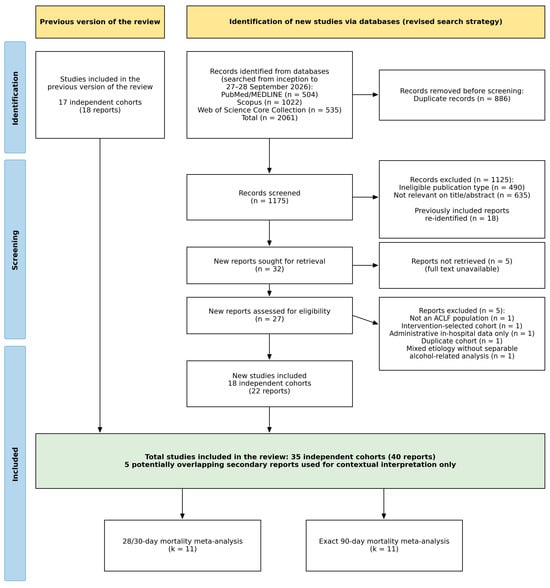
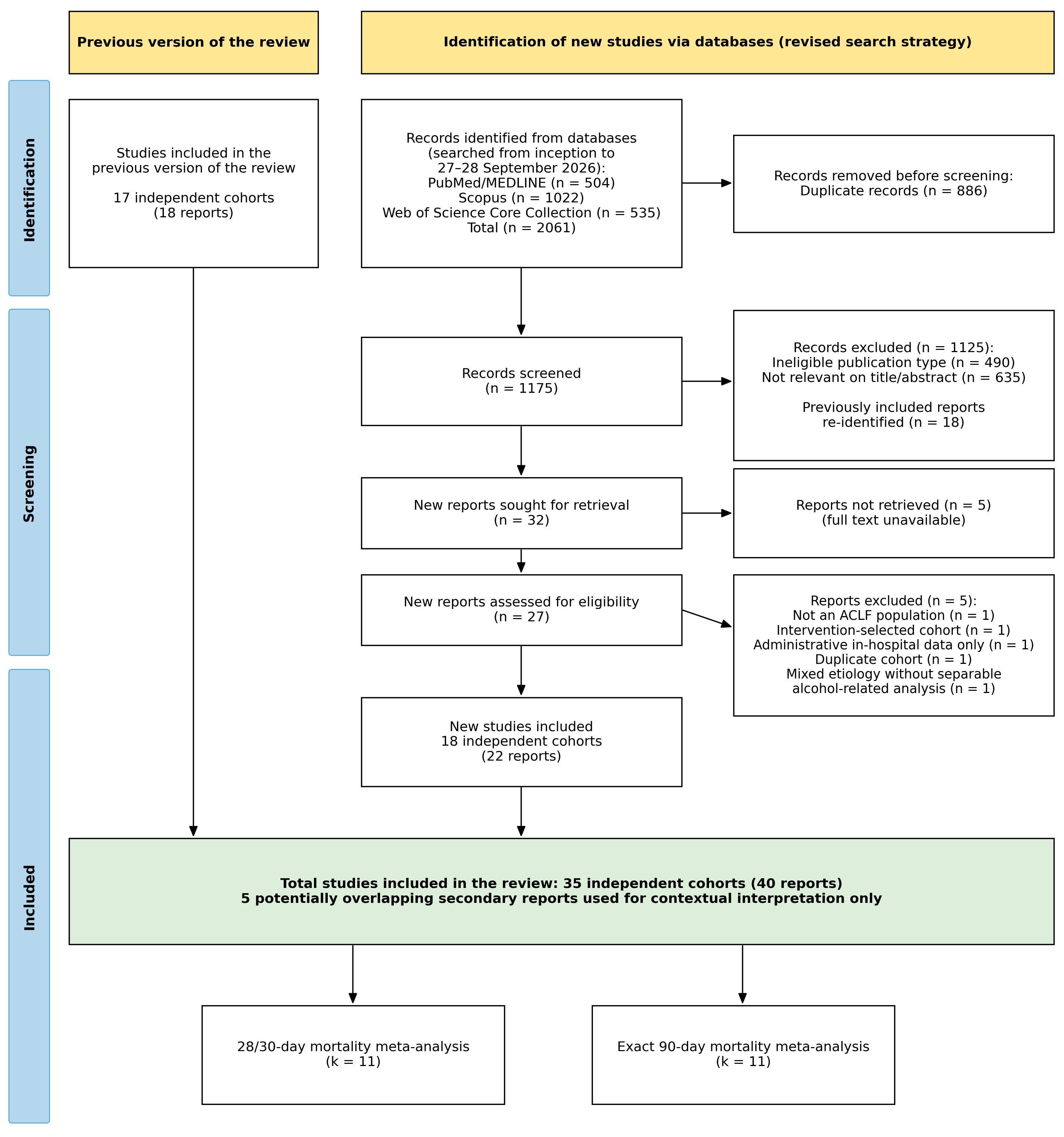
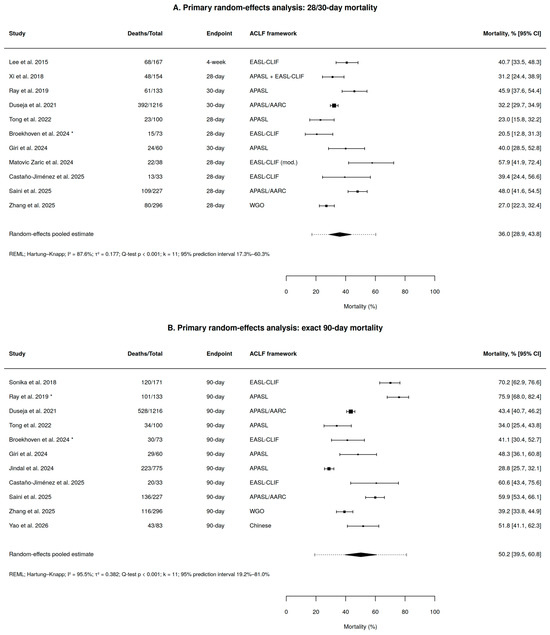
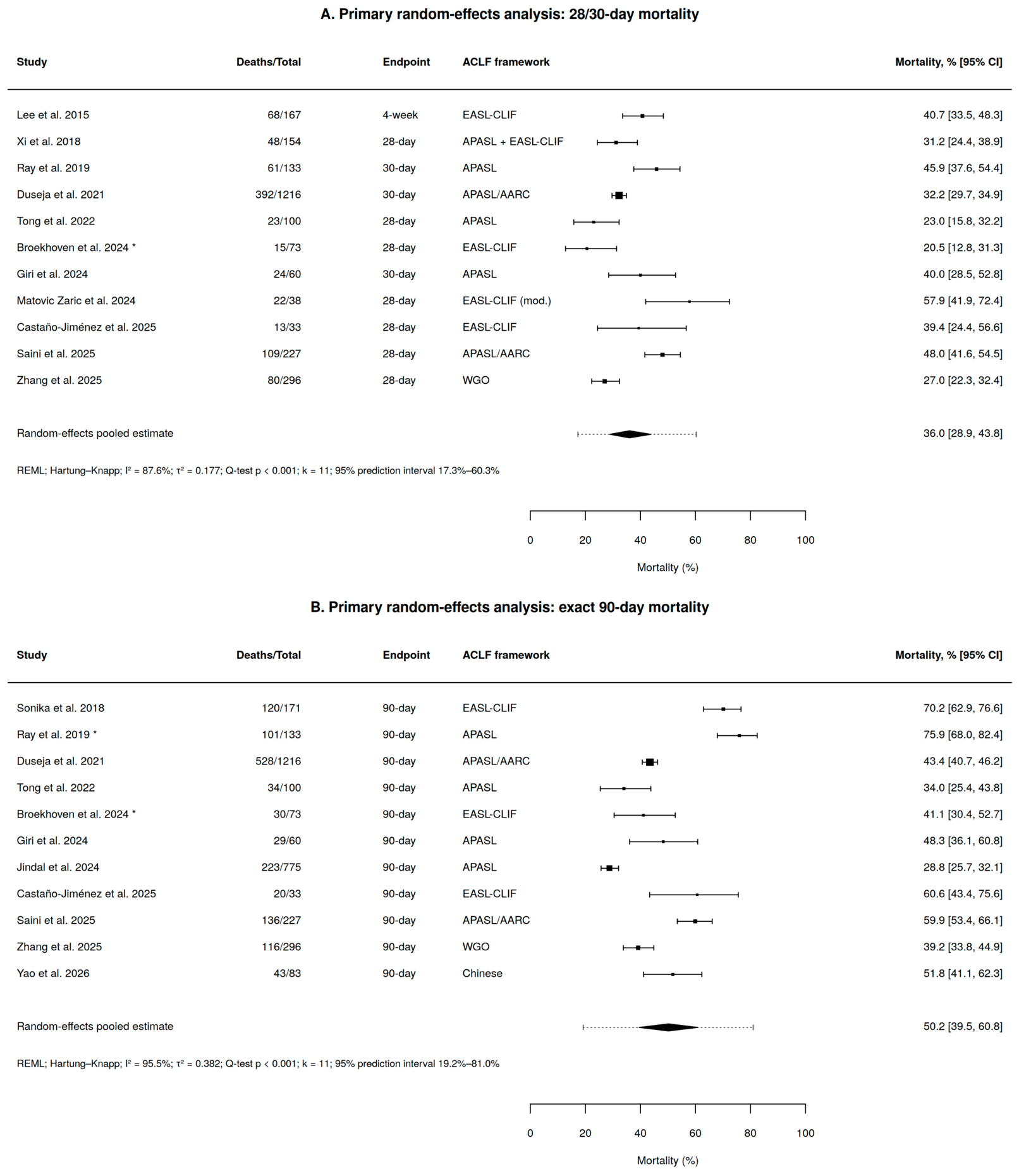
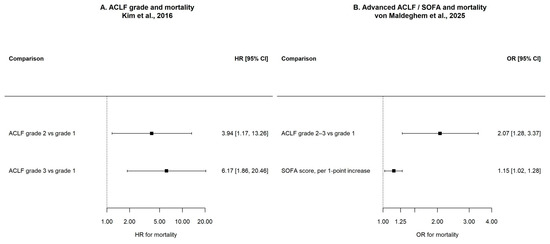
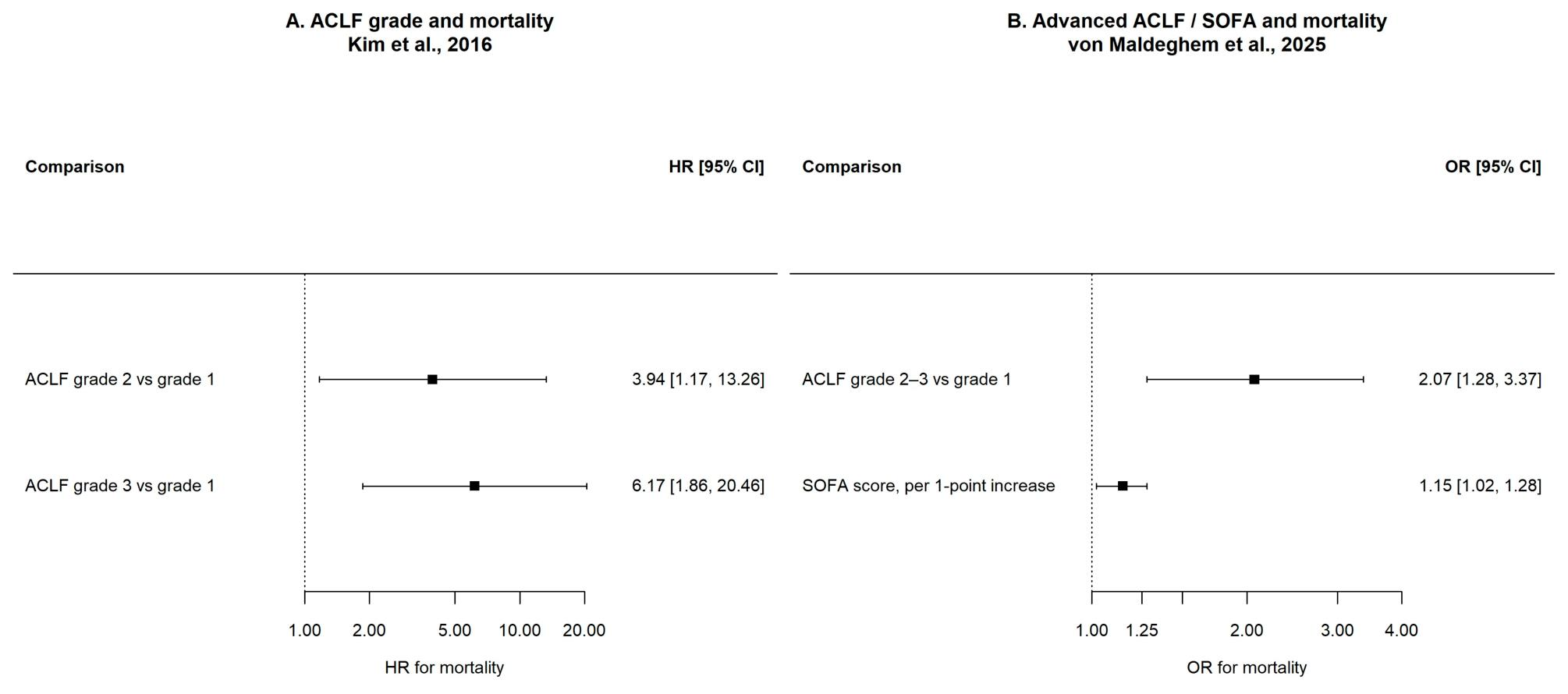
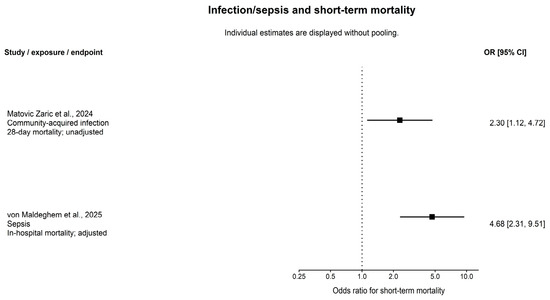
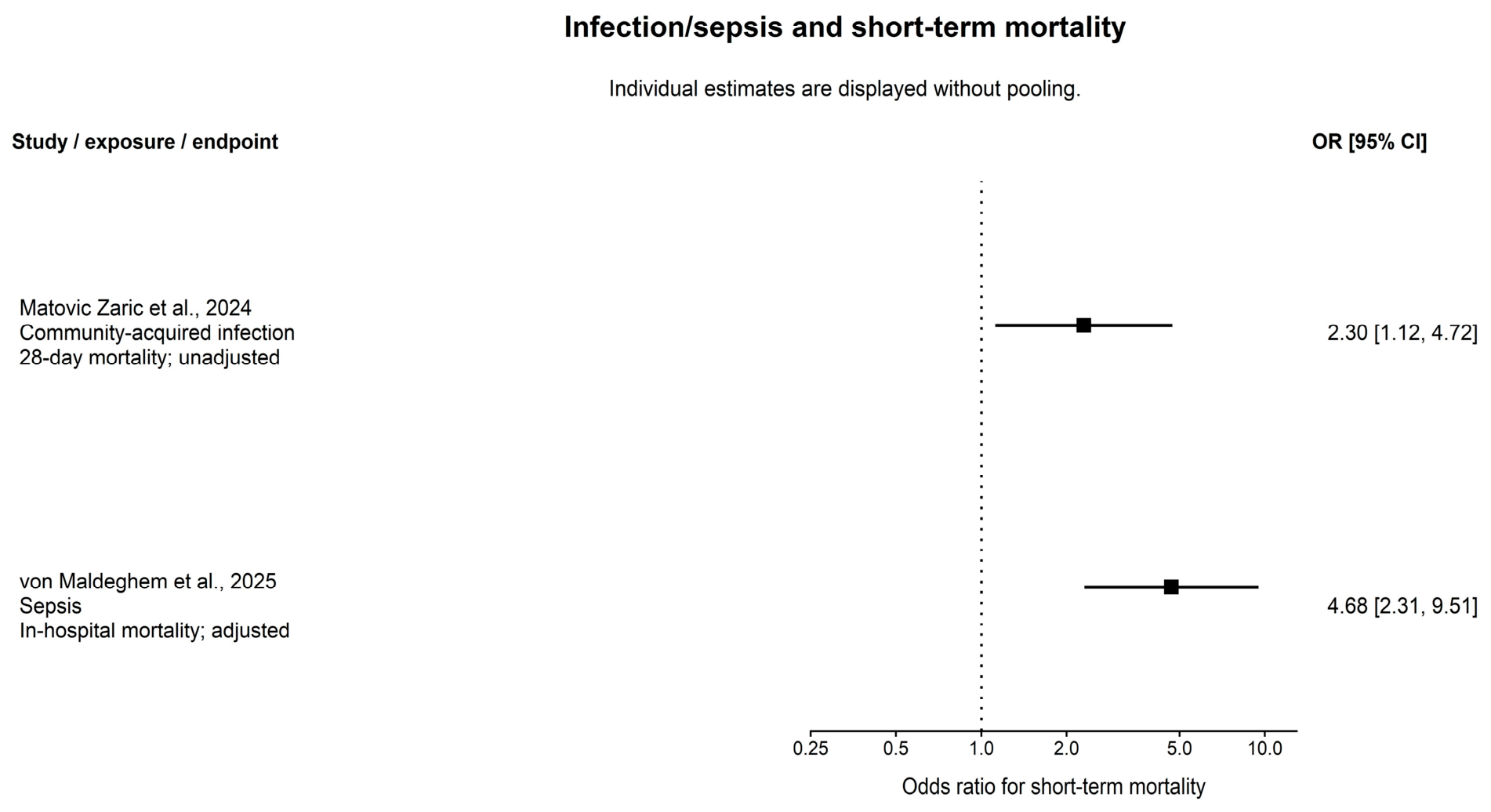
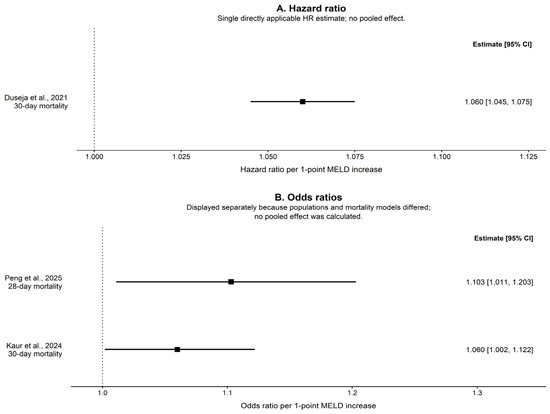
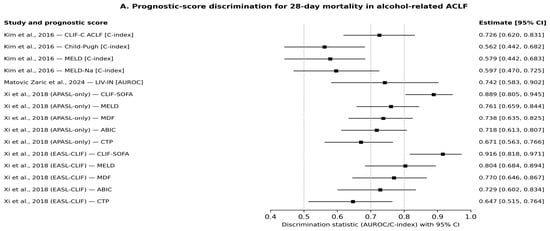
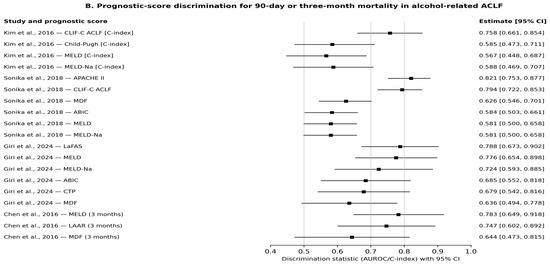
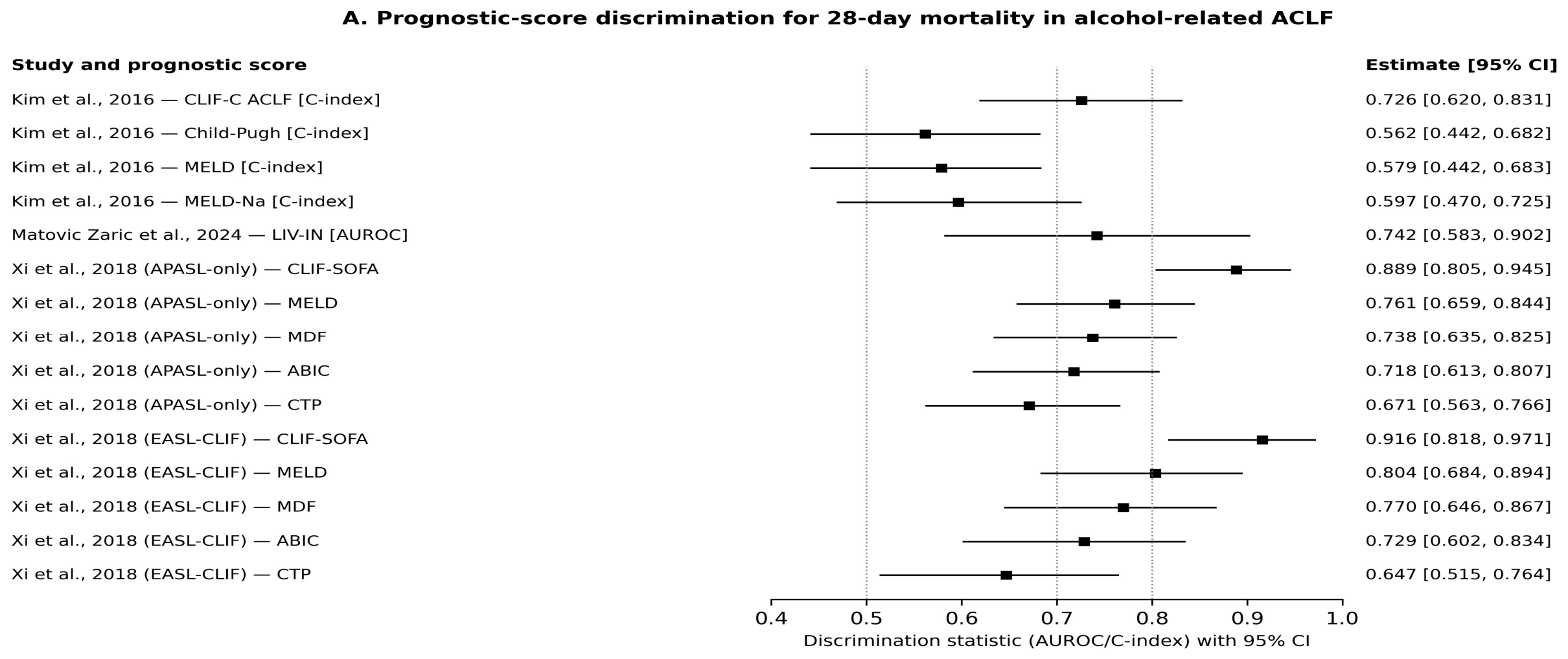
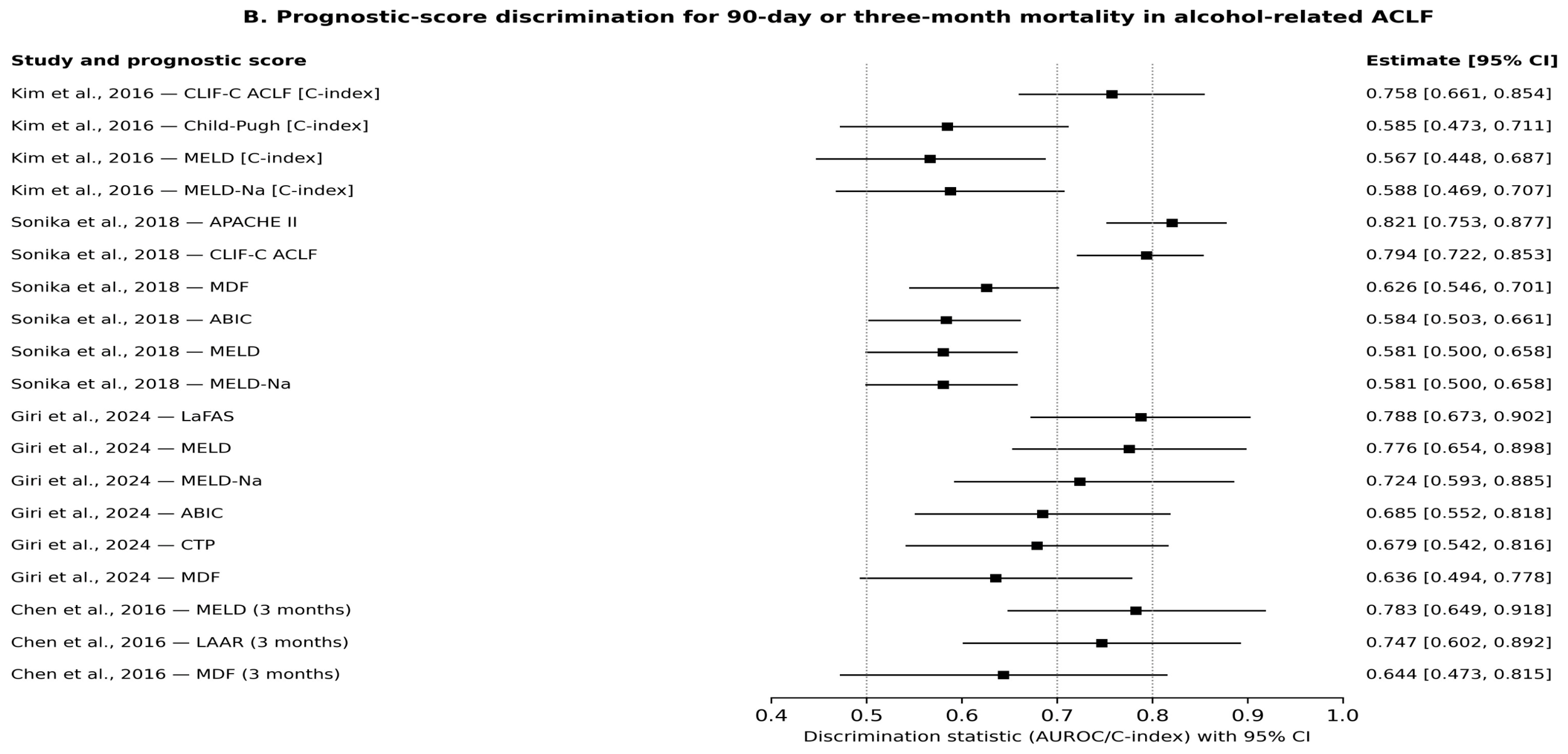
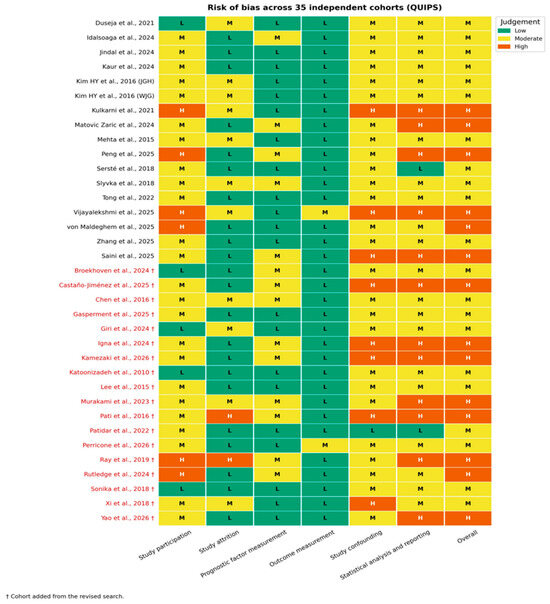
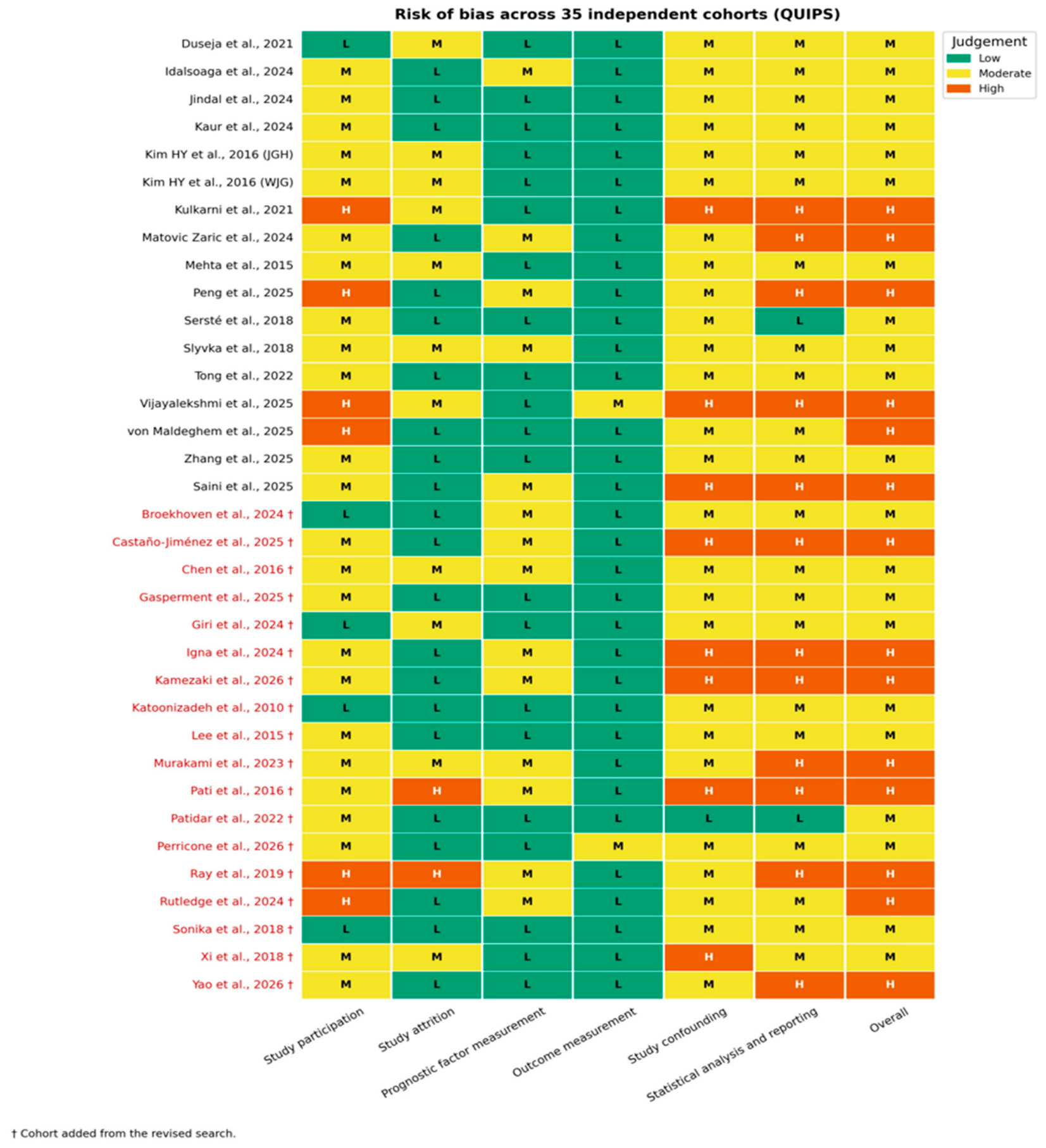
Disclaimer/Publisher’s Note: The statements, opinions and data contained in all publications are solely those of the individual author(s) and contributor(s) and not of MDPI and/or the editor(s). MDPI and/or the editor(s) disclaim responsibility for any injury to people or property resulting from any ideas, methods, instructions or products referred to in the content. |
© 2026 by the authors. Licensee MDPI, Basel, Switzerland. This article is an open access article distributed under the terms and conditions of the Creative Commons Attribution (CC BY) license.