


Abstract
Background/Objectives: Positive psychological constructs such as psychological well-being, resilience, subjective vitality, and mental toughness are fundamental to students’ emotional adjustment and overall development. Physical activity (PA) is a modifiable factor known to enhance these variables; however, the influence of its timing throughout the day remains underexplored. This systematic review aimed to examine the effects of PA on psychological well-being, resilience, subjective vitality, and mental toughness in children and adolescents, considering the timing of implementation—before, during, or after school hours—and the specific characteristics of the activities performed. Methods: Following the PRISMA guidelines, a comprehensive search was conducted in Scopus, PubMed, ERIC, and Web of Science, identifying 29 studies published between 2014 and 2026, comprising 12 cross-sectional and 17 longitudinal studies. Results: Overall, PA was positively associated with all four psychological variables across different times of the day. PA before school, such as active commuting and active starts, was primarily associated with higher in well-being and vitality. During-school interventions, particularly structured programs such as active breaks and cooperative games, were associated with better resilience, emotional self-regulation, and prosocial behavior. After-school PA, especially organized and voluntary activities, was associated with higher resilience and mental toughness. The effects varied according to the intensity, structure, social context, and student role, with moderate-to-vigorous intensities and cooperative formats producing the most consistent benefits. Conclusions: In conclusion, PA appears to exert a beneficial influence on positive psychological development, with variations depending on the time and mode of practice. Schools, particularly through Physical Education programs, constitute a key context for promoting students’ emotional, motivational, and behavioral health.
1. Introduction
In the current educational context, fostering positive psychological development among young people has become a priority for promoting their mental and personal well-being [1,2]. Positive psychology, understood as the scientific approach that examines the strengths, resources, and processes enabling individuals to thrive and develop optimally [3], offers a relevant framework for this purpose. Some of the key factors to consider in consolidating positive psychological functioning during adolescence include psychological well-being, resilience, subjective vitality, and mental toughness, as these are directly related to better emotional, motivational, and behavioral adjustment in educational settings [4]. Recent evidence indicates that the deterioration of these psychological variables negatively affects school adaptation, stress regulation, academic motivation, and students’ ability to effectively cope with everyday challenges within the educational environment [5,6]. Moreover, these dimensions not only reflect students’ general psychological state but also serve as strong predictors of their capacity to modify behaviors and assimilate new learning, even when such learning challenges their prior beliefs [7].
Psychological well-being is a positive state of physical and mental balance associated with perceived security, competence, and social connectedness [8]. During adolescence, it is linked to life satisfaction, academic motivation, and interpersonal relationships [9,10,11]. Resilience, defined as the ability to adapt positively to adversity [12], becomes particularly relevant during this developmental stage due to increasing social and emotional demands [13]. Higher resilience is associated with lower anxiety and academic burnout, as well as greater school engagement and goal persistence [13,14]. Subjective vitality refers to the internal sense of energy, enthusiasm, and motivation experienced in daily life [15]. As a key indicator of eudaimonic well-being, it is associated with happiness, self-actualization, perceived health, and intrinsic motivation [16,17]. In adolescents, vitality is positively related to life meaning, psychological development, coping resources, and peer relationships, supporting socio-emotional adaptation in school contexts [18,19,20,21]. Closely related, mental toughness is a meta-skill that enables effective management of personal resources under pressure or adversity [22]. Characterized by self-confidence, emotional stability, and sustained focus [23], higher mental toughness is associated with better adaptation to academic and personal challenges, fewer psychological symptoms, and greater overall well-being during adolescence [24,25,26].
These four constructs together form a comprehensive framework of positive psychology in adolescent populations, whose development is conditioned by various behavioral and psychosocial factors [3]. Among these, one factor that has gained increasing attention due to its direct relationship with these dimensions is the adoption of an active lifestyle, strongly supported by empirical evidence demonstrating multiple benefits for physical, mental, and social health [27]. Regular physical activity (PA) has been established as a powerful promoter of psychological well-being, fostering greater emotional stability and enhanced coping capacity when facing daily challenges [1]. Recent studies highlight that consistent participation in PA contributes to reducing symptoms of anxiety and depression while promoting a positive mood and greater life satisfaction [28,29,30,31].
Moreover, PA has been associated with social, academic, and emotional benefits, serving as an effective means of improving social integration, enhancing academic performance, and supporting balanced psychological development [32,33,34,35]. These effects can be explained through physiological mechanisms, such as increased cerebral blood flow and the release of well-being-related neurotransmitters like serotonin, dopamine, and endorphins, and psychological mechanisms, including improved self-efficacy, body perception, emotional regulation, and reduced perceived stress [10]. More specifically, PA has been shown to enhance resilience by providing experiences of personal growth and adaptive coping strategies [36,37], to foster subjective vitality by increasing perceived energy, enthusiasm, and engagement in everyday activities [18,38] and to contribute to the development of mental toughness through improvements in self-confidence, emotional control, and psychological endurance [25,26,39].
Within this framework, several studies have begun exploring how the time of day when PA is practiced may modulate its effect on different dimensions of psychological development [40,41]. Beyond the amount and type of PA, increasing attention has been given to the timing of physical activity, as the physiological, cognitive, emotional, and social context in which PA is performed may influence its potential psychological effects. From this perspective, PA performed before, during, and after school may provide different opportunities for emotional activation, social interaction, self-regulation, and autonomous engagement. First, engaging in PA before the school day may facilitate physical–mental activation, emotional well-being, and social interaction among students [42,43]. Activities such as active commuting to school or “active starts” (brief periods of PA integrated at the beginning of the school day or lessons) have been shown to promote a mood state conducive to learning and socialization during classes [44,45,46].
Second, during the school day, when adolescents spend long hours seated [47], incorporating active breaks, physically active lessons, or structured recess not only contributes to the movement necessary for health but also improves classroom emotional climate and encourages more cooperative peer relationships [48,49,50]. Furthermore, physical education (PE) lessons represent a privileged context for intentionally addressing psychological well-being [38,51,52]. Activities such as cooperative games, problem-solving exercises, or high-intensity circuits can promote self-efficacy, emotional self-regulation, and intrinsic motivation [38,53,54].
Finally, after-school PA generally occurs in more voluntary and recreational contexts, involving more autonomous and enjoyable motivational engagement [55,56]. This freer, playful nature encourages adolescents to participate out of personal interest, reinforcing enjoyment, self-determination, and long-term adherence [32]. Unlike in-school PA, which follows curricular criteria, after-school activities have been linked to distinct benefits, such as higher resilience development through less structured challenges requiring self-regulation and personal adaptation [57]. Moreover, team sports practiced in clubs, community centers, or gyms foster interpersonal and emotional skills essential for psychological well-being and strengthen mental toughness by exposing participants to situations involving pressure, sustained effort, and collaboration [58,59].
Considering other relevant factors, several covariates may influence the relationship between PA and the development of well-being, resilience, subjective vitality, and mental toughness. During primary and secondary education, corresponding with the onset of adolescence, a progressive decline in PA levels is observed, attributed, among other things, to the increased use of technology and social media both associated with sedentary lifestyles and a higher risk of depressive symptoms and low mood [60,61]. Similarly, variables such as age, sex, or socioeconomic status may significantly affect the perception, accessibility, and benefits derived from PA [62]. For instance, inequalities in access to sports facilities or organized activities according to sociocultural context can directly impact students’ psychological well-being [63].
In this regard, the complexity of contextual and personal factors surrounding PA underscores the need to analyze not only whether PA is practiced, but when and how it occurs throughout the day. Although previous systematic reviews have consistently demonstrated that physical activity benefits children’s and adolescents’ mental health and psychological well-being, these reviews have generally focused on overall physical activity levels, specific intervention modalities, or isolated psychological outcomes. To our knowledge, no previous systematic review has comprehensively examined whether the timing of physical activity implementation (before, during, or after school hours) differentially influences positive psychological constructs such as psychological well-being, resilience, subjective vitality, and mental toughness. Therefore, the present review addresses this specific gap by integrating evidence according to both the timing and characteristics of school-related physical activity interventions [64,65]. To our knowledge, no previous systematic review has integrated these four outcomes according to the timing and characteristics of PA in school-aged populations. Therefore, this review addresses a specific gap in the literature by considering both when PA is performed and how its characteristics may influence positive psychological development. Based on this gap, the objective of the present systematic review was to analyze the influence of PA on these four positive psychology constructs in children and adolescents, considering both the time of implementation (before, during, or after school hours) and the specific characteristics of the PA interventions.
2. Materials and Methods
This systematic review was conducted and reported in accordance with the Preferred Reporting Items for Systematic Reviews and Meta-Analyses (PRISMA 2020) Statement [66], in accordance with the methodological structure adopted in previous reviews on PA and school health [40,67,68,69]. The completed PRISMA 2020 checklist is provided as Supplementary Material (Table S1). The review protocol was prospectively registered in the International Prospective Register of Systematic Reviews (PROSPERO) under registration number CRD420261472150. The review methodology was established a priori before the literature search was conducted, and no amendments were made to the protocol during the review process. A comprehensive search was performed across four major scientific databases: SCOPUS, ERIC, Web of Science, and PubMed. These databases were selected to provide complementary coverage of biomedical and health sciences (PubMed), multidisciplinary scientific literature (Scopus and Web of Science), and educational research (ERIC). Specialized databases such as PsycINFO and SPORTDiscus were not included, which may have resulted in the omission of some relevant studies and is acknowledged as a limitation of the search strategy.
The publication period for the studies included ranged from January 2014 to May 2026. Table 1 presents the main search terms and Boolean combinations used: (1) Physical activity (physical activity academic lessons, physical active program, physically active classes, physical education, active lesson break, active break, active pauses, recess, recreation, cooperative games, active movement, active displacement, active pre-school programs, extracurricular activities, after school activities, extracurricular sport); (2) Positive psychological variables (well-being, resilience, subjective vitality, mental toughness); (3) Children and adolescents (children, child, childhood, students, adolescent, adolescents, school, secondary school).
Table 1.
Database search strategy.
2.1. Selection Criteria
Articles retrieved during the search were selected according to the following criteria: (1) the study reported the time of day when PA was performed (before, during, or after school hours); (2) the sample consisted of children or adolescents aged 6–18 years; (3) The study employed a cross-sectional or longitudinal design; (4) the article was a full-text publication in a peer-reviewed journal; (5) the article was written in English or Spanish. The language restriction was applied because English and Spanish are the languages in which the review team has full scientific proficiency, ensuring accurate study selection, methodological quality assessment, and data extraction while minimizing potential translation bias. English was selected because it is the predominant language of scientific publication, whereas Spanish was included due to the substantial contribution of Spanish-speaking countries to school-based physical activity research. (6) Ethnic origin was not considered an exclusion criterion.
2.2. Data Extraction and Reliability
The search process was conducted by three independent reviewers (R1, R2 and R3), who screened the titles and abstracts of all retrieved records for eligibility articles. Potentially relevant studies were subsequently assessed in full text according to the predefined eligibility criteria. Disagreements regarding study eligibility were resolved through discussion and consensus. Although inter-reviewer agreement was not quantified using a formal statistical coefficient, the independent screening process and consensus procedure were applied to enhance the reliability and transparency of study selection. Data were then extracted from each included study on the author, title, objective, sample size, participants’ age, country, methodological design, measurement instruments, confounding factors considered, main results, and conclusions. The included studies were also examined in depth according to the thematic areas addressed in the review.
2.3. Methodological Reporting Assessment
According to a recent review, only about one-third of systematic reviews in the educational field include tools for assessing the quality of the analyzed studies [70]. Based on this evidence, the present review implemented a methodological reporting assessment using a six-item checklist adapted from previous systematic reviews [40,71], alongside the specific selection criteria established for this investigation (see Table 2). Each item was rated as follows: 2 = fully reported, 1 = partially reported, and 0 = not reported or unclear. The checklist consisted of six items referring to study population and participant characteristics, context and physical activity timing, measurement instruments, study design, control of potential confounding factors and reporting of results. The total checklist score ranged from 0 to 12 and was used only to describe checklist performance within the present review.
Table 2.
Checklist scores of included studies.
Scores of 9–12, 5–8, and 0–4 were retained as operational checklist score ranges for descriptive purposes within this review. These categories were not derived from or intended to represent externally validated thresholds of internal validity, methodological rigor, certainty of evidence, or risk of bias. Similarly, eligibility characteristics, including participant age, publication in a peer-reviewed journal, and reporting of PA timing, were considered inclusion criteria and were not interpreted independently as indicators of methodological quality or rigor.
2.4. Methodological Reporting Assessment and Checklist Performance
The methodological reporting characteristics of the included studies were independently assessed by three reviewers using a standardized six-item checklist adapted from previous systematic reviews in the fields of physical activity and school health. The checklist evaluated six methodological domains: study population and participant characteristics, intervention context and physical activity timing, measurement instruments and outcome assessment, study design, control of potential confounding factors, and reporting of results. Disagreements were resolved through discussion until consensus was reached. Although established design-specific risk-of-bias tools (e.g., RoB 2 or ROBINS-I) are available, they were not applied because the included evidence comprised heterogeneous cross-sectional and longitudinal designs, interventions, and outcome assessments. A common methodological quality checklist was therefore considered appropriate for characterizing the overall evidence base and identifying potential methodological limitations across studies. Importantly, the checklist was not considered a formal risk-of-bias instrument and should therefore not be interpreted as providing a validated assessment of internal validity. These limitations were considered when interpreting the findings.
2.5. Reporting Bias and Certainty of Evidence
Because of the heterogeneity of study designs, interventions, outcome measures, and reported results, a formal assessment of reporting bias and certainty of evidence (e.g., GRADE) was not performed. Therefore, findings were synthesized narratively following the PRISMA 2020 recommendations.
3. Results
Figure 1 presents the PRISMA flow diagram illustrating the study selection process. The included studies showed substantial heterogeneity in methodological design, PA characteristics and timing, intervention duration and intensity, psychological outcome measures, and follow-up periods. Therefore, the findings were synthesized narratively, and direct comparisons of intervention effectiveness should be interpreted with caution. The initial search yielded a total of 1282 records, of which 1233 were retained after removing duplicates and unreadable entries. Subsequently, 699 studies were excluded after title screening, and an additional 304 were eliminated following a preliminary abstract review because could not be obtained despite the retrieval procedures applied. These procedures included database full-text links, institutional library access, publisher platforms, and/or searches for legally accessible full-text versions. The 304 non-retrieved reports corresponded to publications for which the full-text report could not be obtained during the retrieval stage, including those for which no accessible full-text version could be located. Thus, 56.9% of the reports sought for retrieval could not be obtained, representing a potential limitation to the completeness of the evidence base that should be considered when interpreting the findings. Finally, after applying inclusion criteria related to population characteristics, measured variables, methodological design, and study quality, 29 studies were included in the systematic review. Among these, 12 studies (41.38%) employed a cross-sectional design, and 17 studies (58.62%) employed a longitudinal design. In terms of checklist performance, 28 of the 29 studies obtained scores within the 9–12 operational range, whereas one study obtained a score within the 5–8 range. These score ranges describe the performance of the studies on the checklist items and should not be interpreted as evidence of high or low internal validity or risk of bias. The predominance of scores within the upper operational range should nevertheless be interpreted cautiously, because the checklist was primarily intended to characterize methodological reporting and selected study characteristics rather than to provide a discriminative or validated assessment of internal validity or risk of bias.
Figure 1.
PRISMA 2020 flow diagram.
The review encompassed data from a total of 99,947 students aged between 6 and 18 years. Of these, 8661 were from primary education (6–12 years), 90,732 from secondary education (13–18 years), and 554 participants had unspecified or mixed age ranges. Regarding sample size, four studies included fewer than 100 participants [72,75,90,92]; thirteen studies involved between 101 and 1000 participants [37,38,46,50,55,57,74,80,81,82,87,88,93]; and twelve studies included samples larger than 1001 participants [44,73,76,77,78,79,83,84,85,86,89,91]. The studies covered 13 different countries of origin: five studies were conducted in Spain, four in China, four in Australia, three in England, two in Turkey, two in Norway, two in Denmark, and one each in Panama, Austria, Lithuania, Ireland, Switzerland, and Poland. The main characteristics of the analyzed studies are summarized in Table 3.
Table 3.
Main characteristics of analyzed studies.
Notably, the findings were not uniformly positive across all studies. Some investigations reported null or weak associations between PA and psychological outcomes, including studies in which PA or moderate-to-vigorous PA was not significantly associated with mental well-being or global mental health symptoms. Such discrepancies may reflect differences in study design, participant characteristics, baseline psychological status, intervention duration and intensity, outcome measurement instruments, and the extent to which potential confounders were considered. These findings indicate that the overall favorable pattern should not be interpreted as evidence of uniform effects across populations or psychological outcomes.
3.1. Influence and Effects of Physical Activity Before School Day on Positive Psychology Variables
With respect to PA performed before school hours, the scientific literature remains limited, with only three studies identified. Two cross-sectional studies reported associations between active commuting to school (walking or cycling) and higher levels of psychological well-being and subjective happiness, as well as lower emotional distress [44,86]. A longitudinal study implementing a four-week intervention reported that participants in the experimental group exhibited a significant increase in well-being compared to controls [46].
3.2. Influence and Effects of Physical Activity During School Day on Positive Psychology Variables
A total of 12 studies examined the impact of PA performed during school hours on well-being, resilience, subjective vitality, and mental toughness. Of these, two employed cross-sectional designs and ten used longitudinal designs. Findings indicate that engaging in structured PA formats, such as cooperative games, active recess, or integrated movement sessions within lessons, were consistently associated with improvements in resilience, self-efficacy, subjective vitality, and adaptive behavior. Guillamón et al. [80] found that higher physical fitness levels were related to lower hyperactivity and greater prosocial behavior, whereas Li et al. [83] demonstrated that PA predicted resilience via self-efficacy and the satisfaction of basic psychological needs. School-based interventions such as multicomponent programs, park-based activities, or initiatives like Burn 2 Learn showed positive effects on vitality, general well-being, and task performance [38,88,92]. Additionally, martial arts and sport-based interventions were found to be more effective than traditional therapies in enhancing mental toughness, self-confidence, and physical self-efficacy [50,72].
The intensity of exercise emerged as a key factor influencing the magnitude of these effects. High-intensity programs consistently improved self-esteem, emotional well-being, social support, and sociability, with particularly strong effects among female students [84,87,91]. However, not all findings were conclusive: some studies found no clear relationship between moderate-to-vigorous PA and overall mental well-being, although specific benefits such as reduced anxiety and depressive symptoms were reported [76,90].
3.3. Influence and Effects of Physical Activity After School Day on Positive Psychology Variables
Fourteen studies analyzed the impact of after-school PA on well-being, resilience, subjective vitality, and mental toughness, of which eight were cross-sectional and six longitudinal. Cross-sectional studies generally reported positive associations between extracurricular PA and psychological outcomes among children and adolescents. Participation in organized sports was positively associated with higher well-being, resilience, and mental toughness [55,57,77,82]. Greater PA intensity was correlated with higher sleep quality, lower depressive symptoms—particularly among girls—and higher levels of personal competence and family cohesion [85]. Moreover, coping strategies were found to mediate the relationship between PA and resilience, emphasizing the value of unstructured active play [81]. Team sports participation was also linked to greater resilience compared with sedentary peers [79,89].
Longitudinal evidence further demonstrated that regular PA predicts sustained improvements in resilience and well-being [37,73,93]. Interventions involving organized sports combined with social activities yielded positive effects on mental well-being after several weeks [75]. Additionally, vigorous-intensity PA increased positive affect up to a threshold of approximately 36 min per day, after which the benefit plateaued or slightly declined [78]. Finally, programs incorporating psychological coaching were found effective in enhancing well-being and healthy behavior patterns [74].
4. Discussion
The present systematic review aimed to examine the influence of different types of PA conducted before, during, and after school hours on psychological well-being, resilience, subjective vitality, and mental toughness among students aged 6 to 18 years. A total of 29 studies, employing cross-sectional and longitudinal designs and published between January 2014 and May 2026, were included. The findings indicate that PA, particularly when implemented in structured formats (e.g., cooperative games, team sports, or martial arts), at moderate-to-vigorous intensity levels, and at different times of the day, is generally associated with improvements in at least one of the psychological variables analyzed. Specifically, after-school and during-school interventions showed relatively consistent favorable associations with resilience, subjective vitality and mental toughness, whereas some before-school-based interventions also reported improvements in mental toughness and overall well-being. However, the results were not uniform across studies, as some reported null effects, particularly regarding general psychological well-being, when the intensity or duration of PA was insufficient or inadequately prescribed. This overall positive pattern should nevertheless be interpreted cautiously because the included studies differed substantially in design, intervention characteristics, duration, intensity, outcome measures, and contextual conditions. Consequently, the consistency observed in the direction of the findings does not necessarily imply comparable effect magnitudes across studies.
Studies analyzing PA before school hours generally reported favorable associations with well-being, subjective vitality, and emotional self-regulation, although evidence regarding resilience and mental toughness was more limited. Specifically, three studies evaluated structured morning interventions, such as active commuting, active start programs, or combined routines, and reported improvements in mood, attention, enthusiasm, and readiness to learn [44,46,86]. Additional favorable associations were reported in concentration and on-task behavior, especially when the activities included cooperative dynamics or high-intensity bouts performed prior to class time, consistent with the findings of White et al. [94]. These positive effects appear to be explained by neurophysiological and motivational mechanisms that optimize physical–mental activation at the beginning of the day, facilitating better emotional and cognitive adaptation [95]. Nonetheless, no study identified significant improvements in resilience or mental toughness exclusively linked to morning PA. This absence suggests that, while pre-class PA may facilitate a positive emotional climate and general well-being, its influence on more complex personal resources, such as resilience or mental toughness may require longer-term or differently focused interventions [86,96].
In contrast, PA during the school day was generally associated with favorable patterns across several positive psychology variables. Interventions implemented through active lessons, structured recess, active breaks, or specific exercise programs demonstrated improvements in self-efficacy, on-task behavior, emotional self-regulation, and general mood [50,72,80,83,84,87,91,92]. These interventions were also associated with reductions in anxiety and depressive symptoms, hyperactivity, and classroom conflicts, as well as increases in prosocial behavior [97,98,99,100].
The beneficial effect of PA on resilience and mental toughness appears to be partially mediated by motivational variables, such as self-efficacy and the satisfaction of basic psychological needs [83]. Moreover, cooperative approaches and group-based activities (e.g., games or problem-solving tasks) seem to have a stronger impact on subjective well-being and self-confidence than individual or low-intensity activities [50,72,88]. However, some studies [76,101] did not find a clear relationship between moderate-to-vigorous PA and mental well-being, although they reported indirect benefits such as better sleep, reduced anxiety, and lower emotional distress. In addition, the absence of PA was consistently linked to a higher risk of emotional problems [97,98,99,100].
Several contextual factors including teaching style, motivational climate, socioeconomic status, school type, and cultural expectations may also modulate the psychological impact of school-based PA [4,9,11,102]. Evidence indicates that autonomy-supportive teaching that fosters intrinsic motivation and active student participation generates greater emotional benefits and reduces the risk of frustration or demotivation [88,103]. Recent research further emphasizes the importance of cooperative, rather than overly competitive, instructional approaches to promote social cohesion, emotional stability, and school adjustment [14,31,104,105].
Additionally, physical education teachers recognize the potential of PA as a pedagogical tool to foster psychological well-being, resilience, and subjective vitality among students, thereby supporting greater learning readiness and a more positive attitude toward academic and personal challenges [6,106].
Finally, PA after school hours produced beneficial effects on well-being, resilience, subjective vitality, and mental toughness. Specifically, extracurricular activities, especially those that were structured, voluntary, and recreational, were associated with greater self-efficacy, emotional strength, and psychosocial adjustment [11,37,57,73,79,89,93]. These positive effects appeared to depend on the type of activity, its group or individual nature, frequency, and the role played by the student (e.g., leader, substitute, or active team member) [107,108]. Participation in team sports or collective activities enhanced socio-emotional skills such as cooperation, social support, sense of belonging, and emotional coping, while also improving mood and reducing depressive symptoms [81,109,110]. Conversely, individual PA, such as martial arts or combat sports (e.g., judo or wrestling), also strengthened mental toughness, emotional self-regulation, and self-confidence, though it may elicit higher stress levels if competitive pressure is not properly managed [111,112,113,114]. Furthermore, the psychological benefits of extracurricular PA were amplified when the activities were well structured and supervised, contributing to the development of resilience, family cohesion, and personal competence [74,82,85]. Improvements were also observed in variables related to overall well-being, such as school enjoyment, positive learning attitudes, and sleep quality [77,115]. In line with this evidence, engaging in PA at the end of the school day, typically lasting at least one hour and performed at moderate-to-vigorous intensity, was found to facilitate circadian rhythm regulation and reduce nocturnal cognitive hyperactivation, thereby contributing to more efficient, deeper, and restorative sleep [116,117].
4.1. Mechanisms Underlying Effects of Physical Activity on Positive Psychological Variables
From a neurophysiological perspective, PA enhances cerebral blood flow and improves oxygenation in key cortical regions involved in emotional regulation and executive functioning [1]. These mechanisms may also help explain why cooperative and socially structured activities showed relatively consistent benefits across several outcomes in the present review. In particular, opportunities for shared goals, peer interaction, feedback, and perceived competence may simultaneously support self-efficacy, social belonging, emotional regulation, and resilience. However, these mechanisms should be regarded as plausible explanatory pathways rather than causal mechanisms directly demonstrated by the included studies. Muscle contraction during exercise stimulates the release of myokines and other signaling molecules that promote the secretion of neurotransmitters such as dopamine, serotonin, and norepinephrine, all of which are associated with emotional balance, motivation, and stress reduction [5,10,118,119,120,121].
Moreover, physical exercise induces the release of endocannabinoids and endogenous opioids (e.g., endorphins, enkephalins, and dynorphins) that act on the central nervous system, promoting a general state of well-being. This process also modulates kynurenine metabolism, reducing its neurotoxic effects and favoring a more neuroprotective biochemical profile, which contributes to decreased depressive and anxiety symptoms [118,122,123]. Structurally, PA has been shown to foster neuroplasticity and increase gray matter volume in regions such as the hippocampus and prefrontal cortex, which are implicated in decision-making, emotional self-regulation, and planning. From a psychosocial standpoint, participation in group-based PA enhances social belonging, cohesion, and self-efficacy, key factors in the development of psychological well-being and resilience within the school context [124,125,126]. Such positive environments promote interpersonal relationships, self-confidence, and perceived social support, all of which contribute to greater life satisfaction and a more adaptive emotional attitude toward academic and personal challenges [127,128].
Taken together, these neurobiological and psychosocial mechanisms operate in a synergistic manner, promoting enhanced emotional regulation, coping capacity in the face of stressful situations, and the development of a healthier, more balanced school environment.
4.2. Practical Recommendations
The present systematic review suggests that PA performed before, during, and after the school day exerts a positive, sustained, and differentiated impact on psychological well-being, resilience, subjective vitality, and mental toughness among children and adolescents [12,29,30]. However, the available evidence is heterogeneous and the effectiveness of these interventions depends on multiple factors related to planning, intensity, the group or individual nature of the activity, the school context, and the developmental characteristics of the students involved [7,28,32].
Across the included studies, several activity characteristics were repeatedly represented among interventions or activity formats reporting favorable psychological outcomes, including structured programs, regular participation, moderate-to-vigorous intensity, active participation, cooperation, and opportunities for emotional self-regulation [29,32]. However, these characteristics should be considered provisional, evidence-informed considerations rather than established components of an effective intervention. Some included studies suggest that interventions incorporating playful components, cooperative tasks, and student autonomy may be associated with more favorable psychological outcomes; however, the absence of a meta-analysis and formal certainty-of-evidence assessment prevents firm conclusions regarding comparative effectiveness [7,30]. At the same time, these interventions should be adapted to the students’ developmental level, taking into account their cognitive and affective changes across educational stages [12,28]. Therefore, although the following recommendations are general and applicable to both children and adolescents, it is essential to adjust the difficulty and intensity of activities according to the students’ individual characteristics in order to optimize their effectiveness.
The activities presented in Table 4 were derived from the intervention characteristics and activity formats reported in the included studies and subsequently organized by the authors to provide practical examples according to timing, intensity, duration, and reported psychological outcomes. They should be interpreted as illustrative, provisional, evidence-informed examples rather than standardized intervention protocols or prescriptions of demonstrated effectiveness. Within this framework, Table 4 summarizes the main practical recommendations, organized according to the time of day when PA is implemented (before, during, or after school hours). The table provides specific guidance regarding the type of activity, intensity, duration, and expected outcomes, with the aim of promoting healthier, more equitable, and emotionally enriching school environments [30].
Table 4.
Recommendations for physical activity before, during and after school time to produce short and long-term effects on well-being, resilience, subjective vitality and mental toughness in children or adolescents.
4.3. Limitations and Strengths
This review presents several limitations that should be considered when interpreting its findings. First, a smaller number of studies were identified that specifically examined the psychological effects of PA performed before the start of the school day, compared to those focused on PA conducted during or after school hours. This imbalance limits the ability to draw firm conclusions regarding the relative effectiveness of morning interventions compared to activities carried out at other times of the day. In addition, some of the included studies did not account for key covariates that may influence the positive psychology variables analyzed in this review, such as socioeconomic status, family support, or academic workload, which could play a significant mediating role in the relationship between PA and its psychological effects. It is also important to note that the heterogeneity of interventions, methodological designs, and measurement instruments used across studies may hinder direct comparison of results and limit the generalizability of conclusions. The evidence base included heterogeneous study designs, with a substantial proportion of cross-sectional studies, limiting the ability to establish temporal directionality or causal relationships, also, the methodological quality checklist used in this review should not be interpreted as a formal validated risk-of-bias assessment, and no formal certainty-of-evidence grading was performed. A further limitation is the relatively high proportion of reports that could not be retrieved at the full-text stage (304 of 534 reports sought for retrieval). Although the available retrieval procedures were applied, the absence of these reports may have resulted in the omission of potentially relevant evidence and should therefore be considered when interpreting the completeness of the review.
A further methodological limitation is that inter-reviewer agreement was not quantified using a formal statistical coefficient such as Cohen’s κ. Although study screening was conducted independently by three reviewers and disagreements were resolved through consensus, the original screening records did not allow for reliable retrospective reconstruction of a pre-consensus agreement coefficient. Furthermore, the absence of a meta-analysis limits the estimation of pooled effect sizes and the quantitative assessment of between-study heterogeneity. Consequently, the conclusions of this review should be interpreted as reflecting the overall direction and consistency of the available evidence rather than precise estimates of intervention effects. Despite these limitations, the present review offers an original contribution by classifying scientific evidence according to the time of day at which PA is performed (before, during, and after school hours). This approach allows for the identification of differential patterns in the effects of PA on psychological well-being, resilience, subjective vitality, and mental toughness among school-aged populations. Among its strengths, this review combines cross-sectional and longitudinal studies, thereby providing an integrated understanding of both immediate and sustained effects. Furthermore, it presents evidence-based practical recommendations, organized by time of day, offering valuable guidance for the design of educational and public health interventions tailored to students’ developmental characteristics.
5. Conclusions
This systematic review analyzed 29 studies examining the influence of PA performed before, during, and after the school day on positive psychology variables (well-being, resilience, subjective vitality, and mental toughness) in children and adolescents. Overall, the available literature suggests generally favorable relationships between school-related physical activity and these psychological outcomes, although the direction and strength of the findings varied across outcomes, activity characteristics, contexts, and study designs.
Interventions implemented during school hours, such as active lessons or active breaks, were found to consistently enhance emotional self-regulation, self-efficacy, and mood. Pre-school PA positively influenced emotional readiness and subjective vitality, whereas post-school PA, particularly within organized or sport-based contexts, was associated with higher resilience, self-esteem, and stress regulation. However, the magnitude and consistency of these benefits vary depending on factors such as the type of activity, the role assumed by the student, the social and educational environment, and the degree of autonomy and participation. These findings underscore the importance of designing comprehensive programs that incorporate appropriately dosed physical stimuli throughout the school day, tailored to the developmental characteristics of the student population. Nevertheless, these recommendations should be interpreted with caution because the evidence base includes heterogeneous study designs, intervention characteristics, outcome measures, and contextual conditions, which limit direct comparisons and the generalizability of the observed effects.
Supplementary Materials
The following supporting information can be downloaded at: https://www.mdpi.com/article/10.3390/healthcare14162625/s1. Table S1. Main characteristics of analyzed studies.
Author Contributions
Conceptualization, P.R.-E., M.J.D.l.T.-C. and A.R.-A.; methodology, P.R.-E., M.J.D.l.T.-C. and A.R.-A.; software, P.R.-E. and A.R.-A.; validation, P.R.-E., J.L.S.-M. and A.R.-A.; formal analysis, P.R.-E. and J.L.S.-M.; investigation, P.R.-E.; resources, P.R.-E., J.L.S.-M., M.J.D.l.T.-C. and A.R.-A.; data curation, P.R.-E. and A.R.-A.; writing—original draft preparation, P.R.-E.; writing—review and editing, P.R.-E., J.L.S.-M. and M.J.D.l.T.-C.; visualization, P.R.-E., J.L.S.-M. and M.J.D.l.T.-C.; supervision, J.L.S.-M., M.J.D.l.T.-C. and A.R.-A.; project administration, M.J.D.l.T.-C. and A.R.-A.; funding acquisition, A.R.-A. All authors have read and agreed to the published version of the manuscript.
Funding
This research was partially supported by the R&D&I Project of the Spanish Ministry of Science and Innovation (Grant Code: PID2022-137432OB-I00), and the Project of the Department of Universities, Research, and Innovation of the Regional Government of Andalusia (Grant Code: DGP_PIDI_2024_02434).
Institutional Review Board Statement
Not applicable.
Informed Consent Statement
Not applicable.
Data Availability Statement
No new data were created or analyzed in this study. Data sharing is not applicable to this article.
Acknowledgments
The authors would like to thank all those who contributed positively toward this study’s success, especially the participants, families, and schools for their precious time. During the preparation of this manuscript, the authors used ChatGPT (OpenAI, GPT-5, 2025 re-lease) to assist with language editing and stylistic refinement. All AI-generated outputs were carefully reviewed, verified, and edited by the authors, who take full responsibility for the final content of this publication.
Conflicts of Interest
The authors declare that there are no potential conflicts of interest with respect to the research, authorship or publication of this article.
Abbreviations
The following abbreviations are used in this manuscript:
| PA | Physical Activity |
| PE | Physical Education |
References
- Latino, F.; Tafuri, F. Physical activity and academic performance in school-age children: A systematic review. Sustainability 2023, 15, 6616. [Google Scholar] [CrossRef] [Scilit]
- Ureña, R.C.S.; Peralta, S.R.T. La importancia de la educación emocional en la formación integral de los estudiantes. Cienc. Lat. Rev. Científica Multidiscip. 2023, 7, 1398–1413. [Google Scholar] [CrossRef] [Scilit]
- Rodríguez, L. Psicología positiva: Algunas aplicaciones a la educación. Rev. Educ. UMCH 2017, 10, 55–75. [Google Scholar] [CrossRef] [Scilit]
- Appukuttan, S.; Mathur, K.; Manglani, A. Learning Styles and Academic Resilience: A Correlational Research. Int. J. Educ. Manag. Stud. 2024, 14, 323–330. [Google Scholar]
- Baik, J.H. Stress and the dopaminergic reward system. Exp. Mol. Med. 2020, 52, 1879–1890. [Google Scholar] [CrossRef] [Scilit] [PubMed]
- Belaire, E.; Mualla, F.; Ball, L.; Ma, I.; Berkey, D.; Chen, W. Relationship of Social–Emotional Learning, Resilience, Psychological Well-Being, and Depressive Symptoms with Physical Activity in School-Aged Children. Children 2024, 11, 1032. [Google Scholar] [CrossRef] [Scilit] [PubMed]
- Bermejo-Cantarero, A.; Sanchez-Lopez, M.; Alvarez-Bueno, C.; Redondo-Tebar, A.; Garcia-Hermoso, A.; Martinez-Vizcaino, V. Are physical activity interventions effective in improving health-related quality of life in children and adolescents? A systematic review and meta-analysis. Sports Health 2024, 16, 877–885. [Google Scholar] [CrossRef] [Scilit] [PubMed]
- La-Placa, V.; Knight, A. Well-being: Its influence and local impact on public health. Public Health 2014, 128, 38–42. [Google Scholar] [CrossRef] [Scilit] [PubMed]
- González-Hernández, J.; Gómez-López, M.; Pérez-Turpin, J.A.; Muñoz-Villena, A.J.; Andreu-Cabrera, E. Perfectly active teenagers. When does physical exercise help psychological well-being in adolescents? Int. J. Environ. Res. Public Health 2019, 16, 4525. [Google Scholar] [CrossRef] [Scilit] [PubMed]
- Logan, N.E.; Ward-Ritacco, C.L. The developing brain: Considering the multifactorial effects of obesity, physical activity & mental wellbeing in childhood and adolescence. Children 2022, 9, 1802. [Google Scholar] [CrossRef] [Scilit] [PubMed]
- Trajković, N.; Mitić, P.M.; Barić, R.; Bogataj, Š. Effects of physical activity on psychological well-being. Front. Psychol. 2023, 14, 1121976. [Google Scholar] [CrossRef] [Scilit] [PubMed]
- Santacruz-Pardo, K.T. Resiliencia: Un análisis de concepto. Rev. Colomb. Enferm. 2022, 21, e045.8. [Google Scholar]
- Peng, B.; Chen, W.; Wang, H.; Yu, T. How does physical exercise influence self-efficacy in adolescents? A study based on the mediating role of psychological resilience. BMC Psychol. 2025, 13, 285. [Google Scholar] [CrossRef] [Scilit] [PubMed]
- Moreira-Santana, J.A.; Vega-Intriago, J.O. Estrategia de gamificación para mejorar la resiliencia en los estudiantes de la Unidad Educativa Rambuche. MQRInvestigar 2023, 7, 1930–1958. [Google Scholar] [CrossRef] [Scilit]
- Ryan, R.M.; Deci, E.L. From ego depletion to vitality: Theory and findings concerning the facilitation of energy available to the self. Soc. Personal. Psychol. Compass 2008, 2, 702–717. [Google Scholar] [CrossRef] [Scilit]
- Santana-Monagas, E.; Núñez, J.L.; Loro, J.F.; Moreno-Murcia, J.A.; León, J. What makes a student feel vital? Links between teacher-student relatedness and teachers’ engaging messages. Eur. J. Psychol. Educ. 2023, 38, 1201–1226. [Google Scholar] [CrossRef] [Scilit]
- Vergara-Torres, A.P.; Tristán, J.; López-Walle, J.M.; González-Gallegos, A.; Pappous, A.; Tomás, I. Students’ perceptions of teachers’ corrective feedback, basic psychological needs and subjective vitality: A multilevel approach. Front. Psychol. 2020, 11, 558954. [Google Scholar] [CrossRef] [Scilit] [PubMed]
- Qi, H.; Kang, Q.; Bi, C.; Wu, Q.; Jiang, L.; Wu, D. Are fathers more important? The positive association between the parent-child relationship and left-behind adolescents’ subjective vitality. J. Child Fam. Stud. 2023, 32, 3612–3624. [Google Scholar] [CrossRef] [Scilit]
- Bostic, T.J.; McGartland Rubio, D.; Hood, M. A validation of the subjective vitality scale using structural equation modeling. Soc. Indic. Res. 2000, 52, 313–324. [Google Scholar] [CrossRef] [Scilit]
- Castillo, I.; Tomás, I.; Balaguer, I. The Spanish-version of the Subjective Vitality Scale: Psychometric properties and evidence of validity. Span. J. Psychol. 2017, 20, E26. [Google Scholar] [CrossRef] [Scilit] [PubMed]
- Akin, U.; Akin, A.; Uğur, E. Mediating role of mindfulness on the associations of friendship quality and subjective vitality. Psychol. Rep. 2016, 119, 516–526. [Google Scholar] [CrossRef] [Scilit] [PubMed]
- Valadez, A.; Iribe, M.X.T.; Morales, P.M.; López, A.J. Asociación entre fortaleza mental y la presencia de mascotas con la calidad de sueño, sedentarismo y niveles de actividad física en jóvenes universitarios. Retos Nuevas Tend. Educ. Física Deporte Recreación 2024, 55, 718–725. [Google Scholar] [CrossRef] [Scilit]
- Fengjun, Q.; Jing, Z.; Liguang, L. The effect of mental toughness on learning burnout of junior middle school students: Putting school adaptation as a mediator variable. Discret. Dyn. Nat. Soc. 2022, 2022, 9706046. [Google Scholar] [CrossRef] [Scilit]
- Brand, S.; Gerber, M.; Kalak, N.; Kirov, R.; Lemola, S.; Clough, P.J.; Puhse, U.; Holsboer-Trachsler, E. Adolescents with greater mental toughness show higher sleep efficiency, more dep sleep and fewer awakenings after sleep onset. J. Adolesc. Health 2014, 54, 109–113. [Google Scholar] [CrossRef] [Scilit] [PubMed]
- Schaefer, J.; Vella, S.A.; Allen, M.S.; Magee, C.A. Competition anxiety, motivation and mental toughness in golf. J. Appl. Sport Psychol. 2016, 28, 309–320. [Google Scholar] [CrossRef] [Scilit]
- Madigan, D.J.; Nicholls, A.R. Mental toughness and burnout in junior athletes: A longitudinal investigation. Psychol. Sport Exerc. 2017, 32, 138–142. [Google Scholar] [CrossRef] [Scilit]
- Barilla, J.C.A. Experiencias biopsicosociales para fortalecer los estilos de vida saludable: Análisis desde la educación física en tres instituciones rurales del municipio de Planeta Rica Córdoba Colombia. Cienc. Lat. Rev. Científica Multidiscip. 2024, 8, 4106–4125. [Google Scholar] [CrossRef] [Scilit]
- Biddle, S.J.; Ciaccioni, S.; Thomas, G.; Vergeer, I. Physical activity and mental health in children and adolescents: An updated review of reviews and an analysis of causality. Psychol. Sport Exerc. 2019, 42, 146–155. [Google Scholar] [CrossRef] [Scilit]
- Sampasa-Kanyinga, H.; Colman, I.; Goldfield, G.S.; Janssen, I.; Wang, J.; Podinic, I.; Tremblay, M.S.; Saunders, T.J.; Sampson, M.; Chaput, J.P. Combinations of physical activity, sedentary time, and sleep duration and their associations with depressive symptoms and other mental health problems in children and adolescents: A systematic review. Int. J. Behav. Nutr. Phys. Act. 2020, 17, 72. [Google Scholar] [CrossRef] [Scilit] [PubMed]
- García, M.C.; Romero, L.E.; Álvarez, M.; Saavedra, P.A.; Cartagena, D.G. Impacto de la actividad física en la salud mental en personas con trastornos de ansiedad y estrés. Rev. Iberoam. Psicol. Ejerc. Deporte 2024, 19, 60–69. [Google Scholar]
- Jara, D.A.R. La Actividad Física y la Calidad de Vida en la Adolescencia Media (14-17 años). MENTOR Rev. Investig. Educ. Deport. 2025, 4, 735–758. [Google Scholar] [CrossRef] [Scilit]
- Lubans, D.; Richards, J.; Hillman, C.; Faulkner, G.; Beauchamp, M.; Nilsson, M.; Kelly, P.; Smith, J.; Raine, L.; Biddle, S. Physical activity for cognitive and mental health in youth: A systematic review of mechanisms. Pediatrics 2016, 138, e20161642. [Google Scholar] [CrossRef] [Scilit] [PubMed]
- Donnelly, J.E.; Hillman, C.H.; Castelli, D.; Etnier, J.L.; Lee, S.; Tomporowski, P.; Lambourne, K.; Szabo-Reed, A.N. Physical activity, fitness, cognitive function, and academic achievement in children: A systematic review. Med. Sci. Sports Exerc. 2016, 48, 1197. [Google Scholar] [CrossRef] [Scilit] [PubMed]
- Laird, Y.; Fawkner, S.; Kelly, P.; McNamee, L.; Niven, A. The role of social support on physical activity behaviour in adolescent girls: A systematic review and meta-analysis. Int. J. Behav. Nutr. Phys. Act. 2016, 13, 79. [Google Scholar] [CrossRef] [Scilit] [PubMed]
- Xiang, M.; Gu, X.; Jackson, A.; Zhang, T.; Wang, X.; Guo, Q. Understanding adolescents’ mental health and academic achievement: Does physical fitness matter? Sch. Psychol. Int. 2017, 38, 647–663. [Google Scholar] [CrossRef] [Scilit]
- Yeh, H.P.; Stone, J.A.; Churchill, S.M.; Wheat, J.S.; Brymer, E.; Davids, K. Physical, psychological and emotional benefits of green physical activity: An ecological dynamics perspective. Sports Med. 2019, 46, 947–953. [Google Scholar] [CrossRef] [Scilit] [PubMed]
- Guo, L.; Liang, L. Physical activity as a causal variable for adolescent resilience levels: A cross-lagged analysis. Front. Psychol. 2023, 14, 1095999. [Google Scholar] [CrossRef] [Scilit] [PubMed]
- Mavilidi, M.F.; Mason, C.; Leahy, A.A.; Kennedy, S.G.; Eather, N.; Hillman, C.H.; Morgan, P.J.; Lonsdale, C.; Wade, L.; Riley, N.; et al. Effect of a time-efficient physical activity intervention on senior school students’ on-task behaviour and subjective vitality: The ‘Burn 2 Learn’ cluster randomised controlled trial. Educ. Psychol. Rev. 2021, 33, 299–323. [Google Scholar] [CrossRef] [Scilit]
- Cowden, R.G. Mental toughness and success in sport: A review and prospect. Open Sports Sci. J. 2017, 10, 1–14. [Google Scholar] [CrossRef] [Scilit]
- Rusillo-Magdaleno, A.; Moral-García, J.E.; Brandão-Loureiro, V.; Martínez-López, E.J. Influence and Relationship of Physical Activity before, during and after the School Day on Bullying and Cyberbullying in Young People: A Systematic Review. Educ. Sci. 2024, 14, 1094. [Google Scholar] [CrossRef] [Scilit]
- Woodforde, J.; Alsop, T.; Salmon, J.; Gomersall, S.; Stylianou, M. Effects of school-based before-school physical activity programmes on children’s physical activity levels, health and learning-related outcomes: A systematic review. Br. J. Sports Med. 2022, 56, 740–754. [Google Scholar] [CrossRef] [Scilit] [PubMed]
- Chillón, P.; Villen-Contreras, R.; Pulido-Martos, M.; Ruiz, J.R. Active commuting to school, positive health and stress in Spanish children. Sport Tk-Rev. Euroam. Cienc. Deporte 2017, 6, 117–124. [Google Scholar]
- Villa-González, E.; Ruiz, J.R.; Chillón, P. Associations between active commuting to school and health-related physical fitness in Spanish school-aged children: A cross-sectional study. Int. J. Environ. Res. Public Health 2015, 12, 10362–10373. [Google Scholar] [CrossRef] [Scilit] [PubMed]
- Költő, A.; Gavin, A.; Kelly, C.; Nic Gabhainn, S. Transport to school and mental well-being of schoolchildren in Ireland. Int. J. Public Health 2021, 66, 583613. [Google Scholar] [CrossRef] [Scilit] [PubMed]
- Pojednic, R.; Peabody, S.; Carson, S.; Kennedy, M.; Bevans, K.; Phillips, E.M. The effect of before school physical activity on child development: A study protocol to evaluate the Build Our Kids Success (BOKS) Program. Contemp. Clin. Trials 2016, 49, 103–108. [Google Scholar] [CrossRef] [Scilit] [PubMed]
- Riches, S.P.; Spencer, B.; Jones, T.; Clay, M.; Bush, T.; Image, I.; Rowe, R. Park and Stride for Health and Wellbeing: Evaluation of a wayfinding intervention to promote active travel to school in Oxfordshire, UK. J. Transp. Health 2024, 35, 101769. [Google Scholar] [CrossRef] [Scilit]
- Grao-Cruces, A.; Oliva, D.S.; Sevil-Serrano, J.; Sánchez-López, M.; Sánchez-Miguel, P.A.; Camiletti-Moirón, D.; García-Calvo, T.; Castro-Piñero, J.; Sánchez-Oliva, D. Centros educativos promotores de actividad física: Estrategias basadas en la evidencia científica. Rev. Española Educ. Física Deportes 2023, 437, 37–51. [Google Scholar] [CrossRef] [Scilit]
- Andermo, S.; Hallgren, M.; Nguyen, T.T.D.; Jonsson, S.; Petersen, S.; Friberg, M.; Romqvist, A.; Stubbs, B.; Elinder, L.S. School-related physical activity interventions and mental health among children: A systematic review and meta-analysis. Sports Med.-Open 2020, 6, 25. [Google Scholar] [CrossRef] [Scilit] [PubMed]
- Ardic, A.; Erdogan, S. The effectiveness of the COPE healthy lifestyles TEEN program: A school-based intervention in middle school adolescents with 12-month follow-up. J. Adv. Nurs. 2017, 73, 1377–1389. [Google Scholar] [CrossRef] [Scilit] [PubMed]
- Moore, B.; Woodcock, S.; Dudley, D. Developing wellbeing through a randomised controlled trial of a martial arts based intervention: An alternative to the anti-bullying approach. Int. J. Environ. Res. Public Health 2019, 16, 81. [Google Scholar] [CrossRef] [Scilit] [PubMed]
- Greco, G. Multilateral teaching in physical education improves resilience and self-efficacy in adolescents and could help reduce bullying behaviors. Phys. Cult. Sport Stud. Res. 2021, 90, 1–9. [Google Scholar] [CrossRef] [Scilit]
- Valenzuela, J.R.; Álvarez, J.J.; Obando, E.S. La inteligencia emocional en la educación física de primaria y secundaria: Una revisión sistemática. Retos Nuevas Tend. Educ. Física Deporte Recreación 2025, 62, 850–861. [Google Scholar] [CrossRef] [Scilit]
- Gadea, L.G.; Zegarra, N.G. Resiliencia, juego y creatividad: Puntos clave en el desarrollo humano. Av. Psicol. 2022, 30, e2516. [Google Scholar] [CrossRef] [Scilit]
- Zhang, Z.; He, Z.; Chen, W. The relationship between physical activity intensity and subjective well-being in college students. J. Am. Coll. Health 2022, 70, 1241–1246. [Google Scholar] [CrossRef] [Scilit] [PubMed]
- Ho, F.K.W.; Louie, L.H.T.; Chow, C.B.; Wong, W.H.S.; Ip, P. Physical activity improves mental health through resilience in Hong Kong Chinese adolescents. BMC Pediatr. 2015, 15, 48. [Google Scholar] [CrossRef] [Scilit] [PubMed]
- Vlachopoulos, S.P. The role of self-determination theory variables in predicting middle school students’ subjective vitality in physical education. Hell. J. Psychol. 2012, 9, 179–204. [Google Scholar]
- Ramírez-Granizo, I.; Alonso-Vargas, J.M.; San Román-Mata, S.; Ubago-Jiménez, J.L.; Martínez Martínez, A. El rol de la resiliencia en la asociación entre la actividad física deportiva y aspectos académicos en escolares. Sportis 2019, 5, 513–531. [Google Scholar] [CrossRef] [Scilit]
- Arsenovic, D.; Djokic, B.; Kovacevic, Z.; Stevanovic, D.; Janicijevic, K.; Petrovic, M.A.J.; Radevic, S.; Radovanovic, S. Quality of life of children engaged in regular physical activities. Iran. J. Public Health 2022, 51, 1629. [Google Scholar] [CrossRef] [Scilit] [PubMed]
- Pocius, E.; Malinauskas, R. Characteristics of mental toughness in young basketball players of different age groups. Hum. Mov. 2024, 25, 128–139. [Google Scholar] [CrossRef] [Scilit]
- Fallas, M.P.F.; Mora, E.J.R.; Castro, L.G.D. Impacto del tiempo de pantalla en la salud de niños y adolescentes. Rev. Médica Sinerg. 2020, 5, e370. [Google Scholar] [CrossRef] [Scilit]
- Mougharbel, F.; Chaput, J.P.; Sampasa-Kanyinga, H.; Hamilton, H.A.; Colman, I.; Leatherdale, S.T.; Goldfield, G.S. Heavy social media use and psychological distress among adolescents: The moderating role of sex, age, and parental support. Front. Public Health 2023, 11, 1190390. [Google Scholar] [CrossRef] [Scilit] [PubMed]
- Alcedo, J.M.G.; Angulo, J.G.S. Factores protectores, estilos de vida saludable y riesgo cardiovascular. Psicol. Salud 2015, 25, 57–71. [Google Scholar]
- Stalsberg, R.; Pedersen, A.V. Effects of socioeconomic status on the physical activity in adolescents: A systematic review of the evidence. Scand. J. Med. Sci. Sports 2010, 20, 368–383. [Google Scholar] [CrossRef] [Scilit] [PubMed]
- Melguizo-Ibáñez, E.; Zurita-Ortega, F.; González-Valero, G.; Puertas-Molero, P.; Tadeu, P.; Ubago-Jiménez, J.L.; Alonso-Vargas, J.M. Los descansos activos como herramienta para mejorar la atención en el contexto educativo. Una revisión sistemática y meta-análisis. Rev. Psicodidáctica 2024, 29, 147–157. [Google Scholar] [CrossRef] [Scilit]
- Rocliffe, P.; Adamakis, M.; O’Keeffe, B.T.; Walsh, L.; Bannon, A.; Garcia-Gonzalez, L.; Chamber, F.; Stylianou, M.; Sherwin, I.; Mannix-Mcnamara, P.; et al. The impact of typical school provision of physical education, physical activity and sports on adolescent mental health and wellbeing: A systematic literature review. Adolesc. Res. Rev. 2024, 9, 339–364. [Google Scholar] [CrossRef] [Scilit]
- Page, M.J.; McKenzie, J.E.; Bossuyt, P.M.; Boutron, I.; Hoffmann, T.C.; Mulrow, C.D.; Shamseer, L.; Tetzlaff, J.M.; Akl, E.A.; Brennan, S.E.; et al. The PRISMA 2020 statement: An updated guideline for reporting systematic reviews. Int. J. Surg. 2021, 88, 105906. [Google Scholar] [CrossRef] [PubMed]
- Martínez-López, E.J.; Ruiz-Ariza, A.; De La Torre-Cruz, M.; Suárez-Manzano, S. Alternatives of physical activity within school times and effects on cognition. A systematic review and educational practical guide. Psicol. Educ. Rev. Psicólogos Educ. 2021, 27, 37–50. [Google Scholar] [CrossRef] [Scilit]
- Papageorgiou, A.; Andreou, P.; Savva, Z.; Kossenas, K.; Quattrocchi, A.; Charalambous, H.; Demetriou, C.; Philippou, E.; Kolokotroni, O.; Michail, K.; et al. Effectiveness of School-Based Psycho-Educational Interventions in Preventing Sub-clinical Anxiety and Stress in Adolescents. Clin. Child Psychol. Psychiatry 2026, 31, 1205–1233. [Google Scholar] [CrossRef] [Scilit] [PubMed]
- Wei, M.; Graber, K.C. Bullying and Physical Education: A Scoping Review. Kinesiol. Rev. 2023, 12, 217–234. [Google Scholar] [CrossRef] [Scilit]
- Lan, H.; Yu, X.; Wang, Z.; Wang, P.; Sun, Y.; Wang, Z.; Su, R.; Wang, L.; Zhao, J.; Hu, Y.; et al. How about the evidence assessment tools used in education and management systematic reviews? Front. Med. 2023, 10, 1160289. [Google Scholar] [CrossRef] [Scilit] [PubMed]
- Yusop, S.R.M.; Rasul, M.S.; Mohamad Yasin, R.; Hashim, H.U.; Jalaludin, N.A. An assessment approaches and learning outcomes in technical and vocational education: A systematic review using PRISMA. Sustainability 2022, 14, 5225. [Google Scholar] [CrossRef] [Scilit]
- Abbasi, R.; Chobtashani, S.; Salehian, M.H.; Sarvari, S. Comparing the Effects of Play Therapy and Selected Sports Exercises on Self-Confidence, Physical Self-Efficacy and Mental Toughness in Children. J. Pediatr. Perspect. 2023, 11, 17219–17228. [Google Scholar] [CrossRef] [Scilit]
- Alshallal, A.D.; Alliott, O.; Brage, S.; Van Sluijs, E.M.; Wilkinson, P.; Corder, K.; Winpenny, E.M. Total and temporal patterning of physical activity in adolescents and associations with mental wellbeing. Int. J. Behav. Nutr. Phys. Act. 2024, 21, 5. [Google Scholar] [CrossRef] [Scilit] [PubMed]
- Altunkurek, S.Z.; Bebis, H. The effects of wellness coaching on the wellness and health behaviors of early adolescents. Public Health Nurs. 2019, 36, 488–497. [Google Scholar] [CrossRef] [Scilit] [PubMed]
- Bakir, Y.; Kangalgil, M. The Effect of Sport on the Level of Positivity and Well-Being in Adolescents Engaged in Sport Regularly. J. Educ. Train. Stud. 2017, 5, 98–104. [Google Scholar] [CrossRef] [Scilit]
- Bell, S.L.; Audrey, S.; Gunnell, D.; Cooper, A.; Campbell, R. The relationship between physical activity, mental wellbeing and symptoms of mental health disorder in adolescents: A cohort study. Int. J. Behav. Nutr. Phys. Act. 2019, 16, 138. [Google Scholar] [CrossRef] [Scilit] [PubMed]
- Brand, S.; Kalak, N.; Gerber, M.; Clough, P.J.; Lemola, S.; Sadeghi-Bahmani, D.; Pühse, U.; Holsboer-Trachsler, E. During early to mid adolescence, moderate to vigorous physical activity is associated with restoring sleep, psychological functioning, mental toughness and male gender. J. Sports Sci. 2017, 35, 426–434. [Google Scholar] [CrossRef] [Scilit] [PubMed]
- Costigan, S.A.; Lubans, D.R.; Lonsdale, C.; Sanders, T.; del Pozo-Cruz, B. Associations between physical activity intensity and well-being in adolescents. Prev. Med. 2019, 125, 55–61. [Google Scholar] [CrossRef] [Scilit] [PubMed]
- Griciūtė, A. Optimal level of participation in sport activities according to gender and age can be associated with higher resilience: Study of Lithuanian adolescents. Sch. Ment. Health 2016, 8, 257–267. [Google Scholar] [CrossRef] [Scilit]
- Guillamón, A.R.; García Cantó, E.; Pérez Soto, J.J. Physical fitness and emotional well-being in school children aged 7 to 12 years. Acta Colomb. Psicol. 2018, 21, 282–300. [Google Scholar] [CrossRef] [Scilit]
- Happ, E.; Scholl-Grissemann, U.; Schnitzer, M. A salutogenic approach towards children’s overall physical activities, coping behavior and resilience: A mediation analysis. J. Public Health 2026, 34, 1061–1070. [Google Scholar] [CrossRef] [Scilit]
- Korcz, A.; Cieśla, E.; Urbański, P. The role of school functioning, physical activity, BMI, sex and age in building resilience among Ukrainian refugee children in Poland. Sci. Rep. 2024, 14, 5308. [Google Scholar] [CrossRef] [Scilit] [PubMed]
- Li, X.; Wang, J.; Yu, H.; Liu, Y.; Xu, X.; Lin, J.; Yang, N. How does physical activity improve adolescent resilience? Serial indirect effects via self-efficacy and basic psychological needs. PeerJ 2024, 12, e17059. [Google Scholar] [CrossRef] [Scilit] [PubMed]
- Madsen, M.; Elbe, A.M.; Madsen, E.E.; Ermidis, G.; Ryom, K.; Wikman, J.M.; Lind, R.R.; Larsen, M.N.; Krustrup, P. The “11 for Health in Denmark” intervention in 10-to 12-year-old Danish girls and boys and its effects on well-being—A large-scale cluster RCT. Scand. J. Med. Sci. Sports 2020, 30, 1787–1795. [Google Scholar] [CrossRef] [Scilit] [PubMed]
- Moljord, I.E.; Moksnes, U.K.; Espnes, G.A.; Hjemdal, O.; Eriksen, L. Physical activity, resilience, and depressive symptoms in adolescence. Ment. Health Phys. Act. 2014, 7, 79–85. [Google Scholar] [CrossRef] [Scilit]
- Ruiz-Ariza, A.; Torre-Cruz, M.J.; Redecillas-Peiró, M.T.; Martínez-López, E.J. Influencia del desplazamiento activo sobre la felicidad, el bienestar, la angustia psicológica y la imagen corporal en adolescentes. Gac. Sanit. 2015, 29, 454–457. [Google Scholar] [CrossRef] [Scilit] [PubMed]
- Ruiz-Ariza, A.; Suárez-Manzano, S.; López-Serrano, S.; Martínez-López, E.J. The effect of cooperative high-intensity interval training on creativity and emotional intelligence in secondary school: A randomised controlled trial. Eur. Phys. Educ. Rev. 2019, 25, 355–373. [Google Scholar] [CrossRef] [Scilit]
- Schmidt, S.K.; Reinboth, M.S.; Resaland, G.K.; Bratland-Sanda, S. Changes in physical activity, physical fitness and well-being following a school-based health promotion program in a Norwegian region with a poor public health profile: A non-randomized controlled study in early adolescents. Int. J. Environ. Res. Public Health 2020, 17, 896. [Google Scholar] [CrossRef] [Scilit] [PubMed]
- Sheng, X.; Liang, K.; Li, K.; Chi, X.; Fan, H. Association between sports participation and resilience in school-attending students: A cross-sectional study. Front. Psychol. 2024, 15, 1365310. [Google Scholar] [CrossRef] [Scilit] [PubMed]
- Silva, J.M.D.; Dias, P.H.G.; Silva, T.M.D.S.; Francisquini, M.C.J. Effects of a multi-component program to promote physical activity on mental health indicators in adolescents: A pilot randomized controlled study. J. Phys. Educ. 2024, 35, e-3517. [Google Scholar] [CrossRef] [Scilit]
- Smedegaard, S.; Christiansen, L.B.; Lund-Cramer, P.; Bredahl, T.; Skovgaard, T. Improving the well-being of children and youths: A randomized multicomponent, school-based, physical activity intervention. BMC Public Health 2016, 16, 1127. [Google Scholar] [CrossRef] [Scilit] [PubMed]
- Wade, L.; Lubans, D.R.; Smith, J.J.; Duncan, M.J. The impact of exercise environments on adolescents’ cognitive and psychological outcomes: A randomised controlled trial. Psychol. Sport Exerc. 2020, 49, 101707. [Google Scholar] [CrossRef] [Scilit]
- Zou, W.; Liu, W. Promoting resilience in adolescents: The role of school physical activity. Curr. Psychol. 2025, 44, 10494–10506. [Google Scholar] [CrossRef] [Scilit]
- White, R.L.; Ryan, D.; Young, C.; Elston, R.; Rossi, T. How does the context of physical activity influence perceived mood and wellbeing after exercise? Ment. Health Phys. Act. 2023, 24, 100504. [Google Scholar] [CrossRef] [Scilit]
- Murawska-Ciałowicz, E.; Wiatr, M.; Ciałowicz, M.; Gomes de Assis, G.; Borowicz, W.; Rocha-Rodrigues, S.; Paprocka-Borowicz, M.; Marques, A. BDNF impact on biological markers of depression—Role of physical exercise and training. Int. J. Environ. Res. Public Health 2021, 18, 7553. [Google Scholar] [CrossRef] [Scilit] [PubMed]
- Hale, G.E.; Colquhoun, L.; Lancastle, D.; Lewis, N.; Tyson, P.J. Physical activity interventions for the mental health and well-being of adolescents—A systematic review. Child Adolesc. Ment. Health 2021, 26, 357–368. [Google Scholar] [CrossRef] [Scilit] [PubMed]
- Kuriakose, R.; Prasad Nayak, N.; Saldanha, P. Parents perception on pattern and effects of usage of electronic devices among school going children. Int. J. Contemp. Pediatr. 2020, 7, 483. [Google Scholar] [CrossRef] [Scilit][Green Version]
- Rhodes, R.E.; Janssen, I.; Bredin, S.S.; Warburton, D.E.; Bauman, A. Physical activity: Health impact, prevalence, correlates and interventions. Psychol. Health 2017, 32, 942–975. [Google Scholar] [CrossRef] [Scilit] [PubMed]
- Schuch, F.; Vancampfort, D.; Firth, J.; Rosenbaum, S.; Ward, P.; Reichert, T.; Bagatini, N.C.; Bgeginski, R.; Stubbs, B. Physical activity and sedentary behavior in people with major depressive disorder: A systematic review and meta-analysis. J. Affect. Disord. 2017, 210, 139–150. [Google Scholar] [CrossRef] [Scilit] [PubMed]
- Yousef, I.A.; Kilani, H.A.; Bataineh, M.A.F.; Al-Nawayseh, A.; Al-Za’abi, A.; Belghali, M.; Alnuaimi, J.; Shaheen, W.M.; Liftawi, S.M. Social issues during the COVID-19 quarantine period: Interaction of physical activity and mental state. Int. J. Sustain. Dev. Plan. 2022, 17, 777–785. [Google Scholar] [CrossRef] [Scilit]
- Buecker, S.; Simacek, T.; Ingwersen, B.; Terwiel, S.; Simonsmeier, B.A. Physical activity and subjective well-being in healthy individuals: A meta-analytic review. Health Psychol. Rev. 2021, 15, 574–592. [Google Scholar] [CrossRef] [Scilit] [PubMed]
- Liu, C.; She, X.; Lan, L.; Wang, H.; Wang, M.; Abbey, C.; Singh, M.K.; Rozelle, S.; Tong, L. Parenting stress and adolescent academic burnout: The chain mediating role of mental health symptoms and positive psychological traits. Curr. Psychol. 2024, 43, 7643–7654. [Google Scholar] [CrossRef] [Scilit]
- Richard, S.; Gay, P.; Clerc-Georgy, A.; Gentaz, É. Evaluation of a training program based on pretend play designed to promote the development of socioemotional skills in five-year-old children: An exploratory study. L’Année Psychol. 2019, 119, 291–332. [Google Scholar]
- Marković, L.; Trbojević-Jocić, J.; Horvatin, M.; Pekas, D.; Trajković, N. Cardiorespiratory fitness and health-related quality of life in secondary school children aged 14 to 18 Years: A cross-sectional study. Healthcare 2022, 10, 660. [Google Scholar] [CrossRef] [Scilit] [PubMed]
- Silva, I.S.; Cunha-Saraiva, F.; Silvestre, S. Acceptability and effectiveness of the “education in action—aball1” intervention program in primary school-aged children. Front. Psychol. 2023, 14, 1163489. [Google Scholar] [CrossRef] [Scilit] [PubMed]
- Granero-Gallegos, A.; Baños, R.; Baena-Extremera, A. Psychodidactic Variables and Academic Performance in Physical Education. Front. Psychol. 2021, 12, 652702. [Google Scholar] [CrossRef] [Scilit] [PubMed]
- Kim, J.; Panza, M.; Evans, M.B. Group dynamics in sport. In Essentials of Exercise and Sport Psychology: An Open Access Textbook; Society for Transparency, Openness, and Replication in Kinesiology: Hayward, CA, USA, 2021; pp. 613–642. [Google Scholar] [CrossRef] [Scilit]
- Limpo, T.; Rödel, G.; Tadrist, S. Examining karate and football perceptions and their links with athlete engagement and quality of life. Front. Sports Act. Living 2022, 4, 971677. [Google Scholar] [CrossRef] [Scilit] [PubMed]
- Bang, H.; Chang, M.; Kim, S. Team and individual sport participation, school belonging, and gender differences in adolescent depression. Child. Youth Serv. Rev. 2024, 159, 107517. [Google Scholar] [CrossRef] [Scilit]
- Hayes, D. The love of sport: An investigation into the perceptions and experiences of physical education amongst primary school pupils. Res. Pap. Educ. 2017, 32, 518–534. [Google Scholar] [CrossRef] [Scilit]
- Cowan, S.M. The role of Brazilian jiu-jitsu in holistic education: Developing discipline, resilience, and cognitive skills through martial arts training. Am. J. Appl. Sci. 2025, 7, 12–17. [Google Scholar] [CrossRef] [Scilit]
- Gustafsson, H.; Sagar, S.S.; Stenling, A. Fear of failure, psychological stress, and burnout among adolescent athletes competing in high level sport. Scand. J. Med. Sci. Sports 2017, 27, 2091–2102. [Google Scholar] [CrossRef] [Scilit] [PubMed]
- Guszkowska, M.; Wójcik, K. Effect of mental toughness on sporting performance: Review of studies. Balt. J. Health Phys. Act. 2021, 13, 1–12. [Google Scholar] [CrossRef] [Scilit]
- Salsabila, A.; Fitri, M.; Williyanto, S.; Apriady, H.; Ockta, Y. Examining personality traits and mental toughness: A comparative analysis among national and regional tarung derajat athletes. J. Sport. J. Penelit. Pembelajaran 2025, 10, 63–77. [Google Scholar]
- Cao, Y.; Yang, Z.; Yu, Y.; Huang, X. Physical activity, sleep quality and life satisfaction in adolescents: A cross-sectional survey study. Front. Public Health 2022, 10, 1010194. [Google Scholar] [CrossRef] [Scilit] [PubMed]
- González-Devesa, D.; Sanchez-Lastra, M.A.; Outeda-Monteagudo, B.; Diz-Gómez, J.C.; Ayán-Pérez, C. Effectiveness of Exercise on Sleep Quality in Attention Deficit Hyperactivity Disorder: A Systematic Review and Meta-Analysis. Children 2025, 12, 119. [Google Scholar] [CrossRef] [Scilit] [PubMed]
- Yu, C.; Liu, Z.; Su, T.; Li, Z.; Jiang, Z.; Zhong, W.; Xiao, Z. The effect of anxiety on sleep disorders in medical students: A moderated mediation model. Front. Psychol. 2024, 15, 1338796. [Google Scholar] [CrossRef] [Scilit] [PubMed]
- Cortés-Cortés, M.E.; Alfarod Silva, A.; Martínez, V.; Veloso, B.C. Desarrollo cerebral y aprendizaje en adolescentes: Importancia de la actividad física. Rev. Médica Chile 2019, 147, 130–131. [Google Scholar] [CrossRef] [Scilit] [PubMed]
- Dutcher, J.M.; Creswell, J.D. The role of brain reward pathways in stress resilience and health. Neurosci. Biobehav. Rev. 2018, 95, 559–567. [Google Scholar] [CrossRef] [Scilit] [PubMed]
- McPherson, A.; Mackay, L.; Kunkel, J.; Duncan, S. Physical activity, cognition and academic performance: An analysis of mediating and confounding relationships in primary school children. BMC Public Health 2018, 18, 936. [Google Scholar] [CrossRef] [Scilit] [PubMed]
- Uddin, M.S.; Mamun, A.A.; Kabir, M.T.; Nasrullah, M.; Wahid, F.; Begum, M.M. Neurochemistry of neurochemicals: Messengers of brain functions. J. Intellect. Disabil. Diagn. Treat. 2018, 5, 137–151. [Google Scholar] [CrossRef] [Scilit]
- Crombie, K.M.; Brellenthin, A.G.; Hillard, C.J.; Koltyn, K.F. Endocannabinoid and opioid system interactions in exercise-induced hypoalgesia. Pain Med. 2019, 19, 118–123. [Google Scholar] [CrossRef] [Scilit] [PubMed]
- Pedersen, B.K. Physical activity and muscle–brain crosstalk. Nat. Rev. Endocrinol. 2019, 15, 383–392. [Google Scholar] [CrossRef] [Scilit] [PubMed]
- Brusseau, T.A.; Burns, R.D.; Hannon, J.C. Physical activity and health-related fitness of adolescents within the juvenile justice system. BioMed Res. Int. 2018, 2018, 9710714. [Google Scholar] [CrossRef] [Scilit] [PubMed]
- Kao, C.C. Development of team cohesion and sustained collaboration skills with the sport education model. Sustainability 2019, 11, 2348. [Google Scholar] [CrossRef] [Scilit]
- Yoluut, M.A.; Ramadan, G.; Samin, G. The impact of digital devices on the mental and physical health of primary school children: Systematic review. Retos Nuevas Tend. Educ. Física Deporte Recreación 2024, 60, 974–980. [Google Scholar] [CrossRef] [Scilit]
- León-Jiménez, S.; Villarejo-Carballido, B.; López de Aguileta, G.; Puigvert, L. Propelling children’s empathy and friendship. Sustainability 2020, 12, 7288. [Google Scholar] [CrossRef] [Scilit]
- Torres-Soto, N.Y.; Corral-Verdugo, V.; Corral-Frías, N.S. The relationship between self-care, positive family environment, and human wellbeing. Wellbeing Space Soc. 2022, 3, 100076. [Google Scholar] [CrossRef] [Scilit]
- Whooten, R.C.; Perkins, M.E.; Gerber, M.W.; Taveras, E.M. Effects of before-school physical activity on obesity prevention and wellness. Am. J. Prev. Med. 2018, 54, 510–518. [Google Scholar] [CrossRef] [Scilit] [PubMed]
- Leo, J.; Knibbe, T.J.; Fitzpatrick, A. Physical Literacy Before the Bell Rings: A Before-School Physical Activity Program. Phys. Health Educ. J. 2018, 84, 1–5. [Google Scholar]
- Ha, A.S.; Lonsdale, C.; Lubans, D.R.; Ng, J.Y. Increasing students’ physical activity during school physical education: Rationale and protocol for the SELF-FIT cluster randomized controlled trial. BMC Public Health 2017, 18, 11. [Google Scholar] [CrossRef] [Scilit] [PubMed]
- Moore, B.; Woodcock, S.; Dudley, D. Well-being warriors: A randomized controlled trial examining the effects of martial arts training on secondary students’ resilience. Br. J. Educ. Psychol. 2021, 91, 1369–1394. [Google Scholar] [CrossRef] [Scilit] [PubMed]
- Marsigliante, S.; Gómez-López, M.; Muscella, A. Effects on children’s physical and mental well-being of a physical-activity-based school intervention program: A randomized study. Int. J. Environ. Res. Public Health 2023, 20, 1927. [Google Scholar] [CrossRef] [Scilit] [PubMed]
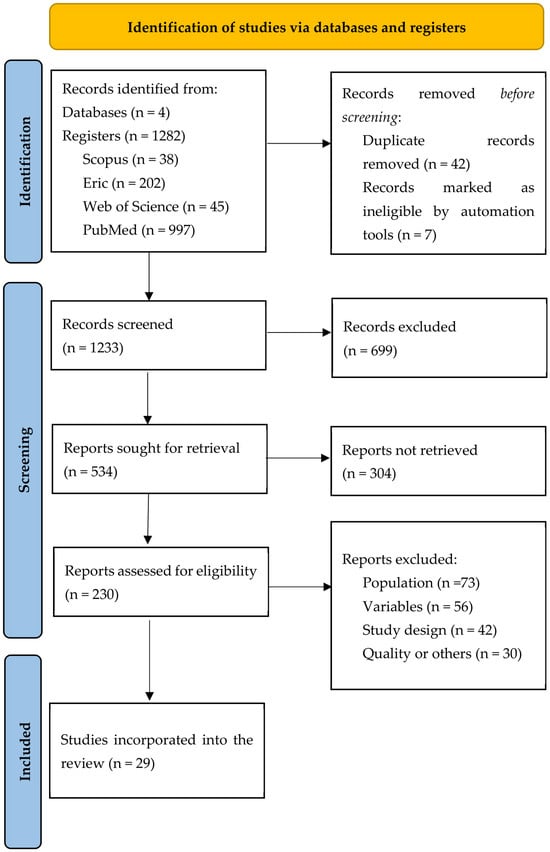
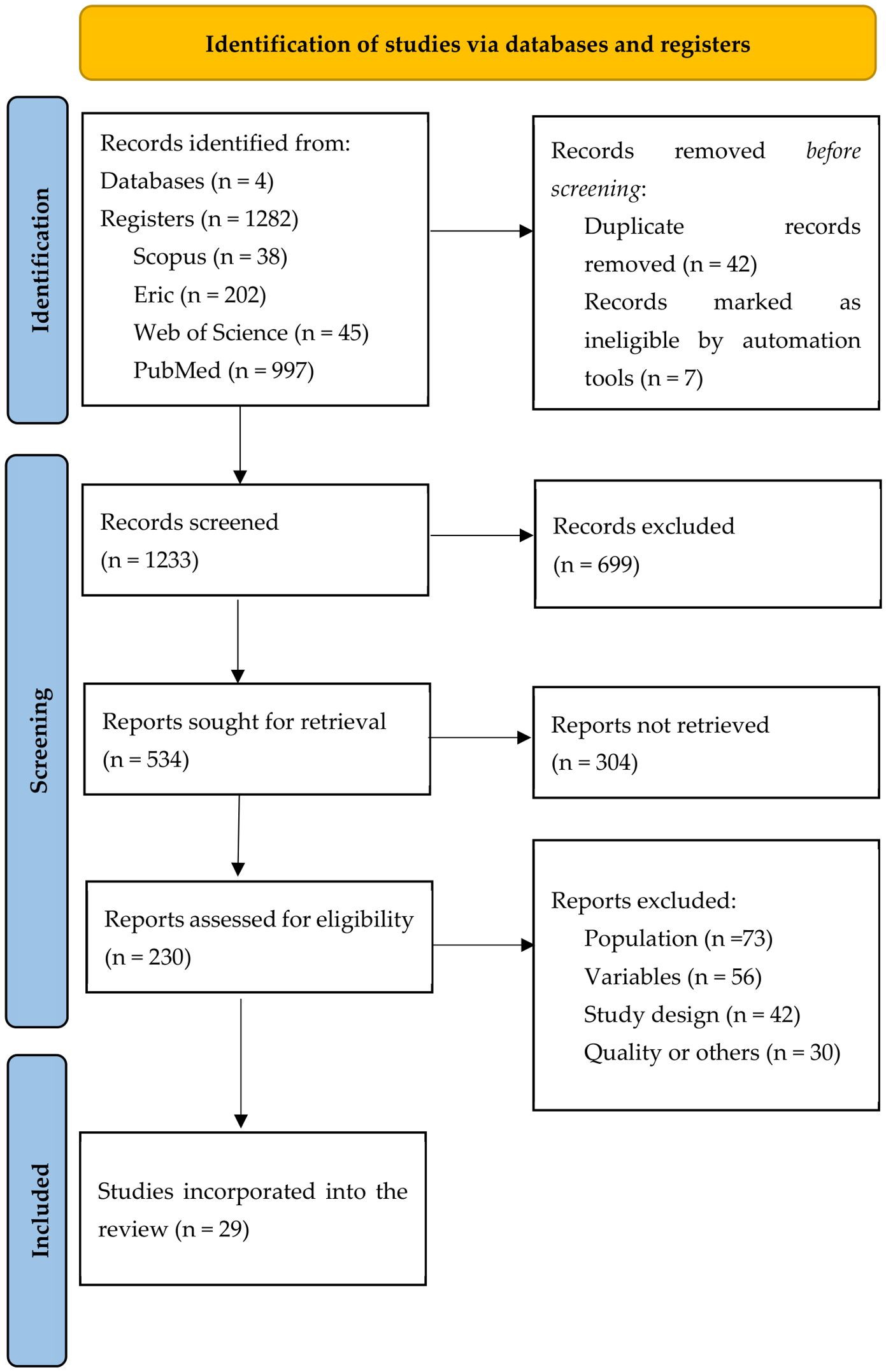

Disclaimer/Publisher’s Note: The statements, opinions and data contained in all publications are solely those of the individual author(s) and contributor(s) and not of MDPI and/or the editor(s). MDPI and/or the editor(s) disclaim responsibility for any injury to people or property resulting from any ideas, methods, instructions or products referred to in the content. |
© 2026 by the authors. Licensee MDPI, Basel, Switzerland. This article is an open access article distributed under the terms and conditions of the Creative Commons Attribution (CC BY) license.