


Abstract
Since the onset of the coronavirus disease, COVID-19 pandemic, concern arose for those who might be at higher risk of a worse COVID-19 prognosis, such as those with cystic fibrosis (CF). In this context, we evaluated the features of hospitalized patients with CF due to severe acute respiratory infection (SARI) in Brazil and we also performed a systematic review including all the studies published from the beginning of the first case of COVID-19 (17 November 2019) to the date of this search (23 May 2022) which included, concomitantly, patients with CF and COVID-19 in the worldwide population. In our Brazilian data, we evaluated the period from December 2019 to March 2022, and we included 33 demographical and clinical patients’ features. We classified the patients into groups: (G1) SARI due to another viral infection than severe acute respiratory syndrome coronavirus 2 (SARS-CoV-2) (23; 5.4%), (G2) SARI due to an unknown etiological agent (286; 67.1%), and (G3) SARI due to SARS-CoV-2 infection (117; 27.5%). The individuals in G3 tended to be older, especially over 50 years old, and presented a higher prevalence of dyspnea, peripheral capillary oxygen saturation (SpO2) <95%, and cardiopathy. The highest prevalence for intensive care unit (ICU) treatment (52; 44.4%) and invasive mechanical ventilation (29; 24.8%) was for patients in G3. Almost half of the patients in G3 died (51; 43.6%); in contrast, none in G1 died. However, we observed 43 (15.0%) deaths in G2. In addition, 12 (4.2%) and one (0.9%) death not associated with SARI occurred, respectively, in the G2 and G3. The patients who died due to SARS-CoV-2 infection had a higher frequency of SpO2 <95% (46; 90.2%), ICU treatment (34; 66.7%), and invasive mechanical ventilation (27; 52.9%) when compared to those who recovered. The systematic review comprised a total of 31 papers published as observational studies. These studies comprised 661,386 patients in total, including children, adults, and elderly age groups. However, only 19,150 (2.9%) patients were diagnosed with CF and, from these patients, 2523 (0.4%) were diagnosed with both CF and COVID-19. It was observed that the most common outcome was the need for hospitalization (n = 322 patients with CF), and the need for oxygen support (n = 139 patients with CF). One hundred patients with CF needed intensive care units, fifty patients needed non-invasive mechanical ventilation support, and only three patients were described as receiving invasive mechanical ventilation support. Deaths were described in 38 patients with CF. Importantly, lung-transplanted patients with CF represented an increased risk of death in one publication; in accordance, another study described that lung transplantation and moderate to severe lung disease were independent risk factors for severe outcomes after SARS-CoV-2 infection. In contrast with the literature, in conclusion, Brazilian patients in G3 presented a severe phenotype, even though most of the other studies did not observe worse outcomes in patients with CF and COVID-19.
Keywords:
Brazil; CFTR; epidemiology; p.Phe508del; SARS-CoV-2; mucoviscidosis; severity; systematic review; worldwide 1. Introduction
Cystic fibrosis (CF; OMIM: no. 219700), one of the most common Mendelian autosomal recessive disorders, is characterized by two aberrant copies of the Cystic Fibrosis Transmembrane Conductance Regulator (CFTR; region 7q31.2) gene [1], which ultimately alter the CFTR protein, an ion channel responsible for transporting chloride and bicarbonate across epithelial surfaces, leading to the dysregulation of endothelial cells and decreased pH in airway surface liquid [1,2,3]. Most CF symptoms are related to the respiratory tract, such as mucus accumulation and difficulty cleaning the respiratory tract, which could lead to an enhanced risk of chronic infections, inflammation [2,3], and death [4].
Since the rise of the coronavirus disease, COVID-19 pandemic, concern arose for those who might be at higher risk of worse COVID-19 prognosis, such as those with underlying conditions, which included Down syndrome, older age, systemic arterial hypertension, and diabetes mellitus [5,6,7] or even neglected populations, such as Indigenous peoples and Black individuals [8,9,10,11]. Nevertheless, the impact of COVID-19 on individuals with CF is not fully understood yet. Previous studies observed that viral infections might lead to pulmonary exacerbations, and, in the 2009 H1N1 pandemic, patients with CF presented higher case fatality rates when compared with the general population [3,12,13,14,15,16,17]. Although it is plausible that patients with CF might bear an increased burden of COVID-19, more observational studies are necessary to evaluate the outcomes of the severe acute respiratory syndrome coronavirus 2 (SARS-CoV-2) infection among those with CF in the real world.
Recent studies tried to evaluate how SARS-CoV-2 affected individuals with CF [18,19,20]. However, in the literature, there are some contrasting results; for instance, Bain et al.’s study (2021) comprised a total of 105 children with COVID-19 and CF, and most of them (71.0%) were managed in the community with mild COVID-19, with no need for hospitalization [19]. On the other hand, Naehrlich et al.’s study (2021) comprised 130 patients with COVID-19 and CF, and the incidence of COVID-19 was higher in the age groups <15, 15–24, and 25–49 years old when compared to the general population [18]. In addition, individuals with CF had a higher hospitalization rate than the general population [18]. Finally, a multicenter study that took place in Italy comprised only 30 patients, 16 with CF and COVID-19 and 14 with only CF; however, the authors did not find any difference in hospitalization rate, need for intensive care unit (ICU) admission, or even forced expiratory volume in the first second between the two groups of patients [20].
Only two studies comprised Brazilian individuals with CF and COVID-19. Bain et al. (2021) described a population from 13 countries, such as Argentina, Germany, France, and Brazil; however, the cases were not specified regarding their country of origin in order to maintain confidentiality [19]. In their study, Bain et al. (2021) described the features of 105 patients with CF and COVID-19 aged less than 18 years; the authors described how a major proportion of the patients were treated in the community, and only 24 patients were hospitalized. Also, one death occurred and was not associated with COVID-19 [19]. In another study, the authors described SARS-CoV-2 infection in a Brazilian post-transplanted patient with CF who had a concurrent infection with an adenovirus [21]; the patient presented clinical recovery after supportive treatment without directed management for COVID-19.
Thus, our primary aim was to perform an observational study in Brazil to describe the demographical and clinical characteristics of hospitalized individuals with CF affected by severe acute respiratory infection (SARI) due to another known respiratory virus than SARS-CoV-2, due to an unknown etiological agent, and due to SARS-CoV-2 (COVID-19). Also, our secondary aims were (i) to associate the demographical and clinical characteristics of hospitalized individuals with CF affected by SARI in the group of patients with COVID-19 with the outcomes (death or clinical recovery), (ii) to characterize the virus profiles from the patients with CF classified as SARI due to another known respiratory virus, as well as the co-detection in the patients with positive SARS-CoV-2 infection, and (iii) to perform a systematic review of papers regarding individuals with COVID-19 and CF (worldwide population) to evaluate the amount of evidence there is in the literature regarding these two diseases in the first two years of the COVID-19 pandemic in Brazil.
2. Materials and Methods
2.1. Systematic Review of COVID-19 among Those with CF—Worldwide Population
The systematic review aimed to highlight the clinical progression, short-term impact, and other peculiarities of SARS-CoV-2 infection in people with CF (worldwide population). Initially, we conducted an advanced search in the PubMed virtual library with the following words (descriptors): ((COVID-19 OR COVID OR Coronavirus Disease OR Coronavirus Disease 2019 OR SARS-CoV OR SARS-CoV-2 OR SARS OR severe acute respiratory syndrome) AND (Cystic Fibrosis OR CFTR OR Cystic Fibrosis Transmembrane Regulator)) to search for English-language publications about the subject, generating the search data presented as Supplementary Material S1.
The publication date of the papers was defined from the beginning of the first case of COVID-19 (17 November 2019) to the date of this search (23 May 2022). Only studies published using English, including patients with CF and COVID-19, were included in the data collection. At the end of the search, 422 publications on the subject were obtained; after reading the title and the full abstract, 391 papers were excluded for not meeting the inclusion criteria. Therefore, in this study, we included thirty-one (N = 31) studies that comprised the inclusion criteria. The selection of papers was made by three authors (LSM, MNB, and FALM) blindly using the tool Rayyan (https://www.rayyan.ai/ (accessed on 19 June 2023)). All three authors agreed with the inclusion of a paper for it to be included in our study; if any disagreement was observed, the paper was discussed between the authors to confirm the inclusion or exclusion. The information regarding authorship, journal of publication, aim, sample (population evaluated in the study), study type, results, methods, and conclusion of the studies included in the systematic review were collected and summarized. We followed the PRISMA (Preferred Reporting Items for Systematic Reviews and Meta-Analyses) guideline for systematic reviews [22].
2.2. Epidemiological Study of the Brazilian Hospitalized Patients with CF and SARI
We performed a cross-sectional and analytical epidemiological analysis using Brazilian epidemiological (demographical and clinical) data available at OpenDataSUS (https://opendatasus.saude.gov.br/ (accessed on 23 March 2022)). The Brazilian Ministry of Health computed the data according to the surveillance data of SARI and from the platform of the Information System for Epidemiological Surveillance of Influenza (SIVEP-Gripe; in Portuguese “Sistema de Informação de Vigilância Epidemiológica da Gripe”).
In our study, our primary outcome was to describe the demographical and clinical characteristics of hospitalized individuals with CF affected by SARI due to another known respiratory virus than SARS-CoV-2, an unknown etiological agent, or SARS-CoV-2 (COVID-19). The secondary outcomes of the epidemiological study were: (i) to associate the demographical and clinical characteristics of hospitalized individuals with CF affected by SARI in the group of patients with COVID-19 with the outcomes (death or clinical recovery), and (ii) to characterize the virus from the patients with CF classified as SARI due to another known respiratory virus, as well as the co-detection in patients with positive SARS-CoV-2 infection.
We obtained the data from 29 December 2019 to 20 March 2022, and we evaluated the following information (patients’ features): (i) virus profiles that cause the SARI; (ii) demographical profile, including sex, age, education level, and place of residence; (iii) data for place of residence with flu outbreak, presence of hospital-acquired infection (nosocomial), and antiviral drug use to treat influenza virus infection; (iv) presence of comorbidities (cardiopathy, diabetes mellitus, systemic arterial hypertension, respiratory disorders, obesity, and others); (v) clinical symptoms related to SARI (fever, cough, loss of smell, loss of taste, myalgia, and others); (vi) the need for ICU and/or mechanical ventilation support (invasive or non-invasive); (vii) outcomes (death or clinical recovery); (viii) time between symptoms onset, hospitalization, and outcome; (ix) time in ICU; and (x) COVID-19 vaccination status (exploratory analysis). For accuracy, all epidemiological data from individuals with SARI and CF obtained in the dataset were revised by two authors (MNB and FALM). The definitions for symptoms and previous diseases were carried out by both authors (MNB and FALM).
All the patients included in the study had the diagnosis of CF and SARI; however, they were further divided into three groups, depending on the SARI etiological agent, as follows: (i) SARI due to another viral infection other than SARS-CoV-2 (e.g., influenza virus); (ii) SARI due to an unknown etiological agent; and (iii) SARI due to SARS-CoV-2 infection (patients with COVID-19). We followed the STROBE guideline for observational studies [23].
2.3. Statistical Analysis for the Epidemiological Study of the Brazilian Hospitalized Patients with CF and SARI
We performed the inclusion of missing data for some features because (i) we had more than 5% missingness, (ii) we identified the missing data only for the independent variable, and (iii) we assumed that the variables were missing completely at random. Also, we excluded the patients’ characteristics that had more than 40% missingness, which included the education level (56.1%), place of residence in a region with a previous flu outbreak (61.5%), abdominal pain (42.7%), fatigue and asthenia (40.8%), loss of smell (47.7%), loss of taste (47.2%), image exams results (X-ray (61.9%) and high-resolution computed tomography of the chest (79.3%)), and COVID-19 vaccination status (62.7%—this marker was excluded from the inferential statistical analysis protocol, but it was presented as part of the exploratory analysis). We imputed the missing data using the XLSTAT Statistical Software for Excel. For the qualitative (categorical data), we estimated the missing data using the NIPALS (Nonlinear Iterative Partial Least Squares) algorithm; also, for the quantitative (numerical data), we estimated the missing data using the MCMC (Markov Chain Monte Carlo) multiple imputation algorithm. The XLSTAT Statistical Software generated a new Excel dataset for descriptive and inferential statistical analyses.
We performed the statistical analysis in the Statistical Package for the Social Sciences software (IBM SPSS Statistics for Macintosh, Version 27.0.) and OpenEpi software (OpenEpi: Open-Source Epidemiologic Statistics for Public Health, Version. www.OpenEpi.com, (accessed on 19 June 2023)). The chi-square or Fisher’s exact statistical tests were used to compare the proportion of individuals with CF and SARI due to another viral infection than SARS-CoV-2, SARI due to an unknown etiological agent, or SARS-CoV-2 infection, considering all patients’ features evaluated in the present study. Also, the same statistical tests were used to calculate the chance of death among individuals with positive SARS-CoV-2 infection concerning patients’ features. The odds ratio (OR) and the 95% confidence interval (95%CI) were calculated using the chi-square or Fisher’s exact statistical tests for each analysis. The OR was calculated using the OpenEpi software for 2 × 2 tables, including the value for each patient characteristic. In addition, we compared the time between symptoms onset, hospitalization, and outcome, and time in ICU between the SARI groups (SARI due to another viral infection than SARS-CoV-2, SARI due to an unknown etiological agent, or SARS-CoV-2 infection), as well as according to the outcomes (death or clinical recovery) in the patients who presented positive for SARS-CoV-2 infection. We used the Kruskal–Wallis and Mann–Whitney tests to compare the times (numerical data—number of days) between the study groups. The results were summarized in tables and figures. The figures were built using the GraphPad Prism version 8.0.0 for Mac, GraphPad Software, San Diego, CA, USA (http://www.graphpad.com (accessed on 19 June 2023)).
3. Results
3.1. Systematic Review of COVID-19 among Those with CF—Worldwide Population
A total of 31 papers published as observational studies reported an association of COVID-19 in patients with CF [18,19,20,21,24,25,26,27,28,29,30,31,32,33,34,35,36,37,38,39,40,41,42,43,44,45,46,47,48,49,50] (Table 1). These studies comprised 661,386 patients in total, including children, adults, and elderly age groups. Also, pregnant women were described in two papers only [42,48]. However, only 19,150 (2.9%) patients were diagnosed with CF and, from these patients, 2523 (0.4%) were diagnosed with both CF and COVID-19. Regarding patients with CF and COVID-19, the sex proportion was (female/male) 1207/1167 [24,25,27,28,29,30,31,32,33,34,35,36,37,38,39,41,42,43,45,47,48,49,50]. Some publications [21,26,35,40,46] did not report the sex of the patients.
Table 1.
Information regarding authorship, journal of publication, aim, sample, study type, methods, results, and conclusions of the studies included in the systematic review about the coronavirus disease, COVID-19 prevalence, manifestations, and outcomes in patients with cystic fibrosis (CF) [18,19,20,21,24,25,26,27,28,29,30,31,32,33,34,35,36,37,38,39,40,41,42,43,44,45,46,47,48,49,50].
The most frequent symptom was fever, reported in 620 patients with CF [19,20,24,30,31,33,34,35,37,41,43,46,47,50], followed by cough (549 patients with CF) [24,31,33,34,41,42,46,47,50], and pulmonary symptoms (409 patients with CF) [33,34].
Other clinical symptoms were also described, like (number of patients with CF): fatigue (247) [31,33,46], myalgia (209) [19,20,33,41,43,47,50], headache (189) [20,31,33,41,43,46,48], dyspnea (245) [19,20,21,33,34,41,45,46], chest tight (45) [33], wheeze (15) [33,47], increased sputum (140) [21,31,33,41,42,46,50], respiratory failure (16) [31,33], diarrhea (70) [33,41,46,50], nausea (39) [33,41,43,46,48], abdominal pain (22) [33,46], joint pain (60) [20,31,41], anosmia (67) [33,41], dysgeusia (51) [33,41], pneumonia (5) [24,26,35], gastrointestinal symptoms (42) [19,24], acute respiratory failure (4) [26,41], asthenia (84) [41,43], chest pain (3) [41,50], rhinitis (3) [41,43,46], and limb pain (1) [46].
Regarding the CFTR genotype, the most common pathogenic variant was the p.Phe508del. In the studies, 623 patients were p.Phe580del heterozygous, then 486 patients were p.Phe580del homozygous, and, also, 496 patients presented other pathogenic variants [19,20,21,25,30,31,33,34,38,39,40,41,45,47,48,49,50]. A total of 300 patients with CF were lung transplanted; the remaining individuals were non-transplanted patients or did not have their organ transplantation specified [18,20,21,24,25,26,27,28,29,30,31,32,33,34,35,36,37,38,39,40,41,42,43,44,45,46,47,49,50].
Most of the included papers were conducted in European countries; Italy had the highest number of papers published with their population, which appears eleven times (35.5%) [18,19,20,25,33,35,40,41,45,47]. In addition, other European countries appeared fewer times (14, 45.2%) [18,19,21,25,31,32,33,34,35,38,39,46,48,49]. Other studies were also performed on populations from other nations, like the United States of America, Mexico, India, Oman, Brazil, Argentina, Chile, South Africa, Australia, and Canada [19,27,28,29,30,34,42,44,50].
Most of the diagnoses of COVID-19 in the included papers was made using the real-time polymerase chain reaction (RT-PCR) from nasopharyngeal swabs; however, some studies used the serology tool [37,39,46,50]. Computed tomography of the chest was used for complementary diagnosis to evaluate the pulmonary disease manifestation or evolution in five (16.1%) studies only [21,24,25,33,49].
Nine (29.0%) studies [31,33,36,39,40,41,46,47,50] reported asymptomatic cases; nevertheless, most of the patients were symptomatic [17,18,21,22,23,24,25,26,27,28,29,31,32,34,35,38,39,40,41,42,43,45,46,47]. The studies reported that children have a milder clinical presentation of COVID-19 and a better prognosis than adults, even with CF. In addition, only one paper reported an asymptomatic case of COVID-19 in a child [36]. Regarding adults, those with COVID-19 and CF who needed a lung transplant were observed to develop greater severity of COVID-19 than those who did not need a lung transplant [18,20,21,24,31,32,34,38].
Most of the papers described the outcomes of the patients with CF and COVID-19, and it was observed that the most common outcome was the need for hospitalization (n = 322 patients with CF) [19,20,21,25,27,28,30,31,32,33,34,35,38,44,45,50] and the need for oxygen support (n = 139 patients with CF) [19,20,25,28,31,33,34,35,45]. One hundred patients with CF needed ICU [19,21,25,26,27,28,29,30,31,32,33,34,38,48,49,50], fifty patients needed non-invasive mechanical ventilation support [19,20,21,25,33,44,50], and, curiously, only three patients were described as receiving invasive mechanical ventilation support [19,31,35]. In addition, one study described the phenotype of those four patients with CF who received extracorporeal membrane oxygenation respiratory support [33].
Deaths were observed in some papers (n = 38 patients with CF) [29,33,38]. Importantly, lung-transplanted patients with CF presented with an increased risk of death in one publication [38]; in accordance, another study described that lung transplantation and moderate to severe lung disease were independent risk factors for severe outcomes after SARS-CoV-2 infection [33]. It is worth mentioning that, in a study that included patients from several diseases, in which there were two deaths, it is not clear which patients died, so it was not counted in the sum of the cases of deaths [24].
In addition to CF, the studies have reported several other comorbidities, such as pulmonary hypertension, obesity, asthma, other chronic obstructive pulmonary disease, obstructive sleep apnea, and lung cancer [20,26,31,31]. But the most frequent diseases associated with CF were cystic-fibrosis-related diabetes (CF-RD) (n = 610 patients with CF) [20,24,29,31,32,33,34,38,41,50], pancreatic failure (n = 867 patients with CF) [20,33,38,41,45,49,50], systemic arterial hypertension (n = 268 patients with CF) [29,31,32,33,50], and chronic lower respiratory disease (n = 259 patients with CF) [29]. Other comorbidities were reported, such as liver disease (n = 77 patients with CF) [20,31,41,44,50], kidney disease (n = 106 patients with CF) [29,32,41,50], heart disease (n = 96 patients with CF) [29,31], and other types of cancer (n = two patients with CF) [32].
Other common etiological agents from CF were identified in addition to SARS-CoV-2, such as Pseudomonas aeruginosa (n = 613 patients with CF; one patient was using an anti-P. aeruginosa therapy) [19,20,21,24,28,31,33,38,41,44,45,47], Staphylococcus aureus (n = 498 patients with CF) [19,21,33,38,47], Burkholderia cenocepacia (n = 37 patients with CF) [33,35,38,41,47], Stenotrophomonas ssp. (n = 66 patients with CF) [33,47], Nontuberculous mycobacteria (n = ten patients with CF) [19], Mycobacteria ssp. (n = 28 patients with CF) [33], Stenotrophomonas maltophilia (n = one patient with CF) [38], and Aspergillus ssp. (n = 163 patients with CF) [21,26,28,31,33,41].
The pharmacological interventions reported included antibiotics, used in 1272 individuals, which included Azithromycin (n = 451 patients with CF) [27,31,33,41,47], oral antibiotics (n = 253 patients with CF) [19,33,50], intravenous antibiotics (n = 352 patients with CF) [19,33,50], and non-specified antibiotics administration (n = 216 patients with CF) [19,20,24,28,35,37,38,41,44,45,48,49]. An inhaled corticosteroid was prescribed to 119 patients with CF [20,31,37,41]; furthermore, an oral corticosteroid was used in 96 patients with CF [20,21,24,27,31,38,41,44,48,49]. In addition, salbutamol was used in only two patients with CF [28,40] and the dornase alfa in 82 patients with CF [21,30,41]. Curiously, antiviral drugs, such as Ritonavir [19,38], Lopinavir [20,38], and Remdesivir [27,44,49,50], were prescribed to 22 patients with CF. Some studies described therapy with monoclonal antibodies (mAbs) to treat patients with CF affected by COVID-19 [27,38,49]; in addition, one study described the use of immunotherapy with Omalizumab [27]. Hydroxychloroquine was administered to 16 patients with CF [20,27,35,38,50]. Telemedicine was used to reduce cross-infection and obtain clinical data for SARS-CoV-2 infection [39,47].
3.2. Demographic and Clinical Characteristics of the Brazilian Hospitalized Patients with CF and SARI
We assessed the data of 3,177,462 hospitalized patients due to SARI; we recovered the data of 501 patients with CF from them. We excluded 75 patients due to the absence of outcomes, 66 from the SARI due to an unknown etiological agent group, and nine with SARI due to the SARS-CoV-2 infection group. In this context, we enrolled a total of 426 hospitalized patients with CF and SARI during the period of the study. The distribution of the patients according to the place of notification (Figure 1) and state of residence is presented in Supplementary Table S1. In addition, we presented the cumulative number of cases for SARI due to an unknown etiological agent group and SARS-CoV-2 infection group by month of the COVID-19 pandemic considering the outcomes in Figure 2.
Figure 1.
Distribution of the hospitalized patients with cystic fibrosis due to severe acute respiratory infection in Brazil during the coronavirus disease, COVID-19 pandemic. We showed the Brazilian states and Federal District (FD). We presented the data using the number of individuals (N). AC, Acre; AL, Alagoas; AM, Amazonas; AP, Amapá; BA, Bahia; CE, Ceará; ES, Espírito Santo; GO, Goiás; MA, Maranhão; MS, Mato Grosso do Sul; MT, Mato Grosso; MG, Minas Gerais; PA, Pará; PB, Paraíba; PA, Paraná; PE, Pernambuco; PI, Piauí; RJ, Rio de Janeiro; RN; Rio Grande do Norte; RS, Rio Grande do Sul; RR, Roraima; RO, Rondônia; Santa Catarina; SP, São Paulo; SE, Sergipe; TO, Tocantins; IBGE, Instituto Brasileiro Geografia e Estatística.
Figure 2.
Cumulative number of cases for severe acute respiratory infection (SARI) due to an unknown etiological agent group (A) and severe acute respiratory syndrome coronavirus 2 (SARS-CoV-2) infection (B) group by month of coronavirus disease, COVID-19 pandemic considering the outcomes (number (n) of deaths and number of clinical recoveries). We obtained the data from 29 December 2019 to 20 March 2022.
In our data, most of the patients with CF were female (230; 54.0%). Most of those included identified themselves as White (272; 63.8%), followed by Pardos (Multiracial background – 132; 31.0%), and Black (15; 3.5%). Individuals aged <5 years (96; 22.5%) and >50 years (119; 27.9%) were the most prevalent (Table 2). Those who lived in an urban region were the most common individuals (385; 90.4%), few patients had a nosocomial infection (7; 1.6%), and few individuals were treated with antiviral drugs (82; 19.2%), Oseltamivir being the most used drug (78; 18.3%) (Table 2).
Table 2.
Demographic and clinical characteristics of the hospitalized patients with cystic fibrosis and severe acute respiratory infection (SARI) in Brazil during the coronavirus disease, COVID-19 pandemic.
The most common symptoms were cough (357; 83.8%), followed by dyspnea (355; 83.3%), and respiratory discomfort (334; 78.4%), whereas the most common comorbidities were cardiopathy (54; 12.7%), diabetes mellitus (46; 10.8%), and asthma (22; 5.2%) (Table 2). Almost one-third of the patients needed ICU treatment (135; 31.7%), and most of the patients in this cohort needed mechanical ventilatory support of some kind, invasive (67; 15.7%) or non-invasive (244; 57.3%) (Table 2). Most of the patients had SARI due to an unknown etiological agent (286; 67.1%), followed by SARI due to SARS-CoV-2 infection (117; 27.5%), and SARI due to another viral infection (23; 5.4%) (Table 2). The main discharge criterion was based on laboratory findings (400; 93.9%) rather than clinical findings (26; 6.1%). Finally, most patients had clinical recovery (319; 74.9%); however, several patients died due to SARI (94; 22.1%). The complete demographical and clinical characteristics are summarized in Table 2.
3.3. Demographic and Clinical Characteristics of Brazilian Hospitalized Patients with CF According to the SARI Group
As mentioned previously, our study accounted for three groups of patients with CF and SARI, namely, SARI due to another viral infection than SARS-CoV-2, SARI due to an unknown etiological agent, and SARI due to SARS-CoV-2 infection. In all three groups, most of the individuals were White, with a higher prevalence of this race in individuals with SARI due to an unknown etiological agent (195; 68.2%) (p = 0.026) (Table 3). Regarding age, individuals with SARI due to SARS-CoV-2 infection tended to be older, especially over 50 years old (63; 53.8%), whereas, for SARI due to another viral agent than SARS-CoV-2 (16; 69.6%) and SARI due to an unknown etiological agent (70; 24.5%), a higher prevalence of individuals under five years old was observed (p < 0.001). Although in all three groups, most of the patients lived in an urban area, a higher percentage of individuals living in a peri-urban region was observed in individuals with SARI due to another viral infection than SARS-CoV-2 (3; 13.0%) when compared to the other groups (p = 0.024) (Table 3). There was no difference between the three groups regarding sex, nosocomial infection, antiviral drug use to treat the flu symptoms, and discharge criterium (Table 3).
Table 3.
Association between demographical and clinical characteristics of the hospitalized patients with cystic fibrosis according to the severe acute respiratory infection (SARI) groups in Brazil during the coronavirus disease, COVID-19 pandemic.
A higher prevalence of individuals with SARI due to SARS-CoV-2 infection presented (107; 91.5%) dyspnea when compared to SARI due to another viral agent than SARS-CoV-2 (20; 87.0%) and SARI due to an unknown etiological agent (228; 79.7%) (p = 0.010) (Supplementary Table S2; Figure 3A). In the same way, individuals with SARI due to SARS-CoV-2 infection (95; 81.2%) also presented a higher prevalence of lower peripheral arterial oxygen saturation (SpO2) when compared to the other groups [SARI due to another viral agent than SARS-CoV-2 (14; 60.9%) and SARI due to an unknown etiological agent (202; 70.6%)] (p = 0.035) (Supplementary Table S2; Figure 3A). Finally, cardiopathy was more common in individuals with SARI due to SARS-CoV-2 infection (32; 27.4%) when compared to the other groups [SARI due to another viral agent than SARS-CoV-2 (no cases) and SARI due to an unknown etiological agent (22; 7.7%)] (p < 0.001). There was no statistical difference for other symptoms or comorbidities (Supplementary Table S2; Figure 3A,B).
Figure 3.
Description of the clinical symptoms and comorbidities of the hospitalized patients with cystic fibrosis according to the severe acute respiratory infection groups in Brazil during the coronavirus disease, COVID-19 pandemic. (A) Clinical symptoms; (B) comorbidities. We presented the data using the percentage (%). We presented the p for the significant association only and performed the statistical analysis using the chi-square test or Fisher’s exact test. We adopted an alpha error of 0.05. SARS-CoV-2, severe acute respiratory syndrome coronavirus 2; %, percentage; SpO2, peripheral arterial oxygen saturation.
The highest prevalence for ICU treatment was for patients with SARI due to SARS-CoV-2 infection (52; 44.4%) (p < 0.001), as well as the need for invasive mechanical ventilation (29; 24.8%) (p = 0.007; Supplementary Table S3; Figure 4). Almost half of the patients with SARS-CoV-2 infection and CF died (51; 43.6%); in contrast, none of the patients classified in the SARI due to another viral infection group died. However, we observed 43 (15.0%) deaths due to SARI in the group of patients classified as SARI due to an unknown etiological agent (p < 0.001; Supplementary Table S3; Figure 4). In addition, 12 (4.2%) deaths and one (0.9%) death not associated with the SARI occurred, respectively, in the groups classified as SARI due to an unknown etiological agent and SARI due to COVID-19. Furthermore, individuals with SARI due to an unknown etiological agent were hospitalized for more days (14.53 ± 18.4 days) (Table 4). In contrast, individuals with SARI due to SARS-CoV-2 infection were hospitalized for more days in ICU (2.31 ± 4.31 days) (Table 4). All data are summarized in Supplementary Table S3, Figure 4, and Table 4.
Figure 4.
Association between the need for an intensive care unit, the need for mechanical ventilation, and the death of the hospitalized patients with cystic fibrosis according to the severe acute respiratory infection (SARI) groups in Brazil during the coronavirus disease, COVID-19 pandemic. p for the need for an intensive care unit = < 0.001; p for the need for mechanical ventilation = 0.007; p for death = < 0.001. We presented the data using the number of patients (N) and percentage (%). We performed the statistical analysis using the Fisher’s exact test. We adopted an alpha error of 0.05. SARS-CoV-2, severe acute respiratory syndrome coronavirus 2; %, percentage.
Table 4.
Association between the time of symptom onset, time of hospitalization, and time in intensive care unit in the hospitalized patients with cystic fibrosis in Brazil according to the severe acute respiratory infection (SARI) groups and outcomes during the coronavirus disease, COVID-19 pandemic.
In addition, we performed an exploratory analysis regarding the response (outcomes) for COVID-19 vaccination in the groups of hospitalized patients with CF classified as SARI groups by outcomes. The COVID-19 vaccination status was described for few individuals. In our data, no hospitalized patients classified as SARI due to another viral infection group died and only 1/15 (6.7%) was vaccinated (Table 5). Among those classified as SARI due to an unknown etiological agent, 32/94 (34.0%) patients were COVID-19 vaccinated and 5/11 (45.5%) deaths occurred among the vaccinated ones (p = 0.390) (Table 5). Among those classified as SARI due to SARS-CoV-2 infection, 26/50 (52.0%) patients were COVID-19 vaccinated and 14/20 (70.0%) deaths occurred among the vaccinated ones (p = 0.139) (Table 5). Finally, in the pooled analysis, 59/159 (37.1%) patients were COVID-19 vaccinated and 19/31 (61.3%) deaths occurred among the vaccinated ones (p = 0.041) (Table 5).
Table 5.
Association between coronavirus disease, COVID-19 vaccination status of the hospitalized patients with cystic fibrosis and severe acute respiratory infection (SARI) groups in Brazil with the risk for death during the coronavirus disease, COVID-19 pandemic.
3.4. Clinical and Demographic Characteristics Associated with Death in Brazilian Hospitalized Patients with CF and COVID-19
A total of 51/116 (44.0%) patients with both CF and COVID-19 died, and 65/116 (66%) recovered during the study. A higher prevalence of death was observed with older age, especially those over 50 years old (37; 72.5%); in this context, we compared the chance of death among the patients aged above and below 50 years, and we observed an OR of 3.964 (95%CI = 1.799 to 8.736) for those aged over 50 years (Table 6). Most of those who died had SpO2 <95% (46; 90.2%—OR = 3.258 (95%CI = 1.111 to 9.556)) whereas most of those who recovered presented with a fever (47; 72.3%—OR = 0.368 (95%CI = 0.170 to 0.797)) (Supplementary Table S4; Figure 5A). Finally, most of the patients who died needed ICU treatment (34; 66.7%—OR = 5.647 (95%CI = 2.530 to 12.610)) and needed invasive mechanical ventilation (27; 52.9%—OR = 82.700 (95%CI = 12.480 to 1073)) when compared to those who recovered (Supplementary Table S5; Figure 6). There was no statistical significance regarding sex, race, place of residence, nosocomial infection, other clinical symptoms, comorbidities, antiviral use, or discharge criterion with the outcome (Table 6; Supplementary Table S4; Figure 5A,B).
Table 6.
Association between demographical and clinical characteristics of the hospitalized patients with cystic fibrosis and SARS-CoV-2 infection in Brazil with the risk for death during the coronavirus disease, COVID-19 pandemic.
Figure 5.
Association between clinical symptoms and comorbidities of the hospitalized patients with cystic fibrosis and SARS-CoV-2 infection in Brazil according to the outcome during the coronavirus disease, COVID-19 pandemic. (A) Clinical symptoms; (B) comorbidities. We presented the data using the percentage (%). We performed the statistical analysis using the chi-square test and Fisher’s exact test. We adopted an alpha error of 0.05. *, p with a significant value. SARS-CoV-2, severe acute respiratory syndrome coronavirus 2; %, percentage; SpO2, peripheral arterial oxygen saturation; OR, odds ratio; 95%CI, 95% confidence interval. Fever—OR = 0.368 (95%CI = 0.170 to 0.797); SpO2—OR = 3.258 (95%CI = 1.111 to 9.556).
Figure 6.
Association between the need for intensive care unit and mechanical ventilatory support with risk of death in hospitalized patients with cystic fibrosis and SARS-CoV-2 infection in Brazil during the coronavirus disease, COVID-19 pandemic. We presented the data using the number of patients (N) and percentage (%). We performed the statistical analysis using the chi-square test for the mechanical ventilatory support and Fisher’s exact test for the intensive care unit. We adopted an alpha error of 0.05. We presented the significant p value as red color. SARS-CoV-2, severe acute respiratory syndrome coronavirus 2; %, percentage.
Finally, individuals with SARI due to SARS-CoV-2 infection who died were hospitalized for more days in ICU than those who presented clinical recovery (3.86 ± 5.66 days vs. 1.10 ± 2.27 days; p < 0.001) (Table 4).
3.5. Microbiological Profile of Brazilian Hospitalized Patients with CF According to the Three Groups of SARI
Several viruses other than SARS-CoV-2 were identified in our cohort; for instance, in individuals with SARI due to a viral infection other than SARS-CoV-2, the most common viruses were rhinovirus (12 cases), followed by respiratory syncytial virus (six cases), parainfluenza 3 (four cases), influenza A (two cases), bocavirus (two cases), parainfluenza 1 (one cases) and parainfluenza 4 (one case). Regarding SARI due to an unknown etiological agent, in most patients, the RT-PCR was negative for a viral infection (263 cases); however, some patients did not have the RT-PCR result (23 cases). In the group of patients with COVID-19, the SARS-CoV-2 infection was confirmed by RT-PCR, and infections with rhinovirus (two cases, no deaths) and influenza A (one case who died) were also diagnosed (Table 7).
Table 7.
Description of the respiratory virus identified in the hospitalized patients with cystic fibrosis according to the severe acute respiratory infection (SARI) groups in Brazil during the coronavirus disease, COVID-19 pandemic.
4. Discussion
To the best of our knowledge, this study is the only one that comprised a uniquely Brazilian cohort of hospitalized patients with both CF and SARI. We further divided our cohort into three different groups, namely, SARI due to another viral infection than SARS-CoV-2 ones (23; 5.4%); SARI due to an unknown etiological agent (286; 67.1%), and SARI due to SARS-CoV-2 infection (117; 27.5%) to tease apart, among the etiological agents that cause SARI, the effect that SARS-CoV-2 has on CF individuals in Brazil. Patients in the latter group seemed to have a more severe clinical condition, since they presented a higher case fatality rate, need for ICU, need for invasive mechanical ventilation, and even a higher prevalence of clinical symptoms related to higher severity, such as dyspnea and low peripheral oxygen saturation, when compared to the other study groups.
Previous studies reported the clinical characteristics and outcomes of individuals with CF and SARS-CoV-2 [18,19,20,21,24,25,26,27,28,29,30,31,32,33,34,35,36,37,38,39,40,41,42,43,44,45,46,47,48,49,50]. Unfortunately, most of the studies were performed in the European continent, where the genetic variability in the CFTR gene is low. For example, one European collaborative study identified homozygous and heterozygous individuals for the p.Phe508del pathogenic variant in the CFTR gene in ~46.0% and ~39.0% of the individuals, respectively [51]. The Brazilian population, however, is extremely mixed due to intense miscegenation between African, native Indigenous, and European people, which consequently leads to high genetic heterogeneity, as observed in the different genetic profiles of patients with CF, in which p.Phe508del, p.Gly542X, p.Asn1303Lys, p.Gly551Asp, and p.Arg553X pathogenic variants of the CFTR gene were observed in only ~56.0% of CF reported cases, with a wide variation across the Brazilian states [52,53,54,55,56]. Thus, researchers must describe the outcomes of COVID-19 in patients with CF with different genetic profiles, like in the case of Brazil, where rare and new genetic variants in the CFTR gene were previously described [57,58,59,60].
In the study performed by Hadi et al. (2021) [29], 422 patients with CF and COVID-19 were included from more than 40 health care centers in the United States of America, and most of the patients included were female and Caucasian (White individuals), similar to our study. The authors observed enhanced 30-day mortality (5.2% vs. 1.7%), ICU admission (11.6% vs. 2.6%), and need for mechanical ventilation (6.2% vs. 1.6%) in patients with COVID-19 and CF when compared to those with only COVID-19. In our study, however, we observed a higher case fatality rate, need for mechanical ventilation, and ICU care admission than reported by Hadi et al. [29], perhaps due to the fact that all of our patients needed hospitalization, and only 117 (23.3%) of Hadi et al.’s cohort needed inpatient service, which may correspond to the more severe clinical condition of our cohort.
A French study included 31 patients with COVID-19 and CF [31]. Regarding the distribution of symptoms, the authors observed fever, cough, and fatigue to be the most common ones, and only 19 (61.3%) of them needed hospitalization, whereas, in our study, cough, dyspnea, and respiratory discomfort were the most frequent and all the patients needed hospitalization. Perhaps this difference can be ascribed to the patient selection workflow, which included a more severe clinical condition in our patients [31]. Similar to our study, high ICU admission was observed; however, only one (3.2%) patient with CF needed invasive mechanical ventilation, and none of them died [31]. Another study carried out in Europe, in Italy, by Colombo et al. (2022) [41] comprised 236 patients with CF and positive RT-PCR for SARS-CoV-2. Most patients reported fever, cough, and asthenia as the most common symptoms, whereas 22.0% were asymptomatic [41]. Only 43 (18.2%) patients required hospital admission, and four (1.7%) required ICU treatment. Also, six (2.5%) patients with CF died [41]. Finally, one of the most extensive studies published in Europe comprised 828 patients with CF and COVID-19. The most common symptoms were cough, fever, and fatigue, but only 586 (75.7%) of them reported any symptoms [33]. A total of 195 (23.7%) patients with CF required hospitalization, 32 (3.9%) required respiratory support, of which 12 (1.5%) needed invasive ventilation; only 21 (2.5%) patients needed ICU care, and 11 (1.4%) patients with CF died [33]. One of the main reasons our results differ from the current literature, that is, our results show an enhanced need for ICU, need for invasive mechanical ventilation, and case fatality rate, might be the fact all the patients from our cohort were hospitalized, which translates into a more severe clinical condition.
Only two studies reported patients with CF and COVID-19 in Brazil [19,21]. Bain et al.’s study (2021) [19] comprised 105 children from 13 countries, such as Argentina, Chile, Brazil, France, Germany, Italy, Russia, South Africa, Spain, Sweden, Switzerland, the United Kingdom, and the United States of America. Unfortunately, the authors could not detail the patients’ nationalities due to the need to maintain confidentiality. A total of 24 out of 82 (29.3%) patients needed to be hospitalized, and only one out of 83 (1.2%) needed ICU care. Regarding respiratory support, six out of 21 (28.6%) needed supplemental oxygen, two out of 20 (10.0%) needed non-invasive mechanical ventilation, and one out of 20 (5.0%) needed invasive mechanical ventilation [19]. These results contrast with ours; our patients needed hospital treatment, demonstrating an enhanced severity that can explain our results. The authors also observed several differences between hospitalized and non-hospitalized patients, for instance, those with higher body mass index, pancreatic insufficiency, worse percent predicted forced expiratory volume in one second, and those not using modulator treatment appear to need more hospitalizations [19].
The other study with a Brazilian patient was a case report in which the authors described an infection by SARS-CoV-2 in a 37-year-old male patient with CF in the second week after lung transplantation [21]. On the 9th post-operative day, the patient developed acute rejection, being treated with a 3-day course of methylprednisolone on the 11th post-operative day [21]. However, the patient still presented hypoxemia; after a computerized tomography showed ground glass opacities, a COVID-19 nasopharyngeal swab was performed. The patient rapidly progressed to severe hypoxemia, needing mechanical ventilation support, in which the tracheal aspirate was positive for SARS-CoV-2 and adenovirus. On the 19th post-operative day, he was weaned off mechanical ventilation support. On the 39th post-operative day, he was discharged from the hospital, even though the patient was still positive for COVID-19 15 and 25 days after symptom onset [21]. Unfortunately, there are no other studies comprising a Brazilian cohort of patients with CF and COVID-19, and no studies consisting of a cohort of adult patients, which makes our study one of the first, and necessary since the Brazilian population is highly mixed and has some unique traits, as previously mentioned.
Several other pathogens commonly colonize individuals with CF; in fact, several bacteria such as S. aureus, Haemophilus influenzae, P. aeruginosa, and Burkholderia complex have been widely identified in individuals with CF, being that the most common respiratory pathogen in adults is P. aeruginosa, whereas, in children, it is the S. aureus [61,62]. Although individuals with COVID-19 tend to have a relatively low rate of co-infection with bacterial agents, S. pyogenes and S. pneumoniae being the most common microorganisms [63,64], it might not be true for patients with CF and COVID-19, since nearly 25.0% of the patients included in the systematic review presented co-infection of P. aeruginosa and SARS-CoV-2 [19,20,21,24,28,31,33,38,41,44,45,47], which might impair their prognosis. Unfortunately, in our data, we did not have access to bacterial testing data because the Brazilian Ministry of Health did not compute the data into the dataset. Regarding viral infections, the most common viruses identified were the RNA-virus, being that respiratory syncytial virus, rhinovirus, influenza, and parainfluenza were the most common [65,66,67,68]. In addition, the data regarding the co-infection of SARS-CoV-2 and other viruses are scarce in the literature, e.g., only one study reported a co-infection of SARS-CoV-2 and adenovirus in a CF lung-transplanted patient [21]. However, patients with CF and COVID-19 seemed to have the same virus profile as other patients, since the most common virus identified in our cohort, rhinovirus, was also the most commonly identified virus in a cohort of no CF infected with SARS-CoV-2 [63]. One might speculate that the low incidence of other viral agents might be due to the adherence to social isolation observed in patients with CF since they are worried about their respiratory health. However, it is essential to evaluate how much COVID-19 and the measures to control its progression, such as social isolation, impacted the patients with CF, including psychologically [63,69,70].
The association between CF and viral infections is not new in the literature; reports have shown that up to ~60.0% of acute pulmonary exacerbations in patients with CF are caused by viral infections [65,71,72]. Although previous studies observed worse outcomes in patients with CF and other viral infections, especially influenza and respiratory syncytial virus [13,72,73,74], the same does not seem to happen with individuals with COVID-19 [34,36,72,74]. Several unique traits of CF might help explain this phenomenon; for instance, these patients might have paid more attention to respiratory infection, respecting social distance, and infection control, which might explain the lower incidence of COVID-19 in patients with CF [34,72,74]. Furthermore, in a recent analysis, increased angiotensin-converting enzyme-2 (ACE2) mRNA, and decreased transmembrane protease serine 2 (TMPRSS2) mRNA, were described in CF airway epithelial cells when compared to non-CF cells [72,75,76], both of which are important proteins for the SARS-CoV-2 entry in cells. Although the increased ACE2 expression might increase the SARS-CoV-2 binding to epithelial cells, it is also responsible for converting angiotensin II to angiotensin 1–7, an anti-inflammatory molecule, which might decrease pulmonary damage from the SARS-CoV-2 and inflammation [72,77,78]. Also, the low expression of TMPRSS2 might reduce the SARS-CoV-2 entry in cells [72]. The increased ACE-2 and decreased TMPRSS2 expressions might explain the lower impact of SARS-CoV-2 in patients with CF; however, our study contrasts with the present literature because our patients with CF and COVID-19 presented worse outcomes than those infected by other viruses.
Our study also shows some unique traits from our patients that might help explain this finding: for instance, as previously mentioned, all of our patients with CF were hospitalized, with greater severity of SARI, whereas most of the patients from other studies were outpatients; most of the referral centers to manage CF in Brazil are located in the Southeast region, especially São Paulo state [79], which can complicate the logistics of these patients, especially when in relation to seeking proper medical care; and, although available in the Brazilian free health care system, most of the drugs used to treat CF, such as alpha-dornase and Ivacaftor [80], are expensive and represent an impact in the healthcare budget [81], which limits the number of people who can use them, especially at present, since the Brazilian Ministry of Health had a budget cut of more than 40.0% [82]. All of this might contribute to worse outcomes in this population and perhaps explain, in part, our findings.
Finally, several measures taken to mitigate the impact of the COVID-19 pandemic, such as social isolation, might have a negative impact on patients with CF, especially in relation to physical exercise [83]. Recent studies observed that patients with CF were doing less physical activity (ranging from 45.0 to 71.0%), mostly because the fitness center was closed or even due to lack of motivation [32,84,85]. The reduction in physical exercise is troublesome for patients with CF, since physical activity is part of the treatment and is responsible for decreased hospitalizations and a slower rate of lung function decline [32,86,87,88]. Luckily, most patients are willing to change their exercise routine and implement online classes to keep doing physical exercises [85].
Our study comprised only Brazilian hospitalized patients with CF, which might present greater severity. We observed that their burden is enhanced in the COVID-19 pandemic, with worse outcomes, such as higher case fatality rates, need for ICUs, and need for mechanical ventilation support. However, the impact of COVID-19 is not limited to the disease itself since isolation proposed to decrease the SARS-CoV-2 spread might have also reduced their level of physical activity, thus impairing their treatment and lung disease progression, as well as psychological status.
Regarding COVID-19 immunization, many articles were carried out before the start of or during studies involving vaccines. Therefore, they are not precise as to the vaccine status of the sample [20,21,24,25]. Four papers do not presented the number of vaccinated individuals, however, they mention the need to prioritize patients with CF during campaigns [18,19,26,33]. Some papers do present the number of vaccinated patients; however, they do not describe whether they are part of the patients with CF and whether they presented with a positive result for SARS-CoV-2. An article [41], which was performed in Italy in mid-March 2021, cites the beginning of the vaccination campaign in the country, and although no participant in the paper had been immunized, it presents as a given a decrease in the contamination of the disease that can be the result of mass vaccination.
Limitations: In our study, we used a public dataset and did not have access to the original data. There is considerable underreporting of COVID-19 in Brazil, and several cases diagnosed as SARI due to unknown etiological agents might be COVID-19, as we presented in other studies [89,90,91]. Most of the referral centers to treat and follow patients with CF are in the South and Southeast regions of Brazil, making it difficult to manage patients from the North and Northeast regions. We did not have access to the CFTR genetic profile of patients with CF, which might have strengthened our work. Although we performed a systematic review, we did not perform a meta-analysis since the studies were very different, making a comparison impossible.
Further studies should evaluate the influence of modifier genes on the CF outcomes regarding COVID-19 because the modifier genes, including the variants in the ACE gene, were previously associated with the worst lung disease and response to treatment, including the response to personalized and precision medicine [92,93,94,95,96]. Our study is a picture coming from the Brazilian context and this could or could not match exactly the worldwide scenario, including access to the health system and/or the standard of admissible patients to treatment in ICU, together with code-status regulations. Also, in the future, it is important to perform other observational studies, such as those performed by the National Institute for Health and Care Research Global Health Unit on Global Surgery and COVIDSurg Collaborative (https://globalsurg.org/covidsurg/ (accessed on 19 June 2023)), in order to improve the world’s capacity to deal with conditions such as the COVID-19 pandemic (before, during, and after the COVID-19 pandemic) [97,98,99,100,101].
5. Conclusions
Individuals with CF might have an increased burden of COVID-19 compared to the general population, not only from the disease itself but also from public health policies to decrease the spread of SARS-CoV-2, such as social isolation, since their ability to engage in physical exercise decreases. Even though most of the other studies did not observe worse outcomes in patients with CF and COVID-19, our cohort comprised only hospitalized patients with greater severity of the disease, which might explain, at least in part, our findings of enhanced case fatality rate, need for ICU, and need for ventilatory support. Finally, our study is unique since it comprises only hospitalized Brazilian patients of all ages and with other causes of SARI.
Supplementary Materials
The following supporting information can be downloaded at: https://www.mdpi.com/article/10.3390/healthcare11131936/s1, Systematic Review Search, Table S1: Distribution of the hospitalized patients with cystic fibrosis due to severe acute respiratory infection in Brazil during the coronavirus disease, COVID-19 pandemic; Table S2: Description of the clinical symptoms and comorbidities of the hospitalized patients with cystic fibrosis according to the severe acute respiratory infection (SARI) groups in Brazil during the coronavirus disease, COVID-19 pandemic; Table S3: Association between the need for intensive care unit, the need for mechanical ventilation, and the death of the hospitalized patients with cystic fibrosis according to the severe acute respiratory infection (SARI) groups in Brazil during the coronavirus disease, COVID-19 pandemic; Table S4: Association between clinical symptoms and comorbidities of the hospitalized patients with cystic fibrosis and SARS-CoV-2 infection in Brazil according to the outcome during the coronavirus disease, COVID-19 pandemic; Table S5: Association between the need for intensive care unit and mechanical ventilatory support with risk of death in hospitalized patients with cystic fibrosis and SARS-CoV-2 infection in Brazil during the coronavirus disease, COVID-19 pandemic.
Author Contributions
L.S.M., M.N.B. and F.A.L.M., data collection; F.A.L.M., data validation and statistical analysis. Conceptualization, M.N.B. and F.A.L.M.; methodology, F.A.L.M.; validation, L.S.M., M.N.B., N.M.S.S., L.R.B. and F.A.L.M.; formal analysis, F.A.L.M.; investigation, L.S.M., M.N.B., N.M.S.S., L.R.B. and F.A.L.M.; resources, L.S.M., M.N.B., N.M.S.S., L.R.B. and F.A.L.M.; data curation, L.S.M., M.N.B., N.M.S.S., L.R.B. and F.A.L.M.; writing—original draft preparation, L.S.M., M.N.B., N.M.S.S., L.R.B. and F.A.L.M.; writing—review and editing, L.S.M., M.N.B., N.M.S.S., L.R.B. and F.A.L.M.; visualization, L.S.M., M.N.B., N.M.S.S., L.R.B. and F.A.L.M.; supervision, F.A.L.M.; project administration, F.A.L.M.; funding acquisition, M.N.B. and F.A.L.M. All authors have read and agreed to the published version of the manuscript.
Funding
MNB was granted a fellowship by the São Paulo Research Foundation (FAPESP, grant no 2021/05810-7).
Institutional Review Board Statement
The study was conducted in accordance with the Declaration of Helsinki, and approved by the Institutional Ethics Committee of Universidade São Francisco protocol code no 67241323.0.0000.5514 and approved on 13 February 2023.
Informed Consent Statement
Not applicable.
Data Availability Statement
The data used in our manuscript can be obtained at OpenDataSUS (https://opendatasus.saude.gov.br/ (accessed on 23 March 2023)) or on request to the authors.
Conflicts of Interest
The authors declare no conflict of interest.
References
- Elborn, J.S. Cystic Fibrosis. Lancet 2016, 388, 2519–2531. [Google Scholar] [CrossRef] [Scilit]
- Simonin, J.; Bille, E.; Crambert, G.; Noel, S.; Dreano, E.; Edwards, A.; Hatton, A.; Pranke, I.; Villeret, B.; Cottart, C.-H.; et al. Airway Surface Liquid Acidification Initiates Host Defense Abnormalities in Cystic Fibrosis. Sci. Rep. 2019, 9, 6516. [Google Scholar] [CrossRef] [Scilit]
- Mathew, H.R.; Choi, M.Y.; Parkins, M.D.; Fritzler, M.J. Systematic Review: Cystic Fibrosis in the SARS-CoV-2/COVID-19 Pandemic. BMC Pulm. Med. 2021, 21, 173. [Google Scholar] [CrossRef] [Scilit]
- de Azevedo, L.V.F.; Cruz, F.C.R.M.; Martins, J.P.; Marson, F.A.L. Cystic Fibrosis: A Descriptive Analysis of Deaths in a Two-Decade Period in Brazil According to Age, Race, and Sex. Diagnostics 2023, 13, 763. [Google Scholar] [CrossRef] [Scilit] [PubMed]
- Petrilli, C.M.; Jones, S.A.; Yang, J.; Rajagopalan, H.; O’Donnell, L.; Chernyak, Y.; Tobin, K.A.; Cerfolio, R.J.; Francois, F.; Horwitz, L.I. Factors Associated with Hospital Admission and Critical Illness among 5279 People with Coronavirus Disease 2019 in New York City: Prospective Cohort Study. BMJ 2020, 369, m1966. [Google Scholar] [CrossRef] [Scilit] [PubMed]
- Boschiero, M.N.; Lutti Filho, J.R.; Ortega, M.M.; Marson, F.A.L. High Case Fatality Rate in Individuals with Down Syndrome and COVID-19 in Brazil: A Two-Year Report. J. Clin. Pathol. 2022, 75, 717–720. [Google Scholar] [CrossRef] [Scilit] [PubMed]
- Boschiero, M.N.; Palamim, C.V.C.; Ortega, M.M.; Marson, F.A.L. Clinical Characteristics and Comorbidities of COVID-19 in Unvaccinated Patients with Down Syndrome: First Year Report in Brazil. Hum. Genet. 2022, 141, 1887–1904. [Google Scholar] [CrossRef] [Scilit]
- Mendes, M.F.; Pereira, L.R.; Lima, T.M.; Melani, V.F.; Palamim, C.V.C.; Boschiero, M.N.; Marson, F.A.L. COVID-19 Pandemic Evolution in the Brazilian Indigenous Population. J. Racial Ethn. Health Disparities 2021, 9, 921–937. [Google Scholar] [CrossRef] [Scilit]
- Sansone, N.M.S.; Boschiero, M.N.; Ortega, M.M.; Ribeiro, I.A.; Peixoto, A.O.; Mendes, R.T.; Marson, F.A.L. Severe Acute Respiratory Syndrome by SARS-CoV-2 Infection or Other Etiologic Agents Among Brazilian Indigenous Population: An Observational Study from the First Year of Coronavirus Disease (COVID)-19 Pandemic. Lancet Reg. Health Am. 2022, 8, 100177. [Google Scholar] [CrossRef] [Scilit]
- Sansone, N.M.; Boschiero, M.N.; Valencise, F.E.; Palamim, C.V.; Marson, F.A. Characterization of Demographic Data, Clinical Signs, Comorbidities, and Outcomes According to the Race in Hospitalized Individuals with COVID-19 in Brazil: An Observational Study. J. Glob. Health 2022, 12, 05027. [Google Scholar] [CrossRef] [Scilit] [PubMed]
- Palamim, C.V.C.; Ortega, M.M.; Marson, F.A.L. COVID-19 in the Indigenous Population of Brazil. J. Racial Ethn. Health Disparities 2020, 7, 1053–1058. [Google Scholar] [CrossRef] [Scilit]
- Wark, P.A.B.; Tooze, M.; Cheese, L.; Whitehead, B.; Gibson, P.G.; Wark, K.F.; McDonald, V.M. Viral Infections Trigger Exacerbations of Cystic Fibrosis in Adults and Children. Eur. Respir. J. 2012, 40, 510–512. [Google Scholar] [CrossRef] [Scilit]
- Somayaji, R.; Goss, C.H.; Khan, U.; Neradilek, M.; Neuzil, K.M.; Ortiz, J.R. Cystic Fibrosis Pulmonary Exacerbations Attributable to Respiratory Syncytial Virus and Influenza: A Population-Based Study. Clin. Infect. Dis. 2017, 64, 1760–1767. [Google Scholar] [CrossRef] [Scilit]
- Renk, H.; Regamey, N.; Hartl, D. Influenza A(H1N1)Pdm09 and Cystic Fibrosis Lung Disease: A Systematic Meta-Analysis. PLoS ONE 2014, 9, e78583. [Google Scholar] [CrossRef] [Scilit]
- Viviani, L.; Assael, B.M.; Kerem, E. Impact of the A (H1N1) Pandemic Influenza (Season 2009–2010) on Patients with Cystic Fibrosis. J. Cyst. Fibros. 2011, 10, 370–376. [Google Scholar] [CrossRef] [Scilit]
- Flight, W.G.; Bright-Thomas, R.J.; Tilston, P.; Mutton, K.J.; Guiver, M.; Morris, J.; Webb, A.K.; Jones, A.M. Incidence and Clinical Impact of Respiratory Viruses in Adults with Cystic Fibrosis. Thorax 2014, 69, 247–253. [Google Scholar] [CrossRef] [Scilit]
- Wang, E.E.; Prober, C.G.; Manson, B.; Corey, M.; Levison, H. Association of Respiratory Viral Infections with Pulmonary Deterioration in Patients with Cystic Fibrosis. N. Engl. J. Med. 1984, 311, 1653–1658. [Google Scholar] [CrossRef] [Scilit]
- Naehrlich, L.; Orenti, A.; Dunlevy, F.; Kasmi, I.; Harutyunyan, S.; Pfleger, A.; Keegan, S.; Daneau, G.; Petrova, G.; Tješić-Drinković, D.; et al. Incidence of SARS-CoV-2 in People with Cystic Fibrosis in Europe between February and June 2020. J. Cyst. Fibros. 2021, 20, 566–577. [Google Scholar] [CrossRef] [Scilit]
- Bain, R.; Cosgriff, R.; Zampoli, M.; Elbert, A.; Burgel, P.-R.; Carr, S.B.; Castaños, C.; Colombo, C.; Corvol, H.; Faro, A.; et al. Clinical Characteristics of SARS-CoV-2 Infection in Children with Cystic Fibrosis: An International Observational Study. J. Cyst. Fibros. 2021, 20, 25–30. [Google Scholar] [CrossRef] [Scilit]
- Colombo, C.; Alicandro, G.; Daccó, V.; Gagliano, V.; Morlacchi, L.C.; Casciaro, R.; Pisi, G.; Francalanci, M.; Badolato, R.; Bignamini, E.; et al. SARS-CoV-2 Infection in Cystic Fibrosis: A Multicentre Prospective Study with a Control Group, Italy, February-July 2020. PLoS ONE 2021, 16, e0251527. [Google Scholar] [CrossRef] [Scilit]
- Athanazio, R.A.; Costa, A.N.; Carraro, R.M.; Gonzalez, D.; Rached, S.Z.; Samano, M.N.; Teixeira, R.H.d.O.B.; Campos, S.V. Early COVID-19 Infection after Lung Transplantation in a Patient with Cystic Fibrosis. Clinics 2020, 75, e2274. [Google Scholar] [CrossRef] [Scilit] [PubMed]
- PRISMA. Available online: https://prisma-statement.org/PRISMAStatement/Checklist.aspx (accessed on 20 July 2022).
- Checklists. Available online: https://www.strobe-statement.org/checklists/ (accessed on 20 July 2022).
- Myers, C.N.; Scott, J.H.; Criner, G.J.; Cordova, F.C.; Mamary, A.J.; Marchetti, N.; Shenoy, K.V.; Galli, J.A.; Mulhall, P.D.; Brown, J.C.; et al. COVID-19 in Lung Transplant Recipients. Transpl. Infect. Dis. 2020, 22, e13364. [Google Scholar] [CrossRef] [Scilit] [PubMed]
- McClenaghan, E.; Cosgriff, R.; Brownlee, K.; Ahern, S.; Burgel, P.-R.; Byrnes, C.A.; Colombo, C.; Corvol, H.; Cheng, S.Y.; Daneau, G.; et al. The Global Impact of SARS-CoV-2 in 181 People with Cystic Fibrosis. J. Cyst. Fibros. 2020, 19, 868–871. [Google Scholar] [CrossRef] [Scilit]
- Beltramo, G.; Cottenet, J.; Mariet, A.-S.; Georges, M.; Piroth, L.; Tubert-Bitter, P.; Bonniaud, P.; Quantin, C. Chronic Respiratory Diseases Are Predictors of Severe Outcome in COVID-19 Hospitalised Patients: A Nationwide Study. Eur. Respir. J. 2021, 58, 2004474. [Google Scholar] [CrossRef] [Scilit]
- Lewis, K.L.; Helgeson, S.A.; Tatari, M.M.; Mallea, J.M.; Baig, H.Z.; Patel, N.M. COVID-19 and the Effects on Pulmonary Function Following Infection: A Retrospective Analysis. EClinicalMedicine 2021, 39, 101079. [Google Scholar] [CrossRef] [Scilit] [PubMed]
- Al Yazidi, L.S.; Al Maskari, N.; Al Reesi, M. Children with cystic fibrosis hospitalised with COVID-19: Multicentre experience. J. Paediatr. Child. Health 2021, 57, 767–768. [Google Scholar] [CrossRef] [Scilit] [PubMed]
- Hadi, Y.B.; Lakhani, D.A.; Naqvi, S.F.; Fatima, N.U.; Sarwari, A.R. Outcomes of SARS-CoV-2 Infection in Patients with Cystic Fibrosis: A Multicenter Retrospective Research Network Study. Respir. Med. 2021, 188, 106606. [Google Scholar] [CrossRef] [Scilit]
- Páez-Velásquez, J.S.; Romero-Uribe, I.E.; Castilla-Peón, M.F.; Lezana-Fernández, J.L.; Chávez-López, A. SARS-CoV-2 Infection in a Pediatric Patient with Cystic Fibrosis. Bol. Med. Hosp. Infant. Mex. 2021, 78, 29–33. [Google Scholar] [CrossRef] [Scilit]
- Corvol, H.; de Miranda, S.; Lemonnier, L.; Kemgang, A.; Reynaud Gaubert, M.; Chiron, R.; Dalphin, M.-L.; Durieu, I.; Dubus, J.-C.; Houdouin, V.; et al. First Wave of COVID-19 in French Patients with Cystic Fibrosis. J. Clin. Med. 2020, 9, 3624. [Google Scholar] [CrossRef] [Scilit]
- Radtke, T.; Haile, S.R.; Dressel, H.; Benden, C. COVID-19 Pandemic Restrictions Continuously Impact on Physical Activity in Adults with Cystic Fibrosis. PLoS ONE 2021, 16, e0257852. [Google Scholar] [CrossRef] [Scilit]
- Jung, A.; Orenti, A.; Dunlevy, F.; Aleksejeva, E.; Bakkeheim, E.; Bobrovnichy, V.; Carr, S.B.; Colombo, C.; Corvol, H.; Cosgriff, R.; et al. Factors for Severe Outcomes Following SARS-CoV-2 Infection in People with Cystic Fibrosis in Europe. ERJ Open. Res. 2021, 7, 00411–02021. [Google Scholar] [CrossRef] [Scilit] [PubMed]
- Cosgriff, R.; Ahern, S.; Bell, S.C.; Brownlee, K.; Burgel, P.-R.; Byrnes, C.; Corvol, H.; Cheng, S.Y.; Elbert, A.; Faro, A.; et al. A Multinational Report to Characterise SARS-CoV-2 Infection in People with Cystic Fibrosis. J. Cyst. Fibros. 2020, 19, 355–358. [Google Scholar] [CrossRef] [Scilit]
- Moeller, A.; Thanikkel, L.; Duijts, L.; Gaillard, E.A.; Garcia-Marcos, L.; Kantar, A.; Tabin, N.; Turner, S.; Zacharasiewicz, A.; Pijnenburg, M.W.H. COVID-19 in Children with Underlying Chronic Respiratory Diseases: Survey Results from 174 Centres. ERJ Open. Res. 2020, 6, 00409–02020. [Google Scholar] [CrossRef] [Scilit]
- Poli, P.; Timpano, S.; Goffredo, M.; Padoan, R.; Badolato, R. Asymptomatic Case of Covid-19 in an Infant with Cystic Fibrosis. J. Cyst. Fibros. 2020, 19, e18. [Google Scholar] [CrossRef] [Scilit]
- Olcese, C.; Casciaro, R.; Pirlo, D.; Debbia, C.; Castagnola, E.; Cresta, F.; Castellani, C. SARS-CoV-2 and Burkholderia Cenocepacia Infection in a Patient with Cystic Fibrosis: An Unfavourable Conjunction? J. Cyst. Fibros. 2021, 20, e29–e31. [Google Scholar] [CrossRef] [Scilit]
- Mondejar-Lopez, P.; Quintana-Gallego, E.; Giron-Moreno, R.M.; Cortell-Aznar, I.; Ruiz de Valbuena-Maiz, M.; Diab-Caceres, L.; Prados-Sanchez, C.; Alvarez-Fernandez, A.; Garcia-Marcos, P.W.; Peñalver-Mellado, C.; et al. Impact of SARS-CoV-2 Infection in Patients with Cystic Fibrosis in Spain: Incidence and Results of the National CF-COVID19-Spain Survey. Respir. Med. 2020, 170, 106062. [Google Scholar] [CrossRef] [Scilit]
- Berardis, S.; Verroken, A.; Vetillart, A.; Struyf, C.; Gilbert, M.; Gruson, D.; Gohy, S. SARS-CoV-2 Seroprevalence in a Belgian Cohort of Patients with Cystic Fibrosis. J. Cyst. Fibros. 2020, 19, 872–874. [Google Scholar] [CrossRef] [Scilit]
- Padoan, R.; Carnovale, V.; Salvatore, D.; Quattrucci, S.; Taruscio, D.; Floridia, G.; Amato, A.; Ferrari, G.; Campagna, G.; Salvatore, M. First and Second Wave of SARS-CoV2 in Italian Cystic Fibrosis Patients: Data from Italian Cystic Fibrosis Registry. J. Cyst. Fibros. 2021, 20, 372–373. [Google Scholar] [CrossRef] [Scilit]
- Colombo, C.; Cipolli, M.; Daccò, V.; Medino, P.; Alghisi, F.; Ambroni, M.; Badolato, R.; Battistini, F.; Bignamini, E.; Casciaro, R.; et al. Clinical Course and Risk Factors for Severe COVID-19 among Italian Patients with Cystic Fibrosis: A Study within the Italian Cystic Fibrosis Society. Infection 2022, 50, 671–679. [Google Scholar] [CrossRef] [Scilit]
- Walczak, A.; Wilks, K.; Shakhovskoy, R.; Baird, T.; Schlebusch, S.; Taylor, C.; Reid, D.; Choong, K. COVID-19 in a Complex Obstetric Patient with Cystic Fibrosis. Infect. Dis. Health 2020, 25, 239–241. [Google Scholar] [CrossRef] [Scilit]
- Farfour, E.; Picard, C.; Beaumont, L.; Lesprit, P.; Ballester, M.-C.; Ackermann, F.; Galliot, R.; Colin de Verdiere, S.; Cerf, C.; Vasse, M.; et al. COVID-19 in Lung-Transplanted and Cystic Fibrosis Patients: Be Careful. J. Cyst. Fibros. 2020, 19, e16–e17. [Google Scholar] [CrossRef] [Scilit] [PubMed]
- Dhochak, N.; Jat, K.R.; Soni, K.D.; Singh, Y.; Aggarwal, R.; Lodha, R.; Trikha, A.; Kabra, S.K. Poor Respiratory Health Following Relapsing SARS-CoV-2 Infection in Children with Cystic Fibrosis. Indian. J. Pediatr. 2022, 89, 404–406. [Google Scholar] [CrossRef] [Scilit] [PubMed]
- Baresi, G.; Giacomelli, M.; Moratto, D.; Chiarini, M.; Conforti, I.C.; Padoan, R.; Poli, P.; Timpano, S.; Caldarale, F.; Badolato, R. Case Report: Analysis of Inflammatory Cytokines IL-6, CCL2/MCP1, CCL5/RANTES, CXCL9/MIG, and CXCL10/IP10 in a Cystic Fibrosis Patient Cohort During the First Wave of the COVID-19 Pandemic. Front. Pediatr. 2021, 9, 645063. [Google Scholar] [CrossRef] [Scilit] [PubMed]
- Jaudszus, A.; Pavlova, M.; Rasche, M.; Baier, M.; Moeser, A.; Lorenz, M. One Year Monitoring of SARS-CoV-2 Prevalence in a German Cohort of Patients with Cystic Fibrosis. BMC Pulm. Med. 2022, 22, 101. [Google Scholar] [CrossRef] [Scilit]
- Terlizzi, V.; Francalanci, M.; Taccetti, G. Clinical Characteristics and Outcome of SARS –CoV-2 Infection in Patients with Cystic Fibrosis Managed at Home. Pulmonology 2022, 28, 145–147. [Google Scholar] [CrossRef] [Scilit]
- Coté, J.J.; Granger, P.; Mishra, A.; Sorini, G. COVID-19 in a Pregnant Cystic Fibrosis Carrier with Myasthenia Gravis: A Case Report. Case Rep. Womens Health 2022, 34, e00406. [Google Scholar] [CrossRef] [Scilit]
- Stan, I.V.; Miron, V.D.; Vangheli, I.A.; Gheorghiu, R.M.; Streinu-Cercel, A.; Săndulescu, O.; Craiu, M. First Case of COVID-19 Treated with Monoclonal Anti-Spike Antibodies in a Patient with Cystic Fibrosis in Romania. Diagnostics 2022, 12, 137. [Google Scholar] [CrossRef] [Scilit]
- Simonson, J.L.; Esposito, C.; Frantzen, T.; Henthorne, K.; Espinal, A.; Romano, S.; Ramdeo, R.; Trentacoste, J.; Tsang, D.; La Vecchia, G.; et al. The Clinical Impact of the Covid-19 Pandemic First Wave on Patients with Cystic Fibrosis in New York. J. Cyst. Fibros. 2022, 21, e176–e183. [Google Scholar] [CrossRef] [Scilit]
- Mehta, G.; Macek, M.; Mehta, A. Cystic Fibrosis across Europe: EuroCareCF Analysis of Demographic Data from 35 Countries. J. Cyst. Fibros. 2010, 9, S5–S21. [Google Scholar] [CrossRef] [Scilit]
- Faucz, F.R.; Souza, D.A.S.; Olandoski, M.; Raskin, S. CFTR Allelic Heterogeneity in Brazil: Historical and Geographical Perspectives and Implications for Screening and Counseling for Cystic Fibrosis in This Country. J. Hum. Genet. 2010, 55, 71–76. [Google Scholar] [CrossRef] [Scilit]
- Raskin, S.; Phillips, J.A., III; Krishnamani, M.R.S.; Vnencak-Jones, C.; Parker, R.A.; Rozov, T.; Cardieri, J.M.; Marostica, P.; Abreu, F.; Giugliani, R.; et al. DNA Analysis of Cystic Fibrosis in Brazil by Direct PCR Amplification from Guthrie Cards. Am. J. Med. Genet. 1993, 46, 665–669. [Google Scholar] [CrossRef] [Scilit] [PubMed]
- Raskin, S.; Phillips, J.A.; Kaplan, G.; McClure, M.; Vnencak-Jones, C.; Rozov, T.; Cardieri, J.M.; Marostica, P.; Abreu, F.; Giugliani, R.; et al. Geographic Heterogeneity of 4 Common Worldwide Cystic Fibrosis Non-DF508 Mutations in Brazil. Hum. Biol. 1999, 71, 111–121. [Google Scholar]
- Faucz, F.; Gimenez, J.; Ramos, M.; Pereira-Ferrari, L.; Estivill, X.; Raskin, S.; Casals, T.; Culpi, L. Cystic Fibrosis in a Southern Brazilian Population: Characteristics of 90% of the Alleles. Clin. Genet. 2007, 72, 218–223. [Google Scholar] [CrossRef] [Scilit]
- da Silva Filho, L.V.R.F.; Maróstica, P.J.C.; Athanazio, R.A.; Reis, F.J.C.; Damaceno, N.; Paes, A.T.; Hira, A.Y.; Schlesinger, D.; Kok, F.; Amaral, M.D.; et al. Extensive CFTR Sequencing through NGS in Brazilian Individuals with Cystic Fibrosis: Unravelling Regional Discrepancies in the Country. J. Cyst. Fibros. 2021, 20, 473–484. [Google Scholar] [CrossRef] [Scilit] [PubMed]
- Pereira, L.R.; Lima, T.M.; Melani, V.F.; Mendes, M.F.; Pereira, S.V.; Bertuzzo, C.S.; Marson, F.A.L. Impact of CFTR Large Deletions and Insertions on the Clinical and Laboratory Severity of Cystic Fibrosis: A Serial Case Report. Pulmonology 2022, 28, 235–238. [Google Scholar] [CrossRef] [Scilit] [PubMed]
- Pereira, S.V.-N.; Ribeiro, J.D.; Ribeiro, A.F.; Bertuzzo, C.S.; Marson, F.A.L. Novel, Rare and Common Pathogenic Variants in the CFTR Gene Screened by High-Throughput Sequencing Technology and Predicted by in Silico Tools. Sci. Rep. 2019, 9, 6234. [Google Scholar] [CrossRef] [Scilit]
- Marson, F.A.d.L.; Bertuzzo, C.S.; Ribeiro, M.Â.G.d.O.; Ribeiro, A.F.; Ribeiro, J.D. Screening for F508del as a First Step in the Molecular Diagnosis of Cystic Fibrosis. J. Bras. Pneumol. 2013, 39, 306–316. [Google Scholar] [CrossRef] [Scilit]
- Coutinho, C.A.d.A.C.; Marson, F.A.d.L.; Ribeiro, A.F.; Ribeiro, J.D.; Bertuzzo, C.S. Cystic Fibrosis Transmembrane Conductance Regulator Mutations at a Referral Center for Cystic Fibrosis. J. Bras. Pneumol. 2013, 39, 555–561. [Google Scholar] [CrossRef] [Scilit]
- 2015 CFF Patient Registry Annual Data Report. Available online: https://webcache.googleusercontent.com/search?q=cache:0J5YDXCdOtsJ:https://www.cisztasfibrozis.hu/wp-content/files/registry/int/CF%2520Foundation%2520-%2520USA/2015-CFF-Patient-Registry-Annual-Data-Report.pdf&cd=3&hl=pt-BR&ct=clnk&gl=br (accessed on 28 September 2022).
- Sherrard, L.J.; Tunney, M.M.; Elborn, J.S. Antimicrobial Resistance in the Respiratory Microbiota of People with Cystic Fibrosis. Lancet 2014, 384, 703–713. [Google Scholar] [CrossRef] [Scilit]
- Boschiero, M.N.; Duarte, A.; Palamim, C.V.C.; Alvarez, A.E.; Mauch, R.M.; Marson, F.A.L. Frequency of Respiratory Pathogens Other than SARS-CoV-2 Detected during COVID-19 Testing. Diagn. Microbiol. Infect. Dis. 2022, 102, 115576. [Google Scholar] [CrossRef] [Scilit]
- Zhu, X.; Ge, Y.; Wu, T.; Zhao, K.; Chen, Y.; Wu, B.; Zhu, F.; Zhu, B.; Cui, L. Co-Infection with Respiratory Pathogens among COVID-2019 Cases. Virus Res. 2020, 285, 198005. [Google Scholar] [CrossRef] [Scilit]
- Petersen, N.T.; Høiby, N.; Mordhorst, C.H.; Lind, K.; Flensborg, E.W.; Bruun, B. Respiratory Infections in Cystic Fibrosis Patients Caused by Virus, Chlamydia and Mycoplasma–Possible Synergism with Pseudomonas Aeruginosa. Acta Paediatr. 1981, 70, 623–628. [Google Scholar] [CrossRef] [Scilit] [PubMed]
- Smyth, A.R.; Smyth, R.L.; Tong, C.Y.; Hart, C.A.; Heaf, D.P. Effect of Respiratory Virus Infections Including Rhinovirus on Clinical Status in Cystic Fibrosis. Arch. Dis. Child. 1995, 73, 117–120. [Google Scholar] [CrossRef] [Scilit]
- Collinson, J.; Nicholson, K.G.; Cancio, E.; Ashman, J.; Ireland, D.C.; Hammersley, V.; Kent, J.; O’Callaghan, C. Effects of Upper Respiratory Tract Infections in Patients with Cystic Fibrosis. Thorax 1996, 51, 1115–1122. [Google Scholar] [CrossRef] [Scilit] [PubMed]
- Kiedrowski, M.R.; Bomberger, J.M. Viral-Bacterial Co-Infections in the Cystic Fibrosis Respiratory Tract. Front. Immunol. 2018, 9, 3067. [Google Scholar] [CrossRef] [Scilit] [PubMed]
- Collaço, N.; Legg, J.; Day, M.; Culliford, D.; Campion, A.; West, C.; Darlington, A.-S. COVID-19: Impact, Experiences, and Support Needs of Children and Young Adults with Cystic Fibrosis and Parents. Pediatr. Pulmonol. 2021, 56, 2845–2853. [Google Scholar] [CrossRef] [Scilit]
- Havermans, T.; Houben, J.; Vermeulen, F.; Boon, M.; Proesmans, M.; Lorent, N.; de Soir, E.; Vos, R.; Dupont, L. The Impact of the COVID-19 Pandemic on the Emotional Well-Being and Home Treatment of Belgian Patients with Cystic Fibrosis, Including Transplanted Patients and Paediatric Patients. J. Cyst. Fibros. 2020, 19, 880–887. [Google Scholar] [CrossRef] [Scilit]
- Wat, D. Impact of Respiratory Viral Infections on Cystic Fibrosis. Postgrad. Med. J. 2003, 79, 201–203. [Google Scholar] [CrossRef] [Scilit]
- Stanton, B.A.; Hampton, T.H.; Ashare, A. SARS-CoV-2 (COVID-19) and Cystic Fibrosis. Am. J. Physiol.-Lung Cell. Mol. Physiol. 2020, 319, L408–L415. [Google Scholar] [CrossRef] [Scilit]
- Bucher, J.; Boelle, P.-Y.; Hubert, D.; Lebourgeois, M.; Stremler, N.; Durieu, I.; Bremont, F.; Deneuville, E.; Delaisi, B.; Corvol, H.; et al. Lessons from a French Collaborative Case–Control Study in Cystic Fibrosis Patients during the 2009 A/H1N1 Influenza Pandemy. BMC Infect. Dis. 2016, 16, 55. [Google Scholar] [CrossRef] [Scilit]
- Colombo, C.; Burgel, P.-R.; Gartner, S.; van Koningsbruggen-Rietschel, S.; Naehrlich, L.; Sermet-Gaudelus, I.; Southern, K.W. Impact of COVID-19 on People with Cystic Fibrosis. Lancet Respir. Med. 2020, 8, e35–e36. [Google Scholar] [CrossRef] [Scilit]
- Voisin, G.; Bouvet, G.F.; Legendre, P.; Dagenais, A.; Massé, C.; Berthiaume, Y. Oxidative Stress Modulates the Expression of Genes Involved in Cell Survival in ΔF508 Cystic Fibrosis Airway Epithelial Cells. Physiol. Genom. 2014, 46, 634–646. [Google Scholar] [CrossRef] [Scilit] [PubMed]
- Hampton, T.H.; Ballok, A.E.; Bomberger, J.M.; Rutkowski, M.R.; Barnaby, R.; Coutermarsh, B.; Conejo-Garcia, J.R.; O’Toole, G.A.; Stanton, B.A. Does the ΔF508-CFTR Mutation Induce a Proinflammatory Response in Human Airway Epithelial Cells? Am. J. Physiol.-Lung Cell. Mol. Physiol. 2012, 303, L509–L518. [Google Scholar] [CrossRef] [Scilit] [PubMed]
- Ingraham, N.E.; Barakat, A.G.; Reilkoff, R.; Bezdicek, T.; Schacker, T.; Chipman, J.G.; Tignanelli, C.J.; Puskarich, M.A. Understanding the Renin–Angiotensin–Aldosterone–SARS-CoV Axis: A Comprehensive Review. Eur. Respir. J. 2020, 56, 2000912. [Google Scholar] [CrossRef] [Scilit] [PubMed]
- AlGhatrif, M.; Cingolani, O.; Lakatta, E.G. The Dilemma of Coronavirus Disease 2019, Aging, and Cardiovascular Disease: Insights From Cardiovascular Aging Science. JAMA Cardiol. 2020, 5, 747–748. [Google Scholar] [CrossRef] [Scilit]
- GBEFC—Grupo Brasileiro de Estudos de Fibrose Cística. Available online: http://portalgbefc.org.br/site/pagina.php?idpai=6&id=72 (accessed on 18 September 2022).
- Protocolos Clínicos e Diretrizes Terapêuticas—PCDT. Available online: https://www.gov.br/saude/pt-br/assuntos/pcdt/protocolos-clinicos-e-diretrizes-terapeuticas-pcdt (accessed on 18 September 2022).
- Marson, F.A.L. Custo da medicina de precisão em um centro de referência para o tratamento de fibrose cística. J. Bras. Pneumol. 2020, 46, e20190308. [Google Scholar]
- Governo CORTA 42% da Saúde e Depende de Emendas para Cumprir Gasto Mínimo. Available online: https://www1.folha.uol.com.br/mercado/2022/09/governo-corta-42-da-saude-e-depende-de-emendas-para-cumprir-gasto-minimo.shtml (accessed on 18 September 2022).
- Gulledge, A.; Miller, S.; Mueller, M. Social Support and Social Isolation in Adults with Cystic Fibrosis: An Integrative Review. J. Psychosom. Res. 2021, 150, 110607. [Google Scholar] [CrossRef] [Scilit]
- Radtke, T.; Haile, S.R.; Dressel, H.; Benden, C. Recommended Shielding against COVID-19 Impacts Physical Activity Levels in Adults with Cystic Fibrosis. J. Cyst. Fibros. 2020, 19, 875–879. [Google Scholar] [CrossRef] [Scilit]
- Tomlinson, O.W.; Saynor, Z.L.; Stevens, D.; Urquhart, D.S.; Williams, C.A. The Impact of COVID-19 upon the Delivery of Exercise Services within Cystic Fibrosis Clinics in the United Kingdom. Clin. Respir. J. 2022, 16, 335–340. [Google Scholar] [CrossRef] [Scilit] [PubMed]
- Schneiderman, J.E.; Wilkes, D.L.; Atenafu, E.G.; Nguyen, T.; Wells, G.D.; Alarie, N.; Tullis, E.; Lands, L.C.; Coates, A.L.; Corey, M.; et al. Longitudinal Relationship between Physical Activity and Lung Health in Patients with Cystic Fibrosis. Eur. Respir. J. 2014, 43, 817–823. [Google Scholar] [CrossRef] [Scilit]
- Cox, N.S.; Alison, J.A.; Button, B.M.; Wilson, J.W.; Morton, J.M.; Holland, A.E. Accumulating Physical Activity in at Least 10-Minute Bouts Predicts Better Lung Function after 3-Years in Adults with Cystic Fibrosis. ERJ Open. Res. 2018, 4, 00095–2017. [Google Scholar] [CrossRef] [Scilit]
- Elce, A.; Nigro, E.; Gelzo, M.; Iacotucci, P.; Carnovale, V.; Liguori, R.; Izzo, V.; Corso, G.; Castaldo, G.; Daniele, A.; et al. Supervised Physical Exercise Improves Clinical, Anthropometric and Biochemical Parameters in Adult Cystic Fibrosis Patients: A 2-Year Evaluation. Clin. Respir. J. 2018, 12, 2228–2234. [Google Scholar] [CrossRef] [Scilit]
- Sansone, N.M.S.; Boschiero, M.N.; Marson, F.A.L. Epidemiologic Profile of Severe Acute Respiratory Infection in Brazil During the COVID-19 Pandemic: An Epidemiological Study. Front. Microbiol. 2022, 13, 911036. [Google Scholar] [CrossRef] [Scilit]
- Marson, F.A.L. COVID-19—6 Million Cases Worldwide and an Overview of the Diagnosis in Brazil: A Tragedy to Be Announced. Diagn. Microbiol. Infect. Dis. 2020, 98, 115113. [Google Scholar] [CrossRef] [Scilit]
- Lima, T.M.; Palamim, C.V.C.; Melani, V.F.; Mendes, M.F.; Pereira, L.R.; Marson, F.A.L. COVID-19 Underreporting in Brazil among Patients with Severe Acute Respiratory Syndrome during the Pandemic: An Ecological Study. Diagnostics 2022, 12, 1505. [Google Scholar] [CrossRef] [Scilit] [PubMed]
- Marson, F.A.L.; Bertuzzo, C.S.; Hortencio, T.D.R.; Ribeiro, J.D.; Bonadia, L.C.; Ribeiro, A.F. The ACE Gene D/I Polymorphism as a Modulator of Severity of Cystic Fibrosis. BMC Pulm. Med. 2012, 12, 41. [Google Scholar] [CrossRef] [Scilit] [PubMed]
- Marson, F.A.L. Disease-Modifying Genetic Factors in Cystic Fibrosis. Curr. Opin. Pulm. Med. 2018, 24, 296–308. [Google Scholar] [CrossRef] [Scilit]
- Marson, F.A.L.; Bertuzzo, C.S.; Ribeiro, J.D. Personalized or Precision Medicine? The Example of Cystic Fibrosis. Front. Pharmacol. 2017, 8, 390. [Google Scholar] [CrossRef] [Scilit]
- Santos, L.G.; Pereira, S.V.-N.; Kmit, A.H.P.; Bonadia, L.C.; Bertuzzo, C.S.; Ribeiro, J.D.; Mazzola, T.N.; Marson, F.A.L. Identification of Single Nucleotide Variants in SLC26A9 Gene in Patients with Cystic Fibrosis (p.Phe508del Homozygous) and Its Association to Orkambi® (Lumacaftor and Ivacaftor) Response in Vitro. Gene 2023, 871, 147428. [Google Scholar] [CrossRef] [Scilit] [PubMed]
- Kmit, A.; Marson, F.A.L.; Pereira, S.V.-N.; Vinagre, A.M.; Leite, G.S.; Servidoni, M.F.; Ribeiro, J.D.; Ribeiro, A.F.; Bertuzzo, C.S.; Amaral, M.D. Extent of Rescue of F508del-CFTR Function by VX-809 and VX-770 in Human Nasal Epithelial Cells Correlates with SNP Rs7512462 in SLC26A9 Gene in F508del/F508del Cystic Fibrosis Patients. Biochim. Biophys. Acta Mol. Basis Dis. 2019, 1865, 1323–1331. [Google Scholar] [CrossRef] [Scilit]
- NIHR Global Health Unit on Global Surgery; COVIDSurg Collaborative. Elective Surgery System Strengthening: Development, Measurement, and Validation of the Surgical Preparedness Index across 1632 Hospitals in 119 Countries. Lancet 2022, 400, 1607–1617. [Google Scholar] [CrossRef] [Scilit] [PubMed]
- COVIDSurg Collaborative; GlobalSurg Collaborative. SARS-CoV-2 Vaccination Modelling for Safe Surgery to Save Lives: Data from an International Prospective Cohort Study. Br. J. Surg. 2021, 108, 1056–1063. [Google Scholar] [CrossRef] [Scilit] [PubMed]
- COVIDSurg Collaborative; GlobalSurg Collaborative. Timing of Surgery Following SARS-CoV-2 Infection: An International Prospective Cohort Study. Anaesthesia 2021, 76, 748–758. [Google Scholar] [CrossRef] [Scilit] [PubMed]
- COVIDSurg Collaborative; GlobalSurg Collaborative. Effects of Pre-Operative Isolation on Postoperative Pulmonary Complications after Elective Surgery: An International Prospective Cohort Study. Anaesthesia 2021, 76, 1454–1464. [Google Scholar] [CrossRef] [Scilit] [PubMed]
- COVIDSurg Collaborative; GlobalSurg Collaborative. SARS-CoV-2 Infection and Venous Thromboembolism after Surgery: An International Prospective Cohort Study. Anaesthesia 2022, 77, 28–39. [Google Scholar] [CrossRef] [Scilit]
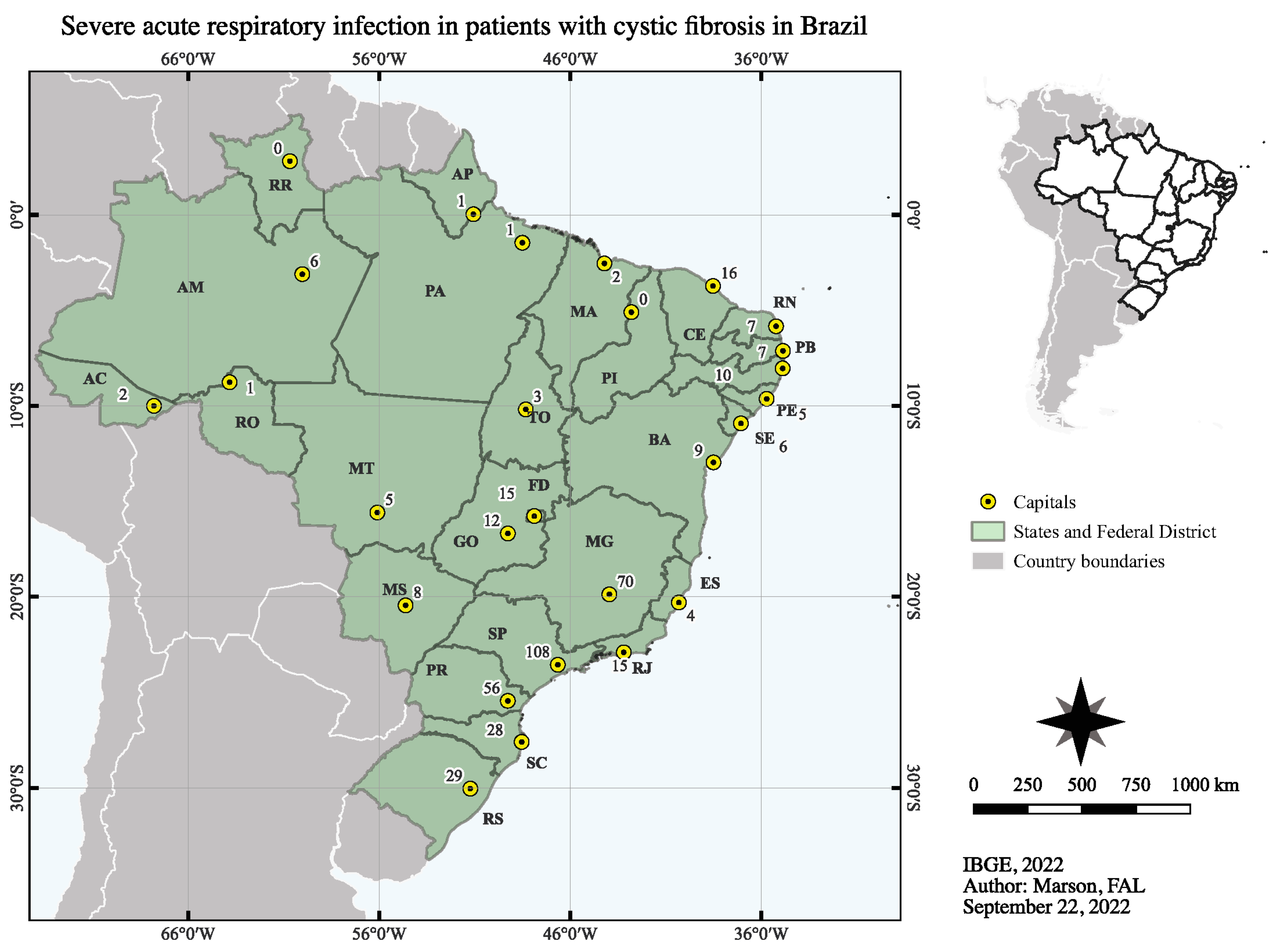
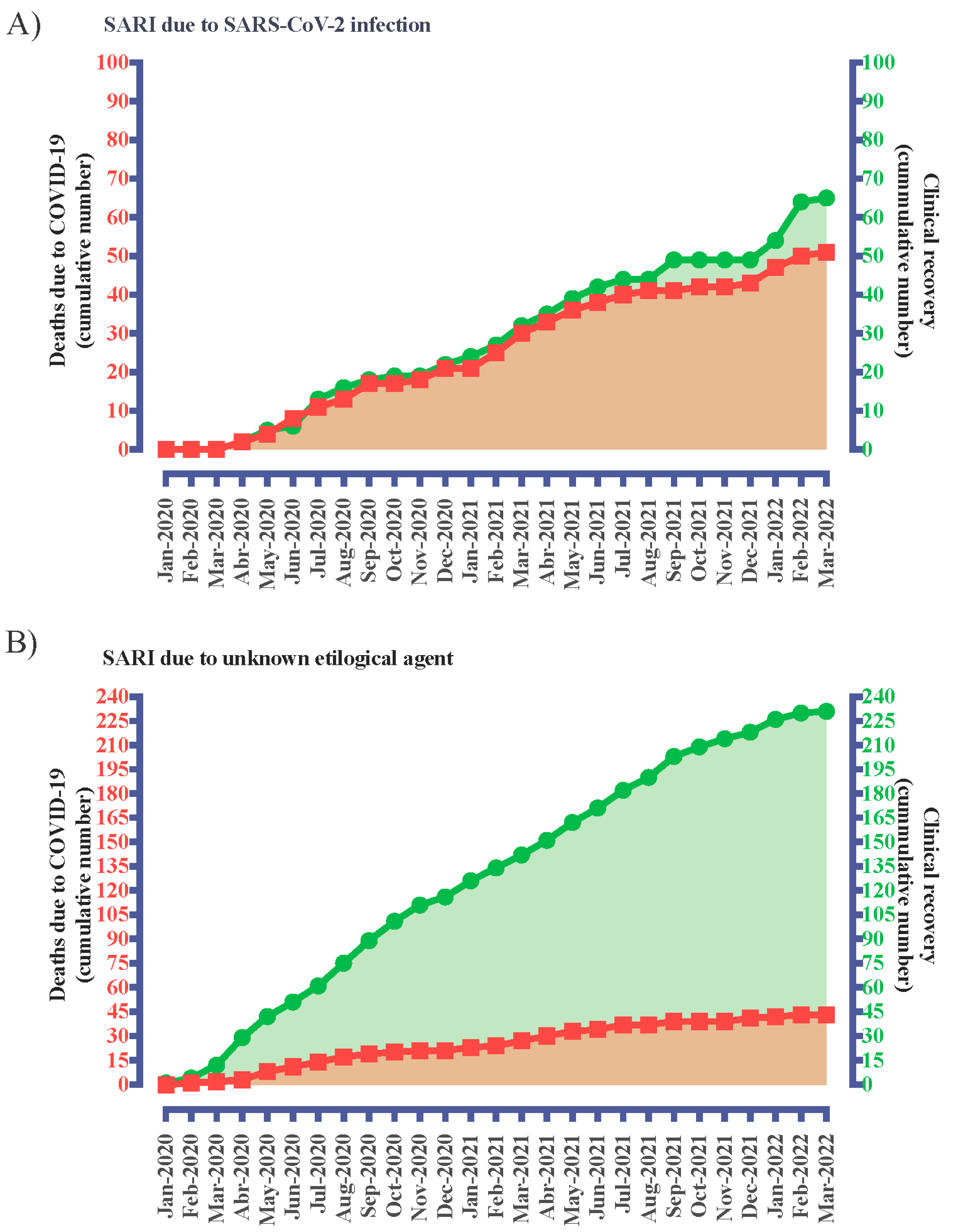
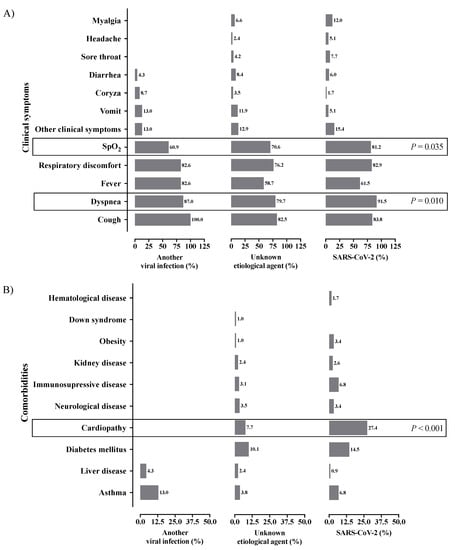
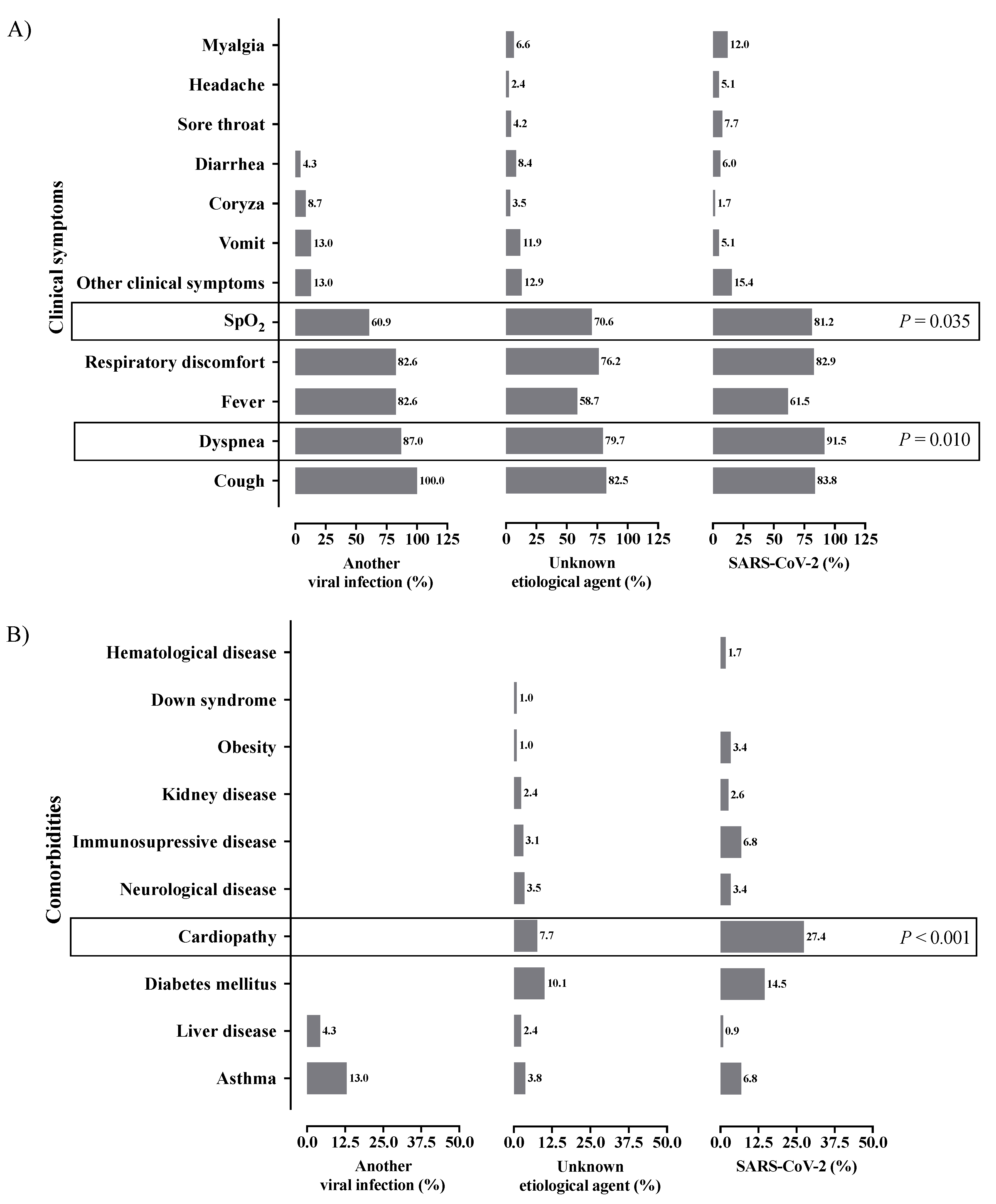
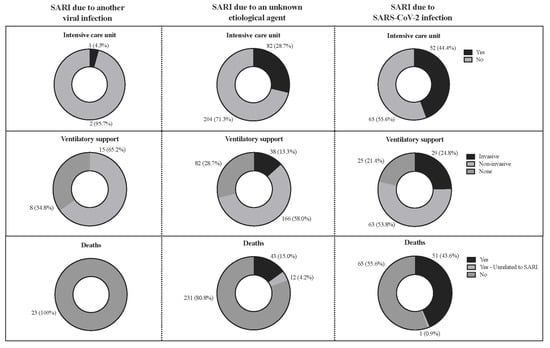
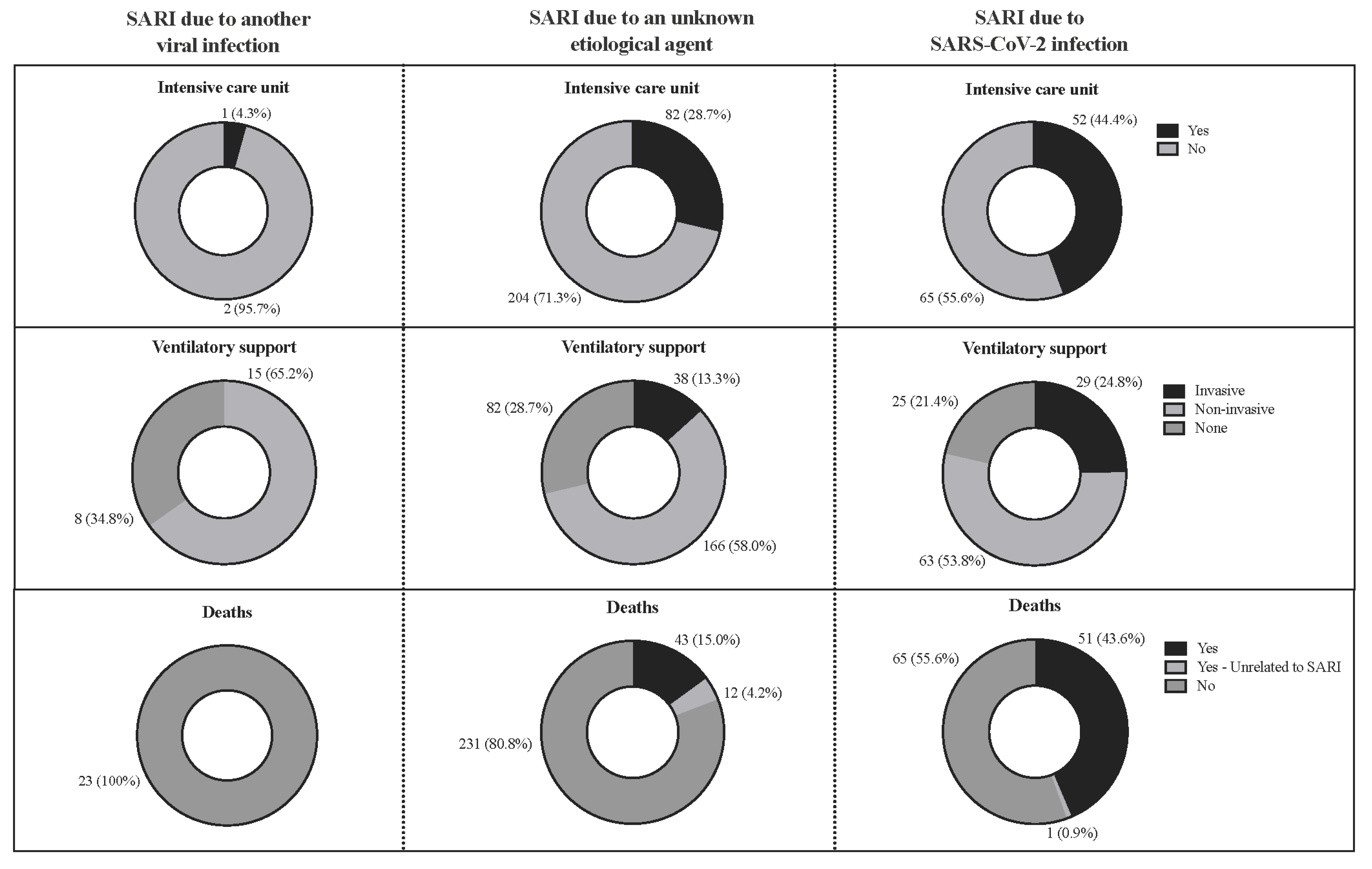
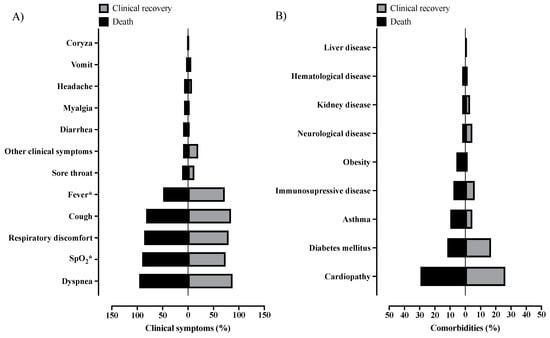
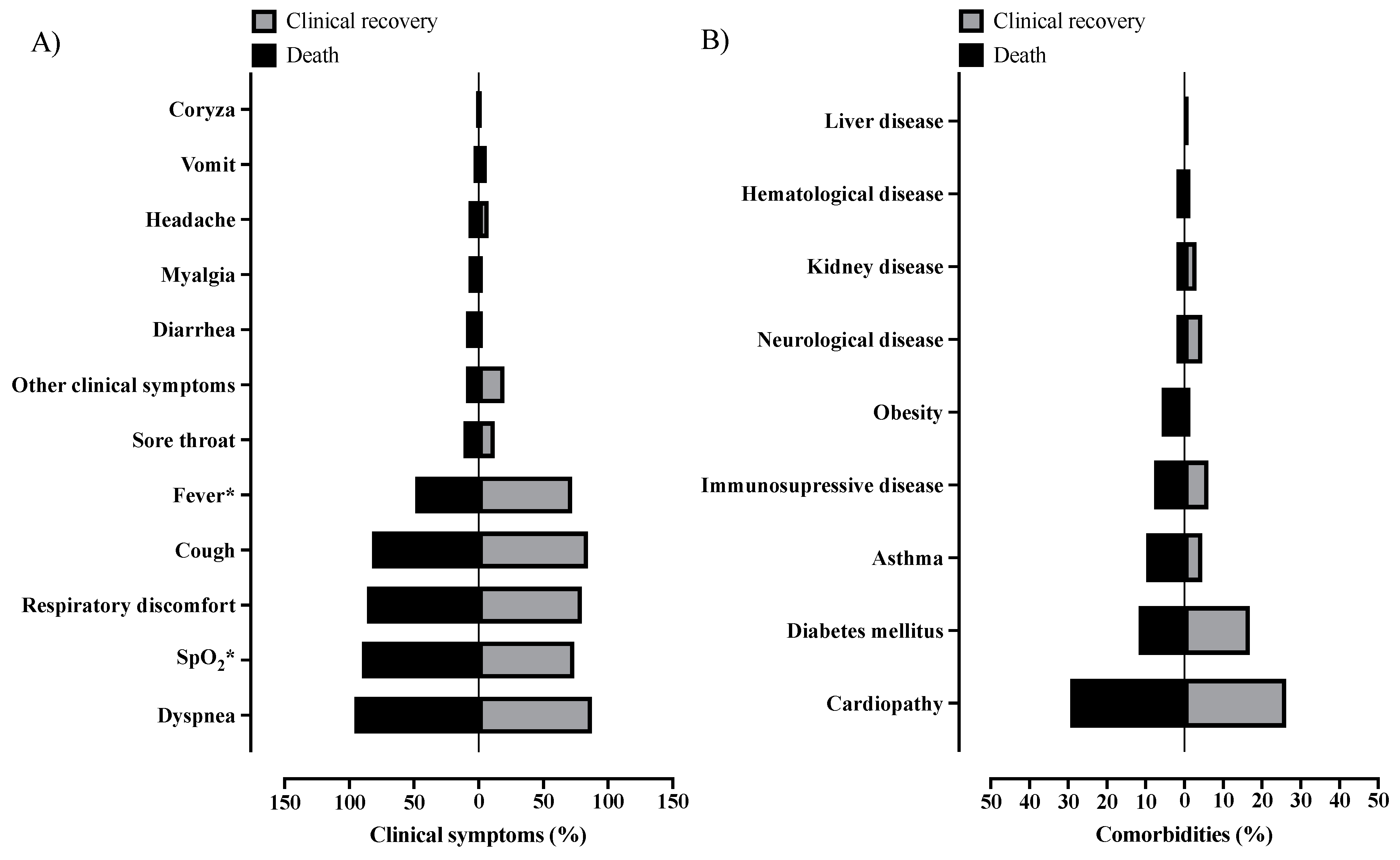
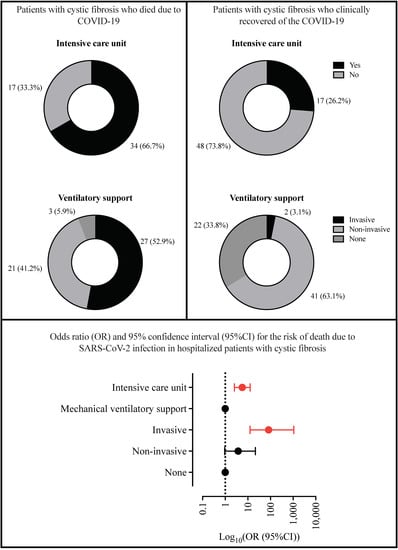
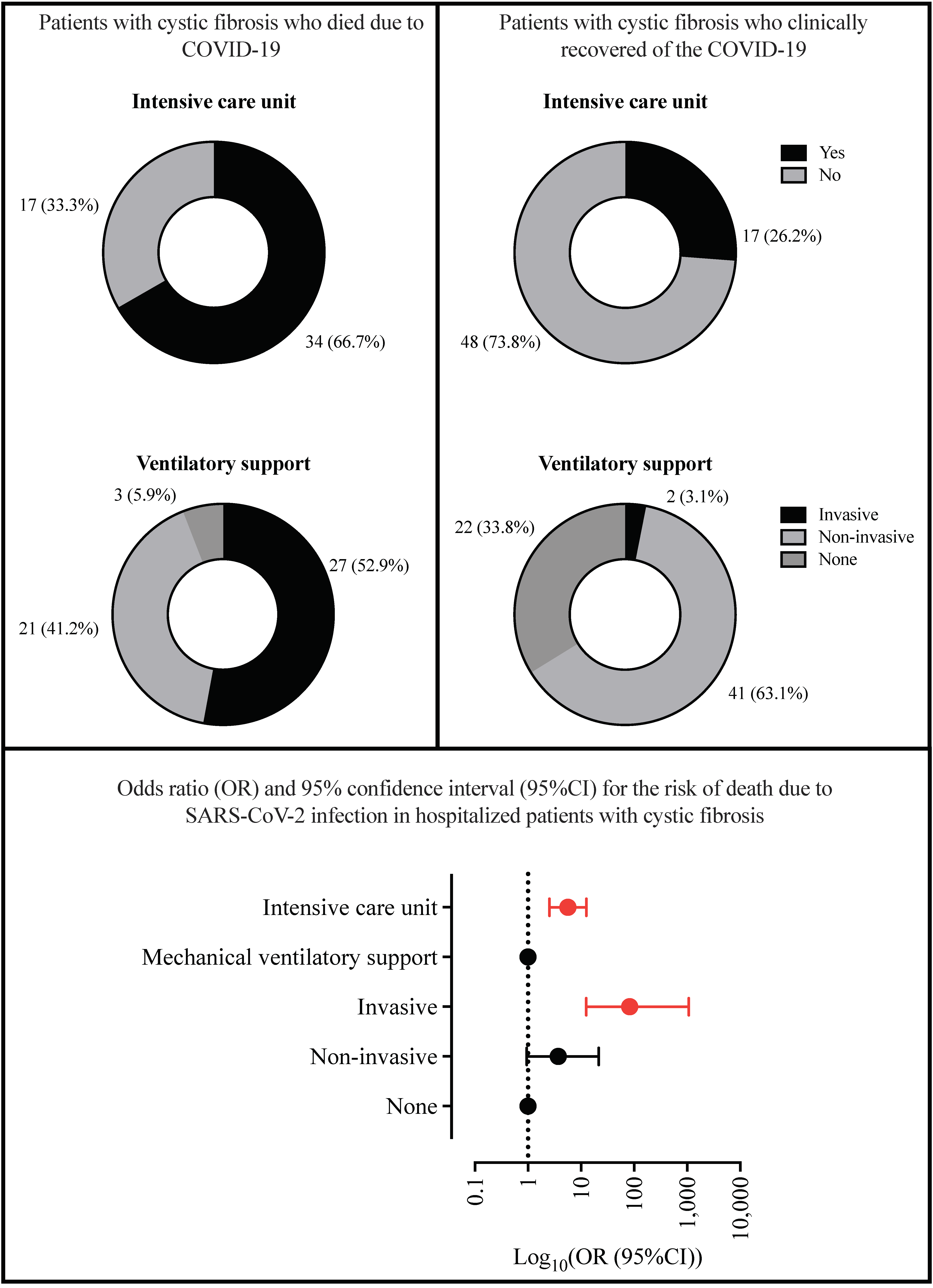

Disclaimer/Publisher’s Note: The statements, opinions and data contained in all publications are solely those of the individual author(s) and contributor(s) and not of MDPI and/or the editor(s). MDPI and/or the editor(s) disclaim responsibility for any injury to people or property resulting from any ideas, methods, instructions or products referred to in the content. |
© 2023 by the authors. Licensee MDPI, Basel, Switzerland. This article is an open access article distributed under the terms and conditions of the Creative Commons Attribution (CC BY) license (https://creativecommons.org/licenses/by/4.0/).