Article

Numerical Study of Shock Wave Interaction with V-Shaped Heavy/Light Interface
by
Salman Saud Alsaeed
1 and
Satyvir Singh
2,3,*
1
Department of Mathematics, College of Science, Jouf University, Sakaka P.O. Box 2014, Saudi Arabia
2
Applied and Computational Mathematics, RWTH Aachen University, 52062 Aachen, Germany
3
Department of Mathematics, Graphic Era Deemed to be University, Dehradun 248002, India
*
Author to whom correspondence should be addressed.
Mathematics 2024, 12(19), 3131; https://doi.org/10.3390/math12193131
Submission received: 4 September 2024 / Revised: 25 September 2024 / Accepted: 3 October 2024 / Published: 7 October 2024
(This article belongs to the Special Issue Numerical Solution of Differential Equations and Their Applications)

Abstract

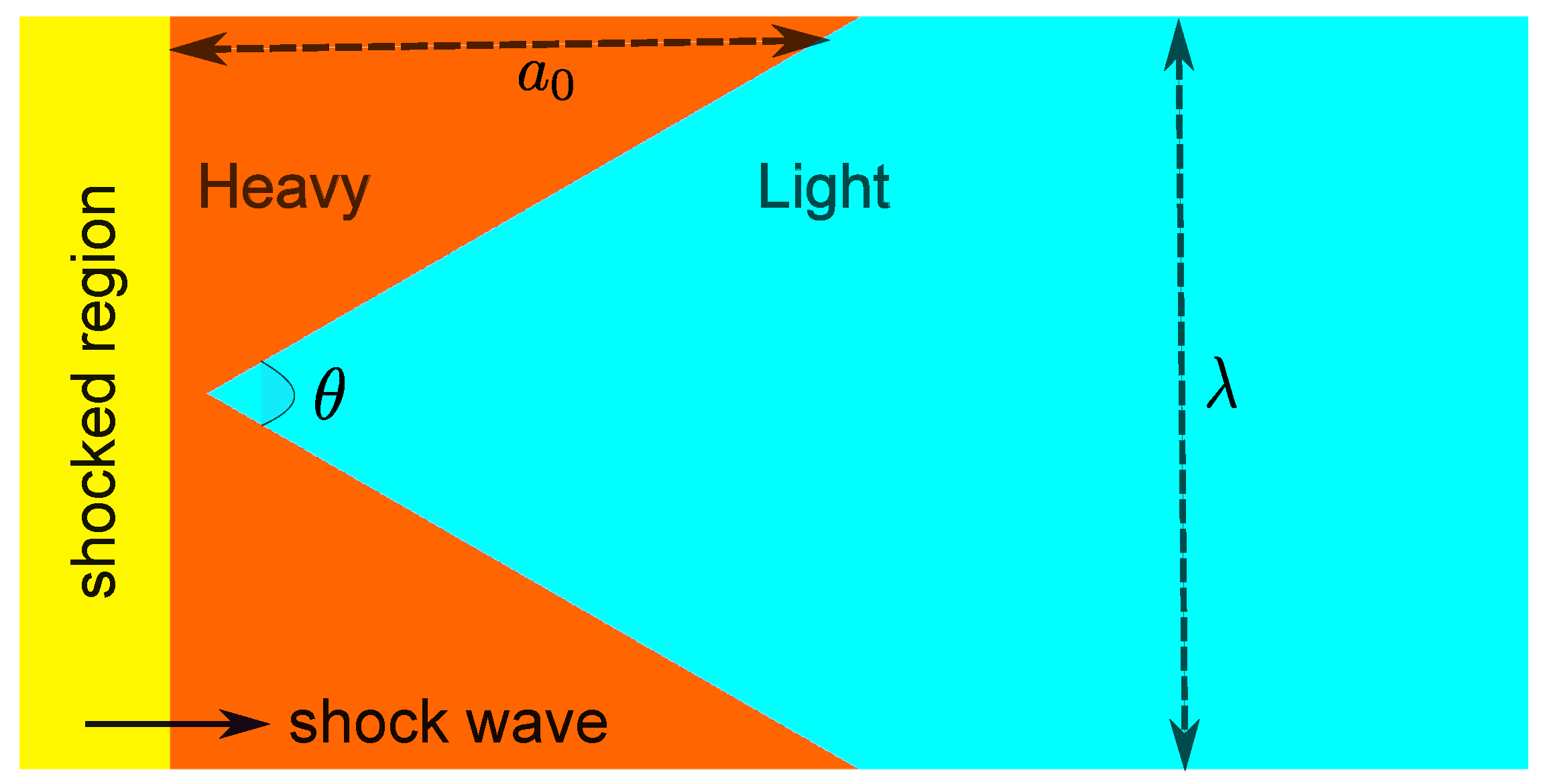
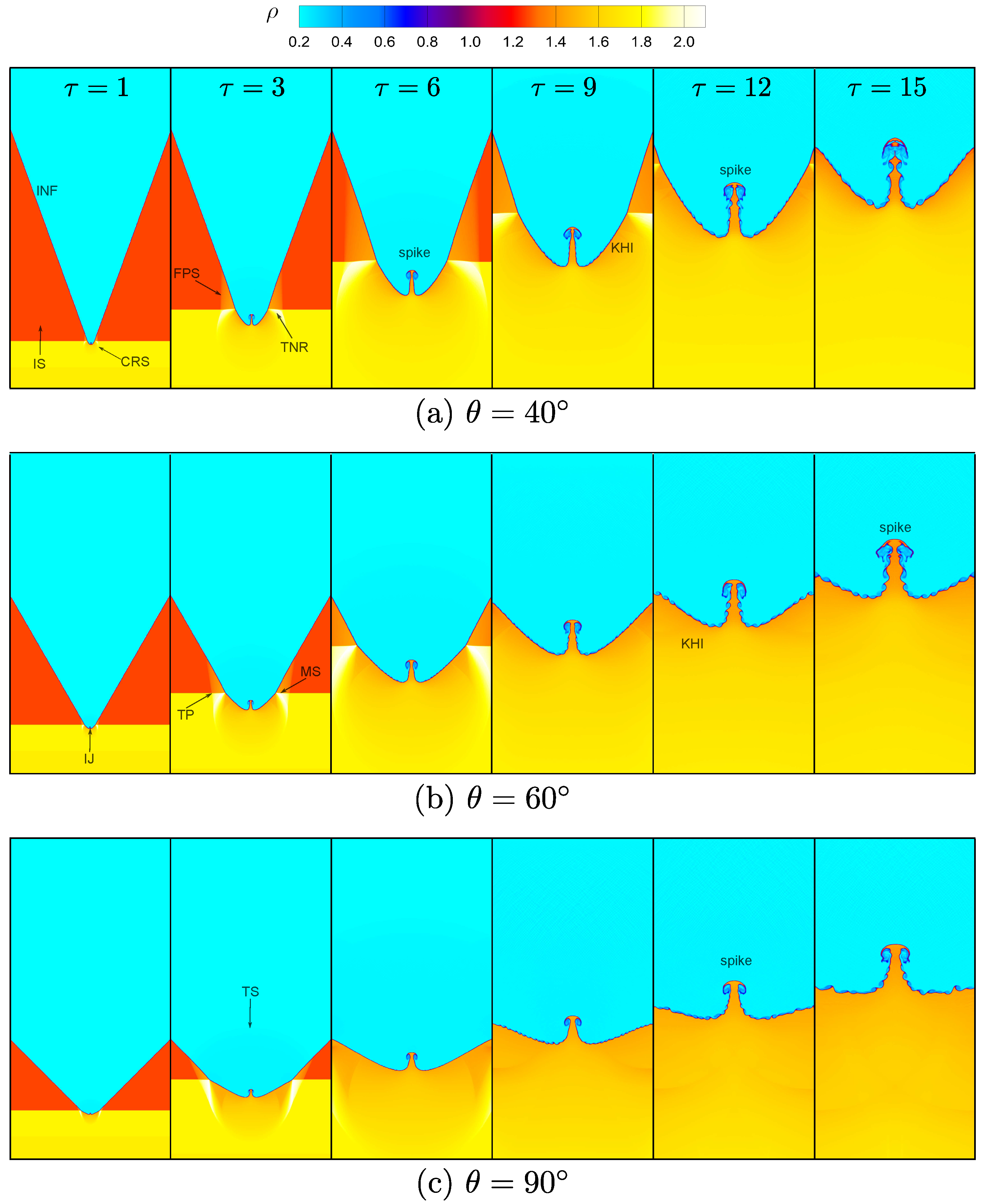
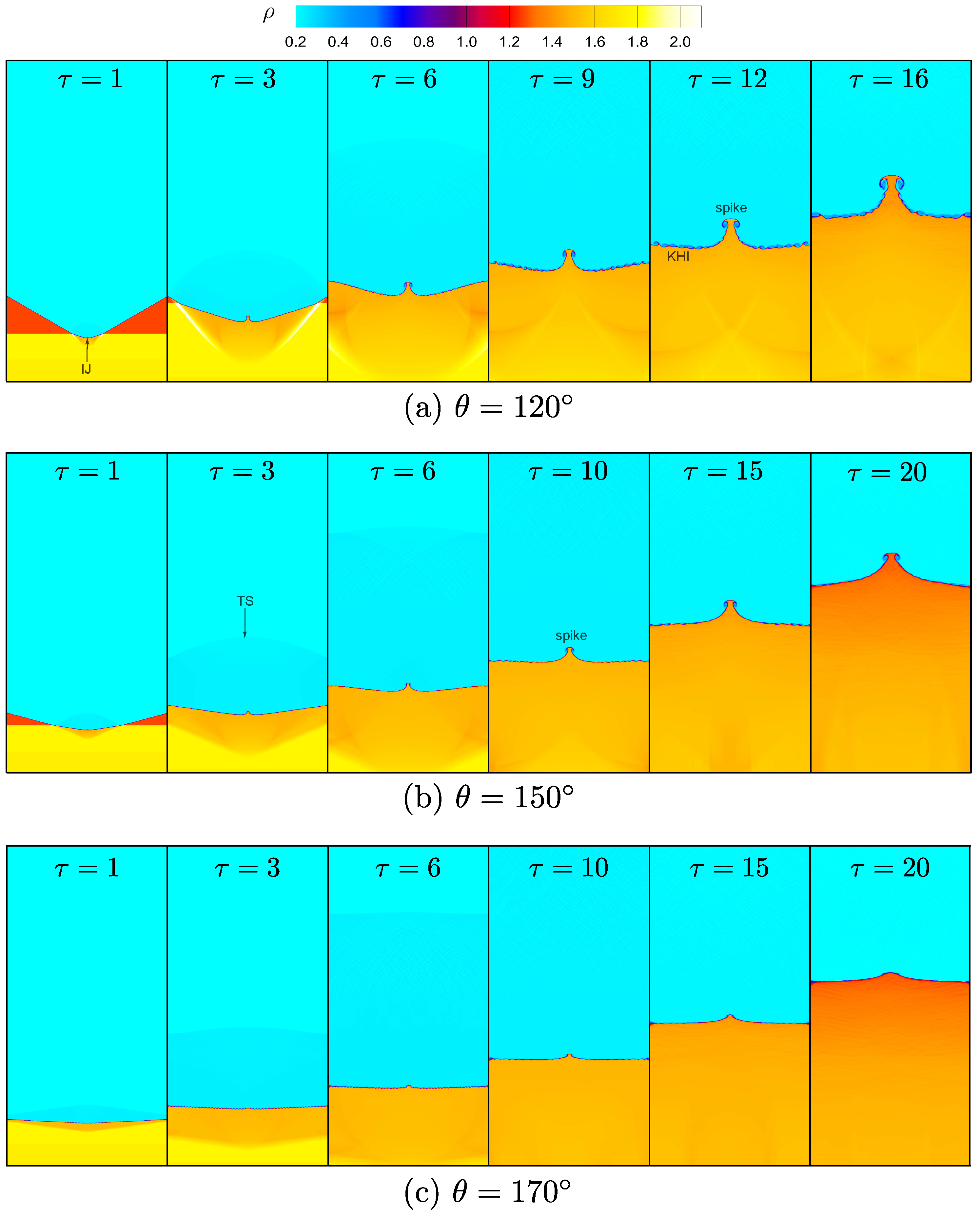
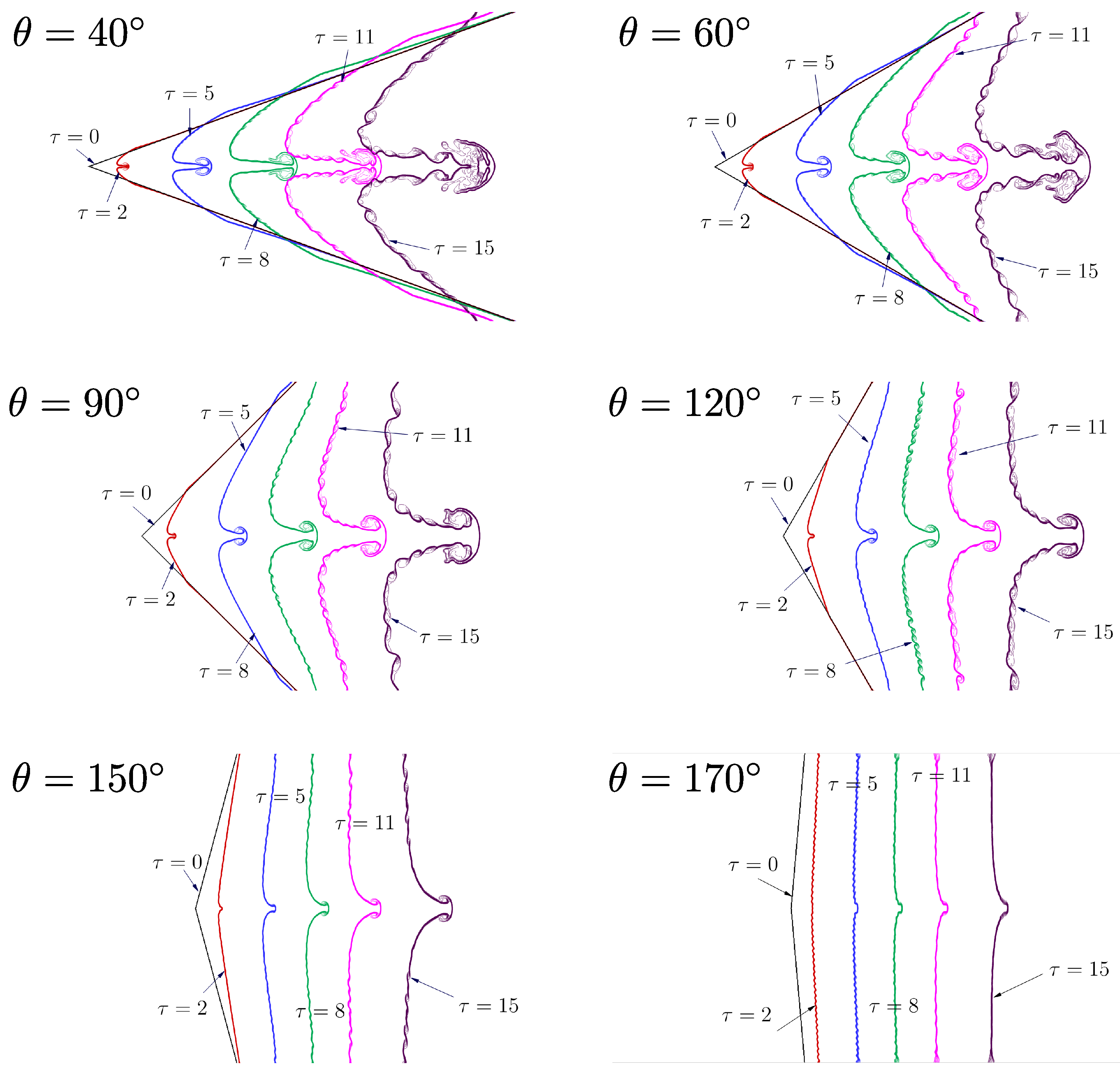
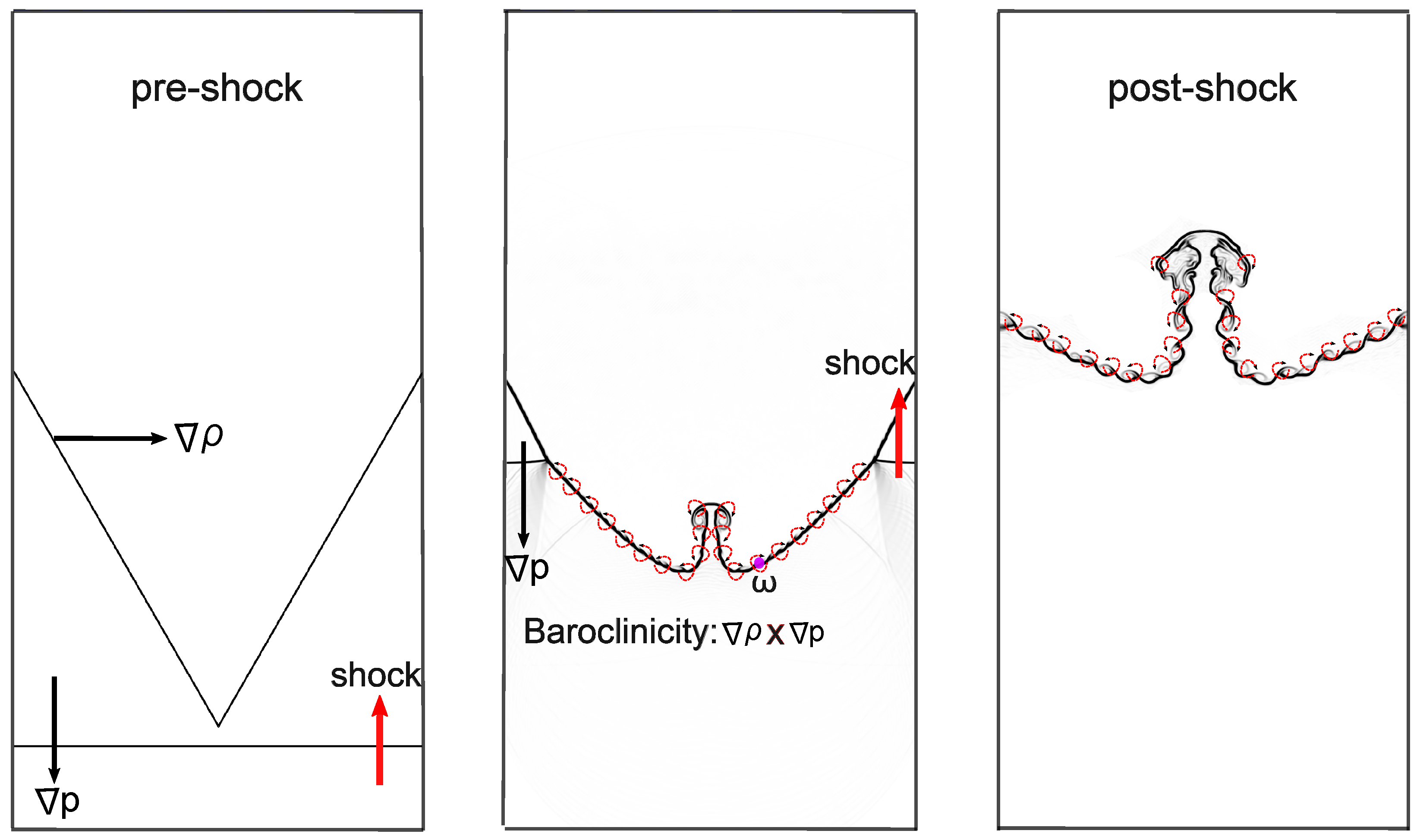
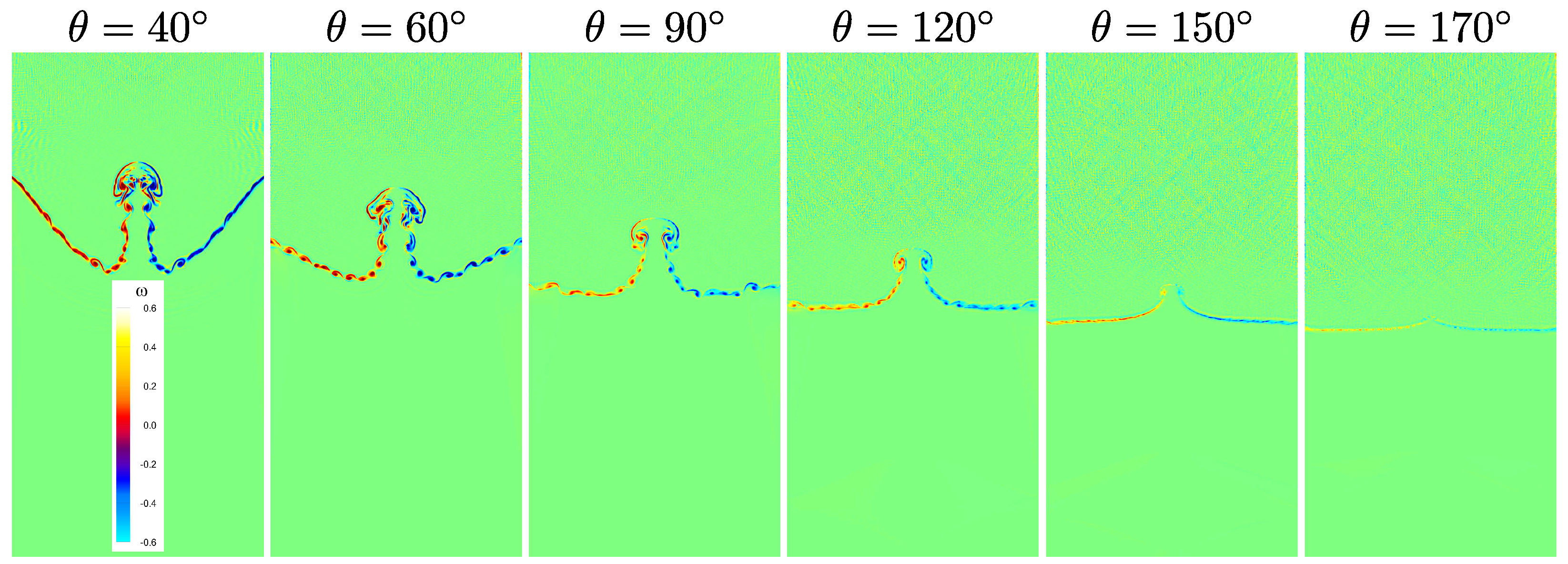
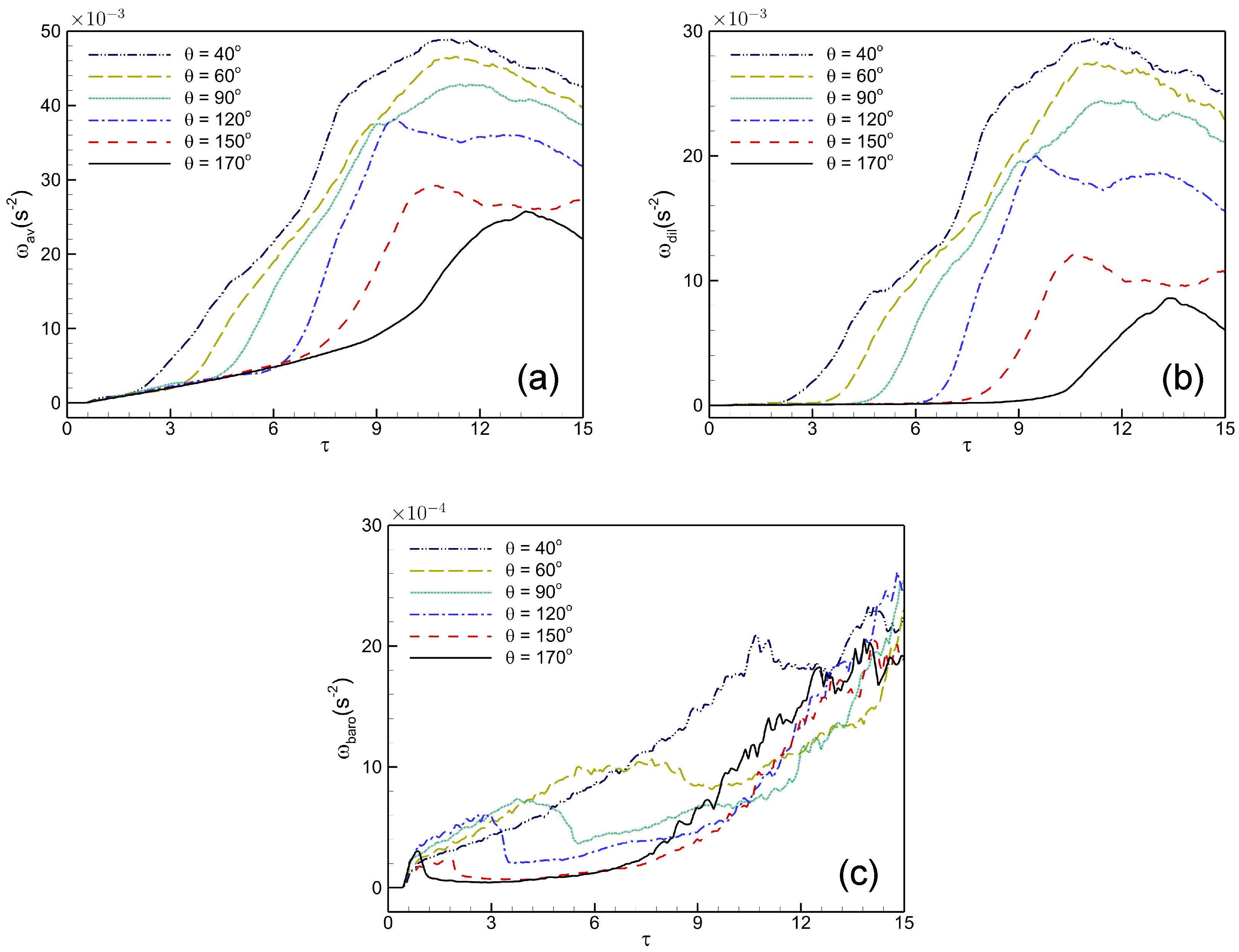
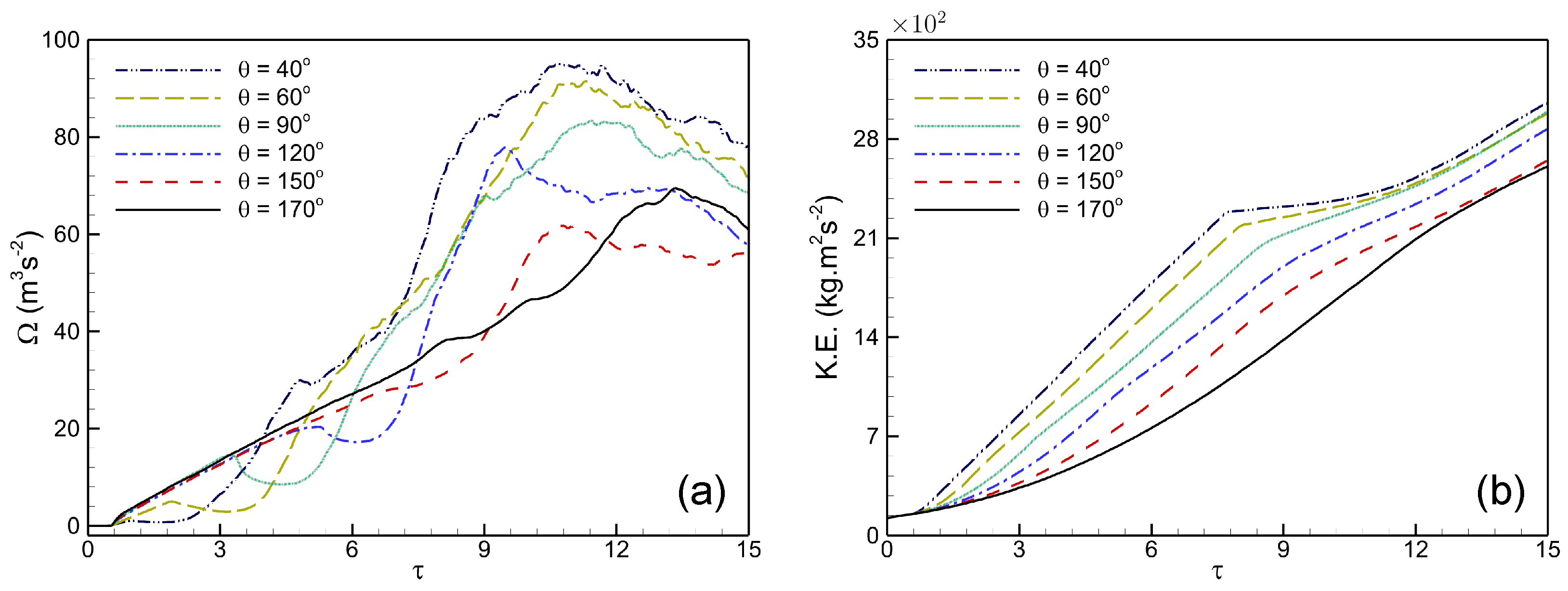
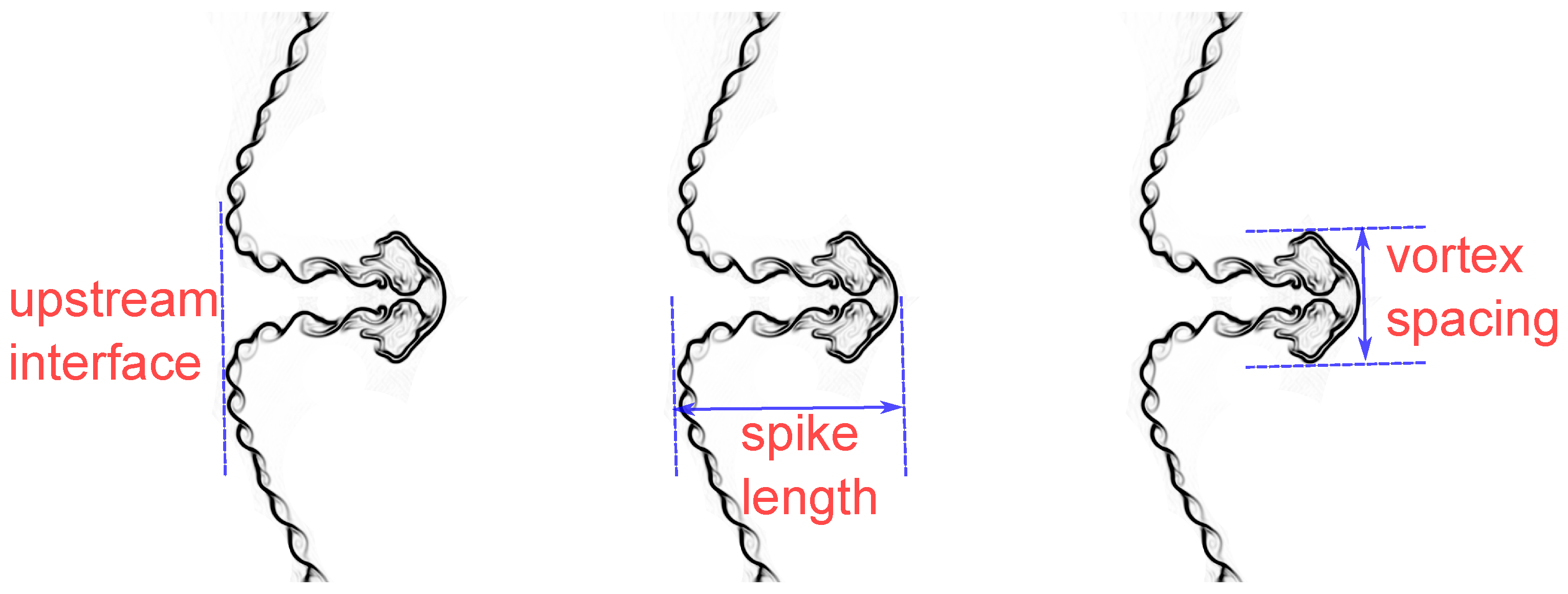
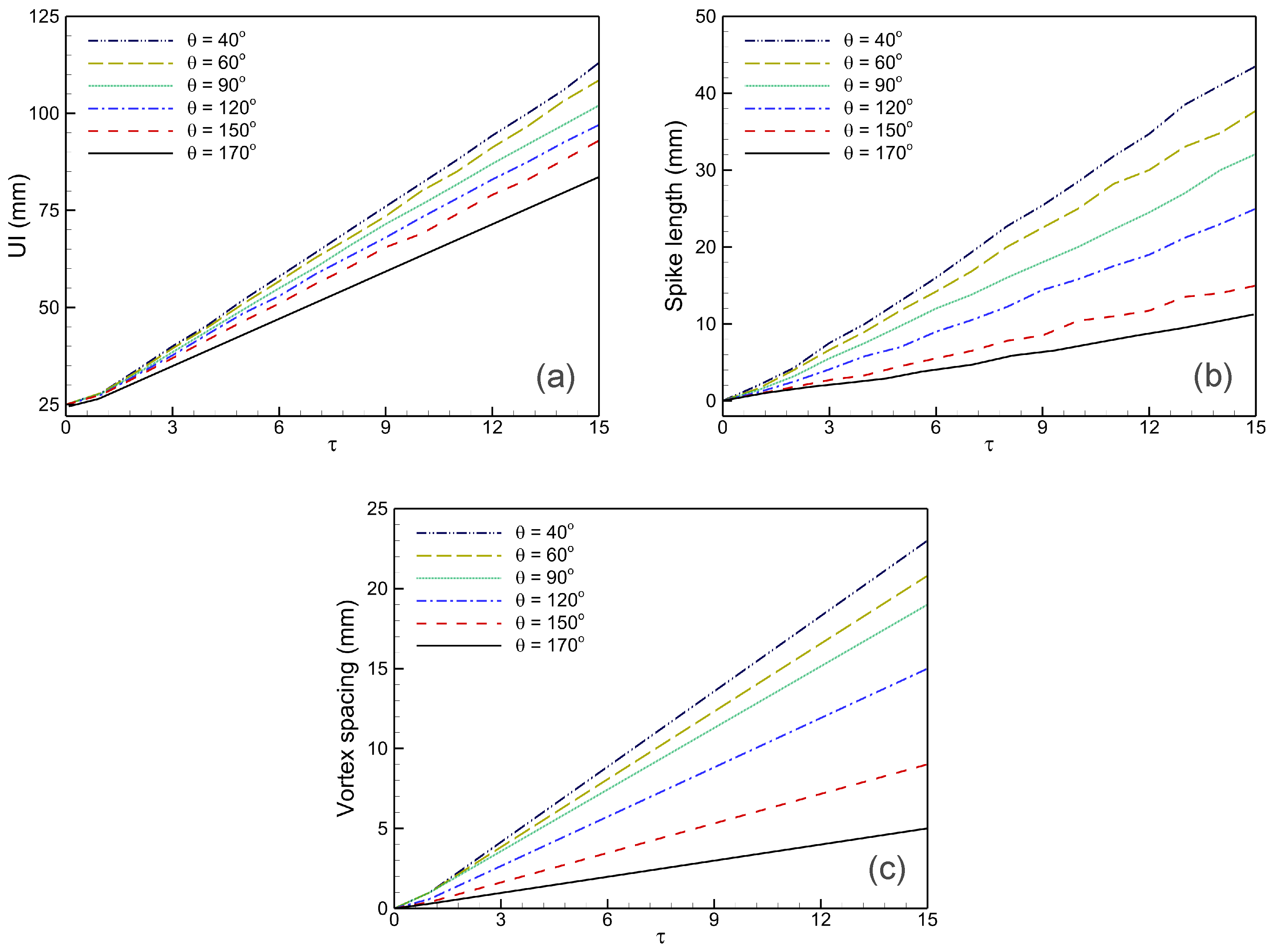
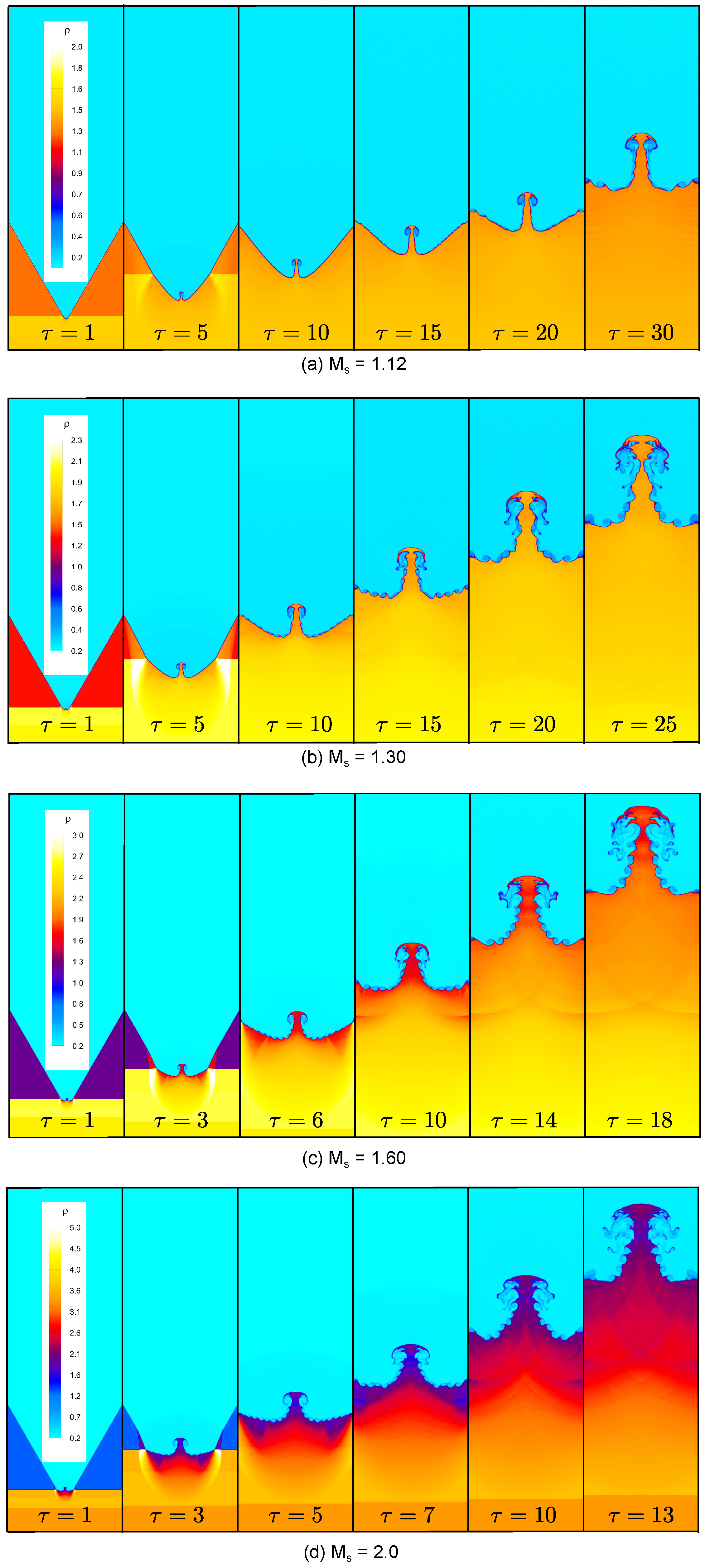
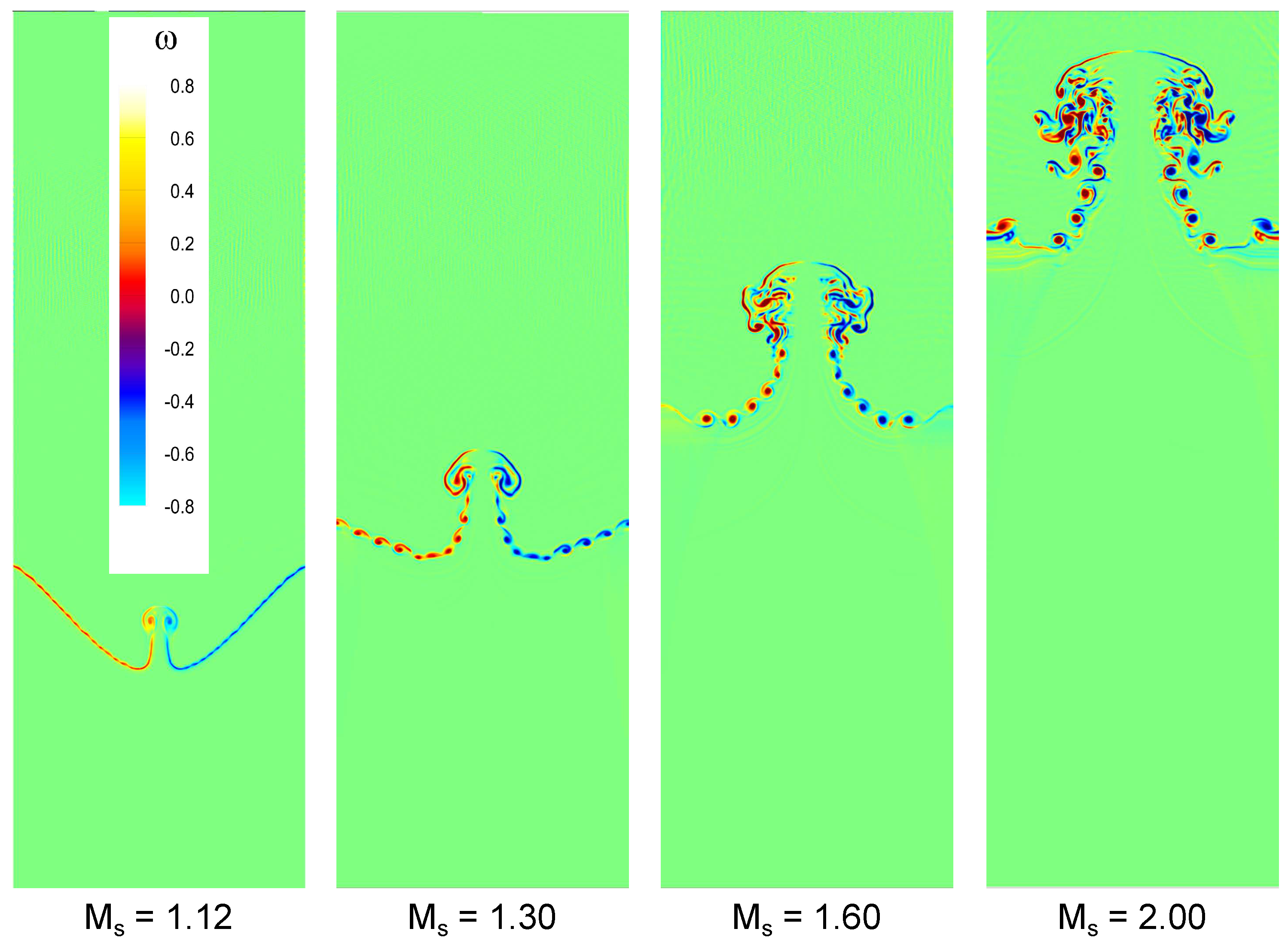
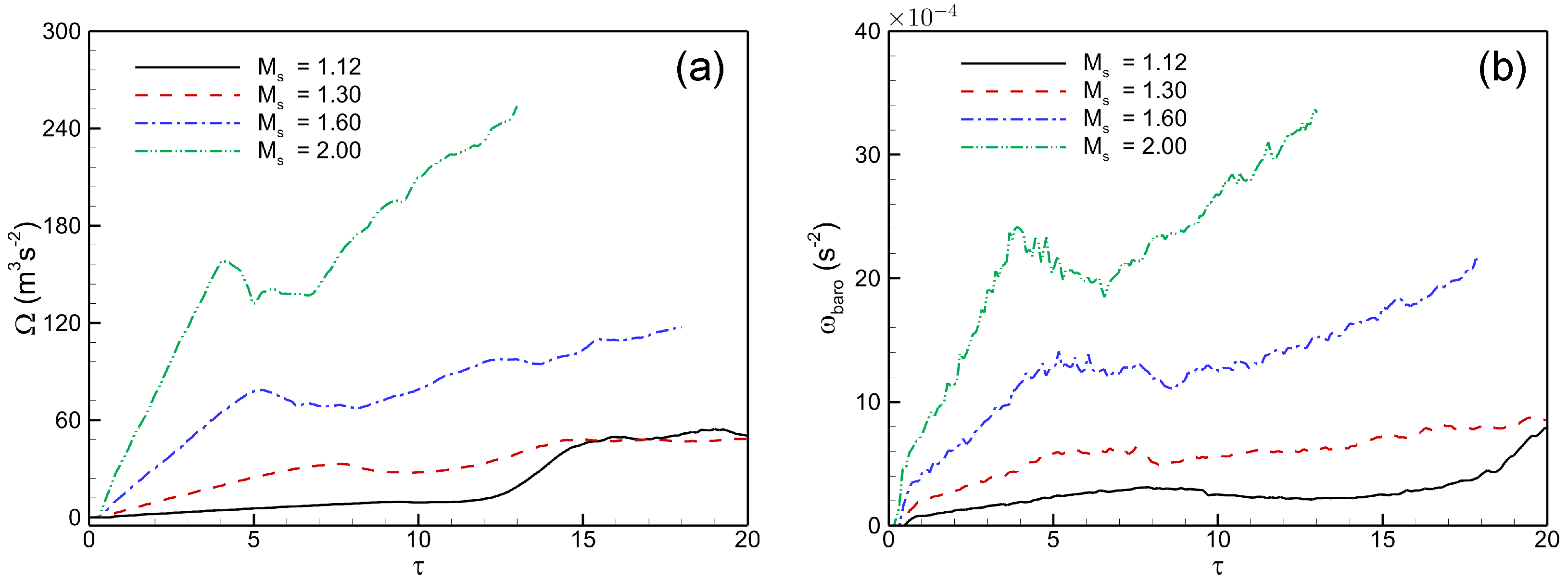
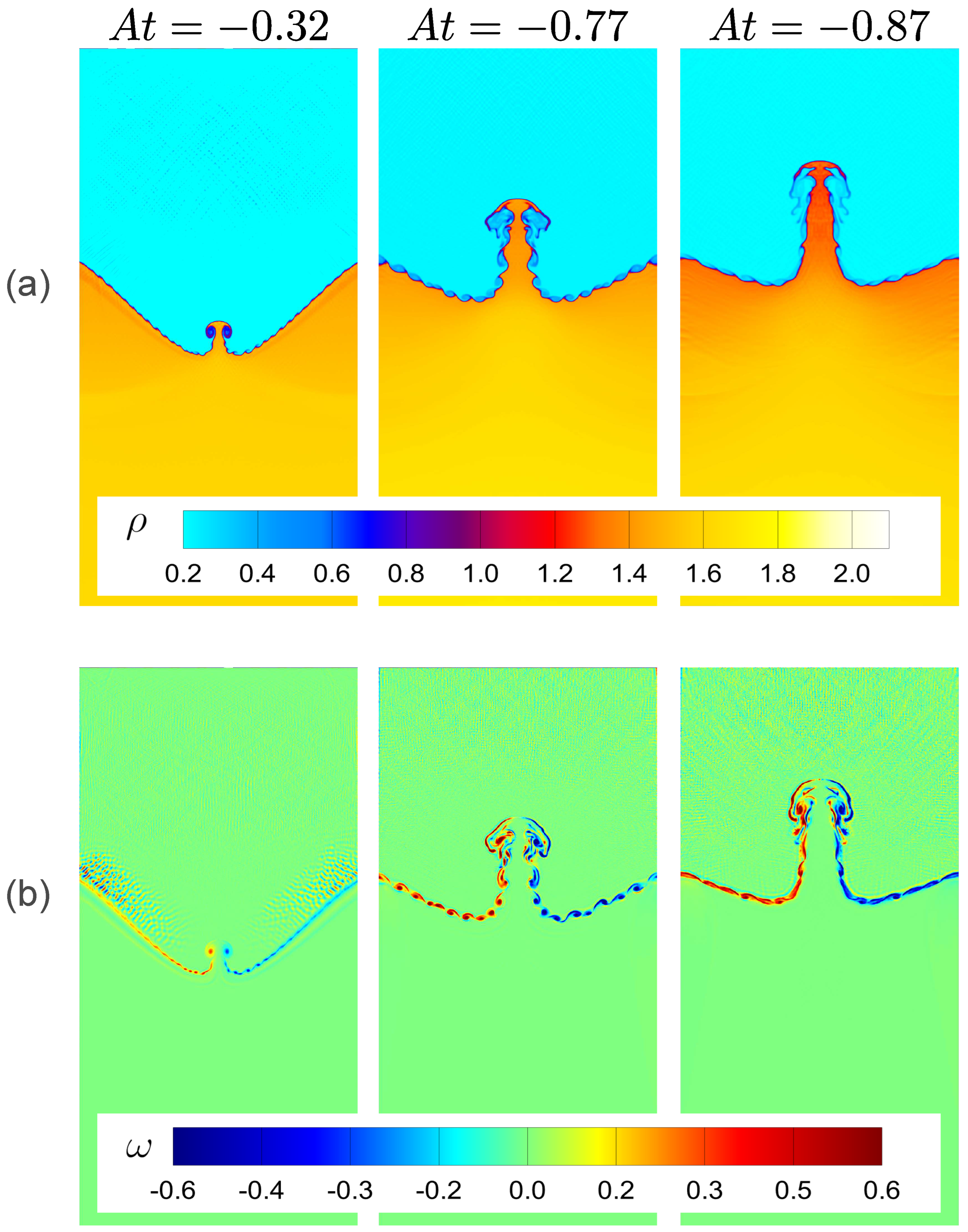
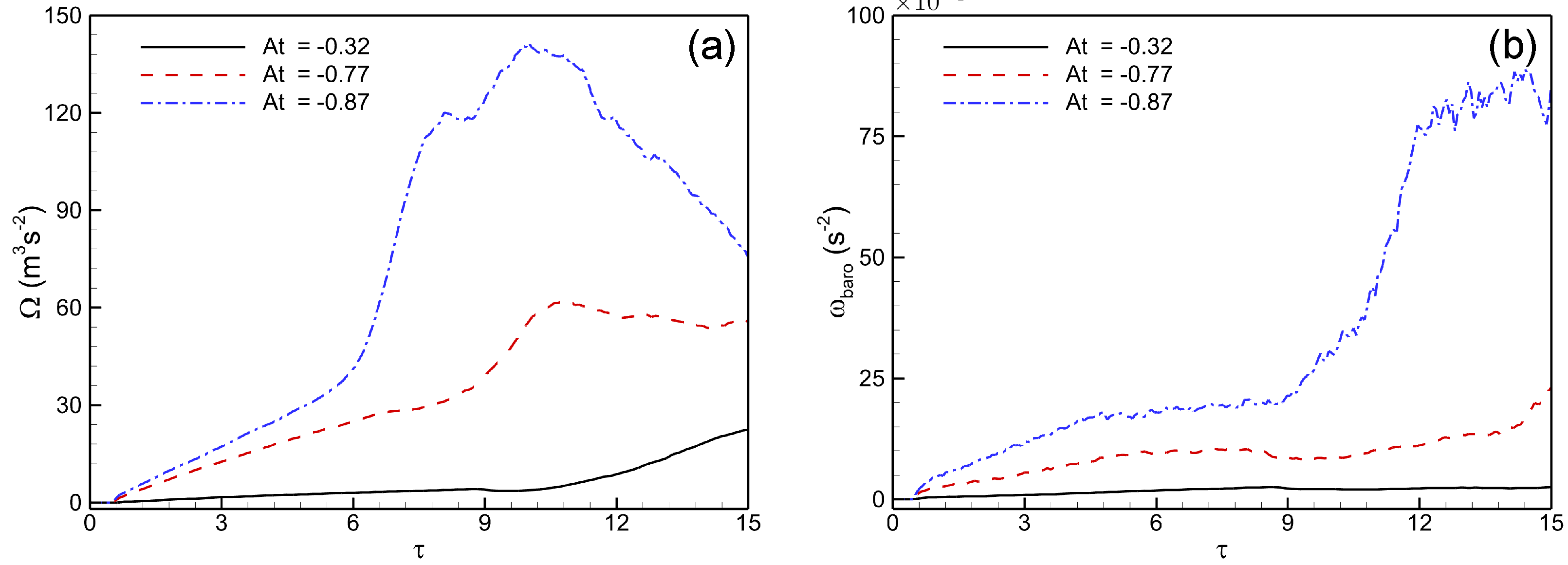
This paper investigates numerically the shock wave interaction with a V-shaped heavy/light interface. For numerical simulations, we choose six distinct vertex angles (θ=40,60,90,120,150, and 170), five distinct shock wave strengths (Ms=1.12,1.22,1.30,1.60, and 2.0), and three different Atwood numbers (At=0.32,0.77, and 0.87). A two-dimensional space of compressible two-component Euler equations are solved using a third-order modal discontinuous Galerkin approach for the simulations. The present findings demonstrate that the vertex angle has a crucial influence on the shock wave interaction with the V-shaped heavy/light interface. The vertex angle significantly affects the flow field, interface deformation, wave patterns, spike generation, and vorticity production. As the vertex angle decreases, the vorticity production becomes more dominant. A thorough analysis of the vertex angle effect identifies the factors that propel the creation of vorticity during the interaction phase. Notably, smaller vertex angles lead to stronger vorticity generation due to a steeper density gradient, while larger angles result in weaker, more dispersed vorticity and a less complex interaction. Moreover, kinetic energy and enstrophy both dramatically rise with decreasing vortex angles. A detailed analysis is also carried out to analyze the vertex angle effects on the temporal variations of interface features. Finally, the impacts of different Mach and Atwood numbers on the V-shaped interface are briefly presented.
Keywords: shock wave; Richtmyer–Meshkov instability; V-shaped interface; vorticity shock wave; Richtmyer–Meshkov instability; V-shaped interface; vorticity