


Abstract
Scientific writing remains a persistent difficulty for Indonesian undergraduates, and the Indonesian language teaching materials currently in use neither embed project-based learning (PjBL) nor exploit interactive digital formats. This study examined whether students receiving a combined PjBL–interactive e-book intervention demonstrated greater gains in research proposal writing than students receiving conventional instruction. The e-book, developed through the ADDIE model and organized as five weekly project cycles culminating in a mini research proposal, was first evaluated by content, media, and language experts and then by lecturers and students in a limited pilot. Learning outcomes were compared using a quasi-experimental pretest–posttest control-group design with 138 students taking the compulsory Indonesian language course in two study programmes at two universities. Writing performance was scored with an analytic rubric comprising five aspects and twelve weighted sub-indicators derived from an established framework for proposal construction. Students who learned with the e-book outperformed their peers in conventional instruction on the posttest and on normalized gain. The between-group difference was large, remained similar after adjustment for pretest scores and in sensitivity analyses accounting for class clustering, and was of comparable magnitude in both disciplinary contexts. Because the intervention combines a project syntax with an interactive digital format, the design evaluates the combined instructional package; the independent contribution of the pedagogy and the medium cannot be separated and is not claimed here.
1. Introduction
Scientific writing is an essential academic skill that university students are required to master in higher education, as it supports success during studies and holds considerable relevance for professional work and participation in the production of technical knowledge (Coffin et al., 2003; Wingate, 2012). In Indonesia, this skill is formally developed through the compulsory Indonesian language course taught in every study programme, one of the learning outcomes of which is the ability to produce scientific work through research. The course is therefore the principal setting in which students develop academic literacy and scholarly communication across disciplines.
1.1. Scientific Writing Competence in the Research Proposal
The scope of scientific writing in this study is limited to research proposal writing. The delimitation rests on three considerations. First, graduate learning outcomes require the ability to produce scientific work through research, and the proposal is the gateway that determines the quality of the entire process. Second, the proposal is the form of scientific writing most relevant to the Indonesian language course because it contains the fundamental components of academic writing in full, from problem formulation and literature review to method design. Third, previous studies have shown that proposal writing can be improved appreciably through project-based instruction (Khalaf & Alshammari, 2023; Paris et al., 2024). Accordingly, the phrase scientific writing skills refers throughout this article to research proposal writing skills.
Delimiting the genre does not by itself specify the competence being taught and measured. Following the academic literacies tradition (Lea & Street, 2006; Wingate, 2012) and recent work on the validation of analytic rubrics for academic writing (Uludag & McDonough, 2022), proposal writing competence is understood here as the coordination of three layers. The first is the rhetorical and structural control of the genre: the ability to construct a problem that is worth investigating, to move from a general phenomenon to a researchable question, and to arrange the argument so that objectives, framework, and method follow from that question instead of standing beside it. The second is source literacy: the ability to locate scholarly sources, to synthesize them into a position instead of listing them, to identify the gap the study addresses, and to cite accurately and consistently. The third is control of the academic register: coherence and cohesion at the level of the text, and precision, impersonality, and conventional mechanics at the level of the sentence.
The three layers are not assessed abstractly but through the components that Indonesian research methods teaching treats as constitutive of a proposal. Sugiyono (2019) specifies these components as background and problem identification, problem formulation, objectives and significance, theoretical framework and literature review, and research methods. The last of these covers the type of research, the population and sample or the participants and setting, data collection instruments and techniques, and the data analysis plan. Citation conventions and the language in which the proposal is expressed are added to these components. The framework is used here because it is the reference on which the research methods curricula of both participating universities are built, so that what is taught, what students are asked to produce, and what is scored refer to the same description of the genre.
The rubric used in this study operationalizes the three layers through these components. It comprises five aspects: introduction, theoretical framework and literature review, research methodology, citation and references, and structure and academic language. These are expanded into twelve weighted sub-indicators. The first three aspects capture rhetorical and structural control together with methodological reasoning, the fourth captures source literacy, and the fifth captures register. The complete rubric, its weights, and its mapping onto Sugiyono’s (2019) components are reported in Section 2.5, so that the scores presented in Section 3.2 can be read as statements about specific competences.
1.2. Project-Based Learning as a Pedagogy for Scientific Writing
Project-based learning (PjBL) is an instructional model in which students engage in an extended inquiry organized around a question or problem, culminating in a product that is shared beyond the classroom. Thomas (2000), reviewing the early literature, characterized the model using five criteria: the project must be central to the curriculum and not peripheral to it, must be organized around a driving question, must involve constructive investigation, must be driven to a significant degree by students themselves, and must be realistic. These criteria distinguish PjBL from projects as an assignment appended to conventional teaching, which is how projects most often appear in writing courses.
Two broad orientations can be distinguished within this tradition, which differ in what they specify. One is concerned chiefly with the cognitive and motivational conditions of sustained inquiry and with the scaffolding required to keep learners engaged in it (Blumenfeld et al., 1991). It specifies the psychology of the model in detail but leaves its sequencing to the teacher. The other specifies the design elements that a project must contain. The most influential statement of the second orientation is the Gold Standard model (Larmer et al., 2015), which names seven elements: a challenging problem or driving question, sustained inquiry, authenticity, student voice and choice, reflection, critique and revision, and a public product. A recent systematic review found that these seven elements now function as the standard against which implementations are described, while also reporting that fewer than half of the studies reviewed incorporated all of them, and that critique and revision and student voice and choice were among the most often omitted elements (Al-Kamzari & Alias, 2025).
The Gold Standard model was adopted here for a reason specific to the object being developed. This study did not train teachers in a pedagogy; it built a teaching material that had to carry the pedagogy in the absence of the designer. This requires a model whose elements can be turned into recurring components of a text: a driving question at the head of each chapter, a worksheet that structures inquiry, a worked example that establishes authenticity, a choice of topic that gives students voice, a reflection prompt, a peer critique protocol, and a weekly output that accumulates into a public product. The seven Gold Standard elements translate into such components directly, whereas the other models describe conditions that a book cannot guarantee. The two elements most frequently omitted in practice, critique and revision and student voice and choice (Al-Kamzari & Alias, 2025), are the two that written material can hold in place most reliably, since a critique protocol and a point of choice can be printed into every cycle instead of being left to classroom improvisation.
The elements also correspond closely to what writing research recommends. Writing develops through cycles of planning, drafting, feedback, and revision, not through single-pass composition (Flower & Hayes, 1981), which is what critique and revision, sustained inquiry, and reflection build into the course. The most recent best-evidence synthesis of writing instruction reports that the treatments with the largest effects are the process approach and explicit strategy instruction. Feedback and prewriting activities also produce reliable gains (Graham et al., 2025). A meta-analysis of peer feedback in second language writing reports a substantial overall effect on writing quality, larger for content than for language and larger on revisions than on new compositions (Vuogan & Li, 2023). PjBL has been reported to improve academic writing, and learning outcomes more generally, across educational settings (Andargie et al., 2025; Cahyono et al., 2024; Chen & Yang, 2019; Gao et al., 2024; Zhang & Ma, 2023). The evidence extends to proposal writing at the postgraduate level (Khalaf & Alshammari, 2023) and to academic text writing in Indonesian higher education (Paris et al., 2024).
1.3. Digital Teaching Materials and the Pedagogy They Carry
Digital transformation in higher education has shifted the priority from lecturer-centered instruction towards student-centered, technology-supported learning (Garrison & Vaughan, 2008). A manifestation of this process is the increasingly widespread use of digital teaching materials and e-books, which offer portability, ease of access, multimedia features, and opportunities for periodic updating (Rockinson-Szapkiw et al., 2013). Interactive e-books have been shown to improve learning outcomes and are viewed positively by students (Almekhlafi, 2021; Asrowi et al., 2019). Recent meta-analytic evidence further supports this result, showing that e-books outperform printed books in language learning with a moderate effect, and that interactive e-books are more effective than non-interactive versions (Listanto et al., 2025). Technology-supported academic writing interventions, such as digital writing assistants and online collaborative scaffolding, have been shown to improve students’ writing performance (Benabbes et al., 2025; Nazari et al., 2021).
However, the benefits of a digital format cannot be assumed from the characteristics attributed to a “digital generation,” for which there is no empirical support (Kirschner & De Bruyckere, 2017). Digital teaching materials afford only what the instruction they carry allows. Portability, multimedia, and interactivity become learning gains only when they serve an instructional strategy that structures what students do with them. Recent meta-analytic work reaches the same conclusion, finding the effects of digital learning materials to be moderated by design and by length of use (Aligo & Prudente, 2025; Listanto et al., 2025). This is the argument for combining an interactive format with an explicit pedagogy of writing, and it is the rationale for the product examined here.
This is also the reason why the difficulties that motivate this study cannot be treated as settled by older evidence alone. The conceptual account of why students struggle, which attributes the difficulty to unfamiliarity with disciplinary conventions and not to deficient technique (Lea & Street, 2006; Wingate, 2012), has not been superseded. However, the claim that the difficulty persists under present conditions requires present evidence. A recent systematic review of academic writing in higher education reports that students continue to struggle with academic tone and style and with the use of sources, and that insufficient instructional support remains among the principal factors involved (Nurkamto et al., 2024). Together with the intervention studies cited above, this indicates that the gap between the demands of academic work and students’ current skills remains open, and that digital support alters the conditions of instruction without closing it.
1.4. Research Gap, Preliminary Field Study, and the Present Study
The literature shows three gaps related to this study. First, research on e-books and digital media for writing instruction has focused on design validity and short-term learning outcomes, without explicitly integrating project syntax into the structure of the product. Second, the effectiveness of PjBL for academic writing has been documented mainly in English-language and postgraduate contexts (Khalaf & Alshammari, 2023; Paris et al., 2024), and studies that develop and test project-based digital teaching materials specifically for Indonesian-language scientific writing at the undergraduate level remain limited. Related work in Indonesian higher education has developed an ADDIE-based inquiry strategy integrating online tools for academic reading and reported improvements in students’ critical and creative thinking; however, the focus remained on academic reading rather than research proposal writing, and the intervention did not embed a project-based writing syntax within an interactive e-book (Erni et al., 2023). Third, several studies test their products in a single class or a single study programme.
The third gap warrants concrete statement, since it defines what the present design adds. Asrowi et al. (2019) and Almekhlafi (2021) tested interactive e-books with single cohorts and reported gains in achievement and positive perceptions; however, neither product embedded a project syntax, and neither study examined whether the effect held in a second setting. Khalaf and Alshammari (2023) obtained substantial improvements in proposal writing with postgraduate students in one programme, and Paris et al. (2024) reported similar gains for academic text writing in one Indonesian undergraduate class; in both, the intervention was delivered by the researchers themselves in a single site. Irwandi et al. (2024) combined PjBL with digital media with experimental and control groups drawn from a single Indonesian institution. Each of these studies establishes that an effect can occur; none of them can distinguish an effect of the intervention from an effect of the setting, the cohort, or the instructor, because there is no second site against which the first can be read. The present study therefore implements the same product in two study programmes at two universities and tests the treatment by campus interaction formally, so that the consistency of the effect becomes an object of evidence instead of an assumption.
The gaps were confirmed by a preliminary field study conducted before development began. The two Indonesian language textbooks in use at the participating universities were analyzed against four categories derived from the course learning outcomes: coverage of the components of a research proposal, the disciplinary origin of the sample texts, the density of linguistic terminology addressed to non-linguistics students, and the presence of any project syntax organizing the tasks. The analysis was complemented by semi-structured interviews with the lecturers responsible for the course at the two universities and by a needs questionnaire completed by the students enrolled in their classes. Three findings emerged. The materials treated scientific writing as a body of knowledge about text types instead of a process leading to a product, so that students met the components of a proposal descriptively but never assembled one. The sample texts were drawn predominantly from the exact sciences and contained terminology that students outside linguistics reported as an obstacle. No material sequenced the writing process across meetings; tasks were self-contained exercises. The instruments used in this preliminary study are described in Section 2.6.
Against this background, the present study asks two questions: (1) How do content, media and language experts; lecturers; and students evaluate the project-based Indonesian language e-book? (2) Do students receiving the combined PjBL–interactive e-book intervention demonstrate greater gains in research proposal writing than students receiving conventional instruction, and is this difference consistent across the two institutional and disciplinary contexts? The first question concerns the soundness and workability of the instructional resource for implementation; the second is the substantive question of the study. What distinguishes the work is the integration of an interactive format with a project syntax structured into five weekly cycles, and the test of that integration in two study programmes in different fields, namely Social Research Education and Physical Education, Health and Recreation.
Both project-based learning and interactive e-books have substantial research bases, and neither is new; therefore, the claim to originality must be stated precisely. The contribution is not the use of either, nor their co-occurrence in a course, but their integration at the level of the product architecture: the project syntax is the organizing principle of the material itself, so that a student meets the sequence of cycles on opening the book, before any lecturer has spoken. The second element of the contribution is the instructional context, undergraduate scientific writing in Indonesian, in which project-based digital materials have been little tested. The third is the evaluation across two institutions and two disciplines, which addresses the single-site limitation of the studies discussed above. Claims of novelty in this article are confined to these three.
The second question concerns the package as a whole. The experimental condition alters two features simultaneously: the sequencing of instruction and the medium through which it is delivered and a two-group design cannot attribute the observed difference to either component independently. This constraint is carried consistently through the Abstract, Results, Discussion, and Conclusions Sections. Accordingly, the study is limited to the claim that students receiving the combined intervention demonstrated greater gains than students receiving conventional instruction in the settings examined.
2. Materials and Methods
2.1. Research Design
This study used a research and development (R&D) approach to develop a project-based Indonesian language e-book and to compare learning outcomes between students receiving the combined intervention and students receiving conventional instruction. The development model was the ADDIE model (Branch, 2009) comprising analysis, design, development, implementation, and evaluation, selected because it provides a systematic and iterative framework from needs identification to product evaluation (Molenda, 2015).
Before the field test, the product was evaluated by experts and its intended users, following the usual convention in design and development research that a product is examined for soundness and workability before its effects are studied (Nieveen, 1999). This evaluation addresses the first research question and is treated as supporting evidence concerning the soundness and workability of the instructional resource rather than as the primary educational outcome. The criteria do not organize the reporting of the learning findings. The overall development flow is shown in Figure 1.
Figure 1.
Product development flow based on the ADDIE (Branch, 2009).
Two constraints of this design must be stated at the outset. First, the units of assignment were four intact classes; with four clusters, class-level characteristics such as timetable position, cohort composition, and group dynamics are confounded with condition to a degree that no statistical adjustment can remove, and the intraclass correlation itself can only be estimated imprecisely from so few clusters (Section 3.2.5). Second, the experimental and control classes at each campus were taught by different lecturers because the two conditions ran in parallel in the same semester. An instructor effect is therefore inseparable from the effect of the material. Neither constraint invalidates the comparison, but both limit causal interpretation. The design supports comparison of the learning outcomes observed in the four classes, but class- and instructor-level influences cannot be fully separated from the intervention. Accordingly, the results are interpreted as showing that students receiving the combined intervention demonstrated greater gains than students receiving conventional instruction under the conditions examined; whether the same difference would be observed with other instructors, classes, or settings remains untested.
2.2. Participants and Setting
The limited pilot conducted to assess workability involved 41 students outside the main sample and two lecturers teaching the Indonesian language course. The effectiveness test involved 138 students taking the course in the 2025/2026 academic year at two universities, with one experimental and one control class at each institution. The distribution of participants is presented in Table 1. Participants were drawn from two different fields of study to test the consistency of the effects across the disciplines. Both universities are located in the same region (Rokan Hulu Regency, Riau); therefore, cross-site consistency is more appropriately read as internal replication across fields of study than as evidence of cross-regional generalization.
Table 1.
Distribution of participants at the implementation stage.
2.3. The Product: A Project-Based Indonesian Language E-Book
The product is a project-based Indonesian language e-book published as an interactive flipbook on the Heyzine platform (https://heyzine.com) for access across devices. It is structured into five chapters representing five weekly project cycles that lead to a single authentic product, a mini-research proposal. The learning syntax embedded in the e-book is shown in Table 2.
Table 2.
Structure of the weekly project cycles in the e-book.
Each chapter presents the same sequence of seven components, and it is this recurring sequence, and not the digital format as such, that carries the pedagogy described in Section 1.2. A chapter opens with a driving question that frames the week’s work as a problem to be solved. It then presents a worked example: an annotated excerpt from a completed proposal in the students’ field, in which the moves being taught are labelled in the margin. The worksheet follows, structuring the week’s writing into steps with prompts and space for drafting, instead of asking for a finished section at once. Guidance for locating scholarly sources accompanies the worksheet in Cycles 1 to 3, specifying the repositories and databases to be used, the construction of Boolean search strings from the student’s own topic, and the criteria for judging whether a source may be cited. A multimedia element, either an embedded video of five–eight minutes or an interactive diagram, addresses the point at which the pilot identified the greatest difficulty. A peer critique protocol then structures the exchange of drafts, with three prompts that direct attention to the criteria of the rubric and away from surface features: whether the gap is stated as something missing rather than as something the writer wants to do, whether every claim is supported by a citation, and whether each paragraph states a position rather than listing authors. Each chapter closes with a weekly output and a short reflection prompt. The cycles were carried out in small groups: students formulated their topics and drafted the weekly outputs collaboratively, whereas the pretest and posttest described in Section 2.5 were administered individually, so that the outcome measures reflect individual performance after collaborative practice. Appendix A reproduces the Cycle 3 worksheet in full, including the source-search guidance. Appendix C reproduces the annotated sample excerpt from Cycle 2. Sample pages of the e-book itself, in the original Indonesian, are provided in the Supplementary Materials (Figures S1–S3), and the complete e-book is publicly accessible as an interactive flipbook at https://heyzine.com/flip-book/ac559e587e.html (accessed on 20 August 2026). Table 3 shows how the seven Gold Standard design elements are realized in these components. Figure 2 shows the product as students meet it: the cover (Figure 2a) and three pages of the guidance for locating scholarly sources (Figure 2b–d). Each source is introduced with the operations to be carried out, illustrated screen by screen and annotated, and two of the pages carry a video tutorial of the length noted above, embedded in the page and played there rather than reached through a link that leaves it.
Table 3.
Realization of the Gold Standard design elements (Larmer et al., 2015) in the components of the e-book.
Figure 2.
The interactive e-book as students meet it: (a) cover; (b) guidance for recording citations from a scholarly search engine, with annotated screenshots (p. 22); (c) guidance for searching a national repository, with an embedded video tutorial (p. 25); (d) guidance for searching an international database, with the embedded tutorial playing in the page (p. 32). The e-book is written in Indonesian, the language of instruction of the course.
2.4. Instructional Conditions in the Experimental and Control Groups
The two instructional conditions were designed to be comparable on the dimensions that could be standardized, including learning outcomes, content coverage, instructional duration, final written product, and assessment criteria. They intentionally differed in the instructional package through which these elements were delivered. The experimental classes used the combined PjBL–interactive e-book intervention, in which proposal writing was organized into five consecutive project cycles with repeated drafting, peer critique, feedback, and revision. The control classes covered the same proposal components through conventional instruction using the printed materials and lecture handouts already in regular use, with assignments completed as separate tasks. Table 4 presents the two conditions side by side.
Table 4.
Comparison of instructional conditions in the experimental and control groups.
Implementation of the experimental condition was documented through learning-activity logs and signed attendance sheets at each meeting. Written products produced during instruction were also retained in both conditions, although their number and sequencing differed because these were features of the respective instructional approaches. These records were used to document implementation rather than to establish equivalence between the conditions.
Instruction in the experimental and control conditions at each campus was delivered by different lecturers because the conditions ran in parallel within the same semester. This represents an important threat to internal validity because instructor-related influences cannot be fully separated from the observed group difference. Three measures were used to reduce, but not eliminate, this source of variation. All four lecturers worked toward the same learning outcomes and used the same assessment rubric; lecturers in the control classes were briefed on the proposal components covered during the intervention so that content coverage was comparable across conditions; and all four lecturers had prior experience teaching the course. These procedures improved comparability of implementation but do not remove instructor effects, which are therefore retained as a limitation in the interpretation of the findings.
2.5. Instruments and Data Collection
Four instruments were used, which are summarized in Table 5. The instruments are described in full because the meaning of the results depends on what was measured.
Table 5.
Overview of instruments, respondents, and use in the analysis.
The validation sheet covers the conventional dimensions of each expert domain: for content, the accuracy and completeness of the material, its alignment with the learning outcomes, and the adequacy of the examples and tasks; for media, layout, typography, navigation, and the integration of multimedia elements; and for language, the correctness, clarity, and appropriateness of the register for the intended readers. The practicality questionnaire covers ease of use, clarity of content, feasibility of implementation, efficiency, and attractiveness. Sample items from both instruments are presented in Table 6.
Table 6.
Structure of the expert validation sheet and the practicality questionnaire, with sample items.
Scientific writing skills were measured using a research proposal writing task administered as a pretest and a posttest. Students were asked to produce a mini research proposal of 1000 to 1500 words on a topic in their own field, following the standard components, within 120 min, with access to their own notes and to the internet for locating sources but without assistance. The full task, with its instructions and administration conditions, is reproduced in Appendix B. The pretest and posttest tasks were parallel in structure and in the demands they made, and differed only in the thematic frame within which students selected a topic.
Responses were scored using the analytic rubric shown in Table 7. Each sub-indicator was scored on four levels, with descriptors defining the boundaries: level 1 indicates that the element is absent or unusable; level 2 that it is present but unfocused or unsupported; level 3 that it is present, focused, and supported with minor deficiencies; and level 4 that it meets the standard expected of a submittable proposal. Sub-indicator scores were converted to percentages of the maximum and weighted as shown, producing a total of 100.
Table 7.
Analytic rubric: aspects, sub-indicators, weights, and corresponding components of Sugiyono (2019) framework.
Three of the five aspects, carrying 85% of the weight, concern the construction of a proposal; only the fifth aspect scores writing quality in a narrow linguistic sense. The rubric therefore measures the competence defined in Section 1.1, which is a composite of methodological reasoning, source use, and writing; it is not a measure of general writing proficiency, and the results should not be read as such. This qualification is taken up again in Section 4 in connection with the magnitude of the observed effect.
Pretest and posttest scripts were scored by two raters at each university, the investigator and the course lecturer, using the same rubric and without knowledge of group membership. Masking was achieved by collecting the scripts through a form link without identifying information, so that the raters were unaware of student identities and group assignments during scoring.
The scoring procedure was as follows. Before scoring began, the two raters at each campus calibrated on a set of scripts drawn from the pilot cohort: each rater scored them independently, the pair compared their sub-indicator scores, and the descriptors of any sub-indicator on which they had diverged were discussed until a shared reading was reached. In the main scoring, each rater scored every script independently on all 12 sub-indicators. The pair met afterwards and compared scores sub-indicator by sub-indicator; where they differed, they returned to the script and to the descriptor and negotiated a single agreed score, which was entered into the dataset and analyzed here. Consensus was reached on every script, and no third rater was required.
Only the agreed score survives in the dataset, and the primary outcome of the study rests on it. The independent scores from which consensus was built were recorded on working sheets that were not retained; therefore, no coefficient of inter-rater agreement can be computed retrospectively, whether a correlation, a kappa, or an intraclass correlation for raters. Consensus scoring produced a single agreed score for each script, but it provides no quantitative evidence about the magnitude of disagreement between raters and cannot rule out the possibility that the pair converged on a shared bias. This is a limitation of the measurement itself and means that the precision of the outcome scores cannot be quantified through an inter-rater reliability estimate. Therefore, no claim about the precision or reliability of the outcome measure is made anywhere in this article: the rubric is reported so that readers can judge what was scored, but the scores carry no reliability coefficient. For the same reason, content validity is expressed as the percentage of expert agreement, without a quantitative index such as Aiken’s V. Both points are stated again in Section 4 and Section 5.
Validity and practicality percentages were interpreted following Riduwan (2015) criteria: 0–20% (very poor), 21–40% (poor), 41–60% (fair), 61–80% (valid/practical), and 81–100% (highly valid/highly practical). These thresholds are a descriptive convention in Indonesian development research, and no inference in this article depends on them. Normalized gain categories follow Hake (1998): g > 0.7 (high), 0.3 ≤ g ≤ 0.7 (moderate), and g < 0.3 (low).
2.6. Development Procedure
The analysis stage comprised an outcome-based education curriculum analysis, a review of the textbooks in use, and a needs analysis of students and lecturers. The design stage covered the structure of the e-book, the mapping of learning outcomes, the formulation of the project syntax, and the construction of the instruments. The development stage covered product realization, expert validation, revision in response to validator feedback, and a limited pilot. The implementation stage applied the product in regular instruction using a pretest–posttest control group design, and the evaluation stage assessed the final product.
The preliminary field study reported in Section 1.4 is in the analysis stage. The textbook review used a coding sheet with the four categories listed above, applied independently to each chapter of the two books. The lecturer interviews followed a semi-structured guide covering the sequencing of writing instruction across the semester, the difficulties lecturers observed in student proposals, and their use of existing materials. The student needs questionnaire covered prior experience of proposal writing, self-reported difficulty with each component of a proposal, and access to devices and internet connectivity. The results of this stage determined the five-cycle structure and the decision to draw sample texts from students’ own disciplines.
2.7. Data Analysis
Data from the expert validation sheets and the practicality questionnaires were analyzed descriptively as percentages. The effectiveness data were analyzed in four steps: descriptive statistics for pretest and posttest scores; assumption checks using the Shapiro–Wilk test of normality and Levene’s test of homogeneity of variance at the 0.05 level; a comparison of pretest scores between groups; and a test of the difference between groups on posttest scores. Normalized gain (Hake, 1998) was calculated as a descriptive measure of improvement.
One test was reported for each comparison. The decision rule is as follows: where the distributions were approximately normal and the variances were homogeneous, Student’s independent-samples t test was reported; where the distributions were approximately normal but the variances were unequal, Welch’s t test was reported; where departures from normality were substantial enough to make a parametric comparison inappropriate, the Mann–Whitney U test was used in place of, not in addition to, the parametric test. Effect sizes are given as Cohen’s d with 95% confidence intervals, interpreted with reference to (Cohen, 1988), and as rank-biserial correlations where the Mann–Whitney test is used.
Because group assignment was made at the class level, sensitivity analyses were also performed: an analysis of covariance with the pretest score as covariate (Miyazaki et al., 2022) and a mixed model with class as a random effect, including a group-by-campus interaction term to test cross-site consistency formally. These are reported in Section 3.2.5. All analyses were performed in Python 3.12 with SciPy 1.17 and statsmodels 0.14.
Because the set of analyses could otherwise appear redundant, the distinct function of each is stated here; only one of them is confirmatory. The posttest comparison is the primary analysis and directly answers the research question. Normalized gain is reported because it expresses improvement as a proportion of the improvement available to each student, which is informative when pretest scores differ slightly between groups, but it is a derived score and is treated here as descriptive. The analysis of covariance addresses a different threat, namely the small baseline difference in favor of the control group, by estimating the posttest difference at a common pretest value. The mixed model addresses a third threat, the clustering of students in classes, which neither of the preceding analyses accommodates. The three therefore answer three different objections; they do not test the same hypothesis three times, and no conclusion rests on their agreement alone.
Effect sizes are reported as Cohen’s d, computed as the difference between group means divided by the degrees-of-freedom-weighted pooled standard deviation, with 95% confidence intervals obtained from the non-central t distribution. Two further estimates are reported alongside it. Hedges’ g applies the small-sample correction to d. Glass’s delta uses the control group standard deviation alone as the denominator and is reported for the posttest comparisons because where variances are unequal the pooled denominator is pulled downwards by the group with the smaller variance and d is enlarged. The interpretation of a standardized mean difference is not invariant to departures from normality and homoscedasticity, and the indices of distributional overlap used to give it meaning do not hold under such departures (Hedges, 2025); all three estimates are therefore reported.
2.8. Ethical Procedures
The study was conducted within the regular teaching of a compulsory course, in accordance with the principles of the Declaration of Helsinki, and with the approval of the academic authorities of both participating universities. Permission to collect and analyze student work for research purposes was granted in writing by the heads of the two study programs, whose letters are held by the corresponding author and can be supplied to the editorial office on request.
All students were informed at the first meeting of the purpose of the study, what participation involved, and that participation was voluntary. Because both conditions formed part of the regular course, no student was denied instruction or assessment by virtue of the study, and the decision of whether to allow one’s scripts to be used for research had no bearing on course grades. Written informed consent was obtained from all the participants. Students who did not consent were taught in the same classes and completed the same assessments, but their scripts were excluded from the data set. Scripts were collected without identifying information, assigned a numeric code before scoring, and stored on a password-protected drive accessible only to the authors. No individual student can be identified in any output of the study, and the anonymized dataset contains no field from which identity could be reconstructed.
3. Results
3.1. Evaluation of the E-Book by Experts, Lecturers, and Students
The first research question concerns how the product was judged by those qualified to assess it and by those who used it. The two sources of evidence are reported together here because they answer a single question.
3.1.1. Expert Ratings
All three groups of experts rated the e-book in the highest category, as shown in Table 8. Percentages ranged from 82.50% to 96.25% for content, 90.00% to 96.25% for media, and 92.50% to 100% for language, with all ratings above the 81% threshold and a recommendation of minor revision. The validator feedback concerned strengthening the material on research types and on data collection and analysis methods (content), improving visual arrangement and color consistency (media), and refining punctuation and sentence effectiveness (language). All feedback was acted upon before implementation.
Table 8.
Ratings by content, media, and language expert validators.
3.1.2. Lecturer and Student Ratings
Both lecturers and students rated the e-book as workable for regular instruction, with an overall student rating of 69.89% and an overall lecturer rating of 86.88%, as shown in Table 9 and Figure 3. Lecturer ratings exceeded student ratings on all indicators. The reasons for these differences were not examined directly and are therefore not inferred from the ratings.
Table 9.
Practicality ratings by students and lecturers.
Figure 3.
Lecturer and student practicality ratings across the five indicators, with the lecturer–student gap for each indicator.
Figure 3 displays the two ratings for each indicator as the endpoints of a segment whose length is the lecturer–student gap, with the gap labelled and the 81% threshold of the highest rating category noted. Presented this way, the figure shows what the table does not highlight: the gap is not uniform. It was widest on feasibility of implementation (21.1 points) and attractiveness (20.3 points), and narrowest on efficiency (12.3 points) and clarity of content (13.2 points). These differences are reported as patterns in the ratings; any explanation for why the gaps differ across indicators remains interpretive.
3.2. Differences in Students’ Research Proposal Writing Outcomes
3.2.1. Pretest and Posttest Scores
Pretest scores fell within a narrow range across the four classes (57.26 to 60.34), indicating comparable initial skills. After instruction, the two experimental classes gained 16.97 and 16.52 points at Universitas Pasir Pengaraian and Universitas Rokania, respectively, while the two control classes gained 3.29 and 4.21 points, as shown in Table 10 and Figure 4. In the combined data, the experimental posttest mean was 74.99 against 63.45 in the control group, a difference of 11.54 points.
Table 10.
Descriptive statistics of pretest and posttest scores by class and in combination.
Figure 4.
Mean pretest and posttest scores of the experimental and control groups. Grey bars show pretest scores; blue bars show posttest scores of the experimental groups and orange bars show posttest scores of the control groups.
3.2.2. Assumption Checks and Pretest Comparisons
Shapiro–Wilk tests indicated normality for all combined-level distributions and for all class-level distributions except two: the pretest (p = 0.026) and posttest (p = 0.039) scores of the Universitas Rokania experimental class. Levene’s tests indicated homogeneous pretest variances at every level (combined F = 2.947, p = 0.088) and homogeneous posttest variances at campus level (p = 0.122 and p = 0.140), but heterogeneous variances for the combined posttest (F = 6.362, p = 0.013) and for normalized gain (F = 20.503, p < 0.001). The two departures from normality were modest and confined to one class. Accordingly, Student’s t test was retained for the campus-level comparisons, whereas Welch’s t test was used for the combined posttest comparison because of the unequal variances.
No statistically significant pretest differences were detected between the experimental and control groups at Universitas Pasir Pengaraian (p = 0.056), Universitas Rokania (p = 0.850), or in the combined data (p = 0.193). The pretest means were also relatively close across groups. Nevertheless, the small baseline differences were taken into account through the ANCOVA sensitivity analysis reported in Section 3.2.5.
3.2.3. Posttest Differences
Experimental-group posttest means were higher than control-group means at both campuses and in the combined data, as shown in Table 11. In the combined data, the mean difference was 11.54 points (95% CI [8.94, 14.14]), with a standardized mean difference of d = 1.49 (95% CI [1.11, 1.87]). At Universitas Pasir Pengaraian, the mean difference was 10.61 points (95% CI [7.18, 14.04]; d = 1.42, 95% CI [0.92, 1.92]), whereas at Universitas Rokania it was 12.64 points (95% CI [8.48, 16.80]; d = 1.55, 95% CI [0.98, 2.12]). These results indicate a large between-group difference in posttest performance in both institutional contexts.
Table 11.
Posttest differences between the experimental and control groups.
3.2.4. Normalised Gain
The mean normalized gain in the experimental classes ranged from 0.41 to 0.42 (moderate) against 0.08 to 0.10 (low) in the control classes. In the combined data, the experimental group reached a mean N-gain of 0.415 against 0.093 in the control group, a difference of 0.322 (95% CI [0.287, 0.357]) with d = 3.02 (95% CI [2.53, 3.51]), as shown in Table 12 and Figure 5. The standardized difference is unusually large for an educational intervention and is therefore interpreted cautiously in Section 4.
Table 12.
Normalized gain and differences between the experimental and control groups.
Figure 5.
Mean normalized gain of each class at the two universities (blue bars = experimental classes; orange bars = control classes; shaded band = moderate category).
An effect of d ≈ 3 is far outside the range usually reported for educational interventions, and three features of the data and design may have contributed to its size. First, the normalized gain is a ratio with a restricted range, and its variance in the control group was very small because almost every control student changed very little; Levene’s test for these data returned F = 20.503 (p < 0.001). Because Cohen’s d is divided by a pooled standard deviation, and pooling is influenced here by the small control-group variance, the denominator is reduced and the standardized difference may be enlarged. Hedges’ g is reported alongside d in Table 12, and the standardized difference on the posttest, where the variances are closer, is reported with Glass’s delta. The interpretation of a standardized mean difference is not invariant to departures from normality and homoscedasticity, and the indices of distributional overlap used to give it meaning do not hold under such departures (Hedges, 2025). Second, the two distributions showed little overlap: 100% of control students remained in the low category, while 77.46% of experimental students did not, so the standardized difference is correspondingly large. Third, the outcome is measured with a rubric that allocates 85% of its weight to the components of the experimental condition practised week by week, as noted in Section 2.5. Therefore, we treated the posttest difference (d = 1.49) as the primary standardized estimate of the between-group difference and interpreted the normalized gain result descriptively.
The distribution of gains at the individual level reinforces this descriptive pattern, as shown in Table 13 and Figure 6. In the experimental group, 77.46% of students reached the moderate or high category (74.65% moderate, 2.82% high), whereas all control group students remained in the low category. The difference in mean N-gain between the two campuses was 0.013.
Table 13.
Distribution of individual N-gain categories.
Figure 6.
Distribution of individual N-gain categories in the experimental and control groups.
3.2.5. Sensitivity Analyses: Cluster Structure, Covariate Adjustment, and Cross-Campus Consistency
Because treatment was assigned at the class level, three sensitivity analyses were carried out: an estimate of the cluster structure, an analysis of covariance with the pretest as a covariate, and a mixed model with class as a random effect. A mixed model with treatment as a fixed effect and class as a random effect returned between-class variance estimates close to zero for both posttest scores and normalized gain. The intraclass correlation was consequently estimated at its lower bound of zero, and the design effect was approximately 1.00 (mean cluster size m = 34.5), below the range typically reported in cluster-randomized trials in education (Parker et al., 2025). The estimated between-class variance was therefore small in this model. Since the estimate rests on four clusters, its precision is limited and it should be read with caution.
The analysis of covariance yielded a similar pattern to the main analysis. With the pretest as a covariate, the experimental group exceeded the control group by 13.07 points on the posttest (95% CI [11.82, 14.31]; F (1, 135) = 433.63; p < 0.001; partial η2 = 0.76), with adjusted means of 75.73 and 62.66. The adjusted difference was slightly larger than the unadjusted difference of 11.54 points because the control group had a marginally higher pretest mean, although the pretest difference itself was not significant (Welch t = −1.315; p = 0.191). The mixed model with class as a random effect produced almost identical estimates (b = 13.07; 95% CI [11.80, 14.33]; p < 0.001), as did the corresponding model for normalized gain (b = 0.322; 95% CI [0.287, 0.357]; p < 0.001). Since measurement error in the pretest can bias effect estimates in the analysis of covariance (Miyazaki et al., 2022), the similarity of these estimates indicates that the observed group difference was not highly sensitive to the particular adjustment used.
Cross-campus consistency was tested through the group-by-campus interaction, which was not significant either for the pretest-adjusted posttest (F (1, 133) = 1.18; p = 0.280) or for normalized gain (F (1, 134) = 0.05; p = 0.833). Therefore, the magnitude of the observed group difference was broadly similar across the two universities. These sensitivity analyses do not, however, rule out class- or instructor-level influences given the small number of clusters.
4. Discussion
In this study, students who worked through the five project cycles of the e-book gained substantially more in proposal writing than students taught the same content conventionally, and the difference was of the same order in both study programmes. This is evidence from a single quasi-experimental study in two institutions in one region: it shows that students receiving the combined intervention achieved greater learning gains under these conditions, not that an interactive project-based e-book improves academic writing in general. The expert, lecturer, and student evaluations reported in Section 3.1 matter here as supporting evidence that the product was sufficiently sound and workable for implementation. They do not, by themselves, establish that the observed group difference was caused by the product, and they are not findings of the same standing as the learning gains.
The design supports a comparative claim while leaving the contribution of the individual intervention components unresolved. Classes taught with the combined package outperformed classes taught the same content conventionally on the pretest-adjusted posttest, with broadly similar differences across the two sites. It does not demonstrate that the project syntax is responsible, nor that the interactive format is, nor how the two divide the observed difference between them, because the conditions differ in both respects simultaneously. Nothing in the data distinguishes a strong pedagogy delivered through an ordinary medium from an ordinary pedagogy delivered through a strong medium. The paragraphs that follow offer mechanisms consistent with the result and previous research; they interpret the finding rather than extend it.
The magnitude of the difference is consistent with the direction of previous evidence, although larger than its central tendency. The meta-analysis of 46 studies by Chen and Yang (2019) reported a moderate to large positive effect of PjBL on learning outcomes (mean d = 0.71), and Zhang and Ma (2023), who synthesized 66 experimental studies, found larger effects in Asian contexts. Studies of academic writing specifically point in the same direction: Irwandi et al. (2024) found that PjBL combined with digital media improved academic writing in Indonesia, and Khalaf and Alshammari (2023) and Paris et al. (2024) reported improvements in proposal and academic text writing.
Three mechanisms may help explain the observed results. First, in terms of the cognitive process theory of writing (Flower & Hayes, 1981), scientific writing requires repeated cycles of planning, translating ideas into text, and reviewing. The e-book divides proposal writing into five such cycles, each involving drafting, feedback, and revision, so that students practice all three processes repeatedly. This iterative pattern rarely occurs in conventional instruction, where writing tasks are typically completed in a single pass. Second, in terms of social constructivist theory (Vygotsky, 1978), lecturer feedback and small-group critique functioned as scaffolding, supporting performance beyond what students would have reached alone. Third, the observed gains may reflect the integration of interactive media with a project syntax rather than either component independently. This fits the evidence that digital materials help when media and instructional strategy reinforce each other (Aligo & Prudente, 2025; Listanto et al., 2025), and the meta-analytic findings on the process approach and explicitly taught writing strategies (Graham et al., 2025). This third account remains interpretive, since a two-group design cannot separate the contribution of the medium from that of the pedagogy; testing it requires a factorial design or an additional group using an e-book without the project syntax.
Several features of the measurement and design bear directly on how the size of the effect should be interpreted. The rubric, as noted in Section 2.5, allocates 85% of its weight to the construction of a proposal (problem formulation, synthesis of sources, methodological reasoning) and only 5% to register and mechanics. The experimental condition trained these components week by week, whereas the control condition addressed them descriptively. Part of the very large standardized difference in normalized gain (d ≈ 3) may therefore reflect the alignment between what was taught and what was scored, which is a property of the comparison and says nothing about the independent contribution of the medium. Blind scoring by two raters was the main safeguard against rating bias, but since individual rater scores were not recorded separately, no reliability coefficient can be reported, and rating bias cannot be excluded as an alternative explanation.
The measurement limitation and the size of the observed differences are connected. Because the independent rater scores were not retained, the reliability of the outcome scores cannot be quantified retrospectively. Consequently, the magnitude and direction of any measurement error are unknown, and the reported confidence intervals account for sampling error but not for uncertainty arising from scoring reliability. Therefore, the standardized differences should be interpreted cautiously, with greater emphasis on their overall magnitude than on the precision of any particular numerical estimate.
Three alternative explanations deserve consideration. The most serious is the instructor effect: different lecturers taught the two conditions at each campus, and differences in teaching may have contributed to the observed group difference independently of the material. The observed group difference was of similar magnitude at both campuses, and the estimated between-class variance was close to zero; however, neither observation excludes instructor-related influences. A second explanation is novelty: the experimental group met an unfamiliar medium and an unfamiliar method at once, and short interventions may benefit from the attention that novelty attracts. A third is difference in task intensity, since the experimental condition required a written output every week while the control condition required fewer, longer submissions; the amount of writing produced, and not the way it was structured, may account for part of the difference. The intermediate drafts collected in both conditions (Section 2.4) would allow this to be examined directly in future work.
Assignment was carried out at the class level with only four clusters, while the analyses were conducted at the individual level, so that dependence within classes could make p values appear smaller than they should be. The multilevel analyses and the analysis of covariance yielded estimates similar to those of the main analyses (adjusted difference 13.07 points; 95% CI [11.80, 14.33]; Section 3.2.5), and the intraclass correlation was estimated close to zero. However, with only four clusters, this estimate is imprecise and does not rule out class-level dependence. The experimental group also received a new medium and a new method simultaneously and was taught by different lecturers from the control group, so that novelty effects, differences in task intensity, and instructor effects cannot be separated from the observed group difference.
The mean normalized gain of the experimental group (0.415) falls in the moderate category, an expected result given that proposal writing is a high-level competence requiring the simultaneous mastery of substance, methodology, source literacy, and academic language. Growth in such competences is gradual and requires time (Wingate, 2012). Weaker effects of PjBL on test achievement than on motivation have been reported among EFL learners (Yang et al., 2025), and a meta-analysis of PjBL in writing instruction identified intervention duration as the most important moderator of effectiveness (Cahyono et al., 2024). The implementation of five instructional cycles within a single semester leaves room for further improvement. The broadly similar group differences observed across the two study programmes suggest that the pattern was not confined to one of the two disciplinary contexts examined; however, both institutions lie in the same region, so broader claims of external validity require testing in more diverse contexts.
5. Conclusions
Undergraduate students who learned research proposal writing with a project-based interactive Indonesian language e-book showed substantially greater improvement than students taught the same content through conventional instruction, and the observed group difference was broadly similar in two study programmes at two universities. The difference remained after adjustment for pretest scores and in sensitivity analyses accounting for the clustering of students within classes. The e-book itself was judged sound by content, media, and language experts and workable by lecturers and students, supporting its suitability for implementation in the settings examined.
Two qualifications belong here. The evidence concerns the package as a whole. One plausible explanation, consistent with theory, is that the observed gains arise from the integration of an interactive format with an explicit project syntax rather than from the digital format alone, but the present design cannot demonstrate this, and the individual contribution of either component remains an open question requiring a factorial design. The finding is a single result obtained in four classes at two institutions in one region, delivered by four lecturers whose effect cannot be separated from that of the material. The very large standardized gain on the derived normalized-gain measure must be read alongside the compressed control variance and the alignment between the taught cycles and the scored rubric.
The practical implications are limited. The findings support the use of the package as it was implemented: the e-book was used as the spine of a semester in which students produced and revised a weekly component of a proposal. It cannot be inferred that distributing the e-book without the project cycles or running the project cycles from printed materials would produce comparable gains, and departments adopting the material should not expect the format alone to carry the result.
In theoretical terms, the findings are consistent with perspectives from project-based learning, the cognitive process theory of writing, and social constructivism in the domain of higher-order language skills. In practical terms, the validated e-book may serve as a primary or supplementary teaching material without requiring changes to the curriculum structure, and the development procedure offers a procedural reference for similar materials in other disciplines.
Five limitations bound these conclusions. First, the assignment was made at the class level and involved only four classes; thus, the design was quasi-experimental and the scores within a class may not be independent. Second, the four classes came from two institutions in a single region, which supports internal replication across disciplines but not generalization across regions. Third, the intervention comprised five instructional cycles within eight course meetings in one semester, too short a period to assess either the durability of the gains or their growth over a longer exposure. Fourth, the experimental classes received a new medium and a new method at once and were taught by different lecturers from the control classes; thus, the contributions of the pedagogy, the medium, and the instructor remain confounded with one another. Fifth, scoring was by consensus between two blind raters, and the independent scores preceding consensus were not retained; thus, no coefficient of inter-rater agreement is available, and the precision of the outcome measure cannot be quantified.
Four directions follow from these limitations. A factorial design or a third condition using the e-book without the project cycles would separate the effect of the medium from that of the pedagogy. A longer implementation with a delayed posttest would establish whether the gains persist. A larger number of classes across more varied regions would permit generalization and a more precise estimate of the intraclass correlation. Retaining independent rater scores in any replication would allow the reliability of the measure to be quantified. Moderators such as learning motivation, writing self-efficacy, and digital literacy also merit examination.
Supplementary Materials
The following supporting information can be downloaded at: https://www.mdpi.com/article/10.3390/educsci16091449/s1, Figure S1: Worksheet page from Cycle 3 (Literature Review and Citation); Figure S2: Sample research proposals included in the appendix of the e-book; Figure S3: Material page from Chapter 4 of the e-book (Research Methods), showing the components of the methods chapter with reference to Sugiyono’s framework.
Author Contributions
Conceptualization, R.A.R.; methodology, R.A.R.; software, H.F.A.; validation, R.A.R., H.F.A. and E.; formal analysis, R.A.R.; investigation, R.A.R.; resources, R.A.R.; data curation, R.A.R.; writing—original draft preparation, R.A.R., H.F.A., E. and M.S.; writing—review and editing, R.A.R., H.F.A., E. and M.S.; visualization, M.S.; supervision, H.F.A., E. and M.S.; project administration, M.S. All authors have read and agreed to the published version of the manuscript.
Funding
This research received no external funding.
Institutional Review Board Statement
The study was conducted as educational research within the regular teaching of a compulsory course and was approved by the academic authorities of the two participating universities in Rokan Hulu Regency, Riau, Indonesia (Universitas Rokania and Universitas Pasir Pengaraian), with written permission from the heads of the two study programmes. Participation was voluntary, written informed consent was obtained, and the procedures are described in Section 2.8.
Informed Consent Statement
Written informed consent was obtained from all participants involved in the study.
Data Availability Statement
The anonymized pretest and posttest dataset, analysis scripts, scoring rubric, and access to the e-book are available from the corresponding author upon reasonable request.
Acknowledgments
The authors thank the students of Universitas Rokania and Universitas Pasir Pengaraian who participated in this study, as well as the lecturers who facilitated the scientific writing course and data collection.
Conflicts of Interest
The authors declare no conflicts of interest.
Appendix A. Worksheet from Cycle 3: Literature Review and Citation
Driving question: What do existing studies tell us about your problem, and what have they left open?
Step 1. Write your problem formulation from Cycle 2 in one sentence. Underline the two or three key concepts.
Step 2. Source search. Convert each key concept into search terms, including a synonym and the English equivalent, and combine them with AND and OR (for example: “menulis proposal” OR “research proposal writing” AND “mahasiswa”). Search in the sources listed below and record at least eight results in the table provided in the e-book (author, year, title, source, and one sentence on what the study found). Suggested sources: Garuda, SINTA, Google Scholar, DOAJ, and the institutional repositories of both universities. Judge each source against three criteria before including it: is it a research report and not an opinion piece; is it published in an identifiable journal, book, or repository; and is it recent enough for the claim you want to make?
Step 3. Grouping. Arrange the eight sources into two or three groups based on what they claim, not by author or year. Provide each group with a heading in your own words.
Step 4. Synthesis. For each group, write one paragraph stating what the studies in it agree on, where they disagree, and what they do not address. Cite at least two sources per paragraph.
Step 5. The gap. Complete the sentence: “These studies show that …, but none of them examines …, which is what my proposal addresses.”
Step 6. Peer critique. Exchange your draft with a partner and answer the following three questions about theirs: Is the gap stated as something missing, not as something the writer wants to do? Is every claim supported by citations? Does each paragraph state a position instead of listing the authors?
Weekly output: draft literature review of 600–800 words with a reference list. Reflection prompt: which of the eight sources changed what you thought your problem was, and how?
Appendix B. Proposal Writing Task (Pretest and Posttest)
Instructions for students: Write a mini research proposal of 1000 to 1500 words on a topic of your choice within your field of study. Your proposal must contain a background and problem statement, a problem formulation, objectives and significance, a theoretical framework and literature review, and a research method covering the type of research, participants or population and sample, data collection techniques, and the plan of data analysis. Cite the sources you use in the text and list them at the end in the citation style taught in this course.
Administration: 120 min, individually, written on a computer and submitted through a form link; students had access to their own notes and to the internet for locating sources; no assistance from others was permitted. The pretest and posttest tasks were parallel in structure, length, time allowance, and rubric, differing only in the thematic frame within which the topic was chosen. Scripts were submitted without identifying information so that raters scored them blind to group membership.
Appendix C. Annotated Sample Excerpt from Cycle 2
The e-book presents each worked example as an excerpt from a completed proposal in the students’ field, with marginal labels naming the moves being made. For the introduction, the labelled moves were: (1) establishing the phenomenon with data; (2) narrowing from the phenomenon to a specific situation; (3) stating what is known from previous studies; (4) identifying what is not known; (5) formulating the question; and (6) stating the objective and its significance. Students were asked to locate the same six moves in a second unlabelled excerpt before drafting their own introductions. The full excerpt is reproduced in the e-book, access to which is described in the Data Availability Section.
References
- Aligo, B. L., & Prudente, M. S. (2025). Effectiveness of digital learning materials on students’ achievement in science: A meta-analysis. Journal of Global Education and Research, 9(1), 55–69. [Google Scholar] [CrossRef] [Scilit]
- Al-Kamzari, F., & Alias, N. (2025). A systematic literature review of project-based learning in secondary school physics: Theoretical foundations, design principles, and implementation strategies. Humanities and Social Sciences Communications, 12(1), 286. [Google Scholar] [CrossRef] [Scilit]
- Almekhlafi, A. G. (2021). The effect of e-books on preservice student teachers’ achievement and perceptions in the United Arab Emirates. Education and Information Technologies, 26(1), 1001–1021. [Google Scholar] [CrossRef] [Scilit]
- Andargie, A., Amogne, D., & Tefera, E. (2025). Effects of project-based learning on EFL learners’ writing performance. PLoS ONE, 20(1), e0317518. [Google Scholar] [CrossRef] [Scilit] [PubMed]
- Asrowi, Hadaya, A., & Hanif, M. (2019). The impact of using the interactive e-book on students’ learning outcomes. International Journal of Instruction, 12(2), 709–722. [Google Scholar] [CrossRef] [Scilit]
- Benabbes, S., Algazo, M. A., & Alghazo, S. M. (2025). Exploring the impact of digital scaffolding on collaborative writing practices. Humanities and Social Sciences Communications, 12(1), 1606. [Google Scholar] [CrossRef] [Scilit]
- Blumenfeld, P. C., Soloway, E., Marx, R. W., Krajcik, J. S., Guzdial, M., & Palincsar, A. (1991). Motivating project-based learning: Sustaining the doing, supporting the learning. Educational Psychologist, 26(3–4), 369–398. [Google Scholar] [CrossRef] [Scilit]
- Branch, R. M. (2009). Instructional design: The ADDIE approach. Springer. [Google Scholar] [CrossRef] [Scilit]
- Cahyono, B. Y., Irawati, R., Amalia, S. N., & Hidayat, L. E. (2024). Project-based learning in EFL educational settings: A meta-analysis study in EFL/ESL writing. Journal of Writing Research, 16(1), 105–127. [Google Scholar] [CrossRef] [Scilit]
- Chen, C.-H., & Yang, Y.-C. (2019). Revisiting the effects of project-based learning on students’ academic achievement: A meta-analysis investigating moderators. Educational Research Review, 26, 71–81. [Google Scholar] [CrossRef] [Scilit]
- Coffin, C., Curry, M. J., Goodman, S., Hewings, A., Lillis, T. M., & Swann, J. (2003). Teaching academic writing: A toolkit for higher education. Routledge. [Google Scholar] [CrossRef] [Scilit]
- Cohen, J. (1988). Statistical power analysis for the behavioral sciences (2nd ed.). Lawrence Erlbaum Associates. [Google Scholar]
- Erni, E., Mohamad, M., Azhar, F., & Faizah, H. (2023). The development of the inquiry complexity reading strategy (ICRS) in online academic reading. Theory and Practice in Language Studies, 13(6), 1349–1359. [Google Scholar] [CrossRef] [Scilit]
- Flower, L., & Hayes, J. R. (1981). A cognitive process theory of writing. College Composition and Communication, 32(4), 365–387. [Google Scholar] [CrossRef] [Scilit]
- Gao, H., Hashim, H., & Md Yunus, M. (2024). The effect of project-based learning (PjBL) class model on Chinese undergraduates’ argumentative writing performance. Cogent Education, 11(1), 2396715. [Google Scholar] [CrossRef] [Scilit]
- Garrison, D. R., & Vaughan, N. D. (2008). Blended learning in higher education: Framework, principles, and guidelines. Jossey-Bass. [Google Scholar] [CrossRef] [Scilit]
- Graham, S., Cao, Y., Kim, Y.-S. G., Lee, J., Tate, T., Collins, P., Cho, M., Moon, Y., Chung, H. Q., & Olson, C. B. (2025). Effective writing instruction for students in grades 6 to 12: A best evidence meta-analysis. Reading and Writing, 38(4), 1–46. [Google Scholar] [CrossRef] [Scilit]
- Hake, R. R. (1998). Interactive-engagement versus traditional methods: A six-thousand-student survey of mechanics test data for introductory physics courses. American Journal of Physics, 66(1), 64–74. [Google Scholar] [CrossRef] [Scilit]
- Hedges, L. V. (2025). Interpretation of the standardized mean difference effect size when distributions are not normal or homoscedastic. Educational and Psychological Measurement, 85(2), 245–257. [Google Scholar] [CrossRef] [Scilit] [PubMed]
- Irwandi, Bafadal, M. F., Mahsup, & Ismail, H. (2024). Enhancing students’ writing skills through project-based learning with digital media integration: An experimental study. Forum for Linguistic Studies, 6(6), 211–221. [Google Scholar] [CrossRef] [Scilit]
- Khalaf, M. A., & Alshammari, A. (2023). Effects of project-based learning on postgraduate students’ research proposal writing skills. European Journal of Educational Research, 12(1), 189–200. [Google Scholar] [CrossRef] [Scilit]
- Kirschner, P. A., & De Bruyckere, P. (2017). The myths of the digital native and the multitasker. Teaching and Teacher Education, 67, 135–142. [Google Scholar] [CrossRef] [Scilit]
- Larmer, J., Mergendoller, J. R., & Boss, S. (2015). Setting the standard for project based learning: A proven approach to rigorous classroom instruction. ASCD. [Google Scholar]
- Lea, M. R., & Street, B. V. (2006). The academic literacies model: Theory and applications. Theory into Practice, 45(4), 368–377. [Google Scholar] [CrossRef] [Scilit] [PubMed]
- Listanto, V., Arlinwibowo, J., Permatasari, A. D., Iftitah, K. N., & Anwas, E. O. M. (2025). Which is better: E-book or printed book? A meta-analysis of educational materials in language learning. The International Review of Research in Open and Distributed Learning, 26(3), 170–192. [Google Scholar] [CrossRef] [Scilit]
- Miyazaki, Y., Kamata, A., Uekawa, K., & Sun, Y. (2022). Bias for treatment effect by measurement error in pretest in ANCOVA analysis. Educational and Psychological Measurement, 82(6), 1130–1152. [Google Scholar] [CrossRef] [Scilit] [PubMed]
- Molenda, M. (2015). In search of the elusive ADDIE model. Performance Improvement, 46(9), 9–16. [Google Scholar] [CrossRef] [Scilit]
- Nazari, N., Shabbir, M. S., & Setiawan, R. (2021). Application of artificial intelligence-powered digital writing assistant in higher education: Randomized controlled trial. Heliyon, 7(5), e07014. [Google Scholar] [CrossRef] [Scilit] [PubMed]
- Nieveen, N. (1999). Prototyping to reach product quality. In Design approaches and tools in education and training (pp. 125–135). Springer. [Google Scholar] [CrossRef] [Scilit]
- Nurkamto, J., Prihandoko, L. A., Putro, N. H. P. S., & Purwati, O. (2024). Academic writing apprehension in higher education: A systematic review. Studies in English Language and Education, 11(1), 247–266. [Google Scholar] [CrossRef] [Scilit]
- Paris, A. S., Hadi, M. W., & Rosyidi, A. Z. (2024). Implementing project-based learning model (PjBL) to develop students’ writing skills in composing academic texts. Jambura Journal of English Teaching and Literature, 5(2), 102–113. [Google Scholar] [CrossRef] [Scilit]
- Parker, K., Nunns, M., Xiao, Z., Ford, T., Stallard, P., Kuyken, W., Axford, N., & Ukoumunne, O. C. (2025). Patterns of intra-cluster correlation coefficients in school-based cluster randomised controlled trials of interventions for improving social-emotional functioning outcomes in pupils: A secondary data analysis of five UK-based studies. BMC Medical Research Methodology, 25(1), 120. [Google Scholar] [CrossRef] [Scilit] [PubMed]
- Riduwan. (2015). Skala pengukuran variabel-variabel penelitian [Measurement scales for research variables]. Alfabeta. [Google Scholar]
- Rockinson-Szapkiw, A., Courduff, J., Carter, K., & Bennett, D. (2013). Electronic versus traditional print textbooks: A comparison study on the influence of university students’ learning. Computers & Education, 63, 259–266. [Google Scholar] [CrossRef] [Scilit]
- Sugiyono. (2019). Metode penelitian kuantitatif, kualitatif, dan R&D [Quantitative, qualitative, and R&D research methods]. Alfabeta. [Google Scholar]
- Thomas, J. W. (2000). A review of research on project-based learning. The Autodesk Foundation. [Google Scholar]
- Uludag, P., & McDonough, K. (2022). Validating a rubric for assessing integrated writing in an EAP context. Assessing Writing, 52, 100609. [Google Scholar] [CrossRef] [Scilit]
- Vuogan, A., & Li, S. (2023). Examining the effectiveness of peer feedback in second language writing: A meta-analysis. TESOL Quarterly, 57(4), 1115–1138. [Google Scholar] [CrossRef] [Scilit]
- Vygotsky, L. S. (1978). Mind in society: The development of higher psychological processes. Harvard University Press. [Google Scholar]
- Wingate, U. (2012). Using academic literacies and genre-based models for academic writing instruction: A “literacy” journey. Journal of English for Academic Purposes, 11(1), 26–37. [Google Scholar] [CrossRef] [Scilit]
- Yang, P., Chen, S., Zhang, W., & Chen, J. (2025). The impact of project-based learning on EFL learners’ learning motivation and academic performance: An empirical study in a Chinese rural school. Humanities and Social Sciences Communications, 12(1), 1132. [Google Scholar] [CrossRef] [Scilit]
- Zhang, L., & Ma, Y. (2023). A study of the impact of project-based learning on student learning effects: A meta-analysis study. Frontiers in Psychology, 14, 1202728. [Google Scholar] [CrossRef] [Scilit] [PubMed]


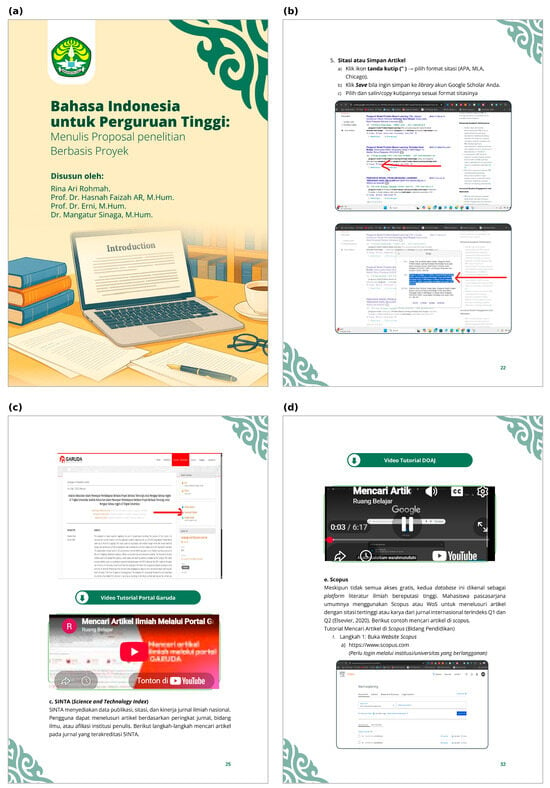
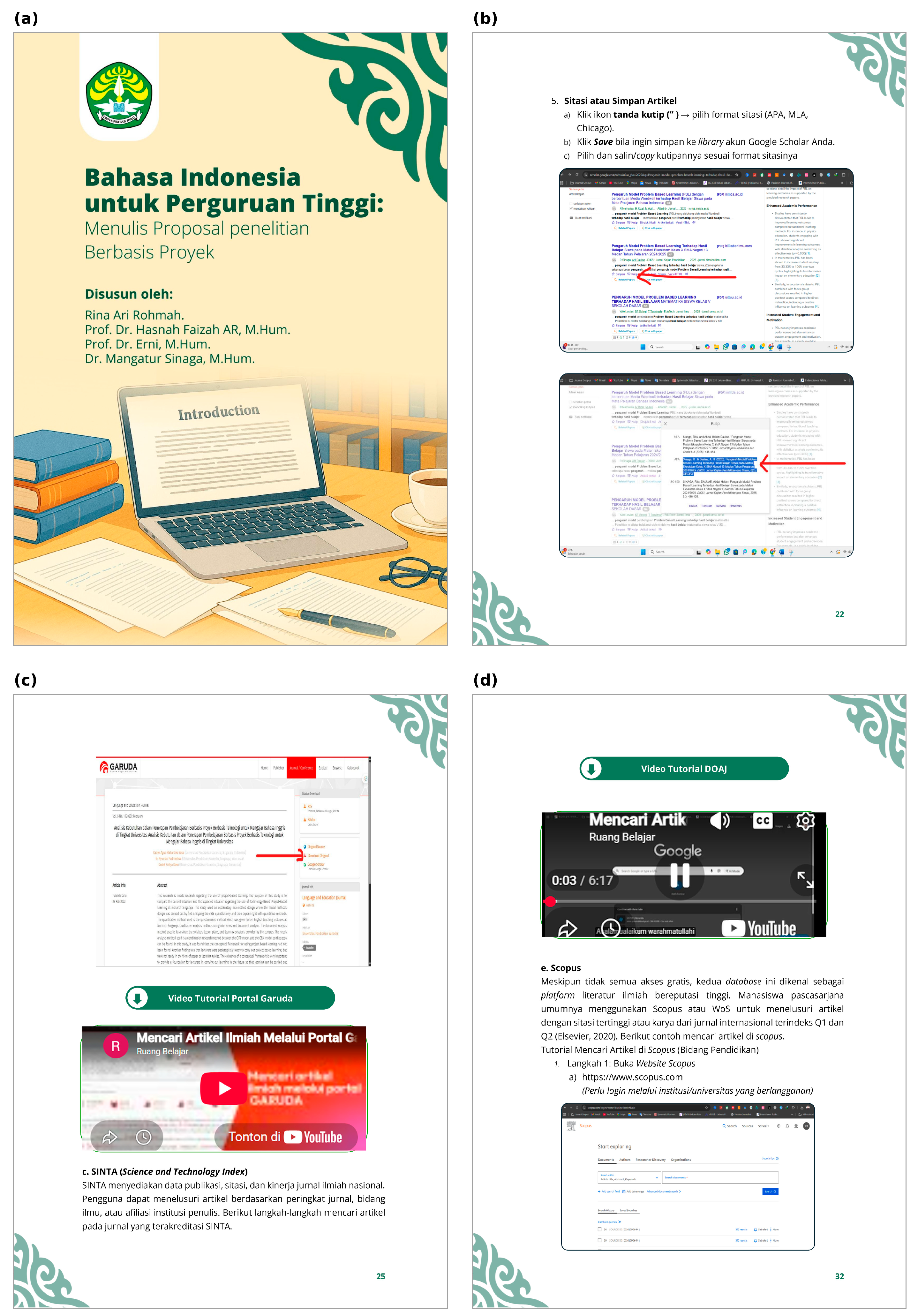
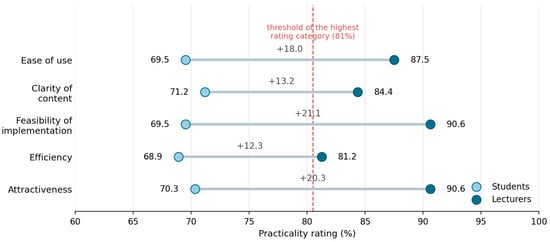
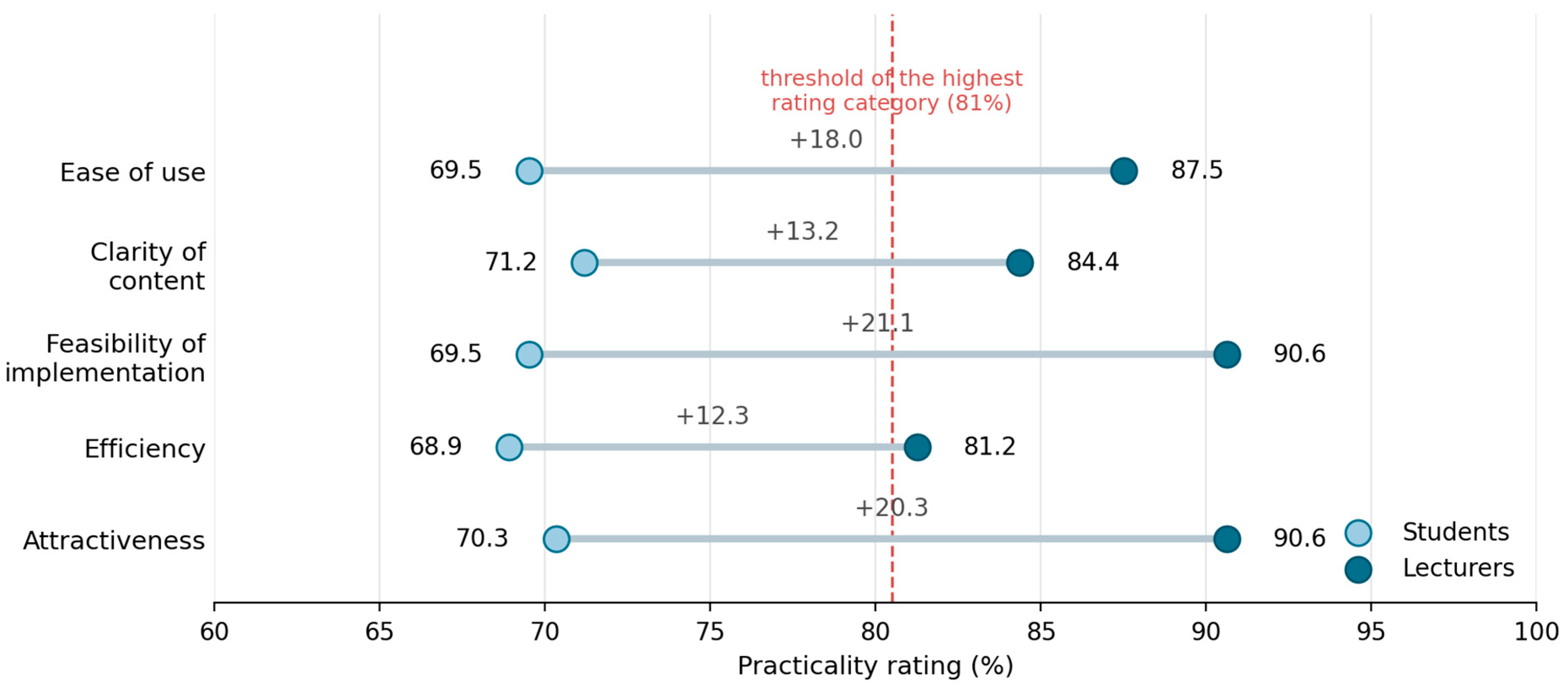
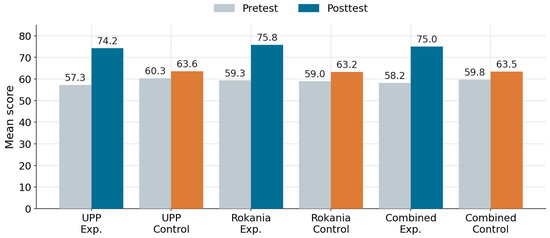
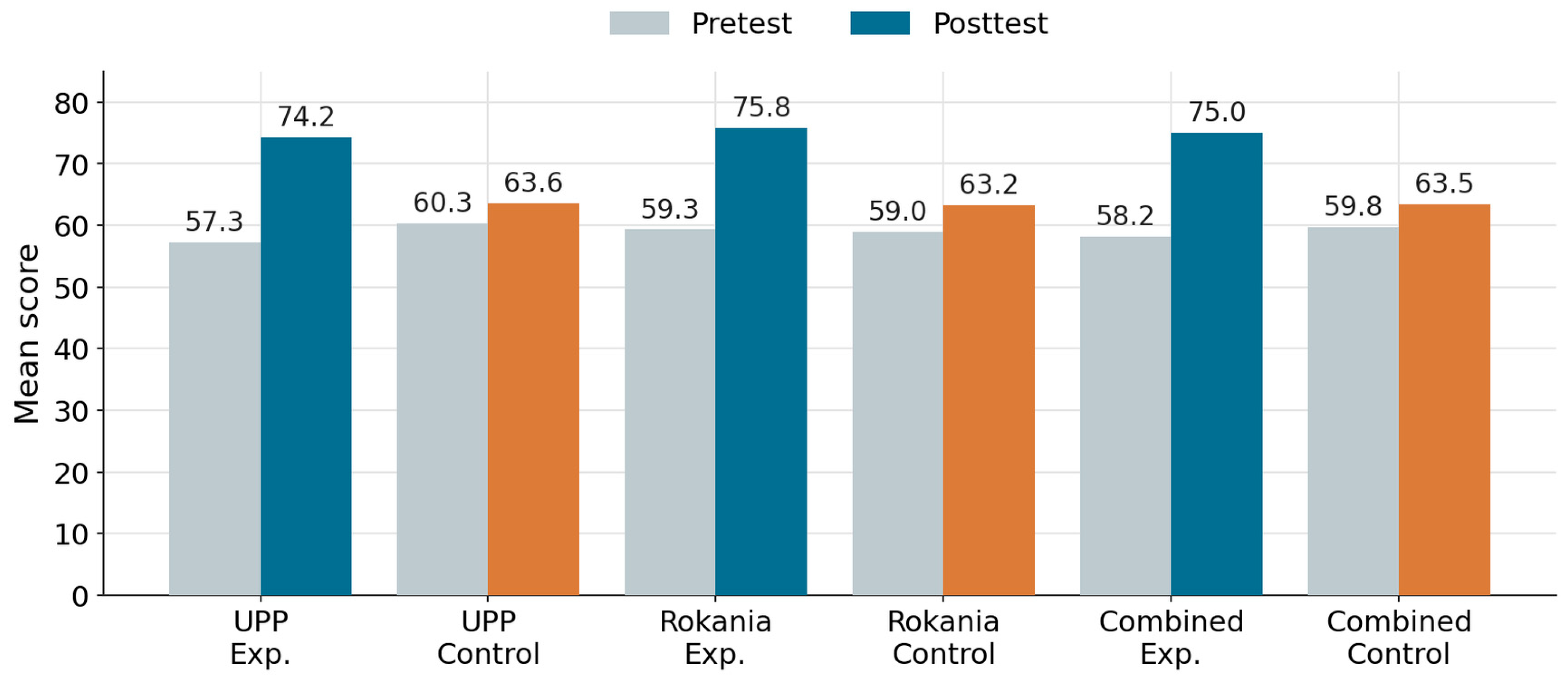
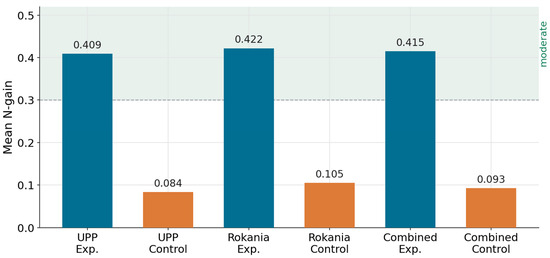
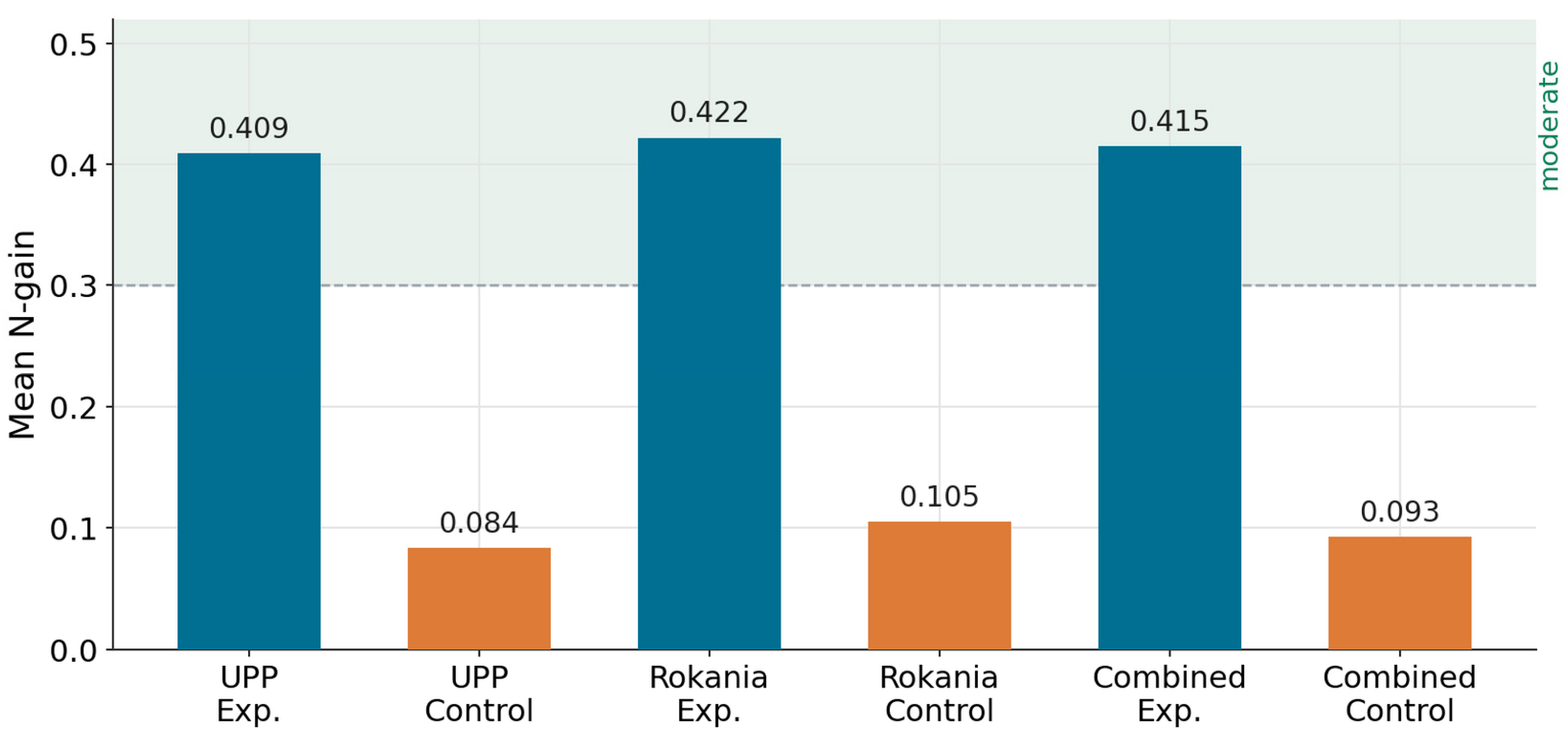
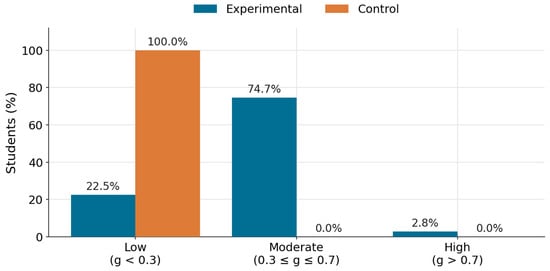
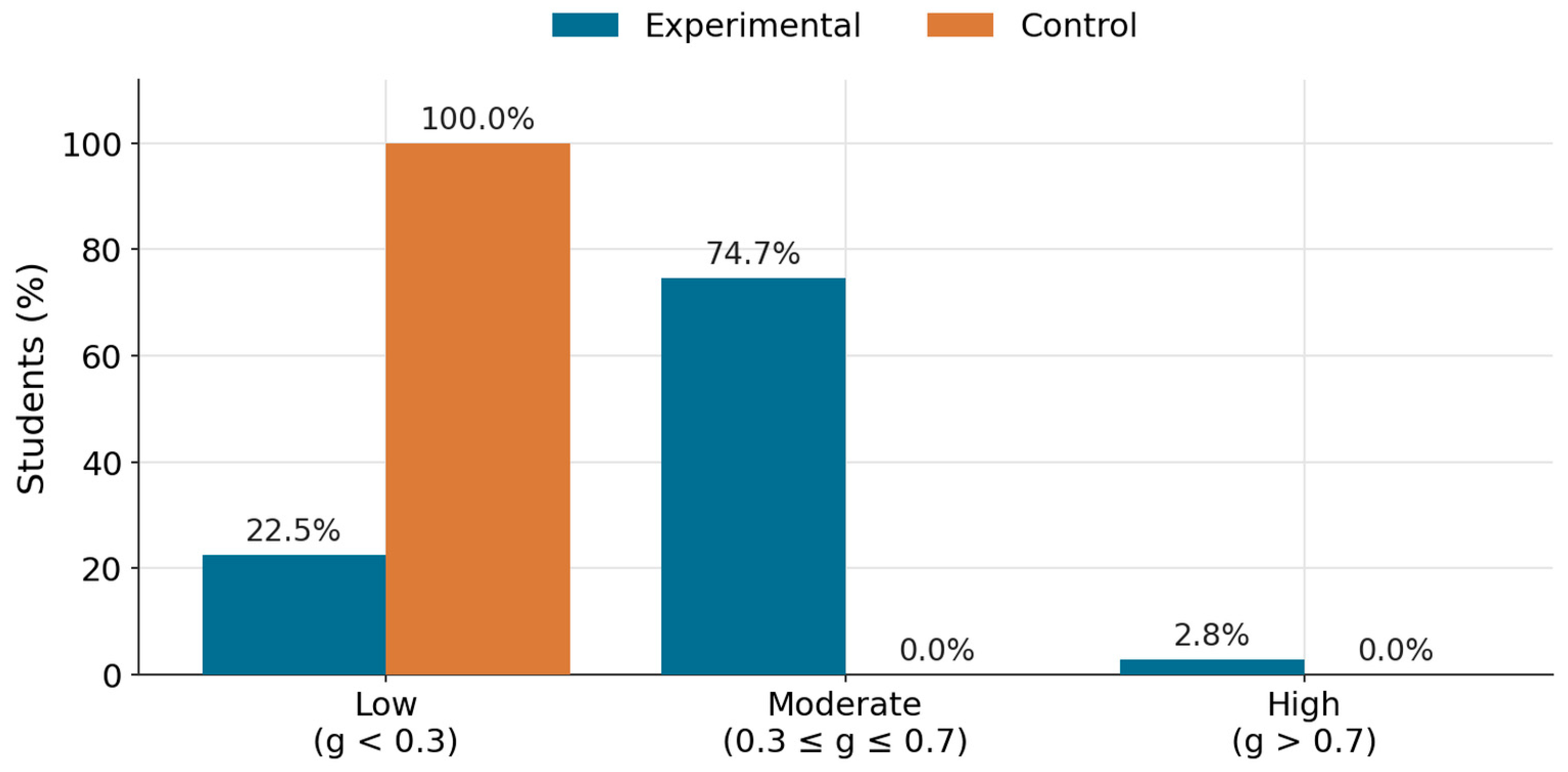

Disclaimer/Publisher’s Note: The statements, opinions and data contained in all publications are solely those of the individual author(s) and contributor(s) and not of MDPI and/or the editor(s). MDPI and/or the editor(s) disclaim responsibility for any injury to people or property resulting from any ideas, methods, instructions or products referred to in the content. |
© 2026 by the authors. Licensee MDPI, Basel, Switzerland. This article is an open access article distributed under the terms and conditions of the Creative Commons Attribution (CC BY) license.