


Abstract
Climate change education requires learners to understand complex systems and dynamic interdependencies, making systems modeling an important competence within education for sustainable development. This study investigated how instructional guidance influences students’ modeling of causal loop diagrams when working with the climate simulation En-ROADS. In a two-phase design, 242 secondary school students first explored En-ROADS and constructed an initial diagram representing their intermediate knowledge, then refined it while receiving conceptual guidance, procedural guidance, both, or none. Structural complexity of the causal loop diagrams and cognitive load were assessed after each phase. Structural complexity increased significantly in all four conditions, η2p = 0.22. Procedural guidance was associated with a smaller increase, η2p = 0.02, located primarily in the branching structures of the diagrams, and with higher germane cognitive load, η2p = 0.02. Conceptual guidance showed no overall effect but interacted with intermediate knowledge, β = 0.23; as the conditional effects were not significant, this indicates that its influence differed across levels of intermediate knowledge rather than that it benefited either group. The structural complexity of the initial diagram was by far the strongest predictor of that of the refined one, underlining the importance of aligning instructional guidance with learners’ intermediate knowledge in complex digital modeling environments.
1. Introduction
Climate change represents one of the most pressing challenges of the twenty-first century, posing severe threats to natural ecosystems, biodiversity, and human societies worldwide (Cook et al., 2013; IPCC, 2023). In this context, climate change has become a central concern within the United Nations’ 2030 Agenda for Sustainable Development, particularly through Sustainable Development Goal 13 (SDG 13), which emphasizes urgent climate action to combat climate change and its impacts, and SDG 4, which highlights the importance of quality education and education for sustainable development (ESD) (UNESCO, 2017; United Nations General Assembly, 2015). A complementary perspective is provided by the Sendai Framework for Disaster Risk Reduction 2015–2030 (UNISDR, 2015), which identifies climate change as an underlying driver of disaster risk and calls for coherence across the sustainable development, climate change, and disaster risk reduction agendas. Climate change education (CCE) and disaster risk reduction can thus be understood as fundamental and mutually reinforcing tools, with the framework explicitly calling for the incorporation of disaster risk knowledge into formal and non-formal education at all levels.
ESD aims to empower learners with key competencies, especially systems thinking, which enables learners to identify complex systems, understand their dynamics, and develop future-oriented strategies for action (Rieß, 2010; Rieß & Mischo, 2010; Rieß & Schuler, 2025; UNESCO, 2017). Empirical research indicates that instructional approaches combining qualitative and quantitative system models such as causal loop diagrams (CLDs) and computer simulations can significantly foster systems thinking and system modeling competencies (Brockmüller & Siegmund, 2020; Rieß, 2013). Nevertheless, previous studies have revealed that following a problem-oriented and self-directed instructional phase involving qualitative and quantitative system models, learners exhibited high performance variance (Frey et al., 2025; Rieß & Mischo, 2017). This variance indicates that a single, self-directed modeling phase is not sufficient for all learners: while some construct adequate system models on their own, others require additional instructional support to progress beyond their initial understanding. Thus, working with CLDs and computer simulations should be embedded in a structured, multi-phase instructional design in which an initial phase of independent model construction is followed by a phase of targeted support. The cognitive analysis of composite instructional designs (CID; Loibl et al., 2025) provides a theoretical foundation for such designs: it conceptualizes the modeling of CLDs based on the analysis of an existing computer simulation as an initial phase for building intermediate knowledge. In a second phase, learners refine their CLDs. Therefore, instructional guidance can be assumed to play a central role, particularly when students engage with complex scientific content such as global climate change. Full and explicit instructional guidance has proven especially effective for novice to intermediate learners (R. E. Clark et al., 2012). Drawing on research on learning with digital media (Belland, 2017; Hannafin et al., 1999; Suárez et al., 2018), we identified conceptual and procedural guidance as particularly relevant forms of support for working with CLDs and a computer simulation. However, empirical findings regarding the effectiveness of these two forms of instructional guidance remain mixed. Furthermore, the Cognitive Process Framework for the Mechanisms of Learning with Digital Tools (CoDiL; Reinhold et al., 2024) emphasizes that in such composite designs, it is crucial to measure evolving knowledge and core learning processes rather than only pre- to post-test gains. Against this background, the present study investigates the modeling of CLDs following the analysis of a computer simulation in a two-phase instructional design grounded in CID and CoDiL. After an initial problem-oriented construction of a CLD, students receive either both forms of instructional guidance, only conceptual guidance, only procedural guidance, or no additional guidance, and are then asked to refine their diagrams. By assessing the structural complexity of the CLDs after the first (intermediate knowledge) and second (final knowledge) phase and the cognitive load, the study seeks to determine which type and combination of instructional guidance leads to the greatest learning success and how learners’ intermediate knowledge moderates this effect.
1.1. Systems Thinking in the Context of Climate Change Education
Climate change education (CCE) has emerged as a central component of contemporary educational frameworks addressing global environmental challenges. It refers to educational approaches that aim to enhance learners’ understanding of the climate system, the causes and consequences of climate change, and the strategies required for mitigation and adaptation (UNESCO, 2015). Beyond the mere acquisition of knowledge, CCE seeks to foster competencies that enable individuals to critically evaluate information, make informed decisions, and actively participate in societal transformation processes toward sustainability (Stadler et al., 2024; UNESCO, 2015, 2017). In this context, CCE can be understood as a domain-specific extension of ESD, with particular focus on the climate system and its socio-ecological implications.
Given the complexity of climate change, which involves interactions between natural and human systems across multiple spatial and temporal scales, systems thinking has been identified as a key competence within CCE (UNESCO, 2017). The ability to understand climate change requires moving beyond linear cause–effect relationships and instead recognizing interconnected processes, feedback loops, and dynamic system behavior (Hmelo-Silver & Pfeffer, 2004; Mambrey et al., 2020; Rieß & Schuler, 2025). As highlighted in the SDGs, addressing climate change necessitates coordinated and systemic approaches that target root causes rather than isolated symptoms (Ullah et al., 2022).
In line with this, Rieß and Mischo (2010) defined systems thinking as the cognitive “ability to identify important elements of the system and the varied interdependency between these elements. Other key aspects are the ability to recognize dimensions of time dynamics, to construct an internal model of reality and to make prognoses on the basis of that model” (p. 707). This definition emphasizes several core abilities, including identifying system elements and their interrelationships, understanding temporal dynamics, constructing system models, and using these models to generate explanations, predictions, and strategies for action.
1.2. Quantitative and Qualitative System Models
As research demonstrates that systems thinking does not develop intuitively (Sweeney & Sterman, 2007), it must be explicitly supported through structured learning environments and appropriate instructional tools. In this regard, both qualitative and quantitative modeling activities have been identified as especially effective, as they enable learners to engage with system structure, behavior, and dynamics in a guided manner (Ben Zvi Assaraf & Knippels, 2022; Brockmüller & Siegmund, 2020; Frey et al., 2025; Rieß & Mischo, 2010).
Quantitative system models are typically implemented as computer-based simulations that approximate the behavior of real-world systems through mathematical parameter manipulations (D’Angelo et al., 2014). These models allow learners to explore system dynamics over time, conduct scenario analyses, and examine the effects of interventions. Research in science education has shown that simulations can effectively support learning processes, depending on how they are used (Rutten et al., 2012; Smetana & Bell, 2012). Moreover, empirical studies indicate that simulation-based environments can foster systems thinking (Bergan-Roller et al., 2018; Evagorou et al., 2009; Frey et al., 2025; Haas et al., 2020; Maierhofer & Pfligersdorffer, 2001; Rieß & Mischo, 2010).
However, research also highlights the limitations of purely simulation-based approaches. While simulations can support the understanding of system behaviors, especially novice learners often struggle to infer underlying system structures and complex causal relationships (Evagorou et al., 2009). They tend to focus on simple, linear cause–effect relationships and have difficulties recognizing feedback loops and temporal dynamics. Additionally, the high cognitive load associated with interacting with dynamic simulations may hinder deeper understanding if not adequately scaffolded (Ben Zvi Assaraf & Knippels, 2022; Frey et al., 2025). These limitations define two requirements for instructional design: learners need a means of externalizing the system structure that remains implicit in the simulation, and they need support in revising this externalization once it exists.
To address the first requirement, the present study follows the CID framework (Loibl et al., 2025), which assumes that learning in multi-phase environments can be enhanced when an initial problem-oriented exploratory phase is systematically connected with a subsequent phase of instructional support and knowledge refinement. In line with this perspective, learners first analyze a climate simulation and construct an initial CLD. This first CLD serves as an external representation of learners’ intermediate knowledge, as it reflects their emerging understanding of relevant system structures and causal relationships. In a subsequent phase, this intermediate representation is refined through targeted instructional guidance. CLDs are qualitative system models that are particularly suitable for this purpose because they make underlying system structures explicit (Ben Zvi Assaraf & Knippels, 2022) and support learners in identifying causal relationships, feedback loops, and dynamic interactions that may remain implicit during simulation use alone (Ossimitz, 2000).
CLDs represent systems through three fundamental elements: variables (nodes), causal connections (arrows), and feedback loops. The variables denote system elements that can change over time (e.g., increase or decrease), while the connections indicate causal relationships between these variables. These relationships are typically labelled as positive (both variables change in the same direction) or negative (variables change in the opposite direction). Feedback loops emerge when chains of causal relationships form closed cycles, representing reinforcing or balancing system dynamics (Barbrook-Johnson & Penn, 2022).
In this sense, CLDs share important characteristics with concept maps (CMs), which are widely used to organize and represent the structure of conceptual knowledge (Novak et al., 1984; Novak & Cañas, 2008). Similar to CMs, CLDs can be understood as external representations of learners’ mental models, in which meaning emerges through the relationships between elements. Since the structure of such representations reflects the quality of understanding (Mintzes et al., 2005), CLDs—like CMs—provide a valuable tool for making students’ knowledge construction visible and for analyzing their developing understanding of complex systems (Nesbit & Adesope, 2006; Yin et al., 2005). However, in contrast to traditional CMs, CLDs place a stronger emphasis on dynamic relationships, feedback loops, and system behavior, thereby allowing for a more process-oriented representation of complex systems.
What remains open, however, is the second requirement, namely which form of instructional support most effectively helps learners transform this initial representation into a more elaborated CLD.
1.3. Instructional Support Through Conceptual and Procedural Guidance
Which form of instructional support is suited to the refinement phase cannot be answered from the modeling literature alone; it requires drawing on research on instructional support in digital learning environments. Instructional support is particularly relevant in such digital learning environments, including simulations, where learners must independently navigate complex systems and extract relevant information (e.g., Huang et al., 2012; Rieß & Mischo, 2010). Instructional support, often referred to as instructional scaffolding or guidance, plays a crucial role in facilitating learning processes, particularly when learners engage with complex content and open-ended learning environments (Belland, 2017; Belland et al., 2013, 2017; Hmelo-Silver et al., 2007). Research has shown that especially novice and intermediate learners benefit from explicit instructional support, as it helps reduce cognitive load and supports the construction of structured knowledge (R. E. Clark et al., 2012; Kalyuga, 2007; Rieß & Mischo, 2017). Empirical studies indicate that learning gains are significantly higher when learners receive content-related instructional support while working with digital tools (Belland et al., 2013; De Jong & Van Joolingen, 1998; Huang et al., 2012; Rieß & Mischo, 2010).
In the literature, instructional support is often discussed under the broader concept of scaffolding (Belland, 2017; Hannafin et al., 1999). Scaffolding is an adaptive, temporary, structured, and gradually removed support designed to help learners master tasks just beyond their current ability (Belland, 2017). A wide range of scaffolding types has been identified in the literature, including conceptual, procedural, strategic, metacognitive, and motivation forms of scaffolding (Belland, 2017; Belland et al., 2013; Hannafin et al., 1999). However, the terminology used across studies is not always consistent, and similar terms are sometimes applied differently depending on the theoretical framework or instructional context (Belland et al., 2017; Hannafin et al., 1999; Huang et al., 2012; Suárez et al., 2018).
In this study, we use conceptual and procedural guidance to foster competencies in modeling CLDs. Therefore, older established definitions of conceptual and procedural scaffolding are adopted, while the term guidance is used to emphasize that the implemented support does not cover the full range of features typically associated with scaffolding, particularly the adaptive fading of support over time (R. C. Clark, 2014; Hannafin et al., 1999; Van Merriënboer & Kester, 2014). Empirically, previous research suggests that adaptive fading does not necessarily produce superior cognitive outcomes. In a meta-analysis of computer-based scaffolding, Belland et al. (2017) found no significant differences in learning outcomes between scaffolds incorporating fading, adding, fading combined with adding, or no customization at all.
We define conceptual guidance (herein after referred to as CG) as support that directs learners’ attention to relevant concepts and relationships within the problem space and supports the organization and integration of conceptual knowledge (Hannafin et al., 1999). Procedural guidance (herein after referred to as PG), in contrast, aims to support learners in how to use, construct and refine system models by providing explicit instructions on modeling practices and tool use. In doing so, procedural guidance is intended to support the modeling process itself and help learners overcome typical difficulties associated with representing complex systems. Mapped onto the refinement phase of the CID logic, the two forms of guidance thus address distinct components of the transformation from an initial to an elaborated CLD. CG targets what the model should represent, that is, the selection and integration of relevant system elements and relationships, whereas PG targets how the model is constructed, that is, the modeling operations through which relations, causal chains, and feedback loops are built.
This differentiation specifies what each form of guidance addresses, but not why it should benefit learning. Cognitive load theory (Sweller et al., 2019) makes the underlying mechanism explicit and connects the present argument to the load related limitations of simulation-based learning outlined above. It distinguishes intrinsic cognitive load (ICL), which arises from the complexity of the learning content itself, extraneous cognitive load (ECL), which is imposed by instructional features unrelated to learning, and germane cognitive load (GCL), which reflects the working memory resources devoted to schema construction. Refining a CLD of the climate system without support constitutes a task with a large problem space: learners must simultaneously search for relevant variables, decide how to represent causal relationships, and monitor the emerging structure of their model. Unguided search of this kind might be a primary source of extraneous load (R. E. Clark et al., 2012; Sweller et al., 2019). Findings on unsupported system mapping are consistent with this account. Khajeloo and Siegel (2022) report that learners constructing concept maps of a complex system predominantly produced linear, unidirectional structures, whereas relational and cyclic patterns where absent in more than 80% of the maps. Interviews indicated that learners were in fact familiar with cyclic causality but could not represent it accurately, which the authors attribute to the multistep nature of the task and its demands on cognitive resources rather than to missing conceptual knowledge. Given the correspondence between concept maps and CLDs outlined in Section 1.2, this dissociation between available knowledge and its externalization is precisely what the refinement phase is intended to address.
Both forms of guidance can accordingly be understood as constraining different parts of this problem space: CG reduces the search required to determine which elements and relationships belong in the model, whereas PG reduces the search required to determine how they are to be represented. In both cases, ECL should decrease, and the working memory resources thereby freed may be devoted to schema construction, which would manifest as increased GCL. ICL, in contrast, should remain largely unaffected, as the complexity of the climate system itself is identical across conditions.
However some studies report beneficial effects on learning outcomes (Huang et al., 2012), while others indicate that it may hinder learning and result in lower performance (Schroeder & Traxler, 2017). For CG, there is evidence from CCE that directing students’ attention to relevant concepts can foster learning success: Eggert et al. (2017) found positive effects when supporting students’ engagement with relevant concepts in a concept mapping environment. In contrast, Asshoff et al. (2021), using an app-based learning environment on climate change, found no increase in learning when CG or PG was provided either separately or in combination. Notably, none of these studies examined guidance during the refinement of an already externalized system model, and none of them assessed the learners’ intermediate knowledge or its influence on the effectiveness of guidance. Yet it is precisely this intermediate knowledge, externalized in the initial CLD, that constitutes the starting point of the refinement process and the most plausible condition on which the effect of guidance may depend. The assessment of intermediate knowledge and the analysis of its moderating influence therefore play a decisive role in the present study and address a gap that the existing guidance literature has left open. Beyond this, the heterogeneous picture suggests that the effects of the two forms of guidance depend on the learning environment, the representational tool, and their interplay, and that they cannot be predicted from the existing literature alone: they may operate independently, complement each other, or interfere with one another if combined guidance overloads learners. Disentangling these possibilities requires a factorial design that crosses both forms of guidance within a single instructional setting.
Taken together, three questions remain unresolved: which form of guidance (conceptual, procedural, or their combination) supports the transformation of an initial CLD into a more elaborated CLD; whether this effect depends on learners’ intermediate knowledge; and through which structural changes in the diagrams such effects operate. Answering these questions has a methodological implication, which the CoDiL framework (Reinhold et al., 2024) makes explicit: if guidance effects unfold during refinement and depend on the state of the evolving representation, then changes in this representation must itself be measured, rather than inferring learning from pre- to post-test gains alone. Accordingly, the present study implements a two-phase instructional design grounded in CID, in which students first construct a CLD based on the climate simulation En-ROADS and then refine their diagrams after receiving both forms of guidance, only CG, only PG, or no additional guidance. We assess the structural complexity of the CLDs after both phases, treat the first diagram as a direct measure of intermediate knowledge and test its moderating influence, and decompose the guidance effects into the specific structural components of the diagrams in which they manifest.
In consequence, the following research questions (RQs) and hypotheses (Hs) are formulated:
RQ1. What effects do conceptual guidance (CG) and procedural guidance (PG), provided separately or in combination after an initial problem-oriented modeling phase, have on the increase in the structural complexity of students’ causal loop diagrams from the first to the second phase when working with the climate simulation En-ROADS?
H1.
Learners receiving CG or PG show a greater increase in the structural complexity of their causal loop diagrams than learners receiving no additional guidance (R. E. Clark et al., 2012). Given the mixed evidence on both forms of guidance and their combination (Asshoff et al., 2021; Eggert et al., 2017; Huang et al., 2012; Schroeder & Traxler, 2017), no directional prediction is made regarding their combined effect.
RQ2. Is the effect of CG and PG on the increase in structural complexity of causal loop diagrams moderated by learners’ intermediate knowledge, operationalized as the structural complexity of the causal loop diagram constructed after the first phase?
H2.
Learners with low intermediate knowledge, that is, with less structural complex causal loop diagrams, benefit particularly from additional guidance.
RQ3. Which of the higher order structures of the causal loop diagrams, that is, causal chains, branches, and feedback loops, contribute to the effects of guidance on the structure index?
RQ4. What effects do CG and PG, provided separately or in combination after an initial problem-oriented modeling phase, have on the change in learners’ intrinsic, extraneous, and germane cognitive load across the two phases of the instructional design?
H4.1.
Learners receiving CG or PG show a greater decrease in extraneous cognitive load than learners receiving no additional guidance, as both forms of guidance constrain the search demands of the refinement task.
H4.2.
No differences between conditions are expected for intrinsic cognitive load, as the complexity of the climate system is identical across all conditions.
H4.3.
Learners receiving CG or PG show a greater increase in germane cognitive load, as resources released from the search may be redirected toward schema construction.
2. Materials and Methods
2.1. Participants and Design
A total of 242 students (from grades 9 and 10) from three different secondary schools in Baden-Württemberg (Germany) participated in this study. The students were from both Gymnasium and Realschule. Of these students, 130 (53.7%) were male, 107 (44.2%) female, three (1.2%) diverse, and two (0.8%) questionnaires had a missing value on this variable. Roughly 19% (total 46) attended the Realschule, and 81% (total 196) attended the Gymnasium. Since participants were recruited from three schools in a single region and predominantly from the Gymnasium track, the sample does not represent the full range of secondary education, and the findings should be understood as applying to comparable setting rather than to secondary education in general. The study followed an experimental 2 × 2 design, systematically varying the presence of CG and PG in the second instructional phase. An a priori power analysis (G*Power 3.1; Faul et al., 2007) for the within-between interaction of a repeated-measures ANOVA (four groups, two measurement occasions, assumed correlation between repeated measures of r = 0.50, α = 0.05, power = 0.95) indicated a required sample size of N = 76 for detecting medium-sized effects (f = 0.25). The realized sample of N = 242 thus clearly exceeded this requirement; under the same assumptions, it provided a power of greater than 0.95 even for small interaction effects of f = 0.14. Accordingly, within each class, students were randomly assigned to one of the four conditions by means of a random number generator, so that all participating classes, schools, and school types are represented in each of the four conditions and the conditions are balanced within classes. This resulted in an anonymous and evenly balanced allocation to the control group (no instructional guidance, n = 59) or one of the experimental groups (CG and PG, n = 60; only PG, n = 61; only CG, n = 62). The four groups did not differ significantly with regard to gender, χ2(9) = 15.73, p = 0.073, nor with regard to school type, χ2(3) = 2.13, p = 0.547. Likewise, no significant differences were found for grades in Biology, German, and Geography (all p > 0.05).
2.2. Materials
Before the two instructional phases in which students actively engaged in learning tasks, all participants watched a series of explanatory videos. These videos provided foundational knowledge on climate and climate change, introduced core principles of systems thinking, and familiarized students with the digital tools used in the study, namely the climate simulation En-ROADS (https://www.climateinteractive.org/en-roads/ accessed on 5 May 2026) and the modeling environment SageModeler (https://sagemodeler.concord.org accessed on 5 May 2026).
During the subsequent instructional phases, students worked with En-ROADS and SageModeler. En-ROADS (see Figure 1) is a quantitative system model and was used in this study to explore action strategies aimed at achieving two key objectives: limiting global warming to below 2 °C by the year 2100 and reducing net CO2 emissions to zero. It is an interactive, web-based climate simulation that allows users to investigate the long-term impacts of different policy measures on global climate outcomes. By adjusting parameters such as energy sources, technological innovation, and climate policies, users can simulate future scenarios and analyze their effects on variables such as global temperature and greenhouse gas emissions.
Figure 1.
Screenshot from the climate simulation En-ROADS.
SageModeler (see Figure 2) was used for the construction of CLDs. It is a free, browser-based modeling environment that enables learners to construct system models by placing variables on a digital canvas and defining relationships between them. These relationships can be specified qualitatively (e.g., positive or negative causal effects) and extended to include more complex structures such as feedback loops. Furthermore, the application allows users to explore how systems evolve over time under different conditions, thereby linking qualitative with semi-quantitative system behavior.
Figure 2.
Exemplary CLD of one student, constructed in SageModeler: (a) initial CLD after the first instructional phase; (b) refined CLD of the same student after the second instructional phase. Red arrows indicate positive causal relationships (both variables change in the same direction), blue arrows indicate negative causal relationships (variables change in opposite directions). Variable labels are in German, the language of instruction.
In the second instructional phase, students refined their initial CLDs while receiving instructional guidance designed to support the refinement of their models. Depending on the experimental condition, learners received CG, PG, both forms of guidance, or no additional support.
CG was implemented through prompting questions related to the En-ROADS climate simulation. These prompts highlighted key mechanisms of the climate system, such as energy supply, emission sources, population and economic growth, and carbon dioxide removal. In this way, CG directed learners’ attention to scientifically relevant content and supported them in identifying appropriate variables and causal relationships for their CLDs.
PG focused on the modeling process itself. It supported learners in selecting appropriate system elements, representing causal relationships accurately, identifying reinforcing and balancing feedback loops, and increasing the overall structural complexity of their CLDs. Thus, PG aimed to improve how learners organized and elaborated their models rather than what specific content they included.
Both forms of guidance were presented in written form directly within the activity on the learning platform Moodle that prompted students to revise their CLDs. All prompts of the respective condition were displayed simultaneously on a single page below the task instruction, so that students could consult them in any order and return to them at any time while refining their diagrams. Since the refinement of the CLDs took place in SageModeler in a separate browser window, students were instructed to work in a split-screen arrangement, with the guidance page and the modeling environment displayed side by side. This presentation format was chosen on the basis of research on multimedia learning and cognitive load theory: the spatially integrated, simultaneously visible presentation of guidance and modeling environment follows the spatial contiguity principle (Mayer, 2020) and avoids a split-attention effect, which arises when learners must mentally integrate information from spatially or temporally separated sources, thereby increasing extraneous cognitive load (Ayres & Sweller, 2014; Sweller et al., 2019). Moreover, the permanent availability of all prompts eliminated the need to hold the guidance in working memory while refining the diagram. In the combined condition, the CG and PG prompts were presented together on the same page. Students were not required to respond to the prompts in written form; the prompts served as points of reference during the refinement. Students in the control condition received identical task instruction without any additional prompts.
Table A1 in the Appendix A provides an overview of the CG and PG implemented during the CLD refinement phase.
2.3. Measures
2.3.1. Structural Complexity of the CLDS
In this study, the structural complexity of students’ CLDs was used as a proxy for both intermediate and final knowledge. Structural complexity reflects the extent to which a system is represented as an interconnected network and is therefore considered an indicator of the learners’ understanding of system structures and relationships (Mehren et al., 2015). Three considerations justify this operationalization. First, from a systems-theoretical perspective, structural complexity does not primarily mean many elements and relations, but system properties that give rise to emergence through non-linear behavior: complex systems spontaneously produce new structures and properties as a result of self-organization processes, and emergence is not explained by an additive aggregate of system elements but results from a qualitative, non-predictable leap (Mehren et al., 2018). To operationalize structural complexity, the structure index (SX) was applied as a quantitative variable. The SX reflects exactly this understanding of complexity. It does not reward the additive accumulation of elements and relations but captures those connective structures that constitute the structural preconditions on non-linear system behavior: feedback loops as the structural substrate of self-organization and of dynamic reinforcement or balancing, and branches and causal chains as the substrate of indirect, mediated, and multiple effects. A CLD with a high SX thus represents a system whose structure can generate emergent behavior, whereas a diagram consisting of many isolated or monocausally linked elements cannot (Mehren et al., 2018). Second, greater structural complexity in the sense of the SX cannot be achieved by simply adding content: since the sum of causal chains, branches, and feedback loops is divided by the number of valid system elements, adding elements without integrating them into the network lowers rather than raises the index (Mehren et al., 2015). The SX thus rewards the degree of interconnectedness relative to model size, not model size itself. Third, scientific validity is a precondition for scoring rather than a property the index might miss: only system elements that represent measurable quantities, that is, variables that can increase or decrease, and that can correctly be derived from the climate simulation En-ROADS, and only relations that are correctly labelled enter the calculation, so that a more elaborate but scientifically inaccurate diagram does not obtain a higher score. The full coding manual, including the definitions and counting rules for valid elements and relations, feedback loops, branches, and causal chains, is provided in the Supplementary Materials (Text S1). In addition, Figure A1 in Appendix A shows an exemplary coded CLD from the present study, illustrating the exclusion of an invalid system element together with its attached relations as well as the identification of a feedback loop, branches, and causal chains.
The evaluation of the CLDs and the calculation of the SX were conducted by three independent raters. For each of the 242 participants, CLDs were analyzed at two measurement points, namely after the first instructional phase (T1) and after the second instructional phase (T2), resulting in a total of 484 diagrams. To assess interrater reliability, a subsample of 32 CLDs (13.22%) per measurement point was coded by all three raters. Interrater reliability was calculated using intraclass correlation coefficients (ICCs) following Shrout and Fleiss (1979). For the subset of diagrams jointly coded by all three raters after the first instructional phase, the ICC(3,1) was 0.882 (95% CI [0.801, 0.936]). For the corresponding subset after the second instructional phase, the ICC(3,1) was 0.906 (95% CI [0.838, 0.949]). According to Cicchetti (1994), ICC values between 0.75 and 1.00 indicate excellent reliability. Thus, both coefficients reflect excellent interrater reliability and demonstrate a high level of consistency in the coding of structural complexity across raters.
2.3.2. Cognitive Load
Cognitive load was assessed after each of the two instructional phases using an instrument adapted from the validated questionnaire by Krieglstein et al. (2023). Item wording was referred to the two components of the learning environment, En-ROADS and SageModeler, and was identical at both measurement points, with the instructions directing learners to the phase they had just completed. Because guidance was introduced only in the second phase, the assessment following the first phase precedes the experimental manipulation and serves as a within person baseline. The analyses therefore address the change in cognitive load across the two phases.
The instrument comprised four items measuring ICL (e.g., “The learning content I worked on in En-ROADS and SageModeler was difficult for me to understand”), five items measuring ECL (e.g., “The range of different graphs, sliders and functions made it difficult to find important information quickly”), and four items measuring GCL (e.g., “I made an effort to understand and interpret the simulation results”).
All items were rated on a 5-point Likert scale ranging from “strongly disagree” to “strongly agree”. Internal consistencies of the adapted scales were satisfactory at both measurement points (ICL; t1: α = 0.80; t2: α = 0.84; ECL; t1: α = 0.82; t2: α = 0.83; GCL; t1: α = 0.77; t2: α = 0.81). Scale scores were computed as the mean of the corresponding items, with higher values indicating higher perceived load. For each subscale, a change score was calculated by subtracting the score obtained after the first phase from the score obtained after the second phase, so that positive values indicate an increase in perceived load across the refinement phase.
2.4. Procedure
The study was conducted within regular school classes and completed within a single school day (6 h). Students worked individually under the supervision of a test administrator. However, the intervention itself was fully computer-based, thereby minimizing potential confounding effects related to teacher influence. All instructional materials and tasks were implemented as an online course using the learning platform Moodle, which structured the entire learning process and ensured standardized conditions across all participants. Within Moodle, each student was assigned to one of four learning groups corresponding to the experimental conditions and had to complete all activities in a fixed, predefined sequence.
Before the two instructional phases, all students watched a series of explanatory videos (20 min) that provided foundational knowledge on climate and climate change, introduced core principles of systems thinking, and familiarized students with the digital tools used in the study, namely the climate simulation En-ROADS and the modeling environment SageModeler.
In the present study, the CID framework is operationalized through a two-phase instructional design (see Figure 3). The first instructional phase (I1) is identical for all groups and corresponds to the divergent phase (60 min). Here, students explore and analyze the climate simulation En-ROADS and construct an initial digital CLD with SageModeler, thereby externalizing their understanding of system structures and relationships. The structural complexity of these diagrams is interpreted as intermediate knowledge (K1), as it reflects the learners’ evolving mental models of the climate system. After the first instructional phase, students completed a cognitive load questionnaire (10 min). The second instructional phase (I2) corresponds to the convergent phase and was experimentally varied across conditions. The duration of the second instructional phase was limited to a maximum of 60 min for all conditions, so that the time available for processing the guidance and refining the CLDs was identical across groups. Individual processing times were recorded via the Moodle activity logs from the start of the refinement activity until its completion by button click. Processing times did not differ significantly between the four conditions, F(3, 238) = 0.40, p = 0.753 (M = 47.65 to 50.02 min across conditions). In this phase, learners received different forms of instructional guidance that were designed to build explicitly on their intermediate knowledge. These instructional variations aim to influence the learning processes in the second phase, particularly processes of integration and refinement, to support the development of more coherent knowledge structures. The respective form of guidance was displayed directly within the activity that prompted students to refine their CLDs; it was therefore technically impossible for students to reach the refinement task without being presented with the guidance of their condition, or to access the guidance of another condition. As the prompts did not require a written response, the depth with which individual students processed the guidance could not be controlled; however, completion of the refinement phase was verified for each student, as students had to actively upload a screenshot of their refined CLDs and confirm the end of the instructional unit by clicking a button, indicating that the observed guidance effects cannot be attributed to differences in time-on-task.
Figure 3.
The structure of the study based on the CID framework (adopted from Loibl et al. (2025)).
The learning outcomes are conceptualized as final knowledge (K2). In this study, final knowledge was operationalized as the structural complexity of the refined CLDs after the second instructional phase. This operationalization allows for a direct analysis of how different forms of instructional guidance influence the refinement process of modeling CLDs when working with the climate simulation En-ROADS. After the second instructional phase, students filled out the cognitive load questionnaire again (10 min).
2.5. Analysis Strategy
The analyses were conducted using the software JASP (Version 0.19.3). We first computed descriptive statistics to screen the data and assess assumptions, including normality and variance homogeneity of metric variables.
To address the first research question, a repeated-measures analysis of variance (rmANOVA) was conducted. The structure index (SX) served as the within-subject factor with two measurement points (T1 and T2). CG and PG were included as between-subject factors. Estimated marginal means with 95% confidence intervals and simple effects of time within each of the four conditions were computed to characterize the pattern of change.
To address the second research question, mean-centered moderation analyses were conducted using the PROCESS macro (Hayes & Little, 2018; model 1). The structural complexity of the first CLD served as proxy for intermediate knowledge and as the moderator of the effect of the experimental manipulation on the structural complexity of the final CLD (ATI analysis). Separate models were estimated for CG and for PG.
To address the third research question, a mean-centered component-level analysis was conducted (PROCESS model 4) with changes in the higher-order structures of the CLDs, that is, causal chains, branches, and feedback loops, entered as intervening variables. These structures constitute the numerator of the SX and represent the connective properties from which emergent system behavior can arise (Mehren et al., 2018), whereas system elements and relations are the building blocks from which they are formed. Since the structures are constituents of the SX, the resulting coefficients are not interpreted as independent mediating mechanisms; the analysis serves to identify the structures in which the effects observed under the first research questions are located.
To address the fourth research question, three 2 × 2 (CG × PG) ANOVAs were conducted on the change scores for ICL, ECL, and GCL, since guidance was introduced only in the second phase and the assessment following the first phase therefore serves as a within person baseline.
3. Results
Descriptive values for all experimental groups are presented in Table 1.
Table 1.
Means and standard deviations of all dependent variables for the four experimental groups.
3.1. Effects of Different Types of Guidance (RQ1)
Table 2 shows the final repeated-measure ANOVA results with time as a within-subject factor, CG and PG as fixed factors, and the structural complexity of the CLDs as the dependent variable. Regardless of guidance conditions, students showed a significant increase in structural complexity from the initial CLD (T1) to the final CLD (T2). This is reflected in a significant main effect of time. In addition, a significant time × PG interaction emerged, indicating differential changes in structural complexity depending on procedural guidance.
Table 2.
Results of the repeated-measures ANOVA on the structural complexity of CLDS.
The interaction accounted for a small proportion of variance, η2p = 0.02. Estimated marginal means with 95% confidence intervals for all four conditions at both measurement points are reported in Table 3 and displayed in Figure 4. Simple main effects of time showed a significant increase in structural complexity within each of the four conditions: without guidance, F(1, 238) = 18.01, p < 0.001; with CG only, F(1, 238) = 23.47, p < 0.001; with PG only, F(1, 238) = 20.87, p < 0.001; and with both forms of guidance combined, F(1, 238) = 6.95, p = 0.011. The interaction therefore reflects differences in the magnitude of the increase rather than an absence of improvement under PG. The largest increase occurred in the CG condition, ΔM = 0.40, and the smallest in the combined condition, ΔM = 0.18, whereas the condition without guidance, ΔM = 0.33, and the condition with PG only, ΔM = 0.25, fell in between. Although the four experimental groups differed descriptively in structural complexity after the first instructional phase, a one-way ANOVA on the initial values did not reach significance, F(3, 238) = 2.59, p = 0.054, η2p = 0.03.
Table 3.
Estimated marginal means and 95% confidence intervals of the structural complexity of the CLDs by condition and measurement point.
Figure 4.
Estimated marginal means of the structure index (SX) of the CLDs by experimental condition and measurement point, with 95% confidence intervals.
3.2. Moderation by Intermediate Knowledge (RQ2)
Regarding the structural complexity of the refined CLD, a significant moderation effect of CG by intermediate knowledge was observed, β = −0.23, z = −2.12, p = 0.034. In addition, a significant direct effect of intermediate knowledge on the structural complexity of the refined CLD emerged, β = 0.64, z = 7.95, p < 0.001, whereas no direct effect of CG on the final structural complexity was found, β = 0.01, z = 0.05, p = 0.958. Descriptively, learners with low intermediate knowledge (16th percentile) showed a positive effect of CG on the structural complexity of the refined CLDs, β = 0.17, z = 1.29, p = 0.198, whereas learners with high intermediate knowledge (84th percentile) showed a negative effect, β = −0.20, z = −1.35, p = 0.176. However, these conditional effects did not reach statistical significance.
In contrast, no significant moderation effect of PG by intermediate knowledge was observed, β = −0.09, z = −0.84, p = 0.400. However, significant effects of PG, β = −0.22, z = −2.00, p = 0.045, and intermediate knowledge on the structural complexity of the refined CLD, β = 0.58, z = 6.73, p < 0.001, were found.
3.3. Component-Level Decomposition of the Guidance Effect on Structural Complexity (RQ3)
The repeated-measures ANOVA revealed that PG was associated with a significantly smaller increase in structural complexity from T1 to T2 compared to conditions without PC. To examine in which structural components of the CLDs this effect is expressed, a path model was estimated in which PG predicted the changes in the three higher-order structures, and these changes in turn predicted the SX of the refined CLDs. System elements and relations were not entered as separate components, since branches, causal chains, and feedback loops are composed of them. Because the SX is computed from the components entered into the model, the coefficients describe how the overall effect is distributed across components and do not identify an independent causal mechanism. PG was associated with a significantly smaller increase in the number of branches, β = −0.28, z = −2.22, p = 0.026, whereas the corresponding differences for feedback loops, β = −0.21, z = −1.61, p = 0.106, and for causal chains, β = −0.19, z = −1.49, p = 0.137, did not reach significance. Changes in causal chains, β = 0.61, z = 14.24, p = <0.001, and in branches, β = 0.42, z = 9.73, p = <0.001, were strongly and positively related to the SX of the refined CLDs, whereas changes in feedback loops were not, β = 0.07, z = 1.63, p = 0.103.
Consequently, the only component-specific contribution that reached significance was the one running through branches, β = 0.12, z = 2.17, p = 0.030. The contributions through causal chains and through feedback loops were not significant (p > 0.05).
The refined CLDs did not differ significantly in the number of valid system elements between conditions, CG: F(1, 238) = 0.01, p = 0.929; PG: F(1, 238) = 0.74, p = 0.390; CG × PG: F(1, 238) = 1.36, p = 0.245 (M = 9.85 across all conditions).
3.4. Effects of Guidance on Cognitive Load (RQ4)
Table 4 shows the results of the three 2 × 2 ANOVA with CG and PG as between-subject factors and the change scores of the CL subscales as dependent variables. Descriptive values are reported in Table 1.
Table 4.
Results of the analyses of variance on the change scores of intrinsic, extraneous, and germane cognitive load.
For ICL, neither main effect nor the interaction reached significance. In line with H4.2, the change in ICL did not differ between conditions. For ECL, no significant effects emerged either. Descriptively, ECL decreased slightly in three of the four conditions, but the expected greater reduction under guidance did not occur, so H4.1 was not supported. For GCL, a significant main effect of PG emerged, whereas the main effect of CG and their interaction did not reach significance. Learners receiving PG showed a greater increase in GCL than learners without PG. H4.3 was thus supported for PG but not for CG, as the increase was confined to the conditions involving PG, while learners receiving CG alone showed a decrease in GCL.
In addition, mediation models were estimated in an exploratory manner to examine whether changes in cognitive load accounted for the effect of PG on the structural complexity of the refined CLDs. No significant indirect effects were found through changes in ICL, β = −0.003, z = −0.50, p = 0.620, ECL, β < 0.001, z = −0.15, p = 0.884, or GCL, β = 0.008, z = 0.60, p = 0.552, and no significant direct effects of PG emerged in these models (p > 0.05). Although PG significantly predicted the change in GCL, β = 0.23, z = 2.45, p = 0.014, this change was not significantly associated with the structural complexity of the refined CLDs, β = 0.04, z = 0.61, p = 0.540.
4. Discussion
The present study investigated how different forms of instructional guidance affect students’ modeling of causal loop diagrams (CLDs) when working with the climate simulation En-ROADS in a two-phase instructional design. It examined whether conceptual guidance (CG) and procedural guidance (PG) influence the structural complexity of learners’ refined CLDs (RQ1), whether these effects depend on learners’ intermediate knowledge established in the first phase (RQ2), in which structural components of the diagrams the effects are located (RQ3), and how the two forms of guidance affect the change in cognitive load across the two phases (RQ4). In the following, we first summarize the empirical findings and then discuss competing accounts of how they may be explained. This separation is deliberate: several of the findings are compatible with more than one explanation, and the present design does not allow us to decide between them.
Four findings emerged. First, structural complexity increased significantly from the initial to the refined CLD, and this increase was significant within each of the four conditions. The size of the increase differed by condition, as indicated by a significant time × PG interaction accounting for a small proportion of variance. The increase was smallest in the two conditions involving PG. The four groups differed descriptively in structural complexity after the first instructional phase, although this difference did not reach significance.
Second, the moderation analysis yielded a significant interaction between CG and intermediate knowledge. The conditional effects at low and high intermediate knowledge did not reach significance individually, so the interaction indicates that the effect of CG differed in direction across levels of intermediate knowledge, without establishing that CG was beneficial for either group. Intermediate knowledge itself was by far the strongest predictor of the structural complexity of the refined diagrams.
Third, the component-level decomposition located the association between PG and structural complexity primarily in the number of branches. The contributions running through causal chains and feedback loops did not reach significance, although the point estimate for causal chains was of comparable magnitude to that for branches. The aggregated contribution across all three components was significant and negative, whereas the residual direct path was positive and non-significant. Because these two portions point in opposite directions, the total effect of PG on the structural complexity of the refined diagrams was not significant. The decomposition therefore identifies where in the diagrams the difference is expressed, but it does not establish an overall effect of PG on the refined CLDs that would be independent of the components.
Fourth, PG was associated with a greater increase in germane cognitive load (GCL), with a small effect size, whereas no effects emerged for intrinsic (ICL) or extraneous cognitive load (ECL). Contrary to H4.1, guidance did not reduce ECL. Exploratory analyses showed that changes in cognitive load did not account for the association between PG and the structural complexity of the refined diagrams.
The finding that PG was associated with a smaller increase in structural complexity was not predicted and runs counter to the assumption that procedural support facilitates modeling by reducing task complexity (Belland, 2017; Hannafin et al., 1999). Several accounts can be advanced, and the present data adjudicate between them only partially.
A first account holds that the procedural prompts directed learners toward a particular mode of elaboration rather than limiting how much they were able to build. This account is grounded in the instructional material itself. Two of the procedural prompts asked learners to elaborate existing links serially: one instructed them to replace a direct arrow from A to C by the intermediate steps through which the effect is transmitted, and another asked them to search the simulation for additional intermediate variables in order to lengthen their causal chains (see Table A1). Elaborating a path in this way extends it but does not create branching, since branches require a node with at least two incoming or at least two outgoing connections. Where a direct connection is replaced by a mediated path, the branching at the originating node is in fact removed. Only one of the procedural prompts asked learners to think in networks of effects and to draw several arrows from and toward the same variable. The procedural guidance thus contained two invitations to serial elaboration and one to networked elaboration, and the serial instructions were the more concrete of the two: they can be applied to the diagram already on the screen, whereas the networked instruction requires a renewed exploration of the simulation in which several sliders and several graphs are compared. If learners prioritized the operations that could be executed directly, their effort would have gone into verifying and lengthening existing paths rather than into establishing additional connections at individual nodes. That the difference between conditions was located primarily in the branches is consistent with this reading.
Two properties of the measures are relevant when assessing this account. The causal chain count is defined by a threshold of at least three consecutive arrows running in the same direction and therefore registers serial elaboration only in a stepwise manner: an intermediate variable inserted into an existing path raises the count only where the resulting sequence reaches this threshold, and elaboration below it remains invisible in the numerator of the index. The branch count, in contrast, responds immediately, since a node that previously had two outgoing or two incoming connections ceases to be counted as a branch once it is integrated into a single directed sequence. A restructuring of the diagram toward serial organization can consequently reduce the number of branches without a compensating increase in the number of causal chains. The pattern observed here, a significant difference in branches accompanied by a non-significant difference in chains whose point estimate was of comparable magnitude, is what this account predicts rather than evidence against it.
Two observations refine this account. First, the refined diagrams did not differ significantly in the number of valid system elements across conditions. The denominator of the structure index was thus essentially equivalent across groups, so that the observed difference arises in the numerator, that is, in how the available elements were connected rather than in how many were used. Second, learners in the PG conditions did not add more system elements than learners in the other conditions, although one of the prompts explicitly invited them to look for additional intermediate variables in the simulation. If serial elaboration took place, it may therefore have consisted more in rerouting existing connections than in extending the model. The account is testable without new data collection: it predicts that diagrams produced under PG contain a higher ratio of serially arranged to parallel structure and fewer direct connections that bypass a mediating variable already present in the diagram. Recoding the existing corpus of 484 diagrams would allow this prediction to be examined, and it would also allow the number of arrows per directed sequence to be recorded continuously rather than against a threshold. This reading further bears on the design of the intervention: providing five prompts simultaneously, two of which push toward serial and one toward networked elaboration, leaves it to the learner to reconcile instructions that pull in different directions within a single refinement cycle. Whether procedural guidance would have produced different results if the networked-thinking instruction had been presented on its own, or in a separate cycle, cannot be determined from the present design.
A second account attributes the difference to the additional demands imposed by the prompts themselves. In the PG conditions, learners had to read, retain, and apply a set of detailed modeling instructions while simultaneously working in the modeling environment. Cognitive load theory predicts that instructional material of this kind is not cost-free: coordinating supplementary information with the material essential to the task itself increases working memory load, and support ceases to be beneficial once the information it provides is redundant with what learners can already do (Kalyuga, 2007; Kalyuga & Sweller, 2014). Instructions comprising several interacting steps constitute a source of element interactivity in their own right, so that the demands of understanding the instruction may be added to, rather than subtracted from, the demands of the task (Marcus et al., 1996). Such over-scaffolding may therefore add element interactivity rather than remove it, particularly when instructions are numerous and must be coordinated with an ongoing task. The cognitive load data are partly consistent with this account and partly not. ECL did not decrease under either form of guidance, so that the load reduction assumed to mediate the benefit of guidance did not occur; at the same time, ECL did not increase either, which the account would predict if the prompts had primarily imposed additional unproductive demands. The measures may, however, have been insufficiently sensitive to detect such demands. Cognitive load was assessed once at the end of each phase, whereas repeated ratings taken during a sequence of tasks have been shown to be more sensitive than a single delayed rating, which tends to be anchored on the most demanding part of the sequence rather than reflecting its average (Schmeck et al., 2015; Van Gog et al., 2012). Demands arising at particular points of the modeling process, such as the moment at which a prompt has to be reconciled with the diagram on screen, would not be visible in the present design.
A third account concerns the time available for applying the guidance. Processing time was capped at 60 min in all conditions and did not differ significantly between them. Since learners in the PG conditions had to spend part of this shared time budget on reading and interpreting the prompts, the time effectively available for editing the CLDs was necessarily somewhat shorter than in the conditions without guidance. Procedural instructions of this kind may also require more than one refinement cycle before they translate into structural changes. Under this account, the observed difference would reflect the length of the intervention rather than the guidance as such, and would be expected to diminish or reverse across repeated modeling cycles.
A fourth account is that learners understood the modeling instructions only partially. Khajeloo and Siegel (2022) showed that learners who were familiar with cyclic causality nonetheless failed to represent it in their concept maps, and attributed this to the demands of the representational task rather than to missing conceptual knowledge. If the procedural prompts were interpreted narrowly, as a checklist of local operations to be executed rather than as heuristics for elaborating the model, they may have directed attention toward verifying individual arrows at the expense of extending the network.
A fifth account holds that the prompts reduced the range of modeling alternatives learners considered, that is, that they narrowed exploratory behavior during model construction. This account is plausible in light of the specificity of the instructions, but it should be noted that exploratory behavior was not measured in the present study. Log data on the sequence and timing of modeling operations, screen recordings, or think-aloud protocols would be required to establish whether learners under PG in fact pursued fewer alternatives, and we recommend such measures for future work. Until such evidence is available, this account remains a conjecture rather than a finding.
A sixth account is statistical. The effect size of the interaction was small, the groups differed descriptively in their initial values, and change scores were coupled with their baseline. In addition, the total effect of PG on the structural complexity of the refined diagrams was not significant in the path model. Taken together, this means that the finding should be characterized as a consistent tendency rather than as a firmly established effect.
Relating these findings to previous research is complicated by the way procedural guidance is positioned in the literature. Belland et al. (2017) reported a small-to-moderate overall effect of computer-based scaffolding in STEM education, and Kim et al. (2018) arrived at a comparable overall estimate. Neither synthesis, however, offers a close comparison for the guidance implemented here. Kim et al., drawing on Hannafin et al. (1999) but grouping the categories differently, distinguished conceptual, strategic, metacognitive, and motivational scaffolding, so that procedural support had no counterpart among the types they examined. Their strategy categories described the form in which support is delivered rather than what it addresses, so that classifying the present prompts as hints would establish a similarity of format without a similarity of content: the hints they synthesized assist learners in progressing through an ill-structured problem, whereas the present prompts prescribed rules for constructing a particular representation.
This is characteristic of the wider literature rather than specific to one synthesis. Procedural guidance is defined inconsistently across studies and is frequently conflated with strategic or metacognitive support (Belland et al., 2017; Hannafin et al., 1999; Suárez et al., 2018), and the positive findings usually cited, such as those of Huang et al. (2012), concern support that orients learners to an unfamiliar tool rather than support that prescribes operations on a representation learners have already produced. Guidance that is redundant with respect to what learners can already do is precisely the condition under which support ceases to be beneficial (Kalyuga, 2007; Kalyuga & Sweller, 2014; Tetzlaff et al., 2025), and the present prompts were introduced after tool use had been established in a preceding video sequence and in the first instructional phase. Asshoff et al. (2021), who provided both forms of guidance in an established digital environment and found no learning gains, are the closest comparison available, and the present results are consistent with theirs.
One finding from Kim et al. (2018) does bear on the present design independently of the taxonomic question. Combining several scaffolding strategies within one system produced a smaller effect than the strongest single strategies, which led them to conclude that bundling multiple forms of support is counter-productive. In the present study, five prompts were presented simultaneously in each guidance condition. Taken together, the effects of procedural guidance on the construction of qualitative system models remain poorly charted, and the present study contributes a case in which such guidance did not produce the expected benefit.
Turning to CG, no overall effect on structural complexity was found. The moderation analysis yielded a significant interaction with intermediate knowledge, and the direction of the conditional effects was positive at low and negative at high intermediate knowledge. However, neither conditional effect reached significance. The data therefore support the conclusion that the effect of CG differed across levels of intermediate knowledge, but they do not support the stronger conclusion that CG benefited learners with low intermediate knowledge. This distinction matters because a significant interaction can arise from a difference between two effects that are individually indistinguishable from zero.
The direction of the pattern is, however, consistent with the expertise reversal effect (Kalyuga, 2007) for which Tetzlaff et al. (2025) recently reported robust meta-analytic support, with learners of low prior knowledge benefiting from high-assistance instruction and learners of high prior knowledge benefiting from low-assistance instruction. Two qualifications are relevant here. First, the effect is asymmetric, with the benefit of providing assistance to novices exceeding the cost of providing it to more advanced learners; the present conditional effects were of comparable magnitude in both directions. Second, Tetzlaff et al. (2025) reported that the evidence is less clear for younger learners, which applies to the present sample of ninth- and tenth-graders. A further consideration specific to this study is that intermediate knowledge was operationalized through the structural complexity of the initial diagram, that is, through the same index that also served as the outcome. This makes the moderator a direct measure of the state of the representation to be refined, which is theoretically apt within the CID logic, but it also means that the moderation is estimated within a single measurement operation. Replication with an independent measure of intermediate knowledge is therefore needed before the pattern can be attributed to expertise reversal with confidence.
The literature on CG offers a closer point of comparison than was available for PG. In the synthesis by Kim et al. (2018), conceptual scaffolding yielded the smallest effect of the scaffolding types examined, and question prompts, the strategy through which CG was implemented here, showed the smallest effect of all strategies, well below expert modeling and feedback. Kim et al. (2018) attributed this to the fact that the studies concerned did not differentiate prompts according to learners’ prior knowledge and problem-solving skills, and noted that prompts of different types should be directed to different learners (Ge et al., 2005). The absence of an overall effect of CG in the present study, combined with a moderation by intermediate knowledge, is what that diagnosis would predict, and it locates the present finding within an established pattern rather than as an isolated null result. The positive effects reported by Eggert et al. (2017) for concept-mapping support in climate change education are also consistent with this reading, since their prompts were directed at learners engaging with content they had not previously organized.
With respect to cognitive load, neither form of guidance reduced ECL, so H4.1 was not supported. As predicted by H4.2, ICL did not differ between conditions, which is consistent with the complexity of the climate system having been held constant. GCL increased more under PG, in line with H4.3, although only for procedural and not for conceptual guidance.
The interpretation of this last finding requires care. The germane load subscale asks learners about the effort and concentration they invested. Recent work has questioned how far such subjective ratings track the constructs they are intended to index, and has shown that perceived difficulty and invested mental effort do not covary monotonically in authentic learning settings (Liu & Zhang, 2025). An increase on this scale is therefore compatible with two readings that the present data cannot distinguish: learners under PG may have invested more resources in constructing a schema of the climate system, or they may have invested more effort in executing the prescribed modeling operations. The second reading is not equivalent to schema construction, and would be consistent with the fact that the increase in germane load was not associated with the structural complexity of the refined CLDs in the exploratory analyses. Importantly, the theoretically assumed sequence, in which guidance reduces extraneous load and thereby frees resources for schema construction, is not supported here, since extraneous load did not decrease. The germane load finding should thus be read as an indication that PG changed how learners engaged with the task, without specifying in which direction that change was productive.
4.1. Implications for Theory and Practice
Theoretically, the findings indicate that instructional guidance in complex modeling environments does not act uniformly on learning outcomes and that its effect depends on the state of the representation learners bring into the refinement phase. This supports the central assumption of the CID framework (Loibl et al., 2025) that the knowledge established in an initial exploratory phase conditions what a subsequent phase of instructional support can accomplish; in the present study, intermediate knowledge was the strongest single predictor of the structural complexity of the refined diagrams. It also supports the argument of the CoDiL framework (Reinhold et al., 2024) that the evolving representation must itself be measured, since the difference between conditions was located in a specific structural component and would not have been visible in an aggregate outcome alone. Beyond this, the results extend research on systems thinking by showing that structural development within CLDs can be understood as a refinement process unfolding across instructional phases rather than as a single static modeling outcome, and that different forms of guidance act on different structural components of that process.
Before turning to classroom recommendations, the practical magnitude of the effects should be stated explicitly rather than left to effect size conventions. The time × PG interaction accounted for a small proportion of variance. Expressed as a standardized difference between the average gains with and without PG, it corresponds to approximately d = 0.27. As a rough benchmark, meta-analyses of computer-based scaffolding in STEM education report average effects on cognitive outcomes in the region of g = 0.39 to 0.46 (Belland et al., 2017; Kim et al., 2018), so that the present difference is somewhat smaller, and more importantly, opposite in direction. The comparison should be treated as approximate, since these estimates derive from between-group comparisons on outcome measures rather than from an interaction in a mixed design, and because neither synthesis includes a category corresponding closely to the guidance implemented here. The guidance manipulation was also small relative to the learner-side variable in the same models: intermediate knowledge predicted the structural complexity of the refined diagrams with standardized coefficients of β = 0.58 and β = 0.64, an order of magnitude above the guidance effects. Expressed in the units of the diagrams themselves, the estimated gains in the structure index ranged from 0.18 in the combined condition to 0.40 in the CG condition; since the index divides the sum of causal chains, branches, and feedback loops by the number of valid system elements, and since the refined CLDs comprised on average approximately ten valid system elements, a difference of about 0.22 index points corresponds to roughly two higher-order structures, that is, to about two additional branches or causal chains in a single diagram. Whether a difference of this magnitude is educationally consequential depends on what such structures afford. Since branches and chains represent the capacity to trace multiple and indirect effects, and since these are the structural preconditions for reasoning about non-linear system behavior (Mehren et al., 2018), even small differences may accumulate across repeated modeling cycles, although the present study cannot establish whether they do.
Two findings of greater practical magnitude should not be obscured by the guidance contrast. First, structural complexity increased significantly in every condition, including the condition without any additional guidance, with a large effect of time. The practically consequential feature of this design is therefore the two-phase sequence itself, in which learners externalize their understanding in an initial diagram and then revise it, rather than the particular prompts added in the second phase. Second, the strong predictive role of intermediate knowledge indicates that where learners stand at the end of the first phase largely determines what the second phase can achieve. Both findings point toward differentiation as the practically relevant lever, and the recommendation that guidance should be aligned with learners’ intermediate knowledge is only useful if it can be enacted in a classroom. Five concrete steps follow.
Diagnosing the initial diagram. Teachers do not need the full coding procedure used here in order to assess where a learner stands. Three features can be read off a diagram within about a minute and correspond to the components that carry the structure index. First, are the labels measurable quantities that can increase or decrease, or are they actions and topics? Second, does at least one variable have two or more arrows leaving it, or two or more arrows arriving at it, that is, does the diagram contain any branching at all? Third, does any sequence of arrows return to its starting point, that is, is there a closed loop? These questions yield a workable three-level classification: diagrams that are essentially labelled lists, diagrams consisting of one or more linear chains without branching, and diagrams containing branching or loops. Learners in the first two categories are those whose representations were least elaborated in the present sample and for whom the initial phase left the most unresolved. A simple sorting of the class along these lines, carried out while learners are still working, is sufficient to decide who receives which prompts.
Conceptual prompts for learners with sparse initial diagrams. Meta-analytic evidence indicates that question prompts are effective only when they are matched to learners’ prior knowledge rather than distributed uniformly (Kim et al., 2018), which is what the following differentiation is intended to achieve. For learners whose CLDs remain list-like or purely linear, the useful prompts are those that name a mechanism of the climate system and ask what it connects to, since the limiting factor for these learners is which variables and relationships belong in the model at all. Questions of the type used here are directly usable: what happens to demand for other energy sources when one source is heavily taxed; why do emissions rise when economic output and consumption grow; why does the concentration of carbon dioxide in the atmosphere not fall even when emissions are reduced? Each of these names a specific mechanism and requires the learner to identify at least two variables and the direction of the relationship between them. Prompts of this kind can be handed out selectively rather than to the whole class.
When to reduce, delay, or restructure PG. The present results offer no support for providing a full set of modeling rules to all learners simultaneously during a first refinement cycle. Three modifications suggest themselves. PG can be made contingent on a diagnosed deficit, so that the instruction to look for feedback loops is given to learners whose diagrams contain none, and the instruction to think in networks is given to learners whose diagrams are purely linear, rather than all instructions being given to everyone. It can be delayed to a second refinement cycle, once learners have first extended their diagrams with conceptual support, since procedural rules operate on an existing structure and are of limited use where there is little structure to operate on. It can also be issued one operation at a time, since instructions that pull toward serial and toward networked elaboration are difficult to reconcile within a single cycle. Learners whose initial CLDs already contain branching and loops are those for whom additional procedural prescription is most likely to be redundant, in line with the expertise reversal effect (Kalyuga, 2007; Tetzlaff et al., 2025).
Narrowing the content scope before applying modeling rules. A further way of reducing the demands of the refinement phase is to restrict its content rather than to add more support. Instead of asking learners to refine a model of the climate system as a whole, teachers can assign a single sector of the simulation, such as energy supply, transport, or economic growth, and ask learners to elaborate that part of their diagram in depth. Within cognitive load theory, a smaller content scope lowers element interactivity and thus intrinsic load (Sweller et al., 2019), which is the one component that remained unchanged across conditions in the present study, since the complexity of the climate system was held constant throughout. A narrower scope also makes procedural instructions easier to apply, because the question of where in the diagram a rule such as looking for feedback loops or for multiple effects of a single variable should be applied is already answered. Learners can then be asked to identify at least one branching variable, and where the sector permits, one feedback loop within that sector, so that the procedural instruction becomes a bounded task rather than an open search across the whole model. In a longer teaching sequence, different sectors can be assigned to different groups and the resulting partial models combined in a subsequent lesson, which turns the restriction into an opportunity for comparing how different parts of the system are structured. Whether such sector-based refinement produces more elaborated CLDs than the undifferentiated task used here is an open empirical question and one that the present findings make worth testing.
Balancing exploration and support when using En-ROADS. The tension between exploring the simulation and following modeling instructions can be reduced by tying each prompt to a specific action in the simulation rather than to the diagram alone. The instruction to think in networks, for instance, becomes actionable when it is phrased as a procedure in En-ROADS: move a single slider and watch several graphs at once in order to find variables that one factor influences simultaneously, then hold one graph in view while moving several sliders in turn in order to find variables that are influenced by several factors. Formulated in this way, the instruction does not compete with exploration but prescribes what to explore. More generally, a practical sequence for a lesson is to allow open exploration and diagram construction first, then to diagnose the CLDs, then to add targeted support, and only then to introduce modeling rules, rather than presenting exploration and rules concurrently.
These recommendations follow from a study with small effect sizes and a single refinement cycle, and should be treated as design hypotheses to be tested in classroom trials rather than as established guidelines.
4.2. Limitations and Future Directions
Several limitations qualify these conclusions. First, the outcome was operationalized through the structure index, which captures connective density relative to model size. The index does not distinguish between an arrow omitted because it is spurious and one omitted because it was not recognized, and it does not assess the explanatory quality or scientific depth of a diagram beyond the validity coding of individual elements and relations. It also treats serial and parallel elaboration asymmetrically. Inserting an intermediate variable into an existing path always increases the denominator, whereas it increases the numerator only where the resulting sequence reaches the threshold of three consecutive arrows by which causal chains are defined; at the same time, integrating a node into a single directed sequence removes it from the branch count immediately. The index is thus more sensitive to the loss of parallel structure than to the gain of serial structure. Since one of the accounts considered above concerns precisely a shift toward serial elaboration, a continuous measure of path length alongside the threshold-based chain count would be informative in future work. More generally, recent work comparing self-reported and performative measures of systems thinking indicates that different operationalizations of the same construct can diverge substantially (Frantz et al., 2026). Complementing structural indices with measures of scientific accuracy and explanatory coherence is therefore the most informative next step, and can in part be undertaken by recoding the existing corpus of 484 diagrams.
Second, the components entered into the decomposition are constituents of the structure index. The resulting coefficients therefore describe where the overall difference is expressed and cannot be interpreted as independent causal mechanisms.
Third, although the four experimental groups did not differ significantly in structural complexity after the first instructional phase, they differed descriptively, and change scores were coupled with their baseline, so regression to the mean cannot be ruled out as a contributing factor. The ranking of the observed gains does not, however, correspond to the inverse ranking of the initial values as regression to the mean would predict: the condition with the lowest initial value did not show the largest gain, and the condition with the second lowest initial value showed the smallest. Combined with the small effect size of the interaction, this suggests that the dampening influence of PG is best characterized as a consistent tendency rather than as a firmly established effect.
Fourth, the intervention comprised a single refinement cycle within one school day. Procedural instructions may require repeated application before they are reflected in the structure of a model, and the increased germane load under PG may correspond to processing whose benefits emerge only over a longer period. Designs spanning several modeling cycles are needed to test this.
Fifth, no process data were collected. Log data, screen recordings, or think-aloud protocols would allow the competing accounts set out above to be distinguished, in particular the question of whether learners under PG pursued fewer alternatives or applied the prompts as a checklist. Combining such data with load measures administered during rather than after the modeling phase would also permit a more direct test of the assumed load mechanism.
Sixth, the instructional setting differed in two respects from ordinary classroom practice. Learners worked individually and were not permitted to consult one another, which standardized the conditions and removed a source of uncontrolled variance, but which also departs from the collaborative arrangements common in project- and problem-based teaching. This restriction matters for the interpretation of the guidance effects in particular. Collaborative work allows the demands of a complex task to be distributed across several working memories (Kirschner et al., 2009), so that the effort of interpreting and applying the procedural prompts, which learners here had to bear individually, might have been shared. It is also the arrangement in which several of the positive findings for procedural support were obtained, including those of Huang et al. (2012). Whether the same prompts would prove more useful when learners can negotiate their meaning with a partner is therefore an open question, and one that a version of the present design incorporating collaborative refinement could address. The intervention was also completed within a single school day and involved sustained work at a computer, which is unusual in regular lessons and may have induced fatigue, particularly during the second instructional phase. Since the schedule was identical across conditions, fatigue cannot account for the differences between them; it may, however, have reduced the elaboration observed in all four conditions and thus limits the extent to which the absolute gains reported here generalize to teaching distributed over several lessons.
Finally, the findings are specific to one domain, one pair of tools, and one age group, and generalization to other contexts requires replication.
5. Conclusions
This study shows that constructing and subsequently refining causal loop diagrams in combination with the climate simulation En-ROADS supports the development of increasingly complex representations of climate-related systems. Within the two-phase instructional design grounded in the CID and CoDiL frameworks, structural complexity increased significantly in every condition, including the condition without any additional guidance. The two-phase sequence itself, in which learners first externalize their understanding and then revise it, is thus the feature of this design with the clearest empirical support, and the structural complexity of the initial diagram proved to be by far the strongest predictor of the complexity of the refined one.
At the same time, the findings show that instructional guidance does not act uniformly on learning processes. Procedural guidance was associated with a smaller increase in structural complexity, and this difference was located primarily in the branching structures of the diagrams. Given the small effect size, the descriptive baseline differences between conditions, and the absence of process data, this pattern is best described as a consistent tendency rather than as a firmly established effect, and several explanations for it remain open. Conceptual guidance showed no overall effect, but its influence differed across levels of intermediate knowledge, in a direction consistent with the expertise reversal effect. Since neither conditional effect reached significance individually, the data indicate that conceptual guidance affected learners differently depending on their prior representations, without establishing that it benefited either group. Procedural guidance was further associated with an increase in germane cognitive load that was not reflected in the structure of the diagrams, whereas neither form of guidance reduced extraneous load.
Taken together, these results caution against the assumption that more instructional support yields better modeling. In digital modeling environments in which learners have already produced a representation and are familiar with the tool, additional prescription may add little and may direct attention toward local verification rather than elaboration. The practically relevant lever suggested by these findings is differentiation: assessing the state of learners’ initial diagrams and matching the form and timing of support to what those diagrams still lack. The study thereby contributes to research on climate change education and digital systems modeling by showing that the effectiveness of guidance depends not only on the type of support provided, but also on the state of the representation it is meant to refine, and by identifying the structural components of that representation in which guidance effects become visible.
Supplementary Materials
The following supporting information can be downloaded at: https://www.mdpi.com/article/10.3390/educsci16081326/s1.
Author Contributions
Conceptualization, N.T., M.B. and W.R.; methodology, N.T., M.B. and W.R.; validation, N.T., M.B. and W.R.; formal analysis, N.T. and M.B.; investigation, N.T.; resources, N.T.; data curation, N.T.; writing—original draft preparation, N.T.; writing—review and editing, N.T., M.B. and W.R.; visualization, N.T.; supervision, M.B. and W.R.; project administration, N.T.; funding acquisition, M.B. All authors have read and agreed to the published version of the manuscript.
Funding
This research was funded by the Ministerium für Wissenschaft, Forschung und Kunst Baden-Württemberg (project Didaktik des digitalen Unterrichts: Digital gestützte Lehr-Lernsettings zur kognitiven Aktivierung; MWK31-763-15/1/15).
Institutional Review Board Statement
All procedures were performed in full accordance with the ethical guidelines of the German Psychological Society and the APA Ethics code with written informed consent from all subjects. Since the experiments constitutes non-medical low risk research, no special permission by an ethics committee is required for psychological research in the Institute for Psychology of the Freiburg University of Education as well as in Germany. Nevertheless, approval for conducting the study in schools was granted by the Ministry of Education, Youth and Sports of Baden-Württemberg (Ministerium für Kultus, Jugend und Sport Baden-Württemberg) on 7 July 2025. At the beginning of the experiment, participants were informed that the data of this study would be used for research purposes only and that all data were collected anonymously. Thus, no identifying information was collected. Participants who prematurely stopped the study were not included in the analyses and all of their data were deleted from the dataset.
Informed Consent Statement
Informed consent was obtained from all subjects involved in the study.
Data Availability Statement
The data supporting the findings of this study are available from the corresponding author upon reasonable request.
Conflicts of Interest
The authors declare no conflicts of interest.
Abbreviations
The following abbreviations are used in this manuscript:
| CCE | Climate Change Education |
| CG | Conceptual Guidance |
| CI | Confidence Interval |
| CID | Cognitive Analysis of Composite Instructional Designs |
| CLD | Causal Loop Diagram |
| CM | Concept Map |
| CoDiL | Cognitive Process Framework for the Mechanisms of Learning with Digital Tools |
| ECL | Extrinsic Cognitive Load |
| ESD | Education for Sustainable Development |
| GCL | Germane Cognitive Load |
| I1 | First Instructional Phase |
| I2 | Second Instructional Phase |
| ICC | Intraclass Correlation Coefficients |
| ICL | Intrinsic Cognitive Load |
| K1 | Intermediate Knowledge |
| K2 | Final Knowledge |
| PG | Procedural Guidance |
| rmANOVA | Repeated-Measures Analysis Of Variance |
| RQ | Research Question |
| SDGs | Sustainable Development Goals |
| SX | Structure Index |
Appendix A
Table A1.
Overview of the instructional guidance implemented during the CLD refinement phase.
Figure A1.
Exemplary coded CLD from the present study, illustrating the coding procedure. The system element “Atmosphäre” (atmosphere), marked with a black cross, was coded as invalid because it neither constitutes a measurable quantity that can increase or decrease nor can it be derived as a variable from the En-ROADS simulation; consequently, all relations attached to it (also marked with black crosses) were excluded from the calculation. The orange marking highlights the single feedback loop between “Wassertemperatur” (water temperature), “Eisscholle” (ice floe), and “Rückstrahlung Sonnenstrahlen” (reflection of solar radiation). Green markings show all causal chains, that is, sequences of at least three arrows running in the same direction; the green numbers indicate how many causal chains originate from the respective element. Purple outlines indicate system elements constituting branches, that is, elements with at least two incoming or at least two outgoing arrows; the purple numbers indicate the number of branches counted per element. In total, the diagram comprises 19 valid system elements, 28 valid relations, 1 feedback loop, 11 causal chains, and 15 branches, resulting in a structure index of SX = 1.42. Variable labels are in German, the language of instruction.
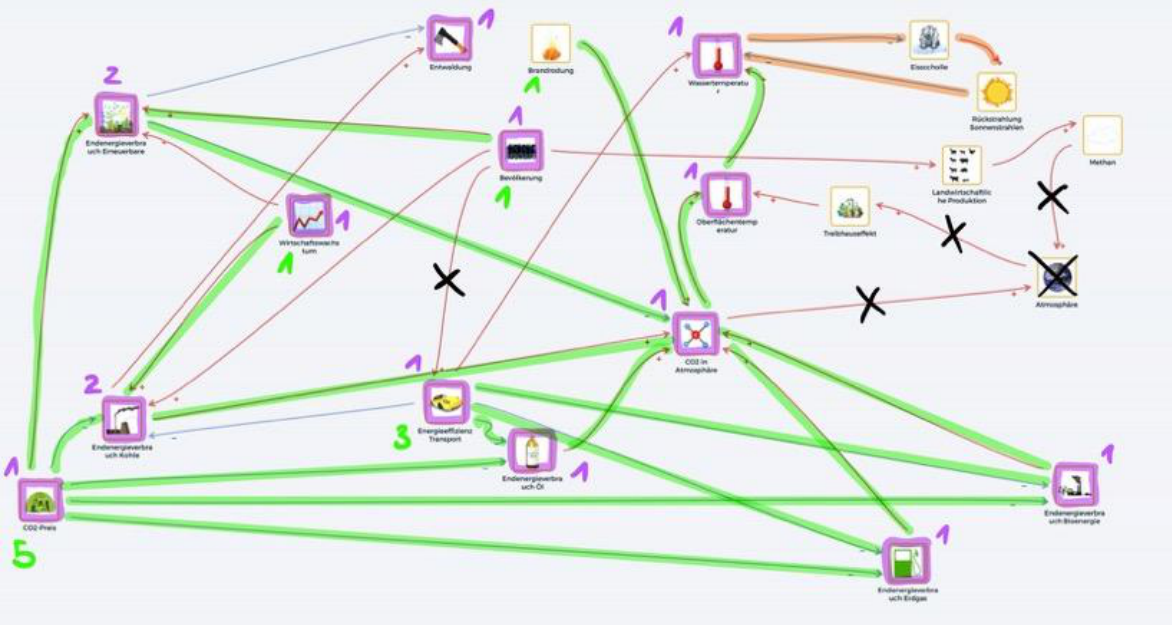
References
- Asshoff, R., Konnemann, C., Tramowsky, N., & Rieß, W. (2021). Applying the global change app in different instruction settings to foster climate change knowledge among student teachers. Sustainability, 13(16), 9208. [Google Scholar] [CrossRef] [Scilit]
- Ayres, P., & Sweller, J. (2014). The split-attention principle in multimedia learning. In R. E. Mayer (Ed.), The Cambridge handbook of multimedia learning (2nd ed., pp. 206–226). Cambridge University Press. [Google Scholar] [CrossRef] [Scilit]
- Barbrook-Johnson, P., & Penn, A. S. (2022). Systems mapping: How to build and use causal models of systems. Springer International Publishing. [Google Scholar] [CrossRef] [Scilit]
- Belland, B. R. (2017). Instructional scaffolding in STEM education. Springer International Publishing. [Google Scholar] [CrossRef] [Scilit]
- Belland, B. R., Kim, C., & Hannafin, M. J. (2013). A framework for designing scaffolds that improve motivation and cognition. Educational Psychologist, 48(4), 243–270. [Google Scholar] [CrossRef] [Scilit] [PubMed]
- Belland, B. R., Walker, A. E., Kim, N. J., & Lefler, M. (2017). Synthesizing results from empirical research on computer-based scaffolding in STEM education: A meta-analysis. Review of Educational Research, 87(2), 309–344. [Google Scholar] [CrossRef] [Scilit] [PubMed]
- Ben Zvi Assaraf, O., & Knippels, M.-C. P. J. (2022). Lessons learned: Synthesizing approaches that foster understanding of complex biological phenomena. In O. Ben Zvi Assaraf, & M.-C. P. J. Knippels (Eds.), Fostering understanding of complex systems in biology education (pp. 249–278). Springer International Publishing. [Google Scholar] [CrossRef] [Scilit]
- Bergan-Roller, H. E., Galt, N. J., Chizinski, C. J., Helikar, T., & Dauer, J. T. (2018). Simulated computational model lesson improves foundational systems thinking skills and conceptual knowledge in biology students. BioScience, 68(8), 612–621. [Google Scholar] [CrossRef] [Scilit]
- Brockmüller, S., & Siegmund, A. (2020). Erfassung und entwicklung von systemkompetenz—Empirische befunde zu kompetenzstruktur und förderbarkeit durch den einsatz analoger und digitaler modelle. Zeitschrift für Geographiedidaktik, 48(1), 31–49. [Google Scholar] [CrossRef] [PubMed]
- Cicchetti, D. V. (1994). Guidelines, criteria, and rules of thumb for evaluating normed and standardized assessment instruments in psychology. Psychological Assessment, 6(4), 284–290. [Google Scholar] [CrossRef]
- Clark, R. C. (2014). Multimedia learning in e-courses. In R. E. Mayer (Ed.), The Cambridge handbook of multimedia learning (2nd ed., pp. 842–882). Cambridge University Press. [Google Scholar] [CrossRef] [Scilit]
- Clark, R. E., Kirschner, P. A., & Sweller, J. (2012). Putting students on the path to learning: The case for fully guided instruction. American Educator, 36(1), 6–11. [Google Scholar]
- Cook, J., Nuccitelli, D., Green, S. A., Richardson, M., Winkler, B., Painting, R., Way, R., Jacobs, P., & Skuce, A. (2013). Quantifying the consensus on anthropogenic global warming in the scientific literature. Environmental Research Letters, 8(2), 024024. [Google Scholar] [CrossRef] [Scilit]
- D’Angelo, C., Rutstein, D., Harris, C., Haertel, G., Bernard, R., & Borokhovski, E. (2014). Simulations for STEM learning: Systematic review and meta-analysis. Menlo Park: SRI International, 5(23), 1–5. [Google Scholar]
- De Jong, T., & Van Joolingen, W. R. (1998). Scientific discovery learning with computer simulations of conceptual domains. Review of Educational Research, 68(2), 179–201. [Google Scholar] [CrossRef]
- Eggert, S., Nitsch, A., Boone, W. J., Nückles, M., & Bögeholz, S. (2017). Supporting students’ learning and socioscientific reasoning about climate change—The effect of computer-based concept mapping scaffolds. Research in Science Education, 47(1), 137–159. [Google Scholar] [CrossRef] [Scilit]
- Evagorou, M., Korfiatis, K., Nicolaou, C., & Constantinou, C. (2009). An investigation of the potential of interactive simulations for developing system thinking skills in elementary school: A case study with fifth-graders and sixth-graders. International Journal of Science Education, 31(5), 655–674. [Google Scholar] [CrossRef] [Scilit]
- Faul, F., Erdfelder, E., Lang, A.-G., & Buchner, A. (2007). G*Power 3: A flexible statistical power analysis program for the social, behavioral, and biomedical sciences. Behavior Research Methods, 39(2), 175–191. [Google Scholar] [CrossRef] [Scilit] [PubMed]
- Frantz, C. M., Blotner, J., & Petersen, J. E. (2026). How do we measure and increase systems thinking? Comparing self-reported and performative metrics in response to building causal loop models. Systems Research and Behavioral Science, 43(2), 629–649. [Google Scholar] [CrossRef] [Scilit]
- Frey, S., Beege, M., Renkl, A., & Riess, W. (2025). The impact of system models on systems thinking in the context of climate change in elementary school. Systems, 13(4), 220. [Google Scholar] [CrossRef] [Scilit]
- Ge, X., Chen, C.-H., & Davis, K. A. (2005). Scaffolding novice instructional designers’ problem-solving processes using question prompts in a web-based learning environment. Journal of Educational Computing Research, 33(2), 219–248. [Google Scholar] [CrossRef] [Scilit]
- Haas, A., Grapin, S. E., Wendel, D., Llosa, L., & Lee, O. (2020). How fifth-grade english learners engage in systems thinking using computational models. Systems, 8(4), 47. [Google Scholar] [CrossRef] [Scilit]
- Hannafin, M., Land, S., & Oliver, K. (1999). Open learning environments: Foundations, methods, and models. In Instructional-design theories and models (pp. 115–140). Routledge. [Google Scholar]
- Hayes, A. F., & Little, T. D. (2018). Introduction to mediation, moderation, and conditional process analysis: A regression-based approach (2nd ed.). The Guilford Press. [Google Scholar]
- Hmelo-Silver, C. E., Duncan, R. G., & Chinn, C. A. (2007). Scaffolding and achievement in problem-based and inquiry learning: A response to Kirschner, Sweller, and Clark (2006). Educational Psychologist, 42(2), 99–107. [Google Scholar] [CrossRef] [Scilit]
- Hmelo-Silver, C. E., & Pfeffer, M. G. (2004). Comparing expert and novice understanding of a complex system from the perspective of structures, behaviors, and functions. Cognitive Science, 28(1), 127–138. [Google Scholar] [CrossRef] [PubMed]
- Huang, H.-W., Wu, C.-W., & Chen, N.-S. (2012). The effectiveness of using procedural scaffoldings in a paper-plus-smartphone collaborative learning context. Computers & Education, 59(2), 250–259. [Google Scholar] [CrossRef] [Scilit]
- IPCC. (2023). Climate change 2022—Impacts, adaptation and vulnerability: Working group II contribution to the sixth assessment report of the intergovernmental panel on climate change (1st ed.). Cambridge University Press. [Google Scholar] [CrossRef] [Scilit]
- Kalyuga, S. (2007). Expertise reversal effect and its implications for learner-tailored instruction. Educational Psychology Review, 19(4), 509–539. [Google Scholar] [CrossRef] [Scilit]
- Kalyuga, S., & Sweller, J. (2014). The redundancy principle in multimedia learning. In R. E. Mayer (Ed.), The Cambridge handbook of multimedia learning (2nd ed., pp. 247–262). Cambridge University Press. [Google Scholar] [CrossRef] [Scilit]
- Khajeloo, M., & Siegel, M. A. (2022). Concept map as a tool to assess and enhance students’ system thinking skills. Instructional Science, 50(4), 571–597. [Google Scholar] [CrossRef] [Scilit]
- Kim, N. J., Belland, B. R., & Walker, A. E. (2018). Effectiveness of computer-based scaffolding in the context of problem-based learning for stem education: Bayesian meta-analysis. Educational Psychology Review, 30(2), 397–429. [Google Scholar] [CrossRef] [Scilit]
- Kirschner, F., Paas, F., & Kirschner, P. A. (2009). A cognitive load approach to collaborative learning: United brains for complex tasks. Educational Psychology Review, 21(1), 31–42. [Google Scholar] [CrossRef] [Scilit]
- Krieglstein, F., Beege, M., Rey, G. D., Sanchez-Stockhammer, C., & Schneider, S. (2023). Development and validation of a theory-based questionnaire to measure different types of cognitive load. Educational Psychology Review, 35(1), 9. [Google Scholar] [CrossRef] [Scilit]
- Liu, X., & Zhang, Y. (2025). Re-examining cognitive load measures in real-world learning: Evidence from both subjective and neurophysiological data. British Journal of Educational Psychology, 95(2), 446–463. [Google Scholar] [CrossRef] [Scilit] [PubMed]
- Loibl, K., Leuders, T., Glogger-Frey, I., & Rummel, N. (2025). CID: A framework for the cognitive analysis of composite instructional designs. Instructional Science, 53(6), 1485–1509. [Google Scholar] [CrossRef] [Scilit]
- Maierhofer, M., & Pfligersdorffer, G. (2001). Förderung systemischen Denkens durch computerunterstützten Unterricht. In Biowissenschaften in schule und öffentlichkeit (pp. 90–93). IPN. [Google Scholar]
- Mambrey, S., Timm, J., Landskron, J. J., & Schmiemann, P. (2020). The impact of system specifics on systems thinking. Journal of Research in Science Teaching, 57(10), 1632–1651. [Google Scholar] [CrossRef] [Scilit]
- Marcus, N., Cooper, M., & Sweller, J. (1996). Understanding instructions. Journal of Educational Psychology, 88(1), 49–63. [Google Scholar] [CrossRef]
- Mayer, R. (2020). Multimedia learning (3rd ed.). Cambridge University Press. [Google Scholar] [CrossRef] [Scilit]
- Mehren, R., Rempfler, A., Buchholz, J., Hartig, J., & Ulrich-Riedhammer, E. M. (2018). System competence modeling: Theoretical foundation and empirical validation of a model involving natural, social and human-environment systems. Journal of Research in Science Teaching, 55(5), 685–711. [Google Scholar] [CrossRef] [Scilit]
- Mehren, R., Rempfler, A., Ulrich-Riedhammer, E. M., Buchholz, J., & Hartig, J. (2015). Wie lässt sich systemdenken messen? Darstellung eines empirisch validierten kompetenzmodells zur erfassung geographischer systemkompetenz [How to measure systems thinking? Presentation of an empirically validated competence model for assessing geographic system competence]. Geographie Aktuell & Schule, 37, 4–16. [Google Scholar]
- Mintzes, J. J., Wandersee, J. H., & Novak, J. D. (2005). Teaching science for understanding: A human constructivist view. Academic Press. [Google Scholar]
- Nesbit, J. C., & Adesope, O. O. (2006). Learning with concept and knowledge maps: A meta-analysis. Review of Educational Research, 76(3), 413–448. [Google Scholar] [CrossRef] [Scilit]
- Novak, J. D., & Cañas, A. J. (2008). The theory underlying concept maps and how to construct ans use them. Florida Institute for Human and Machine Cognition. [Google Scholar]
- Novak, J. D., Gowin, D. B., & Kahle, J. B. (1984). Learning how to learn (1st ed.). Cambridge University Press. [Google Scholar] [CrossRef] [Scilit]
- Ossimitz, G. (2000). Entwicklung systemischen denkens. Profil Verlag. [Google Scholar]
- Reinhold, F., Leuders, T., Loibl, K., Nückles, M., Beege, M., & Boelmann, J. M. (2024). Learning mechanisms explaining learning with digital tools in educational settings: A cognitive process framework. Educational Psychology Review, 36(1), 14. [Google Scholar] [CrossRef] [Scilit]
- Rieß, W. (2010). Bildung für nachhaltige entwicklung: Theoretische analysen und empirische studien. Waxmann. [Google Scholar]
- Rieß, W. (2013). Bildung für nachhaltige entwicklung (BNE) und förderung des systemischen denkens. ANLiegen Natur, 35(1), 55–64. [Google Scholar]
- Rieß, W., & Mischo, C. (2010). Promoting systems thinking through biology lessons. International Journal of Science Education, 32(6), 705–725. [Google Scholar] [CrossRef] [Scilit]
- Rieß, W., & Mischo, C. (2017). “Bridging the gap”—Zur verringerung der kluft zwischen allgemeinen lehr-lernmodellen und konkreter unterrichtsgestaltung am beispiel der förderung dynamischer problemlösekompetenz in der biologie. Zeitschrift für Didaktik der Biologie (ZDB)—Biologie Lehren und Lernen, 21, 1–22. [Google Scholar] [CrossRef]
- Rieß, W., & Schuler, S. (2025). Klimabildung und systemisches denken. In D. Höttecke, S. Heinicke, H. Martens, A. Nehring, & T. Rabe (Eds.), Handbuch klimabildung (pp. 447–472). Springer Fachmedien Wiesbaden. [Google Scholar] [CrossRef] [Scilit]
- Rutten, N., Van Joolingen, W. R., & Van Der Veen, J. T. (2012). The learning effects of computer simulations in science education. Computers & Education, 58(1), 136–153. [Google Scholar] [CrossRef] [Scilit]
- Schmeck, A., Opfermann, M., Van Gog, T., Paas, F., & Leutner, D. (2015). Measuring cognitive load with subjective rating scales during problem solving: Differences between immediate and delayed ratings. Instructional Science, 43(1), 93–114. [Google Scholar] [CrossRef] [Scilit]
- Schroeder, N. L., & Traxler, A. L. (2017). Humanizing instructional videos in physics: When less is more. Journal of Science Education and Technology, 26(3), 269–278. [Google Scholar] [CrossRef] [Scilit]
- Shrout, P. E., & Fleiss, J. L. (1979). Intraclass correlations: Uses in assessing rater reliability. Psychological Bulletin, 86(2), 420–428. [Google Scholar] [CrossRef] [PubMed]
- Smetana, L. K., & Bell, R. L. (2012). Computer simulations to support science instruction and learning: A critical review of the literature. International Journal of Science Education, 34(9), 1337–1370. [Google Scholar] [CrossRef] [Scilit]
- Stadler, M., Martin, M., Schuler, S., Stemmann, J., Rieß, W., & Künsting, J. (2024). Entwicklung eines kompetenzstrukturmodells für climate literacy. In H. Kminek, V. Holz, M. Singer-Brodowski, H. Ertl, T.-S. Idel, & C. Wulf (Eds.), Bildung für nachhaltige entwicklung (Vol. 17, pp. 3–36). Springer Fachmedien Wiesbaden. [Google Scholar] [CrossRef] [Scilit]
- Suárez, Á., Specht, M., Prinsen, F., Kalz, M., & Ternier, S. (2018). A review of the types of mobile activities in mobile inquiry-based learning. Computers & Education, 118, 38–55. [Google Scholar] [CrossRef] [Scilit]
- Sweeney, L. B., & Sterman, J. D. (2007). Thinking about systems: Student and teacher conceptions of natural and social systems. System Dynamics Review, 23(2–3), 285–311. [Google Scholar] [CrossRef] [Scilit]
- Sweller, J., Van Merriënboer, J. J. G., & Paas, F. (2019). Cognitive architecture and instructional design: 20 years later. Educational Psychology Review, 31(2), 261–292. [Google Scholar] [CrossRef] [Scilit]
- Tetzlaff, L., Simonsmeier, B., Peters, T., & Brod, G. (2025). A cornerstone of adaptivity—A meta-analysis of the expertise reversal effect. Learning and Instruction, 98, 102142. [Google Scholar] [CrossRef] [Scilit]
- Ullah, S. R., Mahmood, T., & Mughal, M. Y. (2022). Education sustainable development content about system thinking, normative competency, problem solving competency: A curriculum analysis. Journal of Positive School Psychology, 12, 1111–1124. [Google Scholar]
- UNESCO. (2015). Not just hot air: Putting climate change education into practice. UNESCO. [Google Scholar] [CrossRef] [Scilit]
- UNESCO. (2017). Education for sustainable development goals: Learning objectives. UNESCO. [Google Scholar] [CrossRef] [Scilit]
- United Nations General Assembly. (2015). Transforming our world: The 2030 agenda for sustainable development (A/RES/70/1). Available online: https://documents.un.org/doc/undoc/gen/n15/291/89/pdf/n1529189.pdf (accessed on 9 April 2026).
- United Nations Office for Disaster Risk Reduction (UNISDR) (Ed.). (2015). Sendai framework for disaster risk reduction 2015–2030. Available online: https://www.undrr.org/publication/sendai-framework-disaster-risk-reduction-2015-2030 (accessed on 3 August 2026).
- Van Gog, T., Kirschner, F., Kester, L., & Paas, F. (2012). Timing and frequency of mental effort measurement: Evidence in favour of repeated measures. Applied Cognitive Psychology, 26(6), 833–839. [Google Scholar] [CrossRef] [Scilit]
- Van Merriënboer, J. J. G., & Kester, L. (2014). The four-component instructional design model: Multimedia principles in environments for complex learning. In R. E. Mayer (Ed.), The Cambridge handbook of multimedia learning (2nd ed., pp. 104–148). Cambridge University Press. [Google Scholar] [CrossRef] [Scilit]
- Yin, Y., Vanides, J., Ruiz-Primo, M. A., Ayala, C. C., & Shavelson, R. J. (2005). Comparison of two concept-mapping techniques: Implications for scoring, interpretation, and use. Journal of Research in Science Teaching, 42(2), 166–184. [Google Scholar] [CrossRef] [Scilit]
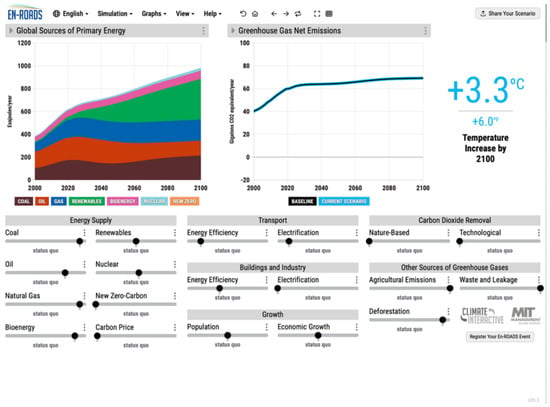
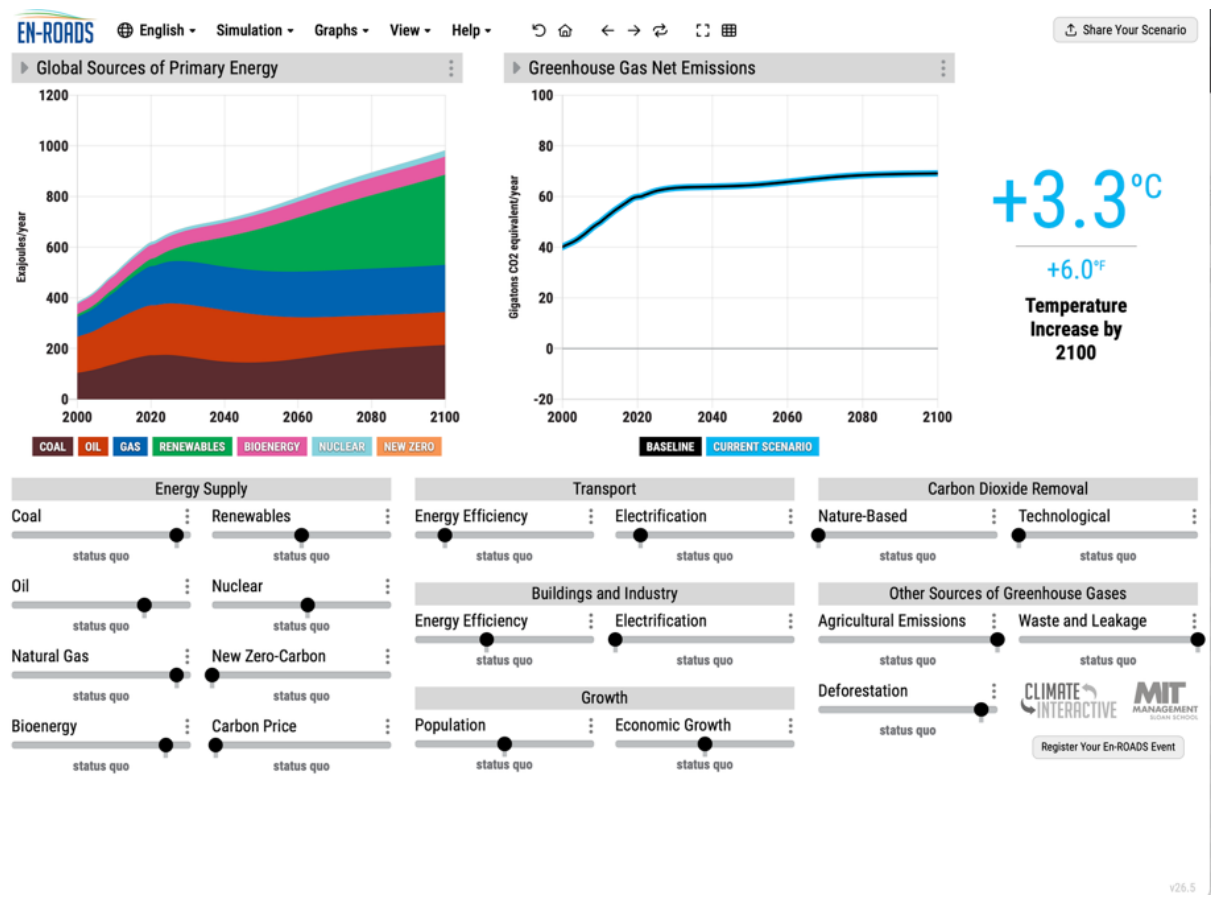
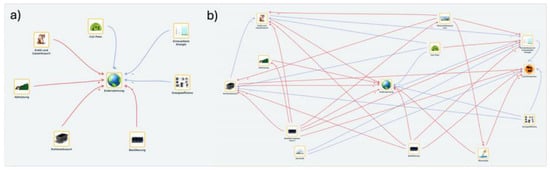
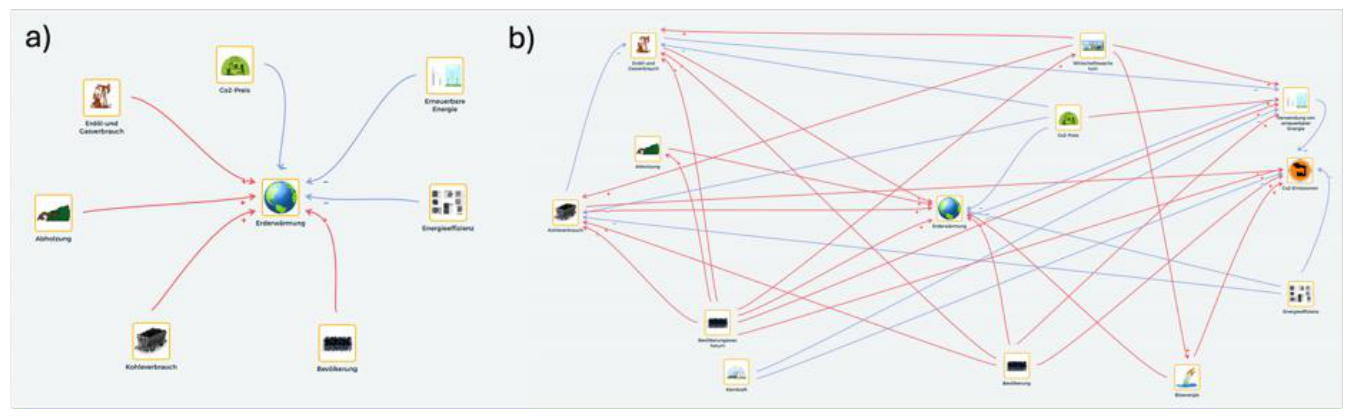
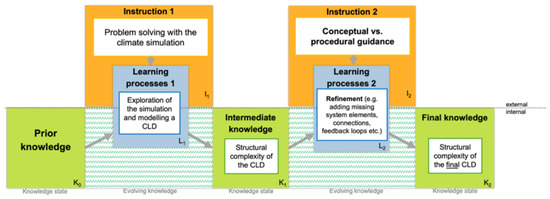
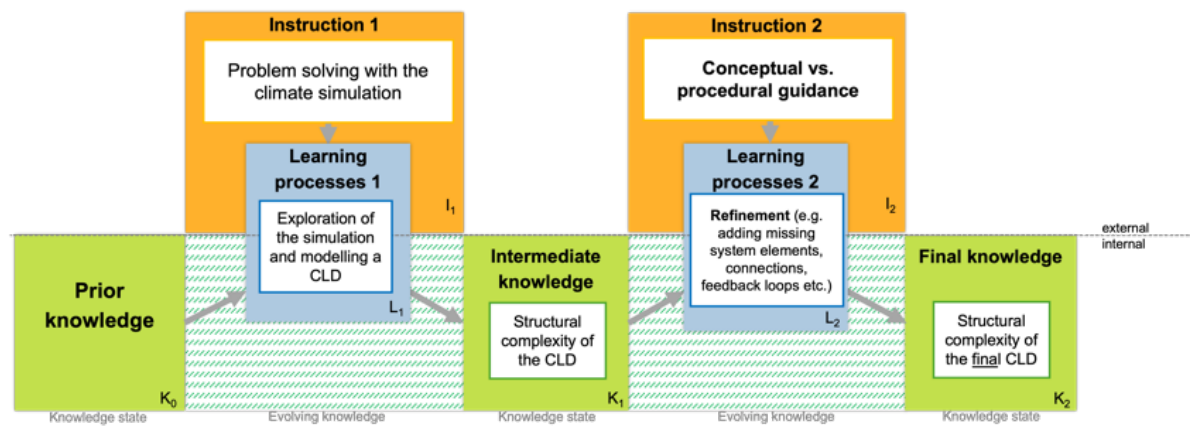
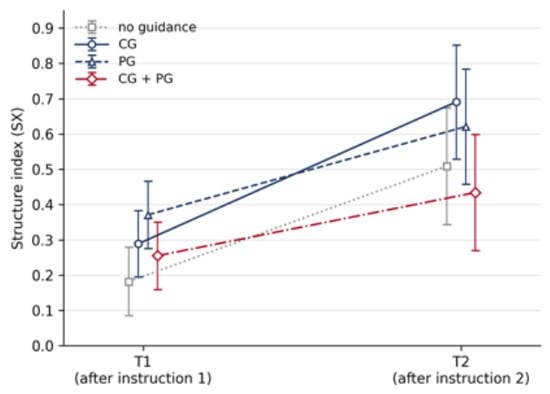
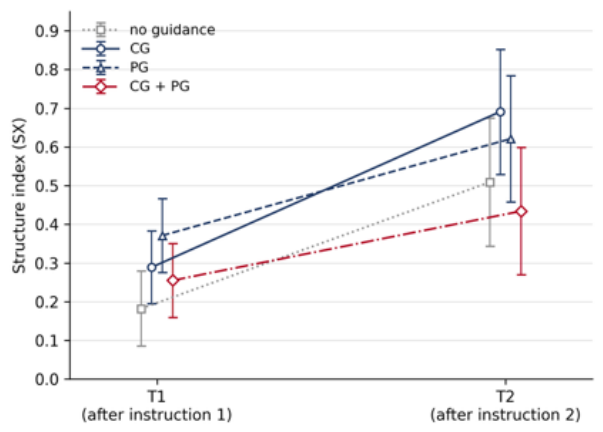

Disclaimer/Publisher’s Note: The statements, opinions and data contained in all publications are solely those of the individual author(s) and contributor(s) and not of MDPI and/or the editor(s). MDPI and/or the editor(s) disclaim responsibility for any injury to people or property resulting from any ideas, methods, instructions or products referred to in the content. |
© 2026 by the authors. Licensee MDPI, Basel, Switzerland. This article is an open access article distributed under the terms and conditions of the Creative Commons Attribution (CC BY) license.