


Abstract
Online learning environments often lack nonverbal cues that support relational communication between instructors and students, making it difficult to establish emotional connection and trust. This study examines how emojis, as affective visual cues, influence instructor credibility, emotional attachment, trust, and responsible behavior in asynchronous online education. A scenario-based experiment was conducted with 297 undergraduate students who were randomly assigned to view an instructor email either with or without emojis. Participants subsequently evaluated the instructor’s credibility (expertise, trustworthiness, and likeability), as well as their emotional attachment, trust, and anticipated responsible behavior. The results indicate that emojis significantly enhance perceived likeability, which in turn fosters emotional attachment and trust. These relational mechanisms subsequently promote students’ responsible behavior. In contrast, expertise and trustworthiness do not independently produce significant effects on emotional attachment or trust. These findings highlight the central role of relational warmth in shaping student responses in digitally mediated learning environments. Overall, the study demonstrates that subtle affective cues can strengthen instructor–student relationships and encourage responsible engagement in asynchronous online contexts.
1. Introduction
The increasing reliance on online learning has transformed the educational landscape, offering flexible and inclusive opportunities while introducing new relational and communicative challenges (Dogan et al., 2023). A key limitation of online classrooms is the absence of nonverbal cues that traditionally facilitate teacher presence, support, and trust between instructors and students (Beißwenger & Pappert, 2019; Kim et al., 2022). In such environments, messages can appear impersonal and transactional, reducing emotional engagement and social presence (Chen et al., 2024; Sia et al., 2024). As a result, establishing credibility, emotional connection, and behavioral responsibility has become a pressing concern for educators seeking to enhance the quality of online instruction (Abendschein et al., 2024; Kelly et al., 2024). This challenge is particularly salient in fully asynchronous courses, where instructor communication—especially email and learning management system-based messaging—serves as the primary channel through which instructional intent, relational presence, and behavioral expectations are conveyed.
Recent advances in digital communication have introduced emojis as powerful tools for conveying emotional tone, empathy, and immediacy in text-based messages. These visual cues can help instructors humanize digital interactions by adding expressive and relational signals that replicate aspects of face-to-face communication (Beißwenger & Pappert, 2019; Chen et al., 2024; Sia et al., 2024). Prior research has shown that such cues can enhance relational warmth and engagement in computer-mediated contexts (Kim et al., 2022; Vareberg et al., 2023). However, while existing studies acknowledge the communicative potential of emojis, the psychological mechanisms through which these cues influence students’ perceptions of instructors—and how such perceptions translate into downstream emotional and behavioral outcomes—remain insufficiently understood (Dogan et al., 2023; Sia et al., 2024). In particular, few empirical models explain how emojis shape instructor credibility and how these perceptions subsequently foster emotional attachment, trust, and responsible learning behavior in online education (Chen et al., 2024; Vareberg et al., 2023).
To address this gap, the present study adopts a conceptual blending perspective as its primary theoretical lens. This perspective posits that meaning is constructed through the integration of cognitive and affective elements within a single communicative act (Wold, 2011; Zibin & Altakhaineh, 2023). In digital learning environments, emojis function as cognitive–emotional blends that combine informational content with affective expression, thereby enriching message interpretation (Sia et al., 2024). Importantly, this approach complements, rather than replaces, other commonly used communication theories. For instance, Social Presence Theory explains how mediated communication enhances perceived interpersonal closeness, while Media Richness Theory focuses on the capacity of communication channels to convey information. Similarly, Signaling Theory emphasizes how observable cues communicate underlying qualities such as competence or intent. Although these frameworks provide valuable insights, they primarily address channel characteristics or general relational perceptions. In contrast, the conceptual blending perspective is particularly well suited to the present study because it captures how micro-level cues, such as emojis, simultaneously convey cognitive meaning and emotional intent, thereby shaping instructor evaluations in text-based communication contexts. In this study, the notion of “blending” is used in a conceptual sense—referring to the integration of cognitive and emotional cues in message interpretation—rather than to blended learning as a hybrid instructional format in education.
Building on this theoretical foundation, this study focuses on instructor credibility as a key mediating mechanism linking emoji use to student outcomes. Instructor credibility is conceptualized as a multidimensional construct comprising expertise, trustworthiness, and likeability, each of which plays a distinct psychological role in shaping student perceptions and engagement (Abendschein et al., 2024; Kelly et al., 2024; Sia et al., 2024). Expertise reflects perceived competence and subject mastery, fostering confidence in instructional guidance (Kelly et al., 2024). Trustworthiness captures integrity and reliability, supporting relational safety and openness (Główczewski & Burdziej, 2023). Likeability represents interpersonal warmth and approachability, facilitating emotional connection and social closeness (Abendschein et al., 2024). Rather than treating these dimensions as independent outcomes, the present study positions them as mediators through which emoji use influences subsequent emotional and behavioral responses.
These credibility perceptions are expected to translate into two key relational outcomes—emotional attachment and trust—which, in turn, drive responsible learning behavior. Emotional attachment reflects the affective bond that mitigates feelings of isolation and promotes sustained engagement (Naylor & Nyanjom, 2021), while trust represents confidence in the instructor’s fairness and guidance, facilitating participation and collaboration (Główczewski & Burdziej, 2023; Payne et al., 2023). Responsible behavior captures students’ self-regulated effort and accountability, including participation, adherence to deadlines, and integrity in academic tasks (Miller, 2021). Prior research suggests that credible and emotionally supportive instructors can foster intrinsic motivation and commitment, ultimately encouraging responsible learning behavior (Chiu, 2022; Wong & Liem, 2022). Taken together, this sequence reflects a hierarchical process in which communication cues influence credibility perceptions, which then shape emotional states and, ultimately, behavioral outcomes.
The contribution of this study lies in three key areas. First, it extends prior research by examining emoji use within fully asynchronous online learning environments, where text-based communication serves as the primary mode of interaction. Second, it advances understanding of the underlying psychological mechanism by positioning multidimensional instructor credibility as a mediator linking emoji use to student outcomes. Third, it expands the scope of prior work by incorporating responsible behavior as a downstream outcome, thereby connecting communication cues to meaningful academic conduct. By integrating these elements, the present study offers a more comprehensive account of how micro-level communication cues shape relational and behavioral dynamics in online education.
To guide the empirical analysis, the proposed model is structured as a hierarchical process in which emoji use influences instructor credibility (expertise, trustworthiness, and likeability), which subsequently affects emotional attachment and trust, ultimately leading to responsible behavior. Based on this framework, the following research questions (RQs) are proposed:
RQ1: How does emoji use in online instructor communication influence students’ perceptions of instructor expertise, trustworthiness, and likeability?
RQ2: How do the three dimensions of instructor credibility (expertise, trustworthiness, and likeability) influence students’ emotional attachment and trust toward the instructor?
RQ3: How do emotional attachment and trust, in turn, affect students’ responsible behavior in online learning?
By addressing these questions, the present study clarifies both the direct and mediated effects in the proposed research model. Building on this perspective, the study conceptualizes instructor email communication as an integral component of asynchronous teaching practice. Rather than treating email as an isolated communicative artifact, it examines how instructional meaning, relational intent, and behavioral expectations are conveyed through text-based messages in the absence of real-time interaction. Accordingly, the study’s theoretical framing draws from the broader online teaching literature, while its empirical focus remains grounded in asynchronous instructional communication. Practically, the findings provide evidence-based guidance for educators seeking to strategically use digital emotional cues to strengthen instructor–student relationships, build trust, and enhance student accountability in online education (Chen et al., 2024; Sia et al., 2024; Vareberg et al., 2023).
2. Literature Review
2.1. Conceptual Framework
The conceptual blending perspective explains how humans combine elements from different mental spaces to create new meanings, understandings, and emotional associations (Birgisson, 2012; C. Li & bin Azraai, 2025; Wold, 2011). Developed by Fauconnier and Turner (2003), this framework highlights how inputs from distinct domains, such as textual content and visual cues, are integrated into a cohesive “blend” that enriches cognitive and emotional engagement. In digital communication, emojis serve as powerful blending tools, providing visual and emotional cues that enhance the interpretive richness of text-based messages (C. Li & bin Azraai, 2025). For instance, a smiling emoji appended to a message can transform a neutral statement into one that conveys warmth and friendliness, making the sender appear approachable and supportive (Kim et al., 2022). This process is particularly relevant in online education, where the absence of physical cues like tone and gestures can make digital communication feel impersonal or ambiguous (Sia et al., 2024).
Blending involves four mental spaces: input spaces, a generic space, a blend space, and emergent meaning (Birdsell, 2014; Fauconnier & Turner, 2003). Input spaces are the conceptual domains from which elements are drawn, such as the written content of a message and the visual signals provided by emojis. A generic space provides the shared structure that connects these inputs, such as the intent to foster engagement or relational understanding. A blend space integrates elements from the inputs to form a new conceptual framework, while emergent meaning represents the enriched interpretation that arises from this synthesis. For example, an instructor’s email paired with emojis might blend professionalism (from the text) with approachability (from the emojis), resulting in the perception of the instructor as competent and relatable. This process is enriched by cultural and individual factors, ensuring that the blended meaning resonates with the audience (Birdsell, 2014; Fauconnier & Turner, 2003; Zibin & Altakhaineh, 2023).
In online education, the blending perspective provides a compelling lens for understanding how emojis enhance communication by bridging relational gaps (C. Li & bin Azraai, 2025). By adding emotional and relational depth, emojis compensate for the lack of physical presence, enabling instructors to convey warmth, sincerity, and support in the online setting (Chen et al., 2024; Kim et al., 2022; Sia et al., 2024). This blending process can influence students’ perceptions of instructor credibility—expertise, trustworthiness, and likeability—while fostering outcomes such as emotional attachment, trust toward the instructor, and responsible behavior (Birdsell, 2014). By exploring how emojis shape these perceptions and outcomes, this study highlights the relational potential of digital communication tools in online learning environments, offering theoretical insights and practical strategies for enhancing student success. Accordingly, while this study empirically examines instructor email communication, it treats such communication as a constitutive element of online teaching in asynchronous environments rather than as a standalone form of digital interaction. Importantly, this notion of blending refers to cognitive–emotional integration in communication rather than to blended learning formats in education.
2.2. Instructor Credibility
Instructor credibility is a fundamental determinant of effective teaching, shaping students’ perceptions of their instructor and influencing their engagement and academic success (Abendschein et al., 2024; Kelly et al., 2024; Sia et al., 2024). Credibility is widely regarded as a multidimensional construct encompassing expertise, trustworthiness, and likeability (Kelly et al., 2024). These three dimensions collectively define how competent, reliable, and relatable an instructor appears, forming the foundation for productive and meaningful instructor–student relationships (Abendschein et al., 2024).
First, expertise refers to students’ perception of the instructor’s knowledge, competence, and ability to convey subject matter effectively (Sia et al., 2024). Rooted in Hovland’s communication model (Hovland et al., 1953), expertise is essential for establishing the instructor’s authority and legitimacy in the classroom. In online education, where interactions are largely text-based, communicating expertise becomes more challenging due to the lack of face-to-face interaction (Kelly et al., 2024); however, strategic use of emojis can address this perception by clarifying complex ideas, emphasizing key points, or visually organizing messages to enhance understanding (Sia et al., 2024). For instance, a lightbulb emoji—commonly associated with insight and creative thinking—can symbolize innovation or understanding, reinforcing the instructor’s role as a knowledgeable guide (Chen et al., 2024).
Second, trustworthiness represents the degree to which an instructor is perceived as honest, dependable, and having the students’ best interests in mind (Vareberg et al., 2023). This dimension draws on the principle of ethical communication, which emphasizes transparency, sincerity, and care (Vareberg & Westerman, 2023). Trustworthiness is critical in fostering a sense of psychological safety, encouraging students to rely on their instructor and engage more openly with course material (Kim et al., 2022; Vareberg & Westerman, 2023). In online classrooms, where communication often feels impersonal, emojis can enhance trustworthiness by signaling empathy and authenticity (Kim et al., 2022). For example, a heart emoji can convey warmth, care, and empathy, helping students feel emotionally supported and valued (Vareberg & Westerman, 2023).
Third, likeability captures the instructor’s interpersonal warmth and approachability, which foster a welcoming and inclusive learning environment (Vareberg et al., 2023). Likeability has been shown to play a key role in encouraging student participation and relational comfort (Clark-Gordon et al., 2018). Unlike expertise and trustworthiness, which are rooted in competence and reliability, likeability focuses on relational appeal and emotional connection (Sia et al., 2024). With their ability to convey positivity and friendliness, emojis can make an instructor appear more personable and engaging (Kim et al., 2022). For instance, a smiling emoji can transform a neutral message into one that feels warm and inviting, enhancing students’ willingness to interact with their instructor (Clark-Gordon et al., 2018; Kim et al., 2022; Sia et al., 2024).
Together, expertise, trustworthiness, and likeability form the pillars of instructor credibility, shaping how students perceive and respond to their instructor in both cognitive and emotional terms (Kelly et al., 2024). In the context of online education, these dimensions are crucial for overcoming the relational and psychological gaps inherent in online communication and for strengthening teacher presence and support (Sia et al., 2024). Accordingly, in this study, we explored how emojis, as simple yet effective visual tools, can enhance perceptions of instructor credibility and create a more engaging and supportive learning environment.
2.3. Outcomes of Instructor Credibility
The perception of instructor credibility directly influences emotional and behavioral outcomes essential for fostering a productive and engaging learning environment (Vareberg & Westerman, 2023). These outcomes include emotional attachment, trust toward the instructor, and responsible behavior in this study.
Emotional attachment refers to the bond students form with their instructor, characterized by feelings of connection, care, and closeness (Chiu, 2023). This attachment is rooted in attachment theory, which emphasizes the importance of secure relationships in fostering engagement and resilience (Bergin & Bergin, 2009). In an educational context, emotional attachment enhances students’ motivation, satisfaction, and sense of belonging, which are particularly important in mitigating the isolation of online learning (Bergin & Bergin, 2009; Chiu, 2023). Emojis can strengthen emotional attachment by conveying empathy and support in digital communication (Kim et al., 2022). For example, a heart emoji or a reassuring gesture can demonstrate that the instructor values and understands students’ experiences, fostering a supportive and inclusive environment (Sia et al., 2024).
Trust toward the instructor involves students’ confidence in the instructor’s intentions, abilities, and ethical standards (Sia et al., 2024). It is fundamental to establishing a collaborative learning environment in which students feel secure in their interactions and are willing to accept feedback (Vareberg et al., 2023). Trust is supported by the relational model of trust, which highlights the role of perceived competence, integrity, and care in fostering trustful relationships. In online education, trust can be cultivated through consistent, transparent, and empathetic communication (Kim et al., 2022; Vareberg et al., 2023). Emojis enhance this process by adding emotional depth and authenticity to messages (Sia et al., 2024). For example, a thumbs-up emoji often functions as a positive reinforcement cue, symbolizing encouragement or approval and strengthening perceptions of instructor reliability and engagement (Vareberg & Westerman, 2023).
Responsible behavior refers to students’ adherence to academic expectations, including task completion, participation, and compliance with course guidelines (Chiu, 2023). It is influenced by students’ sense of accountability, which arises from their relationship with the instructor and their commitment to shared goals (Chiu, 2022; Howard et al., 2021). According to the self-determination theory, fostering intrinsic motivation is key to encouraging responsible behavior (Chiu, 2022; Chiu, 2023). Students who feel emotionally connected to their instructor and trust their guidance are more likely to take ownership of their learning (Howard et al., 2021; Sia et al., 2024). Emojis can subtly reinforce responsible behavior by creating a positive and motivating communication environment (Kim et al., 2022). For instance, a trophy emoji or a clap emoji can be recognized as indicators of achievement and recognition, reinforcing students’ motivation and sense of accomplishment (Chen et al., 2024).
2.4. Research Hypotheses Development
In computer-mediated instruction, immediacy cues such as emojis function as important psychological tools that reduce social distance, convey warmth, and enhance interpersonal connection (Suen & Hung, 2025). However, despite their growing prevalence in online communication, their academic significance in online learning remains insufficiently examined. Previous research has shown that visual and emotional cues can strengthen relational closeness and engagement (Chen et al., 2024; Sia et al., 2024), yet few studies have systematically explored how these cues influence students’ perceptions of instructor credibility and subsequent emotional or behavioral outcomes. This study therefore addresses a critical gap by integrating insights from communication and educational psychology to explain how small emotional signals—such as emoji use—shape learning relationships in text-based environments. Existing work presents mixed results: while some studies emphasize the potential of emojis to increase social presence and immediacy (Beißwenger & Pappert, 2019; Chen et al., 2024), others caution that excessive or poorly timed use may threaten professionalism or clarity (Kim et al., 2022). These conflicting findings suggest that the effectiveness of emojis depends on contextual appropriateness, emotional tone, and placement within communication.
The significance of this study lies in developing a theoretically grounded model that connects emoji use to perceptions of instructor expertise, trustworthiness, and likeability—and examines how these credibility dimensions influence students’ emotional attachment, trust, and responsible behavior. By conceptualizing emojis not as stylistic embellishments but as relational mechanisms, this study advances understanding of how affective cues support psychological and behavioral responses to online classrooms. In asynchronous learning environments, low-intensity, context-appropriate emoji use is expected to reduce psychological distance while preserving professional authority. Accordingly, small-to-moderate positive effects on instructor credibility are anticipated, with stronger impacts on likeability due to its affective nature and comparatively weaker effects on expertise and trustworthiness. This conceptualization underscores both the necessity and novelty of the present study, demonstrating how emotional expressiveness through digital cues can strengthen connection, trust, and accountability in online education.
To address RQ1, the following hypotheses examine how emoji use influences the three dimensions of instructor credibility:
Students evaluate instructors’ expertise by cognitively processing signals of competence, clarity, and confidence (Sia et al., 2024; Vareberg et al., 2023). Emojis can enhance comprehension by visually organizing meaning and reducing ambiguity, thereby increasing processing fluency and cognitive efficiency (Vareberg & Westerman, 2023). This fluency leads students to infer higher competence and pedagogical skill. Although excessive emoji use can appear informal, appropriate integration reinforces the impression of an instructor who communicates with clarity and attentiveness. In an online setting where tone and body language are absent, this visual reinforcement becomes an essential marker of pedagogical precision. Therefore, we formulate the following research hypothesis:
H1:
Using emojis in instructor communication positively influences students’ perceptions of the instructor’s expertise.
Trustworthiness is a psychological evaluation of sincerity and reliability (Beattie et al., 2020). Emojis can strengthen perceptions of honesty by making the emotional subtext of messages explicit, thereby reducing uncertainty and ambiguity (Vareberg & Westerman, 2023). When students perceive emotional congruence between content and tone, they infer genuine intent (Kim et al., 2022). Although overly casual emojis might appear unprofessional, in structured academic contexts their appropriate use conveys care, empathy, and attentiveness—traits that reinforce rather than undermine integrity. In online learning, where misunderstandings are common, this subtle emotional visibility is a vital foundation of trust (Beattie et al., 2020). Consequently, we propose the following research hypothesis:
H2:
Using emojis in instructor communication positively influences students’ perceptions of the instructor’s trustworthiness.
Likeability stems from affective resonance and emotional contagion, processes through which positive cues evoke feelings of warmth and connection (Clark-Gordon et al., 2018; Grieve et al., 2019). Emojis help students perceive instructors as approachable and friendly. In this way, these cues promote psychological safety (Kim et al., 2022). While unrestrained or inconsistent emoji use might seem superficial, moderate and intentional use transforms distant online interactions into personable exchanges that sustain positive emotions (Sia et al., 2024). In contexts where relational immediacy is otherwise absent, the emotional salience of such cues can meaningfully humanize instructor communication (Grieve et al., 2019). Accordingly, we establish the following research hypothesis:
H3:
Using emojis in instructor communication positively influences students’ perceptions of the instructor’s likeability.
To address RQ2, the following hypotheses examine how instructor credibility dimensions influence emotional attachment and trust toward the instructor:
Expertise fosters emotional attachment through cognitive assurance and relational confidence. When students believe their instructor possesses strong subject mastery, they feel secure and guided, which facilitates emotional investment (Dabija et al., 2024; Kelly et al., 2024). Even though expertise alone may not guarantee affective connection, the sense of intellectual security it provides often evolves into emotional attachment when students perceive consistent, helpful communication. Thus, confidence in an instructor’s competence naturally strengthens relational bonds in online education (Kelly et al., 2024; Kim et al., 2022). Hence, the following research hypothesis is proposed:
H4:
Perceived expertise, strengthened through emoji use, positively influences students’ emotional attachment to the instructor.
Trustworthiness enhances emotional attachment by promoting relational stability and moral security. Students who perceive their instructor as dependable and fair are more comfortable forming emotional bonds (Derakhshan, 2021; Vareberg et al., 2023). While digital interactions risk misinterpretation, trustworthiness counteracts this by signaling reliability and integrity, making students more willing to commit emotionally (Sia et al., 2024). Instructors who communicate consistent care—sometimes amplified through supportive emoji use—activate feelings of reassurance and belonging (Derakhshan, 2021). Thus, we established the following research hypothesis:
H5:
Perceived trustworthiness, strengthened through emoji use, positively influences students’ emotional attachment to the instructor.
Likeability directly nurtures emotional attachment by activating affiliative motives and belonging needs. Students naturally gravitate toward instructors who appear kind and engaging (Sia et al., 2024). Although superficial friendliness without academic rigor could limit attachment, authentic warmth expressed through messages—occasionally reinforced by appropriate emojis—strengthens the perception of genuine care and interpersonal understanding (Vareberg et al., 2023). This affective bond encourages sustained commitment to the instructor and course (Kim et al., 2022). Therefore, we propose the following research hypothesis:
H6:
Perceived likeability, strengthened through emoji use, positively influences students’ emotional attachment to the instructor.
Expertise engenders trust through cognitive assurance, as students rely on knowledgeable instructors for accurate guidance (Payne et al., 2023; Vareberg & Westerman, 2023). Even though warmth can further enhance trust, competence remains the initial foundation upon which relational confidence is built (Payne et al., 2023). In online settings, where uncertainty about instructional quality may arise, clear, confident communication cues—even when subtly supported by emojis—solidify students’ faith in the instructor’s credibility (Vareberg et al., 2023). Consequently, we propose the following research hypothesis:
H7:
Perceived expertise, strengthened through emoji use, positively influences students’ trust toward the instructor.
Trustworthiness forms the core psychological basis of trust, emerging from perceptions of integrity and consistency (Kim et al., 2022; Marder et al., 2020). While digital channels can obscure emotional tone, transparent and supportive communication—sometimes enhanced by empathy-rich cues such as emojis—helps bridge that gap (Vareberg & Westerman, 2023). Thus, the reinforcing power of trustworthiness extends beyond reliability; it signals moral alignment that anchors long-term relational trust (Marder et al., 2020). Thus, we suggest the following research hypothesis:
H8:
Perceived trustworthiness, strengthened through emoji use, positively influences students’ trust toward the instructor.
Likeability shapes trust by fostering affective openness and reduced relational anxiety. Students tend to trust instructors they find warm and personable (Vareberg et al., 2023). Although excessive informality could blur boundaries, well-calibrated friendliness encourages students to interpret instructor behavior more positively and feel secure in their reliance on them (Sia et al., 2024). In online learning, where miscommunication is common, likeability becomes an indispensable channel for building affective trust (Kim et al., 2022). Accordingly, the following research hypothesis is proposed:
H9:
Perceived likeability, strengthened through emoji use, positively influences students’ trust toward the instructor.
To address RQ3, the following hypotheses examine how emotional attachment and trust influence responsible behavior:
Emotional attachment deepens trust through relational reinforcement. In this way, when students feel emotionally bonded, they internalize a sense of mutual respect and confidence, viewing their instructor’s guidance as both credible and benevolent (Payne et al., 2023; Snijders et al., 2022). Although attachment alone could exist without total trust, in long-term educational relationships, emotional security naturally transforms into trustful dependence (Kim et al., 2022). Thus, we propose the following research hypothesis:
H10:
Emotional attachment positively influences students’ trust toward the instructor.
Emotional attachment fosters intrinsic motivation and encourages reciprocal responsibility. Therefore, students who feel connected to their instructors are more likely to meet expectations and engage proactively (Chiu, 2022). Even if external demands fluctuate, emotional investment sustains consistent psychological engagement by transforming academic effort into relational reciprocity (Wong & Liem, 2022). Hence, the following research hypothesis is suggested:
H11:
Emotional attachment positively influences students’ responsible behavior.
Trust encourages responsible behavior through normative commitment and moral obligation. Accordingly, when students trust their instructor, they perceive accountability not just as a requirement but as a reciprocal act of respect (Platz, 2021; Zheng et al., 2023). Although external pressures may occasionally weaken motivation, trusted relationships maintain behavioral consistency by reinforcing internalized responsibility (Kim et al., 2022). Therefore, we propose the following research hypothesis:
H12:
Trust toward the instructor positively influences students’ responsible behavior.
3. Methods
3.1. Data Collection
The data for this study were collected as part of a broader investigation into digital communication dynamics in educational contexts. We employed convenience sampling by inviting undergraduate students enrolled in fully online courses at a large university in the United States to participate. Eligibility criteria required participants to be at least 18 years of age and currently enrolled in at least one fully online course. Data were collected using an online survey, which enabled efficient and standardized data collection within a digital learning environment.
All online courses at the institution are delivered through the university’s learning management system (LMS), such as Canvas, which functions as the central platform for instructional content, communication, and assessment. Courses follow a sixteen-week modular structure with weekly learning units that typically include prerecorded lectures, discussion forums, instructor announcements, and graded assignments. Students access course materials, instructor communication, and peer interaction exclusively through the LMS and institutional email. Synchronous meetings are not required, and learning occurs asynchronously, allowing students to engage with course activities within designated timeframes.
Because communication in this instructional environment is primarily text-based, visual cues such as emojis represent a salient mechanism for conveying relational tone and immediacy (Kim et al., 2022). This context therefore provides an ecologically valid setting for examining how visual symbols embedded in instructor messages influence students’ perceptions of instructor credibility, emotional attachment, trust, and responsible behavior.
A scenario-based experimental design was employed to ensure consistency and control over the variables of interest. Participants were randomly assigned to one of two experimental conditions: (a) an instructor email containing emojis or (b) an identical instructor email without emojis (see Figure 1). Random assignment was implemented automatically through the survey platform (Qualtrics) to eliminate researcher bias and ensure equal probability of condition assignment. This design is particularly appropriate for isolating the causal effect of emoji use on students’ immediate psychological and relational evaluations, as it minimizes confounding influences that are difficult to control in naturalistic settings. Moreover, in asynchronous online learning environments, initial instructor messages often serve as a primary basis for first-impression formation, making a controlled scenario-based approach well suited to capture these early evaluative processes. At the same time, we acknowledge that such designs may not fully capture longer-term interaction dynamics, and future research could extend these findings using longitudinal or field-based approaches to examine sustained behavioral outcomes.
Figure 1.
Study stimuli (Top: A welcome letter without emoji vs. Bottom: A welcome letter with emojis).
The study focused on participants’ immediate psychological and relational evaluations rather than longitudinal interaction processes. Data collection occurred within a single survey session lasting approximately ten to twelve minutes. During this session, participants were exposed to one standardized instructor email and immediately completed measures assessing instructor credibility, emotional attachment, trust, and anticipated responsible behavior. Thus, there was no time gap between the presentation of the email and the measurement of responses, ensuring that participants’ evaluations captured their immediate psychological and relational reactions. The survey remained open for a fixed period, during which responses were collected on a rolling basis, allowing comparisons between early and late respondents as a proxy for assessing potential nonresponse bias. Scenario-based designs of this type are widely used in communication and educational research to examine impression formation and relational cue processing under controlled conditions (Aguinis & Bradley, 2014).
The instructional stimulus was designed to represent a typical one-way instructor announcement commonly used in asynchronous online courses. Specifically, the message functioned as a module-level communication that welcomed students, clarified expectations, and encouraged engagement. Such messages constitute a high-frequency form of instructor–student communication in asynchronous learning environments, where email and LMS-based messaging serve as primary channels for establishing instructor presence and relational tone (Lowenthal & Dunlap, 2018). The message was not framed as a response to a student inquiry, assignment submission, or exam performance, nor did it involve dialogic exchange or feedback loops. This operationalization reflects routine instructional practice in asynchronous online courses and ensures that participants evaluated the stimulus within a familiar and ecologically valid instructional context.
Email was selected as the experimental medium because it represents one of the most frequent and formal channels of instructor–student communication in asynchronous online learning environments. Instructors routinely use email and LMS-integrated messaging tools to share announcements, clarify assignments, and provide guidance—interactions that are central to relational communication in online education (Kelly et al., 2024; Sia et al., 2024). Using email as the communication context enhances ecological validity by reflecting authentic teaching practices while also enabling experimental precision. The standardized email format allowed for a clear manipulation of visual cues (emoji presence versus absence) without introducing confounding influences such as vocal tone, body language, or peer interaction. This approach isolates the psychological impact of emojis within a controlled yet realistic instructional setting, thereby strengthening internal validity (Kim et al., 2022).
The emoji stimuli were selected to represent low-intensity, positive relational cues commonly used in professional and educational communication. Selection was guided by prior research demonstrating their consistent positive valence and capacity to convey warmth and approachability (Clark-Gordon et al., 2018; Sia et al., 2024; Vareberg & Westerman, 2023). To ensure perceptual consistency, a pretest was conducted with 30 undergraduate students who evaluated each emoji’s emotional valence, contextual appropriateness, and relational tone using seven-point Likert scales. All selected emojis received mean ratings above 6.0, indicating positive and context-appropriate interpretations (Cronbach’s α = 0.84). This pre-validation process strengthened the construct validity and interpretability of the experimental manipulation. The experimental manipulation involved the presence versus absence of emojis embedded within the instructor email. Aside from emoji inclusion, all aspects of the message—including content, length, structure, and instructional intent—were held constant to ensure internal validity.
The study did not simulate ongoing teacher–student interaction, bidirectional communication, or longitudinal instructional processes. Instead, it focused on students’ immediate evaluations following exposure to a single instructional message. This design choice aligns with prior research demonstrating that initial communication cues can strongly influence credibility judgments, affective responses, and relational expectations in computer-mediated contexts (Vareberg et al., 2023). Accordingly, the findings should be interpreted as reflecting students’ immediate psychological and relational responses to a representative instructor email in asynchronous online education, rather than as modeling long-term interaction dynamics or instructional effectiveness over time.
To minimize potential response bias, invitations were distributed through official institutional channels to all eligible online undergraduate students. Participation was entirely voluntary, anonymous, and unrelated to any course grades or instructor evaluation. No incentives were offered to prevent self-selection bias. Additionally, to assess nonresponse bias, we compared early respondents (first 25% of completed surveys) and late respondents (last 25%) across all focal constructs. This procedure follows established survey methodology, which treats late respondents as a proxy for nonrespondents based on similarities in response motivation and engagement (Armstrong & Overton, 1977). Because individuals who respond later tend to require greater prompting and may exhibit lower topic involvement, they are often considered more comparable to nonrespondents than early respondents (Baruch & Holtom, 2008). Independent samples t-tests revealed no statistically significant differences between the two groups (p > 0.05 for all constructs), suggesting that nonresponse bias was not a concern in this dataset.
Accordingly, 297 out of 326 participants were included after accounting for data quality controls. First, response timing and completion patterns were monitored to identify inattentive or automated responses; submissions completed unrealistically fast were flagged and removed. Second, attention-check items (i.e., word–picture match items) were embedded to verify respondent engagement. Third, only participants who completed all required items were retained for analysis. The sample consisted of 55.2% male and 44.8% female students. The academic standing of the participants was distributed as follows: 38.4% freshmen, 45.8% sophomores, 13.8% juniors, and 2% seniors. In terms of ethnicity, the majority identified as Caucasian (63.0%), followed by African American (17.5%), Hispanic (15.2%), Asian (2.7%), and Other (1.7%).
Lastly, to assess baseline equivalence between the emoji-present (N = 140) and emoji-absent (N = 157) conditions, participants were compared on demographic and attitudinal variables (gender, academic standing, and prior online learning experience). Independent-samples t-tests and chi-square tests indicated no significant differences across conditions (p > 0.05 for all variables), confirming successful randomization and group comparability. To further examine condition differences, independent samples t-tests were conducted across key constructs. The results indicate that participants in the emoji condition reported significantly higher levels of trustworthiness (t = −3.20, p = 0.002), likeability (t = −2.45, p = 0.015), and trust (t = −2.35, p = 0.019). In contrast, no significant differences were observed for emotional attachment and responsible behavior, and only marginal differences were found for expertise. This pattern suggests that emoji use primarily influences perceptual and relational evaluations rather than directly shaping downstream emotional or behavioral outcomes, consistent with the mediated pattern observed in the structural equation modeling (SEM) analysis.
3.2. Measures
The selection of measures for this study was guided by their conceptual alignment with prior research and their statistical validity and reliability. Each variable—expertise, trustworthiness, likeability, emotional attachment, trust, and responsible behavior—was operationalized using established scales adapted from previous studies. These measures were selected to ensure a robust representation of the constructs within the online education context.
Scale selection and minor adaptations followed prior studies; the focus of this study is not scale development but empirical testing of the structural model. The development of the measures followed a systematic process. Initially, we identified and refined the most appropriate measures through three rounds of in-depth discussion. The goal was to ensure that the selected items accurately represented the theoretical constructs and reflected the research objectives. For instance, expertise was operationalized based on (Y. Li & Peng, 2021) credibility framework, which captures perceptions of knowledge, competence, and skill. Trustworthiness drew on interpersonal trust measures, emphasizing reliability and ethical conduct, as inspired by (Y. Li & Peng, 2021). Likeability was adapted from relational communication research, focusing on dimensions of warmth, friendliness, and approachability, as suggested in studies of interpersonal appeal in instructional settings (Dobransky & Frymier, 2004). Emotional attachment was measured using items derived from attachment theory, emphasizing connection and fondness (Teng & Tsai, 2020). Trust items were adapted from the relational model of trust (Wongkitrungrueng & Assarut, 2020), reflecting confidence in the instructor’s intentions and abilities. Finally, responsible behavior was assessed using constructs grounded in self-determination theory (Bu et al., 2022), focusing on students’ adherence to academic expectations.
To validate the measures, we invited three scholars with expertise in online education and digital communication to review the items. These experts evaluated the measures for their conceptual alignment with the operationalized variables and provided valuable feedback to refine the questionnaire. Subsequently, a pilot study involving 30 undergraduate students enrolled in online courses was conducted to assess the clarity, flow, and content of the items. Based on feedback from the pilot participants, minor revisions were made to enhance the questionnaire’s readability and ensure it effectively captured the intended constructs.
The finalized questionnaire was designed to minimize common method bias by randomly mixing the order of items. This step ensured that the sequence of questions did not influence the participants’ responses (Podsakoff et al., 2003). Each variable was measured using a 7-point Likert scale ranging from “1 = strongly disagree” to “7 = strongly agree.” The finalized measures were subjected to statistical validation through confirmatory factor analysis (CFA), ensuring reliability and validity for subsequent analysis. This rigorous approach underscores the study’s commitment to methodological precision and conceptual integrity.
4. Results
4.1. Measurement Model
The measurement model was evaluated using a two-step approach that incorporated reliability analysis and CFA to ensure the constructs’ reliability and validity. This two-step approach is a widely recognized method in SEM to separate the measurement model from the structural model, allowing researchers to independently assess the psychometric properties of the measurement model before examining the hypothesized relationships among latent variables (Anderson & Gerbing, 1988; Chong, 2013). This approach ensures that any findings related to structural relationships are based on a robust foundation of validated measurement constructs (Anderson & Gerbing, 1988; Chong, 2013). Internal consistency of the constructs was first assessed using Cronbach’s alpha coefficients. All values exceeded the commonly accepted threshold of 0.70 (Christmann & Van Aelst, 2006), ranging from 0.767 (expertise) to 0.854 (trustworthiness), indicating satisfactory reliability (see Table 1).
Table 1.
Results of CFA.
Prior to testing the measurement model, descriptive statistics were examined. All observed variables fell within acceptable ranges of normality, with skewness and kurtosis values well below recommended thresholds. The means and standard deviations indicated adequate variability without evidence of extreme response bias. Detailed descriptive statistics are reported in Appendix A. A confirmatory factor analysis (CFA) was then conducted to evaluate the measurement model (Hair et al., 2017). The results indicated an acceptable fit to the data. Items with standardized loadings below 0.50 were removed to ensure construct validity, resulting in a refined measurement model. Composite construct reliability values ranged from 0.776 to 0.871, exceeding the recommended threshold of 0.70 and providing further evidence of reliability (Hair et al., 2017) (see Table 2). Overall, the measurement model demonstrated satisfactory reliability and validity.
Table 2.
Construct intercorrelations (Φ) and average variance extracted.
Convergent validity was assessed by examining standardized factor loadings and average variance extracted (AVE) (Fornell & Larcker, 1981). Factor loadings for retained items exceeded the recommended threshold of 0.5, and AVE values for all constructs were greater than 0.5, indicating that the items adequately captured the variance of their respective constructs. Discriminant validity was evaluated by comparing the AVE values for each construct to the squared correlations between constructs. The AVE values exceeded the squared correlations in all cases, confirming that the constructs were distinct from one another (Fornell & Larcker, 1981) (see Table 2).
Finally, Harman’s one-factor test was conducted as a statistical remedy to address potential common method bias. The results indicated that a single factor did not account for the majority of variance (i.e., 70.645% of the measurement model vs. 26.648% of the one-factor model), suggesting that common method bias was not a significant concern in this study (Podsakoff et al., 2003).
4.2. Test of Research Hypotheses
We utilized SEM to test the hypothesized relationships, offering theoretical and methodological benefits (Hair et al., 2017). SEM allows researchers to simultaneously analyze complex relationships among latent constructs while accounting for measurement errors, providing a more accurate and comprehensive understanding of the model. The technique integrates CFA with path analysis, enabling the evaluation of the measurement model (construct validity) and the structural model (causal pathways) (Hair et al., 2017). The proposed model demonstrated an acceptable fit to the data, as indicated by the fit indices. These values suggest that the theoretical framework adequately represents the observed relationships, validating the hypothesized paths and ensuring the robustness of the findings (Hair et al., 2017) (see Figure 2).
Figure 2.
Estimates of structural equation modeling. ** p < 0.01, * p < 0.05, Standardized estimate (critical ratio), Solid line: significant path, Dotted line: insignificant path.
The squared multiple correlations (R2) indicate that the model explains 16.6% of the variance in emotional attachment, 11.0% of the variance in trust, and 24.3% of the variance in responsible behavior. To assess the incremental contribution of emoji use, we also estimated a comparison model excluding emoji as an exogenous predictor. The corresponding R2 values were 16.8% for emotional attachment, 11.0% for trust, and 24.4% for responsible behavior, indicating that the inclusion of emoji contributes little additional explained variance in these downstream outcomes. This pattern suggests that emoji use functions primarily as an upstream cue influencing credibility dimensions rather than substantially increasing the explanatory power of later-stage relational and behavioral variables. In other words, it suggests that emoji effects operate primarily through indirect relational mechanisms rather than directly increasing explained variance in distal outcomes.
The findings provided strong support for the influence of emojis on students’ perceptions of instructor credibility. Specifically, these effects were observed across multiple dimensions. These results indicate that such cues serve as nonverbal cues that enrich text-based communication. Overall, they add emotional and relational depth. From a psychological standpoint, this finding aligns with theories of impression formation, suggesting that individuals use relational cues to form judgments about competence, reliability, and warmth. Emojis help humanize digital communication, compensating for the lack of nonverbal cues such as tone, gestures, and facial expressions.
The positive impact of likeability on emotional attachment and trust underscores the importance of relational warmth in fostering meaningful connections. Likeability, characterized by approachability and friendliness, creates a psychological sense of belonging, which is critical in online learning environments, which often feel isolated. This finding aligns with relational communication principles, highlighting that interpersonal warmth reduces psychological distance and strengthens psychological and behavioral involvement. In this way, the ability of emojis to convey friendliness and approachability increases the instructor’s likeability and fosters a stronger bond with students.
Emotional attachment significantly influenced both trust and responsible behavior. These results suggest that, when students feel emotionally connected to their instructor, they are more likely to trust their guidance and exhibit accountability in their academic behaviors. Emotional attachment establishes a secure relational base, motivating students to reciprocate by engaging actively and fulfilling their responsibilities. This finding is consistent with attachment theory, which posits that secure emotional bonds foster trust and commitment.
Finally, trust toward the instructor was a strong predictor of responsible behavior. Trust reduces relational uncertainty, enabling students to confidently rely on their instructor’s guidance. From a behavioral perspective, trust creates a sense of obligation and accountability, prompting students to adhere to academic expectations. This finding aligns with social exchange principles, which suggest that trust in relationships motivates individuals to reciprocate through cooperative and responsible actions.
While many hypotheses were supported, some relationships were found to be nonsignificant, offering valuable insights into the dynamics of instructor credibility. Expertise did not significantly influence emotional attachment or trust. These findings suggest that while students may recognize an instructor’s competence, expertise alone is insufficient to foster emotional bonds or relational trust. This result highlights the need for expertise to be complemented by trustworthiness and likeability to have a meaningful relational impact. The perception of competence may create respect but not necessarily the relational comfort required for emotional attachment or trust.
Similarly, trustworthiness did not significantly influence emotional attachment or trust. These results indicate that, while reliability and honesty are important, they may not independently drive relational outcomes unless accompanied by a sense of warmth and approachability. This result aligns with the notion that trustworthiness functions as a stabilizing force in relationships but may lack the emotional resonance needed to foster attachment or strong interpersonal trust when acting in isolation. The nonsignificant results reveal the nuanced interplay among the dimensions of instructor credibility and suggest that likeability serves as a critical relational dimension, capable of bridging the gap between expertise and trustworthiness to create emotional and behavioral outcomes. The results indicate that H1, H2, H3, H8, H9, H10, H11, and H12 are supported, whereas H4, H5, H6, and H7 are not supported, suggesting that likeability plays a more central role than expertise and trustworthiness in driving relational and behavioral outcomes (see Table 3).
Table 3.
Standardized structural estimates.
5. Discussion
This study examined how emoji use in online instructor communication influences students’ perceptions of instructor credibility and how those perceptions shape emotional attachment, trust, and responsible behavior. Guided by three research questions (RQs), the findings offer new insights into how visual and emotional cues strengthen relational and behavioral outcomes in online learning environments. The findings should be interpreted within the context of asynchronous online teaching, where instructor email and LMS-based messaging serve as primary instructional channels through which pedagogical intent, relational presence, and behavioral expectations are communicated.
The results for RQ1 revealed that emoji use significantly enhanced all three dimensions of credibility, with the strongest influence observed for likeability. This finding confirms that emojis can humanize online communication and strengthen teacher presence by creating a sense of warmth and approachability, helping to compensate for the lack of nonverbal cues in digital classrooms (Beißwenger & Pappert, 2019; Chen et al., 2024; Sia et al., 2024). While prior research warned that overuse might reduce professionalism (Kim et al., 2022), the current results indicate that contextually appropriate emoji use strengthens perceived instructor sincerity, expressiveness, and attentiveness, ultimately supporting positive credibility appraisals.
RQ2 examined how the three credibility dimensions influence students’ emotional attachment and trust toward the instructor. Empirically, only likeability had significant positive effects on both outcomes, while expertise and trustworthiness did not reach statistical significance. This result highlights that in online learning contexts, affective warmth and teacher support matter more than cognitive competence or perceived reliability when it comes to fostering relational closeness and trust. Students appear to respond more strongly to emotional and interpersonal cues that convey friendliness and empathy than to indicators of technical skill or authority (Abendschein et al., 2024; Kelly et al., 2024). These findings suggest that the emotional resonance of instructor communication—rather than purely informational clarity—drives the formation of affective bonds and relational confidence in online environments.
More specifically, the present findings can be interpreted through broader communication perspectives beyond the structural model. From a social presence perspective, emojis likely reduce relational distance by making instructor messages feel more immediate, human, and interpersonally accessible, which helps explain the strong effect on likeability observed in this study. From a politeness perspective, such cues may function as relational softeners that signal friendliness, empathy, and positive regard, thereby reinforcing affective evaluations such as likeability and emotional attachment. At the same time, the present findings should not be interpreted as suggesting that emoji use is universally beneficial. Consistent with concerns raised in prior communication research, warmth cues may introduce professionalism concerns or trigger negative reactions when they are excessive, poorly timed, or perceived as inconsistent with academic expectations. This helps explain why prior research has reported mixed findings regarding emoji use in professional or academic settings. In this sense, the effects of emojis appear to depend not only on their presence, but also on their appropriateness within a given instructional context.
RQ3 explored how emotional attachment and trust influence students’ responsible behavior. Both variables significantly predicted responsible behavior, indicating that relational and emotional factors directly translate into behavioral accountability (Chiu, 2022; Wong & Liem, 2022). When students feel emotionally connected to and trust their instructor, they are more likely to engage consistently, complete tasks conscientiously, and maintain ethical participation in online learning (Naylor & Nyanjom, 2021; Payne et al., 2023). These results reinforce the idea that emotional and relational security serve as motivational foundations for responsible learning behaviors.
5.1. Theoretical Implications
The findings of this study offer important empirical and conceptual insights into how emojis influence instructor credibility, emotional attachment, trust, and responsible behavior in online education. Grounded in a conceptual blending perspective and guided by principles of cognitive–emotional integration, this research deepens understanding of how visual-emotional cues complement textual communication to shape relational and behavioral outcomes by enriching teacher presence and perceived support. The results advance existing frameworks of online communication by empirically demonstrating how nonverbal digital cues foster psychological connection, emotional attachment, and responsibility in online learning settings.
First, this study extends the blending perspective by demonstrating its ability to explain how nonverbal cues, such as emojis, influence relational perceptions in online education (Birdsell, 2014; Fauconnier & Turner, 2003). The findings highlight the role of emojis as tools for blending cognitive and emotional information that enable students to interpret instructor communication with greater emotional clarity (Wold, 2011; Zibin & Altakhaineh, 2023). The significant relationships between emoji use and instructor credibility dimensions—expertise, trustworthiness, and likeability—demonstrate that emojis enrich textual content by adding supplementary emotional cues that shape perceptions of competence, sincerity, and approachability (Kim et al., 2022; Sia et al., 2024; Vareberg & Westerman, 2023). This underscores that blending processes are not merely cognitive but also relational, enabling meaning construction and emotional connection in the absence of physical cues (Birdsell, 2014; C. Li & bin Azraai, 2025; Wold, 2011).
Second, the results contribute to the frameworks of instructor credibility by offering a more nuanced understanding of its dimensions and their interrelationships. While expertise and trustworthiness are traditionally regarded as the primary components of credibility, the findings demonstrate that likeability plays a unique and pivotal role in shaping emotional and relational outcomes (Abendschein et al., 2024; Vareberg et al., 2023). Empirically, only likeability significantly influenced emotional attachment and trust, suggesting that interpersonal warmth and approachability are pivotal for fostering affective bonds in online education (Clark-Gordon et al., 2018; Kelly et al., 2024). This expands credibility framework by positioning likeability as the affective bridge linking competence-based evaluations with emotional trust, thereby underscoring the necessity of relational warmth in digital learning (Kim et al., 2022; Vareberg & Westerman, 2023).
Third, this study deepens the theoretical understanding of emotional attachment as a mediating construct that links instructor credibility to behavioral outcomes. The significant influence of emotional attachment on both trust toward the instructor and responsible behavior highlights its critical role in driving students’ accountability (Bergin & Bergin, 2009; Chiu, 2023; Sia et al., 2024). This attachment fosters psychological safety and relational stability, motivating students to reciprocate through trust and diligent academic behavior (Kim et al., 2022; Payne et al., 2023). The findings refine relational models of online learning by empirically verifying that emotional connectedness is an essential mechanism for promoting self-regulated, responsible participation in online education (Naylor & Nyanjom, 2021; Snijders et al., 2022).
Fourth, the study clarifies the hierarchical relationships among credibility dimensions. The nonsignificant effects of expertise and trustworthiness on emotional outcomes suggest that while these attributes establish initial respect and reliability, they are insufficient to generate emotional connection independently (Dabija et al., 2024; Sia et al., 2024). Likeability, in contrast, amplifies the influence of these cognitive and ethical components by humanizing communication and signaling approachability (Beattie et al., 2020; Kelly et al., 2024). This hierarchy provides a nuanced empirical understanding of how relational warmth catalyzes trust and emotional attachment in online instruction (Clark-Gordon et al., 2018; Vareberg & Westerman, 2023).
Fifth, this research contributes to the empirical understanding of digital communication in online education by demonstrating that nonverbal visual cues—such as emojis—can meaningfully reduce emotional and psychological distance (Beißwenger & Pappert, 2019; Marder et al., 2020). The results confirm that carefully used emojis humanize text-based exchanges and enhance emotional resonance (Chen et al., 2024; Y. Li & Peng, 2021). Moreover, trust toward the instructor emerged as a strong predictor of students’ responsible behavior, reinforcing its role as a relational catalyst that links credibility and emotional attachment to tangible academic outcomes (Payne et al., 2023; Snijders et al., 2022; Zheng et al., 2023).
Finally, this research underscores the theoretical importance of trust as a driver of responsible behavior in online education (Payne et al., 2023; Platz, 2021). Trust toward the instructor emerged as a strong predictor of students’ commitment to fulfilling their academic responsibilities, suggesting that relational confidence motivates them to reciprocate through accountability (Howard et al., 2021; Snijders et al., 2022). This finding reinforces the centrality of trust in educational relationships, particularly in online contexts in which interpersonal interactions are mediated through technology. The results extend existing frameworks by highlighting how trust serves as a behavioral catalyst, linking relational perceptions (e.g., credibility and attachment) to concrete academic outcomes (Vareberg et al., 2023; Zheng et al., 2023).
5.2. Practical Implications
This study’s findings provide actionable insights for educators, instructional designers, and institutions aiming to improve student outcomes in online education. By demonstrating the significant impact of emojis on instructor credibility, emotional attachment, and trust, this research highlights practical strategies for enhancing teacher presence, support, and relational dynamics in online learning environments. At the same time, the findings suggest that these benefits are not unconditional but depend on the appropriateness and context of emoji use.
First, the results emphasize the value of emojis as relational tools in online communication. Emojis were shown to positively influence perceptions of expertise, trustworthiness, and likeability, serving as nonverbal cues that compensate for the lack of physical presence in online interactions (Sia et al., 2024). Using emojis in emails, announcements, or discussion board replies can add emotional and relational depth to an instructor’s messages. For example, a smiling face emoji at the end of a welcome message can convey warmth, while a thumbs-up emoji in response to a student’s question can signal encouragement and approval. However, instructors should use emojis strategically and sparingly to maintain professionalism, particularly in formal or high-stakes communications (Marder et al., 2020). The effectiveness of such cues may vary depending on disciplinary conventions, as fields with more formal communication norms may require more restrained usage.
Second, the findings highlight the critical role of likeability in fostering emotional attachment and trust, suggesting that relational warmth is pivotal in online learning environments (Kim et al., 2022). Likeability can be actively enhanced by using emojis to soften formal communication and express friendliness. For example, an instructor’s feedback on a student’s project might include a smiling face or clapping hands emoji to acknowledge effort, making the feedback feel more supportive and personal. Instructors can also use emojis to create a welcoming atmosphere during online office hours, such as including a waving hand emoji in an invitation email. Training programs for educators should emphasize how these small gestures can make students feel more comfortable approaching their instructors, especially in online settings, where interactions can feel distant or transactional (Beattie et al., 2020). However, instructors should remain mindful that students’ interpretations of such cues may differ based on cultural expectations and communication norms.
Third, this study underscores the importance of emotional attachment as a pathway to trust and accountability. Emotional bonds significantly influence students’ trust toward their instructors and their commitment to responsible behavior (Chiu, 2023). Instructors can foster emotional attachment by personalizing their communication and using emojis to convey empathy and care. For instance, an instructor’s response to a student who has missed a deadline might include a concerned face emoji to express understanding, followed by a lightbulb emoji to suggest alternative ways to manage their workload. Additionally, during live online sessions, instructors can use emojis, such as a raised hand emoji to simulate participation or a celebratory emoji to acknowledge achievements, to create a more engaging and interactive environment (Marder et al., 2020). Nevertheless, the perceived appropriateness of such emotional cues may depend on contextual factors, including course type and communication expectations.
Fourth, the findings highlight the role of trust in motivating responsible behavior, such as completing assignments, participating in discussions, and adhering to course guidelines. Building trust requires consistent and empathetic communication, and emojis can serve as tools to reinforce these qualities (Vareberg et al., 2023). For example, a heart emoji in an email acknowledging students’ efforts during a challenging semester can demonstrate appreciation and care, fostering relational confidence. Similarly, instructors can use emojis to signal clarity and dependability, such as a checklist emoji in step-by-step instructions for an assignment, reducing ambiguity and reinforcing the perception of the instructor as reliable and organized (Zheng et al., 2023). At the same time, instructors should be aware that individual characteristics, such as students’ expectations of authority or sensitivity to relational cues, may influence how such signals are interpreted.
Finally, the study’s scenario-based approach offers practical guidance for designing effective instructor–student communication strategies. Realistic scenarios, such as using emojis in a welcome email or feedback message, provide templates for crafting relationally rich digital communication (Kim et al., 2022). Institutions can develop communication guidelines that incorporate emojis as visual aids to emphasize key points or convey emotional resonance. For example, an orientation message might include a party popper emoji to celebrate the start of a new course, making the email feel more inviting (Sia et al., 2024). In addition, institutions should provide training that helps instructors calibrate emoji use across different contexts, ensuring that such cues enhance rather than undermine professionalism. Importantly, emoji use should complement—rather than substitute for—clear, substantive, and high-quality instructional communication, and should not be used to mask weak pedagogy or manipulate student compliance. Future-oriented guidelines may also consider how instructor characteristics, including identity-related cues, interact with emoji use, thereby supporting more inclusive and context-sensitive communication practices. In this regard, further research is needed to examine cross-cultural and cross-disciplinary differences to identify contexts in which emoji use sustains versus undermines professionalism in online education.
6. Limitations and Directions for Future Studies
This study offers valuable insights into how emojis influence instructor credibility, emotional attachment, trust, and responsible behavior in online education. However, several limitations highlight areas for improvement and opportunities for future research.
A key limitation lies in the scenario-based experimental design, which, while offering control and consistency, does not fully capture the complexity and dynamism of real-world interactions. Future studies could adopt longitudinal or field-based approaches to examine how sustained emoji use influences relational and behavioral outcomes over time, such as in ongoing email exchanges or online discussions. Another limitation relates to the nature of the sample. Because the participants in this study were primarily traditional college-aged learners, the findings may not generalize to other populations. For instance, students in fully online graduate programs may exhibit different levels of digital fluency, emotional expressiveness, and expectations regarding the appropriateness of emojis in academic communication. Extending this investigation to more diverse learner groups would provide a more comprehensive understanding of how these effects vary across educational contexts.
In addition, this study focused primarily on positive emojis, which were expected to enhance relational outcomes, but did not examine the effects of neutral or negative emojis, or those with ambiguous meanings. Future research could explore the full spectrum of emoji types and investigate how contextual and individual factors—such as cultural norms, familiarity with digital tools, and communication preferences—shape their interpretation and effectiveness. Furthermore, the reliance on self-reported measures introduces potential bias and limits the ability to observe actual behaviors. Incorporating behavioral indicators, such as task completion rates or participation patterns in online activities, would offer a more robust assessment of the impact of emoji use.
An additional limitation concerns the boundary conditions underlying the effects of emoji use in instructional communication. While the present findings demonstrate that emojis can enhance relational warmth and credibility perceptions under controlled conditions, they do not fully capture the theoretical complexity of how such effects may vary across contexts. Drawing on broader communication perspectives, including social presence, politeness, and psychological reactance, warmth cues may simultaneously reduce relational distance while also introducing potential risks related to professionalism, appropriateness, or perceived overfamiliarity. This duality suggests that the positive effects observed in this study are likely contingent on appropriate usage conditions. In particular, excessive or contextually misaligned emoji use may weaken perceived instructor authority or trigger negative reactions among students who expect more formal communication norms. Future research should therefore examine these competing mechanisms more explicitly by identifying when and why emojis enhance versus undermine relational and behavioral outcomes, as well as how communication norms, instructional context, and individual differences shape these effects.
Finally, this study did not directly account for broader contextual factors, such as course type, subject matter, and instructor communication style. These elements may meaningfully influence how emojis are interpreted, particularly in settings that demand varying levels of formality, such as professional training or technical courses. Moreover, the findings point to the need for clearer normative and ethical guidelines regarding emoji use in educational settings. Future work could explore how instructors can balance relational warmth with professionalism, minimize ambiguity, and establish communication norms that align with student expectations across diverse learning environments.
Author Contributions
Conceptualization, M.K., T.L.K. and N.D.A.; methodology, M.K.; writing—original draft preparation, M.K.; writing—review and editing, T.L.K., N.D.A. and K.E.J.; visualization, M.K., T.L.K., N.D.A. and K.E.J.; project administration, M.K., T.L.K. and N.D.A. All authors have read and agreed to the published version of the manuscript.
Funding
This research received no external funding.
Institutional Review Board Statement
The study was conducted in accordance with the Declaration of Helsinki, and approved by the Institutional Review Board of Louisiana State University in Shreveport (Code 2021-00042 on 26 May 2022).
Informed Consent Statement
Informed consent was obtained from all subjects involved in the study.
Data Availability Statement
Data will be made available on request due to restrictions, e.g., privacy or ethical.
Conflicts of Interest
The authors declare no conflicts of interest.
Appendix A. Descriptive Statistics for Observed Variables
| Items | Mean | SD | Skewness | Kurtosis |
| This instructor appears to be an expert. | 5.115 | 1.001 | 0.136 | −1.066 |
| This instructor appears to be experienced. | 4.993 | 0.929 | 0.166 | −0.961 |
| This instructor appears to be knowledgeable (deleted). | - | - | - | - |
| This instructor appears to be qualified. | 5.014 | 0.893 | 0.146 | −0.849 |
| This instructor appears to be skilled (deleted). | - | - | - | - |
| This instructor appears to be trustworthy. | 4.529 | 1.165 | 0.485 | −0.663 |
| This instructor appears to be dependable. | 4.562 | 1.173 | 0.488 | −0.591 |
| This instructor appears to be honest. | 4.613 | 1.192 | 0.435 | −0.701 |
| This instructor appears to be reliable. | 5.290 | 1.304 | −0.007 | −1.339 |
| This instructor appears to be sincere (deleted). | - | - | - | |
| This instructor appears to be friendly. | 5.125 | 1.085 | 0.310 | −1.033 |
| This instructor appears to be warm. | 5.236 | 1.087 | 0.125 | −1.101 |
| This instructor appears to be approachable. | 5.104 | 0.979 | 0.202 | −0.986 |
| This instructor appears to be likeable. | 5.098 | 0.976 | 0.220 | −0.779 |
| This instructor appears to be nice (deleted). | - | - | - | - |
| I hold a fondness for this instructor. | 5.101 | 1.086 | 0.595 | −0.947 |
| I feel attached to this instructor. | 5.148 | 1.090 | 0.444 | −0.900 |
| Thinking about this instructor brings me a lot of joy and pleasure. | 5.044 | 1.113 | 0.402 | −0.686 |
| I believe the information provided by the instructor through this online class. | 5.051 | 1.130 | 0.126 | −1.100 |
| I can trust the instructor in this online class. | 5.014 | 1.241 | −0.100 | −1.196 |
| I do not think that this instructor would take advantage of me in this online class. | 5.017 | 1.234 | −0.065 | −1.164 |
| I will perform tasks expected by this instructor. | 5.094 | 1.170 | 0.134 | −1.019 |
| I will conform to the expected conduct. | 5.104 | 1.235 | 0.103 | −1.193 |
| I will follow this instructor’s suggestions and comments. | 5.074 | 1.247 | 0.185 | −1.190 |
References
- Abendschein, B., Lin, X., Edwards, C., Edwards, A., & Rijhwani, V. (2024). Credibility and altered communication styles of AI graders in the classroom. Journal of Computer Assisted Learning, 40(4), 1766–1776. [Google Scholar] [CrossRef] [Scilit]
- Aguinis, H., & Bradley, K. J. (2014). Best practice recommendations for designing and implementing experimental vignette methodology studies. Organizational Research Methods, 17(4), 351–371. [Google Scholar] [CrossRef] [Scilit]
- Anderson, J. C., & Gerbing, D. W. (1988). Structural equation modeling in practice: A review and recommended two-step approach. Psychological Bulletin, 103(3), 411–423. [Google Scholar] [CrossRef]
- Armstrong, J. S., & Overton, T. S. (1977). Estimating nonresponse bias in mail surveys. Journal of Marketing Research, 14(3), 396–402. [Google Scholar] [CrossRef] [Scilit]
- Baruch, Y., & Holtom, B. C. (2008). Survey response rate levels and trends in organizational research. Human Relations, 61(8), 1139–1160. [Google Scholar] [CrossRef] [Scilit]
- Beattie, A., Edwards, A. P., & Edwards, C. (2020). A bot and a smile: Interpersonal impressions of chatbots and humans using emoji in computer-mediated communication. In Communicating artificial intelligence (AI) (pp. 41–59). Routledge. [Google Scholar]
- Beißwenger, M., & Pappert, S. (2019). How to be polite with emojis: A pragmatic analysis of face work strategies in an online learning environment. European Journal of Applied Linguistics, 7(2), 225–254. [Google Scholar] [CrossRef] [Scilit]
- Bergin, C., & Bergin, D. (2009). Attachment in the classroom. Educational Psychology Review, 21, 141–170. [Google Scholar] [CrossRef] [Scilit]
- Birdsell, B. J. (2014). Fauconnier’s theory of mental spaces and conceptual blending. In The Bloomsbury companion to cognitive linguistics (pp. 72–90). Bloomsbury Academic. [Google Scholar]
- Birgisson, B. (2012). Skaldic blends out of joint: Blending theory and aesthetic conventions. Metaphor and Symbol, 27(4), 283–298. [Google Scholar] [CrossRef] [Scilit]
- Bu, Y., Parkinson, J., & Thaichon, P. (2022). Influencer marketing: Homophily, customer value co-creation behaviour and purchase intention. Journal of Retailing and Consumer Services, 66, 102904. [Google Scholar] [CrossRef] [Scilit]
- Chen, Y. J., Hsu, L., & Lu, S. W. (2024). How does emoji feedback affect the learning effectiveness of EFL learners? Neuroscientific insights for CALL research. Computer Assisted Language Learning, 37(7), 1857–1880. [Google Scholar] [CrossRef] [Scilit]
- Chiu, T. K. (2022). Applying the self-determination theory (SDT) to explain student engagement in online learning during the COVID-19 pandemic. Journal of Research on Technology in Education, 54(Suppl. 1), S14–S30. [Google Scholar] [CrossRef] [Scilit]
- Chiu, T. K. (2023). Student engagement in K-12 online learning amid COVID-19: A qualitative approach from a self-determination theory perspective. Interactive Learning Environments, 31(6), 3326–3339. [Google Scholar] [CrossRef] [Scilit]
- Chong, A. Y. L. (2013). A two-staged SEM-neural network approach for understanding and predicting the determinants of m-commerce adoption. Expert Systems with Applications, 40(4), 1240–1247. [Google Scholar] [CrossRef] [Scilit]
- Christmann, A., & Van Aelst, S. (2006). Robust estimation of Cronbac’s alpha. Journal of Multivariate Analysis, 97(7), 1660–1674. [Google Scholar] [CrossRef] [Scilit]
- Clark-Gordon, C. V., Bowman, N. D., Watts, E. R., Banks, J., & Knight, J. M. (2018). “As good as your word”: Face-threat mitigation and the use of instructor nonverbal cues on students’ perceptions of digital feedback. Communication Education, 67(2), 206–225. [Google Scholar] [CrossRef] [Scilit]
- Dabija, D. C., Brătianu, C., Dominici, G., & Vătămănescu, E. M. (2024). Unveiling e-learning and knowledge sharing during the pandemic: From expert skills perception to student satisfaction. Technology in Society, 77, 102538. [Google Scholar] [CrossRef] [Scilit]
- Derakhshan, A. (2021). The predictability of Turkman students’ academic engagement through Persian language teachers’ nonverbal immediacy and credibility. Journal of Teaching Persian to Speakers of Other Languages, 10(1), 3–24. [Google Scholar]
- Dobransky, N. D., & Frymier, A. B. (2004). Developing teacher-student relationships through out of class communication. Communication Quarterly, 52(3), 211–223. [Google Scholar] [CrossRef] [Scilit]
- Dogan, M. E., Dogan, T. G., & Bozkurt, A. (2023). The use of artificial intelligence (AI) in online learning and distance education processes: A systematic review of empirical studies. Applied Sciences, 13(5), 3056. [Google Scholar] [CrossRef] [Scilit]
- Fauconnier, G., & Turner, M. (2003). Conceptual blending, form and meaning. Recherches en Communication, 19, 57–86. [Google Scholar] [CrossRef] [Scilit]
- Fornell, C., & Larcker, D. F. (1981). Evaluating structural equation models with unobservable variables and measurement error. Journal of Marketing Research, 18(1), 39–50. [Google Scholar] [CrossRef] [Scilit]
- Główczewski, M., & Burdziej, S. (2023). (In) justice in academia: Procedural fairness, students’ academic identification, and perceived legitimacy of university authorities. Higher Education, 86(1), 163–184. [Google Scholar] [CrossRef] [Scilit]
- Grieve, R., Moffitt, R. L., & Padgett, C. R. (2019). Student perceptions of marker personality and intelligence: The effect of emoticons in online assignment feedback. Learning and Individual Differences, 69, 232–238. [Google Scholar] [CrossRef] [Scilit]
- Hair, J. F., Jr., Matthews, L. M., Matthews, R. L., & Sarstedt, M. (2017). PLS-SEM or CB-SEM: Updated guidelines on which method to use. International Journal of Multivariate Data Analysis, 1(2), 107–123. [Google Scholar] [CrossRef] [Scilit]
- Hovland, C. I., Janis, I. L., & Kelley, H. H. (1953). Communication and persuasion. Yale University Press. [Google Scholar]
- Howard, J. L., Bureau, J. S., Guay, F., Chong, J. X., & Ryan, R. M. (2021). Student motivation and associated outcomes: A meta-analysis from self-determination theory. Perspectives on Psychological Science, 16(6), 1300–1323. [Google Scholar] [CrossRef] [Scilit]
- Kelly, S., Kim, J., Goke, R., & Bryant, K. (2024). Do instructors’ choice of virtual background in online classes matter? Effects of personal vs. professional virtual background use on instructor credibility and student learning. International Journal of Human–Computer Interaction, 40(22), 7314–7321. [Google Scholar] [CrossRef] [Scilit]
- Kim, M., Knotts, T. L., Albers, N. D., & James, K. E. (2022). Emoji use as a catalyst for relationship building and sustaining attention in online classes: An empirical study. Education Sciences, 12(12), 874. [Google Scholar] [CrossRef] [Scilit]
- Li, C., & bin Azraai, N. Z. (2025). Using conceptual blending theory to help college students design online communication models. Dirasat: Human and Social Sciences, 52(2), 389–408. [Google Scholar] [CrossRef] [Scilit]
- Li, Y., & Peng, Y. (2021). What drives gift-giving intention in live streaming? The perspectives of emotional attachment and flow experience. International Journal of Human–Computer Interaction, 37(14), 1317–1329. [Google Scholar] [CrossRef] [Scilit]
- Lowenthal, P. R., & Dunlap, J. C. (2018). Investigating students’ perceptions of instructional strategies to establish social presence. Distance Education, 39(3), 281–298. [Google Scholar] [CrossRef] [Scilit]
- Marder, B., Houghton, D., Erz, A., Harris, L., & Javornik, A. (2020). Smile (y)–and your students will smile with you? The effects of emoticons on impressions, evaluations, and behaviour in staff-to-student communication. Studies in Higher Education, 45(11), 2274–2286. [Google Scholar] [CrossRef] [Scilit]
- Miller, K. E. (2021). A light in students’ lives: K-12 teachers’ experiences (re) building caring relationships during remote learning. Online Learning, 25(1), 115–134. [Google Scholar] [CrossRef] [Scilit]
- Naylor, D., & Nyanjom, J. (2021). Educators’ emotions involved in the transition to online teaching in higher education. Higher Education Research & Development, 40(6), 1236–1250. [Google Scholar]
- Payne, A. L., Stone, C., & Bennett, R. (2023). Conceptualising and building trust to enhance the engagement and achievement of under-served students. The Journal of Continuing Higher Education, 71(2), 134–151. [Google Scholar] [CrossRef] [Scilit]
- Platz, M. (2021). Trust between teacher and student in academic education at school. Journal of Philosophy of Education, 55(4–5), 688–697. [Google Scholar] [CrossRef] [Scilit]
- Podsakoff, P. M., MacKenzie, S. B., Lee, J. Y., & Podsakoff, N. P. (2003). Common method biases in behavioral research: A critical review of the literature and recommended remedies. Journal of Applied Psychology, 88(5), 879–903. [Google Scholar] [CrossRef] [Scilit] [PubMed]
- Sia, J. K. M., Hii, I. S., Jong, L., & Low, W. W. (2024). Do emojis really help us to communicate better? Investigating instructor credibility, students’ learning motivation, and performance. Education and Information Technologies, 29, 17889–17913. [Google Scholar] [CrossRef] [Scilit]
- Snijders, I., Wijnia, L., Kuiper, R. M., Rikers, R. M., & Loyens, S. M. (2022). Relationship quality in higher education and the interplay with student engagement and loyalty. British Journal of Educational Psychology, 92(2), 425–446. [Google Scholar] [CrossRef] [Scilit] [PubMed]
- Suen, H. Y., & Hung, K. E. (2025). Enhancing learner affective engagement: The impact of instructor emotional expressions and vocal charisma in asynchronous video-based online learning. Education and Information Technologies, 30(3), 4033–4060. [Google Scholar] [CrossRef] [Scilit]
- Teng, H. Y., & Tsai, C. H. (2020). Can tour leader likability enhance tourist value co-creation behaviors? The role of attachment. Journal of Hospitality and Tourism Management, 45, 285–294. [Google Scholar] [CrossRef] [Scilit]
- Vareberg, K. R., Vogt, O., & Berndt, M. (2023). Putting your best face forward: How instructor emoji use influences students’ impressions of credibility, immediacy, and liking. Education and Information Technologies, 28(5), 6075–6092. [Google Scholar] [CrossRef] [Scilit] [PubMed]
- Vareberg, K. R., & Westerman, D. (2023). A little 😀 goes a long way: Examining the limits of immediacy cues on students’ perceptions of instructor credibility, immediacy, liking, and clarity. Review of Communication, 23(4), 312–329. [Google Scholar] [CrossRef] [Scilit]
- Wold, K. A. (2011). Blending theories for instructional design: Creating and implementing the structure, environment, experience, and people (SEEP) model. Computer Assisted Language Learning, 24(4), 371–382. [Google Scholar] [CrossRef] [Scilit]
- Wong, Z. Y., & Liem, G. A. D. (2022). Student engagement: Current state of the construct, conceptual refinement, and future research directions. Educational Psychology Review, 34(1), 107–138. [Google Scholar] [CrossRef] [Scilit]
- Wongkitrungrueng, A., & Assarut, N. (2020). The role of live streaming in building consumer trust and engagement with social commerce sellers. Journal of Business Research, 117, 543–556. [Google Scholar] [CrossRef] [Scilit]
- Zheng, Y., Yu, S., & Liu, Z. (2023). Understanding individual differences in lower-proficiency students’ engagement with teacher written corrective feedback. Teaching in Higher Education, 28(2), 301–321. [Google Scholar] [CrossRef] [Scilit]
- Zibin, A., & Altakhaineh, A. R. M. (2023). A blending analysis of metaphors and metonymies used to depict the deal of the century by Jordanian cartoonists. Language and Cognition, 15(2), 377–404. [Google Scholar] [CrossRef] [Scilit]

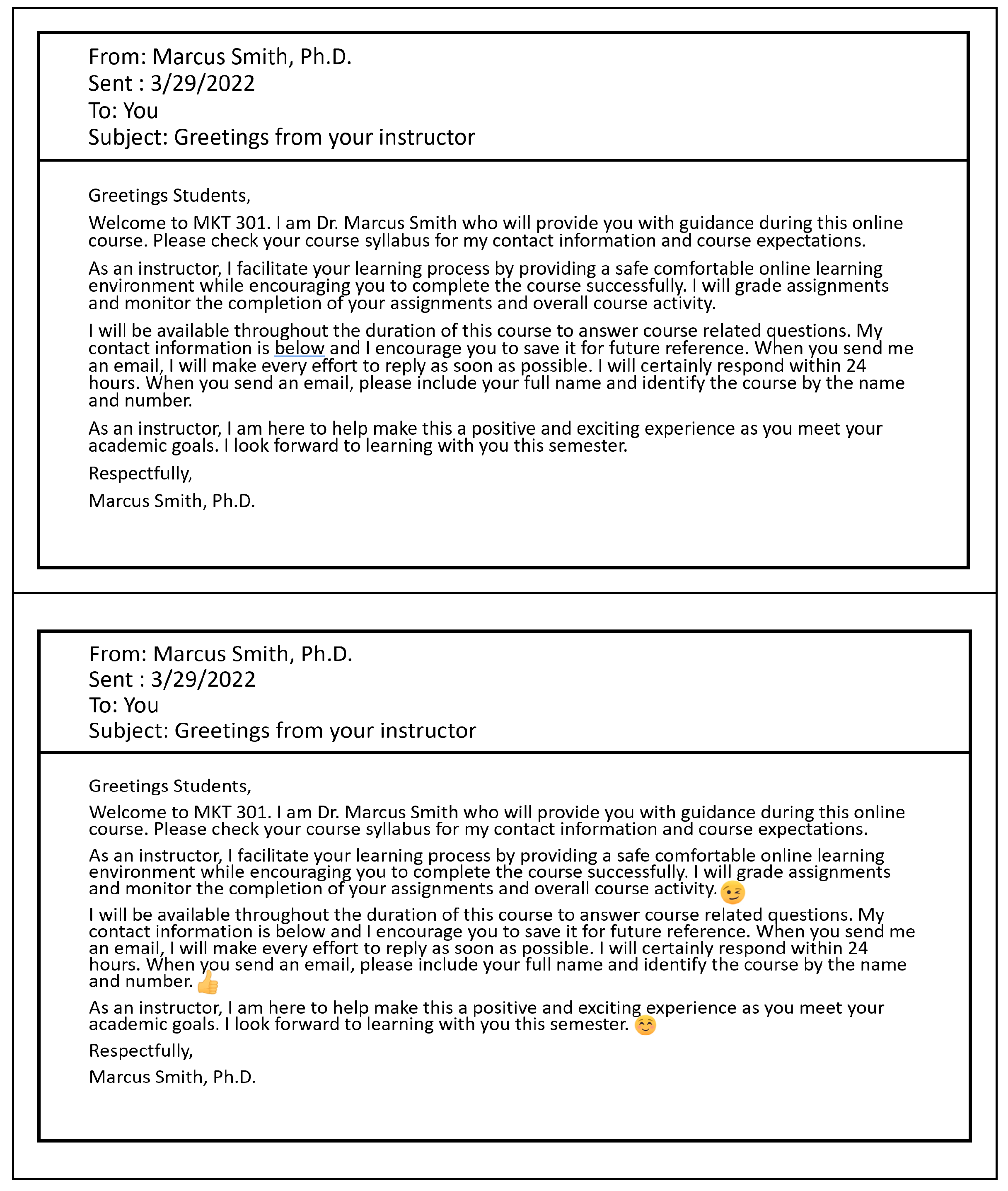
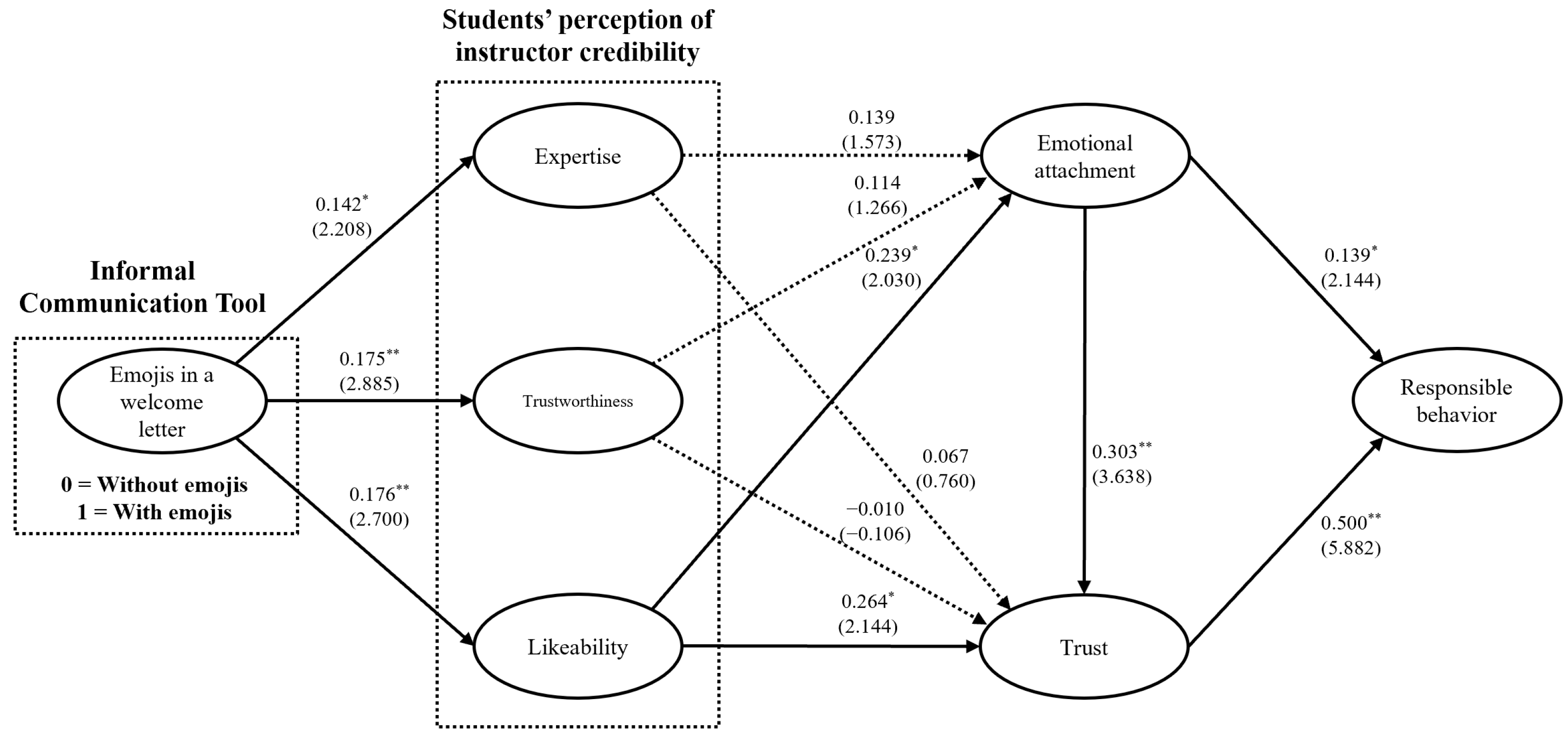

Disclaimer/Publisher’s Note: The statements, opinions and data contained in all publications are solely those of the individual author(s) and contributor(s) and not of MDPI and/or the editor(s). MDPI and/or the editor(s) disclaim responsibility for any injury to people or property resulting from any ideas, methods, instructions or products referred to in the content. |
© 2026 by the authors. Licensee MDPI, Basel, Switzerland. This article is an open access article distributed under the terms and conditions of the Creative Commons Attribution (CC BY) license.