


Abstract
Folklore, as an expression of intangible cultural heritage, plays a key role in the transmission of collective memory, values, and cultural identity and has been widely recognized for its educational potential in early childhood. This study analyzes the perceptions of Early Childhood Education teachers in the province of León (Spain) regarding the pedagogical value of folklore and its use in classroom practice. A quantitative, cross-sectional, non-experimental design was employed using a validated questionnaire administered to a voluntary sample of 100 teachers from schools offering the second cycle of Early Childhood Education. The instrument assessed three dimensions: knowledge of folklore, perceived relevance of folk literature, and application in educational practice. The results indicate that teachers hold very positive attitudes toward folklore as a cultural and educational resource, particularly for children’s social, emotional, and cultural development. However, a clear gap emerges between this strong theoretical appreciation and its occasional classroom use. Significant differences were identified according to school environment, type of school, and teaching experience, indicating that contextual and professional factors influence folklore integration. Insufficient training and low self-confidence were identified as the main barriers. This study highlights the need to strengthen initial and in-service teacher education in cultural heritage and in the didactics of literature and music to promote a more meaningful and sustainable use of folklore in early childhood education.
1. Introduction
In contemporary educational contexts, the preservation and transmission of cultural heritage face significant challenges, particularly in early childhood education, where curricular pressures, digital media, and changing cultural consumption patterns increasingly shape teaching practices (Bassok et al., 2016; Plowman et al., 2012; UNESCO, 2003). Although folklore and oral traditions have historically played a central role in children’s cultural and symbolic socialization, their presence in everyday classroom practice appears to be progressively diminishing (Martínez-Rodríguez & Rodríguez Vera, 2023). As a result, many traditional songs, stories, and narratives risk becoming marginal or disconnected from children’s lived experiences, especially when they are not supported by intentional pedagogical mediation (UNESCO, 2003).
At the same time, educational policies and curricular frameworks in many countries emphasize the importance of cultural heritage, identity, and meaningful learning. However, there is often a gap between these normative principles and actual classroom practices. The effective integration of folklore into early childhood education does not depend solely on curricular prescriptions, but largely on teachers’ beliefs, attitudes, training, and professional confidence. When teachers feel insufficiently prepared or do not perceive folklore as pedagogically relevant, these cultural resources tend to remain underused, despite their recognized educational potential (Martínez-Rodríguez & Rodríguez Vera, 2023).
In this context, understanding teachers’ perceptions becomes a key issue for identifying both the obstacles and the opportunities involved in incorporating folklore into educational practice. Exploring how Early Childhood Education teachers value folklore, how they use it in their classrooms, and what difficulties they perceive in doing so is essential for designing more effective training programs and pedagogical strategies. This study is grounded in this problem and seeks to contribute empirical evidence that can inform both teacher education and educational policy regarding the role of folklore as living cultural heritage in early childhood education.
1.1. Folklore, Cultural Heritage, and Education
Folklore has traditionally been recognized as an ancestral manifestation of culture and has come to be integrated into the sphere of intangible cultural heritage that embodies the collective memory of peoples. According to UNESCO (2003, 2024), it comprises “an immense variety of spoken forms, such as proverbs, riddles, tales, nursery rhymes, legends, myths, chants, and epic poems.” These oral narratives and traditional expressions are understood as essential vehicles of collective memory, means of transmitting values, and elements in the construction of the identities of different communities. In the words of Martos Núñez (2007), “tales, songs, myths, and legends, together with play, are the most universal vehicles through which symbolic thought and the imaginary of an entire community are expressed,” being intimately linked to collective experience and to humanity’s deepest aspirations. Nevertheless, the contemporary understanding of folklore as an analytical category and as an object of study is rooted in a complex network of theoretical traditions that, throughout the twentieth century, shaped the epistemological foundations of the discipline (Ben-Amos, 1971, 2014; Berezkin, 2015a, 2015b, 2016; Caro Baroja, 1988; Dundes, 1975, 1987, 1989, 2007; Martos Núñez & Martos García, 2015; Michalopoulos & Xue, 2021; Wilson, 2006).
This disciplinary evolution—from comparative and structural approaches to contextual and performative perspectives—not only transformed the academic conceptualization of folklore but also opened a fertile field for its revaluation in educational processes, especially in the early stages. The reinterpretation of folklore as a situated social act (Ben-Amos, 2014; Dundes, 2007) and as expressive culture that articulates identity, memory, and creativity (Toelken, 1996; Wilson, 2006) coincides with contemporary pedagogical approaches that stress the importance of integrating culturally situated knowledge, meaningful narratives, and symbolic practices into early childhood education in order to foster children’s holistic development.
1.2. Folklore, Oral Tradition, and Teacher Mediation in Early Childhood Education
In this regard, the scientific literature has shown that traditional oral literature constitutes a privileged tool for linguistic, cognitive, emotional, and social development in early childhood (Bruner, 1996; Cango-Patiño & Padilla-Celi, 2022; Colomer Martínez, 2007; Isbell et al., 2004; Martos Núñez & Martos García, 2015; Montero Ramírez, 2024; Snow, 2006).
The Spanish regulatory framework (Royal Decree 95/2022, of 1 February; Spain, 2022), grounded in the LOMLOE (Spain’s Organic Law 3/2020, of 29 December, amending Organic Law 2/2006, of 3 May, on Education (LOMLOE); Spain, 2020), states, on the basis of this evidence, the need to integrate cultural heritage into the curriculum, recognizing that the school fulfills a key socializing function as a transmitter of cultural heritage (Ciriza-Mendívil et al., 2023; Masri et al., 2024). According to Arévalo Galán (2009), the school institution acts precisely as a “transmitter of folklore,” and teachers are the means through which this legacy is brought closer to new generations. This responsibility requires sensitized and well-trained teachers who are able to awaken learners’ interest in cultural manifestations which, without pedagogical mediation, run the risk of being perceived as alien or anachronistic (Arévalo Galán, 2009; De Moya Martínez, 2022). Moreover, numerous studies in the didactics of literature and music education have highlighted the contributions of folklore to early literary and musical education. Oral tradition—songbooks, cumulative tales, rhymes, riddles—constitutes a literary corpus of enormous pedagogical value. Pelegrín (1984) and Martos Núñez (2007) agree that traditional literature contains the poetics of popular culture and provides children with their first symbolic experiences, stimulating imagination, a sense of figurative language, and the understanding of complex structures. Cerrillo Torremocha and Sánchez Ortiz (2010) demonstrated that modern children’s literature draws largely on folkloric sources, and that children’s song repertoires often constitute an early point of contact and a primary source of symbolic enrichment. Indeed, Sánchez Ortiz (2013) studied the popular children’s song repertoire in contemporary schools, demonstrating the pedagogical relevance of these oral expressions in current and digital contexts.
1.3. Teachers’ Training, Attitudes, and the Use of Folklore in the Classroom
However, the effective integration of these folkloric resources into the classroom largely depends on teachers’ attitudes and cultural habits. Recent studies reveal that many pre-service teachers maintain a complex relationship with reading (Díaz-Díaz et al., 2022; Juárez Calvillo, 2019; Valentín Martínez, 2019), showing low levels of personal reading engagement. This distance between teachers and reading practices negatively affects the attention paid to traditional repertoires in the classroom, since teachers who do not value or have sufficient knowledge of oral literature are unlikely to promote its richness among children. This underscores the importance of fostering, in teacher education, awareness of folklore as a first-order educational heritage.
Similarly, in the field of Music Education, different authors point out that today’s school does not sufficiently use musical folklore due to prejudices and training deficiencies (González Martín & Muñoz Muñoz, 2019). Vega Perona et al. (2022) warn that part of society—including children and young people—perceives non-commercial (traditional) music as “archaic” or obsolete, as a result of generational changes in tastes and the lack of regular presence of this repertoire in the media. Along these lines, recent research indicates that teachers theoretically value musical heritage but hardly incorporate it into practice due to low specific training and limited confidence in this area. Martínez-Rodríguez and Rodríguez Vera (2023) found that, despite the high declared appreciation of folklore and musical heritage, its effective use in the classroom was very scarce due to a lack of didactic training in heritage. Muñoz Muñoz (2019), in early stages, found that Early Childhood teachers enjoy singing with their learners and do so regularly, but they perceive that the environment (families, publishers, administrations) gives little importance to singing and traditional repertoire at school. This disconnects between teachers’ favorable attitudes and low external valuation may further discourage the incorporation of musical folklore into the classroom.
Musical folklore has long been recognized as a particularly appropriate repertoire for early childhood education. Within the Kodály approach, folk songs are understood as the child’s “musical mother tongue” and as a foundational resource for the development of musical literacy through singing, play, and movement (Kodály, 1967). Similarly, the Orff-Schulwerk integrates traditional rhymes, chants, and children’s songs with speech, body percussion, improvisation, and simple instrumental patterns (Orff & Keetman, 1950–1954). Beyond these pedagogical frameworks, ethnomusicological and heritage-based perspectives emphasize the social meanings of local and vernacular music and its contribution to identity formation, community memory, and culturally responsive and equity-oriented music education when approached critically (Campbell, 2018; O’Flynn, 2006; Schippers, 2010; Stock, 2003; Volk, 1997).
In Spain, this pedagogical valuation of folklore is supported by a long historical tradition. Early twentieth-century renewal movements linked to the Institución Libre de Enseñanza (ILE) and the Junta para Ampliación de Estudios (JAE) promoted the educational use of popular culture and song through systematic collection and dissemination (Pliego de Andrés, 2012; Sánchez de Andrés, 2006). During the Second Republic, the Misiones Pedagógicas contributed to the circulation of folkloric materials in rural contexts (López-García et al., 2018), while scholarly collecting projects generated documentary corpora that later informed research and educational practice (e.g., García Matos, 1951–1960; Manzano, 1982). More recently, archival folklore has been reactivated through research-based editions and pedagogical transcriptions adapted to contemporary early childhood education, such as the study of Alan Lomax’s recordings in León (Andrés Oliveira et al., 2024).
In recent years, research has begun to address the perceptions and attitudes of Early Childhood Education teachers toward folklore in the classroom, although such studies remain relatively scarce. Vega Perona et al. (2022) explored Early Childhood teachers’ perceptions of their musical training, finding training gaps and a lack of confidence in developing musical activities in the classroom. These teachers identified insufficient initial and in-service training as the main obstacle to safely integrating musical proposals in school contexts, which suggests similar difficulties in incorporating folkloric repertoire. On the other hand, Duarte Piña and Ávila Ruiz (2018) and Moreno-Vera et al. (2020) carried out different studies with future Early Childhood teachers on heritage education, showing that after a specific training intervention, participants broadened their conception of “heritage” toward a more inclusive vision that encompasses intangible elements such as folklore. Initially, they tended to associate heritage only with monuments or objects, but later they recognized the educational value of oral traditions, music, and the cultural identity markers of their environment.
These findings highlight the importance of training teachers in the didactics of literary and musical cultural heritage, so that they acquire tools and confidence to bring folkloric manifestations into the classroom in a contextualized and pedagogically effective way. Understanding teachers’ perceptions is therefore crucial for identifying barriers and opportunities in the inclusion of folklore in education.
1.4. Study Aims
With this premise in mind, the present study focuses on the province of León (Spain), a region with a rich cultural tradition, and aims to analyze Early Childhood Education teachers’ perceptions of the use of folklore in their classrooms. Specifically, it examines teachers’ attitudes, experiences, and perceived difficulties in integrating folkloric elements—such as songs, stories, and local traditions—into the early childhood curriculum, as well as the role of teacher training and teacher’s attitudes toward cultural heritage in this process. The study seeks to contribute to the improvement in initial and in-service teacher education in Literature Didactics and Music Education and to inform didactic strategies and educational policies that support the effective integration of folklore as living heritage in contemporary early childhood education.
Thus, the general objective of this study is to evaluate the perceptions of Early Childhood Education teachers in the province of León (Spain) regarding the use of folklore—songs, stories, and traditions—in their classrooms, from the dual perspective that these educators can offer as custodians of cultural heritage and as facilitators of early learning. To this end, the following specific objectives have been outlined:
- Objective 1: To assess teachers’ perceptions of the pedagogical and cultural value of incorporating folklore into early childhood education.
- Objective 2: To identify the challenges and barriers perceived by these teachers in integrating folklore-based songs, stories, and traditions into their classroom practice.
- Objective 3: To examine how teachers’ attitudes toward folklore and their training influence the incorporation of folkloric content in the classroom.
2. Materials and Methods
2.1. Participants
The target population comprised Early Childhood Education teachers from the province of León (Spain). In the Spanish education system (MEFPD, 2025), Early Childhood Education (Educación Infantil) is structured into two cycles, the first cycle (0–3 years) and the second cycle (3–6 years), as established in the current national regulatory framework. The sampling frame included all schools listed in the official Castilla y León School Directory offering the second cycle of Early Childhood Education (ages 3–6). The inclusion criteria were defined as follows:
- Holding a qualification as an Early Childhood Education teacher.
- Currently teaching in the second cycle of Early Childhood Education (ages 3–6).
- Working in a school located in the province of León at the time of data collection. Participation was voluntary and based on self-selection; therefore, the resulting sample should be considered non-probabilistic and may be subject to nonresponse bias.
To maximize coverage, an invitation to participate was distributed to all schools in the province offering the second cycle of Early Childhood Education. Participation was voluntary and based on self-selection, so the resulting sample should be considered non-probabilistic and may be subject to nonresponse bias. No participants who met the established inclusion criteria were excluded from the study.
Although this approach attempted full coverage of the sampling frame, participation was voluntary; therefore, the final sample represents an incomplete census and may be affected by nonresponse (self-selection) bias.
Considering the study’s independent variables (type of school, school environment, and years of teaching experience), the sample distribution is shown in Table 1.
Table 1.
Sample distribution by independent variables.
2.2. Instrument
For data collection, the survey technique was employed, and an ad hoc instrument was designed, drawing on validated instruments from previous research in the field of reading and children’s literature. Specifically, the survey developed by Córdova Ludeña et al. (2021) served as a model; these authors designed a Likert-scale questionnaire to measure reading habits related to children’s folklore and their influence on Primary Education learners’ learning outcomes. Another source of inspiration was the instrument developed by Loayza-Maturrano (2022), who focused his study on reading habits in the university context, organizing the questions into thematic dimensions to facilitate the interpretation of results.
Following these approaches, the questionnaire was constructed around three thematic dimensions, grouping the 25 items that ultimately comprised the instrument (Table 2).
Table 2.
Survey instrument with dimensions and items.
Each dimension included a set of items rated using a 5-point Likert scale (1 = Strongly disagree; 2 = Disagree; 3 = Neither agree nor disagree; 4 = Agree; and 5 = Strongly agree). This scale was applied to all items except item 7 (1 = Fewer than 5; 2 = More than 5) and item 25 (1 = Once a week; 2 = Two or three times a month; 3 = Once a month; 4 = Once a term; 5 = Rarely; 6 = Never).
The questionnaire was developed and validated through an expert judgment procedure. In the first phase, a panel of experts in Early Childhood Education and literary folklore evaluated the relevance, appropriateness, and clarity of each item, suggesting modifications when necessary. The expert panel was selected based on clearly defined academic, professional, and methodological criteria to ensure the rigor of the content validation process. Specifically, the selection was guided by the following requirements:
- Doctoral qualification (PhD) and institutional affiliation with the Department of General and Specific Didactics and Theory of Education.
- A minimum of ten years of teaching experience in Early Childhood Education.
- Recognized research competence in heritage education and related didactic fields, evidenced through academic publications and participation in research projects.
- Previous methodological experience with Delphi-based validation processes.
Based on their feedback, adjustments were made, including revising ambiguous wording and the reorganization of certain items to better align them with the defined dimensions. Additionally, it was decided to include a neutral response option (value 3 on a 5-point scale) to allow respondents to indicate a neutral position when they were neither clearly in agreement nor disagreement with a statement.
In a second round of expert review, the revised version of the questionnaire was assessed again, and it was suggested that negatively worded items be incorporated to control for response consistency. Following this second round, there was consensus among the experts that the instrument demonstrated high content validity and was ready for pilot testing and statistical analysis.
The questionnaire was administered to the study sample, and the resulting dataset was used to conduct the EFA and CFA; the data obtained were used to conduct an exploratory factor analysis (EFA). The Kaiser–Meyer–Olkin test yielded a KMO value of 0.80, indicating that the partial correlations among variables were adequate. Furthermore, Bartlett’s test of sphericity was significant (p < 0.01), suggesting the presence of significant correlations among items and supporting the suitability of continuing with the analysis. Finally, all communalities exceeded 0.5, and all factor loadings were above 0.6, indicating that the items were well represented by the factors and that the relationships between items and factors were robust.
The model obtained through the EFA was subsequently confirmed by means of a confirmatory factor analysis (CFA). The results, shown in Table 3, indicate an adequate fit of the proposed model. Although the chi-square value (χ2 = 201.74; p = 0.06) is not statistically significant—which is often interpreted as evidence of good model fit, although this index is sensitive to sample size and should therefore be interpreted alongside other fit indices. The RMSEA value was 0.048, within the acceptable range (<0.06), indicating a low approximation error. Incremental fit indices also support the adequacy of the model: CFI (0.90), TLI (0.89), NFI (0.90), and IFI (0.91) are at or near the commonly accepted threshold of 0.90, which is indicative of good fit. Regarding parsimony indices, PRATIO (0.84), PGFI (0.68), and PNFI (0.90) reflect a reasonable balance between model fit and simplicity. Overall, these indicators suggest that the proposed theoretical model provides a good fit to the empirical data.
Table 3.
Model fit index.
Finally, the reliability and internal consistency of the questionnaire were analyzed using Cronbach’s alpha coefficient, yielding a value of 0.77 for all 25 items. Given the three-dimensional structure of the instrument (Knowledge of Folklore: Items 1–7; Relevance of Folk Literature: Items 8–16; Application in Educational Practice: Items 17–25), reliability was also estimated at the dimension level, yielding acceptable-to-good coefficients: Knowledge of Folklore (α = 0.73), Relevance of Folk Literature (α = 0.91), and Application in Educational Practice (α = 0.83). According to George and Mallery (2001), these results are considered acceptable.
2.3. Research Design and Procedure
Following León and Montero (2020), the research design implemented can be defined as quantitative, cross-sectional, and non-experimental, with a descriptive and comparative typology. The data collection technique used was a survey.
Regarding the procedure, once the questionnaire had been validated, it was implemented using Google Forms to facilitate its online distribution and completion. A web link was generated and distributed via institutional email to schools in the province of León (Spain), to reach as many Early Childhood Education teachers as possible. The questionnaire was sent to all educational centers in the province in order to maximize participation.
The email addresses of the schools were obtained through the Castilla y León School Directory. The questionnaire was sent to the school principals, who then forwarded it to their Early Childhood Education staff, along with the informed consent form that respondents were required to sign before beginning the survey.
The data collection phase remained open for approximately one month, specifically during May 2025.
2.4. Data Analysis and Variables
Data processing and analysis were carried out using IBM SPSS Statistics and AMOS SPSS software, version 29.
First, a structural equation model was employed to analyze correlations between questionnaire dimensions, factor loadings, observed mean values, and error variances. This explanatory model enabled both a descriptive and correlational analyses of the variables, as well as the confirmation of the questionnaire’s structural validity through confirmatory factor analysis.
Secondly, a comparative analysis was conducted based on the independent variables: school environment (rural vs. urban), type of school (public vs. private/chartered), and years of teaching experience (0–10, 11–20, and >20). Given that the data analyzed were ordinal and non-parametric, comparisons between two-group variables (school environment and type of school) were conducted using the Mann–Whitney U test. In contrast, for the variable years of experience (three groups), the Kruskal–Wallis H test was applied.
To calculate the effect size for the Mann–Whitney U test, Rosenthal’s r statistic was used; for the Kruskal–Wallis H test, eta squared (η2) was employed. In this regard, r values between 0.10 and 0.29 are considered small, between 0.30 and 0.49 medium, and ≥0.50 large. For η2, values between 0.01 and 0.06 are considered small, 0.07 to 0.14 medium, and >0.14 large.
Additionally, in the Mann–Whitney U test, other related statistics were considered, such as the Wilcoxon statistic and the standardized Z value associated with the U test.
Because the comparative analyses involved multiple item-level hypothesis tests, the inferential results should be interpreted as exploratory. Accordingly, statistical significance was considered alongside effect sizes, and the conclusions focus on consistent patterns rather than isolated p-values.
3. Results
3.1. Explanatory Model of Analyzed Variables
The questionnaire consisted of 25 items distributed across three theoretical dimensions: Knowledge of folklore (items 1–7), Relevance of folk literature (items 8–16), and Application in educational practice (items 17–25). Most items used a 5-point Likert scale (1 = strongly disagree to 5 = strongly agree), except Item 7 (binary response: 1 = fewer than 5; 2 = more than 5) and Item 25 (6-point frequency scale ranging from 1 = once a week to 6 = never).
The confirmatory factor analysis (CFA) revealed a clearly differentiated three-factor structure, with significant correlations among them. The strongest correlation was found between the dimensions Knowledge of folklore and Application in educational practice (r = 0.74), followed by the correlation between Relevance and Application (r = 0.67), and finally between Knowledge and Relevance (r = 0.61). These correlations indicate a close relationship between the perception of knowledge about folklore and its use in the classroom (Figure 1).
Figure 1.
Three-factor structural equation model.
The standardized factor loadings were generally high, indicating adequate representation of the items within their respective factors. In the Knowledge of folklore dimension, loadings ranged from 0.53 (Item 6: “I am interested in further exploring the field of children’s folklore”) to 0.91 (Item 2: “The folk songs I know were learned during my childhood at school”). For the Relevance of folk literature dimension, the factor loadings were particularly strong, with values such as 0.97 (Item 11: “Traditional songs foster interpersonal relationships and support the social development of children”) and 0.98 (Item 12: “Folklore is a means of acquiring knowledge about the real world”), reflecting strong internal consistency within this dimension. In the Application in educational practice dimension, loadings ranged from 0.53 (Item 22: “I prefer using folk songs over modern or contemporary songs”) to 0.98 (Item 18: “The transmission of folklore is an achievable task”).
The analysis of item means (Figure 1), on a scale from 1 (strongly disagree) to 5 (strongly agree), reveals generally favorable perceptions of the use of children’s folklore in educational settings.
In the Knowledge of Folklore dimension, the items show a tendency toward agreement, particularly regarding the recognition of folklore’s cultural value (Item 4, M = 4.17) and familiarity with songs from childhood (Items 1 and 2, M > 3.4). However, the low average for Item 3 (M = 2.56) indicates that this knowledge is not typically acquired in adulthood. Additionally, Item 7, which uses a 1-to-2 scale (M = 1.05), suggests limited self-perception regarding the number of known songs (fewer than five).
The Relevance of Folk Literature dimension obtained the highest average scores, reflecting a strong appreciation of folklore as an educational resource. Items such as 9 (M = 4.65), 15 (M = 4.54), and 16 (M = 4.57) indicate broad consensus regarding its literary, cultural, and pedagogical value. Only Item 13, which is negatively worded (“Folklore is obsolete”), scored below 3 (M = 2.16), showing clear disagreement with that statement.
In the Application in Educational Practice dimension, greater variability in item means suggests differences in actual classroom implementation. Some items reflect a favorable attitude (Item 17, M = 4.30; Item 23, M = 4), while others indicate low usage or disagreement with negative perceptions (Items 19 and 20, both M = 1.25). Item 25, which asks about frequency of use, showed an average of M = 2.02. Given that this item is coded as 1 = once a week and 6 = never, this value corresponds approximately to using folk songs two or three times a month rather than indicating limited implementation.
Overall, the results indicate a positive attitude toward folklore as an educational resource but also reveal a gap between its theoretical value and its actual use in the classroom.
The error variances (E1 to E25) reflect the proportion of variance not explained by the latent factors. Overall, the error values remained within acceptable ranges (e.g., E1 = 0.27; E18 = 0.45), suggesting a good model fit. Items with higher factor loadings showed lower error variances, which is consistent with good model fit.
3.2. Comparative Analysis Based on the School’s Environment
A non-parametric analysis using the Mann–Whitney U test was conducted to compare questionnaire responses according to the school context (urban or rural). Mann–Whitney U tests showed statistically significant differences by school environment for three items, all with small effects. For clarity, the results are summarized first and then detailed by dimension (Table 4).
Table 4.
Comparative Analysis by School Environment.
In the Knowledge of Folklore dimension, no statistically significant differences were generally observed between urban and rural settings. Mean scores were slightly higher in rural schools for several items (e.g., Item 1: M Urban = 3.97; M Rural = 4.18), which may reflect a greater contextual familiarity with folklore in these areas. However, these differences were not statistically significant (p > 0.05). Item 3, related to acquiring folklore knowledge in adulthood, showed low values in both contexts (M Urban = 2.60; M Rural = 2.50), reaffirming that folk songs are mostly learned during childhood.
In the Relevance of Folk Literature dimension, statistically significant differences were found in Items 8 and 16. Item 8 (“Children’s songs are effective tools for learning in early childhood”) showed a statistically significant difference (Z = −2.26; p = 0.02; r = 0.23), with a higher mean in urban settings (M = 4.43; SD = 0.62) than in rural ones (M = 4.08; SD = 0.80). Similarly, Item 16 (“Children enjoy engaging with children’s folklore”) also showed a significant difference (Z = −2.10; p = 0.04; r = 0.21), with a higher mean in urban schools (M = 4.70; SD = 0.56) than in rural schools (M = 4.38; SD = 0.81).
In the Application in Educational Practice dimension, Item 21 (“Folk songs are a regular component of my teaching practice”) was also significant (Z = −2.49; p = 0.01; r = 0.25), with higher scores in urban settings (M = 4.12; SD = 0.98) than in rural ones (M = 3.63; SD = 1.03).
However, Item 25 (frequency of use) warrants particular attention. Mean values were M = 1.95 (SD = 1.00) in urban settings and M = 2.13 (SD = 1.04) in rural settings, although the difference was not significant (p = 0.46).
In contrast, the remaining items in this dimension, such as Items 9, 10, 11, and 12, did not show statistically significant differences, although the mean values remained high (>4), confirming a generally positive perception in both contexts of the educational value of folklore.
3.3. Comparative Analysis Based on the Type of School
A non-parametric analysis was carried out using the Mann–Whitney U test to identify possible differences in questionnaire responses according to the type of school: public (n = 86) and private/chartered (n = 14). The results are presented in Table 5, organized by theoretical dimensions.
Table 5.
Comparative analysis by type of school.
In the Knowledge of Folklore dimension, no statistically significant differences were found between teachers from public and private/chartered schools. Most items showed similar mean scores, with slightly higher values in public schools; however, Item 2 in the private/chartered group (M = 1.28; SD = 1.28) should be interpreted cautiously given its discrepancy with the non-significant test result (p = 0.91). A partial exception was observed in Item 3 (“My knowledge of folk songs was acquired during adulthood”), where the difference was more noticeable (M Public = 2.63; M private = 2.14), although not statistically significant (p = 0.10), with a small-to-moderate effect size (r = 0.16).
In the Relevance of Folk Literature dimension, the results indicate a generally positive perception of folklore as an educational resource in both types of schools, with mean scores typically above 4.00. Only one statistically significant difference was found, in Item 10 (“Traditional songs convey cultural values and societal norms”), with a higher mean score in public schools (M = 4.45) compared to private schools (M = 4.07). This difference was statistically significant (Z = −2.18; p = 0.03) and had a small effect size (r = 0.22). This finding may indicate greater awareness among public school teachers of the role of folklore in transmitting cultural values and norms.
The remaining items in this dimension, such as Items 9, 11, and 12, did not show significant differences, although responses in both school types reflected a consistently high valuation of folklore in education.
In the Application in Educational Practice dimension, no statistically significant differences were found. However, slightly higher means were observed in private/charter schools on some items. For instance, in Item 17 (“The transmission of folklore is a necessary task”), the mean score was 4.26 in public schools and 4.57 in private schools, though the difference was not statistically significant (p = 0.21). These results may indicate a slightly more favorable attitude toward transmitting folklore in private schools, although this trend is not conclusive.
Overall, both public and private schools showed moderately high mean scores (>3.50) on items related to the use of folklore (e.g., Items 21, 23, and 24), suggesting a certain degree of integration into classroom practice. However, Item 25, which asks about frequency of use (1 = once a week; 6 = never), showed mean values around 2 in both contexts (M Public = 2.01; M Private = 2.07), which corresponds approximately to using folk songs two or three times a month.
3.4. Comparative Analysis According to Teaching Experience
A non-parametric analysis was conducted using the Kruskal–Wallis test to compare questionnaire responses according to years of teaching experience, grouped into three categories: 0–10 years, 11–20 years, and more than 20 years. The main findings are presented in Table 6, organized by theoretical dimensions.
Table 6.
Comparative analysis by teaching experience.
In the Knowledge of Folklore dimension, no statistically significant differences were generally observed between the three experience groups, except for Item 7 (“How many children’s folk songs do you know?”), which showed a significant difference (H = 12.16; p = 0.01; η2 = 0.10). Descriptively, the 0–10 years group showed a slightly higher mean (M = 1.17) than the other groups (M = 1.00), indicating that a greater proportion of the least experienced teachers reported knowing “more than five” songs.
In the remaining items of this dimension, such as Item 3 (learning folk songs in adulthood), no significant differences were found (p > 0.05), indicating that knowledge of folklore does not vary notably as a function of teaching experience, except regarding the number of songs known.
In the Relevance of Folk Literature dimension, Item 13 (“I consider folklore to be obsolete”) showed statistically significant differences (H = 13.91; p < 0.01; η2 = 0.12). More experienced teachers (>20 years) expressed stronger disagreement with the statement (M = 1.67) than less experienced teachers (0–10 years; M = 2.63), suggesting that veteran teachers in this sample tended to view folklore as more clearly non-obsolete. This pattern may reflect differences in professional trajectories and exposure to heritage-based practices, although further research is needed to confirm this interpretation.
The other items in this dimension, such as those evaluating usefulness, child enjoyment, or the transmission of values (Items 10, 14, 15), did not show significant differences between groups, reflecting a fairly homogeneous perception of folklore’s educational relevance regardless of teaching experience.
In the Application in Educational Practice dimension, Item 25 (“How often do you use folk songs in the classroom?”) did not show statistically significant differences across experience groups (H = 3.31; p = 0.19; η2 = 0.01). Mean values were M = 2.23 (0–10 years), M = 1.64 (11–20 years), and M = 2.12 (>20 years).
The remaining items related to didactic implementation (e.g., use as a pedagogical resource, preference over modern songs, or use as entertainment) showed no significant differences (p > 0.05), suggesting a similar attitude toward their use across all experience levels.
Overall, the results indicate that teaching experience partially influences the perception and use of children’s folklore, especially in terms of repertoire knowledge (Item 7) and perceived relevance (Item 13). More experienced teachers showed stronger disagreement with the idea that folklore is obsolete, whereas differences in reported classroom frequency (Item 25) were not significant (Table 6).
4. Discussion
Folklore’s educational potential for cultural learning and identity formation has been widely documented in international research (Avcu, 2025; Putri et al., 2024; Srihati et al., 2025). Traditional tales and songs encapsulate a community’s values, history, and worldview in age-appropriate narratives (Maxsudaliyeva, 2025), functioning as symbolic vehicles through which children access shared meanings and collective memory. Studies conducted in diverse cultural contexts—including Turkey, Southeast Asia, and Cameroon—show that integrating local folk stories and songs enhances children’s motivation, participation, critical thinking, moral reasoning, and connection to cultural heritage, while bridging school and home cultures (Avcu, 2025; Sanjaya et al., 2021; Wiysahnyuy & Valentine, 2023). Taken together, this body of evidence positions folklore as a multidimensional educational medium through which children develop linguistic, socio-emotional, and cultural competencies, supporting holistic learning outcomes in early childhood education.
Against this international backdrop, the present study contributes a context-specific perspective by examining how Early Childhood Education teachers perceive and implement folklore within their classroom practice.
4.1. Interpretation of Main Findings
While much of the international literature has focused primarily on narrative folklore, musical folklore warrants particular attention in early childhood education due to its capacity to integrate language, movement, and socio-emotional development in age-appropriate ways (Kodály, 1967; Orff & Keetman, 1950–1954). In the present study, teachers recognized folk songs and traditional materials as culturally meaningful and pedagogically valuable. However, their reported frequency of classroom use remained low, suggesting that folklore is often treated as an occasional enrichment activity rather than as a systematically planned pedagogical resource embedded in daily routines. Research with early years teachers similarly shows that songs are frequently used intuitively or as transitional tools, rather than as deliberately structured learning sequences (Hamilton & Murphy, 2023).
This perception–practice gap echoes findings from previous research indicating that teachers frequently express theoretical support for cultural heritage and traditional arts while incorporating them only sporadically into classroom practice (Martínez-Rodríguez & Rodríguez Vera, 2023). In our sample, many educators demonstrated familiarity with childhood folk repertoires and acknowledged their educational richness, yet few reported sustained or intentional integration into lesson planning. The discrepancy therefore appears not to stem from negative attitudes toward folklore, but rather from challenges related to implementation.
Several factors help explain this disconnect. First, insufficient didactic training and limited confidence in leading structured folklore-based activities emerged as central barriers, consistent with the findings of Vega Perona et al. (2022). Teachers who reported lower levels of use often described themselves as not adequately prepared to transform appreciation of folklore into concrete pedagogical sequences. Second, structural constraints—such as curricular pressure, time limitations, and accountability demands—may reduce opportunities for integrating local cultural content unless it is explicitly aligned with learning standards (Avcu, 2025). Third, weak external validation from families, publishers, or administrators may reinforce the perception that folklore is secondary to other curricular priorities (Muñoz Muñoz, 2019).
Taken together, these findings suggest that the marginal presence of folklore in classroom practice is less a matter of resistance and more a reflection of practical, structural, and professional conditions. Positive attitudes appear to be a necessary but insufficient condition for sustained implementation. Understanding how contextual variables shape these conditions is therefore essential for interpreting the variability observed in folklore integration.
In light of this, the following section examines whether differences in school environment, type of institution, and teaching experience help explain patterns in the reported use of folklore.
4.2. Contextual Factors Influencing Folklore Integration
Our analysis indicates that the extent to which folklore is used in early childhood classrooms may be influenced by contextual factors related to the school setting and the teacher’s background. We considered variables such as the school’s environment (urban vs. rural), the type of school (public vs. private), and the teacher’s years of experience, to see if they corresponded with different levels of folklore integration. Overall, differences were limited and item-specific, which helps keep interpretations close to the observed patterns.
It might be expected that rural schools, given their closer proximity to traditional communities, would incorporate local folklore more frequently than urban schools. However, our findings suggest a more complex reality. Teachers in rural and small-town schools indeed expressed strong appreciation for local cultural traditions and often had deep personal exposure to them. Yet it was urban teachers who reported using folk songs and stories more regularly in class, with a statistically significant difference favoring urban settings in our sample. This apparently counterintuitive pattern may reflect differences in access to professional development opportunities, cultural programming, and ready-to-use teaching materials, which are often more available in urban settings. In rural contexts, cultural exposure may be more present in the community outside school, but teachers may receive less didactic support to translate this heritage into structured classroom routines aligned with curricular goals. This suggests that implementation may depend less on attitudes toward folklore and more on pedagogical infrastructure and teacher confidence, a finding that aligns with research showing that effective early childhood practice in culturally diverse contexts requires structured pedagogical knowledge and contextual support beyond general endorsement of cultural diversity (Veliz et al., 2025).
The small difference by school type (Item 10) may be related to the stronger alignment of public schools with curriculum frameworks that explicitly emphasize cultural heritage. At the same time, the overall similarity across school types suggests that barriers to routine implementation (time, training, and confidence) cut across institutional sectors.
We anticipated that teaching experience might be related to teachers’ familiarity with folklore and their willingness to integrate it into practice. The observed pattern was nuanced. For Item 7 (self-reported repertoire), the least experienced group (0–10 years) was slightly more likely to report knowing more than five songs than the other groups, although the dichotomous response format and the concentration of responses in the lowest category suggest a floor effect that limits interpretation. In contrast, for Item 13 (“folklore is obsolete”), more experienced teachers (>20 years) expressed stronger disagreement than less experienced teachers, indicating that veteran teachers in this sample tended to view folklore as more clearly relevant and non-obsolete. Regarding frequency of use (Item 25), differences across experience groups were not statistically significant, suggesting that experience alone does not explain classroom implementation. Overall, these findings point to the need to consider training opportunities, access to resources, and institutional support—beyond years in the profession—as key conditions shaping whether folklore is routinely translated into practice.
Because participation was voluntary, the sample should be considered self-selected and non-probabilistic. Teachers with stronger interest in cultural heritage or folklore may have been more likely to respond, which could inflate the overall valuation of folklore (especially in the “Relevance” dimension). At the same time, the perception–practice gap observed in this study may be relatively robust, as it is consistent with reported barriers related to training and self-confidence rather than with negative beliefs about folklore. If a different set of participants (e.g., teachers less interested in folklore or from other regions) had participated, mean scores and the magnitude of group differences could change, and additional barriers might emerge. Therefore, the findings should be interpreted as context-specific and exploratory, and future studies should use broader and more diverse samples to test the stability of the results.
4.3. Implications for Teacher Education and Professional Development
The persistent gap between teachers’ appreciation of folklore and its limited classroom use carries important implications for teacher education and professional development. Our findings highlight the need to strengthen both initial teacher preparation and ongoing in-service training in the didactics of cultural heritage. Teachers are more likely to integrate folklore when they feel pedagogically competent and supported; however, many report feeling only partially prepared to teach with songs, stories, and traditions. This aligns with previous research emphasizing that explicit training in literary and musical heritage is essential for translating positive attitudes into sustained practice (Ciriza-Mendívil et al., 2023; De Moya Martínez, 2022). Research further suggests that integrating heritage education into initial teacher training strengthens educators’ ability to enact culturally meaningful content, moving beyond theoretical appreciation toward practical classroom implementation (Lucas-Palacios et al., 2023). We concur with these scholars in advocating that universities and teacher education programs update their curricula to include practical coursework on incorporating folklore in early education. Such preparation should go beyond abstract encouragement: it must give future teachers hands-on experience with designing lesson plans around folk tales, leading music and movement activities with traditional songs, and integrating local cultural content into standard subject areas (language, arts, social studies, etc.).
From the perspective of musical folklore, the central need is not merely an expansion of repertoire but stronger pedagogical mediation. Teachers require access to research-informed materials that combine age-appropriate selection, simplified arrangements, structured classroom sequences, and explicit links to curricular aims. A recent systematic review of didactic models for heritage education highlights the need for coherent pedagogical frameworks that move beyond isolated activities and support structured implementation in classroom contexts (Valencia Arnica et al., 2023). In this regard, resources derived from archival collections can serve as ready-to-use bridges between heritage documentation and everyday teaching, supporting routine-building while reducing teachers’ preparation burden. Rather than functioning solely as reference materials, archival songbooks can be pedagogically reworked—through curated examples such as pedagogical transcriptions and didactic units based on regional collections (e.g., Andrés Oliveira et al., 2024)—to model how traditional songs may be transformed into repeatable singing-and-movement routines and serve as a reservoir for purposeful classroom design.
By learning concrete strategies, teachers can gain the confidence and creativity needed to bring folklore to life in their classrooms. For example, a teacher education workshop (Pérez-Guilarte & García-Morís, 2023) might train pre-service teachers to map folk stories to curricular themes (such as using a fable to discuss emotions or a harvest song to introduce seasons), or to incorporate puppetry, props, and drama to make storytelling more engaging for today’s children. Empowering new teachers with a repertoire of folklore-based techniques will help ensure that they enter the profession ready to weave cultural heritage into daily learning. Indeed, research suggests that when teachers receive even brief targeted training on local heritage, their perception of what counts as “educational content” expands to include intangible culture like folklore, and they become more intentional about valuing it pedagogically.
In-service professional development is equally critical for practicing teachers, especially those who completed their formal education when heritage pedagogy was less emphasized. School districts and educational authorities should invest in ongoing professional development opportunities focused on folklore integration. This could include dedicated workshops, seminars, or professional learning communities where teachers learn from experts and peers. Bringing in local folklorists, ethnomusicologists, or veteran educators skilled in cultural arts can inspire and instruct teachers on practical ways to use folklore across the curriculum. For instance, a training session might demonstrate how to conduct a storytelling circle, how to teach a traditional dance or game, or how to involve families in sharing cultural traditions in class. Facilitating the sharing of locally relevant resources (e.g., archives of regional children’s songs, story collections (“filandón”) in both the local language and the school language) can also reduce the burden on teachers to find materials. Importantly, such training should address and dispel lingering prejudices that frame folklore as outdated or irrelevant in modern education. Teachers may consciously or subconsciously hold back if they worry that folk content is seen as “old-fashioned” or not aligned with 21st-century skills. Providing positive examples can counter this perception: for example, demonstrating a successful lesson where children use a tablet app to create digital stories inspired by folktales, or where a folk song is used to spark a discussion on empathy, helps teachers envision folklore as compatible with contemporary, technology-rich classrooms. Professional development should reframe folklore as a living resource that can be innovatively combined with modern pedagogies, rather than a relic of the past.
It is also essential to provide teachers with institutional support and adequate resources alongside training. Educational leaders should ensure that curricula and guidelines explicitly include cultural heritage components, not just as general principles but with practical suggestions. Our participants pointed out that even when national policies mandate heritage education, there is often a lack of concrete guidance and materials at the ground level. To address this, ministries and curriculum developers could develop repositories of folklore-based lesson plans or create age-leveled collections of folktales and songs aligned with learning objectives. Likewise, schools can organize events like “heritage days,” invite community elders or storytellers for class visits, or partner with cultural institutions (museums, folk centers) to give teachers and learners more exposure to local traditions. Such systemic efforts would normalize the use of folklore in education and relieve individual teachers from having to pioneer everything on their own. Ultimately, strengthening teacher training and support systems can bridge the gap identified: it can turn the widespread appreciation for folklore’s value into tangible pedagogical action. As teachers gain skills, confidence, and encouragement to use folklore, we can expect to see more classrooms humming with traditional songs, learners dramatizing folktales, and lessons that seamlessly connect heritage with early childhood learning goals. This aligns with a vision of education that is both academically robust and culturally vibrant.
4.4. The Role of the School and Cultural Sustainability
Integrating folklore into early childhood education is not only a pedagogical choice but also a step toward culturally responsive and sustainable teaching (Gay, 2018). The educational significance of integrating local cultural heritage into early childhood contexts has been documented in preschool pedagogical practices, emphasizing its relevance for identity formation and community connection (Pérez-Guilarte et al., 2023).
By bringing local songs, stories, and customs into the classroom, teachers validate and draw upon the cultural backgrounds of their learners, making learning more relevant and inclusive. This echoes principles of culturally responsive pedagogy, which emphasize using learners’ cultural knowledge and experiences as assets in the learning process. Folklore, by its very nature, is a carrier of a community’s language, values, and worldview (Shih, 2022). When educators incorporate folklore, they create a bridge between the school curriculum and the children’s home lives, thereby affirming learners’ identities and fostering a sense of belonging. In our context, using the folklore of León (Spain) in the classroom not only enriches children’s learning with local flavor but also positions the teacher as a “culture-bearer,” sustaining traditions that might otherwise fade from the everyday experiences of modern kids. This approach offers a double benefit: it promotes educational equity and engagement (by validating all cultural backgrounds in the class) and it preserves intangible cultural heritage for the future.
From a sustainability perspective, the integration of folklore aligns with the idea of education as a tool for sustainable development—particularly the often-cited “fourth pillar” of sustainability, cultural sustainability (Gay, 2018). International frameworks like UNESCO’s Education for Sustainable Development now recognize culture and heritage as essential components of sustainable societies. Schools, therefore, have a role in cultural sustainability by actively transmitting and rejuvenating local traditions. Every time a teacher teaches a new generation a traditional game, rhyme, or story, that piece of cultural heritage is kept alive and relevant. Our findings support this view: teachers noted that when they introduced folklore, children not only learned academic or social skills but also became curious about their region’s customs and history, often asking parents or grandparents questions—an intergenerational dialog that strengthens cultural continuity.
Folklore-based education can thus be understood as a form of sustainable practice in that it helps maintain cultural diversity and knowledge across generations within a community. Moreover, by framing folklore as part of the modern curriculum, educators send a message that traditional knowledge is not frozen in the past, but rather constitutes a living, evolving part of contemporary life. This can combat attitudes among youth that local culture is “old” or irrelevant; instead, learners come to see value in their heritage, which is key to sustaining it.
From a practical perspective, understanding folklore as a sustainable and culturally responsive pedagogy involves designing contextualized learning experiences that connect educational content with children’s cultural environments. Grounding classroom activities in familiar cultural references helps make learning more meaningful and engaging for learners, as it links new knowledge to children’s lived experiences. Research has shown that culturally contextualized content enhances learner engagement and learning outcomes while also fostering respect for cultural diversity, particularly in multicultural classrooms (Ladson-Billings, 2014; Paris & Alim, 2017). In this sense, folklore functions not only as a means of sustaining cultural identity but also as a tool for fostering intercultural competence from early childhood.
However, the effective integration of folklore as a sustainable educational practice requires coordinated support beyond individual classroom efforts. Educational policies promoting heritage education must be accompanied by concrete pedagogical resources, teacher training, and institutional support. Equally important is community involvement, as collaboration with families and cultural practitioners can enrich school practices and strengthen the link between education and local heritage. A holistic approach—combining teacher education, curricular support, administrative commitment, and community engagement—is therefore essential to consolidate folklore as a meaningful component of early childhood education. When these conditions are met, folklore-based pedagogy can contribute to inclusive, high-quality education while also supporting the cultural sustainability of communities.
4.5. Limitations and Future Research
This study presents several limitations that should be considered when interpreting the findings. First, participation was voluntary and the sample was non-probabilistic, which may have led to self-selection bias, particularly attracting teachers with a greater interest in folklore or cultural heritage. Although the perception–practice gap appeared consistently across subgroups, the results should be understood as context-specific and exploratory. In addition, the data were based on self-reported practices, which may not fully capture the complexity of actual classroom implementation. Observational studies or mixed-method approaches could provide a more nuanced understanding of how folklore is enacted in everyday pedagogical routines and how institutional conditions influence this process.
Future research should extend this line of inquiry to other educational stages in order to examine whether similar perception–practice patterns emerge beyond early childhood education. In particular, the instrument will be adapted and applied to secondary school teachers to explore how folklore and cultural heritage are integrated into subject-specific curricula at later stages of schooling. This expansion will allow for comparative analyses across educational levels and will help determine whether barriers identified in early childhood contexts—such as limited training, time constraints, or insufficient institutional support—persist, transform, or intensify in secondary education settings. Such research may contribute to a more comprehensive understanding of folklore-based pedagogy across the educational continuum and inform cross-stage teacher education strategies.
5. Conclusions
This study indicates that Early Childhood Education teachers in León (Spain) hold a highly positive view of folklore as an educational and cultural resource, particularly regarding its perceived relevance, while clearly rejecting the notion that folklore is outdated. Nevertheless, the findings reveal a persistent perception–practice gap: although teachers value folklore strongly, its classroom use remains occasional rather than systematically embedded. The close relationship observed between knowledge, perceived relevance, and application suggests that strengthening teachers’ perceived competence may be key to promoting more sustained implementation.
Comparative analyses indicate that differences in folklore integration are only partially explained by school environment, type of school, or teaching experience, reinforcing the idea that implementation depends less on seniority or context than on access to pedagogical support. Consequently, the main challenge lies not in persuading teachers of the value of folklore—which is already widely recognized—but in facilitating its transfer into regular practice through targeted training, didactic resources, and institutional support.
From the perspectives of literature didactics, music education, and heritage education, the results highlight the need to move from general advocacy toward practical pedagogical infrastructures, including initial and in-service teacher education focused on actionable strategies and classroom-ready materials. While this study is limited by its self-selected sample, cross-sectional design, and contextual scope, it provides a foundation for future research using larger samples, mixed methods, and intervention designs.
Ultimately, positioning folklore as a living curriculum—integrated into everyday learning rather than confined to symbolic occasions—may support culturally responsive, meaningful, and sustainable early childhood education.
Author Contributions
Conceptualization, M.L.-S., P.A.D. and C.M.R.; methodology, M.L.-S., A.R.-G. and P.A.D.; software, A.R.-G.; validation, M.L.-S. and A.R.-G.; formal analysis, M.L.-S., A.R.-G., P.A.D. and C.M.R.; investigation, M.L.-S.; resources, M.L.-S. and C.M.R.; data curation, A.R.-G. and P.A.D.; writing—original draft preparation, M.L.-S. and A.R.-G.; writing—review and editing, M.L.-S., P.A.D. and C.M.R.; visualization, M.L.-S., A.R.-G., P.A.D. and C.M.R.; supervision, M.L.-S., A.R.-G., P.A.D. and C.M.R.; project administration, M.L.-S.; funding acquisition, M.L.-S. All authors have read and agreed to the published version of the manuscript.
Funding
This research was funded by Research project ‘Narrative imaginaries, symbolic artistic thought and cultural landscapes of Castile and León: from tradition to modernity’ (VA169P24), Regional Government of Castile and León and the European Regional Development Fund (2021-2027) in the programme to support applied science research projects.
Institutional Review Board Statement
The study was conducted in accordance with the Declaration of Helsinki and was reviewed and approved by the Ethics and Scientific Integrity Committee of the University of León (Reference: ÉTICA-ULE-023-2026, 2026-02-13). The committee issued a favorable opinion for the implementation of the project. Participation was voluntary, the data were collected anonymously, and no sensitive personal data were collected.
Informed Consent Statement
Informed consent was obtained from all subjects involved in the study.
Data Availability Statement
The data presented in this study are available on reasonable request from the corresponding author. The data are not publicly available due to privacy and ethical considerations.
Conflicts of Interest
The authors declare no conflicts of interest.
References
- Andrés Oliveira, J., García Arroyo, C. T., Gutiérrez Gómez, D., Gutiérrez Rodríguez, S., Araújo Silva, D., & Urones Sánchez, L. (2024). Alan Lomax en la provincia de León: Estudio y transcripción de las grabaciones. Fundación Lola Pérez Rivera. [Google Scholar]
- Arévalo Galán, A. (2009). Importancia del folklore musical como práctica educativa. Electronic Journal of Music in Education, (23), 1–14. Available online: https://dialnet.unirioja.es/servlet/articulo?codigo=3046675 (accessed on 18 October 2025).
- Avcu, K. M. (2025). Teachers’ perspectives on the use of local folk stories and narratives in social studies education. Educational Research and Reviews, 20(1), 10–21. [Google Scholar] [CrossRef]
- Bassok, D., Latham, S., & Rorem, A. (2016). Is kindergarten the new first grade? AERA Open, 2(1), 2332858415616358. [Google Scholar] [CrossRef] [Scilit]
- Ben-Amos, D. (1971). Toward a definition of folklore in context. The Journal of American Folklore, 84(331), 3–15. [Google Scholar] [CrossRef] [Scilit]
- Ben-Amos, D. (2014). A definition of folklore: A personal narrative. Estudis de Literatura Oral Popular/Studies in Oral Folk Literature, 3, 9–28. [Google Scholar] [CrossRef] [Scilit]
- Berezkin, Y. (2015a). Folklore and mythology catalogue: Its lay-out and potential for research. The Retrospective Methods Network Newsletter, 10, 58–70. Available online: https://sisu.ut.ee/wp-content/uploads/sites/172/berezkin_folklore_and_mythology_catalogue_its_lay-1_out_and_potential_for_research.pdf (accessed on 18 October 2025).
- Berezkin, Y. (2015b). Spread of folklore motifs as a proxy for information exchange: Contact zones and borderlines in Eurasia. Trames: Journal of Humanities and Social Sciences, 19, 3–13. Available online: https://sisu.ut.ee/wp-content/uploads/sites/172/berezkin_spread_of_folklore_motifs_as_a_proxy_for_information_exchange.pdf (accessed on 18 October 2025). [CrossRef] [Scilit]
- Berezkin, Y. (2016). Peopling of the new world in light of the data on distribution of folklore motifs. In R. Kenna, M. Mac Carron, & P. MacCarron (Eds.), Maths meets myths: Quantitative approaches to ancient narratives (pp. 71–89). Understanding Complex Systems. Springer. [Google Scholar]
- Bruner, J. S. (1996). The culture of education. Harvard University Press. [Google Scholar]
- Campbell, P. S. (2018). Music, education, and diversity: Bridging cultures and communities. Teachers College Press. [Google Scholar]
- Cango-Patiño, G., & Padilla-Celi, C. (2022). La literatura infantil para el desarrollo del lenguaje oral en los niños de educación inicial en tiempos de pandemia. Polo del Conocimiento, 7(2), 1–15. Available online: https://polodelconocimiento.com/ojs/index.php/es/article/view/3642 (accessed on 21 October 2025).
- Caro Baroja, J. (1988). Del viejo folklore castellano: Páginas sueltas. Ámbito Ediciones. [Google Scholar]
- Cerrillo Torremocha, P. C., & Sánchez Ortiz, C. (2010). Tradición y modernidad de la literatura oral. Ediciones de la Universidad de Castilla-La Mancha. [Google Scholar]
- Ciriza-Mendívil, C. D., Mendioroz, A., Hernández de la Cruz, J. M., & Rivero, P. (2023). El patrimonio cultural en la educación infantil: Análisis de la percepción del profesorado en formación. Social and Education History, 12(3), 274–291. [Google Scholar] [CrossRef] [Scilit]
- Colomer Martínez, T. (2007). La formación y renovación del imaginario cultural: El ejemplo de “Caperucita Roja”. In Invención de una tradición literaria: De la narrativa oral a la literatura para niños (pp. 53–80). (G. Lluch i Crespo, Coord.). Grupo Editorial Norma. [Google Scholar]
- Córdova Ludeña, M., Sevilla Muñoz, T. C., Muñoz Aliaga, W., Martínez Rueda, E. M., & Vidal Sevilla, J. M. (2021). Hábitos de lectura y su influencia en el aprendizaje de estudiantes de primaria. Ciencia Latina Revista Científica Multidisciplinar, 5(6), 10923–10933. [Google Scholar] [CrossRef] [Scilit]
- De Moya Martínez, M. V. (2022). La formación musical de los alumnos de las facultades de Educación: Revisión bibliográfica de los últimos 12 años (2010–2021). Revista de Especialización Musical Quodlibet, 77, 67–103. [Google Scholar] [CrossRef] [Scilit]
- Díaz-Díaz, M., Echegoyen, Y., & Martín-Ezpeleta, A. (2022). Del lector ideal al mediador competente. Metacognición y hábitos lectores en la formación de docentes. Ocnos, 21(2), 1–16. [Google Scholar] [CrossRef] [Scilit]
- Duarte Piña, O., & Ávila Ruiz, R. M. (2018). Miradas y narrativas del patrimonio: Un acercamiento al patrimonio cultural vivenciando los espacios. In E. López Torres, C. R. García Ruiz, & M. Sánchez Agustí (Eds.), Buscando formas de enseñar: Investigar para innovar en didáctica de las Ciencias Sociales (pp. 297–306). Octaedro. [Google Scholar]
- Dundes, A. (1975). Analytic essays in folklore. Mouton. [Google Scholar]
- Dundes, A. (1987). Parsing through customs: Essays by a Freudian folklorist. University of Wisconsin Press. [Google Scholar]
- Dundes, A. (1989). Folklore matters. University of Tennessee Press. [Google Scholar]
- Dundes, A. (2007). The meaning of folklore: The analytical essays of Alan Dundes (S. J. Bronner, Ed.). Utah State University Press. [Google Scholar]
- García Matos, M. (1951–1960). Cancionero popular de la provincia de Madrid (Vols. 1–3). Instituto Español de Musicología (CSIC). [Google Scholar]
- Gay, G. (2018). Culturally responsive teaching: Theory, research, and practice (3rd ed.). Teachers College Press. [Google Scholar]
- George, D., & Mallery, M. P. (2001). SPSS for Windows step bystep: A simple guide and reference. Allyn & Bacon. [Google Scholar]
- González Martín, J., & Muñoz Muñoz, J. R. (2019). Songs as a means of cross-cultural education. European Proceedings of Social and Behavioural Sciences, 60, 243–250. [Google Scholar] [CrossRef] [Scilit]
- Hamilton, C., & Murphy, V. A. (2023). Folk pedagogy? Investigating how and why UK early years and primary teachers use songs with young learners. Education 3-13, 52(8), 1488–1509. [Google Scholar] [CrossRef] [Scilit]
- Isbell, R., Sobol, J., Lindauer, L., & Lowrance, A. (2004). The effects of storytelling and story reading on the oral language complexity and story comprehension of young children. Early Childhood Education Journal, 32(3), 157–163. [Google Scholar] [CrossRef] [Scilit]
- Juárez Calvillo, M. (2019). Influence of initial teacher training on Reading habits and the concept of literary education. Investigaciones Sobre Lectura, 12, 116–131. [Google Scholar] [CrossRef] [Scilit]
- Kodály, Z. (1967). Folk song in pedagogy. Music Educators Journal, 53(7), 59–61. [Google Scholar] [CrossRef] [Scilit]
- Ladson-Billings, G. (2014). Culturally relevant pedagogy 2.0: A.k.a. the remix. Harvard Educational Review, 84(1), 74–84. [Google Scholar] [CrossRef] [Scilit]
- León, O. G., & Montero, I. (2020). Métodos de investigación en psicología y educación: Las tradiciones cuantitativa y cualitativa (4th ed.). McGraw-Hill Interamericana. [Google Scholar]
- Loayza-Maturrano, E. F. (2022). Preferencias y hábitos de lectura en estudiantes universitarios. Revista ConCiencia EPG, 7(1), 36–51. [Google Scholar] [CrossRef] [Scilit]
- López-García, N. J., De Moya Martínez, M. V., & Bravo Marín, R. (2018). El papel del Patronato de Misiones Pedagógicas como divulgador de la cultura musical en la España de la II República. Co-Herencia: Revista de Humanidades, 15(29), 335–355. [Google Scholar] [CrossRef] [Scilit]
- Lucas-Palacios, L., Trabajo-Rite, M., & Delgado-Algarra, E. J. (2023). Heritage education in initial teacher training from a feminist and animal ethics perspective: A study on critical-empathic thinking for social change. Teaching and Teacher Education, 124, 104153. [Google Scholar] [CrossRef] [Scilit]
- Manzano, M. (1982). Cancionero leonés (Vols. 1–6). Diputación Provincial de León. [Google Scholar]
- Martínez-Rodríguez, M., & Rodríguez Vera, E. (2023). Percepciones del profesorado de música sobre el valor y uso del patrimonio musical en su práctica docente. Revista Interuniversitaria de Formación del Profesorado, 98(37.3), 71–92. [Google Scholar] [CrossRef] [Scilit]
- Martos Núñez, E. (2007). Cuentos y leyendas tradicionales: Teoría, textos y didáctica. Ed. Universidad de Castilla-La Mancha. [Google Scholar]
- Martos Núñez, E., & Martos García, A. E. (2015). Narrativas y mitologías del paisaje. Intersecciones en Antropología, 16(1), 85–99. Available online: https://www.scielo.org.ar/pdf/iant/v16n1/v16n1a05.pdf (accessed on 1 December 2025).
- Masri, A. S., Nuryatin, A., Subyantoro, S., Doyin, M., & Prusdianto, P. (2024). Therapeutic fairytales for holistic child development: A systematic literature review of clinical, educational, and family-based practices. Journal of Mother and Child, 28, 136–145. [Google Scholar] [CrossRef]
- Maxsudaliyeva, R. B. (2025). Interactive folklore-based learning technologies to foster intercultural dialogue in English lessons. Sciental Journal of Education, Humanities and Social Sciences, 3(11), 39–45. Available online: https://scientaljournals.com/index.php/SJEHSS/index (accessed on 11 August 2025). [CrossRef] [Scilit]
- MEFPD. (2025). Educabase. Available online: https://www.educacionfpydeportes.gob.es/portada.html (accessed on 24 October 2025).
- Michalopoulos, S., & Xue, M. M. (2021). Folklore. The Quarterly Journal of Economics, 136(4), 1993–2046. [Google Scholar] [CrossRef] [Scilit] [PubMed]
- Montero Ramírez, A. M. (2024). Enhancing communicative skills in early childhood education: The role of the oral tradition and phonics. Child Studies, 1(4), 87–100. [Google Scholar] [CrossRef] [Scilit]
- Moreno-Vera, J. R., Ponsoda-López de Atalaya, S., López-Fernández, J. A., & Blanes-Mora, R. (2020). Holistic or traditional conceptions of heritage among early-childhood and primary trainee teachers. Sustainability, 12(21), 8921. [Google Scholar] [CrossRef] [Scilit]
- Muñoz Muñoz, J. R. (2019). ¿A quién le importa el canto en el aula? Estudio basado en un cuestionario. Revista Electrónica de LEEME, (44). [Google Scholar] [CrossRef] [Scilit]
- O’Flynn, J. (2006). Vernacular music-making and education. International Journal of Music Education, 24(2), 140–147. [Google Scholar] [CrossRef] [Scilit]
- Orff, C., & Keetman, G. (1950–1954). Orff-schulwerk: Musik für kinder (Vols. 1–5). B. Schott’s Söhne. [Google Scholar]
- Paris, D., & Alim, H. S. (Eds.). (2017). Culturally sustaining pedagogies: Teaching and learning for justice in a changing world. Teachers College Press. [Google Scholar]
- Pelegrín, A. (1984). Cada cual atienda su juego: De tradición oral y literatura. Cincel. [Google Scholar]
- Pérez-Guilarte, Y., & García-Morís, R. (2023). The role of intangible heritage in critical citizenship education: An action research case study with student primary education teachers. Education Sciences, 13(8), 801. [Google Scholar] [CrossRef] [Scilit]
- Pérez-Guilarte, Y., Gusman, I., & Lois González, R. C. (2023). Understanding the significance of cultural heritage in society from preschool: An educational practice with student teachers. Heritage, 6(9), 6172–6188. [Google Scholar] [CrossRef] [Scilit]
- Pliego de Andrés, V. (Ed.). (2012). Cancionero popular de la Institución Libre de Enseñanza. Fundación Francisco Giner de los Ríos (Institución Libre de Enseñanza). [Google Scholar]
- Plowman, L., McPake, J., & Stephen, C. (2012). Young children learning with toys and technology at home. Computers & Education, 59(1), 30–37. [Google Scholar] [CrossRef] [Scilit]
- Putri, S. A. C., Ayriza, Y., Khumalo, J., & Joitun, F. A. (2024). The impact of folklore-based storytelling on empathy behavior in kindergarten children. International Journal of Islamic Educational Psychology, 5(1), 142–160. [Google Scholar] [CrossRef] [Scilit]
- Sanjaya, D. B., Suartama, I. K., Suastika, I. N., Sukadi, S., & Dewantara, I. P. M. (2021). The implementation of Balinese folflore-based civic education for strengthening character education. Cypriot Journal of Educational Sciences, 16, 303–316. [Google Scholar] [CrossRef] [Scilit]
- Sánchez de Andrés, L. (2006). La música en la Junta para Ampliación de Estudios: La política de concesión de pensiones y el Centro de Estudios Históricos. Boletín de la Institución Libre de Enseñanza, (63–64), 229–248. Available online: https://dialnet.unirioja.es/servlet/articulo?codigo=2246555 (accessed on 26 October 2025).
- Sánchez Ortiz, C. (2013). Poesía, infancia y educación: El cancionero popular infantil en la escuela 2.0. Servicio de Publicaciones de la Universidad de Castilla-La Mancha. [Google Scholar]
- Schippers, H. (2010). Facing the music: Shaping music education from a global perspective. Oxford University Press. [Google Scholar]
- Shih, Y.-H. (2022). Designing culturally responsive education strategies to cultivate young children’s cultural identities: A case study of the development of a preschool local culture curriculum. Children, 9(12), 1789. [Google Scholar] [CrossRef] [Scilit] [PubMed]
- Snow, C. E. (2006). Oral language and early literacy development. In D. K. Dickenson, & S. B. Neuman (Eds.), Handbook of early literacy research (pp. 11–24). Guilford Press. [Google Scholar]
- Spain. (2020). Organic law 3/2020, of 29 December, amending organic law 2/2006, of 3 May, on education. Official State Gazette (Boletín Oficial del Estado), (340), 122868–122953. Available online: https://www.boe.es/buscar/doc.php?id=BOE-A-2020-17264 (accessed on 10 November 2025).
- Spain. (2022). Royal decree 95/2022, of 1 February, establishing the organization and minimum teaching requirements of early childhood education. Official State Gazette (Boletín Oficial del Estado), (28). Available online: https://www.boe.es/buscar/pdf/2022/BOE-A-2022-1654-consolidado.pdf (accessed on 23 September 2025).
- Srihati, D., Rini, E. F. S., Salshabella, D. C., Siswanto, P., Afriani, F., Aryaguna, A., Putri, R. D. K., Intan, Y. S., Solihat, I., & Lera, K. (2025). Folktales as an educational tool: Building character and enhancing communication skills in children. Research Journal in Advanced Humanities, 6(2), 1–14. [Google Scholar] [CrossRef]
- Stock, J. P. J. (2003). Music education: Perspectives from current ethnomusicology. British Journal of Music Education, 20(2), 135–145. [Google Scholar] [CrossRef] [Scilit]
- Toelken, B. (1996). The dynamics of folklore (rev. & expanded ed.). Utah State University Press. [Google Scholar]
- UNESCO. (2003). Convención para la salvaguardia del patrimonio cultural inmaterial. UNESCO. [Google Scholar]
- UNESCO. (2024). Directrices operativas para la aplicación de la convención de 2003. UNESCO. [Google Scholar]
- Valencia Arnica, Y. K., Ccasani Rodriguez, J. L., Rucano Paucar, F. H., & Talavera-Mendoza, F. (2023). The status of didactic models for heritage education: A systematic review. Heritage, 6(12), 7611–7623. [Google Scholar] [CrossRef] [Scilit]
- Valentín Martínez, B. E. (2019). Los hábitos lectores de las futuras profesoras de Educación Inicial. Revista Latinoamericana de Políticas y Administración de la Educación, (11), 90–102. Available online: https://revistas.untref.edu.ar/index.php/relapae/article/view/394 (accessed on 11 October 2025).
- Vega Perona, H., Martínez Bello, V. E., & del Mar Bernabé Villodre, M. (2022). Percepciones del profesorado de educación infantil sobre su formación musical: Estudio de caso en la provincia de Valencia. Revista Fuentes, 24(2), 196–209. [Google Scholar] [CrossRef] [Scilit]
- Veliz, L., Zhang, Z., & Akhlagh, S. B. (2025). Early childhood educators’ pedagogical knowledge for effective practice in culturally and linguistically diverse contexts. Early Childhood Education Journal, 53, 2909–2919. [Google Scholar] [CrossRef] [Scilit]
- Volk, T. M. (1997). Music, education, and multiculturalism: Foundations and principles. Oxford University Press. [Google Scholar]
- Wilson, W. A. (2006). The marrow of human experience: Essays on folklore (J. T. Rudy, & D. Call, Eds.). Utah State University Press. [Google Scholar]
- Wiysahnyuy, L. F., & Valentine, N. B. (2023). Folktales as indigenous pedagogic tools for educating school children: A mixed methods study among the Nso of Cameroon. Frontiers in Psychology, 14, 1049691. [Google Scholar] [CrossRef] [Scilit]
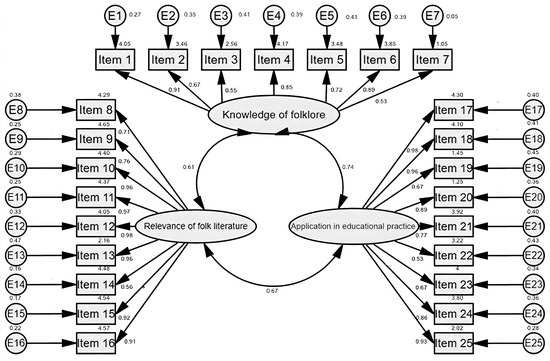
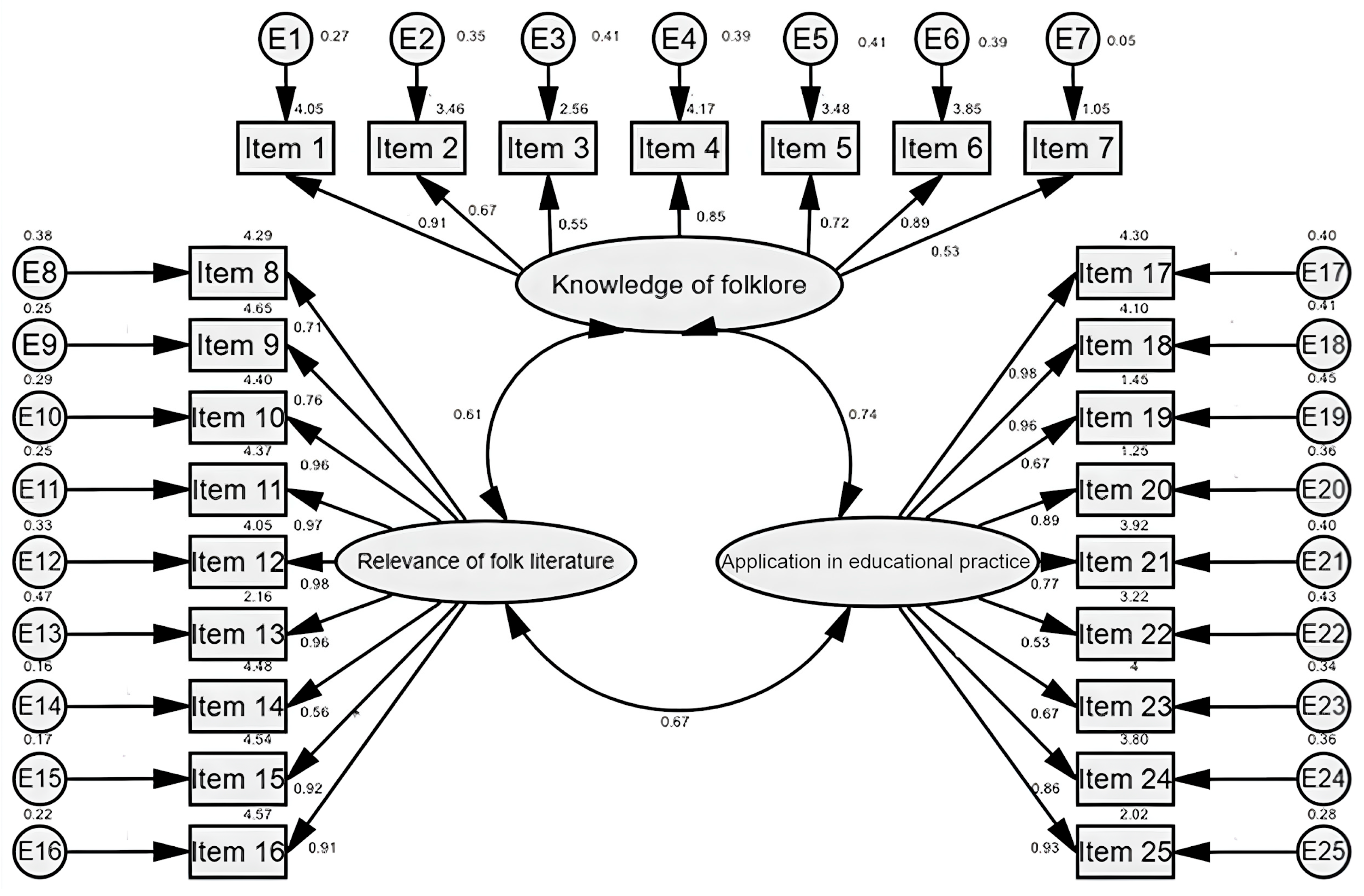

Disclaimer/Publisher’s Note: The statements, opinions and data contained in all publications are solely those of the individual author(s) and contributor(s) and not of MDPI and/or the editor(s). MDPI and/or the editor(s) disclaim responsibility for any injury to people or property resulting from any ideas, methods, instructions or products referred to in the content. |
© 2026 by the authors. Licensee MDPI, Basel, Switzerland. This article is an open access article distributed under the terms and conditions of the Creative Commons Attribution (CC BY) license.