


Abstract
This study addresses the enduring controversy surrounding the diagnostic criteria for Specific Learning Disabilities (SLD) following the publication of the DSM-5, which is related to their definition. The aim of this study is to review and compare the diagnostic criteria of different classification systems and analyse differences in the identification and evaluation criteria of SLD. To this end, a search of the scientific literature was conducted through ERIC, PsycInfo (Proquest) and Web of Science spanning 2013 to 2024. Fifteen records published in English and focused on school-age children (primary education) were included. The studies address issues in reading, writing and mathematics, using different diagnostic criteria and tools. The findings highlight the need for multidimensional, validated assessments, as well as the importance of early identification to improve access to resources and tackle socio-emotional and motivational factors.
1. Introduction
Specific Learning Disabilities (SLD) are classified as neurodevelopmental disorders, alongside others such as intellectual disability, autism spectrum disorders and attention deficit hyperactivity disorders (APA, 2013). SLD often manifest during initial literacy, involving a decline in various areas of personal, academic and social functioning, particularly in the early years of schooling. Therefore, it is essential to understand and properly address early assessment and identification (Botero-Franco et al., 2016; González-Valenzuela & Martín-Ruiz, 2020). In this regard, it is crucial to tackle difficulties in reading and writing through a preventive model and to avoid the consequences associated with this disability, ensuring that students receive the necessary support from the beginning (Colenbrander et al., 2018). Functional competence in reading and writing is essential for full participation in society, and limitations in these skills restrict employment options and lead to lower employment rates (McLaughlin et al., 2014). Furthermore, people with SLD are more likely to experience adverse academic consequences, school failure, higher dropout rates, lower rates of post-compulsory education and a greater prevalence of substance-related disorders (Margolis & Broitman, 2023). Additionally, people with Specific Learning Disabilities experience low self-esteem and mental and physical health issues (Martín-Ruiz et al., 2023; Zuppardo et al., 2020).
The risk factors associated with the development of SLD are diverse and complex. There is no single risk factor that is consistently linked to the later development of reading and writing disabilities; rather, they are the result of a complex interaction between genetic, environmental, cognitive and non-cognitive factors, which interact with each other and vary between individuals (González-Valenzuela & Martín-Ruiz, 2021). At-risk students are better identified based on multiple cognitive and psycholinguistic variables such as phonological awareness, rapid automatic naming and vocabulary, among others (González-Valenzuela & Martín-Ruiz, 2021). While some risk factors are directly related to reading and writing disabilities, others influence the acquisition of these skills indirectly, such as contextual, family, school or socio-emotional factors. However, the greater the number and severity of the risk factors present, the higher the likelihood that the individual will develop learning disabilities (Colenbrander et al., 2018).
Despite the complexity and diversity of the risk factors, understanding them can aid in the early identification of word reading difficulties. However, it is important to note that no single risk factor can accurately predict these difficulties on its own. The presence of multiple risk factors should be considered as a warning sign to monitor the reading development of the student (Colenbrander et al., 2018).
The definition of SLD varies significantly between countries and scientific organisations, leading to high variability in assessment procedures and diagnostic criteria (Gebhardt et al., 2013). While definitions provide an overview of the disability, diagnostic criteria outline the specific standards that must be met to make a formal diagnosis.
Some of the most widely recognised definitions come from the National Joint Committee for Learning Disabilities (NJCLD), the DSM-5 (APA, 2013), and the International Classification of Diseases 11 (OMS, 2019).
The National Joint Committee for Learning Disabilities (NJCLD, 1991) refined the definition of learning disabilities throughout the 1970s and 1980s through various professional meetings. According to the NJCLD (1991), “SLD are a generic term that refers to a heterogeneous group of disabilities manifested by significant difficulties in the acquisition and use of listening and speaking, reading, writing, reasoning, or mathematical skills. These disabilities are intrinsic to the individual and are presumed to be due to central nervous system dysfunctions and may extend across the lifespan.” Issues of self-control, social perception and social interaction may coexist, but they are not part of the term. Although SLD may be concomitant with other deficits (e.g., sensory handicaps, intellectual disability, emotional difficulties) or environmental influences (cultural deprivation, inappropriate or insufficient instruction), they are not a direct result of those deficits or influences.
This definition has had a significant influence, as it highlights the affected areas (speech, reading, writing, reasoning and mathematics), indicates the neurological origin of Specific Learning Disabilities and their persistence throughout life (not just in childhood). It also points out that issues of self-control, perception and social interaction should not be included in the concept of SLD and emphasises the importance of diagnostic differentiation and comorbidity with other disabilities or contextual deficits.
From a more descriptive perspective, both the DSM-5 (APA, 2013) and the International Classification of Diseases ICD-11 (OMS, 2019) indicate that Specific Learning Disabilities are a type of neurodevelopmental disorder. Within this framework, the diagnostic criteria for SLD have changed over time to address issues related to the definition in the DSM system (APA, 2013). Significant changes have been included from the revision of DSM-IV-TR (APA, 2000) to DSM-5 (APA, 2013), where the individual classifications of dyslexia, dysgraphia and dyscalculia have been abandoned in favour of grouping them under the term “Specific Learning Disability,” with specifiers indicating the severity of impairment in particular areas. This simplification facilitates assessment and classification, thereby promoting the early initiation of interventions to improve prognosis (Botero-Franco et al., 2016). Furthermore, the role of IQ (Intelligence Quotient) in assessment has been clarified, with a clear move away from the discrepancy models present in the initial definitions of SLD (Bateman, 1965), which many educational administrations still use for diagnosis (Martín-Ruiz et al., 2021).
According to the APA (2013), a specific learning disability is a neurodevelopmental disorder of biological origin linked to genetic, epigenetic and environmental factors that affect the brain’s ability to process information efficiently and accurately. It is characterised by persistent difficulties in learning essential academic skills such as reading, writing and mathematics, which appear during the school years. These difficulties are not the result of a lack of learning opportunities or inadequate instruction, as the academic performance of affected individuals is typically significantly below average for their age, despite receiving additional support.
Furthermore, the evaluation criteria refer to the specific personal conditions that must be met for a formal diagnosis, as well as the exclusion of other possible causes and potential comorbidities. Some of the most commonly used models are the discrepancy criterion, which has gradually fallen out of favour in comparison with models focused on deficits in cognitive and linguistic processes, and response to intervention.
In the 1970s, the Education for All Handicapped Children Act in the United States recognised the term Specific Learning Disability in reference to a specific group of schoolchildren with learning difficulties and average intelligence (Kavale & Nye, 1981). This law introduced the discrepancy criterion as a method of identification, based on a significant difference between Intelligence Quotient (IQ) and literacy performance. Since then, the discrepancy criterion has evolved, adapting to the criteria of various definitions of SLD. The initial criterion was to use the discrepancy between IQ and reading performance, assessed through tests such as the WPPSI-IV and WISC-V, or via fluid intelligence, measured without cultural components, using instruments like the ABC battery or progressive matrices (Kaufman & Kaufman, 1996; Raven et al., 1998). This approach has been criticised for its inconsistency (Siegel, 1992). Secondly, the phonological processing criterion has been used, focusing on the differences in reading between students with and without a discrepancy (Siegel, 1992). Additionally, age and curricular competency levels have been employed, comparing academic performance with expectations for the age, thus avoiding measures of general cognitive ability, but posing a significant risk of overdiagnosis (Soriano Ferrer, 2014). This paradigm shift reflects an effort to achieve a more accurate and fair identification of Specific Learning Disabilities, recognising that poor literacy performance is a key characteristic, but should be understood within a broader framework that is less reliant on traditional measures of cognitive ability. Thirdly, it has been observed that students with below-average literacy performance and average or above-average cognitive ability (measured by IQ) met the criteria for SLD. However, students with a lower IQ could not be diagnosed with a SLD, despite experiencing difficulties in reading. If a student fell in the lower range of average on an IQ test (i.e., at the 25th percentile) and performed below average on reading tests (i.e., reading at or below the 16th percentile), they would not meet the discrepancy criteria between ability (25th percentile) and achievement (16th percentile). Consequently, they would not be classified as having an SLD nor be eligible for educational services (Margolis & Broitman, 2023).
As noted, the DSM IV and previous systems (APA, 2000) defined Specific Learning Disabilities based on a discrepancy between intelligence and academic achievement. However, the revisions in DSM-5 have marked a shift away from the discrepancy definition towards a definition of “deficit” in achievement (Margolis & Broitman, 2023). The new criteria proposed by the deficit model on which the DSM-5 is based (APA, 2013) identify problems in reading (fluency or reading comprehension), writing (accuracy and written composition) and mathematics (number sense and calculation, and mathematical reasoning). These academic manifestations “are substantially and quantifiably below what is expected for the individual’s chronological age, and significantly interfere with academic or occupational performance, or with activities of daily living, as confirmed by individually administered standardised measures (tests) and a comprehensive clinical evaluation” (APA, 2013). This change has been largely motivated by the limitations of the discrepancy model, which prevented many students who should be classified as having an SLD from receiving such a diagnosis. Cognitive discrepancy frameworks for the definition and identification of SLD hypothesise that this disability is characterised by intra-individual deficits in cognitive and academic performance. These deficits operationalise the most relevant characteristic of SLD, namely unexpected literacy performance (Shaywitz et al., 2020; Taylor et al., 2017). Therefore, the discrepancy criterion widely used in the identification of SLD has shown great variability in application among the different states in the United States, leading to inconsistencies and criticisms (Jiménez, 2019). Furthermore, subsequent studies have questioned the validity of this criterion, as it has been demonstrated that there were no significant differences in skills related to basic instrumental areas between the groups identified as “discrepant” and “non-discrepant” (Siegel, 1989).
Another evaluation model for SLD is based on an operational identification approach through Response to Intervention (RtI). This model monitors students who do not show improvement with a scientifically validated and successful intervention, meaning it identifies those known as resistant-to-change students (Jimerson et al., 2007). The advantage of this model is that it does not wait for students to fail, as their progress is monitored from the beginning of instruction. RtI is based on preventive intervention, in contrast to the discrepancy-based IQ diagnosis, which involves waiting for failure. The Public Law 108–446, Individuals with Disabilities Education Improvement Act (IDEA) of the USA, enacted in 2004, supports this approach and recommends the adoption of methods based on prevention and early intervention (understood from here on as intervention initiated in the early stages of the disability’s developmental course, ideally close to its initial manifestation during childhood, and not at the time when the formal diagnosis is established). The RtI model integrates assessment and intervention into the school curriculum, with an emphasis on primary prevention, which maximises student performance and minimises difficulties through validated and effective interventions. The model is based on four principles: a multi-level support system, a screening process, progress monitoring and data-driven decision-making, according to the National Center for Response to Intervention (NCRTI, 2026). The RtI system is supported by three levels of prevention, focusing on the continuous assessment of student performance to quantify their response to instruction and identify potential learning disabilities (NCRTI, 2026).
Level 1 (primary prevention) is aimed at all students (100%) and is characterised by being preventive and proactive. Level 2 (secondary prevention) focuses on small group interventions for at-risk students (20%) using highly effective and rapid-response strategies. Finally, Level 3 (tertiary prevention) involves individualised and intensive interventions aimed at individual students (5%), providing high-intensity and long-term interventions (Jimerson et al., 2007). Generally, the RtI model consists of these three levels of instruction. The first level involves effective, evidence-based initial instruction for all students in mainstream classrooms, with regular progress monitoring through curriculum-relevant assessments. Those who do not meet the established criteria move on to the second level, where they receive additional support, which may include more explicit or frequent instruction in smaller groups. If these children continue to fail to meet the required standards, they may be selected for a more comprehensive evaluation and/or special education services to address their specific needs (Colenbrander et al., 2018). This method has the advantage of not waiting for students to fail, as their progress is monitored from the beginning of instruction. However, its success depends on the instructional methods chosen for each level, as well as on sensitive, specific and reliable assessments as well as appropriate criteria for measuring growth and achievement in reading skills.
Since the first meta-analyses conducted, there has been significant interest in defining the criteria for identifying and assessing SLD. Kavale and Nye (1981) reviewed 307 articles published between 1968 and 1980, revealing great variability in the identification criteria for learning difficulties across studies. The results indicated that half of the students were selected based on prior classification or diagnosis. Some previous reviews highlight the significant variability in criteria and the lack of precision in the description of the selected students, which complicates the generalisation and replicability of the findings (Keogh et al., 1978; Torgesen & Dice, 1980; Williams et al., 2016). Other studies indicate that the methods for identifying learning disabilities vary considerably depending on geographic location, resulting in inconsistencies in student eligibility (Frankenberger & Harper, 1987).
Schroeder et al. (2020) found little agreement between the criteria of the DSM-5 (APA, 2013) and the Learning Disabilities Association of Canada (LDAC) for identifying SLD. Students identified under the LDAC tend to have higher IQ and academic performance scores compared to those identified by the DSM-5 (APA, 2013). This implies that a significant number of students may be diagnosed as having SLD in one model but not in the other, affecting their access to educational resources.
Due to the variety of definitions and the lack of consensus among them, SLD pose a significant challenge in the fields of education and mental health. On one hand, learning disabilities include conditions such as dyslexia, dysgraphia and dyscalculia, which have a profound impact on the academic success and quality of life of those who experience them. On the other hand, the variability and lack of precision in diagnostic criteria have hindered early identification and the implementation of effective interventions. Additionally, diagnostic criteria have evolved from a focus on the discrepancy between ability and achievement to an emphasis on specific deficits in academic performance centred on response to intervention.
In this context of conceptual change, it becomes necessary to examine the transition from the DSM-IV-TR (APA, 2000) to the DSM-5 and its revised version, the DSM-5-TR (APA, 2013, 2023), which represents a significant shift in the definition of Specific Learning Disabilities. Whereas the DSM-IV-TR relied primarily on a discrepancy model between intellectual quotient and academic achievement for the identification of these disabilities, the DSM-5-TR adopts a definition based on persistent deficits in the learning of basic academic skills, assessed in relation to age and educational expectations. This change does not merely reflect a terminological adjustment, but rather a qualitative reorganisation of the diagnostic framework, shifting the focus from static psychometric indicators of general intelligence towards a functional understanding of learning. This transition is closely linked to the development of psychometric instruments and theoretical models grounded in cognitive approaches to intelligence, which conceptualise intelligence not as a single, fixed index, but as a set of cognitive processes involved in information processing, problem solving and learning. Within this framework, diagnostic attention moves away from the question of “how intelligent an individual is” towards how an individual processes information, acquires academic skills and responds to instruction, with important implications for the assessment, identification and interpretation of Specific Learning Disabilities. This theoretical perspective underpins the rationale for the present systematic review.
Although there are previous reviews on Specific Learning Disabilities, most have focused on particular aspects such as prevalence, risk factors, intervention effectiveness or associated cognitive profiles. However, there is a shortage of systematic reviews that specifically and comparatively examine the diagnostic and identification criteria used across different classification systems following the publication of the DSM-5, as well as the practical implications of these criteria in educational and clinical contexts. In this regard, the present review addresses a gap in the literature by focusing on the variability, consistency and application of diagnostic criteria employed since 2013, offering an updated synthesis aimed at improving early identification and diagnostic decision-making.
Consequently, this study addresses this situation by conducting a review and synthesis of the existing literature to establish clear, evidence-based recommendations for the identification and classification of SLD. Therefore, the overall objective of this review is to examine and analyse the diagnostic approaches and criteria for SLD from the latest edition of the DSM-5 to the present. The specific objectives of the study are: (1) to identify and compare the diagnostic criteria used in different classification systems, such as the DSM-5 and other international systems; and (2) to analyse how changes in diagnostic criteria have affected the identification and assessment of SLD in children and adolescents.
Although there is extensive empirical research on Specific Learning Disabilities, the literature is dominated by empirical studies, with a relative scarcity of integrative theoretical work or systematic reviews. This fragmentation limits a comprehensive understanding of diagnostic criteria across different conceptual frameworks, thereby justifying the need for a systematic review that synthesises and critically examines the existing evidence.
2. Materials and Methods
This study conducts a comprehensive review of the diagnostic criteria employed in the identification and diagnosis of specific learning disabilities based on research published between 2013 and 2024.
To construct the research question and, therefore, guide the selection of the literature and its inclusion and exclusion criteria, the PICO method was followed (Methley et al., 2014). This methodology allows research questions to be formulated in a structured way by organising information into four components: P (Patient, Problem, or Population), I (Intervention), C (Comparison), and O (Outcomes or Objectives).
In the present study, the application of the PICO method is developed as follows:
- P (Population or Problem): school-aged students (approximately between six and 18 years old) with a diagnosed Specific Learning Disability (SLD) or with symptoms associated with this type of neurodevelopmental disorder. This age range corresponds to the educational stage in which learning disabilities are most frequently detected and in which early interventions are most effective.
- I (Intervention): strategies, procedures or models used for the assessment, diagnosis or identification of SLD, including both clinical approaches based on diagnostic manuals (such as the DSM-5 and ICD-11) and psychoeducational and preventive approaches (for example, the Response to Intervention—RTI—model or IQ–achievement discrepancy criteria).
- C (Comparison): differences between various classification systems and diagnostic criteria (for example, DSM-5, LDAC…), as well as the evolution of identification models and their application in different educational and clinical settings.
- O (Outcomes or Objectives): to analyse the accuracy, validity and consistency of the criteria used for the identification of SLD, as well as to determine the implications of the changes introduced in the DSM-5 for diagnostic practice and early identification. Consequently, the aim is to evaluate the effectiveness of different diagnostic approaches in early detection and appropriate intervention.
The use of the PICO method made it possible to formulate a clear research question oriented towards evidence-based practice:
How have the diagnostic and identification criteria for Specific Learning Disabilities (SLD) changed since the publication of the DSM-5, and what implications do these changes have for diagnostic accuracy and early intervention in school-aged populations?
- Eligibility criteria
The inclusion and exclusion criteria used for this systematic review are presented in Table 1.
Table 1.
Inclusion and Exclusion Criteria.
The selection of the inclusion criteria takes into account the recent changes in the classification of learning disabilities with the publication of the DSM-5 (APA, 2013), which justifies the need to conduct a systematic review analysing the diagnostic criteria used in studies published since 2013, the date the diagnostic manual was published. The changes introduced in the DSM-5 have created a context in which the understanding and evaluation of Specific Learning Disabilities require more in-depth and up-to-date research to ensure accuracy and validity in identification and associated treatments. Therefore, the choice of this time frame is justified by the significant changes made to the classification of learning disabilities in the DSM-5. It is crucial to examine the literature published after the release of this diagnostic manual to understand how these changes have impacted the diagnostic criteria used in clinical and educational practice.
The study focused on the school age range to achieve greater homogeneity in the data collected and the diagnostic criteria used. Nevertheless, studies whose age range partially exceeded these limits (for example, including participants younger than six or older than 18) were also included, provided that the sample encompassed individuals within the school age range of interest or offered relevant information on the continuity, diagnostic stability or developmental trajectory of Specific Learning Disabilities at adjacent stages of development, such as late adolescence or the transition to higher education. This methodological decision allowed for a broader and more coherent overview of the diagnostic criteria employed, while maintaining the primary focus on the school age population. This decision is based on the fact that most learning disabilities are identified and diagnosed during compulsory education, so focusing on this age range will provide relevant and applicable information for early assessment and intervention.
The exclusion criteria are justified to maintain the focus of the review and ensure consistency in the selection of studies. Excluding studies that address other neurodevelopmental disorders helps to concentrate attention on specific learning disabilities, avoiding the dilution of results with irrelevant information.
Therefore, this systematic review is essential for addressing the clinical and practical implications arising from these changes, as well as providing guidance and clarity in the identification and management of learning disabilities in clinical and educational settings.
- 2.
- Information sources and search strategy
The literature search was conducted in May and June 2025 using three prominent databases: Web of Science, PsycInfo (ProQuest) and ERIC (ProQuest). These databases were selected due to their relevance in covering the disciplinary fields central to the present review, including psychology, psychiatry and educational sciences, as well as for the holistic perspective they provide.
The search employed the following descriptors: “Learning Disabilities”, “Clinical Diagnosis”, “Educational Diagnosis”, “Learning Disorders”, “Diagnosis” and “Specific Learning Disabilities”. These keywords were combined with the following filters: “English,” “Spanish,” “6–18 years,” and “from 1 January 2013,” in order to refine the results and ensure the inclusion of relevant studies published in English or Spanish, which addressed the target population and were available from 2013 onwards.
Searches were conducted using Boolean combinations of the selected descriptors. An example of the search strategy applied was as follows:
(“Specific Learning Disabilities” OR “Learning Disorders” OR “Learning Disabilities”) AND (“Clinical Diagnosis” OR “Educational Diagnosis” OR “Diagnosis”).
This strategy was adapted to the specific requirements and features of each database.
- 3.
- Study selection process
In this systematic review, the PRISMA (Preferred Reporting Items for Systematic reviews and Meta-Analysis) method was adopted for the selection of studies (Moher et al., 2009) and to present relevant information in a standardised manner.
Initially, a search was conducted using specific descriptors and restrictions, resulting in a total of 806 results. After removing duplicates, the remaining 793 records were examined. Those that did not address specific learning disabilities were then discarded based on titles and abstracts, reducing the number to 30 records. Subsequently, exclusion criteria were applied in a second screening, resulting in the selection of 19 empirical studies for inclusion in the review (see Figure 1).
Figure 1.
PRISMA Diagram.
- 4.
- Data Extraction
The 19 articles selected underwent a thorough review, during which various aspects of each were recorded and analysed (see Appendix A). The data collected include authorship, year of publication, type of study conducted, study population and number of participants involved, the criteria used for diagnosis, the instruments employed for assessment, as well as the results obtained and the conclusions drawn from each study.
- 5.
- Variables and prioritisation
In this set of studies on learning disabilities, several key variables that influence the assessment and diagnosis of conditions such as dyslexia, dysgraphia and other SLD are identified.
The age of the participants ranges from five to 25, as learning disabilities may manifest differently at various stages of development. Although the inclusion criteria established for the studies were limited to a population between six and 18 years of age, the decision was made to include articles with older subjects due to their relevance in understanding learning disabilities at a more advanced developmental stage. Lovett and Sparks (2013) address the identification of learning disabilities in individuals aged 17 to 25, providing valuable information on the continuity and characteristics of these disabilities during the transition to higher education and adult life. Miller et al. (2013) analyse diagnostic and functional complexity in children aged 0 to 14 with neurodevelopmental disorders, offering a broad and relevant perspective on variability in the presentation and management of these disabilities at different developmental stages. These studies were considered important since they enrich the understanding of learning disabilities across a wider age range, contributing to a more comprehensive and holistic view of these disabilities and their implications in different educational and life settings. Likewise, sample size and the diversity of the population studied are important aspects to ensure the validity and generalisability of the findings.
Other variables that have been included are the diagnostic criteria and the assessment instruments used. Diagnostic criteria range from those based on internationally recognised diagnostic manuals to specific methods developed by researchers. As for the assessment instruments, they include cognitive tests, academic performance, neurophysiological techniques, brain imaging and evoked potentials, among others.
The nature of the results obtained, along with the accuracy in the assessment of learning disabilities and the differences found between study groups, provide valuable information about the effectiveness of diagnostic methods and the distinctive characteristics of each disability. Additionally, the conclusions derived from each study highlight the importance of considering multiple variables and approaches to comprehensively and accurately understand and address learning disabilities.
In terms of prioritisation, there is an emphasis on the need to use rigorous, validated diagnostic criteria, as well as standardised and appropriate assessment instruments for the population studies. Additionally, the importance of considering the diversity of participants and their individual characteristics when interpreting results and planning educational and therapeutic interventions is highlighted. Finally, the relevance of ongoing research to improve the assessment and management of learning disabilities is emphasised, underlining the need for interdisciplinary evaluation and a holistic approach in the care of affected individuals.
In Appendix A, a column titled “Most Relevant Findings” has been added, providing a consolidated and precise view of the most significant elements identified during the analysis. This column is crucial in highlighting and synthesising essential information that, while not directly aligned with the discussion focused on diagnostic tools and criteria, offers valuable context and a broader understanding of the findings. This approach facilitates a more complete and enriched evaluation of the results, providing useful perspectives for future research or practical applications.
- 6.
- Characteristics of the reviews included
The reviews included address a wide range of aspects related to the identification and diagnosis of learning disabilities, such as dyslexia, dysgraphia and dyscalculia. These reviews examine the efficacy and utility of different diagnostic tests, evaluation criteria and statistical methods in a variety of populations.
The articles selected for this review reflect a strong international scope, encompassing research conducted in diverse geographical contexts and published by authors from different countries. This global representation ensures a comprehensive understanding of the topic, incorporating multiple perspectives, methodologies and cultural approaches that enrich the overall analysis and relevance of the review.
In terms of the population studied, the reviews consider individuals ranging from school-aged children to adolescents and adults, aged between five and 25. Special attention is given to age groups typically affected by learning disabilities, with emphasis on both participants with prior diagnoses and those without, in order to compare and contrast cognitive and academic profiles.
Regarding the assessment instruments used, the reviews analyse a variety of standardised tests and measurement scales, including the Wechsler Intelligence Scale for Children (WISC), the Reading Fluency Test and the Kaufman Test of Educational Achievement (KTEA), among others. Both the sensitivity and specificity of these tests in accurately identifying learning disabilities are evaluated.
Furthermore, the efficacy of different diagnostic approaches is examined, such as the use of IQ-achievement discrepancy criteria, cognitive profile models and identification methods based on specific criteria. The validity and reliability of these approaches in clinical and educational practice are analysed, as well as their ability to differentiate between various types of learning disabilities and comorbidities.
- 7.
- Assessment of bias risk in individual studies (AXIS)
The methodological quality and bias risk of the 19 studies included are summarised in the AXIS table (Appendix B), with results ranging from high to moderate quality, according to the analysis conducted using the AXIS tool (Downes et al., 2016). This tool is designed to evaluate the quality of cross-sectional observational studies based on 20 essential items related to the clarity of objectives, methodological design, validity of measurements, sample representativeness, ethical considerations and transparency in the presentation of results. Overall, most studies demonstrate high quality, particularly due to their adequate adherence to criteria concerning the description of the study design, definition of variables, validity of the instruments used and clarity in the reporting of results.
However, moderate bias risks were identified in certain specific aspects. In particular, the study by Ahmad et al. (2022) was classified as having moderate quality due to the lack of a clear justification for sample size, insufficient information regarding ethical aspects, and incomplete validation of the instruments used. Generally, several studies showed minor limitations related to sample representativeness or partial control of confounding factors, although these did not compromise the overall validity of the findings.
Additionally, all studies satisfactorily met the requirements regarding conflict-of-interest statements and transparency in funding, which reduces the risk of bias associated with external influences.
3. Results
Of the studies reviewed, 15 out of 19 are empirical studies, representing 78.95% of the total. Additionally, one comparative study (Jiménez-Pérez et al., 2014), one mixed screening and diagnostic study (Bodea Haţegan et al., 2015), one descriptive exploratory study (Harkin et al., 2015) and one psychometric study (Šafárová et al., 2020) were identified, each representing 5.26% of the total.
Most studies (14 out of 19) were conducted in English, representing 73.68% of the total. Studies in other languages were also found, including Portuguese (Carvalho et al., 2016; Moura et al., 2014), Arabic (Ahmad et al., 2022), Persian (Tafti et al., 2021) and Spanish (Jiménez-Pérez et al., 2014), each representing between 5.26% and 10.53% of the total.
The studies included a wide range of sample sizes and gender distributions among participants. Sample sizes ranged from as few as 16 subjects (Jiménez-Pérez et al., 2014) to much larger studies with up to 9000 participants (Miller et al., 2013). Overall, data from 22,216 subjects were analysed in these studies. In terms of gender, among the studies that reported this information (1659 participants), 58.34% (968) of participants were male and 41.66% (691) were female. This distribution reflects a slight predominance of male participants, although the difference is not significant.
The studies reviewed cover different educational levels, reflecting diversity in participants’ age range and educational stage. Specifically, 78.95% of the studies focused on primary education, 57.89% on secondary education, and 26.32% on post-compulsory education (including higher education).
The studies reviewed cover the areas of reading, writing and mathematics. Reading was the focus in 94.74% of studies, writing in 47.37% and mathematics in 52.63%. Some studies focused solely on one area, while others addressed multiple areas simultaneously (see Appendix A). The distribution of the studies included shows a clear predominance of research focused on reading disabilities, particularly decoding and dyslexia, whereas a considerably smaller number of studies address disabilities in writing (dysgraphia) and mathematics (dyscalculia). This imbalance reflects a well-documented trend in the scientific literature rather than a bias arising from the inclusion criteria of the present review.
The studies reviewed employed various diagnostic criteria and a wide range of assessment instruments. A total of 47.37% of the studies (9 out of 19) used criteria classified as “other,” including the works of Ahmad et al. (2022), Carvalho et al. (2016), Jiménez-Pérez et al. (2014), Miller et al. (2013), Niileksela and Templin (2018), Bodea Haţegan et al. (2015), Emam et al. (2021), Harkin et al. (2015) and Šafárová et al. (2020). The DSM-5 model was used in 10.53% of studies (Tafti et al., 2021; Schroeder et al., 2020). The RTI criterion was employed in 15.79% of studies (Berninger et al., 2015; Branum-Martin et al., 2013; Miciak et al., 2014). The IQ-achievement discrepancy model was used in 21.05% of studies (Devine et al., 2013; Hammill & Allen, 2020; Maddocks, 2018; Schroeder et al., 2020). Additionally, one study (5.26%), Branum-Martin et al. (2013), combined multiple diagnostic criteria (discrepancy, RTI, DSM-IV and DSM-5).
Regarding assessment instruments, the Woodcock-Johnson III Tests of Cognitive Abilities and Achievement (WJ-III COG and WJ-III ACH) were used in 15.79% of studies (3 out of 19; Branum-Martin et al., 2013; Maddocks, 2018; Lovett & Sparks, 2013), along with the Wechsler Intelligence Scale for Children (WISC, in various versions such as WISC-III, WISC-IV, or WISC-R) and the Wechsler Adult Intelligence Scale—Third Edition (WAIS-III), also used in 15.79% of studies (Jiménez-Pérez et al., 2014; Moura et al., 2014; Schroeder et al., 2020; Tafti et al., 2021; Lovett & Sparks, 2013). Other tests used include the Test of Silent Word Reading Fluency (TOSWRF-2), the Test of Silent Contextual Reading Fluency (TOSCRF-2), the Detroit Tests of Learning Aptitude—Fifth Edition (DTLA-5), the Mathematics Assessment for Learning and Teaching (MaLT), the Hodder Group Reading Test II (HGRT-II), the Kaufman Test of Educational Achievement–Third Edition (KTEA-3) and the Canadian versions of the WISC-IV and WIAT-III (WISC-IVCDN and WIAT-IIICDN). Each used in 5.26% of studies (1 out of 19).
Regarding assessment areas, intelligence tests were the most frequently mentioned, with 15 occurrences in total (e.g., various versions of the WISC, WAIS-III, KBIT-2, Raven’s Matrices), representing 34.88% of total mentions. Reading tests were mentioned 13 times (including WJ III ACH, CELF-IV, TOWRE, PALS, HGRT-II, TOSWRF-2), representing 30.23% of the total. Writing tests were mentioned four times, such as the Detailed Assessment of Speed of Handwriting (DASH) and the Test of Orthographic Competence (TOC), accounting for 9.30% of mentions. Finally, eight mentions (18.60%) were of tools assessing multiple areas or not classified exclusively in one category, such as clinical interviews, eye-tracking or comprehensive questionnaires like the HPSQ and LDDI Inventory, reflecting the complexity and interconnection between cognitive and academic skills in assessing specific learning disabilities.
4. Discussion
The main objective of this review is to examine and analyse the diagnostic criteria for SLD since the latest edition of the Diagnostic and Statistical Manual of Mental Disorders (DSM-5, APA, 2013). Through different empirical and comparative studies, a range of approaches and criteria have been explored to identify dyslexia, dysgraphia and other specific learning disabilities. These studies not only reveal the inherent complexity of these disabilities but also highlight the diversity of methods used in their assessment and diagnosis.
One of the main findings is that most of the studies reviewed were conducted in English. However, an emerging linguistic diversity is also evident, with studies in Portuguese, Arabic, Persian and Spanish. There is a predominance of diagnostic criteria tailored to the English language, which is opaque compared to others like Spanish. The specific characteristics of opaque and transparent orthographies, such as those of English and Spanish, influence the development of these skills and the instructional methods needed to teach reading effectively in each language (Verhoeven & Perfetti, 2021). This linguistic bias may have influenced both the greater attention paid to reading disabilities and the way in which diagnostic criteria are conceptualised and made operational in the studies analysed.
Regarding gender distribution, the results do not confirm findings like those of Barbaresi et al. (2005), which suggest a higher prevalence of SLD in boys. The proportion of girls with SLD is similar to that of boys in the sample reviewed, supported by the fact that the sample used is broad and representative. According to Devine et al. (2013), discrepancies between maths and reading scores were distributed differently across genders: girls tended to score higher in reading than in maths, while boys showed the opposite trend, though without significant differences. The study also examined the impact of different cutoff criteria to identify dyscalculia. Results indicated that the prevalence of dyscalculia was the same for boys and girls, regardless of the cutoff criteria used, which contrasts with other studies finding differing prevalence rates. However, when discrepancy thresholds were applied, more girls were found to perform better in reading than in maths, and more boys excelled in maths over reading (Devine et al., 2013). Therefore, it could be established that gender differences in reading and maths performance reflect a tendency for girls to excel more in reading, while boys perform slightly better in maths, though not surpassing girls overall. These results suggest the need for differentiated educational approaches to address motivational, cognitive and emotional differences between boys and girls in learning mathematics. The equal prevalence of SLD between boys and girls suggests that differences may be influenced by motivational or cultural variables. Factors such as perception and attitude to learning, as well as social and educational expectations, may play a significant role in the manifestation and diagnosis of these disabilities.
Another relevant finding is that most of the articles reviewed focus on the assessment of learning disabilities during the early years of schooling, a crucial period in which literacy skills are developing (Schroeder et al., 2020). This early identification is highly beneficial, as it provides access to specific educational resources and support that may not be available or as effective in later stages of schooling. Detecting learning disabilities in the early school years facilitates the implementation of early interventions, which are essential for mitigating the negative impact these disabilities can have on a child’s academic and emotional development (Shaywitz et al., 2020). Furthermore, early assessment enables educators and parents to work together to create an inclusive learning environment tailored to the individual needs of students. This not only helps improve basic academic skills but also contributes to the development of the student’s self-esteem and motivation, fundamental aspects for their long-term success (Branum-Martin et al., 2013; Devine et al., 2013; Hammill & Allen, 2020; Tafti et al., 2021; Zuppardo et al., 2020). Therefore, early assessment and access to educational resources in the first years of schooling are critical aspects that can make a significant difference in the academic and personal development of students with learning disabilities (Schroeder et al., 2020).
Reading disabilities have been researched more extensively than writing and maths learning disabilities, especially in alphabetic and more transparent languages. As Daigle et al. (2016) state, the ability to read is fundamental for writing, as writing depends on the capacity to visually recognise words. It has also been suggested that difficulty in accurate spelling may be linked to problems with reading comprehension (Bigozzi et al., 2016). Spelling errors provide clues about how words are stored in memory, a process developed through reading. Despite this, research has focused more on reading disabilities and less on spelling patterns in writing (Lyon et al., 2003; Sanders et al., 2018; Schiff & Levie, 2017). These findings have important implications for education, as they suggest that teachers should understand how students acquire and retain orthographic characteristics. This implies that effective spelling instruction should address phonological, visual, orthographic and lexical aspects, all of which are intrinsically related to reading skills. The increased focus on reading can be partly explained by its central role in the school curriculum and the existence of more established diagnostic criteria for dyslexia. In contrast, dysgraphia and dyscalculia have historically received less attention from the research community, present greater conceptual heterogeneity and have less standardised diagnostic criteria, which makes their systematic identification more difficult. This situation may contribute to the underidentification of specific disabilities in writing and mathematics, as well as to a lower referral to specialised support services, especially when these disabilities do not coexist alongside evident reading problems. As a result, the findings of this review highlight the need to promote specific research and clearer diagnostic criteria for dysgraphia and dyscalculia, in order to move towards a more equitable and comprehensive identification of Specific Learning Disabilities.
Regarding assessment tests, intelligence tests have been used very frequently, highlighting the importance given to the evaluation of intellectual and cognitive abilities in educational settings. Tools such as MRI, EEG, Support Vector Machines (SVM) and various versions of the Wechsler Intelligence Scale for Children (WISC) underscore the centrality of intelligence in academic assessment. Additionally, the evaluation of reading and writing also receives considerable attention in research.
In general terms, there is consensus on the need for multidimensional assessments and more rigorous validation of diagnostic tools, although discrepancies persist regarding specific methods and outcomes (Branum-Martin et al., 2013). One of the main points of agreement is the importance of conducting multidimensional evaluations. Berninger et al. (2015) and Branum-Martin et al. (2013) emphasise the need to assess both cognition and language skills, suggesting dimensional approaches to address disabilities. Carvalho et al. (2016) and Miller et al. (2013) highlight the importance of interdisciplinary assessments and a comprehensive perspective to achieve accurate diagnoses, while Schroeder et al. (2020) and Lovett and Sparks (2013) highlight the need for consistent classification and individualised guidance due to variability in skills and diagnoses.
In terms of specific deficiencies and processes, Berninger et al. (2015) identified that dyslexia and dysgraphia share deficiencies in working memory, although they present specific differences. Meanwhile, Jiménez-Pérez et al. (2014) highlighted improvements in various aspects of dyslexia through conventional therapy, emphasising the importance of visual processing and the need for specific therapies for literacy skills.
Another essential aspect in the reviewed studies on the assessment and diagnosis of learning disabilities is the range of diagnostic criteria employed. The most commonly used criterion was the IQ-achievement discrepancy model (Branum-Martin et al., 2013; Devine et al., 2013; Hammill & Allen, 2020; Tafti et al., 2021). This model compares an individual’s intelligence quotient (IQ) with their academic performance, seeking a significant difference between the two. However, this model has drawn widespread criticism on account of its ‘wait-to-fail’ approach and its limited sensitivity to identify all students with LD early. Moreover, the discrepancy model may not be suitable for identifying all students with LD, especially those whose learning disabilities are not clearly reflected in a quantitative discrepancy between capacity and achievement (Jiménez, 2019).
It is noteworthy that the Response to Intervention (RTI) criterion, despite being a modern and effective approach to identifying and supporting students with learning disabilities, is used less frequently than traditional IQ-achievement discrepancy models. This suggests that, while RTI is gaining recognition, the discrepancy model remains the most prevalent approach in identifying learning disabilities within the research reviewed.
Instruction within the RTI model should be flexible and adapted to the circumstances of each situation, highlighting the importance of teacher training in RTI and early assessment of learning disabilities (Arias-Gundín & Llamazares, 2021). The Response to Intervention model is crucial for early assessment and intervention to prevent learning disabilities. Its inclusive and personalised approach allows support for students who need more individualised instruction (Jimerson et al., 2007).
It is important to emphasise the complexity and the need for a more coherent approach in the identification and treatment of learning disabilities. A significant discrepancy is evident between the diagnostic criteria of the DSM-5 and the LDAC, suggesting that students may receive divergent diagnoses depending on the framework used, which, in turn, affects their access to educational resources (Schroeder et al., 2020).
The DSM model, in both its fifth edition and the revised edition (DSM-5-TR, APA, 2023), has moved away from the concept of discrepancy, explicitly removing this concept from its classification and definition system. However, it remains subtly present in clinical practice. This criterion, which focuses on the discrepancy between IQ and academic performance, has been criticised for not being interdisciplinary, as it is predominantly limited to a clinical and medical perspective. Despite its widespread use, the discrepancy criterion fails to fully incorporate other interdisciplinary factors and assessments that could be crucial for a comprehensive and accurate diagnosis. This stands in contrast to psychoeducational approaches, which advocate a more comprehensive and multifaceted assessment.
Although there is general agreement on the importance of multidimensional approaches and the need for rigorous validation of diagnostic tools, significant discrepancies remain in the methods used and the results obtained. This reflects the inherent complexity in identifying learning disabilities and highlights the need for an evidence-based, comprehensive approach to improve both their identification and treatment.
The study presents several limitations that should be considered for an accurate interpretation of its findings. The first aspect relates to linguistic diversity: 60% of the studies are conducted in English-speaking populations, suggesting a predominance of certain languages in scientific research, with an evident bias towards the characteristics of that language. Although studies in other languages (Portuguese, Arabic, Persian and Spanish) are included, linguistic diversity remains limited, which could introduce cultural and geographical biases.
Future research directions in the field of learning disabilities could focus on several key aspects. Firstly, there is a clear need to develop multidimensional assessments that address both cognition and language skills for a more accurate identification of these disabilities. Additionally, more rigorous validation of the diagnostic tools used is required to ensure their reliability and validity across different contexts and populations. Interdisciplinary approaches that integrate clinical and psychoeducational aspects could enhance the understanding and diagnosis of learning disabilities. One relevant aspect is the exploration of factors such as gender and culture, which influence the manifestation and assessment of these disabilities, as well as the effectiveness of interventions. Furthermore, the importance of early assessment and access to educational resources in the initial years of schooling is highlighted, aiming to mitigate the negative impact of these disabilities on children’s academic and emotional development.
The variability of criteria used to identify SLD suggests substantial differences in how they are conceptualised and assessed, which can lead to significant disparities in diagnoses and access to educational intervention resources. For instance, a student who does not meet the DSM-5 diagnostic criteria but does meet those of the LDAC might miss out on essential support in an educational setting primarily based on DSM-5 criteria.
The lack of alignment between diagnostic criteria underscores the need for greater clarity and consistency in the identification of SLD. Additionally, it highlights the importance of considering multiple criteria and diagnostic approaches to ensure a comprehensive and accurate assessment of students’ needs. This implies not only accounting for cognitive and academic factors but also considering social, emotional and cultural factors that may influence the manifestation and impact of learning disabilities.
Educational Implications
The widespread use of the discrepancy criterion to assess specific learning disabilities has significant educational implications, although there is a trend towards a multidisciplinary approach that promotes early intervention.
Specific learning disabilities are identified when a student shows a significant struggle in acquiring the expected knowledge and skills for their age, intellectual capacity and educational level. Difficulties that cannot be explained by other factors such as sensory or motor deficits, mental disorders, delayed or irregular schooling, disadvantaged personal and sociocultural conditions or inadequate teaching. These difficulties begin in school age and persist despite regular support measures. They often require early intervention and may only become apparent later as academic demands increase.
Students with these disabilities typically show marked discrepancies between expected and actual performance. Early and effective intervention can help bridge these gaps and enable students to reach the appropriate academic level. However, while the discrepancy criterion is useful and standardised, it can delay diagnosis and intervention if used exclusively. Therefore, it is essential to supplement it with a multidisciplinary approach that includes observing early indicators and proactive intervention. This approach allows for faster and more accurate identification, facilitating the implementation of personalised support strategies that help prevent the escalation of academic and socio-emotional difficulties.
Legislation on learning disabilities has evolved based on its theoretical definition. In the United States, the shift from a medical to an educational conception allowed for the early development of specific laws such as the Education for All Handicapped Children Act (1975) and the Individuals with Disabilities Education Act (1990), which recognise these students and guarantee individualised educational support. In Spain, this evolution came later: the LOGSE (Organic Law on the General Organisation of the Education System) (Government of Spain, 1990) adopted a contextual definition of learning disabilities within the framework of diversity awareness and management, while the LOE (Organic Law on Education) (Government of Spain, 2006) incorporated them under the category of students with specific educational support needs, although without granting them a distinct legal status.
This study highlights the importance of adopting multidimensional approaches and rigorously validating diagnostic tools to improve the identification and treatment of learning disabilities. Likewise, it emphasises the need to consider the specific characteristics of learning disabilities from a psycho-educational perspective, as well as the importance of early assessment and access to appropriate educational resources to provide effective interventions and adequate support for students with learning disabilities throughout their life.
Author Contributions
Conceptualization, I.M.-R. and L.I.-C.; methodology, E.R.-F. and I.M.-R.; investigation, E.A.-O. and M.-J.R.-S.; resources, E.R.-F. and M.-J.R.-S.; writing—original draft preparation, I.M.-R., E.A.-O. and L.I.-C.; writing—review and editing, I.M.-R., E.R.-F. and M.-J.R.-S.; supervision, I.M.-R. and E.R.-F.; project administration, I.M.-R. and E.R.-F.; funding acquisition, I.M.-R. All authors have read and agreed to the published version of the manuscript.
Funding
This research was funded by government of Andalusia (FONDOS FEDER) grant number PPRO-B3-2023-14. The APC was funded by research group SEJ 521 (University of Málaga).
Institutional Review Board Statement
Not applicable.
Informed Consent Statement
Not applicable.
Data Availability Statement
No new data were created or analysed in this study.
Conflicts of Interest
The authors declare no conflict of interest.
Appendix A. Articles Selected
| Author and Year | Study Type | Study Language | Sample | Educational Level | Areas Studied | Study Variables | Diagnostic Criteria | Assessment Instruments | Main Findings |
| Ahmad et al. (2022) | Empirical | Arabic | 3644 participants aged 7–17 | Primary, secondary, post-compulsory | Reading | ICF, CM, DCV, CA, CS, CSEM, DCA, MTVA, RA | Others | MRI, EEG, SVM | Dyslexia evaluation accuracy improves when reducing principal components, achieving 95% accuracy with PCA and ANN; potential for deep-learning enhancements. |
| Tafti et al. (2021) | Empirical | Persian | 80 participants aged 7–11 | Primary, secondary | Reading, writing, mathematics | RA | DSM-5 | WISC-IV, FEATS, PPAT, Bender–Gestalt | Significant group differences; FEATS and Bender–Gestalt may help diagnose SLD; more validation needed. |
| Berninger et al. (2015) | Empirical | English | 45 participants aged 9–15 | Primary, secondary | Reading and writing | History, educational records, parent information | RTI | WISC-IV, WJ-III, CELF-IV, TOWRE, DASH, TOC, TOSWRF, RAN, D-KEFS | Dyslexia and dysgraphia share working-memory weaknesses but differ in specific profiles; cognitive and linguistic evaluation is necessary. |
| Branum-Martin et al. (2013) | Empirical | English | 258 participants | Primary | Reading, mathematics | RA, PF, MT, IV, INV | Discrepancy, RTI, DSM-IV & DSM-5, others | WJ-III ACH, SDSP, CTOPP, CMWT, KBIT-2 | Performance differences stem from variable correlations; dimensional approaches to disabilities are recommended. |
| Carvalho et al. (2016) | Empirical | Portuguese | 203 participants aged 4–17 | Preschool, primary, secondary, post-compulsory | Reading | RA, pedagogical, neurological, psychiatric, physiotherapy, psychomotor evaluations | Others | Interview | Main referral reasons were learning disabilities and attention problems; interdisciplinary evaluations are essential. |
| Devine et al. (2013) | Empirical | English | 1004 participants aged 7–10 | Primary | Mathematics, reading | RA | Discrepancy | MaLT, HGRT-II | Maths disability prevalence does not differ by gender, but reading scores do. |
| Hammill and Allen (2020) | Empirical | English | 70 participants aged 7–15 | Primary, secondary | Reading | CI | Discrepancy | TOSWRF-2, TOSCRF-2, DTLA-5 | Emphasises strict research criteria and flexible educational practice; questions phonological-deficit model. |
| Jiménez-Pérez et al. (2014) | Comparative | Spanish | 16 participants aged 5–16 | Preschool, primary, secondary | Reading | Audiological, neuropsychological, ophthalmological evaluations | Others | ENI, WISC-R, PEV | Conventional therapy improved dyslexia; visual processing is crucial; specific literacy interventions needed. |
| Maddocks (2018) | Empirical | English | 4783 participants | Primary, secondary | Reading, writing, mathematics | CI, RA | Discrepancy | WJ-III COG, ACH | Intra-individual discrepancy alone is not valid for gifted students; combining with absolute performance recommended. |
| Miciak et al. (2014) | Empirical | English | 139 participants | Secondary, post-compulsory | Reading, mathematics | PSW | RTI | WJ-III, TOWRE, CTOPP, KBIT-2, GRADE | Different PSW methods produce different LD rates; C/DM more inclusive; low concordance implies need for validation. |
| Miller et al. (2013) | Empirical | English | 9000 participants aged 5–14 | Pre-K, preschool, primary, secondary | Reading, writing, mathematics | Motor functioning, language/communication, cognition, socio-emotional relations | Others | PALS | 4.5% met disability criteria; diagnostic complexity requires comprehensive evaluation. |
| Moura et al. (2014) | Empirical | Portuguese | 100 participants aged 8–12 | Primary, secondary | Reading | CV, MT, RP, VP | Discrepancy | WISC-III | FDI, ACID, SCAD profiles did not differentiate dyslexia well; ROC analysis showed moderate accuracy. |
| Harkin et al. (2015) | Exploratory descriptive | English | 14 higher-education institutions | Higher education | Reading | Screening procedures, staff training, institutional practices, comorbidities | Others | DAST, LADS, WRAT-4, WRIT, CTOPP, WIAT-II, BDT | Large institutional variability; most assess only dyslexia; national standardisation recommended. |
| Niileksela and Templin (2018) | Empirical | English | 379 participants | Primary, secondary | Reading, writing, mathematics | RA | Others | KTEA-3 | 3-class CLPA model identified latent cognitive/academic deficit profiles strongly tied to dyslexia. |
| Schroeder et al. (2020) | Empirical | English | 363 participants aged 6–12 | Primary | Mathematics, reading, writing | CI | DSM-5, others | WISC-IV CDN, WIAT-III CDN | Lack of diagnostic consensus affects service eligibility and continuity of care. |
| Lovett and Sparks (2013) | Empirical | English | 336 participants | Post-compulsory | Reading, writing, mathematics | RA | Discrepancy, DSM-IV, others | WJ-III COG, WJ-III ACH, WAIS-III | Most participants met no LD criteria; individualised evaluation is necessary. |
| Bodea Haţegan et al. (2015) | Mixed (screening + diagnosis) | English | 917 students (15–19); 31 diagnosed | Secondary | Reading | Screening/diagnostic phases, gender, prevalence | DSM-5, Romanian LD literature | AK, AIRD, Raven’s Matrices, phonological tasks, word/pseudoword reading, comprehension, fluency | Dyslexia prevalence 1.3%; more common in males (3:1); systematic screening needed. |
| Emam et al. (2021) | Psychometric validation | English | 1564 participants aged 7–12 | Primary | Reading, writing, mathematics | LDDI structural factors, gender differences, validity and reliability | DSM-5, NJCLD | LDDI (Arabic version) | Useful in Arabic contexts; low discriminant validity; evidence of overdiagnosis; teacher training needed. |
| Šafárová et al. (2020) | Psychometric | English | 294 children + 21 teachers | Primary | Writing | HPSQ/HPSQ-C validity, sex differences | ICD-10 | HPSQ, HPSQ-C | HPSQ-C shows excellent fit; acceptable reliability; poorer writers have worse grades; useful for dysgraphia screening. |
| Note 1. Overall, the included studies are characterized by a clear predominance of empirical research conducted in English and primarily focused on reading difficulties. Diagnostic approaches and assessment instruments show a high degree of heterogeneity, with recurrent use of discrepancy models, RTI, and DSM criteria, as well as a wide variety of cognitive and academic tests. Note 2. AIRD (Assessment Instrument for Reading and Dyslexia—Evaluation instrument based on Reading Horizons materials, focused on phonological awareness and reading), AK (Adult Checklist—Self-assessment questionnaire to identify possible cases of dyslexia), BDT (Bangor Dyslexia Test—Dyslexia screening test), CELF-IV (Clinical Evaluation of Language Fundamentals, Fourth Edition), CI (Composite Intelligence), CIE-10 (International Classification of Diseases, 10th edition), CIE-11 (International Classification of Diseases, 11th edition), ClF (Phonological Awareness), CM (Morphological Awareness), CMWT (Cirino’s Spatial Working Memory Test), CSEM (Semantic Awareness), CS (Syllabic Awareness), CTOPP (Comprehensive Test of Phonological Processing), CV (Verbal Comprehension), DCV (Visual Discrimination and Categorization), DCA (Auditory Discrimination and Categorization), D-KEFS (Delis–Kaplan Executive Function System), DASH (Diagnostic Achievement Battery), DAST (Dyslexia Adult Screening Test—Adult dyslexia screening tool), DSM-5 (Diagnostic and Statistical Manual of Mental Disorders, Fifth Edition), DTLA-5 (Developmental Test of Language Ability, Fifth Edition), EEF (Early-onset Epileptic Encephalopathy), ENI (Early Numeracy Inventory), FEATS (Functional Emotional Assessment Scale), GRADE (Graded Review Assessment Diagnostic Evaluation), HGRT-II (Hawaii Growth Record Test–II), HPSQ-C (Handwriting Proficiency Screening Questionnaire—Child version; completed by children to assess handwriting skills), HPSQ (Handwriting Proficiency Screening Questionnaire; completed by teachers to assess legibility, writing speed, and physical/emotional well-being related to writing), INV (Non-Verbal Intelligence), IV (Verbal Intelligence), KBIT-2 (Kaufman Brief Intelligence Test, Second Edition), KTEA-3 (Kaufman Test of Educational Achievement, Third Edition), LADS (Lucid Adult Dyslexia Screening—Adult dyslexia detection test), LDAC (Learning Disabilities Assessment Consortium), LDDI (Learning Disabilities Diagnostic Inventory), MaLT (Mathematics Learning Test), MRIA (Magnetic Resonance Imaging Angiography), MT (Working Memory), MTVA (Sequential Visual and Auditory Working Memory), OMS (Oral and Maxillofacial Surgery), PCA (Principal Component Analysis), PEV (Primary Eruption Varicella), PALS (Peer Assisted Learning Strategies), PF (Phonological Processing), PPAT (Pre-Primary Admissions Test), RA (Academic Achievement), RAN (Rapid Automatized Naming), RP (Perceptual Reasoning), RTI (Response to Intervention), SDSP (Single Digit Story Problems), SVM (Support Vector Machine), TOC (Theory of Constraints), TOSCRF-2 (Test of Semantic-Contextual Reading Fluency, Second Edition), TOSWRF (Test of Silent Word Reading Fluency), TOSWRF-2 (Test of Silent Word Reading Fluency, Second Edition), TOWRE (Test of Word Reading Efficiency), VP (Processing Speed), WAIS-III (Wechsler Adult Intelligence Scale, Third Edition), WIAT-II UK (Wechsler Individual Achievement Test—Second Edition, United Kingdom), WIAT-III CDN (Wechsler Individual Achievement Test, Third Edition, Canadian Edition), WISC-IV (Wechsler Intelligence Scale for Children, Fourth Edition), WISC-IV CDN (Wechsler Intelligence Scale for Children, Fourth Edition, Canadian Edition), WISC-R (Wechsler Intelligence Scale for Children—Revised), WJ III (Woodcock–Johnson III), WJ III ACH (Woodcock–Johnson III Achievement Battery), WJ III COG (Woodcock–Johnson III Cognitive Abilities Battery), WRAT-4 (Wide Range Achievement Test, Fourth Edition), WRIT (Wide Range Intelligence Test). | |||||||||
Appendix B. Assessment of Bias Risk in Individual Studies (AXIS)
| Study (Author, Year) | 1 | 2 | 3 | 4 | 5 | 6 | 7 | 8 | 9 | 10 | 11 | 12 | 13 | 14 | 15 | 16 | 17 | 18 | 19 | 20 |
| Ahmad et al. (2022) | Yes | Yes | Partial | No | Yes | Yes | Partial | Yes | Yes | Partial | Yes | Yes | Partial | Yes | Yes | No | Yes | Yes | Partial | Yes |
| Tafti et al. (2021) | Yes | Yes | Yes | Yes | Yes | Yes | Yes | Yes | Yes | Yes | Yes | Yes | Yes | Yes | Yes | Yes | Yes | Yes | High | Yes |
| Berninger et al. (2015) | Yes | Yes | Yes | Partial | Yes | Yes | Yes | Yes | Yes | Partial | Yes | Yes | Yes | Yes | Yes | Yes | Yes | Yes | High | Yes |
| Branum-Martin et al. (2013) | Yes | Yes | Yes | Yes | Yes | Yes | Yes | Yes | Yes | Yes | Yes | Yes | Yes | Yes | Yes | Yes | Yes | Yes | High | Yes |
| Carvalho et al. (2016) | Yes | Yes | Yes | Yes | Yes | Yes | Yes | Yes | Yes | Partial | Yes | Yes | Yes | Yes | Yes | Yes | Yes | Yes | High | Yes |
| Devine et al. (2013) | Yes | Yes | Yes | Yes | Yes | Yes | Yes | Yes | Yes | Yes | Yes | Yes | Yes | Yes | Yes | Yes | Yes | Yes | High | Yes |
| Hammill and Allen (2020) | Yes | Yes | Yes | Yes | Yes | Yes | Yes | Yes | Yes | Yes | Yes | Yes | Yes | Yes | Yes | Yes | Yes | Yes | High | Yes |
| Jiménez-Pérez et al. (2014) | Yes | Yes | Yes | Yes | Yes | Yes | Yes | Yes | Yes | Yes | Yes | Yes | Yes | Yes | Yes | Yes | Yes | Yes | High | Yes |
| Maddocks (2018) | Yes | Yes | Yes | Partial | Yes | Yes | Yes | Yes | Yes | Partial | Yes | Yes | Yes | Yes | Yes | Yes | Yes | Yes | High | Yes |
| Miciak et al. (2014) | Yes | Yes | Yes | Yes | Yes | Yes | Yes | Yes | Yes | Partial | Yes | Yes | Yes | Yes | Yes | Yes | Yes | Yes | High | Yes |
| Miller et al. (2013) | Yes | Yes | Yes | Yes | Yes | Yes | Yes | Yes | Yes | Yes | Yes | Yes | Yes | Yes | Yes | Yes | Yes | Yes | High | Yes |
| Moura et al. (2014) | Yes | Yes | Yes | Yes | Yes | Yes | Yes | Yes | Yes | Partial | Yes | Yes | Yes | Yes | Yes | Yes | Yes | Yes | High | Yes |
| Harkin et al. (2015) | Yes | Yes | Yes | Yes | Yes | Yes | Yes | Yes | Yes | Yes | Yes | Yes | Yes | Yes | Yes | Yes | Yes | Yes | High | Yes |
| Niileksela and Templin (2018) | Yes | Yes | Yes | Yes | Yes | Yes | Yes | Yes | Yes | Yes | Yes | Yes | Yes | Yes | Yes | Yes | Yes | Yes | High | Yes |
| Schroeder et al. (2020) | Yes | Yes | Yes | Yes | Yes | Yes | Yes | Yes | Yes | Yes | Yes | Yes | Yes | Yes | Yes | Yes | Yes | Yes | High | Yes |
| Lovett and Sparks (2013) | Yes | Yes | Yes | Partial | Yes | Yes | Yes | Yes | Yes | Partial | Yes | Yes | Yes | Yes | Yes | Yes | Yes | Yes | High | Yes |
| Bodea Haţegan et al. (2015) | Yes | Yes | Yes | Yes | Yes | Yes | Yes | Yes | Yes | Partial | Yes | Yes | Yes | Yes | Yes | Yes | Yes | Yes | High | Yes |
| Emam et al. (2021) | Yes | Yes | Yes | Yes | Yes | Yes | Yes | Yes | Yes | Yes | Yes | Yes | Yes | Yes | Yes | Yes | Yes | Yes | High | Yes |
| Šafárová et al. (2020) | Yes | Yes | Yes | Yes | Yes | Yes | Yes | Yes | Yes | Yes | Yes | Yes | Yes | Yes | Yes | Yes | Yes | Yes | High | Yes |
| Note. 1 (Were the aims/objectives of the study clear?), 2 (Was the study design appropriate for the stated aim[s]?), 3 (Was the sample size justified?), 4 (Was the target/reference population clearly defined? Is it clear who the research was about?), 5 (Was the sample frame taken from an appropriate population base so that it closely represented the target/reference population under investigation?), 6 (Was the selection process likely to select subjects/participants that were representative of the target/reference population under investigation?), 7 (Were measures undertaken to address and categorise non-responders?), 8 (Were the risk factor and outcome variables measured appropriate to the aims of the study?), 9 (Were the risk factor and outcome variables measured correctly using instruments or measurements that had been trialled, piloted, or published previously?), 10 (Is it clear what was used to determine statistical significance and/or precision estimates, e.g., p values, CIs?), 11 (Were the methods, including statistical methods, sufficiently described to enable them to be repeated?), 12 (Were the basic data adequately described?), 13 (Does the response rate raise concerns about non-response bias?), 14 (If appropriate, was information about non-responders described?), 15 (Were the results internally consistent?), 16 (Were the results for the analyses described in the methods presented?), 17 (Were the authors’ discussions and conclusions justified by the results?), 18 (Were the limitations of the study discussed?), 19 (Were there any funding sources or conflicts of interest that may affect the authors’ interpretation of the results?), 20 (Was ethical approval or consent of participants obtained?. | ||||||||||||||||||||
References
- Ahmad, M., Wahid, N., Hamid, R. A., Sadiq, S., Mehmood, A., & Choi, G. S. (2022). Decision level fusion using hybrid classifier for mental disease classification. Cmc-Computers Materials & Continua, 72(3), 5041–5058. [Google Scholar] [CrossRef] [Scilit]
- American Psychiatric Association. (2000). Diagnostic and statistical manual of mental disorders (4th ed., text rev.). American Psychiatric Association. [Google Scholar]
- Arias-Gundín, O., & Llamazares, A. G. (2021). Efficacy of the RtI model in the treatment of reading learning disabilities. Education Sciences, 11(5), 209. [Google Scholar] [CrossRef] [Scilit]
- Asociación Americana de Psiquiatría. (2013). Manual diagnóstico y estadístico de los trastornos mentales (5th ed.). Asociación Americana de Psiquiatría. [Google Scholar]
- Asociación Americana de Psiquiatría. (2023). Manual diagnóstico y estadístico de los trastornos mentales (5th ed., revisada). Asociación Americana de Psiquiatría. [Google Scholar]
- Barbaresi, W. J., Katusic, S. K., Colligan, R. C., Weaver, A. L., & Jacobsen, S. J. (2005). Math learning disorder: Incidence in a population-based birth cohort, 1976–1982, Rochester, Minn. Ambulatory Pediatrics, 5(5), 281–289. [Google Scholar] [CrossRef] [Scilit]
- Bateman, B. (1965). An educator’s view of a diagnostic approach to learning disorders. In J. Hellmunt (Ed.), Learning disorders. Special Child Publications. [Google Scholar]
- Berninger, V. W., Nagy, W., Tanimoto, S., Thompson, R., & Abbott, R. D. (2015). Computer instruction in handwriting, spelling, and composing for students with specific learning disabilities in grades 4–9. Computers & Education, 81, 154–168. [Google Scholar] [CrossRef] [Scilit] [PubMed]
- Bigozzi, L., Tarchi, C., Pinto, G., & Accorti Gamannossi, B. (2016). Predicting dyslexia in a transparent orthography from grade 1 literacy skills: A prospective cohort study. Reading & Writing Quarterly, 32(4), 353–372. [Google Scholar] [CrossRef] [Scilit]
- Bodea Haţegan, C. A., Talaş, D. A., & Moşneag, F. (2015). Screening program in dyslexia for high school students. Journal of Evidence-Based Psychotherapies, 15(1), 65–78. [Google Scholar]
- Botero-Franco, D., Palacio-Ortíz, J. D., Arroyave-Sierra, P., & Piñeros-Ortíz, S. (2016). Implicaciones clínicas de los cambios del DSM-5 en psiquiatría infantil. Fortalezas y debilidades de los cambios. Revista Colombiana de Psiquiatría, 45(3), 201–213. [Google Scholar] [CrossRef] [Scilit] [PubMed]
- Branum-Martin, L., Fletcher, J. M., & Stuebing, K. K. (2013). Classification and identification of reading and math disabilities: The special case of comorbidity. Journal of Learning Disabilities, 46(6), 490–499. [Google Scholar] [CrossRef] [Scilit]
- Carvalho, M. C., Lima, R. F. D., Souza, G. G. B. D., Pires, T. C., Pierini, R., Rodrigues, S. D. D., Simão, A. N. P., & Ciasca, S. M. (2016). Characterization of school-related problems and diagnoses in a Neuro-Learning Disorder Clinic. Estudos de Psicologia, 33(1), 161–171. [Google Scholar] [CrossRef] [Scilit]
- Colenbrander, D., Ricketts, J., & Breadmore, H. L. (2018). Early identification of dyslexia: Understanding the issues. Language, Speech & Hearing Services in Schools, 49(4), 817–828. [Google Scholar] [CrossRef] [Scilit]
- Daigle, D., Costerg, A., Plisson, A., Ruberto, N., & Varin, J. (2016). Spelling errors in French-speaking children with dyslexia: Phonology may not provide the best evidence. Dyslexia, 22(2), 137–157. [Google Scholar] [CrossRef] [Scilit]
- Devine, A., Soltész, F., Nobes, A., Goswami, U., & Szűcs, D. (2013). Gender differences in developmental dyscalculia depend on diagnostic criteria. Learning and Instruction, 27, 31–39. [Google Scholar] [CrossRef] [Scilit]
- Downes, M. J., Brennan, M. L., Williams, H. C., & Dean, R. S. (2016). Development of a critical appraisal tool to assess the quality of cross-sectional studies (AXIS). BMJ Open, 6(12), e011458. [Google Scholar] [CrossRef] [Scilit]
- Emam, M. M., Almehrizi, R., Omara, E., & Kazem, A. M. (2021). Screening for learning disabilities in Oman: Confirmatory factor analysis of the Arabic version of the learning disabilities diagnostic inventory. En International Journal of Developmental Disabilities, 67(6), 435–445. [Google Scholar] [CrossRef] [Scilit]
- Frankenberger, W., & Harper, J. (1987). States’ criteria and procedures for identifying learning disabled children: A comparison of 1981/82 and 1985/86 guidelines. Journal of Learning Disabilities, 20(2), 118–121. [Google Scholar] [CrossRef] [Scilit] [PubMed]
- Gebhardt, M., Krammer, M., Schwab, S., Rossmann, P., Gasteiger-Klicpera, B., & Klatten, S. (2013). What is behind the diagnosis of learning disability in Austrian schools? An empirical evaluation of the results of the diagnostic process. International Journal of Special Education, 28(3), 160–166. [Google Scholar]
- González-Valenzuela, M. J., & Martín-Ruiz, I. (2020). Assessing dyslexia at six years of age. Journal of Visualized Experiments, 159, e60858. [Google Scholar] [CrossRef] [Scilit]
- González-Valenzuela, M. J., & Martín-Ruiz, I. (2021). Neuropsychological perspective on dyslexia. In S. Misciagna (Ed.), Learning disabilities—Neurobiology, assessment, clinical features and treatments (pp. 147–176). IntechOpen. [Google Scholar]
- Government of Spain. (1990). Organic law 1/1990, of 3 October, on the general organization of the education system (No. 238) (pp. 28927–28942). Official State Gazette. Available online: https://www.boe.es/eli/es/lo/1990/10/03/1 (accessed on 5 November 2025).
- Government of Spain. (2006). Organic law 2/2006, of 3 May, on education (No. 106). Official State Gazette. Available online: https://www.boe.es/eli/es/lo/2006/05/03/2/con (accessed on 5 November 2025).
- Hammill, D. D., & Allen, E. A. (2020). A revised discrepancy method for identifying dyslexia. Journal of Pediatric Neuropsychology, 6(1), 27–43. [Google Scholar] [CrossRef] [Scilit]
- Harkin, E., Doyle, A., & Mc Guckin, C. (2015). Screening and assessment of specific learning disabilities in higher education institutes in the Republic of Ireland. Journal of Psychologists and Counsellors in Schools, 25(1), 13–23. [Google Scholar] [CrossRef] [Scilit]
- Jimerson, S. R., Burns, M. K., & VanDerHeyden, A. (2007). Handbook of response to intervention: The science and practice of assessment and intervention. Springer Science & Business Media. [Google Scholar]
- Jiménez, J. E. (2019). Modelo de respuesta a la intervención: Un enfoque preventivo para el abordaje de las dificultades específicas de aprendizaje. Pirámide. [Google Scholar]
- Jiménez-Pérez, J. A., Tirado, E. A., Leyva Cárdenas, M. G. R., Carrillo, S. B., & Mendoza, A. V. (2014). Utilidad de los potenciales evocados visuales con patrón invertido en el diagnóstico de la dislexia. Revista de Logopedia, Foniatría y Audiología, 34(3), 129–136. [Google Scholar] [CrossRef] [Scilit]
- Kaufman, A. S., & Kaufman, N. L. (1996). K-BIT, Test breve de inteligencia de Kaufman. Tea Ediciones. [Google Scholar]
- Kavale, K., & Nye, C. (1981). Identification criteria for learning disabilities: A survey of the research literature. Learning Disability Quarterly, 4, 383–388. [Google Scholar] [CrossRef] [Scilit]
- Keogh, B. K., Major, S. M., Reid, H. P., Gándara, P., & Omori, H. (1978). A search for comparability and generalizability in the field of learning disabilities. Learning Disability Quarterly, 1(3), 5–11. [Google Scholar] [CrossRef] [Scilit]
- Lovett, B. J., & Sparks, R. L. (2013). The identification and performance of gifted students with learning disability diagnoses: A quantitative synthesis. Journal of Learning Disabilities, 46(4), 304–316. [Google Scholar] [CrossRef] [Scilit]
- Lyon, G. R., Shaywitz, S. E., & Shaywitz, B. A. (2003). Defining dyslexia, comorbidity, teachers’ knowledge of language and reading: A definition of dyslexia. Annals of Dyslexia, 53, 1–14. [Google Scholar] [CrossRef] [Scilit]
- Maddocks, D. L. S. (2018). The identification of students who are gifted and have a learning disability: A comparison of different diagnostic criteria. Gifted Child Quarterly, 62(2), 175–192. [Google Scholar] [CrossRef] [Scilit]
- Margolis, A. E., & Broitman, J. (2023). Learning disorders across the lifespan: A mental health framework. Springer Nature. [Google Scholar]
- Martín-Ruiz, I., González-Valenzuela, M. J., & Infante-Cañete, L. (2023). Emotional adjustment among adolescent students with and without specific learning disabilities. Children, 10(12), 1911. [Google Scholar] [CrossRef] [Scilit]
- Martín-Ruiz, I., Lázaro-González, C., Pastó-García, A., Barba-Quintero, M. J., & González-Valenzuela, M. J. (2021). Análisis del proceso de identificación y diagnóstico de las dificultades en el aprendizaje: Estudio de casos. Encuentros en Psicología, 52, 21–45. [Google Scholar]
- McLaughlin, M. J., Speirs, K. E., & Shenassa, E. D. (2014). Reading disability and adult attained education and income: Evidence from a 30-year longitudinal study of a population-based sample. Journal of Learning Disabilities, 47, 374–386. [Google Scholar] [CrossRef] [Scilit]
- Methley, A. M., Campbell, S., Chew-Graham, C., McNally, R., & Cheraghi-Sohi, S. (2014). PICO, PICOS and SPIDER: A comparison study of specificity and sensitivity in three search tools for qualitative systematic reviews. BMC Health Services Research, 14, 579. [Google Scholar] [CrossRef] [Scilit]
- Miciak, J., Fletcher, J. M., Stuebing, K. K., Vaughn, S., & Tolar, T. D. (2014). Patterns of cognitive strengths and weaknesses: Identification rates, agreement, and validity for learning disabilities identification. School Psychology Quarterly, 29(1), 21–37. [Google Scholar] [CrossRef] [Scilit] [PubMed]
- Miller, A. R., Mâsse, L. C., Shen, J., Schiariti, V., & Roxborough, L. (2013). Diagnostic status, functional status and complexity among Canadian children with neurodevelopmental disorders and disabilities: A population-based study. Disability and Rehabilitation: An International, Multidisciplinary Journal, 35(6), 468–478. [Google Scholar] [CrossRef] [Scilit]
- Moher, D., Liberati, A., Tetzlaff, J., Altman, D. G., & PRISMA Group. (2009). Preferred reporting items for systematic reviews and meta-analyses: The PRISMA statement. PLoS Medicine, 6(7), e1000097. [Google Scholar] [CrossRef] [Scilit]
- Moura, O., Simões, M. R., & Pereira, M. (2014). WISC-III cognitive profiles in children with developmental dyslexia: Specific cognitive disability and diagnostic utility. Dyslexia: An International Journal of Research and Practice, 20(1), 19–37. [Google Scholar] [CrossRef] [Scilit] [PubMed]
- National Center for Response to Intervention. (2026). National center on response to intervention. Available online: http://www.rti4success.org (accessed on 5 November 2025).
- National Joint Committee for Learning Disabilities. (1991). Learning disabilities: Issues on definition. Asha, 33, 18–20. [Google Scholar]
- Niileksela, C. R., & Templin, J. (2018). Identifying dyslexia with confirmatory latent profile analysis. Psychology in the Schools, 56(3), 335–359. [Google Scholar] [CrossRef] [Scilit]
- Organización Mundial de la Salud. (2019). Clasificación internacional de enfermedades, undécima revisión (CIE-11). Available online: https://icd.who.int/browse11 (accessed on 20 November 2025).
- Raven, J., Raven, J. C., & Court, J. H. (1998). Manual for Raven’s progressive matrices and vocabulary scales, Section 2: The coloured progressive matrices. Oxford Psychologists Press. [Google Scholar]
- Sanders, E. A., Berninger, V. W., & Abbott, R. D. (2018). Sequential prediction of literacy achievement for specific learning disabilities contrasting in impaired levels of language in grades 4 to 9. Journal of Learning Disabilities, 51(2), 137–157. [Google Scholar] [CrossRef] [Scilit]
- Schiff, R., & Levie, R. (2017). Spelling and morphology in dyslexia: A developmental study across the school years. Dyslexia, 23(4), 324–344. [Google Scholar] [CrossRef] [Scilit] [PubMed]
- Schroeder, M., Drefs, M. A., & Zwiers, M. (2020). Comparing math LD diagnostic rates obtained using LDAC and DSM-5 criteria: Implications for the field. Canadian Journal of School Psychology, 35(3), 175–196. [Google Scholar] [CrossRef] [Scilit]
- Shaywitz, B. A., Weiss, L. G., Saklofske, D. H., & Shaywitz, S. E. (2020). Translating scientific progress in dyslexia into twenty-first century diagnosis and interventions. In L. G. Weiss, D. H. Saklofske, J. A. Holdnack, & A. Prifitera (Eds.), WISC-V assessment and interpretation: Scientist-practitioner perspectives (pp. 269–286). Elsevier Academic Press. [Google Scholar] [CrossRef] [Scilit]
- Siegel, L. S. (1989). IQ is irrelevant to the definition of learning disabilities. Journal of Learning Disabilities, 22(8), 469–478. [Google Scholar] [CrossRef] [Scilit]
- Siegel, L. S. (1992). An evaluation of the discrepancy definition of dyslexia. Journal of Learning Disabilities, 25(10), 618–629. [Google Scholar] [CrossRef] [Scilit]
- Soriano Ferrer, M. (2014). Dificultades en el aprendizaje. Editorial GEU. [Google Scholar]
- Šafárová, K., Mekyska, J., Zvoncak, V., Galaz, Z., Francova, P., Cechova, B., Losenicka, B., Smekal, Z., Urbanek, T., Havigerova, J. M., & Rosenblum, S. (2020). Psychometric properties of screening questionnaires for children with handwriting issues. Frontiers in Psychology, 10, 2937. [Google Scholar] [CrossRef] [Scilit]
- Tafti, M. A., Azizi, Z. R., & Mohamadzadeh, S. (2021). A comparison of the diagnostic power of FEATS and Bender-Gestalt test in identifying the problems of students with and without specific learning disorders. The Arts in Psychotherapy, 73(2), 101760. [Google Scholar] [CrossRef] [Scilit]
- Taylor, W. P., Miciak, J., Fletcher, J. M., & Francis, D. (2017). Cognitive discrepancy models for specific learning disabilities identification: Simulations of psychometric limitations. Psychological Assessment, 29(4), 446–457. [Google Scholar] [CrossRef] [Scilit] [PubMed]
- Torgesen, J. K., & Dice, C. (1980). Characteristics of research on learning disabilities. Journal of Learning Disabilities, 13(9), 5–9. [Google Scholar] [CrossRef] [Scilit]
- Verhoeven, L., & Perfetti, C. (2021). Universals in learning to read across languages and writing systems. Scientific Studies of Reading, 26, 150–164. [Google Scholar] [CrossRef] [Scilit]
- Williams, J., Miciak, J., McFarland, L., & Wexler, J. (2016). Learning disability identification criteria and reporting in empirical research: A review of 2001–2013. Learning Disabilities Research and Practice, 31(4), 221–229. [Google Scholar] [CrossRef] [Scilit]
- Zuppardo, L., Fuentes, A. V. R., Pirrone, C., & Serrano, F. (2020). Las repercusiones de la dislexia en la autoestima, en el comportamiento socioemocional y en la ansiedad en escolares. Psicología Educativa, 26(2), 175–183. [Google Scholar] [CrossRef] [Scilit]
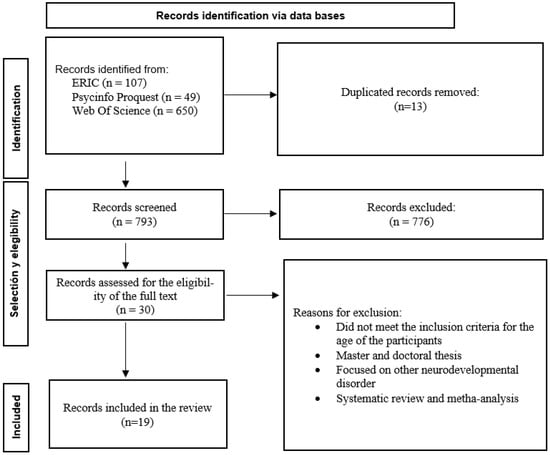
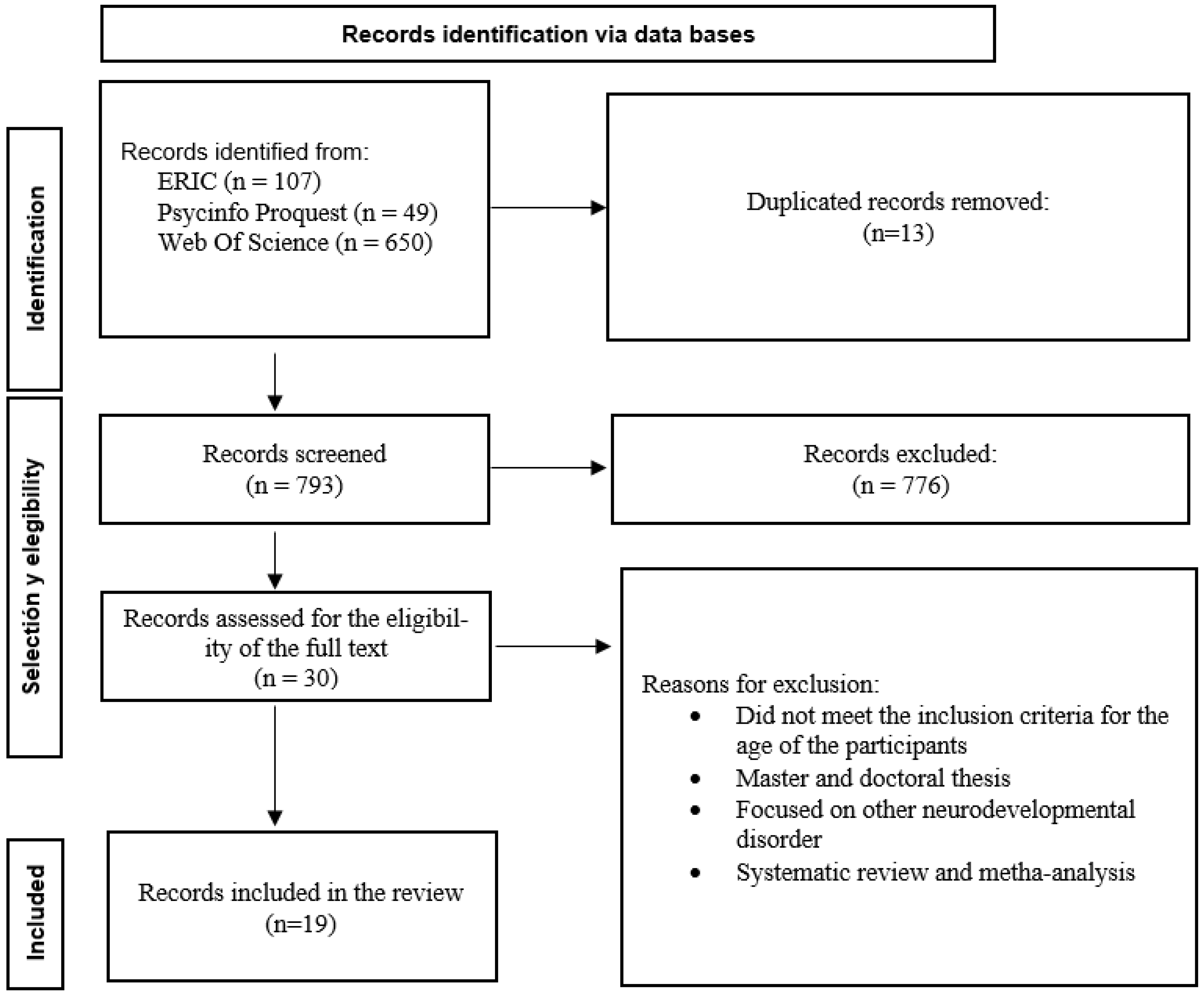

Disclaimer/Publisher’s Note: The statements, opinions and data contained in all publications are solely those of the individual author(s) and contributor(s) and not of MDPI and/or the editor(s). MDPI and/or the editor(s) disclaim responsibility for any injury to people or property resulting from any ideas, methods, instructions or products referred to in the content. |
© 2026 by the authors. Licensee MDPI, Basel, Switzerland. This article is an open access article distributed under the terms and conditions of the Creative Commons Attribution (CC BY) license.