


Abstract
This study investigates effective strategies for fostering entrepreneurship within Vietnamese universities. Grounded in social cognitive theory, it develops and tests a moderated mediation model to explain how peer groups, educational support, and entrepreneurial attitude interact in shaping entrepreneurial self-efficacy, ultimately influencing entrepreneurial intentions. Using a 7-point Likert scale, a two-wave survey yielded 427 responses from university students in Vietnam. The hypotheses were tested using OLS regression and a bootstrapping approach. The findings offer three key insights. First, peer groups exert a stronger influence on students’ entrepreneurial intentions than educational support. Second, entrepreneurial self-efficacy mediates the relationships between peer groups, educational support, and entrepreneurial intentions. Finally, entrepreneurial attitude positively moderates these mediation pathways, strengthening the effects of peer groups and educational support on entrepreneurial self-efficacy and, in turn, on entrepreneurial intentions.
1. Introduction
Entrepreneurs are widely recognized as key drivers of economic development and major contributors to the growth of emerging economies (Schumpeter, 2017). In Vietnam, the private sector has expanded considerably since the Doi Moi reforms. Entrepreneurship continues to be essential for sustaining national development, prompting the government to encourage ambitious young people to establish new ventures (Van Le et al., 2022). Universities therefore play a critical role in cultivating entrepreneurial talent by raising awareness, fostering creativity, and providing the necessary institutional infrastructure (Cunningham et al., 2022). Understanding how universities can effectively inspire and support entrepreneurial efforts among young people is thus crucial for building a vibrant entrepreneurial ecosystem in Vietnam.
When examining how university interventions promote entrepreneurship, the existing literature on entrepreneurial education has predominantly emphasized the importance of supportive institutional environments (Hassan, 2020; Saeed et al., 2018). Less attention has been given to how socially supportive systems can be structured to nurture young people’s entrepreneurial motivation. Drawing on social cognitive theory, entrepreneurial learning is conceptualized as a process through which individuals acquire knowledge and skills by observing and interacting with their social context (Boutaky & Sahib Eddine, 2023). This learning process involves not only formal education and experiential learning but also interactions with peers (Falck et al., 2012). Prior research suggests that peer groups significantly shape students’ entrepreneurial mindsets and motivate entrepreneurial behavior by offering emotional support and opportunities for collaboration (Israr & Saleem, 2018; Shahzad et al., 2021). Yet, scholars remain unclear about how formal educational support and informal peer networks jointly influence individuals’ entrepreneurial motivation.
The primary aim of this study is to address this gap by identifying more effective ways to promote entrepreneurship within universities. Grounded in social cognitive theory, we examine how social and environmental factors—specifically, peer groups and educational support—interact with individual attitudes toward entrepreneurship to shape entrepreneurial self-efficacy and, ultimately, entrepreneurial intentions. We argue that while both forms of social support enhance students’ intentions, emphasizing social networks among entrepreneurial peers may be particularly effective, especially for students who already hold strong entrepreneurial attitudes.
2. Literature and Hypotheses
2.1. Social Cognitive Theory
Social Cognitive Theory (SCT), which originated from Bandura’s (1977) foundational social learning framework, posits that individuals are proactive agents rather than passive recipients of environmental stimuli. Human behavior and psychological functioning are explained through the paradigm of triadic reciprocal causation (also known as reciprocal determinism), wherein personal factors (cognition, affect, and biological events), overt behavioral patterns, and environmental influences function as interlocking, bidirectional determinants (Bandura, 2023).
Within entrepreneurship research, this framework has been extensively applied to elucidate how mechanisms of social cognition shape individuals’ entrepreneurial intentions and subsequent venture-creation actions (Boutaky & Sahib Eddine, 2023; Hoang & Trong Luu, 2024). By integrating internal and external determinants, SCT emphasizes the critical function of self-regulation, the process through which individuals guide, modify, and control their own behavior over time to achieve specific outcomes (Wang et al., 2021). Recent empirical evidence by Turarova et al. (2025) further corroborates the significant reciprocal relationships inherent in this model, specifically the mutual influence between cognitive motivational factors and behavioral success.
In entrepreneurial education research, the theory of planned behavior (TPB) has been extensively used to explain the formation of students’ entrepreneurial intentions (Al-Jubari et al., 2019; Dao et al., 2021). TPB posits that attitudes, subjective norms, and perceived behavioral control are the immediate precursors of intention and, ultimately, behavior (Ajzen, 2020). Insights from studies adopting TPB have enriched the understanding of the psychological mechanisms underlying entrepreneurial decision-making (Su et al., 2021). Although both SCT and TPB offer suitable frameworks for explaining entrepreneurial intention and behavior, a key distinction lies in SCT’s explicit incorporation of environmental factors. Whereas TPB focuses primarily on internal psychological processes, SCT conceptualizes behavior as the product of reciprocal interactions among personal cognition, behavior, and the external social environment. For this reason, SCT is adopted as the theoretical foundation of this study.
2.2. Peer Groups, Entrepreneurial Self-Efficacy and Entrepreneurial Intention
Peers, defined as individuals perceived to share similarities with a focal person in aspects such as background, rank, or attributes, significantly influence social environments (Fox et al., 1989). The internal social dynamics within groups, which drive the adoption of shared attitudes and behaviors, are commonly referred to as peer effects or peer influence (Manski, 1993). As secondary social environments after family, peer groups play a pivotal role in shaping individuals’ interests and goals (Lingappa et al., 2020).
Recent research has increasingly examined the influence of peers in entrepreneurship, highlighting their role in shaping entrepreneurial behaviors and intentions (Falck et al., 2012; Portyanko et al., 2023). Scholars have advocated the creation of environments in which entrepreneurial peers serve as role models, thereby encouraging others to embark on entrepreneurial ventures (Abbasianchavari & Moritz, 2021). In summary, learning from peers enhances students’ entrepreneurial self-efficacy by fostering confidence in their ability to fulfill entrepreneurial roles, which, in turn, promotes entrepreneurial intention. Based on these insights, this study proposes that learning and persuasion related to entrepreneurship are strongly influenced by peer groups. Thus, we hypothesize:
Hypothesis 1.
Peer groups positively influence entrepreneurial self-efficacy and entrepreneurial intention.
2.3. Educational Support, Entrepreneurial Self-Efficacy, and Entrepreneurial Intention
Educational support means an individual’s perception of the assistance provided by educational institutions in initiating a business (Hussain & Imran Malik, 2018; Su et al., 2021). Research indicates that universities, as key stakeholders, are among the most impactful factors in encouraging new entrepreneurs (Trivedi, 2016). Universities play a pivotal role in shaping students’ innovative education and entrepreneurial dispositions, as undergraduate learning often serves as their first exposure to these domains (Lingappa et al., 2020). Entrepreneurship education directly cultivates entrepreneurial awareness and attitudes by equipping students with knowledge, business skills, internships, and other essential resources. As part of a broader entrepreneurial push strategy, universities also provide entrepreneurial support systems, such as mentorship programs, incubation centers, and funding opportunities, to help students turn their ideas into reality (Saeed et al., 2018). Consequently, entrepreneurial education and support create a critical environment that inspires students’ entrepreneurial self-efficacy (Trivedi, 2016) and entrepreneurial intention (Wegner et al., 2020; Qazi et al., 2021). Based on this, we propose the following hypothesis:
Hypothesis 2.
Educational support positively influences entrepreneurial self-efficacy and entrepreneurial intention.
2.4. The Relative Importance of Peer Groups and Educational Support in Fostering Entrepreneurship
Although there is substantial evidence that either peer groups or educational support play important roles in shaping students’ entrepreneurial intentions (Martins et al., 2023; Su et al., 2021). In university settings, peer effects often outweigh academic performance in influencing student behavior (Lépine & Estevan, 2021). University peers can shape decision-making, facilitate entrepreneurial transitions (Markussen & Røed, 2017), and enhance students’ abilities to understand financial challenges and engage in innovation-oriented learning through social interaction (Abbasianchavari & Moritz, 2021; Frakes & Wasserman, 2021). Moreover, studies show that entrepreneurial functions are very different processes in individualism and collectivism contexts (Tiessen, 1997). Social influence tends to be stronger in contexts marked by lower individualism and greater societal tightness. Given that Vietnam is characterized by strong collectivist cultural values (Nguyen & Van, 2022), reference groups are more likely to play a central role in shaping attitudes and behaviors in such a society (Singelis et al., 1995).
Building on this background, this study argues that peer groups exert a particularly strong influence on entrepreneurial development, not only because young people naturally learn from their friends, but also due to Vietnam’s cultural norms. Peer networks foster social learning and strengthen entrepreneurial behaviors through shared activities, role modeling, and knowledge spillovers (Wyrwich et al., 2019). This underscores the importance of cultivating socially supportive environments for entrepreneurship (Field et al., 2016). Accordingly, this study proposes that strengthening social activities and peer networks can more effectively inspire students to pursue entrepreneurial paths.
Hypothesis 3.
Compared with educational support, peer groups exert a stronger positive influence on both entrepreneurial self-efficacy and entrepreneurial intention.
2.5. The Mediating Role of Entrepreneurial Self-Efficacy
Entrepreneurial self-efficacy refers to an individual’s belief in their capability to perform the tasks and roles necessary to launch and manage a new venture (McGee et al., 2009). Bandura (2023) defines self-efficacy as the “belief in one’s capabilities to organize and execute the courses of action required to produce given attainments” (p. 3). From the perspective of SCT, self-efficacy is considered a central psychological mechanism by which individuals translate environmental stimuli into behavioral outcomes (Karimi et al., 2014; Yang & Bentein, 2023). Within the TPB, perceived behavioral control—which encompasses elements of self-efficacy—has been established as a key antecedent of behavioral intentions and subsequent actions (Su et al., 2021). In the entrepreneurship literature, entrepreneurial self-efficacy has consistently emerged as one of the most robust predictors of entrepreneurial intention, with extensive empirical support across diverse national and cultural contexts (e.g., Al-Jubari et al., 2019; Autio et al., 2001).
Moreover, prior research highlights that social networking (Karimi et al., 2014) and educational interventions (Su et al., 2021) are predictors of entrepreneurial self-efficacy. Peers—particularly those with entrepreneurial aspirations or experience—significantly shape individuals’ self-perceptions and confidence in their ability to start a business (Martins et al., 2023). In parallel, university courses, workshops, and other educational initiatives enhance students’ intellectual and practical competencies (Hassan, 2020), reinforcing their belief in their capability to establish and manage a venture (Trivedi, 2016). Taken together, both peer networks and institutional support play vital roles in the development of entrepreneurial self-efficacy during the learning process (Yousaf et al., 2021). This enhanced capability ultimately contributes to students’ pursuit of entrepreneurial endeavors after graduation. Thus, the following hypotheses are proposed:
Hypothesis 4a.
Entrepreneurial self-efficacy mediates the relationship between peer groups and entrepreneurial intention.
Hypothesis 4b.
Entrepreneurial self-efficacy mediates the relationship between educational support and entrepreneurial intention.
2.6. The Moderating Role of Entrepreneurial Attitude
Entrepreneurial attitude refers to the extent to which individuals evaluate the prospect of becoming an entrepreneur positively or negatively (Ajzen, 2001; Autio et al., 2001; Kolvereid, 1996). Prior research has shown that entrepreneurial intention is shaped by one’s entrepreneurial attitude (Yousaf et al., 2021; Henderson & Robertson, 1999). Within the TPB literature, some studies argue that attitude is an independent predictor of intention (Ajzen, 2020), whereas others suggest that it can interact with perceived behavioral control in shaping both intention and behavior (La Barbera & Ajzen, 2021). Because perceived behavioral control represents a broader conceptualization of self-efficacy, this study adopts the perspective that attitude and entrepreneurial self-efficacy jointly influence people’s engagement. Therefore, this study proposes entrepreneurial attitude as a moderator. We argue that entrepreneurial attitude can strengthen the effects of peer groups and educational support on entrepreneurial persuasion. Entrepreneurial attitude plays a critical role in shaping entrepreneurial self-efficacy, as students actively learn from and internalize experiences within their social and academic environments.
In other words, a positive attitude toward entrepreneurship enhances the influence of peer groups and educational support on entrepreneurial self-efficacy. This, in turn, strengthens students’ perceptions of the achievability and desirability of creating a new business venture (Al-Jubari et al., 2019). Building on these arguments, this study introduces a moderated mediation hypothesis, suggesting that entrepreneurial attitude moderates the mediated relationships among peer groups, educational support, entrepreneurial self-efficacy, and entrepreneurial intention. Specifically, the influence of peer groups and education on entrepreneurial self-efficacy becomes more significant when individuals hold a positive entrepreneurial attitude, which subsequently drives their intention to establish their own businesses. These relationships are articulated through the following hypotheses:
Hypothesis 5a.
Entrepreneurial attitude positively moderates the mediation relationship among peer groups, entrepreneurial self-efficacy, and entrepreneurial intention.
Hypothesis 5b.
Entrepreneurial attitude positively moderates the mediation relationship among educational support, entrepreneurial self-efficacy, and entrepreneurial intention.
2.7. Proposed Research Framework
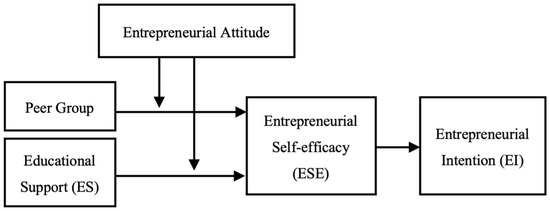
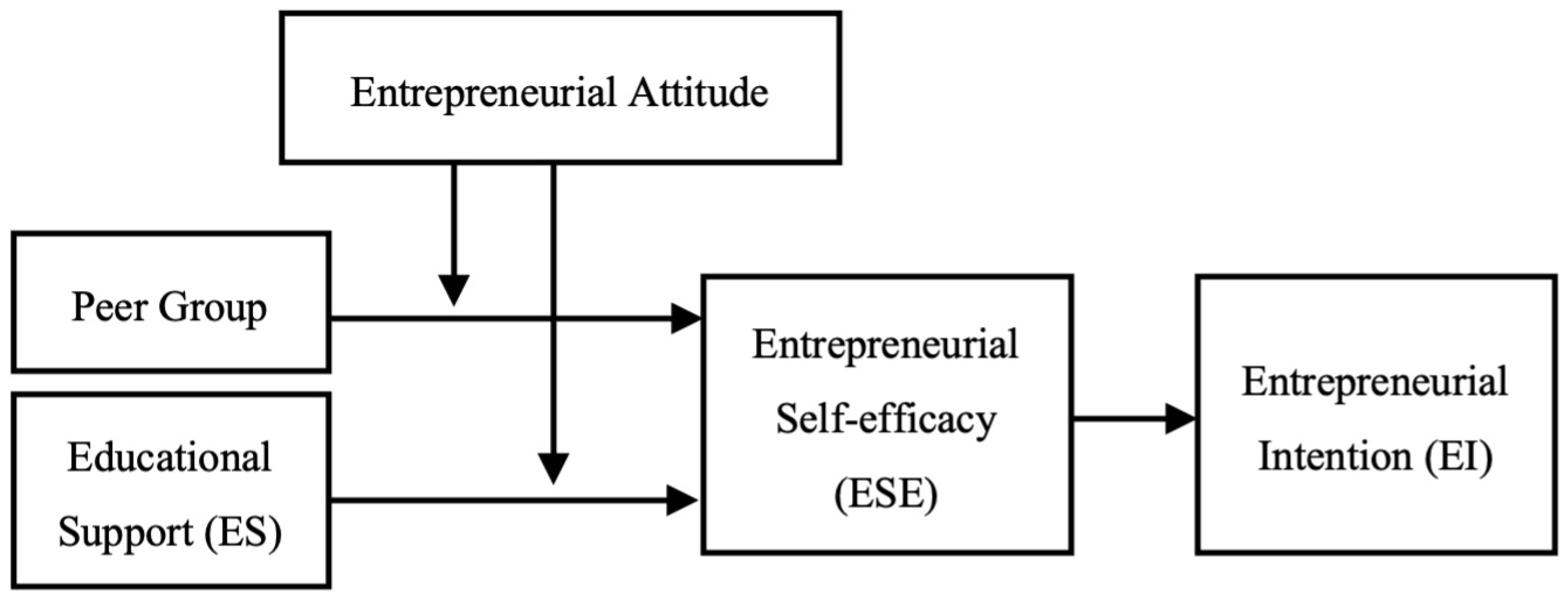
Figure 1 presents the propose moderated mediation model of this study.
Figure 1.
Research framework.
3. Methods
3.1. Data Collection and Sample
This study investigates whether and how social networks and educational intervention shape university students’ entrepreneurial pursuit. A survey was administered to university students, focusing specifically on those approaching graduation. Consistent with prior research (e.g., Lingappa et al., 2020), this population was selected because they are at a critical stage of career decision-making, where choices regarding employment or entrepreneurial pursuits are imminent.
The research sample comprised students from multiple universities in Ho Chi Minh City, a major economic hub in Vietnam. Participants were drawn from diverse academic fields, including economics, law, education, and linguistics. To reduce concerns regarding common method variance, data were collected using a two-wave survey design, following the procedures of previous studies (Huang et al., 2023). Data collection was conducted in November 2022. In the first wave, 500 email invitations were randomly distributed to students at two universities, resulting in 220 valid responses. The second wave distributed an additional 500 invitations to students at two other universities, yielding 207 valid responses.
In total, 427 valid responses were obtained. The sample consisted of 78% female and 22% male participants. First- and second-year students accounted for 21.3% of the sample, third-year students represented 40.5%, fourth-year students 15%, and fifth-year students 1.9%. The mean age of respondents was 19.75 years (the age of university admission in Vietnam is 18).
3.2. Measures
A seven-point Likert scale was employed to measure all variables, with values ranging from 1 (“strongly disagree”) to 7 (“strongly agree”). To ensure semantic accuracy and minimize the risk of meaning distortion, the original English questionnaire was translated into Vietnamese and then back to English by professional linguists.
Entrepreneurial Intention (EI) was measured using seven items (e.g., I am ready to do anything to be an entrepreneur; I want the freedom to express myself in my own business) adopted from Leong (2008) and Liñán and Chen (2009). An acceptable Cronbach’s alpha coefficient of 0.97. indicates that the reliability of the scores is good.
Peer Group (PG) was measured by eight items adopted from Haller et al. (2017), Kacperczyk (2012). The items asked respondents the extent to which friends will influence someone’s motive to become entrepreneurial (e.g., If a friend asks me to practice entrepreneurship, I am very enthusiastic). The reliability analysis yielded a satisfactory result (α = 0.947).
Educational Support (ES), using a six-item scale adopted from Trivedi (2016), assesses the respondents’ perception of the educational support provided by the university. (e.g., The university environment has well-functioning infrastructure (innovation hub, incubation centre, research and development department, etc.) to support the new start-up firm). The scale was found to be reliable (α = 0.952).
Entrepreneurial Attitude (EA), measuring the extent to which the individual rates positively or negatively about being an entrepreneur (e.g., if I had the opportunity and resources, I would love to start a business), was based on four items adopted from Karimi et al. (2014), Krueger et al. (2000), Liñán and Chen (2009). Reliability analysis indicated a satisfactory alpha coefficient of 0.856.
Entrepreneurial Self-efficacy (ESE) was measured using a five-item scale adapted from Karimi et al. (2014), Krueger et al. (2000), Liñán and Chen (2009), assessing respondents’ perception of the ease or difficulty of performing the behavior of entrepreneurship (e.g., starting a firm and keeping it viable would be easy for me). The Cronbach’s alpha coefficient indicated satisfactory reliability (α = 0.873).
The regression model of this study includes several control variables. Prior studies had demonstrated that entrepreneurial intention can be influenced by individual factors such as gender (Contreras-Barraza et al., 2021) and age (Maalaoui et al., 2023). Therefore, in this study, Gender is coded as one for male and two for female, and Age is an open-ended answer to a number. In addition, prior studies suggest that engineering students have higher entrepreneurial intentions than business students (Dao et al., 2021). Hence, in this study, academic majors are controlled. This variable takes the value one if a student’s major is economics, two if it is languages, and three if it is other social sciences and humanities.
3.3. Tests for Sampling Biases
To evaluate the potential existence of common method bias (CMB), Harman’s single-factor test was employed. The analysis showed that a single factor accounted for 48.86% of the total variance, which is below the commonly accepted threshold of 50% (Podsakoff & Organ, 1986). This result suggests that CMB is not a substantial problem in the present study. In addition, non-response bias was examined by comparing early and late respondents across the two rounds of the survey. Independent-sample t-tests on demographic variables, including age and gender, showed no statistically significant differences. These findings indicate that non-response bias is unlikely to threaten the validity of the results.
4. Results
4.1. Validity, Reliability, and Correlations
The results of the reliability and validity analyses of the measures are in the Appendix A. With respect to reliability, the composite reliability (CR) values for all constructs are larger than the recommended value of 0.6, and the Cronbach’s α coefficients also surpass the minimum criterion of 0.7 (Hair et al., 2021). In terms of construct validity, all factor loadings are greater than the accepted benchmark of 0.5, thereby supporting convergent validity. Furthermore, the average variance extracted (AVE) values for all constructs surpass the recommended value of 0.5 (Hair et al., 2021), confirming that the measures demonstrate satisfactory convergent validity. Collectively, these findings indicate that the constructs employed in this study exhibit adequate reliability and validity.
Table 1 presents the descriptive statistics, including means, standard deviations, and correlations among the variables. The high correlations between variables raise concerns of multicollinearity. For instance, the correlation between EI and PG (r = 0.794), the correlation between PG and ES (r = 0.630), and the correlation between EA and ESE (r = 0.631). To further assess potential multicollinearity, collinearity diagnostic tests were performed. The variance inflation factor (VIF) values ranged from 1.02 to 2.14, which are substantially lower than the conventional threshold of 10. Accordingly, multicollinearity is not considered a threat to the robustness of the results.
Table 1.
Descriptive statistics and correlations.
4.2. Results of Regression Analysis
Table 2 presents the results of the ordinary least squares (OLS) regression analysis. The baseline model assesses the influence of the control variables. Despite the predominance of female respondents (78%), the control model reveals no evidence of bias. Although the negative coefficient suggests that female respondents tend to show slightly higher entrepreneurial intention, the effect is not statistically significant. In contrast, the other two controls, age and major, exhibit significant effects on EI. Age positively predicts EI (β = 0.11, p < 0.05). Meanwhile, the significant negative coefficient for majors (β = −0.12, p < 0.05) indicates that students majoring in economics display higher entrepreneurial intention than those majoring in languages, social sciences, and humanities.
Table 2.
The OLS regression analysis of moderated mediation.
To examine the mediating effects, this study employed the three-step regression procedure recommended by Baron and Kenny (1986), with Models 1–3 illustrating the sequential steps. In Model 1, PG demonstrates a significant positive impact on EI (β = 0.78, p < 0.001). Additionally, ES is also positive and significantly influences EI (β = 0.10, p < 0.05). In Model 2, both PG and ES significantly influence ESE, with coefficients of β = 0.38 (p < 0.001) and β = 0.09 (p < 0.05), respectively. The results of Models 1 and 2 confirm the predictions of Hypotheses 1 and 2, which suggest that both PG and ES have positive and significant impacts on EI and ESE. Moreover, in Model 1, PG exhibits a stronger effect on university students’ EI compared to ES (β = 0.78 > β = 0.10). Similarly, in Model 2, PG also demonstrates a higher coefficient than ES in influencing ESE (β = 0.38 > β = 0.09). The larger effect size of PG supports the prediction of Hypothesis 3, that PG exerts a stronger positive influence on both dependent variables, EI and ESE.
Next, in Model 3, the relationship between PG and EI, while controlling for ESE, remains positively significant (β = 0.64, p < 0.001). Testing the PG-ESE-EI mediation effect reveals that the indirect effect is smaller than the direct effect (0.64 in Model 3 < 0.78 in Model 1). Additionally, using the Sobel test to assess the existence of a mediating effect, the test yields a significant value of 3.53, which exceeds the critical threshold of ±1.96. This indicates that ESE has a significant partial mediation effect between PG and EI. Thus, Hypothesis 4a is supported, indicating ESE is a mediator between PG and EI.
For the ES-ESE-EI mediation effect, the indirect effect of ES on EI is positive but not significant in Model 3 (β = 0.06), and the effect size is smaller than the significant direct effect in Model 1 (β = 0.10, p < 0.05). This result suggests the existence of a full mediation effect. The Sobel test value of 2.09 surpasses the critical threshold of ±1.96, indicating that ESE serves as a complete mediator in the relationship between ES and EI. Consequently, Hypotheses 4b are supported, suggesting ESE is a mediator between ES and EI.
Lastly, Models 4 and 5 examine the moderating effect of entrepreneurial attitude (EA). In Model 4, the positively significant interaction term PG × EA (β = 0.36, p < 0.05) indicates that EA has a positive moderating effect on the relationship between PG and ESE. Similarly, in Model 5, the interaction term ES × EA demonstrates that EA has a positive and significant moderating effect on the relationship between ES and ESE (β = 0.51, p < 0.01). These findings support Hypotheses 5a and 5b, confirming the positive moderating effect of EA on the mediation relationships between PG-ESE-EI and ES-ESE-EI.
4.3. Robustness Test of the Moderated Mediation Effects
To further assess the robustness of the mediation effects (Hypotheses 4a and 4b) and the moderated mediation hypotheses (Hypotheses 5a and 5b), the PROCESS macro with bootstrapping procedures was applied (Hayes, 2015). Specifically, Model 7 of the PROCESS was utilized to estimate the first-stage conditional process model, with PG and ES as independent variables, EA as the moderator, ESE as the mediator, and EI as the dependent variable.
The results are presented in Table 3 and Table 4. In Table 3, the indirect effect of PG on EI through ESE increases as the level of EA rises (i.e., effect = 0.043 at low EA; effect = 0.056 at medium EA; effect = 0.069 at high EA). And the indirect effect under different levels of EA remains statistically significant as the 95% confidence intervals exclude zero. This result provides strong support for the mediation effect proposed in Hypothesis 4a and the moderating effect of Hypothesis 5a. However, the 95% confidence intervals (−0.002 to 0.025) of the index of moderated mediation (Effect = 0.011) include zero, indicating that the moderated mediation effect of EA on the PG-ESE-EI mediation effect does not pass the robustness check statistically.
Table 3.
The indirect effect of Peer Group on Entrepreneurial Intention through Perceived Behavior Control moderated by Entrepreneurial Attitude.
Table 4.
The indirect effect of Educational Support on Entrepreneurial Intention through Entrepreneurial Self-efficacy moderated by Entrepreneurial Attitude.
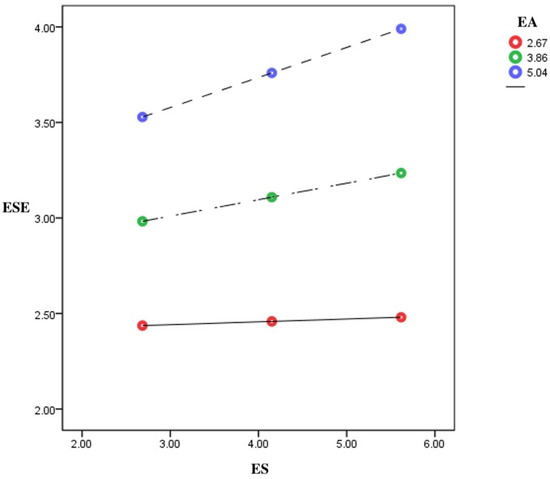
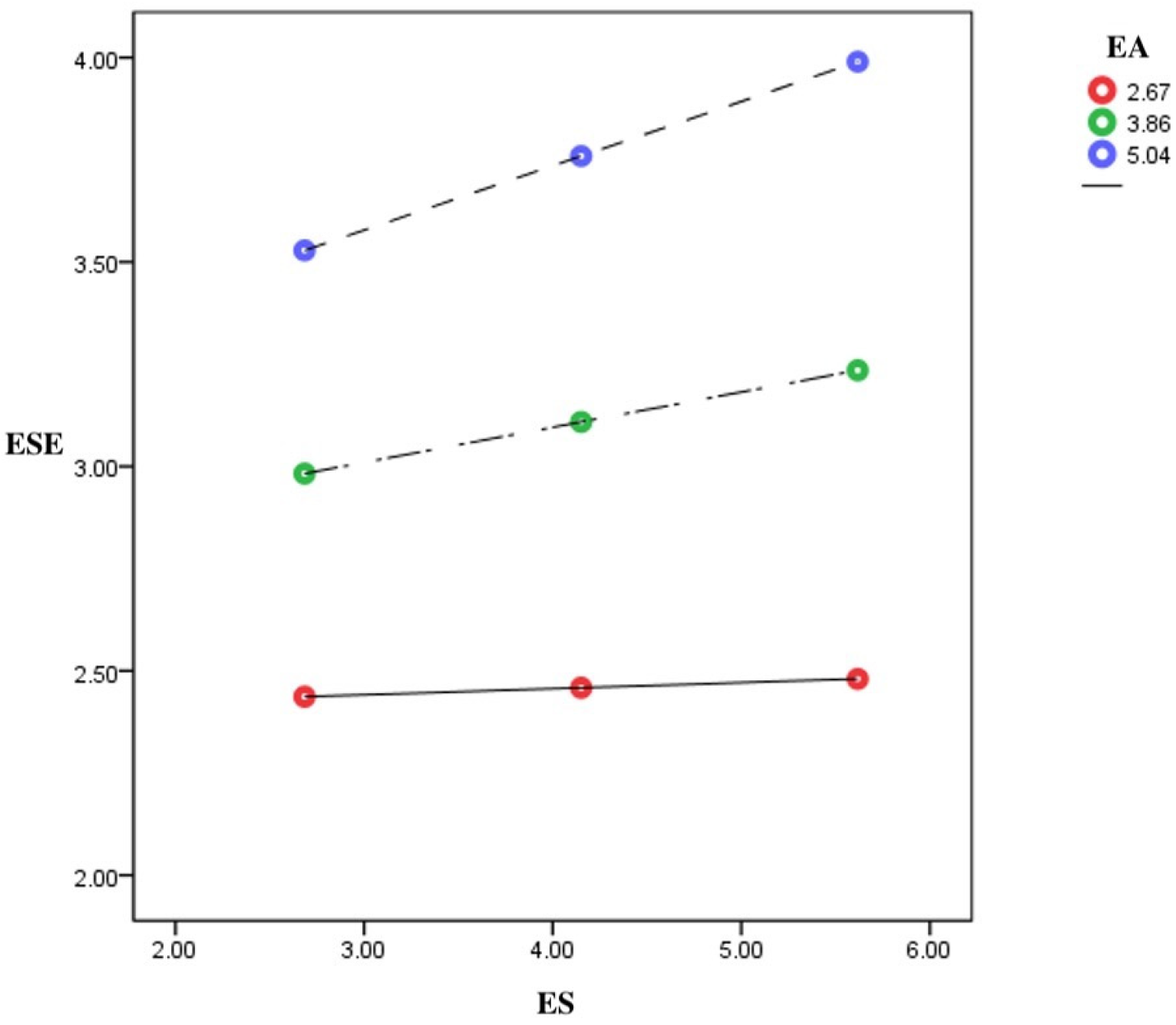
Table 4 examines the indirect effect of ES on EI through ESE. When EA is at a low level (EA = 2.674), the indirect effect (Effect = 0.008) is not statistically significant, as the 95% confidence interval includes zero (−0.035 to 0.054). However, at medium (EA = 3.855) and high (EA = 5.035) levels of EA, the indirect effects (Effect = 0.049 and 0.089, respectively) are statistically significant, as their 95% confidence intervals do not include zero (0.011 to 0.093 at medium EA; 0.033 to 0.154 at high EA). These results show that the ES-ESE-EI mediation effect holds only when EA reaches a middle level or above, providing evidence that the support of hypothesis 4b should be based on the EA contingents. Moreover, the index of moderated mediation is statistically significant (Effect = 0.035, the 95% confidence intervals from 0.005 to 0.064 exclude zero), this result not only supports Hypothesis 5b but also confirms the robustness of a moderated mediation effect.
4.4. A Summary of Research Results
Overall, using regression analysis and the bootstrapping method, the examination supports all hypotheses in this study. First, the supported Hypotheses 1 and 2 suggest that both peer group and educational support have a significant positive impact on university students’ entrepreneurial self-efficacy and entrepreneurial intention. Next, through the supported Hypothesis 3, this study confirms that the influence of peer group outweighs educational support on either entrepreneurial self-efficacy or entrepreneurial intention. In addition, the confirmed Hypotheses 4a and 4b suggest that entrepreneurial self-efficacy plays a critical mediator between the linkages of peer group, educational support with entrepreneurial self-efficacy and entrepreneurial intention. Finally, the support of Hypotheses 5a and 5b suggests that entrepreneurial attitude is a positive moderator that can facilitate the relationships between peer group, educational support, and entrepreneurial self-efficacy.
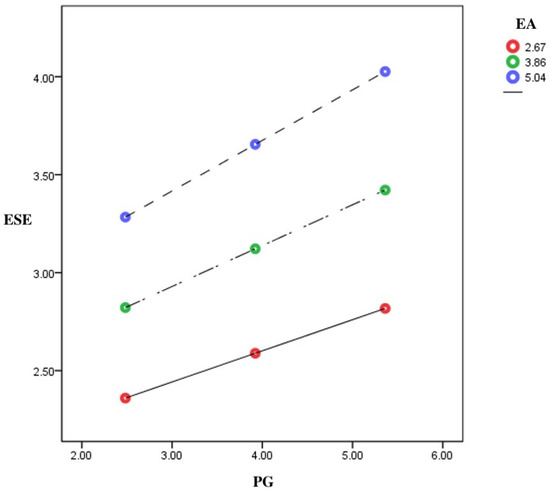
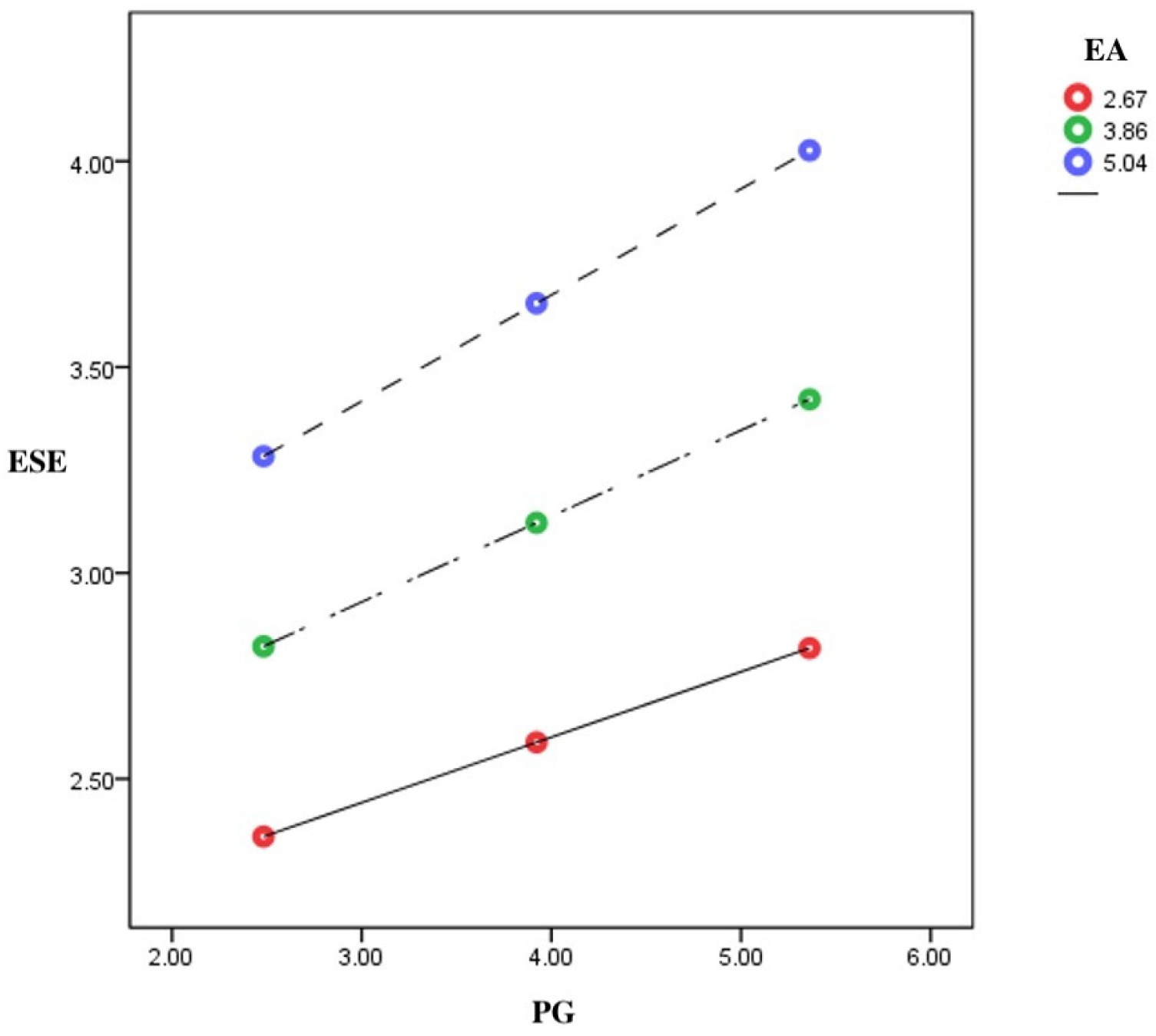
To better understand the results of this research, the estimated moderating effects are graphically depicted in Figure 2 and Figure 3. The slopes of both the PG–ESE and ES–ESE relationships become steeper as EA increases, indicating a positive moderating role of EA.
Figure 2.
The moderating effect of Entrepreneurial attitude on the relationship between peer group and Entrepreneurial self-efficacy.
Figure 3.
The moderating effect of entrepreneurial attitude on the relationship between educational support and entrepreneurial self-efficacy.
5. Discussion
5.1. Discussion and Contributions
Entrepreneurial intention (EI) is a culturally bounded, multidimensional construct, with drivers diverging between individualistic Western paradigms focused on autonomy and Asian contexts like Vietnam, where social prestige and prestige are primary motivators. Applying a moderated mediation model to a sample of 427 Vietnamese students, this study reveals that peer influence exerts a more profound impact on intentions than formal educational support. This reliance on social networks stems from a domestic deficit in early career “mastery experiences”—such as working while studying—which are fundamental self-efficacy drivers in Western settings (Lu et al., 2010).
Furthermore, collectivist values like “saving face” necessitate significantly higher levels of perceived behavioral control to overcome the stigma of failure and bridge the intention-behavior gap. Within this integrated framework, entrepreneurial self-efficacy (ESE) mediates the impact of both social and institutional support, while a positive entrepreneurial attitude functions as a potent moderator that amplifies these effects. These findings compel higher education institutions to move beyond rote instruction toward fostering supportive social ecosystems that effectively nurture student aspirations (Maheshwari et al., 2023).
First, this study identifies the heterogeneous effects of social and institutional contexts on students’ development of entrepreneurial self-efficacy. In doing so, it advances social cognitive theory by clarifying the relative importance of environmental factors in shaping individuals’ entrepreneurial cognition. It also extends current research on entrepreneurial education, which often underestimates the role of social forces in motivating future entrepreneurs (e.g., Saeed et al., 2018; Barba-Sánchez et al., 2022; Anjum et al., 2021).
The stronger influence of peer groups relative to educational support may have alternative explanations, such as the prestige of specific student groups, selection effects, the strength of peer signals and involvement, limited visibility or quality of formal programs, or generational preferences for social learning. This study provides robust evidence that social learning within peer groups is a particularly influential driver of students’ entrepreneurial aspirations. This finding aligns with prior evidence from OECD countries (Falck et al., 2012) and reinforces the growing research emphasis on peer effects in entrepreneurship (Portyanko et al., 2023). Together, these results underscore the practical value of strengthening peer networks, which appear to be more effective than relying solely on physical infrastructure or traditional entrepreneurship courses. Notably, our findings highlight that the success of entrepreneurial universities depends on their intentional cultivation of a supportive entrepreneurial ecosystem.
Second, the confirmed mediating role of entrepreneurial self-efficacy deepens our understanding of how inspired students transition into actual creators of new ventures. While prior studies have suggested that peer groups and educational support influence students’ entrepreneurial intentions (Lingappa et al., 2020; Haller et al., 2017), our findings uncover a more complex and indirect mechanism. This evidence from Vietnam also complements research conducted in other Asian contexts (Al-Jubari et al., 2019) as well as in Western countries (Autio et al., 2001). Specifically, the effects of peer influence and educational support operate through a psychological pathway—entrepreneurial self-efficacy—that propels young individuals toward entrepreneurship.
More precisely, the partial mediation effect of PG–ESE–EI indicates that peer influence does not necessarily function through entrepreneurial self-efficacy alone. Peer groups can directly motivate students to pursue entrepreneurship, a pattern consistent with earlier evidence (e.g., Falck et al., 2012; Lingappa et al., 2020). In contrast, the full mediation effect of ES–ESE–EI highlights that educational support fosters entrepreneurial action only when university courses and assistance effectively enhance students’ confidence in their ability to create new ventures.
Although the indirect nature of educational support might be explained by certain reasons, such as the gap between education and employment, and the features of Vietnam’s higher educational system. This finding contributes to identifying the reality that entrepreneurial motivation must go through an individual’s inner transmission process. In doing so, this study also contributes to the ongoing debate within the entrepreneurial education literature concerning the university’s role in shaping entrepreneurial intention (Trivedi, 2016).
Third, the moderating effect at the first stage of mediation demonstrates that the interaction among entrepreneurial attitude, peer influence, and educational support plays a critical role in shaping students’ entrepreneurial competencies. The bootstrapping analysis shows that the positive moderating effect of EA on the PG–ESE–EI path holds across all levels of EA, whereas EA strengthens the ES–ESE–EI relationship only at medium or higher levels. The moderated mediation results clarify the boundary conditions of educational support. Given that the low EA score (EA = 2.674) reflects respondents with negative attitudes toward entrepreneurship (i.e., those selecting “1 = Strongly Disagree,” “2 = Disagree,” or “3 = Slightly Disagree” on a 7-point Likert scale), this finding indicates that educational support is ineffective for students with negative entrepreneurial attitudes.
5.2. Managerial Implications
The empirical evidence indicating peer influence surpasses formal institutional support as a primary driver of students’ entrepreneurial aspirations has profound managerial implications, particularly for higher education institutions (HEIs) operating under fiscal constraints. These findings suggest that allocating resources to foster peer-based collaborative project groups and mentorship networks is significantly more cost-effective than focusing solely on physical infrastructure or rigid curricula, as high-impact success factors prioritize social capital and student mindset over traditional inputs. Consequently, university administrators and policymakers should formally institutionalize and subsidize peer-to-peer mentorship programs and student-led startup collectives, such as those supported by Vietnam’s Project 1665 (Tien et al., 2019). This strategy represents a strategic alignment with the national shift toward “competency-based learning” and the integration of STEM, transitioning from a knowledge-centric paradigm to a capability-driven model designed to equip students to solve practical problems in the fourth industrial revolution. By promoting lifelong learning and transforming education centers into community-based hubs, HEIs can cultivate a robust university-based entrepreneurial ecosystem (UBEE) that effectively nurtures the long-term strategic aspirations of the youth population.
This study further shows that students’ entrepreneurial self-efficacy mediates the effects of both peer groups and educational support on entrepreneurial intention. The mediating role of entrepreneurial self-efficacy has been well established in both Asian and Western contexts (Al-Jubari et al., 2019; Autio et al., 2001), suggesting that psychological mechanisms constitute a broadly generalizable pathway. Building on this insight, entrepreneurship curricula should be designed to meaningfully enhance students’ real-world entrepreneurial competencies. Pedagogical approaches such as simulations, role-playing activities, and mandatory project-based learning are therefore recommended. Internships and entrepreneurial competitions can also serve as essential capstone experiences that reinforce applied learning. Moreover, universities should emphasize highly practical knowledge areas crucial for venture creation and management, including company formation, patenting, and licensing. The development of specialized continuing education programs tailored to specific entrepreneurial needs, alongside consultancy services and contract research (Chrisman et al., 1995), can further enhance students’ entrepreneurial capabilities. Ultimately, universities should work toward building a supportive ecosystem—a “natural incubator”—that enables young entrepreneurs to develop and launch new ventures (Etzkowitz, 2003).
The findings also indicate that only individuals with neutral to positive entrepreneurial attitudes fully benefit from formal educational support. In contrast, peer networks function as a more universal mechanism that enhances entrepreneurial competencies and intentions, regardless of whether students initially hold favorable or unfavorable attitudes toward entrepreneurship. This insight points to an efficient and effective strategy: implementing parallel approaches that strengthen peer networks while simultaneously providing educational support, with tailored interventions aimed at students who exhibit stronger entrepreneurial attitudes. Entrepreneurial project groups, in particular, may benefit substantially from mentorship and collaboration with previously successful teams. Additional strategies—such as building entrepreneurial communities, inviting successful alumni to mentor student teams, and facilitating partnerships with student groups at national and international levels—are also encouraged.
5.3. Limitations and Future Directions
This study has several limitations that open avenues for future research. First, the generalizability of our findings is constrained by the sample, which consists solely of public universities in Vietnam. Future research is suggested to incorporate data from other educational contexts, such as private universities, technical schools, and training institutions. Also, since entrepreneurial learning might exhibit different patterns under variate cultural environments, future research is encouraged to extend the model of this study across countries. Therefore, this study recommends that future research explore effective entrepreneurial strategies using a broader, multidisciplinary framework and international samples to enhance the applicability of findings.
Second, regarding the role of social environments as strategic enablers of entrepreneurship, this study focuses exclusively on peer groups and educational support among university students. This scope leaves room for deeper examination of the broader social and learning mechanisms that shape entrepreneurial intentions. Future research could explore additional influences across different levels of the social environment—such as family, peer-group dynamics beyond the university context, or organizational settings—to gain a more complete understanding of how these factors contribute to entrepreneurial behavior. Moreover, integrating complementary theoretical frameworks may offer a more comprehensive understanding of entrepreneurial learning. Theories such as the TPB, which emphasizes psychological mechanisms, and the Social Capital Theory, which highlights the value of network resources, could be incorporated to enrich future analyses.
Third, this study employs a quantitative method to examine the hypotheses, which offers valuable insights but remains limited in capturing the underlying psychological mechanisms that drive entrepreneurial motivation. To better understand how social environmental factors interactively shape individuals’ entrepreneurial learning processes, future research would benefit from adopting a mixed-methods approach that integrates quantitative analysis with qualitative techniques such as focus groups or interviews.
Fourth, the cross-sectional nature of data limits causal inference. Thus, this study recommends applying an experimental method or collecting longitudinal data to capture the dynamic process of entrepreneurial initiation among young individuals. The development of entrepreneurial spirit and self-efficacy involves a learning process where individuals interact with multiple social groups to shape their entrepreneurial mindset. Experimental and longitudinal studies are essential to provide deeper insights into the causality of these mechanisms.
Fifth, several limitations inherent in the survey methodology may affect the robustness of the findings. The cross-sectional design of the data precludes causal inferences, while reliance on self-reported measures may inflate observed correlations due to social desirability bias. A self-selection bias may also be present, as participants with a pre-existing predisposition toward entrepreneurship may have been more inclined to take part. Additionally, the sample is heavily skewed toward female respondents (78%). However, regression analyses indicate that gender does not exert a significant effect on the dependent variable. To address these limitations, future research should seek to validate the proposed model through experimental designs or longitudinal studies. Finally, as the data were collected in 2022, a temporal gap exists between the period of data collection and the current context of rapid AI advancement. Since AI has shaped people’s learning behavior, this time lag may constrain the direct applicability of the findings to the contemporary AI-driven era.
6. Conclusions
Grounded in social cognitive theory, this study proposes and empirically tests a moderated mediation model to elucidate the mechanisms driving entrepreneurial development among university students in Vietnam. The findings reveal that peer group influence exerts a stronger impact than educational support in shaping students’ entrepreneurial self-efficacy and intentions. Furthermore, this study identifies entrepreneurial self-efficacy as a pivotal mediating factor that facilitates the translation of external influences into heightened entrepreneurial intentions. Additionally, the results confirm the positive moderating role of entrepreneurial attitude. Specifically, students with a positive attitude toward entrepreneurship exhibit greater responsiveness to peer and institutional support, which amplifies their entrepreneurial motivation and persuasion. These insights contribute to a deeper understanding of the interplay between social and psychological factors in fostering entrepreneurship within academic contexts.
Author Contributions
Conceptualization, T.-Y.-D.L. and Y.-F.H.; methodology, Y.-F.H.; software, Y.-F.H.; validation, T.-Y.-D.L. and Y.-F.H.; formal analysis, Y.-F.H.; investigation, T.-Y.-D.L.; resources, T.-Y.-D.L.; data curation, T.-Y.-D.L.; writing—original draft preparation, T.-Y.-D.L. and Y.-F.H.; writing—review and editing, Y.-F.H.; visualization, Y.-F.H.; supervision, Y.-F.H.; project administration, T.-Y.-D.L.; funding acquisition, T.-Y.-D.L. All authors have read and agreed to the published version of the manuscript.
Funding
This research received no external funding.
Institutional Review Board Statement
Ethical review and approval were waived for this study due to the use of anonymous data.
Informed Consent Statement
Verbal/implied informed consent for participation was obtained from all subjects involved in the study. Consent was obtained via an initial information screen on the anonymous online survey, which participants had to agree to before proceeding. Written consent was not required as the study was an anonymous, non-interventional survey. The data collected in our study is based solely on anonymous survey responses related to participants’ perceptions, opinions, and experiences within the field of entrepreneurship education, which is a non-clinical, non-invasive area.
Data Availability Statement
The data presented in this study are available on request from the corresponding author.
Conflicts of Interest
The authors declare no conflict of interest.
Abbreviations
The following abbreviation is used in this manuscript:
| PG | Peer groups |
| ES | Educational support |
| ESE | Entrepreneurial self-efficacy |
| EA | Entrepreneurial attitude |
| EI | Entrepreneurial intension |
| TPB | Theory of planned behavior |
| SCT | Social cognitive theory |
Appendix A. Tests of Reliability and Validity
| Constructs and Items | Factor Loadings |
| Peer Group (AVE = 0.732, CR = 0.956, α = 0.947) | |
| 0.813 |
| 0.828 |
| 0.794 |
| 0.890 |
| 0.835 |
| 0.909 |
| 0.881 |
| 0.889 |
| Educational Support (AVE = 0.805, CR = 0.961, α = 0.952) | |
| 0.861 |
| 0.920 |
| 0.911 |
| 0.876 |
| 0.904 |
| 0.911 |
| Entrepreneurial Attitude (AVE = 0.777, CR = 0.912, α = 0.856) | |
| 0.869 |
| 0.930 |
| 0.841 |
| Entrepreneurial self-efficacy (AVE = 0.723, CR = 0.913, α = 0.873) | |
| 0.803 |
| 0.869 |
| 0.891 |
| 0.837 |
| Entrepreneurial Intention (AVE = 0.849, CR = 0.975, α = 0.970) | |
| 0.885 |
| 0.907 |
| 0.933 |
| 0.948 |
| 0.946 |
| 0.929 |
| 0.899 |
| Note: AVE = average variance extracted, CR = composite reliability, α = Cronbach’s alpha. | |
References
- Abbasianchavari, A., & Moritz, A. (2021). The impact of role models on entrepreneurial intentions and behavior: A review of the literature. Management Review Quarterly, 71, 1–40. [Google Scholar] [CrossRef] [Scilit]
- Ajzen, I. (2001). Nature and operation of attitudes. Annual Review of Psychology, 52(1), 27–58. [Google Scholar] [CrossRef] [Scilit] [PubMed]
- Ajzen, I. (2020). The theory of planned behavior: Frequently asked questions. Human Behavior and Emerging Technologies, 2(4), 314–324. [Google Scholar] [CrossRef] [Scilit]
- Al-Jubari, I., Hassan, A., & Liñán, F. (2019). Entrepreneurial intention among university students in Malaysia: Integrating self-determination theory and the theory of planned behavior. International Entrepreneurship and Management Journal, 15(4), 1323–1342. [Google Scholar] [CrossRef] [Scilit]
- Anjum, T., Farrukh, M., Heidler, P., & Díaz Tautiva, J. A. (2021). Entrepreneurial intention: Creativity, entrepreneurship, and university support. Journal of Open Innovation: Technology, Market, and Complexity, 7, 11. [Google Scholar] [CrossRef] [Scilit]
- Autio, E., Keeley, R. H., Klofsten, M., Parker, G. C., & Hay, M. (2001). Entrepreneurial intent among students in Scandinavia and in the USA. Enterprise and Innovation Management Studies, 2, 145–160. [Google Scholar] [CrossRef] [Scilit]
- Bandura, A. (1977). Social learning theory. Prentice-Hall. [Google Scholar]
- Bandura, A. (2023). Social cognitive theory: An agentic perspective on human nature. John Wiley & Sons. [Google Scholar]
- Barba-Sánchez, V., Mitre-Aranda, M., & del Brío-González, J. (2022). The entrepreneurial intention of university students: An environmental perspective. European Research on Management and Business Economics, 28(2), 100184. [Google Scholar] [CrossRef] [Scilit]
- Baron, R. M., & Kenny, D. A. (1986). The moderator–mediator variable distinction in social psychological research: Conceptual, strategic, and statistical considerations. Journal of Personality and Social Psychology, 51(6), 1173–1182. [Google Scholar] [CrossRef]
- Boutaky, S., & Sahib Eddine, A. (2023). Determinants of entrepreneurial intention among scientific students: A social cognitive theory perspective. Industry and Higher Education, 37(2), 279–293. [Google Scholar] [CrossRef] [Scilit]
- Chrisman, J. J., Hynes, T., & Fraser, S. (1995). Faculty entrepreneurship and economic development: The case of the university of Calgary. Journal of Business Venturing, 10(4), 267–281. [Google Scholar] [CrossRef] [Scilit]
- Contreras-Barraza, N., Espinosa-Cristia, J. F., Salazar-Sepulveda, G., & Vega-Muñoz, A. (2021). Entrepreneurial intention: A gender study in business and economics students from Chile. Sustainability, 13(9), 4693. [Google Scholar] [CrossRef] [Scilit]
- Cunningham, J. A., Lehmann, E. E., & Menter, M. (2022). The organizational architecture of entrepreneurial universities across the stages of entrepreneurship: A conceptual framework. Small Business Economics, 59, 11–27. [Google Scholar] [CrossRef] [Scilit]
- Dao, T. K., Bui, A. T., Doan, T. T. T., Dao, N. T., Le, H. H., & Le, T. T. H. (2021). Impact of academic majors on entrepreneurial intentions of Vietnamese students: An extension of the theory of planned behavior. Heliyon, 7(3), e06381. [Google Scholar] [CrossRef] [Scilit]
- Etzkowitz, H. (2003). Innovation in innovation: The triple helix of university-industry-government relations. Social Science Information, 42(3), 293–337. [Google Scholar] [CrossRef] [Scilit]
- Falck, O., Heblich, S., & Luedemann, E. (2012). Identity and entrepreneurship: Do school peers shape entrepreneurial intentions? Small Business Economics, 39, 39–59. [Google Scholar] [CrossRef] [Scilit]
- Field, E., Jayachandran, S., Pande, R., & Rigol, N. (2016). Friendship at work: Can peer effects catalyze female entrepreneurship? American Economic Journal: Economic Policy, 8(2), 125–153. [Google Scholar] [CrossRef] [Scilit]
- Fox, S., Ben-Nahum, Z., & Yinon, Y. (1989). Perceived similarity and accuracy of peer ratings. Journal of Applied Psychology, 74(5), 781–786. [Google Scholar] [CrossRef]
- Frakes, M. D., & Wasserman, M. F. (2021). Knowledge spillovers, peer effects, and telecommuting: Evidence from the US patent office. Journal of Public Economics, 198, 104425. [Google Scholar] [CrossRef] [Scilit]
- Hair, J. F., Jr., Hult, G. T. M., Ringle, C. M., Sarstedt, M., Danks, N. P., & Ray, S. (2021). An introduction to structural equation modeling. In Partial least squares structural equation modeling (PLS-SEM) using R: A workbook (pp. 1–29). Springer. [Google Scholar]
- Haller, C., Santoni, J., Barth, I., & Augarde, C. (2017). An understanding of peer support in an effectual entrepreneurial process: Case of French wine-entrepreneurs. International Journal of Entrepreneurship and Small Business, 32(1–2), 208–228. [Google Scholar] [CrossRef] [Scilit]
- Hassan, H. K. (2020). Intention towards social entrepreneurship of university students in an emerging economy: The influence of entrepreneurial self-efficacy and entrepreneurship education. On the Horizon, 28(3), 133–151. [Google Scholar] [CrossRef] [Scilit]
- Hayes, A. F. (2015). An index and test of linear moderated mediation. Multivariate Behavioral Research, 50, 1–22. [Google Scholar] [CrossRef] [Scilit]
- Henderson, R., & Robertson, M. (1999). Who wants to be an entrepreneur? Young adult attitudes to entrepreneurship as a career. Education + Training, 41(5), 236–245. [Google Scholar] [CrossRef] [Scilit]
- Hoang, G., & Trong Luu, T. (2024). The Curvilinear effect of entrepreneurship education on entrepreneurial intentions: The roles of entrepreneurial passion and resilience. Journal of Management Education, 49(1), 9–44. [Google Scholar] [CrossRef] [Scilit]
- Huang, Y. F., Lin, H. C., & Lee, H. M. (2023). Innovation in manufacturing SMEs during the COVID-19 pandemic: How does environmental dynamism reinforce employee proactive behavior? Technological Forecasting and Social Change, 187, 122247. [Google Scholar] [CrossRef] [Scilit]
- Hussain, S., & Imran Malik, M. (2018). Towards nurturing the entrepreneurial intentions of neglected female business students of Pakistan through proactive personality, self-efficacy and university support factors. Asia Pacific Journal of Innovation and Entrepreneurship, 12, 363–378. [Google Scholar] [CrossRef] [Scilit]
- Israr, M., & Saleem, M. (2018). Entrepreneurial intentions among university students in Italy. Journal of Global Entrepreneurship Research, 8(1), 20. [Google Scholar] [CrossRef] [Scilit]
- Kacperczyk, A. J. (2012). Social influence and entrepreneurship: The effect of university peers on entrepreneurial entry. Organization Science, 24(3), 664–683. [Google Scholar] [CrossRef] [Scilit]
- Karimi, S., Biemans, J. A., Lans, T., Chizari, M., & Mulder, M. (2014). Effects of role models and gender on students’ entrepreneurial intentions. European Journal of Training and Development, 34, 694–727. [Google Scholar] [CrossRef] [Scilit]
- Kolvereid, L. (1996). Prediction of employment status choice intentions. Entrepreneurship Theory and Practice, 21, 47–58. [Google Scholar] [CrossRef] [Scilit]
- Krueger, N. F., Jr., Reilly, M. D., & Carsrud, A. L. (2000). Competing models of entrepreneurial intentions. Journal of Business Venturing, 15(5–6), 411–432. [Google Scholar] [CrossRef] [Scilit]
- La Barbera, F., & Ajzen, I. (2021). Moderating role of perceived behavioral control in the theory of planned behavior: A preregistered study. Journal of Theoretical Social Psychology, 5, 35–45. [Google Scholar] [CrossRef] [Scilit]
- Leong, C. K. (2008). Entrepreneurial intention: An empirical study among Open University Malaysia (OUM) students [Master’s thesis, Open University Malaysia (OUM)]. Available online: http://library.oum.edu.my/repository/id/eprint/306 (accessed on 19 October 2025).
- Lépine, A., & Estevan, F. (2021). Do ability peer effects matter for academic and labor market outcomes? Labour Economics, 71, 102022. [Google Scholar] [CrossRef] [Scilit]
- Lingappa, A. K., Shah, A., & Mathew, A. O. (2020). Academic, family, and peer influence on entrepreneurial intention of engineering students. Sage Open, 10(3), 12. [Google Scholar] [CrossRef] [Scilit]
- Liñán, F., & Chen, Y. W. (2009). Development and cross-cultural application of a specific instrument to measure entrepreneurial intentions. Entrepreneurship Theory and Practice, 33, 593–617. [Google Scholar] [CrossRef] [Scilit]
- Lu, W., Wang, W., & Millington, J. K. (2010). Comparison of entrepreneurial intention among college students in the USA and China. International Journal of Pluralism and Economics Education, 1(4), 327–342. [Google Scholar] [CrossRef] [Scilit]
- Maalaoui, A., Partouche, J., Safraou, I., & Viala, C. (2023). Senior entrepreneurship: How subjective age affects seniors’ entrepreneurial intentions. Review of Managerial Science, 17, 443–465. [Google Scholar] [CrossRef] [Scilit]
- Maheshwari, G., Vu, O. T. K., & Nguyen, T. T. (2023). Tourism students’ entrepreneurial intentions in Vietnam: Integration of educational factors, entrepreneurial personality and innovativeness. Journal of Education for Business, 98(8), 421–434. [Google Scholar] [CrossRef] [Scilit]
- Manski, C. F. (1993). Identification of social endogenous effects: The reflection problem. The Review of Economic Studies, 60(3), 531–542. [Google Scholar] [CrossRef] [Scilit]
- Markussen, S., & Røed, K. (2017). The gender gap in entrepreneurship: The role of peer effects. Journal of Economic Behavior & Organization, 134, 356–373. [Google Scholar] [CrossRef] [Scilit]
- Martins, J. M., Shahzad, M. F., & Xu, S. (2023). Factors influencing entrepreneurial intention to initiate new ventures: Evidence from university students. Journal of Innovation and Entrepreneurship, 12, 63. [Google Scholar] [CrossRef] [Scilit]
- McGee, J. E., Peterson, M., Mueller, S. L., & Sequeira, J. M. (2009). Entrepreneurial self-efficacy: Refining the measure. Entrepreneurship Theory and Practice, 33(4), 965–988. [Google Scholar] [CrossRef] [Scilit]
- Nguyen, D. M. H., & Van, T. N. T. (2022). Core values in educating human resources for socio-economic transformations in Viet Nam. In T. A.-D. Tran (Ed.), Rethinking Asian capitalism. Palgrave Macmillan. [Google Scholar] [CrossRef] [Scilit]
- Podsakoff, P. M., & Organ, D. W. (1986). Self-reports in organizational research: Problems and prospects. Journal of Management, 12(4), 531–544. [Google Scholar] [CrossRef] [Scilit]
- Portyanko, S., Reinmoeller, P., Hussels, S., & Turner, N. (2023). Peer effects and intentional entrepreneurial behaviour: A systematic literature review and research agenda. International Journal of Management Reviews, 25(3), 515–545. [Google Scholar] [CrossRef] [Scilit]
- Qazi, W., Qureshi, J. A., Raza, S. A., Khan, K. A., & Qureshi, M. A. (2021). Impact of personality traits and university green entrepreneurial support on students’ green entrepreneurial intentions: The moderating role of environmental values. Journal of Applied Research in Higher Education, 13(4), 1154–1180. [Google Scholar] [CrossRef] [Scilit]
- Saeed, S., Yousafzai, S., Yani-De-Soriano, M., & Muffatto, M. (2018). The role of perceived university support in the formation of students’ entrepreneurial intention. In Sustainable entrepreneurship (pp. 3–23). Routledge. [Google Scholar] [CrossRef] [Scilit]
- Schumpeter, J. (2017). Theorie der wirtschaftlichen entwicklung. Duncker und Humblot. [Google Scholar]
- Shahzad, M. F., Khan, K. I., Saleem, S., & Rashid, T. (2021). What factors affect the entrepreneurial intention to start-ups? The role of entrepreneurial skills, propensity to take risks, and innovativeness in open business models. Journal of Open Innovation: Technology, Market, and Complexity, 7(3), 173. [Google Scholar] [CrossRef] [Scilit]
- Singelis, T. M., Triandis, H. C., Bhawuk, D., & Gelfand, M. J. (1995). Horizontal and vertical dimensions of individualism and collectivism: A theoretical and measurement refinement. Cross-Cultural Research: The Journal of Comparative Social Science, 29(3), 240–275. [Google Scholar] [CrossRef] [Scilit]
- Su, Y., Zhu, Z., Chen, J., Jin, Y., Wang, T., Lin, C. L., & Xu, D. (2021). Factors influencing entrepreneurial intention of university students in China: Integrating the perceived university support and theory of planned behavior. Sustainability, 13, 4519. [Google Scholar] [CrossRef] [Scilit]
- Tien, H., Binh, N., & Chuc, N. (2019). Embedding entrepreneurship education in Vietnamese TVET towards the 4th industrial revolution. International Journal of Scientific and Research Publications (IJSRP), 9(3), 381–392. [Google Scholar]
- Tiessen, J. H. (1997). Individualism, collectivism, and entrepreneurship: A framework for international comparative research. Journal of Business Venturing, 12(5), 367–384. [Google Scholar] [CrossRef] [Scilit]
- Trivedi, R. (2016). Does university play significant role in shaping entrepreneurial intention? A cross-country comparative analysis. Journal of Small Business Enterprise Development, 23, 790–811. [Google Scholar] [CrossRef] [Scilit]
- Turarova, G. U., Mambetalina, A. S., Lawrence, K. C., Tyulyupergeneva, R. Z., Barabanova, Y., & Kukina, Y. (2025). The reciprocal relationships of cognitive motivational factors, non-cognitive motivational factors, and academic success among university students. Cogent Psychology, 12(1), 2500796. [Google Scholar] [CrossRef] [Scilit]
- Van Le, D., Tran, T. Q., & Doan, T. (2022). The private sector and multidimensional poverty reduction in Vietnam: A cross-province panel data analysis. International Journal of Social Welfare, 31(3), 291–309. [Google Scholar] [CrossRef] [Scilit]
- Wang, J., Murad, M., Bajun, F., Tufail, M. S., Mirza, F., & Rafiq, M. (2021). Impact of entrepreneurial education, mindset, and creativity on entrepreneurial intention: Mediating role of entrepreneurial self-efficacy. Frontiers in Psychology, 12, 724440. [Google Scholar] [CrossRef] [Scilit]
- Wegner, D., Thomas, E., Teixeira, E. K., & Maehler, A. E. (2020). University entrepreneurial push strategy and students’ entrepreneurial intention. International Journal of Entrepreneurial Behavior & Research, 26(2), 307–325. [Google Scholar] [CrossRef] [Scilit]
- Wyrwich, M., Sternberg, R., & Stuetzer, M. (2019). Failing role models and the formation of fear of entrepreneurial failure: A study of regional peer effects in German regions. Journal of Economic Geography, 19(3), 567–588. [Google Scholar] [CrossRef] [Scilit]
- Yang, J., & Bentein, K. (2023). Entrepreneurial leadership and employee creativity: A multilevel mediation model of entrepreneurial self-efficacy. Management Decision, 61(9), 2645–2669. [Google Scholar] [CrossRef] [Scilit]
- Yousaf, U., Ali, S. A., Ahmed, M., Usman, B., & Sameer, I. (2021). From entrepreneurial education to entrepreneurial intention: A sequential mediation of self-efficacy and entrepreneurial attitude. International Journal of Innovation Science, 13(3), 364–380. [Google Scholar] [CrossRef] [Scilit]

Disclaimer/Publisher’s Note: The statements, opinions and data contained in all publications are solely those of the individual author(s) and contributor(s) and not of MDPI and/or the editor(s). MDPI and/or the editor(s) disclaim responsibility for any injury to people or property resulting from any ideas, methods, instructions or products referred to in the content. |
© 2026 by the authors. Licensee MDPI, Basel, Switzerland. This article is an open access article distributed under the terms and conditions of the Creative Commons Attribution (CC BY) license.