


Abstract
This study examined a hybrid multimodal approach integrating an original educational comic, a custom-developed Unity simulation, and digital games to support sixth-grade students’ understanding of electricity and electromagnetism. A quasi-experimental study involved 88 students from two independent academic-year cohorts (2023–2024 and 2024–2025) in a Greek primary school. Post-test responses across five conceptual domains were compared using Mann–Whitney U tests with Bonferroni correction, supplemented by exploratory Fisher’s exact tests. The primary analyses identified significant differences in four domains in the first cohort but only in conductors and insulators in the second. Supplementary analyses revealed additional differences in response-category distributions, particularly for technological applications of electromagnetism. Classroom observations documented student questioning, peer interaction, and engagement with digital activities. The findings suggest that the approach was feasible and associated with favorable response patterns, although statistical consistency varied across cohorts. The non-randomized design limits causal interpretation and generalizability.
1. Introduction
Electricity and electromagnetism are conceptually demanding areas of primary science education because many of the underlying processes, including electric current and magnetic interactions, cannot be directly observed. Students are therefore required to construct mental representations of largely invisible phenomena and may develop alternative conceptions concerning electric circuits, current flow, conductivity, magnetic fields, magnetic poles, and the relationship between electricity and magnetism. Recent studies indicate that such conceptual difficulties remain evident among school-age learners, including primary and elementary school students (Assem et al., 2024; Syarivah et al., 2025; Natsiopoulos & Angelakeris, 2026). These difficulties highlight the need for instructional approaches that make abstract electrical and magnetic phenomena more accessible through appropriate visual, interactive, and representational support.
Digital technologies can provide valuable opportunities for addressing these conceptual difficulties by making otherwise invisible scientific processes more accessible to learners. Interactive simulations allow students to manipulate variables, observe relationships between components, test predictions, and receive immediate visual feedback on the consequences of their actions. In electricity education, simulation-based environments can support the representation and exploration of processes that cannot be directly observed, thereby helping learners connect abstract scientific concepts with observable outcomes (Maričić et al., 2024). More broadly, recent evidence from STEM education indicates that digital simulations can support interactive exploration and conceptual learning when appropriately integrated into instructional activities (Kefalis et al., 2025).
Educational digital games can complement simulation-based exploration by providing opportunities for repeated practice, immediate feedback, and active engagement with learning tasks. Research on digital game-based learning has reported positive outcomes related to learning and student motivation, while meta-analytic evidence indicates that digital educational games can support learning across STEM contexts, although outcomes vary according to game design, subject area, and learning objectives (Papastergiou, 2009; Connolly et al., 2012; Gui et al., 2023). More recent evidence focusing specifically on primary education further supports the potential of digital game-based learning within STEM instruction (Behnamnia et al., 2024). When purposefully aligned with instructional objectives, game-based activities can therefore provide structured opportunities for practice, feedback, and reinforcement of previously introduced concepts.
Visual and narrative representations can provide additional support for learners when engaging with abstract scientific concepts. In science education, concept cartoons have been used to elicit students’ existing ideas, present alternative explanations of scientific phenomena, stimulate discussion, and create opportunities for reconsidering misconceptions through dialogue and argumentation (Naylor & Keogh, 2013; Yılmaz, 2020). Evidence from primary science education further suggests that appropriately designed cartoon-based representations can support students’ engagement with scientific concepts and provide accessible visual contexts for discussing different explanations (Yılmaz, 2020). In the present study, however, an original handmade narrative educational comic was developed specifically for the instructional sequence rather than employing standardized concept cartoons. The comic combined hand-drawn illustrations, recurring characters, dialogue, questions, and scientific explanations within a continuous narrative addressing electricity and electromagnetism. Embedded links provided students with access to additional educational supplementary information on key concepts and applications, including amber and the historical origins of electricity, electric charge, electric current, electric circuits, series and parallel connections, and the construction of a simple electric circuit using lemons. In this way, the narrative educational comic extended beyond the printed material, combining visual storytelling with opportunities for further exploration of the scientific content.
In the present study, the term “hybrid multimodal instructional approach” refers to the coordinated integration of different instructional resources and modes of representation within a single teaching sequence. Specifically, it combines an original narrative educational comic, interactive computer simulations, and digital educational games to support complementary aspects of conceptual understanding. This approach draws on the theoretical foundations of multimedia learning and multiple representations, which emphasize the complementary roles of visual, verbal, and interactive representations in supporting learning (Mayer & Moreno, 2003; Ainsworth, 2006). The term “hybrid” is used in the present study to describe the integration of these instructional components rather than a combination of face-to-face and distance learning.
The rationale for combining these instructional components lies in their complementary pedagogical functions. The narrative educational comic provides an accessible visual and narrative context for introducing scientific concepts and stimulating students’ questions, while interactive simulations enable learners to manipulate variables, visualize otherwise non-observable processes, and explore relationships between electrical and magnetic phenomena. Digital games subsequently provide opportunities for practice, immediate feedback, and reinforcement of the concepts addressed through the preceding activities. Rather than being used as independent or disconnected tools, these components were organized within a coherent instructional sequence in which narrative representation, interactive exploration, and game-based practice supported different but interconnected aspects of the learning process. This complementary organization formed the basis of the hybrid multimodal instructional approach examined in the present study.
1.1. Student Questioning and Inquiry in Multimodal Learning Environments
Student questioning represents an important component of inquiry-oriented science learning, as it can encourage learners to articulate prior ideas, identify uncertainties, formulate explanations, and reconsider their understanding while engaging with scientific phenomena (Chin & Brown, 2002). More broadly, inquiry-based science education emphasizes active engagement with scientific questions, evidence, investigation, and meaning-making rather than the passive reception of scientific information (Strat et al., 2024). In the present study, questioning was not implemented as part of a formal project-based learning structure but was embedded within the multimodal instructional activities. The narrative educational comic introduced questions and situations related to electricity and electromagnetism, while the interactive simulations provided opportunities for students to test ideas, observe outcomes, and raise further questions during exploration. Questioning was therefore treated as an inquiry-oriented feature of the instructional process rather than as evidence of a separate PBL intervention.
1.2. Related Work
Research on electricity and electromagnetism education has consistently highlighted the conceptual difficulties students experience when attempting to understand abstract phenomena that are not directly observable. Students’ reasoning about electric circuits, current, voltage, magnetic fields, and the relationship between electricity and magnetism is often influenced by intuitive interpretations that differ from accepted scientific models. Reviews of research in physics education have documented the persistence of such difficulties across different educational levels, emphasizing the need for instructional approaches that make underlying processes more accessible through appropriate representations and learning experiences (Maloney et al., 2001; Preston et al., 2022; Van Kampen & De Cock, 2023; Assem et al., 2024; Syarivah et al., 2025).
Digital technologies have increasingly been employed to address these challenges by providing interactive and visual representations of otherwise abstract physical phenomena. Simulation-based environments allow learners to manipulate variables, observe system responses, and connect symbolic representations with observable outcomes. Recent studies have reported positive learning outcomes from the use of digital simulations in electricity and electromagnetism education (Batuyong & Antonio, 2018; Radu & Schneider, 2023; Maričić et al., 2024; Kefalis et al., 2025). Shinde and Sarma (2025), for example, developed an interactive virtual-reality environment incorporating a series of activities related to electricity and the magnetic effects of electric current. Their findings indicated improved student performance following the use of the application, illustrating the potential of interactive digital representations for supporting conceptual learning in these domains. Complementing simulation-based approaches, visually instructive STEM activities have also been used to connect theoretical electricity and magnetism concepts with observable phenomena and practical applications, with encouraging results for student engagement and understanding (Kularatna-Abeywardana & Abeywardana, 2025). Previous research has also examined the effectiveness of simulation games, blended learning, and interactive multimedia in science education (Adeyele, 2024).
At the broader primary science education level, Soriano-Sánchez (2025) conducted a meta-analysis examining the use of information and communication technologies to support students with special educational needs in Natural Sciences. Although the analysis included only three studies and exhibited substantial heterogeneity, the findings suggested favourable outcomes for technology-supported instruction, emphasizing the potential importance of accessible and appropriately designed digital learning environments.
Digital game-based learning represents another increasingly investigated approach in science education. Meta-analytic evidence suggests that digital educational games can positively influence STEM learning when game mechanics are meaningfully connected to instructional objectives rather than used merely as motivational additions (Connolly et al., 2012; Clark et al., 2016; Gui et al., 2023; Behnamnia et al., 2024). More specifically, Tang et al. (2025) investigated puzzle-solving games and video-based materials for learning about electricity and reported stronger learning outcomes and higher levels of flow among students participating in the game-based condition. Such findings support the use of digital games as structured learning and reinforcement environments while also highlighting the importance of their integration within a broader pedagogical design.
In the context of primary education, Sachinidou et al. (2025) also examined the integration of serious games, contributing to the discussion of their pedagogical applications and the considerations involved in incorporating game-based activities into teaching. Their work provides additional context for examining digital games as components of a structured instructional approach rather than as isolated technological resources.
Beyond individual digital tools, the design and implementation of coherent instructional sequences constitute an important consideration in primary science education. The integration of multiple representations can support conceptual understanding by enabling learners to explore scientific phenomena through complementary visual, verbal, and interactive formats (Ainsworth, 2006). From a multimedia learning perspective, the careful coordination of visual and verbal information is also important for managing cognitive load and facilitating meaningful learning (Mayer & Moreno, 2003). Furthermore, inquiry-oriented approaches emphasize active student participation, questioning, and the systematic exploration of scientific concepts (Chin & Brown, 2002; Strat et al., 2024). Silva et al. (2024) examined an experimental science teaching program from teachers’ perspectives through an educational design research approach, emphasizing the value of contextualized, sequential, and active science learning experiences. This work provides a broader pedagogical perspective on the importance of systematically organizing instructional activities in primary education.Related evidence has also emerged from other areas of primary science education. In thermal science, Polymerou et al. (2026) implemented a technology-enhanced constructivist instructional sequence across two independent primary-school cohorts, integrating concept mapping, digital simulations, inquiry-oriented activities, collaborative learning, and Wordwall digital games to support the learning of heat- and temperature-related concepts. The study demonstrated the feasibility of coordinating multiple digital and constructivist resources within a curriculum-aligned instructional sequence rather than employing individual technological tools in isolation.
Electricity and Electromagnetism Education in the Greek Primary School Context
Within the Greek primary education context, the teaching of electricity and electromagnetism has been addressed through curriculum-oriented approaches, hands-on experimentation, interactive simulations, and technology-supported learning activities. Stamoulis and Plakitsi (2012) examined an activity-theoretical approach to electromagnetism instruction involving sixth-grade students, highlighting the importance of guided experimentation, collaborative activities, and the difficulties encountered when constructing electromagnets and developing explanatory models. Similarly, Sissamperi and Fyttas (2023) implemented an eight-hour simulation-supported intervention with 20 sixth-grade students, using interactive applets to explore electromagnets, electromagnetic induction, and electricity generation. Although the authors reported encouraging assessment outcomes, the absence of a controlled comparison limits conclusions regarding instructional effectiveness. More recently, Tzagkaraki and Kalogiannakis (2022) investigated a STEM-based educational robotics intervention involving 32 fifth-grade students, reporting more favourable overall outcomes for students who used micro:bit technology.
Beyond classroom interventions, Mari and Stefanidou (2025) examined the challenges experienced by 65 Greek pre-service primary teachers when designing inquiry-based instructional scenarios, including electromagnetism-related activities. Their findings identified difficulties in formulating inquiry-oriented objectives, relating variables, and implementing the phases of inquiry-based teaching. Moreover, the electromagnetism scenarios frequently reproduced familiar textbook activities, indicating challenges in developing original inquiry-oriented instructional materials. Taken together, these studies illustrate the importance of structured pedagogical guidance and the challenges associated with designing and implementing inquiry-oriented science instruction in Greek primary education. They also demonstrate the relevance of examining how different instructional resources can be coordinated to support the teaching of interconnected electricity and electromagnetism concepts.
Nevertheless, despite growing evidence supporting simulations, visual representations, and digital game-based learning, comparatively limited research has examined their coordinated integration within a single instructional sequence for electricity and electromagnetism at the primary-school level. In particular, the combined use of narrative visual materials, interactive simulations, and digital educational games remains underexplored in this educational context. The present study addresses this gap by evaluating an integrated multimodal instructional approach implemented across two independent cohorts of sixth-grade students.
1.3. Problem Statement
Although previous research has documented the educational potential of digital simulations, game-based learning, and visual or narrative representations in science and STEM education (Gui et al., 2023; Maričić et al., 2024; Behnamnia et al., 2024; Kefalis et al., 2025), comparatively less attention has been given to their coordinated use within a single curriculum-aligned instructional sequence for primary science education. Limited evidence is available on classroom implementations that combine narrative visual materials, interactive simulations, and digital games to support the teaching of foundational electricity concepts together with electromagnetism. This gap is especially relevant in primary education, where learners are required to develop conceptual understanding of processes that are largely abstract and non-observable while working within existing curriculum requirements and instructional time constraints. The present study contributes evidence relevant to this gap by examining a hybrid multimodal approach in which an original narrative educational comic, interactive simulations, and digital games were systematically coordinated within a unified instructional sequence covering electricity and electromagnetism across two consecutive student cohorts.
1.4. Purpose of the Study
The primary purpose of this study was to examine post-test differences in students’ conceptual understanding of electricity and electromagnetism between sixth-grade students who participated in a hybrid multimodal instructional approach and those who received textbook-based instruction. The hybrid approach coordinated an original narrative educational comic, interactive simulations, and educational digital games within a curriculum-aligned instructional sequence. The study was implemented with intact, non-randomly assigned groups across two consecutive academic-year cohorts, allowing the consistency of between-group post-test patterns to be examined across two independent classroom implementations. Classroom observations were additionally used in an exploratory and complementary manner to document students’ participation, questioning, collaboration, and interaction during the multimodal activities, rather than as independently tested outcome measures.
1.5. Research Questions
The study was guided by the following research questions:
RQ1. What between-group differences in post-test performance were observed between students who participated in the hybrid multimodal instructional approach and those who received textbook-based instruction across the assessed conceptual domains of electricity and electromagnetism?
RQ2. To what extent were the patterns of between-group post-test differences consistent across the two independent academic-year cohorts and across the assessed conceptual domains?
RQ3. What patterns of student participation, questioning, collaboration, and interaction were documented through exploratory classroom observations during the hybrid multimodal instructional activities?
1.6. Research Hypothesis
Based on the primary quantitative research question, the following hypothesis was formulated:
H1.
Differences in post-test performance are expected between students participating in the hybrid multimodal instructional approach and those receiving textbook-based instruction across the assessed conceptual domains of electricity and electromagnetism.
1.7. Contribution and Novelty of the Study
The principal contribution of the present study lies in the structured coordination of multiple instructional modalities within a curriculum-aligned approach to teaching electricity and electromagnetism in primary education. The instructional sequence combined an original handmade narrative educational comic, an interactive simulation developed in Unity, and educational digital games, with each component designed to serve a complementary pedagogical function within the broader learning process. Rather than attempting to isolate the individual effect of each component, the study examined the combined multimodal approach as implemented under regular classroom conditions.
Further contribution concerns the purposeful development and coordination of the instructional materials around common learning objectives. The narrative educational comic, the Unity-based simulation, and the digital game-based activities were organized to support interconnected stages of the learning process, including the introduction and contextualization of scientific concepts, interactive exploration, and subsequent practice and reinforcement. This design enabled the different modalities to address the same conceptual content within a coherent instructional sequence rather than functioning as unrelated learning resources.
The study also contributes through the curricular organization of electricity and electromagnetism within the Grade 6 instructional sequence. Foundational electricity concepts were revisited before being connected with magnetic phenomena and technological applications of electromagnetism, providing conceptual continuity across topics that are addressed across different grade levels in the Greek primary science curriculum.
Finally, the implementation of the approach across two independent academic-year cohorts provides an opportunity to examine the consistency of post-test patterns across two separate classroom implementations. This design does not constitute a controlled replication or establish causal effects, but it provides classroom-based evidence concerning the implementation of the coordinated multimodal approach. Exploratory classroom observations additionally provide complementary evidence concerning students’ participation, questioning, collaboration, and interaction during the multimodal activities. Taken together, the study contributes evidence on the curriculum-aligned orchestration of original multimodal instructional resources to support conceptual understanding of electricity and electromagnetism in primary education.
2. Materials and Methods
2.1. Research Design
This study employed a two-cohort quasi-experimental, non-equivalent group design with a primary quantitative component and complementary exploratory classroom observations. The study was implemented across two consecutive academic years with separate cohorts of sixth-grade primary school students. In each cohort, intact classes participated in either the hybrid multimodal instructional condition or the textbook-based instructional condition. Random assignment of individual students to conditions was not feasible because the study was conducted within existing school and classroom structures.
The quantitative component focused on between-group differences in post-test performance across conceptual domains related to electricity and electromagnetism. A diagnostic pre-test was administered before instruction to identify students’ prior conceptions; however, baseline scores were not used for statistical adjustment of the post-test comparisons. Experimental and control groups were therefore treated as independent samples, and the two academic-year cohorts were analyzed separately. Comparisons across cohorts were used to examine the consistency of the observed post-test patterns rather than as repeated measurements of the same participants.
Classroom observations were used as a complementary exploratory source of evidence to document patterns of student participation, questioning, collaboration, and interaction during the multimodal instructional activities. These observations were not treated as independently tested outcome measures and were used to provide contextual evidence alongside the quantitative findings.
2.2. Participants and Educational Context
The study was conducted across two consecutive academic years in the same Greek primary school and involved a total of 88 sixth-grade students. In each academic year, two different intact Grade 6 classes participated, with one class serving as the experimental group and the other as the control group. In the first academic year, 42 students participated (21 experimental and 21 control), while in the second academic year, 46 students participated (23 experimental and 23 control). The two annual cohorts consisted of different students and were therefore treated as independent classroom implementations rather than repeated measurements of the same participants.
Students remained in their existing classes, and no individual random assignment to instructional conditions was conducted. The researcher personally conducted the instructional sessions allocated to the study in all four participating classes across the two academic years, although she was not the regular classroom teacher of these classes. Thus, the same instructor implemented both the experimental and control conditions throughout the study. In the experimental classes, the researcher implemented the hybrid multimodal instructional sequence developed for the study, whereas in the control classes, she followed the instructional sequence and materials prescribed by the official Greek Ministry of Education for the corresponding curriculum content. Because intact classes were used, no assumption of baseline equivalence between the experimental and control groups was made. The diagnostic pre-test was used to identify students’ prior conceptions and conceptual difficulties rather than to establish statistical equivalence between conditions.
Both instructional conditions addressed the same curriculum content and learning objectives related to electricity and electromagnetism. The content included foundational electricity concepts, electric circuits, conductors and insulators, series and parallel connections, magnetic phenomena, the relationship between electricity and magnetism, and selected technological applications of electromagnetism. The experimental classes participated in the hybrid multimodal instructional sequence, incorporating an original handmade narrative educational comic, a Unity-based interactive simulation, and educational digital games. The control classes addressed the corresponding content through the instructional sequence and materials prescribed for the official curriculum. Further details concerning curriculum alignment, learning objectives, instructional activities, and the implementation of the two conditions are provided in the following sections.
2.3. Curriculum Alignment and Learning Objectives
The instructional design was aligned with the official Greek Primary Science Curriculum for Grade 6 (Greek Ministry of Education and Religious Affairs, 2023; Apostolakis et al., 2006). Within the curriculum, electromagnetism is included as a thematic field in Grade 6 and encompasses a progression from foundational electricity concepts to magnetic phenomena and electromagnetic applications. The prescribed content includes static electricity, simple electric circuits, electric current, conductors and insulators, switches, series and parallel connections, magnets, the relationship between electricity and magnetism through the electromagnet, and the relationship between magnetism and electricity through the electric generator. The instructional sequence developed for the present study followed this conceptual progression, beginning with foundational electricity concepts and subsequently connecting them with magnetic phenomena and technological applications of electromagnetism.
Within this curriculum-aligned framework, five overarching learning objectives (O1–O5) were defined:
O1. Understand the fundamentals of electricity, including the concept of free electrons, the relationship between electron movement and electric current, and selected everyday applications.
O2. Identify and understand the function of basic electrical-circuit components, including batteries, conductors and insulators, light bulbs, and switches.
O3. Understand the fundamental principles of series and parallel electrical connections.
O4. Understand basic magnetic phenomena, including attraction and repulsion between magnetic poles.
O5. Understand the relationship between electricity and magnetism and recognize basic technological applications of electromagnetism.
To operationalize these objectives within the instructional sequence, thirteen instructional tasks (T1–T13) were defined. The tasks progressed from foundational electricity concepts and circuit construction to circuit representations, magnetic phenomena, the relationship between electricity and magnetism, and technological applications of electromagnets. The tasks were as follows:
T1. Correctly connect a light bulb to the poles of a battery to form a complete electric circuit.
T2. Understand the role of a switch in opening and closing an electrical circuit.
T3. Develop a basic understanding of free electrons and electric current as the movement of electrons.
T4. Understand the basic principles of series connections and recognize that a switch can be placed at different positions within a series circuit.
T5. Identify and label the main parts of a light bulb in cross-section.
T6. Identify the conducting and insulating parts of electrical cables.
T7. Recognize the conventional symbols for open and closed switches.
T8. Identify similarities and differences between series and parallel connections.
T9. Recognize that household electrical circuits are typically connected in parallel.
T10. Distinguish between series and parallel connections in electrical circuit diagrams using conventional symbols.
T11. Recognize that like magnetic poles repel, whereas unlike magnetic poles attract.
T12. Explain how a coil is formed and how it can function as an electromagnet.
T13. Identify at least two applications of electromagnets and explain their basic mode of operation.
The relationship between the curriculum objectives and the instructional tasks is presented in Table 1. To strengthen the alignment between instruction and assessment, the table also identifies the principal post-test conceptual domain associated with each objective and set of tasks.
Table 1.
Alignment of curriculum objectives, instructional tasks, and post-test conceptual domains.
As shown in Table 1, the instructional sequence followed a progressive conceptual organization. Tasks T1–T7 addressed foundational electricity concepts, circuit components, and symbolic representations, while T8–T10 focused specifically on understanding, comparing, and representing series and parallel connections. Magnetic phenomena were introduced in T11, followed by the relationship between electricity and magnetism and the operation and applications of electromagnets in T12–T13. This progression connected foundational electricity knowledge with increasingly complex electromagnetic phenomena while maintaining alignment between curriculum objectives, instructional activities, and the conceptual domains subsequently examined in the post-test.
While the five learning objectives and their corresponding instructional tasks primarily addressed students’ conceptual understanding of electricity and electromagnetism (RQ1 and RQ2), the instructional activities also provided opportunities to explore the processes addressed in RQ3. Student participation, spontaneous questioning, peer collaboration, and interaction with the instructional materials were documented through exploratory classroom observations during the narrative, simulation-based, and digital game-based activities. These observations were not associated with additional measurable learning objectives or standardized engagement indicators and were used solely to provide descriptive contextual information about the implementation of the multimodal approach.
Instructional Sequence and Digital Game-Based Activities
The experimental instruction followed the organization and instructional progression of the official Greek Primary Science Curriculum and the corresponding Teacher’s Book (Greek Ministry of Education and Religious Affairs, 2023; Apostolakis et al., 2006). The prescribed instructional units provided the conceptual sequence, learning objectives, and overall instructional timeframe, while the multimodal materials developed for the study were incorporated within this curriculum-aligned structure. Thus, the hybrid approach did not constitute an additional or independent curriculum but represented a multimodal implementation of the prescribed electricity and electromagnetism content.
Within this structure, the experimental instruction followed a consistent sequence. First, the original handmade narrative educational comic was read and discussed with the students. Embedded links provided access to supplementary online texts offering more detailed explanations of selected concepts and applications presented in the narrative. This phase provided the initial visual and explanatory context for the scientific content and created opportunities for questions and classroom discussion.
The narrative phase was followed by interactive exploration using the custom-developed Unity simulation. Students interacted with the simulation to explore and visualize concepts previously addressed through the narrative and explanatory materials. The simulation therefore provided an interactive extension of the preceding phase, allowing students to examine the relevant phenomena through manipulation and observation.
Digital game-based activities using Wordwall were subsequently employed for practice, reinforcement, and immediate feedback. Seven activities were created by the researcher using available Wordwall activity templates. The researcher developed the scientific content, questions, statements, terminology, and concept-specific material, whereas the platform provided the game formats and interaction mechanics. The games were not used as formal assessment instruments; instead, they allowed students to revisit and practise concepts that had already been introduced and explored during the preceding phases.
The time devoted to individual Wordwall activities was not fixed independently of the curriculum-based instructional periods. Although the overall instructional organization followed the prescribed teaching sequence, the duration of game-based practice remained flexible within the available instructional time. During classroom implementation, students frequently requested additional attempts and repeated the games when they had not achieved a correct result. Consequently, some game-based activities continued for longer than initially required for a single attempt, reflecting students’ voluntary persistence in seeking correct responses. This behavior was documented as part of the exploratory classroom observations and was not treated as a separate quantitative outcome.
Following completion of the multimodal activities, a structured recap was conducted to consolidate the concepts addressed throughout the instructional sequence. The formal post-instruction assessment was administered after this recap and remained separate from the Wordwall activities. The overall experimental sequence therefore progressed from narrative and explanatory representation to interactive exploration, to game-based practice and reinforcement, followed by consolidation and formal assessment. Table 2 presents the alignment of Wordwall activities with the corresponding learning objectives and instructional tasks.
Table 2.
Alignment of Wordwall digital activities with learning objectives and instructional tasks.
As shown in Table 2, the Wordwall activities were directly linked to the learning objectives and instructional tasks addressed during the corresponding teaching phases. Activities focusing on electricity and circuit components reinforced the foundational concepts introduced earlier in the sequence, whereas activities addressing magnets and electromagnets were used during the later stages of the instruction. The games therefore functioned as complementary practice and reinforcement activities within the broader multimodal sequence rather than as stand-alone instructional or assessment tools.
2.4. Instructional Conditions
Two instructional conditions were implemented in each academic-year cohort: a curriculum-based control condition and a hybrid multimodal experimental condition. To ensure curricular alignment between the two conditions, the learning objectives and instructional duration were derived from the official Grade 6 Teacher’s Book and were kept the same for the experimental and control groups (Apostolakis et al., 2006). The two conditions therefore addressed the same targeted concepts within the same overall instructional timeframe, while differing in the instructional materials and mode of implementation.
In the control condition, the researcher implemented the prescribed curriculum content using the official Student’s Book and Workbook provided for Grade 6 science. Instruction followed the activities and learning sequence associated with these official materials.
In the experimental condition, the same learning objectives and instructional duration were retained, but the mode of implementation was replaced by the hybrid multimodal sequence developed for the study. The instructional content was presented and explored through the original handmade narrative educational comic and its embedded links to supplementary explanatory material, followed by the custom-developed Unity simulation and the online Wordwall game-based activities. The games were used for practice, reinforcement, and immediate feedback. Following completion of the multimodal sequence, a structured recap was conducted before the formal post-instruction assessment.
Thus, the experimental and control conditions were aligned in terms of targeted learning objectives and overall instructional duration but differed in the instructional materials and learning activities through which the curriculum content was implemented. The study examined the hybrid multimodal sequence as a combined instructional approach and was not designed to estimate the separate contribution of the comic, simulation, or digital games.
2.4.1. Curriculum-Based Control Condition
The control groups received curriculum-based instruction using the official Grade 6 science Student’s Book and Workbook provided by the Greek Ministry of Education. The learning objectives and instructional duration were based on the corresponding guidance provided in the official Teacher’s Book (Apostolakis et al., 2006), ensuring alignment with the prescribed curriculum content and instructional timeframe.
The researcher personally conducted the instructional sessions allocated to the study and implemented the electricity and electromagnetism content using the activities and learning materials prescribed in the official textbooks. Students worked with the relevant textbook and workbook activities, while the researcher provided explanations, guided classroom discussion, supported the completion of the prescribed activities, and facilitated the consolidation of the targeted concepts in accordance with the official instructional guidance.
No narrative educational comic, Unity simulation, or Wordwall game-based activities developed for the experimental condition were used during the control-group instruction. The control condition therefore represented the implementation of the prescribed curriculum through the official instructional materials, while maintaining the same learning objectives and overall instructional duration as the experimental condition.
2.4.2. Hybrid Multimodal Instructional Approach
The experimental groups addressed the same learning objectives and followed the same overall instructional duration as the control groups, based on the official Grade 6 Teacher’s Book (Apostolakis et al., 2006). However, the prescribed content was implemented through the hybrid multimodal instructional sequence developed for the present study rather than through the official Student’s Book and Workbook activities used in the control condition.
The experimental sequence integrated three main instructional components: (a) an original handmade narrative educational comic with embedded links to supplementary online explanatory material, (b) a custom-developed interactive simulation created in Unity, and (c) digital game-based activities created by the researcher using Wordwall templates. These components were implemented in a consistent sequence and served complementary instructional functions.
The instructional process began with the narrative educational comic. The comic was read and discussed with the students, while its embedded links provided access to supplementary online material for further explanation of selected electricity and electromagnetism concepts and applications. Questions arising from the narrative and the accompanying material were discussed during this phase, providing opportunities for students to articulate ideas and seek clarification.
The narrative and explanatory phase was followed by interactive exploration using the custom-developed Unity simulation. Students completed structured observation tasks within the simulation, examining the state of an electric circuit before and after the switch was operated. They observed changes in the circuit, identified the components required to form a complete electric circuit, and followed the represented direction of electric current and the movement of electrons through the circuit. Students were asked to compare the open- and closed-circuit states, describe their observations, and explain the conditions required for the circuit to operate. The simulation therefore provided an interactive environment in which students could connect the components and operation of an electric circuit with visual representations of electric current and electron movement. The researcher guided students during the exploration, prompted them to articulate their observations and explanations, and provided clarification when required.
The third phase consisted of the Wordwall digital game-based activities described in Section Instructional Sequence and Digital Game-Based Activities and Table 2. These activities were used for practice, reinforcement, and immediate feedback rather than for formal assessment. Students were able to repeat the activities, and during classroom implementation they frequently requested additional attempts when they had not achieved a correct result. The duration of individual game-based activities was therefore flexible within the overall curriculum-based instructional timeframe. Repeated attempts were treated as an observed feature of students’ interaction with the games rather than as a separately measured learning outcome.
After completion of the multimodal activities, the researcher conducted a structured recap of the concepts addressed during the instructional sequence. The formal post-instruction assessment was administered after this recap and remained separate from the Wordwall activities. Thus, while the experimental and control conditions shared the same curriculum-based learning objectives and overall instructional duration, the experimental condition replaced the official textbook- and workbook-based implementation with a coordinated sequence of narrative representation, supplementary online material, interactive simulation, and digital game-based practice.
More specifically, students:
Interacted with narrative cartoons designed to stimulate discussion and reveal preconceptions. Representative examples of handmade narrative cartoons used to introduce scientific concepts and stimulate classroom discussion are presented in Figure 1.
Figure 1.
Representative page from the original hand-drawn educational comic used during the instructional intervention. The illustration presents series and parallel electric circuits through visual storytelling and a narrative character. The Greek labels identify the two circuit configurations, while the accompanying text explains their operation.
Manipulated interactive simulations to explore concepts related to electricity and electromagnetism. Figure 2 presents an example of the custom-developed Unity simulation used to support students’ interactive exploration of electricity and electromagnetism concepts.
Figure 2.
Screenshot of the custom-developed Unity simulation used during the instructional intervention. The virtual environment allows students to explore a simple electric circuit through interaction with a switch and visual representations of electric current. The Greek text provides instructions on the components required to form a closed electric circuit.
Participated in educational digital games aimed at reinforcing curriculum content. Representative examples of the Wordwall digital games used to reinforce the targeted electricity and electromagnetism concepts are shown in Figure 3.
Figure 3.
Examples of Wordwall digital games integrated into the instructional sequence. The screenshots illustrate interactive activities concerning electrical circuits and switches. The original Greek text consists of instructional labels and game questions presented to the participating students. The screenshots are provided as illustrative examples of the learning activities, and the Greek-language interface does not affect the interpretation of the study findings.
During the intervention, the teacher primarily acted as a facilitator, guiding students’ interactions with the learning materials and supporting classroom discussion and inquiry processes.
To provide a transparent comparison of the two instructional conditions, Table 3 presents the content, duration, activities, materials, and instructor role across the control and experimental groups. The same learning objectives and instructional duration were maintained across conditions. The instructional sequence comprised 13 teaching hours—6 h devoted to foundational electricity and electric circuits and 7 h to magnetism and electromagnetism—followed by 2 h allocated to formal assessment, resulting in a total duration of 15 class periods for each condition.
Table 3.
Comparative implementation of the control and experimental instructional conditions.
As shown in Table 3, the experimental and control conditions were aligned in terms of targeted curriculum content, learning objectives, instructional duration, and formal assessment time. The principal difference concerned the instructional implementation. The control groups used the official Student’s Book and Workbook and followed the prescribed curriculum activities, whereas the experimental groups addressed the corresponding objectives through the coordinated use of the narrative educational comic and supplementary links, the custom-developed Unity simulation, and Wordwall game-based activities. The same researcher conducted the instructional sessions in both conditions across both academic-year cohorts.
2.5. Data Collection Instruments and Assessment Procedure
Data were collected using an initial diagnostic worksheet, a structured post-instruction assessment, and complementary classroom observations. The assessment materials were aligned with the curriculum objectives and the conceptual content addressed during the instructional sequence.
Before instruction, the same diagnostic worksheet was administered to students in both the experimental and control groups to explore their pre-existing knowledge and conceptions of electricity and electromagnetism. The worksheet consisted of open-ended questions asking students to explain what they understood by electricity and electromagnetism, distinguish between the two concepts, describe electric current, and identify the components of an electric circuit. Students were also asked to draw a complete electric circuit in which a light bulb would illuminate. The diagnostic worksheet was intended to identify students’ existing conceptual knowledge and areas of incomplete understanding before instruction rather than to provide a baseline measure for statistical pre–post analysis. Responses were therefore examined descriptively and were not used to establish statistical equivalence between the intact groups or to adjust subsequent post-test comparisons.
Following completion of the instructional sequence, the same structured post-instruction assessment was administered to students in both conditions. The assessment comprised five conceptual tasks addressing different aspects of electricity and electromagnetism. The first task assessed students’ understanding of complete electric circuits by requiring them to identify circuit configurations in which the light bulbs would illuminate. The second assessed their ability to distinguish conducting from insulating materials within a test circuit, while the third examined their understanding of series and parallel connections and the resulting behavior of the circuit components. The remaining tasks required students to apply their understanding of magnetic and electromagnetic phenomena to technological contexts, including Maglev operation and an electromagnetic lifting mechanism used to attract and lift metallic objects. Thus, the assessment addressed both foundational electricity concepts and the application of electromagnetism to technological situations. Table 4 presents the alignment between the five assessment tasks, the corresponding conceptual domains, and the learning objectives of the instructional sequence.
Table 4.
Alignment of post-instruction assessment tasks with conceptual domains and learning objectives.
The post-instruction assessment worksheets were anonymous and did not contain students’ names or other direct personal identifiers. All responses were scored by the researcher, in consultation with the academic supervisor, using the predefined three-level scoring scheme (1 = correct, 2 = partially correct, and 3 = incorrect or blank). Although the worksheets were anonymous, the researcher was aware of the instructional condition assigned to each class. Therefore, scoring was not blinded to group allocation. This procedure is acknowledged as a potential source of assessment bias.
Classroom observations were used as a complementary exploratory source of evidence concerning students’ participation, questioning, collaboration, and interaction during the instructional activities. The observations were conducted by the researcher, who also served as the instructor in both conditions. They were used to document observable classroom behaviors and interactions rather than as separate quantitative dependent variables or independently validated measurement scales. Accordingly, the observational evidence was interpreted descriptively and cautiously and was used to provide contextual information alongside the quantitative findings. The dual researcher–instructor role is acknowledged as a potential source of observer bias and is considered in the limitations of the study.
The same overall instructional and assessment timeframe was maintained for the experimental and control groups in both academic-year cohorts. Each implementation comprised 13 teaching hours, including 6 h devoted to foundational electricity and electric circuits and 7 h devoted to magnetism and electromagnetism, followed by 2 h allocated to formal assessment. The total implementation therefore comprised 15 class periods for each condition, including 13 instructional periods and 2 periods allocated to formal assessment. The same assessment procedure was applied to the experimental and control groups across both cohorts.
Table 4 presents the alignment between the five post-instruction assessment tasks, the conceptual domains they addressed, and the corresponding learning objectives, illustrating how each task was designed to assess students’ understanding of key concepts in electricity, magnetism, and electromagnetism.
This alignment ensured that the quantitative outcomes reported in the study corresponded directly to the conceptual domains represented in the post-instruction assessment. The five assessment domains were therefore treated as separate post-test outcomes in the between-group analyses, rather than being combined into a single overall achievement score.
2.6. Data Analysis
Quantitative data were analyzed using jamovi statistical software. Descriptive statistics, including means, standard deviations, frequencies, and percentages, were calculated to summarize students’ performance and response patterns.
The initial diagnostic worksheet was used to explore students’ pre-existing knowledge and conceptions concerning electricity and electromagnetism. Responses were examined descriptively to identify initial conceptual difficulties and were not used as a statistical baseline for pre–post analysis, to establish equivalence between the intact groups, or to adjust the subsequent post-test comparisons.
Post-test responses were coded using a three-point ordinal scale: 1 = correct, 2 = partially correct, and 3 = incorrect or blank. Unanswered responses were included in the incorrect-response category rather than being treated as a separate category. The final analytical datasets were reconstructed through data re-entry and analyzed using a consistent three-level scoring scheme across both academic-year cohorts.
Between-group post-test comparisons were conducted separately for the two academic-year cohorts because the experimental and control groups consisted of different students and the two cohorts represented independent classroom implementations. Independent-samples t-tests were conducted as supplementary comparisons of experimental and control group performance within each conceptual domain. Homogeneity of variance was assessed using Levene’s test, and Welch’s t-test with adjusted degrees of freedom was reported when the assumption of equal variances was violated.
Given the ordinal response-coding scheme and the relatively small group sizes, Mann–Whitney U tests were designated as the primary analyses for between-group comparisons. All statistical tests were two-sided, with an initial significance level of p < 0.05. To account for multiple comparisons across the five conceptual domains, a Bonferroni-adjusted significance threshold of α = 0.01 was applied separately within each academic-year cohort when interpreting the primary and supplementary analyses.
As supplementary analyses, Fisher’s exact tests were used to examine between-group differences in the distributions of responses across the three original scoring categories (correct, partially correct, and incorrect/blank) for each of the five conceptual domains in both cohorts. These analyses were conducted separately for each academic-year cohort to provide additional information about response patterns beyond the primary Mann–Whitney U comparisons. To assess the sensitivity of the findings to the scoring classification, responses were also dichotomized as correct (original score = 1) versus not fully correct (original scores = 2 or 3), and Fisher’s exact tests were applied to the resulting 2 × 2 contingency tables. The supplementary Fisher’s exact analyses were introduced during manuscript revision and were interpreted alongside, rather than as replacements for, the primary ordinal analyses.
Cross-cohort comparisons were used to examine the consistency and variability of the observed post-test patterns rather than being treated as repeated measurements or as a formal replication analysis. Classroom observations were based on the researcher’s direct observation of students during the instructional activities, supplemented by brief handwritten notes recorded in a personal notebook. These observations provided complementary exploratory evidence concerning students’ participation, questioning, collaboration, and interaction. No formal observation protocol or systematic qualitative coding procedure was employed, and the observations were not treated as independently validated qualitative outcome measures, particularly because the researcher also served as the instructor.
2.7. Assessment Quality and Ethical Considerations
The instructional materials and assessment tasks were developed in alignment with the learning objectives and conceptual content of the official curriculum. The post-instruction assessment represented the five conceptual domains examined in the study: electric-circuit understanding, conductors and insulators, series and parallel connections, Maglev operation, and the electromagnetic lifting mechanism. As presented in Table 4, each assessment task was explicitly mapped to the corresponding conceptual domain and learning objective, thereby supporting content alignment between instruction and assessment.
The instructional materials and assessment tasks were additionally reviewed by a science education expert affiliated with the University of Thessaly. The expert review focused on the scientific appropriateness and clarity of the instructional and assessment materials, as well as their alignment with the intended learning objectives. Feedback obtained through this review was used to refine the instructional materials and assessment procedure prior to implementation.
Each of the five post-instruction assessment tasks represented a distinct conceptual domain and was treated as a separate outcome in the statistical analyses. Because each domain was assessed through a single task, domain-specific internal consistency could not be estimated. The assessment was therefore evaluated primarily in terms of its alignment with the curriculum objectives and the expert review of its content, rather than through internal-consistency coefficients. The single-task nature of the assessment outcomes is acknowledged as a methodological limitation.
Consistent administration procedures were followed across the two academic-year cohorts. The same diagnostic worksheet and post-instruction assessment procedure were applied to the experimental and control groups, and the same researcher conducted the instructional sessions in both conditions. The experimental and control groups addressed the same curriculum content and learning objectives within the same overall instructional and assessment timeframe, while differing in the instructional materials and learning activities through which the content was implemented. Classroom observations were used only as complementary exploratory evidence and were interpreted descriptively, as described in Section 2.5 and Section 2.6. Because the researcher also served as the instructor, the observational evidence was not treated as an independently validated measure, and the potential for observer bias is acknowledged in the limitations of the study.
Ethical considerations were addressed throughout the study. Participation was voluntary, and informed consent was obtained from parents or legal guardians prior to data collection. Student responses were recorded anonymously and were used exclusively for research purposes. The study was conducted in accordance with the ethical principles of the University of Thessaly and received approval from the Ethics and Deontology Committee of the Department of Computer Science and Biomedical Informatics, University of Thessaly (approval dated 18 January 2022). The approved research concerned the development and implementation of instructional approaches for primary-school science using simulations, digital games, cartoons, and related electronic educational resources.
Following completion of the study, students in the control groups were provided access to the digital instructional materials used in experimental conditions, supporting equitable access to the educational resources developed for the study.
3. Results
This section presents the quantitative post-test findings for the two independent academic-year cohorts, together with complementary exploratory classroom observations. Quantitative results are reported separately for each cohort across the five conceptual domains assessed in the post-instruction evaluation.
3.1. Post-Test Results: First Cohort (2023–2024)
For the first cohort (2023–2024), the experimental group demonstrated lower mean post-test scores, corresponding to better performance under the response-coding scheme, across all five assessed conceptual domains. Statistically significant between-group differences were observed for electric circuit understanding, t(40) = 3.53, p = 0.001, d = 1.09; conductors and insulators, t(40) = 2.83, p = 0.007, d = 0.87; and series and parallel connections, t(40) = 2.22, p = 0.032, d = 0.69. Particularly pronounced differences were observed for Maglev operation, t(40) = 9.52, p < 0.001, d = 2.94, and the electromagnetic lifting mechanism, Welch’s t(31.6) = 4.66, p < 0.001, d = 1.44. Mann–Whitney U tests indicated statistically significant differences across all five conceptual domains at the unadjusted significance level (p < 0.05). Following Bonferroni correction for five comparisons (α = 0.01), statistically significant differences remained for electric circuit understanding (p = 0.002), conductors and insulators (p = 0.005), Maglev operation (p < 0.001), and the electromagnetic lifting mechanism (p < 0.001), whereas the difference for series and parallel connections (p = 0.021) did not meet the adjusted significance threshold.
Table 5 presents the between-group post-test comparisons for the first cohort (2023–2024) across the five conceptual domains, including descriptive statistics, parametric and non-parametric test results, and effect-size estimates with 95% confidence intervals.
Table 5.
Between-group post-test comparisons for the first cohort (2023–2024).
The first-cohort results showed consistently lower mean post-test scores in the experimental group across all five conceptual domains, indicating more favorable performance under the applied coding scheme. The primary Mann–Whitney U analyses identified statistically significant between-group differences in four of the five domains after Bonferroni correction (α = 0.01). The difference in series and parallel connections did not remain statistically significant after adjustment. The largest standardized between-group differences were observed for Maglev operation and the electromagnetic lifting mechanism. Welch’s t-test was used as a supplementary analysis for the electromagnetic lifting mechanism because the homogeneity-of-variance assumption was violated. Although the results favored the experimental group, the non-randomized study design limits causal interpretation.
To complement the primary Mann–Whitney U analyses presented in Table 5, supplementary contingency-table analyses were conducted to examine the distribution of students’ responses across the three scoring categories (1 = correct, 2 = partially correct, and 3 = incorrect or blank). Fisher’s exact tests were used to compare the control and experimental groups across the five assessment domains. The results are presented in Table 6.
Table 6.
Distribution of post-test responses and Fisher’s exact test results for the first cohort (2023–2024).
Fisher’s exact tests identified statistically significant differences in response distributions between the control and experimental groups in four of the five conceptual domains after Bonferroni correction (α = 0.01): electric circuits (p = 0.004), conductors and insulators (p = 0.003), Maglev operation (p < 0.001), and electromagnetic lifting (p < 0.001). The difference in series and parallel connections (p = 0.018) did not meet the adjusted significance threshold. This pattern was consistent with the primary Mann–Whitney U analyses regarding which conceptual domains reached statistical significance after correction. The supplementary analyses provide additional information about the distribution of students’ responses across the original scoring categories.
3.2. Post-Test Results: Second Cohort (2024–2025)
The same between-group analytical procedure was applied to the second cohort (2024–2025), comprising 23 students in the experimental group and 23 students in the control group. Post-test performance was examined across the same five conceptual domains to assess whether the pattern observed in the first cohort was also evident in the second independent classroom implementation.
Table 7 presents the between-group post-test comparisons for the second cohort (2024–2025) across the five conceptual domains, including descriptive statistics, parametric and non-parametric test results, and effect-size estimates with 95% confidence intervals.
Table 7.
Between-group post-test comparisons for the second cohort (2024–2025).
The experimental group showed lower mean scores, corresponding to more favorable post-test performance under the response-coding scheme, across all five conceptual domains. For electric circuit understanding, the control group obtained a mean score of 1.96 compared with 1.48 in the experimental group. The Mann–Whitney U test indicated a difference at the unadjusted significance level, U = 172.0, p = 0.028, while the supplementary independent-samples t-test yielded t(44) = 2.08, p = 0.043, d = 0.61, and 95% CI [0.02, 1.20]. A larger difference was observed for conductors and insulators (control: M = 2.09; experimental: M = 1.22), supported by both the Mann–Whitney U test (U = 98.5, p < 0.001) and the supplementary t-test, t(44) = 4.64, p < 0.001, d = 1.37, with a 95% CI [0.72, 2.01].
For series and parallel connections, the experimental group obtained a lower mean score (M = 1.39) than the control group (M = 1.87). The Mann–Whitney U test indicated a difference at the unadjusted significance level (U = 181.0, p = 0.036), whereas the supplementary t-test did not reach the conventional threshold, t(44) = 1.96, p = 0.056, d = 0.58, with a 95% CI [−0.02, 1.17]. This difference was therefore interpreted cautiously.
For Maglev operation, the experimental group obtained a lower mean score (M = 1.91) than the control group (M = 2.35). However, neither the Mann–Whitney U test (U = 199.5, p = 0.129) nor Welch’s t-test, t(37.8) = 1.76, p = 0.087, d = 0.52, with a 95% CI [−0.07, 1.10], indicated a statistically significant difference. Similarly, for the electromagnetic lifting mechanism, the experimental group obtained a lower mean score (M = 1.65) than the control group (M = 2.04), but neither the Mann–Whitney U test (U = 192.5, p = 0.091) nor Welch’s t-test, t(42.4) = 1.55, p = 0.128, d = 0.46, with a 95% CI [−0.13, 1.04], indicated a statistically significant difference.
Overall, the experimental group demonstrated more favorable mean post-test scores across all five domains. At the unadjusted significance level (p < 0.05), Mann–Whitney U tests indicated between-group differences in three domains: electric circuit understanding, conductors and insulators, and series and parallel connections. Following Bonferroni correction for five comparisons (α = 0.01), only the difference for conductors and insulators remained statistically significant. The results therefore indicate a more selective pattern of statistical evidence in the second cohort than in the first, while the descriptive differences consistently favored the experimental group.
To complement the primary Mann–Whitney U analyses presented in Table 8, s Fisher’s exact tests were conducted to examine differences between the control and experimental groups in the distribution of responses across the three original scoring categories (1 = correct, 2 = partially correct, and 3 = incorrect or blank). These analyses provide additional information on response patterns across the five conceptual domains in the 2024–2025 cohort. The corresponding results are presented in Table 8.
Table 8.
Fisher’s exact tests comparing response distributions between the control and experimental groups (2024–2025 cohort).
Fisher’s exact tests identified statistically significant differences in response distributions between the control and experimental groups in three of the five conceptual domains after Bonferroni correction (α = 0.01): conductors and insulators (p < 0.001), Maglev operation (p < 0.001), and electromagnetic lifting (p = 0.002). Differences in electric circuits (p = 0.026) and series and parallel circuits (p = 0.034) did not meet the adjusted significance threshold. Notably, although Fisher’s exact tests indicated significant differences in the distribution of response categories for Maglev operation and electromagnetic lifting, the primary Mann–Whitney U analyses did not identify statistically significant ordinal differences in these domains. This distinction reflects the different statistical questions addressed by the two tests and should not be interpreted as contradictory evidence.
3.3. Consistency of Post-Test Findings Across the Two Cohorts
Comparison of the post-test findings across the two independent academic-year cohorts revealed generally more favorable descriptive performance in the experimental groups across all five conceptual domains, alongside differences in statistical significance. Following Bonferroni correction (α = 0.01), the primary Mann–Whitney U analyses identified significant between-group differences in four domains in the 2023–2024 cohort, compared with only one domain—conductors and insulators—in the 2024–2025 cohort. Conductors and insulators therefore represented the most consistent statistically significant domain across the two cohorts. Supplementary Fisher’s exact tests identified additional differences in response-category distributions, particularly for technological applications of electromagnetism in the second cohort. Nevertheless, these results do not establish that the primary ordinal findings were uniformly reproduced across the two academic years.
As an additional sensitivity analysis, responses were dichotomized into correct versus not fully correct categories, and Fisher’s exact tests were performed on the resulting 2 × 2 contingency tables (Table 9). Following Bonferroni correction (α = 0.01), statistically significant differences were identified for conductors and insulators, Maglev operation, and electromagnetic lifting in the 2023–2024 cohort. In the 2024–2025 cohort, statistically significant differences were observed for conductors and insulators and Maglev operation. These supplementary findings provide additional information about the proportion of fully correct responses under an alternative response classification. However, they should not be interpreted as independent confirmation of the primary Mann–Whitney U results, since dichotomization changes the information retained from the original ordinal scale.
Table 9.
Binary Fisher’s exact tests for correct versus not fully correct responses across the two cohorts.
3.4. Complementary Exploratory Classroom Observations
Classroom observations provided complementary descriptive evidence concerning students’ participation and interaction with the multimodal instructional materials. These observations were exploratory and were recorded by the researcher while conducting the instructional sessions; they were therefore used to contextualize the quantitative findings rather than as independently validated measures of engagement.
From the beginning of the instructional sequence, students showed visible interest when they were informed that electricity and electromagnetism would be approached through instructional materials and activities different from the conventional textbook- and workbook-based format. This interest was particularly evident during the introduction of the handmade narrative educational comic. Students asked the researcher how the illustrations had been created and why the scientific content had been presented in this form. During the reading and discussion of the comic, students also expressed positive reactions to learning the scientific content through the illustrated narrative. These spontaneous questions and comments indicated active attention to both the format and the scientific content of the material.
Observable interaction was also evident during use of the custom-developed Unity simulation. Students were particularly interested in navigating the virtual environment using the directional controls and in controlling the switch through the human character represented in the simulation. They repeatedly explored the difference between the open and closed states of the circuit and observed the visual changes that occurred when the switch was turned on. Students discussed with one another the flow of electric current through the wires while observing the illuminated lines representing the active circuit. These interactions provided opportunities for students to connect the visual representation in the simulation with previously introduced concepts concerning circuit components, the opening and closing of a circuit, electric current, and electron flow.
A different pattern of interaction emerged during digital game-based activities. Students participated enthusiastically in the group-based tasks and developed friendly competition between teams. Audible celebrations occurred when a team answered successfully or reached a leading position in the game ranking. Students frequently requested additional attempts, particularly following incorrect responses, and showed persistence in trying to reach the correct answer. They also regularly asked the researcher for assistance when they were uncertain about a response. Rather than providing the answer directly, the researcher redirected students to previously encountered examples and, where appropriate, prompted them to recall how the characters in the narrative comic had addressed a comparable situation. Students then discussed possible answers within their groups before continuing the activity.
Taken together, these classroom observations documented several recurring forms of student interaction during the multimodal sequence: spontaneous questioning during the narrative comic, exploratory manipulation and peer discussion during the Unity simulation, and collaborative problem solving, repeated attempts, and friendly competition during the digital games. These observations should not be interpreted as independent evidence of the effectiveness of the instructional approach or as a measured comparison of engagement between the experimental and control conditions. Rather, they provide descriptive classroom evidence of how students interacted with the different components of the multimodal instructional sequence.
4. Discussion
The present study examined a hybrid multimodal approach designed to support sixth-grade students’ conceptual understanding of electricity and electromagnetism through the coordinated use of an original handmade narrative educational comic, a custom-developed Unity simulation, and digital game-based activities. The study was implemented with intact, non-randomly assigned experimental and control classes across two consecutive academic-year cohorts. The findings revealed generally more favorable descriptive response patterns in the experimental groups, although the statistical evidence varied across conceptual domains and cohorts. This variability is important because the results do not support a uniform effect of the multimodal approach across all assessed outcomes.
The primary Mann–Whitney U analyses, interpreted using the Bonferroni-adjusted significance threshold (α = 0.01), identified statistically significant between-group differences in four of the five conceptual domains in the 2023–2024 cohort: electric circuits, conductors and insulators, Maglev operation, and electromagnetic lifting. In contrast, only conductors and insulators remained statistically significant in the 2024–2025 cohort. This difference between cohorts highlights the importance of distinguishing recurring statistical evidence from favorable descriptive patterns.
Supplementary Fisher’s exact tests examining the three original response categories identified statistically significant between-group differences in four conceptual domains in the 2023–2024 cohort (electric circuits, conductors and insulators, Maglev operation, and electromagnetic lifting) and three domains in the 2024–2025 cohort (conductors and insulators, Maglev operation, and electromagnetic lifting). The binary sensitivity analyses identified statistically significant differences in conductors and insulators, Maglev operation, and electromagnetic lifting in the 2023–2024 cohort. In the 2024–2025 cohort, statistically significant differences were retained for conductors and insulators and Maglev operation. All significance determinations were based on the Bonferroni-adjusted threshold (α = 0.01). These supplementary findings provide additional information about response distributions and the sensitivity of the results to the scoring classification but should not be interpreted as equivalent to, or independent confirmation of, the primary ordinal analyses.
The observed response patterns are consistent with recent research emphasizing the potential of interactive, visual, and game-based approaches to support electricity and electromagnetism learning. Shinde and Sarma (2025) reported improved student performance following the use of an interactive virtual-reality environment for electricity and magnetism, while Kularatna-Abeywardana and Abeywardana (2025) highlighted the educational potential of visually instructive STEM activities for making related concepts more accessible and engaging. Similarly, Tang et al. (2025) reported favorable learning outcomes associated with puzzle-solving games designed for electricity learning, supporting the potential contribution of purposeful game-based activities in science education. These findings are also consistent with broader evidence concerning the educational potential of digital games in science and STEM learning (Connolly et al., 2012; Clark et al., 2016; Gui et al., 2023; Behnamnia et al., 2024). At the primary-school level, the present findings further align with our previous work in thermal science (Polymerou et al., 2026), which examined the coordinated use of digital simulations, inquiry-oriented activities, collaborative learning, and digital games in teaching heat- and temperature-related concepts. Taken together, this literature suggests that the educational value of digital resources may depend not only on individual tools but also on their purposeful coordination within a coherent instructional sequence. The present study contributes to this discussion by examining narrative visual materials, interactive simulations, and digital games within a unified curriculum-aligned approach to primary-school electricity and electromagnetism.
4.1. Conceptual Understanding of Foundational Electricity Concepts
The findings concerning foundational electricity concepts revealed both recurring patterns and differences between the two cohorts. Conductors and insulators represented the most consistent domain, with statistically significant between-group differences in the primary Mann–Whitney U analyses in both academic years after Bonferroni correction (α = 0.01). Electric-circuit understanding also showed a statistically significant difference in the 2023–2024 cohort, but the corresponding result in the 2024–2025 cohort did not meet the adjusted significance threshold. For series and parallel connections, neither cohort showed a statistically significant difference after correction for multiple comparisons. These findings indicate that the statistical evidence was not equally consistent across the three foundational electricity domains.
The observed patterns can be considered in relation to the instructional design of the multimodal sequence. Foundational electricity concepts were represented repeatedly through different modalities during the experimental instruction. The narrative comic introduced and contextualized relevant scientific ideas, the Unity simulation enabled students to observe and manipulate representations of circuit behavior, and the digital games provided opportunities for subsequent practice and feedback. Students therefore encountered related concepts through different representational and interactive forms rather than through a single instructional medium. Although this organization may have provided opportunities for conceptual reinforcement, the study design does not establish which instructional component contributed to the observed between-group differences.
This interpretation is compatible with previous research on primary-school electricity instruction and the use of interactive simulations to support students’ exploration of electrical phenomena (Batuyong & Antonio, 2018; Preston et al., 2022). Maričić et al. (2024), for example, emphasized the value of simulation-supported learning for representing and exploring electricity-related phenomena, while more recent research has highlighted the potential contribution of interactive digital simulations to conceptual learning in STEM contexts (Kefalis et al., 2025). The present study contributes to this line of research by examining simulation not as an isolated instructional resource but as one component of a coordinated multimodal sequence.
The classroom observations provide contextual information concerning how students interacted with these representations. During the Unity activities, students repeatedly manipulated the switch, observed the visual changes between open- and closed-circuit states, and discussed the representation of current flow through the illuminated circuit lines. Such observations do not establish that these behaviors caused the observed post-test differences. They do, however, illustrate how the simulation provided opportunities for learners to connect abstract concepts such as electric current and circuit continuity with observable changes in a visual environment.
The findings for series and parallel connections warrant particular caution. Although the unadjusted Mann–Whitney U results were below the conventional threshold of p < 0.05 in both cohorts (p = 0.021 and p = 0.036, respectively), neither met the Bonferroni-adjusted threshold of α = 0.01. The supplementary Fisher’s exact tests examining the three original response categories likewise did not identify statistically significant differences after correction in either cohort. Consequently, the evidence for this domain should be interpreted as suggestive of differences in response patterns rather than as demonstrating statistically significant between-group differences under the prespecified multiple-comparison criterion.
4.2. Electromagnetism and Technological Applications
The findings concerning technological applications of electromagnetism revealed different statistical patterns across the two academic-year cohorts. In the 2023–2024 cohort, both Maglev operation and electromagnetic lifting showed statistically significant between-group differences in the primary Mann–Whitney U analyses after Bonferroni correction (α = 0.01). These findings were also supported by the supplementary Fisher’s exact tests examining the three original response categories and by the binary sensitivity analyses distinguishing fully correct from partially correct or incorrect responses. In contrast, in the 2024–2025 cohort, neither domain reached the adjusted significance threshold in the primary ordinal analyses, despite descriptively more favorable scores in the experimental group.
The supplementary analyses provided additional information about these second-cohort findings. Fisher’s exact tests based on the three original scoring categories identified statistically significant differences for both Maglev operation (p < 0.001) and electromagnetic lifting (p = 0.002). However, when responses were dichotomized as fully correct versus not fully correct, only Maglev operation remained statistically significant after Bonferroni correction (p = 0.003), whereas electromagnetic lifting did not (p = 0.017). This distinction suggests that the observed between-group differences depended partly on how response categories were represented and which aspect of the response distribution was examined. In particular, the supplementary tests detected differences in the proportions of correct and partially correct responses that were not reflected as statistically significant differences in the primary ordinal analyses. These findings should therefore be regarded as complementary evidence about response patterns rather than as confirmation of a consistent intervention effect.
One possible instructional interpretation is that technological applications such as magnetic levitation and electromagnetic lifting require students to coordinate several underlying scientific ideas rather than identify a single circuit property or material characteristic. The instructional sequence deliberately progressed from electric circuits and current to magnetic phenomena, electromagnets, and their technological applications, reflecting the conceptual progression of the curriculum. Nevertheless, the present design does not allow the observed cross-cohort variation to be attributed to task complexity, individual instructional components, or differences in student characteristics.
The distinction between foundational concepts and technological applications remains educationally relevant. The variability observed in the second cohort suggests that favorable response patterns in foundational electricity domains should not be assumed to transfer automatically to more complex applications of electromagnetism. Future instructional designs may therefore benefit from additional opportunities for students to explicitly connect foundational electrical and magnetic principles with their operation in technological systems. Assessment through multiple tasks within each conceptual domain may also help determine whether the observed differences reflect broader conceptual understanding or the characteristics of assessment items.
4.3. Contribution of the Multimodal Instructional Design
The study was not designed to determine whether the narrative comic, Unity simulation, or digital games independently accounted for the observed post-test patterns. Its contribution instead concerns the coordinated implementation of these modalities within a common curriculum-aligned instructional sequence. Each component served a different instructional function: the comic provided narrative and visual contextualization, the simulation supported interactive exploration of electrical processes, and the digital games provided opportunities for practice, feedback, and reinforcement.
This organization is consistent with literature indicating that different forms of digital and visual representation can serve complementary roles in science learning. Animated cartoons and visual narrative representations have been explored as resources for supporting science teaching and stimulating students’ interest and discussion (Dalacosta et al., 2009; Naylor & Keogh, 2013; Yılmaz, 2020). Interactive simulations can support manipulation and visualization of scientific processes (Maričić et al., 2024; Kefalis et al., 2025), while digital game-based learning can provide structured opportunities for practice, feedback, and engagement in STEM learning (Gui et al., 2023; Behnamnia et al., 2024). The coordination of these representations is also consistent with theoretical perspectives emphasizing the complementary functions of multiple representations in learning (Ainsworth, 2006).
The present classroom observations further illustrate how these modalities became interconnected during implementation. Students asked questions about the construction and content of the narrative comic, explored the Unity environment by navigating through it and manipulating the circuit switch, and discussed the visual representation of current flow with peers. During the digital games, students frequently requested additional attempts after incorrect responses and engaged in friendly competition between groups. When students requested assistance, the instructor did not simply provide the correct response but redirected them, where appropriate, to analogous situations previously encountered through the comic. This provides a concrete example of how one instructional modality was used to support reasoning during another.
These observations are consistent with the intended pedagogical organization of the multimodal sequence, but they should not be interpreted as evidence that engagement itself produced quantitative differences. The observations were exploratory, were made by the researcher who also conducted the instructional sessions and were not collected through an independently validated observational instrument. They therefore provide contextual evidence about students’ interactions with the instructional materials rather than an independent test of instructional effectiveness.
4.4. Student Questioning, Interaction, and Engagement
The classroom observations also provide evidence relevant to the third research question concerning participation, questioning, collaboration, and interaction. Students’ spontaneous questions during the introduction of the handmade comic focused not only on its scientific content but also on how and why the material had been created. During simulation-based exploration, peer discussion emerged around the behavior of the circuit and the visual representation of current flow. During game-based activities, students discussed possible responses within their groups, requested assistance when uncertain, repeated activities following incorrect responses, and visibly reacted to team rankings and successful performance.
These behaviors are compatible with the broader literature on inquiry-oriented science learning, in which student questioning and discussion can provide opportunities for learners to articulate existing ideas, identify uncertainty, and reconsider explanations (Chin & Brown, 2002; Strat et al., 2024). Importantly, however, the instructional sequence used in the present study should not be characterized as a formal project-based learning intervention. Questioning emerged within the narrative, simulation, and game-based activities as an inquiry-oriented feature of the learning process.
Similarly, the observed persistence during digital games is compatible with previous research describing immediate feedback, repeated practice, and active participation as potentially valuable characteristics of game-based learning environments (Erhel & Jamet, 2013; Sung & Hwang, 2013; Gui et al., 2023; Behnamnia et al., 2024). In the present study, repeated attempts were directly observed when students requested opportunities to replay activities following incorrect responses. This behavior demonstrates interaction with game-based activities but does not, by itself, establish greater learning or motivation relative to the control condition.
Accordingly, the qualitative observations complement rather than confirm the quantitative results. No standardized engagement measure or independently coded observation protocol was employed, and claims of systematically higher engagement in the experimental groups relative to the control groups would therefore exceed the available evidence.
4.5. Consistency and Variation Across the Two Cohorts
Implementation across two consecutive academic years allowed the consistency of the observed post-test response patterns to be examined in two independent cohorts of sixth-grade students. The 2023–2024 and 2024–2025 cohorts consisted of different students enrolled in different intact classes, rather than the same students followed longitudinally from one grade to the next. Each academic year included a control group and an experimental group, with no random assignment of students to instructional conditions. Therefore, the study should not be characterized as a longitudinal investigation or a controlled replication. Nevertheless, examining the same conceptual domains using a comparable instructional approach and assessment framework across two independent cohorts provides useful information about which response patterns recurred and which varied between academic years.
The primary Mann–Whitney U analyses revealed greater statistical consistency in the 2023–2024 cohort, with significant between-group differences in four of the five conceptual domains after Bonferroni correction (α = 0.01). In contrast, only conductors and insulators remained statistically significant in the 2024–2025 cohort. This domain therefore provided the clearest evidence of a recurring between-group difference across the two academic years. Although the experimental groups generally demonstrated more favorable response patterns, the findings for electric circuits, series and parallel connections, and technological applications of electromagnetism were not equally consistent across cohorts.
The supplementary Fisher’s exact tests provided a more detailed perspective on this variation. Analyses of the three original response categories identified statistically significant differences in four domains in the first cohort and three domains in the second cohort. The binary sensitivity analyses further indicated that some differences depended on whether partially correct responses were retained as a separate category or combined with incorrect responses. These findings highlight the importance of considering both the ordinal nature of the assessment data and the distribution of responses across scoring categories. They do not, however, eliminate the differences between cohorts identified in the primary analyses or establish a uniform instructional effect.
This cross-cohort variability is informative because it demonstrates that statistical patterns observed in one intact classroom cohort may not necessarily recur with the same strength in another, even when the instructional approach, learning objectives, overall duration, and instructor are maintained. At the same time, the present design does not allow the sources of this variation to be determined. Differences between cohorts cannot be confidently attributed to student characteristics, classroom dynamics, assessment sensitivity, or instructional components. The two-cohort design therefore contributes evidence concerning the recurrence and variability of post-test response patterns rather than demonstrating stable causal effects or the generalizability of the instructional approach.
4.6. Interpretation in Relation to the Greek Primary Science Curriculum
The study also has relevance to the organization of electricity and electromagnetism within the Greek primary science curriculum. The experimental instructional sequence combined learning objectives from the fifth-grade electricity unit and the sixth-grade electromagnetism unit within a unified sequence implemented with sixth-grade students. The prescribed learning objectives and the combined instructional duration were maintained, while their implementation was reorganized through narrative, simulation-based, and game-based activities. Foundational electricity concepts were addressed before students engaged with magnetic phenomena, electromagnets, and technological applications, providing a continuous conceptual pathway from electric circuits to electromagnetism.
The findings suggest that this curriculum-aligned multimodal sequence was feasible within the allocated instructional timeframe in the participating school, without introducing an independent additional curriculum. The approach was implemented across two consecutive academic years with different cohorts of sixth-grade students, allowing its classroom implementation to be examined under comparable instructional conditions. However, this represents evidence of feasibility of local implementation rather than proof of broader effectiveness or scalability. The study was conducted in one school, with four intact classes across two academic years, and all instructional sessions were conducted by the same researcher. Consequently, implementation in other schools, with different teachers, student populations, and classroom contexts, remains to be investigated.
The less consistent findings for technological applications also suggest that curriculum alignment alone does not ensure equivalent response patterns across conceptual domains. More explicit instructional connections between foundational electrical and magnetic principles and their technological applications may therefore warrant investigation in future classroom studies. Such investigations could help clarify how curriculum-aligned multimodal instruction can support students in applying foundational scientific concepts to more complex technological contexts.
4.7. Limitations
Several limitations should be considered when interpreting the findings. First, the study employed a quasi-experimental, non-equivalent group design involving intact classes, without random assignment of students to instructional conditions. The two academic-year cohorts consisted of different sixth-grade students rather than the same participants followed longitudinally. Although a diagnostic worksheet was administered before instruction to identify students’ prior conceptions, the resulting information was not used as a statistically adjusted baseline in the post-test comparisons. Consequently, pre-existing differences between the control and experimental groups cannot be excluded, and the observed between-group differences should not be interpreted as estimates of causal treatment effects.
Second, the relatively small samples and the use of discrete ordinal response categories constrain the statistical interpretation of the findings. The primary Mann–Whitney U analyses were interpreted using a Bonferroni-adjusted significance threshold of α = 0.01 across the five conceptual domains within each cohort. Supplementary Fisher’s exact tests were conducted using both the three original response categories and a binary classification distinguishing fully correct from not fully correct responses. These analyses addressed different aspects of the response distributions and did not yield identical significance patterns across all domains. Their results should therefore be interpreted as complementary rather than as independent confirmation of the primary analysis. Moreover, the supplementary analyses were introduced during manuscript revision and should be regarded as exploratory sensitivity analyses rather than prespecified confirmatory tests.
Third, the assessment coding combines incorrect and blank responses into a single category. Although this approach provided a consistent scoring framework across the conceptual domains, it did not distinguish between demonstrated misconceptions, incomplete knowledge, and the absence of a response. Consequently, the resulting scores may not fully capture the different reasons underlying students’ incorrect or missing answers. The binary sensitivity analyses also combined partially correct, incorrect, and blank responses into a single category of not fully correct responses, thereby reducing information about intermediate levels of understanding. Future studies could examine these response types separately and employ more detailed assessment instruments to investigate students’ conceptual reasoning. In addition, each conceptual domain was assessed using a single task rather than a multi-item scale. Consequently, the reliability of the individual domain scores could not be established through internal-consistency analysis, and the assessment may not fully capture the breadth and complexity of students’ conceptual understanding. Future studies should employ multiple assessment items per domain and examine their measurement properties before drawing stronger conclusions about domain-specific performance.
Fourth, the hybrid multimodal approach was evaluated as an integrated instructional package. Because the narrative comic, Unity simulation, and digital games were implemented sequentially within the same instructional condition, the study cannot determine the independent contribution of any individual component. Similarly, the classroom observations cannot establish whether participation, questioning, collaboration, or interaction mediated the observed post-test differences.
Fifth, the same researcher conducted the instructional sessions in both the experimental and control conditions and recorded the classroom observations. Although using the same instructor reduced variation in instructional delivery between conditions, it did not eliminate instructor-related influences and introduced the possibility of researcher expectancy and observer bias. Furthermore, the classroom observations were exploratory and descriptive, without an independently validated observation instrument or independent observers. They should therefore be interpreted as contextual information rather than as independent evidence of instructional effectiveness.
A further limitation concerns the assessment procedure. Although students’ worksheets were anonymous, the researcher was aware of the instructional condition assigned to each participating class and was responsible for scoring the responses. Consequently, the assessment was not blinded to group allocation, introducing a potential risk of assessor bias, particularly when distinguishing between correct and partially correct responses. Future studies should employ independent assessors blinded to group allocation to strengthen the reliability and objectivity of the scoring process.
Finally, the study was conducted in a single Greek primary school, involving four intact classes across two consecutive academic years. Although the participation of two independent cohorts provided an opportunity to examine the recurrence of response patterns, school-level and classroom-specific factors may limit the transferability of the findings to other educational settings. Larger, multisite studies involving different instructors and student populations are needed before broader conclusions can be drawn about the effectiveness and generalizability of the instructional approach.
4.8. Implications and Future Research
The findings point to several directions for future research. Studies involving larger samples, multiple schools, and different instructors would provide a stronger basis for examining whether the observed patterns extend beyond the present classroom context. Where feasible, future quasi-experimental studies could employ validated baseline measures and analytical procedures that adjust post-test comparisons for initial performance, while randomized or cluster-randomized designs could provide stronger evidence concerning causal effects.
Future research could also examine the individual and combined contributions of narrative visual materials, interactive simulations, and digital games. Factorial or component-based designs would be particularly useful for determining whether specific modalities contribute differently to foundational electricity concepts and more complex technological applications of electromagnetism.
Technological application domains warrant particular attention because their results varied substantially across cohorts. Additional instructional scaffolding, explicit linking of underlying scientific mechanisms to technological systems, and assessment through multiple tasks per conceptual domain may help determine whether the observed variability reflects conceptual complexity, assessment characteristics, or differences between classroom cohorts.
Finally, future qualitative research could employ structured observation protocols, independent observers, student interviews, or focus groups to examine more systematically how students use and connect different representations during multimodal science instruction. Such approaches would allow the observed questioning, peer discussion, persistence, and cross-referencing between instructional modalities to be examined as research outcomes rather than solely as contextual classroom observations.
5. Conclusions
This study examined a hybrid multimodal approach to support sixth-grade students’ conceptual understanding of electricity and electromagnetism through the coordinated use of an original handmade narrative educational comic, a custom-developed Unity simulation, and digital game-based activities. The approach was implemented within the learning objectives and instructional timeframe of the Greek primary science curriculum and was examined across two independent academic-year cohorts using a quasi-experimental, non-equivalent group design.
Across both cohorts, the experimental groups showed descriptively more favorable post-test performance than the control groups across all five assessed conceptual domains, although the magnitude and statistical consistency of the between-group differences varied. The primary Mann–Whitney U analyses identified statistically significant between-group differences in four of the five conceptual domains in the 2023–2024 cohort after Bonferroni correction (α = 0.01), whereas only conductors and insulators remained statistically significant in the 2024–2025 cohort. This domain therefore provided the most consistent evidence of a between-group difference across the two academic years. The supplementary Fisher’s exact tests provided additional information about response-category distributions, particularly for Maglev operation and electromagnetic lifting in the second cohort. However, these findings should be interpreted as complementary to the primary ordinal analyses rather than as independent confirmation of a consistent instructional effect.
Exploratory classroom observations complemented the quantitative findings by documenting how students interacted with the different components of the multimodal sequence. Students asked spontaneous questions during the narrative comic activities, explored circuit behavior through manipulation of the Unity simulation, discussed visual representations of electric-current flow with peers, and demonstrated repeated attempts, collaborative problem solving, and friendly competition during the digital games. These observations illustrate the forms of participation and interaction that occurred during implementation but should not be interpreted as independently measured evidence of greater engagement or as a mechanism explaining the quantitative findings.
The study therefore contributes classroom-based evidence concerning the coordinated implementation of narrative, simulation-based, and game-based resources within a curriculum-aligned sequence for primary electricity and electromagnetism education. At the same time, the non-randomized use of intact classes, the absence of baseline-adjusted analyses, the relatively small samples from a single school, the researcher’s dual role as instructor and observer, and the inability to isolate the contribution of individual instructional components limit causal interpretation and generalizability. Furthermore, the combination of incorrect and blank responses within the same scoring category and the variation in statistical findings across analytical procedures should be considered when interpreting the results.
Overall, the findings indicate that the hybrid multimodal approach was feasible to implement within the participating primary-school classrooms and was associated with favorable post-test response patterns in several conceptual domains. The variation observed across conceptual domains and between the two independent cohorts highlights the importance of avoiding assumptions of uniform instructional effects across different aspects of electricity and electromagnetism learning. Further research involving larger and more diverse samples, multiple schools and instructors, validated baseline measures, more detailed assessment instruments, and designs capable of examining the contribution of individual instructional components is needed to determine the extent to which these findings extend to other primary science contexts.
Author Contributions
Conceptualization, D.P. and T.L.; methodology, D.P. and T.L.; software, D.P.; validation, D.P., T.L. and D.V.; formal analysis, D.P.; investigation, D.P.; resources, T.L. and D.V.; data curation, D.P.; writing—original draft preparation, D.P.; writing—review and editing, T.L. and D.V.; visualization, D.P.; supervision, T.L.; scientific validation of electromagnetism related content, D.V. All authors have read and agreed to the published version of the manuscript.
Funding
This research received no external funding.
Institutional Review Board Statement
The study was conducted in accordance with the ethical guidelines for educational research and approved by the Ethics and Deontology Committee of the Department of Informatics with Applications in Biomedicine, University of Thessaly (approval date: 18 January 2022).
Informed Consent Statement
Informed consent was obtained from all subjects involved in the study and from their parents or legal guardians prior to participation.
Data Availability Statement
The data presented in this study are available on request from the corresponding author. The data are not publicly available due to privacy and ethical restrictions involving minor participants.
Acknowledgments
During the preparation of this manuscript, the authors used generative artificial intelligence tools for English language refinement and editorial support. The authors reviewed and edited all generated content and took full responsibility for the final version of the manuscript.
Conflicts of Interest
The authors declare no conflicts of interest.
References
- Adeyele, V. (2024). Relative effectiveness of simulation games, blended learning, and interactive multimedia on student performance in science. Education and Information Technologies, 29, 14451–14470. [Google Scholar] [CrossRef] [Scilit]
- Ainsworth, S. (2006). DeFT: A conceptual framework for considering learning with multiple representations. Learning and Instruction, 16, 183–198. [Google Scholar] [CrossRef] [Scilit]
- Apostolakis, E., Panagopoulou, E., Savvas, S., Tsagliotis, N., Makri, V., Pantazis, G., Petrea, K., Sotiriou, S., Tolias, V., Tsagkogeorga, A., & Kalkanis, G. (2006). Fysika ST’ Dimotikou: Erevno Kai Anakalypto—Vivlio Mathiti [Science, grade 6: Research and discover—student’s book]. Organismos Ekdoseos Didaktikon Vivlion. [Google Scholar]
- Assem, H., Owusu, M., Issah, S., & Issah, B. (2024). Identifying and dispelling students’ misconceptions about electricity and magnetism using inquiry-based learning. ASEAN Journal of Science Education, 2, 95–106. [Google Scholar]
- Batuyong, C., & Antonio, V. (2018). Exploring the effect of phet® interactive simulation-based activities on students’ performance and learning experiences in electromagnetism. Asia Pacific Journal of Multidisciplinary Research, 6, 121–131. [Google Scholar]
- Behnamnia, N., Kamsin, A., & Hayati, S. (2024). Impact of digital game-based learning on STEM education in primary schools: A meta-analysis of learning approaches. Innoeduca International Journal of Technology and Educational Innovation, 10, 113–140. [Google Scholar] [CrossRef] [Scilit]
- Chin, C., & Brown, D. (2002). Student-generated questions: A meaningful aspect of learning in science. International Journal of Science Education, 24, 521–549. [Google Scholar] [CrossRef] [Scilit]
- Clark, D., Tanner-Smith, E., & Killingsworth, S. (2016). Digital games, design, and learning: A systematic review and meta-analysis. Review of Educational Research, 86, 79–122. [Google Scholar] [CrossRef] [Scilit] [PubMed]
- Connolly, T., Boyle, E., MacArthur, E., Hainey, T., & Boyle, J. (2012). A systematic literature review of empirical evidence on computer games and serious games. Computers & Education, 59, 661–686. [Google Scholar] [CrossRef] [Scilit]
- Dalacosta, K., Kamariotaki-Paparrigopoulou, M., Palyvos, J., & Spyrellis, N. (2009). Multimedia application with animated cartoons for teaching science in elementary education. Computers & Education, 52, 741–748. [Google Scholar] [CrossRef] [Scilit]
- Erhel, S., & Jamet, E. (2013). Digital game-based learning: Impact of instructions and feedback. Computers & Education, 67, 156–167. [Google Scholar] [CrossRef] [Scilit]
- Greek Ministry of Education and Religious Affairs. (2023). Curriculum for Physics in the Fifth and Sixth Grades of Primary School [Programme of Studies for Physics in Grades 5 and 6 of Primary School] (Ministerial Decision 49929/D1/2023). Available online: https://www.kodiko.gr/nomothesia/document/884027/yp.-apofasi-49929-d1-2023 (accessed on 3 November 2026).
- Gui, Y., Cai, Z., Yang, Y., Kong, L., Fan, X., & Tai, R. (2023). Effectiveness of digital educational game and game design in STEM learning: A meta-analytic review. International Journal of STEM Education, 10, 36. [Google Scholar] [CrossRef] [Scilit]
- Kefalis, C., Skordoulis, C., & Drigas, A. (2025). Digital simulations in STEM education: Insights from recent empirical studies. Encyclopedia, 5, 10. [Google Scholar] [CrossRef] [Scilit]
- Kularatna-Abeywardana, D., & Abeywardana, R. (2025, April 22–25). Igniting curiosity: Engaging students in electricity and magnetism through visually instructive STEM activities. 2025 IEEE Global Engineering Education Conference (EDUCON) (pp. 1–6), London, UK. [Google Scholar] [CrossRef] [Scilit]
- Maloney, D., O’Kuma, T., Hieggelke, C., & Van Heuvelen, A. (2001). Surveying students’ conceptual knowledge of electricity and magnetism. American Journal of Physics, 69, S12–S23. [Google Scholar] [CrossRef] [Scilit]
- Mari, F., & Stefanidou, C. (2025, May 12–14). The inquiry-based teaching model in science education: Difficulties encountered by pre-service teachers in its implementation. 14th Panhellenic Conference on Science Education and New Technologies in Education (Volume 14), Thessaloniki, Greece. (In Greek). [Google Scholar] [CrossRef] [Scilit]
- Maričić, M., Cvjetićanin, S., Anđić, B., Marić, M., & Petojević, A. (2024). Using instructive simulations to teach young students electricity concepts. Journal of Research on Technology in Education, 56, 691–710. [Google Scholar] [CrossRef] [Scilit]
- Mayer, R., & Moreno, R. (2003). Nine ways to reduce cognitive load in multimedia learning. Educational Psychologist, 38, 43–52. [Google Scholar] [CrossRef] [Scilit] [PubMed]
- Natsiopoulos, G., & Angelakeris, M. (2026). Improving the perception in magnetism of primary-, middle-, and high-school students. Canadian Journal of Science, Mathematics and Technology Education, 26, 24. [Google Scholar] [CrossRef] [Scilit]
- Naylor, S., & Keogh, B. (2013). Concept cartoons: What have we learnt? Journal of Turkish Science Education, 10, 3–11. [Google Scholar]
- Papastergiou, M. (2009). Digital game-based learning in high school computer science education: Impact on educational effectiveness and student motivation. Computers & Education, 52, 1–12. [Google Scholar] [CrossRef] [Scilit]
- Polymerou, D., Loukopoulos, A., & Vavougios, D. (2026). Technology-enhanced constructivist instruction for thermal science learning in primary education: Evidence from two independent cohorts. International Journal of Advanced Multidisciplinary Research and Studies, 6, 945–956. [Google Scholar] [CrossRef] [Scilit]
- Preston, C., Hubber, P., & Xu, L. (2022). Teaching about electricity in primary school. Research in Science Education, 52, 94. [Google Scholar] [CrossRef] [Scilit]
- Radu, I., & Schneider, B. (2023). How augmented reality (AR) can help and hinder collaborative learning: A study of AR in electromagnetism education. IEEE Transactions on Visualization and Computer Graphics, 29, 3734–3745. [Google Scholar] [CrossRef] [Scilit] [PubMed]
- Sachinidou, A., Antoniadis, I., & Fragulis, G. (2025). Integrating serious games in primary education: A comprehensive analysis. Engineering Proceedings, 107, 22. [Google Scholar] [CrossRef] [Scilit]
- Shinde, N., & Sarma, H. (2025). Enhancing STEM curriculum with virtual reality: Electricity and magnetism simulations. Multimedia Tools and Applications, 84, 30543–30562. [Google Scholar] [CrossRef] [Scilit]
- Silva, P., Rodrigues, A., & Vicente, P. (2024). An evaluation of the experimental science teaching program for primary education from the teachers’ perspective: An educational design research journey. Education Sciences, 14, 782. [Google Scholar] [CrossRef] [Scilit]
- Sissamperi, N., & Fyttas, G. (2023). Teaching electromagnetism topics in the sixth grade of primary school using simulations. Conferences of the Hellenic Scientific Association of Information and Communication Technologies in Education, 1, 1195–1198. (In Greek) [Google Scholar]
- Soriano-Sánchez, J. (2025). The impact of ICT on primary school students’ natural science learning in support of diversity: A meta-analysis. Education Sciences, 15, 690. [Google Scholar] [CrossRef] [Scilit]
- Stamoulis, E., & Plakitsi, K. (2012, October 19–21). Principles of expansive learning of activity theory for the design and teaching of electromagnetism to primary school students. 7th Panhellenic Conference “Crossing the Boundaries of Formal and Non-Formal Education in Science and the Environment” (pp. 58–68), Florina, Greece. (In Greek). [Google Scholar]
- Strat, T., Henriksen, E., & Jegstad, K. (2024). Inquiry-based science education in science teacher education: A systematic review. Studies in Science Education, 60, 1–59. [Google Scholar] [CrossRef] [Scilit]
- Sung, H.-Y., & Hwang, G.-J. (2013). A collaborative game-based learning approach to improving students’ learning performance in science courses. Computers & Education, 63, 43–51. [Google Scholar] [CrossRef] [Scilit]
- Syarivah, K., Ngazizah, N., & Anjarini, T. (2025). Analysis of elementary school students’ misconceptions on magnetism using certainty of response index method. Jurnal Ilmiah Pendidikan Dasar, 12(1), 69–86. [Google Scholar] [CrossRef] [Scilit]
- Tang, J., Mo, D., & Lan, W. (2025). Enhancing self-directed learning in science education: The impact of puzzle-solving games and video-based materials on understanding the origin of electricity. Research in Science & Technological Education, 44, 691–712. [Google Scholar] [CrossRef] [Scilit]
- Tzagkaraki, E., & Kalogiannakis, M. (2022, September 16–18). Utilizing STEM advantages for teaching electricity in primary school: Implementation of a robotic application using micro. 4th Panhellenic Conference of Young Researchers in Science Education and New Technologies in Education, Alexandroupolis, Greece. (In Greek). [Google Scholar] [CrossRef] [Scilit]
- Van Kampen, P., & De Cock, M. (2023). Students’ understandings of electricity and magnetism. In M. Taşar, & P. Heron (Eds.), The international handbook of physics education research: Learning physics (p. 5-1–5-24). AIP Publishing. [Google Scholar] [CrossRef] [Scilit]
- Yılmaz, M. (2020). Impact of instruction with concept cartoons on students academic achievement in science lessons. Educational Research and Reviews, 15, 95–103. [Google Scholar] [CrossRef] [Scilit]
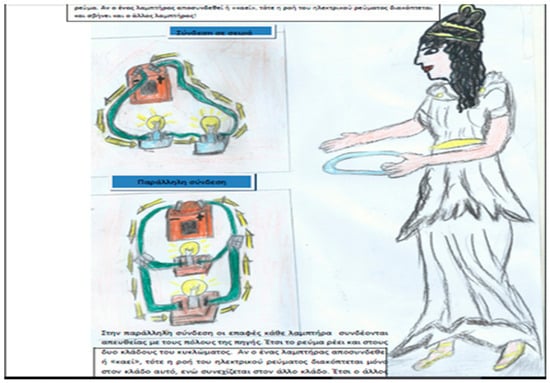
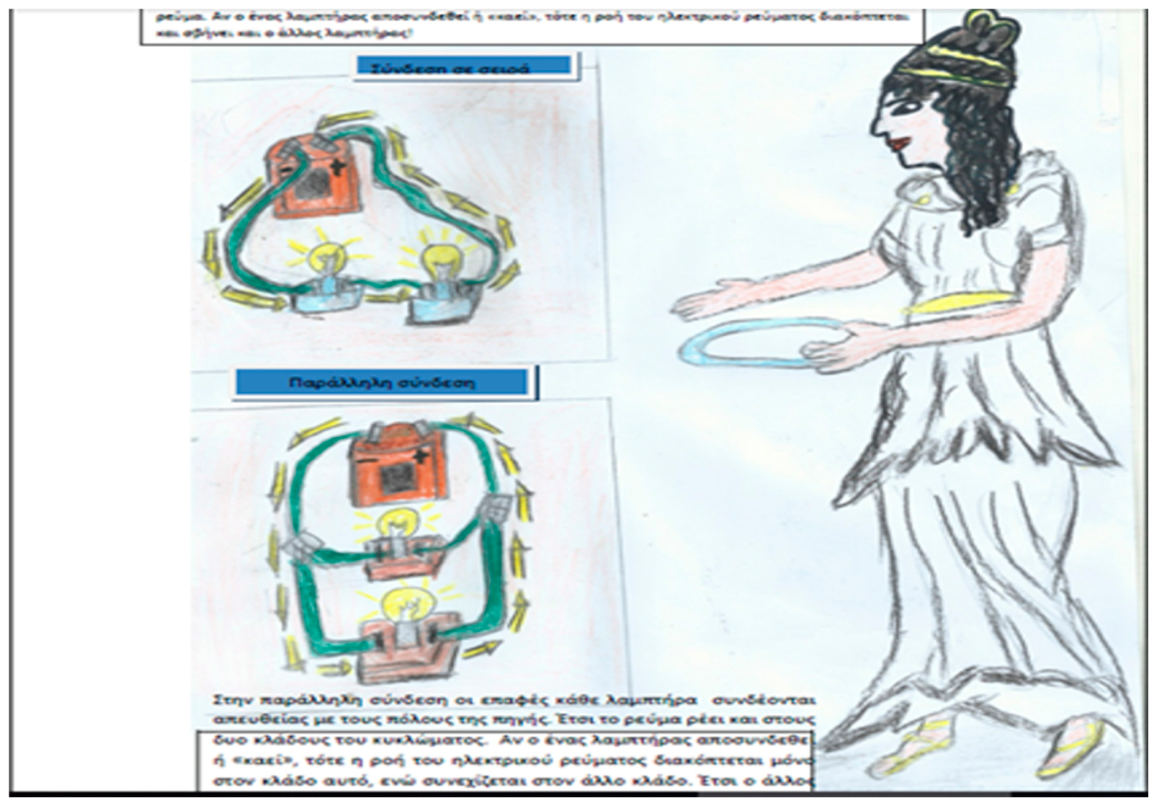
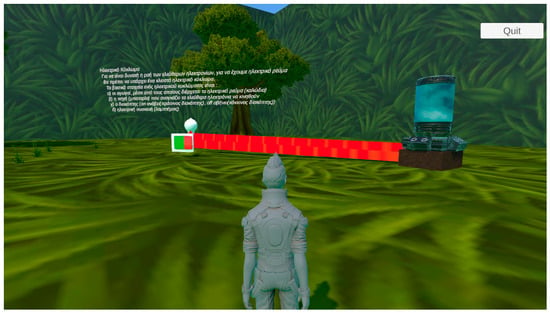
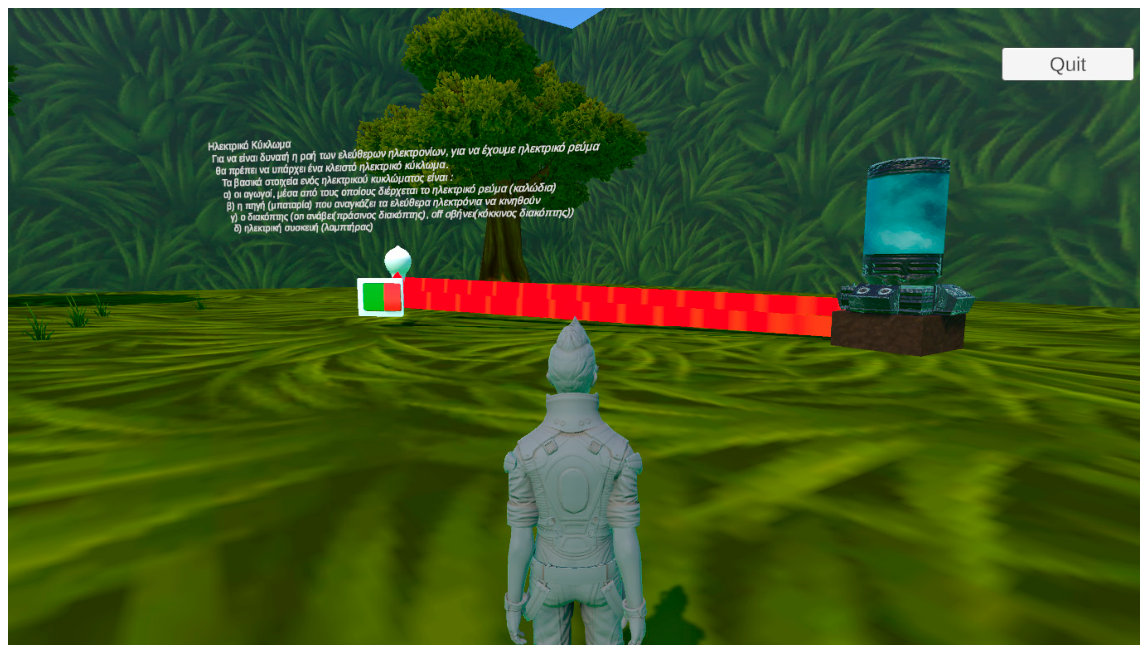
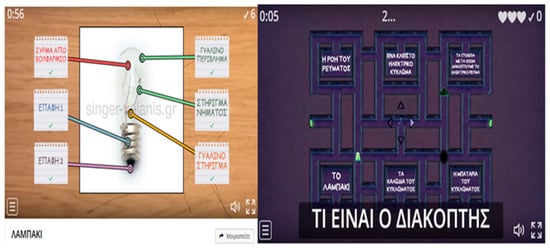
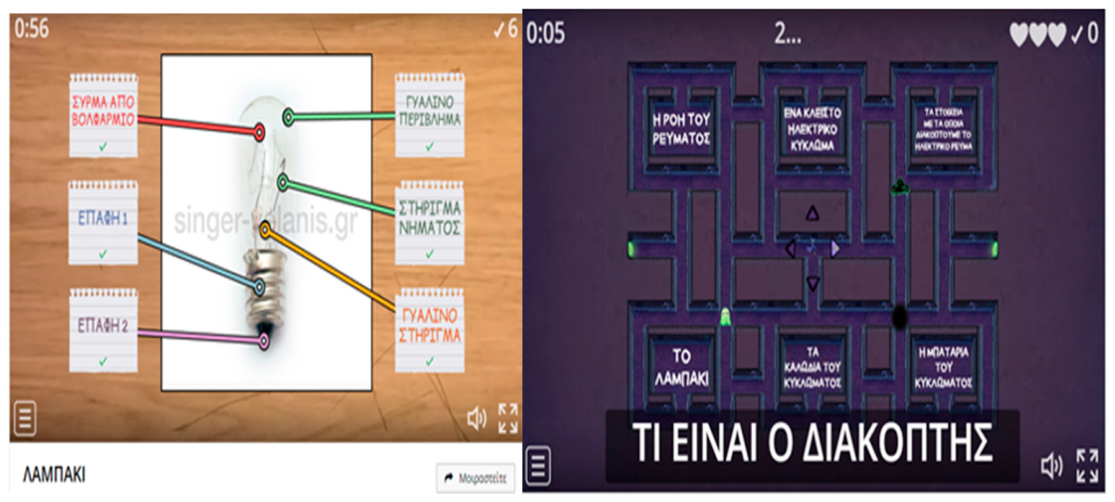

Disclaimer/Publisher’s Note: The statements, opinions and data contained in all publications are solely those of the individual author(s) and contributor(s) and not of MDPI and/or the editor(s). MDPI and/or the editor(s) disclaim responsibility for any injury to people or property resulting from any ideas, methods, instructions or products referred to in the content. |
© 2026 by the authors. Licensee MDPI, Basel, Switzerland. This article is an open access article distributed under the terms and conditions of the Creative Commons Attribution (CC BY) license.