


Abstract
This study examines the impact of asymmetric oil price fluctuations on inflation in Morocco over the period 1998Q1–2022Q4. Given the country’s dependence on imported energy, it employs the Nonlinear Autoregressive Distributed Lag (NARDL) model to investigate the short- and long-run asymmetric effects of oil price shocks. The results reveal that positive oil price shocks significantly increase inflation in the short run, whereas their effects weaken in the long run. The findings also indicate that oil price increases generate stronger inflationary pressures than oil price decreases. Furthermore, the exchange rate acts as an indirect transmission channel with a limited and lagged effect. These results highlight the importance of strengthening energy resilience and the macroeconomic framework to mitigate inflationary pressure.
1. Introduction
Over the past few decades, there has been considerable academic interest focused on the relationships between oil prices and various macroeconomic variables since oil represents an important energy source and a key determinant of global economic stability (Gordon, 1975; Hamilton, 1983; Kilian, 2009). The transmission mechanisms by which changes in oil prices affect consumer price inflation are key determinants of monetary policy and macroeconomic stability. In modern macroeconomic models, oil shocks are generally viewed as supply shocks that can simultaneously affect production costs, inflationary expectations, and monetary conditions, thus leading to repercussions on the general price level.
Indeed, early models of cost-push inflation suggest that increases in energy prices can lead to higher production costs throughout the production process, which, in turn, cause increases in the overall price level (Blanchard & Summers, 1986; Clarida et al., 1999). Moreover, recent developments in new Keynesian macroeconomics highlight that the effects of oil shocks can be non-linear and asymmetric due to nominal rigidities, pricing behavior, and differentiated adjustments of economic agents.
In terms of the overall body of literature on the nexus between macroeconomic variables (including consumer price indices) and oil price fluctuations, the majority of empirical studies have focused primarily on advanced economies, while studies conducted in emerging economies and energy-importing economies (especially those in North Africa) are much less prevalent. This is particularly true for Morocco, where the impact of oil price fluctuations on the economy is substantial due to Morocco’s dependence on imported energy and the lack of domestic oil supply (World Bank, 2022).
Morocco’s energy import dependency exceeds 90%, which means that its inflation dynamics are highly sensitive to changes in the price of oil on the international market. In addition to the impact of oil price shocks on inflation, over the past decade there have been substantial structural changes in the Moroccan economy, including reforms that have changed the institutional structure and policy environment (Kharbach & Chfadi, 2018). Since 2015, the Moroccan government has progressively liberalized domestic fuel prices through the reduction of direct price regulation and greater exposure to fluctuations in international fuel prices (Conseil de la Concurrence, 2019). Additionally, since 2015, the gradual adoption of a more flexible exchange rate system has changed how the prices of imported goods and energy products are transmitted to domestic prices as a result of modifying the transmission of external shocks (such as international oil price shocks) to domestic price levels via changes in the value of the local currency relative to other currencies. In this context, the inflationary effects of oil shocks can become more complex, more rapid, and potentially asymmetric, particularly in an emerging economy characterized by structural rigidities and strong energy dependence. In this regard, the primary research challenge lies in identifying the mechanisms through which fluctuations in international oil prices are transmitted to inflation in Morocco. While the inflationary effects of oil price shocks are widely recognized in the economic literature, their intensity, persistence, and potentially asymmetric nature remain insufficiently documented in the Moroccan context, particularly in light of the fuel market reforms of 2015 and the exchange rate regime reforms of 2018.
Beyond its relevance for Morocco, this study holds broader significance for emerging, energy-importing economies facing external oil price shocks. The insights gained offer a better understanding of how institutional reforms, macroeconomic policies, and structural characteristics influence the transmission of oil price fluctuations to inflation. Consequently, the findings can inform researchers, central banks, and policymakers in other economies with similar characteristics, particularly in the MENA region and among emerging nations heavily reliant on energy imports.
Despite strong theoretical support, the notion that oil prices fluctuate and therefore affect inflation through three principal channels (cost-push effect, the effect of oil prices being passed through the exchange rate, or inflationary expectations) (Dornbusch & Simonsen, 1987; Clarida et al., 1999), empirical research to support this theory is contradictory between countries and time periods. Studies conducted in other emerging markets have established robust short- and long-term relationships between oil prices and inflation (e.g., Arouri et al., 2011; Apergis et al., 2015) but have been less conclusive regarding nonlinear and asymmetric effects of oil price shocks on inflation (Salim & Supeni, 2020; Tiwari et al., 2021). These empirical discrepancies suggest that the relationship between oil prices and inflation depends heavily on institutional specificities, the economic policy framework, and the degree of energy dependence specific to each country.
Regarding the literature available on Morocco, existing studies generally address issues such as economic growth, the trade balance, and fiscal matters. Therefore, there is little, if any, knowledge regarding the transmission of oil price shocks to domestic inflation in Morocco, particularly regarding the potential asymmetric effects of positive and negative oil price movements, especially in light of the evolving institutional and macroeconomic environment.
In particular, the differentiated short- and long-run effects of oil price fluctuations on Moroccan inflation remain insufficiently explored in the empirical literature. Beyond the limited number of studies addressing this issue, research focused on Morocco has primarily examined the impact of oil price fluctuations on economic growth, the trade balance, public finances, and macroeconomic performance (MISRY, 2018; Ritahi & Echaoui, 2025; Moustahfid et al., 2026). To the best of our knowledge, few studies simultaneously analyze the short- and long-run asymmetric effects of oil price fluctuations on inflation using the NARDL model while accounting for recent institutional transformations in the Moroccan economy, specifically, fuel price liberalization and changes to the exchange rate regime. This gap serves as the primary motivation for the present study.
This study aims to address an important gap in the literature by investigating the time-varying association between oil price fluctuations and consumer price inflation for the country of Morocco over the period from 1 January 1998 to 31 December 2022.
Methodologically, the Autoregressive Distributed Lag (ARDL) model is used to estimate both short-run and long-run relationships between the two variables of interest, while the Nonlinear ARDL (NARDL) model is employed to examine whether positive and negative oil price shocks exert asymmetric effects on inflation.
The use of the NARDL model appears particularly relevant in the Moroccan context, as it allows the analysis to capture non-linear adjustments and potential asymmetries associated with energy shocks. Furthermore, the NARDL model offers the advantage of being applicable to time series integrated of different orders (I(0) and I(1)) without requiring all variables to be integrated of the same order, provided that none are integrated of order two (I(2)). It also enables the simultaneous estimation of short- and long-run adjustments while identifying potential asymmetries between oil price increases and decreases, thanks to the positive and negative partial sum decomposition proposed by Shin et al. (2014). These characteristics make it a methodology particularly well-suited to the objectives of this research. Beyond the application of the NARDL model to the case of Morocco, the novelty of this study lies in its analysis of the economic mechanisms through which oil price fluctuations are transmitted to inflation in an emerging, energy-importing economy that has undergone significant institutional reforms. It offers a comprehensive framework that simultaneously incorporates macroeconomic and institutional dimensions of this transmission, thereby contributing to the literature on the transmission mechanisms of oil shocks in emerging, energy-importing economies.
The research draws on recent developments in econometric modeling in order to generate new empirical evidence regarding how shocks to international oil prices affect price stability in Morocco. It also contributes to enriching the literature on emerging energy-importing economies by simultaneously integrating the asymmetric, institutional, and macroeconomic dimensions of inflationary transmission. Additionally, the research will provide important insights for monetary and fiscal policymakers in the design of both inflation-targeting strategies and energy-subsidy policies. The expected results will thus allow policymakers to better understand the resilience of the Moroccan economy to external energy shocks and the mechanisms through which inflation is stabilized during the ongoing process of economic and energy transition. The originality of this study lies in its combination of several elements that are rarely analyzed together in the Moroccan context. First, it examines the asymmetric effects of oil price fluctuations on inflation by distinguishing between price increases and decreases. Second, it covers a recent period (1998Q1–2022Q4) marked by significant institutional transformations, notably the liberalization of fuel prices and the gradual shift toward a more flexible exchange rate regime. Finally, it employs the NARDL model, well-suited for the simultaneous analysis of short- and long-run dynamics and asymmetric adjustments, thereby providing new empirical evidence regarding the transmission mechanisms of oil shocks in an emerging economy heavily dependent on energy imports.
In this context, and considering the specific characteristics of the Moroccan economy, marked by strong energy dependence and recent reforms, this study aims to answer the following main question: To what extent do oil price fluctuations influence inflation in Morocco? More specifically, this research seeks to determine whether the effects of oil price fluctuations on Moroccan inflation differ according to the nature of the shock (increase or decrease) and the time horizon considered.
To further explore this issue, several secondary questions are also examined:
- To what extent do fluctuations in oil prices influence inflation in Morocco in the short and long term?
- Are the effects of increases and decreases in oil prices on Moroccan inflation symmetric or asymmetric?
- What role do gross domestic product and the exchange rate play in inflationary dynamics in Morocco?
- To what extent do recent structural transformations of the Moroccan economy, particularly the liberalization of fuel prices and changes in the exchange rate regime, help explain the mechanisms by which oil shocks are transmitted to inflation?
This research contributes new empirical evidence to the literature concerning energy price pass-through in emerging oil-importing economies by integrating recent econometric advances and recent institutional and structural characteristics of Morocco’s economy, while providing policy implications for both monetary authorities and energy price reform initiatives.
The remainder of this paper is organized as follows. Section 2 presents the theoretical framework, while Section 3 reviews the empirical literature on the relationship between oil prices and inflation. Section 4 describes the data, variables, and the econometric methodology adopted. Section 5 and Section 6 present the preliminary empirical analyses and the main results from the NARDL model, respectively. Finally, Section 7 is devoted to a discussion of the results, whereas Section 8 presents the study’s main conclusions and their policy implications.
2. Theoretical Framework
The relationship between oil prices and inflation has been extensively studied in the economic literature, using various theoretical and empirical approaches. Early work explained this relationship primarily through the role of oil as a key input in production. According to cost- push inflation theory, a rise in oil prices increases firms’ production costs, which are then passed on to consumers through higher final goods prices (Gordon, 1975). In other words, the theory of cost-push inflation identifies oil price increases as an increase in production costs, which firms then pass onto consumers via raised final prices (Gordon, 1975). In a similar fashion, the aggregate supply-demand model suggests that negative oil shocks reduce aggregate supply in the short run and thereby cause both increased prices and decreased output (Blanchard & Summers, 1986). Therefore, while an indirect relationship can be drawn between oil prices and inflation through production costs, a direct link can also be drawn between oil prices and inflation through production cost channels by the same means enumerated in preceding studies (Gordon, 1975; Blanchard & Summers, 1986).
However, the initial framework here has been supplemented by incorporating expectations and the role of monetary policy into the Phillips Curve (Phelps & Friedman). Phelps (1968) and Friedman (1968) demonstrate that monetary theory demonstrates that inflation is influenced by future price expectations, in addition to changes in costs resulting from shocks to the economy (e.g., oil price shocks). In this framework, the Phillips Curve incorporates inflation expectations, which indicates that an increase in oil prices can stimulate inflation through both direct (i.e., fuel-driven) and/or indirect (i.e., producer-wage and consumer-wage inflation) channels. If an economic agent (i.e., producer or consumer) anticipates an increased price in the future, they will adjust wages and prices of goods, thus increasing the inflationary pressure on the economy. Therefore, the credibility of monetary policy will determine whether the magnitude of the effects will diminish or enhance the effect on inflation from oil price changes.
Similarly, Alhassan (2019), among others, indicate that there is no stable relationship between changes in oil prices and inflation over time. The reason given for this is that economies have experienced structural changes over time; e.g., decreased energy intensity, improvements in productivity, and/or strengthening of the monetary policy framework. Therefore, as Kilian (2009) indicates, the effects of oil price shocks on inflation are not uniform as a result of the existence of both supply and demand oil price shocks; e.g., supply oil price shocks are a result of geopolitical uncertainty, while demand oil price shocks are driven by economic growth. The former generally have a greater impact on inflation than the latter.
Other studies have also shown that the extent to which oil prices are passed through to inflation is contingent upon the economic and institutional environment. Blanchard and Riggi (2013) suggest that greater transparency of central banks and greater integration of economies into world trade have reduced the degree of pass-through, while Bernanke (2022) noted that the effect of oil prices upon inflation remains difficult to predict despite improvements in monetary policy frameworks. Furthermore, these theoretical developments have led to a change from linear models to more flexible models for explaining the transmission process from oil prices to inflation, including the consideration of behavioral changes and asymmetric effects. In particular, studies have shown that there is no systematic relationship between increases and decreases in oil prices and inflation; whether the relationship is symmetric or asymmetric will depend on the underlying economic conditions, market structure, and state of economic activity in the economy. Finally, the recent literature suggests the existence of multiple factors affecting the relationship between oil prices and inflation, including the structure of the domestic economy, divergence from competitive market conditions, and the state of the domestic economy. In particular, in developing and emerging economies (that rely on energy imports), the relationship is generally stronger due to their reliance on energy imports and the responsiveness of domestic energy prices to changes in international oil prices.
3. Empirical Literature
The published research regarding the link between oil prices and inflation is extensive within both developed and developing countries. The literature has established that oil price shocks impact inflation through a variety of channels, including: (1) production costs, (2) exchange rates, (3) expected future inflation by economic agents, and (4) the money supply response/interest rate changes by financial authorities. However, the frequency and intensity of the oil price shock’s inflationary effect vary by country in relation to both structural and macroeconomic regimes. Several studies in the empirical literature have documented the inflationary consequences of oil price shocks in industrialized (oil-importing) countries, with empirical studies showing an increasing impact of oil price shocks on inflation prior to 1980 and a decreasing impact after that year due to the increased credibility of monetary policy and the declining energy intensity. Hooker (2002) used a vector autoregression (VAR) model to support this finding specifically in the U.S., while Blanchard and Galí (2010) also noted that the introduction of inflation targeting in both Japan and Germany has tended to weaken the transmission of oil prices to domestic prices. Cunado and De Gracia (2005) also found evidence of a positive influence of oil prices on inflation in numerous European countries and noted that the magnitude of this influence is determined by the degree of energy dependence and the presence of structural rigidities.
Overall, these studies show that the intensity of the transmission of oil price shocks to inflation depends largely on the monetary policy framework, the degree of energy dependence, and the structural characteristics specific to each economy. Economies with credible monetary policy frameworks generally exhibit a weaker and less persistent transmission of oil price shocks to inflation.
However, recent studies have questioned the assumptions of a constant and symmetric relationship between oil prices and inflation. Balcilar and Usman (2021) utilized a NARDL model to investigate the impact of oil price changes on inflation, concluding that oil price shocks have a stronger effect on inflation when oil prices are rising than when they are declining, thus illustrating a significant asymmetry. Shin et al. (2014) also examined the relationship between positive and negative oil shocks and the corresponding inflationary response, providing empirical evidence that contradicts classical linear models.
Emerging and developing countries appear to experience a greater transmission of oil price shocks to inflation than developed countries. This higher transmission rate can be attributed to structural economic vulnerabilities, including dependence on energy, exchange rate instability, weak macroeconomic governance, and stabilization policies. For Nigeria, the study conducted by A. Ibrahim et al. (2020) using a NARDL model demonstrated that rising oil prices generate persistent inflationary pressure; in Ghana the study by Graham et al. (2019) focused on the transportation and production costs associated with increased oil prices; while in South Africa the work of Moabelo and Nyati (2025) also highlight an asymmetric relationship between oil prices and the exchange rate, with the effects becoming more pronounced during periods of high global economic uncertainty. Taken together, the empirical evidence from emerging economies suggests that they tend to be more exposed to the inflationary effects of oil price shocks than advanced economies. This greater vulnerability appears to stem primarily from a greater reliance on energy imports, higher exchange rate volatility, and relatively weaker developed macroeconomic adjustment mechanisms.
Results from North African countries were similar to those from the previous countries. According to Charfeddine and Barkat (2020), oil price shocks in Tunisia have been observed to impact inflation predominantly through the costs associated with importing oil. In Algeria, Lacheheb and Sirag (2019) confirmed a positive relationship between oil prices and inflation, while also highlighting the significant mitigating role of energy subsidies and exchange rate policy. In Jordan, Hijazine and Al-Assaf (2022) highlighted the importance of the exchange rate channel in the transmission of oil shocks. In Egypt, Ali (2020) demonstrated, using an NARDL model, that oil price fluctuations exert significant asymmetric effects on inflation in both the short and long run. Empirical evidence from MENA economies generally points to a significant transmission of oil price shocks to inflation. However, the magnitude, persistence, and asymmetric nature of this transmission vary depending on each country’s structural characteristics, exchange rate regimes, and energy policies.
A convergence of results is also observed in Latin American economies. Research by Souza and de Mattos (2022) shows that oil shocks influence the region’s emerging economies, notably through the exchange rate channel, where adjustments contribute to transmitting the macroeconomic effects of oil price fluctuations, while Attílio and Mollick (2026) found in Mexico a statistically significant and positive relationship between oil prices and inflation.
By contrast, results are more nuanced in some oil-exporting economies. For example, in Norway, Baroeth (2023) indicates that the ability of the central bank to conduct credible and effective monetary policy, combined with the use of a flexible exchange rate to respond to shocks, limits the impact of oil price shocks on inflation. On the other hand, Ito (2009) finds that oil price shocks can also stimulate domestic demand and indirectly impact inflation in Russia. These results highlight that the macroeconomic effects of oil price fluctuations vary depending on the characteristics of the economies studied—specifically, their position in international energy markets, their institutional framework, and their economic policy regime. Recent research has expanded this body of literature by adopting a more integrated approach to the interactions between energy markets, structural transformations, and macroeconomic vulnerabilities. For instance, Mighri and AlSaggaf (2023), using a NARDL model applied to Saudi Arabia, demonstrate that the effects of changes in energy variables on economic growth exhibit significant asymmetries depending on the magnitude and nature of the shocks, thereby highlighting the relevance of non-linear approaches for analyzing macroeconomic relationships. Meanwhile, Salem and Jeribi (2025) use TVP-VAR and Quantile VAR approaches to reveal non-linear interactions among energy commodities, green finance, and macro-financial vulnerabilities, particularly during periods of heightened tension in international markets. These recent developments confirm that the effects of energy shocks should be analyzed within a framework that accounts for asymmetries, institutional characteristics, and the specific macroeconomic environment of each country. This reinforces the importance of studying the transmission mechanisms of oil price fluctuations in an emerging energy-importing economy such as Morocco.
Even though there is a significant amount of empirical literature on this topic, there are still several limitations that remain. For example, very few studies have simultaneously examined short-term and long-term dynamics and incorporated asymmetries in the case of emerging oil-importing economies. Additionally, although Morocco represents a critical case with unique structural characteristics, including energy dependence, the gradual reform of the fuel subsidy systems, a changing exchange rate regime, and increasing vulnerability to the effects of recent global events (e.g., the COVID-19 pandemic and the Russia-Ukraine war), the literature on this case remains relatively limited. Recent research expands this body of literature by highlighting the growing importance of interactions between energy markets, macroeconomic vulnerabilities, and institutional transformations. In this regard, recent studies show that the effects of energy shocks also depend on factors such as the energy transition, structural reforms, and macro-financial conditions. This finding underscores the value of analyzing the transmission mechanisms of oil shocks in emerging economies undergoing significant institutional change, such as Morocco.
The NARDL approach seems to be especially applicable for examining the relationship between asymmetric changes in the oil price index proposed by Mork (1989) and Moroccan inflation. This method also has the capacity to differentiate between short- and long-term impacts while accounting for potential asymmetric impacts of price increases versus price decreases. Recent literature demonstrates that the NARDL model has established itself as a benchmark approach for analyzing asymmetries in the transmission of oil price shocks to inflation. Empirical findings generally indicate that oil price increases generate more significant and persistent inflationary effects than decreases, although the magnitude of this asymmetry varies depending on energy dependence, the exchange rate regime, and the structural characteristics of the economies (Lily et al., 2019; Kisswani, 2021; Ayisi, 2021; Anyars & Adabor, 2023; Anderl & Caporale, 2023). Consequently, NARDL models offer superior explanatory power compared to linear approaches by highlighting differing speeds of adjustment between positive and negative shocks, thereby justifying their use in analyzing inflation dynamics in economies heavily dependent on energy imports, such as Morocco. Overall, the empirical literature highlights a link between oil price fluctuations and inflation. However, no consensus has emerged regarding the magnitude, persistence, and empirical nature of this relationship. These divergences appear to reflect differences in economic structures, institutional frameworks, energy policies, and exchange rate regimes across countries.
Therefore, the aim of this study is to investigate whether asymmetric changes impact Moroccan inflation over the period 1998–2022 in a context of structural adjustment, growth, and increased exposure to external shocks.
Development of hypotheses:
Based on the theoretical and empirical evidence presented, there appears to be a complex and multifaceted relationship between oil prices and inflation that varies depending on a number of economic and institutional conditions. In the case of Morocco, to empirically examine this relationship, this study adopts the following hypotheses:
H1.
Oil price fluctuations have a statistically significant effect on inflation in Morocco.
H2.
The exchange rate has a significant effect on inflation and serves as a transmission channel for oil price fluctuations.
H3.
Increases and decreases in oil prices have asymmetric effects on inflation in Morocco.
H4.
The effects of oil price fluctuations on inflation differ between the short term and the long term.
4. Data and Methodology
Our empirical study is based on the estimation of a nonlinear autoregressive distributed lag (NARDL) model designed to examine the impact of oil price fluctuations on inflation in Morocco. The objective is to assess the short- and long-run dynamics between oil price fluctuations, economic activity, the exchange rate, and the general price level.
Consistent with the objectives of this research, the model is specified in a double-logarithmic (log-linear) form, allowing the estimated coefficients to be interpreted as elasticities. The basic model can be written as follows:
With the constant and a I (i = 2, 3, 4) the coefficients associated with the respective explanatory variables.
In this model:
- lnINF represents the natural logarithm of the Consumer Price Index (CPI), used as an indicator of the general price level in Morocco. The data are sourced from the Ministry of Economy and Finance and are presented on a quarterly basis; sourced from www.finances.gov.ma/;
- lnOIL represents the natural logarithm of the international Brent crude oil price, expressed in US dollars per barrel. The data, initially available on a daily basis, were converted into quarterly averages to ensure consistency with the frequency of the other variables; sourced from www.prixdubaril.com/;
- lnGDP represents the natural logarithm of real gross domestic product, used as an indicator of economic activity. The data are expressed at a quarterly frequency; sourced from www.finances.gov.ma/;
- lnLEX represents the natural logarithm of the nominal exchange rate of the Moroccan dirham against the US dollar (MAD/USD). The quarterly data are sourced from Bank Al-Maghrib; sourced from www.bkam.ma/;
is the random error term capturing other factors not included in the model.
The period from the beginning of 1998 to the end of 2022 covers quarterly observations for all four variables, thereby providing an appropriate framework for covering the evolution of these four variables using quarterly data; thus, they provide an enabling framework for investigating the dynamic interrelationships among oil prices, economic activity, the exchange rate and inflation within Morocco. The following graph illustrates the evolution of all four series (see Figure 1) using EViews software version 12.
Figure 1.
Dynamics of the variables studied.
To ensure data consistency and comparability, all series were standardized to a quarterly frequency prior to estimation. Variables expressed in levels were transformed into natural logarithms, which helped reduce potential heteroscedasticity, linearize the economic relationships, and facilitate the interpretation of estimated coefficients as elasticities.
In this research, we apply a reduced-form methodology within the Nonlinear Autoregressive Distributed Lag Model (NARDL) framework with cointegration. The dependent variable modeled is the inflation rate (INF), which is exclusively determined by predetermined variables such as the asymmetric changes in the price of oil, GDP, exchange rate (EXCH), and lagged values of these variables. This allows us to capture the dynamic relationship between the variables while capturing both short-run and long-run adjustments.
However, like all econometric procedures, the NARDL has certain limitations. It does not allow us to establish strictly causal relationships between the variables. In this respect, while our analysis reveals statistically significant relationships between changes in oil prices and inflation, caution must be exercised before concluding that the oil price changes are directly responsible for the changes in inflation; this may be due to the influence of other omitted variables affecting both variables simultaneously or to the possibility of feedback effects. To capture the total net impact of both oil shocks and macroeconomic variables on inflationary trends, the use of a reduced-form framework (i.e., without imposing strong structural restrictions) is appropriate.
Several advantages are associated with the chosen method. First, it provides a more comprehensive understanding of how oil shocks have affected inflation through the numerous interactions among the explanatory variables. In fact, complex relationships exist among oil price changes, economic activity, and the exchange rate, making it challenging to establish causal links between these variables. Second, the reduced-form approach helps reduce the possibility of endogeneity problems since some of the explanatory variables (such as real GDP or the exchange rate) can also affect inflation. Thus, this approach minimizes the risk of obtaining biased parameter estimates resulting from simultaneous interactions among the variables.
Traditional time series models typically assume linearity in the relationships between variables and often produce models with limited ability to accurately represent the underlying economic relationships. However, in the case of oil shocks, it is well known that the effect of increases and decreases in oil prices is not symmetrical. As such, we have used an asymmetric NARDL methodology to represent and analyze this relationship. This methodology clearly demonstrates how positive and negative oil price changes affect inflation and thus provides a more comprehensive framework for analyzing transmission mechanisms.
The NARDL approach is based on the decomposition of the explanatory variable related to the oil prices into two distinct components, corresponding to positive and negative changes. This is expressed as follows:
(Oil_increase: real oil price increase),
(Oil_decrease: real oil price decreases),
; (Oil_increase: real oil price increase),
; (Oil_decrease: real oil price decrease),
In this context, the validity of the long-term relationship is examined using the bounds cointegration test developed by Pesaran et al. (2001). This test verifies the existence of a stable equilibrium relationship between inflation, the asymmetric components of oil prices, gross domestic product, and the exchange rate, regardless of the order of integration of the variables. The NARDL approach thus offers a flexible and robust econometric framework, particularly well-suited to the analysis of macroeconomic dynamics characterized by differentiated adjustments and complex interactions.
Therefore, to examine more thoroughly the asymmetric relationships between inflation and its macroeconomic determinants, we draw on the empirical contributions of Abbasi et al. (2020) and Ahmed et al. (2022), employing the NARDL approach proposed by Shin et al. to capture potential nonlinearities. This methodology, which builds upon the ARDL framework developed by Pesaran et al. (2001), has been widely used in recent literature to analyze macroeconomic asymmetries (Shin et al., 2014; Granger & Yoon, 2002; Kapetanios et al., 2003; Balcilar et al., 2019; Nusair, 2016; Belcaid, 2024). In this context, and following Shin et al., Equation (1) can be reformulated to incorporate nonlinear dynamics, as follows:
(and its corresponding negative counterpart, ), the model explicitly distinguishes the short-term asymmetric effects of the different indicators on inflation. More precisely, the coefficients associated with the positive and negative components capture the differentiated dynamic adjustments in the short term, while the long-term parameters, notably and , reflect the equilibrium relationships between the variables.
In this context, in accordance with the NARDL approach developed by Shin et al. (2014), the representation in the form of an error correction model (ECM) derived from Equation (2) is presented below.
In Equation (3), represents the error correction term, which captures both the long-term equilibrium relationship and the rate of inflation adjustment following a short-run shock. The coefficients associated with the first-difference variables reflect the short-run effects, while the coefficients associated with the level variables reflect the long-term dynamics. The error correction term (ECT) is obtained from the long-run specification in Equation (2), thereby preserving consistency between the estimated long-run NARDL model and its associated error correction representation (ECM). Long-term adjustment asymmetries are assessed after confirmation of the long-term cointegration relationship, where changes in , , can be derived from Equation (2).
= and = represent the long-term effects of gross domestic product (GDP) and the exchange rate (LEX) on inflation dynamics, respectively.
Within the NARDL model, the presence of an asymmetric cointegration relationship is tested using Wald tests, which verify the null hypotheses of no long-term asymmetry () and short-term asymmetry (). The rejection of these hypotheses indicates that increases and decreases in oil prices affect inflation differently, thus confirming the existence of asymmetric effects.
Furthermore, the dynamic effects of oil shocks on inflation can be analyzed using asymmetric dynamic multipliers. These multipliers allow us to trace the inflation adjustment path following a positive or negative change in oil prices, while taking into account the interaction with GDP and the exchange rate.
Formally, asymmetric dynamic multipliers are defined as the cumulative responses of inflation to changes in the price of oil:
For a positive shock: ;
For a negative shock:
In the long run (as h → ∞), these multipliers converge towards the long-term coefficients from the NARDL model:
where and , represent the asymmetric dynamic multipliers that respectively trace the transmission process of a positive and a negative oil price shock to inflation over a horizon h. The multiplier measures the cumulative response of inflation to a unit increase in the price of oil, while captures the effect of an equivalent decrease.
Given the potential interactions between inflation, economic activity, and the exchange rate, the existence of endogeneity cannot be entirely ruled out. However, the aim of this study is to analyze the dynamic and asymmetric relationships between these variables rather than to identify causal relationships in the strict sense. Furthermore, the international price of oil is determined on global markets. As a small, open economy and a net oil importer, Morocco is considered a price taker and lacks the economic weight or political influence to affect international oil prices. Consequently, the price of oil is treated as an exogenous variable in this study.
5. Empirical Analysis
5.1. Descriptive Analysis of Variables
This subsection presents the descriptive statistics of the variables used, namely inflation (INF), oil prices (OIL), the exchange rate (TR), and economic activity (GDP). Standard indicators, including the mean, standard deviation, minimum and maximum values, as well as skewness and kurtosis coefficients, are reported in Table 1. The analysis is based on a quarterly sample covering the period from the first quarter of 1998 (1998Q1) to the fourth quarter of 2022 (2022Q4), representing a total of 100 observations. All econometric estimates were performed using this sample, which serves as the basis for the analysis of all the results presented in this study. This frequency allows for a better understanding of both short-term adjustments and long-term equilibrium relationships between the variables under study. In addition, all econometric estimations were carried out using EViews software, which was used to perform stationarity tests, optimal lag selection, NARDL model estimation, and various diagnostic tests.
Table 1.
Descriptive statistics.
Descriptive statistics provide essential information on the central tendency, variability, and distribution of the variables studied. Regarding central tendency, the LGDP variable has the highest mean (12.093), indicating a generally high level of gross domestic product. The mean of LEXCH (exchange rate) (2.219) suggests a moderate exchange rate level. The mean of INF (inflation) (0.0037) suggests a relatively stable price level. Oil shock variables have low mean values, with positive shocks (OIL_INCREASE = 0.066) being higher than negative shocks (OIL_DECREASE = −0.050). When considering dispersion (standard deviation) as a measure of variability, LGDP has the largest dispersion (0.348), followed by LEXCH (0.098). Inflation has low dispersion (0.0062), while oil variables exhibit moderate dispersion—negative shocks (0.105) are slightly more dispersed than positive shocks (0.084). In terms of distribution, OIL_DECREASE has a highly negative skewness coefficient (−3.51), indicating a very long left tail. OIL_INCREASE has a positive skewness coefficient (1.52), which indicates a longer right tail, whereas LGDP (−0.54). Both LEXCH and inflation are approximately symmetric. For kurtosis, OIL_DECREASE has the highest value (18.63), indicating the presence of many extreme values; OIL_INCREASE (5.14) also exhibits a high kurtosis, and inflation (4.64) exhibits fat tails, indicating all three variables are leptokurtic in nature.
Furthermore, the Jarque–Bera tests indicate significant non-normality for most variables, including inflation, LGDP, OIL_DECREASE, and OIL_INCREASE (p < 0.05), with the exception of LEXCH, which follows a normal distribution (p > 0.05). The sample comprises 100 observations for each variable, thereby ensuring a robust empirical basis for the econometric analysis.
5.2. Unit Root Tests
Before any estimation, the stationarity properties of the series are examined using unit root tests (ADF and PP). The results are presented in Table 2.
Table 2.
Unit root tests: ADF and PP.
The results, presented in Table 2, indicate that the variables related to inflation, asymmetric oil shocks, namely the positive and negative changes in oil prices (Δoil+ and Δoil−), as well as the LGDP, are stationary at level, implying that they are integrated of order zero, I(0). In contrast, the variable related to the exchange rate (LEXCH) only becomes stationary after first differencing, indicating that it is integrated of order one, I (1).
5.3. The ADF Breakpoint Test
Before estimating the model, particular attention is paid to the stationarity of the series in the presence of structural breaks. To this end, the ADF breakpoint unit root test with an endogenous structural break was used to overcome the limitations of classical tests such as the ADF and Phillips–Perron tests, which do not account for structural changes.
The results presented in Table 3 show that the variables inflation (INF), GDP (LGDP), exchange rate (LEXCH), and oil prices (LOILDH) are stationary at level in the presence of distinct structural breaks. The identified break dates are 2002Q3 for inflation, 2017Q1 for LGDP, 2008Q3 for LEXCH, and 2014Q3 for oil prices, reflecting major economic events and shocks such as macroeconomic reforms, the global financial crisis, and oil price fluctuations.
Table 3.
ADF breakpoint test results.
These findings indicate that some variables that have traditionally been considered non-stationary may exhibit stationarity when structural breaks are considered. In conclusion, the presence of variables integrated of different orders indicates the appropriateness of a cointegration model.
Therefore, this configuration, characterized by a combination of I(0) and I(1) variables, taking structural breaks into account, fully justifies the use of the Nonlinear Autoregressive Distributed Lag (NARDL) model, which allows the analysis to capture both asymmetric dynamics and short- and long-term relationships.
6. Empirical Results
6.1. Selection of Optimal Delays
The optimal number of lags is chosen based on information criteria, including the Akaike Information Criterion (AIC) and the Schwarz Information Criterion (SIC). The selected model corresponds to the specification that minimizes the AIC value. The optimal number of lags was determined using the Akaike Information Criterion (AIC), which is widely recommended in the literature for ARDL/NARDL models. This criterion allows for a compromise between goodness of fit and model parsimony, while limiting the risk of over-parameterization. The Akaike Information Criterion (AIC), which is widely recommended in the literature for ARDL/NARDL models, was used to determine the optimal lag length. This criterion provides an appropriate balance between goodness of fit and model parsimony while limiting the risk of over-parameterization.
The final version of the NARDL model is determined by the Akaike Information Criterion (AIC). The Figure 2 shows the 20 best AIC-based specifications; the specification with the lowest AIC value is the best because it provides the best balance between fit and parsimony. The AIC selection results in the NARDL (2, 2, 2, 2, 1) model; thus, the dependent variable inflation (LINF) is included with two lags, indicating persistent autoregressive behavior in the inflation series over time. The lagged variables of positive and negative oil price shocks (OIL_INCREASE and OIL_DECREASE) and LGDP exhibit two lagged terms, indicating that their effects on inflation are both dynamic and gradual. Conversely, LEXCH includes one lag, indicating that inflation adjusts more rapidly to changes in the exchange rate than to the other explanatory variables. Thus, the resulting lag structure captures both the short-run impacts on inflation and the longer-term dynamic adjustment patterns reflecting the long-run equilibrium relationship within the NARDL model.
Figure 2.
The 20 best models based on AIC.
This structural choice allows the model to capture both immediate and delayed adjustments between the variables, while ensuring the robustness of the estimates and avoiding over-parameterization. It is therefore an essential step in ensuring the empirical validity of the results obtained from the NARDL model.
6.2. Diagnostic Tests and Model Stability and Robustness
The NARDL approach was used initially, to examine the existence of a nonlinear relationship between the variables under study, taking into account the potential asymmetries in the effects of oil price changes. The optimal model specification was determined using the Akaike Information Criterion (AIC), allowing the identification of the most appropriate lag structure while ensuring balance between parsimony and goodness of fit. Based on this, the NARDL model (2, 2, 2, 2, 1) was selected for empirical estimation.
Diagnostic tests applied to the model presented in Table 4 revealed the absence of autocorrelation in the residuals as well as the absence of heteroscedasticity, suggesting the validity of the model’s classical assumptions. Regarding the normality of the residuals, the Jarque–Bera test indicated that the null hypothesis of normality could not be rejected at the conventional significance level, which is consistent with the asymptotic inference conditions of the model. Overall, the diagnostic results confirm the econometric adequacy and stability of the selected model specification, supporting the reliability of the estimated parameters and justifying the application of the bounds test to investigate the existence of a long-run equilibrium relationship among the variables.
Table 4.
Diagnostic test results for the estimated NARDL model.
Furthermore, the results of the residual diagnostic tests indicate the absence of heteroscedasticity, suggesting a constant variance in the error term and the stability of the stochastic structure of the model.
Moreover, the CUSUM and CUSUM of squared (CUSUMSQ) stability tests presented in Figure 3 show that the residuals remain within the critical 5% bounds over the study period. This result confirms the structural stability of the estimated NARDL model and validates its ability to capture the dynamic relationships between the variables without significant structural changes in the estimated coefficients.
Figure 3.
CUSUM stability test results.
In summary, the results from the diagnostic tests suggest that the estimated NARDL model satisfies the principal econometric assumptions; In particular, the tests provide evidence that there is no autocorrelation among the residuals, no heteroscedasticity in the regression model, and no noteworthy deviations from normality in the error terms, thus implying that the overall specification of the model appears to be appropriate. Furthermore, the plot generated by the CUSUM and CUSUMSQ stability tests for the estimated coefficients indicates that the test statistics are stable throughout the study period. This provides evidence of the structural stability of the estimated NARDL model. Furthermore, this suggests that there are no major structural breaks in the estimated coefficients over the sample period. Given these results, the analysis can proceed with the examination of both short-term and long-term relationships between oil price changes, levels of economic activity, and the exchange rate, and to assess their asymmetric impacts on inflation dynamics in Morocco over the study period.
6.3. Cointegration Test: Approaching the Bounds
The existence of a long-term relationship between the variables is examined using the bounds testing approach proposed by Pesaran et al. (2001). This method has the advantage of being applicable regardless of the order of integration of the variables, provided that they are integrated of order zero or order one (I(0) or I(1)). The test is based on the null hypothesis of no cointegration against the alternative hypothesis of the existence of a long-term relationship. The decision is made by comparing the calculated F-statistic with the critical values provided in the literature.
Table 5 presents the results of the bounds cointegration test within a NARDL model. The results indicate that Fisher’s statistic (F = 13.66629) significantly exceeds the critical values of the lower and upper bounds, even at the strictest significance level of 1%. Consequently, the null hypothesis of no long-term relationship is rejected, confirming the existence of a cointegrating relationship between inflation and its determinants, namely the asymmetric changes in oil prices, gross domestic product, and the exchange rate.
Table 5.
Bounds cointegration test.
Cointegration reflects the existence of a stable long-run equilibrium relationship among the variables driven by real economic activity and external macroeconomic factors. When looking at oil prices, the NARDL method is used to analyze the impact that both positive and negative movements in oil prices have on overall inflation in Morocco. From an economic perspective, an increase in oil prices results in higher production and transportation costs, thereby creating upward inflationary pressures on consumer prices. On the other hand, when oil prices fall, this does not necessarily result in a proportionate decline in consumer prices due to nominal price rigidities and asymmetric price adjustment behavior as documented by Hamilton (2009) and Kilian (2009).
Gross domestic product (GDP) also influences inflation through its effect on aggregate demand. Sustained economic growth increases aggregate demand, thereby generating inflationary pressures, as predicted by standard macroeconomic models.
Exchange rates also provide a transmission channel through which inflationary pressures are transmitted via domestic currency depreciation, thereby increasing the cost of imported goods, particularly energy-related commodities, resulting in what is commonly referred to as “imported inflation” (Obstfeld & Rogoff, 1995).
The cointegration relationship is estimated using the NARDL framework, providing a comprehensive analysis of the asymmetrical transmission mechanism of oil price changes on inflation in Morocco. The results of the Wald tests, presented in Table 6, for both the short and long run, show different dynamic effects of oil prices on inflation.
Table 6.
Wald test of the asymmetry of oil price on inflation in Morocco.
In the short term, the results indicate the existence of partial asymmetry between the positive and negative components of oil price changes, with some restrictions being statistically significant. Conversely, in the long term, the null hypothesis of symmetry cannot be rejected, suggesting that the effects of increases and decreases in oil prices become similar with respect to their impact on inflation.
Furthermore, the overall asymmetry test could not be performed due to redundant restrictions in the model. Therefore, the results of the Wald tests allow the conclusion that the effect of oil price changes on inflation in Morocco is asymmetric in the short term but becomes symmetric in the long term.
6.4. Modeling Short- and Long-Term Dynamics Using the NARDL Approach
6.4.1. Short-Term Dynamics
The results of the estimation of the error correction model reported in Table 7 first show that the error correction term is negative and highly significant (−1.103; p = 0.000). This result confirms the existence of a rapid convergence mechanism towards the long-run equilibrium. Thus, almost all short-term imbalances are corrected within one period, reflecting the model’s dynamic stability. This speed of adjustment suggests that inflationary imbalances caused by oil shocks are rapidly absorbed by the adjustment mechanisms of the Moroccan economy. It also reflects the effectiveness of macroeconomic policies and market mechanisms in facilitating a relatively quick return to long-run equilibrium.
Table 7.
Results of estimating the error correction equation: short-term dynamics.
Furthermore, the adjusted coefficient of determination (adjusted R2 = 0.637) indicates that the explanatory variables included in the model, including the asymmetric components of oil prices and macroeconomic variables, explain approximately 63.7% of the variation in short-term inflation in Morocco. Finally, the significance of the Fisher statistic (F = 12.399) confirms the overall validity of the NARDL model and the adequacy of its econometric specification.
Regarding the explanatory variables, the results indicate that positive oil price changes have a significant positive effect on short-term inflation (1.676; p = 0.029). This finding indicates that energy price increases are immediately transmitted to the domestic price level in Morocco. This sensitivity reflects Morocco’s dependence on energy imports and the high pass-through of production costs into domestic prices. From an economic perspective, this result confirms that fluctuations in oil prices act primarily as a supply shock within the Moroccan economy. Since energy costs are embedded throughout production and distribution chains, their rise exerts inflationary pressure before adjustments by firms, households, and policymakers can gradually mitigate the effects.
In contrast, current changes in Gross Domestic Product (GDP) do not have a significant impact on inflation, indicating that changes in real economic activity do not affect price formation through inflationary mechanisms.
Regarding the exchange rate, current changes do not have a significant immediate impact on inflation (0.353), but there is a significant negative impact from lagged changes (−6.788; p = 0.011), indicating that exchange rate changes affect inflation with a time lag due to delays in import price adjustments and the transmission of monetary policy.
6.4.2. Long-Term Dynamics
The analysis of the long-run equilibrium presented in Table 8 reveals no statistically significant relationship between cumulative oil price changes and inflation in Morocco, considering both cumulative positive (OIL_POS_CUM) and cumulative negative (OIL_NEG_CUM) oil price changes. In other words, the coefficient for OIL_POS_CUM was estimated to be −0.540, and the coefficient for OIL_NEG_CUM was estimated at 0.151; both coefficients were not statistically significant predictors of inflation in the Moroccan economy over the long run. This lack of a statistically significant relationship does not mean that oil price shocks have no effect on inflation, but rather that their influence does not persist over time. Gradual economic adjustments lead to the absorption of the initial effects of energy shocks, so that long-term inflation dynamics appear to be driven more by macroeconomic fundamentals than by fluctuations in international oil prices.
Table 8.
Results of the cointegration equation estimation: long-term dynamics.
The results also suggest that there is no evidence that the Moroccan economy transmits oil price changes asymmetrically to inflation over time (i.e., there is no evidence of structural asymmetry). Specifically, although there were differences in the short-run response of inflation to oil price changes (i.e., higher oil prices increasing production costs and consequently raising the prices of goods and services), these short-run differences did not persist in the long run. The absence of long-run structural asymmetry is consistent with long-term macroeconomic adjustment mechanisms that efficiently neutralize the effects of both positive and negative external oil price shocks on the long-run general price level.
In Morocco, several structural factors explain this finding. One of the main components of the structural changes experienced by Morocco is the reform of the compensation system together with liberalization of fuel prices; these reforms have fundamentally changed the manner in which oil price shocks are transmitted. Another element of structural change is the way monetary policy is conducted by Bank Al-Maghrib, which has placed a high priority on achieving price stability in order to dampen long-run persistence of inflation that stems from oil price shocks. Lastly, both fiscal adjustment and the way in which international shocks are absorbed have contributed to the stabilization of the general price level in Morocco. These results also suggest that the institutional transformations that have taken place in Morocco in recent years may have contributed to reducing the persistence of the inflationary effects of oil price shocks. Thus, while oil price increases continue to pass through to domestic prices in the short run, their effects appear to be gradually absorbed over time by macroeconomic adjustment mechanisms—a finding consistent with the absence of a statistically significant relationship between oil prices and inflation in the long run, as observed in this study.
Economic activity also appears to exert a significant influence on long-run inflation. The coefficient associated with GDP in the long-run inflation equation is −0.997, which is statistically significant at the 1% level; thus, overall, as economic activity increases, the general price level tends to decrease through improved supply conditions and increased macroeconomic efficiency. Conversely, there is no statistically significant effect of the exchange rate (−1.334) on the long-term inflation rate in Morocco. This lack of significance suggests that exchange rate volatility does not have a long-run pass-through effect on domestic prices. This can be primarily attributed to both the exchange rate regime and the domestic adjustment mechanisms within Morocco. Finally, the model’s constant, which is estimated at 9.886 and is significant at the 5% level, reflects the existence of a structural equilibrium level of inflation that is determined by stable underlying long-run factors.
Overall, the results confirm that long-run inflation dynamics in Morocco are predominantly driven by domestic macroeconomic fundamentals. Although oil shocks are statistically significant in terms of their short-run effects, they are not a significant or asymmetric factor in the long-run dynamics of inflation.
6.4.3. Asymmetric Cumulative Dynamic Multipliers on Inflation in Morocco
An important tool for evaluating the nonlinear channels through which oil shocks are transmitted to inflation within the NARDL framework is the asymmetric cumulative dynamic multiplier, which is built around the premise that oil price changes affect the economy gradually over time through an intertemporal cumulative adjustment process across multiple macroeconomic channels, including production cost, economic activity, and exchange rate.
The asymmetry of the cumulative dynamic multiplier refers to the fact that both increases and decreases in oil prices affect inflation differently in terms of both the magnitude and the duration of these effects. Thus, positive and negative oil shocks can generate different inflationary dynamics due to price rigidities, adjustment costs, and expectation transmission mechanisms.
From this perspective, asymmetric dynamic multipliers allow us to trace the cumulative adjustment path of inflation following positive and negative changes in oil prices, while accounting for the interactions with gross domestic product (GDP) and the exchange rate (LEXCH). This approach therefore offers a more realistic representation of the transmission mechanisms of external shocks and short- and long-run macroeconomic adjustments. The theoretical foundations of this approach are based on the work of Mork (1989) and Shin et al. (2014).
In the Moroccan context, the analysis of the cumulative dynamic multipliers of economic growth and the exchange rate reveals a significant symmetric relationship with inflation. The cumulative dynamic multipliers of the exchange rate and real GDP illustrate their distinct dynamic contributions to inflation adjustment in Morocco. (see Figure 4 and Figure 5). The exchange rate exhibits a positive but negligible response, which reverses rapidly by horizon 2 before converging to a near-zero level at horizon 4, reflecting the limited effect of the exchange rate channel on domestic prices within the context of an administered exchange rate regime. Conversely, real GDP experiences a two-phase evolution: a short-run impact (positive) in the first phase at horizon 1 immediately followed by a deflationary adjustment at Horizon 3 and then converging to equilibrium by horizon 5. This pattern is consistent with a substantial long-term negative impact of GDP (−0.997 ***, p = 0.002), confirming that economic growth functions as a long-term stable deflationary anchor in Morocco, driven by enhanced productivity and macroeconomic policy stability. Thus, these findings provide strong support for the preceding table estimates while confirming the robustness of the NARDL framework employed.
Figure 4.
Impact of the cumulative shocks of LEXCH on the INF.
Figure 5.
Impact of the cumulative shocks of GDP on the INF.
Figure 6 illustrates the cumulative asymmetric dynamic multiplier of oil prices on inflation. This graph captures the dynamic adjustment process toward long-run equilibrium associated with the NARDL framework; in this case, the response of inflation to positive and negative oil price shocks is represented by the solid blue (positive response) and red (negative response) curves, respectively, and the pink curve represents the degree of asymmetry between the two responses, together with the corresponding 95% confidence bands.
Figure 6.
Asymmetric cumulative dynamic multiplier for LOIL on INF.
The results show that at early horizons, the positive and negative curves diverge significantly, as the first cumulative positive shock results in an immediate and considerable deflationary effect (−0.016 at horizon 1), while the negative cumulative shocks remain close to zero during the same period. The short-term difference between the two responses, reflected by the stable asymmetry curve around −0.010, demonstrates the presence of short-term transmission asymmetry resulting from oil price volatility on inflation within Morocco. From horizon 4 onwards, however, the two cumulative curves converge toward their long-run equilibrium levels, and the asymmetry curve stabilizes around its short-term value without diverging again, thus suggesting the absence of persistent long-term asymmetry. The Wald test results indicate that there is short-run asymmetry; however, they provide evidence of long-run symmetry. Thus, all previous studies conclude that transmission asymmetries of oil shocks to inflation in Morocco are only present in the short-run.
7. Discussion of Results
The empirical findings from the NARDL model provide evidence of complex relationships between fluctuating oil prices and inflation rates in Morocco, showing that oil price shocks produce different impacts on inflation depending on the time horizon and the type of oil price shock considered. Overall, these empirical results provide deeper insights into the inflation transmission mechanisms and illustrate that these mechanisms depend upon the structural characteristics of the economy, the existing institutional frameworks, as well as the macroeconomic adjustments that have taken place over the time period included in this analysis. In addition, these results are consistent with the empirical framework developed through the applications of the NARDL model, as identified by Shin et al. (2014), which captures the different effects that positive and negative shocks have on inflation. Lastly, Figure 3, Figure 4 and Figure 5 present cumulative dynamic multipliers that further support the empirical results outlined above.
To begin with, the empirical results provide a clear demonstration of partial support for Hypothesis H1. Specifically, the evidence supports the notion that there is a significant relationship between oil price change and short-run inflation rates, but there is insufficient evidence to support H1 regarding the long-run relationship, as indicated by the absence of statistically significant coefficients for the two cumulative measures of oil price shocks in the long-run (OIL_POS_CUM and OIL_NEG_CUM), thereby indicating that oil prices have a transitory impact on inflation and limiting the validation of Hypothesis H1 to the short-run. However, both positive and negative changes in oil prices have been shown to have statistically significant positive effects on short-run inflation rates, indicating a rapid transmission of energy price shocks to domestic price levels. The findings imply that fluctuations in international energy markets remain a significant source of vulnerability for the Moroccan economy, as its structural dependence on imported energy makes these resources one of the most important inputs across multiple productive sectors.
As a consequence, inflationary transmission tends to be more pronounced in the transport, logistics, and agribusiness sectors because energy costs contribute directly to the formation of prices in these sectors. Thus, a rise in oil prices is quickly reflected in production costs, leading to an immediate adjustment in the general price level. This dynamic is consistent with the cost-push inflation theory (Gordon, 1975) and with Blanchard’s aggregate supply-aggregate demand framework (Blanchard & Summers, 1986), which posits that energy shocks reduce aggregate supply and exert upward pressure on prices. Figure 4 further supports these findings: the cumulative response of inflation to positive shocks is immediate and significant in the short run, before rapidly converging toward equilibrium, confirming the transitory nature of this transmission.
These results align with a body of empirical work conducted on emerging and energy-importing economies, notably by Cunado and De Gracia (2005), M. H. Ibrahim (2015), Graham et al. (2019), and Charfeddine and Barkat (2020). This conclusion is also consistent with the results obtained by Bala and Chin (2018) and Nusair (2019) for oil-importing countries in the MENA region. These authors report that fluctuations in oil prices are transmitted to inflation in a non-linear manner, with effects that are primarily temporary and more pronounced in the short term. This interpretation also aligns with the work of Mighri and AlSaggaf (2023), who highlight that macroeconomic responses to energy shocks vary depending on the nature of asymmetric adjustments and the time horizon considered. The findings for Morocco are consistent with this perspective, revealing that the observed asymmetry is primarily concentrated in the short run.
While many international studies have found that the impact of oil shocks on inflation is permanent, this appears to be a distinctive characteristic of the Moroccan economy. The transitory nature of this relationship can be explained by the structural changes that have occurred in the Moroccan economy. Indeed, the gradual reform of the compensation system that began in the early 2010s, combined with the liberalization of fuel prices, has fundamentally changed the price formation mechanism in Morocco. This was done by reducing the role of the state as a shock absorber, while increasing the direct impact of international shocks on domestic prices. The strengthening of the monetary policy framework aimed at maintaining price stability has limited the impact of oil price shocks on inflation. This interpretation aligns with the findings of Blanchard and Riggi (2013), who show that more credible monetary policy contributes to gradually reducing the transmission of oil price shocks to domestic prices.
In addition to these direct effects, the results provide partial support for Hypothesis (H2) linking the exchange rate to the transmission of oil price shocks. The empirical findings indicate that there is no statistically significant contemporaneous effect of the exchange rate on the transmission of oil price shocks; however, the lagged effect of the exchange rate is negative and statistically significant. This finding suggests that the exchange rate channel operates with a time lag in the Moroccan inflationary process.
This phenomenon can be attributed to two factors, the first being gradual adjustments in import prices and the second being the existence of short-run shock absorption mechanisms within the economy. In other words, the effect of dirham movements on consumer prices does not occur instantaneously; rather, it materializes with a time lag, depending on contract and market rigidities. Figure 3 depicts this: the cumulative multiplier of LEXCH has an almost negligible economic magnitude and converges quickly to its long-run equilibrium, confirming that the exchange channel does not generate persistent inflationary pressure in Morocco’s economy.
With regard to Morocco’s case, these findings also highlight the role of Bank Al-Maghrib’s gradual exchange rate flexibility reforms, implemented through a transitional policy that commenced in 2018 to support the economy’s external resilience, while also limiting inflation pressures. These findings further indicate the economy’s capacity to absorb short-run exchange rate shocks, although their effects materialize with a time lag.
The Wald test results provide strong evidence supporting Hypothesis H3. They demonstrate a significant asymmetry between the effects of oil price increases and decreases on inflation. Specifically, oil price increases exert a greater inflationary effect than oil price decreases, supporting the existence of downward price rigidity, whereby prices are relatively inflexible in response to downward adjustments. This result is consistent with Mork’s (1989) asymmetric measure, according to which increases and decreases in oil prices have structurally different macroeconomic effects, and thus strongly supports the NARDL approach used in this study.
This asymmetry can be interpreted as the result of the differing behavior among economic agents. Firms quickly adjust their prices upwards in response to rising energy costs, while they pass through cost decreases more slowly. In the Moroccan context, this asymmetry is also linked to the competitive structure of certain distribution segments and the concentration observed in the distribution channels for energy and food products. Figure 4 offers direct graphical confirmation of these findings: the gap between the positive and negative response curves at short horizons, captured by the stable asymmetry curve at −0.010 and bounded by statistically robust 95% confidence bands, provides strong empirical support for Hypothesis H3.
These findings are consistent with the work of Shin et al. (2014), Balcilar and Usman (2021), and Ozdemir and Akgul (2015), who show that macroeconomic responses to oil shocks are fundamentally non-linear. These studies support the use of the NARDL model, which is capable of capturing these asymmetries that traditional linear approaches tend to mask. These results also align with the findings of Babuga and Ahmad (2021), who highlight the asymmetric transmission of oil price changes to inflation. Their findings indicate that increases in oil prices have a more pronounced inflationary effect than the disinflationary effect associated with price decreases in economies with characteristics similar to those of Morocco.
Finally, the results support Hypothesis H4, regarding the differentiation between short- and long-run effects. While oil shocks exert a significant influence in the short term, this relationship weakens in the long term, where the coefficients become statistically insignificant.
This result suggests that macroeconomic adjustment mechanisms play a stabilizing role over time. This dynamic is consistent with neo-Keynesian approaches (Clarida et al., 1999), according to which anchored inflation expectations reduce the persistence of shocks. This interpretation is also consistent with the seminal contribution of Friedman (1968) and Phelps (1968), according to whom the expectations of economic agents play a decisive role in inflation dynamics and the persistence of the effects of macroeconomic shocks. Figure 3 and Figure 4 illustrate this phenomenon: the cumulative dynamic multipliers converge toward equilibrium around horizons 4–5, visually confirming the absence of persistent long-term asymmetry and the robustness of the error correction mechanism (ECT = −1.103 ***).
In the Moroccan case, this long-term mitigation can be attributed to several structural factors. The gradual strengthening of Bank Al-Maghrib’s credibility, the improvement in the macroeconomic governance framework, and the diversification of the energy mix all contribute to limiting the sustained transmission of oil shocks. Furthermore, increasing investments in renewable energy, particularly in solar and wind projects, are helping to gradually reduce the country’s structural dependence on imported hydrocarbons. These dynamics are particularly relevant in the context of recent global energy shocks, notably those induced by the Russo-Ukrainian conflict of 2022, which highlighted the vulnerability of oil-importing economies to disruptions in international energy markets (Sun et al., 2024).
Overall, these results suggest that the transmission of oil price shocks to inflation depends not only on fluctuations in international oil prices but also on the institutional framework within which these shocks occur. Beyond confirming certain results already established in the literature, this study provides an additional contribution to understanding the transmission mechanisms of oil shocks in an emerging, energy-importing economy. Specifically, this study highlights that the observed asymmetry primarily concerns short-term adjustments, whereas long-term effects remain statistically insignificant. This distinction highlights the importance of considering the time dimension when analyzing oil shocks and suggests that institutional and macroeconomic characteristics may help gradually mitigate their inflationary effects. This interpretation is also consistent with the work of Alhassan (2019), who shows that structural and institutional changes gradually alter the sensitivity of inflation to fluctuations in oil prices.
In the case of Morocco, the reforms undertaken over the past decade—notably the liberalization of fuel prices, the gradual evolution of the exchange rate regime, and the strengthening of the monetary policy framework—have likely contributed to altering the transmission mechanisms by limiting the persistence of long-term inflationary effects, while allowing short-term asymmetric adjustments to persist. Beyond the Moroccan context, these results suggest that in emerging economies heavily dependent on energy imports, the transmission of oil price shocks to inflation also depends on institutional characteristics and the credibility of macroeconomic policy. The insights gained from this study can thus contribute to a better understanding of the transmission mechanisms of energy shocks in other economies with similar characteristics, particularly within the MENA region. These findings therefore suggest moving beyond an interpretation based exclusively on fluctuations in international oil prices and instead taking institutional and macroeconomic factors into account when analyzing inflation transmission mechanisms in emerging economies.
8. Conclusions and Implications
This study investigates the effect of oil price fluctuations on inflation in Morocco for the period 1998Q1–2022Q4 using the NARDL approach, which allows the identification of short- and long-run dynamics including potential asymmetries. The empirical findings reveal a significant but heterogeneous relationship, confirming that Moroccan inflation is sensitive not only to international oil shocks but also to domestic structural and institutional factors.
The empirical findings indicate that variations in oil prices have an inflationary effect mainly in the short run, through production and transport cost channels. However, this effect is transitory and diminishes in the long run, which suggests the presence of effective macroeconomic adjustment mechanisms. The significance of the error correction term confirms this process of returning to equilibrium, reflecting the Moroccan economy’s capacity to adjust to external shocks.
The empirical findings also highlight the indirect transmission role of the exchange rate in the transmission of oil shocks. This transmission operates through a time lag rather than through an immediate effect, reflecting both the rigidity of domestic prices and the gradual management of the exchange rate regime by Bank Al-Maghreb, which reduces the immediate pass-through of inflationary pressures.
A key contribution of this study is the identification of a significant asymmetry: increases in oil prices have a stronger inflationary effect than the deflationary effect of decreases in oil prices. This result, consistent with the literature on oil-importing economies, can be attributed to price rigidities, market structures, and the persistence of administered price mechanisms in certain sectors, despite the implemented reforms.
Finally, the empirical findings reveal a clear distinction between the short-run and the long-run. While the effects are significant in the short-run, they become statistically insignificant in the long-run, reflecting the effectiveness of inflation expectations anchoring mechanisms and macroeconomic reforms. This finding is consistent with the energy diversification strategy and the expansion of renewable energy, aimed at reducing dependence on imported hydrocarbons. Beyond the Moroccan case, this study also contributes to a better understanding of the transmission mechanisms of oil price shocks in emerging energy-importing economies. The findings suggest that institutional reforms, such as energy market liberalization and changes to the exchange rate regime, can reduce the persistence of long-run inflationary effects while allowing short-run asymmetric adjustments to persist. These insights are likely to be relevant for other economies with similar structural characteristics, particularly in the MENA region.
However, this study has some limitations. First, it relies on aggregated macroeconomic data, which do not allow for the analysis of transmission mechanisms at the sectoral level. Second, the analysis focuses exclusively on Morocco; therefore, the results must be interpreted with caution and cannot be directly generalized to all emerging energy-importing economies. Finally, although the sample comprises 100 quarterly observations and is compatible with the NARDL approach, its relatively limited size may limit the precision of the estimates.
Three main policy implications emerge from these findings. First, the short-run sensitivity of inflation to oil shocks implies a persistent vulnerability to international energy market conditions. This finding highlights the need for public authorities to strengthen price stabilization policies, establish risk management systems to address international energy market fluctuations, and further accelerate the implementation of the national strategy for energy diversification sources.
Second, the observed asymmetry underscores the need to improve market competition mechanisms to limit downward price rigidity. In this regard, public authorities are called upon to promote greater market transparency, strengthen competition in the energy and transport sectors, and reduce rigidities that are likely to amplify the inflationary effects of rising oil prices.
Third, the absence of statistically significant long-run effects suggests that the current macroeconomic policy framework plays a stabilizing role, but that it must be accompanied by a structural reduction of energy dependence. From this perspective, the results of this study reinforce the importance of maintaining the prudent monetary policies pursued by Bank Al-Maghrib while intensifying investments in renewable energy, energy efficiency, and strategic infrastructure to sustainably strengthen the Moroccan economy’s resilience to international oil price shocks.
Ultimately, against a backdrop of persistent volatility in international energy markets, the findings of this study demonstrate that strengthening the macroeconomic framework, pursuing institutional reforms, and reducing energy dependence are essential policy levers for mitigating the inflationary effects of future oil shocks in emerging energy-importing economies.
Author Contributions
Conceptualization, H.S.; Methodology, H.S., H.F., A.B. and I.E.G.; Software, H.S.; Validation, H.F., H.C., A.B. and I.E.G.; Formal analysis, H.S., H.F. and H.C.; Investigation, H.S., H.C. and I.E.G.; Resources, H.C.; Data curation, H.S., H.F. and A.B.; Writing—original draft, H.S.; Writing—review & editing, H.S., H.F., H.C., A.B. and I.E.G.; Supervision, A.B. and I.E.G. All authors have read and agreed to the published version of the manuscript.
Funding
This research received no external funding.
Institutional Review Board Statement
Not applicable.
Informed Consent Statement
Not applicable.
Data Availability Statement
The original contributions presented in this study are included in the article. Further inquiries can be directed to the corresponding author.
Conflicts of Interest
The authors declare no conflicts of interest.
References
- Abbasi, K., Jiao, Z., Shahbaz, M., & Khan, A. (2020). Asymmetric impact of renewable and non-renewable energy on economic growth in Pakistan: New evidence from a nonlinear analysis. Energy Exploration & Exploitation, 38(5), 1946–1967. [Google Scholar] [CrossRef] [Scilit]
- Ahmed, Z., Cary, M., Ali, S., Murshed, M., Ullah, H., & Mahmood, H. (2022). Moving toward a green revolution in Japan: Symmetric and asymmetric relationships among clean energy technology development investments, economic growth, and CO2 emissions. Energy & Environment, 33(7), 1417–1440. [Google Scholar] [CrossRef] [Scilit]
- Alhassan, A. (2019). Oil price volatility and corporate decisions: Evidence from the GCC region. Emerging Markets Finance and Trade, 55(9), 2057–2071. [Google Scholar] [CrossRef] [Scilit]
- Ali, I. M. (2020). Asymmetric impacts of oil prices on inflation in Egypt: A nonlinear ARDL approach. Journal of Development and Economic Policies, 23(1), 5–28. [Google Scholar] [CrossRef] [Scilit]
- Anderl, C., & Caporale, G. M. (2023). Asymmetries, uncertainty and inflation: Evidence from developed and emerging economies. Journal of Economics and Finance, 47(4), 984–1017. [Google Scholar] [CrossRef] [Scilit]
- Anyars, S. I., & Adabor, O. (2023). The impact of oil price changes on inflation and disaggregated inflation: Insights from Ghana. Research in Globalization, 6, 100125. [Google Scholar] [CrossRef] [Scilit]
- Apergis, N., Miller, S. M., & Alevizopoulou, E. (2015). The bank lending channel and monetary policy rules for Eurozone banks: Further extensions. The BE Journal of Macroeconomics, 15(1), 93–112. [Google Scholar] [CrossRef] [Scilit][Green Version]
- Arouri, M. E. H., Lahiani, A., & Nguyen, D. K. (2011). Return and volatility transmission between world oil prices and stock markets of the GCC countries. Economic Modelling, 28(4), 1815–1825. [Google Scholar] [CrossRef] [Scilit]
- Attílio, L. A., & Mollick, A. V. (2026). Oil price shocks and interest rates in major economies. International Economics and Economic Policy, 23(1), 14. [Google Scholar] [CrossRef] [Scilit]
- Ayisi, R. K. (2021). The asymmetry effect of oil price changes on inflation, and the welfare implication for Ghana. African Journal of Economic and Management Studies, 12(1), 55–70. [Google Scholar] [CrossRef] [Scilit]
- Babuga, U. T., & Ahmad, M. N. N. (2021). Asymmetric effect of oil price change on inflation: Evidence from sub saharan africa countries. International Journal of Energy Economics and Policy, 11(1), 448–458. [Google Scholar] [CrossRef] [Scilit]
- Bala, U., & Chin, L. (2018). Asymmetric impacts of oil price on inflation: An empirical study of African OPEC member countries. Energies, 11(11), 3017. [Google Scholar] [CrossRef] [Scilit]
- Balcilar, M., Olasehinde-Williams, G. O., & Shahbaz, M. (2019). Asymmetric dynamics of insurance premium: The impact of monetary policy uncertainty on insurance premiums in Japan. International Journal of Monetary Economics and Finance, 12(3), 233–247. [Google Scholar] [CrossRef] [Scilit]
- Balcilar, M., & Usman, O. (2021). Exchange rate and oil price pass-through in the BRICS countries: Evidence from the spillover index and rolling-sample analysis. Energy, 229, 120666. [Google Scholar] [CrossRef] [Scilit]
- Baroeth, A. M. V. (2023). Oil price shocks and economic resilience: A comparative analysis of Norway and Portugal [Master’s thesis, ISCTE-Instituto Universitario de Lisboa]. (In Portugal) [Google Scholar]
- Belcaid, K. (2024). Morocco’s green shield: ESG stock performance under global climate, economic, geopolitical and oil uncertainties. Sustain Futures, 8, 100250. [Google Scholar] [CrossRef] [Scilit]
- Bernanke, B. (2022). Banking, credit, and economic fluctuations. Nobel Lecture. [Google Scholar]
- Blanchard, O. J., & Galí, J. (2010). Why are the 2000s so different (p. 373). International Dimensions of Monetary Policy. [Google Scholar]
- Blanchard, O. J., & Riggi, M. (2013). Why are the 2000s so different from the 1970s? A structural interpretation of changes in the macroeconomic effects of oil prices. Journal of the European Economic Association, 11(5), 1032–1052. [Google Scholar] [CrossRef] [Scilit]
- Blanchard, O. J., & Summers, L. H. (1986). Hysteresis and the European unemployment problem. NBER Macroeconomics Annual, 1, 15–78. [Google Scholar] [CrossRef]
- Charfeddine, L., & Barkat, K. (2020). Short-and long-run asymmetric effect of oil prices and oil and gas revenues on the real GDP and economic diversification in oil-dependent economy. Energy Economics, 86, 104680. [Google Scholar] [CrossRef] [Scilit]
- Clarida, R., Gali, J., & Gertler, M. (1999). The science of monetary policy: A new Keynesian perspective. Journal of Economic Literature, 37(4), 1661–1707. [Google Scholar] [CrossRef] [Scilit]
- Conseil de la Concurrence. (2019, February 14). Avis du Conseil de la Concurrence relatif au projet de décision du Gouvernement concernant le plafonnement des marges bénéficiaires des carburants liquides (Avis N° A/1/19) [Opinion of the Competition Council on the Government’s draft decision regarding the capping of profit margins for liquid fuels (Opinion No. A/1/19)]. Available online: https://conseil-concurrence.ma/wp-content/uploads/2023/10/Avis-CC-FR-A-1-19.pdf (accessed on 10 June 2026).
- Cunado, J., & De Gracia, F. P. (2005). Oil prices, economic activity and inflation: Evidence for some Asian countries. The Quarterly Review of Economics and Finance, 45(1), 65–83. [Google Scholar] [CrossRef] [Scilit]
- Dornbusch, R., & Simonsen, M. H. (1987). Inflation stabilization with incomes policy support: A review of the experience in Argentina, Brazil and Israel. National Bureau of Economic Research, Inc. [Google Scholar] [CrossRef] [Scilit]
- Friedman, M. (1968). The role of monetary policy. The American Economic Review, 58(1), 1–17. [Google Scholar]
- Gordon, R. J. (1975). Alternative responses of policy to external supply shocks. Brookings Papers on Economic Activity, 1975(1), 183–206. [Google Scholar] [CrossRef] [Scilit] [PubMed][Green Version]
- Graham, E., Ackah, I., Andrews, N., & Van Gyampo, R. E. (2019). Escaping the “Oil Curse”: Is Ghana on the right path? The African Review: A Journal of African Politics, Development and International Affairs, 46(1), 233–261. [Google Scholar]
- Granger, C. W., & Yoon, G. (2002). Hidden cointegration (Economics Working Paper No. 2002-02). University of California. [Google Scholar] [CrossRef] [Scilit]
- Hamilton, J. D. (1983). Oil and the macroeconomy since World War II. Journal of Political Economy, 91(2), 228–248. [Google Scholar] [CrossRef] [Scilit]
- Hamilton, J. D. (2009). Causes and consequences of the oil shock of 2007-08 (No. w15002). National Bureau of Economic Research. [Google Scholar]
- Hijazine, R., & Al-Assaf, G. (2022). The effect of oil prices on headline and core inflation in Jordan. OPEC Energy Review, 46(3), 362–382. [Google Scholar] [CrossRef] [Scilit]
- Hooker, M. A. (2002). Are oil shocks inflationary? Asymmetric and nonlinear specifications versus changes in regime. Journal of Money, Credit and Banking, 34, 540–561. [Google Scholar] [CrossRef] [Scilit]
- Ibrahim, A., Matthias, C. I., & Liman, K. (2020). Balance of payments response to crude oil price asymmetry in Nigeria: An NARDL approach. Lapai Journal of Economics, 4(2), 56–70. [Google Scholar]
- Ibrahim, M. H. (2015). Oil and food prices in Malaysia: A nonlinear ARDL analysis. Agricultural and Food Economics, 3(1), 2. [Google Scholar] [CrossRef] [Scilit]
- Ito, K. (2009). The Russian economy and the oil price: A co-integrated VAR approach. Transition Studies Review, 16(1), 220–227. [Google Scholar] [CrossRef] [Scilit]
- Kapetanios, G., Shin, Y., & Snell, A. (2003). Testing for a unit root in the nonlinear STAR framework. Journal of Econometrics, 112(2), 359–379. [Google Scholar] [CrossRef] [Scilit]
- Kharbach, M., & Chfadi, T. (2018). Oil prices and electricity production in Morocco. Energy Strategy Reviews, 22, 320–324. [Google Scholar] [CrossRef] [Scilit]
- Kilian, L. (2009). Oil price shocks, monetary policy and stagflation [CEPR Discussion Paper No. DP7324]. Available online: https://ssrn.com/abstract=1433920 (accessed on 10 June 2026).
- Kisswani, K. M. (2021). (A)symmetric time-varying effects of uncertainty fluctuations on oil price volatility: A nonlinear ARDL investigation. Resources Policy, 73, 102210. [Google Scholar] [CrossRef] [Scilit]
- Lacheheb, M., & Sirag, A. (2019). Oil price and inflation in Algeria: A nonlinear ARDL approach. The Quarterly Review of Economics and Finance, 73, 217–222. [Google Scholar] [CrossRef] [Scilit]
- Lily, J., Kogid, M., Nipo, D. T., & Lajuni, N. (2019). Oil price pass-through into inflation revisited in Malaysia: The role of asymmetry. Malaysian Journal of Business and Economics (MJBE), (2). [Google Scholar] [CrossRef] [Scilit]
- Mighri, Z., & AlSaggaf, M. I. (2023). Asymmetric impacts of renewable energy consumption and economic complexity on economic growth in Saudi Arabia: Evidence from the NARDL model. Environmental Science and Pollution Research, 30(3), 7446–7473. [Google Scholar] [CrossRef] [Scilit] [PubMed]
- MISRY, S. (2018). Évaluation de l’impact de la hausse du prix du pétrole sur quelques agrégats macroéconomiques: Cas du Maroc. Revue du Contrôle, de la Comptabilité et de l’audit, 2(3). [Google Scholar]
- Moabelo, N., & Nyati, M. C. (2025). The impact of oil price fluctuations on the South African exchange rate: Evidence from symmetric and asymmetric analyses. International Journal of Research in Business and Social Science, 14(8), 220–233. [Google Scholar] [CrossRef] [Scilit]
- Mork, K. A. (1989). Oil and the macroeconomy when prices go up and down: An extension of Hamilton’s results. Journal of Political Economy, 97(3), 740–744. [Google Scholar] [CrossRef] [Scilit]
- Moustahfid, A., Abouali, S., Echaoui, A., & El Balghity, I. (2026). L’influence des fluctuations des prix du pétrole sur la performance économique du Maroc: Analyse empirique avec le modèle VECM. International Journal of Accounting Finance Auditing Management and Economics, 7(1), 544–562. [Google Scholar]
- Nusair, S. A. (2016). The effects of oil price shocks on the economies of the Gulf Co-operation Council countries: Nonlinear analysis. Energy Policy, 91, 256–267. [Google Scholar] [CrossRef] [Scilit]
- Nusair, S. A. (2019). Oil price and inflation dynamics in the Gulf Cooperation Council countries. Energy, 181, 997–1011. [Google Scholar] [CrossRef] [Scilit]
- Obstfeld, M., & Rogoff, K. (1995). Exchange rate dynamics redux. Journal of Political Economy, 103(3), 624–660. [Google Scholar] [CrossRef] [Scilit] [PubMed]
- Ozdemir, S., & Akgul, I. (2015). Inflationary effects of oil prices and domestic gasoline prices: Markov-switching-VAR analysis. Petroleum Science, 12(2), 355–365. [Google Scholar] [CrossRef] [Scilit]
- Pesaran, M. H., Shin, Y., & Smith, R. J. (2001). Bounds testing approaches to the analysis of level relationships. Journal of Applied Econometrics, 16(3), 289–326. [Google Scholar] [CrossRef] [Scilit]
- Phelps, E. S. (1968). Money-wage dynamics and labor-market equilibrium. Journal of Political Economy, 76(4, Pt 2), 678–711. [Google Scholar] [CrossRef] [Scilit]
- Ritahi, O., & Echaoui, A. (2025). Macroeconomic effects of raising oil prices: Insights from Morocco. International Journal of Energy Economics and Policy, 15, 380–390. [Google Scholar] [CrossRef] [Scilit]
- Salem, S. B., & Jeribi, A. (2025). The nexus of blue economy, green finance, and energy commodities: A quantile VAR approach. Modern Finance, 3(2), 96–119. [Google Scholar] [CrossRef] [Scilit]
- Salim, H. A., & Supeni, N. (2020). The factors analysis that influence oninflationin indonesia. MBA: Journal of Management and Business Aplication, 3(2), 302–307. [Google Scholar] [CrossRef] [Scilit]
- Shin, Y., Yu, B., & Greenwood-Nimmo, M. (2014). Modelling asymmetric cointegration and dynamic multipliers in a nonlinear ARDL framework. In Festschrift in honor of Peter Schmidt: Econometric methods and applications (pp. 281–314). Springer. [Google Scholar]
- Souza, R. D. S., & de Mattos, L. B. (2022). Oil price shocks, exchange rate and uncertainty: Case of Latin American economies. Applied Economics Letters, 29(10), 880–886. [Google Scholar] [CrossRef] [Scilit]
- Sun, M., Cao, X., Liu, X., Cao, T., & Zhu, Q. (2024). The Russia-Ukraine conflict, soaring international energy prices, and implications for global economic policies. Heliyon, 10(16), e34712. [Google Scholar] [CrossRef] [Scilit] [PubMed]
- Tiwari, A. K., Abakah, E. J. A., Gil-Alana, L. A., & Abakah, M. K. (2021). Inflation co-movement dynamics: A cross-country investigation using a continuous wavelet approach. Journal of Risk and Financial Management, 14(12), 613. [Google Scholar] [CrossRef] [Scilit]
- World Bank Group. (2022). Morocco country climate and development report. World Bank Group. [Google Scholar]
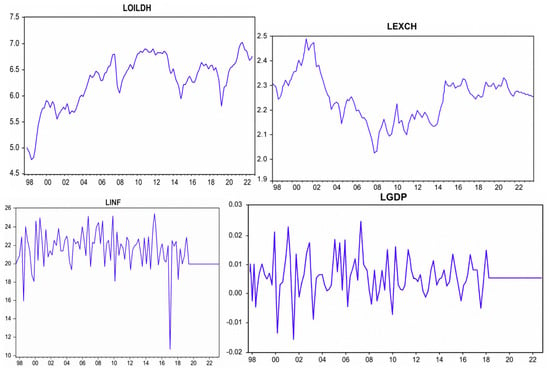
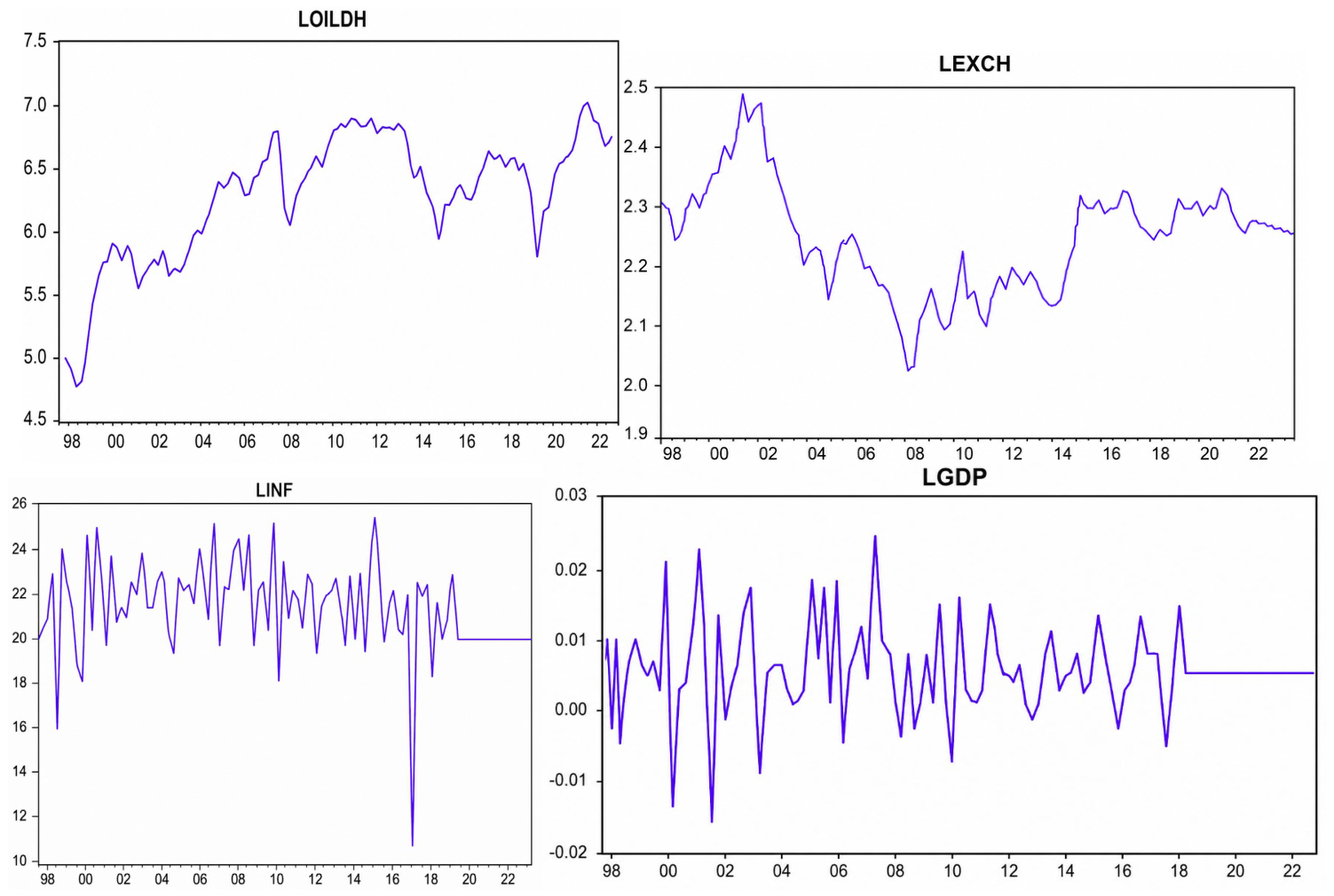
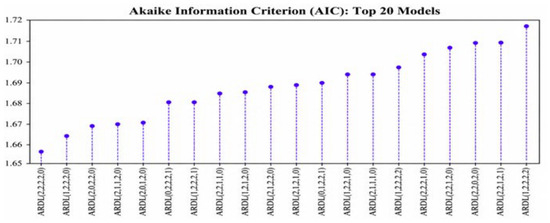
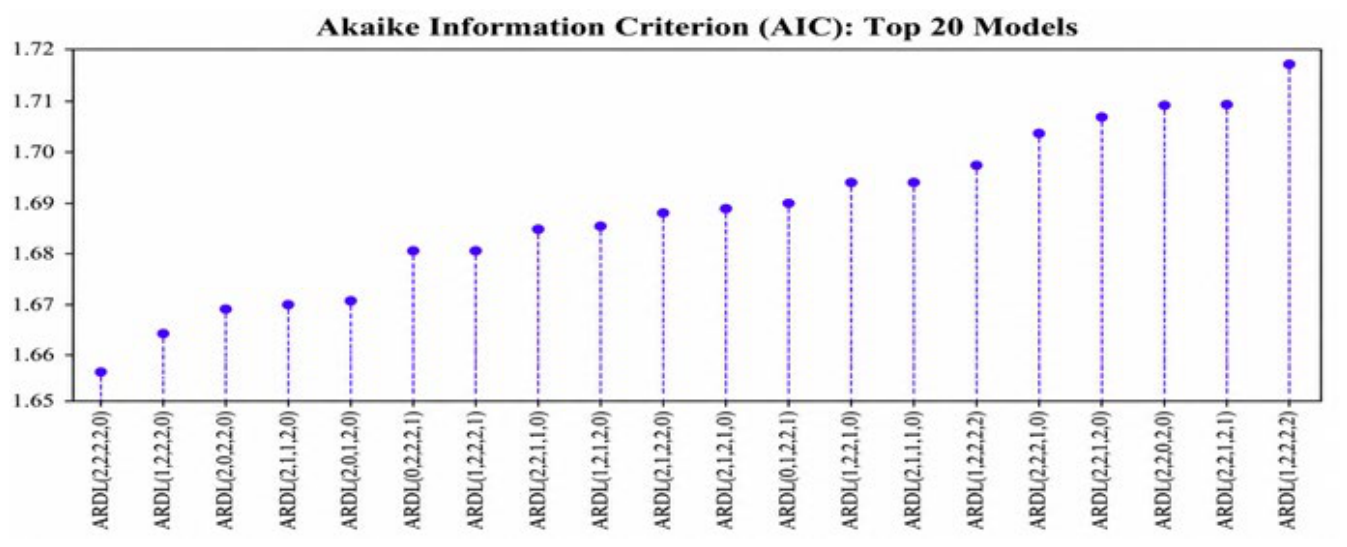
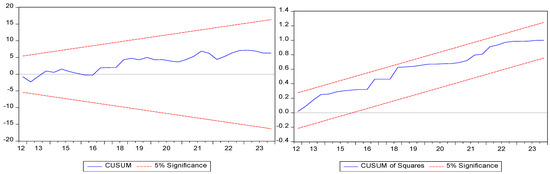
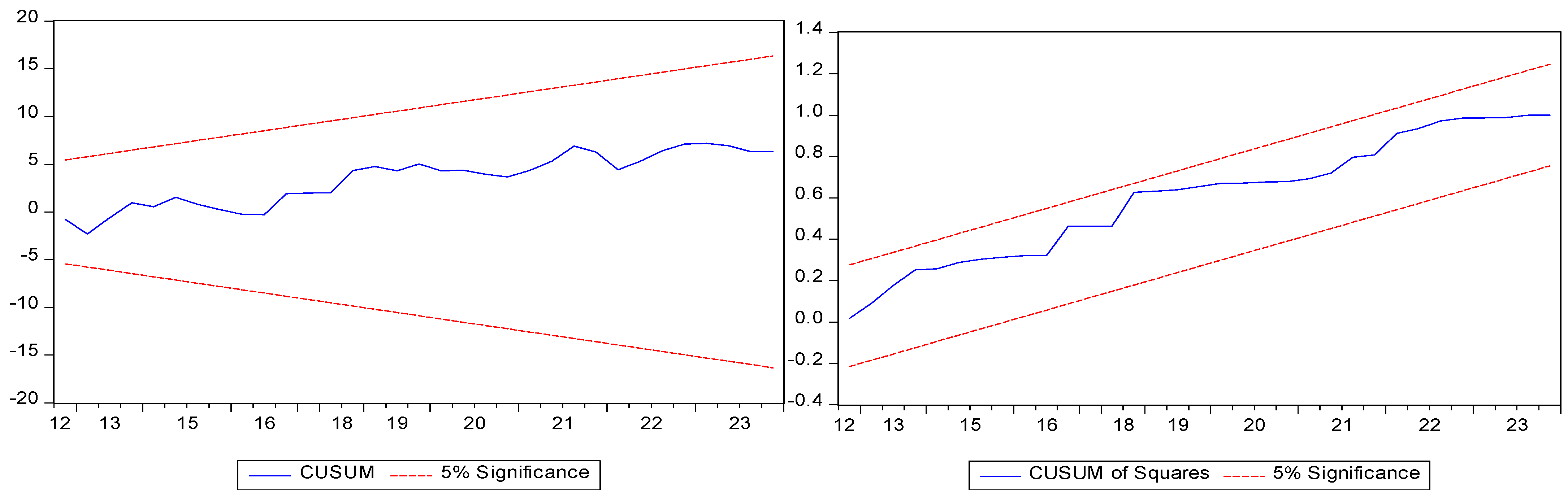
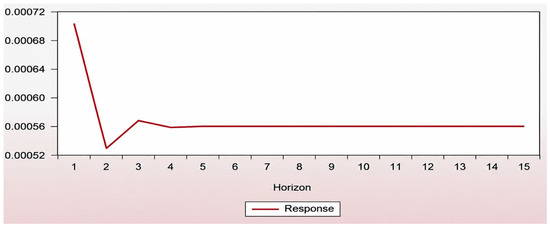
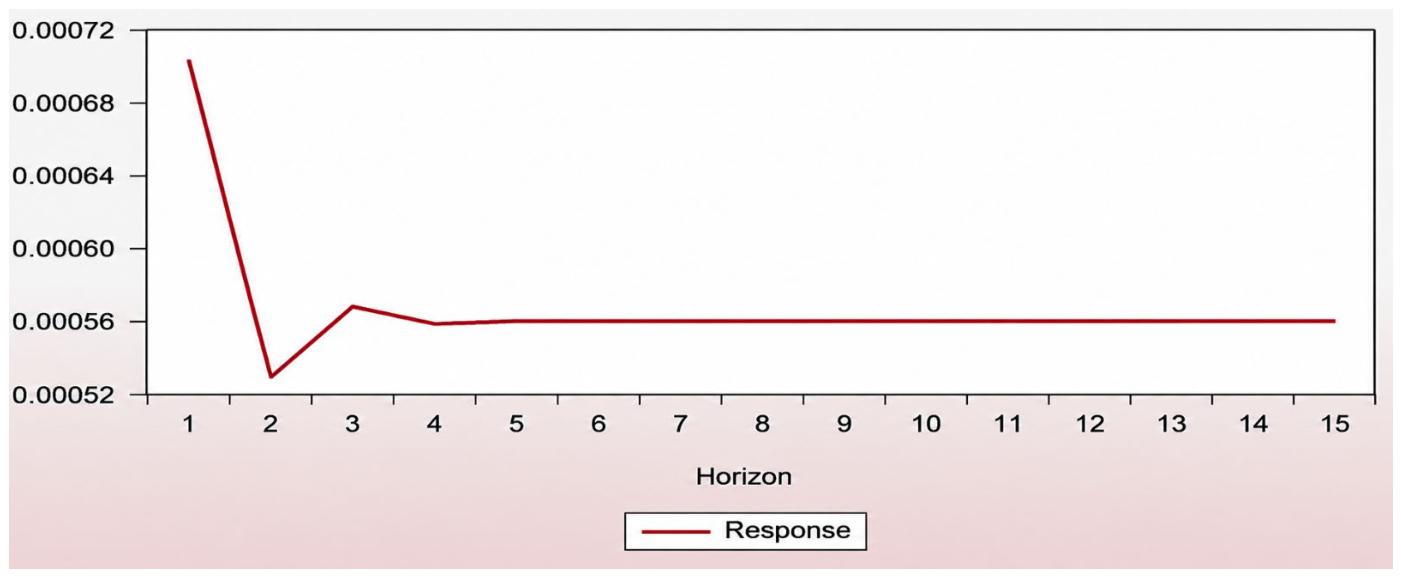
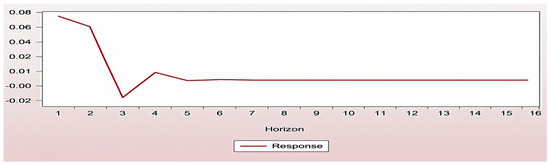
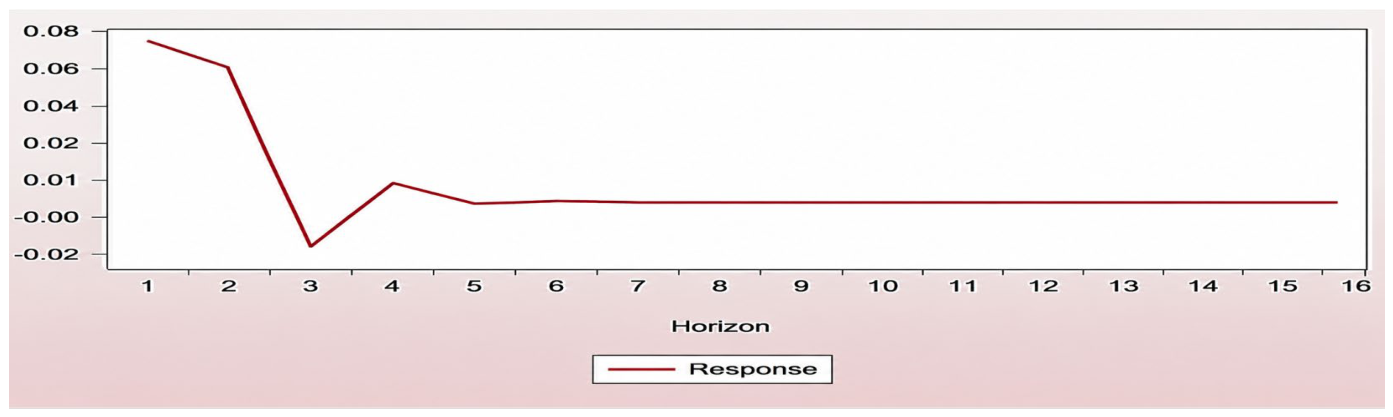
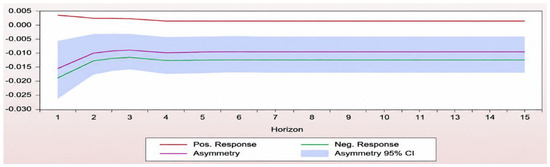
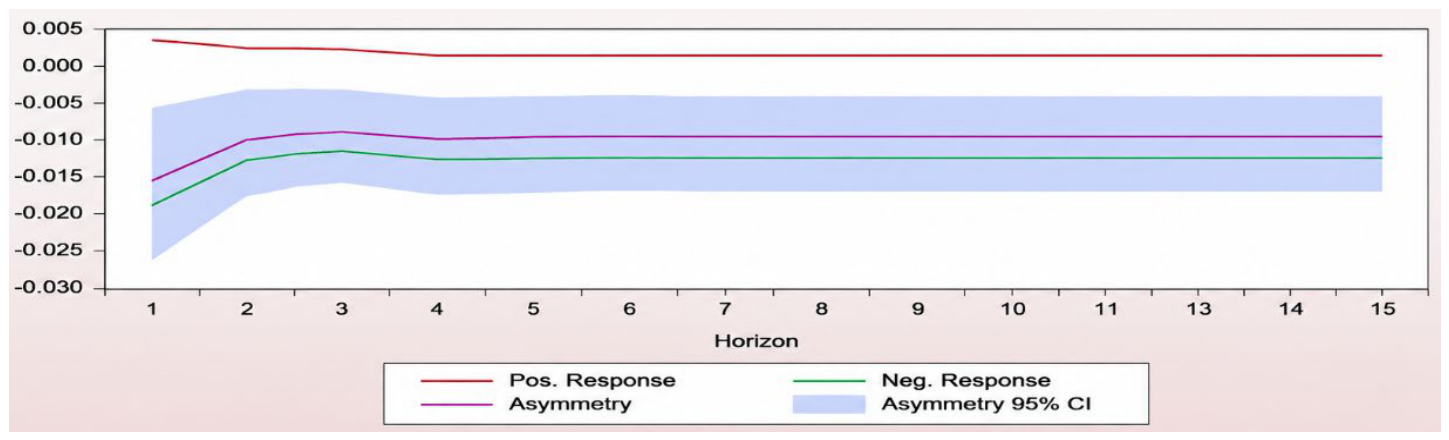

Disclaimer/Publisher’s Note: The statements, opinions and data contained in all publications are solely those of the individual author(s) and contributor(s) and not of MDPI and/or the editor(s). MDPI and/or the editor(s) disclaim responsibility for any injury to people or property resulting from any ideas, methods, instructions or products referred to in the content. |
© 2026 by the authors. Licensee MDPI, Basel, Switzerland. This article is an open access article distributed under the terms and conditions of the Creative Commons Attribution (CC BY) license.