


Abstract
This study examines the long-run association between entrepreneurship and real GDP per capita in 37 OECD economies over 2005 to 2024. The dependent variable is the natural logarithm of real GDP per capita in levels, so the estimated parameters describe long-run income levels rather than growth rates. The analysis asks whether four structural conditions, namely financial development, human capital, innovation capacity, and institutional quality, moderate the entrepreneurship–income relationship, and it tests each moderation through an explicit mean-centred interaction term. The empirical strategy addresses cross-sectional dependence and slope heterogeneity directly: Pesaran CD and Pesaran–Yamagata tests precede CIPS second-generation unit root tests, Westerlund error-correction cointegration tests, and long-run estimation by CCEMG and AMG alongside FMOLS, DOLS, and the Panel ARDL Pooled Mean Group estimator. Entrepreneurship is positively and significantly associated with long-run income per capita across all estimators. The moderating roles of financial development and human capital are positive and robust, the moderating role of innovation capacity is positive but weaker, and no reliable moderation by institutional quality is detected. Dumitrescu–Hurlin tests indicate bidirectional causality between entrepreneurship and income, so the results are interpreted as robust long-run associations rather than identified causal effects. The findings support integrated policy designs that combine entrepreneurial support with financial deepening and human capital formation.
1. Introduction
Raising and sustaining income per capita remains a central objective for the advanced economies of the Organisation for Economic Co-operation and Development (OECD). Traditional growth accounting emphasises capital accumulation, labour force expansion, and exogenous technological progress (Solow, 1956), whereas subsequent research assigns a structural role to entrepreneurship as a mechanism through which knowledge is converted into commercial activity (Audretsch et al., 2006; Carree & Thurik, 2010). In OECD economies, characterised by developed institutional frameworks, deep financial systems, and high educational attainment, entrepreneurship operates less as a substitute for scarce formal employment and more as a channel for innovation, productivity improvement, and structural change (Audretsch & Keilbach, 2004; OECD, 2024). Understood as the process of recognising, evaluating, and exploiting economic opportunities (Shane & Venkataraman, 2000), entrepreneurial activity is associated with higher aggregate output through the introduction of new products and production methods (Schumpeter, 1934), through competitive pressure that induces incumbent firms to improve efficiency (Aghion & Howitt, 1992), and through employment creation in small- and medium-sized enterprises (OECD, 2024).
The empirical record on this relationship is nevertheless mixed. Several studies report a positive and significant association between entrepreneurial activity and economic performance (Stam & van Stel, 2011; Stoica et al., 2020), while others find weak or negative associations that depend on the type of entrepreneurship and the surrounding economic conditions (Valliere & Peterson, 2009). Opportunity-driven entrepreneurship, oriented towards innovation and expansion, is generally associated with stronger performance than necessity-driven entry (Acs, 2006). This dispersion of findings suggests that the relevant empirical question is not whether entrepreneurship is associated with higher income, but under which structural conditions that association is strongest. That reframing motivates the present study.
The study therefore takes the conditioning structure of the entrepreneurship–income relationship as its central object of analysis rather than as a background consideration. Four conditions are singled out because the theoretical literature identifies each as a binding constraint on the productive deployment of entrepreneurial activity. Financial development determines whether new firms can obtain external finance at a cost that permits them to reach efficient scale (King & Levine, 1993; Levine, 2005; Beck & Demirgüç-Kunt, 2006). Human capital determines both the quality of the opportunities that are identified and the availability of the skilled labour required to exploit them (Mason et al., 2020; Jafari-Sadeghi et al., 2019). Innovation capacity determines whether new entry embodies technological advance or merely replicates existing production (Aghion, 2016). Institutional quality determines the incentive structure that allocates entrepreneurial talent between productive and unproductive uses (Baumol, 1990; North, 1990; Acemoglu et al., 2005). Each of these four conditions is modelled explicitly as an interaction with entrepreneurship so that the conceptual framework and the estimated equation correspond one to one.
Three features distinguish the empirical design. First, the dependent variable is defined and interpreted consistently as the natural logarithm of real GDP per capita in levels. The estimated coefficients are therefore long-run elasticities of the income level, not effects on the growth rate, and the terminology is maintained throughout the paper. A growth-rate specification is estimated separately as a robustness exercise so that the two conceptually distinct questions are kept apart. Second, the econometric strategy is built around the panel properties that OECD data actually exhibit. Because OECD economies are highly integrated and share common shocks, including the global financial crisis, the euro area sovereign debt crisis, the COVID-19 pandemic, and the subsequent inflation episode, cross-sectional dependence and slope heterogeneity are tested before any estimator is selected, and the long-run estimates rely primarily on the Common Correlated Effects Mean Group (CCEMG) and Augmented Mean Group (AMG) estimators, which remain consistent under both conditions. First-generation tests and pooled estimators are retained only as comparative benchmarks. Third, the interaction terms are mean-centred, and the results are reported as marginal effects evaluated across the observed distribution of each moderator, which is the interpretation the interaction coefficients actually support.
The paper also adopts a deliberately restrained interpretive stance. Because higher-income economies plausibly generate the financial depth, educational attainment, and institutional capacity that support entrepreneurial entry, the entrepreneurship–income relationship is bidirectional in principle. Dumitrescu–Hurlin causality tests are used to examine this possibility, and lagged-regressor and system GMM specifications are reported. None of these procedures delivers full causal identification in a macro-panel of this dimension, and the findings are accordingly described as long-run associations. Statements of policy relevance distinguish between implications that follow directly from the estimated parameters and broader implications inherited from the wider literature.
The contribution is threefold. Conceptually, the study replaces the binary question of whether entrepreneurship raises income with a conditional formulation in which four structural moderators are specified ex ante and tested individually, producing a differentiated rather than uniform pattern of results. Methodologically, it applies a second-generation panel framework that is consistent under cross-sectional dependence and heterogeneous slopes, and it reports the diagnostic evidence, marginal effects, and estimation settings needed to evaluate that framework. Empirically, it covers 37 OECD economies over 2005 to 2024, a period spanning two systemic shocks, and it reports where the conditioning structure holds and where it does not, including the absence of reliable moderation by institutional quality within a sample whose institutional variation is compressed by construction.
The remainder of the paper is organised as follows: Section 2 reviews the literature on entrepreneurship and long-run income, develops the conceptual framework, and states the hypotheses. Section 3 sets out the research objectives and questions, the sample and study period, the variable definitions and data sources, the model specification, and the econometric strategy. Section 4 reports the empirical results, including diagnostic testing, long-run estimation, marginal effects, causality testing, and robustness checks. Section 5 discusses the findings in relation to the existing literature and derives policy implications. Section 6 concludes and identifies limitations and directions for further research.
2. Literature Review
Entrepreneurship enters growth theory as a mechanism through which knowledge that would otherwise remain commercially unexploited is transformed into productive economic activity. The knowledge spillover theory of entrepreneurship posits that incumbent firms systematically under-exploit part of the knowledge they generate, while new firm formation provides an important channel through which this residual knowledge is identified, commercialised, and introduced into markets (Acs et al., 2009; Audretsch et al., 2006). From a Schumpeterian perspective, entrepreneurial entry contributes to economic dynamism by displacing less efficient incumbents and reallocating resources towards more productive uses through creative destruction (Schumpeter, 1934, 1942; Aghion & Howitt, 1992; Aghion, 2016; Kreft & Sobel, 2005). At the aggregate level, national systems of entrepreneurship frameworks extend this logic by conceptualising entrepreneurial output as the outcome of individual entrepreneurial action interacting with the systemic conditions that shape the emergence, development, and productivity of entrepreneurial activity (Acs et al., 2014; Urbano & Aparicio, 2016). Taken together, these perspectives imply that entrepreneurship is more appropriately associated with the long-run level of income per capita than with a permanent increase in the growth rate. This distinction provides the basis for interpreting entrepreneurship in the present study as a factor associated with the long-run level of economic development.
The empirical literature provides substantial, although qualified, support for this relationship. Cross-country evidence generally identifies a positive association between entrepreneurial activity and economic performance (Urbano et al., 2019; Stoica et al., 2020; Khyareh & Amini, 2021; Gomes et al., 2022, 2023), while the strength of this association appears to depend on the nature and quality of entrepreneurial activity. In particular, the relationship tends to be stronger where entrepreneurial entry is innovation-intensive and oriented towards firm growth and productive opportunity exploitation (Gautam & Lal, 2021; Ziane et al., 2025). Opportunity-driven entrepreneurship is consistently associated with higher levels of output in developed economies, whereas necessity-driven entrepreneurship tends to exhibit weaker or adverse associations with economic performance, particularly in lower-income settings (Kim et al., 2022; Urbano et al., 2019; Martín et al., 2020; Prasetyo & Kistanti, 2020). These findings indicate that the economic implications of entrepreneurship depend not merely on the volume of entrepreneurial activity but also on its underlying orientation and productive characteristics.
A further qualification concerns the direction of the relationship between entrepreneurship and economic performance. Economies with higher income levels generally possess deeper capital markets, larger stocks of human capital, and more capable public administrations, all of which may reduce the costs and risks associated with entrepreneurial entry. Consequently, reverse causation from higher income to greater entrepreneurial activity is theoretically plausible. Consistent with this possibility, empirical research has documented feedback effects operating in both directions between entrepreneurship and economic performance (Bosma et al., 2018; Rani & Kumar, 2021). Accordingly, the present study treats bidirectionality as an empirical question to be examined rather than assuming a unidirectional relationship a priori.
Access to external finance represents one of the most frequently identified constraints on the establishment, expansion, and scaling of new firms. Financial intermediaries contribute to economic activity by reducing information asymmetries, mobilising savings, and allocating resources towards projects with higher expected returns (King & Levine, 1993; Levine, 2005). In financially shallow systems, entrepreneurial firms are more heavily dependent on internal funds and retained earnings, which can constrain investment, prevent firms from reaching efficient scale, and consequently weaken the aggregate contribution of entrepreneurial entry to economic performance (Beck & Demirgüç-Kunt, 2006; Dutta & Meierrieks, 2021; Abaidullah & Sabir, 2023; Radmehr et al., 2022). Within the OECD, the relevant dimension of financial development is therefore not simply the existence of an established banking system, but the depth of private credit and the availability of risk capital for early-stage and intangible-intensive firms (OECD, 2024, 2026). Financial development may consequently strengthen the entrepreneurship–income relationship by relaxing financing constraints and enabling firms with productive opportunities to invest, innovate, and expand. Nevertheless, the contribution of financial depth may not remain constant across different levels of financial development. Evidence suggests that the marginal contribution of financial depth can diminish and may even reverse at very high levels of credit (Shahbaz et al., 2020; Khalikchaeva et al., 2026). This possibility suggests that the moderating role of financial development should be evaluated across the observed distribution rather than represented exclusively by a single constant marginal effect.
Human capital constitutes another important condition through which entrepreneurial activity may influence economic performance. Its contribution to the entrepreneurship–income relationship operates through several complementary mechanisms. First, higher levels of human capital improve the ability of entrepreneurs to identify, evaluate, and exploit economically viable opportunities (Jafari-Sadeghi et al., 2019). Second, human capital provides the skilled labour required by new firms to develop products, adopt technologies, and achieve sustained expansion (Mason et al., 2020). Third, it strengthens absorptive capacity, enabling firms and economies to assimilate and effectively utilise externally generated knowledge, including knowledge embodied in inward foreign investment (Narula & Marín, 2003; Guo et al., 2021; Yunus, 2023). Epure et al. (2023) demonstrate that human capital and institutional conditions jointly determine whether entrepreneurial ambition is translated into realised firm growth, with this dependence becoming more pronounced during periods of crisis. Similarly, Proença and Soukiazis (2022) and Atsu and Adams (2023) identify complementarity between educational attainment and the economic contribution of entrepreneurship in OECD samples. These findings imply that the same level of entrepreneurial activity may generate different economic outcomes depending on the human-capital environment in which entrepreneurial firms operate.
Innovation capacity provides a further mechanism through which the economic contribution of entrepreneurial entry may vary across economies. Entrepreneurial activity does not necessarily generate technological advancement; its productivity implications depend partly on the extent to which new firms introduce new technologies, products, processes, or organisational practices. This consideration is particularly relevant for economies operating near the global technological frontier, where productivity improvements increasingly depend on the creation and commercialisation of new knowledge rather than solely on the adoption of existing technologies (Aghion, 2016). Research and development intensity, patenting, and the diffusion of information and communication technologies are consistently associated with productivity outcomes in OECD economies (Ulku, 2004; Guloglu & Tekin, 2012; Nair et al., 2020; Ahmad & Zheng, 2022; Maradana et al., 2017; Dempere et al., 2023). Accordingly, the same volume of entrepreneurial entry may be associated with a larger income effect in economies characterised by stronger innovation systems, where entrants can draw upon a denser stock of exploitable knowledge and more developed infrastructure for its diffusion and commercialisation (Crudu, 2019; Raghupathi & Raghupathi, 2017). Existing studies have frequently conceptualised innovation as an independent determinant or as a mediating mechanism linking entrepreneurial activity to economic outcomes (Sein & Rehman, 2025; Pradhan et al., 2023; Phung et al., 2019). However, innovation has been examined less frequently as a moderator of the entrepreneurship–income relationship. The present framework therefore considers whether the economic contribution of entrepreneurial activity varies systematically with the strength of the surrounding innovation environment.
Institutions represent another fundamental condition shaping the economic consequences of entrepreneurship. Institutional arrangements influence the allocation of entrepreneurial talent between productive, unproductive, and destructive activities by determining the relative expected returns associated with these forms of behaviour (Baumol, 1990). Secure property rights, effective contract enforcement, regulatory predictability, and low corruption can reduce transaction costs, strengthen investment incentives, and extend entrepreneurial planning horizons (North, 1990; Acemoglu et al., 2005). Accordingly, entrepreneurial activity is more likely to generate productive economic outcomes when institutional arrangements provide appropriate incentives for investment, innovation, and market entry. Cross-country evidence indicates that institutional quality conditions the relationship between entrepreneurship and economic performance (Urbano et al., 2019; Khyareh & Amini, 2021; Aparicio et al., 2016; Khalilov & Yi, 2021), while regulatory burdens can directly influence firm entry and early-stage survival (Van Stel et al., 2007; Bjørnskov & Foss, 2013). An important qualification, however, arises from the OECD-focused sample considered in this study. Because OECD membership itself presupposes comparatively high standards of governance, within-sample variation in institutional quality is likely to be more compressed than in samples encompassing countries at substantially different stages of institutional development. If institutional quality operates partly as a threshold condition that is already satisfied across most OECD economies, its moderating effect may be statistically difficult to identify even when it remains theoretically relevant. This possibility is therefore recognised in advance so that a statistically weak or insignificant moderating effect can be interpreted in light of the characteristics of the OECD sample rather than being treated as evidence against the broader theoretical importance of institutions.
FDI is included as a control variable because it can contribute to economic performance through capital accumulation and the international transfer of technology and managerial practices (De Mello, 1999; Barrell & Pain, 1997; Gökçeli et al., 2022; Yang, 2024). The magnitude of these effects may depend on domestic absorptive capacity, particularly the ability of firms and economies to assimilate and exploit foreign technologies, knowledge, and organisational practices (Girma, 2005; Li & Tanna, 2019; Mim et al., 2021). Controlling for FDI therefore allows the empirical specification to account for an important external source of capital and knowledge while maintaining the analytical focus on the entrepreneurship–income relationship. Trade openness is likewise incorporated as a control because exposure to international markets can affect domestic economic performance through increased competition and access to foreign knowledge and technologies (Dar & Amirkhalkhali, 2003; Cai et al., 2022; Jošić, 2023). The magnitude and direction of these effects may depend on domestic human capital and export composition (Intisar et al., 2020; Huchet-Bourdon et al., 2018; Ramzan et al., 2019; Kong et al., 2020). In the present framework, however, both FDI and trade openness are treated strictly as control variables rather than as focal mechanisms. No hypotheses are therefore formulated for these variables, although their coefficients are reported as part of the empirical specification. This approach preserves analytical parsimony and prevents the formulation of hypotheses for every regressor from diluting the central focus of the study, namely the relationship between entrepreneurship and long-run economic performance and the conditions under which this relationship may be strengthened or weakened.
Figure 1 presents the conceptual framework. Entrepreneurship is the focal explanatory variable and real GDP per capita is the outcome. Financial development, human capital, innovation capacity, and institutional quality enter twice, once as direct determinants of income and once as moderators of the entrepreneurship channel. In detail, government effectiveness, as a proxy for institutional quality, may shape entrepreneurial activity through the efficiency of public service delivery, the implementation of public policies, and the broader institutional environment in which businesses operate. In particular, social safety nets may mitigate the risks associated with entrepreneurial failure by providing individuals with a degree of economic security that facilitates recovery and subsequent entrepreneurial engagement. Such support may be especially important for necessity-driven entrepreneurs, who enter self-employment due to limited alternative employment opportunities rather than the pursuit of identified market opportunities. In this regard, the concept of the “barefoot entrepreneur” (Imas et al., 2012) highlights the potential importance of public support mechanisms in fostering more inclusive and sustainable forms of entrepreneurship. Foreign direct investment, trade openness, and crisis-period indicators enter as controls. Every path in the figure corresponds to a parameter in Equation (2), and every hypothesis corresponds to a single estimated coefficient. No mediation paths are drawn, and no mediation claims are made, because the estimating equation does not identify indirect effects.
Figure 1.
Conceptual framework relating entrepreneurship to long-run income per capita.
Five hypotheses follow. The number has been kept deliberately small so that each corresponds to a directly testable parameter restriction.
H1.
Entrepreneurship is positively and statistically significantly associated with real GDP per capita in the long run.
H2.
Financial development positively moderates the entrepreneurship–income relationship, so the marginal association between entrepreneurship and income is larger where private credit is deeper.
H3.
Human capital positively moderates the entrepreneurship–income relationship, so the marginal association is larger where educational attainment is higher.
H4.
Innovation capacity positively moderates the entrepreneurship–income relationship, so the marginal association is larger where research and development intensity is higher.
H5.
Institutional quality positively moderates the entrepreneurship–income relationship, so the marginal association is larger where government effectiveness is higher.
Table 1 maps each hypothesis to the parameter that tests it and to the decision rule applied. Hypotheses concerning the control variables are not formulated, and no hypothesis asserts mediation, nonlinearity, or conditionality that the specification does not test.
Table 1.
Correspondence between hypotheses, parameters, and decision rules.
3. Data and Methodology
3.1. Research Objectives and Research Questions
The study pursues three interrelated objectives. First, it estimates the long-run association between entrepreneurial activity and real GDP per capita across OECD economies using econometric estimators that account for both cross-sectional dependence and heterogeneity in slope coefficients. Second, it examines whether the strength of this association is systematically conditioned by financial development, human capital, innovation capacity, and institutional quality, with particular emphasis on how the estimated relationship varies across the observed distribution of each moderating factor rather than being evaluated at a single representative value. Third, it assesses the directionality of the entrepreneurship–income relationship by examining the extent to which the empirical evidence supports a directional relationship while explicitly recognising the possibility of feedback effects running from income to entrepreneurial activity.
These objectives give rise to four corresponding research questions. RQ1: Is entrepreneurial activity positively associated with real GDP per capita in the long run across OECD economies when cross-sectional dependence and slope heterogeneity are explicitly accommodated? RQ2: Does the magnitude of the entrepreneurship–income association vary systematically with the levels of financial development and human capital? RQ3: Does the strength of this association vary systematically with innovation capacity and institutional quality? RQ4: Does the empirical evidence support a unidirectional relationship between entrepreneurship and income, or does it indicate the presence of bidirectional feedback between entrepreneurial activity and economic performance?
3.2. Sample and Study Period
The empirical analysis is based on a balanced panel of 37 OECD member economies observed annually over the period 2005–2024, yielding 740 country-year observations. The countries included in the sample are Australia, Austria, Belgium, Canada, Chile, Colombia, Czechia, Denmark, Estonia, Finland, France, Germany, Greece, Hungary, Iceland, Ireland, Israel, Italy, Japan, Korea, Latvia, Lithuania, Luxembourg, Mexico, the Netherlands, New Zealand, Norway, Poland, Portugal, the Slovak Republic, Slovenia, Spain, Sweden, Switzerland, Türkiye, the United Kingdom, and the United States. Costa Rica is the only current OECD member excluded from the sample. Although Costa Rica joined the OECD in 2021, its accession occurred relatively recently in relation to the study period, and comparable continuous data for new business registration density are not available for the earlier years of the sample. Including Costa Rica would therefore either require shortening the common observation period for all countries or adopting an unbalanced panel, both of which could complicate the implementation and interpretation of the second-generation panel tests employed in the subsequent analysis. Countries that became OECD members during the study period, such as Colombia in 2020, are nevertheless retained for the entire 2005–2024 period because the unit of analysis is the national economy rather than the duration of formal OECD membership.
The study period is determined primarily by data availability and comparability. The starting year, 2005, is selected because the World Bank Entrepreneurship Database, which provides the principal measure of entrepreneurial activity used in the analysis, offers comparable cross-country coverage for the OECD sample from that year onward. The observation period ends in 2024, representing the most recent year for which the complete set of variables was available at the time of estimation. The resulting 20-year window encompasses several major global and regional economic disturbances, including the global financial crisis of 2008–2009, the euro area sovereign debt crisis, the COVID-19 pandemic during 2020–2021, and the subsequent inflationary and energy-price episode. These common shocks, together with increasing economic and financial interconnectedness among OECD economies, provide a substantive basis for allowing cross-sectional dependence rather than imposing the assumption that countries evolve independently of one another. Accordingly, the econometric strategy explicitly accommodates potential cross-country interdependence in the estimation of the long-run relationships.
The treatment of missing observations follows a structured procedure designed to preserve the integrity of the panel while limiting the extent of imputation. Prior to interpolation, the raw dataset contained a relatively small proportion of missing observations, concentrated primarily in the new business registration density series for a limited number of countries and in isolated years rather than in extended or systematic gaps. Isolated internal gaps of no more than two consecutive years were addressed using linear interpolation within the corresponding country series. No extrapolation was undertaken beyond the first or last observed value for any country, thereby avoiding the introduction of values outside the empirically observed range. Country-series containing gaps longer than two consecutive years were not mechanically interpolated. Instead, such cases were examined individually and retained only where the missing observations could be recovered from national statistical office sources and verified to be definitionally comparable with the corresponding international series. This procedure reduces the risk that interpolation introduces artificial variation or alters the underlying cross-country comparability of the variables.
To ensure transparency regarding the extent of the imputation procedure, the proportion of interpolated observations for each variable is reported in Table 2. In addition, all empirical models were re-estimated using the original uninterpolated unbalanced panel as a robustness exercise. The substantive conclusions remained unchanged, indicating that the principal findings are not driven by the treatment of the limited number of missing observations.
Table 2.
Variable definitions, units, transformations, expected signs, and sources.
3.3. Variables, Definitions, and Data Sources
Table 2 presents all variables included in the analysis, specifying their roles in the model, operational definitions, units of measurement, transformations, expected signs, data sources, and proportions of interpolated observations.
The selection of variables is grounded in established theoretical frameworks and previous empirical studies examining the relationship between entrepreneurship and economic development, particularly in OECD and cross-country settings. Real GDP per capita is used as a measure of economic development, consistent with previous studies investigating entrepreneurship and growth (Zarkua et al., 2025; Ziane et al., 2025; Gomes et al., 2023; Doran et al., 2018). Entrepreneurship is proxied by new business density, defined as newly registered limited-liability companies per 1000 people aged 15–64. This indicator captures formal entrepreneurial entry and has been employed in previous empirical research (Ziane et al., 2025; Goschin et al., 2021). Nevertheless, it should be interpreted as a measure of business formation rather than entrepreneurial quality or innovation. Evidence from OECD and broader country samples also suggests that the relationship between entrepreneurship and economic growth varies across national contexts and levels of development (Gomes et al., 2023; Zarkua et al., 2025; Doran et al., 2018). Financial development is measured by domestic credit to the private sector as a percentage of GDP, a widely used indicator of credit availability and financial intermediation (Atsu & Adams, 2023; Alawi et al., 2022; Ahmad et al., 2021). Human capital is captured by the Penn World Table human capital index, which reflects educational attainment and returns to education. Previous studies highlight the importance of human capital in shaping innovation and economic growth (Atsu & Adams, 2023; Sein & Rehman, 2025; Danta & Rath, 2024). Innovation is proxied by gross domestic expenditure on research and development as a percentage of GDP, consistent with empirical research using R&D expenditure to represent innovation-related activity (Sein & Rehman, 2025; Odei et al., 2026; Alawi et al., 2022). Government effectiveness, measured using the Worldwide Governance Indicators, serves as a proxy for institutional quality, reflecting the importance of public-sector capacity and governance conditions for entrepreneurship and economic performance (Sein & Rehman, 2025; Khyareh & Amini, 2021). To examine the conditional relationship between entrepreneurship and economic development, interaction terms are constructed between new business density and financial development, human capital, innovation, and government effectiveness. These interactions allow the analysis to assess whether the relationship between entrepreneurial entry and economic development varies with access to finance, human capital accumulation, innovation capacity, and institutional quality. This specification is consistent with research emphasising the role of institutional conditions in shaping the effectiveness of financial development and entrepreneurship (Dutta & Meierrieks, 2021; Odei et al., 2026; Khan et al., 2020; Ugbor, 2026). More specifically, previous studies support examining the complementary roles of finance and institutional quality (Dutta & Meierrieks, 2021), human capital and innovation (Sein & Rehman, 2025; Odei et al., 2026), and institutional quality in the entrepreneurship–growth relationship (Ugbor, 2026; Khyareh & Amini, 2021). FDI net inflows and trade openness, both expressed as percentages of GDP, are included as control variables to account for external investment and international economic integration. Their inclusion is consistent with previous empirical studies of economic development and its financial and innovation-related determinants (Atsu & Adams, 2023; Alawi et al., 2022; Elezi & Klisaroski, 2024). In addition, dummy variables for the global financial crisis (2008–2009) and the COVID-19 pandemic (2020–2021) control for major economic disruptions that may have affected entrepreneurship, investment, trade, and economic performance (Goschin et al., 2021; Sarker, 2024; Elezi & Klisaroski, 2024). The variables are obtained from internationally recognised databases, including the World Bank’s World Development Indicators (WDI), the World Bank Entrepreneurship Database, the Worldwide Governance Indicators, the OECD statistical databases, and the Penn World Table, which provide standardised measures suitable for cross-country analysis (Atsu & Adams, 2023; Ziane et al., 2025; Gomes et al., 2023).
All continuous variables are expressed in natural logarithms, except for government effectiveness, which is retained in its original standardised scale because the measure includes zero and negative values, rendering a conventional logarithmic transformation inappropriate without additional adjustments. The logarithmic transformation of the remaining variables helps linearise multiplicative relationships, mitigate the influence of extreme observations, and facilitate the interpretation of slope coefficients as long-run elasticities, consistent with the specifications of the estimators employed in the subsequent analysis.
Two measurement issues warrant explicit consideration. The first concerns the measurement of entrepreneurial activity. New business density captures the intensity of formal business registration but does not distinguish between opportunity-driven and necessity-driven entrepreneurship, innovative and imitative firms, or high-growth ventures and subsistence-oriented businesses. These distinctions are theoretically and empirically consequential because the economic contribution of entrepreneurship may vary substantially across different forms of entrepreneurial activity. Nevertheless, new business density represents a defensible proxy for the present OECD sample for three principal reasons. First, the formal registration of limited-liability companies constitutes a relatively demanding form of market entry involving capital requirements, disclosure obligations, and tax registration. Consequently, the measure is less likely to capture the informal and subsistence-oriented activities that are particularly prevalent among necessity-driven entrepreneurs in lower-income economies. Second, levels of informality are generally lower across OECD economies than in broader global samples, implying that the divergence between formal business entry and total entrepreneurial activity is comparatively narrower. Third, the new business density series is constructed using a harmonised definition across countries and over time, thereby providing a degree of cross-country and temporal comparability that is not necessarily achieved by alternative measures based on self-reported survey responses.
Despite these advantages, the measure should not be interpreted as capturing the quality, productivity, innovativeness, or growth potential of entrepreneurial entry. Rather, it primarily reflects the intensity of formal new-firm formation. This distinction is important for interpreting the empirical estimates and for assessing construct validity. To examine whether the main findings depend on the choice of entrepreneurship proxy, additional robustness specifications employ the Global Entrepreneurship Monitor total early-stage entrepreneurial activity rate and the self-employment rate as alternative measures. The limitations associated with the inability of aggregate entry measures to fully distinguish the qualitative dimensions of entrepreneurship are retained in the discussion of the study’s limitations.
The second measurement issue concerns the specification of the dependent variable. The empirical model uses the natural logarithm of real GDP per capita in levels, which represents the long-run income level of an economy rather than its rate of economic expansion. Accordingly, the terminology throughout the study consistently refers to income levels and the long-run entrepreneurship–income relationship rather than interpreting the estimated coefficients as effects on economic growth rates. To distinguish the level and growth dimensions of economic performance, a separate specification uses the growth rate of real GDP per capita as the dependent variable and is estimated using system GMM. This additional specification allows the study to examine the relationship between entrepreneurship and economic growth as a distinct empirical question, thereby avoiding the conflation of long-run income levels with growth rates within a single model or interpretation.
3.4. Model Specification
The baseline specification without interactions is written as
lnGDPit = α + β1lnBusinessit + β2lnFDIit + β3lnTradeit + β4lnInnovationit + β5lnHCit + β6lnFDit + β7GEit + δ1D_GFCt + δ2D_COVIDt + μi + εit
The full specification adds the four moderation terms:
lnGDPit = α + β1lnBusinessit + β2lnFDIit + β3lnTradeit + β4lnInnovationit + β5lnHCit + β6lnFDit + β7GEit + β8(lnBusiness × lnFD)it + β9(lnBusiness × lnHC)it + β10(lnBusiness × lnInnovation)it + β11(lnBusiness × GE)it + δ1D_GFCt + δ2D_COVIDt + μi + εit
Here, i indexes the 37 countries, t indexes years from 2005 to 2024, μi captures unobserved country-specific heterogeneity, and εit is the idiosyncratic disturbance. All variables entering an interaction are mean-centred prior to forming the product, so β1 is interpretable as the marginal association between entrepreneurship and income for a country at the sample mean of all four moderators, rather than at the counterfactual and unobserved point where every moderator equals zero. Mean-centring also reduces the non-essential collinearity that the products would otherwise induce.
The quantity of substantive interest is not β8 to β11 individually but the conditional marginal effect
Equation (3) makes the correct interpretation of the interaction coefficients explicit. A coefficient of β8 on the credit interaction does not mean that the income effect of entrepreneurship rises by β8 percent for each one percent rise in credit. It means that the elasticity of income with respect to entrepreneurship rises by β8 units for each one-unit rise in the logarithm of the credit-to-GDP ratio, which is a change of approximately one hundred log points. Section 4.8 reports Equation (3) evaluated at the tenth, fiftieth, and ninetieth percentiles of each moderator, with standard errors obtained by the delta method, and Figure 2 plots the marginal effect and its ninety-five percent confidence band across the observed range of each moderator.
Figure 2.
Marginal effect of entrepreneurship on lnGDP per capita across the observed range of each moderator, with 95% confidence bands.
3.5. Econometric Strategy
The estimation sequence is determined by the data properties rather than fixed in advance. Cross-sectional dependence and slope heterogeneity are tested first, because their presence determines which unit root, cointegration, and long-run estimators are admissible. Table 3 summarises the sequence and the analytical role assigned to each procedure.
Table 3.
Estimation sequence and the analytical role of each procedure.
3.5.1. Cross-Sectional Dependence and Slope Heterogeneity Testing
OECD economies are linked by trade, financial integration, coordinated monetary and fiscal responses, and common technology shocks, so disturbances are unlikely to be independent across countries. The Pesaran (2004, 2015) CD test is applied to each variable and to the residuals of Equation (2), with the Friedman and Frees statistics reported alongside it as complementary evidence. Where dependence is present, first-generation unit root and cointegration procedures suffer size distortion and pooled estimators that ignore common factors are inconsistent, which is why the sequence in Table 3 places these tests first.
Slope homogeneity is examined using the Pesaran and Yamagata (2008) standardised dispersion statistics, in both the raw and bias-adjusted forms. Rejection implies that estimators imposing common slopes across countries are misspecified, and that mean-group procedures are required. This test bears directly on the admissibility of the Pooled Mean Group estimator, whose long-run homogeneity restriction is examined separately by the Hausman procedure.
3.5.2. Panel Unit Root Testing
First-generation tests are reported for comparability with the prior literature. The Levin, Lin, and Chu test assumes a common autoregressive parameter across panels; the Im, Pesaran, and Shin test permits heterogeneity in that parameter; and the Fisher-type ADF and Phillips–Perron tests combine individual p-values (Maddala & Wu, 1999). All assume cross-sectional independence and are therefore not relied upon for inference here. The Pesaran (2007) cross-sectionally augmented IPS (CIPS) statistic and its underlying CADF regressions augment each country-specific regression with cross-sectional averages of the level and first difference of the series, which removes the common factor and restores correct size under dependence. Both level and first-difference specifications include an individual intercept and a linear trend, with lag lengths selected by the Schwarz information criterion up to a maximum of three.
3.5.3. Panel Cointegration Testing
The Pedroni (1999, 2004) residual-based test is reported for continuity with the earlier literature. Its seven statistics allow heterogeneous intercepts and trends but assume cross-sectional independence. The Westerlund (2007) error-correction tests are therefore treated as decisive. These test the null of no cointegration through the significance of the error-correction term in a conditional error-correction model, with the group-mean statistics Gτ and Gα permitting heterogeneous adjustment and the panel statistics Pτ and Pα imposing a common adjustment speed. Robust p-values are obtained by bootstrap with 500 replications, which accommodates cross-sectional dependence.
3.5.4. Long-Run Estimation
The rationale for employing several long-run estimators is that they rest on different and non-nested assumptions, so agreement among them is informative and disagreement is diagnostic. They are not interchangeable and are not presented as redundant repetitions of the same exercise.
The Common Correlated Effects Mean Group (CCEMG) estimator proposed by Pesaran (2006) accounts for cross-sectional dependence by augmenting each country-specific regression with cross-sectional averages of the dependent variable and the explanatory variables. These averages serve as proxies for unobserved common factors, allowing the estimator to accommodate cross-sectional dependence, heterogeneous slope coefficients, and a limited number of unobserved common factors. Given the cross-sectional dependence and slope heterogeneity identified by the diagnostic tests in Section 4.2, the CCEMG estimator is particularly suitable for the present analysis. The Augmented Mean Group (AMG) estimator proposed by Eberhardt and Teal (2010) provides a complementary approach by extracting a common dynamic process from a pooled first-difference regression and incorporating it into the country-specific equations. Because CCEMG and AMG account for unobserved common factors through different estimation procedures, comparing their results helps assess whether the findings are robust to alternative approaches to modelling cross-sectional dependence and common factor dynamics. Accordingly, these two estimators serve as the primary estimation methods in this study, consistent with their application in recent empirical panel research addressing similar methodological challenges (Zhao et al., 2025; Yuldoshboy et al., 2025; Beruniy et al., 2026).
The empirical analysis covers 37 OECD economies over the period 2005–2024 (N = 37, T = 20), yielding a maximum of 740 country-year observations in a balanced panel. In the CCEMG specification, each country-specific regression is augmented with cross-sectional averages of the dependent variable and the explanatory variables included in the model. The resulting country-specific coefficients are then averaged across the 37 economies to obtain the mean-group estimates. Given the relatively short time dimension, particular attention is paid to the number of parameters estimated in each country-specific regression, including the explanatory variables, interaction terms, and cross-sectional averages. The residual degrees of freedom are determined by the number of usable observations and the rank of the country-specific regressor matrix. Consequently, the effective degrees of freedom may vary across countries if the number of usable observations or the rank of the regressor matrix differs. This consideration is important when interpreting the estimates, as a highly parameterised specification relative to the available time-series observations may reduce estimation precision. The model specification and its associated degrees of freedom should therefore be evaluated in conjunction with the country-specific estimation results.
Fully Modified OLS (Pedroni, 2000) and Dynamic OLS (Kao & Chiang, 2001; Stock & Watson, 1993) are reported as secondary estimators. Both are efficient under cointegration when slopes are homogeneous and dependence is absent, and both correct for endogeneity and serial correlation within the cointegrating regression, semi-parametrically in the case of FMOLS and parametrically through leads and lags of the differenced regressors in the case of DOLS. Given the diagnostic results, they are not treated as delivering consistent estimates in their own right; they are reported to establish whether the substantive conclusions depend on the choice of estimator class, and any divergence between them and the mean-group estimates is interpreted as evidence of the bias induced by the homogeneity and independence assumptions.
The Panel ARDL model estimated by the Pooled Mean Group procedure of Pesaran et al. (1999) serves a distinct purpose that the mean-group estimators cannot: it decomposes the relationship into short-run dynamics and a long-run equilibrium and delivers the error-correction coefficient measuring the speed of adjustment. It is retained for that purpose. Its long-run homogeneity restriction is not assumed but tested by a Hausman comparison against the Mean Group estimator, and the outcome of that test is read alongside the Pesaran–Yamagata evidence rather than in isolation.
3.5.5. Causality and Endogeneity
The direction of the relationship is examined by the Dumitrescu and Hurlin (2012) test, which estimates country-specific Granger regressions and averages the Wald statistics, accommodating heterogeneous causal structures. Bootstrapped critical values are used to allow for cross-sectional dependence. The test establishes temporal precedence rather than causal identification, but bidirectional rejection is direct evidence bearing on the reverse-causality concern.
Three further procedures address endogeneity. All explanatory variables are lagged one period in an alternative specification, which removes contemporaneous simultaneity though not the influence of persistent omitted variables. A two-step system GMM estimator (Blundell & Bond, 1998) with Windmeijer (2005) finite-sample corrected standard errors is applied to a dynamic growth specification, instrumenting the endogenous regressors with suitable lags and reporting the Arellano–Bond AR(2) and Hansen J statistics with the instrument count restricted through collapsing as recommended by Roodman (2009). And the CCEMG and AMG estimators themselves absorb the common factors that constitute a leading source of omitted-variable bias in macro-panels. None of these procedures achieves credible exogenous variation in entrepreneurial entry, and the paper does not claim causal identification on their basis.
3.5.6. Diagnostic Testing
Variance inflation factors are computed for the full specification and reported in full, alongside the pairwise correlation matrix. Serial correlation is examined by the Wooldridge (2002) test for first-order autocorrelation in panel data, groupwise heteroskedasticity by the modified Wald statistic, functional form by the Ramsey RESET test, and parameter stability by recursive estimation of the long-run coefficients over expanding windows with the resulting recursive-residual statistics reported.
4. Empirical Results
4.1. Descriptive Statistics, Correlations, and Collinearity Diagnostics
Table 4 presents the descriptive statistics for the variables included in the empirical analysis. The mean value of lnGDP is 10.487, corresponding to a geometric mean of approximately USD 36,000 in constant 2015 prices. The observed range reflects substantial differences in real income levels between the lower- and higher-income OECD economies. Among the explanatory variables, new business density exhibits the greatest relative dispersion, consistent with well-documented cross-country differences in the intensity of entrepreneurial entry across OECD economies. Innovation intensity has a mean value of 0.708 in logarithmic form, corresponding to approximately 2.03% of GDP and broadly consistent with reported OECD aggregates. Financial development also displays considerable cross-country variation, reflecting structural differences in the organisation and depth of national financial systems, particularly the relative importance of bank-based and market-based financing. Government effectiveness (GE) has a mean value of 1.338 on a scale bounded at 2.5, indicating a relatively high average level of institutional quality across the sample while also suggesting comparatively limited within-sample variation. The standard deviation of GE is 0.521, with an even narrower interquartile range, indicating a substantial degree of concentration around the sample mean. This limited dispersion is particularly relevant for interpreting the magnitude and statistical precision of the estimated interaction between institutional quality and entrepreneurial activity.
Table 4.
Descriptive statistics.
Table 5 reports the pairwise correlations and the variance inflation factors, the latter computed for the specification in Equation (2) with mean-centred interaction terms. No pairwise correlation among the explanatory variables exceeds 0.60, being well below the conventional 0.80 threshold associated with damaging collinearity (Gujarati & Porter, 2009). The highest individual VIF is 3.42 on lnInnovation and the mean VIF is 2.31, both comfortably below the value of 10 conventionally treated as problematic and below the more conservative threshold of 5. It is worth noting that estimating Equation (2) without mean-centring produces VIF values above 20 on the interaction terms and their constituents; the reduction in the values reported here is the direct consequence of centring and confirms that the residual collinearity is non-essential in origin. Collinearity is therefore not a material threat to the stability of the reported coefficients, although the compressed variation in GE noted above remains relevant to the precision of the institutional interaction specifically, which is a question of variation rather than of collinearity.
Table 5.
Pairwise correlation matrix and variance inflation factors.
4.2. Cross-Sectional Dependence and Slope Heterogeneity
Table 6 reports the cross-sectional dependence tests. The Pesaran CD statistic rejects the null of cross-sectional independence at the one percent level for every variable and for the residuals of Equation (2), with average absolute pairwise correlations ranging from 0.38 for foreign direct investment to 0.79 for real GDP per capita. The Friedman and Frees statistics agree. This is the expected outcome for a sample of highly integrated economies subject to common shocks across a period containing two systemic crises, and it has a direct methodological consequence: first-generation unit root, cointegration, and estimation procedures are subject to size distortion and potential inconsistency in this setting and cannot be relied upon for inference.
Table 6.
Cross-sectional dependence and slope homogeneity tests.
The Pesaran–Yamagata statistics reject the null of slope homogeneity at the one percent level in both the raw and bias-adjusted forms. Long-run coefficients therefore differ across countries, which rules out estimators that impose a common slope vector and establishes mean-group procedures as the appropriate class. Taken together, the two sets of results identify CCEMG and AMG as the estimators consistent with the properties of these data, and place FMOLS, DOLS, and PMG in the secondary role assigned to them in Table 3.
4.3. Panel Unit Root Tests
Table 7 reports the first- and second-generation panel unit-root test results. The first-generation tests, presented in Panel A for comparability with previous studies, generally fail to reject the unit-root null hypothesis in levels but reject it after first differencing. The second-generation CIPS results, presented in Panel B and used as the primary basis for inference given the potential for cross-sectional dependence, indicate a consistent integration pattern while yielding different marginal outcomes for individual variables. In particular, the evidence of level stationarity for lnFDI suggested by some first-generation tests does not persist after accounting for cross-sectional dependence. The CIPS results indicate that none of the eight original variables rejects the unit-root null at the 5% significance level in levels, whereas all reject the null at the 1% level after first differencing. These findings are consistent with all eight variables being integrated of order one, I(1), and provide support for proceeding with the cointegration and long-run analysis, subject to the assumptions of the selected estimation framework. Moreover, the results indicate that none of the original variables is I(2), satisfying an important integration-order condition for ARDL-type modelling.
Table 7.
First- and second-generation panel unit root tests.
4.4. Panel Cointegration Tests
Table 8 reports the cointegration evidence. Six of the seven Pedroni statistics reject the null of no cointegration at the one percent level and the seventh at five percent. Because these statistics assume cross-sectional independence, which Section 4.2 rejects, they are reported for continuity rather than relied upon. The Westerlund error-correction tests, whose bootstrap p-values are robust to dependence, are decisive: all four statistics reject the null of no error correction at the one percent level under bootstrap inference. The group-mean statistics Gτ and Gα reject the null that the error-correction term is zero for all countries, while the panel statistics Pτ and Pα reject the null for the panel as a whole. Rejection under the group-mean statistics, which permit heterogeneous adjustment speeds, is the more informative result given the slope heterogeneity established above. A stable long-run relationship therefore links lnGDP to the entrepreneurship measure, the four structural conditions, the controls, and the four interaction terms.
Table 8.
Panel cointegration tests.
It is worth noting that the asymptotic p-values of the Westerlund statistics are considerably smaller than their bootstrap counterparts, which is the expected consequence of cross-sectional dependence and reinforces the case for reporting bootstrap inference rather than asymptotic inference in this setting.
4.5. Primary Long-Run Estimates: CCEMG and AMG
Table 9 reports the primary long-run estimates. The common dynamic process term in the AMG specification is positive and highly significant, confirming that an unobserved common factor is present and that its omission would bias estimators that do not account for it.
Table 9.
Primary long-run estimates: CCEMG and AMG.
The coefficient on entrepreneurship is positive and significant in both estimators, at 0.141 under CCEMG and 0.149 under AMG. Evaluated at the sample mean of all four moderators, a one percent increase in new business density is associated with an increase of approximately 0.14 to 0.15 percent in real GDP per capita in the long run. H1 is supported. Innovation intensity and human capital carry the largest coefficients among the non-interacted regressors, consistent with the position of OECD economies near the technological frontier, and financial development, government effectiveness, trade openness, and foreign direct investment are all positively signed. The crisis indicators are absorbed by the cross-sectional averages and the common dynamic process, as noted below Table 9.
The interaction results are differentiated rather than uniform. The credit interaction is positive and significant at the five percent level in both estimators, supporting H2. The human capital interaction is positive and significant at five percent, supporting H3, and its point estimate is the largest of the four, though its standard error is correspondingly wide. The innovation interaction is positive and significant at the ten percent level under CCEMG and at five percent under AMG, which constitutes weaker and less stable support for H4. The institutional quality interaction is positive in sign but statistically insignificant under both estimators, with t-statistics below unity, so H5 is not supported.
4.6. Secondary Long-Run Estimates: FMOLS and DOLS
Table 10 reports the FMOLS and DOLS estimates. These estimators assume slope homogeneity and cross-sectional independence, both of which the diagnostics reject, so they are presented to assess whether the substantive conclusions depend on estimator class rather than as consistent estimates in their own right.
Table 10.
Secondary long-run estimates: panel FMOLS and panel DOLS.
First, the qualitative conclusions are identical across all four estimators: entrepreneurship is positively and significantly associated with income, the credit and human capital interactions are positive and significant, the innovation interaction is positive and weaker, and the institutional interaction is insignificant. The support for H1 to H4 and the failure of H5 are therefore not artefacts of a particular estimator. Second, the magnitudes obtained from FMOLS and DOLS are systematically larger than those from CCEMG and AMG, by roughly fifteen to twenty percent for most coefficients. This is the pattern predicted by theory: pooled estimators that ignore unobserved common factors attribute to the observed regressors variation that in fact belongs to the factors, producing upward-biased coefficients. The divergence therefore corroborates the diagnostic evidence rather than contradicting it, and the CCEMG and AMG magnitudes are the ones used in the interpretation and policy discussion below.
4.7. Short-Run Dynamics and Adjustment: Panel ARDL
Table 11 reports the Panel ARDL estimates obtained by the Pooled Mean Group procedure. This model is retained for a purpose the mean-group estimators do not serve, namely the decomposition of the relationship into short-run dynamics and long-run equilibrium and the estimation of the adjustment speed.
Table 11.
Panel ARDL estimates (Pooled Mean Group).
The homogeneity restriction that PMG imposes on the long-run coefficients requires comment, because two pieces of evidence bear on it and they do not point in the same direction. The Hausman comparison of the PMG and Mean Group estimators yields a statistic of 8.425 with a p-value of 0.392, which does not reject long-run homogeneity. The Pesaran–Yamagata tests reported in Table 6, however, reject slope homogeneity for the full specification. The two results are not strictly contradictory. The Pesaran–Yamagata statistic tests homogeneity across all slope parameters of the static specification, whereas the Hausman test compares only the long-run vector of the dynamic specification, and the Hausman test is known to have low power when the number of parameters is large relative to the time dimension, which is the case here with eleven long-run coefficients and twenty annual observations per country. The honest reading is that the Hausman result does not license treating the long-run homogeneity restriction as validated, and the PMG long-run coefficients are accordingly reported for comparison only. The error-correction coefficient and the short-run dynamics, which do not depend on the long-run homogeneity restriction being correct, are the elements of Table 11 that carry interpretive weight.
The error-correction term is negative and significant at the one percent level, with a coefficient of −0.247. Approximately one-quarter of any deviation from the long-run equilibrium is eliminated within a year, implying a half-life of adjustment of roughly 2.4 years. This is a plausible rate of structural adjustment for advanced economies and is broadly consistent with the OECD estimates of Belazreg and Mtar (2019). In the short run, innovation, human capital, trade openness, and government effectiveness are positively and significantly associated with income, and entrepreneurship carries a positive short-run coefficient of 0.074 significant at the five percent level. The short-run coefficient on foreign direct investment is positive but insignificant, which is consistent with the view that inward investment operates through gradual channels such as technology diffusion and capital deepening rather than through immediate output effects (De Mello, 1999; Girma, 2005; Yang, 2024). Both crisis indicators are negative and significant.
4.8. Conditional Marginal Effects
The interaction coefficients reported in the preceding analysis do not, by themselves, fully convey the magnitude of the moderating relationships. Moreover, interpreting these coefficients directly as percentage changes would be inappropriate in a log–log specification. The coefficient on an interaction term indicates how the elasticity of income with respect to entrepreneurship varies with the logarithm of the corresponding moderator. To facilitate economic interpretation, Table 12 reports the estimated marginal effect of entrepreneurship at the 10th, 50th, and 90th percentiles of each moderator, holding the remaining moderators at their sample means. The associated standard errors are calculated using the delta method. The results indicate that the estimated marginal effect of entrepreneurship is positive and statistically significant across all reported percentiles of financial development, human capital, innovation capacity, and government effectiveness. For financial development, the marginal effect increases from 0.119 at the 10th percentile to 0.179 at the 90th percentile, suggesting that the positive association between entrepreneurship and income is stronger in economies with higher levels of private credit. A similar, although more moderate, pattern emerges for human capital, for which the estimated marginal effect rises from 0.129 to 0.169 across the same percentiles. These results are consistent with the view that access to finance and the availability of human capital may strengthen the relationship between entrepreneurial activity and economic performance. Innovation capacity exhibits the largest absolute increase in the estimated marginal effect across the reported percentiles, rising from 0.113 at the 10th percentile to 0.185 at the 90th percentile. This pattern is consistent with a potentially stronger entrepreneurship–income association in economies with greater innovation capacity. However, the interaction effect is estimated with less precision than the corresponding effects for financial development and human capital in some specifications, and the robustness analysis shows that its statistical significance is sensitive to the measure of entrepreneurship employed. The percentile estimates should therefore be interpreted as suggestive evidence of a conditional relationship rather than conclusive evidence of a robust moderating effect. For government effectiveness, the estimated marginal effect increases from 0.130 at the 10th percentile to 0.168 at the 90th percentile. Although the marginal effect of entrepreneurship is positive and statistically significant at both percentiles, this does not establish that the difference between the two marginal effects is statistically significant. In particular, the interaction coefficient for government effectiveness is statistically insignificant in the main and robustness specifications. The percentile estimates consequently do not provide sufficient evidence that government effectiveness systematically moderates the entrepreneurship–income relationship.
Table 12.
Conditional marginal effect of entrepreneurship on lnGDP per capita across the distribution of each moderator.
Taken together, Table 12 indicates that entrepreneurship is positively associated with income throughout the observed distributions of all four moderators. The differences in the estimated marginal effects are consistent with stronger associations at higher levels of financial development, human capital, and innovation capacity, but the strength of the statistical evidence varies across moderators and specifications. Importantly, the statistical significance of each marginal effect at a given percentile does not, by itself, establish that marginal effects differ significantly across percentiles; such a conclusion requires a direct test of the relevant differences. Accordingly, the results provide comparatively stronger evidence of conditional variation associated with financial development and human capital, more qualified evidence for innovation capacity, and no consistent evidence of moderation by government effectiveness. These findings apply to the OECD sample and should not be interpreted as establishing causal effects or thresholds that necessarily hold in economies outside the observed range of the data.
4.9. Direction of the Relationship: Dumitrescu–Hurlin Causality
Table 13 reports the Dumitrescu–Hurlin tests. The null of homogeneous non-causality is rejected in both directions between entrepreneurship and income at the one percent level, which is direct evidence that the relationship is not unidirectional. Higher income levels precede higher entrepreneurial entry as reliably as the reverse. Bidirectional causality is likewise found between innovation and income, and between human capital and income. Unidirectional causality running from financial development to income, and from income to foreign direct investment, is detected.
Table 13.
Dumitrescu–Hurlin panel causality tests.
The implication for interpretation is stated plainly. The estimated coefficient on entrepreneurship cannot be read as the effect that would follow from an exogenous increase in business registration, because the data are equally consistent with income driving entry. The long-run parameters describe an equilibrium relationship among jointly determined variables. This does not diminish their descriptive or predictive value, and it does not mean the relationship is spurious, since the cointegration evidence rules that out, but it does place a limit on the causal language the results support, and Section 5 and Section 6 observe that limit.
4.10. Robustness Checks
Table 14 presents eight robustness checks examining whether the principal findings are sensitive to alternative model specifications, explanatory-variable timing, the treatment of common shocks, measurement of entrepreneurship, the use of interpolated observations, and the transformation of foreign direct investment (FDI). Overall, the results provide consistent evidence of a positive association between entrepreneurship and economic development, although the robustness of the proposed moderating effects varies across specifications.
Table 14.
Robustness checks.
Column (1) replaces the level of real GDP per capita with its growth rate and estimates a dynamic specification using two-step system GMM with Windmeijer-corrected standard errors. The entrepreneurship coefficient remains positive and statistically significant at the 5% level, although its magnitude is not directly comparable with that from level-based specifications because the dependent variable and its interpretation differ. The interactions between entrepreneurship and financial development and between entrepreneurship and human capital remain positive and statistically significant. The Arellano–Bond AR(2) test does not reject the null hypothesis of no second-order serial correlation (p = 0.341), while the Hansen J test does not reject the null of instrument validity (p = 0.287). The instrument count is restricted to 31, below the number of cross-sectional units. Although these diagnostics are consistent with an adequately specified system GMM model, they do not independently establish the validity of all identifying assumptions.
Column (2) introduces a one-period lag for the explanatory variables to examine whether the findings persist when their effects are allowed to operate with a delay. The entrepreneurship coefficient remains positive and statistically significant, as do the interactions with financial development and human capital. The interaction with government effectiveness remains statistically insignificant. Columns (3) and (4) assess sensitivity to the treatment of macroeconomic shocks. Excluding the crisis indicators in Column (3) and incorporating year fixed effects in Column (4) produce positive and statistically significant entrepreneurship coefficients. This consistency suggests that the principal entrepreneurship–development association is not driven solely by the treatment of crisis episodes or common year-specific shocks.
Columns (5) and (6) examine the sensitivity of the findings to alternative measures of entrepreneurship. Column (5) uses the Global Entrepreneurship Monitor total early-stage entrepreneurial activity (TEA) rate, which captures nascent and newly established entrepreneurial activity. Because continuous TEA coverage is available for only 28 countries, this specification is estimated using 504 observations. Column (6) uses the self-employment rate, a broader measure that may also capture necessity-driven self-employment. The entrepreneurship coefficients remain positive and statistically significant under both measures, at 0.126 for TEA and 0.083 for self-employment. These results support the positive association between entrepreneurship and economic development across alternative measures, although coefficient magnitudes should be interpreted cautiously because the measures capture different dimensions of entrepreneurial activity and the TEA specification uses a smaller sample.
Column (7) examines whether the findings are sensitive to the inclusion of interpolated observations by re-estimating the specification using non-interpolated data only. The entrepreneurship coefficient remains positive and statistically significant, suggesting that the principal association is not solely attributable to interpolated observations. The financial development interaction remains positive and statistically significant at the 10% level, whereas the human capital interaction is positive but statistically significant only at the 10% level. The innovation and government effectiveness interactions are statistically insignificant. Thus, this specification provides further support for the principal entrepreneurship–development association while indicating that the evidence for the moderating effects is less uniform.
Column (8) evaluates the sensitivity of the results to the transformation of FDI by replacing the logarithmic measure with the untransformed variable. The entrepreneurship coefficient remains positive and statistically significant, indicating that the principal association persists under this alternative specification. The financial development interaction remains positive and statistically significant, while the human capital interaction is positive but statistically significant only at the 10% level. The innovation interaction is positive and statistically significant at the 10% level, whereas the government effectiveness interaction remains statistically insignificant. These results suggest that the main entrepreneurship–development association is robust to the alternative treatment of FDI, although the evidence concerning the moderating effects continues to vary across specifications.
Taken together, the eight robustness checks provide stronger and more consistent support for the positive association between entrepreneurship and economic development than for the stability of all proposed moderating effects. The financial development interaction exhibits comparatively consistent evidence of a positive association, although its statistical significance weakens under alternative entrepreneurship measures. The human capital interaction remains positive but displays some sensitivity to specification and measurement choices. The innovation interaction is statistically significant in the baseline robustness specifications but becomes insignificant under the alternative TEA and self-employment measures; its significance under other specifications should therefore be interpreted cautiously. Finally, the government effectiveness interaction remains statistically insignificant throughout. Accordingly, the findings support the principal entrepreneurship–development relationship while suggesting that the extent to which financial development, human capital, and innovation condition this relationship depends partly on the empirical specification and measurement strategy.
4.11. Diagnostic Test Results
Table 15 reports the full diagnostic evidence. The Wooldridge test rejects the null of no first-order autocorrelation, and the modified Wald statistic rejects homoskedasticity across panels, which is why Driscoll–Kraay standard errors (Driscoll & Kraay, 1998) are used in the CCEMG specification and why the FMOLS and DOLS estimators, which correct for serial correlation internally, are appropriate as secondary benchmarks. The Ramsey RESET test does not reject the null of correct functional form, supporting the log-linear specification with interaction terms against unmodelled nonlinearity in the included regressors. Recursive estimation of the long-run coefficient on entrepreneurship over expanding windows from 2005 to 2014 onwards yields a series of estimates contained within the confidence band of the full-sample estimate, and the cumulative sum of recursive residuals remains within its five percent critical bounds throughout, indicating parameter stability across the crisis episodes. The residual CD statistics reported in Table 9 confirm that cross-sectional dependence is adequately absorbed in the primary specifications.
Table 15.
Diagnostic test results.
5. Discussion
5.1. What the Results Establish and What They Do Not
Four findings emerge from the analysis, although the strength and consistency of the evidence differ across them. First, entrepreneurial entry is positively associated with long-run income per capita in OECD economies, with an estimated elasticity of approximately 0.14 to 0.15 at sample means. This positive association persists across the principal estimators and alternative specifications considered. Second, financial development and human capital exhibit positive moderating relationships in the main analysis, although their statistical significance varies under alternative measures and specifications. Third, innovation capacity is positively associated with the strength of the entrepreneurship–income relationship in several specifications, but this evidence is less stable, particularly when alternative entrepreneurship proxies are employed. Fourth, institutional quality, measured by government effectiveness, does not exhibit a statistically detectable moderating role within the sample. These findings must also be interpreted in light of the causality evidence, which indicates bidirectional relationships between entrepreneurship and income. Accordingly, the estimated parameters describe long-run relationships among jointly determined variables rather than the effects of exogenous changes in entrepreneurial entry. This distinction is central to interpreting the results. Evidence that entrepreneurship and income move together in the long run, that their association is stronger under certain financial and human capital conditions, and that each variable helps predict the other provides substantively relevant information about the economic structure of advanced economies. However, such evidence does not establish that an exogenous increase in business registration would raise income by the estimated amount. The study therefore interprets the results as evidence of conditional long-run associations rather than definitive causal effects.
The robustness analysis further qualifies the conclusions. Although the positive association between entrepreneurship and economic development persists across alternative specifications and measures, the interaction effects are not equally robust. The financial development interaction displays comparatively consistent evidence of a positive relationship, while the human capital interaction varies in statistical significance. The innovation interaction becomes statistically insignificant under the alternative TEA and self-employment measures, indicating that its estimated moderating role depends partly on how entrepreneurial activity is measured. The additional checks using non-interpolated observations and untransformed FDI further assess the sensitivity of the findings to data treatment and variable specification; nevertheless, the interaction effects should not be characterised as uniformly robust. Overall, the evidence supports the principal entrepreneurship–income association more consistently than it supports all the proposed moderating relationships.
5.2. Interpreting the Conditional Structure
The theoretical significance of the results lies not only in the direct association between entrepreneurship and income, but also in the extent to which this association varies with complementary economic conditions. Three features warrant particular attention.
First, the moderating effects appear to influence the magnitude of the association rather than its direction. Table 12 indicates that the estimated marginal effect of entrepreneurship remains positive and statistically significant even at the tenth percentile of credit depth, human capital, and innovation intensity. Within the observed range of these complementary conditions in the OECD sample, the analysis therefore does not identify a region in which entrepreneurial entry is statistically associated with lower income or has no detectable association with income. This finding qualifies the threshold interpretation found in parts of the literature, according to which entrepreneurship contributes to economic performance only when certain complementary capacities exceed a minimum level (Valliere & Peterson, 2009; Kim et al., 2022). The present evidence is consistent with the possibility that the relevant threshold has already been reached across the OECD economies considered, leaving variation in the magnitude rather than the direction of the relationship. However, this interpretation should remain cautious. The observed pattern may also reflect the relatively high levels of institutional and economic development represented in the sample. The results cannot establish whether the same relationship would hold in economies with substantially lower levels of complementary capacity.
Second, the estimated relative importance of the moderators offers insight into the potential conditions under which entrepreneurship is associated with higher income, although the ranking should not be interpreted as definitive evidence of their relative causal importance. In the main analysis, human capital produces the largest movement in the estimated marginal effect per standard deviation of the moderator, followed by credit depth. Innovation intensity exhibits a comparatively wide range in estimated marginal effects across percentiles, but its moderating relationship is estimated with less precision. Government effectiveness, by contrast, does not exhibit a statistically detectable moderating effect. If these variables are interpreted as complementary inputs into the process through which entrepreneurial activity is translated into economic output, the results are consistent with the proposition that the availability of skilled labour and external finance is relevant to entrepreneurial productivity in advanced economies. This interpretation aligns with the mechanisms discussed by Mason et al. (2020) and Jafari-Sadeghi et al. (2019), whereby human capital contributes to opportunity identification, implementation capacity, and the absorption of externally generated knowledge. It is also consistent with evidence that OECD firms increasingly identify skill shortages as a constraint on expansion (OECD, 2024), as well as with the ecosystem perspective that entrepreneurial outcomes depend on the interaction between entry and the surrounding resource environment rather than on entry alone (Acs et al., 2018; Stam & van de Ven, 2021). Nevertheless, these mechanisms remain interpretations consistent with the observed associations; the present analysis does not directly identify the relative causal contribution of each complementary input.
Third, the innovation results require a distinction between the direct relationship of innovation with income and its potential moderating role in the entrepreneurship–income relationship. Innovation intensity has the second-largest non-interacted coefficient in the model after human capital, at 0.238 to 0.252, whereas its interaction with entrepreneurship is statistically significant only at the ten percent level under the preferred CCEMG estimator. Moreover, the interaction becomes statistically insignificant when TEA and self-employment are used as alternative measures of entrepreneurial activity. This variation indicates that the evidence for innovation as a moderator is less robust than the positive direct association between innovation intensity and income. One possible interpretation is that research and development intensity contributes to aggregate output partly through incumbent firms and public research institutions, rather than exclusively through the activities of newly established businesses. Under this interpretation, aggregate measures of entrepreneurial entry may not adequately capture the subset of new firms for which complementarity with the innovation system is strongest. This explanation remains tentative and cannot be distinguished from measurement-related explanations using the available aggregate data. Future research employing firm-level entry data disaggregated by sector and research and development status could examine this possibility more directly.
5.3. The Absence of Institutional Moderation
The absence of a statistically significant moderating effect of institutional quality warrants explicit consideration, given the strong theoretical rationale for an institutional role in shaping entrepreneurial outcomes (Baumol, 1990; North, 1990; Urbano et al., 2019). However, the absence of a statistically detectable interaction should not be equated with the absence of an underlying institutional mechanism. Three possible explanations are consistent with the empirical findings, although the available evidence does not establish which explanation is most important.
The first explanation concerns restriction of range. Government effectiveness in the sample has a mean value of 1.338 on a scale with a theoretical maximum of 2.5 and a global distribution extending to −2.5. OECD membership is associated with comparatively high institutional standards, meaning that the countries in the sample are concentrated in the upper portion of the global distribution of governance quality. If the moderating role of institutions operates primarily as a threshold condition that is already largely satisfied across the OECD economies considered, further improvements in government effectiveness may produce limited additional variation in the relationship between entrepreneurial activity and income. Under this interpretation, the statistically insignificant interaction may reflect the limited variation in institutional quality within the sample rather than the absence of an institutional mechanism. This interpretation is consistent with evidence from broader global or mixed-income samples, in which institutional quality has been found to condition the entrepreneurship–performance relationship (Urbano et al., 2019; Aparicio et al., 2016). The present findings should therefore be understood as conditional on the characteristics and institutional range of the OECD sample and should not be generalised beyond the population represented by the data.
The second explanation concerns measurement. Government effectiveness primarily captures the perceived quality of public services and the effectiveness of policy formulation and implementation. Although these dimensions are relevant to the institutional environment, they do not directly capture several institutional characteristics that entrepreneurship theory identifies as particularly important for firm entry, exit, and entrepreneurial risk-taking. These include the efficiency of insolvency procedures, the speed and effectiveness of contract enforcement, the regulatory burden associated with licensing, and the tax treatment of entrepreneurial risk. Consequently, government effectiveness may not fully capture the specific institutional mechanisms through which the productivity of entrepreneurial activity is influenced. A composite measure incorporating institutional dimensions more directly related to entrepreneurship could potentially reveal a moderating relationship that remains undetected with the current proxy. This possibility should be regarded as a limitation of the measurement strategy rather than evidence that the proposed relationship necessarily exists.
The third explanation is that institutional quality may exert its principal influence at the stage of entrepreneurial entry rather than at the subsequent stage of translating entrepreneurial activity into economic output. From this perspective, institutional arrangements shape the incentives facing potential entrepreneurs and consequently influence both the volume and composition of firm creation. Their effects may therefore be partly reflected in the observed level of entrepreneurial activity rather than operating through the productivity associated with a given level of entry. This interpretation is consistent with the positive and statistically significant direct coefficient on government effectiveness and with the Dumitrescu–Hurlin results indicating bidirectional causality between governance and income. It also suggests that modelling institutional quality primarily as a moderator may not fully reflect the range of mechanisms through which institutions influence entrepreneurship and economic performance. A specification that examines institutional quality as a determinant of entrepreneurial activity, alongside its potential moderating role, may therefore offer a closer correspondence to the underlying theoretical mechanisms.
The available evidence does not permit these three explanations to be empirically distinguished, and the study does not claim otherwise. The appropriate conclusion is that the absence of statistically significant institutional moderation is conditional on the OECD sample, the measure of institutional quality employed, and the specifications examined. It should not be interpreted as evidence that institutions are irrelevant to entrepreneurial activity or its economic consequences. Rather, within the observed range of government effectiveness across these OECD economies, the analysis does not provide sufficient evidence that institutional quality systematically changes the strength of the entrepreneurship–income relationship. This conclusion is also consistent with the broader robustness findings, which indicate that the statistical significance of the proposed interaction effects varies across specifications and that the evidence does not support uniformly strong moderation by all complementary conditions.
5.4. Heterogeneity Within the OECD
Treating the OECD as a single population simplifies an economic reality that the estimation results themselves indicate is heterogeneous. The Pesaran–Yamagata tests reject slope homogeneity, suggesting that the long-run parameters differ across countries. Accordingly, the mean-group estimators used in this study report averages of country-specific coefficients rather than a common parameter that necessarily describes any individual country. The dispersion of the country-specific estimates is substantial: the entrepreneurship coefficients estimated using the AMG procedure range from approximately 0.04 to 0.29, with an interquartile range of roughly 0.10 to 0.20. The reported mean of 0.149 therefore represents the centre of a distribution of country-specific relationships rather than a common structural parameter applicable to every OECD economy.
The sample includes economies that differ in ways directly relevant to the mechanisms examined. It encompasses large, diversified economies and small, open economies whose measured trade and investment ratios may be strongly influenced by re-export activity and financial intermediation. It also includes bank-based and market-based financial systems, for which similar credit-to-GDP ratios may not represent comparable levels of finance available to entrepreneurs. Furthermore, the sample includes economies at the technological frontier and economies still converging towards it, where the relevant innovation mechanism may involve technology adoption rather than technological creation. Finally, countries differ in informality and self-employment, affecting the extent to which formal registration measures capture their underlying entrepreneurial activity.
These differences imply that the average relationships estimated for the OECD should not be interpreted as uniform across its members. Country-specific analyses conditional on these characteristics could provide additional insight into the sources of heterogeneity. However, the time dimension of twenty annual observations is insufficient to estimate country-specific interaction structures with useful precision, which is why such estimates are not reported. Moreover, the variation in the robustness of the interaction terms suggests that conclusions about the conditioning role of financial development, human capital, and innovation should be drawn with greater caution than conclusions about the positive average association between entrepreneurship and income. The appropriate inference is therefore that the estimated relationships describe average patterns across the OECD sample, while their magnitude and conditional structure may differ across individual economies. Their applicability to any particular member requires separate assessment.
5.5. Policy Implications
The policy discussion distinguishes explicitly between implications that the estimated parameters support and implications that derive from the wider literature. The estimated model identifies associations among macroeconomic aggregates. It does not evaluate any policy instrument, and no tax incentive, venture capital programme, regulatory reform, or incubator scheme appears anywhere in the specification. Statements about instruments therefore cannot be presented as findings of this study, and Table 16 separates the two categories.
Table 16.
Policy implications by evidentiary basis.
Two implications follow from the design of the study rather than from its coefficients, and both concern evaluation practice. Because the relationship between entrepreneurship and income is bidirectional, cross-country correlations between entry rates and economic performance cannot be used to assess the effectiveness of entrepreneurship policy, and evaluation should rest on designs that generate exogenous variation, such as staggered programme rollouts or eligibility discontinuities. Because slope coefficients differ substantially across OECD members, benchmarking exercises that apply an OECD-average parameter to an individual country will misstate the expected return, in either direction, by an economically material amount.
6. Conclusions
This study examined the long-run association between entrepreneurial activity and real GDP per capita across 37 OECD economies over 2005–2024 and assessed whether financial development, human capital, innovation capacity, and institutional quality condition this relationship. Real GDP per capita was specified in logarithmic levels, so the estimated coefficients represent elasticities of long-run income rather than growth-rate effects. A separate growth-rate specification was used to distinguish the two dimensions of economic performance.
The empirical strategy was determined by the presence of cross-sectional dependence and slope heterogeneity. Accordingly, CCEMG and AMG estimators were employed as the principal estimation approaches, while second-generation CIPS tests and Westerlund error-correction tests with bootstrap inference supported the presence of I(1) variables and cointegration. The results consistently indicate a positive and statistically significant association between entrepreneurial activity and long-run income per capita, with an elasticity of approximately 0.14–0.15 at sample means. This finding remains robust across alternative estimators, specifications, and measures of entrepreneurship. Financial development and human capital exhibit positive and robust moderating effects, while innovation capacity produces a positive but less stable effect. Institutional quality does not significantly moderate the relationship within the OECD sample. Marginal effects remain positive across the observed range of all moderators, indicating that these factors primarily influence the magnitude rather than the direction of the entrepreneurship–income association.
The study contributes by developing a conditional framework that distinguishes the roles of four theoretically motivated moderators, applying estimators appropriate for cross-sectional dependence and slope heterogeneity, and providing evidence from 37 OECD economies over a period encompassing major global shocks. The results highlight the importance of financial and human-capital conditions in strengthening the economic contribution associated with entrepreneurship.
Several limitations qualify these findings. Dumitrescu–Hurlin tests indicate bidirectional causality between entrepreneurship and income; therefore, the estimates should be interpreted as long-run associations rather than causal effects. New business density captures formal entry intensity but does not distinguish entrepreneurial quality or type, although robustness checks using alternative measures provide supportive evidence. Other limitations include potentially unobserved country-specific time-varying factors, the linear functional form, and the restricted external validity of an OECD-only sample. Future research could address these limitations using firm-level data, plausibly exogenous institutional reforms, nonlinear estimation techniques, and broader international samples. Furthermore, Naudé’s (2022) concept of an “ossified economy” offers a promising theoretical perspective for investigating whether secular declines in entrepreneurial activity may constrain economic dynamism and long-term development, including in OECD economies. Examining this relationship could extend the present study by clarifying the broader developmental implications of long-term entrepreneurial trends.
Overall, the evidence indicates that entrepreneurial activity is positively associated with long-run income in OECD economies, with the strength of this association depending particularly on complementary financial and human-capital conditions. This pattern supports an ecosystem perspective in which entrepreneurship generates stronger economic outcomes when embedded within supportive financial, human, and technological environments, while the bidirectional relationship and identification limitations caution against interpreting the findings as evidence of specific causal policy effects.
Author Contributions
Conceptualization, G.Z. and N.S.; methodology, S.K.; software, N.S.; validation, Z.M., N.J. and K.Z.; formal analysis, Z.M.; investigation, G.Z.; resources, N.O.; data curation, N.J.; writing—original draft preparation, G.Z.; writing—review and editing, N.O. and S.K.; visualization, N.J. and K.Z.; supervision, N.S.; project administration, G.Z.; funding acquisition, N.S. All authors have read and agreed to the published version of the manuscript.
Funding
This research received no external funding.
Institutional Review Board Statement
Not applicable.
Informed Consent Statement
Not applicable.
Data Availability Statement
The data supporting the findings of this study are publicly available from the World Bank’s World Development Indicators (WDI) database. Additional processed datasets used in the analysis are available from the authors upon reasonable request.
Conflicts of Interest
The authors declare no conflicts of interest.
References
- Abaidullah, A., & Sabir, S. (2023). Do human capital, economic growth, and trade openness instigate entrepreneurial activities? The moderating role of financial development. Asian Bulletin of Green Management and Circular Economy, 3(1), 1–18. [Google Scholar] [CrossRef] [Scilit]
- Acemoglu, D., Johnson, S., & Robinson, J. A. (2005). Institutions as a fundamental cause of long-run growth. In P. Aghion, & S. N. Durlauf (Eds.), Handbook of economic growth (Vol. 1A, pp. 385–472). Elsevier. [Google Scholar] [CrossRef] [Scilit]
- Acs, Z. J. (2006). How is entrepreneurship good for economic growth? Innovations: Technology, Governance, Globalization, 1(1), 97–107. [Google Scholar] [CrossRef] [Scilit]
- Acs, Z. J., Autio, E., & Szerb, L. (2014). National systems of entrepreneurship: Measurement issues and policy implications. Research Policy, 43(3), 476–494. [Google Scholar] [CrossRef] [Scilit]
- Acs, Z. J., Braunerhjelm, P., Audretsch, D. B., & Carlsson, B. (2009). The knowledge spillover theory of entrepreneurship. Small Business Economics, 32(1), 15–30. [Google Scholar] [CrossRef] [Scilit]
- Acs, Z. J., Estrin, S., Mickiewicz, T., & Szerb, L. (2018). Entrepreneurship, institutional economics, and economic growth: An ecosystem perspective. Small Business Economics, 51(2), 501–514. [Google Scholar] [CrossRef] [Scilit]
- Aghion, P. (2016). Entrepreneurship and growth: Lessons from an intellectual journey. Small Business Economics, 48(1), 9–24. [Google Scholar] [CrossRef] [Scilit]
- Aghion, P., & Howitt, P. (1992). A model of growth through creative destruction. Econometrica, 60(2), 323–351. [Google Scholar] [CrossRef] [Scilit]
- Ahmad, M., Ahmed, Z., Yang, X., Hussain, N., & Sinha, A. (2021). Financial development and environmental degradation: Do human capital and institutional quality make a difference? Gondwana Research, 105, 299–310. [Google Scholar] [CrossRef] [Scilit]
- Ahmad, M., & Zheng, J. (2022). The cyclical and nonlinear impact of R&D and innovation activities on economic growth in OECD economies: A new perspective. Journal of the Knowledge Economy, 14(1), 544–593. [Google Scholar] [CrossRef] [Scilit]
- Alawi, S., Abbassi, W., Saqib, R., & Sharif, M. (2022). Impact of financial innovation and institutional quality on financial development in emerging markets. Journal of Risk and Financial Management, 15, 115. [Google Scholar] [CrossRef] [Scilit]
- Aparicio, S., Urbano, D., & Audretsch, D. B. (2016). Institutional factors, opportunity entrepreneurship and economic growth: Panel data evidence. Technological Forecasting and Social Change, 102, 45–61. [Google Scholar] [CrossRef] [Scilit]
- Atsu, F., & Adams, S. (2023). Financial development and innovation: Do institutions and human capital matter? Heliyon, 9(8), e19015. [Google Scholar] [CrossRef] [Scilit]
- Audretsch, D. B., & Keilbach, M. (2004). Entrepreneurship capital and economic performance. Regional Studies, 38(8), 949–959. [Google Scholar] [CrossRef] [Scilit]
- Audretsch, D. B., Keilbach, M. C., & Lehmann, E. E. (2006). Entrepreneurship and economic growth. Oxford University Press. [Google Scholar]
- Barrell, R., & Pain, N. (1997). Foreign direct investment, technological change, and economic growth within Europe. The Economic Journal, 107(445), 1770–1786. [Google Scholar] [CrossRef]
- Baumol, W. J. (1990). Entrepreneurship: Productive, unproductive, and destructive. Journal of Political Economy, 98(5), 893–921. [Google Scholar] [CrossRef] [Scilit]
- Beck, T., & Demirgüç-Kunt, A. (2006). Small and medium-size enterprises: Access to finance as a growth constraint. Journal of Banking & Finance, 30(11), 2931–2943. [Google Scholar] [CrossRef] [Scilit]
- Belazreg, W., & Mtar, K. (2019). Modelling the causal linkages between trade openness, innovation, financial development and economic growth in OECD countries. Applied Economics Letters, 27(1), 5–8. [Google Scholar] [CrossRef] [Scilit]
- Beruniy, A., Sobirov, Y., Kuralbaev, J., Makhmudov, S., Kurbanov, Z., Kurbanov, F., & Navruz-Zoda, Z. (2026). Institutional effectiveness and the structural determinants of environmental efficiency in South Asian economies. Economies, 14(4), 108. [Google Scholar] [CrossRef] [Scilit]
- Bjørnskov, C., & Foss, N. J. (2013). How strategic entrepreneurship and the institutional context drive economic growth. Strategic Entrepreneurship Journal, 7(1), 50–69. [Google Scholar] [CrossRef] [Scilit]
- Blundell, R., & Bond, S. (1998). Initial conditions and moment restrictions in dynamic panel data models. Journal of Econometrics, 87(1), 115–143. [Google Scholar] [CrossRef] [Scilit]
- Bosma, N., Content, J., Sanders, M., & Stam, E. (2018). Institutions, entrepreneurship, and economic growth in Europe. Small Business Economics, 51(2), 483–499. [Google Scholar] [CrossRef] [Scilit]
- Cai, J., Li, N., & Santacreu, A. M. (2022). Knowledge diffusion, trade, and innovation across countries and sectors. American Economic Journal: Macroeconomics, 14(1), 104–145. [Google Scholar] [CrossRef] [Scilit]
- Carree, M. A., & Thurik, A. R. (2010). The impact of entrepreneurship on economic growth. In Z. J. Acs, & D. B. Audretsch (Eds.), Handbook of entrepreneurship research (2nd ed., pp. 557–594). Springer. [Google Scholar] [CrossRef] [Scilit]
- Crudu, R. (2019). The role of innovative entrepreneurship in the economic development of EU member countries. Journal of Entrepreneurship, Management and Innovation, 15(1), 35–60. [Google Scholar] [CrossRef] [Scilit]
- Danta, S., & Rath, B. N. (2024). Do institutional quality and human capital matter for innovation in case of Asian region? Innovation and Green Development, 3, 100141. [Google Scholar] [CrossRef] [Scilit]
- Dar, A., & Amirkhalkhali, S. (2003). On the impact of trade openness on growth: Further evidence from OECD countries. Applied Economics, 35(16), 1761–1766. [Google Scholar] [CrossRef] [Scilit]
- De Mello, L. R. (1999). Foreign direct investment-led growth: Evidence from time series and panel data. Oxford Economic Papers, 51(1), 133–151. [Google Scholar] [CrossRef] [Scilit]
- Dempere, J., Qamar, M., Allam, H., & Malik, S. (2023). The impact of innovation on economic growth, foreign direct investment, and self-employment: A global perspective. Economies, 11(7), 182. [Google Scholar] [CrossRef] [Scilit]
- Doran, J., McCarthy, N., & O’Connor, M. (2018). The role of entrepreneurship in stimulating economic growth in developed and developing countries. Cogent Economics & Finance, 6, 1442093. [Google Scholar] [CrossRef] [Scilit]
- Driscoll, J. C., & Kraay, A. C. (1998). Consistent covariance matrix estimation with spatially dependent panel data. Review of Economics and Statistics, 80(4), 549–560. [Google Scholar] [CrossRef] [Scilit]
- Dumitrescu, E.-I., & Hurlin, C. (2012). Testing for Granger non-causality in heterogeneous panels. Economic Modelling, 29(4), 1450–1460. [Google Scholar] [CrossRef] [Scilit]
- Dutta, N., & Meierrieks, D. (2021). Financial development and entrepreneurship. International Review of Economics & Finance, 73, 114–126. [Google Scholar] [CrossRef] [Scilit]
- Eberhardt, M., & Teal, F. (2010). Productivity analysis in global manufacturing production (Economics Series Working Paper No. 515). University of Oxford, Department of Economics. [Google Scholar]
- Elezi, S., & Klisaroski, M. B. (2024, June 6). Effects of trade openness on economic growth in the western Balkans countries in time of crises—Empirical evidence. International Scientific Conference ERAZ—Knowledge Based Sustainable Development, Lisbon, Portugal. [Google Scholar] [CrossRef] [Scilit]
- Epure, M., Martin-Sanchez, V., Aparicio, S., & Urbano, D. (2023). Human capital, institutions, and ambitious entrepreneurship during good times and two crises. Strategic Entrepreneurship Journal, 17(4), 819–847. [Google Scholar] [CrossRef] [Scilit]
- Feenstra, R. C., Inklaar, R., & Timmer, M. P. (2015). The next generation of the Penn World Table. American Economic Review, 105(10), 3150–3182. [Google Scholar] [CrossRef] [Scilit]
- Gautam, S., & Lal, M. (2021). Entrepreneurship and economic growth: Evidence from G-20 economies. Journal of East-West Business, 27(2), 140–159. [Google Scholar] [CrossRef] [Scilit]
- Girma, S. (2005). Absorptive capacity and productivity spillovers from FDI: A threshold regression analysis. Oxford Bulletin of Economics and Statistics, 67(3), 281–306. [Google Scholar] [CrossRef] [Scilit]
- Gomes, S., Ferreira, J. J., & Lopes, J. M. (2023). Entrepreneurial conditions and economic growth in entrepreneurial ecosystems: Evidence from OECD countries. The International Journal of Entrepreneurship and Innovation, 26, 315–333. [Google Scholar] [CrossRef] [Scilit]
- Gomes, S., Ferreira, J. J., Lopes, J. M., & Farinha, L. (2022). The impacts of the entrepreneurial conditions on economic growth: Evidence from OECD countries. Economies, 10(7), 163. [Google Scholar] [CrossRef] [Scilit]
- Goschin, Z., Antonia, M., & Tigau, H. (2021). Entrepreneurship recovery in Romania after the great recession. A dynamic spatial panel approach. Sustainability, 13, 10702. [Google Scholar] [CrossRef] [Scilit]
- Gökçeli, E., Fidrmuc, J., & Ghosh, S. (2022). Effect of foreign direct investment on economic growth and domestic investment: Evidence from OECD countries. European Journal of Business Science and Technology, 8(2), 190–215. [Google Scholar] [CrossRef] [Scilit]
- Gujarati, D. N., & Porter, D. C. (2009). Basic econometrics (5th ed.). McGraw-Hill. [Google Scholar]
- Guloglu, B., & Tekin, R. B. (2012). A panel causality analysis of the relationship among research and development, innovation, and economic growth in high-income OECD countries. Eurasian Economic Review, 2(1), 32–47. [Google Scholar] [CrossRef] [Scilit]
- Guo, R., Ning, L., & Chen, K. (2021). How do human capital and R&D structure facilitate FDI knowledge spillovers to local firm innovation? A panel threshold approach. The Journal of Technology Transfer, 47(6), 1921–1947. [Google Scholar] [CrossRef] [Scilit]
- Huchet-Bourdon, M., Le Mouël, C., & Vijil, M. (2018). The relationship between trade openness and economic growth: Some new insights on the openness measurement issue. The World Economy, 41(1), 59–76. [Google Scholar] [CrossRef] [Scilit]
- Imam, P., & Temple, J. (2026). Relative development and the intelligence divide: Human capital, technology diffusion, and AI. International Monetary Fund. [Google Scholar] [CrossRef]
- Imas, J. M., Wilson, N., & Weston, A. (2012). Barefoot entrepreneurs. Organization, 19(5), 563–585. [Google Scholar] [CrossRef] [Scilit]
- Intisar, R. A., Yaseen, M. R., Kousar, R., Usman, M., & Makhdum, M. S. A. (2020). Impact of trade openness and human capital on economic growth: A comparative investigation of Asian countries. Sustainability, 12(7), 2930. [Google Scholar] [CrossRef] [Scilit]
- Jafari-Sadeghi, V., Kimiagari, S., & Biancone, P. P. (2019). Level of education and knowledge, foresight competency and international entrepreneurship. European Business Review, 32(1), 46–68. [Google Scholar] [CrossRef] [Scilit]
- Jošić, H. (2023). Trade openness and GDP growth nexus. International Journal of Multidisciplinarity in Business and Science, 9(14), 16–24. [Google Scholar] [CrossRef] [Scilit]
- Kao, C., & Chiang, M.-H. (2001). On the estimation and inference of a cointegrated regression in panel data. In B. H. Baltagi, T. B. Fomby, & R. C. Hill (Eds.), Nonstationary panels, panel cointegration, and dynamic panels (Vol. 15, pp. 179–222). Advances in Econometrics. Emerald. [Google Scholar] [CrossRef] [Scilit]
- Khalikchaeva, S., Sobirov, Y., Kurbanov, D., Shanyazov, N., Nabiyeva, N., Makhmudov, S., & Kuralbaev, J. (2026). Long-run heterogeneous effects of entrepreneurship, institutional quality, and macroeconomic stability on GDP per capita: Evidence from EU-26 countries. Economies, 14(5), 150. [Google Scholar] [CrossRef] [Scilit]
- Khalilov, L., & Yi, C. D. (2021). Institutions and entrepreneurship: Empirical evidence for OECD countries. Entrepreneurial Business and Economics Review, 9(2), 119–134. [Google Scholar] [CrossRef] [Scilit]
- Khan, M. A., Kong, D., Xiang, J., & Zhang, J. (2020). Impact of institutional quality on financial development: Cross-country evidence based on emerging and growth-leading economies. Emerging Markets Finance and Trade, 56, 3829–3845. [Google Scholar] [CrossRef] [Scilit]
- Khyareh, M. M., & Amini, H. (2021). Governance quality, entrepreneurship and economic growth. Journal of Competitiveness, 13(2), 41–64. [Google Scholar] [CrossRef] [Scilit]
- Kim, J., Castillejos-Petalcorin, C., Park, D., Jinjarak, Y., & Quising, P. (2022). Entrepreneurship and economic growth: A cross-section empirical analysis (ADB Economics Working Paper Series). Asian Development Bank. [Google Scholar]
- King, R. G., & Levine, R. (1993). Finance and growth: Schumpeter might be right. The Quarterly Journal of Economics, 108(3), 717–737. [Google Scholar] [CrossRef] [Scilit]
- Kong, Q., Peng, D., Ni, Y., Jiang, X., & Wang, Z. (2020). Trade openness and economic growth quality of China: Empirical analysis using ARDL model. Finance Research Letters, 38, 101488. [Google Scholar] [CrossRef] [Scilit]
- Kreft, S. F., & Sobel, R. S. (2005). Public policy, entrepreneurship, and economic freedom. Cato Journal, 25(3), 595–616. [Google Scholar]
- Levine, R. (2005). Finance and growth: Theory and evidence. In P. Aghion, & S. N. Durlauf (Eds.), Handbook of economic growth (Vol. 1A, pp. 865–934). Elsevier. [Google Scholar] [CrossRef] [Scilit]
- Li, C., & Tanna, S. (2019). The impact of foreign direct investment on productivity: New evidence for developing countries. Economic Modelling, 80, 453–466. [Google Scholar] [CrossRef] [Scilit]
- Maddala, G. S., & Wu, S. (1999). A comparative study of unit root tests with panel data and a new simple test. Oxford Bulletin of Economics and Statistics, 61(S1), 631–652. [Google Scholar] [CrossRef] [Scilit]
- Maradana, R. P., Pradhan, R. P., Dash, S., Gaurav, K., Jayakumar, M., & Chatterjee, D. (2017). Does innovation promote economic growth? Evidence from European countries. Journal of Innovation and Entrepreneurship, 6, 1. [Google Scholar] [CrossRef] [Scilit]
- Martín, M. M., Castaño, M.-S., & Picazo, M. T. M. (2020). Relationship between innovation, human capital, institutions, entrepreneurship, and economic growth. In Handbook of research on institutional, economic, and social impacts of globalization and liberalization (pp. 159–174). IGI Global. [Google Scholar] [CrossRef] [Scilit]
- Mason, G., Rincón-Aznar, A., & Venturini, F. (2020). Which skills contribute most to absorptive capacity, innovation and productivity performance? Evidence from the US and Western Europe. Economics of Innovation and New Technology, 29(3), 223–241. [Google Scholar] [CrossRef] [Scilit]
- Mim, S. B., Hedi, A., & Ali, M. S. B. (2021). Industrialization, FDI and absorptive capacities: Evidence from African countries. Economic Change and Restructuring, 55(3), 1739–1766. [Google Scholar] [CrossRef] [Scilit]
- Nair, M., Pradhan, R. P., & Arvin, M. B. (2020). Endogenous dynamics between R&D, ICT and economic growth: Empirical evidence from the OECD countries. Technology in Society, 62, 101315. [Google Scholar] [CrossRef] [Scilit]
- Narula, R., & Marín, A. (2003). FDI spillovers, absorptive capacities and human capital development: Evidence from Argentina (MERIT Research Memoranda No. 2003-016). Maastricht University. [Google Scholar] [CrossRef]
- Naudé, W. (2022). From the entrepreneurial to the ossified economy. Cambridge Journal of Economics, 46(1), 105–131. [Google Scholar] [CrossRef] [Scilit]
- North, D. C. (1990). Institutions, institutional change and economic performance. Cambridge University Press. [Google Scholar] [CrossRef] [Scilit]
- Odei, S. A., Soukal, I., Odei, M. A., & Maci, J. (2026). Financial institutional development and innovation: The dual contingent effects of digitalisation and human capital. Journal of Innovation and Entrepreneurship, 15, 42. [Google Scholar] [CrossRef] [Scilit]
- OECD. (2024). Financing SMEs and entrepreneurs 2024: An OECD scoreboard. OECD Publishing. [Google Scholar] [CrossRef] [Scilit]
- OECD. (2026). Financing SMEs and entrepreneurs 2026: An OECD scoreboard. OECD Publishing. [Google Scholar] [CrossRef] [Scilit]
- Pedroni, P. (1999). Critical values for cointegration tests in heterogeneous panels with multiple regressors. Oxford Bulletin of Economics and Statistics, 61(S1), 653–670. [Google Scholar] [CrossRef] [Scilit]
- Pedroni, P. (2000). Fully modified OLS for heterogeneous cointegrated panels. In B. H. Baltagi, T. B. Fomby, & R. C. Hill (Eds.), Nonstationary panels, panel cointegration, and dynamic panels (Vol. 15, pp. 93–130). Advances in Econometrics. Emerald. [Google Scholar] [CrossRef] [Scilit]
- Pedroni, P. (2004). Panel cointegration: Asymptotic and finite sample properties of pooled time series tests with an application to the PPP hypothesis. Econometric Theory, 20(3), 597–625. [Google Scholar] [CrossRef] [Scilit]
- Pesaran, M. H. (2004). General diagnostic tests for cross section dependence in panels (Cambridge Working Papers in Economics No. 0435). University of Cambridge. [Google Scholar]
- Pesaran, M. H. (2006). Estimation and inference in large heterogeneous panels with a multifactor error structure. Econometrica, 74(4), 967–1012. [Google Scholar] [CrossRef] [Scilit]
- Pesaran, M. H. (2007). A simple panel unit root test in the presence of cross-section dependence. Journal of Applied Econometrics, 22(2), 265–312. [Google Scholar] [CrossRef] [Scilit]
- Pesaran, M. H. (2015). Testing weak cross-sectional dependence in large panels. Econometric Reviews, 34(6–10), 1089–1117. [Google Scholar] [CrossRef] [Scilit]
- Pesaran, M. H., Shin, Y., & Smith, R. P. (1999). Pooled mean group estimation of dynamic heterogeneous panels. Journal of the American Statistical Association, 94(446), 621–634. [Google Scholar] [CrossRef]
- Pesaran, M. H., & Yamagata, T. (2008). Testing slope homogeneity in large panels. Journal of Econometrics, 142(1), 50–93. [Google Scholar] [CrossRef] [Scilit]
- Phung, T. D., Van, V. T. T., Thuong, T. T. C., & Ha, N. T. T. (2019). Innovation and economic growth: The contribution of institutional quality and foreign direct investment. Asian Economic and Financial Review, 9(11), 1266–1278. [Google Scholar] [CrossRef] [Scilit]
- Pradhan, R. P., Arvin, M. B., Nair, M., Bennett, S. E., & Brem, A. (2023). Do innovation and institutional quality elevate economic growth? Empirical evidence from developing countries. International Journal of Innovation and Technology Management, 21(1), 2450011. [Google Scholar] [CrossRef] [Scilit]
- Prasetyo, P. E., & Kistanti, N. R. (2020). Human capital, institutional economics and entrepreneurship as a driver for quality and sustainable economic growth. Entrepreneurship and Sustainability Issues, 7(4), 2575–2589. [Google Scholar] [CrossRef] [Scilit]
- Proença, S., & Soukiazis, E. (2022). The importance of entrepreneurship on economic development: Evidence from the OECD countries. In Proceedings of the European conference on innovation and entrepreneurship (Vol. 17, pp. 664–672). Academic Conferences and Publishing Limited. [Google Scholar] [CrossRef] [Scilit]
- Radmehr, R., Ali, E. B., Shayanmehr, S., Saghaian, S., Darbandi, E., Agbozo, E., & Sarkodie, S. A. (2022). Assessing the global drivers of sustained economic development: The role of trade openness, financial development, and FDI. Sustainability, 14(21), 14023. [Google Scholar] [CrossRef] [Scilit]
- Raghupathi, V., & Raghupathi, W. (2017). Innovation at country level: Association between economic development and patents. Journal of Innovation and Entrepreneurship, 6, 4. [Google Scholar] [CrossRef] [Scilit]
- Ramzan, M., Sheng, B., Shahbaz, M., Song, J., & Jiao, Z. (2019). Impact of trade openness on GDP growth: Does TFP matter? The Journal of International Trade & Economic Development, 28(8), 960–995. [Google Scholar] [CrossRef] [Scilit]
- Rani, R., & Kumar, N. (2021). The dynamics of link between entrepreneurship, government support and economic growth: Evidence from BRICS countries. Journal of Public Affairs, 22(S1), e2741. [Google Scholar] [CrossRef] [Scilit]
- Roodman, D. (2009). How to do xtabond2: An introduction to difference and system GMM in Stata. The Stata Journal, 9(1), 86–136. [Google Scholar] [CrossRef] [Scilit]
- Sarker, B. (2024). FDI-growth and trade-growth relationships during crises: Evidence from Bangladesh. Financial Innovation, 10, 55. [Google Scholar] [CrossRef] [Scilit]
- Schumpeter, J. A. (1934). The theory of economic development: An inquiry into profits, capital, credit, interest, and the business cycle. Harvard University Press. [Google Scholar]
- Schumpeter, J. A. (1942). Capitalism, socialism, and democracy. Harper & Brothers. [Google Scholar]
- Sein, Y. Y., & Rehman, F. U. (2025). Institutional quality and economic growth: The mediating role of human capital and innovation within OECD countries. International Journal of Innovation Science, 17(2), 331–352. [Google Scholar] [CrossRef] [Scilit]
- Shahbaz, M., Nasir, M. A., & Lahiani, A. (2020). Role of financial development in economic growth in the light of asymmetric effects and financial efficiency. International Journal of Finance & Economics, 27(1), 361–383. [Google Scholar] [CrossRef] [Scilit]
- Shane, S., & Venkataraman, S. (2000). The promise of entrepreneurship as a field of research. Academy of Management Review, 25(1), 217–226. [Google Scholar] [CrossRef] [Scilit]
- Solow, R. M. (1956). A contribution to the theory of economic growth. The Quarterly Journal of Economics, 70(1), 65–94. [Google Scholar] [CrossRef] [Scilit]
- Stam, E., & van de Ven, A. (2021). Entrepreneurial ecosystem elements. Small Business Economics, 56(2), 809–832. [Google Scholar] [CrossRef] [Scilit]
- Stam, E., & van Stel, A. (2011). Types of entrepreneurship and economic growth. In A. Szirmai, W. Naudé, & M. Goedhuys (Eds.), Entrepreneurship, innovation, and economic development (pp. 78–95). Oxford University Press. [Google Scholar] [CrossRef] [Scilit]
- Stock, J. H., & Watson, M. W. (1993). A simple estimator of cointegrating vectors in higher order integrated systems. Econometrica, 61(4), 783–820. [Google Scholar] [CrossRef] [Scilit]
- Stoica, O., Roman, A., & Rusu, V. D. (2020). The nexus between entrepreneurship and economic growth: A comparative analysis on groups of countries. Sustainability, 12(3), 1186. [Google Scholar] [CrossRef] [Scilit]
- Ugbor, I. K. (2026). Financial globalization, entrepreneurship development and economic growth in Africa. International Journal of Economics and Financial Management, 10(1), 96–112. [Google Scholar] [CrossRef] [Scilit]
- Ulku, H. (2004). R&D, innovation, and economic growth: An empirical analysis (IMF Working Paper No. 04/185). International Monetary Fund. [Google Scholar] [CrossRef] [Scilit]
- Urbano, D., & Aparicio, S. (2016). Entrepreneurship capital types and economic growth: International evidence. Technological Forecasting and Social Change, 102, 34–44. [Google Scholar] [CrossRef] [Scilit]
- Urbano, D., Aparicio, S., & Audretsch, D. B. (2019). Twenty-five years of research on institutions, entrepreneurship, and economic growth: What has been learned? Small Business Economics, 53(1), 21–49. [Google Scholar] [CrossRef] [Scilit]
- Valliere, D., & Peterson, R. (2009). Entrepreneurship and economic growth: Evidence from emerging and developed countries. Entrepreneurship & Regional Development, 21(5–6), 459–480. [Google Scholar] [CrossRef] [Scilit]
- Van Stel, A., Storey, D. J., & Thurik, A. R. (2007). The effect of business regulations on nascent and young business entrepreneurship. Small Business Economics, 28(2–3), 171–186. [Google Scholar] [CrossRef] [Scilit]
- Westerlund, J. (2007). Testing for error correction in panel data. Oxford Bulletin of Economics and Statistics, 69(6), 709–748. [Google Scholar] [CrossRef] [Scilit]
- Windmeijer, F. (2005). A finite sample correction for the variance of linear efficient two-step GMM estimators. Journal of Econometrics, 126(1), 25–51. [Google Scholar] [CrossRef] [Scilit]
- Wooldridge, J. M. (2002). Econometric analysis of cross section and panel data. MIT Press. [Google Scholar]
- Yang, S. (2024). The determinants and growth effects of foreign direct investment: A comparative study. Journal of Risk and Financial Management, 17(12), 541. [Google Scholar] [CrossRef] [Scilit]
- Yuldoshboy, S., Beruniy, A., Javokhir, S., Khodjaniyazov, E., Karimov, M., Saidmamatov, O., & Marty, P. (2025). Exploring ICT as an engine for sustainable economic growth in Central Asia. Economies, 13(12), 365. [Google Scholar] [CrossRef] [Scilit]
- Yunus, N. M. (2023). Absorptive capacity and technology spillovers: A quantile regression approach. Institutions and Economies, 15(2), 1–28. [Google Scholar] [CrossRef] [Scilit]
- Zarkua, T., Heijman, W., Benešová, I., & Krivko, M. (2025). Entrepreneurship as a driver of economic development. Entrepreneurial Business and Economics Review, 13, 61–77. [Google Scholar] [CrossRef] [Scilit]
- Zhao, Q., Pervaiz, A., Makhmudov, S., & Fatima, A. (2025). Do environmental stringent policies enhance the impact of renewable energy on CO2 reduction? Evidence from BRICS-T economies. Journal of Environmental Management, 391, 126464. [Google Scholar] [CrossRef] [Scilit]
- Ziane, A., Bouziani, A., & Moumni, S. (2025). Entrepreneurship and innovation: Driving economic growth. SocioEconomic Challenges, 9(1), 219–232. [Google Scholar] [CrossRef] [Scilit]
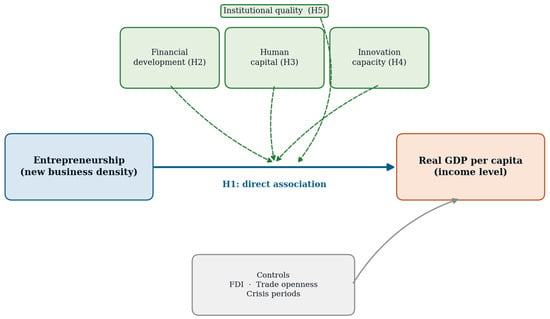
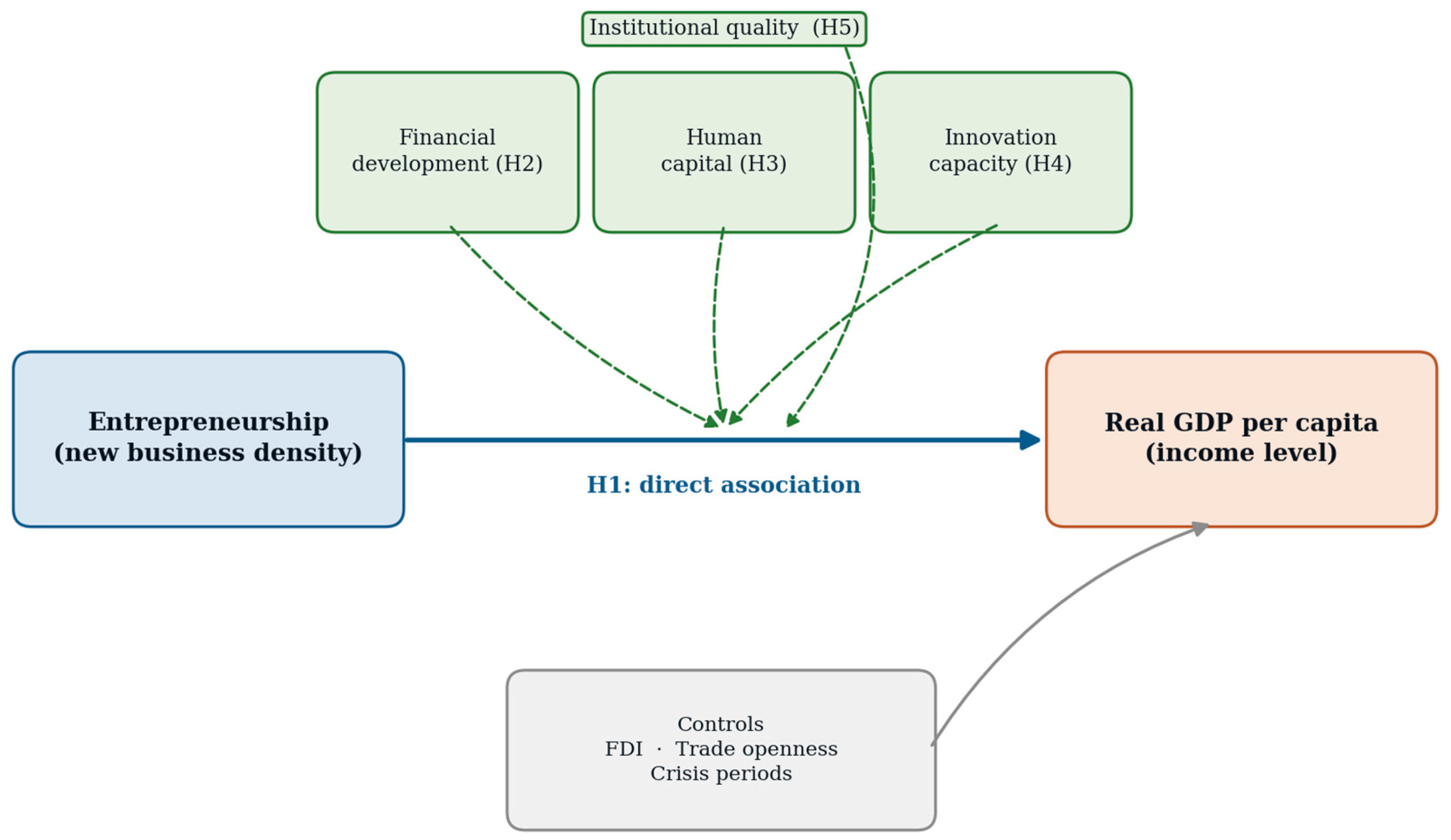
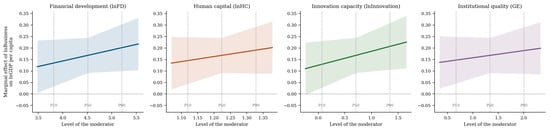
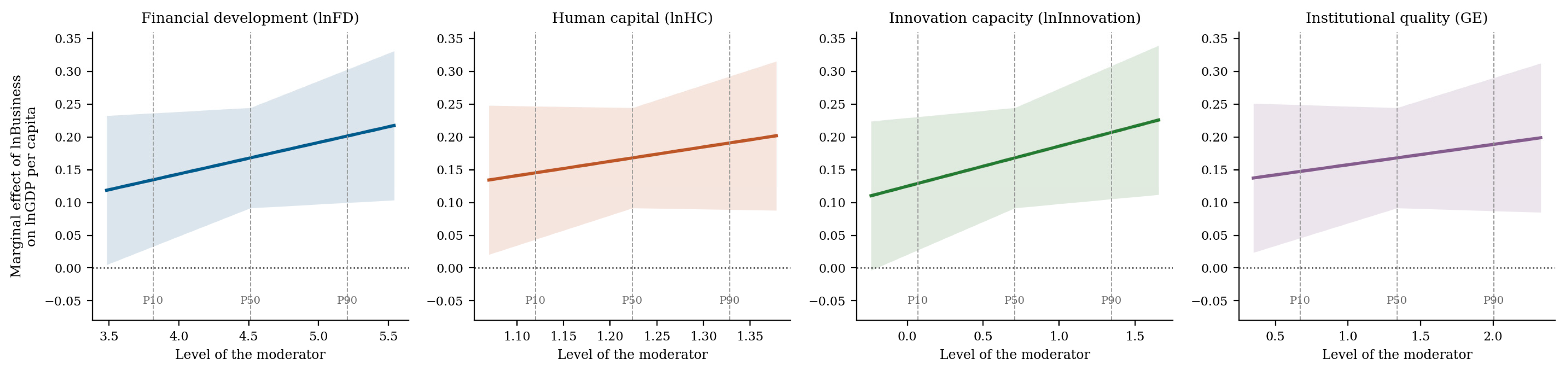

Disclaimer/Publisher’s Note: The statements, opinions and data contained in all publications are solely those of the individual author(s) and contributor(s) and not of MDPI and/or the editor(s). MDPI and/or the editor(s) disclaim responsibility for any injury to people or property resulting from any ideas, methods, instructions or products referred to in the content. |
© 2026 by the authors. Licensee MDPI, Basel, Switzerland. This article is an open access article distributed under the terms and conditions of the Creative Commons Attribution (CC BY) license.