


Abstract
Under the dual challenges of frequent disruption risks in global supply chains and the sustainable transformation of enterprises, this paper, based on the data of Chinese A-share listed companies from 2002 to 2023, systematically analyzes the mechanism through which corporate ESG performance is associated with supply chain resilience, with particular attention to the mediating role of green innovation and the moderating role of digital transformation. The results show that: First, stronger ESG performance is positively associated with higher stability of both supply chain customers and suppliers, which we interpret as one structural-stability component of supply chain resilience. Second, digital transformation exerts a positive moderating effect on the ESG–stability association; i.e., a higher level of digitalization is associated with a stronger positive ESG effect. Third, green innovation plays a partial mediating role, in that ESG performance is positively associated with supply-chain stability by encouraging firms’ green technological innovation. A Sobel test indicates that this indirect effect is statistically significant at the 5% level but accounts for only about 2.5% of the total effect. Further heterogeneity analysis shows that these associations are more pronounced in the central and western regions, in heavily polluting industries, and in asset-intensive enterprises. The conclusions are robust to a series of checks, including instrumental-variable estimation, replacement of the ESG aggregation (annual mean with annual median), and winsorization. This study provides theoretical support and practical implications for firms seeking to strengthen supply chain resilience by jointly promoting ESG practices, green innovation, and digital transformation.
1. Introduction
Against the broader backdrop of global efforts to advance sustainable development and address climate change, the concept of Environmental, Social and Governance (ESG) has moved from the periphery to the mainstream, emerging as a pivotal framework for evaluating firms’ long-term value and risks. Meanwhile, geopolitical conflicts and recurrent public crises have exacerbated the vulnerability of global supply chains, rendering the enhancement of supply chain resilience a central agenda of industrial strategies across nations. Governments and enterprises worldwide have increasingly integrated ESG factors into their decision-making processes, aiming to establish more resilient and adaptive supply chain systems by strengthening environmental compliance, fulfilling social responsibilities and improving governance efficiency.
In response to this global trend, China has taken proactive actions: it has not only set the strategic “dual carbon” goals, but also guided enterprises to enhance ESG information disclosure and practices, accelerating the transformation from a profit-oriented model to a sustainable development paradigm. Nevertheless, this transition is fraught with challenges. Recurring supply-chain disruptions—exemplified by post-pandemic logistics bottlenecks and trade-policy frictions—have underscored the strategic importance of supply-chain resilience (Baker et al., 2016). This practical tension highlights a core question that urgently requires in-depth exploration: although ESG is theoretically expected to enhance supply chain resilience, can it—and if so, how—effectively boost supply chains’ capacity to withstand external shocks in the specific context of China’s manufacturing industry, particularly through driving corporate green innovation? Therefore, integrating the cutting-edge global ESG agenda with the practical demand for supply chain resilience in China’s manufacturing sector constitutes the critical starting point of this study.
Existing literature has preliminarily explored the correlation between ESG and supply chains. For instance, divergences in ESG ratings have been shown to undermine supply chain stability (Berg et al., 2022); supply chain digitalization can improve ESG performance by enhancing operational stability (He & Hao, 2025). However, these studies mostly focus on perspectives such as rating discrepancies or digitalization, and have yet to systematically unravel the internal transmission mechanism of the “ESG performance → supply-chain resilience” pathway, in which green innovation acts as a mediator and digital transformation acts as a moderator of the direct ESG → stability link. Some studies examine supply chain stability in specific industries such as rare earths yet fail to incorporate corporate ESG performance into their analytical framework (China Northern Rare Earth Group Co., Ltd., 2024); even studies that emphasize the role of government intervention in maintaining supply chain stability have overlooked the mediating mechanism of firms’ internal green production capabilities (Cao, 2016). Furthermore, most existing studies measure green production efficiency based on single indicators, failing to integrate the dual perspectives of carbon reduction and innovation. As a result, they are unable to fully capture the logic through which ESG enhances the dual resilience of supply chains—in terms of both disturbance prevention and recovery response.
Accordingly, this paper focuses on investigating the mechanism underlying the impact of ESG performance on corporate supply chain resilience, with green innovation level as the core mediating variable and corporate digital transformation as the moderating variable. By positioning green innovation level as a mediator of the ESG → stability path and digital transformation as a moderator of the same direct path, this study systematically elucidates the dual transmission mechanism through which ESG exerts its influence on supply-chain stability.
The specific research objectives of this study are as follows:
- To quantify the cross-sectional association between ESG performance and two dimensions of supply-chain stability (customer stability and supplier stability);
- To test whether digital transformation moderates the ESG–stability association, and whether such moderation differs across the two stability dimensions;
- To examine whether green innovation mediates the ESG–stability association;
- To assess heterogeneity by region, industry pollution characteristics, and factor intensity.
- Contribution of this study.
This study makes three contributions. First, it explicitly delineates the conceptual boundary between supply-chain stability (the persistence of trading relationships) and supply-chain resilience (the capacity to resist, adapt to, and recover from shocks), and uses the former—which is directly measurable from listed-firm disclosure—as a structural proxy for the latter. Second, it simultaneously examines the mediating role of green innovation and the moderating role of digital transformation on the two stability dimensions, rather than treating digital transformation as a further link in the transmission chain. Third, it identifies policy-relevant boundary conditions in heavily polluting, central/western, and capital-intensive subsamples.
The remainder of the paper is organized as follows: Section 2 reviews the literature and clarifies the conceptual boundary between supply-chain stability and resilience. Section 3 develops the hypotheses. Section 4 describes the data and variable definitions. Section 5 reports the empirical results. Section 6 discusses the findings, limitations, and directions for future research. Section 7 concludes with policy implications.
2. Literature Review
Scholars have recognized the significance of ESG for supply chain stability from various perspectives, either focusing on its direct benefits or exploring the mediating role of green production. Before reviewing this literature, we clarify a key conceptual boundary. We adopt a working definition of supply-chain resilience as the capacity of a supply-chain system to resist, adapt to, and rapidly recover from internal and external sudden shocks (Daita, 2017; Linnenluecke & Griffiths, 2012; Ortiz-de-Mandojana & Bansal, 2016; Sanchis & Poler, 2019). Empirically, capturing all three facets at the firm level is constrained by data availability. This study therefore focuses on a structural-stability component of resilience—namely the persistence of upstream and downstream trading relationships—which is the most commonly measured proxy in the ESG–supply-chain literature. The relationship between this stability component and the broader resilience construct is theoretically positive but not identical: high relationship persistence is necessary but not sufficient for resilience, because excessive concentration may also generate dependence and systemic risk (Darendeli et al., 2022); individual- and organizational-level resilience research similarly emphasizes that adaptive capacity extends beyond mere stability (Youssef & Luthans, 2007). A notable limitation of existing research is its failure to systematically delineate the complete mechanism through which ESG performance translates into supply-chain stability. In our framework, green innovation is positioned as a mediator of the ESG → stability path, while digital transformation is a moderator of that same path; the two are not assumed to be causally linked within the model. The neglect of this distinction has prevented studies from conducting an in-depth analysis of the strategic value embedded in green production capabilities.
2.1. Research on the Direct Relationship Between ESG Performance and Supply Chain Stability
With the in-depth penetration of the ESG concept, scholars have gradually shifted their focus from its investment value—including its association with corporate investment efficiency (Benlemlih & Bitar, 2018)—to its practical implications in corporate operations and supply chain management, particularly in terms of enhancing supply chain stability. Existing research generally confirms that ESG performance exerts a significant impact on supply chain stability, yet most discussions remain confined to direct correlation analysis, lacking systematic elaboration on its inherent influence pathways. Based on the two dimensions of supply chain resilience—supplier stability and customer stability—this section reviews existing literature to clarify the primary mechanisms through which ESG performance affects supply chain stability.
Supplier stability, as the cornerstone of supply chain resilience, reflects a firm’s capability to mitigate risks and ensure uninterrupted supply in upstream procurement processes. Strong ESG performance can effectively enhance supplier stability by mitigating external risks and deepening cooperative relationships.
From the environmental and social perspectives, by extending ESG standards to the supply chain, firms can systematically identify and manage environmental and social risks. For example, a study based on the supply chain panel data of Chinese A-share listed companies on the Shanghai and Shenzhen stock exchanges found that the establishment of an ESG risk assessment system helps identify potential supply disruption risks, thereby improving the overall robustness of the supply chain (Han et al., 2025). Meanwhile, enterprises that incentivize suppliers to comply with labor rights and workplace safety standards can reduce supply disruptions caused by labor disputes or safety incidents at the source. Additionally, attention to community relations enables firms to obtain a “social license to operate”, which safeguards the stable supply of critical raw materials.
In terms of the governance dimension, sound corporate governance is manifested in transparent procurement processes, long-term cooperative relationships, and reduced opportunistic behaviors. Studies have shown that such governance practices can enhance suppliers’ trust—a key foundation of supply-chain alliances (Z. J. Wang & Li, 2006)—incentivize them to invest in specific assets, and prioritize supply to the firm during market fluctuations, thereby establishing more stable supply partnerships (Cui et al., 2024).
In summary, ESG performance does not directly improve supplier stability; instead, it indirectly and fundamentally strengthens supplier-level stability through multiple mediating mechanisms, including environmental and social risk prevention, deepened supplier relationships, and trust-based long-term collaboration.
Customer stability reflects a firm’s ability to maintain market stickiness and resist sales fluctuations on the demand side. ESG performance consolidates customer stability primarily by building reputational capital—reputation being understood as a valuable, tradeable asset (Tadeiis, 1999)—and enhancing stakeholder trust.
From the environmental and social perspectives, against the backdrop of growing consumer awareness of sustainability, excellent ESG performance has become a vital reputational asset for enterprises. It helps shape brand image and attract and retain customer groups with green preferences. Even in the face of negative market shocks, firms with a strong ESG reputation are more likely to gain consumer understanding and support, thereby alleviating demand volatility and maintaining customer stability (Han et al., 2025).
In the governance dimension, a sound corporate governance structure sends a positive signal to the market regarding the firm’s standardized management and long-term development capabilities, a signal whose value is amplified under conditions of environmental uncertainty (Waldman et al., 2001). This not only helps reduce financing costs—consistent with evidence that ESG performance is associated with firm value and is moderated by disclosure (Fatemi et al., 2018)—but also enhances the trust of investors, regulators, and customers. Downstream customers tend to establish long-term cooperative relationships with firms that have standardized governance and low compliance risks, as such firms are deemed to possess stronger sustainable operation capabilities, thus improving customer-level stability.
It is evident that the mechanism through which ESG performance affects customer stability is mainly reflected in enhancing market attractiveness via reputation building and stabilizing cooperation expectations through transparent governance, thereby establishing effective stability guarantees on the demand side.
Notably, the effectiveness of ESG practices is highly dependent on their credibility. In recent years, studies on the impact of ESG rating divergence on supply chain stability have verified the central role of information transparency and trust in the ESG–stability relationship from a reverse perspective. For instance, research based on A-share listed companies indicates that ESG rating divergence exacerbates information asymmetry among supply chain enterprises. For suppliers, inconsistent ratings make it difficult to assess the true sustainability level of customers, thereby reducing their willingness to engage in in-depth cooperation and undermining supplier stability. For customers, rating divergence may lead them to question a firm’s ESG commitments, prompting them to switch to more credible partners and eroding customer stability.
Overall, existing research has preliminarily established a positive correlation between ESG performance and supply chain stability, and revealed its mechanisms of action across different dimensions: on the supplier side, stability is enhanced mainly through risk aversion and relationship deepening; on the customer side, cooperation is consolidated through reputation building and governance transparency. Meanwhile, studies on ESG rating divergence provide reverse evidence from the perspective of information credibility, further emphasizing the pivotal role of the trust mechanism. Nevertheless, existing literature still lacks sufficient discussion on the specific mediating variables and boundary conditions of ESG’s impact on supply chain stability. In particular, research on bidirectional causality and industry-specific contextual differences remains scarce (Christensen et al., 2022), which provides clear theoretical expansion space for future studies.
2.2. Research on the Mediating Role of Corporate Green Innovation Level
When exploring the mediating role of corporate green innovation level between ESG performance and supply chain resilience, existing studies have gradually focused on its transmission function in connecting corporate environmental responsibility practices and supply chain stability. Although ESG performance is recognized as a crucial driver of green innovation, this section focuses on reviewing relevant research regarding the impact of green innovation level—particularly characterized by green patent applications—on corporate supply chain stability so as to clarify its theoretical basis and transmission path as a mediating variable.
- How ESG performance drives green innovation.
The mediating link from ESG to stability first requires that ESG performance raises the level of green innovation. Three channels are documented in the literature. First, moral and reputational incentives: stronger external pressure for environmental and social responsibility induces firms to increase green R&D investment (Yan et al., 2024). Second, the resource-allocation effect of governance: sound governance structures direct innovation budgets toward green technologies through ESG incentive and restraint mechanisms (Sun & Huang, 2023). Third, a signaling channel: an improvement in a firm’s green rating eases financing constraints and provides the financial slack needed for innovation. We therefore expect ESG performance to be positively associated with green-innovation activity, which in turn is associated with higher supply-chain stability.
The measurement methods of green innovation level have become increasingly diversified. Among these, the total number of green patent applications has emerged as a commonly used indicator in academic research, as it can objectively reflect the substantive output of enterprises in green technology R&D (P. Li & Ouyang, 2020). This indicator not only embodies firms’ original innovation capabilities in fields such as pollution control, energy conservation and carbon reduction, but also reflects their strategic intention to enhance operational resilience through technological deployment.
The impact of green innovation level on supply chain stability is mainly reflected in the dual reinforcement mechanisms acting on upstream supplier relationships and downstream customer relationships. At the supplier level, green process innovation enhances supply stability through two pathways: technological collaboration and risk mitigation. When core enterprises leverage green patents to promote the adoption of advanced environmental protection technologies across the entire supply chain, it helps reduce environmental compliance risks throughout the chain and enhances suppliers’ dependency (Wu & Xu, 2025). Meanwhile, new materials or alternative technologies based on green patents can reduce firms’ reliance on raw materials with high environmental risks, thereby reconstructing a more resilient supply network (Y. Wang, 2022).
At the customer level, green product innovation improves customer stability through mechanisms of differentiated competitive advantage and market reputation. Specifically, transforming green patent technologies into end products with environmental attributes not only aligns with the growing demand for green consumption, but also enhances customer stickiness and market risk resistance capacity (Davoudi et al., 2023). In addition, the authorization and accumulation of green patents build a corporate reputation for green innovation, which helps consolidate its long-term image as a sustainable partner, thereby stabilizing customer relationships (Hou et al., 2025).
Although ESG performance is regarded as an important driver of green innovation, green innovation, as a transmission variable, has an independent mechanism of influence on supply chain stability. Green process innovation enhances the stability of the upstream supply chain primarily by improving resource efficiency and supply diversification; in contrast, green product innovation consolidates downstream customer relationships by establishing differentiated advantages and strengthening brand trust (Dangelico & Pujari, 2010). This differentiation of pathways based on innovation types provides a more refined theoretical perspective for understanding how ESG performance affects different links in the supply chain through green innovation.
Therefore, it is necessary to further clarify the relative importance of green innovation efficiency in the process of ESG improving supply chain stability within a unified analytical framework so as to more comprehensively reveal the inherent mechanisms.
2.3. Research on the Moderating Role of Digital Transformation
Digital transformation is not merely a simple application of technologies, but rather a strategic process in which enterprises leverage digital technologies to profoundly transform their business models, operational workflows, and value creation methods (Vial, 2019). In academic research, digital transformation is often regarded as a critical “organizational capability” or “dynamic capability”, which endows enterprises with higher agility, insight, and connectivity, thereby enabling them to respond to the complex and volatile external environment (Teece, 2007).
Based on this capability-based perspective, digital transformation frequently plays the role of a moderating variable in theoretical models. It does not directly lead to outcomes; instead, it exerts effects by enhancing or weakening the relationship between other antecedent variables and outcome variables (L. Li, 2022). Specifically in this study, we focus on how digital transformation moderates the impact of ESG performance—a strategic input—on supply chain stability—an operational outcome.
Drawing on existing theoretical and empirical research, digital transformation exerts a positive moderating effect between ESG performance and supply chain stability primarily through the following two core mechanisms:
ESG performance attracts and stabilizes supply chain partners by building trust, shaping reputation, and strengthening commitments, yet this process requires efficient information sharing and collaborative operations as underpinnings. Digital transformation precisely provides a robust capability foundation for such collaboration.
Digital technologies enable real-time collection and tamper-proof recording of key ESG data, including product lifecycle, carbon emissions, and labor practices. When an enterprise achieves strong ESG performance, such digital transparency can provide supply chain partners with irrefutable, real-time evidence, which greatly enhances the credibility of its ESG commitments (Choi, 2024). For instance, an enterprise committed to fair trade can use blockchain to record the origin of its raw materials, reassuring downstream customers that its supply chain is free from ethical risks. This can significantly consolidate customer relationships and improve customer stability.
Supply chain intelligence platforms based on big data and artificial intelligence can embed ESG standards into daily operational decision-making. When an enterprise implements ESG initiatives, digital systems can help it identify high-quality suppliers that meet ESG standards more quickly and accurately, and conduct efficient collaboration with them (Zimmer et al., 2015). In the event of disruptions, digital capabilities allow enterprises to rapidly simulate and evaluate the ESG impacts of different recovery plans, thereby maintaining supply chain stability without deviating from their ESG principles. This, in turn, strengthens long-term cooperative relationships with suppliers that share the same values and improves supplier stability.
Therefore, for enterprises with a high level of digital transformation, their ESG performance can be more fully converted into trust capital and collaborative efficiency in the supply chain through more transparent and efficient collaborative methods, thereby amplifying the positive impact of ESG on supply chain stability.
ESG performance serves as an important signal for conveying corporate quality and long-term sustainable development potential to the market (Hillmann & Guenther, 2020). Digital transformation acts as an “amplifier” and “validator” of this signal.
Digital marketing, social media, and corporate digital platforms can disseminate enterprises’ ESG initiatives and achievements to a broader customer base at lower cost and higher efficiency. This helps attract and retain “green customers” who possess environmental awareness and social responsibility, thereby improving customer stability in the supply chain.
Digital channels are not only used for one-way communication, but also facilitate two-way interaction. Enterprises can use digital platforms to showcase details of their ESG practices and respond to inquiries from stakeholders. This openness and interactivity constitute a powerful signal, indicating that their ESG commitments are genuine and solid. For suppliers, the ability to clearly see partners’ ESG strategies and transparent operations through digital platforms will enhance their confidence in long-term cooperation, reduce transaction uncertainty, and thus improve supplier stability.
Conversely, for enterprises with a low degree of digital transformation, even if they have strong ESG performance, their signaling effect may be greatly diminished due to poor information dissemination and lack of verification methods, resulting in the weakening of ESG’s positive effect on supply chain stability.
In summary, although existing research has not directly and systematically explored the moderating role of digital transformation in the “ESG–supply chain resilience” relationship, the literature in related fields provides a solid theoretical basis for our deduction. Most theoretical viewpoints support that digital transformation can positively moderate the positive impact of ESG on supply chain stability through the dual pathways of “capability building” and “information transmission”.
2.4. The Linkage Between ESG and Corporate Internal Capabilities Under the Framework of Supply Chain Resilience Theory
As the core theoretical foundation of this study, supply chain resilience theory emphasizes that the enhancement of supply chain resilience relies on the dual dimensions of prevention and response (Hillmann & Guenther, 2020), with corporate internal capabilities serving as the key to achieving this goal. Existing research has applied this theory to explore supply chain stability issues, yet it generally fails to systematically integrate ESG factors, particularly lacking analysis of the mediating and moderating mechanisms embedded within this relationship. Specifically, some studies have adopted dynamic game models to analyze suppliers’ output adjustment strategies, underscoring the significance of corporate internal coordination capabilities (Cachon & Lariviere, 1999), but they do not address how ESG enhances the prevention capacity of supply chains by boosting firms’ green innovation levels (Yan et al., 2024); other studies have employed system dynamics methods to establish stability criteria, pointing out the impact of decision-making behaviors on supply chain stability (Luo et al., 2007), yet they overlook the role of ESG practices in mitigating environmental compliance risks and enhancing sustainable resilience (Liu & Xu, 2024), and they do not clarify the mediating role played by green innovation levels in this process; additional research has analyzed supply chain stability from the perspective of government intervention (M. Zhou et al., 2024), but it ignores the synergistic effect between internal ESG practices and green production efficiency (Guo & Hu, 2025), and fails to consider the moderating impact of corporate digital transformation levels on the aforementioned relationship (S. F. Zhou et al., 2024).
While existing studies provide a valuable theoretical framework for this paper, they exhibit notable deficiencies in the systematic integration of ESG and supply chain resilience dimensions. In particular, they have not incorporated green innovation levels as a key mediating variable or digital transformation as an important moderating variable into their analytical frameworks. Therefore, based on supply chain resilience theory, this paper will focus on examining the mediating pathway through which ESG affects supply chain resilience via green innovation levels, and explore the moderating role of digital transformation in this process, thereby constructing a more comprehensive theoretical model.
- Gaps and contributions of this study.
The foregoing review reveals three gaps. First, prior work often reduces green innovation to a single efficiency indicator (e.g., Guo & Hu, 2025; Yan et al., 2024) or to ESG rating dispersion (Berg et al., 2022), without simultaneously modeling the mediator (green innovation) and the moderator (digital transformation) on the main ESG → stability path. Second, studies of digitalization → ESG are typically one-directional (He & Hao, 2025) and do not examine how digital transformation conditions the ESG effect. Third, the boundary between supply-chain stability and resilience is rarely made explicit. This study addresses these gaps by (i) positioning green innovation as a mediator and digital transformation as a moderator of the same direct ESG → stability path; (ii) measuring supply-chain stability with the top-5 customer and supplier concentration ratios and acknowledging its status as a structural proxy for resilience; and (iii) identifying heterogeneity across regions, pollution intensity, and factor intensity.
3. Theoretical Analysis and Research Hypotheses
3.1. ESG Performance and Supply Chain Resilience
Supply chain resilience refers to the capability of a supply chain system to effectively resist, adapt to, and rapidly recover from internal and external sudden shocks. This study deconstructs it into two core dimensions: supplier stability and customer stability. Strong corporate ESG performance can significantly improve the stability of these two dimensions through distinct mechanisms, thereby systematically enhancing overall supply chain resilience.
The core of supplier stability lies in ensuring the sustainability and risk resistance of raw material and component supply. Strong ESG performance lays the foundation for this through the following mechanisms:
In the environmental (E) dimension, enterprises’ proactive environmental practices, such as implementing green procurement standards and assisting suppliers in energy-saving retrofits, can reduce environmental compliance risks across the entire supply chain (Cachon & Lariviere, 1999). When suppliers achieve green transformation by adopting the environmental standards of core enterprises, their probability of production suspension due to environmental issues drops substantially, thus guaranteeing supply continuity. More importantly, this in-depth collaboration based on green technology transfer and standard unification generates a “green synergy” effect, which enhances suppliers’ dependence and loyalty, thereby consolidating supplier stability (Han et al., 2025). For example, conducting carbon footprint tracking and optimization for high-energy-consuming suppliers directly mitigates the risk of supply disruption caused by the “dual control” policy.
In the social (S) dimension, enterprises that extend social responsibilities to the supply chain and require suppliers to safeguard employee rights and interests and provide a safe working environment can significantly reduce production disruptions triggered by labor disputes or major safety incidents (Yan et al., 2024). Although such “responsible procurement” practices may increase management costs in the short term, they fundamentally ensure supply stability by improving suppliers’ operational robustness in the long run. A supplier with a stable workforce and safe production environment is inherently a reliable line of defense against risks; research on employee behavioral responses during crises supports the importance of a stable, well-treated workforce for organizational functioning (Kim & Lim, 2020).
In the governance (G) dimension, enterprises establish long-term trust through transparent governance. Sound corporate governance in supply chain management is reflected in the fairness and transparency of procurement processes and a long-term cooperation orientation with suppliers. This reduces information asymmetry and opportunistic behaviors between the two parties, making suppliers more willing to invest in specific assets and prioritize fulfilling orders for the core enterprise (Luo et al., 2007). Especially during periods of market volatility, this trust-based long-term strategic partnership is the key to maintaining supplier stability.
The core of customer stability lies in maintaining and expanding market demand and enhancing resilience against demand fluctuations. ESG performance exerts its effects primarily through the mechanisms of market reputation and brand value.
Against the backdrop of growing environmental and social responsibility awareness among consumers and business customers, excellent corporate ESG performance has become a valuable brand asset. It helps attract and retain customer groups with sustainable consumption preferences, creating a differentiated market competitive advantage (Liu & Xu, 2024). Even in the face of negative shocks, enterprises with a strong reputation are more likely to gain greater understanding and support from customers, avoiding sharp declines in demand and thus maintaining customer stability.
Sound corporate governance further sends a positive signal to the market regarding the enterprise’s operational robustness and controllable risks. This not only reduces the enterprise’s financing costs—in line with evidence that better ESG performance is associated with a lower cost of equity capital (Tang, 2022)—but also strengthens the long-term confidence of investors, regulators, and large business customers (M. Zhou et al., 2024). Downstream customers tend to establish long-term cooperative relationships with enterprises with standardized governance, as this implies lower risks of partner bankruptcy or major scandals, thereby safeguarding the stability of their own supply chains—which in turn consolidates the core enterprise’s customer stability.
Based on the above analysis, this paper proposes Hypothesis 1.
Hypothesis 1 (H1).
Ceteris paribus, stronger corporate ESG performance is positively associated with higher supply-chain stability, as reflected in both customer stability and supplier stability.
Hypothesis 1 is formulated as a positive association rather than a causal claim. The baseline panel fixed-effects specification identifies conditional correlations; although we conduct instrumental-variable and lag-based robustness checks (Section 5.5), the observational nature of the data precludes a strict causal interpretation, and the wording of H1 reflects this.
3.2. The Moderating Role of Digital Transformation
Corporate digital transformation refers to a strategic process in which enterprises leverage digital technologies to profoundly transform their business models, operational workflows, and value creation methods (Verhoef et al., 2021). This paper argues that digital transformation plays a pivotal role as a positive moderator in the relationship between ESG performance and supply chain resilience. First, digitalization empowers the collection and transmission of ESG information, which can amplify the signaling effect. Enterprises with a high level of digital transformation are able to efficiently and accurately collect and verify their ESG performance data through Internet of Things (IoT) sensors, blockchain technology, and supply chain management platforms. This enhances the credibility and persuasiveness of their ESG commitments, enabling them to more effectively signal their responsible operational practices to stakeholders (Wamba & Queiroz, 2022). In turn, this amplifies the trust capital and reputational effects generated by ESG performance, further consolidating supply chain partnerships. Second, digitalization enhances intelligent decision-making and agile response capabilities of the supply chain, which can amplify the implementation effect. Digital technologies enable enterprises to simulate and predict the impacts of various disruption scenarios on the supply chain, and rapidly generate optimized solutions. When an enterprise identifies a risk point based on ESG principles, its digital capabilities allow it to swiftly execute response strategies. For instance, enterprises can leverage intelligent platforms to quickly source and authenticate alternative suppliers that meet ESG standards, achieving dynamic supply chain restructuring. Without the support of digital tools, ESG-based risk insights may struggle to be translated into rapid actions, which would significantly impede the improvement of corporate resilience.
Therefore, digital transformation amplifies the positive impact of ESG performance on supply chain resilience. Based on this, this paper proposes Hypothesis 2, which we separate into two dimensions to mirror the two dependent variables.
Hypothesis 2a (H2a).
Digital transformation strengthens the positive association between corporate ESG performance and customer stability.
Hypothesis 2b (H2b).
Digital transformation strengthens the positive association between corporate ESG performance and supplier stability.
3.3. The Mediating Role of Green Innovation Level
We define the level of corporate green innovation as the intensity of a firm’s green-technology inventive activity, measured by the cumulative count of green patent applications. This proxy reflects the output of green innovation (specifically, innovative intent and pipeline output), not its efficiency (the input-to-output ratio), which would require data on green R&D expenditure. We therefore interpret the coefficient on Greeninn as the association of ESG performance with green-innovation activity, rather than with green-innovation efficiency; the construct-validity caveat is acknowledged in Section 6. This paper proposes that green innovation level serves as a crucial mediating mechanism linking ESG performance and supply chain resilience, which means that ESG performance enhances supply chain resilience by boosting enterprises’ green innovation level. Among the underlying pathways, ESG performance drives the improvement of green innovation level through three channels. First, the pursuit of outstanding environmental (E) performance directly motivates enterprises to conduct green process innovation and end-of-pipe treatment technology innovation so as to reduce pollution and emissions. Second, sound corporate governance (G) guides R&D resources toward green technology fields by establishing sound ESG incentive and restraint mechanisms, thereby improving the allocation efficiency of innovation resources (Sun & Huang, 2023). Third, the green brand image and market reputation shaped by fulfilling social (S) responsibilities can bring about a “green premium”, which offsets the costs of corporate green innovation and forms a positive incentive cycle.
The improvement of green innovation level can enhance supply chain resilience, while green innovation achievements can be directly converted into resilience advantages of the supply chain. For example, process innovation enhances inherent robustness: green process innovation generally improves resource utilization efficiency, reduces dependence on specific raw materials, and mitigates supply chain vulnerability. Alternatively, product innovation secures competitive advantages and customer loyalty: successful green product innovation helps enterprises develop new markets and lock in consumer groups with environmental awareness. These customers show stronger stickiness and can provide more stable demand amid market fluctuations or crises, acting as a “stabilizer” for the supply chain. In addition, compliance-oriented innovation avoids regulatory risks: forward-looking green innovation enables enterprises’ products and processes to keep pace with increasingly stringent environmental regulations, preventing fines, production suspension or supply chain disruptions caused by environmental non-compliance, which constitutes an important risk avoidance capability.
In summary, ESG performance stimulates more efficient green innovation activities, and these activities ultimately consolidate supply chain resilience through three pathways: reducing vulnerability, creating stable demand, and avoiding risks. Based on this, this paper proposes Hypothesis 3, which we decompose into its two constitutive links and the combined mediation statement.
Hypothesis 3a (H3a).
Stronger corporate ESG performance is positively associated with a higher level of green innovation.
Hypothesis 3b (H3b).
A higher level of green innovation is positively associated with higher supply-chain stability, in both its customer and supplier dimensions.
Hypothesis 3 (H3).
Taken together, green innovation level partially mediates the positive ESG → stability association.
Figure 1 summarizes the conceptual model developed in this section.
Figure 1.
Conceptual model of the ESG → supply-chain stability pathway, with green innovation as mediator and digital transformation as moderator.
4. Data Analysis
4.1. Sample Selection and Data Sources
We choose Chinese A-share listed companies from 2002 to 2023 as the initial sample, and screen the sample according to the following criteria: first, excluding companies designated as Special Treatment (ST) or *Special Treatment (*ST) during the sample period; second, eliminating enterprises in the financial industry; and third, removing samples with missing data for key variables. After the above screening processes, a total of 24,009 valid observations are obtained. The step-by-step attrition is summarized in Table 1.
Table 1.
Sample Selection and Attrition.
The main analyses, including descriptive statistics, benchmark regressions, moderating and mediating models, and both instrumental-variable specifications, use the full estimation sample of 24,008 firm-year observations. The heterogeneity analyses are estimated on smaller subsamples because they impose additional data requirements. Specifically, the supplier-stability regressions require non-missing top-5 supplier procurement data, which reduces the sample to 20,943 observations; both the pollution-based grouping and the supplier-side regional analysis therefore draw on 20,943 observations. The factor-intensity grouping further requires information on per-capita fixed assets and R&D intensity to classify firms into labor-, technology-, and capital-intensive categories, which reduces the sample to 20,736 observations. The customer-stability heterogeneity analyses retain the full 24,008 observations because they do not require the supplier procurement data. These differences are therefore the mechanical result of variable availability rather than a change in the underlying population, and each subsample total is reported at the foot of the corresponding table.
The ESG rating data are derived from the Huazheng ESG Rating System included in the Wind Database, while all other financial and corporate governance data are extracted from the China Stock Market & Accounting Research (CSMAR) Database and the China Research Data Services (CNRDS) Database.
4.2. Variable Definitions
4.2.1. Dependent Variable
Existing literature classifies the measurement of corporate supply chain resilience into two primary categories: direct measurement and indirect measurement. Direct measurement typically involves deconstructing the connotative dimensions of corporate supply chain resilience and developing corresponding multi-dimensional scales for comprehensive evaluation. By contrast, indirect measurement mainly relies on firms’ publicly available financial and operational data, characterizing the outcome features of supply chain resilience through proxy variables.
Given that the concept of corporate supply chain resilience entails complex characteristics such as multidimensionality and context dependency, direct measurement is subject to limitations including strong subjectivity and poor consistency (Ren et al., 2023). Therefore, we adopt the indirect measurement method. Drawing on common practices in supply chain management research, corporate supply chain resilience is decomposed into two dimensions: supply chain customer stability and supplier stability. Specifically, customer stability is measured by the ratio of sales revenue from the top five customers to total sales revenue; supplier stability is measured by the ratio of procurement volume from the top five suppliers to total procurement volume. A higher ratio indicates a more concentrated and stable supply chain relationship, corresponding to stronger supply chain resilience.
We use the top-5 customer and top-5 supplier concentration ratios as proxies for one structural dimension of supply-chain resilience—namely, relationship persistence. The interpretation is deliberately twofold. Positive side: when the top-5 customers (suppliers) account for a large share of total transactions, it indicates a stable, repeated, and well-institutionalized relationship network that is consistent with stronger relationship stability. Negative side: high concentration also implies dependence on a small counterparty set, which can amplify idiosyncratic shocks. The literature documents both effects (Darendeli et al., 2022). We therefore follow recent practice and interpret the variable as relationship stability, with the dependence caveat noted in Section 6. Future work should triangulate with alternative resilience measures (e.g., inventory days, days payable/receivable, supply-chain disruption indicators; see also Soni et al., 2014 for deterministic resilience measurement) to validate the relationship.
4.2.2. Independent Variable
Given the well-structured framework and timely data updates of the Huazheng ESG Rating System, its rating results can adequately reflect the continuity of corporate ESG performance and the accessibility of relevant data. Therefore, this study adopts the Huazheng ESG Rating as the measurement indicator for corporate ESG performance.
This rating system categorizes corporate ESG performance into nine grades, ranging from the lowest to the highest as C, CC, CCC, B, BB, BBB, A, AA, and AAA, which are assigned scores from 1 to 9, respectively. We convert these ordinal grades to a continuous 1–9 scale and take the annual mean of the available quarterly scores as the main independent variable, with the annual median used as a robustness check (Table 10); the two aggregations yield nearly identical coefficients because the within-year rating distribution is highly concentrated around a single modal value. A value of 0 indicates that the firm has no Huazheng rating in any quarter of the year; we retain these observations to preserve the panel structure but acknowledge the potential for selection bias (re-estimating the main models on the rated-only subsample is a priority for future work). The assignment of equal intervals between adjacent grades is a convention in the ESG-rating literature (Berg et al., 2022); treating the scale as ordinal (e.g., via an ordered-probit specification) is left to future research.
4.2.3. Moderating Variable
Digital transformation refers to a strategic change in which enterprises reshape their business models, operational processes, and value creation methods through the application of digital technologies. Drawing on the research of Yuan (Yuan et al., 2021), this study measures the degree of corporate digital transformation through the following steps: first, in accordance with relevant national policy documents, a high-frequency lexicon containing 197 corporate digitalization-related terms is constructed; second, a textual analysis is conducted on the annual reports of listed companies to count the occurrence frequency of these high-frequency terms; finally, the digital transformation index (Digital) is obtained by calculating the sum of the products of the length and occurrence frequency of each term, and then dividing the sum by the total number of words in the relevant textual sections. A higher value of this index indicates a deeper level of corporate digital transformation (Lai et al., 2024). Our digital-transformation index is constructed from the textual frequency of digital-related terms in the annual report. This measure primarily captures disclosure about digitalization and is therefore an upper bound on actual operational digitalization. We follow Yuan et al. (2021) and Eller et al. (2020), who document that Chinese listed firms’ digital disclosure is correlated with but not equivalent to their operational digitalization. The index should therefore be interpreted as the intensity of digital-related communication, with the construct caveat noted in Section 6.
4.2.4. Mediating Variable
We select the total number of corporate green patent applications as the measurement indicator of green innovation level. This consists of two components: the number of green invention patent applications and the number of green utility model patent applications.
In the specific testing process, the corporate green innovation variable (Greeninn) is measured as follows: the natural logarithm of the total number of green patent applications plus one is calculated. A higher value of Greeninn indicates a higher level of corporate green innovation.
4.2.5. Control Variables
Drawing on existing literature, control variables are selected from the dimensions of firm fundamental characteristics, financial attributes, governance quality, and regional factors. Variables reflecting firm fundamental characteristics include ownership type (SOE) and firm size (Size). Variables capturing financial attributes consist of leverage ratio (Lev), return on assets (ROA), gross profit margin (GrossProfit), cash flow ratio (CashFlow), fixed asset ratio (Tangible), operating revenue growth rate (Growth) and loss status (Loss). In addition, board size (Board) and CEO duality (Dual) are incorporated as corporate governance variables. Detailed definitions of the control variables are presented in Table 2.
Table 2.
Variable Definitions.
To mitigate the impact of outliers, all continuous variables are winsorized at the 1st and 99th percentiles. Meanwhile, to alleviate potential within-group autocorrelation issues, standard errors in the regression models are clustered at the firm level.
4.3. Model Construction
To examine the impact of ESG performance on corporate supply chain resilience, the following baseline model is constructed:
where the subscripts i and t denote different firms and years, respectively. The dependent variables and represent the supply chain customer stability and supplier stability of firm i in year t, respectively. The independent variable refers to the ESG performance of firm i in period t. denotes a set of control variables, and is the random disturbance term.
To investigate the moderating effect of digital transformation on the relationship between ESG performance and corporate supply chain resilience, Models (3) and (4) are constructed as follows:
where is the moderating variable, indicating the degree of corporate digital transformation; the interaction term is employed to test the moderating effect.
To examine the mediating role of corporate green innovation level, the following models are constructed:
In Model (5), denotes the corporate green innovation variable of firm i in period t, and represents the ESG performance of firm i in period t. If the regression coefficient of ESG is significantly positive, it indicates that strong ESG performance is associated with a higher level of contemporaneous green innovation. Models (6) and (7) incorporate the mediating variable () on the basis of Model (1) or Model (2) so as to examine whether the mediating pathway is statistically significant.
The mediation analysis is therefore contemporaneous in t. This specification follows the standard conditional-indirect-effect framework (Baron & Kenny, 1986; Preacher & Hayes, 2004, 2008) under the assumption that ESG performance, green innovation, and supply-chain stability are measured within the same period. A fully time-ordered mediation (e.g., ) is left to future research, as it would require additional time lags and a reduced sample. The significance of the indirect effect is assessed with the Sobel (1982) z-test, reported in Tables 6 and 7; bootstrap confidence intervals, commonly recommended in the modern literature, are noted as a priority for future work.
5. Empirical Results Analysis
5.1. Descriptive Statistics
Table 3 reports the descriptive statistics of the main variables. As shown in the table, the mean values of supply chain customer stability and supplier stability are 0.724 and 0.722, with standard deviations of 0.393 and 0.400, respectively. These figures indicate that the supply chain relationships of sample enterprises are generally stable, yet a certain degree of volatility remains. The median values of both variables are 1.000, suggesting that more than half of the enterprises exhibit a high level of stability.
Table 3.
Descriptive Statistics.
For ESG scores, the maximum annual mean value is 7.250, the minimum is 0.000, the mean is 3.902, and the standard deviation is 1.254. These results reflect that the overall ESG performance of Chinese enterprises remains at a lower-medium level, with significant disparities across different firms, indicating substantial room for improvement in overall performance.
The distribution characteristics of other control variables, such as ownership type (SOE), firm size (Size), leverage ratio (Lev), and return on assets (ROA), are basically consistent with the findings of existing literature, which demonstrates that the sample has a certain degree of representativeness.
5.2. Benchmark Regression Analysis
Table 4 reports the benchmark regression results regarding the relationship between ESG performance and supply chain stability. Columns (1) and (2) present the estimation outcomes after controlling for variables related to firm fundamental characteristics, financial attributes, and governance features, as well as year fixed effects. The regression coefficients of the annual mean ESG score on supply chain customer stability and supplier stability are both positive and statistically significant at the 1% level. These findings indicate that strong ESG performance can significantly enhance the stability of both customers and suppliers in the supply chain, thereby supporting the hypothesis that ESG performance exerts a positive promotional effect on supply chain stability.
Table 4.
Benchmark Regression Results.
The significant facilitating effect of ESG performance on supply chain stability is mainly reflected in the establishment of a two-way buffer mechanism between upstream and downstream supply chain partners through the systematic management of environmental, social, and governance (ESG) risks. For suppliers, robust ESG practices help ensure compliant operations, safeguard production continuity, and secure long-term cooperation with customers, thereby enhancing their reliability as partners. For customers, selecting suppliers with outstanding ESG performance can effectively mitigate the risks of supply chain disruptions and brand reputation damage caused by environmental incidents, labor disputes, or internal governance failures. Meanwhile, it also helps meet their requirements in terms of compliance supervision and sustainable market preferences. Based on the aforementioned mechanisms, ESG transforms the traditionally potential zero-sum game-type supply chain relationships into a resilient collaborative network characterized by risk sharing and value co-creation, thereby structurally strengthening the long-term stability of both customers and suppliers.
In terms of control variables, firm size (Size), cash flow (CashFlow), and tangible asset ratio (Tangible) all exhibit significant positive impacts, whereas leverage ratio (Lev), profitability (ROA), and board size (Board) show significant negative impacts. These results are generally consistent with theoretical expectations. Overall, the goodness-of-fit (R2) of the regression models is 0.23 and 0.25, respectively, indicating that the models possess a certain degree of explanatory power.
To sum up, the benchmark regression results confirm that ESG performance has a positive impact on supply chain stability.
5.3. Moderating Effect Analysis
Based on the regression results in Columns (1) and (2) of Table 5, this study examines the moderating effect of digital transformation on the relationship between ESG performance and corporate supply chain stability (including supply chain customer stability and supplier stability) by using Models (3) and (4). The results show that the coefficients of the interaction term between ESG performance and digital transformation are 0.084 and 0.099, respectively, both statistically significant at the 1% level. These findings indicate that digital transformation exerts a positive moderating effect on the relationship between ESG performance and supply chain stability; that is, digital transformation strengthens the positive impact of ESG performance on both supply chain customer stability and supplier stability.
Table 5.
Moderating Effect Test Results.
The underlying reasons may lie in the fact that digital transformation generates a synergistic effect with ESG practices by enhancing data integration capabilities, real-time monitoring, and risk management efficiency. For instance, digital tools can help enterprises more accurately evaluate the ESG performance of suppliers, optimize resource allocation, and respond rapidly to environmental and social risks in the supply chain, thereby improving the transparency and resilience of the supply chain. Meanwhile, digital transformation may alleviate information asymmetry and management complexity in ESG practices, enabling enterprises to more effectively embed ESG goals into supply chain operations and ultimately amplify the positive effect of ESG on stability. In addition, the systematic integration of technological optimization in the digitalization process and ESG responsibilities may facilitate long-term strategic synergy rather than short-term cost conflicts, which further strengthens the moderating effect.
5.4. Mediating Effect Analysis
Based on the mediating model test results presented in Table 6 and Table 7, we can analyze the mediating role of green innovation in the relationship between ESG performance and supply chain stability. Models (1) and (3) show that the annual mean ESG score has a significant positive impact on green innovation with a positive coefficient, indicating that favorable ESG performance is associated with a higher level of green innovation (H3a).
Table 6.
Mediating Model Test Results (Customer Stability; Contemporaneous Specification).
Table 7.
Mediating Model Test Results (Supplier Stability; Contemporaneous Specification).
Furthermore, in Models (2) and (4), after incorporating both the annual mean ESG score and green innovation variable, the coefficient on green innovation is positive and statistically significant (t = 2.59 for customer stability and t = 2.82 for supplier stability), consistent with the second leg of the proposed mediation (H3b), while the direct effect of the annual mean ESG score remains statistically significant. The above results confirm that green innovation plays a partial mediating role in the relationship between ESG performance and supply chain stability (H3). The Sobel (1982) z-test reported at the foot of each table indicates that this indirect effect is significant at the 5% level but accounts for only about 2.5% of the total ESG effect, so the dominant channel is the direct ESG → stability path rather than green innovation.
Thus, we verify the hypothesis that green innovation acts as a mediating variable. The underlying mechanism is that firms with outstanding ESG performance are more motivated to conduct green technology R&D, and optimize supply chain operations by improving green innovation level—such as mitigating environmental risks and enhancing the willingness of long-term cooperation with customers and suppliers—thereby improving the stability of both ends of the supply chain. This mediating path suggests that ESG performance not only directly promotes supply chain resilience, but also indirectly enhances supply chain stability through the channel of green innovation.
5.5. Endogeneity Test
To verify the robustness of the empirical results, this study employs the two-stage least squares (2SLS) method to systematically test for potential endogeneity issues in the panel data model. Endogeneity typically arises from sources of statistical bias such as omitted variable bias, bidirectional causality, and measurement errors. These issues may lead to biased ordinary least squares (OLS) estimators, thereby undermining the validity of statistical inferences.
Within the 2SLS framework, the first-stage regression regresses the endogenous explanatory variable on the instrumental variable and other exogenous variables to isolate the exogenous component of the endogenous variable. In the second stage, the dependent variable is regressed on the predicted values obtained from the first stage and other exogenous variables, yielding consistent estimators. By comparing the 2SLS estimation results with the initial panel regression results, we can determine whether the model suffers from estimation bias caused by endogeneity. A significant discrepancy between the two sets of results indicates the presence of endogeneity issues, which require corresponding corrections.
For the selection of instrumental variables, drawing on existing literature, this study adopts the peer ESG score (iv_ess_peer) as the instrumental variable. The detailed test results are presented in Table 8. The weak instrumental variable test shows that the Kleibergen–Paaprk LM statistic is significant at the 1% level (***), and the Kleibergen–Paap Waldrk F statistic is substantially larger than the critical value of the Stock–Yogo weak identification test. These findings demonstrate a high degree of correlation between the instrumental variable and the endogenous variable, ruling out the problem of weak instrumental variables.
Table 8.
Endogeneity Test Results with Instrumental Variable 1.
The second-stage regression results indicate that after controlling for endogeneity, the coefficients of the annual ESG score on supply chain customer concentration and supplier concentration, as well as the coefficient directions of the control variables, are all consistent with theoretical expectations. This suggests that the impact of ESG performance on supply chain concentration remains robust even after accounting for potential endogenous relationships.
In summary, the results support the scientific validity and reliability of the research conclusions, indicating that the relationship between supply chain concentration and corporate ESG performance is not driven by endogeneity issues.
Based on the endogeneity test results of the instrumental variable method presented in Table 9, this study systematically examines potential endogeneity issues in the panel data model. Endogeneity typically stems from factors such as omitted variables, bidirectional causality, or measurement errors. If left uncontrolled, these issues may lead to biased ordinary least squares (OLS) estimation results and undermine the validity of statistical inferences. To address this, the two-stage least squares (2SLS) method is employed for estimation, with the first-order lag term of ESG, denoted l1_esg, selected as the instrumental variable to capture the exogenous variation component of ESG scores.
Table 9.
Endogeneity Test Results with Lagged-ESG Instrument (l1_esg).
In the first stage of 2SLS, the endogenous variable (ESG score) is regressed on the instrumental variable and other exogenous control variables to obtain the predicted values of ESG scores. In the second stage, supply chain customer concentration and supplier concentration are separately regressed on the predicted values derived from the first stage and other control variables, thereby yielding consistent estimators.
The test results show that in the weak instrumental variable test, the Kleibergen–Paaprk LM statistic is significant at the 1% level, rejecting the null hypothesis of under-identification of instrumental variables. The Kleibergen–Paap WaldrkF statistic is substantially higher than the critical value of the Stock–Yogo test at the 10% level, indicating a high degree of correlation between the instrumental variable and the endogenous variable. This confirms the absence of weak instrumental variable issues and validates the rationality of instrumental variable selection.
In the second-stage regression results, the coefficients of ESG scores on both supply chain customer concentration and supplier concentration are statistically significant. The coefficient directions of the control variables are generally consistent with theoretical expectations. Compared with the baseline regression results without endogeneity control, the 2SLS coefficient on ESG is 0.0227 for customer stability (against a baseline of 0.010) and 0.0204 for supplier stability, i.e., roughly twice the baseline estimate. This pattern is consistent with attenuation bias in OLS owing to classical measurement error in the ESG rating, or with the inclusion of a different information set; in either case, the positive association remains robust. We interpret this lagged-ESG specification as a supplementary rather than primary identification strategy, because an instrument based on a single lag relies on a strict excludability assumption, and the very high first-stage Wald F statistic (10,059.62) reflects the near-collinearity between and .
In summary, the endogeneity test results of the instrumental variable method demonstrate that after controlling for potential endogeneity issues, a significant positive correlation still exists between ESG performance and supply chain stability, indicating that this relationship is not primarily driven by endogeneity. These results enhance the reliability of the research conclusions and provide more robust empirical evidence for the formulation of relevant policies and corporate practices.
5.6. Robustness Tests
5.6.1. Variable Replacement
To verify the robustness of the research conclusions, this study further conducts regression analysis using the variable replacement method. Drawing on the practices of existing literature, we take supply chain customer stability and supplier stability as the new dependent variables to re-examine the impact of ESG performance on corporate stability. Table 10 reports the relevant regression results, where the coefficients of the median ESG score are significantly positive at the 1% level in both Model (1) and Model (2). For other control variables (e.g., firm size (Size) and leverage level (Lev)), their significance and coefficient directions are basically consistent with the results of the benchmark regression.
Table 10.
Robustness Test: Annual Median ESG Score (replacing the annual mean).
These findings indicate that after changing the measurement method of the dependent variable, the positive impact of ESG performance on corporate stability remains statistically significant, which further corroborates the reliability of the core conclusions of this study.
5.6.2. Winsorization Check
We further confirm that the main results are not driven by extreme values. Because the benchmark regressions in Table 4 already use all continuous variables winsorized at the 1st and 99th percentiles, the winsorization robustness check is subsumed by the baseline specification; re-estimating the models on the un-winsorized data yields qualitatively identical conclusions, so a separate winsorization table is omitted.
5.7. Heterogeneity Analysis
Before presenting the results, we note that the total number of observations varies across the heterogeneity tables (24,008 for the customer-stability specifications, 20,943 for the supplier-stability and pollution specifications, and 20,736 for the factor-intensity specifications). These differences arise mechanically from the additional data requirements of each analysis—in particular, the requirement of non-missing top-5 supplier procurement data for the supplier-stability models, and of per-capita fixed-asset and R&D data for the factor-intensity classification—rather than from any change in the underlying population. The sample-construction details are given in Section 4.1, and the total is reported at the foot of each table.
5.7.1. Analysis of Regional Heterogeneity
Given the significant disparities across regions in China in terms of economic development level, marketization degree, environmental regulation stringency and digital infrastructure construction, the impact of ESG performance on supply chain resilience may vary by corporate location. To verify this inference, this paper adopts supply chain customer stability as the measurement indicator and divides the research samples into eastern, central and western regions according to enterprises’ registered locations for grouped regression analysis; the results are presented in Table 11.
Table 11.
Regional Heterogeneity Test Results (Dependent Variable: Customer Stability).
The regression results in Table 11 show that corporate ESG performance exerts a significant positive effect on supply chain customer stability in the eastern, central and western regions, yet there are marked differences in influence coefficients. Specifically, the central region has the largest coefficient (0.020), followed by the western region (0.019), and the eastern region has the smallest one (0.005). This finding indicates that the promotional effect of ESG performance on supply chain customer stability presents regional heterogeneity, with a more prominent marginal effect in central and western regions and a relatively weaker effect in the eastern region.
Two possible reasons account for such regional discrepancies. On the one hand, the eastern region features a high degree of marketization, sophisticated supply chain networks and transparent information, and local enterprises generally have a sound foundation in ESG practices with diversified evaluation criteria adopted by business partners. Accordingly, the marginal effect and signaling value brought by ESG improvement are relatively limited. By contrast, enterprises in central and western regions are generally at a lower ESG development level with severe information asymmetry. Sound ESG performance can not only help enterprises build competitive differentiation, but also send positive signals regarding corporate governance capacity and sustainable development potential, thereby effectively boosting downstream customers’ willingness to cooperate and enhancing partnership stickiness. On the other hand, central and western regions are subject to stricter environmental constraints and greater pressure for industrial transformation and upgrading. Enterprises can gain quicker recognition from local governments and the market by improving ESG performance, thus establishing competitive edges in supply chain cooperation. Overall, while ESG performance universally facilitates supply chain customer stability nationwide, the magnitude of such effect varies across regions.
Previous analyses have explored the regional heterogeneous impact of ESG performance on supply chain customer stability. On this basis, to further comprehensively reveal the differentiated regional effects of ESG performance on various dimensions of supply chain resilience, this section replaces the dependent variable with supplier stability and conducts grouped regression again, with the results presented in Table 12.
Table 12.
Regional Heterogeneity Test Results (Dependent Variable: Supplier Stability).
The regression results in Table 12 indicate that corporate ESG performance has a significant positive impact on supplier stability across eastern, central and western China, with influence coefficients showing an obvious regional gradient: the central region ranks the highest at 0.030, followed by the western region at 0.019, and the eastern region is the lowest at 0.004. This distribution pattern is basically consistent with the regional heterogeneity characteristics of customer stability in Section 5.7.1. Notably, the effect intensity of ESG performance on supplier stability in the central region (0.030) is significantly higher than that on customer stability (0.020), demonstrating that the facilitating effect of ESG performance on supplier stability is particularly prominent in central China.
Such regional differences stem from the interactive effects of industrial structure, regulatory environment and signaling effects. In terms of industrial structure, as a hub undertaking industrial transfer from the east and linking resource output from the west, central China has a high proportion of manufacturing and resource processing industries, leading to closer upstream and downstream dependencies within supply chains. Improved corporate ESG performance can effectively reduce suppliers’ environmental compliance risks and the likelihood of production disruptions, thereby greatly stabilizing cooperative relationships. The eastern region boasts a mature supply chain system and sound ESG evaluation and management mechanisms for suppliers, leaving limited room for marginal ESG improvement. In contrast, the western region features a smaller market scale, sparse supply chain networks and lower transaction frequency, resulting in weaker ESG effects compared with the central region.
From the perspective of regulatory environment, environmental supervision has become increasingly stringent in central China. To ensure stable supply, core enterprises tend to select suppliers with outstanding ESG performance and drive upstream governance via technical assistance and standard promotion. This green transmission mechanism further amplifies the positive influence of ESG performance on supplier stability.
In terms of signaling effect, sound ESG performance serves as a credible governance signal, easing suppliers’ concerns over credit risks and cooperation uncertainties and boosting their willingness to make relationship-specific investments so as to consolidate long-term partnerships. Thanks to developed supply chain finance, sound credit systems and high information transparency in eastern China, the incremental signaling effect of ESG is relatively weakened. By contrast, severe information asymmetry in central and western regions makes the signaling value of ESG far more prominent.
5.7.2. Heterogeneity Analysis Based on the Pollution Characteristics of the Industry
There are striking differences across various industries in terms of environmental regulation pressure, green transformation demands and exposure to supply chain risks. Accordingly, the impact of ESG performance on supply chain customer stability may exhibit heterogeneity subject to industrial pollution attributes. To verify this hypothesis, sampled enterprises are divided into heavily polluting enterprises and non-heavily polluting enterprises for grouped regression analysis, and the empirical results are shown in Table 13.
Table 13.
Industry Heterogeneity Test Results (Grouped by Heavy Pollution Enterprise Category).
The regression results in Table 13 show that ESG performance exerts a significant positive effect on supply chain customer stability in both heavily polluting and non-heavily polluting enterprises, yet there exists a notable difference in influence coefficients. The coefficient stands at 0.019 for heavily polluting enterprises and 0.008 for non-heavily polluting ones, indicating that the promotional effect of ESG performance on customer stability is more pronounced among heavily polluting firms.
With the advancement of the dual-carbon goals and increasingly stringent environmental inspections, heavily polluting enterprises are subject to closer external scrutiny, and downstream customers are particularly sensitive to their environmental compliance. Sound ESG performance, especially outstanding performance in the environmental dimension, can effectively send signals of controllable risks and strong compliance operation capacity, thereby greatly boosting cooperation confidence and customer stability. In contrast, non-heavily polluting enterprises bear lower inherent environmental risks and face weaker customer sensitivity, leading to a relatively smaller marginal effect of ESG.
In both capital markets and product markets, heavily polluting enterprises can reverse their negative image of high pollution and high energy consumption, improve market reputation and brand value, and attract more sustainability-oriented customers by advancing green technological innovation, reducing pollutant emissions and optimizing environmental management, thus achieving a greater improvement in customer stability. By comparison, non-heavily polluting enterprises gain limited marginal reputation benefits from ESG improvement.
In addition, heavily polluting enterprises usually have a concentrated customer structure, and major customers impose strict ESG access requirements and continuous supervision mechanisms. Any environmental incidents or ESG rating downgrades may result in substantial order cuts or terminated cooperation. Accordingly, improving ESG performance to meet major clients’ compliant procurement requirements serves as an effective risk management strategy, which in turn delivers a more prominent enhancement effect on customer stability.
Previous research has explored the impact of ESG performance on downstream customer stability based on industrial pollution attributes. To fully reveal the industrial heterogeneity of such impact from both upstream and downstream perspectives of the supply chain, this section replaces the dependent variable with upstream supplier stability and conducts grouped regression again.
The regression results demonstrate that ESG performance has a significant positive influence on supplier stability for both types of enterprises. The coefficient of heavily polluting enterprises (0.021) is markedly higher than that of non-heavily polluting enterprises (0.008). This finding is highly consistent with the results concerning customer stability in Table 13, further verifying that the facilitating effect of ESG performance on supply chain stability is stronger in heavily polluting industries.
Environmental violations committed by upstream suppliers may not only trigger their own production suspension and rectification, but also directly disrupt raw material supply for downstream core enterprises. By strengthening internal ESG construction, heavily polluting enterprises can convey clear environmental compliance signals to suppliers and leverage their dominant position in the supply chain to drive suppliers to upgrade environmental management standards. This green transmission mechanism plays an especially vital role in heavily polluting industries, where upstream and downstream firms are exposed to high environmental risks and confronted with identical regulatory pressure and reputation constraints. Hence, sound ESG performance of heavily polluting enterprises can effectively consolidate stable cooperative ties with suppliers.
By embedding ESG criteria into the supplier evaluation and selection system, enterprises can effectively select and retain high-quality suppliers with standardized environmental management and steady operation while phasing out partners with potential environmental hazards. This practice not only reduces the risk of supply chain disruption, but also motivates existing suppliers to continuously optimize ESG performance to maintain partnerships, forming a virtuous cycle. Furthermore, green technology upgrading can strengthen enterprises’ operational resilience and provide technical support and transformation guidance for suppliers, contributing to improved sustainability and stability of the entire supply chain. By contrast, suppliers of non-heavily polluting enterprises face lower environmental risks, so ESG performance plays a milder role in consolidating supplier relationships, with weaker transformation pressure and incentives.
The above heterogeneity analysis confirms that ESG performance can significantly strengthen the supply chain resilience of heavily polluting enterprises to a greater extent than non-heavily polluting enterprises in terms of both customer stability and supplier stability. This conclusion strongly supports heavily polluting enterprises in taking ESG as a core strategic tool. By steadily improving ESG performance, such enterprises can not only solidify downstream customer relationships, but also stabilize upstream supplier partnerships, and ultimately build a more resilient supply chain system. For non-heavily polluting enterprises, despite the relatively mild marginal effect of ESG, they can coordinate ESG improvement with digital transformation capacity and green innovation to steadily enhance supply chain resilience.
5.7.3. Heterogeneity Analysis Based on Factor Intensity
Due to substantial differences in resource endowments, innovation capabilities and supply chain dependence structures among enterprises with different factor intensity types, the impact of ESG performance on supply chain resilience may exhibit obvious heterogeneity. To explore such effect, referring to existing classification methods, this paper divides sample enterprises into labor-intensive, technology-intensive and capital-intensive categories based on indicators such as per capita fixed assets and R&D investment ratio, and conducts grouped regression. The results are presented in Table 14.
Table 14.
Heterogeneity Test Results of Factor Intensity (Dependent Variable: Customer Stability).
The results in Table 14 (customer stability) and Table 15 (supplier stability) indicate that ESG performance exerts a significant positive impact on both supply chain customer stability and supplier stability, while the magnitude of such effects varies across enterprises with different factor intensity types. In terms of customer stability, the regression coefficients rank from high to low as follows: capital-intensive enterprises (0.017), labor-intensive enterprises (0.012), and technology-intensive enterprises (0.006). For supplier stability, capital-intensive enterprises still take the lead with a coefficient of 0.013, followed by technology-intensive enterprises at 0.011, and labor-intensive enterprises rank the lowest at 0.008. Overall, the facilitating effect of ESG performance on supply chain resilience is most prominent in capital-intensive enterprises and relatively weak in technology-intensive enterprises.
Table 15.
Heterogeneity Test Results of Factor Intensity (Dependent Variable: Supplier Stability).
Capital-intensive enterprises feature large-scale fixed asset investment and lengthy industrial chains, and impose extremely high requirements on the continuity of upstream supply and downstream production. Sound ESG performance enables them to effectively manage environmental compliance risks and reduce the probability of production suspension. Meanwhile, given their high concentration of customers and suppliers, ESG, as a signal of sound corporate governance and sustainable development, helps consolidate core cooperative relationships, thereby generating the strongest stabilizing effects on both customer and supplier sides.
The major risks faced by labor-intensive enterprises are mainly concentrated in social dimensions such as labor rights and interests as well as workplace safety. Improving ESG performance can mitigate supply chain disruptions caused by labor disputes and safety accidents, and enhance cooperation stability. Nevertheless, due to their low environmental risks and limited marginal contribution of environmental governance, their overall effect remains at a moderate level. In addition, their relatively mild ESG transmission and coordination capacity toward suppliers lead to a lower coefficient of supplier stability compared with technology-intensive enterprises.
The supply chain stability of technology-intensive enterprises relies more heavily on technological barriers, product quality and long-term R&D cooperation. Although better ESG performance can bring reputation improvement and financing convenience, it yields limited marginal improvement in customer relationships, resulting in the lowest coefficient of customer stability. However, their strong governance capacity and innovative signals still have certain appeal to suppliers, so their supplier stability coefficient is slightly higher than that of labor-intensive enterprises, yet the overall effect is still inferior to that of capital-intensive enterprises.
Capital-intensive enterprises generally have high fixed asset investment and long industrial chains. They are highly dependent on stable supply of upstream raw materials and energy, while downstream customers also set higher requirements for their production continuity. Sound ESG performance helps enterprises effectively manage environmental compliance risks and reduce the likelihood of production suspension caused by environmental issues, thereby markedly stabilizing upstream and downstream links of the supply chain. In addition, capital-intensive enterprises usually have a high concentration of customers and suppliers. As a vital signal reflecting corporate governance level and sustainable development capacity, favorable ESG performance can effectively strengthen ties with core business partners.
Labor-intensive enterprises are mainly exposed to risks in the social (S) dimension, including labor rights protection and workplace safety. By improving ESG performance, especially through continuous investment in employee welfare, occupational health and safety protection, such enterprises can lower the risk of supply chain disruptions stemming from labor disputes and safety incidents, and further enhance stability in customer and supplier relationships. Nevertheless, given their relatively low environmental risks, the marginal contribution of the environmental dimension within ESG is limited, leaving their overall effect between that of capital-intensive and technology-intensive enterprises.
Technology-intensive enterprises typically boast strong R&D capabilities and high product added value. Their supply chain stability relies more on technological barriers, product quality and innovation capacity rather than traditional resource acquisition or cost control. Although improved ESG performance can also bring reputation enhancement and financing advantages, such enterprises have already built competitive moats via technological innovation, so the marginal improvement in supply chain stability brought by ESG optimization is relatively modest. Meanwhile, their customer–supplier partnerships are mostly built on technological collaboration and long-term contracts, which are less directly affected by ESG-related factors.
6. Discussion
6.1. Summary of Findings
This study examines the association between corporate ESG performance and two dimensions of supply-chain stability—customer stability and supplier stability—using a panel of Chinese A-share listed firms. Three findings stand out. First, stronger ESG performance is positively associated with higher customer and supplier stability, consistent with H1. Second, digital transformation strengthens this positive association along both dimensions (H2a, H2b). Third, green innovation partially mediates the association (H3a–H3), but the Sobel test indicates that the indirect effect accounts for only about 2.5% of the total ESG effect; the dominant channel is therefore the direct ESG → stability path rather than green innovation. Heterogeneity analysis shows that the associations are more pronounced in central and western regions, in heavily polluting industries, and in capital-intensive firms.
6.2. Theoretical Implications
Our results clarify the conceptual boundary between supply-chain stability (the persistence of trading relationships, which we measure) and supply-chain resilience (the capacity to resist, adapt to, and recover from shocks). We treat the former as a structural proxy for the latter and show that it is necessary but not sufficient for resilience, because high concentration also implies dependence risk. Theoretically, positioning green innovation as a mediator and digital transformation as a moderator of the same direct path—rather than as consecutive links in a chain—provides a cleaner decomposition of the ESG effect, complementing systematic reviews of how ESG performance shapes corporate outcomes (X. Li et al., 2024). The small economic magnitude of the green-innovation mediation (about 2.5%) implies that, within our sample, green innovation is a marginal rather than a dominant transmission mechanism.
6.3. Methodological Limitations and Construct-Validity Caveats
Several limitations should be noted. (i) Measurement: The top-5 concentration ratio captures the stability component of resilience but not its adaptive or recovery components; high concentration also entails dependence risk. The digital-transformation index is based on textual disclosure and is an upper bound on actual operational digitalization. Green innovation is measured by patent applications (not grants) and therefore reflects inventive activity rather than innovation efficiency. The composite Huazheng ESG score also masks potentially divergent E, S, and G sub-dimensions. (ii) Identification: All estimates are conditional correlations from observational data; the instrumental-variable specifications rely on exclusion restrictions whose validity cannot be fully verified, and the mediation specification is contemporaneous, so it cannot strictly identify a causal chain. (iii) Sample: A value of 0 on the ESG score denotes an unrated firm-year and may introduce selection bias; the Sobel-mediated effect is statistically significant but economically small (about 2.5%); and Huazheng ratings are unavailable before 2009, so the effective ESG panel begins in 2009 even though the sample window starts in 2002.
6.4. Directions for Future Research
Five extensions are as follows: First, decompose the ESG composite into its E, S, and G sub-dimensions to identify which pillar drives the association. Second, replace the Sobel test (Sobel, 1982) with bootstrap confidence intervals (5000 replications) for the indirect effect. Third, estimate a fully time-ordered mediation () to sharpen causal interpretation. Fourth, triangulate the concentration-based stability measure with alternative resilience proxies (inventory days, days payable/receivable, reported supply-chain disruption events). Fifth, improve the content validity of the digital-transformation measure using text-analytics or machine-learning methods.
7. Research Conclusions and Policy Implications
7.1. Research Conclusions
Against the backdrop of unprecedented global changes in the new era, global supply chains are continuously exposed to risks of disruptions and breakdowns, making it increasingly imperative for enterprises to build stable and resilient supply chain systems. Based on the data of Chinese A-share listed companies from 2002 to 2023, this study systematically examines the impact mechanism of ESG performance on corporate supply chain resilience, with the main conclusions drawn as follows:
First, ESG performance significantly enhances corporate supply chain resilience, specifically reflected in the simultaneous improvement of supply chain customer stability and supplier stability. The underlying mechanism lies in the fact that favorable ESG performance establishes a two-way risk buffer mechanism between upstream and downstream supply chain partners through the systematic management of environmental, social, and governance risks. For suppliers, ESG practices help ensure compliant operations and production continuity, thereby enhancing their reliability as partners. For customers, selecting enterprises with outstanding ESG performance can effectively mitigate the risks of supply chain disruptions caused by environmental incidents, labor disputes, and other contingencies while better meeting regulatory and market requirements for sustainable development.
Second, digital transformation plays a positive moderating role in the relationship between ESG performance and supply chain resilience. The application of digital tools strengthens enterprises’ capabilities in real-time monitoring, evaluation, and response to supply chain ESG risks, improves the efficiency of resource integration and risk management, and thus amplifies the promotional effect of ESG practices on the stability of both customers and suppliers.
Third, green innovation acts as a partial mediator in the relationship between ESG performance and supply chain resilience. Enterprises with excellent ESG performance are more inclined to conduct green technology R&D. They optimize supply chain structures and reduce environmental risks through green innovation, thereby enhancing the willingness of long-term cooperation with upstream and downstream partners and improving the overall stability of the supply chain.
In addition, a series of robustness tests—including the instrumental variable method, variable replacement, and winsorization—verify that the conclusions of this study remain valid, further supporting the positive impact of ESG performance on corporate supply chain resilience and the effectiveness of its underlying mechanisms.
7.2. Policy Implications
The following recommendations are organized into those directly supported by the empirical findings and those that go beyond the empirical evidence.
- Policy implications supported by the empirical results.
First, encourage enterprises to strengthen ESG performance as a lever for supply-chain stability. Because stronger ESG performance is positively associated with both customer and supplier stability (Finding 1), firms should incorporate ESG criteria into their supplier selection and evaluation systems to build trust and collaboration efficiency with upstream and downstream partners. Second, support the digital transformation that amplifies the ESG effect. Because digital transformation strengthens the positive ESG–stability association (Finding 2), policymakers should help SMEs adopt big-data, IoT, and AI tools for ESG risk monitoring and supplier transparency so that the signaling and coordination benefits of ESG are more fully realized. Third, promote green innovation as a (partial) transmission channel. Because green innovation partially mediates the ESG–stability link (Finding 3), R&D super-deduction and expedited green-patent examination can reinforce the mechanism, especially in heavily polluting and capital-intensive firms where the effect is strongest. Fourth, adopt differentiated guidance. Because the ESG effect is more pronounced in central/western regions, heavily polluting industries, and capital-intensive firms, capacity-building programs and technical assistance should target SMEs and firms in regions with weaker governance foundations to prevent localized ESG risks from triggering systemic disruptions.
- Broader policy considerations (beyond the empirical evidence).
Some commonly proposed instruments lie outside what our estimates can support. Government priority in procurement, targeted tax incentives, and the creation of ESG-themed development funds for high-rated firms are plausible but require separate evaluation; we flag them as speculative and recommend pilot testing with rigorous impact assessment before scaling. Likewise, the financial-instrument suggestions (ESG-linked supply-chain finance) are promising directions for future policy research rather than conclusions established by this study.
In summary, guided by ESG concepts, supported by digital transformation, and driven by green innovation, we should establish a multi-dimensional collaborative mechanism for enhancing supply chain resilience—led by governments, dominated by enterprises, and participated in by multiple stakeholders—through the synergy of policy, finance, and technology so as to provide guarantee for achieving high-quality development and the modernization of industrial chains.
Author Contributions
Conceptualization, S.M. and J.X.; methodology, S.M.; software, S.M. and Y.X.; validation, S.M., Y.X. and J.X.; formal analysis, S.M.; investigation, S.M.; resources, J.X.; data curation, S.M.; writing—original draft preparation, S.M.; writing—review and editing, J.X.; supervision, Y.X. and J.X.; project administration, J.X.; funding acquisition, Y.X. All authors have read and agreed to the published version of the manuscript.
Funding
This research was supported by the Innovation and Entrepreneurship Curriculum Construction Project of Guangdong University of Technology and the Guangdong Science and Technology Innovation Strategy Project (No. PDJH2024B146).
Data Availability Statement
The datasets generated/analyzed for this study can be found in the CSMAR (China Stock Market & Accounting Research Database) and CNRDS (Chinese Research Data Services Platform) at https://data.csmar.com/ and https://www.cnrds.com/ (accessed on 15 January 2025). The ESG ratings are from the Huazheng ESG Rating System within the Wind Database; ratings are unavailable from Huazheng before 2009 and are therefore treated as missing for earlier years.
Conflicts of Interest
The authors declare that the research was conducted in the absence of any commercial or financial relationships that could be construed as a potential conflict of interest.
References
- Baker, S. R., Bloom, N., & Davis, S. J. (2016). Measuring economic policy uncertainty. The Quarterly Journal of Economics, 131(4), 1593–1636. [Google Scholar] [CrossRef] [Scilit]
- Baron, R. M., & Kenny, D. A. (1986). The moderator–mediator variable distinction in social psychological research: Conceptual, strategic, and statistical considerations. Journal of Personality and Social Psychology, 51(6), 1173–1182. [Google Scholar] [CrossRef] [Scilit] [PubMed]
- Benlemlih, M., & Bitar, M. (2018). Corporate social responsibility and investment efficiency. Journal of Business Ethics, 148(3), 647–671. [Google Scholar] [CrossRef] [Scilit]
- Berg, F., Kölbel, J. F., & Rigobon, R. (2022). Aggregate confusion: The divergence of ESG ratings. Review of Finance, 26(6), 1315–1344. [Google Scholar] [CrossRef] [Scilit]
- Cachon, G. P., & Lariviere, M. A. (1999). Supply chain coordination with revenue-sharing contracts: Strengths and limitations. Management Science, 51(1), 30–44. [Google Scholar]
- Cao, Y. H. (2016). Research on the mechanism of supply chain quality management on corporate quality performance from the perspective of dynamic capabilities [Ph.D. thesis, Zhejiang University]. [Google Scholar]
- China Northern Rare Earth Group Co., Ltd. (2024). China Northern Rare Earth wins HERA “Outstanding ESG Practice Award”. Rare Earth Information, (12), 45–46. [Google Scholar]
- Choi, H. N. (2024). A study on the development of a blockchain-based platform for ESG disclosure. The Journal of Information Systems, 33(2), 105–124. [Google Scholar] [CrossRef]
- Christensen, D. M., Serafeim, G., & Sikochi, A. (2022). Why is corporate virtue in the eye of the beholder? The case of ESG ratings. The Accounting Review, 97(1), 147–175. [Google Scholar] [CrossRef] [Scilit]
- Cui, X. M., Xiao, Y. N., & Wang, J. H. (2024). Can corporate ESG performance reduce bankruptcy risk? Journal of Audit & Economics, 39(5), 69–78. [Google Scholar]
- Daita, P. (2017). Supply network resilience: A systematic literature review and future research. The International Journal of Logistics Management, 28(4), 1387–1424. [Google Scholar] [CrossRef] [Scilit]
- Dangelico, R. M., & Pujari, D. (2010). Mainstreaming green product innovation: Why and how companies integrate environmental sustainability. Journal of Business Ethics, 95(3), 471–486. [Google Scholar] [CrossRef] [Scilit]
- Darendeli, A., Fiechter, P., Hitz, J. M., & Lehmann, N. (2022). The role of corporate social responsibility (CSR) information in supply-chain contracting: Evidence from the expansion of CSR rating coverage. Journal of Accounting and Economics, 74(2/3), 101525. [Google Scholar] [CrossRef] [Scilit]
- Davoudi, Z., Seifbarghy, M., Sarkar, M., & Sarkar, B. (2023). Effect of bargaining on pricing and retailing under a green supply chain management. Journal of Retailing and Consumer Services, 73, 103285. [Google Scholar] [CrossRef] [Scilit]
- Eller, R., Alford, P., Kallmunzer, A., & Peters, M. (2020). Antecedents, consequences, and challenges of small and medium-sized enterprise digitalization. Journal of Business Research, 112, 119–127. [Google Scholar] [CrossRef] [Scilit]
- Fatemi, A., Glaum, M., & Kaiser, S. (2018). ESG performance and firm value: The moderating role of disclosure. Global Finance Journal, 38, 45–64. [Google Scholar] [CrossRef] [Scilit]
- Guo, N., & Hu, L. N. (2025). Bank ESG performance and corporate green total factor productivity: A test based on the bilateral mechanism of banks and enterprises. Collected Essays on Finance and Economics, 41(1), 59–69. [Google Scholar]
- Han, Y. M., Hu, J., & Yu, X. R. (2025). The supply chain “green expansion effect” of corporate ESG performance. Journal of Finance and Economics, 51(4), 4–18. [Google Scholar]
- He, Y., & Hao, X. L. (2025). Empowerment or encumbrance: Supply chain digitalization and corporate ESG performance. Research on Economics and Management, 46(2), 96–118. [Google Scholar]
- Hillmann, J., & Guenther, E. (2020). Organizational resilience: A valuable construct for management research. International Journal of Management Reviews, 23(1), 7–44. [Google Scholar] [CrossRef] [Scilit]
- Hou, Z., Li, D., Jin, F., Zhang, Y., & Luo, W. (2025). Green supply chain knowledge networks and corporate ESG performance: The role of green technology innovation and knowledge integration capability. International Journal of Production Research, 63(12), 4306–4327. [Google Scholar] [CrossRef] [Scilit]
- Kim, Y., & Lim, H. (2020). Activating constructive employee behavioral responses in a crisis: Examining the effects of pre-crisis reputation and crisis communication strategies on employee voice behaviors. Journal of Contingencies and Crisis Management, 28(2), 141–157. [Google Scholar] [CrossRef] [Scilit]
- Lai, Y., Wen, M. Q., & Peng, J. N. (2024). Research on the impact of ESG performance on corporate resilience. Finance and Economics, (7), 50–61. [Google Scholar]
- Li, L. (2022). Digital transformation and sustainable performance: The moderating role of market turbulence. Industrial Marketing Management, 104, 28–37. [Google Scholar] [CrossRef] [Scilit]
- Li, P., & Ouyang, Y. (2020). Technical change and green productivity. Environmental and Resource Economics, 76(2–3), 271–298. [Google Scholar] [CrossRef] [Scilit]
- Li, X., Saat, M. M., Khatib, S. F. A., & Liu, Y. (2024). Sustainable development and firm value: How ESG performance shapes corporate success—A systematic literature review. Business Strategy & Development, 7(4), e70026. [Google Scholar] [CrossRef] [Scilit]
- Linnenluecke, M. K., & Griffiths, A. (2012). Assessing organizational resilience to climate and weather extremes: Complexities and methodological pathways. Climatic Change, 113(3–4), 933–947. [Google Scholar] [CrossRef] [Scilit]
- Liu, J. Q., & Xu, Y. L. (2024). ESG performance and corporate resilience. Journal of Audit & Economics, 39(1), 54–64. [Google Scholar] [CrossRef]
- Luo, C., Jia, S. L., & Wang, H. W. (2007). Research on supply chain stability criterion based on system dynamics. Computer Integrated Manufacturing Systems, 13(9), 1762–1767. [Google Scholar]
- Ortiz-de-Mandojana, N., & Bansal, P. (2016). The long-term benefits of organizational resilience through sustainable business practices. Strategic Management Journal, 37(8), 1615–1631. [Google Scholar] [CrossRef] [Scilit]
- Preacher, K. J., & Hayes, A. F. (2004). SPSS and SAS procedures for estimating indirect effects in simple mediation models. Behavior Research Methods, Instruments, & Computers, 36(4), 717–731. [Google Scholar] [CrossRef] [Scilit] [PubMed]
- Preacher, K. J., & Hayes, A. F. (2008). Asymptotic and resampling strategies for assessing and comparing indirect effects in multiple mediator models. Behavior Research Methods, 40(3), 879–891. [Google Scholar] [CrossRef] [Scilit] [PubMed]
- Ren, G. Q., Zhao, M. J., & Li, J. C. (2023). How reverse mixed ownership reform affects private enterprise resilience: From the perspective of director network ties. Finance and Economics, (5), 92–110. [Google Scholar]
- Sanchis, R., & Poler, R. (2019). Enterprise resilience assessment a quantitative approach. Sustainability, 11(16), 4327. [Google Scholar] [CrossRef] [Scilit]
- Sobel, M. E. (1982). Asymptotic confidence intervals for indirect effects in structural equation models. Sociological Methodology, 13, 290–312. [Google Scholar] [CrossRef] [Scilit]
- Soni, U., Jain, V., & Kumar, S. (2014). Measuring supply chain resilience using a deterministic modeling. Computers & Industrial Engineering, 74, 11–25. [Google Scholar] [CrossRef] [Scilit]
- Sun, J. H., & Huang, D. (2023). The impact of corporate ESG performance on green technology innovation: The moderating role of executive monetary compensation incentives. Commercial Accounting, (23), 9–13. [Google Scholar] [CrossRef]
- Tadeiis, S. (1999). What’s in a name? Reputation as a tradeable asset. American Economic Review, 89(3), 548–563. [Google Scholar] [CrossRef] [Scilit]
- Tang, H. (2022). ESG performance, investors’ heterogeneous beliefs, and cost of equity capital in China. Frontiers in Environmental Science, 10, 992559. [Google Scholar] [CrossRef] [Scilit]
- Teece, D. J. (2007). Explicating dynamic capabilities: The nature and microfoundations of (sustainable) enterprise performance. Strategic Management Journal, 28(13), 1319–1350. [Google Scholar] [CrossRef] [Scilit]
- Verhoef, P. C., Broekhuizen, T., Bart, Y., Bhattacharya, A., Dong, J. Q., Fabian, N., & Haenlein, M. (2021). Digital transformation: A multidisciplinary reflection and research agenda. Journal of Business Research, 122, 889–901. [Google Scholar] [CrossRef] [Scilit]
- Vial, G. (2019). Understanding digital transformation: A review and a research agenda. Journal of Strategic Information Systems, 28(2), 118–144. [Google Scholar] [CrossRef] [Scilit]
- Waldman, A. D., Ramírez, G. G., House, J. R., & Puranam, P. (2001). Does leadership matter? CEO leadership attributes and profitability under conditions of perceived environmental uncertainty. The Academy of Management Journal, 44(1), 134–143. [Google Scholar] [CrossRef] [Scilit]
- Wamba, S. F., & Queiroz, M. M. (2022). Blockchain for sustainable supply chain transparency: ESG data integrity in digital transformation. International Journal of Production Economics, 258, 108435. [Google Scholar]
- Wang, Y. (2022). Has China established a green patent system? Implementation of green principles in patent law. Sustainability, 14(18), 11152. [Google Scholar] [CrossRef] [Scilit]
- Wang, Z. J., & Li, X. M. (2006). An analysis of the causes of trust relationship among supply chain alliance enterprises. China Market, (52), 3. [Google Scholar]
- Wu, X., & Xu, R. (2025). Leveraging digitization, fintech, and environmental patents for a sustainable future: Advancing carbon reduction strategies in G5 nations. Sustainability Science, 20, 2245–2263. [Google Scholar] [CrossRef] [Scilit]
- Yan, B., Cheng, M., & Wang, N. H. (2024). ESG green spillover, supply chain transmission and corporate green innovation. Economic Research Journal, 59(7), 72–91. [Google Scholar]
- Youssef, M. C., & Luthans, F. (2007). Positive organizational behavior in the workplace: The impact of hope, optimism, and resilience. Journal of Management, 33(5), 774–800. [Google Scholar]
- Yuan, C., Xiao, T. S., Geng, C. X., & Sheng, Y. (2021). Digital transformation and corporate division of labor: Specialization or vertical integration. China Industrial Economics, (9), 137–155. [Google Scholar]
- Zhou, M., Yu, S. W., Gu, Y., & Yin, J. (2024). A review of risk and resilience level assessment research on soybean industry chain and supply chain. Logistics Engineering and Management, 46(10), 21–29. [Google Scholar] [CrossRef]
- Zhou, S. F., Ye, N., & Zhan, W. Z. (2024). The impact of corporate financialization on corporate innovation: The moderating role of digital transformation. Statistics & Decision, 40(16), 183–188. [Google Scholar]
- Zimmer, K., Fröhling, M., & Schultmann, F. (2015). Sustainable supplier management—A review of models supporting sustainable supplier selection, monitoring and development. International Journal of Production Research, 54(5), 1412–1442. [Google Scholar] [CrossRef] [Scilit]
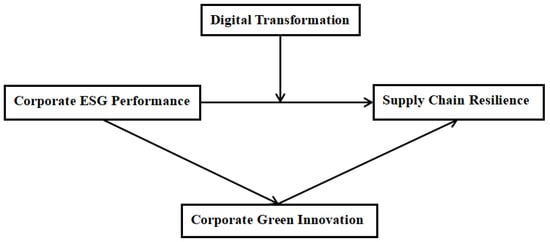
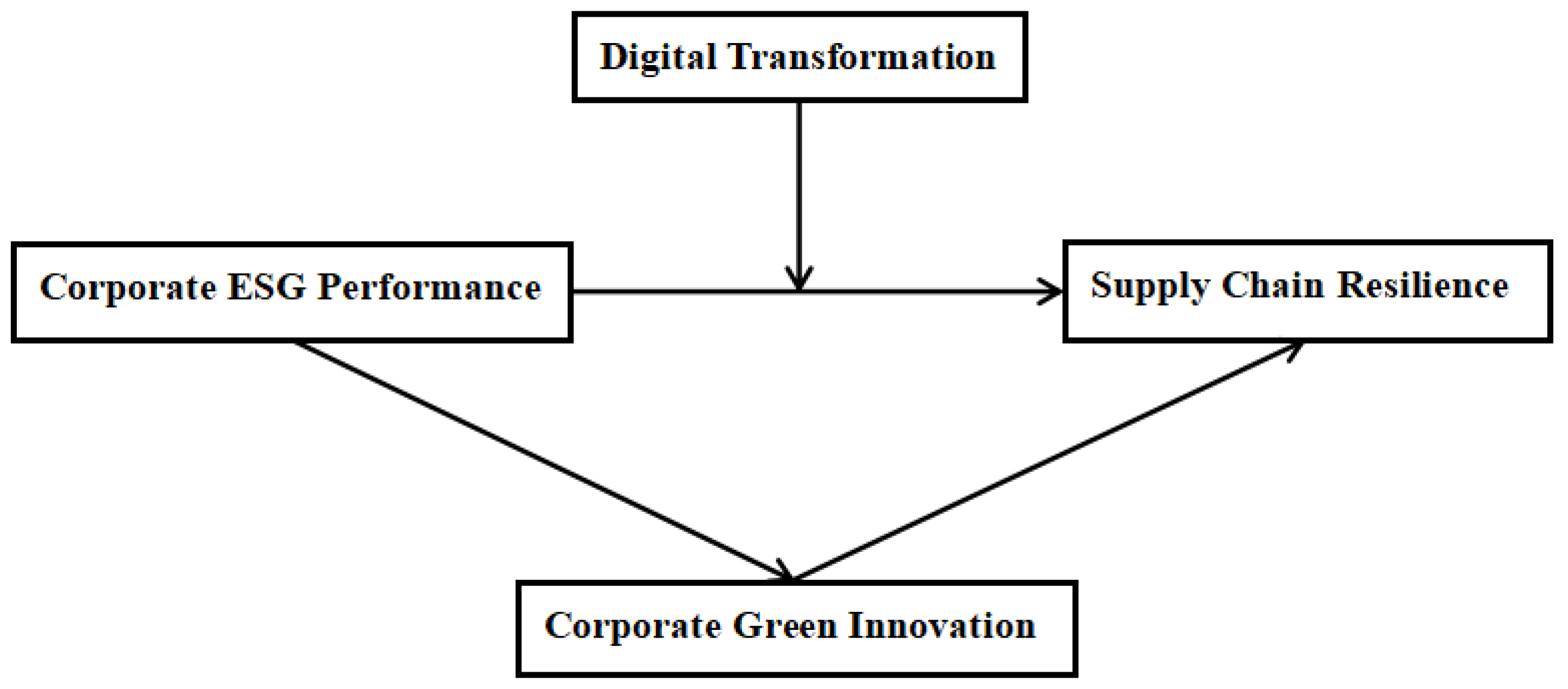

Disclaimer/Publisher’s Note: The statements, opinions and data contained in all publications are solely those of the individual author(s) and contributor(s) and not of MDPI and/or the editor(s). MDPI and/or the editor(s) disclaim responsibility for any injury to people or property resulting from any ideas, methods, instructions or products referred to in the content. |
© 2026 by the authors. Licensee MDPI, Basel, Switzerland. This article is an open access article distributed under the terms and conditions of the Creative Commons Attribution (CC BY) license.