


Abstract
Advanced Air Mobility (AAM) aircraft are being actively developed, yet their unconventional configurations and distributed propulsion architectures differ substantially from those of conventional aircraft, while accumulated design data and engineering knowledge remain limited. Model-Based Engineering (MBE) is increasingly used in aerospace to integrate digital models and support reuse of engineering assets across the product lifecycle. However, these characteristics constrain its direct application during early conceptual design of AAM aircraft. Knowledge-Based Engineering (KBE) can support knowledge reuse, but relevant design information remains heterogeneous and dispersed across multiple sources, making systematic acquisition and utilization difficult. To address these challenges, this study proposes a structured engineering knowledge framework integrating multimodal knowledge acquisition, structured knowledge representation, and requirement-oriented knowledge utilization. Design information is collected using large language model (LLM)-, image-, and video-assisted methods and organized into a relation-based structured knowledge base. Data-driven knowledge derived using CatBoost and SHapley Additive exPlanations (SHAP) is fused with theory-driven design-rule knowledge and mapped to design requirements through Quality Function Deployment (QFD). A case study of 148 AAM aircraft demonstrated the value of multimodal acquisition for supplementing sparse text-based geometry data and showed that the framework identifies requirement-relevant AAM-specific configurations, enabling knowledge-guided exploration of the expanded design space.
1. Introduction
1.1. Background and Motivation
Advanced air mobility (AAM) has emerged as a new aviation mobility solution to address various societal challenges in urban and surrounding regions, including environmental impacts, noise, and traffic congestion. Unlike conventional aircraft, AAM aircraft intended for low-altitude and low-speed operations in urban and regional environments employ electric propulsion systems to meet low-noise operational requirements and are characterized by multiple flight modes for both vertical takeoff and landing and forward flight. Additionally, as electric propulsion technologies for drones employing multiple small thrusters have evolved toward distributed electric propulsion (DEP), diverse propulsor arrangements and configurations can be implemented while improving redundancy, safety, and controllability. The application of DEP has consequently led AAM aircraft toward unconventional configurations that differ from those of conventional aircraft, resulting in an expanded configuration design space.
1.2. Challenges in AAM Conceptual Design
However, AAM aircraft employ operating concepts that differ from those of conventional aircraft and incorporate numerous emerging propulsion and aircraft design technologies, while accumulated experience in design, operation, and certification remains limited. Designers who rely heavily on conventional aircraft design experience and background knowledge, therefore, face several challenges during the early concept design stage, particularly when exploring diverse configurations and selecting a design baseline. At this early stage of conceptual design, numerous configuration combinations and technology alternatives must be explored, highlighting the need for a systematic framework to organize and utilize existing AAM design cases and relevant engineering knowledge.
Collecting and organizing design information on competitor aircraft, applied technologies, and products requires substantial time and effort because the information is distributed across multiple sources in heterogeneous formats. Moreover, using the collected information for aircraft concept design requires more than simply accumulating data; it is necessary to analyze and structure which configuration design features and technologies are used in AAM aircraft and what engineering implications are associated with those choices.
When such information is interpreted and utilized primarily based on designers’ tacit experience or background knowledge, configuration exploration may become biased, the design space may be unnecessarily constrained, and the consistency and reproducibility of the design process may be reduced. Therefore, early concept design of AAM aircraft requires a systematic approach for acquiring and structuring design knowledge, explicitly representing relationships among knowledge elements, and enabling their repeated reuse.
1.3. Literature Reviews
Knowledge-based engineering (KBE) has been continuously studied to support the systematic collection and utilization of diverse data [1,2]. In our previous studies, AAM aircraft data were collected, organized into structured databases, and used in the design [3,4,5,6]. Independent studies have also systematically reviewed and classified emerging AAM aircraft configurations and propulsion architectures [7]. However, manual data collection required considerable time and human effort, and inconsistencies were also observed in the scope of accessible sources and the criteria applied for data collection among collectors. In addition, the use of the collected information largely remained limited to referencing numerical data stored in databases, which constrained its extension into engineering design knowledge that could be usefully applied during the early concept design stage.
Recent studies have also investigated knowledge acquisition approaches that combine expert knowledge with data-driven techniques. Duverger et al. [8] proposed a hybrid knowledge acquisition method that extracts design rules from existing industrial data using expert knowledge and interpretable machine learning within ontology-based engineering and model-based systems engineering (MBSE) environments. However, as noted by the authors, such data-driven knowledge depends on existing data and may, therefore, have difficulty fully representing emerging technologies or novel configuration concepts. Consequently, early design-space exploration requires complementary use of data-driven knowledge and knowledge derived from engineering principles and theory.
Alongside data- and knowledge-centered approaches, model-based engineering (MBE), which connects requirements, structure, behavior, and analysis around digital models, has been adopted in various design domains [9]. However, during early conceptual design, the knowledge required to construct such models is often not yet sufficiently explicit. Therefore, before MBE can be effectively implemented, a reasoning and linking layer is needed to acquire the required knowledge and connect it to subsequent models.
Previous studies have generally addressed KBE, MBE, aircraft database construction, and data-driven machine learning separately [10,11]. However, from the perspective of early concept design of AAM aircraft, limited attention has been given to a structured engineering knowledge framework that semi-automatically acquires required information from diverse external sources, transforms it into structured design knowledge, and reuses it for conceptual configuration exploration.
1.4. Objective and Contribution
The objective of this study is to propose a knowledge-based engineering framework that supports early concept design of AAM aircraft, which exhibit design characteristics distinct from those of conventional aircraft while having limited accumulated experience in design. The proposed framework acquires heterogeneous design information from diverse external sources, transforms it into structured design and engineering knowledge, and makes that knowledge available for practical conceptual configuration exploration. The main methodological contributions of this study are summarized as follows: (1) A multimodal knowledge-acquisition pipeline is established to systematically collect and structure heterogeneous AAM design information from textual, image, and video sources while retaining source evidence and traceability. (2) A relation-based engineering knowledge network is constructed by interconnecting competitor aircraft, Configuration Features, Engineering Characteristics, technologies, products, and explicit Design Rules, enabling engineering relationships among heterogeneous design elements to be systematically represented and traced. (3) Data-driven configuration knowledge derived from existing aircraft data and theory-driven knowledge represented by Design Rules are transformed to a common design-requirement level and integrated through QFD to derive requirement-oriented knowledge guidance for subsequent configuration-space exploration.
Section 2 describes the knowledge acquisition pipeline for semi-automatically collecting and structuring heterogeneous information. Section 3 presents the method and architecture for organizing the acquired data into multiple knowledge types and interlinking them to construct a knowledge network. Section 4 defines configuration patterns derived from competitor-aircraft data as data-driven knowledge and relationships derived from engineering principles and design rules as theory-driven knowledge, and then explains how the two knowledge types are fused and utilized for design configuration exploration. Section 5 presents a case study applying the proposed framework, and Section 6 provides the conclusions and discussion.
The framework proposed in this study is not intended to replace existing KBE or MBE approaches. Rather, it provides a knowledge layer that acquires and structures the design data and engineering knowledge required for early concept design of AAM aircraft and enables their connection to subsequent model-based design processes. In this manner, the study presents a knowledge-enabled conceptual design framework for AAM aircraft.
2. Knowledge Acquisition
AAM aircraft have limited accumulated design, operational, and certification data, while diverse concepts and prototypes continue to be proposed and developed. Consequently, obtaining AAM-related information requires individual searches across multiple sources, including official manufacturer websites, press releases, news articles, academic papers, technical documents, and videos, which demands substantial time and effort. This section describes a knowledge acquisition pipeline that semi-automatically collects and structures heterogeneous information distributed across external sources to construct a knowledge base for early design of AAM aircraft.
2.1. LLM-Assisted Information Extraction
In previous studies, information on competitor aircraft, products, and applied technologies was manually collected by multiple collectors. Manual information collection, however, is time-consuming and can lead to inconsistent evidence and judgment criteria among individuals. It also limits the ability to comprehensively search diverse sources and obtain sufficient information. To mitigate these limitations, automated collection based on crawling and scraping was initially considered, but its applicability was constrained by automated-access restrictions imposed by major sources and by unstructured and inconsistent information formats across websites. Because AAM-related information is distributed across heterogeneous sources, this study primarily adopted a Large Language Model (LLM)-assisted information acquisition approach that can semantically interpret information requirements and structure relevant information from heterogeneous sources. Source provenance was also recorded and human verification was performed to improve the reliability and traceability of the extracted information.
Figure 1 illustrates the LLM-assisted information extraction process. To collect the information required for initial concept design of AAM aircraft in a consistent format, the required information fields and data formats were predefined using a JSON schema. The LLM then extracts and structures the required information from external sources according to the schema, and the generated results are stored in the Seeds directory within the pipeline folder of the knowledge base.
Figure 1.
LLM-Assisted Information Extraction Process.
LLM-assisted information extraction was used to collect major performance and configuration information for competitors, product (model) specification for installed propulsion components, and aerospace and engineering technologies applied to each aircraft. The primary information sources were defined as official manufacturer materials, academic papers, technical reports, product datasheets, news articles, and publicly available web sources. The LLM extracts the required fields from these heterogeneous sources and structures them as JSON files according to the predefined schema. Provenance information, including source URL, source type, confidence level, and evidence note, is stored together with the extracted data to ensure evidential support and traceability. The principal information fields collected through the LLM are summarized in Table 1.
Table 1.
LLM-Assisted Information Extraction Contents.
The collection scope was limited to key configuration and performance information required to characterize AAM aircraft during early concept design. At this stage, the LLM is used as an assistance tool for efficiently extracting and organizing required information from diverse sources, and the final data are reviewed through human verification.
2.2. Geometry Knowledge Acquisition Using the Wing Planform Tool
Since the knowledge base developed in this study is intended to support AAM early concept design, aircraft configuration-related information represents a substantial portion of the required knowledge. However, the text-based sources collected through the LLM are insufficient for acquiring such configuration information. Specific geometric information, including wing aspect ratio, taper ratio, sweep angle, dihedral angle, wing-start-point position, and tail moment arm, is rarely reported directly in publicly available text sources. These parameters therefore need to be extracted separately from publicly available aircraft images. For this purpose, a Wing Planform Tool was developed to calculate geometric information from top-view and front-view images of target aircraft, as shown in Figure 2. Because image scales vary and actual dimensions are often unavailable, the tool primarily extracts ratio-based geometric parameters. Additionally, since the measurement errors can arise when users manually designate reference points on the screen, repeated measurements are performed for the same vehicle, and the mean value is used while the standard deviation is recorded to represent measurement uncertainty.
Figure 2.
Geometry Knowledge Acquisition Using the Wing Planform Tool.
Geometric information obtained using the wing planform tool is also exported in JSON format according to the predefined schema and stored in the wing-planform directory within the pipeline folder of the knowledge base. The tool substantially expanded the coverage of configuration information that could not be obtained from publicly available text sources alone. Among the 148 aircraft collected in the case study in Section 5, only 5 aspect-ratio values, 1 dihedral-angle value, 2 sweep-angle values, and no taper-ratio values could be obtained from text sources for 137-winged aircraft. This means that only 8 of the 548 theoretically obtainable data points (137 aircraft × 4 geometric parameters) could be identified from text sources. Accordingly, the proposed knowledge acquisition pipeline was designed as a multimodal knowledge acquisition structure that incorporates image-based geometric information in addition to text-based information.
To evaluate the reliability of the Wing Planform Tool, a representative validation was conducted using the publicly available NASA Common Research Model (CRM) reference geometry [12]. Five repeated measurements yielded an aspect ratio of , a taper ratio of , and a sweep angle of , compared with the reference values of 9.0, 0.275, and , corresponding to errors of approximately 8.8%, 6.2%, and 3.9%, respectively. These results indicate that the tool can provide useful approximate geometric information for early conceptual design when corresponding values are unavailable from text-based public sources.
2.3. Video-Based Knowledge Evidence Acquisition
Many AAM aircraft are still under development, and the latest configuration or technology information is often disclosed through official manufacturer videos, prototype flight test videos, or presentation videos before it appears in standardized documents. Therefore, the knowledge acquisition pipeline employs a video extraction tool implemented in Python (version 3.12.3) to identify reliable videos related to the target vehicle, retrieve information not available in the seed data collected by the LLM, and store the extracted information together with supporting evidence.
The tool first searches for relevant videos using the aircraft and manufacturer names recorded in the seed files and selects videos for analysis by considering factors such as whether the source is an official manufacturer channel. Subtitle information and representative frames sampled at regular intervals throughout each selected video are then acquired and provided to a multimodal LLM to extract visually or verbally identifiable information, such as aircraft configuration, propulsor arrangement, and type of landing system. Extracted results are accepted only when supported by explicit statements, on-screen text, or directly identifiable configurations in the video, while uncertain information is excluded. The video source, timestamp of the relevant frame, and confidence information are also recorded as evidence. The acquired video-based information is stored in the video-evidence directory within the pipeline folder and is integrated into a form usable in the knowledge base after cross-checking against other sources and final human review and verification.
2.4. Automated Knowledge Integration Pipeline
Seed information collected through LLM-assisted extraction, image-based geometric information obtained using the Wing Planform Tool, and video-based information acquired using the video extractor tool are all stored separately as raw data in JSON format within the pipeline folder. The pipeline folder, therefore, serves as a staging area in which acquired information is temporarily managed before integration into the final knowledge base. Figure 3 illustrates the overall structure and workflow of the knowledge acquisition and integration pipeline developed in this study.
Figure 3.
Overall Knowledge Acquisition and Integration Pipeline.
Data collected through different acquisition methods are automatically converted and stored in the standard knowledge-base format through a batch file (Run_DB.bat). The batch file calls a Python-based data-merging script, loads LLM-collected data (seed data) as the baseline information using the aircraft name as the identifier, and then sequentially merges video-based information and image-based geometric measurements for the same aircraft into a single Markdown (.md) dataset. Each field is subsequently standardized according to the knowledge-base data structure, and a new Markdown file is created when no file exists for the corresponding aircraft. When an existing file is present, values that have already been entered and reviewed by the user are preserved, while only empty fields are supplemented. This prevents verified information from being overwritten during automated storage and update processes.
By establishing an automated pipeline that directly connects individual information-acquisition stages to the final knowledge base, consistency can be maintained across repeated database and knowledge base construction processes while reducing the time required for manual work.
3. Knowledge Base Construction
Information collected and integrated through the knowledge acquisition pipeline is structured into a knowledge base for early concept design of AAM aircraft. This section describes the overall architecture of the knowledge base, the role of each sub-DB, and the relationships among them. The resulting structured design knowledge and relationship information are subsequently used for conceptual configuration exploration and generation.
3.1. Overall Architecture
Rather than storing the information acquired through the knowledge acquisition pipeline merely as numerical and attribute data, a relationship-based engineering knowledge structure was established so that the expanded AAM configuration design space could be understood and utilized during the design process. Collected information was divided into multiple sub-DBs according to its role and characteristics, and relationships among competitor aircraft, configuration features, technologies, products, and engineering characteristics were interlinked. This structure enables not only the storage of individual information but also the tracing of associations and engineering influence paths among design elements, thereby forming an integrated engineering knowledge network. Figure 4 shows the overall architecture of the knowledge network, and the organization and roles of each sub-DB are summarized in Table 2.
Figure 4.
Overall Architecture of the Structured Engineering Knowledge Network.
Table 2.
Sub-Databases and Their Roles in the Knowledge Base.
Obsidian was used as the management environment for implementing the integrated knowledge network. Obsidian is a knowledge-management environment in which Markdown-based notes are managed as individual knowledge units and relationships among different information elements can be explicitly represented through internal links [6,13,14]. In particular, its ability to visualize link structures as graphs makes it suitable for organizing and exploring heterogeneous design information from a relationship-centered perspective rather than merely storing data in tabular form.
In this study, the aircraft, configuration features (CFs), applied technologies, products, engineering characteristics (ECs), and design rules (DRs) presented in Table 2 were represented as independent nodes, and relationships among the nodes were established through internal links. This structure enables not only identification of the configurations and technologies applied to a specific aircraft but also sequential tracing of the engineering characteristics associated with each design element.
The knowledge network structure developed in this study is not dependent exclusively on the Obsidian environment and can also be implemented in other knowledge-management systems or graph databases that support the same node–relationship structure. Obsidian was selected as the implementation platform because Markdown-based data management, explicit inter-node linking, direct user review and modification, and relationship visualization through Graph View can all be performed within a single environment.
Figure 5 shows the relationships among the major data elements in the knowledge network, and the meaning of each relationship is summarized in Table 3.
Figure 5.
Example of Relationships among Knowledge Network Nodes. The Node colors Represent Competitor DB (Blue), Engineering Characteristics (Green), Configuration Features (Light Blue), Technology DB (Gray), Product DB (Yellow), and Design Rules (Red).
Table 3.
Example Relationships in the Knowledge Network Shown in Figure 5.
The chained relationships described in Figure 5 and Table 3 enable relationship-centered exploration of the AAM configuration design space. These relationships among individual data elements are subsequently transformed into design knowledge and utilized for conceptual configuration exploration. The method for utilizing design knowledge derived from the knowledge network for AAM concept exploration and generation is described in Section 4.
3.2. Competitor, Technology, and Product Database
The knowledge acquisition pipeline collects not only configuration and performance information for competitor aircraft but also information on actual products used as propulsion components and aerospace engineering technologies applied to achieve specific design objectives. These data are stored separately in the Competitor DB, Technology DB, and Product DB, respectively, and the three sub-DBs serve as major information sources for knowledge on actual AAM design cases and implemented technologies.
The Competitor DB stores the configuration, propulsion system, major performance (design targets), operational information, and development status of AAM aircraft that have been developed or publicly disclosed, following the Markdown schema predefined during the knowledge acquisition process. Technologies and products applied to each aircraft are linked to the corresponding nodes in the Technology DB and Product DB to enable cross-referencing (see the example marked by ❸ in Table 3). The Competitor DB serves both as a fundamental source for understanding the AAM configuration design space and as the primary dataset for subsequent data-driven configuration-pattern analysis.
The Technology DB stores knowledge on emerging technologies identified during construction of the Competitor DB and provides candidate design solutions that can be considered during conceptual design. Each technology node records the definition and application method of the technology and, when a configuration feature is directly associated with that technology, is linked internally to the Configuration Features sub-DB (see the example marked by ❺ in Table 3).
The Product DB stores specifications of actual propulsion and energy-system component products or models, including batteries, motors, propellers, fuel cells, and engines, identified during construction of the Competitor DB. These product data provide examples of the physical implementation of technologies in actual aircraft and are linked to the relevant DBs to maintain aircraft–technology–product connectivity (see the example marked by ❸ in Table 3). Whereas conventional aircraft are typically designed by selecting and integrating engines that satisfy required performance levels, AAM aircraft are often designed with a closer coupling between the airframe and the configuration and performance of the electric propulsion system. Therefore, propulsion- and energy-component specifications can be directly related to aircraft performance, and the collected product data can subsequently be used to develop regression models or conduct trend and sensitivity analyses within MBE processes.
These three sub-DBs constitute major knowledge sources for information observed in actual AAM design cases and provide the basis for deriving data-driven knowledge.
3.3. Configuration Features and Engineering Characteristics
Although the three sub-DBs described above provide information observed in actual design cases, using them alone makes it difficult to extend the structured database into engineering design knowledge. The knowledge network therefore represents AAM configurations as design elements at the early concept-design level and explicitly identifies the engineering characteristics associated with each element, thereby incorporating relational knowledge that explains why particular configuration elements are used. For this purpose, CFs and ECs were established as separate knowledge layers and connected through DRs, which serve as an intermediate bridge for deriving theory-driven knowledge.
Configuration Features correspond to aircraft configuration components, geometric parameters, arrangement schemes, and propulsion configurations that can be directly selected at the early concept-design level and therefore serve as design variables during configuration design. During the collection of competitor-aircraft information, the configuration fields obtained from Table 1 and the wing planform tool are recorded according to the predefined schema, and each categorical value is connected by an internal link to the corresponding CF node (see the examples marked by ❶ and ❹ in Table 3). For example, the Tail Type of a specific competitor aircraft is linked to the corresponding individual tail-configuration node defined under Configuration Features/Tail-Type.
Because the knowledge network is intended for use during the early design stage, CFs were defined at a level of configuration detail that is meaningful for this design stage. Accordingly, local geometric elements associated with preliminary or detailed design, such as airfoil leading-edge radius, aft-fuselage upsweep angle, and flap-to-chord ratio, were excluded from the scope.
Engineering Characteristics represent major engineering characteristics affected by the selection of aircraft configuration and propulsion architecture. In this study, they were classified into five disciplines: Aerodynamics, Stability and Control, Propulsion and Energy, Weight and Balance, and Acoustics. Aerodynamics and Stability and Control describe lift- and drag-related aerodynamic characteristics associated with main-wing, tail, and propulsor arrangements, together with static and dynamic stability and controllability related to trim and transition. Propulsion and Energy represents thrust- and power-related capabilities associated with AAM propulsion systems, while Weight and Balance reflects effects on weight and mass distribution arising from aircraft configuration and propulsion and energy-system architecture. Acoustics was also included because noise is an important design consideration for AAM, characterized by multiple propulsors and low-altitude operation, and it was further divided into propulsion noise and airframe noise. Each discipline and its detailed ECs were selected with reference to a range of aircraft-design literature, focusing on engineering characteristics that can be distinguished at the early conceptual-design stage [15,16,17,18,19]. The detailed ECs within each discipline are organized as shown in Table 4 and are explicitly connected to CFs or Technology through DRs.
Table 4.
Engineering Characteristics Organized by Discipline.
3.4. Design Rules
Design Rules explicitly represent an engineering influence relationship between a CF or Technology and an EC. DR serves as a core element of theory-driven knowledge when the knowledge network is utilized for early concept design. Specifically, each rule expresses the direction in which a particular technology or configuration element affects an engineering characteristic and is connected in the form illustrated by the examples marked by ❶ and ❷ in Figure 5 and Table 3.
In this study, DRs describe only the 1st-order effects of CFs or Technology on ECs. For example, High-AR-Design may have a direct 1st-order effect such as increased structural weight; however, if secondary or subsequent effects, such as a resulting requirement for greater Installed-Power-Capability or Energy-Storage-Capability, are included in DRs, chained effects mediated through different ECs may become mixed. This may lead to double counting of the same effect or ambiguity in interpreting the direction of influence and applicability conditions. Therefore, DRs were constructed using only 1st-order effects to maintain clear physical meaning and scope for each rule. The effect direction is recorded as Increase or Decrease, and each DR retains its supporting source for traceability. Relationships that are valid only under specific conditions are separately specified through an Applicability field, thereby distinguishing general engineering principles from conditional design heuristics. The validity of each rule is assessed based on consistency with its cited source and stated applicability rather than through independent experimental validation.
Rather than merely connecting CFs or Technology to ECs through internal links, separate DR nodes explicitly represent the meaning and direction of each relationship so that the knowledge can be used in a machine-readable form. DRs are a core representation of theory-driven knowledge that externalizes tacit aerospace engineering knowledge and enables repeated application of the same knowledge throughout the design process. The process of connecting these rules to design requirements is described in Section 4.
4. Knowledge Utilization for AAM Configuration Space Exploration
The ultimate purpose of constructing the knowledge network is to utilize the accumulated information for early conceptual configuration exploration and generation of AAM aircraft. In this study, design knowledge derived from the knowledge network is broadly divided into data-driven knowledge and theory-driven knowledge, and the two knowledge types are fused to quantify relationships between design requirements and Configuration Features. The resulting information is then transformed into knowledge-guidance information that can be used during subsequent configuration design space exploration.
4.1. Data-Driven Knowledge and Theory-Driven Knowledge
Data-driven knowledge represents relationships observed in actual design cases between CFs and design or performance targets in the form of data-driven configuration patterns. In other words, configuration and performance data accumulated in the Competitor DB are used to quantitatively identify which CFs tend to co-occur with particular performance outcomes in existing AAM design cases.
CatBoost and SHapley Additive exPlanations (SHAP) were used for configuration-pattern analysis. CatBoost is a boosting-based model with the advantage of directly handling categorical variables, while SHAP uses Shapley values to interpret the magnitude and direction of each input variable’s contribution to model predictions [20,21,22]. In this study, CatBoost was used to learn relationships between competitor-aircraft CFs and design or performance targets, and SHAP was used to interpret the predictive contribution of each CF in the trained model [23]. The analysis results were stored as SHAP Patterns within the knowledge base for subsequent repeated reference. Figure 6 presents examples of configuration-pattern analysis results derived through the CatBoost–SHAP pipeline.
Figure 6.
Example of CatBoost–SHAP-based Configuration Pattern Analysis: (a) SHAP Feature Importance and Contribution Distribution; (b) Category-Level SHAP Contributions; (c) SHAP Dependence Plot.
Accordingly, data-driven configuration-pattern analysis represents empirical relationships observed in competitor-aircraft data and can be used to identify AAM-specific design tendencies that are difficult to express directly using conventional aerospace engineering theory alone. However, these results represent patterns learned from observed design cases and do not imply a definitive causal relationship in which changing a CF directly causes a particular performance change.
The CatBoost–SHAP pipeline derives both the importance and contribution direction of each categorical CF with respect to a performance target. For each individual CF category j, the category-level importance is obtained by averaging the absolute values of the aircraft belonging to that category and normalizing the resulting value. The contribution direction is determined from the mean signed SHAP value of the corresponding category and interpreted according to the preferred direction of the design target p. The preferred direction is established from the design objectives and requirement definitions specified for the particular design problem, providing the reference for interpreting the direction of the SHAP contribution. Accordingly, a contribution that influences the target in the preferred direction is treated as favorable, whereas the opposite direction is treated as unfavorable. The normalized category-level importance () is then combined with this contribution direction to define data-driven knowledge (), as expressed in Equation (1).
Here, p denotes the index of a design target, and j denotes the index of an individual CF category. Because a normalized importance value is used, , where a positive value indicates a favorable relationship with the corresponding design target p and a negative value indicates an unfavorable relationship.
In contrast, theory-driven knowledge expresses aerospace engineering principles identified in specialist aircraft-design books, technical reports, patents, and related literature in the form of DRs. Whereas data-driven knowledge indicates which patterns are observed in existing design cases, theory-driven knowledge explains how a particular configuration element or technology is related to an EC and in which direction.
Each DR describes the direction in which a specific CF or Technology acts on an EC. Accordingly, theory-driven knowledge can be represented as shown in Equation (2) based on the effect direction (Increase/Decrease) recorded in the DR and the existence of the corresponding rule.
Here, denotes an Engineering Characteristic, j denotes the index of a CF, and denotes the index of a Technology. When a specific CF or Technology acts in the favorable direction of the corresponding EC, and are assigned +1; when it acts in the opposite direction, they are assigned -1. If no DR is defined between the corresponding CF or Technology and the EC, the relationship is represented as 0.
However, the literature underlying theory-driven knowledge has largely accumulated around conventional aircraft and may therefore be unable to fully reflect the application of emerging technologies or the unique configuration and propulsion characteristics of AAM aircraft.
4.2. Knowledge Fusion
Using only data-driven knowledge may lead to excessive dependence on trends observed in existing design cases and makes it difficult to directly explain the engineering mechanisms connecting CFs and performance. For example, an empirical tendency for a particular Winglet configuration to co-occur with Range may be identified, but data-driven results alone cannot readily explain the aerodynamic characteristics through which that relationship arises. Conversely, theory-driven knowledge alone may not fully reflect recent design trends or unique configuration characteristics emerging in the new AAM aircraft domain. Knowledge Fusion is therefore performed to exploit the complementarity of the two knowledge types.
For Knowledge Fusion, the design target p in data-driven knowledge and the Engineering Characteristic of theory-driven knowledge are first transformed to a common design requirement or Figure of Merit (FoM) level. For data-driven knowledge, the relationship values of the design targets corresponding to each requirement are aggregated according to Equation (3) to calculate .
Here, is the relationship value connecting data-driven knowledge to a design requirement, and denotes the set of design targets p corresponding to that requirement. For example, if the CatBoost–SHAP-based relationship values for Winglet are , , and , with {Range, Endurance, Cruise-Speed}, then is calculated as , as shown in Equation (4).
represents the degree and direction of the favorable or unfavorable relationship between a specific CF and the corresponding design requirement from a data-driven perspective.
Theory-driven knowledge associated with design requirement is likewise transformed by aggregating and for the related ECs to obtain and according to Equation (5).
In Equation (5), and are relationship values that connect theory-driven knowledge to a design requirement, and denotes the set of ECs related to that requirement. As in the preceding example, if the DR relationships for Winglet are and , and {Lift-Capability, Drag-Characteristics}, then is calculated as , as shown in Equation (6).
Accordingly, and represent the direction and magnitude of the relationship between a specific CF (j) or Technology () and the corresponding design requirement from a theory-driven perspective.
After the two knowledge types are transformed to the design requirement level, data-driven and theory-driven knowledge are normalized to the same scale according to Equation (7) so that differences in their value ranges and distributions do not dominate the fusion result. The normalized values are then combined to derive the final hybrid knowledge according to Equation (8).
When both data-driven and theory-driven knowledge are available, the two normalized relationships are combined with equal weights; when only one knowledge type is available, the corresponding normalized value is used directly. In this study, equal weighting is adopted as a neutral reference setting that does not assign prior preference to either knowledge type. More generally, the relative contribution of data-driven and theory-driven knowledge can be adjusted according to the reliability or availability of each source. Accordingly, represents, within the range , the overall direction and magnitude of the relationship between CF j and design requirement and is subsequently used to construct the QFD relationship matrix. When data-driven and theory-driven knowledge indicate opposite relationship directions, the resulting relationship should be treated as conflicting evidence rather than being interpreted solely from the averaged value. Such cases are explicitly flagged with the associated evidence notes, source provenance, and applicability for human review. For Technology, is used as knowledge indicating the relevance of the technology to the current design requirement, while the actual decision to apply the technology is left to the designer. Therefore, hybrid knowledge is derived only for CFs in this study, whereas Technology is treated as separate guidance information.
4.3. Knowledge-Guided QFD and Configuration Exploration
Constructed knowledge network and the derived design knowledge need to be transformed into a form that can be utilized in actual early concept design of AAM aircraft [23]. Quality Function Deployment (QFD) has traditionally been used in product design, including aircraft design, to translate design requirements into engineering design elements [24]. QFD evaluates the relationships between design requirements and design elements by constructing a relationship matrix in the form of a House of Quality (HoQ) [16,25]. However, relationship evaluation in conventional QFD depends on the designer’s experience and background knowledge, which can introduce evaluator-dependent subjectivity and reproducibility issues. In this study, hybrid knowledge derived from the knowledge network is applied to this relationship assessment to construct the relationship matrix shown in Table 5.
Table 5.
QFD-Based Relationship Matrix between Design Requirements and Configuration Features.
Using weight of design requirement and hybrid knowledge , the requirement-based importance of each CF can be calculated as shown in Equation (9). quantitatively represents, based on the knowledge network, the relative degree of relevance between a specific CF and the current design problem when multiple design requirements are considered collectively.
To preserve the directional information separately from the relevance represented by , a signed guidance metric is additionally defined as Equation (10).
While represents the overall strength of the relationship between CF j and the design requirements, indicates whether the combined relationship is favorable () or unfavorable ().
In conventional QFD, highly relevant engineering solutions are typically selected and applied in subsequent design stages [6]. In this study, however, is not used as a criterion for reducing the configuration design space or removing low-importance features. Low-importance features are retained in the design space to preserve the possibility of generating diverse configuration combinations, while is used as knowledge-guidance information that causes features more strongly related to the current design requirements to receive relatively greater consideration during generation.
During subsequent configuration-space exploration, the normalized importance values can be used as knowledge-guidance information to assign relatively greater consideration to CFs that are more strongly related to the current design requirements. Features with high values are therefore emphasized during exploration, whereas features with low values are not removed but remain in the design space. This allows requirement-relevant design features to receive greater consideration while preserving the diversity of the configuration space. In downstream generative design approaches, such knowledge-guidance information may also be incorporated as conditioning information, as demonstrated in previous work [23]; however, implementation of a generative model is outside the scope of the present study.
Unlike CFs, Technology is not a design variable that must be included in every concept design and is applied selectively according to design intent and requirements. Therefore, for each Technology , this study separately evaluates its degree of relevance to the requirements and its direction of influence and defines them as knowledge-driven technology relevance and knowledge-driven guidance according to Equations (11) and (12).
Because uses an absolute value, it represents the degree of relevance between a technology and the design requirements rather than whether the technology is favorable or unfavorable. In contrast, retains the sign; a positive value indicates that the technology is related in a favorable direction when the current requirements are considered collectively, whereas a negative value indicates an unfavorable direction. Accordingly, the CF importance is used as the primary knowledge-guidance information for conceptual configuration generation, while the relevance and direction indicators for Technology () are used as supplementary guidance to identify technology candidates strongly related to the requirements and support the designer’s decision on whether to apply them.
5. Case Study: Knowledge Base Construction and Configuration Pattern Analysis
For AAM aircraft, which exhibit design characteristics distinct from those of conventional aircraft and have limited design, operational, and certification precedents, the preceding sections proposed an E2E framework that constructs a knowledge base through the knowledge acquisition pipeline and utilizes the resulting knowledge network for knowledge-driven configuration space exploration. This section presents a case study in which the proposed framework is applied to an early concept design problem for AAM aircraft.
5.1. Constructed AAM Design Knowledge Base
The knowledge acquisition and knowledge base construction procedures presented in Section 2 and Section 3 were applied to the case study to construct an AAM design knowledge base and subsequently establish the corresponding knowledge network. Obsidian was used as the implementation environment, and the relationships among knowledge elements can be examined in network form through Graph View, as shown in Figure 7.
Figure 7.
Knowledge Network Constructed for the Case Study.
The knowledge base constructed through the case study contains the following data according to the structure defined in Section 3:
- No. of Competitor DB: 148;
- No. of Configuration Features: 90;
- No. of Engineering Characteristics: 20;
- No. of Technology DB: 68;
- No. of Product DB: 88;
- No. of Design Rules: 151.
In this case study, aircraft information was extracted using GPT-5.6 Sol according to the predefined JSON schema described in Section 2.1. The LLM-assisted extraction prompt required identification of the exact aircraft version, prioritization of recent and authoritative sources, and exclusion of unsupported inference. The complete principal prompt used for LLM-assisted aircraft information extraction is provided in the Supplementary Materials (Supplementary Material S1). Manufacturer, public and regulatory sources were given the highest priority, followed by technical publications and reputable secondary sources. Source confidence was classified as high for primary technical sources, medium for credible secondary or indirectly supported information, and low for information with limited or conflicting evidence. All extracted records were subsequently reviewed against the cited sources before being incorporated into the Obsidian knowledge network, and unsupported or ambiguous information was corrected, excluded, or retained as unresolved information. For video-based information extraction, it was performed using GPT-5.6 Luna (OpenAI), which analyzed sampled video frames and subtitle/transcript information.
The LLM-assisted extraction was quantitatively evaluated using 40 aircraft randomly selected from the 148 aircraft database. 15 textual performance and specification fields were examined for each aircraft, resulting in 600 field-level comparisons. Configuration or geometry-related fields were excluded for this validation since the LLM-extracted values were subsequently cross-checked and supplemented through measurement using wing planform tool and human verification to improve accuracy and completeness. Among the 312 fields for which the LLM originally extracted a value, 306 were consistent with the manually verified records, corresponding to a field-level agreement of 98.08%.
In addition, a small repeated-run consistency check was conducted to evaluate the stability of the LLM-assisted extraction process under the same configured input conditions. 10 aircraft were processed independently three times using the same aircraft-specific source list, prompt, model, and tool settings. Across 15 performance and specification fields, 126 of 150 field-level comparisons produced identical results in all three runs, including consistently unavailable information represented as null, corresponding to an overall consistency of 84.0%. Table 6 presents the validation results for the accuracy and consistency of information extracted through LLM-assisted information extraction.
Table 6.
Summary of Validation Results for LLM-Assisted Information Extraction.
Through the proposed knowledge acquisition pipeline, individual pieces of information distributed across external sources are structured into an interconnected AAM design knowledge network. This network can be continuously expanded and updated as AAM development progresses and publicly available information becomes more detailed.
5.2. Knowledge Derivation
Section 4 divided the information derived from the knowledge network into data-driven and theory-driven knowledge, connected each knowledge type to design requirements, and fused them to utilize in early concept generation of AAM aircraft. The same procedures and calculation methods were applied in the present case study to derive hybrid knowledge.
5.2.1. Data-Driven Knowledge
In this case study, individual requirements were organized as Figures of Merit (FoMs), and the FoMs and their relative importance derived using the Analytic Hierarchy Process (AHP) in the previous study by Kim et al. were partially reconfigured to match the scope of the present knowledge network [6,26,27]. Passenger Comfort was excluded because it concerns cabin interior design and is not directly addressed within the scope of the CFs and ECs considered in this study. Flight Stability, Aerodynamic Efficiency, Noise Reduction, Weight Reduction, and Propulsive Efficiency were linked to the existing ECs and DRs. For Emission Reduction, Unique Airframe Layout, and Adaptability to Current Infrastructure, which cannot be directly represented by ECs alone, requirement-specific mapping rules were applied for the case study. Unlike the other FoMs considered in the CF-based knowledge analysis, Use of Emerging Technology () and Certification Challenges () cannot be meaningfully represented by the effect of an individual CF. is associated with the application of specific technologies stored in the Technology DB and involves system-level certification considerations that depend on an integrated system-level aircraft configuration. Accordingly, and were retained in the overall requirement set but were treated separately from the CF-based knowledge-guidance calculation in the present case study.
The existing AHP-based FoMs did not include an item that comprehensively represents aircraft mission performance. Therefore, Performance was defined as an additional FoM, , in this case study. Data-driven knowledge for Performance was constructed using design targets p for which valid performance data were available in the Competitor DB and a clear preference direction could be defined. In this case study, lower noise level and MTOW were defined as favorable for Noise Reduction and Weight Reduction , respectively. For Performance , higher passenger and payload capability, range, endurance, cruise and maximum speed, and service ceiling, together with lower take-off/landing distance and stall speed, were defined as favorable directions. These directions were established according to the objectives represented by the corresponding FoMs and were subsequently used to interpret the SHAP-based contribution direction.
The weight of Performance was established with reference to the study by Mazzeo, which applied a House of Quality to UAM conceptual design [28]. Among the customer requirements in that study, Time Saving, Minimum Payload Capability, and Urban and Regional Routes were classified as Performance-related items in the present study and had importance values of 4, 2, and 4, respectively, while the sum of the overall requirement importance was 38. Accordingly, the relative importance of Performance was set to and was then renormalized together with the existing AHP-based FoM weights, resulting in a final value of . The weights of the existing ∼ were adjusted using the same normalization procedure. Accordingly, the normalized FoM weights represent the relative priorities established for this case study and are treated as inputs from the preceding requirement analysis. Competing requirements are incorporated simultaneously through these weights in the subsequent QFD calculation, such that each requirement contributes to the configuration-guidance result according to its relative priority. In addition, the scope of the selected FoMs was reviewed with reference to safety, noise, environmental, mobility, and accessibility considerations reported in the NASA eVTOL passenger-acceptance study and the EASA UAM societal-acceptance study [29,30]. Table 6 summarizes the design requirements and weights applied in the case study.
CatBoost–SHAP analysis was performed using Competitor DB collected in the knowledge network, and data-driven knowledge was derived from the feature importance of each CF for the design targets p and the SHAP-based contribution direction. To examine the generalizability of the learned relationships, CatBoost was additionally evaluated using manufacturer-grouped 5-fold cross validation repeated 3 times. A fixed model configuration (500 iterations, depth of 4, learning rate of 0.05, and regularization of 5.0) was applied without additional hyperparameter tuning or early stopping. Missing target values were excluded from the corresponding target analysis, while missing input values were handled using the native CatBoost procedure. Predictive performance was evaluated using RMSE, MAE, and . Although the predictive performance was modest overall, CatBoost achieved lower RMSE than the mean-prediction baseline for 8 of the 9 evaluated targets, with the largest improvements observed for cruise speed (21.6%), maximum speed (19.9%), and service ceiling (14.0%). These results suggest that the CF data contained some generalizable performance-related information. With quantitative design target p defined in Table 7, p-to-FoM mapping was performed for , , and to calculate . For some CFs, however, the number of competitor samples adopting the feature was too small to derive with sufficient evidential support. A simple robustness check was conducted by temporarily grouping categories represented by fewer than 3 and fewer than 5 aircraft into a ‘Rare’ category. Although some individual SHAP rankings and contribution directions changed, approximately 14–15 of the top 20 CF states were retained, indicating that a substantial portion of the dominant configuration patterns remained consistent while sparsely represented categories require cautious interpretation. Table 8 summarizes representative CFs exhibiting favorable and unfavorable relationships for , , and .
Table 7.
Figures of Merit and Corresponding Weight Factors for the Case Study.
Table 8.
Representative Configuration Features with Favorable or Unfavorable Effects on .
5.2.2. Theory-Driven Knowledge
Theory-driven knowledge represents engineering influence relationships between CFs or Technology and ECs based on the DRs defined in the knowledge network. To transform these relationships to the FoM level, Table 9 defines the mapping between each EC and FoM together with the corresponding favorable direction. In the case study, the direct relevance of each FoM was examined for the 20 ECs established in the knowledge network, and 10 ECs with 1st-order effects on mission performance were linked to Performance (). An increase (↑) was defined as favorable when increasing a particular EC contributes to FoM satisfaction, whereas a decrease (↓) was defined as favorable when reducing the EC contributes to FoM satisfaction; ECs for which a consistent preference direction could not be established were excluded from the corresponding FoM mapping. Because Unique Airframe Layout cannot be represented directly by ECs alone, a separate requirement-specific mapping rule was applied, and five layouts other than Conventional-Layout under Overall-Wing-Layout were assigned +1.
Table 9.
EC–FoM Mapping for Theory-Driven Knowledge Derivation.
Use of Emerging Technology in concerns the application of specific emerging technologies rather than the inherent effect of an individual CF. Accordingly, candidate technologies identified in the Technology DB are retained as separate technology-guidance information and are linked to ECs through the corresponding DRs. When the application of a specific technology to a candidate concept is considered in a subsequent design stage, can be evaluated by comprehensively by considering the maturity of the technology, including the collected Technology Readiness Level (TRL) information, together with its engineering effects and applicability, to support the decision on its adoption.
Certification Challenges in represents certification-related system-level requirements that cannot by meaningfully reduced to the effect of a single configuration feature, such as configuration novelty or propulsor arrangement. Certification considerations are therefore treated as system-level design constraints to be assessed once a candidate configuration has been sufficiently defined, based on the applicable certification requirements together with the resulting configuration, propulsion architecture, and flight-mode characteristics.
Therefore, and were not included in the CF-based configuration-guidance calculation in the present case study; instead, they were retained as explicit considerations within overall early design framework and assigned to the subsequent design stages appropriate to their engineering characteristics. Table 10 summarizes representative theory-driven knowledge for the FoMs excluding and .
Table 10.
Representative Theory-Driven Relationships between Configuration Features and FoMs.
For the 68 Technologies included in the Technology DB, a total of 74 DRs describing relationships with ECs were also constructed and used to calculate . However, because Technology is not a mandatory configuration variable, was not directly included in the CF hybrid knowledge and was instead used as knowledge guidance to support the designer’s judgment regarding technology application during subsequent concept generation and selection.
5.2.3. Knowledge Fusion
After transforming the data-driven knowledge and theory-driven knowledge for each CF to the FoM level, the two values were fused to derive the final hybrid knowledge . In the case study, the two knowledge types were normalized to the same scale for each FoM and combined with equal weights when both were available. If only one of the knowledge types was available, the corresponding normalized relationship value was used directly. Table 11 summarizes representative CFs with favorable and unfavorable relationships for each FoM among the values derived through knowledge fusion.
Table 11.
Representative Hybrid Knowledge Relationships between Configuration Features and FoMs.
In this case study, data-driven knowledge is defined only for , , and , for which quantitative targets are available; therefore, hybrid knowledge for the remaining FoMs is constructed primarily from theory-driven knowledge. Some performance indicators could additionally be linked to Aerodynamic Efficiency in or Propulsive Efficiency in ; however, to avoid the possibility of reflecting the same observed data redundantly with Performance in , no additional data-driven mapping was applied in this case study. The final hybrid knowledge was then used to construct the QFD relationship matrix.
To examine the sensitivity of the hybrid knowledge to the relative weighting of data-driven and theory-driven knowledge, the data contribution was varied from 0 to 100 percent while the underlying relationship values were fixed. The sensitivity of the knowledge-fusion results is shown in Figure 8.
Figure 8.
Sensitivity of knowledge-fusion results to the relative data-driven weight : (a) evidence coverage for data-only, 50:50 fusion, and theory-only cases; (b) Spearman rank correlation of relative to the 50:50 case; and (c) agreement among the top 20 CF states.
The 50:50 fusion provided an evidence coverage of 54.0%, compared with 24.3% for the data-only case and 33.6% for the theory-only case. Moreover, the overall ranking remained highly stable for data weights between 25% and 75%, with Spearman rank correlations of at least 0.994 relative to the 50:50 case. Spearman’s rank correlation coefficient () measures the similarity between two rankings, where a value closer to 1 indicates that the two rankings are more similar [31]. These results indicate that knowledge fusion provides broader evidential coverage than either single-source approach and that the overall configuration ranking is robust across a broad range of intermediate fusion ratios, although some individual relationships supported by both knowledge sources remain sensitive to the selected weighting.
5.3. QFD and Design Space Exploration
Hybrid knowledge derived through knowledge fusion was applied to QFD to evaluate the relationships between design requirements and design features. A QFD-based relationship matrix, as shown in Table 5, was constructed, and the FoM weights listed in Table 6 were combined with the absolute values of for each CF to calculate requirement-based importance . Figure 9 presents a heatmap for the nine requirements excluding and , showing the calculated values for 110 individual CF categories. In addition to the requirement-relevance score , the signed metric was calculated to distinguish whether each highly relevant CF was associated with the current design requirements in an overall favorable or unfavorable direction.
Figure 9.
Configuration Feature Importance Scores () Calculated from the QFD Relationship Matrix.
As shown in Figure 9, Vehicle-Type: eVTOL had the highest importance score (, ), followed by Fuselage-Type: Twin-Fuselage (, ), Powerplant-Type: ICE-Battery-Hybrid-Electric (, ), Propeller-Type: Ducted-Propeller (, ), Propeller-Direction: Coaxial-Propeller (, ), and Configuration-Architecture: Tilt (, ), which also exhibited relatively high values. Rather than representing design elements that are generally dominant in conventional aircraft, these CFs are closely associated with electrified propulsion, DEP, and unconventional configuration architectures characteristic of AAM aircraft. The results, therefore, demonstrate that the proposed framework can be used to explore the expanded AAM-specific configuration design space from a requirements-oriented perspective. Conversely, low or near-zero values do not indicate that the corresponding configurations are inherently unimportant; instead, they indicate that only limited relationships were identified within the currently considered requirements and the available data-driven and theory-driven knowledge.
Here, is not a direct measure of the suitability or preference of a CF but a knowledge-guidance importance representing the strength of its relationship with the design requirements. Because it is calculated from the absolute value of , it incorporates both favorable and unfavorable relationships according to their magnitude, while their overall direction is separately retained through . Therefore, all CFs are retained in the design space, while and are used together as complementary knowledge-guidance information for subsequent configuration-space exploration: represents the strength of relevance to the design requirements, whereas indicates the overall favorable or unfavorable direction.
To examine whether the knowledge-guidance information derived from the proposed knowledge network can meaningfully influence configuration exploration, a simple auxiliary test was conducted within the same morphological analysis-based design space. Table 12 shows the comparison results between uniform random sampling and -guided sampling in terms of requirement relevance, categorical consistency, and configuration diversity.
Table 12.
Comparison of Uniform and -Guided Configuration Sampling.
For each of 10 random seeds, 1000 concept candidates were sampled using either uniform random sampling or knowledge-guided sampling, in which the selection probability of each configuration definition was adjusted according to its requirement-based importance . The results showed that the mean QFD relevance increased from 0.2348 for uniform sampling to 0.2728 for -guided sampling (approximately 16.2% increase), while the minimum categorical-consistency pass rate increased from 10.08% to 12.78%. Meanwhile, the average categorical dissimilarity between generated concepts slightly decreased from 0.7530 to 0.7459, indicating a slight decrease in configuration diversity as the exploration became more concentrated on requirement-relevant CFs in -guided generation. The test results demonstrate that the knowledge network derived information can measurably influence configuration design space exploration toward design variables having stronger relationships with the given requirements.
In early concept design of AAM aircraft, where direct application of MBE can be limited because detailed models and quantitative design information are not yet sufficiently established, this approach connects design requirements and accumulated engineering knowledge to the generation process and extends experience- and intuition-driven configuration exploration toward knowledge-guided design exploration.
6. Conclusions and Discussion
This study proposed a structured engineering knowledge network framework to support the early concept design of AAM aircraft by semi-automatically acquiring heterogeneous design information, organizing it into a relation-based engineering knowledge network, and transforming the accumulated information into requirement-oriented design guidance. The proposed framework integrates multimodal knowledge acquisition with data-driven and theory-driven knowledge derivation and QFD-based knowledge utilization, providing a systematic means of connecting dispersed AAM design information to subsequent configuration-space exploration.
In the case study, a knowledge base containing 148 competitor aircraft was constructed, and requirement-specific hybrid knowledge was derived by combining CatBoost–SHAP-based data-driven knowledge with DR-based theory-driven knowledge. The QFD analysis quantified both the requirement relevance () and overall directional relationship () of individual CFs, allowing strongly related configuration features to be distinguished together with their favorable or unfavorable direction. An additional auxiliary comparison showed that applying the derived -based guidance within the same design space increased the mean requirement relevance of the explored configurations by approximately 16.2% compared with uniform random sampling, while maintaining broad configuration diversity with only a slight reduction in average categorical dissimilarity.
The significance of the proposed framework lies in transforming heterogeneous and dispersed AAM design information into structured and reusable engineering knowledge rather than merely aggregating information in a database. The resulting and values provide complementary knowledge-guidance information for subsequent configuration-space exploration by distinguishing the strength and direction of the relationships between CFs and the current design requirements. In this respect, the proposed approach provides a knowledge layer that can support early conceptual design before detailed model-based analysis becomes available and can subsequently be connected to MBE- or MBSE-based design environments.
The present framework remains dependent on the availability and completeness of publicly accessible AAM data. The current Competitor DB includes heterogeneous UAM, UAV, and RAM aircraft, while usable performance data remain limited for several design targets because many AAM concepts are still under development. Accordingly, the predictive performance of the CatBoost models was modest for some targets, and the resulting data-driven knowledge should be interpreted as exploratory configuration–performance relationships within the currently available dataset. In addition, the current validation focuses on the derivation and use of knowledge guidance during configuration-space exploration rather than full aircraft-level performance, feasibility, or certification assessment. Future work will therefore expand the knowledge network, improve the systematic treatment of provenance and uncertainty, and investigate alternative downstream uses of the derived knowledge guidance, including integration with generative design methods under changing design requirements. Ultimately, the knowledge structure will be extended toward integrated MBE/MBSE environments in which engineering knowledge can be continuously reused from early requirement definition and conceptual configuration exploration through subsequent analysis and design refinement.
Supplementary Materials
The following supporting information can be downloaded at https://www.mdpi.com/article/10.3390/aerospace13121108/s1, Supplementary Material S1: Principal prompt used for LLM-assisted aircraft information extraction.
Author Contributions
Conceptualization, M.J.K.; methodology, M.J.K.; software, M.J.K.; validation, M.J.K.; formal analysis, M.J.K.; investigation, M.J.K.; resources, M.J.K.; data curation, M.J.K.; writing—original draft preparation, M.J.K.; writing—review and editing, M.J.K.; visualization, M.J.K.; supervision, J.-W.L.; project administration, J.-W.L.; funding acquisition, J.-W.L. All authors have read and agreed to the published version of the manuscript.
Funding
This research was supported in part by the Basic Science Research Program through the National Research Foundation of Korea (NRF), funded by the Ministry of Education, under Grant RS-2020-NR049595, and in part by the Korea Agency for Infrastructure Technology Advancement (KAIA), funded by the Ministry of Land, Infrastructure and Transport, under Grant RS-2024-00443198.
Institutional Review Board Statement
Not applicable.
Informed Consent Statement
Not applicable.
Data Availability Statement
The complete curated knowledge base and associated datasets are not publicly available because they are part of ongoing research and continued development. However, the non-proprietary Configuration Feature (CF) and Design Rule (DR) lists used in this study are available from the corresponding author upon reasonable request.
Acknowledgments
During the preparation of this study, the authors used ChatGPT (OpenAI), specifically GPT-5.6 Sol for text-based information extraction and GPT-5.6 Luna for video-based information extraction, as part of the LLM-assisted knowledge acquisition process described in the methodology. ChatGPT was also used in part for English translation and language editing of the manuscript. All AI-assisted outputs were reviewed, verified, and edited by the authors, who take full responsibility for the content of this publication.
Conflicts of Interest
The authors declare no conflicts of interest. The funders had no role in the design of the study; in the collection, analysis, or interpretation of data; in the writing of the manuscript; or in the decision to publish the results.
References
- Hosseini, S.; Vaziry-Zanjany, M.A.; Ovesy, H.R. A Framework for Aircraft Conceptual Design and Multidisciplinary Optimization. Aerospace 2024, 11, 273. [Google Scholar] [CrossRef] [Scilit]
- Arista, R.; Zheng, X.; Lu, J.; Mas, F. An Ontology-based Engineering System to Support Aircraft Manufacturing System Design. J. Manuf. Syst. 2023, 68, 270–288. [Google Scholar] [CrossRef] [Scilit]
- Kim, M.J.; Thu, Z.; Moon, B.H.; Jeong, C.Y.; Choi, Y.H.; Lee, G.M.; An, J.H.; Tyan, M.; Lee, J.W. Configuration Pattern and Trend Analysis through AAM Aircraft Database. In Proceedings of the Korean Society for Aeronautical and Space Sciences 2022 Fall Conference, Jeju Island, Republic of Korea, 16–18 November 2022; pp. 187–188. [Google Scholar]
- Kim, M.J.; Tyan, M.; Hwang, E.; Lee, J.W. Logical Development Process for the Initial Concept of Eco-Friendly AAM Aircraft. In Proceedings of the Korean Society for Aeronautical and Space Sciences 2024 Spring Conference, Jeju Island, Republic of Korea, 3–5 April 2024; pp. 850–851. [Google Scholar]
- Kim, M.J.; Tyan, M.; Lee, J.W. Logical Development Framework for the Initial Concept of Eco-Friendly Advanced Air Mobility Aircraft. In Proceedings of the AIAA SciTech Forum 2025, Orlando, FL, USA, 6–10 January 2025. [Google Scholar]
- Kim, M.J.; Lee, H.J.; Lee, J.W. An Advanced Knowledge-Based Design Framework for Aircraft Concept Generation and Selection. Int. J. Aeronaut. Space Sci. (IJASS) 2026. [Google Scholar] [CrossRef] [Scilit]
- Kiesewetter, L.; Shakib, K.H.; Singh, P.; Rahman, M.; Khandewal, B.; Kumar, S.; Shah, K. A Holistic Review of the Current State of Research on Aircraft Design Concepts and Consideration for Advanced Air Mobility Applications. Prog. Aerosp. Sci. 2023, 142, 100949. [Google Scholar] [CrossRef] [Scilit]
- Duverger, E.; Arista, R.; Aubry, A.; Levrat, E. A Hybrid Knowledge Extraction Method to Support Early Concurrent Engineering in the Aerospace Industry. Aerospace 2026, 13, 337. [Google Scholar] [CrossRef] [Scilit]
- Kuelper, N.; Bielsky, T.; Broehan, J.; Thielecke, F. Model-Based Framework for Data and Knowledge-Driven Systems Architecting. INSIGHT 2024, 27, 47–60. [Google Scholar] [CrossRef] [Scilit]
- Bajwa, O.I.; Baluch, H.A.; Saeed, H.A. Machine Learning Approach for Predicting Key Design Parameters in UAV Conceptual Design. Ain Shams Eng. J. 2024, 15, 102932. [Google Scholar] [CrossRef] [Scilit]
- Arnson, M.; Aljaber, R.; Cinar, G. Predicting Conceptual Aircraft Design Parameters Using Gaussian Process Regressions on Historical Data. J. Aircr. 2026, 63, 1772–1786. [Google Scholar] [CrossRef] [Scilit]
- Vassberg, J.C.; DeHaan, M.A.; Rivers, S.M.; Wahls, R.A. Development of a Common Research Model for Applied CFD Validation Studies. In Proceedings of the 26th AIAA Applied Aerodynamics Conference, Honolulu, HI, USA, 18–21 August 2008. [Google Scholar] [CrossRef] [Scilit]
- Obsidian. Internal Links. Available online: https://obsidian.md/help/links (accessed on 30 September 2026).
- Ferreira, J.J.; Segura, V.; Souza, J.G.; Brasil, J.H. How People Manage Knowledge in Their Second Brains a Case Study with Industry Researchers Using Obsidian; Springer: Cham, Switzerland, 2025. [Google Scholar] [CrossRef] [Scilit]
- Raymer, D.P. Aircraft Design: A Conceptual Approach; AIAA Education Series; American Institute of Aeronautics and Astronautics, Inc.: Washington, DC, USA, 2018. [Google Scholar]
- Gudmundsson, S. General Aviation Aircraft Design: Applied Methods and Procedures; Butterworth-Heinemann: Oxford, UK, 2014; pp. 21–26. [Google Scholar]
- Roskam, J. Airplane Design, Part I: Preliminary Sizing of Airplanes; DARcorporation: Lawrence, KS, USA, 2005. [Google Scholar]
- Nicolai, L.M.; Carichner, G.E. Fundamentals of Aircraft and Airship Design, Volume I: Aircraft Design; AIAA Education Series; American Institute of Aeronautics and Astronautics: Reston, VA, USA, 2010. [Google Scholar]
- Torenbeek, E. Synthesis of Subsonic Airplane Design; Springer: Berlin/Heidelberg, Germany, 1982. [Google Scholar]
- Dorogush, A.V.; Ershov, V.; Gulin, A. CatBoost: Gradient Boosting with Categorical Features Support. arXiv 2018, arXiv:1810.11363. [Google Scholar]
- Lundberg, S.M.; Lee, S.I. A Unified Approach to Interpreting Model Predictions. In Proceedings of the Advances in Neural Information Processing Systems, Long Beach, CA, USA, 4–9 December 2017; Volume 30, pp. 4765–4774. [Google Scholar]
- SHAP. An Introduction to Explainable AI with Shapley Values. Available online: https://shap.readthedocs.io/en/latest/example_notebooks/overviews/An%20introduction%20to%20explainable%20AI%20with%20Shapley%20values.html (accessed on 30 September 2026).
- Kim, M.J.; Thu, Z.W.; Lee, J.W. Conditional Variational Autoencoder-Based Aircraft Initial Concept Generation with SHAP-Driven Configuration Pattern Analysis. In Proceedings of the Asian Congress of Structural and Multidisciplinary Optimization (ACSMO) 2026, Busan, Republic of Korea, 17–21 May 2026. [Google Scholar]
- Bae, B.Y.; Kim, S.H.; Lee, J.W.; Nguyen, N.V.; Chung, B.C. Process of Establishing Design Requirements and Selecting Alternatives Configuration for Conceptual Design of a VLA. Chin. J. Aeronaut. (CJA) 2017, 30, 738–751. [Google Scholar] [CrossRef] [Scilit]
- Akao, Y. Development History of Quality Function Deployment. In QFD: The Customer-Driven Approach to Quality Planning and Deployment; Mizuno, S., Akao, Y., Eds.; Asian Productivity Organization: Tokyo, Japan, 1994; pp. 339–351. [Google Scholar]
- Konkuk Aerospace Design Airworthiness Institute (KADA). Concept Development of Next Generation Regional Air Mobility Aircraft, 2nd Year Report; Technical Report; KADA: Seoul, Republic of Korea, 2024. [Google Scholar]
- Eisenhut, D.; Moebs, N.; Windels, E.; Bergmann, D.; Geiß, I.; Reis, R.; Strohmayer, A. Aircraft Requirements for Sustainable Regional Aviation. Aerospace 2021, 8, 61. [Google Scholar] [CrossRef] [Scilit]
- Mazzeo, F. Modeling and Simulation of a Small-Scale Side-by-Side Helicopter for Urban Air Mobility. Ph.D. Thesis, University of Modena and Reggio Emilia, Modena, Italy, 2025. [Google Scholar]
- Edwards, T.; Price, G. eVTOL Passenger Acceptance; Technical Report NASA/CR-2020-220460; National Aeronautics and Space Administration: Washington, DC, USA, 2020.
- European Union Aviation Safety Agency (EASA). Study on the Societal Acceptance of Urban Air Mobility in Europe; Technical Report; European Union Aviation Safety Agency: Cologne, Germany, 2021. [Google Scholar]
- Spearman, C. The Proof and Measurement of Association between Two Things. Am. J. Psychol. 1904, 25, 72–101. [Google Scholar] [CrossRef] [Scilit] [PubMed]
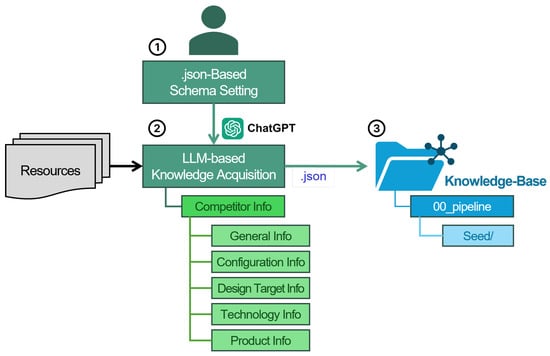
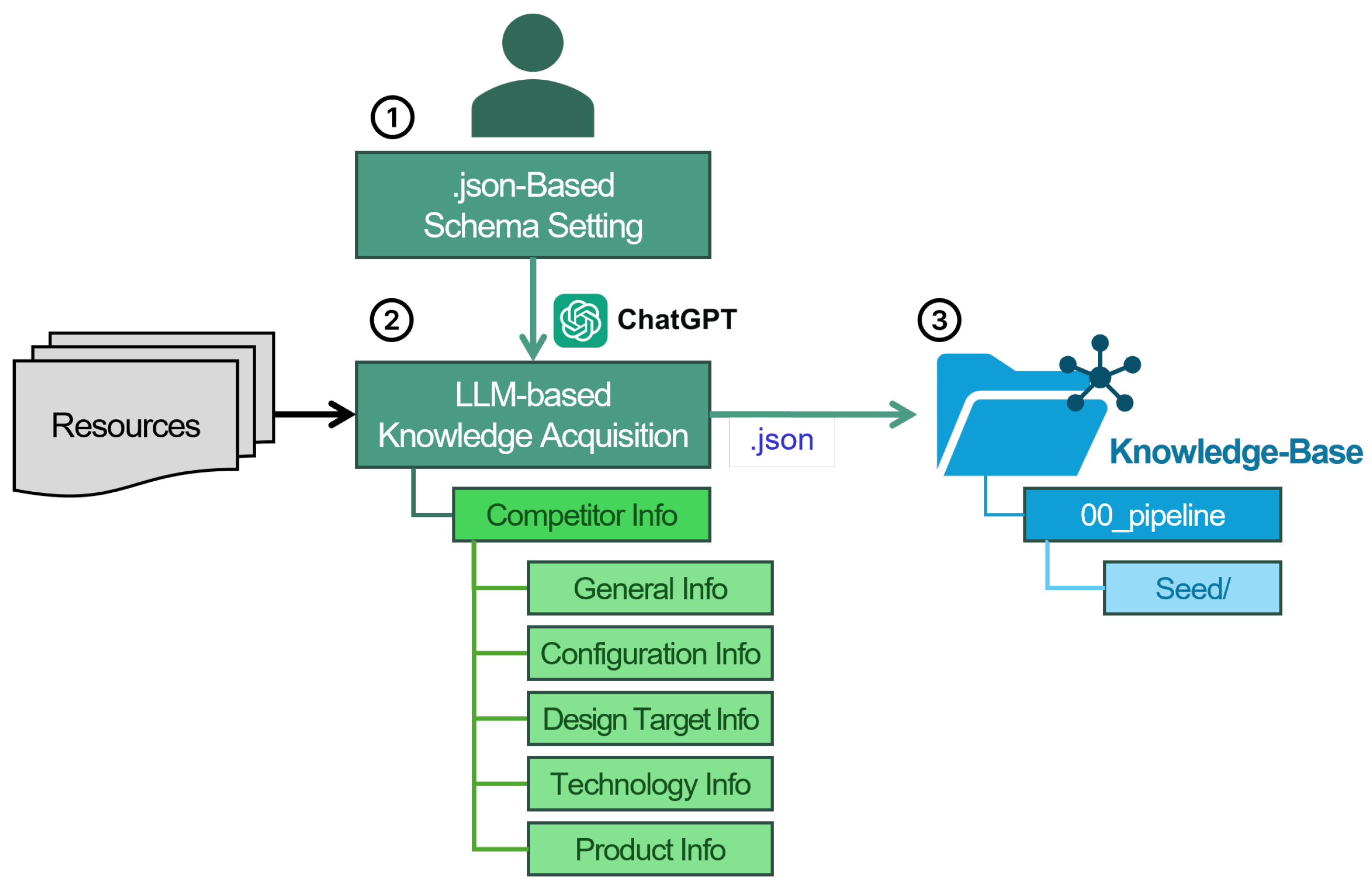
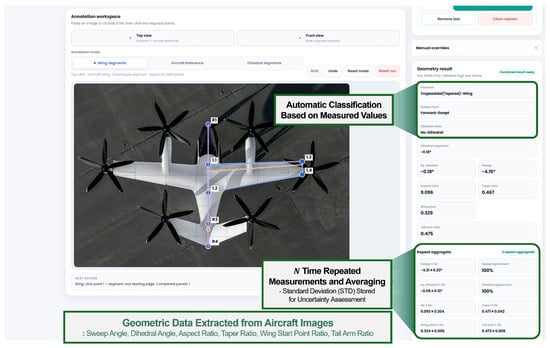
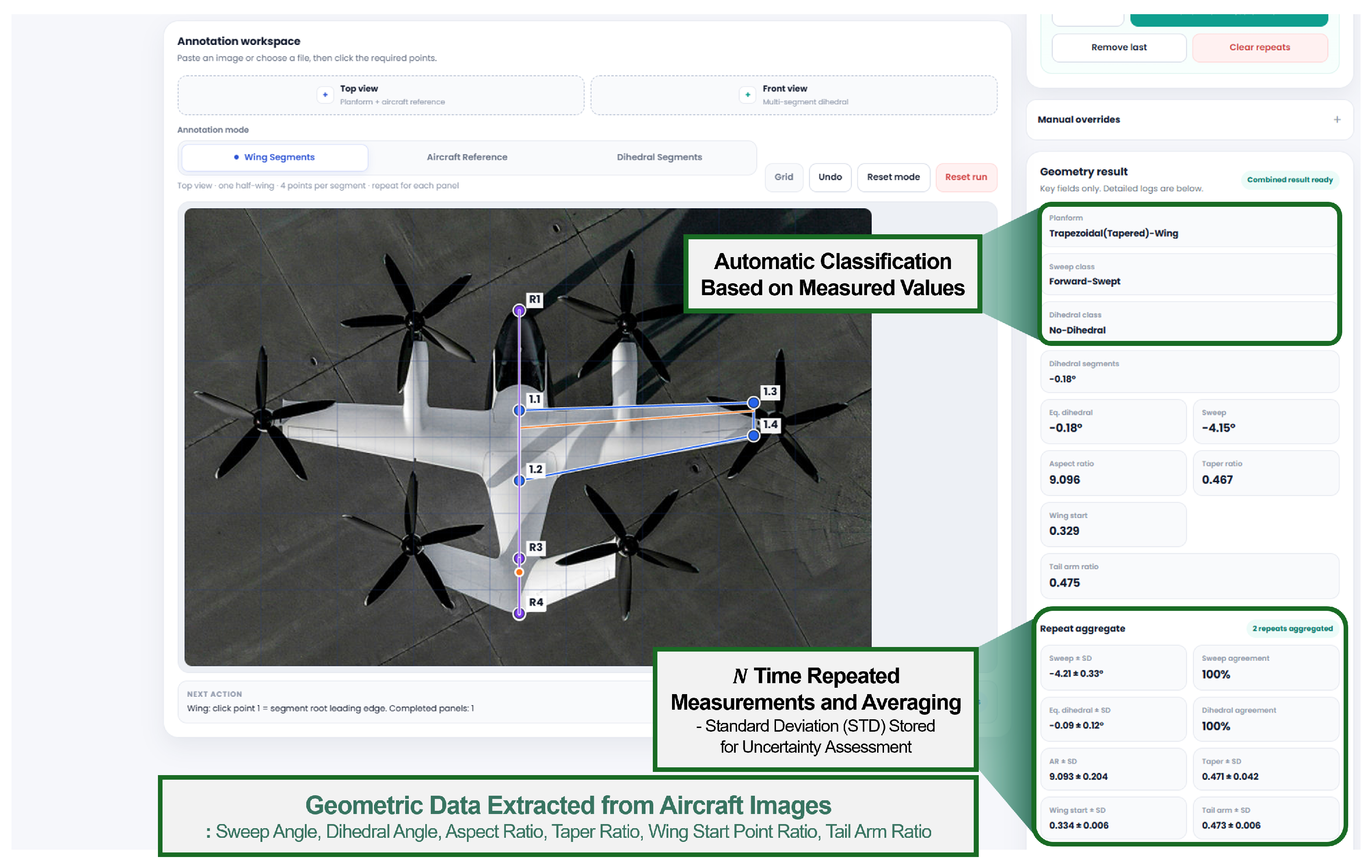
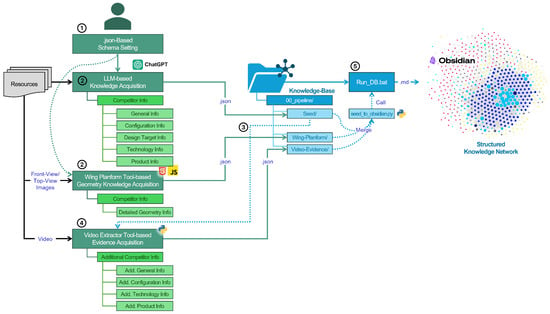
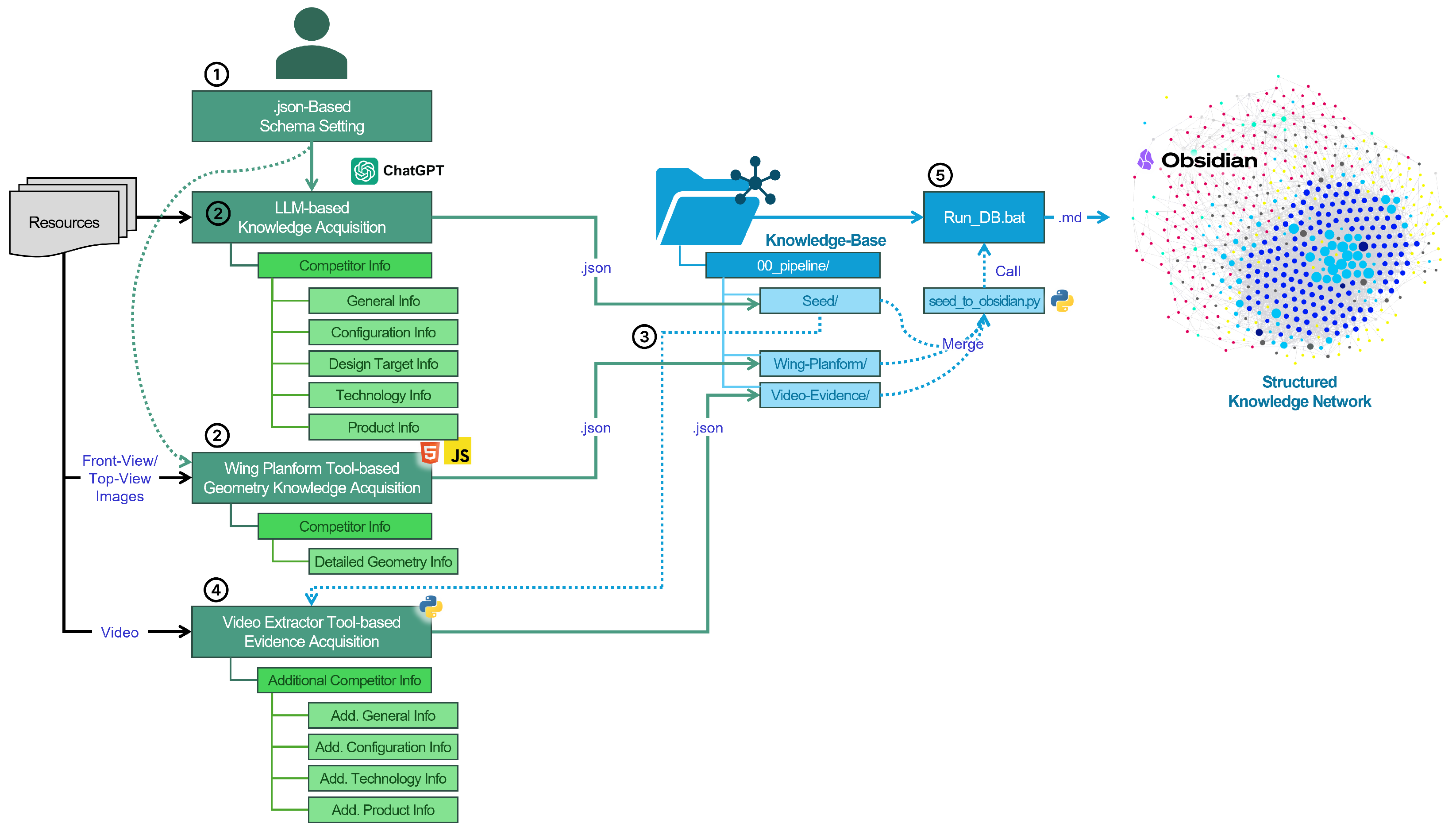
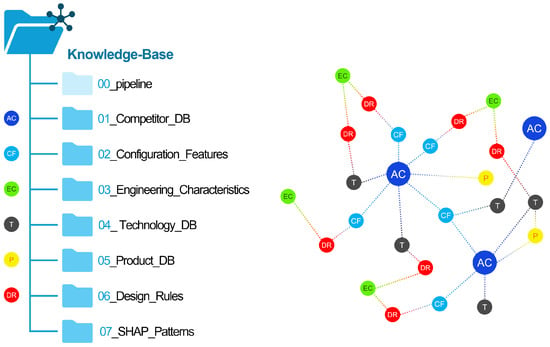
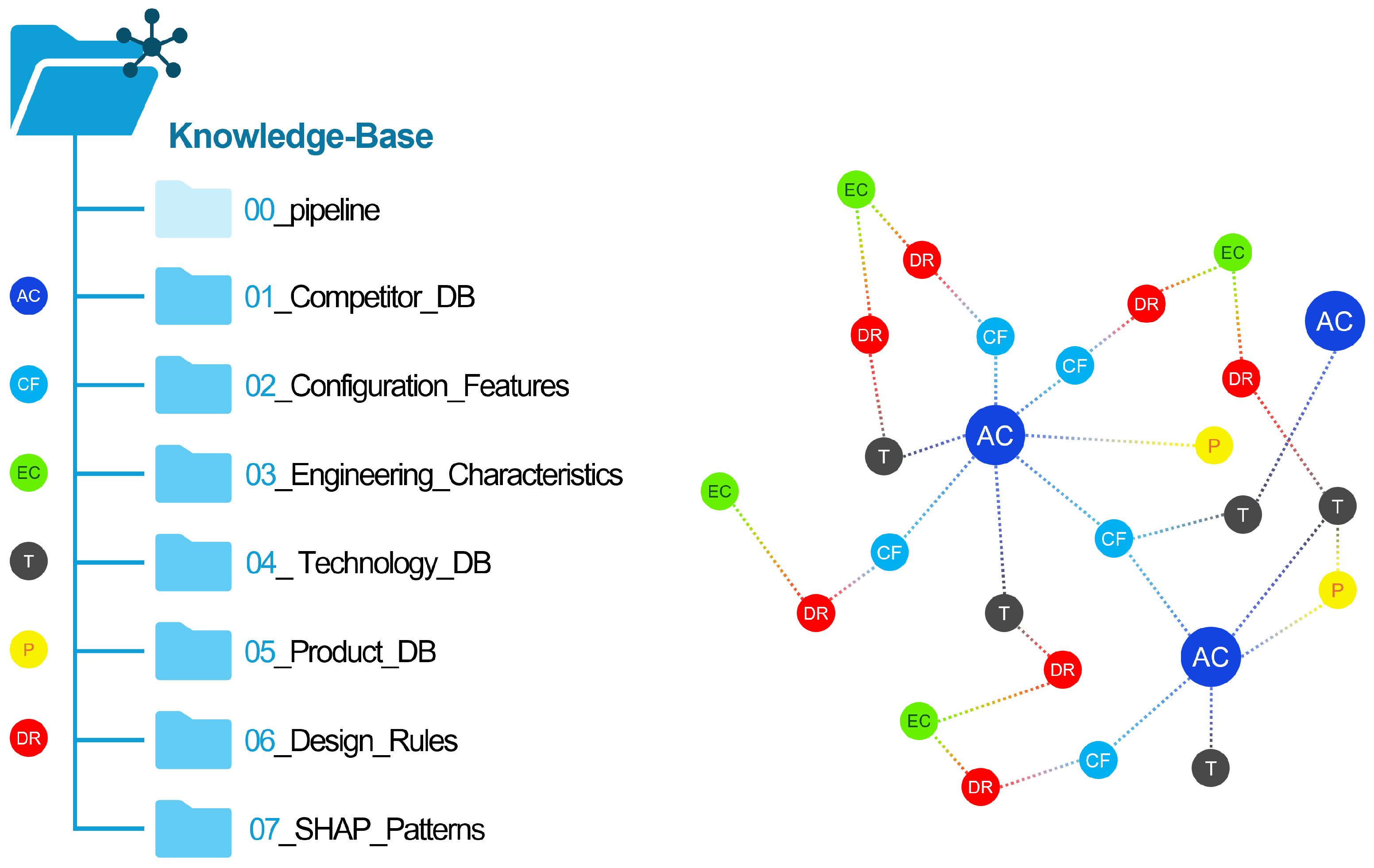
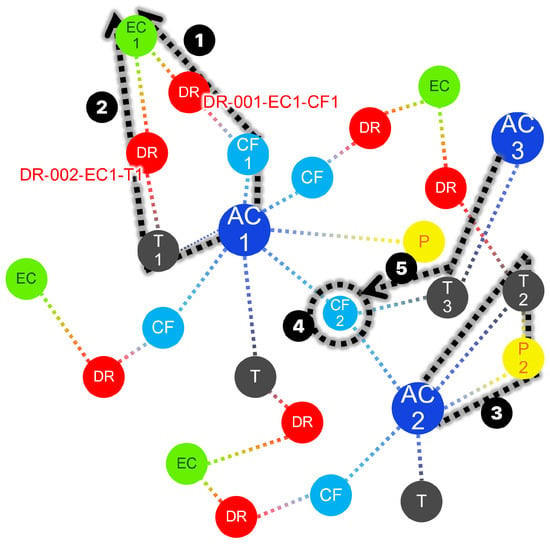
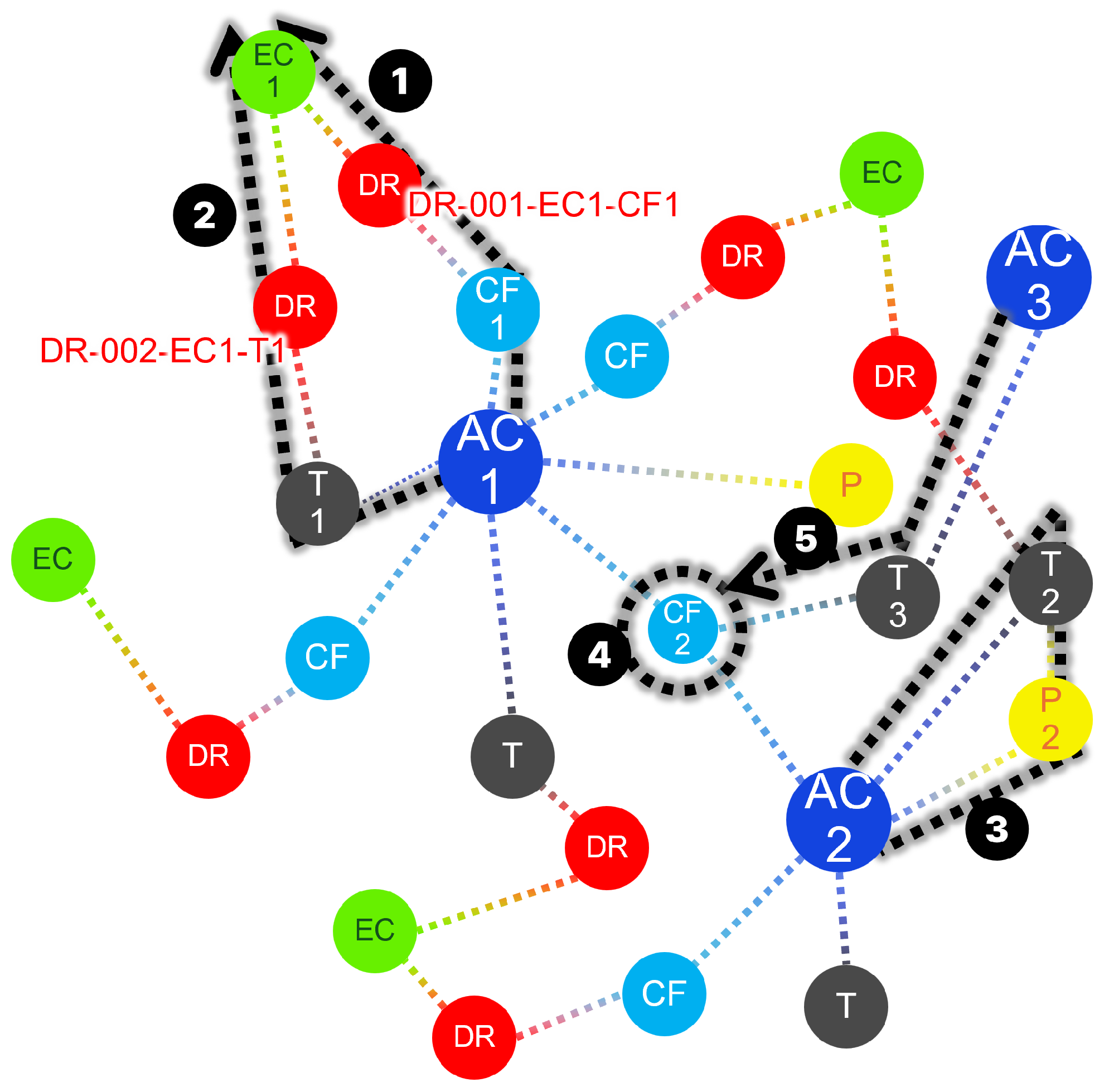
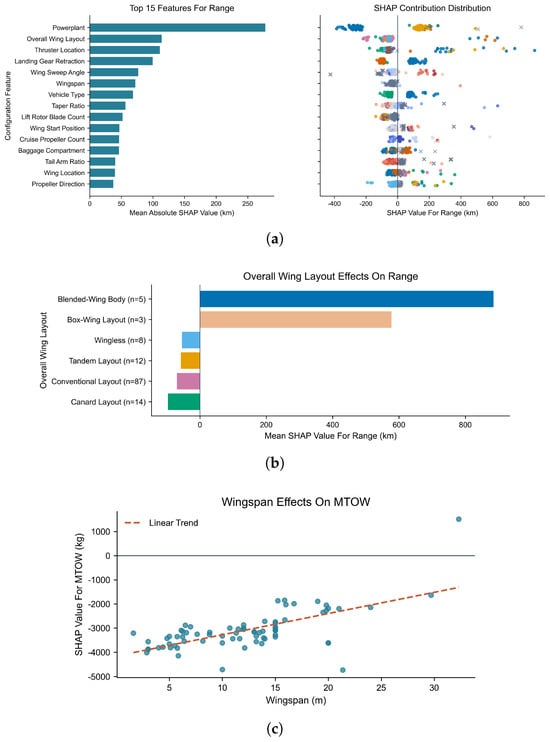
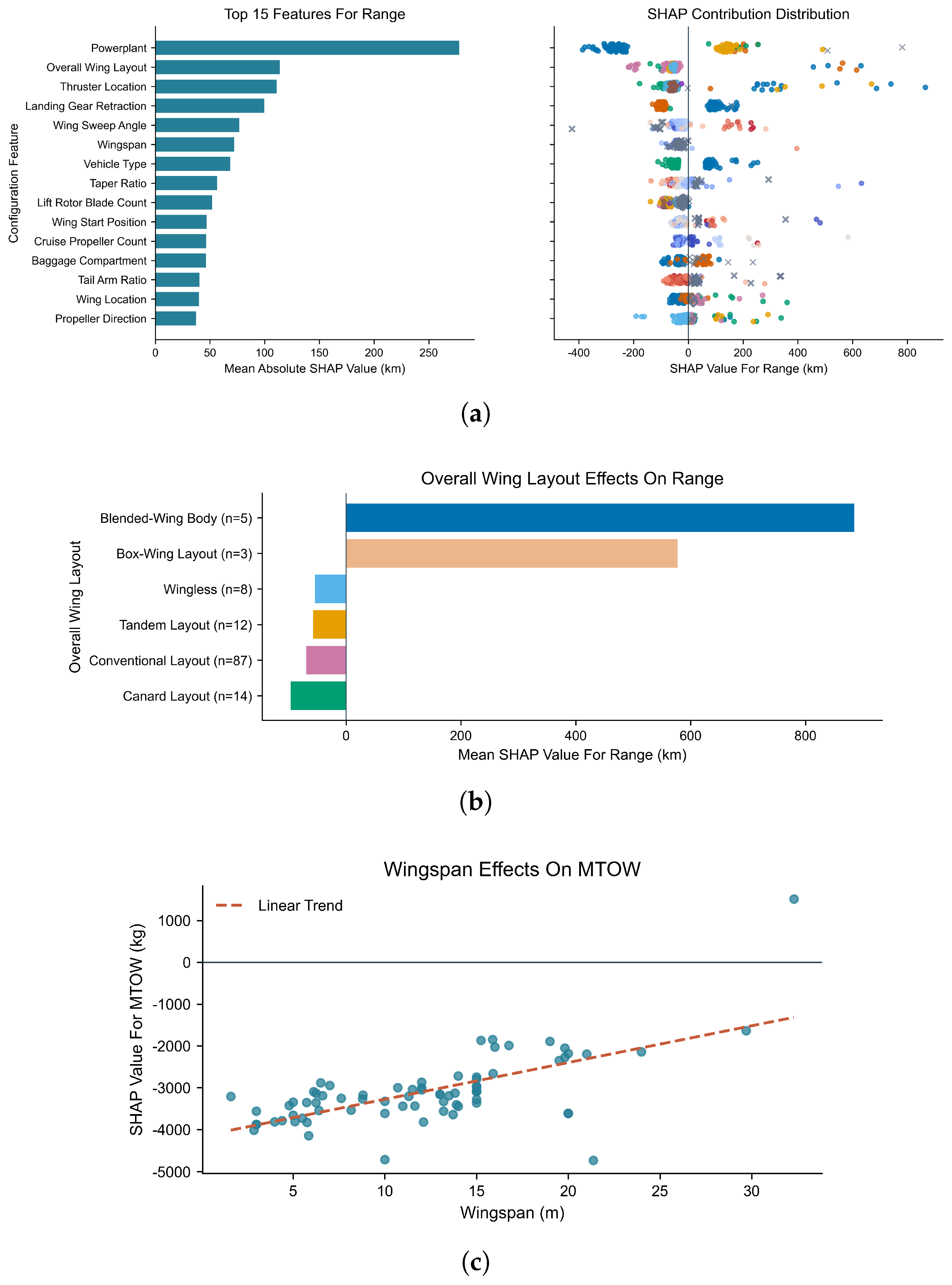
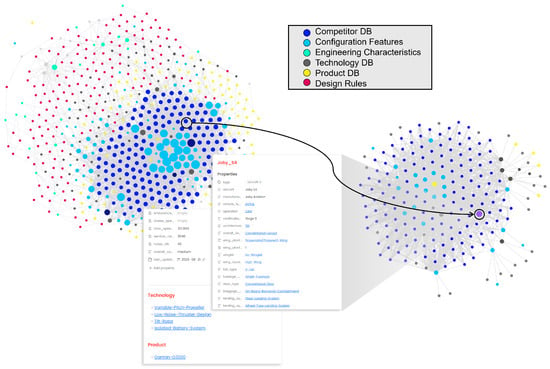
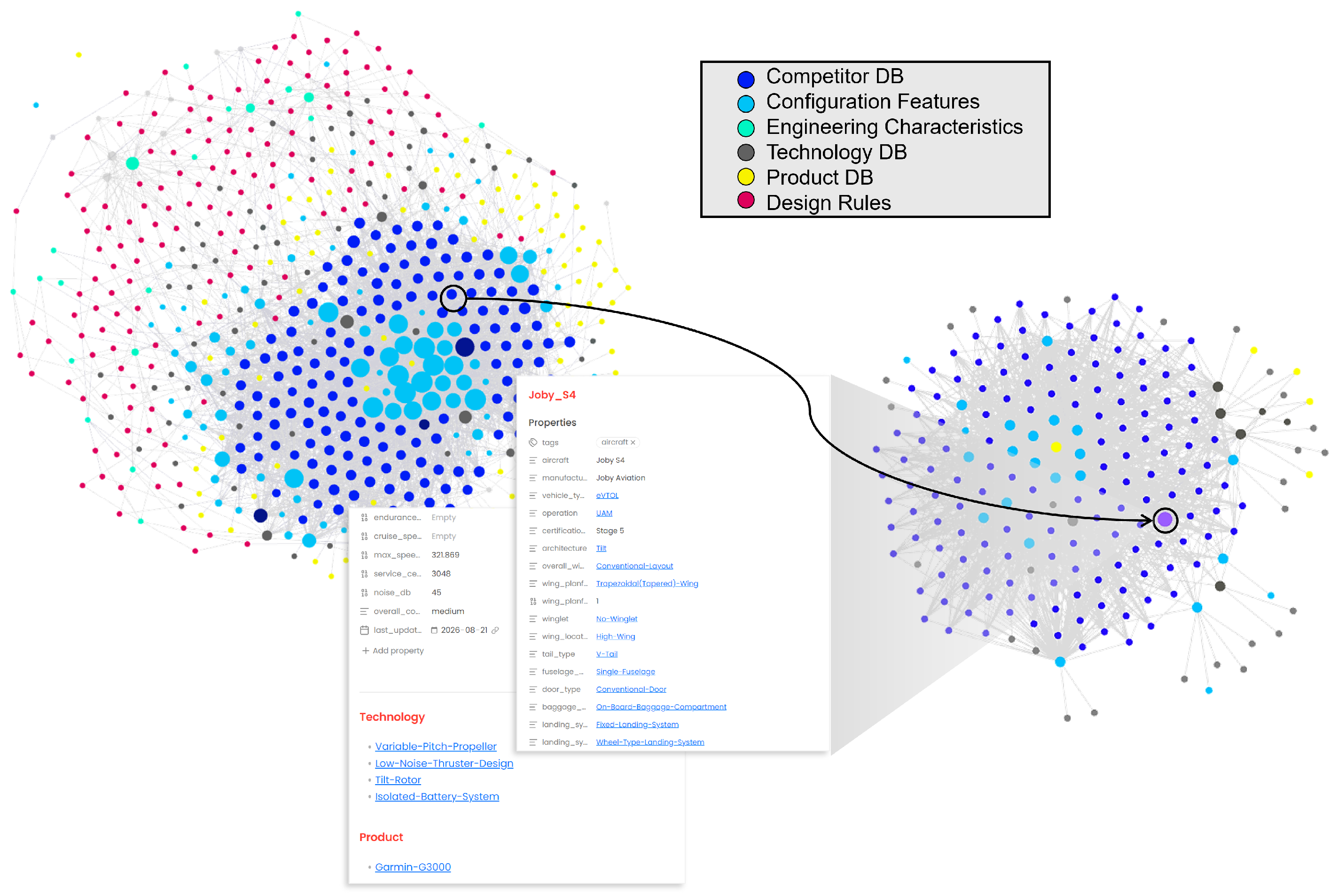
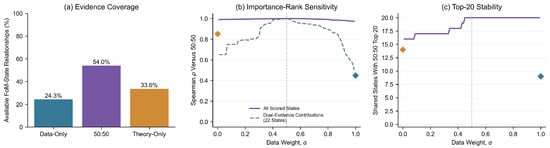
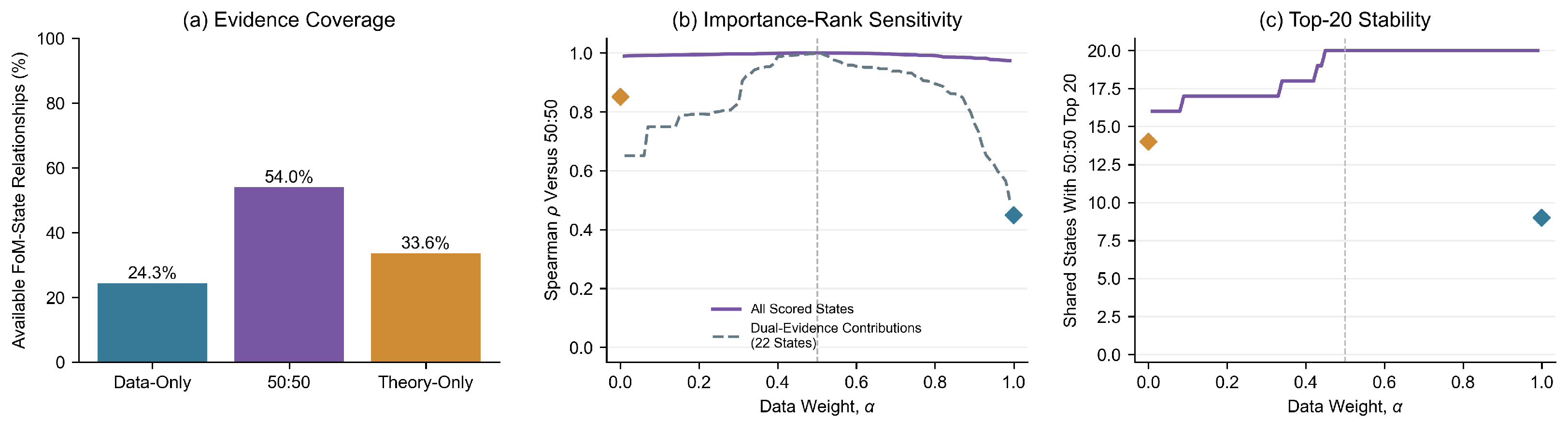
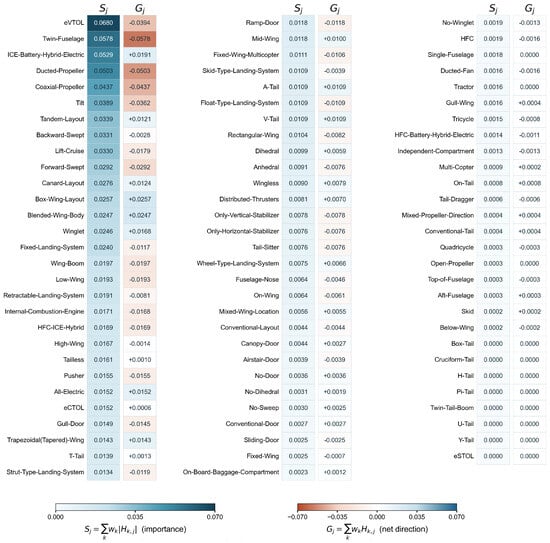
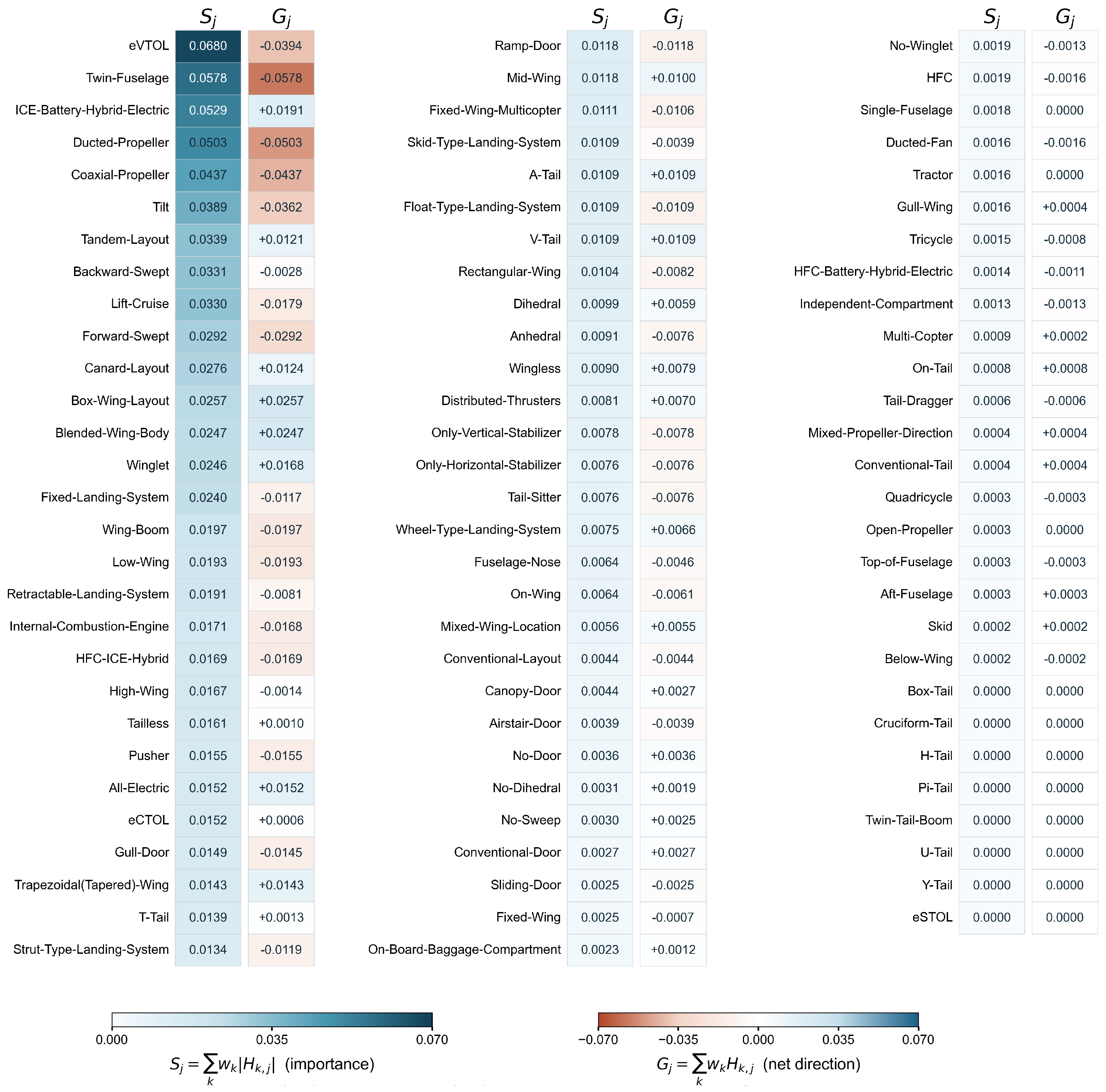

Disclaimer/Publisher’s Note: The statements, opinions and data contained in all publications are solely those of the individual author(s) and contributor(s) and not of MDPI and/or the editor(s). MDPI and/or the editor(s) disclaim responsibility for any injury to people or property resulting from any ideas, methods, instructions or products referred to in the content. |
© 2026 by the authors. Licensee MDPI, Basel, Switzerland. This article is an open access article distributed under the terms and conditions of the Creative Commons Attribution (CC BY) license.