


Abstract
This paper addresses the problem of improving the reliability of backup UAV telemetry in wireless sensor and actuator networks under degraded radio-channel conditions. A highly redundant protocol with low effective payload throughput is proposed for noise-resilient emergency telemetry from a UAV to a ground control station. The protocol was implemented on a hardware platform comprising an SX1278 transceiver and an STM32G474RE microcontroller. It operates in the 434 MHz band and uses continuous GFSK, non-separable factorial coding, a dedicated synchronization block, majority-vote processing, and software decoding performed by the microcontroller. The proposed protocol is experimentally benchmarked against the standard SX1278 packet-mode GFSK protocol with CRC-16 under identical hardware conditions, a data rate of 100 kbps, and transmitter output powers of +2, +3, and +4 dBm. Ground-based field experiments using two stationary nodes to emulate a UAV-GCS telemetry link with distance-induced attenuation demonstrate that the proposed protocol substantially increases the communication range at fixed PDR thresholds, where PDR is defined in this paper as the delivery rate of protocol transmission units. The 90% PDR threshold shifts from 30–35 m for the baseline protocol to 90–100 m for the proposed protocol, while the 50% PDR threshold increases from 45–60 m to 100–110 m. At a distance of 80 m, the baseline protocol achieved a PDR of 0%, whereas the proposed protocol maintained a PDR of 98–99%. These results confirm the suitability of the proposed protocol as a low-rate backup communication channel under low-RSSI reception conditions. Controlled AWGN, CW, burst-noise, and jamming experiments are left for future validation.
1. Introduction
1.1. UAV Telemetry in Interference-Prone ISM Bands
Unmanned aerial vehicles (UAVs) are increasingly employed as mobile nodes in cyber-physical systems and wireless sensor and actuator networks (WSANs) for applications including environmental monitoring, infrastructure inspection, mapping, remote surveillance, emergency response, and data acquisition [1]. In such applications, the telemetry link between the UAV and the ground control station (GCS) constitutes a critical component of the communication system, since it conveys information on vehicle status, flight parameters, operating mode, navigation data, and service messages required to maintain operator situational awareness and support fault-tolerant control. Unlike high-throughput payload communication links, the UAV telemetry channel is primarily required to ensure reliable delivery of compact but mission-critical messages under constraints imposed by limited energy, hardware, and spectrum resources.
A large proportion of low-cost UAV telemetry systems rely on radio transceivers operating in sub-GHz or 2.4 GHz industrial, scientific and medical (ISM) bands. These frequency bands are attractive because they enable the use of low-cost commercial transceivers without the need for complex frequency planning or spectrum licensing. However, practical deployment in ISM bands is complicated by the coexistence of numerous heterogeneous wireless technologies, including LoRa/LoRaWAN, Sigfox, ZigBee, Bluetooth Low Energy (BLE), Wi-Fi, proprietary FSK/GFSK solutions, and other short- and medium-range wireless communication systems. The resulting concentration of mutually uncoordinated transmitters increases the likelihood of interference, packet collisions, and fluctuations in radio-channel quality [2].
These challenges are particularly pronounced in UAV-to-ground communication links. Unlike stationary sensor nodes, a UAV is a highly mobile platform, and consequently the channel quality varies not only with the separation distance between the transmitter and receiver, but also with antenna orientation, flight altitude, multipath propagation in the vicinity of the GCS, signal shadowing, local interference sources, and the inherently non-stationary electromagnetic environment. During flight, the UAV may traverse regions with substantially different interference levels, while the receiver at the GCS must maintain reliable packet detection, frame synchronization, and message decoding despite continuously changing channel conditions. Consequently, a telemetry protocol that performs satisfactorily under laboratory conditions may experience a significant degradation in reliability when deployed in interference-prone ISM bands.
An additional challenge arises when interference is intentional rather than incidental. Because wireless communication channels are inherently accessible to external transmissions, UAV telemetry and navigation links may be subjected to broadband noise jamming, narrowband interference, impulsive interference, or deliberate corruption of synchronization and control signals [3,4]. In civilian applications, such disturbances may originate from unauthorized counter-UAV devices, industrial electromagnetic interference, or improper operation of radio equipment. In security- and mission-critical scenarios, particularly under current operational conditions, enhancing the resilience of small UAVs against electronic attacks targeting control, telemetry, and navigation links has become one of the major engineering challenges. Recent studies and comprehensive surveys, including [5], have highlighted the growing importance of anti-jamming techniques for UAV communications [6] and the need for communication protocols capable of maintaining reliable connectivity under dynamic and potentially hostile radio environments [5,7].
The interference-related scenarios discussed above define the intended application context and motivation for backup UAV telemetry. The experimental validation reported in this paper, however, focuses on protocol behaviour under distance-induced attenuation and low received signal strength indicator (RSSI) line-of-sight reception conditions, rather than on controlled broadband, narrowband, burst, or jamming interference.
1.2. Problem Statement
The reliability of the UAV-to-ground communication link depends not only on the received signal level but also on the ability of the communication protocol to maintain frame synchronization and recover transmitted data in the presence of bit errors. In degraded or interference-prone ISM-band channels, as well as under potential electronic attacks, the probability of errors in the received bit stream may increase significantly and exhibit highly non-stationary behaviour.
Conventional packet-oriented transmission schemes based on FSK/GFSK modems typically employ a fixed preamble, a synchronization word, a payload field, and an error-detection code such as CRC. This architecture is highly efficient under moderate noise conditions, providing low latency, high packetization efficiency, and straightforward hardware implementation. However, under degraded reception conditions, packet reception may fail before payload processing even begins. Corruption of the preamble or synchronization word prevents frame synchronization, while even a small number of residual bit errors in the payload results in a CRC mismatch and the complete rejection of the packet. Consequently, the standard packet-mode FSK/GFSK architecture is well suited to normal radio-channel conditions but may prove insufficient for emergency or backup UAV telemetry when the probability of bit errors is high.
These limitations motivate the development of highly redundant, low-rate telemetry protocols that deliberately sacrifice throughput and spectral efficiency in exchange for improved robustness to radio-channel degradation. In UAV applications, such protocols are not intended to replace the primary high-speed telemetry link or the payload communication channel. Instead, they serve as backup or emergency communication channels for transmitting short mission-critical information, including flight-mode identifiers, emergency flags, heartbeat messages, compact navigation data, system status codes, and notifications indicating a transition to a fault-tolerant operating mode. This design philosophy is consistent with contemporary approaches to adapting UAV telemetry and control for bandwidth-constrained communication channels, including low-data-rate SATCOM links [8], as well as with the development of dedicated emergency beacon solutions for small UAVs designed to transmit compact position reports and emergency messages [9]. For this class of communication, the primary objective is not maximum data rate, but the reliable recovery of compact critical messages when conventional packet-based transmission becomes unreliable.
Accordingly, this study focuses on the design and experimental evaluation of a low-rate, noise-resilient telemetry protocol for UAV-to-ground communication implemented on an SX1278 transceiver and an STM32G474RE microcontroller (Octopart, La Jolla, CA, USA). The proposed protocol operates the SX1278 in continuous GFSK mode and combines non-separable factorial coding, a dedicated frame synchronization block, and majority-vote processing. Its primary objective is to increase the probability of correctly receiving compact mission-critical messages under degraded reception and low-RSSI conditions, even at the cost of longer frame duration and reduced effective throughput.
1.3. Research Gap
Previous studies [10,11,12,13] have demonstrated the effectiveness of redundant coding, specialized frame synchronization algorithms, and majority-vote processing for improving communication reliability in channels characterized by high bit-error rates. However, many of these results have been obtained using simulation models or generalized wireless communication scenarios, with limited experimental validation in the specific context of UAV telemetry.
A particularly underexplored issue is the practical implementation of a low-rate, noise-resilient telemetry protocol using commercially available hardware and its direct comparison with the standard packet-mode FSK/GFSK operating mode under identical hardware conditions. In particular, key performance characteristics, including communication range, robustness to radio-channel degradation, packet delivery rate (PDR), and frame processing time, require systematic experimental evaluation.
Accordingly, the principal research gap addressed in this work is the lack of a comprehensive experimental assessment of a backup UAV telemetry protocol based on non-separable factorial coding, implemented on a real SX1278 + STM32G474RE hardware platform and directly compared with a conventional packet-mode FSK/GFSK protocol employing CRC-based error detection.
1.4. Contributions
The primary contribution of this work is the development and experimental validation of a low-rate, noise-resilient communication protocol for transmitting compact telemetry messages over a UAV-to-ground communication link. Rather than maximizing throughput, the proposed approach is designed to increase the probability of successful recovery of mission-critical messages under degraded radio-channel conditions.
The main contributions of this paper are as follows:
- a communication protocol is proposed based on the continuous operating mode of the SX1278 transceiver, combining GFSK modulation, non-separable factorial coding, a dedicated synchronization block, and majority-vote processing;
- the protocol is implemented on an embedded SX1278 + STM32G474RE platform, where frame synchronization, message decoding, and structural integrity verification are performed in software;
- an experimental testbed is developed to compare the proposed protocol with the standard SX1278 packet-mode GFSK protocol using CRC-16;
- the relationships between packet delivery rate (PDR) that is defined in this study as the successful delivery rate of protocol data units and RSSI are experimentally evaluated as functions of communication distance and transmitter output power, while the transition region associated with communication failure is analysed;
- the trade-off between reliability, latency, and communication efficiency is quantified, demonstrating that the proposed protocol is well suited for use as a backup or emergency low-rate communication channel in UAV-based WSANs.
The remainder of this paper is structured as follows. Section 2 reviews related work on interference in ISM bands, FSK/GFSK-based UAV telemetry, error-resilient coding techniques, and UAV applications in WSANs. Section 3 describes the proposed protocol, including its hardware platform, frame structure, coding scheme, and synchronization mechanism. Section 4 presents the experimental testbed, test conditions, reference protocols, and evaluation metrics. Section 5 defines the experimental scenarios, while Section 6 reports the experimental results, including PDR, RSSI, synchronization performance, communication latency, and transition regions. Section 7 discusses the trade-offs between reliability, latency, and communication efficiency, together with the applicability of the proposed protocol to backup UAV telemetry. Section 8 outlines the limitations of the study, and Section 9 concludes the paper and suggests directions for future research.
2. Related Work
2.1. Wireless Interference in ISM-Based IoT and UAV Networks
The Industrial, Scientific and Medical (ISM) bands are widely used in IoT, LPWAN, WSN, and UAV systems owing to the availability of low-cost radio modules and their ability to support energy-efficient wireless communication without individual spectrum licensing. At the same time, these frequency bands accommodate numerous mutually uncoordinated wireless technologies, including LoRa/LoRaWAN, Sigfox, ZigBee, Bluetooth Low Energy (BLE), Wi-Fi, IEEE 802.15.4, and proprietary FSK/GFSK solutions. As demonstrated in [14], this coexistence gives rise to cross-technology interference, packet collisions, retransmissions, increased communication latency, and reduced radio-channel predictability.
In IoT and LPWAN networks, such interference directly affects packet delivery rate (PDR), packet error rate (PER), network scalability, and node energy consumption. In dense LoRa deployments, mutual interference, duty-cycle restrictions, and increasing network density degrade both packet delivery reliability and the effective network throughput [2].
The situation becomes even more challenging in UAV networks because of node mobility. Channel characteristics vary continuously with flight altitude, communication distance, antenna orientation, line-of-sight conditions, and the surrounding electromagnetic environment. In addition, intentional interference must be considered in security-sensitive and emergency scenarios, where communication reliability depends on the protocol’s resilience to multiple, time-varying interference sources [7,15,16]. Consequently, for backup UAV telemetry, the primary performance criterion is not throughput, but the probability of successfully recovering compact mission-critical messages under adverse channel conditions.
2.2. FSK/GFSK Telemetry Links and Packet-Mode Limitations
FSK/GFSK communication systems are widely employed in low-cost telemetry applications because of their simple hardware implementation, moderate power consumption, availability of sub-GHz transceivers, and ability to provide reliable communication over relatively long distances at modest data rates [17,18]. As reported in [19], such transceivers are particularly attractive for UAV applications because they can be readily integrated with microcontrollers, support compact antennas, and are well suited for transmitting short service messages over bandwidth-constrained communication channels.
An important direction in the evolution of UAV telemetry focuses not on increasing transmission speed but on adapting communication protocols to low-data-rate channels. For example, the study presented in [8] proposes a customized implementation of MAVLink for low-data-rate SATCOM links, thereby reducing the required transmission rate while maintaining telemetry and control capabilities in BVLOS operations. This demonstrates the practical value of communication protocols that intentionally limit protocol overhead in order to preserve reliable connectivity under resource-constrained or otherwise challenging communication conditions.
Recent studies have also examined reliability-oriented short-packet transmission in UAV-assisted communication systems, where packet length, power allocation, and UAV configuration directly affect packet-error performance, while LoRa-based solutions demonstrate the practical feasibility of low-rate UAV telemetry links [20,21].
In the standard packet-mode architecture, the frame structure is typically generated by the transceiver’s hardware packet engine and consists of a preamble, a synchronization word, a payload field, and a CRC. This approach minimizes the computational burden on the microcontroller while providing high communication efficiency under normal operating conditions. However, it also has an inherent limitation [18]: corruption of the preamble or synchronization word may prevent frame synchronization, while bit errors within the payload lead to a CRC mismatch and complete packet rejection without any possibility of partial message recovery.
2.3. Error-Resilient Coding and Synchronization Methods
Improving the reliability of short-packet communication over channels with high bit-error rates is commonly achieved through the introduction of structural redundancy, the application of error-resilient coding, and the use of synchronization algorithms capable of operating despite corrupted frame’s control fields. As shown in [22,23,24], reducing the length of data blocks makes it considerably more difficult to achieve high reliability, low latency, and acceptable coding efficiency simultaneously. This challenge is particularly significant in short-packet communication systems.
Robust reception under complex noise conditions can also be enhanced at the signal-processing level. Recent studies have considered joint signal discrimination and parameter estimation, as well as moment-based polynomial decision criteria, for signal detection and distinction in non-Gaussian noise. These approaches demonstrate the potential of receiver-side statistical processing when the interference statistics deviate from the conventional Gaussian model [25,26].
Conventional approaches to improving communication reliability include block codes, convolutional codes, LDPC codes, polar codes, and repetition coding. However, in scenarios involving extremely short messages, limited microcontroller resources, and possible corruption of the preamble or synchronization word, reliable communication depends not only on error correction within the payload but also on maintaining or recovering frame synchronization. To achieve this, correlation-based synchronization techniques, majority-vote processing, repetition of structural frame elements, and dedicated frame-boundary detection criteria may be employed.
Particular interest has recently been devoted to permutation-based coding techniques, in which information is represented by the ordering of elements rather than solely by binary symbol sequences. Such approaches combine structural redundancy, codeword validity checking, and additional synchronization capabilities. Independent studies have also investigated permutation coding from the perspectives of unequal error protection and coding-rate efficiency [27], finite-blocklength resource utilization [28], and secure short-packet transmission in IoT systems [29]. In previous work, the authors proposed a permutation-based block code for short-packet communication systems [13], a reliable permutation transmission method [10], evaluated the effectiveness of a permutation-based frame synchronization technique [12], and developed a three-pass permutation-based cryptographic protocol for noisy communication channels [11].
Nevertheless, the practical integration of permutation-based techniques into a low-rate telemetry protocol implemented on commercially available hardware, together with comprehensive experimental validation under low-RSSI reception conditions, remains an open research problem.
2.4. UAV Telemetry as a WSAN Problem
In this work, the UAV-to-ground communication link is viewed not merely as an isolated radio link but as an integral component of a WSAN. Within this framework, the UAV functions as a mobile sensor node that acquires information on its operational status, flight parameters, navigation coordinates, and surrounding environmental conditions. The GCS acts as both the receiving and control node, interpreting telemetry data, maintaining operator situational awareness, and initiating control actions or fault-tolerant responses when required.
This perspective is fully consistent with the concept of WSANs, in which sensor nodes collect information from the physical environment while actuator or control components use this information to influence system behaviour [30]. Similarly, UAV networks are increasingly regarded as cyber-physical systems [31], where communication, computation, and control form a closed-loop process consisting of sensing, information exchange, decision-making, and actuation.
Furthermore, recent studies on UAV-based IoT networks [32] emphasize that UAVs can serve as mobile platforms for data collection, coverage extension, and maintenance of sensor-network connectivity. However, the effectiveness of such applications is constrained by platform mobility, communication instability, and stringent reliability and data-security requirements. Within this context, the reliability of the telemetry link represents a fundamental aspect of the overall dependability of UAV-based networked systems [33]. In wireless sensor network data-collection applications, UAVs may operate directly as mobile communication or sensing nodes, further strengthening the connection between UAV telemetry and wireless sensor networks [34].
For backup UAV telemetry, reliable delivery of compact mission-critical messages under adverse radio-channel conditions is of paramount importance. Consequently, the proposed protocol should be viewed as a low-rate communication mechanism for a mobile WSAN node, where preserving connectivity, maintaining frame synchronization, and ensuring successful message recovery take precedence over maximizing communication throughput.
In this context, emergency beacon solutions for small UAVs [9] demonstrate that even extremely compact messages, such as position reports, status information, or emergency alerts can possess substantial system-level value. Accordingly, WSAN scenarios involving mobile UAV nodes should incorporate not only high-throughput communication links, but also low-rate backup communication mechanisms specifically designed to maximize link survivability.
3. Proposed UAV-to-Ground Telemetry Protocol
3.1. System Scenario and Assumptions
This study considers a unidirectional telemetry transmission scenario, in which short telemetry messages are transmitted from an onboard UAV node to the GCS.
The UAV-to-GCS scenario considered in this paper defines the intended communication role of the protocol rather than an airborne flight-test configuration. In the reported experiments, the UAV-to-ground link was emulated using two stationary ground-based nodes: Node A represented the onboard UAV telemetry transmitter, while Node B represented the GCS receiver. Therefore, the present study evaluates the protocol-level behaviour of the proposed communication method under controlled low-RSSI line-of-sight conditions, but it does not include actual UAV flight tests. Effects associated with UAV mobility, including flight speed, altitude variation, Doppler shift, changing antenna orientation, airframe obstruction, vibration, and fast-varying multipath, are outside the experimental scope of this study and are addressed as limitations and future work.
The onboard node functions as the telemetry transmitter, whereas the GCS node performs packet reception, frame synchronization, decoding, and result logging. Both nodes are implemented on an identical hardware platform comprising an SX1278 transceiver operating in FSK/GFSK mode and an STM32G474RE microcontroller. Using identical hardware for both transmitter and receiver enables a fair comparison of the transmission protocols while minimizing the influence of hardware-related factors. The main characteristics of the system considered are summarized in Table 1.
Table 1.
Main parameters of the UAV-to-GCS communication scenario.
The selected configuration reflects the use of low-cost sub-GHz radio modules for low-rate telemetry applications while providing a suitable platform for evaluating protocol performance under bandwidth-constrained conditions. In this paper, the term low-rate refers to the effective application-layer payload throughput rather than to the raw physical-layer bit rate.
For protocol design purposes, the communication channel is assumed to be potentially affected by both naturally occurring and intentionally generated disturbances. The impairments listed in Table 2 represent the target motivation and future validation scenarios for the proposed protocol. The field experiments reported in this paper evaluate only distance-induced attenuation and low-RSSI line-of-sight reception conditions; controlled AWGN, CW, burst-noise, and jamming tests were not performed.
Table 2.
Channel impairments considered in the protocol motivation and future validation.
A fundamental assumption of this work is that the proposed protocol is not intended for high-throughput data transmission or continuous telemetry streaming. Instead, it serves as a backup communication mechanism for delivering short critical telemetry messages when the conventional packet-based protocol becomes unreliable because of high bit-error rates, loss of frame synchronization, or CRC-based rejection of corrupted packets. Consequently, the primary performance criterion is not throughput, but rather the probability of successfully recovering a critical message under low-RSSI reception conditions.
3.2. Hardware Platform
The experimental platform consists of two identical communication nodes built around the SX1278 transceiver and the STM32G474RE microcontroller. One node is software-configured as the onboard UAV telemetry transmitter, while the other operates as the GCS receiver and decoder. Using identical hardware for both nodes enables a fair comparison of the evaluated communication protocols without introducing bias arising from differences in the radio-frequency or processing hardware.
The SX1278 serves as a low-power sub-GHz FSK/GFSK transceiver. The proposed protocol operates in Continuous GFSK mode with the Bit Synchronizer enabled. In this configuration, the transceiver performs signal demodulation and clock recovery, whereas frame generation, frame synchronization, majority-vote processing, and message decoding are implemented in the firmware running on the STM32 microcontroller. For the baseline implementation, the Packet Mode GFSK supported by the SX1278 is employed, utilizing the transceiver’s built-in packet engine together with CRC-16 error detection.
The STM32G474RE microcontroller is responsible for generating the transmitted bit stream, controlling the SX1278 via the SPI interface, synchronously receiving data through the DIO lines, buffering the received bit stream, executing the synchronization and decoding algorithms, and forwarding the decoded results to a host computer via the UART/USB interface for logging and further analysis. The principal hardware characteristics of the experimental platform are summarized in Table 3.
Table 3.
Major parameters of the hardware platform.
In the proposed protocol, the SX1278 is not used as a conventional hardware packet controller, but rather as a stream-oriented physical-layer modem. This architecture moves the entire upper-layer protocol implementation to the STM32 microcontroller, making it possible to employ a custom frame structure together with specialized synchronization and decoding algorithms that cannot be implemented using the standard hardware packet mode. The resulting design offers substantially greater protocol flexibility, at the cost of increased computational load on the STM32 and reduced effective payload throughput.
It should be noted that, although the SX1278 supports transmit power levels of up to +17 dBm in the adopted hardware configuration, the field experiments reported in this study intentionally used only +2 dBm, +3 dBm, and +4 dBm. This limitation ensured that the transition region between reliable and unreliable communication remained within the available test range, thereby enabling meaningful comparative measurements of protocol performance.
3.3. Baseline Protocol: SX1278 Packet Mode with CRC-16
For comparative evaluation, the proposed approach is benchmarked against the standard SX1278 packet-mode protocol. In this configuration, the SX1278 operates as a hardware packet controller, with most frame generation and reception functions performed internally by the transceiver. The STM32 microcontroller is primarily responsible for configuring the transceiver registers, loading payload bytes into the FIFO buffer, initiating transmission, handling reception events, and logging experimental results.
In packet mode, each frame consists of protocol overhead used for packet detection and frame synchronization, followed by the payload field and a CRC-16 checksum. In the experimental setup reported in this paper, the baseline protocol operated in GFSK Packet Mode at 434 MHz, with a data rate of 100 kbps and transmitter output powers of +2, +3, and +4 dBm. Although the hardware supports output powers up to +17 dBm, the same intentionally limited power settings were used for both protocols to ensure a fair comparison within the available test range. Under these conditions, any performance differences can be attributed primarily to the protocol architecture, synchronization strategy, and error-handling mechanism rather than to the underlying radio hardware.
The principal advantages of packet mode are its high frame efficiency, low transmission latency, and minimal computational load on the microcontroller. Consequently, it is widely used in low-cost telemetry applications operating over radio channels with moderate noise levels, where implementation simplicity, rapid packet reception, and reliable integrity verification are the primary design objectives.
However, packet mode exhibits an inherent limitation under low-RSSI reception conditions. If either the preamble or the synchronization word is corrupted, the receiver may fail to detect the packet or establish frame synchronization. Likewise, bit errors occurring within the payload can be detected by the CRC-16 but cannot be corrected. Consequently, the entire packet is discarded, even when most of the payload has been received correctly. This characteristic makes the standard packet-mode protocol an appropriate baseline for comparison with the proposed redundant, noise-resilient protocol, whose primary objective is not transmission efficiency but reliable recovery of short critical messages under high bit-error-rate (BER) conditions.
Table 4 below summarises the characteristics of the baseline protocol.
Table 4.
Main characteristics of the baseline protocol.
3.4. Proposed Protocol: Continuous GFSK with Non-Separable Factorial Coding
Unlike the baseline protocol, the proposed approach employs the SX1278 not as a hardware packet controller but as a stream-oriented GFSK modem operating in Continuous Mode with the Bit Synchronizer enabled. In this configuration, the transceiver is responsible only for GFSK demodulation and clock recovery, whereas all higher-layer protocol functions including frame construction, synchronization, majority processing, and message decoding are implemented in software on the STM32G474RE microcontroller.
The central idea of the proposed protocol is to represent a short telemetry message not as a conventional sequence of bytes, but as a permutation-based structure developed in the authors’ earlier work [10,11,12,35,36].
The transmitted data structure is built around a specially designed synchronization letter , represented by a permutation of length , whose elements are encoded using a fixed-length binary code of length . The synchronization letter is selected such that the minimum Hamming distance between the letter and any of its cyclic shifts is maximized, thereby improving robustness against synchronization errors at the receiver. The synchronization block consists of repeated copies of this synchronization letter, whereas the data block is formed as a sequence of words, each represented by a permutation selected from the set of cyclic shifts in the original synchronization letter . Consequently, the entire frame is constructed around a single structural element—permutation and its cyclic shifts, allowing the same structural redundancy to serve simultaneously for frame synchronization and reliable data transmission.
In this work, frame synchronization is performed using the algorithm proposed in [36]. The synchronization subsystem operates with a sliding-window mechanism. For each window position, a refined bit sequence is generated after preliminary processing and subsequently compared with all cyclic shifts of the synchronization letter. Whenever the comparison satisfies the predefined similarity criterion, a synchronization event is declared. Consecutive synchronization events form a synchronization run. To improve robustness, frame synchronization is declared only when the length of the synchronization run exceeds a predefined threshold. This mechanism effectively discriminates between random matches caused by channel noise and genuine fragments of the synchronization block.
Once the synchronization run reaches the required threshold, phase compensation is performed by aligning the sliding window with the boundary of the synchronization letter. Based on the identified cyclic shift, the receiver determines the number of additional bits required to achieve precise phase alignment. The subsequent data block is then processed on a word-by-word basis. Each symbol within a word is associated with one of the cyclic shifts in the synchronization letter, producing a sequence of shift indices. The resulting sequence is verified to ensure that it represents a valid permutation, which means that all indices must be distinct, and that additional structural constraints are satisfied, including the requirement that a predefined reference shift occupies the first position in the permutation. Only when all these conditions are fulfilled is the word considered successfully decoded, and the corresponding frame accepted as valid.
3.5. Frame Structure
The proposed protocol employs a fixed-length frame structure, determined by the non-separable factorial coding algorithm and by the requirement to provide robust frame synchronization under conditions of high bit-error probability.
The frame structure is illustrated in Figure 1 (adapted from [36]). It consists of a synchronization block and a data block .
Figure 1.
Frame structure (adapted from [36]).
The notation used in Figure 1 is defined as follows: denotes the synchronization letter, represented by a permutation that maximizes the minimum Hamming distance to all of its cyclic shifts; is the synchronization block composed of copies of the synchronization letter ; denotes a codeword consisting of letters, each represented by a cyclic shift in the synchronization letter: : ; is the data block, consisting of repetitions of the codeword (data block—frame). Each letter is represented by a permutation of symbols. Each symbol is encoded using a fixed-length binary code. Consequently, the length of each encoded symbol is bits. Accordingly, the length of one letter is , the synchronization block length is bits, the data block length is bits.
Unlike the conventional packet mode, where synchronization fields are relatively short and corruption of the preamble or synchronization word may result in complete packet loss, the proposed protocol constructs both the synchronization and information sections from repeated -bit letters and their cyclic shifts. This substantially improves synchronization robustness under adverse channel conditions.
The protocol parameters were selected to satisfy the following synchronization requirements: the probability of correct synchronization should be no less than 0.9997 for any specified bit-error probability ; the probability of false synchronization should not exceed for any specified bit-error probability.
For the maximum design value of the bit-error probability, , the following frame parameters are used:
- , , ;
- [37];
- , ;
- , [36].
Consequently, the synchronization block consists of 75 repetitions of the 24-bit synchronization letter , yielding a total length of 1800 bits. This block serves not only for frame-start detection but also for majority-vote processing of individual bit positions. The information block contains a sequence of 23 letters, each 24 bits long and corresponding to cyclic shifts of the information codeword is transmitted repeatedly to increase robustness.
The useful payload occupies 8 bytes and is represented as a permutation encoded in the factorial number system.
The principal frame parameters are summarized in Table 5.
Table 5.
Frame structure of the proposed protocol.
The complete frame comprises 50,928 bits, corresponding to a transmission time of approximately 0.511 s at a raw data rate of 100 kbps. Although this duration is considerably longer than that of the standard packet-mode protocol, it is the direct consequence of the intentionally introduced redundancy. For the intended backup telemetry application, this trade-off is considered acceptable: the protocol is designed not to maximize throughput but to maximize the probability of successful recovery of short critical messages under degraded reception conditions.
3.6. Synchronization and Decoding Algorithm
The received bit stream is continuously written into the receiver memory buffer. At the physical interface level, each clock pulse (synchronization line) is accompanied by the transmission of the next frame bit over the data line. Consequently, the transmitter performs synchronous serial bit transmission using the GFSK modem.
At the receiver, the incoming bit stream is continuously shifted into an bit shift register. Rather than simply buffering the received bits, the receiver performs statistical evaluation of every -bit position within the accumulated fragments. Since the initial frame boundary is unknown, the receiver continuously scans the incoming stream for synchronization. For each newly received bit corresponding to position , the bit is inserted into the shift register while the corresponding counter is updated as follows: is incremented if the newly received bit is greater than the bit leaving the shift register; is decremented if the newly received bit is smaller than the bit leaving the register; remains unchanged if both bits are identical. This procedure produces an integrated estimate of the dominant value at every bit position of the received fragments of length .
Using the counter values , , the receiver constructs an estimate of the received synchronization symbol:
where
The estimated symbol is then compared with every cyclic shift in the reference synchronization sequence . If the Hamming distance to any cyclic shift does not exceed (for , [37]), the corresponding shift is recorded and the synchronization-event counter is incremented. If the estimate obtained after processing the next received bit is associated with the same cyclic shift, the counter is incremented again. Otherwise, the newly identified cyclic shift replaces the previous one, and the counter is reset to one. Frame synchronization is declared once , where is the predefined synchronization threshold (for the parameter set adopted in this work, ). After synchronization has been established, phase compensation is performed to align the receiver with the frame boundary.
The symbols of the data block are decoded in the same manner as the synchronization symbol, producing a meta-permutation of the cyclic shifts in the synchronization sequence, : . The original information message is then reconstructed from the resulting permutation and delivered to the application layer.
4. Experimental Testbed and Methodology
4.1. Testbed Architecture
The experimental testbed was designed to emulate a UAV-to-ground telemetry scenario and to provide a controlled environment for comparing two communication protocols: the proposed protocol based on non-separable factorial coding and a baseline protocol implemented using the standard SX1278 packet mode.
The testbed comprises two identical hardware nodes based on the SX1278 transceiver and the STM32G474RE microcontroller (Figure 2).
Figure 2.
External appearance of the hardware nodes SX1278 + STM32G474RE.
Node A is software-configured as the UAV onboard telemetry transmitter, whereas Node B operates as the GCS receiver, performing frame synchronization, message decoding, and result logging. Since both nodes share identical hardware, their functions are determined solely by firmware configuration, thereby minimizing the influence of hardware-related factors on the experimental results.
In the field experiments reported here, both nodes were stationary and ground-based. The terms ‘UAV onboard node’ and ‘GCS receiver’ refer to their protocol roles rather than to an actual airborne deployment.
Data transmission between Node A and Node B was performed in the 434 MHz ISM band. For the proposed protocol, the SX1278 operated in Continuous GFSK Mode, whereas the baseline implementation employed Packet GFSK Mode with CRC-16 error detection. Both nodes were connected to a PC-based logger via UART/USB, enabling continuous recording of raw experimental data, including timestamps and reception-quality metrics.
Additional measurement and support equipment was incorporated to establish controlled experimental conditions (Table 6). A spectrum analyser was used for visual monitoring of the received spectrum, signal level, spectrum occupancy, and the external radio environment. However, the quantitative RSSI values reported in the tables and figures were obtained directly from the internal RSSI register of the receiving SX1278 transceiver and logged by the STM32-based receiver. An AWGN generator was available for producing broadband noise of adjustable intensity, while programmable attenuators were used to emulate additional channel attenuation. A GPS tracker, laser rangefinder, and measuring tape were employed to determine the separation distance between the communicating nodes. An oscilloscope or logic analyser was used to monitor synchronization and data signals on the digital interface between the SX1278 transceiver and the STM32 microcontroller.
Table 6.
Functional architecture of the experimental testbed.
It should be noted that the AWGN, CW, and burst-interference equipment formed part of the extended experimental infrastructure but was not used during the field experiments reported in this paper.
4.2. Experimental Conditions
The reported field experiments were conducted as a ground-based emulation of a UAV-to-GCS telemetry link. Both communication nodes were stationary and placed in an open outdoor area away from dense urban development. The test site was selected to minimize the influence of nearby buildings, metallic structures, and local multipath reflections on the measured radio-channel characteristics. Range and latency measurements were therefore performed under controlled line-of-sight (LOS) conditions. This configuration provides a repeatable approximation of the radio link between an onboard telemetry transmitter and a GCS receiver, but it does not reproduce the full dynamics of an actual UAV flight.
During all experiments, both nodes operated in the 434 MHz ISM band. Vertically polarized antennas were used throughout the measurements. The transmitter and receiver were mounted on tripods at a height of 1.5 m above ground level. No airborne UAV platform was used in the reported experiments. Consequently, the measurements do not include the effects of flight speed, changing altitude, Doppler shift, UAV attitude changes, antenna reorientation during manoeuvres, airframe obstruction, vibration, or rapidly time-varying multipath. Each node was powered by a battery with regulated supply voltage in order to minimize the influence of voltage fluctuations on transmission performance.
No external artificial noise sources or dedicated interference generators were employed during the field trials. Instead, the received signal level and effective link margin were progressively reduced by increasing the separation distance between the transmitter and receiver. This approach allowed the performance of the compared protocols to be evaluated under realistic propagation conditions, where signal attenuation resulted naturally from increasing transmission distance rather than from artificially injected noise. Accordingly, the reported results should be interpreted as evidence of protocol robustness under distance-induced attenuation and low-RSSI LOS reception conditions, rather than as a direct experimental demonstration of resilience to AWGN, narrowband interference, burst noise, or intentional jamming.
Weather conditions were representative of typical summer field measurements. The ambient temperature ranged from approximately 23 to 25 °C, relative humidity was moderately high, and light to moderate northerly or north-westerly winds were observed. These environmental conditions remained well within the specified operating range of the SX1278 transceiver and STM32G474RE microcontroller and were therefore not expected to impose significant limitations on system performance.
To ensure experimental repeatability, the firmware versions of both nodes, the functionality of the UART logging interface, power-supply stability, carrier generation at 434 MHz, RSSI measurements, and the correct operation of the PC-based data logger were verified before each measurement campaign. For every experimental run, the environmental conditions, radio-channel parameters, and all primary performance metrics were recorded to facilitate subsequent statistical analysis.
4.3. Compared Protocols
The experimental evaluation compared two telemetry transmission protocols for the UAV-to-ground communication link: the proposed protocol based on non-separable factorial coding and a baseline protocol employing the standard SX1278 packet mode with CRC-16 error detection. Both protocols were implemented on the same hardware platform (SX1278 + STM32G474RE) and operated under identical radio-frequency conditions, including a carrier frequency of 434 MHz, GFSK modulation, a data rate of 100 kbps, and vertically polarized antennas. The transmitter output power was varied between +2 and +4 dBm. This intentionally limited power range reduced the effective communication distance, allowing the experiments to be conducted within the available open test area while ensuring that the observed performance differences resulted primarily from the protocol architecture, synchronization mechanism, and error-processing strategy rather than from radio-frequency parameters.
Both protocols employed the Ai-Thinker Ra-01 radio module based on the SX1278 transceiver operating in the 434 MHz ISM band. Gaussian-filtered binary frequency-shift keying (GFSK) was used at a transmission rate of 100 kbps. The frequency deviation was approximately 50 kHz, resulting in a modulation index of approximately 1.0. According to Carson’s rule, the corresponding occupied bandwidth was approximately 200 kHz.
Spectral shaping of the FSK signal was achieved using a Gaussian filter with BT = 1.0. The transmitter power amplifier ramp-up time was configured to 40 μs, and transmission was performed through the PA_BOOST output. Three transmitter power levels (+2, +3, and +4 dBm) were evaluated experimentally. The power amplifier over-current protection (OCP) was enabled, with the OCP register configured to 0 × 2B, corresponding to a current limit of approximately 100 mA.
A standard helical antenna supplied with the Ra-01 module and designed for operation in the 434 MHz band was used throughout the experiments. All modulation and RF front-end parameters remained unchanged during the measurement campaign, with the exception of the transmitter output power. Switching between the proposed and baseline protocols was performed entirely in software by loading the corresponding firmware configuration onto the transceiver platform.
In the baseline implementation, transmitted frames were generated by the SX1278 hardware packet engine. Each packet began with a 24-byte preamble, intended to support automatic gain control (AGC), bit synchronization, and receiver preparation for synchronization-word detection, followed by a 4-byte synchronization word.
A fixed-length packet format was employed, with an 8-byte payload. Because the payload length was fixed, no separate length field was included in the packet structure. Address filtering was disabled, and consequently no address field was transmitted. The payload consisted of eight data bytes. To reduce the DC component and avoid long sequences of identical bits, the hardware data whitening function was enabled. Data integrity was verified using the built-in CRC-16 mechanism implemented by the SX1278, which automatically generated and appended the CRC field to each transmitted packet. Automatic clearing of the receiver buffer following a CRC failure remained enabled throughout the experiments.
Consequently, the over-the-air packet structure of the baseline protocol consisted of a 24-byte preamble, a 4-byte synchronization word, an 8-byte payload, and a hardware-generated CRC field. No length or address fields were present. Excluding the CRC, the transmitted packet length was 36 bytes, of which 8 bytes carried application data.
Table 7 summarizes the protocol parameters.
Table 7.
Comparison of the evaluated protocols.
The comparison adopted in this study is hardware- and PHY-matched rather than airtime- or energy-matched. Both protocols use the same transceiver platform, carrier frequency, modulation, raw bit rate, payload size, antenna configuration, and transmitter output power, but they retain their native frame structures. Consequently, the comparison isolates the effect of the protocol architecture under identical radio settings, while deliberately allowing different amounts of redundancy and channel occupancy. It should therefore not be interpreted as an equal-airtime or equal-energy comparison.
4.4. Evaluation Metrics
The primary metric used to evaluate transmission reliability was the packet delivery rate (PDR). To maintain consistency with the terminology commonly used in wireless networking, the abbreviation PDR is retained throughout this paper. However, the term packet is used here in a generalized sense to denote a complete transmission unit defined by the corresponding communication protocol.
For the baseline packet-mode implementation, the transmission unit is an SX1278 hardware packet protected by CRC-16. In the proposed protocol, the transmission unit is the complete redundant frame carrying a single 8-byte telemetry message. Consequently, for the proposed protocol, PDR should be interpreted as the frame/message delivery rate, whereas for the baseline implementation it corresponds to the conventional packet delivery rate.
The packet delivery rate was calculated as
where denotes the number of successfully received and validated transmission units, and is the total number of transmitted units.
For the baseline protocol, a transmission unit was considered successful if the SX1278 receiver correctly received the packet and the CRC-16 verification was passed. For the proposed protocol, successful reception required successful frame synchronization, correct message decoding, and verification of the transmitted codeword structure.
In addition to PDR, RSSI was obtained directly from the internal RSSI register of the receiving SX1278 transceiver and recorded for each successfully received and validated transmission unit. Whereas PDR characterizes the end-to-end performance of the communication protocol, RSSI reflects the physical-layer signal strength and provides an indication of radio-channel degradation with increasing transmission distance.
The same RSSI acquisition and logging procedure was used for both operating modes: continuous GFSK for the proposed protocol and packet GFSK for the baseline protocol. A spectrum analyser was additionally used for visual monitoring of the received spectrum and signal level; however, the RSSI values used in the quantitative analysis, tables, and figures were derived exclusively from the SX1278 register readings.
During the experiments, the transmission distance between the communicating nodes and the transmitter output power (from +2 to +4 dBm) were varied systematically. For each parameter combination, the total number of transmitted units, the number of successfully received units, the corresponding PDR, and the RSSI values associated with successful receptions were recorded. The experimental results were subsequently analysed as functions of and , where denotes the transmitter–receiver separation distance and is the configured transmitter output power.
4.5. Statistical Processing
For each experimental data point, at least 100 transmission units were transmitted. This sample size provided a 1-percentage-point resolution of the observed PDR and was selected primarily to reveal large, practically relevant differences between the compared protocols. It was not intended to provide formal statistical confirmation of small differences between protocols or high-precision estimates of very low failure or success probabilities. For most combinations of transmitter power and separation distance, the primary result was obtained from one experimental run comprising at least 100 consecutive transmission units. At selected points in the transition region, where a sharp decrease in PDR, unstable RSSI values, or variable reception behaviour was observed, the measurement was repeated between two and five times under the same nominal experimental configuration. The results of these repeated runs were aggregated by summing the numbers of transmitted and successfully received transmission units, after which the PDR values and corresponding confidence intervals were recalculated. The measurement campaign was not repeated on separate days or under substantially different weather or propagation conditions.
Since the reception outcome of each transmission unit can be represented as a binary event, successful reception or packet loss/corruption, the estimation of PDR was treated as the estimation of a success proportion under a binomial model. To construct the error bars shown in the PDR plots and to quantify the uncertainty associated with the estimated success probability, two-sided 95% Wilson score confidence intervals were employed.
Let denote the observed proportion of successfully received transmission units (i.e., the sample estimate of PDR expressed as a fraction). The lower and upper limits of the Wilson score confidence interval are then calculated as
where for a 95% confidence interval.
To express the confidence limits in percentage form, , and were multiplied by 100. Because the Wilson interval is generally asymmetric, the error bars presented in the PDR graphs were computed separately for the lower and upper limits:
The standard-error expression
was used solely as an intuitive indicator of the statistical resolution associated with a measurement series consisting of transmissions. It was not used to construct the error bars presented in the results, because the normal approximation becomes inaccurate near the boundary values of PDR, particularly when or . For this reason, all figures and tables report Wilson score confidence intervals instead.
Transmission units within each experimental run were sent consecutively while the node geometry and the surrounding propagation conditions remained approximately unchanged. Consequently, strict statistical independence of individual reception outcomes cannot be guaranteed. Temporal autocorrelation of the binary reception sequence and the corresponding effective sample size were not estimated separately in the present study. Therefore, the Wilson score intervals reported here should be interpreted as descriptive uncertainty intervals obtained under an approximate binomial-independence assumption. If positive temporal correlation is present, the actual uncertainty may be greater than that indicated by these intervals. Accordingly, the main conclusions of this study are based on the large observed differences in PDR and communication range rather than on small differences between neighbouring experimental points.
For the RSSI measurements, the mean, minimum, and maximum values, together with the standard deviation and the 95% confidence interval of the mean based on Student’s t-distribution, were calculated. RSSI was interpreted as an auxiliary indicator of physical-layer reception conditions, whereas PDR remained the principal protocol-level performance metric throughout the experimental evaluation.
The adopted sample size was selected to reveal large protocol-level differences in PDR and communication range rather than to estimate very small differences between protocols or rare-event probabilities with high precision. In particular, when PDR approaches 0% or 100%, a series of 100 transmission units provides only a limited resolution for estimating extremely low failure or success probabilities. Therefore, the Wilson score intervals reported in the figures should be interpreted as uncertainty estimates for the observed experimental proportions, not as a complete statistical characterization of rare reception events. No formal hypothesis testing was performed. In addition, although additional runs were carried out in transition regions, the measurements were not repeated across multiple days or substantially different environmental conditions.
5. Experimental Scenarios
The experimental campaign was designed to evaluate three principal aspects of protocol performance: communication reliability, frame synchronization robustness, and the time required for frame transmission and processing. For each experimental scenario, the results were analysed separately for each transmitter power level and transmitter–receiver separation distance.
All scenarios reported in this section refer to the stationary ground-based emulation described in Section 4 and should not be interpreted as airborne UAV flight trials.
5.1. Scenario 1: Communication Range
The first scenario investigated the dependence of PDR and RSSI on the separation distance between the transmitter and receiver. Measurements were performed at transmitter output powers of +2, +3, and +4 dBm. For every measurement point, the number of successfully received transmission units and the RSSI value associated with each successful reception were recorded. For the baseline implementation, the transmission unit corresponded to an SX1278 hardware packet, whereas for the proposed protocol it consisted of a complete frame/message.
The objective of this scenario was to determine how the received signal strength and the probability of successful reception vary with increasing transmission distance for both the proposed and the baseline protocols. The principal outcome of this scenario is a set of and curves for each transmitter power level.
5.2. Scenario 2: Successful Synchronization Attempts Versus Distance
The second scenario evaluated the ability of the proposed protocol to maintain frame synchronization under progressively deteriorating reception conditions. For each transmitter–receiver separation distance and each transmitter power level, the number of successful synchronization attempts was recorded.
A synchronization attempt was considered successful if the receiver correctly detected the synchronization structure, identified the frame boundary, and proceeded to the message decoding stage. The outcome of this scenario is the dependence of the number (or proportion) of successful synchronization events on transmission distance. This analysis makes it possible to distinguish failures caused by loss of frame synchronization from those occurring during information-word recovery.
5.3. Scenario 3: Latency and Frame Processing Time
The third scenario examined the temporal characteristics of the compared protocols. For each protocol, the frame transmission time, the receiver-side processing time, and the overall latency between frame transmission and the appearance of the corresponding result in the PC logger were measured.
For the proposed protocol, the processing time was further decomposed into the stages of frame synchronization detection, majority-vote processing, codeword-structure verification, and message decoding. For the baseline protocol, the measured latency comprised packet reception in Packet GFSK Mode together with the time required for CRC verification. The purpose of this scenario was to quantify the latency overhead associated with the increased noise resilience of the proposed approach.
5.4. Scenario 4: Transition-Zone Analysis Based on Recorded Logs
The fourth scenario was performed as an offline post-processing analysis of the recorded experimental logs rather than as a separate field experiment. For each measurement series, the recorded RSSI, PDR, and the number of successful synchronization attempts were analysed jointly.
The objective of this analysis was to identify the transition region in which reception changes from stable to unstable operation. In addition to comparing the maximum operational range of the two protocols, this scenario identifies the RSSI levels at which reception degradation begins and determines the dominant failure mechanisms, namely loss of synchronization, message decoding errors, or packet rejection.
6. Results
This section presents the results of the ground-based field experiments in which two stationary nodes were used to emulate a UAV-to-GCS telemetry link. The results therefore characterize the protocol behaviour under controlled LOS and low-RSSI reception conditions. The analysis focuses on three groups of performance metrics: communication range evaluated in terms of PDR, frame synchronization performance, and frame transmission and processing latency.
To facilitate the interpretation of the experimental results, the analysis considers not only the measured PDR values at individual test points but also range thresholds. The parameter is defined as the maximum measured distance at which PDR ≥ 90%, while denotes the maximum measured distance at which PDR ≥ 50%. These thresholds distinguish the region of reliable communication from the transition region in which radio-channel performance progressively deteriorates.
6.1. Communication Range
Figure 3 illustrates the measured characteristics for both the proposed and the baseline protocols. For each experimental point, the error bars represent two-sided 95% Wilson score confidence intervals computed under the binomial model of successful versus unsuccessful reception of a transmission unit.
Figure 3.
Packet delivery rate (PDR), interpreted as the delivery rate of transmitted protocol units, versus distance and transmitter power for the evaluated protocols.
The measurements reveal a substantial difference between the baseline packet-mode protocol implementation and the proposed protocol employing non-separable factorial coding. For the baseline protocol, the region of high delivery reliability was limited to relatively short communication distances. At a transmitter power of +2 dBm, the last measurement point with PDR ≥ 90% was observed at 30 m, whereas at +3 dBm and +4 dBm this threshold increased only slightly to 35 m. Beyond these distances, the PDR gradually declined, reaching 0% at 80 m for all three transmitter power levels.
In contrast, the proposed protocol shifted the high-reliability operating region to considerably greater distances (Table 8). At 80 m, the measured PDR remained 99%, 98%, and 98% for transmitter powers of +2, +3, and +4 dBm, respectively. The 90% PDR threshold was maintained up to 90 m for +2 dBm and +3 dBm, and up to 100 m for +4 dBm. Even beyond this high-reliability region, the proposed protocol exhibited a gradual degradation in performance, whereas the baseline implementation no longer provided successful packet reception at comparable distances.
Table 8.
Threshold communication ranges based on PDR.
According to the criterion, the proposed protocol increased the effective communication range by approximately 2.6–3.0× compared with the baseline packet-mode implementation. Using the less restrictive , criterion, which characterizes the reception transition region, the improvement remained substantial, ranging from approximately 1.8× to 2.2×, depending on the transmitter power.
The measurements obtained at 80 m are particularly illustrative. At this distance, the baseline protocol achieved a PDR of 0% for all transmitter power levels, whereas the proposed protocol maintained a PDR of 98–99%. This result confirms that the observed performance gain cannot be attributed solely to increased transmitter power. Rather, it arises primarily from the protocol architecture, including the frame structure, synchronization mechanism, and error-recovery strategy.
Increasing the transmitter power from +2 dBm to +4 dBm shifted the transition region toward greater communication distances for both protocols. However, the influence of transmitter power was considerably smaller than that of the protocol design itself. Notably, even at the minimum transmitter power of +2 dBm, the proposed protocol achieved a greater communication range than the baseline protocol operating at +4 dBm.
To complement the PDR analysis, the relationship between the mean RSSI and transmission distance was also investigated. Figure 4 presents the average RSSI values measured for both protocols at the three transmitter power levels.
Figure 4.
Average RSSI as a function of transmission distance and transmitter power for the evaluated protocols.
For the RSSI measurements, 95% confidence intervals of the mean were computed using Student’s t-distribution. Because RSSI values were recorded only for successfully received transmission units, RSSI measurements obtained at locations with very low PDR for the baseline protocol should be interpreted with caution and were not used as an independent indicator of protocol performance.
As expected, the received signal strength decreased with increasing transmission distance. However, the RSSI analysis also demonstrates that the observed performance difference between the two protocols cannot be explained solely by signal strength. Table 9 shows that the baseline protocol began to show substantial packet loss at average RSSI values of approximately −84 to −86 dBm, whereas the proposed protocol remained operational at substantially lower signal levels of approximately −95 to −96 dBm.
Table 9.
Mean RSSI at the reception threshold.
Thus, under the same performance criterion, the proposed protocol maintained successful reception at average RSSI levels approximately 9.5–11.5 dB lower than those required by the baseline packet-mode protocol. This finding indicates the presence of an additional protocol-level robustness margin, resulting not from increased signal power but from the combination of frame redundancy, specialized synchronization, and robust message-recovery algorithms.
A similarly pronounced difference was observed within the high-reliability region. For the baseline protocol, PDR ≥ 90% generally required RSSI values no lower than approximately −76 to −79 dBm. In contrast, the proposed protocol maintained PDR ≥ 90% at RSSI levels of approximately −93 to −95 dBm. Consequently, the proposed protocol sustained reliable communication under conditions in which the baseline implementation had already entered an unstable or completely non-operational state.
It should also be noted that, for the baseline protocol, RSSI values were available only for successfully received packets. Consequently, when PDR = 0%, the average RSSI could no longer be estimated from the received data. In contrast, the proposed protocol continued to provide informative RSSI statistics even in the low-PDR region, allowing the gradual degradation of reception to be tracked down to signal levels of approximately −98 to −100 dBm.
As the transmission distance increased, the variability of RSSI also increased. Under stable reception conditions, the standard deviation typically remained within 1–2 dB, whereas in the transition region it increased to approximately 2–3 dB. This behaviour reflects the increasing instability of the radio channel near the communication limit and explains why the observed degradation of PDR occurs progressively rather than abruptly.
To provide a unified interpretation of the results, an integrated plot was constructed (Figure 5), in which each measurement point corresponds to a unique combination of protocol type, transmitter power, and communication distance. This representation shifts the analysis from distance-dependent performance to protocol behaviour as a function of the received signal level.
Figure 5.
Packet delivery rate as a function of the average RSSI for the baseline and proposed protocols.
The resulting relationship demonstrates that the baseline and proposed protocols occupy two clearly distinct operating regions. For the baseline implementation, high PDR values were observed primarily for RSSI values above approximately −76 to −79 dBm. As RSSI decreased toward −84 to −86 dBm, the protocol entered the transition region, followed by a rapid degradation in communication reliability.
For the proposed protocol, the region of stable operation was shifted toward substantially lower RSSI values. PDR ≥ 90% was maintained at average RSSI levels of approximately −93 to −95 dBm, while the principal transition region was observed between approximately −95 and −98 dBm.
Because RSSI values were available only for successfully received transmission units, the integrated PDR-RSSI relationship is conditioned on successful reception and is subject to selection bias near the communication limit. Therefore, Figure 5 should be interpreted as a conditional empirical relationship rather than as an unbiased characterization of the received-signal distribution for all transmission attempts. Within this limitation, the results indicate a systematic shift in the proposed protocol’s successful operating region toward lower recorded RSSI values.
6.2. Successful Synchronization Attempts Versus Distance
To further investigate the behaviour of the proposed protocol, the number of successful frame synchronization attempts was analysed separately for the +4 dBm transmitter power level (Figure 6). This metric provides insight into the robustness of the frame-detection mechanism beyond the region in which complete message decoding remains reliable.
Figure 6.
Number of successful frame synchronization attempts as a function of transmission distance for the proposed protocol at a transmitter power of +4 dBm.
The experimental results demonstrate that the frame synchronization mechanism remained highly reliable even at a transmission distance of 130 m, where 98 out of 100 synchronization attempts were successful. At the same distance, however, the corresponding PDR had already decreased to only 1%. This observation indicates that, near the communication limit, the principal performance bottleneck is no longer frame detection itself but the subsequent recovery of the transmitted information word.
Beyond 130 m, the synchronization success rate decreased gradually, reaching 78% at 140 m, 56% at 150 m, and 45% at 160 m. The transition region for the synchronization mechanism therefore lies approximately within the 150–160 m interval. At distances between 170 m and 190 m, synchronization became increasingly unstable, and at 190 m only one successful synchronization attempt out of 100 was recorded.
These results demonstrate that the frame synchronization mechanism possesses a substantially greater operational margin than complete message decoding. In other words, the proposed synchronization approach remains functional even in channel conditions where the information block has already sustained a level of corruption that prevents successful message recovery.
6.3. Latency and Efficiency
The temporal characteristics of both the proposed and the baseline protocols were evaluated separately. For the proposed protocol, the overall latency consists of two principal components: the frame transmission time over the radio channel and the software processing time required to decode the received bit buffer at the receiver. Unlike the baseline Packet GFSK Mode, the proposed protocol performs a substantial portion of its processing in software on the microcontroller. These operations include synchronization-marker generation from counters, cyclic-shift verification, buffer copying, majority-vote processing, bit-shift compensation, recovery from possible bit losses, and permutation decoding.
Table 10 summarizes the temporal characteristics of the proposed protocol.
Table 10.
Main components of the software processing time for the proposed protocol.
It is important to note that the receiver-side processing time is dominated by a single stage. Majority-vote processing of the 89 message words requires approximately 669 ms, which accounts for about 95% of the total software processing time of approximately 705 ms. Therefore, the latency overhead of the proposed protocol is determined primarily by the current implementation of the information-block majority-vote procedure rather than by synchronization-marker generation, cyclic-shift verification, buffer copying, bit-shift estimation, or permutation decoding.
This processing time should be interpreted as the performance of the current firmware implementation, not as a fundamental lower bound of the proposed coding principle. Several optimization strategies may substantially reduce this component, including reorganizing the received-bit buffer to improve memory locality, reducing repeated memory accesses during majority-vote accumulation, using fixed-width integer operations and bit-level parallelism, precomputing cyclic-shift masks, unrolling inner loops, reducing interrupt overhead during buffer handling, and employing DMA-assisted data transfer where supported by the microcontroller. Further reductions may also be achieved by optimizing the number of repeated information codewords or by implementing the most time-consuming majority-vote operations on a more capable MCU, DSP, FPGA, or dedicated hardware accelerator.
Consequently, the latency values reported in this study should be regarded as those of a functional prototype implementation. They are sufficient for evaluating the reliability–latency trade-off of the proposed protocol, but firmware and hardware optimization of the information-block majority-vote stage remains an important direction for future work.
In addition, the total execution time of the computational procedure was found to be slightly greater than the sum of the execution times measured for the individual operations. This discrepancy is caused by additional processor overhead that is not associated with any particular computational operation. Such overhead includes control-flow transitions between operations, function calls and returns, loop and conditional-branch processing, interrupt handling, as well as other service instructions executed by the microcontroller. In addition, interrupt entry and exit, context saving and restoration, and memory or peripheral access delays may introduce short execution intervals between the measured computational blocks. Therefore, the execution times of individual operations characterize only the computational workload of the corresponding blocks, whereas the total execution time also includes the associated control and system-level overhead. Consequently, the overall execution time differs from the arithmetic sum of the execution times of the individual operations.
The frame transmission time depends on the selected bit rate. For a frame containing 50,928 bits, the transmission time is given by
where is the frame length in bits and is the transmission bit rate. At a bit rate of 100 kbps, the transmission time is approximately 511 ms, resulting in an overall end-to-end latency of approximately 1.2 s, including software processing.
For the baseline protocol operating in Packet GFSK Mode, the overall latency is determined primarily by the packet transmission time, since the generation of the preamble, sync word, and CRC, together with CRC verification, is performed entirely by the SX1278 hardware. With a packet structure consisting of a 24-byte preamble, 4-byte sync word, 8-byte payload, and 2-byte CRC, the total packet length is 38 bytes (304 bits). At a transmission rate of 100 kbps, this corresponds to a transmission time of approximately 3.04 ms.
The large difference in transmission time also affects the interpretation of the PDR comparison. For the same 8-byte application payload, the proposed protocol transmits 50,928 bits, whereas the baseline packet contains 304 bits. Thus, within the airtime required for one proposed frame, approximately 167 complete baseline packets could theoretically be transmitted, neglecting inter-packet gaps and additional control overhead. Correspondingly, the useful-payload fraction is approximately 0.126% for the proposed protocol and 21.1% for the baseline implementation. Therefore, the reliability improvement demonstrated in this work is obtained at the cost of extremely high temporal and structural redundancy.
Importantly, the experimental PDR values reported in this study represent successful delivery per native protocol transmission unit. They do not represent reliability under an equal-airtime or equal-energy budget. A repeated-packet baseline would constitute a different operating strategy and was not evaluated experimentally in the present campaign. Such a comparison is required to determine whether repeated conventional packets can achieve a comparable delivery probability within the same channel-occupancy or energy budget.
Under the idealized assumption of statistically independent packet outcomes, the probability of receiving at least one of 167 repeated baseline packets would be for an airtime matched to one proposed frame. However, this expression was not used to infer experimental performance because packet errors in a slowly varying or fading radio channel may be strongly correlated; a valid equal-airtime comparison therefore requires dedicated measurements.
The experimental results therefore illustrate the fundamental trade-off between low-RSSI resilience and temporal efficiency. The baseline packet-mode protocol provides significantly lower latency and higher payload efficiency but rapidly loses communication capability under adverse reception conditions because corrupted packets are discarded. In contrast, the proposed protocol introduces substantial temporal and structural redundancy. This redundancy, however, enables the reliable delivery of short critical messages at lower RSSI levels and over considerably longer communication distances.
From the standpoint of transmission efficiency, the proposed protocol is not intended for continuous telemetry streaming or frequent data exchange. Instead, it is designed to operate as a backup or emergency communication channel, where a latency of several seconds is acceptable, provided that the probability of successful recovery of a short critical message remains high. The results therefore confirm that the proposed approach deliberately exchanges throughput and latency for increased communication range and improved robustness against radio-channel degradation.
6.4. Transition-Zone Analysis Based on Recorded Logs
An additional analysis of the transition region between stable reception and complete communication failure was performed using the recorded experimental logs. Three groups of performance metrics were considered jointly: PDR (Figure 3 and Figure 5), mean RSSI (Figure 4), and the number of successful frame synchronization attempts (Figure 6). This combined analysis made it possible to determine the stage at which communication degradation occurs: during frame detection, information-word recovery, or complete packet rejection.
For the baseline protocol, the transition region was observed at RSSI values of approximately −82 to −88 dBm. Within this range, the PDR decreased from relatively acceptable values to levels at which the SX1278 Packet GFSK Mode no longer provided reliable packet reception. At RSSI values of approximately −88 to −90 dBm, the baseline implementation approached complete packet loss. Because corrupted packets are discarded automatically by the hardware CRC mechanism, it was not possible to distinguish failures caused by loss of synchronization from those resulting from payload corruption. Consequently, for the baseline protocol, the transition region reflects the combined effects of synchronization failure, demodulation errors, and CRC rejection.
For the proposed protocol, the transition region was shifted toward substantially lower RSSI values. Stable communication was maintained down to approximately −93 to −95 dBm, whereas the principal degradation in PDR occurred within the −95 to −98 dBm interval. In this region, the PDR decreased gradually rather than abruptly, indicating a graceful degradation mechanism: some frames could still be recovered owing to the protocol’s redundant frame structure and majority-vote processing, while others already contained too many errors for successful message decoding.
The comparison between PDR and the number of successful frame synchronization attempts is particularly revealing. At distances where complete message recovery had already become unreliable, the synchronization mechanism continued to operate successfully. For example, at a transmitter power of +4 dBm and a communication distance of 130 m, 98 out of 100 synchronization attempts were successful, whereas the corresponding PDR had already fallen to its minimum. This observation confirms that, in the outer portion of the transition region, the principal limiting factor is no longer frame detection but the subsequent recovery of the information block.
Table 11 summarizes the results of the presented analysis.
Table 11.
Summary of transition-region characteristics.
The proposed protocol therefore exhibits a two-stage degradation mechanism. Initially, the probability of successful message recovery decreases, while the synchronization mechanism continues to operate with a considerable operational margin. Only at greater communication distances does the loss of frame synchronization become the dominant cause of communication failure.
From a practical perspective, this means that the proposed protocol does more than simply extend the communication range as measured by PDR. It also provides substantially richer information about channel behaviour near the communication limit. Even when the payload can no longer be recovered reliably, the receiver is still capable of detecting the presence of a structured frame and assessing the degree of channel degradation. Such information could be exploited in future implementations to support adaptive transmission-mode selection, transmit-power control, retransmission strategies, or an automatic transition to an emergency communication mode.
7. Discussion
7.1. Trade-Off Between Reliability, Latency, and Efficiency
The proposed protocol deliberately sacrifices throughput and spectral efficiency to ensure the reliable delivery of short critical telemetry messages under channel conditions in which conventional packet-mode transmission becomes unreliable. This trade-off is fundamental to the interpretation of the experimental results. Rather than being optimized for maximum useful data rate or minimum channel occupancy, the protocol employs substantial frame redundancy, repeated synchronization markers, majority-vote processing, and structural verification to maximize the probability of recovering short messages under degraded reception conditions.
The quantitative reliability–redundancy trade-off is summarized in Table 12, allowing the increased communication robustness to be considered directly against the corresponding transmission and processing overhead.
Table 12.
Quantitative summary of the reliability–redundancy trade-off.
This distinction is particularly important because the useful payload of the proposed frame comprises only 8 bytes, while the transmission time of the 50,928-bit frame at 100 kbps is approximately 0.511 s. Including receiver-side software processing, the overall end-to-end latency is approximately 1.2 s. From the perspective of conventional telemetry efficiency, this represents a relatively low payload efficiency. However, the optimization objective is fundamentally different. The protocol is intended not for continuous high-rate telemetry but for the reliable delivery of compact critical messages in situations where packet-mode communication becomes unstable or ceases to operate altogether.
The experimental results support this interpretation. The baseline packet-mode protocol provides substantially lower latency and higher frame efficiency but experiences a rapid degradation in reliability within the transition region of the radio channel. In contrast, the proposed protocol maintains successful reception at lower RSSI levels and over considerably greater communication distances, achieving this at the cost of increased temporal, energy, and structural overhead.
7.2. Applicability to UAV Telemetry
The proposed protocol is best suited for low-data-rate emergency or backup UAV telemetry. In practical UAV-GCS communication systems, it can operate as a fallback communication channel for transmitting short critical messages, including the current position, system status, operating mode, battery level, fail-safe status, emergency beacon information, or acknowledgements of critical commands.
This positioning is consistent with existing UAV communication approaches in which the priority is not high-frequency telemetry transmission but the reliable delivery of a minimal set of critical information. For example, the low-data-rate SATCOM adaptation of MAVLink demonstrates the value of reducing telemetry traffic to preserve communication in BVLOS scenarios [8], while emergency radio beacon solutions for small UAVs illustrate the practical importance of transmitting compact location and emergency messages after the loss of normal operating conditions [9].
The protocol may therefore prove particularly useful when the primary telemetry channel becomes unreliable owing to increasing communication distance, unfavourable antenna orientation, multipath propagation, unintentional interference, or deliberate electronic jamming. Under such conditions, the ability to deliver a few bytes of critical information may be considerably more valuable than maintaining a high telemetry update rate.
At the same time, the intended application domain of the proposed protocol should be clearly defined. It is not designed for continuous high-rate flight telemetry, video transmission, real-time control, payload streaming, or other applications requiring high throughput and low latency. Instead, it should be viewed as a complementary component of a fault-tolerant communication architecture, in which an efficient primary communication channel is used under normal operating conditions, while the proposed low-data-rate protocol is activated only when communication quality deteriorates or an emergency situation occurs.
7.3. Comparison with Conventional Packet-Mode FSK/GFSK Communication
The baseline packet-mode FSK/GFSK protocol and the proposed protocol represent two fundamentally different classes of communication solutions. The baseline approach is superior in terms of latency, frame efficiency, useful data rate, and implementation simplicity. It relies on the hardware-supported packet mode of the SX1278 transceiver, including automatic preamble processing, sync-word detection, and CRC verification, making it well suited for routine telemetry transmission under sufficiently stable channel conditions.
The proposed protocol follows the opposite design philosophy. Although it is less efficient in terms of transmission time and useful throughput, it provides significantly greater resilience to bit errors, more robust frame synchronization, and the ability to recover messages under channel conditions in which conventional packet-mode reception becomes unreliable. Its principal advantage lies in improving the survivability of short critical messages within the transition region of the radio channel.
This philosophy is also consistent with recent approaches to packet-loss mitigation in UAV-GCS communication networks, where recovery or retransmission mechanisms are activated once the communication system predicts an imminent loss of connectivity under noise conditions. Rather than replacing conventional telemetry protocols, the proposed approach complements them by providing a dedicated emergency communication mode for severely degraded radio channels [38].
This comparison should nevertheless be interpreted with respect to the very different redundancy budgets of the two protocols. One proposed transmission unit occupies approximately 167.5 times the airtime of one baseline packet carrying the same 8-byte payload. The measured PDR advantage therefore demonstrates the effectiveness of the proposed redundant frame structure under degraded reception, but it does not establish superiority under equal airtime or equal energy. A conventional packet-mode system could instead use part or all of the same budget for repeated transmissions, and this alternative must be evaluated experimentally before drawing conclusions about energy-normalized or airtime-normalized reliability.
It should be emphasized that the effectiveness of factorial coding and the associated error-resilient mechanisms has been investigated separately in the authors’ previous studies, in particular [10,11,12,13]. The objective of the present work is different: it evaluates their integration into a complete embedded telemetry protocol implemented on the SX1278 + STM32G474RE platform under field low-RSSI conditions. Nevertheless, the present experimental campaign does not provide a direct matched comparison with repetition coding, conventional FEC, or LoRa. Therefore, while the results demonstrate the performance of the complete proposed architecture relative to the standard SX1278 packet-mode baseline, a dedicated equal-airtime or equal-redundancy comparison would be required to quantify its relative advantage over other robust low-rate transmission techniques.
7.4. Practical Constraints
The proposed protocol has several practical limitations that should be considered before its deployment. The first and most obvious limitation is its low effective data rate, resulting from the long redundant frame structure. Consequently, the protocol is suitable only for compact status or emergency messages and is not appropriate for routine high-frequency telemetry transmission.
The second limitation is the relatively long frame airtime and overall end-to-end latency. At a bit rate of 100 kbps, transmission of the 50,928-bit frame requires approximately 0.511 s of over-the-air time. Including approximately 0.705 s of receiver-side software processing, the overall end-to-end latency is approximately 1.2 s. The long frame airtime increases channel occupancy and transmitter energy expenditure, particularly for battery-powered UAV platforms. Moreover, prolonged channel occupancy may conflict with regulatory constraints applicable to ISM bands, including duty-cycle limitations and regional restrictions on transmission modes. These factors should therefore be taken into account when selecting the transmitter power, message repetition interval, and intended deployment scenario.
A third limitation concerns the implementation itself. The protocol requires accurate timing, reliable reception of a continuous bit stream, correct buffering, and robust processing of cyclic shifts in the synchronization marker. In practical radio channels, impairments are not limited to bit substitutions; bit insertions and deletions may also occur as a consequence of clock-recovery errors, transient disturbances, or synchronization instability. Such insertion/deletion events may shift the boundaries of the 24-bit synchronization symbols and compromise synchronization at the word-structure level. Although the present implementation incorporates mechanisms for bit-shift compensation and recovery from potential bit losses, this issue warrants further investigation, particularly for mobile platforms operating in rapidly varying radio environments.
Another implementation-related limitation is that the current receiver firmware was not optimized for minimum processing latency. In particular, majority-vote processing of the 89 message words dominates the software processing time and accounts for approximately 95% of the measured receiver-side processing latency. Therefore, the reported processing time should be interpreted as the latency of the present prototype implementation rather than as the minimum achievable latency of the proposed protocol. Future work should include firmware-level and hardware-level optimization of this stage.
The hardware implementation of the experimental system was not optimized as a dedicated RF design. Both the transmitter and receiver were assembled using commercially available Ai-Thinker Ra-01 modules based on the SX1278 transceiver and connected to microcontroller development boards through custom-designed interface PCBs. This configuration may have introduced additional parasitic coupling, digital noise, power-supply losses, and deviations of the RF signal path from its optimal characteristics. In particular, no dedicated RF shielding, controlled impedance matching between the module and the antenna, or laboratory calibration of the complete RF chain was performed.
Transmission and reception were performed using the standard 434 MHz helical antennas supplied with the Ra-01 modules. Although compact and convenient, the gain, efficiency, and impedance matching of these antennas depend on the individual antenna characteristics, their position relative to the PCB, the routing of power conductors, nearby objects, and the available ground plane. Consequently, the measured RSSI values and communication ranges characterize the complete experimental platform rather than the intrinsic performance limits of the SX1278 transceiver itself.
Importantly, the hardware configuration remained identical throughout all comparative experiments. Both communication approaches were evaluated using the same transceiver modules, antennas, power supplies, microcontroller boards, wiring, and physical arrangement of the equipment. Therefore, while imperfections in the hardware implementation may have affected the absolute values of RSSI, PDR, and communication range, they did not introduce a systematic bias in favour of either protocol, since both were evaluated under identical experimental conditions.
A further limitation is that the field experiments were conducted using stationary communication nodes. While this approach is sufficient for an initial evaluation of protocol performance, it does not fully capture the effects of actual UAV motion, including variations in altitude, antenna orientation, airframe shadowing, vibration, and rapidly changing multipath propagation. Consequently, future work should include experiments with mobile UAV platforms, together with controlled investigations under AWGN, narrowband, and impulsive noise conditions to provide a more comprehensive validation of the proposed protocol.
The results obtained in this study demonstrate improved delivery reliability under low-RSSI reception caused by distance-induced channel attenuation. They do not, by themselves, prove resilience to broadband AWGN, narrowband CW interference, burst noise, or intentional jamming. Therefore, the proposed protocol should be regarded as a promising candidate for backup UAV telemetry in interference-prone scenarios, but its anti-jamming or controlled-interference performance requires separate validation under reproducible laboratory and field interference conditions.
7.5. Relevance to WSANs
The results presented in this study are directly relevant to WSANs because the investigated UAV-GCS telemetry channel can be interpreted as a cyber-physical communication link within a mobile WSAN scenario. In this context, the UAV functions as a mobile wireless sensor node that collects and transmits information about the system state, position, and operating conditions. The GCS serves as the receiving, supervisory, and decision-making node, capable of initiating operator-assisted or fail-safe actions based on the received telemetry.
From this perspective, the telemetry channel represents more than a simple radio link; it constitutes a critical component of the cyber-physical feedback loop. The loss of a short status or emergency message may reduce the operator’s situational awareness and, consequently, the overall resilience of the system. The proposed protocol therefore addresses an important WSAN challenge by increasing the probability of delivering compact critical information on a low-cost embedded hardware platform operating under degraded radio-channel conditions.
The experimental platform further reinforces the relevance of this work to WSAN research. It is built entirely from commercially available embedded components, employs a reproducible protocol configuration, and enables a hardware- and PHY-matched comparison of two communication approaches under identical hardware and radio-frequency conditions. The reported findings may therefore be valuable for the design of low-cost wireless sensor/actuator nodes, in which communication reliability, robustness, and graceful degradation are more important than maximum throughput. In this sense, the proposed protocol can be regarded as a specialized communication mechanism for fault-tolerant UAV-based wireless sensor/actuator systems.
8. Limitations
The most important limitation of the present study is that the reported experiments were performed using two stationary ground-based communication nodes mounted on 1.5 m tripods under line-of-sight conditions. This setup emulates the protocol roles of an onboard UAV telemetry transmitter and a GCS receiver, but it does not constitute an airborne UAV flight test. While this configuration enables a controlled and fair comparison of the evaluated protocols under identical hardware and RF conditions, it does not reproduce several essential features of real UAV operation, including changes in flight altitude and speed, Doppler effects, dynamic antenna orientation, UAV attitude variations, airframe obstruction and shadowing, vibration, and fast-varying multipath propagation. Therefore, the reported results should be interpreted as a ground-based experimental validation of the proposed protocol rather than as a complete validation under real UAV flight conditions.
A second limitation concerns the implementation parameters of the proposed protocol. In its current form, the payload is limited to 8 bytes, and all experiments were conducted at a single carrier frequency (434 MHz) and a single transmission rate (100 kbps). Consequently, the reported results should not be directly generalized to other frequency bands, data rates, payload sizes, or frame configurations without additional experimental validation.
A third limitation relates to the choice of the reference protocol. The comparison was performed against the standard SX1278 packet-mode implementation with CRC-16, which provides an appropriate baseline for evaluating two protocol designs on the same hardware platform. However, the study does not include direct comparisons with LoRa, FHSS, DSSS, MAVLink-oriented radio modems, or contemporary UAV telemetry systems. Accordingly, the results should be interpreted as a comparison of two protocol architectures implemented on the SX1278 platform rather than as a comprehensive evaluation against all available UAV telemetry technologies.
Another limitation concerns the manner in which channel degradation was reproduced. During the field experiments, deteriorating reception conditions were achieved primarily by increasing the separation distance between the communication nodes rather than by controlled AWGN injection or operation at predefined BER levels. Conversely, laboratory emulation using AWGN or artificial bit-error insertion cannot fully reproduce the behaviour of real mobile fading channels, including rapid signal fades, temporal error correlation, Doppler effects, polarization changes, and non-stationary interference.
It should also be noted that RSSI was used as an auxiliary indicator of signal quality. At locations where the PDR was low, RSSI values were available only for successfully received packets and therefore do not necessarily characterize the complete set of transmitted messages. This limits the reliability of RSSI-based interpretation in the region approaching complete communication loss.
The statistical evaluation of PDR is subject to further limitation. Although at least 100 transmission units were used for each experimental point and additional runs were performed in transition regions, this sample size was primarily sufficient for demonstrating large differences between the compared protocols. It does not provide high-precision estimates of minor PDR differences or extremely low error probabilities. Moreover, no formal statistical significance testing was performed, and the measurement campaign was not repeated across multiple days, weather conditions, or substantially different propagation environments. Consequently, the reported results characterize the tested field conditions and should not be interpreted as a complete statistical generalization over all possible UAV-GCS deployment scenarios.
Finally, the present study does not include a comprehensive evaluation of energy consumption. Owing to its long frame duration, the proposed protocol is expected to increase transmitter energy expenditure, which is particularly relevant for battery-powered small UAV platforms. This issue should be addressed in future work through detailed measurements of current consumption during transmission, reception, idle operation, and message retransmission.
The experimental comparison was performed per native protocol transmission unit and was not normalized by airtime or energy. Because the proposed 50,928-bit frame is much longer than the 304-bit baseline packet for the same 8-byte payload, the current results do not determine which approach provides higher reliability under an equal channel-occupancy or energy budget. Future experiments should therefore include a repeated packet-mode baseline with matched airtime and, where possible, directly measured energy per successfully delivered message.
Future validation should therefore include experiments with an actual airborne UAV platform, multiple flight altitudes and speeds, different antenna orientations, partial and complete non-line-of-sight conditions, UAV-induced vibration, Doppler and fading effects, and controlled AWGN, CW, and burst interference. Such studies will help define the operational limits of the proposed protocol more precisely and clarify its role within future fault-tolerant UAV communication architectures.
9. Conclusions
This paper has presented and experimentally evaluated a low-data-rate, error-resilient communication protocol for transmitting short telemetry messages over a UAV-GCS radio link. The protocol was implemented on an accessible embedded hardware platform based on the SX1278 transceiver and the STM32G474RE microcontroller, employing continuous GFSK modulation, non-separable factorial coding, a dedicated synchronization block, majority-vote processing, and permutation-based message validation.
The experimental results demonstrate that the proposed protocol provides substantially higher reliability for the delivery of short telemetry messages in the transition region of the radio channel than the conventional packet-mode FSK/GFSK approach with CRC-16. As measured by PDR, the protocol achieved a noticeably larger operational range while maintaining successful reception under conditions in which the baseline packet-mode implementation had already become unstable or completely inoperative.
Analysis of the relationship between PDR and RSSI indicates that the observed improvement is attributable not merely to transmission power or specific experimental conditions but to the protocol architecture itself. The proposed protocol effectively extends the operational region toward lower RSSI values, providing additional protocol-level robustness under degraded channel conditions.
The analysis of cyclic synchronization further demonstrates that frame synchronization remains operational over a wider range of channel conditions than complete payload recovery. Near the communication limit, the receiver is often still capable of detecting the synchronization structure even when the information payload contains too many errors for successful decoding. This observation highlights the potential for future development of adaptive retransmission strategies, variable frame lengths, and adaptive redundancy mechanisms.
At the same time, the results clearly confirm the existence of a trade-off between reliability, latency, and communication efficiency. The proposed protocol is not intended as a universal solution for high-rate telemetry. Instead, its most appropriate application domain is emergency or backup telemetry, including the transmission of low-rate beacon messages, fail-safe status information, position coordinates, operating-mode indicators, and acknowledgements of critical commands.
Accordingly, the proposed protocol should be viewed as a specialized fallback communication mechanism designed to improve the survivability of UAV-GCS telemetry links under adverse radio-channel conditions. Rather than replacing conventional high-efficiency packet-mode telemetry or other high-data-rate communication technologies, it is intended to complement them as part of a fault-tolerant communication architecture.
It should be emphasized that the experimental evidence presented in this paper supports the improved robustness of the proposed protocol under low-RSSI reception and distance-induced attenuation. The present study does not include controlled AWGN, CW, burst-noise, or jamming experiments. Therefore, claims regarding interference or anti-jamming resilience should be treated as a target application direction rather than as a fully validated experimental result.
Future work should focus on controlled interference experiments, including AWGN injection, narrowband CW interference, burst-noise exposure, and intentional jamming scenarios, as well as validation on mobile UAV platforms under varying flight conditions, antenna orientations, fading environments, and different carrier frequencies and data rates. Further investigation of energy consumption and integration into multi-mode UAV telemetry systems also represents an important direction for continued research.
Author Contributions
Conceptualization, A.B. and E.F.; methodology, A.B., A.L., D.F., E.F. and A.S.; software, D.F. and M.K.; validation, E.F., D.F. and S.T.; formal analysis, A.B., A.L., M.K. and S.T.; investigation, S.T., E.F., A.L., A.S. and M.K.; resources, A.B. and E.F.; data curation, A.L. and E.F.; writing—original draft preparation, E.F. and M.K.; writing—review and editing, A.S. and E.F.; visualization, D.F. and M.K.; supervision, A.B.; project administration, E.F.; funding acquisition, A.B. All authors have read and agreed to the published version of the manuscript.
Funding
This research was funded by the Science Committee of the Ministry of Science and Higher Education of the Republic of Kazakhstan, grant number AP23489168.
Data Availability Statement
All initial data will be provided upon request to the correspondent’s e-mail with appropriate justification.
Acknowledgments
The authors from Ukraine thank the Armed Forces of Ukraine for the opportunity to conduct the research.
Conflicts of Interest
The authors Alimzhan Baikenov, Emil Faure, Sakhybay Tynymbayev, and Muhabbat Khizirova were employed by Almaty University of Power Engineering and Telecommunications named after Gumarbek Daukeyev. The remaining authors declare that the research was conducted in the absence of any commercial or financial relationships that could be construed as potential conflicts of interest.
Abbreviations
The following abbreviations are used in this manuscript:
| AGC | Automatic Gain Control |
| AWGN | Additive White Gaussian Noise |
| BER | Bit Error Rate |
| BLE | Bluetooth Low Energy |
| BT | Bandwidth–Time product of the Gaussian filter |
| BVLOS | Beyond Visual Line of Sight |
| CRC | Cyclic Redundancy Check |
| CW | Continuous Wave |
| DC | Direct Current |
| DCLK | Data Clock |
| DIO | Digital Input/Output |
| FSK | Frequency-Shift Keying |
| GCS | Ground Control Station |
| GFSK | Gaussian Frequency-Shift Keying |
| GNSS | Global Navigation Satellite System |
| GPS | Global Positioning System |
| IoT | Internet of Things |
| ISM | Industrial, Scientific and Medical |
| LOS | Line of Sight |
| LPWAN | Low-Power Wide-Area Network |
| MAVLink | Micro Air Vehicle Link |
| OCP | Over-Current Protection |
| PC | Personal Computer |
| PDR | Packet Delivery Rate |
| PER | Packet Error Rate |
| RF | Radio Frequency |
| RSSI | Received Signal Strength Indicator |
| SATCOM | Satellite Communication |
| SPI | Serial Peripheral Interface |
| UART | Universal Asynchronous Receiver–Transmitter |
| UAV | Unmanned Aerial Vehicle |
| USB | Universal Serial Bus |
| WSAN | Wireless Sensor and Actuator Network |
| WSN | Wireless Sensor Network |
References
- Wan, F.; Yaseen, M.B.; Riaz, M.B.; Shafiq, A.; Thakur, A.; Rahman, M.O. Advancements and Challenges in UAV-Based Communication Networks: A Comprehensive Scholarly Analysis. Results Eng. 2024, 24, 103271. [Google Scholar] [CrossRef] [Scilit]
- Shilpa, B.; Gupta, H.P.; Jha, R.K.; Hashmi, S.S. LoRa Interference Issues and Solution Approaches in Dense IoT Networks: A Review. Telecommun. Syst. 2024, 87, 517–539. [Google Scholar] [CrossRef] [Scilit]
- Zidane, Y.; Silva, J.S.; Tavares, G. Jamming and Spoofing Techniques for Drone Neutralization: An Experimental Study. Drones 2024, 8, 743. [Google Scholar] [CrossRef] [Scilit]
- Imamura, A.; Miwa, M. Reliability of Wireless Communication Systems for Drones. In Proceedings of the 19th International Conference on Intelligent Unmanned Systems; Akmeliawati, R., Harvey, D., Sergiienko, N., Yang, L.-J., Park, H.C., Eds.; Lecture Notes in Electrical Engineering; Springer Nature: Singapore, 2024; Volume 1248, pp. 303–315. [Google Scholar]
- Shakhatreh, H.; Sawalmeh, A.; Hayajneh, K.F.; Abdel-Razeq, S.; Malkawi, W.; Al-Fuqaha, A. A Systematic Review of Interference Mitigation Techniques in Current and Future UAV-Assisted Wireless Networks. IEEE Open J. Commun. Soc. 2024, 5, 2815–2846. [Google Scholar] [CrossRef] [Scilit]
- Hou, Z.; Huang, Y.; Chen, J.; Li, G.; Guan, X.; Xu, Y.; Chen, R.; Xu, Y. Joint IRS Selection and Passive Beamforming in Multiple IRS-UAV-Enhanced Anti-Jamming D2D Communication Networks. IEEE Internet Things J. 2023, 10, 19558–19569. [Google Scholar] [CrossRef] [Scilit]
- Yang, J.; Cui, M.; Zhang, H.; Ji, F.; Lai, Z.; Wang, Y. Agent-Based Anti-Jamming Techniques for UAV Communications in Adversarial Environments: A Comprehensive Survey. arXiv 2025. [Google Scholar] [CrossRef] [Scilit]
- Dad, U.V.; Gandhi, D.T.; Panchal, D.B.; Agarwal, S.M.; Sood, K.K. MAVLink Protocol Customization for UAV Telemetry and Control Over a Low Data Rate SATCOM Link. In Proceedings of the 2024 IEEE 21st India Council International Conference (INDICON); IEEE: Piscataway, NJ, USA, 2024; pp. 1–5. [Google Scholar] [CrossRef] [Scilit]
- Martínez-Heredia, J.M.; Olivera, J.; Colodro, F.; Bravo, M.; Arahal, M.R. A Long-Range and Low-Cost Emergency Radio Beacon for Small Drones. Drones 2024, 8, 785. [Google Scholar] [CrossRef] [Scilit]
- Faure, E.; Shcherba, A.; Stupka, B.; Voronenko, I.; Baikenov, A. A Method for Reliable Permutation Transmission in Short-Packet Communication Systems. In Information Technology for Education, Science, and Technics. ITEST 2022. Lecture Notes on Data Engineering and Communications Technologies; Faure, E., Danchenko, O., Bondarenko, M., Tryus, Y., Bazilo, C., Zaspa, G., Eds.; Lecture Notes on Data Engineering and Communications Technologies; Springer Nature: Cham, Switzerland, 2023; Volume 178, pp. 177–195. [Google Scholar] [CrossRef] [Scilit]
- Faure, E.; Shcherba, A.; Makhynko, M.; Bazilo, C.; Voronenko, I. Concept for Using Permutation-Based Three-Pass Cryptographic Protocol in Noisy Channels. In Systems, Decision and Control in Energy V; Zaporozhets, A., Ed.; Studies in Systems, Decision and Control; Springer Nature: Cham, Switzerland, 2023; Volume 481, pp. 99–113. [Google Scholar] [CrossRef] [Scilit]
- Al-Aazzeh, J.; Faure, E.; Makhynko, M.; Lavdanskyi, A.; Bazilo, C.; Mesleh, A.; Oraiqat, M. Efficiency Assessment of the Permutation-Based Frame Synchronization Method. Int. J. Commun. Antenna Propag. 2023, 13, 171–180. [Google Scholar] [CrossRef] [Scilit]
- Faure, E.; Shcherba, A.; Makhynko, M.; Stupka, B.; Nikodem, J.; Shevchuk, R. Permutation-Based Block Code for Short Packet Communication Systems. Sensors 2022, 22, 5391. [Google Scholar] [CrossRef] [Scilit]
- Kidane, Z.M.; Dargie, W. Cross-Technology Interference: Detection, Avoidance, and Coexistence Mechanisms in the ISM Bands. CCF Trans. Pervasive Comput. Interact. 2025, 7, 356–375. [Google Scholar] [CrossRef] [Scilit]
- Yajnanarayana, V.; Eric Wang, Y.-P.; Gao, S.; Muruganathan, S.; Lin Ericsson, X. Interference Mitigation Methods for Unmanned Aerial Vehicles Served by Cellular Networks. In Proceedings of the 2018 IEEE 5G World Forum (5GWF); IEEE: Piscataway, NJ, USA, 2018; pp. 118–122. [Google Scholar]
- Mei, W.; Zhang, R. Aerial-Ground Interference Mitigation for Cellular-Connected UAV. IEEE Wirel. Commun. 2021, 28, 167–173. [Google Scholar] [CrossRef] [Scilit]
- Morais, D.H. Digital Modulation: The Basic Principles. In 5G NR, Wi-Fi 6, and Bluetooth LE 5; Springer Nature: Cham, Switzerland, 2023; pp. 37–54. [Google Scholar]
- SX1276/77/78/79—137 MHz to 1020 MHz Low Power Long Range Transceiver. 2020. Available online: https://semtech.my.salesforce.com/sfc/p/#E0000000JelG/a/2R0000001Rbr/6EfVZUorrpoKFfvaF_Fkpgp5kzjiNyiAbqcpqh9qSjE (accessed on 24 June 2026).
- Mykytyn, P.; Brzozowski, M.; Dyka, Z.; Langendörfer, P. P15—Towards Secure and Reliable Heterogeneous Real-Time Telemetry Communication in Autonomous UAV Swarms. In Proceedings of the Poster; AMA Service GmbH: Wunstorf, Germany, 2024; pp. 222–225. [Google Scholar] [CrossRef] [Scilit]
- Hu, H.; Han, H.; Huang, Y.; Kang, Q.; Si, J.; Zhao, S.; Wang, J. Reliability Analysis for NOMA-based UAV Assisted Short Packet Communication. IET Commun. 2023, 17, 1917–1927. [Google Scholar] [CrossRef] [Scilit]
- Ma, Y.-H.; Lee, K.-H.; Shieh, T.-H.; Yeh, C.-L.; Lin, H.-S. Applying LoRA Communication Technology to UAV Telemetry System and Payload Design. In Proceedings of the 2024 IEEE International Workshop on Electromagnetics: Applications and Student Innovation Competition (iWEM); IEEE: Piscataway, NJ, USA, 2024; pp. 1–5. [Google Scholar] [CrossRef] [Scilit]
- Shirvanimoghaddam, M.; Mohammadi, M.S.; Abbas, R.; Minja, A.; Yue, C.; Matuz, B.; Han, G.; Lin, Z.; Liu, W.; Li, Y.; et al. Short Block-Length Codes for Ultra-Reliable Low Latency Communications. IEEE Commun. Mag. 2019, 57, 130–137. [Google Scholar] [CrossRef] [Scilit]
- Polyanskiy, Y.; Poor, H.V.; Verdu, S. Channel Coding Rate in the Finite Blocklength Regime. IEEE Trans. Inf. Theory 2010, 56, 2307–2359. [Google Scholar] [CrossRef] [Scilit]
- Yue, C.; Miloslavskaya, V.; Shirvanimoghaddam, M.; Vucetic, B.; Li, Y. Efficient Decoders for Short Block Length Codes in 6G URLLC. IEEE Commun. Mag. 2023, 61, 84–90. [Google Scholar] [CrossRef] [Scilit]
- Smirnov, D.; Zorin, O.; Palahina, E.; Chepynoha, V.; Honcharov, A.; Palahin, V. The Methods of Joint Signal Discrimination and Parameters Estimation in Non-Gaussian Noise. In Proceedings of the 2022 IEEE 4th International Conference on Advanced Trends in Information Theory (ATIT); IEEE: Piscataway, NJ, USA, 2022; pp. 23–27. [Google Scholar] [CrossRef] [Scilit]
- Smirnov, D.; Zorin, O.; Palahina, E.; Ivchenko, O.; Palahin, V. Development of Moment Quality Criterion and Polynomial Methods for Signals Detection and Distinction in Non-Gaussian Noise. In Information Technology for Education, Science, and Technics; Lecture Notes on Data Engineering and Communications Technologies; Springer Nature: Cham, Switzerland, 2024; Volume 221, pp. 368–381. [Google Scholar] [CrossRef] [Scilit]
- Ogunyanda, K.; Swart, T.G.; Ogunyanda, O.O. High-Rate Permutation Coding with Unequal Error Protection. Int. J. Electron. Telecommun. 2022, 68, 27–33. [Google Scholar] [CrossRef] [Scilit]
- Li, W.; Yang, Y.; Jiao, B. Permutation-Based Transmissions in Finite Blocklength Regime: Efficient and Effective Resource Utilization. IEEE Trans. Commun. 2023, 71, 3251–3262. [Google Scholar] [CrossRef] [Scilit]
- Yang, Y.; Hanzo, L. Permutation-Based Short-Packet Transmissions Improve Secure URLLCs in the Internet of Things. IEEE Internet Things J. 2023, 10, 11024–11037. [Google Scholar] [CrossRef] [Scilit]
- Xia, F. QoS Challenges and Opportunities in Wireless Sensor/Actuator Networks. Sensors 2008, 8, 1099–1110. [Google Scholar] [CrossRef] [Scilit]
- Wang, H.; Zhao, H.; Zhang, J.; Ma, D.; Li, J.; Wei, J. Survey on Unmanned Aerial Vehicle Networks: A Cyber Physical System Perspective. IEEE Commun. Surv. Tutor. 2020, 22, 1027–1070. [Google Scholar] [CrossRef] [Scilit]
- Poorvi, J.; Kalita, A.; Gurusamy, M. Reliable and Efficient Data Collection in UAV-Based IoT Networks. IEEE Commun. Surv. Tutor. 2026, 28, 2531–2571. [Google Scholar] [CrossRef] [Scilit]
- Zhang, Q.; Furqan, M.D.; Nutzhat, T.; Machida, F.; Andrade, E. Dependability of UAV-Based Networks and Computing Systems: A Survey. arXiv 2025. [Google Scholar] [CrossRef] [Scilit]
- Feng, T.; Xie, L.; Yao, J.; Xu, J. UAV-Enabled Data Collection for Wireless Sensor Networks with Distributed Beamforming. IEEE Trans. Wirel. Commun. 2022, 21, 1347–1361. [Google Scholar] [CrossRef] [Scilit]
- Faure, E.; Baikenov, A.; Skutskyi, A.; Faure, D.; Abramkina, O. Algorithms for Reliable Permutation Transmission Protocols in Noisy Communication Channels. In Proceedings of the CEUR Workshop Proceedings; Gesellschaft für Informatik (GI e.V.): Aachen, Germany, 2024; Volume 3826, pp. 40–49. [Google Scholar]
- Faure, E.; Skutskyi, A.; Lavdanskyi, A. Algorithms and Simulation Model for the Synchronisation Subsystem of the Noise-Resilient Communication System Based on Permutations. Bull. Cherkasy State Technol. Univ. 2024, 29, 62–74. [Google Scholar] [CrossRef] [Scilit]
- Al-Azzeh, J.; Faure, E.; Shcherba, A.; Stupka, B. Permutation-Based Frame Synchronization Method for Data Transmission Systems with Short Packets. Egypt. Inform. J. 2022, 23, 529–545. [Google Scholar] [CrossRef] [Scilit]
- Lim, R.Y.H.; Lim, J.M.-Y.; Lan, B.L.; Ho, P.W.C.; Ho, N.S.; Ooi, T.W.M. Failure-Prediction-Activated Packet Rebroadcasting for Packet Loss Mitigation in Unmanned Aerial Vehicle Swarm Networks. Reliab. Eng. Syst. Saf. 2026, 273, 112331. [Google Scholar] [CrossRef] [Scilit]


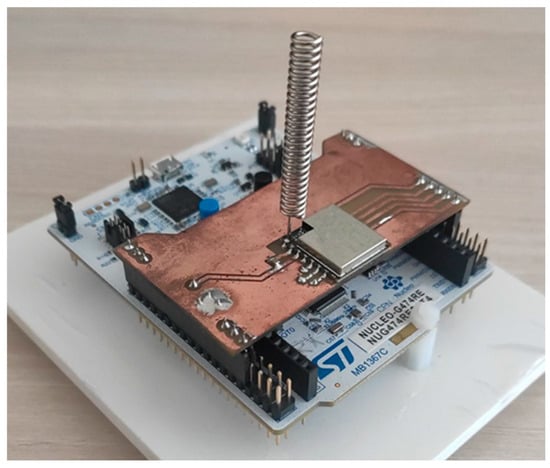
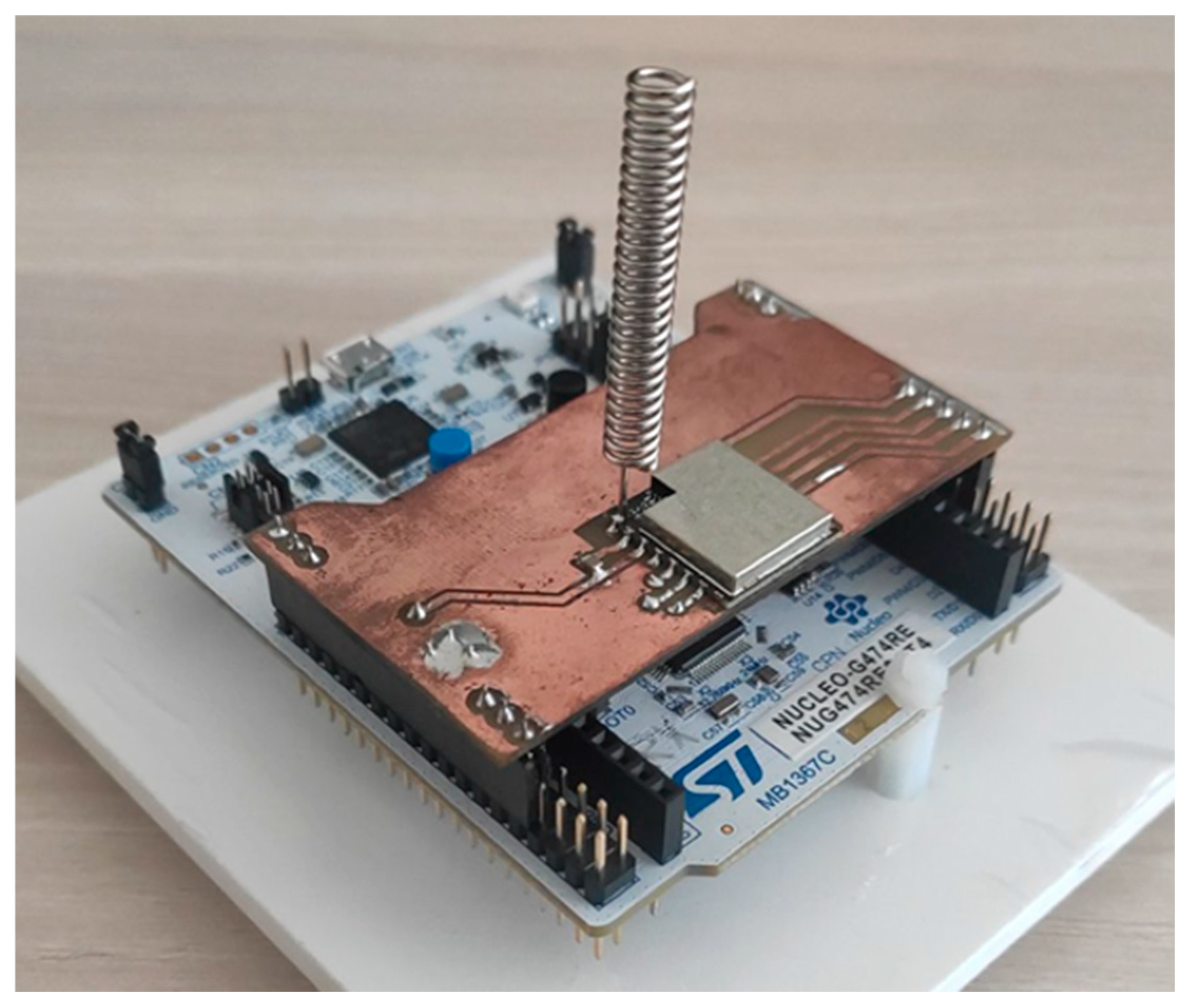
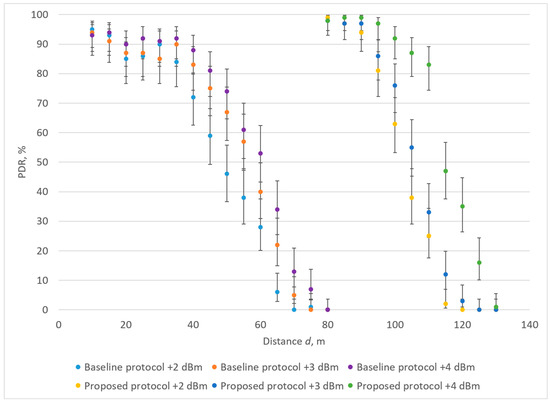
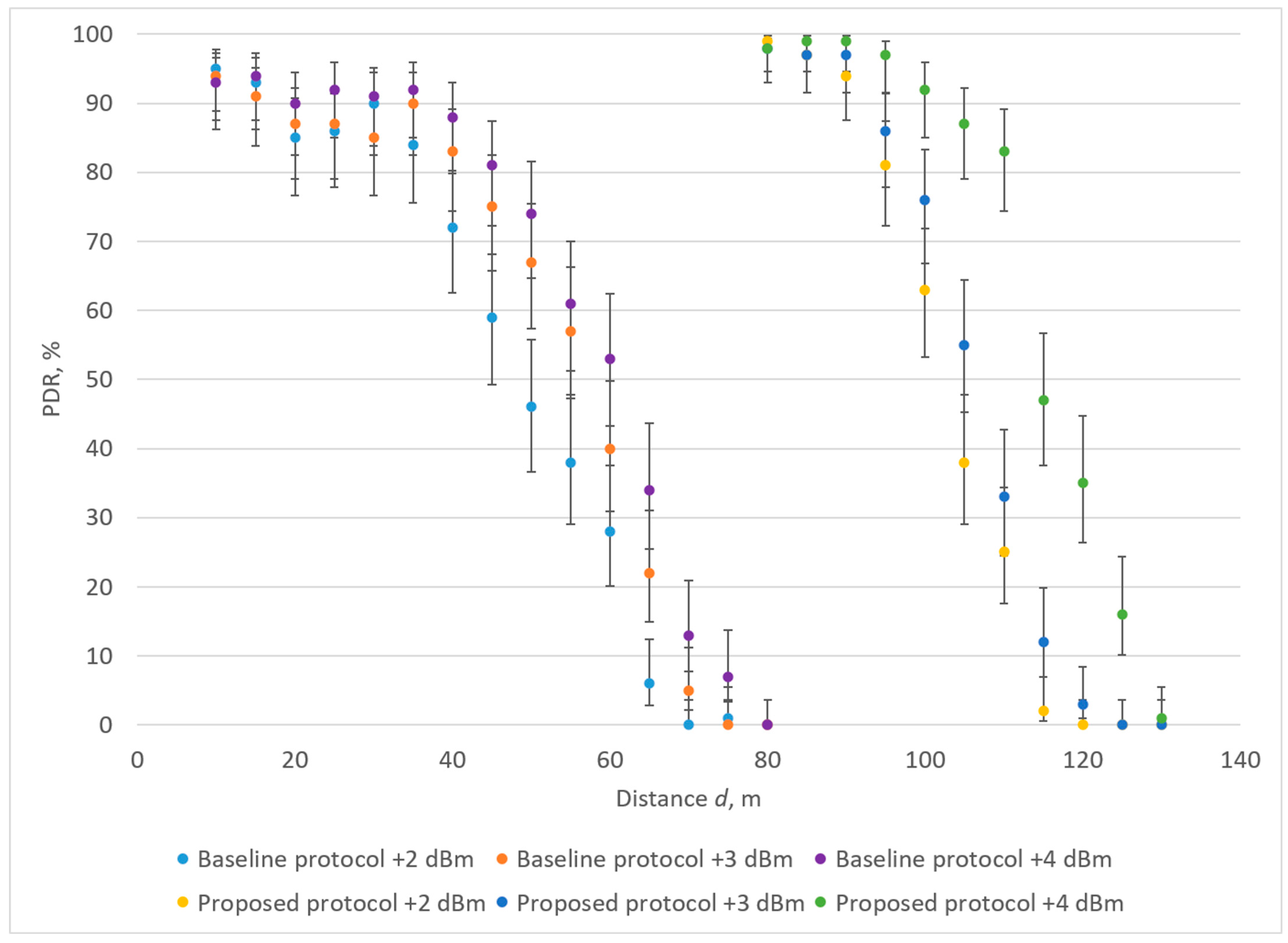
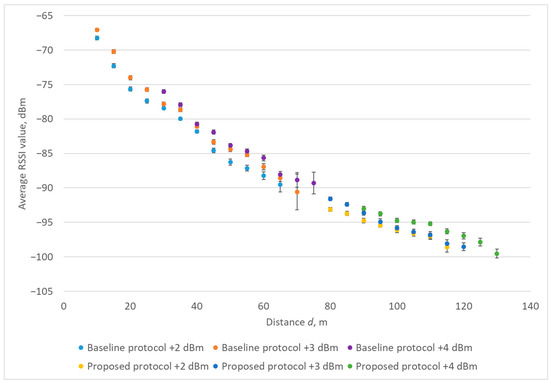
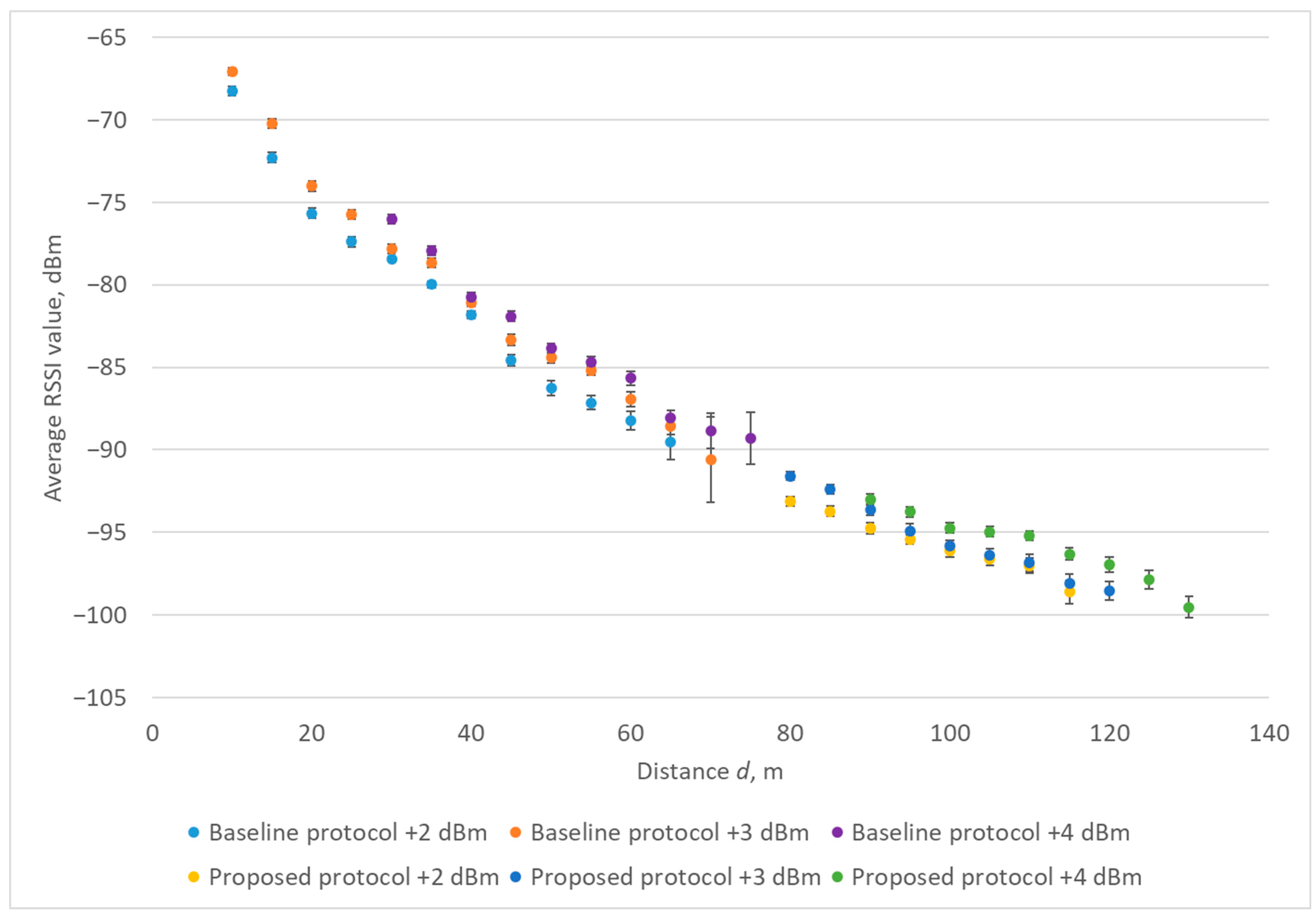
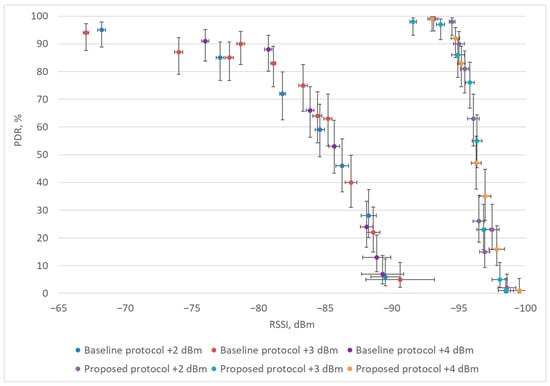
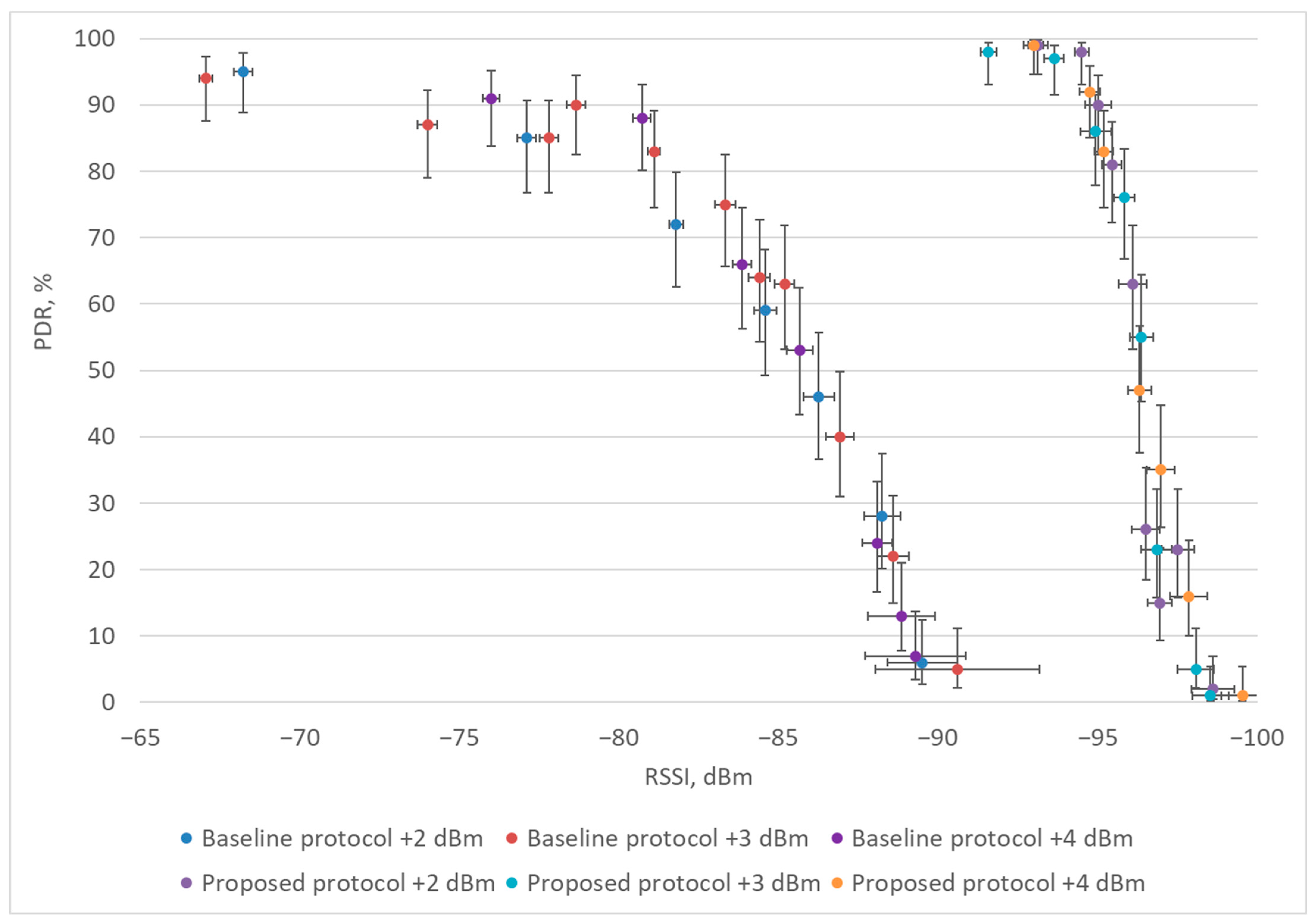
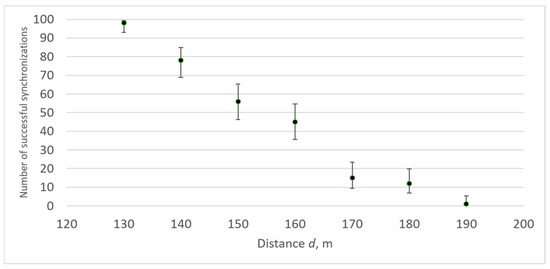
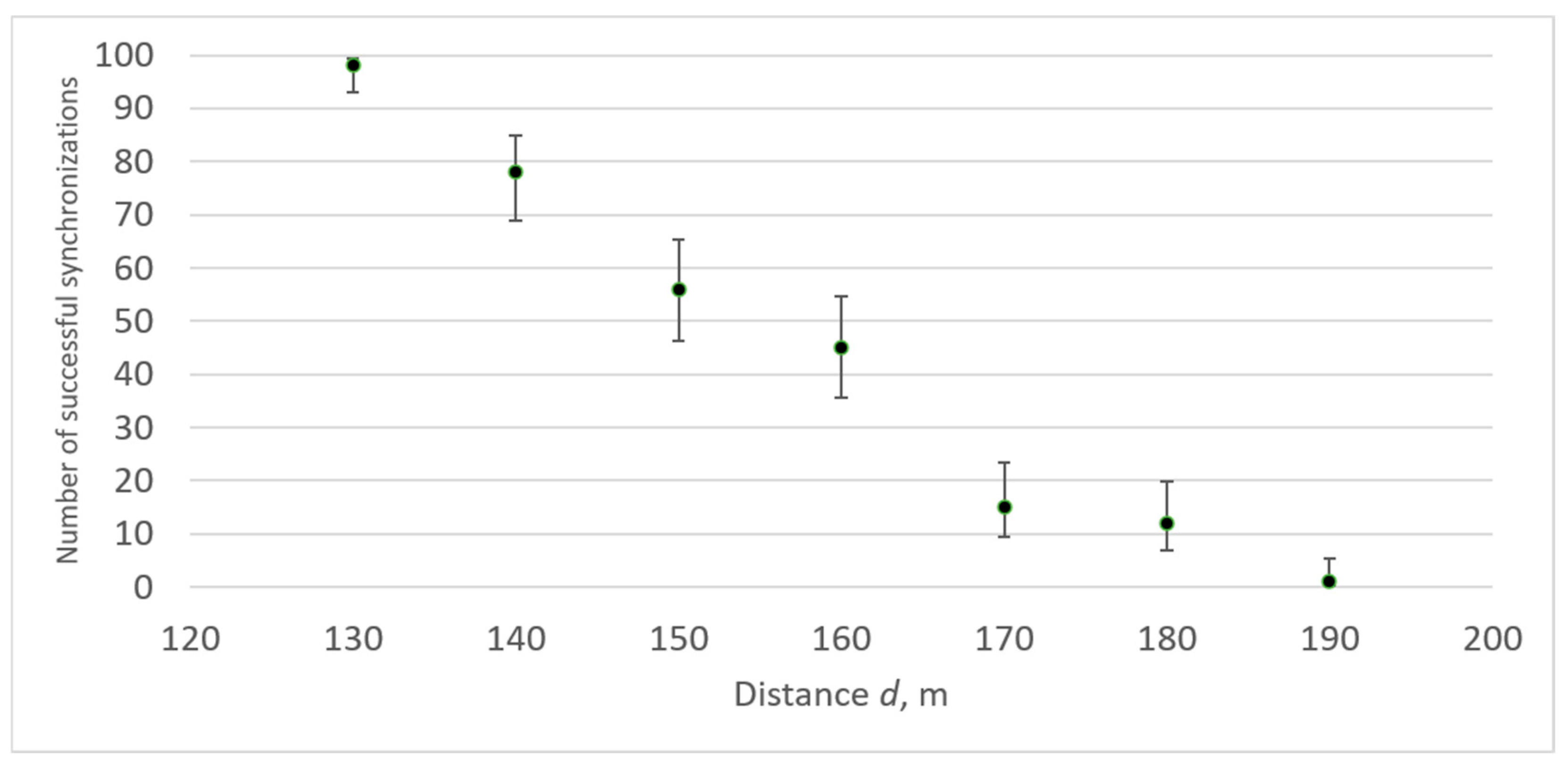

Disclaimer/Publisher’s Note: The statements, opinions and data contained in all publications are solely those of the individual author(s) and contributor(s) and not of MDPI and/or the editor(s). MDPI and/or the editor(s) disclaim responsibility for any injury to people or property resulting from any ideas, methods, instructions or products referred to in the content. |
© 2026 by the authors. Licensee MDPI, Basel, Switzerland. This article is an open access article distributed under the terms and conditions of the Creative Commons Attribution (CC BY) license.