


Abstract
Potassium (K) deficiency limits tomato (Solanum lycopersicum L.) growth and yield. Although silicon (Si) alleviates growth inhibition under nutrient stresses, its effectiveness in alleviating K deficiency in tomato and the underlying mechanisms remain unclear. Here, tomato seedlings were subjected to CK (control), LK (low-potassium), LK+Si (low-potassium-plus-Si) treatments. Physiological, biochemical, and transcriptomic responses were analyzed in leaves and roots. The results indicated that LK stress inhibited seedling growth and reduced chlorophyll content and the net photosynthesis rate (Pn). Exogenous Si effectively mitigated these adverse effects and lowered oxidative damage, as indicated by lower MDA and H2O2 levels and higher AsA and GSH contents. Si application did not restore the LK-induced reduction in K+ concentration. Transcriptomic analysis identified 781 and 2183 differentially expressed genes (DEGs) between LK+Si and LK in leaves and roots, respectively. In leaves, Si application upregulated key chlorophyll biosynthesis genes and DEGs enriched in the photosynthesis and photosynthesis-antenna protein pathways under LK stress. In roots, compared with LK, Si upregulated key phenylpropanoid biosynthesis genes and ethylene biosynthesis and signaling genes, while downregulating most HCT genes. STRING-based network analysis revealed that the leaf network was predominantly associated with photosynthesis-related proteins, whereas the root network contained proteins associated with hormone signaling and metabolic processes. Collectively, these findings suggest that Si alleviates K deficiency stress in tomato, accompanied by improved photosynthetic performance, enhanced antioxidant defense, and distinct changes in gene expression in leaves and roots.
1. Introduction
Potassium (K) is an important macronutrient involved in numerous physiological processes essential for plant growth, including photosynthesis, osmotic regulation, enzyme activation, protein synthesis, and cellular homeostasis [1,2]. Although Earth has abundant K reserves, only 2% of soil K exists in forms that are available to plants [3]. The removal of K through harvested crops and leaching, particularly in sandy soils, further reduces soil K content [4]. K deficiency can occur in various soils, including acidic sandy, waterlogged and saline soils [5,6,7]. Given its many physiological roles, K deficiency impairs plant growth and root elongation [8,9], and reduces photosynthetic capacity [10]. Low-potassium stress also disrupts nutrient uptake [11] and induces oxidative damage [12]. Given the limited availability and rising cost of K fertilizers, alternative strategies to alleviate low-potassium stress are urgently needed.
Although silicon (Si) is not an essential element for plants, numerous studies have reported its ability to alleviate various biotic [13,14] and abiotic stresses [15,16,17], including K deficiency. Several studies have examined the beneficial effects of Si on K deficiency tolerance in high-Si-accumulating plants, such as sorghum (Sorghum bicolor (L.) Moench) [18], maize (Zea mays L.) [19], and barley (Hordeum vulgare L.) [20]. Investigating the role of Si in low-Si-accumulating plants will help clarify its biochemical functions [21]. Reported physiological responses to Si under K deficiency include reduced ROS accumulation [19] and improved gas exchange, increased photosynthetic pigment content and enhanced photosynthetic capacity [22]. Si has also been reported to increase K+ uptake and potassium use efficiency (KUE) [20]. Although previous studies have identified several mechanisms by which Si alleviates K deficiency, the underlying molecular processes require further investigation.
High-throughput methods such as RNA-seq are widely used to identify differentially expressed genes across treatments [23]. This approach has also been used to examine how Si regulates gene expression under abiotic stress conditions. For example, Zhu et al. (2019) [24] found that Si treatment made the transcriptome of salt-stressed cucumber (Cucumis sativus L.) more similar to that of the control. Under cinnamic acid stress, exogenous sodium silicate enhanced plant resistance and reduced damage by modulating the expression of genes related to auxin, plant hormone signal transduction, and phenylpropanoid biosynthesis [25]. Fang et al. (2025) [26] reported that Si mitigated aluminum toxicity mainly through pathways involving phenylpropanoid biosynthesis, cyanuric acid metabolism, and flavonoid biosynthesis. However, transcriptomic investigations into the mechanisms underlying Si-mediated tolerance to K deficiency remain limited, particularly in roots.
Tomato is an important vegetable crop with a high K demand and sensitivity to low-potassium stress [2]. K deficiency can reduce tomato growth, yield and fruit quality [2,27]. Although extensive studies have examined the effects of K deficiency on crop growth and the role of Si in alleviating abiotic stress, whether Si enhances K+ uptake or mitigates the adverse effects of K deficiency through changes in gene expression in tomato remains unclear. In this study, we investigated the effects of exogenous Si on tomato seedlings under K deficiency by integrating physiological, biochemical, and transcriptomic analyses. We hypothesized that Si alleviates K deficiency stress through improvements in physiological and biochemical responses, accompanied by changes in the expression of stress-responsive genes.
2. Materials and Methods
2.1. Tomato Cultivation and Low-Potassium Treatments
Seeds of the tomato cultivar ‘Yueguang’ were provided by the Tomato Breeding Center of Northeast Agricultural University. All chemicals and reagents used in this study were purchased from Harbin Meilai Biotechnology Co., Ltd. (Harbin, China). Pre-germinated seeds were sown in 10 × 10 cm pots, containing a vermiculite–perlite mixture, with one plant per pot. Before treatment, each pot was irrigated with 50 mL of 1/2-strength Yamasaki tomato nutrient solution every two days. Seedlings were grown under controlled conditions at day/night temperatures of 25/18 °C, 65% relative humidity, and a 16 h photoperiod (480 µmol m−2·s−1). At the four-leaf stage, uniformly sized seedlings were selected for low-potassium stress treatments with or without Si. Potassium was supplied as KNO3, whereas Si was supplied as sodium silicate (Na2SiO3). Upon dissolution of Na2SiO3 in water, dissolved silicate species are expected to occur mainly as monosilicic acid [Si(OH)4] under mildly acidic conditions, which is the principal form available for root uptake [28,29]. For the control (CK), tomato seedlings were irrigated with full-strength Yamasaki nutrient solution containing 4 mM KNO3. This K concentration is consistent with levels previously used for tomato seedlings grown under soilless conditions [2]. For low-potassium treatments, the same solution was used, but with KNO3 reduced to 0.5 mM (LK), or with 0.5 mM KNO3 plus 2 mM Si (LK+Si). The 2 mM Si concentration was selected based on previous studies [30]. To compensate for the reduction in NO3- caused by lowering KNO3, 3.5 mM NaNO3 was added to both low-potassium treatments. To maintain equivalent nominal Na+ concentrations among treatments, 7.5 mM NaCl was added to CK and 4 mM NaCl to LK. The detailed chemical composition of the nutrient solutions is provided in Supplementary Table S1. The pH of each nutrient solution was adjusted to 6.0 ± 0.2 before each application.
The experiment followed a completely randomized design with three biological replicates per treatment (n = 3). Each biological replicate consisted of a separate tray containing 40 tomato seedlings grown individually in separate pots. Each tray served as the experimental unit, and treatment solutions were prepared and applied separately for each tray. Each seedling received 50 mL of its assigned treatment solution daily. All samples were collected 12 days after treatment. For RNA-seq and qRT-PCR analyses, roots and the third fully expanded leaves were collected separately. Each RNA sample was prepared by pooling tissues from three seedlings within the same tray. Morphological, physiological, and biochemical measurements were performed using plants from the same experiment. For each measurement, three seedlings were randomly selected from each tray, and their values were averaged within each biological replicate. Fresh leaves were used for phenotypic measurements, whereas samples for molecular and biochemical analyses were immediately frozen in liquid nitrogen and stored at −80 °C until analysis.
2.2. Measurement of Plant Growth Indicators
Plant height was recorded by measuring from the stem base to the shoot tip using a ruler. The diameter of the stem at the cotyledon was measured by means of a vernier caliper. The dry weights of shoots and roots were measured following oven-drying at 80 °C. A root scanner (EPSON Perfection V800 Photo, Seiko Epson Corporation, Suwa, Japan) was used to capture root images, and the WinRHIZO 2007 root analysis software (Regent Instruments Inc., Quebec City, QC, Canada) was employed for quantitative analysis of root length [31].
2.3. Measurement of Mineral Elements in Plants
Following digestion with nitric acid, Na and K concentrations in the samples were determined using inductively coupled plasma mass spectrometry (ICP-MS; NexION 1000, PerkinElmer, Inc., Waltham, MA, USA). Silicon concentration was determined by the silicon molybdenum blue colorimetric method [32].
2.4. Measurement of H2O2 and MDA Content
H2O2 content was determined using the titanium sulfate colorimetric method described by Brennan and Frenkel (1977) [33] and Masud et al. (2023) [34]. Fresh root or leaf was homogenized with ice-cold acetone in an ice bath. The homogenate was centrifuged, and the supernatant was collected as the crude extract. For the assay, the crude extract (750 µL) was mixed with 0.1% of Ti(SO4)2 in a 20% H2SO4 solution. The mixture was centrifuged at room temperature. H2O2 concentration was determined using a calibration curve constructed with H2O2 standard solutions ranging from 0 to 100 μmol L−1. The H2O2 content was calculated based on the extraction volume and sample fresh weight and expressed as μmol g−1 FW. All spectrophotometric measurements of H2O2, MDA, AsA, and GSH contents and antioxidant enzyme activities were performed using a microplate spectrophotometer (uQuant MQX200, BioTek Instruments, Inc., Winooski, VT, USA).
Malondialdehyde (MDA) levels were assayed following the thiobarbituric acid (TBA) method described by Huang et al. (2021) [35]. Fresh leaf or root tissue (0.5 g) was pulverized in liquid nitrogen, then homogenized in 10% trichloroacetic acid (TCA) (5 mL). After centrifugation at 12,000× g for 10 min at 4 °C, a 2 mL aliquot of the resulting supernatant was mixed with 2 mL of 0.6% TBA. The mixture was heated in a boiling water bath for 15 min, cooled down, and then centrifuged again at 12,000× g for 10 min. The absorbance of the supernatant was measured at 450, 532, and 600 nm. MDA concentration was calculated using the following equation:
where A450, A532, and A600 represent the absorbance values at 450, 532, and 600 nm, respectively. The MDA content was subsequently calculated based on the total extraction volume, reaction dilution factor, and sample fresh weight and expressed as μmol g−1 FW.
C_MDA (μmol L−1) = 6.45 × (A532 − A600) − 0.56 × A450
2.5. Measurement of AsA and GSH Content
Ascorbic acid (AsA) content was determined following the method described by Arakawa et al. (1981) [36], with minor modifications. The absorbance was measured at 534 nm, and AsA content was quantified using a calibration curve constructed with L-ascorbic acid standards (0–60 μg). Reduced glutathione (GSH) content was determined according to the method described by Carfagna et al. (2021) [37]. The absorbance was measured at 412 nm, and GSH concentration was calculated using a calibration curve prepared with GSH standard solutions (0–10 μg mL−1).
2.6. Measurement of Antioxidant Enzyme Activities
For antioxidant enzyme activity measurement, leaf or root samples were ground in 5 mL of sodium phosphate buffer. The homogenate was then centrifuged at 12,000× g for 20 min, and the supernatant as the enzyme extract was employed for the subsequent activity assays [31,38]. SOD activity was assayed by the nitroblue tetrazolium (NBT) method described by Gong et al. (2005) [38] and Yang et al. (2024) [31]. The reaction mixture consisted of a Na–phosphate buffer (50 mM, pH 7.8), methionine (130 mM), NBT (0.75 mM), EDTA (0.1 mM), riboflavin (20 μM), and enzyme extract. Riboflavin was added last, after which the tubes were shaken and placed under fluorescent lamps. The reaction was initiated by turning on the lights, allowed to proceed for 20 min, and then terminated by switching off the lights. The absorbance was measured at 560 nm. One unit (U) of SOD activity was defined as the amount of enzyme required to inhibit the photochemical reduction in NBT by 50%. SOD activity was expressed as U g−1 FW.
Following the protocol described by Cakmak and Marschner (1992) [39] and Cakmak et al. (1993) [40], respectively, we measured CAT and POD activities. The CAT assay was conducted in a reaction mixture containing a Na–phosphate buffer (25 mM, pH 7.0) and H2O2 (10 mM). Adding the enzyme extract triggered the reaction. The decrease in absorbance at 240 nm was recorded over 40 s. One unit (U) of CAT activity was defined as the amount of enzyme causing a decrease in absorbance of 0.01 per minute at 240 nm. CAT activity was expressed as U g−1 FW.
For POD, the reaction mixture contained a Na–phosphate buffer (25 mM, pH 7.0), 10 mM H2O2, 0.05% guaiacol, and the enzyme extract. Guaiacol oxidation was monitored by the increase in absorbance at 470 nm. One unit (U) of POD activity was defined as the amount of enzyme causing an increase in absorbance of 0.01 min−1 at 470 nm. POD activity was expressed as U g−1 FW.
2.7. Measurement of Chlorophyll Concentration and Net Photosynthetic Rate
The second fully expanded leaf was collected. A 0.2 g sample was extracted with 80% (v/v) acetone in the dark until the leaf was completely decolorized. The absorbance of the extract was then recorded at 663, 646, and 470 nm [41]. Net photosynthetic rate was measured using a LI-6400 photosynthetic apparatus (LI-COR Inc., Lincoln, NE, USA). Measurements were performed on the third fully expanded leaf between 9:00 and 11:00. The measurements were conducted under a photosynthetically active radiation of 800 μmol m−2·s−1, an air flow rate of 500 mL min−1, a CO2 concentration of 400 μmol mol−1, a relative humidity of 60%. All treatments were measured under the same chamber conditions.
2.8. RNA-Seq Analysis
To investigate the molecular mechanisms underlying Si-mediated tolerance to low-potassium stress, transcriptome sequencing was performed. The RNA of roots or leaves from the treatments of CK, LK, and LK+Si were extracted. Library construction, sequencing and data processing were conducted by Meiji Biomedical Technology Co., Ltd. (Shanghai, China). Clean reads were subsequently processed on the Majorbio Cloud platform using the Solanum lycopersicum reference genome (SL3.0). Raw paired-end reads were quality-controlled and trimmed using fastp (v0.23.4) [42]. Clean reads were then aligned separately to the reference genome in orientation mode using HISAT2 (v2.2.1) [43]. StringTie (v2.1.1) was used to assemble the mapped reads of each sample with a reference-guided approach [44]. For differential expression analysis, raw read counts obtained from RSEM (v1.3.3) were processed using DESeq2 (v1.42.0) [45,46]. Sequencing quality and mapping statistics are summarized in Supplementary Table S2. Transcripts per million (TPM) values were calculated for visualization of expression trends. Genes meeting the criteria of log2|fold change| ≥ 1 and FDR < 0.05 were regarded as DEGs. The raw RNA-seq data have been deposited in the NCBI SRA database under the accession number PRJNA1480633. KEGG pathway enrichment of DEGs was performed using the clusterProfiler package (v4.10.0), with the entire transcriptome as the reference background. Pathways with Bonferroni-adjusted p-values < 0.05 were considered significantly enriched. The 20 most significantly enriched pathways were presented. Principal component analysis (PCA) was performed on a normalized transcript abundance matrix (TPM) using scikit-learn (v0.17.1) in Python (v3.12). This analysis was used to assess variation in gene expression profiles among samples.
Protein–protein association networks were constructed using the STRING database [47], with Solanum lycopersicum as the reference organism. Associations with a combined score ≥ 0.7 were retained, and up to 300 highest-scoring pairs were exported for each gene set. Networks were visualized in Cytoscape (v3.10.4) using the Kamada–Kawai layout [48,49]. Node color represented log2FC on a shared −5 to 5 scale, node size represented degree, and edge width represented the STRING combined score. STRING edges represent predicted functional associations and do not necessarily indicate experimentally confirmed direct physical interactions. To evaluate the effect of the 300-pair limit, networks containing the top 50, 100, 150, 200, 250, and 300 associations were reconstructed. For each network, node number, connected components, largest-component size, mean degree, and maximum degree were recorded. Hub-ranking stability was assessed using Spearman’s correlation between degree rankings in each subset and those in the corresponding 300-pair reference network.
2.9. qRT-PCR Validation of Differentially Expressed Genes
To validate the transcriptomic data, we examined the expression of selected target genes using quantitative real-time PCR (qRT-PCR). Total RNA of roots and leaves was extracted with the Plant RNA Kit. After reverse transcription with a SuperRT cDNA Synthesis Kit, the resulting cDNA was used for qRT-PCR, which was run on a qTOWER system (Analytik Jena GmbH, Jena, Germany). Each treatment included three biological replicates, with each replicate consisting of pooled tissues from three tomato seedlings sampled from the same tray. ACTIN2 was used as the reference gene for normalization [50], and the CK treatment served as the calibrator. Relative gene expression levels were calculated using the 2^−ΔΔCt method [51]. Primer sequences and amplification efficiencies are provided in Supplementary Table S3.
2.10. Statistical Analysis
Data are presented as the mean ± standard deviation (SD) of three biological replicates (n = 3). Normality of ANOVA residuals and homogeneity of variances were assessed using the Shapiro–Wilk and Levene’s tests, respectively. Stem Si concentration data were log10-transformed before analysis. One-way ANOVA followed by Tukey’s HSD test was performed using SPSS (v23.0, IBM Corp., Armonk, NY, USA). Figures were prepared using Origin 2021 (OriginLab Corporation, Northampton, MA, USA).
3. Results
3.1. Effect of Si Application on Growth of Tomato Seedlings Under Low-Potassium Stress
With the aim of evaluating whether exogenous Si could improve the physiological status of tomato seedlings under LK stress, plant growth were measured. Our results found that the growth of tomato seedlings was significantly suppressed by LK in the absence of Si (Figure 1A). However, the growth of tomato seedlings was significantly enhanced by exogenous Si, which resulted in increased biomass, plant height, stem diameter and root length. Compared to LK treatment, exogenous Si application significantly increased the dry weight of leaves, stems and roots by 29.35%, 18.97% and 47.06% respectively (Figure 1B–D); the plant height by 27.60% (Figure 1E); the stem diameter by 27.51% (Figure 1F); and the root length by 78.76% (Figure 1G). Moreover, a preliminary experiment showed that exogenous Si application did not significantly affect plant height, stem diameter, or dry weight under CK conditions but significantly improved these growth parameters under LK stress (Supplementary Table S4).
Figure 1.
Effects of exogenous Si application on phenotype, dry weight, plant height, stem diameter and root length of tomato seedlings under low-potassium stress. (A) Morphological changes in tomato seedlings; (B–D) dry weight of plant leaves, stem and root; (E) plant height; (F) stem diameter; (G) root length. Data are presented as the mean ± SD of three biological replicates (n = 3). Different letters above the bars indicate significant differences between treatments at p < 0.05. CK: normal potassium; LK: low potassium; LK+Si: low-potassium treatment with 2 mM Si.
3.2. Effect of Si Application on Content of H2O2, MDA, AsA and GSH of Tomato Seedlings Under Low-Potassium Stress
Under LK stress, compared with the CK, the levels of H2O2 and MDA in leaves increased by 36.16% and 100.35%, respectively (Figure 2A,C), while in the roots they rose by 102.75% and 85.38%, respectively (Figure 2B,D). Compared to LK, exogenous Si application significantly decreased the content of H2O2 and MDA in leaves and roots. LK stress significantly reduced the content of AsA in root (26.68%), GSH in leaf (52.66%) and in root (54.13%) compared to those of the control group (Figure 2F–H). However, compared with the LK stress treatment, exogenous Si treatment significantly increased the AsA and GSH content by 23.04% and 57.74% in leaves, respectively, while in the roots they rose by 30.03% and 60.19%, respectively (Figure 2). To determine whether these changes were associated with transcriptional regulation of the AsA-GSH cycle, the expression of key genes involved in this cycle was examined in both leaves and roots (Figure S1). In leaves, LK stress significantly downregulated APX, and Si supplementation reversed this effect. In the roots, LK stress downregulated DHAR, whereas Si application significantly upregulated both DHAR and GSR under LK conditions. In contrast, GST genes showed no consistent response to LK stress but were downregulated by Si supplementation in both tissues.
Figure 2.
Effect of Si application on the content of H2O2, MDA, AsA and GSH of tomato seedlings under low-potassium stress. (A,B) H2O2 content in leaves and roots, respectively; (C,D) MDA content in leaves and roots, respectively; (E,F) AsA content in leaves and roots, respectively; (G,H) GSH content in leaves and roots, respectively. Data are presented as the mean ± SD of three biological replicates (n = 3). Different letters above the bars indicate significant differences between treatments at p < 0.05. CK: normal potassium; LK: low potassium; LK+Si: low-potassium treatment with 2 mM Si.
3.3. Effect of Si Application on Activity of Antioxidant Enzymes of Tomato Seedlings Under Low-Potassium Stress
Compared with the CK, LK significantly increased the activities of SOD, POD and CAT in the leaves and roots of tomato seedlings (Figure 3). The activities of three antioxidant enzymes reached the highest level under LK treatment in both leaves and roots. Under LK stress, compared with the CK, the activity of SOD, POD and CAT in leaves increased by 74.62%, 59.52% and 46.67%, respectively, while in the roots they rose by 6.99%, 55.65% and 17.93%, respectively. However, compared with the LK stress treatment, exogenous Si treatment significantly decreased the activity of SOD, POD and CAT in the leaves by 28.88%, 28.73%, 25.62%, respectively, while in the roots they decreased by 6.70%, 28.23% and 13.53%, respectively.
Figure 3.
Effects of Si addition on activity of antioxidant enzymes of tomato seedlings under low-potassium stress. (A,B) SOD activity in leaves and roots, respectively. (C,D) POD activity in leaves and roots, respectively. (E,F) CAT activity in leaves and roots, respectively. Data are presented as the mean ± SD of three biological replicates (n = 3). Different letters above the bars indicate significant differences between treatments at p < 0.05. CK: normal potassium; LK: low potassium; LK+Si: low-potassium treatment with 2 mM Si.
3.4. Effect of Si Application on Tissue K+, Na+ and Si Concentrations and Transporter-Related Gene Expression Under Low-Potassium Stress
Compared with the CK, LK stress significantly reduced the concentration of K+ in leaves, stems and roots by 9.67%, 11.01%, and 20.85% respectively (Figure 4A–C), whereas it significantly increased the concentration of Na+ in leaves, stems and roots by 88.58%, 148.23% and 83.53%, respectively (Figure 4G–I). Compared to LK, exogenous Si application further increased the concentration of Na+ in different organs, but had no significant effect on the concentration of K+. Compared with the CK, LK decreased Si concentrations in leaves and roots but increased Si concentration in stems (Figure 4D–F). Under LK stress, exogenous silicon application raised Si concentrations in leaves and stems while reducing that in the roots (Figure 4). In addition to tissue Si concentrations, Si contents in leaves, stems, and roots were calculated (Table S5). Compared with the CK, LK stress significantly reduced whole-plant Si content. Compared with LK, exogenous Si application significantly increased Si contents in leaves, stems, and the whole plant but decreased root Si content. To further investigate the transcriptional responses of ion transport-related genes, selected genes were analyzed based on the RNA-seq data (Table S6). Under LK stress, SlLsi2-2 was significantly upregulated in leaves, whereas SlLsi1 was downregulated and SlLsi2-1 was upregulated in roots compared with the CK. Si application had no significant effect on the expression of these genes in leaves under LK stress. Among the Na+- and K+-related genes, compared with the CK, SlHKT1;1 was upregulated in roots but downregulated in leaves under LK stress. Compared with LK, Si application upregulated SlHKT1;1 in leaves. In the roots, SlNRT1.5 was upregulated by LK stress compared with the CK, whereas Si application downregulated its expression relative to LK treatment alone.
Figure 4.
Effects of Si addition on K+, Na+ and Si concentrations in different tissues of tomato under low-potassium stress. (A–C) K+ concentrations in leaves, stems and roots, respectively; (D–F) Si concentrations in leaves, stems and roots, respectively; (G–I) Na+ concentrations in leaves, stems and roots, respectively. Data are presented as the mean ± SD of three biological replicates (n = 3). Different letters above the bars indicate significant differences between treatments at p < 0.05. CK: normal potassium; LK: low potassium; LK+Si: low-potassium treatment with 2 mM Si.
3.5. Effect of Si Application on Transcriptomics of Tomato Seedlings Under Low-Potassium Stress
To uncover the molecular basis of how exogenous Si mitigates LK stress, we carried out transcriptome profiling on leaf (L) and root (R) samples from six treatment groups (CK, LK, LK+Si), with three biological replicates per group. PCA revealed a clear separation between leaf and root samples, while some overlap was observed among treatment groups within each tissue (Figure 5A). Comparative analysis revealed 196 (62 upregulated, 134 downregulated), 666 (270 upregulated, 396 downregulated) and 781 (420 upregulated, 361 downregulated) differentially expressed genes (DEGs) were identified in LK+Si_L_vs_CK_L, LK_L_vs_CK_L, and LK+Si_L_vs_LK_L comparisons. A total of 690 (404 upregulated, 286 downregulated), 1671 (582 upregulated, 1089 downregulated) and 2183 (1435 upregulated, 748 downregulated) DEGs were identified in LK+Si_R_vs_CK_R, LK_R_vs_CK_R, and LK+Si_R_vs_LK_R comparisons (Figure 5B). Subsequently, Venn diagram analysis revealed the overlapping 10 DEGs among the LK+Si_L_vs_CK_L, LK_L_vs_CK_L, and LK+Si_L_vs_LK_L comparisons, and the overlapping 127 DEGs among the LK+Si_R_vs_CK_R, LK_R_vs_CK_R, and LK+Si_R_vs_LK_R comparisons (Figure 5C-D). To investigate the metabolic pathways and functional implications of the DEGs between the LK+Si_L and LK_L treatment groups, we performed pathway enrichment analysis. The results revealed significant enrichment in multiple pathways, including photosynthesis-antenna proteins, photosynthesis, porphyrin metabolism, phenylpropanoid biosynthesis, steroid biosynthesis, and terpenoid backbone biosynthesis, with photosynthetic pathways being among the six most highly enriched terms (Figure 5E). Moreover, we also performed pathway enrichment analysis of the DEGs between the LK+Si_R and LK_R treatment groups. The results revealed significant enrichment in multiple pathways, including plant–pathogen interaction, MAPK signaling pathway-plant, plant hormone signal transduction, phenylpropanoid biosynthesis, Cysteine and methionine metabolism, with Alanine, aspartate and glutamate metabolism pathways being among the six most highly enriched terms (Figure 5F). To assess the technical validity of our RNA-seq data, we selected six differentially expressed genes to perform qRT-PCR quantification, which included three genes (CHLH, LHCA4, APX) in the leaves and three genes (ACO4, NRT1.5, GSR) in the roots. This positive correlation indicated that the two datasets agreed closely, supporting the overall reliability of our sequencing results, as visualized in Figure S2.
Figure 5.
Transcriptome analysis. (A) Principal component analysis (PCA) of all genes. Ellipses represent the 95% confidence regions for each treatment group; (B) multigroup difference scatter plot showing the numbers of differentially expressed genes (DEGs); (C,D) Venn diagram illustrating the overlap of DEGs among different treatment groups in pairwise comparisons; (E) KEGG enrichment analysis of DEGs between LK+Si_L and LK_L group; (F) KEGG enrichment analysis of DEGs between LK+Si_R and LK_R group. CK: normal potassium; LK: low potassium; LK+Si: low-potassium treatment with 2 mM Si. The suffix “L” indicates leaf tissue. The suffix “R” indicates root tissue.
3.6. Effect of Si Application on Chlorophyll Content, Net Photosynthetic Rate and Genes Expression of Chlorophyll Synthesis of Tomato Under Low-Potassium Stress
To determine how exogenous Si affect photosynthesis, both pigment levels and net photosynthetic rate were assessed. The principal pigments responsible for photosynthesis are chlorophylls. LK stress significantly reduced the concentration of chlorophyll a (27.89%) and chlorophyll b (30.68%) compared to those of the control group (Figure 6A,B). However, compared with the LK stress treatment, exogenous Si treatment significantly increased the chlorophyll a and chlorophyll b concentrations by 45.63% and 46.17%, respectively. Moreover, the Pn was significantly decreased by 39.76% under LK stress; however, such a decline in Pn was recovered partially (36.11%) in the presence of Si (Figure 6C). To investigate the reasons for the decrease in chlorophyll content under LK stress, we profiled the expression of chlorophyll-biosynthesis genes. Compared with the CK, three of these genes were significantly downregulated in the LK treatment, whereas Si application upregulated their expression compared with the LK treatment alone (Figure 6D).
Figure 6.
Effect of Si application on chlorophyll content, net photosynthetic rate and gene expression of chlorophyll synthesis of tomato under low-potassium stress. (A) Chlorophyll a content, (B) chlorophyll b content, (C) net photosynthesis rate and (D) heatmap showing the expression of three chlorophyll biosynthesis genes in different treatments in leaves under low-potassium stress. Data are presented as the mean ± SD of three biological replicates (n = 3). Different letters above the bars indicate significant differences between treatments at p < 0.05. CK: normal potassium; LK: low potassium; LK+Si: low-potassium treatment with 2 mM Si. The suffix “L” indicates leaf tissue. The color scale ranging from blue to red corresponds to row-scaled TPM values. Genes highlighted in red indicate those significantly downregulated under LK compared with CK and significantly upregulated under LK+Si compared with LK.
3.7. Effect of Silicon Application on the Expression Levels of Genes Encoding Photosynthetic Antenna Proteins and Photosynthetic Electron Transport Proteins in Leaves Under Low-Potassium Stress
To explore the molecular basis of silicon-mediated alleviation of low-potassium stress, leaf transcriptomic profiles were analyzed. KEGG enrichment analysis showed that the differentially expressed genes (DEGs) were markedly enriched in two photosynthesis-related pathways: photosynthesis-antenna proteins (ko00196) and photosynthesis (ko00195) (Figure 7). The light-harvesting chlorophyll protein complex pathway and photosynthesis pathway contained 15 and 22 identified DEGs, respectively. Compared with the LK treatment, the LK+Si treatment significantly upregulated the expression of DEGs enriched in both pathways. For instance, several genes encoding LHCII subunits (e.g., Lhcb1-4 and Lhcb6) and LHCI subunits (e.g., Lhca1-5) were upregulated after silicon application. In addition, several key genes involved in photosynthetic electron transport exhibited higher expression levels in the LK+Si group than in the LK group, including psbO, psbP, psbQ, psbS and psbW in PSII; psaF, psaH, psaK, psaL, psaN and psaO in PSI; petC, in the Cyt b6/f complex; petE and petF in electron transport; and atpG and atpD in F-type ATPase. These findings suggest that silicon may enhance photosynthetic capacity under low-potassium stress by upregulating genes associated with light harvesting and electron transport.
Figure 7.
Expression levels of DEGs enriched in the photosynthesis-antenna proteins and photosynthesis pathway between the LK+Si_L and LK_L groups. CK: normal potassium; LK: low potassium; LK+Si: low-potassium treatment with 2 mM Si. The suffix “L” indicates leaf tissue. For the heatmap, the color scale ranging from blue to red corresponds to row-scaled TPM values. In the schematic diagram, different colors represent the major protein complexes involved in photosynthesis. Yellow arrows indicate light energy input, while red arrows indicate the direction of electron transport and associated biochemical reactions.
3.8. Effect of Silicon Application on the Expression of Genes Involved in Phenylpropanoid Biosynthesis and in Ethylene Biosynthesis and Signaling Pathways in Roots Under Low-Potassium Stress
To explore the mechanism of Si-mediated LK stress tolerance in roots, the expression patterns of genes involved in phenylpropanoid biosynthesis and in ethylene biosynthesis and signaling pathways were analyzed (Figure 8). Compared to the CK, LK downregulated the expression of PAL (Solyc03g042560.2), C4H (Solyc05g047530.3), C3H (Solyc10g078220.2), CHS (Solyc01g111070.3), and DFR (Solyc02g085020.3). Two HCT genes (Solyc00g040290.2 and Solyc01g105590.2) were upregulated. The other HCT, C3H, and CHS genes showed no significant change. The application of Si under LK stress (LK+Si) reversed the expression patterns of most of these genes. Under LK stress, Si application upregulated the expression of PAL, C4H, C3H (Solyc10g078220.2), CHS (Solyc01g111070.3), and one DFR and HCT gene (Solyc11g069680.1) Conversely, the majority of HCT genes (eight out of nine), one C3H gene (Solyc01g009370.2), and two CHS genes (Solyc12g098100.2 and Solyc05g053170.3) were downregulated by Si application compared to the LK treatment. Compared to the control (CK), LK stress downregulated the expression of ethylene biosynthesis genes (ACS2, ACO1, and ACO4) and signaling genes (ETR4, ERF.C.3, ERF1/2). ACS3, ETR, ETR6 and two ERF1/2 genes exhibited no significant changes under LK stress. Compared with LK stress, all 14 detected ethylene-related genes were upregulated by exogenous Si application. Si treatment returned the expression of key biosynthesis genes (ACS2, ACO1, and ACO4) to CK levels or higher. In addition, Si strongly induced ethylene receptors (ETR, ETR4, ETR6) and all ERF transcription factors under LK stress.
Figure 8.
Expression profiles of genes involved in phenylpropanoid biosynthesis and ethylene biosynthesis/signaling pathways in roots under low-potassium stress with or without silicon application. (A) Schematic representation of the phenylpropanoid biosynthesis pathway (left) and heatmap showing the expression patterns of related structural genes (right); (B) schematic representation of the ethylene biosynthesis and signaling pathway (left) and heatmap showing the expression patterns of related genes (right). CK: normal potassium; LK: low potassium; LK+Si: low-potassium treatment with 2 mM Si. The suffix “R” indicates root tissue. The color scale ranging from blue to red corresponds to row-scaled TPM values.
3.9. Co-Expression Networks of Differentially Expressed Genes in Leaves and Roots Under Low-Potassium Stress with Silicon Application
The largest connected component of the LK+Si_L_vs_LK_L network contained 37 nodes, predominantly photosynthesis-related genes, including chlorophyll a/b-binding proteins (LHCB2, LHCA4-1, LHCA4-2, LHCB3, and LHCB6), photosystem components (PsbS, PsbQ, and PsbO), and plastocyanin-related proteins PETE and CAP10B (Figure 9A). The LK+Si_R_vs_LK_R network contained a 92-node largest connected component enriched in genes associated with ethylene biosynthesis and signaling, including ACS1B, ACS2, ACS3, ACO1, ACO4, ACO5, LE-ACS7, and MPK3, as well as genes related to jasmonic acid biosynthesis (AOS1 and AOS3), nitrogen metabolism (NR), and fermentative metabolism (LDH and ncADH) (Figure 9B). Sensitivity analysis using the top 50–300 highest-scoring associations showed that node number, largest-component size, mean degree, and maximum degree generally increased with the number of retained associations. At 250 associations, degree rankings were highly correlated with those of the 300-association reference networks (Spearman’s ρ = 0.914 for the root network and 0.942 for the leaf network), and nine of the ten highest-degree nodes were retained. Thus, highly connected genes were considered candidate hubs within the retained STRING networks rather than definitive central regulators.
Figure 9.
STRING-predicted protein association networks of genes differentially expressed under silicon application. (A) Genes differentially expressed between LK+Si_L and LK_L; (B) genes differentially expressed between LK+Si_R and LK_R. Nodes represent genes, and edges represent predicted protein associations retrieved from the STRING database (Solanum lycopersicum, combined score ≥ 0.7). The 300 highest-scoring associations were retained for each gene set; therefore, the networks represent subsets of associations above the selected confidence threshold rather than complete STRING networks. Node size is proportional to degree within the retained network, and node color indicates the log2FC of the corresponding gene, with red representing upregulation and blue representing downregulation on a shared scale ranging from −5 to 5. Arrowheads on the color bar indicate values beyond this range. Edge width is proportional to the STRING combined score. To avoid overlapping labels, nodes with annotated gene names and the 25 nodes with the highest degree are labeled. Labels show gene names where available and Solyc gene IDs otherwise. The suffix “R” indicates root tissue, whereas “L” indicates leaf tissue. STRING edges represent predicted functional associations and do not necessarily indicate experimentally confirmed direct physical interactions.
4. Discussion
As a beneficial element for plant growth and development, Si has been shown to improve plant growth and alleviate symptoms of K deficiency in various species. However, the beneficial role of Si in mitigating low-K stress has primarily been demonstrated in high-Si-accumulating species, whereas its influence on low-Si-accumulating plants remains poorly understood. In the present study, subjecting tomato seedlings to a twelve-day low-potassium supply caused severe growth inhibition, which resulted in decreased dry weight of shoots and roots. Previous research indicates that Si application facilitates barley growth under low K availability [20]. Similarly, our results also revealed that exogenous Si application effectively improved the root and shoot biomass, plant height and stem diameter of tomato under LK stress. The plant root system functions as the main site for the uptake of water and mineral nutrients, and its physiological condition and vigor are directly linked to the growth of the aboveground organs [52]. A previous study found that Si plays an important role in regulating root development of plants [53]. Our study revealed that Si application significantly promoted root growth under LK stress, suggesting that improved root development may contribute to plant growth and stress responses. Nevertheless, the absence of a normal-K-plus-Si treatment in the main experiment prevented direct evaluation of the K × Si interaction. Therefore, the observed growth improvement cannot be attributed solely to the effects of Si under low-K conditions. A complete factorial experiment will be constructed in the future to determine whether the physiological and transcriptomic responses to Si depend on K availability. Although the nominal Na+ concentration was maintained at the same level across treatments, the Cl- concentration may have been different due to NaCl and HCl. Therefore, the potential effects of accompanying ions on plant growth and physiological responses cannot be completely excluded.
MDA is a general indicator of oxidative damage, and an increase in MDA is associated with lipid peroxidation in K-starved plants [54]. In this experiment, LK stress increased the content of H2O2 and MDA in leaves and roots relative to CK. This points to oxidative damage of the stressed plants. Si application reduced the levels of ROS under LK stress, supporting a protective effect of Si on membrane structure. This result agrees with the observations in tomato [55] and soybean (Glycine max (L.) Merr.) [56], both of which reported that Si alleviates ROS accumulation under K deficiency. Plants have an inherent antioxidant defense system to counteract oxidative stress, and this system includes non-enzymatic (ascorbate and glutathione) and enzymatic (peroxidase, catalase, and superoxide dismutase) components [57]. Previous research has discovered that K deficiency triggers a significant rise in the SOD and CAT activities [12]. This increase was, however, mitigated by the application of Si in sorghum [18] and in soybean [56]. Similarly, our results showed K deficiency increased antioxidant enzyme activity, while Si application decreased it. These findings suggest that the reduction in antioxidant enzyme activities after Si application may be associated with alleviated oxidative stress under K deficiency. In addition to enzymatic defenses, the AsA-GSH cycle can also protect plants from ROS [58,59]. AsA is a substrate for APX-mediated H2O2 decomposition and can also directly scavenge ROS [60]. GSH is a major non-enzymatic antioxidant that helps maintain redox homeostasis [61]. In the AsA-GSH cycle, it supplies electrons to DHAR [62]. Under stress, this cycle requires a continuous supply of AsA and GSH to function effectively [58,63]. In our study, Si application increased AsA and GSH contents in K-deficient tomato plants. The increases may help maintain the redox state of cells and protect against oxidation. To investigate the molecular basis of the changes in AsA and GSH, we have analyzed the expression of AsA-GSH cycle genes in leaves and roots. Transcriptomic analysis showed that exogenous Si modulates AsA-GSH cycle genes differently in leaves and roots under K deficiency. In leaves, Si upregulated an APX gene, potentially contributing to H2O2 scavenging [64], while downregulating a GST gene, which may be associated with changes in GSH metabolism [65,66,67]. In the roots, Si upregulated DHAR and GSR, which are involved in the recycling of AsA and GSH from their oxidized forms [64]. Meanwhile, Si downregulated three GST genes, suggesting potential changes in GSH metabolism [65,66]. Together with increased GSH content, these transcriptional changes suggest that Si may influence GSH-related antioxidant processes under K deficiency. Such changes may contribute to the observed reduction in ROS accumulation [67].
Si-mediated antioxidant defense may play an important role in relieving K deficiency. However, whether Si directly enhances K+ uptake in tomato seedlings remains unclear. To investigate this, we measured K+ concentrations and examined the expression of K+ transporter genes. Previous research has shown that plants can increase K+ uptake under LK stress by upregulating high-affinity transporter genes [55]. In our study, LK stress reduced tissue K+ concentrations. However, Si application did not significantly increase K+ concentrations or the expression of these transporter genes in shoots or roots (Table S6). This result differs from previous findings in soybean [56] and maize [68], where Si application promoted root K+ retention or acquisition. However, studies in sorghum [18] have shown that Si can alleviate K deficiency without significantly increasing root K+ concentration. These findings suggest that the effects of Si on K+ homeostasis under low-K conditions may vary among plant species and involve different physiological mechanisms.
Previous studies have established that K deficiency can promote the accumulation of inorganic cations, including Na+ [69,70]. Under K deficiency, Na+ can partially substitute for K+ in certain metabolic, structural, and signaling functions [71]. In our study, Si application increased Na+ concentrations in different organs under LK stress, indicating changes in tissue ion composition. HKT1;1 has been implicated in Na+ transport and Na+/K+ homeostasis in tomato [72,73]. Further analysis of our RNA-seq data revealed changes in the expression of ion transport-related genes. Compared with CK, SlHKT1;1 was upregulated in roots but downregulated in leaves under LK stress. Compared with LK, Si application upregulated SlHKT1;1 in the leaves. These results indicate that Si application affected the expression of a Na+ transport-related gene. However, changes in transcript abundance do not necessarily reflect changes in transport activity. Thus, our results do not provide direct evidence that Si application increased Na+ uptake. Although Na+ concentrations in the treatment solutions were equivalent, potential effects of Na+ on K+ uptake and plant growth cannot be fully excluded. In addition to changes in Na+ and K+ concentrations, Si application altered Si accumulation among different plant organs. Compared with LK, Si application decreased the concentration and content of Si in roots but increased both in leaves and stems. These findings suggest that Si application may influence Si distribution among different organs. SlLsi1 has been shown to function as a Si influx transporter in tomato, whereas the Si efflux activity of tomato Lsi2-like proteins remains unconfirmed [74]. Under LK stress, SlLsi2-2 was significantly upregulated in leaves, whereas SlLsi1 was downregulated and SlLsi2-1 was upregulated in roots compared with the CK. Si application had no significant effect on the expression of these genes in leaves under LK stress. The altered Si distribution was therefore not accompanied by substantial transcriptional changes in these genes and may involve other regulatory processes. Overall, our findings suggest that Si-mediated alleviation of the effects of K deficiency in tomato seedlings may be associated with enhanced antioxidant defense, altered tissue ion composition, and changes in Si distribution. These findings highlight the potential of Si application to alleviate K deficiency in tomato seedlings, although further studies are needed to clarify the underlying mechanisms.
ChlorophyII is a major photosynthetic pigment that drives light absorption and energy conversion. It directly affects light-use efficiency and dry matter accumulation in plants [75,76]. LK stress often reduces the photosynthetic pigment content, thereby weakening photosynthetic capacity [77]. Our results showed that LK stress reduced chlorophyll content in tomato, possibly due to inhibited chlorophyll biosynthesis [78], whereas Si application largely alleviated this reduction. Consistent with this, our transcriptomic analysis confirmed that LK stress downregulated chlorophyll biosynthetic genes (SlCHLH, SlPORB, and SlPORC) [79], whereas Si application upregulated them. Moreover, Patel et al. (2022) [55] reported that excessive ROS may impair organelle integrity in K-deficient peanut (Arachis hypogaea L.), thereby reducing photosynthetic pigment levels. In our study, elevated ROS levels under LK stress may also have contributed to reduced chlorophyll content. Consistent with the decrease in chlorophyll content, LK stress reduced the net photosynthetic rate (Pn), and Si application mitigated this decline. This effect is consistent with Chen et al. (2016) [18] and Touzout et al. (2023) [80], who reported improved photosynthetic apparatus efficiency following exogenous Si application under stress.
Because chlorophyll biosynthesis is required for proper assembly of light-harvesting complexes, disruptions in this process may reduce photon capture by the photosynthetic antenna system [68]. DEGs identified between LK and LK+Si in leaves were significantly enriched in the photosynthesis-antenna protein pathway. This pathway included 15 DEGs encoding light-harvesting chlorophyll a/b-binding proteins. These proteins are classified into two subfamilies, LHCI and LHCII, which are associated with PSI and PSII, respectively. Both subfamilies are important determinants of plant tolerance to abiotic stresses [81]. Compared with the CK, most genes encoding photosynthetic proteins were significantly downregulated under LK stress, whereas Si application upregulated all of them. Functional evidence shows that knockdown of TaLhcb86 reduces saline–alkali tolerance in wheat (Triticum aestivum L.) [81], while overexpression of CaLhcb1.7 and CaLhca5.1 enhances stress tolerance in pepper (Capsicum annuum L.) [82]. Collectively, our results indicate that exogenous Si helps maintain chlorophyll content and upregulates light-harvesting complex genes under LK stress, potentially contributing to the maintenance of light-harvesting capacity and photosynthetic energy conversion.
To further elucidate the molecular basis of Si-mediated photosynthetic performance under K deficiency, we analyzed the expression of photosynthesis-related genes. RNA-seq analysis showed that the DEGs between LK+Si and LK treatments were enriched in the photosynthesis pathway. Among these, 22 DEGs were upregulated, including seven PSII-related genes, 10 PSI-related genes (psaF, psaH, psaK, psaL, psaN, and psaO), one cytochrome b6/f complex gene (petC), two photosynthetic electron transport protein genes (petE and petF), and two F-type ATPase genes encoding subunits (ATPF1G and ATPF1D). PSII-related genes (psbO, psbP, psbQ, and psbW) encode subunits involved in PSII assembly and stability. PsbO, PsbP, and PsbQ contribute to the maintenance of the oxygen-evolving complex (OEC) [83]. Si application upregulated these genes, which may be associated with the maintenance of PSII function under K deficiency. The cytochrome b6/f complex mediates electron transfer from PSII to PSI and proton translocation across the thylakoid membrane [84]. Our results showed that Si application upregulated petC, which encodes a subunit of the cytochrome b6/f complex. This finding suggests that Si may help maintain the photosynthetic electron transport system under K deficiency [85]. Si application upregulated petE (encoding plastocyanin) and petF (encoding ferredoxin), suggesting a potential role in maintaining photosynthetic electron transport under LK stress. This result is in line with the observations of Zhang et al. (2018) [86], who reported similar effects of Si application in tomato seedlings under water stress. In addition, the upregulation of ATPF1G and ATPF1D, encoding the γ and δ subunits of chloroplast ATP synthase, respectively, may help to maintaining ATP synthesis under K deficiency [87]. Si application also upregulated multiple PSI-related genes (psaF, psaH, psaK, psaL, psaN, and psaO). Among these, PsaF and PsaN are involved in plastocyanin docking and electron donation to PSI [88,89], while PsaL and PsaK contribute to the structural organization of PSI [90]. Moreover, psaH and psaO encode subunits that contribute to the association of LHCII with PSI during state transitions [91,92]. Overall, these transcriptional changes suggest that Si may contribute to improved photosynthetic performance under K deficiency.
To explore how Si alleviates LK stress in roots at the molecular level, we examined the expression of genes associated with phenylpropanoid biosynthesis and ethylene biosynthesis/signaling pathways (Figure 8). Compared with the CK, expression of PAL, C4H, C3H, CHS, and DFR was downregulated under LK. Notably, Si application upregulated these genes. This is consistent with previous findings in pepper, where Si upregulated PAL, 4CL, CHS, and DFR under drought stress [93], suggesting that Si may affect phenylpropanoid metabolism under stress [94]. Similarly, Touzout et al. (2024) [95] reported that Si enhanced phenylpropanoid metabolism by increasing PAL activity and total phenolic content in tomato seedlings exposed to combined pesticide stress. However, Si did not simply restore all phenylpropanoid genes. Instead, eight of the nine HCT genes were selectively downregulated. HCT encodes hydroxycinnamoyl-CoA shikimate/quinate hydroxycinnamoyltransferase, which is involved in monolignol biosynthesis within the phenylpropanoid pathway [96]. This enzyme is located at the branch point between the flavonoid and lignin pathways. Exogenous Si application downregulated HCT but upregulated CHS and DFR. These expression patterns suggest that Si may differentially regulate genes associated with lignin and flavonoid biosynthesis under K deficiency. Anthocyanins are known to possess antioxidant properties [97]. Whether these transcriptional changes contribute to the reduced ROS accumulation following Si application remains to be determined. Compared with the CK, LK stress downregulated ethylene biosynthesis genes (ACS2, ACO1, and ACO4) and signaling-related genes (ETR4, ERF.C.3, and ERF1/2) in roots. Conversely, application of Si increased the expression of all 14 ethylene-associated genes, suggesting that Si may influence ethylene-related responses under K deficiency. Ethylene is known to act upstream of ROS production in K deficiency responses and to regulate root morphological changes [98]. Remarkably, our data also showed that exogenous application of Si significantly increased the expression of ERF transcription factor genes. ERF transcription factors can regulate target gene expression by binding to cis-regulatory elements [99]. The concurrent upregulation of ERF transcription factors and phenylpropanoid biosynthesis-related genes following Si application suggests a potential regulatory link between these two groups of genes under K deficiency. However, this relationship requires further experimental validation.
To further explore the potential relationships among these pathways, we constructed STRING-predicted protein association networks based on DEGs between LK+Si and LK treatments in leaves and roots, respectively. In the leaves, the largest connected component (37 nodes) was dominated by photosynthesis-related genes, including LHCB2, LHCA4-1, LHCA4-2, PsbS, and PsbQ. This suggests that photosynthesis-related proteins may play an important role in the leaf response to Si under LK stress. In roots, the 92-node network included proteins encoded by genes associated with ethylene biosynthesis (ACS, ACO), jasmonic acid biosynthesis (AOS1, AOS3), nitrogen metabolism (NR), and fermentative metabolism (LDH, ncADH). The highly connected MPK3 is consistent with the reported involvement of MAPK signaling in Si-mediated stress responses [100], although its regulatory role requires experimental validation. Sensitivity analysis showed strong agreement between degree rankings in the 250- and 300-interaction networks (Spearman’s ρ = 0.914 for roots and 0.942 for leaves), with nine of the ten highest-degree nodes retained at 250 interactions. Thus, highly connected genes were considered candidate hubs rather than definitive central regulators. STRING associations represent predicted functional relationships and do not necessarily indicate experimentally confirmed direct physical interactions.
Based on these results, we proposed a model of Si-mediated response to LK stress (Figure 10). The model highlights candidate genes and tissue-associated pathways that may be involved in the alleviation of K deficiency stress by Si in tomato. However, this study was conducted using only one tomato cultivar and one Si concentration, which may limit the general applicability of our findings. Further studies involving different tomato cultivars and Si concentrations are needed to determine whether these responses are consistent across different genotypes and Si application levels. In addition, only one reference gene was used for qRT-PCR normalization, without systematic validation of its expression stability across treatments and tissues. Therefore, potential variations in reference gene expression cannot be completely excluded.
Figure 10.
Proposed model illustrating the responses of tomato seedlings to exogenous Si under low-potassium (LK) stress. Red upward arrows and blue downward arrows indicate increases and decreases in physiological parameters or gene expression levels, respectively, in the LK+Si treatment compared with the LK treatment.
5. Conclusions
Our study demonstrates that exogenous Si alleviates LK stress in tomato by improving photosynthetic performance and modulating antioxidant responses, rather than by increasing plant K+ concentration. These physiological changes were associated with transcriptional reprogramming. Si upregulated genes related to chlorophyll synthesis, light-harvesting, photosynthetic electron transport and ATP synthesis, which may be associated with the improved photosynthetic performance under LK stress. Si also altered the expression of genes associated with phenylpropanoid biosynthesis and ethylene signaling in roots, suggesting that these pathways may be involved in the response to Si under LK stress.
Supplementary Materials
The following supporting information can be downloaded at: https://www.mdpi.com/article/10.3390/plants15233718/s1, Figure S1: Expression profiles of genes involved in AsA-GSH cycle in roots and leaves under low potassium stress with or without silicon application; Figure S2: Correlation between RNA-seq and qRT-PCR results; Table S1: Chemical composition and nominal ionic concentrations of the nutrient solutions used under different treatments; Table S2: Summary of RNA-seq quality control and mapping statistics; Table S3: Primer sequences and amplification efficiencies of genes used for qRT-PCR analysis in tomato. Table S4: Effects of potassium supply and silicon supplementation on tomato seedling growth in the preliminary experiment. Table S5: Si accumulation in different organs and whole plants of tomato seedlings under different treatments. Table S6: Expression levels of genes involved in ion transport in tomato roots and leaves.
Author Contributions
H.G. and Y.W. (Yiru Wang): Conceptualization, writing—original draft; H.G.: Formal analysis and Writing—review and editing; Z.H. and Y.W. (Yiru Wang): Investigation; G.L.; Y.W. (Yang Wang) and J.L.: Resources and Funding acquisition. All authors have read and agreed to the published version of the manuscript.
Funding
This work was funded by Basic Scientific Research Foundation of Heilongjiang Provincial Universities grant number 2023-KYYWF-1501 and National Key Research and Development Program (2019YFD1002603).
Data Availability Statement
The RNA-seq raw data presented for this study were deposited in NCBI Sequence Read Archive (SRA, http://www.ncbi.nlm.nih.gov/Traces/sra, accessed on 1 July 2028) with accession number PRJNA1480633.
Conflicts of Interest
The authors declare no conflicts of interest.
Abbreviations
The following abbreviations are used in this manuscript:
| MDA | malondialdehyde |
| H2O2 | hydrogen peroxide |
| AsA | ascorbic acid |
| GSH | glutathione |
| DEG | differentially expressed gene |
References
- Prado, E.; de Oliveira, R.; Prado, R.; Gratao, P. Silicon Alleviates Potassium Deficiency in Plants by Improving Photosynthesis, Antioxidant Defenses, Water Use Efficiency, and Potassium Use Efficiency: A Meta-Analysis. J. Soil Sci. Plant Nutr. 2026, 26, 5164–5177. [Google Scholar] [CrossRef] [Scilit]
- Zhao, X.; Liu, Y.; Liu, X.; Jiang, J. Comparative Transcriptome Profiling of Two Tomato Genotypes in Response to Potassium-Deficiency Stress. Int. J. Mol. Sci. 2018, 19, 2402. [Google Scholar] [CrossRef] [Scilit]
- Hafsi, C.; Debez, A.; Abdelly, C. Potassium Deficiency in Plants: Effects and Signaling Cascades. Acta Physiol. Plant. 2014, 36, 1055–1070. [Google Scholar] [CrossRef] [Scilit]
- Rengel, Z.; Damon, P. Crops and Genotypes Differ in Efficiency of Potassium Uptake and Use. Physiol. Plant. 2008, 133, 624–636. [Google Scholar] [CrossRef] [Scilit]
- Brennan, R.F.; Bolland, M.D.A.; Bowden, J.W. Potassium Deficiency, and Molybdenum Deficiency and Aluminium Toxicity Due to Soil Acidification, Have Become Problems for Cropping Sandy Soils in South-Western Australia. Aust. J. Exp. Agric. 2004, 44, 1031–1039. [Google Scholar] [CrossRef] [Scilit]
- Botella, M.A.; Martinez, V.; Pardines, J.; Cerdá, A. Salinity Induced Potassium Deficiency in Maize Plants. J. Plant Physiol. 1997, 150, 200–205. [Google Scholar] [CrossRef] [Scilit]
- Cui, J.; Abadie, C.; Carroll, A.; Lamade, E.; Tcherkez, G. Responses to K Deficiency and Waterlogging Interact via Respiratory and Nitrogen Metabolism. Plant Cell Environ. 2019, 42, 647–658. [Google Scholar] [CrossRef] [Scilit]
- Jin, R.; Yan, M.; Li, G.; Liu, M.; Zhao, P.; Zhang, Z.; Zhang, Q.; Zhu, X.; Wang, J.; Yu, Y.; et al. Comparative Physiological and Transcriptome Analysis between Potassium-Deficiency Tolerant and Sensitive Sweetpotato Genotypes in Response to Potassium-Deficiency Stress. BMC Genom. 2024, 25, 17. [Google Scholar] [CrossRef] [Scilit]
- Wei, T.; Yang, S.; Cheng, S.; Pei, M.; Liu, H.; Yu, Y.; Guo, D. Transcriptome Analysis Reveals the Responsive Pathways to Potassium (K+) Deficiency in the Roots and Shoots of Grapevines. Sci. Hortic. 2022, 293, 12. [Google Scholar] [CrossRef] [Scilit]
- Li, X.; Cao, P.; Wang, X.; Cao, M.; Yu, H. Comparison of Gas Exchange and Chlorophyll Fluorescence of Low-Potassium-Tolerant and -Sensitive Soybean Glycine max (L.) Merr. Cultivars under Low-Potassium Condition. Photosynthetica 2011, 49, 633–636. [Google Scholar] [CrossRef] [Scilit]
- Du, Q.; Zhao, X.-h.; Jiang, C.; Wang, X.; Han, Y.; Wang, J.; Yu, H. Effect of Potassium Deficiency on Root Growth and Nutrient Uptake in Maize (Zea mays L.). Agric. Sci. 2017, 8, 1263–1277. [Google Scholar] [CrossRef]
- He, B.; Liu, S.; Chen, H.; Li, L.; Hu, Y. Morphological, Physiological, Biochemical, and Transcriptome Analysis of Phyllostachys edulis Seedlings Response to Low Potassium. Plant Stress 2025, 18, 101112. [Google Scholar] [CrossRef] [Scilit]
- Ghanmi, D.; McNally, D.J.; Benhamou, N.; Menzies, J.G.; Bélanger, R.R. Powdery Mildew of Arabidopsis thaliana: A Pathosystem for Exploring the Role of Silicon in Plant–Microbe Interactions. Physiol. Mol. Plant Pathol. 2004, 64, 189–199. [Google Scholar] [CrossRef] [Scilit]
- Frew, A.; Powell, J.; Sallam, N.; Allsopp, P.; Johnson, S. Trade-Offs between Silicon and Phenolic Defenses May Explain Enhanced Performance of Root Herbivores on Phenolic-Rich Plants. J. Chem. Ecol. 2016, 42, 768–771. [Google Scholar] [CrossRef] [Scilit]
- Mir, R.; Bhat, B.; Yousuf, H.; Islam, S.; Raza, A.; Rizvi, M.; Charagh, S.; Albaqami, M.; Sofi, P.; Zargar, S. Multidimensional Role of Silicon to Activate Resilient Plant Growth and to Mitigate Abiotic Stress. Front. Plant Sci. 2022, 13, 26. [Google Scholar] [CrossRef] [Scilit]
- Ali, N.; Réthoré, E.; Yvin, J.-C.; Hosseini, S.A. The Regulatory Role of Silicon in Mitigating Plant Nutritional Stresses. Plants 2020, 9, 1779. [Google Scholar] [CrossRef] [Scilit]
- Deus, A.; Prado, R.; Alvarez, R.; de Oliveira, R.; Felisberto, G. Role of Silicon and Salicylic Acid in the Mitigation of Nitrogen Deficiency Stress in Rice Plants. Silicon 2020, 12, 997–1005. [Google Scholar] [CrossRef] [Scilit]
- Chen, D.; Cao, B.; Wang, S.; Liu, P.; Deng, X.; Yin, L.; Zhang, S. Silicon Moderated the K Deficiency by Improving the Plant-Water Status in Sorghum. Sci. Rep. 2016, 6, 14. [Google Scholar] [CrossRef] [Scilit]
- Costa, M.; Prado, R.; Sarah, M.; de Souza, A.; de Souz, J. Silicon Mitigates K Deficiency in Maize by Modifying C, N, and P Stoichiometry and Nutritional Efficiency. Sci. Rep. 2023, 13, 18. [Google Scholar] [CrossRef] [Scilit]
- Beier, S.; Marella, N.; Yvin, J.; Hosseini, S.; von Wirén, N. Silicon Mitigates Potassium Deficiency by Enhanced Remobilization and Modulated Potassium Transporter Regulation. Environ. Exp. Bot. 2022, 198, 17. [Google Scholar] [CrossRef] [Scilit]
- Shi, Y.; Zhang, Y.; Yao, H.; Wu, J.; Sun, H.; Gong, H. Silicon Improves Seed Germination and Alleviates Oxidative Stress of Bud Seedlings in Tomato under Water Deficit Stress. Plant Physiol. Biochem. 2014, 78, 27–36. [Google Scholar] [CrossRef] [Scilit]
- Chen, H.; Xu, M.; Tao, T.; Zhu, Y.; Chang, B.; Shi, Y.; Xu, J.; Zhang, Y. Enhancing Tomato Tolerance to Low Phosphorus Stress through Exogenous Nano-Silicon Application. Sci. Hortic. 2026, 357, 14. [Google Scholar] [CrossRef] [Scilit]
- Yin, J.; Liu, M.; Ma, D.; Wu, J.; Li, S.; Zhu, Y.; Han, B. Identification of Circular RNAs and Their Targets during Tomato Fruit Ripening. Postharvest Biol. Technol. 2018, 136, 90–98. [Google Scholar] [CrossRef] [Scilit]
- Zhu, Y.; Yin, J.; Liang, Y.; Liu, J.; Jia, J.; Huo, H.; Wu, Z.; Yang, R.; Gong, H. Transcriptomic Dynamics Provide an Insight into the Mechanism for Silicon Mediated Alleviation of Salt Stress in Cucumber Plants. Ecotoxicol. Environ. Saf. 2019, 174, 245–254. [Google Scholar] [CrossRef] [Scilit]
- Yang, X.; Sun, Z.; Song, Y.; Lu, A.; Wu, F.; Chen, M.; Shi, X.; Ren, J.; Qin, X.; Ma, J. Transcriptome Analysis Revealed the Mechanism of Exogenous Silicon Alleviating Allelopathic Inhibition of Cinnamic Acid on Soybean Seedlings. BMC Plant Biol. 2026, 26, 669. [Google Scholar] [CrossRef] [Scilit]
- Fang, L.; Zhou, X.; Chen, J.; Shang, Q.; Wei, Z.; Liu, Y.; Huang, D.; Wang, Q. Silicon Alleviates Aluminum Toxicity in Apple Seedlings by Enhancing the Lignin Biosynthesis Pathway through MdCOMT9. J. Hazard. Mater. 2025, 499, 140299. [Google Scholar] [CrossRef] [Scilit]
- Schwarz, D.; Oztekin, G.; Tuzel, Y.; Brueckner, B.; Krumbein, A. Rootstocks Can Enhance Tomato Growth and Quality Characteristics at Low Potassium Supply. Sci. Hortic. 2013, 149, 70–79. [Google Scholar] [CrossRef] [Scilit]
- Mitani, N.; Ma, J.F. Uptake System of Silicon in Different Plant Species. J. Exp. Bot. 2005, 56, 1255–1261. [Google Scholar] [CrossRef] [Scilit]
- Coskun, D.; Deshmukh, R.; Sonah, H.; Menzies, J.G.; Reynolds, O.; Ma, J.F.; Kronzucker, H.J.; Bélanger, R.R. The Controversies of Silicon’s Role in Plant Biology. New Phytol. 2019, 221, 67–85. [Google Scholar] [CrossRef] [Scilit]
- Li, H.; Zhu, Y.; Hu, Y.; Han, W.; Gong, H. Beneficial Effects of Silicon in Alleviating Salinity Stress of Tomato Seedlings Grown under Sand Culture. Acta Physiol. Plant. 2015, 37, 71. [Google Scholar] [CrossRef] [Scilit]
- Yang, L.; Han, R.; Duan, Y.; Li, J.; Gou, T.; Zhou, J.; Zhu, H.; Xu, Z.; Guo, J.; Gong, H. Exogenous Application of Silicon and Selenium Improves the Tolerance of Tomato Plants to Calcium Nitrate Stress. Plant Physiol. Biochem. 2024, 207, 108416. [Google Scholar] [CrossRef] [Scilit]
- Paul, J.; Pover, W.F.R. Colorimetric Determination of Silicon in the Presence of Phosphorus. Anal. Chim. Acta 1960, 22, 185–189. [Google Scholar] [CrossRef] [Scilit]
- Brennan, T.; Frenkel, C. Involvement of Hydrogen Peroxide in the Regulation of Senescence in Pear. Plant Physiol. 1977, 59, 411–416. [Google Scholar] [CrossRef] [Scilit]
- Masud, M.M.; Asaeda, T.; Fukahori, K.; Imamura, F.; Nohara, A.; Matsubayashi, M. Hydrogen Peroxide Measurement Can Be Used to Monitor Plant Oxidative Stress Rapidly Using Modified Ferrous Oxidation Xylenol Orange and Titanium Sulfate Assay Correlation. Int. J. Plant Biol. 2023, 14, 546–557. [Google Scholar] [CrossRef] [Scilit]
- Huang, H.; Li, M.; Rizwan, M.; Dai, Z.; Yuan, Y.; Hossain, M.M.; Cao, M.; Xiong, S.; Tu, S. Synergistic Effect of Silicon and Selenium on the Alleviation of Cadmium Toxicity in Rice Plants. J. Hazard. Mater. 2021, 401, 123393. [Google Scholar] [CrossRef] [Scilit]
- Arakawa, N.; Tsutsumi, K.; Sanceda, N.G.; Kurata, T.; Inagaki, C. A Rapid and Sensitive Method for the Determination of Ascorbic Acid Using 4,7-Diphenyl-l,10-Phenanthroline. Agric. Biol. Chem. 1981, 45, 1289–1290. [Google Scholar] [CrossRef] [Scilit]
- Carfagna, S.; Salbitani, G.; Innangi, M.; Menale, B.; De Castro, O.; Di Martino, C.; Crawford, T.W., Jr. Simultaneous Biochemical and Physiological Responses of the Roots and Leaves of Pancratium maritimum (Amaryllidaceae) to Mild Salt Stress. Plants 2021, 10, 345. [Google Scholar] [CrossRef] [Scilit]
- Gong, H.; Zhu, X.; Chen, K.; Wang, S.; Zhang, C. Silicon Alleviates Oxidative Damage of Wheat Plants in Pots under Drought. Plant Sci. 2005, 169, 313–321. [Google Scholar] [CrossRef] [Scilit]
- Cakmak, I.; Marschner, H. Magnesium Deficiency and High Light Intensity Enhance Activities of Superoxide Dismutase, Ascorbate Peroxidase, and Glutathione Reductase in Bean Leaves. Plant Physiol. 1992, 98, 1222–1227. [Google Scholar] [CrossRef] [Scilit]
- Cakmak, I.; Strbac, D.; Marschner, H. Activities of Hydrogen Peroxide-Scavenging Enzymes in Germinating Wheat Seeds. J. Exp. Bot. 1993, 44, 127–132. [Google Scholar] [CrossRef] [Scilit]
- Lichtenthaler, H.K.; Wellburn, A.R. Determinations of Total Carotenoids and Chlorophylls a and b of Leaf Extracts in Different Solvents. Biochem. Soc. Trans. 1983, 11, 591–592. [Google Scholar] [CrossRef] [Scilit]
- Chen, S.; Zhou, Y.; Chen, Y.; Gu, J. fastp: An Ultra-Fast All-in-One FASTQ Preprocessor. Bioinformatics 2018, 34, i884–i890. [Google Scholar] [CrossRef] [Scilit]
- Kim, D.; Langmead, B.; Salzberg, S.L. HISAT: A Fast Spliced Aligner with Low Memory Requirements. Nat. Methods 2015, 12, 357–360. [Google Scholar] [CrossRef] [Scilit]
- Pertea, M.; Pertea, G.M.; Antonescu, C.M.; Chang, T.-C.; Mendell, J.T.; Salzberg, S.L. StringTie Enables Improved Reconstruction of a Transcriptome from RNA-Seq Reads. Nat. Biotechnol. 2015, 33, 290–295. [Google Scholar] [CrossRef] [Scilit]
- Li, B.; Dewey, C.N. RSEM: Accurate Transcript Quantification from RNA-Seq Data with or without a Reference Genome. BMC Bioinform. 2011, 12, 323. [Google Scholar] [CrossRef] [Scilit]
- Love, M.I.; Huber, W.; Anders, S. Moderated Estimation of Fold Change and Dispersion for RNA-Seq Data with DESeq2. Genome Biol. 2014, 15, 550. [Google Scholar] [CrossRef] [Scilit]
- Szklarczyk, D.; Gable, A.L.; Nastou, K.C.; Lyon, D.; Kirsch, R.; Pyysalo, S.; Doncheva, N.T.; Legeay, M.; Fang, T.; Bork, P.; et al. The STRING Database in 2021: Customizable Protein–Protein Networks, and Functional Characterization of User-Uploaded Gene/Measurement Sets. Nucleic Acids Res. 2021, 49, D605–D612. [Google Scholar] [CrossRef] [Scilit]
- Shannon, P.; Markiel, A.; Ozier, O.; Baliga, N.S.; Wang, J.T.; Ramage, D.; Amin, N.; Schwikowski, B.; Ideker, T. Cytoscape: A Software Environment for Integrated Models of Biomolecular Interaction Networks. Genome Res. 2003, 13, 2498–2504. [Google Scholar] [CrossRef] [Scilit]
- Kamada, T.; Kawai, S. An Algorithm for Drawing General Undirected Graphs. Inf. Process. Lett. 1989, 31, 7–15. [Google Scholar] [CrossRef] [Scilit]
- Wang, F.; Wu, N.; Zhang, L.; Ahammed, G.J.; Chen, X.; Xiang, X.; Zhou, J.; Xia, X.; Shi, K.; Yu, J.; et al. Light Signaling-Dependent Regulation of Photoinhibition and Photoprotection in Tomato. Plant Physiol. 2018, 176, 1311–1326. [Google Scholar] [CrossRef] [Scilit]
- Livak, K.J.; Schmittgen, T.D. Analysis of Relative Gene Expression Data Using Real-Time Quantitative PCR and the 2(-Delta Delta C(T)) Method. Methods 2001, 25, 402–408. [Google Scholar] [CrossRef] [Scilit]
- He, Q.; Liu, Y.; Chang, B.; Yang, R.; Guo, S.; Gao, J.; Khan, A.; Zhang, R.; Shi, Y.; Zhang, Y. Exogenous Nano-Silicon Treatment Enhanced the Low Temperature Tolerance of Tomato Seedlings. Plant Nano Biol. 2025, 13, 100183. [Google Scholar] [CrossRef] [Scilit]
- Zhang, Y.; Liang, Y.; Zhao, X.; Jin, X.; Hou, L.; Shi, Y.; Ahammed, G.J. Silicon Compensates Phosphorus Deficit-Induced Growth Inhibition by Improving Photosynthetic Capacity, Antioxidant Potential, and Nutrient Homeostasis in Tomato. Agronomy 2019, 9, 733. [Google Scholar] [CrossRef] [Scilit]
- Houmani, H.; Debez, A.; Freitas-Silva, L.; Abdelly, C.; Palma, J.M.; Corpas, F.J. Potassium (K+) Starvation-Induced Oxidative Stress Triggers a General Boost of Antioxidant and NADPH-Generating Systems in the Halophyte Cakile maritima. Antioxidants 2022, 11, 401. [Google Scholar] [CrossRef] [Scilit]
- Patel, M.; Fatnani, D.; Parida, A.K. Potassium Deficiency Stress Tolerance in Peanut (Arachis hypogaea) through Ion Homeostasis, Activation of Antioxidant Defense, and Metabolic Dynamics: Alleviatory Role of Silicon Supplementation. Plant Physiol. Biochem. 2022, 182, 55–75. [Google Scholar] [CrossRef] [Scilit]
- Miao, B.-H.; Han, X.-G.; Zhang, W.-H. The Ameliorative Effect of Silicon on Soybean Seedlings Grown in Potassium-Deficient Medium. Ann. Bot. 2010, 105, 967–973. [Google Scholar] [CrossRef] [Scilit]
- Khan, M.N.; Mobin, M.; Abbas, Z.K.; Siddiqui, M.H. Nitric Oxide-Induced Synthesis of Hydrogen Sulfide Alleviates Osmotic Stress in Wheat Seedlings through Sustaining Antioxidant Enzymes, Osmolyte Accumulation and Cysteine Homeostasis. Nitric Oxide 2017, 68, 91–102. [Google Scholar] [CrossRef] [Scilit]
- Foyer, C.H.; Kunert, K. The Ascorbate–Glutathione Cycle Coming of Age. J. Exp. Bot. 2024, 75, 2682–2699. [Google Scholar] [CrossRef] [Scilit]
- Sakhno, L.O.; Yemets, A.I.; Blume, Y.B. The Role of Ascorbate-Glutathione Pathway in Reactive Oxygen Species Balance Under Abiotic Stresses. In Reactive Oxygen, Nitrogen and Sulfur Species in Plants; John Wiley & Sons: Hoboken, NJ, USA, 2019; pp. 89–111. [Google Scholar]
- Pandey, S.; Fartyal, D.; Agarwal, A.; Shukla, T.; James, D.; Kaul, D.T.; Negi, Y.; Arora, S.; Reddy, M. Abiotic Stress Tolerance in Plants: Myriad Roles of Ascorbate Peroxidase. Front. Plant Sci. 2017, 8, 581. [Google Scholar] [CrossRef] [Scilit]
- Chai, Y.-C.; Mieyal, J.J. Glutathione and Glutaredoxin—Key Players in Cellular Redox Homeostasis and Signaling. Antioxidants 2023, 12, 1553. [Google Scholar] [CrossRef] [Scilit]
- Hasanuzzaman, M.; Bhuyan, M.H.M.B.; Anee, T.I.; Parvin, K.; Nahar, K.; Mahmud, J.A.; Fujita, M. Regulation of Ascorbate-Glutathione Pathway in Mitigating Oxidative Damage in Plants under Abiotic Stress. Antioxidants 2019, 8, 384. [Google Scholar] [CrossRef] [Scilit]
- Khan, M.N.; AlSolami, M.A.; Basahi, R.A.; Siddiqui, M.H.; Al-Huqail, A.A.; Abbas, Z.K.; Siddiqui, Z.H.; Ali, H.M.; Khan, F. Nitric Oxide Is Involved in Nano-Titanium Dioxide-Induced Activation of Antioxidant Defense System and Accumulation of Osmolytes under Water-Deficit Stress in Vicia faba L. Ecotoxicol. Environ. Saf. 2020, 190, 110152. [Google Scholar] [CrossRef] [Scilit]
- Altaf, M.A.; Shahid, R.; Naz, S.; Ahmad, R.; Manzoor, M.A.; Alsahli, A.A.; Altaf, M.M.; Ahmad, P. Vanadium Toxicity Was Alleviated by Supplementation of Silicon in Tomato Seedlings: Upregulating Antioxidative Enzymes and Glyoxalase System. Plant Physiol. Biochem. 2024, 213, 108809. [Google Scholar] [CrossRef] [Scilit]
- Lin, C.; Zhang, Z.; Zhang, Z.; Long, Y.; Shen, X.; Zhang, J.; Wang, Y. The Role of Glutathione S-Transferase in the Regulation of Plant Growth, and Responses to Environmental Stresses. Phyton-Int. J. Exp. Bot. 2025, 94, 583–601. [Google Scholar] [CrossRef] [Scilit]
- Guo, R.; Li, S.; Gao, Y.Q.; He, J.T.; Wang, H.Y.; Chen, J.; Huang, J.; Shen, R.F.; Zhu, X.F. A Novel OsGST Gene Encoding 9glutathione Reductase Negatively Regulates Cadmium Accumulation in Rice. J. Hazard. Mater. 2024, 476, 135126. [Google Scholar] [CrossRef] [Scilit]
- Wu, J.; Zhang, N.; Liu, Z.; Liu, S.; Liu, C.; Lin, J.; Yang, H.; Li, S.; Yukawa, Y. The AtGSTU7 Gene Influences Glutathione-Dependent Seed Germination under ABA and Osmotic Stress in Arabidopsis. Biochem. Biophys. Res. Commun. 2020, 528, 538–544. [Google Scholar] [CrossRef] [Scilit]
- dos Santos Sarah, M.M.; de Mello Prado, R.; Teixeira, G.C.M.; de Souza Júnior, J.P.; de Medeiros, R.L.S.; Barreto, R.F. Silicon Supplied via Roots or Leaves Relieves Potassium Deficiency in Maize Plants. Silicon 2022, 14, 773–782. [Google Scholar] [CrossRef] [Scilit]
- Subbarao, G.; Wheeler, R.; Stutte, G.; Levine, L. Low Potassium Enhances Sodium Uptake in Red-Beet under Moderate Saline Conditions. J. Plant Nutr. 2000, 23, 1449–1470. [Google Scholar] [CrossRef] [Scilit]
- Walker, D.J.; Cerdá, A.; Martínez, V. The Effects of Sodium Chloride on Ion Transport in Potassium-Deficient Tomato. J. Plant Physiol. 2000, 157, 195–200. [Google Scholar] [CrossRef] [Scilit]
- Waqas, M.; Yaning, C.; Iqbal, H.; Shareef, M.; Rehman, H.u.; Bilal, H.M. Synergistic Consequences of Salinity and Potassium Deficiency in Quinoa: Linking with Stomatal Patterning, Ionic Relations and Oxidative Metabolism. Plant Physiol. Biochem. 2021, 159, 17–27. [Google Scholar] [CrossRef] [Scilit]
- Amo, J.; Belchí, A.; Jiménez-Estévez, E.; Yáñez, A.; Asins, M.J.; Belver, A.; Martínez, V.; Rubio, F.; Nieves-Cordones, M. Combined Phosphorus and Potassium Starvation Upregulates Sodium Accumulation by HKT1;1 in Tomato Plants. Plant Cell Environ. 2026, 49, 7888–7899. [Google Scholar] [CrossRef] [Scilit]
- Romero-Aranda, M.R.; Espinosa, J.; González-Fernández, P.; Jaime-Fernández, E.; Traverso, J.Á.; Asins, M.J.; Belver, A. Role of Na+ Transporters HKT1;1 and HKT1;2 in Tomato Salt Tolerance. I. Function Loss of cheesmaniae Alleles in Roots and Aerial Parts. Plant Physiol. Biochem. 2021, 168, 282–293. [Google Scholar] [CrossRef] [Scilit]
- Sun, H.; Duan, Y.; Mitani-Ueno, N.; Che, J.; Jia, J.; Liu, J.; Guo, J.; Ma, J.F.; Gong, H. Tomato Roots Have a Functional Silicon Influx Transporter but Not a Functional Silicon Efflux Transporter. Plant Cell Environ. 2020, 43, 732–744. [Google Scholar] [CrossRef] [Scilit]
- Wang, P.; Grimm, B. Organization of Chlorophyll Biosynthesis and Insertion of Chlorophyll into the Chlorophyll-Binding Proteins in Chloroplasts. Photosynth. Res. 2015, 126, 189–202. [Google Scholar] [CrossRef] [Scilit]
- Chen, H.; Wu, W.; Kang, D.; Kang, X. CCT39 Transcription Factor Promotes Chlorophyll Biosynthesis and Photosynthesis in Poplar. Plant Cell Environ. 2024, 48, 3136–3150. [Google Scholar] [CrossRef] [Scilit]
- Imtiaz, H.; Mir, A.R.; Corpas, F.J.; Hayat, S. Impact of Potassium Starvation on the Uptake, Transportation, Photosynthesis, and Abiotic Stress Tolerance. Plant Growth Regul. 2023, 99, 429–448. [Google Scholar] [CrossRef] [Scilit]
- Hafsi, C.; Falleh, H.; Saada, M.; Ksouri, R.; Abdelly, C. Potassium Deficiency Alters Growth, Photosynthetic Performance, Secondary Metabolites Content, and Related Antioxidant Capacity in Sulla carnosa Grown under Moderate Salinity. Plant Physiol. Biochem. 2017, 118, 609–617. [Google Scholar] [CrossRef] [Scilit]
- Wang, J.; Lin, Q.; Yang, H.; Meng, Z.; Jin, Y.; Zhang, L.; Zhang, Z.; Sun, J.; Zhang, H.; Wang, Y.; et al. SlGRAS17 Negatively Regulates Chlorophyll Biosynthesis in Tomato. Plant Physiol. 2026, 200, kiag076. [Google Scholar] [CrossRef] [Scilit]
- Touzout, N. Efficacy of Silicon in Mitigating the Combined Phytotoxic Effects of Salt and Insecticide in Solanum lycopersicum L. J. Soil Sci. Plant Nutr. 2023, 23, 5048–5059. [Google Scholar] [CrossRef] [Scilit]
- Chen, L.; Yang, W.; Liu, S.; Meng, Y.; Zhu, Z.; Liang, R.; Cao, K.; Xie, Y.; Li, X. Genome-Wide Analysis and Identification of Light-Harvesting Chlorophyll a/b Binding (LHC) Gene Family and BSMV-VIGS Silencing TaLHC86 Reduced Salt Tolerance in Wheat. Int. J. Biol. Macromol. 2023, 242, 124930. [Google Scholar] [CrossRef] [Scilit]
- Shuo, H.; Xiaowen, H.; Lu, H.; Junliang, Y. Comprehensive Analysis of Capsicum annuum CaLhcs Uncovered the Roles of CaLhca5.1 and CaLhcb1.7 in Photosynthesis and Stress Tolerance. Int. J. Biol. Macromol. 2024, 282, 137548. [Google Scholar] [CrossRef] [Scilit]
- Sasi, S.; Venkatesh, J.; Daneshi, R.F.; Gururani, M.A. Photosystem II Extrinsic Proteins and Their Putative Role in Abiotic Stress Tolerance in Higher Plants. Plants 2018, 7, 100. [Google Scholar] [CrossRef] [Scilit]
- Malone, L.A.; Proctor, M.S.; Hitchcock, A.; Hunter, C.N.; Johnson, M.P. Cytochrome b6f—Orchestrator of Photosynthetic Electron Transfer. Biochim. Biophys. Acta Bioenerg. 2021, 1862, 148380. [Google Scholar] [CrossRef] [Scilit]
- Song, A.; Li, P.; Fan, F.; Li, Z.; Liang, Y. The Effect of Silicon on Photosynthesis and Expression of Its Relevant Genes in Rice (Oryza sativa L.) under High-Zinc Stress. PLoS ONE 2014, 9, e113782. [Google Scholar] [CrossRef] [Scilit]
- Zhang, Y.; Shi, Y.; Gong, H.-j.; Zhao, H.-l.; Li, H.-l.; Hu, Y.-h.; Wang, Y.-c. Beneficial Effects of Silicon on Photosynthesis of Tomato Seedlings under Water Stress. J. Integr. Agric. 2018, 17, 2151–2159. [Google Scholar] [CrossRef] [Scilit]
- Zhao, Q.; Zhao, Y.-J.; Zhao, B.-C.; Ge, R.-C.; Li, M.; Shen, Y.-Z.; Huang, Z.-J. Cloning and Functional Analysis of Wheat V-H+-ATPase Subunit Genes. Plant Mol. Biol. 2009, 69, 33–46. [Google Scholar] [CrossRef] [Scilit]
- Hippler, M.; Drepper, F.; Farah, J.; Rochaix, J.-D. Fast Electron Transfer from Cytochrome c6 and Plastocyanin to Photosystem I of Chlamydomonas reinhardtii Requires PsaF. Biochemistry 1997, 36, 6343–6349. [Google Scholar] [CrossRef] [Scilit]
- Nielsen, V.S.; Mant, A.; Knoetzel, J.; Møller, B.L.; Robinson, C. Import of Barley Photosystem I Subunit N into the Thylakoid Lumen Is Mediated by a Bipartite Presequence Lacking an Intermediate Processing Site. Role of the Delta pH in Translocation across the Thylakoid Membrane. J. Biol. Chem. 1994, 269, 3762–3766. [Google Scholar] [CrossRef] [Scilit]
- Chitnis, V.P.; Chitnis, P.R. PsaL Subunit Is Required for the Formation of Photosystem I Trimers in the Cyanobacterium Synechocystis sp. PCC 6803. FEBS Lett. 1993, 336, 330–334. [Google Scholar] [CrossRef] [Scilit]
- Jensen, P.E.; Haldrup, A.; Zhang, S.; Scheller, H.V. The PSI-O Subunit of Plant Photosystem I Is Involved in Balancing the Excitation Pressure between the Two Photosystems. J. Biol. Chem. 2004, 279, 24212–24217. [Google Scholar] [CrossRef] [Scilit]
- Naver, H.; Haldrup, A.; Scheller, H.V. Cosuppression of Photosystem I Subunit PSI-H in Arabidopsis thaliana: Efficient Electron Transfer and Stability of Photosystem I Is Dependent upon the PSI-H Subunit. J. Biol. Chem. 1999, 274, 10784–10789. [Google Scholar] [CrossRef] [Scilit]
- Mushtaq, N.; Altaf, M.A.; Ning, J.; Shu, H.; Fu, H.; Lu, X.; Cheng, S.; Wang, Z. Silicon Improves the Drought Tolerance in Pepper Plants through the Induction of Secondary Metabolites, GA Biosynthesis Pathway, and Suppression of Chlorophyll Degradation. Plant Physiol. Biochem. 2024, 214, 108919. [Google Scholar] [CrossRef] [Scilit]
- Guo, J.; Guo, H.; Zhang, F.; Min, W. Basal Application of Silicon Fertilizer Enhances Antioxidant Defense and Mitigates Oxidative Damage in Cotton under Neutral Salt Stress. Ind. Crops Prod. 2026, 249, 123811. [Google Scholar] [CrossRef] [Scilit]
- Touzout, N.; Bouchibane, M.; Tahraoui, H.; Mihoub, A.; Zhang, J.; Amrane, A.; Ahmad, I.; Danish, S.; Alahmadi, T.A.; Ansari, M.J. Silicon-mediated Resilience: Unveiling the Protective Role Against Combined Cypermethrin and Hymexazol Phytotoxicity in Tomato Seedlings. J. Environ. Manag. 2024, 369, 122370. [Google Scholar] [CrossRef] [Scilit]
- Hoffmann, L.; Besseau, S.; Geoffroy, P.; Ritzenthaler, C.; Meyer, D.; Lapierre, C.; Pollet, B.; Legrand, M. Silencing of Hydroxycinnamoyl-Coenzyme A Shikimate/Quinate Hydroxycinnamoyltransferase Affects Phenylpropanoid Biosynthesis. Plant Cell 2004, 16, 1446–1465. [Google Scholar] [CrossRef] [Scilit]
- Grünig, N.; Horz, J.M.; Pucker, B. Diversity and Ecological Functions of Anthocyanins. BMC Plant Biol. 2025, 26, 146. [Google Scholar] [CrossRef] [Scilit]
- Jung, J.-Y.; Shin, R.; Schachtman, D.P. Ethylene Mediates Response and Tolerance to Potassium Deprivation in Arabidopsis. Plant Cell 2009, 21, 607–621. [Google Scholar] [CrossRef] [Scilit]
- Wang, Z.; Yang, J.; Gao, Q.; He, S.; Xu, Y.; Luo, Z.; Liu, P.; Wu, M.; Xu, X.; Ma, L.; et al. The Transcription Factor NtERF13a Enhances Abiotic Stress Tolerance and Phenylpropanoid Compounds Biosynthesis in Tobacco. Plant Sci. 2023, 334, 111772. [Google Scholar] [CrossRef] [Scilit]
- Kumar, R.R.; Rai, G.K.; Kota, S.; Watts, A.; Sakhare, A.; Kumar, S.; Goswami, S.; Kapoor, N.; Babu, P.; Mishra, G.P.; et al. Fascinating Dynamics of Silicon in Alleviation of Heat stress Induced Oxidative Damage in Plants. Plant Growth Regul. 2023, 100, 321–335. [Google Scholar] [CrossRef] [Scilit]
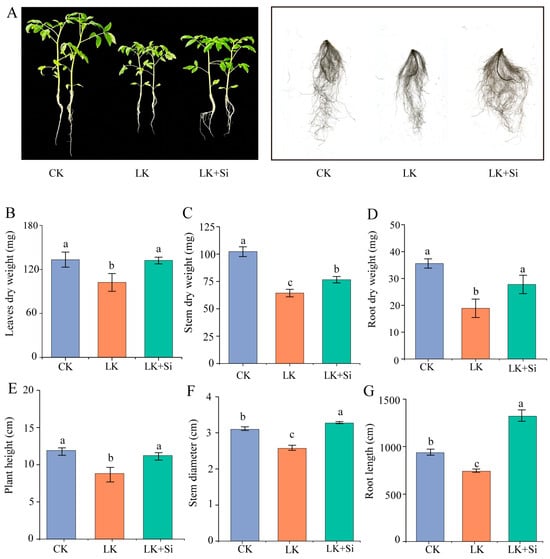
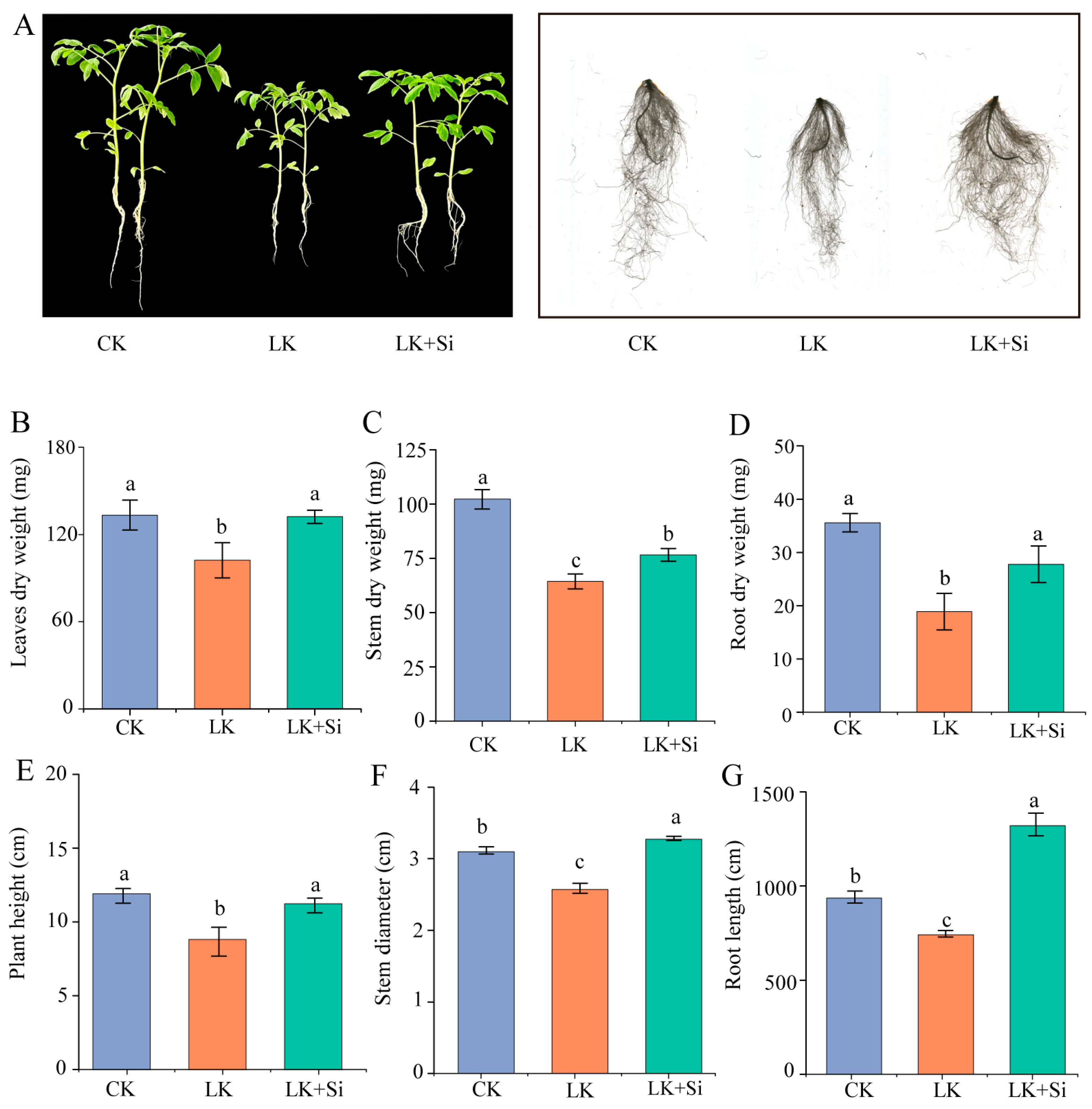
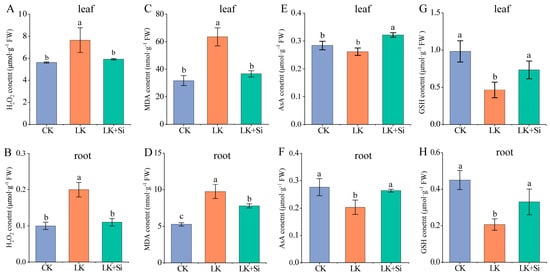
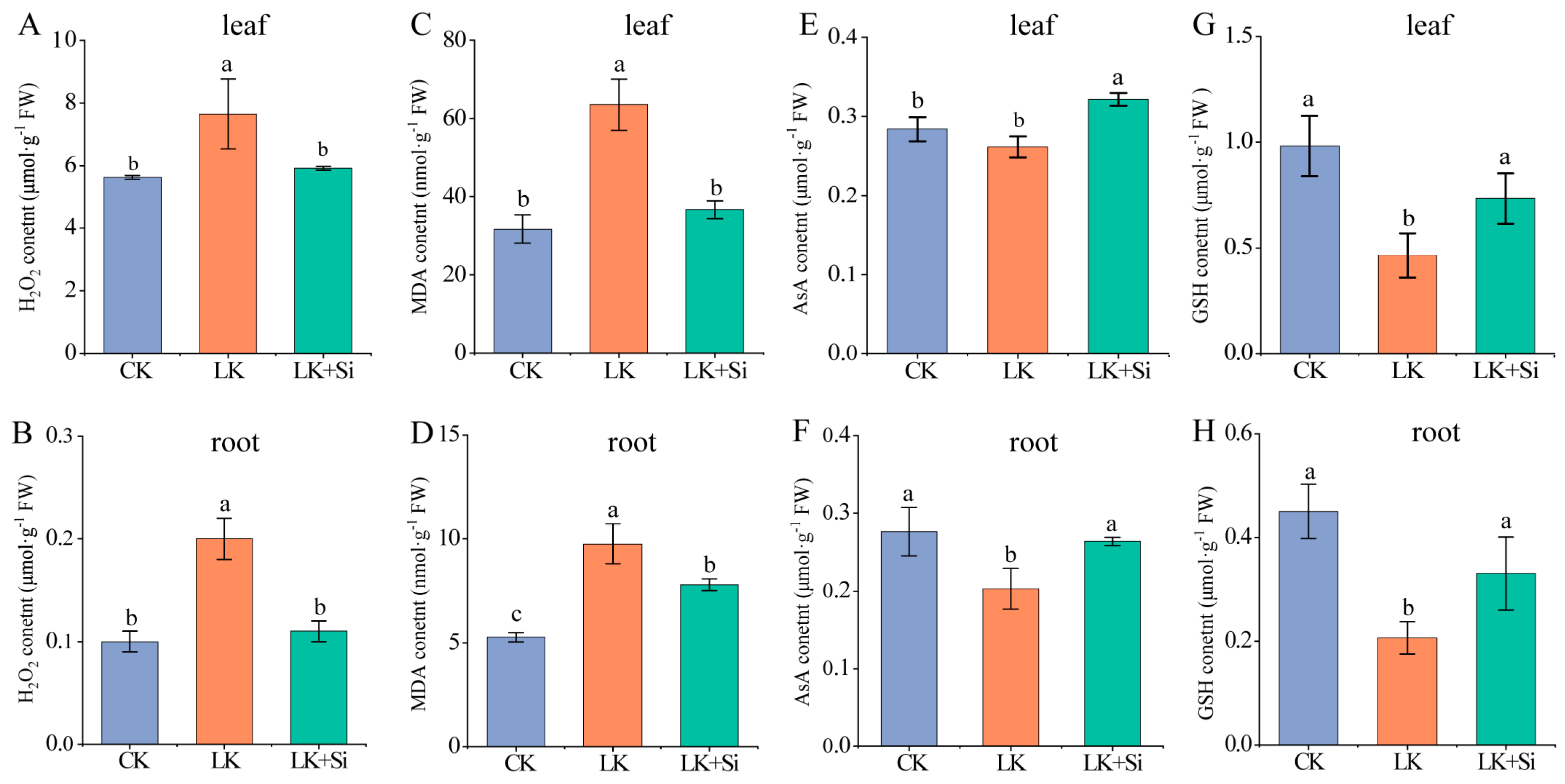
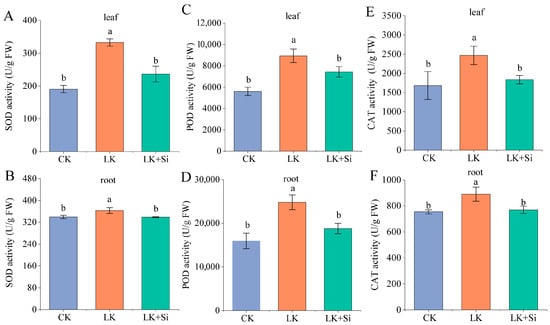
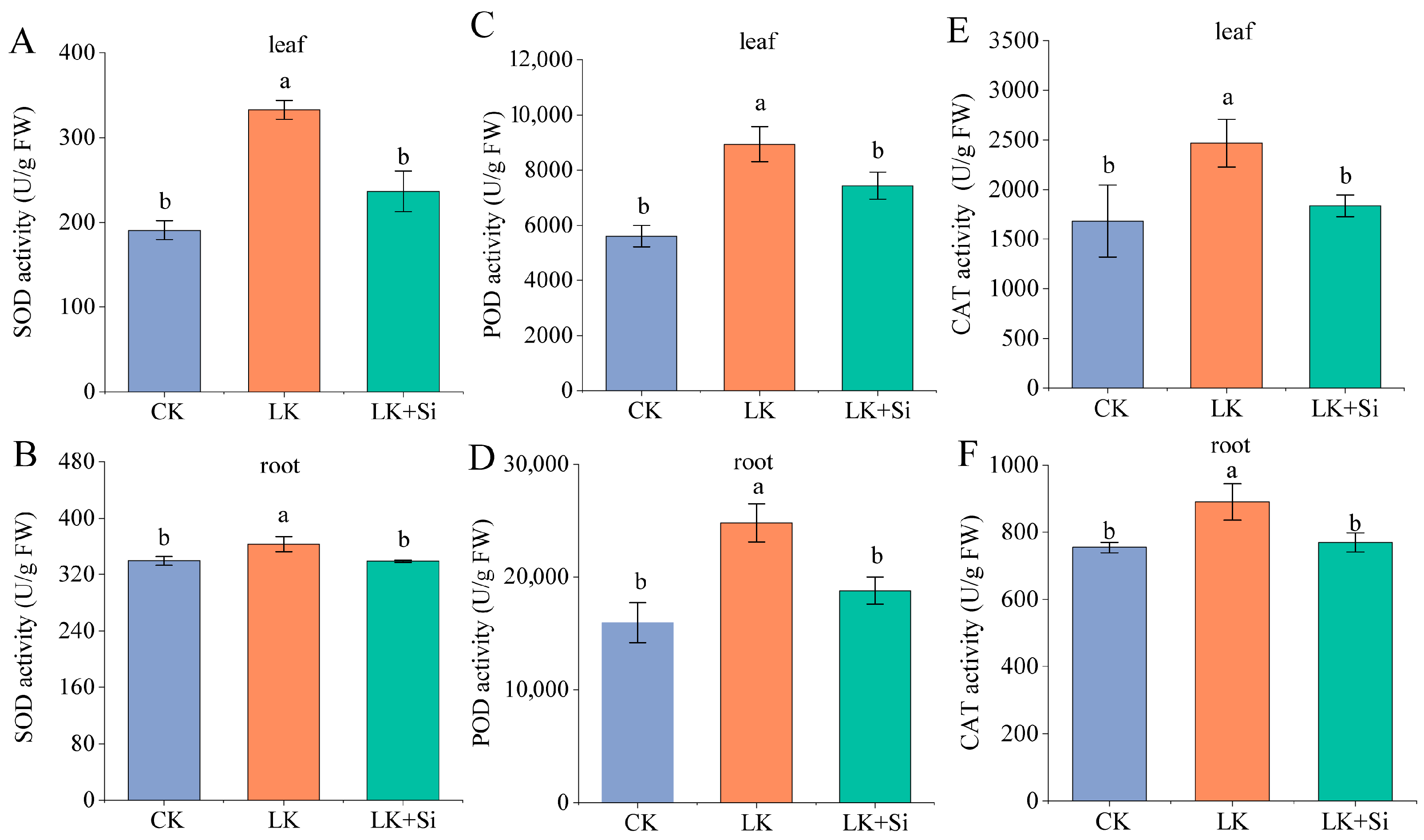
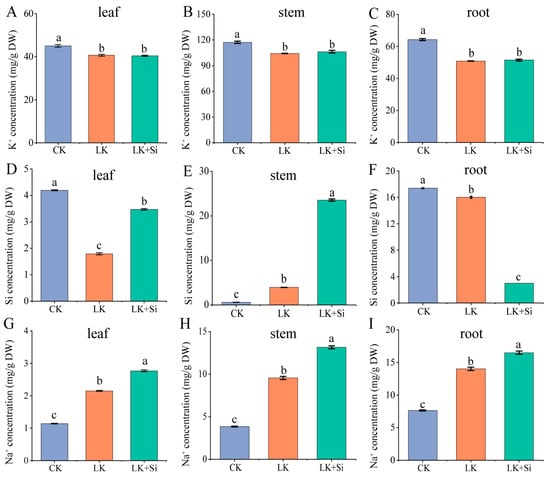
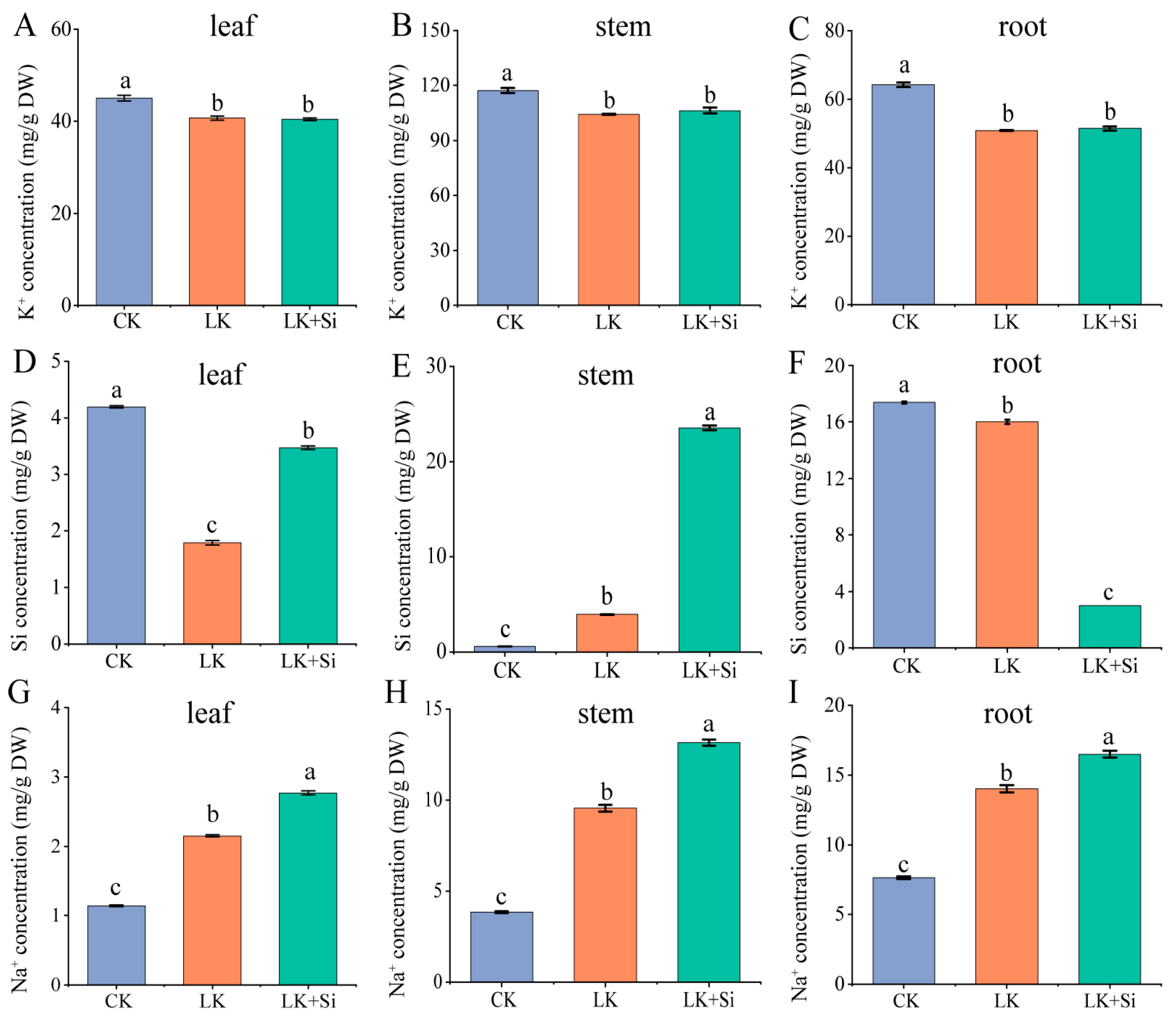
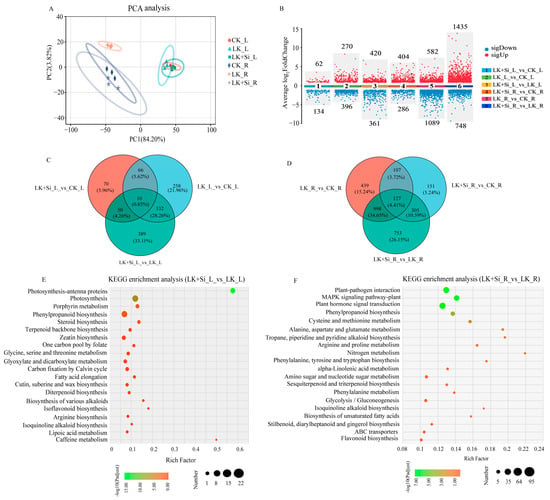
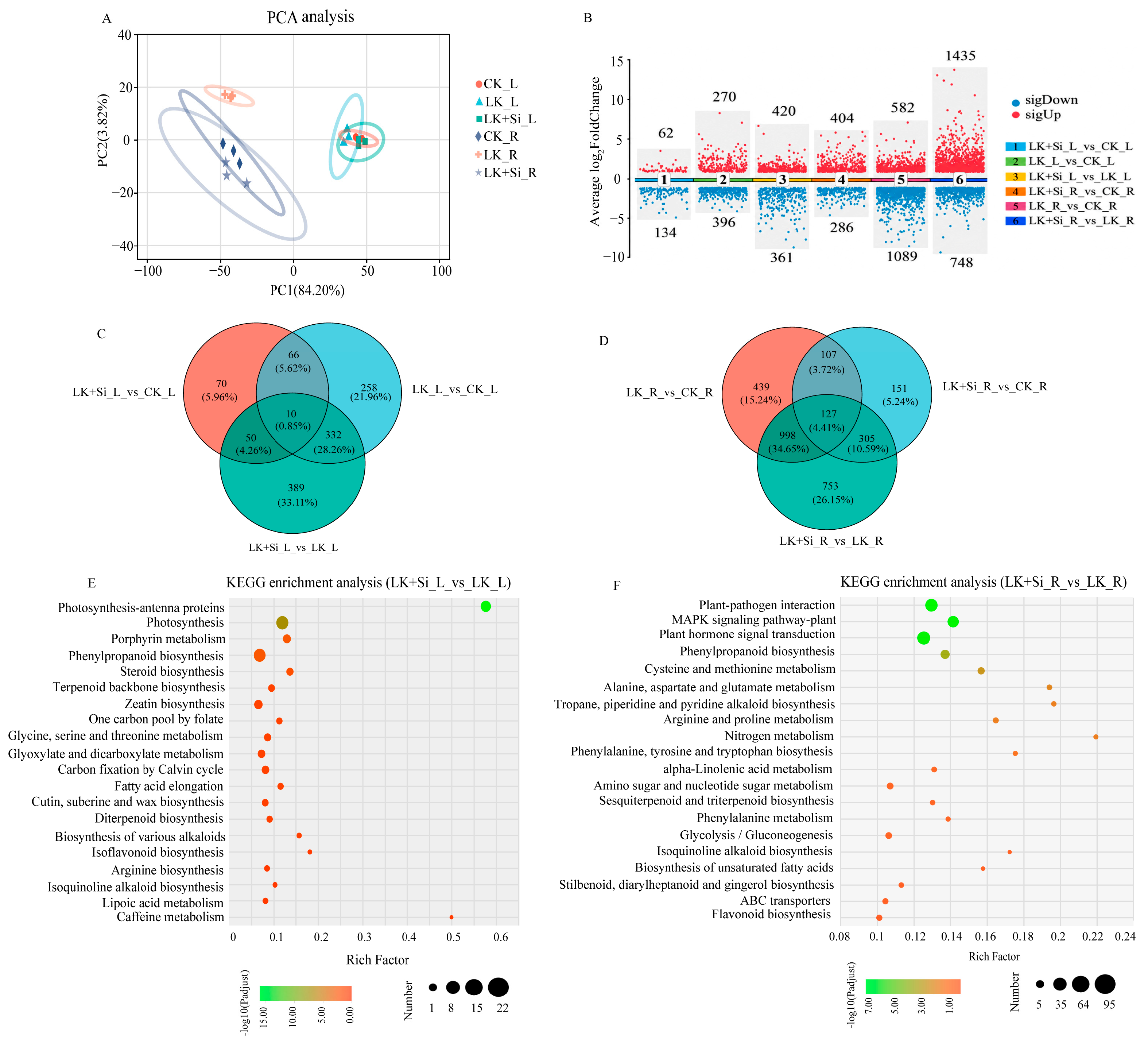
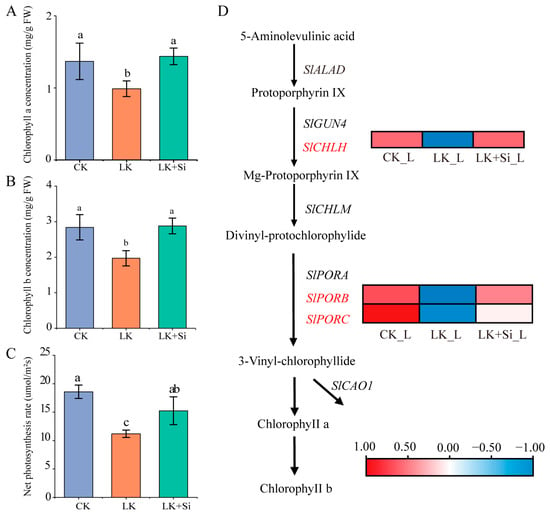
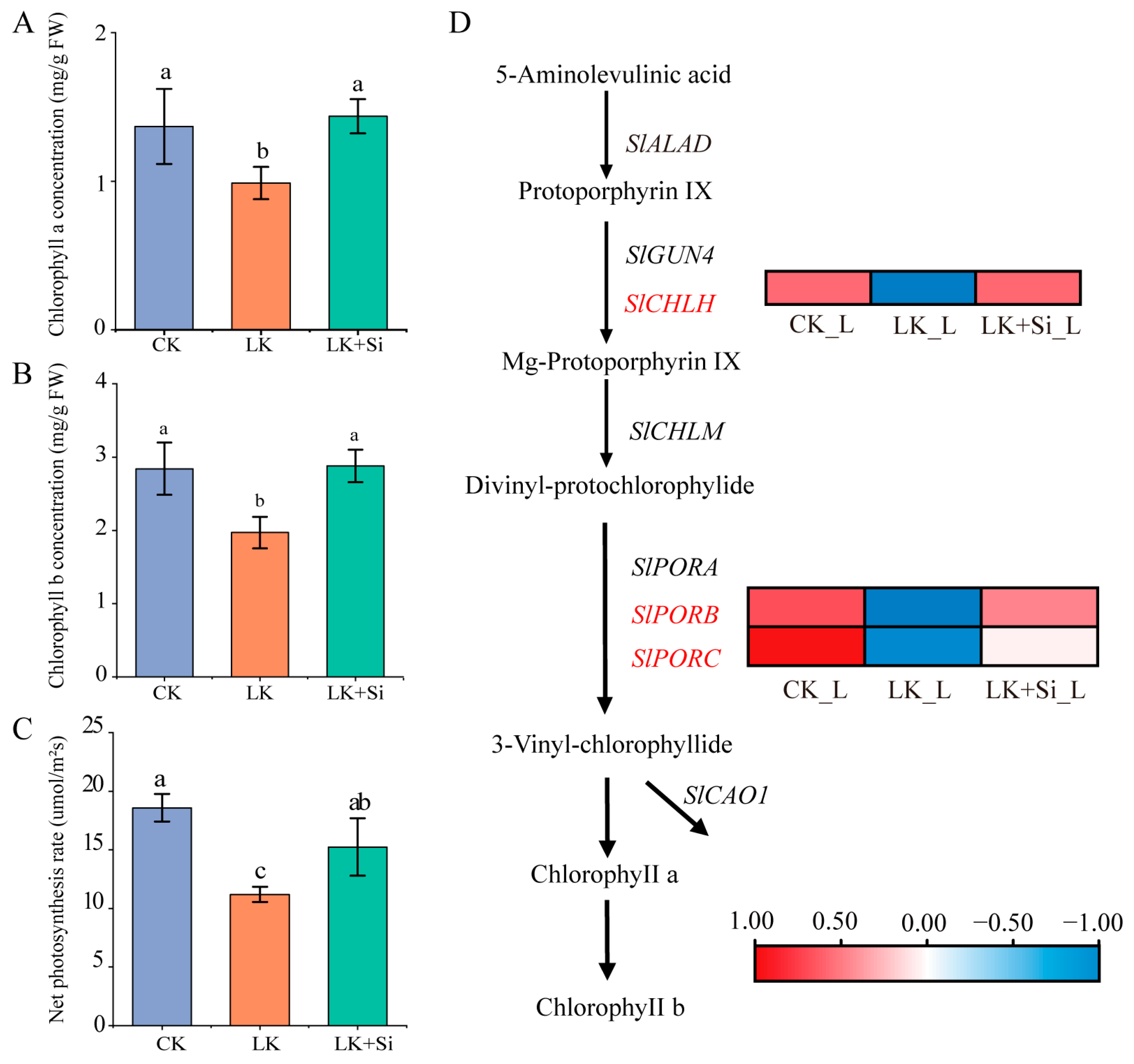
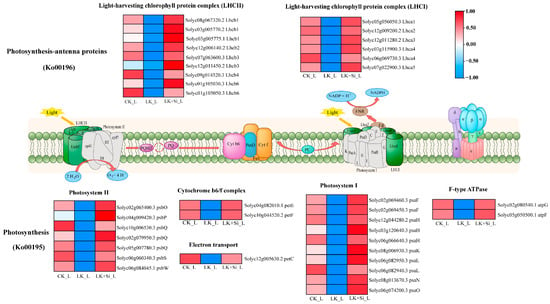
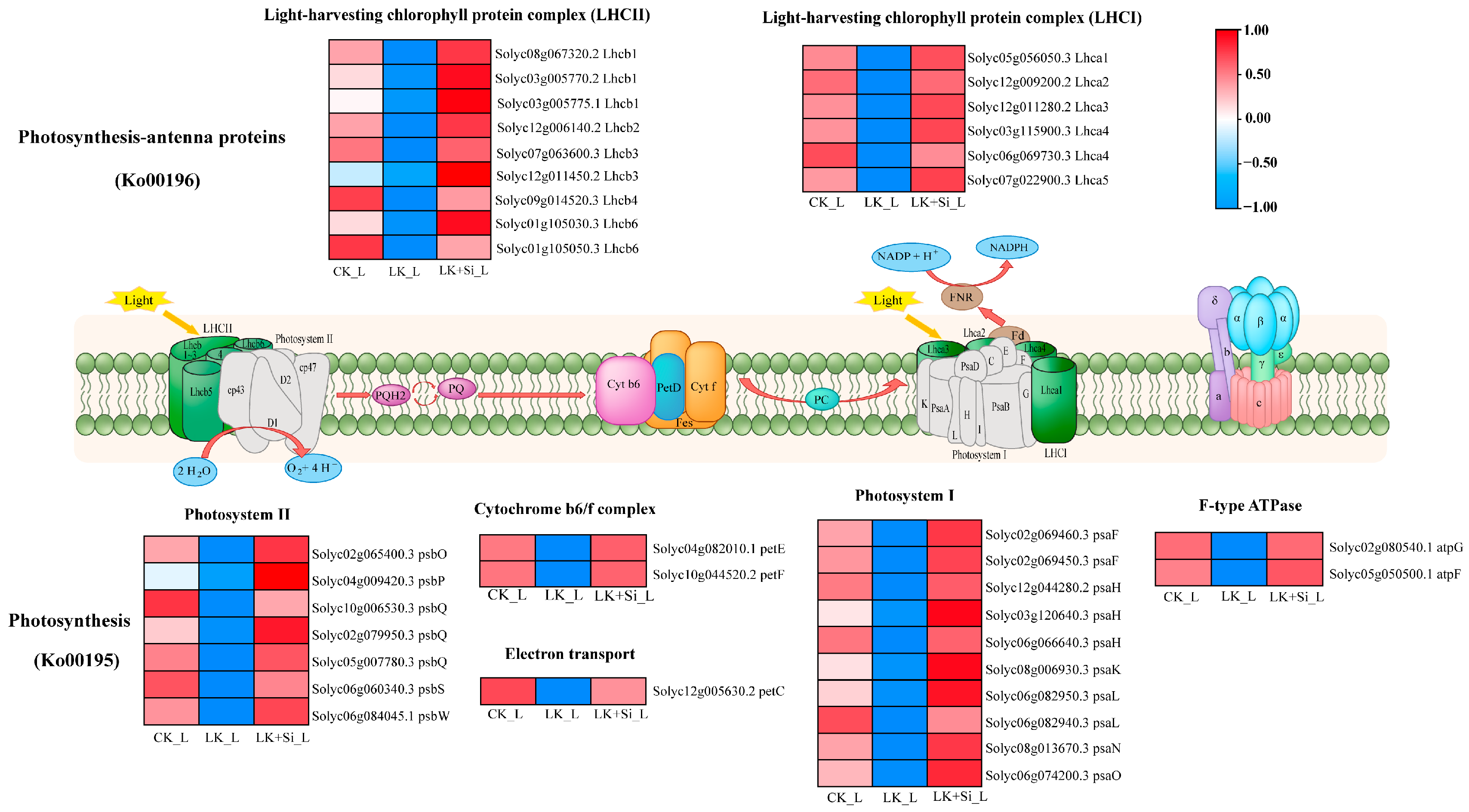
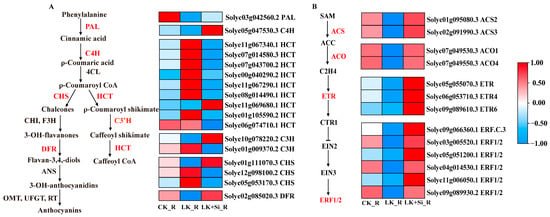
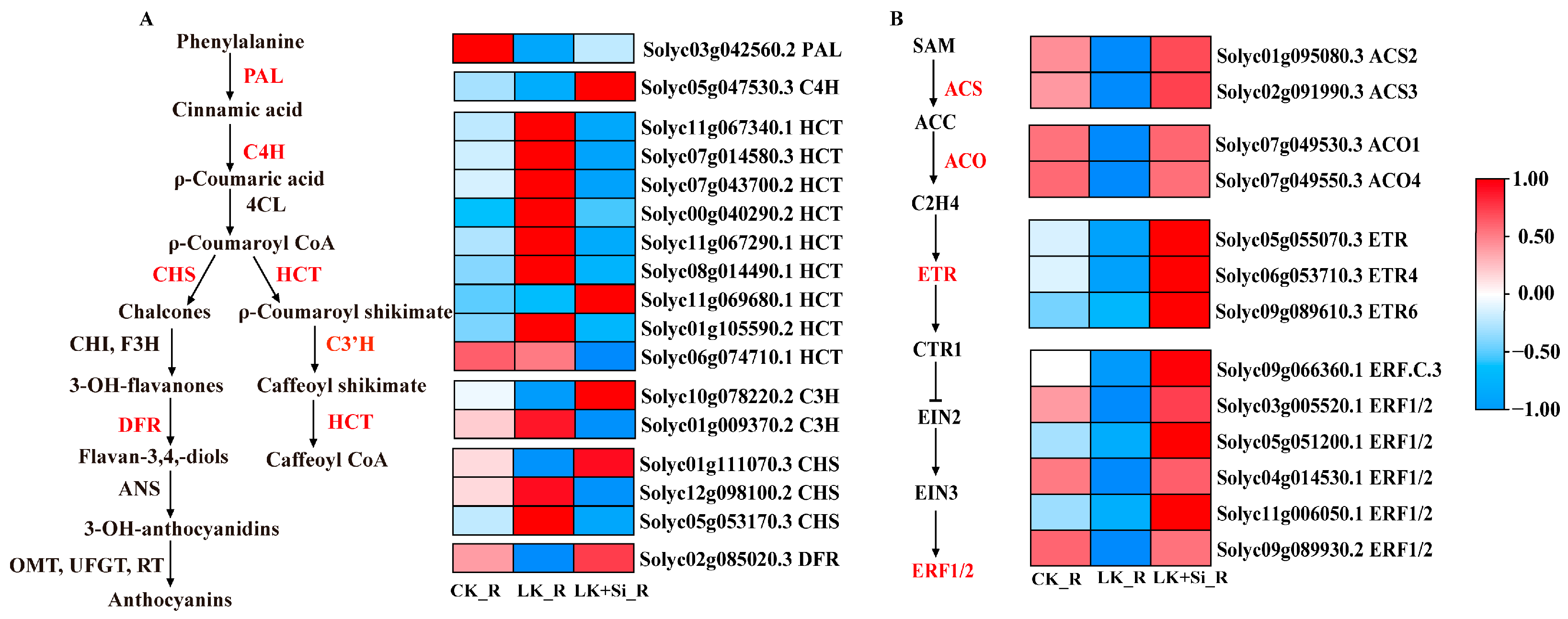
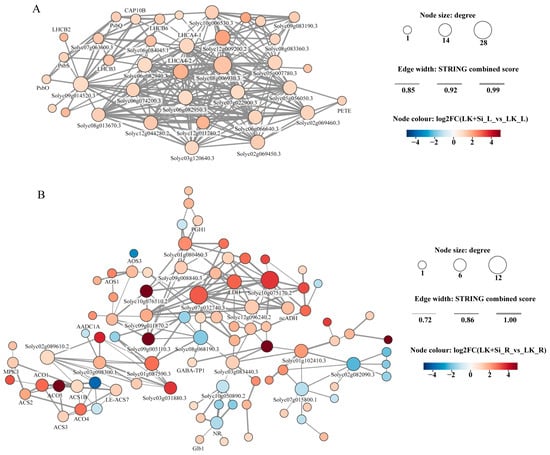
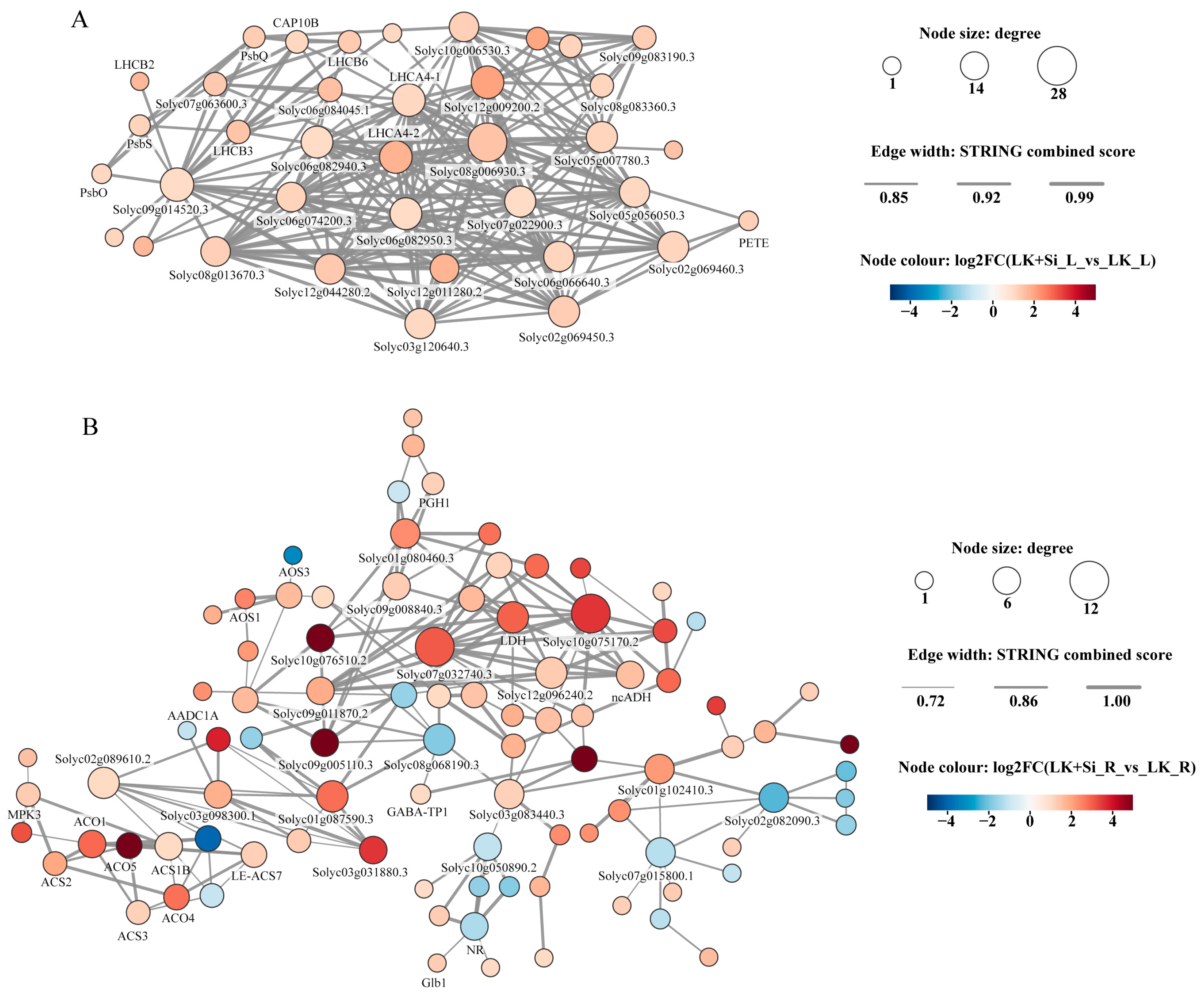
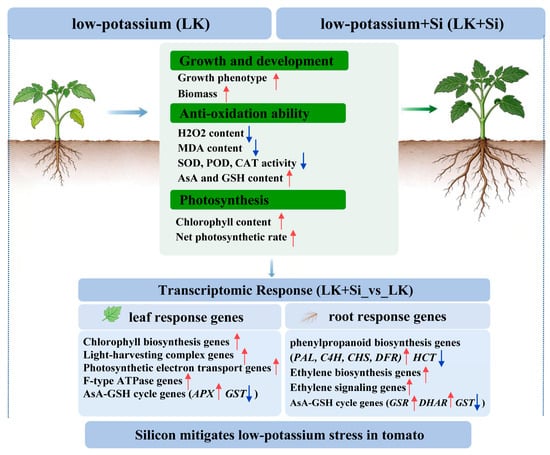
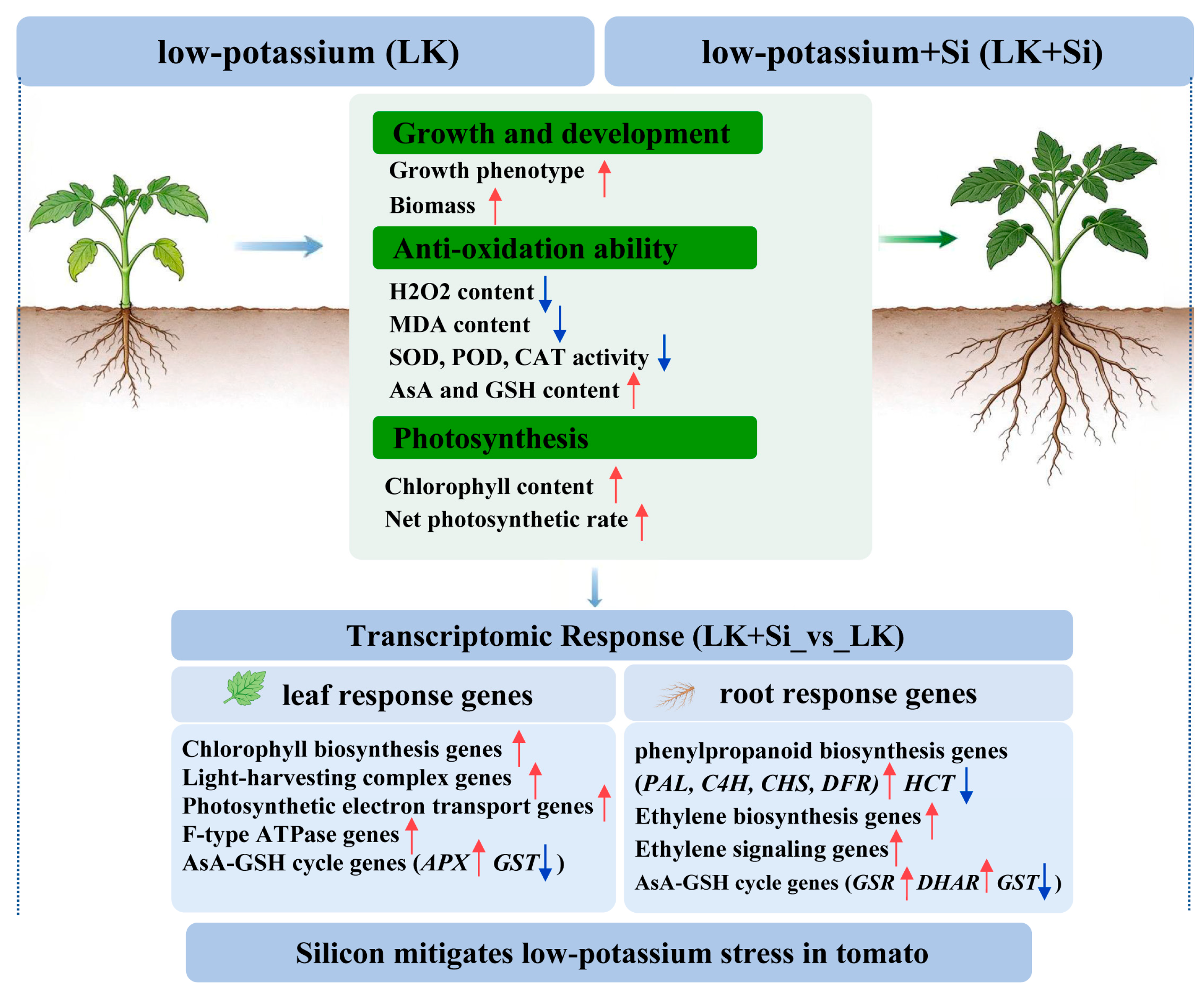
Disclaimer/Publisher’s Note: The statements, opinions and data contained in all publications are solely those of the individual author(s) and contributor(s) and not of MDPI and/or the editor(s). MDPI and/or the editor(s) disclaim responsibility for any injury to people or property resulting from any ideas, methods, instructions or products referred to in the content. |
© 2026 by the authors. Licensee MDPI, Basel, Switzerland. This article is an open access article distributed under the terms and conditions of the Creative Commons Attribution (CC BY) license.