


Abstract
Epigenetic modifications, including the methylation of cytosine residues in genomic DNA and histone modifications, constitute a component of the dynamic molecular mechanisms that control transposable element activity, rapidly modulate gene expression in response to environmental stress, and determine developmental transitions such as flowering time, leaf senescence, and fruit ripening. Plants can inherit epigenetic variations, exhibiting transgenerational memory. Stable alterations in the epigenetic status of genomic loci, termed epialleles, can be maintained through many generations. Epigenome engineering is aimed at the directed creation of stably inherited epialleles that determine desired plant traits. This review focuses on epigenome engineering based on the targeted manipulation of cytosine methylation in plant genomic DNA. Current views on the molecular mechanisms underlying the establishment and maintenance of DNA methylation are presented. Further, both non-targeted generation of epialleles and available tools for targeted editing of DNA methylation in plants are discussed. Advantages and constraints of the main approaches to targeted editing of DNA methylation in plants are considered. Finally, unresolved questions and future directions in the field are highlighted.
1. Introduction
The evolution of crop improvement is defined by a continuous shift toward precision and efficiency. While classical breeding relies on phenotypic selection over multiple generations, its progress is inherently restricted by the natural genetic diversity of compatible species. Early efforts to circumvent these limitations deployed random mutagenesis to artificially drive genetic variation [1], while the subsequent integration of marker-assisted selection shifted the paradigm from phenotype- to genotype-based tracking [2]. More recently, programmable nucleases, particularly the CRISPR/Cas9 system, have enabled site-specific editing of the primary DNA sequence [3,4]. The permanent nature of genomic alterations introduced by genome editing often raises concerns regarding off-target mutations and complicates global regulatory approvals [5]. Consequently, the field is transitioning toward alternative strategies that precisely modulate gene expression without disrupting DNA integrity.
A currently emerging approach in crop breeding is epigenome engineering. Two key epigenetic marks, local DNA methylation and histone modification, determine expression levels of genes without affecting their DNA primary structure [6,7]. The main epigenetic modification of genomic DNA in eukaryotes, including plants, is the methylation of cytosine residues, resulting in the formation of 5-methylcytosine (5mC). This modification most often serves as a repressive epigenetic mark, silencing the expression of affected genes by interfering with the binding of transcription factors or recruiting 5mC-interacting proteins that locally convert DNA into a transcriptionally inactive form [6]. The methylation state of a particular locus is determined by cytosine methylases and demethylases, which are specifically recruited to this DNA region [8]. Post-translational histone modifications, primarily acetylation and methylation, change the interactions of histones with DNA or regulatory proteins, thereby enabling local transitions of chromatin structure between the condensed state incompatible with transcription and a transcription-favorable decondensed state [9,10]. The histone modification is dynamic and depends on an enzymatic machinery, which includes proteins that act locally to posit or remove the modifications [6,9]. It should be emphasized that the DNA methylation and histone modification systems are tightly linked, interdependent, and often operate through a bidirectional crosstalk. For example, transcriptional repression of heterochromatin regions including transposons depends on both the methylation of cytosines in the CHG sequence context (where H = A, C, or T) and the presence of a repressive histone modification mark, namely histone H3 lysine 9 dimethylation (H3K9me2). DNA methyltransferases CMT2 and CMT3 bind to histones containing the H3K9me2 mark and methylate adjacent cytosines in the CHH and CHG contexts, respectively, whereas methyltransferases SUVH4, SUVH5, and SUVH6 bind to 5mC residues in various DNA contexts and dimethylate H3K9 on local nucleosomes [11,12]. As a result, this self-reinforcing positive feedback loop ensures transcriptional silencing of heterochromatin regions. Another example is preventing DNA methylation in promoters of actively transcribed genes. The H3K4me3 modification, which is typical for such promoter regions, creates a steric hindrance blocking the access of methyltransferases to DNA [13,14]. This H3K4me3 function contributes to the delineation between euchromatin and heterochromatin.
Naturally, epigenetic modifications act as a dynamic molecular mechanism, allowing plants to modulate their transcriptomes rapidly in response to environmental stresses like drought, salinity, and pathogen attacks. Indeed, a substantial body of evidence indicates that stress triggers epigenetic changes in specific genes, leading to their up- or downregulation, which enables plants to better resist or counteract the stress [15,16,17]. Besides responses to environmental cues, the epigenetic mechanisms play a critical role in determining vital plant traits including developmental transitions, such as germination, flowering time, leaf senescence, and fruit ripening [17,18,19]. It should be emphasized that plants can inherit epigenetic variations, exhibiting transgenerational epigenetic memory [20]. Therefore, epigenetic mechanisms mediate meiotically heritable, transgenerationally stable, although reversible under certain conditions, alterations in gene activity that occur without introducing changes in gene sequence. Such heritable epigenetic states of genes are called epialleles [21,22]. Epialleles can be maintained through many generations. A well-known example is a naturally occurring mutant of Linaria vulgaris described by Linnaeus in 1774, in which the flower symmetry is changed from bilateral to radial as a result of methylation and transcriptional silencing of Lcyc gene [23].
As epialleles, including those that determine valuable traits, are inherited like Mendelian genes, naturally occurring epialleles can be used in plant breeding to produce new varieties that are homozygous for the desired epialleles. A more straightforward approach is epigenome engineering, which is aimed at targeted, de novo epigenetic modification of individual genes that control desired plant traits, thereby creating stably inherited epialleles [24,25,26,27,28].
This review focuses on epigenome engineering based on the targeted manipulation of cytosine methylation in plant genomic DNA rather than histone modifications. Two types of DNA methylation are distinguished: de novo methylation, which may lead to the formation of new epialleles, and maintenance methylation responsible for preserving the current methylation status of genomic loci during cell divisions [8]. For epigenome engineering, targeted de novo methylation is of major importance; this process occurs in an RNA-dependent manner and is called RNA-dependent DNA methylation (RdDM). We therefore present the current view on the RdDM molecular mechanisms, further review the approaches that have been developed to date for epigenome editing in plants, and consider the unresolved questions and future directions in the field. We aim to frame this review by presenting selected original experimental publications, which highlight both the strengths and weaknesses of currently developing approaches, with an emphasis on articles published in recent years.
Focusing specifically on cytosine methylation, this review extends previously published syntheses of experimental data by presenting a continuous progression from an understanding of RdDM mechanisms to the non-targeted generation of new epialleles and the development of four main tools for targeted epigenome engineering, providing in-depth coverage of heritability and off-target constraints, considering both model species and crops, detailing recent advances that increase the specificity and reduce the side-effects of epigenome editing tools, and offering the first detailed overview of RNA-mediated approaches to epigenome engineering.
2. Mechanism of RdDM
RNA-dependent DNA methylation (RdDM) plays a key role in maintaining the functional integrity of the plant genome by regulating the activity of transposable elements (TEs) in both somatic and germline tissues [29,30,31,32]. Furthermore, it has been established that RdDM modulates expression of genes, including those associated with plant responses to stress [33,34,35,36,37]. RdDM is involved in both the establishment of de novo DNA methylation and the maintenance of the epigenetic status of loci that have previously been methylated [38,39,40].
2.1. Pol IV Recruitment
The canonical RdDM mechanism depends on the coordinated action of RNA polymerases IV and V (Pol IV and Pol V) [40,41]. The recruitment of Pol IV to target loci is facilitated both by proteins that interact with specific histone modifications in chromatin and by mechanisms involving the direct interaction of proteins with DNA (Figure 1). In the most extensively studied histone-dependent pathway, the H3K9me2 reader SAWADEE HOMEODOMAIN HOMOLOG 1 (SHH1) [42,43] recognizes this mark within heterochromatin [44]; through the intermediate SNF2-like factors of the CLASSY (CLSY) 1/2 chromatin remodeling complex, SHH1 facilitates Pol IV recruitment [45,46,47]. A CYC-YPMF motif within the Pol IV catalytic subunit NRPD1 mediates interaction with CLSY proteins via a «one CLSY per Pol IV» mechanism [48].
Figure 1.
Molecular mechanisms of RdDM machinery recruitment to target loci. The canonical RdDM pathway is initiated by the interaction of SHH1 with the histone modification H3K9me2, recruiting the Pol IV–RDR2 complex via the chromatin remodelers CLSY1 and CLSY2. At euchromatin–heterochromatin boundaries, ZMP gates Pol IV access, permitting recruitment at H3K4me0 while sterically occluding DNA at active H3K4me1/2 2 marks, thereby physically blocking Pol IV access to DNA. Coupled activity of Pol IV and RDR2 produces double-stranded RNA, which DCL3 processes into siRNA duplexes with protruding 3′-ends stabilized through HEN1-mediated 2′-O-methylation. Subsequently, the mature siRNA is loaded into an effector protein of the ARGONAUTE family (primarily AGO4). The histone methyltransferases SUVH2/9 recruit Pol V to RdDM-maintained loci by binding pre-methylated cytosines and directly interacting with the DDR complex (DRD1, RDM1 and DMS3). The complementary interaction of the siRNA-AGO complex with the Pol V transcript initiates endonuclease cleavage of this RNA and ensures the effective recruitment of the DNA methyltransferase DRM2, which methylates cytosines at the target locus.
The mechanism by which Pol IV activity is restricted at a specific genomic locus to prevent transcriptional silencing of adjacent regions remains to be fully elucidated. One of the factors that may regulate this process is ZINC FINGER, MOUSE DOUBLE-MINUTE/SWITCHING COMPLEX B, PLUS-3 PROTEIN (ZMP) [49,50]. Although the precise mechanism of action of ZMP is unclear, the protein is associated with regions where heterochromatin transitions to euchromatin and is most abundant in areas where chromatin with reduced H3K4 methylation borders areas enriched with this mark. It is therefore proposed that this protein acts as a barrier to restrict the spread of heterochromatin into adjacent euchromatin regions [49,50] (Figure 1).
2.2. Biogenesis of siRNA
A short RNA approximately 30–40 nt long is synthesized at the Pol IV recruitment site [51,52,53,54]. The length of this transcript is a consequence of Pol IV functioning exclusively within the transcription bubble and initiating the termination of transcription after the synthesis of 18–20 nucleotides. Therefore, Pol IV transcription terminates due to the formation of base pairs between the template and non-template strands of DNA [55].
Pol IV and RNA-dependent RNA polymerase 2 (RDR2) form a complex in which the active sites of the two enzymes are in close proximity, facilitating access of RDR2 to the Pol IV transcript for its conversion into a double-stranded form. The synthesis of dsRNA by RDR2 occurs via the «backtracking-triggered RNA channeling model» postulating that the 3′-terminus of the Pol IV transcript enters the active site of RDR2 as a result of Pol IV backtracking, which occurs after the synthesis of a 30–40 nt transcript. This leads to the initiation of dsRNA synthesis, followed by the removal of the transcript from the Pol IV complex [56,57].
The resulting dsRNA can be processed by DCL3 only once due to its length, producing 23- or 24-nt siRNAs [52,56]. This results in the formation of siRNAs, which are then loaded into the Argonaute 4 (AGO4) protein [58]. According to the classical model, the guide strand of the small RNA duplex is loaded onto the corresponding AGO protein, while the passenger strand is eliminated [59]. However, for AGO4, 12-nt 5′ fragments of cleaved 23-nt passenger strands remain associated with AGO4 both in vivo and in vitro, leading to the formation of a 24/12 duplex. Meanwhile, the single-stranded 5′ half of the 24-nt guide strand likely ensures a complementary interaction with the target RNA. Subsequently, the 24/12 nt siRNA-AGO4 complex interacts with the downstream RdDM machinery. Removal of the remaining fragment of the passenger strand enables perfect base pairing between the guide strand and the target RNA, allowing AGO4 to introduce a break in the Pol V-synthesized transcript [58,60]. The C-terminal domain of the nuclear RNA polymerase E1 (NRPE1), the large subunit of Pol V, contains glycine–tryptophan/tryptophan–glycine (GW/WG) AGO-hook motifs that facilitate the recruitment of AGO4, which is essential for efficient DNA methylation [61,62]. It is thought that the siRNA-AGO4 complex possesses two functions [63]. One of those, independent of AGO4 cleavage activity, is serving as a platform for the subsequent recruitment of proteins responsible for DNA methylation [61,64,65]. Meanwhile, AGO4 cleavage activity plays a key role in producing secondary siRNAs to enhance the repressive effect on the target locus [63,66].
2.3. Pol V-Mediated Targeting
The recruitment of Pol V to target genomic loci is mediated by proteins of the SUPPRESSOR OF VARIEGATION (SU(VAR)) 3-9 histone methyltransferase family, namely SUVH2 and SUVH9, which lack histone methyltransferase activity due to their structural features [67] (Figure 1). These proteins bind methylated cytosine in all sequence contexts, through their SET and RING finger-associated (SRA) domains [67,68,69,70] and facilitate Pol V recruitment by interacting with proteins of the DDR complex [71], which consists of DEFECTIVE IN RNA-DIRECTED DNA METHYLATION 1 (DRD1), a putative chromatin remodeling protein of the SNF2 family; DEFECTIVE IN MERISTEM SILENCING 3 (DMS3), a protein with similarity to the hinge-domain of structural maintenance of chromosomes (SMC) proteins; and RNA-DIRECTED DNA METHYLATION 1 (RDM1) [72,73,74,75,76]. Although the precise mechanism through which the DDR complex binds to chromatin and Pol V is not fully understood, current models suggest that DMS3 interacts with SUVH2/9, while DRD1 interacts with and recruits Pol V [77].
Pol V is more processive than Pol IV and synthesizes transcripts several hundred nucleotides in length, which possess triphosphates or 7mG at the 5′-end and lack a poly(A) tail [78,79]. In addition, Pol V spontaneously terminates transcription at AT-rich sequences, and is prone to transcription stalling and enhanced backtracking [80,81]. The interaction between AGO4 and the Pol V transcript facilitates the recruitment of the DNA methyltransferase DOMAINS REARRANGED METHYLASE 2 (DRM2) and methylation of both DNA strands in the asymmetric CHH context [82,83,84,85]. In addition to DNA methylation, the SWITCH/SUCROSE NONFERMENTING (SWI/SNF) chromatin-remodeling complex alters nucleosome positioning, leading to compact chromatin packaging, which inhibits access by various proteins and is essential for transcriptional silencing [86]. The recruitment of this complex is facilitated by interaction between the RNA-binding protein INVOLVED IN DE NOVO 2 (IDN2), an SGS3-like family member, and the SWI3B subunit of the SWI/SNF complex [86,87,88].
2.4. Alternative RdDM Pathways
In addition to the well-studied RdDM mechanism, alternative, less characterized mechanisms maintain methylation at specific loci or initiate de novo methylation [38]. Such mechanisms target TEs that have integrated into new genomic sites, or that have acquired the capacity to undergo active transcription during a specific stage of plant development [31,89]. When a TE integrates into a new genomic locus, its unmethylated state enables it to be actively transcribed [89]. The transcriptional silencing of such elements, and DNA methylation, may occur via two pathways. Evidence demonstrates that AGO4, in complex with siRNA, is capable of interacting with Pol II transcripts, thereby facilitating the recruitment of Pol V to this locus and the subsequent methylation of DNA by DRM2 in CG, CHG, and CHH contexts [83,90,91]. In this scenario, the initial siRNAs are synthesized via the Pol IV-RDR2-DCL3 pathway on a template of a related TE that has previously undergone RdDM [92,93,94]. An alternative scenario is one in which, as a result of active TE transcription, PTGS mechanisms are triggered and 21–22 nt siRNAs accumulate. The production of these siRNAs is initiated by RDR6, which converts TE transcripts into dsRNA, followed by the processing of the dsRNA by DCL proteins. The resulting 21–22 nt siRNAs load into AGO6 [95,96,97]. This complex is proposed to interact with Pol II transcripts, and by analogy with AGO4, recruits Pol V to mediate de novo DNA methylation and, consequently, transcriptional silencing [97,98,99,100]. As another alternative, the dsRNA produced by RDR6 can be processed by DCL3 when DCL2 and DCL4 are absent, potentially leading to the formation of 24-nt siRNAs, which are then loaded into AGO4 [101,102]. The AGO4, AGO6, and AGO9 proteins belong to the same AGO clade [59]. In addition to AGO4 and AGO6, AGO9, which forms a complex with 24-nt siRNAs, can also play a role in transcriptional silencing [103]. The redundancy of these AGO proteins in transcriptional silencing may be a consequence of their tissue-specific expression [59,104]. In particular, AGO4 exhibits more uniform expression across all tissues, whereas the expression of AGO6 and AGO9 is restricted [105]. Specifically, AGO6 expression is associated with shoot and root meristems, whereas AGO9 expression is linked to reproductive cells [99,106,107].
In addition to the AGO proteins belonging to the AGO4 clade, AGO2 and AGO3 from the AGO2 clade participate in transcriptional silencing. Although the exact mechanism remains unclear, AGO3 binds 24-nt siRNAs that overlap with those bound by AGO4. Furthermore, AGO3 partially compensates for the loss of AGO4 function when expressed under the control of the AGO4 promoter in the ago4-1 line [108]. As AGO3 also binds 21-nt sRNAs and co-fractionates with polysomes, it is hypothesized to participate in both PTGS and TGS. In this model, AGO3 directs TGS when loaded with intergenic siRNA and PTGS when loaded with siRNAs that target coding sequences. This dual functionality may be modulated by the cell-type-specific expression of AGO3 in reproductive tissues [109].
AGO2 and AGO3 function in an additional non-canonical Pol IV-Pol V-dependent RdDM mechanism. In contrast to the canonical pathway, a 24-nt siRNA-independent mechanism regulates a distinct subset of genomic loci. A central component of this pathway is the protein NERD (NEEDED FOR RDR2-INDEPENDENT DNA METHYLATION), which contains GW-repeat and PHD-finger domains that mediate interactions with AGO2 and chromatin, specifically with histone H3 unmethylated at lysine 4 (H3K4me0). Although this mechanism remains virtually unstudied, 21–22 nt siRNAs are suggested to play the principal role, being predominantly loaded into AGO2 or, at specific targets, AGO3. This mechanism also depends on RDR1/6 and demonstrates poor specificity toward DCL proteins. Consequently, the activity of either or both of the 21-nt and 24-nt siRNA-processing DCLs, and to some extent that of the 21-nt miRNA-processing DCL1 enzyme, may be required for siRNA biogenesis at NERD-targeted loci [110,111].
2.5. DNA Methylation Maintenance Pathways
As previously mentioned, RdDM is implicated in the establishment of de novo DNA methylation and the maintenance of the methylated state of loci [40]. In the case of de novo DNA methylation, RdDM ensures methylation in all contexts, whereas during maintenance methylation, it is restricted to the CHH context [40,84,85]. RdDM functions primarily in euchromatin and maintains the silencing of small mobile elements located near genes or at the ends of larger TEs (exceeding 1 kb in length), thereby ensuring a gradual transition from heterochromatin to euchromatin at gene/TE boundaries [32,71,85,94,112,113,114]. The maintenance of methylation in the CG context is mediated by the protein METHYLTRANSFERASE 1 (MET1), whereas the proteins CHROMOMETHYLASE 3 (CMT3) and CMT2 maintain CHG and CHH methylation, respectively [84,115,116]. The cofactors of MET1 are the VARIANT IN METHYLATION 1/2/3 (VIM1/2/3) proteins, which bind, via their SRA domain, hemi-methylated cytosines that arise during replication, thus enabling the recruitment of MET1 and the restoration of CG methylation on both DNA strands [117,118,119,120]. Heterochromatin is immediately compacted after DNA replication, which limits the access of the canonical maintenance machinery to hemi-methylated CGs. An additional identified MET1 cofactor, CELL DIVISION CYCLE ASSOCIATED 7 (CDCA7), possesses a carboxy-terminal 4-CXXC zinc-finger domain that preferentially binds hemi-methylated CG sites in heterochromatin enriched with the linker histone H1, thereby facilitating access for the DECREASE IN DNA METHYLATION 1 (DDM1) chromatin remodeling complex and, consequently, MET1 to heterochromatic regions [121,122]. DDM1 promotes DNA methylation by preferentially remodeling heterochromatic nucleosomes, thereby enabling DNA methylation of CG dinucleotides by MET1 [123]. Concurrently, DDM1 facilitates MET1 access to chromatin, and MET1 is reciprocally required for the association of DDM1 with chromatin [123,124]. DDM1 remodeling promotes histone H2A.W deposition, which is one of the heterochromatin marks that support the maintenance of H3K9me2 and non-CG methylation via a self-reinforcing mechanism discussed below [123,125]. Access of CMT2 and CMT3 to heterochromatin is facilitated by the DDM1 chromatin remodeling complex, as is the case with MET1 [85,123,126]. Disruption of CG methylation is thought to cause DDM1 to lose its ability to associate with chromatin, leading to the deposition of histone H2A.Z, which inhibits MET1 activity and serves as a mark of transcriptionally active chromatin [125,127]. In addition, H3K9 demethylation occurs through the activity of the Increase in Bonsai Methylation 1 (IBM1) demethylase, which leads to the disruption of H3K9me2-dependent DNA methylation by CMT2 and CMT3 [125,128,129,130]. Therefore, disruption to the interaction between DDM1 and MET1 results in a loss of both CG and non-CG methylation, with this loss becoming more intense over successive generations [116,124,131,132].
In contrast to RdDM and MET1, which function autonomously, CMT2 and CMT3 operate in a self-reinforcing loop with the histone methyltransferases SUVH4/5/6 [84,133] (Figure 2). The SUVH4/5/6 proteins bind to DNA regions that exhibit non-CG methylation, depositing the heterochromatic H3K9me and H3K9me2 modifications [12,68,134,135,136]. Subsequent recognition of H3K9me and H3K9me2 by the non-CG DNA methyltransferases CMT2 and CMT3 is facilitated by their BAH (bromo-adjacent homology) domains and chromodomains, which act as readers for H3K9me2 [84,137]. CMT3 methylates DNA primarily in the CHG context, demonstrating a preference for CWG (W = A or T) cytosines over CCG cytosines [138,139,140]. While CMT2 methylates cytosines in the CHH context, demonstrating an enrichment in CWA methylation relative to other CHH contexts, no such context preferences have been observed for RdDM [84,140,141]. Despite the demonstrated motif preferences of these methylases, CMT2 can methylate DNA in the CHG context, suggesting a partial redundancy between the two chromomethylases [84]. This finding is consistent with structural evidence demonstrating that CMT2 originates from a duplication of the evolutionarily more ancient CMT3, and that the impaired CHG methylation activity of CMT2 results from a single amino acid substitution that can be reversed to restore CHG activity [142]. Crucially, in heterochromatin regions characterized by a high concentration of histone H1, DNA methylation in non-CG contexts (CHH and CHG) is facilitated by CMT2 and CMT3, as the RdDM machinery is unable to access these regions [110]. Consequently, CMT2-mediated and RdDM-mediated CHH methylation sites do not overlap, as they function in distinct chromatin contexts [84,143,144]. However, when the heterochromatin context is altered due to histone H1 depletion, the RdDM machinery gains access to these sites, thereby maintaining the silenced status of these loci [31,85,145].
Figure 2.
Methylation maintenance mechanisms. Methylation in the CG context is carried out by the DNA methyltransferase MET1. Another mechanism for maintaining the epigenetic state is a self-reinforcing loop that links DNA methylation and histone modifications. In this system, the DNA methyltransferases CMT2 and CMT3 interact with the H3K9me2 histone mark and carry out methylation in non-CG contexts. In turn, the SUVH histone methyltransferases (SUVH4/5/6) recognize cytosine residues methylated in various contexts and facilitate the formation of the H3K9me2 mark, thereby closing the loop. CMT2 operates in dense heterochromatin enriched in the linker histone H1, which inhibits access by the RdDM machinery to such loci. In contrast, in less compact heterochromatin depleted of the H1 histone, maintenance methylation in the CHH context is carried out by the RdDM machinery, specifically by the DNA methyltransferase DRM2.
2.6. Current Knowledge on the RdDM Mechanism
In recent years, significant progress has been made in the study of the molecular mechanisms underlying RdDM in plants. The most extensively studied is the canonical RdDM pathway, which is based on the sequential action of Pol IV and Pol V and determines both de novo methylation and the maintenance of the repressed state of previously methylated loci. In this pathway, at target genomic loci, Pol IV transcribes short RNAs that are immediately converted into dsRNA by RDR2, which physically interacts with Pol IV. Processing of dsRNA by DCL3 gives rise to 24-nt siRNAs, which are preferentially loaded into AGO4. The resulting siRNA-bound AGO4 complexes are directed to a scaffold RNA transcribed by Pol V at the target loci to recruit DRM2, which catalyzes cytosine methylation in genomic DNA. In contrast to this canonical pathway, the molecular mechanisms of non-canonical de novo methylation are much less understood. Studying these alternative pathways is significantly complicated by the functional redundancy of the proteins involved. Nevertheless, accumulated data on the mechanisms of both maintenance and de novo methylation are already being applied in the development of tools for targeted epigenome editing in plants, which are discussed below.
3. Non-Targeted Generation of New Epialleles
Epigenome engineering can drive crop improvement even without targeting specific genes. This non-targeted approach is based on the generation of genome-wide changes in the methylome, which may result in the appearance of desired traits due to the emergence of new epialleles. Such epialleles may further be the subject of either breeding and selection, or transfer to another genetic background. Below, the main techniques used in this approach are outlined.
3.1. Heterosis
For centuries, plant breeders have used epigenetic engineering, though they were unaware of it. The well-known phenomenon of heterosis, or hybrid vigor, implies that the F1 progeny exhibits superior fitness and growth characteristics compared to both parental inbred lines [146]. In the paradigm of classical genetics, the heterosis phenotype has long been explained by the dominance, overdominance, and epistasis hypotheses [147]. Recent data show that heterosis can be attributed to DNA methylation remodeling in F1 hybrids [148,149]. This remodeling involves gains or losses of methylation at loci where the parental chromosomes are differentially methylated. Additionally, methylation changes can occur in genomic regions where the two parental chromosomes have similar methylation profiles. In these cases, specific loci on both chromosomes simultaneously gain or lose methylation [148]. Although the underlying mechanisms of heterosis-associated methylation remodeling remain incompletely understood, 24-nt sRNAs and the RdDM pathway are known to play a key role, at least in differentially methylated loci [150,151]. In addition, the chromatin remodeling factor DDM1 is identified as another key regulator of heterosis [152]. Importantly, a large body of evidence demonstrates that this epigenetic remodeling alters the expression of affected genes, including those associated with phytohormones and metabolic pathways; this alteration may drive the heterosis phenotype [153]. However, whether the methylation remodeling induced in hybrids is the sole and direct cause of phenotypic heterosis remains an open question [148]. Notably, as a rule, the heterosis observed in F1 hybrids is only partially retained in the F2 generation and progressively diminishes in subsequent generations. Therefore, the mechanisms underlying hybrid vigor do not generally form stable epialleles to fix favorable traits.
3.2. Exposure to Stresses
Accumulated evidence demonstrates that plants exposed to mild stress often exhibit enhanced resistance to subsequent severe stress compared to “naïve” plants [154,155]. This phenomenon, which can be observed at significant time intervals after the cessation of the initial stress, is termed “stress memory” [154,156]. It manifests either as transcriptional memory, which involves the persistent activation or repression of gene expression, or as “priming”, which does not involve sustained, long-term alterations in baseline gene expression; instead, primed plants exhibit accelerated and amplified transcriptional induction upon re-exposure to stress [37,157]. Maintaining genes in a primed rather than a constitutively active state is highly beneficial for plants, as full-scale defense responses typically trade off with growth and development [158]. It is now well established that both transcriptional memory and priming are mediated by epigenetic mechanisms, including genomic DNA methylation and histone modifications [17,159,160]. For example, drought stress memory in Medicago ruthenica is associated with a 4.4% decrease in cytosine methylation in all contexts [161]. Upon cold shock, demethylation of the promoter regions of Hevea brasiliensis ICE1 and CBF2 genes results in the upregulation of CBF genes that encode transcriptional regulators essential for the cold response [162]. On the other hand, the primed state of certain genes, such as those of transcription factors in the WRKY family, is associated with elevated levels of the activating histone mark H3K4me3 in their promoter regions [163].
In some cases, stress-induced epigenetic modifications that enhance resistance are inherited as epialleles. A considerable number of such cases have been documented by now [17,159,160]. Among these is the inheritance of the expression pattern of a number of rice HMA genes encoding proteins essential for the uptake and translocation of heavy metals in plants. The HMA genes are upregulated in plants treated with heavy metal; the elevated expression levels are also detected in a large proportion of F1 and F2 plants and are associated with alterations in DNA methylation [164]. Another example is the transgenerational effect of drought treatment in winter oilseed rape. Compared to seeds from control plants, seeds obtained from plants subjected to drought stress are of lower quality in terms of seed oil and protein content, but have higher seedling vigor under conditions of drought stress [165].
Biotic stresses such as pathogen attacks can also induce epigenetic modifications, which lead to enhanced resistance and can be inherited. Such transgenerational inheritance has been described in Arabidopsis thaliana inoculated with Pseudomonas syringae, which triggers systemic acquired resistance. The resistance is also observed in the untreated progeny of P. syringae-inoculated plants, in which the promoter regions of defense genes such as PR1, WRKY6, and WRKY53 are enriched in H3K9ac, a transcription-permissive epigenetic mark, and the genomic DNA is hypomethylated in the CHG context [166,167]. Although less widely studied, viruses can induce similar effects. The progeny of tobacco plants that mounted a defense response to tobacco mosaic virus infection differ from naïve plant progeny by exhibiting an increased rate of homologous recombination, delayed infection upon viral challenge, partial resistance to bacterial infection, and differential DNA methylation levels across different genomic regions [168]. Moreover, the plant defense response to virus infection can induce transgenerational tolerance to abiotic stresses. The virus-free progeny of Nicotiana benthamiana plants infected with potato virus X exhibits salinity and osmotic stress tolerance manifested by a higher germination rate and enhanced growth under stress conditions compared to the progeny of non-infected plants; furthermore, the subsequent generation, derived from seeds of the stress-tolerant progeny, largely, although not fully, retains this stress tolerance [169]. Apparently, these observations reflect a cross-talk between defense signaling pathways in plants [170].
In general, it is widely accepted that the transgenerational inheritance of epialleles provides significant adaptive advantages: first, it enables partial acclimation of progeny to environmental pressures experienced by the parent generation that is highly favorable for plants as sessile organisms; second, it expands the pool of heritable phenotypic variation serving as a material for natural selection [17]. It should be noted, however, that inherited epigenetic marks typically disappear after several generations of growth in the absence of the stressor that triggered the formation of these epialleles. For example, the salt tolerance and epigenetic changes observed in the F1 progeny of A. thaliana plants subjected to salinity stress diminished by the F3 generation upon propagation under non-stressful conditions [171].
The epigenetic landscape in plants is dynamic, with numerous epigenetic modifications arising and disappearing in response to environmental cues during the plant life cycle [17]. Currently, it remains unclear why a small subset of stress-induced epigenetic modifications is converted into stable epialleles and transmitted transgenerationally. However, the underlying molecular mechanism has recently been partially elucidated. In A. thaliana, the response to high CO2 is associated with the DNA methylation of a specific set of genomic regions, mostly containing protein-coding genes; the establishment of this methylation pattern depends on the RdDM pathway, whereas its inheritance requires chromomethylases CMT2 and CMT3, which maintain DNA methylation in the CHH and CHG contexts, respectively [172].
3.3. Chemically Induced DNA Demethylation
Since 5mC is generally a repressive mark, artificial demethylation of genomic DNA is considered a tool to activate normally silenced genes, thereby inducing new phenotypic traits or increasing variability to widen the base for further selection. DNA demethylation can be induced by treatment with chemical compounds, the most widely used of which are 5-azacytidine (5-AzaC) and its analogues [173]. 5-AzaC possesses a nitrogen atom instead of a carbon at the 5th position of the heterocyclic pyrimidine ring and, when incorporated into genomic DNA, irreversibly binds the DNA methyltransferase MET1 via a covalent link at its active center, trapping and inactivating the enzyme, thereby preventing DNA methylation [173]. The global reduction in DNA methylation in response to 5-AzaC and related chemicals is well documented in a number of plant species. In 5-AzaC-treated A. thaliana, a decrease in methylation levels is observed for both genes and TEs; consequently, a loss of their transcriptional silencing is observed [174,175]. According to transcriptome analysis, RNA levels of approximately 4% of genes are altered threefold or more in treated plants [176]. Moreover, hypomethylation induced by 5-AzaC can lead to the appearance of new phenotypes in plants. Among these are early flowering [177,178], dwarfism [179], altered leaf shape and morphology [178], alterations in abiotic stress tolerance [180,181], and shifts in the accumulation of secondary metabolites [182,183]. In some instances, the effects of 5-AzaC treatment are inherited. Specifically, the ninth-generation progeny of flax (Linum usitatissimum) plants treated with 5-AzaC exhibit an early flowering phenotype and a reduction of more than 9% in the overall level of cytosine methylation in genomic DNA [177]. In rice (Oryza sativa), 5-AzaC treatment induces a dwarf phenotype and a 16% reduction in the 5mC content, both inherited for up to nine generations [179,184]. In addition to dwarfism, one of the progeny lines exhibits hypomethylation in the promoter region of the Xa21G gene. Consequently, this gene, which is normally silenced in the parental, untreated plants due to hypermethylation, is constitutively expressed in the progeny line, thereby conferring resistance to bacterial blight [184]. In general, however, the epigenetic and phenotypic modifications induced by 5-AzaC are considered transient, with transgenerational inheritance being the exception rather than the rule [173]. On the other hand, it should be kept in mind that the inherited effects of 5-AzaC treatment may either be unrelated to epigenetic mechanisms, resulting from the known ability of 5-AzaC to induce genetic mutations, or be a consequence of hypomethylation-induced derepression of transposons, which might transpose to positions where they influence the expression of neighboring genes, thereby creating new heritable traits [18]. Therefore, it can be concluded that treatments of plants with 5-AzaC and related substances result in mostly transient and rarely inherited DNA demethylation, leading to phenotypic changes primarily for traits that are naturally regulated by epigenetic mechanisms. The unpredictable outcomes of such treatments, together with concerns regarding the induction of undesired gene mutations, limit the use of chemically induced DNA demethylation to scientific purposes and practical tasks related to somatic embryogenesis (SE), as 5-AzaC treatment is known to affect the expression of the genes that are involved in SE and thus modulates SE [185].
3.4. Knockout of Methylation-Related Genes
As an alternative to chemical treatments, genome-wide demethylation can be induced by mutations in genes encoding proteins that determine the methylation status of plant genomic DNA. Such mutations typically lead to the deregulated expression of epigenetically controlled genes, frequently resulting in developmental abnormalities. Indeed, the well-characterized MET1-deficient mutant of A. thaliana exhibits a delay in flowering time caused by the demethylation of the upstream region of the FLOWERING WAGENINGEN (FWA) gene and the consequent transcriptional activation of the FWA locus; in addition, this mutant displays a variety of developmental aberrations, including leaf rosette irregularities, thickened inflorescence stems, and delayed senescence [186]. As the most extreme application of this approach, an A. thaliana mutant deficient in all five known DNA methyltransferases (MET1, DRM1, DRM2, CMT3, and CMT2), in addition to establishing the remarkable fact that DNA methylation is dispensable for Arabidopsis viability, exhibits a severe suite of developmental defects and morphological abnormalities [187], thereby demonstrating that a plethora of traits and regulatory pathways are epigenetically controlled and can thus be manipulated through demethylation strategies or alternative methods.
Although mutations in methylation-related genes often lead to undesired phenotypes, in some instances mutant lines exhibit favorable traits. For example, in the MET1-deficient mutant of A. thaliana, CBF genes and their downstream targets are specifically deregulated and hyperactivated, providing an enhanced ability to withstand cold shock [188]. In tomato, a mutant deficient in the chromatin remodeling protein DDM1b exhibits increased heat stress tolerance compared to the parental line, resulting in higher fruit and seed set rates, as well as elevated seedling survival under stress conditions [189]. However, as mutations in methylation-related genes can pleiotropically influence multiple plant traits, a logical strategy to further exploit the specific epialleles that arise in a mutant genetic background and determine favorable traits involves transferring these epialleles into a wild-type (wt) background. In this strategy, two approaches are currently employed.
The possibility of transferring emerged epialleles into a wt genetic background by crossing has been demonstrated for A. thaliana. In the ddm1 mutant with a 70% reduction of overall DNA methylation, many genes and transposable elements are transcriptionally activated as a result of demethylation. Crossing the ddm1 mutant and a parental line carrying the wt DDM1 gene, which are genetically nearly identical but differ considerably in their epigenetic landscape, and further back-crossing of an F1 plant with the wt parental line has made it possible, after selection of F2 progeny homozygous for the DDM1 allele, to establish a collection of so-called epigenetic recombinant inbred lines (epiRILs), which vary in heritable patterns of DNA methylation [190]. In individual epiRILs, some ddm1-induced hypomethylated epialleles are stably inherited over several generations in spite of the restored DDM1 function, whereas others revert back to wt methylation [190]. The epiRILs show heritable variation in quantitative traits, such as flowering time, root length, drought tolerance, and plant height, resulting from the stable inheritance and segregation of parental epialleles. Moreover, these quantitative traits are attributed to differentially methylated regions that are stably inherited and function as epigenetic quantitative trait loci that determine extensive heritable variation in growth and morphology under both normal and stress conditions, therefore providing an epigenetic basis for evolution driven by natural or artificial selection [190,191,192,193]. These findings lead to the novel conclusion that plant adaptive evolution can operate on the basis of epigenetic variation alone [191,194]. As a demonstration of the potential practical output of this back-crossing approach, a number of epiRILs are shown to be resistant to Hyaloperonospora arabidopsidis, which causes downy mildew, due to the presence of four epigenetic quantitative trait loci. These loci, via demethylation-based priming of defense-related genes, provide specific resistance to this pathogen without affecting plant vegetative characteristics [195].
Another approach to epiallele transfer into a wt background has been used in both tomato and A. thaliana for epiallelic variations that arise in plants deficient in the MutS HOMOLOG1 (MSH1) gene. The nuclear-encoded MSH1 protein is localized to both mitochondria and plastids. Inhibition or blockage of MSH1 functions in plastids results in drastic changes in the plant genome methylation landscape, mostly non-CG hypermethylation that depends on the functions of MET1 and HDA6; these changes are phenotypically exhibited as variation in leaf morphology, vegetative characteristics, growth rate and flowering time [196]. In the progeny obtained after crossing an msh1 mutant with a wt plant, markedly enhanced vigor, including increased plant size, biomass and early flowering, is observed [196,197]. In tomato, this phenotype is also manifested in an increased number and quality of fruits [197,198]. The enhanced growth phenotype can be transmitted by grafting of wt scions on msh1 rootstocks, so that the seed progeny obtained on the wt scions exhibits an enhanced vigor; this effect is heritable and is observed in several subsequent generations [196,197,199]. Importantly, the grafting progeny undergo methylation repatterning, and graft transmissibility of the msh1 effect depends on components of the RdDM pathway, as it is not observed for the rootstock containing, in addition to msh1, triple dcl2/dcl3/dcl4 mutations preventing the production of 22-24 nt siRNA [199]. These data suggest that long-distance transport of siRNA over the graft union is involved in establishing new methylation patterns in the scion, in agreement with the observed role of siRNA in de novo DNA methylation in distant tissues [200,201,202]. Therefore, changes in DNA methylation leading to an enhanced vigor phenotype can be transmitted to the wt genetic background by grafting. Interestingly, the plant lines obtained from the seeds of these grafted plants can be used for crossing with each other to further enhance the positive effect on tomato fruit yield and quality [198].
4. Tools for Targeted Editing of DNA Methylation
Over the past decade, the ability to modulate the methylation status of plant genomic DNA has expanded significantly through the use of molecular tools that directly recruit endogenous methylation-related machinery to specific target loci [28]. Originally devised for use in mammalian systems [203], these tools appear functionally transferable, with some limitations, to plants, and their applications are currently widening. Below, the advantages and constraints of the main approaches to targeted editing of DNA methylation in plants are discussed.
4.1. Zn Finger-Directed Targeting
Historically, the pioneering tools utilized to direct targeted methylation to specific loci in the plant genome were artificial zinc finger proteins (aZFPs), which have an adaptable modular design. Each individual aZFP module is an approximately 30-amino-acid block that contains a C2H2-type zinc finger motif, which includes a seven-residue ⍺-helical region that directly interacts with a specific nucleotide triplet in the DNA [204]. Using a phage display approach, ⍺-helical regions that efficiently interact with 60 of the 64 possible individual triplets have been determined, thereby providing a basis for sequence-specific interactions. Engineered aZFPs typically contain six of these individual modules specifying recognition of an 18-nucleotide-long target DNA sequence [204].
Initially, aZFPs were used for targeting SUVH2 to a specific genomic locus. The A. thaliana SUVH2 and SUVH9 proteins bind 5mC in the genomic DNA and recruit Pol V to these locations. In an fwa line, in which the DNA methylation in the promoter region of the FWA gene has been lost, thereby creating a heritable epiallele leading to constitutive transcription of the FWA locus and a late-flowering phenotype, aZFP-directed targeting of SUVH2 to a region in the FWA promoter results in Pol V recruitment, promoter methylation, and reversion back to the wt, early-flowering phenotype [67]. Importantly, the methylation of the FWA promoter and gene silencing are maintained in the progeny with the aZFP-SUVH2 segregated away, demonstrating the stability of the changed methylation state in the absence of the protein that induced it [67]. This seminal paper has demonstrated that aZFP-mediated targeting of a single RdDM machinery component to a genomic locus can lead to its specific, heritable methylation and has established an experimental framework for dissecting the molecular mechanisms of RdDM. In further studies employing the fwa line and the aZFP that targets the FWA promoter, the hierarchy of action of RdDM proteins in establishing de novo DNA methylation has been determined. It has been shown that targeting of individual components of both the Pol IV and Pol V arms of the RdDM pathway can lead to de novo methylation, and that co-targeting of Pol IV and Pol V to a single locus increases the efficiency of its methylation [205]. However, in addition to the expected site in the FWA promoter, the aZFP used in these studies targets numerous other sites in the A. thaliana genome, in agreement with the known high level of off-target binding of aZFP of this type [206,207,208]. In particular, the DMS3-aZFP fusion protein, which is highly efficient in inducing methylation of the FWA promoter, binds thousands of other sites in the A. thaliana genomic DNA, 972 of which exhibit Pol V recruitment, de novo accumulation of 24-nt siRNAs, and DNA methylation; the new methylation status of many such sites is inherited, and changes in gene expression are detected for nearly 100 sites [205]. These observations show that the specificity of aZFP DNA binding should be increased to ensure directed targeting of desired genomic loci without off-target effects.
Similar to endogenous components of the RdDM pathway, heterologous methylation-related proteins fused to an aZFP can induce targeted de novo DNA methylation. The prokaryotic Spiroplasma sp. strain MQ1 CG methyltransferase (MQ1) fused to an aZFP causes methylation at the FWA promoter, resulting in the silencing of the locus [209]. In addition to the desired effect, the fusion induces a heritable, general, non-specific CG methylation of the genomic DNA [209], confirming the low specificity of aZFPs as targeting agents.
The approach based on aZFP is also applicable for targeted demethylation of genomic loci. In fact, the catalytic domain of the human demethylase TET1 (TET1cd) fused to an aZFP specific for the FWA promoter induces demethylation of the target region in wt A. thaliana plants, leading to increased FWA expression and the late-flowering phenotype that mimics the effect of the fwa epimutation [210]. Interestingly, transcriptome analysis reveals upregulated transcription for very few genes in addition to FWA, indicating relatively low off-target effects in the case of demethylation [210]. As a demonstration of the applicability of this approach to genomic loci other than FWA, targeting of the TET1 domain to a methylated region in the transposon CACTA1 by another aZFP is shown to lead to its demethylation and activated transcription [210].
The use of aZFP-mediated targeted methylation for the creation of beneficial traits in agricultural plants has been demonstrated. In cassava, the effector protein TAL20 of Xanthomonas phaseoli, the pathogen causing bacterial blight, binds the promoter region and activates expression of the plant susceptibility factor MeSWEET10a, which is required for the development of X. phaseoli infection [211]. A DMS3-fused aZFP targeted to the TAL20-binding site in the MeSWEET10a promoter induces methylation of this region that inhibits interaction with the effector and transcriptional activation of MeSWEET10a, leading to the suppression of bacterial infection and a decrease in bacterial blight symptoms [212]. Surprisingly, unlike A. thaliana, cassava exhibits little off-target methylation induced by DMS3-aZFP [212].
Collectively, the data accumulated on aZFP-mediated epigenome editing in plants show that this approach, while being quite efficient in changing the methylation status of the aZFP-targeted site, suffers from two main drawbacks. The first is the extensive off-target epigenome editing mentioned above (Table 1). Second, expression of aZFP-fused DNA methylation machinery components is achieved by plant transformation with aZFP-encoding constructs, and therefore potential use of plants carrying engineered epialleles may require crossings to segregate away the aZFP transgene.
Table 1.
Comparison of main tools for targeted editing of DNA methylation.
4.2. TALEs-Based Targeting
Transcription activator-like effectors (TALEs) fused with proteins editing epigenetic marks such as DNA methyltransferases or histone deacetylases are widely applied in mammalian cells [213]. TALEs are bacterial effectors with a modular DNA-binding domain consisting of 34-amino-acid repeats; each repeat contains a pair of neighboring amino acid residues that determine specific recognition of a particular DNA base, thereby providing sequence-specific interaction of the TALE with a DNA target. Such a structure allows for the design of TALEs with desired DNA-binding specificity [214,215]. However, TALE DNA-binding domains are highly sensitive to pre-existing cytosine methylation and fail to recognize or bind effectively to 5mC-containing DNA [216,217]. Unlike mammalian genomes, which are predominantly methylated in the CG context, plant genomes are heavily methylated in CG, CHG, and CHH contexts [40,218]; therefore, targeting plant loci with TALE-based epigenome editing tools is inherently inefficient (Table 1). This problem, together with the development of technically more feasible and more efficient alternative approaches, has rendered TALEs practically unusable in plants.
4.3. CRISPR-dCas9
Epigenome editing in plants has been considerably advanced by the introduction of a modified CRISPR-Cas9 system. Originally developed for genome editing, the CRISPR-Cas9 system consists of the Cas9 protein, an endonuclease capable of introducing double-strand breaks in DNA, and a single-guide RNA (sgRNA), which forms a complex with the Cas9 protein and includes a region complementary to a target genomic locus [219,220]. The CRISPR-Cas9 system has been adapted for epigenome editing initially in mammalian cells by employing a Cas9 mutant that has lost its endonuclease activity but still binds sgRNA (dCas9) fused to proteins editing DNA methylation marks, such as DNA methyltransferase 3A (DNMT3A) or the catalytic domain of the TET1 demethylase; such fusions are directed by sgRNA to specific genomic loci and change their methylation status [221,222,223]. These seminal works provided a proof-of-concept for CRISPR-dCAS-mediated epigenome editing, while also demonstrating the limited efficiency of these initial tools. In addition, pervasive off-target effects have been observed [224]. To overcome these limitations, a SunTag signal amplification system [225] has been employed. The SunTag version adapted for epigenome editing consists of two major protein components alongside the sgRNA, dCas9 fused to multiple tandem GCN4 peptide repeats, and a single chain variable fragment (scFv) of a GCN4 antibody fused to a DNA methylase or demethylase; this setup allows the recruitment of multiple copies of methylation-editing enzymes to target sites in the genomic DNA. Indeed, SunTag-mediated targeting of DNMT3A to the human HOXA5 locus dramatically increases its methylation and represses its expression; moreover, a 4.5-kb genomic region encompassing the HOXA5 locus appears to be methylated with minimal effects on the global methylome and transcriptome, confirming the specificity of this approach [226]. A side-by-side comparison of DNMT3A recruited by dCas9-SunTag with the direct DNMT3A fusion to dCas9 has revealed that the SunTag-targeted DNMT3A induces substantially higher methylation levels at target sites and minimal off-target methylation [224], thus demonstrating advantages of the SunTag approach.
Based on developments in mammalian systems, CRISPR-dCas9-mediated epigenome editing in plants largely began with the application of highly efficient SunTag targeting and generally bypassed the stage of direct dCas9 fusions with methylation or demethylation enzymes. In the pioneering use of this approach in plants, targeting of TET1cd to the FWA locus or the CACTA1 transposon by the dCas9-SunTag system results in efficient demethylation of these loci, which remains stable in the progeny after segregation of the transgenes [210]. In targeted methylation studies, the dCas9-SunTag system delivers the catalytic domain of the Nicotiana tabacum DRM methyltransferase (NtDRMcd) to the FWA and other loci in the A. thaliana genome [227]. However, in addition to the expected methylation of target loci, non-specific methylation occurs across all chromosomes, mostly in the CHH context, reflecting the characteristic sequence specificity of the DRM methyltransferase; this off-target effect is largely reduced upon lowering NtDRMcd accumulation in the nucleus. Efficient methylation and the resulting FWA locus silencing appear to require the simultaneous use of three sgRNAs targeting neighboring sites within the locus, and the induced methylation status is inherited unreliably across progeny lines [227]. On the other hand, the use of a modified version of the bacterial CG methyltransferase MQ1 (MQ1v) in the dCas9-SunTag system results in stably inherited methylation and transcriptional repression of the FWA locus, as well as minimal changes in genome-wide DNA methylation levels, demonstrating considerable improvements both in methylation efficiency and the reduction in off-target effects compared to NtDRMcd [228]. Collectively, these observations elucidate the complications that may arise when using the dCas9-SunTag system in plants and demonstrate that the induced effects depend heavily on experimental design.
A recently presented advanced version of the dCas-SunTag system incorporates TRBIP1, which recruits the H3K4me3 demethylase JMJ14 to promote the removal of this methylation-antagonistic mark and enhance DNA methylation. In the SunTag-TRBIP1-MQ1v setup, TRBIP1 enhances methylation and silencing of the FWA promoter, but causes approximately 50% ectopic methylation in the CG context across the genome, leading to severe growth defects, sterility, and plant lethality [229]. To circumvent these issues, an additional component is present in the system, the α-crystallin domain of an ACD15/21 homolog from Chlamydomonas reinhardtii (CHLAMY), which is capable of multimerization. The resulting SunTag-CHLAMY-TRBIP1-MQ1v system, designated SunTag-NOVA, induces no genome-wide off-target methylation or developmental defects, while ensuring efficient, inherited methylation of the FWA, FT, and TMM genomic loci [229]. These findings make SunTag-NOVA a promising platform for targeted DNA methylation with enhanced efficiency and specificity.
Parallel to the development of the SunTag platform, attempts to increase the efficiency of methylation-editing enzymes directly fused to dCas9 led to a dual-terminal direct fusion strategy that is proposed as an alternative to multicomponent scaffolding. In this strategy, methylation-editing proteins are fused to the N-terminus of dCas9, while fusing epigenetic helper cofactor proteins, which enhance editing efficiency, to the C-terminus of the same dCas9 protein [230]. In experiments on the methylation or demethylation of the FWA, FT, and SDC promoter regions, a number of specific combinations of methylation-editing proteins with appropriate cofactors demonstrate significantly improved specificity or efficiency of editing, providing a toolset for epigenome engineering [230].
Crucially, CRISPR-dCas9-mediated epigenome editing is applicable not only to the model plant A. thaliana, but also to crop and ornamental plants. For example, the use of the SunTag-TET1cd system targeted to the rice FIE1 locus results in its hypomethylation and consequent elevated expression associated with plant dwarfism, while exerting only a little effect on the general genome methylation level; these changes persist in the progeny [231]. In chrysanthemum, flower color can be manipulated by CRISPR-dCas9-mediated methylation or demethylation of the promoter of the CmMYB6 gene, which regulates anthocyanin biosynthesis [231,232]. In cassava, the use of the SunTag-NtDRMcd system targeted to the promoter regions of two eIF4E genes, which serve as susceptibility factors for potyviruses, results in their methylation and transcriptional suppression, potentially conferring resistance to cassava brown streak disease [233].
The use of CRISPR-dCas9-based systems is currently considered the most advanced and effective approach in plant epigenome editing, as this platform provides relatively high specificity and efficiency of methylation editing in the target region, lower levels of off-target modifications compared to other approaches, easy programmability via replacing the sgRNA, and multi-gene editing capabilities through the simultaneous delivery of several sgRNAs (Table 1). Nevertheless, further improvements are required to develop a CRISPR-dCas9-based system that is completely devoid of off-target effects while retaining high efficiency at the intended locus. Furthermore, similar to aZFP-directed targeting, this approach requires the generation of transgenic plants to deliver all editing components to plant cells followed by crossings to segregate out the transgenes from epigenome-edited plants, a process that is more challenging in crops than in A. thaliana. Delivery of sgRNA by a viral vector cannot be considered a solution to the latter problem, as the plants used for epigenome editing must still express the necessary protein components from transgenes; additionally, such an approach results in only an 8% heritability of the changed methylation status [234].
4.4. RNA-Mediated Targeting
While aZFP- and CRISPR-dCAS-mediated epigenome editing relies on delivery of proteins to target loci, an alternative approach, independently developed in the last two decades, is based on RNA sequence-specific targeting. In the foundational paper, a model system in A. thaliana was used to demonstrate that transgene-produced dsRNA corresponding to the NOS promoter induces methylation and TGS of the NOS promoter of an unlinked transgene [235]. Numerous studies have well documented that such effects of promoter-specific dsRNA, which is expressed from a transgene, are observed in plant species other than A. thaliana, including crops, and, importantly, for endogenous genes rather than only for reporter constructs artificially introduced into the genome [236,237,238,239,240]. Therefore, these results establish that dsRNA specific to promoter regions of plant genes induces methylation of the promoters and suppression of transcription.
Further progress in the field is associated with the use of plant viruses with RNA genomes as tools for the delivery of promoter-specific RNA into plant cells. In general, the replication of viruses with positive-stranded RNA genomes involves the formation of a dsRNA intermediate. Therefore, a sequence fragment corresponding to a promoter of a plant gene inserted into the viral genome is envisaged to be converted into dsRNA during virus replication and to induce methylation of this promoter region in the plant genome. The validity of this approach has been confirmed in a seminal work, in which N. benthamiana plants of a transgenic line carrying the GFP transgene under the control of the 35S promoter were infected with tobacco rattle virus modified to carry a 35S promoter fragment (TRV-35S). In the infected plants, transcriptional silencing of the 35S promoter accompanied by the loss of GFP fluorescence as well as methylation of the 35S promoter is observed [241]. Importantly, the progeny of TRV-35S-infected plants, which are devoid of the virus that triggers silencing, inherit both the silencing phenotype and the induced DNA methylation, and these phenotypes are transferred to the next generation, being dependent on the DNA methyltransferase MET1 for their maintenance [241]. This phenomenon is known as virus-induced TGS (viTGS). Notably, unlike the 35S promoter fragment, a fragment of the GFP coding sequence induces PTGS rather than viTGS, and the silenced state is not inherited in this case [241], demonstrating that viTGS aimed at the creation of stably inherited epialleles should specifically target promoter regions.
Since the initial viTGS report, the use of this approach has expanded to endogenous loci, other plant species, and other viral triggers. For example, heritable viTGS is reported for tomato and petunia plants, in which dsRNA is targeted to promoters of endogenous genes by a cucumber mosaic virus-based vector; cytosine methylation in the progeny plants is found in both symmetrical (CG and CHG) and asymmetrical (CHH) contexts [242]. Similarly, viTGS induced by an engineered apple latent spherical virus is observed for both a model gene in N. benthamiana and the endogenous CHS-A gene in petunia; the viTGS state is inherited and associated with high methylation levels of the respective promoters [243]. viTGS of a transgene and endogenous genes is also reported for cotton [244].
Further studies provide mechanistic insights into viTGS development. The strength of viTGS is established to depend on the length and the particular promoter fragment inserted into the virus genome, correlating with the number of cytosines at symmetrical sites in the targeted region [245]. Based on detailed analysis of methylation at the target site, the inheritance of viTGS is suggested to depend on methylation at specific cytosine residues that may be located on one DNA strand, rather than on the general methylation level [246]. Analysis of the inhibition of viTGS in virus-infected tissues and its inheritance under high temperature (29 °C) reveals that viTGS development involves only primary siRNAs derived from the triggering virus, while secondary siRNAs potentially produced from the target locus are not detected [247]. In addition, viTGS strength is found to correlate with the virus replication level, as its efficient inhibition at high temperature blocks viTGS [247]. Recent data demonstrate that exogenously applied 24-nt siRNA, but not 22-nt siRNA, is sufficient to induce methylation, H3K9me2 deposition, and transcriptional silencing of the 35S promoter in transgenic N. benthamiana plants, confirming a primary role for the 24-nt siRNA in establishing the new epigenetic status of the target locus [248].
Currently, the molecular mechanisms underlying de novo target methylation upon viTGS are insufficiently studied. In general, the available viTGS data are compatible with the concept of non-canonical RdDM pathways, in which 21-24-nt siRNAs fed into the Pol V-AGO4/AGO6-DRM2 module responsible for de novo methylation can be produced from different sources, other than the dsRNA synthesized by the Pol IV-RDR2 module in the canonical RdDM pathway [38,100]. In the case of viTGS, it is conceivable that the siRNAs used by the Pol V-AGO4/AGO6-DRM2 module are produced from viral dsRNA by DCL proteins. Indeed, viral dsRNA is cleaved into prevailing 21-nt and 22-nt siRNAs produced by DCL4 and DCL2, respectively, and small amounts of 24-nt siRNAs produced by DCL3 [249]. In a model system based on viTGS of the A. thaliana FWA locus, the Pol IV-RDR2-DCL3 module is demonstrated to be dispensable for the establishment of viTGS, whereas mutations in either Pol V or DRM2 lead to the complete loss of viTGS [101]. According to the two-stage model based on these experiments, viTGS involves an initiation/establishment stage, which is likely mediated by 21/22-nt siRNAs, and a maintenance stage that depends on 24-nt siRNAs or is RNA-independent [101].
Although less studied, viTGS is an attractive alternative to aZFP- and CRISPR-dCas9-mediated epigenome editing, since it provides a non-transgenic approach based on the temporary presence of target locus-specific RNA in plant cells, resulting in plant progeny carrying the desired epialleles. However, the viTGS approach is restricted to providing only target methylation and cannot actively direct locus-specific demethylation, thereby narrowing its future applications. In addition, potential viTGS-associated off-target methylation, which has not been studied so far, remains to be explored (Table 1).
5. Conclusions and Perspectives
Although significant progress has been made in studying the molecular mechanisms underlying DNA-methylation-associated gene silencing in plants, many questions require further investigation. In particular, one of the central questions concerns the mechanisms that ensure strict spatial control of Pol IV and Pol V function within a specific locus and prevent the spread of DNA methylation and repressive histone marks to neighboring sequences. It is unclear whether microRNAs, specifically those generated through DCL3-mediated processing of primary microRNA transcripts, participate in RdDM [250]. An important question for both fundamental and applied research is why the epigenetic status of loci subjected to directed de novo transcriptional silencing is not effectively maintained in a Pol IV/Pol V-dependent manner, and what signals might dictate such effective maintenance.
Concurrently with addressing these fundamental questions, the optimization of tools for epigenome editing primarily focuses on the development of systems that exhibit high efficiency at the target locus while eliminating off-target editing. Independently of these technological advancements, it remains unclear whether any locus in the plant genome is susceptible to epigenome editing, or only a set of predisposed loci that are naturally regulated by epigenetic mechanisms, such as the A. thaliana FWA locus that serves as a main model system in epigenome editing studies. In view of this variable susceptibility, tools should be devised that provide resistance of epigenome-edited loci to natural mechanisms that counteract changes in the methylation status, such as demethylases that remove cytosine methylation at actively transcribed genes. To resolve these questions, it is necessary to determine why and how existing epigenetic mechanisms discriminate between loci where the epigenome-edited status is retained, leading to the formation of stably inherited epialleles, and those where cell machinery, including both methylases and demethylases, “erases” epigenome modifications introduced by editing. In addition, it should be clarified whether conclusions derived from artificial model systems, such as transgenic plants of the 16c line carrying the GFP gene under the control of the 35S promoter widely used for transcriptional silencing studies, are applicable to natural genes in plant genomes. Undoubtedly, further study of the molecular mechanisms underlying the stable inheritance of epigenetic status acquired de novo will significantly improve the effectiveness of existing epigenome editing tools.
In addition, it should be noted that the potential for epigenetic editing remains unexplored for another, less abundant and much less studied methylated base in plant genomic DNA, namely N6-methyladenine (6mA), which is enriched mainly in gene bodies and is associated with active gene expression in A. thaliana and rice [251,252]. Available information suggests that 6mA is involved in regulating gene expression and participates in plant development and tissue differentiation [252]. Moreover, recent evidence demonstrates that genome-wide changes in the A. thaliana and rice methylomes in response to the bacterial elicitor Flg22 involve alterations in both 5mC and 6mA methylation [253]. Therefore, 6mA methylation represents a promising target for future studies on epigenome editing in plants.
Author Contributions
All authors, original draft preparation, review, and editing. All authors have read and agreed to the published version of the manuscript.
Funding
The work of A.A.L., A.K.A., D.A.C., and E.A.L. was funded by the Russian Science Foundation (grant number 26-74-10002).
Data Availability Statement
No new data were created or analyzed in this study. Data sharing is not applicable to this article.
Conflicts of Interest
The authors declare no conflicts of interest.
References
- Bado, S.; Forster, B.P.; Nielen, S.; Ali, A.M.; Lagoda, P.J.L.; Till, B.J.; Laimer, M. Plant Mutation Breeding: Current Progress and Future Assessment. In Plant Breeding Reviews; Janick, J., Ed.; Wiley: Hoboken, NJ, USA, 2015; Volume 39, pp. 23–88. ISBN 978-1-119-10771-2. [Google Scholar]
- Hasan, N.; Choudhary, S.; Naaz, N.; Sharma, N.; Laskar, R.A. Recent Advancements in Molecular Marker-Assisted Selection and Applications in Plant Breeding Programmes. J. Genet. Eng. Biotechnol. 2021, 19, 128. [Google Scholar] [CrossRef] [Scilit] [PubMed]
- Belhaj, K.; Chaparro-Garcia, A.; Kamoun, S.; Patron, N.J.; Nekrasov, V. Editing Plant Genomes with CRISPR/Cas9. Curr. Opin. Biotechnol. 2015, 32, 76–84. [Google Scholar] [CrossRef] [Scilit] [PubMed]
- Son, S.; Park, S.R. Challenges Facing CRISPR/Cas9-Based Genome Editing in Plants. Front. Plant Sci. 2022, 13, 902413. [Google Scholar] [CrossRef] [Scilit] [PubMed]
- Ahmad, M. Plant Breeding Advancements with “CRISPR-Cas” Genome Editing Technologies Will Assist Future Food Security. Front. Plant Sci. 2023, 14, 1133036. [Google Scholar] [CrossRef] [Scilit] [PubMed]
- Zhang, H.; Zhu, J.-K. Epigenetic Gene Regulation in Plants and Its Potential Applications in Crop Improvement. Nat. Rev. Mol. Cell. Biol. 2025, 26, 51–67. [Google Scholar] [CrossRef] [Scilit] [PubMed]
- Tresas, T.; Isaioglou, I.; Roussis, A.; Haralampidis, K. A Brief Overview of the Epigenetic Regulatory Mechanisms in Plants. Int. J. Mol. Sci. 2025, 26, 4700. [Google Scholar] [CrossRef] [Scilit] [PubMed]
- Xie, G.; Du, X.; Hu, H.; Du, J. Molecular Mechanisms Underlying the Establishment, Maintenance, and Removal of DNA Methylation in Plants. Annu. Rev. Plant Biol. 2025, 76, 143–170. [Google Scholar] [CrossRef] [Scilit] [PubMed]
- Le, H.; Simmons, C.H.; Zhong, X. Functions and Mechanisms of Histone Modifications in Plants. Annu. Rev. Plant Biol. 2025, 76, 551–578. [Google Scholar] [CrossRef] [Scilit] [PubMed]
- Huang, Y.; Guo, J.; He, X.-J.; Li, C. Chromatin Remodeling in Plants: Complex Composition, Mechanistic Diversity, and Biological Functions. Mol. Plant 2025, 18, 1436–1457. [Google Scholar] [CrossRef] [Scilit] [PubMed]
- Du, J.; Johnson, L.M.; Jacobsen, S.E.; Patel, D.J. DNA Methylation Pathways and Their Crosstalk with Histone Methylation. Nat. Rev. Mol. Cell Biol. 2015, 16, 519–532. [Google Scholar] [CrossRef] [Scilit] [PubMed]
- Li, X.; Harris, C.J.; Zhong, Z.; Chen, W.; Liu, R.; Jia, B.; Wang, Z.; Li, S.; Jacobsen, S.E.; Du, J. Mechanistic Insights into Plant SUVH Family H3K9 Methyltransferases and Their Binding to Context-Biased Non-CG DNA Methylation. Proc. Natl. Acad. Sci. USA 2018, 115, E8793–E8802. [Google Scholar] [CrossRef] [Scilit] [PubMed]
- Song, Y.; Chang, Z.; Feng, Y.; Wang, T.; Liu, L. Whole-Genome Landscape of Histone H3K4me3 Modification during Sperm Cell Lineage Development in Tomato. BMC Plant Biol. 2024, 24, 610. [Google Scholar] [CrossRef] [Scilit] [PubMed]
- Wang, M.; He, Y.; Zhong, Z.; Papikian, A.; Wang, S.; Gardiner, J.; Ghoshal, B.; Feng, S.; Jami-Alahmadi, Y.; Wohlschlegel, J.A.; et al. Histone H3 Lysine 4 Methylation Recruits DNA Demethylases to Enforce Gene Expression in Arabidopsis. Nat. Plants 2025, 11, 206–217. [Google Scholar] [CrossRef] [Scilit] [PubMed]
- Mirouze, M.; Paszkowski, J. Epigenetic Contribution to Stress Adaptation in Plants. Curr. Opin. Plant Biol. 2011, 14, 267–274. [Google Scholar] [CrossRef] [Scilit] [PubMed]
- Ma, L.; Xing, L.; Li, Z.; Jiang, D. Epigenetic Control of Plant Abiotic Stress Responses. J. Genet. Genom. 2025, 52, 129–144. [Google Scholar] [CrossRef] [Scilit] [PubMed]
- Zhang, J.; Song, M.; Zhang, L.; Tian, W.; Guo, B.; Zhou, S.; Ma, C. Ecological Memory in Plants: Epigenetic Integration of Abiotic Stress and Climate Change. Plants 2026, 15, 534. [Google Scholar] [CrossRef] [Scilit] [PubMed]
- Tonosaki, K.; Fujimoto, R.; Dennis, E.S.; Raboy, V.; Osabe, K. Will Epigenetics Be a Key Player in Crop Breeding? Front. Plant Sci. 2022, 13, 958350. [Google Scholar] [CrossRef] [Scilit] [PubMed]
- Souza Junior, H.; Gonela, A. DNA Methylation: Regulation of Gene Expression and Applications in Plant Breeding. Agron. Sci. Biotechnol. 2025, 11, 1–16. [Google Scholar] [CrossRef] [Scilit]
- Cao, S.; Chen, Z.J. Transgenerational Epigenetic Inheritance during Plant Evolution and Breeding. Trends Plant Sci. 2024, 29, 1203–1223. [Google Scholar] [CrossRef] [Scilit] [PubMed]
- Finnegan, E.J. Epialleles—A Source of Random Variation in Times of Stress. Curr. Opin. Plant Biol. 2002, 5, 101–106. [Google Scholar] [CrossRef] [Scilit] [PubMed]
- Kalisz, S.; Purugganan, M.D. Epialleles via DNA Methylation: Consequences for Plant Evolution. Trends Ecol. Evol. 2004, 19, 309–314. [Google Scholar] [CrossRef] [PubMed]
- Cubas, P.; Vincent, C.; Coen, E. An Epigenetic Mutation Responsible for Natural Variation in Floral Symmetry. Nature 1999, 401, 157–161. [Google Scholar] [CrossRef] [Scilit] [PubMed]
- Qi, Q.; Hu, B.; Jiang, W.; Wang, Y.; Yan, J.; Ma, F.; Guan, Q.; Xu, J. Advances in Plant Epigenome Editing Research and Its Application in Plants. Int. J. Mol. Sci. 2023, 24, 3442. [Google Scholar] [CrossRef] [Scilit] [PubMed]
- Menelih, A.; Girma, A.; Assamere, A. Mechanisms and Applications of Epigenome Editing in Plants: Current Status, Challenges and Future Perspectives. Funct. Integr. Genom. 2025, 25, 243. [Google Scholar] [CrossRef] [Scilit] [PubMed]
- Leech, D.; Previtera, D.A.; Zhang, Y.; Botella, J.R.; Crisp, P.A. Precision Plant Epigenome Editing: What, How, and Why. Trends Plant Sci. 2026, 31, 192–204. [Google Scholar] [CrossRef] [Scilit] [PubMed]
- Deres, D.; Terefe, M. Beyond CRISPR/Cas9: Emerging Genome Editing Technologies for next-Generation Crop Improvement. Mol. Biol. Rep. 2026, 53, 695. [Google Scholar] [CrossRef] [Scilit] [PubMed]
- Baldini, A.; Battaglia, F.; Perrella, G. The Generation of Novel Epialleles in Plants: The Prospective behind Re-Shaping the Epigenome. Front. Plant Sci. 2025, 16, 1544744. [Google Scholar] [CrossRef] [Scilit] [PubMed]
- Zhang, H.; Lang, Z.; Zhu, J.K. Dynamics and Function of DNA Methylation in Plants. Nat. Rev. Mol. Cell Biol. 2018, 19, 489–506. [Google Scholar] [CrossRef] [Scilit] [PubMed]
- Mirouze, M.; Reinders, J.; Bucher, E.; Nishimura, T.; Schneeberger, K.; Ossowski, S.; Cao, J.; Weigel, D.; Paszkowski, J.; Mathieu, O. Selective Epigenetic Control of Retrotransposition in Arabidopsis. Nature 2009, 461, 427–430. [Google Scholar] [CrossRef] [Scilit] [PubMed]
- Papareddy, R.K.; Páldi, K.; Paulraj, S.; Kao, P.; Lutzmayer, S.; Nodine, M.D. Chromatin Regulates Expression of Small RNAs to Help Maintain Transposon Methylome Homeostasis in Arabidopsis. Genome Biol. 2020, 21, 251. [Google Scholar] [CrossRef] [Scilit] [PubMed]
- Sundar G, V.H.; Swetha, C.; Basu, D.; Pachamuthu, K.; Raju, S.; Chakraborty, T.; Mosher, R.A.; Shivaprasad, P.V. Plant Polymerase IV Sensitizes Chromatin through Histone Modifications to Preclude Spread of Silencing into Protein-Coding Domains. Genome Res. 2023, 33, 715–728. [Google Scholar] [CrossRef] [Scilit] [PubMed]
- López, A.; Ramírez, V.; García-Andrade, J.; Flors, V.; Vera, P. The RNA Silencing Enzyme RNA Polymerase v Is Required for Plant Immunity. PLoS Genet. 2011, 7, e1002434. [Google Scholar] [CrossRef] [Scilit] [PubMed]
- Yuan, Y.; Liu, Y.; Han, L.; Li, Y.; Qi, Y. An RdDM-Independent Function of Pol V Transcripts in Gene Regulation and Plant Defence. Nat. Plants 2024, 10, 1562–1575. [Google Scholar] [CrossRef] [Scilit] [PubMed]
- Le, N.T.; Harukawa, Y.; Miura, S.; Boer, D.; Kawabe, A.; Saze, H. Epigenetic Regulation of Spurious Transcription Initiation in Arabidopsis. Nat. Commun. 2020, 11, 3224. [Google Scholar] [CrossRef] [Scilit] [PubMed]
- Wang, X.; Le, B.H.; Xu, Y.; Sun, P.; Qiu, M.; Zhao, Y.; Li, L.; Wang, M.; Rogers, K.; Yu, Y.; et al. Soybean RNA Polymerases IV and V Repress Defense Response Genes and Plant Immunity. Plant Cell 2026, 38, koag023. [Google Scholar] [CrossRef] [Scilit] [PubMed]
- Lämke, J.; Bäurle, I. Epigenetic and Chromatin-Based Mechanisms in Environmental Stress Adaptation and Stress Memory in Plants. Genome Biol. 2017, 18, 124. [Google Scholar] [CrossRef] [Scilit] [PubMed]
- Cuerda-Gil, D.; Slotkin, R.K. Non-Canonical RNA-Directed DNA Methylation. Nat. Plants 2016, 2, 16163. [Google Scholar] [CrossRef] [Scilit] [PubMed]
- Chow, H.T.; Mosher, R.A. Small RNA-Mediated DNA Methylation during Plant Reproduction. Plant Cell 2023, 35, 1787–1900. [Google Scholar] [CrossRef] [Scilit] [PubMed]
- Law, J.A.; Jacobsen, S.E. Establishing, Maintaining and Modifying DNA Methylation Patterns in Plants and Animals. Nat. Rev. Genet. 2010, 11, 204–220. [Google Scholar] [CrossRef] [Scilit] [PubMed]
- Ream, T.S.; Haag, J.R.; Wierzbicki, A.T.; Nicora, C.D.; Norbeck, A.D.; Zhu, J.K.; Hagen, G.; Guilfoyle, T.J.; Paša-Tolić, L.; Pikaard, C.S. Subunit Compositions of the RNA-Silencing Enzymes Pol IV and Pol V Reveal Their Origins as Specialized Forms of RNA Polymerase II. Mol. Cell 2009, 33, 192–203. [Google Scholar] [CrossRef] [Scilit] [PubMed]
- Law, J.A.; Vashisht, A.A.; Wohlschlegel, J.A.; Jacobsen, S.E. SHH1, a Homeodomain Protein Required for DNA Methylation, As Well As RDR2, RDM4, and Chromatin Remodeling Factors, Associate with RNA Polymerase IV. PLoS Genet. 2011, 7, e1002195. [Google Scholar] [CrossRef] [Scilit] [PubMed]
- Law, J.A.; Du, J.; Hale, C.J.; Feng, S.; Krajewski, K.; Palanca, A.M.S.; Strahl, B.D.; Patel, D.J.; Jacobsen, S.E. Polymerase IV Occupancy at RNA-Directed DNA Methylation Sites Requires SHH1. Nature 2013, 498, 385–389. [Google Scholar] [CrossRef] [Scilit] [PubMed]
- Zhang, H.; Ma, Z.Y.; Zeng, L.; Tanaka, K.; Zhang, C.J.; Ma, J.; Bai, G.; Wang, P.; Zhang, S.W.; Liu, Z.W.; et al. DTF1 Is a Core Component of RNA-Directed DNA Methylation and May Assist in the Recruitment of Pol IV. Proc. Natl. Acad. Sci. USA 2013, 110, 8290–8295. [Google Scholar] [CrossRef] [Scilit] [PubMed]
- Zhou, M.; Palanca, A.M.S.; Law, J.A. Locus-Specific Control of the de Novo DNA Methylation Pathway in Arabidopsis by the CLASSY Family. Nat. Genet. 2018, 50, 865–873. [Google Scholar] [CrossRef] [Scilit] [PubMed]
- Zhou, M.; Coruh, C.; Xu, G.; Martins, L.M.; Bourbousse, C.; Lambolez, A.; Law, J.A. The CLASSY Family Controls Tissue-Specific DNA Methylation Patterns in Arabidopsis. Nat. Commun. 2022, 13, 244. [Google Scholar] [CrossRef] [Scilit] [PubMed]
- Smith, L.M.; Pontes, O.; Searle, I.; Yelina, N.; Yousafzai, F.K.; Herr, A.J.; Pikaard, C.S.; Baulcombe, D.C. An SNF2 Protein Associated with Nuclear RNA Silencing and the Spread of a Silencing Signal between Cells in Arabidopsis. Plant Cell 2007, 19, 1507–1521. [Google Scholar] [CrossRef] [Scilit] [PubMed]
- Felgines, L.; Rymen, B.; Martins, L.M.; Xu, G.; Matteoli, C.; Himber, C.; Zhou, M.; Eis, J.; Coruh, C.; Böhrer, M.; et al. CLSY Docking to Pol IV Requires a Conserved Domain Critical for Small RNA Biogenesis and Transposon Silencing. Nat. Commun. 2024, 15, 10298. [Google Scholar] [CrossRef] [Scilit] [PubMed]
- Wang, Y.; Le, B.H.; Wang, J.; You, C.; Zhao, Y.; Galli, M.; Xu, Y.; Gallavotti, A.; Eulgem, T.; Mo, B.; et al. ZMP Recruits and Excludes Pol IV–Mediated DNA Methylation in a Site-Specific Manner. Sci. Adv. 2022, 8, eadc9454. [Google Scholar] [CrossRef] [Scilit] [PubMed]
- Vaucheret, H.; Voinnet, O. The Plant siRNA Landscape. Plant Cell 2024, 36, 246–275. [Google Scholar] [CrossRef] [Scilit] [PubMed]
- Zhang, S.; Wu, X.Q.; Xie, H.T.; Zhao, S.S.; Wu, J.G. Multifaceted Roles of RNA Polymerase IV in Plant Growth and Development. J. Exp. Bot. 2020, 71, 5725. [Google Scholar] [CrossRef] [Scilit] [PubMed]
- Zhai, J.; Bischof, S.; Wang, H.; Feng, S.; Lee, T.F.; Teng, C.; Chen, X.; Park, S.Y.; Liu, L.; Gallego-Bartolome, J.; et al. A One Precursor One siRNA Model for Pol IV-Dependent siRNA Biogenesis. Cell 2015, 163, 445–455. [Google Scholar] [CrossRef] [Scilit] [PubMed]
- Blevins, T.; Podicheti, R.; Mishra, V.; Marasco, M.; Wang, J.; Rusch, D.; Tang, H.; Pikaard, C.S. Identification of Pol IV and RDR2-Dependent Precursors of 24 Nt siRNAs Guiding de Novo DNA Methylation in Arabidopsis. eLife 2015, 4, e09591. [Google Scholar] [CrossRef] [Scilit] [PubMed]
- Li, S.; Vandivier, L.E.; Tu, B.; Gao, L.; Won, S.Y.; Li, S.; Zheng, B.; Gregory, B.D.; Chen, X. Detection of Pol IV/RDR2-Dependent Transcripts at the Genomic Scale in Arabidopsis Reveals Features and Regulation of siRNA Biogenesis. Genome Res. 2015, 25, 235–245. [Google Scholar] [CrossRef] [Scilit] [PubMed]
- Fang, C.; Huang, K.; Wu, X.; Zhang, H.; Gu, Z.; Wang, J.; Zhang, Y. Transcription Elongation of the Plant RNA Polymerase IV Is Prone to Backtracking. Sci. Adv. 2024, 10, eadq3087. [Google Scholar] [CrossRef] [Scilit] [PubMed]
- Huang, K.; Wu, X.X.; Fang, C.L.; Xu, Z.G.; Zhang, H.W.; Gao, J.; Zhou, C.M.; You, L.L.; Gu, Z.X.; Mu, W.H.; et al. Pol IV and RDR2: A Two-RNA-Polymerase Machine That Produces Double-Stranded RNA. Science 2021, 374, 1579–1586. [Google Scholar] [CrossRef] [Scilit] [PubMed]
- Singh, J.; Mishra, V.; Wang, F.; Huang, H.Y.; Pikaard, C.S. Reaction Mechanisms of Pol IV, RDR2, and DCL3 Drive RNA Channeling in the siRNA-Directed DNA Methylation Pathway. Mol. Cell 2019, 75, 576–589.e5. [Google Scholar] [CrossRef] [Scilit] [PubMed]
- Wang, F.; Huang, H.Y.; Huang, J.; Singh, J.; Pikaard, C.S. Enzymatic Reactions of AGO4 in RNA-Directed DNA Methylation: siRNA Duplex Loading, Passenger Strand Elimination, Target RNA Slicing, and Sliced Target Retention. Genes Dev. 2023, 37, 103–118. [Google Scholar] [CrossRef] [Scilit] [PubMed]
- Martín-Merchán, A.; Moro, B.; Bouet, A.; Bologna, N.G. Domain Organization, Expression, Subcellular Localization, and Biological Roles of ARGONAUTE Proteins in Arabidopsis. J. Exp. Bot. 2023, 74, 2374–2388. [Google Scholar] [CrossRef] [Scilit] [PubMed]
- Edwards, S.A.; Slotkin, R.K. Broken up but Still Living Together: How ARGONAUTE’s Retention of Cleaved Fragments Explains Its Role during Chromatin Modification. Genes Dev. 2023, 37, 69–71. [Google Scholar] [CrossRef] [Scilit] [PubMed]
- El-Shami, M.; Pontier, D.; Lahmy, S.; Braun, L.; Picart, C.; Vega, D.; Hakimi, M.A.; Jacobsen, S.E.; Cooke, R.; Lagrange, T. Reiterated WG/GW Motifs Form Functionally and Evolutionarily Conserved ARGONAUTE-Binding Platforms in RNAi-Related Components. Genes Dev. 2007, 21, 2539–2544. [Google Scholar] [CrossRef] [Scilit] [PubMed]
- Till, S.; Lejeune, E.; Thermann, R.; Bortfeld, M.; Hothorn, M.; Enderle, D.; Heinrich, C.; Hentze, M.W.; Ladurner, A.G. A Conserved Motif in Argonaute-Interacting Proteins Mediates Functional Interactions through the Argonaute PIWI Domain. Nat. Struct. Mol. Biol. 2007, 14, 897–903. [Google Scholar] [CrossRef] [Scilit] [PubMed]
- Qi, Y.; He, X.; Wang, X.J.; Kohany, O.; Jurka, J.; Hannon, G.J. Distinct Catalytic and Non-Catalytic Roles of ARGONAUTE4 in RNA-Directed DNA Methylation. Nature 2006, 443, 1008–1012. [Google Scholar] [CrossRef] [Scilit] [PubMed]
- Wendte, J.M.; Haag, J.R.; Singh, J.; McKinlay, A.; Pontes, O.M.; Pikaard, C.S. Functional Dissection of the Pol V Largest Subunit CTD in RNA-Directed DNA Methylation. Cell Rep. 2017, 19, 2796–2808. [Google Scholar] [CrossRef] [Scilit] [PubMed]
- Lahmy, S.; Pontier, D.; Bies-Etheve, N.; Laudié, M.; Feng, S.; Jobet, E.; Hale, C.J.; Cooke, R.; Hakimi, M.A.; Angelov, D.; et al. Evidence for ARGONAUTE4-DNA Interactions in RNA-Directed DNA Methylation in Plants. Genes Dev. 2016, 30, 2565–2570. [Google Scholar] [CrossRef] [Scilit] [PubMed]
- Liu, W.; Duttke, S.H.; Hetzel, J.; Groth, M.; Feng, S.; Gallego-Bartolome, J.; Zhong, Z.; Kuo, H.Y.; Wang, Z.; Zhai, J.; et al. RNA-Directed DNA Methylation Involves Co-Transcriptional Small-RNA-Guided Slicing of Polymerase V Transcripts in Arabidopsis. Nat. Plants 2018, 4, 181–188. [Google Scholar] [CrossRef] [Scilit] [PubMed]
- Johnson, L.M.; Du, J.; Hale, C.J.; Bischof, S.; Feng, S.; Chodavarapu, R.K.; Zhong, X.; Marson, G.; Pellegrini, M.; Segal, D.J.; et al. SRA- and SET-Domain-Containing Proteins Link RNA Polymerase V Occupancy to DNA Methylation. Nature 2014, 507, 124–128. [Google Scholar] [CrossRef] [Scilit] [PubMed]
- Deleris, A.; Halter, T.; Navarro, L. DNA Methylation and Demethylation in Plant Immunity. Annu. Rev. Phytopathol. 2016, 54, 579–603. [Google Scholar] [CrossRef] [Scilit] [PubMed]
- Jing, Y.; Sun, H.; Yuan, W.; Wang, Y.; Li, Q.; Liu, Y.; Li, Y.; Qian, W. SUVH2 and SUVH9 Couple Two Essential Steps for Transcriptional Gene Silencing in Arabidopsis. Mol. Plant 2016, 9, 1156–1167. [Google Scholar] [CrossRef] [Scilit] [PubMed]
- Johnson, L.M.; Law, J.A.; Khattar, A.; Henderson, I.R.; Jacobsen, S.E. SRA-Domain Proteins Required for DRM2-Mediated de Novo DNA Methylation. PLoS Genet. 2008, 4, e1000280. [Google Scholar] [CrossRef] [Scilit] [PubMed]
- Zhong, X.; Hale, C.J.; Law, J.A.; Johnson, L.M.; Feng, S.; Tu, A.; Jacobsen, S.E. DDR Complex Facilitates Global Association of RNA Polymerase V to Promoters and Evolutionarily Young Transposons. Nat. Struct. Mol. Biol. 2012, 19, 870–875. [Google Scholar] [CrossRef] [Scilit] [PubMed]
- Kanno, T.; Bucher, E.; Daxinger, L.; Huettel, B.; Böhmdorfer, G.; Gregor, W.; Kreil, D.P.; Matzke, M.; Matzke, A.J.M. A Structural-Maintenance-of-Chromosomes Hinge Domain-Containing Protein Is Required for RNA-Directed DNA Methylation. Nat. Gen. 2008, 40, 670–675. [Google Scholar] [CrossRef] [Scilit] [PubMed]
- Huettel, B.; Kanno, T.; Daxinger, L.; Bucher, E.; van der Winden, J.; Matzke, A.J.M.; Matzke, M. RNA-Directed DNA Methylation Mediated by DRD1 and Pol IVb: A Versatile Pathway for Transcriptional Gene Silencing in Plants. Biochim. Biophys. Acta Gene Struct. Expr. 2007, 1769, 358–374. [Google Scholar] [CrossRef] [Scilit] [PubMed]
- Kanno, T.; Mette, M.F.; Kreil, D.P.; Aufsatz, W.; Matzke, M.; Matzke, A.J.M. Involvement of Putative SNF2 Chromatin Remodeling Protein DRD1 in RNA-Directed DNA Methylation. Curr. Biol. 2004, 14, 801–805. [Google Scholar] [CrossRef] [Scilit] [PubMed]
- Sasaki, T.; Lorković, Z.J.; Liang, S.C.; Matzke, A.J.M.; Matzke, M. The Ability to Form Homodimers Is Essential for RDM1 to Function in RNA-Directed DNA Methylation. PLoS ONE 2014, 9, e88190. [Google Scholar] [CrossRef] [Scilit] [PubMed]
- Allard, S.T.M.; Bingman, C.A.; Johnson, K.A.; Bitto, E.; Jeon, W.B.; Wesenberg, G.E.; Phillips, G.N. Structure at 1.6 A Resolution of the Protein from Gene Locus At3g22680 from Arabidopsis thaliana. Acta Crystallogr. F Struct. Biol. Commun. 2005, 61, 647–650. [Google Scholar] [CrossRef] [Scilit] [PubMed]
- Wongpalee, S.P.; Liu, S.; Gallego-Bartolomé, J.; Leitner, A.; Aebersold, R.; Liu, W.; Yen, L.; Nohales, M.A.; Kuo, P.H.; Vashisht, A.A.; et al. CryoEM Structures of Arabidopsis DDR Complexes Involved in RNA-Directed DNA Methylation. Nat. Commun. 2019, 10, 3916. [Google Scholar] [CrossRef] [Scilit] [PubMed]
- Böhmdorfer, G.; Sethuraman, S.; Jordan Rowley, M.; Krzyszton, M.; Hafiz Rothi, M.; Bouzit, L.; Wierzbicki, A.T. Long Non-Coding RNA Produced by RNA Polymerase V Determines Boundaries of Heterochromatin. eLife 2016, 5, e19092. [Google Scholar] [CrossRef] [Scilit] [PubMed]
- Wierzbicki, A.T.; Haag, J.R.; Pikaard, C.S. Noncoding Transcription by RNA Polymerase Pol IVb/Pol V Mediates Transcriptional Silencing of Overlapping and Adjacent Genes. Cell 2008, 135, 635–648. [Google Scholar] [CrossRef] [Scilit] [PubMed]
- Xie, G.; Du, X.; Tan, Y.; Zhou, Y.; Chi, C.; Zhou, S.; Picard, C.L.; Chai, S.; Wu, L.; Zhu, D.; et al. A Spontaneous Termination Mechanism of RNA Polymerase V Shapes the DNA Methylation Landscape in Plants. EMBO J. 2026, 45, 3192–3205. [Google Scholar] [CrossRef] [Scilit] [PubMed]
- Xie, G.; Du, X.; Hu, H.; Li, S.; Cao, X.; Jacobsen, S.E.; Du, J. Structure and Mechanism of the Plant RNA Polymerase V. Science 2023, 379, 1209–1213. [Google Scholar] [CrossRef] [Scilit] [PubMed]
- Li, C.F.; Pontes, O.; El-Shami, M.; Henderson, I.R.; Bernatavichute, Y.V.; Chan, S.W.L.; Lagrange, T.; Pikaard, C.S.; Jacobsen, S.E. An ARGONAUTE4-Containing Nuclear Processing Center Colocalized with Cajal Bodies in Arabidopsis thaliana. Cell 2006, 126, 93–106. [Google Scholar] [CrossRef] [Scilit] [PubMed]
- Zhong, X.; Du, J.; Hale, C.J.; Gallego-Bartolome, J.; Feng, S.; Vashisht, A.A.; Chory, J.; Wohlschlegel, J.A.; Patel, D.J.; Jacobsen, S.E. Molecular Mechanism of Action of Plant DRM de Novo DNA Methyltransferases. Cell 2014, 157, 1050–1060. [Google Scholar] [CrossRef] [Scilit] [PubMed]
- Stroud, H.; Do, T.; Du, J.; Zhong, X.; Feng, S.; Johnson, L.; Patel, D.J.; Jacobsen, S.E. Non-CG Methylation Patterns Shape the Epigenetic Landscape in Arabidopsis. Nat. Struct. Mol. Biol. 2014, 21, 64–72. [Google Scholar] [CrossRef] [Scilit] [PubMed]
- Zemach, A.; Kim, M.Y.; Hsieh, P.H.; Coleman-Derr, D.; Eshed-Williams, L.; Thao, K.; Harmer, S.L.; Zilberman, D. The Arabidopsis Nucleosome Remodeler DDM1 Allows DNA Methyltransferases to Access H1-Containing Heterochromatin. Cell 2013, 153, 193–205. [Google Scholar] [CrossRef] [Scilit] [PubMed]
- Zhu, Y.; Rowley, M.J.; Böhmdorfer, G.; Wierzbicki, A.T. A SWI/SNF Chromatin-Remodeling Complex Acts in Noncoding RNA-Mediated Transcriptional Silencing. Mol. Cell 2013, 49, 298–309. [Google Scholar] [CrossRef] [Scilit] [PubMed]
- Liu, Z.W.; Zhou, J.X.; Huang, H.W.; Li, Y.Q.; Shao, C.R.; Li, L.; Cai, T.; Chen, S.; He, X.J. Two Components of the RNA-Directed DNA Methylation Pathway Associate with MORC6 and Silence Loci Targeted by MORC6 in Arabidopsis. PLoS Genet. 2016, 12, e1006026. [Google Scholar] [CrossRef] [Scilit] [PubMed]
- Ausin, I.; Mockler, T.C.; Chory, J.; Jacobsen, S.E. IDN1 and IDN2 Are Required for de Novo DNA Methylation in Arabidopsis thaliana. Nat. Struct. Mol. Biol. 2009, 16, 1325–1327. [Google Scholar] [CrossRef] [Scilit] [PubMed]
- Marí-Ordóñez, A.; Marchais, A.; Etcheverry, M.; Martin, A.; Colot, V.; Voinnet, O. Reconstructing de Novo Silencing of an Active Plant Retrotransposon. Nat. Genet. 2013, 45, 1029–1039. [Google Scholar] [CrossRef] [Scilit] [PubMed]
- Sigman, M.J.; Panda, K.; Kirchner, R.; McLain, L.L.; Payne, H.; Peasari, J.R.; Husbands, A.Y.; Slotkin, R.K.; McCue, A.D. An siRNA-Guided ARGONAUTE Protein Directs RNA Polymerase V to Initiate DNA Methylation. Nat. Plants 2021, 7, 1461–1474. [Google Scholar] [CrossRef] [Scilit] [PubMed]
- Gao, Z.; Liu, H.L.; Daxinger, L.; Pontes, O.; He, X.; Qian, W.; Lin, H.; Xie, M.; Lorkovic, Z.J.; Zhang, S.; et al. An RNA Polymerase II- and AGO4-Associated Protein Acts in RNA-Directed DNA Methylation. Nature 2010, 465, 106–109. [Google Scholar] [CrossRef] [Scilit] [PubMed]
- Fultz, D.; Choudury, S.G.; Slotkin, R.K. Silencing of Active Transposable Elements in Plants. Curr. Opin. Plant Biol. 2015, 27, 67–76. [Google Scholar] [CrossRef] [Scilit] [PubMed]
- Ito, H.; Gaubert, H.; Bucher, E.; Mirouze, M.; Vaillant, I.; Paszkowski, J. An siRNA Pathway Prevents Transgenerational Retrotransposition in Plants Subjected to Stress. Nature 2011, 472, 115–120. [Google Scholar] [CrossRef] [Scilit] [PubMed]
- Teixeira, F.K.; Heredia, F.; Sarazin, A.; Roudier, F.; Boccara, M.; Ciaudo, C.; Cruaud, C.; Poulain, J.; Berdasco, M.; Fraga, M.F.; et al. A Role for RNAi in the Selective Correction of DNA Methylation Defects. Science 2009, 323, 1600–1604. [Google Scholar] [CrossRef] [Scilit] [PubMed]
- Nuthikattu, S.; McCue, A.D.; Panda, K.; Fultz, D.; DeFraia, C.; Thomas, E.N.; Keith Slotkin, R. The Initiation of Epigenetic Silencing of Active Transposable Elements Is Triggered by RDR6 and 21-22 Nucleotide Small Interfering RNAs. Plant Physiol. 2013, 162, 116–131. [Google Scholar] [CrossRef] [Scilit] [PubMed]
- Panda, K.; Ji, L.; Neumann, D.A.; Daron, J.; Schmitz, R.J.; Slotkin, R.K. Full-Length Autonomous Transposable Elements Are Preferentially Targeted by Expression-Dependent Forms of RNA-Directed DNA Methylation. Genome Biol. 2016, 17, 170. [Google Scholar] [CrossRef] [Scilit] [PubMed]
- Zheng, X.; Zhu, J.; Kapoor, A.; Zhu, J.K. Role of Arabidopsis AGO6 in siRNA Accumulation, DNA Methylation and Transcriptional Gene Silencing. EMBO J. 2007, 26, 1691–1701. [Google Scholar] [CrossRef] [Scilit] [PubMed]
- Duan, C.; Zhang, H.; Tang, K.; Zhu, X.; Qian, W.; Hou, Y.; Wang, B.; Lang, Z.; Zhao, Y.; Wang, X.; et al. Specific but Interdependent Functions for Arabidopsis AGO4 and AGO6 in RNA-Directed DNA Methylation. EMBO J. 2015, 34, 581–592. [Google Scholar] [CrossRef] [Scilit] [PubMed]
- Eun, C.; Lorkovic, Z.J.; Naumann, U.; Long, Q.; Havecker, E.R.; Simon, S.A.; Meyers, B.C.; Matzke, A.J.M.; Matzke, M. AGO6 Functions in RNA-Mediated Transcriptional Gene Silencing in Shoot and Root Meristems in Arabidopsis thaliana. PLoS ONE 2011, 6, e25730. [Google Scholar] [CrossRef] [Scilit] [PubMed]
- McCue, A.D.; Panda, K.; Nuthikattu, S.; Choudury, S.G.; Thomas, E.N.; Slotkin, R.K. ARGONAUTE 6 Bridges Transposable Element mRNA-Derived siRNAs to the Establishment of DNA Methylation. EMBO J. 2015, 34, 20–35. [Google Scholar] [CrossRef] [Scilit] [PubMed]
- Bond, D.M.; Baulcombe, D.C. Epigenetic Transitions Leading to Heritable, RNA-Mediated de Novo Silencing in Arabidopsis thaliana. Proc. Natl. Acad. Sci. USA 2015, 112, 917–922. [Google Scholar] [CrossRef] [Scilit] [PubMed]
- Trasser, M.; Bohl-Viallefond, G.; Barragán-Borrero, V.; Diezma-Navas, L.; Loncsek, L.; Nordborg, M.; Marí-Ordóñez, A. PTGS Is Dispensable for the Initiation of Epigenetic Silencing of an Active Transposon in Arabidopsis. EMBO Rep. 2024, 25, 5780–5809. [Google Scholar] [CrossRef] [Scilit] [PubMed]
- Bradamante, G.; Nguyen, V.H.; Incarbone, M.; Meir, Z.; Bente, H.; Donà, M.; Lettner, N.; Scheid, O.M.; Gutzat, R. Two ARGONAUTE Proteins Loaded with Transposon-Derived Small RNAs Are Associated with the Reproductive Cell Lineage in Arabidopsis. Plant Cell 2024, 36, 863–880. [Google Scholar] [CrossRef] [Scilit] [PubMed]
- Havecker, E.R.; Wallbridge, L.M.; Hardcastle, T.J.; Bush, M.S.; Kelly, K.A.; Dunn, R.M.; Schwach, F.; Doonan, J.H.; Baulcombe, D.C. The Arabidopsis RNA-Directed DNA Methylation Argonautes Functionally Diverge Based on Their Expression and Interaction with Target Loci. Plant Cell 2010, 22, 321–334. [Google Scholar] [CrossRef] [Scilit] [PubMed]
- Mallory, A.; Vaucheret, H. Form, Function, and Regulation of ARGONAUTE Proteins. Plant Cell 2010, 22, 3879–3889. [Google Scholar] [CrossRef] [Scilit] [PubMed]
- Jenik, P.D.; Irish, V.F. Regulation of Cell Proliferation Patterns by Homeotic Genes during Arabidopsis Floral Development. Development 2000, 127, 1267–1276. [Google Scholar] [CrossRef] [Scilit] [PubMed]
- Jullien, P.E.; Schröder, J.A.; Bonnet, D.M.V.; Pumplin, N.; Voinnet, O. Asymmetric Expression of Argonautes in Reproductive Tissues. Plant Physiol. 2022, 188, 38–43. [Google Scholar] [CrossRef] [Scilit] [PubMed]
- Zhang, Z.; Liu, X.; Guo, X.; Wang, X.J.; Zhang, X. Arabidopsis AGO3 Predominantly Recruits 24-Nt Small RNAs to Regulate Epigenetic Silencing. Nat. Plants 2016, 2, 16049. [Google Scholar] [CrossRef] [Scilit] [PubMed]
- Jullien, P.E.; Grob, S.; Marchais, A.; Pumplin, N.; Chevalier, C.; Bonnet, D.M.V.; Otto, C.; Schott, G.; Voinnet, O. Functional Characterization of Arabidopsis ARGONAUTE 3 in Reproductive Tissues. Plant J. 2020, 103, 1796–1809. [Google Scholar] [CrossRef] [Scilit] [PubMed]
- Garcia, D.; Garcia, S.; Pontier, D.; Marchais, A.; Renou, J.P.; Lagrange, T.; Voinnet, O. Ago Hook and RNA Helicase Motifs Underpin Dual Roles for SDE3 in Antiviral Defense and Silencing of Nonconserved Intergenic Regions. Mol. Cell 2012, 48, 109–120. [Google Scholar] [CrossRef] [Scilit] [PubMed]
- Pontier, D.; Picart, C.; Roudier, F.; Garcia, D.; Lahmy, S.; Azevedo, J.; Alart, E.; Laudié, M.; Karlowski, W.M.; Cooke, R.; et al. NERD, a Plant-Specific GW Protein, Defines an Additional RNAi-Dependent Chromatin-Based Pathway in Arabidopsis. Mol. Cell 2012, 48, 121–132. [Google Scholar] [CrossRef] [Scilit] [PubMed]
- Li, Q.; Gent, J.I.; Zynda, G.; Song, J.; Makarevitch, I.; Hirsch, C.D.; Hirsch, C.N.; Dawe, R.K.; Madzima, T.F.; McGinnis, K.M.; et al. RNA-Directed DNA Methylation Enforces Boundaries between Heterochromatin and Euchromatin in the Maize Genome. Proc. Natl. Acad. Sci. USA 2015, 112, 14728–14733. [Google Scholar] [CrossRef] [Scilit] [PubMed]
- Lee, T.F.; Gurazada, S.G.R.; Zhai, J.; Li, S.; Simon, S.A.; Matzke, M.A.; Chen, X.; Meyers, B.C. RNA Polymerase V-Dependent Small RNAs in Arabidopsis Originate from Small, Intergenic Loci Including Most SINE Repeats. Epigenetics 2012, 7, 781–795. [Google Scholar] [CrossRef] [Scilit] [PubMed]
- Sigman, M.J.; Slotkin, R.K. The First Rule of Plant Transposable Element Silencing: Location, Location, Location. Plant Cell 2016, 28, 304–313. [Google Scholar] [CrossRef] [Scilit] [PubMed]
- Zhang, Z.; Li, W.; Liu, Y.; Chi, C.; Nan, J.; Wang, C.; Zhu, Y.; Zhao, J.; Xue, Y.; Li, Y.; et al. Structural Insights into Plant DNA CG Methylation Maintenance by MET1. Plant Cell 2025, 37, koaf244. [Google Scholar] [CrossRef] [Scilit] [PubMed]
- Kikuchi, A.; Nishiyama, A.; Chiba, Y.; Nakanishi, M.; To, T.K.; Arita, K. Cryo-EM Reveals Evolutionarily Conserved and Distinct Structural Features of Plant CG Maintenance Methyltransferase MET1. Nat. Commun. 2025, 16, 8524. [Google Scholar] [CrossRef] [Scilit] [PubMed]
- Kim, J.; Kim, J.H.; Richards, E.J.; Chung, K.M.; Woo, H.R. Arabidopsis VIM Proteins Regulate Epigenetic Silencing by Modulating DNA Methylation and Histone Modification in Cooperation with MET1. Mol. Plant 2014, 7, 1470–1485. [Google Scholar] [CrossRef] [Scilit] [PubMed]
- Hye, R.W.; Pontes, O.; Pikaard, C.S.; Richards, E.J. VIM1, a Methylcytosine-Binding Protein Required for Centromeric Heterochromatinization. Genes Dev. 2007, 21, 267–277. [Google Scholar] [CrossRef] [Scilit] [PubMed]
- Edera, A.; Larue, M.; Leduque, B.; Michaud, C.; Selles, B.; Boutserin, S.; Biocanin, I.; Serret, J.; Leblanc, O.; Jullien, P.; et al. Replication-Uncoupled MET1/DNMT1 Activity Shapes Inheritance of DNA Methylation. Cell Rep. 2026, 45, 117702. [Google Scholar] [CrossRef] [Scilit] [PubMed]
- Shook, M.S.; Richards, E.J. VIM Proteins Regulate Transcription Exclusively through the MET1 Cytosine Methylation Pathway. Epigenetics 2014, 9, 980–986. [Google Scholar] [CrossRef] [Scilit] [PubMed]
- Wang, S.; Li, T.; Naish, M.; Chuang, R.; Lin, E.K.; Fonkalsrud, C.; He, Y.; Feng, S.; Henderson, I.R.; Jacobsen, S.E. CDCA7 Facilitates MET1-Mediated CG DNA Methylation Maintenance in Centromeric Heterochromatin via Linker Histone H1. Proc. Natl. Acad. Sci. USA 2025, 122, e2526408122. [Google Scholar] [CrossRef] [Scilit] [PubMed]
- Bourguet, P.; Lorković, Z.J.; Kripkiy Casado, D.; Bapteste, V.; Cho, C.H.; Igolkina, A.A.; Lee, C.R.; Nordborg, M.; Berger, F.; Sasaki, E. Major Alleles of CDCA7 Shape CG Methylation in Arabidopsis thaliana. Nat. Plants 2025, 11, 2511–2530. [Google Scholar] [CrossRef] [Scilit] [PubMed]
- Lee, S.C.; Adams, D.W.; Ipsaro, J.J.; Cahn, J.; Lynn, J.; Kim, H.S.; Berube, B.; Major, V.; Calarco, J.P.; LeBlanc, C.; et al. Chromatin Remodeling of Histone H3 Variants by DDM1 Underlies Epigenetic Inheritance of DNA Methylation. Cell 2023, 186, 4100–4116.e15. [Google Scholar] [CrossRef] [Scilit] [PubMed]
- Lyons, D.B.; Zilberman, D. DDM1 and Lsh Remodelers Allow Methylation of DNA Wrapped in Nucleosomes. eLife 2017, 6, e30674. [Google Scholar] [CrossRef] [Scilit] [PubMed]
- To, T.K.; Nishizawa, Y.; Inagaki, S.; Tarutani, Y.; Tominaga, S.; Toyoda, A.; Fujiyama, A.; Berger, F.; Kakutani, T. RNA Interference-Independent Reprogramming of DNA Methylation in Arabidopsis. Nat. Plants 2020, 6, 1455–1467. [Google Scholar] [CrossRef] [Scilit] [PubMed]
- Jeddeloh, J.A.; Stokes, T.L.; Richards, E.J. Maintenance of Genomic Methylation Requires a SWI2/SNF2-like Protein. Nat. Genet. 1999, 22, 94–97. [Google Scholar] [CrossRef] [Scilit] [PubMed]
- Zilberman, D.; Coleman-Derr, D.; Ballinger, T.; Henikoff, S. Histone H2A.Z and DNA Methylation Are Mutually Antagonistic Chromatin Marks. Nature 2008, 456, 125–129. [Google Scholar] [CrossRef] [Scilit] [PubMed]
- Saze, H.; Shiraishi, A.; Miura, A.; Kakutani, T. Control of Genic DNA Methylation by a jmjC Domain-Containing Protein in Arabidopsis thaliana. Science 2008, 319, 462–465. [Google Scholar] [CrossRef] [Scilit] [PubMed]
- Inagaki, S.; Miura-Kamio, A.; Nakamura, Y.; Lu, F.; Cui, X.; Cao, X.; Kimura, H.; Saze, H.; Kakutani, T. Autocatalytic Differentiation of Epigenetic Modifications within the Arabidopsis Genome. EMBO J. 2010, 29, 3496–3506. [Google Scholar] [CrossRef] [Scilit] [PubMed]
- Miura, A.; Nakamura, M.; Inagaki, S.; Kobayashi, A.; Saze, H.; Kakutani, T. An Arabidopsis jmjC Domain Protein Protects Transcribed Genes from DNA Methylation at CHG Sites. EMBO J. 2009, 28, 1078–1086. [Google Scholar] [CrossRef] [Scilit] [PubMed]
- Stroud, H.; Greenberg, M.V.C.; Feng, S.; Bernatavichute, Y.V.; Jacobsen, S.E. Comprehensive Analysis of Silencing Mutants Reveals Complex Regulation of the Arabidopsis Methylome. Cell 2013, 152, 352–364. [Google Scholar] [CrossRef] [Scilit] [PubMed]
- Lippman, Z.; Gendrel, A.V.; Black, M.; Vaughn, M.W.; Dedhia, N.; McCombie, W.R.; Lavine, K.; Mittal, V.; May, B.; Kasschau, K.B.; et al. Role of Transposable Elements in Heterochromatin and Epigenetic Control. Nature 2004, 430, 471–476. [Google Scholar] [CrossRef] [Scilit] [PubMed]
- Matzke, M.A.; Mosher, R.A. RNA-directed DNA Methylation: An Epigenetic Pathway of Increasing Complexity. Nat. Rev. Genet. 2014, 15, 394–408. [Google Scholar] [CrossRef] [Scilit] [PubMed]
- Johnson, L.M.; Bostick, M.; Zhang, X.; Kraft, E.; Henderson, I.; Callis, J.; Jacobsen, S.E. The SRA Methyl-Cytosine-Binding Domain Links DNA and Histone Methylation. Curr. Biol. 2007, 17, 379–384. [Google Scholar] [CrossRef] [Scilit] [PubMed]
- Du, J.; Johnson, L.M.; Groth, M.; Feng, S.; Hale, C.J.; Li, S.; Vashisht, A.A.; Gallego-Bartolome, J.; Wohlschlegel, J.A.; Patel, D.J.; et al. Mechanism of DNA Methylation-Directed Histone Methylation by KRYPTONITE. Mol. Cell 2014, 55, 495–504. [Google Scholar] [CrossRef] [Scilit] [PubMed]
- Malagnac, F.; Bartee, L.; Bender, J. An Arabidopsis SET Domain Protein Required for Maintenance but Not Establishment of DNA Methylation. EMBO J. 2002, 21, 6842–6852. [Google Scholar] [CrossRef] [Scilit] [PubMed]
- Du, J.; Zhong, X.; Bernatavichute, Y.V.; Stroud, H.; Feng, S.; Caro, E.; Vashisht, A.A.; Terragni, J.; Chin, H.G.; Tu, A.; et al. Dual Binding of Chromomethylase Domains to H3K9me2-Containing Nucleosomes Directs DNA Methylation in Plants. Cell 2012, 151, 167–180. [Google Scholar] [CrossRef] [Scilit] [PubMed]
- Stoddard, C.I.; Feng, S.; Campbell, M.G.; Liu, W.; Wang, H.; Zhong, X.; Bernatavichute, Y.; Cheng, Y.; Jacobsen, S.E.; Narlikar, G.J. A Nucleosome Bridging Mechanism for Activation of a Maintenance DNA Methyltransferase. Mol. Cell 2019, 73, 73–83.e6. [Google Scholar] [CrossRef] [Scilit] [PubMed]
- Wendte, J.M.; Zhang, Y.; Ji, L.; Shi, X.; Hazarika, R.R.; Shahryary, Y.; Johannes, F.; Schmitz, R.J. Epimutations Are Associated with CHROMOMETHYLASE 3-Induced de Novo DNA Methylation. eLife 2019, 8, e47891. [Google Scholar] [CrossRef] [Scilit] [PubMed]
- Gouil, Q.; Baulcombe, D.C. DNA Methylation Signatures of the Plant Chromomethyltransferases. PLoS Genet. 2016, 12, e1006526. [Google Scholar] [CrossRef] [Scilit] [PubMed]
- Zemach, A.; McDaniel, I.E.; Silva, P.; Zilberman, D. Genome-Wide Evolutionary Analysis of Eukaryotic DNA Methylation. Science 2010, 328, 916–919. [Google Scholar] [CrossRef] [Scilit] [PubMed]
- Jiang, J.; Gwee, J.; Fang, J.; Leichter, S.M.; Sanders, D.; Ji, X.; Song, J.; Zhong, X. Substrate Specificity and Protein Stability Drive the Divergence of Plant-Specific DNA Methyltransferases. Sci. Adv. 2024, 10, eadr2222. [Google Scholar] [CrossRef] [Scilit] [PubMed]
- Choi, J.; Lyons, D.B.; Zilberman, D. Histone H1 Prevents Non-CG Methylation-Mediated Small RNA Biogenesis in Arabidopsis Heterochromatin. eLife 2021, 10, e72676. [Google Scholar] [CrossRef] [Scilit] [PubMed]
- Zhang, Y.; Harris, C.J.; Liu, Q.; Liu, W.; Ausin, I.; Long, Y.; Xiao, L.; Feng, L.; Chen, X.; Xie, Y.; et al. Large-Scale Comparative Epigenomics Reveals Hierarchical Regulation of Non-CG Methylation in Arabidopsis. Proc. Natl. Acad. Sci. USA 2018, 115, E1069–E1074. [Google Scholar] [CrossRef] [Scilit] [PubMed]
- He, L.; Zhao, C.; Zhang, Q.; Zinta, G.; Wang, D.; Lozano-Durán, R.; Zhu, J.K. Pathway Conversion Enables a Double-Lock Mechanism to Maintain DNA Methylation and Genome Stability. Proc. Natl. Acad. Sci. USA 2021, 118, e2107320118. [Google Scholar] [CrossRef] [Scilit] [PubMed]
- Birchler, J.A.; Yao, H.; Chudalayandi, S.; Vaiman, D.; Veitia, R.A. Heterosis. Plant Cell 2010, 22, 2105–2112. [Google Scholar] [CrossRef] [Scilit] [PubMed]
- Schnable, P.S.; Springer, N.M. Progress Toward Understanding Heterosis in Crop Plants. Annu. Rev. Plant Biol. 2013, 64, 71–88. [Google Scholar] [CrossRef] [Scilit] [PubMed]
- Kakoulidou, I.; Johannes, F. DNA Methylation Remodeling in F1 Hybrids. Plant J. 2024, 118, 671–681. [Google Scholar] [CrossRef] [Scilit] [PubMed]
- Wang, D.; Tang, X.; Yu, C.; Hua, J.; Chen, T.; Xie, Y. DNA Methylation in Plant Heterosis: Mechanisms and Prospects. Funct. Integr. Genom. 2025, 25, 232. [Google Scholar] [CrossRef] [Scilit] [PubMed]
- Zhang, Q.; Wang, D.; Lang, Z.; He, L.; Yang, L.; Zeng, L.; Li, Y.; Zhao, C.; Huang, H.; Zhang, H.; et al. Methylation Interactions in Arabidopsis Hybrids Require RNA-Directed DNA Methylation and Are Influenced by Genetic Variation. Proc. Natl. Acad. Sci. USA 2016, 113, E4248–E4256. [Google Scholar] [CrossRef] [Scilit] [PubMed]
- Greaves, I.K.; Eichten, S.R.; Groszmann, M.; Wang, A.; Ying, H.; Peacock, W.J.; Dennis, E.S. Twenty-Four–Nucleotide siRNAs Produce Heritable Trans-Chromosomal Methylation in F1 Arabidopsis Hybrids. Proc. Natl. Acad. Sci. USA 2016, 113, E6895–E6902. [Google Scholar] [CrossRef] [Scilit] [PubMed]
- Zhang, Q.; Li, Y.; Xu, T.; Srivastava, A.K.; Wang, D.; Zeng, L.; Yang, L.; He, L.; Zhang, H.; Zheng, Z.; et al. The Chromatin Remodeler DDM1 Promotes Hybrid Vigor by Regulating Salicylic Acid Metabolism. Cell Discov. 2016, 2, 16027. [Google Scholar] [CrossRef] [Scilit] [PubMed]
- Sinha, P.; Singh, V.K.; Saxena, R.K.; Kale, S.M.; Li, Y.; Garg, V.; Meifang, T.; Khan, A.W.; Kim, K.D.; Chitikineni, A.; et al. Genome-wide Analysis of Epigenetic and Transcriptional Changes Associated with Heterosis in Pigeonpea. Plant Biotechnol. J. 2020, 18, 1697–1710. [Google Scholar] [CrossRef] [Scilit] [PubMed]
- Crisp, P.A.; Ganguly, D.; Eichten, S.R.; Borevitz, J.O.; Pogson, B.J. Reconsidering Plant Memory: Intersections between Stress Recovery, RNA Turnover, and Epigenetics. Sci. Adv. 2016, 2, e1501340. [Google Scholar] [CrossRef] [Scilit] [PubMed]
- Hilker, M.; Schmülling, T. Stress Priming, Memory, and Signalling in Plants. Plant Cell Env. 2019, 42, 753–761. [Google Scholar] [CrossRef] [Scilit] [PubMed]
- Bruce, T.J.A.; Matthes, M.C.; Napier, J.A.; Pickett, J.A. Stressful “Memories” of Plants: Evidence and Possible Mechanisms. Plant Sci. 2007, 173, 603–608. [Google Scholar] [CrossRef] [Scilit]
- Bäurle, I. Can’t Remember to Forget You: Chromatin-Based Priming of Somatic Stress Responses. Semin. Cell. Dev. Biol. 2018, 83, 133–139. [Google Scholar] [CrossRef] [Scilit] [PubMed]
- He, Z.; Webster, S.; He, S.Y. Growth–Defense Trade-Offs in Plants. Curr. Biol. 2022, 32, R634–R639. [Google Scholar] [CrossRef] [Scilit] [PubMed]
- Qadir, M.; Kaur, N.; Rahman, F.U.; Nabi, F.; Ahmed, Z.F.R.; Wu, J. Epigenetic Modifications in Plant Abiotic Stress Adaptation: Towards Climate-Resilient and Sustainable Crop Improvement. Front. Plant Sci. 2026, 17, 1738299. [Google Scholar] [CrossRef] [Scilit] [PubMed]
- Prasad, M.; Shetty, R. Advancing Crop Resilience to Environmental Stresses: Insights from Epigenetic Modification and CRISPR/dCas9-Based Editing. Biochim. Biophys. Acta Gene Regul. Mech. 2026, 1869, 195139. [Google Scholar] [CrossRef] [Scilit] [PubMed]
- Zi, N.; Ren, W.; Guo, H.; Yuan, F.; Liu, Y.; Fry, E. DNA Methylation Participates in Drought Stress Memory and Response to Drought in Medicago Ruthenica. Genes 2024, 15, 1286. [Google Scholar] [CrossRef] [Scilit] [PubMed]
- Tang, X.; Wang, Q.; Yuan, H.; Huang, X. Chilling-Induced DNA Demethylation Is Associated with the Cold Tolerance of Hevea Brasiliensis. BMC Plant Biol. 2018, 18, 70. [Google Scholar] [CrossRef] [Scilit] [PubMed]
- Jaskiewicz, M.; Conrath, U.; Peterhänsel, C. Chromatin Modification Acts as a Memory for Systemic Acquired Resistance in the Plant Stress Response. EMBO Rep. 2011, 12, 50–55. [Google Scholar] [CrossRef] [Scilit] [PubMed]
- Cong, W.; Miao, Y.; Xu, L.; Zhang, Y.; Yuan, C.; Wang, J.; Zhuang, T.; Lin, X.; Jiang, L.; Wang, N.; et al. Transgenerational Memory of Gene Expression Changes Induced by Heavy Metal Stress in Rice (Oryza sativa L.). BMC Plant Biol. 2019, 19, 282. [Google Scholar] [CrossRef] [Scilit] [PubMed]
- Hatzig, S.V.; Nuppenau, J.-N.; Snowdon, R.J.; Schießl, S.V. Drought Stress Has Transgenerational Effects on Seeds and Seedlings in Winter Oilseed Rape (Brassica napus L.). BMC Plant Biol. 2018, 18, 297. [Google Scholar] [CrossRef] [Scilit] [PubMed]
- Luna, E.; Bruce, T.J.A.; Roberts, M.R.; Flors, V.; Ton, J. Next-Generation Systemic Acquired Resistance. Plant Physiol. 2012, 158, 844–853. [Google Scholar] [CrossRef] [Scilit] [PubMed]
- Luna, E.; Ton, J. The Epigenetic Machinery Controlling Transgenerational Systemic Acquired Resistance. Plant Signal. Behav. 2012, 7, 615–618. [Google Scholar] [CrossRef] [Scilit] [PubMed]
- Kathiria, P.; Sidler, C.; Golubov, A.; Kalischuk, M.; Kawchuk, L.M.; Kovalchuk, I. Tobacco Mosaic Virus Infection Results in an Increase in Recombination Frequency and Resistance to Viral, Bacterial, and Fungal Pathogens in the Progeny of Infected Tobacco Plants. Plant Physiol. 2010, 153, 1859–1870. [Google Scholar] [CrossRef] [Scilit] [PubMed]
- Hernández-Walias, F.J.; García, M.; Moreno, M.; Giannoukos, I.; González, N.; Sanz-García, E.; Necira, K.; Canto, T.; Tenllado, F. Transgenerational Tolerance to Salt and Osmotic Stresses Induced by Plant Virus Infection. Int. J. Mol. Sci. 2022, 23, 12497. [Google Scholar] [CrossRef] [Scilit] [PubMed]
- Skulachev, B.I.; Atabekova, A.K.; Lezzhov, A.A.; Solovyev, A.G. Plant Innate Immunity: Crosstalk of Signaling Pathways. Biochemistry 2026, 91, 543–560. [Google Scholar] [CrossRef] [Scilit] [PubMed]
- Wibowo, A.; Becker, C.; Marconi, G.; Durr, J.; Price, J.; Hagmann, J.; Papareddy, R.; Putra, H.; Kageyama, J.; Becker, J.; et al. Hyperosmotic Stress Memory in Arabidopsis Is Mediated by Distinct Epigenetically Labile Sites in the Genome and Is Restricted in the Male Germline by DNA Glycosylase Activity. eLife 2016, 5, e13546. [Google Scholar] [CrossRef] [Scilit] [PubMed]
- Panda, K.; Mohanasundaram, B.; Gutierrez, J.; McLain, L.; Castillo, S.E.; Sheng, H.; Casto, A.; Gratacós, G.; Chakrabarti, A.; Fahlgren, N.; et al. The Plant Response to High CO2 Levels Is Heritable and Orchestrated by DNA Methylation. New Phytol. 2023, 238, 2427–2439. [Google Scholar] [CrossRef] [Scilit] [PubMed]
- Dvořák Tomaštíková, E.; Pecinka, A. Cytidine Analogs in Plant Epigenetic Research and Beyond. J. Exp. Bot. 2025, 76, 2419–2432. [Google Scholar] [CrossRef] [Scilit] [PubMed]
- Baubec, T.; Pecinka, A.; Rozhon, W.; Mittelsten Scheid, O. Effective, Homogeneous and Transient Interference with Cytosine Methylation in Plant Genomic DNA by Zebularine. Plant J. 2009, 57, 542–554. [Google Scholar] [CrossRef] [Scilit] [PubMed]
- Hudson, K.; Luo, S.; Hagemann, N.; Preuss, D. Changes in Global Gene Expression in Response to Chemical and Genetic Perturbation of Chromatin Structure. PLoS ONE 2011, 6, e20587. [Google Scholar] [CrossRef] [Scilit] [PubMed]
- Chang, S.; Pikaard, C.S. Transcript Profiling in Arabidopsis Reveals Complex Responses to Global Inhibition of DNA Methylation and Histone Deacetylation. J. Biol. Chem. 2005, 280, 796–804. [Google Scholar] [CrossRef] [Scilit] [PubMed]
- Fieldes, M.A.; Schaeffer, S.M.; Krech, M.J.; Brown, J.C.L. DNA Hypomethylation in 5-Azacytidine-Induced Early-Flowering Lines of Flax. Theor. Appl. Genet. 2005, 111, 136–149. [Google Scholar] [CrossRef] [Scilit] [PubMed]
- Marfil, C.F.; Asurmendi, S.; Masuelli, R.W. Changes in Micro RNA Expression in a Wild Tuber-Bearing Solanum Species Induced by 5-Azacytidine Treatment. Plant Cell Rep. 2012, 31, 1449–1461. [Google Scholar] [CrossRef] [Scilit] [PubMed]
- Sano, H.; Kamada, I.; Youssefian, S.; Katsumi, M.; Wabiko, H. A Single Treatment of Rice Seedlings with 5-Azacytidine Induces Heritable Dwarfism and Undermethylation of Genomic DNA. Mol. Gen. Genet. 1990, 220, 441–447. [Google Scholar] [CrossRef] [Scilit]
- Ogneva, Z.V.; Suprun, A.R.; Dubrovina, A.S.; Kiselev, K.V. Effect of 5-Azacytidine Induced DNA Demethylation on Abiotic Stress Tolerance in Arabidopsis thaliana. Plant Prot. Sci. 2019, 55, 73–80. [Google Scholar] [CrossRef] [Scilit]
- Bi, X.X.; Wang, K.; Li, X.; Chen, J.; Yang, J.; Yan, J.; Wang, G.; Zhang, Y. Enhancing Effect of 5-Azacytidine on Saline–Alkaline Resistance of Akebia trifoliata and Underlying Physiological and Transcriptomic Mechanisms. PeerJ 2025, 13, e19285. [Google Scholar] [CrossRef] [Scilit] [PubMed]
- Yang, B.-C.; Lee, M.-S.; Lin, M.-K.; Chang, W.-T. 5-Azacytidine Increases Tanshinone Production in Salvia Miltiorrhiza Hairy Roots through Epigenetic Modulation. Sci. Rep. 2022, 12, 9349. [Google Scholar] [CrossRef] [Scilit] [PubMed]
- Dong, T.; Song, S.; Wang, Y.; Yang, R.; Chen, P.; Su, J.; Ding, X.; Liu, Y.; Duan, H. Effects of 5-azaC on Iridoid Glycoside Accumulation and DNA Methylation in Rehmannia Glutinosa. Front. Plant Sci. 2022, 13, 913717. [Google Scholar] [CrossRef] [Scilit] [PubMed]
- Akimoto, K.; Katakami, H.; Kim, H.-J.; Ogawa, E.; Sano, C.M.; Wada, Y.; Sano, H. Epigenetic Inheritance in Rice Plants. Ann. Bot. 2007, 100, 205–217. [Google Scholar] [CrossRef] [Scilit] [PubMed]
- Grzybkowska, D.; Morończyk, J.; Wójcikowska, B.; Gaj, M.D. Azacitidine (5-AzaC)-Treatment and Mutations in DNA Methylase Genes Affect Embryogenic Response and Expression of the Genes That Are Involved in Somatic Embryogenesis in Arabidopsis. Plant Growth Regul. 2018, 85, 243–256. [Google Scholar] [CrossRef] [Scilit]
- Kankel, M.W.; Ramsey, D.E.; Stokes, T.L.; Flowers, S.K.; Haag, J.R.; Jeddeloh, J.A.; Riddle, N.C.; Verbsky, M.L.; Richards, E.J. Arabidopsis MET1 Cytosine Methyltransferase Mutants. Genetics 2003, 163, 1109–1122. [Google Scholar] [CrossRef] [Scilit] [PubMed]
- He, L.; Huang, H.; Bradai, M.; Zhao, C.; You, Y.; Ma, J.; Zhao, L.; Lozano-Durán, R.; Zhu, J.-K. DNA Methylation-Free Arabidopsis Reveals Crucial Roles of DNA Methylation in Regulating Gene Expression and Development. Nat. Commun. 2022, 13, 1335. [Google Scholar] [CrossRef] [Scilit] [PubMed]
- Sadykova, M.; Saze, H. Cold Priming Reshapes DNA Methylation and Transcriptional Memory in Arabidopsis thaliana. Sci. Rep. 2026. [Google Scholar] [CrossRef] [Scilit]
- Singh, P.K.; Miller, G.; Faigenboim, A.; Lieberman-Lazarovich, M. The Tomato Ddm1b Mutant Shows Decreased Sensitivity to Heat Stress Accompanied by Transcriptional Alterations. Genes 2021, 12, 1337. [Google Scholar] [CrossRef] [Scilit] [PubMed]
- Johannes, F.; Porcher, E.; Teixeira, F.K.; Saliba-Colombani, V.; Simon, M.; Agier, N.; Bulski, A.; Albuisson, J.; Heredia, F.; Audigier, P.; et al. Assessing the Impact of Transgenerational Epigenetic Variation on Complex Traits. PLoS Genet. 2009, 5, e1000530. [Google Scholar] [CrossRef] [Scilit] [PubMed]
- Zhang, Y.; Fischer, M.; Colot, V.; Bossdorf, O. Epigenetic Variation Creates Potential for Evolution of Plant Phenotypic Plasticity. New Phytol. 2013, 197, 314–322. [Google Scholar] [CrossRef] [Scilit] [PubMed]
- Cortijo, S.; Wardenaar, R.; Colomé-Tatché, M.; Gilly, A.; Etcheverry, M.; Labadie, K.; Caillieux, E.; Hospital, F.; Aury, J.-M.; Wincker, P.; et al. Mapping the Epigenetic Basis of Complex Traits. Science 2014, 343, 1145–1148. [Google Scholar] [CrossRef] [Scilit] [PubMed]
- Kooke, R.; Johannes, F.; Wardenaar, R.; Becker, F.; Etcheverry, M.; Colot, V.; Vreugdenhil, D.; Keurentjes, J.J.B. Epigenetic Basis of Morphological Variation and Phenotypic Plasticity in Arabidopsis thaliana. Plant Cell 2015, 27, 337–348. [Google Scholar] [CrossRef] [Scilit] [PubMed]
- Zhang, Y.-Y.; Latzel, V.; Fischer, M.; Bossdorf, O. Understanding the Evolutionary Potential of Epigenetic Variation: A Comparison of Heritable Phenotypic Variation in epiRILs, RILs, and Natural Ecotypes of Arabidopsis thaliana. Heredity 2018, 121, 257–265. [Google Scholar] [CrossRef] [Scilit] [PubMed]
- Furci, L.; Jain, R.; Stassen, J.; Berkowitz, O.; Whelan, J.; Roquis, D.; Baillet, V.; Colot, V.; Johannes, F.; Ton, J. Identification and Characterisation of Hypomethylated DNA Loci Controlling Quantitative Resistance in Arabidopsis. eLife 2019, 8, e40655. [Google Scholar] [CrossRef] [Scilit] [PubMed]
- Virdi, K.S.; Laurie, J.D.; Xu, Y.-Z.; Yu, J.; Shao, M.-R.; Sanchez, R.; Kundariya, H.; Wang, D.; Riethoven, J.-J.M.; Wamboldt, Y.; et al. Arabidopsis MSH1 Mutation Alters the Epigenome and Produces Heritable Changes in Plant Growth. Nat. Commun. 2015, 6, 6386. [Google Scholar] [CrossRef] [Scilit] [PubMed]
- Yang, X.; Kundariya, H.; Xu, Y.-Z.; Sandhu, A.; Yu, J.; Hutton, S.F.; Zhang, M.; Mackenzie, S.A. MutS HOMOLOG1-Derived Epigenetic Breeding Potential in Tomato. Plant Physiol. 2015, 168, 222–232. [Google Scholar] [CrossRef] [Scilit] [PubMed]
- Hou, H.; Li, Y.; Su, N.; Ding, Y.; Shang, C.; Li, X.; Xiong, Z.; Sun, Y.; Zhan, W.; Wang, Y.; et al. Slmsh1-induced Heritable Enhancement of Traits for Tomato Breeding Improvement. Plant J. 2025, 124, e70607. [Google Scholar] [CrossRef] [Scilit] [PubMed]
- Kundariya, H.; Yang, X.; Morton, K.; Sanchez, R.; Axtell, M.J.; Hutton, S.F.; Fromm, M.; Mackenzie, S.A. MSH1-Induced Heritable Enhanced Growth Vigor through Grafting Is Associated with the RdDM Pathway in Plants. Nat. Commun. 2020, 11, 5343. [Google Scholar] [CrossRef] [Scilit] [PubMed]
- Melnyk, C.W.; Molnar, A.; Bassett, A.; Baulcombe, D.C. Mobile 24 Nt Small RNAs Direct Transcriptional Gene Silencing in the Root Meristems of Arabidopsis thaliana. Curr. Biol. 2011, 21, 1678–1683. [Google Scholar] [CrossRef] [Scilit] [PubMed]
- Lewsey, M.G.; Hardcastle, T.J.; Melnyk, C.W.; Molnar, A.; Valli, A.; Urich, M.A.; Nery, J.R.; Baulcombe, D.C.; Ecker, J.R. Mobile Small RNAs Regulate Genome-Wide DNA Methylation. Proc. Natl. Acad. Sci. USA 2016, 113, E801–E810. [Google Scholar] [CrossRef] [Scilit] [PubMed]
- Junaid, M.D.; Iqbal, M.S.; Nasir, M.W.; Akhter, M.W. Mobile Small RNAs as Mediators of Stress-Induced Epigenomic Remodeling and Systemic Stress Adaptation. Front. Epigenet. Epigenom. 2026, 4, 1827933. [Google Scholar] [CrossRef] [Scilit] [PubMed]
- Lei, Y.; Huang, Y.-H.; Goodell, M.A. DNA Methylation and De-Methylation Using Hybrid Site-Targeting Proteins. Genome Biol. 2018, 19, 187. [Google Scholar] [CrossRef] [Scilit] [PubMed]
- Nagaoka, M.; Sugiura, Y. Artificial zinc finger peptides: Creation, DNA recognition, and gene regulation. J. Inorg. Biochem. 2000, 82, 57–63. [Google Scholar] [CrossRef] [Scilit]
- Gallego-Bartolomé, J.; Liu, W.; Kuo, P.H.; Feng, S.; Ghoshal, B.; Gardiner, J.; Zhao, J.M.-C.; Park, S.Y.; Chory, J.; Jacobsen, S.E. Co-Targeting RNA Polymerases IV and V Promotes Efficient De Novo DNA Methylation in Arabidopsis. Cell 2019, 176, 1068–1082.e19. [Google Scholar] [CrossRef] [Scilit] [PubMed]
- Gersbach, C.A.; Gaj, T.; Barbas, C.F. Synthetic Zinc Finger Proteins: The Advent of Targeted Gene Regulation and Genome Modification Technologies. Acc. Chem. Res. 2014, 47, 2309–2318. [Google Scholar] [CrossRef] [Scilit] [PubMed]
- Segal, D.J.; Beerli, R.R.; Blancafort, P.; Dreier, B.; Effertz, K.; Huber, A.; Koksch, B.; Lund, C.V.; Magnenat, L.; Valente, D.; et al. Evaluation of a Modular Strategy for the Construction of Novel Polydactyl Zinc Finger DNA-Binding Proteins. Biochemistry 2003, 42, 2137–2148. [Google Scholar] [CrossRef] [Scilit] [PubMed]
- Grimmer, M.R.; Stolzenburg, S.; Ford, E.; Lister, R.; Blancafort, P.; Farnham, P.J. Analysis of an Artificial Zinc Finger Epigenetic Modulator: Widespread Binding but Limited Regulation. Nucleic Acids Res. 2014, 42, 10856–10868. [Google Scholar] [CrossRef] [Scilit] [PubMed]
- Liu, W.; Gallego-Bartolomé, J.; Zhou, Y.; Zhong, Z.; Wang, M.; Wongpalee, S.P.; Gardiner, J.; Feng, S.; Kuo, P.H.; Jacobsen, S.E. Ectopic Targeting of CG DNA Methylation in Arabidopsis with the Bacterial SssI Methyltransferase. Nat. Commun. 2021, 12, 3130. [Google Scholar] [CrossRef] [Scilit] [PubMed]
- Gallego-Bartolomé, J.; Gardiner, J.; Liu, W.; Papikian, A.; Ghoshal, B.; Kuo, H.Y.; Zhao, J.M.-C.; Segal, D.J.; Jacobsen, S.E. Targeted DNA Demethylation of the Arabidopsis Genome Using the Human TET1 Catalytic Domain. Proc. Natl. Acad. Sci. USA 2018, 115, E2125–E2134. [Google Scholar] [CrossRef] [Scilit] [PubMed]
- Cohn, M.; Bart, R.S.; Shybut, M.; Dahlbeck, D.; Gomez, M.; Morbitzer, R.; Hou, B.-H.; Frommer, W.B.; Lahaye, T.; Staskawicz, B.J. Xanthomonas axonopodis Virulence Is Promoted by a Transcription Activator-Like Effector–Mediated Induction of a SWEET Sugar Transporter in Cassava. Mol. Plant Microbe Interact. 2014, 27, 1186–1198. [Google Scholar] [CrossRef] [Scilit] [PubMed]
- Veley, K.M.; Elliott, K.; Jensen, G.; Zhong, Z.; Feng, S.; Yoder, M.; Gilbert, K.B.; Berry, J.C.; Lin, Z.-J.D.; Ghoshal, B.; et al. Improving Cassava Bacterial Blight Resistance by Editing the Epigenome. Nat. Commun. 2023, 14, 85. [Google Scholar] [CrossRef] [Scilit] [PubMed]
- Kubik, G.; Summerer, D. TALEored Epigenetics: A DNA-Binding Scaffold for Programmable Epigenome Editing and Analysis. ChemBioChem 2016, 17, 975–980. [Google Scholar] [CrossRef] [Scilit] [PubMed]
- Boch, J.; Scholze, H.; Schornack, S.; Landgraf, A.; Hahn, S.; Kay, S.; Lahaye, T.; Nickstadt, A.; Bonas, U. Breaking the Code of DNA Binding Specificity of TAL-Type III Effectors. Science 2009, 326, 1509–1512. [Google Scholar] [CrossRef] [Scilit] [PubMed]
- Moscou, M.J.; Bogdanove, A.J. A Simple Cipher Governs DNA Recognition by TAL Effectors. Science 2009, 326, 1501. [Google Scholar] [CrossRef] [Scilit] [PubMed]
- Deng, D.; Yin, P.; Yan, C.; Pan, X.; Gong, X.; Qi, S.; Xie, T.; Mahfouz, M.; Zhu, J.-K.; Yan, N.; et al. Recognition of Methylated DNA by TAL Effectors. Cell Res. 2012, 22, 1502–1504. [Google Scholar] [CrossRef] [Scilit] [PubMed]
- Valton, J.; Dupuy, A.; Daboussi, F.; Thomas, S.; Maréchal, A.; Macmaster, R.; Melliand, K.; Juillerat, A.; Duchateau, P. Overcoming Transcription Activator-like Effector (TALE) DNA Binding Domain Sensitivity to Cytosine Methylation. J. Biol. Chem. 2012, 287, 38427–38432. [Google Scholar] [CrossRef] [Scilit] [PubMed]
- He, X.J.; Chen, T.; Zhu, J.K. Regulation and Function of DNA Methylation in Plants and Animals. Cell Res. 2011, 21, 442–465. [Google Scholar] [CrossRef] [Scilit] [PubMed]
- Liu, G.; Lin, Q.; Jin, S.; Gao, C. The CRISPR-Cas Toolbox and Gene Editing Technologies. Mol. Cell 2022, 82, 333–347. [Google Scholar] [CrossRef] [Scilit] [PubMed]
- Tuncel, A.; Pan, C.; Clem, J.S.; Liu, D.; Qi, Y. CRISPR–Cas Applications in Agriculture and Plant Research. Nat. Rev. Mol. Cell Biol. 2025, 26, 419–441. [Google Scholar] [CrossRef] [Scilit] [PubMed]
- McDonald, J.I.; Celik, H.; Rois, L.E.; Fishberger, G.; Fowler, T.; Rees, R.; Kramer, A.; Martens, A.; Edwards, J.R.; Challen, G.A. Reprogrammable CRISPR/Cas9-Based System for Inducing Site-Specific DNA Methylation. Biol. Open 2016, 5, 866–874. [Google Scholar] [CrossRef] [Scilit] [PubMed]
- Vojta, A.; Dobrinić, P.; Tadić, V.; Bočkor, L.; Korać, P.; Julg, B.; Klasić, M.; Zoldoš, V. Repurposing the CRISPR-Cas9 System for Targeted DNA Methylation. Nucleic Acids Res. 2016, 44, 5615–5628. [Google Scholar] [CrossRef] [Scilit] [PubMed]
- Liu, X.S.; Wu, H.; Ji, X.; Stelzer, Y.; Wu, X.; Czauderna, S.; Shu, J.; Dadon, D.; Young, R.A.; Jaenisch, R. Editing DNA Methylation in the Mammalian Genome. Cell 2016, 167, 233–247.e17. [Google Scholar] [CrossRef] [Scilit]
- Pflueger, C.; Tan, D.; Swain, T.; Nguyen, T.; Pflueger, J.; Nefzger, C.; Polo, J.M.; Ford, E.; Lister, R. A Modular dCas9-SunTag DNMT3A Epigenome Editing System Overcomes Pervasive off-Target Activity of Direct Fusion dCas9-DNMT3A Constructs. Genome Res. 2018, 28, 1193–1206. [Google Scholar] [CrossRef] [Scilit] [PubMed]
- Tanenbaum, M.E.; Gilbert, L.A.; Qi, L.S.; Weissman, J.S.; Vale, R.D. A Protein-Tagging System for Signal Amplification in Gene Expression and Fluorescence Imaging. Cell 2014, 159, 635–646. [Google Scholar] [CrossRef] [Scilit] [PubMed]
- Huang, Y.-H.; Su, J.; Lei, Y.; Brunetti, L.; Gundry, M.C.; Zhang, X.; Jeong, M.; Li, W.; Goodell, M.A. DNA Epigenome Editing Using CRISPR-Cas SunTag-Directed DNMT3A. Genome Biol. 2017, 18, 176. [Google Scholar] [CrossRef] [Scilit] [PubMed]
- Papikian, A.; Liu, W.; Gallego-Bartolomé, J.; Jacobsen, S.E. Site-Specific Manipulation of Arabidopsis Loci Using CRISPR-Cas9 SunTag Systems. Nat. Commun. 2019, 10, 729. [Google Scholar] [CrossRef] [Scilit] [PubMed]
- Ghoshal, B.; Picard, C.L.; Vong, B.; Feng, S.; Jacobsen, S.E. CRISPR-Based Targeting of DNA Methylation in Arabidopsis thaliana by a Bacterial CG-Specific DNA Methyltransferase. Proc. Natl. Acad. Sci. USA 2021, 118, e2125016118. [Google Scholar] [CrossRef] [Scilit] [PubMed]
- He, Y.; Wang, M.; Buckley, T.J.; Boone, B.A.; Li, E.; Shin, J.Y.; Alvarado, N.; Xu, B.; Nguyen, A.; Wang, S.; et al. Chromatin-Assisted Targeting Enables Precise DNA Methylation Editing in Plants. bioRxiv 2026, 2026.08.25.747117. [Google Scholar] [CrossRef] [Scilit]
- He, L.; Yao, Y.; You, Y.; Wei, X.; Ma, Y.; Yuan, W.; Lang, Z.; Zhu, J.-K. Versatile Molecular Tools Enabling Customizable DNA Methylation Editing in Arabidopsis. Nat. Commun. 2025, 17, 251. [Google Scholar] [CrossRef] [Scilit] [PubMed]
- Tang, S.; Yang, C.; Wang, D.; Deng, X.; Cao, X.; Song, X. Targeted DNA Demethylation Produces Heritable Epialleles in Rice. Sci. China Life Sci. 2022, 65, 753–756. [Google Scholar] [CrossRef] [Scilit] [PubMed]
- Li, X.; Bu, F.; Zhang, M.; Li, Z.; Zhang, Y.; Chen, H.; Xue, W.; Guo, R.; Qi, J.; Kim, C.; et al. Enhancing Nature’s Palette through the Epigenetic Breeding of Flower Color in Chrysanthemum. New Phytol. 2025, 245, 2117–2132. [Google Scholar] [CrossRef] [Scilit] [PubMed]
- Lin, Z.D.; Hernandez, G.L.; Stanton, M.K.; Zheng, X.; Gilbert, K.B.; Veley, K.M.; Jensen, G.; Yoder, M.; Feng, S.; Ghoshal, B.; et al. Targeting dCas9-SunTag to a Susceptibility Gene Promoter Is Sufficient for CRISPR Interference. Plant Direct 2026, 10, e70128. [Google Scholar] [CrossRef] [Scilit] [PubMed]
- Ghoshal, B.; Vong, B.; Picard, C.L.; Feng, S.; Tam, J.M.; Jacobsen, S.E. A Viral Guide RNA Delivery System for CRISPR-Based Transcriptional Activation and Heritable Targeted DNA Demethylation in Arabidopsis thaliana. PLoS Genet. 2020, 16, e1008983. [Google Scholar] [CrossRef] [Scilit] [PubMed]
- Mette, M.F.; Aufsatz, W.; Van Der Winden, J.; Matzke, M.A.; Matzke, A.J.M. Transcriptional Silencing and Promoter Methylation Triggered by Double-stranded RNA. EMBO J. 2000, 19, 5194–5201. [Google Scholar] [CrossRef] [Scilit] [PubMed]
- Sijen, T.; Vijn, I.; Rebocho, A.; Van Blokland, R.; Roelofs, D.; Mol, J.N.M.; Kooter, J.M. Transcriptional and Posttranscriptional Gene Silencing Are Mechanistically Related. Curr. Biol. 2001, 11, 436–440. [Google Scholar] [CrossRef] [Scilit] [PubMed]
- Cigan, M.A.; Unger-Wallace, E.; Haug-Collet, K. Transcriptional Gene Silencing as a Tool for Uncovering Gene Function in Maize. Plant J. 2005, 43, 929–940. [Google Scholar] [CrossRef] [Scilit] [PubMed]
- Wakasa, Y.; Kawakatsu, T.; Harada, T.; Takaiwa, F. Transgene-independent Heredity of RdDM-mediated Transcriptional Gene Silencing of Endogenous Genes in Rice. Plant Biotechnol. J. 2018, 16, 2007–2015. [Google Scholar] [CrossRef] [Scilit] [PubMed]
- Zicola, J.; Liu, L.; Tänzler, P.; Turck, F. Targeted DNA Methylation Represses Two Enhancers of FLOWERING LOCUS T in Arabidopsis thaliana. Nat. Plants 2019, 5, 300–307. [Google Scholar] [CrossRef] [Scilit] [PubMed]
- Přibylová, A.; Čermák, V.; Tyč, D.; Fischer, L. Detailed Insight into the Dynamics of the Initial Phases of de Novo RNA-Directed DNA Methylation in Plant Cells. Epigenet. Chromatin 2019, 12, 54. [Google Scholar] [CrossRef] [Scilit] [PubMed]
- Jones, L.; Ratcliff, F.; Baulcombe, D.C. RNA-Directed Transcriptional Gene Silencing in Plants Can Be Inherited Independently of the RNA Trigger and Requires Met1 for Maintenance. Curr. Biol. 2001, 11, 747–757. [Google Scholar] [CrossRef] [Scilit] [PubMed]
- Kanazawa, A.; Inaba, J.; Shimura, H.; Otagaki, S.; Tsukahara, S.; Matsuzawa, A.; Kim, B.M.; Goto, K.; Masuta, C. Virus-mediated Efficient Induction of Epigenetic Modifications of Endogenous Genes with Phenotypic Changes in Plants. Plant J. 2011, 65, 156–168. [Google Scholar] [CrossRef] [Scilit] [PubMed]
- Kon, T.; Yoshikawa, N. Induction and Maintenance of DNA Methylation in Plant Promoter Sequences by Apple Latent Spherical Virus-Induced Transcriptional Gene Silencing. Front. Microbiol. 2014, 5, 595. [Google Scholar] [CrossRef] [Scilit] [PubMed]
- Khan, A.H.; Akram, A.; Saeed, M.; Ur Rahman, M.; Ur Rehman, A.; Mansoor, S.; Amin, I. Establishment of Transcriptional Gene Silencing Targeting the Promoter Regions of GFP, PDS, and PSY Genes in Cotton Using Virus-Induced Gene Silencing. Mol. Biotechnol. 2023, 65, 1052–1061. [Google Scholar] [CrossRef] [Scilit] [PubMed]
- Otagaki, S.; Kawai, M.; Masuta, C.; Kanazawa, A. Size and Positional Effects of Promoter RNA Segments on Virus-Induced RNA-Directed DNA Methylation and Transcriptional Gene Silencing. Epigenetics 2011, 6, 681–691. [Google Scholar] [CrossRef] [Scilit] [PubMed]
- Matsunaga, W.; Shimura, H.; Shirakawa, S.; Isoda, R.; Inukai, T.; Matsumura, T.; Masuta, C. Transcriptional Silencing of 35S Driven-Transgene Is Differentially Determined Depending on Promoter Methylation Heterogeneity at Specific Cytosines in Both plus- and Minus-Sense Strands. BMC Plant Biol. 2019, 19, 24. [Google Scholar] [CrossRef] [Scilit] [PubMed]
- Fei, Y.; Pyott, D.E.; Molnar, A. Temperature Modulates Virus-induced Transcriptional Gene Silencing via Secondary Small RNAs. New Phytol. 2021, 232, 356–371. [Google Scholar] [CrossRef] [Scilit] [PubMed]
- Hanke, A.; Schütz, L.; Walz, M.; Wunsch, N.; Kreis, L.; Hohenwarter, L.; Baßler, A.; Wassenegger, M.; Krczal, G.; Koch, A.; et al. Exogenous 24nt siRNAs Induce AGO4A-Dependent Silencing via Promoter DNA Methylation and H3K9me2 Deposition. Front. Plant Sci. 2026, 17, 1826532. [Google Scholar] [CrossRef] [Scilit] [PubMed]
- Donaire, L.; Wang, Y.; Gonzalez-Ibeas, D.; Mayer, K.F.; Aranda, M.A.; Llave, C. Deep-Sequencing of Plant Viral Small RNAs Reveals Effective and Widespread Targeting of Viral Genomes. Virology 2009, 392, 203–214. [Google Scholar] [CrossRef] [Scilit] [PubMed]
- Bologna, N.G.; Sarazin, A.; Schott, G.; Bouet, A.; Achkar, N.P.; Moro, B.; Jay, F.; Chorostecki, U.; Devers, E.A.; Voinnet, O. Transcriptome-Wide Analysis of Arabidopsis DICER-LIKE1 RNA Substrates. Nucleic Acids Res. 2026, 54, gkaf1434. [Google Scholar] [CrossRef] [Scilit] [PubMed]
- Chachar, S.; Liu, J.; Zhang, P.; Riaz, A.; Guan, C.; Liu, S. Harnessing Current Knowledge of DNA N6-Methyladenosine From Model Plants for Non-Model Crops. Front. Genet. 2021, 12, 668317. [Google Scholar] [CrossRef] [Scilit] [PubMed]
- Karanthamalai, J.; Chodon, A.; Chauhan, S.; Pandi, G. DNA N6-Methyladenine Modification in Plant Genomes—A Glimpse into Emerging Epigenetic Code. Plants 2020, 9, 247. [Google Scholar] [CrossRef] [Scilit] [PubMed]
- Matthys, J.; Naessens, I.; Van Nieuwerburgh, F.; Ton, J.; Kyndt, T. Distinct Targeting of 5mC and 6mA DNA Methylation during the Onset of Flg22-induced Immunity between Arabidopsis and Rice. New Phytol. 2026, 252, 2024–2042. [Google Scholar] [CrossRef] [Scilit] [PubMed]
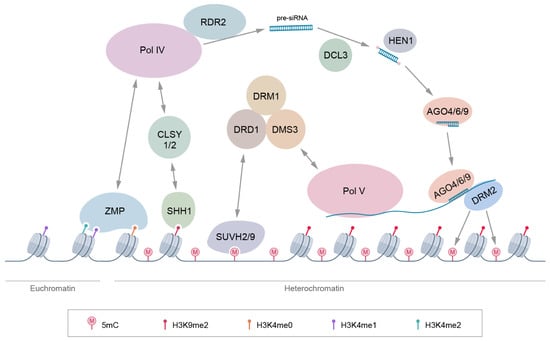
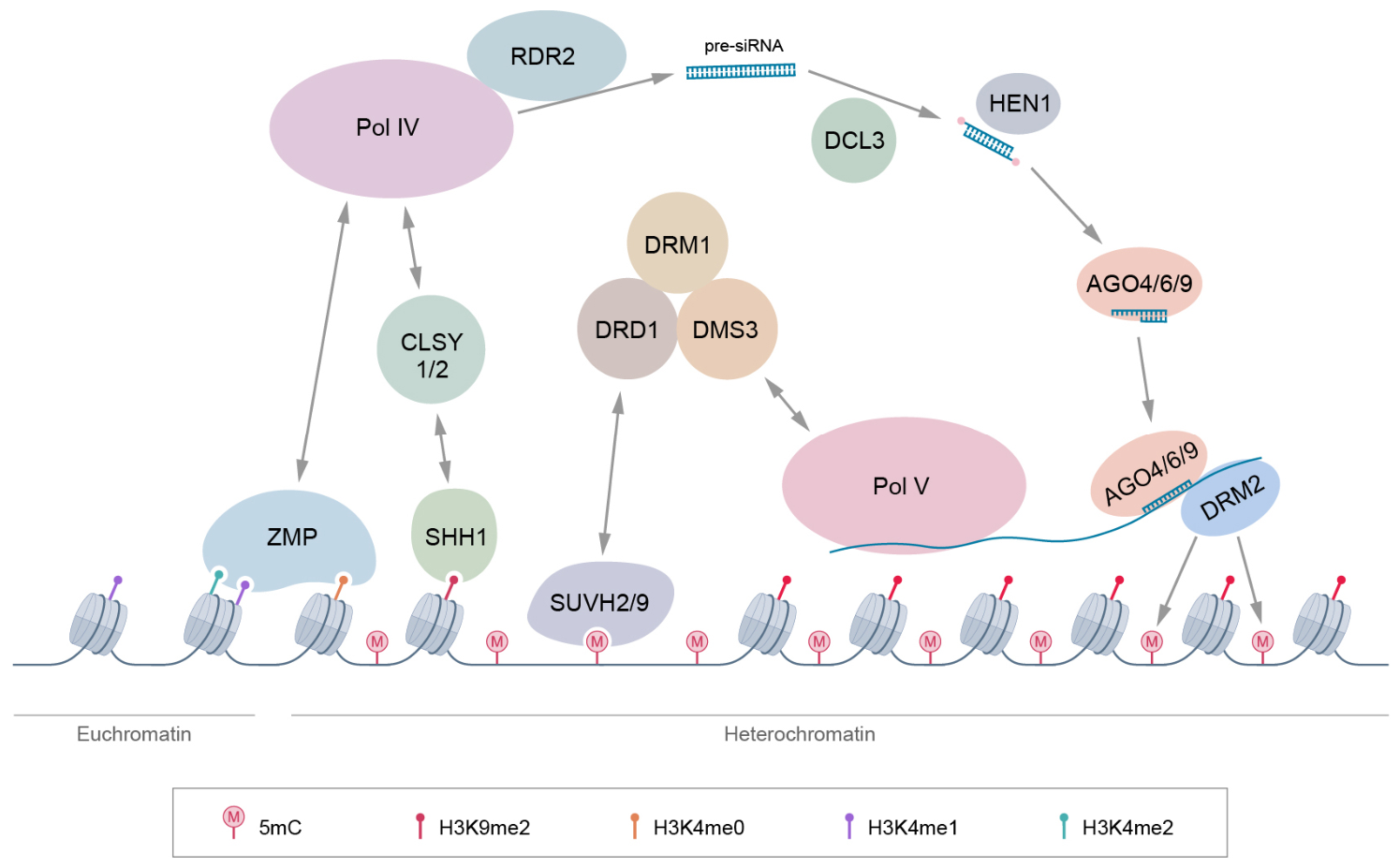
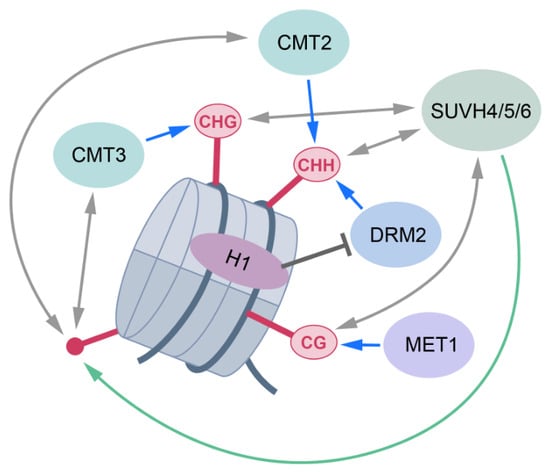
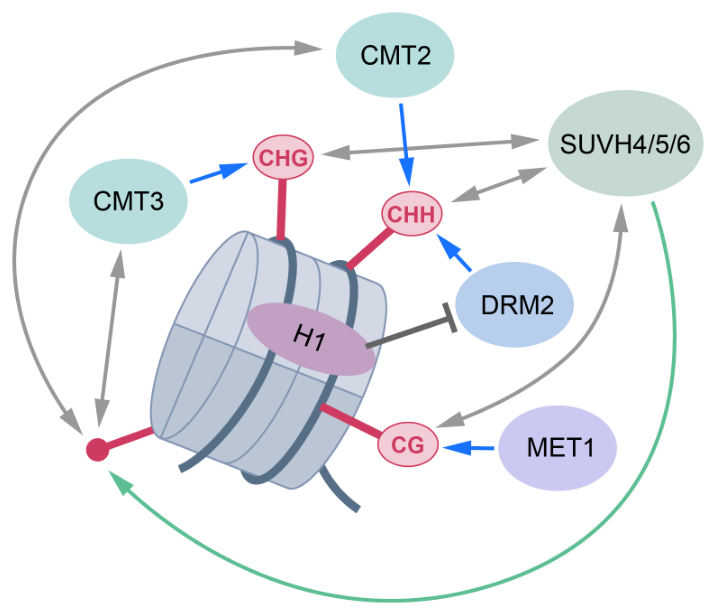

Disclaimer/Publisher’s Note: The statements, opinions and data contained in all publications are solely those of the individual author(s) and contributor(s) and not of MDPI and/or the editor(s). MDPI and/or the editor(s) disclaim responsibility for any injury to people or property resulting from any ideas, methods, instructions or products referred to in the content. |
© 2026 by the authors. Licensee MDPI, Basel, Switzerland. This article is an open access article distributed under the terms and conditions of the Creative Commons Attribution (CC BY) license.