


Abstract
Cadmium (Cd) contamination can strongly impair plant growth and physiological function, limiting the performance of Cd-tolerant plants in contaminated environments. This study investigated the effects of magnesium (Mg) supplementation on growth, Cd partitioning, and antioxidant responses in Solanum nigrum L. seedlings using a hydroponic (soilless) cultivation system. In the single-factor experiment conducted at 2.5 mg L−1 Cd, supplementation with 0.45 mg L−1 Mg increased total fresh biomass by approximately 26% relative to the Mg-free Cd treatment, increased chlorophyll content, reduced H2O2 accumulation, and enhanced multiple antioxidant responses. In the separate factorial experiment, Mg supplementation produced different growth responses across the tested Cd concentrations (0.05, 0.25, and 0.45 mg L−1). At 0.45 mg L−1 Cd, Mg supplementation increased root and shoot fresh biomass by 38.44–49.43% and 110.7–140.3%, respectively. Increasing Mg supply decreased root Cd concentration while increasing shoot Cd concentration and the Cd translocation factor and enhanced shoot Cd accumulation under moderate-to-high Cd exposure. Antioxidant components showed distinct regulatory patterns: superoxide dismutase (SOD), reduced glutathione (GSH), ascorbate peroxidase (APX), and glutathione reductase (GR) exhibited significant interactions between Mg and Cd supply (Mg × Cd), whereas peroxidase (POD), ascorbate (AsA), H2O2, and dehydroascorbate reductase (DHAR) were mainly influenced by the individual effects of Mg and/or Cd. Malondialdehyde (MDA) remained relatively stable, indicating limited lipid peroxidation under the experimental conditions. Without Cd, 2.0 mg L−1 Mg increased shoot and root fresh biomass by 26.1% and 29.5%, respectively, and increased tissue Mg concentrations. Overall, Mg supplementation modulated plant growth, Cd partitioning, and antioxidant responses under the two distinct experimental conditions, with a consistent tendency toward increased Cd partitioning to shoots. These findings highlight the potential relevance of Mg nutrition to Cd phytoextraction by Solanum nigrum L., although further validation under soil conditions is required.
1. Introduction
Soil contamination with heavy metals is a persistent environmental problem that poses serious risks to global food security, ecosystem stability, and human health [1]. Among these metals, cadmium (Cd) is of particular concern because of its high mobility in soil–plant systems and its toxicity to both plants and humans [2,3,4,5,6,7,8]. Cd enters agricultural systems mainly through mining and smelting activities, industrial discharges, and the excessive use of phosphate fertilizers [5,9,10]. Once accumulated in soil, Cd can be readily taken up by plant roots and interfere with a range of physiological and metabolic processes, including photosynthesis, nutrient homeostasis, enzyme activity, and cell division, ultimately resulting in growth inhibition and reduced plant productivity [2,3,4]. Cd can also enter the food chain through plant uptake and accumulation, posing potential long-term risks to animal and human health [2,3,4,11].
Given these risks, the remediation of Cd-contaminated soils has received increasing attention [12,13]. Conventional remediation techniques, such as soil excavation, chemical washing, and immobilization, are often costly, environmentally disruptive, or difficult to apply on a large scale [12,14,15]. Phytoremediation offers a sustainable and cost-effective alternative by using plants to extract or stabilize contaminants in polluted environments [13,16,17]. Hyperaccumulator plants are particularly valuable because they can tolerate and accumulate exceptionally high concentrations of heavy metals in their tissues [18]. Solanum nigrum L. (black nightshade) is a Cd hyperaccumulator capable of accumulating more than 100 mg Cd kg−1 in its aboveground tissues while maintaining considerable tolerance to Cd exposure [19,20,21,22]. Its rapid growth, high biomass production, and broad distribution further support its potential use in Cd phytoremediation [23,24]. However, Cd toxicity can still inhibit the growth and physiological performance of Solanum nigrum L., particularly under elevated Cd exposure, which may limit its performance in contaminated environments [25]. Improving the Cd tolerance of Solanum nigrum L. is therefore important for maintaining plant growth under Cd stress.
Nutrient management is a practical approach for improving plant tolerance to heavy-metal stress. Among essential mineral nutrients, magnesium (Mg) plays an important role in plant metabolism. Mg is the central atom of the chlorophyll molecule and participates in a wide range of physiological and biochemical processes, including photosynthesis, carbohydrate metabolism, nucleic acid synthesis, enzyme activation, and ATP-dependent reactions [26]. Mg nutrition can also modulate plant responses to abiotic stresses, including heavy-metal toxicity [27]. Previous studies have shown that Mg status can affect plant growth, chlorophyll maintenance, antioxidant defense, and Cd accumulation under Cd stress [27,28,29,30,31]. Non-enzymatic antioxidants such as ascorbate (AsA) and glutathione (GSH), together with antioxidant enzymes involved in H2O2 metabolism and the AsA–GSH-related antioxidant system, are important components of cellular redox homeostasis under stress [32,33,34]. However, most relevant studies have focused on crop species, whereas the responses of Cd-hyperaccumulating plants to Mg supply remain less well characterized. In particular, it remains unclear how Mg simultaneously influences growth, Cd uptake and partitioning, reactive oxygen species (ROS) accumulation, and antioxidant regulation across different Cd exposure levels, and whether the effects of Mg vary with Cd concentration, as indicated by statistical Mg × Cd interactions. Notably, the physiological effects of Mg supplementation under Cd stress are not always consistent across plant species and exposure conditions; while Mg supplementation can alleviate Cd toxicity in some systems, low Mg status has also been reported to enhance Cd tolerance in Arabidopsis thaliana [29].
Based on these considerations, we hypothesized that Mg supplementation would modulate the growth, Cd partitioning, and antioxidant responses of Solanum nigrum L. under distinct Cd exposure conditions. Two complementary hydroponic experiments were conducted. The single-factor experiment evaluated the effects of Mg supplementation (0–0.45 mg L−1) on plant growth, Cd partitioning, and physiological responses under a fixed, relatively high Cd concentration (2.5 mg L−1). In contrast, the factorial experiment examined the main and interactive effects of Mg (0–2.0 mg L−1) and Cd (0.05–0.45 mg L−1) under lower Cd exposure conditions. Plant growth, tissue Mg and Cd concentrations, Cd translocation and accumulation, chlorophyll, malondialdehyde (MDA), H2O2, superoxide dismutase (SOD), peroxidase (POD), ascorbate peroxidase (APX), glutathione reductase (GR), dehydroascorbate reductase (DHAR), AsA, and GSH were determined to characterize growth, elemental distribution, oxidative status, and antioxidant responses. Cd partitioning was further evaluated using the concentration factor (CF), which reflects Cd accumulation in plant tissues relative to its concentration in the external solution, and the root-to-shoot translocation factor (TF), which describes the transfer of Cd from roots to shoots. This study aimed to examine Mg-mediated responses under the tested Cd exposure conditions and to provide a physiological basis for Mg nutrient management to improve the Cd phytoremediation potential of Solanum nigrum L.
2. Materials and Methods
2.1. Plant Materials and Chemicals
Seeds of Solanum nigrum L. were obtained from a certified seed provider in China under seed production license No. D (Luwei Shou) Nongzhong Xuzi (2017) 0014. Cadmium (Cd) was supplied as CdCl2·2.5H2O, and magnesium (Mg) was supplied as MgCl2. All Cd and Mg concentrations reported in this study refer to the concentrations of Cd2+ and Mg2+, respectively. The pH of all nutrient and treatment solutions was adjusted to 5.5–6.0 using 1 mol L−1 HCl or NaOH before use.
2.2. Plant Cultivation
Uniform and fully developed seeds of Solanum nigrum L. were selected based on seed size, plumpness, and the absence of visible damage. After surface sterilization and soaking, the seeds were placed in germination boxes and incubated in darkness at 25 ± 0.5 °C and 60% relative humidity until radicle emergence. Germinated seeds were transferred to seedling trays containing Hoagland nutrient solution adjusted to pH 5.5–6.0 and cultivated in an artificial climate chamber (RXZ, Ningbo Jiangnan Manufacturing Factory, Ningbo, China) under a 16/8 h light/dark photoperiod, a temperature of 25 ± 0.5 °C, a relative humidity of 60%, and a target photosynthetic photon flux density (PPFD) of 200 μmol m−2 s−1 controlled through the chamber’s lighting system.
After seedling establishment, uniform and healthy seedlings were selected for the hydroponic experiments. Before treatment, the seedlings were acclimated in deionized water for 24 h and subsequently subjected to a 24 h nutrient-starvation period. An Mg-free modified nutrient solution was used as the basal medium during the exposure experiments, with Mg supplied according to the designated treatment concentrations. The single-factor and factorial Cd-exposure experiments were conducted concurrently under identical growth conditions and shared a common Cd-free control (CK). An additional Cd-free Mg supplementation experiment was conducted separately to evaluate the effects of Mg supply in the absence of Cd.
2.3. Single-Factor Experiment
A single-factor experiment was conducted to evaluate the effects of Mg supplementation on the growth and physiological responses of Solanum nigrum L. seedlings under relatively high Cd stress. The common Cd-free reference treatment (CK) received neither Mg nor Cd. The Cd-stressed treatments were supplied with 2.5 mg L−1 Cd and different concentrations of Mg: P1, 0 mg L−1 Mg; P2, 0.25 mg L−1 Mg; and P3, 0.45 mg L−1 Mg. Each treatment consisted of three independent biological replicates (n = 3), with one seedling cultivated in each separate 500 mL hydroponic container. The seedlings were supported by the structures located at the openings of each container, allowing the roots to extend into the nutrient solution while keeping the shoots above the container. The nutrient solution was continuously aerated using an air pump. The hydroponic containers were randomly arranged during cultivation to minimize positional effects. Treatment solutions were renewed every 48 h, and the treatment period lasted for 7 d.
2.4. Mg × Cd Interaction Experiment
A two-factor factorial experiment was conducted to characterize the main and interactive effects of Mg and Cd on the growth and physiological responses of Solanum nigrum L. seedlings across relatively low Cd exposure levels. Three Mg concentrations (0, 1.0, and 2.0 mg L−1) were combined with three Cd concentrations (0.05, 0.25, and 0.45 mg L−1), resulting in nine factorial treatment combinations (Table 1). The common CK treatment (0 mg L−1 Mg and 0 mg L−1 Cd) served as the Cd-free reference under the Mg-free basal nutrient conditions.
Table 1.
Magnesium–cadmium interaction treatments.
Each treatment combination consisted of three independent biological replicates (n = 3), with one seedling cultivated in each separate 500 mL hydroponic container. Each container served as an independent experimental unit. Container arrangement, cultivation conditions, solution renewal, and treatment duration followed the procedures described for the single-factor experiment.
2.5. Additional Cd-Free Mg Supplementation Experiment
To evaluate the intrinsic effects of Mg supplementation in the absence of Cd, an additional hydroponic experiment was conducted in a separate experimental batch. Five Mg concentrations (0, 0.25, 0.45, 1.0, and 2.0 mg L−1) were established without Cd addition. Each treatment included three independent biological replicates, with one seedling grown in a separate hydroponic container. The Mg-free modified nutrient solution was used as the basal medium. Cultivation conditions, treatment duration, solution renewal, and sample collection followed the procedures described for the original experiments. Shoot and root fresh and dry biomass, tissue Mg concentrations, chlorophyll, MDA, H2O2, SOD, POD, AsA, GSH, APX, GR, and DHAR were measured using the methods described above.
2.6. Sample Collection and Storage
After 7 d of treatment, Solanum nigrum L. seedlings from each biological replicate were harvested separately. Roots and shoots were separated, and the roots were gently rinsed several times with deionized water to remove residual nutrient solution and loosely attached ions, then blotted dry before fresh weight (FW) determination. Leaf samples designated for physiological and biochemical analyses were immediately frozen in liquid nitrogen and stored at −80 °C until analysis. Plant samples used for dry weight (DW) determination and elemental analysis were oven-dried at 70 °C to constant weight, and root, shoot, and total dry biomass were recorded.
2.7. Determination of Tissue Mg and Cd and Cd-Related Indices
Dried root and shoot samples were ground and subjected to acid digestion. Mg and Cd concentrations were determined using inductively coupled plasma optical emission spectrometry (ICP-OES; Agilent 5110, Agilent Technologies, Santa Clara, CA, USA) and expressed as g kg−1 DW for Mg and mg kg−1 DW for Cd. The Cd concentration factor (CF) was calculated as the ratio of tissue Cd concentration to Cd concentration in the treatment solution (CF = C_tissue/C_solution, L kg−1). The translocation factor (TF) was calculated as the ratio of shoot Cd concentration to root Cd concentration (TF = C_shoot/C_root). Cd accumulation in each tissue (μg plant−1) was calculated by multiplying its Cd concentration (mg kg−1 DW) by the corresponding dry biomass (g plant−1), and total Cd accumulation was calculated as the sum of root and shoot Cd accumulation.
2.8. Measurement of Physiological and Biochemical Parameters
Plant growth was evaluated based on root, shoot, and total FW and DW. Chlorophyll was extracted from fresh leaf samples with anhydrous ethanol and quantified using an ultraviolet-visible spectrophotometer (Cary 60, Agilent Technologies, Santa Clara, CA, USA), following the spectrophotometric method [35]. MDA content was determined using the thiobarbituric acid (TBA) method [36]. SOD activity was determined using the pyrogallol autoxidation method [37], and POD activity was determined using the guaiacol method [38,39]. AsA content was determined using the 2,6-dichlorophenolindophenol titration method [40]. GSH content was determined using the 5,5′-dithiobis(2-nitrobenzoic acid) (DTNB) method [41], and absorbance was measured at 412 nm. H2O2 content was determined using a potassium iodide-based spectrophotometric method, with absorbance measured at 390 nm and concentrations calculated from an H2O2 standard curve. The activities of APX, GR, and DHAR were measured spectrophotometrically based on AsA oxidation, NADPH-dependent reduction of oxidized glutathione, and reduction of dehydroascorbate to AsA, respectively, following previously reported methods [34].
2.9. Statistical Analysis
All data are presented as mean ± standard deviation (SD) of three biological replicates. Differences among treatments in the single-factor experiment were analyzed by one-way analysis of variance (ANOVA) followed by Tukey’s HSD test. For the factorial experiment, the main effects of Mg and Cd and their statistical interaction (Mg × Cd) were evaluated using two-way ANOVA, followed by Tukey’s HSD test for multiple comparisons. Only Y1–Y9 were included in the factorial statistical analyses; CK was retained as the common Cd-free reference and was not included in the two-way ANOVA. Pairwise comparisons among Y1–Y9 included comparisons between Mg supplementation levels at each fixed Cd concentration, allowing treatment differences within and across Cd levels to be examined.
Pearson correlation analysis was performed using the 27 biological replicates from Y1–Y9, including biomass, chlorophyll, MDA, H2O2, antioxidant parameters, and tissue Mg and Cd concentrations. Derived indices (CF, TF, and Cd accumulation) were excluded to avoid mathematical dependence. Principal component analysis (PCA) was conducted using total fresh and dry weights, chlorophyll, MDA, H2O2, SOD, POD, APX, GR, DHAR, AsA, and GSH after z-score standardization. Redundancy analysis (RDA) was performed using Mg and Cd supply as explanatory variables. Two RDA models were established: a physiological–antioxidant model incorporating chlorophyll, MDA, H2O2, SOD, POD, APX, GR, DHAR, AsA, and GSH, and an elemental–biomass model incorporating root and shoot Mg and Cd concentrations and dry weights. Statistical significance was set at p < 0.05. Data from the additional Cd-free Mg supplementation experiment were analyzed separately using one-way ANOVA followed by Tukey’s HSD test (p < 0.05) and were not pooled with the original experiments.
3. Results
3.1. Effects of Mg Supply on Growth Parameters of Solanum nigrum L. Under Cd Stress
Mg supplementation alleviated Cd-induced growth inhibition in Solanum nigrum L. seedlings, particularly in terms of fresh biomass, whereas dry biomass showed a more variable response. Root fresh weight was highest in P3 (0.45 mg L−1 Mg), which was 1.95% lower than that of CK, whereas P1 (0 mg L−1 Mg) showed the lowest value, with a reduction of 23.51% relative to CK (Figure 1B). A similar pattern was observed for shoot fresh weight. P3 showed only a 1.91% reduction relative to CK, whereas P1 decreased by 22.08% (Figure 1A). Total fresh weight was also highest in P3 and lowest in P1, corresponding to decreases of 1.91% and 22.23%, respectively, compared with CK (Figure 1C). Relative to the Mg-free Cd treatment (P1), P3 increased total fresh weight by approximately 26%, indicating a clear alleviation of Cd-induced growth inhibition.
Figure 1.
Effects of Mg supplementation on the fresh and dry biomass of Solanum nigrum L. seedlings under Cd stress. (A) Shoot fresh weight; (B) root fresh weight; (C) fresh weight; (D) shoot dry weight; (E) root dry weight; and (F) dry weight. Data are presented as mean ± SD (n = 3). Different lowercase letters indicate significant differences among treatments at p < 0.05.
Dry biomass showed a different response pattern. Root dry weight was highest in P2 (0.25 mg L−1 Mg), exceeding CK by 1.07%, whereas P1 showed an 11.54% reduction relative to CK (Figure 1E). Shoot dry weight was highest in P1 and lowest in P2, with reductions of 6.68% and 19.37%, respectively, compared with CK (Figure 1D). Total dry weight was highest in P3, with a 6.51% reduction relative to CK, and lowest in P2, which was 17.06% lower than CK (Figure 1F). Overall, Mg supplementation, particularly at 0.45 mg L−1, alleviated the reduction in fresh biomass under Cd stress, whereas dry biomass showed a more complex response that varied between roots and shoots. The F-statistics and corresponding p-values from the one-way ANOVA for the single-factor experiment are summarized in Supplementary Table S8.
3.2. Effects of Mg Supply on Tissue Mg and Cd Concentrations, Cd Translocation, and Accumulation Under Cd Stress
Mg supplementation markedly altered Mg status and Cd distribution in Solanum nigrum L. seedlings under the 2.5 mg L−1 Cd treatment (Table 2). Compared with CK, P1 showed lower Mg concentrations in both roots and shoots, decreasing from 1.27 to 0.90 g kg−1 DW in roots and from 1.84 to 1.34 g kg−1 DW in shoots. With increasing Mg supply, tissue Mg concentrations progressively increased, reaching 2.08 and 3.48 g kg−1 DW in the roots and shoots of P3, respectively.
Table 2.
Cd distribution, translocation, and accumulation in Solanum nigrum L. under severe Cd stress with different Mg supplementation levels.
Root and shoot Cd concentrations showed contrasting responses to Mg supplementation. Root Cd concentration decreased progressively from 402.6 mg kg−1 DW in P1 to 379.5 and 360.2 mg kg−1 DW in P2 and P3, respectively. In contrast, shoot Cd concentration increased from 271.3 mg kg−1 DW in P1 to 281.6 mg kg−1 DW in P2 and 292.1 mg kg−1 DW in P3. Consistent with these changes, the root Cd concentration factor (CF) decreased from 161.1 L kg−1 in P1 to 151.8 and 144.1 L kg−1 in P2 and P3, whereas the shoot CF increased from 108.5 to 112.7 and 116.8 L kg−1, respectively (Table S1). The Cd translocation factor (TF) also increased progressively from 0.674 in P1 to 0.742 in P2 and 0.811 in P3. Together, these results indicate that increasing Mg supply reduced Cd enrichment in roots while increasing its relative enrichment and translocation to shoots.
However, Cd accumulation on a per-plant basis did not show a strictly monotonic response to Mg supplementation. Shoot Cd accumulation was 31.11 μg plant−1 in P1, decreased to 27.88 μg plant−1 in P2, and then increased to 33.36 μg plant−1 in P3. A similar pattern was observed for total Cd accumulation, with values of 36.67, 33.86, and 38.77 μg plant−1 in P1, P2, and P3, respectively. The lower shoot Cd accumulation in P2 reflected its reduced shoot biomass despite a slightly higher shoot Cd concentration, whereas the recovery of shoot biomass in P3 contributed to the subsequent increase in shoot Cd accumulation. These results indicate that Mg supplementation consistently altered Cd partitioning toward the shoot, whereas whole-plant Cd accumulation depended on the combined responses of tissue Cd concentration and biomass.
3.3. Effects of Mg Supply on Physiological Parameters of Solanum nigrum L. Under Cd Stress
Mg supplementation modulated the physiological and antioxidant responses of Solanum nigrum L. seedlings under Cd stress. Chlorophyll content differed among treatments (Figure 2A). The chlorophyll content of CK was 12.13 mg g−1 FW. Compared with CK, P1 showed a 3.79% decrease, whereas chlorophyll content increased by 24.59% and 32.64% in P2 and P3, respectively. The highest chlorophyll content was observed in P3, indicating that Mg supplementation helped maintain chlorophyll accumulation under Cd stress.
Figure 2.
Effects of Mg supplementation on physiological and antioxidant parameters of Solanum nigrum L. seedlings under Cd stress. (A) Chlorophyll content; (B) malondialdehyde (MDA) content; (C) superoxide dismutase (SOD) activity; (D) peroxidase (POD) activity; (E) ascorbate (AsA) content; and (F) glutathione (GSH) content. Data are presented as mean ± SD (n = 3). Different lowercase letters indicate significant differences among treatments at p < 0.05. CK: 0 mg L−1 Cd + 0 mg L−1 Mg; P1: 2.5 mg L−1 Cd + 0 mg L−1 Mg; P2: 2.5 mg L−1 Cd + 0.25 mg L−1 Mg; P3: 2.5 mg L−1 Cd + 0.45 mg L−1 Mg.
MDA content showed relatively small changes among treatments (Figure 2B). The MDA content of CK was 8.15 nmol g−1 FW. Compared with CK, MDA decreased by 4.32% in P1, 4.35% in P2, and 7.31% in P3. Thus, under the present hydroponic conditions and exposure duration, the 2.5 mg L−1 Cd treatment did not increase MDA accumulation, while Mg supplementation was associated with a further numerical decrease. In contrast, H2O2 showed a pronounced response to Cd exposure and Mg supplementation (Table S2). H2O2 content increased from 0.25 μmol g−1 FW in CK to 0.68 μmol g−1 FW in P1. With increasing Mg supply, H2O2 content decreased progressively to 0.55 and 0.42 μmol g−1 FW in P2 and P3, respectively. Although H2O2 remained above the CK level, its progressive decrease with Mg supplementation indicated a lower H2O2 accumulation under Cd stress.
Antioxidant enzyme activities also responded to Mg supplementation. SOD activity increased progressively with Mg supply under Cd stress (Figure 2C). Compared with CK, SOD activity increased by 8.15%, 17.78%, and 34.32% in P1, P2, and P3, respectively. POD showed a similar response, increasing by 4.84%, 6.86%, and 13.11%, respectively (Figure 2D). In addition, APX, GR, and DHAR activities increased with increasing Mg supplementation (Table S2). APX activity increased from 18.2 U g−1 FW in P1 to 24.6 and 31.3 U g−1 FW in P2 and P3, respectively. GR activity increased from 11.5 to 15.2 and 19.7 U g−1 FW, while DHAR activity increased from 6.8 to 8.5 and 10.1 U g−1 FW. These results show that Mg supplementation was accompanied by enhanced activities of multiple antioxidant enzymes under the 2.5 mg L−1 Cd treatment.
AsA and GSH showed different responses to Mg supplementation (Figure 2E,F). Compared with CK, P1 showed reductions of 23.13% in AsA and 13.83% in GSH. AsA increased progressively with Mg supplementation, and the reduction in P3 was only 4.38% relative to CK. In contrast, GSH changed little with increasing Mg supply, with P2 and P3 remaining approximately 13.65% below CK. Together with the changes in H2O2 and antioxidant enzyme activities, these results indicate that Mg supplementation was associated with coordinated adjustments in enzymatic and non-enzymatic antioxidant responses under Cd stress.
3.4. Effects of Mg and Cd on Biomass Accumulation of Solanum nigrum L.
Growth responses to Mg supplementation depended strongly on Cd exposure level in Solanum nigrum L. seedlings (Figure 3). Two-way ANOVA revealed significant Mg × Cd interactions for all fresh- and dry-biomass parameters (Table S4), confirming that the growth response to Mg supplementation varied with Cd exposure level. At 0.05 mg L−1 Cd, supplementation with 1.0 mg L−1 Mg reduced root and shoot fresh weights by 7.50% and 24.8%, respectively, relative to the Mg-free treatment at the same Cd level. In contrast, at 0.25 mg L−1 Cd, supplementation with 1.0–2.0 mg L−1 Mg increased root fresh weight by 40.58–46.06% and shoot fresh weight by 61.4–75.8%. At 0.45 mg L−1 Cd, Mg supplementation increased root and shoot fresh weights by 38.44–49.43% and 110.7–140.3%, respectively, compared with the corresponding Mg-free treatment.
Figure 3.
Effects of Mg and Cd treatments on biomass accumulation of Solanum nigrum L. seedlings. (A) Root fresh weight; (B) shoot fresh weight; (C) fresh weight; (D) root dry weight; (E) shoot dry weight; and (F) dry weight. Data are presented as mean ± SD (n = 3). Different lowercase letters indicate significant differences among treatments at p < 0.05. Treatment definitions are given in Table 1.
Dry biomass showed a broadly similar response pattern. At 0.05 mg L−1 Cd, supplementation with 1.0 mg L−1 Mg resulted in little change in root dry weight (0.25% increase), whereas shoot dry weight decreased by 19.54% relative to the corresponding Mg-free treatment. At 0.25 and 0.45 mg L−1 Cd, Mg supplementation generally increased dry biomass relative to the Mg-free treatment at the same Cd level. At these two Cd concentrations, 2.0 mg L−1 Mg generally produced a stronger increase in shoot biomass, whereas root biomass tended to respond more strongly to 1.0 mg L−1 Mg. Overall, the growth response to Mg shifted with Cd exposure intensity, from limited or negative effects at 0.05 mg L−1 Cd to pronounced growth promotion at 0.25 and 0.45 mg L−1 Cd.
3.5. Effects of Mg and Cd Supply on Tissue Mg and Cd Concentrations, Cd Translocation, and Accumulation in Solanum nigrum L.
The factorial experiment further demonstrated that Mg and Cd supply jointly affected tissue Mg and Cd concentrations and Cd accumulation in Solanum nigrum L. (Table 3). At each Mg level, increasing Cd supply progressively decreased Mg concentrations in both roots and shoots. For example, under 0 mg L−1 Mg, root Mg decreased from 1.19 g kg−1 DW in Y1 to 0.93 g kg−1 DW in Y3, while shoot Mg decreased from 1.72 to 1.42 g kg−1 DW. In contrast, increasing Mg supply markedly increased tissue Mg concentrations at each Cd level. Two-way ANOVA showed significant effects of Mg and Cd on both root and shoot Mg concentrations, together with significant Mg × Cd interactions (Table S5).
Table 3.
Effects of factorial Mg and Cd treatments on tissue Mg and Cd concentrations, Cd translocation, and Cd accumulation in Solanum nigrum L.
Tissue Cd concentrations increased markedly with increasing Cd supply, whereas Mg supplementation produced contrasting effects on root and shoot Cd concentrations. At 0.05, 0.25, and 0.45 mg L−1 Cd, root Cd concentration decreased from 10.2 to 8.6, from 59.8 to 50.6, and from 114.9 to 99.2 mg kg−1 DW, respectively, as Mg supply increased from 0 to 2.0 mg L−1. In contrast, shoot Cd concentration increased from 6.7 to 8.0, from 39.7 to 47.7, and from 79.4 to 94.4 mg kg−1 DW, respectively. Significant Mg × Cd interactions were detected for both root and shoot Cd concentrations (Table S5).
Consistent with tissue Cd concentrations, root CF decreased with increasing Mg supply at each Cd level, whereas shoot CF increased (Table S3). For example, at 0.45 mg L−1 Cd, root CF decreased from 255.3 L kg−1 in Y3 to 220.4 L kg−1 in Y9, whereas shoot CF increased from 176.4 to 209.8 L kg−1. Both Mg and Cd had significant main effects on root and shoot CF, whereas their interactions were not significant. Similarly, TF increased consistently with Mg supplementation, reaching 0.933, 0.946, and 0.954 in Y7, Y8, and Y9, respectively. Two-way ANOVA showed a significant main effect of Mg on TF, whereas neither the main effect of Cd nor the Mg × Cd interaction was significant (Table S5).
Cd accumulation on a per-plant basis showed a clear Cd-dependent response to Mg supplementation. At 0.05 mg L−1 Cd, shoot Cd accumulation varied only slightly among Mg treatments, with values of 0.58, 0.52, and 0.79 μg plant−1 in Y1, Y4, and Y7, respectively. At 0.25 mg L−1 Cd, shoot Cd accumulation increased from 3.16 μg plant−1 in Y2 to 4.30 μg plant−1 in Y5 and 5.74 μg plant−1 in Y8. At 0.45 mg L−1 Cd, it increased markedly from 5.48 μg plant−1 in Y3 to 14.95 μg plant−1 in Y6 and remained at a similar level in Y9 (14.58 μg plant−1). Total Cd accumulation showed a comparable pattern. Accordingly, significant Mg × Cd interactions were detected for both shoot and total Cd accumulation, indicating that the effect of Mg supplementation on plant Cd accumulation depended strongly on the Cd exposure level.
3.6. Effects of Mg and Cd on Physiological and Antioxidant Responses of Solanum nigrum L.
Physiological and antioxidant responses of Solanum nigrum L. to Mg supplementation varied with Cd exposure level (Figure 4; Table 4). Significant Mg × Cd interactions were detected for SOD, GSH, APX, and GR, whereas the interactions were not significant for chlorophyll, MDA, POD, AsA, H2O2, or DHAR.
Figure 4.
Effects of Mg and Cd treatments on physiological and antioxidant parameters of Solanum nigrum L. seedlings. (A) Chlorophyll content (mg g−1 FW); (B) malondialdehyde (MDA) content (nmol g−1 FW); (C) superoxide dismutase (SOD) activity (U g−1 FW); (D) peroxidase (POD) activity (U g−1 FW); (E) ascorbate (AsA) content (mg g−1 FW); and (F) reduced glutathione (GSH) content (mg g−1 FW). Data are presented as mean ± SD (n = 3). Different lowercase letters indicate significant differences among treatments at p < 0.05.
Table 4.
H2O2 content and APX, GR, and DHAR activities in Solanum nigrum L. under factorial Mg and Cd treatments.
Chlorophyll content varied among the factorial treatments (Figure 4A), ranging from 11.88 mg g−1 in Y2 to 15.87 mg g−1 FW in Y7. However, neither Mg (F = 0.8601, p = 0.4398) nor Cd (F = 3.119, p = 0.0687) exerted a significant main effect, and the Mg × Cd interaction was also not significant (F = 2.914, p = 0.0507). MDA content likewise showed relatively small variation among treatments (Figure 4B). Neither Mg (F = 2.206, p = 0.1390) nor Cd (F = 2.065, p = 0.1558) significantly affected MDA, and their interaction was not significant (F = 2.766, p = 0.0594). Consistent with the single-factor experiment, increasing Cd exposure within the factorial range did not result in greater MDA accumulation under the present hydroponic conditions and exposure duration.
In contrast to MDA, H2O2 responded clearly to both Cd and Mg supply (Table 4). H2O2 content increased with increasing Cd concentration at each Mg level. Under Mg-free conditions, it increased from 0.32 μmol g−1 FW in Y1 to 0.47 in Y2 and 0.61 μmol g−1 FW in Y3. Mg supplementation reduced H2O2 accumulation at corresponding Cd levels; for example, at 0.45 mg L−1 Cd, H2O2 decreased from 0.61 μmol g−1 FW in Y3 to 0.50 in Y6 and 0.44 μmol g−1 FW in Y9. Two-way ANOVA confirmed significant main effects of both Mg (F = 46.90, p < 0.0001) and Cd (F = 162.06, p < 0.0001), whereas the Mg × Cd interaction was not significant (F = 2.388, p = 0.0893; Table S6).
Antioxidant enzyme activities showed distinct response patterns. SOD activity was significantly affected by Cd, Mg, and their interaction (Cd: F = 89.22, p < 0.0001; Mg: F = 81.21, p < 0.0001; Mg × Cd: F = 5.901, p = 0.0032; Figure 4C). Under Mg-free conditions, SOD activity increased with increasing Cd concentration, whereas Mg supplementation generally reduced SOD activity at a given Cd level. For example, at 0.05 mg L−1 Cd, SOD activity decreased from 212.7 U g−1 FW in Y1 to 147.7 U g−1 FW in Y7. At 0.45 mg L−1 Cd, it decreased from 234.0 U g−1 FW in Y3 to 204.7 U g−1 FW in Y9. These results indicate that Mg supplementation affected SOD activity differently among the Cd treatments within the factorial experiment, consistent with the significant Mg × Cd interaction. POD activity, in contrast, was significantly affected by both Cd (F = 41.28, p < 0.0001) and Mg (F = 34.99, p < 0.0001), but showed no significant Mg × Cd interaction (F = 0.1357, p = 0.9670; Figure 4D). POD activity generally increased with Mg supply, reaching its highest value of 541.33 U g−1 FW in Y9.
Components associated with the ascorbate–glutathione antioxidant system also responded strongly to Mg and Cd treatments. APX activity increased with both Mg and Cd supply (Table 4). At 0.05 mg L−1 Cd, APX activity increased from 13.8 U g−1 FW in Y1 to 19.2 in Y4 and 25.1 U g−1 FW in Y7, while at 0.45 mg L−1 Cd it increased from 18.1 U g−1 FW in Y3 to 26.4 in Y6 and 34.5 U g−1 FW in Y9. Significant effects of Mg (F = 270.56, p < 0.0001), Cd (F = 68.29, p < 0.0001), and their interaction (F = 3.122, p = 0.0408) were detected. GR showed a similar pattern, with significant effects of Mg (F = 281.97, p < 0.0001), Cd (F = 138.45, p < 0.0001), and Mg × Cd interaction (F = 12.47, p < 0.0001). GR activity increased from 9.1 to 15.8 U g−1 FW across the Mg gradient at 0.05 mg L−1 Cd and from 12.4 to 26.7 U g−1 FW at 0.45 mg L−1 Cd. DHAR activity also increased with Mg and Cd supply, reaching 12.8 U g−1 FW in Y9. Both Mg (F = 133.07, p < 0.0001) and Cd (F = 37.49, p < 0.0001) significantly affected DHAR activity, whereas their interaction was not significant (F = 1.264, p = 0.3205).
AsA and GSH showed different factorial responses (Figure 4E,F). AsA content was predominantly affected by Mg supply (F = 72.86, p < 0.0001), with a smaller significant Cd effect (F = 3.818, p = 0.0415), whereas the Mg × Cd interaction was not significant (p = 0.1693). At 0.25 mg L−1 Cd, AsA content increased from 0.14 mg g−1 FW without Mg to 0.19 and 0.25 mg g−1 FW with 1.0 and 2.0 mg L−1 Mg, respectively. In contrast, GSH was significantly affected by Cd (F = 18.41, p < 0.0001), Mg (F = 90.51, p < 0.0001), and their interaction (F = 18.12, p < 0.0001). GSH generally increased with Mg supplementation, but the magnitude of the response differed among Cd levels. Overall, Mg supplementation was associated with lower H2O2 accumulation and marked changes in antioxidant capacity across the factorial Cd treatments.
3.7. Effects of Mg Supplementation on Growth and Antioxidant Responses in the Absence of Cd
The additional Cd-free experiment showed that Mg supplementation significantly affected plant growth, tissue Mg concentrations, and several physiological parameters (Table S7). Compared with the Mg-free treatment, supplementation with 2.0 mg L−1 Mg increased shoot and root fresh biomass by 26.1% and 29.5%, respectively, while shoot and root dry biomass increased by 19.5% and 29.1%, respectively. Root Mg concentration increased from 1.26 to 3.95 g kg−1 DW, whereas shoot Mg concentration increased from 1.81 to 5.43 g kg−1 DW. Chlorophyll content increased significantly at 2.0 mg L−1 Mg, while H2O2 content decreased at 1.0 and 2.0 mg L−1 Mg relative to the Mg-free treatment. SOD and APX activities and AsA content also showed significant treatment-dependent variation, whereas MDA, POD, and GR did not differ significantly among treatments. Overall, these results indicate that Mg supplementation influenced plant growth, Mg nutritional status, and selected antioxidant responses even in the absence of Cd exposure.
3.8. Correlation and Multivariate Analyses of Mg–Cd Responses
Pearson correlation analysis revealed clear associations among growth, antioxidant responses, and tissue elemental status under factorial Mg and Cd treatments (Figure 5). Root and shoot Mg concentrations were strongly positively correlated (r = 0.995, p < 0.001), while root and shoot Cd concentrations were also highly correlated (r = 0.97, p < 0.001). H2O2 was positively correlated with root Cd (r = 0.89, p < 0.001) and shoot Cd (r = 0.79, p < 0.001), whereas SOD was negatively correlated with root Mg (r = −0.80, p < 0.001) and shoot Mg (r = −0.77, p < 0.001). APX, GR, and DHAR were strongly positively correlated with each other (r = 0.95–0.96, p < 0.001), and AsA was strongly associated with both root and shoot Mg (r = 0.93 and 0.92, respectively; p < 0.001). These relationships indicate coordinated variation among Mg nutritional status, Cd accumulation, and antioxidant responses.
Figure 5.
Pearson correlation matrix among growth, physiological, antioxidant, and elemental traits of Solanum nigrum L. under factorial Mg and Cd treatments. Pearson correlations were calculated using Y1–Y9 (n = 27). Numbers represent Pearson’s r. p < 0.05 (*), p < 0.01 (**), and p < 0.001 (***).
PCA further separated the factorial treatments according to their overall physiological responses, with PC1 and PC2 explaining 49.28% and 26.36% of the total variance, respectively, accounting for 75.63% cumulatively (Figure S1). RDA showed that Mg and Cd supply together explained 73.61% of the variation in physiological and antioxidant traits and 80.11% of the variation in tissue elemental concentrations and dry biomass (Figures S2 and S3). Both Mg and Cd contributed significantly to these constrained relationships (p < 0.001), further supporting their distinct but coordinated effects on the overall response of Solanum nigrum L. seedlings.
4. Discussion
4.1. Mg Modulates Growth Responses of Solanum nigrum L. in a Cd-Dependent Manner
Cd exposure markedly affected biomass accumulation in Solanum nigrum L., whereas the effect of Mg supplementation varied with Cd exposure intensity. In the single-factor experiment, 2.5 mg L−1 Cd substantially inhibited plant growth in the absence of Mg, whereas Mg supplementation alleviated this inhibition, particularly in terms of fresh biomass. Among the Cd-treated groups, 0.45 mg L−1 Mg resulted in the greatest recovery of total fresh biomass. Cd toxicity can interfere with root development, nutrient homeostasis, photosynthesis, enzyme activity, and cell division, ultimately restricting plant growth and biomass formation [2]. These results suggest that Mg supplementation can contribute to biomass maintenance under the tested Cd exposure conditions. Notably, Mg supplementation produced a more pronounced improvement in fresh biomass than in dry biomass in the single-factor experiment, suggesting that changes in tissue water content may have contributed to the observed fresh-weight responses. In contrast, fresh and dry biomass generally exhibited consistent responses to Mg supplementation in the factorial experiment, particularly at 0.25 and 0.45 mg L−1 Cd, indicating that growth promotion under these conditions was also reflected in dry matter accumulation.
The factorial experiment further demonstrated that the growth response to Mg depended strongly on Cd concentration. At 0.05 mg L−1 Cd, Mg supplementation provided little growth benefit and even reduced several biomass parameters, whereas at 0.25 and 0.45 mg L−1 Cd it markedly improved root and shoot growth relative to the corresponding Mg-free treatments. Mg participates in chlorophyll formation, photosynthetic carbon assimilation, enzyme activation, protein synthesis, and assimilate transport, and adequate Mg nutrition is generally associated with improved plant growth and photo-oxidative defense [42]. Within the factorial experiment, the growth-promoting effects associated with Mg supplementation were more pronounced at 0.25 and 0.45 mg L−1 Cd than at 0.05 mg L−1 Cd, suggesting that Mg responses varied among the tested Cd concentrations.
Compared with conventional Hoagland nutrient solutions, the present experiments involved relatively low Mg supplementation levels, highlighting the importance of Mg nutritional status in interpreting the observed growth and physiological responses. Because the short pretreatment period may not have completely depleted the Mg reserves accumulated during seedling establishment, the initial Mg nutritional status of the seedlings may also have influenced their subsequent responses to Mg supplementation. The additional Cd-free experiment provided further evidence that Mg supplementation had intrinsic effects on plant growth and physiological status. Increasing Mg supply enhanced tissue Mg concentrations and generally promoted biomass accumulation, particularly at 1.0 and 2.0 mg L−1 Mg. These findings indicate that improvements in Mg nutritional status may contribute to the growth responses observed under Cd exposure, rather than all beneficial effects being attributable to Cd-specific protection. Notably, supplementation with 1.0 mg L−1 Mg increased biomass in the Cd-free experiment, whereas some biomass parameters decreased under 0.05 mg L−1 Cd in the factorial experiment. This contrast suggests that Mg-associated growth responses may differ between Cd-free and Cd-exposed conditions. However, because the Cd-free experiment was conducted in a separate batch, this comparison is descriptive and does not establish a Cd-specific antagonistic interaction. Further experiments incorporating Cd-free treatments into a concurrent factorial design would be required to quantify this interaction directly.
The weak or negative growth response to Mg at the lowest Cd level also indicates that more Mg was not invariably beneficial. Plant growth depends on balanced mineral nutrition, and Mg interacts with other major cations during nutrient uptake, transport, and cellular homeostasis. Ca and Mg homeostasis is closely coordinated, while interactions between K and Mg can be either antagonistic or synergistic depending on nutritional status and plant species [31,43,44]. Consequently, under relatively weak Cd stress, the benefit provided by additional Mg may have been insufficient to offset changes associated with overall ionic balance. In addition, Mg–Cd interactions are not uniform among plant species; for example, low Mg status was reported to enhance Cd tolerance in Arabidopsis thaliana [29]. These findings support the interpretation that Mg-mediated growth responses are dependent on Cd intensity and nutritional context rather than following a simple Mg-dose-dependent pattern.
Root and shoot tissues also responded differently to Mg supply. Higher Mg levels generally favored shoot biomass recovery, whereas root biomass in some treatments responded more strongly to the intermediate Mg level. This tissue-specific response suggests that the Mg requirement for maintaining root and shoot growth may not be identical. Overall, the factorial results indicate that the growth response to Mg supplementation differed among the tested Cd treatments, whereas the separate single-factor experiment showed that Mg supplementation also affected growth under 2.5 mg L−1 Cd.
4.2. Mg Alters Tissue Mg Status and Cd Partitioning Between Roots and Shoots
The tissue elemental data provide an important basis for interpreting the growth responses. At each Mg supply level, increasing Cd exposure progressively decreased Mg concentrations in both roots and shoots, whereas increasing external Mg effectively increased tissue Mg concentrations. Cd-induced disturbance of mineral nutrition has also been reported in other plants; in upland rice, increasing Cd exposure affected the accumulation and translocation of several mineral nutrients, including Mg [45]. Thus, disruption of Mg nutritional homeostasis may represent one component of the physiological disturbance induced by Cd.
More importantly, Mg supplementation altered Cd distribution rather than simply reducing Cd accumulation throughout the plant. In both experiments, increasing Mg supply decreased root Cd concentration and root CF, while shoot Cd concentration, shoot CF, and TF increased. This consistent pattern indicates reduced relative Cd retention in roots together with greater partitioning of Cd toward the shoots. This response is particularly relevant to Solanum nigrum L., because efficient root-to-shoot Cd transport is an important characteristic of this Cd hyperaccumulator. Radiotracer experiments have demonstrated rapid Cd transport from roots to shoots in Solanum nigrum L., which may contribute to its potential for Cd phytoremediation [20,21,46].
Cd uptake and translocation are regulated by multiple membrane transport systems involved in essential cation homeostasis, including members of the ZIP and NRAMP transporter families [25,47,48]. In contrast, Mg transport is primarily associated with the MGT/MRS2 transporter family [26]. Although Mg2+ may influence Cd2+ uptake through changes in ionic homeostasis and transport processes, the observed responses cannot be explained solely by competition for root uptake sites. In the present study, Mg supplementation generally decreased root Cd concentration while increasing shoot Cd concentration and the root-to-shoot translocation factor. This contrasting response suggests that Mg may influence Cd retention in roots and its subsequent transfer to aboveground tissues, potentially through changes in xylem loading and long-distance transport. Taken together, these findings suggest that Mg-associated changes in Cd distribution may involve coordinated regulation of mineral nutrient homeostasis and internal metal partitioning.
Cd accumulation on a per-plant basis further showed that higher tissue Cd concentration did not necessarily result in a proportional increase in Cd removal. In the single-factor experiment, shoot Cd concentration increased with Mg supply, whereas shoot Cd accumulation decreased in P2 because of its lower shoot biomass and subsequently increased in P3 as biomass recovered. Similarly, in the factorial experiment, the positive effect of Mg on shoot Cd accumulation became much more evident at 0.25 and 0.45 mg L−1 Cd than at 0.05 mg L−1 Cd. At 0.45 mg L−1 Cd, however, shoot Cd accumulation was similar between 1.0 and 2.0 mg L−1 Mg, suggesting that the response did not continue to increase with Mg supply. This distinction is important because phytoextraction depends jointly on tissue metal concentration and harvestable biomass. Long-term studies of Solanum nigrum L. have similarly shown that increased shoot biomass can substantially affect overall Cd removal during continuous phytoremediation [49].
4.3. Mg Modulates Chlorophyll Status and Oxidative Responses Under Cd Stress
Chlorophyll content responded positively to Mg supplementation in the single-factor experiment. Under 2.5 mg L−1 Cd, chlorophyll content declined slightly in the Mg-free treatment but increased progressively following Mg supplementation. This response is consistent with the structural role of Mg in chlorophyll and its broader involvement in photosynthetic metabolism. Adequate Mg nutrition is important for maintaining photosynthetic carbon assimilation and plant growth, particularly under conditions associated with increased photo-oxidative pressure [30,42]. In contrast, Mg, Cd, and their interaction had no significant effects on chlorophyll content within the factorial experiment, despite the observed changes in tissue Mg concentrations and biomass. This suggests that increased Mg uptake and biomass accumulation were not necessarily accompanied by enhanced chlorophyll accumulation under all tested conditions. Such differences may reflect variations in pigment synthesis, degradation, and physiological adjustment under the respective exposure conditions, rather than a continuous Cd-dependent response to Mg supplementation.
MDA showed a different response from that generally associated with pronounced oxidative membrane injury. MDA did not increase relative to CK in the single-factor experiment and showed only limited variation across the factorial treatments. In contrast, H2O2 increased markedly with increasing Cd exposure and decreased consistently with Mg supplementation. H2O2 is an important ROS, whereas MDA is commonly used as an indicator of membrane lipid peroxidation. Plant antioxidant systems can restrict the progression from ROS accumulation to membrane oxidative damage when ROS-scavenging capacity remains sufficient [33,50].
The contrasting responses of H2O2 and MDA therefore suggest that Cd generated appreciable oxidative pressure without causing a proportional increase in lipid peroxidation under the present conditions. As a Cd hyperaccumulator, Solanum nigrum L. has substantial capacity to tolerate and regulate Cd-induced stress, and the relatively short 7 d exposure period may also have limited the accumulation of sustained membrane injury. Accordingly, H2O2 appeared to provide a more sensitive response to Cd exposure than MDA in the present study. This interpretation does not imply that 7 d is insufficient to induce lipid peroxidation in Solanum nigrum L., but rather that the extent of membrane damage depends on Cd intensity, plant physiological status, and antioxidant capacity.
The progressive reduction in H2O2 following Mg supplementation further indicates improved regulation of ROS accumulation. This response was also broadly consistent with the recovery of biomass at moderate and higher Cd levels. However, because MDA remained relatively stable, the physiological contribution of Mg is more appropriately interpreted in terms of improved ROS regulation and antioxidant adjustment rather than simply as a reduction in lipid peroxidation.
4.4. Mg Differentially Regulates Enzymatic and Non-Enzymatic Antioxidant Responses
The two experiments revealed distinct antioxidant responses to Mg supplementation under their respective Cd exposure conditions. In the single-factor experiment at 2.5 mg L−1 Cd, SOD and POD activities increased with Mg supplementation. APX, GR, and DHAR activities also increased progressively, while H2O2 declined. These responses indicate that under relatively strong Cd stress, Mg supplementation was associated with enhanced antioxidant capacity and improved control of ROS accumulation.
In contrast, SOD activity generally decreased with increasing Mg supply within the factorial experiment, with a significant Mg × Cd interaction (F = 5.901, p = 0.0032). This pattern differed from the increasing SOD activity observed in the single-factor experiment conducted at 2.5 mg L−1 Cd. Such contrasting responses may reflect differences in Mg nutritional status and oxidative regulation under the respective experimental conditions. However, because the two experiments employed different Cd and Mg concentration ranges, the contrasting SOD responses cannot be attributed solely to Cd exposure intensity. Therefore, these findings are interpreted as distinct antioxidant responses under the tested conditions rather than evidence of a continuous Cd-dependent trend [42]. Notably, H2O2 accumulation decreased with Mg supplementation in both experiments despite the contrasting SOD responses, suggesting that H2O2 homeostasis was influenced by the combined regulation of ROS production and scavenging rather than by SOD activity alone.
POD exhibited a different regulatory pattern. In the factorial experiment, both Mg and Cd had significant main effects on POD activity, whereas their interaction was not significant. POD therefore appeared to respond primarily to the individual effects of Mg and Cd rather than to a strongly Cd-dependent Mg interaction. Together with the SOD results, this indicates that the enzymatic antioxidant system did not respond as a single uniform unit; instead, individual enzymes showed distinct response patterns depending on Mg availability and Cd intensity.
The responses of APX, GR, DHAR, AsA, and GSH further support this differentiated regulation. APX, GR, and DHAR are closely associated with the ascorbate–glutathione antioxidant system. APX uses AsA during H2O2 reduction, DHAR contributes to the regeneration of reduced AsA, and GR helps maintain the reduced GSH pool required for cellular redox homeostasis [33,34,51]. In the present study, APX, GR, and DHAR activities increased substantially with Mg supplementation. APX and GR showed significant Mg × Cd interactions, whereas DHAR was significantly affected by the main effects of Mg and Cd. The strong positive correlations among APX, GR, and DHAR further indicate coordinated variation among these enzymes.
The non-enzymatic antioxidants did not exactly parallel these enzyme responses. In the single-factor experiment, Cd exposure reduced both AsA and GSH, whereas Mg supplementation restored AsA more effectively than GSH. In the factorial experiment, AsA was predominantly influenced by Mg supply, while GSH showed a significant Mg × Cd interaction. This difference is physiologically reasonable because antioxidant pool sizes reflect the balance among synthesis, regeneration, and consumption, whereas enzyme activities primarily reflect potential catalytic capacity.
The additional Cd-free experiment further showed that Mg supplementation influenced selected antioxidant responses in the absence of Cd exposure (Table S7). SOD and APX activities exhibited non-monotonic responses to Mg supplementation, whereas MDA, POD, and GR did not differ significantly among treatments. These findings indicate that Mg nutrition itself can influence antioxidant regulation, and that the responses observed under Cd exposure may involve both intrinsic nutritional effects and Cd-associated physiological changes.
4.5. Mg Responses Under Distinct Cd Exposure Conditions and Implications for Cd Phytoextraction
The two hydroponic experiments investigated the effects of Mg supplementation under distinct Cd exposure conditions and should be interpreted separately rather than as a continuous Cd dose–response series. Within the factorial experiment, Mg supplementation produced limited or negative growth responses at 0.05 mg L−1 Cd, whereas more pronounced growth promotion was observed at 0.25 and 0.45 mg L−1 Cd. In the separate single-factor experiment conducted at 2.5 mg L−1 Cd, Mg supplementation was also associated with improved plant growth and changes in antioxidant responses. Although these observations indicate that Mg supplementation influenced plant performance under both experimental conditions, the different Cd and Mg concentration ranges prevent direct quantitative comparisons between the experiments. Accordingly, the findings are interpreted as complementary evidence of Mg-associated physiological responses under distinct exposure conditions rather than as a unified Cd-intensity-dependent regulatory framework.
Correlation and multivariate analyses further supported this integrated response pattern. Root and shoot Mg concentrations were strongly positively correlated, as were root and shoot Cd concentrations. H2O2 was positively correlated with both root and shoot Cd, whereas SOD was negatively correlated with tissue Mg concentrations. In contrast, APX, GR, and DHAR were strongly positively correlated with one another, and AsA showed strong positive associations with root and shoot Mg. These relationships indicate coordinated variation among Mg nutritional status, Cd accumulation, ROS status, and antioxidant responses, although correlation itself does not demonstrate direct causal relationships.
PCA showed that PC1 and PC2 together explained 75.63% of the total variation in the selected growth, physiological, and antioxidant traits. RDA further showed that Mg and Cd supply jointly explained 73.61% of the variation in physiological and antioxidant responses and 80.11% of the variation in tissue elemental concentrations and dry biomass. Together with the significant Mg × Cd interactions observed for several traits, these analyses indicate that plant responses within the factorial experiment were associated with both Mg and Cd supply.
Collectively, Mg supplementation influenced plant performance through multiple interconnected processes, including biomass maintenance, Mg nutritional status, Cd partitioning, ROS regulation, and enzymatic and non-enzymatic antioxidant responses. The differences in biomass, chlorophyll, and SOD responses between the two experiments further highlight the context-dependent nature of Mg-associated physiological regulation under the tested exposure conditions.
From a phytoremediation perspective, maintaining biomass while enhancing Cd transfer to shoots may be advantageous because total Cd removal depends on both shoot Cd concentration and harvestable biomass. Solanum nigrum L. is a recognized Cd hyperaccumulator with efficient root-to-shoot Cd transport and demonstrated potential for continuous Cd removal from contaminated soils [13,24,46,49]. In the present study, Mg supplementation increased shoot Cd concentration and TF and, particularly at 0.25 and 0.45 mg L−1 Cd, increased shoot Cd accumulation. However, the lack of a further increase in shoot Cd accumulation from 1.0 to 2.0 mg L−1 Mg at 0.45 mg L−1 Cd indicates that increasing Mg supply would not necessarily result in continuously greater phytoextraction. An effective Mg management strategy should therefore balance biomass maintenance with Cd translocation and shoot Cd accumulation rather than maximizing a single parameter.
Finally, the present results were obtained under controlled hydroponic conditions. In soil, pH, organic matter, cation exchange, competing ions, and Cd speciation may substantially alter the availability and uptake of both Mg and Cd. In addition, because Cd and Mg were supplied as chloride salts without chloride-balanced controls, potential contributions from differences in chloride supply cannot be completely excluded. Moreover, the use of three independent biological replicates per treatment may limit statistical power and increase sensitivity to biological variability and individual observations, particularly across the factorial Mg × Cd treatments. Therefore, the substantial increases in biomass observed in some treatments should be interpreted alongside their absolute values and experimental variability. Furthermore, the 7-day exposure period primarily reflects short-term physiological responses to Cd stress and Mg supplementation. These responses may not fully represent plant growth, Cd accumulation, and antioxidant regulation under prolonged exposure conditions. Larger-scale and longer-term soil-based studies integrating plant biomass, shoot Cd accumulation, and changes in soil Cd pools are needed to further evaluate the consistency and practical implications of Mg supplementation for Solanum nigrum L.-based phytoextraction.
5. Conclusions
The present study demonstrated that Mg supplementation influenced the growth and physiological responses of Solanum nigrum L. under two distinct hydroponic Cd-exposure conditions. In the single-factor experiment at 2.5 mg L−1 Cd, 0.45 mg L−1 Mg increased total fresh biomass by 26% relative to the Mg-free Cd treatment, whereas dry biomass exhibited a less consistent response. In the factorial experiment (0.05–0.45 mg L−1 Cd), Mg supplementation showed limited or negative growth effects at 0.05 mg L−1 Cd but more pronounced improvements in both fresh and dry biomass at 0.25 and 0.45 mg L−1 Cd. These results indicate that Mg-associated growth responses differed among the tested exposure conditions.
Across both Cd-exposure experiments, Mg supplementation decreased root Cd concentration while increasing shoot Cd concentration and the root-to-shoot translocation factor, indicating a shift in Cd partitioning toward aboveground tissues. However, increased shoot Cd concentration did not always translate into greater Cd accumulation because the latter also depended on shoot biomass. In the factorial experiment at 0.45 mg L−1 Cd, shoot Cd accumulation rose from 5.48 to 14.95 μg plant−1 between 0 and 1.0 mg L−1 Mg but did not increase further at 2.0 mg L−1 Mg. Thus, evaluating Mg supplementation for phytoextraction requires consideration of both shoot Cd concentration and harvestable biomass.
Antioxidant responses also differed between the experiments. Under 2.5 mg L−1 Cd, Mg supplementation increased chlorophyll content and several antioxidant enzyme activities while reducing H2O2 accumulation. Within the factorial experiment, chlorophyll content did not show significant Mg or Cd effects, and SOD activity generally declined with increased Mg despite lower H2O2 levels. The significant Mg × Cd interactions for selected antioxidant traits further indicate that Mg-associated responses differed among the Cd concentrations tested within the factorial experiment. Together, these observations suggest that Mg supplementation modulated oxidative responses through multiple, nonuniform antioxidant processes rather than a single protective pathway.
The additional Cd-free experiment confirmed that Mg supplementation itself influenced biomass accumulation, tissue Mg concentrations, and selected physiological traits. Therefore, the effects observed under Cd exposure should be interpreted in the context of both Mg nutritional status and Cd-associated physiological responses. The two Cd-exposure experiments should therefore be considered complementary rather than forming a continuous Cd dose–response series. The findings highlight the potential importance of Mg nutrition in modifying Cd distribution and plant physiological performance under the tested conditions. Nevertheless, the short exposure duration, limited biological replication, and controlled hydroponic environment restrict direct extrapolation to field conditions. Further long-term soil-based studies are needed to evaluate whether Mg supplementation can improve Cd phytoextraction by Solanum nigrum L.
Supplementary Materials
The following supporting information can be downloaded at https://www.mdpi.com/article/10.3390/plants15223602/s1: Table S1. Cd concentration factors in roots and shoots of Solanum nigrum L. under Single-factor; Table S2. H2O2 content and activities of APX, GR, and DHAR in Solanum nigrum L. under Single-factor; Table S3. Cd concentration factors in roots and shoots of Solanum nigrum L. under Factorial; Table S4. Two-way ANOVA for the effects of Mg, Cd, and their interaction on biomass parameters of Solanum nigrum L.; Table S5. Two-way ANOVA for the effects of Mg, Cd, and their interaction on Mg and Cd accumulation and translocation in Solanum nigrum L.; Table S6. Two-way ANOVA for the effects of Mg, Cd, and their interaction on H2O2 content and APX, GR, and DHAR activities in Solanum nigrum L.; Table S7. Effects of Mg supplementation on growth, tissue Mg concentrations, and physiological and antioxidant parameters of Solanum nigrum L. seedlings in the absence of Cd; Table S8. One-way ANOVA results for the single-factor experiment; Figure S1. Principal component analysis (PCA) of growth, physiological, and antioxidant traits of Solanum nigrum L. under factorial Mg and Cd treatments. PC1 and PC2 explained 49.28% and 26.36% of the total variance, respectively. Circles, squares, and triangles represent 0, 1.0, and 2.0 mg L−1 Mg, respectively; arrows represent variable loadings; Figure S2. Redundancy analysis (RDA) of physiological and antioxidant responses of Solanum nigrum L. to Mg and Cd supply. Mg and Cd supply were explanatory variables. Circles, squares, and triangles represent 0, 1.0, and 2.0 mg L−1 Mg, respectively; arrows represent response variables and treatment factors; Figure S3. Redundancy analysis (RDA) of tissue Mg and Cd concentrations and dry biomass of Solanum nigrum L. in relation to Mg and Cd supply. Circles, squares, and triangles represent 0, 1.0, and 2.0 mg L−1 Mg, respectively; arrows represent response variables and treatment factors.
Author Contributions
X.S.: writing—original draft; X.L.: writing—review and editing; H.M.: resources and supervision; L.X.: resources; Y.T.: supervision. All authors have read and agreed to the published version of the manuscript.
Funding
Yunnan Provincial Key Laboratory of Cross-Border Chinese Herbal Materials (Grant No. 20254916CE340074).
Data Availability Statement
The datasets generated and/or analyzed during the current study are available from the corresponding authors upon reasonable request. The data are not publicly available due to the ongoing nature of the research project and restrictions imposed by the associated research agreements.
Acknowledgments
This work was financially supported by the Yunnan Provincial Key Laboratory of Cross-Border Chinese Herbal Materials (Grant No. 20254916CE340074). The authors thank the School of Agronomy, Honghe University, for providing the experimental facilities and technical platform. We are also grateful to the staff of the Yunnan Province Key Laboratory of Cross-Border Chinese Herbal Materials for their assistance with hydroponic cultivation and instrumental analysis.
Conflicts of Interest
The authors declare no conflicts of interest.
Abbreviation
| Cd | Cadmium |
| Mg | Magnesium |
| CK | Common Cd-free and Mg-free control |
| CF | Concentration factor |
| TF | Root-to-shoot translocation factor |
| MDA | Malondialdehyde |
| H2O2 | Hydrogen peroxide |
| SOD | Superoxide dismutase |
| POD | Peroxidase |
| APX | Ascorbate peroxidase |
| GR | Glutathione reductase |
| DHAR | Dehydroascorbate reductase |
| AsA | Ascorbate |
| GSH | Reduced glutathione |
| ROS | Reactive oxygen species |
| TBA | Thiobarbituric acid |
| DTNB | 5,5′-Dithiobis(2-nitrobenzoic acid) |
| FW | Fresh weight |
| DW | Dry weight |
| PPFD | Photosynthetic photon flux density |
| ICP-OES | Inductively coupled plasma optical emission spectrometry |
| ANOVA | Analysis of variance |
| HSD | Honestly significant difference |
| PCA | Principal component analysis |
| RDA | Redundancy analysis |
References
- Mahvi, A.H.; Eslami, F.; Baghani, A.N.; Khanjani, N.; Yaghmaeian, K.; Mansoorian, H.J. Heavy metal pollution status in soil for different land activities by contamination indices and ecological risk assessment. Int. J. Environ. Sci. Technol. 2022, 19, 7599–7616. [Google Scholar] [CrossRef] [Scilit]
- Haider, F.U.; Cai, L.; Coulter, J.A.; Cheema, S.A.; Wu, J.; Zhang, R.; Ma, W.; Farooq, M. Cadmium toxicity in plants: Impacts and remediation strategies. Ecotoxicol. Environ. Saf. 2021, 211, 111887. [Google Scholar] [CrossRef] [Scilit] [PubMed]
- Li, Y.; Rahman, S.U.; Qiu, Z.; Shahzad, S.M.; Nawaz, M.F.; Huang, J.; Naveed, S.; Li, L.; Wang, X.; Cheng, H. Toxic effects of cadmium on the physiological and biochemical attributes of plants, and phytoremediation strategies: A review. Environ. Pollut. 2023, 325, 121433. [Google Scholar] [CrossRef] [Scilit] [PubMed]
- Noor, I.; Sohail, H.; Akhtar, M.T.; Cui, J.; Lu, Z.; Mostafa, S.; Hasanuzzaman, M.; Hussain, S.; Guo, N.; Jin, B. From stress to resilience: Unraveling the molecular mechanisms of cadmium toxicity, detoxification and tolerance in plants. Sci. Total Environ. 2024, 954, 176462. [Google Scholar] [CrossRef] [Scilit] [PubMed]
- Zhang, X.; Yang, M.; Yang, H.; Pian, R.; Wang, J.; Wu, A.-M. The uptake, transfer, and detoxification of cadmium in plants and its exogenous effects. Cells 2024, 13, 907. [Google Scholar] [CrossRef] [Scilit] [PubMed]
- Vitelli, V.; Giamborino, A.; Bertolini, A.; Saba, A.; Andreucci, A. Cadmium stress signaling pathways in plants: Molecular responses and mechanisms. Curr. Issues Mol. Biol. 2024, 46, 6052–6068. [Google Scholar] [CrossRef] [Scilit] [PubMed]
- Qu, F.; Zheng, W. Cadmium exposure: Mechanisms and pathways of toxicity and implications for human health. Toxics 2024, 12, 388. [Google Scholar] [CrossRef] [Scilit] [PubMed]
- Charkiewicz, A.E.; Omeljaniuk, W.J.; Nowak, K.; Garley, M.; Nikliński, J. Cadmium toxicity and health effects—A brief summary. Molecules 2023, 28, 6620. [Google Scholar] [CrossRef] [Scilit] [PubMed]
- Wang, C.-C.; Zhang, Q.-C.; Yan, C.-A.; Tang, G.-Y.; Zhang, M.-Y.; Ma, L.Q.; Gu, R.-H.; Xiang, P. Heavy metal(loid)s in agriculture soils, rice, and wheat across China: Status assessment and spatiotemporal analysis. Sci. Total Environ. 2023, 882, 163361. [Google Scholar] [CrossRef] [Scilit] [PubMed]
- Yao, C.; Yang, Y.; Li, C.; Shen, Z.; Li, J.; Mei, N.; Luo, C.; Wang, Y.; Zhang, C.; Wang, D. Heavy metal pollution in agricultural soils from surrounding industries with low emissions: Assessing contamination levels and sources. Sci. Total Environ. 2024, 917, 170610. [Google Scholar] [CrossRef] [Scilit] [PubMed]
- Genchi, G.; Sinicropi, M.S.; Lauria, G.; Carocci, A.; Catalano, A. The effects of cadmium toxicity. Int. J. Environ. Res. Public Health 2020, 17, 3782. [Google Scholar] [CrossRef] [Scilit] [PubMed]
- Mu, Y.; Zhang, C.; Li, Y.; Zhou, W.; Li, Y.; Zhao, G.; Su, P. Research progress on physical and chemical remediation methods for the removal of cadmium from soil. Separations 2024, 11, 299. [Google Scholar] [CrossRef] [Scilit]
- Lavanya, M.B.; Viswanath, D.S.; Sivapullaiah, P.V. Phytoremediation: An eco-friendly approach for remediation of heavy metal-contaminated soils—A comprehensive review. Environ. Nanotechnol. Monit. Manag. 2024, 22, 100975. [Google Scholar] [CrossRef] [Scilit]
- Sarwar, N.; Imran, M.; Shaheen, M.R.; Ishaque, W.; Kamran, M.A.; Matloob, A.; Rehim, A.; Hussain, S. Phytoremediation strategies for soils contaminated with heavy metals: Modifications and future perspectives. Chemosphere 2017, 171, 710–721. [Google Scholar] [CrossRef] [Scilit] [PubMed]
- Yang, H.; Zhang, G.; Fu, P.; Li, Z.; Ma, W. The evaluation of in-site remediation feasibility of Cd-contaminated soils with the addition of typical silicate wastes. Environ. Pollut. 2020, 265, 114865. [Google Scholar] [CrossRef] [Scilit] [PubMed]
- Liu, C.; Lin, H.; Li, B.; Dong, Y.; Menzembere, E.R.G.Y. Endophyte Pseudomonas putida enhanced Trifolium repens L. growth and heavy metal uptake: A promising in-situ non-soil cover phytoremediation method of nonferrous metallic tailing. Chemosphere 2021, 272, 129816. [Google Scholar] [CrossRef] [Scilit] [PubMed]
- Wu, Y.; Ma, L.; Liu, Q.; Vestergård, M.; Topalovic, O.; Wang, Q.; Zhou, Q.; Huang, L.; Yang, X.; Feng, Y. The plant-growth promoting bacteria promote cadmium uptake by inducing a hormonal crosstalk and lateral root formation in a hyperaccumulator plant Sedum alfredii. J. Hazard. Mater. 2020, 395, 122661. [Google Scholar] [CrossRef] [Scilit] [PubMed]
- van der Ent, A.; Baker, A.J.M.; Reeves, R.D.; Pollard, A.J.; Schat, H. Hyperaccumulators of metal and metalloid trace elements: Facts and fiction. Plant Soil 2013, 362, 319–334. [Google Scholar] [CrossRef] [Scilit]
- Wei, S.; Zhou, Q.; Wang, X.; Zhang, K.; Guo, G.; Ma, L.Q. A newly-discovered Cd-hyperaccumulator Solanum nigrum L. Sci. Bull. 2005, 50, 33–38. [Google Scholar] [CrossRef] [Scilit]
- Dai, H.; Wei, S.; Twardowska, I.; Hou, N.; Zhang, Q. Cosmopolitan cadmium hyperaccumulator Solanum nigrum: Exploring cadmium uptake, transport and physiological mechanisms of accumulation in different ecotypes as a way of enhancing its hyperaccumulative capacity. J. Environ. Manag. 2022, 320, 115878. [Google Scholar] [CrossRef] [Scilit] [PubMed]
- Wang, J.; Chen, X.; Chu, S.; Hayat, K.; Chi, Y.; Liao, X.; Zhang, H.; Xie, Y.; Zhou, P.; Zhang, D. Conjoint analysis of physio-biochemical, transcriptomic, and metabolomic reveals the response characteristics of Solanum nigrum L. to cadmium stress. BMC Plant Biol. 2024, 24, 567. [Google Scholar] [CrossRef] [Scilit] [PubMed]
- Song, L.-Y.; Liu, X.; Zhang, L.-D.; Hu, W.-J.; Xu, C.-Q.; Li, J.; Song, S.-W.; Guo, Z.-J.; Sun, C.-Y.; Tang, H.-C.; et al. Proteomic analysis reveals differential responsive mechanisms in Solanum nigrum exposed to low and high dose of cadmium. J. Hazard. Mater. 2023, 448, 130880. [Google Scholar] [CrossRef] [Scilit] [PubMed]
- Rehman, M.Z.U.; Rizwan, M.; Ali, S.; Ok, Y.S.; Ishaque, W.; Saifullah; Nawaz, M.F.; Akmal, F.; Waqar, M. Remediation of heavy metal contaminated soils by using Solanum nigrum: A review. Ecotoxicol. Environ. Saf. 2017, 143, 236–248. [Google Scholar] [CrossRef] [Scilit] [PubMed]
- Sharma, P.; Rathee, S.; Ahmad, M.; Raina, R.; Batish, D.R.; Singh, H.P. Comparison of synthetic and organic biodegradable chelants in augmenting cadmium phytoextraction in Solanum nigrum. Int. J. Phytoremediation 2022, 25, 1106–1115. [Google Scholar] [CrossRef] [Scilit] [PubMed]
- Huang, R.; Dong, M.; Mao, P.; Zhuang, P.; Paz-Ferreiro, J.; Li, Y.; Li, Y.; Hu, X.; Netherway, P.; Li, Z. Evaluation of phytoremediation potential of five Cd (hyper)accumulators in two Cd contaminated soils. Sci. Total Environ. 2020, 721, 137581. [Google Scholar] [CrossRef] [Scilit] [PubMed]
- Hosseini Pouya, H.S.; Abdullah; Heidari, P. Magnesium transport systems in plants: Function, physiological roles, and impact on related molecular pathways: A review. Plant Mol. Biol. Report. 2026, 44, 43. [Google Scholar] [CrossRef] [Scilit]
- Taj, H.; Noreen, Z.; Aslam, M.; Usman, S.; Shah, A.A.; Rafique, M.; Raja, V.; El-Sheikh, M.A. Effects of SNP, MgSO4, and MgO-NPs foliar application on Spinacia oleracea L. growth and physio-biochemical responses under cadmium stress. Sci. Rep. 2024, 14, 26687. [Google Scholar] [CrossRef] [Scilit] [PubMed]
- Senbayram, M.; Gransee, A.; Wahle, V.; Thiel, H. Role of magnesium fertilisers in agriculture: Plant–soil continuum. Crop Pasture Sci. 2015, 66, 1219–1229. [Google Scholar] [CrossRef] [Scilit]
- Hermans, C.; Chen, J.; Coppens, F.; Inzé, D.; Verbruggen, N. Low magnesium status in plants enhances tolerance to cadmium exposure. New Phytol. 2011, 192, 428–436. [Google Scholar] [CrossRef] [Scilit] [PubMed]
- Wang, A.; Ye, F.; Wang, X.; Wang, Z.; Ren, Z.; Liu, G.; Yao, F.; Cheng, C. Effects of magnesium addition on yield, quality and cadmium accumulation in pepper under cadmium stress. Plants 2026, 15, 3109. [Google Scholar] [CrossRef] [Scilit] [PubMed]
- Arinzechi, C.; Huang, P.; Ping, Y.; Xu, H.; Wang, Q.; Tang, C.; Si, M.; Li, Q.; Yang, Z. Calcium–magnesium synergy in reducing cadmium bioavailability and uptake in rice plants. Int. J. Phytoremediation 2025, 27, 832–841. [Google Scholar] [CrossRef] [Scilit] [PubMed]
- Hasanuzzaman, M.; Bhuyan, M.H.M.B.; Zulfiqar, F.; Raza, A.; Mohsin, S.M.; Mahmud, J.A.; Fujita, M.; Fotopoulos, V. Reactive oxygen species and antioxidant defense in plants under abiotic stress: Revisiting the crucial role of a universal defense regulator. Antioxidants 2020, 9, 681. [Google Scholar] [CrossRef] [Scilit] [PubMed]
- Luo, P.; Wu, J.; Li, T.-T.; Shi, P.; Ma, Q.; Di, D.-W. An overview of the mechanisms through which plants regulate ROS homeostasis under cadmium stress. Antioxidants 2024, 13, 1174. [Google Scholar] [CrossRef] [Scilit] [PubMed]
- Chen, K.-S.; Lai, H.-Y. Sulfur mitigates cadmium toxicity in lettuce via phytochelatins and the AsA–GSH cycle. J. Agric. Food Chem. 2025, 73, 26658–26668. [Google Scholar] [CrossRef] [Scilit] [PubMed]
- Deng, R.; Li, Y.; Feng, N.-J.; Zheng, D.-F.; Khan, A.; Du, Y.-W.; Zhang, J.-Q.; Sun, Z.-Y.; Wu, J.-S.; Xue, Y.-B.; et al. Integrative analysis of transcriptome and metabolome reveal molecular mechanism of tolerance to salt stress in rice. BMC Plant Biol. 2025, 25, 335. [Google Scholar] [CrossRef] [Scilit] [PubMed]
- Wu, J.; Wang, T.; Huang, Y.; Xiao, S.; Luo, X.; Deng, Y.; Yang, X.; Kong, Q.; Tang, F. Genotypic difference in response to copper stress in upland cotton as revealed by physiological and molecular expression analyses. BMC Plant Biol. 2025, 25, 21. [Google Scholar] [CrossRef] [Scilit] [PubMed]
- Kang, S.-M.; Khan, I.; Asaf, S.; Yun, B.-W.; Lee, I.-J. Genome characterisation of Priestia megaterium mj1212 and its synergistic effect with N-acetylglucosamine in enhancing soybean salt stress tolerance. Plant Cell Environ. 2025, 48, 8006–8023. [Google Scholar] [CrossRef] [Scilit] [PubMed]
- Carreiras, J.; Caçador, I.; Duarte, B. Bioaugmentation improves phytoprotection in Halimione portulacoides exposed to mild salt stress: Perspectives for salinity tolerance improvement. Plants 2022, 11, 1055. [Google Scholar] [CrossRef] [Scilit] [PubMed]
- Li, W.; Chen, C.; Deng, Y.; Luo, X.; Liu, T.; An, X.; Zou, L.; Luan, M.; Li, D. Influence of nitrogen supply on growth, antioxidant capacity and cadmium absorption of kenaf (Hibiscus cannabinus L.) seedlings. Plants 2023, 12, 4067. [Google Scholar] [CrossRef] [Scilit] [PubMed]
- Bakaeva, M.; Chetverikov, S.; Starikov, S.; Kendjieva, A.; Khudaygulov, G.; Chetverikova, D. Effect of plant growth-promoting bacteria on antioxidant status, acetolactate synthase activity, and growth of common wheat and canola exposed to metsulfuron-methyl. J. Xenobiotics 2024, 14, 79–95. [Google Scholar] [CrossRef] [Scilit] [PubMed]
- Azeem, M.; Pirjan, K.; Qasim, M.; Mahmood, A.; Javed, T.; Muhammad, H.; Yang, S.; Dong, R.; Ali, B.; Rahimi, M. Salinity stress improves antioxidant potential by modulating physio-biochemical responses in Moringa oleifera Lam. Sci. Rep. 2023, 13, 2895. [Google Scholar] [CrossRef] [Scilit] [PubMed]
- Hauer-Jákli, M.; Tränkner, M. Critical leaf magnesium thresholds and the impact of magnesium on plant growth and photo-oxidative defense: A systematic review and meta-analysis from 70 years of research. Front. Plant Sci. 2019, 10, 766. [Google Scholar] [CrossRef] [Scilit] [PubMed]
- Tang, R.-J.; Luan, S. Regulation of calcium and magnesium homeostasis in plants: From transporters to signaling network. Curr. Opin. Plant Biol. 2017, 39, 97–105. [Google Scholar] [CrossRef] [Scilit] [PubMed]
- Xie, K.; Cakmak, I.; Wang, S.; Zhang, F.; Guo, S. Synergistic and antagonistic interactions between potassium and magnesium in higher plants. Crop J. 2021, 9, 249–256. [Google Scholar] [CrossRef] [Scilit]
- Khaliq, M.A.; James, B.; Chen, Y.H.; Saqib, H.S.A.; Li, H.H.; Jayasuriya, P.; Guo, W. Uptake, translocation, and accumulation of Cd and its interaction with mineral nutrients (Fe, Zn, Ni, Ca, Mg) in upland rice. Chemosphere 2019, 215, 916–924. [Google Scholar] [CrossRef] [Scilit] [PubMed]
- Feller, U.; Anders, I.; Wei, S. Distribution and redistribution of ^109Cd and ^65Zn in the heavy metal hyperaccumulator Solanum nigrum L.: Influence of cadmium and zinc concentrations in the root medium. Plants 2019, 8, 340. [Google Scholar] [CrossRef] [Scilit] [PubMed]
- Tao, J.; Lu, L. Advances in genes-encoding transporters for cadmium uptake, translocation, and accumulation in plants. Toxics 2022, 10, 411. [Google Scholar] [CrossRef] [Scilit] [PubMed]
- Liu, C.; Wen, L.; Cui, Y.; Ahammed, G.J.; Cheng, Y. Metal transport proteins and transcription factor networks in plant responses to cadmium stress. Plant Cell Rep. 2024, 43, 218. [Google Scholar] [CrossRef] [Scilit] [PubMed]
- Dou, X.; Dai, H.; Skuza, L.; Wei, S. Cadmium removal potential of hyperaccumulator Solanum nigrum L. under two planting modes in three years continuous phytoremediation. Environ. Pollut. 2022, 307, 119493. [Google Scholar] [CrossRef] [Scilit] [PubMed]
- Gill, S.S.; Tuteja, N. Reactive oxygen species and antioxidant machinery in abiotic stress tolerance in crop plants. Plant Physiol. Biochem. 2010, 48, 909–930. [Google Scholar] [CrossRef] [Scilit] [PubMed]
- Hasanuzzaman, M.; Bhuyan, M.H.M.B.; Anee, T.I.; Parvin, K.; Nahar, K.; Mahmud, J.A.; Fujita, M. Regulation of ascorbate-glutathione pathway in mitigating oxidative damage in plants under abiotic stress. Antioxidants 2019, 8, 384. [Google Scholar] [CrossRef] [Scilit] [PubMed]
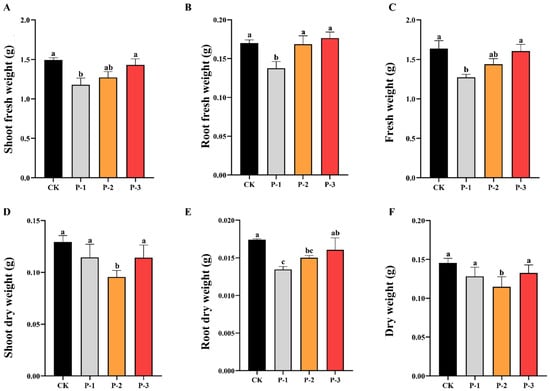
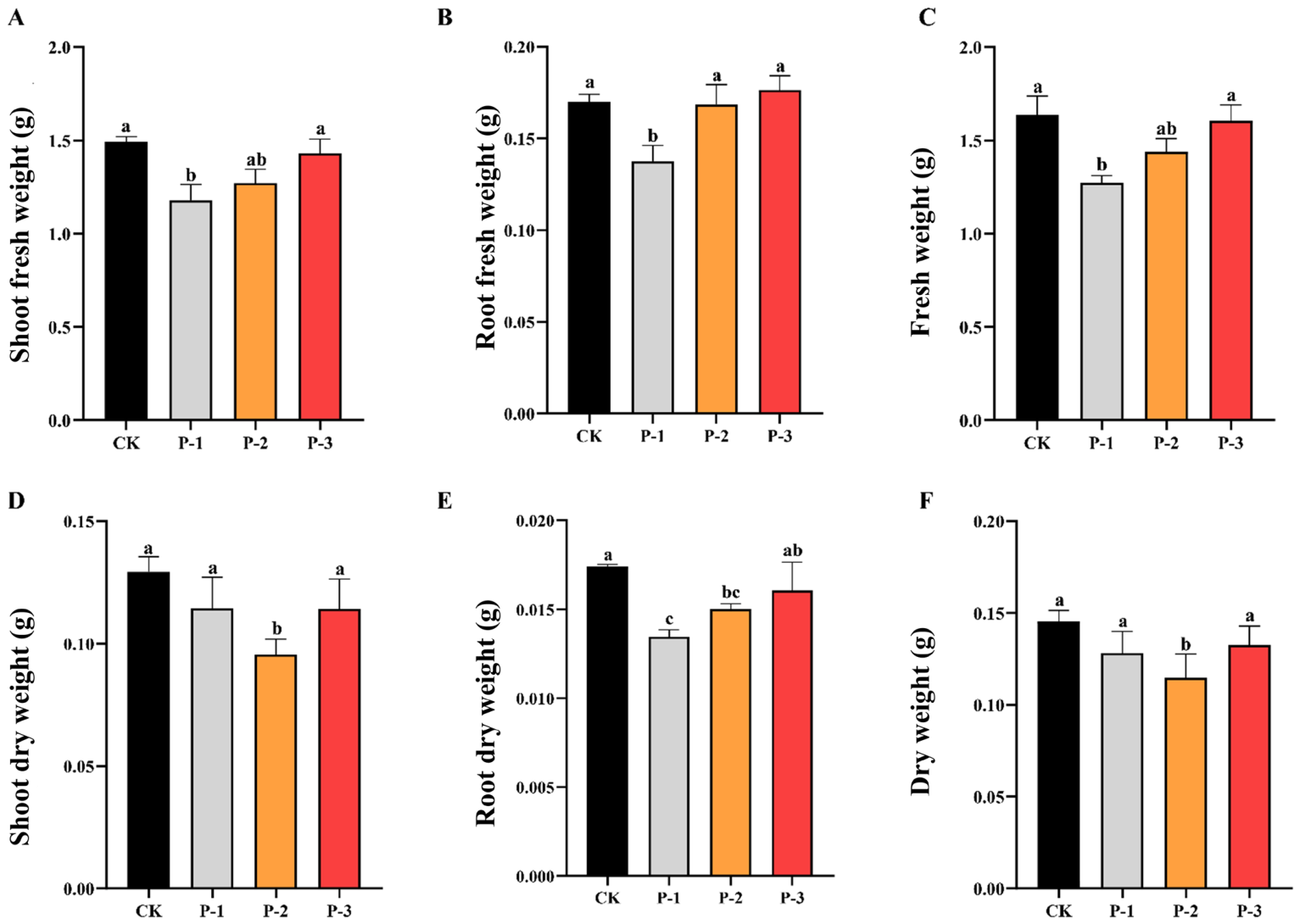
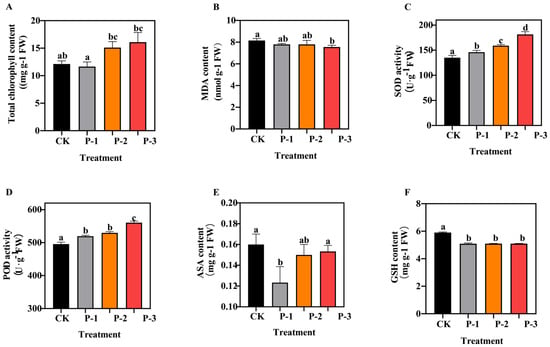
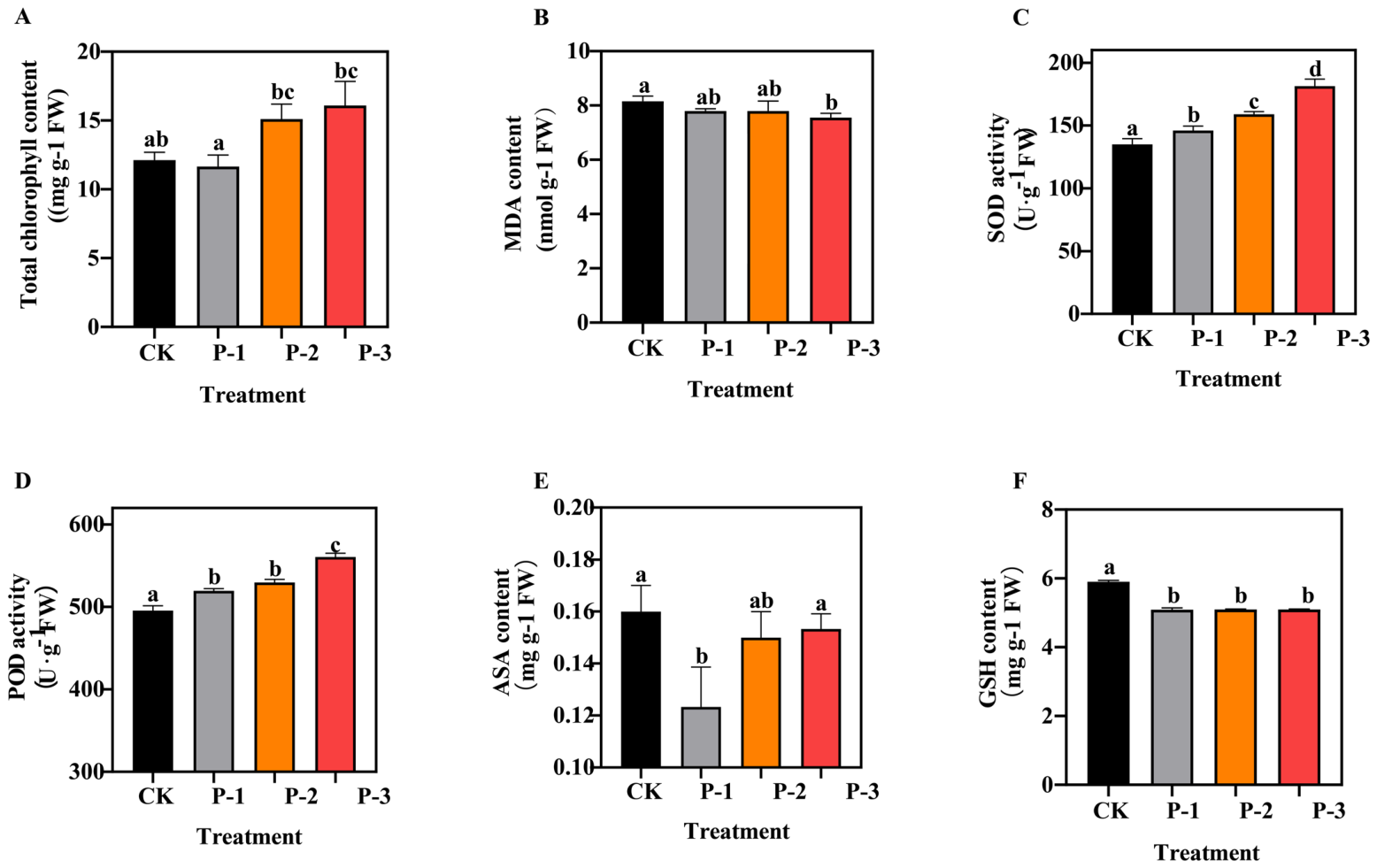
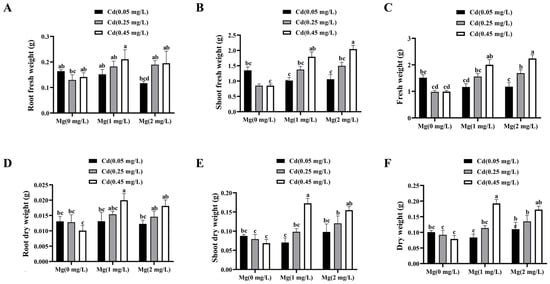
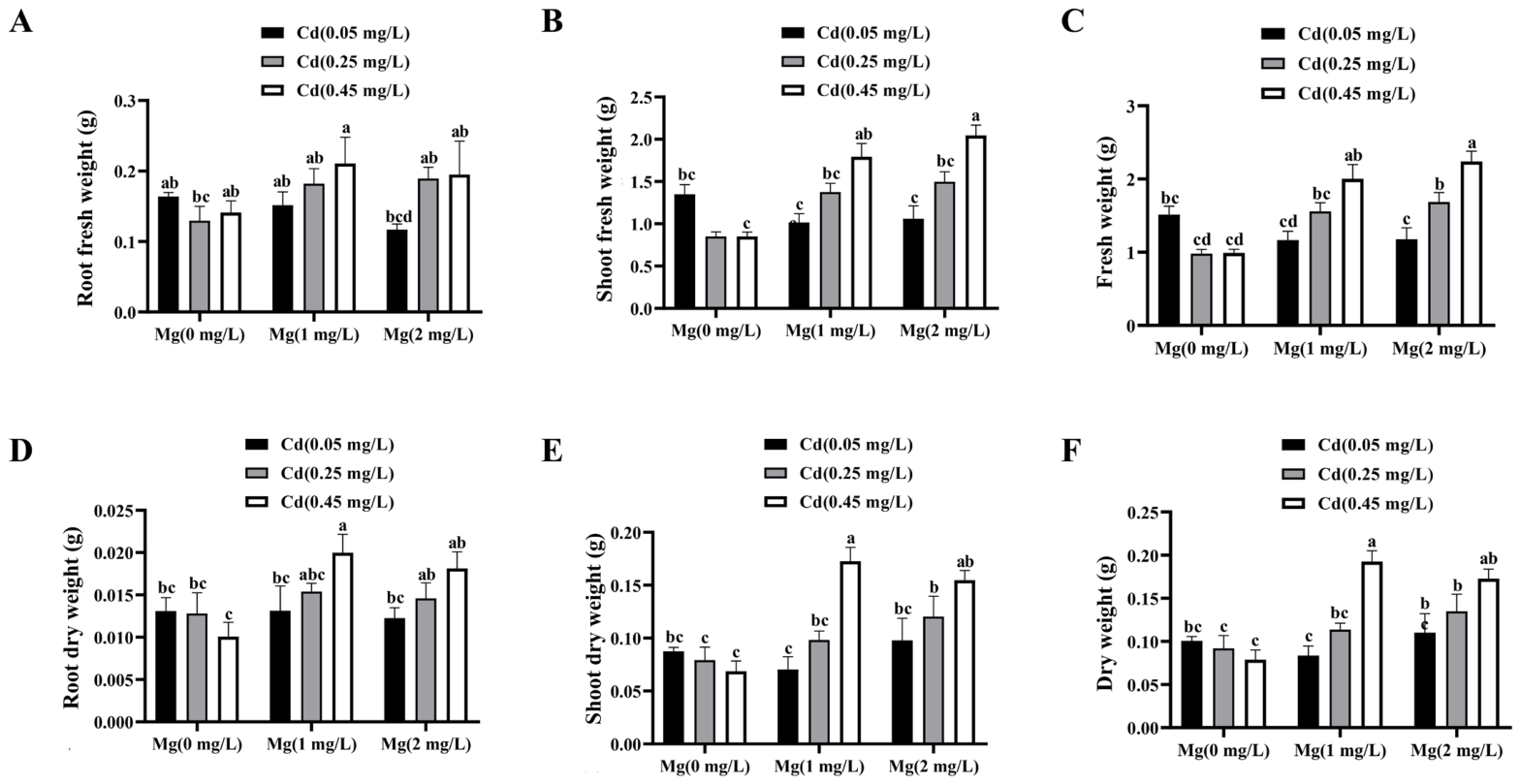
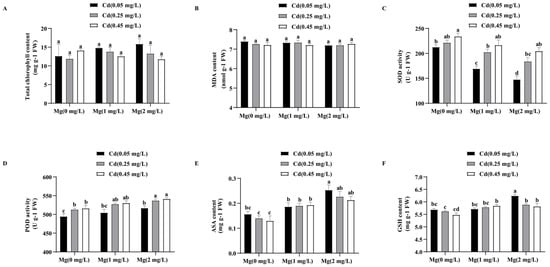
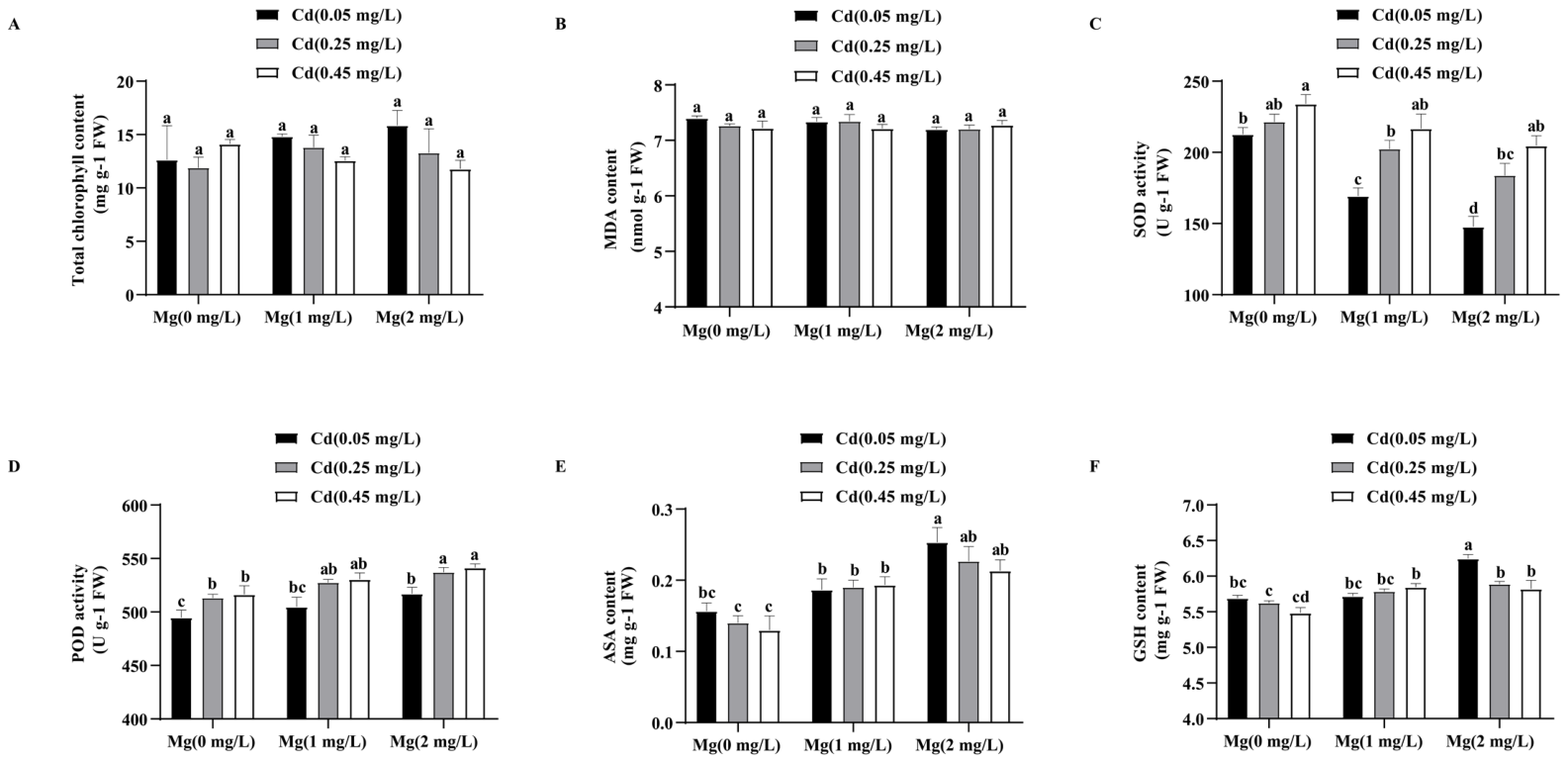
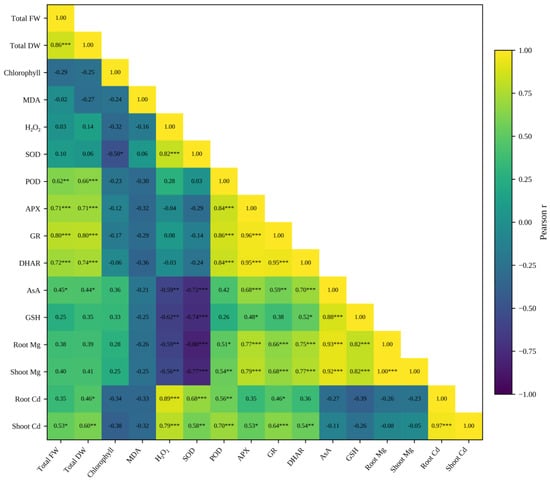
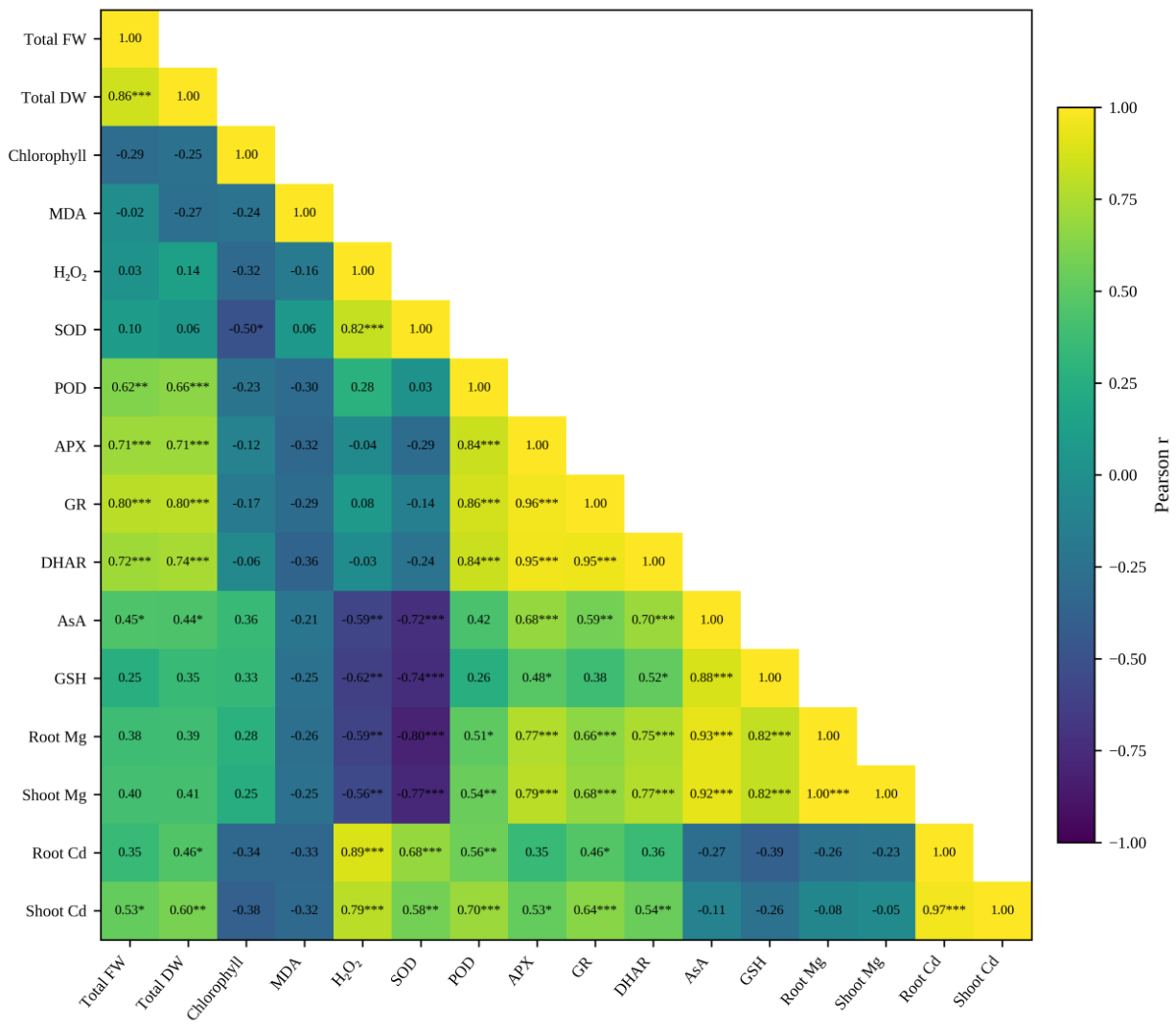

Disclaimer/Publisher’s Note: The statements, opinions and data contained in all publications are solely those of the individual author(s) and contributor(s) and not of MDPI and/or the editor(s). MDPI and/or the editor(s) disclaim responsibility for any injury to people or property resulting from any ideas, methods, instructions or products referred to in the content. |
© 2026 by the authors. Licensee MDPI, Basel, Switzerland. This article is an open access article distributed under the terms and conditions of the Creative Commons Attribution (CC BY) license.