


Abstract
Sustaining maize–cereal production under intensive agricultural systems is becoming increasingly challenging because of declining soil quality, low nutrient-use efficiency, and escalating abiotic and biotic stresses. In many regions, long-term rice–wheat cultivation has intensified these constraints, prompting greater interest in diversified production systems such as maize–wheat rotations. Within this context, bio-organic fertilizers (BOF) and microbial biostimulants are increasingly recognized not merely as nutrient inputs but as biologically active regulators of plant–soil interactions. This review synthesizes current knowledge on the role of BOF in maize–cereal production systems, with particular emphasis on maize–wheat rotations. It examines their effects on crop productivity, soil health, nutrient dynamics, and resilience to abiotic and biotic stresses. Current evidence indicates that BOF and microbial biostimulants improve crop performance through interconnected mechanisms, including nutrient mobilization, root development, rhizosphere regulation, and microbial-mediated soil processes. Collectively, these mechanisms enhance nutrient-use efficiency, strengthen stress tolerance, and contribute to more stable crop yields. Importantly, the benefits of BOF extend beyond single growing seasons by promoting soil biological activity, nutrient availability, and system resilience across successive crop cycles. Overall, BOF should be regarded not simply as alternatives to mineral fertilizers but as multifunctional regulators of plant–soil processes that support the sustainability of maize–wheat and other cereal-based cropping systems.
1. Introduction
Maize (Zea mays L.) and wheat (Triticum aestivum L.) are two of the most widely cultivated cereal crops in the world and play a central role in global food security [1,2]. In many cereal-growing regions, long-term reliance on mineral fertilizers has increased yields, but often at the cost of declining soil biological quality, lower nutrient-use efficiency, and greater environmental losses [3,4,5]. At the same time, drought, salinity, heat stress, nutrient imbalance, pathogens, and herbivores continue to exert considerable pressure on crop productivity, particularly in intensive agricultural systems where ecological buffering capacity has been diminished [6,7,8,9]. This problem is particularly evident in cereal-based production systems. Repeated rice–wheat cultivation, for example, has been associated with soil fertility decline, inefficient resource use, and increasing environmental pressure [10,11]. Consequently, crop diversification has attracted increasing attention as a sustainable strategy to improve resource-use efficiency while maintaining agricultural productivity [12]. Among the available alternatives, maize-wheat rotation has emerged as one of the most promising systems because it can reduce pressure on natural resources while improving residue decomposition, nutrient cycling, and rhizosphere functioning compared with less diversified cereal systems [13,14,15,16]. Within this context, bio-organic fertilizers (BOF) and microbial biostimulants are increasingly recognized not only as nutrient inputs but also as biologically active regulators of plant–soil interactions. These biological inputs include plant growth-promoting rhizobacteria (PGPR), plant growth-promoting fungi (PGPF) such as Trichoderma spp., arbuscular mycorrhizal fungi (AMF), composts, humic substances, biochar, and other biologically derived amendments. Collectively, these materials influence plant performance through interconnected processes including nutrient mobilization, root development, rhizosphere regulation, microbial interactions, stress mitigation, and, in some cases, pathogen suppression and defense priming [3,17,18,19,20,21,22,23]. Unlike many previous reviews that summarize the general effects of microbial inoculants across diverse crop species, the present review focuses specifically on maize–wheat and related maize–cereal production systems. These systems possess distinctive agronomic characteristics, including high nutrient demand across successive cereal crops, contrasting root architectures, substantial residue inputs, and strong dependence on maintaining soil biological functioning throughout crop rotations. Consequently, the establishment, persistence, and agronomic performance of BOF are influenced not only by microbial characteristics but also by the ecological continuity created within maize–wheat production systems. Synthesizing current knowledge within this specific cropping-system context therefore provides practical insights that extend beyond generalized evaluations of microbial biofertilizers in individual crops.
Although numerous studies have demonstrated the beneficial effects of these biological inputs, the available evidence remains fragmented. Most published studies focus on individual aspects, such as nutrient acquisition, stress tolerance, pathogen suppression, or soil health, whereas relatively few integrate these processes within the same plant–soil system. Moreover, differences among studies are often associated with variations in soil properties, climatic conditions, crop genotype, microbial strain compatibility, and management practices, making it difficult to generalize their agronomic performance across maize–cereal production systems. Consequently, the mechanisms responsible for improved crop performance are frequently described independently rather than as components of an integrated plant–soil regulatory network.
Another important limitation of the current literature is the relatively limited discussion of practical challenges affecting field implementation. Factors such as variability in microbial establishment, competition with native soil microbiota, formulation quality, persistence under field conditions, and site-specific responses remain insufficiently synthesized despite their importance for the successful adoption of microbial technologies in sustainable agriculture. Therefore, this review critically examines how BOF and microbial biostimulants influence crop yield, soil health, nutrient dynamics, and resilience to abiotic and biotic stresses in maize–cereal cropping systems, with particular emphasis on maize–wheat diversification. Rather than merely summarizing individual mechanisms, this review synthesizes current knowledge on the interactions among nutrient mobilization, rhizosphere processes, microbial activity, plant physiological regulation, and soil biological functioning. We further identify major knowledge gaps and practical challenges that should be addressed to improve the consistency, field applicability, and long-term sustainability of microbial BOF in cereal production systems.
2. Bio-Organic Fertilizers and Microbial Biostimulants in Maize–Cereal Systems: Concept and Functional Scope
2.1. Defining BOF and Microbial Biostimulants
BOF are biologically active inputs that support crop production through microbial and biochemical processes rather than solely through direct nutrient supply. They generally comprise PGPR, AMF, other beneficial microbes and biologically derived amendments that influence rhizosphere functioning and nutrient cycling. Unlike conventional mineral fertilizers, BOF primarily influence nutrient transformation, microbial activity, root functioning, and plant physiological responses rather than simply supplying nutrients [3,24,25]. This distinction becomes particularly evident in maize-cereal cropping systems. These systems are characterized by high nutrient demand, intensive agricultural management, and increasing exposure to environmental stresses. Collectively, these factors can progressively reduce soil biological functioning. Under these conditions, BOF function not only as nutrient suppliers but also as regulators of plant–soil–microbial interactions, thereby improving nutrient-use efficiency, stress tolerance, and long-term soil sustainability [5,9,20,26]. In maize-wheat and similar cereal-based rotations, this relevance extends beyond a single crop season because nutrient turnover, residue decomposition, and rhizosphere functioning can shape nutrient availability, microbial continuity, and early crop establishment in the following phase of the sequence [4,5,14,26]. The terminology surrounding BOF and biostimulants remains partially overlapping in the literature. Traditionally, BOF are defined as formulations containing living microorganisms that enhance nutrient availability and nutrient-use efficiency through biological processes such as nitrogen fixation, phosphorus solubilization, or nutrient mobilization. In contrast, biostimulants are products that improve plant growth, stress tolerance, nutrient uptake efficiency, or crop quality through physiological and biochemical regulation rather than direct nutrient supply alone [18,27,28]. Under current regulatory frameworks, particularly the European Union Fertilizing Products Regulation (EU 2019/1009), microbial plant biostimulants constitute a distinct category that includes microorganisms such as Azospirillum spp., Azotobacter spp., Rhizobium spp., mycorrhizal fungi, and Trichoderma spp. Consequently, many PGPR and AMF discussed in this review may function simultaneously as BOF, microbial biostimulants, and biocontrol-related agents depending on their dominant mechanism of action and application context [3,19]. Commercial microbial products currently used in cereal production systems include Azospirillum- and Azotobacter-based inoculants for nitrogen mobilization, Bacillus- and Pseudomonas-based formulations for nutrient solubilization and rhizosphere regulation, Trichoderma-based products for stress tolerance and biocontrol support, and AMF inocula containing species such as Rhizophagus irregularis and Funneliformis mosseae. These products are increasingly integrated into sustainable nutrient-management programs in maize and wheat systems, particularly under stress-prone environments where improved nutrient-use efficiency and rhizosphere resilience are required [19,27,28]. Because many microbial products simultaneously perform nutritional, physiological, and protective functions, rigid classification into BOF and microbial biostimulants, or biocontrol agents is often difficult and largely depends on their dominant mechanism of action or intended agricultural application. Despite recent regulatory advances, the classification of BOF, microbial biostimulants, and biocontrol agents remains a subject of ongoing discussion. The main challenge arises because many beneficial microorganisms simultaneously perform multiple biological functions. For example, a single Bacillus or Trichoderma strain may enhance nutrient availability, stimulate plant growth through phytohormone production, improve tolerance to abiotic stress, and suppress soil-borne pathogens. Consequently, the same microbial product may satisfy the functional definitions of a biofertilizer, a microbial biostimulant, and a biocontrol agent depending on the primary outcome being evaluated.
This functional overlap complicates comparisons among studies, creates inconsistencies in product classification and regulatory frameworks, and makes it more difficult to compare experimental results across different cropping systems. Rather than representing discrete categories, these biological products should be viewed as components of an integrated plant–soil management strategy in which multiple mechanisms frequently operate simultaneously [18,19,20,27,28]. To facilitate comparison among these overlapping functional categories, Table 1 summarizes the principal characteristics of BOF and microbial biostimulants, microbial biocontrol agents, and multifunctional microbial products, including their primary objectives, mechanisms of action, representative microorganisms, and major agronomic outcomes.
Table 1.
Comparative overview of BOFand microbial biostimulants, microbial biocontrol agents, and multifunctional microbial products relevant to maize–cereal cropping systems.
2.2. Functional Groups Relevant to Maize-Cereal Systems
A practical approach to classifying BOF is to categorize them according to the primary functions of their microbial components in nutrient transformation and plant growth promotion. One of the most widely recognized functional groups comprises nitrogen-fixing microorganisms that enhance nitrogen availability through biological nitrogen fixation and rhizosphere colonization. While symbiotic nitrogen fixation is typically associated with legumes, free-living and associative nitrogen-fixing bacteria, such as Azotobacter and Azospirillum, play a significant role in cereal production. These bacteria promote plant growth and can influence nitrogen availability in environments where nutrients are limited [3,29,30,31]. Phosphate-solubilising microorganisms represent another crucial functional group. This group is particularly important in maize-cereal systems. Here, phosphorus availability is often limited by soil chemical fixation. These microorganisms mobilize phosphorus using organic acids and enzymes, optimizing its use and enhancing plant uptake [27,32]. Their role is especially important in maize-wheat rotations, where high phosphorus demand exists across different crops. This can cause an imbalance between fertilizer application and availability for the plant. Similarly, potassium-mobilizing microorganisms can enable potassium solubilization, improving plant nutrition in soils with limited potassium availability [30,31]. Beyond macronutrient acquisition, BOF also includes microorganisms that are involved in the acquisition of micronutrients and the regulation of the rhizosphere. For example, siderophore producing microorganisms increase iron availability via chelation mechanisms and simultaneously restrict access to iron for competing pathogens, thus coupling nutrient acquisition to biocontrol functions [6,27,33]. Zinc and sulfur-solubilizing microorganisms further contribute to plant metabolism by increasing the availability of essential micronutrients required for enzymatic activity and physiological processes [34,35].
PGPR constitute one of the most multifunctional groups of beneficial microorganisms, influencing plant growth through multiple pathways, including nitrogen fixation, phosphate solubilization, siderophore production, phytohormone synthesis, and ACC deaminase activity. These traits enable PGPR to promote plant growth in both suitable conditions and under stress, particularly in cereal crops like maize and wheat [19,36,37,38]. In addition, combining PGPR with non-microbial biostimulants may further enhance their beneficial effects through the activation of cytokinin-dependent signaling pathways [39,40]. Another integral component of BOF and microbial biostimulants is AMF, which establish symbiotic associations with plant roots and increase the effective absorptive surface area through extensive hyphal networks. This enhances the uptake of phosphorus, micronutrients, and water [3,17,41]. In addition to their nutritional benefits, AMF contribute to soil aggregation and structural stability through glomalin-related processes and hyphal-mediated soil binding [42,43]. These functions play an important role in improving plant resilience to abiotic stresses such as drought and salinity, while also contributing to tolerance against biotic stress conditions through enhanced rhizosphere functioning and plant defense responses [44,45]. Collectively, these findings emphasize the importance of their role in nutrient uptake, stress tolerance and enhanced soil structure, a conclusion that is in line with the broader research results in the field of cereal systems. In rotation-based systems, these functions may support not only the current maize or wheat crop but also the continuity of rhizosphere microbial activity across crop transitions [42,46,47].
2.3. From Nutrient Supply to Stress Modulation
One of the defining characteristics of BOF is their ability to regulate multiple biological functions simultaneously. Unlike conventional fertilizers, which are mainly used to address nutrient deficiencies, bio-organic inputs can simultaneously influence nutrient acquisition, plant physiology, and stress tolerance. PGPR enhance plant performance by stress-induced ethylene accumulation, promoting root development through phytohormone production, and increasing antioxidant activity under adverse environmental conditions [27,44,48]. These mechanisms are clearly relevant to maize-cereal systems exposed to drought, salinity, and nutrient stress. Similarly, microbial traits that improve nutrient availability, such as phosphate solubilization and siderophore production, also help to promote plant health and resilience in challenging conditions. AMF and other beneficial microorganisms further enhance stress tolerance by improving water uptake, maintaining ionic balance, and stabilizing plant metabolic processes under unfavorable environmental conditions [28,44,49]. It is also important to recognize the considerable overlap among these biological functions. A single microbial group may simultaneously function as a biofertilizer, microbial biostimulant, and biocontrol agent. For example, PGPR improve nutrient acquisition while simultaneously promoting induced systemic resistance and suppressing pathogen development, illustrating the complex interactions between plants and beneficial microorganisms [50,51]. This multifunctionality is particularly relevant in maize-cereal systems, where biotic and abiotic stresses frequently co-occur and interact. Taken together, these observations illustrate the biological basis for the multifunctionality of BOF, providing the mechanistic foundation for the integrated plant–soil interactions discussed in the following sections. This perspective helps explain their role in sustainable agriculture, particularly under conditions where crop productivity depends not only on nutrient availability but also on resilience to environmental stress and maintenance of soil health.
2.4. Specific Relevance of BOF in Maize–Wheat Rotation Systems
The beneficial effects of BOF described throughout this review are broadly applicable to many cropping systems; however, their agronomic significance and practical implementation are particularly evident in maize–wheat rotations because of the unique ecological continuity created by successive cereal cultivation. Compared with continuous cereal systems, maize–wheat rotations provide greater crop diversity, different rooting patterns, and more heterogeneous residue inputs, thereby creating a more dynamic rhizosphere environment that supports microbial activity and nutrient cycling [13,14,15,16]. Consequently, microbial inoculants introduced during one crop may influence not only the current growing season but also soil biological functioning, nutrient availability, and rhizosphere processes affecting the subsequent crop. In contrast, long-term rice–wheat systems are frequently associated with soil degradation, nutrient imbalances, residue management challenges, declining soil biological activity, and increased environmental pressure resulting from repeated flooding–drainage cycles and intensive fertilizer use [10,11]. Replacing rice with maize in diversified maize–wheat rotations has therefore emerged as a promising strategy for improving resource-use efficiency while reducing water consumption, enhancing residue decomposition, and promoting more favorable soil aeration and microbial activity [12,13,14,15,16].
Under these conditions, BOF may provide additional benefits by enhancing nutrient mobilization, stimulating rhizosphere microbial communities, improving soil aggregation, and increasing nutrient-use efficiency across successive crop cycles. Their multifunctional nature is particularly valuable because nutrient mobilization, stress buffering, and microbial regulation occurring during the maize phase may contribute to improved soil functionality and early crop establishment during the subsequent wheat phase. Likewise, residue decomposition following maize harvest provides additional organic substrates that can support beneficial microbial communities and strengthen nutrient cycling before wheat establishment. Nevertheless, relatively few studies have directly compared the long-term performance of BOF in maize–wheat rotations with continuous rice–wheat systems under comparable environmental conditions. Future research should therefore evaluate how crop diversification influences microbial persistence, nutrient dynamics, soil biological functioning, and the cumulative benefits of BOF across multiple rotation cycles. Such studies will improve our understanding of the system-specific advantages of microbial technologies and support the development of sustainable nutrient-management strategies for diversified cereal production. Taken together, the concepts and functional characteristics discussed in this section provide the conceptual framework for understanding the biological mechanisms through which BOF influence crop performance. The following section therefore examines these mechanisms in greater detail, emphasizing how they collectively regulate plant growth, rhizosphere functioning, and soil biological processes.
3. Mechanisms Through Which Bio-Organic Fertilizers Influence Crop Performance
The multifunctional properties of BOF introduced in Section 2 are expressed through a network of interconnected biological mechanisms operating at the rhizosphere, plant, and soil-system levels. Rather than acting through a single pathway, microbial inoculants and biologically active amendments simultaneously regulate nutrient transformation, root development, rhizosphere interactions, physiological balance, and stress responses, ultimately determining crop performance [21,33,47]. In maize–cereal systems, where productivity is frequently constrained by high nutrient demand, repeated cultivation, and increasing environmental stresses, these mechanisms collectively influence nutrient-use efficiency, plant resilience, soil biological functioning, and yield stability [3,8,16,49]. The following sections examine these mechanisms individually while emphasizing their integrated contribution to sustainable crop production. BOF, including PGPR, AMF, nutrient-mobilizing microorganisms, and biologically derived amendments, regulate crop performance through multiple interconnected pathways. These include nutrient mobilization, root architecture modification, rhizosphere regulation, phytohormonal modulation, antioxidant and osmotic regulation, and biocontrol-related defense priming. Together, these mechanisms improve nutrient uptake, water balance, microbial functioning, and plant defense readiness, ultimately resulting in higher nutrient-use efficiency, improved crop vigor, enhanced stress tolerance, better soil health, and more stable yield performance.
Figure 1 summarizes these responses as an integrated system rather than as isolated processes. In practice, nutrient acquisition, physiological buffering, and soil biological regulation tend to operate together, and their combined effects are what ultimately shape nutrient acquisition, stress buffering, and final crop performance. These mechanisms form the basis for the stress-related responses discussed in the following section.
Figure 1.
Conceptual framework illustrating the mechanisms by which BOF and microbial biostimulants enhance crop performance in maize-cereal systems.
3.1. Nutrient Mobilization and Nutrient Use Efficiency
One of the primary mechanisms through which BOF improve crop performance is the enhancement of nutrient acquisition and nutrient-use efficiency. Beneficial microorganisms contribute to this process through biological nitrogen fixation, phosphorus solubilization, siderophore-mediated micronutrient acquisition, rhizosphere acidification, and stimulation of root–soil contact processes [33,52,53]. These functions are particularly important in maize–cereal production because maize, wheat, and related crops have high nitrogen and phosphorus requirements, whereas substantial proportions of applied nutrients remain unavailable because of immobilization, leaching, or volatilization [3,15,41]. Phosphate-solubilizing microorganisms improve phosphorus availability through the secretion of organic acids and phosphatases, which mobilize sparingly soluble inorganic phosphates and mineralize organic phosphorus fractions. This mechanism is particularly important in intensively managed soils, where phosphorus is often present but chemically inaccessible to roots [32,41,54]. Similarly, nitrogen-fixing and associative rhizobacteria may increase nitrogen availability while simultaneously improving root development and rhizosphere activity, thereby enhancing the efficiency with which cereals exploit soil nutrient pools [4,30,52]. Siderophore-producing microorganisms further support plant nutrition by enhancing iron mobilization and uptake and, in some cases improving zinc and other micronutrient acquisition, which contributes not only to plant metabolism but also to greater resilience under stress [6,27,55]. AMF further enhance nutrient-use efficiency by extending the effective absorptive surface area of roots through extensive extraradical hyphal networks. These hyphae enable plants to exploit soil volumes beyond the nutrient-depletion zone surrounding the root system, thereby improving phosphorus acquisition and the uptake of other relatively immobile nutrients, particularly in phosphorus-deficient soils [3,41].
These biological processes do not operate independently but interact with root architecture, rhizosphere chemistry, and microbial community dynamics to influence nutrient acquisition. Nevertheless, improvements in nutrient-use efficiency reported across studies vary considerably, indicating that microbial performance depends strongly on soil nutrient status, crop genotype, climatic conditions, and compatibility between introduced microorganisms and native soil microbiota. Consequently, nutrient mobilization should not be viewed as a universally predictable outcome of BOF application but rather as a context-dependent process whose effectiveness is determined by the characteristics of the entire plant–soil system [3,27,41,52,53].
3.2. Root Development and Rhizosphere Modification
Another critical pathway involves modifications of root architecture and rhizosphere structure. Root system architecture strongly influences nutrient and water acquisition, and many biological amendments enhance crop performance by modifying belowground development rather than merely supplying nutrients. One important aspect of PGPR is their ability to influence root features, i.e., elongation, branching, and root hair development. This is achieved by PGPR producing phytohormones such as indole-3-acetic acid (IAA) and related compounds that function as signals in the plant’s hormonal network [27,29,55,56]. These changes enhance the plant’s ability to explore soil resources more effectively, which is particularly advantageous in maize-cereal systems under nutrient limitation or intermittent drought [2,56,57,58]. Microbial metabolites may also alter the rhizosphere by affecting pH, mobilizing nutrients and affecting root exudate and microbial community composition. Such changes could generate more favorable micro-environments for nutrient turnover and beneficial root–microorganism interactions [3,28,53]. AMF contribute to this process by physically linking roots to a larger volume of soil, and some microbial consortia may promote co-colonization or synergistic establishment, thus increasing the stability of plant-microorganism associations under field conditions [28,42,44].
Although improvements in root development are consistently reported, their magnitude differs substantially among studies. Such variability probably reflects differences in soil physical properties, water availability, microbial colonization efficiency, and host genotype. These observations suggest that rhizosphere modification represents a dynamic biological process rather than a fixed response to microbial inoculation. Future studies should therefore focus on identifying the environmental and biological factors that determine successful root colonization and long-term rhizosphere stability under field conditions [28,42,56,59].
3.3. Hormonal and Biochemical Regulation
Beyond nutrient dynamics and root development, BOF modulate crop performance through hormonal and biochemical regulation. Beneficial rhizobacteria and microbial biostimulants can alter endogenous phytohormonal balance, including auxins, cytokinins, gibberellins, jasmonates, and salicylic acid-related pathways, thereby influencing growth regulation, defense readiness, and plant adaptation to stress [27,28,48]. One highly pertinent mechanism involves ACC deaminase activity, through which certain PGPR reduce stress-induced ethylene accumulation. Because excess ethylene under stress can inhibit root growth and reduce plant performance, microbial reduction in this signal represents an important route to improved tolerance and continued growth under adverse conditions [37,44]. Beneficial microorganisms may boost antioxidant defense systems and osmotic adjustment at the biochemical level. Reviews on the impact of stress suggest that microorganisms linked to plants can boost the production of metabolites, (e.g., proline, betaine and trehalose) and increase the activity of antioxidant enzymes (e.g., superoxide dismutase and catalase) [44,60]. These responses help stabilize membranes, reduce oxidative damage, and sustain physiological function during stress. In cereal crops, where yield losses often result from disruptions in photosynthesis, water relations, and metabolic balance, these biochemical effects can help maintain photosynthetic activity, membrane stability and plant growth under stress rather than simply promoting biomass accumulation under favorable conditions [6,43,61]. Despite substantial evidence supporting microbial regulation of phytohormones and antioxidant metabolism, the relative contribution of individual signaling pathways remains poorly understood. Hormonal responses are highly interconnected and frequently influenced by environmental conditions, making it difficult to attribute improved stress tolerance to a single mechanism. This complexity suggests that BOF-induced physiological regulation should be interpreted as the outcome of coordinated signaling networks rather than isolated hormonal responses [27,44,48,60]. Another important mechanism contributing to the effectiveness of BOF is the activation of ISR. Unlike direct antimicrobial activity, ISR enhances the capacity of plants to respond more rapidly and effectively to subsequent pathogen or herbivore attack through physiological priming rather than constitutive defense activation. PGPR and beneficial fungi, particularly Trichoderma spp., stimulate jasmonic acid- and ethylene-dependent signaling pathways, leading to enhanced expression of defense-related genes, increased production of defensive metabolites, and faster activation of plant immune responses following stress perception. This primed physiological state allows plants to maintain normal growth under favorable conditions while responding more efficiently when challenged by pathogens or insect herbivores. Consequently, ISR represents an important mechanistic link between rhizosphere colonization and improved resilience against multiple biotic stresses in maize–cereal systems [20,27,50,51].
3.4. Microbial Mediation of Soil Biological Functions
BOF modifies soil biological functions that are critical to long-term productivity and thus affect crop performance at the system level. Soil microbial biomass, enzyme activity, organic matter turnover, and aggregate stability all help determine how well soils retain nutrients, support root growth, and buffer crops against variable field conditions [16,20,62]. Beneficial microorganisms can stimulate nutrient cycling, alter the community composition of rhizosphere, and contribute to more functionally active soil ecosystems, particularly when combined with organic amendments or biologically active materials [3,63,64]. These changes are accompanied by shifts in the functional composition of rhizosphere microbial communities that enhance organic matter mineralization, extracellular enzyme activities, and synchronization between nutrient release and plant demand, thereby improving the efficiency of nutrient cycling within the soil microbiome. AMF are particularly important under these conditions because their hyphal networks contribute to soil aggregation and structural stability, partly through glomalin-related processes that help stabilize soil particles and improve the physical environment for roots and microorganisms [17,42,43,44]. Microbial inoculants may also interact with organic substrates to enhance decomposition and mineralization and to retain nutrients in biologically active pools rather than in forms that are rapidly lost. Although improvements in soil biological activity are frequently reported, their persistence under long-term field conditions remains insufficiently documented. Most available studies are based on relatively short experimental periods, making it difficult to determine whether observed changes in microbial communities and soil functionality remain stable across successive cropping cycles. Long-term field validation is therefore required before the broader agronomic benefits of BOF on soil health can be fully established [16,46,63,64,65].
3.5. Mechanistic Integration: From Plant Response to System Performance
The mechanisms described above are not independent of one another. Crop responses are usually the result of the interaction of these processes rather than any single mechanism alone. Improved root architecture enhances rhizosphere exploration, nutrient acquisition, and interactions with beneficial microorganisms, while microbial-mediated nutrient mobilization further supports plant growth and physiological performance. At the same time, hormonal regulation and enhanced soil biological activity contribute to greater stress buffering and long-term stabilization of plant–soil interactions [8,27,63]. This mechanistic integration helps to explain the often context-dependent but potentially large effects of BOF on crop productivity especially under stressful conditions [37,41,43,60,61]. In maize-cereal systems this means that yield responses should not be taken as the simple consequence of increasing the amount of nutrients. Instead, they reflect a coordinated change in plant–soil function where nutrient-use efficiency, physiological buffering and microbial support jointly influence crop performance [3,49,65,66]. Overall, the evidence indicates that the agronomic value of BOF emerges from the interaction of multiple biological processes rather than from any single mechanism. This systems-based perspective also explains why inconsistent field responses are commonly observed despite positive results under controlled conditions. Future research should therefore prioritize integrated studies combining plant physiology, rhizosphere ecology, soil microbiome analysis, and long-term field experimentation to better explain context-dependent responses and improve the predictability of microbial technologies in cereal production systems [49,65,66,67,68]. In maize-wheat and related rotational systems, this mechanistic integration is of clear relevance in because improvements in nutrient mobilization, rhizosphere activity, and soil biological regulation may influence both the current crop and the nutrient status, microbial activity, and structural condition of the soil for the following crop in the sequence [5,15,16]. These integrated mechanisms may also extend to aboveground interactions, where changes in plant physiology and chemistry can influence herbivore responses. Together, these interconnected mechanisms explain how BOF influence plant performance under both favorable and stressful environmental conditions. Building upon this mechanistic framework, the following section examines how these processes contribute to improved tolerance against abiotic and biotic stresses in maize–cereal production systems.
4. Bio-Organic Fertilizers Under Abiotic and Biotic Stress: Current Knowledge, Mechanisms, and Research Gaps in Maize–Cereal Cropping Systems
The biological mechanisms described in Section 3 become particularly important under stressful conditions, where the coordinated regulation of nutrient acquisition, root development, rhizosphere interactions, and plant physiological responses largely determines crop resilience. In maize–cereal production systems, crops are increasingly exposed to multiple interacting stresses, including drought, salinity, heat, nutrient imbalance, soil-borne pathogens, foliar diseases, and herbivorous insects. These stresses frequently occur simultaneously and disrupt nutrient uptake, water balance, plant metabolism, and ultimately yield stability. Under these conditions, the multifunctional nature of BOF enables them to mitigate stress not through a single mechanism but through the coordinated action of microbial-mediated nutrient mobilization, physiological regulation, antioxidant defense, and rhizosphere interactions [2,4,5,13,26,65]. Under abiotic stress, beneficial microorganisms and related bio-organic inputs enhance plant tolerance by improving root growth, nutrient acquisition, osmotic adjustment, and antioxidant defense. PGPR can reduce stress-induced ethylene accumulation through ACC deaminase activity, while AMF improve water uptake, ion balance, and nutrient transport under drought and salinity conditions [27,43,44,69]. Together, these responses help stabilize plant metabolism and reduce oxidative damage. This situation is especially serious in maize, which is highly sensitive to water and temperature stress [6,69,70].
Under biotic stress, BOF contribute to plant protection through pathogen suppression, siderophore-mediated competition, antimicrobial metabolite production, and ISR. PGPR, PGPF and AMF may reduce pathogen establishment by competing for nutrients and niches in the rhizosphere, enhancing nutrient-mediated plant defense, and priming plant immune pathways that improve resistance to infection and related growth challenges. As a result, the same microbial traits that support nutrient uptake may also contribute to plant health, ISR, and biologically based disease management, thereby enhancing crop resilience and supporting sustainable crop production [3,20,51,71,72]. Herbivorous insects should also be included within this biotic stress framework. Beyond their role in pathogen suppression, PGPR, AMF, and Trichoderma spp. can indirectly influence insect herbivores by altering plant defense status, nutrient profiles, and host suitability. Such plant-mediated effects may reduce feeding damage, oviposition, or larval performance. However, outcomes depend on the crop, microbial strain and herbivore species involved. This dimension is particularly relevant in maize-based systems, where beneficial soil microorganisms have been shown to modify aboveground herbivore interactions as part of a broader plant–soil defense response [9,26]. These responses should not be viewed separately. Nutrient mobilization, hormonal modulation, antioxidant regulation and defense priming often work together, giving BOF the capacity to buffer multiple forms of stress at the same time. This multifunctionality is particularly relevant in maize-cereal systems where the stress tolerance, soil functioning and stability of yield is based on integrative plant–soil response and not on single traits alone [44,49,63]. As a result, the role of BOF under stress may be described as the coordinated modulation of both abiotic and biotic stress responses within a shared plant–soil–microorganism framework. This becomes more critical in maize-wheat diversification systems, where the benefits of stress buffering may extend beyond immediate crop protection by helping preserve nutrient balance, microbial activity, soil structure, and the productive continuity of the rotation [16,31,47,65]. Although substantial progress has been made in understanding the role of BOF under stressful conditions, current knowledge remains uneven across different stress categories. Most available studies have focused on drought and salinity because these represent the most widespread constraints limiting cereal production worldwide. Comparatively fewer investigations have examined responses to heat stress, nutrient imbalance, flooding, or combinations of multiple abiotic stresses.
Similarly, while considerable attention has been devoted to soil-borne pathogens, much less information is available regarding the influence of microbial BOF on aboveground diseases, insect herbivores, and simultaneous biotic and abiotic stress scenarios. Since crops growing under field conditions are commonly exposed to multiple interacting stresses rather than individual stress factors, greater emphasis should be placed on integrated experimental approaches that evaluate microbial performance under realistic environmental conditions. Such studies will be essential for improving our understanding of the consistency, resilience, and practical applicability of BOF in maize–cereal production systems [8,19,20,21,44,49].
It is clear that BOF strongly impacts the performance of the plant through a number of interconnected pathways. Moreover, this process is characterized by its dualistic nature consisting of abiotic and biotic stress factors. In the context of abiotic stress, they have been observed to enhance osmotic adjustment, antioxidant defense, ion homeostasis, and nutrient uptake. Together, these observations indicate that the role of BOF under stressful conditions should be interpreted as part of an integrated plant–soil regulatory network rather than as isolated physiological effects. In maize–cereal systems, their contribution is particularly relevant under combined stress scenarios, where coordinated rhizosphere activity, nutrient regulation, and stress buffering may help stabilize crop performance and soil functionality across growing cycles.
Although the mechanisms described above are presented separately for clarity, they rarely operate independently under field conditions. In maize–wheat rotation systems, microbial-mediated nutrient mobilization, root architectural modification, phytohormone regulation, antioxidant activation, induced systemic resistance, and rhizosphere microbial interactions function as interconnected processes that collectively determine plant performance. Improved nutrient availability promotes root development, which in turn promotes more effective microbial colonization and improves water and nutrient acquisition. Simultaneously, microbial regulation of plant hormonal balance and antioxidant metabolism strengthens tolerance to abiotic stresses while priming defense responses against soil-borne and foliar pathogens. These complementary interactions generate synergistic rather than merely additive effects, contributing to improved crop establishment, greater resilience to multiple environmental constraints, and enhanced productivity across successive maize–wheat cropping cycles. Consequently, evaluating individual mechanisms in isolation may underestimate the overall contribution of BOF under practical field conditions, where plant, microbial, and soil processes interact continuously throughout crop development [3,16,20,27,49,63,64,65]. A visual summary is shown in Figure 2.
Figure 2.
Illustration of the coordinated mechanisms through which BOF improve tolerance to abiotic and biotic stresses in maize–cereal production systems. Arrows indicate the temporal sequence.
The major microbial groups discussed in this review, together with their representative microorganisms, primary biological functions, target abiotic and biotic stresses, and reported effects in maize and wheat production systems, are summarized in Table 2.
Table 2.
Major microbial groups associated with bio-organic fertilizers and their reported functions in maize–cereal cropping systems.
5. Impacts on Soil Health, Nutrient Dynamics, and Yield Stability
Beyond their direct effects on individual plants, the biological mechanisms described in the preceding sections collectively influence soil functioning, nutrient dynamics, and the long-term sustainability of maize–cereal production systems. The improvements in nutrient mobilization, rhizosphere activity, microbial interactions, and stress resilience described above also extend to the soil environment, where they influence microbial biomass, enzyme activity, soil aggregation, organic matter turnover, and nutrient cycling. These processes are closely associated with improved soil fertility, root-zone functioning, and the long-term stability of crop production [49,52,53,61,63,67]. At the soil level, beneficial microorganisms and biologically active amendments further enhance microbial activity, improve soil aggregation, and promote more efficient nutrient transformation processes, thereby strengthening the resilience of the entire plant–soil system. However, the extent of these improvements varies considerably among soil types, reflecting differences in soil texture, organic matter content, pH, and the composition of resident microbial communities, all of which influence microbial establishment and activity [16,46,63,64]. AMF are particularly useful because the hyphal networks of AMF improve soil structure and help stabilize biologically active zones around roots, while other microbial groups are involved in decomposition, mineralization and rhizosphere-mediated nutrient turnover [42,69]. These processes enhance the soil not only physically but also in terms of microbial activity, nutrient turnover and root zone functioning. BOF also affects nutrient dynamics by improving the mobilization, uptake, and retention of important nutrients, particularly nitrogen and phosphorus. Through nitrogen fixation, phosphorus solubilization, and root-associated nutrient capture, they can improve nutrient-use efficiency and reduce the mismatch between nutrient availability and plant demand in intensive cereal systems [4,5,10,15,30,54]. This is highly relevant in maize-cereal production, where repeated fertilizer use is often associated with low recovery efficiency and progressive decline in soil quality. Although improvements in soil biological activity, nutrient cycling, and yield stability have been widely reported following BOF application, these responses are not universal. Their magnitude depends strongly on soil physicochemical properties, initial soil fertility, organic matter content, climatic conditions, crop genotype, and the composition of native microbial communities. For example, greater benefits are often observed in degraded or nutrient-deficient soils where microbial activity has been reduced, whereas responses may be smaller in fertile soils that already possess high biological functionality. Likewise, improvements in soil structure and microbial diversity frequently require repeated applications over multiple cropping seasons rather than a single growing cycle, indicating that many of the benefits associated with BOF accumulate gradually over time rather than appearing immediately.
These observations suggest that the agronomic value of BOF should not be evaluated solely on the basis of short-term yield increases. Instead, their principal contribution may lie in enhancing the long-term resilience of plant–soil systems by maintaining soil biological activity, improving nutrient-use efficiency, and reducing yield fluctuations under variable environmental conditions. Consequently, future studies should emphasize long-term field experiments that evaluate the persistence of microbial communities, changes in soil functionality across successive crop rotations, and the consistency of yield responses under contrasting environmental conditions [3,4,5,16,42,49,63,64,65]. Evidence from long-term field experiments increasingly suggests that the benefits of BOF extend beyond immediate improvements in crop growth and nutrient uptake. Repeated applications across successive cropping seasons have been associated with gradual enhancement of soil biological activity, stabilization of microbial communities, improved nutrient cycling, and greater resilience of plant–soil systems under variable environmental conditions. Unlike short-term greenhouse studies, long-term field experiments are also better suited to evaluate the persistence of introduced microorganisms, their interactions with native soil microbiota, and the cumulative effects of BOF on soil quality and crop productivity across multiple crop rotations. Consequently, greater emphasis should be placed on long-term, multi-location field validation to determine the durability, consistency, and practical applicability of microbial technologies under commercial farming conditions [5,16,49,63,64,65]. The integrated relationships among BOF inputs, soil microbiota, nutrient cycling, plant physiological regulation, stress tolerance, and agronomic outcomes in maize–cereal systems are summarized in Figure 3.
Figure 3.
Integrated framework illustrating the interactions among BOF, soil microbiota, nutrient cycling, plant physiological responses, and resilience to abiotic and biotic stresses in maize–cereal cropping systems. BOF enhance rhizosphere microbial activity, stimulate nutrient cycling and soil fertility, regulate plant physiological processes, and activate stress-response mechanisms, ultimately improving crop productivity, soil health, and agricultural sustainability.
6. Context Dependency, Optimization Challenges, and Knowledge Gaps
Although BOF and microbial biostimulants have demonstrated considerable potential for improving crop productivity and soil health, their performance remains highly context dependent and often varies among production systems. Responses are influenced by soil physicochemical properties, crop genotype, microbial strain compatibility, climatic conditions, and agricultural practices. This variability results from the combined influence of microbial strain compatibility, soil physicochemical properties, native microbial competition, climatic conditions, crop genotype, inoculum formulation, application timing, and management practices, all of which determine microbial establishment, persistence, and functional activity after field application. In many cases, differences observed between greenhouse and field performance are associated not with lack of efficacy, but with the complexity of rhizosphere interactions, microbial establishment, and competition with native soil microbiota under open-field conditions [64,70]. These factors highlight the importance of site-specific optimization and long-term field validation for improving the consistency and scalability of microbial-based agricultural inputs. Overall, published studies consistently demonstrate the potential of BOF to improve nutrient-use efficiency, soil health, and crop productivity; however, the magnitude of these responses differs considerably among experiments. Studies conducted in degraded, nutrient-deficient, or stress-prone environments generally report greater improvements than those performed in fertile soils or under favorable growing conditions. Likewise, microbial inoculants often exhibit stronger effects under controlled greenhouse conditions than under field environments, where interactions with native microbial communities and environmental variability become increasingly important. These apparently contrasting findings should therefore be interpreted as evidence of the context-dependent nature of microbial technologies rather than as contradictions regarding their biological effectiveness [3,4,5,16,19,27,49,64,70]. One major limitation is the variability in the quality and formulation of inoculants. Performance may be affected by shelf life, contamination risk, carrier material, and the persistence and functionality of introduced microorganisms within heterogeneous soils. This is especially true for microbial products designed to serve as both BOF and biocontrol agents because multifunctionality does not necessarily translate to reliability [73,74,75]. Another limitation is that much of the available evidence is still based on short-term experiments, single-stress scenarios or simplified greenhouse systems. However, maize-cereal cropping systems are constrained by a series of interacting limitations including nutrient limitations, abiotic stress, pathogens and the variability of soil biological conditions. Thus, many published responses remain difficult to generalize, particularly when studies do not sufficiently take into account plant genotype, resident soil microbiota, or longer-term responses in the field [49,75,76]. There are also remaining important knowledge gaps in the design of microbial consortia and in understanding strain compatibility. It is not possible to determine the efficacy of a mixture based on the performance of individual strains. So, the synergistic or antagonistic interactions within formulations are not well understood [70,74,77]. Beyond biological efficacy, successful implementation of BOF depends on several practical considerations that remain insufficiently addressed in the current literature. Commercial adoption requires not only effective microbial strains but also reliable formulation technologies capable of maintaining microbial viability during production, storage, transportation, and field application. Carrier materials, shelf life, storage conditions, and compatibility with commonly used fertilizers and pesticides may substantially influence product performance before microorganisms even reach the rhizosphere. In addition, production costs, product availability, and economic return remain important factors influencing farmer adoption, particularly in large-scale cereal production systems where profitability strongly determines management decisions.
Consequently, successful commercialization requires coordinated improvements in formulation technology, quality assurance, economic feasibility, and extension programs that facilitate farmer confidence and technology transfer [19,20,27,28,73,74,75]. Another major challenge concerns the lack of international standardization in the classification, evaluation, and regulation of microbial products. Although recent regulatory frameworks have improved the distinction between microbial biostimulants and BOF, considerable differences still exist among countries regarding product registration, efficacy testing, quality standards, and labeling requirements. These inconsistencies complicate comparisons among published studies and may slow the global commercialization of innovative microbial technologies. Furthermore, microbial persistence after field application remains poorly understood because introduced microorganisms frequently compete with well-established native microbial communities whose composition varies among soils and climatic regions. Consequently, microbial consortia that perform successfully under one environmental condition may exhibit reduced establishment or inconsistent performance elsewhere. Future formulation strategies should therefore focus on designing environmentally adapted microbial consortia that remain functionally stable under diverse climatic conditions and cropping systems rather than relying on universally applicable inoculants [18,19,20,27,28,73,74,75,76,77]. The current literature also reflects differing perspectives regarding the primary mechanisms responsible for the agronomic benefits of BOF. Some studies attribute improved crop performance primarily to enhanced nutrient availability and nutrient-use efficiency, whereas others emphasize microbial regulation of plant physiology, hormonal signaling, rhizosphere interactions, or induced systemic resistance as the dominant drivers of plant growth and stress tolerance. These contrasting interpretations are not necessarily contradictory but rather reflect differences in soil properties, cropping systems, environmental conditions, microbial composition, and experimental design. Consequently, BOF should be viewed as multifunctional biological systems whose effectiveness depends on the coordinated interaction of multiple mechanisms rather than on any single process acting independently. Future research should therefore move beyond evaluating isolated mechanisms toward integrated studies capable of quantifying the relative contributions and interactions of biological, physiological, and ecological processes under realistic field conditions [3,16,20,27,49,63,64,65].
Future research should therefore move beyond isolated traits and short-term yield responses toward integrated, multidisciplinary approaches combining plant physiology, rhizosphere ecology, soil microbiome analysis, microbial formulation science, and long-term field experimentation. Greater emphasis should also be placed on evaluating microbial persistence, interactions with native microbiota, climate-dependent performance, and the design of robust microbial consortia capable of maintaining efficacy across contrasting environments. Emerging technologies such as metagenomics, metatranscriptomics, metabolomics, and other multi-omics approaches will provide unprecedented opportunities to unravel the complex interactions governing plant–microbe–soil systems and to identify biomarkers associated with successful microbial establishment and crop performance. Furthermore, advances in microbiome engineering and the development of synthetic microbial consortia may facilitate the design of functionally optimized inoculants tailored to specific soils, crops, and environmental conditions. The integration of microbial technologies with precision agriculture tools, including soil sensing, digital monitoring, artificial intelligence, and data-driven nutrient management, could further improve the efficiency and site-specific application of BOF under commercial farming conditions. Such interdisciplinary approaches will be essential for developing climate-resilient cropping systems capable of maintaining productivity, resource-use efficiency, and soil health under increasingly variable environmental conditions.
7. Conclusions and Future Perspectives
The evidence synthesized throughout this review demonstrates that different categories of BOF contribute to maize–wheat production through complementary rather than identical mechanisms. Plant growth-promoting rhizobacteria (PGPR) primarily enhance nutrient acquisition, phytohormone regulation, and root development, whereas arbuscular mycorrhizal fungi (AMF) contribute predominantly to phosphorus uptake, water acquisition, and soil structural improvement through extensive hyphal networks. Plant growth-promoting fungi (PGPF), particularly Trichoderma spp., play key roles in induced systemic resistance, pathogen suppression, and root stimulation, while multifunctional microbial consortia integrate several of these mechanisms simultaneously. Although the relative contribution of each BOF group varies with soil properties, crop genotype, environmental conditions, and management practices, the available evidence consistently indicates that combining complementary microbial functions generally provides greater and more stable improvements in nutrient-use efficiency, stress resilience, soil biological activity, and crop productivity than reliance on individual microbial groups. These findings highlight that the successful application of BOF in maize–wheat production systems depends on matching microbial functions to specific agronomic objectives and local environmental conditions rather than assuming universal effectiveness across all production environments [3,16,20,27,49,63,64,65]. Although many of the biological mechanisms discussed in this review are common to a wide range of crop species, their agronomic significance and practical application are strongly influenced by cropping-system characteristics. In maize–wheat production systems, successive cereal cultivation, contrasting rooting patterns, residue dynamics, and high nutrient demand create a distinct ecological environment in which BOF contribute not only to individual crop performance but also to nutrient cycling, rhizosphere continuity, and soil biological functioning across successive rotation cycles. Therefore, the novelty of this review lies not in describing mechanisms unique to maize or wheat, but in integrating current knowledge within the specific ecological and management context of diversified maize–wheat production systems. Future progress in this field will depend less on the identification of additional microbial strains and more on understanding how beneficial microorganisms function within complex plant–soil ecosystems under realistic agricultural conditions. Greater emphasis should be placed on elucidating microbial interactions with native soil microbiota, improving formulation technologies that enhance microbial persistence and shelf life, and developing functionally compatible microbial consortia capable of maintaining stable performance across diverse soils and climatic conditions.
Advances in multi-omics approaches, including metagenomics, metatranscriptomics, metabolomics, and systems biology, will provide valuable opportunities to better understand the mechanisms underlying plant–microbe–soil interactions and to identify reliable biomarkers associated with successful microbial establishment and crop response. Equally important will be long-term, multi-location field experiments integrating biological, agronomic, economic, and environmental assessments to validate the practical performance of BOF under commercial farming conditions. Such integrated research will facilitate the development of scientifically robust, economically viable, and environmentally sustainable microbial technologies for future maize–cereal production systems.
Author Contributions
Conceptualization, A.S., M.R.R., G.S. and Y.R.D.; resources, J.M.M. and R.P.; writing—original draft preparation, G.S., B.S., M.S. and A.S.; writing—review and editing, Y.R.D., M.R.R., G.B., J.M.M. and R.P.; supervision, G.S., A.S. and M.S.; project administration, A.S. and Y.R.D.; funding acquisition, J.M.M. and R.P. All authors have read and agreed to the published version of the manuscript.
Funding
This research received no external funding.
Data Availability Statement
No new data were created or analyzed in this study.
Conflicts of Interest
The authors declare no conflicts of interest.
References
- Sajjad, M.; Bahadur, S.; Farooq, M.A.; Ren, M.-X. Interactive impacts of heat stress and microplastics contamination on the growth and biochemical response of wheat (Triticum aestivum) and maize (Zea mays) plants. Ecotoxicology 2025, 34, 1036–1058. [Google Scholar] [CrossRef] [Scilit] [PubMed]
- Takács, G.; Gergely, I.; Ördög, V.; Vörös, L.; Iváncsics, J. Approaches to studying wheat and maize drought stress responses. Plant Soil 2025, 516, 115–132. [Google Scholar] [CrossRef] [Scilit]
- Bargaz, A.; Lyamlouli, K.; Chtouki, M.; Zeroual, Y.; Dhiba, D. Soil microbial resources for improving fertilizers efficiency in an integrated plant nutrient management system. Front. Microbiol. 2018, 9, 1606. [Google Scholar] [CrossRef] [Scilit] [PubMed]
- Lu, J.; Xiang, Y.; Fan, J.; Zhang, F.; Hu, T. Sustainable high grain yield, nitrogen use efficiency and water productivity can be achieved in wheat-maize rotation system by changing irrigation and fertilization strategy. Agric. Water Manag. 2021, 258, 107177. [Google Scholar] [CrossRef] [Scilit]
- Tang, Y.; Nian, L.; Zhao, X.; Li, J.; Wang, Z.; Dong, L. Bio-organic fertilizer application enhances silage maize yield by regulating soil physicochemical and microbial properties. Microorganisms 2025, 13, 959. [Google Scholar] [CrossRef] [Scilit] [PubMed]
- García-García, A.L.; García-Machado, F.J.; Borges, A.A.; Morales-Sierra, S.; Boto, A.; Jiménez-Arias, D. Pure organic active compounds against abiotic stress: A biostimulant overview. Front. Plant Sci. 2020, 11, 575829. [Google Scholar] [CrossRef] [Scilit] [PubMed]
- Giordano, M.; Petropoulos, S.A.; Rouphael, Y. Response and defence mechanisms of vegetable crops against drought, heat and salinity stress. Agriculture 2021, 11, 463. [Google Scholar] [CrossRef] [Scilit]
- Ansabayeva, A.; Makhambetov, M.; Rebouh, N.Y.; Abdelkader, M.; Saudy, H.S.; Hassan, K.M.; Nasser, M.A.; Ali, M.A.A.; Ebrahim, M. Plant growth-promoting microbes for resilient farming systems: Mitigating environmental stressors and boosting crops productivity—A review. Horticulturae 2025, 11, 260. [Google Scholar] [CrossRef] [Scilit]
- Rişvanlı, M.R.; Atlıhan, R. Dynamic interplay of plants, microorganisms, and arthropods: Exploring ecosystem. Palawan Sci. 2025, 17, 114–128. [Google Scholar] [CrossRef] [Scilit]
- Xue, L.; Yu, Y.; Yang, L. Maintaining yields and reducing nitrogen loss in rice-wheat rotation system in Taihu Lake region with proper fertilizer management. Environ. Res. Lett. 2014, 9, 115010. [Google Scholar] [CrossRef] [Scilit]
- Qiao, J.; Wang, J.; Zhao, D.; Zhou, W.; Schwenke, G.; Yan, T.; Liu, D.L. Optimizing N fertilizer rates sustained rice yields, improved N use efficiency, and decreased N losses via runoff from rice-wheat cropping systems. Agric. Ecosyst. Environ. 2022, 324, 107724. [Google Scholar] [CrossRef] [Scilit]
- Yang, T.; Siddique, K.H.M.; Liu, K. Cropping systems in agriculture and their impact on soil health—A review. Glob. Ecol. Conserv. 2020, 23, e01118. [Google Scholar] [CrossRef] [Scilit]
- Singh, R.J.; Ghosh, B.; Sharma, N.; Patra, S.; Dadhwal, K.; Mishra, P. Energy budgeting and emergy synthesis of rainfed maize–wheat rotation system with different soil amendment applications. Ecol. Indic. 2016, 61, 753–765. [Google Scholar] [CrossRef] [Scilit]
- Shah, M.N.; Wright, D.L.; Hussain, S.; Koutroubas, S.D.; Seepaul, R.; George, S.; Ali, S.; Naveed, M.; Khan, M.; Altaf, M.T.; et al. Organic fertilizer sources improve the yield and quality attributes of maize (Zea mays L.) hybrids by improving soil properties and nutrient uptake under drought stress. J. King Saud Univ. Sci. 2023, 35, 102570. [Google Scholar] [CrossRef] [Scilit]
- Xin, X.; Qin, S.; Zhang, J.; Zhu, A.; Yang, W.; Zhang, X. Yield, phosphorus use efficiency and balance response to substituting long-term chemical fertilizer use with organic manure in a wheat-maize system. Field Crops Res. 2017, 208, 27–33. [Google Scholar] [CrossRef] [Scilit]
- Ali, A.; Liu, X.; Yang, W.; Li, W.; Chen, J.; Qiao, Y.; Gao, Z.; Yang, Z. Impact of bio-organic fertilizer incorporation on soil nutrients, enzymatic activity, and microbial community in wheat–maize rotation system. Agronomy 2024, 14, 1942. [Google Scholar] [CrossRef] [Scilit]
- Türkmen, Ö.; Demir, S.; Şensoy, S.; Dursun, A. Effects of arbuscular mycorrhizal fungus and humic acid on the seedling development and nutrient content of pepper grown under saline soil conditions. J. Biol. Sci. 2005, 5, 568–574. [Google Scholar] [CrossRef] [Scilit]
- Du Jardin, P. Plant biostimulants: Definition, concept, main categories and regulation. Sci. Hortic. 2015, 196, 3–14. [Google Scholar] [CrossRef] [Scilit]
- Basu, A.; Prasad, P.; Das, S.N.; Kalam, S.; Sayyed, R.; Reddy, M.; El Enshasy, H. Plant growth promoting rhizobacteria (PGPR) as green bioinoculants: Recent developments, constraints, and prospects. Sustainability 2021, 13, 1140. [Google Scholar] [CrossRef] [Scilit]
- Pirttilä, A.M.; Mohammad Parast Tabas, H.; Baruah, N.; Koskimäki, J.J. Biofertilizers and biocontrol agents for agriculture: How to identify and develop new potent microbial strains and traits. Microorganisms 2021, 9, 817. [Google Scholar] [CrossRef] [Scilit] [PubMed]
- Franzoni, G.; Cocetta, G.; Prinsi, B.; Ferrante, A.; Espen, L. Biostimulants on crops: Their impact under abiotic stress conditions. Horticulturae 2022, 8, 189. [Google Scholar] [CrossRef] [Scilit]
- Danesh, Y.R.; Pellegrini, M.; Akköprü, A.; Farda, B.; Boyno, G.; Djebaili, R. Plant growth–promoting rhizobacteria: Their potential as biological control agents in sustainable agriculture. In Sustainable Agricultural Practices; Elsevier: Amsterdam, The Netherlands, 2024; pp. 145–159. [Google Scholar]
- Gülser, F.; Rişvanlı, M.R. Biyotik ve Abiyotik Stres Altındaki Bitkilerde Biyostimülantların Kullanılabilirliği. In Ziraat, Orman ve Su Ürünleri Alanında Akademik Çalışmalar VII; Beycioğlu, T., Ed.; IKSAD Publishing House: Ankara, Türkiye, 2024; pp. 30–111. [Google Scholar]
- Li, S.; Fan, W.; Xu, G.; Cao, Y.; Zhao, X.; Hao, S.; Deng, B.; Ren, S.; Hu, S. Bio-organic fertilizers improve Dendrocalamus farinosus growth by remolding the soil microbiome and metabolome. Front. Microbiol. 2023, 14, 1117355. [Google Scholar] [CrossRef] [Scilit] [PubMed]
- Liu, W.; Cui, S.; Wu, L.; Qi, W.; Chen, J.; Ye, Z.; Ma, J.; Liu, D. Effects of bio-organic fertilizer on soil fertility, yield, and quality of tea. J. Soil Sci. Plant Nutr. 2023, 23, 5109–5121. [Google Scholar] [CrossRef] [Scilit]
- Zhang, H.; Liu, Q.; Liu, S.; Li, J.; Geng, J.; Wang, L. Key soil properties influencing infiltration capacity after long-term straw incorporation in a wheat (Triticum aestivum L.)–maize (Zea mays L.) rotation system. Agric. Ecosyst. Environ. 2023, 344, 108301. [Google Scholar] [CrossRef] [Scilit]
- Backer, R.; Rokem, J.S.; Ilangumaran, G.; Lamont, J.; Praslickova, D.; Ricci, E.; Subramanian, S.; Smith, D.L. Plant growth-promoting rhizobacteria: Context, mechanisms of action, and roadmap to commercialization of biostimulants for sustainable agriculture. Front. Plant Sci. 2018, 9, 1473. [Google Scholar] [CrossRef] [Scilit] [PubMed]
- Castiglione, A.M.; Mannino, G.; Contartese, V.; Bertea, C.M.; Ertani, A. Microbial biostimulants as response to modern agriculture needs: Composition, role and application of these innovative products. Plants 2021, 10, 1533. [Google Scholar] [CrossRef] [Scilit] [PubMed]
- Vejan, P.; Abdullah, R.; Khadiran, T.; Ismail, S.; Nasrulhaq Boyce, A. Role of plant growth promoting rhizobacteria in agricultural sustainability—A review. Molecules 2016, 21, 573. [Google Scholar] [CrossRef] [Scilit] [PubMed]
- Aasfar, A.; Bargaz, A.; Yaakoubi, K.; Hilali, A.; Bennis, I.; Zeroual, Y.; Meftah Kadmiri, I. Nitrogen fixing Azotobacter species as potential soil biological enhancers for crop nutrition and yield stability. Front. Microbiol. 2021, 12, 628379. [Google Scholar] [CrossRef] [Scilit] [PubMed]
- Daniel, A.I.; Fadaka, A.O.; Gokul, A.; Bakare, O.O.; Aina, O.; Fisher, S.; Burt, A.F.; Mavumengwana, V.; Keyster, M.; Klein, A. Biofertilizer: The future of food security and food safety. Microorganisms 2022, 10, 1220. [Google Scholar] [CrossRef] [Scilit] [PubMed]
- Soumare, A.; Boubekri, K.; Lyamlouli, K.; Hafidi, M.; Ouhdouch, Y.; Kouisni, L. Efficacy of phosphate solubilizing Actinobacteria to improve rock phosphate agronomic effectiveness and plant growth promotion. Rhizosphere 2021, 17, 100284. [Google Scholar] [CrossRef] [Scilit]
- Fasusi, O.A.; Cruz, C.; Babalola, O.O. Agricultural sustainability: Microbial biofertilizers in rhizosphere management. Agriculture 2021, 11, 163. [Google Scholar] [CrossRef] [Scilit]
- Kumawat, N.; Kumar, R.; Khandkar, U.; Yadav, R.; Saurabh, K.; Mishra, J.; Dotaniya, M.L.; Hans, H. Silicon (Si)- and zinc (Zn)-solubilizing microorganisms: Role in sustainable agriculture. In Biofertilizers for Sustainable Agriculture and Environment; Springer: Cham, Switzerland, 2019; pp. 109–135. [Google Scholar]
- Sehrawat, A.; Sindhu, S.S. Zinc-solubilizing microorganisms: Contributions in nutrient availability and implications for crop productivity in sustainable agriculture. In Plant Holobiome Engineering for Climate-Smart Agriculture; Springer: Singapore, 2024; pp. 183–213. [Google Scholar]
- Lugtenberg, B.; Kamilova, F. Plant-growth-promoting rhizobacteria. Annu. Rev. Microbiol. 2009, 63, 541–556. [Google Scholar] [CrossRef] [Scilit] [PubMed]
- Glick, B.R. Plant growth-promoting bacteria: Mechanisms and applications. Scientifica 2012, 2012, 963401. [Google Scholar] [CrossRef] [Scilit] [PubMed]
- Islas-Valdez, S.; Afkairin, A.; Rovner, B.; Vivanco, J.M. Isolation of diverse phosphate- and zinc-solubilizing microorganisms from different environments. Appl. Microbiol. 2024, 4, 1042–1056. [Google Scholar] [CrossRef] [Scilit]
- Benito, P.; Celdrán, M.; Bellón, J.; Arbona, V.; González-Guzmán, M.; Porcel, R.; Yenush, L.; Mulet, J.M. The combination of a microbial and a non-microbial biostimulant increases yield in lettuce (Lactuca sativa) under salt stress conditions by up-regulating cytokinin biosynthesis. J. Integr. Plant Biol. 2024, 66, 2140–2157. [Google Scholar] [CrossRef] [Scilit] [PubMed]
- Benito, P.; Trigueros, S.; Celdrán, M.; Sánchez, V.; Coronado, A.; Bellón, J.; Arbona, V.; González-Guzmán, M.; Porcel, R.; Yenush, L.; et al. The combined effect of a newly designed biostimulant and a plant growth-promoting bacterium increases tomato yield under salt stress by increasing the cytokinin isopentenyladenine riboside content. Chem. Biol. Technol. Agric. 2025, 12, 117. [Google Scholar] [CrossRef] [Scilit]
- Etesami, H.; Jeong, B.R.; Glick, B.R. Contribution of arbuscular mycorrhizal fungi, phosphate–solubilizing bacteria, and silicon to P uptake by plant. Front. Plant Sci. 2021, 12, 699618. [Google Scholar] [CrossRef] [Scilit] [PubMed]
- Wu, Q.-S.; Cao, M.-Q.; Zou, Y.-N.; He, X.-H. Direct and indirect effects of glomalin, mycorrhizal hyphae and roots on aggregate stability in rhizosphere of trifoliate orange. Sci. Rep. 2014, 4, 5823. [Google Scholar] [CrossRef] [Scilit] [PubMed]
- Begum, N.; Qin, C.; Ahanger, M.A.; Raza, S.; Khan, M.I.; Ashraf, M.; Ahmed, N.; Zhang, L. Role of arbuscular mycorrhizal fungi in plant growth regulation: Implications in abiotic stress tolerance. Front. Plant Sci. 2019, 10, 1068. [Google Scholar] [CrossRef] [Scilit] [PubMed]
- Sagar, A.; Rathore, P.; Ramteke, P.W.; Ramakrishna, W.; Reddy, M.S.; Pecoraro, L. Plant growth promoting rhizobacteria, arbuscular mycorrhizal fungi and their synergistic interactions to counteract the negative effects of saline soil on agriculture: Key macromolecules and mechanisms. Microorganisms 2021, 9, 1491. [Google Scholar] [CrossRef] [Scilit] [PubMed]
- Demir, S.; Durak, E.D.; Güneş, H.; Boyno, G.; Mulet, J.M.; Rezaee Danesh, Y.; Porcel, R. Biological control of three fungal diseases in strawberry (Fragaria × ananassa) with arbuscular mycorrhizal fungi. Agronomy 2023, 13, 2439. [Google Scholar] [CrossRef] [Scilit]
- Ai, C.; Zhang, S.; Zhang, X.; Guo, D.; Zhou, W.; Huang, S. Distinct responses of soil bacterial and fungal communities to changes in fertilization regime and crop rotation. Geoderma 2018, 319, 156–166. [Google Scholar] [CrossRef] [Scilit]
- Qiao, C.; Penton, C.R.; Xiong, W.; Liu, C.; Wang, R.; Liu, Z.; Xu, X.; Li, R.; Shen, Q. Reshaping the rhizosphere microbiome by bio-organic amendment to enhance crop yield in a maize-cabbage rotation system. Appl. Soil Ecol. 2019, 142, 136–146. [Google Scholar] [CrossRef] [Scilit]
- Khan, N.; Bano, A.; Ali, S.; Babar, M.A. Crosstalk amongst phytohormones from planta and PGPR under biotic and abiotic stresses. Plant Growth Regul. 2020, 90, 189–203. [Google Scholar] [CrossRef] [Scilit]
- Das, B.S.; Wani, S.P.; Benbi, D.K.; Muddu, S.; Bhattacharyya, T.; Mandal, B.; Santra, P.; Chakraborty, D.; Bhattacharyya, R.; Basak, N.; et al. Soil health and its relationship with food security and human health to meet the sustainable development goals in India. Soil Secur. 2022, 8, 100071. [Google Scholar] [CrossRef] [Scilit]
- Meena, M.; Swapnil, P.; Divyanshu, K.; Kumar, S.; Harish; Tripathi, Y.N.; Zehra, A.; Marwal, A.; Upadhyay, R.S. PGPR-mediated induction of systemic resistance and physiochemical alterations in plants against the pathogens: Current perspectives. J. Basic Microbiol. 2020, 60, 828–861. [Google Scholar] [CrossRef] [Scilit] [PubMed]
- Patkowska, E. Biostimulants managed fungal phytopathogens and enhanced activity of beneficial microorganisms in rhizosphere of Scorzonera (Scorzonera hispanica L.). Agriculture 2021, 11, 347. [Google Scholar] [CrossRef] [Scilit]
- Bhardwaj, D.; Ansari, M.W.; Sahoo, R.K.; Tuteja, N. Biofertilizers function as key player in sustainable agriculture by improving soil fertility, plant tolerance and crop productivity. Microb. Cell Fact. 2014, 13, 66. [Google Scholar] [CrossRef] [Scilit] [PubMed]
- Pii, Y.; Mimmo, T.; Tomasi, N.; Terzano, R.; Cesco, S.; Crecchio, C. Microbial interactions in the rhizosphere: Beneficial influences of plant growth-promoting rhizobacteria on nutrient acquisition process. A Review. Biol. Fertil. Soils 2015, 51, 403–415. [Google Scholar] [CrossRef] [Scilit]
- Kalayu, G. Phosphate solubilizing microorganisms: Promising approach as biofertilizers. Int. J. Agron. 2019, 2019, 4917256. [Google Scholar] [CrossRef] [Scilit]
- Saha, M.; Sarkar, S.; Sarkar, B.; Sharma, B.K.; Bhattacharjee, S.; Tribedi, P. Microbial siderophores and their potential applications: A review. Environ. Sci. Pollut. Res. 2016, 23, 3984–3999. [Google Scholar]
- Vacheron, J.; Desbrosses, G.; Bouffaud, M.-L.; Touraine, B.; Moënne-Loccoz, Y.; Muller, D.; Legendre, L.; Wisniewski-Dyé, F.; Prigent-Combaret, C. Plant growth-promoting rhizobacteria and root system functioning. Front. Plant Sci. 2013, 4, 356. [Google Scholar] [CrossRef] [Scilit] [PubMed]
- Hayat, R.; Ali, S.; Amara, U.; Khalid, R.; Ahmed, I. Soil beneficial bacteria and their role in plant growth promotion: A review. Ann. Microbiol. 2010, 60, 579–598. [Google Scholar] [CrossRef] [Scilit]
- Rubin, R.L.; van Groenigen, K.J.; Hungate, B.A. Plant growth promoting rhizobacteria are more effective under drought: A meta-analysis. Plant Soil 2017, 416, 309–323. [Google Scholar] [CrossRef] [Scilit]
- Zhang, R.; Vivanco, J.M.; Shen, Q. The unseen rhizosphere root–soil–microbe interactions for crop production. Curr. Opin. Microbiol. 2017, 37, 8–14. [Google Scholar] [CrossRef] [Scilit] [PubMed]
- Sandhya, V.; Ali, S.Z.; Grover, M.; Reddy, G.; Venkateswarlu, B. Effect of plant growth promoting Pseudomonas spp. on compatible solutes, antioxidant status and plant growth of maize under drought stress. Plant Growth Regul. 2010, 62, 21–30. [Google Scholar] [CrossRef] [Scilit]
- Anli, M.; Baslam, M.; Tahiri, A.; Raklami, A.; Symanczik, S.; Boutasknit, A.; Ait-El-Mokhtar, M.; Ben-Laouane, R.; Toubali, S.; Rahou, Y.A.; et al. Biofertilizers as strategies to improve photosynthetic apparatus, growth, and drought stress tolerance in the date palm. Front. Plant Sci. 2020, 11, 516818. [Google Scholar] [CrossRef] [Scilit] [PubMed]
- Xing, Y.; Xie, Y.; Wang, X. Enhancing soil health through balanced fertilization: A pathway to sustainable agriculture and food security. Front. Microbiol. 2025, 16, 1536524. [Google Scholar] [CrossRef] [Scilit] [PubMed]
- Mącik, M.; Gryta, A.; Frąc, M. Biofertilizers in agriculture: An overview on concepts, strategies and effects on soil microorganisms. Adv. Agron. 2020, 162, 31–87. [Google Scholar] [CrossRef] [Scilit]
- Bertola, M.; Ferrarini, A.; Visioli, G. Improvement of soil microbial diversity through sustainable agricultural practices and its evaluation by-omics approaches: A perspective for the environment, food quality and human safety. Microorganisms 2021, 9, 1400. [Google Scholar] [CrossRef] [Scilit] [PubMed]
- Dhaliwal, S.S.; Sharma, S.; Sharma, V.; Shukla, A.K.; Walia, S.S.; Alhomrani, M.; Gaber, A.; Toor, A.S.; Verma, V.; Randhawa, M.K.; et al. Long-term integrated nutrient management in the maize–wheat cropping system in alluvial soils of North-Western India: Influence on soil organic carbon, microbial activity and nutrient status. Agronomy 2021, 11, 2258. [Google Scholar] [CrossRef] [Scilit]
- Cui, X.; Zhang, Y.; Gao, J.; Peng, F.; Gao, P. Long-term combined application of manure and chemical fertilizer sustained higher nutrient status and rhizospheric bacterial diversity in reddish paddy soil of Central South China. Sci. Rep. 2018, 8, 16554. [Google Scholar] [CrossRef] [Scilit] [PubMed]
- Zhao, G.; Zhu, X.; Zheng, G.; Meng, G.; Dong, Z.; Baek, J.; Jeon, C.O.; Yao, Y.; Xuan, Y.H.; Zhang, J.; et al. Development of biofertilizers for sustainable agriculture over four decades (1980–2022). Geogr. Sustain. 2024, 5, 19–28. [Google Scholar] [CrossRef] [Scilit]
- Busby, P.E.; Soman, C.; Wagner, M.R.; Friesen, M.L.; Kremer, J.; Bennett, A.; Morsy, M.; Eisen, J.A.; Leach, J.E.; Dangl, J.L. Research priorities for harnessing plant microbiomes in sustainable agriculture. PLoS Biol. 2017, 15, e2001793. [Google Scholar] [CrossRef] [Scilit] [PubMed]
- Liu, R.; Li, M.; Guo, S.; Chen, Y. The role of AMF community composition, diversity, and distribution in sustainable agroecosystems. In Arbuscular Mycorrhizal Fungi in Sustainable Agriculture: Inoculum Production and Application; Springer: Singapore, 2024; pp. 281–317. [Google Scholar]
- Kumar, D.; Kumar, R.; Sakshi; Deepshikha; Kumar, A. Commercialization and market perspectives of biofertilizers through advanced approaches. In Metabolomics, Proteomics and Gene Editing Approaches in Biofertilizer Industry; Springer: Singapore, 2024; Volume II, pp. 339–357. [Google Scholar]
- Perveen, S.; Shoaib, A.; Yaqoob, H.S.; Riaz, G.; Rafiq, M. Ochrobactrum ciceri and zinc synergy combatting Fusarium verticillioides. Physiol. Mol. Plant Pathol. 2025, 136, 102536. [Google Scholar] [CrossRef] [Scilit]
- Ali, N.; Shoaib, A.; Rafiq, M.; Malik, B.; Yousaf, M. Vanillic acid enhances mung bean resistance and growth against Macrophomina phaseolina as a sustainable antifungal approach. J. Crop Health 2024, 76, 1473–1480. [Google Scholar] [CrossRef] [Scilit]
- Mahmud, A.A.; Upadhyay, S.K.; Srivastava, A.K.; Bhojiya, A.A. Biofertilizers: A nexus between soil fertility and crop productivity under abiotic stress. Curr. Res. Environ. Sustain. 2021, 3, 100063. [Google Scholar] [CrossRef] [Scilit]
- Kanishka, S.; Gnanachitra, M.; Kumutha, K.; Poorniammal, R.; Thiyageshwaari, S. Formulation breakthroughs: The key to tackling biofertilizer shelf life and quality challenges. J. Pure Appl. Microbiol. 2025, 19, 2470–2494. [Google Scholar] [CrossRef] [Scilit]
- Shaaban, M.; Asgari Lajayer, B.; Nazir, G. Promoting the use of bio-fertilizers to improve soil health. Front. Agron. 2025, 7, 1730845. [Google Scholar] [CrossRef] [Scilit]
- Hakeem, K.R.; Dar, G.H.; Mehmood, M.A.; Bhat, R.A. Microbiota and Biofertilizers: A Sustainable Continuum for Plant and Soil Health; Springer: Cham, Switzerland, 2020. [Google Scholar]
- Gallucci, N.; De Cristofaro, I.; Krauss, I.R.; D’Errico, G.; Paduano, L. Eco-sustainable delivery strategies to drive agriculture forward. Curr. Opin. Colloid Interface Sci. 2025, 77, 101917. [Google Scholar] [CrossRef] [Scilit]
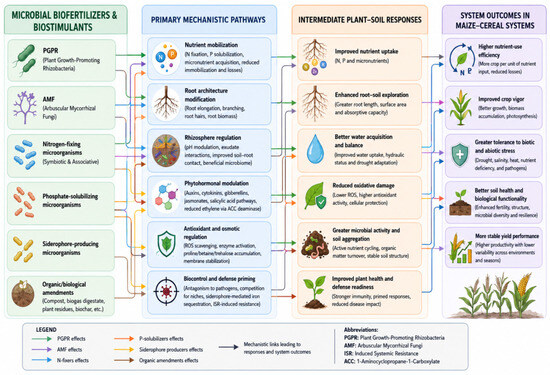
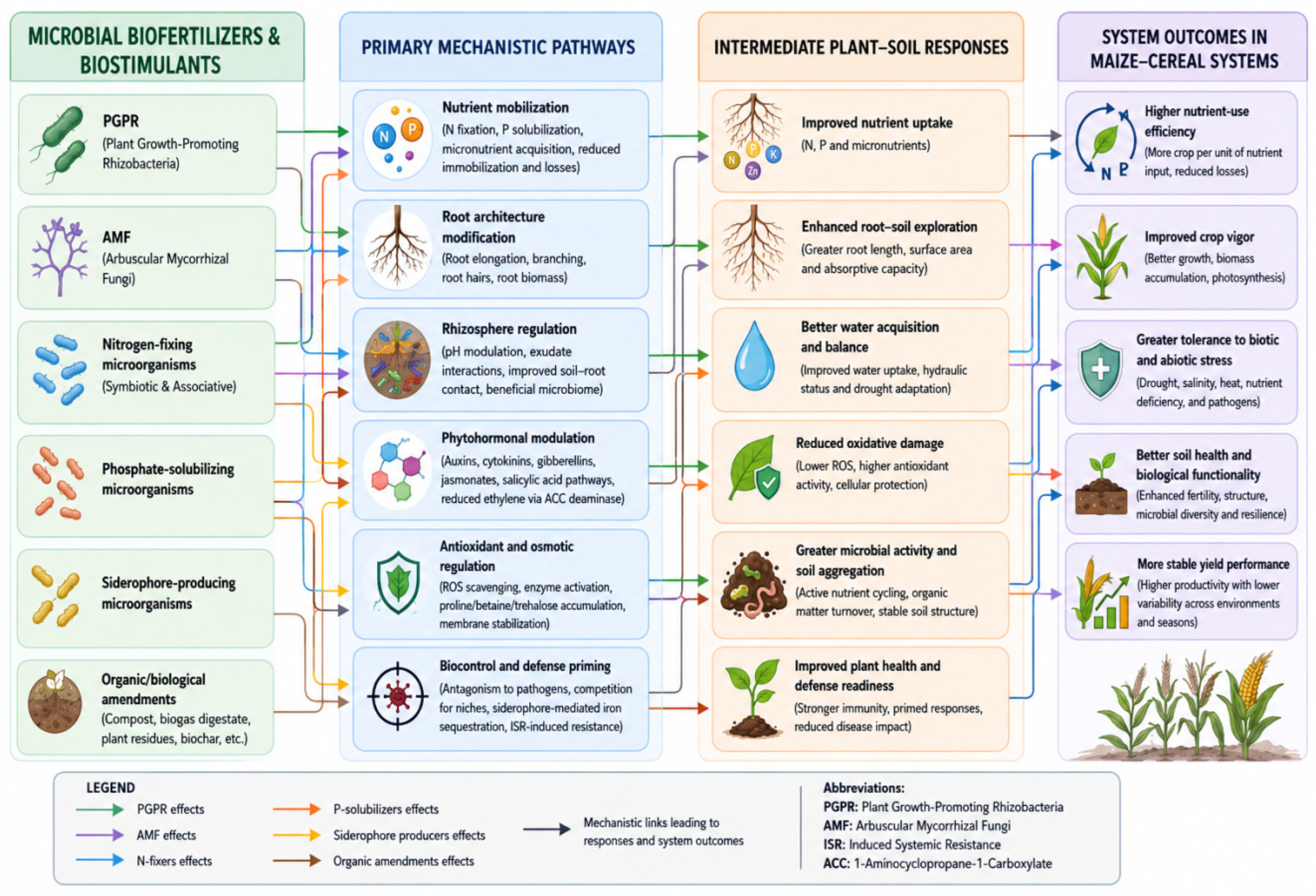
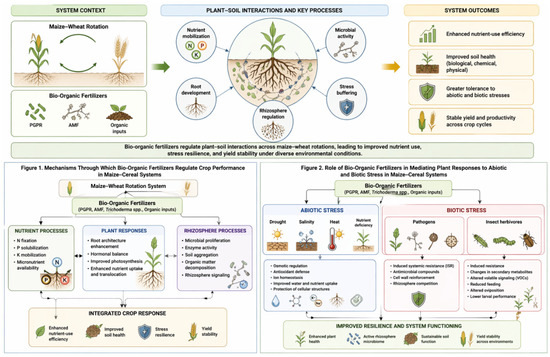
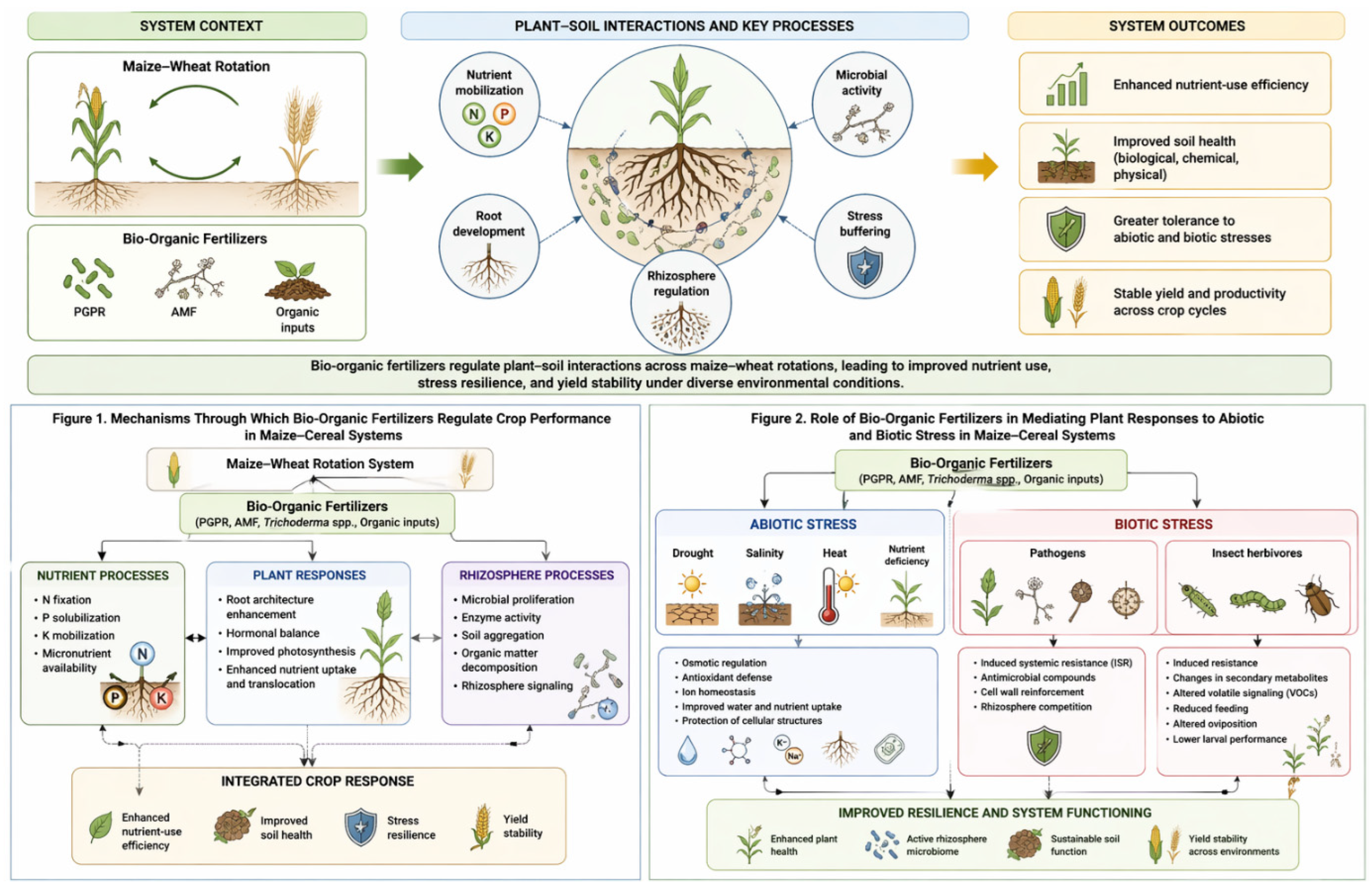
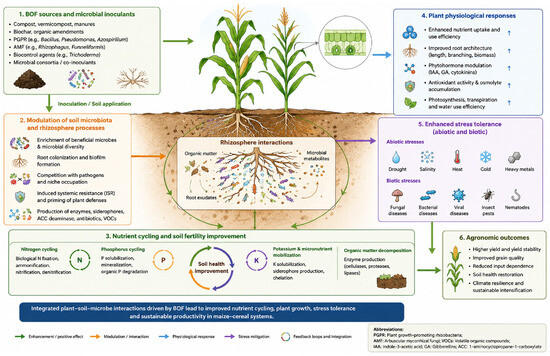
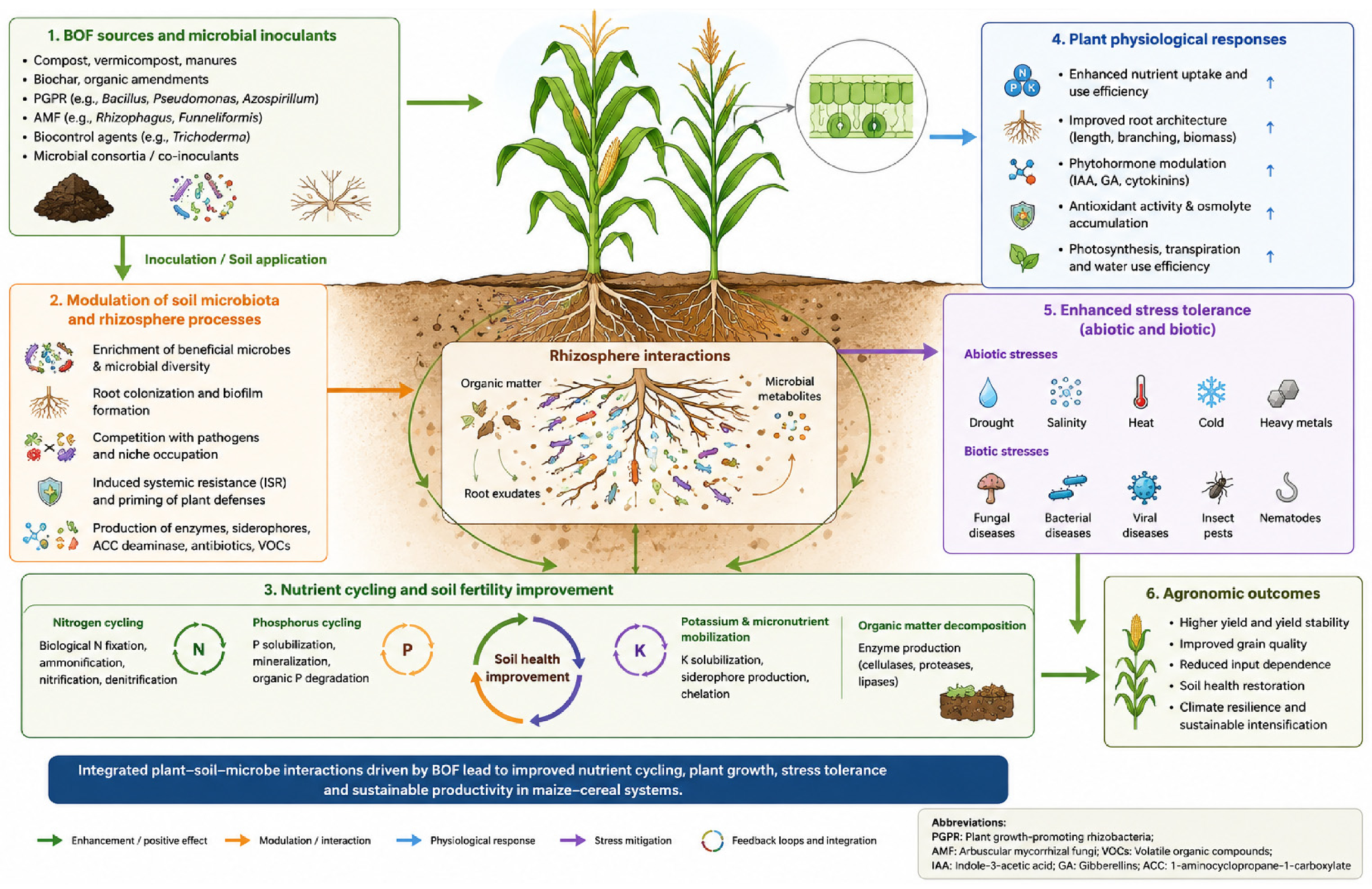

Disclaimer/Publisher’s Note: The statements, opinions and data contained in all publications are solely those of the individual author(s) and contributor(s) and not of MDPI and/or the editor(s). MDPI and/or the editor(s) disclaim responsibility for any injury to people or property resulting from any ideas, methods, instructions or products referred to in the content. |
© 2026 by the authors. Licensee MDPI, Basel, Switzerland. This article is an open access article distributed under the terms and conditions of the Creative Commons Attribution (CC BY) license.