Article

Effect of Phytoplasma Associated with Sesame Phyllody on Ultrastructural Modification, Physio-Biochemical Traits, Productivity and Oil Quality

1
Virus and Phytoplasma Research Department, Plant Pathology Research Institute, Agricultural Research Center, Giza 12619, Egypt
2
Agronomy Department, Faculty of Agriculture, Fayoum University, Fayoum 63514, Egypt
*
Author to whom correspondence should be addressed.
Plants 2022, 11(4), 477; https://doi.org/10.3390/plants11040477

Submission received: 21 January 2022 / Revised: 8 February 2022 / Accepted: 8 February 2022 / Published: 10 February 2022

Abstract

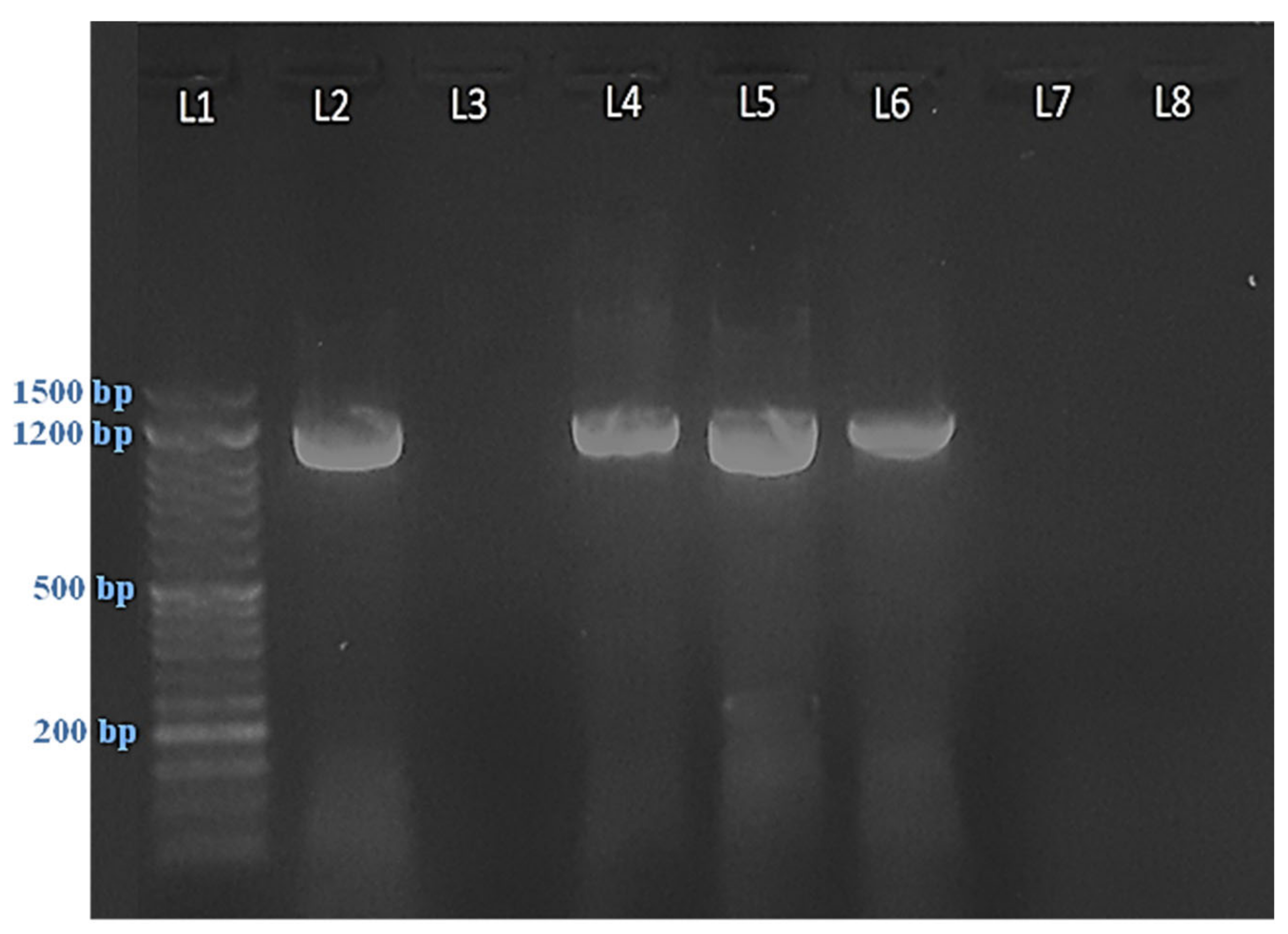
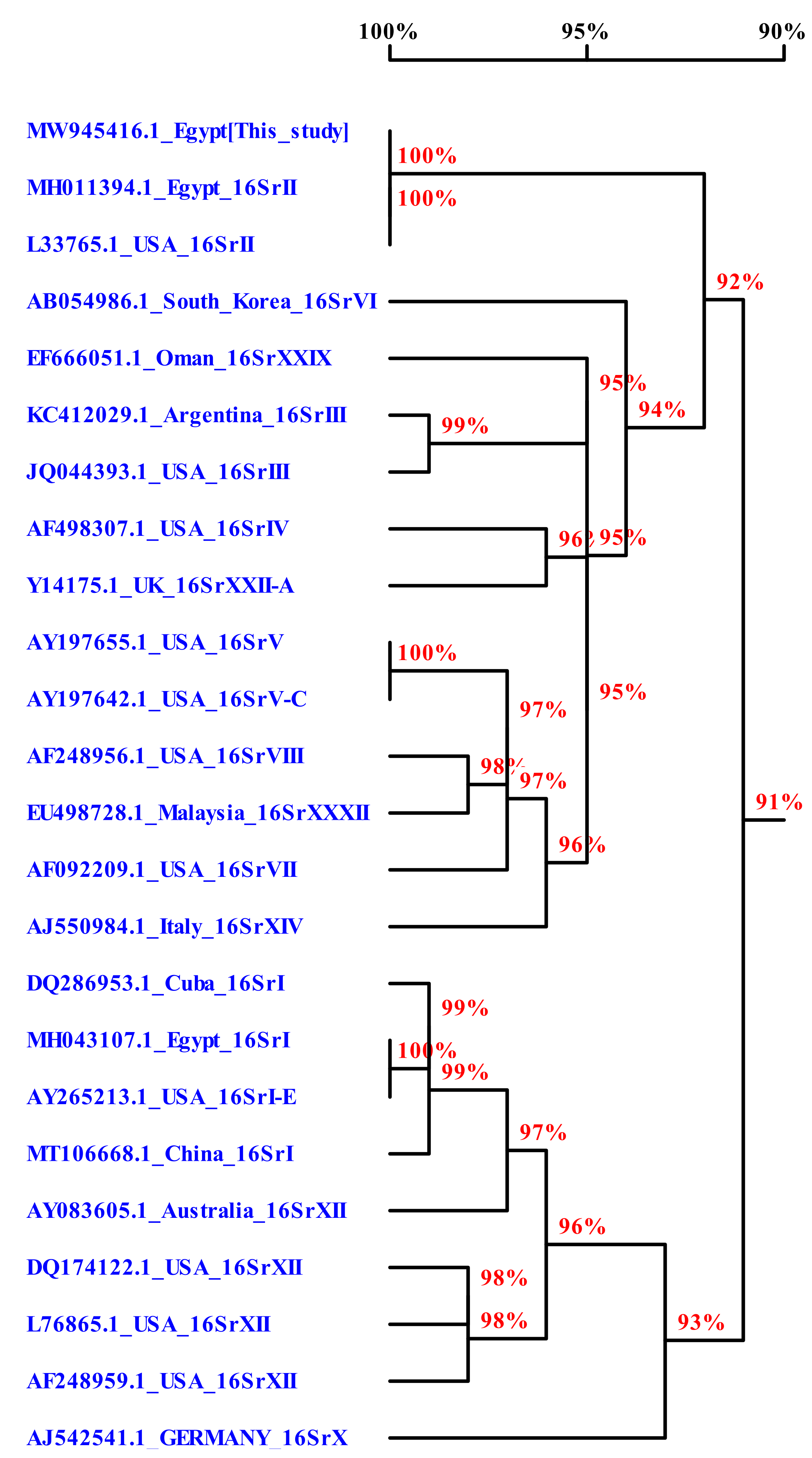
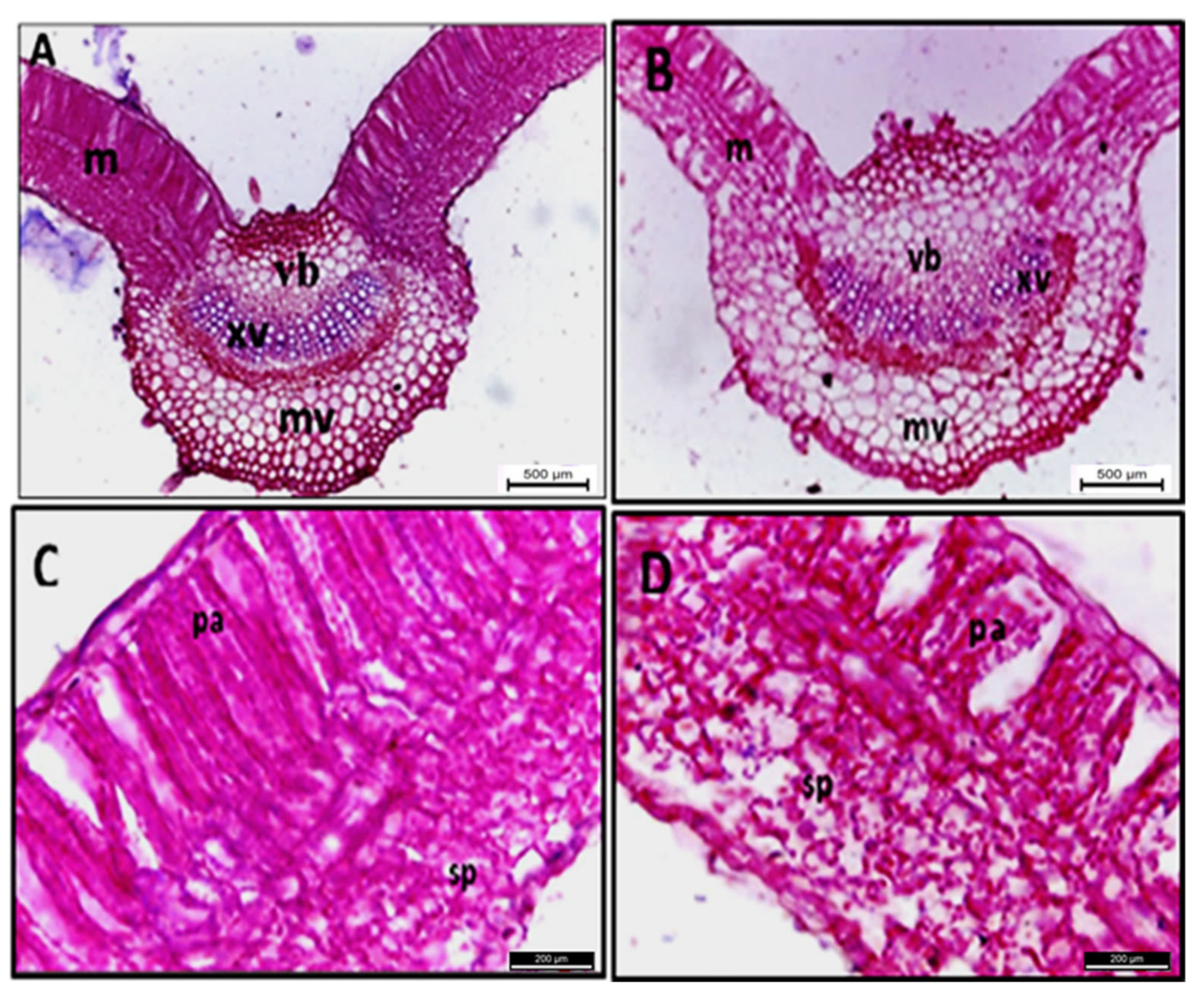
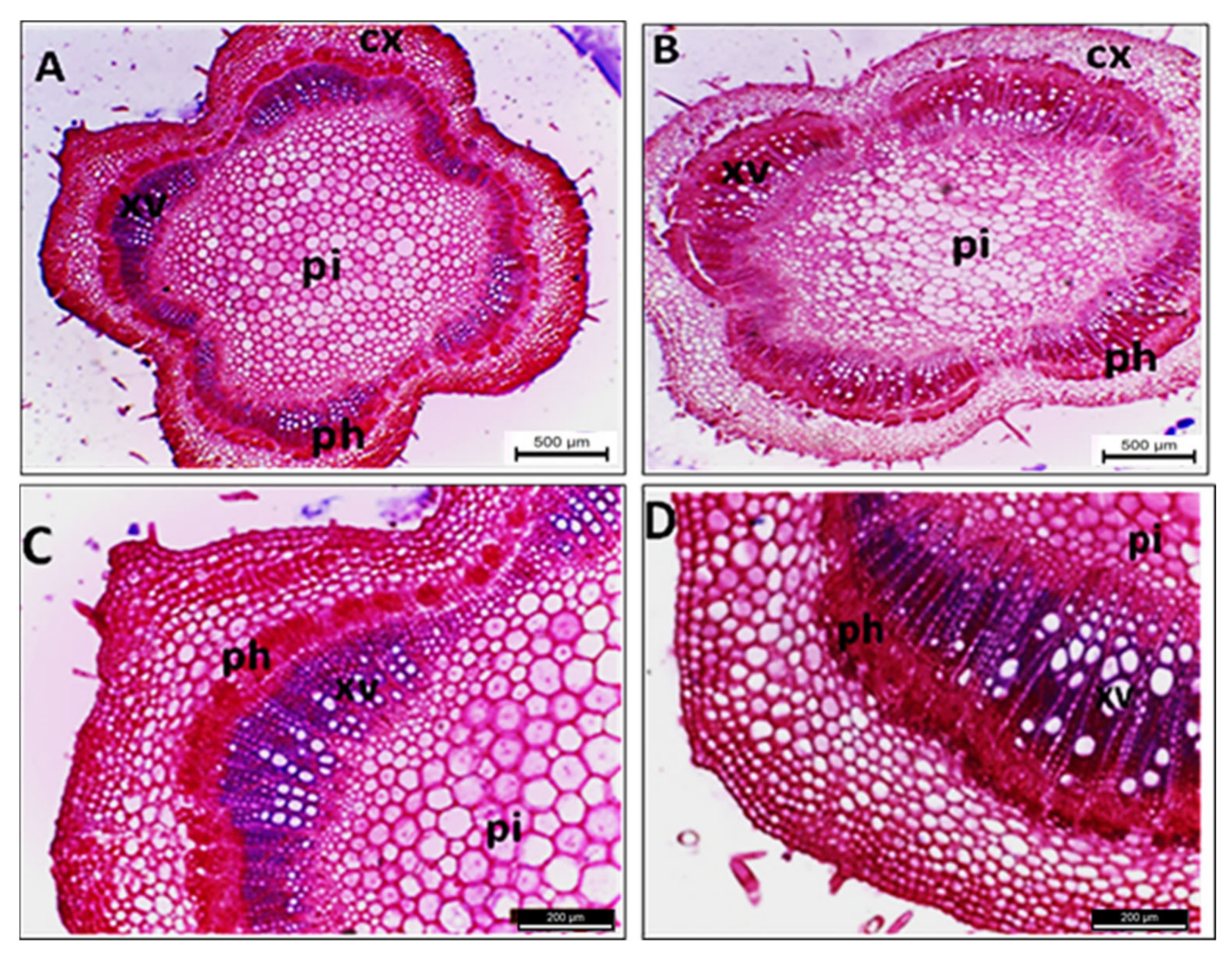
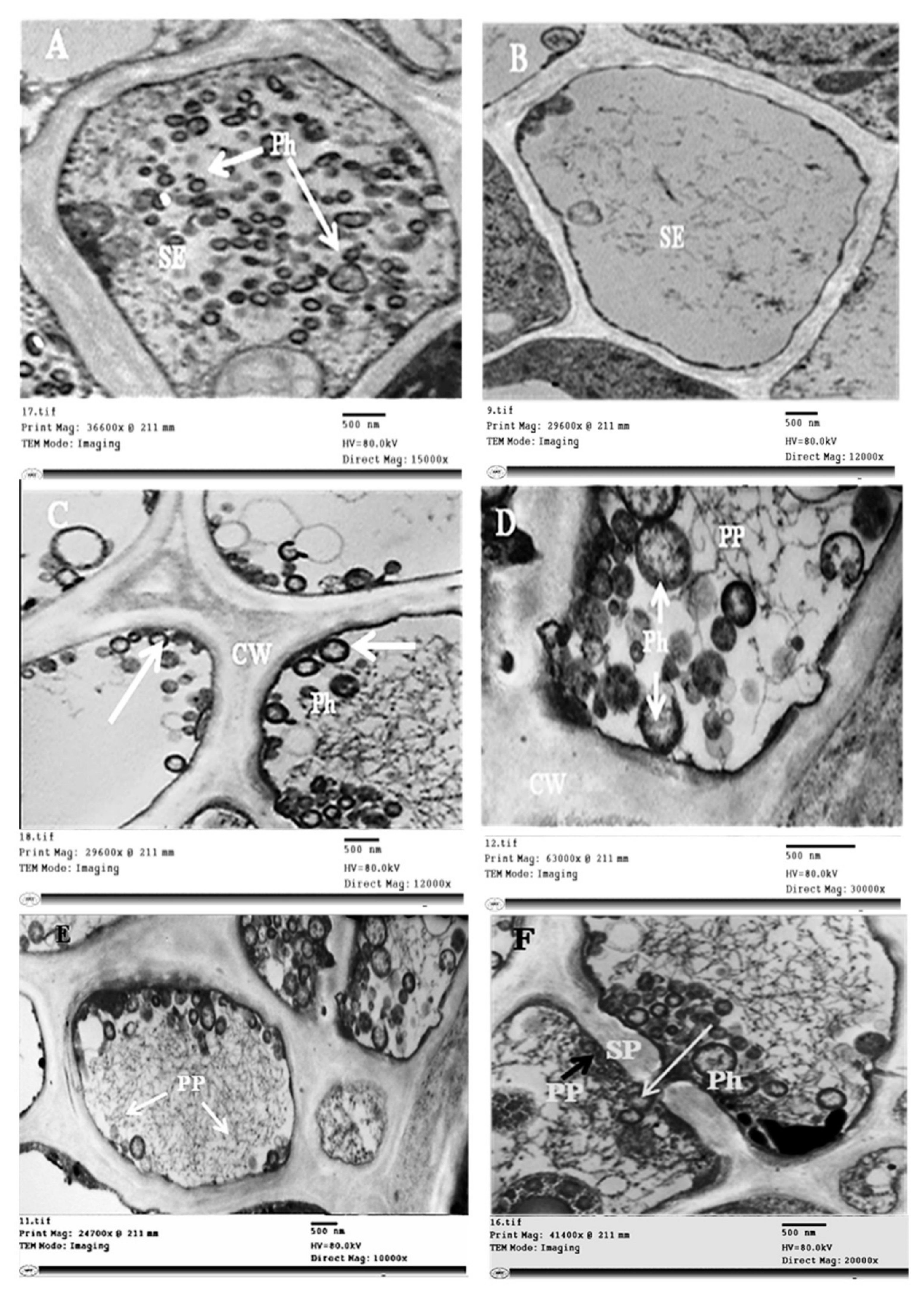
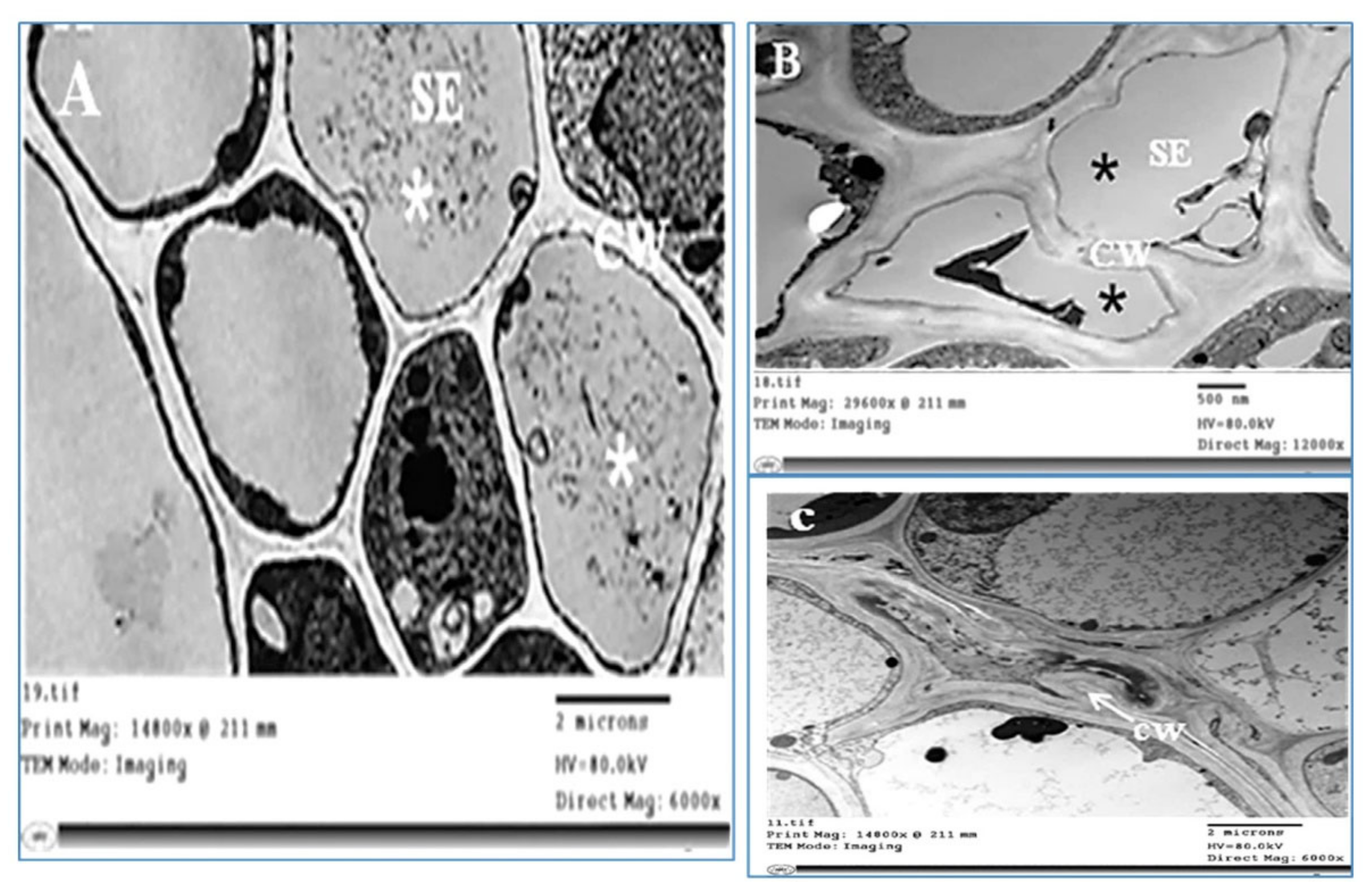
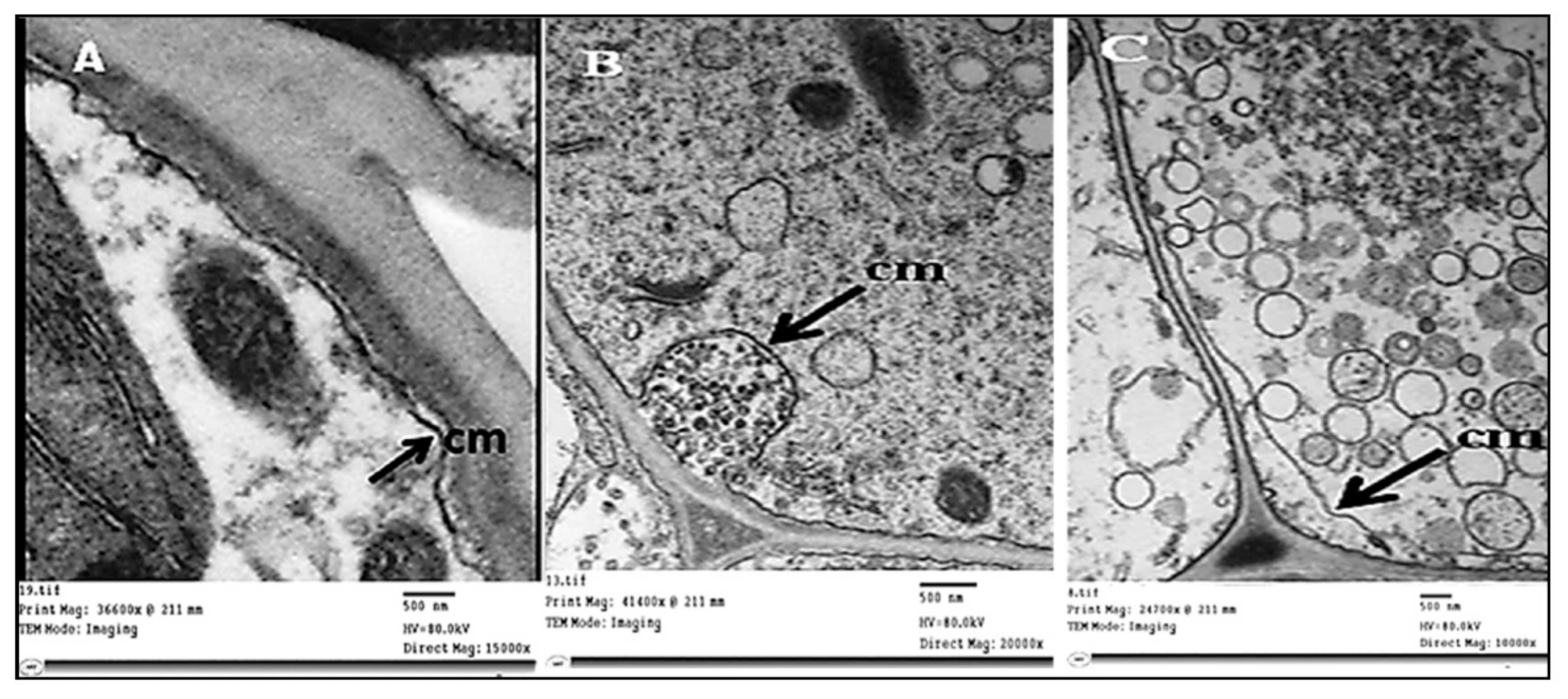
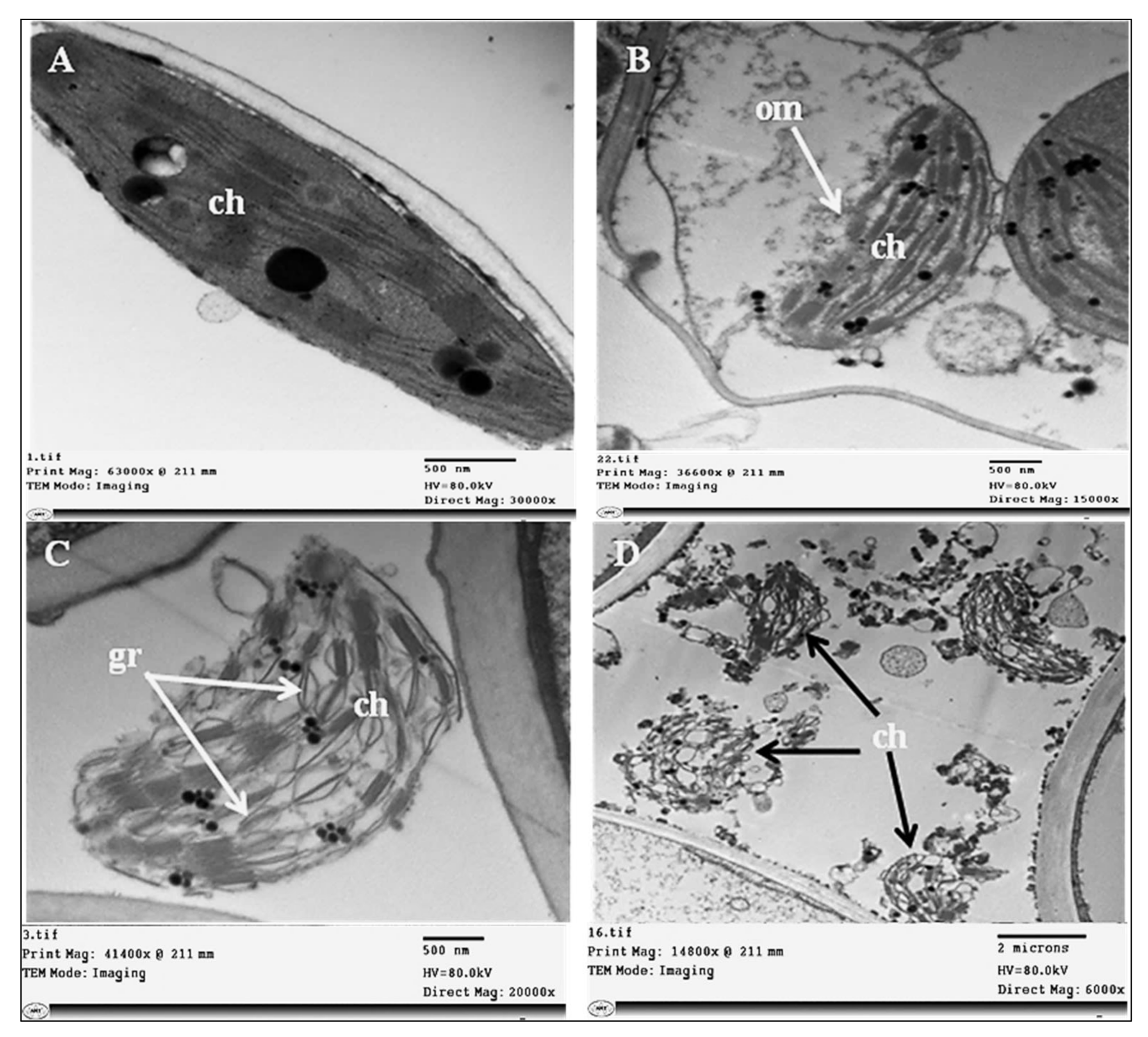
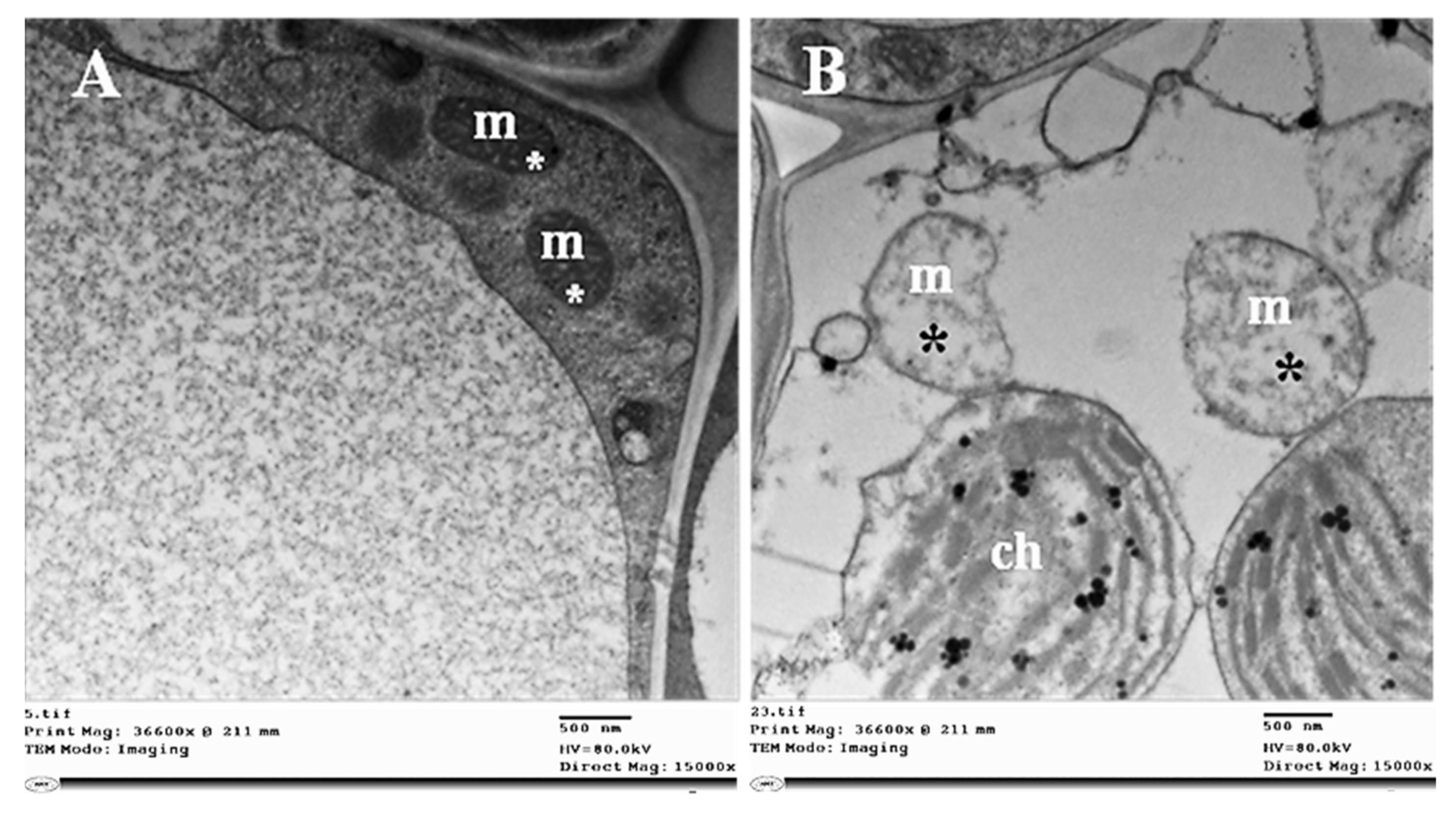
Phytoplasmas are obligate cell-wall-less plant pathogenic bacteria that infect many economically important crops, causing considerable yield losses worldwide. Very little information is known about phytoplasma–host plant interaction mechanisms and their influence on sesame yield and oil quality. Therefore, our aim was to explore the ultrastructural and agro-physio-biochemical responses of sesame plants and their effects on sesame productivity and oil quality in response to phytoplasma infection. Sesame leaf samples exhibiting phyllody symptoms were collected from three experimental fields during the 2021 growing season. Phytoplasma was successfully detected by nested- polymerase chain reaction (PCR) assays using the universal primer pairs P1/P7 and R16F2n/R16R2, and the product of approximately 1200 bp was amplified. The amplified product of 16S rRNA was sequenced and compared with other available phytoplasma’s 16S rRNA in the GenBank database. Phylogenetic analysis revealed that our Egyptian isolate under accession number MW945416 is closely related to the 16SrII group and showed close (99.7%) identity with MH011394 and L33765.1, which were isolated from Egypt and the USA, respectively. The microscopic examination of phytoplasma-infected plants revealed an observable deterioration in tissue and cell ultrastructure. The primary and secondary metabolites considerably increased in infected plants compared with healthy ones. Moreover, phytoplasma-infected plants showed drastically reduced water content, chlorophyll content, growth, and yield components, resulting in 37.9% and 42.5% reductions in seed and oil yield, respectively. The peroxide value of the infected plant’s oil was 43.2% higher than that of healthy ones, suggesting a short shelf-life. Our findings will provide a better understanding of the phyllody disease pathosystem, helping us to develop effective strategies for overcoming such diseases.
Keywords: phytoplasma; sesame phyllody; 16SII phytoplasma group; physio-biochemical responses; oil yield and fatty acid profile; oil properties phytoplasma; sesame phyllody; 16SII phytoplasma group; physio-biochemical responses; oil yield and fatty acid profile; oil properties