


-
Mangiferin as a Multilevel Modulator of Metabolic Syndrome: Current Evidence and Future Perspectives -
Lipid Metabolism, Body Composition, and Diet in Acne Vulgaris -
GABA Regulates Ca2+ Oscillations and Synchronization in Pancreatic Beta Cells -
Effects of Compound Probiotic Fermented Feed on In Vitro Rumen Fermentation, In Situ Degradation, Rumen Microbiota and Metabolome, and Growth Performance of Beef Cattle -
A Two-Layer Structural Key Framework for Linking Compound Identifiers and MS/MS Evidence in Spectral Database Curation
Journal Description
Metabolites
Metabolites
is an international, peer-reviewed, open access journal of metabolism and metabolomics, published monthly online by MDPI.
- Open Access— free for readers, with article processing charges (APC) paid by authors or their institutions.
- High Visibility: indexed within Scopus, SCIE (Web of Science), PubMed, PMC, Embase, CAPlus / SciFinder, and other databases.
- Journal Rank: JCR - Q2 (Biochemistry and Molecular Biology) / CiteScore - Q1 (Endocrinology, Diabetes and Metabolism)
- Rapid Publication: manuscripts are peer-reviewed and a first decision is provided to authors approximately 12.6 days after submission; acceptance to publication is undertaken in 3.7 days (median values for papers published in this journal in the first half of 2026).
- Recognition of Reviewers: reviewers who provide timely, thorough peer-review reports receive vouchers entitling them to a discount on the APC of their next publication in any MDPI journal, in appreciation of the work done.
Impact Factor:
4.5 (2025);
5-Year Impact Factor:
4.5 (2025)
Latest Articles
Biatrial Inflammatory and Fibrotic Remodeling in Severe Aortic Stenosis Compared with CABG Controls
Metabolites 2026, 16(8), 574; https://doi.org/10.3390/metabo16080574 - 14 Aug 2026
Abstract
Background: Extensive prior work has established severe aortic stenosis as a whole-heart remodeling process involving chronic pressure overload, concentric hypertrophy, myocardial stiffness, and progressive ventricular fibrosis. However, direct paired histological characterization of both atria remains limited. Methods: This single-center observational comparative study included
[...] Read more.
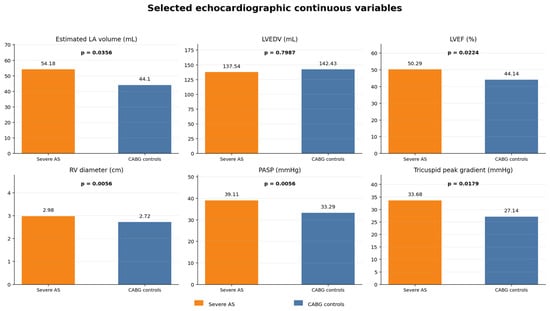
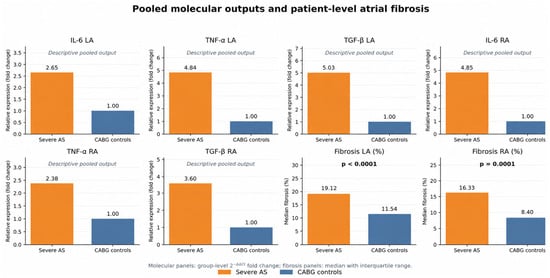
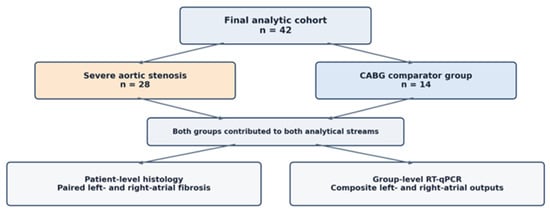
Background: Extensive prior work has established severe aortic stenosis as a whole-heart remodeling process involving chronic pressure overload, concentric hypertrophy, myocardial stiffness, and progressive ventricular fibrosis. However, direct paired histological characterization of both atria remains limited. Methods: This single-center observational comparative study included 28 patients with severe aortic stenosis referred for surgical aortic valve replacement and 14 coronary artery bypass grafting (CABG) controls without significant valvular disease, consecutively enrolled between 9 May 2024 and 28 April 2025. Left- and right-atrial tissue samples were collected intraoperatively. The relative expression of interleukin-6 (IL-6), tumor necrosis factor-alpha (TNF-alpha), and transforming growth factor-beta (TGF-beta) was quantified by RT-qPCR using pooled tissue samples and interpreted descriptively as a group-level molecular output. Atrial fibrosis was measured histologically at the patient level using Masson’s trichrome staining and digital image analysis. Results: Compared with CABG controls, patients with severe aortic stenosis demonstrated greater left-atrial fibrosis (median: 19.12% [IQR: 16.12–23.12] vs. 11.54% [9.53–14.29]; p < 0.0001) and right-atrial fibrosis (16.33% [15.07–19.13] vs. 8.40% [5.75–11.27]; p = 0.0001). Pooled RT-qPCR outputs descriptively suggested higher IL-6, TNF-alpha, and TGF-beta expression in both atria, although biological replication was insufficient for inferential testing. Echocardiographically, the aortic stenosis group showed higher aortic jet velocity and transvalvular gradients, thicker ventricular walls, a larger right-ventricular diameter, higher pulmonary artery systolic pressure, and a larger estimated left-atrial volume. A sensitivity analysis of 13 within-group correlations found that no correlation retained statistical significance at q < 0.05. Exploratory regressions restricted to patient-level histological outcomes suggested that severe aortic stenosis status remained associated with left- and right-atrial fibrosis after limited adjustment for age and sex. Conclusions: These findings complement the extensive ventricular fibrosis literature by providing paired human biatrial tissue evidence of greater atrial fibrosis in severe aortic stenosis compared with CABG controls. The pooled molecular findings remain descriptive and require validation using patient-level biological measurements.
Full article
(This article belongs to the Special Issue Current Research in Metabolic Syndrome and Cardiometabolic Disorders)
►
Show Figures
Open AccessArticle
Chemical Profiling and Anti-Inflammatory Mechanisms of Heracleum millefolium Diels Revealed by Molecular Networking, Network Pharmacology, and Cellular Validation
by
Genhua Zhu, Xueqin Yin, Ciren Dunzhu, Xiang Zhou, Meijuan Shao, En Yuan, Zhihong Yan and Xiaoyu Xie
Metabolites 2026, 16(8), 573; https://doi.org/10.3390/metabo16080573 - 13 Aug 2026
Abstract
Background/Objectives: Heracleum millefolium Diels (HMD) is a traditional Tibetan medicinal herb that has been reported to possess analgesic, anti-edematous, and anti-inflammatory activities. However, its chemical composition and anti-inflammatory mechanisms remain unclear. Methods: In this study, ultra-performance liquid chromatography coupled with high-resolution
[...] Read more.
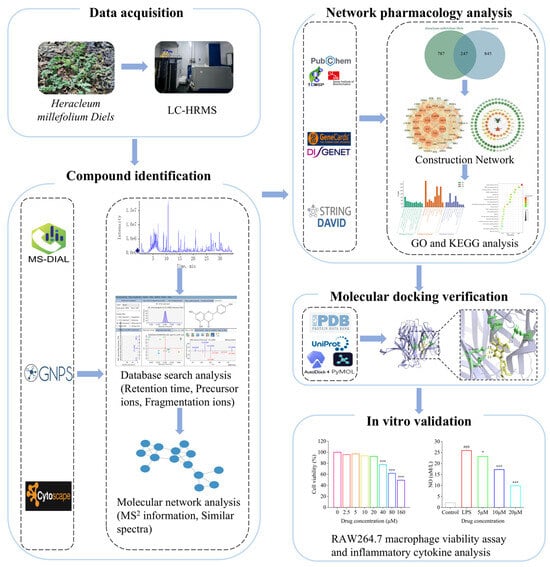
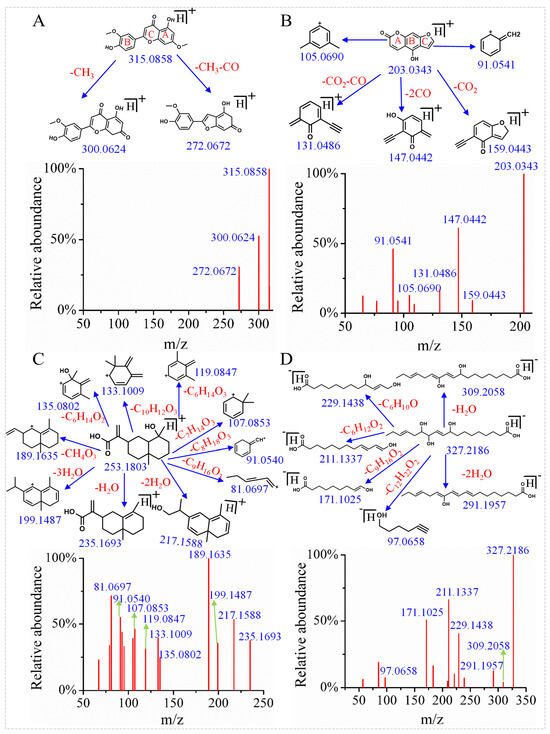
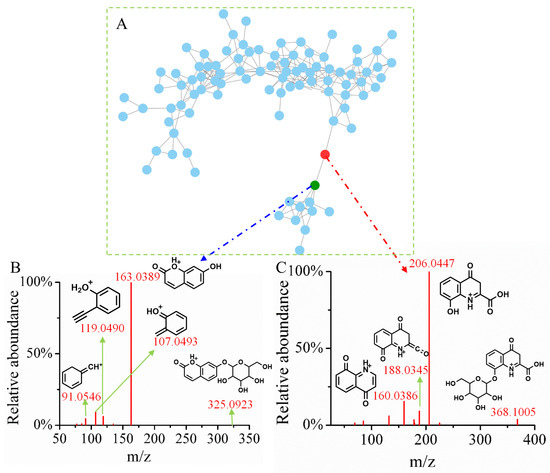
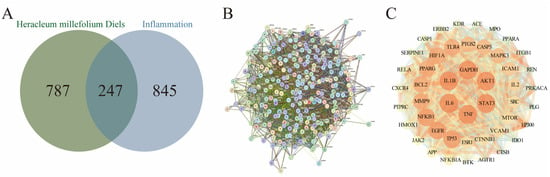
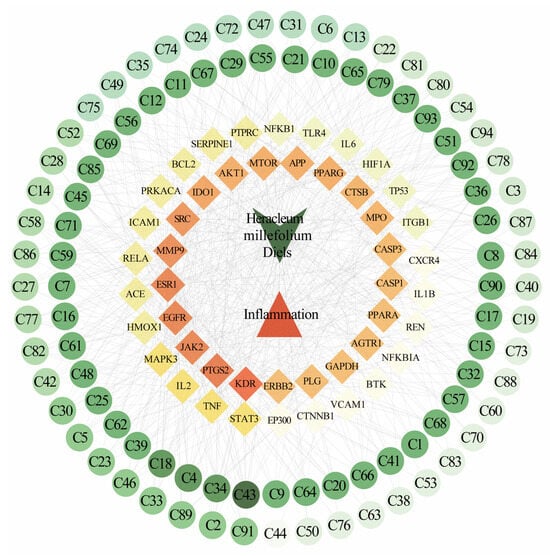
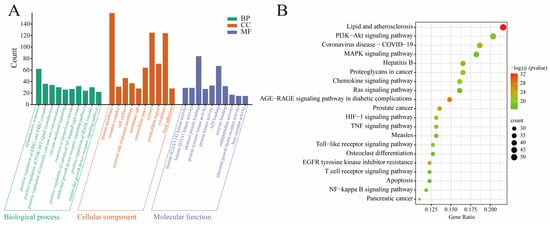
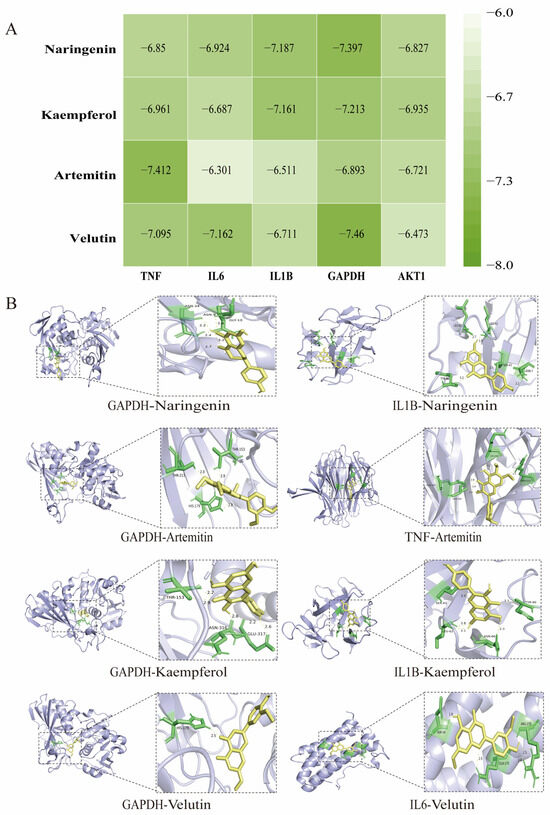
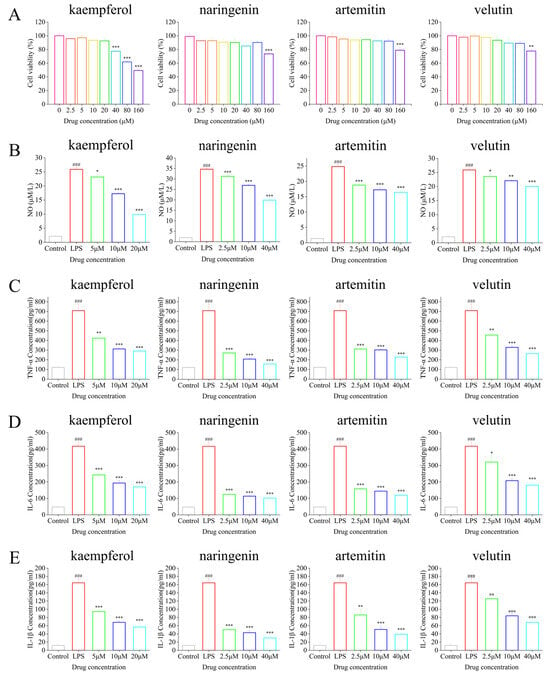
Background/Objectives: Heracleum millefolium Diels (HMD) is a traditional Tibetan medicinal herb that has been reported to possess analgesic, anti-edematous, and anti-inflammatory activities. However, its chemical composition and anti-inflammatory mechanisms remain unclear. Methods: In this study, ultra-performance liquid chromatography coupled with high-resolution mass spectrometry (UPLC-HRMS), combined with database searching and “seed”-based molecular networking, was used to systematically characterize the chemical constituents of HMD. Furthermore, an integrated strategy combining network pharmacology, molecular docking, and cellular validation was applied to explore potential anti-inflammatory mechanisms associated with HMD. Results: A total of 472 compounds were identified or tentatively identified from HMD. Network pharmacology analysis predicted five key targets, namely TNF, IL-6, IL-1β, GAPDH, and AKT1, together with four potential bioactive constituents, including velutin, artemitin, kaempferol, and naringenin. Pathway enrichment analysis indicated that the potential anti-inflammatory effects of HMD were mainly associated with lipid and atherosclerosis and the AGE-RAGE signaling pathway. Molecular docking suggested potential favorable interactions between the selected constituents and key targets. Moreover, cellular experiments demonstrated that the four compounds significantly inhibited inflammatory responses in LPS-stimulated RAW264.7 macrophages. Conclusions: This study systematically characterized the chemical profile of HMD and preliminarily explored its potential anti-inflammatory mechanisms, providing a scientific basis for further investigation of its bioactive constituents and pharmacological properties.
Full article
(This article belongs to the Special Issue Advances on Metabolomics: Driving Innovation in Bio-Analysis and Natural Products Research)
►▼
Show Figures

Figure 1
Open AccessArticle
Bioactive Potential of “Jaspeado Garlic” (Allium sativum) from Northwestern Mexico: In Vitro Antioxidant and Bacteriostatic Effects
by
Elizabeth Varela-Navarro, Luis Alberto Anguiano-Sevilla, Gilberto Velázquez-Juárez, Ivan David Meza-Canales, Rocío Ivette López-Roa, María Eugenia Jaramillo-Flores, Fabián Rho-Mas, Julio César Muro-Valdez, Abril Melchor-González and Adelaida Sara M. Zepeda-Morales
Metabolites 2026, 16(8), 572; https://doi.org/10.3390/metabo16080572 - 12 Aug 2026
Abstract
Background/Objectives: Garlic (Allium sativum) has long been valued for its rich constellation of organosulfur and phenolic compounds, molecules that underpin its many recognized biological activities. Despite its deep roots in traditional medicine, the functional profile of garlic is far from uniform;
[...] Read more.
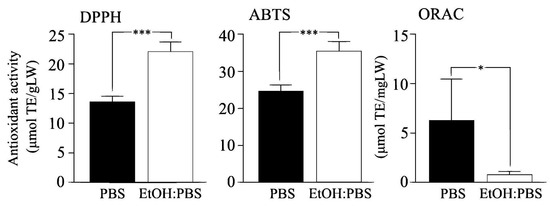
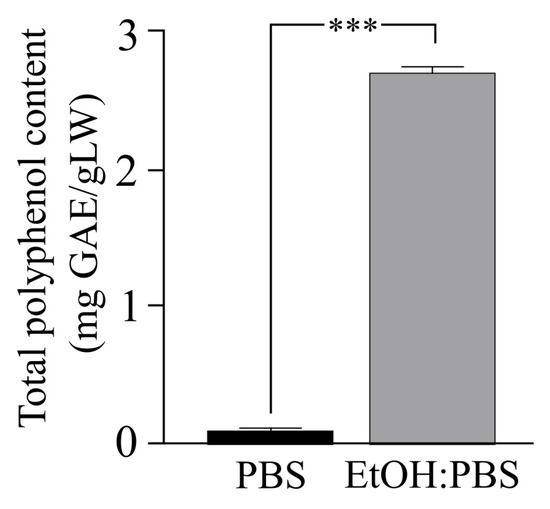
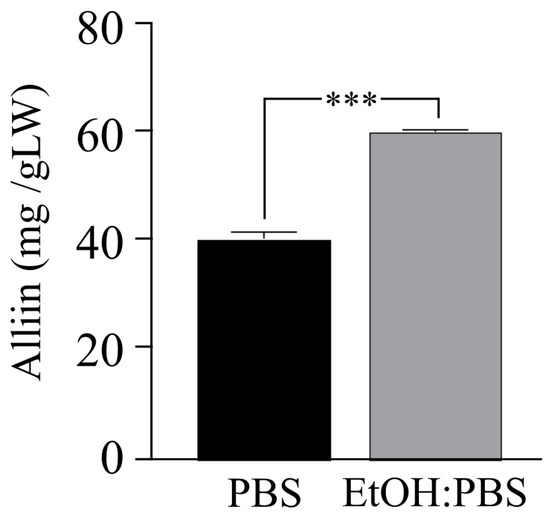
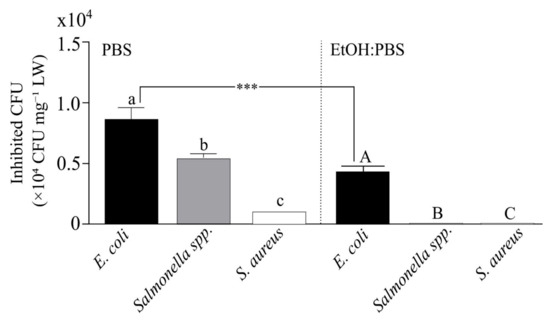
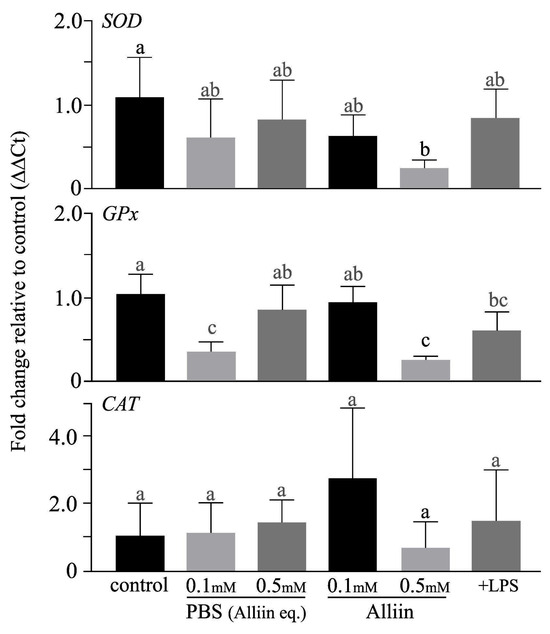
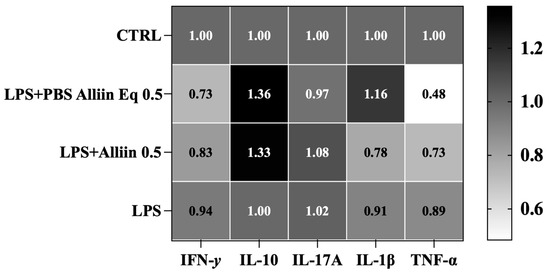
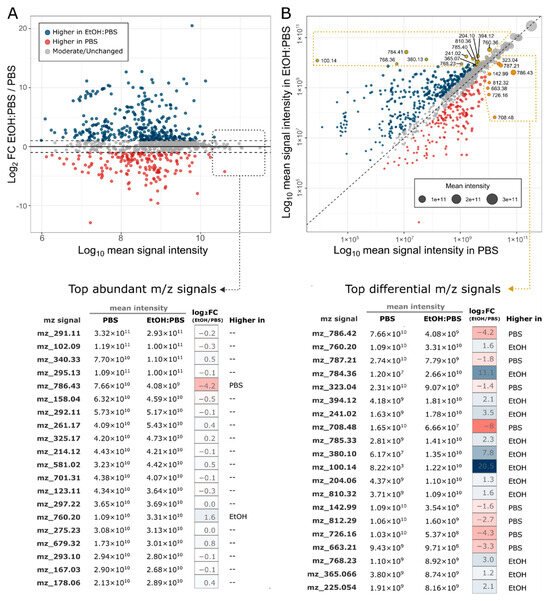
Background/Objectives: Garlic (Allium sativum) has long been valued for its rich constellation of organosulfur and phenolic compounds, molecules that underpin its many recognized biological activities. Despite its deep roots in traditional medicine, the functional profile of garlic is far from uniform; it shifts notably depending on how its bioactive components are extracted. Most scientific attention has gravitated toward ethanolic extracts, leaving the behavior of aqueous-buffer preparations relatively unexplored. In this study, we evaluated the antioxidant, antimicrobial, and exploratory immunometabolic effects of extracts obtained with phosphate-buffered saline (PBS) and 50% ethanol in PBS (EtOH:PBS; 50:50, v/v), using a regional garlic variety (“Jaspeado”) cultivated in northwestern Mexico. Methods: Their antioxidant potential was profiled through DPPH, ABTS, and ORAC assays; phenolic content was quantified using the Folin–Ciocalteu method, and a broader chemical fingerprint was obtained through UPLC-ESI-TQ-MS/MS. Furthermore, we analyzed their antimicrobial action against Escherichia coli, Salmonella spp., and Staphylococcus aureus, and examined their immunometabolic influence in LPS-stimulated 3T3-L1 adipocytes. Results: The extracts showed distinct, solvent-dependent patterns of antioxidant activity. The PBS extract displayed the highest ORAC values, whereas the EtOH:PBS extract showed a stronger DPPH and ABTS activity and a higher phenolic recovery. The PBS extract exhibited a broader bacteriostatic effect, inhibiting the growth of all strains, and selectively modulated antioxidant gene expression and influenced cytokine changes in adipocytes. Conclusions: Overall, this regional garlic variety exhibits solvent-dependent antioxidant and antimicrobial activities, while the PBS extract provided a biocompatible preparation for exploring relationships between chemical composition and biological activities.
Full article
(This article belongs to the Special Issue Biological Activity and Chemical Biodiversity of Plant Secondary Metabolites)
►▼
Show Figures

Figure 1
Open AccessArticle
Predictive Performance of Simplified First-Trimester Placental Volume Estimation Combined with Uterine Artery Doppler and Maternal Serum Biomarkers for Preeclampsia and Fetal Growth Restriction: A Retrospective Cohort Study
by
Serem Kel Ilgın, Mehmet Nuri Duran, Süreyya Sarıdaş Demir and Bülent Demir
Metabolites 2026, 16(8), 571; https://doi.org/10.3390/metabo16080571 - 12 Aug 2026
Abstract
Background: Preeclampsia and fetal growth restriction (FGR) are major obstetric complications originating from abnormal placental development during early pregnancy. Early identification of pregnancies at increased risk remains challenging despite the availability of several first-trimester biochemical and biophysical markers. Objective: This study
[...] Read more.
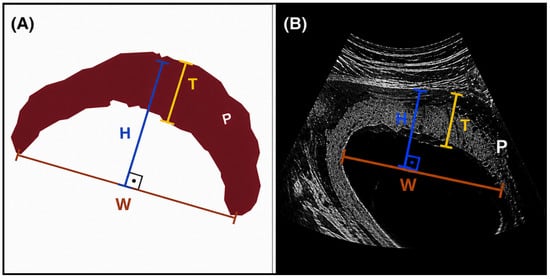
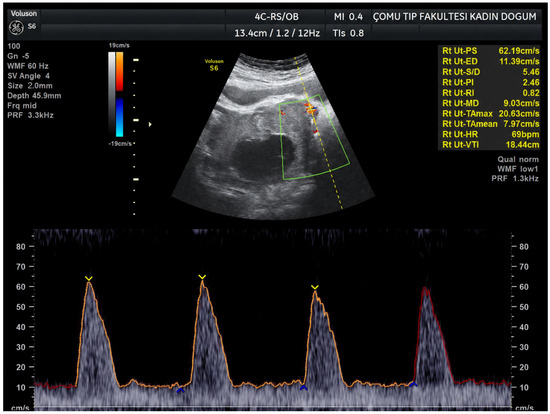
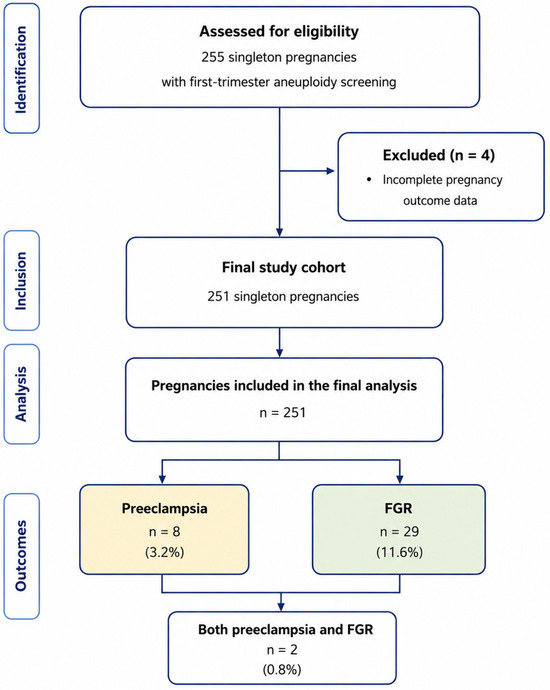
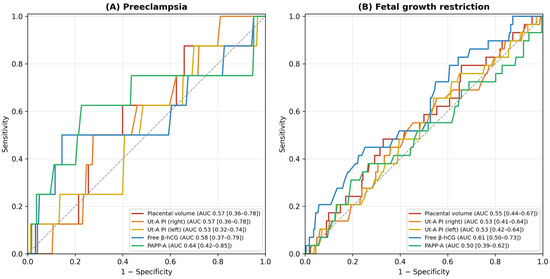
Background: Preeclampsia and fetal growth restriction (FGR) are major obstetric complications originating from abnormal placental development during early pregnancy. Early identification of pregnancies at increased risk remains challenging despite the availability of several first-trimester biochemical and biophysical markers. Objective: This study aimed to evaluate the predictive value of first-trimester placental volume, bilateral uterine artery Doppler pulsatility indices (UtA-PI), pregnancy-associated plasma protein-A (PAPP-A), and free β-human chorionic gonadotropin (free β-hCG) for the subsequent development of preeclampsia and FGR. Methods: This retrospective cohort study included 251 singleton pregnancies that underwent routine first-trimester aneuploidy screening. Placental volume was estimated using a standardized two-dimensional ultrasonographic method; bilateral uterine artery Doppler examinations were performed according to Fetal Medicine Foundation recommendations, and maternal serum PAPP-A and free β-hCG values were recorded as multiples of the median. Receiver operating characteristic (ROC) analysis, multivariable logistic regression, and leave-one-out cross-validation were performed to evaluate predictive performance. Results: Preeclampsia and FGR developed in 8 (3.2%) and 29 (11.6%) pregnancies, respectively. None of the investigated biochemical or biophysical markers differed significantly between affected and unaffected pregnancies. Individual biomarkers demonstrated poor discriminatory performance, with AUC values ranging from 0.50 to 0.64. Following adjustment for maternal characteristics, only lower maternal free β-hCG remained independently associated with FGR (adjusted OR 0.49, 95% CI 0.25–0.96; p = 0.038). The apparent performance of the combined prediction model was not maintained following internal validation, indicating substantial model overfitting. Conclusions: First-trimester placental volume, uterine artery Doppler indices, PAPP-A, and free β-hCG demonstrated limited predictive performance for preeclampsia and FGR in this cohort. These findings suggest that currently available first-trimester biomarkers are insufficient as stand-alone screening tools and support the development of multimodal prediction strategies integrating biochemical, biophysical, angiogenic, and molecular biomarkers rather than relying on isolated first-trimester markers.
Full article
(This article belongs to the Topic Biomarkers of Disease: Discovery and Clinical Applications)
►▼
Show Figures

Figure 1
Open AccessArticle
Role of Alpha-Defensins 3 and 5 in Diabetic Complications: Associations with Nephropathy and Metabolic Parameters in Type 2 Diabetes
by
Yuliyan Naydenov, Vera Karamfilova, Yavor Assyov, Diana Nikolova, Savelia Yordanova, Zdravko Kamenov, Boris Bogov, Julieta Hristova and Antoaneta Gateva
Metabolites 2026, 16(8), 570; https://doi.org/10.3390/metabo16080570 - 11 Aug 2026
Abstract
Background/Objectives: DEFA3 and DEFA5 are alpha-defensins, which are small cationic antimicrobial peptides that are part of the innate immune system. DEFA3 encodes human neutrophil peptide-3 (HNP-3), primarily expressed in neutrophils, while DEFA5 encodes human defensin-5 (HD-5), predominantly expressed in Paneth cells of the
[...] Read more.
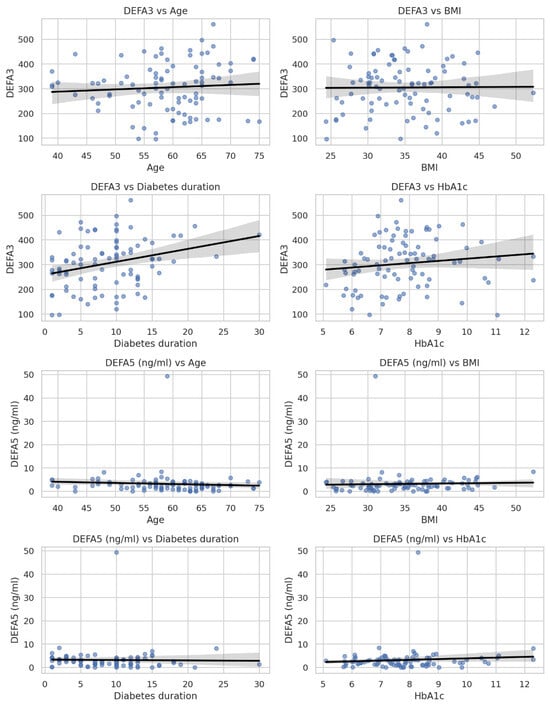
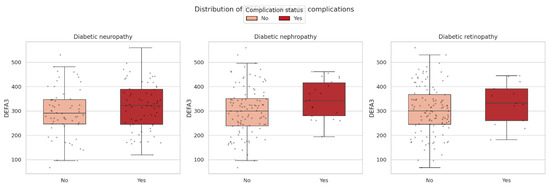
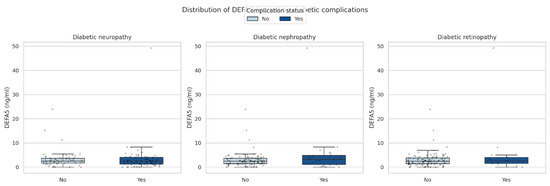
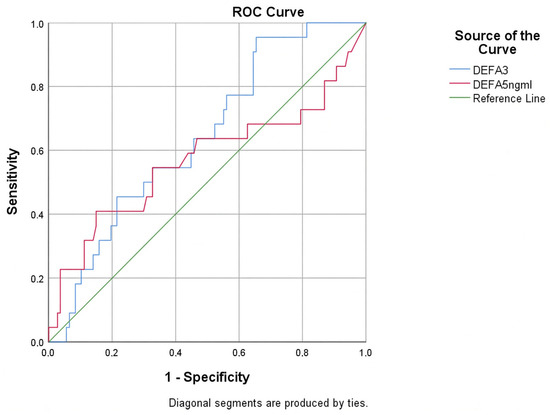
Background/Objectives: DEFA3 and DEFA5 are alpha-defensins, which are small cationic antimicrobial peptides that are part of the innate immune system. DEFA3 encodes human neutrophil peptide-3 (HNP-3), primarily expressed in neutrophils, while DEFA5 encodes human defensin-5 (HD-5), predominantly expressed in Paneth cells of the small intestine. Both defensins show elevated levels in diabetes and are strongly associated with diabetic nephropathy, with the highest concentrations found in patients with this complication. We evaluated serum levels of DEFA3 and DEFA5 in 160 participants (93 patients with T2DM and 67 controls without carbohydrate disturbances) and their associations with diabetic nephropathy, as well as peripheral and cardiac autonomic neuropathy and anthropometric and metabolic parameters. Methods: This was a monocentric, cross-sectional, observational study conducted at the Endocrinology and Metabolic Disorders Clinic of Alexandrovska Hospital in Sofia. Main methods included detailed clinical and anthropometric assessments, diagnosis of peripheral neuropathy via the Neuropathy Disability Score (NDS), evaluation of cardiac autonomic neuropathy using heart rate variability analysis and Ewing cardiovascular reflex tests, comprehensive laboratory investigations with fasting blood samples, and measurement of serum DEFA3 and DEFA5 levels by ELISA kits. Results: Serum DEFA3 and DEFA5 levels did not differ significantly between patients with T2DM and controls without carbohydrate disturbances, nor by sex or menopausal status. Patients with diabetic nephropathy showed significantly higher levels of both DEFA3 (345.7 ± 77.9 pg/mL vs. 299.2 ± 100.3 pg/mL; p = 0.042) and DEFA5 (5.3 ± 10.1 pg/mL vs. 2.9 ± 2.9 pg/mL; p = 0.044). DEFA5 levels were also elevated in participants with increased albumin-to-creatinine ratio (4.9 ± 9.9 pg/mL vs. 2.2 ± 1.5 pg/mL; p = 0.043). No significant differences were observed in patients with peripheral neuropathy, cardiac autonomic neuropathy, retinopathy, or macroangiopathy, although a non-significant trend toward higher values was noted. DEFA3 demonstrated moderate discriminatory ability for diabetic nephropathy (AUC = 0.641; p = 0.037), superior to DEFA5 (AUC = 0.570; p = 0.303). DEFA3 showed multiple weak positive correlations with diabetes duration, body weight, BMI, total and LDL-cholesterol, serum creatinine, and uric acid, while DEFA5 correlated only with total cholesterol. Conclusions: Circulating DEFA3 and DEFA5 are associated with diabetic nephropathy and selected metabolic and renal parameters in patients with type 2 diabetes, with DEFA3 showing moderate discriminatory capacity. The associations were largely attenuated after covariate adjustment, suggesting that these alpha-defensins likely reflect downstream innate immune activation and renal stress rather than acting as independent drivers of complications.
Full article
(This article belongs to the Section Endocrinology and Clinical Metabolic Research)
►▼
Show Figures

Figure 1

Open AccessArticle
Association of Waist Circumference and Body Composition Indices with Insulin Resistance in Prepubertal Children with Obesity
by
Seulki Kim and Moon Bae Ahn
Metabolites 2026, 16(8), 569; https://doi.org/10.3390/metabo16080569 - 11 Aug 2026
Abstract
Background: Body mass index (BMI) is widely used to assess pediatric obesity but has limitations in distinguishing between fat and muscle mass. This study aimed to investigate the association between various body composition parameters and insulin resistance (IR) and to evaluate their
[...] Read more.
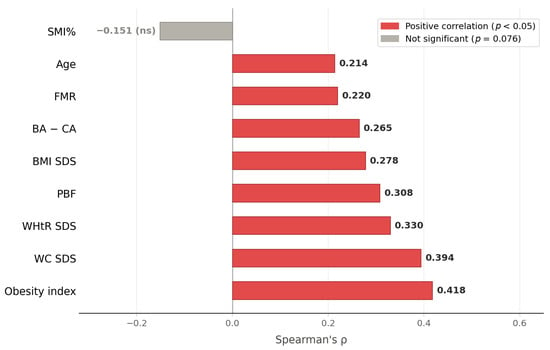
Background: Body mass index (BMI) is widely used to assess pediatric obesity but has limitations in distinguishing between fat and muscle mass. This study aimed to investigate the association between various body composition parameters and insulin resistance (IR) and to evaluate their clinical utility in prepubertal children with obesity. Methods: This retrospective cross-sectional study evaluated prepubertal children with obesity. Anthropometric measures and body composition, including percent body fat (PBF) and fat-to-muscle ratio (FMR), were assessed using bioelectrical impedance analysis. IR was defined as a homeostasis model assessment of insulin resistance (HOMA-IR) ≥2.5. Spearman rank correlation, linear regression, and multivariate logistic regression analysis were performed to identify independent associated factors for IR. Results: A total of 147 prepubertal children (61 males, 86 females) were analyzed. The IR group exhibited significantly higher waist circumference SDS (WC_SDS), waist circumference-to-height ratio SDS (WHtR_SDS), and FMR compared to the non-IR group (all p < 0.05). In correlation analysis, HOMA-IR showed significant positive associations with WC_SDS (ρ = 0.39) and FMR (ρ = 0.22). After adjusting for age and sex, WC SDS (odds ratio (OR) = 6.04; 95% CI: 2.47–14.75; p < 0.001), FMR (OR = 4.41; 95% CI: 1.16–16.78; p = 0.030), BMI SDS (OR = 2.31; 95% CI: 1.30–4.10; p = 0.004), and PBF (OR = 1.12; 95% CI: 1.04–1.20; p = 0.004) remained independent risk factors for IR. Conclusions: In prepubertal children with obesity, WC SDS, FMR, BMI SDS and PBF were each significantly associated with IR after adjusting for age and sex. These findings suggest that measures of central adiposity and fat-to-muscle balance, in addition to conventional weight-based indices, are relevant to metabolic risk assessment in this age group.
Full article
(This article belongs to the Special Issue Metabolic Signatures of Pediatric Endocrine and Metabolic Disorders)
►▼
Show Figures

Figure 1
Open AccessArticle
Macronutrient-Based Dietary Patterns and the Risk of Muscle Mass Decline in Middle-Aged and Older Adults: A Prospective Community-Based Cohort Study
by
Yuji Jeong, Seok-Won Son, Se-Hong Kim and Ha-Na Kim
Metabolites 2026, 16(8), 568; https://doi.org/10.3390/metabo16080568 - 11 Aug 2026
Abstract
Background/Objectives: Loss of skeletal muscle mass is linked to functional decline and adverse health outcomes. Evidence on long-term associations between macronutrient-based dietary patterns and muscle mass decline remains limited. This study examined this association in a prospective cohort of Korean adults aged
[...] Read more.
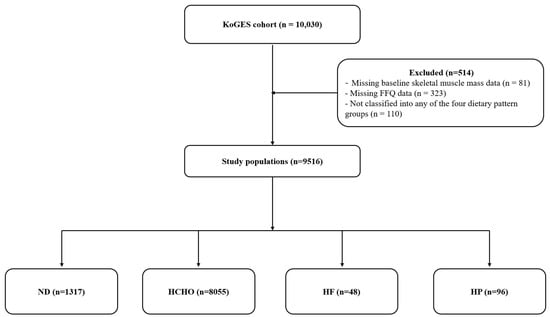
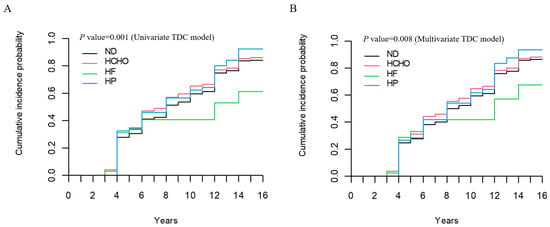
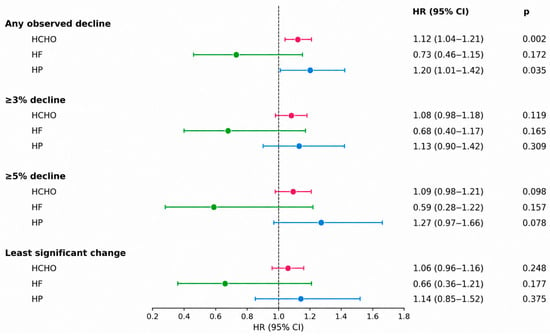
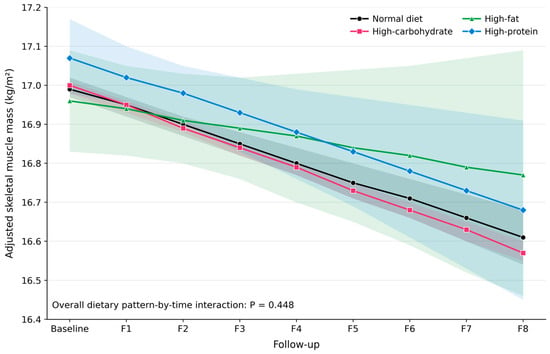
Background/Objectives: Loss of skeletal muscle mass is linked to functional decline and adverse health outcomes. Evidence on long-term associations between macronutrient-based dietary patterns and muscle mass decline remains limited. This study examined this association in a prospective cohort of Korean adults aged 40–69 years. Methods: Participants were categorized into four groups by macronutrient energy proportion: high-carbohydrate (HCHO, carbohydrate > 65% of total energy), high-fat (HF, fat > 30%), high-protein (HP, protein > 20%), and normal diets (ND). Cox models estimated associations between dietary patterns and decline in height-adjusted skeletal muscle mass, including sensitivity analyses using stricter decline thresholds (≥3%, ≥5%, and a reduction exceeding the least significant change); linear mixed-effects models evaluated longitudinal muscle mass changes. Results: A total of 9516 adults were included. During a median follow-up of 5.6 years (IQR 3.8–9.8), 6971 participants developed a decline in skeletal muscle mass relative to baseline. Adjusted hazards were higher for HCHO (aHR 1.12, 95% CI 1.04–1.21) and HP (aHR 1.20, 95% CI 1.01–1.42) versus ND, whereas HF showed no significant association (aHR 0.73, 95% CI 0.46–1.15). These associations were attenuated and no longer significant under stricter thresholds. Mixed-effects models showed no significant group effects or group-by-time interactions. Conclusions: HCHO and HP patterns were associated with a higher risk of muscle mass decline, but this was not consistent under stricter thresholds, and longitudinal trajectories did not differ across patterns. These findings should be considered preliminary. Further studies should clarify the roles of macronutrient quality, food sources, and overall dietary patterns in muscle health.
Full article
(This article belongs to the Special Issue Nutrition and Dietary Supplementation in the Context of Health, Disease, and Physical Performance)
►▼
Show Figures

Figure 1

Open AccessArticle
Biomarkers in Obesity-Related Metabolic Syndrome: Relationships Between LDL Subfractions, Lipid Profile, and Cardiometabolic Risk in a Slovak Population
by
Martina Gažarová, Petra Lenártová, Jana Žemberyová, Lucia Civáňová, Laura Hačková, Mária Kijovská, Lucia Šubová and Magdalena Górnicka
Metabolites 2026, 16(8), 567; https://doi.org/10.3390/metabo16080567 - 11 Aug 2026
Abstract
Background: Metabolic syndrome (MetS) is associated with increased cardiometabolic risk, although substantial metabolic abnormalities may also occur in individuals with normal body weight. This study compared anthropometric characteristics, body composition, lipid profile, LDL subfractions, inflammatory markers, liver biomarkers, and novel cardiometabolic indices in
[...] Read more.
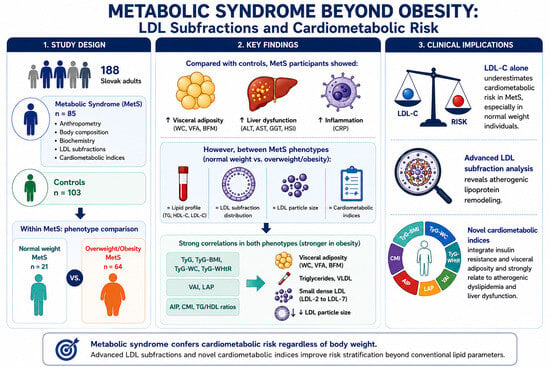
Background: Metabolic syndrome (MetS) is associated with increased cardiometabolic risk, although substantial metabolic abnormalities may also occur in individuals with normal body weight. This study compared anthropometric characteristics, body composition, lipid profile, LDL subfractions, inflammatory markers, liver biomarkers, and novel cardiometabolic indices in participants with MetS according to obesity status and characterized the metabolic phenotype of normal-weight participants with MetS. Methods: This cross-sectional study included 188 Slovak adults. Anthropometric, biochemical, lipoprotein, inflammatory, liver function, and cardiometabolic parameters were assessed. Group differences were analyzed using the Mann–Whitney U test, and associations were evaluated by Spearman’s correlation analysis. Results: Compared with controls, participants with MetS had significantly greater adiposity, visceral fat accumulation, atherogenic lipid alterations, elevated inflammatory and liver biomarkers, higher blood pressure, and increased cardiometabolic indices (p < 0.05). Within the MetS group, overweight/obese participants exhibited greater visceral adiposity and higher liver enzyme concentrations, whereas most lipid parameters, LDL subfraction distribution, and several cardiometabolic indices were comparable between weight groups. VAI, TyG, TyG-BMI, TyG-WC, TyG-WHtR, LAP, AIP, and CMI showed strong correlations with visceral adiposity, triglycerides, atherogenic LDL subfractions, and smaller LDL particle size. Conclusions: Obesity worsens body composition and hepatic dysfunction in MetS but has limited impact on several metabolic and atherogenic characteristics. LDL-C concentration alone may not sufficiently reflect the true atherogenic risk. These findings support the metabolically unhealthy normal-weight phenotype and highlight the value of novel cardiometabolic indices and LDL subfraction analysis for improved cardiometabolic risk assessment.
Full article
(This article belongs to the Special Issue Biomarkers in Obesity, Metabolic Syndrome, and Weight Loss: Advances in Diagnosis, Risk Stratification, and Personalized Management)
►▼
Show Figures

Graphical abstract
Open AccessEditorial
Dysbiosis and Metabolic Disorders of the Microbiota
by
Guozhu Ye
Metabolites 2026, 16(8), 566; https://doi.org/10.3390/metabo16080566 - 10 Aug 2026
Abstract
Microbiota, whether in the gut, skin, or other habitats, has a long history of co-evolution with the host, and plays vital physiological and pathological roles, such as mediating the metabolism, barrier function, immune balance, biological rhythm, and neurobehavior, as well as the occurrence
[...] Read more.
Microbiota, whether in the gut, skin, or other habitats, has a long history of co-evolution with the host, and plays vital physiological and pathological roles, such as mediating the metabolism, barrier function, immune balance, biological rhythm, and neurobehavior, as well as the occurrence and development of diseases [...]
Full article
(This article belongs to the Special Issue Dysbiosis and Metabolic Disorders of the Microbiota)
►▼
Show Figures

Figure 1
Open AccessArticle
Enzymatic Characterization of a Novel GH3 β-Glucosidase from Lentilactobacillus buchneri: EDTA-Mediated Enhancement of Thermostability
by
Hui Tang, Jinjian He, Can Li, Tongying Liu, Hao Wu, Mansheng Wang and Pengjun Shi
Metabolites 2026, 16(8), 565; https://doi.org/10.3390/metabo16080565 - 10 Aug 2026
Abstract
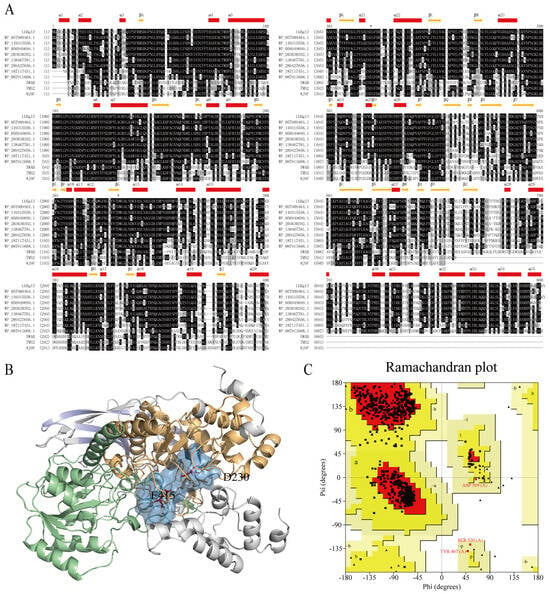
Background/Objectives: β-Glucosidases from lactic acid bacteria are valuable biocatalysts for carbohydrate conversion, flavour enhancement, and bioactive glycoside biotransformation. Although GH3 family enzymes have been characterized from several Lactobacillus species, no systematic study exists for Lentilactobacillus buchneri—a GRAS strain with plant-polysaccharide-degrading potential. This
[...] Read more.
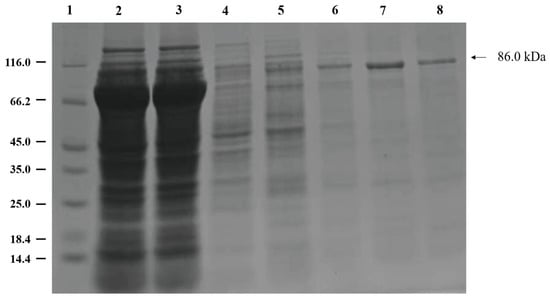
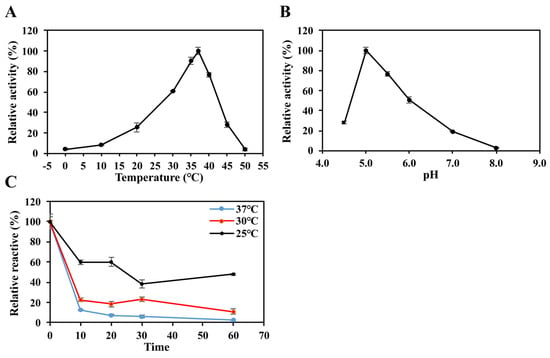
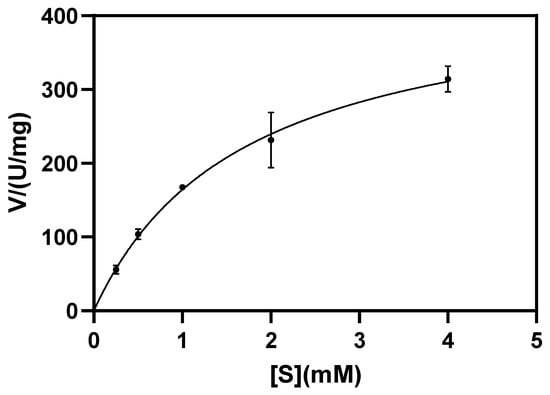
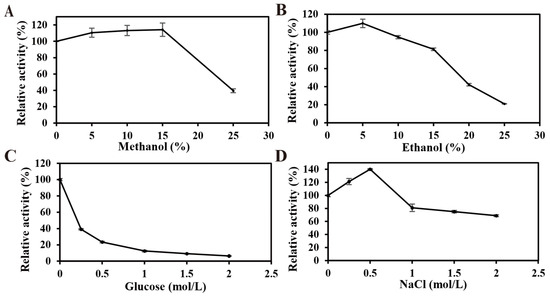
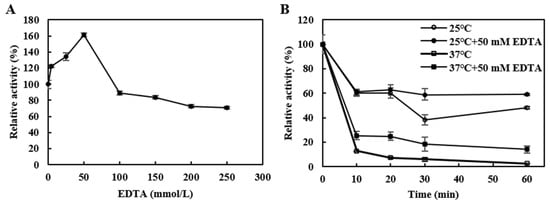
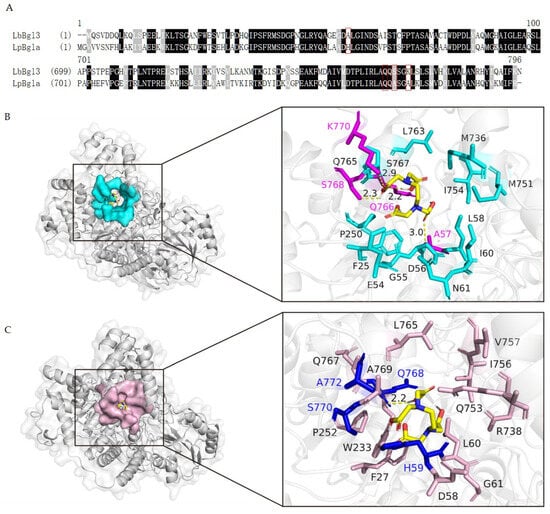
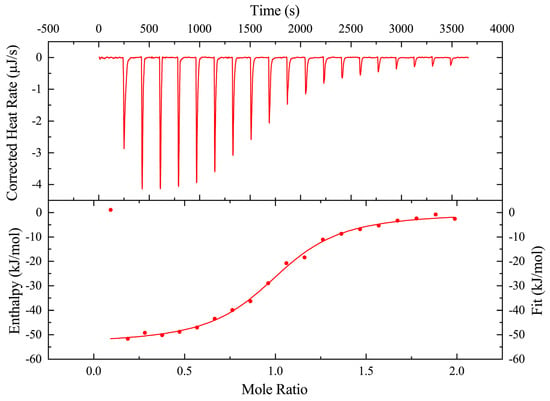
Background/Objectives: β-Glucosidases from lactic acid bacteria are valuable biocatalysts for carbohydrate conversion, flavour enhancement, and bioactive glycoside biotransformation. Although GH3 family enzymes have been characterized from several Lactobacillus species, no systematic study exists for Lentilactobacillus buchneri—a GRAS strain with plant-polysaccharide-degrading potential. This work aimed to clone, heterologously express, and comprehensively characterize a novel GH3 β-glucosidase (LbBgl3) from L. buchneri, with a particular focus on its catalytic properties, substrate profile, stability, and the unexpected EDTA-mediated thermostabilization mechanism. Methods: A novel β-glucosidase gene (LbBgl3) from L. buchneri was successfully expressed in Escherichia coli. Results: Biochemical characterization revealed that LbBgl3 is a cold-adapted, moderately acidophilic enzyme, exhibiting optimal activity at 37 °C and pH 5.0, with a maximum specific activity of 799.67 U·mg−1. Under optimal conditions, the enzyme displayed kinetic parameters toward pNPG with a Km of 1.697 mM, Vmax of 442.5 μmol·mg−1·min−1, kcat of 634.32 s−1, and kcat/Km of 373.79 mM−1·s−1. LbBgl3 exhibited high salt tolerance, with activity peaking at ~140% at 0.5 M NaCl and retaining ~68% at 2.0 M NaCl, while showing sensitivity to glucose inhibition. Notably, EDTA significantly enhanced both the activity and stability of LbBgl3. At 50 mM, the relative activity increased to 161%, and stability at 25 °C was prolonged. Molecular docking simulations suggested that EDTA binds near the substrate-binding pocket, forming hydrogen bonds with Ala57, Gln766, Ser768, and Lys770, thereby stabilizing the local conformation and enhancing thermal resistance. Conclusions: This study presents the first characterization of a GH3 β-glucosidase from L. buchneri and reveals a non-classical stabilizing effect of EDTA, offering valuable insights for enzyme engineering and biocatalytic applications.
Full article
(This article belongs to the Special Issue Metabolic Characteristics of Microbial Cells and Enzymes)
►▼
Show Figures

Figure 1

Open AccessArticle
Untargeted Metabolomics of Xylem Sap Exudates in Two Common Bean Genotypes with Contrasting Growth Rates Under Water Deficit During Pod Filling
by
Norma Cecilia Morales-Elias, Lizandro Ramírez-Trejo, Carlos Alberto Cruz-Cruz, Juan Luis Monribot-Villanueva, José Antonio Guerrero-Analco, Monserrat Vázquez-Sánchez, José Rodolfo García-Nava, Antonio García-Esteva, María Teresa González-Arnao, José Cruz Jiménez Galindo and Daniel Padilla-Chacón
Metabolites 2026, 16(8), 564; https://doi.org/10.3390/metabo16080564 - 10 Aug 2026
Abstract
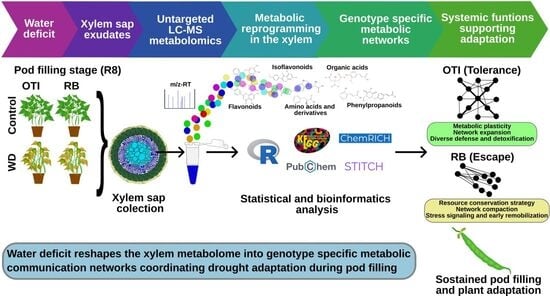
Background/Objectives: Water deficit during the pod filling stage severely limits the productivity of common beans (Phaseolus vulgaris). Although the effects of water scarcity have been extensively studied in leaves and roots, the contribution of xylem sap to systemic metabolic adaptation
[...] Read more.
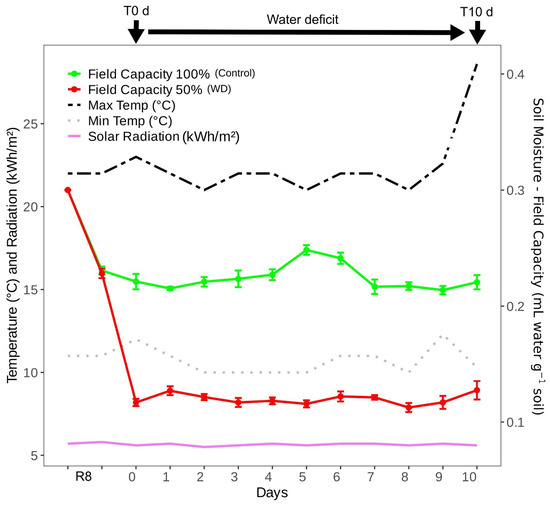
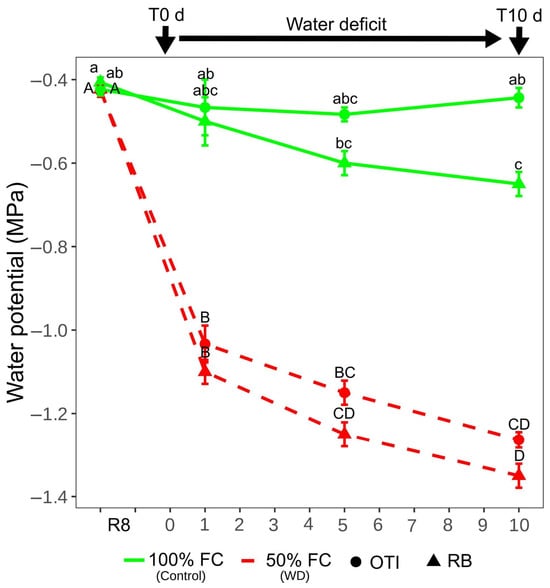
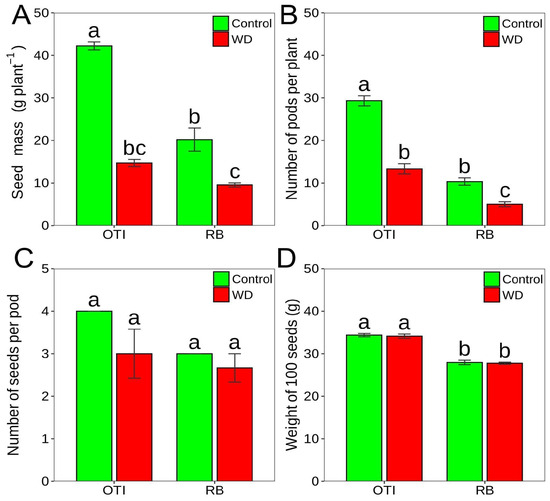
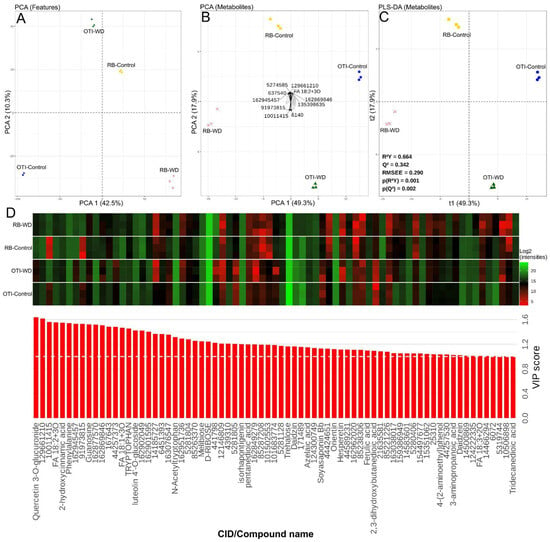
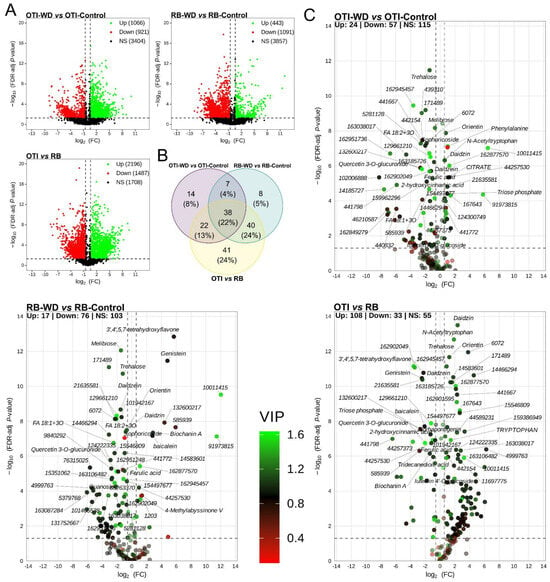
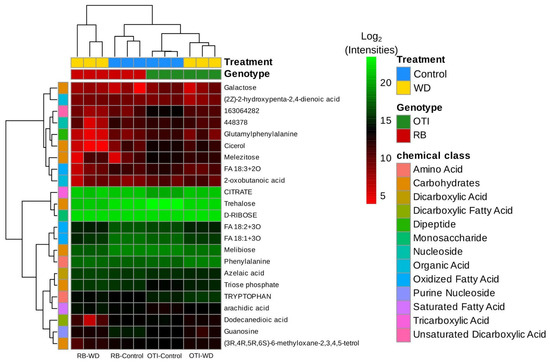
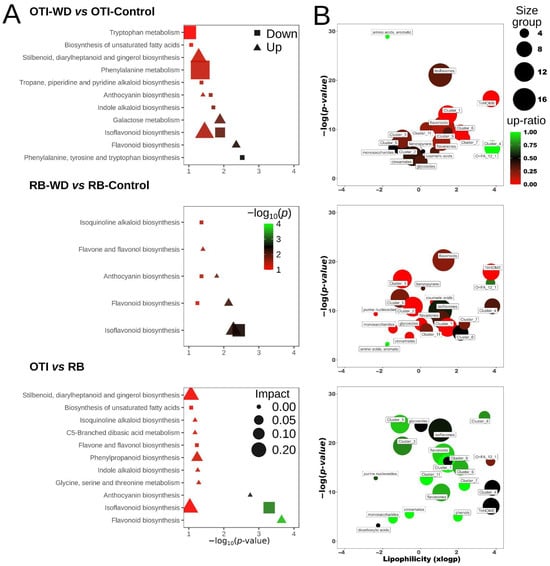
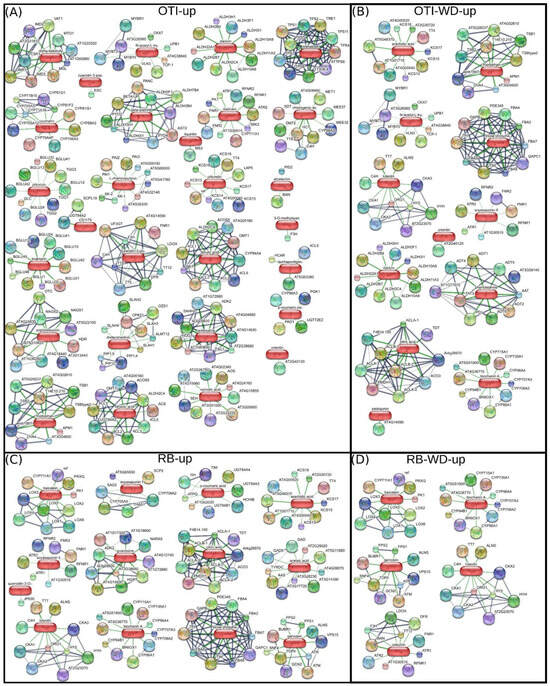
Background/Objectives: Water deficit during the pod filling stage severely limits the productivity of common beans (Phaseolus vulgaris). Although the effects of water scarcity have been extensively studied in leaves and roots, the contribution of xylem sap to systemic metabolic adaptation remains poorly understood. This study investigated genotype-specific metabolic changes in xylem sap exudates in response to water deficit in two common bean genotypes with contrasting growth rates. The OTI genotype has a growth cycle of 120 days, while Rosa La Bufa (RB) completes its cycle in 80 days under both well-watered and water deficit conditions. Methods: Physiological responses were evaluated, and xylem sap exudate metabolites were profiled using untargeted UPLC–ESI–QTOF–MS. Protein–metabolite interaction networks were reconstructed using STITCH v5 to identify genotype-specific metabolic organization under stress. Results: Water deficit reduced the abundance of multiple xylem metabolites, including flavonoids, isoflavones, phenolic acids, sugars, amino acids, and oxylipin-related compounds, indicating systemic metabolic contraction. OTI exhibited extensive metabolic changes characterized by enrichment of citrate, aromatic amino acids, glycolytic intermediates, flavonoid glycosides, and detoxification-associated metabolites, consistent with active carbon remobilization and oxidative stress responses. In contrast, RB accumulated isoflavones, including genistein, biochanin A, and baicalein, together with glycosylated triterpenoid saponins. Network analysis revealed that OTI developed a broad stress-responsive interactome that integrated phenylpropanoid metabolism, carbon remobilization, and detoxification pathways, whereas RB maintained a compact interactome reinforced by oxylipin-, jasmonate-, and isoflavone-associated modules. Conclusions: Xylem sap undergoes genotype-dependent metabolic adjustment under water deficit, suggesting contrasting drought adaptation strategies. Long growth cycle genotypes activate extensive metabolic plasticity, whereas reduced growth cycle genotypes rely on more specialized defense networks. These findings highlight xylem metabolomics as a valuable approach for understanding systemic drought adaptation and identifying putative metabolic biomarkers associated with drought resilience in common beans.
Full article
(This article belongs to the Topic Metabolomics in Plants)
►▼
Show Figures

Graphical abstract
Open AccessReview
Application of Metabolomics in Defence Responses of Brassica Crops
by
Yufei Li and Junxing Lu
Metabolites 2026, 16(8), 563; https://doi.org/10.3390/metabo16080563 - 10 Aug 2026
Abstract
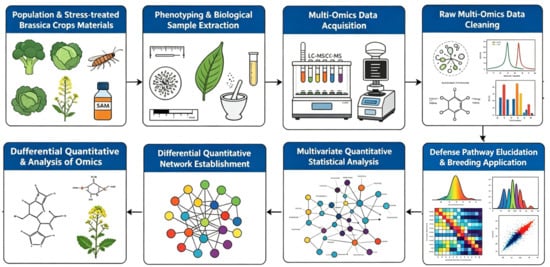
Brassica crops, encompassing globally important vegetables and oilseeds, face severe threats from diverse biotic and abiotic stresses. Plant secondary metabolites constitute the chemical foundation of defence, and metabolomics has emerged as an effective systems biology tool for comprehensively dissecting stress-induced metabolic changes. Recent
[...] Read more.
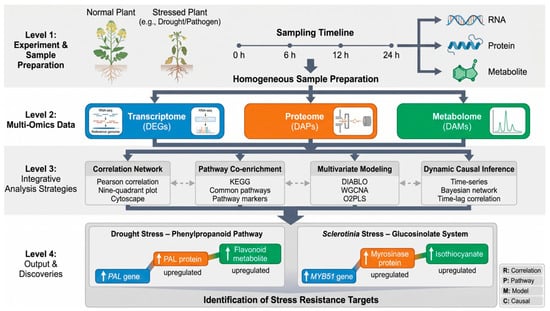
Brassica crops, encompassing globally important vegetables and oilseeds, face severe threats from diverse biotic and abiotic stresses. Plant secondary metabolites constitute the chemical foundation of defence, and metabolomics has emerged as an effective systems biology tool for comprehensively dissecting stress-induced metabolic changes. Recent progress in applying metabolomics to elucidate defence mechanisms in Brassica crops is systematically synthesised here. Major stresses confronting Brassica crop production and the metabolic basis of plant defence are first outlined. Current analytical platforms, including liquid chromatography–mass spectrometry, gas chromatography–mass spectrometry, ion mobility spectrometry, and mass spectrometry imaging, are critically evaluated alongside data processing workflows and multi-omics integration strategies. Key defence-related metabolite classes identified in Brassica crops, notably glucosinolates (GSLs) and their hydrolysis products, phenolic compounds, and lipid-derived signalling molecules, are surveyed with emphasis on their respective functions in biotic and abiotic stress responses. Metabolomics has been instrumental in revealing distinct metabolic reprogramming patterns triggered by diverse stresses, including pathogen infection, insect herbivory, drought, salinity, temperature extremes, and heavy metal stress. Metabolomics-informed crop improvement strategies, including marker-assisted breeding, genetic and metabolic engineering, and precision agronomic practices, are discussed together with current technical bottlenecks and future directions involving artificial intelligence, metabolic modelling, and spatial metabolomics. The compiled knowledge provides a comprehensive reference for leveraging metabolomics to enhance stress resilience and sustainable production of Brassica crops.
Full article
(This article belongs to the Special Issue Metabolomics and Plant Defence, 2nd Edition)
►▼
Show Figures

Figure 1
Open AccessReview
A Stimulus-Resolved Framework for Investigating Putative Neurotrophic Secretome–Metabolome Coupling in Aging Skeletal Muscle: CNTF and CLCF1 as Non-Equivalent Nodes
by
Fei Tong, Yirui Chen, Hongxin Gui, Aowei Li, Hongyu Li, Yusen Pei, Zimu Wu and Mengyang Wang
Metabolites 2026, 16(8), 562; https://doi.org/10.3390/metabo16080562 - 9 Aug 2026
Abstract
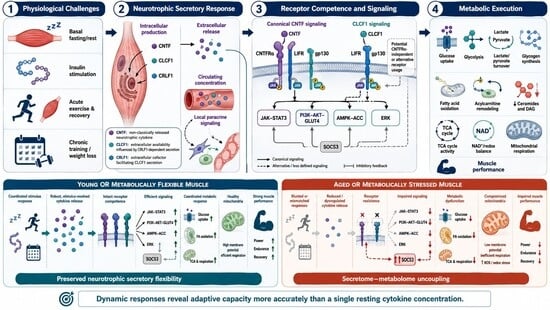
Resting myokine abundance cannot distinguish adaptive signaling from compensation, tissue injury, altered receptor availability, or non-muscle contribution. We conducted a targeted narrative review of PubMed/MEDLINE, Embase, Web of Science Core Collection, and Scopus through 30 June 2026 to examine ciliary neurotrophic factor (CNTF),
[...] Read more.
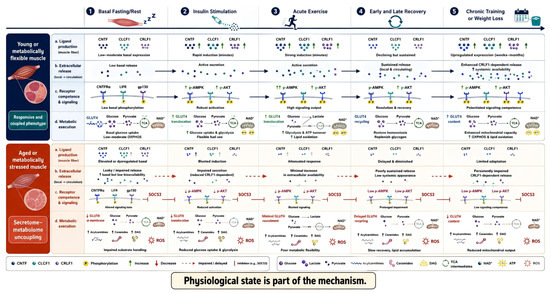
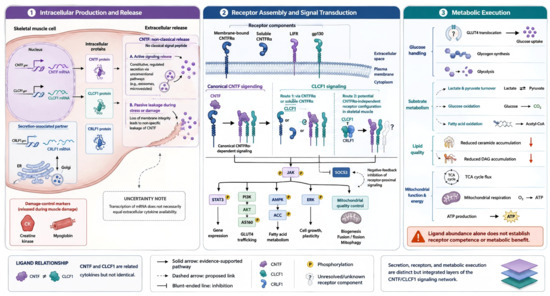
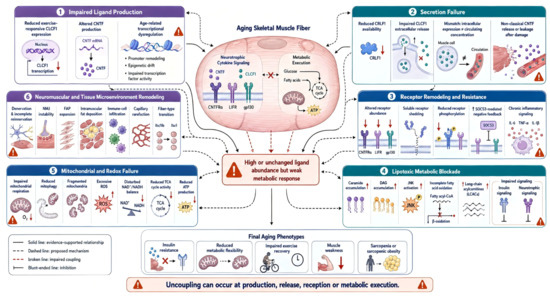
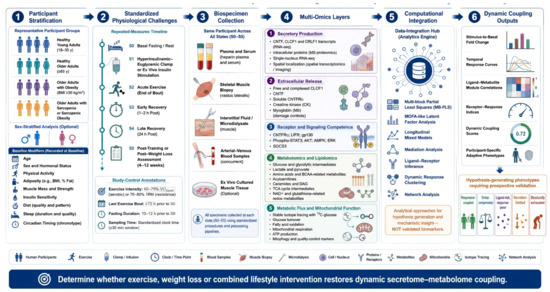
Resting myokine abundance cannot distinguish adaptive signaling from compensation, tissue injury, altered receptor availability, or non-muscle contribution. We conducted a targeted narrative review of PubMed/MEDLINE, Embase, Web of Science Core Collection, and Scopus through 30 June 2026 to examine ciliary neurotrophic factor (CNTF), cardiotrophin-like cytokine factor 1 (CLCF1), and muscle metabolism across basal, insulin-stimulated, exercise, recovery, and training states. CNTF has the better-established CNTFR –LIFR–gp130 receptor model, and pharmacological studies link it to AMPK activation, glucose uptake, ceramide handling, and insulin responsiveness. CLCF1 depends partly on CRLF1-associated extracellular availability, whereas its receptor usage and tissue source in skeletal muscle remain incompletely resolved. One recent study provides important preclinical and exploratory human evidence for exercise-responsive CLCF1, but direct human studies pairing CNTF/CLCF1 kinetics with muscle metabolomics or isotope-resolved flux are lacking. We, therefore, present neurotrophic secretory flexibility as a testable, hypothesis-generating construct rather than a validated biological system or biomarker. Its minimum evaluation requires synchronized measurements of extracellular ligand, receptor-proximal signaling, and metabolic output within the same physiological challenge. Targeted and untargeted metabolomics, lipidomics, quality-controlled annotation, paired tissue and plasma sampling, and stable isotope tracing can determine whether putative coupling is reproducible, muscle-relevant, and altered by aging.
Full article
(This article belongs to the Section Thematic Reviews)
►▼
Show Figures

Graphical abstract
Open AccessArticle
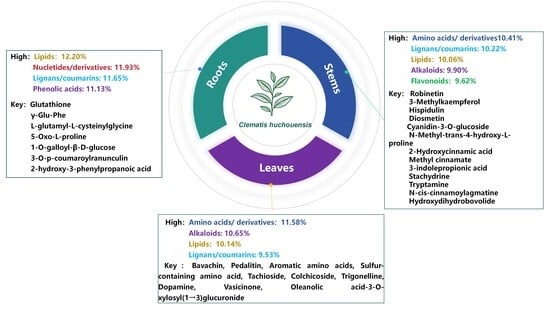
Widely Targeted Metabolomic Analysis of Metabolic Differences Among Various Organs of Clematis huchouensis from the Huzhou Production Region
by
Minyan Song, Yan Yang, Guoping Ni, Yan Zhang, Yiming Zhang, Lixia Zhou and Junhong Zhang
Metabolites 2026, 16(8), 561; https://doi.org/10.3390/metabo16080561 - 9 Aug 2026
Abstract
Background/Objectives: Clematis huchouensis Tamura, a genuine medicinal herb endemic to Huzhou, Zhejiang Province. However, its secondary metabolic profile and organ-specific distribution of bioactive constituents remain largely uncharacterized. This study aims to systematically characterize the metabolic profile of its roots, stems, and leaves, and
[...] Read more.
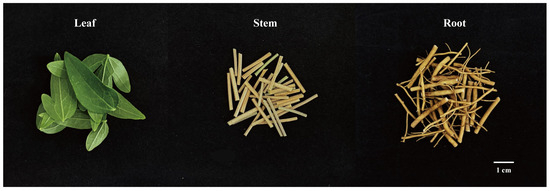
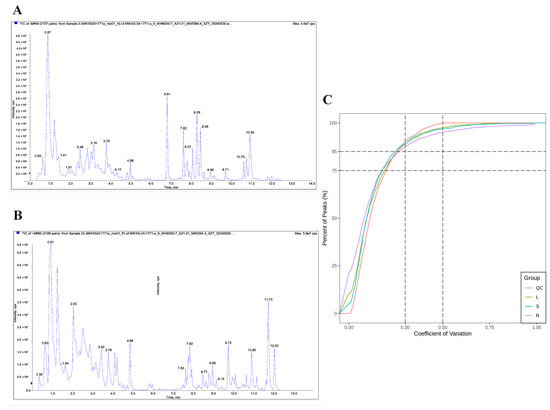
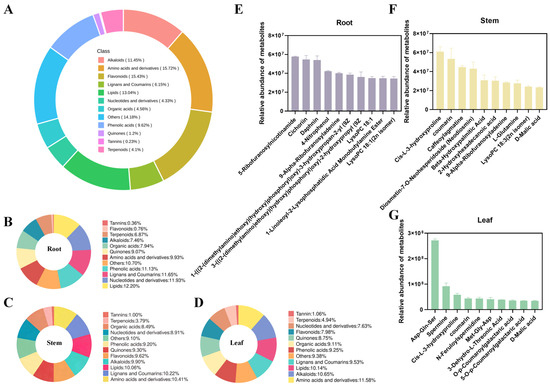
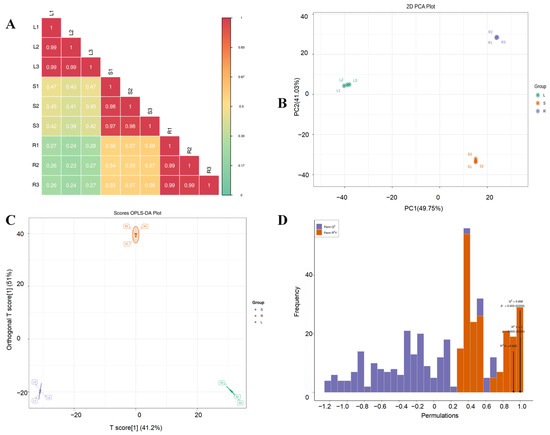
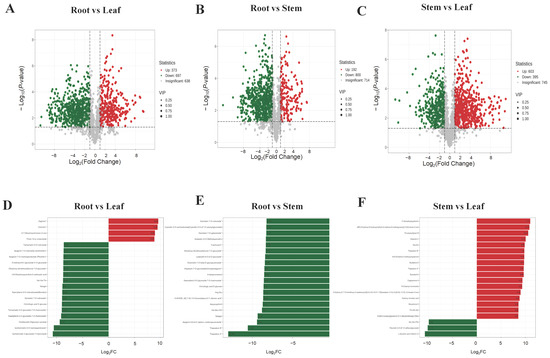
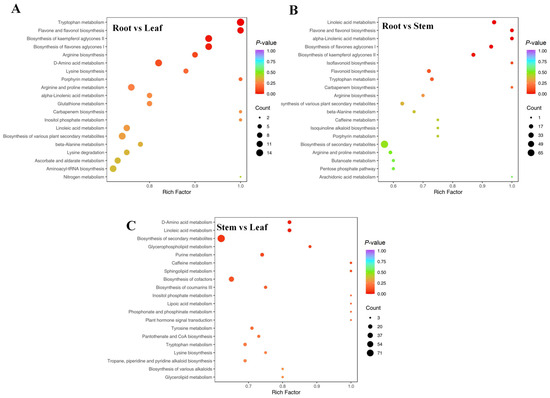
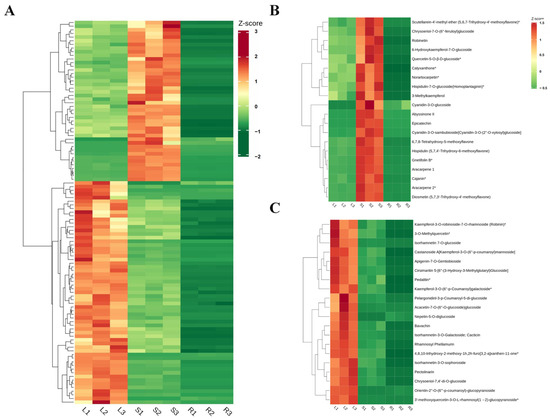
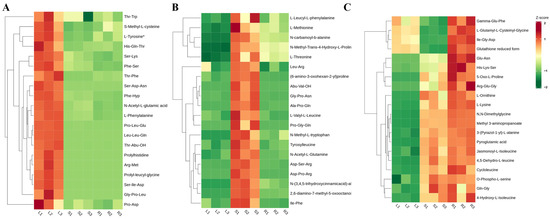
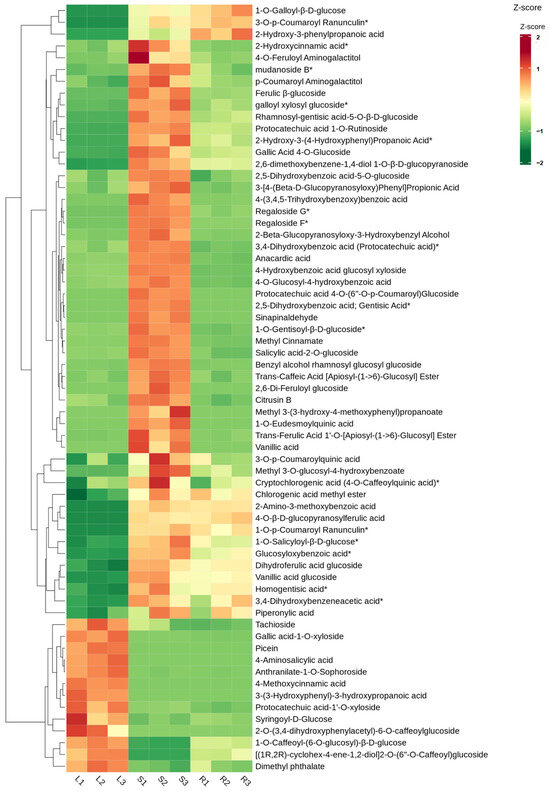
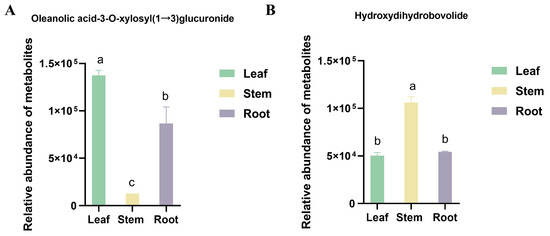
Background/Objectives: Clematis huchouensis Tamura, a genuine medicinal herb endemic to Huzhou, Zhejiang Province. However, its secondary metabolic profile and organ-specific distribution of bioactive constituents remain largely uncharacterized. This study aims to systematically characterize the metabolic profile of its roots, stems, and leaves, and to elucidate organ-specific accumulation patterns of pharmacologically relevant constituents, thereby providing a scientific basis for resource evaluation and quality control of this regional germplasm. Methods: A widely targeted metabolomics approach was employed to profile metabolites in the roots, stems, and leaves of C. huchouensis. Comprehensive annotation and relative quantification were performed using ultra-performance liquid chromatography–tandem mass spectrometry (UPLC-MS/MS) combined with database matching. Cluster analysis and pathway enrichment were conducted to compare metabolic profiles across organs. Results: A total of 1561 metabolites were identified, exhibiting distinct organ-specific accumulation patterns. Flavonoids, alkaloids, and most phenolic acids were predominantly enriched in the aerial parts, whereas the roots accumulated high levels of glutathione and its related peptides, reflecting their significant antioxidant activity. Amino acids displayed complementary tissue-specific distribution, with peptides enriched in leaves and sulfur-containing amino acids such as L-methionine in stems. Organ-specific metabolic differences were significantly associated with pathways including flavonoid biosynthesis and linoleic acid metabolism. Notably, numerous pharmacologically active compounds, such as hispidulin, diosmetin, trigonelline, colchicoside, and oleanolic acid-3-O-xylosyl(1→3)glucuronide—exhibited marked tissue-selective accumulation. Conclusions: This first metabolomic study of C. huchouensis reveals organ-specific accumulation of bioactive compounds, providing a metabolic foundation for its quality control and rational utilization.
Full article
(This article belongs to the Section Plant Metabolism)
►▼
Show Figures

Graphical abstract
Open AccessArticle
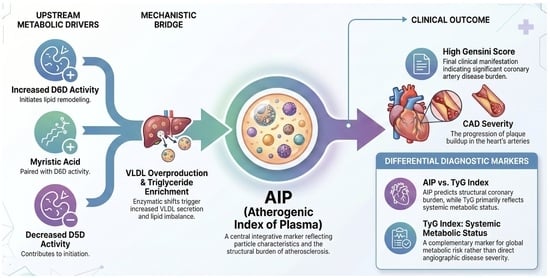
Atherogenic Index of Plasma in Relation to Angiographic Coronary Artery Disease Severity, Plasma Fatty Acid Composition, and Estimated Desaturase Activity: A Cross-Sectional Study
by
Saime Batirel, Bengu Cetinkaya, Ali Sahin, Tuba Guctekin, Beste Ozben and Mustafa Kursat Tigen
Metabolites 2026, 16(8), 560; https://doi.org/10.3390/metabo16080560 - 8 Aug 2026
Abstract
Background/Objectives: Conventional lipid parameters incompletely reflect coronary atherosclerotic burden, particularly in the setting of metabolic heterogeneity and residual cardiovascular risk. Composite indices such as the atherogenic index of plasma (AIP) and the triglyceride–glucose (TyG) index have emerged as integrative markers. Fatty acid desaturases
[...] Read more.
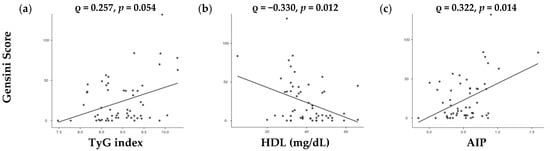
Background/Objectives: Conventional lipid parameters incompletely reflect coronary atherosclerotic burden, particularly in the setting of metabolic heterogeneity and residual cardiovascular risk. Composite indices such as the atherogenic index of plasma (AIP) and the triglyceride–glucose (TyG) index have emerged as integrative markers. Fatty acid desaturases regulate key pathways of lipid metabolism, and estimated desaturase activity indices (SCD-16, SCD-18, D5D, and D6D) may provide complementary information on the metabolic pathways underlying AIP and the TyG index. However, the relationships among composite atherogenic indices, plasma fatty acid composition, estimated desaturase activity indices, and coronary artery disease (CAD) severity remain incompletely understood. Methods: In this cross-sectional study, 61 patients undergoing coronary angiography for suspected CAD were evaluated. Coronary atherosclerotic burden was quantified using the Gensini score. AIP and the TyG index were calculated from fasting biochemical parameters. Plasma fatty acid composition was analyzed using gas chromatography–mass spectrometry, and estimated desaturase activity indices were calculated using product-to-precursor ratios. Results: AIP was independently associated with Gensini score (β = 37.020, p < 0.001), whereas the TyG index was not independently associated after adjustment for potential confounders (p = 0.101). In correlation analyses, AIP was positively correlated with HOMA-IR (ρ = 0.352, p < 0.05). Myristic acid was positively correlated with AIP, the TyG index, and VLDL (ρ = 0.297, 0.288, and 0.325, respectively; all p < 0.05), whereas n-6 polyunsaturated fatty acids were positively correlated with LDL (ρ = 0.276, p = 0.031). Among the estimated desaturase activity indices, D6D was positively correlated with AIP, BMI, insulin, and VLDL (ρ = 0.262, 0.376, 0.340, and 0.266, respectively; all p < 0.05), whereas D5D was inversely correlated with BMI and VLDL (ρ = −0.319 and −0.266, respectively; both p < 0.05). No significant associations were observed for SCD-16 or SCD-18. Conclusions: The observed associations between AIP, angiographic CAD severity, selected fatty acid species, and estimated desaturase activity indices suggest that AIP may provide complementary information regarding metabolic alterations associated with coronary atherosclerosis. These findings provide a basis for future studies exploring the relationship between composite atherogenic indices and fatty acid metabolism.
Full article
(This article belongs to the Special Issue Lipids and Fatty Acid Metabolism in Cardiovascular Diseases)
►▼
Show Figures

Graphical abstract
Open AccessArticle
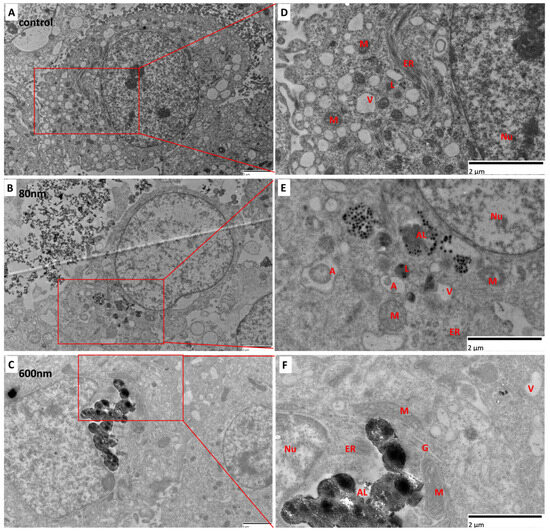
Size-Dependent Metabolic Reprogramming in A549 Cells Induced by Mesoporous Silica Nanoparticles: Insights from Subcellular Targeting
by
Jing Li and Hui Xu
Metabolites 2026, 16(8), 559; https://doi.org/10.3390/metabo16080559 - 7 Aug 2026
Abstract
Background/Objectives: Mesoporous silica nanoparticles (MSNs) are widely investigated as nanocarriers for drug delivery, gene transfer, and bioimaging. However, the mechanisms underlying their size-dependent cytotoxicity at the metabolic level remain incompletely understood. This study aimed to determine whether different-sized MSNs induce distinct patterns
[...] Read more.
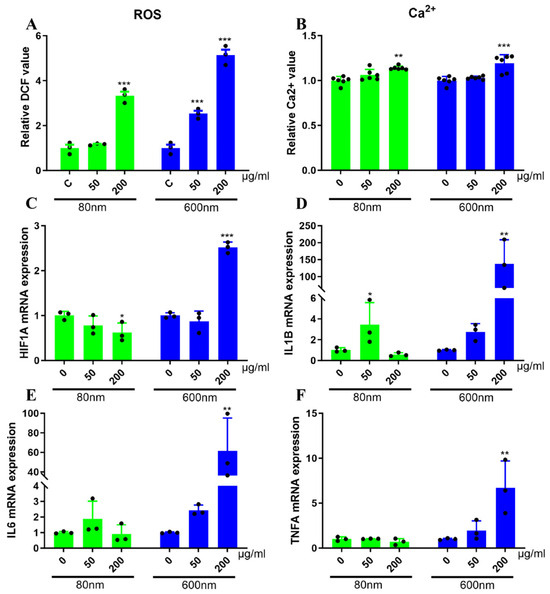
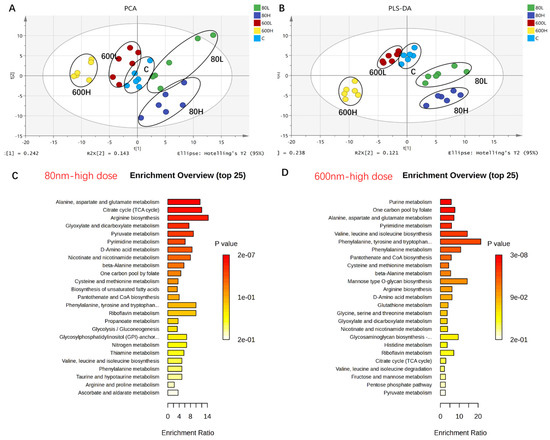
Background/Objectives: Mesoporous silica nanoparticles (MSNs) are widely investigated as nanocarriers for drug delivery, gene transfer, and bioimaging. However, the mechanisms underlying their size-dependent cytotoxicity at the metabolic level remain incompletely understood. This study aimed to determine whether different-sized MSNs induce distinct patterns of subcellular injury and metabolic reprogramming in lung epithelial cells. Methods: A549 cells were exposed to 80 nm and 600 nm MSNs at 50 and 200 μg/mL for 24 h. Ultrastructural changes were examined by transmission electron microscopy (TEM). Intracellular reactive oxygen species (ROS) and Ca2+ were measured by 2′,7′-dichlorodihydrofluorescein diacetate (DCFH-DA) and Fluo-4 AM fluorescence, respectively. Inflammatory gene expression (IL1B, IL6, TNFA, HIF1A) was quantified by reverse transcription quantitative polymerase chain reaction (RT-qPCR). Untargeted metabolomics were performed using combined gas chromatography–mass spectrometry (GC-MS) and liquid chromatography–mass spectrometry (LC-MS) platforms, followed by principal component analysis (PCA), partial least squares discriminant analysis (PLS-DA), and MetaboAnalyst-based pathway enrichment. Results: TEM revealed distinct size-dependent subcellular distributions: 80 nm MSNs were predominantly associated with mitochondrial abnormalities, including cristae disruption, swelling, and mitophagy-like features, whereas 600 nm MSNs accumulated in endocytic vesicles with membrane disruption. Metabolomic profiling showed that 80 nm MSNs were associated with TCA cycle blockade—characterized by the accumulation of early intermediates (citrate, oxaloacetate) and the depletion of distal intermediates (fumarate, malate)—with compensatory glycolytic activation (increased glyceraldehyde-3-phosphate and pyruvate) and reduced deoxynucleotide pools (dCDP, dUMP). By contrast, 600 nm MSNs triggered broad nucleotide triphosphate accumulation (ATP, CTP, dGTP, dCTP), amino acid depletion, and robust inflammatory activation, including a ~136-fold increase in IL1B expression and HIF1A transcriptional upregulation. PCA and PLS-DA confirmed distinct size-dependent metabolic phenotypes. Conclusions: MSN size strongly influences subcellular targeting—80 nm particles were predominantly associated with mitochondrial injury while 600 nm particles disrupted endocytic vesicles—driving qualitatively distinct patterns of metabolic reprogramming and inflammatory signaling. These findings establish a correlative mechanistic framework linking particle size to organelle-specific injury and provide candidate metabolic markers for nanotoxicological evaluation.
Full article
(This article belongs to the Section Cell Metabolism)
►▼
Show Figures

Figure 1

Open AccessArticle
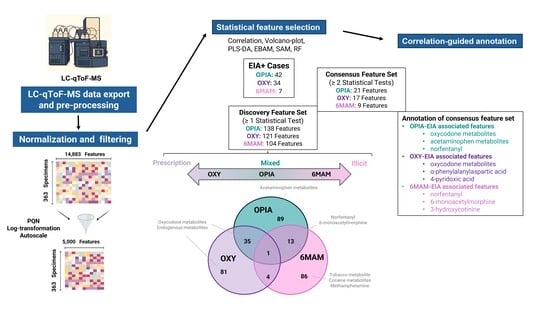
Retrospective Metabolomics Profiling of Clinical Urine Drug Screen Samples Reveals Features Associated with Opiate Exposure
by
Delaney Morrow, Rachel K. Vanderschelden and Kenichi Tamama
Metabolites 2026, 16(8), 558; https://doi.org/10.3390/metabo16080558 - 6 Aug 2026
Abstract
Background/Objectives: Opiates comprise naturally occurring opium alkaloids and their semisynthetic derivatives. Routine urine drug screening relies on enzyme immunoassays (EIAs) to rapidly detect opiate exposure; however, EIAs provide limited insight into opiate-associated metabolic patterns. Methods: We retrospectively analyzed liquid chromatography–quadrupole time-of-flight mass spectrometry
[...] Read more.
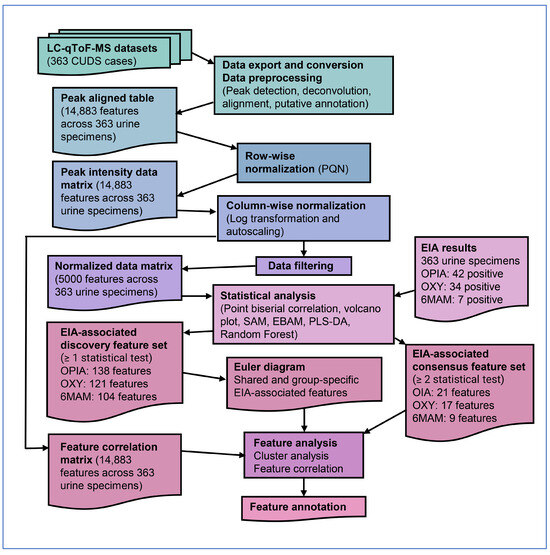
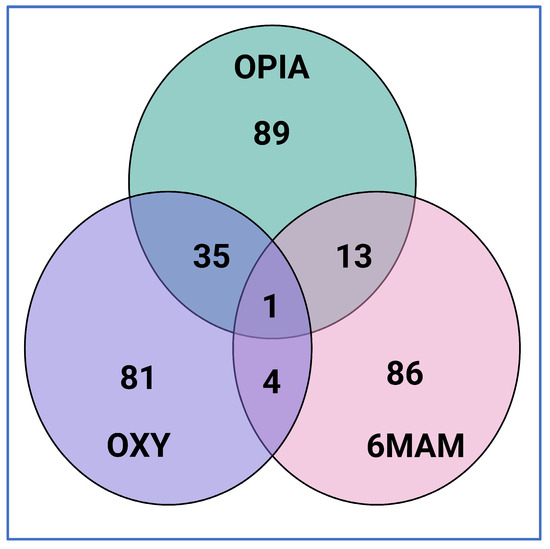
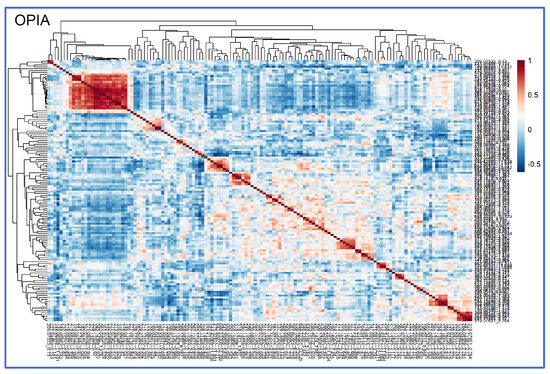
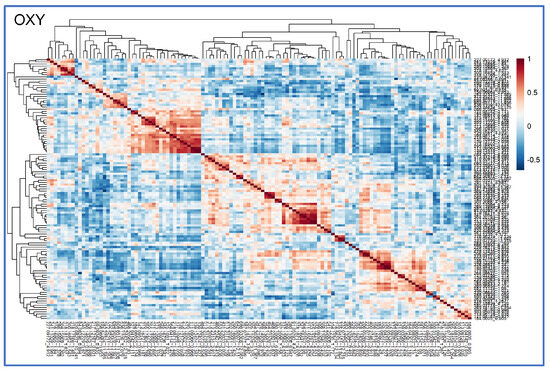
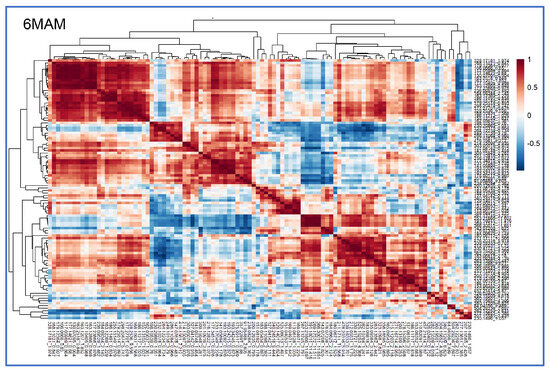
Background/Objectives: Opiates comprise naturally occurring opium alkaloids and their semisynthetic derivatives. Routine urine drug screening relies on enzyme immunoassays (EIAs) to rapidly detect opiate exposure; however, EIAs provide limited insight into opiate-associated metabolic patterns. Methods: We retrospectively analyzed liquid chromatography–quadrupole time-of-flight mass spectrometry (LC-qToF-MS) datasets from comprehensive urine drug screening of 363 patients at the University of Pittsburgh Medical Center Clinical Toxicology Laboratory. Multiple statistical analyses were applied to identify the features associated with opiate (OPIA)-EIA-positive, oxycodone (OXY)-EIA-positive, and 6-monoacetylmorphine (6MAM)-EIA-positive specimens (42, 34, and seven specimens, respectively) designated as EIA-associated discovery feature sets. The feature sets selected by ≥2 statistical analyses were defined as EIA-associated consensus feature set and further evaluated using MS-FINDER for feature annotation. Results: Among 14,883 features, 138, 121, and 104 features were assigned to the OPIA-, OXY-, and 6MAM-EIA discovery feature sets, respectively. Consensus feature sets included oxycodone/opiate metabolites, acetaminophen metabolites, and norfentanyl for OPIA-EIA; oxycodone metabolites, α-phenylalanylaspartic acid, and 4-pyridoxic acid for OXY-EIA; and norfentanyl, 6-monoacetylmorphine, and 3-hydroxycotinine artifact for 6MAM-EIA. Conclusions: These metabolomic patterns indicate a dominant exposure gradient model, in which OXY-EIA-positive specimens primarily reflect prescribed oxycodone exposure, 6-MAM-EIA-positive specimens reflect illicit heroin/fentanyl exposure with polysubstance/recreational use signature, and OPIA-EIA-positive specimens occupy an intermediate, mixed profile shaped by immunoassay cross-reactivity and real-world co-exposures. Associations involving α-phenylalanylaspartic acid and 4-pyridoxic acid are hypothesis-generating and require further validation. These findings illustrate the value of archived clinical toxicology datasets for metabolomic discovery and as a foundation for sentinel laboratory-based surveillance of evolving drug and chemical exposures.
Full article
(This article belongs to the Section Pharmacology and Drug Metabolism)
►▼
Show Figures

Graphical abstract
Open AccessArticle
AI-Guided Ferroptosis Biomarker Discovery and Routine Laboratory–Based Machine Learning for Predicting Nodal Metastasis in Colon Cancer
by
Nail Besli, Talar Vartanoglu Aktokmakyan, Adil Koyuncu, Bahar Sarikamis Johnson and Ulkan Celik
Metabolites 2026, 16(8), 557; https://doi.org/10.3390/metabo16080557 - 6 Aug 2026
Abstract
Background: Accurate preoperative prediction of lymph node metastasis (LNM) remains challenging in colon cancer. Ferroptosis, an iron-dependent regulated cell-death pathway, is implicated in tumor invasion and metastasis. Yet, the clinical value of routine iron-metabolism indices as indirect systemic indicators of ferroptosis-relevant biology remains
[...] Read more.
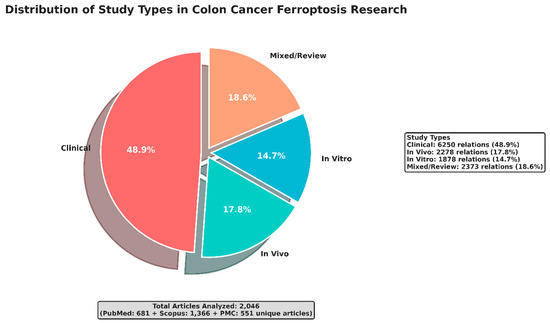
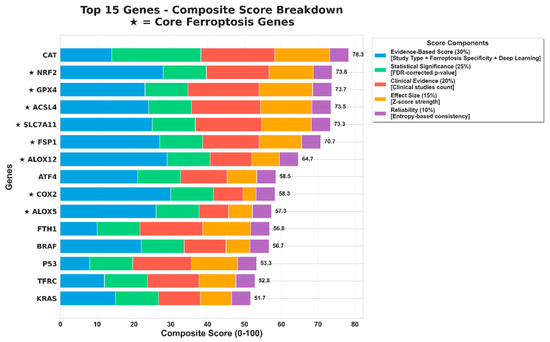
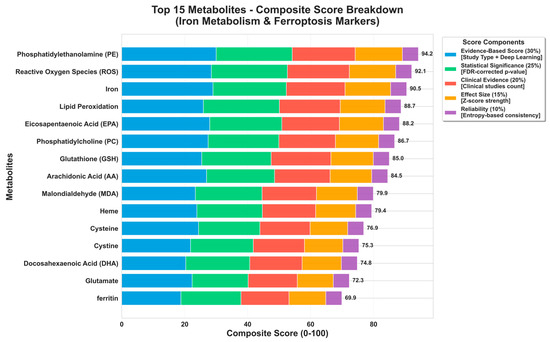
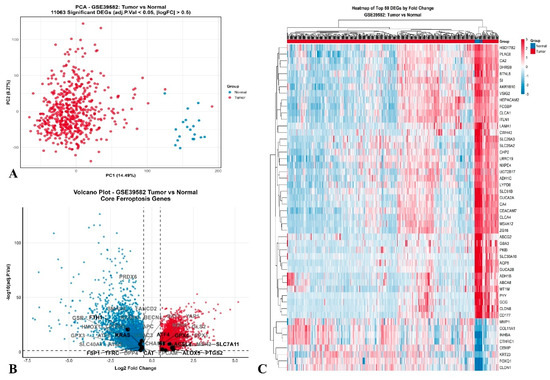
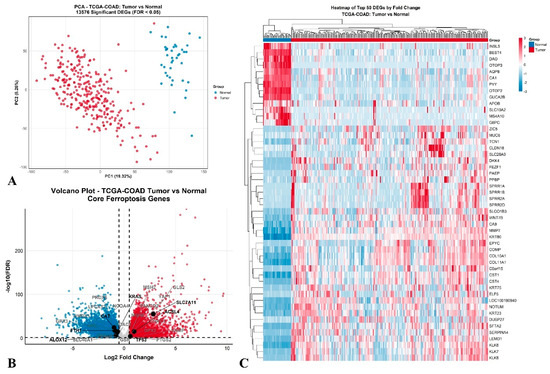
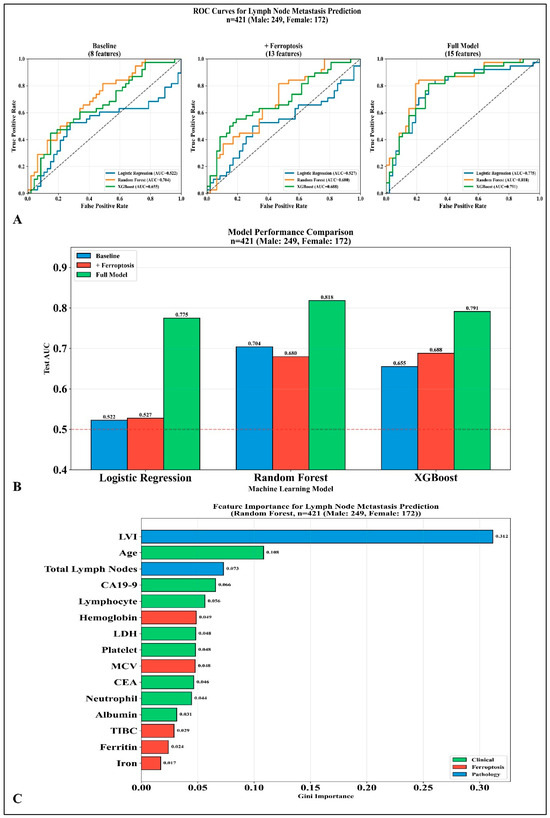
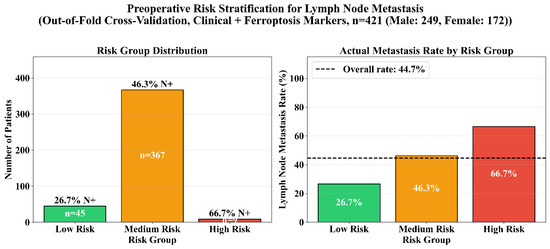
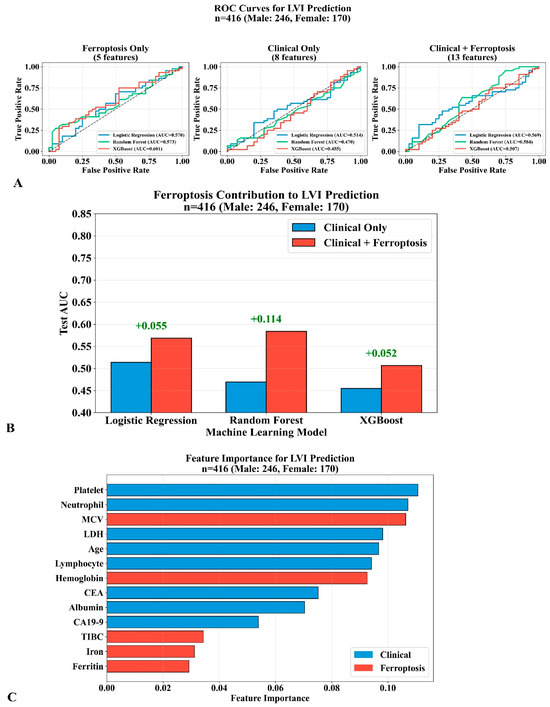
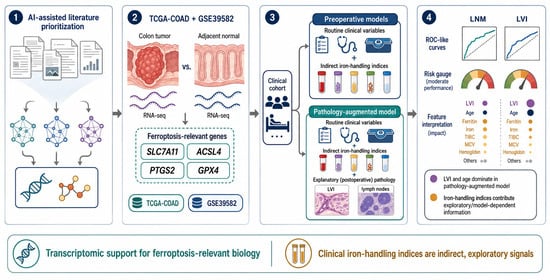
Background: Accurate preoperative prediction of lymph node metastasis (LNM) remains challenging in colon cancer. Ferroptosis, an iron-dependent regulated cell-death pathway, is implicated in tumor invasion and metastasis. Yet, the clinical value of routine iron-metabolism indices as indirect systemic indicators of ferroptosis-relevant biology remains underexplored. Methods: A multi-stage workflow was implemented. First, transformer-based literature mining (PubMedBERT, BioLinkBERT, BioBERT) prioritized ferroptosis-associated genes and metabolites. Second, transcriptomic validation was performed in TCGA-COAD and GSE39582 cohorts using differential expression analysis. Third, machine-learning models (logistic regression, random forest, XGBoost) were developed to predict pathologically confirmed LNM (n = 421) under three feature configurations: preoperative baseline, preoperative plus iron-metabolism markers, and a pathology-augmented model. LVI prediction was separately evaluated (n = 416) using ferroptosis-only, clinical-only, and combined sets. Results: Literature mining identified a core ferroptosis axis dominated by redox and iron-handling regulators. Transcriptomic analyses demonstrated robust tumor–normal separation and consistent perturbation of key ferroptosis genes (SLC7A11, GPX4, ACSL4, PTGS2). Preoperative models achieved moderate LNM discrimination (best AUC = 0.704), whereas a postoperative pathology-augmented explanatory benchmark achieved an AUC of 0.818. Out-of-fold risk stratification identified a low-risk subgroup with 26.7% nodal positivity, compared with 44.7% in the overall cohort. For LVI prediction, models based on iron-handling indices showed modest discrimination, and their addition to clinical variables produced model-dependent numerical changes in performance (maximum ΔAUC = +0.114). These routinely measured indices provided exploratory predictive information but should not be interpreted as direct measures of tumor ferroptosis. Conclusions: This integrative framework links ferroptosis-related biology with clinical machine learning and suggests that routine iron-handling indices may provide exploratory complementary information for LVI prediction and preoperative nodal-risk stratification, whereas postoperative pathology variables provide additional explanatory value but are not part of a deployable preoperative model.
Full article
(This article belongs to the Topic Biomarkers of Disease: Discovery and Clinical Applications)
►▼
Show Figures

Graphical abstract
Open AccessReview
Immunometabolic Remodeling in Osteosarcopenia: Inflammaging, Mitochondrial Dysfunction, Gut-Derived Metabolites and Therapeutic Opportunities
by
Yichi Zhang, Yuntao Li, Xun Luo, Qingmei Wang, Luwen Zhu and Yan Wang
Metabolites 2026, 16(8), 556; https://doi.org/10.3390/metabo16080556 - 6 Aug 2026
Abstract
Osteosarcopenia—defined as the coexistence of sarcopenia and osteoporosis—is increasingly recognized as a clinically important geriatric syndrome associated with falls, fractures, frailty, disability, and mortality. Beyond the simple coexistence of bone and muscle loss, emerging data suggest that osteosarcopenia may reflect systemic dysregulation of
[...] Read more.
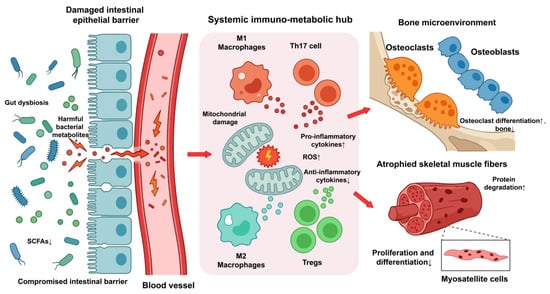
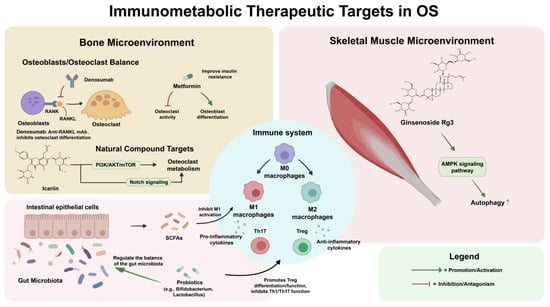
Osteosarcopenia—defined as the coexistence of sarcopenia and osteoporosis—is increasingly recognized as a clinically important geriatric syndrome associated with falls, fractures, frailty, disability, and mortality. Beyond the simple coexistence of bone and muscle loss, emerging data suggest that osteosarcopenia may reflect systemic dysregulation of the bone–muscle–immune–metabolic network. In this narrative review, we synthesize evidence linking inflammaging, immune-cell polarization, mitochondrial dysfunction, nutrient metabolic dyshomeostasis, and gut-derived metabolites to the pathogenesis of osteosarcopenia. Multiple pathological processes—including chronic low-grade inflammation, Th17/Treg imbalance, macrophage polarization, oxidative stress, impaired mitophagy, insulin resistance, ectopic fat accumulation, and altered microbial metabolites—may converge to disrupt bone–muscle crosstalk. Notably, direct evidence from osteosarcopenic populations remains limited, and many mechanistic insights are extrapolated from osteoporosis, sarcopenia, and aging models. We further discuss current and emerging therapeutic strategies, including exercise, nutritional interventions, anti-osteoporotic agents, metabolic modulators, mitochondrial-targeted therapies, and gut-directed approaches. Longitudinal cohorts, multi-omics studies, and randomized controlled trials are urgently required to validate immunometabolic biomarkers and develop integrated interventions for osteosarcopenia.
Full article
(This article belongs to the Section Endocrinology and Clinical Metabolic Research)
►▼
Show Figures

Figure 1

Open AccessArticle
Untargeted Metabolomics Reveals Organ-Specific Metabolites Associated with Antioxidant and Anti-Inflammatory Activities in Finger Citron (Citrus medica L. var. sarcodactylis)
by
Xi Yi, Xin Zeng, Yu Zhang, Junxi Zhao, Lin Zeng, Wei Xiang and Jianwei Wang
Metabolites 2026, 16(8), 555; https://doi.org/10.3390/metabo16080555 - 6 Aug 2026
Abstract
Background: Finger citron (Citrus medica L. var. sarcodactylis Swingle, CM) is an important edible and medicinal plant. Owing to its diverse pharmacological properties, its fruit has long served as a traditional Chinese medicine and has increasingly been developed for functional food applications.
[...] Read more.
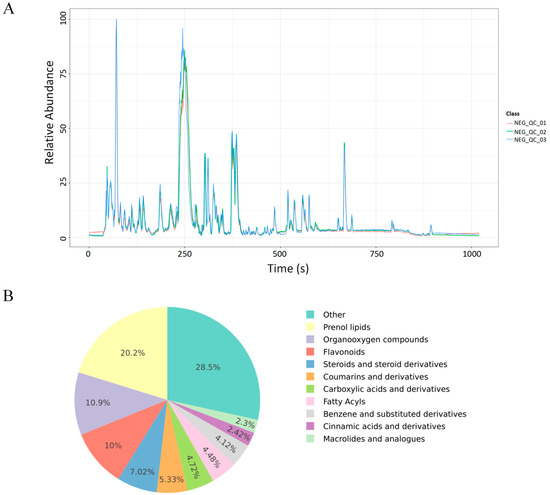
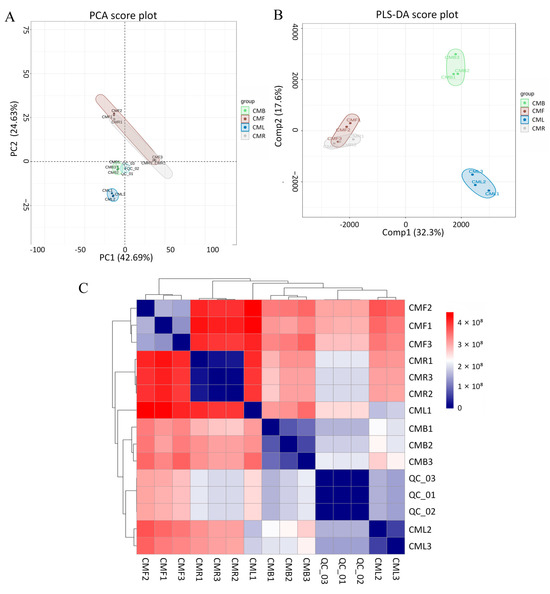
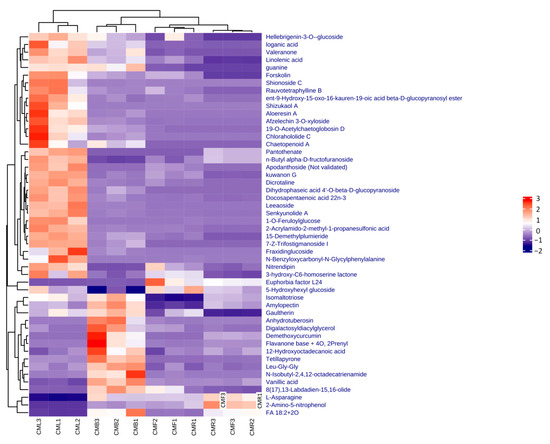
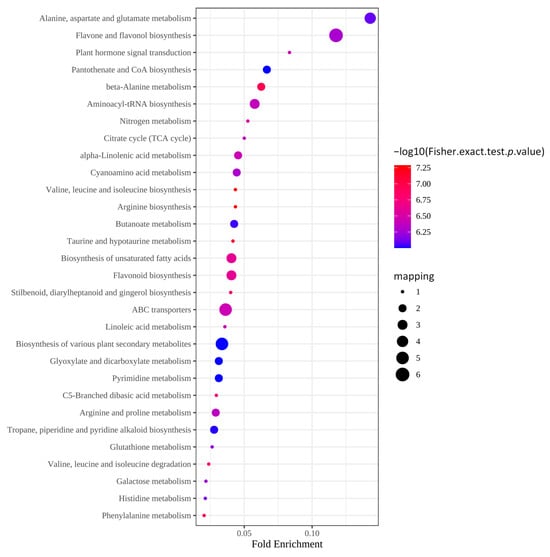
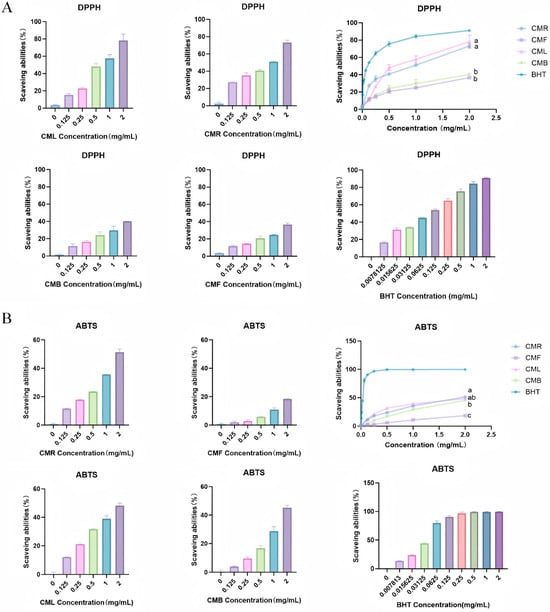
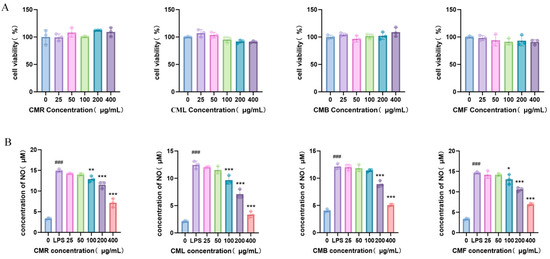
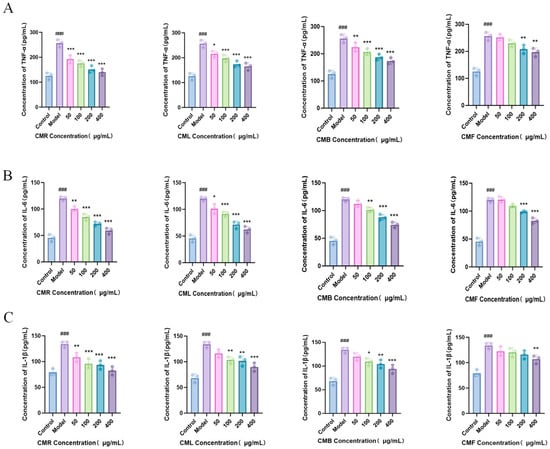
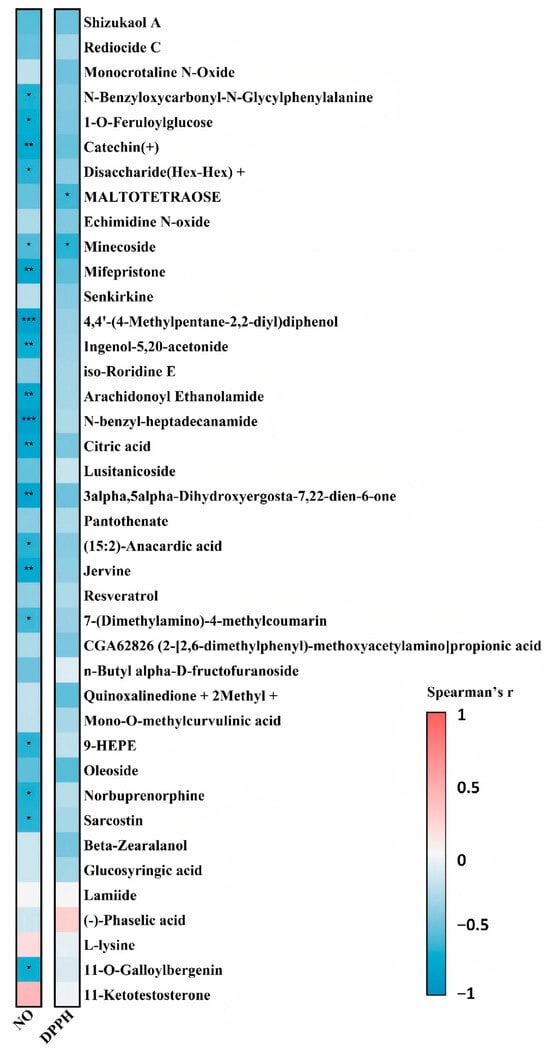
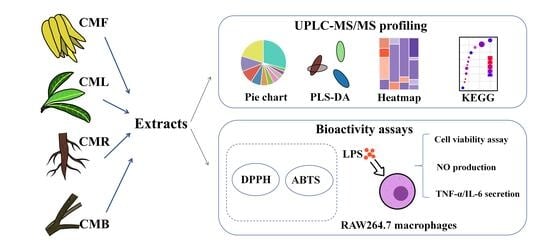
Background: Finger citron (Citrus medica L. var. sarcodactylis Swingle, CM) is an important edible and medicinal plant. Owing to its diverse pharmacological properties, its fruit has long served as a traditional Chinese medicine and has increasingly been developed for functional food applications. However, its non-fruit parts, including leaves, branches, and roots, remain underutilized. Methods: In this study, CM fruit (CMF), leaves (CML), roots (CMR), and branches (CMB) were selected to systematically compare their small-molecule metabolic profiles and antioxidant and anti-inflammatory activities. Untargeted metabolomics was conducted based on ultra-performance liquid chromatography–tandem mass spectrometry (UPLC-MS/MS). Meanwhile, antioxidant capacity was evaluated using 2,2-diphenyl-1-picrylhydrazyl (DPPH) and 2,2′-azino-bis (3-ethylbenzothiazoline-6-sulfonic acid) (ABTS) radical scavenging assays, and anti-inflammatory activity was assessed using a lipopolysaccharide (LPS)-induced RAW 264.7 macrophage inflammation model. Results: Metabolomic analysis revealed 826 differential metabolites across the four CM parts (CMs), reflecting pronounced organ-specific metabolic features. According to Kyoto Encyclopedia of Genes and Genomes (KEGG) enrichment analysis, the variations in metabolite profiles across the four CMs were primarily linked to amino acid metabolism, phenylalanine metabolism, and unsaturated fatty acid metabolism. In the antioxidant assays, the DPPH radical scavenging activity at 2 mg/mL followed the order CML (78.37 ± 7.29%), CMR (73.30 ± 2.68%), CMB (40.71 ± 0.16%), and CMF (36.67 ± 1.67%), whereas ABTS radical scavenging activity followed the order CMR (51.36 ± 2.17%), CML (48.30 ± 1.64%), CMB (45.23 ± 1.72%), and CMF (18.48 ± 0.22%). In the LPS-stimulated RAW 264.7 macrophage model, at 0.4 mg/mL, inhibition of nitric oxide (NO) production followed the order CML (88.18 ± 4.02%), CMB (87.21 ± 3.02%), CMF (68.05 ± 2.54%), and CMR (67.21 ± 9.12%). Correlation analysis further suggested that features putatively annotated as minecoside, maltotetraose, and (+)-catechin may be associated with antioxidant or anti-inflammatory activities. Conclusions: The study revealed differences in metabolite composition and bioactivities among different CMs, providing an experimental basis for the development and utilization of non-fruit parts, especially leaves, and for further investigation of their bioactive constituents.
Full article
(This article belongs to the Section Plant Metabolism)
►▼
Show Figures

Graphical abstract
Journal Menu
► ▼ Journal Menu-
- Metabolites Home
- Aims & Scope
- Editorial Board
- Reviewer Board
- Topical Advisory Panel
- Early Career Editorial Board
- Instructions for Authors
- Special Issues
- Topics
- Sections & Collections
- Article Processing Charge
- Indexing & Archiving
- Editor’s Choice Articles
- Most Cited & Viewed
- Journal Statistics
- Journal History
- Journal Awards
- Conferences
- Editorial Office
Journal Browser
► ▼ Journal BrowserHighly Accessed Articles
Latest Books
E-Mail Alert
News
Topics
Topic in
Nutrients, Metabolites, Healthcare, Children, Obesities, Life
Non-Communicable Diseases Silent Killer: Metabolic and Obesity Risks of Sedentary Behaviors
Topic Editors: Kotsedi Daniel Monyeki, Machoene Derrick SekgalaDeadline: 30 September 2026
Topic in
Animals, Antioxidants, Metabolites, Pets, Veterinary Sciences
Research on Companion Animal Nutrition
Topic Editors: Baichuan Deng, Lian Li, Yun JiDeadline: 26 October 2026
Topic in
Foods, Molecules, Nutrients, Metabolites
Omics Technologies and Other Quality and Safety Methodologies in Nutrition and Health
Topic Editors: Xianjiang Li, Wen MaDeadline: 15 November 2026
Topic in
Antioxidants, Biomedicines, Biomolecules, Cells, IJMS, Metabolites, Nutrients, Sci
Muscle Aging and Sarcopenia: Mechanisms, Metabolic Regulation, and Intervention Strategies
Topic Editors: Hélio José Coelho Júnior, Mariam El Assar, Javier AnguloDeadline: 15 December 2026
Conferences
Special Issues
Special Issue in
Metabolites
Foodomics: Advanced Molecular Profiling for Future Nutrition and Sustainable Food Systems
Guest Editors: Sung-Tong Chin, Suwimol ChockchaisawasdeeDeadline: 15 August 2026
Special Issue in
Metabolites
Metabolic Changes During Pre- and Post-Harvest Fruit and Vegetable Decay, Ripening and Senescence—2nd Edition
Guest Editors: Analía Concellón, María José ZaroDeadline: 15 August 2026
Special Issue in
Metabolites
Metabolomics Biomarker Discovery in Respiratory, Cardiovascular and Metabolic Disorders
Guest Editor: Joaquim GeaDeadline: 15 August 2026
Special Issue in
Metabolites
Metabolite Profiles in Inflammatory Diseases
Guest Editors: Rodica Pădureanu, Ionut DonoiuDeadline: 15 August 2026
Topical Collections
Topical Collection in
Metabolites
Feature Papers Related to "Environmental Metabolomics" Section
Collection Editor: David J. Beale
Topical Collection in
Metabolites
Advances in Metabolomics
Collection Editors: Leonardo Tenori, Edoardo Saccenti