


Abstract
Background/Objectives: Pancreatic cancer (PC) is characterized by poor survival and a substantial psychological burden. Growing evidence suggests that individuals diagnosed with PC are at an increased risk of suicide. This systematic review aimed to synthesize the available evidence on suicide risk among patients with PC and to identify factors associated with increased vulnerability. Methods: Following the PRISMA 2020 guidelines, a systematic review of the PubMed/MEDLINE and Scopus databases was conducted in August 2026. Of the 1015 records initially identified, 23 studies published between 2010 and July 2026 were included. Eligible studies specifically examined suicide risk among patients with PC using registry-based, administrative, or death certificate data. Risk of bias was assessed using the ROBINS-E tool. Results: Most included studies reported a higher suicide risk among patients with PC compared with the general population and, in many analyses, compared with patients with other cancer types. Large population-based studies generally reported standardized mortality ratios of approximately 2 to 11, although substantially higher estimates were observed in selected populations and specific subgroups. Suicide risk was particularly elevated during the early post-diagnosis period (with several studies identifying the greatest excess risk within the first two months following diagnosis), remained elevated throughout the first year and gradually declined thereafter. Male sex emerged as the most consistently demonstrated risk factor for suicide, while associations with unmarried status were observed across several studies but were derived largely from partially overlapping SEER-based cohorts. Additional evidence suggests a potential role for social vulnerability and poor prognostic factors. Conclusions: Despite the predominantly observational nature of the available evidence, the consistency of the findings highlights the importance of increased awareness of suicide vulnerability among patients with PC and supports consideration of psychosocial assessment and mental health support within routine pancreatic cancer care. Future prospective studies are needed to better characterize high-risk patients and to inform targeted suicide prevention strategies.
1. Introduction
Pancreatic cancer (PC) represents a major public health challenge due to its increasing incidence and particularly poor prognosis. It is currently the third leading cause of cancer-related death in the United States and ranks seventh worldwide among cancer-related causes of mortality [1]. Despite therapeutic advances, overall survival remains limited, with a 5-year survival rate of approximately 12%, one of the lowest among all cancer types [2]. This poor prognosis is largely attributable to late-stage diagnosis, as nearly 50% of patients present with metastatic disease at the time of diagnosis, while only 10–15% have localized disease that is amenable to potentially curative surgical resection [3]. Furthermore, the incidence of PC continues to rise at an estimated annual rate of 0.5–1.0%, and projections suggest that it may become the second leading cause of cancer-related death by 2030 [4].
Beyond its adverse impact on survival, PC is associated with a substantial psychological burden. The prevalence of depression among patients with PC is estimated at 31% (95% CI: 20–42%), while anxiety affects approximately 20% of patients (95% CI: 9–32%), both rates exceeding those reported for many other cancer types [5]. Notably, depressive symptoms may precede the diagnosis of PC, suggesting a potential paraneoplastic phenomenon mediated by tumor-related inflammatory and metabolic alterations [6]. Consistent with these observations, the National Comprehensive Cancer Network (NCCN) identifies PC as one of the malignancies associated with the highest levels of psychological distress and depressive symptoms, underscoring the importance of systematic psychosocial assessment and supportive care in this population [7].
In this context, increasing attention has been directed toward suicide risk among patients with PC. Population-based studies have consistently shown that patients with PC experience some of the highest suicide rates among all cancer types [8,9]. For example, an analysis of the Surveillance, Epidemiology, and End Results (SEER) database including 199,604 patients diagnosed between 2000 and 2018 reported a suicide rate of 88.05 per 100,000 person-years, corresponding to a standardized mortality ratio (SMR) of 6.43 compared with the general population [6]. Similarly, other studies have reported SMRs ranging from 3.89 to 10.80, consistently demonstrating a substantially elevated risk relative to both the general population and most other malignancies [9,10,11]. Notably, this excess risk appears to be particularly pronounced during the first six months following diagnosis and remains significantly higher than that observed in the general population for several years thereafter [8,12,13,14]. Furthermore, several factors associated with suicide risk have been identified among patients with PC [9,11]. Male sex and unmarried status have been associated with an increased suicide risk, whereas marital status, receipt of chemotherapy, and surgical treatment appear to favor a lower suicide risk. However, some evidence suggests a transient increase in suicide risk during the early postoperative period, highlighting the complex relationship between cancer treatment and psychological vulnerability [9,11].
Despite these concerning findings, no systematic review has, to our knowledge, specifically synthesized the available evidence on suicide risk and associated factors among patients with PC. Therefore, the primary objective of this systematic review was to evaluate and quantify the excess suicide risk in patients with PC. In addition, based on the studies included in this synthesis, the secondary objective was to identify factors associated with suicide in this population. A better understanding of these factors may facilitate risk stratification, inform psychosocial screening, optimize clinical management, and support the development of targeted suicide prevention strategies for patients with PC.
2. Methods
2.1. Article Selection
In accordance with the PRISMA (Preferred Reporting Items for Systematic Reviews and Meta-Analyses) 2020 recommendations, a systematic review was conducted to investigate suicide risk in individuals with PC. The initial review protocol before revisions was registered in PROSPERO (CRD420261441778). The literature search and study were conducted between 17 August 2026 and 23 August 2026 using the PubMed-Medline and Scopus databases. The search strategy used the following keyword algorithm: (“Pancreatic Neoplasms”[Mesh] OR Pancreatic Cancer OR Pancreatic Adenocarcinoma OR Pancreatic Ductal Adenocarcinoma OR Pancreas) AND (“Suicide”[Mesh] OR Suicide OR Suicidal Behavior OR Self-harm OR Suicidal Death OR Suicide Mortality OR Suicidal Mortality) for the PubMed-Medline database and (TITLE-ABS-KEY (“Pancreatic Neoplasms” OR “Pancreatic Cancer” OR “Pancreatic Adenocarcinoma” or “Pancreatic Ductal Adenocarcinoma” OR “Pancreas”) AND TITLE-ABS-KEY (“Suicide” OR “Suicidal Behavior” OR “Self-harm” OR “Suicidal Death” OR “Suicide Mortality” OR “Suicidal Mortality”)) for the Scopus database.
After applying this keyword algorithm, this search identified 1015 articles, which were independently evaluated by two reviewers. The inclusion and exclusion criteria applied for the selection of articles were:
- Articles with available analyses specifically targeting the suicide risk associated with PC (either exclusively in PC cohorts or through separate PC-specific analyses when multiple cancer types were included).
- Deaths by suicide or probable suicide identified from reliable national or administrative databases, based on ICD codes or national judicial procedures.
- Diagnosis of PC confirmed by clinical diagnosis or by diagnostic codes from international classification systems.
- All types of study designs (cross-sectional, longitudinal, prospective, retrospective, interventional, and experimental), with the exception of literature reviews, book chapters, case reports, opinion articles, animal studies, letters to the editor and conference papers.
- Articles published between 1 January 2010 and 31 July 2026.
- Articles written in English or French.
- Articles available in full text.
After applying these inclusion and exclusion criteria, 23 articles specifically investigating suicide risk in patients with PC met the eligibility criteria and were included in the final review (Figure 1) [8,9,10,11,12,13,15,16,17,18,19,20,21,22,23,24,25,26,27,28,29,30,31]. Any disagreement regarding the selection of articles was discussed and resolved by the two reviewers.
Figure 1.
Identification of studies via databases and registers.
2.2. Quality Assessment and Risk of Bias Evaluation
The quality of the studies included in this systematic review was independently assessed by two reviewers using the methodological guidelines developed by the Agence Nationale d’Accréditation et d’Évaluation en Santé (ANAES), integrated into the Haute Autorité de Santé (HAS) [32]. According to these guidelines, three grades of recommendation may be assigned based on four levels of scientific evidence (Supplementary Data S1). In addition, the risk of bias for each study was independently evaluated by the two reviewers using the ROBINS-E tool (Risk Of Bias In Non-randomized Studies—of Exposures), which assesses bias across seven specific domains [33]. Any discrepancies in quality assessment were resolved by consensus.
2.3. Data Extraction
Following independent work by the two reviewers, the data extracted from each of the 23 articles selected for this systematic review of the literature were:
- Study characteristics: first author’s name, year of publication, country of study, study design, evidence level, recommendation grade, population size, recruitment period and main limitations.
- Patient characteristics: age, sex, and ethnicity, when available, as well as overall population features and reported clinical characteristics.
- Clinical and methodological data: main inclusion and exclusion criteria, stage of PC and treatment modalities, when specified.
- Exposure and outcome assessment: number of suicide events, timing of assessment and method of suicide ascertainment.
- Suicide-related outcomes in patients with PC: suicide rates, SMR, O/E ratios (observed-to-expected ratios), aIRR (adjusted incidence rate ratios) and AER (absolute excess risk), with 95% confidence intervals; time-, stage-, or sex-stratified analyses; survival outcomes; and multivariate analyses reporting HR or OR (odds ratios) for factors associated with suicide risk.
Any disagreements regarding data extraction were discussed and resolved by both reviewers. All relevant data extracted from the included studies are provided in the manuscript and tables.
3. Results
3.1. Characteristics of Studies and Identification of Suicides (Table 1)
All studies investigating suicide risk following a diagnosis of PC were observational in design [8,9,10,11,12,13,15,16,17,18,19,20,21,22,23,24,25,26,27,28,29,30,31]. The vast majority consisted of retrospective population-based cohort studies based on national cancer registries, administrative databases, or registry-linked datasets [8,9,10,11,12,13,15,16,17,18,19,20,21,22,23,24,25,26,27,28,29,30,31]. One study employed a population-based matched cohort design [29], whereas another combined data from a national cancer registry with a single-center palliative care cohort [23]. Consequently, all included studies were classified as providing a low level of evidence (Level 4—Grade C) [8,9,10,11,12,13,15,16,17,18,19,20,21,22,23,24,25,26,27,28,29,30,31].
Overall, most of the available evidence originated from the United States [9,11,12,13,16,17,19,20,25,26,27,30,31]. Several studies were based on the Surveillance, Epidemiology, and End Results (SEER) database, which constituted the principal source of evidence and accounted for a substantial proportion of the included participants [9,11,13,17,19,25,26,27,30,31]. Additional United States-based evidence was derived from the California Cancer Registry [16], the North American Association of Central Cancer Registries [12], and the Veterans Health Administration database [20]. Evidence from Asia was primarily generated in South Korea using nationwide resources such as the Korea Central Cancer Registry and the National Health Insurance Service database [15,18], with additional data from Taiwan obtained from the Taiwan Cancer Registry [22]. European evidence was more geographically diverse but comparatively limited, including studies conducted in England [10,29], Denmark [8], Austria [23], Lithuania [24], and Poland [28].
When reported, the characteristics of PC cohorts generally reflected an older population, with most patients aged 60 years or older [9,11,21,28,29,30]. Men accounted for approximately half of the study populations and represented the majority of participants in most cohorts [9,11,21,28,29,30], although their proportion was substantially higher in the Veterans Health Administration cohort because of its predominantly veteran population [20]. Ethnicity was reported mainly in United States-based studies and consistently demonstrated a predominance of White patients, who generally accounted for approximately three-quarters to four-fifths of included participants [9,11,21,30]. However, detailed clinical characteristics were inconsistently reported across studies. Tumor stage was available only in a subset of investigations and generally indicated that most patients presented with advanced disease at the time of diagnosis [9,11,13,21,29,30,31]. For example, distant-stage disease accounted for more than half of cases in several SEER-based cohorts [9,11,13,30]. Information regarding cancer treatment was also limited. Although some studies reported data on surgery, chemotherapy, and radiotherapy [9,11,21,27,30], many registry-based investigations lacked treatment-specific information, precluding comprehensive comparisons across cohorts [10,15,16,17,18,19,20,22,23,24,25,26,28,29,31].
The ascertainment of suicide outcomes relied almost exclusively on cause-of-death classifications obtained from cancer registries, national mortality registries, or administrative databases [8,9,10,11,12,13,15,16,17,18,19,20,21,22,23,24,25,26,27,28,29,30,31]. In most studies, suicide was identified using ICD-9 or ICD-10 codes for intentional self-harm, registry-based mortality records, or SEER cause-of-death classifications [8,9,10,11,12,13,15,16,17,18,19,20,21,22,23,24,25,26,27,28,29,30,31]. Suicide outcomes were generally evaluated during follow-up after the diagnosis of PC [8,9,10,11,12,13,15,16,17,18,19,20,21,22,23,24,25,26,27,28,29,30,31], and several studies conducted stratified analyses according to time since diagnosis [8,13,15,17,21,22,28,30]. Nevertheless, outcome definitions were not entirely consistent across studies. For example, the English registry study included deaths of undetermined intent (open verdicts) in addition to confirmed suicides [10], whereas the Austrian study supplemented registry-based classifications with information obtained from autopsy reports to identify potential suicide cases [23].
Table 1.
Characteristics of the selected studies.
3.2. Impact of PC Diagnosis on Suicide Risk
3.2.1. Increased Suicide Risk Associated with PC (Table 2)
Across all study settings, findings were broadly convergent: a diagnosis of PC was associated with a markedly increased suicide risk compared with the general population.
Findings from studies conducted in the United States consistently demonstrated an elevated suicide risk among patients with PC, although the magnitude of the association varied according to cohort characteristics and analytical approaches [9,11,12,13,16,17,19,20,25,26,27,30,31]. Although exceptionally high SMR estimates were occasionally observed in selected subpopulations (SMR 113.68) [21], large population-based studies generally reported SMRs ranging from 2.50 to 10.80 [9,11,12,17,25,26,30,31]. Turaga et al. (2011) reported a suicide rate of 135.5 per 100,000 person-years and an SMR of 10.8 (95% CI: 9.2–12.7), corresponding to more than a tenfold increase compared with the general population [11]. Similarly, Ma et al. (2022) identified 180 suicides among 199,604 patients with PC, yielding a suicide rate of 88.05 per 100,000 person-years and an SMR of 6.43 (95% CI: 5.49–7.37) [9]. Anderson et al. (2018) identified PC as the gastrointestinal malignancy associated with the highest suicide risk, reporting an SMR of 5.28 (95% CI: 4.26–6.47) [17]. Consistent findings were reported by Nasseri et al. (2012), who observed significantly elevated suicide rate ratios among male and White patients with PC [16], and by Abdel-Rahman (2019), who reported an O/E ratio of 3.70 (95% CI: 2.70–4.95), with socioeconomic deprivation associated with a higher risk of suicide [25]. Additional analyses reported SMRs of 5.98 (95% CI: 3.81–9.37) among patients with multiple primary cancers [26], 3.51 (95% CI: 2.81–4.32) in a recent SEER-based cohort [30], and 9.7 (95% CI: 7.8–11.8) during the first six months following diagnosis [31]. Furthermore, Hu et al. (2023) reported an overall SMR of 2.50 (95% CI: 2.24–2.76) and demonstrated that PC was associated with a higher suicide risk than colorectal cancer during the first two years after diagnosis [12]. In the Veterans Health Administration cohort, suicide risk reached 173.9 per 100,000 person-years, among the highest rates reported across all cancer types [20].
Findings from Asian populations were similarly consistent [15,18,22]. In South Korea, Ahn et al. (2010) reported elevated suicide risk among both men (SMR 6.01 [95% CI: 4.33–8.33]) and women (SMR 2.76 [95% CI: 1.15–6.63]), with PC exhibiting the highest suicide risk among cancers in men [15]. Choi et al. (2021) confirmed these findings and reported a significantly increased suicide risk among men with PC (HR 3.78 [95% CI: 1.21–11.78]), whereas no statistically significant association was observed among women [18]. Data from Taiwan further indicated that PC was among the cancer types associated with the highest suicide risk. Importantly, suicides were concentrated during the first two years following diagnosis, after which the risk gradually declined, although it remained elevated compared with that of the general population [22].
European studies likewise consistently reported an increased suicide risk among patients with PC [8,10,23,24,28,29]. In England, Henson et al. (2019) reported an SMR of 3.89 (95% CI: 2.77–5.48), together with an absolute excess risk of 2.89 per 10,000 person-years [10]. In Denmark, Fitzgerald et al. (2025) identified PC as one of the malignancies associated with the greatest increase in suicide risk, reporting an aIRR of 7.4 (95% CI: 6.3–8.6) [8]. Additional registry-based studies from Lithuania and Poland reported SMRs of 2.34 (95% CI: 1.22–4.50) and 1.77 (95% CI: 0.85–3.25), respectively [24,28]. In the Polish cohort, the highest risk was observed during the first six months following diagnosis (SMR 2.66 [95% CI: 0.98–5.80]) [28]. Austrian data demonstrated a significantly higher cumulative incidence of suicide among patients with PC receiving palliative care than among matched controls [23]. Finally, a large matched cohort study conducted in the United Kingdom reported that patients with PC had an almost sevenfold higher suicide risk than cancer-free controls (adjusted HR 6.85, 95% CI: 2.37–19.78) [29].
Table 2.
Main results of the selected studies.
Overall, the available literature indicates that PC is associated with a substantially elevated suicide risk and is consistently identified among the malignancies with the highest relative suicide risk [8,9,10,11,12,13,15,16,17,18,19,20,21,22,23,24,25,26,27,28,29,30,31]. Across studies, SMRs generally ranged from 2.34 to 10.80 [9,11,12,15,17,24,25,26,27,28,29,30,31], O/E ratios from 3.70 to 8.01 [13,25], aIRRs from 7.4 to 7.5 [8], and HRs from 1.27 to 6.85 [12,18,29]. Suicide rates ranged from 42.75 to 321.5 per 100,000 person-years [9,11,15,17,26,30,31], whereas AERs ranged from 1.37 to 4.41 per 10,000 person-years [10]. Despite variability in the magnitude of these estimates, the overall pattern consistently supports a markedly increased risk of suicide among patients with PC across diverse healthcare settings and study designs [8,9,10,11,12,13,15,16,17,18,19,20,21,22,23,24,25,26,27,28,29,30,31].
3.2.2. Time Frame of Suicide Risk After Diagnosis (Table 2)
A robust finding across studies is the clustering of suicide deaths during the early period following cancer diagnosis. This phenomenon appears to be particularly pronounced among patients with PC, with several studies consistently demonstrating that suicide risk peaks during the early post-diagnosis period and subsequently declines over time [9,13,15,17,21,22,28,30,31].
Saad et al. (2019) showed that PC was associated with a markedly elevated suicide risk during the first year following diagnosis, with an O/E ratio of 8.01 (95% CI: 6.29–10.06) [13]. The highest risk was observed during the first six months (O/E ratio 9.46 [95% CI: 7.18–12.23]) and remained elevated, although to a lesser extent, during the subsequent six months (O/E ratio 5.15 [95% CI: 2.94–8.36]) [13]. Similarly, Anderson et al. (2018) reported a particularly elevated suicide risk during the first two months following diagnosis (SMR 9.72 [95% CI: 6.35–14.25]), with persistently increased risk between two months and one year (SMR 7.31 [95% CI: 5.39–9.70]), followed by a progressive decline between one and five years (SMR 2.65 [95% CI: 1.54–4.24]) and a return toward baseline levels after five years (SMR 1.02 [95% CI: 0.12–3.68]) [17].
These findings were further reinforced by Ma et al. (2022), who identified an extremely early peak in suicide risk. Nearly half of all suicides (45.5%) occurred within the first two months following diagnosis, corresponding to an SMR of 90.59 (95% CI: 71.39–110.83) [9]. Although suicide risk subsequently declined, it remained markedly elevated during months 3 to 12 (SMR 10.57 [95% CI: 7.82–13.30]) and persisted beyond one year (SMR 1.89 [95% CI: 1.35–2.56]) [9]. Comparable patterns were observed in South Korea, where Ahn et al. (2010) reported the highest suicide risk during the first year following diagnosis among men (SMR 6.56 [95% CI: 3.96–10.89]), with risk remaining elevated between one and four years (SMR 8.10 [95% CI: 5.17–12.70]) before decreasing substantially after five years (SMR 1.47 [95% CI: 0.37–5.87]) [15]. Among women, the highest suicide risk was likewise observed during the first year following diagnosis (SMR 7.61 [95% CI: 3.17–18.29]) [15].
Several recent studies have provided additional evidence supporting the existence of this early high-risk period. Wang et al. (2024) demonstrated that the greatest suicide risk occurred during the first one to four months following diagnosis, with an SMR of 15.04 (95% CI: 11.05–20.00) [30]. Likewise, Kinslow et al. (2024) reported a suicide rate of 165 per 100,000 person-years and an SMR of 9.7 (95% CI: 7.8–11.8) within the first six months following diagnosis, with particularly elevated risk among patients with distant-stage disease (SMR 13.6 [95% CI: 10.2–17.9]) [31]. In Europe, Michalek et al. (2023) similarly observed that most suicide events occurred shortly after diagnosis, reporting an SMR of 2.66 (95% CI: 0.98–5.80) during the first six months of follow-up [28]. Furthermore, among surgically treated patients, Potter et al. (2023) found that suicide risk was highest during the first year following surgery and that patients with PC experienced a particularly short interval between surgery and suicide compared with patients affected by other malignancies [27].
More recent evidence from specific treatment populations further supports these observations. Gao et al. (2026), in a cohort restricted to patients receiving chemotherapy, reported an exceptionally high SMR of 152.48 (95% CI: 69.58–289.47) during the first year following diagnosis, with persistently elevated suicide risk between one and five years (SMR 53.00 [95% CI: 5.95–191.34]) [21]. Similarly, Hsiao et al. (2026), using nationwide Taiwanese registry data, demonstrated a clear concentration of suicide events during the first two years following diagnosis, followed by a progressive decline thereafter, although suicide risk remained higher than that observed in the general population beyond this period [22]. Additional evidence from the North American Association of Central Cancer Registries indicated that the relative excess suicide risk associated with PC was greatest during the first two years following diagnosis compared with other major malignancies [12].
Importantly, although suicide risk appears to decrease over time, several studies suggest that it does not fully return to baseline levels. Saad et al. (2019) reported persistent excess suicide risk beyond one year following diagnosis (O/E ratio 2.27 [95% CI: 1.36–3.54]) [13], whereas Ma et al. (2022) continued to observe significantly elevated suicide risk beyond 12 months [9]. Similarly, Taiwanese registry data indicated a sustained excess suicide risk despite the progressive decline observed after the initial post-diagnosis period [22].
Overall, the available evidence consistently indicates that suicide risk among patients with PC is greatest during the early post-diagnosis period (with several studies identifying the greatest excess risk within the first two months following diagnosis) and remains elevated throughout the first year before progressively declining over time [9,13,15,17,21,22,28,30,31]. In large population-based studies, risk estimates during the early post-diagnosis period, variably defined from the first 2 months to the first year after diagnosis, generally ranged from SMRs of 6.56 to 90.59 [9,15,17,28,30,31], O/E ratios from 5.15 to 11.61 [13], and an aIRR of 7.5 [8]. Although the magnitude and duration of this excess risk vary across studies, the temporal pattern is remarkably consistent across countries, healthcare systems, and study designs, with the earliest post-diagnosis period representing the peak of vulnerability [9,12,13,15,17,21,22,28,30,31]. These findings suggest that the weeks and months immediately following a PC diagnosis constitute a critical window for psychosocial assessment, suicide risk screening, and the implementation of targeted supportive interventions.
3.2.3. Factors Associated with Suicide Risk (Table 2)
Male sex consistently emerged as one of the strongest and most reproducible predictors of suicide risk among patients with PC [9,11,15,18,24,28,30]. Turaga et al. (2011) reported substantially higher odds of suicide among men than among women (OR 13.5 [95% CI: 3.2–56.9]) [11]. Similarly, Ma et al. (2022) identified male sex as an independent predictor of suicide risk in multivariable analyses (HR 12.80 [95% CI: 7.47–21.92]) [9]. More recently, Wang et al. (2024) confirmed this association, reporting a significantly increased suicide risk among men (HR 12.19 [95% CI: 5.47–27.20]) [30]. Consistent findings were observed in Asian populations. In South Korea, Ahn et al. (2010) reported substantially higher suicide risk among men (SMR 6.01 [95% CI: 4.33–8.33]) than among women (SMR 2.76 [95% CI: 1.15–6.63]) [15], whereas Choi et al. (2021) demonstrated a significantly increased suicide risk among men with PC (HR 3.78 [95% CI: 1.21–11.78]), while no statistically significant association was observed among women [18]. Similar sex-specific patterns were reported in registry-based studies from Lithuania and Poland, where suicide risk was consistently higher among male patients [24,28].
Social determinants, particularly marital status, also appear to play an important role in suicide risk. Turaga et al. (2011) found that being married was associated with a significantly lower suicide risk among men (OR 0.3 [95% CI: 0.1–0.6]) [11]. Likewise, Ma et al. (2022) reported increased suicide risk among unmarried patients (HR 1.83 [95% CI: 1.21–2.77]) and among those who were divorced, separated, or widowed (HR 1.78 [95% CI: 1.23–2.57]) [9]. Similar findings were reported by Wang et al. (2024), who identified divorced marital status as an independent predictor of suicide risk (HR 2.33 [95% CI: 1.30–4.19]) [30]. Furthermore, Abdel-Rahman (2019) demonstrated that socioeconomic deprivation was associated with an increased suicide risk among patients with PC, highlighting the broader influence of social vulnerability on suicide outcomes [25].
Disease severity also appears to contribute substantially to suicide risk. Saad et al. (2019) reported a markedly higher suicide risk among patients with distant-stage disease (O/E ratio 11.61 [95% CI: 8.47–15.53]) than among those with localized or regional disease (O/E ratio 4.80 [95% CI: 3.01–7.27]) [13]. Similarly, Kinslow et al. (2024), evaluating suicides occurring within the first six months following diagnosis, found the highest suicide risk among patients with metastatic disease (SMR 13.6 [95% CI: 10.2–17.9]), exceeding that observed among patients with localized disease (SMR 7.3 [95% CI: 3.1–14.3]) or regional disease (SMR 6.2 [95% CI: 3.7–9.6]) [31]. These findings support the hypothesis that poor prognosis, substantial symptom burden, and awareness of limited life expectancy may contribute to heightened psychological distress among patients with advanced disease [13,31].
Regarding treatment-related factors, findings were more heterogeneous. Ma et al. (2022) reported that chemotherapy (HR 0.46 [95% CI: 0.32–0.65]) and surgery (HR 0.55 [95% CI: 0.34–0.90]) were independently associated with lower suicide risk [9]. Similarly, Wang et al. (2024) found that the absence of chemotherapy was associated with an increased suicide risk (HR 1.65 [95% CI: 1.05–2.58]) [30]. In contrast, Turaga et al. (2011) reported that surgery was associated with a higher suicide risk among men (OR 2.5 [95% CI: 1.0–6.4) [11]. Furthermore, Potter et al. (2023), in a cohort restricted to surgically treated patients, observed that suicide risk was highest during the first year following surgery and that patients with PC experienced a particularly short interval between surgery and suicide compared with patients affected by other malignancies [27]. Collectively, these findings suggest that associations between treatment and suicide risk may vary according to the timing of assessment, patient selection, disease stage, and survivorship status [9,11,27,30].
Additional patient-related characteristics have also been associated with suicide risk. In the SEER analysis conducted by Ma et al. (2022), Black race was associated with a lower suicide risk than White race (HR 0.25 [95% CI: 0.11–0.57]), while patients diagnosed with pancreatic neuroendocrine tumors exhibited a lower suicide risk than those with pancreatic adenocarcinoma (HR 0.49 [95% CI: 0.28–0.86]) [9]. Age may also influence suicide risk. Wang et al. (2024) reported the highest relative suicide risk among patients aged 70–74 years (SMR 5.14 [95% CI: 3.10–8.03]) [30].
Findings from specific high-risk populations further support the broader literature. Kittel et al. (2025), using Veterans Health Administration data, reported a suicide rate of 173.9 per 100,000 person-years among patients with PC, one of the highest rates observed across all cancer types [20]. Likewise, Listabarth et al. (2026) demonstrated a significantly higher cumulative incidence of suicide among patients with PC receiving palliative care than among registry-based controls, underscoring the vulnerability of individuals with advanced disease and substantial symptom burden [23]. Moreover, Forbes et al. (2024) reported that patients with PC had an almost sevenfold higher suicide risk than matched cancer-free controls (adjusted HR 6.85 [95% CI: 2.37–19.78]), indicating that the excess risk persists even after adjustment for several demographic characteristics [29].
Overall, the available evidence suggests that suicide risk among patients with PC is driven by multiple interacting factors. However, only a limited number of studies have formally examined these factors using multivariable analyses. Across these studies, male sex emerged as the most consistent independent predictor of suicide [9,18,30]. Marital status was also associated with suicide risk, with unmarried, divorced, separated, or widowed individuals exhibiting a higher risk in several analyses. Nevertheless, these findings were largely derived from SEER-based cohorts with partially overlapping populations and should therefore be interpreted cautiously [9,11,30]. Additional evidence suggests that socioeconomic disadvantage may further increase vulnerability to suicide [25]. Treatment-related factors were investigated less consistently. Chemotherapy was associated with lower suicide risk in two multivariable analyses based on partially overlapping SEER-derived populations [9,30], whereas the evidence regarding surgery was inconsistent, with one study reporting a favorable association [9] and another, restricted to men, reporting an increased risk [11]. Although stage-stratified analyses suggested higher suicide risks among patients with advanced disease [13,31], the available evidence does not consistently support disease stage as an independent predictor of suicide. More broadly, descriptive and subgroup analyses indicate that patients with poorer prognostic characteristics and greater social vulnerability may be at particularly high risk, although the evidence remains limited and heterogeneous [13,20,23,25,29,30,31]. Collectively, these findings highlight the importance of incorporating systematic psychosocial assessment, suicide risk screening, and targeted preventive interventions into routine pancreatic cancer care.
3.3. Quality Assessment and Risk of Bias of the Selected Studies (Table 3)
All included studies in this systematic review were observational in nature and therefore were classified as level 4 evidence (Grade C recommendation) according to the ANAES/HAS hierarchy [32]. In addition, risk of bias was assessed using the ROBINS-E tool (Risk Of Bias In Non-randomized Studies of Exposures) for each exposure-outcome association. Most studies were judged to be at high risk of bias, while a smaller number raised some concerns. The main source of bias was residual confounding, reflecting the observational nature of the included studies and the limited availability of important suicide-related factors. Concerns related to post-exposure interventions and outcome measurement were also common. By contrast, exposure measurement, participant selection, and missing data were generally judged to be at low risk of bias. Detailed ROBINS-E assessments for each study and exposure-outcome association are presented in Table 3.
Table 3.
Evaluation of biases according to the ROBINS-E tool.
4. Discussion
4.1. Epidemiology of Suicide Among Patients with PC
This systematic review demonstrates that suicide represents a clinically significant and likely underrecognized cause of excess mortality among patients with PC. Despite differences in study designs, outcome definitions, healthcare systems, and analytical approaches, the available evidence consistently indicates that individuals diagnosed with PC experience a substantially elevated suicide risk compared with the general population. Most studies reported relative risks that were several-fold higher than expected, placing PC among the malignancies most strongly associated with suicide risk.
One of the most robust findings emerging from this review is the temporal distribution of suicide risk. Across multiple countries and datasets from diverse healthcare systems, suicide risk was particularly elevated during the early post-diagnosis period (with several studies identifying the greatest excess risk within the first two months following diagnosis), remained elevated throughout the first year and gradually declined thereafter [9,13,15,17,21,22,28,30,31]. Although the magnitude of this excess risk varied across studies, a remarkably consistent temporal pattern was observed, suggesting that the period immediately following diagnosis constitutes a particularly vulnerable phase [9,12,13,15,17,21,22,28,30,31]. Importantly, the available evidence also indicates that suicide risk does not completely resolve over time and may remain elevated beyond the first year following diagnosis, particularly among patients with advanced disease or those receiving palliative care [9,13,15,17,21,22,23,28].
Nevertheless, the interpretation of these temporal trends should take into account the exceptionally high disease-specific mortality associated with PC. Given the short survival observed in many patients, competing cancer mortality substantially reduces the population remaining at risk of suicide over time. Consequently, survivors at later time points represent a progressively selected subgroup characterized by more favorable prognostic and clinical features. The apparent decline in suicide risk observed during follow-up may therefore reflect not only a reduction in psychological vulnerability but also the effects of competing mortality and survivorship selection. This methodological consideration is particularly relevant in PC, where high early mortality markedly influences the distribution of person-time at risk and the interpretation of long-term suicide patterns. However, the consistent observation of a pronounced excess suicide risk immediately after diagnosis across multiple independent cohorts suggests that this early peak is unlikely to be explained solely by survivorship-related mechanisms.
This temporal pattern is clinically plausible. A diagnosis of PC frequently confronts patients with a poor prognosis, limited life expectancy, the prospect of intensive treatments associated with substantial adverse effects, and the possibility of rapid physical decline [34,35]. Consequently, the immediate post-diagnosis period may be characterized by profound psychological distress, disruption of future life plans, and difficulties adapting to the new reality imposed by the disease [9,10,11,13,15,17,21,22,27,30,31]. However, the persistence of elevated suicide risk beyond the initial post-diagnosis phase suggests that psychological vulnerability is not confined to the time of diagnosis and may persist throughout the disease trajectory [9,13,21,22,23].
Taken together, these findings support the recognition of suicide prevention as an integral component of comprehensive pancreatic cancer care. They further suggest that suicide risk assessment should not be restricted to a single time point but should instead be incorporated into longitudinal oncological and supportive care pathways, with particular attention to the period immediately following diagnosis and other clinically vulnerable phases of the disease course.
4.2. Epidemiology of Suicide in PC Compared with Other Cancers
A notable finding of this review is that the association between PC and suicide risk appears stronger than that observed for most other malignancies. Across studies directly comparing different cancer types, PC was repeatedly identified as one of the malignancies associated with the highest relative suicide risk [9,11,15,17,25,30,31]. This observation was remarkably consistent across diverse populations, healthcare systems, and methodological approaches, suggesting that it is unlikely to be explained solely by cultural, geographic, or study-specific factors [8,9,10,15,17,18,19,22,24,25,28,29,30,31]. Collectively, these findings support the notion that the elevated suicide risk associated with PC represents a robust and reproducible epidemiological phenomenon rather than a context-specific observation.
Although an increased suicide risk has been reported across a wide range of cancer diagnoses, the pattern observed in PC appears particularly striking for two reasons. First, the magnitude of the excess risk is among the highest reported in oncology [8,9,10,15,17,18,19,22,24,25,29,30,31]. Second, this excess risk emerges very early following diagnosis, often within the first weeks or months [9,13,17,22,28,30,31]. Taken together, these characteristics distinguish PC from many other malignancies in which suicide risk is either less pronounced or more evenly distributed throughout the disease course.
The mechanisms underlying this distinctive epidemiological profile are likely multifactorial. The combination of poor prognosis, frequent presentation with advanced disease, substantial symptom burden, and profound psychological distress may create conditions in which vulnerability to suicide is amplified compared with that observed in other malignancies. Furthermore, the abrupt confrontation with a life-threatening diagnosis and limited therapeutic prospects may further contribute to psychological distress during the early stages of the disease trajectory. Consequently, PC may represent a particularly informative model for understanding the complex interplay between oncological, psychological, and social determinants of suicide [8,9,10,13,15,17,18,19,22,24,25,29,30,31].
4.3. Potential Hypotheses Explaining the Increased Suicide Risk in Patients with PC
Several hypotheses derived from the existing literature may be advanced to explain the elevated suicide risk in patients with PC observed in this systematic review. These potential mechanisms are likely complex and interrelated. While some reflect challenges commonly encountered across cancer diagnoses, others may be more specific to PC and could help explain the particularly high vulnerability observed in this patient population. Nevertheless, the available evidence remains largely indirect, and these explanations should be interpreted as plausible hypotheses rather than established mechanisms.
4.3.1. General Hypotheses Associated with Suicide Risk in Oncology
Several mechanisms potentially linking cancer and suicide are not specific to PC and have been described across a wide range of malignancies. A cancer diagnosis frequently represents a major psychological stressor, associated with uncertainty, fear, disruption of personal and professional life, and concerns regarding future health and wellbeing [36]. For many patients, the diagnosis initiates a period of psychological adjustment during which emotional resilience may be profoundly challenged [29].
Depression is one of the most important contributors to suicidal behaviors in oncology. Patients with cancer experience depressive symptoms more frequently than individuals in the general population, and depression has consistently been associated with suicidal ideation, suicide attempts, and suicide risk [37]. Beyond major depressive disorder, other forms of psychological distress, including anxiety, hopelessness, demoralization, fear of the future, and social isolation, may also contribute to vulnerability to suicide [38]. These emotional responses may be further exacerbated by concerns related to prognosis, symptom burden, treatment effectiveness, and the potential loss of independence and autonomy.
Biological mechanisms may further interact with these psychological processes. Systemic inflammation, a hallmark of many malignancies, has increasingly been implicated in the pathophysiology of both depression and suicidality. Pro-inflammatory cytokines may influence neurotransmitter pathways, neuroendocrine regulation, and neural circuits involved in mood regulation and stress responses [39,40]. Consequently, cancer-related inflammation may contribute not only to physical symptoms but also to neuropsychiatric manifestations that increase susceptibility to suicide [41].
These psychological and biological processes frequently interact with the burden imposed by cancer treatment and its impact on daily life. Anticancer therapies may be associated with substantial adverse effects, functional impairment, and diminished quality of life [42,43]. At the same time, patients often face considerable social and economic challenges, including loss of independence, reduced autonomy, financial hardship, occupational disruptions, and progressive social isolation [44,45]. Collectively, these factors provide a biopsychosocial framework that helps explain why cancer is consistently associated with an increased suicide risk across diverse oncological settings.
4.3.2. Specific Hypotheses Associated with Suicide Risk in PC
Although many determinants of suicide are shared across malignancies, several characteristics of PC may help explain why the association with suicide risk appears particularly strong in this disease.
The most apparent factor is its exceptionally poor prognosis. Despite recent therapeutic advances, the 5-year survival rate for PC remains below 12% across all stages combined [46]. Compared with several common malignancies, including breast, prostate, and colorectal cancers, PC continues to be associated with limited long-term survival, particularly among patients diagnosed with advanced disease [47,48]. Awareness of this prognosis may contribute to feelings of hopelessness, loss of purpose, and existential distress, all of which are recognized factors associated with increased suicide risk and psychological vulnerability [49].
The manner in which PC is typically diagnosed may further intensify this psychological burden. Because effective population-based screening strategies remain unavailable, many patients receive the diagnosis at an advanced stage of disease and often with little prior warning [50]. This abrupt transition from perceived health to a life-threatening illness may leave limited time for psychological adaptation and coping [51,52], rendering the disclosure of the diagnosis particularly distressing compared with malignancies that follow a more gradual clinical trajectory [53,54].
Beyond the initial shock of diagnosis, the subsequent clinical course of PC may also contribute substantially to suicide risk. Patients frequently experience severe pain, cachexia, fatigue, nutritional impairment, and rapid functional decline [55,56], often to a greater extent and over a shorter time frame than that observed in many other solid tumors [57,58]. These symptoms can profoundly impair quality of life, independence, and daily functioning, thereby increasing psychological distress [55,56,57,58,59]. The close relationship between symptom burden and emotional suffering may partly explain the elevated suicide risk observed among patients with advanced disease [60,61]. In addition, PC appears to have a particularly strong association with depression. Several studies have reported depressive symptoms preceding the diagnosis of PC, leading to the hypothesis that tumor-related biological mechanisms may directly influence mood regulation [62,63].
Although the underlying mechanisms remain incompletely understood, the pronounced inflammatory state associated with PC has been proposed as a potential contributor to the neuropsychiatric manifestations observed in this disease [64,65]. Chronic inflammation may amplify biological pathways implicated in depression and suicidality, thereby exacerbating psychological vulnerability. Furthermore, the occurrence of depressive symptoms before cancer diagnosis in some patients has led to the hypothesis that paraneoplastic or tumor-related processes may directly affect mood regulation [66,67]. Collectively, these mechanisms may contribute to the particularly strong relationship between PC, depression, and suicide risk [68].
Therapeutic constraints may represent an additional source of psychological vulnerability. Although substantial advances have recently been achieved in systemic therapies, treatment options for PC remain more limited than those available for several other common malignancies, particularly in the metastatic setting [69,70,71]. Consequently, some patients may perceive fewer opportunities for durable disease control or long-term survival, potentially contributing to feelings of helplessness, uncertainty, and despair [72].
Overall, the increased suicide risk associated with PC is most appropriately understood within a biopsychosocial framework in which general cancer-related determinants of suicide interact with disease-specific characteristics of PC. These include poor prognosis, diagnosis at an advanced stage, abrupt confrontation with a life-threatening illness, substantial symptom burden, accelerated physical decline, biological influences on mood regulation, and limited therapeutic prospects. Together, these factors may create a uniquely vulnerable context that contributes to the markedly elevated suicide risk observed among patients with PC.
4.4. Potential Strategies to Reduce the Suicide Risk in Patients with PC
The findings of this review have important clinical implications. Given the magnitude of the suicide risk observed among patients with PC, the available epidemiological evidence supports increased clinical awareness of psychological distress and suicide vulnerability in this population. However, the studies included in this review did not evaluate whether specific screening strategies or interventions reduce suicide mortality.
Particular attention should be directed toward the period immediately following diagnosis, which consistently emerged as the phase of greatest vulnerability. Routine assessment of psychological distress and depressive symptoms using validated instruments, such as the Distress Thermometer, the Patient Health Questionnaire-9 (PHQ-9), and the Hospital Anxiety and Depression Scale (HADS), may help identify patients experiencing substantial emotional burden [73,74]. However, distress or depression screening should not be regarded as equivalent to a formal suicide-risk assessment, as these instruments were not designed specifically to predict suicide. Patients presenting with significant psychological distress, depressive symptoms, or suicidal ideation may require more comprehensive clinical evaluation and, when appropriate, referral to specialized mental health services [75]. Furthermore, such assessments could reasonably be considered throughout follow-up, as psychological needs and levels of distress may evolve during the disease trajectory [75].
The identification of high-risk subgroups may further help guide preventive efforts. Across the available literature, male sex and unmarried status emerged as the factors most consistently associated with increased suicide risk, whereas socioeconomic disadvantage and advanced disease may potentially contribute to vulnerability in some patient populations [11,17]. Targeted monitoring and tailored supportive interventions for these vulnerable populations may enhance the effectiveness of suicide prevention strategies.
However, screening alone is unlikely to be sufficient unless accompanied by appropriate clinical support. Although direct evidence demonstrating a reduction in suicide mortality is currently lacking, multidisciplinary care may represent a reasonable approach for addressing the complex psychological, social, and physical needs of patients with PC [76,77,78]. Close collaboration among oncology, psycho-oncology, psychiatry, psychology, and palliative care teams may facilitate earlier recognition of psychological distress and provide a more comprehensive approach to symptom management [76,77,78]. While these integrated care models have been associated with improvements in quality of life and supportive care outcomes [76,77,78], their specific impact on suicide prevention in patients with PC remains to be established.
Although some observational studies have reported lower suicide rates among patients receiving active anticancer treatment, potentially owing to improved symptom control, maintenance of hope, and more frequent interactions with healthcare professionals [9], these findings should be interpreted with caution. Treatment allocation is strongly influenced by disease stage, prognosis, functional status, and baseline patient vulnerability, all of which may confound the observed associations [11]. Nevertheless, these observations underscore the importance of maintaining therapeutic engagement and regular clinical contact with vulnerable patients throughout the disease course [9].
Ultimately, the findings of this review support the need for heightened awareness of suicide vulnerability and psychological distress throughout the PC trajectory. Systematic psychological assessment, timely access to mental health services, multidisciplinary management, and targeted support for vulnerable patients represent plausible strategies to address this burden, but their effectiveness in reducing suicide mortality has not been specifically demonstrated in the studies reviewed. Prospective studies are therefore needed to determine whether such approaches improve suicide-related outcomes. Nevertheless, the consistently elevated suicide risk observed across studies supports consideration of suicide prevention and psychosocial support as components of comprehensive pancreatic cancer care, alongside oncological treatment, symptom management, and supportive care.
4.5. Limitations
Several limitations should be considered when interpreting the findings of this systematic review. First, the literature search was restricted to the PubMed-Medline and Scopus databases. While this approach may have resulted in the omission of a limited number of potentially relevant studies indexed exclusively in other databases, the risk of missing a substantial proportion of the available evidence is likely low, given that PubMed-Medline and Scopus together provide very broad coverage of the biomedical, medical, and health sciences literature. Beyond limitations related to the review process itself, the included studies presented important methodological constraints. All studies were observational in nature and predominantly retrospective, relying largely on administrative databases and population-based cancer registries. Although these data sources provide access to large populations and enable the investigation of rare outcomes such as suicide, they remain susceptible to residual confounding and generally offer limited clinical, psychosocial, and psychiatric information. In addition, several studies were derived from the SEER database and likely included partially or substantially overlapping patient populations. Turaga et al. (2011) analyzed patients diagnosed between 1992 and 2005 [11] and therefore likely shared a proportion of participants with subsequent SEER-based studies. The most notable overlap concerns Anderson et al. (2018) and Saad et al. (2019) [13,17], which analyzed the same cohort of 119,194 patients with PC diagnosed between 2000 and 2014, although they addressed different research questions. Additional substantial overlap is likely among Abdel-Rahman (2019), Ma et al. (2022), Wang et al. (2024), and Kinslow et al. (2024) [9,25,30,31], which examined large SEER-derived cohorts covering broadly overlapping periods between 2000 and 2019. Furthermore, Katayama et al. (2023) (restricted to Medicare beneficiaries), Potter et al. (2023) (restricted to surgically treated patients) and Gao et al. (2026) (restricted to chemotherapy-treated patients) likely represent nested subsets of the broader SEER population rather than independent cohorts [19,21,27]. Consequently, these studies should be considered complementary analyses of overlapping populations rather than entirely independent sources of evidence. Nevertheless, consistent findings from several independent non-SEER data sources [8,10,15,16,18,22,23,28,29] support the robustness of the observed association between PC and increased suicide risk. This convergence of evidence across distinct populations and healthcare systems strengthens the validity of the overall findings despite the potential overlap among SEER-based cohorts.
Several important determinants of suicide risk, including psychiatric history, severity of depression, substance use disorders, social support, and previous suicide attempts, were infrequently available and therefore could not be adequately accounted for in most analyses. The ascertainment of suicide outcomes also warrants consideration. In most studies, suicide cases were identified through death certificates, cancer registries, or administrative coding systems. Consequently, misclassification cannot be excluded, particularly when suicides are recorded as accidental deaths or deaths of undetermined intent. Such misclassification may have resulted in an underestimation of the true burden of suicide among patients with PC [79]. Another important limitation relates to the availability of detailed cancer-specific information. Key clinical variables, including tumor stage, treatment trajectories, disease progression, symptom burden, and treatment response, were inconsistently reported across studies. This limited the ability to perform robust stratified analyses and restricted a more comprehensive understanding of the respective contributions of disease severity, treatment exposure, and clinical evolution to suicide risk. Furthermore, substantial heterogeneity was observed across the included studies. Differences in study populations, outcome definitions, follow-up periods, healthcare systems, and statistical methodologies complicated direct comparisons. Although exploratory quantitative syntheses and subgroup analyses were performed, the very high level of between-study heterogeneity limited the interpretability of pooled estimates. Based on these elements, these analyses were not incorporated into the main manuscript and are instead presented in the Supplementary Data S2, where they should be interpreted with caution. The external validity of the findings should also be considered, as most of the available evidence originated from high-income countries, particularly the United States. Variations in healthcare accessibility, availability of oncology and mental health services, socioeconomic conditions, cultural attitudes toward suicide, and patterns of cancer care may limit the generalizability of these findings to other geographic and healthcare settings.
Nevertheless, these limitations should be interpreted in the context of the overall consistency of the available evidence. Despite variations in study design, populations, healthcare systems, outcome definitions, and analytical approaches, the direction of the association remained remarkably consistent across studies. The reproducibility of findings across independent cohorts and multiple countries strengthens confidence in the existence of a meaningful association between PC and increased suicide risk. However, the observational nature of the available evidence and the substantial heterogeneity between studies limit causal inference and make it difficult to determine the precise magnitude of the excess risk. Future prospective studies incorporating detailed psychiatric, psychosocial, biological, and oncological variables are needed to better elucidate the mechanisms underlying this association and to identify patients who may derive the greatest benefit from targeted suicide prevention strategies.
5. Conclusions
PC is associated with a substantial excess suicide risk, making suicide an important yet often underrecognized component of the overall disease burden. The available evidence consistently indicates that this risk is among the highest reported across malignancies and is particularly concentrated during the first year following diagnosis (with several studies identifying the greatest excess risk within the early post-diagnosis period), followed by a gradual decline thereafter. Male sex emerged as the most consistently demonstrated risk factor for suicide. Associations with unmarried status were observed in several studies and are clinically plausible, but the supporting evidence derives largely from partially overlapping SEER-based cohorts and is therefore less robust. Additional evidence suggests a potential contribution of social vulnerability and adverse prognostic characteristics. The mechanisms underlying this association are likely multifactorial and involve the combined effects of poor prognosis, high symptom burden, psychological distress, biological alterations that may affect mood regulation, and the broader social and functional consequences of the disease. Although some studies have suggested a potential association between active anticancer treatment and lower suicide risk, the available evidence remains insufficient to establish a causal relationship. Overall, these findings highlight the importance of awareness of suicide vulnerability and psychological distress among patients with PC and support consideration of psychosocial assessment, suicide risk evaluation, and timely access to mental health support within comprehensive pancreatic cancer care. Future prospective studies incorporating detailed psychiatric, psychosocial, and clinical data are needed to better characterize high-risk patients, clarify the mechanisms underlying this association, and inform the development of effective suicide prevention strategies in this particularly vulnerable population.
Supplementary Materials
The following supporting information can be downloaded at https://www.mdpi.com/article/10.3390/diseases14090346/s1, Data S1: Classification of evidence levels and recommendation grades (ANAES/HAS) used to assess the quality of included studies; Data S2: Methodology and results of exploratory quantitative analyses and subgroup analyses evaluating suicide risk in patients with pancreatic cancer [8,9,10,11,12,13,15,17,21,24,25,26,27,28,30,31].
Author Contributions
Conceptualization: M.C., C.B. and M.H.; Methodology: M.C., C.B. and M.H.; Formal Analysis: M.C., C.B. and M.H.; Investigation: M.C., C.B. and M.H.; Data Curation: M.C., C.B. and M.H.; Writing—Original Draft Preparation: M.C., C.B. and M.H. All authors have read and agreed to the published version of the manuscript.
Funding
CB is funded by a post-doctoral grant from “Le Fonds de la Recherche Scientifique”—FRNS grant number F 5/4/150/5—SPD.
Institutional Review Board Statement
Not applicable.
Informed Consent Statement
Not applicable.
Data Availability Statement
All data, codes, and other materials are available in the manuscript and tables.
Conflicts of Interest
The authors declare no conflicts of interest.
References
- Park, W.; Chawla, A.; O’Reilly, E.M. Pancreatic cancer: A review. JAMA 2021, 326, 851–862. [Google Scholar] [CrossRef] [Scilit] [PubMed]
- Bouchart, C.; Azurmendi Senar, O.; Navez, J.; Verset, L.; Boisson, A.; Hein, M.; Stosic, K.; Quertinmont, E.; Tafciu, V.; Zhao, S.; et al. Favorable histo-molecular remodeling of pancreatic ductal adenocarcinoma after neoadjuvant FOLFIRINOX followed by high-dose stereotactic body radiotherapy. Br. J. Cancer 2026, 134, 721–734. [Google Scholar] [CrossRef] [Scilit] [PubMed]
- Manderlier, M.; Navez, J.; Hein, M.; Engelholm, J.L.; Closset, J.; Bali, M.A.; Van Gestel, D.; Moretti, L.; Van Laethem, J.L.; Bouchart, C. Isotoxic High-Dose Stereotactic Body Radiotherapy (iHD-SBRT) Versus Conventional Chemoradiotherapy for Localized Pancreatic Cancer: A Single Cancer Center Evaluation. Cancers 2022, 14, 5730. [Google Scholar] [CrossRef] [Scilit] [PubMed]
- Hein, M.; Bouchart, C. Impact of Depression on Mortality in Patients with Pancreatic Cancer: A Systematic Review. Curr. Oncol. 2025, 32, 511. [Google Scholar] [CrossRef] [Scilit] [PubMed]
- Stoop, T.F.; Javed, A.A.; Oba, A.; Koerkamp, B.G.; Seufferlein, T.; Wilmink, J.W.; Besselink, M.G. Pancreatic cancer. Lancet 2025, 405, 1182–1202. [Google Scholar] [CrossRef] [Scilit] [PubMed]
- Deori, C.; Andreis, F.; Giubileo, V.; Noventa, S.; Oneda, E.; Meriggi, F.; Zaniboni, A. Depression as a prodromal symptom of pancreatic cancer: A narrative review. Cancers 2025, 18, 16. [Google Scholar] [CrossRef] [Scilit] [PubMed]
- National Comprehensive Cancer Network. NCCN Clinical Practice Guidelines in Oncology: Pancreatic Adenocarcinoma, 2nd ed.; National Comprehensive Cancer Network: Plymouth Meeting, PA, USA, 2025. [Google Scholar]
- Fitzgerald, C.; Dalton, S.O.; Frederiksen, H.; Mørch, L.S.; Skovlund, C.W.; Nordentoft, M.; Erlangsen, A. Association between recent cancer and suicide: Danish national cohort study. Br. J. Psychiatry 2026, 229, 308–313. [Google Scholar] [CrossRef] [Scilit] [PubMed]
- Ma, Y.; Lyu, J.; Yang, B.; Yan, T.; Ma, Q.; Wu, Z.; Wang, Z.; He, H. Incidence and risk factors of suicide among patients with pancreatic cancer: A population-based analysis from 2000 to 2018. Front Oncol. 2022, 12, 972908. [Google Scholar] [CrossRef] [Scilit] [PubMed]
- Henson, K.E.; Brock, R.; Charnock, J.; Wickramasinghe, B.; Will, O.; Pitman, A. Risk of suicide after cancer diagnosis in England. JAMA Psychiatry 2019, 76, 51–60. [Google Scholar] [CrossRef] [Scilit] [PubMed]
- Turaga, K.K.; Malafa, M.P.; Jacobsen, P.B.; Schell, M.J.; Sarr, M.G. Suicide in patients with pancreatic cancer. Cancer 2011, 117, 642–647. [Google Scholar] [CrossRef] [Scilit] [PubMed]
- Hu, X.; Ma, J.; Jemal, A.; Zhao, J.; Nogueira, L.; Ji, X.; Yabroff, K.R.; Han, X. Suicide risk among individuals diagnosed with cancer in the US, 2000–2016. JAMA Netw. Open 2023, 6, e2251863. [Google Scholar] [CrossRef] [Scilit] [PubMed]
- Saad, A.M.; Gad, M.M.; Al-Husseini, M.J.; AlKhayat, M.A.; Rachid, A.; Alfaar, A.S.; Hamoda, H.M. Suicidal death within a year of a cancer diagnosis: A population-based study. Cancer 2019, 125, 972–979. [Google Scholar] [CrossRef] [Scilit] [PubMed]
- Watanabe, K.; Nakamura, S.; Chei, C.L.; Narimatsu, H. Suicide risk transition and cumulative incidence post-cancer diagnosis: Retrospective cohort study utilizing population-based cancer registry in Japan. BMC Cancer 2025, 25, 1243. [Google Scholar] [CrossRef] [Scilit] [PubMed]
- Ahn, E.; Shin, D.W.; Cho, S.I.; Park, S.; Won, Y.J.; Yun, Y.H. Suicide rates and risk factors among Korean cancer patients, 1993-2005. Cancer Epidemiol. Biomark. Prev. 2010, 19, 2097–2105. [Google Scholar] [CrossRef] [Scilit] [PubMed]
- Nasseri, K.; Mills, P.K.; Mirshahidi, H.R.; Moulton, L.H. Suicide in cancer patients in California, 1997–2006. Arch. Suicide Res. 2012, 16, 324–333. [Google Scholar] [CrossRef] [Scilit] [PubMed]
- Anderson, C.; Park, E.M.; Rosenstein, D.L.; Nichols, H.B. Suicide rates among patients with cancers of the digestive system. Psychooncology 2018, 27, 2274–2280. [Google Scholar] [CrossRef] [Scilit] [PubMed]
- Choi, Y.; Park, E.C. Suicide after cancer diagnosis in South Korea: A population-based cohort study. BMJ Open 2021, 11, e049358. [Google Scholar] [CrossRef] [Scilit] [PubMed]
- Katayama, E.S.; Moazzam, Z.; Woldesenbet, S.; Lima, H.A.; Endo, Y.; Azap, L.; Yang, J.; Dillhoff, M.; Ejaz, A.; Cloyd, J.; et al. Suicidal Ideation Among Patients with Gastrointestinal Cancer. Ann. Surg. Oncol. 2023, 30, 3929–3938, Correction in Ann. Surg. Oncol. 2023, 30, 6854. Correction in Ann. Surg. Oncol. 2023, 30, 8609. [Google Scholar] [CrossRef] [Scilit] [PubMed]
- Kittel, J.A.; Schneider, A.L.; Kolva, E.; Monteith, L.L.; Hoffmire, C.A. Suicide rates and methods among veteran cancer survivors within the Veterans Health Administration (VHA), 2010–2020. J. Affect. Disord. 2025, 390, 119813. [Google Scholar] [CrossRef] [Scilit] [PubMed]
- Gao, Z.; Bei, L.; Peng, K. Cause-specific mortality in a population-level cohort of pancreatic cancer patients following chemotherapy: A SEER-based study. Medicine 2026, 105, e47381. [Google Scholar] [CrossRef] [Scilit] [PubMed]
- Hsiao, B.Y.; Chiang, C.J.; Yang, Y.W.; Lee, W.C. Suicide mortality trends among cancer patients in Taiwan: Suicide prevention efforts and cancer care improvements. Am. J. Epidemiol. 2026, 195, 807–815. [Google Scholar] [CrossRef] [Scilit] [PubMed]
- Listabarth, S.; Sommer, L.; Trojer, A.; Weber, S.; Grömer, M.; Waldhoer, T.; Hackl, D.; Vyssoki, B.; Masel, E.K.; Unseld, M.; et al. Suicide Rates Among Patients Receiving Palliative Care-Descriptive Results of a National Cohort Study. J. Clin. Med. 2026, 15, 2149. [Google Scholar] [CrossRef] [Scilit] [PubMed]
- Kaceniene, A.; Krilaviciute, A.; Kazlauskiene, J.; Bulotiene, G.; Smailyte, G. Increasing suicide risk among cancer patients in Lithuania from 1993 to 2012: A cancer registry-based study. Eur. J. Cancer Prev. 2017, 26, S197–S203. [Google Scholar] [CrossRef] [Scilit] [PubMed]
- Abdel-Rahman, O. Socioeconomic predictors of suicide risk among cancer patients in the United States: A population-based study. Cancer Epidemiol. 2019, 63, 101601. [Google Scholar] [CrossRef] [Scilit] [PubMed]
- Su, C.; Wang, Y.; Wu, F.; Qiu, Y.; Tao, J. Suicide and Cardiovascular Death Among Patients with Multiple Primary Cancers in the United States. Front. Cardiovasc. Med. 2022, 9, 857194. [Google Scholar] [CrossRef] [Scilit] [PubMed]
- Potter, A.L.; Haridas, C.; Neumann, K.; Kiang, M.V.; Fong, Z.V.; Riddell, C.A.; Pope, H.G.; Yang, C.J. Incidence, Timing, and Factors Associated with Suicide Among Patients Undergoing Surgery for Cancer in the US. JAMA Oncol. 2023, 9, 308–315. [Google Scholar] [CrossRef] [Scilit] [PubMed]
- Michalek, I.M.; Caetano Dos Santos, F.L.; Wojciechowska, U.; Didkowska, J. Suicide after a Diagnosis of Cancer: Follow-Up of 1.4 Million Individuals, 2009–2019. Cancers 2023, 15, 4315. [Google Scholar] [CrossRef] [Scilit] [PubMed]
- Forbes, H.; Carreira, H.; Funston, G.; Andresen, K.; Bhatia, U.; Strongman, H.; Abrol, E.; Bowen, L.; Giles, C.; Bhaskaran, K. Early, medium and long-term mental health in cancer survivors compared with cancer-free comparators: Matched cohort study using linked UK electronic health records. EClinicalMedicine 2024, 76, 102826. [Google Scholar] [CrossRef] [Scilit] [PubMed]
- Wang, C.; Chen, H.; Weng, Y.; Deng, X.; Wang, W.; Shen, B. Risk factors for suicide in patients with pancreatic ductal adenocarcinoma: A population-based study. Aging Cancer 2024, 5, 35–47. [Google Scholar] [CrossRef] [Scilit]
- Kinslow, C.J.; Kumar, P.; Olfson, M.; Wall, M.M.; Petridis, P.D.; Horowitz, D.P.; Wang, T.J.C.; Kachnic, L.A.; Cheng, S.K.; Prigerson, H.G.; et al. Prognosis and risk of suicide after cancer diagnosis. Cancer 2024, 130, 588–596. [Google Scholar] [CrossRef] [Scilit] [PubMed]
- Agence nationale d’accréditation et d’évaluation en santé (Haute autorité de la santé). Analyse de la Littérature et Gradation des Recommandations. 2000. Available online: https://www.has-sante.fr/jcms/c_434715/fr/guide-d-analyse-de-la-litterature-et-gradation-des-recommandations (accessed on 1 July 2026).
- Higgins, J.P.T.; Morgan, R.L.; Rooney, A.A.; Taylor, K.W.; Thayer, K.A.; Silva, R.A.; Lemeris, C.; Akl, E.A.; Bateson, T.F.; Berkman, N.D.; et al. A tool to assess risk of bias in non-randomized follow-up studies of exposure effects (ROBINS-E). Environ. Int. 2024, 186, 108602. [Google Scholar] [CrossRef] [Scilit] [PubMed]
- Bouchart, C.; Navez, J.; Closset, J.; Hendlisz, A.; Van Gestel, D.; Moretti, L.; Van Laethem, J.L. Novel strategies using modern radiotherapy to improve pancreatic cancer outcomes: Toward a new standard? Ther. Adv. Med. Oncol. 2020, 12, 1758835920936093. [Google Scholar] [CrossRef] [Scilit] [PubMed]
- Navez, J.; Bouchart, C.; Lorenzo, D.; Bali, M.A.; Closset, J.; van Laethem, J.L. What Should Guide the Performance of Venous Resection During Pancreaticoduodenectomy for Pancreatic Ductal Adenocarcinoma with Venous Contact? Ann. Surg. Oncol. 2021, 28, 6211–6222. [Google Scholar] [CrossRef] [Scilit] [PubMed]
- Wang, H.Q.; Lin, H.; Liu, B. Research progress on the psychological burden and intervention measures in cancer patients. Front Psychiatry 2024, 15, 1408762. [Google Scholar] [CrossRef] [Scilit] [PubMed]
- Walker, J.; Hansen, C.H.; Martin, P.; Symeonides, S.; Ramessur, R.; Murray, G.; Sharpe, M. Prevalence, associations, and adequacy of treatment of major depression in patients with cancer: A cross-sectional analysis of routinely collected clinical data. Lancet Psychiatry 2014, 1, 343–350. [Google Scholar] [CrossRef] [Scilit] [PubMed]
- Massie, M.J. Prevalence of depression in patients with cancer. J. Natl. Cancer Inst. Monogr. 2004, 32, 57–71. [Google Scholar] [CrossRef] [Scilit] [PubMed]
- Dantzer, R.; O’Connor, J.C.; Freund, G.G.; Johnson, R.W.; Kelley, K.W. From inflammation to sickness and depression: When the immune system subjugates the brain. Nat. Rev. Neurosci. 2008, 9, 46–56. [Google Scholar] [CrossRef] [Scilit] [PubMed]
- Miller, A.H.; Raison, C.L. The role of inflammation in depression: From evolutionary imperative to modern treatment target. Nat. Rev. Immunol. 2016, 16, 22–34. [Google Scholar] [CrossRef] [Scilit] [PubMed]
- Reiche, E.M.; Nunes, S.O.; Morimoto, H.K. Stress, depression, the immune system, and cancer. Lancet Oncol. 2004, 5, 617–625. [Google Scholar] [CrossRef] [Scilit] [PubMed]
- Baltussen, J.C.; de Glas, N.A.; van Holstein, Y.; van der Elst, M.; Trompet, S.; Uit den Boogaard, A.; van der Plas-Krijgsman, W.; Labots, G.; Holterhues, C.; van der Bol, J.M.; et al. Chemotherapy-Related Toxic Effects and Quality of Life and Physical Functioning in Older Patients. JAMA Netw. Open 2023, 6, e2339116. [Google Scholar] [CrossRef] [Scilit] [PubMed]
- Muthanna, F.M.S.; Hassan, B.A.R.; Karuppannan, M.; Ibrahim, H.K.; Mohammed, A.H.; Abdulrahman, E. Prevalence and Impact of Fatigue on Quality of Life (QOL) of Cancer Patients Undergoing Chemotherapy: A Systematic Review and Meta-Analysis. Asian Pac. J. Cancer Prev. 2023, 24, 769–781. [Google Scholar] [CrossRef] [Scilit] [PubMed]
- Alzehr, A.; Hulme, C.; Spencer, A.; Morgan-Trimmer, S. The economic impact of cancer diagnosis to individuals and their families: A systematic review. Support. Care Cancer 2022, 30, 6385–6404. [Google Scholar] [CrossRef] [Scilit] [PubMed]
- Więckiewicz, G.; Weber, S.; Florczyk, I.; Gorczyca, P. Socioeconomic Burden of Psychiatric Cancer Patients: A Narrative Review. Cancers 2024, 16, 1108. [Google Scholar] [CrossRef] [Scilit] [PubMed]
- Siegel, R.L.; Giaquinto, A.N.; Jemal, A. Cancer statistics, 2024. CA Cancer J. Clin. 2024, 74, 12–49. [Google Scholar] [CrossRef] [Scilit] [PubMed]
- Janssen-Heijnen, M.L.; Houterman, S.; Lemmens, V.E.; Brenner, H.; Steyerberg, E.W.; Coebergh, J.W. Prognosis for long-term survivors of cancer. Ann. Oncol. 2007, 18, 1408–1413. [Google Scholar] [CrossRef] [Scilit] [PubMed]
- Schwartz, S.M. Epidemiology of Cancer. Clin. Chem. 2024, 70, 140–149. [Google Scholar] [CrossRef] [Scilit] [PubMed]
- McFarland, D.C.; Walsh, L.; Napolitano, S.; Morita, J.; Jaiswal, R. Suicide in Patients with Cancer: Identifying the Risk Factors. Oncology 2019, 33, 221–226. [Google Scholar] [PubMed]
- Mohamed, G.; Munir, M.; Rai, A.; Gaddam, S. Pancreatic Cancer: Screening and Early Detection. Gastroenterol. Clin. N. Am. 2025, 54, 205–221. [Google Scholar]
- Ibrahim, A.M.; Aljohani, W.F.; Mohamed, I.A.; Zaghamir, D.E.F.; Ibrahim Eldesouky Mohamed, E.; Ibrahim Wahba, N.M.; Shahin, M.A.; Palanivelu, P.; Vellaiyan, A.; Ghazy Mohammed, L.Z.; et al. Characterizing the Physical and Psychological Experiences of Newly Diagnosed Pancreatic Cancer Patients. Asian Pac. J. Cancer Prev. 2024, 25, 2483–2492. [Google Scholar] [CrossRef] [Scilit] [PubMed]
- Engebretson, A.; Matrisian, L.; Thompson, C. Pancreatic cancer: Patient and caregiver perceptions on diagnosis, psychological impact, and importance of support. Pancreatology 2015, 15, 701–707. [Google Scholar] [CrossRef] [Scilit] [PubMed]
- Ristau, P.; Oetting-Roß, C.; Büscher, A. Coping in patients with pancreatic cancer: A scoping review and narrative synthesis. BMJ Support. Palliat. Care 2024, 13, e695–e706. [Google Scholar] [CrossRef] [Scilit] [PubMed]
- Ristau, P.; Oetting-Roß, C.; Büscher, A. From Surviving to Living (on): A Grounded Theory Study on Coping in People with Pancreatic Cancer. J. Patient Exp. 2023, 10, 23743735231215605. [Google Scholar] [CrossRef] [Scilit] [PubMed]
- Hjaltelin, J.X.; Novitski, S.I.; Jørgensen, I.F.; Siggaard, T.; Vulpius, S.A.; Westergaard, D.; Johansen, J.S.; Chen, I.M.; Juhl Jensen, L.; Brunak, S. Pancreatic cancer symptom trajectories from Danish registry data and free text in electronic health records. Elife 2023, 12, e84919. [Google Scholar] [CrossRef] [Scilit] [PubMed]
- Lelond, S.; Ward, J.; Lambert, P.J.; Kim, C.A. Symptom Burden of Patients with Advanced Pancreas Cancer (APC): A Provincial Cancer Institute Observational Study. Curr. Oncol. 2021, 28, 2789–2800. [Google Scholar] [CrossRef] [Scilit] [PubMed]
- Marschner, N.; Zacharias, S.; Lordick, F.; Hegewisch-Becker, S.; Martens, U.; Welt, A.; Hagen, V.; Gleiber, W.; Bohnet, S.; Kruggel, L.; et al. Association of Disease Progression with Health-Related Quality of Life Among Adults With Breast, Lung, Pancreatic, and Colorectal Cancer. JAMA Netw. Open 2020, 3, e200643. [Google Scholar] [CrossRef] [Scilit] [PubMed]
- Cipora, E.; Czerw, A.; Partyka, O.; Pajewska, M.; Badowska-Kozakiewicz, A.; Fudalej, M.; Sygit, K.; Kaczmarski, M.; Krzych-Fałta, E.; Jurczak, A.; et al. Quality of Life in Patients with Pancreatic Cancer-A Literature Review. Int. J. Environ. Res. Public Health 2023, 20, 4895. [Google Scholar] [CrossRef] [Scilit] [PubMed]
- Tang, C.C.; Von Ah, D.; Fulton, J.S. The Symptom Experience of Patients with Advanced Pancreatic Cancer: An Integrative Review. Cancer Nurs. 2018, 41, 33–44. [Google Scholar] [CrossRef] [Scilit] [PubMed]
- Akizuki, N.; Shimizu, K.; Asai, M.; Nakano, T.; Okusaka, T.; Shimada, K.; Inoguchi, H.; Inagaki, M.; Fujimori, M.; Akechi, T.; et al. Prevalence and predictive factors of depression and anxiety in patients with pancreatic cancer: A longitudinal study. Jpn. J. Clin. Oncol. 2016, 46, 71–77. [Google Scholar] [CrossRef] [Scilit] [PubMed]
- Parker, G.; Brotchie, H. Pancreatic Cancer and Depression: A Narrative Review. J. Nerv. Ment. Dis. 2017, 205, 487–490. [Google Scholar] [PubMed]
- Clark, K.L.; Loscalzo, M.; Trask, P.C.; Zabora, J.; Philip, E.J. Psychological distress in patients with pancreatic cancer--an understudied group. Psychooncology 2010, 19, 1313–1320. [Google Scholar] [CrossRef] [Scilit] [PubMed]
- Michoglou, K.; Ravinthiranathan, A.; San Ti, S.; Dolly, S.; Thillai, K. Pancreatic cancer and depression. World J. Clin. Cases 2023, 11, 2631–2636. [Google Scholar] [CrossRef] [Scilit] [PubMed]
- Jara, M.D.; Gautam, A.S.; Peesapati, V.S.R.; Sadik, M.; Khan, S. The Role of Interleukin-6 and Inflammatory Cytokines in Pancreatic Cancer-Associated Depression. Cureus 2020, 12, e9969. [Google Scholar] [CrossRef] [Scilit] [PubMed]
- Chen, Y.; Lu, Y.; Chen, S.; Liu, P.; He, J.; Jiang, L.; Zhang, J. Molecular mechanisms and clinical value of the correlation between depression and cancer. Med. Oncol. 2025, 42, 214. [Google Scholar] [CrossRef] [Scilit] [PubMed]
- Kenner, B.J. Early Detection of Pancreatic Cancer: The Role of Depression and Anxiety as a Precursor for Disease. Pancreas 2018, 47, 363–367. [Google Scholar] [PubMed]
- Frangie Machado, M.; Masoumi, N.; Azari, L.; Centrella, M.; Mukenschnabl, K.; Lin, Y.C.; Hodul, P.; Islam, J.Y.; Turner, K.; Alishahi Tabriz, A. Depression as a potential early indicator of pancreatic cancer: A systematic review of prevalence, mechanisms, and temporal associations. J. Psychosoc. Oncol. 2026. [Google Scholar] [CrossRef] [Scilit] [PubMed]
- Bettison, T.M.; Nahm, C.B.; Gill, A.J.; Mittal, A.; Malhi, G.S.; Samra, J.S. Understanding the Pathophysiology of Psychological Distress and Pancreatic Cancer: A Systematic Review. Pancreas 2018, 47, 376–381. [Google Scholar] [CrossRef] [Scilit] [PubMed]
- Bouchart, C.; Engelholm, J.L.; Closset, J.; Navez, J.; Loi, P.; Gökburun, Y.; De Grez, T.; Mans, L.; Hendlisz, A.; Bali, M.A.; et al. Isotoxic high-dose stereotactic body radiotherapy integrated in a total multimodal neoadjuvant strategy for the treatment of localized pancreatic ductal adenocarcinoma. Ther. Adv. Med. Oncol. 2021, 13, 17588359211045860. [Google Scholar] [CrossRef] [Scilit] [PubMed]
- Bouchart, C.; Navez, J.; Borbath, I.; Geboes, K.; Vandamme, T.; Closset, J.; Moretti, L.; Demetter, P.; Paesmans, M.; Van Laethem, J.L. Preoperative treatment with mFOLFIRINOX or Gemcitabine/Nab-paclitaxel +/− isotoxic high-dose stereotactic body Radiation Therapy (iHD-SBRT) for borderline resectable pancreatic adenocarcinoma (the STEREOPAC trial): Study protocol for a randomised comparative multicenter phase II trial. BMC Cancer 2023, 23, 891. [Google Scholar] [CrossRef] [Scilit] [PubMed]
- O’Reilly, E.M.; Wainberg, Z.A.; Hendifar, A.E.; Borad, M.J.; Pietrantonio, F.; Pant, S.; Hammel, P.; Cremolini, C.; Manji, G.A.; Oberstein, P.E.; et al. Daraxonrasib or Chemotherapy in Previously Treated Metastatic Pancreatic Cancer. N. Engl. J. Med. 2026, 395, 325–337. [Google Scholar] [CrossRef] [Scilit] [PubMed]
- Yang, D.; She, T.; Gui, G.; Li, L.; Zhou, Z.; Liu, L.; Liu, N. Psychological capital and death anxiety in pancreatic cancer patients: A latent profile analysis. Front Psychiatry 2025, 16, 1627422. [Google Scholar] [CrossRef] [Scilit] [PubMed]
- Riba, M.B.; Donovan, K.A.; Ahmed, K.; Andersen, B.; Braun, I.; Breitbart, W.S.; Brewer, B.W.; Corbett, C.; Fann, J.; Fleishman, S.; et al. NCCN Guidelines® Insights: Distress Management, Version 2.2023. J. Natl. Compr. Cancer Netw. 2023, 21, 450–457. [Google Scholar] [CrossRef] [Scilit] [PubMed]
- Bognár, A.S.; Sükös, D.A.; Patoni, C.; Szalai, E.Á.; Teutsch, B.; Veres, D.S.; Hosszúfalusi, N.; Erőss, B.M.; Márta, K.; Hegyi, P. One out of four patients with pancreatic cancer experience psychological symptoms: A systematic review and meta-analysis. PLoS ONE 2026, 21, e0348435. [Google Scholar] [CrossRef] [Scilit] [PubMed]
- Pancreatic Cancer UK. NICE Guideline 4: Emotional (Psychological) Support; Pancreatic Cancer UK: London, UK, 2025. [Google Scholar]
- Sugimoto, H.; Kawashima, H.; Ohno, E.; Hayashi, D.; Kuwahara, T.; Morishima, T.; Kawai, M.; Suhara, H.; Takeyama, T.; Yamamura, T.; et al. The prognostic factors and trajectory of HRQOL in patients with pancreatic cancer who received psychiatric intervention. J. Gastroenterol. Hepatol. 2016, 31, 685–690. [Google Scholar] [CrossRef] [Scilit] [PubMed]
- Kim, C.A.; Lelond, S.; Daeninck, P.J.; Rabbani, R.; Lix, L.; McClement, S.; Chochinov, H.M.; Goldenberg, B.A. The impact of early palliative care on the quality of life of patients with advanced pancreatic cancer: The IMPERATIVE case-crossover study. Support. Care Cancer 2023, 31, 250. [Google Scholar] [CrossRef] [Scilit] [PubMed]
- Subramaniam, D.S.; Zhang, Z.; Timmer, Z.; DeMarco, E.C.; Poirier, M.P.; Hinyard, L.J. Palliative Care and Mental Health among Pancreatic Cancer Patients in the United States: An Examination of Service Utilization and Health Outcomes. Healthcare 2024, 12, 842. [Google Scholar] [CrossRef] [Scilit] [PubMed]
- Bakst, S.S.; Braun, T.; Zucker, I.; Amitai, Z.; Shohat, T. The accuracy of suicide statistics: Are true suicide deaths misclassified? Soc. Psychiatry Psychiatr. Epidemiol. 2016, 51, 115–123. [Google Scholar] [CrossRef] [Scilit] [PubMed]
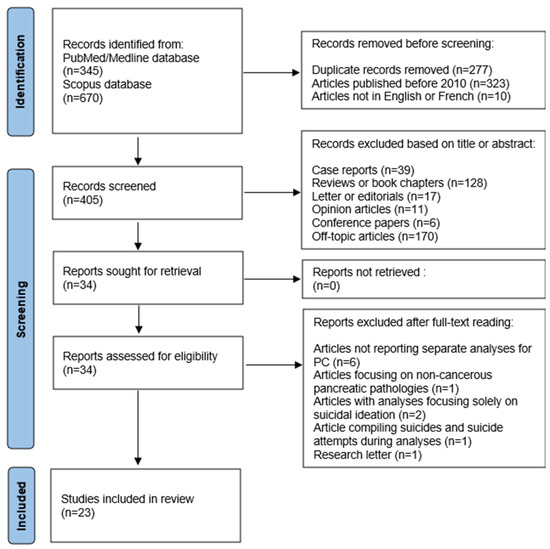
Disclaimer/Publisher’s Note: The statements, opinions and data contained in all publications are solely those of the individual author(s) and contributor(s) and not of MDPI and/or the editor(s). MDPI and/or the editor(s) disclaim responsibility for any injury to people or property resulting from any ideas, methods, instructions or products referred to in the content. |
© 2026 by the authors. Licensee MDPI, Basel, Switzerland. This article is an open access article distributed under the terms and conditions of the Creative Commons Attribution (CC BY) license.