


Abstract
Objective: To systematically evaluate the phenotypic characteristics, hormonal profiles, and surgical and endocrine management of individuals with PAIS. Methods: A systematic review and meta-analysis was conducted in accordance with PRISMA guidelines and was prospectively registered in PROSPERO. PubMed, Embase, Scopus, and Web of Science were searched from inception to March 2025. Observational studies, case series, and case reports reporting genetically confirmed or clinically diagnosed PAIS were included. Two reviewers independently screened studies, extracted data, and assessed methodological quality using the Joanna Briggs Institute critical appraisal tools. Case reports were synthesized descriptively, while pooled prevalence estimates and mean values from case series were calculated using random-effects meta-analysis. Clinical presentation, phenotypic characteristics, age at presentation and diagnosis, hormonal profiles, pathological findings, and endocrine and surgical management were evaluated. Results: A total of 127 studies (63 case-reports, 58 case-series, and 6 observational studies) were included. Among case reports, ambiguous genitalia (19%), gynecomastia (15.9%), amenorrhea (15.9%), and clitoromegaly (11.1%) were the most frequently reported manifestations. Meta-analysis of case-series showed ambiguous genitalia as the most common presentation (54.6%), followed by ambiguous genitalia (49.8%), clitoromegaly (44%), micropenis (41.1%), gynecomastia (37.2%), and hypospadias (31.1%). The pooled mean age at presentation and diagnosis was 7.97 and 11.56 years, respectively, indicating delayed diagnosis. Most patients had a male phenotype (57.5%). Hormonal profiles and management strategies, including hormone replacement therapy, genital reconstruction, and gonadectomy, were highly heterogeneous. Conclusions: PAIS is characterized by marked phenotypic and endocrine heterogeneity, delayed diagnosis, and substantial variation in endocrine and surgical management. Earlier recognition, multidisciplinary care, standardized diagnostic pathways, and harmonized reporting of patient-centered outcomes are needed to improve clinical management. Higher-quality prospective studies are required to strengthen the evidence base and inform future clinical practice.
1. Introduction
Disorders of sex development (DSDs) encompass a heterogeneous group of congenital conditions characterized by atypical chromosomal, gonadal, or anatomical sex development [1]. DSDs affect approximately 1 in 4500 live births and encompass a broad spectrum of genetic and endocrine disorders with diverse clinical manifestations [2]. Among these conditions, androgen insensitivity syndrome (AIS) is one of the most common causes of 46,XY DSD, which results from pathogenic variants in the androgen receptor (AR) gene that impair androgen signaling despite normal or elevated circulating androgen concentrations [3,4]. AIS encompasses a clinical spectrum ranging from complete androgen insensitivity syndrome (CAIS), in which affected individuals typically present with female external genitalia despite a 46,XY karyotype, to mild androgen insensitivity syndrome (MAIS), which often manifests as isolated male infertility or pubertal gynecomastia [5]. Partial androgen insensitivity syndrome (PAIS) represents the intermediate phenotype within this spectrum. It is characterized by variable degrees of androgen resistance, resulting in clinical presentations that range from predominantly male to predominantly female external genitalia with differing degrees of genital ambiguity [6,7]. This marked phenotypic heterogeneity makes PAIS the most diagnostically and therapeutically challenging form of AIS [8,9].
Although AR pathogenic variants constitute the primary molecular basis of PAIS, genotype alone does not reliably predict phenotype [10]. Individuals carrying the same AR variant, including affected members of the same family, may exhibit substantially different phenotypic manifestations, suggesting that additional genetic, epigenetic, and environmental factors influence disease expression [11,12]. Variability in androgen receptor function, androgen metabolism, co-regulatory protein activity, and tissue-specific androgen responsiveness further contributes to this heterogeneity [4,12]. Consequently, affected individuals may present during infancy with ambiguous genitalia, during childhood with inguinal hernia or cryptorchidism, or during adolescence and adulthood with gynecomastia, primary amenorrhea, or delayed pubertal development [13]. The rarity of PAIS, overlapping clinical features with other 46, XY DSDs, and limited availability of molecular diagnostic testing frequently contribute to delayed diagnosis and considerable variation in clinical practice [12,14]. Consequently, the true prevalence of PAIS remains uncertain, although the prevalence of phenotypic 46, XY females has been estimated at approximately 6.4 per 100,000 live-born females [14,15].
Clinical management of PAIS remains particularly challenging. Decisions regarding sex assignment, gonadal preservation or gonadectomy, hormone replacement therapy, and reconstructive surgery must balance potential medical risks, reproductive potential, psychosexual development, and respect for patient autonomy. Increasing emphasis on patient-centered care has further highlighted the importance of long-term outcomes, including quality of life, sexual function, fertility, and gender identity. Yet these outcomes remain inadequately characterized [16,17].
Current evidence is derived almost exclusively from isolated case reports and small case series, and observational studies which limits robust synthesis and the development of evidence-based clinical recommendations. To date, no systematic review has comprehensively quantified the clinical spectrum, endocrine characteristics, and management outcomes of PAIS. Therefore, we conducted a systematic review and meta-analysis to present the available evidence on the phenotypic presentation, hormonal profile, surgical and endocrine management, and gender identity outcomes of individuals with PAIS.
2. Materials and Methods
This systematic review and meta-analysis was conducted in accordance with the Preferred Reporting Items for Systematic Reviews and Meta-Analyses (PRISMA) statement. The study protocol was prospectively registered in the International Prospective Register of Systematic Reviews (PROSPERO, registration ID: [CRD420251125796]).
2.1. Eligibility Criteria
Original studies that reported patients with genetically confirmed or clinically diagnosed PAIS were considered eligible. Studies were included if they presented at least one of the following domains: clinical phenotype, hormonal characteristics, endocrine treatment, surgical management, or gender identity outcomes. Eligible study designs included cohort, case–control, cross-sectional, case series, clinical trial, and individual case report studies.
Review articles, editorials, conference abstracts without accessible full texts, animal studies, and laboratory investigations lacking patient-level clinical data were excluded. Only studies published in English were included.
2.2. Information Sources and Search Strategy
A comprehensive electronic search was performed in PubMed, Embase, Scopus, and Web of Science, up to March 2025. Search strategies combined controlled vocabulary (Medical Subject Headings [MeSH] and Emtree terms) with free-text keywords related to “Partial Androgen Insensitivity Syndrome”, “Disorders of Sex Development”, “Androgen Receptor”, “Phenotype”, and “Gonadectomy”. An English language restriction was applied, and reference lists of included studies were also screened for additional eligible articles.
2.3. Study Selection and Data Extraction
Following removal of duplicates, titles and abstracts were independently screened by two reviewers. Potentially eligible articles underwent full-texts evaluation according to the predefined eligibility criteria. Disagreements were resolved through discussion and when necessary, consultation with a third reviewer until consensus was achieved. Data were extracted independently by two reviewers using a data extraction form. Extracted information included study characteristics (first author, publication year, country, study design, and sample size), patient demographics, genetic findings, clinical phenotype, hormonal measurements, surgical procedures, hormone replacement therapy, follow-up duration, complications, and gender identity outcomes. Any discrepancies in extracted data were resolved by consensus.
2.4. Quality Assessment
The methodological quality of the included studies was independently assessed by two reviewers using the Joanna Briggs Institute (JBI) Critical Appraisal Checklists, with the appropriate tool selected according to study design (case report or case series, observational studies) [18,19]. The JBI checklist for case reports comprises 8 domains that evaluate the clarity and completeness of reporting, including the patient’s history, clinical presentation, diagnostic tests, interventions, outcomes, and key takeaway lessons. The JBI checklist for case series consists of 10 domains that assess participant selection, diagnostic methods, reporting of demographics and clinical information, outcome measurement, statistical analysis (where applicable), and adequacy of follow-up. Each item was scored as Yes, No, or Unclear, and overall study quality was classified as high, moderate, or low based on the proportion of “Yes” responses. Any disagreements between reviewers were resolved through discussion or consultation with a third reviewer.
2.5. Data Synthesis
This systematic review first employed a narrative synthesis to provide an overview of the findings across all included studies.
Observational studies were presented systematically; they were not included in the meta-analysis because of substantial clinical and methodological heterogeneity, including differences in study design, outcome measures, population composition, and the limited availability of comparable PAIS-specific data.
Since individual case reports provide patient-level individual descriptive observations rather than pooled cohorts, quantitative synthesis was limited to descriptive analysis. Demographic and clinical characteristics were extracted and tabulated for each reported patient. Continuous variables were summarized using mean (95% confidence interval). Data from case reports were synthesized descriptively, as measures of variability are not applicable to single-patient reports. Categorical variables were expressed as counts and proportions. Data were summarized to provide an overview of the clinical presentation across the cases.
In contrast, the case series constituted the quantitative evidence base for the meta-analysis, and pooled prevalence estimates and mean values were calculated for all eligible outcomes. For studies reporting medians and interquartile ranges (IQR) instead of means and SDs, we converted these values to means and SDs using established formulas to allow for inclusion in the meta-analysis. Heterogeneity among studies was assessed using Cochran’s Q test and the I2 statistic and between-study variance with Tau2. A p-value < 0.05 in the Q test indicated significant heterogeneity. I2 values of 25%, 50%, and 75% were considered low, moderate, and high heterogeneity, respectively. For outcomes with moderate-to-high heterogeneity, random-effect models were applied. Variance stabilization was performed automatically by CMA using logit transformation. The meta-analysis was performed using Comprehensive Meta-Analysis (CMA) software. For proportional outcomes, a logit transformation was applied to stabilize the variance before pooling. All pooled results are reported with their corresponding 95% confidence intervals. Publication bias was evaluated using funnel plot inspection and Egger’s regression test when sufficient studies were available.
Statistical analyses were performed using CMA software and SPSS version 25.
3. Results
3.1. Study Selection
A total of 28,077 records were identified through database searching. After removing 8292 duplicates, 19,785 records underwent title and abstract screening. Of these, 865 full-text articles were assessed for eligibility, and 127 studies met the inclusion criteria. These comprised 63 case reports [9,13,20,21,22,23,24,25,26,27,28,29,30,31,32,33,34,35,36,37,38,39,40,41,42,43,44,45,46,47,48,49,50,51,52,53,54,55,56,57,58,59,60,61,62,63,64,65,66,67,68,69,70,71,72,73,74,75,76,77,78,79,80,81,82], and 58 case series [80,81,83,84,85,86,87,88,89,90,91,92,93,94,95,96,97,98,99,100,101,102,103,104,105,106,107,108,109,110,111,112,113,114,115,116,117,118,119,120,121,122,123,124,125,126,127,128,129,130,131,132,133,134,135,136,137,138,139] and 6 observational studies [140,141,142,143,144,145]. The study selection process is presented in the PRISMA flow diagram (Figure 1).
Figure 1.
Study selection.
3.2. Characteristics of Included Studies
Individual case reports were predominantly reported from America (n = 21) and Europe (n = 16) followed by Asia (n = 24), Africa (n = 1), Australia (n = 1). Case-by-case characteristics of individuals with PAIS in those case report studies are presented in Supplementary Table S1. Most reports were single-center studies from tertiary referral clinics.
Characteristics of case series studies are presented in Supplementary Table S2. The 58 case series were reported primarily from Europe (n = 19) and Asia (n = 15), followed by America (n = 20), Africa (n = 3), and Australia (n = 1).
The six observational studies were conducted in China (retrospective observational cohort study of consecutive patients) [140], the United States (cross-sectional questionnaire study) [141], multiple European countries (multicenter observational analysis) [142], and the United Kingdom (retrospective observational study) [143]. And two were internation I-DSD Registry [144,145].
Descriptive findings from individual case-reports and pooled estimates from the meta-analysis of case series are presented below.
3.3. Primary Clinical Presentation
Among the 63 individual case reports, the most frequently reported presenting complaints were ambiguous genitalia (19%), gynecomastia (15.9%), amenorrhea (15.9%), clitoromegaly (11.1%), micropenis (7.9%), and hypospadias (6.3%) (Table 1). Other reported presentations included inguinal mass/tumor (6.3%), infertility (4.8%), hirsutism (3.2%), psychological symptoms (3.2%), diplopia (1.6%) and inguinal pain (1.6%).
Table 1.
Distribution of primary clinical presentations among the included patients.
In the meta-analysis of the 58 case series, ambiguous genitalia was the most common presentation, with a pooled prevalence of 49.8% (95% CI: 41.3–58.2%, I2 = 26.036%), followed by clitoromegaly 44% (95% CI: 17.8–74.1%, I2 = 70.50%), micropenis 41.1% (95% CI: 30.9–52.1%, I2 = 12.22%), gynecomastia 37.2% (95% CI: 24.7–51.8, I2 = 5.966%), hypospadias 31.1% (95% CI: 22.1–41.7%, I2 = 8.275%), and Amenorrhea 30.9% (95% CI: 19.2–45.8%, I2 = 7.107%) (Table 1).
3.4. Clinical Age Milestones
Among the case reports, the mean age at presentation was 8.8 years (95% CI: 6.26–11.41), whereas the mean age at diagnosis was 18.4 years (95% CI: 14.40–22.36). The mean age at gonadectomy was 21.3 years (95% CI: 15.122 to 27.487) (Table 2).
Table 2.
Summary of clinical age milestones, sexual characteristics, laboratory and diagnostic profile, and management across the included studies.
In the meta-analysis of case series, the pooled mean age at presentation was 7.97 years (95% CI: 4.01–11.09; I2 = 99.11%), whereas the pooled mean age at diagnosis was 11.56 years (95% CI: 8.64–14.48; I2 = 99.08%). The pooled mean age at gonadectomy was 13.61 years (95% CI: 4.25–22.98; I2 = 98.38%) (Table 2).
3.5. Phenotypic Characteristics and Management by Sex Assigned at Birth
Among the case reports, 46% of patients were assigned a male phenotype and 50.8% a female phenotype. Male external genitalia were the most frequently reported genital phenotype (33.3%). Scant pubic hair was reported in 35.9% of patients, while Tanner stage III breast development was the most commonly described stage (20.3%) (Table 2).
In the meta-analysis of case series, the pooled prevalence of a male phenotype was 57.7% (95% CI: 51.7–63.4%; I2 = 30.70%), while a female phenotype was in observed in 41.5% (95% CI: 35.8–47.5%; I2 = 30.14%). Male external genitalia represented the most common genital phenotype (42.5%; 95% CI: 34.1–51.3%; I2 = 42.01%). Tanner stage III breast development had the highest pooled prevalence (37.0%; 95% CI: 19.5–58.7%; I2 = 0%), while complete pubic hair (47.5%; 95% CI: 33.5–61.8%; I2 = 0%) and scant pubic hair (41.5%; 95% CI: 26.5–58.3%; I2 = 12.38%) were both commonly reported (Table 2).
Across the included studies, presentation differed according to sex assignment (Supplementary Table S3). Individuals assigned male at birth (AMAB) most commonly presented in infancy or childhood with genital undervirilization, including hypospadias, micropenis, bifid scrotum, and cryptorchidism, although a subset was identified in adolescence or adulthood because of gynecomastia, impaired virilization, or infertility. Individuals assigned female at birth (AFAB) presented either in infancy with ambiguous genitalia or clitoromegaly, or later with primary amenorrhea, inguinal gonads, pubertal virilization, or absent Müllerian structures. Owing to heterogeneous and incomplete reporting, these observations are descriptive and should not be interpreted as formal comparisons between groups.
3.6. Hormonal and Pathological Findings
Among the case reports, the mean testosterone concentration was 19.2 nmol/L (95% CI: 13.61–24.75), while the mean LH, FSH, and estradiol concentrations were 18.6 mIU/L (95% CI: 11.74–25.53), 19.5 mIU/L (95% CI: 11.10–27.81), and 46.9 pg/mL (95% CI: 25.09–68.80), respectively. Seminiferous tubules were the most commonly reported histopathological finding.
In the meta-analysis of case series, the pooled mean testosterone concentration was 30.070 nmol/L (95% CI: 25.289–34.850; I2 = 99.79%), while pooled mean LH, FSH, and estradiol concentrations were 11.928 mIU/L (95% CI: 9.160–14.69; I2 = 93.07%), 8.078 mIU/L (95% CI: 4.533–11.622; I2 = 99.27%), and 38.76 pg/mL (95% CI: 27.35–50.18; I2 = 97.82%), respectively. Seminiferous tubules also represented the predominant histopathological finding (83.0%; 95% CI: 50.4–95.9%; I2 = 0%) (Table 2) (Supplementary Figures S1–S4).
Age at hormonal assessment and findings are reported case by case, separately for AMAB and AFAB individuals, in Supplementary Table S3. Hormonal data were extractable in 26/30 AMAB and 29/33 AFAB case reports. Age at assessment ranged from 2 days to 61 years in AMAB and from the neonatal period to 68 years in AFAB individuals. In AMAB individuals, testosterone was usually normal to elevated, with raised LH and/or FSH after puberty and a preserved testosterone response to hCG in infancy and childhood. In AFAB individuals, testosterone was typically above the female reference range, with raised gonadotropins at or after pubertal age and variable estradiol. Because assays, units and reference ranges differed, values were not pooled by group.
3.7. Management
Among the case reports, clitoroplasty was performed in 21.9% of patients and vaginoplasty in 10.9%. Estrogen replacement therapy and testosterone therapy were reported in 20.3% and 23.4% of patients, respectively, while laparotomy was the most frequently described surgical approach for gonadectomy (34.4%).
In the meta-analysis of case series, the pooled prevalence of clitoroplasty was 48.5% (95% CI: 27.6–70.0%; I2 = 0%), while vaginoplasty was performed in 57.0% (95% CI: 39.1–73.2%; I2 = 0%). The pooled prevalence of estrogen replacement therapy was 47.4% (95% CI: 33.1–62.9%; I2 = 45.61%), whereas 45.4% (95% CI: 32.8–58.7%; I2 = 47.79%) of patients received testosterone therapy. Laparotomy remained the most commonly reported surgical approach for gonadectomy (46.6%; 95% CI: 35.0–58.5%; I2 = 38.70%) (Table 2).
Management also differed according to sex assigned at birth (Supplementary Table S3). Gonadectomy was reported predominantly in individuals assigned female at birth (AFAB), often as a prophylactic measure against gonadal malignancy, whereas gonads were generally retained in individuals assigned male at birth (AMAB). Vaginoplasty and clitoroplasty were reported almost exclusively in AFAB individuals, while AMAB individuals more frequently underwent hypospadias repair, orchiopexy, and surgery for gynecomastia.
The timing and indications for genital reconstructive procedures varied considerably across studies. Vaginoplasty and clitoroplasty were performed almost exclusively in individuals assigned female at birth (AFAB), ranging from infancy to adulthood, primarily to address genital ambiguity, facilitate female sex assignment, or improve genital function. Where available, postoperative outcomes were generally described as satisfactory, although reporting was inconsistent across studies. Detailed information on age at surgery, indications, and outcomes is provided in Supplementary Table S3.
3.8. Narrative Synthesis of Additional Observational Studies
Six additional observational studies met the review’s inclusion criteria but could not be quantitatively pooled because of substantial clinical and methodological heterogeneity, including differences in diagnostic composition, incomplete separation of PAIS from other XY DSD conditions, non-comparable outcome definitions, and limited availability of extractable PAIS-specific data. Accordingly, only findings explicitly attributable to participants with PAIS are summarized below; results from other diagnostic groups are not interpreted as PAIS-specific.
Huang et al. (2017) [140] reported PAIS-specific gonadal tumor data from a cohort of individuals with Y-chromosome material. Among 34 patients with PAIS who underwent gonadectomy, germ-cell tumors were identified in three patients (8.8%), highlighting the importance of individualized gonadal management strategies. Pappas et al. (2008) [141] evaluated gender-role development in adults with 46,XY DSD. Although PAIS-specific outcome estimates were not reported separately, findings suggested that gender-role characteristics increasingly aligned with sex of rearing across development. Gong et al. (2021) [142] assessed physical and subjective health outcomes in adults with XY DSD. Among 35 individuals with PAIS, 42.9% had undergone gonadectomy, while 45.7% retained their gonads. Metabolic health was generally favorable, although subjective health scores were lower than population norms. Lek et al. (2018) [143] evaluated pubertal outcomes in 27 genetically confirmed male-assigned patients with PAIS. Individuals with a birth external masculinization score (EMS) below five were less likely to achieve spontaneous puberty and Tanner stage 4–5 genital development, indicating that EMS may provide useful prognostic information for clinical counseling. Patjamontri, 2025 [145] aimed to investigate the management of gynecomastia in males with PAIS over the age of 10 years in the I-DSD registry. In 45 patients (79%), a mutation in the androgen receptor gene was confirmed; the median age at the first onset of symptoms in this group was 1.0 year. Of these 45 individuals, 41 (91%) developed gynecomastia (median age of onset: 13.5 years). For the four individuals who did not develop gynecomastia, the median age at the time of the final assessment was 15.7 years. Furthermore, among 30 patients for whom data were available, 23 (77%) had a micropenis at the time gynecomastia appeared. Only two (6%) of the 35 patients with available data experienced spontaneous resolution. A total of 25 patients (71%) underwent breast surgery (median age: 15.7 years); nine of these individuals had previously received pharmacological treatment. Surgical treatment was found to be significantly more effective than pharmacological treatment (median effectiveness score: 10 versus 3). Of the 31 patients with available data, 13 (42%) had received psychological support. Moreover, Lucas-Herald, 2016 [144] aimed to assess the clinical characteristics and long-term outcomes among 52 men with suspected PAIS in relation to the results of AR analysis. The median age at the time of presentation and at the time of the study was 1 month and 22 years, respectively. Within this group, 29 individuals (56%) carried 20 different types of mutations in the AR (androgen receptor) gene. The median EMS at the time of diagnosis was 7 for those with AR mutations and 6 for those without. Furthermore, 35 men (67%) required at least one surgical procedure; individuals with mutations were significantly more likely to require multiple surgeries for hypospadias correction. All patients with AR mutations developed gynecomastia, whereas this occurred in only 9% of those without mutations. Furthermore, among the six men who underwent a mastectomy (removal of breast tissue), five (83%) carried AR mutations.
More details of these studies are presented in Supplementary Table S4.
3.9. Publication Bias and Quality Assessment
Publication bias was assessed for the meta-analyses of age at presentation and age at diagnosis. Visual inspection of the funnel plots showed no substantial asymmetry, suggesting a low risk of publication bias (Supplementary Figures S5 and S6). Consistent with this, Egger’s regression test was non-significant for both outcomes (p > 0.05), indicating no evidence of small-study effects or publication bias.
The methodological quality of the included evidence was generally moderate to high. Among the case reports, 25.0% were rated as high quality, 26.6% as moderate-to-high quality, 40.6% as moderate quality, 3.1% as low-to-moderate quality, and 4.7% as low quality. Most case reports provided clear descriptions of patient demographics, clinical presentation, diagnostic assessments, interventions, and post-intervention outcomes. However, reporting of adverse events and unanticipated harm was frequently incomplete or unclear. Among the case series (n = 58), 23.3% were rated as high quality, 23.3% as moderate-to-high quality, 45.0% as moderate quality, and 8.4% as moderate-to-low quality. The most common methodological limitations were unclear reporting of consecutive and complete participant inclusion, as well as incomplete reporting of participant demographics and clinical characteristics. For the observational studies, 83.3% were rated as high quality and 16.7% as moderate-to-high quality according to the Joanna Briggs Institute (JBI) critical appraisal checklist. These studies generally demonstrated clear inclusion criteria, adequate descriptions of study populations and settings, valid and reliable outcome measurements, and appropriate statistical analyses, although reporting of confounding factors and standardized measurement criteria was occasionally incomplete. Overall, the available evidence was considered to be of acceptable methodological quality, but findings should be interpreted in light of the inherent limitations of case reports, case series, and observational studies in rare diseases. Detailed quality assessment results for all included studies are provided in Supplementary Tables S5–S7.
4. Discussion
To our knowledge, this is the first systematic review and meta-analysis to comprehensively investigate the phenotypic characteristics, hormonal profile, and clinical management of patients with PAIS. By summarizing individual case reports and quantitatively pooling data from case series, this study provides a broad overview of the clinical spectrum of PAIS. The results showed the remarkable clinical heterogeneity of PAIS across presentation, endocrine profile, pubertal development, and management. Four principal findings emerged. First, ambiguous genitalia represented the most common presenting feature, followed by clitoromegaly, micropenis, and gynecomastia. Second, a substantial delay exists between initial clinical presentation and definitive diagnosis. Third, hormonal profiles varied considerably across studies, reinforcing the limited diagnostic value of endocrine markers when interpreted in isolation. Finally, endocrine and surgical management strategies varied across studies. The high heterogeneity observed across several key outcomes suggests that the pooled estimates may not accurately represent a single clinical reality. A critical consideration in interpreting these data is the potential for study-design-related bias. The case reports often highlight the extreme manifestations of PAIS, and case series provide a more cohesive overview of the clinical spectrum.
The marked clinical variability observed across the included studies may reflect the underlying biological complexity of PAIS. Unlike complete androgen insensitivity syndrome, PAIS encompasses a broad continuum of androgen receptor dysfunction, resulting in highly variable genital development, pubertal progression, and reproductive outcomes despite a shared molecular basis [7]. In this respect, the heterogeneity identified in several pooled analyses was therefore expected and likely reflects differences in patient age, referral patterns, phenotype severity, diagnostic criteria, and reporting practices rather than statistical inconsistency alone. These findings may suggest that PAIS should be considered a clinical spectrum rather than a single, uniform disorder.
One of the most clinically relevant findings of this review is the persistent delay between initial presentation and diagnosis. Although many patients first presented during childhood with ambiguous genitalia or atypical genital development, definitive diagnosis often occurred several years later. Early recognition is particularly important because timely diagnosis facilitates appropriate genetic testing, endocrine evaluation, psychological support, and multidisciplinary counseling. Delayed diagnosis may also postpone discussions regarding pubertal management, fertility potential, gonadal surveillance, and individualized treatment planning.
The broad phenotypic spectrum observed across the included studies further illustrates the diagnostic challenges of PAIS. While ambiguous genitalia represented the most common presenting feature, considerable variability was observed in external genital appearance, pubertal development, and secondary sexual characteristics. Approximately half of the reported patients had a male phenotype, although female and intermediate phenotypes were also common. Clinical presentation alone cannot reliably predict disease severity or long-term outcomes. In case reports, the male-to-female ratio is typically skewed toward more pronounced phenotypes, whereas in case series and cohorts milder phenotypes are observed more frequently.
Pubertal development was likewise highly variable. Gynecomastia was one of the most frequent clinical manifestations, whereas pubic hair development and Tanner staging differed substantially across studies. These findings are consistent with the variable degree of androgen responsiveness that characterizes PAIS and support the importance of longitudinal clinical assessment throughout puberty [146]. Because pubertal progression may influence decisions regarding hormone replacement, surgical intervention, fertility counseling, and psychosocial support, regular follow-up by a multidisciplinary team remains essential.
Gender-related outcomes were inconsistently reported and could not be synthesized quantitatively. Nevertheless, the available evidence suggests that gender identity cannot be reliably predicted from external genital appearance alone. Current international recommendations therefore appropriately emphasize individualized, multidisciplinary care involving endocrinologists, surgeons, clinical geneticists, psychologists, and specialized nursing teams, with patients and families actively participating in shared decision-making throughout childhood and adolescence [147,148]. Evidence highlighted the importance of taken attention to the family norms or cultural expectations during health care and psychosocial support in patients with DSD [149].
The hormonal findings of this review further highlight the complexity of PAIS. Although pooled mean concentrations of testosterone, LH, FSH, and estradiol were estimated, substantial between-study heterogeneity was observed for nearly all endocrine outcomes. This variability likely reflects differences in patient age, pubertal status, residual androgen receptor function, gonadal status, and timing of hormonal assessment. However, the pooling of hormonal data without accounting for age, pubertal stage, and hormonal treatment limits the interpretability of the findings. The pooled estimates should be viewed as broad indicators of trends rather than definitive clinical values. The hormonal findings should be interpreted alongside clinical phenotype, molecular genetic testing, and imaging to establish the diagnosis and guide management. Findings therefore support current recommendations that the diagnosis of PAIS requires a comprehensive multidisciplinary assessment rather than reliance on endocrine markers alone. Disparities in healthcare systems and the economics of medical care have hindered integration [150].
Histopathological findings were similarly heterogeneous, although seminiferous tubules represented the most frequently reported gonadal histology. Occasional reports of seminoma, Sertoli cell tumors, and other gonadal abnormalities underscore the importance of individualized gonadal surveillance. However, the true prevalence of premalignant or malignant lesions could not be determined because histopathological assessment was inconsistently reported and was generally limited to patients who underwent gonadectomy, introducing substantial selection bias.
Management strategies varied considerably across studies, reflecting the absence of universally accepted treatment pathways for PAIS. Both hormonal therapy and genital reconstructive surgery were frequently reported, but their indications, timing, and reported outcomes differed substantially between centers. Similarly, the age at gonadectomy varied widely. Historically, early irreversible surgical interventions were often performed to align genital appearance with the assigned sex [151]. More recently, international consensus statements have emphasized individualized decision-making, multidisciplinary care, and, whenever appropriate, deferral of irreversible procedures until patients are sufficiently mature to participate in informed decision-making [152].
An important finding of this review is the limited reporting of long-term outcomes. Surgical success was commonly described in anatomical terms, whereas functional outcomes, patient satisfaction, quality of life, fertility, and sexual function were rarely evaluated. In particular, sexual function remains a major evidence gap in PAIS. Only a small number of individual case reports described erectile dysfunction or other aspects of sexual health, precluding meaningful conclusions. Future studies should therefore incorporate standardized patient-reported outcome measures alongside clinical and surgical endpoints to better evaluate long-term treatment effectiveness.
The study findings have several important clinical implications. The observed delay between presentation and diagnosis highlights the need for greater awareness of PAIS among clinicians involved in the care of individuals with disorders of sex development. In addition, the marked variability in phenotype, hormonal profiles, and management strategies supports a comprehensive multidisciplinary approach integrating clinical, endocrine, genetic, surgical, and psychosocial assessment. The wide variation in treatment practices further underscores the need for individualized care tailored to patient characteristics, preferences, and long-term goals.
This study has several strengths. To our knowledge, it is the first systematic review and meta-analysis to comprehensively evaluate the phenotypic characteristics, hormonal profile, and management of patients with PAIS. By analyzing case reports descriptively and pooling data only from case series, we accounted for important differences in study design. Furthermore, our review provides a narrative view of important observational studies.
Nevertheless, several limitations should be acknowledged. Most of the available evidence originated from case reports and relatively small case series, limiting the overall certainty of the evidence. In this respect, all results should be interpreted with caution. Also, reporting of clinical, hormonal, pathological, and treatment outcomes was inconsistent across studies, resulting in missing data for several analyses. Reporting of hormonal outcomes was particularly heterogeneous, and important factors such as age, pubertal stage, gonadal status, gonadectomy, and hormone therapy were frequently incompletely reported. Therefore, pooled hormonal estimates should be interpreted as approximate indicators rather than definitive clinical reference values. The potential influence of cultural factors should be considered when interpreting the findings. Cultural beliefs, societal stigma, and health-seeking behaviors can affect the perception of patients regarding the presented symptoms as well as the report of them to a clinician. So, these factors may contribute to differences in diagnosis timing, reporting patterns, and overall outcomes. Since we included both case reports and case series, the possibility of overrepresentation of certain cases remains a limitation of this study.
Finally, longitudinal outcomes, including fertility, sexual function, quality of life, psychosocial well-being, and patient satisfaction, were rarely reported, preventing comprehensive assessment of long-term outcomes.
5. Conclusions
PAIS is a clinically heterogeneous disorder characterized by diverse phenotypic presentations, delayed diagnosis, substantial hormonal variability, and wide variation in endocrine and surgical management. Ambiguous genitalia were the most common presenting feature, although clinical manifestations varied considerably across individuals. These findings highlight the importance of early recognition, multidisciplinary evaluation, and individualized management. Future prospective collaborative studies with standardized diagnostic criteria and outcome reporting are needed to strengthen the evidence base and optimize long-term care for individuals with PAIS.
Supplementary Materials
The following supporting information can be downloaded at https://www.mdpi.com/article/10.3390/diseases14120443/s1, Supplementary Table S1. Case-by-case Characteristics of PAIS Patients; Supplementary Systematic Table S2. Main characteristics of case series; Supplementary Table S3. Clinical Presentation, Age at Diagnosis, Gonadectomy, and Genital Surgical Procedures in Individuals Assigned Male at Birth (AMAB) and Individuals Assigned Female at Birth (AFAB) with Partial Androgen Insensitivity Syndrome (PAIS); Supplementary Table S4. Systematic Summary of PAIS-Specific Findings from Observational Studies; Supplementary Table S5. JBI Critical Appraisal for case reports; Supplementary Table S6. JBI Critical Appraisal for case series; Supplementary Table S7. JBI Critical Appraisal for observational studies; Supplementary Figure S1. Forest plot of testosterone levels. The square represents the pooled mean (or effect size), and the horizontal lines indicate the 95% confidence intervals (CIs); Supplementary Figure S2. Forest plot of luteinizing hormone (LH) levels. The square represents the pooled mean (or effect size), and the horizontal lines indicate the 95% confidence intervals (CIs); Supplementary Figure S3. Forest plot of follicle-stimulating hormone (FSH) levels. The square represents the pooled mean (or effect size), and the horizontal lines indicate the 95% confidence intervals (CIs); Supplementary Figure S4. Forest plot of estradiol levels. The square represents the pooled mean (or effect size), and the horizontal lines indicate the 95% confidence intervals (CIs); Supplementary Figure S5. Visual assessment of publication bias via funnel plot for age of presentation; Supplementary Figure S6. Visual assessment of publication bias via funnel plot for age of presentation.
Author Contributions
Conceptualization, M.S.G.N., S.S., F.A. and F.R.T.; methodology, M.S.G.N. and F.A.; formal analysis, M.S.G.N. and S.B.-G.; investigation, S.S., M.S.G.N., S.B.-G. and F.A.; data curation, S.S., M.S.G.N. and S.B.-G.; writing—original draft preparation, M.S.G.N., S.S., S.B.-G. and F.R.T.; writing—review and editing, M.S.G.N., S.S., S.B.-G. and F.R.T. All authors have read and agreed to the published version of the manuscript.
Funding
This study is funded by the Research Institute for Endocrine Sciences, Shahid Beheshti University of Medical Sciences, Tehran, Iran (Grant number: 43021632). Nord University supports article possessing charge.
Institutional Review Board Statement
Not applicable.
Informed Consent Statement
Not applicable.
Data Availability Statement
The data presented in this study is available on request from the corresponding author. All data was published previously.
Conflicts of Interest
The authors declare no conflicts of interest.
Abbreviations
The following abbreviations are used in this manuscript:
| DSDs | Disorders of sex development |
| AIS | Androgen insensitivity syndrome |
| CAIS | Complete androgen insensitivity syndrome |
| MAIS | Mild androgen insensitivity syndrome |
| PAIS | Partial androgen insensitivity syndrome |
| PRISMA | Preferred Reporting Items for Systematic Reviews and Meta-Analyses |
| PROSPERO | Prospective Register of Systematic Reviews |
| JBI | Joanna Briggs Institute |
| CIs | Confidence intervals |
| CMA | Comprehensive Meta-Analysis |
| LH | Luteinizing hormone |
| FSH | Follicle-stimulating hormone |
| SCC | Squamous cell carcinoma |
| AR | Androgen receptor |
| AFAB | Assigned Female at Birth |
| AMAB | Assigned Male at Birth |
References
- Michala, L.; Creighton, S.M. The XY female. Best Pract. Res. Clin. Obstet. Gynaecol. 2010, 24, 139–148. [Google Scholar] [CrossRef] [Scilit] [PubMed]
- Wong, W.Y.; Wong, L.M.; Tam, Y.H.; Luk, H.M. A Baby With Complete Androgen Insensitivity Syndrome and the Fortuitous Discovery of 45,X/46,XY Mosaicism. Cureus 2023, 15, e43352. [Google Scholar] [CrossRef] [Scilit] [PubMed]
- Fulare, S.; Deshmukh, S.; Gupta, J. Androgen Insensitivity Syndrome: A rare genetic disorder. Int. J. Surg. Case Rep. 2020, 71, 371–373. [Google Scholar] [CrossRef] [Scilit] [PubMed]
- Hughes, I.A.; Werner, R.; Bunch, T.; Hiort, O. Androgen insensitivity syndrome. Semin. Reprod. Med. 2012, 30, 432–442. [Google Scholar] [CrossRef] [Scilit] [PubMed]
- Wang, C.; Tian, Q. Molecular pathogenesis, diagnosis, and management challenges in complete androgen insensitivity syndrome. Front. Endocrinol. 2025, 16, 1600343. [Google Scholar] [CrossRef] [Scilit] [PubMed]
- Galani, A.; Kitsiou-Tzeli, S.; Sofokleous, C.; Kanavakis, E.; Kalpini-Mavrou, A. Androgen insensitivity syndrome: Clinical features and molecular defects. Hormones 2008, 7, 217–229. [Google Scholar] [CrossRef] [Scilit] [PubMed]
- Batista, R.L.; Costa, E.M.F.; Rodrigues, A.d.S.; Gomes, N.L.; Faria, J.A., Jr.; Nishi, M.Y.; Arnhold, I.J.P.; Domenice, S.; Mendonca, B.B.d. Androgen insensitivity syndrome: A review. Arch. Endocrinol. Metab. 2018, 62, 227–235. [Google Scholar] [CrossRef] [Scilit] [PubMed]
- Sivaprasad, R.; Händler, K.; Caliebe, A.; Spielmann, M.; Holterhus, P.M.; Hornig, N.C. Comprehensive androgen-dependent transcriptome analysis in human genital tissue. BMC Genom. 2025, 26, 1047. [Google Scholar] [CrossRef] [Scilit] [PubMed]
- Mohan, S.; Kapoor, G.; Raman, D.K. Partial androgen insensitivity syndrome: A diagnostic and therapeutic dilemma. Med. J. Armed Forces India 2011, 67, 382–384. [Google Scholar] [CrossRef] [Scilit] [PubMed]
- Liu, Q.; Yin, X.; Li, P. Clinical characteristics, AR gene variants, and functional domains in 64 patients with androgen insensitivity syndrome. J. Endocrinol. Investig. 2023, 46, 151–158. [Google Scholar] [CrossRef] [Scilit] [PubMed]
- Chen, K.; Yao, H. Central precocious puberty in partial androgen insensitivity syndrome: A 9-year follow-up. JCEM Case Rep. 2026, 4, luag097. [Google Scholar] [CrossRef] [Scilit] [PubMed]
- Hughes, I.A.; Davies, J.D.; Bunch, T.I.; Pasterski, V.; Mastroyannopoulou, K.; MacDougall, J. Androgen insensitivity syndrome. Lancet 2012, 380, 1419–1428. [Google Scholar] [CrossRef] [Scilit] [PubMed]
- Wang, F.; Shao, S.; He, W.; Hu, S. A case of mild partial androgen insensitivity syndrome in a juvenile boy. J. Int. Med. Res. 2024, 52, 3000605241232520. [Google Scholar] [CrossRef] [Scilit] [PubMed]
- Berglund, A.; Johannsen, T.H.; Stochholm, K.; Viuff, M.H.; Fedder, J.; Main, K.M.; Gravholt, C.H. Incidence, Prevalence, Diagnostic Delay, and Clinical Presentation of Female 46,XY Disorders of Sex Development. J. Clin. Endocrinol. Metab. 2016, 101, 4532–4540. [Google Scholar] [CrossRef] [Scilit] [PubMed]
- Berglund, A.; Johannsen, T.H.; Stochholm, K.; Viuff, M.H.; Fedder, J.; Main, K.M.; Gravholt, C.H. Morbidity, Mortality, and Socioeconomics in Females With 46,XY Disorders of Sex Development: A Nationwide Study. J. Clin. Endocrinol. Metab. 2018, 103, 1418–1428. [Google Scholar] [CrossRef] [Scilit] [PubMed]
- Ovidiu, B.; Marcu, D.R.; Mischianu, D.L.D.; Poiana, C.; Diaconu, C.C.; Bungau, S.G.; Tit, D.M.; Cumpanas, A.; Bohiltea, R. The challenges of androgen insensitivity syndrome. Arch. Med. Sci. 2022, 18, 881–889. [Google Scholar] [CrossRef] [Scilit] [PubMed]
- Kosti, K.; Athanasiadis, L.; Goulis, D.G. Long-term consequences of androgen insensitivity syndrome. Maturitas 2019, 127, 51–54. [Google Scholar] [CrossRef] [Scilit] [PubMed]
- Munn, Z.; Barker, T.H.; Moola, S.; Tufanaru, C.; Stern, C.; McArthur, A.; Stephenson, M.; Aromataris, E. Methodological quality of case series studies: An introduction to the JBI critical appraisal tool. JBI Evid. Synth. 2020, 18, 2127–2133. [Google Scholar] [CrossRef] [Scilit] [PubMed]
- Tyutyusheva, N.; Mancini, I.; Baroncelli, G.I.; D’Elios, S.; Peroni, D.; Meriggiola, M.C.; Bertelloni, S. Complete Androgen Insensitivity Syndrome: From Bench to Bed. Int. J. Mol. Sci. 2021, 22, 1264. [Google Scholar] [CrossRef] [Scilit] [PubMed]
- Barragry, J.M.; Makin, H.L.; Morris, D.V.; Trafford, D.J.; Mason, A.S. Male pseudohermaphroditism due to partial end-organ insensitivity to androgens. Clin. Endocrinol. 1977, 7, 137–141. [Google Scholar] [CrossRef] [Scilit] [PubMed]
- Hoefgen, H.R.; Merritt, D.F. Invasive Ductal Carcinoma in a 46,XY Partial Androgen Insensitivity Syndrome Patient on Hormone Therapy. J. Pediatr. Adolesc. Gynecol. 2015, 28, e95–e97. [Google Scholar] [CrossRef] [Scilit] [PubMed]
- Keely, E.J.; Belsham, D.D.; Wrogemann, K.; Faiman, C. Partial androgen insensitivity—Are all tissues equal? Fertil. Steril. 1993, 60, 366–368. [Google Scholar] [CrossRef] [Scilit] [PubMed]
- Lentz, S.S.; Cappellari, J.O. Postmenopausal diagnosis of testicular feminization. Am. J. Obstet. Gynecol. 1998, 179, 268–269. [Google Scholar] [CrossRef] [Scilit] [PubMed]
- Norris, J.R.; Ryley, T.G.; Urbach, G.I. The testicular feminization syndrome. Can. Med. Assoc. J. 1965, 93, 765–767. [Google Scholar] [PubMed] [PubMed Central]
- Riskin, A.; Koren, I.; Bader, D.; Grün, M.; Dar, H.; Leibovitz, Z.; Kugelman, A.; Hiort, O. The approach to a neonate with a possible prenatal diagnosis of androgen insensitivity syndrome. J. Pediatr. Endocrinol. Metab. JPEM 2006, 19, 1437–1443. [Google Scholar] [CrossRef] [Scilit] [PubMed]
- Stern, O.N.; Vandervort, W.J. Testicular feminization in a male pseudohermaphrodite, report of a case. N. Engl. J. Med. 1956, 254, 787–790. [Google Scholar] [CrossRef] [Scilit] [PubMed]
- Wysocka, B.; Serkies, K.; Debniak, J.; Jassem, J.; Limon, J.J. Sertoli cell tumor in androgen insensitivity syndrome—A case report. Gynecol. Oncol. 1999, 75, 480–483. [Google Scholar] [CrossRef] [Scilit] [PubMed]
- Yildiz, O.; Ozguroglu, M.J. Idiopathic thrombocytopenia associated with dysgerminoma in a patient with androgen insensitivity syndrome. Gynecol. Oncol. 2005, 99, 248. [Google Scholar] [CrossRef] [Scilit] [PubMed]
- Sezgin, T.; Dönmez, M.; Dirican, A.; Deniz, İ.; Savut, B. Partial androgen insensitivity syndrome in a 68-year-old patient. Endocr. J. 2019, 66, 575–577. [Google Scholar] [CrossRef] [Scilit] [PubMed]
- Yoon, C.Y.; Lee, J. Abducens Nerve Palsy and Subretinal Fluid Related to Idiopathic Intracranial Hypertension in Androgen Insensitivity Syndrome: A Case Report. Korean J. Ophthalmol. 2023, 37, 520–522. [Google Scholar] [CrossRef] [Scilit] [PubMed]
- Haefner, H.K.; Terada, K.Y.; Morley, G.W.; Davis, K.P. Squamous cell carcinoma of the vulva in a patient with androgen insensitivity syndrome. Gynecol. Oncol. 1990, 38, 132–134. [Google Scholar] [CrossRef] [Scilit] [PubMed]
- Sarathi, V.; Reddy, R.; Atluri, S.; Shivaprasad, C. A challenging case of primary amenorrhoea. BMJ Case Rep. 2018, 2018, bcr2018225447. [Google Scholar] [CrossRef] [Scilit] [PubMed]
- Hiraoka, K.; Kawauchi, A.; Soh, J.; Ohe, H.; Shima, H.; Miki, T. Partial androgen insensitivity syndrome with thermolability in the androgen receptor. Int. J. Urol. 2006, 13, 89–91. [Google Scholar] [CrossRef] [Scilit] [PubMed]
- Koçyiğit, C.; Sarıtaş, S.; Çatlı, G.; Onay, H.; Dündar, B.N. A novel mutation in human androgen receptor gene causing partial androgen insensitivity syndrome in a patient presenting with gynecomastia at puberty. J. Clin. Res. Pediatr. Endocrinol. 2016, 8, 232. [Google Scholar] [CrossRef] [Scilit] [PubMed]
- Foresta, C.; Bettella, A.; Ferlin, A.; Garolla, A.; Moro, E.; Baldinotti, F.; Simi, P.; Dallapiccola, B. Response to local dihydrotestosterone treatment in a patient with partial androgen-insensitivity syndrome due to a novel mutation in the androgen receptor gene. Am. J. Med. Genet. 2002, 107, 259–260. [Google Scholar] [CrossRef] [Scilit] [PubMed]
- Weidemann, W.; Peters, B.; Romalo, G.; Spindler, K.D.; Schweikert, H.U. Response to androgen treatment in a patient with partial androgen insensitivity and a mutation in the deoxyribonucleic acid-binding domain of the androgen receptor. J. Clin. Endocrinol. Metab. 1998, 83, 1173–1176. [Google Scholar] [CrossRef] [Scilit] [PubMed]
- Isurugi, K.; Hasegawa, F.; Shibahara, N.; Mori, H.; Shima, H.; Harada, N.; Hasegawa, T.; Honma, S.; Imasaki, K.; Nawata, H. Incomplete Testicular Feminization Syndrome Studies on Androgen Receptor (AR) Function, AR Gene Analysis, and Aromatase Activities at Puberty and Long-Term Observations of Clinical and Hormonal Features From Infancy to Puberty. Endocr. J. 1996, 43, 557–564. [Google Scholar] [CrossRef] [Scilit] [PubMed]
- Fredricsson, B.; Carlström, K.; Kjessler, B.; Lindstedt, J.; Plöen, L.; Ritzén, M.; de la Torre, B. Incomplete androgen insensitivity: Asymmetry in morphology and steroid profile and metabolism of the gonads. An analysis of a case. Acta Endocrinol. 1985, 110, 564–571. [Google Scholar] [CrossRef] [Scilit] [PubMed]
- Matsumoto, T.; Yamashita, H.; Kimiya, K.; Ueda, T.; Kumazawa, J. Incomplete testicular feminization syndrome. A case occurring in a family with frequent hypospadias. Urol. Int. 1991, 46, 101–103. [Google Scholar] [CrossRef] [Scilit] [PubMed]
- Gooren, L. Improvement of spermatogenesis after treatment with the antiestrogen tamoxifen in a man with the incomplete androgen insensitivity syndrome. J. Clin. Endocrinol. Metab. 1989, 68, 1207–1210. [Google Scholar] [CrossRef] [Scilit] [PubMed]
- Bhuvaneshwari, K.M.; Ramesh, A.C.; Dhanalakshmi, K.S. A case of partial androgen insensitivity syndrome:from diagnosis to management. Int. J. Reprod. Contracept. Obstet. Gynecol. 2025, 14, 1355–1359. [Google Scholar] [CrossRef] [Scilit]
- Zhang, D.; Tian, Q. MYRF mutation leads to a single manifestation of sexual development and mimics partial androgen insensitivity syndrome: A case report and literature review. Gynecol. Endocrinol. 2024, 40, 2331072. [Google Scholar] [CrossRef] [Scilit] [PubMed]
- Bermejo-Costa, F.; Lloreda-García, J.M.; Donate-Legaz, J.M. Partial androgen insensitivity syndrome with persistent müllerian remnants. A case report. Endocrinol. Nutr. 2015, 62, 469–471. [Google Scholar] [CrossRef] [Scilit]
- Dougan, G.C.; Uli, N.; Shulman, D.I. Progressive central puberty in a toddler with partial androgen insensitivity. J. Pediatr. 2014, 164, 655–657. [Google Scholar] [CrossRef] [Scilit] [PubMed]
- Mahajan, N.N.; Kaushal, N.; Subramanyam, A.A.; Bhagwat, N.M. Ventral clitoroplasty preserves dorsal nerves in case of partial androgen insensitivity syndrome: 4 years follow-up. J. Obstet. Gynaecol. Res. 2022, 48, 497–501. [Google Scholar] [CrossRef] [Scilit] [PubMed]
- Gobet, R.; Lang-Muritano, M.; Stallmach, T.; Biason-Lauber, A. A novel mutation inducing partial androgen-insensitivity syndrome with phenotypic diversity. BJU Int. 2003, 92, e34–e35. [Google Scholar] [CrossRef] [Scilit] [PubMed]
- Massin, N.; Bry, H.; Vija, L.; Maione, L.; Constancis, E.; Haddad, B.; Morel, Y.; Claessens, F.; Young, J. Healthy birth after testicular extraction of sperm and ICSI from an azoospermic man with mild androgen insensitivity syndrome caused by an androgen receptor partial loss-of-function mutation. Clin. Endocrinol. 2012, 77, 593–598. [Google Scholar] [CrossRef] [Scilit] [PubMed]
- Pitteloud, N.; Villegas, J.; Dwyer, A.A.; Crowley, W.F., Jr.; McPhaul, M.J.; Hayes, F.J. Acute stress masking the biochemical phenotype of partial androgen insensitivity syndrome in a patient with a novel mutation in the androgen receptor. J. Clin. Endocrinol. Metab. 2004, 89, 1053–1058. [Google Scholar] [CrossRef] [Scilit] [PubMed]
- Coutant, R.; Mallet, D.; Lahlou, N.; Bouhours-Nouet, N.; Guichet, A.; Coupris, L.; Croué, A.; Morel, Y. Heterozygous mutation of steroidogenic factor-1 in 46,XY subjects may mimic partial androgen insensitivity syndrome. J. Clin. Endocrinol. Metab. 2007, 92, 2868–2873. [Google Scholar] [CrossRef] [Scilit] [PubMed]
- Tordjman, K.M.; Yaron, M.; Berkovitz, A.; Botchan, A.; Sultan, C.; Lumbroso, S. Fertility after high-dose testosterone and intracytoplasmic sperm injection in a patient with androgen insensitivity syndrome with a previously unreported androgen receptor mutation. Andrologia 2014, 46, 703–706. [Google Scholar] [CrossRef] [Scilit] [PubMed]
- Pinsky, L.; Kaufman, M.; Levitsky, L.L. Partial androgen resistance due to a distinctive qualitative defect of the androgen receptor. Am. J. Med. Genet. 1987, 27, 459–466. [Google Scholar] [CrossRef] [Scilit] [PubMed]
- Ferentinos, P.; Rizos, E.; Douzenis, A.; Papadopoulou, A.; Christodoulou, C.; Peppa, M.; Lykouras, L. Androgen insensitivity and liability to drug-induced extrapyramidal symptoms. Gend. Med. 2011, 8, 156–160. [Google Scholar] [CrossRef] [Scilit] [PubMed]
- Kalinchenko, N.Y.; Petrov, V.M.; Panova, A.V.; Tiulpakov, A.N. A deep intronic mutation in AR gene causing androgen insensitivity syndrome: Difficulties of diagnostics. Probl. Endokrinol. 2021, 67, 48–52. [Google Scholar] [CrossRef] [Scilit] [PubMed]
- Hellwinkel, O.J.; Holterhus, P.M.; Struve, D.; Marschke, C.; Homburg, N.; Hiort, O. A unique exonic splicing mutation in the human androgen receptor gene indicates a physiologic relevance of regular androgen receptor transcript variants. J. Clin. Endocrinol. Metab. 2001, 86, 2569–2575. [Google Scholar] [CrossRef] [Scilit] [PubMed]
- Gunasegaram, R.; Loganath, A.; Peh, K.L.; Sinniah, R.; Kottegoda, S.R.; Ratnam, S.S. Altered hypothalamic-pituitary-testicular function in incomplete testicular feminization syndrome. Aust. N. Z. J. Obstet. Gynaecol. 1984, 24, 288–292. [Google Scholar] [CrossRef] [Scilit] [PubMed]
- Lee, P.A. Adult Outcome After Partial Androgen Insensitivity Syndrome: Diagnosed and Assigned Female in Infancy. J. Clin. Res. Pediatr. Endocrinol. 2024. Epub ahead of print. [Google Scholar] [CrossRef] [Scilit] [PubMed]
- Vaidyanathan, P.; Kaplowitz, P. Partial androgen insensitivity syndrome presenting as pubertal gynecomastia: Clinical and hormonal findings and a novel mutation in the androgen receptor gene. Endocrinol. Diabetes Metab. Case Rep. 2018, 2018, 18-0128. [Google Scholar] [CrossRef] [Scilit] [PubMed]
- Dung, P.T.V.; Son, T.T.; Tan, P.V. One-stage sex reassignment surgery at the delayed presentation in a patient with partial androgen insensitivity syndrome: A case report. Int. J. Surg. Case Rep. 2021, 86, 106355. [Google Scholar] [CrossRef] [Scilit] [PubMed]
- Lee, S.W.; Kwak, D.S.; Jung, I.S.; Kwak, J.H.; Park, J.H.; Hong, S.M.; Lee, C.B.; Park, Y.S.; Kim, D.S.; Choi, W.H.; et al. Partial Androgen Insensitivity Syndrome Presenting with Gynecomastia. Endocrinol. Metab. 2015, 30, 226–230. [Google Scholar] [CrossRef] [Scilit] [PubMed]
- Lobaccaro, J.M.; Belon, C.; Lumbroso, S.; Olewniczack, G.; Carré-Pigeon, F.; Job, J.C.; Chaussain, J.L.; Toublanc, J.E.; Sultan, C. Molecular prenatal diagnosis of partial androgen insensitivity syndrome based on the Hind III polymorphism of the androgen receptor gene. Clin. Endocrinol. 1994, 40, 297–302. [Google Scholar] [CrossRef] [Scilit] [PubMed]
- Concepción-Zavaleta, M.J.; García-Villasante, E.J.; Zavaleta-Gutiérrez, F.E.; Barrantes Ticlla, J.L.; Massucco Revoredo, F.G. Late Diagnosis of Partial Androgen Insensitivity Syndrome in a Peruvian Child. Cureus 2021, 13, e16565. [Google Scholar] [CrossRef] [Scilit] [PubMed]
- Finney, E.L.; Johnson, E.K.; Chen, D.; Lockart, B.A.; Yerkes, E.B.; Rowell, E.E.; Madonna, M.B.; Cheng, E.Y.; Finlayson, C.A. Gonadal Tissue Cryopreservation for a Girl With Partial Androgen Insensitivity Syndrome. J. Endocr. Soc. 2019, 3, 887–891. [Google Scholar] [CrossRef] [Scilit] [PubMed]
- Szafran, A.T.; Hartig, S.; Sun, H.; Uray, I.P.; Szwarc, M.; Shen, Y.; Mediwala, S.N.; Bell, J.; McPhaul, M.J.; Mancini, M.A.; et al. Androgen receptor mutations associated with androgen insensitivity syndrome: A high content analysis approach leading to personalized medicine. PLoS ONE 2009, 4, e8179. [Google Scholar] [CrossRef] [Scilit] [PubMed]
- Turan, V.; Yeniel, O.; Ergenoğlu, M.; Terek, C.; Ulukuş, M. Incomplete androgen insensitivity (Reifenstein syndrome)—A case report. J. Turk. Ger. Gynecol. Assoc. 2010, 11, 110–112. [Google Scholar] [CrossRef] [Scilit] [PubMed]
- Mathews, R.; Nelson, C.P.; Gearhart, J.P.; Vander Kolk, C.A. Tissue expansion in management of failed phallic reconstruction: Initial report of clinical series. Urology 2005, 66, 180–184. [Google Scholar] [CrossRef] [Scilit] [PubMed]
- Barroso, U., Jr.; Venturini, B.; Massuqueto, E.; Prado, F.; Castro, A.; Santos, H. Total corpora mobilization for penile reconstruction. Int. Braz. J. Urol. 2022, 48, 878–879. [Google Scholar] [CrossRef] [Scilit] [PubMed]
- Akin, J.W.; Behzadian, A.; Tho, S.P.; McDonough, P.G. Evidence for a partial deletion in the androgen receptor gene in a phenotypic male with azoospermia. Am. J. Obstet. Gynecol. 1991, 165, 1891–1894. [Google Scholar] [CrossRef] [Scilit] [PubMed]
- Moriya, K.; Mitsui, T.; Tanaka, H.; Nakamura, M.; Nonomura, K. Long-term outcome of pituitary-gonadal axis and gonadal growth in patients with hypospadias at puberty. J. Urol. 2010, 184, 1610–1614. [Google Scholar] [CrossRef] [Scilit] [PubMed]
- Park, S.; Ha, S.H.; Kim, K.S. Long-term follow-up after feminizing genital reconstruction in patients with ambiguous genitalia and high vaginal confluence. J. Korean Med. Sci. 2011, 26, 399–403. [Google Scholar] [CrossRef] [Scilit] [PubMed]
- Schweikert, H.U. The androgen resistance syndromes: Clinical and biochemical aspects. Eur. J. Pediatr. 1993, 152, S50–S57. [Google Scholar] [CrossRef] [Scilit] [PubMed]
- Lischka, A. Molecular biology of androgen action in genital hypoplasia associated with congenital growth hormone deficiency: A “transitory androgen insensitivity syndrome”? Arch. Androl. 1987, 18, 269–274. [Google Scholar] [CrossRef] [Scilit] [PubMed]
- Sukumar, S.; Uppula, P.; Kumar, S.; Bhansali, A. Female phenotype with male karyotype: A clinical enigma. BMJ Case Rep. 2017, 2017, bcr-2016. [Google Scholar] [CrossRef] [Scilit] [PubMed]
- Kawashima, S.; Shima, H.; Satake, Y.; Shiga, N.; Tachibana, M.; Kanno, J. 46,XY 17 alpha-hydroxylase/17,20 lyase deficiency with breast development: A case report and literature review. Endocr. J. 2025, 72, 1239–1244. [Google Scholar] [CrossRef] [Scilit] [PubMed]
- Wu, J.Y.; McGown, I.N.; Lin, L.; Achermann, J.C.; Harris, M.; Cowley, D.M.; Aftimos, S.; Neville, K.A.; Choong, C.S.; Cotterill, A.M. A novel NR5A1 variant in an infant with elevated testosterone from an Australasian cohort of 46,XY patients with disorders of sex development. Clin. Endocrinol. 2013, 78, 545–550. [Google Scholar] [CrossRef] [Scilit] [PubMed]
- Perez-Palacios, G.; Ortiz, S.; López-Amor, E.; Morato, T.; Febres, F.; Lisker, R.; Scaglia, H. Familial incomplete virilization due to partial end organ insensitivity to androgens. J. Clin. Endocrinol. Metab. 1975, 41, 946–952. [Google Scholar] [CrossRef] [Scilit] [PubMed]
- Ding, L.; Luo, M.; Deng, S.; Zhang, D.; Tian, Q. The clinical diversity and molecular etiology in 46, XY disorders of sex development patients without uterus. Orphanet J. Rare Dis. 2025, 20, 187. [Google Scholar] [CrossRef] [Scilit] [PubMed]
- Cundy, T.F.; Rees, M.; Evans, B.A.; Hughes, I.A.; Butler, J.; Wheeler, M.J. Mild androgen insensitivity presenting with sexual dysfunction. Fertil. Steril. 1986, 46, 721–723. [Google Scholar] [CrossRef] [Scilit] [PubMed]
- Kaufman, M.; Pinsky, L.; Bowin, A.; Au, M.W. Familial external genital ambiguity due to a transformation defect of androgen-receptor complexes that is expressed with 5 alpha-dihydrotestosterone and the synthetic androgen methyltrienolone. Am. J. Med. Genet. 1984, 18, 493–507. [Google Scholar] [CrossRef] [Scilit] [PubMed]
- Johnson, E.K.; Finlayson, C.; Finney, E.L.; Harris, C.J.; Tan, S.Y.; Laronda, M.M.; Lockart, B.A.; Chen, D.; Rowell, E.E.; Cheng, E.Y.; et al. Gonadal Tissue Cryopreservation for Children with Differences of Sex Development. Horm. Res. Paediatr. 2019, 92, 84–91. [Google Scholar] [CrossRef] [Scilit] [PubMed]
- Hakverdi, A.U.; Taner, C.E.; Aban, M.; Vural, A.; Güngören, A.; Yilmaz, N. Incomplete androgen insensitivity (testicular feminization) syndrome: Two case reports. Acta Obstet. Gynecol. Scand. 1996, 75, 588–592. [Google Scholar] [CrossRef] [Scilit] [PubMed]
- Pritsini, F.; Kanakis, G.A.; Kyrgios, I.; Kotanidou, E.P.; Litou, E.; Mouzaki, K.; Kleisarchaki, A.; Goulis, D.G.; Galli-Tsinopoulou, A. Psychological Aspects of Androgen Insensitivity Syndrome: Two Cases Illustrating Therapeutical Challenges. Case Rep. Endocrinol. 2017, 2017, 8313162. [Google Scholar] [CrossRef] [Scilit] [PubMed]
- Mohialdeen, F.A.; Kakamad, F.H.; Gubari, M.I. Testicular feminization in a male pseudohermaphrodite: A case report. J. Case Rep. Images Urol. 2016, 1, 4–7. [Google Scholar]
- Liu, A.X.; Shi, H.Y.; Cai, Z.J.; Liu, A.; Zhang, D.; Huang, H.F.; Jin, H.M. Increased risk of gonadal malignancy and prophylactic gonadectomy: A study of 102 phenotypic female patients with Y chromosome or Y-derived sequences. Hum. Reprod. 2014, 29, 1413–1419. [Google Scholar] [CrossRef] [Scilit] [PubMed]
- Deeb, A.; Mason, C.; Lee, Y.S.; Hughes, I.A. Correlation between genotype, phenotype and sex of rearing in 111 patients with partial androgen insensitivity syndrome. Clin. Endocrinol. 2005, 63, 56–62. [Google Scholar] [CrossRef] [Scilit] [PubMed]
- Al-Jurayyan, N.A.; Al Issa, S.D.; Al Nemri, A.M.; Al Otaibi, H.M.; Babiker, A.M. The spectrum of 46XY disorders of sex development in a University centre in Saudi Arabia. J. Pediatr. Endocrinol. Metab. JPEM 2015, 28, 1123–1127. [Google Scholar] [CrossRef] [Scilit] [PubMed]
- Boehmer, A.L.; Brinkmann, A.O.; Nijman, R.M.; Verleun-Mooijman, M.C.; de Ruiter, P.; Niermeijer, M.F.; Drop, S.L. Phenotypic variation in a family with partial androgen insensitivity syndrome explained by differences in 5alpha dihydrotestosterone availability. J. Clin. Endocrinol. Metab. 2001, 86, 1240–1246. [Google Scholar] [CrossRef] [Scilit] [PubMed]
- Galli-Tsinopoulou, A.; Hiort, O.; Schuster, T.; Messer, G.; Kuhnle, U. A novel point mutation in the hormone binding domain of the androgen receptor associated with partial and minimal androgen insensitivity syndrome. J. Pediatr. Endocrinol. Metab. JPEM 2003, 16, 149–154. [Google Scholar] [CrossRef] [Scilit] [PubMed]
- Audi, L.; Fernández-Cancio, M.; Carrascosa, A.; Andaluz, P.; Torán, N.; Piró, C.; Vilaró, E.; Vicens-Calvet, E.; Gussinyé, M.; Albisu, M.A.; et al. Novel (60%) and recurrent (40%) androgen receptor gene mutations in a series of 59 patients with a 46,XY disorder of sex development. J. Clin. Endocrinol. Metab. 2010, 95, 1876–1888. [Google Scholar] [CrossRef] [Scilit] [PubMed]
- Kulshreshtha, B.; Philibert, P.; Eunice, M.; Audran, F.; Paris, F.; Khurana, M.L.; Ammini, A.C.; Charles, S. Phenotype, hormonal profile and genotype of subjects with partial androgen insensitivity syndrome: Report of a family with four adult males and one child with disorder of sexual differentiation. Andrologia 2009, 41, 257–263. [Google Scholar] [CrossRef] [Scilit] [PubMed]
- Bennecke, E.; Werner-Rosen, K.; Thyen, U.; Kleinemeier, E.; Lux, A.; Jürgensen, M.; Grüters, A.; Köhler, B. Subjective need for psychological support (PsySupp) in parents of children and adolescents with disorders of sex development (dsd). Eur. J. Pediatr. 2015, 174, 1287–1297. [Google Scholar] [CrossRef] [Scilit] [PubMed]
- Bouvattier, C.; Mignot, B.; Lefèvre, H.; Morel, Y.; Bougnères, P. Impaired sexual activity in male adults with partial androgen insensitivity. J. Clin. Endocrinol. Metab. 2006, 91, 3310–3315. [Google Scholar] [CrossRef] [Scilit] [PubMed]
- Quigley, C.A.; Tan, J.A.; He, B.; Zhou, Z.X.; Mebarki, F.; Morel, Y.; Forest, M.G.; Chatelain, P.; Ritzén, E.M.; French, F.S.; et al. Partial androgen insensitivity with phenotypic variation caused by androgen receptor mutations that disrupt activation function 2 and the NH(2)- and carboxyl-terminal interaction. Mech. Ageing Dev. 2004, 125, 683–695. [Google Scholar] [CrossRef] [Scilit] [PubMed]
- Nihoul-Fékété, C.; Thibaud, E.; Lortat-Jacob, S.; Josso, N. Long-term surgical results and patient satisfaction with male pseudohermaphroditism or true hermaphroditism: A cohort of 63 patients. J. Urol. 2006, 175, 1878–1884. [Google Scholar] [CrossRef] [Scilit] [PubMed]
- Migeon, C.J.; Wisniewski, A.B.; Gearhart, J.P.; Meyer-Bahlburg, H.F.; Rock, J.A.; Brown, T.R.; Casella, S.J.; Maret, A.; Ngai, K.M.; Money, J.; et al. Ambiguous genitalia with perineoscrotal hypospadias in 46,XY individuals: Long-term medical, surgical, and psychosexual outcome. Pediatrics 2002, 110, e31. [Google Scholar] [CrossRef] [Scilit] [PubMed]
- Danilovic, D.L.; Correa, P.H.; Costa, E.M.; Melo, K.F.; Mendonca, B.B.; Arnhold, I.J. Height and bone mineral density in androgen insensitivity syndrome with mutations in the androgen receptor gene. Osteoporos. Int. 2007, 18, 369–374. [Google Scholar] [CrossRef] [Scilit] [PubMed]
- Paris, F.; Gaspari, L.; Mbou, F.; Philibert, P.; Audran, F.; Morel, Y.; Biason-Lauber, A.; Sultan, C. Endocrine and molecular investigations in a cohort of 25 adolescent males with prominent/persistent pubertal gynecomastia. Andrology 2016, 4, 263–269. [Google Scholar] [CrossRef] [Scilit] [PubMed]
- Sinnecker, G.H.; Hiort, O.; Nitsche, E.M.; Holterhus, P.M.; Kruse, K. Functional assessment and clinical classification of androgen sensitivity in patients with mutations of the androgen receptor gene. Ger. Collab. Intersex Study Group. Eur. J. Pediatr. 1997, 156, 7–14. [Google Scholar] [CrossRef] [Scilit] [PubMed]
- Velidedeoğlu, H.V.; Coşkunfirat, O.K.; Bozdoğan, M.N.; Sahin, U.; Türkgüven, Y. The surgical management of incomplete testicular feminization syndrome in three sisters. Br. J. Plast. Surg. 1997, 50, 212–216. [Google Scholar] [CrossRef] [Scilit] [PubMed]
- Hou, L.; Zhao, M.; Fan, L.; Cao, B.; Chen, J.; Cui, Y.; Polak, M.; Gong, C. One hundred twelve cases of 46, XY DSD patients after initial gender assignment: A short-term survey of gender role and gender dysphoria. Orphanet J. Rare Dis. 2021, 16, 416, Correction in Orphanet J. Rare Dis. 2022, 17, 144. [Google Scholar] [CrossRef] [Scilit] [PubMed]
- Imai, A.; Ohno, T.; Nakagawa, M.; Sawairi, M.; Tamaya, T. Incomplete testicular feminization syndrome: Studies of 17 beta-oestradiol-binding activity and aromatase activity in cultured genital fibroblasts showing impaired dihydrotestosterone-binding. Ann. Clin. Biochem. 1992, 29, 153–158. [Google Scholar] [CrossRef] [Scilit] [PubMed]
- Ismail, S.I.; Mazen, I.A. A study of gender outcome of Egyptian patients with 46,XY disorder of sex development. Sex. Dev. 2010, 4, 285–291. [Google Scholar] [CrossRef] [Scilit] [PubMed]
- Jiang, J.F.; Xue, W.; Deng, Y.; Tian, Q.J.; Sun, A.J. Gonadal malignancy in 202 female patients with disorders of sex development containing Y-chromosome material. Gynecol. Endocrinol. 2016, 32, 338–341. [Google Scholar] [CrossRef] [Scilit] [PubMed]
- Melo, K.F.; Latronico, A.C.; Costa, E.M.; Billerbeck, A.E.; Mendonca, B.B.; Arnhold, I.J. A novel point mutation (R840S) in the androgen receptor in a Brazilian family with partial androgen insensitivity syndrome. Hum. Mutat. 1999, 14, 353. [Google Scholar] [CrossRef] [Scilit]
- Saunders, P.T.; Padayachi, T.; Tincello, D.G.; Shalet, S.M.; Wu, F.C. Point mutations detected in the androgen receptor gene of three men with partial androgen insensitivity syndrome. Clin. Endocrinol. 1992, 37, 214–220. [Google Scholar] [CrossRef] [Scilit] [PubMed]
- Batista, R.L.; Yamaguchi, K.; Rodrigues, A.D.S.; Nishi, M.Y.; Goodier, J.L.; Carvalho, L.R.; Domenice, S.; Costa, E.M.F.; Kazazian, H.H.; Mendonca, B.B. Mobile DNA in Endocrinology: LINE-1 Retrotransposon Causing Partial Androgen Insensitivity Syndrome. J. Clin. Endocrinol. Metab. 2019, 104, 6385–6390. [Google Scholar] [CrossRef] [Scilit] [PubMed]
- Petroli, R.J.; Maciel-Guerra, A.T.; Soardi, F.C.; de Calais, F.L.; Guerra-Junior, G.; de Mello, M.P. Severe forms of partial androgen insensitivity syndrome due to p.L830F novel mutation in androgen receptor gene in a Brazilian family. BMC Res. Notes 2011, 4, 173. [Google Scholar] [CrossRef] [Scilit] [PubMed]
- Saito, R.; Yamamoto, Y.; Goto, M.; Araki, S.; Kubo, K.; Kawagoe, R.; Kawada, Y.; Kusuhara, K.; Igarashi, M.; Fukami, M. Tamoxifen treatment for pubertal gynecomastia in two siblings with partial androgen insensitivity syndrome. Horm. Res. Paediatr. 2014, 81, 211–216. [Google Scholar] [CrossRef] [Scilit] [PubMed]
- Reiner, W.G. Gender identity and sex-of-rearing in children with disorders of sexual differentiation. J. Pediatr. Endocrinol. Metab. JPEM 2005, 18, 549–553. [Google Scholar] [CrossRef] [Scilit] [PubMed]
- Abdelghaffar, S.; AbdelMoneam, E.N.; Hassanein, S.A.; Radwan, N.A.; Mira, M.F. Categorization of differences of sex development among Egyptian children and the role of antimullerian hormone and inhibin B. Front. Endocrinol. 2022, 13, 1072399. [Google Scholar] [CrossRef] [Scilit] [PubMed]
- Gyorki, S.; Warne, G.L.; Funder, J.W. Photoaffinity labelling with [3H]R1881 of androgen receptors from human cultured genital fibroblasts of normal individuals and patients with androgen receptor abnormalities. J. Steroid Biochem. 1988, 29, 611–615. [Google Scholar] [CrossRef] [Scilit] [PubMed]
- Tincello, D.; Saunders, P.; Hodgins, M.; Simpson, N.; Edwards, C.; Hargreaves, T.; Wu, F.J.C.E. Correlation of clinical, endocrine and molecular abnormalities with in vivo responses to high-dose testosterone in patients with partial androgen insensitivity syndrome. Clin. Endocrinol. 1997, 46, 497–506. [Google Scholar] [CrossRef] [Scilit] [PubMed]
- Hasegawa, T.; Imasaki, K.; Haji, M.; Hasegawa, Y.; Aso, T.; Koto, S.; Tsuchiya, Y.; Kawamura, T.; Shinohara, O.; Nawata, H.J.E.J. Incomplete androgen insensitivity associated with a thermolabile androgen receptor. Endocr. J. 1994, 41, 31–35. [Google Scholar] [CrossRef] [Scilit] [PubMed]
- Batista, R.L.; Rodrigues, A.S.; Machado, A.Z.; Nishi, M.Y.; Cunha, F.S.; Silva, R.B.; Costa, E.M.F.; Mendonca, B.B.; Domenice, S. Partial androgen insensitivity syndrome due to somatic mosaicism of the androgen receptor. J. Pediatr. Endocrinol. Metab. JPEM 2018, 31, 223–228. [Google Scholar] [CrossRef] [Scilit] [PubMed]
- Batch, J.A.; Davies, H.R.; Evans, B.A.; Hughes, I.A.; Patterson, M.N. Phenotypic variation and detection of carrier status in the partial androgen insensitivity syndrome. Arch. Dis. Child. 1993, 68, 453–457. [Google Scholar] [CrossRef] [Scilit] [PubMed]
- Choong, C.S.; Quigley, C.A.; French, F.S.; Wilson, E.M. A novel missense mutation in the amino-terminal domain of the human androgen receptor gene in a family with partial androgen insensitivity syndrome causes reduced efficiency of protein translation. J. Clin. Investig. 1996, 98, 1423–1431. [Google Scholar] [CrossRef] [Scilit] [PubMed]
- Chávez, B.; Vilchis, F.; Zenteno, J.C.; Larrea, F.; Kofman-Alfaro, S. Novel molecular defects in the androgen receptor gene of Mexican patients with androgen insensitivity. Clin. Genet. 2001, 59, 185–188. [Google Scholar] [CrossRef] [Scilit] [PubMed]
- Evans, B.A.; Hughes, I.A.; Bevan, C.L.; Patterson, M.N.; Gregory, J.W. Phenotypic diversity in siblings with partial androgen insensitivity syndrome. Arch. Dis. Child. 1997, 76, 529–531. [Google Scholar] [CrossRef] [Scilit] [PubMed]
- Salmasi, A.H.; Wisniewski, A.B.; Novak, T.E.; Gearhart, J.P.; Migeon, C.J.; Lakshmanan, Y. Prostate screening in patients with 46,XY disorders of sex development—Is it necessary? J. Urol. 2008, 180, 1422–1425; discussion 1425–1426. [Google Scholar] [CrossRef] [Scilit] [PubMed]
- Vasundhera, C.; Jyotsna, V.P.; Kandasamy, D.; Gupta, N. Clinical, hormonal and radiological profile of 46XY disorders of sexual development. Indian J. Endocrinol. Metab. 2016, 20, 300–307. [Google Scholar] [CrossRef] [Scilit] [PubMed]
- Choong, C.S.; Sturm, M.J.; Strophair, J.A.; McCulloch, R.K.; Tilley, W.D.; Leedman, P.J.; Hurley, D.M. Partial androgen insensitivity caused by an androgen receptor mutation at amino acid 907 (Gly-->Arg) that results in decreased ligand binding affinity and reduced androgen receptor messenger ribonucleic acid levels. J. Clin. Endocrinol. Metab. 1996, 81, 236–243. [Google Scholar] [CrossRef] [Scilit] [PubMed]
- Gaspari, L.; Paris, F.; Soyer-Gobillard, M.O.; Hamamah, S.; Kalfa, N.; Sultan, C. “Idiopathic” partial androgen insensitivity syndrome in 11 grandsons of women treated by diethylstilbestrol during gestation: A multi-generational impact of endocrine disruptor contamination? J. Endocrinol. Investig. 2021, 44, 379–381. [Google Scholar] [CrossRef] [Scilit] [PubMed]
- Geng, H.; Tang, D.; Li, K.; Xu, C.; Wang, C.; Zhang, X.; He, X.; Cao, Y. Diverse phenotypes and fertility outcomes of patients with androgen insensitivity syndrome in a Chinese family harboring identical AR gene variant. BMC Med. Genom. 2024, 17, 249. [Google Scholar] [CrossRef] [Scilit] [PubMed]
- Joseph, A.A.; Shabir, I.; Marumadi, E.; Dada, R.; Ammini, A.C.; Mehta, M. Psychosexual outcomes in three siblings with partial androgen insensitivity syndrome: Impact of nature versus nurture. J. Pediatr. Endocrinol. Metab. JPEM 2013, 26, 915–920. [Google Scholar] [CrossRef] [Scilit] [PubMed]
- Sultan, C.; Picard, J.Y.; Josso, N.; Migeon, C. Incomplete androgen insensitivity syndrome: Partially masculinized genitalia in two patients with absence of androgen receptor in cultured fibroblasts. Clin. Endocrinol. 1983, 19, 565–574. [Google Scholar] [CrossRef] [Scilit] [PubMed]
- Ono, H.; Saitsu, H.; Horikawa, R.; Nakashima, S.; Ohkubo, Y.; Yanagi, K.; Nakabayashi, K.; Fukami, M.; Fujisawa, Y.; Ogata, T. Partial androgen insensitivity syndrome caused by a deep intronic mutation creating an alternative splice acceptor site of the AR gene. Sci. Rep. 2018, 8, 2287. [Google Scholar] [CrossRef] [Scilit] [PubMed]
- Hoffman, R.P.; Steele, M.W.; Lee, P.A.; Brown, T.R.; Wenger, S.L.; Skiba, P.L. 46XY siblings with inadequate virilization and CNS deficiency. Horm. Res. Paediatr. 1988, 29, 207–210. [Google Scholar] [CrossRef] [Scilit] [PubMed]
- Nagaraja, M.; Rastogil, A.; Raman, R.; Gupta, D.K.; Singh, S. Mutational analysis of the androgen receptor gene in two Indian families with partial androgen insensitivity syndrome. J. Pediatr. Endocrinol. Metab. 2009, 22, 1169. [Google Scholar] [CrossRef] [Scilit] [PubMed]
- Maes, M.; Lee, P.A.; Jeffs, R.D.; Sultan, C.; Migeon, C.J. Phenotypic variation in a family with partial androgen insensitivity syndrome. Am. J. Dis. Child. 1980, 134, 470–473. [Google Scholar] [CrossRef] [Scilit] [PubMed]
- Podesta, M.; Urcullo, J. Perineal mobilization of the common urogenital sinus for surgical correction of high urethrovaginal confluence in patients with intersex disorders. J. Pediatr. Urol. 2008, 4, 352–358. [Google Scholar] [CrossRef] [Scilit] [PubMed]
- Stuchi-Perez, E.G.; Lukas-Croisier, C.; De Castro, M.; Baptista, M.T.; Ribeiro Scolfaro, M.; Marques-De-Faria, A.P.; Hackel, C.; Maciel-Guerra, A.T.; Guerra Júnior, G. Evaluation of the tubular and interstitial functions of the testis in 46,XY patients with ambiguous genitalia. J. Pediatr. Endocrinol. Metab. JPEM 2000, 13, 605–612. [Google Scholar] [CrossRef] [Scilit] [PubMed]
- Ittiwut, C.; Pratuangdejkul, J.; Supornsilchai, V.; Muensri, S.; Hiranras, Y.; Sahakitrungruang, T.; Watcharasindhu, S.; Suphapeetiporn, K.; Shotelersuk, V. Novel mutations of the SRD5A2 and AR genes in Thai patients with 46, XY disorders of sex development. J. Pediatr. Endocrinol. Metab. JPEM 2017, 30, 19–26. [Google Scholar] [CrossRef] [Scilit] [PubMed]
- Lee, N.-y.; Kim, J.H.; Yoon, J.-H.; Hwang, S.; Kim, G.-H.; Yoo, H.-W.; Choi, J.-H. Clinical outcomes and genotype-phenotype correlations in patients with complete and partial androgen insensitivity syndromes. Ann. Pediatr. Endocrinol. Metab. 2023, 28, 184–192. [Google Scholar] [CrossRef] [Scilit] [PubMed]
- Müller, J. Morphometry and histology of gonads from twelve children and adolescents with the androgen insensitivity (testicular feminization) syndrome. J. Clin. Endocrinol. Metab. 1984, 59, 785–789. [Google Scholar] [CrossRef] [Scilit] [PubMed]
- Becker, D.; Wain, L.M.; Chong, Y.H.; Gosai, S.J.; Henderson, N.K.; Milburn, J.; Stott, V.; Wheeler, B.J. Topical dihydrotestosterone to treat micropenis secondary to partial androgen insensitivity syndrome (PAIS) before, during, and after puberty—A case series. J. Pediatr. Endocrinol. Metab. JPEM 2016, 29, 173–177. [Google Scholar] [CrossRef] [Scilit] [PubMed]
- Chabab, A.; Sultan, C. Increased peripheral aromatase activity in prepubertal children with partial androgen insensitivity syndrome. Horm. Res. 1985, 22, 83–88. [Google Scholar] [CrossRef] [Scilit] [PubMed]
- Batch, J.; Williams, D.; Davies, H.; Brown, B.; Evans, B.A.J.; Hughes, I.; Patterson, M. Androgen receptor gene mutations identified by SSCP in fourteen subjects with androgen insensitivity syndrome. Hum. Mol. Genet. 1992, 1, 497–503. [Google Scholar] [CrossRef] [Scilit] [PubMed]
- Lumbroso, S.; Lobaccaro, J.-M.; Belon, C.; Amram, S.; Bachelard, B.; Garandeau, P.; Sultan, C. Molecular prenatal exclusion of familial partial androgen insensitivity (Reifenstein syndrome). Eur. J. Endocrinol. 1994, 130, 327–332. [Google Scholar] [CrossRef] [Scilit] [PubMed]
- Viner, R.; Teoh, Y.; Williams, D.; Patterson, M.; Hughes, I. Androgen insensitivity syndrome: A survey of diagnostic procedures and management in the UK. Arch. Dis. Child. 1997, 77, 305–309. [Google Scholar] [CrossRef] [Scilit] [PubMed]
- Holterhus, P.M.; Deppe, U.; Werner, R.; Richter-Unruh, A.; Bebermeier, J.H.; Wünsch, L.; Krege, S.; Schweikert, H.U.; Demeter, J.; Riepe, F.; et al. Intrinsic androgen-dependent gene expression patterns revealed by comparison of genital fibroblasts from normal males and individuals with complete and partial androgen insensitivity syndrome. BMC Genom. 2007, 8, 376. [Google Scholar] [CrossRef] [Scilit] [PubMed]
- Huang, H.; Wang, C.; Tian, Q. Gonadal tumour risk in 292 phenotypic female patients with disorders of sex development containing Y chromosome or Y-derived sequence. Clin. Endocrinol. 2017, 86, 621–627. [Google Scholar] [CrossRef] [Scilit] [PubMed]
- Pappas, K.B.; Wisniewski, A.B.; Migeon, C.J. Gender role across development in adults with 46,XY disorders of sex development including perineoscrotal hypospadias and small phallus raised male or female. J. Pediatr. Endocrinol. Metab. JPEM 2008, 21, 625–630. [Google Scholar] [CrossRef] [Scilit] [PubMed]
- Gong, X.L.; Raile, K.; Slowikowska-Hilczer, J.; Pienkowski, C.; Quinkler, M. Physical and Reported Subjective Health Status in 222 Individuals with XY Disorder of Sex Development. J. Endocr. Soc. 2021, 5, bvab103. [Google Scholar] [CrossRef] [Scilit] [PubMed]
- Lek, N.; Tadokoro-Cuccaro, R.; Whitchurch, J.B.; Mazumder, B.; Miles, H.; Prentice, P.; Bunch, T.; Zielińska, K.; Metzler, V.; Mongan, N.P.; et al. Predicting puberty in partial androgen insensitivity syndrome: Use of clinical and functional androgen receptor indices. EBioMedicine 2018, 36, 401–409. [Google Scholar] [CrossRef] [Scilit] [PubMed]
- Lucas-Herald, A.; Bertelloni, S.; Juul, A.; Bryce, J.; Jiang, J.; Rodie, M.; Sinnott, R.; Boroujerdi, M.; Lindhardt Johansen, M.; Hiort, O.; et al. The Long-Term Outcome of Boys With Partial Androgen Insensitivity Syndrome and a Mutation in the Androgen Receptor Gene. J. Clin. Endocrinol. Metab. 2016, 101, 3959–3967. [Google Scholar] [CrossRef] [Scilit] [PubMed]
- Patjamontri, S.; Lucas-Herald, A.K. Gynecomastia and Its Management In Boys With Partial Androgen Insensitivity Syndrome. J. Clin. Endocrinol. Metab. 2025, 110, e2018–e2025. [Google Scholar] [CrossRef] [Scilit] [PubMed]
- Delli Paoli, E.; Di Chiano, S.; Paoli, D.; Lenzi, A.; Lombardo, F.; Pallotti, F. Androgen insensitivity syndrome: A review. J. Endocrinol. Investig. 2023, 46, 2237–2245. [Google Scholar] [CrossRef] [Scilit] [PubMed]
- Hughes, I.A.; Houk, C.; Ahmed, S.F.; Lee, P.A. Consensus statement on management of intersex disorders. Arch. Dis. Child. 2006, 91, 554–563. [Google Scholar] [CrossRef] [Scilit] [PubMed]
- Cools, M.; Nordenström, A.; Robeva, R.; Hall, J.; Westerveld, P.; Flück, C.; Köhler, B.; Berra, M.; Springer, A.; Schweizer, K.; et al. Caring for individuals with a difference of sex development (DSD): A Consensus Statement. Nat. Rev. Endocrinol. 2018, 14, 415–429. [Google Scholar] [CrossRef] [Scilit] [PubMed]
- Weidler, E.M.; Peterson, K.E. The impact of culture on disclosure in differences of sex development. Semin. Pediatr. Surg. 2019, 28, 150840. [Google Scholar] [CrossRef] [Scilit] [PubMed]
- Kulle, A.; Krone, N.; Holterhus, P.M.; Schuler, G.; Greaves, R.F.; Juul, A.; de Rijke, Y.B.; Hartmann, M.F.; Saba, A.; Hiort, O.; et al. Steroid hormone analysis in diagnosis and treatment of DSD: Position paper of EU COST Action BM 1303 ‘DSDnet’. Eur. J. Endocrinol. 2017, 176, P1–P9. [Google Scholar] [CrossRef] [Scilit] [PubMed]
- Engberg, H.; Örtqvist, L.; Holmdahl, G. The options for delayed surgery—Is there evidence available for delayed genitoplasty in differences/disorders of sex development? Best Pract. Res. Clin. Endocrinol. Metab. 2025, 39, 102024. [Google Scholar] [CrossRef] [Scilit] [PubMed]
- Ahmed, S.F.; Achermann, J.; Alderson, J.; Crouch, N.S.; Elford, S.; Hughes, I.A.; Krone, N.; McGowan, R.; Mushtaq, T.; O’Toole, S. Society for Endocrinology UK Guidance on the initial evaluation of a suspected difference or disorder of sex development (Revised 2021). Clin. Endocrinol. 2021, 95, 818–840. [Google Scholar] [CrossRef] [Scilit] [PubMed]
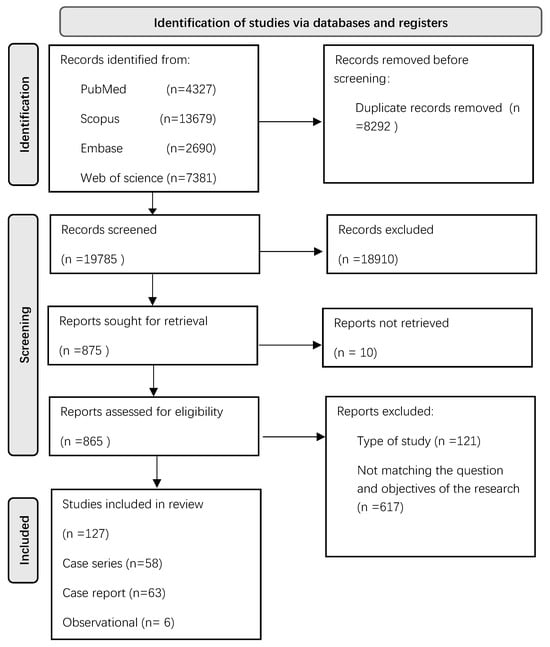
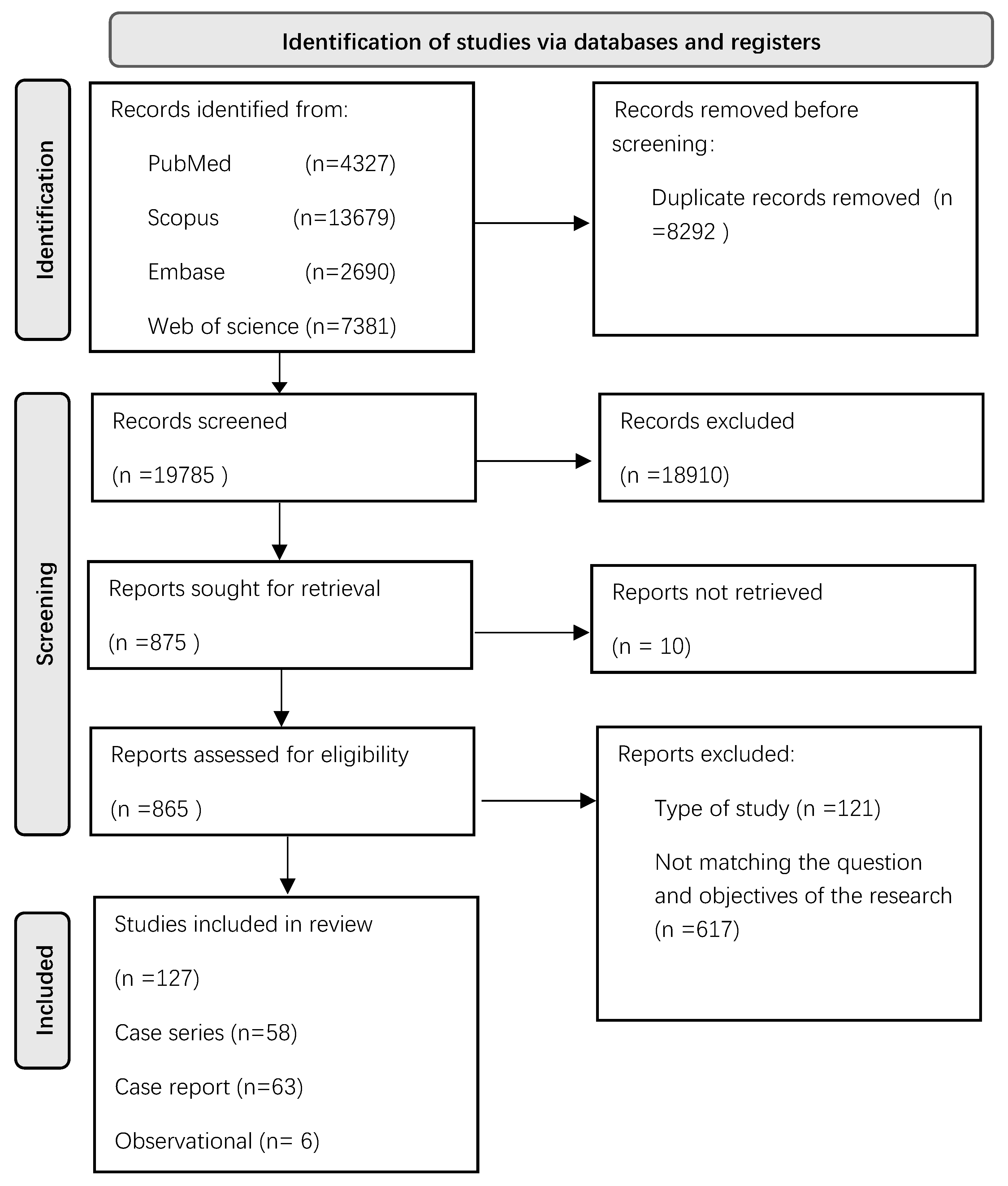

Disclaimer/Publisher’s Note: The statements, opinions and data contained in all publications are solely those of the individual author(s) and contributor(s) and not of MDPI and/or the editor(s). MDPI and/or the editor(s) disclaim responsibility for any injury to people or property resulting from any ideas, methods, instructions or products referred to in the content. |
© 2026 by the authors. Licensee MDPI, Basel, Switzerland. This article is an open access article distributed under the terms and conditions of the Creative Commons Attribution (CC BY) license.