


Abstract
The primary objective of this paper is to present a statistical methodology for forecasting, detecting, and analysing the solar outage phenomenon in broadband satellite networks employing VSATs. The methodology is particularly applicable to High Throughput Satellite (HTS) and Very High Throughput Satellite (VHTS) systems operating in the Ka band; however, it can also be successfully applied to other satellite communication systems and frequency bands. In the existing literature, the solar outage phenomenon is generally regarded as an inherent limitation of satellite links and is rarely analysed in detail, resulting in a research gap in the design of resilient information and communication systems. This paper addresses this gap by demonstrating the periodic characteristics of the phenomenon and presenting technical procedures that enable its forecasting and reliable detection. The proposed methodology provides a basis for mitigating the effects of signal degradation in both adaptive and non-adaptive satellite communication systems, thereby improving link stability and service continuity. From a broader perspective, the proposed approach supports the development of secure and resilient broadband satellite networks, contributing to enhanced service availability and helping to reduce digital and technological exclusion.
1. Introduction
The Role of Satellite Communications in the Modern World
Contemporary satellite communications constitute one of the most advanced and technologically complex components of the global information and communication infrastructure. They play a vital role in providing worldwide data connectivity, particularly in remote and hard-to-reach areas, regions affected by digital exclusion, and during adverse events, including natural disasters. In this context, broadband satellite networks employing Very Small Aperture Terminal (VSAT) technology have proven to be particularly effective [1,2,3,4,5,6,7]. In addition to their conventional applications, such as satellite television and radio broadcasting, VSAT networks are widely used in military communications, support the deployment of distributed computing environments for large corporate networks, and provide broadband Internet access to individual users [8,9,10,11,12,13,14,15,16,17,18,19,20,21,22].
As the demand for ever higher data transmission rates continues to increase, the response of satellite communications engineers has been the development of next-generation High Throughput Satellites (HTS) and Very High Throughput Satellites (VHTS), which primarily operate in the Ka band [23]. In practice, the use of this frequency band offers several significant advantages over systems operating in the Ku and C bands, including greater system capacity and higher beam concentration, increased data transmission rates, reduced system deployment costs, and smaller antenna dimensions [23,24,25,26,27]. Furthermore, owing to the absence of the types of interference commonly encountered in Ku-band satellite systems, Ka-band communications also exhibit a high degree of resistance to electromagnetic interference.
In practice, however, radio wave reception is affected by numerous adverse factors, including the effects of hydrometeors (particularly rainfall), molecular absorption by atmospheric gases, interference from other communication systems, and a range of other physical phenomena that directly degrade signal quality in radio links [27,28,29,30,31,32,33,34,35,36,37]. These issues were investigated within the framework of the European COST IC0802 research project (Propagation Tools and Data for Integrated Telecommunication, Navigation and Earth Observation Systems), which was conducted in the Kielce region, an area considered representative of Poland and Central and Eastern Europe with respect to propagation studies [38]. The geographical location of a satellite receiving station is a critical factor influencing propagation conditions. Near Kielce, in the village of Psary-Kąty, there was formerly the only Satellite Services Centre in Poland and one of the largest in Europe, with comparable facilities located in Germany and the United Kingdom. The selection of this site was preceded by extensive environmental investigations. Long-term analyses, based on 40 years of rainfall measurements, demonstrated that precipitation characteristics in this region closely corresponded to the average rainfall patterns observed not only across Poland but also throughout Central and Eastern Europe. Consequently, the measurement results obtained at this location can be regarded as representative for propagation studies within this geographical region. Considering these favourable climatic conditions, together with the site’s geographical location and morphological characteristics, Psary-Kąty was selected as the location for the research facility. Although the Satellite Services Centre in Psary-Kąty ceased operation after 2010 due to the global expansion of fibre-optic communication networks, satellite communication technologies continue to play an important role in sparsely populated areas, remote locations, and regions where the deployment of conventional terrestrial infrastructure would be economically impractical. Furthermore, satellite data transmission based on VSAT technology can provide last-resort communications during natural disasters. A notable example is the Great East Japan Earthquake of 11 March 2011, when extensive damage to terrestrial communication infrastructure made satellite links indispensable for maintaining emergency communications [1,2,3,4]. Satellite communications are therefore of particular importance in emergency and crisis situations, where they enable uninterrupted communications for public safety organisations, including emergency response services. A key advantage of satellite communications is the speed and ease with which mobile or fixed information and communication networks can be deployed using VSATs. Installing a VSAT is considerably faster than constructing conventional fibre-optic infrastructure, making this technology particularly valuable not only for disaster response but also for military operations during armed conflicts. Additional advantages include high reliability, owing to the high availability of satellite systems; high capacity, as satellites are capable of delivering large volumes of data simultaneously to an unlimited number of receivers using point-to-multipoint transmission; and environmental sustainability, since satellite communications do not require the extensive physical infrastructure associated with wired communication technologies and therefore have a significantly lower impact on the natural environment [23]. Furthermore, the latest generation of VHTS, such as KONNECT VHTS, is capable of providing data transmission rates comparable to those offered by modern fibre-optic networks.
2. Origin of the Solar Outage Phenomenon
One of the principal sources of naturally occurring extraterrestrial radio noise is the Sun, which emits broadband radio interference [39,40,41,42,43,44]. This phenomenon causes a significant increase in the noise temperature of the receiving system at the ground station, potentially resulting in a sudden and unanticipated degradation of the received signal quality.
In practice, the Sun emits electromagnetic radiation over a broad range of frequencies. Telecommunications satellites supporting VSAT networks are typically deployed in Geostationary Earth Orbit (GEO), located directly above the Earth’s equatorial plane. When the Sun becomes aligned with the line of sight between a ground station antenna and a geostationary satellite, the solar outage phenomenon occurs periodically in the vicinity of the spring and autumn equinoxes (see Figure 1). As the alignment approaches perfect collinearity, the duration of link unavailability gradually increases and signal degradation becomes more pronounced, eventually resulting in a temporary loss of communication between the satellite and the ground terminal [23]. Around the spring and autumn equinoxes, the Sun, as viewed from the ground-receiving antenna, passes directly behind the satellite. At the point of maximum alignment, the Sun’s intense electromagnetic emissions generate strong radio interference within the receiving chain of the ground station. Consequently, the receiving system is no longer able to effectively distinguish the desired satellite signal from the Sun’s thermal radio noise background. This results in a substantial reduction in the Carrier-to-Noise ratio (C/N), leading to severe degradation of transmission performance and, in some cases, a temporary complete interruption of the satellite communication link [23,43,44]. In practice, solar outages affect only the downlink because ground station antennas are directed towards the sky, along the Sun–satellite line of sight. By contrast, uplink transmissions remain largely unaffected, as satellite antennas are oriented towards the Earth and can be influenced by solar radiation only through the side lobes of their radiation patterns. During the spring equinox, the solar outage period begins in late February, initially affecting ground stations located at high northern latitudes [23]. From the observer’s perspective, the apparent position of the Sun gradually moves southwards until it crosses the celestial equator at the equinox, after which the interference zone continues to migrate towards the Southern Hemisphere, with its effects diminishing by April. Although this migration of the solar interference region is continuous, the duration and characteristics of the phenomenon vary depending on the geographical location of the receiving station. The autumn equinox initiates a corresponding cycle in the opposite direction. Solar outage events begin in August at high southern latitudes, after which the interference zone progressively moves northwards, with the cycle typically concluding in October.
Figure 1.
Illustration of the solar outage phenomenon: (a) Schematic representation of the Sun–satellite–ground station alignment; (b) Satellite’s view of the ground receiving antenna during a solar outage event.
This mechanism, which occurs twice each year, results in a rapid increase in the noise temperature of the receiving system, thereby degrading the quality of received microwave signals. The phenomenon is particularly significant for communication systems operating close to the receiver sensitivity threshold, as these systems possess limited link margin and are therefore more susceptible to signal degradation. The impact of a solar outage may range from a slight deterioration in communication quality to a complete loss of the satellite link. The severity of the degradation depends primarily on the available link budget margin. Systems operating close to the receiver sensitivity threshold under clear-sky conditions are considerably more vulnerable than those designed with sufficient safety margin. Consequently, a larger link margin substantially improves the ability of the communication system to withstand solar outage events. Solar outages may lead to interruptions in data transmission, thereby directly affecting the stability and reliability of satellite communication systems [39,40,41,42,43,44]. In practice, the combined effects of multiple propagation impairments, including solar activity, may result in the complete interruption of satellite communication links. Consequently, extensive research has been devoted to understanding radio-wave propagation phenomena and to developing techniques for mitigating their adverse effects. Since many propagation impairments and natural noise sources cannot be eliminated because of their physical origin, they must be taken into account during the design and operation of satellite communication systems [27].
As discussed previously, solar outage is one such naturally occurring phenomenon that recurs twice each year. In practice, signal degradation is observed across all commonly used satellite frequency bands, including the C, X, Ku, and Ka bands, while the phenomenon itself exhibits pronounced spatial and temporal periodicity on both seasonal (macro-scale) and daily (micro-scale) timescales [23]. Correlating empirical observations with orbital geometry reveals the spatio-temporal characteristics of these interference events. The prediction accuracy of existing analytical models depends on several parameters, particularly antenna diameter and transponder operating frequency. With the widespread deployment of Ku- and Ka-band satellite systems, these factors may introduce discrepancies between theoretical predictions and observed propagation conditions. For VSATs operating in the Ku and C bands, the general geometric and physical principles of the model (the motion of the Sun relative to the geostationary orbit) remain fully applicable. Nevertheless, the practical solar outage parameters will be subject to some modification due to the technical constraints and conventional antenna sizes used in these frequency bands. In actual Ku- and C-band deployments, this effect is more than compensated for by the significantly larger physical size of the antennas, which simultaneously increases the fade depth when the Sun passes through the antenna’s main axis, ultimately shortening the duration of the solar outage. This highlights the need for further refinement of prediction algorithms and the development of effective techniques to minimise the adverse effects of the solar outage phenomenon on satellite signal reception.
In the existing literature, the impact of the solar outage phenomenon on the operation of broadband information and communication systems has generally received little attention. Most studies refer to the phenomenon only from a theoretical perspective, without addressing its long-term implications for maintaining the continuity and reliability of communication services. This has created a clear research gap, highlighting the need for a more comprehensive investigation of the phenomenon.
Definitions and Scope of the Research Conducted
In this paper, the solar outage impact period is defined as the time interval during which the solar outage phenomenon affects received signals in VSAT-based communication systems, or the period during which there is a high probability of its occurrence in the vicinity of the spring or autumn equinox. The practical examples presented in this study are based on the reception of signals from the next-generation Ka-Sat HTS, which provides broadband Internet access through a VSAT network. The analysis is based on measurement data collected over eight consecutive years, covering eight successive spring and autumn equinox periods, which were subsequently subjected to statistical analysis [23]. In this context, the proposed mathematical framework and prediction methods are not intended to predict the complete loss of communication. Instead, they identify the time intervals during which the solar radio noise flux density degrades the C/N ratio, potentially reducing it below the demodulator’s operational threshold. It should also be emphasised that the primary objective of this study is not merely to confirm the periodic nature of the solar outage phenomenon, although this is also demonstrated. Rather, the paper proposes a methodology for forecasting, detecting, and analysing solar outage events. The proposed approach can be applied in both adaptive and non-adaptive satellite communication systems, providing a practical basis for incorporating appropriate operational safety margins during periods of increased solar activity.
As a novel element of the analytical methodology, probabilistic risk modelling is proposed using the empirical cumulative distribution function (ECDF) and complementary ECDF (ECCDF, i.e., inclusive exceedance probability) of solar outage duration, which enables the prediction of the occurrence time of the solar outage phenomenon in VSAT networks. This approach enables the mathematical estimation of the probability of interference events of a specified duration, the determination of the probability that an outage will last at least a given threshold, and the management of SLA parameters. It therefore extends existing methodologies, which have typically relied on the mechanical decomposition of time series and trend estimation using moving averages [23]. In practice, the research presented in this article is based on long-term measurement data collected from a dedicated laboratory station, parts of which—particularly the measurement procedure—were outlined in [23]. However, it is important to emphasise that relying solely on time-series decomposition based on centred moving averages restricts the analysis to a static identification of seasonal indices. Such an approach remains primarily descriptive: it records and characterises the phenomenon but does not provide prognostic capabilities for assessing future risks in probabilistic terms.
In contrast, the present manuscript extends the existing state of the art by introducing a probabilistic risk-estimation model based on the empirical distribution functions. This framework enables the quantitative assessment of the risk of anomaly occurrence, as demonstrated using the empirical Ka-band data collected in this study. Specifically, the probability that a solar-outage-induced outage lasts at least 35 min is 67.7%, whereas the corresponding probability for an outage lasting at least 36 min is 37.5%.
This methodology represents a transition from intuitive and heuristic planning towards precise SLA management based on defined confidence levels. Rather than relying on costly and static over-dimensioning of the satellite link budget, network availability parameters can be dynamically adjusted to a specified confidence level, such as 95% or 99%. On this basis, the predicted risk of outages exceeding a critical duration threshold can serve as an operational trigger for adaptive systems. During periods of critical solar outage, the ACM mechanism can automatically optimise the modulation and coding schemes. Consequently, the proposed ECDF/ECCDF-based model can be directly translated into an active and robust resilience-management framework for broadband VSAT networks.
3. Materials and Methods
3.1. Test and Simulation Setup
In practice, the design and evaluation of the resilience of satellite telecommunication backbone links require the development of a laboratory measurement facility for assessing received signal quality, as well as the implementation of dedicated simulation environments. The experimental setup used for analysing the impact of the solar outage phenomenon on the reception of microwave satellite signals was based on hardware infrastructure located at the Faculty of Electrical Engineering, Automatic Control and Computer Science of the Kielce University of Technology. The measurement station presented in Figure 2 was used to investigate the influence of various climatic and atmospheric factors (including weather conditions) on the quality of satellite signal reception. The equipment formed one of the operational nodes within the European research project ICT COST Action IC0802 (Propagation Tools and Data for Integrated Telecommunication, Navigation and Earth Observation Systems) [38]. It should be emphasised that throughout the entire data-collection period, the technical parameters of the receiving station—including the antenna dish diameter—remained completely unchanged. The geographic coordinates of the measurement station are 50°52′ N latitude and 20°38′ E longitude. The antenna mast was installed on the HD hall, with the antenna system situated at an altitude of 283.07 m above sea level. The testbed was integrated with a meteorological station, enabling simultaneous monitoring of atmospheric parameters and their correlation with recorded measurement data. This approach made it possible to analyse the impact of different factors, including weather conditions, on radio-wave propagation and formed part of studies concerning the effects of hydrometeors (particularly rainfall) and solar activity on the quality of received satellite signals. Consequently, it enabled a comprehensive assessment of the influence of various environmental conditions on microwave propagation characteristics.
Figure 2.
Measurement setup for the analysis of received satellite signal quality: (a) external view of the measurement station at the HD Hall; (b) internal section of the measurement station (computer workstation with software, signal analyser, measuring instruments and associated equipment); (c) meteorological station; (d) example receiving antenna with a parabolic dish diameter of just under 1 m (for Poland, the use of antennas with a diameter of at least 60 cm is recommended).
For simulation purposes, licensed Satmaster Pro Mk ver. 8 software (Arrowe Technical Services, Merseyside, England, UK) was applied. The temporal calibration of the entire experiment is based on the precise determination of the moment at which the solar disc passes directly behind the geostationary satellite. For this purpose, the software employs mechanistic astronomical models published in The Astronomical Almanac [45]. Propagation analyses were based on input data, including orbital ephemerides provided in the Two-Line Element (TLE) format. The prediction of the position vector of objects in geostationary orbit was obtained using the analytical–numerical perturbation model SDP4 (Simplified Deep Space Perturbations Model), which enables extrapolation of orbital parameters by accounting for the gravitational influence of the Moon and the Sun, as well as anomalies in the Earth’s gravitational potential. The output accuracy was determined by the time interval between the TLE record epoch and the occurrence of the solar outage event. In practice, variations in the solar outage time windows were found to be relatively small, indicating that deterministic variables—such as the stability of the satellite’s orbital position within the station-keeping window and the repeatability of the Sun–Earth–satellite geometry—dominate over stochastic variables, including transient anomalies in solar radio emissions (so-called solar radio bursts). One of the assumptions ensuring the reliability of the predictive model was that satellite drift within the station-keeping window does not exceed 0.1° in both elevation (vertical) and azimuth (horizontal). The fundamental reference for celestial position verification remains the mechanistic models published in [45]. The high precision of the analytical frameworks provided therein allows the determination of the moment of minimum angular separation with second-level accuracy, constituting a reference baseline for calibrating any telecommunication system exposed to solar radio interference. In practice, if any discrepancy is identified between the theoretically calculated increase in system noise temperature—based on the link budget and the G/T ratio—and the actual physical measurement obtained using the spectrum analyser, the calibration procedure should be repeated in accordance with the manufacturer’s recommendations.
As previously mentioned, the practical analysis was performed using data from the first Ka-Sat HTS deployed in Europe and the Mediterranean region, which is characterised by high throughput and capacity in the Ka band. Measurements and analyses in the Ka band, covering the frequency range from 19.7 GHz to 20.2 GHz, were conducted at 100 MHz intervals.
3.2. Forecasting the Duration of Solar Outage Interference (Previous Studies)
In practice, previous studies in the field have often overlooked aspects of regression modelling, focusing instead on specific propagation-related issues. More recently, advanced regression methods have been increasingly applied to estimate traffic demand in next-generation networks, including 5G networks. An operational example is the dynamic prediction of demand for radio resources to enable their optimal allocation, where highly dynamic traffic profiles necessitate accurate demand forecasting for optimal resource-block allocation [46,47]. Similarly, within the fields of wireless and satellite propagation, both polynomial and multilevel regression approaches have been adapted to model microwave-link degradation and predict path loss under varying atmospheric conditions. While these studies primarily address terrestrial traffic fluctuations or meteorological attenuation, the statistical approach proposed in this article addresses a critical gap by integrating multiple regression with an empirical cumulative distribution function to quantify solar-outage anomalies of celestial origin.
The analytical characterisation of the solar-outage phenomenon requires the decomposition of the interference window into a set of unambiguous temporal and geometric descriptors. The mathematical periodicity of orbital cycles, together with the relatively stable solar declination during equinoctial periods, enables historical data to be used as a reference basis for the development of future predictive models [23]. Through the conducted analyses, it becomes possible to forecast the occurrence time of solar outage events by considering the relative position of the satellite and the Sun for a given geographic location. In practice, the proposed statistical methodology integrates classical statistical data analysis with a rigorous mathematical framework, enabling the detection of micro-anomalies that remain invisible in macroscopic analyses. An example of this approach includes the incorporation of frequency-dependent effects within the analysed band in time series modelling, supported by analytical formulations, weighted means, tabulated results, and graphical representations [23]. The application of time series analysis and decomposition techniques enables the identification of systematic components, including long-term trends and seasonal fluctuations. In turn, the use of long-term centred moving averages allows for the prediction of future time windows in which solar outage events may occur. By calculating periodicity indicators individually for each frequency, it is possible to quantify—both in percentage and temporal terms—the deviation of solar outage duration from its mean value in the vicinity of both equinox periods. The developed measurement procedure further enables, within a limited time window corresponding to the solar outage event, the adjustment of transmission parameters, which is particularly relevant for non-adaptive systems that, being more cost-effective than adaptive solutions, do not incorporate built-in correction mechanisms. Overall, the proposed multi-year analysis framework makes it possible to temporarily increase the link safety margin during periods of solar outage occurrence.
The transition from static approaches to dynamic resource allocation and predictive management represents a shared developmental trajectory across modern telecommunication networks. This is particularly significant in modern systems, especially in the context of massive Internet of Things (IoT) and Machine-Type Communications (MTC) scenarios projected for Beyond 5G (B5G) and 6G networks, where sporadic small-packet transmissions pose significant challenges for uplink resource allocation and the application of artificial intelligence techniques [46,47,48,49,50,51,52,53,54]. To mitigate network congestion, cellular architectures employ dynamic estimation algorithms, such as Deep Neural Networks (DNNs) operating solely on inputs available at the gNB, to predict access attempts and manage load-aware access-control mechanisms, such as Access Class Barring.
An analogy can be drawn between these terrestrial traffic-load estimation models and the statistical forecasting of downlink degradation in satellite networks. Just as cellular networks employ machine learning to dynamically adapt to sporadic traffic surges generated by IoT devices, HTS and VHTS systems require predictive algorithms to manage the impact of solar-outage anomalies on SLA parameters. While terrestrial systems use neural networks to predict access attempts and optimise the allocation of uplink resources, the proposed satellite risk-estimation model enables the timely activation of ACM mechanisms to mitigate packet loss and synchronisation degradation during direct solar transits. Bridging these domains demonstrates that, whether managing millions of low-power MTC devices or compensating for extreme solar-induced increases in system noise temperature, the integration of advanced statistical regression and predictive analytics is becoming a cornerstone of resilient, next-generation telecommunication engineering.
In study [23], an analysis of data and a measurement procedure for the development of adaptive systems are presented. This approach constitutes an alternative to systems that maintain constant power margins. The variability of the observed phenomena was described using time series, which served as a starting point for analysing the dynamics of the effect. The developed theoretical framework enables a mathematical description of the temporal evolution of the solar outage impact in the form of a time-dependent function composed of a deterministic component and a stochastic component. The existing model also accounts for frequency-dependent effects in the downlink. For this purpose, several variables were defined: start time (the onset of the solar outage event), end time (the termination of the solar outage event), closest angle separation (the minimum angular distance between the geometric centres of the Sun and the satellite during the solar outage event), duration time (the duration of the solar outage event), algebraic sum (the cumulative duration of solar outage impact on the received signal within individual months), and total sum (the overall duration of solar outage impact on the received signal within a given spring or autumn equinox period). The data were processed in order to estimate the duration of solar outage impact on the availability of broadband telecommunication services in VSAT networks in the vicinity of the spring and autumn equinoxes. Centred moving averages were applied to extract long-term trends and eliminate short-term fluctuations. A novel scientific contribution of this approach was the inclusion of frequency information within the time series and the generation of new, smoothed series using centred moving averages, which enabled a clearer representation of the solar outage impact on services provided by VSAT networks. Consequently, the proposed methodology allowed for the identification and quantification of the factors governing the solar outage phenomenon, including long-term trends, periodic fluctuations, and random variations [23]. As demonstrated, the duration of solar outage impact on broadband VSAT-based telecommunication services in the vicinity of the spring and autumn equinoxes exhibits a degree of temporal variability and non-uniformity. The repetitive nature of the solar outage phenomenon results in periodic deviations of signal quality parameters from their nominal values. The presented data constitute a valuable source of information not only for post-analysis but also for forecasting the impact of solar outage on the availability of satellite services provided via VSAT networks. On this basis, it is possible to estimate the expected timing and duration of the phenomenon in subsequent years, taking into account the relevant frequency band.
The magnitude of seasonal fluctuations was determined by calculating periodicity indicators expressed as percentages (multiplicative seasonal variation) and by computing absolute levels of seasonal variation expressed in physical units (additive seasonal variation). In the first stage, the time-variation model was represented in multiplicative form [23]. For illustrative purposes, this paper presents aggregated summaries of both relative and absolute seasonal fluctuations. The graphical representation of relative seasonal variations in the duration of solar outage impact during the spring and autumn equinoxes on the availability of broadband telecommunication services provided via VSAT networks is shown in Figure 3. In turn, Figure 4 presents plots illustrating the absolute levels of seasonal variation in the duration of solar outage impact on the availability of these services delivered through VSAT networks.
Figure 3.
Relative temporal fluctuations of the duration of the phenomenon in the vicinity of the spring and autumn equinoxes [%] as a function of radio wave frequency [GHz].
Figure 4.
Absolute temporal fluctuations of the duration of the phenomenon in the vicinity of the spring and autumn equinoxes [s] as a function of radio wave frequency [GHz].
In practice, the average duration of the solar outage effect for the analysed frequencies was 35 min. For the lowest frequency, i.e., 19.7 GHz, in the vicinity of the spring equinox, the duration of solar outage was found to be 48.24 s longer than the average value [23]. By contrast, for the remaining frequencies (except 20.1 GHz), shorter-than-average durations were observed, with a reduction of 27.27 s recorded for the 20.2 GHz frequency. Similarly, in the case of the autumn equinox, the longest above-average duration of solar outage impact on service availability was observed at 19.7 GHz (by 46.8 s). For 19.8 GHz, the duration exceeded the mean value by 38.3 s, while for 19.9 GHz it was higher by 17 s. For the remaining frequencies, shorter-than-average durations were recorded (for 20.1 GHz and 20.2 GHz, a reduction of 36.2 s). The analysis also included the standard deviations of the absolute periodicity indicators (absolute levels of seasonal variation) of the solar outage duration affecting satellite service availability via VSAT networks in the vicinity of both equinox periods [23]. An extension of this study may involve the identification of random fluctuations caused by stochastic factors; however, due to their inherently random nature, these aspects were omitted. In practice, the solar outage data presented in [23] constitute a reference point and a foundation for the new analyses presented in this paper.
Based on long-term observational data (temporal aspect), in the case of forecasting or detecting the solar outage phenomenon, it becomes possible to temporarily increase the safety margin, which is particularly important for critical transmissions. The conducted analyses indicate the need to transition from satellite link planning based on fixed parameters towards adaptive models capable of continuous monitoring of the radio environment, thereby providing significantly greater flexibility. Another potential application involves the dynamic adjustment of the safety margin during solar-outage periods, particularly in quasi-adaptive and fully adaptive systems, depending on the instantaneous level of solar activity. Such adaptive mechanisms enable a direct response to prevailing radio-wave propagation conditions, for example, by using the solar-outage detection procedure presented in Section 3.3.
3.3. Measurement Procedure for Detecting the Solar Outage Phenomenon
Experimental investigation of the degradation of satellite-transmitted signals caused by the solar outage phenomenon requires a sequential, multi-stage approach that combines practical expertise in computer modelling with validation of signal reception under real-world conditions. The presented research procedure consists of six steps, of which the first three are primarily based on analytical calculations [23]. It is important to ensure a minimal detection delay in order to provide sufficient time for the ModCod profile to be switched within the ACM mechanism before signal degradation results in the loss of carrier synchronisation and requires carrier re-acquisition by the demodulator. In the first step, a link budget is developed in order to determine the reduction in the Gain-to-Noise Temperature ratio (G/T) under the influence of solar interference. The Sun is treated as a broadband source of radio noise. A benchmark of the noise floor can be established by pointing the antenna directly at the Sun and then assessing the corresponding increase in the noise floor in the downlink direction. Direct antenna pointing towards the solar disc enables the definition of a reference noise level, which subsequently allows for the evaluation of the increase in noise power within the analysed downlink channel. In the second stage, this increase is quantified. The value is defined as the difference (in decibels) between the noise level recorded when the antenna is pointed at clear sky conditions and the noise level measured when the antenna is directed towards the Sun. The selection of the 2 dB detection threshold is mathematically and operationally governed by the threshold behaviour (‘cliff effect’) of digital satellite communication applications. In practical terms, this window is sufficient for real-time ACM protocols to dynamically shift to more robust ModCod configurations before demodulator synchronisation is lost. If the resulting degradation exceeds 2 dB, the influence of the solar outage phenomenon in the vicinity of the spring or autumn equinox is considered significant, which triggers the activation of the measurement equipment (third step). Subsequently, provided that the phenomenon is confirmed in the following stages, mitigation actions may be undertaken to minimise the impact of interference on the received satellite signal. In the fourth step, a direct validation of the adopted model is performed. This phase requires connecting a spectrum analyser to the user terminal and pointing the antenna towards the Sun. In practice, direct physical measurement of the antenna noise temperature increase requires the use of spectrum analysis equipment. Traditional, bulky laboratory instruments have largely been replaced by broadband Software Defined Radio (SDR) receivers, integrated via Universal Serial Bus (USB) or Ethernet interfaces. Experimental studies indicate that the software flexibility of SDR technology, combined with digital signal processing (DSP), enables simultaneous multi-channel wideband recording and long-term mathematical averaging of samples. This, in turn, allows the extraction of changes observed in the noise background from the spectral density of interference, a process that would be considerably more time-consuming using classical swept-tuned analysers due to the need for frequency scanning. Enhanced diagnostic capability is provided by Transport Stream (TS) analysers, which perform packet-level analysis without content decoding, enabling continuous monitoring of identifier structures, bitrate fluctuations, and error counting. In the fourth step, carrier benchmarks can be established, traces recorded under normal satellite operating conditions can be stored or plotted, and then compared—on the same scale—with traces obtained when the antenna is pointed towards the Sun. Any discrepancy between the theoretically derived noise temperature increase and the measured results may indicate either incorrect theoretical assumptions or inaccuracies in the measurement procedure. In the fifth step, the satellite link budget is recalculated using the experimentally determined G/T degradation parameters obtained in the fourth stage. The procedure concludes with the sixth step, in which the antenna is reoriented towards the satellite orbital position. When the equinox occurs and the Sun crosses the signal line-of-sight axis, the link budget from step five is compared with data obtained from the user receiver. For illustrative purposes, example signal spectra recorded by the analyser at different stages of the solar outage phenomenon are shown in Figure 5. In each instance of a solar outage, the underlying mechanism of the phenomenon follows a similar pattern. In terms of what a spectrum analyser records during a solar outage event, different snapshots can be observed: (a) just before the onset of interference, (b) at the beginning of signal degradation, and (c) at the peak of interference (note that this is not shown to scale here).
Figure 5.
Recorded signal spectrum during a solar interference (solar outage) event: (a) state immediately before the onset of interference; (b) initial phase of the phenomenon; (c) maximum level of interference (indicative scale).
The values on the Y-axis of the measurement plots represent the power measured by the spectrum analyser, expressed in dBm for the specified bandwidth (dBm/RBW). The timing of solar outage effects can be assessed by analysing a series of snapshots, where the X-axis represents the operational frequency range (from Fstart to Fstop), and the Y-axis corresponds to the power measured by a spectrum analyser in dBm within a 300 Hz resolution bandwidth, which determines the frequency resolution of the measurement. In practice, the Y-axis is expressed on a relative scale, making it difficult to directly determine the exact value of the Sun’s power spectral density from the plot. The severity of the outage also depends on parameters such as the antenna G/T ratio, which becomes particularly significant in the case of larger antenna apertures. An analysis of the solar outage phenomenon reveals a certain paradox related to the size of the receiving antenna. Under normal propagation conditions, increasing the diameter of the receiving antenna has a beneficial effect on signal reception by narrowing the beamwidth and increasing antenna gain. However, in the presence of solar interference, this relationship is effectively reversed, which reflects the distinct operational characteristics of terminals with different aperture sizes. Large-aperture antennas are characterised by a narrow beamwidth and, consequently, a relatively short duration of solar transit across the field of view (i.e., a narrower risk window). Nonetheless, their high boresight gain leads to an undesired amplification of solar noise, resulting in a significantly deeper outage depth and a more pronounced degradation of the desired signal. Conversely, smaller antennas exhibit a wider beamwidth, which results in a longer exposure window to solar interference (i.e., the antenna remains subject to solar noise for a longer period). Nevertheless, the overall impact of the phenomenon is less severe. The lower directional gain reduces the noise flux density received by the system, and the degradation of the satellite signal, expressed as a reduction in C/N ratio, is less pronounced due to the reduced outage depth.
The described procedure enables the recording of signal parameters and the dynamics of noise increase, thereby allowing monitoring of changes in the noise power spectral density. On this basis, it becomes possible to identify the moment at which the antenna enters the solar radio shadow region. In order to implement corrective mechanisms, as previously indicated, it is recommended to compare the actual link budget with theoretical calculations of Signal-to-Noise Ratio (SNR) degradation. In adaptive systems, the integration of VSAT nodes with the measurement setup makes it possible for such systems to respond in real time to increases in noise temperature. Transmission parameter adaptation may be achieved through dynamic adjustment of data rates, increased redundancy, and power control correction. Upon detection of a decrease in the SNR, it is possible, depending on the system architecture, to automatically increase transmit power as part of control procedures, modify modulation and coding schemes by applying more robust ACM configurations, and temporarily increase the level of Forward Error Correction (FEC) redundancy [23]. Worldwide, extensive research is being conducted to improve the quality of service in radio-based communication systems, and related studies have also investigated methods for mitigating Radio Frequency Interference (RFI) in radio astronomy [55,56,57,58,59,60]. However, as this is not the focus of the present study, these aspects are not discussed in detail. It should be noted that it is not always possible to compensate for transmission losses at the radio layer. In cases where the magnitude of interference exceeds the capabilities of available adaptive mechanisms, multi-path switching solutions may be applied. The architecture of modern VSAT networks enables automatic traffic rerouting via alternative transmission paths, including terrestrial backup links or adjacent satellite segments. An example of a Wide Area Network (WAN) implementation is shown in Figure 6.
Figure 6.
Schematic diagram of transmission continuity using VSAT satellite links and a WAN.
The introduction of a probabilistic method for estimating solar-outage duration provides a direct response to the need for dynamic adaptation of satellite links. Rather than relying on costly, fixed over-dimensioning of the satellite link budget, the approach proposed in this article enables precise control of ACM mechanisms and direct management of SLA parameters at a specified confidence level. Integrating these references into the introductory section therefore strengthens the scientific contribution of the article and places the proposed methodology within the latest global research trends in cognitive hybrid networks [46,47,48,49,50,51,52,53,54]. An illustration of this approach can be found in the evolution of hybrid architectures towards integrated terrestrial–non-terrestrial networks (NTNs) based on dual connectivity. In such environments, traditional static radio-resource allocation is increasingly being replaced by deep learning algorithms and graph neural networks (GNNs), which have been applied, among other purposes, to coordinated beamforming in integrated sensing and communication (ISAC) systems [61,62,63,64,65]. Although these solutions define transmission and detection constraints, their operation under conditions of significant signal degradation remains dependent on the resilience of the individual satellite link. For systems that are critical to the economy, including crisis management applications, as well as in extremely adverse conditions that prevent satellite transmission, automatic switching to terrestrial links becomes possible, thereby minimising packet loss. As a result, even deep signal outages caused by the solar outage phenomenon do not necessarily lead to a disruption in service continuity. Although each of these solutions involves certain transmission costs, such as a temporary reduction in available throughput, they represent a significantly more favourable compromise than a complete loss of connectivity, particularly in links where reliability is a primary requirement, i.e., in systems with the highest availability class.
The model proposed in this article provides a probabilistic foundation for the development of such resilient architectures. This also supports compliance with SLA requirements, thereby ensuring uninterrupted service provision. In this context, the presented methodology not only enables the detection of the solar outage phenomenon but also contributes to the development of interference-resilient broadband networks.
4. Results and Discussion
4.1. Probabilistic Risk Modelling
Effective mitigation of the solar outage phenomenon, particularly during its early stages, depends on the performance of the prediction model and the ability to detect the phenomenon in real time. The severity of solar interference is closely related to the operating frequency, as evidenced by the differences observed across individual frequency channels. Based on the state of the art, supported by long-term investigations of this phenomenon, the periodic nature of solar outage events can be confirmed [e.g., [23]].
Table 1 presents a consolidated summary of the total sum of the solar outage duration affecting the reception of satellite signals (min) over eight consecutive spring and autumn equinox periods. These data provide the basis for analysing the temporal characteristics of the phenomenon and its impact on received satellite signals.
Table 1.
Equinox measurements across different frequencies (19.7–20.2 GHz).
Based on the data presented in Table 1, it is possible not only to confirm the periodic nature of the solar outage phenomenon, which recurs each year at approximately the same time for a given geographical location, but also to quantify the differences observed across the extreme operating frequencies. For example, a frequency separation of 500 MHz within the Ka band resulted in only a minor variation in the duration of the interference (up to 3 min) during both the spring and autumn equinoxes [23]. Figure 7 provides a graphical comparison of the duration of the solar outage phenomenon for the extreme analysed frequencies, namely 19.7 GHz and 20.2 GHz within the Ka band. The maximum difference in outage duration, amounting to 3 min depending on the equinox period, was observed in the fourth and eighth years of the analysis. By contrast, during the second, fifth, sixth, and seventh years, the differences in outage duration between the two extreme frequencies did not exceed 1 min, irrespective of the equinox considered.
Figure 7.
Analysis of the timing of solar outage impacts for the extreme operating frequencies of the Ka band (19.7 and 20.2 GHz).
The variability of the total duration of solar outage interference affecting received signals in the VSAT network, for Ka-band frequencies in the range of 19.7–20.2 GHz, is presented in Figure 8.
Figure 8.
Variability of the total sum of the solar outage duration in the Ka band affecting services provided over the VSAT network.
The presented data illustrate the total sum of the solar outage duration recorded for six frequencies within the 19.7–20.2 GHz range (with a 100 MHz step size). As shown by the analysis, the cumulative period during which the received signal was exposed to solar interference during a single equinox event exhibited relatively high stability, although minor fluctuations were observed for individual frequencies. Typically, the duration of the impact on the receiving system ranged from approximately 33 to 38 min, with no clear long-term increasing or decreasing trend identified. Signals operating near the lower edge of the frequency band (19.7–19.8 GHz) generally experienced longer outage durations than those above 20 GHz. In practice, only small differences in the total sum were observed between successive spring and autumn equinox periods, confirming the repeatable nature of the link degradation mechanism. Consequently, it is possible to predict future time windows during which satellite signal attenuation due to the solar outage phenomenon is likely to occur at a given geographical location. This information may subsequently be used to mitigate the impact of solar interference by temporarily increasing the safety margin and optimising adaptive modulation and coding algorithms implemented in VSATs. Although the techniques described above facilitate the reconfiguration of transmission parameters and the preventive adjustment of the safety margin, this paper further introduces a probabilistic risk modelling approach based on the empirical cumulative distribution function, which constitutes the principal scientific contribution of this study. The proposed methodology enables the prediction of the occurrence time of solar outage events in VSAT networks and provides a mathematical framework for estimating the probability of interference exceeding a specified duration, as well as the probability that the outage duration will exceed a predefined threshold. These capabilities have direct practical relevance for SLA management at a selected confidence level. Furthermore, the frequency sensitivity analysis presented in this study extends the state of the art and complements the previously developed methodology, which relied on classical time-series decomposition and trend estimation using centred moving averages. Based on the proposed approach, it becomes possible to temporarily increase the safety margin during anticipated solar outage periods. The developed methodology may therefore serve as a practical diagnostic tool for satellite communication engineers, enabling precise identification of the time intervals during which a satellite link is expected to be exposed to solar interference. This is of particular importance for maintaining the continuity of mission-critical telecommunication services.
4.2. Application of Multiple Regression Analysis to Model the Solar Outage Phenomenon
Whereas study [23] presented the technical capabilities of VSAT networks for the provision of information services, including broadband Internet access, thereby addressing an existing research gap, analysed the influence of selected parameters on the availability of broadband telecommunication services, and proposed both a measurement procedure and a statistical methodology for analysing the solar outage phenomenon, the present study adopts a fundamentally different analytical approach from the previously applied mechanical time-series smoothing techniques. A mathematical model was developed in which the dependent variable is the duration of the solar outage phenomenon, while the explanatory variables comprise the year of observation, the radio-wave frequency, and a binary variable representing the equinox period (0 for the spring equinox and 1 for the autumn equinox). Based on long-term observational data, this framework enables the construction of a predictive equation for estimating the duration of solar outage events. Unlike the previous methodology, the analytical framework presented in this paper focuses not on trend smoothing but on quantifying the probability of interference exceeding a specified duration. To this end, the ECDF was employed to estimate the probability that the duration of solar outage interference does not exceed a predefined threshold. This approach enables not only threshold-based analyses but also the design of satellite communication systems for specified confidence levels, representing a novel contribution to the analysis of the solar outage phenomenon. Furthermore, particular attention was devoted to analysing the gradient of changes in outage duration with respect to operating frequency, thereby highlighting the frequency sensitivity of the phenomenon.
A comparative analysis of the two approaches is presented in Table 2.
Table 2.
Comparison between the mechanical approach and the developed predictive model.
It should be noted that the primary objective of this article is to provide satellite engineers and operators with a simple, deterministic tool for the rapid prediction of outage duration and precise SLA management. The proposed approach does not employ mixed-effects models, which partition variance into random and fixed effects. Although such models could provide a more detailed representation of variability, their use would increase computational complexity and, consequently, hinder implementation in real-world systems. The direct linear predictive equation (Equation (1)) can be readily implemented in low-cost controllers and the firmware of VSATs, for example, for the temporary control of ACM algorithms. Based on the presented methodology, the safety margin can be determined using a statistical criterion rather than fixed time intervals, representing a novel scientific contribution.
Empirical Cumulative Distribution Function and Frequency Sensitivity Analysis
From a practical perspective, distinguishing regular, geometry-driven interference associated with the passage of the Sun through the antenna boresight (solar outage) from sudden and random solar radio bursts (SRBs) is crucial for ensuring the highest possible accuracy of the statistical models. Therefore, in this study, a clear distinction is made between these two phenomena in terms of their nature and their impact on VSAT systems: (1) Regular equinoctial interferences (solar outages) and (2) SRBs, which are random and transient phenomena triggered by sudden processes associated with solar activity, such as solar flares and coronal mass ejections. They produce rapid and difficult-to-predict increases in the solar radio-noise flux density, independently of the precise geometry of the Sun’s passage through the antenna main beam. In accordance with the adopted assumptions, a detailed statistical analysis of the residual component and its further segmentation to identify and remove specific burst-related anomalies (so-called burst outliers) was omitted from the main body of the study. This decision was motivated by the primary objective of the research, namely, to confirm the high year-to-year repeatability of the geometric solar-outage window to determine fixed or dynamically adjusted safety margins. Nevertheless, the bibliography includes references that provide a basis for proposing a specific segmentation methodology in future research, including the work of Gary et al. on the impact of solar radio bursts on wireless systems and the study by Wang et al. on the removal of radio-frequency interference from dynamic solar spectra using variance-based spectral statistics [39,40,41,42,43,44].
To develop the multiple regression model, the following equation was used:
where
—predicted duration of the solar outage phenomenon;
—intercept;
—the n-th regression coefficient;
—number of observations;
—random error (residual term).
In practice, this approach makes it possible to distinguish the effects of the long-term trend (), operating frequency (), and seasonality (). To ensure model accuracy, the parameters were estimated using the ordinary least-squares method, thereby minimising the sum of squared differences between the observed values presented in Table 1 and the values predicted by the model :
where
—actual value for the i-th observation;
—predicted value for the i-th observation according to the model.
The standard deviation estimator of the random component (standard error of regression) was calculated using the following expression:
where
—standard deviation estimator of the random component (standard error of regression);
—number of explanatory variables in the model.
For 96 observations () and 3 explanatory variables in the model (), a regression standard error of 1.14 min was obtained, which indicates a very good accuracy of the model in predicting the solar outage phenomenon. To further validate the predictive precision of the regression equations and meet rigorous statistical standards, quantitative error metrics were calculated. Specifically, the Root Mean Square Error (RMSE) and the Mean Absolute Error (MAE) were computed to evaluate the residuals of the model. The mathematically derived RMSE is approximately 1.12 min, indicating the typical deviation between the observed and predicted solar-outage durations. Furthermore, the MAE was determined to be 0.91 min, indicating that, on average, the regression model predicts the duration of the celestial anomaly with an error of less than one minute. To assess the model’s actual predictive capability on unseen data, a 5-fold cross-validation (CV) procedure was performed. The 96 observations were randomly split into 5 folds, iteratively training on 4 and testing on 1. This procedure was performed across the 8-year dataset to estimate the out-of-sample predictive precision. The validation yielded an out-of-sample predictive RMSE of 1.13 min and an out-of-sample predictive MAE of 0.92 min (the random partition was generated using a fixed random seed to ensure reproducibility, 158). The close agreement of the out-of-sample prediction error (RMSE = 1.13 min) confirms that the model demonstrates very good generalisation capability. Validation using event-based grouping confirmed the model’s high predictive capability. The achieved level of accuracy provides a reliable statistical basis for configuring ACM protection margins, thereby ensuring link stability and compliance with SLA requirements during seasonal solar transits without the need for a costly redesign of the link budget.
For the purposes of the analysis, the empirical probability for a specified t was calculated using the following formulation:
where
—count.
The ECDF was determined as:
i.e., the proportion of observations whose outage duration does not exceed t.
While the classical empirical cumulative distribution function represents the probability that a specified time threshold will not be exceeded, from a network-engineering perspective, it is crucial to analyse the risk of an anomaly occurring with a duration equal to or greater than a given limit. For this reason, Figure 9 presents the complementary empirical cumulative distribution function (ECCDF), representing the inclusive probability of exceeding a specified threshold.
Figure 9.
Complementary ECDF (ECCDF) (i.e., inclusive exceedance probability) of solar outage duration in the Ka band.
The exceedance probability in Table 3 is defined separately as:
so that it includes observations associated with the threshold t.
Table 3.
Empirical distribution and inclusive exceedance probability R(t) of solar outage duration time.
Based on the inclusive probability of an outage lasting at least a given time threshold (Equation (7)), it becomes possible to determine the margin using the following expression:
In this article, the inclusive exceedance probability is used, defining the operational risk that the duration of an anomaly will be at least t minutes.
In practice, the satellite link budget is calculated with due consideration of an appropriate safety margin and the capability to adjust transmission parameters to prevailing radio-wave propagation conditions [27]. Knowing the statistical distribution of outages allows for the implementation of mitigation measures, for example, by modifying the signal coding scheme during periods of expected higher interference. Based on the conducted analyses (Figure 9), the probability that an outage lasts at least 34 min is 95.8%, indicating a high likelihood of interference events lasting 34 min or longer. For 35 min, the corresponding probability is 67.7%; for 36 min, it is 37.5%; and for 37 min, it is 15.6%. The probability that an outage lasts at least 38 min is 5.2%. Because 38 min is the maximum observed duration in Table 1, the probability of an outage strictly longer than 38 min, P(X > 38), is equal to 0% in this empirical dataset. This distinction is important because the exceedance probability applied in Table 3 is the inclusive probability. These definitions provide consistent interpretation of the empirical risk estimates and support operational planning, particularly with respect to the most frequently occurring time windows (approximately 34–36 min).
In practical applications, regression models may be applied to temporarily increase the safety margin within predicted solar outage time windows. During critical periods, modulation and coding schemes (ModCods) can be optimised so that the ACM mechanism ensures service continuity at the expense of reduced throughput, thereby minimising the risk of packet loss. This can be achieved through the control of ACM levels. When the probability of an outage lasting at least 36 min is 37.5%, a viable solution is to apply more robust modulation schemes with higher resistance to errors. An alternative approach may also involve the use of other communication systems and techniques during these sensitive intervals. When the risk is highest, it is also possible to prioritise Real-Time (RT) traffic, such as voice transmission, while limiting Non-Real-Time (NRT) services. This flexible optimisation at the network layer, applied exclusively during the critical minutes of the solar transit, provides an optimal and efficient compromise.
A tabular summary of the obtained data is presented in Table 3.
The statistical data confirm a low frequency sensitivity of the solar outage duration for the analysed Ka-band frequencies. In practice, the majority of outages (over 80%) fall within a narrow range of 34 to 36 min, which enables precise planning of service availability by satellite communication engineers.
Additionally, based on the collected empirical data, a comprehensive estimation of the structural parameters of the multiple regression model was performed using the classical ordinary least-squares method. The model exhibits a consistent structure. This is exemplified by the effect of frequency on the duration of the anomaly. A unit increase in the operating frequency results in a reduction in the predicted duration of the interference. This trend remains stable across the analysed range. The values of the statistical test criteria and the associated p-values confirm the statistical significance of this parameter, indicating that frequency is a statistically significant explanatory variable.
In practical terms, however, the maximum reduction in anomaly duration across the entire frequency range investigated is relatively small from an operational perspective. Furthermore, the analysis of potential interaction effects revealed no statistically significant interactions between the explanatory variables.
5. Conclusions
Satellite communications are becoming increasingly important as a component of the global digital network and are increasingly regarded as a viable alternative rather than merely a backup to terrestrial links. Thanks to HTS and VHTS satellites, the cost of Internet access has decreased, and users can now achieve data rates that, in many cases, are comparable with those offered by conventional terrestrial connections. These next-generation satellite systems are capable of delivering throughput in the order of tens of gigabits per second, thereby contributing to the reduction of digital exclusion, particularly in regions lacking standard ground-based infrastructure. Nevertheless, the reliability of modern geostationary satellite systems still depends on specific atmospheric and propagation conditions.
During the periods around the spring and autumn equinoxes, the use of satellite links based on VSATs encounters recurring physical constraints due to the geometric alignment of the ground antenna field of view, the satellite position, and the solar disc. During this critical time window, the Sun acts as a source of broadband thermal noise for the downlink, resulting in a rapid increase in system noise temperature, a reduction in the SNR at the ground station receiver, and, consequently, degradation of the received signal. This phenomenon cannot be eliminated as it is a natural occurrence; however, appropriate countermeasures can be implemented to minimise its impact on signal reception in VSAT networks. In practice, the selection of suitable technical parameters for telecommunication systems based on VSAT technology significantly influences the quality of microwave satellite signals, which is particularly important under highly adverse reception conditions at a given geographical location.
Integrating the regression model with distribution-function analysis enables risk modelling associated with the occurrence of the solar outage phenomenon in networks based on VSATs, which in turn contributes to a shift in the network management approach. The use of statistical methods in the analysis of the solar outage phenomenon changes the approach to the design of VSAT networks with a specified availability class, allowing for the development of a technique to estimate the impact of a solar outage on broadband service access. Within this framework, long-term data enable the modification of transmission parameters along two primary pathways: non-adaptive and adaptive approaches.
In the non-adaptive approach, historical data are used to implement a periodic increase in the safety margin within specific time windows where the highest probability of interference is observed. Although satellite link budget design may rely on a fixed safety margin intended to compensate for propagation impairments, and while this approach does not fully eliminate system overdesign, it successfully identifies short periods of elevated risk. From the end-user perspective, the effects of solar outage may thus be limited to a brief degradation of transmission quality without long-term loss of communication continuity.
Static link budget planning with a fixed safety margin is increasingly being replaced by adaptive transmission protocols based on real-time measurements when the phenomenon occurs, taking into account satellite motion and variations in solar activity. To reduce the risk of signal loss caused by solar outages, where conventional energy overdimensioning of ground stations generates significant operational costs, software-based solutions aimed at minimising latency and packet loss at different network layers may be applied. Dynamic adjustment of modulation and coding schemes only at the moment of solar outage detection enables more efficient utilisation of available bandwidth, although it may lead to reduced throughput. On the other hand, it reduces the risk of interruption of critical transmissions and prevents the loss of synchronisation between devices. Within these control mechanisms, transmission parameters can be modified dynamically; however, since increased channel coding results in reduced link efficiency, such adjustments should be applied only temporarily during periods of direct solar outage impact. An understanding of the temporal variability of these conditions enables more accurate link budget design and reduces the risk of service interruptions for end users. Furthermore, in situations where the solar outage phenomenon is particularly severe and prevents any adjustment of transmission parameters within the radio link, adaptive systems may switch the transmission to backup terrestrial links.
Owing to the geometric and physical universality of the model, the solar outage phenomenon is strictly geometric and periodic, resulting from the cyclic orbital motion of the Earth around the Sun. Consequently, the computational core of the model is based on algorithms for determining the position of the Sun in real time. The resulting physical–geometric algorithm for determining the interference window is therefore fully universal and can be applied for other locations, whereas the statistical results presented in this study are specific to the measurement location in Poland. Looking forward, validation of the model using measurement data from other geographical latitudes represents a valuable and planned direction for future research, which could ultimately enable the continental-scale generalisation of the regression coefficients determined in this study.
Funding
This research received no external funding.
Data Availability Statement
The original contributions presented in this study are included in the article. Further inquiries can be directed to the corresponding author.
Conflicts of Interest
The author declares no conflicts of interest.
Abbreviations
List of abbreviations (listed in alphabetical order):
| ACM | Adaptive Coding and Modulation |
| C/N | Carrier-to-Noise Ratio |
| ECDF | Empirical Cumulative Distribution Function |
| G/T | Gain-to-Noise Temperature Ratio |
| HTS | High Throughput Satellite |
| SDR | Software Defined Radio |
| SLA | Service Level Agreement |
| SNR | Signal-to-Noise Ratio |
| VHTS | Very High Throughput Satellite |
| VSAT | Very Small Aperture Terminal |
References
- Suematsu, N.; Kameda, S.; Oguma, H.; Sasanuma, M.; Eguchi, S.; Kuroda, K. Multi-mode portable VSAT for disaster-resilient wireless networks. In Proceedings of the 2014 Asia-Pacific Microwave Conference (APMC), Sendai, Japan, 4–7 November 2014; pp. 549–551. Available online: https://ieeexplore.ieee.org/document/7067834 (accessed on 10 February 2026).
- Sasanuma, M.; Uchiyama, H.; Nagoya, T.; Furukawa, M.; Motohisa, T. Research and development of very small aperture terminals (VSAT) that can be installed by easy operation during disasters—Issues and the solutions for implementing simple and easy installation of VSAT earth station. IEICE Tech. Rep. 2013, 112, 1–3. Available online: https://ken.ieice.org/ken/paper/20130221KBbM/eng/ (accessed on 10 February 2026).
- Kameda, S.; Okuguchi, T.; Eguchi, S.; Suematsu, N. Development of satellite-terrestrial multi-mode VSAT using software defined radio technology. In Proceedings of the 2014 Asia-Pacific Microwave Conference, Sendai, Japan, 4–7 November 2014; pp. 411–413. Available online: http://ieeexplore.ieee.org/stamp/stamp.jsp?tp=&arnumber=7067744&isnumber=7067568 (accessed on 10 February 2026).
- Suematsu, N.; Oguma, H.; Eguchi, S.; Kameda, S.; Sasanuma, M.; Kuroda, K. Multi-mode SDR VSAT against big disasters. In Proceedings of the 2013 European Microwave Conference, Nuremberg, Germany, 6–10 October 2013; pp. 842–845. Available online: https://ieeexplore.ieee.org/document/6686788 (accessed on 10 February 2026).
- Wilk-Jakubowski, J. Overview of broadband information systems architecture for crisis management. Inf. Autom. Pomiary Gosp. Ochr. Środ. 2020, 10, 20–23. [Google Scholar] [CrossRef] [Scilit]
- Chen, K.; Zhang, L.; Krain, S.; Jiao, Q. Graph-Based Lightweight Satellite Selection for Emergency Communication Scenarios. In Proceedings of the 2025 Communication and Information Technologies (KIT), Vysoke Tatry, Slovakia, 8–10 October 2025; pp. 1–7. [Google Scholar] [CrossRef] [Scilit]
- Wilk-Jakubowski, J. Information systems engineering using VSAT networks. Yugosl. J. Oper. Res. 2021, 31, 409–428. [Google Scholar] [CrossRef] [Scilit]
- Slack, R.D. The European market for VSAT’s: The path towards liberalization. In Proceedings of the IEE Colloquium on VSAT Requirements for Future Applications, London, UK, 20 November 1992; pp. 3/1–3/3. Available online: https://ieeexplore.ieee.org/document/287330 (accessed on 26 February 2026).
- Khan, K.S. Global digital satellite highway. In Proceedings of the Tenth International Conference on Digital Satellite Communications, Brighton, UK, 15–19 May 1995; pp. 696–701. [Google Scholar] [CrossRef] [Scilit]
- Smith-Saville, R.J. Technical developments in one way VSATs. In Proceedings of the IEE Colloquium on VSAT’s in Europe—The Talking is Over, London, UK, 9 June 1995; pp. 5/1–5/6. [Google Scholar] [CrossRef] [Scilit]
- Wilk-Jakubowski, J. Broadband satellite data networks in the context of available protocols and digital platforms. Inf. Autom. Pomiary Gosp. Ochr. Środ. 2021, 11, 56–60. [Google Scholar] [CrossRef] [Scilit]
- Choi, H.-K.; Qadan, O.; Sala, D.; Limb, J.O.; Meyers, J. Interactive Web service via satellite to the home. IEEE Commun. Mag. 2001, 39, 182–190. [Google Scholar] [CrossRef]
- Al-Wakeel, S.S.; Al-Wakeel, M.M. An architecture design of a VSAT satellite network for multimedia on demand services. In Proceedings of the 2000 IEEE Wireless Communications and Networking Conference (WCNC), Chicago, IL, USA, 23–28 September 2000; Volume 2, pp. 809–812. [Google Scholar] [CrossRef] [Scilit]
- Neale, J.; Green, R.; Landovskis, A. Interactive channel for multimedia satellite networks. IEEE Commun. Mag. 2001, 39, 192–198. [Google Scholar] [CrossRef]
- Clausen, H.D.; Nocker, B. Internet services via direct broadcast satellites. In Proceedings of the 1997 IEEE International Performance, Computing and Communications Conference, Phoenix/Tempe, AZ, USA, 5–7 February 1997; pp. 468–475. [Google Scholar] [CrossRef] [Scilit]
- Shrimpton, D.H.; Dobbyn, C.; Casey, T. Towards the convergence of interactive television and WWW. In Proceedings of the IEE Colloquium on Multimedia Services and Digital Television by Satellite (Ref. No. 1999/111), London, UK, 22 October 1999; pp. 6/1–6/6. [Google Scholar] [CrossRef] [Scilit]
- Huang, T. A Ka and Ku band feed horn for satellite broadband and TV integrated IP solution. In Proceedings of the 2016 46th European Microwave Conference (EuMC), London, UK, 4–6 October 2016; pp. 1287–1290. [Google Scholar] [CrossRef] [Scilit]
- Arens, H. Integration of VSAT networks into user network environment. In Proceedings of the IEE Colloquium on Networking Aspects of Small Terminal Satellite Systems, London, UK, 17 November 1994; pp. 5/1–5/8. Available online: https://ieeexplore.ieee.org/document/383823 (accessed on 26 February 2026).
- Gavilan, J.; Becerra, A.; Berberana, I. LAN internetworking using VSAT systems. In Proceedings of the 1994 3rd IEEE International Conference on Universal Personal Communications, San Diego, CA, USA, 27 September–1 October 1994; pp. 305–309. [Google Scholar] [CrossRef] [Scilit]
- Baras, J.S.; Corson, S.; Papademetriou, S.; Secka, I.; Suphasindhu, N. Fast asymmetric Internet over wireless satellite-terrestrial networks. In Proceedings of the MILCOM 97 Proceedings, Monterey, CA, USA, 2–5 November 1997; Volume 1, pp. 372–377. [Google Scholar] [CrossRef] [Scilit]
- Pandian, P.S.; Safeer, K.P.; Shakunthala, D.T.; Gopal, P.; Padaki, V.C. Internet Protocol Based Store and Forward Wireless Telemedicine System for VSAT and Wireless Local Area Network. In Proceedings of the 2007 International Conference on Signal Processing, Communications and Networking (ICSCN), Chennai, India, 22–24 February 2007; pp. 54–58. [Google Scholar] [CrossRef] [Scilit]
- Barry, M.A.; Tamgno, J.K.; Lishou, C.; Maleka, R.K.K. Challenges of integrating a VoIP communication system on a VSAT network. In Proceedings of the 2017 19th International Conference on Advanced Communication Technology (ICACT), Pyeongchang, Republic of Korea, 19–22 February 2017; pp. 275–281. [Google Scholar] [CrossRef] [Scilit]
- Wilk-Jakubowski, J.Ł. Broadband Satellite Data Networks. The Aspect of Solar Fades in VSAT Networks; Politechnika Świętokrzyska: Kielce, Poland, 2022. [Google Scholar]
- Alwi, T.C.; Budi, I.M.P.; Praja, M.P.K. Analysis Of Radiation Pattern and Gain Offset VSAT Antenna Ku-Band Frequency. In Proceedings of the 2023 IEEE International Conference on Communication, Networks and Satellite (COMNETSAT), Malang, Indonesia, 23–25 November 2023; pp. 397–400. [Google Scholar] [CrossRef] [Scilit]
- Teschl, F.; Binder, M.; Luini, L. Ka-Band Signal Statistics Derived from a Commercial VSAT. In Proceedings of the 2018 11th International Symposium on Communication Systems, Networks & Digital Signal Processing (CSNDSP), Budapest, Hungary, 18–20 July 2018; pp. 1–5. [Google Scholar] [CrossRef] [Scilit]
- Adib, S.O.; Youssouf, D.; Tariq, M.; Abdelkayoum, H.; Rami, M.; Dai, J.; Jie, H. Design of a Ka Band Corrugated Conical Feed Used for Very Small Aperture Satellite Communication Antenna. In Proceedings of the 2024 2nd International Conference on Electrical Engineering and Automatic Control (ICEEAC), Setif, Algeria, 12–14 May 2024; pp. 1–5. [Google Scholar] [CrossRef] [Scilit]
- Wilk-Jakubowski, J.Ł. Progagacja fal Radiowych w Łączności Satelitarnej. Radiowaves Propagation in Satellite Communications Systems; Politechnika Świętokrzyska: Kielce, Poland, 2018. [Google Scholar]
- ITU-R. Report ITU-R SA.2167: Factors Affecting the Choice of Frequency Bands for Space Research Service Deep-Space (Space-to-Earth) Telecommunication Links; International Telecommunication Union: Geneva, Switzerland, 2009. [Google Scholar]
- Wang, X.; Zhan, Z. Mitigating Atmospheric Effects on Space-to-Ground Optical Communication: Insights from Channel Characteristic Analysis. Atmosphere 2026, 17, 365. [Google Scholar] [CrossRef] [Scilit]
- Giannetti, F.; Reggiannini, R. Opportunistic Rain Rate Estimation from Measurements of Satellite Downlink Attenuation: A Survey. Sensors 2021, 21, 5872. [Google Scholar] [CrossRef] [Scilit] [PubMed]
- Wilk-Jakubowski, J. Measuring Rain Rates Exceeding the Polish Average by 0.01%. Pol. J. Environ. Stud. 2018, 27, 383–390. [Google Scholar] [CrossRef] [Scilit] [PubMed]
- Igwe, K.C.; Oyedum, O.D.; Ajewole, M.O.; Aibinu, A.M. Evaluation of Some Rain Attenuation Prediction Models for Satellite Communication at Ku and Ka Bands. J. Atmos. Sol.-Terr. Phys. 2019, 188, 52–61. [Google Scholar] [CrossRef] [Scilit]
- Das, S.; Chakraborty, M.; Chakraborty, S.; Shukla, A.; Acharya, R. Experimental studies of Ka Band Rain Fade Slope at a Tropical Location of India. Adv. Space Res. 2020, 66, 1551–1557. [Google Scholar] [CrossRef] [Scilit]
- Shrestha, S.; Choi, D.-Y. Study of Rain Attenuation in Ka Band for Satellite Communication in South Korea. J. Atmos. Sol.-Terr. Phys. 2016, 148, 53–63. [Google Scholar] [CrossRef] [Scilit]
- Wilk-Jakubowski, J. Predicting Satellite System Signal Degradation due to Rain in the Frequency Range of 1 to 25 GHz. Pol. J. Environ. Stud. 2018, 27, 391–396. [Google Scholar] [CrossRef] [Scilit] [PubMed][Green Version]
- Wilk-Jakubowski, J. Total Signal Degradation of Polish 26–50 GHz Satellite Systems Due to Rain. Pol. J. Environ. Stud. 2018, 27, 397–402. [Google Scholar] [CrossRef] [Scilit]
- Samad, M.A.; Diba, F.D.; Choi, D.-Y. A Survey of Rain Fade Models for Earth–Space Telecommunication Links—Taxonomy, Methods, and Comparative Study. Remote Sens. 2021, 13, 1965. [Google Scholar] [CrossRef] [Scilit]
- COST Action IC0802: Propagation Tools and Data for Integrated Telecommunication, Navigation and Earth Observation Systems. Available online: https://www.cost.eu/actions/IC0802/ (accessed on 7 April 2026).
- Kennewell, J.A. Solar radio interference to satellite downlinks. In Proceedings of the 6th International Conference on Antennas and Propagation (ICAP 89), Coventry, UK, 4–7 April 1989; Volume 2, pp. 334–339. Available online: https://ieeexplore.ieee.org/document/29821 (accessed on 10 May 2026).
- Gary, D.E. Solar radio burst effects on wireless systems. In Proceedings of the 2011 IEEE International Symposium on Electromagnetic Compatibility, Long Beach, CA, USA, 14–19 August 2011; pp. 661–664. [Google Scholar] [CrossRef] [Scilit]
- Wang, X.; Ge, H.; Nita, G.M.; Gary, D.E. Radio frequency interference excision in solar dynamic spectra using variance-based spectral statistics. In Proceedings of the 2008 IEEE International Conference on Acoustics, Speech and Signal Processing (ICASSP), Las Vegas, NV, USA, 31 March–4 April 2008; pp. 3657–3660. [Google Scholar] [CrossRef] [Scilit]
- Wei, Y.; Zhu, R.; Zhang, Y.; Zhang, W.; Zhao, Q.; Sun, Z.; Hou, X.; Yang, Z.; Sang, H.; Liu, M.; et al. Spatio-Temporal Routing Based on Sun Outage Prediction in Deterministic Satellite Optical Networks. In Proceedings of the 2023 Asia Communications and Photonics Conference/2023 International Photonics and Optoelectronics Meetings (ACP/POEM), Wuhan, China, 4–7 November 2023; pp. 1–3. [Google Scholar] [CrossRef] [Scilit]
- Hatsuda, T.; Ueno, K.; Inoue, M. Solar power satellite interference assessment. IEEE Microw. Mag. 2002, 3, 65–70. [Google Scholar] [CrossRef]
- Vankka, J.; Kestilä, A. Sun Outage Calculator for Satellite Communications. In Proceedings of the 2013 IEEE International Conference on Space Science and Communication (IconSpace), Melaka, Malaysia, 1–3 July 2013; pp. 106–111. [Google Scholar] [CrossRef] [Scilit]
- The Astronomical Almanac for the Year 2019: Data for Astronomy, Space Sciences, Geodesy, Surveying, Navigation and Other Applications; U.S. Government Publishing Office: Washington, USA; U.K. Hydrographic Office: Taunton, UK, 2018.
- Dhillon, H.S.; Huang, H.; Viswanathan, H. Wide-area wireless communication challenges for the Internet of Things. IEEE Commun. Mag. 2017, 55, 168–174. [Google Scholar] [CrossRef] [Scilit]
- Miuccio, L.; Panno, D.; Riolo, S. A DNN-based estimate of the PRACH traffic load for massive IoT scenarios in 5G networks and beyond. Comput. Netw. 2021, 201, 108608. [Google Scholar] [CrossRef] [Scilit]
- Giordani, M.; Polese, M.; Mezzavilla, M.; Rangan, S.; Zorzi, M. Toward 6G Networks: Use Cases and Technologies. IEEE Commun. Mag. 2020, 58, 55–61. [Google Scholar] [CrossRef] [Scilit]
- Chen, A.; Law, J.; Aibin, M. A Survey on Traffic Prediction Techniques Using Artificial Intelligence for Communication Networks. Telecom 2021, 2, 518–535. [Google Scholar] [CrossRef] [Scilit]
- Khan, L.U.; Yaqoob, I.; Imran, M.; Han, Z.; Hong, C.S. 6G Wireless Systems: A Vision, Architectural Elements, and Future Directions. IEEE Access 2020, 8, 147029–147044. [Google Scholar] [CrossRef] [Scilit]
- Das, S.; Raju, K.M.; Roy, B.; Mondal, B.; Chowdhury, A.; Layek, S. Enhancing Efficiency Through Propagation-Aware Adaptive Spectrum Analysis for Next-Generation Wireless Networks. In Proceedings of the 2026 International Conference on Signal Analysis for Smart Systems (SIGNASS), Kolkata, India, 12–14 February 2026; pp. 1–6. [Google Scholar] [CrossRef] [Scilit]
- Sharma, K.; Kumar, A. Clustering of Network Traffic: A Comparative Study. In Proceedings of the 2022 5th International Conference on Contemporary Computing and Informatics (IC3I), Uttar Pradesh, India, 14–16 December 2022; pp. 641–644. [Google Scholar] [CrossRef] [Scilit]
- Keeney, J.; Stevens, C.; O’Sullivan, D. Extending a Knowledge-Based Network to Support Temporal Event Reasoning. In Proceedings of the 2010 IEEE Network Operations and Management Symposium (NOMS 2010), Osaka, Japan, 19–23 April 2010; pp. 631–638. [Google Scholar] [CrossRef] [Scilit]
- Kumari, A.; Dubey, C.; Shukla, K.K.; Pandey, A.; Naiyar, M.; Purwar, K. Employment of Integrated Framework of Digital Twin, Quantum Computing, and Deep Learning for Healthcare and Iot Systems. In Proceedings of the 2026 9th International Conference on Intelligent Computing and Control Systems (ICICCS), Erode, India, 16–18 March 2026; pp. 925–932. [Google Scholar] [CrossRef] [Scilit]
- Khosroshahi, N.; Mankarious, R.; Soleymani, M.R. A Novel FEC Implementation for VSAT Terminals Using High-Level Synthesis. Aerospace 2026, 13, 155. [Google Scholar] [CrossRef] [Scilit]
- Ushaa, S.; Sangeetha, N.; Murugavalli, E.; Velmurugan, P.G.S.; Suresh, M.N. Spectrum Sensing in a VSAT Network Using Cognitive Radio Technology. In Proceedings of the 2019 1st International Conference on Innovations in Information and Communication Technology (ICIICT), Chennai, India, 25–26 April 2019; pp. 1–6. [Google Scholar] [CrossRef] [Scilit]
- Wu, T.; Yan, Y.; Li, Y.; Wang, C.; Yao, X.; Li, X. Deep Space Communication Channel Characteristics under Solar Scintillation. In Proceedings of the 2014 Fourth International Conference on Instrumentation and Measurement, Computer, Communication and Control, Harbin, China, 18–20 September 2014; pp. 510–515. [Google Scholar] [CrossRef] [Scilit]
- Liu, Y.; Zhang, Y.; Lu, S. Advancements and Challenges in RF Measurement Techniques for mmWave NTN Terminal. In Proceedings of the 2025 International Conference on Microwave and Millimeter Wave Technology (ICMMT), Xi’an, China, 20–23 May 2025; pp. 1–3. [Google Scholar] [CrossRef] [Scilit]
- Koo, H.; Chae, J.; Kim, W. Design and Experiment of Satellite-Terrestrial Integrated Gateway with Dynamic Traffic Steering Capabilities for Maritime Communication. Sensors 2023, 23, 1201. [Google Scholar] [CrossRef] [Scilit] [PubMed]
- Liu, R.; Zhu, S.; Li, C. Review of Cognitive Satellite Communication Technology. In Proceedings of the 2020 IEEE 9th Joint International Information Technology and Artificial Intelligence Conference (ITAIC), Chongqing, China, 11–13 December 2020; pp. 1378–1385. [Google Scholar] [CrossRef] [Scilit]
- Wang, F.; Yang, H.; Zhang, S.; He, X.; Zhu, L.; Quek, T.Q.S. GEMS: GAT-Embedded Mobility for Dual Connectivity in Integrated Terrestrial and Non-terrestrial Networks. IEEE Trans. Mob. Comput. 2026, 25, 15643–15659. [Google Scholar] [CrossRef] [Scilit]
- Zhou, Z.; Yin, R.; Wang, W.; Ni, Q.; Zarakovitis, C.C. Wireless Deep Mutual Learning: Challenges and Opportunities. IEEE Commun. Mag. 2026, 64, 88–94. [Google Scholar] [CrossRef] [Scilit]
- Shen, Y.; Shi, Y.; Zhang, J.; Letaief, K.B. Graph Neural Networks for Scalable Radio Resource Management: Architecture Design and Theoretical Analysis. IEEE J. Sel. Areas Commun. 2021, 39, 101–115. [Google Scholar] [CrossRef] [Scilit]
- Liu, X.; Fischione, C. Coordinated Beamforming for Multi-Cell ISAC Using Graph Neural Networks. IEEE Trans. Wirel. Commun. 2026, 25, 5876–5889. [Google Scholar] [CrossRef] [Scilit]
- Liu, A.; Huang, Z.; Li, M.; Wan, Y.; Li, W.; Han, T.X.; Liu, C.; Du, R.; Tan, D.K.P.; Lu, J.; et al. A Survey on Fundamental Limits of Integrated Sensing and Communication. IEEE Commun. Surv. Tutor. 2022, 24, 994–1034. [Google Scholar] [CrossRef] [Scilit]
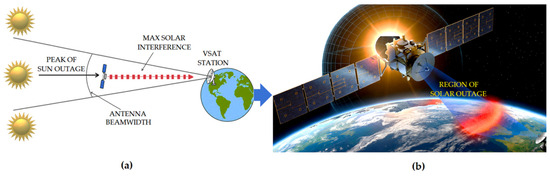
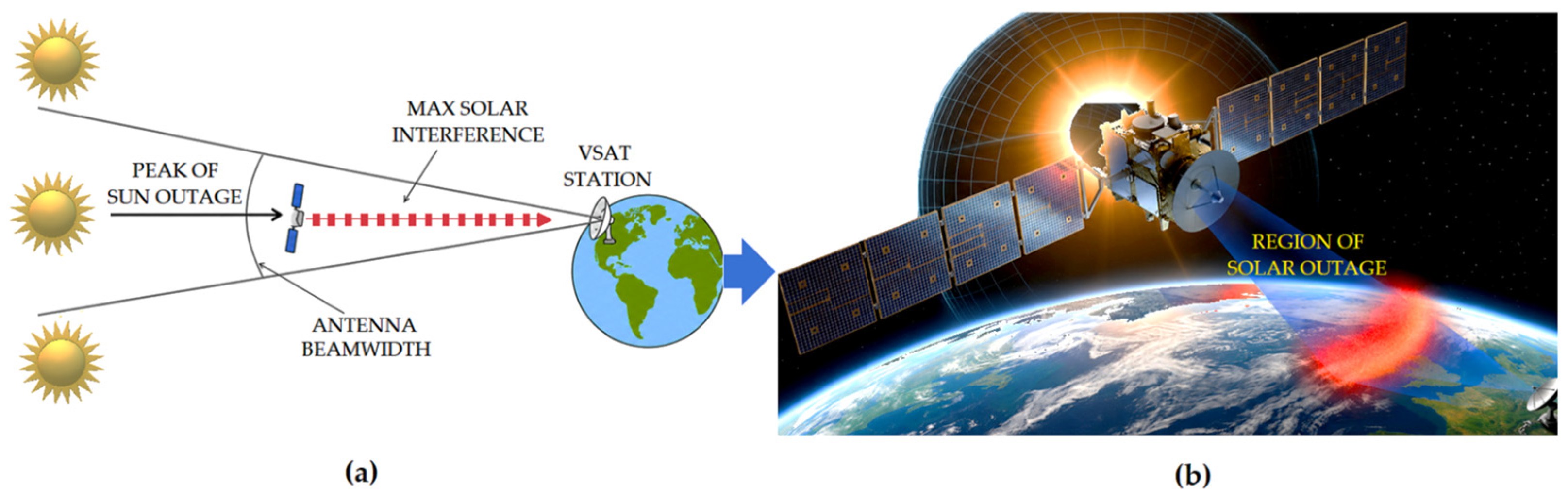
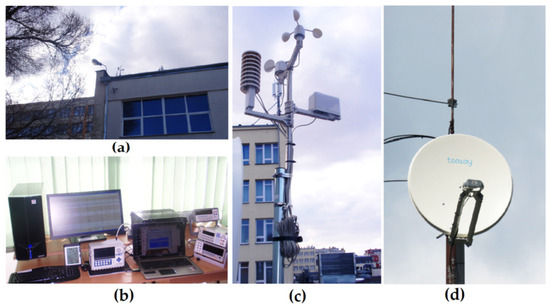
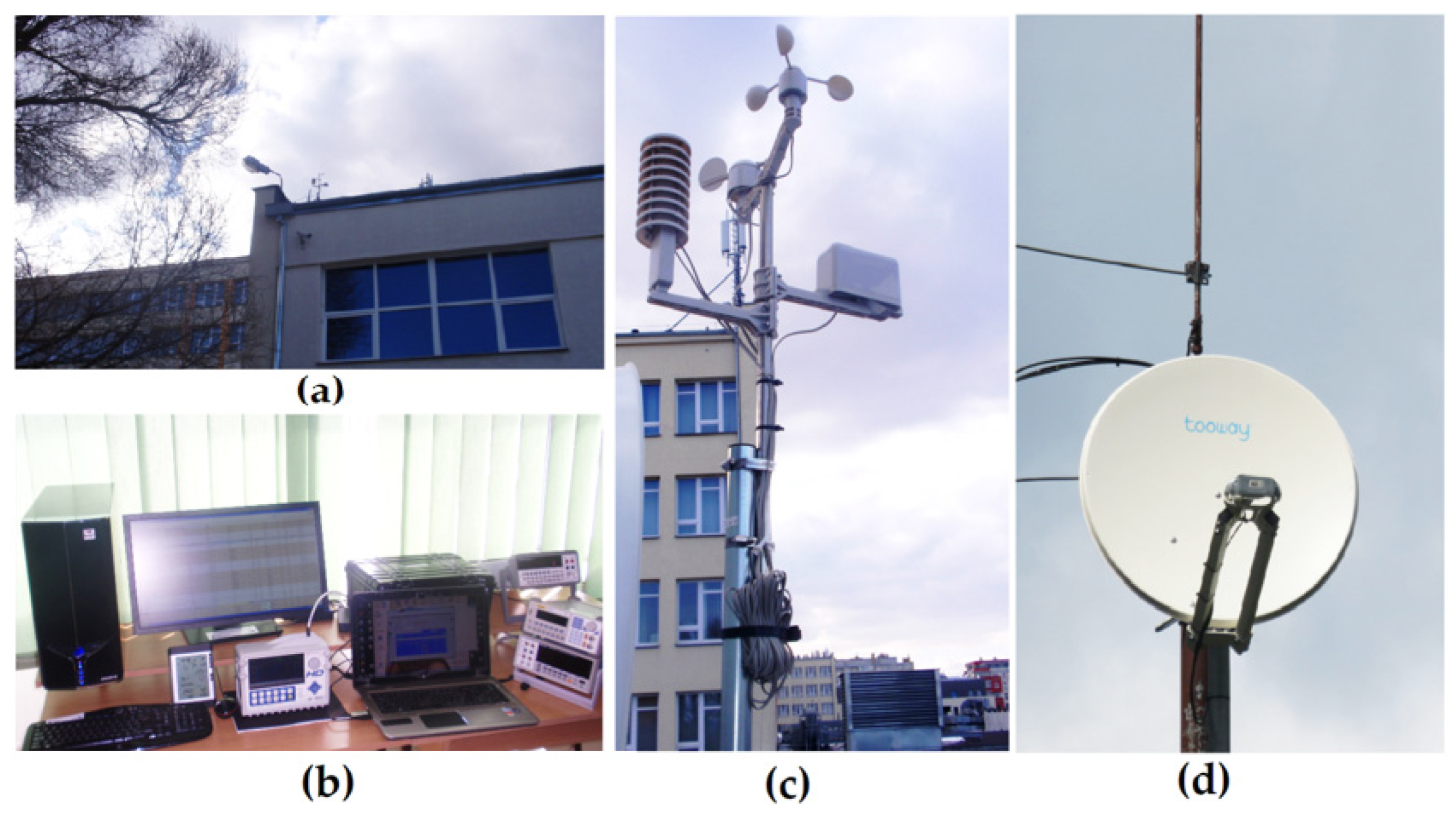
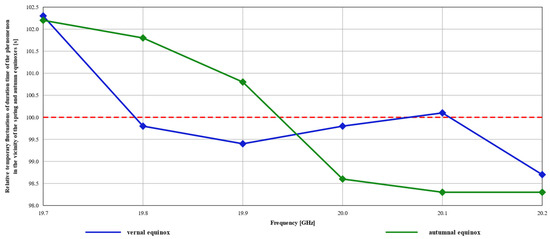
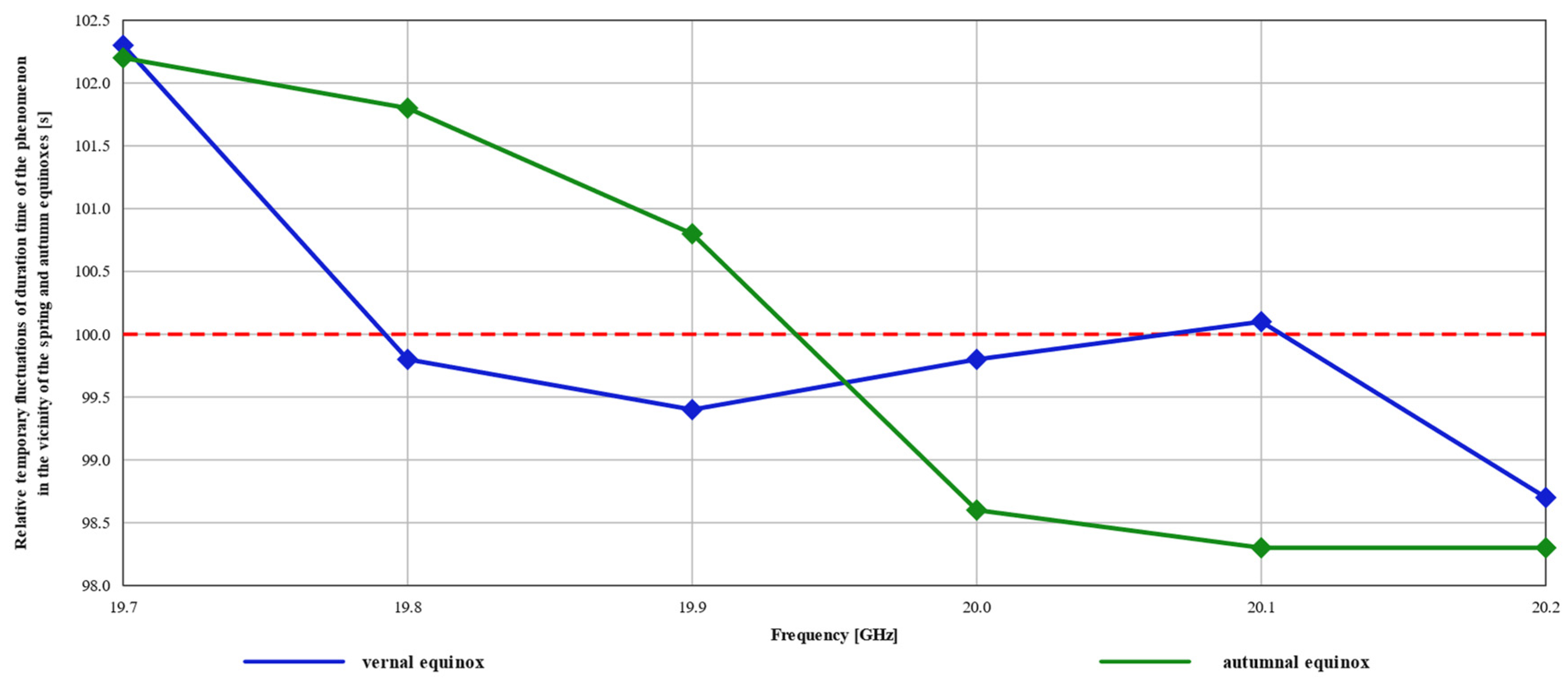
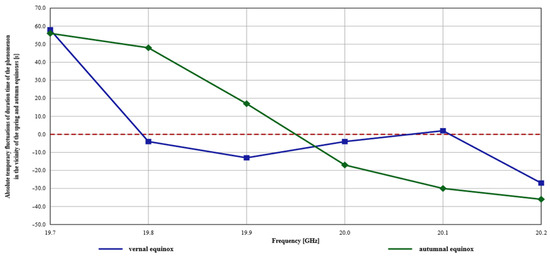
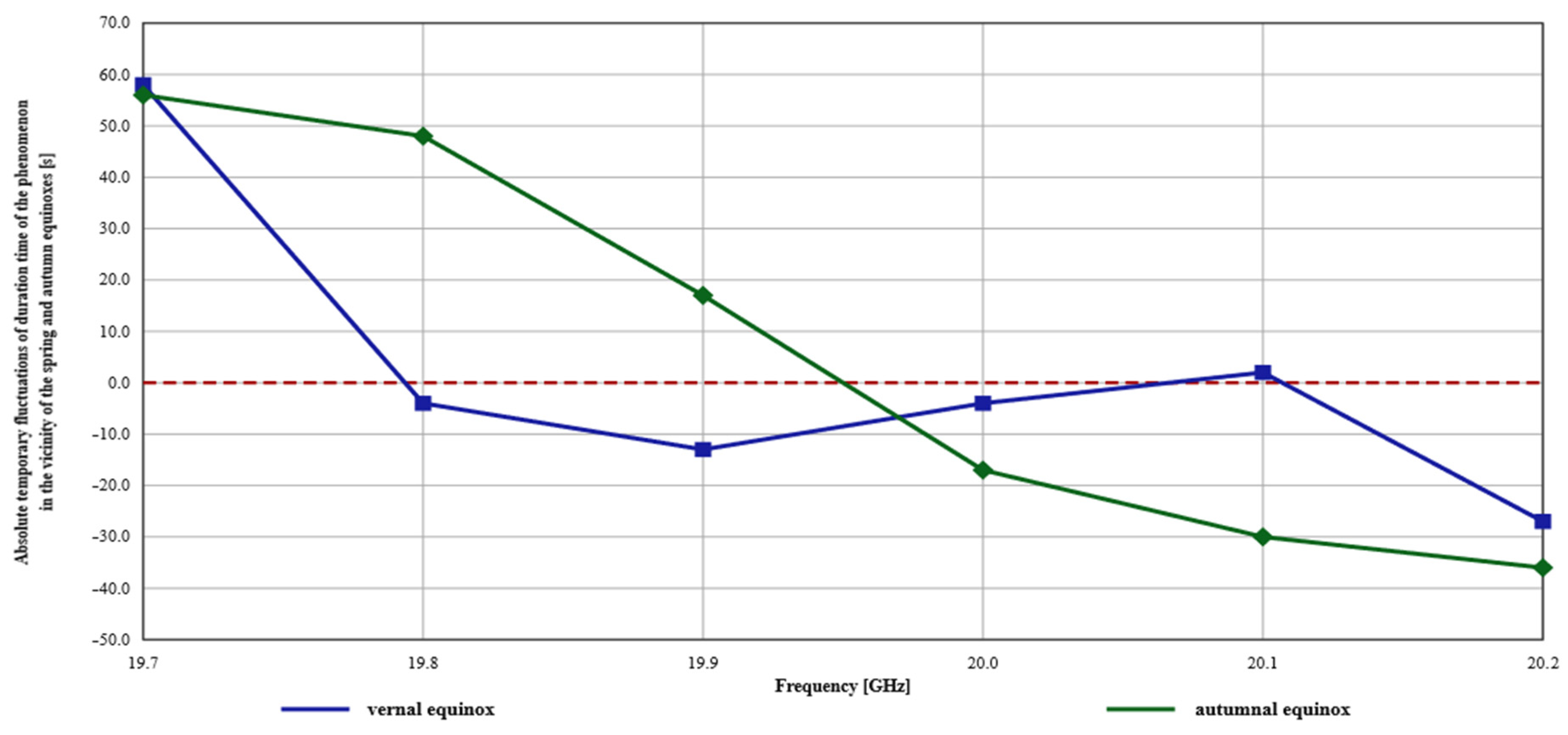
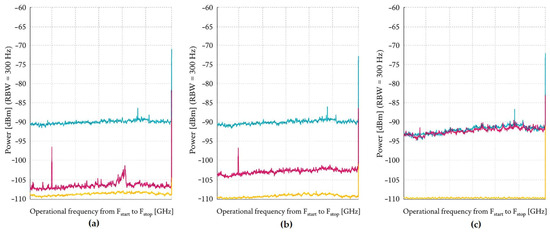
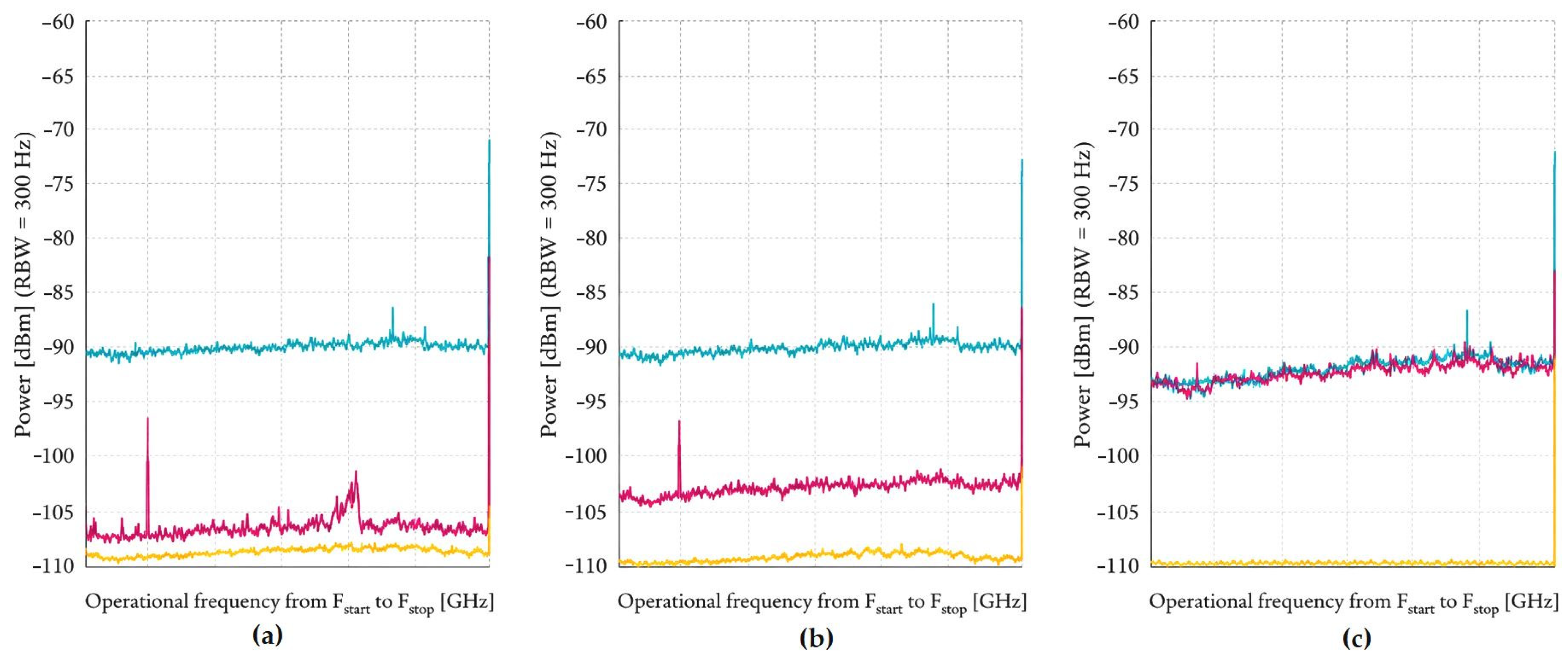
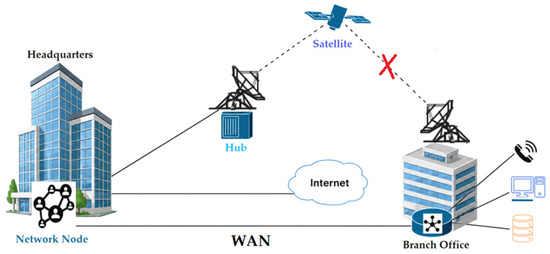
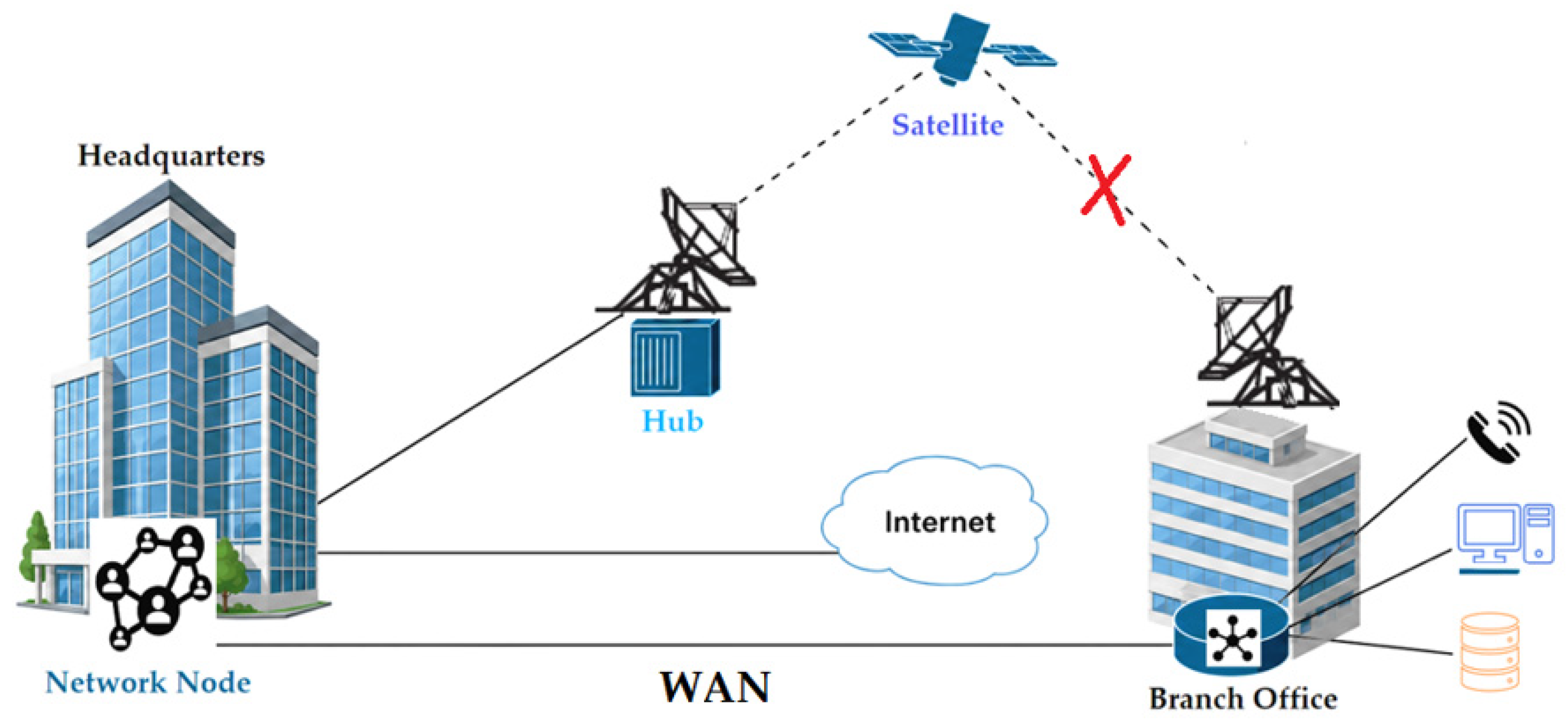
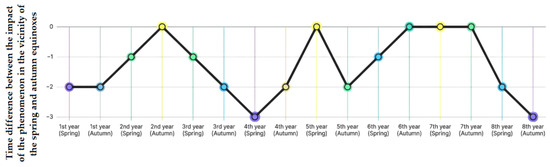
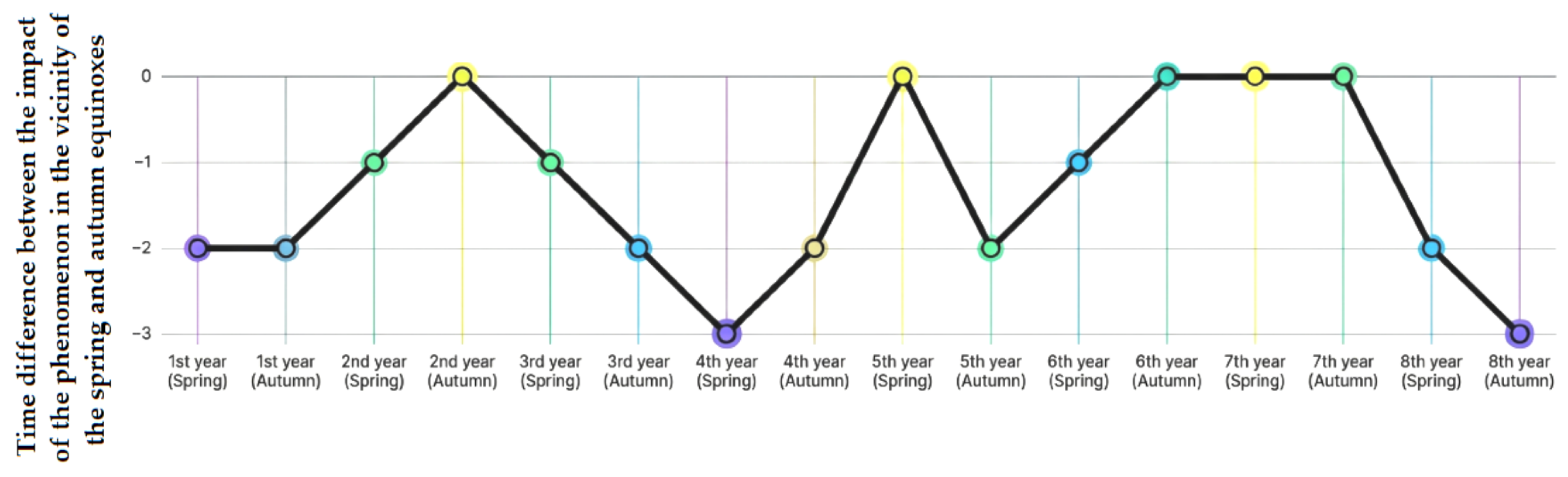
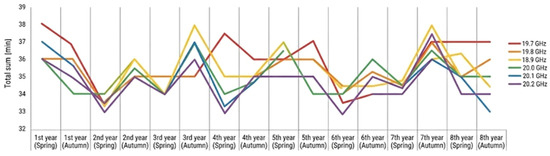
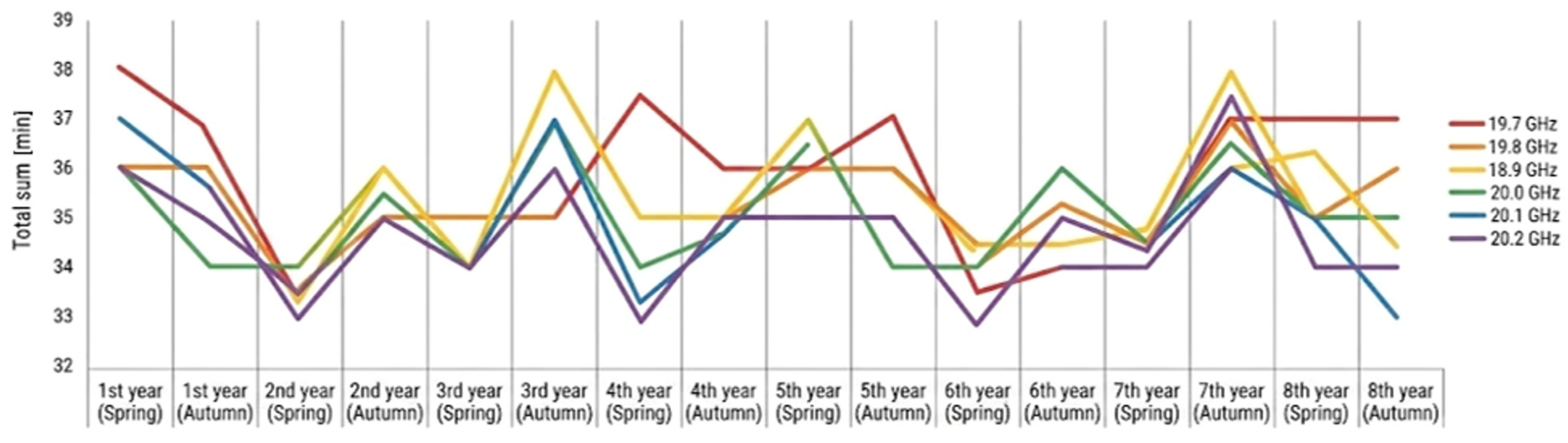
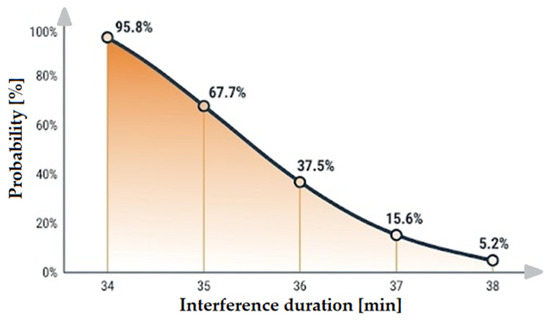
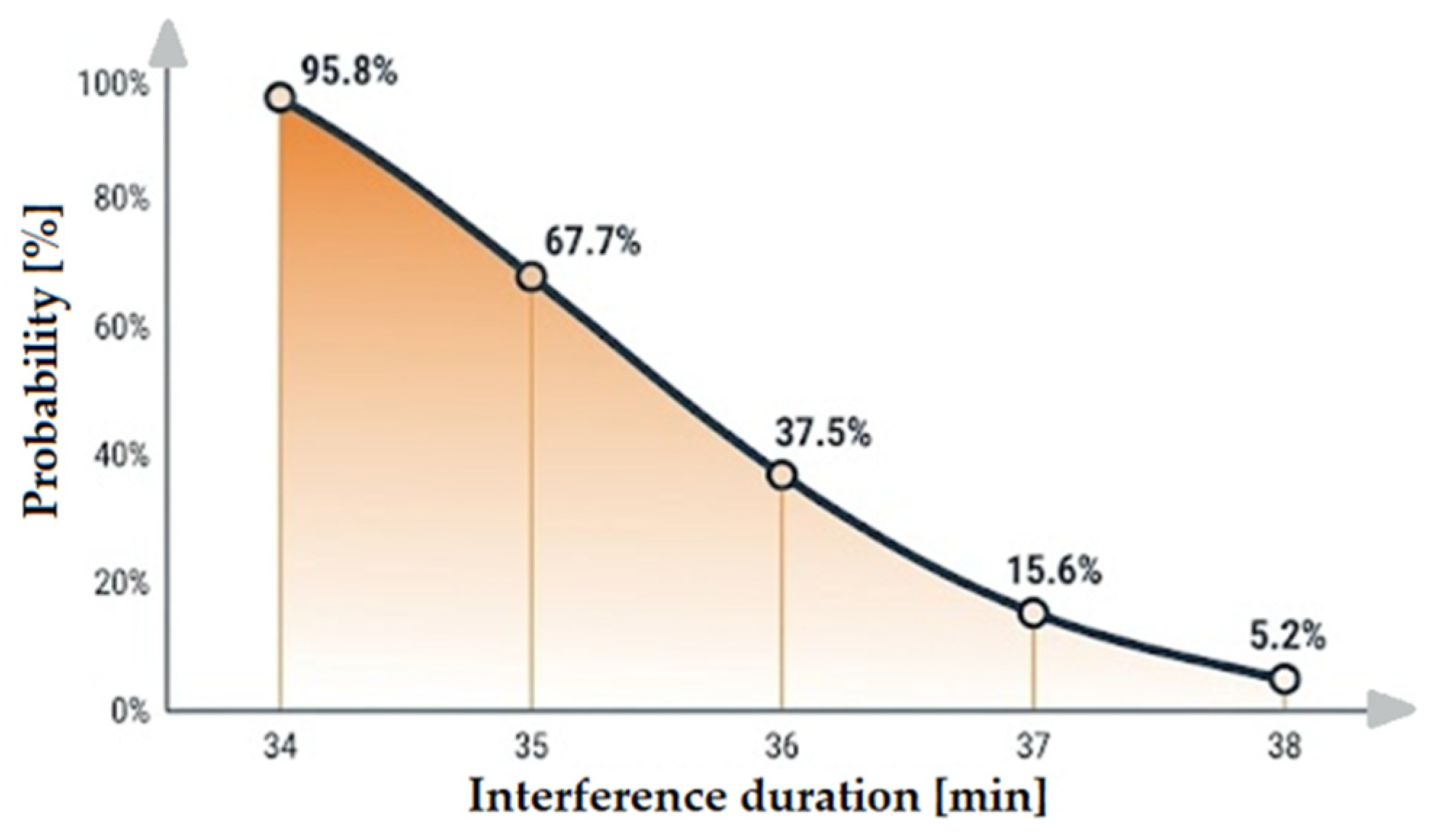

Disclaimer/Publisher’s Note: The statements, opinions and data contained in all publications are solely those of the individual author(s) and contributor(s) and not of MDPI and/or the editor(s). MDPI and/or the editor(s) disclaim responsibility for any injury to people or property resulting from any ideas, methods, instructions or products referred to in the content. |
© 2026 by the author. Licensee MDPI, Basel, Switzerland. This article is an open access article distributed under the terms and conditions of the Creative Commons Attribution (CC BY) license.