


Abstract
The extraction of spatiotemporal features from video sequences allows for the recognition of actions and the analysis of behaviors in video, making it a key challenge in automated video processing. The literature shows widespread use of deep learning approaches, specifically convolutional neural networks (CNNs). In this context, researchers face the challenge of identifying the advantages, disadvantages, and emerging trends across different architectures, evaluation metrics, and even dataset selection. The objective of this study is to identify the most common CNN architectures, evaluation metrics, datasets, and trends in spatiotemporal feature extraction for video analysis. The selection of articles used the PRISMA methodology and the Joanna Briggs Institute (JBI) methodological framework. From the databases Scopus, Web of Science and the MDPI platform, and based on the inclusion/exclusion criteria, 31 articles that met the criteria were analyzed and synthesized. The search was conducted primarily using the keywords “Convolutional Neural Network,” “video processing,” and “feature extraction,” limiting the selected works to those published between 2020 and the end of 2025. The results mainly show the use of four neural network architectures: 2D CNNs, 3D CNNs, hybrid models (e.g., CNN–RNN, CNN–Transformer, and multi-stream models), and, to a lesser extent, lightweight architectures. Commonly used datasets were identified (e.g., UCF101 and HMDB51). Additionally, standardized evaluation metrics were identified, ranging from accuracy and F1-score to performance measures specific to each case study. The challenges identified center on the heterogeneity of the study datasets, the lack of standardized evaluation metrics, and maintaining a balance between accuracy and computational resource consumption. On the other hand, strong emerging trends toward the use of hybrid models and those integrating transformers have been identified. This systematic review emphasizes the need for clear and robust guidelines that allow for the appropriate selection of CNN architecture, test datasets, and evaluation metrics in applications for extracting spatiotemporal features from video sequences, as well as identifying trends and future lines of research.
1. Introduction
A cornerstone of modern computer vision is the ability to process video automatically [1], with decisive applications in areas such as automated driver assistance systems (ADASs) [2], medical diagnostics [3], intelligent monitoring and surveillance [4], and interactive media content [5]. Automatically scrutinizing and interpreting ever-changing visual information requires advanced feature-extraction methods capable of capturing both static information and inevitable changes in the scene or scenario. Wang et al. [6] stated, “effective video representation is critical for various video processing applications,” emphasizing the importance of investigating and developing robust methods for spatiotemporal feature extraction.
To break it down further, spatial features in video processing are the static or motionless information within individual frames, i.e., edges [7], textures [8,9], shapes [10], and objects [11], which are similar to the information extracted from static or motionless images. However, temporal features capture the dynamics and motion between consecutive frames, including optical flow, object displacement, and scene changes. To ensure a complete understanding of video information, it is necessary to integrate these two methods efficiently [12].
Carreira & Zisserman (2017) [13] identified a key challenge in action recognition: capturing both spatial and temporal components of an action. Extracting these spatiotemporal correlations is complex and has driven the development of many computational approaches. This core challenge has motivated researchers to explore different architectural strategies, ranging from adapting existing models to designing new, specialized architectures.
Architectures combining 2D and RNN [14] are classified as a hybrid model; in this case, the approach integrates both convolutional neural networks (CNNs) and recurrent neural networks (RNNs). The CNN component manages spatial feature extraction, while the RNN addresses temporal dependencies. Previously, video processing with CNNs involved different steps: 2D-CNN models were first pre-trained on static frames, and their features were subsequently combined [15]. Each approach has its advantages and disadvantages. 2D-CNNs are computationally efficient and benefit from transfer learning when using pre-trained models, whereas 3D-CNNs better capture spatiotemporal correlations but demand more computational power and larger datasets for effective training.
1.1. Motivation Behind Creating This Article
Thanks to rapid growth in research, which reflects the area’s potential viability, this growth has also resulted in a highly fragmented area. Specifically, video processing using CNN-based spatiotemporal feature extraction is a major focus due to increased demand for applications and implementations in autonomous systems, human–computer interaction, and, unsurprisingly, surveillance and monitoring. To further demonstrate this point, see Figure 1. This graph illustrates the number of publications related to CNNs, and it is evident that the number of publications continues to increase each year, further reinforcing the viability of the area of study.
Figure 1.
Articles published per year (2015–2025) in JCR-indexed journals with titles containing “Convolutional Neural Network”. The upward trend confirms the growing research activity in CNN-based methods for video and image analysis.
During the review and analysis of the works that met the inclusion criteria for this systematic literature review, it became clear that there is no one-size-fits-all method or approach. On the contrary, there is a wide variety of methods, ranging from foundational methods, e.g., 2D-CNNs and 3D-CNNs, to sophisticated hybrid models (e.g., LSTM and GRU) and transformer-based models. This has, unfortunately, yielded an overwhelming number of architecture types. This diversity further complicates the ability to discern fundamental trade-offs, such as comparative advantages and particular application contexts for each architectural family. The recent and existing literature tends to focus on a single perspective, e.g., 3D-CNNs [16], but does not present a unified categorization that methodically classifies the full range of 2D, 3D, hybrids, and emerging trends.
Throughout this systematic review, the authors identified several previous reviews with a similar scope. A detailed analysis revealed a need for comprehensive, unbiased cross-study comparisons to assess the robustness and transferability of these methods [17,18]. As mentioned earlier, these issues have also contributed to an environment with divided evaluations. The articles included in this review utilize various datasets, from well-known ones like UCF101 and HMDB51 to more specialized datasets. Private datasets were also employed, mainly for anomaly detection or gait recognition. Although accuracy remains a key metric, its limitations under class imbalance are well known, prompting the use of diverse metrics such as precision, F1-score, recall, and task-specific measures like mAP, PSNR, and SSIM.
During the research for this systematic review, the authors noticed a recurring trend: existing reviews cover accuracy and computational complexity; very few studies thoroughly address pragmatic considerations such as energy efficiency, scalability to long or high-resolution videos, and inference speed on edge devices. Energy efficiency is usually assessed by measuring the amount of power consumed during inference using hardware power meters or software APIs (e.g., NVIDIA Management Library), and reports metrics like frames per second per watt (FPS/W) or inference per joule. Fortunately, there exist standardized benchmarks like MLPerf inference and the principles of Green AI, which offer frameworks for these measurements [19,20]. That said, it was evident that existing reviews lack technical depth. These aspects are increasingly vital for real-world applications, as highlighted by the advent of lightweight architectures, e.g., GP3D [21] and MDNet-LBPC [22]; these architectures were specifically designed for resource-constrained environments.
This further underscores the need for reviews that adhere to established norms and guidelines such as PRISMA [23] to ensure systematic rigor. In the course of this review, the authors came across reviews in this area [24,25] that had a narrative style and also lacked the rigorous, reproducible methodology required to ensure an unbiased analysis. On the contrary, the absence of established, rigorous systematic search parameters, clear and explicit inclusion criteria, and quality assessment of the selected literature can actually result in selection bias, which, in turn, limits the credibility of their conclusions.
Now that gaps have been identified (i.e., updating, fragmentation, evaluation, and methodology), this systematic review aims to provide a consolidated, thorough, and relevant analysis of CNN-based spatiotemporal feature extraction methods. This will produce a valuable resource for investigators, researchers, and novice practitioners trying to navigate this complex and intricate field. The motivation for this systematic review is the urgent need to synthesize this varied and ever-evolving information.
1.2. Contribution
This systematic review will present key contributions to CNN-based spatiotemporal feature extraction for video processing and directly address gaps identified in the literature. The primary contributions of this systematic review are the following:
- Consolidated classification of CNN architectures: After reviewing and analyzing all 31 selected studies, we classified and categorized the predominant CNN architectures for spatiotemporal feature extraction into four groups: 2D-CNN, 3D-CNN, hybrid models (e.g., CNN–RNN, CNN–Transformer, and two-stream), and, lastly, emerging lightweight architectures. Unlike current systematic reviews, which often focus only on a single paradigm (2D, 3D, or hybrid architectures [16,24]), the categorization presented in this review is thorough and unified. This review directly counters the trends of current reviews by presenting a clear and well-structured overview of the field, thereby filling gaps in previous reviews.
- Quantitative benchmarking and qualitative appraisal of architectures: This review provides both a quantitative analysis of crucial evaluation metrics (e.g., accuracy and F1-score) and a qualitative study of the strengths and weaknesses of each architectural category. The resulting summary highlights the current state of the art and the trade-offs between accuracy, computational cost, and model complexity. This was achieved through rigorous adherence to the PRISMA-based systematic review methodology, considering the most recent literature published between 2020 and 2025.
- Identification of key datasets and evaluation protocols: A crucial gap in the existing literature is the absence of the ability to have a fair cross-study comparison, because there are no standardized evaluation datasets to evaluate. This review will address that gap by first producing a thorough summary of the datasets that are used most frequently (e.g., UCF101 and HMDB51), as well as the predominant evaluation metrics. Analyzing the inconsistency between reported metrics and experimental protocols highlights the need for coherence in comparative evaluation.
- Analysis of emerging trends and open challenges: This systematic review will provide a clear and concise path forward for future investigators and researchers. It will identify and discuss the most notable emerging trends, for example, how there is a growing shift toward the use of hybrid models and transformer-based architectures, the increasing integration of attention mechanisms, and the advent of lightweight models for edge deployment. The authors will also point out the main obstacles, i.e., handling complex or cluttered scenes, ensuring real-time inference on resource-constrained devices, and grappling with privacy and ethical issues.
This review offers four novel contributions beyond prior fragmented surveys: (i) a hierarchical taxonomy of CNN architectures for spatiotemporal feature extraction that provides clearer categorization than previous overlapping classifications, establishing a practical framework for understanding predominant architectural paradigms; (ii) cross-category quantitative performance comparisons using consistent evaluation protocols, enabling meaningful architectural comparisons that prior reviews have lacked; (iii) a systematic adaptation of the JBI risk-of-bias assessment framework to deep-learning benchmark studies, providing a methodological quality evaluation that has not been previously applied in this domain; and (iv) a comprehensive extraction of future research priorities directly from the literature itself, identifying consensus directions that emerge from the reviewed studies rather than relying on subjective author perspectives.
This review will close with a discussion, possible implications, and the limitations of this review (see Section 5), preceded by the conclusion that also outlines future work (see Section 6). Prior to that, the answers to the posed research question are presented in Section 4. In Section 3, the methodology is covered, and it also includes the search strategy, inclusion and exclusion criteria, and data extraction. Section 2 contains all the necessary theoretical foundations through a thorough review of the most recent literature.
2. Foundations and Related Work
The interdisciplinary nature of the research in this area is worth underscoring. Figure 2a demonstrates what percentage of the articles reviewed came from which dataset, while Figure 2b shows the main subject categories they belong to; this helps to contextualize and properly frame the discussion that will follow.
Figure 2.
(a) Breakdown of the 31 selected studies by academic database (Scopus, Web of Science, and the MDPI platform), showing the proportion sourced from each. (b) Distribution of these studies across subject areas, highlighting the multidisciplinary nature of spatiotemporal feature extraction research.
2.1. Fundamentals of Artificial Neural Networks
At the center of modern video-processing deep learning systems are artificial neural networks (ANNs). They were inspired by how the human brain functions, consisting of layers of interconnected artificial neurons. During training, each connection between artificial neurons has an adjustable weight that is updated using optimization algorithms, with backpropagation being the prime example [26]. This structure defines the computational paradigm.
2.1.1. Fundamental Architectures of ANN
The evolution of the ANN architecture has paved the path for the emergence of several categories based on their structure and applications. One of the most recent is transformers, which are architectures that rely on self-attention mechanisms that have completely transformed sequence processing—initially with Natural Language Processing (NLP) but then later in computer vision [27]. CNNs are designed to specialize in processing grid-like data (e.g., images and videos), using stacked convolutional, pooling, and fully connected layers to extract and learn hierarchical spatial and spatiotemporal features [28]. RNNs enable feedback loops and have an internal state that helps handle temporal sequences, but variants such as Long Short-Term Memory (LSTM) and Gated Recurrent Unit (GRU) address the gradient issue [29]. Feedforward networks transfer information unidirectionally, from input to output, without cycles or feedback loops, and can range from rudimentary perceptrons to Multilayer Perceptrons (MLPs) [30].
The equations that follow govern the LSTM unit. The first two gates, the forget gate and the input gate, described in Equations (1) and (2), control how the cell state is updated. The forget gate decides which information from the previous cell state should be discarded, while the input gate determines which new candidate values should be stored in the cell state. The output gate (Equation (5)) then filters the updated cell state to produce the hidden state .
where is the input at time t, is the hidden state, is the cell state, is the sigmoid function, ⊙ denotes element-wise multiplication, and the W and b terms are learned weights and biases. The forget gate and the input gate work together: controls the extent to which the previous cell state is retained, while governs the contribution of the new candidate . This complementary mechanism allows the LSTM to selectively remember or forget information over long sequences.
The GRU simplifies the LSTM architecture using update and reset gates:
The core self-attention mechanism in transformers is the scaled dot-product attention,
where Q, K, and V are the query, key, and value matrices, and is the dimension of the keys.
2.1.2. Applications of ANN in Computer Vision
ANNs have demonstrated exceptional performance in various computer vision applications, forming the technological basis for advanced systems of object classification and detection [31], semantic and instance segmentation [32], depth estimation and 3D reconstruction [33], video processing and analysis [15], and vision systems for autonomous vehicles [34].
2.2. Convolutional Neural Networks for Video Processing
CNNs are a fundamental pillar for extracting spatiotemporal features in video, having undergone notable evolution in their adaptation to the temporal domain.
2.2.1. 2D-CNN-Based Approaches
2D-CNN-based approaches leverage pre-trained architectures on static image datasets (such as ImageNet) to extract spatial features, which are then temporally integrated using various mechanisms: Two-Stream Architectures—These have two separate streams for spatial (RGB frames) and temporal (optical flow) information, with late fusion of predictions [15]. CNN + RNN, It combines the power of CNNs for spatial extraction with the ability of RNNs to model temporal dependencies. LRCN [14] uses frame-wise CNNs and LSTMs for temporal integration, effectively capturing long-range dependencies. Temporal Segment Networks. It introduces temporal consensus mechanisms to aggregate information across extended video segments [35], enabling the modeling of longer-duration actions.
For each position , a value is computed by a 2D convolution . This is carried out by adding the element-wise products of a small kernel K and the overlapping region of an input image or feature map I. To be more specific, for an input I of height H and width W and a kernel K of size , the convolution will produce an output feature map S, which is defined by the double sum below. This operation is at the center of every CNN. Its mathematical representation is:
The convolution extracts local, small patterns (i.e., edges, textures, and shapes) by sliding the kernels across the input. At each possible position , a single output value is computed. The double summation works as follows (Algorithm 1):
| Algorithm 1 2D Convolution at position |
|
2.2.2. 3D-CNN-Based Approaches
3D-CNNs extend convolutional operations to the temporal domain, learning spatiotemporal filters jointly and end-to-end: C3D—Showed that kernels with homogeneous architecture can learn effective spatiotemporal features, setting an important baseline for 3D approaches [12]. I3D—Inflates pre-trained 2D filters in 3D, enabling transfer learning from ImageNet and achieving state-of-the-art performance on multiple benchmarks. This approach demonstrated the importance of large-scale pre-training [13]. R(2 + 1)D—Factors 3D convolutions into 2D spatial and 1D temporal components, improving optimization and generalization by reducing the number of parameters and facilitating training [36]. SlowFast Networks—Proposes two pathways with different temporal frequencies to capture semantic (slow) and motion (fast) information simultaneously, offering an efficient and effective solution [37].
For a 3D input volume I (height, width, and depth/time) and a 3D kernel K, the convolution is given by
where the triple sum runs over the spatial and temporal dimensions of the kernel.
2.2.3. Hybrid and Emerging Models
The most recent approaches combine multiple paradigms to overcome the limitations of unimodal or single-mode approaches: CNN–Transformer—These use a CNN for local feature extraction and transformers to model long-range global dependencies [38]. Lightweight Architectures—Lightweight models for real-time applications that optimize the accuracy–speed balance [39]. Self-Supervised Learning—Unsupervised learning of spatiotemporal representations that reduces dependence on annotated data [40]. Multimodal Approaches—Integrating visual information with audio, text, and other modalities for richer or more complete representations [41].
2.3. Previous Systematic Reviews
There are numerous reviews in the area of computer vision and video processing, but they have significant limitations that justify the present systematic review. For instance, Herath et al. [24] presented a comprehensive review of human action recognition but focused mainly on traditional methods and early deep learning, which have become obsolete in the face of recent rapid advances in transformer architectures and self-supervised learning. Similarly, several reviews have focused on specific applications, such as action recognition [42] and video captioning [17]. Although specialized, these works do not comparatively address spatiotemporal feature extraction techniques across different tasks and domains, limiting their usefulness for researchers seeking a general perspective.
Limitations of Existing Systematic Reviews
Critical analysis of the existing literature reveals several significant gaps:
- Lack of updating. This is one significant shortcoming of many systematic reviews; for example, the works by Herath et al. [24] and Sargano et al. [43], which, in full disclosure, were published before transformer-based architectures and self-supervised learning became widely used. Nevertheless, they overlooked key breakthroughs like Video Vision Transformers (ViViT) [38] and masked autoencoders. This leaves a critical gap in our understanding of modern spatiotemporal feature extractors. So, in short, reviews quickly become outdated due to how fast this field of study is progressing.
- Fragmented approach. Because of this, it is quite difficult for researchers and investigators to properly position their contribution to the field because of how the literature is split. For instance, the review conducted by Ji et al. [16], although quite thorough, only examines 3D-CNN but never takes into consideration the large body of work on 2D + RNN hybrid models and two-stream methods. Similarly, reviews on video action recognition in the wild [25] do a good job of covering many techniques but fail to provide a single classification that properly groups 2D, 3D, hybrid models, and emerging architectures together. To put it simply, existing reviews are narrow in scope, each only focusing on one piece of the puzzle.
- Incomplete evaluation. As a result, this limits confidence in any general conclusions about robustness or the transferability of spatiotemporal feature extraction techniques across distinct problems. For example, a model that works extremely well for action recognition on the UCF101 dataset might fail if tasked with anomaly detection on the UCF Crime dataset. Still, cross-domain comparisons are rarely made, let alone reported. This creates a need for comprehensive comparative evaluations across multiple tasks, datasets, and evaluation metrics. Many systematic reviews, like those that focus on video anomaly detection [17] or video segmentation [18], provide a thorough and detailed analysis of their methods and datasets, but only within their narrow perspective of the field.
- Limited technical perspective. Existing reviews, including those that focus on lightweight architectures [39], do not provide a comprehensive comparison of the speed of inference on edge devices, or how well (or not) methods scale to long-form videos, given that this is crucial for real-world deployment. Yet all these factors are essential for the actual implementation of these models. This is why there is a need for systematic reviews that go beyond accuracy and FLOPs to include model size, latency, and hardware compatibility and present information that would aid implementation and deployment on devices with limited resources. Most current reviews narrowly focus on raw performance, put simply.
- Non-systematic methodology. Due to this, the conclusions of many noteworthy and influential reviews like Herath et al. [24] and Yu et al. [25] could be biased and, due to this, may not be fully reliable, given that there is no explicit systematic search protocol, inclusion criteria, or a method for ensuring the quality of selected literature. If these details are not reported, then it is impossible to recreate or reproduce their work or findings in order to ensure all relevant studies were covered. Therefore, it is essential to strictly adhere to the well-established and structured guidelines of the PRISMA framework. This leads to a more transparent and rigorous review, reinforcing its reliability.
The authors noted a need for a systematic review that addresses the full spectrum of architecture types, evaluation protocols, and issues in practical deployment. It should provide an up-to-date, unified, and thorough analysis of CNN-based spatiotemporal feature extraction methods for video processing. The identified gaps clearly emphasize and reinforce the need for this systematic review.
2.4. Evaluation Metrics
Once researchers conclude their investigation and present their results, they must evaluate the performance and effectiveness of the algorithms/models used. Some of the most common evaluation metrics are accuracy, sensitivity, specificity, and F1-score.
2.4.1. Accuracy
It is one of the most common evaluation metrics used in classification tasks. It is defined as the proportion of correctly labeled samples relative to the total number of entries in the dataset. Essentially, accuracy assesses the overall validity of a model’s prediction. It is defined by the following equation,
where TP is the true positives, indicating that the model correctly predicts a positive case; TN is the true negatives, when the model correctly predicts a negative case; FN is the false negatives, which occur when the model incorrectly predicts a negative case; and, finally, FP refers to the false positives, which occur when the system predicts something that is not actually present.
2.4.2. Sensitivity
This evaluation metric, also known as “recall” or “true positive”, measures a model’s ability to correctly identify actual positive cases in the dataset. Specifically, it represents the percentage of positives that were correctly identified. A high percentage indicates accurate detection of negatives, while a low percentage suggests the model is missing positive cases. The following equation describes this relationship.
Eventhough models with high sensitivity limit false negatives, it must be taken into account that overly sensitive models may increase the likelihood of false positives.
2.4.3. Specificity
Evaluates the model’s ability to distinguish true negatives correctly and is expressed by the following equation:
Again, it must be noted that models streamlined for high specificity may be overly conservative, leading to true positives being missed or overlooked.
2.4.4. F1-Score
The F1-score is the harmonic mean of precision and sensitivity (recall), providing a single metric that balances false positives and false negatives. It is particularly useful when the class distribution is imbalanced, because it penalizes models that achieve high precision at the expense of recall, or vice versa. The F1-score is defined as follows,
where precision (positive predictive value, PPV) is , and recall (sensitivity, SEN) is . An F-score of 1 is only achieved when both precision and recall are perfect, while an F-score of 0 indicates that the model is incapable of correctly detecting a single positive instance.
2.4.5. Why the Need for This Systematic Review
This review does three things: first, it introduces a consolidated classification system; second, it compares performance across multiple datasets and evaluation metrics; third, it identifies emerging trends and future research directions. Once completed, it directly fills the gaps that have been identified. The result is a thorough and comprehensive, up-to-date, methodologically rigorous summary of CNN-based spatiotemporal feature extraction for video processing.
3. Materials and Methods
The authors of this review have organized this systematic review into four phases: (i) formulation and definition of research questions. (ii) clearly defining the criteria for inclusion and exclusion, (iii) a systematic search for literature across three academic databases, and (iv) extraction and analysis of data from the selected studies. This review was conducted following the PRISMA 2020 statement [23]. No review protocol was registered prior to conducting this study. The following subsections will detail each stage further.
3.1. Research Objectives
The questions that will guide this investigation are listed below; see Table 1. The main objective of the systematic review is to analyze, categorize, and critically assess the state of the art for CNN-based spatiotemporal feature extraction in video processing.
Table 1.
Research questions addressed in this systematic review.
3.2. Criteria for Article Selection and Keywords
Three academic databases were selected: (i) Scopus, (ii) Web of Science (Clarivate), and (iii) the MDPI platform. These databases were chosen for their complementary coverage of peer-reviewed literature across multiple disciplines. To ensure rigor and reproducibility, the authors first clearly established inclusion and exclusion criteria prior to conducting any literature search.
To stay at the vanguard of the latest developments in CNN-based spatiotemporal feature extraction, particularly the emergence of Transformer-based models and lightweight architectures, the authors made a conscious decision to limit the search to 2020 through 2025. Scopus and Web of Science (Clarivate) have been widely recognized as the most complete multidisciplinary citation indexes that cover numerous high-impact journals. Although the MDPI platform may be considered a subset of one or both of the larger databases mentioned earlier, it was still chosen because it is a specialized open-access platform, so as not to overlook any relevant studies. Thanks to the combination of these three databases, we ensure broad disciplinary coverage in areas with significant research, i.e., Asia, Europe, and the Americas, see Section 4.1, while also targeting open-access publishers, thereby minimizing selection bias and improving search reproducibility.
Regarding database selection, Scopus and Web of Science were chosen due to their established status as the most comprehensive multidisciplinary citation indexes, covering the vast majority of peer-reviewed literature in computer science and engineering. The inclusion of the MDPI platform, while potentially overlapping with these larger databases, served a specific purpose: ensuring representation of open-access literature that may not be consistently indexed in proprietary databases. This tripartite database selection strategy follows recommendations for systematic reviews in rapidly evolving fields, where multiple complementary sources are necessary to minimize publication bias. While databases such as IEEE Xplore and the ACM Digital Library offer valuable content, their coverage overlaps substantially with Scopus and Web of Science for the specific time period and subject areas under consideration. The subject area restrictions applied (Computer Science, Engineering, Mathematics, Physics and Astronomy, Decision Science) further refined the search to fields where quantitative, experimentally validated CNN-based video analysis work is predominantly published [4,5].
It was also decided to limit the search to specific subject areas, e.g., Computer Science, Engineering, Mathematics, Physics and Astronomy, and Decision Science, because these fields typically produce quantitative, experimentally validated work relevant to video analysis. Only peer-reviewed journal articles and conference papers written in English were included. To preserve academic rigor and ensure reproducibility, all non-empirical publications (e.g., editorials, technical reports, books) were excluded. To avoid deviating from the main focus of the core topic, the search terms were limited to a combination of “Convolutional Neural Network,” “video processing,” and “feature extraction.” The complete criteria for inclusion and exclusion, as well as the justification for those decisions, can be found in Table 2.
Table 2.
Eligibility criteria applied for study selection during the systematic review.
The scope of this review is defined by three core methodological criteria: (1) convolutional neural networks as the primary architectural paradigm, (2) video processing as the application domain, and (3) feature extraction as the central methodological task. This tripartite framework ensures that all included studies are directly relevant to the intersection of these concepts. Studies addressing only a subset—such as action recognition without explicit feature extraction methods, or 3D convolutions without CNN-based processing—fall outside the defined scope regardless of their individual merit. Importantly, the eligibility criteria do not restrict the specific video analysis task. The screening procedure employed examples such as “object detection,” “security,” and “surveillance” as illustrative references to common application domains within the broader field of video-based feature extraction; these examples were not intended as exclusionary criteria. The final set of included applications—spanning action recognition, anomaly detection, sign language recognition, gait recognition, fire and smoke detection, video quality assessment, frame interpolation, and others—emerged naturally from the application of the inclusion criteria, which required only that studies address video processing with CNNs and explicit feature extraction. This breadth of applications reflects the methodological focus of the review rather than a narrow emphasis on any single domain. The resulting sample of 31 studies represents the complete set of works published within the specified timeframe that satisfy these eligibility criteria, providing sufficient breadth across architectural categories, application domains, and evaluation protocols to support the synthesis presented in this review.
The sample size of 31 studies reflects the deliberate methodological focus of this review rather than a limitation of the field’s breadth. The tripartite scope—requiring explicit mention of convolutional neural networks, video processing, and feature extraction—concentrates the analysis on works that directly address the intersection of these three methodological components. This targeted approach ensures that all included studies are directly relevant to answering the research questions posed in Table 1. Studies that do not explicitly address feature extraction methodologies, even if they address related topics such as action recognition or video understanding, fall outside the defined scope. The resulting sample provides sufficient breadth across architectural categories (2D-CNN, 3D-CNN, hybrid models, lightweight architectures), application domains (action recognition, anomaly detection, sign language recognition, gait recognition, fire and smoke detection, video quality assessment, frame interpolation), and evaluation protocols to support the synthesis presented in this review. While a larger corpus could be obtained by broadening the search terms, such an approach would introduce studies of tangential relevance and would not fundamentally alter the conclusions regarding the predominant architectural trends, datasets, and evaluation practices identified in this review.
3.3. Search Strategy
The first step was defining the exact search terms through an initial exploratory phase; they were then refined and adjusted to find an acceptable balance between sensitivity and specificity. Adhering to PRISMA 2020 guidelines [23], in order to capture the core concepts, a search string was constructed using a combination of keywords (e.g., convolutional neural networks, video processing, and feature extraction) and Boolean operators.
The deliberate selection of the tripartite keyword combination—“Convolutional Neural Network,” “video processing,” and “feature extraction”—was driven by the specific focus of this review on methodological contributions that explicitly address the intersection of these three concepts. This approach aligns with established best practices for systematic reviews in computer vision, where targeted search strings are recommended to ensure relevance and manageability of the literature corpus. Expanding the search to include broader terms such as “action recognition” or “video understanding” would have introduced studies that, while related, do not necessarily address explicit feature extraction methodologies—A central requirement for answering RQ1 through RQ4 [5,17]. Furthermore, the selected combination reflects the terminology used in foundational works on CNN-based spatiotemporal feature learning [12,13,14], ensuring alignment with the established literature. This targeted approach yielded a focused corpus of 208 initial records, which, after rigorous screening, provided sufficient breadth across architectural categories and application domains to support the synthesis presented in this review.
To ensure no relevant studies were omitted, no additional filters for study design or outcome were applied at this stage. Table 3 lists the final search strings for each individual database (e.g., Scopus, Web of Science (Clarivate), and the MDPI journal platform) mentioned in Section 3.2.
Table 3.
Search strategies and filtering criteria applied to each academic database.
The remaining selection criteria (e.g., time period, document types, subject areas, language, etc.) have already been established in Section 3.2. The search was carried out in the second half of 2025, and the results were exported as a CSV file and then manually organized in a spreadsheet for further analysis.
3.4. Screening of Relevant Papers
The initial search yielded 208 articles, of which 23 were identified as duplicates. The remaining records were screened using a three-stage process. The first stage involved title screening, where peer-reviewed research articles addressing video processing with CNNs and explicit feature extraction were retained regardless of the specific application domain. The second stage required that articles provide quantifiable performance data for their proposed application. The final stage was full-text screening, which excluded articles that did not specify the CNN architecture or feature-extraction techniques. After applying these criteria, 31 articles were selected for inclusion. The distribution of articles across the three databases is shown in Figure 2, while the complete screening workflow is illustrated in Figure 3, and the number of articles at each stage is shown in Figure 4.
Figure 3.
PRISMA 2020 flow diagram of the study selection process. Initial identification yielded 208 records, of which 23 duplicates were removed; after title, abstract, and full-text screening, 31 articles remained for the systematic review.
Figure 4.
Number of articles retained at each screening phase: 208 initially identified, 185 after duplicate removal, 59 after title screening, 36 after abstract screening, and finally 31 after full-text assessment.
3.5. Feature Extraction Methods
For each of the 31 selected studies, we systematically collected parameters from every stage of the processing pipeline: acquisition, feature extraction, classification architecture, and evaluation metrics. Below, we summarize the extracted information. Figure 5 shows the types of data and the specific points we collected (for reference, see Section 3).
Figure 5.
Categories of information extracted from each selected study, organized by processing stage (acquisition, feature extraction, classification, and performance evaluation). This structured extraction supports the quantitative and qualitative synthesis in this review.
- Acquisition and preprocessing: We recorded parameters that influence the model’s capacity and computational cost, e.g., the type of pooling used (e.g., max, average, or global).
- Feature extraction methods: We kept track of whether pre-trained models were used. For each article, we recorded the main techniques used for feature extraction—2D CNNs (e.g., VGG, ResNet, and Inception), 3D CNNs (e.g., C3D, I3D, and SlowFast), and hybrid models (CNNs combined with RNNs, LSTMs, GRUs, or transformers). We also extracted temporal modeling methods, such as optical flow and 3D convolutions. Finally, we recorded the kinds of spatial features extracted–edges, textures, and object parts.
- Classification architectures: For hybrid models, we recorded the specific building blocks, e.g., CNN + RNN, CNN + transformer, or two-stream fusion. We then assigned each model to one of the following categories based on the classification from Section 2: 2D-CNN, 3D-CNN, hybrid models, or emerging. We also collected additional information such as the number of fully connected layers, pooling layer type (e.g., Max, global average, or implied), and whether attention mechanisms were present.
- Performance evaluation: For detection or localization tasks, we recorded the mean Average Precision (mAP). For regression-based tasks, e.g., frame interpolation, quality assessment, we noted metrics such as Peak Signal-to-Noise Ratio (PSNR) and Structural Similarity Index (SSIM). We also collected standard classification metrics: accuracy, F1-score, precision, and recall. When available, we also collected inference speed (frames per second, FPS) and model size (number of parameters in millions).
3.6. Classification of Hybrid Models
In this review, a hybrid model is described as a neural network that intentionally combines two or more fundamentally different components or processing paradigms into a single end-to-end framework, with each part providing unique capabilities to address a complex task [44]. This definition aids in classifying the architectures discussed in the literature.
4. Results
This section reviews the studies that fulfill the inclusion and exclusion criteria outlined in Table 2, following the PRISMA 2020 standard. Figure 3 displays the 31 qualifying studies, which are thoroughly analyzed to address the research questions listed in Table 1. Additionally, Figure 6 illustrates the most frequently observed architectural features in these studies.
Figure 6.
Most common architectural characteristics in the reviewed studies: (a) types of pooling layers used (max pooling dominates), and (b) number of fully connected layers (most architectures use one or two; the multiple category represents studies where the exact integer count was not explicitly specified by the authors). These characteristics reflect common design choices in CNN-based spatiotemporal architectures.
Generally, the methods examined performed well, though with some variability. Most results clustered around 90-95%, with the red line showing a median of 92.28%. There was one outlier, with the lowest value at 60.23%, but overall, the range was from 72.1% to 100%; see Figure 7. In this section, each initial research question, listed in Table 1, is answered with the findings derived from the synthesis of the works.
Figure 7.
Violin plot of the 28 accuracy values reported in the reviewed studies (three studies used alternative primary metrics). The median accuracy is 92.28%; values range from 60.23% to 100%, indicating variable performance across different tasks and architectures.
4.1. Overview of Selected Studies
Following the screening process described in Section 3, 31 articles published between 2020 and 2025 met our inclusion criteria. These studies address a diverse range of applications, including human action recognition [45,46], anomaly detection [47,48], sign language recognition [49], gait recognition [50], fire and smoke detection [51,52], video quality assessment [53], and video frame interpolation [54]. The authors of the selected articles represent a geographically diverse group, with contributions from Asia, Europe, and the Americas (see Figure 8), underscoring the global interest in spatiotemporal feature extraction. A summary of the selected works, including their architecture type, application, and dataset, is provided in Table 4.
Figure 8.
Geographical distribution of the 31 selected studies by country of the first author. The map illustrates the global interest in CNN-based spatiotemporal feature extraction, with contributions from Asia, Europe, and the Americas.
Table 4.
Summary of the studies included in the systematic review, grouped according to publication year, architecture, application, and experimental dataset.
The diversity of applications across these 31 studies—spanning action recognition, anomaly detection, sign language recognition, gait recognition, fire and smoke detection, video quality assessment, and frame interpolation—demonstrates that the sample captures the multidisciplinary nature of CNN-based spatiotemporal feature extraction research. Although the number of studies is modest, it reflects this review’s focused methodological scope rather than an exhaustive survey of the entire video-processing literature. The selected studies provide a representative cross-section of the field’s predominant architectural paradigms and evaluation practices.
4.2. RQ1. CNN Architectures for Spatiotemporal Feature Extraction
Throughout the review of the works, it was found that spatiotemporal feature extraction architectures based on CNNs can be grouped into four categories: (1) 2D CNN-based, (2) 3D CNN-based, (3) hybrid models that leverage multiple architectures, and (4) emerging architectures such as CNN–Transformer hybrids, which apply the classification method depending on the case study.
It is important to note that the proposed taxonomy is designed to capture the primary architectural paradigm emphasized by each study, rather than to establish strictly mutually exclusive mathematical categories. The inherent overlap between categories reflects the reality of modern deep learning research, where architectures increasingly combine multiple paradigms. For example, a model may incorporate both CNN and transformer components (hybrid) while also being optimized for edge deployment (lightweight), or a two-stream architecture may also be considered a hybrid model. In such cases, studies were classified according to their authors’ stated primary contribution and the dominant architectural component emphasized in their methodology. This approach follows established practices in systematic literature reviews where overlapping categories are acknowledged and addressed through clear classification criteria. The resulting taxonomy provides a practical framework for understanding the predominant trends in CNN-based spatiotemporal feature extraction, while recognizing the interconnected nature of modern architectural design.
- 2D-CNN-Based Approaches: A known shortcoming of this method is its difficulty in capturing long-range temporal dependencies [14], despite being computationally efficient. These methods rely on pre-trained 2D CNNs (e.g., VGG, Inception, and ResNet) for spatial feature extraction, followed by temporal aggregation via late fusion, early fusion, or recurrent networks. For instance, ref. [45] used a 2D Conv-RBM combined with an LSTM for temporal modeling, while [57] employed InceptionV3 and MobileNetV2, and then concatenated the features for classification.
- 3D-CNN-Based Approaches: These models apply 3D convolutions to learn spatiotemporal features jointly. Ref. [67] proposed a 3D-CNN framework for multimedia event detection, achieving a mean average precision of 83.05%. Ref. [61] incorporated an MS-3DCNN module within a larger fusion network for volleyball action recognition. Ref. [51] designed a dual-stream network with ShuffleNet V2 backbones, effectively combining spatial and temporal streams. Despite their ability to capture motion information, 3D-CNNs are computationally expensive and require large-scale training data [12].
- Hybrid Models: This is the most prevalent category (over 60% of the reviewed studies). Hybrid models integrate CNNs with other architectures to exploit complementary strengths.
- –
- CNN–RNN Hybrids: Ref. [46] introduced a three-fold model combining CNN, optimized RNN, and Bi-LSTM with an Artificial Ecosystem Customized Bald Eagle Optimization (AECBEO) feature-selection mechanism. Ref. [55] proposed CLGA-Net, which fuses CNN and LSTM with Genetic Algorithm and AdamW optimization. Ref. [60] used VGG-19 for sub-activity recognition, followed by a hybrid GRU-LSTM RNN for final classification. These models excel at capturing long-term temporal dependencies but are prone to overfitting and have high training complexity.
- –
- CNN–Transformer Hybrids: Ref. [58] combined MobileNetV2 with a transformer for video frame embedding prediction. Ref. [50] fused Swin Transformer with 3D-CNN for gait recognition, achieving state-of-the-art accuracy on CASIA-B. Ref. [64] developed a three-stream IFormer (hybrid CNN-ViT) network for infrared action recognition. Transformers effectively model global dependencies but increase the parameter count and may require more data.
- –
- Two-Stream/Multi-Stream Hybrids: Ref. [48] designed a two-stream architecture with YOLO-V4/VGG-16 for spatial features and FlowNet/VGG-16 for temporal features, followed by CNN-LSTM classification. Ref. [47] proposed TempoFuseNet, a two-stream framework with ResNet50 and a novel SG3I approach for temporal modeling. Ref. [69] used GoogLeNet for feature extraction and BiLSTM for activity classification of excavators. These methods achieve high accuracy by explicitly separating spatial and temporal processing, but they often require pre-computed optical flow, increasing inference time.
- Lightweight Architectures: This category includes models designed for efficiency or specialized tasks. Ref. [22] proposed a lightweight encoder-decoder based on a single linear bottleneck and pooling compensation, achieving real-time motion detection. Ref. [21] introduced an efficient group pseudo-3D network (GP3D) that reduces parameters while maintaining accuracy. Ref. [52] developed WISNet, a lightweight framework with BFBlocks for robust smoke detection. Ref. [53] used a two-stream CNN with attention for video quality assessment. Ref. [54] employed a transformer with parallel spatiotemporal attention for video frame interpolation. These architectures balance accuracy and computational cost, making them suitable for edge deployment.
4.3. RQ2. Benchmark Datasets Used for Evaluation
To address RQ2, we refer to Table 5, which summarizes the most frequently used datasets for validation in the studies. From this overview, it is evident that the UCF101 dataset [74] is the authors’ preferred option. This is due to its large number of 13,320 videos and 101 classes, which allow for robust and meaningful experimentation. It is most commonly found in works on the recognition of human actions. In the same field, we find, in second place, the HMDB51 dataset [75], with 6766 videos and 51 classes, reflecting complex and challenging real-world conditions for the proposed models. UCF Crime [76] is a dataset oriented towards real-world anomaly detection in surveillance videos, containing 1900 videos across 13 classes. Specialized datasets were also identified for action recognition using infrared (InfAR) [77], CASIA-B [78], a specialized dataset used in human gait recognition algorithms, volleyball [79] in sports applications for recognizing group activities, among others that use their own and customized datasets such as [46,69,72]. This heterogeneity demonstrates the particularity and complexity of each case study, highlighting the need for a standardized reference for dataset use that enables meaningful and valid comparisons between new proposals.
Table 5.
Most frequently used datasets in the reviewed studies.
4.4. RQ3. Evaluation Metrics
The 31 studies analyzed in this review use common evaluation metrics, with accuracy reported in 94% of studies. Accuracy is not the only metric used in classification tasks; it is also reported alongside precision, recall, and F1-score analyses to assess the current class imbalance in tasks where anomalous activity detection is performed [47,56]. Work where the central application focuses on detection and localization usually employs mean Average Precision (mAP) as an evaluation metric [51,67]. Refs. [54,58], where regression-based frame interpolation is used, implement alternative metrics such as Peak Signal-to-Noise Ratio (PSNR) and Structural Similarity Index (SSIM). Ref. [53] evaluates the performance, accuracy, and consistency of models using correlation metrics such as Pearson Linear Correlation Coefficient (PLCC) and Spearman’s Rank Order Correlation Coefficient (SROCC) in tasks related to video quality assessment.
Several studies also report computational metrics, such as frames per second (FPS) and parameter count (in millions), to demonstrate efficiency [22,52]. The distribution of accuracy values reported in the reviewed studies is shown in Figure 7, with a median accuracy close to 92.28%.
Table 6 summarizes the observed accuracy ranges for each architectural category, along with the number of studies in each category and their corresponding references. Table 7 summarizes the evaluation metrics used in the reviewed studies. The variability indicates the need for standardized evaluation protocols; this is a well-documented limitation in the literature of other systematic reviews.
Table 6.
Accuracy ranges, number of studies, and references per architectural category.
Table 7.
Evaluation metrics used in the reviewed studies, with the number of works and all corresponding references.
4.5. RQ4. Advantages and Limitations of CNN Architectures
Table 8 shows a comparison of the main advantages and limitations of the CNN-based architecture families identified in the reviewed studies. In general, it illustrates the difficulty of choosing an architecture that is superior in all video-processing scenarios; instead, each approach involves a trade-off between spatiotemporal representation capabilities, computational cost, and applicability to different real-world problems. While classic architectures, such as 2D CNNs and lightweight models, stand out for their efficiency and ease of implementation, 3D CNNs, hybrid CNN-RNN architectures, and CNN–Transformer architectures offer more advanced spatiotemporal representation, although they require more memory, computing power, and training data. Ultimately, the choice of architecture should be based on the characteristics of the problem, the available resources, and the balance between accuracy, efficiency, and temporal modeling capabilities.
Table 8.
Comparison of the main advantages and limitations of the most common CNN-based architectures used for video processing.
4.6. RQ5. Challenges, Emerging Trends, and Future Research Directions
Based on the reviewed literature, several clear trends and persistent challenges emerge.
4.6.1. Emerging Trends
The most prominent trend is the widespread hybridization of CNN-based architectures. Over 60% of the reviewed studies propose hybrid models that combine CNNs with other paradigms, such as CNN–RNN, CNN–Transformer, and two-stream designs. This shift reflects the growing recognition that no single architecture can adequately capture all aspects of spatiotemporal feature extraction. Closely related to hybridization is the increasing integration of attention mechanisms. Spatial and temporal attention are now commonly employed to help models focus on the most relevant regions and frames. For instance, Ref. [50] incorporated a Swin Transformer with 3D-CNN, while [53] embedded SE-blocks into a two-stream network. Attention not only improves interpretability but also often boosts accuracy.
It is evident that new, innovative trends are gaining traction; studies show a shift towards multimodal fusion analysis. Ref. [73] is one such trend, proposing combinations of RGB data with point clouds, RGB with audio, or RGB with optical flow, with RGB camera data held constant. Approaches that leverage redundant data sources prove robust in scenarios with complex illumination and occlusion. In contrast, approaches that prioritize edge deployment execute processes locally rather than relying on centralized services; this helps reduce latency, ensure privacy, and minimize dependence on an internet connection. In this sense, architectures such as GP3D [21], single-line bottleneck networks [22], and BFBlock [52] show high performance with fewer parameters, resulting in balanced accuracy and computational cost.
Finally, there is a growing trend toward self-supervised learning approaches as a promising avenue that minimizes the need for labeled datasets. This potential was observed in the proposal presented at [40], and despite its limitations, studies show a preference for these innovative trends.
4.6.2. Open Challenges
Although the literature shows an active area of study, there are still areas for improvement in state-of-the-art approaches. A wide variety of approaches exist; however, open questions and limitations remain, posing challenges in video processing, such as handling scenarios with high dynamic complexity and the presence of occlusions. In this regard, Ref. [54] reports limitations of its approach with respect to certain natural human body movements, particularly finger joint movements, highlighting the need for robust temporal models that compensate for heterogeneous joint motion. On the other hand, the low quality of video sources, coupled with the cost of professional equipment, is a recurring challenge in many studies, compounded by aggressive compression algorithms for efficient storage and by lighting conditions at different times of day. This is despite attempts such as the one proposed in [47], which addresses super-resolution video preprocessing and achieves good performance under adverse conditions.
Another current challenge is achieving generalization across domains, which is a complex task. In this regard, models trained on one dataset cannot be directly tested on another; adjustments must be made to the models, resulting in a lack of homogeneity across comparisons. The work presented in [72] shows that their manipulation detection method is difficult to generalize to videos with drastic scene changes, highlighting the need for domain adaptation and learning with limited data—both open and relatively unexplored challenges. Real-time performance on resource-constrained devices is a critical requirement for many applications, yet it is not yet fully met. While lightweight models exist, achieving consistent real-time inference (e.g., 30 FPS) on edge devices without sacrificing accuracy remains difficult; most efficient models are evaluated on high-end GPUs, and deployment on embedded hardware requires further optimization.
Finally, ethical and privacy concerns are increasingly recognized but seldom addressed in depth. Only a few studies mention privacy (e.g., [71]), and techniques such as federated learning or on-device processing are rarely discussed. As video analytics become more pervasive, this remains a critical area for future research.
4.7. Synthesis of Spatiotemporal Feature Extraction Approaches
The reviewed studies reveal several common patterns regarding spatiotemporal feature extraction, dataset selection, and temporal modeling. The following observations summarize the main findings.
Summary of key studies. Table 9 offers a curated overview of key studies, detailing the context of application, architecture, feature extraction approaches, datasets, performance metrics, and limitations. The authors categorize these limitations into four groups: (1) Dataset, (2) Acquisition, (3) Feature extraction, and (4) Results. The most common limitations relate to issues with the feature extraction methods and techniques used, as well as the way results are derived. Fewer limitations are associated with dataset quality and data acquisition processes.
Table 9.
Summary of key studies included in the systematic review. Limitations categories: (1) Dataset, (2) Acquisition, (3) Feature extraction, and (4) Results.
Feature extraction methods. To provide a consolidated view of the feature extraction techniques employed across the reviewed literature, Table 10 categorizes the primary feature extraction methods, the number of studies that adopt each method, and the corresponding references. This summary underscores the diversity of approaches used for spatiotemporal feature learning.
Table 10.
Feature extraction methods used in the 31 reviewed studies, with counts and references.
Spatial features explicitly extracted. Beyond the architectural choices, we also recorded what kinds of spatial features the studies explicitly extracted. Table 11 summarizes the findings. Most studies implicitly learn spatial features via CNNs, but a few explicitly name edges, textures, or object parts. As shown in Table 11, texture descriptors (e.g., MBC and LGTrP) appear in [46], while YOLO-V4 in [48,62] explicitly extracts object parts. Only one study [45] mentions “edges” as a spatial feature.
Table 11.
Spatial feature types explicitly extracted in the reviewed studies.
Temporal modeling methods. In addition to studying spatial features, it is necessary to examine temporal modeling techniques. Table 12 summarizes the two methods for extracting temporal features: the first is optical flow, which focuses on understanding the calculated movement—the displacement between each subsequence of frames—and the second is 3D convolution, which learns spatiotemporal patterns obtained directly from the data in a unified way. Furthermore, Table 10 explores feature extraction methods in general, from classical models to hybrid models such as CNN + RNN/LSTM/GRU, among others, which are present in 11 of the 31 studies analyzed. As shown in Table 12, optical flow is the most frequently explicitly used temporal modeling technique, appearing in five studies (e.g., [48,62]). Three studies employ 3D convolutions for joint spatiotemporal feature learning, including [61,67]. Recurrent units (LSTM and GRU) are not included here because they are already accounted for in the hybrid category of Table 10.
Table 12.
Temporal modeling methods explicitly employed in the reviewed studies.
Overall findings. To provide a consolidated visual overview of the main findings from this systematic review, Figure 9 presents a schematic that connects the four identified CNN architecture categories, the most frequently used datasets, and the predominant evaluation metrics. This diagram summarizes the key relationships uncovered in the analysis of the 31 reviewed studies.
Figure 9.
Schematic summary of the main findings from the systematic review. The diagram connects the four identified CNN architecture categories (2D-CNN, 3D-CNN, hybrid models, and lightweight architectures) to the most frequently used datasets (UCF101, HMDB51, UCF Crime, and specialized datasets) and the predominant evaluation metrics (accuracy, F1-score, mAP, PSNR/SSIM, and computational metrics). The bottom panel highlights key insights derived from the 31 analyzed studies.
4.8. Statistical Considerations for Cross-Study Performance Comparisons
This section presents additional statistical analyses to support the interpretation of the reported performance metrics. Specifically, it examines the sources of heterogeneity among the reviewed studies, assesses the distribution characteristics of the reported accuracies, and provides a statistical basis for their descriptive interpretation.
4.8.1. Heterogeneity of Reported Performance
While performance metrics such as accuracy are commonly reported in the reviewed literature, direct comparisons between studies should be interpreted with caution, as the included works differ substantially in terms of datasets, application domains, class distribution, evaluation protocols, and application case complexity. Therefore, the analyses presented in this section aim to characterize the distribution of reported results, rather than to establish statistical superiority among architectural categories.
Table 7 shows the performance metrics reported in the selected studies, providing valuable insight into the effectiveness of CNN-based architectures. However, directly comparing them requires careful analysis, as the studies vary in their experimental setups. It is important to note that, unlike benchmark assessments with a uniform protocol, systematic reviews gather results under largely heterogeneous conditions, making direct numerical comparisons difficult.
The included studies consider a variety of application domains, including tasks such as action recognition, anomaly detection, video surveillance, gait analysis, frame interpolation, video quality assessment, and other video compression tasks (see Table 4). Furthermore, they employ different reference datasets, class distributions, preprocessing strategies, evaluation protocols, training configurations, and experimental objectives. Consequently, the reported accuracy values reflect not only the intrinsic capabilities of a particular CNN architecture but also the characteristics, configurations, researcher preferences, and the specific complexity of each case study.
Table 13 summarizes the main sources of methodological heterogeneity identified in the reviewed studies. These factors demonstrate that the reported performance metrics were obtained under substantially different experimental conditions. Consequently, the statistical analyses presented in the following sections aim to characterize the distribution of reported results, rather than to establish a direct superiority among the different CNN architectures.
Table 13.
Main sources of heterogeneity identified among the reviewed studies and their implications for cross-study performance comparisons.
Consequently, the statistical analyses presented in this section were designed to describe the distribution of reported performance, not to determine definitive superiority among architectural families. Therefore, robust descriptive statistics and distribution analysis were used to provide a more reliable interpretation of the reported accuracies, considering the diversity of the reviewed studies.
In that regard, the following subsections evaluate the statistical properties of the reported precision values and analyze the suitability of the descriptive summaries of performance in the reviewed studies.
4.8.2. Descriptive Statistical Analysis
Given the heterogeneity described above, descriptive statistics were used to summarize the accuracy values reported in the reviewed studies. Since extreme values (lower/upper) can significantly affect conventional statistics such as the mean and standard deviation, robust measures of central tendency and dispersion were considered more appropriate tools for characterizing the performance reported in the literature.
Table 14 summarizes the statistics for the reported accuracy values. The median accuracy (0.9228), along with the interquartile range (IQR) of 0.0853, provides a representative summary of central tendency and dispersion while reducing the influence of extreme observations. Based on the IQR criterion, only one study was identified as a potential outlier (accuracy = 0.6023), while the remaining observations were distributed within the expected range. These findings support the use of robust descriptive statistics to characterize the reported performance of heterogeneous studies.
Table 14.
Robust descriptive statistics of the reported accuracy values extracted from the reviewed studies.
4.8.3. Distributional Analysis of Reported Accuracy Values
To determine whether the parametric descriptive measures were appropriate, the distribution of the reported precision values was analyzed in greater detail. In addition to visual inspection, four complementary normality tests were conducted to assess whether the data followed a Gaussian distribution. The analysis also examined measures of skewness and kurtosis to characterize the overall shape of the distribution.
Table 15 summarizes all the statistical tests, which consistently rejected the null hypothesis of normality. These results indicate that the reported precision values do not follow a Gaussian distribution. The multiple normality tests are consistent in their results, increasing confidence that the observed distribution differs from normality, rather than reflecting the characteristics of a single statistical procedure.
Table 15.
Normality assessment of the reported accuracy values.
This non-normal behavior is further supported by the distribution’s shape descriptors. The reported precision values showed a negative skewness of −1.988, indicating a longer left tail, associated with a small number of lower-performing studies. Additionally, the positive kurtosis, with a value of 5.381, suggests a peaked distribution, with heavier tails than expected under a normal distribution, reflecting the presence of extreme observations.
The reported performance metrics were analyzed using robust descriptive statistics, such as the median and IQR, which are less susceptible to skewed distributions and isolated extreme values compared to the mean and standard deviation. Finally, the statistical analyses in this review are intended to describe the overall distribution of the reported performance, not to determine statistical superiority among the CNN architectural categories.
4.9. Statistical Implications and Sensitivity Analysis
Statistical analyses show that the reported accuracy values come from very different experimental conditions across studies and do not follow a Gaussian distribution. Therefore, performance metrics should be interpreted descriptively, rather than indicating a clear statistical superiority among CNN architectures. Variability is influenced by differences in datasets, domains, evaluation protocols, and task complexity. Consequently, robust statistics such as the median and IQR offer more reliable summaries than isolated minimum, maximum, or average accuracy values.
To verify the robustness of these results, an additional sensitivity analysis was carried out that temporarily excluded the single outlier, detected by the IQR criterion.
A further sensitivity analysis was performed after temporarily excluding the single outlier detected by the interquartile range criterion (precision = 0.6023). As shown in Table 16 and Table 17, removing this outlier significantly improved the distribution characteristics of the dataset. All normality tests failed to reject the null hypothesis of normality, and skewness and kurtosis decreased markedly. However, the robust descriptive statistics remained fairly stable, with the median changing from 0.9228 to 0.9249 and the IQR decreasing slightly from 0.0853 to 0.0732. These results suggest that the outlier primarily affected the distribution assumptions, not the central tendency of the performance. Therefore, it was decided to retain the full dataset in all subsequent analyses to ensure the integrity of the review, even though the sensitivity analysis provides additional evidence supporting the reliability of the reported descriptive statistics.
Table 16.
Comparison of descriptive statistics between the complete dataset and the sensitivity analysis.
Table 17.
Normality tests before and after sensitivity analysis.
5. Discussion
Section 4 offers a comprehensive overview of CNN-based methods for spatiotemporal feature extraction, along with relevant datasets and evaluation metrics. Building on these results, the subsequent discussion interprets major architectural trends, assesses the methodological quality of the included studies, and suggests future research directions. The architecture classification introduced here provides a unified taxonomy, filling a notable gap identified in earlier surveys [16,24].
5.1. Architectural Trends and Hybrid Models
In Section 4.2, the results supporting the answer to RQ1 are presented, positioning 3D CNNs as a well-founded approach used in proposals that are strengthened by adding the spatiotemporal component, thus efficiently improving the analysis of video sequences. However, evidence shows that hybrid models are gaining ground in recent studies. Hybrid models based on CNN-RNNs, such as CLCA-Net [55] and the one proposed by Deotale et al. [60], combine the advantages of spatial compression offered by CNNs with the integration of RNNs for the analysis of temporal dynamics. Another hybrid approach observed in the review is the CNN–Transformer model, which arises from the need to detect local details using CNNs and, for global details, using transformers. A clear example is the Swin Transformer-3DCNN model [50] and TIFAR-Net [64], which have demonstrated stable (see Table 6) and computationally balanced performance well above average. Transformer integration is becoming increasingly evident in computer vision-related tasks, particularly in sequence modeling [27,38].
Similarly, the analysis of advantages and limitations described in RQ4 (see Section 4.5) broadens the perspective on these trends. Although 3D CNNs and hybrid models offer robust yet complex approaches with greater accuracy ranges compared to classical approaches, they come at the cost of high computational costs and the need for a large number of parameters. This calls into question their implementation in applications where real-time analysis is imperative or where processing resources are limited. Conversely, lightweight classical models (such as [22,52]) remain a viable alternative for maintaining a balanced relationship between accuracy and speed, with lower performance in complex scenarios with high motion dynamics. This dilemma highlights the latent challenges that future research must continue to address.
5.2. Datasets and Evaluation Practices
Regarding RQ2 (see Section 4.3), the predominance of datasets like UCF101 [74] and HMDB51 [75] is consistent with the field’s focus on human action recognition. However, the use of specialized datasets, such as UCF Crime [76] for anomaly detection and infrared datasets, such as InFAR [77] for specific modalities, indicates a diversification of application domains. A significant limitation is the lack of standardized benchmarks for tasks beyond action recognition, making cross-study comparisons difficult.
The analysis of evaluation metrics for RQ3 (see Section 4.4 and Section 4.8) shows that accuracy remains the most commonly reported metric. Still, its limitations, especially in multi-class or imbalanced datasets, are well recognized. Studies increasingly report precision, recall, F1-score, and specificity to provide a more nuanced view of model performance [46,56]. For regression-based tasks, domain-specific metrics like PSNR and SSIM are essential [54,58]. The variability in reported evaluation metrics underscores the need for more standardized evaluation protocols, as highlighted in the limitations of previous reviews [23].
5.3. Applications and Future Outlook
The emerging trends and open challenges identified in RQ5 (see Section 4.6) point to promising future directions. The move toward multimodal fusion [73] and the integration of attention mechanisms [53] are likely to yield more robust and context-aware models. However, challenges such as handling low-quality video [47], domain generalization [72], and privacy concerns remain significant obstacles requiring innovative solutions.
The findings of this review have implications across a wide range of video-based applications, including surveillance, autonomous driving, healthcare monitoring, and human–computer interaction. As spatiotemporal feature extraction methods continue to evolve, their integration into real-world systems will depend on addressing the trade-offs between accuracy, computational efficiency, and scalability.
5.4. Risk of Bias Assessment
To evaluate the methodological quality of the included studies and to identify potential sources of bias that could influence the interpretation of the evidence, we employed a critical appraisal tool adapted from the Joanna Briggs Institute (JBI) SUMARI Checklist for Quasi-Experimental Studies [80]. Rather than serving as a definitive measure of overall study quality, the checklist was used as a structured framework to assess key methodological domains, including internal validity, participant selection, confounding factors, outcome measurement, follow-up completeness, and statistical analysis. This approach enabled a transparent and systematic assessment of methodological strengths and potential limitations across the included studies. The appraisal criteria are summarized in Table 18.
Table 18.
Scoring criteria for the JBI SUMARI-inspired risk of bias assessment.
Following the recommendations of the JBI methodology, the appraisal was interpreted at the item level to identify methodological strengths and potential risks of bias, rather than relying solely on an overall numerical score.
Although an overall score was calculated to facilitate comparison between studies, the main interpretation was based on individual assessment domains rather than the total score alone, in accordance with the intended use of JBI’s critical appraisal framework.
In this regard, an average score is determined for each study (the sum of the scores divided by the number of applicable items). The overall risk of bias is then classified as low, moderate, or high according to the thresholds shown in Table 19.
Table 19.
Risk of bias classification based on average score.
Because the JBI SUMARI Checklist was originally developed for quasi-experimental studies, each appraisal item was operationalized to evaluate the methodological rigor of primary deep learning studies while preserving its original intent [80]. The adapted criteria focused on experimental design, fairness of comparisons, consistency of evaluation, reliability of reported outcomes, completeness of reporting, and appropriateness of statistical analyses. The items were adapted as follows:
- Temporal precedence: Is it clear what the “cause” (the proposed model/architecture) and the “effect” (the reported performance) are, with no confusion about which variable comes first?
- Control group: Was there a baseline or alternative method used as a control for comparison?
- Comparability of groups: Were the datasets and evaluation conditions (e.g., train/test splits and data pre-processing) similar across compared groups?
- Similar treatment/care: Did the groups receive the same experimental conditions except for the intervention of interest (the proposed method)?
- Multiple outcome measurements: Were multiple evaluation metrics (e.g., accuracy, F1-score, and precision) reported, and were results presented for both training and test sets?
- Outcomes measured consistently: Were the same metrics and evaluation protocols used for all compared methods?
- Reliability of outcome measurement: Were the reported metrics standard in the field (e.g., accuracy, mAP, and FPS) and clearly defined?
- Follow-up completeness: If a study reported results for multiple runs or splits (e.g., cross-validation), were the results fully reported and any dropouts explained?
- Appropriate statistical analysis: Were appropriate statistical tests (e.g., confidence intervals and significance tests) used to compare methods, or at least descriptive statistics (mean and standard deviation) provided?
Table S32 of the Supplementary Materials to this work details the scores obtained for each study in the modified risk of bias analysis of the JBI SUMARI-proposed framework. The scores for this adapted version of the risk of bias analysis are based on 9 questions (Q). For questions Q1–Q4 and Q8, a score of 1 is given for “Yes,” 0.5 for “Not Clear,” 0 for “No,” or ‘–’ for cases where none of the above options apply (see Table 18). Questions Q5–Q7 consist of segmented sub-responses, the arithmetic mean of which is calculated to determine the score. The final score obtained for each of the 31 analyzed studies is defined as the Average, which is the arithmetic mean of questions Q1–Q9. Table S32 also indexes each study with its respective analysis, as defined in Tables S1–S31, for greater transparency regarding the analysis performed using the guidelines proposed by the JBI SUMARI. It is imperative to mention that Q8 refers to exhaustive follow-up, a characteristic that does not apply to any of the analyzed studies; therefore, it is shown as zero. It was not excluded from the analysis for transparency, and this does not affect the average value reported by the studies. A heatmap visualization (see Figure 10) shows that most studies performed well on items related to question clarity (Q1), consistency in outcome measurement (Q6), and reliability of metrics (Q7). Lower scores were observed on items related to the control group (Q2), multiple outcome measurements (Q5), and statistical analysis (Q9). Notably, Q8 (Follow-up completeness) did not apply to any of the computational studies. However, it is displayed as 0 in the heatmap because the visualization tool does not support null entries; it was excluded from the average risk score and does not influence the overall assessment. The average risk score across all 31 studies was 0.76, placing the overall body of evidence in the moderate-risk category. A moderate risk score (0.76) suggests that the evidence from the studies is mostly reliable and adequate to underpin the main conclusions of this review (see Table 19). However, there are some methodological weaknesses, especially in areas like baseline comparisons, multiple performance metrics, and statistical testing. For researchers, this means that while the overall trends and findings are likely to be robust, individual study results should be interpreted with caution. The moderate score also underscores the need for future work to adopt more rigorous experimental designs and transparent reporting to increase the certainty of the evidence. This indicates that while the included studies generally adhered to sound methodological practices, improvements in reporting—especially regarding baseline comparisons, multiple evaluation metrics, and statistical testing—would strengthen future research. The uniform distribution of scores across the heatmap suggests that a few low-quality papers do not unduly influence the review’s conclusions.
Figure 10.
Heatmap summarizing the risk of bias assessment of the 31 included studies based on the nine JBI-adapted quality criteria. Individual study scores range from low (purple) to high (pink) risk of bias. The overall mean score of 0.76 indicates moderate methodological quality across the reviewed studies [21,22,45,46,47,48,49,50,51,52,53,54,55,56,57,58,59,60,61,62,63,64,65,66,67,68,69,70,71,72,73].
5.5. Future Research Directions Identified in the Literature
The review of the 31 papers reveals consistent priorities for improving how spatiotemporal features are extracted with CNNs in video processing. These priorities can be broadly categorized into four classes:
- Larger and more diverse datasets. At least 15 studies call for collecting data across varied environments, lighting conditions, and scenarios to improve generalizability [21,45,46,49,51,67,68,69,73]. Several authors also advocate for publicly available benchmarks that would enable fairer cross-study comparisons.
- Real-time and edge deployment. Reducing inference latency and model size for deployment on resource-constrained devices (edge, IoT, and mobile) remains a high priority [22,47,52,54,55,61,63,65]. Proposed strategies include lightweight operator design, pruning, and hardware-aware optimization.
- Multimodal fusion and auxiliary signals. Integrating complementary modalities—audio [58], point clouds [73], infrared [64], weather information [52], or contextual data [47]—is seen as a promising route to improve robustness under adverse conditions.
- Self-supervised, unsupervised, and domain-adaptation methods. Several works highlight the need for techniques that reduce reliance on manual annotations, such as self-supervised learning, domain adaptation, and fully unsupervised detection [22,66,71,72].
On the other hand, research lines are emerging that focus on extending classical models for application in complex scenarios with multiple people or moving objects [59,72,73], proposing improvements in the design of temporal models for long-range dependency analysis [60,71], and, though less frequent, increasingly prominent approaches that address ethical and privacy concerns [71]. This evidence shows that efforts are shifting beyond simply improving model accuracy to focus on practical, implementable, and reliable proposals, all while maintaining a balance.
5.6. Review Limitations
Given the heterogeneity of the analyzed studies, both in their methodological approaches and the evaluation metrics employed, this review was conducted using a narrative approach, without incorporating meta-analyses or sensitivity studies.
According to the inclusion and exclusion criteria defined in Table 2, this systematic review included 31 studies out of a total of 208 identified through search queries applied to three academic databases considered references in the field: Scopus, the MDPI platform, and Web of Science. However, relevant research hosted in other repositories was not included due to factors such as publication language, access restrictions, questionable publisher practices, or inclusion in low-impact indexes. This situation could create gray areas or introduce bias into the results.
Furthermore, the search was limited to studies published between 2020 and the end of 2025 to focus the analysis on recent publications. However, this time frame may affect the coverage of the state of the art by excluding fundamental studies published before that period (Table 20).
Table 20.
Summary of future research directions explicitly mentioned in the reviewed studies.
The initial search in the selected repositories was conducted using strict criteria, considering only works that explicitly mentioned the use of convolutional neural network-based techniques in video-processing applications aimed at feature extraction. As a result, a preliminary set of 208 works that met the established criteria was identified. Although this process ensured the relevance of the included studies, it may also have excluded research based on other deep learning architectures or related applications that were not specifically focused on feature extraction from video sequences. The search strategy was intentionally focused on studies explicitly combining the three core concepts of convolutional neural networks, video processing, and feature extraction. This targeted approach, while ensuring methodological relevance, may have excluded related work that uses alternative terminology or addresses adjacent research questions (e.g., action recognition without explicit feature extraction methods, or video understanding without CNN-based processing). As acknowledged in the literature, systematic reviews in rapidly evolving fields must balance comprehensiveness with relevance to avoid overwhelming the synthesis with marginally related works. Researchers should consider this scope delimitation when interpreting the findings and applying them to their specific contexts.
The screening procedure intentionally did not restrict the final set of applications, as the review’s methodological focus on spatiotemporal feature extraction with CNNs is applicable across diverse video-analysis tasks. The examples used during screening (e.g., object detection, security, and surveillance) were illustrative of common application domains within the broader field, not exclusionary criteria. The resulting diversity of included applications—from action recognition to frame interpolation—reflects the breadth of the eligibility criteria and the methodological focus of the review.
The sample of 31 studies included in this review reflects the application of the defined inclusion criteria and the targeted nature of the research questions. While the field of CNN-based video processing is extensive, the requirement that studies explicitly address all three core concepts—convolutional neural networks, video processing, and feature extraction—necessarily limits the sample size. This methodological focus was intentionally chosen to ensure relevance and to avoid overwhelming the synthesis with marginally related works. Researchers should consider this scope delimitation when interpreting the findings and applying them to their specific contexts. The sample, though limited in number, provides sufficient breadth across architectural categories and application domains to support the conclusions drawn in this review.
The taxonomy presented in this review, while useful for identifying predominant architectural trends, necessarily involves some degree of categorical overlap. This reflects the hybrid nature of many contemporary deep learning architectures, which increasingly combine multiple paradigms. The classification of studies into the four groups (2D-CNN, 3D-CNN, hybrid models, and lightweight architectures) was based on each study’s primary architectural contribution, as stated by the authors. Researchers should be aware that some studies could reasonably belong to more than one category, and the taxonomy should be interpreted as a practical framework for summarizing trends rather than as a rigid mathematical classification.
The review also revealed that a considerable number of works do not report the evaluation metrics used to validate their results in sufficient detail. This situation highlights certain limitations in the quantitative robustness of some proposals and reinforces the need to move towards more standardized evaluation protocols.
Finally, it is important to consider the potential bias associated with studies whose experiments are difficult to replicate or whose experimental conditions are insufficiently described. This lack of information limits the reproducibility of the results and can lead to an overestimation of the performance reported for different models in the literature. Despite these limitations, this systematic review provides a solid and useful synthesis of the current state of research on CNN-based spatiotemporal feature extraction for video processing, constituting a benchmark for future work in this area.
Based on the analysis and discussion above, the following section summarizes the main conclusions of this systematic review and outlines directions for future work.
6. Conclusions
This systematic study on spatiotemporal feature extraction using CNNs in video processing identifies four main findings:
The first relates to the classification of architectures, showing the consolidation of four families—2D-CNN, 3D-CNN, hybrid models (CNN-RNN, CNN–Transformer, and two-stream), and lightweight architectures—offering a unified framework compared to previous fragmented reviews. The second focuses on the analysis of evaluation methods and metrics used in the studies. Heterogeneity in protocols and metrics (accuracy, F1-score, mAP, SSIM, etc.) is confirmed, hindering direct comparisons. The need to standardize evaluation criteria is emphasized.
The third refers to the use of datasets such as UCF101 and HMDB51, which are the most frequent. However, the dependence on private datasets persists for specific tasks, limiting the reproducibility of the proposed approaches. The fourth section focuses on emerging trends and challenges, highlighting the shift towards hybrid and transformer-based models, as well as lightweight architectures for edge devices. Challenges include computational efficiency, scalability to long videos, and ethical considerations.
In summary, this work provides a framework that helps researchers and practitioners select appropriate architectures, metrics, and datasets while also pointing to avenues for future research: protocol standardization, multimodal integration, and optimization for resource-constrained environments. Limitations include the fact that the analysis is restricted to 31 articles published between 2020 and 2025 and to three databases (Scopus, Web of Science, and MDPI), which may introduce selection bias.
Finally, future work suggests exploring machine learning approaches, standardized benchmarks, and the integration of additional modalities (audio and text) to enrich spatiotemporal feature extraction. It is also necessary to broaden the search to include academic databases and patents, since the study of innovative approaches for spatiotemporal feature extraction is still emerging, with potential in surveillance, emergencies, and autonomous systems.
Supplementary Materials
The following supporting information can be downloaded at https://www.mdpi.com/article/10.3390/electronics15163736/s1. JBI Checklists of Articles.
Author Contributions
Conceptualization, A.E.L. and J.-L.P.-R.; formal analysis, H.J.-H., A.-M.H.-N. and J.-L.P.-R.; methodology, A.E.L., R.H.-A. and D.C.-E.; validation, H.J.-H., D.C.-E., A.-G.M.-H. and R.H.-A.; investigation, A.E.L., J.-C.M.-A. and J.-L.P.-R.; writing—original draft preparation, A.E.L. and H.J.-H.; writing—review and editing, H.J.-H., A.-G.M.-H., A.-M.H.-N. and R.H.-A.; visualization, A.E.L., J.-C.M.-A. and J.-L.P.-R. All authors have read and agreed to the published version of the manuscript.
Funding
This Research was funded by the “Programa de Fortalecimiento a la Calidad–ProFIC UAQ 2025” of the Faculty of Nursing of the Autonomous University of Queretaro.
Institutional Review Board Statement
Not applicable.
Data Availability Statement
No new data were created or analyzed in this study. Data sharing is not applicable to this article.
Acknowledgments
The authors thank the “Programa de Fortalecimiento a la Calidad–ProFIC UAQ 2025” of the Faculty of Nursing at the Autonomous University of Querétaro for supporting this research.
Conflicts of Interest
The authors declare no conflicts of interest.
Abbreviations
The following abbreviations are used in this manuscript:
| 2D | Two-dimensional |
| 3D | Three-dimensional |
| ADAS | Automated Driver Assistance Systems |
| AECBEO | Artificial Ecosystem Customized Bald Eagle Optimization |
| AFFM | Adaptive Feature Fusion Module |
| ANN | Artificial Neural Network |
| BFBlock | Block Feature Block |
| BiLSTM | Bidirectional Long Short-Term Memory |
| C3D | Convolutional 3D Network |
| CNN | Convolutional Neural Network |
| ConvLSTM | Convolutional Long Short-Term Memory |
| FlowNet | Optical Flow Network |
| FN | False Negative |
| FP | False Positive |
| FPS | Frames Per Second |
| FPS/W | Frames Per Second Per Watt |
| GA | Genetic Algorithm |
| GP3D | Group Pseudo-3D Network |
| GRU | Gated Recurrent Unit |
| HOG | Histogram of Oriented Gradients |
| I3D | Inflated 3D Network |
| Inception | Inception Network |
| LRCN | Long-Term Recurrent Convolutional Network |
| LSTM | Long Short-Term Memory |
| mAP | mean Average Precision |
| MLP | Multilayer Perceptron |
| MobileNet | Mobile Network |
| NaN | Not a Number |
| NLP | Natural Language Processing |
| PLCC | Pearson Linear Correlation Coefficient |
| PPV | Positive Predictive Value |
| PRISMA | Preferred Reporting Items for Systematic Reviews and Meta-Analyses |
| PSNR | Peak Signal-to-Noise Ratio |
| RBM | Restricted Boltzmann Machine |
| ResNet | Residual Network |
| RNN | Recurrent Neural Network |
| ROI | Region of Interest |
| RQ | Research Question |
| SE | Squeeze-and-Excitation |
| SEN | Sensitivity |
| ShuffleNet | Shuffle Network |
| SLR | Systematic Literature Review |
| SlowFast | SlowFast Network |
| SROCC | Spearman Rank Order Correlation Coefficient |
| SSIM | Structural Similarity Index Measure |
| SVM | Support Vector Machine |
| TP | True Positive |
| TN | True Negative |
| VGG | Visual Geometry Group Network |
| ViT | Vision Transformer |
| ViViT | Video Vision Transformer |
| WoS | Web of Science |
| YOLO | You Only Look Once |
References
- Pareek, P.; Thakkar, A. A survey on video-based Human Action Recognition: Recent updates, datasets, challenges, and applications. Artif. Intell. Rev. 2021, 54, 2259–2322. [Google Scholar] [CrossRef] [Scilit]
- Razi, A.; Chen, X.; Li, H.; Wang, H.; Russo, B.; Chen, Y.; Yu, H. Deep learning serves traffic safety analysis: A forward-looking review. IET Intell. Transp. Syst. 2023, 17, 22–71. [Google Scholar] [CrossRef] [Scilit]
- Farhad, M.; Masud, M.M.; Beg, A.; Ahmad, A.; Ahmed, L. A Review of Medical Diagnostic Video Analysis Using Deep Learning Techniques. Appl. Sci. 2023, 13, 6582. [Google Scholar] [CrossRef] [Scilit]
- Choudhry, N.; Abawajy, J.; Huda, S.; Rao, I. A Comprehensive Survey of Machine Learning Methods for Surveillance Videos Anomaly Detection. IEEE Access 2023, 11, 114680–114713. [Google Scholar] [CrossRef] [Scilit]
- Sharma, V.; Gupta, M.; Kumar, A.; Mishra, D. Video Processing Using Deep Learning Techniques: A Systematic Literature Review. IEEE Access 2021, 9, 139489–139507. [Google Scholar] [CrossRef] [Scilit]
- Wang, L.; Qiao, Y.; Tang, X. Action recognition with trajectory-pooled deep-convolutional descriptors. In Proceedings of the IEEE Conference on Computer Vision and Pattern Recognition (CVPR); IEEE: Piscataway, NJ, USA, 2015; pp. 4305–4314. [Google Scholar] [CrossRef] [Scilit]
- Kim, C.M.; Hong, E.J.; Park, R.C. Chest X-Ray Outlier Detection Model Using Dimension Reduction and Edge Detection. IEEE Access 2021, 9, 86096–86106. [Google Scholar] [CrossRef] [Scilit]
- Liu, Y.; Zhang, W.; Chen, H.; Li, S. SMTCNN: A global spatio-temporal texture convolutional neural network for 3D dynamic texture recognition. Image Vis. Comput. 2024, 148, 105145. [Google Scholar] [CrossRef] [Scilit]
- Cimpoi, M.; Maji, S.; Kokkinos, I.; Vedaldi, A. Deep Filter Banks for Texture Recognition, Description, and Segmentation. Int. J. Comput. Vis. 2016, 118, 65–94. [Google Scholar] [CrossRef] [Scilit] [PubMed]
- Rahman, S.; See, J.; Ho, C.C. Deep CNN Object Features for Improved Action Recognition in Low Quality Videos. Adv. Sci. Lett. 2017, 23, 11360–11364. [Google Scholar] [CrossRef] [Scilit]
- Zaidi, S.S.A.; Ansari, M.S.; Aslam, A.; Kanwal, N.; Asghar, M.; Lee, B. A survey of modern deep learning based object detection models. Digit. Signal Process. 2022, 126, 103514. [Google Scholar] [CrossRef] [Scilit]
- Tran, D.; Bourdev, L.; Fergus, R.; Torresani, L.; Paluri, M. Learning spatiotemporal features with 3D convolutional networks. In Proceedings of the IEEE International Conference on Computer Vision (ICCV); IEEE: Piscataway, NJ, USA, 2015; pp. 4489–4497. [Google Scholar] [CrossRef] [Scilit]
- Carreira, J.; Zisserman, A. Quo vadis, action recognition? A new model and the kinetics dataset. In Proceedings of the IEEE Conference on Computer Vision and Pattern Recognition (CVPR); IEEE: Piscataway, NJ, USA, 2017; pp. 6299–6308. [Google Scholar] [CrossRef] [Scilit]
- Donahue, J.; Anne Hendricks, L.; Guadarrama, S.; Rohrbach, M.; Venugopalan, S.; Saenko, K.; Darrell, T. Long-term recurrent convolutional networks for visual recognition and description. In Proceedings of the IEEE Conference on Computer Vision and Pattern Recognition (CVPR); IEEE: Piscataway, NJ, USA, 2015; pp. 2625–2634. [Google Scholar] [CrossRef] [Scilit] [PubMed]
- Simonyan, K.; Zisserman, A. Two-stream convolutional networks for action recognition in videos. arXiv 2014. [Google Scholar] [CrossRef] [Scilit]
- Ji, S.; Xu, W.; Yang, M.; Yu, K. 3D convolutional neural networks for human action recognition. IEEE Trans. Pattern Anal. Mach. Intell. 2013, 42, 1112–1131. [Google Scholar] [CrossRef] [Scilit] [PubMed]
- Nayak, R.; Pati, U.C.; Das, S.K. A comprehensive review on deep learning-based methods for video anomaly detection. Image Vis. Comput. 2021, 106, 104078. [Google Scholar] [CrossRef] [Scilit]
- Zhou, T.; Porikli, F.; Crandall, D.J.; Van Gool, L.; Wang, W. A survey on deep learning technique for video segmentation. IEEE Trans. Pattern Anal. Mach. Intell. 2023, 45, 7099–7122. [Google Scholar] [CrossRef] [PubMed]
- Schwartz, R.; Dodge, J.; Smith, N.A.; Etzioni, O. Green AI. Commun. ACM 2020, 63, 54–63. [Google Scholar] [CrossRef] [Scilit]
- Verdecchia, R.; Sallou, J.; Cruz, L. A systematic review of Green AI. Wiley Data Min. Knowl. Discov. 2023, 13, e1507. [Google Scholar] [CrossRef] [Scilit]
- Chen, Y.; Guo, B.; Shen, Y.; Wang, W.; Suo, X.; Zhang, Z. Using efficient group pseudo-3D network to learn spatio-temporal features. Signal Image Video Process. 2021, 15, 361–369. [Google Scholar] [CrossRef] [Scilit]
- Cheng, H.; Ding, Y.; Yang, L. Real-time motion detection network based on single linear bottleneck and pooling compensation. Appl. Sci. 2022, 12, 8645. [Google Scholar] [CrossRef] [Scilit]
- Page, M.J.; McKenzie, J.E.; Bossuyt, P.M.; Boutron, I.; Hoffmann, T.C.; Mulrow, C.D.; Shamseer, L.; Tetzlaff, J.M.; Akl, E.A.; Brennan, S.E.; et al. The PRISMA 2020 statement: An updated guideline for reporting systematic reviews. BMJ 2021, 372, n71. [Google Scholar] [CrossRef] [Scilit] [PubMed]
- Herath, S.; Harandi, M.; Porikli, F. Going deeper into action recognition: A survey. Image Vis. Comput. 2017, 60, 4–21. [Google Scholar] [CrossRef] [Scilit]
- Yu, J.; Chen, Y.; Wang, X.; Cheng, X.; Ju, Z.; Xu, Y. Recognizing video activities in the wild via view-to-scene joint learning. IEEE Trans. Autom. Sci. Eng. 2025, 22, 5816–5827. [Google Scholar] [CrossRef] [Scilit]
- Schmidhuber, J. Deep learning in neural networks: An overview. Neural Netw. 2015, 61, 85–117. [Google Scholar] [CrossRef] [Scilit] [PubMed]
- Vaswani, A.; Shazeer, N.; Parmar, N.; Uszkoreit, J.; Jones, L.; Gomez, A.N.; Kaiser; Polosukhin, I. Attention is all you need. arXiv 2017, arXiv:1706.03762. [Google Scholar]
- LeCun, Y.; Bengio, Y.; Hinton, G. Deep learning. Nature 2015, 521, 436–444. [Google Scholar] [CrossRef] [Scilit] [PubMed]
- Hochreiter, S.; Schmidhuber, J. Long short-term memory. Neural Comput. 1997, 9, 1735–1780. [Google Scholar] [CrossRef] [Scilit] [PubMed]
- Goodfellow, I.; Bengio, Y.; Courville, A. Deep Learning; MIT Press: Cambridge, MA, USA, 2016. [Google Scholar]
- Girshick, R.; Donahue, J.; Darrell, T.; Malik, J. Rich feature hierarchies for accurate object detection and semantic segmentation. In Proceedings of the IEEE Conference on Computer Vision and Pattern Recognition (CVPR); IEEE: Piscataway, NJ, USA, 2014; pp. 580–587. [Google Scholar] [CrossRef] [Scilit]
- Ronneberger, O.; Fischer, P.; Brox, T. U-net: Convolutional networks for biomedical image segmentation. In Proceedings of the International Conference on Medical Image Computing and Computer-Assisted Intervention (MICCAI); Springer: Berlin/Heidelberg, Germany, 2015; pp. 234–241. [Google Scholar] [CrossRef] [Scilit]
- Eigen, D.; Puhrsch, C.; Fergus, R. Depth map prediction from a single image using a multi-scale deep network. Adv. Neural Inf. Process. Syst. 2014, 27. [Google Scholar] [CrossRef] [Scilit]
- Bojarski, M.; Del Testa, D.; Dworakowski, D.; Firner, B.; Flepp, B.; Goyal, P.; Jackel, L.D.; Monfort, M.; Muller, U.; Zhang, J.; et al. End to end learning for self-driving cars. arXiv 2016. [Google Scholar] [CrossRef] [Scilit]
- Wang, L.; Xiong, Y.; Wang, Z.; Qiao, Y.; Lin, D.; Tang, X.; Van Gool, L. Temporal segment networks: Towards good practices for deep action recognition. In Proceedings of the European Conference on Computer Vision (ECCV); Springer: Berlin/Heidelberg, Germany, 2016; pp. 20–36. [Google Scholar] [CrossRef] [Scilit]
- Tran, D.; Wang, H.; Torresani, L.; Ray, J.; LeCun, Y.; Paluri, M. A closer look at spatiotemporal convolutions for action recognition. In Proceedings of the IEEE Conference on Computer Vision and Pattern Recognition (CVPR); IEEE: Piscataway, NJ, USA, 2018; pp. 6450–6459. [Google Scholar] [CrossRef] [Scilit]
- Feichtenhofer, C.; Fan, H.; Malik, J.; He, K. SlowFast networks for video recognition. In Proceedings of the IEEE/CVF International Conference on Computer Vision (ICCV); IEEE: Piscataway, NJ, USA, 2019; pp. 6202–6211. [Google Scholar] [CrossRef] [Scilit]
- Arnab, A.; Dehghani, M.; Heigold, G.; Sun, C.; Lučić, M.; Schmid, C. ViViT: A video vision transformer. arXiv 2021. [Google Scholar] [CrossRef] [Scilit]
- Sudhakaran, S.; Escalera, S.; Lanz, O. LSTA: Long short-term attention for egocentric action recognition. arXiv 2019. [Google Scholar] [CrossRef] [Scilit]
- Patrick, M.; Asano, Y.M.; Kuznetsova, P.; Fong, R.; Henriques, J.F.; Zweig, G.; Vedaldi, A. Multi-modal self-supervision from generalized data transformations. arXiv 2021. [Google Scholar] [CrossRef] [Scilit]
- Afouras, T.; Chung, J.S.; Senior, A.; Vinyals, O.; Zisserman, A. Deep audio-visual speech recognition. IEEE Trans. Pattern Anal. Mach. Intell. 2022, 44, 8717–8727. [Google Scholar] [CrossRef] [Scilit] [PubMed]
- Andriluka, M.; Pishchulin, L.; Gehler, P.; Schiele, B. 2D human pose estimation: New benchmark and state of the art analysis. In Proceedings of the IEEE Conference on Computer Vision and Pattern Recognition (CVPR); IEEE: Piscataway, NJ, USA, 2014; pp. 3686–3693. [Google Scholar] [CrossRef] [Scilit]
- Sargano, A.B.; Wang, X.; Angelov, P.; Habib, Z. Human action recognition using transfer learning with deep representations. In Proceedings of the 2017 International Joint Conference on Neural Networks (IJCNN); IEEE: Anchorage, AK, USA, 2017; pp. 463–469. [Google Scholar] [CrossRef] [Scilit]
- Zhang, Y.; Yang, Q. A survey on multi-task learning. IEEE Trans. Knowl. Data Eng. 2021, 34, 5586–5609. [Google Scholar] [CrossRef] [Scilit]
- Joudaki, M.; Imani, M.; Arabnia, H.R. A new efficient hybrid technique for human action recognition using 2D Conv-RBM and LSTM with optimized frame selection. Technologies 2025, 13, 53. [Google Scholar] [CrossRef] [Scilit]
- Kamble, M.V. Optimized three-fold deep learning model and ROI identification for video-based human activity recognition. In Proceedings of the Web Intelligence; SAGE Publications: Singapore, 2025; Volume 23, pp. 653–678. [Google Scholar] [CrossRef] [Scilit]
- Saleem, G.; Bajwa, U.I.; Raza, R.H.; Zhang, F. Edge-enhanced TempoFuseNet: A two-stream framework for intelligent multiclass video anomaly recognition in 5G and IoT environments. Future Internet 2024, 16, 83. [Google Scholar] [CrossRef] [Scilit]
- Mangai, P.; Geetha, M.K.; Kumaravelan, G. Two-stream spatial–temporal feature extraction and classification model for anomaly event detection using hybrid deep learning architectures. Int. J. Image Graph. 2024, 24, 2450052. [Google Scholar] [CrossRef] [Scilit]
- Shanableh, T. Two-stage deep learning solution for continuous Arabic Sign Language recognition using word count prediction and motion images. IEEE Access 2023, 11, 126823–126833. [Google Scholar] [CrossRef] [Scilit]
- Wang, T.; Zhou, G.; Pu, Y.; Moreno, R.; Yang, G. Gait recognition with global–local feature fusion based on Swin Transformer-3DCNN. Signal Image Video Process. 2025, 19, 41. [Google Scholar] [CrossRef] [Scilit]
- Fang, Q.; Zhang, L.; Yan, P. Fire detection method based on spatio-temporal dual-stream network. Signal Image Video Process. 2025, 19, 162. [Google Scholar] [CrossRef] [Scilit]
- Li, X.; Cheng, P.; Liu, X.; Huang, Y. Weather-informed lightweight framework for robust smoke video detection using BFBlock-enhanced feature extraction. Signal Image Video Process. 2025, 19, 375. [Google Scholar] [CrossRef] [Scilit]
- He, J.; Wang, Z.; Liu, Y.; Song, Y. Spatial–temporal analysis-based video quality assessment: A two-stream convolutional network approach. Electronics 2024, 13, 1874. [Google Scholar] [CrossRef] [Scilit]
- Ning, X.; Cai, F.; Li, Y.; Ding, Y. Parallel spatio-temporal attention transformer for video frame interpolation. Electronics 2024, 13, 1981. [Google Scholar] [CrossRef] [Scilit]
- Abraham, S.; Kanimozhi, T. CLGA-Net: Holistic hybrid deep learning and optimization framework for advanced motion prediction and analysis in video processing. In Proceedings of the 2025 Third International Conference on Augmented Intelligence and Sustainable Systems (ICAISS); IEEE: Piscataway, NJ, USA, 2025; pp. 695–701. [Google Scholar] [CrossRef] [Scilit]
- Imah, E.M.; Puspitasari, R.D.I. Violent crowd flow detection from surveillance cameras using deep transfer learning–gated recurrent unit. ETRI J. 2024, 46, 671–682. [Google Scholar] [CrossRef] [Scilit]
- Yilmazer, M.; Karakose, M.; Turku Ay, B. A new hybrid CNN model for abnormal behaviour detection in smart campus. IET Conf. Proc. 2024, 2024, 631–636. [Google Scholar] [CrossRef] [Scilit]
- Zhang, X. MobileNetV2-Transformer hybrid architecture for effective video frame embeddings prediction. In Proceedings of the 2024 IEEE 2nd International Conference on Electrical, Automation and Computer Engineering (ICEACE); IEEE: Piscataway, NJ, USA, 2024; pp. 171–175. [Google Scholar] [CrossRef] [Scilit]
- Azmat, U.; Alotaibi, S.S.; Abdelhaq, M.; Alsufyani, N.; Shorfuzzaman, M.; Jalal, A.; Park, J. Aerial insights: Deep learning-based human action recognition in drone imagery. IEEE Access 2023, 11, 83946–83961. [Google Scholar] [CrossRef] [Scilit]
- Deotale, D.; Verma, M.; Suresh, P.; Kotecha, K. Optimized hybrid RNN model for human activity recognition in untrimmed video. J. Electron. Imaging 2022, 31, 051409. [Google Scholar] [CrossRef] [Scilit]
- Liang, C.; Liang, Z. The application of deep convolution neural network in volleyball video behavior recognition. IEEE Access 2022, 10, 125908–125919. [Google Scholar] [CrossRef] [Scilit]
- Meratwal, M.; Spicher, N.; Deserno, T.M. Multi-camera and multi-person indoor activity recognition for continuous health monitoring using long short term memory. In Proceedings of the Medical Imaging 2022: Imaging Informatics for Healthcare, Research, and Applications; SPIE: Bellingham, WA, USA, 2022; Volume 12037, pp. 64–71. [Google Scholar] [CrossRef] [Scilit]
- Liu, Y.; Yang, F.; Ginhac, D. ACDnet: An action detection network for real-time edge computing based on flow-guided feature approximation and memory aggregation. Pattern Recognit. Lett. 2021, 145, 118–126. [Google Scholar] [CrossRef] [Scilit]
- Imran, J.; Rajput, A.S.; Vashisht, R. TIFAR-Net: Three-stream inception former-based action recognition network for infrared videos. Signal Image Video Process. 2025, 19, 192. [Google Scholar] [CrossRef] [Scilit]
- Jayamohan, M.; Yuvaraj, S. IV3-MGRUA: A novel human action recognition features extraction using Inception v3 and video behaviour prediction using modified gated recurrent units with attention mechanism model. Signal Image Video Process. 2025, 19, 134. [Google Scholar] [CrossRef] [Scilit]
- Sharma, G.; Singh, M.; Kumain, S.C.; Kumar, K. BMST-Net: Bidirectional multi-scale spatiotemporal network for salient object detection in videos. Signal Image Video Process. 2025, 19, 99. [Google Scholar] [CrossRef] [Scilit]
- Kanagaraj, K.; Priya, G.G.L. A new 3D convolutional neural network (3D-CNN) framework for multimedia event detection. Signal Image Video Process. 2021, 15, 779–787. [Google Scholar] [CrossRef] [Scilit]
- Kirichenko, L.; Radivilova, T.; Sydorenko, B.; Yakovlev, S. Detection of shoplifting on video using a hybrid network. Computation 2022, 10, 199. [Google Scholar] [CrossRef] [Scilit]
- Kim, I.S.; Latif, K.; Kim, J.; Sharafat, A.; Lee, D.E.; Seo, J. Vision-based activity classification of excavators by bidirectional LSTM. Appl. Sci. 2022, 13, 272. [Google Scholar] [CrossRef] [Scilit]
- Jeon, D.; Kim, M.S. Deep-learning-based sequence causal long-term recurrent convolutional network for data fusion using video data. Electronics 2023, 12, 1115. [Google Scholar] [CrossRef] [Scilit]
- Hassan, N.; Miah, A.S.M.; Shin, J. A deep bidirectional LSTM model enhanced by transfer-learning-based feature extraction for dynamic human activity recognition. Appl. Sci. 2024, 14, 603. [Google Scholar] [CrossRef] [Scilit]
- Akhtar, N.; Hussain, M.; Habib, Z. DEEP-STA: Deep learning-based detection and localization of various types of inter-frame video tampering using spatiotemporal analysis. Mathematics 2024, 12, 1778. [Google Scholar] [CrossRef] [Scilit]
- Cho, H.S.; Latif, K.; Sharafat, A.; Seo, J. Multi-modal excavator activity recognition using two-stream CNN-LSTM with RGB and point cloud inputs. Appl. Sci. 2025, 15, 8505. [Google Scholar] [CrossRef] [Scilit]
- Soomro, K.; Zamir, A.R.; Shah, M. UCF101: A dataset of 101 human actions classes from videos in the wild. arXiv 2012. [Google Scholar] [CrossRef] [Scilit]
- Kuehne, H.; Jhuang, H.; Garrote, E.; Poggio, T.; Serre, T. HMDB: A large video database for human motion recognition. In Proceedings of the 2011 International Conference on Computer Vision (ICCV); IEEE: Piscataway, NJ, USA, 2011; pp. 2556–2563. [Google Scholar] [CrossRef] [Scilit]
- Sultani, W.; Chen, C.; Shah, M. Real-world anomaly detection in surveillance videos. In Proceedings of the IEEE Conference on Computer Vision and Pattern Recognition (CVPR); IEEE: Piscataway, NJ, USA, 2018; pp. 6479–6488. [Google Scholar] [CrossRef] [Scilit]
- Gao, C.; Du, Y.; Liu, J.; Lv, J.; Yang, L.; Meng, D.; Hauptmann, A.G. InfAR dataset: Infrared action recognition at different times. Neurocomputing 2016, 212, 36–47. [Google Scholar] [CrossRef] [Scilit]
- Yu, S.; Tan, D.; Tan, T. A framework for evaluating the effect of view angle, clothing and carrying condition on gait recognition. In Proceedings of the 18th International Conference on Pattern Recognition (ICPR); IEEE: Piscataway, NJ, USA, 2006; Volume 4, pp. 441–444. [Google Scholar] [CrossRef] [Scilit]
- Ibrahim, M.S.; Muralidharan, S.; Deng, Z.; Vahdat, A.; Mori, G. A hierarchical deep temporal model for group activity recognition. In Proceedings of the IEEE Conference on Computer Vision and Pattern Recognition (CVPR); IEEE: Piscataway, NJ, USA, 2016; pp. 1971–1980. [Google Scholar] [CrossRef] [Scilit]
- Barker, T.H.; Habibi, N.; Aromataris, E.; Stone, J.C.; Leonardi-Bee, J.; Sears, K.; Hasanoff, S.; Klugar, M.; Tufanaru, C.; Moola, S.; et al. The revised JBI critical appraisal tool for the assessment of risk of bias quasi-experimental studies. JBI Evid. Synth. 2024, 22, 378–388. [Google Scholar] [CrossRef] [Scilit] [PubMed]
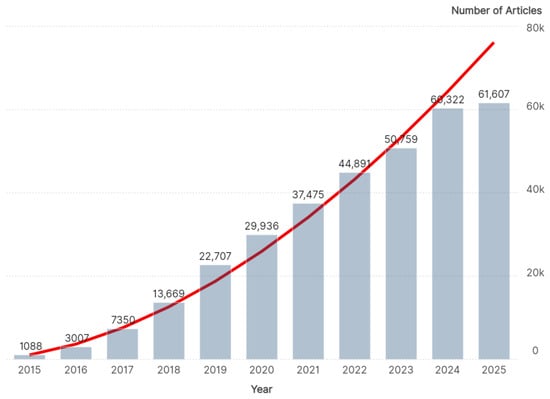
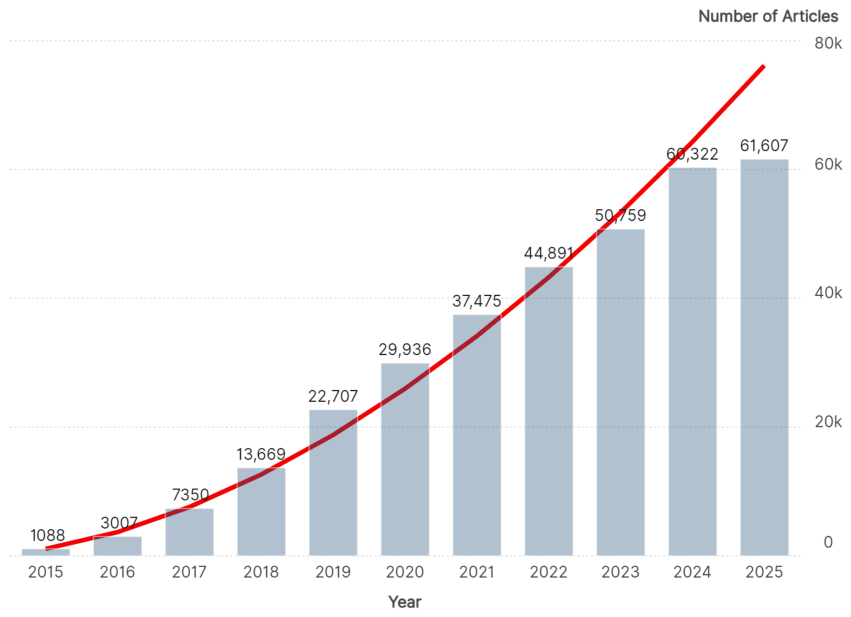
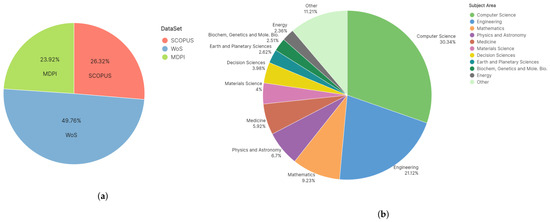
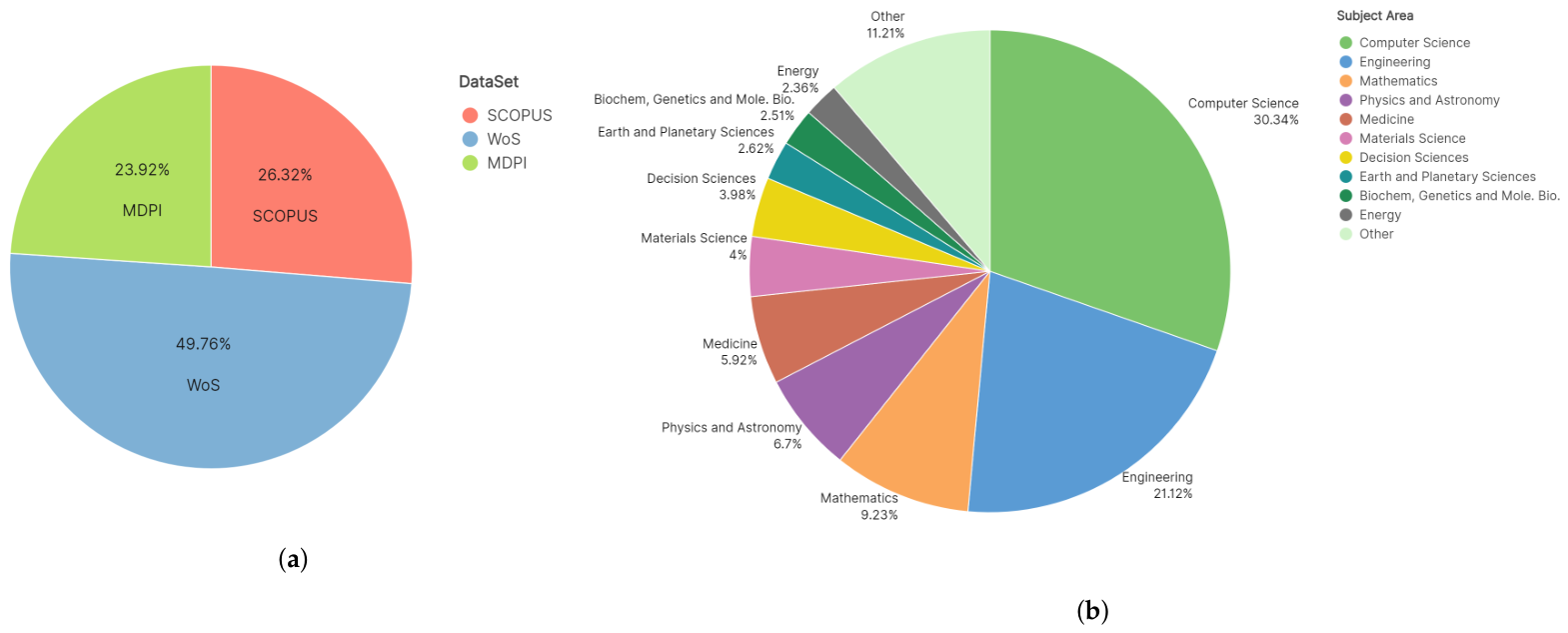
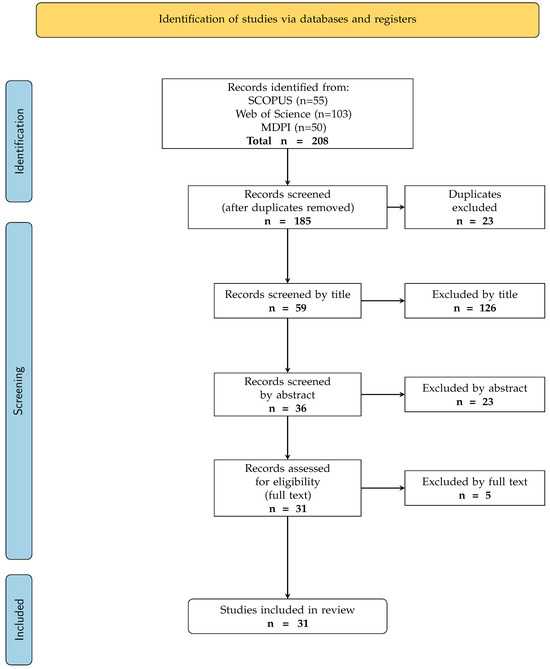
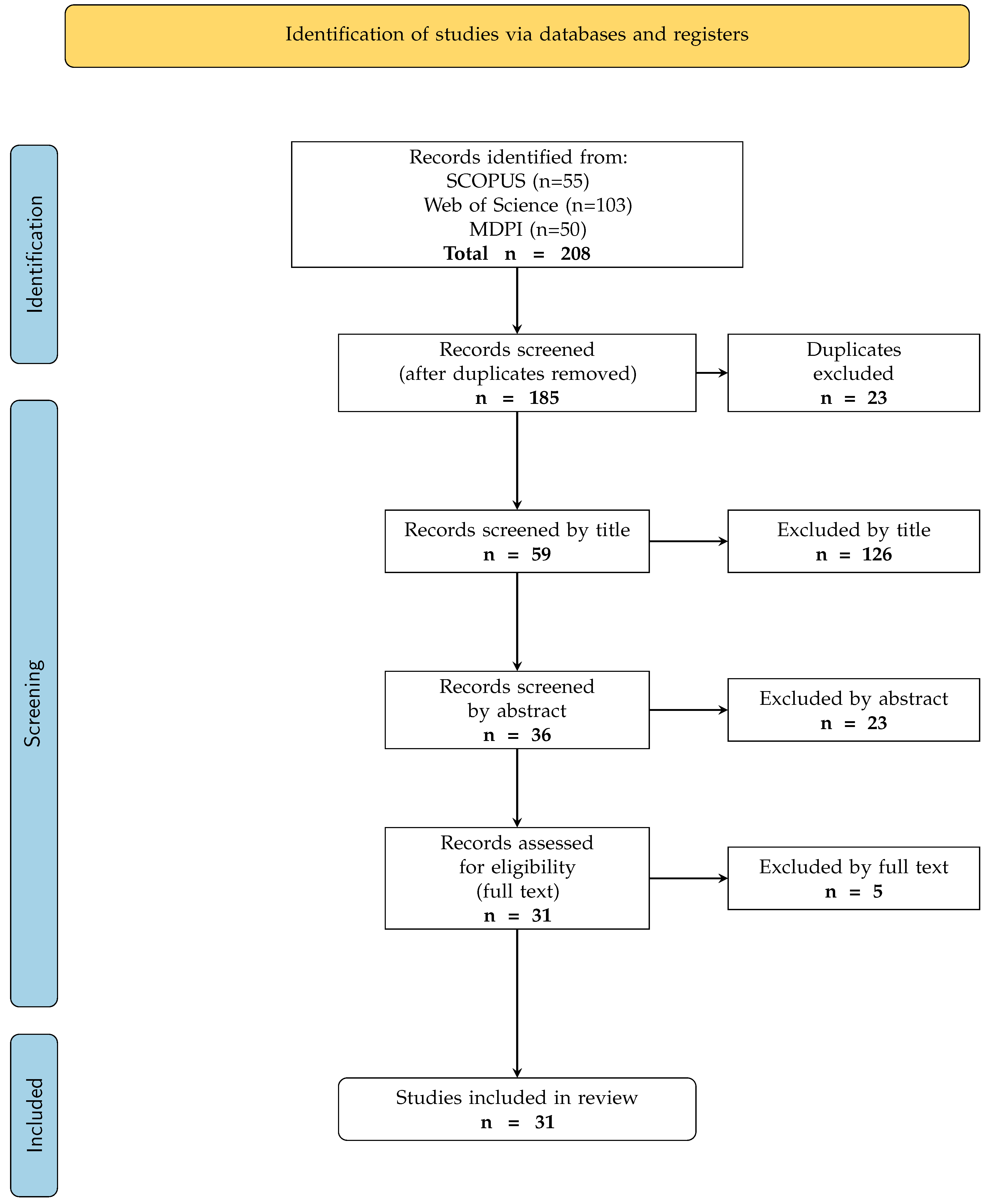
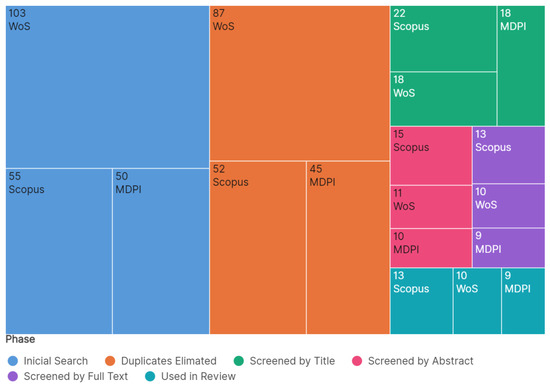
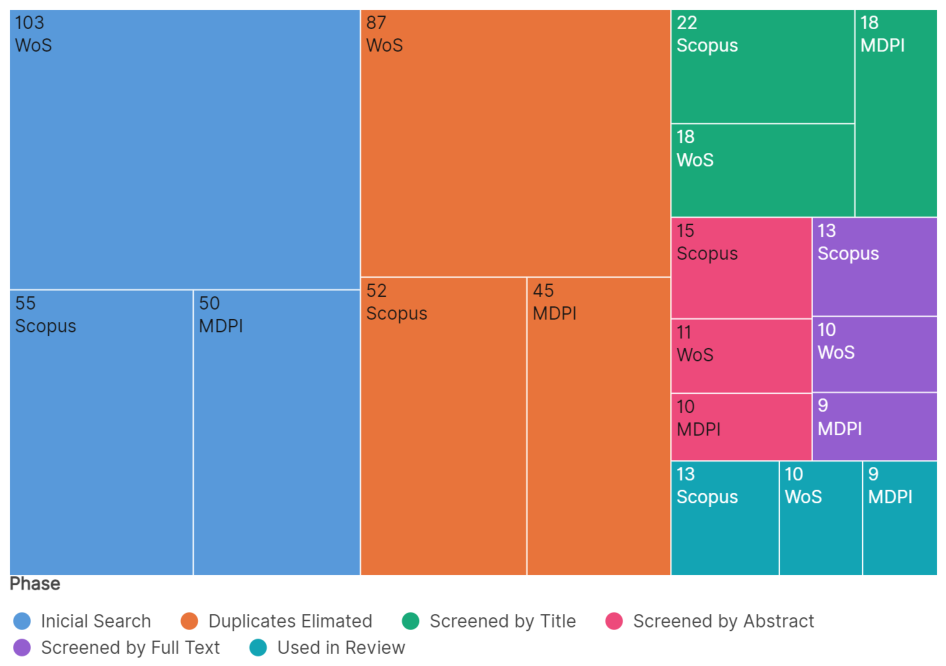
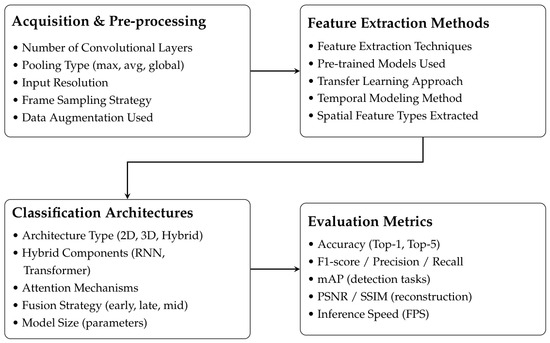
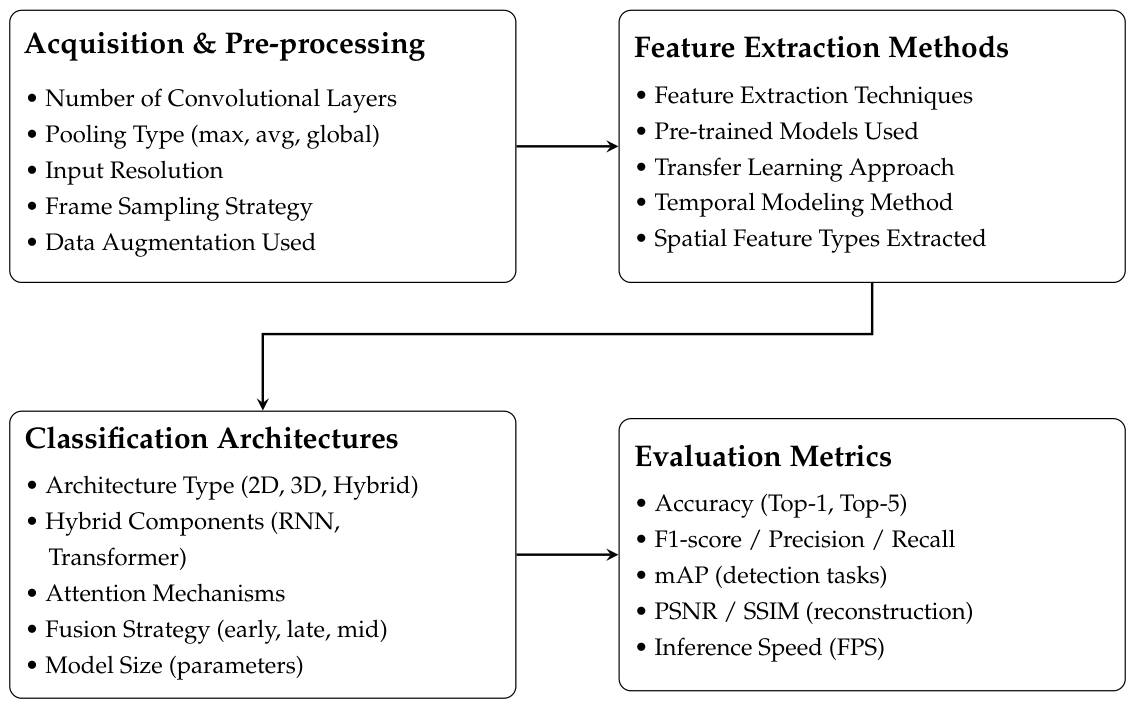
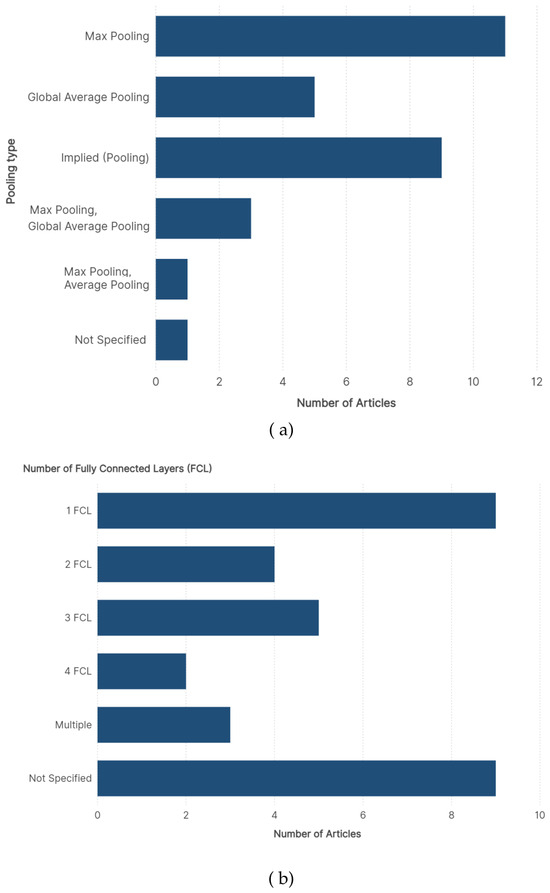
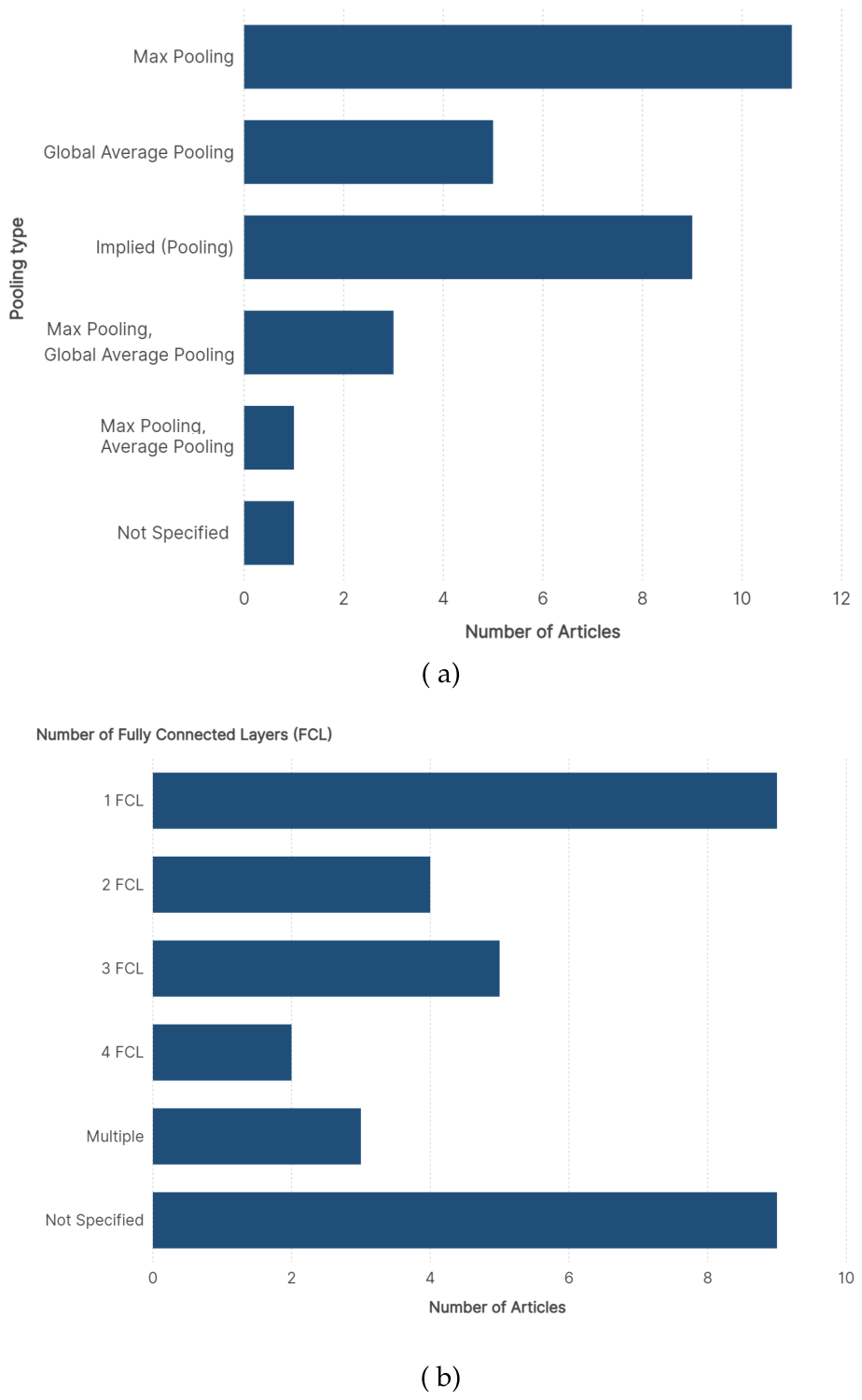
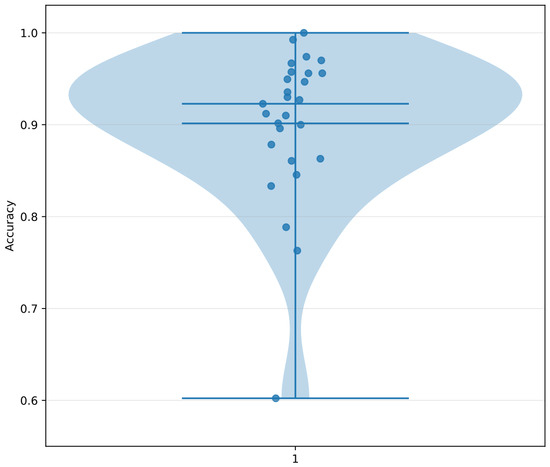
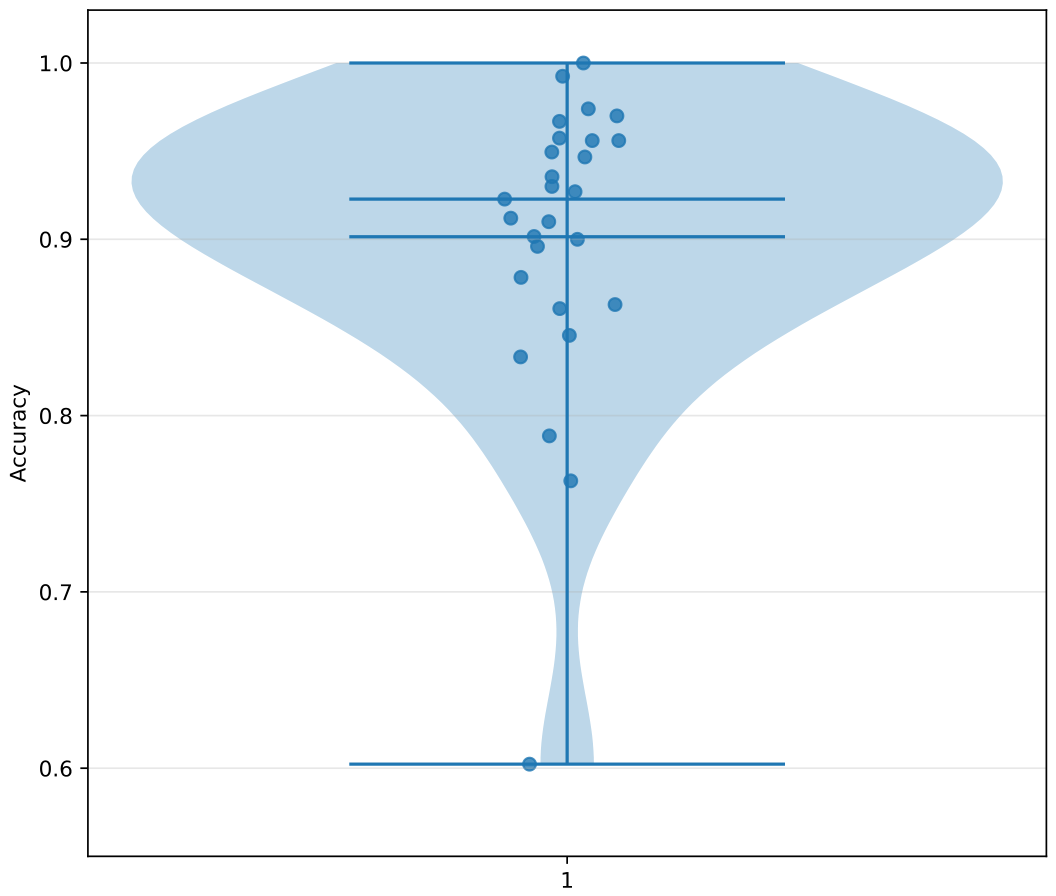
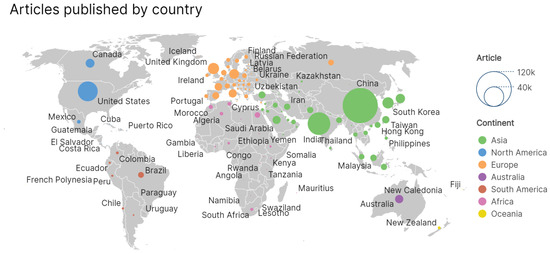
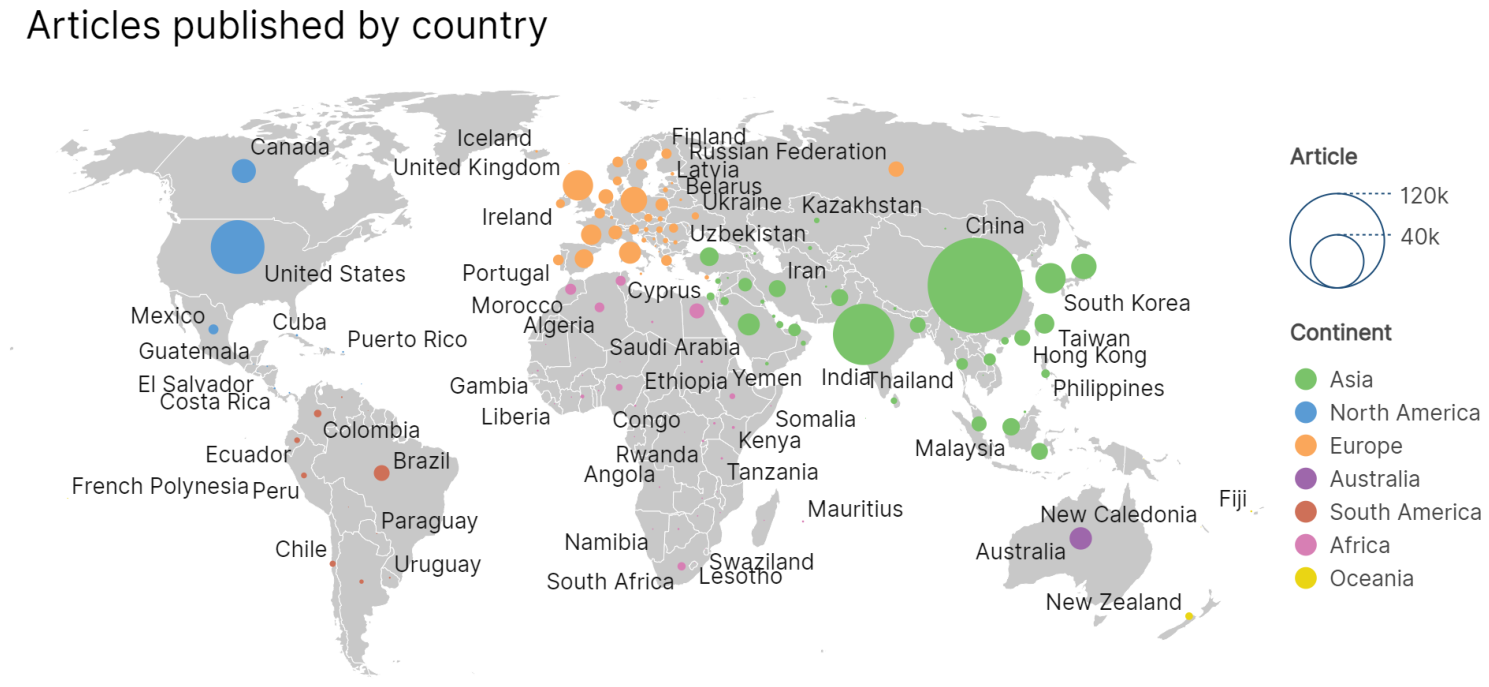
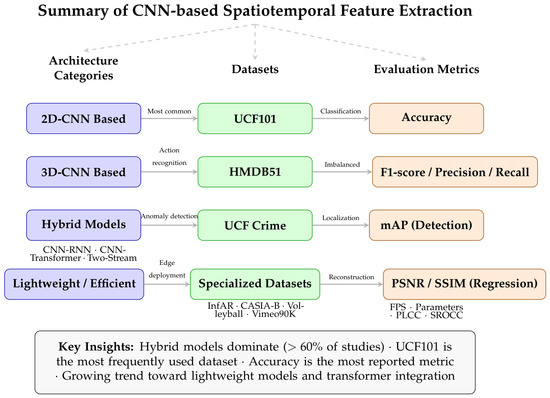
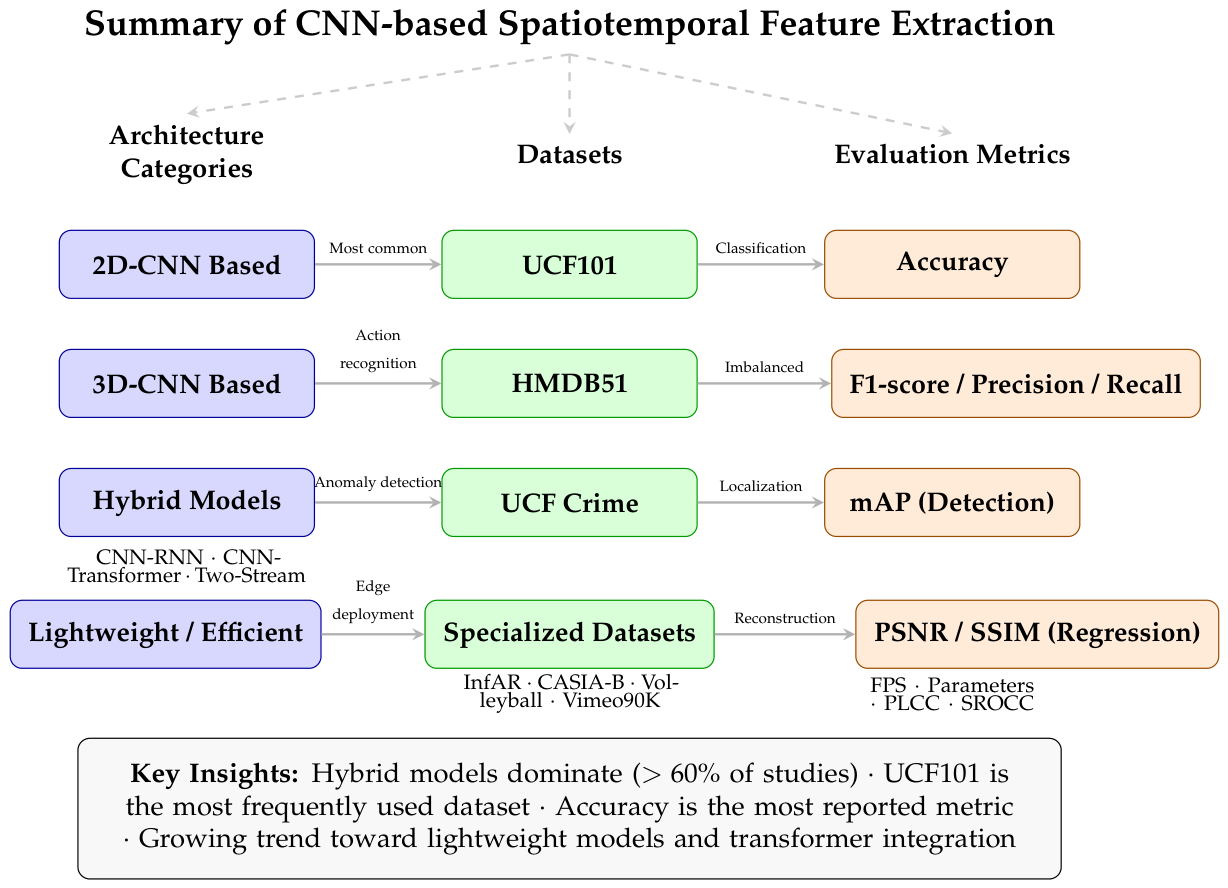
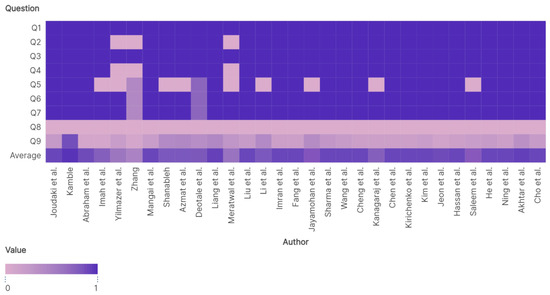
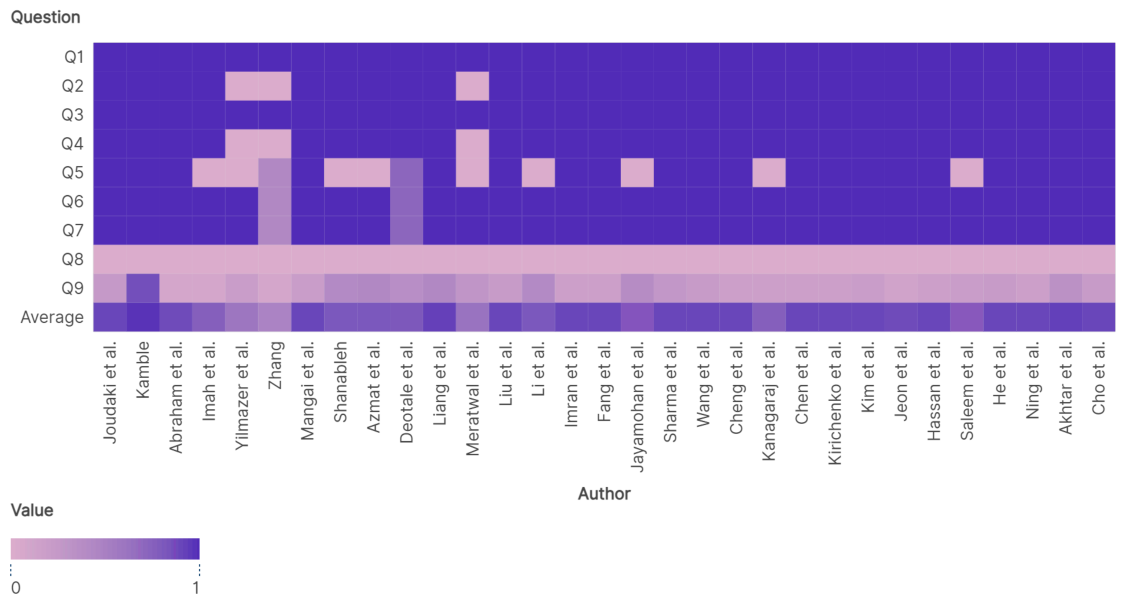

Disclaimer/Publisher’s Note: The statements, opinions and data contained in all publications are solely those of the individual author(s) and contributor(s) and not of MDPI and/or the editor(s). MDPI and/or the editor(s) disclaim responsibility for any injury to people or property resulting from any ideas, methods, instructions or products referred to in the content. |
© 2026 by the authors. Licensee MDPI, Basel, Switzerland. This article is an open access article distributed under the terms and conditions of the Creative Commons Attribution (CC BY) license.