


Abstract
Power grids are becoming more connected with 5G networks and edge-computing systems, including in civilian, emergency, and military critical-infrastructure environments. Because of this, optimization is no longer only a power-system problem or only a communication-network problem. It now involves energy, network, and computing resources simultaneously. This review focuses on grid telemetry supported by 5G network slicing and edge analytics. In this setting, data from PMUs, SCADA systems, IEDs, and AMI devices are used not only for monitoring but also for supporting state estimation, anomaly detection, and control decisions. The article reviews several AI-based optimization methods. These include learning-to-optimize, reinforcement learning, safe learning, multi-agent learning, federated learning, AirComp, graph-based models, and hybrid approaches. The review discusses these methods in relation to smart energy control, network slicing, military-resilient power and communication service, edge orchestration, and end-to-end system evaluation. Particular attention is given to tail latency, jitter, reliability, runtime, compute limits, and SLA violations, since average metrics alone are insufficient for critical grid operations. The review also proposes a practical roadmap from pilot co-simulation to edge-first analytics, slicing assurance, security hardening, and continuous monitoring, aiming to support reliable, sustainable and military-relevant smart-grid operation.
1. Introduction
The energy transition is changing the structure and operation of modern power grids including civilian, industrial, emergency, and military energy infrastructures. The growing use of renewable energy sources, electrification, decentralized generation and storage, and energy communities is gradually turning power grids into complex cyber-physical systems. In this setting, grid operation depends not only on electrical parameters, such as voltages, currents, and thermal limits, but also on the availability, quality, and timing of the information used by monitoring and control processes [1].
Grid telemetry, collected through PMUs/μPMUs [2], SCADA systems [3], IEDs [4], alarms [5], and AMI infrastructure [6,7], is also central to military-relevant energy systems where situational awareness, fast fault detection, and resilient control are essential to form the link between the physical grid and decision-making functions [8]. These functions include state estimation, anomaly detection, voltage and reactive power control, dispatch, and curtailment decisions [9,10]. However, telemetry should not be treated as a neutral input. It comes with strict requirements related to latency, jitter, reliability, and security [11,12]. These requirements become operational constraints, especially when control actions must be taken within short time windows or during disturbances [13,14].
At the same time, telecommunications infrastructure is evolving from general-purpose connectivity toward programmable and service-aware architectures [15]. Specifically, new technologies, such as 5G [16], multi-access edge computing (MEC) [17], and cloud-to-edge collaboration [18], create a unique opportunity to both assist military critical energy services and introduce stricter service level agreements (SLAs) for all parts [19,20]. As such, it is noted that network slicing [21,22] is an interesting aspect if we consider that it can allow logically isolated services to operate with different quality objectives, such as low latency, high reliability, and traffic isolation. This means that time-critical traffic, such as protection and remote control of messages, is enabled, thus allowing bulk traffic (logging/analytics data) to operate in parallel without any threshold limits in performance or any other necessary mutual degradation [23,24,25].
Moreover, edge analytics [26] is another important domain where computational tasks move away from the endpoint device and closer to the data source components [27]. This is important as telemetry and edge computing are closely related to critical infrastructures from microgrid military energy systems to military and civil infrastructure in general. As such, local nodes or even low-power and low-cost computing devices are responsible for processing local data and transmitting analyzed, compact information throughout their outputs (from features or alarms or even local estimates of properties) [28,29,30]. As a result, this reduces the backhaul load and can improve the response time of the control loop [31,32,33]. In practical terms, communication and computing resources directly affect the quality of energy control. At the same time, energy events can also affect the communication and computing infrastructure by creating bursty telemetry, changes in traffic priority, and variations in edge workload [34,35].
This two-way coupling shows why the traditional separation between energy optimization and communication optimization is no longer sufficient [36]. Energy-side methods, such as optimal power flow [37], dispatch [38], or Volt–Var control [39], cannot be designed independently from communication-side mechanisms, such as scheduling, slicing, and orchestration [40,41]. The main argument of our review is that co-optimization is needed. This is particularly relevant in military and emergency operating environments, where energy availability, communication reliability, and edge-based decision-making must remain coordinated under constrained and uncertain condition.
Such an approach should jointly consider the following:
- (i)
- Physical constraints of the power grid.
- (ii)
- SLA requirements of 5G network slices.
- (iii)
- Computing budgets and queueing conditions of edge nodes.
The above is not only an issue in terms of performance improvement but rather an operational feasibility feature. Analytically, if an energy controller is mathematically optimal during its usage and operation, then if it solely focuses on telemetry that does not communicate in up-to-date times, it may become ineffective in practice due to instabilities in operation or inabilities to process data within a given required, usually fixed timeline. In the same manner, sustainability [42,43] is not a broad definition but rather a strictly examined technical term that addresses both grid-side benefits (e.g., lower losses, augmentation in flexibility) and cost-effective ICT guarantees (e.g., communication variables, computing process, energy resources consumption). As a result, the analytics in terms of execution and operation must be triggered and optimized by case-specific SLAs that are always time dependent [35,44].
Lastly, our study aims to showcase the importance and close connection of smart energy systems in association with communication and computing infrastructures as follows:
- clarify the main coupling scenarios for grid telemetry over 5G network slicing and edge analytics,
- organize the main families of AI-based methods used for co-optimization, including acceleration techniques, online policies, distributed learning, and hybrid architectures, and
- propose a practical KPI and evaluation framework that can make results more comparable and operationally meaningful.
In this way, this paper is intended to support both electrical engineers, who mainly focus on grid operation and control, and communications or computing systems engineers, who mainly focus on SLAs, edge resources, and orchestration. The overall goal is to present these perspectives within a unified technical narrative [34,45]. An illustration of the architecture of this study is presented in Figure 1 below.
Figure 1.
Co-optimization architecture for grid telemetry over 5G network slicing and edge analytics, highlighting the closed-loop coupling between smart energy control, slice-aware communications, and MEC-based inference pipeline.
Literature Selection Methodology
To make the review process more transparent, the literature selection we followed had a strictly structured search and screening procedure. Specifically, our aim was to identify studies located at the intersection of smart energy grids, smart energy sensor technology, smart wireless sensor networks or telemetry grids, military-resilient energy infrastructure, 5G network slicing, edge analytics, and AI-based optimization. As such, the search focused both on energy control papers and communication networks alike, with special focus on subjects and keywords such as energy, communication, and computing constraints.
The literature search was carried out using Scopus and Web of Science primarily, but we also expanded our research to other indexing services as well, specifically: IEEE Xplore, ScienceDirect, SpringerLink, MDPI, ACM Digital Library, and Google Scholar. Google Scholar was used mainly for cross-checking and for identifying additional relevant studies through backward and forward citation searches. In the same manner, we used ResearchGate, Academia.edu, and Semantic Scholar to cross-check and validate our findings and article version. Moreover, the main search window we selected spanned mainly for publications of the last 5 years, since this period includes the recent development of 5G slicing, O-RAN, MEC, federated learning, safe reinforcement learning, and digital-twin-based evaluation. Evidently, earlier studies were also included, but only when they provided useful background for smart-grid communication, distributed energy resources, sustainability, or optimization methods.
In addition, our search strings combined terms from three main groups:
- energy domain: “smart grid”, “smart energy system”, “energy management”, “distribution network”, “microgrid”, “DER”, “Volt–Var control”, “optimal power flow”, “SCOPF”, “PMU”, “SCADA”, and “AMI”.
- computing infrastructure: “5G”, “network slicing”, “URLLC”, “O-RAN”, “MEC”, “edge computing”, “edge analytics”, “cloud-edge collaboration”, and “SLA”.
- AI and optimization methods: “co-optimization”, “machine learning”, “deep reinforcement learning”, “multi-agent reinforcement learning”, “safe reinforcement learning”, “federated learning”, “AirComp”, “graph neural network”, “learning-to-optimize”, and “digital twin”.
Moreover, Boolean queries were used to combine the main search concepts and identify relevant studies. The database searches were last performed on 1 May 2026. Scopus and Web of Science were used as the primary bibliographic databases, and structured searches were implemented across title, abstract, and keyword/topic fields. Additional searches were conducted in IEEE Xplore, ScienceDirect, SpringerLink, MDPI, ACM Digital Library, and Google Scholar to identify relevant studies that may not have been captured by the primary database searches and to support backward and forward citation checking. ResearchGate and Academia.edu were used only for supplementary cross-checking of article versions and related outputs, not as formal bibliographic databases.
As such, Table 1 reports the database-specific search strings used in the review process. The search strings were adapted to the syntax and field restrictions of each database. Scopus searches used the TITLE-ABS-KEY field, while Web of Science searches used the TS field. For databases with more restrictive search interfaces, the same conceptual groups were preserved but simplified according to the available search syntax.
Table 1.
Database-specific search strings used for the literature review.
Based on the above, it is noted that selected studies were included when they met at least one of the following criteria:
- They addressed AI-based optimization in smart grids or smart energy systems.
- They examined 5G slicing, URLLC, O-RAN, or MEC in relation to critical services.
- They discussed edge analytics or cloud-edge collaboration for energy or IoT systems.
- They proposed reinforcement-learning, graph-based, federated, distributed, or learning-to-optimize methods relevant to co-optimization.
- They provided useful evidence on KPIs, digital twins, cyber-aware evaluation, and reproducibility.
In addition, priority was given to peer-reviewed journal articles, high-quality conference papers, and systematic reviews. It is also noted that preprints and technical reports were used only when they were directly relevant to the topic and when their contribution could not be replaced by a more complete peer-reviewed source. Thus, they were not strictly excluded, but we manually checked and replaced them with a peer-reviewed manuscript where available.
Moreover, several studies were excluded when they were outside the smart-energy, communication, or edge-computing context as, for example, when they treated communication links as ideal without considering latency, jitter, reliability, bandwidth, or SLA constraints; when they discussed AI only at a very general level without a clear technical connection to the review; or when they did not provide enough methodological or technical detail to support the analysis.
The initial search identified approximately 241 records. After removing duplicates, 207 records remained for title and abstract screening. From these, 152 papers were selected for full-text assessment based on a PRISMA-inspired screening process. The first screening considered the title, abstract, keywords, and relevance to the scope of this review, especially the connection between smart energy systems, 5G/network slicing, edge analytics, and AI-based co-optimization. Citation count and publication venue were used only as supporting indicators of academic visibility, not as strict inclusion criteria. Finally, 105 references were retained and synthesized in the review. These studies were then grouped according to their main contribution into more abstract categories: grid telemetry and smart-energy control, 5G slicing and communication assurance, edge analytics and orchestration, AI-based optimization methods, distributed and federated learning, digital twins, cybersecurity, and KPI/reproducibility frameworks. A PRISMA-style flow diagram of each stage is presented in Figure 2. This selection process supports the taxonomy and the end-to-end evaluation framework developed in the following sections.
Figure 2.
PRISMA-style flow diagram of the literature selection process.
2. Technical Background and Definition of Co-Optimization: Grid Telemetry via 5G Slicing + Edge Analytics
Grid telemetry [46] is the main mechanism through which a smart energy system monitors its own condition and supports operational decisions [47,48,49]. It includes heterogeneous data streams, such as PMU/μPMU synchro phasors, SCADA measurements and commands, IED events and alarms, AMI data, and logs from digital substations [49,50,51,52,53]. These data streams differ in sampling rate, time scale, reliability needs, and operational importance [54].
In real-grid conditions, the key issue is not only how often measurements are collected, but also how quickly and consistently they are delivered [55]. The same measurement may have a very different operational value depending on whether it arrives within the required time window or whether it is affected by high delay, jitter, or tail latency [56,57]. This is especially important in closed-loop control, where state estimation, anomaly detection, and control actions are strongly connected in time [58,59].
2.1. From “Averages” to a Tail-Aware Functional Requirement
A common design mistake is to focus mainly on average transmission delay while underestimating jitter and rare delay spikes. For energy services related to protection, automation, military-mission-support systems or fast control, tail behavior, such as p95 or p99 latency, may be more important than the average value [60,61]. Even occasional delay spikes can lead to incorrect system assessment, stale telemetry, or delayed control actions.
This means that grid telemetry over 5G slicing should not be treated as ordinary best-effort transport. Instead, it should be designed as an SLA-driven service, where predictability, reliability, and timing guarantees are part of the functional requirements. This shift is important because a control action that is acceptable under normal operating conditions may become ineffective or unsafe if the underlying telemetry is delayed or inconsistent [58,62].
2.2. 5G Slicing as a Mechanism for Managing Service Heterogeneity
5G introduces network slicing mechanisms that allow different telemetry flows to be mapped to different logical network slices, each with its own SLA requirements. This is useful because energy telemetry is not homogeneous. Some flows are time-critical, such as protection events, military facility alarms, or mission-support control messages. Others are near-real-time, such as WAMS data or state-estimation measurements. Other flows are mainly analytical or historical, such as AMI data and long-term logging.
The main functional requirement is that these traffic classes should not interfere with one another. A burst of bulk telemetry should not degrade a critical protection flow. At the same time, protecting time-critical traffic should not completely block the rest of the system’s operation. For this reason, slice isolation, resource assurance, and traffic prioritization become essential, especially when grid events create sudden, event-driven traffic bursts [59,62,63].
2.3. Edge Analytics: Intelligence Closer to the Source, Reducing Computational Boundaries
Edge analytics brings selected computational tasks closer to the measurement point. This can reduce transport load and improve end-to-end latency. In practice, edge nodes may perform feature extraction, compression, local anomaly detection, military facility monitoring, or preliminary assessment of equipment status before sending more compact information to the control center [64,65].
However, edge computing also introduces new constraints. These include runtime deadlines, processing queues, CPU/GPU contention, memory limits, and energy budgets [66,67,68]. Therefore, the decision to perform more processing at the edge is not always beneficial by default due to the necessary computing devices. As such, it must be treated as a resource allocation problem, where placement, offloading, inference rate, and model complexity are jointly considered with the SLA requirements of the corresponding network slice.
Cloud–edge collaboration can support this process by distributing tasks between local edge nodes and central cloud infrastructure [69,70]. In this way, time-sensitive analytics can remain close to the source, while heavier or less urgent tasks can be handled by more centralized resources. This creates a more structured way to coordinate communication, computation, and energy control [34].
2.4. Problem Definition
In this article, co-optimization refers to the joint optimization of three connected layers:
- Smart energy layer—which includes decisions related to dispatch, Volt–Var control, military and civil energy storage systems, electric vehicle scheduling, and curtailment.
- Smart communication layer—which includes slicing profile selection, scheduling, PRB allocation, admission control, traffic shaping, and slice isolation.
- Edge analytics layer—which includes computation placement, task offloading, inference rate, and CPU/GPU/memory allocation.
The coupling between these layers is bidirectional. Poor telemetry can reduce the quality of grid decisions and may increase the need for corrective actions. Conversely, grid events can suddenly change traffic volume, traffic priority, and the need for edge processing. As a result, the optimal slicing policy and the optimal edge allocation may also change.
The practical implication is that optimization should not be performed independently in each layer. Instead, it should be evaluated through a unified KPI framework that considers grid feasibility, power quality, SLA compliance, and compute feasibility at the same time [34,35,63,71].
To formalize the co-optimization objective, we represent the interaction as a multi-layer minimization problem:
This is subject to the following:
- Grid Physics: α (e.g., voltage/thermal limits).
- Network/Slicing: β (e.g., URLLC protection bounds).
- Edge Resources: γ (e.g., CPU/memory constraints).
Here, α, β, and γ represent the decision variables for the grid, communication, and edge layers, respectively. λ denotes the scalar weights prioritizing specific operational goals (e.g., prioritizing protection over cost).
2.5. Framework for Operation
The formulation summarized in Table 2 and Table 3 separates the problem into an energy layer and a communication/compute layer, while also showing their coupling mechanisms. The energy layer includes physical constraints, such as voltage limits, thermal limits, power balance, and security constraints. The communication and edge layer includes SLA constraints, latency and reliability targets, slice isolation, queue stability, and compute budgets.
Table 2.
Taxonomy of AI-based optimization techniques for co-optimization.
Table 3.
Reference co-optimization formulation (power + communications/edge).
The objectives are usually multi-criteria. On the grid side, the aim is to reduce operating cost, losses, curtailment, and constraint violations. On the communication and edge side, the aim is to reduce SLA violations, runtime, delay, and the amount of ICT resources required to maintain reliable operation. In this context, sustainability has a technical meaning. It is not only related to the energy benefit achieved in the grid, but also to the communication, computing, and energy cost needed to achieve this benefit within the required time frame [35,72].
3. AI-Based Optimization Taxonomy for Co-Optimization
The taxonomy of techniques presented in Figure 3 (and Table 2) is organized functionally. These methods should not be viewed as competing solutions, but as complementary parts of a broader co-optimization pipeline. In practice, co-optimization usually does not rely on a single technique. Instead, it combines several mechanisms that support different needs: faster solution generation under constraints, online decision-making under changing conditions, and distributed or privacy-aware learning when data cannot be centralized [73,74].
Figure 3.
Taxonomy of AI-based optimization techniques for co-optimization in smart energy and smart communication systems, with emphasis on grid telemetry over 5G slicing and edge analytics.
For this reason, the choice of an AI-based method should not be based only on accuracy or theoretical optimality. It should also depend on whether the method can operate within the SLA requirements of the communication layer, the compute limits of the edge, and the physical constraints of the power grid. This is important as a method that is characterized as operational in isolation mode may not be suitable in other real-life test cases, as it may be subject to delays, produce errors in reliability targets, and overall suggest grid-infeasible final decisions.
3.1. Learning-to-Optimize, Surrogates, and Solution Acceleration
The first family focuses on the learning-to-optimize (L2O) and surrogate optimization methods [75], an acceleration-oriented approach that has also been demonstrated in military and defense-related simulation applications. Specifically, this term is used to describe systems that aim to accelerate optimization procedures and operations to reduce computational cost via low-power and low-cost solutions free of any operational constraints [76,77]. This is by no means an easy task if we consider that co-optimization problems are a norm that needs to be solved in a timely manner, thus consisting of a useful constraint for subproblems such as optimal power flow/dispatch/allocation and placement. Specifically, this is considered a high priority as they can reduce the number of iterations required by a classical solver and at the same time they can provide an estimation of the input–output variable properties, thus reducing the number of repeated heavy computational operations at every step [78].
However, these methods must be used carefully. Their performance can degrade when the operating conditions change, for example, under a new grid topology, a different load pattern, or a new traffic profile. This problem is usually described as a domain shift. For this reason, a safer operational approach is to use AI for acceleration, followed by a final feasibility check through a classical solver, rule-based mechanism, or constraint-verification step [62,79].
3.2. Online Policies with DRL/MARL and the Need for Safe-DRL
The second family includes online decision policies based on Deep Reinforcement Learning (DRL) [80] and Multi-Agent Reinforcement Learning (MARL) [81]. These methods are suitable for decisions that change over time, such as admission control, slice scaling, PRB allocation, edge offloading, and orchestration under variable traffic conditions [82,83,84].
The main value of DRL is that it can learn policies for uncertain and dynamic environments. It can also produce decisions in real time once the policy has been trained. However, because smart grids, military power systems, and communication infrastructures are critical systems, the main challenge is not only performance, but safety. Exploration during training, rare events, or extreme operating conditions may lead to unsafe decisions or SLA violations.
This is why the safe reinforcement learning literature is directly relevant to co-optimization. Foundational safe-RL work frames the problem as one of learning useful policies while respecting constraints during training and deployment, instead of optimizing reward alone. In the present review, this perspective supports the use of constrained DRL, shielding, constraint critics, and fallback mechanisms when learning-based policies control slice scaling, admission control, PRB allocation, edge offloading, or grid-related actions under SLA and safety constraints [85].
For this reason, safe DRL is more appropriate for real-world deployment. Safe DRL methods include constraints either through penalty terms, constrained optimization, or explicit protection mechanisms such as shielding. Their goal is to reduce the risk of latency violations, reliability failures, or operational breaches during decision-making [86].
The multi-agent setting becomes important when several edge nodes, network slices, or local controllers interact with one another. As such, the aim of each agent is to change the environment that is available to the others. In this way, it may create non-stationarity and thus make learning operations more difficult. As a result, in an effort to resolve this issue, systems tend to require orchestration or case-specific coordination mechanisms, hierarchical RL structures, or hybrid policies. In addition, it is worth noticing that pure DRLs are more useful when operating inside a controlled stack with SLA monitoring, constraint checks, and fallback actions [87,88].
3.3. Edge Orchestration
The third family focuses on edge analytics and compute-aware orchestration. In this case, the key question is not only where an analytics task should run, but also when it should run and at what rate. The goal is to meet runtime deadlines, avoid queue congestion, and prevent compute contention at the edge.
This is directly related to co-optimization. A policy may reduce network delay by moving processing closer to the data source, but it may also overload the edge node. If this happens, the end-to-end delay may increase instead of decrease. Therefore, edge orchestration policies should consider both communication and computing conditions. Decisions about offloading, placement, inference frequency, and model complexity should be linked to the SLA requirements of the corresponding slice [71,88].
Digital twin-assisted frameworks can be useful before a policy is used in the real system. They allow researchers to test the policy under controlled but realistic conditions, such as sudden traffic bursts, grid disturbances, or limited edge resources. This step is important because a policy may behave well during training but still fail when it faces real operating conditions. In co-optimization, this risk is higher, since one policy can affect both telemetry delivery and grid control decisions [89].
3.4. Distributed/Federated Learning and AirComp
The fourth family includes distributed learning, federated learning (FL), and over-the-air computation (AirComp). These methods are useful when raw telemetry cannot, or should not, be collected in one central location, which is also relevant in military energy and communication environments where privacy, security, and distributed operation are important. This may be due to privacy rules, security concerns, limited bandwidth, or strict latency requirements.
In co-optimization problems, FL can help train edge-side models for anomaly detection, forecasting, or local decision support without sending all raw data to the cloud. AirComp can also reduce communication overhead by allowing updates from many devices or edge nodes to be aggregated more efficiently.
Still, these methods are not problem-free. Data collected at different sites may not follow the same distribution, which can make training less stable. Models may also drift over time as grid conditions, user behavior, or communication patterns change. In AirComp schemes, channel noise, synchronization errors, and power-control issues can reduce the quality of the aggregated updates. For this reason, distributed learning is often better used as one component of a wider system, for example, as an anomaly detection or prediction module that supports SLA-driven controllers [34,89].
AirComp should also be treated more carefully than a generic distributed-learning mechanism. Its main advantage is that it can reduce communication overhead by allowing many devices or edge nodes to aggregate updates directly over the wireless channel. This can be useful when the bottleneck is the number of uplink messages or the delay caused by repeated digital aggregation rounds. However, this advantage is not automatic. AirComp depends on synchronization, channel estimation, power control, and the ability to limit aggregation error caused by noise and fading. Under non-IID data distributions, convergence may also degrade, because the aggregated signal may represent highly different local updates. For this reason, AirComp-based studies should not report only final accuracy. They should also report communication rounds, transmitted payload, aggregation error, convergence behavior, and comparison against standard FedAvg or digital aggregation baselines.
3.5. Hybrid Stacks
The fifth family is hybrid stacks, which are often the most practical option for real deployment. In this case, AI does not replace classical control, optimization methods, or engineering rules. It is used to support them. For example, AI may speed up a solver, provide a prediction, or suggest a policy, while feasibility checks and safety rules remain active. Some typical examples are as follows:
- L2O or GNN-based warm-starting followed by a classical solver.
- Safe DRL combined with SLA monitors and fallback rules.
- FL-based anomaly detection feeding a slicing controller or edge throttling mechanism.
This type of design is useful because it keeps the system easier to audit and verify. In critical infrastructure, better performance is not the only target. The system must also avoid rare but serious failures. For this reason, a less aggressive policy may be more suitable if it behaves more predictably and can be checked more easily.
This also relates to sustainability. A system that meets SLAs only by reserving too many communication or computing resources may not scale well. On the other hand, a system that avoids unnecessary data transfers, reduces repeated computation, and uses lighter models when they are enough can save resources without reducing reliability.
For this reason, the taxonomy should not be read only as a list of AI techniques. It should be seen as a practical guide for choosing the right combination of methods according to the risk level, the available resources, and the operational constraints of the system. Therefore, the taxonomy should not be read simply as a list of AI techniques. Specifically, it should be used as a practical tool for selecting the right stack according to three questions: where the main constraint appears, how much operational risk can be accepted, and what level of assurance is required. In this sense, AI-based co-optimization is not only about finding a good algorithm, but about designing a reliable pipeline across the grid, communication, and edge-computing layers [35,86,90].
The reviewed AI families are therefore not only conceptual categories. They are associated with measurable operational effects in the cited literature. For instance, DRL-based slicing in [62] is evaluated under 300 and 500 resource-unit cases; MPC-based URLLC rate calculation in [63] is linked to the 1-ms latency and 99.999% reliability requirements of URLLC services; DT-assisted FL service provisioning in [89] reports a 49.8% increase in system utility; and GNN + PPO warm-starting for ACOPF in [88] reports concrete convergence-time improvements across IEEE 14-bus, 118-bus, and 300-bus systems. These examples are summarized in Table 5.
4. Co-Optimization in Smart Energy Systems
In smart energy systems, co-optimization is useful mainly because grid operation depends on both physical conditions and the information available to the controller. This is clear in problems with limited observability, heterogeneous sensors, fast changes caused by PV generation, electric vehicles, and stochastic loads, and strict time limits for decisions related to safety and power quality. In these cases, even a technically correct energy decision may fail in practice if it is based on delayed, unsynchronized, or unstable telemetry. For this reason, telemetry and communication performance should be treated as part of the energy-control problem, not as an external layer [91,92]. As shown in Figure 4, a DER-rich distribution feeder requires a closed control loop in which grid measurements, SLA-aware 5G transport, edge-based AI decisions, and validated PV inverter setpoints are coordinated as one end-to-end process.
Figure 4.
Example end-to-end co-optimization loop for a DER-rich distribution network with PV inverters.
The figure (Figure 4) shows how measurements, 5G slice transport, edge-based AI decision-making, digital-twin validation, and control actuation interact across the energy, communication, and edge-computing layers. The latency values are indicative and are used to illustrate the timing logic of the control loop.
4.1. Volt–Var Realistic Measurements
In distribution networks, Volt–Var control with smart inverters shows why data quality and response time are important. The controller needs a clear and reliable view of the grid before it can regulate voltage and reactive power. When measurements are missing, delayed, or inaccurate, the control action may create new voltage problems instead of solving the existing ones.
Visibility-enhanced DRL approaches try to deal with this issue. They use more realistic measurement conditions. They do not assume that the controller always has complete and perfect information. Instead, they consider which measurements are actually available and how smart inverters behave in practice. This makes the learned policy more useful for real distribution networks, not only for ideal simulation cases [93].
Robust DRL methods address a similar challenge. Their goal is to keep Volt–Var control stable when the system state is noisy, incomplete, or only partly observable. This is common in real distribution grids. Sensors may be limited. Communication links may fail or become unstable. Telemetry may also degrade for short periods. In these cases, the controller still needs to make safe and useful decisions, even with imperfect information [94].
4.2. Physics/Graph-Driven Design and Multi-Agent Decentralization
Power grids have a natural graph structure. Buses, lines, transformers, generators, and loads are connected through a physical network. For this reason, graph-based and physics-informed methods are well-suited to smart energy applications. Specifically, these methods do not treat grid data as a simple group of independent values. They also use the structure of the network. When possible, they include physical rules that describe how the grid behaves. As such, physics-informed graphical DRL follows this idea. It adds grid topology and physical knowledge to the learning process. As a result, the policy is not based only on black-box pattern recognition. This can help the controller behave more reliably when operating conditions change or when uncertainty is present [95].
Multi-agent safe graph RL is also useful for decentralized Volt–Var control. In zoned distribution networks, each local agent can manage a specific part of the grid. However, the agents must still respect safety limits and coordination rules. This is important because one local action may affect other parts of the network. Such methods can reduce the need for constant high-frequency communication with a central controller [96]. In networks with high PV penetration, physical-assisted multi-agent graph RL has also been used for fast voltage regulation. This shows that decentralized control can improve response time when the learning method is designed around the actual grid structure [97].
The relevance of multi-agent reinforcement learning to this setting is also supported by earlier work on active voltage control in distribution networks. Such work shows that voltage regulation can be formulated as a coordinated multi-agent problem, where local controllers act on different parts of the distribution grid while still contributing to system-level voltage performance. Therefore, in the context of this review, [98] is not only a general AI reference but a direct foundation for the discussion of decentralized Volt–Var control, local inverter coordination, and graph-aware smart-grid control.
Lastly, it is worth noticing that GNN-based methods are useful because power grids naturally have a graph structure, with buses, lines, transformers, generators, and loads forming connected nodes and edges. However, their deployment cost should not be ignored. Each message-passing layer requires repeated aggregation over the graph, and the inference cost depends on the number of nodes, edges, layers, and hidden features. In large feeders or embedded edge devices, this cost can become a practical bottleneck, especially when the control loop has millisecond-to-second timing requirements. Therefore, GNN studies should report not only accuracy or OPF solution quality, but also inference time, memory footprint, graph size, hardware platform, and whether acceleration methods such as pruning, quantization, batching, or warm-starting with a classical solver are used.
4.3. Accelerating OPF/SCOPF and Real-Time Operation
Co-optimization is also important in OPF and SCOPF problems. In these cases, computation time can limit practical use. In fast-changing systems, an optimal solution has limited value if it arrives too late. The controller needs solutions that are accurate, but also available within the required operating time.
GNN-based warm-start methods for ACOPF can help reduce this problem. They give the solver a better starting point. This can reduce the number of iterations and shorten the total solution time. As a result, operating decisions can be updated more often as grid conditions change [99]. Specifically, for example [99] reported that a GNN + PPO warm-start for IPS-based ACOPF achieved 0.53 s convergence time with 100.0% convergence on the IEEE 14-bus system, 1.19 s with 100.0% convergence on the IEEE 118-bus system, and 2.79 s with 99.5% convergence on the IEEE 300-bus system. This makes the acceleration claim measurable, while the final ACOPF solution is still produced through the interior point solver.
For more demanding settings, real-time sequential SCOPF with hybrid knowledge–data RL offers another way to support repeated decision-making under security constraints. This approach is close to online optimization. The system continues to adjust to new operating conditions while still respecting technical limits and security requirements [100].
4.4. Microgrids and Embedded Properties Communication
In microgrids, the communication layer is important as it is often the case that misuse or misunderstandings can create uncertainty that has a direct effect on coordination. Packet drops, variable delays, and unstable links may reduce the quality of energy management, especially when several distributed energy resources need to act together. Consensus-based energy management under packet drops shows that control algorithms must be designed to remain functional even when communication is imperfect. This supports the need for joint control and communication design in stable microgrid operation [91,92].
At the system level, the coordinated use of DERs for reliability also depends on how flexibility is modeled and activated. Flexibility should be treated as a functional part of the operating system, not only as an available resource on paper. The control strategy must remain useful even when some telemetry is missing, delayed, or incomplete [101].
Overall, co-optimization in smart energy systems is not only about improving dispatch or voltage control. It is mainly about making energy decisions under information constraints. The quality of the final decision depends on the quality and timing of the data that supports it. From this point of view, sustainability is also a balance: the grid should gain benefits such as lower losses, reduced curtailment, and better power quality without relying on excessive ICT resources to maintain reliable telemetry and timely decision-making [35,101].
5. Smart Communications: 5G Slicing and Edge Analytics as “Practical Feasibility”
On the communication side, co-optimization means that energy-management decisions must be supported by SLA-aware communication and computing policies. A grid controller may produce a technically correct decision. However, this decision is useful only if the required telemetry and control commands can be delivered on time and with sufficient reliability. This is especially important in smart grid and military-critical environments, where telemetry can increase suddenly after a grid event and may be affected by congestion. In this context, 5G slicing and edge analytics not only support the energy system but also enable energy control in practice by providing critical data and control commands with the communication and computing conditions they need [58,59].
5.1. Network Slicing: Dynamic Allocation, Isolation, and Assurance
Network slices should not be treated as simple QoS classes. They are logical service channels with their own isolation rules, performance targets, and SLA requirements. This matters in smart energy applications because telemetry flows do not all have the same urgency. Protection messages, monitoring data, AMI traffic, and analytics logs have different roles and should not be handled in the same way.
Electric-vehicle coordination provides another example of why smart-grid traffic should be mapped to different slice classes instead of being treated as one homogeneous data stream. EV charging, aggregator control, and vehicle-to-grid participation do not usually require the same ultra-low-latency slice as protection or intertrip commands. However, they are more time-sensitive than purely historical AMI logging, especially when EV fleets are used for demand response, ancillary services, renewable-energy balancing, or carbon-aware market participation [102]. Therefore, EV-related traffic can be mapped to a near-real-time coordination slice. The relevant KPIs include update delay, p95/p99 latency, jitter with respect to the control or market-dispatch interval, SLA violation rate, edge queueing delay, and the effect of delayed coordination on voltage, congestion, curtailment, or flexibility activation. This directly links EV integration to the KPI logic summarized in Table 5.
This slice-based interpretation is also consistent with the foundational 5G and network-slicing literature. General 5G system studies describe 5G as a programmable and service-aware communication infrastructure capable of supporting heterogeneous service requirements [103], while network-slicing surveys identify isolation, resource allocation, and SLA assurance as central challenges for deploying differentiated services in practice [104]. In this review, these foundations support the treatment of protection traffic, monitoring traffic, AMI/logging traffic, EV coordination, and edge analytics flows as distinct service classes with different timing, reliability, and compute requirements.
For this reason, network slicing needs online resource allocation methods that can adjust to changing demand. DRL-based online resource allocation has been proposed as one practical option, since it can learn how to distribute resources across slices under changing and uncertain traffic conditions. This is useful when grid events suddenly change the amount of traffic or the priority of specific flows [62].
However, for critical services, standard DRL is not enough on its own. The system also needs assurance mechanisms that can detect SLA deviations and trigger corrective actions. These actions may include throttling non-critical flows, applying admission control, changing priorities, or reallocating resources to protect time-critical telemetry. Without this assurance layer, a learning-based slicing policy may improve average performance but still fail during rare or high-stress events.
Lastly, O-RAN environments give operators more flexibility in network management. This is mainly performed through xApps and rApps. For co-optimization, two issues are especially important: knowledge transfer and explainability.
Knowledge transfer can reduce training time; thus, AI-enabled resource management methods that reuse knowledge can make slicing policies more practical and easier to deploy [87,105]. Similarly, explainability is also important from an explainable AI perspective in O-RAN and 6G, which is closely linked to auditability, compliance, and trust by network operations teams [16,86,90].
5.2. Edge Analytics: Orchestration, Queues, and Compute-Aware Decisions
Edge analytics adds another layer of complexity. Processing data closer to the source can reduce transport delay, but it also introduces queues, resource contention, and variable runtime. If these factors are ignored, an edge-based solution may reduce network latency while increasing processing delay. The end-to-end result may then be worse than expected.
RL-based orchestration for MEC in heterogeneous networks shows that placement and offloading decisions should consider several layers at the same time, including radio, transport, and compute resources [88]. Similarly, the systematic review of RL-based computation offloading helps identify the main principles, design choices, and common failure points of edge offloading methods. This is useful because edge constraints must be included directly in the co-optimization problem, instead of being treated as a separate technical detail [71].
Digital twin-assisted federated learning over MEC networks can also support this process. A digital twin can be used to test and adjust policies before they are applied in the real infrastructure. This is useful when there are many edge nodes, changing workloads, or coordination requirements across several sites. In this way, the digital twin can reduce deployment risk and make learning-based services more stable [89].
5.3. URLLC Constraints and Dynamic Rate Estimation
For critical grid telemetry and control commands, a static view of URLLC constraints is often too limited. Available resources and traffic conditions can change quickly, especially during grid disturbances or event-driven bursts. Therefore, the system needs dynamic ways to estimate rates, constraints, and service availability.
MPC-based URLLC rate calculation follows this idea by adapting the estimated communication rate to changing network conditions. This is more realistic than assuming that the network always operates in a stable or ideal state [63]. For co-optimization, this matters because the energy controller and the communication controller both need reliable estimates of the available resources. If these estimates are too optimistic, the system may choose an action that seems feasible on paper but cannot be completed within the required time window.
Overall, communication-side co-optimization moves the system away from best-effort data transport and toward SLA-driven operation. The network must be monitored, adjustable, and aware of both traffic priority and edge-computing limits. In this context, sustainability does not only mean reducing network energy use. It also means avoiding unnecessary over-provisioning. Communication and computing resources should be used carefully. ICT costs should also remain reasonable, while the required SLAs are still met [35,71].
6. KPIs and End-to-End Reproducibility of Evaluations
Recent co-optimization methods are responsible for the use and operation of the full end-to-end process. This is necessary because the decision does not belong to only one layer. It depends on telemetry collection, edge processing, decision-making, control execution, and the final grid response. A method may look effective when it is tested only on the grid side, the network side, or the edge side. However, its real value appears only when all constraints are considered together, including communication delays, edge-computing limits, and grid operating constraints.
For this reason, the evaluation protocol, summarized in Figure 5 and Table 4, should clearly define four elements: the grid scenarios, the network conditions, the edge-computing conditions, and the baseline methods used for comparison. These elements must be reported with common assumptions; results across studies cannot be compared reliably [106,107].
Figure 5.
End-to-end evaluation pipeline for co-optimization, including co-simulation or digital-twin integration, training and tuning, stress testing, KPI reporting, and reproducibility artifacts.
Table 4.
Evaluation protocol and reproducibility checklist.
6.1. KPI Set: Moving Beyond Metrics
Average metrics are not enough for co-optimization studies. In communication networks, tail metrics such as p95 and p99 latency are often more useful than average latency, especially for time-sensitive telemetry. Jitter, outage probability, slice isolation indicators, and SLA violation rates should also be reported.
For the edge layer, average runtime should be complemented with queueing delay, runtime distributions, and worst-case inference time. This is important when the system must produce a decision within a fixed deadline. A model that is fast on average may still be unsuitable if it occasionally produces very slow responses.
For the grid layer, the evaluation should include voltage and thermal limit violations, curtailment, losses, and indicators related to response and recovery after disturbances. These KPIs should not be interpreted separately. A system may improve grid-side performance while creating unacceptable SLA violations or excessive edge runtime. For this reason, the final assessment should consider grid, communication, and compute KPIs together [35,58,71].
To make the KPI checklist more useful for practical evaluation, the indicative ranges in Table 5 summarize how selected metrics can be interpreted in representative co-optimization scenarios. These values should not be read as universal limits, since acceptable latency, jitter, reliability, and queueing delay depend on the specific protection function, control-loop period, communication technology, and edge hardware. Instead, they provide practical starting points for reporting, stress testing, and comparing different co-optimization approaches.
Table 5.
Indicative KPI thresholds and reporting guidance for co-optimization scenarios.
To illustrate in detail the necessity of moving beyond average benchmarks and metrics, Table 6 aggregates quantitative findings from recent primary studies cited in this review. As demonstrated in the table, relying solely on qualitative descriptions is insufficient for operational deployment, as each application domain and scenario requires the consideration of a large number of different parameters. Specifically, one must evaluate the exact quantitative trade-offs, such as the reduction in maximum tail latency observed with traffic shaping, or the computational speed-up provided by GNN-based warm-starting versus classical solvers. By comparing scenario sizes, SLA reliability rates, and runtime constraints against standard baselines, Table 6 underscores a reported vs. should-be-reported comparison and presents why co-optimization architectures must be explicitly designed for worst-case bounds and practical operational constraints.
Table 6.
Quantitative performance and tail-aware reporting in selected primary studies.
6.2. Stress Testing: Failure Models and Rare Events
Stress testing is necessary because co-optimization is mainly useful under uncertainty. The evaluation should include latency spikes, packet loss, temporary degradation of edge resources, compute contention, and grid-side events such as PV ramps, load spikes, or topology changes.
These scenarios are important because many methods perform well under stable conditions but fail when the system is under pressure. Stress tests should therefore be reproducible. The same random seeds, event profiles, and input assumptions should be reported. It is also useful to explain not only whether a policy fails, but when and why it fails. This makes the results more useful for both research comparison and practical deployment [106,107].
6.3. Reproducibility: Baselines, Configurations, and Ablation Studies
Reproducibility is necessary if co-optimization results are to be compared in a meaningful way. Each study should use clear baselines. These may include classical solvers, heuristic methods, rule-based slicing, or simple edge policies. The baselines should use the same input data, constraints, and scenario assumptions as the proposed method.
The experimental setup must also be clear. Authors should report the hyperparameters, training steps, reward design, data splits, model architecture, and constraint-handling process. Without these details, the results are hard to judge. It becomes unclear whether the improvement comes from the method itself or from tuning choices.
The REFORMS guidelines are useful for this reason. They support transparent reporting and ablation studies. Ablation studies are needed because they show which parts of the method matter. For example, they can test the effect of reward shaping, safe constraints, model architecture, or the learning strategy [107].
6.4. Co-Simulation and Digital Twin–Assisted Evaluation
Co-optimization connects grid control, communication, and edge computing. For this reason, it should be tested in integrated environments. Co-simulation and digital twin-assisted setups are useful because they show how these layers affect each other under more realistic conditions.
A complete evaluation setup should include a grid model, a communication network model, an edge-computing model, and timing mechanisms that allow these layers to interact. Reviews on integrated modeling and digital twins describe these elements as basic parts of realistic evaluation [106,108].
In practical, reproducible studies, these layers should be linked to explicit toolchains rather than described only at a conceptual level. For the grid layer, commonly used tools include OpenDSS, GridLAB-D, MATPOWER/PyPower, and pandapower. For the communication layer, ns-3, OMNeT++, Mininet/Containernet, and O-RAN emulation environments can be used to model latency, packet loss, scheduling, slicing, and traffic isolation. For the edge and cloud layer, Docker, Kubernetes, OpenStack, iFogSim, EdgeCloudSim, or similar platforms can be used to model placement, queueing, and compute limits. Co-simulation frameworks such as HELICS, mosaik, and FNCS can then be used to coordinate time synchronization and data exchange between the grid, communication, and edge-computing models. Where possible, studies should report not only the algorithm, but also the simulator, solver, network emulator, hardware setup, random seeds, scenario files, and configuration parameters used in the evaluation.
This type of evaluation also helps avoid misleading results. For example, a control method may look effective if communication is assumed to be perfect. It may also look better than it really is if edge resources are treated as unlimited. In a more realistic setup, the same method may face delays, queues, packet losses, or compute bottlenecks. These conditions should be included in the evaluation, not left out.
6.5. Cyber-Aware Evaluation as Part of the KPI Framework
Since co-optimization depends heavily on telemetry, cyber-aware scenarios should also be included in the evaluation. Attacks or corrupted data can affect both the learning pipeline and the control decisions that depend on it. Privacy-preserving federated learning for false data injection attack detection shows how detection can be supported without centralizing raw data. At the same time, surveys on poisoning attacks show that learning-based pipelines can also introduce new vulnerabilities [109,110].
At the KPI level, this means that resilience should be measured explicitly. Relevant indicators include detection delay, the effect of an anomaly on SLA compliance, the additional runtime caused by detection or mitigation, and the final impact on energy decisions. A system should not only perform well in normal operation. It should also remain useful when telemetry is incomplete, attacked, delayed, or noisy.
In this section, sustainability refers to a practical operating balance. The system should meet grid targets and SLA guarantees without excessive communication, computing, or energy cost, even under stress or cyber-aware scenarios. In this sense, sustainability is both a technical and operational requirement [35,107].
7. Research Framework and Roadmap for Operational Deployment
The convergence of smart energy systems and smart communications should not be seen only as a technological synergy. It also changes how feasibility, optimization, and operational reliability are defined in critical infrastructure. In the case of grid telemetry over 5G slicing and edge analytics, system performance cannot be evaluated from only one domain. For example, an optimal OPF solution is not enough if the telemetry used to produce it is delayed, incomplete, or unstable. In the same way, high spectrum utilization is not sufficient if critical grid messages are not delivered within the required control window.
For this reason, co-optimization provides a more realistic research framework. It treats power-system decisions, communication and slicing decisions, and edge-computing decisions as parts of the same operational loop. The main aim is not only to improve each layer separately, but to ensure that the complete process remains feasible from end to end: telemetry collection, edge processing, decision-making, control execution, and grid response.
7.1. Design for Assurance-Driven Co-Optimization
The main design lesson is simple. Optimization without assurance is not enough. When co-optimization is used in critical infrastructure and military critical infrastructure, the system should not only search for a better operating point. It must also check whether the decision is safe. It must monitor whether the required SLA is being met. It must also continue to operate in a controlled way when conditions become unstable.
This requires the following:
- Detailed and clear definitions of KPI indicators for case critical properties, such as tail latency, jitter, outage, runtime, and violation rates.
- Alerts and strict rules on budget violations on the approved and acceptable limits of operation.
- Cut-off or fallback mechanisms when a policy leads to unsafe conditions.
- Logging and traceability to ensure that decisions can be audited after an event.
Sustainability should also be understood in operational terms. It is not only about reducing energy consumption. It is about balancing grid-side efficiency, efficient use of RAN, transport, and core-network resources, and efficient execution at the edge. If SLA guarantees are achieved only by allocating too many communication and compute resources, the system may be reliable but difficult to scale. If resources are too limited, the system may miss deadlines or become unstable. A sustainable design should avoid both problems.
7.2. From Research Challenges to Deployment Needs
Several challenges remain to be addressed before co-optimization can move from pilot studies to wider use (Table 7).
Table 7.
Open challenges and research directions.
- Safety-by-design and constraint-aware models: Future models should not aim only for better performance. They should also aim for safe performance. This is important when the system faces uncertainty, domain shift, or rare events. Similarly, practical solutions should include constraints from the design stage. They should also include runtime enforcement methods, such as projection or shielding. Fallback strategies are also needed when violations are detected. The focus should move away from only maximizing reward. More attention is needed on predictable and bounded behavior.
- O-RAN and edge security as a core requirement: O-RAN programmability gives operators more flexibility. At the same time, it increases the attack surface. xApps, rApps, interfaces, policy updates, and telemetry chains may all become points of risk. As such, in a co-optimization setting, corrupted telemetry or a wrong slicing decision can have serious effects. It may affect energy decisions. It may also delay protection actions. For this reason, security hardening, anomaly detection, and secure model or policy updates should be part of the core architecture.
- Digital twins for continuous monitoring: Digital twins should not be used only for offline validation. They can also support online monitoring, incident replay, safe testing of policy updates, and forensic analysis after failures. This means that the main challenge is to keep the digital twin synchronized with the real system without adding too much computational cost. If this is achieved, digital twins can support safer and more controlled policy updates.
- Benchmarking and comparability: The field also needs common benchmarks and shared evaluation practices. These should include common telemetry workloads, such as PMU/SCADA bursts and event storms. They should also include common failure models, such as latency spikes, packet loss, and edge contention. As such, without common scenarios and KPI reporting, results remain difficult to compare. This also slows the move from research prototypes to industrial deployment.
7.3. Implementation Roadmap: From Pilot to Production
Based on the above points, the implementation steps can be organized into five steps.
- Pilot co-simulation with strict KPIs: The first step is to test co-optimization in a controlled co-simulation or digital-twin environment. Baseline methods, stress profiles, and tail-aware metrics should be defined from the beginning. This makes it possible to test whether the proposed method improves performance beyond isolated best-case scenarios.
- Edge-first analytics deployment: Before complex control policies are used, the system can first introduce deterministic edge pipelines. Examples include feature extraction, compression, local anomaly flags, and preliminary equipment-status assessment. This can reduce unnecessary data transfer. It can also help keep decision time more stable.
- Slicing assurance and continuous SLA monitoring: Critical workflows should then be supported by slice isolation, SLA monitors, and corrective mechanisms. The system should be able to detect SLA degradation. It should also be able to react by reallocating resources, changing priorities, or limiting non-critical traffic.
- Security hardening before scaling: Before large-scale deployment, the system should be tested against telemetry distortion, false data injection, poisoning risks, and unsafe policy updates. Secure procedures for updating models and policies are also needed.
- Continuous monitoring and safe updates: After deployment, digital twin-assisted monitoring can be used to test, approve, roll back, or revoke policies before they affect the real infrastructure. This reduces operational risk. It also supports safer long-term system evolution.
In this roadmap, sustainability becomes part of the design process. Grid-level benefits, such as lower losses, reduced curtailment, and improved stability, must be balanced against the resource costs of RAN, edge, and compute operations. As such, the final goal is not a theoretically perfect solution. The goal is a system that remains reliable, controllable, and efficient under real operating conditions. Figure 6 summarizes this deployment roadmap across its main operational layers.
Figure 6.
Deployment roadmap for co-optimization, from pilot co-simulation to edge-first operation, 5G slicing assurance, security hardening, and continuous monitoring with safe policy updates.
8. Conclusions
This review examined co-optimization as a practical framework for smart energy systems supported by 5G slicing and edge analytics. The main conclusion is that energy control, communication management, and edge computing can no longer be treated as separate design problems. In modern power grids, the quality of a control decision depends not only on the electrical model, but also on the quality, timing, and reliability of the telemetry used to support it. Delayed or unstable telemetry can make an otherwise correct decision less useful or even unsafe in real operation.
The study also shows that AI-based optimization can be useful only when it is designed around real operating constraints. Accuracy alone is not enough. Methods should meet predefined timing requirements, respect grid and SLA limits, remain stable under uncertainty, and provide decisions that can be checked during operation. This requires explicit constraints, runtime monitors, fallback or cut-off mechanisms, and auditable logs that allow engineers to trace why a control, slicing, or offloading decision was made. For this reason, hybrid approaches are more realistic than fully autonomous black-box systems. Learning-based methods can accelerate optimization, support online decisions, and enable distributed learning, but they should remain connected to physical constraints, SLA checks, and operational safeguards.
Recent work on power-electronic fault diagnosis and stability analysis further supports the need for verifiable and monitored AI-assisted operation. A recent study by [111] shows that fault diagnosis in cascaded H-bridge multilevel converters can be improved through an enhanced SVM-based counter design for multiple open-circuit switch faults. This reliability-oriented direction is also relevant to military and emergency power infrastructures, where solid-state transformers are examined as flexible power-electronic solutions for off-grid, remote, and resilient power systems [112]. These studies are relevant to the conclusions of this review because they show that future smart-energy systems will not only require high-level optimization, but also component-level fault diagnosis, stability tracing, and mitigation mechanisms that can be linked with telemetry, edge analytics, and operational safeguards.
Recent studies in electrified railway systems and military UAV-based visual inspection also support the broader relevance of the proposed co-optimization perspective. For example, recent work on military object detection in UAV images shows how neural-network-based visual intelligence can support aerial detection and classification tasks under operational conditions [113]. In parallel, neural-network-based impedance identification has been used to support stability analysis in double-sided feeding railway systems [114]. These works are relevant to the present review because they show that AI-assisted monitoring and stability assessment are not limited to conventional smart grids. They also appear in electrified transport infrastructures, where sensing quality, communication reliability, edge processing, and physical-system stability must be considered together.
A future use case of this study could be a DER-rich distribution network where PV units, EV chargers, smart inverters, PMU/SCADA telemetry, and local edge nodes operate together. In such a setting, 5G slices could separate protection traffic, voltage-control telemetry, AMI data, and analytics flows. Edge analytics could detect anomalies or voltage-risk conditions close to the source, while a co-optimization layer could decide how to adjust inverter settings, allocate slice resources, and schedule edge inference under changing load and network conditions. This would allow the proposed framework to support real-time voltage control, faster disturbance response, and more efficient use of communication and computing resources in an operational smart grid environment.
Author Contributions
Conceptualization, A.G. and T.V.; methodology, A.G. and T.V.; formal analysis, A.G. and S.P.; investigation, A.G. and S.P.; resources, G.K. and V.V.; writing—original draft preparation, A.G.; writing—review and editing, S.P., T.V., G.K. and V.V.; visualization, A.G.; supervision, T.V. and V.V.; project administration, A.G.; validation, S.P., T.V. and V.V. All authors have read and agreed to the published version of the manuscript.
Funding
This research received no external funding.
Data Availability Statement
No new data were created or analyzed in this study. Data sharing is not applicable to this article.
Conflicts of Interest
The authors declare no conflicts of interest.
References
- Kanabar, M.; Cosoreanu, C. Building the grid of the future to accelerate energy transition: Innovations and digital transformation for global utilities. IEEE Power Energy Mag. 2024, 22, 90–99. [Google Scholar] [CrossRef] [Scilit]
- Jamei, M.; Scaglione, A.; Roberts, C.; Stewart, E.; Peisert, S.; McParland, C.; McEachern, A. Automated anomaly detection in distribution grids using μPMU measurements. arXiv 2016, arXiv:1610.01107. [Google Scholar] [CrossRef] [Scilit]
- Sayed, K.; Gabbar, H.A. SCADA and smart energy grid control automation. In Smart Energy Grid Engineering; Academic Press: Cambridge, MA, USA, 2017; pp. 481–514. [Google Scholar] [CrossRef] [Scilit]
- Lisowiec, A.; Nowakowski, A. Modern IED in today’s smart grids. In Proceedings of the 2013 International Conference on Clean Electrical Power (ICCEP), Alghero, Italy, 11–13 June 2013; IEEE: Piscataway, NJ, USA, 2013; pp. 288–292. [Google Scholar] [CrossRef] [Scilit]
- Izquierdo-Monge, O.; Redondo-Plaza, A.; Peña-Carro, P.; Zorita-Lamadrid, Á.; Alonso-Gómez, V.; Hernández-Callejo, L. Open source monitoring and alarm system for smart microgrids operation and maintenance management. Electronics 2023, 12, 2471. [Google Scholar] [CrossRef] [Scilit]
- Gomathy, V.; Kavitha, V.; Nayantara, C.; Khan, J.M.F.; Vimalarani, G.; Rani, S.S. Internet of Things-based advanced metering infrastructure (AMI) for smart grids. In Integration of Renewable Energy Sources with Smart Grid; Wiley: Hoboken, NJ, USA, 2021; pp. 77–100. [Google Scholar] [CrossRef] [Scilit]
- Abdullah, A.A.; El-Den, B.M.; Abo-Al-Ez, K.M.; Hassan, T.M. Security management for an advanced metering infrastructure (AMI) system of smart electrical grids. Appl. Sci. 2023, 13, 8990. [Google Scholar] [CrossRef] [Scilit]
- Sun, K.; Zhang, D.; Wang, J.; Mao, W. Data-driven and physically informed power grid dispatch decision-making method. Sustain. Energy Grids Netw. 2025, 42, 101644. [Google Scholar] [CrossRef] [Scilit]
- Sarker, P.S.; Rafy, M.F.; Srivastava, A.K.; Singh, R.K. Cyber anomaly-aware distributed voltage control with active power curtailment and DERs. IEEE Trans. Ind. Appl. 2023, 60, 1622–1633. [Google Scholar] [CrossRef] [Scilit]
- Cooper, A.; Bretas, A.; Meyn, S. Anomaly detection in power system state estimation: Review and new directions. Energies 2023, 16, 6678. [Google Scholar] [CrossRef] [Scilit]
- Blair, S.M.; Syed, M.H.; Roscoe, A.J.; Burt, G.M.; Braun, J.P. Measurement and analysis of PMU reporting latency for smart grid protection and control applications. IEEE Access 2019, 7, 48689–48698. [Google Scholar] [CrossRef] [Scilit]
- Boeding, M.; Scalise, P.; Hempel, M.; Sharif, H.; Lopez, J., Jr. Toward wireless smart grid communications: An evaluation of protocol latencies in an open-source 5G testbed. Energies 2024, 17, 373. [Google Scholar] [CrossRef] [Scilit]
- Ourahou, M.; Ayrir, W.; Hassouni, B.E.; Haddi, A. Review on smart grid control and reliability in presence of renewable energies: Challenges and prospects. Math. Comput. Simul. 2020, 167, 19–31. [Google Scholar] [CrossRef] [Scilit]
- Samson, S.Y.; Rahman, M.S.; Zhang, G.; Meraj, S.T.; Trinh, H. Comprehensive review of PMU applications in smart grid: Enhancing grid reliability and efficiency. Chin. J. Electr. Eng. 2025, 11, 19–59. [Google Scholar] [CrossRef] [Scilit]
- Ali, Q.I. AI enhanced energy governance for solar powered data centers toward intelligent sustainable and resilient architectures. Discov. Artif. Intell. 2026, 6, 124. [Google Scholar] [CrossRef] [Scilit]
- Varga, P.; Jászberényi, Á.I.; Pásztor, D.; Nagy, B.; Nasar, M.; Raisz, D. How beyond-5G and 6G makes IIoT and the smart grid green—A survey. Sensors 2025, 25, 4222. [Google Scholar] [CrossRef] [Scilit] [PubMed]
- Li, Y.; Madhukumar, A.S.; Ernest, T.Z.H.; Zheng, G.; Saad, W.; Aghvami, A.H. Energy-efficient UAV-driven multi-access edge computing: A distributed many-agent perspective. IEEE Trans. Commun. 2025, 73, 8405–8420. [Google Scholar] [CrossRef] [Scilit]
- Jia, Q.; Jiao, W.; Chen, S.; Yan, Z.; Sun, H. Trustworthy cloud-edge collaboration framework for scheduling distributed energy resources in distribution networks. IEEE Trans. Smart Grid 2025, 16, 2691–2694. [Google Scholar] [CrossRef] [Scilit]
- Amato, A.; Di Martino, B.; Scialdone, M.; Venticinque, S. Towards a SLA for collaborating smart solar-powered micro-grids. In Proceedings of the 2014 International Conference on Intelligent Networking and Collaborative Systems, Salerno, Italy, 10–12 September 2014; IEEE: Piscataway, NJ, USA, 2014; pp. 592–597. [Google Scholar] [CrossRef] [Scilit]
- Semwal, A.; Rauthan, M.S.; Barthwal, V.; Nijwala, D.S.; Shah, S.S.; Panwar, S.S. Comparative analysis of enhancing energy efficiency and SLA compliance in cloud and edge computing: A machine learning insights. In Proceedings of the International Conference on Next-Gen Computing and Communication Systems; Springer Nature: Cham, Switzerland, 2025; pp. 52–67. [Google Scholar] [CrossRef] [Scilit]
- Zhang, L.; Mei, C.; Li, J.; Liang, Y.; Song, J. A survey on 5G network slicing enabling the smart grid. In Proceedings of the 2019 IEEE 25th International Conference on Parallel and Distributed Systems (ICPADS), Tianjin, China, 4–6 December 2019; IEEE: Piscataway, NJ, USA, 2019; pp. 911–916. [Google Scholar] [CrossRef] [Scilit]
- Rafique, W.; Barai, J.R.; Fapojuwo, A.O.; Krishnamurthy, D. A survey on beyond 5G network slicing for smart cities applications. IEEE Commun. Surv. Tutor. 2024, 27, 595–628. [Google Scholar] [CrossRef] [Scilit]
- Rehmani, M.H.; Davy, A.; Jennings, B.; Assi, C. Software defined networks-based smart grid communication: A comprehensive survey. IEEE Commun. Surv. Tutor. 2019, 21, 2637–2670. [Google Scholar] [CrossRef] [Scilit]
- Bari, A.; Jiang, J.; Saad, W.; Jaekel, A. Challenges in the smart grid applications: An overview. Int. J. Distrib. Sens. Netw. 2014, 10, 974682. [Google Scholar] [CrossRef] [Scilit]
- Mahmood, A.; Javaid, N.; Razzaq, S. A review of wireless communications for smart grid. Renew. Sustain. Energy Rev. 2015, 41, 248–260. [Google Scholar] [CrossRef] [Scilit]
- Dondon, P.; De Sauvage, R.C.; Bulucea, C.A. Enhancing knowledge on energy saving and insulation efficiency in buildings, by analysing thermal behaviour of a realistic small scale house. Des. Constr. Maint. 2021, 1, 46–52. [Google Scholar] [CrossRef] [Scilit]
- Gazis, A.; Katsiri, E. A wireless sensor network for underground passages: Remote sensing and wildlife monitoring. Eng. Rep. 2020, 2, e12170. [Google Scholar] [CrossRef] [Scilit]
- Rodriguez-Garcia, P.; Li, Y.; Lopez-Lopez, D.; Juan, A.A. Strategic decision making in smart home ecosystems: A review on the use of artificial intelligence and Internet of Things. Internet Things 2023, 22, 100772. [Google Scholar] [CrossRef] [Scilit]
- Mohapatra, H. Enhancing intelligence and interoperability in smart homes through sensor-actuator integration and decentralized innovation. In AI Advancements in Internet of Things, Smart Healthcare, and Intelligent Devices; IGI Global: Hershey, PA, USA, 2026; pp. 157–184. [Google Scholar] [CrossRef] [Scilit]
- Guerrero-Ulloa, G.; Andrango-Catota, A.; Abad-Alay, M.; Hornos, M.J.; Rodríguez-Domínguez, C. IdeAir: IoT-based system for indoor air quality control. In Proceedings of the International Symposium on Ambient Intelligence; Springer International Publishing: Cham, Switzerland, 2022; pp. 197–206. [Google Scholar] [CrossRef] [Scilit]
- Nan, F.; Zeng, C.; Ni, G.; Zhou, M.; Shen, H. Development and validation of low-cost IoT environmental sensors: A case study in Wuhan, China. IEEE Sens. J. 2023, 23, 3069–3078. [Google Scholar] [CrossRef] [Scilit]
- Durlik, I.; Miller, T.; Kostecka, E.; Sokołowska, S.; Kostecki, T.; Zwolak, R. Enhancing environmental safety: Innovations in radiation monitoring and security with machine learning. Zesz. Nauk. Politech. Morsk. Szczecinie 2025, 84, 156. [Google Scholar] [CrossRef]
- Li, D. Applications and prospects of IoT sensors in smart home design. In IET Conference Proceedings CP901; The Institution of Engineering and Technology: Stevenage, UK, 2024; Volume 2024, pp. 320–324. [Google Scholar] [CrossRef] [Scilit]
- Jin, J.; Li, R.; Yang, X.; Jin, M.; Hu, F. A network slicing algorithm for cloud-edge collaboration hybrid computing in 5G and beyond networks. Comput. Electr. Eng. 2023, 109, 108750. [Google Scholar] [CrossRef] [Scilit]
- Lorincz, J.; Kukuruzović, A.; Blažević, Z. A comprehensive overview of network slicing for improving the energy efficiency of fifth-generation networks. Sensors 2024, 24, 3242. [Google Scholar] [CrossRef] [Scilit]
- Rathore, R.S.; Sangwan, S.; Kaiwartya, O.; Aggarwal, G. Green communication for next-generation wireless systems: Optimization strategies, challenges, solutions, and future aspects. Wirel. Commun. Mob. Comput. 2021, 2021, 5528584. [Google Scholar] [CrossRef] [Scilit]
- Inaolaji, A.; Savasci, A.; Paudyal, S. Distribution grid optimal power flow in unbalanced multiphase networks with volt-var and volt-watt droop settings of smart inverters. IEEE Trans. Ind. Appl. 2022, 58, 5832–5843. [Google Scholar] [CrossRef] [Scilit]
- Chamba, A.; Barrera-Singaña, C.; Arcos, H. Optimal reactive power dispatch in electric transmission systems using the multi-agent model with volt-VAR control. Energies 2023, 16, 5004. [Google Scholar] [CrossRef] [Scilit]
- Gebbran, D.; Mhanna, S.; Chapman, A.C.; Verbič, G. Multiperiod DER coordination using ADMM-based three-block distributed AC optimal power flow considering inverter volt-var control. IEEE Trans. Smart Grid 2023, 14, 2874–2889. [Google Scholar] [CrossRef] [Scilit]
- Donatti, A.W.; Machado, M.C.; Martinez, M.A.L.; Antunes, S.R.S.; Souza, E.C.F.; Correa, S.; Carvalho, T.C. Energy efficiency in network slicing: Survey and taxonomy. IEEE Access 2025, 13, 134570–134589. [Google Scholar] [CrossRef] [Scilit]
- Martins, J.S.; Donatti, A.W.; Machado, M.C.; Martinez, M.A.L.; Antunes, S.R.S.; Souza, E.C.F.; Carvalho, T.C. Energy efficiency in network slicing: Survey and taxonomy. IEEE Access 2025. Preprint. [Google Scholar] [CrossRef] [Scilit]
- Rosen, M.A. Energy sustainability: A pragmatic approach and illustrations. Sustainability 2009, 1, 55–80. [Google Scholar] [CrossRef] [Scilit]
- Muniz, R.N.; da Costa Júnior, C.T.; Buratto, W.G.; Nied, A.; González, G.V. The sustainability concept: A review focusing on energy. Sustainability 2023, 15, 14049. [Google Scholar] [CrossRef] [Scilit]
- Lassoued, N.; Boujnah, N. A comprehensive review of energy efficiency in 5G networks: Past strategies, present advances, and future research directions. Computers 2026, 15, 50. [Google Scholar] [CrossRef] [Scilit]
- Amine, M.; Kobbane, A.; Ben-Othman, J.; El Koutbi, M. Green network slicing architecture based on 5G-IoT and next-generation technologies. Appl. Sci. 2025, 15, 8938. [Google Scholar] [CrossRef] [Scilit]
- Megantoro, P.; Al-Humairi, S.N.S.; Ma’arif, A.; Nugraha, Y.U.; Prastio, R.P.; Awalin, L.J.; Syahbani, M.A.; Mareai, M. Modeling the uncertainties and active power generation of wind-solar energy with data acquisition from telemetry weather measurement. Results Eng. 2025, 25, 104392. [Google Scholar] [CrossRef] [Scilit]
- Adham, M.; Keene, S.; Bass, R.B. Distributed energy resources: A systematic literature review. Energy Rep. 2025, 13, 1980–1999. [Google Scholar] [CrossRef] [Scilit]
- Kyrylenko, O.; Denysiuk, S.; Bielokha, H.; Dyczko, A.; Stecuła, B.; Pazynich, Y. Smart monitoring and management of local electricity systems with renewable energy sources. Energies 2025, 18, 4434. [Google Scholar] [CrossRef] [Scilit]
- Rao, C.K.; Sahoo, S.K.; Yanine, F.F. A comprehensive review of smart energy management systems for photovoltaic power generation utilizing the Internet of Things. Unconv. Resour. 2025, 7, 100197. [Google Scholar] [CrossRef] [Scilit]
- Bamigbade, O.; Obrik-Uloho, E.P.; Kolo, F.H.O.; Ogunmolu, A.M.; Adesokan-Imran, T.O. Data-centric AI for zero-carbon power systems security: A framework for learning with noisy, sparse, and heterogeneous data. J. Energy Res. Rev. 2025, 17, 167–185. [Google Scholar] [CrossRef] [Scilit]
- Rajendran, G.; Raute, R.; Caruana, C. The brain behind the grid: A comprehensive review on advanced control strategies for smart energy management systems. Energies 2025, 18, 3963. [Google Scholar] [CrossRef] [Scilit]
- Liceaga-Ortiz-De-La-Peña, J.M.; Ruiz-Vanoye, J.A.; Xicoténcatl-Pérez, J.M.; Diaz-Parra, O.; Fuentes-Penna, A.; Barrera-Cámara, R.A.; Robles-Camarillo, D.; Márquez-Vera, M.A.; Trejo-Macotela, F.R.; Ortiz-Suárez, L.A. Advancing smart energy: A review for algorithms enhancing power grid reliability and efficiency through advanced quality of energy services. Energies 2025, 18, 3094. [Google Scholar] [CrossRef] [Scilit]
- Mulevu, C.M.; Okeyo, G.O.; Wafula, J.M. Data stream mining techniques for real-time monitoring and control of smart power grids in Kenya: Challenges and opportunities. Discov. Internet Things 2025, 5, 51. [Google Scholar] [CrossRef] [Scilit]
- Yaniv, A.; Beck, Y. Advances in non-intrusive load monitoring for the industrial domain: Challenges, insights, and path forward. Renew. Sustain. Energy Rev. 2025, 210, 115136. [Google Scholar] [CrossRef] [Scilit]
- Smahi, A.; Makhloufi, S. The power grid inertia with high renewable energy sources integration: A comprehensive review. J. Eng. 2025, 2025, 7975311. [Google Scholar] [CrossRef] [Scilit]
- Ashourian, M.; Azimi, M.A.; Mesrinejad, F.; Emami, H. A systematic review of Internet of Things routing protocols with clustering and Technique for Order of Preference by Similarity to Ideal Solution (2010–2025). Majlesi J. Telecommun. Devices 2025, 14, 69–77. [Google Scholar] [CrossRef]
- Haque, M.E.; He, Y.; Elnikety, S.; Nguyen, T.D.; Bianchini, R.; McKinley, K.S. Exploiting heterogeneity for tail latency and energy efficiency. In Proceedings of the 50th Annual IEEE/ACM International Symposium on Microarchitecture, Cambridge, MA, USA, 14–18 October 2017; pp. 625–638. [Google Scholar] [CrossRef] [Scilit]
- Sefati, S.S.; Halunga, S. Ultra-reliability and low-latency communications on the Internet of Things based on 5G network: Literature review, classification, and future research view. Trans. Emerg. Telecommun. Technol. 2023, 34, e4770. [Google Scholar] [CrossRef] [Scilit]
- Lekidis, A. Towards 5G advanced network slice assurance through isolation mechanisms. In Proceedings of the 19th International Conference on Availability, Reliability and Security, Vienna, Austria, 30 July–2 August 2024; pp. 1–7. [Google Scholar] [CrossRef] [Scilit]
- Gallenmüller, S.; Wiedner, F.; Naab, J.; Carle, G. How low can you go? A limbo dance for low-latency network functions. J. Netw. Syst. Manag. 2023, 31, 20. [Google Scholar] [CrossRef] [Scilit]
- Raussi, P.; Kokkoniemi-Tarkkanen, H.; Ahola, K.; Heikkinen, A.; Uitto, M. Prioritizing protection communication in a 5G slice: Evaluating HTB traffic shaping and UL bitrate adaptation for enhanced reliability. J. Eng. 2023, 2023, e12309. [Google Scholar] [CrossRef] [Scilit]
- Cai, Y.; Cheng, P.; Chen, Z.; Ding, M.; Vucetic, B.; Li, Y. Deep reinforcement learning for online resource allocation in network slicing. IEEE Trans. Mob. Comput. 2024, 23, 7099–7116. [Google Scholar] [CrossRef] [Scilit]
- Liu, J.; da Costa Mendes, P.R.; Wirsen, A.; Görges, D. MPC-based 5G URLLC rate calculation. IEEE Trans. Netw. Serv. Manag. 2024, 21, 6770–6795. [Google Scholar] [CrossRef] [Scilit]
- Agbehadji, I.E.; Frimpong, S.O.; Millham, R.C.; Fong, S.J.; Jung, J.J. Intelligent energy optimization for advanced IoT analytics edge computing on wireless sensor networks. Int. J. Distrib. Sens. Netw. 2020, 16, 1550147720908772. [Google Scholar] [CrossRef] [Scilit]
- Rojek, I.; Prokopowicz, P.; Piechowiak, M.; Kotlarz, P.; Náprstková, N.; Mikołajewski, D. The impact of data analytics based on Internet of Things, edge computing, and artificial intelligence on energy efficiency in smart environment. Appl. Sci. 2026, 16, 225. [Google Scholar] [CrossRef] [Scilit]
- Zeng, Q.; Du, Y.; Huang, K.; Leung, K.K. Energy-efficient resource management for federated edge learning with CPU-GPU heterogeneous computing. IEEE Trans. Wirel. Commun. 2021, 20, 7947–7962. [Google Scholar] [CrossRef] [Scilit]
- Cecilia, J.M.; Cano, J.C.; Morales-García, J.; Llanes, A.; Imbernón, B. Evaluation of clustering algorithms on GPU-based edge computing platforms. Sensors 2020, 20, 6335. [Google Scholar] [CrossRef] [Scilit] [PubMed]
- Zheng, L.; Zhao, J.; Huang, Y.; Wang, Q.; Zeng, Z.; Xue, J.; Liao, X.; Jin, H. Spara: An energy-efficient ReRAM-based accelerator for sparse graph analytics applications. In Proceedings of the 2020 IEEE International Parallel and Distributed Processing Symposium (IPDPS), New Orleans, LA, USA, 18–22 May 2020; IEEE: Piscataway, NJ, USA, 2020; pp. 696–707. [Google Scholar] [CrossRef] [Scilit]
- Zhang, L.; Peng, J.; Zheng, J.; Xiao, M. Intelligent cloud-edge collaborations assisted energy-efficient power control in heterogeneous networks. IEEE Trans. Wirel. Commun. 2023, 22, 7743–7755. [Google Scholar] [CrossRef] [Scilit]
- Li, Y.; Zhou, Z.; Xue, X.; Zhao, D.; Hung, P.C. Accurate anomaly detection with energy efficiency in IoT–Edge–Cloud collaborative networks. IEEE Internet Things J. 2023, 10, 16959–16974. [Google Scholar] [CrossRef] [Scilit]
- Luo, Z.; Dai, X. Reinforcement learning-based computation offloading in edge computing: Principles, methods, challenges. Alex. Eng. J. 2024, 108, 89–107. [Google Scholar] [CrossRef] [Scilit]
- Lv, J.; Wei, P.; Nong, X.; Liang, X. Adaptive learning guided dual-function scheduling for delay-bounded quality of service in energy-constrained fifth-generation network slices. Eng. Appl. Artif. Intell. 2026, 173, 114407. [Google Scholar] [CrossRef] [Scilit]
- Qin, T.; Zhang, Q.; Su, X.; Tan, X.; Jin, H.; Ye, W.; Zhao, B. A review and prospects of research on coordinated optimization operation of energy stations. Renew. Sustain. Energy Rev. 2026, 229, 116625. [Google Scholar] [CrossRef] [Scilit]
- Zhu, Z.; Wang, D.; Tang, B.; Zhao, X.; Gu, G.; Yang, P.; Lai, X. Co-optimization of distributed generation, flexible load, and energy storage for promoting renewable energy consumption and power balancing in distribution networks. Electr. Power Syst. Res. 2025, 238, 111124. [Google Scholar] [CrossRef] [Scilit]
- Tan, M.; Sun, H.; Ding, D.; Zhou, H.; Han, T.; Luo, Y. Hierarchical Online Air Combat Maneuver Decision Making and Control Based on Surrogate-Assisted Differential Evolution Algorithm. Drones 2025, 9, 106. [Google Scholar] [CrossRef] [Scilit]
- Riaz, A.; Sarker, M.R.; Saad, M.H.M.; Mohamed, R. Review on comparison of different energy storage technologies used in micro-energy harvesting, WSNs, low-cost microelectronic devices: Challenges and recommendations. Sensors 2021, 21, 5041. [Google Scholar] [CrossRef] [Scilit]
- Diane, A.; Diallo, O.; Ndoye, E.H.M. A systematic and comprehensive review on low power wide area network: Characteristics, architecture, applications and research challenges. Discov. Internet Things 2025, 5, 7. [Google Scholar] [CrossRef] [Scilit]
- Yao, Z.; Lum, Y.; Johnston, A.; Mejia-Mendoza, L.M.; Zhou, X.; Wen, Y.; Aspuru-Guzik, A.; Sargent, E.H.; Seh, Z.W. Machine learning for a sustainable energy future. Nat. Rev. Mater. 2023, 8, 202–215. [Google Scholar] [CrossRef] [Scilit] [PubMed]
- Forootan, M.M.; Larki, I.; Zahedi, R.; Ahmadi, A. Machine learning and deep learning in energy systems: A review. Sustainability 2022, 14, 4832. [Google Scholar] [CrossRef] [Scilit]
- Yu, L.; Qin, S.; Zhang, M.; Shen, C.; Jiang, T.; Guan, X. A review of deep reinforcement learning for smart building energy management. IEEE Internet Things J. 2021, 8, 12046–12063. [Google Scholar] [CrossRef] [Scilit]
- Jendoubi, I.; Bouffard, F. Multi-agent hierarchical reinforcement learning for energy management. Appl. Energy 2023, 332, 120500. [Google Scholar] [CrossRef] [Scilit]
- Li, S.; Ni, Q.; Sun, Y.; Min, G.; Al-Rubaye, S. Energy-efficient resource allocation for industrial cyber-physical IoT systems in 5G era. IEEE Trans. Ind. Inform. 2018, 14, 2618–2628. [Google Scholar] [CrossRef] [Scilit]
- Alarcon-Rodriguez, A.; Ault, G.; Galloway, S. Multi-objective planning of distributed energy resources: A review of the state-of-the-art. Renew. Sustain. Energy Rev. 2010, 14, 1353–1366. [Google Scholar] [CrossRef] [Scilit]
- Lu, X.; Wang, P.; Niyato, D.; Han, Z. Resource allocation in wireless networks with RF energy harvesting and transfer. IEEE Netw. 2015, 29, 68–75. [Google Scholar] [CrossRef] [Scilit]
- García, J.; Fernández, F. A comprehensive survey on safe reinforcement learning. J. Mach. Learn. Res. 2015, 16, 1437–1480. Available online: https://jmlr.org/papers/v16/garcia15a.html (accessed on 21 May 2026).
- Brik, B.; Chergui, H.; Zanzi, L.; Devoti, F.; Ksentini, A.; Siddiqui, M.S.; Costa-Pérez, X.; Verikoukis, C. Explainable AI in 6G O-RAN: A tutorial and survey on architecture, use cases, challenges, and future research. IEEE Commun. Surv. Tutor. 2024, 27, 2826–2859. [Google Scholar] [CrossRef] [Scilit]
- Zhou, H.; Erol-Kantarci, M.; Poor, H.V. Knowledge transfer and reuse: A case study of AI-enabled resource management in RAN slicing. IEEE Wirel. Commun. 2023, 30, 160–169. [Google Scholar] [CrossRef] [Scilit]
- Chari, S.K.; Garrido, L.A.; Vardakas, J.S.; Ramantas, K.; Verikoukis, C. MEC resource orchestration for heterogeneous networks and services using reinforcement learning. In Proceedings of the 2024 IEEE 29th International Workshop on Computer Aided Modeling and Design of Communication Links and Networks (CAMAD); IEEE: Piscataway, NJ, USA, 2024; pp. 1–6. [Google Scholar] [CrossRef] [Scilit]
- Zhang, R.; Xie, Z.; Yu, D.; Liang, W.; Cheng, X. Digital twin-assisted federated learning service provisioning over mobile edge networks. IEEE Trans. Comput. 2024, 73, 586–598. [Google Scholar] [CrossRef] [Scilit]
- Agarwal, B.; Irmer, R.; Lister, D.; Muntean, G.M. Open RAN for 6G networks: Architecture, use cases and open issues. IEEE Commun. Surv. Tutor. 2025, 28, 2881–2924. [Google Scholar] [CrossRef] [Scilit]
- Li, H.; Hui, H.; Zhang, H. Consensus-based energy management of microgrid with random packet drops. IEEE Trans. Smart Grid 2023, 14, 3600–3613. [Google Scholar] [CrossRef] [Scilit]
- Joshi, A.; Chow, M.Y. Hierarchical distributed consensus-based energy management in networked microgrids. IEEE Trans. Ind. Inform. 2025, 22, 1750–1760. [Google Scholar] [CrossRef] [Scilit]
- Pei, Y.; Ye, K.; Zhao, J.; Yao, Y.; Su, T.; Ding, F. Visibility-enhanced model-free deep reinforcement learning algorithm for voltage control in realistic distribution systems using smart inverters. Appl. Energy 2024, 372, 123758. [Google Scholar] [CrossRef] [Scilit]
- Liu, Q.; Guo, Y.; Xu, T. Robust deep reinforcement learning for inverter-based volt-var control in partially observable distribution networks. Appl. Energy 2025, 399, 126445. [Google Scholar] [CrossRef] [Scilit]
- Cao, D.; Zhao, J.; Hu, J.; Pei, Y.; Huang, Q.; Chen, Z.; Hu, W. Physics-informed graphical representation-enabled deep reinforcement learning for robust distribution system voltage control. IEEE Trans. Smart Grid 2024, 15, 233–246. [Google Scholar] [CrossRef] [Scilit]
- Yan, R.; Xing, Q.; Xu, Y. Multi-agent safe graph reinforcement learning for PV inverters-based real-time decentralized volt/var control in zoned distribution networks. IEEE Trans. Smart Grid 2024, 15, 299–311. [Google Scholar] [CrossRef] [Scilit]
- Chen, Y.; Liu, Y.; Zhao, J.; Qiu, G.; Yin, H.; Li, Z. Physical-assisted multi-agent graph reinforcement learning enabled fast voltage regulation for PV-rich active distribution network. Appl. Energy 2023, 351, 121743. [Google Scholar] [CrossRef] [Scilit]
- Wang, J.; Xu, W.; Gu, Y.; Song, W.; Green, T.C. Multi-agent reinforcement learning for active voltage control on power distribution networks. Adv. Neural Inf. Process. Syst. 2021, 34, 3271–3284. [Google Scholar]
- Deihim, A.; Apostolopoulou, D.; Alonso, E. Initial estimate of AC optimal power flow with graph neural networks. Electr. Power Syst. Res. 2024, 234, 110782. [Google Scholar] [CrossRef] [Scilit]
- Yi, Z.; Wang, X.; Yang, C.; Yang, C.; Niu, M.; Yin, W. Real-time sequential security-constrained optimal power flow: A hybrid knowledge-data-driven reinforcement learning approach. IEEE Trans. Power Syst. 2024, 39, 1664–1680. [Google Scholar] [CrossRef] [Scilit]
- Navidi, T.; El Gamal, A.; Rajagopal, R. Coordinating distributed energy resources for reliability can significantly reduce future distribution grid upgrades and peak load. Joule 2023, 7, 1769–1792. [Google Scholar] [CrossRef] [Scilit]
- Lei, X.; Zhong, J.; Chen, Y.; Shao, Z.; Jian, L. Grid integration of electric vehicles within electricity and carbon markets: A comprehensive overview. Etransportation 2025, 25, 100435. [Google Scholar] [CrossRef] [Scilit]
- Wong, V.W.S.; Schober, R.; Ng, D.W.K.; Wang, L.C. (Eds.) Key Technologies for 5G Wireless Systems; Cambridge University Press: Cambridge, UK, 2017. [Google Scholar] [CrossRef] [Scilit]
- Foukas, X.; Patounas, G.; Elmokashfi, A.; Marina, M.K. Network slicing in 5G: Survey and challenges. IEEE Commun. Mag. 2017, 55, 94–100. [Google Scholar] [CrossRef] [Scilit]
- Ali, M.A.; Zhao, L.; Wang, L.; Liang, K.; Al-Awadhi, A.A.; Zhao, H. Bottleneck-based deep learning-driven resource allocation in O-RAN. IEEE Trans. Netw. Serv. Manag. 2026, 23, 3433–3459. [Google Scholar] [CrossRef] [Scilit]
- Aslam, M.M.; Li, W.; Liu, W.; Qi, Y.; Saleem, U.; Riaz, S. A review of integrated modeling and simulation of control and communication systems in smart grid. Comput. Electr. Eng. 2024, 119, 109553. [Google Scholar] [CrossRef] [Scilit]
- Kapoor, S.; Cantrell, E.M.; Peng, K.; Pham, T.H.; Bail, C.A.; Gundersen, O.E.; Hofman, J.M.; Hullman, J.; Lones, M.A.; Malik, M.M.; et al. REFORMS: Consensus-based recommendations for machine-learning-based science. Sci. Adv. 2024, 10, eadk3452. [Google Scholar] [CrossRef] [Scilit]
- Aghazadeh Ardebili, A.; Zappatore, M.; Ramadan, A.I.H.A.; Longo, A.; Ficarella, A. Digital twins of smart energy systems: A systematic literature review on enablers, design, management and computational challenges. Energy Inform. 2024, 7, 94. [Google Scholar] [CrossRef] [Scilit]
- Lin, W.T.; Chen, G.; Zhou, X. Privacy-preserving federated learning for detecting false data injection attacks on power system. Electr. Power Syst. Res. 2024, 229, 110150. [Google Scholar] [CrossRef] [Scilit]
- Xia, G.; Chen, J.; Yu, C.; Ma, J. Poisoning attacks in federated learning: A survey. IEEE Access 2023, 11, 10708–10722. [Google Scholar] [CrossRef] [Scilit]
- Lin, H.; Chung, H.S.H.; Lin, C.; Xie, D.; Deng, Q.; Lyu, M.; Ge, X. Improved fault diagnosis capability in CHBMCs: Counter design for multiple OC switches via an E-SVM unit. IEEE Trans. Power Electron. 2025, 41, 2358–2376. [Google Scholar] [CrossRef] [Scilit]
- Al-Mahdawi, E.; Butler, A. Solid-State Transformers: A Game-Changer for OffGrid and Emergency Power Systems. Int. J. Recent Technol. Eng. 2025, 14, 23–30. [Google Scholar] [CrossRef] [Scilit]
- Bychkov, O.; Merkulova, K.; Zhabska, Y.; Ivanenko, I. Exploring Neural Network Methods for Software of Military Object Detection in UAV Images. In Proceedings of the Information Technology and Implementation Workshop: Artificial Intelligence Technologies and Data Science (IT&I-WS: AITDS 2025), Kyiv, Ukraine, 20–21 November 2025; Available online: https://ceur-ws.org/Vol-4158/Paper13.pdf (accessed on 21 May 2026).
- Meng, X.; Hu, G.; Liu, Z.; Wang, H.; Zhang, G.; Lin, H.; Sadabadi, M.S. Neural Network-Based Impedance Identification and Stability Analysis for Double-Sided Feeding Railway Systems. IEEE Trans. Transp. Electrif. 2025, 11, 4429–4442. [Google Scholar] [CrossRef] [Scilit]
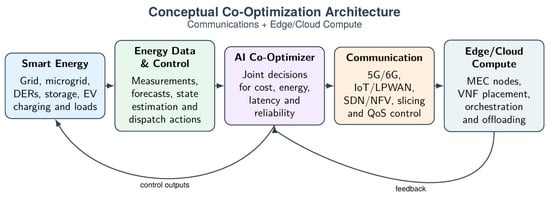
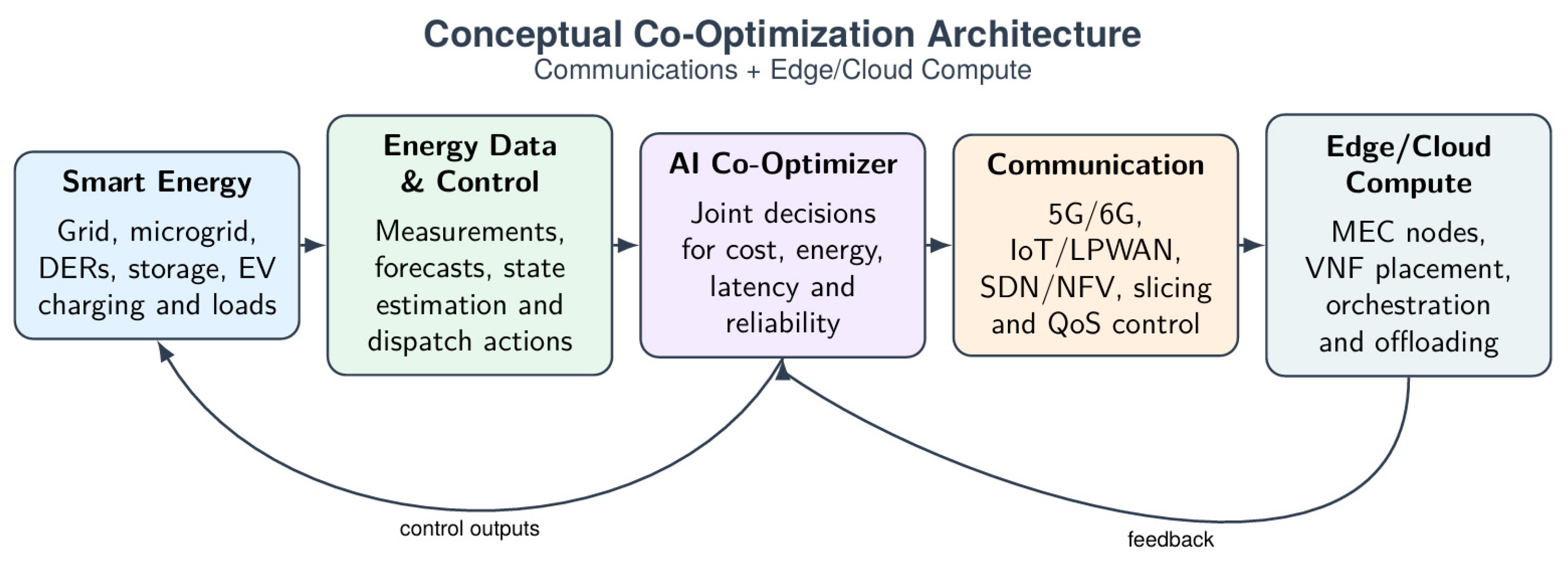
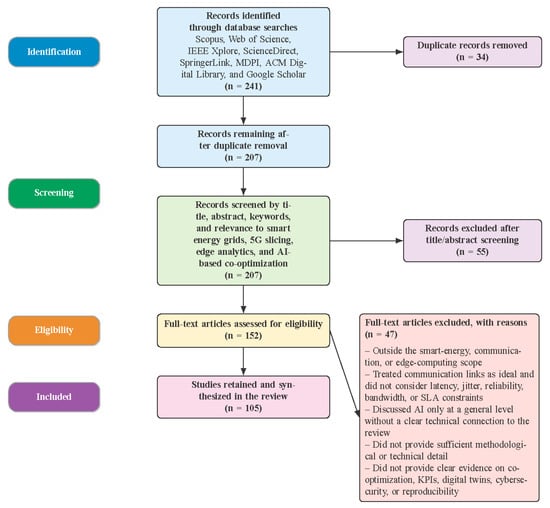
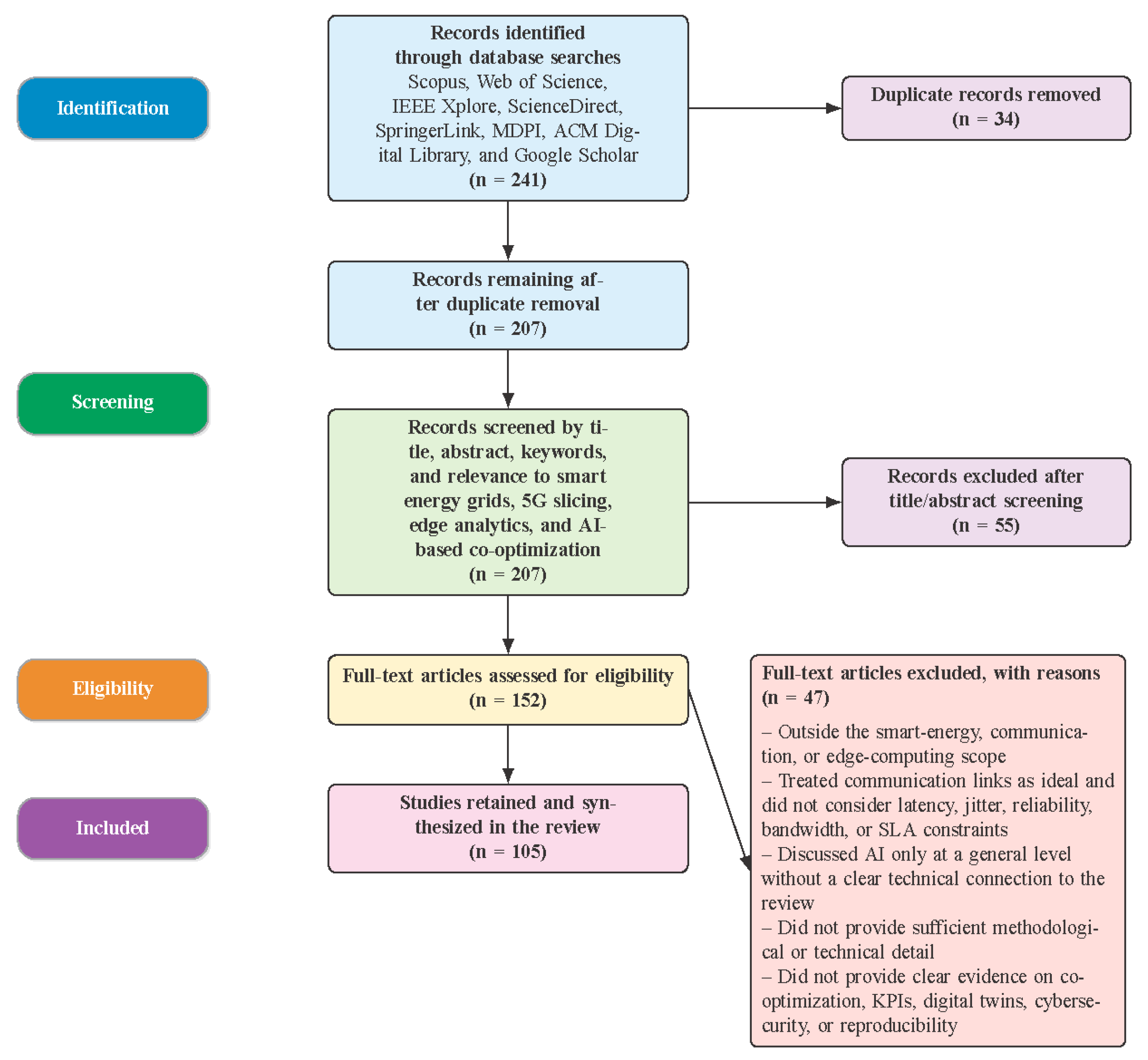
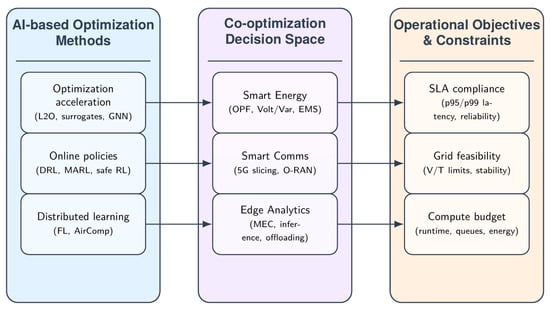
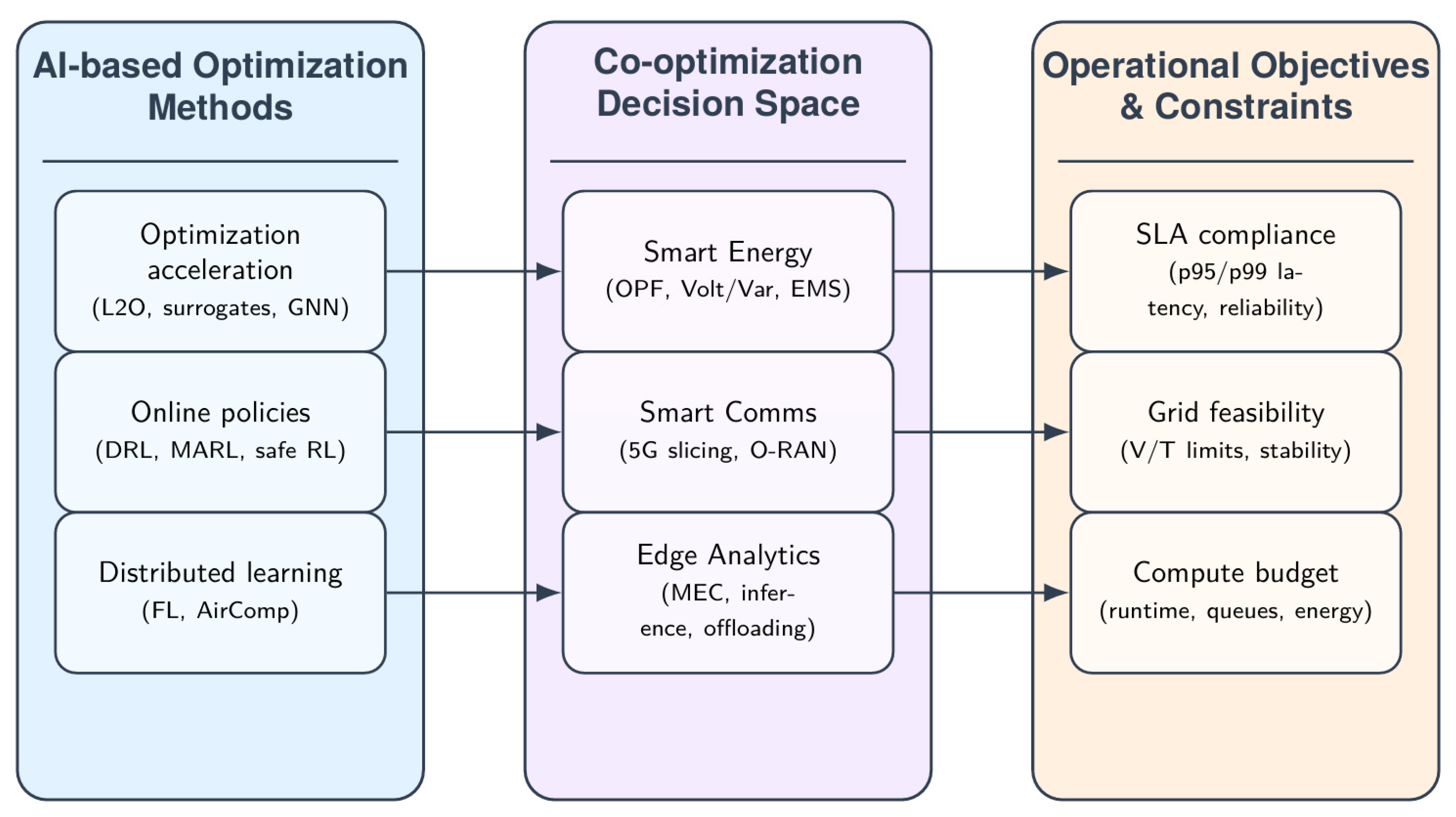
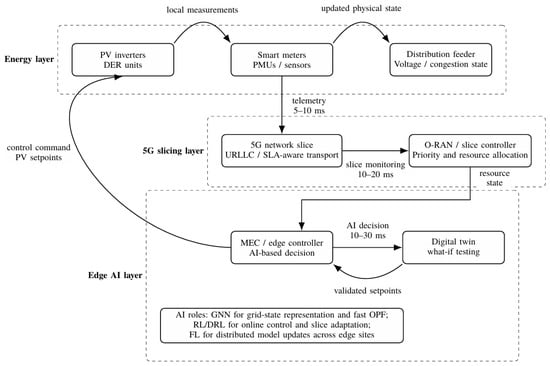
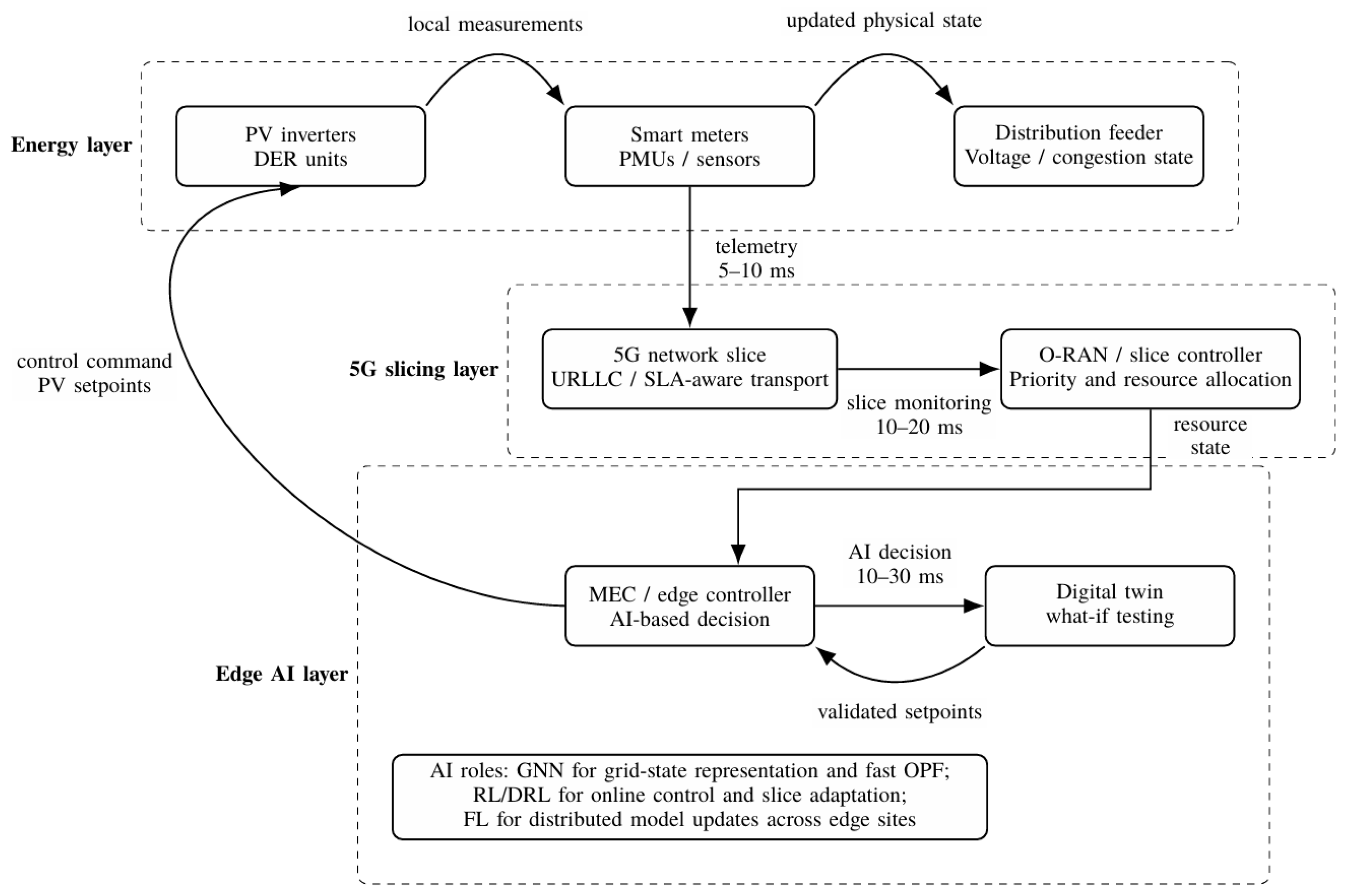
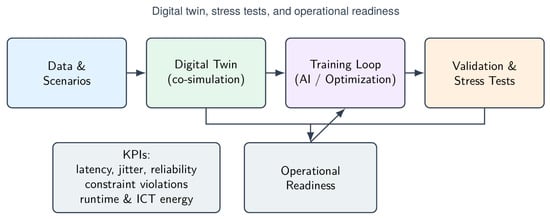
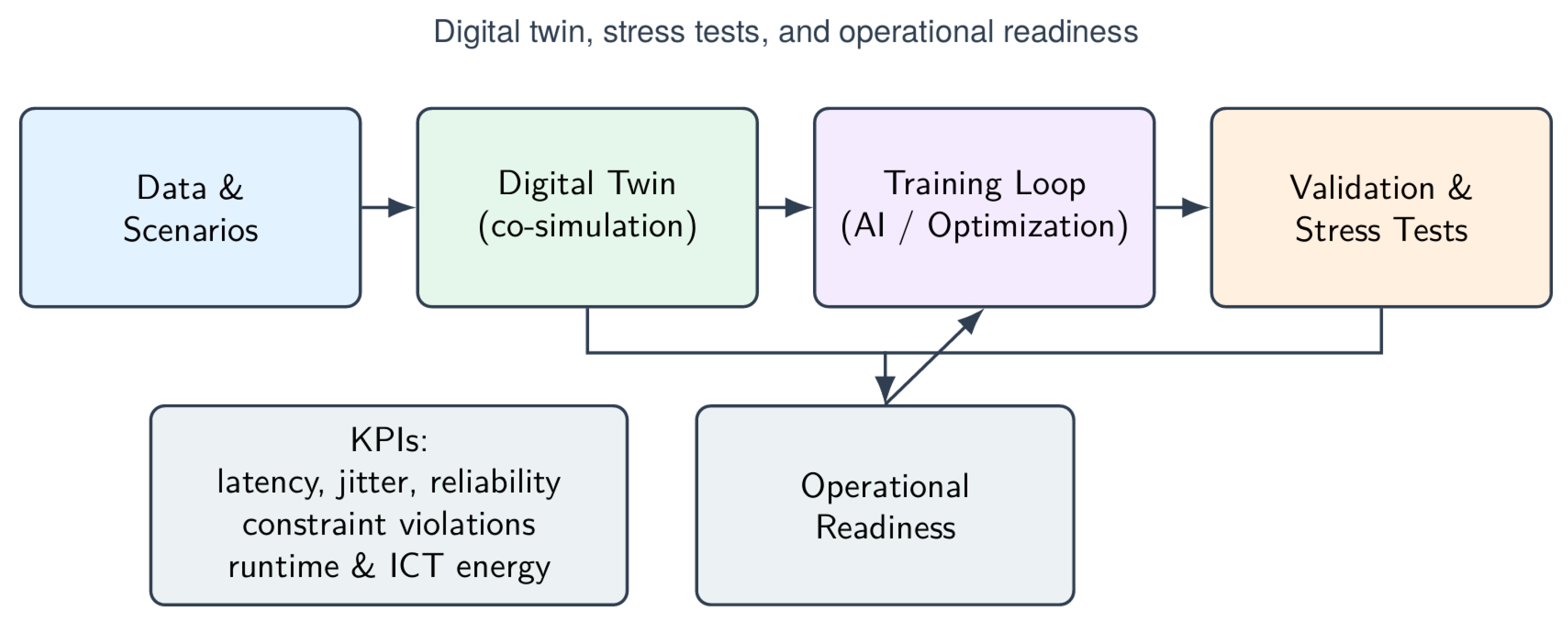
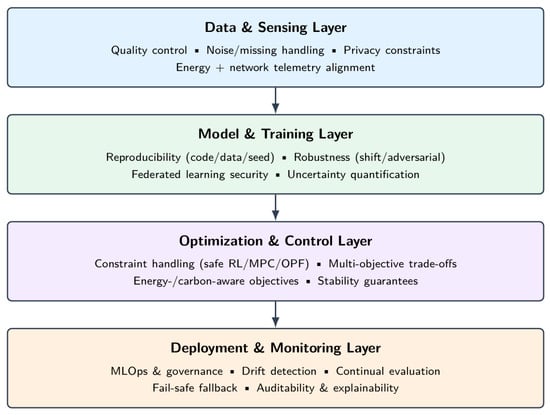
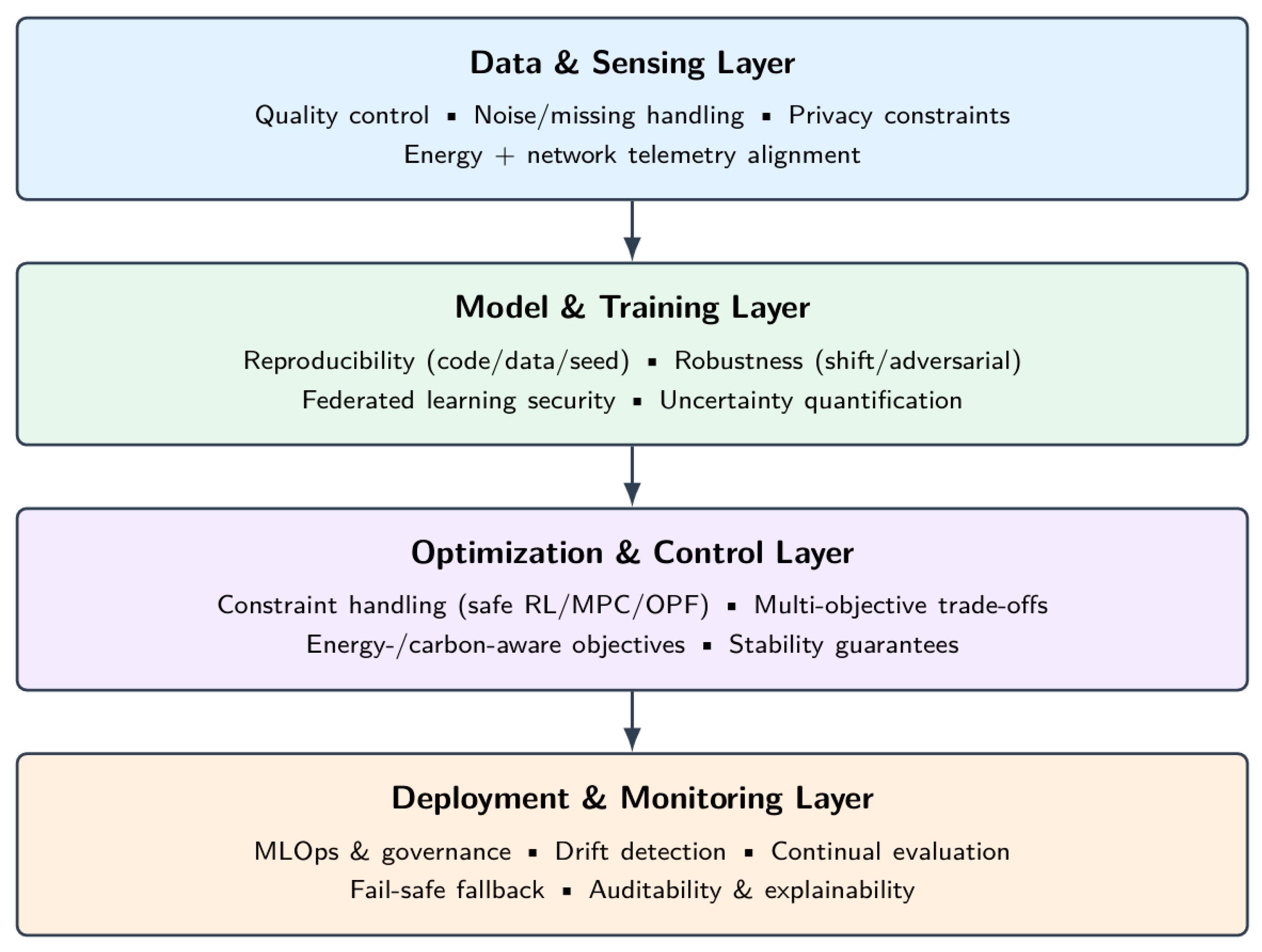

Disclaimer/Publisher’s Note: The statements, opinions and data contained in all publications are solely those of the individual author(s) and contributor(s) and not of MDPI and/or the editor(s). MDPI and/or the editor(s) disclaim responsibility for any injury to people or property resulting from any ideas, methods, instructions or products referred to in the content. |
© 2026 by the authors. Licensee MDPI, Basel, Switzerland. This article is an open access article distributed under the terms and conditions of the Creative Commons Attribution (CC BY) license.