Article

Anomaly Detection and Analysis in Nuclear Power Plants

1
Department of Software Engineering, Jeonbuk National University, Jeonju-si 54896, Republic of Korea
2
Department of Information Security, Suwon University, Hwaseong-si 18328, Republic of Korea
*
Author to whom correspondence should be addressed.
Electronics 2024, 13(22), 4428; https://doi.org/10.3390/electronics13224428

Submission received: 1 October 2024 / Revised: 30 October 2024 / Accepted: 7 November 2024 / Published: 12 November 2024

Abstract

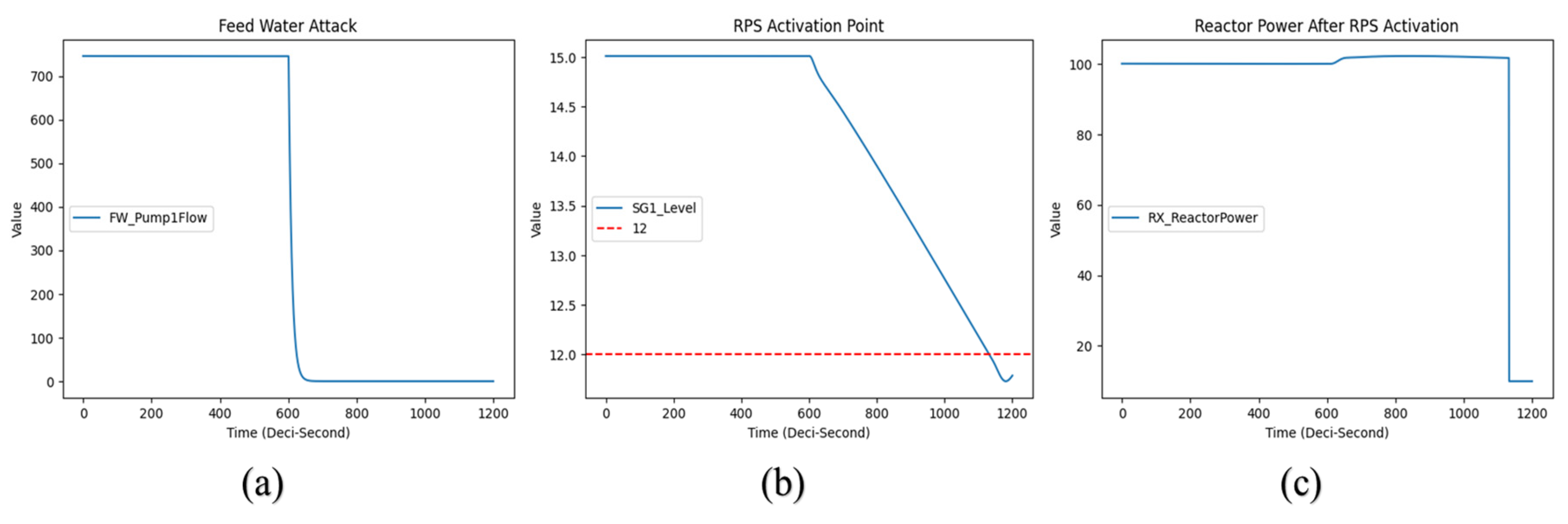
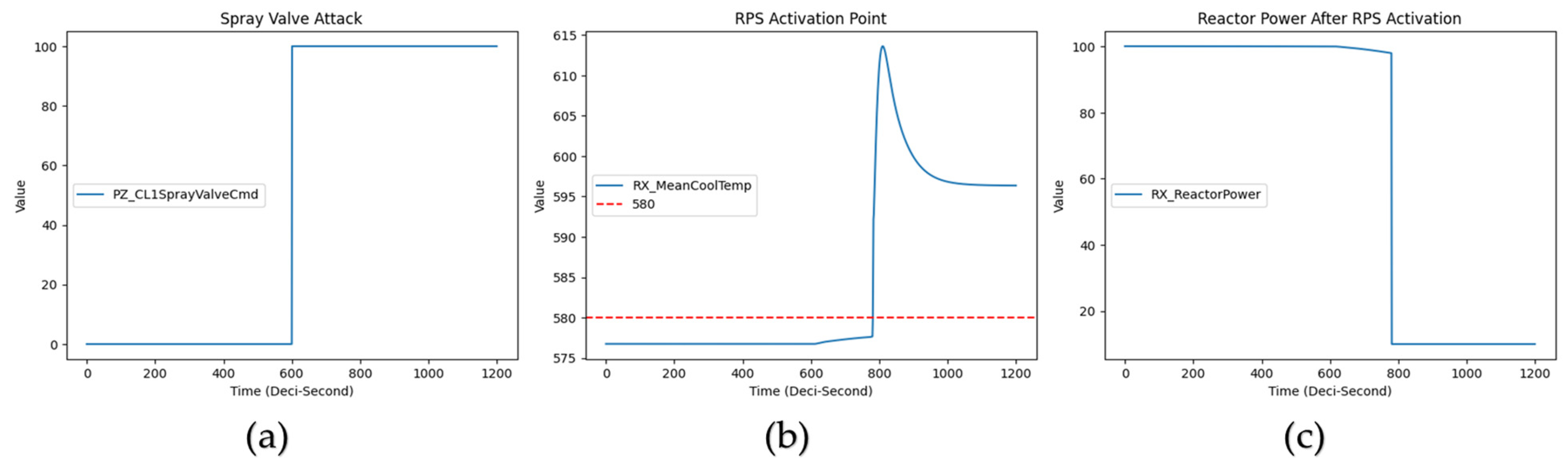
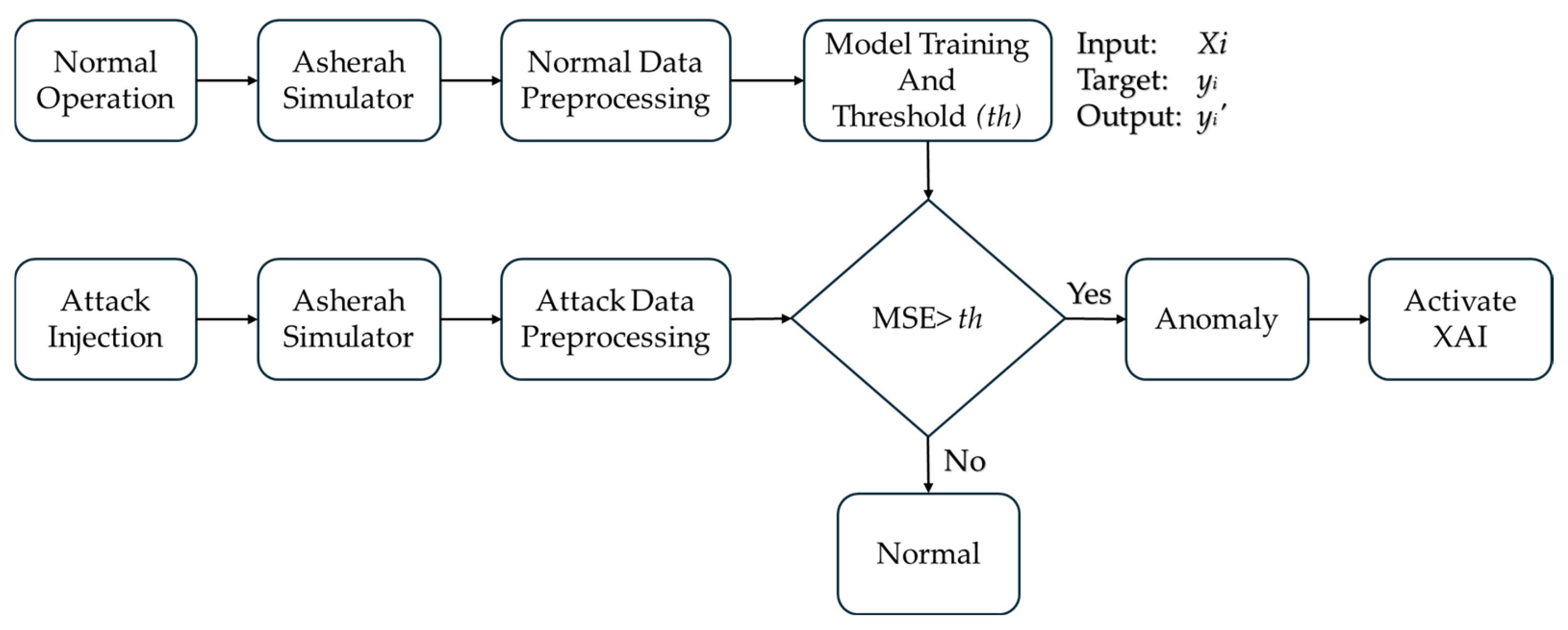
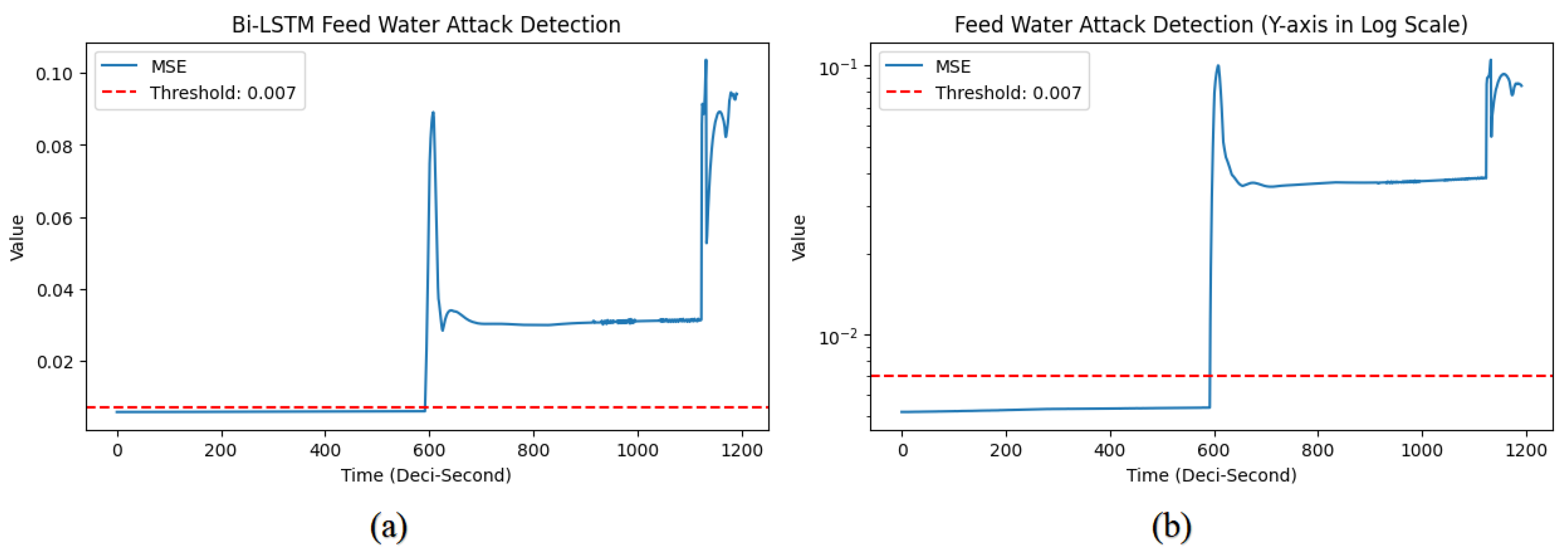
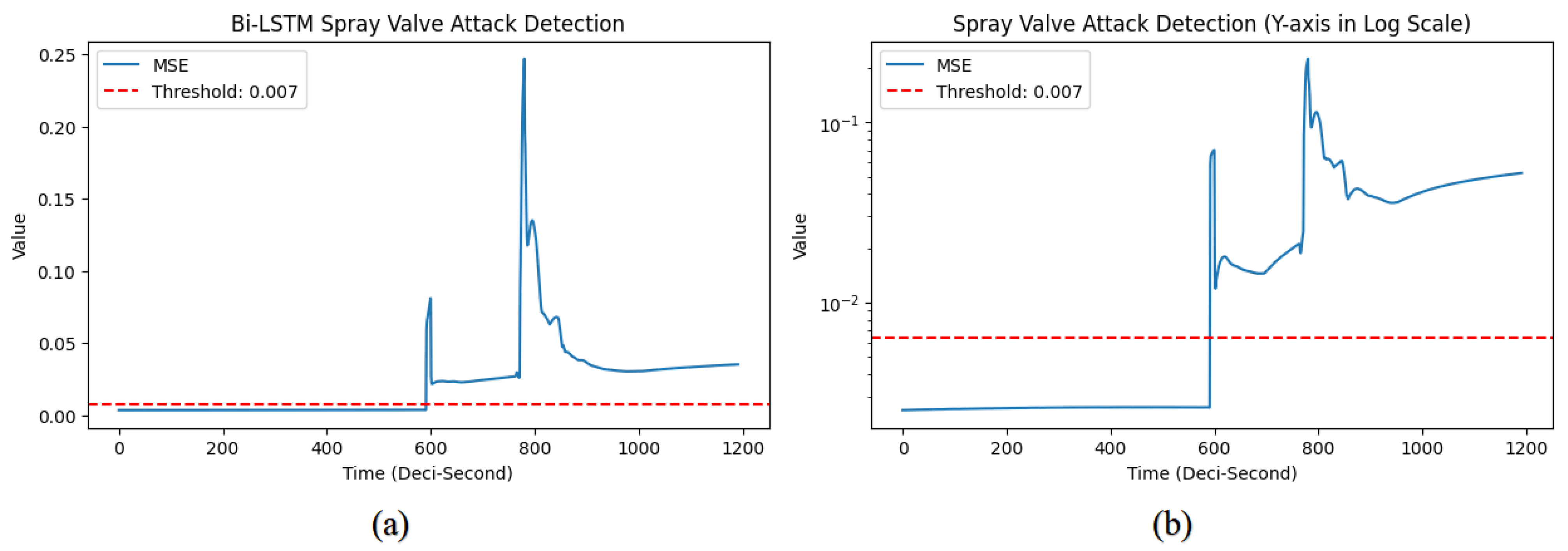
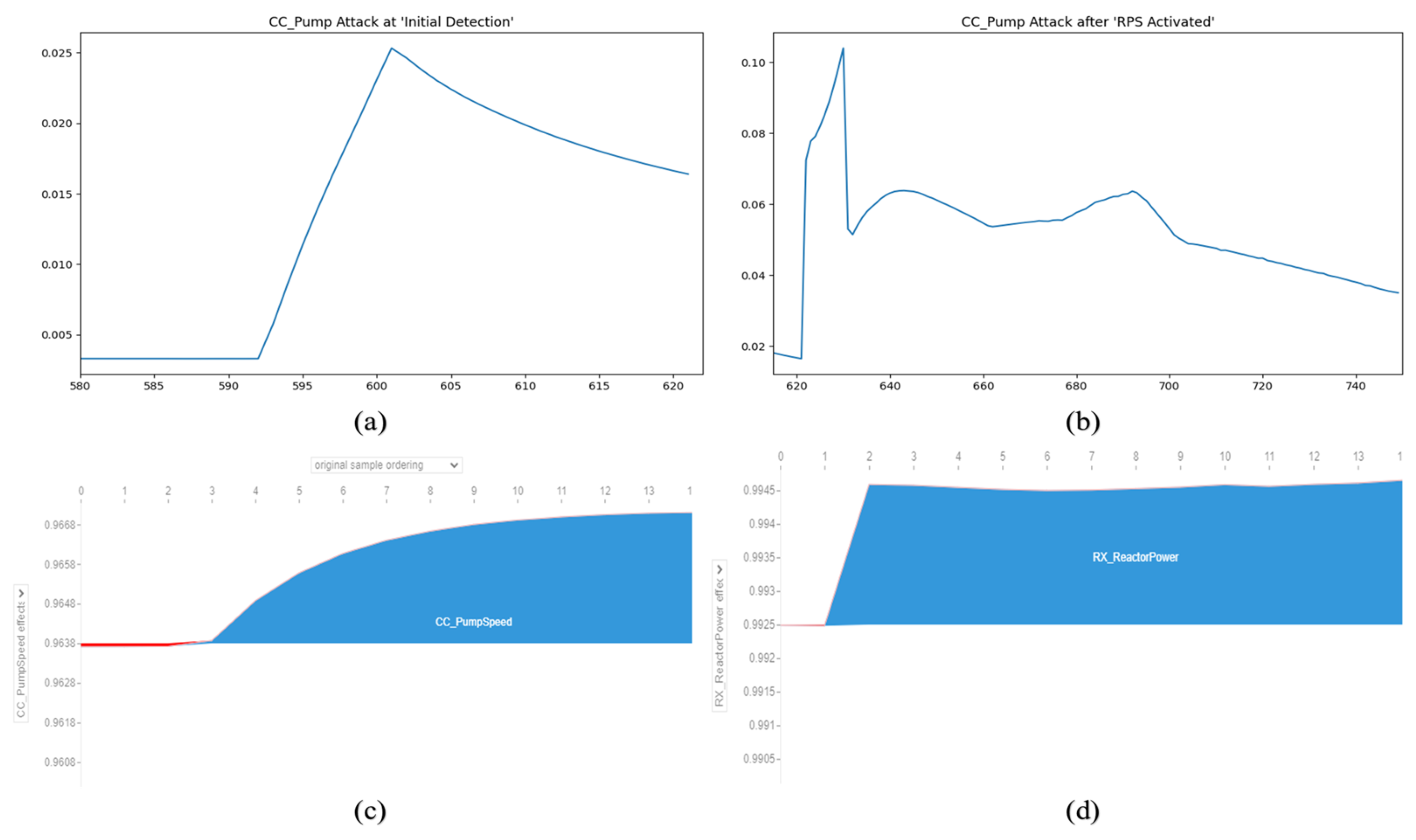
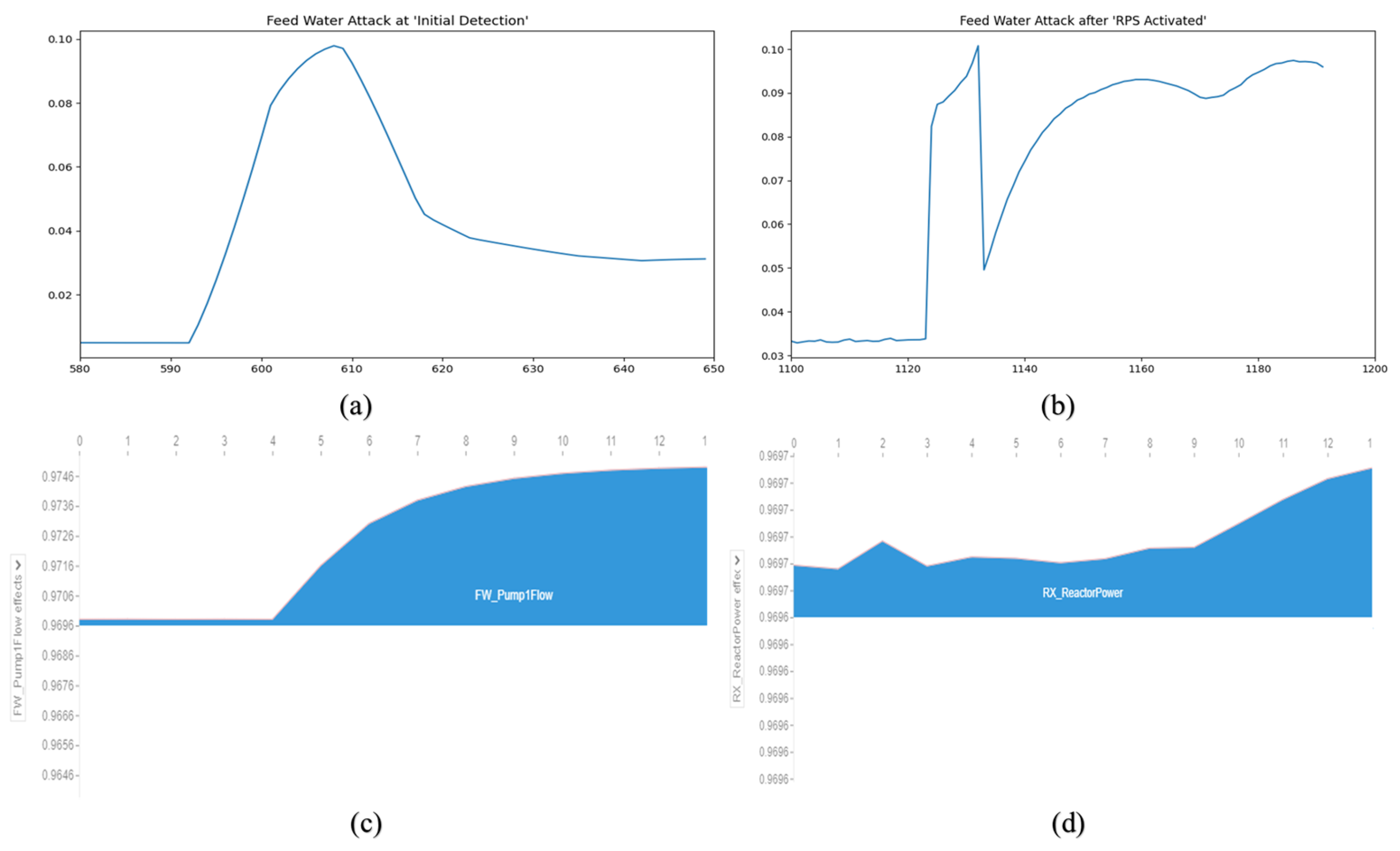
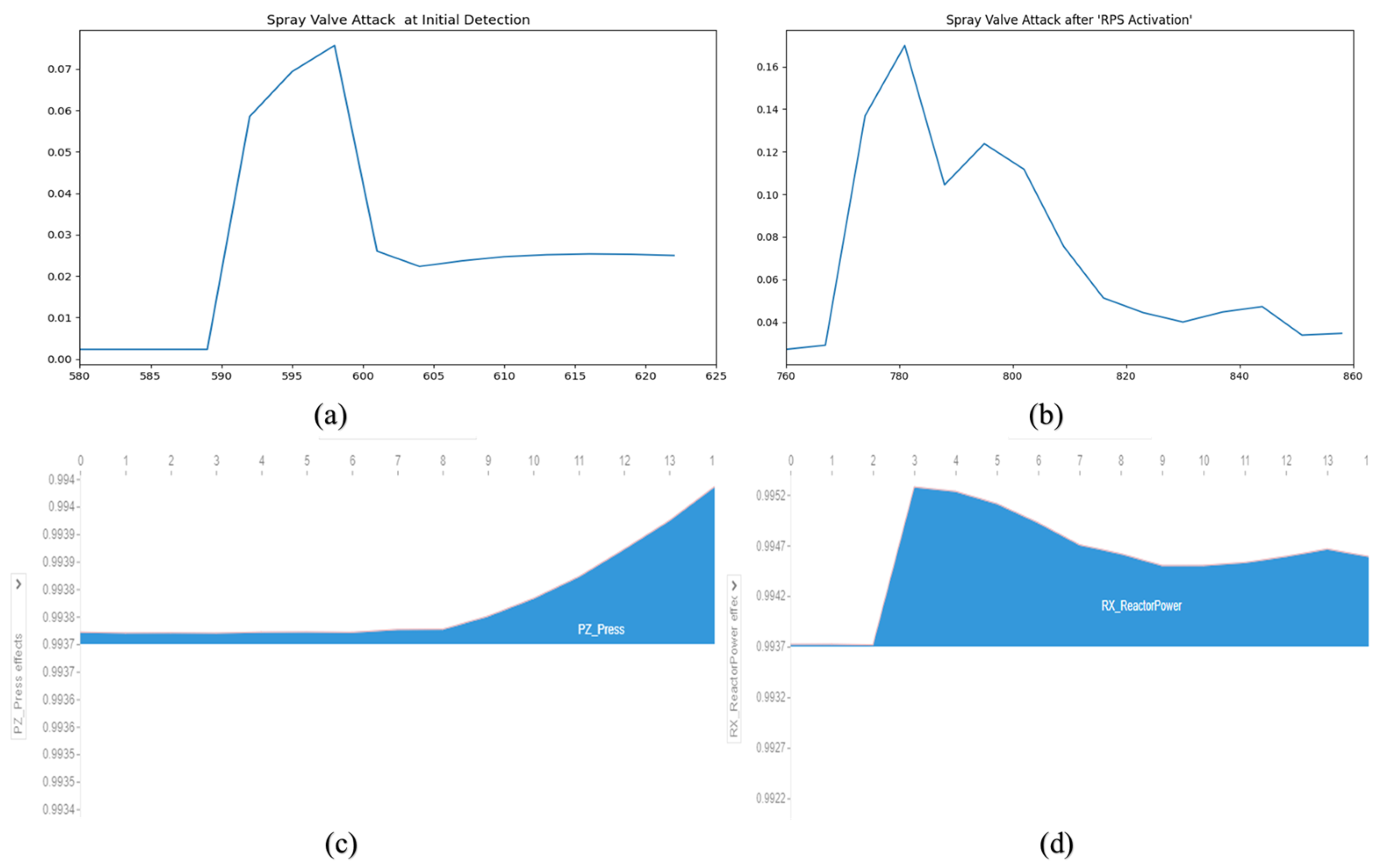
Industries are increasingly adopting digital systems to improve control and accessibility by providing real-time monitoring and early alerts for potential issues. While digital transformation fuels exponential growth, it exposes these industries to cyberattacks. For critical sectors such as nuclear power plants, a cyberattack not only risks damaging the facility but also endangers human lives. In today’s digital world, enormous amounts of data are generated, and the analysis of these data can help ensure effectiveness, including security. In this study, we analyzed the data using a deep learning model for early detection of abnormal behavior. We first examined the Asherah Nuclear Power Plant simulator by initiating three different cyberattacks, each targeting a different system, thereby collecting and analyzing data from the simulator. Second, a Bi-LSTM model was used to detect anomalies in the simulator, which detected it before the plant’s protection system was activated in response to a threat. Finally, we applied explainable AI (XAI) to acquire insight into how distinctive features contribute to the detection of anomalies. XAI provides valuable explanations of model behavior by revealing how specific features influence anomaly detection during attacks. This research proposes an effective anomaly detection technique and interpretability to better understand counter-cyber threats in critical industries, such as nuclear plants.
Keywords: digital system; security; cyberattack; nuclear power plant; deep learning; anomaly detection digital system; security; cyberattack; nuclear power plant; deep learning; anomaly detection