


Abstract
This study evaluated the anaerobic valorization of real, non-detoxified sugarcane bagasse-derived pentose liquor. Direct fermentation without nutrients, co-substrate, or buffering was limited, reaching low-to-moderate (37–54%) carbohydrate conversion efficiency at low organic loading rate (OLR < 5.6 kg COD m−3 d−1) levels. Hydrogen yield (HY) was also low (0.63–0.89 mol H2 mol−1 carbohydrateconverted) under these conditions. Increasing pentose liquor concentration up to 0.8 L L−1 and OLR of 30.2 kg COD m−3 d−1 suppressed hydrogen production, coinciding with lactate accumulation and the occurrence of homoacetogenesis. Enhanced fermentation with sucrose, nutrients, buffering, shorter hydraulic retention time (12 h) and 37 °C improved stability and carbohydrate conversion (50–61%) under higher OLR, although HY considerably decreased (0.14–0.35 mol H2 mol−1). Methanogenesis was effective in both single- and two-stage systems, with carbohydrate conversion usually above 95%, COD removal up to 83.5%, methane fractions above 60%, and methane yields reaching 299.8–301 NmL CH4 g−1 CODremoved. Furfural and 5-HMF showed phase-dependent transformation, indicating partial in situ detoxification during anaerobic conversion. Overall, pentose liquor is better valorized through integrated hydrogen–methane recovery than by fermentation alone. Future studies should focus on both applying more effective strategies to buffer the fermentative stage and adopting more conservative approaches (lower OLR) to start up the methanogenic systems.
1. Introduction
Second-generation (2G) ethanol biorefineries have been developed to expand the use of lignocellulosic biomass and improve the overall efficiency of biofuel production [1]. In sugarcane-based systems, the conversion of bagasse and/or trash can increase ethanol production without requiring proportional expansion of agricultural land [2]. However, the economic and environmental performance of these biorefineries depends not only on ethanol production, but also on the effective use of liquid and solid streams generated during pretreatment, hydrolysis, fermentation, and downstream processing [3,4,5,6]. In this context, by-products traditionally regarded as residues become relevant resource-recovery streams when integrated into appropriate biological conversion routes.
Pentose liquor is one of the main liquid fractions generated during the pretreatment of sugarcane bagasse. This stream contains high organic matter concentrations and fermentable carbohydrates, especially pentoses such as xylose and arabinose, but may also contain hexoses, organic acids, soluble lignin-derived compounds, furfural, and 5-hydroxymethylfurfural (5-HMF) [6,7]. Therefore, pentose liquor has a dual character: it is an energy-rich substrate with potential for biological conversion, but it is also a complex and potentially inhibitory matrix. The predominance of pentoses, the presence of furan derivatives and other pretreatment by-products, and the possible limitation of specific nutrients can affect microbial activity, metabolic pathways associated with biohydrogen and methane evolution, and process stability [8,9,10,11].
Recent studies have reinforced the relevance of pentose liquor fermentation within integrated sugarcane biorefineries, particularly to produce biohydrogen and organic acids from liquid streams associated with first and second generation (1G–2G) ethanol production [12,13,14,15]. In addition, recent reviews have highlighted that fermentative biohydrogen production in sugarcane biorefineries still requires advances in substrate characterization, operational stability, microbial adaptation, and integration with downstream bioenergy recovery routes [16]. These aspects are particularly important when real lignocellulosic hydrolysates are used, since their behavior cannot be fully represented by individual sugars or simplified synthetic media.
Anaerobic digestion (AD) is a promising strategy for recovering energy from carbohydrate-rich liquid streams. Under acidogenic conditions, fermentative microorganisms can convert carbohydrates into hydrogen, carbon dioxide, and soluble metabolites such as volatile organic acids and alcohols [16,17]. Under methanogenic conditions, residual organic matter and fermentation intermediates are further converted into methane. Thus, the sequential production of hydrogen and methane improves the overall energy recovery from complex substrates. Two-stage anaerobic systems are particularly relevant for this purpose because they allow partial separation of fermentation and methanogenesis, enabling different operational conditions to be applied to microbial groups with distinct metabolic requirements [18,19,20,21]. Sequential hydrogen and methane recovery has also been recently reported for hemicellulosic hydrolysates from sugarcane-derived residues, supporting the relevance of the two-stage anaerobic conversion for lignocellulosic liquid streams [14,15].
Previous studies have investigated biological hydrogen or methane production from synthetic sugar solutions, vinasse, lignocellulosic hydrolysates, and other agro-industrial residues [10,14,19,20,22,23,24,25,26,27]. However, fewer studies have focused on real, non-detoxified pentose liquor generated during sugarcane bagasse pretreatment. This gap is important because substrate complexity, the simultaneous presence of pentoses and inhibitory compounds, nutrient limitations, and microbial adaptation can strongly affect conversion pathways and energy/resource recovery. In this sense, operational variables such as the food-to-microorganism ratio, carbon-to-nitrogen ratio, temperature, pH, and hydraulic retention time (HRT) must be evaluated together with substrate composition rather than as isolated factors [23].
Fixed-film systems, particularly the anaerobic structured-bed reactor (AnSTBR), may offer advantages for the conversion of complex liquid streams because they promote biomass retention while reducing excessive clogging compared with conventional packed-bed systems [19]. In fermentative reactors, this configuration can help maintain acidogenic biomass under relatively low HRT (10–12 h) [24]. In methanogenic reactors, immobilized biomass may enhance resistance to organic loading variations and improve the conversion of soluble intermediates. Previous studies using AnSTBR systems for sugarcane-derived wastewaters indicate that this configuration is promising for high-rate anaerobic conversion and bioenergy recovery, although further process development is still required [19,24,25,26,27] when considering highly complex wastewaters.
Despite these advances, few studies have integrated fermentative hydrogen production, methanogenic conversion, inhibitor transformation, and mass-balance interpretation for real pentose liquor in continuous anaerobic systems. This integration is essential because pentose liquor valorization should not be evaluated only by maximum hydrogen or methane yield. Instead, process performance depends on how organic matter is redistributed among hydrogen, methane, soluble metabolites, biomass, inhibitory compounds, and residual chemical oxygen demand (COD) under different operational conditions.
This study assessed the valorization of real, non-detoxified pentose liquor generated during sugarcane bagasse hydrothermal pretreatment using two-stage AnSTBR systems. Although the AD of complex wastewaters has greatly evolved within the last decade (such as in the case of sugarcane vinasse [16,19,21,22,24,25,26,27]), numerous challenges remain unexploited in the case of non-detoxified pentose liquor, since enhancing reactor performance is strictly dependent on the fate of inhibitors, and not only on the usual definition of suitable HRT and organic loading rate (OLR) levels. This work initially evaluated the fermentation of pentose liquor under increasing OLR, followed by the comparison between a two-stage (fermentation + methanogenesis) system and a single-stage (methanogenic) reactor. The main objective was to determine how pentose liquor concentration, operational conditions, inhibitor transformation, and phase separation affected hydrogen and methane recovery. The central hypothesis was that pentose liquor conversion is governed not only by the OLR or COD availability, but also by substrate complexity, inhibitory compounds, and the integration between fermentation and methanogenic conditions.
2. Materials and Methods
2.1. Pentose Liquor Origin and Characterization
Pentose liquor was obtained from the hydrothermal pretreatment of sugarcane bagasse and used as the main substrate for sequential biohydrogen and methane production. The sugarcane bagasse used to generate the liquor was collected from São Martinho mill (Pradópolis, SP, Brazil), and the hydrothermal pretreatment was performed at the Pilot Plant for Process Development of the Brazilian Bioethanol Science and Technology Laboratory (CTBE)—now Brazilian Biorenewables National Laboratory (LNBR)—of the Brazilian Center for Research in Energy and Materials (CNPEM) (Campinas, SP, Brazil). The hydrothermal pretreatment conditions were 190 °C, 10 min, and 9% total solids (w/w), according to the procedure previously adopted for sugarcane bagasse pretreatment. The liquid fraction obtained after pretreatment, hereafter referred to as pentose liquor, was stored at −15 °C until use. Pentose liquor was preliminary characterized, including the COD, total carbohydrates, specific carbohydrates, organic acids, furfural, 5-HMF, total Kjeldahl nitrogen, and total phosphorus. Total carbohydrates were expressed as sucrose equivalents, whereas specific carbohydrates, including xylose, arabinose, glucose, galactose, mannose, and cellobiose, were determined by high-performance liquid chromatography (HPLC). The average characterization of the pentose liquor used in the experiments is presented in Table 1 and Table 2.
Table 1.
Reference composition of pentose liquor produced by hydrothermal pretreatment. Data provided by LNBR/CNPEM.
Table 2.
Composition characteristics of pentose liquor monitored during the experimental stages.
2.2. Reactor Configuration
Bench-scale upflow AnSTBR systems were used for fermentative and methanogenic conversion of pentose liquor. The reactors were made of acrylic tubes and operated under continuous flow conditions using diaphragm pumps (models DDC6-10 A-PV/T/C-F-31/001F and DDE 6-10 P-PVC/V/C-X-31U2U2FG, Grundfos, Denmark). The fermentative reactors were filled with low-density polyethylene (LDPE) cylinders used as support material for biomass attachment, following previous experiences on wastewater fermentation [24,26,28,29]. The cylinders were approximately 3 cm long and 2 cm in diameter and were orderly arranged along the bed zone. This configuration resulted in a useful volume of 2.06 L and a void index of 82%. The methanogenic reactors were filled with polyurethane (PU) foam strips fixed to the bed zone by means of stainless steel screens. The useful volume of the methanogenic reactors was 1.53 L, with a void index of 66%. Biogas produced in each reactor was collected from the headspace and quantified using gas meters (model MGC-1 V30, Dr-Ing. Ritter Apparatebau GMBH & Co. KG, Bochum, Germany) connected to hydraulic seals to prevent liquid entrainment. The reactors were operated in temperature-controlled chambers (model 410-DRE, Nova Ética, Vargem Grande Paulista, SP, Brazil) according to the operational phases described in Section 2.3, Section 2.4 and Section 2.5. Figure 1 depicts an overview of the bench-scale reactors monitored in this study.
Figure 1.
Anaerobic structured-bed reactor (AnSTBR) systems operated in this study. Nomenclature: R1 = fermentative reactors, R2 = second-stage methanogenic reactor, R3 = single-stage methanogenic reactor, E1 = experimental phase 1, E2 = experimental phase 2.
2.3. Experimental Design
The experimental work was divided into two phases. Direct fermentation of diluted pentose liquor was assessed in phase 1 (E1), whereas modified fermentative conversion, methanogenesis of organic acid-rich effluent, and single-stage methanogenesis were studied in phase 2 (E2). The nomenclature adopted for the reactors was as follows: R1-E1 = fermentative reactor operated during phase 1, R1-E2 = fermentative reactor operated during phase 2, R2-E2 = second-stage methanogenic reactor operated during phase 2 (fed with the effluent from R1-E2), and R3-E2 = single-stage methanogenic reactor operated during phase 2 (fed directly with the same substrate used in R1-E2 feeding). A specific subset of R1-E1 was assessed separately, namely, R1-E1*. This subset corresponds to the period in which the pentose liquor concentration in the influent was equal to or lower than 0.4 L L−1, which was the maximum pentose liquor concentration applied to R1-E2. This subset was used to allow a more consistent comparison between the performance of fermentation during phases E1 and E2.
2.4. Phase 1: Direct Fermentation of Pentose Liquor
In phase 1, the fermentative reactor R1-E1 was operated for 285 days under mesophilic conditions (30 °C). The reactor was fed with pentose liquor diluted in water, without nutrient supplementation, co-substrate addition, or buffer dosing. The influent pH was adjusted to 6.5–7.5 using a 50% (m/V) sodium hydroxide (NaOH) solution. The HRT was maintained at 24 h, corresponding to an influent flow rate of approximately 86 mL h−1. The reactor was subjected to successive increases in pentose liquor concentration in the influent to evaluate the effect of the OLR on biohydrogen evolution and process stability. Pentose liquor dilution rates ranged from 0.10 to 0.80 L L−1, corresponding to theoretical OLR varying from approximately 3.0 to 24.0 kg COD m−3 d−1 (Table 3). After the successive increase in the OLR, the pentose liquor dilution was reduced again to 0.20 L L−1 as a strategy to recover reactor performance. Actual OLR levels were calculated using the measured COD concentrations of the influent.
Table 3.
Feeding and operating conditions assessed in reactor R1-E1 (fermentative step).
2.5. Phase 2: Modified Fermentation Coupled with Methanogenesis
In phase 2, three reactors were operated: a fermentative reactor (R1-E2) and two methanogenic systems, namely, R2-E2 (second-stage) and R3-E2 (single-stage). R1-E2 was fed with diluted pentose liquor (dilution rate ranging from 0.20 to 0.40 L L−1) blended with sucrose as co-substrate (OLR = 15.6–25.3 kg COD m−3 d−1). The influent was supplemented with macro- and micronutrients and buffered with sodium bicarbonate (NaHCO3). Nitrogen supplementation was performed using urea following a carbon-to-nitrogen (C/N) ratio of 140, an optimal value defined to maximize mesophilic biohydrogen production from sucrose-based wastewater [30]. Micronutrient supplementation followed an adapted medium often used in biohydrogen-producing systems [31,32], including nickel, iron, cobalt, calcium, selenium, and phosphate salts—compositional details of the nutrient solutions are presented in the Supplementary Data Section. NaHCO3 was added as a buffering agent at 500 mg L−1. The use of sucrose, nutrient supplementation, buffering, and temperature adjustment aimed to improve biomass growth and carbohydrate conversion. R1-E2 was operated with an HRT of 12 h (mean flow rate of approximately 172 mL h−1), while the temperature was initially 3 set at 0 °C and subsequently increased to 37 °C (Table 4).
Table 4.
Feeding and operating conditions assessed in reactors R1-E2 (fermentative step) and R2-E2 (second-stage methanogenic step).
R2-E2 was operated as the methanogenic step of the two-stage AD system and was fed with the effluent from R1-E2. Prior to feeding R2-E2, the pH of the fermented effluent was adjusted to 6.5, and nutrient supplementation and buffer correction with NaHCO3 were carried out. The HRT was maintained at 36 h (mean flow rate of approximately 43 mL h−1). Meanwhile, the single-stage methanogenic reactor (R3-E2) was fed directly with the same mixed substrate used for R1-E2. The HRT was maintained at 48 h (mean flow rate of approximately 32 mL h−1) (Table 5). For the methanogenic reactors, nutrients were supplemented to achieve a COD:N:P ratio of 500:5:1, characterizing an intermediate relation considering slow- (1000:5:1) and fast-growing (350:5:1) anaerobic microbial biomass [33].
Table 5.
Feeding and operating conditions assessed in reactor R3-E2 (single-stage methanogenic system).
2.6. Inoculation Procedures
The fermentative reactors were inoculated by natural fermentation, based on the findings presented elsewhere [31]. This procedure includes the initial fermentation of the substrate (3 days) in a dark chamber at the process temperature, followed by the recirculation (5–7 days in batch mode) of the fermented broth into the reactor. The process, which has been successfully used in the inoculation of sugarcane vinasse- [24,26,28] and molasses-fed [34] reactors, aims to both stimulate the growth of autochthonous bacteria and provide conditions for the initial formation of the biofilm by promoting the attachment of biomass to the support material (LDPE rings).
For R1-E1, the inoculation was initially attempted using non-diluted pentose liquor. However, the direct use of liquor did not promote satisfactory carbohydrate conversion, probably due to the combined effects of low pH, high organic matter concentration, and inhibitory compounds. Therefore, the start-up strategy was modified by using pentose liquor diluted tenfold in water, with pH adjusted to 6.5. After this modification, carbohydrate conversion was observed, and the reactor was subsequently operated under increasing OLR. Based on the drawbacks observed in liquor natural fermentation in R1-E1, the inoculation strategy was modified in R1-E2. A sucrose-based solution was naturally fermented and recirculated through the reactor to promote biomass development. After this initial stage, the reactor was fed with sucrose solution and then with a mixed sucrose–pentose liquor substrate to adapt the biomass to the experimental conditions.
The methanogenic reactors R2-E2 and R3-E2 were inoculated with anaerobic sludge obtained from a full-scale upflow anaerobic sludge blanket (UASB) reactor treating poultry slaughterhouse wastewater. The sludge was immobilized in polyurethane foam according to the procedure described elsewhere [19,27]. Previous characterization of the anaerobic sludge revealed the predominance of both Methanosaeta (now Methanothrix) among methanogens and genes related to acetotrophic methanogenesis compared to methylotrophic and hydrogenotrophic ones [35]. Genes associated with the degradation of aromatic compounds were also identified in the sludge, indicating that this inoculum was appropriate for treating pentose liquor containing furfural and 5-HMF.
2.7. Analytical Methods and Performance Assessment
Reactor monitoring was based on the regular analysis of samples obtained from both the liquid and gas phases. For the liquid phase, COD, volatile suspended solids, and pH were determined according to Standard Methods for the Examination of Water and Wastewater [36]. Filtered COD was measured using 0.45 µm membranes, whereas suspended solids analyses were performed using 1.2 µm membranes. Total carbohydrates were determined by the phenol–sulfuric acid colorimetric method using sucrose as standard [37]. Results were expressed as mg sucrose L−1. Total volatile organic acids (TVOA) were determined by titration (results obtained in terms of mg HAc L−1, HAc = acetic acid) according to Ripley et al. [38]. Organic acids and solvents were determined by HPLC using a Shimadzu system equipped with UV/DAD and refractive index detectors, as described elsewhere [31]. The analyzed compounds included acetic, lactic, propionic, isobutyric, butyric, isovaleric, valeric, and caproic acids, as well as selected solvents. An Aminex HPX-87H column was used, with sulfuric acid solution as the mobile phase. Samples containing pentose liquor were pretreated by precipitation and solid-phase extraction to reduce matrix interference before chromatographic analysis. Specific carbohydrates, furfural, and 5-HMF were also determined by HPLC using an adapted methodology based on National Renewable Energy Laboratory (NREL) procedures [39]. The analyzed carbohydrates included cellobiose, glucose, mannose, galactose, xylose, and arabinose. Solid-phase extraction cartridges were used to minimize interference from the complex pentose liquor matrix. Biogas flow was measured using gas meters, as described in Section 2.2. Biogas composition was determined by gas chromatography using a Shimadzu GC-2010 system equipped with a thermal conductivity detector and a Carboxen 1010 Plot column. Argon was used as carrier gas. Hydrogen, methane, and carbon dioxide fractions were quantified [40].
Performance assessment was based on the calculation of consolidated response variables [24,25,26,27,29,32], including the COD removal efficiency (ERCOD, %), carbohydrate conversion efficiency (ECCH, %), biogas production rate (BPR, NmL d−1), hydrogen production rate (HPR, NmL H2 d−1), hydrogen yield (HY, mol H2 mol−1 carbohydrateconverted), methane production rate (MPR, NmL d−1), and methane yield (MY, NmL CH4 g−1 CODremoved). The variation in furfural and 5-HMF concentrations (influent–effluent) was also obtained, with positive values indicating removal and negative values indicating accumulation. For the combined two-stage AD system (R1-E2 + R2-E2), overall removal or conversion efficiencies were calculated considering the influent of R1-E2 and the effluent of R2-E2.
Soluble-phase and global mass balance recoveries were calculated based on COD equivalents of quantified soluble compounds, gas products, and volatile suspended solids. The soluble-phase mass balance considered the COD equivalents of carbohydrates, organic acids, furfural, and 5-HMF quantified in the liquid phase. The global mass balance additionally included COD recovered as hydrogen or methane and the COD associated with volatile suspended solids—please refer to the Supplementary Data Section.
Operational data were grouped according to reactor and experimental condition. Mean values, standard deviations, and maximum values were used to summarize reactor performance. Boxplots were prepared to compare acidogenic performance among R1-E1, R1-E1*, and R1-E2, and to compare methanogenic and combined-system performance among R2-E2, R3-E2, and R1-E2 + R2-E2.
3. Results and Discussion
For clarity and conciseness, overall reactor performance data were presented as integrated operational values rather than subdivided by individual OLR-based phases. This approach facilitates direct comparison among reactor configurations while avoiding excessive fragmentation of the dataset in the main text. Performance data according to each experimental stage of reactors R1-E1, R1-E2, R2-E2, and R3-E2 are available as Supplementary Materials. The mass balances are also presented as Supplementary Materials.
3.1. Fermentation of Non-Supplemented Pentose Liquor Under Increasing OLR
The first experimental stage was designed to evaluate whether real, non-detoxified pentose liquor could be directly converted into biohydrogen without co-substrate addition, nutrient supplementation, or buffering. Reactor R1-E1 therefore represented the least complex operational configuration tested in this study and was used as a baseline for assessing both the feasibility and the limitations of direct pentose liquor valorization via fermentation. Selecting this experimental approach was based on previous studies with sugarcane vinasse, another complex substrate from which biohydrogen evolution was successfully achieved [41,42].
During phase 1, R1-E1 was operated under successive increases in pentose liquor concentration (from 0.1 to 0.8 L L−1; Table 3), resulting in increasing OLR levels (from 3.3 to 30.2 kg COD m−3 d−1, considering experimental values). COD removal was not the main response variable, since the conversion of carbohydrates into soluble metabolites was the dominant transformation pathway. Overall liquid-phase performance data of R1-E1 are depicted in Figure 2, which also includes specific data for subset R1-E1* and comparative data referring to R1-E2. Accordingly, the reactor showed limited COD reduction, while carbohydrate conversion, organic acid formation, biogas production, and biohydrogen evolution varied substantially throughout the operational period.
Figure 2.
Comparative liquid-phase performance analysis of R1-E1, R1-E1*, and R1-E2, showing the (a) carbohydrate conversion efficiency (ECCH), (b) total volatile organic acids (TVOA) in the effluent, (c) net furfural concentration, and (d) net 5-hydroymethylfurfural (5-HMF) concentration. R1-E1 corresponds to the complete operational period of the fermentative reactor in phase 1, R1-E1* corresponds to the subset of R1-E1 operated with a maximum pentose liquor concentration of 0.40 L L−1 (OLR < 12.0 kg COD m−3 d−1), and R1-E2 corresponds to the modified fermentative reactor operated during phase 2. Net concentrations refer to the difference between influent and effluent concentrations.
Carbohydrate conversion increased during the initial operational period and reached its highest values at low OLR (37–54%, mean values, OLR < 5.6 kg COD m−3 d−1). The maximum carbohydrate conversion observed in R1-E1 was 75% (OLR = 5.6 kg COD m−3 d−1), indicating that the microbial consortium developed by natural fermentation was able to metabolize the carbohydrate fraction of pentose liquor even in the absence of external nutrient supplementation. However, carbohydrate conversion decreased a from 29% to 6% as the OLR was increased to 30.2 kg COD m−3 d−1 6%, suggesting that fermentation became progressively constrained as the concentration of pentose liquor and its associated inhibitory or recalcitrant compounds increased.
Gas-phase performance data are shown in Figure 3. Biohydrogen production was markedly low in R1-E1, following a pattern similar to that observed for carbohydrate conversion: the HPR increased from 117.6 to 314 NmL d−1 as the OLR increased from 3.3 to 10.0 kg COD m−3 d−1, while the HY remained relatively stable at 0.63–0.89 mol H2 mol−1 carbohydrateconverted. The hydrogenogenic activity completely ceased for higher OLR levels, indicating a shift in the prevailing fermentative pathways. Within the context of sugarcane biorefineries, this result shows a clear limitation of pentose liquor fermentation in fixed-film reactors compared to other by-products. Biohydrogen evolution was maximized when applying an OLR of 70–80 kg COD m−3 d−1 in the case of vinasse [22,28,41,42], a value equivalent to that observed for molasses [34,43].
Figure 3.
Comparative gas-phase performance analysis of R1-E1, R1-E1*, and R1-E2, showing the (a) biogas production rate (BPR), (b) hydrogen fraction in biogas (f-H2), (c) hydrogen production rate (HPR), and (d) hydrogen yield (HY). R1-E1 corresponds to the complete operational period of the fermentative reactor in phase 1, R1-E1* corresponds to the subset of R1-E1 operated with a maximum pentose liquor concentration of 0.40 L L−1 (OLR < 12.0 kg COD m−3 d−1), and R1-E2 corresponds to the modified fermentative reactor operated during phase 2. HY was calculated in terms of carbohydrate consumption.
The breakdown of the primary organic acids (butyric, acetic, propionic and lactic acids) supports this interpretation. During the initial period, when the applied OLR was lower, butyric acid was one of the main soluble products (concentrations of 291.1–791.7 mg L−1 when OLR = 3.3–12.1 kg COD m−3 d−1), which is consistent with hydrogen-producing pathways [13,16,17]. Butyric acid can be produced from direct sugar (hexose) fermentation (Reaction (1) [17]) and acetic acid chain elongation using lactic acid as a supplemental carbon source (Reaction (2) [44]), both pathways commonly observed during the fermentation of sugarcane-derived by-products [22,24,34,43]. Pentose (xylose) fermentation most likely also contributed to butyric acid production, as evidenced in Reaction (3) [45]. As the OLR increased, lactic acid accumulation became more relevant (concentrations usually exceeding 1200 mg L−1 for OLR ≥ 12.1 kg COD m−3 d−1), indicating a shift toward non-hydrogen-producing routes and/or the non-favoring of hydrogen-producing ones, such as Reaction (2). Figure 4 shows the overall variation in primary metabolite concentrations in fermented substrates.
C6H12O6 → CH3(CH2)2COOH + 2 H2 + 2 CO2
CH3COOH + 2 CH3CH(OH)COOH → H2 + 1.5 CH3(CH2)2COOH + 2 CO2 + H2O
C5H10O5 → 0.83 CH3(CH2)2COOH + 1.67 H2 + 1.67 CO2
Figure 4.
Primary organic acids measured in fermented pentose liquor samples. R1-E1 corresponds to the complete operational period of the fermentative reactor in phase 1, and R1-E2 corresponds to the modified fermentative reactor operated during phase 2. The values refer to net concentrations, considering the difference between the concentrations measured in the effluent (fermented liquor) and in the influent stream (raw liquor).
The occurrence of lactic acid production is particularly relevant because lactate formation diverts reducing equivalents and carbohydrate conversion away from hydrogen-producing pathways—Reactions (4) [17] and (5) [46]. This behavior has been reported as an important limitation in dark fermentation of lignocellulosic hydrolysates, where substrate composition, pH, microbial selection, and inhibitory compounds strongly affect electron distribution and metabolic routes [10,11]. In the present study, lactate accumulation coincided with lower hydrogen production and reduced process stability, supporting the interpretation that increasing pentose liquor concentration shifted the acidogenic pathway from hydrogen-favorable routes toward competing fermentation routes. The fermentation pH (always below 4.5 in terms of mean values, regardless of the applied OLR) may have favored this pattern, mainly when excess substrate or excess concentrations of inhibiting compounds (OLR > 12.1 kg COD m−3 d−1) were applied to the reactor. Previous studies with sugarcane vinasse [22,28] and molasses [43] indicated limited biohydrogen evolution for pH values below 5.0, usually because of the establishment of non-favorable conditions for hydrogen-producing bacteria that utilize lactic acid.
C6H12O6 → 2 CH3CH(OH)COOH
3 C5H10O5 → 5 CH3CH(OH)COOH
Interestingly, acetic acid concentrations also increased at higher OLR, i.e., concentrations ranging between 873.3 and 1810.1 mg L−1 for OLR = 17.9–30.2 kg COD m−3 d−1, representing values at least twofold higher than those observed under hydrogen-producing conditions. This result provides evidence for the possible occurrence of homoacetogenesis (Reaction (6)) in R1-E1, since hydrogen and carbon dioxide consumption to produce acetate also reduces net hydrogen recovery [17]. Studies on the fermentation of sugarcane-derived by-products (juice, molasses and vinasse) frequently indicate the occurrence of homoacetogenesis in mesophilic reactors [24,26,47,48,49], which supports this hypothesis. Acetic acid accumulation may have also resulted from lactic acid decomposition (Reaction (7)) [50], characterizing a pathway that replaces biohydrogen evolution (Reaction (2)) under relatively low substrate availability [51]—such as in the case of R1-E1 (OLR < 24.0 kg COD m−3 d−1). However, other experimental evidence, namely, lactic acid accumulation and the low concentrations of propionic acid (which is also produced according to Reaction (7)), suggests the non-occurrence (or at least marginal) of this pathway. Meanwhile, the heterolactic fermentation of pentose (xylose/arabinose) (Reaction (8) [52]) could explain the increase in the concentrations of both acetic and lactic acids.
4 H2 + 2 CO2 → CH3COOH + 2 H2O
3 CH3CH(OH)COOH → 2 CH3CH2COOH + CH3COOH + CO2 + H2O
C5H10O5 → CH3CH(OH)COOH + CH3COOH
The observed behavior agrees with the general understanding that hydrogen production from lignocellulosic hydrolysates is not controlled only by carbohydrate availability, but also by hydrolysate composition, electron distribution, pH, microbial selection, and the presence of pretreatment-derived inhibitors [10,11]. Liu et al. [10] emphasized that lignocellulosic hydrolysates differ substantially from synthetic sugar solutions because their conversion depends on the balance between fermentable sugars, inhibitory compounds, and competing metabolic routes. Therefore, the decrease in biohydrogen recovery observed at higher pentose liquor concentrations is consistent with the hypothesis that increasing liquor fraction intensified substrate complexity rather than merely increasing biodegradable COD.
The behavior of furfural and 5-HMF further reinforces the complexity of direct pentose liquor conversion. The hydrolysis of xylan and cellulose released during biomass pretreatment initially produces xylose and glucose monomers, whose reversible isomerization to xylulose and fructose, respectively, followed by dehydration, originates furfural and 5-HMF [53]. Furfural concentration decreased in the effluent during reactor operation (Figure 2c, predominance of positive values), suggesting that the fermentative biomass developed some capacity to transform this compound. In contrast, 5-HMF showed lower conversion, indicating that this compound was more persistent under the conditions imposed in R1-E1 (Figure 2d, predominance of negative values). Products derived from the degradation of furfural (e.g., furfural alcohol and 2-furoic acid [54,55]) and 5-HMF (e.g., 5-hydroxymethyl-2-furoic acid and furan-2,5-dicarboxylic acid [55]) were not measured in this study, which hinders discussing about possible metabolic pathways. Nevertheless, studies reported on the production of acetic acid in furfural fermentation mediated by Desulfovibrio species [56,57], which aligns with the accumulation of acetic acid in R1-E1, as previously discussed.
The difference observed in terms of furfural and 5-HMF degradation is relevant because it suggests that the inhibitory fraction of pentose liquor should not be treated as a single group of compounds; instead, furfural and 5-HMF may follow distinct variation patterns depending on the microbial and operational conditions. Anburajan et al. [58] observed that 5-HMF distinctly affected galactose fermentation in continuous and batch reactors, reaching a stronger extent in the latter. The authors also reported the favoring of lactic acid-producing bacteria (Lactobacillus) by 5-HMF, which is consistent with the results observed in R1-E1.
Overall, phase 1 demonstrated that achieving biohydrogen production from pentose liquor fermentation is possible, but highly fragile and challenging. The system performed better under low OLR (using the optimal values defined for vinasse as the reference) and lost stability when the concentration of pentose liquor was increased beyond the favorable range. These results provided the basis for the operational modifications adopted in phase 2, as detailed in Section 3.2.
3.2. Effect of Operational Modifications on Fermentation Performance
The limitations observed in R1-E1 guided the operational modifications implemented in phase 2. The comparison between R1-E1, R1-E1*, and R1-E2 was therefore used to distinguish the fermentation performance of non-supplemented and supplemented/buffered pentose liquor. Compared with R1-E1, reactor R1-E2 was operated under a different set of conditions, including sucrose addition (concentrations between 1600 and 600 mg L−1, depending on the operating phase; Table 4) as co-substrate, macro- and micronutrient supplementation, sodium bicarbonate buffering, reduced HRT (12 h), and temperature increase from 30 to 37 °C. As a result, OLR levels of 16.6 and 15.8 kg COD m−3 d−1 were initially tested under 30 °C, while higher OLRs (15.7–23.7 kg COD m−3 d−1) were applied once the temperature was increased to 37 °C.
These modifications were not intended to isolate the effect of a single variable, but rather to test whether a more favorable operational environment (in theory) could improve the fermentation of pentose liquor and support subsequent methanogenic conversion. The need for nutrient supplementation, buffering, and operational adjustment is consistent with previous reports on dark fermentation of lignocellulosic hydrolysates, in which inhibitory by-products, nutrient imbalance, and insufficient alkalinity were demonstrated to reduce hydrogen-producing activity [10,11]. Basak et al. [11] reviewed that compounds generated during lignocellulosic pretreatment may affect hydrogen-producing bacteria and alter mixed-culture dynamics. In this context, the improved stability of R1-E2, despite the equally low biohydrogen production, should be interpreted as the result of a more favorable operational environment for fermentation, rather than as the isolated effect of a single factor.
Overall carbohydrate conversion increased in R1-E2 compared to R1-E1. Mean values within the range of 50–61% were observed for OLR of up to 19.3 kg COD m−3 d−1, showing improvements relative to the fermentation of non-supplemented liquor. ECCH levels obtained in R1-E2 were higher than those reported by Soares et al. [13], who observed mean values of 28.0 and 29.3% in continuous compartmented reactors fed with sugarcane bagasse-derived hydrolysate. Hence, the operating strategy applied in R1-E2 was demonstrated to be effective in facilitating fermentation, although using pure sucrose as the co-substrate would most likely be techno-economically prohibitive at larger scales. Utilizing sugar-rich by-products to replace sucrose, either sugarcane [34,43,48] or soybean [59] molasses, could be an option in this case.
Total volatile organic acids (TVOA) in the effluent averaged 2230.6 mg HAc L−1 in R1-E1, 1238.0 mg HAc L−1 in R1-E1*, and 2249.3 mg HAc L−1 in R1-E2 (Figure 2b), indicating that the modified fermentative process maintained similar metabolite production while improving carbohydrate conversion. The higher and less dispersed TVOA concentrations observed in the effluent of R1-E2 also indicate that the modified operational conditions favored a more consistent fermentative activity.
The organic acid profile provides additional insight into the effect of the operational modifications. In R1-E1, increasing OLR was associated with lactate accumulation and loss of biogas production, indicating a shift toward non-hydrogen-producing pathways. In R1-E2, lactate was also detected (with mean concentrations higher than 1000 mg L−1 observed only when OLR > 19.3 kg COD m−3 d−1), but biogas production was maintained, suggesting that the modified conditions prevented the complete dominance of unfavorable pathways or improved the resilience of the fermentative consortium. The persistence of acetic acid accumulation (mean concentrations exceeding 1000 mg L−1), reaching almost 10-fold butyric acid concentrations, suggests that acetic-type fermentation (Reactions (9) [17] and (10) [45]) may have been stimulated/favored under these conditions.
C6H12O6 + 2 H2O → 2 CH3COOH + 4 H2 + 2 CO2
C5H10O5 + 1.67 H2O → 1.67 CH3COOH + 3.33 H2 + 1.67 CO2
Hydrogen production in R1-E2 was continuous throughout phase 2, contrasting with the pattern observed in R1-E1 (characterized by interruptions in gas evolution once OLR > 10–12 kg COD m−3 d−1) under unfavorable OLR conditions. R1-E2 showed higher mean HPR than R1-E1 and R1-E1* (Figure 3a,c). HPR varied from 129.6 NmL d−1 to 160.8 NmL d−1 as the OLR increased from 16.6 kg COD m−3 d−1 (30 °C) to 23.7 kg COD m−3 d−1 (37 °C). However, HY followed an opposite pattern: mean HY values (0.14–0.35 mol H2 mol−1 carbohydrateconverted) were much lower than those observed in R1-E1 (0.63–0.89 mol H2 mol−1 carbohydrateconverted) (Figure 3d). Equally low effluent pH values were observed in R1-E2 (<4.5, mean values), which may also explain the impaired hydrogenogenic activity. This discrepant trend confirms that improved gas production did not necessarily correspond to higher conversion efficiency toward hydrogen [16]. This apparent trade-off suggests that the modifications adopted in phase 2 favored stable conversion and organic acid production rather than selective hydrogen generation.
The behavior of furfural and 5-HMF conversion also differed between the two fermentative reactors. Net furfural variation was much higher in R1-E1 than in R1-E1* and R1-E2, indicating that furfural uptake did not follow the same pattern observed for carbohydrate conversion (Figure 2c). Nevertheless, the removal trend persisted in R1-E2. In contrast, 5-HMF showed a more favorable removal pattern in R1-E2, shifting from negative average net variation in R1-E1 and R1-E1* to positive values under the modified acidogenic conditions (Figure 2d), i.e., with conversion prevailing over accumulation. This result suggests that the operational modifications may have contributed to partial transformation of 5-HMF, although the extent of this effect remained limited. Overall, the behavior of both compounds reinforces that inhibitor transformation depends on the operational environment and should be evaluated together with carbohydrate conversion, organic acid formation, and gas production. Nevertheless, the results obtained in this study do not allow to completely eliminate potential inhibitory effects of furfural and 5-HMF.
Overall, the comparison between R1-E1, R1-E1*, and R1-E2 shows that the modified operation of the fermentative step improved process stability and maintained biogas production under conditions that were more demanding in terms of the OLR. Although HY remained highly limited by the complexity of the substrate (including the occurrence of competing metabolic routes, R1-E2 provided a more stable fermented effluent for the methanogenic stage. Therefore, the main benefit resulting from the operation of R1-E2 is the establishment of a more reliable first phase for integrated anaerobic valorization of pentose liquor via methanogenesis. Yet, the relatively high residual carbohydrate concentrations may trigger undesired enhanced fermentative activity in the methanogenic step, negatively impacting methane evolution [60].
3.3. Methane Production: Comparing Two- and Single-Stage Systems
Despite the high-value products obtained from fermentative reactors, namely, biohydrogen and organic acids, currently available technological approaches heavily point to methane generation as the primary option for valorizing organic-rich wastewaters within the context of anaerobic processes. This aspect motivated the comparison between the single- and two-phase methane-producing processes to valorize pentose liquor in this study, following previous experiences with sugarcane vinasse [19,25,27,61]. In addition, the use of two-stage AD is supported by previous studies showing that separation of fermentation and methanogenesis can improve process control when complex sugarcane-derived streams are used as substrates [18,19,20]. Baêta et al. [18] evaluated hydrogen and methane production from sugarcane bagasse hemicellulose hydrolysates using two-stage AD and highlighted the role of the fermentative phase in both biohydrogen production and substrate conditioning for methanogenesis. Similarly, recent assessments of 1G and 2G sugarcane processing wastes indicate that two-stage systems can be advantageous when the objective is not only waste treatment, but also sequential energy recovery as biohydrogen and mainly methane [20].
The two-stage system (R1-E2 + R2-E2) showed slightly higher overall COD removal and carbohydrate conversion than the single-stage methanogenic reactor (R3-E2) (Figure 5a,b), regardless of the operating phase. In R2-E2, marked increases in ERCOD were observed only when the temperature was increased to 37 °C, varying between 72.5 and 83.5% (mean values) for OLR of 6.5–9.9 kg COD m−3 d−1. The single-stage system (R3-E2) showed an ERCOD > 70% only at OLR of 9.8–12.7 kg COD m−3 d−1. Meanwhile, ECCH usually exceeded 95% in both reactors, regardless of the operating phase. Despite both the intrinsic compositional complexity of pentose liquor and the different levels of carbohydrates and inhibitory compounds (resulting from previous fermentation in the case of R2-E2), the methanogenic systems performed equivalently.
Figure 5.
Comparative liquid-phase performance analysis of the single- and second-stage methanogenic reactors, showing the (a) COD removal efficiency (ERCOD), (b) carbohydrate conversion efficiency (ECCH), (c) total volatile organic acids (TVOA) conversion, and (d) TVOA concentration in the effluent. R2-E2 corresponds to the second-stage methanogenic reactor, R1-E2 + R2-E2 corresponds to the combined two-stage anaerobic system, and R3-E2 corresponds to the single-stage methanogenic reactor.
The similar TVOA consumption efficiency and residual concentrations corroborate the observed trend (Figure 5c,d). Once efficient COD removal was established in R2-E2 and R3-E2 (as previously described), effluent concentrations of acetic and propionic acids reached levels lower than 100 mg L−1. Marked propionic (~400–550 mg L−1) and mainly acetic acid (~1500 mg L−1 in R2-E2 and up to 2500 mg L−1 in R3-E2) accumulation was observed in both reactors only during the application of the lowest OLR (~6.0–7.0 kg COD m−3 d−1) at the beginning of the operating phase at 30 °C. This trend most likely occurred because of the relatively high OLR chosen to start up the reactors, indicating that the anaerobic consortium, mainly methanogens, was not sufficiently adapted to the compositional characteristics of the influent. The application of lower OLR during the start-up of vinasse-fed high-rate anaerobic systems, namely, 0.5 kg COD m−3 d−1 [62] and 1.0 kg COD m−3 d−1 [25,27] in AnSTBR systems, demonstrated to promptly stimulate efficient methanogenesis. In this study, increasing the temperature to 37 °C offset the initial metabolic limitations of the anaerobic consortia, explaining the enhanced consumption of TVOA at the higher OLR.
The methanogenic reactors were able to convert residual carbohydrates from pentose liquor, although not all sugar fractions behaved similarly. Different from the fermentative phase, in which no clear preferential conversion of specific carbohydrates was observed, the methanogenic stage showed preferential conversion of xylose relative to arabinose. This result suggests that the composition of the residual carbohydrate pool may affect the final performance of methanogenic conversion and that arabinose-rich residual fractions could be more persistent under the tested conditions. The relative “recalcitrance” of arabinose may have resulted from the co-occurrence of glucose, whose metabolism is limited by the occurrence of carbon catabolite repression [63].
Methane production confirmed the feasibility of recovering energy from pentose liquor, regardless of phase separation. An overall comparison in terms of biogas/methane production rates (BPR and MPR), methane fraction in biogas (f-CH4) and methane yield (MY) (Figure 6) shows a slightly better performance of R2-E2 relative to R3-E2. Focusing on f-CH4 and MY, which better represent the efficiency of the methanogenic activity, R2-E2 markedly outperformed R3-E2 once the temperature was increased to 37 °C. f-CH4 values exceeded 60% (mean values) in R2-E2, while values between 45.5 and 55.2% were recorded for R3-E2. Regarding MY, mean values below 223.2 NmL CH4 g−1CODremoded (64% of the theoretical value) were observed in R3-E2 (except during the last operating phase—OLR = 7.9 kg COD m−3 d−1, in which MY = 301 NmL CH4 g−1 CODremoded). Meanwhile, MY within the range of 220.9 and 299.8 NmL CH4 g−1 CODremoded was calculated for R2-E2, indicating that over 85% of the theoretical MY was achieved.
Figure 6.
Comparative gas-phase performance analysis of R2-E2 and R3-E2, showing the (a) biogas production rate (BPR), (b) methane fraction in biogas (f-CH4), (c) methane production rate (MPR), and (d) methane yield (MY). R2-E2 corresponds to the second-stage methanogenic reactor, R1-E2 + R2-E2 corresponds to the combined two-stage anaerobic system, and R3-E2 corresponds to the single-stage methanogenic reactor.
It is noteworthy that the literature usually shows advantages of two-stage AD relative to single-stage schemes within the context of complex wastewaters. Ferraz Júnior et al. [61] observed improvements in the biodegradability and MY (and consequently, in the overall energy recovery efficiency) of sugarcane vinasse AD when comparing two- and single-stage systems. In this case, the methanogenic units consisted of UASB reactors. Volpini et al. [64] and Ramos et al. [65] also verified higher bioenergy yields in the case of two-stage vinasse AD relative to single-stage schemes using anaerobic sequencing batch biofilm and fluidized-bed reactors, respectively. Oliveira et al. [66] also observed superior performance of two-stage AD of sugarcane molasses on an energy basis, despite the equivalent COD removal levels. Complementary comparative data on the performance of methanogenesis within the context of complex sugarcane-derived substrates are presented in Table 6. Focus is given to continuous reactors, with the predominance of vinasse. Despite the compositional complexity of pentose liquor, the results show a highly competitive performance of both R2-E2 and R3-E2 relative to the more consolidated AD of sugarcane vinasse.
Table 6.
Comparative assessment of single- and two-stage continuous AD systems fed with complex sugarcane-derived substrates. Data selection was based on the highest methane yield (MY) in each study/operating condition. In the occurrence of equivalent MY for different conditions, performance related to the highest OLR was considered.
The comparison between single- and two-stage methanogenic conversion should be interpreted in terms of process purpose and practical aspects of the processing plant. Single-stage AD directly favors operational simplicity (at the cost of less efficient methane evolution), whereas two-stage AD allows functional separation between fermentative and methanogenic pathways, enabling improved control of soluble intermediate conversion and enhanced methanogenesis. Despite the potential to produce and recover biohydrogen during fermentation, further process improvements are still required to justify its inclusion in the energy-based analysis. This distinction is particularly relevant for pentose liquor because its composition includes readily fermentable carbohydrates, inhibitory compounds, and residual soluble COD that may require different microbial environments for effective conversion.
Overall, results on methane production support the interpretation that anaerobic conversion of pentose liquor should be framed as an integrated resource-recovery process rather than as an isolated hydrogen-producing route. The ability to recover methane from residual organic matter, especially after fermentation, increases the potential contribution of pentose liquor to the energy balance of 2G ethanol biorefineries.
3.4. Variation in Furfural and 5-Hydroxymethylfurfural During Anaerobic Conversion
Furfural and 5-HMF were monitored because they are commonly reported as inhibitory compounds formed during lignocellulosic biomass pretreatment. The release of such compounds during biomass pretreatment depends directly on the severity of the processing, so that significant formation is expected to occur during the application of temperatures exceeding 160–180 °C [70], such as in the case addressed in this work. Their presence in pentose liquor is one of the main challenges for biological conversion, since these compounds may affect microbial growth, enzyme activity, membrane integrity, and overall anaerobic process stability. Recent findings by Hwang et al. [71] and Elgarahy et al. [72] demonstrate that furfural and 5-HMF interfere with DNA and protein synthesis, disrupt membrane integrity, and ultimately cause cell death. However, in this study, furfural and 5-HMF were not treated only as inhibitors, but also as organic compounds potentially transformed during anaerobic conversion.
The inhibitory effect of furfural, 5-HMF, and other degradation products from lignocellulosic pretreatment has been widely reported for fermentative microorganisms [8,9,11]. These compounds can reduce microbial activity and affect hydrogen yields, but their impact depends on concentration, exposure time, microbial adaptation, and the presence of other compounds in the hydrolysate matrix. Therefore, the behavior observed in the present study should be interpreted as the result of both inhibition and biological transformation, rather than as a simple toxic effect.
As shown in Figure 2c,d, furfural and 5-HMF did not exhibit the same behavior during fermentation. While furfural showed greater net variation during R1-E1 operation, 5-HMF presented a more favorable pattern in condition R1-E2. This contrast indicates that both compounds should not be interpreted as a single inhibitory fraction, since their transformation may respond differently to changes in operational conditions.
The methanogenic phase also contributed to the variation in inhibitory compounds. 5-HMF appeared to be more favorably affected under methanogenic conditions and longer HRT levels, particularly when comparing the two-stage system and the single-stage methanogenic reactor (Figure 7). Although the available data do not allow identifying specific degradation mechanisms, the results indicate that phase-specific microbial environments influenced the fate of furfural and 5-HMF during anaerobic conversion. From a resource-recovery perspective, the partial decrease in furfural and 5-HMF indicates that detoxification may not always be mandatory before anaerobic conversion when targeting methane production, provided that operating conditions support microbial adaptation and phase-specific conversion. However, further studies are needed to determine degradation routes, microbial groups involved, and operational thresholds for stable conversion of these compounds.
Figure 7.
Net (a) furfural and (b) 5-hydroymethylfurfural (5-HMF) concentrations in the different steps of two-stage AD compared to the single-phase scheme. Net concentrations refer to the difference between influent and effluent concentrations. R1-E2 corresponds to the fermentative reactor operated during phase 2, R2-E2 corresponds to the second-stage methanogenic reactor, R1-E2 + R2-E2 corresponds to the combined two-stage anaerobic system, and R3-E2 corresponds to the single-stage methanogenic reactor.
3.5. Outlook: AD of Organic-Rich By-Products in 2G Sugarcane Biorefineries
Figure 8 presents an overview of organic-rich liquid by-products potentially available in 2G sugarcane processing plants, including deacetylation liquor, pentose liquor, and vinasse. Focusing on pentose liquor, the results indicate that this stream should not be considered only as a problematic by-product of sugarcane bagasse pretreatment. Although its composition imposes biological challenges, particularly due to pentose predominance and the presence of furfural and 5-HMF, it also contains a high organic content that can be partially recovered as bioenergy through AD. This perspective is consistent with recent reviews emphasizing that sugarcane processing residues can be converted into renewable gas, while the performance of 2G streams remains less consolidated than that of conventional 1G residues such as vinasse and molasses [20].
Figure 8.
Organic-rich liquid by-products potentially available in second generation (2G) biorefineries. Notes: * Trash is usually maintained in the sugarcane harvesting area as soil amendments [73]. ** The alkaline pretreatment is not a mandatory step in lignocellulosic biomass processing; however, results show improvements in downstream steps [74]. Dashed lines indicate non-mandatory steps.
The integrated results show that hydrogen production alone is insufficient to represent the resource-recovery potential of pentose liquor, indicating that significant effort is still required to improve fermentation to achieve suitable conversion efficiency levels. Two pathways may be followed, in parallel or separately: maximizing biohydrogen production is the first, and establishing higher effluent pH values (ca. 5.0–5.5 [22]) via proper reactor alkalinization may be the key to improving the hydrogenogenic activity. It is noteworthy that maximum biohydrogen production and maximum substrate (carbohydrate) conversion will not always follow the same trend [43]; hence, targeting enhanced substrate conversion (regardless of biohydrogen production) to minimize the input of non-fermented compounds in the methanogenic stage is the second pathway to be investigated. This approach opens opportunities for recovering non-biogas products from the anaerobic process, such as carboxylates [75,76]. Regardless of the pathway, the combination of fermentation and methanogenic processes provides a broader framework for interpreting pentose liquor conversion. This trend is equivalent to that observed in the application of two-stage AD in 1G sugarcane by-products, considering energetic and, more concerning, economic aspects [77,78,79].
The conversion of furfural and partial decrease of 5-HMF also suggest that detoxification may not always be mandatory before anaerobic conversion, mainly when methane production is aimed, provided that an adequate inoculum is selected and/or operational conditions support microbial adaptation and phase-specific transformation. Nevertheless, the persistence of 5-HMF and residual COD shows that the inhibitory fraction remains relevant and that process optimization is required. Targeting lower OLR in methanogenic systems is a suitable approach to maximize COD conversion while maintaining (and eventually increasing) methane evolution.
Overall, the results support the integration of pentose liquor anaerobic conversion into 2G sugarcane ethanol biorefineries as a resource-recovering strategy. Future studies should evaluate the individual effects of co-substrate addition (focusing on cost-competitive approaches to replace sucrose), nutrient supplementation, pH buffering, and process optimization (HRT, OLR) to maximize bioenergy recovery. Ongoing research dedicated to resolving similar drawbacks in the case of other wastewaters, mainly sugarcane vinasse, may be used as guiding references. For instance, co-digestion with manure has been pointed out as a strategy to both provide nutrients and buffer to the process [7,80,81,82], characterizing a potential next step. The availability of deacetylation liquor, another by-product potentially produced in 2G schemes (resulting from the alkaline pretreatment—deacetylation—of trash or bagasse; Figure 8) [7,83,84,85] represents an opportunity for chemical-free pH control.
Parallel to optimizing bioenergy production from pentose liquor in AD systems, advancing research on the conversion of other 2G by-products, such as deacetylation liquor and mainly vinasse [86] (Figure 8), is required. Although the cumulative experience obtained with the processing of 1G by-products will certainly provide a shortcut in the road to maximizing hydrogen and methane from 2G streams, additional challenges associated with varying compositional aspects will always emerge, since each lignocellulosic biomass pretreatment technology (i.e., physical, chemical, physicochemical, and biological [87,88]) will provide a different spectrum of promptly fermentable, interfering and inhibitory compounds. Regardless of the 2G by-product and biotechnological pathway chosen for resource valorization, focus should initially be given to process improvement at the experimental scale prior to any industrial-scale implementation, once any failures can discourage exploiting such organic-rich materials as potentially valuable feedstocks and/or even hinder the utilization of AD as a bioenergy/bioresource-recovering strategy.
4. Conclusions
The results obtained in this study demonstrate that pentose liquor from sugarcane bagasse hydrothermal pretreatment can be valorized by anaerobic digestion without prior detoxification, although process stability and conversion efficiency strongly depend on the operational strategy adopted. Direct fermentation was feasible, but increasing pentose liquor concentration progressively impaired reactor performance by favoring metabolic shifts associated with lactate and acetate accumulation and reduced hydrogen recovery. Substrate co-fermentation (with proper nutrient and alkalinity supplementation) may be the key for optimizing the fermentative step, although choosing low-cost co-substrates is imperative to further scale up the process. Meanwhile, the presence of furfural and 5-HMF did not impair methane production from both non-fermented and fermented liquor samples, indicating that pentose liquor is a suitable substrate for bioenergy recovery. Equally important, the anaerobic process itself plays the role of a detoxifying step, with prominent furfural removal during fermentation, while 5-HMF transformation was demonstrated to occur during methanogenesis at high HRT (>24 h). Further optimization efforts should focus on increasing hydrogen yield while reducing lactate accumulation via proper pH control, improving 5-HMF conversion during fermentation, and defining operational conditions that maximize stable recovery of both hydrogen and methane.
Supplementary Materials
The following supporting information can be downloaded at https://www.mdpi.com/article/10.3390/resources15080107/s1: Performance data (effluent pH, ERCOD, ECCH, BPR, f-H2, HPR, HY, f-CH4, MPR, MY, TVOA, fermentation metabolite concentrations, soluble and global mass balances) for all reactors monitored in this study are available in the following documents: “1-Supplementary Data for R1-E1”, “2-Supplementary Data for R1-E2”, “3-Supplementary Data for R2-E2”, “4-Supplementary Data for R3-E2”, and “5-Soluble-Phase and Global Mass Balances”.
Author Contributions
Conceptualization, A.F.V.P., L.T.F. and M.Z.; methodology, A.F.V.P.; investigation, A.F.V.P.; formal analysis, A.F.V.P. and L.T.F.; data curation, A.F.V.P.; writing—original draft preparation, A.F.V.P.; writing—review and editing, A.F.V.P., L.T.F. and M.Z.; supervision, M.Z.; project administration, M.Z.; funding acquisition, M.Z. All authors have read and agreed to the published version of the manuscript.
Funding
This research was supported by the Coordenação de Aperfeiçoamento de Pessoal de Nível Superior (CAPES)—Brazil (Finance Code 001) and the Fundação de Amparo à Pesquisa do Estado de São Paulo (FAPESP)—Brazil (grant number 2015/06246-7).
Data Availability Statement
The original contributions presented in this study are included in the article and Supplementary Materials. Additional raw data supporting the conclusions of this article will be made available by the authors upon reasonable request.
Acknowledgments
The authors acknowledge the Biological Processes Laboratory (LPB), São Carlos School of Engineering, University of São Paulo, for technical and institutional support. The authors also acknowledge the Brazilian Bioethanol Science and Technology Laboratory—now Brazilian Biorenewables National Laboratory (LNBR)—of the Brazilian Center for Research in Energy and Materials (CNPEM) (Campinas, SP, Brazil) for providing the pentose liquor used in this study, and the São Martinho Mill for providing the sugarcane bagasse used in the hydrothermal pretreatment. During the preparation of this manuscript, the authors used ChatGPT (OpenAI, GPT-5.5 Thinking) to support language editing. The authors reviewed, verified, and edited all outputs and take full responsibility for the content of this publication.
Conflicts of Interest
Author Ana Flávia Vieira Pontes was employed by the company Hocaff Engenharia Ltda. The remaining authors declare that the research was conducted in the absence of any commercial or financial relationships that could be construed as a potential conflict of interest. The funders had no role in the design of the study; in the collection, analyses, or interpretation of data; in the writing of the manuscript; or in the decision to publish the results.
Abbreviations
The following abbreviations are used in this manuscript:
| 1G | first generation |
| 2G | second generation |
| 5-HMF | 5-hydroxymethylfurfural |
| AD | anaerobic digestion |
| AnFBR | anaerobic fluidized-bed reactor |
| AnPBR | anaerobic packed-bed reactor |
| AnSBBR | anaerobic sequencing batch biofilm reactor |
| AnSTBR | anaerobic structured-bed reactor |
| BPR | biogas production rate |
| C/N | carbon-to-nitrogen |
| CNPEM | Center for Research in Energy and Materials |
| COD | chemical oxygen demand |
| CTBE | Brazilian Bioethanol Science and Technology Laboratory |
| ECCH | carbohydrate conversion efficiency |
| ERCOD | COD removal efficiency |
| f-H2 | hydrogen fraction in biogas |
| f-CH4 | methane fraction in biogas |
| HAc | acetic acid |
| HPLC | high-performance liquid chromatography |
| HPR | hydrogen production rate |
| HRT | hydraulic retention time |
| HY | hydrogen yield |
| LDPE | low-density polyethylene |
| LNBR | Brazilian Biorenewables National Laboratory |
| MPR | methane production rate |
| MY | methane yield |
| NaHCO3 | sodium bicarbonate |
| NaOH | sodium hydroxide |
| NREL | National Renewable Energy Laboratory |
| nSBR | novel structured-bed reactor |
| OLR | organic loading rate |
| PU | polyurethane |
| R1-E1 | fermentative reactor, phase 1 |
| R1-E2 | fermentative reactor, phase 2 |
| R2-E2 | second-stage methanogenic reactor, phase 2 |
| R3-E2 | first-stage methanogenic reactor, phase 2 |
| TVOA | total volatile organic acids |
| UASB | upflow anaerobic sludge blanket (reactor) |
References
- Sarkar, D.; Patil, P.B.; Poddar, K.; Sarkar, A. Boosting 2G bioethanol production by overexpressing dehydrogenase genes in Klebsiella sp. SWET4adh1+adhE: ANN optimization, scale-up, and economic Sustainability. Renew. Energy 2025, 239, 122093. [Google Scholar] [CrossRef] [Scilit]
- Santos, F.; Eichler, P.; Queiroz, J.H.; Gomes, F. Chapter 11—Production of second-generation ethanol from sugarcane. In Sugarcane Biorefinery, Technology and Perspectives, 1st ed.; Santos, F., Rabelo, S.C., De Matos, M., Eichler, P., Eds.; Academic Press: London, UK, 2020; pp. 195–228. [Google Scholar] [CrossRef] [Scilit]
- Cherubini, F. The biorefinery concept: Using biomass instead of oil for producing energy and chemicals. Energy Convers. Manag. 2010, 51, 1412–1421. [Google Scholar] [CrossRef] [Scilit]
- Soccol, C.R.; Vandenberghe, L.P.S.; Medeiros, A.B.P.; Karp, S.G.; Buckeridge, M.; Ramos, L.P.; Pitarelo, A.P.; Ferreira-Leitão, V.; Gottschalk, L.M.F.; Ferrara, M.A.; et al. Bioethanol from lignocelluloses: Status and perspectives in Brazil. Bioresour. Technol. 2010, 101, 4820–4825. [Google Scholar] [CrossRef] [Scilit] [PubMed]
- Rabelo, S.C.; Carrere, H.; Maciel Filho, R.; Costa, A.C. Production of bioethanol, methane and heat from sugarcane bagasse in a biorefinery concept. Bioresour. Technol. 2011, 102, 7887–7895. [Google Scholar] [CrossRef] [Scilit] [PubMed]
- Elihimas, D.R.M.; Mendonça, G.F.; Cavalcanti, C.J.S.; Ravagnani, M.A.S.S.; Costa, C.B.B.; Simões, D.A.; Gavazza, S.; Fernandes, B.S. Towards biogas production from vinasse and pentose liquor from sugarcane biorefineries. Energy Convers. Manag. X 2025, 26, 100925. [Google Scholar] [CrossRef] [Scilit]
- Aguiar, A.B.S.; Volpi, M.P.C.; Souza, L.G.A.; Leguisamo, A.M.; Silveira, J.M.J.; Santos, N.B.C.; Sambusiti, C.; Moraes, B.S. Prospecting substrates and co-substrates for year-round biogas production in Brazilian sugarcane mills: Innovative arrangements scenarios. Biomass Bioenergy 2026, 209, 108828. [Google Scholar] [CrossRef] [Scilit]
- Klinke, H.B.; Thomsen, A.B.; Ahring, B.K. Inhibition of ethanol-producing yeast and bacteria by degradation products produced during pretreatment of biomass. Appl. Microbiol. Biotechnol. 2004, 66, 10–26. [Google Scholar] [CrossRef] [Scilit] [PubMed]
- Palmqvist, E.; Hahn-Hägerdal, B. Fermentation of lignocellulosic hydrolysates. II: Inhibitors and mechanisms of inhibition. Bioresour. Technol. 2000, 74, 25–33. [Google Scholar] [CrossRef] [Scilit]
- Liu, Y.; Min, J.; Feng, X.; He, Y.; Liu, J.; Wang, Y.; He, J.; Do, H.; Sage, V.; Yang, G.; et al. A Review of Biohydrogen Productions from Lignocellulosic Precursor via Dark Fermentation: Perspective on Hydrolysate Composition and Electron-Equivalent Balance. Energies 2020, 13, 2451. [Google Scholar] [CrossRef] [Scilit]
- Basak, B.; Jeon, B.H.; Kim, T.H.; Lee, J.C.; Chatterjee, P.K.; Lim, H. Dark fermentative hydrogen production from pretreated lignocellulosic biomass: Effects of inhibitory byproducts and recent trends in mitigation strategies. Renew. Sustain. Energy Rev. 2020, 133, 110338. [Google Scholar] [CrossRef] [Scilit]
- Peixoto, G.; Mockaitis, G.; Moreira, W.K.; Lima, D.M.F.; Lima, M.A.; Ferreira, F.V.; Fuess, L.T.; Polikarpov, I.; Zaiat, M. Acidogenesis of Pentose Liquor to Produce Biohydrogen and Organic Acids Integrated with 1G–2G Ethanol Production in Sugarcane Biorefineries. Waste 2023, 1, 672–688. [Google Scholar] [CrossRef] [Scilit]
- Soares, L.A.; Fuess, L.T.; Silva, E.L.; Varesche, M.B.A. Co-fermentation of liquid and solid sugarcane byproducts in thermophilic anaerobic compartmented fixed-bed reactors: Unraveling performance and microbial community aspects. J. Environ. Manag. 2026, 410, 130076. [Google Scholar] [CrossRef] [Scilit] [PubMed]
- Tomasini, M.; Faber, M.O.; Ferreira-Leitão, V.S. Sequential production of hydrogen and methane using hemicellulose hydrolysate from diluted acid pretreatment of sugarcane straw. Int. J. Hydrogen Energy 2023, 48, 9971–9987. [Google Scholar] [CrossRef] [Scilit]
- Tomasini, M.; Faber, M.O.; Ferreira-Leitão, V.S. Unlocking bioenergy potential: Hydrogen production applying vinasse and straw hemicellulose hydrolysate from the sugarcane-ethanol industry. Int. J. Hydrogen Energy 2025, 193, 152411. [Google Scholar] [CrossRef] [Scilit]
- Fuess, L.T. Fermentative biohydrogen production in sugarcane biorefineries: Advances, challenges and prospects. Int. J. Hydrogen Energy 2024, 49, 532–553. [Google Scholar] [CrossRef] [Scilit]
- Saady, N.M.C. Homoacetogenesis during hydrogen production by mixed cultures dark fermentation. Int. J. Hydrogen Energy 2013, 38, 13172–13191. [Google Scholar] [CrossRef] [Scilit]
- Baêta, B.E.L.; Lima, D.R.S.; Balena Filho, J.G.; Adarme, O.F.H.; Gurgel, L.V.A.; Aquino, S.F. Evaluation of hydrogen and methane production from sugarcane bagasse hemicellulose hydrolysates by two-stage anaerobic digestion process. Bioresour. Technol. 2016, 218, 436–446. [Google Scholar] [CrossRef] [Scilit] [PubMed]
- Fuess, L.T.; Kiyuna, L.S.M.; Ferraz Júnior, A.D.N.; Persinoti, G.F.; Squina, F.M.; Garcia, M.L.; Zaiat, M. Thermophilic two-phase anaerobic digestion using an innovative fixed-bed reactor for enhanced organic matter removal and bioenergy recovery from sugarcane vinasse. Appl. Energy 2017, 189, 480–491. [Google Scholar] [CrossRef] [Scilit]
- Mukherjee, T.; Trably, E.; Kaparaju, P. Critical Assessment of Hydrogen and Methane Production from 1G and 2G Sugarcane Processing Wastes Using One-Stage and Two-Stage Anaerobic Digestion. Energies 2023, 16, 4919. [Google Scholar] [CrossRef] [Scilit]
- Rogeri, R.C.; Gomes, K.G.; Araujo, M.N.; Borges, A.V.; Gil-Garcia, C.; Damianovic, M.H.R.Z.; Zaiat, M.; Fuess, L.T. Advancements in two-stage anaerobic digestion of sugarcane vinasse: Overcoming drawbacks by exploiting the fermentative-sulfidogenic process. Rev. Environ. Sci. Biotechnol. 2025, 24, 885–909. [Google Scholar] [CrossRef] [Scilit]
- Fuess, L.T.; Zaiat, M.; Nascimento, C.A.O. Novel insights on the versatility of biohydrogen production from sugarcane vinasse via thermophilic dark fermentation: Impacts of pH-driven operating strategies on acidogenesis metabolite profiles. Bioresour. Technol. 2019, 286, 121379. [Google Scholar] [CrossRef] [Scilit] [PubMed]
- Mattiello-Francisco, L.; Ferreira, F.V.; Peixoto, G.; Mockaitis, G.; Zaiat, M. Hydrogen Production from Sugarcane Bagasse Pentose Liquor Fermentation Using Different Food/Microorganism and Carbon/Nitrogen Ratios under Mesophilic and Thermophilic Conditions. Fermentation 2024, 10, 432. [Google Scholar] [CrossRef] [Scilit]
- Fuess, L.T.; Braga, A.F.M.; Eng, F.; Gregoracci, G.; Saia, F.T.; Zaiat, M.; Lens, P.N.L. Solving the bottlenecks of sugarcane vinasse biodigestion: Impacts of temperature and substrate exchange on sulfate removal during dark fermentation. Chem. Eng. J. 2023, 455, 140965. [Google Scholar] [CrossRef] [Scilit]
- Fuess, L.T.; Braga, A.F.M.; Zaiat, M.; Lens, P.N.L. Solving the seasonality issue in sugarcane biorefineries: High-rate year-round methane production from fermented sulfate-free vinasse and molasses. Chem. Eng. J. 2023, 478, 147432. [Google Scholar] [CrossRef] [Scilit]
- Borges, A.V.; Fuess, L.T.; Takeda, P.Y.; Rogeri, R.C.; Saia, F.T.; Gregoracci, G.B.; Damianovic, M.H.R.Z. Unleashing the full potential of vinasse fermentation in sugarcane biorefineries. Renew. Sustain. Energy Rev. 2025, 208, 115096. [Google Scholar] [CrossRef] [Scilit]
- Borges, A.V.; Fuess, L.T.; Nogueira, E.W.; Oliveira Filho, L.M.; Rogeri, R.C.; Mendes, J.; Damianovic, M.H.R.Z. Operational dual bicarbonate stabilization enables chemical-free high-rate vinasse second-stage methanogenesis with energy and cost benefits. Bioresour. Technol. 2026, 451, 134519. [Google Scholar] [CrossRef] [Scilit] [PubMed]
- Rogeri, R.C.; Fuess, L.T.; Eng, F.; Borges, A.V.; Araujo, M.A.; Damianovic, M.H.R.Z.; Silva, A.J. Strategies to control pH in the dark fermentation of sugarcane vinasse: Impacts on sulfate reduction, biohydrogen production and metabolite distribution. J. Environ. Manag. 2023, 325, 116495. [Google Scholar] [CrossRef] [Scilit] [PubMed]
- Borges, A.V.; Fuess, L.T.; Dornelles, H.; Takeda, P.Y.; Saia, F.T.; Rogeri, R.C.; Gomes, K.G.; Damianovic, M.H.R.Z. Acidic-alkaline shocks in vinasse fermentation shape methanogenesis and sulfate reduction dynamics. Sci. Total Environ. 2026, 1019, 181556. [Google Scholar] [CrossRef] [Scilit] [PubMed]
- Anzola-Rojas, M.P.; Fonseca, S.G.; Silva, C.C.; Oliveira, V.M.; Zaiat, M. The use of the carbon/nitrogen ratio and specific organic loading rate as tools for improving biohydrogen production in fixed-bed reactors. Biotechnol. Rep. 2015, 5, 46–54. [Google Scholar] [CrossRef] [Scilit] [PubMed]
- Penteado, E.D.; Lazaro, C.Z.; Sakamoto, I.K.; Zaiat, M. Influence of seed sludge and pretreatment method on hydrogen production in packed-bed anaerobic reactors. Int. J. Hydrogen Energy 2013, 38, 6137–6145. [Google Scholar] [CrossRef] [Scilit]
- Anzola-Rojas, M.P.; Fuess, L.T.; Zaiat, M. Specific Organic Loading Rate Control for Improving Fermentative Hydrogen Production. Fermentation 2024, 10, 213. [Google Scholar] [CrossRef] [Scilit]
- Chernicharo, C.A.L. Anaerobic Reactors, 1st ed.; IWA Publishing: London, UK, 2007. [Google Scholar] [CrossRef] [Scilit]
- Fuess, L.T.; Fuentes, L.; Bovio-Winkler, P.; Eng, F.; Etchebehere, C.; Zaiat, M.; Nascimento, C.A.O. Full details on continuous biohydrogen production from sugarcane molasses are unraveled: Performance optimization, self-regulation, metabolic correlations and quanti-qualitative biomass characterization. Chem. Eng. J. 2021, 414, 128934. [Google Scholar] [CrossRef] [Scilit]
- Delforno, T.P.; Lacerda Júnior, G.V.; Noronha, M.F.; Sakamoto, I.K.; Varesche, M.B.A.; Oliveira, V.M. Microbial diversity of a full-scale UASB reactor applied to poultry slaughterhouse wastewater treatment: Integration of 16S rRNA gene amplicon and shotgun metagenomic sequencing. MicrobiologyOpen 2017, 6, e443. [Google Scholar] [CrossRef] [Scilit] [PubMed]
- APHA. Standard Methods for the Examination of Water and Wastewater, 23rd ed.; American Public Health Association: Washington, DC, USA; American Water Works Association: Washington, DC, USA, 2017. [Google Scholar]
- Dubois, M.; Gilles, K.A.; Hamilton, J.K.; Rebers, P.A.; Smith, F. Colorimetric methods for determination of sugar and related substance. Anal. Chem. 1956, 28, 350–356. [Google Scholar] [CrossRef] [Scilit]
- Ripley, L.E.; Boyle, W.C.; Converse, J.C. Improved alkalimetric monitoring for anaerobic digestion of high-strength wastes. J. Water Pollut. Control Fed. 1986, 58, 406–411. [Google Scholar]
- Sluiter, A.; Hames, B.; Ruiz, R.; Scarlata, C.; Sluiter, J.; Templeton, D.; Crocker, D. Determination of Structural Carbohydrates and Lignin in Biomass: Laboratory Analytical Procedure (LAP) (Revised August 2012); Issue Date: 25 April 2008; National Renewable Energy Laboratory: Golden, CO, USA, 2012.
- Perna, V.; Castelló, E.; Wenzel, J.; Zampol, C.; Fontes Lima, D.M.; Borzacconi, L.; Varesche, M.B.; Zaiat, M.; Etchebehere, C. Hydrogen production in an upflow anaerobic packed bed reactor used to treat cheese whey. Int. J. Hydrogen Energy 2013, 38, 54–62. [Google Scholar] [CrossRef] [Scilit]
- Ferraz Júnior, A.D.N.; Wenzel, J.; Etchebehere, C.; Zaiat, M. Effect of organic loading rate on hydrogen production from sugarcane vinasse in thermophilic acidogenic packed bed reactors. Int. J. Hydrogen Energy 2014, 39, 16852–16862. [Google Scholar] [CrossRef] [Scilit]
- Fuess, L.T.; Kiyuna, L.S.M.; Garcia, M.L.; Zaiat, M. Operational strategies for long-term biohydrogen production from sugarcane stillage in continuous acidogenic packed-bed reactor. Int. J. Hydrogen Energy 2016, 41, 8132–8145. [Google Scholar] [CrossRef] [Scilit]
- Fuess, L.T.; Zaiat, M.; Nascimento, C.A.O. Molasses vs. juice: Maximizing biohydrogen production in sugarcane biorefineries to diversify renewable energy generation. J. Water Process Eng. 2020, 37, 101534. [Google Scholar] [CrossRef] [Scilit]
- Matsumoto, M.; Nishimura, Y. Hydrogen production by fermentation using acetic acid and lactic acid. J. Biosci. Bioeng. 2007, 103, 236–241. [Google Scholar] [CrossRef] [Scilit] [PubMed]
- Sá, L.R.V.; Faber, M.O.; Silva, A.S.; Cammarota, M.C.; Ferreira-Leitão, V.S. Biohydrogen production using xylose or xylooligosaccharides derived from sugarcane bagasse obtained by hydrothermal and acid pretreatments. Renew. Energy 2020, 146, 2408–2415. [Google Scholar] [CrossRef] [Scilit]
- Oliveira, R.A.; Schneider, R.; Rossell, C.E.V.; Maciel Filho, R.; Venus, J. Polymer grade L-lactic acid production from sugarcane bagasse hemicellulosic hydrolysate using Bacillus coagulans. Bioresour. Technol. Rep. 2019, 6, 26–31. [Google Scholar] [CrossRef] [Scilit]
- Menezes, C.A.; Silva, E.L. Hydrogen production from sugarcane juice in expanded granular sludge bed reactors under mesophilic conditions: The role of homoacetogenesis and lactic acid production. Ind. Crop. Prod. 2019, 138, 111586. [Google Scholar] [CrossRef] [Scilit]
- Freitas, I.B.F.; Menezes, C.A.; Silva, E.L. An alternative for value aggregation to the sugarcane chain: Biohydrogen and volatile fatty acids production from sugarcane molasses in mesophilic expanded granular sludge bed reactors. Fuel 2019, 260, 116419. [Google Scholar] [CrossRef] [Scilit]
- Bernal, A.P.; Menezes, C.A.; Silva, E.L. A new side-looking at the dark fermentation of sugarcane vinasse: Improving the carboxylates production in mesophilic EGSB by selection of the hydraulic retention time and substrate concentration. Int. J. Hydrogen Energy 2021, 46, 12758–12770. [Google Scholar] [CrossRef] [Scilit]
- Seeliger, S.; Janssen, P.H.; Schink, B. Energetics and kinetics of lactate fermentation to acetate and propionate via methylmalonyl-CoA or acrylyl-CoA. FEMS Microbiol. Lett. 2002, 211, 65–70. [Google Scholar] [CrossRef] [Scilit]
- Couto, P.T.; Eng, F.; Bovio-Winkler, P.; Cavalcante, W.A.; Etchebehere, C.; Fuentes, L.; Nopens, I.; Zaiat, M.; Ribeiro, R. Modeling of hydrogen and organic acid production using different concentrations of sugarcane vinasse under thermophilic conditions and a link with microbial community 16S rRNA gene sequencing data. J. Clean. Prod. 2022, 370, 133437. [Google Scholar] [CrossRef] [Scilit]
- Daful, A.G.; Görgens, J.F. Techno-economic analysis and environmental impact assessment of lignocellulosic lactic acid production. Chem. Eng. Sci. 2017, 162, 53–65. [Google Scholar] [CrossRef] [Scilit]
- Ntakirutimana, S.; Fan, Z.; Xiong, W.; Zhang, S.; Wang, K.; Li, B.Z.; Xu, J. Lignocellulose pretreatment: A versatile platform for in situ valorisation. Carbohydr. Polym. 2026, 373, 124576. [Google Scholar] [CrossRef] [Scilit] [PubMed]
- Wierckx, N.; Koopman, F.; Ruijssenaars, H.J.; de Winde, J.H. Microbial degradation of furanic compounds: Biochemistry, genetics, and impact. Appl. Microbiol. Biotechnol. 2011, 92, 1095–1105. [Google Scholar] [CrossRef] [Scilit] [PubMed]
- Li, X.; Xu, Z.; Cort, J.R.; Qian, W.J.; Yang, B. Lipid production from non-sugar compounds in pretreated lignocellulose hydrolysates by Rhodococcus jostii RHA1. Biomass Bioenergy 2021, 145, 105970. [Google Scholar] [CrossRef] [Scilit]
- Brune, G.; Schoberth, S.M.; Sahm, H. Growth of a Strictly Anaerobic Bacterium on Furfural (2-Furaldehyde). Appl. Environ. Microbiol. 1983, 46, 1187–1192. [Google Scholar] [CrossRef] [Scilit] [PubMed]
- Folkerts, M.; Ney, U.; Kneifel, H.; Stackbrandt, E.; Witte, E.G.; Förstel, H.; Schoberth, S.M.; Sahm, H. Desulfovibrio furfuralis sp. nov., a Furfural Degrading Strictly Anaerobic Bacterium. Syst. Appl. Microbiol. 1989, 11, 161–169. [Google Scholar] [CrossRef] [Scilit]
- Anburajan, P.; Pugazhendhi, A.; Park, J.H.; Sivagurunathan, P.; Kumar, G.; Kim, S.H. Effect of 5-hydroxymethylfurfural (5-HMF) on high-rate continuous biohydrogen production from galactose. Bioresour. Technol. 2018, 247, 1197–1200. [Google Scholar] [CrossRef] [Scilit] [PubMed]
- Paulinetti, A.P.; Guerieri, F.F.; Augusto, I.M.G.; Lazaro, C.Z.; Albanez, R.; Lovato, G.; Ratusznei, S.M.; Rodrigues, J.A.D. Thermophilic and mesophilic anaerobic digestion of soybean molasses: A performance vs. stability trade-off. J. Environ. Manag. 2024, 370, 122508. [Google Scholar] [CrossRef] [Scilit] [PubMed]
- Vilela, R.S.; Fuess, L.T.; Saia, F.T.; Silveira, C.R.M.; Oliveira, C.A.; Andrade, P.A.; Langenhoff, A.; van der Zaan, B.; Cop, F.; Gregoracci, G.B. Biofuel production from sugarcane molasses in thermophilic anaerobic structured-bed reactors. Renew. Sustain. Energy Rev. 2021, 144, 110974. [Google Scholar] [CrossRef] [Scilit]
- Ferraz Júnior, A.D.N.; Koyama, M.H.; Araújo Júnior, M.M.; Zaiat, M. Thermophilic anaerobic digestion of raw sugarcane vinasse. Renew. Energy 2016, 89, 245–252. [Google Scholar] [CrossRef] [Scilit]
- Del Nery, V.; Alves, I.; Damianovic, M.H.R.Z.; Pires, E.C. Hydraulic and organic rates applied to pilot scale UASB reactor for sugar cane vinasse degradation and biogas generation. Biomass Bioenergy 2018, 119, 411–417. [Google Scholar] [CrossRef] [Scilit]
- Kumar, V.; Agrawal, D.; Bommareddy, R.R.; Islam, M.A.; Jacob, S.; Balan, V.; Singh, V.; Thakur, V.K.; Navani, N.K.; Scrutton, N.S. Arabinose as an overlooked sugar for microbial bioproduction of chemical building blocks. Crit. Rev. Biotechnol. 2024, 44, 1103–1120. [Google Scholar] [CrossRef] [Scilit] [PubMed]
- Volpini, V.; Lovato, G.; Albanez, R.; Ratusznei, S.M.; Rodrigues, J.A.D. Biomethane generation in an AnSBBR treating effluent from the biohydrogen production from vinasse: Optimization, metabolic pathways modeling and scale-up estimation. Renew. Energy 2018, 116, 288–298. [Google Scholar] [CrossRef] [Scilit]
- Ramos, L.R.; Lovato, G.; Rodrigues, J.A.D.; Silva, E.L. Anaerobic digestion of vinasse in fluidized bed reactors: Process robustness between two-stage thermophilic-thermophilic and thermophilic-mesophilic systems. J. Clean. Prod. 2021, 314, 128066. [Google Scholar] [CrossRef] [Scilit]
- Oliveira, C.A.; Fuess, L.T.; Soares, L.A.; Damianovic, M.H.R.Z. Thermophilic biomethanation of sugarcane molasses comparing single and two-stage systems: Process performance and energetic potential. Bioresour. Technol. Rep. 2020, 12, 100590. [Google Scholar] [CrossRef] [Scilit]
- Rasmussen, H.; Sørensen, H.R.; Meyer, A.S. Formation of degradation compounds from lignocellulosic biomass in the biorefinery: Sugar reaction mechanisms. Carbohydr. Res. 2014, 385, 45–57. [Google Scholar] [CrossRef] [Scilit] [PubMed]
- Hwang, J.H.; Kim, H.J.; Kim, S.; Lee, Y.; Shin, Y.; Choi, S.; Oh, J.; Kim, S.H.; Park, J.H.; Bhatia, S.K.; et al. Positive effect of phasin in biohydrogen production of non polyhydroxybutyrate-producing Clostridium acetobutylicum ATCC 824. Bioresour. Technol. 2024, 395, 130355. [Google Scholar] [CrossRef] [Scilit] [PubMed]
- Elgarahy, A.M.; Khadir, A.; Galal, A.; El-Kholly, H.K.; El-Qelish, M.; Fahmi, A.A. Synergistic Fe2O3 nanoparticles and chemical pretreatment for enhanced biohydrogen/biogas production from pulp sludge. Biomass Bioenergy 2026, 208, 108827. [Google Scholar] [CrossRef] [Scilit]
- Aquino, S.; Fuess, L.T.; Pires, E.C. Media arrangement impacts cell growth in anaerobic fixed-bed reactors treating sugarcane vinasse: Structured vs. randomic biomass immobilization. Bioresour. Technol. 2017, 235, 219–228. [Google Scholar] [CrossRef] [Scilit] [PubMed]
- Adarme, O.F.H.; Baêta, B.E.L.; Torres, M.C.; Tapiero, F.C.O.; Gurgel, L.V.A.; Silva, S.Q.; Aquino, S.F. Biogas production by anaerobic co-digestion of sugarcane biorefinery byproducts: Comparative analyses of performance and microbial community in novel single-and two-stage systems. Bioresour. Technol. 2022, 354, 127185. [Google Scholar] [CrossRef] [Scilit] [PubMed]
- Ribeiro, F.R.; Passos, F.; Gurgel, L.V.A.; Baêta, B.E.L.; Aquino, S.F. Anaerobic digestion of hemicellulose hydrolysate produced after hydrothermal pretreatment of sugarcane bagasse in UASB reactor. Sci. Total Environ. 2017, 584–585, 1108–1113. [Google Scholar] [CrossRef] [Scilit] [PubMed]
- Angenent, L.T.; Richter, H.; Buckel, W.; Spirito, C.M.; Steinbusch, K.J.J.; Plugge, C.M.; Strik, D.P.B.T.B.; Grootscholten, T.I.M.; Buisman, C.J.N.; Hamelers, H.V.M. Chain Elongation with Reactor Microbiomes: Open-Culture Biotechnology To Produce Biochemicals. Environ. Sci. Technol. 2016, 50, 2796–2810. [Google Scholar] [CrossRef] [Scilit] [PubMed]
- Wang, Q.; Zhang, R.; Cai, Y.; Ye, J.; Zhang, G.; Chen, J. A critical review of the chain elongation for biomass resource recovery: Mechanisms, advances, and challenges. Crit. Rev. Environ. Sci. Technol. 2026, 56, 333–350. [Google Scholar] [CrossRef] [Scilit]
- Fuess, L.T.; Zaiat, M.; Nascimento, C.A.O. Can biogas-producing sugarcane biorefineries techno-economically outperform conventional ethanol production? Deciphering the way towards maximum profitability. Energy Convers. Manag. 2022, 254, 115206. [Google Scholar] [CrossRef] [Scilit]
- Fuess, L.T.; Zaiat, M.; Lens, P.N.L. Technological strategies for managing sugarcane vinasse in two-stage biodigestion plants: Energetic and economic aspects. Energy Convers. Manag. 2023, 295, 117603. [Google Scholar] [CrossRef] [Scilit]
- Pinheiro, V.E.; Lach, C.E.; Silva, C.S.; Lusvarghi, G.; Cruz, J.M.; Anzola-Rojas, M.D.P. Anaerobic digestion of sugarcane by-products for biogas and hydrogen production: A systematic review of process configurations and operating conditions. Renew. Sustain. Energy Rev. 2026, 234, 116914. [Google Scholar] [CrossRef] [Scilit]
- Pinheiro Júnior, C.R.; Carvalho, J.L.N.; Canisares, L.P.; Bordonal, R.O.; Cerri, C.E.P.; Cherubin, M.R. Bioenergy Production From Sugarcane Straw: Implications for Soil-Related Ecosystem Services. GCB Bioenergy 2025, 17, e70032. [Google Scholar] [CrossRef] [Scilit]
- Chen, X.; Shekiro, J.; Franden, M.A.; Wang, W.; Zhang, M.; Kuhn, E.; Johnson, D.K.; Tucker, M.P. The impacts of deacetylation prior to dilute acid pretreatment on the bioethanol process. Biotechnol. Biofuels 2012, 5, 8. [Google Scholar] [CrossRef] [Scilit] [PubMed]
- Aguiar, A.B.S.; Volpi, M.P.C.; Mockaitis, G.; Moura, R.B.; Rodriguez, R.P.; Moraes, B.S. Assessment of methane production through co-digestion of biomass from the sugarcane and livestock sectors. Biomass Conv. Bioref. 2025, 15, 25433–25448. [Google Scholar] [CrossRef] [Scilit]
- Galdino, G.D.S.; Rabelo, C.A.B.S.; Lourenço, V.A.; Rodrigues, C.V.; Varesche, M.B.A. Synergistic co-digestion of sugarcane bagasse and swine manure for enhanced CH4 production with insights into microbial dynamics. Biochem. Eng. J. 2026, 231, 110193. [Google Scholar] [CrossRef] [Scilit]
- Ibarra-Esparza, F.E.; González-López, M.E.; Senés-Guerrero, C.; Chong, J.P.J.; Forrester, S.; Gradilla-Hernández, M.S. Anaerobic co-digestion of agro-industrial wastes: A systematic review focused on feedstock physicochemical parameter optimization. Biomass Bioenergy 2026, 206, 108671. [Google Scholar] [CrossRef] [Scilit]
- Volpi, M.P.C.; Ferraz Júnior, A.D.N.; Franco, T.T.; Moraes, B.S. Operational and biochemical aspects of co-digestion (co-AD) from sugarcane vinasse, filter cake, and deacetylation liquor. Appl. Microbiol. Biotechnol. 2021, 105, 8969–8987. [Google Scholar] [CrossRef] [Scilit] [PubMed]
- Volpi, M.P.C.; Brenelli, L.B.; Mockaitis, G.; Rabelo, S.C.; Franco, T.T.; Moraes, B.S. Use of Lignocellulosic Residue from Second-Generation Ethanol Production to Enhance Methane Production Through Co-digestion. Bioenergy Res. 2022, 15, 602–616. [Google Scholar] [CrossRef] [Scilit]
- Volpi, M.P.C.; Mockaitis, G.; Moraes, B.S. Fe3O4 Nanoparticles to Optimize the Co-Digestion of Vinasse, Filter Cake, and Deacetylation Liquor: Operational Aspects and Microbiological Routes. Appl. Nano 2023, 4, 240–259. [Google Scholar] [CrossRef] [Scilit]
- Freitas, G.P.; Lima, B.V.M.; Volpi, M.P.C.; Rodriguez, R.P.; Moraes, B.S. Anaerobic Co-Digestion of Vinasse and Pentose Liquor and the Role of Micronutrients in Methane Production within Sugarcane Biorefineries. Methane 2023, 2, 426–439. [Google Scholar] [CrossRef] [Scilit]
- Saad, M.B.W.; Gonçalves, A.R. Industrial pretreatment of lignocellulosic biomass: A review of the early and recent efforts to scale-up pretreatment systems and the current challenges. Biomass Bioenergy 2024, 190, 107426. [Google Scholar] [CrossRef] [Scilit]
- Sánchez-Muñoz, S.; Rocha, T.M.; Barrios-Gutierrez, S.G.; Velez-Mercado, M.; Berto, G.; Terán-Hilares, R.; Segato, F.; Santos, J.C.; Silva, S.S. Emerging synergistic pretreatment technologies for lignocellulosic biomass deconstruction. Bioresour. Technol. Rep. 2026, 34, 102837. [Google Scholar] [CrossRef] [Scilit]
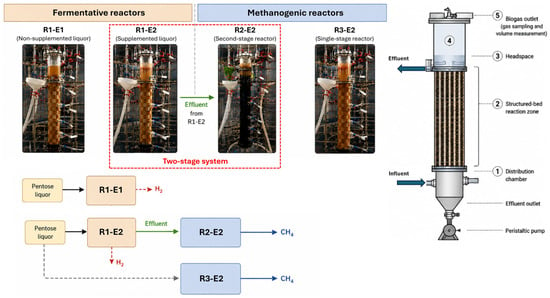
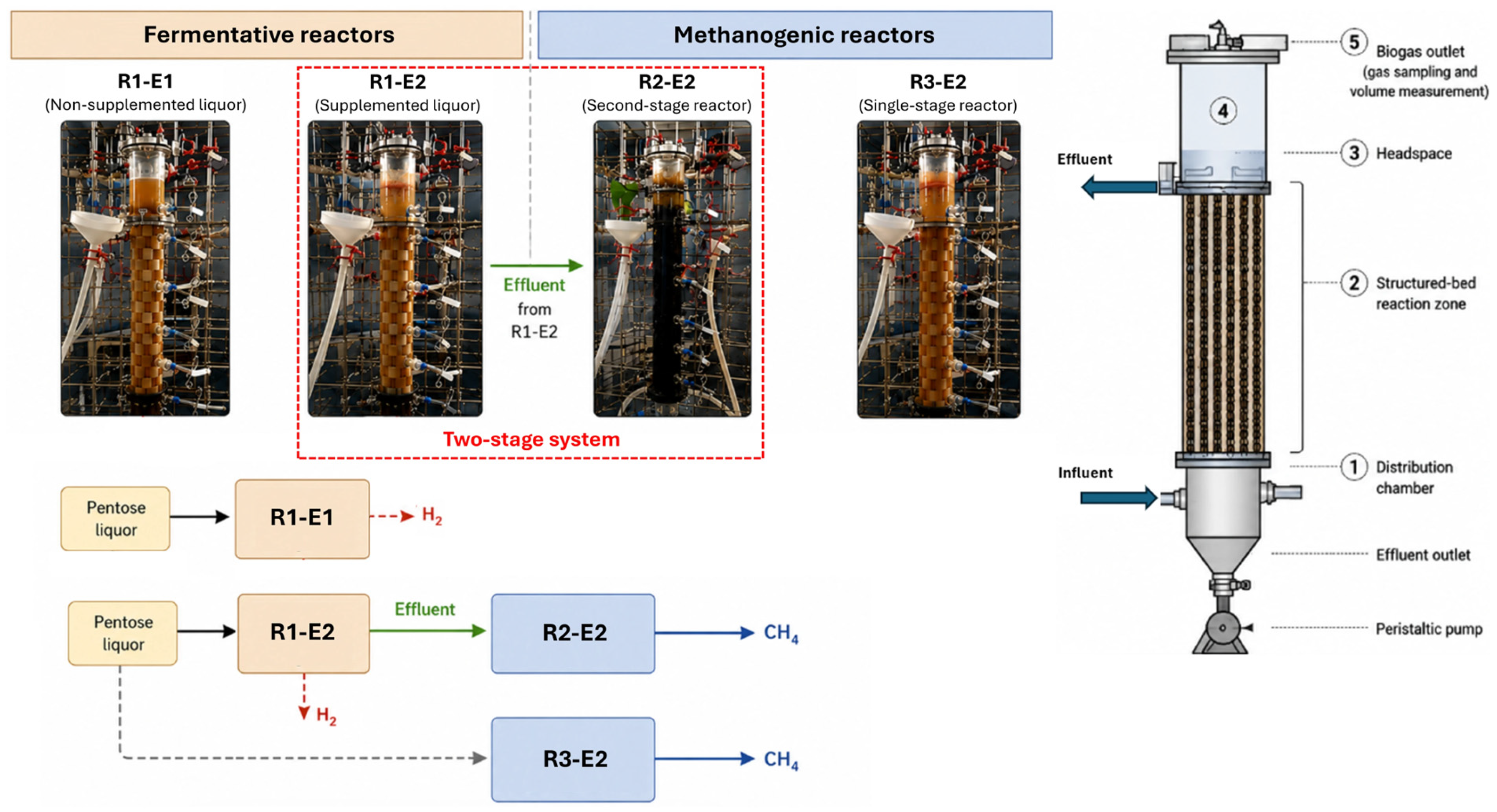
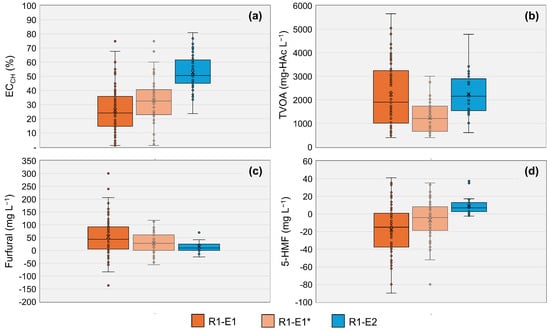
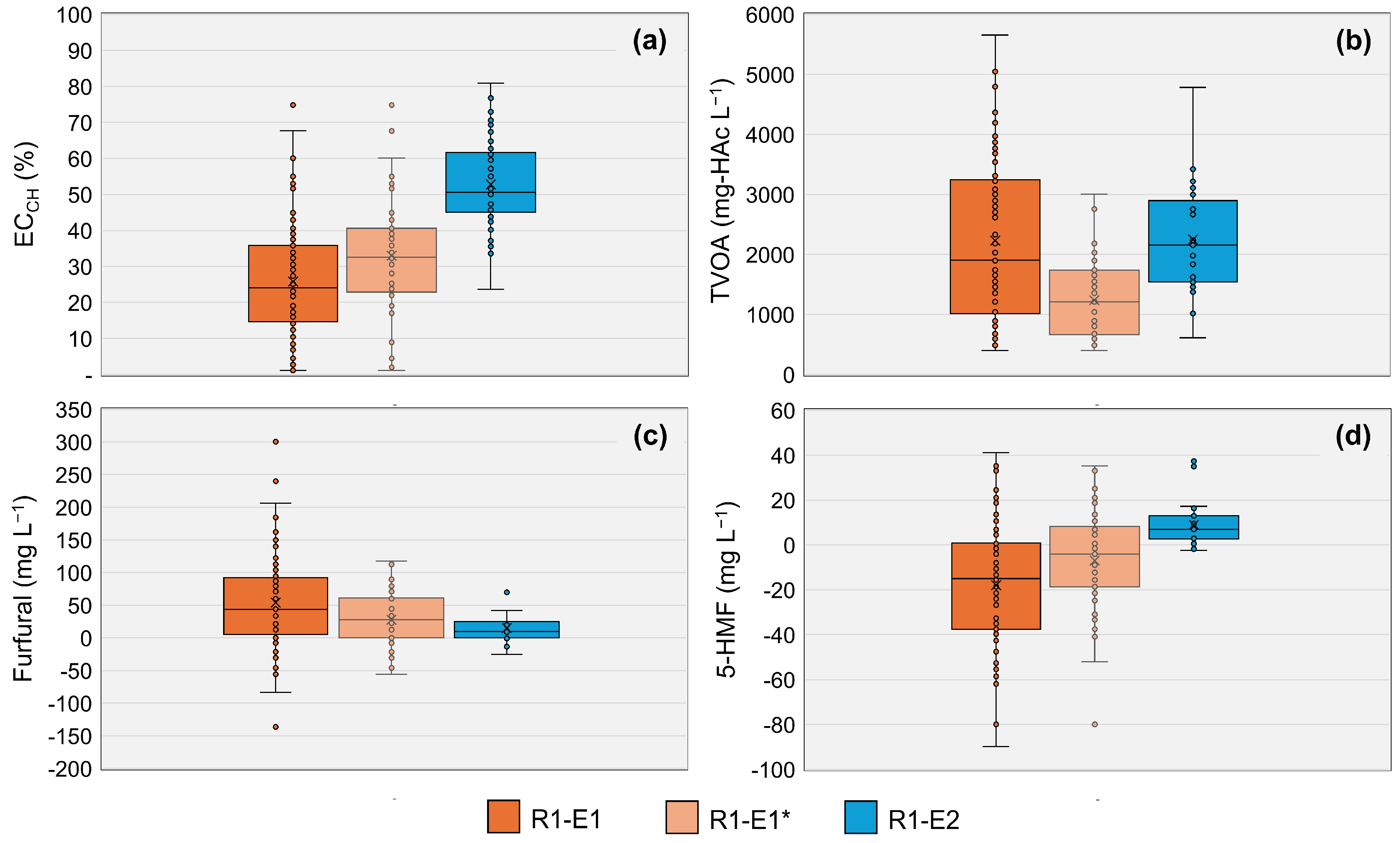
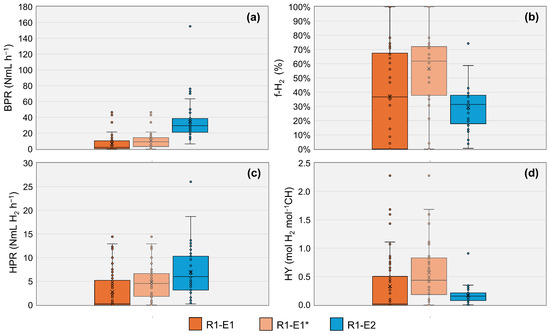
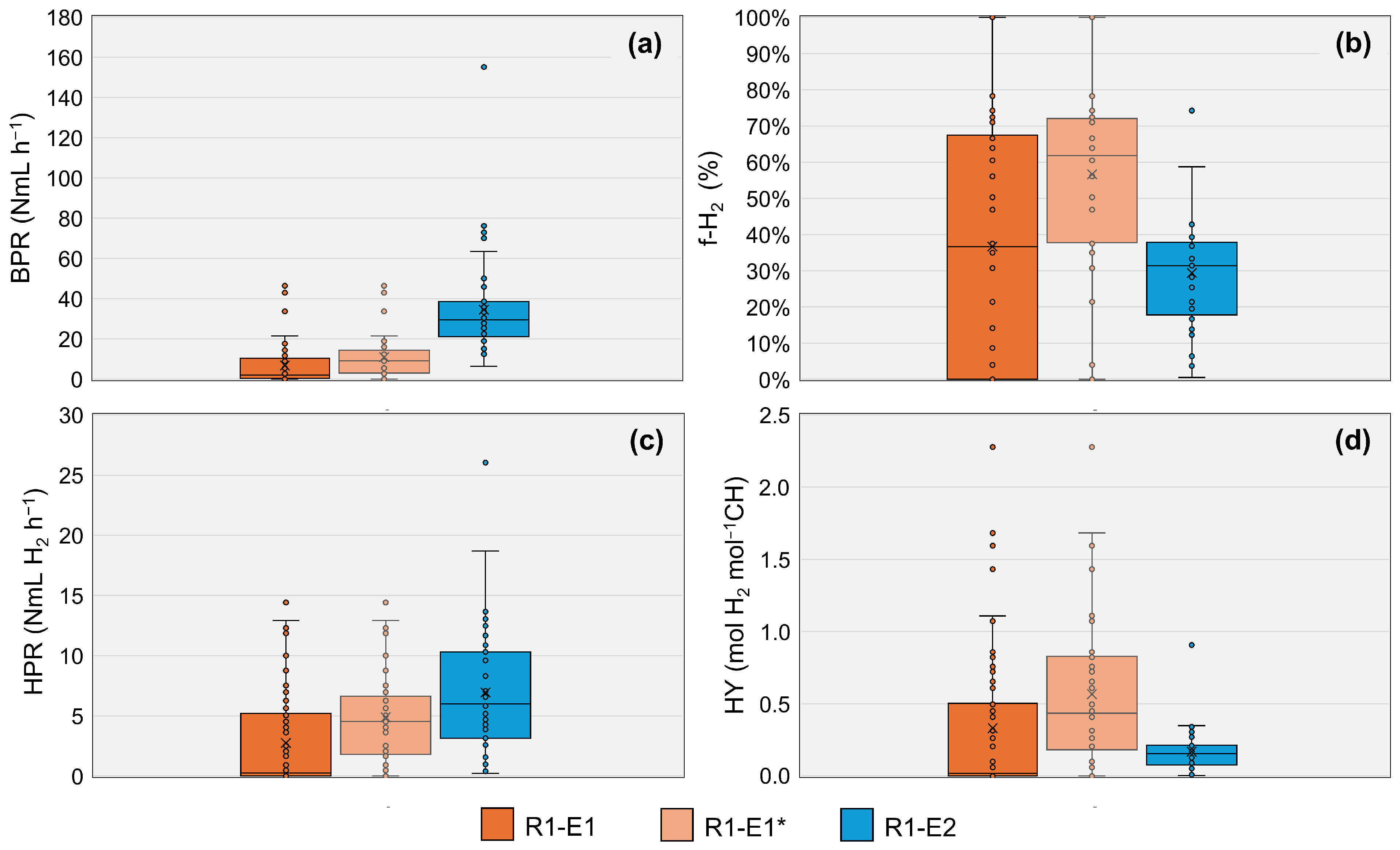
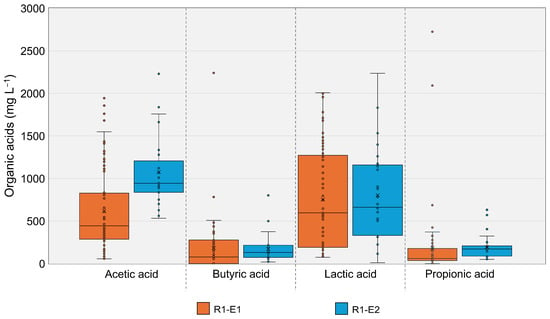
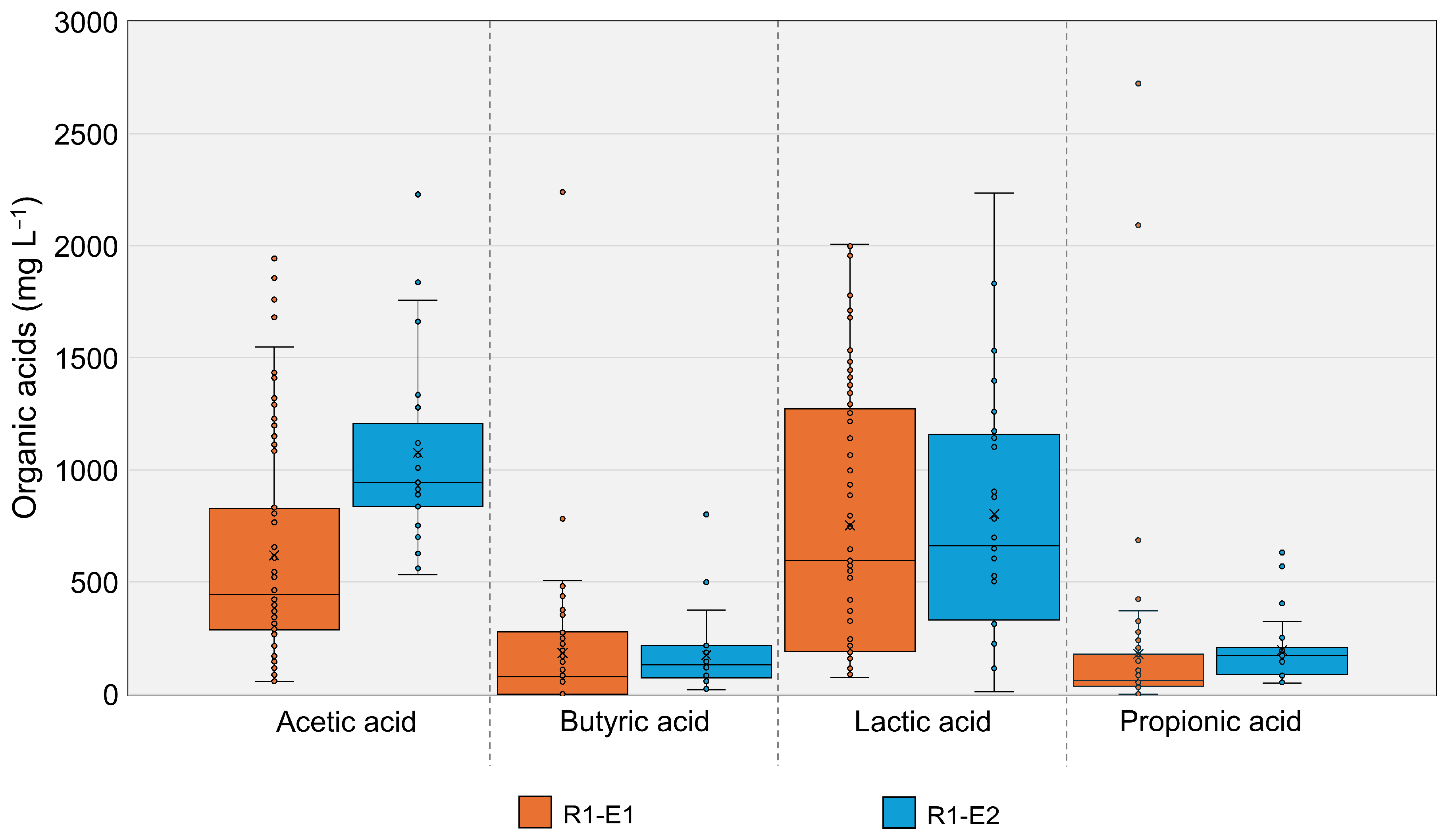
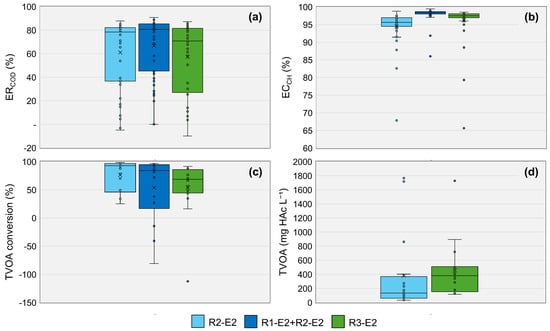
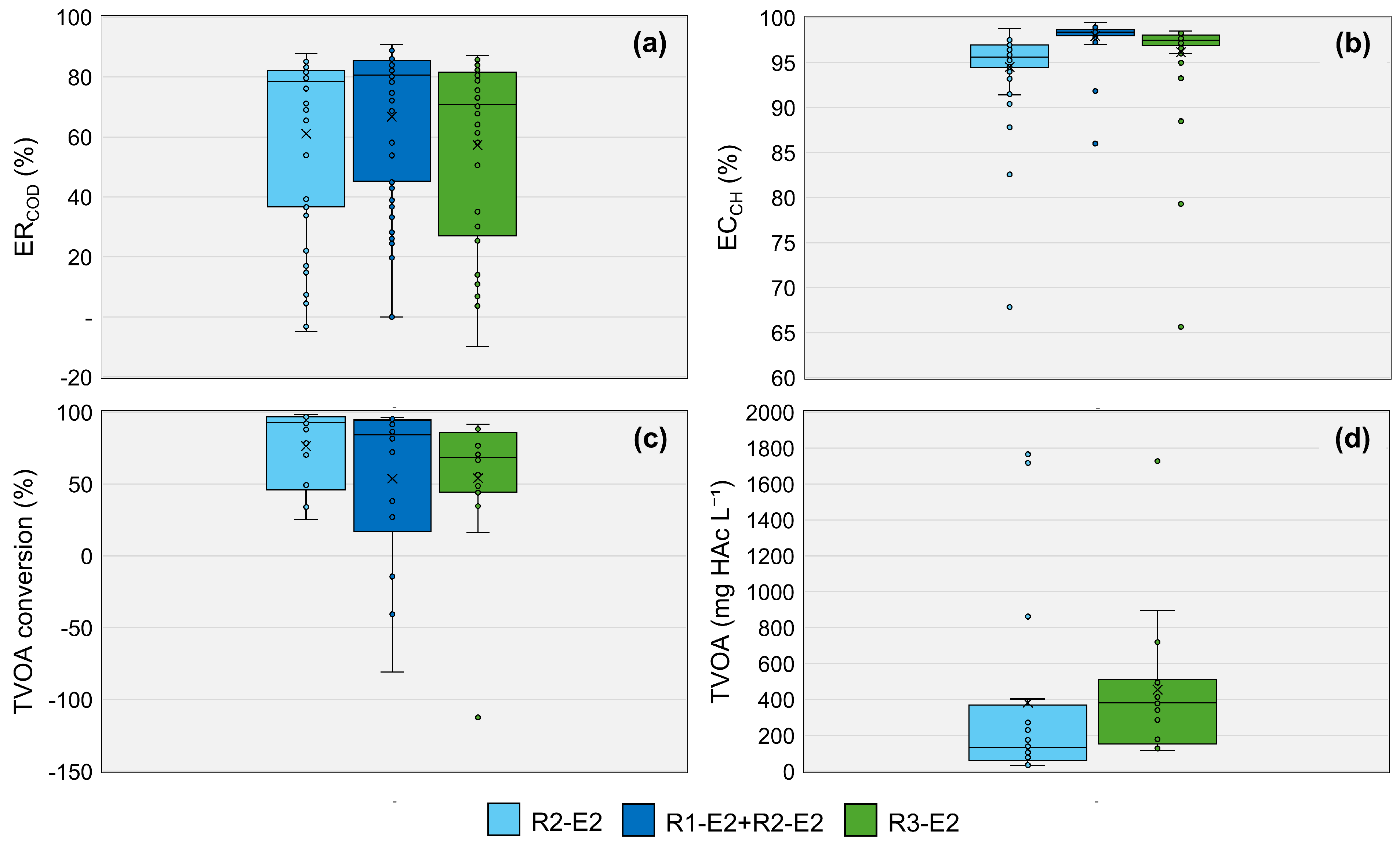
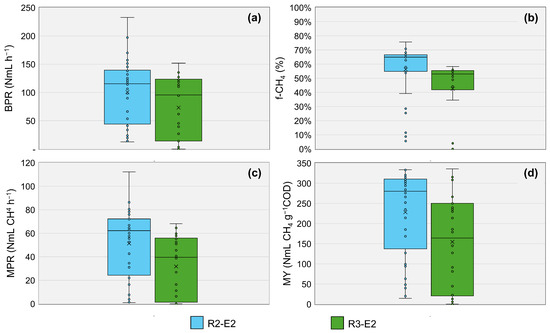
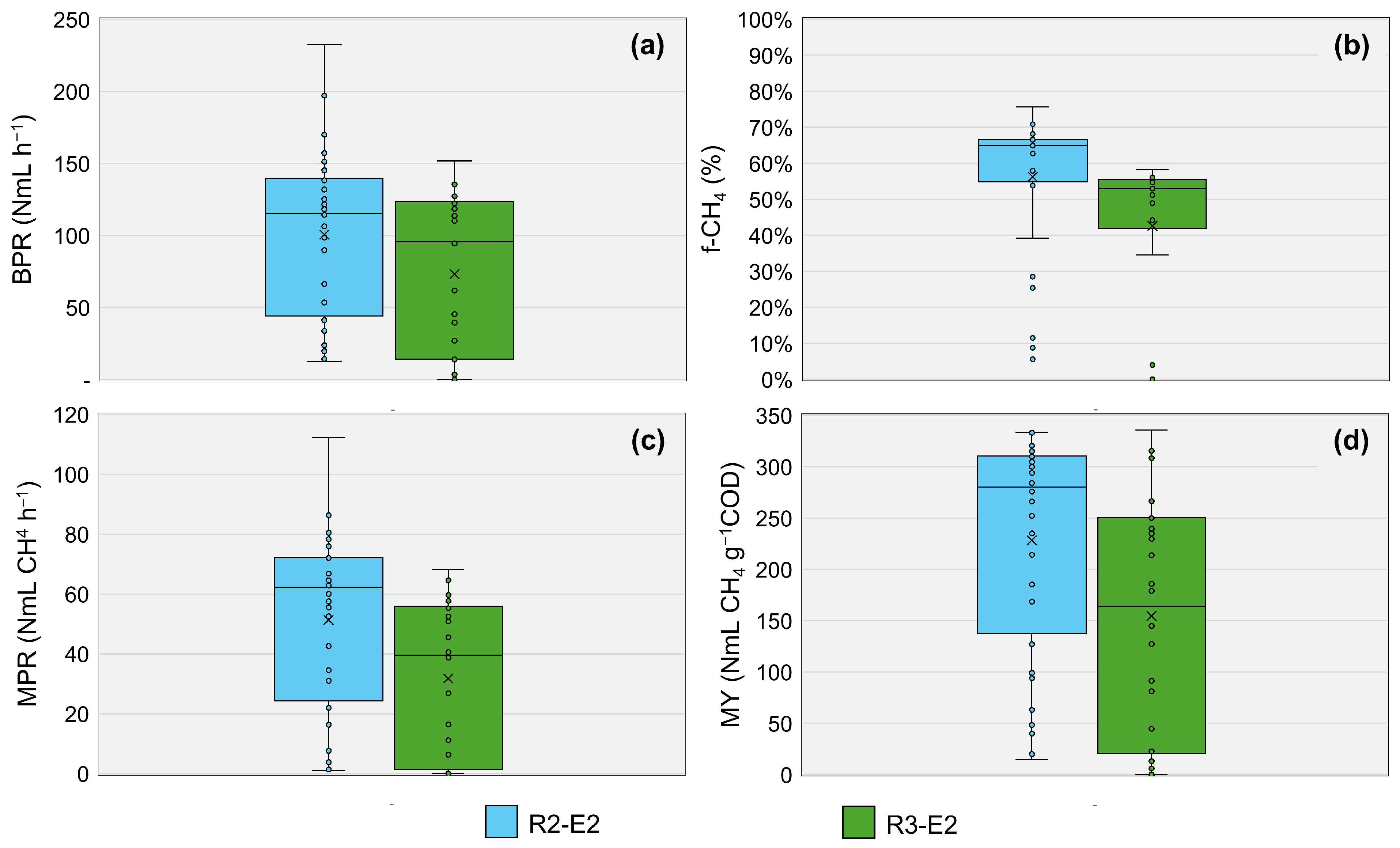
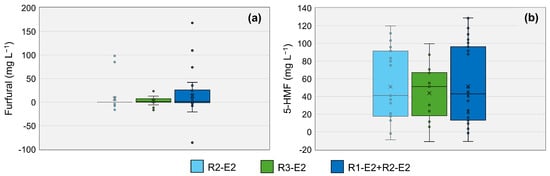
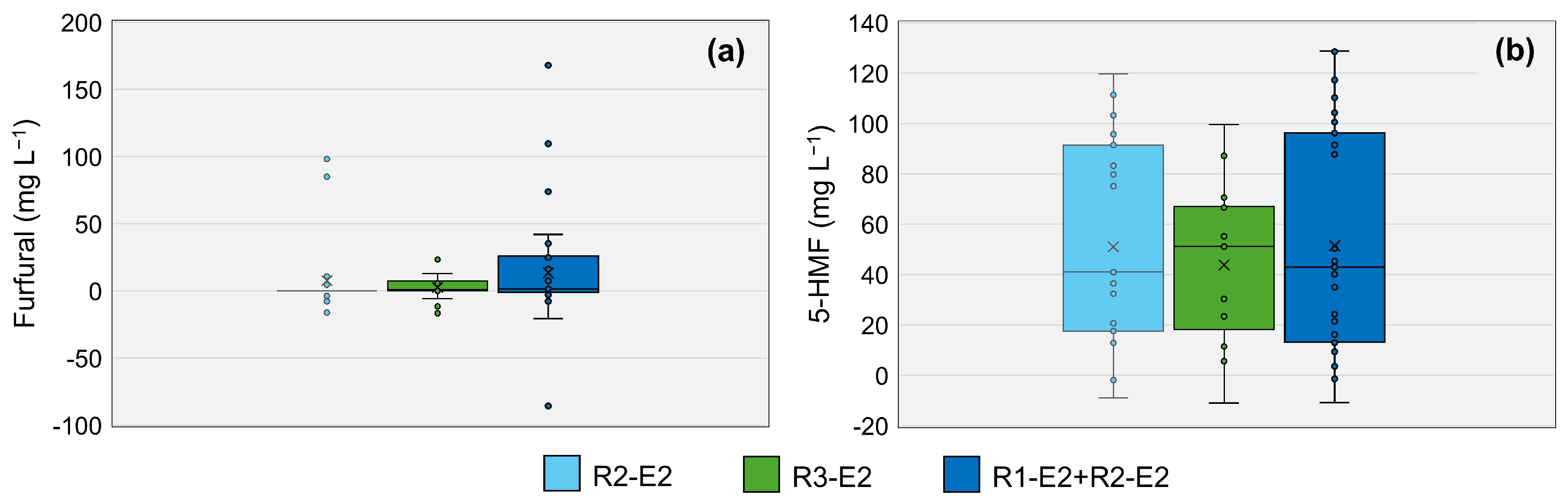
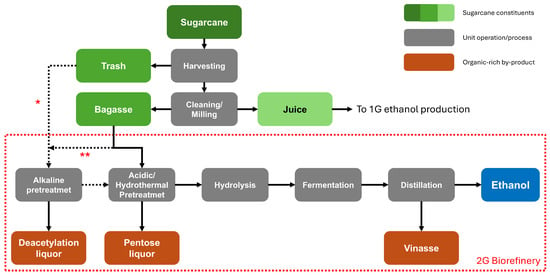
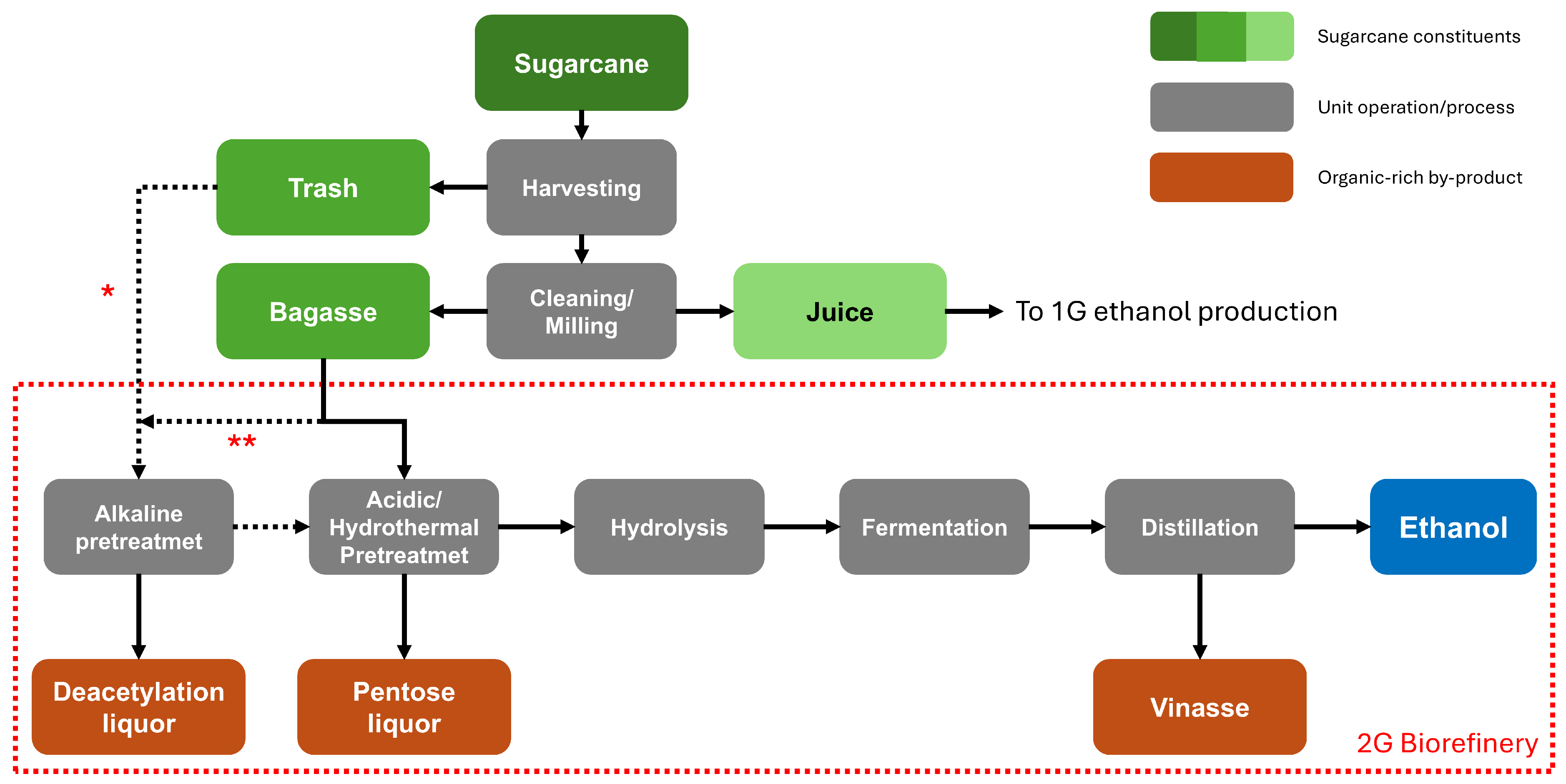

Disclaimer/Publisher’s Note: The statements, opinions and data contained in all publications are solely those of the individual author(s) and contributor(s) and not of MDPI and/or the editor(s). MDPI and/or the editor(s) disclaim responsibility for any injury to people or property resulting from any ideas, methods, instructions or products referred to in the content. |
© 2026 by the authors. Licensee MDPI, Basel, Switzerland. This article is an open access article distributed under the terms and conditions of the Creative Commons Attribution (CC BY) license.