


Highlights
Please indicate how your work links to systems science via your contributions to systems practice, theory, and/or methodology?
- In this study, we develop a systems-based framework integrating eight green finance mechanisms to explain their collective influence on green finance and the sustainable performance of financial institutions.
- The study integrates institutional theory, diffusion of innovation theory, the resource-based view, and the cost-efficiency approach to provide a comprehensive theoretical foundation for analysing green finance systems.
What are the main findings and/or the implications of the main findings?
- All eight green finance mechanisms significantly enhance green finance, which in turn improves the environmental, social, and economic performance of financial institutions.
- The findings provide evidence-based guidance for policymakers and financial institutions to strengthen sustainability-oriented financial strategies aligned with Saudi Vision 2030 and the Sustainable Development Goals.
Abstract
The growing urgency of climate change, environmental sustainability, and financial resilience has led to increased global interest in green finance as a tool for achieving sustainable economic development. However, the existing research lacks a comprehensive empirical framework integrating multiple green finance mechanisms and examining their collective influence on the sustainable performance of financial institutions across environmental, social, and economic dimensions, particularly in emerging economies. This study is grounded in institutional theory, the resource-based view, diffusion of innovation theory, and the cost-efficiency approach. It develops and empirically tests a model in which green bonds, green bank loans, carbon credit financing, sustainable agricultural financing, green microfinance, energy-efficient financing, renewable energy financing, and environmental impact financing determine green finance. Green finance, in turn, enhances the sustainable performance of financial institutions across environmental, social, and economic dimensions in Saudi Arabia. This study employs Partial Least Squares–Structural Equation Modelling to analyse survey data collected from 384 employees in Saudi financial institutions. The results show that all eight green finance mechanisms significantly contribute to green finance, which in turn significantly enhances the sustainable performance of financial institutions. This study makes a significant theoretical contribution by developing and validating measurement items for nine green finance constructs and empirically testing a comprehensive model that explains how green finance mechanisms enhance the sustainable performance of financial institutions. This study provides one of the first comprehensive empirical analyses in Saudi Arabia of green finance’s role in promoting sustainable financial strategies aligned with the United Nations Sustainable Development Goals. The findings offer a strong foundation for future research and provide valuable insights for policymakers, financial regulators, and industry leaders in advancing sustainability-focused financial decision-making and policy reforms.
1. Introduction
The growing global urgency to combat climate change has intensified the importance of sustainable development, positioning green finance as a vital mechanism for aligning economic advancement with ecological objectives [1]. By directing financial resources towards environmentally impactful initiatives, green finance fosters sustainability and long-term economic growth [2]. This study examines the dimensions of green finance and their influence on the sustainable performance of Saudi financial institutions across environmental, social, and economic dimensions.
Green finance integrates environmental considerations into financial decisions, encouraging investment redirection from harmful industries to sustainable initiatives [3]. While research has highlighted its role in improving corporate efficiency, industrial output, and credit facilities [4,5], the existing studies largely focus on macroeconomic outcomes rather than institutional-level adoption and performance. Studies such as those by [6,7] demonstrate mixed results regarding the effectiveness of green finance policies in different regional contexts, necessitating further investigation.
Governance, financial innovations, and policy mechanisms are vital for sustainable natural resource management, yet sector-specific analyses remain limited [8]. Research highlights green finance’s role in trade openness and carbon emissions reduction through policy mechanisms [9], though its effects on financial institutions need further exploration. Reference [10] examines the synergy between green logistics, green finance, and green technology in fostering green innovation, identifying green finance and logistics as key drivers, with green technology as a mediator. Future research should address financial barriers to green technology adoption and enhance policy frameworks for sustainable innovation. This study seeks to fill this research gap by providing empirical insights into how financial institutions operationalize green finance initiatives.
Green finance plays a pivotal role in Saudi Arabia’s Vision 2030, which aims to diversify the economy, reduce oil dependence, and promote sustainable financial practices. The Saudi Green Initiative (SGI), launched in 2021, exemplifies this commitment by targeting net-zero emissions by 2060 and fostering a green economy [11]. Saudi Arabia’s rapid growth in green and sustainable bond issuance further highlights its dedication to advancing green finance [12].
Despite the increasing emphasis on sustainability, financial institutions in Saudi Arabia face challenges in integrating green finance into their operations. While previous studies have explored the macroeconomic and environmental effects of green finance, limited attention has been given to its micro-level implications for financial institutions, particularly regarding their sustainable performance across environmental, social, and economic dimensions [13]. The absence of a comprehensive framework detailing the dimensions of green finance further limits strategic decision-making in this domain. This study aims to bridge this gap by examining how financial institutions engage with green finance initiatives and how such engagement influences their sustainable performance across environmental, social, and economic dimensions.
Although previous studies have demonstrated the importance of green finance in promoting environmental sustainability, economic development, governance, and green innovation [4,5,6,7,8,9,10,13], most have primarily focused on macroeconomic outcomes, policy implications, or sector-level analyses. Consequently, limited empirical attention has been given to how multiple green finance mechanisms collectively influence green finance and, subsequently, the sustainable performance of financial institutions at the organisational level, particularly in the Saudi Arabian context. To address this gap, the present study develops and empirically validates a comprehensive framework integrating eight key green finance mechanisms and examines their collective influence on green finance and the sustainable performance of financial institutions, operationalised through environmental, social, and economic performance dimensions. To bridge the identified gap, this study sets out the following objectives:
- To identify the key dimensions of green finance and their role in enhancing the sustainable performance of Saudi financial institutions across environmental, social, and economic dimensions.
- To examine how Saudi financial institutions engage with and adopt key green finance mechanisms.
- To assess the impact of green finance on the sustainable performance of Saudi financial institutions.
- To develop and validate a comprehensive model that integrates key dimensions of green finance and assesses their impact on enhancing the sustainable performance of Saudi financial institutions.
This study significantly contributes to the green finance literature by shifting the focus from macroeconomic outcomes to a micro-level analysis of financial institutions’ engagement with green finance. It introduces a novel framework to assess green finance dimensions and their impact on the sustainable performance of financial institutions, offering actionable insights for policymakers and financial institutions. Specifically, it expands understanding beyond macroeconomic indicators, provides empirical insights into how Saudi financial institutions adopt green finance, develops and validates a comprehensive framework explaining how green finance dimensions enhance the sustainable performance of financial institutions, and supports the achievement of global sustainability objectives. These contributions enhance knowledge on sustainable financial practices.
Furthermore, this research contributes to several United Nations Sustainable Development Goals (SDGs), including SDG 1 (No Poverty), SDG 2 (Zero Hunger), SDG 7 (Affordable and Clean Energy), SDG 8 (Decent Work and Economic Growth), SDG 9 (Industry, Innovation, and Infrastructure), SDG 12 (Responsible Consumption and Production), SDG 13 (Climate Action), and SDG 15 (Life on Land). By examining the influence of green finance on environmental, social, and economic performance, this study underscores its critical role in enhancing the sustainable performance of Saudi financial institutions.
This study addresses a critical research gap by examining the micro-level impact of green finance on Saudi financial institutions. Unlike prior studies focused on policy and macroeconomic outcomes, it highlights institutional adoption of green finance and its influence on the sustainable performance of financial institutions, offering valuable insights for academics, policymakers, and industry professionals committed to sustainable development.
2. Literature Review
2.1. Related Institutional Theories
2.1.1. Diffusion of Innovation (DOI) Theory
The diffusion of innovation (DOI) theory [14] provides a useful framework for understanding the adoption of green finance innovations. DOI emphasises innovation as a driver of economic growth and environmental sustainability [15]. In this study, green bonds, carbon credit financing, and renewable energy financing represent innovations that facilitate the diffusion of sustainable financial practices within financial institutions.
From a DOI perspective, the adoption of green finance is facilitated by market-based mechanisms, including green bonds and carbon credit financing, which encourage the diffusion of sustainable technologies and business practices [16]. The theory also highlights the importance of collaboration among stakeholders in accelerating innovation adoption and supporting energy-efficient financing and sustainable agricultural practices [17,18]. Accordingly, DOI provides a theoretical basis for understanding the adoption of green finance mechanisms examined in this study.
2.1.2. Institutional Theory
Institutional theory, proposed by [19], explains how organizations adapt to formal structures, rules, and norms to gain legitimacy and survive within their institutional environment. Reference [20] later introduced the concept of isomorphism, where organizations conform to institutional pressures, becoming more similar over time. The theory highlights how both formal institutions—such as laws and regulations—and informal institutions—like social norms and beliefs—shape organizational behaviour, including innovation and sustainability efforts, depending on their design and enforcement [21].
Institutional theory explains how formal regulations and informal societal expectations encourage financial institutions to adopt green finance practices. To maintain legitimacy and comply with environmental requirements, institutions increasingly adopt mechanisms such as green bonds, sustainable agricultural financing, and renewable energy financing, thereby enhancing their sustainable performance [22,23].
2.1.3. Resource-Based View Theory
The resource-based view (RBV) theory, introduced by Wernerfelt (1984), highlights the importance of internal firm resources in attaining a sustained competitive advantage [24]. Firms possessing valuable, rare, inimitable, and non-substitutable (VRIN) resources, such as intellectual property, human capital, and organizational capabilities, can outperform competitors by developing and protecting these unique assets [24,25].
Within the context of green finance, RBV views organisational capabilities and strategic resources as critical drivers of sustainable performance [26]. Financial institutions can leverage green finance mechanisms, including green bonds and sustainable agricultural financing, as valuable strategic resources that strengthen organisational capabilities, improve sustainability performance, and support long-term competitiveness through innovation and effective resource management [17,26].
2.1.4. Cost-Efficiency Approach
The cost-efficiency approach focuses on maximizing value while minimizing resource use, reducing operational costs, and improving productivity [27]. This method is essential for enhancing profitability and sustainability, especially in industries constrained by economic challenges. By adopting cost-efficient strategies, companies can allocate resources effectively, streamline processes through technology, and optimize financial assets for sustainable growth [28].
Applied to green finance, the cost-efficiency approach emphasises financing mechanisms that maximise environmental and economic benefits while minimising resource use and operational costs. Techniques such as life-cycle costing and cost–benefit analysis support investment decisions related to renewable energy, carbon credit financing, and energy-efficient financing, thereby enhancing the sustainable performance of financial institutions [17,29,30].
2.1.5. Integration of Theories for Model Development
The proposed model integrates the diffusion of innovation (DOI) theory, institutional theory, the resource-based view (RBV), and the cost-efficiency approach to explain the adoption and impact of green finance. DOI explains the diffusion of green finance innovations within financial institutions [14,15], whereas institutional theory highlights the role of regulatory and societal pressures in encouraging the adoption of sustainable financial practices [19,20]. RBV considers green finance mechanisms as strategic organizational resources that enhance sustainable performance [24,25,26], while the cost-efficiency approach emphasises efficient resource allocation to maximise environmental, social, and economic outcomes [27,28,29,30]. Collectively, these complementary perspectives provide a comprehensive theoretical foundation for explaining how green finance mechanisms enhance the sustainable performance of financial institutions and underpin the hypotheses developed in the following section.
2.2. Green Finance (GF)
GF integrates environmental considerations into financial decision-making to promote sustainable development by redirecting resources towards environmentally sustainable initiatives and away from polluting activities [3]. Previous studies show that GF enhances corporate efficiency, industrial productivity, and access to finance while discouraging environmentally harmful business practices [4,5].
GF supports green growth by encouraging investments in green technologies, resource efficiency, and environmental innovation, thereby improving productivity, reducing costs, and promoting sustainable industrial development [7,31,32,33]. However, evidence regarding its long-term environmental impacts remains mixed, with some studies reporting only temporary improvements in carbon reduction [6]. Furthermore, existing research has primarily focused on macroeconomic outcomes, while limited empirical evidence explains how financial institutions respond to GF initiatives at the organisational level [13].
From a policy perspective, GF encourages environmentally responsible investment by supporting renewable energy, clean technologies, and other sustainable projects while strengthening corporate environmental responsibility [6,34,35]. Although its environmental outcomes vary across institutional and regional contexts [36,37], GF enhances financial institutions’ sustainability by improving transparency, strengthening investor confidence, encouraging financial innovation, and supporting long-term sustainable economic development [38,39].
Section 2.6 presents details about the dimensions of GF and the related hypotheses’ development.
2.3. Sustainable Performance
Sustainability focuses on maintaining well-being indefinitely, emphasizing the environmental pillar among the three pillars of sustainability [40]. While related, “environment” and “sustainability” are distinct concepts [41]. Corporate sustainability performance assesses a company’s effectiveness across environmental, social, and economic dimensions, with the objective of achieving long-term organisational success, environmental preservation, and social well-being [42,43]. This holistic approach enables organisations to meet stakeholders’ needs while integrating sustainability into their business models [44].
Sustainable finance, particularly green finance, contributes to corporate sustainability by supporting renewable energy, clean technologies, and resource-efficient investments. These initiatives reduce environmental risks, generate cost savings, and strengthen stakeholder relationships, thereby enhancing sustainable performance [42,45,46,47].
In Saudi Arabia, green finance has become an important component of the country’s sustainability agenda under Vision 2030 and the Saudi Green Initiative (SGI), promoting investments in renewable energy and low-carbon development [11,12]. These national initiatives demonstrate the increasing strategic importance of green finance in supporting sustainable economic and environmental development.
The growing emphasis on ESG and green corporate governance further highlights the importance of examining how green finance contributes to the sustainable performance of financial institutions within the Saudi Arabian context [48].
2.4. Saudi Government’s Initiatives for Green Finance, and Sustainable Development
Saudi Arabia is undergoing a significant transition towards green finance and sustainable development through national initiatives such as the Saudi Green Initiative (SGI) and Vision 2030. These programmes promote environmental protection, economic diversification, and the integration of sustainable finance into national development strategies.
2.4.1. Saudi Green Initiative (SGI)
Launched in 2021 under the leadership of Crown Prince Mohammed bin Salman, the Saudi Green Initiative (SGI) focuses on promoting environmental sustainability and addressing climate change. Its key goals include safeguarding 30% of Saudi Arabia’s land and marine habitats by 2030, planting 10 billion trees to rehabilitate 40 million hectares, and cutting carbon emissions by 278 million tons annually [49]. These efforts align with the Circular Carbon Economy approach, which focuses on reducing, reusing, recycling, and removing carbon to achieve net-zero emissions by 2060 [11].
The SGI provides an important policy framework for accelerating green finance and green technology adoption in Saudi Arabia. Its emphasis on sustainability and low-carbon development reinforces the relevance of examining green finance mechanisms within Saudi financial institutions [50,51].
2.4.2. Vision 2030
Vision 2030 is Saudi Arabia’s national development strategy aimed at diversifying the economy beyond oil while promoting sustainability and innovation. The initiative encourages renewable energy investment, environmental responsibility, and sustainable financial practices, providing an important policy context for the development of green finance within the Kingdom [52].
2.4.3. Sustainable Development Goals (SDGs)
Saudi Arabia aligns its national sustainability agenda with the United Nations SDGs through Vision 2030 and the National Transformation Program. This alignment supports initiatives related to clean energy, climate action, and sustainable economic development, reinforcing the country’s commitment to green finance and sustainability [53,54,55].
2.4.4. Infrastructure and Economic Reforms
Saudi Arabia has also implemented broader economic and infrastructure reforms to support sustainable development and economic diversification. These reforms complement national green finance initiatives by creating an enabling environment for sustainable investment and innovation [56].
2.5. Saudi Financial Institutions and Their Role in Sustainable Development Through Green Finance
Green finance plays a vital role in promoting environmental sustainability, climate change mitigation, and sustainable economic development by directing financial resources towards renewable energy, energy efficiency, and other environmentally responsible investments [57,58,59,60]. In Saudi Arabia, national initiatives such as Vision 2030 reinforce these efforts by encouraging the adoption of sustainable financial instruments, including green bonds, to support the transition to a low-carbon economy [59].
Under Vision 2030, Saudi financial institutions play a central role in mobilising capital for environmentally sustainable projects. Supported by regulatory authorities such as the Saudi Central Bank (SAMA), they promote green finance through instruments such as green bonds, public–private partnerships, and the integration of ESG principles into financial operations [61,62,63].
Islamic finance further complements green finance through instruments such as Green Sukuk, providing Shariah-compliant financing for environmentally sustainable projects [64]. In addition to financing renewable energy and sustainable infrastructure, Saudi financial institutions promote green finance through innovative financial products and stakeholder awareness initiatives, thereby supporting the Kingdom’s transition towards a more sustainable and diversified economy.
2.6. Formulation of Hypotheses
2.6.1. Green Finance (GF) and Sustainable Performance of Financial Institutions (SPFI)
Green finance (GF) plays a crucial role in enhancing the sustainable performance of financial institutions by promoting environmentally responsible investments and reducing carbon emissions. Supporting green projects and investing in energy-efficient technologies contribute to both environmental improvements and financial profitability [65]. GF positively influences sustainable performance in financial institutions (SPFI) by mitigating environmental risks, aligning institutions with sustainability objectives, and attracting eco-conscious investors [66]. Initiatives such as green bonds and renewable energy investments foster sustainable business practices, facilitating the transition to a low-carbon economy [67].
Encouraging energy efficiency is essential for achieving sustainability in manufacturing companies, while strengthening green tax policies by incorporating energy efficiency measures can further enhance their effectiveness [68]. The adoption of GF strategies strengthens regulatory compliance, reputational capital, and long-term financial resilience, ensuring sustainable financial growth [69,70,71].
Zhen & Rahman (2024) found that sensitive industries achieve superior environmental, social, and governance (ESG) performance by integrating environmental management accounting and green financing [72]. Additionally, Deb et al. (2024) examined the relationship between green tax, green financing, and corporate social responsibility (CSR), emphasizing that green financing enables businesses to invest in eco-friendly initiatives that lower environmental impact while promoting social and economic well-being [73]. This alignment with long-term sustainable development goals underscores the strategic significance of GF in shaping responsible business practices.
Building upon these insights, this study hypothesizes that GF positively influences SPFI by driving eco-conscious investments and corporate resilience. By supporting green projects and sustainable technologies, financial institutions can enhance both environmental sustainability and financial performance, ensuring long-term stability and growth. Thus:
H1.
GF positively influences the SPFI of financial institutions.
2.6.2. Green Bonds (GBs) and Green Finance (GF)
Green bonds, defined by the ICMA, allocate proceeds exclusively to eligible green projects aligned with the Green Bond Principles [74]. These projects include renewable energy, energy efficiency, clean transportation, and sustainable water management [75,76]. Green bonds are integral to green finance, channelling funds into environmentally beneficial sectors to support goals like carbon emission reduction and renewable energy development [77].
The market for green bonds has grown significantly, from $5 billion in 2012 to $257.7 billion in 2019, with countries issuing more green bonds achieving better outcomes in emissions reduction and renewable energy capacity [78,79]. Positive market reactions attract investors prioritizing environmental values [80]. Effective monitoring, including certification standards, ensures funds genuinely support green initiatives, sustaining market confidence [81,82]. This study hypothesizes that green bonds positively influence green finance by providing targeted capital for sustainable projects, enhancing its effectiveness in addressing environmental challenges. Thus,
H2.
GBs positively influence GF.
2.6.3. Green Bank Loans (GBLs) and Green Finance (GF)
Green bank loans (GBLs) are vital in advancing green finance (GF) by funding eco-friendly initiatives like renewable energy and pollution reduction, bridging private capital and public sustainability interests [83]. They support clean energy transitions and integrate technological and operational changes in banking [17,84]. GBL addresses financing challenges for high-risk green projects, fosters environmental innovation, and enables firms to adopt sustainable technologies [85,86]. Ref. [87] noted that green loans and energy-efficient project funding drive sustainability and foster eco-friendly technologies through R&D support.
Research highlights GBL’s positive impact on GF, improving banks’ environmental performance and sustainability practices [88]. GBL promotes green innovation through sustainable lending policies in Asia and Europe [89]. Notable successes include Malaysia’s Green Technology Financing Scheme and the European Banking Authority’s endorsement of green loans for environmental goals [90]. This study hypothesizes that GBL positively influences GF by driving green innovation and sustainability. Thus,
H3.
GBLs positively influence GF.
2.6.4. Carbon Credit Finance (CCF) and Green Finance (GF)
Carbon credit financing (CCF) facilitates greenhouse gas emission reduction through emission unit trading [91], surpassing typical business-as-usual levels [92,93]. It drives green finance (GF) by channelling funds into sustainable projects and incentivizing carbon reduction [94]. Companies offset emissions by purchasing credits, directing capital toward renewable energy, reforestation, and carbon capture projects [95]. This financing model offers economic incentives for meeting emission targets and expands funding for green initiatives [96]. By mobilizing private sector investments, CCF promotes low-carbon technologies and environmental sustainability. As demand for credits grows, financial support for climate-change mitigation projects increases, positioning CCF as a critical driver of GF and sustainability-focused investments. Therefore, the study hypothesizes that:
H4.
CCF positively influences GF.
2.6.5. Sustainable Agricultural Financing (SAF) and Green Finance (GF)
Sustainable agriculture financing (SAF) reduces deforestation, enhances climate resilience, and boosts income by attracting public and private investments in climate-smart agriculture [97]. It fosters inclusive economic growth by providing technical assistance to lenders and borrowers, particularly in developing nations [98]. SAF advances green finance (GF) by directing resources toward environmentally conscious agricultural practices, mitigating climate change [17,99]. By prioritizing initiatives that reduce greenhouse gas emissions, improve climate resilience, and promote eco-friendly farming, SAF expands GF’s impact across the agricultural sector [100]. It supports sustainability in high-emission areas, enhancing food security, economic resilience, and rural opportunities [101]. SAF also makes sustainable farming accessible and economically viable, aligning agriculture with sustainability goals [51]. Therefore, the hypothesis is:
H5.
SAF positively influences GF.
2.6.6. Green Microfinance (GMF) and Green Finance (GF)
Microfinance offers small-scale financial services to underserved communities, enabling income generation and improved livelihoods [102]. Green microfinance aligns with environmental goals by funding grassroots eco-friendly projects, significantly advancing green finance [103]. It provides micro-loans for renewable energy, organic farming, water conservation, and waste management, fostering local environmental stewardship [104]. By channelling resources into sustainable initiatives, green microfinance extends green finance’s reach, reducing environmental footprints and enhancing climate resilience. It empowers communities by creating economic opportunities integrated with eco-friendly practices, contributing to social and environmental well-being [105,106]. Additionally, technical support and financial literacy training help borrowers maximize the environmental benefits of their initiatives [107]. Studies confirm its role in increasing sustainable practices among low-income households, amplifying green finance’s impact [108,109]. Therefore, the hypothesis is:
H6.
GMF positively influences GF.
2.6.7. Energy-Efficient Financing (EEF) and Green Finance (GF)
Energy-efficient financing (EEF) advances green finance (GF) by funding energy conservation and carbon reduction projects [110]. EEF enables businesses to achieve cost savings, improve environmental outcomes, and reduce operational risks by adopting energy-efficient technologies, sustainable building practices, and infrastructure enhancements [17,111]. It aligns with GF’s mission by promoting environmentally sustainable initiatives and attracting investors focused on sustainability [22,112]. EEF encourages traditionally high-energy sectors, such as residential and industrial areas, to adopt energy-saving measures, expanding GF’s reach [69]. By driving renewable energy adoption, cleaner technologies, and resource-efficient practices, EEF fosters a low-carbon economy [113]. Studies confirm EEF’s positive impact on GF by attracting capital to green projects, reinforcing sustainability efforts globally. Therefore, the hypothesis is:
H7.
EEF positively influences GF.
2.6.8. Renewal Energy Financing (REF) and Green Finance (GF)
Renewable energy financing (REF) supports green finance (GF) by funding environmentally sustainable practices and mitigating climate change impacts [114]. By financing solar, wind, and biomass energy projects, REF reduces reliance on fossil fuels and aligns with ESG goals, advancing GF’s mission [115,116,117]. REF provides critical capital for eco-friendly projects, fostering green economic growth and promoting renewable energy technologies that reduce greenhouse gas emissions [118].
The findings from [119] suggest that investments in renewable energy foster both economic expansion and environmental sustainability, while REF accelerates the transition toward cleaner energy sources. This ensures that economic progress is achieved without compromising environmental integrity, solidifying REF’s position as a key enabler of long-term green financial strategies. Additionally, REF reinforces GF’s objectives by fostering sustainable financial practices and mitigating environmental risks [120]. Financial institutions engaged in REF gain a competitive advantage by offering diverse sustainable solutions, positioning themselves at the forefront of responsible finance [121].
Moreover, Ref. [122] emphasizes the critical role of green finance in sustainable development, highlighting that financial systems prioritizing environmentally responsible investments can accelerate the transition toward low-carbon economies. The integration of green finance with renewable energy investments is widely recognized as a fundamental pillar of long-term sustainability, as it promotes financial inclusion while enhancing environmental resilience. REF’s connection with GF thus underscores its importance as a key driver of sustainable performance and long-term institutional success [77]. Therefore, the hypothesis is:
H8.
REF positively influences GF.
2.6.9. Environmental Impact Financing (EIF) and Green Finance (GF)
Environmental impact financing (EIF) advances green finance (GF) by channelling capital into projects with measurable environmental benefits, such as pollution reduction, biodiversity preservation, and ecosystem restoration [123]. EIF mitigates ecological degradation and aligns with GF’s mission of promoting sustainable economic practices [124]. By prioritizing investments in greenhouse gas reduction, waste management, and water quality improvement, EIF supports ESG criteria essential to GF [72].
Studies highlight green finance’s transformative role in integrating sustainability with economic growth. Ref. [125] showed how the Green Climate Fund advanced EU sustainability by routing resources into renewables. Similarly, Ref. [126] found that green finance under the Belt and Road Initiative mitigated environmental harm while fostering economic growth. Ref. [89] emphasized GF’s role in combating climate change through energy efficiency, renewables, and pollution reduction. EIF ensures that financial flows support impactful environmental ventures, driving GF’s mission. Thus, this study hypothesizes:
H9.
EIF positively influences GF.
The study’s proposed model is illustrated in Figure 1:
Figure 1.
Proposed model.
3. Methodological Framework
3.1. Measurement Scale Design
This study employed a survey approach to gather data from respondents representing financial institutions in Saudi Arabia. To measure the sustainable performance of financial institutions (SPFI), five survey items were adapted from the well-regarded study by [42]. However, for the remaining constructs in the research model namely green bonds (GBs), green bank loans (GBLs), carbon credit financing (CCF), sustainable agricultural financing (SAF), green microfinance (GMF), energy-efficient financing (EEF), renewable energy financing (REF), environmental impact financing (EIF), and green finance (GF), existing survey items in the desired format were unavailable. Consequently, this study developed five tailored survey items for each construct, ensuring alignment with their respective operational definitions.
To ensure the validity and reliability of the instrument, a comprehensive validation process was undertaken. First, the survey was reviewed by expert researchers in the field, and their insightful comments were incorporated to refine the items. Next, a pre-test was conducted to assess the clarity and functionality of the survey items, during which a group of experienced respondents was invited to fill out the survey and provide feedback. Following the pre-test, a pilot study was conducted, and upon obtaining satisfactory results, the final survey data collection commenced.
To validate the newly developed scales, exploratory factor analysis (EFA) was conducted using the “Principal Components” extraction method and the “Promax” rotation approach, with small coefficients below an absolute value of 0.3 suppressed. In the first round, all results were deemed satisfactory except for the outcomes of the pattern matrix. Based on the pattern matrix results, items GB5, EEF2, CCF4, GF4, and REF3 were eliminated due to issues such as cross-loadings, low factor loadings, or failure to meet the required thresholds for construct validity, ensuring that the remaining items adhered to the intended factor structure. After removal of the mentioned items, the communalities table demonstrates that all items have extraction values above 0.5, indicating that they contribute sufficiently to the factor structure and retain a substantial portion of their variance explained by the extracted components. The Kaiser–Meyer–Olkin (KMO) value of 0.929 indicates excellent sampling adequacy, while the highly significant result of Bartlett’s Test of Sphericity (p < 0.001) validates the appropriateness of the data for factor analysis. The “Total Variance Explained” table shows that the first eight components collectively explain 71.17% of the total variance, with the initial eigenvalues indicating strong factors and the rotation improving factor interpretability. The pattern matrix shows that all items load strongly onto their respective components, with no significant cross-loadings, confirming the distinctiveness of the extracted factors. Thus, the exploratory factor analysis results validate the reliability and construct validity of the scales, demonstrating a well-defined factor structure with robust item loadings and satisfactory variance explained.
3.2. Sampling and Data Collection Process
We have adopted a two-stage sampling technique to ensure a representative and reliable dataset. In Stage 1, we employed a stratified random sampling technique to achieve a balanced representation of financial institutions in Saudi Arabia. The total number of financial institutions across all categories was 175, and we selected a proportionate number of institutions from each category based on their share within the overall financial sector. For commercial banks, which accounted for approximately 6.3% of the total institutions, we selected two banks to maintain proportionality. Digital banks, making up a smaller segment at 1.1%, were represented by one institution. Given the higher presence of foreign licensed banks, comprising 13.1% of the total institutions, we selected three institutions from this category. Similarly, insurance companies, which formed around 16% of the financial landscape, were well-represented with five selected institutions. The real estate, non-banking finance, investment, and asset management sector, being the largest category with 46.3% of the total institutions, had a proportional selection of ten institutions. For payment service providers, which made up 15.4%, we included four institutions. Given their relatively smaller presence, both capital and stock market entities and governmental FinTech institutions were each represented by one institution in our final selection. To enhance geographical diversity, these institutions were chosen from key financial hubs, including Riyadh, Jeddah, the Eastern Province, and other urban and semi-urban areas. This proportionate selection method ensured that every financial sector was adequately represented, making our study’s findings more comprehensive and generalizable across the Saudi financial ecosystem.
In Stage 2, convenience sampling was utilized within the selected financial institutions to identify participants who were readily accessible and willing to take part in the study. This approach facilitated the collection of responses from professionals actively engaged in financial services, including banking, insurance, payment processing, and regulatory functions.
According to Krejcie and Morgan’s sample size determination table [127], a sample size of 384 is recommended for a population exceeding 10,000. Following the recommendations in [128], we initially targeted 384 responses. A total of 421 responses were received, of which 37 cases with missing data were excluded, resulting in a final dataset of 384 valid responses. This methodological rigor ensured data quality and integrity, strengthening the study’s reliability.
This hybrid sampling approach enhances the study’s generalizability by integrating a probabilistic approach at the institutional level (stratified random sampling) and a non-probabilistic approach at the individual level (convenience sampling). The structured sampling design provides a nuanced and representative understanding of the financial ecosystem in Saudi Arabia. The demographic profile of respondents is given below in Table 1.
Table 1.
Demographic information of the sample.
3.3. Analysis of Data
The study employed Partial Least Squares–Structural Equation Modelling (PLS-SEM) via SmartPLS 4.0 to analyse survey data, following exploratory factor analysis (EFA) for validating measurement scales. The analysis included both measurement and structural model evaluations using SPSS 23 and SmartPLS 4.0 to ensure reliability and robustness.
PLS-SEM is a widely recognized method for analysing composite-based path models, particularly suited for predictive accuracy and theory development rather than theory confirmation [129]. It was selected over covariance-based SEM (CB-SEM) due to key advantages, including its ability to handle complex models with multiple mediators and moderators, robustness in non-normally distributed data, and effectiveness in small-to-moderate sample sizes [130,131]. Unlike CB-SEM, which demands large samples and normality assumptions, PLS-SEM maximizes explained variance (R2) in dependent constructs, aligning with the study’s objective of investigating the antecedents of green finance and their impact on sustainable performance.
PLS-SEM is also preferred due to its ability to avoid inadmissible solutions and factor indeterminacy [132], while ensuring rigor in complex models by reducing uncertainty in improper solutions [133]. Ref. [134] summarized its advantages, highlighting its lower sample size requirements, flexibility in modelling both reflective and formative constructs, and suitability for theory development and prediction.
The data analysis process began with SPSS 26.0, where common method bias and linearity were assessed before hypothesis testing. SmartPLS 4.0 was then employed for PLS-SEM analysis, evaluating model reliability, validity, and predictive power. Given the study’s complexity, this methodological approach ensures robust model evaluation, accurate hypothesis testing, and empirical validation of proposed relationships. PLS-SEM’s flexibility, predictive capability, and ability to handle complex structural models make it an optimal choice for analysing green finance antecedents and their role in enhancing sustainable performance.
3.4. Evaluation of the Measurement Model
The measurement model consists of ten reflective latent constructs measured using multiple indicators adapted from prior studies. Before evaluating the structural relationships, the measurement model was assessed to establish the reliability and validity of these reflective constructs following the guidelines of [135]. Specifically, indicator reliability, internal consistency reliability, convergent validity, and discriminant validity were evaluated to ensure that the latent constructs were measured accurately and were suitable for subsequent structural model analysis.
The evaluation of the constructs’ reliability and validity demonstrated robust results across various tests. Cronbach’s alpha was used to assess the internal consistency of each construct. As shown in Table 2, all Cronbach’s alpha values exceeded the recommended threshold of 0.60, indicating satisfactory internal consistency [135]. Composite reliability (CR) was also above the recommended threshold of 0.70 for all constructs, confirming strong construct reliability. Convergent validity was assessed using the average variance extracted (AVE), and all AVE values exceeded the recommended threshold of 0.50, indicating that each construct explained more than half of the variance of its indicators. In addition, all indicator loadings were above 0.70, confirming adequate indicator reliability. Collectively, these results demonstrate that the measurement model satisfies the recommended criteria for reliability and convergent validity [135]. The detailed results are presented in Table 2.
Table 2.
Measurement model assessment: indicator reliability, internal consistency reliability, and convergent validity.
Discriminant validity was assessed using the heterotrait–monotrait (HTMT) ratio and the Fornell–Larcker criterion [136]. The HTMT ratio evaluates whether conceptually distinct constructs are empirically different, with values below 0.85 indicating satisfactory discriminant validity. As shown in Table 3, all HTMT values were below the recommended threshold. The Fornell–Larcker criterion further confirms discriminant validity by comparing the square root of each construct’s AVE with its correlations with other constructs. As presented in Table 4, the square root of each construct’s AVE exceeded its correlations with the remaining constructs, confirming that all constructs are empirically distinct. Therefore, both methods provide strong evidence of discriminant validity for the measurement model.
Table 3.
HTMT ratios for assessing discriminant validity among the latent constructs.
Table 4.
Fornell–Larcker criterion for assessing discriminant validity among the latent constructs.
3.5. Model Fit Indices
The model fit of a structural equation model is critical in assessing its quality. Several measures are used for this purpose [135]. One such measure is the standardized root mean square residual (SRMR), which quantifies the discrepancy between observed and model-implied correlations. An SRMR value below 0.08 is generally considered acceptable [135]. Additionally, the discrepancy function (d), which includes d_ULS and d_G, evaluates the difference between the observed and implied covariance matrices, where values closer to 1 indicate better fit [137]. Another important fit measure is the chi-square test, which assesses model fit but is highly sensitive to sample size, often rejecting models with minor deviations [138]. The normed fit index (NFI) compares the fitted model to a null model, with values ≥ 0.90 indicating good fit [137].
In this case, the SRMR value of 0.076 is within the acceptable range, suggesting an adequate fit. However, the d_ULS value of 5.903 is higher than ideal, indicating some model misspecification. The d_G value of 1.472 remains within a reasonable range, while the chi-square test value of 2929.336 is relatively high, possibly due to sample size effects. The NFI value of 0.803 is slightly below the recommended threshold, suggesting a moderate fit. While these indices provide useful insights, they should not be interpreted in isolation. A comprehensive evaluation considering theoretical justification and research objectives is necessary for a meaningful assessment of model quality.
3.6. Analysis of the Structural (Inner) Model
Following confirmation of the reliability and validity of the measurement model, the structural model was evaluated using the coefficient of determination (R2), effect size (f2), collinearity (inner VIF), and predictive relevance (Q2), following the recommendations of [135]. The results are presented in Table 5. The R2 values indicate that GF exhibits substantial predictive power (0.651), while SPFI demonstrates a moderate level (0.295), aligning with the criteria presented in [135]. The effect size (f2) analysis reveals that GF has a strong influence on SPFI (0.418), while other exogenous variables exhibit weaker to moderate effects, with values ranging from 0.016 to 0.070. Inner VIF values remain well below the critical threshold of 5.0, confirming the absence of multi-collinearity concerns. Additionally, PLS-Predict was employed to further assess the model’s out-of-sample predictive performance [139]. Q2 predict values for GF (0.626) and SPFI (0.373) exceed zero, confirming the predictive relevance of the exogenous constructs. The root mean squared error (RMSE) and mean absolute error (MAE) values further support this finding, with GF (RMSE: 0.616, MAE: 0.457) demonstrating lower prediction errors compared to SPFI (RMSE: 0.796, MAE: 0.652). The higher Q2 predict value and lower error metrics for GF indicate that it exhibits stronger predictive accuracy than SPFI. With these statistical benchmarks met, the study proceeds to an in-depth evaluation of the proposed hypotheses, as discussed in Section 3.7.
Table 5.
Structural model evaluation (R2, effect size (f2), inner VIF, predictive relevance (Q2), RMSE, and MAE).
3.7. Structural Model Analysis
The bootstrapping technique was applied, employing the percentile bootstrap confidence interval approach and 10,000 subsamples, to assess the statistical significance of the hypotheses. A significance level of 0.05 with a two-tailed test and parallel processing was implemented to ensure computational efficiency. Figure 2 illustrates that the empirical results provide robust support for all the proposed hypotheses. Table 6 given below presents the results of the bootstrapping test.
Figure 2.
Bootstrapping results (inner model shows β and p values). Note: The “+” symbol indicates that the indicators of the Green Finance construct have been hidden to improve the clarity and readability of the figure.
Table 6.
Structural path coefficients and hypothesis testing results.
The findings confirm H1, demonstrating that green finance (GF) significantly enhances the sustainable performance of financial institutions (SPFI), with β = 0.543, t = 13.840, and p = 0.000. This highlights the essential role of GF in fostering institutional sustainability and resilience. For H2, the association between green bonds (GBs) and GF is established, showing β = 0.198, t = 4.352, and p = 0.000. This underscores the significance of GBs in developing financial tools that advance GF and promote sustainable investments.
H3 reveals that green bank loans (GBLs) have a notable effect on GF, with β = 0.146, t = 2.683, and p = 0.007. This indicates GBLs’ role in facilitating environmentally sustainable projects and reinforcing GF strategies. The support for H4 demonstrates that carbon credit financing (CCF) positively impacts GF, evidenced by β = 0.099, t = 2.132, and p = 0.033. This finding emphasizes CCF’s contribution to incentivizing carbon reduction and strengthening green investment frameworks.
For H5, the positive link between sustainable agricultural financing (SAF) and GF is supported, with β = 0.161, t = 3.723, and p = 0.000. This underlines SAF’s critical role in promoting eco-friendly agricultural practices through targeted funding solutions. H6 confirms that green microfinance (GMF) positively influences GF, as shown by β = 0.102, t = 2.252, and p = 0.024. This result highlights GMF’s role in supporting small-scale sustainable initiatives and fostering grassroots-level green development.
H7 demonstrates that energy-efficient financing (EEF) significantly affects GF, with β = 0.126, t = 2.148, and p = 0.032. This underscores EEF’s contribution to advancing energy-saving projects and enabling the transition to sustainable energy solutions. H8 shows that renewable energy financing (REF) has a strong impact on GF, as evidenced by β = 0.190, t = 4.187, and p = 0.000. This finding highlights REF’s importance in driving renewable energy adoption.
Finally, H9 indicates that environmental impact financing (EIF) significantly influences GF, with β = 0.125, t = 2.802, and p = 0.005. This emphasizes EIF’s role in addressing environmental challenges and enhancing green finance mechanisms.
In summary, the results offer strong empirical validation for all the proposed hypotheses, underscoring the critical influence of diverse green financing strategies in enhancing sustainability. Financial tools such as green bonds, microfinance, and renewable energy financing play a substantial role in advancing GF and fostering sustainability-driven growth. The findings highlight the significance of focused financial initiatives in strengthening institutional resilience and achieving sustainable performance over the long term within the financial sector.
3.8. Robustness and Reliability of Main Findings
To ensure the reliability of our findings, we conducted multiple assessments using PLS-SEM, a method well-suited for complex models incorporating mediation and moderation effects. First, bootstrapping with 10,000 resamples confirmed the stability of parameter estimates. Second, VIF values remained below the 3.30 threshold, indicating no multi-collinearity issues. The reliability and validity results in Table 2 confirmed the robustness of the measurement scales. Additionally, the model fitness indices discussed in Section 3.5, along with the structural model analysis in Table 5, aligned with theoretical expectations, reinforcing the credibility of our findings. Given these factors, our results are deemed reliable and robust, eliminating the need for alternative estimation methods.
4. Discussion
This study presents a validated model that integrates key dimensions of green finance (GF), emphasizing its critical role in enhancing the sustainable performance of financial institutions. As a comprehensive framework, the model underscores the interconnectedness of various GF mechanisms, such as green bonds, carbon credits, and sustainable agricultural financing, while offering practical insights into their long-term impact on the sustainable performance of financial institutions. The study also contributes to the literature by developing and validating measurement items for nine constructs, reinforcing the robustness and applicability of the framework. Overall, the empirical findings support the theoretical foundations underpinning this study. Specifically, the findings support institutional theory by demonstrating that regulatory and societal pressures encourage financial institutions to adopt green finance mechanisms. They are also consistent with DOI theory, which explains the adoption of innovative green financial instruments. Furthermore, the findings support the RBV by indicating that green finance functions as a strategic organisational capability that enhances sustainable performance. Finally, the findings are aligned with the cost-efficiency approach, suggesting that the efficient allocation of financial resources contributes to improved environmental, social, and economic outcomes.
The empirical findings demonstrate that green finance significantly enhances the sustainable performance of financial institutions, highlighting its fundamental role in embedding sustainability within financial strategies and aligning institutional operations with international sustainability objectives. This result aligns with prior research [68,69,70,71], which highlights the necessity of regulatory frameworks and incentives such as tax benefits, subsidies, and stricter compliance requirements to encourage the adoption of green financing practices. From the perspective of the resource-based view, this finding suggests that green finance functions as a valuable organisational capability that enables financial institutions to strengthen their environmental, social, and economic performance. The finding also supports the cost-efficiency approach, indicating that investments in sustainable financial practices can generate long-term organisational value through more efficient resource utilisation. This finding aligns with SDG 13 and SDG 9, as it promotes climate action and fosters innovation in sustainable financial practices.
The results of the study identify green bonds as a significant determinant of green finance, demonstrating their important role in directing investments towards sustainable projects and enhancing the sustainable performance of financial institutions. This outcome corroborates the assertions made in [17,79,80], confirming their role in accelerating the transition to a low-carbon economy by mobilizing large-scale capital for renewable energy and energy efficiency projects. To maximize their effectiveness, financial regulators should introduce transparent issuance and evaluation frameworks, while governments can incentivize market participation. International collaborations and investor awareness campaigns can further strengthen the green bond market, supporting SDG 7 and SDG 13 by steering investments toward clean energy and climate action.
The present study demonstrates that carbon credit financing is a significant driver of green finance by supporting carbon reduction initiatives and cleaner technologies. The study’s findings align with [17,86,89], which highlights the importance of strengthening carbon credit markets through robust governance, clear pricing mechanisms, and international cooperation. Financial institutions are encouraged to integrate carbon credit financing into their green portfolios, reinforcing global decarbonisation efforts and supporting clean energy transitions. This aligns with SDG 7 and SDG 13, further advancing sustainability goals.
The analysis further indicates that green bank loans make a significant contribution to green finance by facilitating investments in environmentally responsible projects. The study’s findings resonate with [17,94,95], emphasizing the need for financial institutions to offer preferential interest rates for green loans and integrate ESG criteria into credit evaluations. These measures can make green financing more accessible, fostering a culture of sustainable investment and ensuring financial sector alignment with environmental goals. This finding also supports institutional theory, suggesting that regulatory expectations and sustainability-oriented institutional pressures encourage financial institutions to incorporate environmentally responsible lending practices into their operations. By enabling sustainable business practices, this contributes to SDG 12 and SDG 13.
The results also reveal that sustainable agricultural financing significantly strengthens green finance while supporting food security and rural development. The findings are consistent with [17,73,99], underscoring the importance of targeted financial programs that offer low-cost financing and technical assistance to farmers implementing sustainable agricultural practices. Financial institutions should develop tailored financing solutions for the agricultural sector, ensuring that sustainability goals are embedded in rural economies. These measures contribute to SDG 2 and SDG 12 by reinforcing sustainable farming and food security.
The proposed model further demonstrates that green microfinance significantly contributes to green finance by empowering grassroots sustainability initiatives, particularly in underprivileged and rural communities. This finding aligns with [103,104], advocating for the expansion of green microfinance programs through partnerships between NGOs, microfinance institutions, and policymakers. By enhancing financial inclusion, these initiatives support SDG 1 and SDG 10, fostering equitable and inclusive economic development.
The statistical results indicate that energy-efficient financing is an important contributor to green finance by promoting energy-saving initiatives and supporting the transition to sustainable energy systems. These findings align with [17,72,111], which stress the importance of government policies mandating energy efficiency standards and financial incentives for adopting efficient technologies. Financial institutions should align their credit offerings with these policies, driving widespread adoption of energy-efficient solutions across industries and households. These measures support SDG 7 and SDG 13, ensuring a more resource-conscious economy.
The study further shows that renewable energy financing significantly promotes green finance by facilitating investments in sustainable energy projects. This conclusion substantiates previous research [17,120,121,140], which highlights the necessity of long-term financing mechanisms for achieving global energy transition goals. Policymakers should prioritize investments in renewable energy infrastructure by offering subsidies, grants, and concessional financing options, while financial institutions should expand their portfolios to include solar, wind, and hydro-energy projects. These efforts reinforce SDG 7 and SDG 13, ensuring a transition to sustainable energy solutions.
The estimated model also confirms that environmental impact financing significantly contributes to green finance by strengthening the role of financial institutions in addressing climate-related challenges. The findings support [17,125,126], advocating for stricter environmental regulations and financial incentives for high-impact projects. Strengthening environmental risk assessments in financial decision-making ensures that sustainability considerations remain a priority. These measures support SDG 7 and SDG 13, reinforcing the financial sector’s contribution to climate resilience and sustainability.
Collectively, these findings reinforce the complementary roles of the theoretical perspectives underpinning this study. While DOI theory explains the diffusion and adoption of innovative green finance mechanisms, institutional theory highlights the influence of regulatory and societal expectations on their implementation. At the same time, RBV and the cost-efficiency approach explain how these mechanisms become strategic organisational capabilities that improve the sustainable performance of financial institutions through more effective and efficient resource utilisation.
Overall, the results provide robust evidence that the proposed green finance framework effectively explains how multiple green finance mechanisms collectively enhance the sustainable performance of financial institutions. By incorporating key elements such as green bonds, carbon credit financing, and sustainable agricultural financing, the model reinforces global efforts toward achieving SDGs 1, 2, 7, 8, 13, and 15. These findings provide practical strategies for financial institutions and policymakers to align financial operations with sustainability objectives, mitigate environmental risks, and build institutional resilience. The results provide valuable insights for academics, financial practitioners, and policymakers, offering actionable recommendations for integrating sustainability into financial decision-making processes.
5. Implications of the Study
5.1. Theoretical Implications
Building on the study’s empirical evidence, this research makes significant theoretical contributions by developing and validating a comprehensive model that integrates the key antecedents of green finance and demonstrates their contribution to the sustainable performance of financial institutions. As one of the first studies to establish such a cohesive framework, it provides a solid theoretical foundation for understanding the interconnected roles of GF mechanisms, including green bonds, bank loans, carbon credit financing, and renewable energy financing, in fostering institutional sustainability and resilience. This research directly advances sustainability literature by aligning with SDG 7 (Affordable and Clean Energy), SDG 13 (Climate Action), and SDG 8 (Decent Work and Economic Growth).
A key contribution of this study is the development and validation of measurement items for nine constructs, namely green bonds, green bank loans, carbon credit financing, sustainable agricultural financing, green microfinance, energy-efficient financing, renewable energy financing, environmental impact financing, and green finance. The validation of these constructs strengthens the theoretical robustness of the model and provides a structured framework that can be replicated, tested, and expanded in future research. By offering empirical validation, this study enables researchers to build upon a standardized foundation when examining green finance and its sustainability impacts in diverse regional and institutional contexts.
This study also integrates multiple theoretical perspectives, including the diffusion of innovation (DOI) theory, institutional theory, resource-based view (RBV), and cost-efficiency approach, to provide a multidimensional understanding of how green finance mechanisms contribute to sustainable performance. The findings confirm that green finance mechanisms significantly contribute to green finance, which in turn enhances the sustainable performance of financial institutions while supporting alignment with global sustainability goals.
The study contributes to the resource-based view by demonstrating that green finance functions as a strategic organisational resource that strengthens organisational capabilities and enhances the sustainable performance of financial institutions. These findings extend the application of RBV to the context of green finance by providing empirical evidence that strategic green finance resources support sustainability-oriented organisational outcomes. Additionally, by extending institutional theory, the findings emphasize the role of regulatory mandates, evolving societal expectations, and stakeholder pressures in shaping green financial decision-making. These insights are particularly relevant as financial institutions increasingly face regulatory shifts and investor demands for ESG-aligned investments.
Beyond firm-level strategies, this research broadens the theoretical scope by positioning green finance instruments as a bridge between economic, social, and environmental dimensions of sustainability. By presenting a multidimensional perspective, the validated model enhances stakeholder theory and the global environmental governance literature, providing a framework for future research into the intersection of green finance, institutional performance, and SDG realization. This study, therefore, not only enriches academic discourse but also sets the stage for future theoretical advancements in sustainable finance research.
5.2. Implications to Practice
The findings of this study offer practical, action-oriented insights for policymakers, financial institutions, and sustainability practitioners, outlining a roadmap for leveraging green finance mechanisms to accelerate progress toward global sustainability goals. These insights are crucial in addressing climate change, resource efficiency, and institutional resilience at a systemic level.
5.2.1. Regulatory and Policy Actions
Given the significant influence of green finance mechanisms identified in this study, policymakers play a pivotal role in accelerating green finance adoption by implementing strong regulatory frameworks, tax incentives, and compliance measures that align financial markets with sustainability goals. A key recommendation is to mandate the integration of environmental, social, and governance (ESG) criteria into credit evaluations, ensuring that financial institutions prioritize funding for environmentally sustainable projects. Such policies directly support SDGs 7 and 13, encouraging investments in clean energy transitions and carbon reduction initiatives.
Consistent with the study’s findings, green bonds emerge as a cornerstone of sustainable finance, directing capital into low-carbon and climate-resilient projects. However, their effectiveness depends on transparent issuance guidelines, standardized evaluation criteria, and international collaboration. Governments must create regulatory clarity and promote market awareness to enhance the accessibility of green bond financing, expanding participation across public and private sectors. Similarly, green bank loans offer a powerful tool for financing sustainable initiatives. Financial institutions should provide preferential interest rates for green projects, while regulators incentivize ESG-integrated lending to encourage responsible banking practices aligned with SDG 8.
5.2.2. Sector-Specific Green Finance Strategies
Consistent with the study’s results, carbon credit financing represents another crucial mechanism for promoting clean energy transitions and carbon-neutral economies. To maximize its effectiveness, strengthening governance structures, pricing mechanisms, and cross-border cooperation is essential. Policymakers and financial institutions should collaborate to stabilize carbon credit markets, ensuring that pricing structures accurately reflect carbon reduction incentives. These efforts will significantly contribute to SDG 7 and SDG 13, reinforcing global climate commitments.
The positive effect of sustainable agricultural financing identified in this study highlights its important role in promoting eco-friendly farming practices, enhancing food security, and reducing agricultural emissions. Governments and financial institutions should introduce targeted credit programs and technical assistance to support farmers adopting sustainable agriculture technologies. Such initiatives directly support SDG 2 (Zero Hunger) and SDG 15 (Life on Land), ensuring that green finance extends beyond corporate sustainability to impact rural economies and natural ecosystems.
The study also demonstrates that green microfinance can act as a catalyst for social and economic inclusion by empowering marginalised communities and small-scale entrepreneurs to adopt environmentally sustainable business models. Expanding microfinance programs through public–private partnerships, NGO collaborations, and local financial institutions can bridge financial accessibility gaps, driving inclusive sustainability efforts aligned with SDG 1 (No Poverty) and SDG 10 (Reduced Inequalities).
5.2.3. Accelerating Energy Transitions Through Financial Innovation
The study also highlights the significance of energy-efficient financing and renewable energy financing in accelerating the global transition to sustainable energy systems. Governments must establish strong policy incentives, such as grants, subsidies, and mandatory efficiency standards, to promote green infrastructure investments. Financial institutions should also diversify their portfolios by funding projects with high environmental impact, such as solar, wind, and hydro-energy projects. These measures will ensure alignment with SDG 7 and SDG 13, driving a resilient, low-carbon economy.
5.2.4. Strengthening Sustainable Finance Ecosystems
Building on the study’s findings, maximizing the long-term impact of green finance requires stronger collaboration among financial institutions, policymakers, and industry leaders to mainstream sustainability principles across financial systems. This requires:
- Integrating green finance into national sustainability agendas to ensure policy consistency and investment stability.
- Enhancing public–private partnerships to mobilize resources for large-scale sustainable development projects.
- Developing innovative green financial instruments that support emerging sustainability challenges, such as climate adaptation, circular economy initiatives, and biodiversity conservation.
By implementing these recommendations, financial markets can evolve into sustainability-driven ecosystems, ensuring that green finance becomes a pillar of global economic resilience. With the right strategies in place, policymakers and practitioners can drive a fundamental shift in financial decision-making, making sustainability a core principle rather than an optional consideration.
6. Limitations and Future Research
While this study provides valuable insights into the role of green finance mechanisms in enhancing the sustainable performance of financial institutions in Saudi Arabia, several limitations must be acknowledged.
First, the study relies on self-reported survey data, which, despite applying statistical remedies, remains subject to common method bias and subjective perceptions of respondents. Future studies could incorporate objective financial performance indicators, case studies, or mixed-method approaches to enhance the depth and reliability of the findings. Second, the study’s geographical focus on Saudi Arabia limits its generalizability to other regions or financial sectors. Variations in regulatory frameworks, economic conditions, and institutional structures may influence how green finance mechanisms operate across different settings. However, the validated model provides a structured foundation for conducting comparative studies in other countries and industries, allowing future researchers to assess how green finance influences financial sustainability across diverse economic and environmental contexts.
While the model integrates key dimensions of economic, social, and environmental factors in green finance, external influences such as policy shifts, geopolitical factors, and global economic volatility were beyond the scope of this study. Future research could explore how these external conditions interact with green finance mechanisms to further enhance institutional sustainability performance. Moreover, the cross-sectional nature of this study provides insights at a single point in time, making it difficult to capture the evolutionary nature of green finance adoption. Longitudinal studies could track how financial institutions adapt to evolving regulations, technological advancements, and sustainability trends over time, offering a dynamic understanding of green finance impacts.
To further expand on this research, future studies could explore mediating variables such as organizational commitment, stakeholder engagement, or technological innovation to assess how green finance mechanisms translate into sustainability outcomes. Moderating factors such as regulatory enforcement, institutional readiness, and market competitiveness could reveal the conditions under which green finance has the highest impact. These additions would deepen theoretical insights and offer practical guidance for policymakers and financial institutions seeking to optimize their sustainability strategies.
7. Conclusions
This study examined the antecedents of green finance and their role in enhancing the sustainable performance of financial institutions in Saudi Arabia. By developing and validating a comprehensive model, the study shows that green finance is not a single financial practice, but a system of linked economic, social, and environmental mechanisms that jointly support institutional sustainability. The findings confirm that green finance has a strong positive effect on the sustainable performance of financial institutions, highlighting its value as a strategic pathway for improving resilience, competitiveness, and long-term sustainability.
The results further show that all proposed antecedents, including green bonds, green bank loans, carbon credit financing, sustainable agricultural financing, green microfinance, energy-efficient financing, renewable energy financing, and environmental impact financing, significantly contribute to green finance. Among these mechanisms, green bonds and renewable energy financing emerged as particularly important drivers, while the remaining dimensions also play meaningful roles in strengthening sustainable financial practices. These findings demonstrate that financial institutions can support sustainability more effectively when green finance is treated as an integrated organizational system rather than a set of isolated products.
The study makes an important theoretical contribution by combining institutional theory, the resource-based view, diffusion of innovation theory, and the cost-efficiency approach to explain how green finance mechanisms are adopted and translated into sustainable performance. It also contributes methodologically by developing and validating measurement items for key green finance constructs. In practical terms, the findings provide guidance for policymakers, regulators, and financial institutions seeking to align financial decision-making with Vision 2030, the Saudi Green Initiative, ESG priorities, and the Sustainable Development Goals.
Overall, this study strengthens the systems-based understanding of enterprise sustainability by showing how financial innovation, environmental responsibility, and institutional strategy can work together to advance sustainable performance. For Saudi financial institutions, green finance should not be viewed only as a compliance response or reputational tool. It should be embedded into core strategy, risk management, investment decisions, and product development to support a more sustainable and competitive financial sector.
Author Contributions
Conceptualization, I.H.-u.-R.; methodology, I.H.-u.-R. and M.N.A.; software, I.H.-u.-R.; validation, I.H.-u.-R., M.N.A., S.B.A., and T.M.B.A.; formal analysis, I.H.-u.-R.; investigation, I.H.-u.-R. and M.N.A.; resources, S.B.A., and T.M.B.A.; data curation, I.H.-u.-R.; writing—original draft preparation, I.H.-u.-R.; writing—review and editing, I.H.-u.-R., M.N.A., S.B.A., and T.M.B.A.; visualization, I.H.-u.-R.; supervision, I.H.-u.-R.; project administration, I.H.-u.-R. and M.N.A. All authors have read and agreed to the published version of the manuscript.
Funding
This research received no external funding.
Institutional Review Board Statement
The study was conducted in accordance with the Declaration of Helsinki, and approved by the Local Research Ethics Committee (LREC), University of Tabuk, Saudi Arabia (protocol code UT-621-379-2023, approval date: 1 October 2023).
Informed Consent Statement
Informed consent was obtained from all subjects involved in the study.
Data Availability Statement
The original contributions presented in this study are included in the article. Further inquiries can be directed to the corresponding author.
Acknowledgments
During the preparation of this study, the authors used ChatGPT 5.5 for the purposes of improving the language and enhancing the readability of the manuscript. The authors have reviewed and edited the output and take full responsibility for the content of this publication.
Conflicts of Interest
The authors declare no conflicts of interest.
Abbreviations
The following abbreviations are used in this manuscript:
| GF | Green finance |
| SPFI | Sustainable performance of financial institutions |
| GBs | Green bonds |
| GBLs | Green bank loans |
| CCF | Carbon credit financing |
| SAF | Sustainable agricultural financing |
| GMF | Green microfinance |
| EEF | Energy-efficient financing |
| REF | Renewable energy financing |
| EIF | Environmental impact financing |
| DOI | Diffusion of innovation theory |
| RBV | Resource-based view |
| SDGs | Sustainable Development Goals |
| SGI | Saudi Green Initiative |
| ESG | Environmental, social, and governance |
| PLS-SEM | Partial Least Squares–Structural Equation Modelling |
| EFA | Exploratory factor analysis |
| KMO | Kaiser–Meyer–Olkin |
| CR | Composite reliability |
| AVE | Average variance extracted |
| HTMT | Heterotrait–monotrait ratio |
| VIF | Variance inflation factor |
| SRMR | Standardized root mean square residual |
| NFI | Normed fit index |
| RMSE | Root mean square error |
| MAE | Mean absolute error |
| ICMA | International Capital Market Association |
| SAMA | Saudi Arabian Monetary Authority |
| VRIN | Valuable, rare, inimitable, and non-substitutable |
| GCC | Gulf Cooperation Council |
| UN | United Nations |
References
- Jahanger, A.; Balsalobre-Lorente, D.; Ali, M.; Samour, A.; Abbas, S.; Tursoy, T.; Joof, F. Going Away or Going Green in ASEAN Countries: Testing the Impact of Green Financing and Energy on Environmental Sustainability. Energy Environ. 2023, 35, 3759–3784. [Google Scholar] [CrossRef] [Scilit]
- Saqib, N.; Mahmood, H.; Murshed, M.; Duran, I.A.; Douissa, I.B. Harnessing Digital Solutions for Sustainable Development: A Quantile-Based Framework for Designing an SDG Framework for Green Transition. Environ. Sci. Pollut. Res. 2023, 30, 110851–110868. [Google Scholar] [CrossRef] [Scilit] [PubMed]
- Udeagha, M.C.; Ngepah, N. The Drivers of Environmental Sustainability in BRICS Economies: Do Green Finance and Fintech Matter? World Dev. Sustain. 2023, 3, 100096. [Google Scholar] [CrossRef] [Scilit]
- Wang, Y.; Lei, X.; Long, R.; Zhao, J. Green Credit, Financial Constraint, and Capital Investment: Evidence from China’s Energy-Intensive Enterprises. Environ. Manag. 2020, 66, 1059–1071. [Google Scholar] [CrossRef] [Scilit] [PubMed]
- Yao, S.; Pan, Y.; Sensoy, A.; Uddin, G.S.; Cheng, F. Green Credit Policy and Firm Performance: What We Learn from China. Energy Econ. 2021, 101, 105415. [Google Scholar] [CrossRef] [Scilit]
- Ren, X.; Shao, Q.; Zhong, R. Nexus between Green Finance, Non-Fossil Energy Use, and Carbon Intensity: Empirical Evidence from China Based on a Vector Error Correction Model. J. Clean. Prod. 2020, 277, 122844. [Google Scholar] [CrossRef] [Scilit]
- Wang, Y.; Lei, X.; Zhao, D.; Long, R.; Wu, M. The Dual Impacts of Green Credit on Economy and Environment: Evidence from China. Sustainability 2021, 13, 4574. [Google Scholar] [CrossRef] [Scilit]
- Rahman, M.M.; Hossain, M.E. Synergy of Governance, Finance, and Technology for Sustainable Natural Resource Management. J. Open Innov. Technol. Mark. Complex. 2025, 11, 100468. [Google Scholar] [CrossRef] [Scilit]
- Xia, L.; Fatema, N.; Rahman, M.; Rahman, M.M. Does Green Financing Moderate the Effect of Trade Openness on Carbon Emissions in Emerging Countries? SAGE Open 2024, 14, 1–18. [Google Scholar] [CrossRef] [Scilit]
- Wang, C.; Rahman, M.M.; Siddik, A.B.; Wen, Z.G.; Sobhani, F.A. Exploring the Synergy of Logistics, Finance, and Technology on Innovation. Sci. Rep. 2024, 14, 21918. [Google Scholar] [CrossRef] [Scilit] [PubMed]
- SGI. Vision 2030, Saudi Green Initiative. Available online: https://www.vision2030.gov.sa/en/projects/saudi-green-initiative/ (accessed on 19 April 2024).
- PWC. Opportunities for the GCC to Strengthen the Sustainable Finance Ecosystem. PWC Middle East. Available online: https://www.pwc.com/m1/en/publications/opportunities-for-the-gcc-to-strengthen-the-sustainable-finance-ecosystem.html (accessed on 19 April 2024).
- Liu, S.; Wang, Y. Green Innovation Effect of Pilot Zones for Green Finance Reform: Evidence of Quasi Natural Experiment. Technol. Forecast. Soc. Change 2023, 186, 122079. [Google Scholar] [CrossRef] [Scilit]
- Rogers, E.M. Diffusion of Innovations; Free Press: Glencoe, NY, USA, 1962; Volume 32, pp. 891–937. [Google Scholar]
- Feng, Y.; Lai, K.H.; Zhu, Q. Green Supply Chain Innovation: Emergence, Adoption, and Challenges. Int. J. Prod. Econ. 2022, 248, 108497. [Google Scholar] [CrossRef] [Scilit]
- Bhatnagar, S.; Sharma, D. Green Financing in India: Identifying Future Scope for Innovation in Financial System. Int. J. Green Econ. 2021, 15, 185–212. [Google Scholar] [CrossRef] [Scilit]
- Agrawal, R.; Agrawal, S.; Samadhiya, A.; Kumar, A.; Luthra, S.; Jain, V. Adoption of Green Finance and Green Innovation for Achieving Circularity: An Exploratory Review and Future Directions. Geosci. Front. 2024, 15, 101669. [Google Scholar] [CrossRef] [Scilit]
- Li, G.; Fang, X.; Liu, M. Will Digital Inclusive Finance Make Economic Development Greener? Evidence From China. Front. Environ. Sci. 2021, 9, 762231. [Google Scholar] [CrossRef] [Scilit]
- Meyer, J.W.; Rowan, B. Institutionalized Organizations: Formal Structure as Myth and Ceremony. Am. J. Sociol. 1977, 83, 340–363. [Google Scholar] [CrossRef] [Scilit] [PubMed]
- Dimaggio, P.J.; Powell, W.W. The Iron Cage Revisited: Institutional Isomorphism and Collective Rationality in Organizational Fields. J. Econ. Sociol. 2010, 11, 34–56. [Google Scholar] [CrossRef] [Scilit]
- Welter, F.; Smallbone, D. Institutional Perspectives on Entrepreneurial Behavior in Challenging Environments. J. Small Bus. Manag. 2011, 49, 107–125. [Google Scholar] [CrossRef] [Scilit]
- Lee, J.W. Green Finance and Sustainable Development Goals: The Case of China. J. Asian Financ. Econ. Bus. 2020, 7, 577–586. [Google Scholar] [CrossRef] [Scilit]
- Othman, R.; Ameer, R. Finance and Sustainability—Resources, Capabilities, and Rewards; Emerald Group Publishing Limited: Bingley, UK, 2014; Volume 6, pp. 19–45. [Google Scholar] [CrossRef] [Scilit]
- Wernerfelt, B. A Resource-based View of the Firm. Strateg. Manag. J. 1984, 5, 171–180. [Google Scholar] [CrossRef] [Scilit]
- Barney, J. Firm Resources and Sustained Competitive Advantage. J. Manag. 1991, 17, 99–120. [Google Scholar] [CrossRef] [Scilit]
- Ray, G.; Barney, J.B.; Muhanna, W.A. Capabilities, Business Processes, and Competitive Advantage: Choosing the Dependent Variable in Empirical Tests of the Resource-Based View. Strat. Manag. J. 2003, 25, 23–37. [Google Scholar] [CrossRef] [Scilit]
- İncekara, M. Determinants of Process Reengineering and Waste Management as Resource Efficiency Practices and Their Impact on Production Cost Performance of Small and Medium Enterprises in the Manufacturing Sector. J. Clean. Prod. 2022, 356, 131712. [Google Scholar] [CrossRef] [Scilit]
- Dehnokhalaji, A.; Ghiyasi, M.; Korhonen, P. Resource Allocation Based on Cost Efficiency. J. Oper. Res. Soc. 2017, 68, 1279–1289. [Google Scholar] [CrossRef] [Scilit]
- Yu, W.; Jamasb, T.; Pollitt, M. Willingness-to-Pay for Quality of Service: An Application to Efficiency Analysis of the UK Electricity Distribution Utilities. Energy J. 2009, 30, 1–48. [Google Scholar] [CrossRef] [Scilit]
- Atz, U.; van Holt, T.; Douglas, E.; Whelan, T. The Return on Sustainability Investment (ROSI): Monetizing Financial Benefits of Sustainability Actions in Companies. In Sustainable Consumption and Production, Volume II: Circular Economy and Beyond; Springer International Publishing: Cham, Switzerland, 2020; pp. 303–354. [Google Scholar] [CrossRef] [Scilit]
- Oh, D. Current Status of Green Financing in Korea and Political Implications. J. Mod. Account. Audit. 2012, 8, 1548–6583. [Google Scholar]
- Mumtaz, M.Z.; Smith, Z.A. Green Finance for Sustainable Development in Pakistan. IPRI J. 2019, 19, 1–34. [Google Scholar] [CrossRef] [Scilit]
- Martinez-Fernandez, C.; Wu, C.T.; Schatz, L.K.; Taira, N.; Vargas-Hernández, J.G. The Shrinking Mining City: Urban Dynamics and Contested Territory. Int. J. Urban Reg. Res. 2012, 36, 245–260. [Google Scholar] [CrossRef] [Scilit] [PubMed]
- Xu, Y.; Li, S.; Zhou, X.; Shahzad, U.; Zhao, X. How Environmental Regulations Affect the Development of Green Finance: Recent Evidence from Polluting Firms in China. Renew. Energy 2022, 189, 917–926. [Google Scholar] [CrossRef] [Scilit]
- Li, S.; Wang, Q. Green Finance Policy and Digital Transformation of Heavily Polluting Firms: Evidence from China. Financ. Res. Lett. 2023, 55, 103876. [Google Scholar] [CrossRef] [Scilit]
- Yang, Y.; Su, X.; Yao, S. Nexus between Green Finance, Fintech, and High-Quality Economic Development: Empirical Evidence from China. Resour. Policy 2021, 74, 102445. [Google Scholar] [CrossRef] [Scilit]
- Zhang, L.; Berk Saydaliev, H.; Ma, X. Does Green Finance Investment and Technological Innovation Improve Renewable Energy Efficiency and Sustainable Development Goals. Renew. Energy 2022, 193, 991–1000. [Google Scholar] [CrossRef] [Scilit]
- Islam, M.S.; Rubel, M.R.B.; Hasan, M.M. Environmental and Social Performance of the Banking Industry in Bangladesh: Effect of Stakeholders’ Pressure and Green Practice Adoption. Sustainability 2023, 15, 8665. [Google Scholar] [CrossRef] [Scilit]
- Yun, C.; Shun, M.; Jackson, K.; Newiduom, L.; Browndi, I. Integrating Life Cycle Assessment and Green Supply Chain Management for Sustainable Business Practices. Volume 12. 2023. Available online: https://isi.ac/storage/article-files/Wo5hD5mWEwETkLlIdUNVuqhflDvetpMQRZQIkuy1.pdf (accessed on 18 April 2024).
- Zheng, G.W.; Siddik, A.B.; Masukujjaman, M.; Fatema, N. Factors Affecting the Sustainability Performance of Financial Institutions in Bangladesh: The Role of Green Finance. Sustainability 2021, 13, 10165. [Google Scholar] [CrossRef] [Scilit]
- Kuhlman, T.; Farrington, J. What Is Sustainability? Sustainability 2010, 2, 3436–3448. [Google Scholar] [CrossRef] [Scilit]
- Malsha, K.P.P.H.G.N.; Anton Arulrajah, A.; Senthilnathan, S. Mediating Role of Employee Green Behaviour towards Sustainability Performance of Banks. J. Gov. Regul. 2020, 9, 92–102. [Google Scholar] [CrossRef] [Scilit]
- Zimmermann, S. Same Same but Different: How and Why Banks Approach Sustainability. Sustainability 2019, 11, 2267. [Google Scholar] [CrossRef] [Scilit]
- Schaltegger, S.; Wagner, M. Integrative Management of Sustainability Performance, Measurement and Reporting. Int. J. Account. Audit. Perform. Eval. 2006, 3, 1–19. [Google Scholar] [CrossRef] [Scilit]
- Bui, T.D.; Ali, M.H.; Tsai, F.M.; Iranmanesh, M.; Tseng, M.L.; Lim, M.K. Challenges and Trends in Sustainable Corporate Finance: A Bibliometric Systematic Review. J. Risk Financ. Manag. 2020, 13, 264. [Google Scholar] [CrossRef] [Scilit]
- Karic, S.; Losacker, S. How Can Green Events Accelerate Urban Sustainability Transitions? Insights from Eight German Regional Garden Shows. Urban Res. Pract. 2023, 16, 189–221. [Google Scholar] [CrossRef] [Scilit]
- Jaiwant, S.V.; Kureethara, J.V. Green Finance and Fintech: Toward a More Sustainable Financial System; Springer Nature: Cham, Switzerland, 2023; pp. 283–300. [Google Scholar] [CrossRef] [Scilit]
- Wang, L.; Ur Rehman, A.; Xu, Z.; Amjad, F.; Ur Rehman, S. Green Corporate Governance, Green Finance, and Sustainable Performance Nexus in Chinese SMES: A Mediation Moderation Model. Sustainability 2023, 15, 9914. [Google Scholar] [CrossRef] [Scilit]
- Saudi & Middle East Green Initiatives. Available online: https://www.greeninitiatives.gov.sa/ (accessed on 20 April 2024).
- Al Yousif, M.A. Renewable Energy Challenges and Opportunities in the Kingdom of Saudi Arabia. Int. J. Econ. Financ. 2020, 12, 9. [Google Scholar] [CrossRef] [Scilit]
- Rayhan, M.J.; Rahman, S.M.M.; Mamun, A.A.; Saif, A.N.M.; Islam, K.M.A.; Alom, M.M.; Hafiz, N. FinTech Solutions for Sustainable Agricultural Value Chains: A Perspective from Smallholder Farmers. Bus. Strateg. Dev. 2024, 7, e358. [Google Scholar] [CrossRef] [Scilit]
- Saudi Vision 2030. Available online: https://www.vision2030.gov.sa/en/ (accessed on 20 April 2024).
- Sustainable Development Goals|United Nations in Saudi Arabia. Available online: https://saudiarabia.un.org/en/sdgs (accessed on 20 April 2024).
- General Organization for Social Insurance. The 2030 Agenda and SDG’s. Available online: https://www.gosi.gov.sa/en/AboutGOSI/SustainableDevelopment (accessed on 20 April 2024).
- Alshuwaikhat, H.M.; Mohammed, I. Sustainability Matters in National Development Visions-Evidence from Saudi Arabia’s Vision for 2030. Sustainability 2017, 9, 408. [Google Scholar] [CrossRef] [Scilit]
- Saudi Vision 2030. National Programmes and Strategies. Available online: https://vision2030.ai/vision/programmes/ (accessed on 20 April 2024).
- Ben Ltaifa, M.; Chouari, W.; Derbali, A.M.S. Green Finance and Its Impact on Improving the Performance of Saudi Banks: Case of a Sample of Saudi Bank Employees. In Smart Strategies and Societal Solutions for Sustainable International Business; IGI Global: Hershey, PA, USA, 2023; pp. 1–30. [Google Scholar] [CrossRef] [Scilit]
- Yu, H.; Wang, J.; Hou, J.; Yu, B.; Pan, Y. The Effect of Economic Growth Pressure on Green Technology Innovation: Do Environmental Regulation, Government Support, and Financial Development Matter? J. Environ. Manag. 2023, 330, 117172. [Google Scholar] [CrossRef] [Scilit] [PubMed]
- Beladi, H.; Deng, J.; Hu, M. Cash Flow Uncertainty, Financial Constraints and R&D Investment. Int. Rev. Financ. Anal. 2021, 76, 101785. [Google Scholar] [CrossRef] [Scilit]
- UN. Report of the World Commission on Environment and Development: Our Common Future. 1987. Available online: https://digitallibrary.un.org/record/139811?v=pdf (accessed on 20 April 2024).
- SAMA. Annual Report. 2021. Available online: http://www.sama.sk.ca/sites/default/files/2022-07/2021AnnualReportRevised.pdf (accessed on 20 April 2024).
- Al-Surf, M. Green Finance: Mobilizing Investments for Sustainable Projects in Saudi Arabia. Available online: https://www.linkedin.com/pulse/green-finance-mobilizing-investments-sustainable-projects-al-surf-ykvoc/ (accessed on 18 June 2024).
- Alamri, R. The Effectiveness of Green Banking in Saudi Arabia. Access Justice East. Eur. 2023, 6, 196–221. [Google Scholar] [CrossRef] [Scilit]
- Raimi, L.; Abdur-Rauf, I.A.; Ashafa, S.A. Does Islamic Sustainable Finance Support Sustainable Development Goals to Avert Financial Risk in the Management of Islamic Finance Products? A Critical Literature Review. J. Risk Financ. Manag. 2024, 17, 236. [Google Scholar] [CrossRef] [Scilit]
- Alshehhi, A.; Nobanee, H.; Khare, N. The Impact of Sustainability Practices on Corporate Financial Performance: Literature Trends and Future Research Potential. Sustainability 2018, 10, 494. [Google Scholar] [CrossRef] [Scilit]
- Nawaz, M.A.; Seshadri, U.; Kumar, P.; Aqdas, R.; Patwary, A.K.; Riaz, M. Nexus between Green Finance and Climate Change Mitigation in N-11 and BRICS Countries: Empirical Estimation through Difference in Differences (DID) Approach. Environ. Sci. Pollut. Res. 2021, 28, 6504–6519. [Google Scholar] [CrossRef] [Scilit] [PubMed]
- Muganyi, T.; Yan, L.; Sun, H. Green Finance, Fintech and Environmental Protection: Evidence from China. Environ. Sci. Ecotechnology 2021, 7, 100107. [Google Scholar] [CrossRef] [Scilit] [PubMed]
- Hidayat-ur-Rehman, I.; Hossain, M.N. The Impacts of Fintech Adoption, Green Finance and Competitiveness on Banks’ Sustainable Performance: Digital Transformation as Moderator. Asia-Pac. J. Bus. Adm. 2024, ahead of print. [Google Scholar] [CrossRef] [Scilit]
- Liu, H.; Yao, P.; Latif, S.; Aslam, S.; Iqbal, N. Impact of Green Financing, FinTech, and Financial Inclusion on Energy Efficiency. Environ. Sci. Pollut. Res. 2022, 29, 18955–18966. [Google Scholar] [CrossRef] [Scilit] [PubMed]
- Zhang, T. Can Green Finance Policies Affect Corporate Financing? Evidence from China’s Green Finance Innovation and Reform Pilot Zones. J. Clean. Prod. 2023, 419, 138289. [Google Scholar] [CrossRef] [Scilit]
- Dai, Q.; He, J.; Guo, Z.; Zheng, Y.; Zhang, Y. Green Finance for Sustainable Development: Analyzing the Effects of Green Credit on High-Polluting Firms’ Environmental Performance. Humanit. Soc. Sci. Commun. 2025, 12, 854. [Google Scholar] [CrossRef] [Scilit]
- Zhen, T.; Rahman, M.M. Greening Emerging Economies: Enhancing Environmental, Social, and Governance Performance through Environmental Management Accounting and Green Financing. Sustainability 2024, 16, 4753. [Google Scholar] [CrossRef] [Scilit]
- Deb, B.C.; Rahman, M.M.; Haseeb, M. Unveiling the Impact on Corporate Social Responsibility through Green Tax and Green Financing: A PLS-SEM Approach. Environ. Sci. Pollut. Res. Int. 2024, 31, 1543–1561. [Google Scholar] [CrossRef] [Scilit] [PubMed]
- International Capital Market Association. Green Bond Princ. (GBP), Paris. 2017. Available online: https://sustainable-infrastructure-tools.org/tools/green-bond-principles-gbp/ (accessed on 20 April 2024).
- Jin, J.; Han, L.; Wu, L.; Zeng, H. The Hedging Effect of Green Bonds on Carbon Market Risk. Int. Rev. Financ. Anal. 2020, 71, 101509. [Google Scholar] [CrossRef] [Scilit]
- The World Bank. What Are Green Bonds? The World Bank: Washington, DC, USA, 2015; p. 32. Available online: https://hdl.handle.net/10986/22791 (accessed on 26 October 2024).
- Akomea-Frimpong, I.; Adeabah, D.; Ofosu, D.; Tenakwah, E.J. A Review of Studies on Green Finance of Banks, Research Gaps and Future Directions. J. Sustain. Financ. Invest. 2022, 12, 1241–1264. [Google Scholar] [CrossRef] [Scilit]
- Bernal, J.; Ocampo, J.A. Climate Change: Policies to Manage Its Macroeconomic and Financial Effects; UNDP Human Development Reports, No. 2; UNDP: New York, NY, USA, 2020. [Google Scholar] [CrossRef] [Scilit]
- Alamgir, M.; Cheng, M.C. Do Green Bonds Play a Role in Achieving Sustainability? Sustainability 2023, 15, 10177. [Google Scholar] [CrossRef] [Scilit]
- Azhgaliyeva, D.; Kapoor, A.; Liu, Y. Green Bonds for Financing Renewable Energy and Energy Efficiency in South-East Asia: A Review of Policies. J. Sustain. Financ. Invest. 2020, 10, 113–140. [Google Scholar] [CrossRef] [Scilit]
- Fatica, S.; Panzica, R. Green Bonds as a Tool against Climate Change? Bus. Strateg. Environ. 2021, 30, 2688–2701. [Google Scholar] [CrossRef] [Scilit]
- Ahmed Hashed, A.; Ghaleb, B.A.A. Sustainability Reporting and Earnings Manipulation in Saudi Market: Does Institutional Ownership Matter? Cogent Bus. Manag. 2023, 10, 2259607. [Google Scholar] [CrossRef] [Scilit]
- Mir, A.A.; Bhat, A.A. Green Banking and Sustainability—A Review. Arab Gulf J. Sci. Res. 2022, 40, 247–263. [Google Scholar] [CrossRef] [Scilit]
- Abdelmeguid, H.; Al-Johani, H.; Saleh, Z.; Almalki, A.; Almalki, A. Advancements in Green Hydrogen Production Using Seawater Electrolysis in Tabuk, Saudi Arabia. Int. J. Eng. 2023, 15, 42–55. [Google Scholar]
- Huang, X.; Guo, Y.; Lin, Y.; Liu, L.; Yan, K. Green Loans and Green Innovations: Evidence from China’s Equator Principles Banks. Sustainability 2022, 14, 13674. [Google Scholar] [CrossRef] [Scilit]
- Zhang, X.; Wang, Z.; Zhong, X.; Yang, S.; Siddik, A.B. Do Green Banking Activities Improve the Banks’ Environmental Performance? The Mediating Effect of Green Financing. Sustainability 2022, 14, 989. [Google Scholar] [CrossRef] [Scilit]
- Solaymani, S.; Montes, O. The Role of Financial Development and Good Governance in Economic Growth and Environmental Sustainability. Energy Nexus 2024, 13, 100268. [Google Scholar] [CrossRef] [Scilit]
- Mirovic, V.; Kalas, B.; Djokic, I.; Milicevic, N.; Djokic, N.; Djakovic, M. Green Loans in Bank Portfolio: Financial and Marketing Implications. Sustainability 2023, 15, 5914. [Google Scholar] [CrossRef] [Scilit]
- Krastev, B.; Krasteva-Hristova, R. Challenges and Trends in Green Finance in the Context of Sustainable Development—A Bibliometric Analysis. J. Risk Financ. Manag. 2024, 17, 301. [Google Scholar] [CrossRef] [Scilit]
- EBA. European Banking Authority Report on Green Loans and Mortgages; European Banking Authority: London, UK, 2023. [Google Scholar]
- Velvizhi, G.; Nair, R.; Goswami, C.; Arumugam, S.K.; Shetti, N.P.; Aminabhavi, T.M. Carbon Credit Reduction: A Techno-Economic Analysis of “Drop-in” Fuel Production. Environ. Pollut. 2022, 316, 120507. [Google Scholar] [CrossRef] [Scilit] [PubMed]
- Anjos, M.F.; Feijoo, F.; Sankaranarayanan, S. A Multinational Carbon-Credit Market Integrating Distinct National Carbon Allowance Strategies. Appl. Energy 2022, 319, 119181. [Google Scholar] [CrossRef] [Scilit]
- Yang, C.; Li, X.; Zhang, Z.; Li, X.; Bedawi, L.; Elmonshid, E.; Sayed, O.A.; Mohamed, G.; Yousif, A.; Eldin, K.; et al. The Impact of Financial Efficiency and Renewable Energy Consumption on CO2 Emission Reduction in GCC Economies: A Panel Data Quantile Regression Approach. Sustainability 2024, 16, 6242. [Google Scholar] [CrossRef] [Scilit]
- Kossoy, A. The Role of Carbon Finance in Project Development. In Bioenergy—Realizing the Potential; Elsevier: Amsterdam, The Netherlands, 2005; pp. 179–187. [Google Scholar] [CrossRef] [Scilit]
- Blaufelder, C.; Katz, J.; Levy, C.; Pinner, D.; Weterings, J. How the Voluntary Carbon Market Can Help Address Climate Change; McKinsey & Company: Brussels, Belgium, 2020; Available online: https://www.mckinsey.com/capabilities/sustainability/our-insights/how-the-voluntary-carbon-market-can-help-address-climate-change (accessed on 2 November 2024).
- Taghizadeh-Hesary, F.; Yoshino, N. Sustainable Solutions for Green Financing and Investment in Renewable Energy Projects. Energies 2020, 13, 788. [Google Scholar] [CrossRef] [Scilit]
- Mushi, G.E.; Serugendo, G.D.M.; Burgi, P.Y. Digital Technology and Services for Sustainable Agriculture in Tanzania: A Literature Review. Sustainability 2022, 14, 2415. [Google Scholar] [CrossRef] [Scilit]
- Hernandez-Aguilera, J.N.; Gómez, M.I.; Rodewald, A.D.; Rueda, X.; Anunu, C.; Bennett, R.; van Es, H.M. Quality as a Driver of Sustainable Agricultural Value Chains: The Case of the Relationship Coffee Model. Bus. Strateg. Environ. 2018, 27, 179–198. [Google Scholar] [CrossRef] [Scilit]
- Lin, M.; Qiang, M. Developing Green Finance to Promote the Development of New Agricultural Business Entities. In E3S Web of Conferences; EDP Sciences: Paris, France, 2021; Volume 257, p. 03037. [Google Scholar] [CrossRef] [Scilit]
- Khatri-Chhetri, A.; Sapkota, T.B.; Sander, B.O.; Arango, J.; Nelson, K.M.; Wilkes, A. Financing Climate Change Mitigation in Agriculture: Assessment of Investment Cases. Environ. Res. Lett. 2021, 16, 124044. [Google Scholar] [CrossRef] [Scilit]
- Chen, C. Changing Climate in Brazil: Key Vulnerabilities and Opportunities; IMF Working Papers; IMF: Washington, DC, USA, 2024; Volume 2024, p. 1. [Google Scholar] [CrossRef] [Scilit]
- Rani, D.B.S.; Ramprasad, J. Revolutionizing Rural Landscapes: Unveiling the Transformative Power of Microfinance in Rural Development. Int. J. Res. Financ. Manag. 2023, 6, 1–6. [Google Scholar] [CrossRef] [Scilit]
- Dhananjay, V.; Sonkar, S.; Keshari, S.K.; Jaiswal, A.K. Achieving Sustainable Development Goals Through Microfinance: An Incremental Steps Towards Growth. Eur. Econ. Lett. 2024, 14, 2022–2031. [Google Scholar] [CrossRef] [Scilit]
- Pei, J. Social Responsibility of Green Microfinance Institutions: A Tool for Promoting Women’s Economic Empowerment in China. Technol. Econ. Dev. Econ. 2024, 30, 876–898. [Google Scholar] [CrossRef] [Scilit]
- Berko, D.; Rajaram, R. The Perceived Impact of Green Microfinance to Influence Micro, Small and Medium Enterprises to Implement Green Activities. Expert J. Bus. Manag. 2024, 12, 54–65. [Google Scholar]
- Qasem, A.; Badru, B.O.; Ghaleb, B.A.; AL-Duais, S.D.; Al-Qadasi, A.A. Corporate Social Responsibility Disclosure in Saudi Companies: Analysing the Impact of Board Independence in Family and Non-Family Companies. Humanit. Soc. Sci. Commun. 2024, 11, 1234567890. [Google Scholar] [CrossRef] [Scilit]
- Allet, M.; Hudon, M. Green Microfinance: Characteristics of Microfinance Institutions Involved in Environmental Management. J. Bus. Ethics 2015, 126, 395–414. [Google Scholar] [CrossRef] [Scilit]
- Mia, M.A.; Zhang, M.; Zhang, C.; Kim, Y. Are Microfinance Institutions in South-East Asia Pursuing Objectives of Greening the Environment? J. Asia Pac. Econ. 2018, 23, 229–245. [Google Scholar] [CrossRef] [Scilit]
- Rambu Atahau, A.D.; Huruta, A.D.; Lee, C.W. Rural Microfinance Sustainability: Does Local Wisdom Driven—Governance Work? J. Clean. Prod. 2020, 267, 122153. [Google Scholar] [CrossRef] [Scilit]
- Ning, Y.; Cherian, J.; Sial, M.S.; Álvarez-Otero, S.; Comite, U.; Zia-Ud-Din, M. Green Bond as a New Determinant of Sustainable Green Financing, Energy Efficiency Investment, and Economic Growth: A Global Perspective. Environ. Sci. Pollut. Res. 2023, 30, 61324–61339. [Google Scholar] [CrossRef] [Scilit] [PubMed]
- Yadav, S.; Choi, T.M.; Kumar, A.; Luthra, S.; Naz, F. A Meta-Analysis of Sustainable Supply Chain Practices and Performance: The Moderating Roles of Type of Economy and Innovation. Int. J. Oper. Prod. Manag. 2023, 43, 802–845. [Google Scholar] [CrossRef] [Scilit]
- Zhang, Y.Q. Impact of Green Finance and Environmental Protection on Green Economic Recovery in South Asian Economies: Mediating Role of FinTech. Econ. Chang. Restruct. 2023, 56, 2069–2086. [Google Scholar] [CrossRef] [Scilit]
- Liu, G.; Liang, K. The Role of Technological Innovation in Enhancing Resource Sustainability to Achieve Green Recovery. Resour. Policy 2024, 89, 104659. [Google Scholar] [CrossRef] [Scilit]
- Le, T.H.; Nguyen, C.P.; Park, D. Financing Renewable Energy Development: Insights from 55 Countries. Energy Res. Soc. Sci. 2020, 68, 101537. [Google Scholar] [CrossRef] [Scilit]
- Donastorg, A.; Renukappa, S.; Suresh, S. Financing Renewable Energy Projects in Developing Countries: A Critical Review. In IOP Conference Series: Earth and Environmental Science; IOP Publishing: Bristol, UK, 2017; Volume 83, p. 012012. [Google Scholar] [CrossRef] [Scilit]
- Naifar, N. (Ed.) Green Finance Initiative: Accelerating Sustainable Development for a Green Future. In Climate Change and Finance: Navigating the Challenges and Opportunities in Capital Markets; Springer: Cham, Switzerland, 2024. [Google Scholar] [CrossRef] [Scilit]
- Al-Qadasi, A.A.; Ghaleb, B.A.; Qaderi, S.A. Unlocking the Power of Internal Audit Function (IAF) and Corporate Social Responsibility (CSR): Enhancing Integrated Reporting Quality in Malaysian Companies. Manag. Audit. J. 2024, 40, 1–29. [Google Scholar] [CrossRef] [Scilit]
- Asuni, O.H.; Mahmud, M.D.; Adesina, O.J.; Matthew, U.O.; Odubola, O.A.; Oyedemi, O.A. Advancing Renewable Energy Technology in Emerging Zero Carbon Society: Opportunities for Green Economy Sustainability. In Advanced Computation Solutions for Energy Efficiency; IGI Global Scientific Publishing: Hershey, PA, USA, 2025; pp. 37–67. [Google Scholar] [CrossRef] [Scilit]
- Nassani, A.A.; Imran, M.; Khan, S.; Zaman, K.; Khan, H.U.R.; Haffar, M. Financial Integration and Economic Growth: Impact of Renewable Energy Investments, Technology Transfer, and Climate Change on Europe and Central Asian Economies. Financ. Innov. 2025, 11, 41. [Google Scholar] [CrossRef] [Scilit]
- Yan, H.; Qamruzzaman, M.; Kor, S. Nexus between Green Investment, Fiscal Policy, Environmental Tax, Energy Price, Natural Resources, and Clean Energy—A Step towards Sustainable Development by Fostering Clean Energy Inclusion. Sustainability 2023, 15, 13591. [Google Scholar] [CrossRef] [Scilit]
- Gataru, M.A. Financing Renewable Energy Technologies for End Users: The Role of Strategic Partnerships Between Financial Institutions and Energy Service Companies in Enhancing Uptake of Solar Credit; University of Nairobi: Nairobi, Kenya, 2019; Available online: http://erepository.uonbi.ac.ke/handle/11295/108924 (accessed on 7 November 2024).
- Huang, Y.; Shuaib, M.; Rahman, M.M.; Rahman, M.; Hossain, M.E. Natural Resources, Digital Financial Inclusion, and Good Governance Nexus with Sustainable Development: Fuzzy Optimization to Econometric Modeling. Nat. Resour. Forum 2024, 49, 3763–3788. [Google Scholar] [CrossRef] [Scilit]
- Nasir, N.; Ahmed, W. Green Finance Initiatives and Their Potential to Drive Sustainable Development. In Climate Change and Finance; Springer: Cham, Switzerland, 2024; pp. 3–29. [Google Scholar] [CrossRef] [Scilit]
- Rahman, M.H.; Tanchangya, T.; Rahman, J.; Aktar, M.A.; Majumder, S.C. Corporate Social Responsibility and Green Financing Behavior in Bangladesh: Towards Sustainable Tourism. Innov. Green Dev. 2024, 3, 100133. [Google Scholar] [CrossRef] [Scilit]
- Mohsin, M.; Dilanchiev, A.; Umair, M. The Impact of Green Climate Fund Portfolio Structure on Green Finance: Empirical Evidence from EU Countries. Ekonomika 2023, 102, 130–144. [Google Scholar] [CrossRef] [Scilit]
- Chin, M.Y.; Ong, S.L.; Ooi, D.B.Y.; Puah, C.H. The Impact of Green Finance on Environmental Degradation in BRI Region. Environ. Dev. Sustain. 2024, 26, 303–318. [Google Scholar] [CrossRef] [Scilit] [PubMed]
- Krejcie, R.V.; Morgan, D.W. Sample Size Determination Table. Educ. Psychol. Meas. 1970, 30, 607–610. [Google Scholar] [CrossRef] [Scilit]
- Thompson, S.K. Sampling, 3rd ed.; John Wiley & Sons: Hoboken, NJ, USA, 2012. [Google Scholar]
- Hair, J.F.; Howard, M.C.; Nitzl, C. Assessing Measurement Model Quality in PLS-SEM Using Confirmatory Composite Analysis. J. Bus. Res. 2020, 109, 101–110. [Google Scholar] [CrossRef] [Scilit]
- Kock, N. Common Method Bias in PLS-SEM: A Full Collinearity Assessment Approach. In Partial Least Squares Path Modeling; Springer: Cham, Switzerland, 2015; Volume 11, pp. 1–10. [Google Scholar] [CrossRef] [Scilit]
- Sarstedt, M.; Ringle, C.M.; Hair, J.F. Treating Unobserved Heterogeneity in PLS-SEM: A Multi-Method Approach. In Partial Least Squares Path Modeling: Basic Concepts, Methodological Issues and Applications; Springer International Publishing: Cham, Switzerland, 2017; p. 197. [Google Scholar] [CrossRef] [Scilit]
- Fornell, C.; Bookstein, F.L. Two Structural Equation Models: LISREL and PLS Applied to Consumer Exit-Voice Theory. J. Mark. Res. 1982, 19, 440–452. [Google Scholar] [CrossRef] [Scilit]
- Shahriar, A.; Hani, U. Complex Modeling in Marketing Using Component Based SEM. In Australian and New Zealand Marketing Academy Conference (ANZMAC2011); University of Wollongong: Perth, Australia, 2011; pp. 1–9. [Google Scholar]
- Urbach, N.; Ahlemann, F. Structural Equation Modeling in Information Systems Research Using Partial Least Squares. J. Inf. Technol. Theory Appl. 2010, 11, 5–40. [Google Scholar]
- Hair, J.F.; Hult, G.T.; Ringle, C.; Sarstedt, M. A Primer on Partial Least Squares Structural Equation Modeling (PLS-SEM); SAGE Publications, Inc.: Thousand Oaks, CA, USA, 2017. [Google Scholar]
- Henseler, J.; Ringle, C.M.; Sarstedt, M. A New Criterion for Assessing Discriminant Validity in Variance-Based Structural Equation Modeling. J. Acad. Mark. Sci. 2015, 43, 115–135. [Google Scholar] [CrossRef] [Scilit]
- Khan, G.F.; Sarstedt, M.; Shiau, W.L.; Hair, J.F.; Ringle, C.M.; Fritze, M.P. Methodological Research on Partial Least Squares Structural Equation Modeling (PLS-SEM): An Analysis Based on Social Network Approaches. Internet Res. 2019, 29, 407–429. [Google Scholar] [CrossRef] [Scilit]
- Hair, J.F., Jr.; Sarstedt, M.; Matthews, L.M.; Ringle, C.M. Identifying and Treating Unobserved Heterogeneity with FIMIX-PLS: Part I—Method. Eur. Bus. Rev. 2016, 28, 63–76. [Google Scholar] [CrossRef] [Scilit]
- Hair, J.F.; Risher, J.J.; Sarstedt, M.; Ringle, C.M. When to Use and How to Report the Results of PLS-SEM. Eur. Bus. Rev. 2019, 31, 2–24. [Google Scholar] [CrossRef] [Scilit]
- Uddin, K.M.K.; Rahman, M.M.; Saha, S. The Impact of Green Tax and Energy Efficiency on Sustainability: Evidence from Bangladesh. Energy Rep. 2023, 10, 2306–2318. [Google Scholar] [CrossRef] [Scilit]
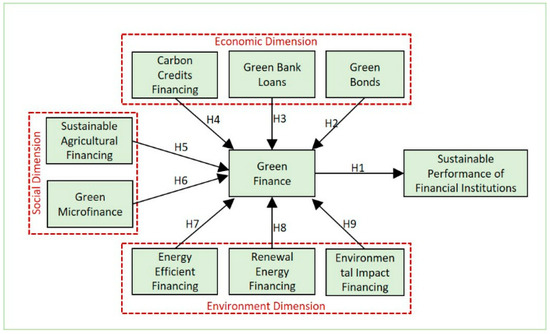
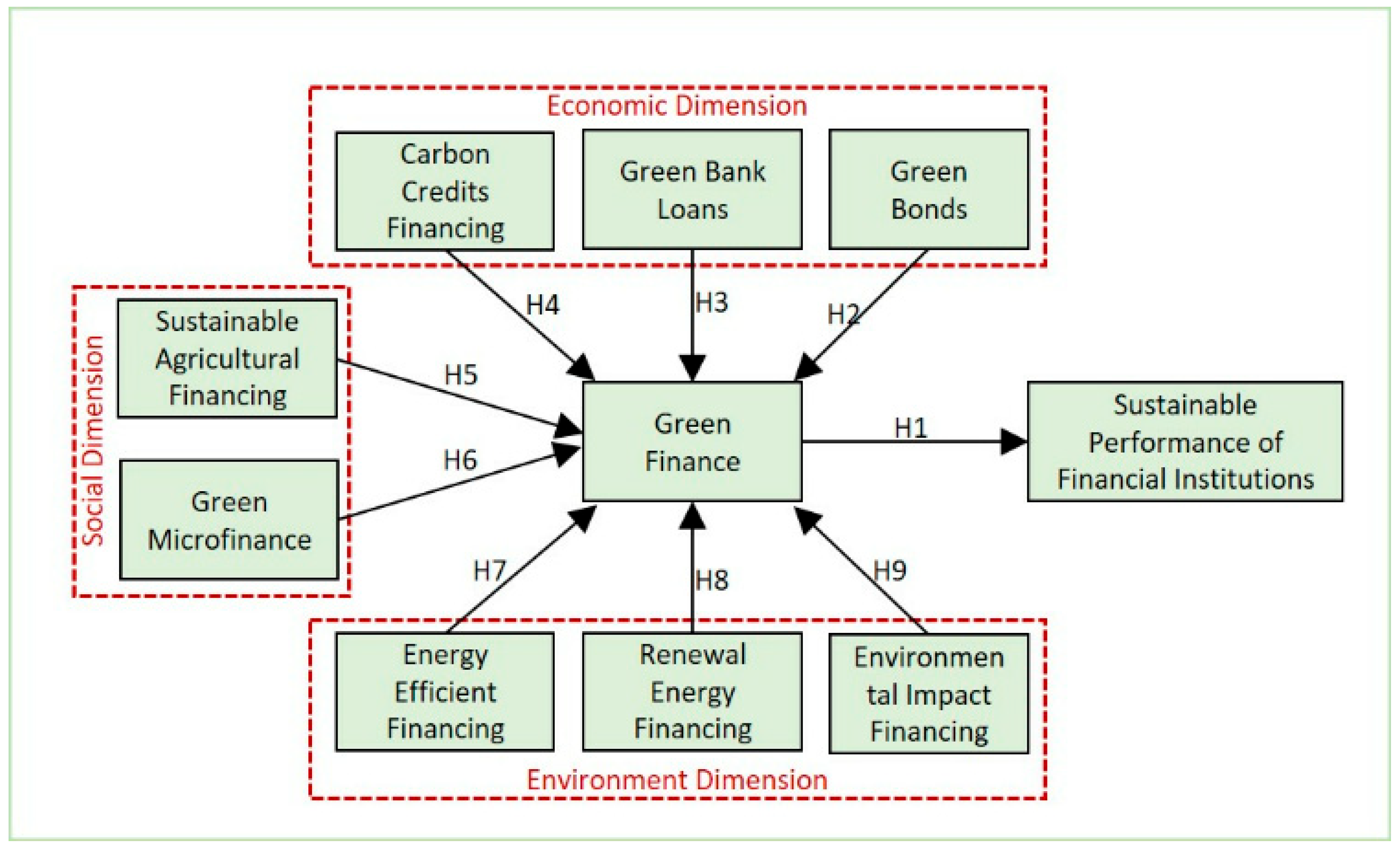
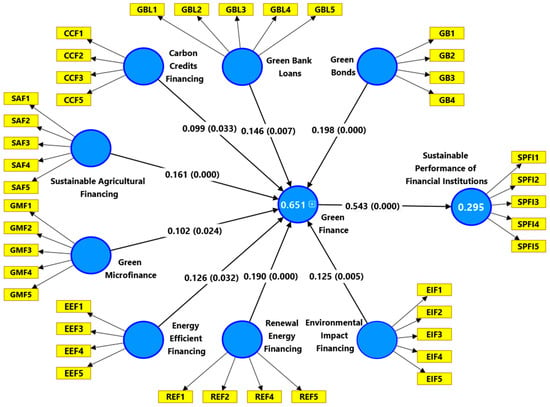
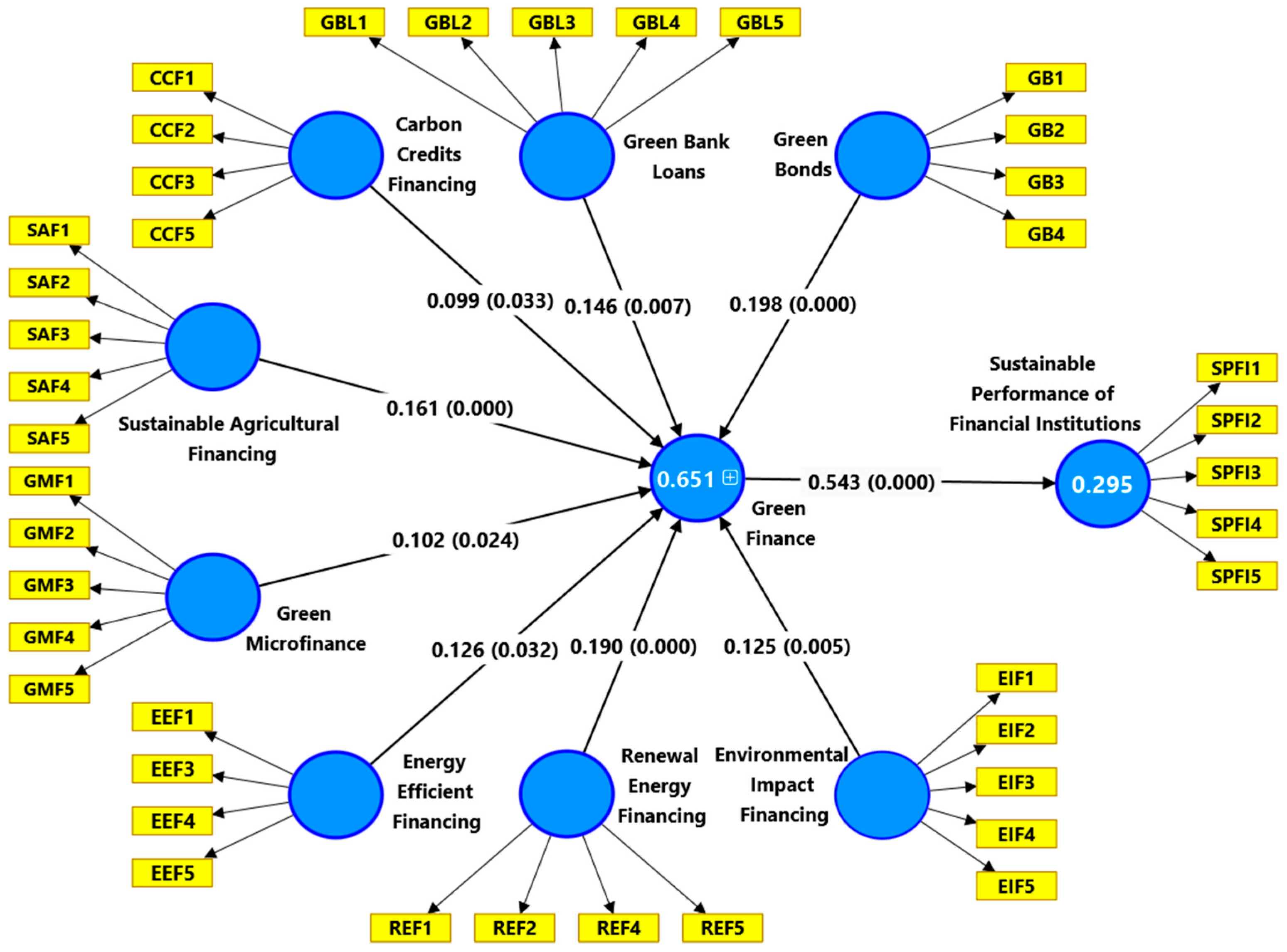

Disclaimer/Publisher’s Note: The statements, opinions and data contained in all publications are solely those of the individual author(s) and contributor(s) and not of MDPI and/or the editor(s). MDPI and/or the editor(s) disclaim responsibility for any injury to people or property resulting from any ideas, methods, instructions or products referred to in the content. |
© 2026 by the authors. Licensee MDPI, Basel, Switzerland. This article is an open access article distributed under the terms and conditions of the Creative Commons Attribution (CC BY) license.