


Highlights
Please indicate how your work links to systems science via your contributions to systems practice, theory, and/or methodology.
- This study advances systems theory in strategic human capital by shifting the analytical focus from the scale of technical talent to the structural configuration of their knowledge repositories within R&D teams.
- The research contributes to systems practice by demonstrating how optimizing team composition through a strategic division of labor mitigates domain inertia and facilitates paradigm-shifting technological transformations.
What are the main findings and/or the implications of the main findings?
- While the knowledge diversity of AI stars serves as a potent engine for breakthrough innovation, this generative capacity is significantly attenuated by excessive direct and indirect domain familiarity.
- Refining the consensus on bilingual expertise, the results indicate that deep domain embeddedness transforms from an informational bridge into a restrictive cognitive and structural constraint during paradigm shifts.
Abstract
While artificial intelligence (AI) is expected to drive paradigm-shifting transformations, many initiatives result in merely incremental optimization. Anchored in strategic human capital theory, this study shifts the analytical focus from the scale of elite technical talent, conceptualized as AI stars, to the configuration of their knowledge structures to unpack this paradox. Using a dataset of 1270 medical AI patents from corporate R&D teams, we employed high-dimensional fixed-effects models to examine these dynamics. The results reveal that while the knowledge diversity of AI stars acts as a potent engine for breakthrough innovation, this generative capacity is attenuated by excessive domain familiarity. Specifically, direct domain familiarity (derived from internal experience) and indirect domain familiarity (absorbed through external collaborative networks) negatively moderate this relationship, a dynamic theorized to operate through internal cognitive entrenchment and external relational conformity, respectively. Extending the efficiency-driven consensus regarding bilingual expertise, these findings demonstrate that excessive domain embeddedness transforms from an informational bridge into a restrictive constraint during paradigm-shifting innovations, particularly within highly institutionalized environments.
1. Introduction
As a general-purpose technology, artificial intelligence (AI) is widely recognized for its potential to transform traditional, high-barrier sectors [1,2,3]. Driven by the promise of this technological wave, firms increasingly deploy AI teams to challenge existing market positions and redefine competitive landscapes [4,5]. For these teams, the strategic goal is to break away from historical trajectories and achieve breakthrough innovations [6,7]. Yet, a notable paradox has emerged in practice. Rather than delivering breakthroughs that reconfigure technical architectures or establish new baseline standards, many AI initiatives result in incremental improvements that merely optimize existing routines [8,9]. This disconnect between high strategic ambitions and the practical reality of AI adoption presents an important puzzle: how can firms effectively overcome domain inertia to realize the transformative potential of AI technology?
To address this puzzle, firms often look to strategic human capital theory, which suggests that top performers contribute disproportionately to innovation output [10,11]. Consequently, firms intuitively assume that assembling teams of elite technical talent, hereafter referred to as AI stars, is the direct route to achieving breakthrough innovations. However, recent evidence challenges this assumption, revealing that simply increasing the number of AI experts within a team does not consistently improve innovation performance and may even hinder successful collaboration [12,13]. To resolve this contradiction, we shift the analytical focus from the scale of AI experts to the structural configuration of their knowledge repositories. Because generating technological breakthroughs fundamentally requires inventors to synthesize distant ideas and connect different concepts, the interdisciplinary capability of these elites, defined here as knowledge diversity, emerges as a powerful generative mechanism [14,15]. Diverse knowledge repositories empower AI stars to function as cognitive catalysts capable of mitigating the profound epistemic friction during cross-disciplinary communication.
Translating individual cognitive breadth into breakthrough innovations is far from automatic and depends heavily on how these technical talents interface with target domain rules. Building on the literature regarding bilingual talent, we identify the internal experience of an AI star in the target sector, conceptualized as direct domain familiarity, as a critical contingency factor [16,17]. Existing research on AI teams predominantly emphasizes the benefits of such bilingual expertise, arguing that by positioning as vital boundary spanners, these individuals reduce communication costs and facilitate implementation efficiency [9,18]. We move beyond this efficiency-driven consensus by drawing on the classical innovation literature regarding competency traps and core rigidities, which indicate the limitations of accumulated deep experience. Accordingly, we propose that excessive domain familiarity imposes a restrictive constraint that yields diminishing returns when pursuing paradigm-shifting innovation. As a potential theoretical mechanism, this deep domain immersion may induce internal cognitive entrenchment, attenuating breakthrough performance by fostering an over-reliance on conventional practices and potentially confining AI stars within established industry routines [19,20].
In addition to internal experience, domain embeddedness is shaped by external social capital, given that AI stars can accumulate domain familiarity via collaborative networks [21,22]. Specifically, by collaborating with domain experts, AI stars absorb the prevailing thinking patterns and institutionalized rules of the target sector, conceptualized as indirect domain familiarity. While accessing these domain rules is initially valuable to cross collaborative thresholds, it also introduces the theoretical constraint of relational conformity [23,24]. Extensive partnerships with domain experts generate normative pressures that may encourage AI stars to align their designs with established industry expectations [24,25]. Consequently, they may reinforce conventional problem-solving routines rather than exploring unconventional ideas, thereby attenuating the recombinant benefits of their diverse knowledge base [26]. In sum, by distinguishing domain familiarity into two dimensions, we highlight a theoretical tension regarding how the generative capacity of knowledge diversity may be attenuated by excessive domain embeddedness.
To explore this theoretical tension, we conduct a team-level empirical analysis using disambiguated patent data. We situate our study within the medical technology industry, a sector governed by complex clinical rules [1]. As a highly institutionalized environment dominated by deterministic logic and rigid routines, this field provides an ideal baseline to observe the cognitive collision between data-driven, probabilistic AI logic and deep domain knowledge. Specifically, we investigate how the knowledge diversity of AI stars within teams is associated with breakthrough innovations, and how their direct and indirect domain familiarity moderates this relationship. Our empirical results indicate that while the knowledge diversity of AI stars serves as an engine for breakthroughs, excessive domain familiarity exerts a significant negative moderating effect. High levels of domain embeddedness function as a constraint, attenuating the positive impact of knowledge diversity and reducing the likelihood of generating breakthrough innovations.
Our study offers three theoretical contributions. First, we identify a critical boundary condition for bilingual expertise in technological transformation. By demonstrating that excessive domain embeddedness yields diminishing returns when pursuing breakthroughs, we integrate insights from the core rigidities literature with the information-processing perspective, showing that the mechanisms optimizing collaborative efficiency can suppress the divergent recombination required for paradigm-shifting innovation [9,18]. Second, we provide a more granular understanding of how this embeddedness restricts recombination by disentangling two distinct potential theoretical mechanisms, proposing that internal experience restricts AI stars through internal cognitive entrenchment, whereas external network ties constrain them through external relational conformity [16,24]. Third, this research extends strategic human capital theory by illuminating the micro-foundations of elite talent. By shifting the analytical focus away from the scale of top performers and toward the configuration of their knowledge structures, we demonstrate how individual cognitive traits shape team-level innovation outcomes [27,28].
2. Literature Review and Research Hypotheses
2.1. Technical Talent in AI Adoption
The integration of AI into traditional, knowledge-intensive fields fundamentally alters the dynamics of technical collaboration [29,30]. Within these settings, AI stars function as method experts who wield substantial epistemic authority over organizational decision-making [23,31]. However, the intersection of novel algorithmic paradigms and established industry practices generates distinct cognitive friction [32,33]. This tension stems from an epistemological divergence: the data-driven, probabilistic machine logic of AI developers collides with the experience-based, deterministic human logic of domain experts [34,35]. Because traditional domains rely heavily on standardized regulations, safety constraints, and cumulative routines, reconciling these competing frameworks constitutes a central challenge for R&D teams deploying AI as a general-purpose technology [4,5].
To resolve this epistemological friction, the AI team literature acknowledges the necessity of bilingual expertise. Prior studies demonstrate that domain knowledge empowers AI experts to minimize communication costs and streamline initial implementation within institutionalized settings [9,18]. However, when the organizational objective shifts from basic implementation to paradigm-shifting innovation, the utility of domain knowledge may change. Building upon the classical innovation literature on competency traps and core rigidities, we argue that while moderate bilingualism facilitates communicative fluency, excessive domain immersion may attenuate the constructive creative friction necessary for exploration [36,37]. In such contexts, deep domain familiarity may induce restrictive constraints, reinforcing industry inertia rather than disrupting it [19,20]. Because technological breakthroughs fundamentally require the novel synthesis of diverse elements, ultimate success depends on preserving cross-disciplinary variance [7,12]. Therefore, this study integrates a knowledge recombination perspective with a dual domain embeddedness framework to examine how the generative potential of AI stars’ knowledge diversity may be attenuated by the confining effects of excessive domain familiarity, conceptualized as both direct internal experience and indirect external ties.
2.2. Knowledge Diversity and Breakthrough Innovation
From a knowledge recombination perspective, the structural configuration of the knowledge base is posited to serve as a primary generative mechanism for breakthrough innovation [15,27]. Knowledge diversity, which captures whether an individual’s expertise spans multiple technical domains or remains concentrated within specialized boundaries, significantly enhances their capacity to transcend local search trajectories [28,38,39]. Within knowledge-intensive sectors, highly specialized inventors typically excel at incremental refinement [36,37]. Conversely, AI stars with expansive cross-domain repertoires possess the cognitive flexibility necessary for interdisciplinary exploration [9,11,12]. This internal knowledge architecture serves as a critical foundation for the exploration capabilities of AI stars during technological transformation.
This structural configuration is posited to facilitate breakthrough innovation through two distinct yet complementary mechanisms. First, a diverse knowledge base provides a rich repository of heterogeneous technological elements [27,38]. Rather than relying on distant, unobservable cognitive leaps, a broad knowledge portfolio equips AI stars with a comprehensive repertoire of diverse components and analytical tools [14,18]. This diverse internal portfolio is theorized to enhance their individual capacity for cognitive spanning, allowing them to decode and transfer abstract methodologies across different technological fields [6,15]. Crucially, this individual asset may translate to the entire team through internal knowledge spillovers [40,41]. As highly diverse AI stars guide the R&D process, they introduce these varied technical components into the team’s collective dialogue, elevating the entire group’s capacity for novel cross-domain synthesis [10].
Second, these diverse individuals function as internal cognitive bridges that coordinate heterogeneous team members, mitigating the aforementioned epistemological friction [4]. Such versatile technologists possess the epistemic agility to decode multiple technological languages, enabling them to align disparate domains and reconcile competing frameworks [34,39]. By acting as internal catalysts, diverse AI stars may empower the R&D team to break away from local historical trajectories. This liberation from path dependency assists the team in distancing its creative work from existing technological paradigms, potentially achieving a profound departure from prior technological baselines [6,8]. Simultaneously, this collaborative synthesis facilitates the construction of novel underlying architectures that resolve localized bottlenecks [14,31]. The resulting breakthroughs can establish new technological standards and foundational templates for subsequent innovations, thereby anchoring the future trajectory of the technological landscape. Thus, the following relationship is proposed:
Hypothesis 1 (H1).
The knowledge diversity of AI stars within an R&D team has a positive effect on breakthrough innovation.
2.3. The Moderating Effect of Direct Domain Familiarity
While knowledge diversity establishes the recombinant potential for breakthrough innovation, the benefits of this capacity are bounded by the internal experience of AI stars, conceptualized as direct domain familiarity. A foundational understanding of the target domain is valuable to cross the initial collaborative threshold [4,31]. However, when the organizational objective is generating paradigm-shifting innovation rather than routine implementation, deep domain embeddedness transitions from an enabling condition to a potential constraint. As AI stars accumulate extensive experience within the target sector, their deep cognitive immersion can trigger an internal process of assimilation [20,36]. This epistemic lock-in may convert their localized expertise into a restrictive competency trap, diverting their focus away from foundational originality and toward conventional problem-solving routines [38,42]. Consequently, we propose that extensive direct domain familiarity yields diminishing returns, ultimately attenuating the positive influence of knowledge diversity.
First, excessive direct domain familiarity is posited to induce internal cognitive entrenchment. This mechanism is theorized to distort the internal allocation of limited mental resources. When operating within a highly familiar sector, established industry schemas become highly accessible within the inventor’s cognitive architecture, prompting the inventor to preferentially activate these schemas during problem-solving tasks [20,43]. Reinforced by the star status and epistemic authority of these technologists, this individual cognitive rigidity may propagate across the R&D group, evolving into a collective dominant logic [10,11]. Acting as a cognitive filter, this internal schema potentially limits members’ awareness of alternative possibilities. Consequently, it encourages them to prioritize local search within familiar boundaries rather than deploying the AI star’s diverse technical repertoire for distant cross-disciplinary recombination [21,24]. Essentially, deep domain familiarity can embed the attention of these individuals within traditional path dependencies, potentially restricting them from recognizing opportunities to creatively recombine their diverse knowledge elements [36,42].
Second, extensive direct domain familiarity tends to attenuate the constructive creative friction necessary to unlock the value of a diverse knowledge base. As AI stars become deeply embedded in the target domain, their interactions with local experts are more likely to converge on institutionalized technical trajectories rather than stimulating generative debate [21,34,43]. This redundant alignment can transform potentially constructive friction into premature consensus, suppressing the disruptive capacity inherent in the AI star’s diverse portfolio [37,44]. Instead of leveraging their broad expertise to challenge existing dogmas, highly embedded AI stars may subconsciously utilize domain conventions to sanitize their algorithmic designs, reinforcing existing industry inertia [36,38]. Thus, deep direct domain embeddedness limits the ability of AI stars to fully capitalize on their diverse knowledge to achieve technical breakthroughs. Based on these arguments, the following relationship is proposed:
Hypothesis 2 (H2).
The direct domain familiarity of AI stars within an R&D team negatively moderates the relationship between their knowledge diversity and breakthrough innovation.
2.4. The Moderating Effect of Indirect Domain Familiarity
Beyond internal expertise, the realization of recombinant potential is theorized to be concurrently bounded by the external social capital of AI stars, conceptualized as indirect domain familiarity. Establishing collaborative ties with domain experts is initially beneficial, as it grants AI stars access to specialized institutional rules and implicit industry knowledge [25,33]. However, when pursuing paradigm-shifting innovation, domain-bound external networks often transition into a restrictive relational constraint. As AI stars develop extensive collaborative relationships within a target sector, they become deeply socialized into institutionalized communities of practice [19,22]. This extensive social integration is posited to alter their underlying innovation incentives. Instead of prioritizing foundational originality, highly connected AI stars may face substantial pressure toward external relational conformity. As a theoretical mechanism, this conformity shifts their strategic focus toward securing institutional legitimacy within established professional circles [24,25]. Therefore, we propose that this excessive indirect domain familiarity yields diminishing returns, ultimately attenuating the generative capacity of AI stars’ knowledge diversity.
First, deep external integration can create an information echo chamber that potentially limits the usefulness of a diverse knowledge base. Redundant networks within a single target domain suffer from network closure, which restricts the AI star’s exposure to fresh cross-disciplinary insights from alternative fields [12,21,45]. This informational redundancy may generate substantial relational inertia, which can confine the creative recombination process [25,43,46]. Even if an AI star possesses a highly diverse internal repertoire, the homogeneous nature of their social ties tends to deprive the recombination process of the novel external stimuli required to catalyze those elements [14,27,28]. Consequently, this dense connectivity increases the likelihood that the AI star’s diverse knowledge remains insulated from alternative paradigms. This condition may leave them network-constrained and less able to activate their cross-boundary potential.
Second, repeated interactions with domain experts can introduce profound relational imprinting and normative compliance pressures. These forces may prompt AI stars to internalize dominant evaluation standards. To ensure that their technical solutions receive validation and acceptance from domain peers, highly socialized technologists may subconsciously employ institutionalized industry logic as a normative filter [34,43,47]. Under these conditions, initiating a technological breakthrough creates a substantial risk of social penalties, including the loss of professional status or reputation within the dominant circle [11,13]. Therefore, even when an AI star possesses the cognitive flexibility to execute interdisciplinary recombinations, the fear of violating social norms and sacrificing legitimacy can induce self-censorship [21,24]. This social filtering process may pressure technologists to align their diverse knowledge with conventional industry expectations. As a result, it potentially restricts R&D teams from fully leveraging elite talent to inspire future technological paradigms. Thus, the following relationship is proposed:
Hypothesis 3 (H3).
The indirect domain familiarity of AI stars within an R&D team negatively moderates the relationship between their knowledge diversity and breakthrough innovation.
3. Materials and Methods
3.1. Sample Construction
This study uses the PatentsView database (December 2025 version) as the primary data source. Its rigorously disambiguated unique identifiers for inventors and assignees provide a reliable foundation for tracking R&D team compositions and individual features at the micro-level [40]. We define the focal R&D team as the complete set of co-inventors listed on the focal patent. We select the medical technology industry as our empirical setting for two main reasons. First, the medical sector is highly knowledge-intensive, and firms rely heavily on patents to protect core technologies, making patent records an objective proxy for innovation output. Second, medical technology represents a prominent domain for recent AI applications, offering rich team dynamics to observe [1,9].
To construct the observational baseline, we select patents whose primary IPC codes belong to the medical technology category according to the World Intellectual Property Organization (WIPO) standards. We restrict our extraction to utility patents filed from 2000 onward and granted before our data extraction date to ensure real technical value. This process yields an initial baseline dataset of 257,075 medical technology patents. Our empirical design subsequently follows two parallel analytical procedures: isolating AI patents within this medical baseline, and identifying AI stars from the universe of all AI patents across all technological domains.
Procedure 1: Isolating and Refining Medical AI Patents
To separate AI patents from the medical baseline, we implement a two-step machine learning strategy. First, we match our medical baseline data with the official Artificial Intelligence Patent Dataset (AIPD) provided by the United States Patent and Trademark Office. The AIPD utilizes deep neural networks to analyze patent texts, identifying AI elements embedded within non-computing fields like medicine [2,48]. This matching provides the probabilities that a patent belongs to eight distinct AI technology branches, such as Machine Learning (see Table S1 in the Supplementary Materials for definitions).
Second, to address the inherent time lag in official AIPD database updates, we deploy a text classification model based on ModernBERT to classify recent or unmapped patents. ModernBERT is selected for its extended context window, which effectively processes the lengthy text of patent documents, and its robust capacity to capture complex, context-dependent semantics. We use the texts of the already classified patents to fine-tune the ModernBERT-base model [49]. These independently trained binary classifiers for each of the eight AI branches demonstrate robust performance, achieving an average F1 score of 0.796 and an accuracy exceeding 90% (see Tables S2 and S3 in the Supplementary Materials).
We then apply these trained models to the unmapped patents. Following database recommendations [50], we classify a patent as an AI patent only if its predicted probability for at least one AI branch is 0.86 or higher. This specific threshold is selected to optimally balance precision and recall in text classification, ensuring that the identified patents represent substantial AI innovations rather than marginal applications. To verify that our empirical results are not artifacts of this specific cutoff, we conduct robustness checks using alternative thresholds of 0.81 and 0.93. The branch with the highest probability is subsequently assigned as the patent’s primary AI focus.
To ensure strict alignment with our research design, we apply a three-step filtering procedure to the isolated AI patents. First, we exclude patents in the AI Hardware branch to mitigate potential unobserved heterogeneity arising from its distinct capital investments and research cycles compared to software development. Second, we retain only single-assignee patents to observe internal team dynamics free from the confounding effects of cross-organizational alliances. Third, we exclude patents owned by non-corporate entities to control for the institutional differences between universities or research institutes and profit-driven firms. These refinement steps yield a highly focused intermediate pool of 29,615 corporate medical AI patents.
Procedure 2: Identifying AI Stars
Concurrently, because AI functions as a general-purpose technology, we identify AI stars by benchmarking inventors against the entire universe of AI patents across all technological domains rather than restricting the scope to the medical sector. Consequently, the analytical scope of these AI stars is bounded to elite technical talent engaged in patent-oriented R&D. This patent-based identification inherently excludes technical influence generated through open-source contributions or academic publications, introducing a necessary selection boundary to our empirical observations. To capture elite talent dynamically, we adopt a framework that adjusts to actual contribution levels and data distributions. This identification process involves three sequential steps.
First, we establish an objective quality baseline for each patent using forward citations. After strictly removing self-citations, we calculate citations over a fixed 5-year window following the filing year. This temporal parameter is theoretically grounded in the life cycle of technological knowledge depreciation. A 5-year window allows sufficient time for a patent’s impact to materialize while preventing historical achievements from masking current technical relevance. For comparability, we normalize this metric by dividing the focal patent’s forward citations by the average citations of all patents in the same filing year and Cooperative Patent Classification (CPC) subclass.
Second, the standard practice typically assumes equal contributions among co-inventors. This assumption fails to capture the actual ability of an inventor, as an individual’s apparent output depends heavily on their teammates’ capabilities. To endogenously evaluate an individual’s innovative capacity across all collaborative tasks, we apply the generalized Alpha-CoScore algorithm [51]. This algorithmic approach effectively isolates unique individual contributions from team halo effects. Specifically, it assigns an inventor a significantly higher individual score if they achieve high-impact innovation alongside weaker teammates. Conversely, it assigns a lower score if their success is primarily driven by collaborating with established superstars. This specific measurement strategy is critical to ensure that our identified AI stars possess intrinsic technical superiority rather than merely advantageous collaborative positions.
Finally, we identify AI stars at the annual level. For any given observation year t, an inventor’s cumulative innovation quality is captured by summing their branch-specific CoScores within a rolling 5-year look-back window between years t-5 and t-1. Because patent citations follow a skewed power-law distribution, applying an arbitrary top-percentile rule risks misclassifying elite talent depending on the specific data structure of that year. Therefore, we employ Schubert’s adaptive heavy-tail method integrated with a Hill Estimator statistical correction [52]. This approach dynamically identifies the structural inflection point in the right tail of the distribution, creating an empirical cutoff that objectively separates AI stars. Specifically, the proportion of unique inventors identified as AI stars fluctuates across years, ranging between 1.729% and 3.785% (see Table S4 in the Supplementary Materials). This continuous variance underscores the inadequacy of relying solely on a static percentile rule across heterogeneous data distributions over time. However, to address potential concerns regarding the construct’s temporal stability, we conducted a robustness check utilizing a fixed top 5% threshold to identify AI stars.
Final Sample Construction
Merging these two analytical streams, for each focal medical AI patent applied for in year t, we extract its full set of co-inventors and cross-reference them with the roster of AI stars identified for that specific year. To construct the final sample, we implement a sequential filtering process on the intermediate pool of 29,615 corporate medical AI patents. First, we exclude patents filed after 2017. This exclusion prevents right-censoring bias caused by the requisite 5-year post-application observation window for variable measurement and the inherent administrative lag in patent granting. This temporal restriction reduces the baseline pool to 19,306 patents. Although this observation window precedes recent progress in generative AI, it effectively captures the team-level collaborative dynamics of cross-domain R&D during a critical phase of AI development. Second, to isolate elite-driven innovation efforts, we restrict the sample to patents where the focal R&D team includes at least one recognized AI star. This criterion drops 17,894 patents developed by non-elite teams. Finally, after excluding 142 singleton observations lacking within-group variation, this sequential process yields a final sample of 1270 observations.
To characterize the profile of the elite-driven R&D teams isolated by our theoretical sampling, we compared the retained sample (N = 1270) against the excluded pool of non-elite AI patents (N = 17,894) filed within the identical 2000–2017 timeframe. Welch’s t-tests with unequal variances (see Table S5 in the Supplementary Materials) demonstrate that the retained and excluded samples exhibit statistically significant differences across observed covariates. For instance, elite-driven teams in our sample operate with larger team sizes and higher average prior patenting experience compared to non-elite teams. These differences validate that our screening criteria successfully isolated a distinct subgroup of R&D activities. Consequently, the generalizability of our findings is bounded explicitly to elite-driven collaborative contexts, rather than to standard AI teams.
3.2. Measurement of Variables
3.2.1. Breakthrough Innovation (Breakthrough)
Following Kelly et al. [53] and Yang [7], we adopt text-based semantic distance as our metric for breakthrough innovation. Unlike forward citations, which are unable to validly distinguish between highly useful incremental improvements and paradigm-shifting changes, semantic distance directly captures an invention’s dynamic leap within the technological landscape, providing a reliable measure of paradigm-shifting innovations.
Operationally, we conduct standardized text cleansing and tokenization across the whole medical technology patent corpus, which encompasses titles, abstracts, claims, and brief summaries. We then map each focal patent into a text vector using the TF-BIDF (Term Frequency-Backward Inverse Document Frequency) algorithm. Relying strictly on backward IDF prevents future information leakage and captures a technical term’s relative weight and true scarcity at the exact time of the invention.
Next, we calculate the semantic linkages between the focal patent and both its historical antecedents and future technological developments. Backward Similarity (BS) is the sum of pair-wise cosine similarities between the focal patent and all medical technology patents applied for within a 5-year look-back window (from year t − 5 to t − 1). This metric captures the patent’s reliance on historical paradigms. Conversely, Forward Similarity (FS) sums the cosine similarities with all patents applied for within a 5-year look-forward window from year t + 1 to t + 5, which reflects the patent’s guiding influence on subsequent technological flows. Following standard practice [53], pair-wise similarities below 0.05 are treated as invalid noise and are excluded. As noted in our sample construction, our observation window is explicitly restricted to ensure this 5-year forward text corpus is completely observable. The dependent variable, Breakthrough Innovation, is defined as the ratio of Forward to Backward Similarity:
where ϵ is a positive scalar set to 0.05 to align perfectly with the aforementioned noise-filtering threshold. If a focal patent shares no similarity above 0.05 with any prior patents, its unadjusted backward similarity would drop to zero. Therefore, ϵ serves as a consistent theoretical baseline to prevent a zero denominator. This ratio conceptually aligns with the dual theoretical properties of breakthrough innovation. A low backward similarity indicates divergence from mainstream paradigms, while a high forward similarity signifies the creation of a novel technological language that subsequent inventions imitate [6].
3.2.2. Knowledge Diversity (Diversity)
Given our sample’s strict focus on elite-driven R&D teams, our core explanatory variable captures the Knowledge Diversity of the AI stars within the team. To measure the accumulated knowledge base of these inventors accurately, we calculate all historical metrics using a consistent 5-year retrospective window prior to the focal patent’s application year t. We conduct this measurement in two steps.
First, at the individual level, we evaluate the diversity of an AI star’s technological expertise based on the WIPO classification codes encompassed by their historical patents. We utilize the Herfindahl-Hirschman Index (HHI) to gauge their knowledge production concentration, defining an individual’s knowledge diversity as:
where denotes the frequency of a specific WIPO class appearing in all patents applied for by AI star over the past 5 years, and represents the cumulative frequency of all WIPO classes for that inventor within the exact same window.
Second, because our unit of analysis is the R&D team represented by the focal patent, we aggregate this individual metric to the team level. We calculate the team-level Knowledge Diversity by taking the mathematical average of the individual diversity scores of all AI stars present in the focal patent’s inventor list. This averaged metric reflects the overall breadth of technological knowledge brought into the innovation process by the team’s AI elite members. In addition, because an average metric may obscure intra-team variances, and to ensure empirical rigor, we utilize the maximum individual diversity score as the measure of team-level Knowledge Diversity in our robustness checks.
3.2.3. Direct Domain Familiarity
The first moderator assesses whether the AI stars possess a background specifically within the medical field. Theoretically, cognitive entrenchment is triggered when a specific domain constitutes an individual’s core technical language. To capture this, we first identify each AI star’s core technical field. Using a consistent 5-year rolling look-back window prior to the focal patent, we aggregate their historical patent portfolios and rank the associated WIPO classes by frequency of occurrence. Following established methodological precedents [46], an inventor’s core technical field is defined as the subset of top-ranked WIPO classes that cumulatively accounts for at least 50% of their total patenting activity. This operation serves to delineate the boundary of an individual’s primary expertise.
Once the core technical field is delineated, we evaluate its composition to ascertain direct domain familiarity. If the medical technology category is present within this specific core subset, the AI star is designated as possessing deep direct domain familiarity. This sequential identification ensures that the medical technology field is a component of the AI star’s core technical field. The team-level Direct Domain Familiarity is subsequently computed as the total count of AI stars within the focal R&D team who meet the above criterion. This metric captures the extent to which the team incorporates AI stars deeply entrenched in established medical paradigms. To ensure methodological rigor, we explicitly adopt a stricter 40% classification threshold in the robustness checks as the basis for identifying the core technical fields of AI stars.
3.2.4. Indirect Domain Familiarity
The second moderator quantifies the medical domain-bound social capital of the AI stars, capturing the influence of their external collaborative networks. To operationalize this, we deploy a two-step approach. First, for each AI star in the focal team, we trace collaborative activities through this established 5-year historical window to identify all their unique co-inventors. Second, to ascertain the expertise of these collaborative partners at the exact time of collaboration, denoted as year , we extract each partner’s historical patent portfolio over a dynamic 5-year window strictly prior to the collaboration event, spanning year to .
Consistent with the operational logic of our direct domain familiarity measure, we apply the identical 50% cumulative threshold to evaluate the collaborative partners’ patent portfolios. Specifically, we identify a partner’s core technical field by ranking their WIPO classes and extracting the subset that cumulatively accounts for at least 50% of their total innovative output. If the medical technology category falls within this subset, the collaborator is classified as a medical expert partner. This ensures we identify partners whose dominant technological logic is deeply rooted in the medical field. For each AI star, we aggregate the total number of unique medical expert partners they contribute to the team.
To elevate this measure to the team level, we compute the mathematical average of these raw network sizes across all AI stars associated with the focal patent. To address the heavy-tail distribution characteristic of social network sizes and to account for the diminishing marginal returns of external information acquisition, we apply a natural logarithm transformation to this team average:
This logarithmically transformed metric serves as our measure for Indirect Domain Familiarity, reflecting the depth of AI stars’ external relational embeddedness within traditional medical knowledge repositories. In addition, to ensure empirical rigor, we utilize the logarithmically transformed maximum raw network size across all AI stars as an alternative measure of indirect domain familiarity in our robustness checks.
3.2.5. Control Variables
To effectively isolate the net impact of the AI stars’ characteristics and rule out alternative explanations, we introduce a comprehensive set of control variables. We account for confounding factors across three analytical levels: patent, team, and firm. Furthermore, to absorb unobserved heterogeneity stemming from underlying temporal dynamics and specific technological subfields, we incorporate high-dimensional fixed effects into all models. Specifically, we include firm fixed effects to control for unobserved time-invariant organizational characteristics, year fixed effects to absorb macroeconomic external shocks, and AI technology branch fixed effects to account for underlying differences across various AI subfields. The detailed definitions and measurements for all control variables are summarized in Table 1.
Table 1.
Variable Definitions and Measurement Descriptions.
4. Results
4.1. Descriptive Statistics and Correlation Analysis
Our estimation algorithm automatically drops singleton observations lacking within-group variation to ensure model consistency when introducing high-dimensional fixed effects. Consequently, the final effective sample for the baseline regressions comprises 1270 observations. Regarding the focal variables, the dependent variable, Breakthrough Innovation, has a mean of 1.38 and a standard deviation of 0.235, displaying a distribution that largely approximates normality. The core independent variable, Knowledge Diversity, exhibits a mean of 0.648 and a standard deviation of 0.201.
For our moderating variables capturing domain embeddedness, Direct Domain Familiarity has a mean of 0.8 and a standard deviation of 0.868, while Indirect Domain Familiarity has a mean of 1.806 and a standard deviation of 1.296. Furthermore, the descriptive statistics for all control variables fall within expected ranges. Detailed descriptive statistics and the correlation matrix are provided in Supplementary Materials Table S6.
To diagnose potential multicollinearity among our variables, we computed Variance Inflation Factors (VIFs) for all independent, moderating, and control variables. The diagnostic results verify that both the maximum and mean VIF values remain substantially below the conservative threshold of 5. This indicates that our dataset does not suffer from severe collinearity issues, providing a robust foundation for the subsequent analyses.
4.2. Main Results
Table 2 reports the primary regression results. Because our dependent variable, Breakthrough Innovation, approximates a continuous normal distribution, we utilize high-dimensional fixed-effects Ordinary Least Squares (OLS) regression models. To rigorously account for intra-firm correlation, all models incorporate the full suite of control variables and cluster standard errors at the firm level, alongside firm, filing year, and AI technology branch fixed effects.
Table 2.
Main and Moderating Effects on Breakthrough Innovation.
Model 1 establishes the baseline by examining the aggregate effect of the elite cohort on team innovation output. The results indicate that the absolute number of AI stars present in the team (AI Stars) has no significant impact on technological breakthroughs. This non-significant finding is consistent with our core premise, suggesting that merely stockpiling elite talent does not automatically translate into paradigm-shifting innovation [12]. This provides strong motivation for our investigation into the internal knowledge characteristics of these AI stars rather than relying solely on their absolute scale.
Building on Model 1, Model 2 shifts the focus to the knowledge structure of AI stars. As predicted, Knowledge Diversity exerts a significant positive effect on Breakthrough Innovation (β = 0.171, p < 0.01), supporting H1. In terms of economic significance, a one standard deviation increase in Knowledge Diversity translates to a 0.034 increase in Breakthrough Innovation. This magnitude corresponds to approximately 14.6% of the standard deviation of the dependent variable. Paradigm-shifting breakthroughs are inherently rare and outsized in their market impact. Consequently, while this statistical effect size is quantitatively modest, such an improvement in the baseline probability of generating breakthroughs can secure critical competitive advantages within the highly institutionalized medical technology sector. Ultimately, this indicates that breakthrough innovations are positively associated with individuals capable of orchestrating heterogeneous knowledge recombination across diverse technological domains.
Model 3 tests the moderating effect of Direct Domain Familiarity (H2). The results reveal that direct domain familiarity negatively moderates the relationship between knowledge diversity and breakthrough innovation (β = −0.118, p < 0.05), supporting H2. To further illustrate this moderation, we plotted the interaction effect (see Figure 1). The plot shows that the positive relationship between knowledge diversity and breakthrough innovation is substantially attenuated under high levels of direct domain familiarity. This moderation suggests that AI stars excessively embedded in the medical domain risk falling into competency traps [20], a state of cognitive constraint that attenuates the radical recombinant potential of their diverse knowledge.
Figure 1.
The Moderating Effect of Direct and Indirect Domain Familiarity.
Model 4 tests the moderating effect of Indirect Domain Familiarity (H3). As predicted, indirect domain familiarity also exerts a significant negative moderating effect on the main relationship (β = −0.067, p < 0.05), supporting H3. The plotted interaction for this effect similarly illustrates a dampened positive slope when indirect domain familiarity is high (see Figure 1). This further corroborates the diminishing returns dynamic, where the positive main effect is significantly restricted. This suggests that highly domain-bound networks risk creating information echo chambers [22]. Theoretically, extensive collaboration subjects AI stars to relational conformity, acting as a structural constraint that attenuates their ability to translate diverse knowledge into genuine paradigm shifts.
4.3. Robustness Tests
Across all robustness checks, we retain the full suite of control variables and high-dimensional fixed effects utilized in our baseline models to ensure comparability.
First, we verify that our findings are not artifacts of specific operationalizations by employing alternative measurement strategies for our main variables (see Table S7 in the Supplementary Materials). Specifically, for the independent variable, rather than averaging the individual knowledge diversity scores across the team, we extract the maximum individual diversity score to represent the knowledge diversity of the R&D team (Model 1). Furthermore, we apply a more stringent threshold for Direct Domain Familiarity by reducing the cumulative core technical field identification cutoff from 50% to 40%. Since this cutoff defines the top cumulative distribution of an inventor’s portfolio, lowering this threshold imposes a stricter criterion, requiring the medical classification to be even more dominant to qualify as their core expertise (Model 2). For Indirect Domain Familiarity, we capture the maximum external network size among the team’s AI stars before applying the logarithmic transformation, rather than using the mathematical average (Model 3). In addition, we recalculate the dependent variable, Breakthrough Innovation, by narrowing the semantic similarity observation window from a 5-year period to a shorter 3-year window (Models 4–6). Across all alternative specifications, the empirical results remain highly consistent with our baseline estimations.
Second, we test the sensitivity of our results to the AI patent identification thresholds. Because our baseline sample construction relies heavily on the precise identification of AI patents, we originally adopted a predicted probability threshold of 0.86 following official database recommendations. Given that text classification inherently involves a tradeoff between precision and recall [54], we construct two alternative samples based on confidence intervals established in AIPD. We create a high-precision sample utilizing a threshold of 0.93 to isolate the most definitive foundational algorithms, and a high-recall sample utilizing a threshold of 0.81 to broadly cover peripheral cross-domain medical applications. The results (Table 3) indicate that under both the stringent high-precision scenario (Models 1–3) and the lenient high-recall scenario (Models 4–6), the findings remain entirely robust. This indicates that our theorized relationships operate reliably across varying technological boundaries.
Table 3.
Alternative AI Patent Identification Thresholds (DV: Breakthrough).
Third, we address potential concerns regarding the stability of the dynamic threshold used for AI star identification. Specifically, rather than relying on the adaptive Schubert method, we re-identified AI stars by selecting the top 5% of inventors based on their cumulative innovation quality (CoScore) of a consistent 5-year window within each AI technology branch and target year. This fixed-threshold approach standardizes the identification criterion across all observation years. As reported in Table 4 (Models 1–3), the results remain consistent under this alternative operationalization. Knowledge diversity continues to exert a significant positive effect on breakthrough innovation (β = 0.095, p < 0.05). Furthermore, the negative moderating effects of both direct domain familiarity (β = −0.102, p < 0.01) and indirect domain familiarity (β = −0.075, p < 0.001) remain robust and statistically significant. These findings corroborate that our results are not artifacts of the specific heavy-tail classification algorithm.
Table 4.
Alternative Star Identification and Endogeneity Controls (DV: Breakthrough).
Fourth, we address potential endogeneity and reverse causality concerns. A salient competing explanation is that breakthrough aspirations dictate team formation, or that star status is endogenous to prior success. This dynamic could lead pre-existing high-performing teams to self-select into highly diverse configurations. To mitigate this issue, we conducted a robustness test controlling for team-level prior breakthrough performance. Methodologically, we extracted all historical patents filed by all individual inventors within the focal team within the medical technology domain over the preceding 5-year rolling window (year t − 5 to t − 1). We calculated the breakthrough scores for these historical patents using our established text-similarity algorithm. To accurately reflect the team’s historical capability baseline, we aggregated these metrics by extracting the maximum prior breakthrough score among all team members. This peak historical performance metric is incorporated into our models as the control variable Team Breakthrough.
As reported in Table 4 (Models 4–6), the empirical results remain robust after isolating this historical breakthrough performance. The positive effect of knowledge diversity on breakthrough innovation remains statistically significant (β = 0.175, p < 0.01). Furthermore, the negative moderating effects of both direct domain familiarity (β = −0.121, p < 0.05) and indirect domain familiarity (β = −0.066, p < 0.05) remain stable. The control variable for team prior breakthrough performance itself does not exhibit a significant effect across the models. These results indicate that the observed relationships are robust to historical breakthrough abilities, rather than being artifacts of pre-existing team success.
Fifth, we employ an alternative sample construction to validate that our data mapping process using the fine-tuned ModernBERT model did not introduce systematic biases. We restrict the sample exclusively to AI patents directly identified by the official AIPD database (see Table S8 in the Supplementary Materials). By deliberately excluding any model-classified samples generated by our predictive pipeline, we re-estimate our regressions on this officially verified subset. The estimations (Models 1–3) corroborate that our findings remain robust, indicating that the machine learning text-prediction pipeline did not artificially drive the observed relationships.
Finally, we address a salient competing explanation concerning the pre-existing technological trajectory of the firm. A valid concern is that incumbent firms deeply rooted in the medical sector have a higher propensity to deploy AI stars while simultaneously generating high-quality innovations, potentially creating a spurious correlation. To partial out this organizational path dependency, we introduce a dummy variable capturing whether the medical sector constitutes the core technical field of the firm. Consistent with our individual-level measurements, we utilize a 5-year rolling window and apply a 50% threshold to reflect the strategic focus of the firm over time. The estimations (Models 4–6 in Table S8) demonstrate that after isolating the confounding influence of organizational domain expertise, our core relationships remain generally robust. Specifically, the positive effect of knowledge diversity and the negative moderating effect of direct domain familiarity remain significant. The negative moderating effect of indirect domain familiarity experiences a minor attenuation in statistical significance, dropping to the 10% level (p < 0.1). We posit that this attenuation occurs because the firm’s strategic core domain inherently absorbs a considerable portion of organizational-level variance related to external collaborative networks; nevertheless, the persistent directional consistency of the coefficient continues to support H3. This overall pattern lends further credence to our hypotheses, indicating that the positive association between diverse AI stars and breakthrough innovation represents a net effect independent of the firm’s historical knowledge endowments.
4.4. Further Analysis
To further evaluate the nature of domain familiarity, we conducted an exploratory analysis to test for potential non-linear dynamics. Theoretical perspectives suggest that domain familiarity may exert both empowering and confining effects. Specifically, moderate familiarity might initially facilitate boundary spanning and provide the bilingual expertise necessary for basic cross-domain communication, but transform into a restrictive constraint at higher levels (i.e., an inverted U-shaped moderating effect).
To accurately capture the variance required for polynomial regression and address the limits inherent in a discrete count variable, we first constructed a continuous measure for direct domain familiarity. Specifically, we calculated the exact proportion of medical WIPO classes within each AI star’s historical patent portfolio over a consistent 5-year window and aggregated this metric as the team-level mean. The measurement of indirect domain familiarity is consistent with the main analysis. To mitigate the threat of multicollinearity, all continuous variables were mean-centered before generating their squared terms.
Table 5 presents the results of this exploratory analysis. Models 1 and 2 incorporate the continuous proportion of direct domain familiarity alongside its squared term. The results indicate that both the linear interaction (Model 1, β = −0.042) and the squared interaction (Model 2, β = 0.522) are not statistically significant. Thus, the data do not support an inverted U-shaped dynamic for direct domain familiarity.
Table 5.
Exploratory Analysis on the Non-linear Moderating Effects of Domain Familiarity.
The contrast between this continuous estimation and the significant negative moderation found in the baseline model clarifies the nature of this boundary condition. Rather than measuring incremental proportions, the baseline model assesses direct domain familiarity by determining whether the target medical field constitutes a component of the core technical repertoire of an inventor. The lack of statistical significance in the continuous operationalization indicates that the constraining effect of direct domain familiarity does not function as a proportional dosage effect. Instead, this negative moderation manifests primarily when field-specific knowledge transitions into a core cognitive foundation, rather than through smooth and incremental accumulation.
Furthermore, Models 3 and 4 evaluate the potential non-linear dynamics of indirect domain familiarity. Model 3 serves as a baseline replication of our main linear estimation using mean-centered variables. The test for non-linearity (Model 4) shows that introducing the squared interaction term yields a null effect. Ultimately, the absence of significant non-linear dynamics across these exploratory tests fails to support an inverted U-shaped relationship for either dimension of domain familiarity.
To explore whether the moderating effects of domain familiarity exhibit heterogeneity across different technological subfields, we conducted a subgroup regression analysis. The medical sector encompasses diverse subfields characterized by distinct institutional constraints and innovation rhythms. Relying on the official CPC standards, we divided the baseline sample into two theoretically distinct subgroups, excluding 90 peripheral long-tail patents to ensure analytical rigor.
The first group represents high institutional constraints and consists of core clinical and diagnostic applications (CPC class A61). This subfield involves direct physiological interventions and is subject to stringent regulatory oversight, fostering a highly institutionalized domain logic. The second group represents low institutional constraints and comprises healthcare informatics and general computing (CPC classes G16 and G06). This subfield focuses on data processing and hospital administration, facing lower regulatory barriers and exhibiting greater tolerance for data-driven logic.
Table 6 presents the split-sample regression results. For the high-constraint clinical group (Models 1–3), the positive effect of knowledge diversity (β = 0.221, p < 0.01) and the negative moderating effects of both direct (β = −0.141, p < 0.05) and indirect domain familiarity (β = −0.097, p < 0.01) remain highly significant. Conversely, in the low-constraint informatics group (Models 4–6), while the main effect of knowledge diversity remains significant in the baseline estimation (β = 0.124, p < 0.05), the interaction terms fail to achieve statistical significance (Model 5, β = −0.149; Model 6, β = −0.061). Although the split-sample estimations reach statistical significance exclusively within the high-constraint clinical group, the interaction coefficients in the low-constraint informatics group exhibit directional consistency and similar magnitudes.
Table 6.
Heterogeneity Analysis by Technological Subgroups (DV: Breakthrough).
To formally evaluate this apparent discrepancy in intra-group significance, a Seemingly Unrelated Estimation (SUEST) test was conducted. The test fails to reject the null hypothesis of coefficient equality for the main effect of knowledge diversity ( = 1.41, p = 0.235), the direct domain familiarity interaction (, p = 0.954), and the indirect domain familiarity interaction (, p = 0.651). The non-significant SUEST results confirm that the moderating effects of domain familiarity do not statistically differ across these technological subfields. This statistical evidence indicates that the fundamental tension between cross-boundary knowledge diversity and domain embeddedness operates as a stable mechanism, rather than being contingent upon specific institutional constraints.
5. Discussion and Conclusions
The tension between the transformative expectation of AI and the reality of incremental optimization underscores a fundamental puzzle. While organizations intuitively assemble elite technical talent to break historical trajectories and overcome domain inertia, simply expanding the scale of AI experts fails to automatically unlock paradigm-shifting breakthroughs. By shifting the analytical lens to the structural configurations of these elite knowledge repositories, this research provides a nuanced resolution to this contradiction.
Our empirical analysis within the medical technology sector reveals that the internal knowledge diversity of AI stars serves as a potent engine for technological breakthroughs, whereas this generative potential is attenuated by their deep domain embedding. Specifically, direct and indirect domain familiarity of AI stars function as cognitive and structural constraints, potentially confining creative recombination within institutionalized industry routines. By explicating these results, we offer a cohesive narrative that clarifies not merely the baseline impact of elite talent, but the structural configurations through which knowledge diversity either overcomes or succumbs to domain inertia.
5.1. Theoretical and Practical Implications
This study provides theoretical and practical contributions to the literature on AI adoption, strategic human capital, and knowledge production.
First, this research contributes to the emerging literature on AI teams by clarifying a critical boundary condition for the integration of bilingual talent. While prior studies frequently advocate for cultivating individuals who simultaneously possess algorithmic skills and domain expertise to facilitate AI adoption [9], our findings reveal a theoretical tension. When the organizational objective shifts to paradigm-shifting innovation, forcing AI stars to personally internalize this dual role can be counterproductive. By uncovering that excessive domain embeddedness acts as a restrictive constraint, this study highlights how deep domain familiarity yields diminishing returns for breakthroughs. Specifically, our research refines the current understanding of bilingual talents by detailing how deep domain embeddedness attenuates the generative capacity of AI stars’ knowledge diversity, a dynamic theorized to operate through two distinct theoretical mechanisms: internal cognitive entrenchment [37] and external relational conformity [21]. Furthermore, exploratory analyses indicate that these restrictive constraints do not exhibit an inverted U-shaped relationship. This demonstrates that the efficiency-driven logic underpinning routine AI implementation inadvertently suppresses the generative potential for paradigm-shifting breakthroughs.
In addition, we refine the findings by examining whether institutional environments shape the effect of domain familiarity. Through subgroup analyses across distinct medical subfields, we observe that while the moderating effects of domain familiarity achieve intra-group statistical significance exclusively in highly regulated clinical environments, the subsequent SUEST tests reveal no statistically significant cross-group differences in coefficient magnitudes. This statistical alignment confirms that the fundamental tension between cross-boundary knowledge diversity and deep domain embeddedness acts as a stable, overarching baseline. The lack of significant heterogeneity indicates that institutional constraints do not statistically alter the boundary conditions of domain familiarity within our sample. By rigorously testing these subfield boundaries, this study advances the contextualization of human capital theories, demonstrating the robust applicability of the domain embeddedness constraint across different regulatory rhythms within the medical technology sector.
Second, this study extends the strategic human capital literature by shifting the analytical focus from the size of elite talent to their internal knowledge structures. Traditional star scientists typically generate value through deep domain-specific expertise within established fields [10,41]. In contrast, the primary value of AI stars stems from their cross-boundary algorithmic capabilities, reflecting the nature of AI as a general-purpose technology. Furthermore, moving beyond previous studies that emphasize the scale effects of high performers [11,13,27], our findings indicate that stockpiling elite AI talent does not automatically yield breakthrough innovations. Instead, the knowledge diversity of these AI stars emerges as the critical catalyst. A broad knowledge base equips them with the cognitive flexibility to overcome functional fixedness and integrate distant insights [14,28]. Crucially, this individual asset translates into a team-level advantage; by injecting diverse technological components into the group’s collective dialogue, highly diverse AI stars empower the R&D team to depart from local historical trajectories.
Third, this study advances the classic debate regarding the relative value of generalists and specialists in knowledge production [28,40]. While the prior literature offers conflicting views on whether a deep or broad expertise profile drives creativity, consensus suggests that the optimal structure is highly context-dependent [36,42]. By demonstrating that technological breakthroughs require a departure from established trajectories, our findings support the unique advantage of generalists in navigating paradigm shifts. Technological generalists with an expansive cognitive foundation are structurally better equipped to circumvent institutionalized industry inertia, thereby expanding the applicable boundaries of generalist capabilities within transitional environments driven by general-purpose technologies [14,26].
Practically, our findings offer actionable guidance for firms leveraging AI teams for breakthrough innovation. First, managers should prioritize deploying AI stars with highly diverse, cross-domain knowledge portfolios. Relying on technical elites with a broad knowledge base offers managers a highly cost-effective strategy to generate innovation premiums, avoiding the prohibitive financial costs associated with blindly expanding the scale of AI talent.
Second, organizations should carefully manage the domain embeddedness of AI stars. While our findings highlight the constraints of deep domain familiarity, completely isolating AI stars from domain knowledge is unrealistic and counterproductive. A foundational understanding of the target field is essential to accurately formulate relevant technical problems. Crucially, regarding direct domain familiarity, our exploratory analysis clarifies that its constraining effect does not operate as an incremental dosage effect. Instead, the negative moderation manifests primarily when domain-specific knowledge constitutes an integral component of the core technical repertoire of an individual. Therefore, rather than strictly restricting minor direct domain exposure, enterprises should rigorously audit the primary knowledge components of candidates. Managers can actively prevent AI stars whose technical expertise deeply integrates established industry paradigms from dominating radical exploratory tasks.
Finally, managers should optimize team composition through a strategic division of labor. Specifically, the extensive demands of regulatory compliance and institutional adaptation should be explicitly delegated to dedicated clinical and regulatory specialists within the team. This diversified structural configuration safeguards the cross-boundary exploration space for AI stars while ensuring that the resulting innovations comprehensively meet stringent industry constraints.
5.2. Limitations and Future Research
While this study clarifies the dynamics of cross-boundary knowledge recombination, it presents specific limitations that offer meaningful avenues for future research.
First, current patent-based measurements cannot capture the nuanced cognitive processes underlying collaborative innovation. The mechanisms of cognitive entrenchment and relational conformity are theoretical interpretations used to explain the effects of domain familiarity, rather than empirically observed processes directly captured by our dataset. Consequently, the statistical relationships confirmed in our models should be interpreted cautiously and do not imply deterministic causality. Furthermore, although historical team breakthrough performance was controlled to mitigate reverse causality, residual endogeneity cannot be completely eliminated. Future research should employ qualitative case studies, surveys, or experimental designs to directly observe these micro-level collaborative mechanisms and establish stricter causal inferences.
Second, the proxy used to operationalize AI stars introduces specific measurement biases. The identification of AI stars relies on patenting productivity, which fails to capture the multidimensionality of elite AI talent. This approach omits individuals who generate significant influence through open-source code repositories, academic publications, or industrial technical services. Furthermore, the dataset excludes AI hardware patents and non-corporate entities. As a result, the findings are bounded to AI experts engaged in corporate, software-oriented R&D. Future research could construct multidimensional talent metrics to capture a more comprehensive landscape of algorithmic innovation.
Third, the applicability of these findings is inherently constrained by the empirical focus on elite-driven R&D. The sample attrition analysis reveals statistically significant differences between the retained elite sample and the broader pool of conventional medical AI patents. These differences provide empirical validation for the theoretical boundary of this research. Consequently, the conclusions drawn from this study are applicable to elite-driven configurations designed for breakthrough innovation. The findings may not directly generalize to standard AI teams in highly institutionalized situations. Future research can explore whether the effects of knowledge diversity and domain familiarity persist within standard, non-elite team structures.
Fourth, the research window in this study is restricted to patents filed before 2017. This temporal cutoff is a methodological necessity designed to mitigate right-censoring bias and account for the administrative lag in patent granting, as accurately measuring breakthrough innovation requires a 5-year forward-looking observation window. However, this constraint means the dataset does not capture recent technological progress, such as the emergence of large language models. Given the rapid iteration of AI technology, future studies could utilize updated data spanning contemporary periods to verify whether the tensions observed in this study remain robust within modern AI ecosystems.
Finally, the empirical context is strictly confined to the medical technology sector. In this highly institutionalized environment, clinical knowledge, rigorous safety requirements, and regulatory understanding are crucial preconditions for effective innovation. Although our framework indicates the confining effects of excessive domain familiarity, this interpretation may be contextually specific. While our exploratory analysis did not capture a non-linear dynamic within this rigid regulatory setting, domain expertise may theoretically exert both empowering and confining effects under different conditions, such as the type of innovation pursued or the micro-task environment. Future research should critically re-examine this theoretical duality in less institutionalized domains, such as AI applications in marketing or logistics, to delineate the boundary conditions of cross-domain knowledge integration.
Supplementary Materials
The following supporting information can be downloaded at: https://www.mdpi.com/article/10.3390/systems14081024/s1, Table S1. The Definition of AI Branches; Table S2. The Composition of The Training Set Samples; Table S3. The Performance Evaluation Metrics for Fine-Tuning Models; Table S4. The Ratio of AI Stars Identified Each Year; Table S5. Comparison of Retained and Dropped Samples; Table S6. The Descriptive Statistics and Correlation Analysis; Table S7. Robustness Checks: Alternative Measurement Strategies; Table S8. Robustness Checks: Official AIPD Sample and Firm Path Dependency Controls.
Author Contributions
Conceptualization, X.L. and S.L.; methodology, X.L.; software, X.L.; validation, S.L., X.C. and J.Y.; formal analysis, X.L.; investigation, X.L.; resources, S.L. and J.L.; data curation, X.L.; writing—original draft preparation, X.L.; writing—review and editing, S.L., X.C. and J.Y.; visualization, X.L.; supervision, S.L. and J.L.; project administration, J.L.; funding acquisition, S.L., J.L. and J.Y. All authors have read and agreed to the published version of the manuscript.
Funding
This research was funded by the Tianjin Municipal Education Commission, grant number 2024SK093.
Data Availability Statement
The original raw data analyzed in this study are publicly available from the United States Patent and Trademark Office at https://data.uspto.gov/bulkdata/datasets (accessed on 23 December 2025). The processed analytical data presented in this study are available on request from the corresponding author.
Conflicts of Interest
The authors declare no conflicts of interest.
References
- Ayoubi, C.; Foray, D. Machine Learning in Healthcare: A New Pattern of Diffusion for General Purpose Technologies. Econ. Innov. New Technol. 2025, 1–32. [Google Scholar] [CrossRef] [Scilit]
- Hötte, K.; Tarannum, T.; Verendel, V.; Bennett, L. Measuring Artificial Intelligence: A Systematic Assessment and Implications for Governance. Ind. Corp. Change 2026, 35, 762–815. [Google Scholar] [CrossRef] [Scilit]
- Fan, X.; Wang, B. The Inverted-U Relationship between AI and Corporate Innovation Performance. Systems 2026, 14, 520. [Google Scholar] [CrossRef] [Scilit]
- van Giffen, B.; Ludwig, H. How Siemens Democratized Artificial Intelligence. MIS Q. Exec. 2023, 22, 3. [Google Scholar] [CrossRef] [Scilit]
- Vial, G.; Cameron, A.-F.; Giannelia, T.; Jiang, J. Managing Artificial Intelligence Projects: Key Insights from an AI Consulting Firm. Inf. Syst. J. 2023, 33, 669–691. [Google Scholar] [CrossRef] [Scilit]
- Ashouri, S.; Hajikhani, A.; Hyytinen, A.; Rouvinen, P.; Suominen, A. Which Discoveries Are Paradigm Shifting? Ind. Corp. Change 2026, 35, 983–1005. [Google Scholar] [CrossRef] [Scilit]
- Yang, A.J. Text vs. Citations: A Comparative Analysis of Breakthrough and Disruption Metrics in Patent Innovation. Res. Policy 2025, 54, 105295. [Google Scholar] [CrossRef] [Scilit]
- Lin, Y.-K.; Maruping, L.M. Organizing for AI Innovation: Insights from an Empirical Exploration of U.S. Patents. MIS Q. 2025, 49, 1095–1122. [Google Scholar] [CrossRef] [Scilit]
- Lou, B.; Wu, L. AI on Drugs: Can Artificial Intelligence Accelerate Drug Development? Evidence from a Large-Scale Examination of Bio-Pharma Firms. MIS Q. 2021, 45, 1451–1482. [Google Scholar] [CrossRef] [Scilit]
- Aguinis, H.; O’Boyle, E. Star Performers in Twenty-First Century Organizations. Pers. Psychol. 2014, 67, 313–350. [Google Scholar] [CrossRef] [Scilit]
- Aliyev, M.; Yoon, H.D. Harnessing Star Power: The Distinct Effects of Star Inventors on Radical and Incremental Innovation. J. Manag. Stud. 2026, joms.70093. [Google Scholar] [CrossRef] [Scilit]
- Abbonato, D.; Bianchini, S.; Gargiulo, F.; Venturini, T. Interdisciplinary Research in Artificial Intelligence: Lessons from COVID-19. Quant. Sci. Stud. 2024, 5, 922–935. [Google Scholar] [CrossRef] [Scilit]
- Cattani, G.; Ferriani, S.; Mariani, M.M.; Mengoli, S. Tackling the “Galacticos” Effect: Team Familiarity and the Performance of Star-Studded Projects. Ind. Corp. Change 2013, 22, 1629–1662. [Google Scholar] [CrossRef] [Scilit]
- Melero, E.; Palomeras, N. The Renaissance Man Is Not Dead! The Role of Generalists in Teams of Inventors. Res. Policy 2015, 44, 154–167. [Google Scholar] [CrossRef] [Scilit]
- Vakili, K.; Kaplan, S. Organizing for Innovation: A Contingency View on Innovative Team Configuration. Strateg. Manag. J. 2021, 42, 1159–1183. [Google Scholar] [CrossRef] [Scilit]
- Espinosa, J.A.; Slaughter, S.A.; Kraut, R.E.; Herbsleb, J.D. Familiarity, Complexity, and Team Performance in Geographically Distributed Software Development. Organ. Sci. 2007, 18, 613–630. [Google Scholar] [CrossRef] [Scilit]
- Kang, K.; Hahn, J.; De, P. Learning Effects of Domain, Technology, and Customer Knowledge in Information Systems Development: An Empirical Study. Inf. Syst. Res. 2017, 28, 797–811. [Google Scholar] [CrossRef] [Scilit]
- Tambe, P.B. Reskilling the Workforce for AI: Domain Expertise and Algorithmic Literacy. Manag. Sci. 2026, 72, 515–537. [Google Scholar] [CrossRef] [Scilit]
- Hashai, N.; Zahra, S. Founder Team Prior Work Experience: An Asset or a Liability for Startup Growth? Strateg. Entrep. J. 2022, 16, 155–184. [Google Scholar] [CrossRef] [Scilit]
- Lawrence, M. Taking Stock of the Ability to Change: The Effect of Prior Experience. Organ. Sci. 2018, 29, 489–506. [Google Scholar] [CrossRef] [Scilit]
- Chang, K.-C.; Sun, X.; Xiong, X.; Zhang, S.; Lai, Y.-C. Collaborator Selection and Paths to Enhance Exploratory Innovation: Should Inventor Collaboration Seek Common Ground or Preserve Differences? IEEE Trans. Eng. Manag. 2026, 73, 1086–1099. [Google Scholar] [CrossRef] [Scilit]
- Loignon, A.C.; Fonti, F.; Bagherzadeh, M.; Gurca, A.; Shrestha, S. When More Is Less: The Role of Social Capital in Managing Talent in Teams. Acad. Manag. Discov. 2025, 11, 255–284. [Google Scholar] [CrossRef] [Scilit]
- Hansen, K.B.; Souleles, D. Expectations, Competencies and Domain Knowledge in Data- and Machine-Driven Finance. Econ. Soc. 2023, 52, 421–448. [Google Scholar] [CrossRef] [Scilit]
- Wang, J. Knowledge Creation in Collaboration Networks: Effects of Tie Configuration. Res. Policy 2016, 45, 68–80. [Google Scholar] [CrossRef] [Scilit]
- Yan, Y.; Zhang, J.; Guan, J. Network Embeddedness and Innovation: Evidence from the Alternative Energy Field. IEEE Trans. Eng. Manag. 2020, 67, 769–782. [Google Scholar] [CrossRef] [Scilit]
- Luo, T.; Qu, J.; Cheng, S. Knowledge Network Embeddedness and Innovation Resilience. IEEE Trans. Eng. Manag. 2024, 71, 11454–11462. [Google Scholar] [CrossRef] [Scilit]
- Liu, K. Human Capital, Social Collaboration, and Patent Renewal within U.S. Pharmaceutical Firms. J. Manag. 2014, 40, 616–636. [Google Scholar] [CrossRef] [Scilit]
- Tong, D.; Lee, J. Knowledge Catalysts: The Role of Generalist Incumbents in Post-Hiring Knowledge Integration. Res. Policy 2024, 53, 104910. [Google Scholar] [CrossRef] [Scilit]
- Zhao, P.; Cao, Y.; Liu, W. How Do AI Capabilities Affect Ambidextrous Green Innovation? A Mechanistic Analysis Based on Green Knowledge Management and Human–Organization–Technology Fit. Systems 2026, 14, 357. [Google Scholar] [CrossRef] [Scilit]
- Xue, X.; Chen, J.; Xiao, W.; Wang, C. How Does Artificial Intelligence Technology Influence Labor Share: The Role of Labor Structure Upgrading. Systems 2025, 13, 586. [Google Scholar] [CrossRef] [Scilit]
- Sundberg, L.; Holmström, J. Fusing Domain Knowledge with Machine Learning: A Public Sector Perspective. J. Strateg. Inf. Syst. 2024, 33, 101848. [Google Scholar] [CrossRef] [Scilit]
- Hopf, K.; Müller, O.; Shollo, A.; Thiess, T. Organizational Implementation of AI: Craft and Mechanical Work. Calif. Manag. Rev. 2023, 66, 23–47. [Google Scholar] [CrossRef] [Scilit]
- Viktorelius, M.; Larsson, S. Talking about Machines: Discursive Sensemaking and Workplace Learning in the Age of AI. Stud. Contin. Educ. 2025, 47, 634–652. [Google Scholar] [CrossRef] [Scilit]
- Sinha, V.K.; Derichs, D. Reshaping the Space of Ethics for Expert Work: Deliberative Approaches for Deploying Artificial Intelligence in Auditing. J. Bus. Ethics 2026, 206, 213–236. [Google Scholar] [CrossRef] [Scilit]
- Van Den Broek, E.; Sergeeva, A.; Huysman, M. When the Machine Meets the Expert: An Ethnography of Developing AI for Hiring. MIS Q. 2021, 45, 1557–1580. [Google Scholar] [CrossRef] [Scilit]
- Bisset, J. Specialisation and the Career Outcomes of Inventors. Res. Policy 2026, 55, 105477. [Google Scholar] [CrossRef] [Scilit]
- Jain, A.; Mitchell, W. Specialization as a Double-Edged Sword: The Relationship of Scientist Specialization with R&D Productivity and Impact Following Collaborator Change. Strateg. Manag. J. 2022, 43, 986–1024. [Google Scholar] [CrossRef] [Scilit]
- Mannucci, P.V.; Yong, K. The Differential Impact of Knowledge Depth and Knowledge Breadth on Creativity over Individual Careers. Acad. Manag. J. 2018, 61, 1741–1763. [Google Scholar] [CrossRef] [Scilit]
- Teodoridis, F. Understanding Team Knowledge Production: The Interrelated Roles of Technology and Expertise. Manag. Sci. 2018, 64, 3625–3648. [Google Scholar] [CrossRef] [Scilit]
- Chang, M.H. Cascading Innovation: R&D Team Design and Performance Implications of Mobility. Strateg. Manag. J. 2023, 44, 1218–1253. [Google Scholar] [CrossRef] [Scilit]
- Kehoe, R.R.; Tzabbar, D. Lighting the Way or Stealing the Shine? An Examination of the Duality in Star Scientists’ Effects on Firm Innovative Performance. Strateg. Manag. J. 2015, 36, 709–727. [Google Scholar] [CrossRef] [Scilit]
- Teodoridis, F.; Bikard, M.; Vakili, K. Creativity at the Knowledge Frontier: The Impact of Specialization in Fast- and Slow-Paced Domains. Adm. Sci. Q. 2019, 64, 894–927. [Google Scholar] [CrossRef] [Scilit]
- Hashai, N.; Zahra, S.A. A Double-Edged Sword? Founder Teams’ Prior International Experience and INV International Scale-Up. J. World Bus. 2022, 57, 101309. [Google Scholar] [CrossRef] [Scilit]
- Zhang, S.; Yuan, H.; Zhao, M.; Kim, D.; Hori, K.; Hoshino, Y.; Shimizu, H. Team Familiarity, Task Familiarity, and Quality Competition: Evidence from Japanese Sake Brewing. J. Wine Econ. 2025, 20, 49–67. [Google Scholar] [CrossRef] [Scilit]
- Assudani, R.H. Role of Familiarity in Affecting Knowledge Gaps in Geographically Dispersed Work. IEEE Trans. Prof. Commun. 2011, 54, 314–332. [Google Scholar] [CrossRef] [Scilit]
- Jain, A. The Diffusion of Recruit Knowledge and Core Technological Change in Organizations. J. Knowl. Manag. 2024, 28, 874–894. [Google Scholar] [CrossRef] [Scilit]
- Myers, J.E. Triadic Technology Configuration: A Relational Perspective on Technologists’ Role in Shaping Cloud-Based Technologies. ILR Rev. 2024, 77, 307–335. [Google Scholar] [CrossRef] [Scilit]
- Giczy, A.V.; Pairolero, N.A.; Toole, A.A. Identifying Artificial Intelligence (AI) Invention: A Novel AI Patent Dataset. J. Technol. Transf. 2022, 47, 476–505. [Google Scholar] [CrossRef] [Scilit]
- Warner, B.; Chaffin, A.; Clavié, B.; Weller, O.; Hallström, O.; Taghadouini, S.; Gallagher, A.; Biswas, R.; Ladhak, F.; Aarsen, T.; et al. Smarter, Better, Faster, Longer: A Modern Bidirectional Encoder for Fast, Memory Efficient, and Long Context Finetuning and Inference. In Proceedings of the 63rd Annual Meeting of the Association for Computational Linguistics; Association for Computational Linguistics: Stroudsburg, PA, USA, 2025. [Google Scholar]
- Pairolero, N.A.; Giczy, A.V.; Torres, G.; Islam Erana, T.; Finlayson, M.A.; Toole, A.A. The Artificial Intelligence Patent Dataset (AIPD) 2023 Update. J. Technol. Transf. 2025, 50, 2587–2610. [Google Scholar] [CrossRef] [Scilit]
- Flores-Szwagrzak, K.; Treibich, R. Teamwork and Individual Productivity. Manag. Sci. 2020, 66, 2523–2544. [Google Scholar] [CrossRef] [Scilit]
- Schubert, A. A Possible Definition of the Elite in a Ranked Population. Scientometrics 2026, 131, 687–702. [Google Scholar] [CrossRef] [Scilit]
- Kelly, B.; Papanikolaou, D.; Seru, A.; Taddy, M. Measuring Technological Innovation over the Long Run. Am. Econ. Rev. Insights 2021, 3, 303–320. [Google Scholar] [CrossRef] [Scilit]
- Miric, M.; Jia, N.; Huang, K.G. Using Supervised Machine Learning for Large-Scale Classification in Management Research: The Case for Identifying Artificial Intelligence Patents. Strateg. Manag. J. 2023, 44, 491–519. [Google Scholar] [CrossRef] [Scilit]
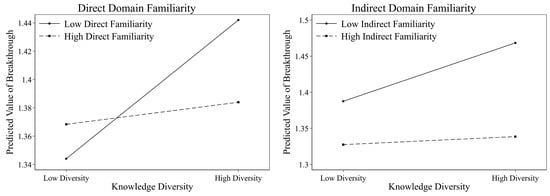
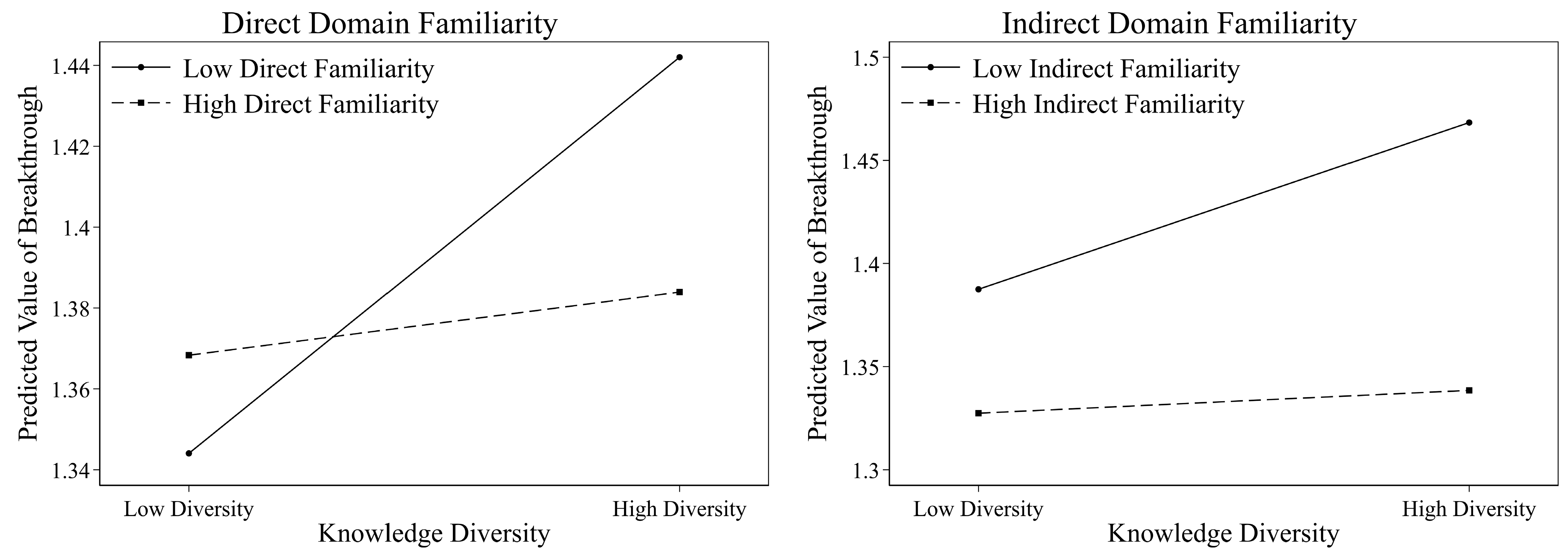

Disclaimer/Publisher’s Note: The statements, opinions and data contained in all publications are solely those of the individual author(s) and contributor(s) and not of MDPI and/or the editor(s). MDPI and/or the editor(s) disclaim responsibility for any injury to people or property resulting from any ideas, methods, instructions or products referred to in the content. |
© 2026 by the authors. Licensee MDPI, Basel, Switzerland. This article is an open access article distributed under the terms and conditions of the Creative Commons Attribution (CC BY) license.