


Highlights
Please indicate how your work links to systems science via your contributions to systems practice, theory, and/or methodology.
- Develops Scientific Self-Management (SCSM) as a bottom-up systems approach for organisations where management is incompetent or hostile, and the organisational culture has become paralysed by pretence.
- Integrates Critical Systems Thinking, Community Operational Research, and Complex Adaptive Systems into a coherent framework for bottom-up development.
What are the main findings and/or the implications of the main findings?
- Shows that SCSM can enable local organisational improvement and practitioner learning, demonstrating its viability where conventional approaches may fail.
Abstract
Approximately 70% of organisational development (OD) initiatives based on methodologies such as Total Quality Management (TQM), Business Process Reengineering (BPR), Lean, and Six Sigma are reported to fail. Critical Systems Thinking (CST) attributes many of these failures to poor implementation and inadequate attention to organisational context, emphasising the need for critical awareness, political agency, and multimethodology. However, when OD work itself becomes a “bullshit job”, even CST’s principles may struggle to take hold. This paper develops Scientific Self-Management (SCSM), inspired by Community Operational Research (COR) and informed by Complex Adaptive Systems (CAS), as a bottom-up systems approach to such situations. A 42-month first-person action research study of a public-sector OD programme examines the practical feasibility of SCSM in a complex organisational setting. The study shows how bottom-up learning and self-directed engagement can restore meaning and generate local organisational improvements where conventional approaches struggle to gain traction, while also highlighting the political challenges of sustaining such initiatives over time. It contributes to the CST and COR literatures by extending systems practice to situations in which management is incompetent or hostile and organisational culture has become paralysed by pretence. The findings suggest that successful organisational development depends less on the choice of methodology than on creating organisational conditions that enable meaningful participation, learning, and continuous improvement.
1. Introduction
Organisational Development (OD) methodologies—such as Total Quality Management (TQM), Business Process Re-engineering (BPR), Lean, and Six Sigma—have long promised to transform organisations through structured improvement and participatory learning. Nevertheless, despite their technical sophistication and widespread adoption, reported failure rates remain high [1,2]. In practice, however, these methodologies are often applied in ways that are detached from their original purpose as vehicles for organisational learning and improvement [3,4]. As a result, OD work itself risks becoming what Graeber [5] has called a “bullshit job”: an activity that generates little improvement and even less meaning for those responsible for carrying it out.
This paper argues that the principal challenge lies less in the methodologies themselves than in the organisational conditions under which they are expected to operate. Critical Systems Thinking (CST) has long recognised that successful organisational development depends upon critical awareness, political agency, methodological pluralism, and sensitivity to organisational context [6]. Likewise, Community Operational Research (COR) has demonstrated the value of participatory systems practice for supporting learning and collective action [7]. However, both traditions implicitly assume that meaningful organisational development remains possible through some combination of managerial support, stakeholder participation, or collective engagement. The question addressed in this paper is what can be done when these assumptions no longer hold—when management is incompetent or openly hostile, organisational culture has become paralysed by pretence, and organisational development itself has lost its meaning.
To address this challenge, the paper develops Scientific Self-Management (SCSM) [8], a bottom-up approach to organisational development that reinterprets Taylor’s Scientific Management through the combined perspectives of Community Operational Research, Critical Systems Thinking, and Complex Adaptive Systems [9]. Rather than viewing Taylor’s work primarily as a doctrine of managerial control, SCSM returns to his original emphasis on disciplined inquiry, experimentation, and learning. Where Taylor [10] famously argued that “in the past, man has been first; in the future, the system must be first,” SCSM seeks to reconcile these positions by treating the system as a disciplined method of inquiry while locating responsibility for learning, reflection, and improvement with the individual. Organisational development thus becomes a process of distributed learning and competence development rather than one driven solely by managerial direction.
The study investigates the practical feasibility of SCSM through a 42-month first-person action research study conducted during a public-sector organisational development programme. The intervention is analysed through the four principles of SCSM and the associated Bootstrap Algorithm (BA) [11,12] to examine how the framework functioned under conditions of weak managerial support and limited collective engagement. The objective of the paper is to investigate whether Scientific Self-Management can provide a viable organisational development strategy in situations where conventional approaches struggle because the organisational conditions required for their success are absent.
In doing so, the paper contributes to ongoing debates within Critical Systems Thinking and Community Operational Research by extending systems practice to organisational contexts in which established approaches may struggle to gain traction. Rather than proposing another organisational development methodology, the paper argues that successful organisational development depends fundamentally on creating organisational conditions that enable meaningful participation, scientific inquiry, and continuous learning. SCSM is presented as one possible systems response to situations in which these conditions have broken down.
The remainder of the paper is organised as follows. Section 2 reviews the literature on organisational development methodologies, Critical Systems Thinking, Community Operational Research, and Scientific Self-Management, positioning SCSM in relation to these traditions. Section 3 describes the first-person action research methodology used to investigate the framework. Section 4 presents the case study, followed by a discussion of the findings in relation to the research question. The paper concludes by considering the implications of SCSM for organisational development in contexts where conventional assumptions about management, participation, and organisational learning are no longer satisfied.
2. Literature Review
We begin the literature review by focusing on OD methodologies and their promises. We then examine CST and COR as influential approaches that aim to address common shortcomings, while acknowledging their challenges. Finally, we introduce SCSM and position it as a potential remedy. The purpose of this review is not to provide a systematic survey of organisational development research. Rather, it selectively examines those theoretical traditions necessary for understanding the conceptual development of SCSM.
2.1. Organisational Development and Its Persistent Dilemmas
Organisational Development (OD) methodologies have long been promoted as systematic approaches for improving organisational performance, culture, and adaptability. Emerging from behavioural science traditions in the mid-twentieth century, OD initially emphasised humanistic values such as participation, collaboration, and learning [13,14]. Over time, however, the field has expanded to encompass a wide array of methodologies, many of which are packaged as prescriptive solutions to specific organisational challenges. These range from large-scale structural redesigns to participatory approaches centred on dialogue and reflection.
At their core, OD methodologies share several promises. First, they claim to offer structured approaches to dealing with complexity and uncertainty, thereby reducing the risk of ad hoc or reactive management. Second, they present themselves as universally applicable frameworks that can be adapted across sectors, industries, and cultures. Third, they promise measurable improvements, whether in efficiency, quality, employee satisfaction, or organisational learning. In effect, OD methodologies advertise themselves much like consumer products: reliable, repeatable, and transferable solutions to persistent organisational problems.
Within this broad landscape, structural methodologies have occupied a prominent position, particularly since the 1980s. Total Quality Management (TQM), for example, promised organisations a systematic way of embedding continuous improvement through statistical process control, customer focus, and employee involvement [15,16]. Business Process Reengineering (BPR) offered a more radical vision, advocating fundamental redesign of processes to achieve dramatic gains in cost, quality, and speed [17]. Later waves of Lean and Six Sigma methodologies continued this structural orientation, combining rigorous process analysis with the promise of eliminating waste and variation [18,19].
The appeal of such methodologies lay not only in their rational, step-by-step logic but also in their promise of objectivity: by focusing on structures, processes, and measurable outcomes, they appeared to provide managers with a technical toolkit for delivering guaranteed improvements. This rationalist orientation aligned well with managerial demands for efficiency, accountability, and demonstrable return on investment. As a result, structural methodologies gained widespread popularity in both private and public sectors, often adopted through large-scale change programmes.
However, the promises of structural OD methodologies have frequently been called into question. Critics argue that while TQM and BPR offered compelling narratives of transformation, empirical evidence of their sustained success is mixed at best [20,21]. Many initiatives faltered due to lack of cultural alignment, insufficient managerial commitment, or unrealistic expectations [1]. Furthermore, the rhetoric of universality masked the reality that such methodologies are deeply context-dependent: what works in one organisation or sector may prove counterproductive in another. In practice, structural OD methodologies often failed to deliver the sweeping improvements advertised on the “tin,” raising doubts about their credibility and long-term value.
2.2. How CST and COR May Overcome Common Shortcomings
The shortcomings of structural OD methodologies highlight the need for approaches that move beyond prescriptive solutions and engage more deeply with organisations’ social, cultural, and political contexts [22,23].
Critical Systems Thinking (CST) represents one such development. Emerging in the 1980s and early 1990s [6,24,25,26], CST builds on earlier traditions in systems theory but seeks explicitly to address the ethical and political dimensions of organisational intervention. One of its central contributions lies in advocating methodological pluralism—the idea that no single method can adequately capture the complexity of organisational life. Instead, CST encourages practitioners to draw on multiple systems methodologies, selecting and combining them according to contextual demands. Importantly, CST also emphasises critical reflection on the assumptions underlying methodologies, urging practitioners to be aware of power relations, boundary choices, and stakeholder voices that may otherwise be marginalised. CST has an emancipatory agenda.
Through its associated intervention methods—such as Total Systems Intervention (TSI) [27], Systemic Intervention (SI) [28] and Critical Systems Practice (CSP) [29]—CST offers managers and practitioners a framework for navigating complexity without falling into the trap of “one best way” thinking. By legitimising methodological mixing and foregrounding issues of inclusion, CST addresses many of the failings of structural OD approaches, particularly their tendency to impose rigid solutions without regard for cultural or political realities.
Complementing CST, the field of Community Operational Research (COR) offers a more practice-oriented response to similar concerns. Originating in the 1980s, COR sought to extend operational research (OR) methods beyond their traditional applications in industry and government, bringing them to bear on community issues such as housing, health, and local development [7,30,31]. Like CST, COR emphasises participation and inclusion, but it goes further in embedding methodological practice within specific communities. COR practitioners have developed approaches that combine technical OR methods with facilitation, dialogue, and collaborative learning, aiming to make methodologies meaningful and empowering for participants who might otherwise be excluded from decision-making.
Taken together, CST and COR represent significant attempts to overcome the common shortcomings of structural OD methodologies. Both recognise that organisational and societal improvement cannot be achieved through technical fixes alone; instead, they provide frameworks for incorporating multiple perspectives, values, and forms of knowledge through critical reflection, participation, and community engagement. However, despite these advances, both traditions face practical challenges. CST requires a high degree of methodological competence and critical awareness, which may not be available in all organisational settings [32], whereas COR can struggle with scalability and institutional resistance [33]. More fundamentally, both traditions are primarily concerned with situations in which meaningful systems intervention remains possible through some combination of managerial support, stakeholder participation, or community engagement. The question therefore remains: how might organisational development proceed when these conditions are absent? This unresolved challenge motivates the search for new ways of working and provides the starting point for Scientific Self-Management.
2.3. The Concept of Scientific Self-Management (SCSM)
Scientific Self-Management (SCSM) was developed to address the limitations identified above. Rather than proposing another organisational development methodology, SCSM seeks to recover the scientific foundations of organisational improvement while integrating subsequent developments in Critical Systems Thinking (CST), Community Operational Research (COR), and Complex Adaptive Systems (CAS). Accordingly, SCSM should not be understood as a modern defence of Taylorism, but as an attempt to separate the scientific method underlying Scientific Management from the managerial ideology with which it later became associated, and to reinterpret that method through contemporary systems thinking.
Scientific Management is commonly associated with mechanistic control of labour, the fragmentation of work into routinised tasks, and the concentration of planning and decision-making within management [34,35,36]. Taylor’s four principles are therefore often interpreted as expressions of managerial control ([10], p. 27, paraphrased):
- Develop a science for each job: Replace old “rule of thumb” methods with standardised, scientific methods.
- Scientifically select and train workers: Choose the right people for the job and provide them with the correct training to improve their efficiency.
- Cooperate with workers: Ensure harmony between management and employees to carry out tasks using standardised, scientific methods.
- Divide work and responsibility: Management should handle planning and design, while employees should focus on carrying out their tasks.
Likewise, Taylor’s famous statement that “In the past, man has been first; in the future, the system must be first” ([10], p. ix) has frequently been interpreted as subordinating human needs to efficiency and managerial authority.
However, this interpretation is not the only one supported by the historical literature. Nelson [37] and Kelly [38] argue that Taylor regarded Scientific Management not merely as a means of increasing productivity, but as a disciplined process of inquiry through which workers and managers alike could improve their skills and derive satisfaction from systematic learning. Kanigel’s [39] account of Taylor applying the same principles to improve his own tennis and golf performance illustrates that Taylor viewed scientific experimentation as a personal discipline rather than simply a managerial technique. From this perspective, the enduring contribution of Scientific Management lies less in its historical implementation than in its commitment to disciplined observation, experimentation, measurement, and continuous improvement. The question, therefore, is not whether Taylorism should be revived, but whether the scientific method that originally motivated Scientific Management can be separated from the managerial practices with which it later became identified.
Critical Systems Thinking and Community Operational Research provide important steps towards such a reinterpretation. CST extends scientific inquiry by emphasising critical reflection, methodological pluralism, political awareness, and sensitivity to organisational context [24,29,40]. COR complements this perspective by demonstrating how systems practice can support participation, community learning, and collective problem solving [7,31,41]. Together, they move beyond the technical rationality often associated with traditional management by recognising that organisational improvement depends as much on learning, emancipation, and social relationships as on analytical techniques. Nevertheless, as argued in the previous section, both traditions remain primarily concerned with situations in which meaningful organisational intervention remains possible through some combination of managerial support, stakeholder participation, or community engagement.
Complex Adaptive Systems contributes a different but complementary perspective. Rather than viewing organisational change as the implementation of centrally designed solutions, CAS explains how complex systems evolve through distributed experimentation, local adaptation, and the emergence of new patterns of behaviour from interactions among many autonomous agents [9,42,43]. From this perspective, organisational competence is not designed from above but develops through repeated cycles of variation, learning, selection, and diffusion.
Within SCSM, these ideas are operationalised through the Bootstrap Algorithm (BA) [11,12], whose iterative logic resembles that of evolutionary search methods such as Genetic Algorithms [9,12]. Variation occurs through local experimentation with work practices, improvement ideas, and applications of organisational development tools, while selection occurs through practitioner judgement, peer recognition, and the extent to which particular practices help actors achieve locally relevant objectives such as process improvement, professional learning, or compliance with recognised standards. Successful practices may then spread through professional and organisational learning networks. Unlike Genetic Algorithms, however, the BA does not assume a single objective function. Instead, multiple and sometimes competing criteria of success emerge from the organisational context itself, making organisational learning an adaptive and socially situated process rather than an optimisation problem. The BA therefore provides the mechanism through which individual experimentation may gradually contribute to wider organisational competence without requiring coordinated top-down implementation.
SCSM brings these four traditions together into a coherent systems framework. Scientific Management contributes the discipline of scientific inquiry; CST contributes critical reflection, emancipatory orientation and methodological pluralism; COR contributes participatory systems practice and collective learning; and CAS contributes an explanation of how distributed local improvements may accumulate into broader organisational change. Rather than replacing these traditions, SCSM seeks to integrate their complementary strengths while addressing organisational situations in which conventional assumptions about managerial leadership, organisational participation, and institutional support can no longer be taken for granted. Table 1 gives an overview.
Table 1.
Conceptual synthesis underlying Scientific Self-Management (SCSM).
Building upon this synthesis, we have previously argued that SCSM provides a natural foundation for implementing Total Quality Management from a Critical Systems Thinking perspective (Critical Total Quality Management, CTQM) [8,44]. SCSM therefore retains Taylor’s four principles while reinterpreting each in light of contemporary systems thinking:
- Develop a science for each job: Apply the Plan-Do-Check-Act (PDCA) cycle to every work process as a method of continuous scientific experimentation [45,46,47].
- Scientifically select and train workers: Apply Integrated Systems Pedagogy (ISP)—an educational approach integrating systems thinking with practical systems intervention—to develop competence through formal education and workplace learning [48].
- Cooperate with workers: Apply servant-leadership to turn the organisational pyramid upside-down; meet the needs of those doing the work [49].
- Divide work and responsibility: Divide practice and theory in accordance with the observation that “there is nothing as practical as a good theory” (Lewin [50], p. 288).
These reinterpretations transform Taylor’s managerial principles into principles of scientific self-development. The first principle establishes scientific inquiry as an everyday practice; the second develops systems competence; the third relocates leadership from authority to service; and the fourth embeds continuous reflection within organisational learning. Collectively, they encourage individuals to adapt and combine methods to meet the requirements of their own organisational context, rather than treating established methodologies as universal recipes.
Lewin’s critique of Scientific Management further reinforces this reinterpretation. As Martin Gold notes, Lewin “was sympathetic to the application of scientific methods for improving industrial management. However, his intuition told him that advocates of scientific management were not taking adequate account of important factors—namely, the needs of the workers” ([51], pp. 295–296). The criticism therefore concerns not scientific inquiry itself but the ideological manner in which it was frequently applied [38,44,52]. SCSM seeks to preserve Taylor’s commitment to disciplined experimentation while incorporating the emancipatory concerns developed within CST and COR.
As a leadership philosophy—and as a potential vehicle for implementing Critical Systems Leadership (CSL) [29]—SCSM consequently reinterprets Taylor’s famous statement as follows: “In the past, the individual leader has been first; in the future, the group must be first.” This interpretation is consistent with Haslam et al. [53], who argue that leadership cannot be understood independently of followership and shared social identity. Leadership within SCSM therefore arises not primarily through formal authority, but through individuals who apply scientific methods to improve their own work, collaborate with others, and serve the wider organisational community.
In practical terms, SCSM transforms the workplace into a laboratory in which everyone becomes both practitioner and researcher. It encourages each individual to become a “Factory of One” [54] by applying methods such as Time and Motion Studies (TMS)—today familiar through Lean Six Sigma—to improve his or her own work processes. Here, organisational development tools become instruments for self-directed experimentation rather than externally imposed programmes. Practising SCSM resembles a golfer refining technique through repeated experimentation or a musician developing competence within a jazz ensemble. Traditional organisations often resemble orchestras, in which musicians follow a conductor; SCSM, instead, resembles jazz, where every musician is capable of improvising while remaining attentive to the shared rhythm. In this way, SCSM complements the critical orientation of CST, the participatory ethos of COR, and the adaptive logic of CAS by providing a practical systems approach to organisational development in conditions where conventional change programmes struggle to gain traction.
3. Methodology
There are various ways to investigate the practice of SCSM in a “bullshit job” [3,4,5] environment. The approach used here follows the ideas of Whitehead [55] for framing a social experiment as a personal experiment, thereby avoiding the ethical dilemmas of social research by turning it into an N = 1 study, or what is sometimes called self-improvement research. Whitehead’s methodology provides the research framework, whereas SCSM defines the professional practice being investigated.
3.1. Self-Improvement for Change Agents
Coghlan and Brannick ([56], pp. 42–48) identify three kinds of action research based on whether the research aims to change the system or the actor. When conducting field experiments on the development of expertise, such as mastering the violin, the focus tends to be on the performing actor rather than the environmental system [57]. When researching how to implement information systems, the problem tends to lie with the system rather than the change agent [58]. However, it is also possible to combine self-improvement research with systems development research. This combined perspective is particularly appropriate for Scientific Self-Management (SCSM), where organisational development begins with the systematic development of the practitioner rather than with attempts to redesign the organisation directly.
Whitehead prescribes a list of five steps for conducting self-improvement action research for change agents, such as teachers, managers, and political activists. If the problem remains unsolved at the final stage, or the study has not achieved sufficient validity and reliability, the final step can lead to a new cycle by returning to the first step for one or more loops. The iterative nature of this process closely resembles the continuous improvement philosophy embodied in the Plan-Do-Check-Act (PDCA) cycle and provides a methodological foundation for SCSM, where the researcher repeatedly applies scientific inquiry to his own professional practice.
- The researcher experiences problems when his values are negated in practice.
- He imagines ways of overcoming his problems.
- He acts on a chosen solution.
- He evaluates the outcomes of his actions.
- He modifies his problems, ideas and actions in light of his evaluations.
As seen in this sequence of steps, the research strategy assumes that the self-improvement researcher is in a situation in which he experiences a conflict between his stated values and their manifestation in practice. Whitehead describes this situation as a “living contradiction”: the practitioner recognises that the values he seeks to embody are denied by his own practice or by the organisational conditions in which he works. In the case of trying to use SCSM for transforming a “bullshit job” environment into a meaningful environment, the values come from how CST, COR and SCSM commit to critical awareness, emancipation and multimethodology, which may be challenged in a culture where the powerless are expected to be blindly loyal to those in power. The purpose of the research is therefore not primarily to evaluate whether organisational change succeeds, but to examine how the researcher responds to this living contradiction by using SCSM as a disciplined framework for personal inquiry, experimentation, and learning.
3.2. Clarifying the Problem and Articulating Possible Solutions
In the case study, where one of the authors did 42 months of action research, the five-step method was implemented in an explorative manner, starting with the first bullet point and the initial feeling of being like a living contradiction, trying to aid the implementation of Lean ISO 9001 in public administration through commitment to the CST values while working for a manager whose understanding of OD differed substantially from the assumptions underlying CST and SCSM [59]. The organisational development programme therefore constitutes the context within which the action researcher’s living contradiction emerged, rather than the primary object of investigation. It was followed by the second bullet point, which called for maintaining distance from the manager by joining a Lean Forum within the organisation, hoping that the forum could serve as a lecture hall for teaching systems thinking for professional practice [60].
Within this context, Whitehead’s action research methodology provided the framework for inquiry, while SCSM provided the framework for action. Organisational development methodologies such as TQM, Lean, BPR, Six Sigma and ISO standards formed part of the professional environment in which the study took place. In contrast, CST, COR and CAS provided the theoretical foundations from which SCSM informed the researcher’s interpretation of events and the design of possible interventions. The quantitative measures presented later in the paper are therefore reported as evidence of the practical context in which the action research unfolded, rather than as research data collected for statistical analysis or hypothesis testing.
3.3. Taking Action
The third bullet point in the five-step method is to take action. Starting in the spring of 2019, regular participation in the Lean Forum made it possible to have dialogue with those responsible for implementing Lean across the organisation, intensifying the interaction by gradually developing dialogue-based teaching of systems thinking, as it became more evident what practical problems people were struggling with [59,60]. From the perspective of Whitehead’s methodology, these organisational activities constitute the practical setting in which the action researcher continually tested and refined his own practice of Scientific Self-Management.
Due to the research’s internal orientation, which places the action researcher’s own learning at the centre of the inquiry and focuses on the contrast between personal belief in CST and the opposing values held by powerful actors within the organisation, the action account takes on a subjective shape. As the purpose of the account is to describe the internal response to events in the external world, the external events have been anonymised, and individuals are systematically described as “he”, regardless of gender. This anonymisation is therefore not merely an ethical precaution but a methodological consequence of the study design: the purpose is not to characterise the environment where action research takes place, or to evaluate the actions of other individuals, but to characterise the thoughts, actions, and reflections of the action researcher as he interacts with the environment. The researcher therefore occupied multiple roles simultaneously—as practitioner, organisational participant, and investigator—which inevitably shaped both the opportunities for intervention and the interpretation of events.
3.4. Evaluation and Modification
In the five-step method, the two final bullet points concern evaluation and reflection. As long as the action researcher can maintain a sense of influencing professional practice, the SCSM process is seen to be working as expected. If there is no sign of influence, the process is not working properly, which provides input for reflection. Although the case narrative includes organisational artefacts such as questionnaires, lead-time measurements, ISO audits, and other operational indicators, these were not generated as research data. They formed part of the organisation’s ordinary improvement activities and are presented only to the extent that they informed the action researcher’s reflections on his own practice. The object of evaluation is therefore not the organisation itself, but the researcher’s evolving understanding of his own actions within that organisational context.
Additionally, to prevent the action researcher from becoming trapped in his own confusion during the evaluation stage, McNiff and Whitehead [61] recommend engaging in conversations with a critical friend. In this study, the researcher held monthly meetings with a colleague from a different department who shared a similar perspective on the organisation. The role of the critical friend was not to validate organisational events or provide an independent assessment of the case, but to challenge the researcher’s interpretations, expose possible blind spots, and strengthen the credibility of the reflective inquiry. These discussions formed an integral part of the iterative process through which the researcher’s understanding of both the organisational situation and his own practice evolved over the 42-month study.
The conversations were informal but regular, taking place approximately once a month throughout the study. They typically centred on recent organisational events, the researcher’s interpretation of these events, and possible alternative courses of action. Rather than advising on organisational decisions, the critical friend encouraged reflection on whether the researcher’s actions remained consistent with the values underpinning SCSM. The conversations were not formally recorded or transcribed, although occasional notes were made when particular insights informed subsequent reflection. Because the critical friend worked in a different department, he brought an independent organisational perspective to the discussions, but he did not systematically verify events or act as an external evaluator.
4. Results
The results are presented as a first-person account of the action researcher’s practice of Scientific Self-Management over 42 months. The purpose is not to evaluate the organisation or its members, but to describe how the researcher responded to the challenges of pursuing organisational development in an environment where the basic premises for successful OD were absent. Organisational development methodologies such as TQM, Lean, Six Sigma, and ISO standards therefore appear as elements of the professional setting within which the SCSM inquiry unfolded.
4.1. January to March, 2019: Trying to Understand the Culture
The researcher was not unaware of the organisational culture when starting his action research. Since 1999, he had been engaged with short-term and long-term action research projects, so his research proposal Implementing Lean in Public Administration ([59], pp. 213–221) focused on concepts like organisational hypocrisy [3] that are useful for describing how and why organisations say one thing but do something completely different, like claiming to have values, structures and processes in support of effective OD, yet in reality having values, structures and processes that make OD almost impossible.
In one paper from the study, the researcher mentions how people within the organisation talked about the OD initiative ([62], pp. 225–226):
“Shortly before the summer holidays of 2019, I had an interesting conversation with one of my new colleagues in the quality department. He1 told me something similar [to what the CIO had said]. Rather than keeping people on social security, he said, it was better to employ them to implement TQM in public administration. […] Another colleague recommended reading about pseudo-work known as “bullshit jobs” [and suggested certain books and authors].”
What the quote shows is that some of the OD practitioners were familiar with Graeber’s concept of “bullshit jobs” and identified with the situations described by Graeber and similar researchers [5,63,64]. Although Graeber’s broader claims have been debated [65,66], the concept is used here because it captures how these practitioners themselves interpreted their organisational situation.
Two distinct responses nevertheless emerged within the TQM-driven OD community. One group consisted of OD workers who were frustrated with what they described as incompetent TQM leadership, making it impossible to use the OD tools in a meaningful way. The other group, which was the dominant one, consisted of OD workers who realised that they were trapped and could either try to find work elsewhere (if possible) or play along with the meaningless rituals.
Regardless of whether people were frustrated and ready to leave or had decided to make the best of the situation, the key issue was that they possessed powerful OD tools that could have benefited both the organisation and themselves—if only they had been allowed to use them intelligently.
4.2. April to December, 2019: Iterative Development of a Plan
Before having properly understood the culture, the researcher was asked by the quality manager whether he would be interested in taking responsibility for developing the internal control (IC) strategy document. However, as he believed he could serve the organisation better by supporting a range of tasks and responsibilities rather than being siloed into one particular domain—which was obviously a “bullshit job”—he declined. What he did instead was to follow the Bootstrap Algorithm (BA) [67] of finding people who would appreciate and benefit from him working with them in an SCSM manner, and then gradually expand the network until reaching critical mass within the local OD community by having people explore and improve different OD tools in ways that would have measurable consequences for organisational improvement.
To control the OD group in a split-and-conquer fashion, the quality manager and his assistant had divided the group into ten areas of responsibility. Although the purpose of the BA was to enrol them all into the same SCSM network, the best approach at the beginning seemed to be to start with the archive manager, since he had formally committed to making the Management System for Records (MSR) compliant with ISO 30301. To achieve this, he realised he would benefit from someone with experience in ISO 9001 auditing in the context of OD. As the purpose of ISO 30301 is to create continuous improvement within all aspects of the MSR, where the MSR is totally integrated with the overall organisational management system and all its aspects, it would also be important to support those in charge of the Lean Forum, as this was where all the OD tools for PDCA-driven continuous improvement were located.
The SCSM plan thus became very simple. The idea was to aid in the ISO 30301 auditing of the MSR through the process of Lean Auditing [68] while sharing the experience with the Lean Forum, more or less like providing on-the-job training for Lean-oriented OD practitioners who were thus presented with both theoretical ideas and practical examples as input for discussion in the monthly meetings [60].
4.3. January 2020 to June 2022: Executing the SCSM Plan
The Lean ISO 30301 experiment unfolded very much in alignment with what the BA predicted [69]. The archive manager was happy with the support, especially since the ISO 30301 auditing process was designed in a manner to start with small issues that would help him increase influence and efficiency, and gradually escalate until he would become the de facto quality manager in the sense of taking responsibility for creating continuous improvement across all departments, processes and aspects of the organisation. Hopefully this would happen without causing conflict with the existing quality manager and his assistant. Since the archive manager was reporting to these people, perhaps it would be possible to make it appear that they were responsible for the success, thereby avoiding being perceived as a threat.
When working with the archive manager, all kinds of Lean-oriented OD tools were used, such as the EFQM framework, the whole family of ISO standards and all types of Lean Six Sigma methods, including the application of Statistical Process Control (SPC) for controlling costs, lead time and cycle time of the audits, making it possible to share examples with the Lean Forum on how most OD tools function as promised when being used in an environment that makes correct use possible.
To improve conversations with OD practitioners within the Lean Forum, it was useful to focus on the 15 Lean Tools defined by the forum and used across the organisation as a whole. The first tool was the Plan-Do-Check-Act (PDCA) cycle from TQM, and the fourteen others were categories along the PDCA scheme, in the sense that there were eleven tools for planning (including 5S, force field analysis, interest analysis, priority matrix, Pareto analysis, process mapping, waste categories and root cause analysis), two for action (brainstorming and whiteboard meetings), one for evaluation and one for correction.
To stimulate debate and mutual learning about how he was using OD tools and how the rest of the community was using them, the researcher conducted a questionnaire study in June 2021. There were 15 responses (47%), showing that the three most popular tools were root cause analysis (5-why & fishbone), the PDCA process itself and process mapping. That root cause analysis and PDCA received such a high score surprised the researcher, as he had never seen anyone in the organisation use these tools apart from himself. However, it seemed the Lean coordinators enjoyed teaching them, so they were popular as theory while having little or no impact in reality. Process mapping, on the other hand, was clearly something many enjoyed doing, so here the questionnaire study confirmed what had been observed by less systematic means.
While Lean ISO 30301 improved the MSR, the associated lectures on various OD tools at the Lean Forum became increasingly popular, opening opportunities to collaborate with the HR department and others. Some of the lectures were also given in other forums at the request of forum attendees who had found them useful. A particularly interesting lecture took place in May 2022, which focused on continuous improvement of the process for reporting and handling defects, an area investigated through an MSR audit related to clause 10.1 of ISO 30301.
This particular case was interesting because it revealed a complete organisational ignorance of all Lean principles, including a total lack of monitoring for lead time and cycle time. These metrics actually appeared to be worsening year over year (Figure 1). For parts of the audience, including one of the individuals who had been working directly on the process, this observation was highly interesting and useful. However, for the Lean Forum leader, it was apparently viewed as a threat, so the quality manager soon informed the action researcher that the action research project had been terminated.
Figure 1.
Lead time (LT) for the handling of defects; monthly averages, variation, and trends.
Although the study does not rely on formal statistical hypothesis testing, Figure 1 presents organisational performance indicators that formed part of the practical context within which the action research took place. The figure is based on monthly aggregates of defect data extracted from the organisation’s defect-management system between November 2020 and April 2022. The indicators measure lead times (in days) associated with the registration, handling, and closure of reported defects. While these underlying raw timestamps were captured automatically by the system, they had remained unmonitored by the operations team until extracted by the action researcher during the routine ISO 30301 audit.
The dashed lines represent upper and lower control limits derived from a variable-subgroup Statistical Process Control (SPC) X-bar chart [15,16], while the solid black lines represent observed process performance (monthly averages). Because the defect-management system was newly established in November 2020, the process was not initially expected to be in a state of statistical control. Revised control limits were therefore calculated using data from 2021, when the process appeared more stable. The unusually high observation recorded in April 2022 signalled a significant out-of-control state. This prompted a secondary, retrospective analysis where a linear regression line (represented in red) was superimposed onto the SPC diagram. This trend line confirmed that both average lead times and the process standard deviation were steadily increasing over time, indicating that the process was systematically degrading.
These indicators are included because they informed discussions within the Lean Forum and influenced the action researcher’s reflections on the organisational situation. They should be understood as organisational artefacts that formed part of the context for the intervention rather than as evidence used to test the effectiveness of SCSM.
4.4. Evaluation and Reflection
From the researcher’s perspective, the 42 months of action research were a stressful but interesting period. The experience suggested that the SCSM strategy worked largely as expected when implemented through the Bootstrap Algorithm (BA). Individuals who engaged in SCSM processes were able to transform organisational improvement into self-improvement projects, developing competence, agency, and a stronger sense of meaning in their work. The Lean ISO 30301 initiative, the associated learning activities, and the growing network of collaborators all indicated that SCSM could create positive change even within an organisational environment that many participants experienced as a “bullshit job” culture.
At the same time, the intervention revealed clear limitations. Although local improvements emerged slowly but steadily, they proved difficult to sustain once they attracted the attention of those in positions of authority. As with previous attempts to use the BA [12,67,70], the process ended abruptly when the emerging network was perceived as a potential challenge to existing power structures. The result was that many participants who had begun to experience their work as meaningful were drawn back into routines centred on producing process maps that nobody would use or documents that nobody would read.
In retrospect, the researcher regarded his decision to decline responsibility for the internal control framework in the spring of 2019 as a significant strategic error. Had the organisation lived according to its espoused values of empowerment, shared knowledge, and willingness to take risks, it might have been sufficient to occupy a supporting role while helping others through SCSM. However, the organisation operated more as a command-and-control culture, with people siloed into separate areas of responsibility and closely managed. Under such conditions, influence depended not only on competence and relationships but also on formal responsibility.
At the same time, it is unclear whether accepting responsibility for the internal control strategy would ultimately have changed the outcome. If SCSM had come to be recognised as a method for empowering those with competence but limited formal authority, it could still have been perceived as a threat by those whose position depended more on authority than expertise. No organisational development approach is free from such risks. The deeper question therefore became whether to remain within the organisation and accept a “bullshit job” as the price of career and organisational success, or to leave in pursuit of more meaningful work, despite the uncertainty such a choice might entail.
5. Discussion
The discussion is structured into three parts. The first part reflects on evidence supporting and questioning the SCSM hypothesis. The second part discusses the overall outcome in relation to theory and related research. The third part addresses limitations and future research.
5.1. Evidence Supporting and Questioning the SCSM Hypothesis
The mixed outcome of the intervention is best understood by analysing it through the four principles of Scientific Self-Management (SCSM). Each principle provides a lens for assessing whether it was followed in practice and to what extent it generated the intended results.
5.1.1. Develop a Science for Each Job
The first principle, which emphasises applying the Plan-Do-Check-Act (PDCA) cycle to each process, was consistently followed at the level of individual practitioners. The archive manager’s ISO 30301 work illustrates how small-scale experimentation and feedback cycles produced measurable improvements in documentation, lead time and internal control. These results indicate that OD tools “work as advertised” when used scientifically and reflectively. However, the surrounding culture—geared towards internal politics rather than inquiry—prevented the wider organisation from institutionalising the same learning dynamic. The “science for each job” thus remained personal rather than systemic: effective as craftsmanship but not embedded as organisational learning. For the action researcher, these practical improvements reduced the experience of living contradiction by demonstrating that scientific inquiry remained meaningful, even when the wider organisation failed to learn.
5.1.2. Scientifically Select and Train Workers
The second principle, centred on Integrated Systems Pedagogy (ISP) and the scientific training of practitioners, was partially achieved through the Lean Forum’s collaborative lectures and mentoring activities. These sessions stimulated curiosity and competence in using OD tools, and showed that self-directed learning can thrive even in problematic environments. However, such training remained voluntary and fragile. The experience confirmed the validity of the principle while demonstrating that sustainable competence development depends on institutional support for systems thinking and reflective practice. For the action researcher, the opportunity to support others’ learning reduced the experience of living contradiction by enabling him to act consistently with his educational and professional values.
5.1.3. Cooperate with Workers
The third principle, inspired by servant leadership, aimed to reverse the traditional hierarchy by serving the needs of those performing the work. Within local peer networks, this approach fostered trust, openness, and mutual support, suggesting that servant leadership can flourish from below even without formal authority. Nevertheless, once collaboration was seen as a challenge to control, it was dealt with. Cooperation succeeded where autonomy was tolerated, but was penalised when seen as a potential threat to managerial dominance. In this sense, SCSM fulfilled the cooperative spirit of Taylor’s [10] principle but could not overcome the cultural resistance of a command-and-control system. For the action researcher, the experience nevertheless reduced the living contradiction by demonstrating that collective agency need not depend upon formal authority, even when the organisation ultimately suppressed such agency.
5.1.4. Divide Work and Responsibility
The fourth principle, derived from Lewin’s [50] dictum that “there is nothing as practical as a good theory,” was realised through the researcher’s reflective stance, which continuously connected theory and practice through self-improvement cycles. However, the decision to decline formal responsibility for the internal-control framework limited the capacity to translate theory into organisational redesign. While this choice was consistent with SCSM’s bottom-up ethos, it also exposed the initiative to political vulnerability. For the action researcher, this experience reduced the living contradiction by clarifying both the strengths and the political limits of SCSM, thereby providing a foundation for further theoretical development.
5.1.5. The Bottom-Up Bootstrap Strategy
The four principles were operationalised through the Bootstrap Algorithm (BA), a CAS-based strategy for expanding SCSM practice organically by linking motivated individuals into self-reinforcing learning networks. Initially, the BA functioned as intended—creating visible improvements, enthusiasm, and cross-departmental collaboration. However, as the network gained traction and visibility, it encountered resistance from hierarchical authorities and was abruptly terminated. The BA thus demonstrated that bottom-up organisational learning can emerge through distributed networks but may remain politically vulnerable unless supported—or at least tolerated—by wider organisational structures.
5.1.6. Summary of Evidence
Taken together, the findings provide qualified support for the SCSM hypothesis. The study suggests that Scientific Self-Management can generate meaningful professional practice and local organisational improvement even under highly resistant organisational conditions. At the same time, the findings indicate that the present formulation of SCSM remains incomplete with respect to the political sustainability of such improvements. The implications of this limitation are considered below.
5.2. Reflections on the Outcome
If the four principles of SCSM proved capable of generating local improvements, why did those improvements ultimately fail to become organisationally sustainable?
5.2.1. Technical Explanation
The technical limitations of the Bootstrap Algorithm should not primarily be understood as limitations of Lean, TQM, or other organisational development methodologies, but rather as limitations inherent in the creation of scientific communities of practice [71,72]. The BA assumes that practitioners are willing and able to engage in hypothesis formation, experimentation, critical reflection, and collaborative learning. Such capacities cannot simply be assumed. As Chomsky [73,74] has argued in relation to academic communities, scientific inquiry depends upon intellectual autonomy rather than hierarchical obedience. The challenge observed in the present case was therefore not simply one of implementing improvement tools, but of cultivating a culture capable of supporting scientific self-management. Taylor’s second principle consequently becomes less a question of selecting the “right” workers than of developing scientific competence through education. Integrated Systems Pedagogy was designed precisely for this purpose, yet the case suggests that developing such competence requires considerably more time and organisational support than was available during the present intervention.
There was also another technical challenge. Although the Bootstrap Algorithm is intended to expand local learning through the gradual formation of networks, the present implementation remained too heavily dependent upon a single organisational setting. In retrospect, the initiative was insufficiently connected to external communities of practice and action research networks that could have provided additional expertise, legitimacy, and resilience. Within programmes such as the Health Information Systems Programme (HISP), the Bootstrap Algorithm is implemented through networks of action, where multiple action research projects reinforce one another, and the failure of individual initiatives does not threaten the wider learning process [75,76]. By contrast, the present study relied primarily upon a single organisational network. Once that network was disrupted, the bootstrap process could no longer sustain itself. From a technical perspective, therefore, the principal limitation lay not in the Bootstrap Algorithm itself but in the narrowness of the network through which it was implemented.
5.2.2. Political Explanation
The termination of the initiative suggests that the principal obstacle was not technical but political. As the network expanded, it increasingly challenged established patterns of managerial authority by demonstrating that meaningful organisational development could emerge without formal direction. What had initially appeared to be a useful local initiative gradually came to be seen as a potential threat.
This observation resonates with Saul Alinsky’s [77] analysis of community organising. Alinsky argued that sustainable change within resistant systems depends not only upon solving practical problems but also upon systematically building relationships, legitimacy, and political support. Change agents must begin where people are, develop trust through small victories, and gradually expand their sphere of influence rather than assuming that demonstrated competence alone will generate acceptance. In retrospect, the present implementation devoted considerably more attention to developing scientific practice than to developing the political alliances needed to sustain it.
The case also illustrates that SCSM embodies a form of distributed leadership that extends beyond conventional organisational development. Rather than relying upon formal authority, leadership emerges through voluntary cooperation, shared inquiry, and mutual learning. In this respect, SCSM aligns closely with Flink’s conception of anarchist systems thinking [78,79,80], where organisation is achieved not through command but through self-organisation and shared responsibility. The present case therefore suggests that the political challenge for SCSM is not to replace hierarchy with anarchy, but to understand how self-organising communities can acquire sufficient legitimacy to coexist with formal organisational structures.
5.2.3. Theoretical Explanation
The findings also clarify the theoretical relationship between SCSM and other approaches to organisational development. Like Appreciative Inquiry [81] and Positive Organisational Scholarship [82], SCSM adopts a bottom-up perspective on change. However, whereas these approaches are primarily grounded in social construction, strengths-based inquiry, and the mobilisation of positive organisational narratives, SCSM is explicitly grounded in scientific inquiry through PDCA, critical reflection, and continuous experimentation. Its purpose is not simply to encourage participation but to cultivate practitioners capable of scientifically investigating and improving their own work. While SCSM does not reject strengths-based perspectives, it places greater emphasis on discovering strengths, opportunities, and improvement possibilities through systematic inquiry rather than through dialogue alone. This distinction has important implications for learning and change. Appreciative Inquiry and Positive Organisational Scholarship primarily seek to reshape organisational reality through collective reflection on existing strengths, whereas SCSM treats organisational improvement as an ongoing process of hypothesis formation, experimentation, measurement, and learning.
The present study also suggests that CAS may play a more important role within Critical Systems Thinking and Community Operational Research than has traditionally been recognised [29,83]. Whereas both traditions have generally emphasised critical reflection, participation, and stakeholder engagement, the Bootstrap Algorithm illustrates how CAS can gradually develop local inquiry into broader organisational learning. At the same time, the case indicates that CAS alone is insufficient to explain the behaviour of actors operating in politically contested environments. Future theoretical development may therefore benefit from integrating the adaptive perspective offered by CAS with the strategic perspective of game theory, particularly Axelrod’s work on the evolution of cooperation [84,85,86]. Such an integration could provide a richer account of how self-organising learning communities emerge, survive, or fail under conditions of political resistance.
The technical and political limitations identified in the present case therefore do not invalidate SCSM but indicate that its current formulation would benefit from complementary theories of organisational viability. One promising direction is Stafford Beer’s Viable System Model (VSM) [87], which explicitly addresses the relationship between local autonomy, organisational coordination, and long-term viability [88,89]. While SCSM explains how bottom-up learning and self-management can emerge, VSM may provide the governance perspective needed for such initiatives to become institutionally sustainable without sacrificing their bottom-up character.
VSM’s recursive structure could provide a framework for connecting local SCSM learning networks across organisational levels while preserving their autonomy. Likewise, VSM’s coordination, intelligence, and policy functions may provide the institutional legitimacy needed to protect self-organising learning communities from political disruption. In this way, SCSM may contribute the learning mechanism while VSM contributes the governance framework required for long-term organisational viability. Future research may usefully examine situations in which the viability requirements of self-organising learning networks and those of the wider organisation are not fully aligned, creating tensions between local autonomy and organisational control.
5.2.4. Practical Explanation
The present case also offers practical lessons for future SCSM practitioners. First, the study reinforces Whitehead’s view that the primary responsibility of the action researcher is not to guarantee organisational success but to remain faithful to their values while continuously learning from experience. From this perspective, the apparent failure of the intervention should not be interpreted simply as unsuccessful organisational development but as part of the ongoing process of reducing the researcher’s own “living contradiction” through disciplined cycles of action and reflection [55].
Scientific Self-Management therefore demands more than technical competence. It requires resilience, patience, and the willingness to continue acting scientifically even when organisational circumstances discourage inquiry and learning. In this respect, SCSM shares much with the Stoic tradition, where professional practice is understood as the disciplined cultivation of one’s own character under conditions that cannot be fully controlled [90]. Rather than promising immediate organisational transformation, SCSM encourages practitioners to focus on what remains within their sphere of influence while gradually expanding it through scientific experimentation and collaborative learning.
The present case suggests several practical lessons for future SCSM practitioners. First, apply Scientific Self-Management to one’s own professional practice rather than attempting immediate organisational transformation. Second, cultivate voluntary learning relationships before seeking formal organisational influence, recognising that trust develops through repeated small successes rather than technical argument alone. Third, avoid allowing an emerging learning network to depend upon a single organisational sponsor or manager. Instead, strengthen its resilience by building relationships across departments and, where possible, with external communities of practice that can sustain learning even if local initiatives are disrupted. Finally, recognise that technical competence, although necessary, is insufficient on its own. Scientific self-management also requires political judgement, patience, and the ability to distinguish between opportunities for influence and situations in which preserving one’s integrity is more important than pursuing a particular intervention [91].
5.3. Limitations
This study is based on a single first-person action-research case in which one of the authors acted simultaneously as practitioner, researcher, and co-developer of Scientific Self-Management (SCSM). In accordance with Whitehead’s methodology, the primary object of inquiry was therefore the researcher’s own professional practice rather than the organisation itself. The findings should consequently be interpreted as analytical and theoretical insights into the practice of SCSM rather than as evidence of its general effectiveness. The aim is transferability through reflective learning rather than statistical generalisation.
The first-person character of the study inevitably introduces subjectivity. Although the use of a critical friend provided an external source of challenge throughout the research process, the interpretations presented remain those of the action researcher and should not be regarded as representing the perspectives of other organisational actors. Future studies could usefully complement first-person inquiry with interviews or other forms of triangulation to explore how the same events were experienced by colleagues, managers, and other participants.
A further limitation concerns the organisational context. The study was conducted within a single public-sector organisation characterised by organisational hypocrisy, limited psychological safety, and resistance to bottom-up organisational development. While these conditions make the case particularly relevant to the research question, they may also have shaped both the opportunities available to the researcher and the intervention’s outcome. Replication in different organisational settings would therefore be valuable for exploring the conditions under which SCSM succeeds, fails, or develops in different ways.
Finally, because the researcher was also involved in developing the SCSM framework, there is an inherent risk of confirmation bias. At the same time, this close involvement provided access to the continuous cycles of reflection and experimentation that constitute the phenomenon under investigation. Rather than eliminating this tension, Whitehead’s methodology requires it to be acknowledged explicitly as part of the research process. Future research should therefore examine SCSM from additional methodological perspectives and continue refining the framework in light of both successful and unsuccessful applications.
Future research should pay particular attention to how SCSM can scale from individual scientific self-management to sustainable organisational learning without losing its bottom-up character or becoming politically vulnerable.
6. Conclusions
This paper has examined whether Scientific Self-Management (SCSM) can provide a viable form of organisational development in situations where conventional assumptions about managerial support, organisational learning, and meaningful participation no longer hold. Through a 42-month first-person action research study, the findings demonstrate that SCSM can enable practitioners to transform routine work into disciplined scientific inquiry, creating local improvements while reducing the experience of the “living contradiction” that arises when professional values cannot be realised in practice.
At the same time, the study identifies an important boundary condition of the current SCSM formulation. Although the four principles and the Bootstrap Algorithm successfully generated local learning, dialogue, and organisational improvement, they proved insufficient to secure the political legitimacy required for long-term organisational sustainability. Rather than representing a failure of SCSM itself, this finding suggests that future development should focus on integrating bottom-up scientific self-management with complementary approaches to organisational governance and viability.
The principal contribution of the study is therefore not simply the proposal of another organisational development methodology. Rather, it demonstrates that systems practice can begin with the individual practitioner without abandoning the broader ambitions of Critical Systems Thinking and Community Operational Research. By combining Whitehead’s first-person action research with scientific self-management, the paper extends systems practice to organisational contexts in which managerial leadership cannot be assumed.
Future research should therefore focus less on whether SCSM is capable of generating local improvements—which this study suggests that it is—and more on understanding the conditions under which such improvements can scale into sustainable organisational transformation. In particular, further work is needed to explore how SCSM can be combined with approaches such as the Viable System Model, together with insights from organisational politics, community organising, and complex adaptive systems, to strengthen the resilience and legitimacy of bottom-up learning networks.
Author Contributions
Conceptualisation, P.Ø. and G.A.E.; methodology, P.Ø. and G.A.E.; validation, P.Ø. and G.A.E.; formal analysis, P.Ø.; investigation, P.Ø.; writing—original draft preparation, P.Ø.; writing—review and editing, P.Ø. and G.A.E.; visualisation, P.Ø.; project administration, G.A.E. All authors have read and agreed to the published version of the manuscript.
Funding
This research received no external funding.
Institutional Review Board Statement
Not applicable.
Informed Consent Statement
Not applicable.
Data Availability Statement
No formal dataset was generated for this study. The findings are based on reflective practitioner inquiry, personal observations, and organisational experiences accumulated during the action-research process. Supporting materials are not publicly available due to confidentiality and organisational privacy considerations.
Acknowledgments
An earlier version of this paper was presented under the title “Caveat Emptor: Does the Organisational Development Methodology Do What It Says on the Tin?” at the Systems Thinking Systems Practice conference at the University of Hull on 25 March 2026. We give thanks for the invitation to participate and for the valuable feedback received during the discussion following the presentation. We are also grateful to Jens Kaasbøll for reading and commenting on earlier drafts of the paper.
Conflicts of Interest
The authors declare no conflicts of interest.
Abbreviations
The following abbreviations are used in this manuscript:
| BA | Bootstrap Algorithm |
| BPR | Business Process Reengineering |
| CAS | Complex Adaptive Systems |
| CIO | Chief Information Officer |
| COR | Community Operational Research |
| CSL | Critical Systems Leadership |
| CST | Critical Systems Thinking |
| CTQM | Critical Total Quality Management |
| EFQM | European Foundation for Quality Management |
| HR | Human Relations |
| IC | Internal Control |
| ISO | International Standards Organisation |
| ISP | Integrated Systems Pedagogy |
| LT | Lead Time |
| MSR | Management System for Records |
| OD | Organisational Development |
| OR | Operational Research |
| PDCA | Plan-Do-Check-Act |
| SCSM | Scientific Self-Management |
| SI | Systemic Intervention |
| SPC | Statistical Process Control |
| TMS | Time and Motion Studies |
| TQM | Total Quality Management |
| TSI | Total Systems Intervention |
Note
| 1 | In this paper, the pronoun ‘he’ was used generically for anonymity. |
References
- Beer, M.; Eisenstat, R.A.; Spector, B. Why change programs don’t produce change. Harv. Bus. Rev. 1990, 68, 158–166. [Google Scholar]
- Burnes, B.; Jackson, P. Success and failure in organisational change: An exploration of the role of values. J. Change Manag. 2011, 11, 133–162. [Google Scholar] [CrossRef] [Scilit]
- Brunsson, N. The Organization of Hypocrisy: Talk, Decisions and Actions in Organisations, 2nd ed.; Copenhagen Business School Press: Copenhagen, Denmark, 2002. [Google Scholar]
- Brunsson, N.; Jacobsson, B. A World of Standards; Oxford University Press: Oxford, UK, 2000. [Google Scholar]
- Graeber, D. Bullshit Jobs: A Theory; Simon & Schuster: London, UK, 2018. [Google Scholar]
- Flood, R.L.; Jackson, M.C. (Eds.) Critical Systems Thinking: Directed Readings; Wiley: Chichester, UK, 1991. [Google Scholar]
- Midgley, G.; Ochoa-Arias, A. (Eds.) Community Operational Research: OR and Systems Thinking for Community Development; Kluwer: London, UK, 2004. [Google Scholar]
- Øgland, P.; Evans, G. Total Quality Management: Dead or Alive? Systemist 2025, 46, 5–36. [Google Scholar]
- Holland, J.H. Complex Adaptive Systems. Daedalus 1992, 121, 17–30. [Google Scholar]
- Taylor, F.W. The Principles of Scientific Management; Harper & Brothers: New York, NY, USA, 1911. [Google Scholar]
- Hanseth, O.; Aanestad, M. Bootstrapping networks, communities and infrastructures. On the evolution of ICT solutions in health care. In Proceedings of the 1st International Conference on Information Technology in Health Care (ITHC): Socio-Technical Approaches, Rotterdam, The Netherlands, 6–7 September 2001. [Google Scholar]
- Øgland, P. Mechanism Design for Total Quality Management: Using the Bootstrap Algorithm for Changing the Control Game. Ph.D. Thesis, University of Oslo, Oslo, Norway, 27 November 2013. [Google Scholar]
- French, W.L.; Bell, C.H. Organization Development: Behavioural Science Interventions for Organization Improvement, 5th ed.; Prentice Hall: Englewood Cliffs, NJ, USA, 1995. [Google Scholar]
- Cummings, T.G.; Worley, C.G. Organization Development and Change, 10th ed.; Cengage Learning: Stamford, CT, USA, 2015. [Google Scholar]
- Deming, W.E. Out of the Crisis; MIT Press: London, UK, 1986. [Google Scholar]
- Juran, J.M. Juran on Planning for Quality; Free Press: New York, NY, USA, 1988. [Google Scholar]
- Hammer, M.; Champy, J. Reengineering the Corporation: A Manifesto for Business Revolution, 2nd ed.; Nicholas Brealey: London, UK, 2001. [Google Scholar]
- Womack, J.P.; Jones, D.T. Lean Thinking: Banish Waste and Create Wealth in Your Corporation; Simon & Schuster: London, UK, 2003. [Google Scholar]
- George, M.L. Lean Six Sigma: Combining Six Sigma Quality with Lean Production Speed; McGraw-Hill: New York, NY, USA, 2002. [Google Scholar]
- Zairi, M. Business process management: A boundaryless approach to modern competitiveness. Bus. Process Manag. J. 1997, 3, 64–80. [Google Scholar] [CrossRef] [Scilit]
- Hughes, M. Managing Change: A Critical Perspective, 2nd ed.; CIPD: London, UK, 2010. [Google Scholar]
- Pettigrew, A.M.; Woodman, R.W.; Cameron, K.S. Studying organisational change and development: Challenges for future research. Acad. Manag. J. 2001, 44, 697–713. [Google Scholar] [CrossRef] [Scilit]
- Burnes, B. Managing Change, 7th ed.; Pearson: Harlow, UK, 2017. [Google Scholar]
- Ulrich, W. Critical Heuristics of Social Planning: A New Approach to Practical Philosophy; Haubt: Bern, Switzerland, 1983. [Google Scholar]
- Jackson, M.C. New Directions in Management Science. In New Directions in Management Science; Jackson, M.C., Keys, P., Eds.; Gower: Hants, UK, 1987; pp. 133–164. [Google Scholar]
- Flood, R.L.; Romm, N.R. (Eds.) Critical Systems Thinking: Current Research and Practice; Plenum Press: London, UK, 1996. [Google Scholar]
- Flood, R.L.; Jackson, M.C. (Eds.) Creative Problem Solving: Total Systems Intervention; Wiley: Chichester, UK, 1991. [Google Scholar]
- Midgley, G. Systemic Intervention: Philosophy, Methodology, and Practice; Kluwer: London, UK, 2000. [Google Scholar]
- Jackson, M.C. Critical Systems Thinking: A Practitioner’s Guide; Wiley: Hoboken, NJ, USA, 2024. [Google Scholar]
- Rosenhead, J. Custom and practice. J. Oper. Res. Soc. 1986, 37, 335–343. [Google Scholar] [CrossRef] [Scilit]
- Midgley, G.; Johnson, M.P.; Chichirau, G. What is Community Operational Research? Eur. J. Oper. Res. 2018, 268, 1178–1191. [Google Scholar] [CrossRef] [Scilit]
- Tsoukas, H. The Road to Emancipation Is Through Organisational Development: A Critical Evaluation of Total Systems Intervention. Syst. Pract. 1993, 6, 53–70. [Google Scholar] [CrossRef] [Scilit]
- Gregory, A.J.; Atkins, J.P. Community Operational Research and Citizen Science: Two Icons in Need of Each Other? Eur. J. Oper. Res. 2018, 268, 1111–1124. [Google Scholar] [CrossRef] [Scilit]
- Braverman, H. Labour and Monopoly Capital: The Degradation of Work in the Twentieth Century; Monthly Review Press: New York, NY, USA, 1974. [Google Scholar]
- Rosenhead, J.; Thunhurst, C. A materialist analysis of operational research. J. Oper. Res. Soc. 1982, 33, 111–122. [Google Scholar] [CrossRef] [Scilit]
- Evans, C.; Holmes, L. Re-Tayloring Management: Scientific Management a Century On; Routledge: London, UK, 2013. [Google Scholar]
- Nelson, D. The making of a progressive engineer: Frederick W. Taylor. Pa. Mag. Hist. Biogr. 1979, 103, 446–466. [Google Scholar]
- Kelly, D. Perceptions of Taylorism and a Marxist Scientific Manager. J. Manag. Hist. 2016, 22, 298–319. [Google Scholar] [CrossRef] [Scilit]
- Kanigel, R. The One Best Way: Frederick Winslow Taylor and the Enigma of Efficiency; Viking: New York, NY, USA, 1997. [Google Scholar]
- Midgley, G. What is this thing called CST? In Critical Systems Thinking: Current Research and Practice; Flood, R.L., Romm, N.R., Eds.; Plenum Press: London, UK, 1996; pp. 11–24. [Google Scholar]
- Rosenhead, J. From management science to workers’ science. In New Directions in Management Science; Jackson, M.C., Keys, P., Eds.; Gower: Hants, UK, 1987; pp. 109–131. [Google Scholar]
- Kelly, K. Out of Control: The New Biology of Machines, Social Systems, and the Economic World; Addison-Wesley: Reading, MA, USA, 1995. [Google Scholar]
- Jackson, M.C. Critical Systems Thinking and the Management of Complexity; Wiley: Hoboken, NJ, USA, 2019. [Google Scholar]
- Øgland, P. Making Scientific Management More Scientific: On the Application of Action Research in Quality Management and Process Improvement; PhD Upgrade Document; University of Oslo: Oslo, Norway, 2006. [Google Scholar] [CrossRef]
- Øgland, P. Critical Systems Thinking and Sociological Paradigms. Systemist 2023, 44, 9–48. [Google Scholar]
- Øgland, P.; Evans, G. Critical Systems Intervention: A Way to Operationalise Critical Systems Leadership in Complex Organisations. J. Int. Soc. Syst. Sci. 2025, 69, 1–14. [Google Scholar]
- Øgland, P.; Evans, G. A New Methodology in Support of Critical Systems Thinking: Critical Systems Intervention. In Shaping Collaborative Ecosystems for Tomorrow; Perko, I., Espejo, R., Reyes, A., Eds.; Emerald: Leeds, UK, 2026; pp. 29–43. [Google Scholar]
- Øgland, P.; Evans, G. Integrated Systems Pedagogy: Not Adding but Integrating Systems Thinking into the Educational Curriculum. In 25th United Kingdom System Society International Conference: Making Systems Work, Breaking Down the Silos; University of Portsmouth: Portsmouth, UK, 2025. [Google Scholar]
- Spears, L.C.; Lawrence, M. Focus on Leadership: Servant-Leadership for the 21st Century; Wiley: New York, NY, USA, 2002. [Google Scholar]
- Lewin, K. Resolving Social Conflict & Field Theory in Social Science; American Psychological Association: Washington, DC, USA, 1997. [Google Scholar]
- Gold, M. (Ed.) The Complete Scientist: A Kurt Lewin Reader; American Psychological Association: Washington, DC, USA, 1999. [Google Scholar]
- Merkle, J. Management and Ideology: The Legacy of the International Scientific Management Movement; University of California Press: London, UK, 1980. [Google Scholar]
- Haslam, A.S.; Reicher, S.D.; Platow, M.J. The New Psychology of Leadership: Identity, Influence, and Power, 3rd ed.; Psychology Press: London, UK, 2025. [Google Scholar]
- Markovitz, D. A Factory of One: Applying Lean Principles to Banish Waste and Improve Your Personal Performance; Productivity Press: Boca Raton, FL, USA, 2011. [Google Scholar]
- Whitehead, J. Creating a living educational theory from questions of the kind, ‘How do I improve my practice? Camb. J. Educ. 1989, 19, 41–52. [Google Scholar] [CrossRef] [Scilit]
- Coghlan, D.; Brannick, T. Doing Action Research in Your Own Organization; Sage: London, UK, 2001. [Google Scholar]
- Ericsson, A.; Pool, R. Peak: Secrets from the New Science of Expertise; Vintage: London, UK, 2016. [Google Scholar]
- Davison, R.; Martinsons, M.G.; Kock, N. Principles of canonical action research. Inf. Syst. J. 2004, 14, 65–86. [Google Scholar] [CrossRef] [Scilit]
- Øgland, P. Implementing Lean ISO 9001 in Public Administration; Lulu Press: Morrisville, NC, USA, 2020. [Google Scholar]
- Øgland, P. Teaching Systems Thinking for Professional Practice by Use of CST and Theory U. Systemist 2024, 45, 12–51. [Google Scholar]
- McNiff, J.; Whitehead, J. All You Need to Know About Action Research; Sage: London, UK, 2006. [Google Scholar]
- Øgland, P. How to Survive as a Management Consultant; Lulu Press: Morrisville, NC, USA, 2023. [Google Scholar]
- Nørmark, D.; Jensen, D. Pseudoarbejde: Hvordan Vi Fik Travlt Med at Lave Ingenting; Gyldendal Business: Copenhagen, Denmark, 2018. [Google Scholar]
- Alvesson, M.; Spicer, A. The Stupidity Paradox: The Power and Pitfalls of Functional Stupidity at Work; Profile Books: London, UK, 2016. [Google Scholar]
- Soffia, M.; Wood, A.J.; Burchell, B. Alienation is not ‘bullshit’: An empirical critique of Graeber’s theory of BS jobs. Work Employ. Soc. 2022, 36, 816–840. [Google Scholar] [CrossRef] [Scilit]
- Tiratelli, M. Where did the bullshit jobs go? Catal. A J. Theory Strategy 2022, 6, 128–161. [Google Scholar]
- Øgland, P. Implementing IT Governance in the Public Sector by Use of Bootstrap Algorithms; Lulu Press: Morrisville, NC, USA, 2016. [Google Scholar]
- Paterson, J.C. Lean Auditing: Driving Added Value and Efficiency in Internal Auditing; Wiley: Chichester, UK, 2015. [Google Scholar]
- Øgland, P. Implementing Internal Control in Public Administration; Lulu Press: Morrisville, NC, USA, 2025; Available online: https://www.google.no/books/edition/Implementing_Internal_Control_in_Public/byPr0QEACAAJ (accessed on 13 August 2026).
- Øgland, P. Making Change: How to Succeed with Information Systems Action Research; Lulu Press: Morrisville, NC, USA, 2018. [Google Scholar]
- Wenger, E. Communities of Practice: Learning, Meaning, and Identity; Cambridge University Press: New York, NY, USA, 1999. [Google Scholar]
- Kienle, A.; Wessner, M. Principles for cultivating scientific communities of practice. In Communities and Technologies 2005, Proceedings of the Second Communities and Technologies Conference, Milano, Italy, 13–16 June 2005; Springer: Cham, Switzerland, 2005. [Google Scholar]
- Chomsky, N.; Pateman, B. Chomsky on Anarchism; AK Press: Edinburgh, UK, 2005. [Google Scholar]
- Noam Chomsky-Anarchism II. Available online: https://www.youtube.com/watch?v=PvADXR-JEgM&t=95s (accessed on 18 July 2026).
- Braa, J.; Sahay, S. Integrated Health Information Architecture: Power to the Users; Matrix Publishers: New Delhi, India, 2012. [Google Scholar]
- Braa, J.; Monteiro, E.; Sahay, S. Networks of Action: Sustainable Health Information Systems Across Developing Countries. MIS Q. 2004, 28, 337–362. [Google Scholar] [CrossRef] [Scilit]
- Alinsky, S. Rules for Radicals: A Pragmatic Primer for Realistic Radicals; Random House: New York, NY, USA, 1971. [Google Scholar]
- Maldonado, C.E.; Mezza-Garcia, N. Anarchy and complexity. E CO 2016, 18, 52–73. [Google Scholar]
- Flink, M.Q. Das Gesellschaftliche Problem: Emergenz, Evolution, Bewusstsein, Kontrolle, Macht Und Hierarchie; Bookra Verlag: Leipzig, Germany, 2025. [Google Scholar]
- Flink, M.Q. The Domination Fractal: A game theoretic and thermodynamic model of networked coercive organisations. J. Int. Soc. Syst. Sci. 2026, 70. Available online: https://journals.isss.org/index.php/jisss/article/view/4538 (accessed on 18 July 2026).
- Whitney, D.D.; Trosten-Bloom, A. The Power of Appreciative Inquiry: A Practical Guide to Positive Change, 2nd ed.; Berrett-Koehler Publishers: San Francisco, CA, USA, 2010. [Google Scholar]
- Cameron, K.S.; Dutton, J.E.; Quinn, R.E. (Eds.) Positive Organisational Scholarship: Foundations of a New Discipline; Berrett-Koehler Publishers: San Francisco, CA, USA, 2003. [Google Scholar]
- Rosenhead, J.; Franco, L.A.; Grint, K.; Friedland, B. Complexity theory and leadership practice: A review, a critique, and some recommendations. Leadersh. Q. 2019, 30, 101304. [Google Scholar] [CrossRef] [Scilit]
- Elster, J. Marxism, functionalism, and game theory. In Debates in Contemporary Political Philosophy; Matravers, D., Pike, J., Eds.; Routledge: London, UK, 2003; pp. 22–40. [Google Scholar]
- Axelrod, R. The Evolution of Co-Operation; Penguin Books: London, UK, 1990. [Google Scholar]
- Axelrod, R.; Cohen, M.D. Harnessing Complexity: Organisational Implications of a Scientific Frontier; Basic Books: New York, NY, USA, 1998. [Google Scholar]
- Beer, S. The viable system model: Its provenance, development, methodology and pathology. J. Oper. Res. Soc. 1984, 35, 7–25. [Google Scholar] [CrossRef] [Scilit]
- Espejo, R.; Harnden, R. (Eds.) The Viable System Model: Interpretations and Applications of Stafford Beer’s VSM; Wiley: Chichester, UK, 1992. [Google Scholar]
- Espinosa, A. Sustainable Self-Governance in Business and Society: The Viable Systems Model in Action; Routledge: London, UK, 2023. [Google Scholar]
- Lukich, M. The Stoic Systems Thinker; Manuscripts Press: Potomac, MD, USA, 2026. [Google Scholar]
- Whitehead, J. The Growth of Educational Knowledge: Creating Your Own Living Educational Theories; Hyde Publications: Bournemouth, UK, 1993. [Google Scholar]
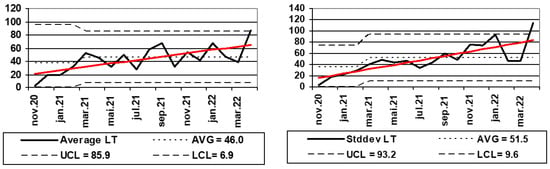
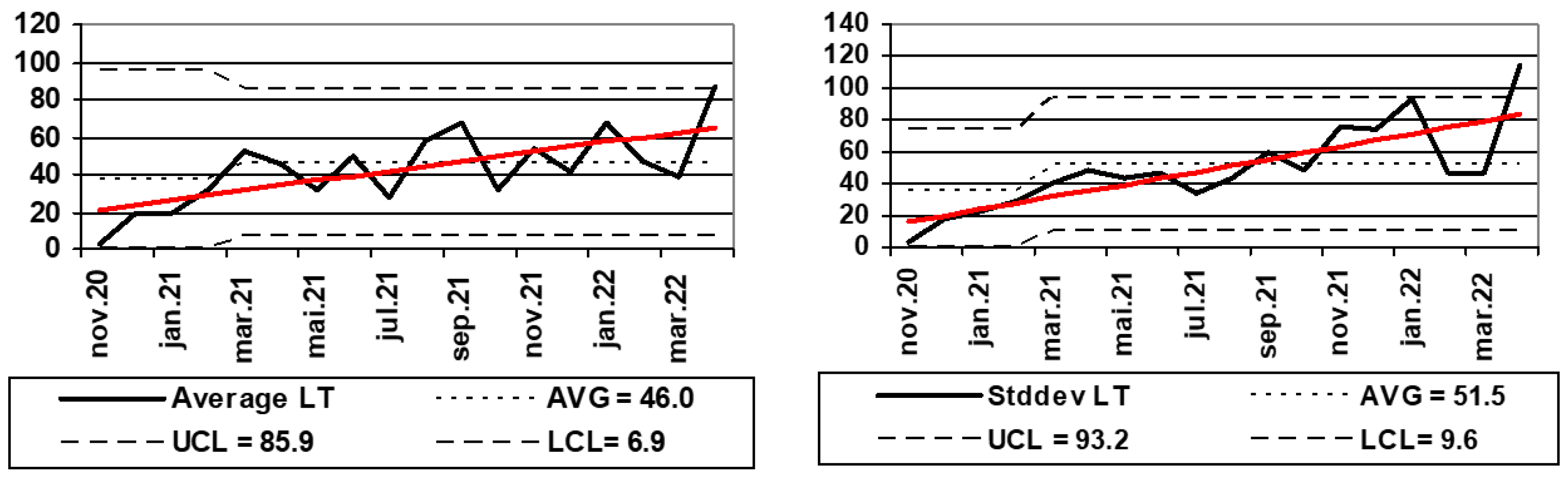

Disclaimer/Publisher’s Note: The statements, opinions and data contained in all publications are solely those of the individual author(s) and contributor(s) and not of MDPI and/or the editor(s). MDPI and/or the editor(s) disclaim responsibility for any injury to people or property resulting from any ideas, methods, instructions or products referred to in the content. |
© 2026 by the authors. Licensee MDPI, Basel, Switzerland. This article is an open access article distributed under the terms and conditions of the Creative Commons Attribution (CC BY) license.