


Highlights
Please indicate how your work links to systems science via your contributions to systems practice, theory, and/or methodology.
- This study integrates text mining and social network analysis into a convergent analytical framework that captures both content and structure features, providing a reusable protocol for examining policy communication as a system of interdependent information flows.
- It operationalizes a cross-associative approach that links sentiment deviation and thematic diversity to network positions, thereby enabling the identification of bridging nodes and community boundaries as structural bases for designing differentiated communication strategies.
What are the main findings and/or the implications of the main findings?
- Policy communication on social media exhibits a centralized broadcasting, decentralized engagement model, where communication breadth is dominated by official communicators while interaction depth is driven by audiences, and the network shows a core–periphery topology with strong local clustering but loose global connectivity.
- The pattern-level evidence highlighting that users with deviating views shift to lower-visibility participation is consistent with the behavioral corollary of the Spiral of Silence Theory, offering preliminary insights for designing community-aware interventions that mitigate opinion polarization and enhance policy communication efficiency.
Abstract
Social media is a vital platform for policy communication, yet research rarely integrates content and structural features to evaluate communication effects multidimensionally. This study proposes a convergent framework combining text mining and social network analysis to assess policy communication effects and underlying mechanisms. Using China’s upgraded Mass Entrepreneurship and Innovation policy on Sina Weibo as a case, we analyze communication breadth, depth, audience sentiment, thematic focus, network topology, key nodes, and community characteristics. The results reveal that (1) communication breadth is dominated by official communicators, while audiences drive interactive depth, reflecting a “centralized broadcasting, decentralized engagement” model; (2) influential users express more positive attitudes than ordinary audiences; (3) discussions diversify from core innovation themes to micro-level concerns like regional development and talent policies; (4) the network shows loose global structure but strong local clustering, with bridging nodes posting less polarized, broader content. Theoretically, this study offers behavioral-level observations that align with key corollaries of the Spiral of Silence Theory—the tendency for individuals with deviating views to shift toward lower-visibility participation. These pattern-level findings offer a complementary empirical perspective on opinion expression in digital policy contexts. Practically, the findings offer preliminary insights that may inform adaptive, decentralized strategies for enhancing policy diffusion in similar social media contexts.
1. Introduction
The Internet has become a ubiquitous and indispensable digital environment [1]. Social media, where users can express their views on social and political issues, significantly increases user interactions [2]. In particular, social media offers considerable potential for facilitating dialog among stakeholders [3]. These platforms enable people to benefit from enhanced global connectivity, generate conversations on specific concerns, obtain peer support [4], and participate in political activities [5].
Social media is integral to modern politics [6], and its development has created a new form of political communication [7], as perceptions of information on social media can stimulate societal action [8]. Social media also encourages government transparency, communication, and public engagement [9]. It can increase public participation in developing and implementing policies to deliver services that meet societal needs [10] and enhance public trust in government [11]. In addition, informal discussions in policy communication can accelerate local adaptation of policy details [12], and social media enables audiences to express their views on policies openly and freely [13], which are responses that are crucial for policy adjustments [14].
Policy communication effects on social media have attracted academic attention, particularly in health [15,16] and environmental governance [17,18,19]. The perspective that innovation is essential for sustainability [20] and that policy can support innovation is now widely accepted [21], leading to increased focus on policies that promote innovation [22].
Amid multidisciplinary integration in a globalized context, policy formulation and implementation are no longer guided solely by individual public administration units [23], which calls for broader participation in policy decision-making and implementation [24]. Despite recent advances, the processes and effects of policy communication on social media remain relatively underexplored. In particular, existing studies rarely integrate content features (using text mining) with structural characteristics (using social network analysis) to evaluate policy communication effects from multiple dimensions, often resulting in fragmented or incomplete conclusions. Furthermore, although the spiral of silence theory offers a valuable framework for understanding how perceived opinion climates shape audience expression, its application to dynamic policy communication on social media remains limited.
To address the identified gaps, this study proposes a convergent analytical framework integrating text mining and social network analysis and pursues the following research questions: (1) How do policy communication effects on social media manifest across macro-level and micro-level dimensions? (2) What are the key structural characteristics of the policy communication network, including local clustering, global connectivity, and community organization? (3) How are network positions and content-level features associated with each other in policy communication patterns, and are these associations consistent with the behavioral corollary of the Spiral of Silence Theory?
To investigate these questions, we construct an analytical framework that incorporates interaction, emotion, and attitude, and thematic focus from a convergent perspective. Using China’s “Mass Entrepreneurship and Innovation Policy” (MEI policy) as a case study on Sina Weibo, we investigate changes in communication effects and audience responses after a policy adjustment. The results reveal a transformation in public participation: emotional attitudes show a complex pattern of overall optimism with a slight decline in support, and public focus shifts from macro-level narratives to micro-level challenges. Methodologically, we integrate text mining and social network analysis within a unified framework, an approach increasingly recognized as necessary for examining the socio-psychological mechanisms underlying policy communication on social media [25]. These findings provide a socio-psychological perspective for optimizing policy communication strategies.
2. Literature Review
2.1. Spiral of Silence Theory
Spiral of silence theory, proposed by German scholar Noelle-Neumann [26], examines the dynamic relationship between mass communication and public opinion from a social psychological perspective. When individuals perceive their views as differing from the dominant opinion, they often conceal them or remain silent to avoid social isolation. This process reinforces the majority opinion and further marginalizes minority perspectives. The theory explains how the social environment shapes individual cognition and demonstrates its broad influence, from perception and emotion to attitude formation and behavioral decision-making, providing an important theoretical framework for studying policy communication effects.
As social media has become the central arena for policy communication, the mechanism of spiral of silence theory has gained increasing prominence in political communication. Social media’s algorithmic recommendation systems and group interaction features may amplify perceptions of prevailing opinion climates, thereby increasing group polarization and social pressure [27]. As a result, the public may exhibit either conformity or silence on policy issues, ultimately affecting the outcomes of policy communication. This mechanism has a dual effect. Although it can accelerate the formation of policy consensus [28], it may also create a “false consensus” that suppresses genuine public opinion [29]. When policymakers rely on such distorted public sentiment data, policy adjustments may lag or deviate from actual needs.
2.2. Policy Communication on Social Media
Digital technologies have transformed policy communication channels and interactive modes, shifting from one-way transmission to a two-way interactive model. Public participation is essential for effective policy communication. Data transparency, public participation, and cross-departmental collaboration are important for achieving policy innovation and optimizing public services on social media platforms [30]. Social media supports policy communication primarily by facilitating information acquisition and mobilization [31].
The multilevel network structure of policy communication on social media indicates that policy communication occurs mainly through the sharing activities of influencers and ordinary users. In addition, indirect communication significantly affects public attitudes. During this process, various actors share and use policy information. Enhancing the transparency and accessibility of policy information is necessary to promote more effective policy dialog [32]. Social media platforms now serve as the primary arena for policy communication, and the dissemination of policy information on these platforms achieves better results than through traditional media [33].
The interactivity of social media allows the public to participate more directly in policy discussions; however, automation and the spread of disinformation present risks [34] that may increase information fragmentation and polarization [35]. In addition, big data has restructured the policy communication chain, redefining Lasswell’s 5W model. Although artificial intelligence has altered the information source, channels, and content generation, the audience feedback mechanism remains primarily driven by human behavior [36]. For example, the Chinese government uses “two micros and one terminal” (i.e., Weibo, WeChat, and mobile apps) to monitor the effects of policy communication in real time and adjust its strategies accordingly.
In China, platforms such as Sina Weibo operate within a multilayered governance framework that encompasses state-led public opinion guidance, platform content moderation, and legal provisions on cybersecurity and information governance [37]. These institutional arrangements not only determine the visibility and suppression of content but also shape the way public sentiment is guided and expressed. Scholars have increasingly attended to the role of platform governance mechanisms in structuring political discourse on Chinese social media. These conditions have direct implications for the study of policy communication: publicly observable sentiment and participation patterns may stem from genuine citizen attitudes, but may also originate from strategic communication, institutional alignment, or self-censorship in response to perceived normative pressure. Accordingly, studies of policy communication in this context have increasingly interpreted observable patterns as contextually embedded phenomena, rather than as direct reflections of unconstrained public opinion.
2.3. Policy Communication Effects Research
Previous studies provide evidence based on evaluations of policy communication effects. Grönlund [38] argues that the effects of social media on policy communication are primarily reflected in three areas: information communication, public mobilization, and policy agenda-setting. Kreiss and McGregor [39] find that social media platforms significantly influence the communication of policy information through algorithms, content moderation, and advertising tools. Jungherr and Schroeder [40] report that the spread of disinformation on social media reduces the effectiveness of policy communication, resulting in public misunderstandings and polarization on policy issues. Menon and Mallinson [41] state that interaction patterns on social media have a crucial influence on the communication of policy information.
2.4. Text Mining
Among the methods for evaluating policy communication effects, text mining based on natural language processing has become a prominent approach. This technique enables the analysis of context, sentiment, and opinion related to policies, with particular attention to audience emotions, which are essential for effect evaluation because the interplay between social and psychological factors shapes affective imagery and public support [42]. Social media textual content provides a rich data source for examining emotion types. For example, Chung et al. [43] analyzed emotions expressed on Twitter regarding U.S. immigration and border security, offering insights into social actions. Brady et al. [44] found that content evoking strong moral emotions, such as anger or awe, spreads more easily on social networks, especially in political or social contexts. Chakraborty and Sharma [45] extracted public sentiments on India’s odd–even policy, tracking their changes across two phases. Eberl et al. [46] quantified the relationship between emotional valence, issue salience, and users’ emotional reactions, identifying these as key drivers of audience responses. Beyond sentiment and emotion, text mining is also widely used to identify policy topics of public interest. Lazard et al. [47] examined Twitter discussions on e-cigarette regulations, while Vydra and Kantorowicz [48] combined topic modeling and latent semantic scaling to analyze themes related to early childhood education, nursing policies, and labor market policies during early COVID-19, revealing user dissatisfaction under certain themes.
2.5. Social Network Analysis (SNA)
As another important research method for policy communication, SNA describes the social structure within a specific domain by mapping and measuring relationships among actors, providing a visual representation of network ties. Its key characteristic is its focus on interaction patterns between actors rather than individual attributes, revealing the connections between interpersonal relationships and cognitive, emotional, and behavioral outcomes [49,50]. In the digital environment, SNA is an important tool for studying policy communication networks, as it can depict actor networks in the policy-making process and reveal characteristics such as resource exchange, information transmission, power relations, emotional attachment, and network boundary permeation [51]. This method primarily focuses on network density and centrality to identify structural problems, such as low levels of cooperation and poor communication within the network, and also helps to identify key influencers occupying core positions and their interrelationships [52,53]. In applied policy research, scholars have introduced the temporal dimension to analyze the evolution of relationships among individuals, groups, or organizations for participatory monitoring and evaluation [54]. In empirical studies, Drew et al. [55] used SNA to analyze complex policy networks and found that highly connected peripheral individuals and marginal organizations could serve as focal points for strengthening collaboration. McIntyre et al. [56] analyzed the policy actor network for food insecurity in Canada and found that the network scope was limited and lacked key policy entrepreneurs.
However, policy implementation is a dynamic and evolving process [57], and evaluating communication effects on social media has become an important component of the policy cycle [58]. Existing studies mostly adopt single-method approaches, either focusing on text mining-based sentiment and topic analysis or concentrating on structure and relationship measurement through social network analysis, and thus lack a comprehensive analytical framework that integrates content and structure. The communication of policies on social networks involves both “what is being said” and “who is saying it and interacting with whom” (network position, relational density, and core nodes), with these two dimensions mutually influencing and collectively shaping communication effectiveness. Therefore, constructing an analysis framework that combines content analysis with structural analysis is not only feasible but also necessary. Such integration enables a more comprehensive understanding of cognitive differences among audiences regarding policies, identifies the comprehension gap between policymakers and the public, and provides more systematic grounds for optimizing communication strategies and enhancing policy support.
3. Materials and Methods
3.1. Policy Communication Effect
Social media policy communication involves a dynamic, structured flow of information among communicators (e.g., policymakers, government agencies, media) and audiences. At the macro level, directional communication by organized actors builds public understanding and support. At the micro level, audiences actively seek policy information through browsing and searching [59]. This macro-level stimulation encourages audiences to engage further by sharing and commenting on content, making them both recipients and re-communicators who extend policy reach, especially within narrow social networks. Influential users, such as scholars and media professionals, amplify this process. Audience feedback, shaped by individual value systems [60], completes the communication cycle by providing direct, efficient input that informs policy adjustments and enables public participation in governance. This feedback serves as both an evaluation tool and a channel for civic engagement.
Upon receiving policy information, audiences experience progressive changes across four distinct levels: cognition, emotion, attitude, and behavior. The spiral of silence theory reveals the dynamic power relations within this cognition, emotion, attitude, and behavior chain in policy communication. The dominant opinion group amplifies its voice through emotional resonance, while the withdrawal of dissenting voices reinforces an apparent consensus. Figure 1 illustrates the effect of policy communication on audiences.
Figure 1.
Conceptual model: impact of policy communication on audiences.
Policy communication effects on social media refer to the influence generated by policy communication activities on social media platforms and the corresponding impact on audiences (as illustrated in Figure 2).
Figure 2.
Framework illustrating policy communication effects on social media.
3.1.1. Macro-Level Effects
At the macro level, the effect of policy communication on social media appears as the communicator’s policy communication influence, specifically the extent to which policy information spreads across social media platforms. Communication breadth primarily measures the potential horizontal reach of policy information, reflecting the maximum possible coverage and the scope of dissemination based on communicators’ follower networks. In contrast, communication depth focuses on the capacity of policy information to trigger multilayered interactions along the vertical dimension, emphasizing the depth of penetration and audience engagement with policy content.
3.1.2. Micro-Level Effects
At the micro level, the effect of policy communication on social media refers to the influence of communication activities on individual audience members. Drawing on the spiral of silence theory, this influence can be traced along a continuum from cognitive reception to emotional resonance, attitude formation, and potential behavioral change. The audience emotion dimension primarily assesses the intensity and valence of emotional responses and affective resonance elicited by policy communication, which directly influence audience identification with the policy content and their willingness to share it. The audience attention themes dimension situates the effect analysis within specific social contexts and issue domains, examining how audience focal points are formed.
Assuming represents the number of followers node i, the communication breadth is obtained as follows:
This metric captures the potential reach of policy information, reflecting the maximum audience size that a communicator can theoretically reach through his or her follower network, rather than actual exposure.
Assuming is the number of original posts, is the number of comments, is the number of reposts, and is the number of likes, the policy communication depth is calculated as follows [61]:
We analyze comments posted by audiences on social media regarding policy topics and use a Naive Bayes classifier to classify the sentiment of the text. Let denote the sentiment score of node i and its number of followers. The weighted sentiment score of policy audiences, , is obtained as follows:
All sentiment scores in this study are reported on a [−1, 1] scale, where −1 indicates the most negative sentiment and 1 the most positive.
This study uses the Latent Dirichlet Allocation topic model to examine topics of interest among policy audiences. Let represent all words, Z represent all topics, D denote the number of documents, K denote the number of topics, and indicate the number of words in document d. The probability of words, topics, and their relationships within a collection of documents is calculated using the following formula:
3.1.3. Validation of Sentiment Analysis
A total of 1000 comments were randomly sampled from the entire interaction dataset as the annotation sample. Two annotators with backgrounds in social science research independently labeled each comment with sentiment labels—positive, negative, or neutral. Prior to formal annotation, the two annotators underwent pre-annotation training on 200 samples and achieved an inter-rater reliability of Cohen’s Kappa = 0.78, confirming consistency in the annotation guidelines [62]. Subsequently, the two annotators independently labeled the remaining 800 samples. After annotation was completed, the 800 consistently labeled samples were randomly divided into a training set of 640 samples and a test set of 160 samples, at a 4:1 ratio.
On the test set, the model achieved the following performance: Accuracy = 0.81, Precision = 0.84, Recall = 0.81, and F1-score = 0.78. Using 5-fold stratified cross-validation, the average F1-score was 0.70 (SD = 0.05), indicating that the model has a certain degree of generalization capability.
To address challenges such as irony, sarcasm, and ambiguous expressions in Chinese social media texts, this study adopted the following measures during the text preprocessing stage. First, the jieba segmentation tool was used to tokenize the comment texts. Second, based on the Harbin Institute of Technology stopword list, we supplemented it with hashtag words lacking substantive sentiment, emoji placeholders, and meaningless internet slang specific to Weibo texts in order to reduce textual noise. Third, combinatorial rules were applied to negations and degree adverbs; for example, “not quite supportive” was adjusted to reflect a negative tendency, so as to capture sentiment polarity shifts conveyed by modifiers. Fourth, ambiguous samples that could not be clearly judged were retained as neutral, avoiding forced classification into either the positive or negative categories.
3.2. Policy Communication Network
3.2.1. Group Communication
In the digital media era, group communication on social media has become a critical force in shaping information dissemination and public opinion. A distinctive feature of this communication is decentralization [63]. Unlike traditional models, where information is primarily released by a limited number of authoritative media outlets or institutions, social media allows any user to produce and distribute information. Group communication behaviors on social media not only transform how information is transmitted but also reshape how it is interpreted and received [64].
3.2.2. Communication Network Construction
The policy communication network was constructed following a predefined set of operational rules. Nodes were defined as all Sina Weibo users who participated in interactions related to the MEI policy topic, including government agencies, media outlets, enterprises, organizations, and individual users. Any user who engaged in at least one interaction, including posting, commenting, reposting, or liking, within the policy discussion was included as a node. Edges were defined based on direct interactive behaviors among users, specifically including commenting, reposting, mentioning, and replying. All edges were treated as directed, with the direction pointing from the interaction initiator to the receiver, to accurately represent the flow of policy information. Edges were not weighted; each interaction was counted as one edge, and multiple edges between the same pair of nodes were permitted to reflect the frequency and diversity of interactions. Only interaction records directly related to the policy topic were included, while irrelevant content was excluded, to ensure that the network authentically reflected the information flow structure in the policy communication process.
3.2.3. Communication Ecology of Policy Communication Networks
The formation and evolution of policy communication networks on social media are influenced not only by platform-specific rules but also by users’ social habits and group polarization, resulting in self-organizing characteristics within these networks. Social media platforms moderate policy-related content through filtering mechanisms and use algorithmic recommendation systems that determine the visibility and reach of policy information, gradually producing a Matthew effect in traffic distribution [65]. Policy communication networks on social media evolve continuously with policy discussions, gradually forming a distinct policy communication ecology. This ecology is fundamentally the result of interactions between political communication and social psychology, and its stability directly affects the effectiveness of policy communication.
3.2.4. Key Nodes and Communities
Key nodes function as structural hubs within policy communication networks. They serve as major sources for the diffusion of policy information and may become core elements that influence the direction of public opinion and network stability [66]. The communication effectiveness of key nodes is shaped by their discursive style, platform algorithmic preferences, and levels of public trust. Interactions among nodes can accelerate the penetration and consolidation of policy information within communities [67]. However, these interactions may also result in cognitive biases or positional confrontations due to information filtering and group polarization [68]. Different communities can achieve connectivity through cross-community key nodes or bridging points. Such connections may facilitate pluralistic dialog and promote policy consensus, but they can also increase opinion fragmentation when ideological barriers between communities are strong.
This study uses the Markov Chain Monte Carlo approach for the analysis. We examine the posterior distribution of the model parameters and identify parameter values that best match the simulated network’s local structure to the observed network. For the ERGM of a network, we use maximum likelihood estimation to fit the optimal parameters for edges, reciprocity, and triangles in the network model as . The network model is formulated as follows:
in which
is the vector of model parameters, y represents the observed network, g(y) is the vector of statistics for the network y, denotes the transpose of , and k() is the normalization constant that ensures the total probability of the model equals 1.
We detect the number of communities using algorithms such as the Louvain method and the Girvan–Newman algorithm. We then use modularity, defined as follows, as an indicator to assess the quality of the community partitioning:
Here, is the weight of the edge between nodes i and j; and are the degrees of nodes i and j, respectively; and denote their communities; and m is the total weight of all edges.
3.3. How Communication Network Shapes Policy Communication Effects
3.3.1. Facilitating Rapid Transmission and Diffusion of Policy Information
Social media platforms offer a new channel for policy communication, enabling policy information to spread with unprecedented speed and reach. Unlike traditional policy communication, which relies on hierarchical systems or mass media and often experiences information attenuation and time lags, the network structure of social media allows policy information to reach hundreds of millions of users instantly through key nodes, with algorithm-driven recommendations further accelerating diffusion. The multimedia capabilities of social media increase the attractiveness and comprehensibility of policy information, while immediacy enables policymakers to release information quickly, receive real-time feedback, and increase audience engagement. Interactivity allows policy audiences to directly express opinions and establish interactive relationships with communicators, creating a sense of participation that strengthens identification with and a sense of belonging to the policy [69]. Additionally, social media algorithms tend to prioritize preference-aligned content, promoting the homogenization of policy opinions. However, some scholars argue that such mechanisms may primarily expose audiences to likeminded information or users, creating an “echo chamber” effect that accelerates policy opinion polarization [70].
3.3.2. Enhancing Policy Audiences’ Cognition and Understanding of Policy Information
Audience characteristics and emotional dynamics within the policy communication network jointly shape how policy information is cognitively processed and understood. First, demographic attributes of policy audiences, including gender, age, and education level, influence their reception and interpretation of policy information. These effects are further reinforced by cultural background and personal values, which drive selective exposure: audiences tend to attend to and share policy information that aligns with their preexisting beliefs, and are more likely to form connections with likeminded nodes within the network. Second, emotion is a critical dimension of policy communication. Affective responses on social media, such as anger, joy, or fear, affect individual-level reception and acceptance of policy information and can also propagate through the network as emotional contagion. Negative emotions, in particular, tend to spread rapidly and shape other audiences’ attitudes toward the policy [71]. In addition, highly influential nodes within the network, such as opinion leaders, play a significant role in shaping policy information communication. Audiences may adjust their own attitudes and behavioral responses based on the views expressed by these key actors [72].
3.3.3. Promoting and Deepening the Formation of Policy Communication Effects
On social media platforms, interactions between policy communicators and audiences regarding policy issues form a policy communication network. As this network develops, communicators transmit policy information to audiences and receive feedback from them. According to communication effect theory, these interactions not only facilitate the transmission of policy information but also produce broader social effects. These effects include improving audiences’ understanding of the policy, evoking emotional responses and behavioral intentions, enabling collective action and practice, and strengthening policy acceptance and implementation through feedback mechanisms [73]. Notably, these effects extend beyond social media platforms, leading to cascading consequences in value judgments and social actions throughout society, which together constitute policy communication effects. From a network structure perspective, the topology and characteristics of the policy communication network determine the penetration efficacy of policy information [74].
Meanwhile, policy communication effects on social media also have a reciprocal influence on the policy communication network. On one hand, they support the formation of new network structures, as efficient pathways centered on key nodes are reinforced through the integration of new nodes and relationships. On the other hand, changes in audience behavior can drive network restructuring. Specifically, when a policy issue prompts widespread audience discussion, original interaction patterns may shift from point-to-point binary exchanges to more complex, multicentric configurations. This process may lead to the emergence of new opinion leaders, reconfigure the pathways of policy information flow, and ultimately produce a novel topological structure in the communication network. Figure 3 shows the correlation between policy communication effects and the communication network on social media.
Figure 3.
Relationship between policy communication effects and communication network structure on social media.
3.4. Integrated Approaches to Understanding Policy Communication on Social Media
The core function of policy communication effect analysis is to systematically measure, using quantitative indicators and text analysis, the extent to which communication activities on social media generate influence and produce tangible impacts on policy audiences. In contrast, policy communication network feature mining seeks to reveal the topological structure of policy information flow, identify key nodes and community influence, and analyze the overall connectivity of the policy communication ecology. This approach examines the internal mechanisms by which communication effects are shaped through complex interactional relationships. Although both methods are grounded in social media policy interactions and are logically interconnected, they differ in focus: the former centers on content analysis of interactive discussions, while the latter emphasizes the structural characteristics of networks constructed from interactional relationships. Network feature mining thus serves as a valuable complement and extension of effect analysis. Integrating these two methods enables researchers not only to assess what the policy communication effects are on social media but also to explain how these effects are formed, achieving a methodological progression from phenomenological description to mechanistic analysis.
The data sources for both policy communication effect analysis and policy communication network feature mining on social media are derived from user interactions focused on policy-related topics. Policy communication effect analysis uses interaction data and comment texts to assess effects across four dimensions: communication breadth, communication depth, audience emotion, and audience topics of interest. Policy communication network feature mining, based on interaction data, examines and reveals both local and global structural properties of networks. To move beyond simple juxtaposition and achieve genuine methodological convergence, our analytical strategy operationalizes integration through cross-associative procedures. First, we examine how key nodes and their affiliated communities differ in structural cohesion and interaction intensity, thereby establishing the network backbone through which policy information flows. Second, we overlay sentiment scores onto community structures to assess whether opinion deviation from community norms correlates with graduated levels of participatory behavior—namely, commenting, reposting, and liking—thereby providing pattern-level evidence as to whether such deviation is consistent with the behavioral logic of the Spiral of Silence Theory. Third, we map thematic topic distributions onto community boundaries to examine whether content diversity and regional thematic specialization correspond with structural partitions. This integrated approach allows us to statistically and visually link what is being communicated (sentiment and thematic content) with who is communicating it and where they are located in the network (key nodes, community affiliation, and structural position), thereby transforming the analysis from separate computational exercises into a genuinely convergent explanatory framework (Figure 4).
Figure 4.
Integrated methodological framework for analyzing policy communication on social media.
3.5. Testing the Spiral of Silence Mechanism: Opinion Deviation and Behavioral Silence
The Spiral of Silence Theory, as originally formulated by Noelle-Neumann, specifies a multi-stage psychological process, from perceived opinion climate and fear of isolation to the decision to speak out or remain silent. A full test of this causal chain would require direct measurement of perceptual, affective, and motivational constructs, which our observational, cross-sectional design does not permit. Instead, we focus on a behavioral corollary that follows from the theory: if individuals perceive their views as deviating from the community mainstream, they should be more likely to reduce the visibility of their public participation. By operationalizing opinion deviation and participation modality, we examine whether the observed empirical patterns are consistent with this theoretical expectation, presenting our findings as indirect, pattern-level evidence rather than a direct test of the theory’s psychological mechanisms.
Drawing upon the core behavioral premise of the Spiral of Silence Theory, we operationalized opinion deviation as the distance between an individual user’s sentiment score and the mean sentiment of that user’s assigned community, and measured public expression level along a hierarchical spectrum ranging from commenting (highest engagement) to reposting and liking (lower engagement).
Based on their interaction patterns, we classified users into three ordered behavioral categories reflecting increasing levels of public silence: Commenters (users who actively posted original comments on policy-related content; least silent), Repost-only (users who only reposted content without adding any accompanying text; moderately silent), and Like-only (users who only liked content without reposting or commenting; most silent).
For users who produced textual content (commenters), we directly computed their sentiment score as described in Section 3.1.2. For repost-only users who did not generate original text of their own, we used the sentiment score of the original post they reposted as a proxy for their sentiment orientation, under the assumption that reposting behavior signals endorsement of or alignment with the reposted content. For like-only users who produced no textual content whatsoever, we used the average sentiment score of all posts they liked as a proxy for their sentiment orientation, as liking behavior is widely understood in social media research to reflect a user’s positive endorsement or attitudinal agreement with the liked content.
We then operationalized each user’s opinion deviation, , as the absolute difference between the user’s sentiment score (or its proxy) and the mean sentiment score of that user’s assigned community:
A larger deviation indicates that the user’s expressed or implied views are more discrepant from the perceived mainstream opinion within their community.
It is important to note that this analysis does not directly measure psychological mechanisms such as perceived opinion climate, fear of isolation, or self-censorship. Rather, we infer the operation of these mechanisms from observed behavioral patterns—specifically, whether users with greater opinion deviation exhibit lower-cost participatory behaviors. This approach provides indirect, pattern-level evidence consistent with the theory’s predictions, rather than a direct test of its micro-level psychological processes.
3.6. Thematic Diversity Measurement
To quantify the degree of thematic concentration or dispersion within each community, we calculated a Thematic Diversity Score based on each community’s LDA topic probability distribution. For a given community with topics and a topic probability vector , where denotes the proportion of texts in that community assigned to topic , we computed the Simpson diversity complement:
This index ranges from 0, where all texts concentrate on a single topic, to , where texts are evenly distributed across all topics. A higher value indicates greater thematic diversity, reflecting a more fragmented or multidimensional discussion, whereas a lower value indicates thematic concentration, suggesting a more focused and cohesive discourse. Because all communities in our analysis share the same number of topics with , this measure is directly comparable across communities without further normalization.
By linking each community’s thematic diversity score with its structural characteristics (e.g., network cohesion, key node connectivity), we are able to examine whether structurally cohesive communities tend to exhibit more focused thematic discourses, and conversely, whether structurally loose communities host more diversified and fragmented conversations. This cross-association between content diversity and network structure constitutes a key component of our convergent analytical framework, enabling us to move beyond separate content and structural descriptions toward an integrated understanding of how policy communication operates across different network contexts.
4. Case Study
We now present our case study of the MEI policy, one of the most significant policies in China over the past decade, following the framework outlined above.
4.1. Policy Selection
China recently entered a transformational “new normal” period for its economy, shifting from a productive investment-driven to an innovation-driven growth model. In this context, the MEI policy was implemented nationwide in June 2015 to encourage innovation and entrepreneurship and to create an open innovation environment across society. As this evolution generated new demands for promoting widespread entrepreneurship and innovation, the State Council published the policy document “Opinions on Promoting the High-Quality Development of Innovation and Entrepreneurship” in 2018, which established an upgraded MEI policy with several adjustments.
Compared with other state-implemented policies, the upgraded MEI policy targets a broader audience, including enterprises, universities, scientific research institutions, other organizations, and individuals willing to innovate and start businesses [75]. In terms of measures, the upgraded MEI policy promotes institutional innovation and entrepreneurship through policy dividends, financial services, platform building, and talent incentives.
4.2. Data Collection and Preprocessing
We select Sina Weibo, one of the largest microblogging platforms in China, for data collection. This is a pragmatic choice for several reasons. The main social media platforms for obtaining and exchanging information in China are WeChat, TikTok, QQ, Sina Weibo, and Kwai. Among these, WeChat, Sina Weibo, and QQ emphasize social relations (user relations). However, only Sina Weibo offers substantial accessibility to research data, as other platforms restrict access due to privacy concerns. The data used in our case study are obtained exclusively from publicly accessible user-generated content and public comments on the Sina Weibo platform.
The study period was selected from September 2018 to August 2019 based on three considerations. First, the State Council issued the official policy document on 26 September 2018, establishing the upgraded version of the MEI policy. Starting data collection from this policy issuance date allowed us to capture the full trajectory of policy communication, including the initial announcement, the subsequent dissemination peak, and the eventual stabilization phase. Second, a one-year timeframe ensured a sufficiently comprehensive observation window for tracking communication effects, while avoiding potential confounding influences from other major policy events over a longer period. Third, the official hashtag #mass innovation and entrepreneurship# maintained consistently high activity on Sina Weibo throughout this period, ensuring adequate data availability and representativeness for analysis.
Data were collected using Sina Weibo’s API. Data were obtained through a licensed third-party data service provider (WeiboReach), which provides API-based access to publicly available Sina Weibo posts and interaction metadata. We collected Weibo data from September 2018 to August 2019, representing the one-year period following the issuance of the upgraded MEI policy. We use this dataset to investigate the communication effects of the policy and to examine how audiences responded to both the initial and revised versions. The search query was structured as #mass innovation and entrepreneurship#, which retrieved all public posts that had been tagged with this official topic marker. This approach was chosen because the topic symbol ensures retrieval of policy-relevant content while excluding unrelated posts that may contain the same keywords in other contexts. No additional filters (e.g., user type, geographic location, or post length) were applied during the initial retrieval phase to avoid introducing selection bias. After retrieval, the dataset was manually screened for relevance using the following inclusion criteria: (1) the post content explicitly referred to the MEI policy, its implementation, or related policy measures; (2) the post was not a duplicate; and (3) the post did not contain purely commercial or promotional content unrelated to policy discussion. Posts failing any of these criteria were excluded from further analysis. Although we did not perform dedicated bot or coordinated-account detection, our data-cleaning procedures, including deduplication, exclusion of commercial or promotional content, and manual relevance screening, likely mitigated some of the noise from automated or inauthentic activities.
Finally, we obtained 44,659 interactive items, including 1364 original posts, 16,067 reposts, 13,337 comments, and 13,891 likes. These interactions involve 2624 unique users. The directed network constructed from these interactions consists of 2476 edges with a density of 0.00036. Community detection identified 214 communities; for the integrated analysis, we focused on the 10 largest communities detected within the network.
To provide readers with a concrete sense of the raw data analyzed in this study, we randomly selected several representative comments from the preprocessed corpus. Table 1 presents these examples.
Table 1.
Representative posts and comments for the upgraded MEI policy.
Based on Sina Weibo’s user verification classification system, which encompasses media, government, enterprises, organizations, campus institutions, celebrities, and influencers, this study defines users with “government” and “media” verification as communicators, while users in all other verification categories are classified as audiences. This classification reflects users’ primary communicative role at the point of policy information origination: government and media accounts serve as the initial sources of policy communication, whereas all other verified categories are classified as audiences based on their first-mode engagement with the policy content. We acknowledge that these actors may subsequently engage in secondary dissemination through reposting or commenting; however, our classification captures the initial direction of information flow rather than the full range of activities a user may perform over time.
5. Results
We aggregate the number of posts, forwards, comments, and likes to represent the total amount of interaction. For items forwarded with a comment, we count only the comment, not both the forward and the comment (i.e., only one interaction item).
5.1. Policy Communication Effect Analysis
5.1.1. Communication Breadth
Table 2 presents the communication breadth of the upgraded MEI policy. Of the total fan base contributing to communication breadth, totaling 863,209,797 followers, communicators represent 95.30%, while audiences account for only 4.70%. This substantial disparity indicates that communication about the upgraded MEI policy on social media is predominantly driven by official or organizational communicators, with audience participation representing a comparatively minimal share. This distribution reflects a highly centralized communication structure, in which policy information is disseminated primarily from a limited set of communicator nodes to a largely passive audience, rather than arising from decentralized, audience-led interactions.
Table 2.
Communication breadth metrics for the upgraded MEI policy.
5.1.2. Communication Depth
Table 3 presents the communication depth of the upgraded MEI policy. Of the 44,659 recorded interactions, communicators account for 17.08%, and audiences account for 82.92%. This distribution shows a notable inversion compared to communication breadth: while communicators dominate the participant count, audiences contribute the majority of interaction depth. This pattern indicates that, although policy information originates from a relatively small group of communicators, audiences generate deeper engagement through comments, shares, and replies. As a result, this audience-led interaction structure reflects a decentralized and participatory dynamic, where the depth of policy communication is sustained primarily by grassroot engagement rather than top–down broadcasting.
Table 3.
Communication depth metrics for the upgraded MEI policy.
5.1.3. Audience Emotion
Sentiment analysis shows that for the upgraded MEI policy, overall audience sentiment remains positive (sentiment scores range from −1 to 1). As shown in Figure 5, the average sentiment score is 0.4895, indicating moderate positivity among the general audience. However, the weighted sentiment score, which adjusts for user influence, is substantially higher at 0.6981. This difference suggests that while the general public held moderately favorable views, highly influential users (e.g., opinion leaders, experts, and scholars) expressed significantly more positive attitudes. This discrepancy may reflect multiple factors, including influential users’ greater familiarity with policy details, their institutional or professional affiliations, strategic communication incentives, or platform visibility biases that amplify content from verified accounts. In the Chinese context, higher positivity among influential users may also be shaped by institutional alignment or self-censorship considerations.
Figure 5.
Audience sentiment distribution for the upgraded MEI policy on Sina Weibo.
5.1.4. Audience Topics of Interest
Topic modeling results on audience comments for the upgraded MEI policy are shown in Figure 6. All topic clusters center on “entrepreneurship” and “innovation,” indicating that audience attention was highly concentrated on these two core themes, particularly entrepreneurial support policies and innovation incentives. As discussions continued to focus on these themes, they became more specific and diverse, with emerging keywords related to technology and regional development, such as “technology,” “location,” and “Guangzhou.” This shift suggests that the audience increasingly focused on technological innovation and development with local characteristics.
Figure 6.
Audience topics of interest regarding the upgraded MEI policy.
The LDA model was estimated with K = 5 topics. The overall coherence score is 0.5569, indicating satisfactory thematic interpretability. To further quantify the thematic structure of audience discussions, we calculated the prevalence of each topic across the entire corpus. Table 4 presents the top five representative terms and the prevalence proportion for each topic. The results show that Topic 5 is the most prevalent, accounting for 39.95% of all policy-related comments, followed by Topic 2 (17.56%), Topic 4 (16.31%), Topic 1 (14.08%), and Topic 3 (12.09%). This distribution suggests that while policy discussions span multiple thematic dimensions, public attention is heavily concentrated on a single dominant thematic cluster.
Table 4.
Topics for the upgraded MEI policy.
5.2. Policy Communication Network Characteristic Analysis
5.2.1. Local Network Structure
The ERGM results show that the edge parameter estimate is negative (−7.898816), indicating that the formation of edges in the policy communication network is inhibited to some extent. The reciprocity parameter is positive (1.289087), suggesting that reciprocal connections are promoted. The triangle parameter estimate is positive and substantially large (12.875506), indicating that the formation of closed triadic structures is strongly encouraged in the network. This pronounced triangular effect suggests that nodes are increasingly likely to form tightly knit subgroups, facilitating more frequent and deeper information exchange through closed-loop communication among triadic members. Enhanced local clustering is associated with the integration of diverse resources, corresponds to a more collaborative environment, and is linked to the sustained development of policy-driven innovation and entrepreneurship activities, attracting more nodes to participate actively in the policy communication process.
The ERGM results are presented in Table 5. The edge parameter is negative and statistically significant (β = −7.898816, p < 0.001), confirming the sparse nature of the network. The reciprocity parameter is positive but not significant (β = 1.289087, p = 0.126), indicating that mutual exchanges between users are not a prominent feature. In contrast, the triangle parameter is positive and significant (β = 12.875506, p < 0.001), suggesting the presence of local clustering. The results indicate that local clustering in the network is driven primarily by convergent attention toward common sources rather than by mutual interaction.
Table 5.
ERGM estimates for the upgraded MEI policy.
5.2.2. Overall Network Structure
The overall network structure shows that the policy communication network is relatively loose, with several internally cohesive communities. The formation of these communities may result from the concentration and deepening of policy issues. Within these communities, nodes have strong interactive relationships, and some communities display particularly dense interactions, creating an active discussion environment and a dynamic information exchange ecosystem. However, relationships among nodes outside these communities are relatively sparse, with less frequent interactions, indicating a more marginalized status. This pattern suggests that the influence of policy communication decreases at the network’s periphery. In Figure 7, nodes highlighted in red represent the top ten key nodes ranked by degree centrality, while the arrow directions indicate the flow of policy information, consistent with the directed edge definitions described in Section 3.2.2. Due to the large number of nodes in the network, some key nodes may be visually obscured or overlapped by neighboring nodes and thus may not appear prominently in the visualization.
Figure 7.
Overall policy communication network structure for upgraded MEI policy.
5.2.3. Communities
The distribution of communities shows that key nodes consistently play an essential role in communicating policy information within communities. Their influence appears to extend beyond their immediate small communities and indirectly affects information dynamics in larger communities and the overall communication network. For the upgraded MEI policy, communities became relatively independent, and cross-community interactions were considerably reduced (Figure 8).
Figure 8.
Community structure within the policy communication network for the upgraded MEI policy.
Although interactions between scattered node pairs may appear highly random and unstable, they still offer unique value to the network’s diversity and vitality. Despite being dispersed and lacking systematic organization, these interactions reflect, at the micro level, the diverse effects and broad reach of the policy at the individual level. They also further enrich the policy communication ecology, making the overall network structure more complex, diverse, and vibrant at both macro and micro levels. Nodes highlighted in red represent the top ten key nodes.
5.3. Integrated Analysis
5.3.1. Key Nodes and Relationships
Table 6 summarizes 10 communities centered on key nodes under the upgraded MEI policy. Community 3 contains the largest number of nodes (350) but exhibits very low interaction frequency and low average connections, indicating a broad but shallow communication structure. In contrast, Community 1 and Community 2 demonstrate substantially stronger communication intensity, with maximum interaction frequencies of 125 and 264, and average key node connections of 18.85 and 4.46, respectively, reflecting more robust internal information exchange. Community 6 shows the weakest interaction, suggesting a highly fragmented communication network. These findings indicate that a larger node count is not necessarily associated with stronger communication intensity; rather, communities with higher key node connectivity and greater interaction frequency tend to support more effective policy information communication. This heterogeneity highlights the complex and multilayered nature of policy communication networks on social media.
Table 6.
Characteristics of communities centered on key nodes in upgraded MEI policy communication network.
5.3.2. Community Emotions
The results (Table 7) indicate that, in the majority of the ten communities, the sentiment score deviation of like-only users consistently exceeded that of repost-only users. This pattern suggests that users who engage with policy content through the least visible form of participation, namely liking, tend to hold sentiments that diverge more substantially from the community mainstream than those who participate through reposting. A plausible interpretation is that individuals whose views deviate more markedly from the perceived dominant opinion strategically refrain from direct textual expression, resorting instead to liking as a minimal mode of engagement—one that signals awareness or tacit alignment without exposing the user to interpersonal scrutiny or potential rebuttal. This pattern is directly consistent with the behavioral logic of the Spiral of Silence Theory: perceived opinion divergence encourages a downward shift in expressive modality, from higher-engagement communication (comments), to moderate-engagement communication (reposts), and ultimately to the lowest-engagement behavior (likes). Thus, in most community contexts, the findings offer pattern-level evidence consistent with the theory’s core prediction concerning behavioral adaptation in response to perceived opinion climate.
Table 7.
Community Sentiment Deviation Analysis Results.
However, community 8 exhibited an exceptionally low overall weighted sentiment score of 0.1261, indicating a highly negative or intensely polarized opinion climate with minimal consensus on the policy. In this highly contentious environment, both repost-only and like-only users displayed markedly elevated sentiment score deviations (0.0913 and 0.1259, respectively), with like-only users again showing the greater divergence. This suggests that intense disagreement amplifies the tendency of non-commenting users to retreat into the least visible and socially least risky forms of engagement. It also implies that in environments where polarization is high and the perceived costs of expressing dissenting views are particularly elevated, individuals holding extreme opinions are more likely to refrain from direct communication and instead adopt minimal participatory behaviors. Consequently, this finding further suggests alignment with the behavioral logic of the Spiral of Silence Theory under conditions of intense opinion conflict.
In Community 2, the sentiment score deviation of repost-only users was exceptionally prominent, reaching 0.1282, substantially exceeding that of like-only users (0.0305) and far surpassing the deviation levels observed among repost-only users in other communities. This suggests that, in this particular community, reposting may have served a qualitatively different communicative function: rather than representing a moderate or intermediate form of engagement, it appears to have been employed as a vehicle for expressing markedly dissenting views. One plausible explanation is that when oppositional sentiment reaches a critical intensity, some users may utilize reposting as an alternative communication channel to disseminate minority perspectives without bearing the full social cost of producing original textual content. Although this finding does not contradict the Spiral of Silence Theory, it suggests that the specific behavioral modalities through which silence or expression is enacted may vary meaningfully across different communicative ecologies.
These findings are consistent with a key behavioral corollary of the Spiral of Silence Theory: users who perceive their views as divergent from the community mainstream tend to adjust their participatory behavior downward along a gradient of communicative visibility. While this pattern does not constitute a direct test of the theory’s psychological mechanisms, it provides pattern-level evidence for the theory’s predictions at the behavioral level.
5.3.3. Community Topics of Interest
Table 8 presents the focus themes and audience interests of the 10 main communities formed around the upgraded MEI policy. Community 1 centers on Zhongguancun and artificial intelligence, reflecting audience interest in technological frontier development within Beijing’s high-tech sector. Community 2 focuses on enterprise support policies in Harbin, with keywords such as subsidy, loan, employment, and talent, indicating a strong policy orientation toward local economic and workforce development. Community 3 highlights the integration of policy and educational practice, as shown by terms such as passion, dream, transformation, laboratory, and learning. Community 4 addresses policy dividends for technology enterprises in Zhejiang, emphasizing development, growth, and investment. Community 5 links talent policies with employment in the Chengdu-Chongqing region, emphasizing regional economic coordination. Community 6 reflects the digital transformation of the county-level economy in Tonglu through keywords such as e-commerce, skill, and competition. Community 7 captures the policy advocacy atmosphere in Chengdu High-tech Zone, with terms such as expectation, good luck, harvest, and surprise, suggesting a positive and aspirational public sentiment. Community 8 focuses on the connection between private economy policies and employment security in Nanjing, involving entrepreneurs, ordinary people, and the labor force. Community 9 highlights the market-oriented transformation of scientific and technological achievements in Beijing, with keywords including achievements, market, platform, and Zhongguancun. Community 10 centers on high-tech industries, such as the military–civilian integration sector in Chengdu, featuring terms such as high performance, high technology, and unmanned aerial vehicle. Collectively, these communities exhibit distinct thematic focuses that reflect the diverse and multidimensional nature of the upgraded MEI policy’s communication landscape, ranging from local economic support and technological innovation to educational integration and regional development strategies.
Table 8.
Thematic focuses and diversity of communities in the communication network.
To complement the qualitative interpretation of community themes, we calculated the Thematic Diversity Score for each community using the method described in Section 3.6. The Thematic Diversity Scores of the ten communities ranged from 0.5765 to 0.7812 (Table 8), with Community 2 exhibiting the lowest diversity and Community 8 the highest. Community 2’s thematic concentration on policy information dissemination, combined with its exceptionally high sentiment deviation among repost-only users, suggests that when discussions converge on a single dominant theme, dissenting voices may resort to reposting as a strategic channel for expressing opposition. In stark contrast, Community 8’s high thematic dispersion indicates that under conditions of intense polarization, fragmented discussions may paradoxically intensify the retreat of dissenting users into the least visible participatory behaviors—a pattern consistent with the Spiral of Silence Theory. The remaining communities exhibited relatively moderate thematic diversity, suggesting that a balanced level of thematic dispersion may foster more constructive policy discourse. Overall, these findings indicate that thematic diversity interacts with opinion climate to shape participatory behavior, with both overly concentrated and excessively dispersed discussions generating distinct pathways through which silent engagement manifests.
6. Discussion
This study evaluates the policy communication effect of China’s upgraded MEI policy on Sina Weibo using a convergent framework that integrates text mining and social network analysis.
Before discussing the empirical findings, however, it is important to situate them within China’s political media context. Policy communication on social media in China does not occur in a fully open public sphere; rather, it operates under a layered institutional framework that includes state-led public opinion guidance, platform content moderation, legal provisions on cybersecurity and information governance, and pervasive self-censorship among users. These conditions may have implications for the interpretation of our results. Although our analytical framework does not empirically distinguish between these mechanisms, we acknowledge their presence and interpret our findings as pattern-level observations situated within this broader institutional ecology, rather than as direct reflections of unconstrained public opinion.
The findings are as follows.
First, there is a pronounced asymmetry between communication breadth and depth. While official communicators dominate the reach of policy information, audiences contribute the vast majority of interactive depth. This pattern indicates a model of policy communication on social media characterized by centralized broadcasting and decentralized engagement. From the perspective of spiral of silence theory, audiences perceive the dominant voice from official sources; however, instead of withdrawing from discussion, they actively participate within likeminded communities where their views are validated and the risk of social isolation is minimized. This finding challenges conventional top–down accounts of policy communication and suggests that communicative depth is concentrated primarily in grassroots engagement. The integration of network and content analysis further shows that these grassroots interactions are not randomly distributed but are concentrated within structurally cohesive communities where emotionally aligned discussions flourish.
Second, the integration of sentiment analysis with network structure revealed a notable divergence in affective expression. While our sentiment analysis showed a discrepancy between average and influence-weighted scores, the convergent analysis further localized this phenomenon. We found that high-weighted sentiment tended to be concentrated in structurally central communities, while peripheral communities displayed more ambivalent or even negative sentiment. However, Community 8 constituted a notable exception, exhibiting both the lowest sentiment score and the highest polarization. This suggests that the overall optimism in the policy discourse may be an artifact of structural centrality, where influential nodes amplify a positive narrative, while the skepticism of peripheral audiences remains structurally marginalized. This finding challenges the notion of a uniform public perception and highlights the importance of monitoring sentiment in conjunction with network position.
Third, by mapping thematic interests onto community boundaries, our integrated approach demonstrates that policy communication on social media is not a single national conversation but a collection of localized, interest-driven dialogs. For instance, structurally cohesive communities with high internal connectivity exhibited sharply focused, thematic consensus on technological frontiers (low thematic diversity). In contrast, structurally loose communities, showed high thematic diversity and low sentiment scores, reflecting fragmented discussions marked by public skepticism. This convergence indicates that the policy’s meaning is actively co-constructed within distinct structural enclaves, suggesting that, in the Chinese context, effective communication strategies may need to address context-specific implementation challenges rather than relying only on broad narratives.
Fourth, our convergent analysis of bridging nodes provides actionable insights for communication design. Bridging nodes (high betweenness centrality) tended to exhibit lower levels of emotional polarization and broader thematic breadth in the content they post, suggesting that the realization of their structural function is cognitively supported by a more moderate communication style. This dual role, structural and discursive, suggests that they may play a role in preventing the network from fragmentating into isolated “echo chambers”. This point is further reinforced by the finding that lower internal cohesion correlates with higher opinion deviation among silent users (like-only), implying that when communities lack strong bridging ties, dissenting users are more likely to resort to low-cost, silent forms of participation, thereby exacerbating the spiral of silence. Our convergent approach, linking structural positions with content features, aligns with a broader methodological agenda in digital communication research that emphasizes the interplay between textual meaning and interactional context [76].
7. Conclusions
This study evaluates the effects of policy communication on social media from a convergent perspective that integrates text mining and social network analysis, using China’s upgraded MEI policy on Sina Weibo as a case study. By combining content characteristics with structural properties, the findings reveal a complex and multidimensional policy communication landscape. This landscape is characterized by asymmetries between communication breadth and depth, sentiment divergence between influential and ordinary users, thematic diversification into micro-level and regionally specific concerns, and a network topology with loose global connectivity but strong local clustering and well-defined community boundaries.
Theoretically, this study makes several contributions. First, our findings are consistent with a key behavioral corollary of the Spiral of Silence Theory in the context of social media policy communication: users whose sentiments deviate from their community’s mainstream tend to shift toward lower-cost, lower-visibility participatory behaviors. However, because we do not directly measure psychological mechanisms such as perceived opinion climate or fear of isolation, this support is best characterized as theory-consistent, pattern-level evidence rather than a direct test of the theory. Second, by integrating text mining for content analysis with social network analysis for structural analysis, our convergent framework demonstrates that this integration enables researchers to move from describing what the communication effects are to explaining how they are produced. Specifically, it allows for the cross-association of sentiment with network positions, thematic diversification with community boundaries, and identification of the relationship between bridging node content and structural gaps. Together, these capabilities provide a methodological reference for future research seeking to integrate content and structural analysis in similar policy communication contexts.
Practically, the findings offer preliminary insights that may inform policymakers and communication strategists in similar contexts. The asymmetry between communication breadth and depth indicates that reaching a large audience is insufficient; achieving deep engagement requires interactive strategies that promote grassroot participation. The divergence between general audience sentiment and influence-weighted sentiment suggests that policymakers should monitor sentiment disaggregated by user influence, because aggregate metrics may conceal underlying public skepticism. Additionally, the apparent optimism in policy discourse may partly result from structural centrality rather than genuine widespread consensus. The emergence of regionally distinct thematic communities, characterized by dense internal connections and limited cross-community ties, highlights the need for decentralized, adaptive communication strategies that address local implementation challenges rather than relying solely on broad narratives. Finally, the finding that bridging nodes tend to post less emotionally polarized and thematically broader content suggests that strategic engagement with influential accounts may be associated with enhanced policy diffusion not only through structural centrality but also through content moderation and thematic bridging.
While our findings are consistent with the behavioral logic of the Spiral of Silence Theory, we acknowledge that our research design does not directly measure the psychological mechanisms central to the theory—namely, perceived opinion climate, fear of isolation, and self-censorship intentions. Rather, we infer the presence of these mechanisms from observed behavioral regularities: the systematic association between opinion deviation and downward shifts in participatory modality. We therefore present our contribution as theory-consistent, pattern-level evidence rather than a definitive test of the theory. Future research should complement our approach with survey-based measures or experimental designs to directly validate the psychological pathway underlying these behavioral patterns.
We acknowledge that the observed patterns may be interpreted through alternative theoretical lenses, such as selective exposure, echo chambers, or platform governance mechanisms. These frameworks offer complementary explanations for why users with divergent views may withdraw from visible participation, and they should be integrated with our behavioral-level observations in future research. Our focus on the Spiral of Silence Theory reflects our specific interest in the relationship between opinion climate perception and participatory behavior, but we do not claim that this is the only valid interpretation of the data.
Moreover, we also acknowledge that our convergent framework operates primarily at the level of cross-associative analysis, linking content to structure through overlay and comparison, rather than full model-based integration. Approaches such as incorporating textual covariates into ERGMs or applying multilevel models remain important methodological frontiers. We position our framework as a replicable intermediate strategy and encourage future research to extend it toward fully model-based convergence.
Finally, several limitations should also be acknowledged. This study is confined to a specific policy, platform, and national setting. These contextual boundaries condition the generalizability of our findings, and future research should extend this convergent approach to other policy domains, platforms, and cultural contexts to further validate and refine the conclusions.
Author Contributions
Conceptualization, Z.Y. and G.Y.; methodology, Z.Y. and G.Y.; software, Z.Y.; validation, Z.Y.; formal analysis, Z.Y.; resources, G.Y.; data curation, Z.Y.; writing—original draft preparation, Z.Y.; writing—review and editing, Z.Y. and G.Y.; visualization, Z.Y.; supervision, G.Y.; project administration, G.Y.; funding acquisition, G.Y. All authors have read and agreed to the published version of the manuscript.
Funding
This research was funded by the National Natural Science Foundation of China (grant number 72374056).
Data Availability Statement
The data presented in this study are available on request from the corresponding author due to privacy restriction.
Acknowledgments
We would like thank our colleagues at the Social Network and Data Mining Laboratory of Harbin Institute of Technology for their support and assistance. During the preparation of this manuscript, the authors used Metaso AI Search (v2.6.6) for the purposes of recommending recently published academic literature relevant to this study. The authors have reviewed and edited all AI-recommended outputs, manually verified each reference through academic databases, and take full responsibility for the content of this publication.
Conflicts of Interest
The authors declare no conflicts of interest.
Abbreviations
The following abbreviations are used in this manuscript:
| ERGM | Exponential Random Graph Model |
| MEI | Mass Entrepreneurship and Innovation |
| SNA | Social network analysis |
References
- Kozyreva, A.; Lewandowsky, S.; Hertwig, R. Citizens versus the Internet: Confronting digital challenges with cognitive tools. Psychol. Sci. Public Interest 2020, 21, 103–156. [Google Scholar] [CrossRef] [Scilit] [PubMed]
- Zhang, A.X.; Counts, S. Modeling Ideology and Predicting Policy Change with Social Media: Case of Same-Sex Marriage. In Proceedings of the 33rd Annual ACM Conference on Human Factors in Computing Systems, Seoul, Republic of Korea, 18–23 April 2015; ACM: New York, NY, USA, 2015; pp. 2603–2612. [Google Scholar] [CrossRef] [Scilit]
- Lew, Z.; Stohl, C. News/discussion values and interactivity in corporate social responsibility communication via social media. Manag. Commun. Q. 2024, 38, 775–800. [Google Scholar] [CrossRef] [Scilit]
- Williams, G.; Hamm, M.P.; Shulhan, J.; Vandermeer, B.; Hartling, L. Social media interventions for diet and exercise behaviours: A systematic review and meta-analysis of randomised controlled trials. BMJ Open 2014, 4, e003926. [Google Scholar] [CrossRef] [Scilit] [PubMed]
- Glassman, M.; Straus, J.R.; Shogan, C. Social Networking and Constituent Communications: Member Use of Twitter During a Two-Month Period in the 111th Congress; Congressional Research Service Report for Congress; Congressional Research Service: Washington, DC, USA, 2013.
- Efanova, E. Social media in American public policy (on the example of the social network Twitter). Vestn. Volgogr. Gos. Univ. Seriia 4 Istor. Reg. Mezhdunarodnye Otnos. 2020, 3, 172–179. [Google Scholar] [CrossRef] [Scilit]
- Castells, M. Communication, power and counterpower in the network society. Int. J. Commun. 2007, 1, 238–266. [Google Scholar]
- Wu, M.F.; Long, R.Y. How do perceptions of information usefulness and green trust influence intentions toward eco-friendly purchases in a social media context? Front. Psychol. 2024, 15, 1429454. [Google Scholar] [CrossRef] [Scilit] [PubMed]
- Kapp, J.M.; Hensel, B.; Schnoring, K.T. Is Twitter a forum for disseminating research to health policy makers. Ann. Epidemiol. 2015, 25, 883–887. [Google Scholar] [CrossRef] [Scilit] [PubMed]
- Charalambous, A. Social media and health policy. Asia-Pac. J. Oncol. Nurs. 2019, 6, 24–27. [Google Scholar] [CrossRef] [Scilit] [PubMed]
- Rahmani, D.; Fletcher, P.; Hess, A.C.; Croucher, S. How did New Zealanders decide to get vaccinated against COVID-19? Developing a novel comprehensive model of vaccination intention. J. Appl. Commun. Res. 2024, 52, 622–641. [Google Scholar] [CrossRef] [Scilit]
- Canary, H.E.; Riforgiate, S.E.; Montoya, Y.J. The policy communication index: A theoretically based measure of organizational policy communication practices. Manag. Commun. Q. 2013, 27, 471–502. [Google Scholar] [CrossRef] [Scilit]
- Cebeci, H.İ.; Güner, S.; Arslan, Y.; Aydemir, E. Barriers and drivers for biking: What can policymakers learn from social media analytics? J. Transp. Health 2023, 28, 101542. [Google Scholar] [CrossRef] [Scilit]
- Lines, L.E.; Kakyo, T.A.; Grant, J.M.; Hutton, A. Invisibility of nurses and midwives in the public health response to child abuse and neglect: A policy review. Collegian 2023, 30, 222–229. [Google Scholar] [CrossRef] [Scilit]
- Bou-Karroum, L.; El-Jardali, F.; Hemadi, N.; Faraj, Y.; Ojha, U.; Shahrour, M.; Darzi, A.; Ali, M.; Doumit, C.; Langlois, E.V.; et al. Using media to impact health policy-making: An integrative systematic review. Implement. Sci. 2017, 12, 52. [Google Scholar] [CrossRef] [Scilit] [PubMed]
- Chapman, E.; Pantoja, T.; Kuchenmüller, T.; Sharma, T.; Terry, R.F. Assessing the impact of knowledge communication and dissemination strategies targeted at health policy-makers and managers: An overview of systematic reviews. Health Res. Policy Syst. 2021, 19, 140. [Google Scholar] [CrossRef] [Scilit] [PubMed]
- Feldman, L.; Hart, P.S. Using political efficacy messages to increase climate activism: The mediating role of emotions. Sci. Commun. 2016, 38, 99–127. [Google Scholar] [CrossRef] [Scilit]
- Kolleck, N.; Well, M.; Sperzel, S.; Jörgens, H. The power of social networks: How the UNFCCC secretariat creates momentum for climate education. Glob. Environ. Politics 2017, 17, 106–126. [Google Scholar] [CrossRef] [Scilit]
- Segado-Boj, F.; Diaz-Campo, J.; Navarro-Sierra, N. Emotions and news on social media about climate change sharing. Moderating role of habits, previous attitudes and uses and gratifications among university students. Rev. Lat. Comun. Soc. 2020, 75, 245–268. [Google Scholar]
- Karl, H. Innovation is the key to sustainability. ACR News 2017, 33, 30–31. [Google Scholar]
- Edler, J.; Fagerberg, J. Innovation policy: What, why, and how. Oxf. Rev. Econ. Policy 2017, 33, 2–23. [Google Scholar] [CrossRef] [Scilit]
- Hoppmann, J.; Huenteler, J.; Girod, B. Compulsive policy-making—The evolution of the German feed-in tariff system for solar photovoltaic power. Res. Policy 2014, 43, 1422–1441. [Google Scholar] [CrossRef] [Scilit]
- Bianchi, P.; Cappelletti, G.M.; Mafrolla, E.; Sica, E.; Sisto, R. Accessible tourism in natural park areas: A social network analysis to discard barriers and provide information for people with disabilities. Sustainability 2020, 12, 9915. [Google Scholar] [CrossRef] [Scilit]
- Macq, H.; Tancoigne, É.; Strasser, B.J. From deliberation to production: Public participation in science and technology policies of the European Commission (1998–2019). Minerva 2020, 58, 489–512. [Google Scholar] [CrossRef] [Scilit]
- Yue, Z.L.; Yu, G. Effects of policy communication changes on social media: Before and after policy adjustment. Systems 2025, 13, 248. [Google Scholar] [CrossRef] [Scilit]
- Noelle-Neumann, E. The spiral of silence: A theory of public opinion. J. Commun. 1974, 24, 43–51. [Google Scholar] [CrossRef] [Scilit]
- Vaccari, C.; Valeriani, A.; Barberá, P.; Jost, J.T.; Nagler, J.; Tucker, J.A. Of echo chambers and contrarian clubs: Exposure to political disagreement among German and Italian users of Twitter. Soc. Media Soc. 2016, 2, 1–24. [Google Scholar] [CrossRef] [Scilit]
- Freelon, D.; Wells, C. Disinformation as Political Communication. Political Commun. 2020, 37, 145–156. [Google Scholar] [CrossRef] [Scilit]
- Druckman, J.N. A framework for the study of persuasion. Annu. Rev. Polit. Sci. 2022, 25, 65–88. [Google Scholar] [CrossRef] [Scilit]
- Criado, J.I.; Sandoval-Almazan, R.; Gil-Garcia, J.R. Government innovation through social media. Gov. Inf. Q. 2013, 30, 319–326. [Google Scholar] [CrossRef] [Scilit]
- Boulianne, S. Social media use and participation: A meta-analysis of current research. Inf. Commun. Soc. 2015, 18, 524–538. [Google Scholar] [CrossRef] [Scilit]
- Head, B.W. Toward more “evidence-informed” policy making? Public Admin. Rev. 2016, 76, 472–484. [Google Scholar] [CrossRef] [Scilit]
- Shearer, E. Social Media Outpaces Print Newspapers in the U.S. as a News Source; Pew Research Center. 2018. Available online: https://www.pewresearch.org/fact-tank/2018/12/10/social-media-outpaces-print-newspapers-in-the-u-s-as-a-news-source/ (accessed on 19 August 2023).
- Neudert, L.M.; Kollanyi, B.; Howard, P.N. Sourcing and automation of political news and information over social media in the 2017 UK general election. Political Commun. 2019, 36, 173–193. [Google Scholar]
- Jungherr, A.; Rivero, G.; Gayo-Avello, D. Retooling Politics: How Digital Media Are Shaping Democracy; Cambridge University Press: Cambridge, UK, 2020. [Google Scholar]
- Zhang, Y. Policy communication through artificial intelligence in China and Western countries: General situations, topics, and prospects. Int. J. Cogn. Inform. Nat. Intell. 2022, 16, 1–22. [Google Scholar] [CrossRef] [Scilit]
- Yuan, H. The impact of digital technology on journalism in China Today. Media Commun. Res. 2023, 4, 62–65. [Google Scholar] [CrossRef] [Scilit]
- Grön, K.; Nelimarkka, M. Party Politics, Values and the Design of Social Media Services: Implications of political elites’ values and ideologies to mitigating of political polarisation through design. Proc. ACM Hum.-Comput. Interact. 2020, 4, 1–29. [Google Scholar] [CrossRef] [Scilit]
- Kreiss, D.; McGregor, S.C. The ‘Arbiters of What Our Voters See’: Facebook and Google’s Struggle with Policy, Process, and Enforcement around Political Advertising. Political. Commun. 2019, 36, 499–522. [Google Scholar] [CrossRef] [Scilit]
- Jungherr, A.; Schroeder, R. Disinformation and the structural transformations of the public arena: Addressing the actual challenges to democracy. Soc. Media Soc. 2021, 7, 1–13. [Google Scholar] [CrossRef] [Scilit]
- Menon, A.; Mallinson, D.J. Policy diffusion speed: A replication study using the state policy innovation and diffusion database. Political Stud. Rev. 2022, 20, 702–716. [Google Scholar] [CrossRef] [Scilit]
- Smith, N.; Leiserowitz, A. The role of emotion in global warming policy support and opposition. Risk Anal. 2014, 34, 937–948. [Google Scholar] [CrossRef] [Scilit] [PubMed]
- Chung, W.; He, S.; Dajun Zeng, D.; Benjamin, V. Emotion Extraction and Entrainment in Social Media: The Case of U.S. Immigration and Border Security. In Proceedings of the IEEE International Conference on Intelligence & Security Informatics, Baltimore, MD, USA, 27–29 May 2015; IEEE: Piscataway, NJ, USA, 2015; pp. 55–60. [Google Scholar] [CrossRef] [Scilit]
- Brady, W.J.; Wills, J.A.; Jost, J.T.; Tucker, J.A.; Van Bavel, J.J. Emotion shapes the diffusion of moralized content in social networks. Proc. Natl. Acad. Sci. USA 2017, 114, 7313–7318. [Google Scholar] [CrossRef] [Scilit] [PubMed]
- Chakraborty, P.; Sharma, A. Public opinion analysis of the transportation policy using social media data: A case study on the Delhi odd–even policy. Transp. Dev. Econ. 2019, 5, 5. [Google Scholar] [CrossRef] [Scilit]
- Eberl, J.-M.; Tolochko, P.; Jost, P.; Heidenreich, T.; Boomgaarden, H.G. What’s in a post? How sentiment and issue salience affect users’ emotional reactions on Facebook. J. Inf. Technol. Politics 2020, 17, 48–65. [Google Scholar] [CrossRef] [Scilit]
- Lazard, A.J.; Wilcox, G.B.; Tuttle, H.M.; Glowacki, E.M.; Pikowski, J. Public reactions to e-cigarette regulations on Twitter: A text mining analysis. Tob. Control 2017, 26, e112–e116. [Google Scholar] [CrossRef] [Scilit] [PubMed]
- Vydra, S.; Kantorowicz, J. Tracing policy-relevant information in social media: The case of Twitter before and during the COVID-19 Crisis. Politics Policy 2021, 12, 87–127. [Google Scholar] [CrossRef] [Scilit]
- Burt, R.S.; Kilduff, M.; Tasselli, S. Social network analysis: Foundations and frontiers on advantage. Annu. Rev. Psychol. 2013, 64, 527–547. [Google Scholar] [CrossRef] [Scilit] [PubMed]
- Calvet-Mir, L.; Maestre-Andrés, S.; Molina, J.L.; van den Bergh, J. Participation in protected areas: A social network case study in Catalonia, Spain. Ecol. Soc. 2015, 20, 45–55. [Google Scholar] [CrossRef] [Scilit]
- Varone, F.; Ingold, K.; Jourdain, C.; Schneider, V. Studying policy advocacy through social network analysis. Eur. Political Sci. 2017, 16, 322–336. [Google Scholar] [CrossRef] [Scilit]
- Cehan, A.; Eva, M.; Iațu, C.; Costa, C. Inquiring structure and forms of collaboration in tourism through social network analysis. Sustainability 2020, 12, 8161. [Google Scholar] [CrossRef] [Scilit]
- Vassey, J.; Valente, T.; Barker, J.; Stanton, C.; Li, D.; Laestadius, L.; Cruz, T.B.; Unger, J.B. E-cigarette brands and social media influencers on Instagram: A social network analysis. Tob. Control 2023, 32, e184–e191. [Google Scholar] [CrossRef] [Scilit] [PubMed]
- Gibbon, M.; Pokhrel, D. Social network analysis, social capital and their policy implications. PLA Notes 1999, 36, 29–33. [Google Scholar]
- Drew, R.; Aggleton, P.; Chalmers, H.; Wood, K. Using social network analysis to evaluate a complex Policy Network. Evaluation 2011, 17, 383–394. [Google Scholar] [CrossRef] [Scilit]
- Mcintyre, L.; Jessiman-Perreault, G.; Mah, C.L.; Godley, J. A social network analysis of Canadian food insecurity policy actors. Can. J. Diet. Pract. Res. 2018, 79, 60–66. [Google Scholar] [CrossRef] [Scilit] [PubMed]
- Dong, J.; Jiang, Y.; Liu, D.; Dou, X.; Liu, Y.; Peng, S. Promoting dynamic pricing implementation considering policy incentives and electricity retailers’ behaviors: An evolutionary game model based on prospect theory. Energy Policy 2022, 167, 113059. [Google Scholar] [CrossRef] [Scilit]
- Ortega-Argueta, A.; González-Zamora, A.; Contreras-Hernández, A. A framework and indicators for evaluating policies for conservation and development: The case of wildlife management units in Mexico. Environ. Sci. Policy 2016, 63, 91–100. [Google Scholar] [CrossRef] [Scilit]
- Kumar, A.; Bezawada, R.; Rishika, R.; Janakiraman, R.; Kannan, P.K. From social to sale: The effects of firm-generated content in social media on customer behavior. J. Mark. 2016, 80, 7–25. [Google Scholar] [CrossRef] [Scilit]
- Lu, D. Core Theories and Concepts of Communication; Beijing University Press: Beijing, China, 2016. [Google Scholar]
- Sangiorgio, E.; Di Marco, N.; Etta, G.; Cinelli, M.; Cerqueti, R.; Quattrociocchi, W. Evaluating the effect of viral posts on social media engagement. Sci. Rep. 2025, 15, 84960. [Google Scholar] [CrossRef] [Scilit] [PubMed]
- Landis, J.R.; Koch, G.G. The measurement of observer agreement for categorical data. Biometrics 1977, 33, 159–174. [Google Scholar] [CrossRef] [Scilit]
- Guidi, B. A Rewarding Model for the Next Generation Social Media. In GoodTechs ‘20: Proceedings of the 6th EAI International Conference on Smart Objects and Technologies for Social Good; Association for Computing Machinery: New York, NY, USA, 2020; pp. 169–174. [Google Scholar] [CrossRef] [Scilit]
- Yang, S.; Li, L.; Jin, Y.; Feng, Q. How does social media mention academic papers? Evidence from WeChat in China. Scientometrics 2025, 130, 4621–4665. [Google Scholar] [CrossRef] [Scilit]
- Zhao, N.; Yang, S.; Wang, H.; Zhou, X.; Luo, T.; Wang, J. A novel method to identify key nodes in complex networks based on degree and neighborhood information. Appl. Sci. 2024, 14, 521. [Google Scholar] [CrossRef] [Scilit]
- Li, R.H.; Yu, J.X.; Huang, X.; Cheng, H. A framework of algorithms: Computing the bias and prestige of nodes in trust networks. PLoS ONE 2012, 7, e50843. [Google Scholar] [CrossRef] [Scilit] [PubMed]
- Yue, Z.L.; Yu, G.; Shan, J.; Liu, G.W.; Chen, L.; Yang, D.H. Communication network characteristics of the mass entrepreneurship and innovation policy on social media: A social network analysis. Int. J. Commun. 2023, 17, 6250–6268. Available online: https://ijoc.org/index.php/ijoc/article/view/20654/4349 (accessed on 12 August 2023).
- Han, X.; Yan, W.; Lu, M. Research on the coordination mechanism of major industrial project engineering and construction multi-agents based on structural holes theory. PLoS ONE 2021, 16, e0255858. [Google Scholar] [CrossRef] [Scilit] [PubMed]
- Hale, B.J. Examining the effect of identification with a social media community on persuasive message processing and attitude change. New Media Soc. 2022, 26, 4589–4610. [Google Scholar] [CrossRef] [Scilit]
- Bail, C.A.; Argyle, L.P.; Brown, T.W.; Bumpus, J.P.; Chen, H.; Hunzaker, M.B.F.; Lee, J.; Mann, M.; Merhout, F.; Volfovsky, A. Exposure to opposing views on social media can increase political polarization. Proc. Natl. Acad. Sci. USA 2018, 115, 9216–9221. [Google Scholar] [CrossRef] [Scilit] [PubMed]
- Yen, Y.S. Factors enhancing the posting of negative behavior in social media and its impact on venting negative emotions. Manag. Decis. 2016, 54, 2462–2484. [Google Scholar] [CrossRef] [Scilit]
- Saboia, I.; Almeida, A.M.P.; Sousa, P.; Pernencar, C. Are you ready for the challenge? Social media health challenges for behaviour change. Perspect. Behav. Sci. 2020, 43, 543–578. [Google Scholar] [CrossRef] [Scilit] [PubMed]
- Gong, P.; Wang, L.; Liu, X.; Wei, Y. The value of social media tool for monitoring and evaluating environment policy communication: A case study of the “Zero-waste City” initiative in China. Energy Ecol. Environ. 2022, 7, 614–629. [Google Scholar] [CrossRef] [Scilit] [PubMed]
- Ang, E.T.Y.; Soh, Y.S. Evaluating policy effects through network dynamics and sampling. IEEE Trans. Netw. Sci. Eng. 2025, 13, 3645–3661. [Google Scholar] [CrossRef] [Scilit]
- Marchesani, F.; Masciarelli, F.; Doan, H.Q. Innovation in cities a driving force for knowledge flows: Exploring the relationship between high-tech firms, student mobility, and the role of youth entrepreneurship. Cities 2022, 130, 103852. [Google Scholar] [CrossRef] [Scilit]
- Cruz-Silva, J.; López-Paredes, M. Tracing the discursive drift from news framing to discriminatory expressions in YouTube comments. Front. Commun. 2026, 11, 1726119. [Google Scholar] [CrossRef] [Scilit]
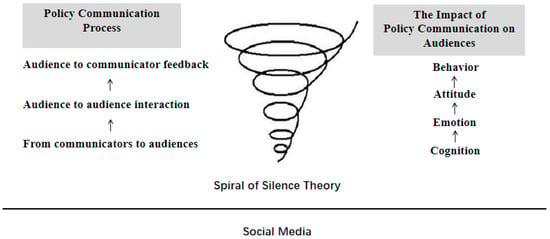
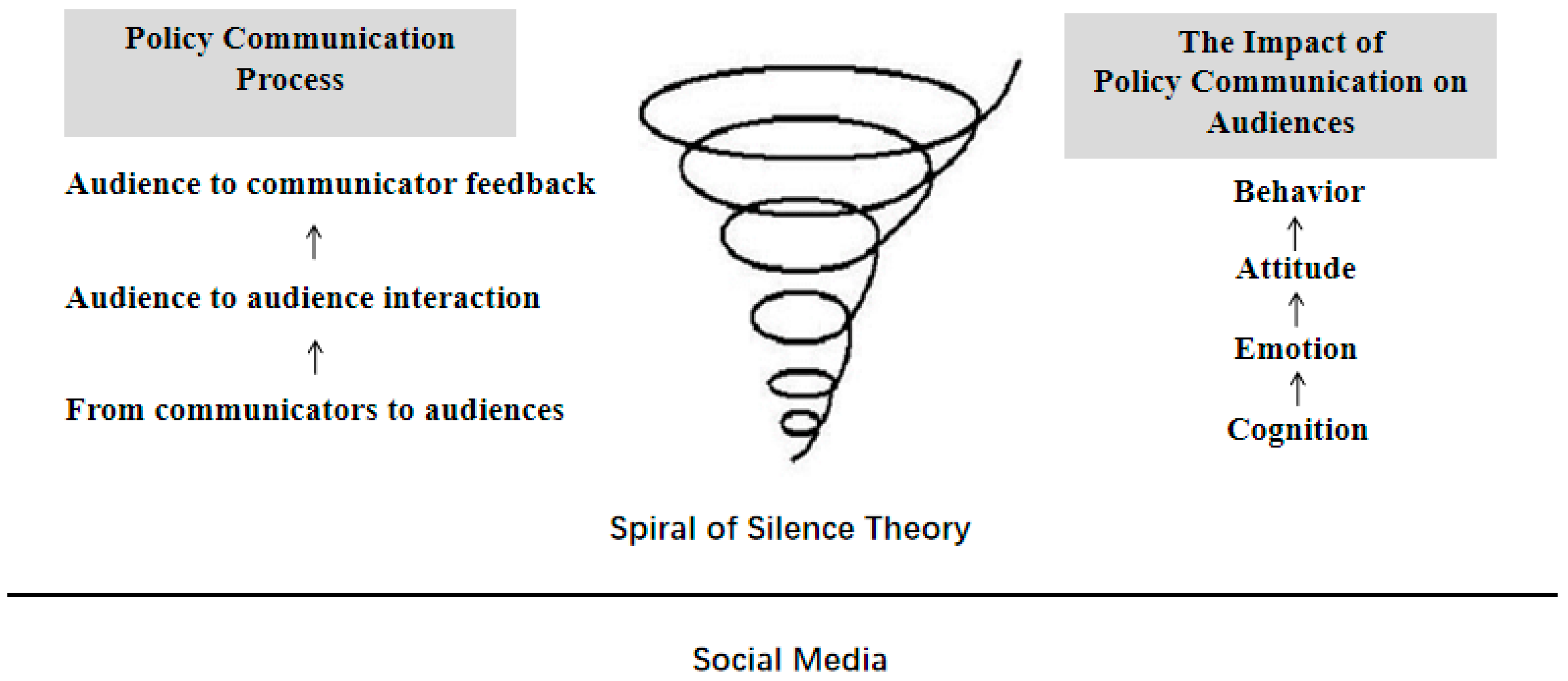
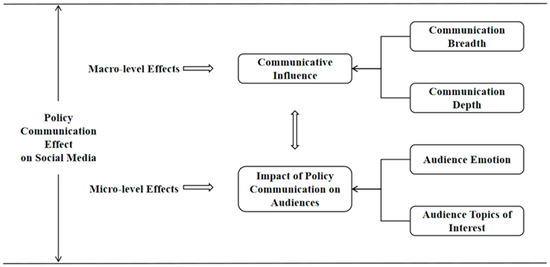
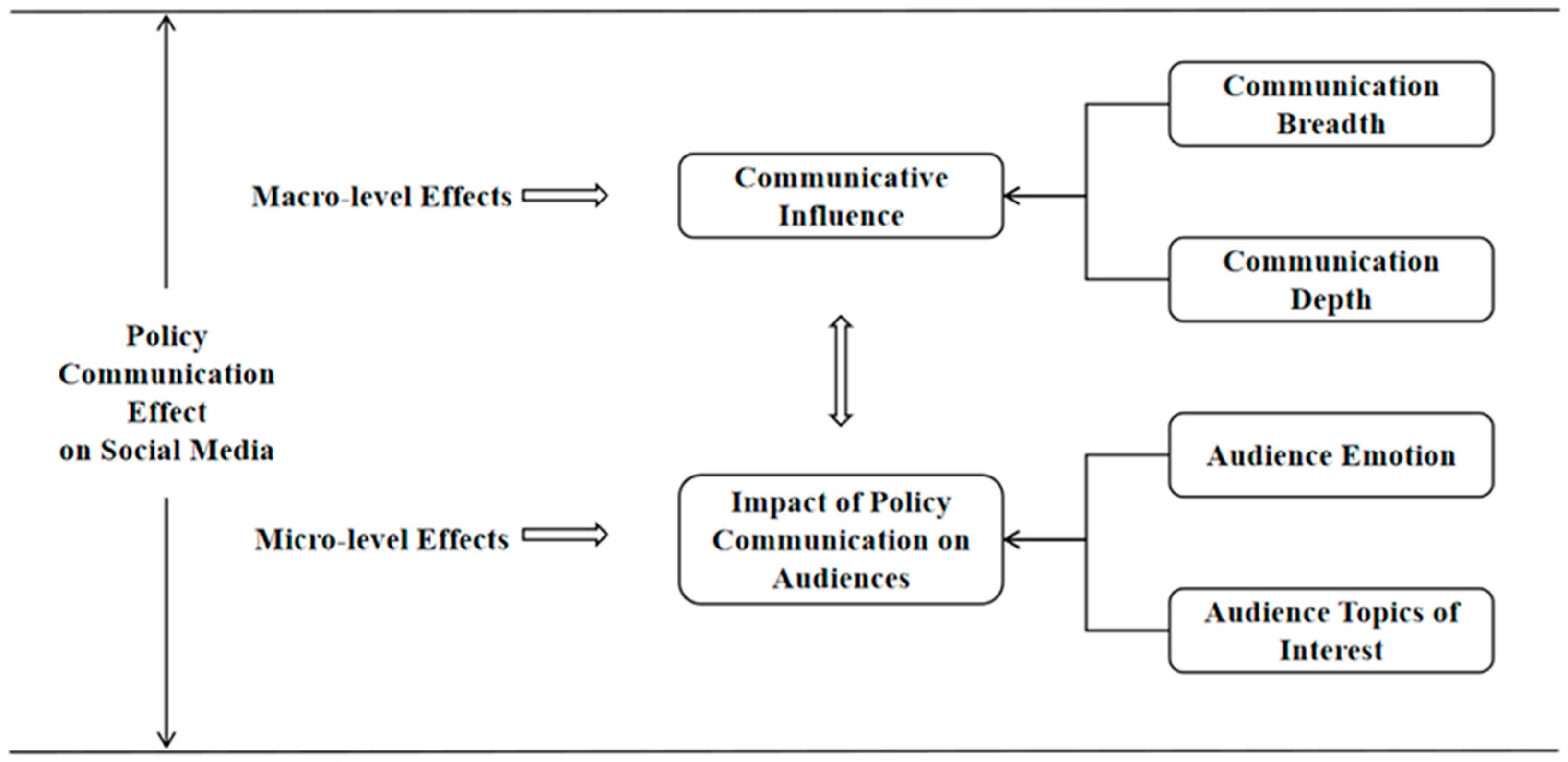
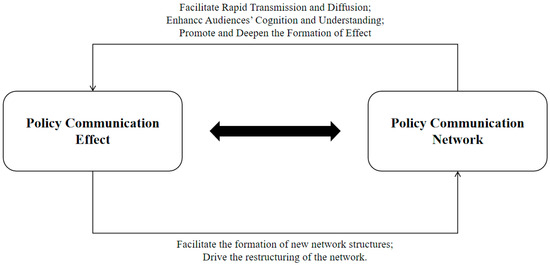
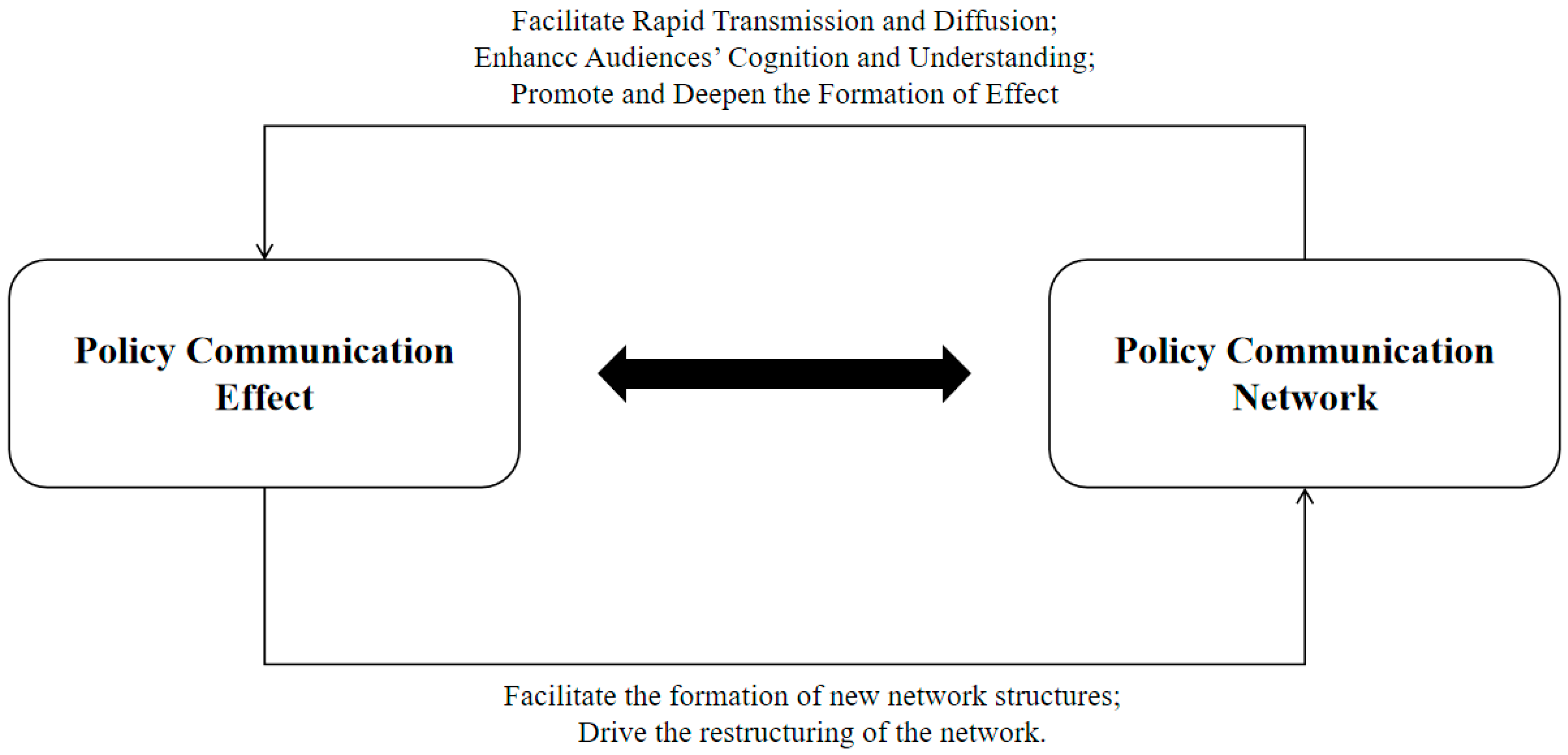
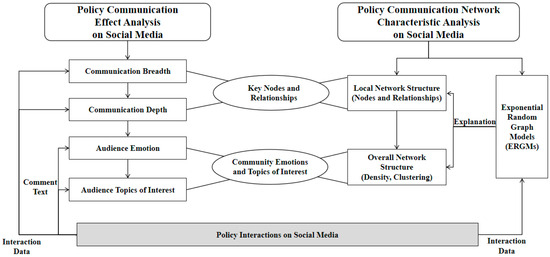
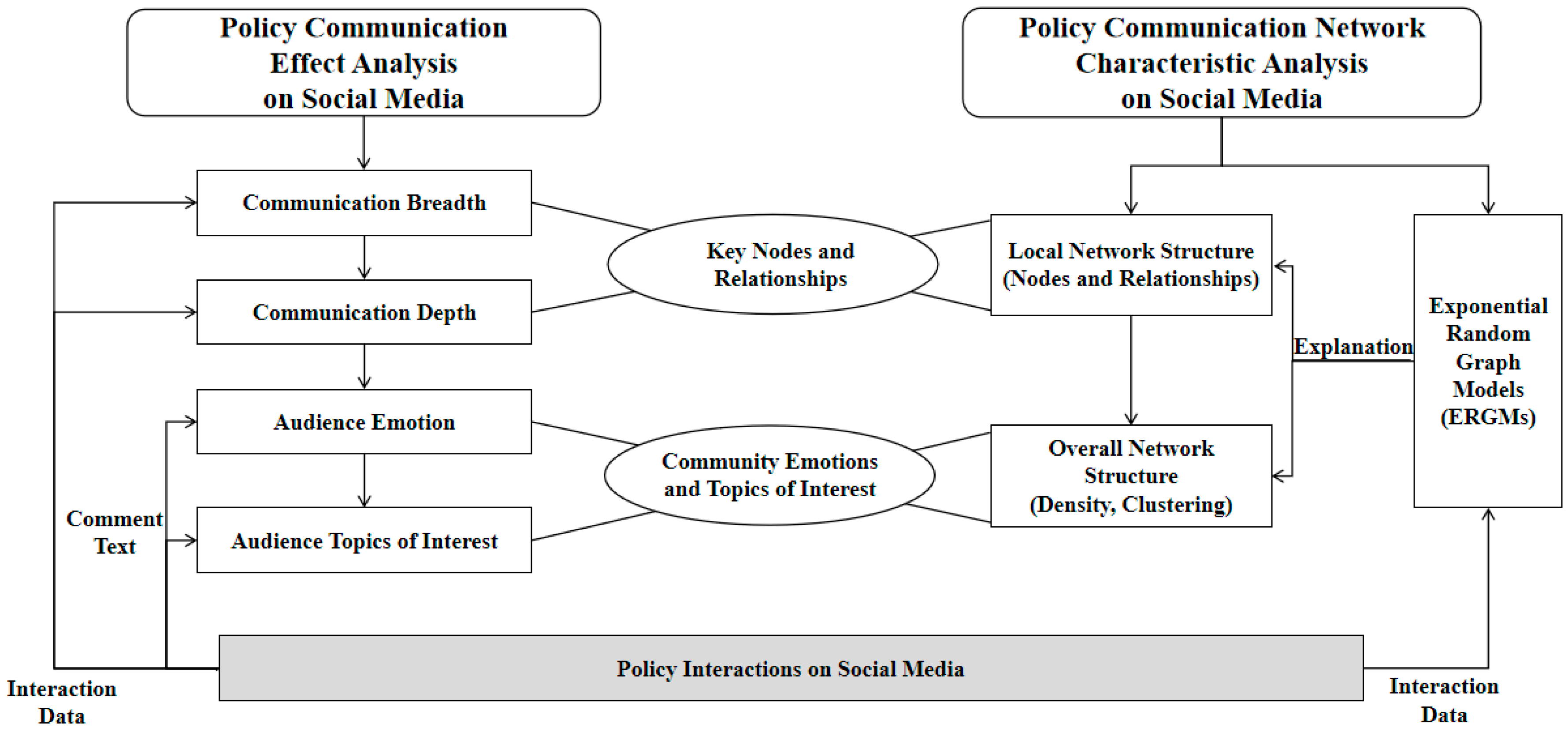
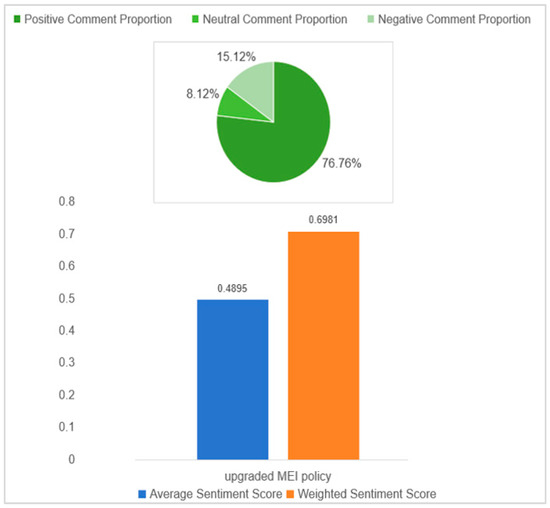
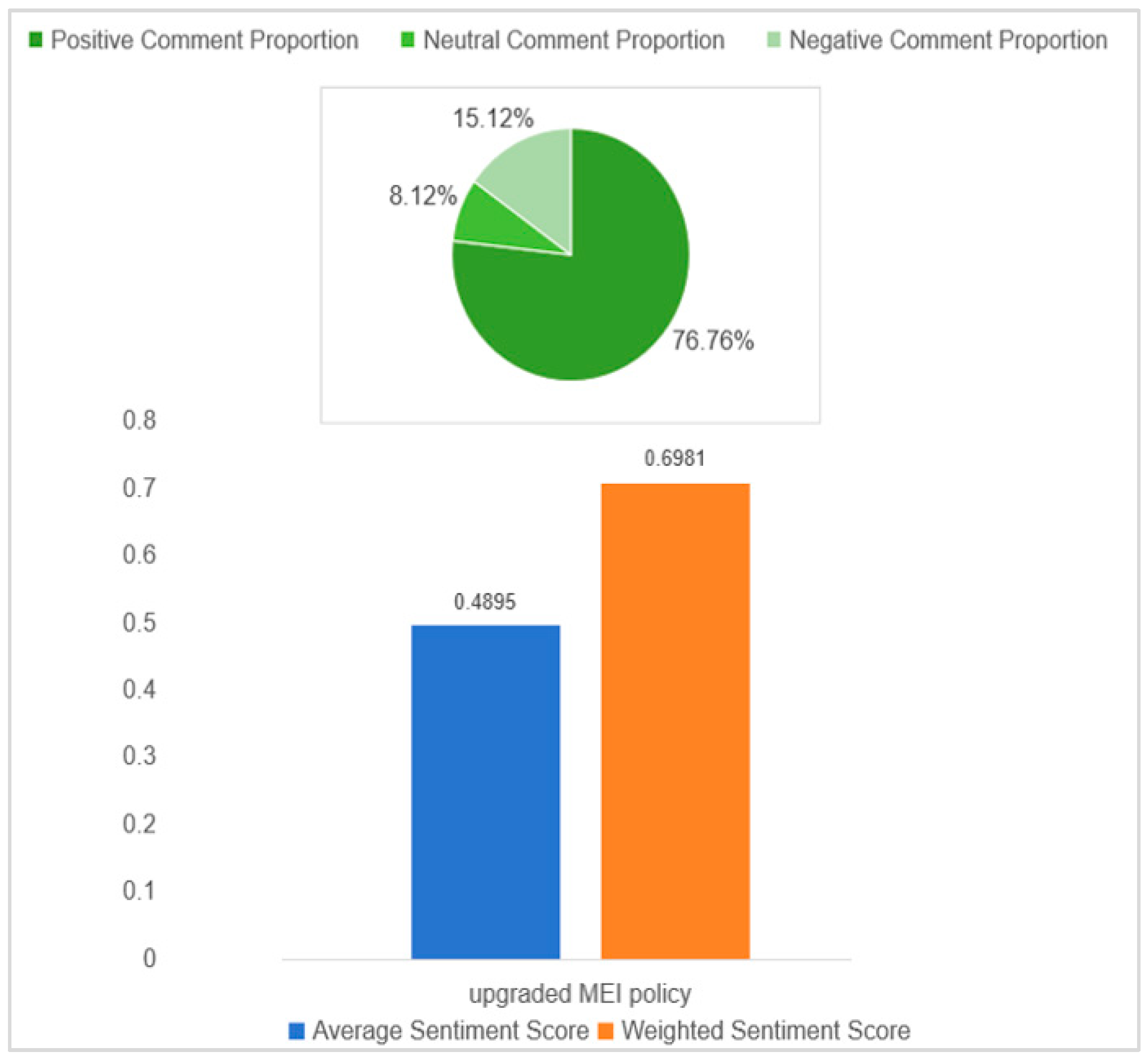
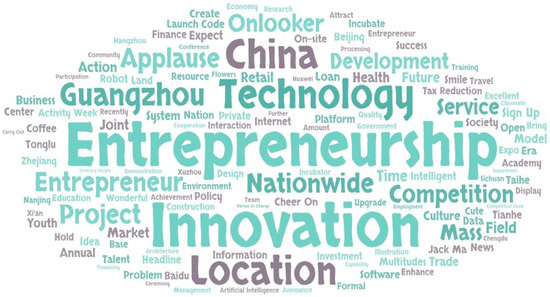
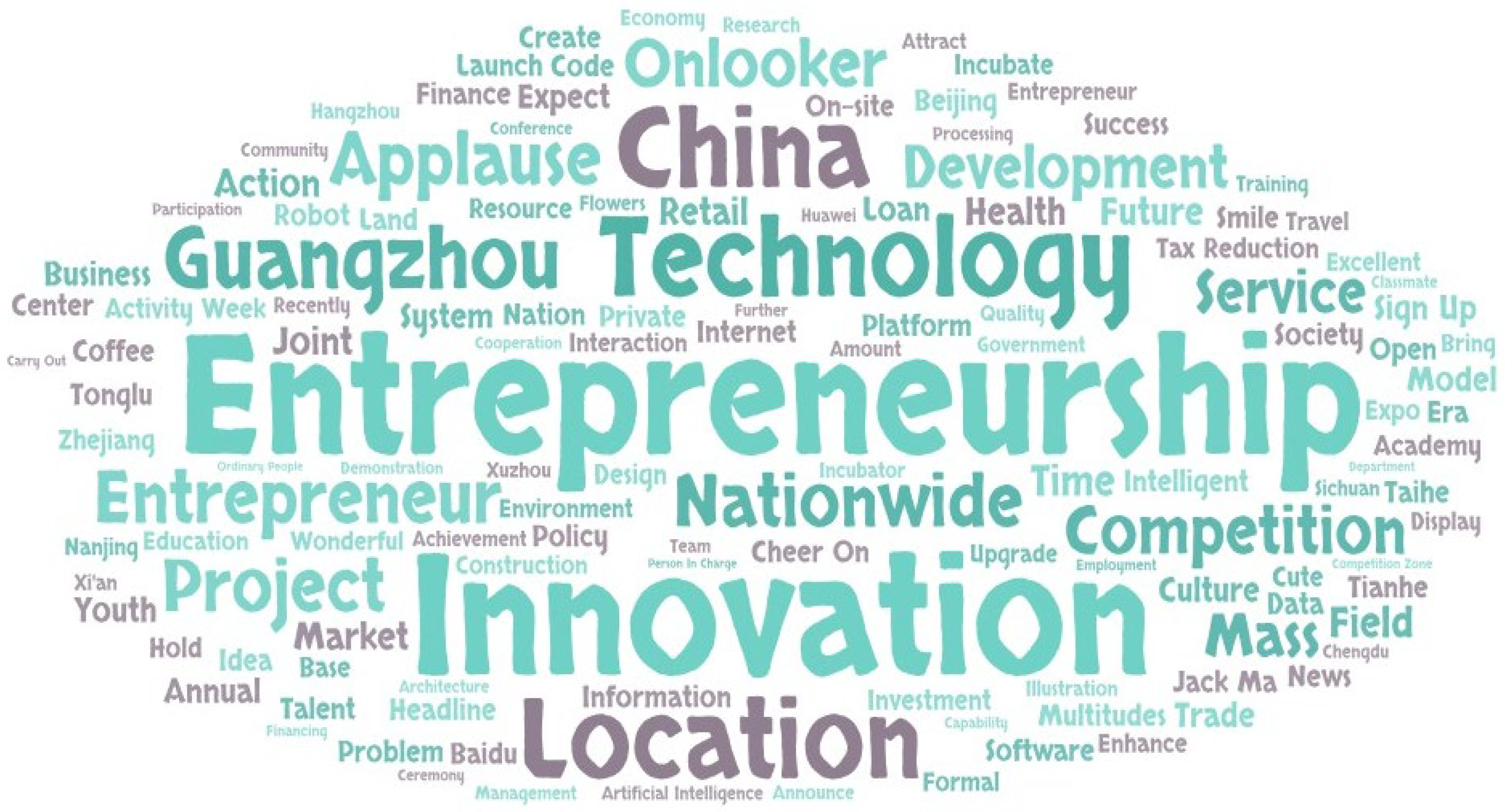
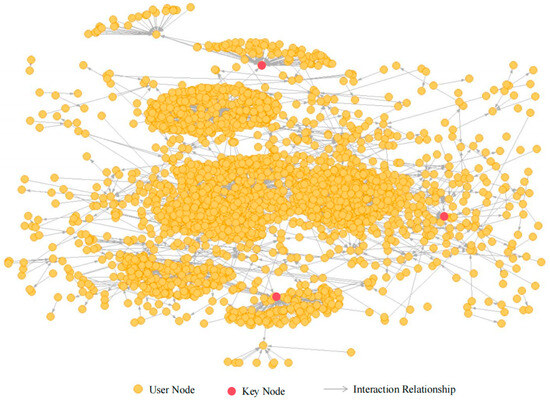
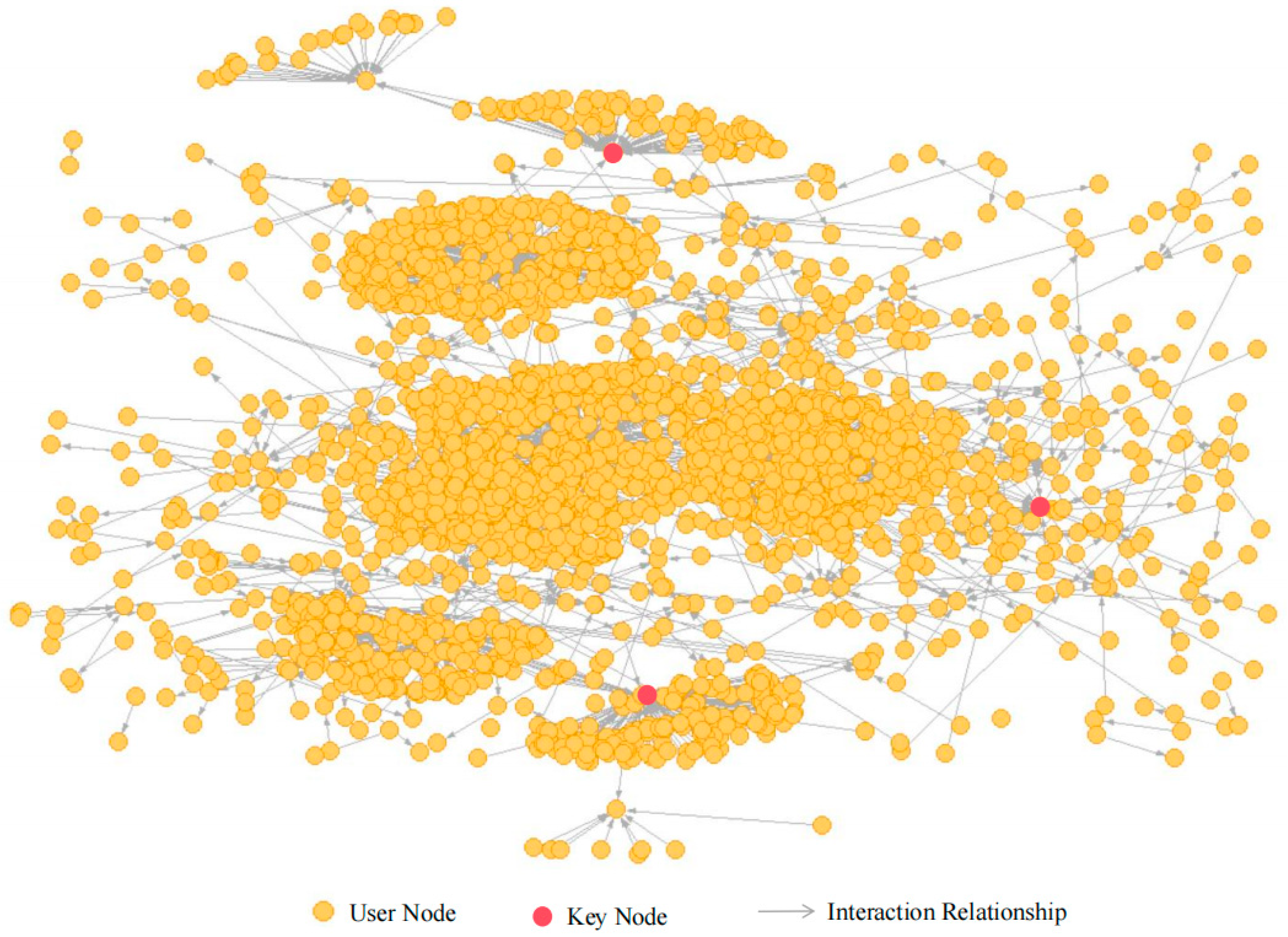
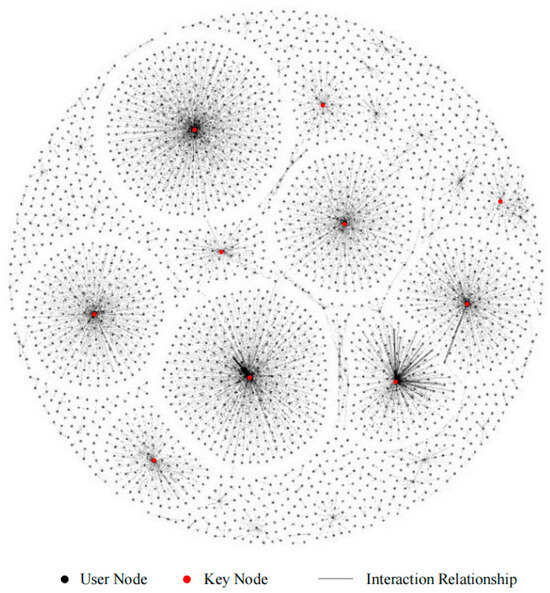
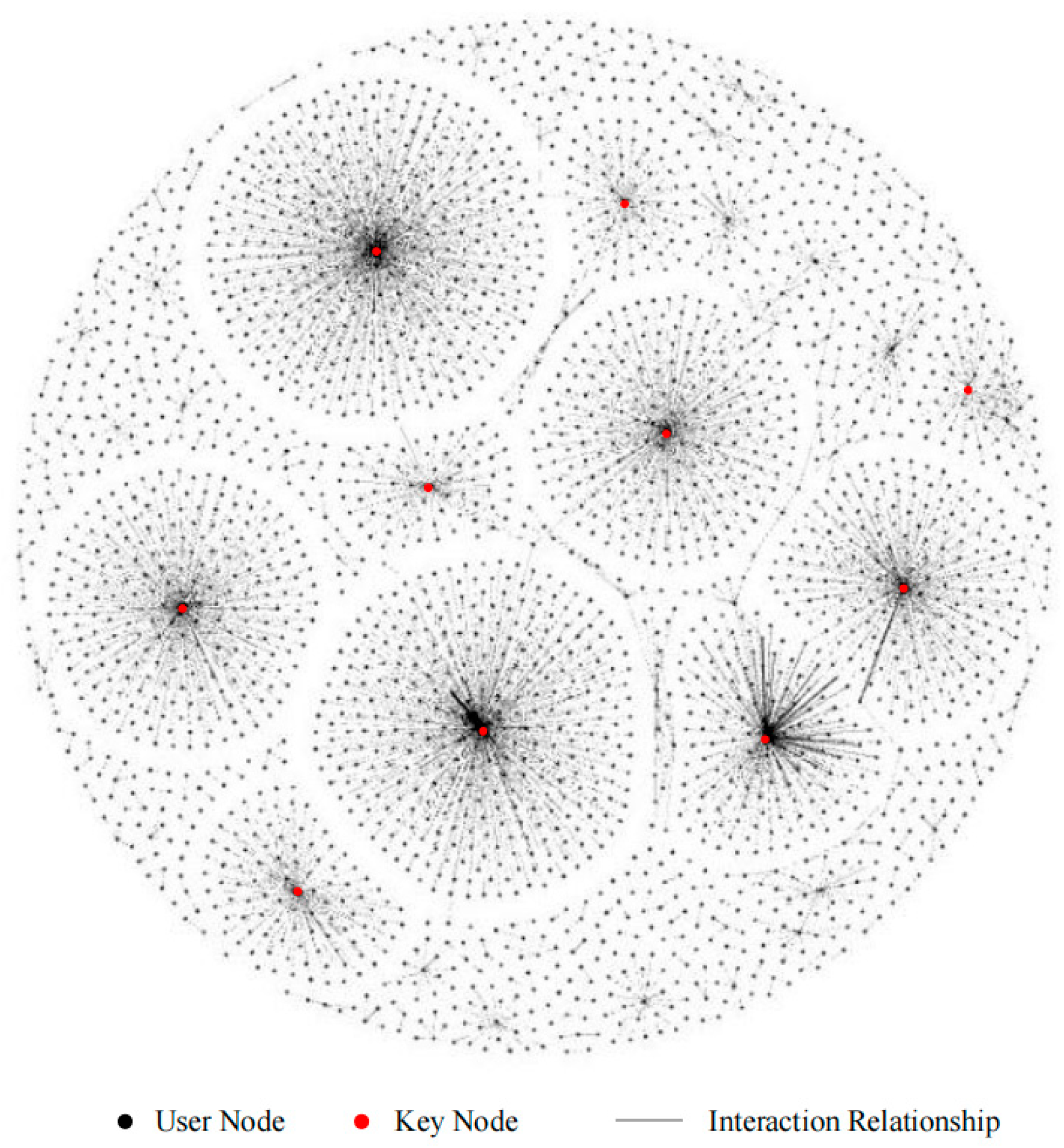

Disclaimer/Publisher’s Note: The statements, opinions and data contained in all publications are solely those of the individual author(s) and contributor(s) and not of MDPI and/or the editor(s). MDPI and/or the editor(s) disclaim responsibility for any injury to people or property resulting from any ideas, methods, instructions or products referred to in the content. |
© 2026 by the authors. Licensee MDPI, Basel, Switzerland. This article is an open access article distributed under the terms and conditions of the Creative Commons Attribution (CC BY) license.