


Abstract
Numerous construction enterprises have insufficient efficiency in resource utilization for construction and demolition waste (CDW), restricting global circular economic development. How to improve resource utilization has become an urgent problem. While existing studies have extensively explored operational decisions in CDW resource supply chains, insufficient attention has been given to construction enterprises’ information misreporting and its interaction with on-site conversion efficiency. This paper aims to elucidate the mechanism of action of misreporting and systematically analyzes its effects on the pricing decisions of the CDW supply chain. Drawing on information misreporting theory, this study constructs a Stackelberg game model involving construction firms and recycled building materials manufacturers, and compares supply chain decision-making behaviors under two scenarios: information misreporting and honest disclosure. The main conclusions are as follows: (1) misreporting alters recycled building material pricing and profit distribution by affecting manufacturers’ supply capacity expectations; (2) higher on-site conversion efficiency enhances CDW treatment ability and affects stakeholders’ profits; and (3) misreporting is related to on-site conversion efficiency and onsite conversion costs—enterprises prefer misreporting for short-term gains under low on-site conversion efficiency or high costs, while higher on-site conversion efficiency makes truthful disclosure conducive to long-term stable returns. This paper reveals the CDW supply chain decision-making mechanism from enterprises’ perspective, providing a new theoretical basis and practical value for CDW utilization and supply chain optimization.
1. Introduction
As a key pillar of the national economy, the construction industry is a major contributor to energy consumption and solid waste emissions; its transition toward a circular economy has become central to the sector’s green and high-quality development [1]. Studies indicate that global solid waste generation is projected to increase from 2.01 billion metric tons in 2018 to 3.4 billion metric tons in 2050 [2], with CDW accounting for more than 30% of the total global waste volume, making it one of the largest waste streams [3]. However, despite the massive volume of CDW generated, the level of resource recovery in China remains relatively low [4]. In China, although approximately 80% of CDW has a high recycling value, the actual recycling rate is only 5% [5]. This rate is significantly lower than the recycling rates in many developed countries, such as Japan and the European Union, where it exceeds 90% [6], and Australia, where it reaches 67% [7]. Moreover, the large-scale improper disposal of CDW exacerbates the carbon emission pressure caused by the extraction of new building materials, representing a significant departure from the principles of a circular economy [8]. Therefore, improving the recycling efficiency of CDW and promoting its resource recovery have become key issues in achieving a circular economy and sustainable development.
As direct implementers of construction activities, construction enterprises generate large amounts of CDW because of factors such as material wastage during the construction process, improper construction management, and design changes [9]. In the past, because recycling systems were not yet fully developed and the cost of resource recovery was relatively high, construction enterprises tended to dispose of waste in bulk rather than sorting it for individual processing [10], which not only consumes a significant amount of land but also leads to environmental problems such as soil contamination, groundwater pollution, and greenhouse gas emissions [8]. In recent years, with the development and advancement of various scientific and technological fields, some construction enterprises have begun to focus on implementing 3Rs (reduce, reuse, and recycle) [11]. Moreover, an increasing number of countries have recognized the impact that construction enterprises have on CDW. In Asia, the Chinese government has enacted legislation to clarify the responsibilities of construction enterprises and promote the recycling of CDW [12]. In Europe, the Netherlands has taken the lead in establishing a comprehensive waste management infrastructure, completed with a selective collection system and advanced recycling facilities, and has introduced financial incentives to encourage businesses to recycle CDW [13]. Developed countries, led by the United States, have promoted the reuse of materials recovered from construction sites through municipal programs and offer financial incentives to construction enterprises that comply with recycling guidelines [13].
However, from a practical standpoint, construction enterprises still face a variety of real-world obstacles in promoting the resource recovery of CDW. In particular, the lack of technical capacity for resource recovery is especially pronounced. The resource recovery of CDW involves multiple technical processes, including waste collection, sorting, and crushing [14], and many construction enterprises still lack the necessary onsite processing equipment, technical expertise, and management systems, making it difficult for them to achieve efficient resource recovery at construction sites [15]; compared with implementing effective resource recovery measures, the cost of directly landfilling CDW is lower [16], and research findings indicate that technological and equipment capabilities have a significant negative impact on the recycling of construction waste at construction sites, with statistical tests showing significant results [9]. This, to some extent, undermines enterprises’ motivation to engage in recycling. Furthermore, differences among construction firms in the application of recycling equipment, the accumulation of technical expertise, and the utilization of external knowledge essentially reflect variations in their on-site conversion efficiency [17]. In addition, as policy incentives continue to strengthen, the issue of information asymmetry in the market has gradually become a significant challenge in CDW management. Currently, many regions are encouraging construction enterprises to recycle construction waste through subsidy policies, resource utilization quotas, or tax incentives [18]; in this context, companies engage in certain strategic behaviors during the information disclosure process that serve their own interests, resulting in inaccurate data or inconsistent reporting to the government [19].
These two major obstacles are not independent of one another: differences in construction enterprises’ on-site conversion efficiency of CDW not only affect CDW processing capacity [20] but may also influence enterprises’ information disclosure strategies, while misreporting of information weakens the guiding role of policy incentives in enterprises’ technological investments [21]. However, existing research has not systematically analyzed the impact mechanism of misreporting, the moderating role of on-site conversion efficiency, or the boundary conditions of enterprises’ misreporting behavior. These research gaps prevent us from accurately explaining the strategic divergence observed in practice among enterprises with varying levels of technological capability. This paper introduces on-site conversion efficiency coefficient to characterize construction enterprises’ resource conversion capabilities and constructs a game theory model to examine the interactions between these two factors.
In light of the above analysis, this paper addresses the following scientific questions: (1) How does the practice of misreporting information by construction enterprises during onsite CDW processing affect pricing decisions in the CDW resource recovery supply chain? (2) How does the on-site conversion efficiency of construction enterprises influence decision-making among supply chain actors and its interplay with misreporting of information? To address the aforementioned practical issues, this paper applies on-site conversion efficiency coefficient to the field of CDW. We construct a Stackelberg game model that examines two scenarios—one in which construction enterprises engage in honest disclosure and another in which they engage in information misreporting—to achieve the following research objectives: (1) to reveal the mechanisms through which construction enterprises’ information misreporting affects pricing decisions and profit allocation in the CDW resource recovery supply chain; and (2) to identify the interactive effects of on-site conversion efficiency and misreporting of information on supply chain operational decisions.
The innovations of this paper are as follows. (1) Existing research on CDW resource recovery has focused on either the resource utilization capabilities of construction firms or their misreporting of information, lacking a systematic analysis of the interaction between the two. From the perspective of resource recovery operations, this paper is the first to introduce resource conversion efficiency into the decision-making context of information misreporting by construction firms under conditions of information asymmetry. It reveals the mechanism through which information misreporting by construction firms—taking government subsidies into account—affects the construction waste resource recovery supply chain, thereby expanding the scope of application of on-site conversion efficiency in the resource recovery supply chain sector. (2) Most existing studies on the CDW supply chain treat manufacturers of recycled building materials as the primary decision makers, overlooking the leading role played by construction enterprises. This paper focuses on the front end of the supply chain, treating construction enterprises as the leader in a Stackelberg game. It builds a game model incorporating two scenarios—misreporting of information and honest disclosure—to analyze the impact of construction enterprises’ misreporting of onsite conversion volumes on supply chain pricing decisions and profit distribution. (3) Existing research has largely focused on the effectiveness of policies for the resource recovery of CDW and supply chain coordination, with little in-depth analysis of the intrinsic link between the misreporting of information and policy incentives. This paper examines the interplay between misleading information reporting and policy incentives, analyzes how on-site conversion efficiency and onsite conversion costs influence enterprises’ strategic choices, and elucidates the impact of government subsidies under different information disclosure scenarios, thereby providing a theoretical foundation for the collaborative governance and policy optimization of the CDW resource recovery supply chain.
The remainder of this paper is structured as follows. Section 2 examines the relevant literature and provides a literature review. Section 3 describes the research methodology used in this paper and outlines the model. Section 4 establishes two scenarios—one in which the construction enterprise engages in honest disclosure and another in which it engages in the misreporting of information—and solves the model using reverse induction. Section 5 analyzes the research question and examines the impact of construction enterprises’ adoption of onsite conversion technologies on the decision-making of supply chain members involved in CDW recycling and treatment. Section 6 provides a further analysis and validation of the results through numerical simulations and discussion. Section 7 summarizes the study, discusses its limitations, and outlines future research directions.
2. Literature Review and Theoretical Basis
This section reviews the relevant literature from two perspectives: misreporting of information, and the resource utilization of CDW.
2.1. Misreporting of Information
Misreporting of information refers to strategic behavior in which an actor, under conditions of information asymmetry, provides false or incomplete information to gain additional benefits [22]; at its core, it manifests as opportunistic decision-making and strategic disclosure of information [23]. Existing research generally holds that, under conditions of information asymmetry, the party possessing private information may engage in strategic information disclosure based on its own profit objectives, thereby influencing the operational decisions and overall performance of supply chain members [24]. In terms of research focus, existing studies on misreporting of information have primarily concentrated on the field of supply chain operational decision-making. Related research focuses on issues such as the misreporting of demand information, the concealment of cost information [24], the disclosure of quality information [25], and the distortion of environmental information [26], with a particular emphasis on analyzing the mechanisms through which enterprises’ misreporting of information affects supply chain pricing decisions, profit allocation, emission reduction strategies, and system efficiency. Previous studies have shown that false reporting of corporate information not only reduces supply chain coordination efficiency but may also lead to distortions in resource allocation and a decline in overall system returns [27]. As research has progressed, some studies have begun to examine the mechanisms through which corporate heterogeneity influences information misreporting; in particular, differences in an enterprise’s actual operational capabilities, information processing capabilities, and resource utilization capabilities may all affect its propensity for opportunistic behavior [28].
Although existing research has extensively examined the issue of misreporting under conditions of information asymmetry and has conducted relatively systematic analyses in areas such as supply chain operational decision-making, information disclosure, and green governance, most studies have focused on general supply chains or macrolevel information governance contexts, with insufficient attention given to the specific scenario of CDW resource recovery [29]. Moreover, while existing studies have considered information misreporting by enterprises, they have largely focused on analyzing equilibrium outcomes and have failed to provide an in-depth examination of the motives for information misreporting among construction enterprises during the onsite conversion process, which arises from subsidy incentives and cost constraints [30]. Therefore, it is necessary to incorporate information misreporting into the supply chain decision-making analysis framework within the context of CDW resource utilization and to systematically analyze the mechanisms through which such misreporting by construction enterprises influences supply chain decisions using the Stackelberg game approach.
2.2. CDW Recycling
CDW accounts for a significant proportion of global solid waste, and its recycling is considered a key strategy for reducing environmental pollution and improving resource efficiency [31]. In recent years, existing research on the resource recovery of CDW has focused primarily on resource recovery technologies, environmental impact assessments, and the development of recycling systems. In terms of resource recovery technologies, relevant research has focused on the physical properties and durability of recycled concrete materials. The results indicate that by improving recycling processes and material ratios, construction waste can be effectively converted into recycled building materials, thereby reducing carbon emissions during the production of building materials [32]. Moreover, the life cycle assessment (LCA) method is widely used to measure the environmental impact of building materials. It systematically evaluates the environmental impact of building materials during their production, use, and disposal phases and provides a basis for decision-making regarding the development of low-carbon materials [33]. From the perspective of the circular economy, relevant studies have employed material flow analysis to examine the movement of construction waste within circular economy systems and have reported that establishing a comprehensive recycling system can significantly increase the resource utilization rate of construction waste [34]. Data on CDW recycling in Europe indicate that establishing a comprehensive policy framework and maintaining high-quality CDW statistics can provide effective support for resource-based management [35]. As research continues to advance, some studies have begun to examine the resource utilization of CDW from the perspectives of supply chain collaboration and market decision-making mechanisms. Related studies have analyzed pricing strategies for recycled building materials [36], decision-making regarding green technology innovation [37], and supply chain collaboration mechanisms [38] from the perspectives of consumers’ tolerance for ambiguity, government subsidy incentives, and members’ behavioral preferences. The results indicate that differences in consumer perceptions significantly influence corporate pricing behavior; the incentive effects of differentiated subsidy models on corporate green innovation vary significantly; and cooperation among supply chain members can enhance overall resource utilization efficiency.
Although existing research has provided a relatively systematic examination of the resource recovery of CDW from multiple perspectives, including technology, policy, and supply chains, two shortcomings remain. First, existing research on supply chain games has largely focused on traditional actors such as the manufacturers of recycled building materials, recycling companies, and government regulatory agencies [11], with few studies incorporating construction enterprises—a key player—into the Stackelberg game framework. From a practical perspective, construction enterprises are not merely peripheral participants in the resource recovery chain [39] but rather key decision makers who play multiple roles. Second, most of the literature treats construction enterprises solely as waste generators, overlooking their dual role within the resource recovery system [40]. In fact, construction enterprises can both undertake onsite recycling and sorting responsibilities and participate in market transactions as buyers of recycled building materials [41]; their decision-making directly influences the flow of resources and the operational efficiency of the supply chain. Given the two research gaps identified above, this paper further examines construction enterprises’ onsite recycling capabilities and their multistakeholder attributes. It builds a Stackelberg game model for the resource recovery of CDW led by construction enterprises, focusing on analyzing the mechanisms through which construction enterprises’ misreporting of information affects the decision-making of various participants in the resource recovery supply chain and the system’s performance, thereby expanding the scope of research on CDW resource recovery supply chains.
Table 1 provides a comprehensive comparison of the existing literature and outlines the distinctive features and innovations of this paper in the final row.
Table 1.
Differences between this study and previous studies.
2.3. Theoretical Basis
As shown in Figure 1. The theoretical background of this paper is the phenomenon of misinformation. Misreporting of information provides the key evidence for this paper at the enterprise level. As discussed in Section 2.1, in an environment of information asymmetry, enterprises engage in strategic disclosure to generate additional profits. Based on this theoretical framework, this paper establishes two contrasting scenarios—honest disclosure and misreporting of information—and uses the misreporting factor to define the discrepancy between actual conversion volume and reported conversion volume. It then constructs a differentiated corporate profit function and a framework for solving game theory equilibria. This design addresses the gap in current CDW research regarding misreporting of information by construction enterprises. It is precisely by drawing on this theory that the model in this paper is able to fully capture enterprises’ strategic choices under conditions of information asymmetry and clearly reveal the impact of misreporting on supply chain decisions and profit allocation.
Figure 1.
Theoretical basis.
3. Methodology
3.1. Research Methods
The central idea of the Stackelberg game is that both parties choose their strategies according to the other party’s possible strategies to maximize their own payoff given the other’s strategy, thereby arriving at an equilibrium solution [46]. In this game theory model, the party that makes the first decision is called the leader, while the remaining participants, who base their decisions on the leader’s choice, are called followers. The leader then adjusts their decision according to the followers’ choices, and this process continues until an equilibrium is reached [47].
This paper constructs a master–follower game model comprising construction enterprises and recycled building materials manufacturers. Construction enterprises act as the leader in a Stackelberg game, while recycled building materials manufacturers act as the follower; both parties aim to maximize profits. As the primary generator of CDW, the construction enterprise directly determines the volume, material composition, timing, and location of waste generation [48]. It also holds the final authority over the disposal of this waste and controls the core resource entry point of the entire resource recovery supply chain. The recycled building materials manufacturer’s production activities depend on raw materials supplied by the construction enterprise, with no other stable alternative sources. Should the supply of raw materials be interrupted, its production lines would face the immediate risk of idling, making it the follower in the Stackelberg game. From a practical business perspective, construction enterprises typically formulate comprehensive construction waste disposal plans at the outset of a project, pre-determining key terms such as the recycling rate, purchase prices, and transportation schedules. This grants them a first-mover advantage in the strategic interaction, leaving recycled building material manufacturers to adjust their production scale, product pricing, and capacity investment plans only within the raw material supply parameters already established by the construction enterprises [49]. Furthermore, recycled building material manufacturers currently exhibit a high degree of dependence on raw materials from upstream waste-generating enterprises, whereas construction enterprises possess absolute dominance in the strategic interaction, as they are free to choose whether to landfill, incinerate, or recycle waste.
The Stackelberg game framework accurately captures this asymmetric relationship between construction companies and manufacturers of recycled building materials: one party makes a decision first, while the other responds passively. Unlike the Cournot model, which emphasizes simultaneous decision-making by the players, and the Bertrand model, which emphasizes simultaneous competition, evolutionary game theory focuses on dynamic equilibrium. The Stackelberg model better captures the dominant–subordinate relationship between the two parties and the goal of profit maximization, making it a suitable tool for addressing the research questions in this paper. Table 2 provides a detailed comparison of the differences between the Stackelberg method and other mainstream game-theoretic approaches.
Table 2.
Comparison of methods.
3.2. Model Description
In this paper, a game theory model of the CDW resource recovery supply chain comprising construction enterprises and recycled building materials manufacturers is constructed. The research framework of this paper is illustrated in Figure 2. In the current market for recycled building materials, construction enterprises show little willingness to actively participate in the recycling process, and opportunistic behavior, such as falsifying information, occurs. In this context, this paper constructs a principal–agent game system comprising construction enterprises and recycled building materials manufacturers and examines two scenarios: honest disclosure and misreporting of information. The construction enterprises, acting as the lead entity, first determine the investment for onsite CDW processing after the government’s relevant subsidies and the willingness of recycled building materials manufacturers to cooperate are assessed; as followers, recycled building materials manufacturers adjust their sales prices according to construction enterprises’ decisions regarding price () and their own carbon reduction efforts (), with both parties aiming to maximize profits. Finally, this paper analyzes the mechanism through which the on-site conversion efficiency coefficient of construction enterprises influence the CDW recycling supply chain, reveals the logic underlying strategic interactions within the construction-led recycled building materials supply chain, and proposes strategies to maximize profits for both parties.
Figure 2.
Research framework.
3.3. Assumptions
Table 3.
Parameters and definitions.
Assumption 1.
From the perspective of microeconomic demand theory, the demand for recycled building materials is negatively correlated with price and positively correlated with investment in on-site recycling [63]. When construction enterprises choose to disclose information honestly, their demand for recycled building materials is influenced by basic demand, the price of recycled building materials, companies’ investment in onsite recycling, and their sensitivity to the raw materials used in onsite processing [51]. In this scenario, construction enterprises’ demand for building materials can be expressed as follows: [53]. When construction enterprises choose to misreport information, to avoid subsidy clawbacks and regulatory penalties resulting from inconsistent reporting, they will set their demand for building materials according to the false onsite conversion rate: [53]. The cost of misreporting information is embedded in the profit function through the discrepancy between actual conversion volume and procurement volume, reflecting the price construction enterprises pay for misreporting: it creates the risk of over-procurement and increases actual operating costs.
Assumption 2.
On-site conversion volume[64], where represents the input for on-site conversion, is the on-site conversion efficiency coefficient; the higher the on-site conversion efficiency, the more effectively a company can convert inputs into usable resources.
Assumption 3.
In this paper, manufacturers of recycled building materials choose to use recycled building materials supplied by construction enterprises to reduce their carbon tax liability. In doing so, construction enterprises incur labor, material, and financial costs to source these recycled materials; these costs are considered the cost of the recycled building materials manufacturer’s carbon reduction efforts [58].
Assumption 4.
To process CDW onsite and convert it into usable construction materials, construction enterprises make investments in technology, labor, and site development (). The total cost resulting from these investments is referred to as the onsite processing cost, denoted by [56].
Assumption 5.
The onsite recycling volume reported by construction enterprises is . Construction enterprises may choose to falsify information to secure higher subsidies and partnerships with manufacturers of recycled building materials. In cases of falsified information, the actual onsite conversion volume is . Here, is the conversion factor for the in situ conversion process (, when the government imposes harsher penalties and conducts more frequent spot checks, enterprises are less likely to misreport, and approaches 1; conversely, approaches 0) [51]. CDW that construction companies are unable to handle will be transported off-site; the cost for this portion is [65].
Assumption 6.
Manufacturers are required to pay a corresponding carbon tax on carbon-based emissions, such as CO2, generated during the processing of raw materials for recycled building materials [57].
4. Modeling and Solution Strategies
In this section, two models—one for honest disclosure and one for misreporting—are constructed according to whether construction enterprises engage in misreporting. As the leader, the construction enterprise first determines the onsite conversion technology level for CDW. Afterward, as the follower, the recycled building materials manufacturer determines the price of recycled building materials and the carbon reduction effort .
4.1. Honest Disclosure Behavior (Model 1)
In this model, the profit function for recycled building material manufacturers is defined as shown in Equation (1):
In this model, the profit function for the construction enterprise is defined as shown in Equation (2):
Substitute into Equations (1) and (2), respectively. Solving yields the Hessian matrix for , as shown in Equation (3).
Simplifying yields . When , is greater than 0, meaning is negative-definite. To prove the existence of optimal solutions for and , find the second-order partial derivatives of and with respect to and , respectively, and . Therefore, when , there are optimal solutions for and , respectively.
Using backward induction, we first determine the equilibrium solutions for and in the order of the Stackelberg game, as shown in Equations (4) and (5), respectively:
Substituting Equations (4) and (5) into Equations (1) and (2) yields the equilibrium solutions for and , as shown in Equations (6) and (7):
4.2. Misreporting of Information (Model 2)
In this model, the profit function for recycled building material manufacturers is defined as shown in Equation (8):
In this model, the profit function for the construction enterprise is defined as shown in Equation (9):
Similarly, substitute into Equations (8) and (9), respectively. Solving yields the Hessian matrix for , as shown in Equation (10).
Simplifying yields . When , is greater than 0, meaning is negative-definite. To prove the existence of optimal solutions for and , find the second-order partial derivatives of and with respect to and , respectively, and . Therefore, when , there are optimal solutions for and , respectively.
Using backward induction, we first determine the equilibrium solutions for and in the order of the Stackelberg game, as shown in Equations (11) and (12), respectively:
Substituting Equations (11) and (12) into Equations (8) and (9) yields the equilibrium solutions for and , as shown in Equations (13) and (14):
5. Modeling Analysis
From the findings from the aforementioned game theory model, this section derives Propositions 1–3 by comparing the prices of recycled building materials , the profits of recycled building material manufacturers , and the profits of construction enterprises across the two models. Additionally, by analyzing the impact of the on-site conversion efficiency coefficient () of construction enterprises on , and , Propositions 4–6 are derived. Let the parameters , , , , , , and satisfy Equations (15)–(21):
Proposition 1.
A Comparative analysis of recycled building material prices under different scenarios.
- (1)
- When the cost of on-site conversion is lower, , .
- (2)
- When the cost of on-site conversion is high, , there is an on-site conversion efficiency coefficient threshold, if , then ; if , then .
According to Proposition 1, the impact of false reporting by construction enterprises on the equilibrium price of recycled building materials is determined jointly by the on-site conversion investment cost coefficient and the on-site conversion efficiency coefficient, and there is a significant threshold: when the on-site conversion investment cost is below the threshold, the price of recycled building materials under the false reporting scenario is always lower than that under the honest disclosure scenario; when investment costs exceed the threshold, if the construction enterprise’s on-site conversion efficiency coefficient is weak, misreporting will still suppress prices; however, if on-site conversion efficiency coefficient exceeds the threshold, misreporting will actually drive prices higher.
This conclusion indicates that when construction enterprises falsely report higher on-site recycling rates, they send two distorted signals to recycled building materials manufacturers: first, that their demand for recycled materials is expanding; and second, that future supplies of recycled raw materials will be ample. The former generates a demand-pull effect that drives prices up, while the latter creates a supply-substitution effect that drives prices down. When investment costs are low, construction enterprises’ actual recycling rates are already high, and the supply-substitution effect significantly outweighs the demand-pull effect. Manufacturers, anticipating a decline in marginal costs, lower prices to increase sales volume; when investment costs are high and on-site conversion efficiency is weak, construction enterprises’ actual conversion capacity is limited, and the contradiction of insufficient raw material supply has not yet become apparent; the demand-pull effect remains dominant, and manufacturers continue to maintain a low-price strategy; once on-site conversion efficiency exceeds the threshold, manufacturers can recognize that construction enterprises’ actual demand and raw material supply are growing in tandem, and the market landscape of simultaneous growth in both supply and demand ultimately drives the equilibrium price upward.
Proposition 2.
Profit analysis of recycled building materials manufacturers under different scenarios.
Proposition 2.1.
In a scenario of low carbon reduction efforts, .
- (1)
- When the cost of on-site conversion is lower, , if , then ; if , .
- (2)
- When the cost of on-site conversion is moderate, , . If , then ; if or , then .
- (3)
- When on-site conversion involves high investment costs, , . If , then ; if or , then .
Proposition 2.2.
In a scenario of high carbon reduction efforts, .
If , then ; if , then .
Table 4 summarizes all scenarios for Proposition 2.
Table 4.
Comparative analysis of conclusions.
Proposition 2.1 indicates that, under a low-carbon-reduction effort scenario, manufacturers’ sunk costs for carbon reduction are low, and profits are primarily determined by construction enterprises’ demand for recycled building materials. Misreporting of information affects profits by sending a signal of increased demand through false reporting. When investment costs are low, a single-threshold pattern emerges: at low conversion rates, misreporting amplifies demand and drives sales growth, which is more advantageous for manufacturers; at high conversion rates, the gap between actual demand and misreported demand narrows, making honest disclosure the better option. When investment costs are high, a dual-threshold pattern emerges: at moderate conversion efficiency, signal bias is minimal, making honest disclosure more advantageous; when conversion efficiency is too high or too low, the demand-amplifying effect of misreporting remains dominant, leading to higher profits under misreporting.
Proposition 2.2 indicates that, under a high-carbon-reduction effort scenario, manufacturers have invested heavily in specialized assets, and capacity utilization becomes the decisive factor in profits; therefore, there exists only a single conversion efficiency threshold. When conversion efficiency is low, construction enterprises face a shortage of actual raw materials; misreporting would lead to overproduction and idle capacity, making honest disclosure more advantageous. When conversion efficiency is high, actual raw material supply matches production capacity demand; the additional demand generated by misreporting can fully utilize capacity, which is more beneficial to manufacturers.
Proposition 3.
Comparative analysis of construction enterprises’ profits under different scenarios.
- (1)
- When on-site conversion involves lower investment costs, , if , then ; if , then .
- (2)
- When on-site conversion involves high investment costs, , if or , then ; if , then .
Proposition 3 indicates that when the cost of investing in on-site CDW conversion technology is low, if a construction enterprise has weak conversion efficiency coefficient, its profits under honest disclosure are lower than those under misreporting; conversely, if the enterprise has strong conversion efficiency coefficient, the opposite is true. When the cost of investing in on-site CDW conversion technology is high, the profits for construction enterprises under honest disclosure are lower than those under misreporting, regardless of whether the enterprise’s conversion efficiency coefficient is very weak or very strong; however, when the enterprise’s conversion efficiency coefficient is moderate, the opposite conclusion holds.
Specifically, the benefits of misreporting primarily stem from government subsidies resulting from falsely reported on-site recycling volumes, while the costs of misreporting include the additional costs of over-purchasing recycled building materials, the loss of trust in supply chain partnerships, and potential regulatory penalties. In the low conversion efficiency range, construction enterprises have low actual recycling efficiency, and the subsidy benefits under honest disclosure are limited; the incremental subsidies gained from misreporting significantly exceed the costs of misreporting, thus creating a strong incentive for enterprises to misreport; in the moderate conversion efficiency range, actual conversion efficiency improves significantly, and both subsidy benefits under honest disclosure and savings on raw material costs increase substantially. At the same time, manufacturers are able to identify the enterprise’s true capabilities, the costs of misreporting exceed the incremental subsidies, and enterprises tend to disclose honestly; in the high conversion efficiency and high investment cost range, due to the law of diminishing returns, the marginal cost of further increasing conversion efficiency rises while the marginal benefit decreases. As a result, the overall cost pressure on enterprises increases significantly. At this point, the additional subsidies gained from misreporting once again exceed the costs of doing so, prompting enterprises to resort to misreporting to bridge the cost gap. This also explains the underlying motivation behind why some high-tech enterprises engage in misreporting in practice.
Proposition 4.
The impact of on-site conversion efficiency on the prices of recycled building materials and the profits of construction enterprises.
- (1)
- .
- (2)
- If , then ; if , then .
In particular, when false reporting is not selected: ; when false reporting is selected: .
Proposition 4 indicates that, with regard to the price of recycled building materials, there is always a positive correlation between price and the construction enterprise’s on-site conversion efficiency coefficient, regardless of whether the enterprise chooses to disclose information honestly or to misreport it. As for the construction enterprise’s profits, the impact of on-site conversion efficiency coefficient follows a U-shaped relationship in both scenarios, and the inflection point for profits occurs significantly earlier in the misreporting scenario than in the honest disclosure scenario.
From an economic perspective, an increase in on-site conversion efficiency implies a higher success rate in converting inputs into actual products. To maximize profits, construction companies will increase their investment in on-site conversion, thereby driving up demand for recycled building materials. Manufacturers will raise their prices in response to this demand-driven effect; consequently, prices and on-site conversion efficiency are always positively correlated. The U-shaped relationship in construction enterprises’ profits, however, is determined by the phased nature of technological investment: in the early stages of on-site conversion efficiency improvement, enterprises must allocate substantial resources to technology introduction, equipment upgrades, and staff training. During this period, the marginal cost of technological investment exceeds its marginal benefit, causing profits to decline as on-site conversion efficiency increases. Once on-site conversion efficiency coefficient surpasses a critical threshold, the increased government subsidies, savings in raw material costs, and reduced off-site disposal costs resulting from improved conversion efficiency significantly outweigh the investment costs, causing profits to shift to an upward trend. The profit inflection point occurs earlier in scenarios involving misreporting of information because such behavior, by artificially inflating subsidy revenues, allows enterprises to cross the break-even point sooner and enter the profit-growth phase. This is also one of the key reasons why enterprises with low on-site conversion efficiency tend to engage in misreporting.
Proposition 5.
The impact of on-site conversion efficiency on remanufacturers’ profits.
Proposition 5.1.
Construction enterprises’ choice of honest disclosure behavior.
- (1)
- When on-site conversion involves lower investment costs, , if , then ; if , then .
- (2)
- When on-site conversion involves higher investment costs, , then .
Proposition 5.2.
Misreporting of information by construction enterprises.
- (1)
- When on-site conversion involves lower investment costs, , if , then ; if , then .
- (2)
- When on-site conversion involves higher investment costs, , .
Table 5 summarizes all scenarios for Proposition 5.
Table 5.
Comparative analysis of conclusions.
Proposition 5.1 indicates that, under a scenario of honest disclosure, when the on-site conversion costs for construction enterprises are low, on-site conversion efficiency coefficient has an inverted U-shaped effect on manufacturers’ profits: when on-site conversion efficiency coefficient is weak, improved conversion efficiency leads to a greater supply of recycled raw materials, reducing manufacturers’ raw material costs; at the same time, construction enterprises’ demand for recycled building materials expands as investment increases. These dual effects drive manufacturers’ profits upward; once on-site conversion efficiency coefficient exceeds a threshold, the effect of increasing marginal costs becomes prominent. The growth rate of construction enterprises’ conversion investments slows, the marginal increase in raw material supply declines, and the effect of demand growth gradually weakens, causing manufacturers’ profits to fall. When the investment cost of on-site conversion is high, construction enterprises are constrained by costs, and their conversion investments are less sensitive to changes in on-site conversion efficiency coefficient. Improvements in on-site conversion efficiency coefficient continue to drive growth in both raw material supply and demand for recycled building materials; therefore, manufacturers’ profits remain positively correlated with on-site conversion efficiency coefficient.
Proposition 5.2 indicates that, in a scenario of misreported information, when the cost of on-site conversion is low, on-site conversion efficiency also has an inverted U-shaped effect on manufacturers’ profits; however, misreporting amplifies initial signals regarding raw material supply and demand, resulting in a steeper slope during the profit-increasing phase and an earlier threshold point. When the investment cost of on-site conversion is high, misreporting further strengthens construction enterprises’ willingness to invest in conversion. The expansion effects on raw material supply and demand resulting from increased on-site conversion efficiency are amplified, and manufacturers’ profits continue to grow as on-site conversion efficiency increases, maintaining a consistently positive correlation between the two.
6. Numerical Simulation and Discussion
6.1. Numerical Analysis
This section uses MATLAB R2024a to examine how a construction enterprise’s on-site conversion efficiency coefficient affects the price of recycled building materials, as well as the profits of both the construction enterprise and the recycled building materials manufacturer, under scenarios where the construction enterprise chooses to misreport information or to disclose information honestly. This section also verifies the findings through numerical simulations. The initial values of the parameters ( = 35, = 3, = 12, = 30, = 30, = 6, = 5, and = 0.96) were determined through expert interviews and field research. The experts were drawn from five representative large, medium, and small-sized construction and manufacturing companies in China’s CDW sector. The initial values for the remaining parameters, obtained through a literature review, are shown in Table 6.
Table 6.
Initial parameter values.
6.1.1. A Comparison of Prices for Recycled Building Materials in Different Scenarios
The prices of recycled building materials under the two scenarios are compared in Figure 3, and Proposition 1 is verified.
Figure 3.
Comparison of prices for recycled building materials. The dashed line indicates the value of the on-site conversion efficiency coefficient corresponding to the situation where the prices of recycled building materials are equal in both the misreporting and honest disclosure models, when on-site conversion costs are high ( = 5).
As shown in Figure 3, when the onsite conversion costs for construction enterprises are low ( = 1), the price of recycled building materials is always higher when honest disclosure is used than when false reporting is used; when the onsite conversion costs for construction enterprises are high ( = 5), the price of recycled building materials without the choice to misreport is initially higher than the price with the choice to misreport; once the on-site conversion efficiency exceeds the threshold of = 2.71, the price of recycled building materials under honest disclosure is lower than that under misreporting. This is because when investment costs are low, manufacturers base their pricing of recycled building materials primarily on construction enterprises’ demand and on-site recycling capacity. Under misreporting, construction enterprises publicly claim higher recycling inputs than the actual level, thereby projecting higher demand and stronger recycling capacity. Under the same conversion input, when honest disclosure is practiced, the construction enterprise’s demand and onsite conversion capacity are both lower than when false reporting is employed. To maximize their profits, manufacturers set higher prices for recycled building materials, resulting in higher prices under honest disclosure. When investment costs are high, both construction enterprises’ conversion efforts and the demand for recycled building materials decline. Manufacturers seek to increase profits by increasing prices; however, engaging in misreporting can increase manufacturers’ expectations regarding the volume of recycled building materials purchased, resulting in a price under misreporting that is lower than the price resulting from honest disclosure. When on-site conversion efficiency exceeds the threshold, construction enterprises will slightly increase their conversion efforts under cost constraints. Choosing to misreport allows construction enterprises to exaggerate their conversion scale relative to actual levels, signaling high demand to manufacturers. Accordingly, manufacturers form more optimistic market expectations and raise their prices, ultimately resulting in a price under misreporting that is higher than that under honest disclosure.
These findings differ somewhat from the conclusions of Maria Beranek et al. [70]. In closed-loop supply chains, uncertainty regarding recycling rates or cost information influences enterprises’ assessments of market demand and recycling scale, thereby altering their pricing decisions; Johannes et al. [71] further noted that parties holding private information may influence manufacturers’ decision-making by withholding or distorting information, thereby altering their pricing strategies and price structures. However, this study reveals that the relationship between the two is moderated by construction enterprises’ on-site conversion efficiency and onsite conversion costs. When on-site conversion efficiency exceeds a threshold, the price of recycled building materials under misreporting conditions is actually higher than that under non-misreporting conditions. This discrepancy stems from differences in the research subjects and mechanisms at play: existing studies focus primarily on how information asymmetry in the supply chain affects demand or recycling information, which influences pricing by altering enterprises’ perceptions of the market and costs; in contrast, this study examines construction enterprises’ misreporting of onsite conversion volumes, a behavior that affects manufacturers’ expectations regarding market demand and raw material supply by transmitting distorted demand signals, thereby influencing their pricing decisions.
6.1.2. Comparison of Profits Among Recycled Building Materials Manufacturers Under Different Scenarios
The impact of on-site conversion efficiency on the profits of recycled building materials manufacturers under the two scenarios is analyzed in Figure 4, which verifies Proposition 2.
Figure 4.
Comparison of profits for recycled building materials manufacturers under different scenarios. (a) = 0.96, = 12; (b) = 0.1, = 12; (c) = 0.1, = 3. The dashed line indicates the value of the on-site conversion efficiency coefficient when the profits of recycled building materials manufacturers are equal under the two models—false reporting and honest disclosure.
When recycled building material manufacturers make significant efforts to reduce carbon emissions and when construction enterprises face high on-site conversion costs and when construction enterprises have limited on-site conversion efficiency, the profits of recycled building material manufacturers are higher when they choose to disclose information honestly than when they choose to misreport information. When a construction enterprise’s on-site conversion efficiency exceeds = 1.81, the profits from choosing to misreport information exceed those from choosing to disclose honestly.
When carbon reduction efforts by recycled building materials manufacturers are low and on-site conversion costs for construction enterprises are high, the profit from choosing to misreport information exceeds the profit from choosing to disclose honestly, regardless of whether the construction enterprise’s on-site conversion efficiency is low or high; however, when the construction enterprise’s on-site conversion efficiency is moderate, the profit from choosing to disclose honestly exceeds the profit from choosing to misreport information (Figure 4b).
When carbon reduction efforts by recycled building material manufacturers are low and the on-site conversion costs for construction enterprises are low, if the construction enterprises’ on-site conversion efficiency is small, the profit from choosing to misreport information exceeds the profit from choosing to disclose honestly; however, as on-site conversion efficiency increases, the profit from choosing to disclose honestly exceeds the profit from choosing to misreport information.
The reasons for the three scenarios described above are as follows: When recycled building material manufacturers make significant efforts to reduce carbon emissions but construction enterprises have limited on-site conversion efficiency, construction enterprises’ misreporting of onsite processing volumes can lead manufacturers to misjudge the scale of raw material supply. As a result, manufacturers invest in carbon reduction equipment and expand production with inflated expectations. However, when the actual raw material supply falls short of expectations, these initial investments become sunk costs, leading to reduced profits. Therefore, profits are higher when there is no misreporting. When construction enterprises’ on-site conversion efficiency exceeds a critical threshold, the scope for misreporting narrows. At this point, the gap between the reported processing volume and the actual volume decreases, and the reported demand exceeds the demand under honest disclosure. Consequently, for manufacturers, profits in the misreporting scenario surpass those in the honest disclosure scenario. When recycled building material manufacturers’ carbon reduction efforts are minimal, their profits depend primarily on construction enterprises’ demand for recycled building materials. When the construction enterprise’s onsite conversion investment cost is low and its on-site conversion efficiency is weak, the actual onsite conversion volume generated by the construction enterprise is limited. Misreporting inflates the construction enterprises’ publicly declared demand for recycled building materials, thereby increasing the manufacturers’ profits. However, as on-site conversion efficiency improves, the construction enterprise’s actual onsite conversion volume stabilizes. In this scenario, misreporting instead creates information bias and increases the manufacturer’s uncertainty regarding the market; consequently, honest disclosure is more conducive to profit growth. Conversely, when the construction enterprise’s on-site recycling investment cost is high and its on-site conversion efficiency is virtually nonexistent, the enterprise’s choice to misreport information leads to an increase in reported demand, which in turn increases manufacturers’ profits; when construction enterprises’ on-site conversion efficiency is at a moderate level, their scope for misreporting shrinks because of cost considerations, resulting in little difference between reported and actual demand. Under such conditions, manufacturers are more likely to develop optimistic market expectations, potentially investing significant sunk costs early on to establish partnerships with construction enterprises—only to ultimately fail to realize returns, leading to lower profits when misreporting is chosen; when construction enterprises have high on-site conversion efficiency, they will not significantly invest in converting that capacity because of high costs, resulting in actual demand falling short of the demand level that would require full utilization of their on-site conversion efficiency. In this scenario, if enterprises choose to misreport, demand will approach or even exceed the maximum demand level, thereby leading to higher profits for manufacturers under misreporting.
6.1.3. A Comparison of Construction Enterprises’ Profits Under Different Circumstances
The profits of construction enterprises under the two scenarios are analyzed in Figure 5, and Proposition 3 is verified.
Figure 5.
Comparison of construction enterprise profits under different scenarios. (a) = 1; (b) = 30. The dotted line represents the on-site conversion efficiency coefficient values corresponding to the two cases where profits are equal.
As shown in Figure 5a, when the onsite conversion costs for construction enterprises are low ( = 1), if the enterprise’s on-site conversion efficiency is weak, the enterprise’s profits are negatively correlated with its on-site conversion efficiency, and the profits from choosing to misreport are greater than those from choosing to disclose honestly. However, once the enterprise’s on-site conversion efficiency exceeds a certain threshold, the profits from choosing to disclose honestly are far greater than those from choosing to misreport. This is because when an enterprise’s on-site conversion efficiency is weak, its actual conversion efficiency is low; engaging in misreporting allows the enterprise to inflate conversion volumes and fraudulently obtain more subsidies, resulting in higher profits from misreporting; when a construction enterprise’s on-site conversion efficiency is strong, its actual conversion efficiency is high. Honest disclosure helps gain the trust of recycled building material manufacturers and maintain the stable operation of the supply chain. Conversely, when enterprises engage in misreporting, the risks and costs associated with such behavior—including regulatory penalties, additional management costs, and a loss of trust within the supply chain—actually erode profits, resulting in higher profits when misreporting is avoided.
As shown in Figure 5b, when the onsite conversion costs for construction enterprises are high ( = 30) and their on-site conversion efficiency is weak, the enterprise’s profits are negatively correlated with its on-site conversion efficiency, and the profits from choosing to misreport exceed those from choosing to disclose honestly; however, once the construction enterprise’s on-site conversion efficiency exceeds the threshold, the profit from honest disclosure exceeds that from misreporting; only when the enterprise’s on-site conversion efficiency is very strong does the profit from misreporting once again exceed that from honest disclosure. This is because when an enterprise’s on-site conversion efficiency is too low or too high, the subsidies resulting from misreporting can offset high input costs, leading to higher profits from misreporting, whereas for enterprises with moderate on-site conversion efficiency, truthful reporting achieves a cost–benefit balance, and misreporting would incur additional costs and risks; thus, profits are higher when misreporting is not adopted.
The above findings differ from those reported in studies by Brenda-Andreea [72], Ugur [73], and others. Brenda-Andreea’s study, which analyzes the issue from the perspective of incomplete information and project decision-making, indicates that insufficient or biased information leads to reduced resource allocation efficiency and adversely affects project economic performance; Ugur’s study, on the other hand, argues that information asymmetry and risk aversion contribute to heterogeneity in enterprise-level economies of scale and suboptimal allocation of R&D subsidies. The reason for the differences between the aforementioned studies and this study is that Brenda-Andreea’s study focused on information asymmetry in fund allocation within the European fund market, whereas Ugur’s study focused on information asymmetry regarding R&D and investment in manufacturing enterprises. In contrast, this study primarily examines the impact of information asymmetry regarding converted output in construction enterprises on the profit distribution between construction enterprises and recycled building material manufacturers.
6.1.4. The Impact of Construction Enterprises’ On-Site Conversion Efficiency Coefficients on Their Profits and the Pricing of Recycled Building Materials Under Different Scenarios
The effects of construction enterprises’ on-site conversion efficiency coefficients on their profits and the pricing of recycled building materials under the two scenarios are analyzed in Figure 6, which verifies Propositions 4 and 6.
Figure 6.
The impact of construction enterprises’ on-site conversion efficiency coefficients on their profits and the pricing of recycled building materials under different scenarios. (a,b) Positive and negative correlations in the prices of recycled building materials; (c,d) positive and negative correlations in construction enterprises’ profits.
As shown in Figure 6a,b, for both scenarios—where construction enterprises choose to misreport information and where they choose to disclose honestly—the price of recycled building materials increases as the on-site conversion efficiency coefficient of construction enterprises increase. This is because as construction enterprises’ on-site conversion efficiency improves, the volume of onsite conversion and the demand for recycled building materials increase. In accordance with positive expectations regarding raw material supply and market demand, manufacturers increase the prices of recycled building materials to maximize profits, thereby creating a positive correlation between price and on-site conversion efficiency.
As shown in Figure 6c,d, as the on-site conversion efficiency of construction enterprises increase, their profits exhibit a U-shaped pattern under both high and low onsite conversion cost scenarios. This is because when on-site conversion efficiency is below the threshold, construction enterprises’ efficiency in absorbing and applying CDW conversion technologies is insufficient, and the marginal returns on technological investment are low. At this stage, increasing the enterprise’s on-site conversion efficiency increases investment costs without effectively translating into profit growth; consequently, profits are negatively correlated with the on-site conversion efficiency coefficient. Once exceeds a certain threshold, construction enterprises’ efficiency in absorbing and applying technology improves significantly. The costs invested in technology can be effectively converted into high-quality materials and result in substantial government subsidies, thereby driving profit growth.
The above results differ from those reported in the studies by Pan [74] and Parte [75]. Pan found that improvements in resource recycling efficiency can significantly enhance an enterprise’s financial and operational performance; Parte, focusing on waste recycling enterprises, found a significant positive relationship between an enterprise’s efficiency level and its business performance—that is, the higher the conversion efficiency, the greater the enterprise’s profits. Contrary to their conclusions, this study finds a U-shaped relationship between construction enterprises’ profits and on-site conversion efficiency. This discrepancy arises because existing studies primarily focus on the profit effects resulting from improved conversion efficiency, whereas this paper further considers information misreporting by construction enterprises and the upfront investment costs associated with improving conversion efficiency. Additionally, existing research is mainly based on analyses of manufacturing or waste recycling enterprises, whereas this paper focuses on the strategic interaction between construction enterprises and recycled building material manufacturers within the construction waste resource recovery supply chain, leading to different research conclusions.
6.1.5. The Impact of Construction Enterprises’ On-Site Conversion Efficiency Coefficients on the Profits of Recycled Building Materials Manufacturers Under Different Scenarios
The impact of construction enterprises’ on-site conversion efficiency coefficients on the profits of recycled building materials manufacturers and the pricing of recycled building materials under the two scenarios are analyzed in Figure 7, and Proposition 5 is verified.
Figure 7.
The impact of construction enterprises’ on-site conversion efficiency coefficients on the profits of recycled building materials manufacturers under different scenarios. (a) Overall profit trends among recycled building materials manufacturers. (b) When = 3, changes in the profits of recycled building materials manufacturers; (c) When = 1, changes in the profits of recycled building materials manufacturers.
The data in Figure 7b,c show that, for recycled building materials manufacturers, under two scenarios—where construction enterprises do not engage in misreporting and where they do—the manufacturers’ profits exhibit a U-shaped relationship as the construction enterprises’ on-site conversion efficiency increases when the onsite conversion cost coefficient is low. When the onsite conversion cost coefficient is high, the manufacturers’ profits are positively correlated with the construction enterprises’ on-site conversion efficiency. This suggests that when the construction enterprise’s onsite conversion cost coefficient is low, recycled building material manufacturers generally do not wish for the construction enterprise to possess strong on-site conversion efficiency; conversely, when the construction enterprise’s onsite conversion cost coefficient is high, recycled building material manufacturers are more inclined to encourage the construction enterprise to increase its on-site conversion efficiency to maximize their own profits.
The above results differ somewhat from the studies by Ammar Ali [76] and Nishitani [77]. Al Mamun’s study found that improving an enterprise’s waste recycling rate can lead to sustained improvements in financial performance; that is, the higher the resource conversion efficiency, the greater the economic benefits the enterprise reaps. Nishitani’s study indicates that improving resource utilization efficiency and reducing waste generation not only enhance an enterprise’s production efficiency but also further promote profit growth. The reason for the discrepancy between existing research and this study is that previous studies primarily analyzed the direct impact of resource conversion efficiency on corporate performance from the enterprise’s own perspective, arguing that improved conversion efficiency can continuously generate economic value. In contrast, this study adopts a supply chain perspective focused on the resource recovery of construction waste, emphasizing the strategic interaction between construction enterprises and recycled building material manufacturers, and further considers the impact of information misreporting by construction enterprises on supply chain decision-making. In the context of this study, improvements in on-site conversion efficiency by construction enterprises not only enhance the level of construction waste resource recovery but also increase the supply of high-quality recycled raw materials. Consequently, this reduces production costs for recycled building material manufacturers and boosts their profit levels. Therefore, this study reveals the mechanism through which conversion efficiency influences the profits of recycled building material manufacturers via supply chain synergy, thereby expanding existing research on the economic effects of resource conversion efficiency.
6.2. Sensitivity Analysis
To further analyze the impact of information misreporting on supply chain decisions, this section examines the sensitivity of key parameters to the profits of construction enterprises and remanufacturers under two scenarios: one involving information misreporting and the other involving honest disclosure. Drawing on the relevant literature, in this section, a sensitivity analysis of the construction enterprise’s profits, the recycled building materials manufacturer’s profits, and the price of recycled building materials is conducted by adjusting the rates of change for relevant parameters in increments of 5%, 10%, 15%, and 20%, respectively.
6.2.1. Sensitivity Analysis of the Construction Enterprise’s On-Site Conversion Efficiency Coefficient on Profits and Prices for All Parties Under Conditions of Misreporting
In this section, a construction enterprise on-site conversion efficiency coefficient of = 0.5 is used as the baseline, and the effects on the profits of all the parties and the price of recycled building materials are analyzed by adjusting the rate of change in the parameters by 5%, 10%, 15%, and 20%, respectively. The results of the sensitivity analysis are shown in Figure 8.
Figure 8.
Sensitivity analysis of the construction enterprise’s on-site conversion efficiency coefficient on profits and prices for all parties under conditions of misreporting. (a) Changes in the prices and profits of recycled building material manufacturers. (b) Changes in the profits of construction enterprises.
The effects on construction enterprises’ profits, recycled building materials manufacturers’ profits, and recycled building materials prices when construction enterprises engage in misreporting of information are shown in Figure 8 for scenarios in which the on-site conversion efficiency coefficient of construction enterprises changes by 5%, 10%, 15%, and 20%, respectively. As the on-site conversion efficiency coefficient of construction enterprises changes, the resulting variations in construction enterprises’ profits, recycled building materials manufacturers’ profits, and recycled building materials prices are relatively sensitive. Construction enterprise profits decrease as the on-site conversion efficiency coefficient increases, whereas both recycled building material manufacturers’ profits and recycled building material prices increase with increasing on-site conversion efficiency coefficient. Among these, changes in construction enterprise profits are the most sensitive. Furthermore, as shown in Figure 8a,b, when construction enterprises’ onsite conversion investment costs are low or high, these costs have a significant effect on the profits of both recycled building material manufacturers and construction enterprises.
6.2.2. Sensitivity Analysis of the Misreporting Factor on Profit and Price
In this section, using a false reporting factor of = 0.2 as the baseline, we analyze the impact on the profits of all the parties and the price of recycled building materials by adjusting the rate of change in the parameters by 5%, 10%, 15%, and 20% in sequence. The results of the sensitivity analysis are shown in Figure 9.
Figure 9.
Sensitivity analysis of the misreporting factor on profits and prices for all parties. (a) Changes in the prices and profits of recycled building material manufacturers; (b) changes in the profits of construction enterprises.
The impact on construction enterprises’ profits, recycled building materials manufacturers’ profits, and recycled building materials prices when construction enterprises engage in misreporting is shown in Figure 9, with the misreporting factor varying sequentially by 5%, 10%, 15%, and 20%, respectively. As the misreporting factor changes, the profits of construction enterprises and recycled building materials manufacturers, as well as the price of recycled building materials, all respond quite sensitively. Construction enterprises’ profits decrease as the misreporting factor increases, whereas recycled building material manufacturers’ profits and recycled building material prices both increase as the misreporting factor increases. Among these, changes in construction enterprises’ profits are the most sensitive. Furthermore, as shown in Figure 9a,b, when construction enterprises’ onsite conversion investment costs are low or high, these costs have a significant effect on the profits of both recycled building material manufacturers and construction enterprises.
6.2.3. Sensitivity Analysis of Carbon Reduction Efforts by Manufacturers of Recycled Building Materials on Profits and Prices Under Conditions of Misreporting
In this section, the carbon reduction efforts of recycled building material manufacturers ( = 0.5) are used as a baseline, and the effects on the profits of various parties and the price of recycled building materials are analyzed by adjusting the rate of change in the parameters by 5%, 10%, 15%, and 20% in sequence. The results of the sensitivity analysis are shown in Figure 10.
Figure 10.
Analysis of the sensitivity of profits and prices to carbon reduction efforts by manufacturers of recycled building materials under conditions of misreporting. (a) Changes in the prices and profits of recycled building material manufacturers; (b) changes in the profits of construction enterprises.
The impact on construction enterprises’ profits, recycled building material manufacturers’ profits, and recycled building material prices when construction enterprises engage in misreporting of information is shown in Figure 10, as the carbon reduction efforts of recycled building material manufacturers increase by 5%, 10%, 15%, and 20%, respectively. As the carbon reduction efforts of recycled building material manufacturers increase, changes in construction enterprises’ profits, recycled building material manufacturers’ profits, and recycled building material prices are relatively sensitive. All three decrease as the carbon reduction efforts of recycled building material manufacturers increase, with changes in construction enterprise profits being the most sensitive. Furthermore, Figure 10a shows that when the onsite conversion investment costs of construction enterprises are low or high, these costs have little effect on recycled building material manufacturers or recycled building material prices; Figure 10b shows that the onsite conversion investment costs of construction enterprises have a significant effect on the profits of construction enterprises.
6.2.4. Sensitivity Analysis of the Construction Enterprise’s On-Site Conversion Efficiency Coefficient on Profits and Prices Under Honest Disclosure Behavior
In this section, an on-site conversion efficiency coefficient of construction enterprises of = 0.5 is used as the baseline, and the effects on the profits of construction enterprises, the profits of recycled building materials manufacturers, and the price of recycled building materials when construction enterprises engage in honest disclosure behavior are analyzed by adjusting the rate of change in this parameter by 5%, 10%, 15%, and 20%, respectively. The results of the sensitivity analysis are shown in Figure 11.
Figure 11.
Sensitivity analysis of the construction enterprise’s on-site conversion efficiency coefficient on profits and prices for all parties under honest disclosure behavior. (a) Changes in prices; (b) changes in profits for manufacturers of recycled building materials; (c) changes in construction companies.
The effects on construction enterprises’ profits, recycled building materials manufacturers’ profits, and recycled building materials prices when construction enterprises choose to truthfully disclose information are shown in Figure 11 for scenarios in which the on-site conversion efficiency coefficient of construction enterprises changes by 5%, 10%, 15%, and 20%, respectively. As the on-site conversion efficiency coefficient of construction enterprises’ changes, the resulting variations in construction enterprises’ profits, recycled building materials manufacturers’ profits, and recycled building materials prices are relatively sensitive. Construction enterprise profits decrease as the on-site conversion efficiency coefficient increases, whereas both recycled building material manufacturers’ profits and recycled building material prices increase with increasing on-site conversion efficiency coefficient. Among these, changes in construction enterprise profits are the most sensitive. Furthermore, as shown in Figure 11a,b, when construction enterprises’ onsite conversion investment costs are low or high, these costs have a significant effect on the profits of both recycled building material manufacturers and construction enterprises.
6.2.5. Sensitivity Analysis of Carbon Reduction Efforts by Manufacturers of Recycled Building Materials on Profits and Prices Under Honest Disclosure Behavior
In this section, the carbon reduction efforts of recycled building material manufacturers ( = 0.5) are used as a baseline, and the effects on the profits of various parties and the price of recycled building materials are analyzed by adjusting the rate of change in the parameters by 5%, 10%, 15%, and 20% in sequence. The results of the sensitivity analysis are shown in Figure 12.
Figure 12.
Analysis of the sensitivity of profits and prices to carbon reduction efforts by manufacturers of recycled building materials under honest disclosure behavior. (a) Changes in prices; (b) changes in profits for manufacturers of recycled building materials; (c) changes in construction companies.
The effects on construction enterprises’ profits, recycled building materials manufacturers’ profits, and recycled building materials prices when construction enterprises choose to truthfully disclose information are shown in Figure 12 for scenarios in which the carbon reduction efforts of recycled building materials manufacturers change by 5%, 10%, 15%, and 20%, respectively. As the carbon reduction efforts of recycled building materials manufacturers change, the resulting variations in construction enterprises’ profits, recycled building materials manufacturers’ profits, and recycled building materials prices are relatively sensitive. Recycled building material manufacturers’ profits increase as their carbon reduction efforts increase, whereas both construction enterprises’ profits and recycled building material prices decrease with increasing on-site conversion efficiency coefficient of construction enterprises. Furthermore, as shown in Figure 12, when construction enterprises’ onsite conversion investment costs are low or high, these costs have a significant effect on the profits of both recycled building material manufacturers and construction enterprises.
7. Conclusions and Implications
Against the backdrop of CDW resource recovery, this paper introduces the on-site conversion efficiency into the study of the CDW resource recovery supply chain. It builds a Stackelberg game model for two scenarios in which construction enterprises engage in either misreporting or honest disclosure of information and analyzes the mechanisms through which construction enterprises’ on-site conversion efficiency and misreporting behavior influence pricing decisions for recycled building materials and the profits of supply chain participants. Through theoretical analysis and numerical simulation, the following conclusions are drawn.
7.1. Conclusions
(1) The misreporting of information by construction enterprises can significantly impact product pricing and profit distribution among stakeholders in the CDW resource recovery supply chain. Specifically, when construction enterprises exaggerate their onsite conversion efforts through misreporting, recycled building material manufacturers interpret this information as indicating that construction enterprises possess greater onsite CDW processing capacity and anticipate an increase in the future supply of available recycled raw materials. Under this expectation, manufacturers adjust their procurement prices for recycled building materials accordingly when they make purchasing decisions, thereby altering the profit distribution among supply chain members. Unlike situations where information is disclosed truthfully, misreporting leads manufacturers to form overly optimistic expectations regarding raw material supply capacity, causing pricing decisions to deviate from the equilibrium level that would result from accurate information, while also exacerbating operational risks in the supply chain.
(2) The on-site conversion efficiency of construction enterprises enhances the supply of actual onsite conversion volumes by improving the conversion efficiency of unit inputs. When on-site conversion efficiency is low, resource conversion efficiency is limited, the scale of demand from construction enterprises is small, and manufacturers’ pricing is primarily constrained by demand; as on-site conversion efficiency increases, conversion output increases, demand from construction enterprises expands, and this drives up the prices of recycled building materials. Moreover, improved on-site conversion efficiency reduces the discrepancy between reported capacity and actual capacity, thereby weakening the distorting effects of misreporting on prices and profits, and lowers the decision-making risks associated with information asymmetry.
(3) Whether construction enterprises engage in misreporting is closely related to their on-site conversion efficiency and onsite conversion costs. When a construction enterprise’s on-site conversion efficiency is low or resource recovery costs are high, the enterprise’s profits from onsite processing of CDW are relatively limited; therefore, it is more likely to seek additional profits through misreporting. However, as on-site conversion efficiency continues to improve, construction enterprises can enhance resource recovery efficiency through technological learning and knowledge accumulation, thereby securing more stable long-term returns. Under these circumstances, the returns from truthful disclosure often exceed the short-term gains from misreporting, and high-on-site conversion efficiency enterprises can also reduce supply chain cooperation risks through honest disclosure, leading enterprises to prefer refraining from such practices.
(4) Government subsidy policies based on on-site recycling volumes have a dual impact on the CDW resource recovery supply chain; their effectiveness is highly correlated with construction companies’ on-site conversion efficiency and the costs of on-site recycling. On the one hand, government subsidies can directly increase construction companies’ profits from on-site recycling, appearing in their financial statements as revenue items positively correlated with recycling volumes. This effectively incentivizes companies to increase investment in on-site recycling, thereby promoting higher levels of CDW resource recovery; on the other hand, under conditions of information asymmetry, this subsidy model becomes a significant incentive for construction enterprises to misreport data. The lower an enterprise’s on-site conversion efficiency and the higher the on-site recycling costs, the stronger the incentive to obtain additional subsidy revenue by falsifying on-site recycling volumes. A subsidy based solely on conversion volume cannot distinguish between an enterprise’s actual conversion capacity and the extent of its misreporting. This not only leads to a misallocation of subsidy resources but also distorts pricing in the recycled building materials market and alters the profit distribution among supply chain participants, thereby affecting the overall operational efficiency of the CDW resource recovery supply chain.
(5) From a systemic perspective, this study analyzes the impact of misreporting and on-site conversion efficiency on the CDW resource recovery supply chain. The study indicates that information misreporting not only affects the profits of individual enterprises but also generates spillover effects within the system through price and subsidy mechanisms, causing raw material supply mismatch, capacity investment waste and other systemic risks, thereby impacting overall operational efficiency. Moreover, while on-site conversion efficiency enhances resource utilization efficiency, it also has a restraining effect on information misreporting, resulting in a significant dual effect. Further analysis reveals that the interaction between differences in on-site conversion efficiency and information asymmetry is a key factor influencing the stability and efficiency of the supply chain system.
7.2. Management Implications
(1) Construction companies should prioritize improving their on-site conversion efficiency and enhance the level of CDW resource utilization by strengthening their technical learning capabilities and resource integration capabilities. Research findings indicate that when on-site conversion efficiency is low, companies are more inclined to seek short-term subsidy benefits through misreporting; when efficiency falls within the moderate range, honest disclosure yields the optimal overall returns; and as on-site conversion efficiency continues to improve, honest disclosure leads to more stable long-term returns. Consequently, enterprises with low on-site conversion efficiency should prioritize strengthening their technical learning in resource recovery and on-site sorting capabilities, while prioritizing investment in basic processing equipment to reduce actual recycling costs. Enterprises with moderate on-site conversion efficiency should establish standardized resource recovery processing ledgers and proactively standardize data recording. Enterprises with high on-site conversion efficiency can convert their technical advantages into sustained returns through stable long-term partnerships and applications for green construction certification, thereby avoiding speculative misreporting driven by information advantages.
(2) Manufacturers of recycled building materials should strengthen their ability to identify the resource utilization capacity and information authenticity of construction enterprises to mitigate decision-making risks arising from information asymmetry. Research indicates that the misreporting of information by construction enterprises can influence recycled building material manufacturers’ assessments of the supply of construction waste and market demand, thereby affecting pricing decisions and investments in carbon reduction. When government subsidies are high and construction enterprises have low efficiency in local conversion, enterprises are more likely to engage in misreporting, thereby exacerbating information distortion within the supply chain. Therefore, recycled building materials manufacturers should not base their production and investment decisions solely on information disclosed by construction enterprises. Instead, they should verify the actual conversion rates of construction enterprises through long-term cooperation records, third-party verification, and dynamic information tracking to reduce resource misallocation and operational losses caused by information distortion.
(3) Government departments should improve regulatory and incentive mechanisms for the resource utilization of CDW to promote information transparency and collaborative development among supply chain participants. Research findings indicate that government subsidies can, to some extent, encourage construction companies to engage in the resource recovery of CDW. However, under information asymmetry, such subsidies may also induce companies to falsely report on-site conversion volumes in order to secure higher subsidy payments. Furthermore, the lower an enterprise’s on-site conversion efficiency and the higher the cost of on-site conversion, the stronger the incentive to misreport. Therefore, in promoting the resource recovery of CDW, the government should fully take into account differences in enterprises’ technical capabilities, link subsidies to actual treatment outcomes, and use differentiated policies to guide enterprises in enhancing their own processing capacity. Regarding process oversight, a comprehensive system for end-to-end verification and information disclosure should be established, and digital oversight tools should be strengthened to reduce information asymmetry between government, enterprises, and the supply chain; regarding enforcement of compliance, clear criteria and accountability for false reporting should be defined, the costs of non-compliance for enterprises should be increased, and opportunistic behavior should be curbed at the institutional level to foster a fair and orderly market environment for the healthy development of the industry.
7.3. Limitations and Future Research
Although this paper examines the impact of construction enterprises’ on-site conversion efficiency and information misreporting on decision-making in CDW resource recovery supply chains, the following limitations remain and warrant further exploration in future research:
(1) Consider the development of a multi-agent model. In this study, the analysis primarily focuses on the misreporting of information by construction enterprises, while the consideration of government regulation and the behavior of building materials manufacturers remain insufficient. In actual green building materials supply chains, government subsidy policies, regulatory intensity, and punitive measures all exert a certain influence on corporate decision-making. At the same time, building materials manufacturers may also engage in information distortion for purposes such as cost reduction or profit maximization, all of which further impact supply chain operational efficiency. Therefore, future research could incorporate the government, construction enterprises, and building materials manufacturers into the research framework, analyzing behavioral changes among various participants under different policy environments from a multi-agent perspective to more comprehensively reflect the actual operational conditions within green building materials supply chains.
(2) Long-Term Evolution and Cooperative Analysis of Models. In this paper, the Stackelberg game model is employed to determine equilibrium decisions. However, in real-world engineering scenarios, the on-site conversion efficiency of construction enterprises evolves dynamically as knowledge accumulates. At the same time, the trust built up over the course of long-term cooperation, as well as information sharing and collaborative governance mechanisms, also have a significant impact on corporate misreporting and overall supply chain performance. Future research could incorporate dynamic cooperation mechanisms to further analyze the dynamic evolution of supply chain actors’ behavior within long-term cooperative relationships.
(3) Incorporate empirical methods to validate simulation results from multiple perspectives. The simulation results presented in this paper rely primarily on expert interviews and field research, in addition to literature reviews; they have not yet incorporated standard empirical methods such as large-sample statistical tests or structural equation modeling. Therefore, the generalizability of these results requires further substantiation. In the future, empirical research designs could be integrated to systematically validate and deepen our understanding of the model’s inferences and underlying mechanisms.
Author Contributions
Methodology, validation, formal analysis, investigation, resources, data curation, writing—original draft, writing—review and editing, visualization, X.Z., J.P., W.L. and Y.H.; conceptualization, methodology, writing—original draft, supervision, project administration, X.L. All authors have read and agreed to the published version of the manuscript.
Funding
This work was supported by the National Natural Science Foundation of China (grant number 72204178) and the National Undergraduate Training Program on Innovation and Entrepreneurship (grant number 202610626009).
Data Availability Statement
The data supporting the findings of this study are fully available within the article.
Conflicts of Interest
The authors declare no conflicts of interest.
References
- Wang, W.; Hao, S.; He, W.; Mohamed, M.A. Carbon Emission Reduction Decisions in Construction Supply Chain Based on Differential Game with Government Subsidies. Build. Environ. 2022, 222, 109149. [Google Scholar] [CrossRef] [Scilit]
- Gao, Y.; Wang, J.; Xu, X. Machine Learning in Construction and Demolition Waste Management: Progress, Challenges, and Future Directions. Autom. Constr. 2024, 162, 105380. [Google Scholar] [CrossRef] [Scilit]
- Li, X.; Zhang, Y.; Xu, S.; Tan, L. Mechanisms Driving Technological Innovation Behavior in Construction and Demolition Waste Remanufactured Products via Self-Determination Theory. Environ. Technol. Innov. 2025, 38, 104196. [Google Scholar] [CrossRef] [Scilit]
- An, R.; Guo, Y. Estimating Construction and Demolition Waste in the Building Sector in China: Towards the End of the Century. Waste Manag. 2024, 190, 285–295. [Google Scholar] [CrossRef] [Scilit] [PubMed]
- Wang, B.; Du, Y.; Yang, Y. Factors Affecting Contractors’ Waste Reduction Behavior in China: An Integrated Theory of Planned Behavior and Norm Activation Model Approach. Sustainability 2025, 17, 9202. [Google Scholar] [CrossRef] [Scilit]
- Ma, L.; Zhang, L. Evolutionary Game Analysis of Construction Waste Recycling Management in China. Resour. Conserv. Recycl. 2020, 161, 104863. [Google Scholar] [CrossRef] [Scilit]
- Wu, H.; Zuo, J.; Yuan, H.; Zillante, G.; Wang, J. Cross-Regional Mobility of Construction and Demolition Waste in Australia: An Exploratory Study. Resour. Conserv. Recycl. 2020, 156, 104710. [Google Scholar] [CrossRef] [Scilit]
- Marzouk, M.; Azab, S. Environmental and Economic Impact Assessment of Construction and Demolition Waste Disposal Using System Dynamics. Resour. Conserv. Recycl. 2014, 82, 41–49. [Google Scholar] [CrossRef] [Scilit]
- Wu, Z.; Yu, A.T.W.; Shen, L. Investigating the Determinants of Contractor’s Construction and Demolition Waste Management Behavior in Mainland China. Waste Manag. 2017, 60, 290–300. [Google Scholar] [CrossRef] [Scilit] [PubMed]
- Park, W.-J.; Kim, R.; Roh, S.; Ban, H. Identifying the Major Construction Wastes in the Building Construction Phase Based on Life Cycle Assessments. Sustainability 2020, 12, 8096. [Google Scholar] [CrossRef] [Scilit]
- Yao, J.; Yi, W.; Wang, H.; Zhen, L.; Liu, Y. Stackelberg Game Model for Construction Waste Disposal Network Design. Autom. Constr. 2022, 144, 104573. [Google Scholar] [CrossRef] [Scilit]
- Ministry of Housing and Urban-Rural Development of the People’s Republic of China. Guiding Opinions on Promoting Construction Waste Reduction. Available online: https://www.gov.cn/gongbao/content/2020/content_5530365.htm (accessed on 6 April 2026).
- Idir, R.; Djerbi, A.; Tazi, N. Optimising the Circular Economy for Construction and Demolition Waste Management in Europe: Best Practices, Innovations and Regulatory Avenues. Sustainability 2025, 17, 3586. [Google Scholar] [CrossRef] [Scilit]
- Wu, H.; Weng, X.; Li, Y.; Liu, S.; Ma, J.; Chen, R.; Yu, B.; Bao, Z. Critical Construction Waste Minimization Strategies for a Circular Economy in Developing Countries: A Contractor’s Perspective in China. Int. J. Environ. Sci. Technol. 2025, 22, 11211–11228. [Google Scholar] [CrossRef] [Scilit]
- Chen, X.; Qiu, D.; Chen, Y. Reverse Logistics in the Construction Industry: Status Quo, Challenges and Opportunities. Buildings 2024, 14, 1850. [Google Scholar] [CrossRef] [Scilit]
- Huang, B.; Wang, X.; Kua, H.; Geng, Y.; Bleischwitz, R.; Ren, J. Construction and Demolition Waste Management in China through the 3R Principle. Resour. Conserv. Recycl. 2018, 129, 36–44. [Google Scholar] [CrossRef] [Scilit]
- Abdullah Abkar, M.M.; Yunus, R.; Gamil, Y.; Albaom, M.A. Enhancing Construction Site Performance through Technology and Management Practices as Material Waste Mitigation in the Malaysian Construction Industry. Heliyon 2024, 10, e28721. [Google Scholar] [CrossRef] [Scilit] [PubMed]
- Lu, W.; Yuan, H. A Framework for Understanding Waste Management Studies in Construction. Waste Manag. 2011, 31, 1252–1260. [Google Scholar] [CrossRef] [Scilit] [PubMed]
- Two-Thirds of Construction Material and Waste Data Unusable, Report Warns. Available online: https://www.building.co.uk/buildings-design-and-specification/two-thirds-of-construction-material-and-waste-data-unusable-report-warns/5136271.article (accessed on 13 May 2026).
- Patten, D.M. The Relation between Environmental Performance and Environmental Disclosure: A Research Note. Account. Organ. Soc. 2002, 27, 763–773. [Google Scholar] [CrossRef] [Scilit]
- Chen, Z.; Liu, Z.; Serrato, J.C.S.; Xu, D.Y. Notching R&D Investment with Corporate Income Tax Cuts in China. Am. Econ. Rev. 2021, 111, 2065–2100. [Google Scholar] [CrossRef] [Scilit]
- Crawford, V.P.; Sobel, J. Strategic Information Transmission. Econometrica 1982, 50, 1431–1451. [Google Scholar] [CrossRef] [Scilit]
- Lin, Z.; Chen, R.; Luo, L.; Ren, H. Research on Coordination of Fresh Supply Chain Considering Supplier Misreporting and Consumer Return. Sustainability 2024, 16, 6225. [Google Scholar] [CrossRef] [Scilit]
- Gao, L.; Guo, L.; Orsdemir, A. Dual-Channel Distribution: The Case for Cost Information Asymmetry. Prod. Oper. Manag. 2021, 30, 494–521. [Google Scholar] [CrossRef] [Scilit]
- Hong, X.; Cao, X.; Gong, Y.; Chen, W. Quality Information Acquisition and Disclosure with Green Manufacturing in a Closed-Loop Supply Chain. Int. J. Prod. Econ. 2021, 232, 107997. [Google Scholar] [CrossRef] [Scilit]
- de Freitas Netto, S.V.; Sobral, M.F.F.; Ribeiro, A.R.B.; Soares, G.R.d.L. Concepts and Forms of Greenwashing: A Systematic Review. Environ. Sci. Eur. 2020, 32, 19. [Google Scholar] [CrossRef] [Scilit]
- Pishchulov, G.; Richter, K.; Golesorkhi, S. Supply Chain Coordination under Asymmetric Information and Partial Vertical Integration. Ann. Oper. Res. 2023, 329, 1315–1356. [Google Scholar] [CrossRef] [Scilit]
- Handley, S.M.; Benton, W.C. The Influence of Exchange Hazards and Power on Opportunism in Outsourcing Relationships. J. Oper. Manag. 2012, 30, 55–68. [Google Scholar] [CrossRef] [Scilit]
- Cudecka-Purina, N.; Kuzmina, J.; Butkevics, J.; Olena, A.; Ivanov, O.; Atstaja, D. A Comprehensive Review on Construction and Demolition Waste Management Practices and Assessment of This Waste Flow for Future Valorization via Energy Recovery and Industrial Symbiosis. Energies 2024, 17, 5506. [Google Scholar] [CrossRef] [Scilit]
- Zhang, G.; Zhao, S.; Yang, Y.; Li, C. Information Misreporting Behavior and Optimal Pricing Strategy in Dual-Channel Supply Chain Under Different Dominant Power Structures. Mathematics 2025, 13, 3863. [Google Scholar] [CrossRef] [Scilit]
- Patil, Y.R.; Dakwale, V.A.; Ralegaonkar, R.V. Recycling Construction and Demolition Waste in the Sector of Construction. Adv. Civ. Eng. 2024, 2024, 6234010. [Google Scholar] [CrossRef] [Scilit]
- Xu, L.; Wang, J.; Hu, X.; Ran, B.; Wu, T.; Zhou, X.; Xiong, Y. Physical Performance, Durability, and Carbon Emissions of Recycled Cement Concrete and Fully Recycled Concrete. Constr. Build. Mater. 2024, 447, 138128. [Google Scholar] [CrossRef] [Scilit]
- Barbhuiya, S.; Das, B.B. Life Cycle Assessment of Construction Materials: Methodologies, Applications and Future Directions for Sustainable Decision-Making. Case Stud. Constr. Mater. 2023, 19, e02326. [Google Scholar] [CrossRef] [Scilit]
- Liu, J.; Ye, G.; Wu, P.; Li, Y.; Zhu, J. Material Flow Analysis of Construction and Demolition Waste Recycling under Circular Economy. Clean. Waste Syst. 2025, 11, 100303. [Google Scholar] [CrossRef] [Scilit]
- Moschen-Schimek, J.; Kasper, T.; Huber-Humer, M. Critical Review of the Recovery Rates of Construction and Demolition Waste in the European Union-An Analysis of Influencing Factors in Selected EU Countries. Waste Manag. 2023, 167, 150–164. [Google Scholar] [CrossRef] [Scilit] [PubMed]
- Peng, J.; Zou, Y.; Zhang, H.; Zeng, L.; Wang, Y.; Li, X. Pricing Decision-Making Considering Ambiguity Tolerance in Consumers: Evidence from Recycled Building Material Enterprises. Systems 2025, 13, 98. [Google Scholar] [CrossRef] [Scilit]
- Zheng, J.; Tan, R.; Yu, M.; Tang, Z.; Zhang, J. Optimal Decisions of Construction and Demolition Waste Recycling Based on Reference Green Effect under Different Subsidy Models. Comput. Ind. Eng. 2024, 196, 110479. [Google Scholar] [CrossRef] [Scilit]
- Zhu, J.; Zhang, H.; Chen, W.; Li, X. Operational Decisions of Construction and Demolition Waste Recycling Supply Chain Members under Altruistic Preferences. Systems 2024, 12, 346. [Google Scholar] [CrossRef] [Scilit]
- Wang, H.; Yi, W. A Stackelberg Game Model for Construction Waste Transportation. Adv. Eng. Inform. 2023, 56, 101991. [Google Scholar] [CrossRef] [Scilit]
- Ding, Z.; Wen, X.; Zuo, J.; Chen, Y. Determinants of Contractor’s Construction and Demolition Waste Recycling Intention in China: Integrating Theory of Planned Behavior and Norm Activation Model. Waste Manag. 2023, 161, 213–224. [Google Scholar] [CrossRef] [Scilit] [PubMed]
- Ma, W.; Li Hao, J. Enhancing a Circular Economy for Construction and Demolition Waste Management in China: A Stakeholder Engagement and Key Strategy Approach. J. Clean. Prod. 2024, 450, 141763. [Google Scholar] [CrossRef] [Scilit]
- Li, X.; Zou, Y.; Liu, S.; Peng, B.; Chen, W. Modeling Cross-Regional Local Government Cooperation in Construction and Demolition Waste Resource Utilization through a Small-World Network Framework. Eng. Appl. Artif. Intell. 2026, 178, 115048. [Google Scholar] [CrossRef] [Scilit]
- Zhang, H.; Li, X.; Zhu, J. Blockchain-Enabled Governance of Greenwashing in the Building Material Supply Chain: A Differential Game Approach. J. Build. Eng. 2025, 114, 114021. [Google Scholar] [CrossRef] [Scilit]
- Li, X.; Zhang, Y.; Zhu, J. Reverse Supply Chain Recycling Decisions via Pigovian Theory: A Value Heterogeneity Perspective. Socioecon. Plan. Sci. 2026, 105, 102497. [Google Scholar] [CrossRef] [Scilit]
- Wu, K.; Tavasszy, L.; Rezaei, J.; De Schutter, B. Game-Theoretic Models for Sustainable Supply Chains with Asymmetric Information: A Review. Int. J. Syst. Sci.-Oper. Logist. 2025, 12, 2520619. [Google Scholar] [CrossRef] [Scilit]
- Von Stackelberg, H. Market Structure and Equilibrium; Springer: Berlin/Heidelberg, Germany, 2011; ISBN 978-3-642-12585-0. [Google Scholar]
- Osborne, M.J.; Rubinstein, A. A Course in Game Theory; MIT Press: Cambridge, MA, USA, 1994; ISBN 978-0-262-15041-5. [Google Scholar]
- Du, L.; Feng, Y.; Lu, W.; Kong, L.; Yang, Z. Evolutionary Game Analysis of Stakeholders’ Decision-Making Behaviours in Construction and Demolition Waste Management. Environ. Impact Assess. Rev. 2020, 84, 106408. [Google Scholar] [CrossRef] [Scilit]
- Bao, Z.; Lu, W. A Decision-Support Framework for Planning Construction Waste Recycling: A Case Study of Shenzhen, China. J. Clean. Prod. 2021, 309, 127449. [Google Scholar] [CrossRef] [Scilit]
- Shu, B.; Wei, J.; Cao, H. Optimal Pricing and Collection Decisions in a Two-Period Closed-Loop Supply Chain Considering Channel Inconvenience. Transp. Res. Part E-Logist. Transp. Rev. 2025, 194, 103869. [Google Scholar] [CrossRef] [Scilit]
- Zeng, L.; Ding, Z.; Wang, Y.; Peng, J.; Zhang, H.; Li, X. Pricing Decisions for Recycled Building Materials with Misrepresentation of Information from Social Exchange Theory. Buildings 2025, 15, 967. [Google Scholar] [CrossRef] [Scilit]
- Du, Q.; Zhu, H.; Huang, Y.; Pang, Q.; Shi, J. Profit Allocation of Carbon Emission Reduction in the Construction Supply Chain. Environ. Dev. Sustain. 2024, 26, 20531–20560. [Google Scholar] [CrossRef] [Scilit]
- Han, Y.; Zheng, H.; Huang, Y.; Li, X. Considering Consumers’ Green Preferences and Government Subsidies in the Decision Making of the Construction and Demolition Waste Recycling Supply Chain: A Stackelberg Game Approach. Buildings 2022, 12, 832. [Google Scholar] [CrossRef] [Scilit]
- Xing, X.; Miao, R. Investment Decision and Coordination of Fresh Supply Chain Blockchain Technology Considering Consumer Preference. Systems 2024, 12, 522. [Google Scholar] [CrossRef] [Scilit]
- Xie, S.; Lim, Y.T.; Wang, H.; Yi, W.; Antwi-Afari, M.F. Location and Capacity Optimization of Waste Recycling Centers: Mathematical Models and Numerical Experiments. Appl. Sci. 2024, 14, 7039. [Google Scholar] [CrossRef] [Scilit]
- Na, Q.; Zhao, J.-Y. Optimization Design and Computer Simulation of Enterprise R&D Decision Model under Resource Allocation. Clust. Comput.-J. Netw. Softw. Tools Appl. 2019, 22, S7841–S7860. [Google Scholar] [CrossRef] [Scilit]
- Wang, S.; Yan, H.; Chen, P. A Comparative Study of Carbon Emission Reduction Modes in Supply Chain under Carbon Tax Mechanism. Environ. Dev. Sustain. 2025, 27, 2217–2257. [Google Scholar] [CrossRef] [Scilit]
- Yuan, S.; Li, J.; Su, X. Impact of Government Subsidy Strategies on Supply Chains Considering Carbon Emission Reduction and Marketing Efforts. Sustainability 2022, 14, 3111. [Google Scholar] [CrossRef] [Scilit]
- Zhang, Y.; Zhang, T. Dynamic Analysis of a Dual-Channel Closed-Loop Supply Chain with Fairness Concerns under Carbon Tax Regulation. Environ. Sci. Pollut. Res. 2022, 29, 57543–57565. [Google Scholar] [CrossRef] [Scilit] [PubMed]
- Ji, J.; Li, T.; Yang, L. Pricing and Carbon Reduction Strategies for Vertically Differentiated Firms under Cap-and-Trade Regulation. Transp. Res. Part E-Logist. Transp. Rev. 2023, 171, 103064. [Google Scholar] [CrossRef] [Scilit]
- Zhao, L.; Chang, J.; Du, J. Dynamics Analysis on Competition between Manufacturing and Remanufacturing in Context of Government Subsidies. Chaos Solitons Fractals 2019, 121, 119–128. [Google Scholar] [CrossRef] [Scilit]
- Hu, Z.; Zhang, H.; Li, X. Pricing Decisions in a Dual-Channel Construction and Demolition Waste Recycling Supply Chain with Bilateral Free-Riding Behavior. Buildings 2025, 15, 2851. [Google Scholar] [CrossRef] [Scilit]
- Moradinasab, N.; Amin-Naseri, M.R.; Behbahani, T.J.; Jafarzadeh, H. Competition and Cooperation between Supply Chains in Multi-Objective Petroleum Green Supply Chain: A Game Theoretic Approach. J. Clean. Prod. 2018, 170, 818–841. [Google Scholar] [CrossRef] [Scilit]
- Zhang, F.; He, Y. Study on the Effective Way to Convert Waste into Resources-Game Analysis of Reverse Logistics Implementation Based on Value Chain. Front. Environ. Sci. 2022, 10, 984837. [Google Scholar] [CrossRef] [Scilit]
- Maity, G.; Roy, S.K.; Verdegay, J.L. Multi-Objective Transportation Problem with Cost Reliability Under Uncertain Environment. Int. J. Comput. Intell. Syst. 2016, 9, 839–849. [Google Scholar] [CrossRef] [Scilit]
- Shi, P.; Chen, X. Supply Chain Decision-Making and Coordination for Joint Investment in Cost and Carbon Emission Reduction. Int. J. Low-Carbon Technol. 2023, 18, 306–321. [Google Scholar] [CrossRef] [Scilit]
- Abedsoltan, H.; Taleizadeh, A.A.; Sarker, R.B. Optimal Production of Remanufactured Products with Collaboration and Co-Branding of Luxury Brands. Comput. Ind. Eng. 2022, 172, 108533. [Google Scholar] [CrossRef] [Scilit]
- Qi, N.; Zhang, A.; Zhu, Q. Evolutionary Game of Vertical Cooperation and Innovation between Civilian and Military Enterprises: A Civilian-Military Integration Supply Chain System with Chinese Characteristics. Complexity 2023, 2023, 9963809. [Google Scholar] [CrossRef] [Scilit]
- Ma, P.; Zhang, C.; Hong, X.; Xu, H. Pricing Decisions for Substitutable Products with Green Manufacturing in a Competitive Supply Chain. J. Clean. Prod. 2018, 183, 618–640. [Google Scholar] [CrossRef] [Scilit]
- Beranek, M.; Buscher, U. Pricing Decisions in a Two-Period Closed-Loop Supply Chain Game under Asymmetric Information and Uncertainty. Flex. Serv. Manuf. J. 2024, 36, 1450–1502. [Google Scholar] [CrossRef] [Scilit]
- Paha, J. Wholesale Pricing with Asymmetric Information About the Quality of a Private Label. Rev. Ind. Organ. 2025, 66, 71–88. [Google Scholar] [CrossRef] [Scilit]
- Piuaru, B.-A.; Tescasiu, B.; Epuran, G.; Mosora, M.H.; Ivasciuc, I.S. Information Asymmetry in the European Funds Market: Impact on Resource Allocation and Sustainable Development. Sustainability 2024, 16, 11101. [Google Scholar] [CrossRef] [Scilit]
- Ugur, M.; Trushin, E. Information Asymmetry, Risk Aversion and R&D Subsidies: Effect-Size Heterogeneity and Policy Conundrums. Econ. Innov. New Technol. 2023, 32, 1190–1215. [Google Scholar] [CrossRef] [Scilit]
- Pan, X.; Wong, C.W.Y.; Wong, C.Y.; Boon-itt, S.; Li, C. The Influences of Circular Economy Practices on Manufacturing Firm’s Performance: A Meta-Analytic Structural Equation Modeling Study. Int. J. Prod. Econ. 2024, 273, 109267. [Google Scholar] [CrossRef] [Scilit]
- Parte, L.; Alberca, P. Circular Economy and Business Models: Managing Efficiency in Waste Recycling Firms. Bus. Soc. 2024, 63, 1426–1461. [Google Scholar] [CrossRef] [Scilit]
- Gull, A.A.; Atif, M.; Ahsan, T.; Derouiche, I. Does Waste Management Affect Firm Performance? International Evidence. Econ. Model. 2022, 114, 105932. [Google Scholar] [CrossRef] [Scilit]
- Nishitani, K.; Kokubu, K.; Wu, Q.; Kitada, H.; Guenther, E.; Guenther, T. Material Flow Cost Accounting (MFCA) for the Circular Economy: An Empirical Study of the Triadic Relationship between MFCA, Environmental Performance, and the Economic Performance of Japanese Companies. J. Environ. Manag. 2022, 303, 114219. [Google Scholar] [CrossRef] [Scilit] [PubMed]
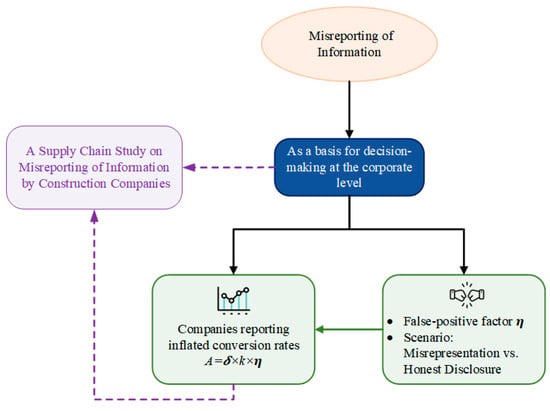
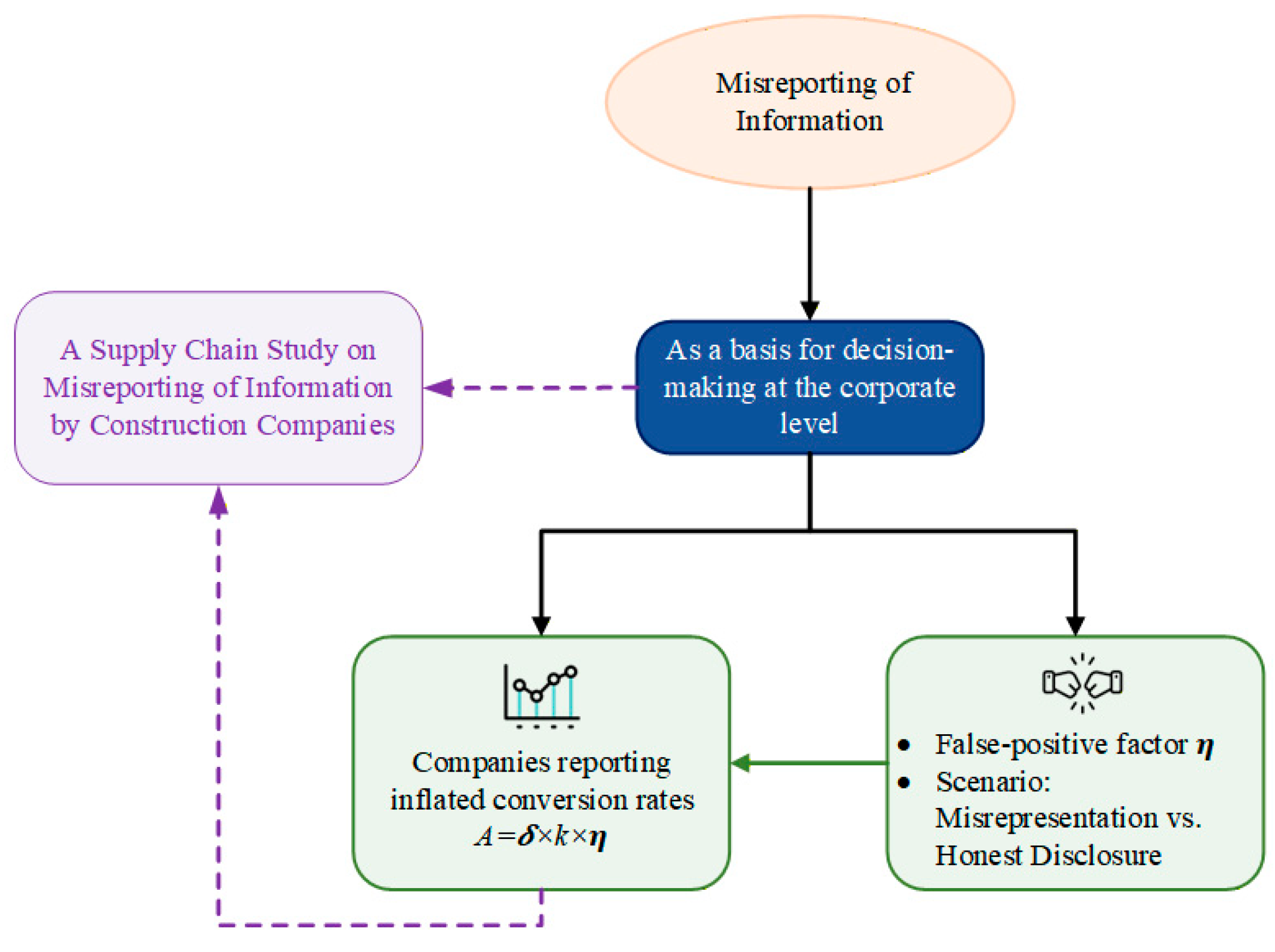
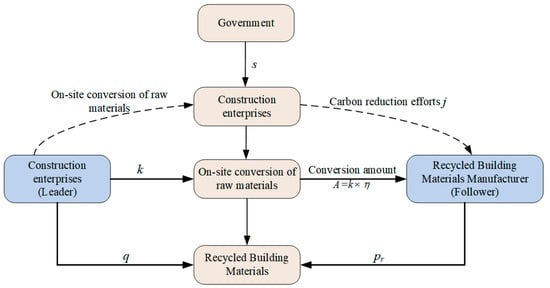
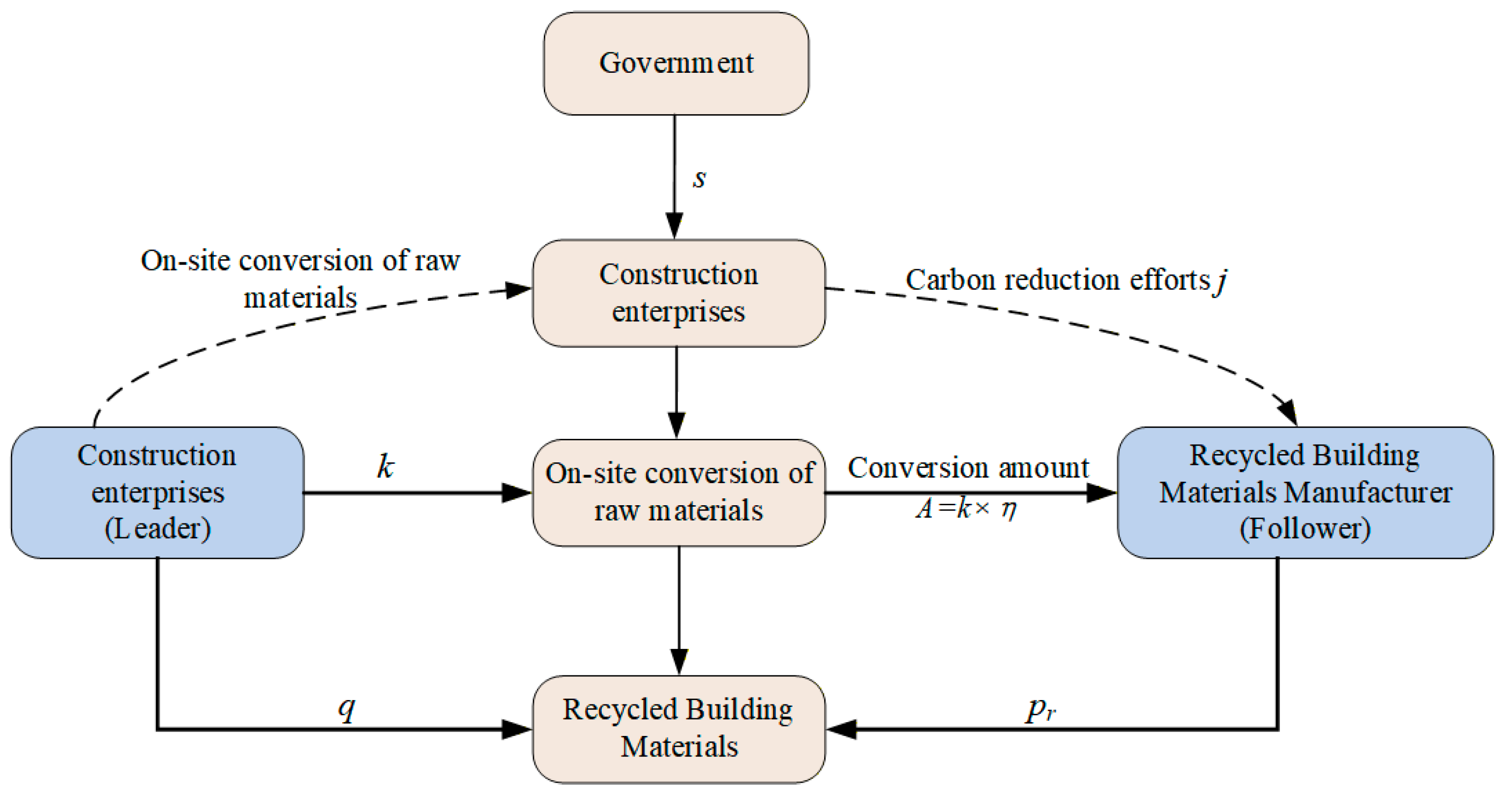
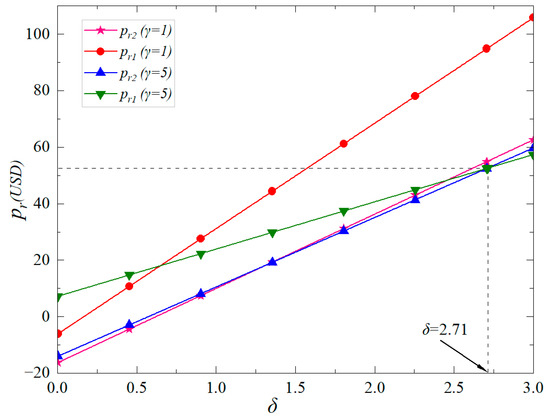
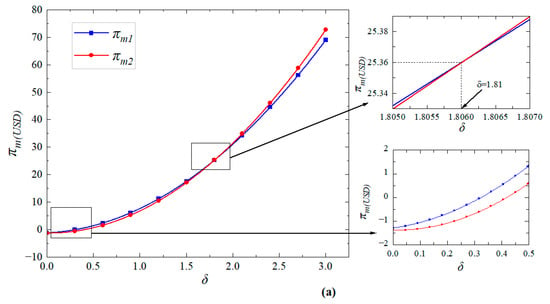
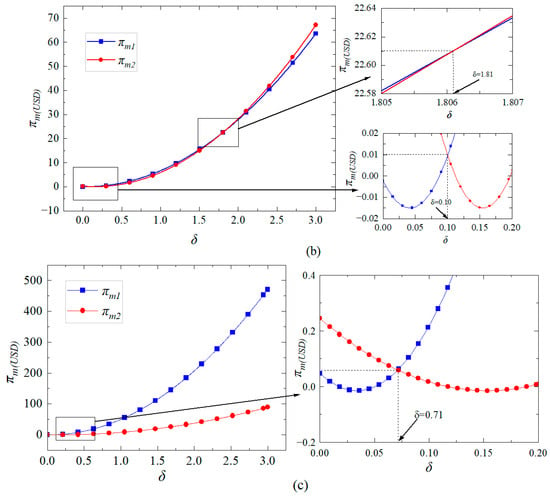
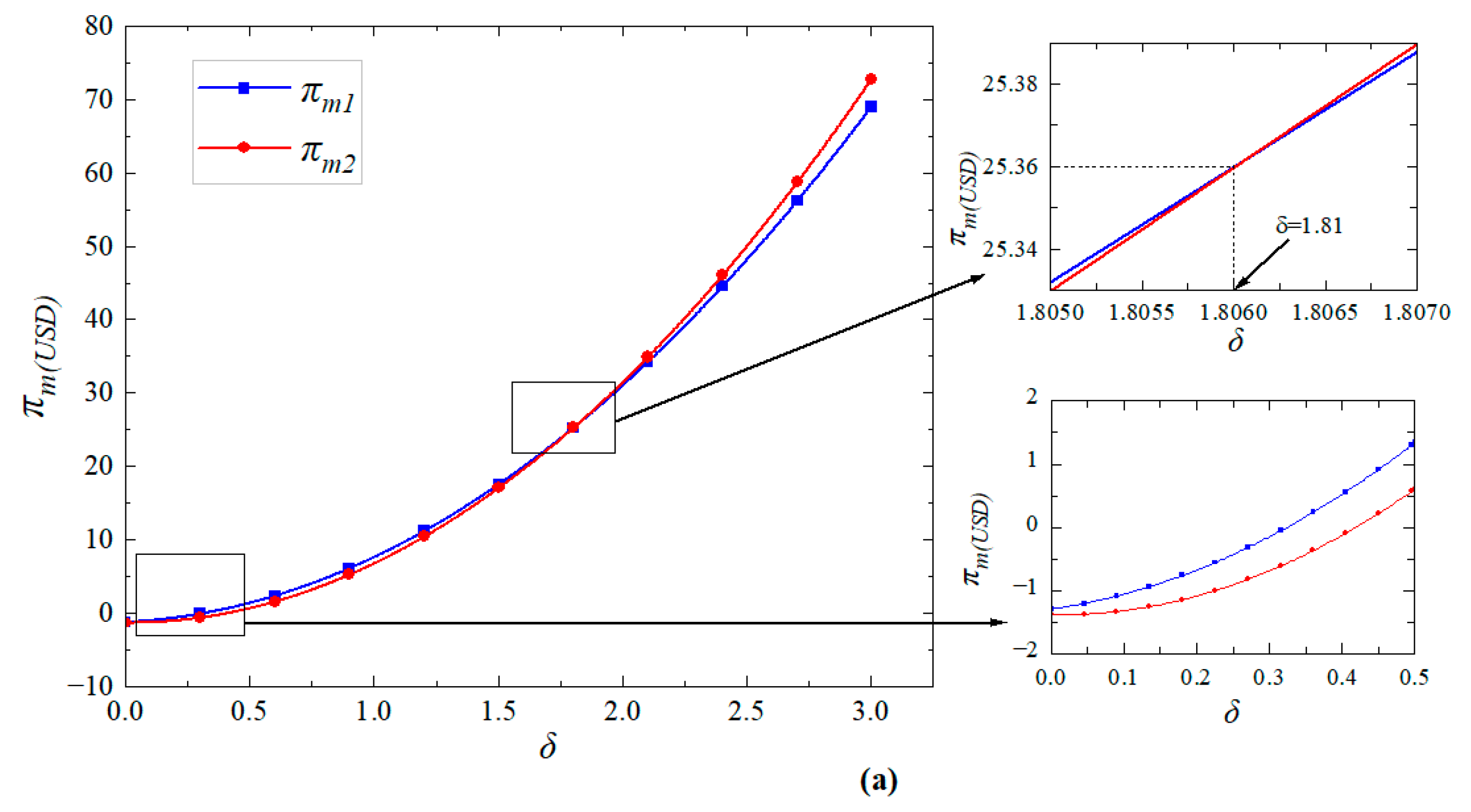
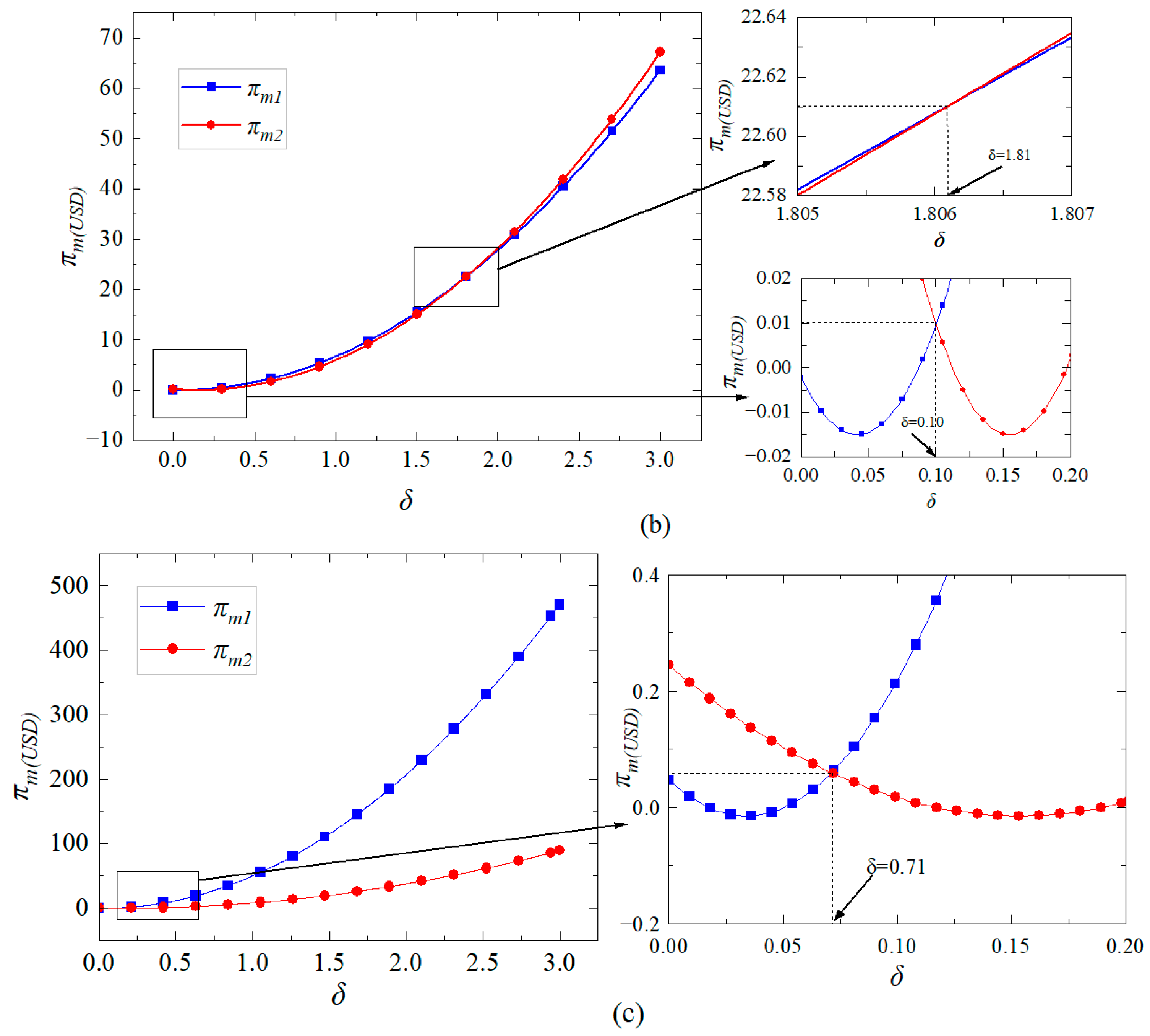
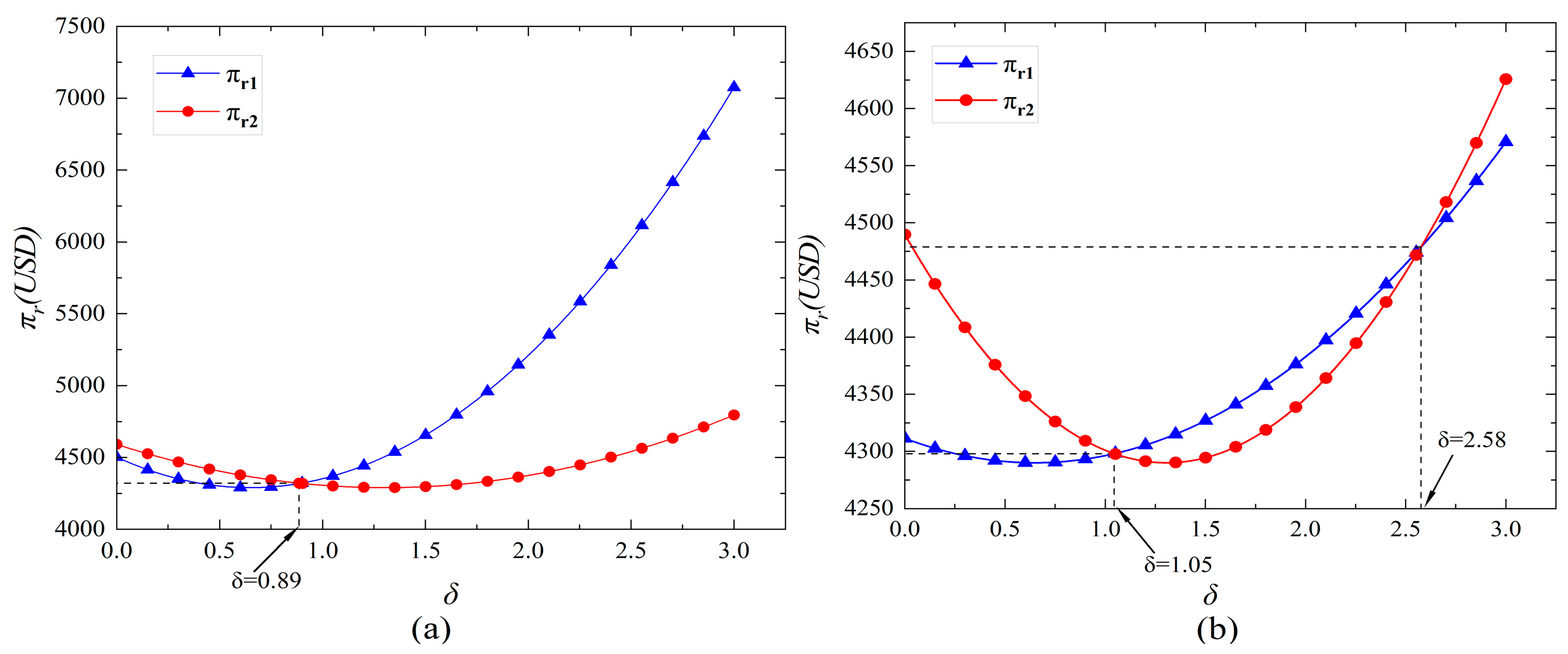
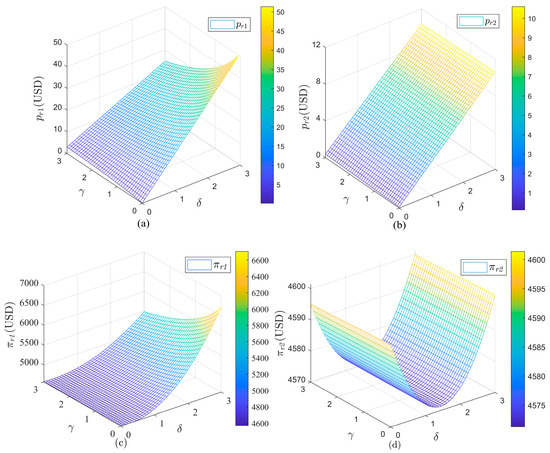
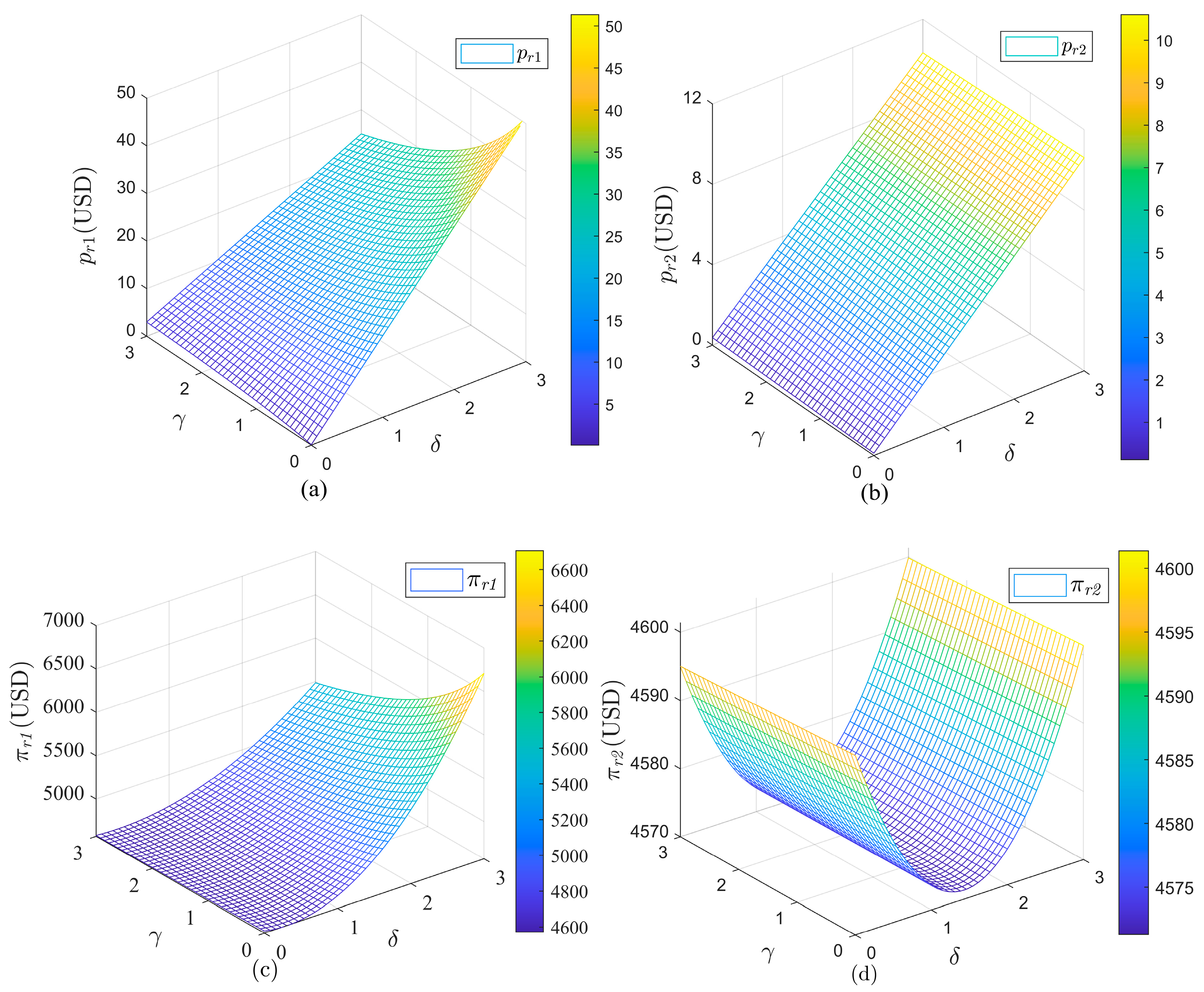
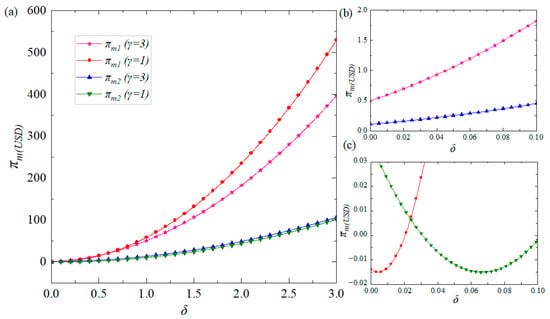
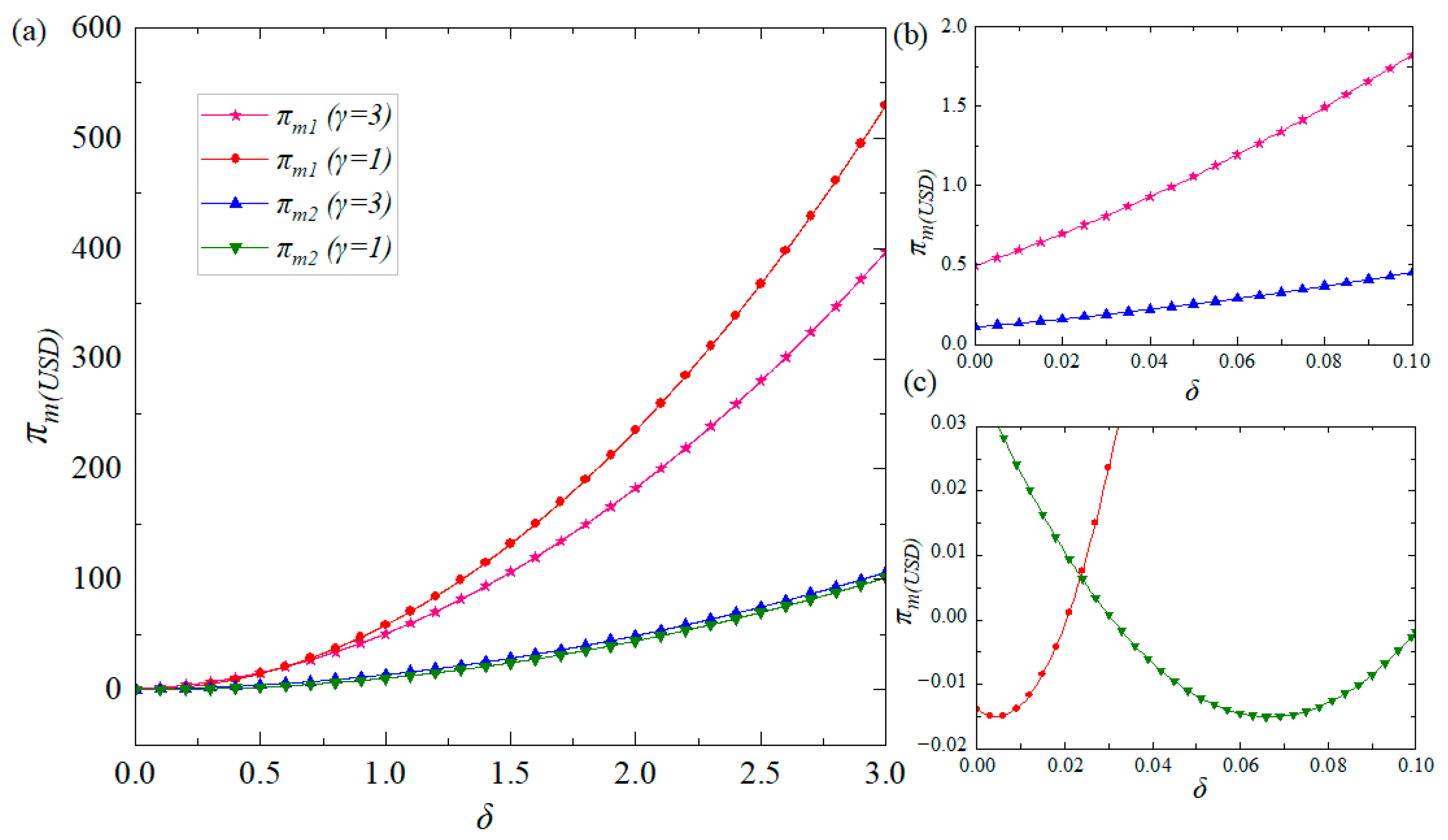
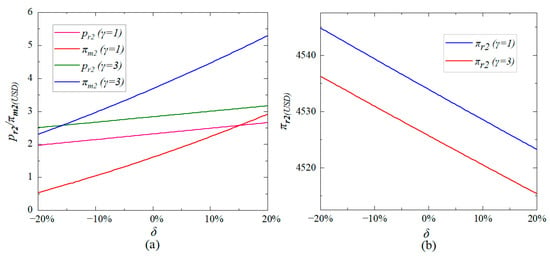
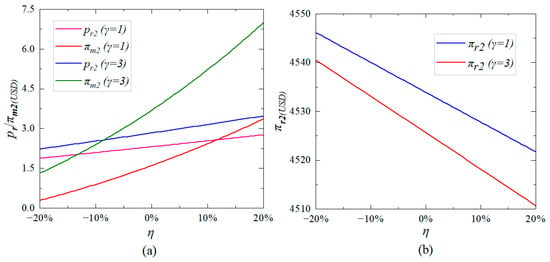
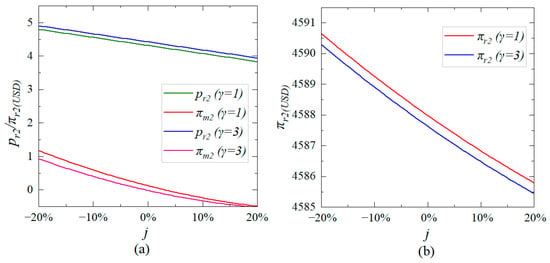
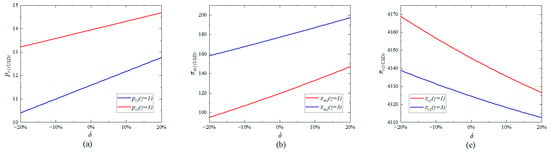
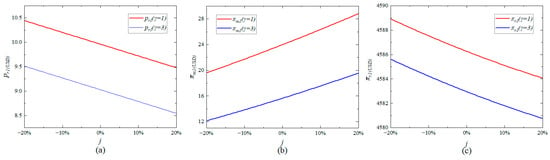
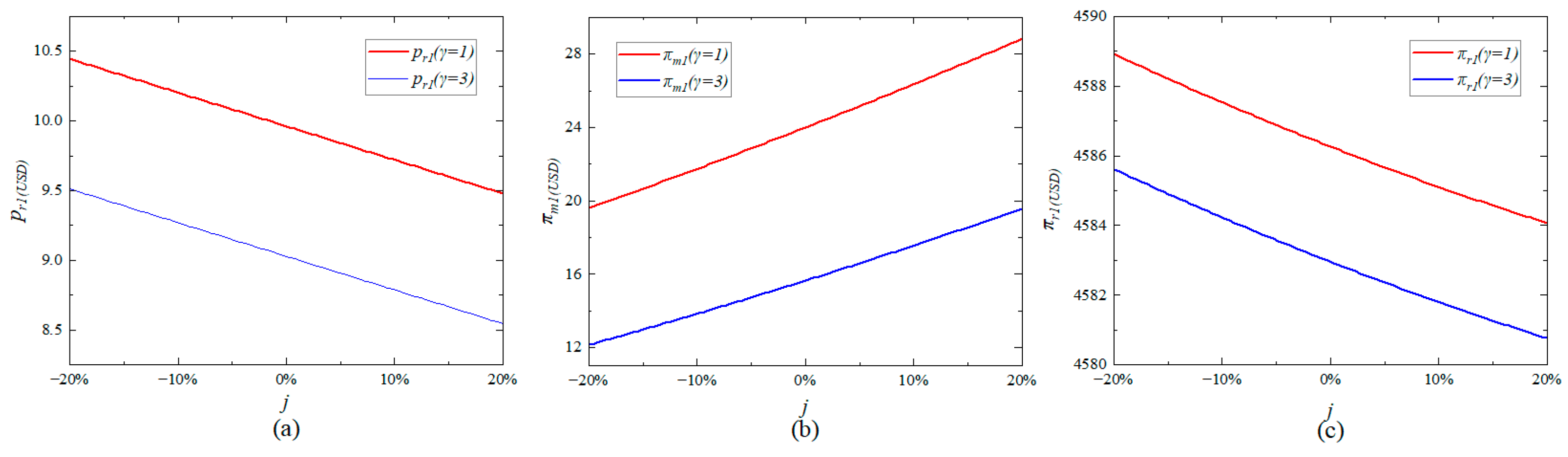

Disclaimer/Publisher’s Note: The statements, opinions and data contained in all publications are solely those of the individual author(s) and contributor(s) and not of MDPI and/or the editor(s). MDPI and/or the editor(s) disclaim responsibility for any injury to people or property resulting from any ideas, methods, instructions or products referred to in the content. |
© 2026 by the authors. Licensee MDPI, Basel, Switzerland. This article is an open access article distributed under the terms and conditions of the Creative Commons Attribution (CC BY) license.