


Abstract
This study investigates the impact of Environmental Policy Stringency (EPS) on GVC functional specialization. We find that EPS promotes high value-added, low-carbon upstream and downstream specialization—supporting the “Porter Hypothesis (PH)”—while simultaneously driving carbon-intensive production to regions with lax regulations, validating the “Pollution Haven Hypothesis (PHH)”. These findings demonstrate that both effects coexist across distinct GVC stages. Heterogeneity analysis reveals that the impacts of EPS vary across policy instruments: market-based instruments primarily promote upstream functional specialization, whereas non-market instruments exert stronger effects on downstream functional specialization. In terms of temporal dynamics, the Paris Agreement intensified the PHH in production activities while catalyzing medium-to-long-term incentives for upstream and downstream specialization. The influence of EPS on GVC structural adjustments has strengthened notably since the Paris Agreement, reflecting a significant temporal lag and long-term efficacy. Mechanistically, low-carbon innovation serves as the primary channel for functional upgrading, an effect significantly amplified by robust national innovation systems (NIS) and entrepreneurship. Meanwhile, NIS and entrepreneurship partly amplify the positive effect of EPS on high-end functional specialization. From a GVC functional perspective, this study offers new evidence reconciling the PH and the PHH.
1. Introduction
Increasing global warming and environmental pollution pose severe challenges to human health and ecosystem sustainability. In the context of worsening global warming and ecological crises, stringent environmental policies are regarded as effective ways to promote green technological innovation and achieve emission reduction targets. However, from the perspective of international trade, unilateral environmental policies impose significant externalities. Since such policies reshape cost structures and trade patterns among nations by restricting energy consumption and production in polluting industries, they have sparked widespread academic concerns over the risks of “carbon leakage” and the potential erosion of international industrial competitiveness [1,2]. Consequently, the difficult balancing act between environmental performance and maintaining international competitiveness has become a primary focus of government environmental governance.
Although early studies provided important insights into examining the trade effects of environmental policies, their conclusions remain highly contested. The debate primarily centers on two opposing theoretical perspectives: the “Pollution Haven Hypothesis (PHH)” and the “Porter Hypothesis (PH)” [3,4]. The PHH suggests that stringent environmental policies may increase environmental burdens on producers and consumers, raising environmental governance costs unrelated to core outputs and value-added, thereby eroding trade benefits [5]. However, these negative impacts are generally viewed as short-term phenomena. The “revisionist” perspective argues that, in the long run, improved environmental performance should be regarded as a key source of enhanced international competitiveness. Porter and Linde (1995) noted that the negative impact of environmental policies on economic performance stems from a static mindset, which views pollution as resource waste and assumes pollution reduction will boost productivity [6]. They hypothesized that more stringent but properly designed environmental policies could incentivize technological innovation, partially or fully offsetting the compliance costs incurred by firms in adhering to environmental regulations through an “innovation compensation” effect known as the PH. Consequently, the trade-promoting effect of stringent environmental policies largely hinges on the strength of the “innovation offset effect” referenced in the PH.
The GVC has reshaped the structure of international trade through production fragmentation, further complicating the debate between the PHH and the PH [7,8]. In addition, it spatially separates consumption from production through fragmented manufacturing, thus decoupling pollution sources from the entities responsible for emissions [9]. This facilitates the transnational transfer and outsourcing of pollution-intensive production processes. Najarzadeh et al. (2021) verified the existence of the PHH from the perspective of GVC participation structures [10]. The study indicates that under the emission reduction obligations of the Kyoto Protocol, the export scale of energy-intensive intermediate goods from committing countries significantly contracted, leading to a decline in their forward participation in GVCs. Conversely, these countries tended to substitute domestic high-pollution production by expanding intermediate goods imports, objectively elevating their backward participation levels in GVCs. Yu and Choi (2024) demonstrate that the “pollution haven effect” of environmental regulations exhibits heterogeneity across countries at different development levels: in developed economies, this effect manifests only in forward participation patterns within GVCs, whereas developing economies show significant effect biases in both forward and backward participation patterns [4]. However, Yuan et al. (2023) based on an environmental policy study of China’s Cleaner Production Standards found that these standards support the strong form of PH by enhancing innovation and R&D capabilities, accelerating the integration of Chinese manufacturing enterprises into GVCs [11]. Li et al. (2022) constructed a bargaining power index to characterize GVC status based on CEPII BACI six-digit import–export product data [12]. They found a U-shaped nonlinear relationship between environmental regulation and GVC position: moderate environmental regulation can enhance GVC position by promoting technological progress, whereas overly stringent environmental regulation may inhibit technological advancement, thereby hindering GVC status improvement.
Although scholars have conducted extensive research on the interaction between environmental policies and the structure of GVCs, there are still certain areas that require further refinement: (1) Existing research predominantly utilizes traditional GVC structural indicators based on product dimensions—such as GVC participation rate, production chain length, and status index [4,10], export complexity [13] and bargaining power [12]—to examine the impact of environmental policies on the depth and status of specialization. However, the functional specialization approach can more precisely delineate the specific value-added activities involved in a product’s market entry process and their capacity to capture value [14,15]. Therefore, there is an urgent need to expand the analysis of environmental policy effects from the product level to the functional level. (2) In the framework for studying the impact of environmental policies on GVC structures, there is a lack of in-depth analysis of the heterogeneous effects of different environmental policy instruments (such as command-and-control versus market-based incentives) on GVC structures. (3) Existing literature often views the impact of environmental policies on GVC structures as the result of the interaction and mutual offsetting of the PHH and the PH. However, research still lacks systematic examination of whether environmental policies merely generate an “innovation-inducing effect” or can also form an “innovation-compensating effect” (the strong form of PH) that drives functional leapfrogging within GVCs.
Furthermore, the inconsistent findings regarding the impact of environmental policies on GVC structures stem largely from previous studies overlooking the heterogeneity of domestic institutional environments across nations. Petroni, Bigliardi, and Galati (2019) emphasized that institutional factors influencing value appropriation are pivotal in determining the trade effects of environmental policies [16]. National innovation systems (NIS) and entrepreneurship, as indicators of a country’s resource coordination efficiency and micro-level subject activity [17], have garnered increasing attention in examining the interplay between environmental policies, productivity, and innovation. First, NIS integrates core elements such as investors, incubators, supportive policies, and technology transfer infrastructure. By providing critical resources, expert guidance, and collaborative platforms, it profoundly shapes the decision-making logic of actors within the system pursuing green innovation [18]. Second, entrepreneurship is not only inextricably linked to knowledge accumulation and technological progress but also serves as a core driver of economic growth [19]. Recent research further confirms that established firms are increasingly engaging in deep collaborations with “born green” startups through acquisitions, investments, or strategic alliances to access cutting-edge environmental technologies. This trend underscores the critical role of entrepreneurship in navigating environmental regulations [20]. However, while existing literature fully recognizes the significance of NIS and entrepreneurship in moderating environmental policy effects, systematic empirical examinations remain scarce regarding how these factors mediate the complex relationship between environmental policies and GVC structures within the GVC research framework.
Against this background, this study addresses the following research questions:
Q1: Does EPS affect functional specialization across different segments of GVCs?
Q2: Do these effects differ across policy instruments, specifically market-based, non-market-based, and technology-support policies?
Q3: Does EPS indirectly influence GVC functional specialization through low-carbon innovation?
Q4: Do the NIS and entrepreneurship moderate the impact of EPS on GVC functional specialization?
This paper makes three primary contributions. First, this paper reframes the analysis of environmental policies’ trade effects by adopting a functional specialization perspective that captures the dynamic distribution of value added. Unlike conventional GVC indicators that focus on participation depth or fragmentation intensity, this approach reveals whether environmental policies induce shifts from low-value-added functions toward high-value-added activities such as R&D and marketing, thereby offering a novel empirical test of competing interpretations of the PHH and the PH. Second, this study jointly examines the direct effects of EPS on GVC functional specialization and the indirect, innovation-mediated channel, thereby systematically testing both the weak and strong forms of the PH. It clarifies how EPS stimulate low-carbon innovation that translates into functional restructuring, offering empirical support for GVC-oriented industrial upgrading. Third, as existing literature overlooks the differentiated impacts of specific policy instruments. this study categorizes EPS into market-based, non-market-based, and technology-support, allowing an examination of whether the impact of policy stringency on GVC functional specialization varies by policy type.
This study is organized as follows: Section 2 reviews the literature and proposes hypotheses; Section 3 elaborates on the empirical design and variable definitions; Section 4 reports empirical results, heterogeneity analysis, robustness checks, and endogeneity tests; Section 5 explores transmission mechanisms and moderating effects; Section 6 presents conclusions and discussions; Section 7 clarifies policy implications and research limitations.
2. Literature Review and Research Hypothesis
2.1. Environmental Policy Stringency and GVC Functional Specialization
Stringent environmental policies, as a strong external constraint, induce firms to adopt proactive environmental management and technological innovation strategies, thereby reshaping their competitive advantages within GVCs and facilitating upgrading toward high-value-added upstream and downstream functions [21]. On the one hand, stringent environmental policies can stimulate low-carbon technological innovation and environmental management upgrading, encouraging firms to shift toward higher value-added, low-carbon upstream and downstream functions—such as R&D, design, and advanced services—thus strengthening their competitive positioning within GVCs [22,23,24,25]. On the other hand, stricter regulations may raise compliance costs for pollution-intensive industries, weakening price competitiveness and prompting the relocation of high-carbon, low-value-added production functions to countries with laxer environmental standards through outsourcing or cross-border production shifts [26].
From a management strategy perspective, EPS affects firms’ functional specialization choices by redefining corporate responsibility boundaries and strategic priorities. Firms facing stricter regulation are compelled to internalize environmental responsibility and signal commitment to sustainability in international markets, which helps mitigate information asymmetry and enhance legitimacy and reputational capital [27]. In response, firms tend to reallocate resources toward green product R&D, low-carbon technologies, and strategic repositioning, promoting specialization in low-carbon, knowledge-intensive upstream functions such as R&D and design. Meanwhile, regulatory pressure and compliance management generate a top-down transmission mechanism within GVCs. Lead firms expand environmental responsibility requirements to suppliers and partners, inducing more sustainable practices along the supply chain [28]. Firms engaged in downstream functions are thus more likely to adopt eco-branding strategies [29], transforming environmental attributes into differentiation advantages through eco-design, cleaner production, and waste management practices [30].
From a technological innovation strategy perspective, stringent environmental policies strengthen rigid market demand for pollution control and clean energy technologies by inducing governments to make credible commitments to low-carbon transition pathways [31]. This demand-side shock raises the expected returns to green R&D and strengthens firms’ incentives for low-carbon innovation, encouraging resource reallocation toward knowledge-intensive activities and reinforcing upstream functional specialization. Moreover, EPS reshapes financial resource allocation by promoting green finance. As green investment becomes increasingly prominent in capital markets [32], governments and financial institutions deepen green financial markets through green bonds and dedicated funds, alleviating firms’ financing constraints and reducing the cost and risk of green innovation. These mechanisms enable firms to enhance environmental performance and product differentiation, thereby strengthening their value capture capabilities in downstream functions such as branding and marketing.
In contrast, EPS places production-oriented suppliers at a structural disadvantage, often trapping them in the “factory manager dilemma” [26]. Production functions are typically characterized by low value added and high carbon intensity, making them particularly sensitive to rising compliance costs. Environmental responsibility pressure from upstream lead firms is transmitted along the supply chain, further compressing profit margins and survival space. Moreover, suppliers specializing in production functions are highly dependent on lead firms’ strategic decisions, rendering their responses to environmental regulation passive and subordinate, with limited scope for functional upgrading through innovation [33]. Under these conditions, multinational enterprises may find it economically advantageous to relocate production activities to jurisdictions with laxer environmental standards rather than bear the costs of strict local compliance.
Based on the above reasoning, the following hypotheses are proposed:
H1a.
EPS promotes GVC upstream functional specialization.
H1b.
EPS hinders GVC production functional specialization.
H1c.
EPS promotes GVC downstream functional specialization.
2.2. The Transmission Mechanism of Low-Carbon Innovation
Low-carbon innovation refers to the adoption of industrial production technologies that emphasize environmental adaptability, sustainability, and resource efficiency [34,35]. It is widely recognized as a key driver of environmental sustainability and long-term ecological resilience. According to the PH, environmental regulation can induce innovation by constraining pollution and waste generation, thereby stimulating the development of cleaner energy technologies [36]. In addition, energy price fluctuations triggered by stringent environmental policies—particularly rising fossil fuel costs—encourage firms to explore cleaner production strategies and green technologies, ultimately reducing reliance on carbon-intensive inputs [37,38].
EPS stimulates low-carbon innovation in production functions mainly through compliance-driven and pressure-induced channels. First, non-market-based instruments, such as emission caps and administrative penalties-impose direct regulatory pressure on production-oriented firms, forcing them to improve production processes, adopt recycling practices, and accelerate the phase-out of inefficient capacity. These adjustments primarily aim at meeting regulatory standards and mitigating cost pressures rather than achieving functional upgrading. Second, within a cascading governance structure along GVC, lead firms increasingly require downstream producers to comply with sustainability standards as part of reputation management and value chain control. To meet these requirements, lead firms may transfer green patents or share cleaner production technologies with suppliers, improving production efficiency but reinforcing their role as compliant manufacturers rather than enabling a shift toward higher-value functional specialization.
Based on this reasoning, the following hypotheses are proposed:
H2a.
EPS promotes GVC upstream functional specialization by promoting low-carbon innovation.
H2b.
EPS inhibits GVC production function specialization by constraining low-carbon innovation.
H2c.
EPS promotes GVC downstream functional specialization by promoting low-carbon innovation.
2.3. The Moderating Role of National Innovation System
The NIS plays a decisive role at the national level in the creation and diffusion of knowledge and technology [39]. As an analytical framework, the NIS captures the linkages within innovation institutions, human resources and knowledge flows, industrial clusters, and firms’ innovation behaviors, thereby forming a multi-actor interactive network that facilitates knowledge circulation as well as the development and diffusion of new technologies [40,41]. Accordingly, this study introduces the NIS as a moderating variable to examine how it conditions the relationship between EPS and GVC functional specialization.
When a country possesses a more well-developed NIS, it can maintain sustained learning and innovation capabilities amid global competition and shifts in value chain allocation [42]. EPS consequently enhances the promotion of functional specialization across upstream and downstream segments of GVCs. Well-developed innovation infrastructure and a supportive innovation culture can offset the lack of intrinsic innovation incentives under stringent environmental policies, fostering knowledge creation and providing institutional conditions conducive to green technology development [43]. Simultaneously, economies with highly developed innovation systems reduce barriers to cross-sector collaboration through networked arrangements, accelerating the diffusion of new knowledge and technologies within and across regions [44]. Therefore, under stringent environmental policy pressures, a high-level NIS not only promotes green R&D through knowledge creation but also facilitates knowledge diffusion, enabling the transformation of new knowledge into technologies or processes and supporting the upgrading of upstream GVC functions such as R&D and design.
In high NIS contexts, factors related to market maturity and commercialization facilitate knowledge collaboration and interaction across countries, thereby promoting heterogeneous knowledge spillovers. A strong innovation system thus provides channels through which countries specializing in production functions can absorb knowledge spillovers from GVC lead firms. Furthermore, an advanced NIS can alleviate firms’ financing constraints for technological R&D, foster the integration of domestic innovation inputs with foreign technologies, and provide financial support for mandatory compliance by production-oriented firms. These mechanisms effectively mitigate the negative impacts associated with environmental and social upgrading requirements faced by firms engaged in production functions.
In high-NIS contexts, final consumers become influential innovation actors, shaping and sometimes even directing R&D and product innovation trajectories [45]. Downstream functions—such as branding, international marketing, and logistics—are closer to final consumers, and through their influence, advanced NIS can steer consumer preferences toward sustainability, thereby expanding demand for sustainable products. Moreover, stricter environmental policies may serve as a distinctive form of firms’ product differentiation strategies [45]. Product differentiation strategies that commercialize products produced in accordance with environmental and social standards constitute an effective means of capturing price premiums [46]. Therefore, the NIS further amplifies the positive effect of EPS on firms’ downstream functional specialization, particularly in product design, international marketing, and brand promotion.
H3a.
NIS positively moderates the relationship between EPS and GVC upstream functional specialization.
H3b.
NIS positively moderates the relationship between EPS and GVC production functional specialization.
H3c.
NIS positively moderates the relationship between EPS and GVC downstream functional specialization.
2.4. The Moderating Role of Entrepreneurship
Entrepreneurship can be understood as a set of attitudes, resources, and institutional infrastructures that enable entrepreneurs to identify, explore, and exploit new opportunities. As such, entrepreneurship has been widely regarded as a key driver of innovation, economic development, and institutional change, particularly in the context of sustainable development [20,47,48].
From a theoretical perspective, entrepreneurship is likely to moderate the relationship between EPS and GVC functional specialization. Existing studies suggest that entrepreneurs pursuing sustainability-oriented opportunities differ systematically from conventional entrepreneurs in their decision-making logics, entrepreneurial motivations, and network configurations [49,50]. As individual change agents, sustainability-oriented entrepreneurs can leverage their roles as role models, mentors, and investors to shape consumer and investor perceptions of green consumption and to emphasize environmental and socio-economic returns, thereby accelerating market acceptance of sustainable products and services [49,50]. Given that downstream GVC functions, such as branding, marketing, and distribution, are closely linked to final markets, higher levels of entrepreneurship are expected to strengthen the positive effect of EPS on downstream functional specialization.
Entrepreneurship also operates as an informal institutional mechanism that facilitates the mobilization of talent and resources. Sustainability-oriented entrepreneurs are more likely to perceive entrepreneurial opportunities arising from unsustainable economic practices [51]. Under conditions of heightened environmental and social pressure, higher levels of entrepreneurship promote more intensive interactions between entrepreneurs and a broad range of environmental and social stakeholders. Such interactions contribute to the formation of a supportive institutional environment for the exploration and commercialization of new products and technologies. Accordingly, entrepreneurship is expected to reinforce the positive effect of EPS on upgrading toward upstream functional specialization, particularly in R&D and design intensive activities.
Finally, for firms specializing in production functions, entrepreneurship may mitigate the compliance costs associated with stringent environmental policies. Higher levels of entrepreneurship enhance entrepreneurs’ bargaining power and strategic capabilities in negotiations with GVC lead firms, enabling them to seek deeper involvement of lead firms in environmental and social upgrading processes [26]. This involvement may include compliance training, technology transfer, and financial assistance, which help to share the costs of upgrading. Therefore, entrepreneurship is expected to alleviate the negative impact of EPS on production functional specialization.
H4a.
Entrepreneurship positively moderates the relationship between EPS and GVC upstream functional specialization.
H4b.
Entrepreneurship positively moderates the relationship between EPS and GVC production functional specialization.
H4c.
Entrepreneurship positively moderates the relationship between EPS and GVC downstream functional specialization.
Building on the theoretical framework outlined above, this study develops the following research model (see Figure 1) to assess the impact of EPS on GVC functional specialization and explore the mechanisms underlying this relationship.
Figure 1.
Research framework model.
3. Model Construction and Variable Selection
3.1. Baseline Model
To test the main effect hypothesis of this study, the following model is proposed:
where subscripts i and t represent sample individuals and years, respectively, and the variable to be explained is the GVC functional specialization of economy i during period t + 1, which is discussed from upstream functional specialization (UFSI), production functional specialization (PFSI) and downstream functional specialization (DFSI), respectively. The explanatory variable is the EPS of economy i during period t + 1, and the sub-indicators include market-based policies (MEPS), non-market-based policies (NMEPS) and technology-support policies (TSEPS); X represents the set of control variables, , represent fixed effects of year and country, respectively, and represents random error terms. This paper introduces the explanatory variables with a one-period lag to account for the delayed effects of EPS on GVC functional specialization and to address potential endogeneity issues arising from reverse causality.
3.2. Variable Selection
3.2.1. Explained Variables: Gvc Functional Specialization
GVC Functional Specialization. This article utilizes the fDi Markets database to obtain foreign direct investment (FDI) flow information. Operated by fDi Intelligence, the investment intelligence arm of the Financial Times, this database has continuously provided detailed data on cross-border greenfield investment projects across countries and industries worldwide since 2003. Notably, fDi Intelligence also provides information on the value-added activities involved in each FDI project, specifically the value chain functions. These functions encompass the entire process from product launch to after-sales service, including headquarters activities, R&D, design and testing, manufacturing and assembly, as well as logistics, brand promotion, and sales services.
Based on this critical information, this study employs the classic three-stage classification of global value chain activities to categorize inflowing FDI projects into three types: upstream functions (such as knowledge-intensive tasks like headquarters services, R&D, design, and training), production functions (such as manufacturing and assembly), and downstream functions (such as logistics, marketing, and after-sales services) [52,53,54]. Subsequently, this paper calculates the proportion of FDI inflows associated with each GVC stage relative to total FDI inflows for country i at time t.
Notably, we use the number of FDI projects rather than investment amounts to construct FDI indicators, as investment values reported by fDi Markets are largely estimated and lack transparent methodology. The frequency of projects is therefore more reliable, and this approach is consistent with a substantial body of empirical studies using fDi Markets data [55,56,57]. Accordingly, we use the number of investment projects in our empirical analysis to enhance reliability and robustness. To address zero values for inward greenfield investments in certain functions and years, we add one to the upstream, production, and downstream functional indices prior to logarithmic transformation, thereby avoiding sample loss and selection bias.
3.2.2. Explanatory Variables: Environmental Policy Stringency
Environmental Policy Stringency (EPS). This paper utilizes the composite index of EPS from the OECD-EPS21 database published by Kruse et al. (2022) [58]. This database updates and expands upon the OECD-EPS16 database developed by Botta and Koźluk (2014) [59]. The index is a composite measure derived from three sub-policy components: Market-Based Policy Stringency (MEPS), Non-Market-Based Policy Stringency (NMEPS), and Technology-Support Policy Stringency (TSEPS). Specifically, the market-based policy sub-index measures the stringency of “market-based” policy instruments, primarily including carbon trading schemes, renewable energy trading mechanisms, carbon taxes, and fiscal instruments such as fuel taxes on diesel engines. Non-market-based policies refer to regulatory measures involving mandatory emission limits and standards, such as emission caps for nitrogen oxides, sulfur oxides, and particulate matter, as well as sulfur content limits for diesel engines. The technology support policy indicator reflects subsidies for clean technology innovation and renewable energy pricing, including public R&D spending on low-carbon energy technologies and renewable energy support for solar and wind power. Furthermore, all these variables are continuous, with values classified on a 0-to-6 Likert scale. Higher values indicate stricter policy implementation.
As illustrated in Figure 2, the EPS index has shown a steady upward trend over the observation period, with a particularly marked increase after 1999. This rise is closely associated with the stricter regulatory environment introduced through the implementation of the Kyoto Protocol and the European Emission Trading System (ETS). From the perspective of policy composition, non-market mechanism policies currently serve as the primary environmental governance instruments across countries (regions), complemented by technology-based policies. Although many countries have made substantial efforts in recent years to develop carbon pricing, carbon trading mechanisms, and carbon tax systems, the adoption of market-based policy instruments remains relatively limited, partly due to their later introduction. Nonetheless, since 2012, market-based policies have exhibited an accelerating development trend, gradually closing the gap with other types of policy instruments.
Figure 2.
Evolution of EPS index and its various policy sub-indexes from 1995 to 2020.
3.2.3. Transmission Mechanism Variable: Low Carbon Innovation
Popp (2010) identifies three stages in the innovation process: invention (the birth of ideas), innovation (transforming inventions into commercially viable products), and diffusion (the widespread adoption of innovations) [60]. This empirical analysis focuses on the second stage—the innovation phase. During this phase, participants monetize their inventions by converting them into patents. As an indicator of low-carbon innovation, this paper employs the annual number of patent applications per million inhabitants in the climate change mitigation sector [60,61]. These data originate from the Technology Development dataset within the OECD Environment Database, constructed by the OECD Directorate for Environment based on data extracted from the OECD STI Microdata Laboratory’s Intellectual Property Database.
3.2.4. Moderating Variables: National Innovation System and Entrepreneurship
National Innovation System (NIS). Data for this variable are primarily drawn from the Global Innovation Index (GII) database. The GII is the product of a collaboration between Cornell University, INSEAD, and the World Intellectual Property Organization (WIPO), and is widely recognized as an authoritative source for measuring both input components and output outcomes of NIS.
Entrepreneurship (TEA). In this paper, Total Early-stage Entrepreneurial Activity (TEA) is used to measure entrepreneurship. Specifically, TEA captures the percentage of the adult population who are either in the process of starting or already running a new business. The data are sourced from the Global Entrepreneurship Monitor (GEM).
3.2.5. Control Variables
With reference to existing literature and data availability, this study incorporates the following control variables:
- Macroeconomic factors: The level of GVC functional specialization in a country is generally closely associated with its economic development and industrial structure. Accordingly, we control for two key economic characteristics: gross domestic product (GDP) measured in 2017 international purchasing power parity (PPP) dollars, and industrial structure, represented by the share of manufacturing value-added in GDP (Manf).
- Technological factors: Technological change plays a critical role in mediating the relationship between economic benefits and environmental outcomes in GVCs. To account for technological progress, we include two variables: firstly, the number of researchers per million people (R&D) is selected as the direct measurement indicator of technical capability; secondly, control the proportion of total fixed capital formation (Gfcf) to GDP. This proportion reflects the speed of capital accumulation in an economy (including tangible and intangible capital) and serves as an indirect indicator of technological innovation, especially process innovation [62].
- International factors: We further controls for the degree of trade openness (Open), which is measured by the ratio of total imports and exports to the gross domestic product.
- Government factors: To capture the role of the state, we include the ratio of government expenditure to GDP, which reflects a government’s commitment to economic development and social welfare enhancement.
All control variables are sourced from the World Bank database. To maintain consistency in country/region coverage and time span, this study employs a balanced panel dataset encompassing 40 countries/regions over the period from 2003 to 2020. This dataset examines the impact of EPS on the specialization of different functions within GVCs and the underlying mechanisms. Table 1 clearly visualizes the variables of the study and their descriptions.
Table 1.
Variable description.
3.3. Descriptive Statistics
Table 2 reports descriptive statistics for the key variables. The average GVC production function value (0.893) is notably lower than those at the upstream and downstream ends of the smile curve. EPS ranges from 0 to 6 with a mean of 2.407, indicating generally low policy stringency across sample countries, while substantial cross-country variation is evident, with values spanning from 0 to 4.889.
Table 2.
Descriptive statistics and correlation coefficient analysis.
Correlation analysis reveals that EPS is significantly positively associated with the GVC upstream and downstream functional specialization, but significantly negatively associated with GVC production functional specialization, providing preliminary support for H1. Examining specific policy types, the regression results for MEPS largely mirror those of overall EPS. NMEPS and TSEPS significantly promote the GVC upstream functional specialization while inhibiting the production functional specialization. Although these two policy types also show a positive effect on GVC downstream functional specialization, the results are not statistically significant and require further empirical verification.
Additionally, most control variables are significantly associated with the functional specialization in different GVC functions, further confirming the appropriateness of the selected controls. Notably, the correlation coefficients among variables are all below 0.6, and the variance inflation factor (VIF) does not exceed 3.2, indicating no severe multicollinearity issues in the variable selection.
4. Empirical Results
4.1. Baseline Regression Analysis
Table 3 employs a two-way fixed effects model that controls for both country and time effects. The corresponding sample sizes are 680 and 563. Although the inclusion of macro-level control variables in the latter specifications leads to a certain reduction in sample size, the estimations remain sufficiently representative.
Table 3.
Baseline regression results.
The effects of EPS on functional specialization exhibit pronounced heterogeneity across different GVC stages. Specifically, EPS has a significantly positive effect on UFSI, with a coefficient of 0.252 that is significant at the 1% level, thus supporting H1a. This finding supports the PH at the GVC upstream functional level indicating that more stringent environmental policies facilitate countries’ upgrading toward upstream, high-value-added activities such as research and development, key intermediate components, and technology-intensive functions.
By contrast, EPS exerts a significantly negative effect on PFSI. The estimated coefficient is −0.190 and significant at the 1% level, thereby confirming H1b. This result suggests that stringent environmental regulations impose significant constraints on processing- and manufacturing-oriented intermediate stages, thereby eroding their comparative advantages. In this sense, the findings provide empirical support for the PHH at the production functional level of GVC.
In addition, EPS is found to have a significantly positive impact on DFSI, with a coefficient of 0.303 that is significant at the 1% level, lending support to H1c. This result suggests that EPS support the PH at the upstream level of GVC by promoting servitization, branding, and market-oriented upgrading, thereby facilitating the embedding of downstream high-value-added functions.
After the inclusion of control variables, the heterogeneous effects of EPS across different types of functional specialization remain evident. Although the statistical significance of DFSI (H1c) slightly weakens, the estimated effect remains robust. Overall, the results indicate that stringent environmental regulations simultaneously promote upstream and downstream functional upgrading in GVCs while constraining production-related specialization. This suggests that environmental policy acts not only as a regulatory constraint but also as a structural driver that reallocates value chain activities toward higher value-added segments.
4.2. Robustness Test
4.2.1. Replace the Explained Variable
GVC functional specialization, serving as the core variable in this study, draws its indicators from the fDi Markets database. This database not only provides commercial activity classifications related to cross-border greenfield investments but also estimates the investment amount involved in each transaction event and the number of jobs created. Therefore, this study employs two alternative measures for the explained variable, and the results are shown in Table 4.
Table 4.
Robustness test: Replace the explained variable.
First, considering that using the number of FDI project events as an indicator may overlook variations in investment scale, potentially affecting the robustness of the results, this study further calculates the levels of functional specialization in GVCs based on capital investment amounts. It then tests the consistency of this measure with the one based on the number of FDI transaction events. After replacing the dependent variable, the coefficient (columns 1–3) signs and significance levels of the impact of EPS on GVC functional specialization remain consistent with the baseline regression results. This finding further supports the notion that stringent environmental policies can promote the continued deepening of functional specialization in both upstream and downstream GVCs, while exerting a suppressive effect on production functional specialization.
Second, we further calculate the GVC functional specialization based on the number of employment opportunities created. Specifically, while retaining the original functional activity classification standards, the measurement basis is shifted from the number of FDI projects to the number of jobs created by FDI projects. By examining the comparative advantage of a specific country or industry in terms of its FDI employment share relative to the global level across various functional segments, the GVC functional specialization level from an employment perspective is measured. After changing the explained variable, the sign and significance level of the coefficient (columns 4–6) for EPS on GVC functional specialization remain consistent with the benchmark regression results.
4.2.2. Replace the Explanatory Variables
Drawing on Carril-Caccia and Milgram Baleix (2024) [63], we adopt the Environmental Regulation Stringency (ERS) index from the World Economic Forum’s (WEF) Executive Opinion Survey as an alternative proxy for EPS. The survey solicits perceptions from CEOs globally regarding regulatory enforcement. The ERS score is derived from responses to the question: “How would you assess the stringency of your country’s environmental regulations?” on a scale from 1 (relatively lax) to 7 (the most stringent). This indicator is extensively utilized in prior studies [64,65].
The regression results using this alternative proxy are as follows (columns 1–3 in Table 5). Consistent with our baseline findings, the coefficients remain significantly positive for GVC upstream and downstream functional specialization, and significantly negative for production functional specialization.
Table 5.
Robustness tests.
4.2.3. Using the Driscoll–Kraay Robust Standard Error Estimation Method
Given the significant transnational linkage and policy diffusion effects of environmental policies, their implementation often exhibits regional clustering and spillover effects on neighboring countries. For instance, institutional arrangements such as the EU Carbon Border Adjustment Mechanism not only influence policy behaviors within member states but also exert strong institutional pressure and imitation incentives on neighboring countries. This leads to enhanced coordination in carbon policy responses and carbon emission behaviors among the sample countries. Such policy diffusion tends to cause systematic correlations in the error terms between sample units, i.e., cross-sectional dependence. Therefore, this study employs the Driscoll–Kraay robust standard error estimation method to address potential cross-sectional correlation issues [66]. The results (columns 4–6 in Table 5) show that the estimated coefficients and significance levels of the core explanatory variables remain consistent with the benchmark regression, confirming the robustness of the econometric model.
4.2.4. Add Control Variables
To mitigate potential estimation errors arising from omitted variables, this study introduces several additional control variables that may be related to environmental policies and affect GVC functional specialization, including urbanization level, financial development, and national-level economic freedom as a proxy for institutional quality. Urbanization data are sourced from the World Bank, financial development data from the International Financial Development Forum, and economic freedom data from the Heritage Foundation.
The regression results (columns 7–9 in Table 5) indicate that the coefficients and significance levels of EPS on GVC different functional specialization remain unchanged after adding these control variables. This finding further confirms the robustness of the model and the reliability of the results.
4.3. Endogeneity Test
Regressing the explained variable one period earlier can partially address endogeneity stemming from reverse causality. To further address potential endogeneity issues in the model, this paper attempts to construct instrumental variables for endogeneity testing.
Drawing on the methodology of Nunn and Qian (2014) [67], Furceri et al. (2023) [68], this study constructs an interaction term between global factors (time-varying) and country-specific factors (constant) as the instrumental variable. The rationale is as follows: First, global variables are used to capture supranational “policy pressure” from environmental degradation, such as the frequency of extreme weather events, floods, and droughts. These indicators are plausibly exogenous to individual countries’ policy choices, satisfying the exogeneity requirement. This approach is consistent with prior studies showing that, while sustainability-oriented reforms often face resistance due to distributional concerns, exogenous shocks such as natural disasters can lower resistance and trigger policy change when adjustment costs become relatively smaller [69]. Second, country-specific factors are used to capture national vulnerability to environmental degradation, which raises the likelihood of adopting stringent climate policies and satisfies the relevance condition. Geographic characteristics are appropriate proxies because they are plausibly exogenous to GVC functional specialization. Accordingly, this study employs coastline length and per capita agricultural land area as country-level indicators and applies a 2SLS framework using interactions between global flood events and coastline length, and between global drought events and per capita agricultural land. Data are drawn from the World Research Institute, the International Disaster Database, and the World Bank.
Based on the above identification strategy, this study constructs exogenous instrumental variables for EPS by interacting time-varying global climate shocks with relatively stable, country-specific measures of climate vulnerability. The specific formulation is as follows:
Prior to analyzing IV estimation coefficients, the validity of the instrumental variables must be confirmed. As reported in Table 6, the weak instrumental variable test yields an F-statistic exceeding the 10% significance threshold of 19.38, indicating no weak correlation issues with the IV. The unidentifiability test shows p-values that significantly reject the null hypothesis of unidentifiability. The over-identifiability test examines the exogeneity of the IV, with p-values failing to reject the hypothesis of exogeneity, providing evidence for the IV’s validity. The regression results (columns 1–2) of the first stage reveal that both the instrumental variable combining coastline length and flood disasters (Floods Coastline) and the instrumental variable combining per capita agricultural land area and drought event frequency (Droughts Perland) yield significantly positive regression coefficients. This indicates that global natural disaster events enhance public environmental awareness, thereby promoting stricter environmental policies. The results (columns 3–5) indicate that, after controlling for potential endogeneity issues, the causal relationship between EPS and the GVC different functional specialization in remains unchanged, verifying the robustness of the regression results.
Table 6.
Endogenous test results.
4.4. Heterogeneity Analysis
4.4.1. Heterogeneity Analysis Based on Environmental Policy Instruments
We further examine the heterogeneity regarding how different environmental policy instruments affect GVC functional specialization (see Table 7).
Table 7.
Heterogeneity test results of environmental policy instruments.
We first examine the heterogeneous effects of environmental policy instruments on GVC upstream specialization (UFSI) (columns 1–3). The estimates for MEPS and TSEPS policies validate the PH for UFSI, suggesting that both foster specialization in this segment. Notably, TSEPS demonstrated the strongest incentive effect, with MEPS ranking second. This finding aligns with the results reported by Zhang et al. (2025) [70]. Conversely, the estimated effect of NMEPS on UFSI is not statistically significant, thereby failing to validate the PH. Zhang et al. (2025) similarly found that NMEPS is significantly less effective than other types of environmental policy instruments in improving energy and environmental efficiency [70]. They attribute this to the fact that NMEPS, functioning as command-and-control instruments, primarily rely on mandatory constraints on pollution emissions. When policy stringency is relatively low, firms tend to respond through end-of-pipe treatment rather than green technological upgrades, and the associated compliance costs can be partially offset by government subsidies [12]. This explanation provides strong literature support for our findings. In the context of GVCs, environmental policy instruments based primarily on compliance constraints struggle to effectively incentivize firms to undertake the long-term capability investments required for transitioning to upstream functions such as headquarters management and R&D design.
Next, we examine the heterogeneous effects of environmental policy instruments on GVC production specialization (PFSI) (columns 4–6). Considering that production functions within GVCs are generally pollution-intensive, low-value-added, and highly spatially mobile, we find that all three types of policy instruments significantly suppress their specialization. This finding offers functional-level empirical support for the PHH. The results suggest a clear mechanism: by raising compliance costs and tightening regulatory constraints, environmental policies weaken the comparative advantage of pollution-intensive production links. As a result, firms are compelled to scale back or adjust the configuration of their production activities.
Finally, Table 7 reports the heterogeneous effects of environmental policy instruments on GVC downstream specialization (DFSI) (columns 7–9). We find that NMEPS and TSEPS significantly promote downstream functions, thereby validating the PH in this segment. Conversely, the impact of MEPS, while negative, is not statistically significant. This can be interpreted through the lens of Sturgeon (2008) [71]: DFSI is inherently market-transaction oriented, making them highly sensitive to price signals and cost structures. Unlike TSEPS, which alleviates financial burdens via fiscal incentives [72], or NMEPS, which focuses on physical emission constraints [61], MEPS tends to directly inflate compliance costs through market pricing mechanisms. Therefore, its ability to foster downstream specialization proves to be very limited.
4.4.2. Heterogeneity Analysis of Time Periods
The economic effects of EPS may evolve over time; however, existing studies often fail to effectively distinguish between their short-term and long-term impacts. To capture the dynamic nature of these effects, this paper divides the sample into two periods—before and after the implementation of the Paris Agreement—to examine the time heterogeneity of environmental policy impacts. The Agreement established long-term goals to guide signatory nations in mitigating and adapting to climate change [53]. It was adopted by 196 Parties at COP21 in Paris on 12 December 2015. Countries complying with the Paris Agreement must submit climate action plans, known as Nationally Determined Contributions (NDCs), to build resilience against climate impacts. Consequently, the implementation of the Agreement necessitates economic and social transformation at the national level to fulfill climate commitments. The regression results in Table 8 show that the impact of EPS on varying functional specializations is significantly strengthened during the phase of sustained policy intensification, exhibiting distinct characteristics of time heterogeneity.
Table 8.
Heterogeneity test results of time periods (2003–2015/2016–2020).
First, EPS consistently fosters UFSI, validating the PH in both periods. Crucially, this positive effect significantly intensifies post-agreement. This suggests that the institutionalization of global climate governance and stabilized policy expectations have progressively reinforced the incentives for upstream functional specialization.
Second, the inhibitory effect on PFSI persists throughout but significantly magnifies in magnitude post-implementation. This heightened sensitivity of pollution-intensive functions to regulatory stringency indicates that tighter constraints have functionally reinforced the PHH accelerating the relocation of manufacturing activities to laxer jurisdictions.
Third, the promotion of downstream specialization becomes significant only in the post-agreement phase. This result suggests that the support for the PH within the downstream functional segments of GVCs exhibits distinct temporal stages; specifically, the positive incentive effect of EPS is primarily manifested following the implementation of the Agreement.
5. Analysis of Mechanisms
5.1. Mechanism Analysis: The Transmission Role of Low-Carbon Innovation (LCI)
We adopt a bootstrap procedure to identify the mechanism through which EPS influences GVC functional specialization. Addressing the shortcomings of standard stepwise regression in assessing indirect effects, we estimate confidence intervals based on 1000 bootstrap resamples. The resulting intervals exclude zero, thereby offering strong evidence that low-carbon innovation acts as a key mediator in the relationship between EPS and GVC functional specialization. To ensure robustness, all regressions include country and time fixed effects alongside a comprehensive set of controls, minimizing concerns regarding omitted variable bias and unobserved heterogeneity.
Table 9 reports the estimates for the mechanism by which EPS influences GVC functional specialization through the channel of low-carbon innovation.
Table 9.
Test results of mediating mechanism of low carbon innovation.
The result (column 4) demonstrates that EPS significantly drives low-carbon innovation among GVC actors (at the 1% level). This validates the “Weak Porter Hypothesis”, confirming that environmental regulations generate positive incentives for innovation.
We observe significantly positive coefficients (columns 5 and 7) for both EPS and low-carbon innovation concerning UFSI and DFSI. By comparing these with the baseline, EPS encourages firms to embed themselves in high-value, low-carbon upstream and downstream functions by stimulating innovation.
Conversely, the effect of EPS on PFSI remains significantly negative (column 6). Although consistent with the baseline (column 2), the magnitude of the coefficient is reduced. This implies that while low-carbon innovation partially buffers (or compensates for) the negative shock of EPS on production functions, it is insufficient to fully offset the overall inhibitory effect.
5.2. Moderating Effects Analysis
We further investigate how heterogeneous national characteristics moderate the relationship between EPS and GVC functional specialization.
Specifically, two exogenous moderators are introduced: the NIS and entrepreneurship. We incorporate these variables into the baseline model by adding their respective interaction terms with EPS.
Specifically, serves as the indicator for the National Innovation System, while proxies for entrepreneurship across countries (regions). To ensure robustness, we center the moderating variables around their means. The regression results regarding their moderating effects are reported in Table 10.
Table 10.
Regression results of moderating effects of NIS and entrepreneurship.
The moderating effect analysis of NIS is as follows (columns 1–3). For UFSI (column 1), the significantly positive interaction term supports H3a. The rationale is that upstream activities like R&D and design are knowledge-intensive and entail high risks and positive externalities. A strong NIS serves to alleviate these risks by offering public knowledge infrastructure and IP protection. Through this “risk-sharing” mechanism, firms are emboldened to tackle strict environmental policies via radical innovation instead of passive compliance, ultimately fostering upstream upgrading. In the case of PFSI (column 2), while the direct impact of EPS is negative, the interaction term is significantly positive. This validates H3b and indicates that a robust NIS acts as a protective buffer. In nations with advanced innovation ecosystems, mature abatement technologies and cleaner production methods are both accessible and affordable. This accessibility reduces compliance costs for manufacturers, thereby averting the “crowding out” effect on production activities often triggered by stringent regulations [73]. As for DFSI (column 3), the interaction term lacks statistical significance, failing to support H3c. This suggests that downstream upgrading—such as branding and logistics—depends more on marketing innovations and soft skills than on the “hard” R&D capabilities typically fostered by the NIS.
The moderating effect analysis of TEA is as follows (columns 4–6). In the case of UFSI (column 4), the positive interaction confirms H4a. While established firms often face “technology lock-in” driven by sunk costs, entrepreneurs act as carriers of “creative destruction”. Under strict environmental policies, a vibrant entrepreneurial ecosystem encourages the entry of agile startups focused on green R&D. Unencumbered by internal rigidities, these entrants are better positioned to drive the radical technical breakthroughs necessary for moving up the value chain.
Conversely, for PFSI (column 5), the interaction is insignificant, leading to the rejection of H4b. This can be attributed to “barriers to entry”. Production in GVCs is inherently capital-intensive and reliant on economies of scale. In contrast, early-stage entrepreneurial ventures are typically “asset-light” and lack the financial depth to alter mass production processes. Thus, entrepreneurship alone cannot effectively offset the substantial compliance costs associated with strict regulations in the manufacturing sector.
Finally, regarding DFSI (column 6), the significant positive interaction supports H4c. Unlike the technological focus of the NIS, this effect is market driven. Downstream activities require direct consumer engagement, where entrepreneurs hold a comparative advantage in “market sensing”. They skillfully convert regulatory constraints into differentiation opportunities, such as green premiums or eco-labels. In this way, strict EPS acts as a catalyst for business model innovation in high-entrepreneurship regions, fostering downstream specialization.
6. Conclusions and Discussion
This study provides new empirical evidence to reconcile the long-standing debate between the PHH and the PH by systematically examining the impact of EPS on GVC functional specialization. The findings reveal a dual dynamic: EPS significantly enhances functional specialization in high-value-added, low-carbon upstream and downstream segments, thereby supporting the PH at the functional level. Concurrently, it validates the PHH within production functions by accelerating the relocation of low-value, carbon-intensive activities to regions with laxer regulations. These results suggest that the PHH and the PH are not mutually exclusive; rather, they coexist as parallel pathways reshaping the functional structure of GVCs. Furthermore, this result suggests that environmental policies may reinforce the ecological unequal exchange between economic gains and embodied carbon emissions within the global division of labor [73,74]. Under stringent environmental regulation, high-income countries use their stronger enforcement capacity and technological advantages to retain high-value-added, low-carbon activities domestically while offshoring pollution-intensive, low-value-added production to lower-income regions, thereby deepening asymmetries between carbon responsibilities and economic gains within global value chains.
The heterogeneity analysis shows that distinct patterns across instruments, and time. At the upstream level, THEPS and MEPS positively support the Porter Hypothesis, while at the downstream level, THEPS and NMEPS exert stronger promoting effects. This instrument-specific heterogeneity suggests that the Porter Hypothesis operates differently across value chain functions, with upstream activities favoring innovation flexibility and downstream activities relying on regulatory certainty, thereby offering guidance for targeted environmental policy design. EPS promotes UFSI both before and after the agreement, with stronger effects post-implementation, while its suppression of low-value-added, carbon-intensive PFSI intensifies thereafter, reinforcing the production-stage pollution haven effect. In contrast, EPS enhances DFSI only after implementation, indicating predominantly medium- to long-term incentives. Consistent with Najarzadeh et al. (2021), these patterns reflect the Paris Agreement’s principle of common but differentiated responsibilities, which creates asymmetric mitigation targets and leaves scope for carbon leakage and production relocation [10].
The mechanism analysis shows that low-carbon innovation is a key channel through which EPS influences GVC functional specialization. EPS stimulates low-carbon innovation and thereby promotes sustained upgrading of high-value-added, low-carbon upstream and downstream functions, supporting both the weak and strong forms of the PH. In contrast, for low value-added, carbon-intensive production stages, the cost-mitigating effects of low-carbon innovation are limited and unable to offset the overall suppressive impact of environmental policies. Furthermore, NIS and entrepreneurship serve as crucial positive moderators, amplifying the capacity of environmental policies to drive functional upgrading, particularly in upstream and downstream segments.
7. Policy Implications and Research Limitations
The findings provide empirical grounds for optimizing environmental governance. First, distinct instrument heterogeneity underscores the need for function-specific policy designs: market-based and technology-support tools are optimal for upstream upgrading, whereas non-market measures are more effective downstream. Second, to mitigate the risks of carbon leakage and ecological unequal exchange associated with unilateral regulation, governance must expand into international frameworks. Adopting consumption-based carbon accounting could serve as a critical tool for fair performance evaluation. Third, low-carbon innovation remains the central pathway for navigating regulatory complexity. Governments should prioritize resources for key green technologies and reduce adoption costs through green procurement and incentives. Finally, the NIS and entrepreneurship serve as essential coordinators, facilitating knowledge diffusion and business model innovation.
However, several limitations warrant further investigation. First, the concentration of the sample in developed economies constrains the generalizability of our findings to developing-country contexts. Second, the FDI-based specialization indicator employed in this study primarily captures technology spillovers from multinational lead firms. Future research should therefore delve deeper into the specific mediating mechanisms of low-carbon innovation across diverse policy instruments and economic contexts. Moreover, environmental policies are typically implemented as policy mixes rather than as isolated instruments, which may attenuate or even offset the heterogeneous effects of individual policies on GVC structures. Consequently, this study does not fully identify the aggregate effects or underlying mechanisms of different policy combinations. Future research could therefore extend the analysis by examining the mediating role of low-carbon innovation across diverse economic contexts and by adopting a policy-mix perspective to assess the combined impact of environmental policy instruments on GVC structural adjustment and upgrading.
Author Contributions
J.L.: writing, review and editing, methodology, formal analysis. Y.F.: writing, review and editing, data curation, visualization. Z.X.: resources, project administration, conceptualization. All authors have read and agreed to the published version of the manuscript.
Funding
This research was funded by the National Natural Science Foundation of China, grant number 72034002.
Data Availability Statement
The article contains some data. If you need complete data, please contact the corresponding author to request it.
Conflicts of Interest
The authors declare no conflicts of interest.
References
- Fell, H.; Maniloff, P. Leakage in Regional Environmental Policy: The Case of the Regional Greenhouse Gas Initiative. J. Environ. Econ. Manag. 2018, 87, 1–23. [Google Scholar] [CrossRef] [Scilit]
- McAusland, C. Carbon Taxes and Footprint Leakage: Spoilsport Effects. J. Public Econ. 2021, 204, 104531. [Google Scholar] [CrossRef] [Scilit]
- Nie, X.; Chen, Z.; Wang, H.; Wu, J.; Wu, X.; Lu, B.; Qiu, L.; Li, Y. Is the “Pollution Haven Hypothesis” Valid for China’s Carbon Trading System? A Re-Examination Based on Inter-Provincial Carbon Emission Transfer. Environ. Sci. Pollut. Res. 2022, 29, 40110–40122. [Google Scholar] [CrossRef] [Scilit]
- Yu, Z.; Choi, Y. Is the Impact of Environmental Regulations on the Global Value Chains Biased towards Technological Effects or Refuge Effects? Energy Strategy Rev. 2024, 53, 101385. [Google Scholar] [CrossRef] [Scilit]
- Marin, G.; Vona, F. The impact of energy prices on socioeconomic and environmental performance: Evidence from French manufacturing establishments, 1997–2015. J. Eur. Econ. Rev. 2021, 135, 103739. [Google Scholar] [CrossRef] [Scilit]
- Porter, M.E.; van der Linde, C. Toward a New Conception of the Environment-Competitiveness Relationship. J. Econ. Perspect. 1995, 9, 97–118. [Google Scholar] [CrossRef] [Scilit]
- Cai, L.; Zhang, Y.; Wang, Z.; Liu, Z. Does the Rise of Global Value Chain Position Increase or Reduce Domestic Income Inequality? Appl. Econ. 2023, 55, 5833–5845. [Google Scholar] [CrossRef] [Scilit]
- Duan, Y.; Ji, T.; Yu, T. Reassessing Pollution Haven Effect in Global Value Chains. J. Clean. Prod. 2021, 284, 124705. [Google Scholar] [CrossRef] [Scilit]
- Kanemoto, K.; Lenzen, M.; Peters, G.P.; Moran, D.D.; Geschke, A. Frameworks for Comparing Emissions Associated with Production, Consumption, and International Trade. Environ. Sci. Technol. 2012, 46, 172–179. [Google Scholar] [CrossRef] [Scilit] [PubMed]
- Najarzadeh, R.; Dargahi, H.; Agheli, L.; Khameneh, K.B. Kyoto Protocol and Global Value Chains: Trade Effects of an International Environmental Policy. Environ. Dev. 2021, 40, 100659. [Google Scholar] [CrossRef] [Scilit]
- Yuan, K.; Cui, J.; Zhang, H.; Gao, X. Do Cleaner Production Standards Upgrade the Global Value Chain Position of Manufacturing Enterprises? Empirical Evidence from China. Energy Econ. 2023, 128, 107185. [Google Scholar] [CrossRef] [Scilit]
- Li, F.; Lin, Z.; Huang, L.; Yang, C. Environmental Regulation and Global Value Chain Division Position: Analysis Based on Global Transnational Data. Energy Policy 2022, 168, 113101. [Google Scholar] [CrossRef] [Scilit]
- Hu, J.; Ma, C.; Li, C. Can Green Innovation Improve Regional Environmental Carrying Capacity? An Empirical Analysis from China. Int. J. Environ. Res. Public Health 2022, 19, 13034. [Google Scholar] [CrossRef] [Scilit]
- Coveri, A.; Paglialunga, E.; Zanfei, A. Global Value Chains and Within-Country Inequality: The Role of Functional Positioning. Struct. Change Econ. Dyn. 2024, 70, 382–397. [Google Scholar] [CrossRef] [Scilit]
- de Vries, G.J.; Gentile, E. Is Participation in Global Value Chains Driving Income Convergence in Developing Asia? A Task-Based Accounting Approach. Emerg. Econ. 2022, 21, 13–18. [Google Scholar]
- Petroni, G.; Bigliardi, B.; Galati, F. Rethinking the Porter Hypothesis: The Underappreciated Importance of Value Appropriation and Pollution Intensity. Rev. Policy Res. 2019, 36, 121–140. [Google Scholar] [CrossRef] [Scilit]
- Stam, E.; Van de Ven, A. Entrepreneurial Ecosystem Elements. Small Bus. Econ. 2021, 56, 809–832. [Google Scholar] [CrossRef] [Scilit]
- Alvedalen, J.; Boschma, R. A Critical Review of Entrepreneurial Ecosystems Research: Towards a Future Research Agenda. Eur. Plan. Stud. 2017, 25, 887–903. [Google Scholar] [CrossRef] [Scilit]
- Bendig, D.; Kleine-Stegemann, L.; Schulz, C.; Eckardt, D. The Effect of Green Startup Investments on Incumbents’ Green Innovation Output. J. Clean. Prod. 2022, 376, 134316. [Google Scholar] [CrossRef] [Scilit]
- Demirel, P.; Li, Q.C.; Rentocchini, F.; Tamvada, J.P. Born to Be Green: New Insights into the Economics and Management of Green Entrepreneurship. Small Bus. Econ. 2019, 52, 759–771. [Google Scholar] [CrossRef] [Scilit]
- De Marchi, V.; Di Maria, E.; Ponte, S. The Greening of Global Value Chains: Insights from the Furniture Industry. Compet. Change 2013, 17, 299–318. [Google Scholar] [CrossRef] [Scilit]
- Prell, C.; Sun, L. Unequal Carbon Exchanges: Understanding Pollution Embodied in Global Trade. Environ. Sociol. 2015, 1, 256–267. [Google Scholar] [CrossRef] [Scilit]
- Xiong, Y.; Wu, S. Real Economic Benefits and Environmental Costs Accounting of China–US Trade. J. Environ. Manag. 2021, 279, 111390. [Google Scholar] [CrossRef] [Scilit]
- Zhang, W.; Liu, Y.; Feng, K.; Hubacek, K.; Wang, J.; Liu, M.; Jiang, L.; Jiang, H.; Liu, N.; Zhang, P. Revealing Environmental Inequality Hidden in China’s Inter-Regional Trade. Environ. Sci. Technol. 2018, 52, 7171–7181. [Google Scholar] [CrossRef] [Scilit]
- Zhang, W.; Wang, F.; Hubacek, K.; Liu, Y.; Wang, J.; Feng, K.; Jiang, L.; Jiang, H.; Zhang, B.; Bi, J. Unequal Exchange of Air Pollution and Economic Benefits Embodied in China’s Exports. Environ. Sci. Technol. 2018, 52, 3888–3898. [Google Scholar] [CrossRef] [Scilit] [PubMed]
- Khan, M.J.; Ponte, S.; Lund-Thomsen, P. The ‘Factory Manager Dilemma’: Purchasing Practices and Environmental Upgrading in Apparel Global Value Chains. Environ. Plan. Econ. Space 2020, 52, 766–789. [Google Scholar] [CrossRef] [Scilit]
- Sun, C.; Chen, L.; Zhang, F. Exploring the Trading Embodied CO2 Effect and Low-Carbon Globalization from the International Division Perspective. Environ. Impact Assess. Rev. 2020, 83, 106414. [Google Scholar] [CrossRef] [Scilit]
- Duque-Grisales, E.; Aguilera-Caracuel, J. Environmental, Social and Governance (ESG) Scores and Financial Performance of Multilatinas: Moderating Effects of Geographic International Diversification and Financial Slack. J. Bus. Ethics 2021, 168, 315–334. [Google Scholar] [CrossRef] [Scilit]
- Barin Cruz, L.; Boehe, D.M. CSR in the Global Marketplace: Towards Sustainable Global Value Chains. Manag. Decis. 2008, 46, 1187–1209. [Google Scholar] [CrossRef] [Scilit]
- Hojnik, J.; Ruzzier, M.; Antončič, B. Drivers of Eco-Innovation: Empirical Evidence from Slovenia. Int. J. Entrep. Innov. Manag. 2017, 21, 422–440. [Google Scholar] [CrossRef] [Scilit]
- Abanyie, S.K.; Ampadu, B.; Frimpong, N.A.; Amuah, E.E.Y. Impact of Improved Water Supply on Livelihood and Health: Emphasis on Doba and Nayagnia, Ghana. Innov. Green Dev. 2023, 2, 100033. [Google Scholar] [CrossRef] [Scilit]
- Jiang, P.-C.; Feng, G.-F.; Yang, H.-C. New Measurement of Sovereign ESG Index. Innov. Green Dev. 2022, 1, 100009. [Google Scholar] [CrossRef] [Scilit]
- DeBerge, T. Responsibility Boundaries and the Governance of Global Value Chains: The Interplay of Efficiency, Ethical, and Institutional Pressures in Global Strategy. Glob. Strategy J. 2024, 14, 196–222. [Google Scholar] [CrossRef] [Scilit]
- Song, C.; Liu, Q.; Gu, S.; Wang, Q. The Impact of China’s Urbanization on Economic Growth and Pollutant Emissions: An Empirical Study Based on Input-Output Analysis. J. Clean. Prod. 2018, 198, 1289–1301. [Google Scholar] [CrossRef] [Scilit]
- Wang, S.; He, Y.; Song, M. Global Value Chains, Technological Progress, and Environmental Pollution: Inequality towards Developing Countries. J. Environ. Manag. 2021, 277, 110999. [Google Scholar] [CrossRef] [Scilit] [PubMed]
- Costantini, V.; Crespi, F.; Palma, A. Characterizing the Policy Mix and Its Impact on Eco-Innovation: A Patent Analysis of Energy-Efficient Technologies. Res. Policy 2017, 46, 799–819. [Google Scholar] [CrossRef] [Scilit]
- Dechezleprêtre, A.; Glachant, M.; Haščič, I.; Johnstone, N.; Ménière, Y. Invention and Transfer of Climate Change–Mitigation Technologies: A Global Analysis. Rev. Environ. Econ. Policy 2011, 5, 109–130. [Google Scholar] [CrossRef] [Scilit]
- Triguero, A.; Moreno-Mondéjar, L.; Davia, M.A. The Influence of Energy Prices on Adoption of Clean Technologies and Recycling: Evidence from European SMEs. Energy Econ. 2014, 46, 246–257. [Google Scholar] [CrossRef] [Scilit]
- Carlsson, B.; Jacobsson, S.; Holmén, M.; Rickne, A. Innovation Systems: Analytical and Methodological Issues. Res. Policy 2002, 31, 233–245. [Google Scholar] [CrossRef] [Scilit]
- Acs, Z.J.; Stam, E.; Audretsch, D.B.; O’Connor, A. The Lineages of the Entrepreneurial Ecosystem Approach. Small Bus. Econ. 2017, 49, 1–10. [Google Scholar] [CrossRef] [Scilit]
- Kashani, E.S.; Roshani, S. Evolution of Innovation System Literature: Intellectual Bases and Emerging Trends. Technol. Forecast. Soc. Change 2019, 146, 68–80. [Google Scholar] [CrossRef] [Scilit]
- Li, X.; Wu, T.; Zhang, H.-J.; Yang, D.-Y. National Innovation Systems and the Achievement of Sustainable Development Goals: Effect of Knowledge-Based Dynamic Capability. J. Innov. Knowl. 2023, 8, 100310. [Google Scholar] [CrossRef] [Scilit]
- Mosurović Ružičić, M.; Miletić, M.; Dobrota, M. Does a National Innovation System Encourage Sustainability? Lessons from the Construction Industry in Serbia. Sustainability 2021, 13, 3591. [Google Scholar] [CrossRef] [Scilit]
- Fagerberg, J. Mobilizing Innovation for Sustainability Transitions: A Comment on Transformative Innovation Policy. Res. Policy 2018, 47, 1568–1576. [Google Scholar] [CrossRef] [Scilit]
- Esteves, M.C.; Dean, D.; Balzarova, M. Assessment of Building Products Attributes—A Comparative Study between Eco-Labelled and Non-Eco-Labelled Products Available in the New Zealand Market. Sustain. Prod. Consum. 2017, 10, 100–109. [Google Scholar] [CrossRef] [Scilit]
- Jaung, W.; Putzel, L.; Naito, D. Can Ecosystem Services Certification Enhance Brand Competitiveness of Certified Products? Sustain. Prod. Consum. 2019, 18, 53–62. [Google Scholar] [CrossRef] [Scilit]
- Dickel, P.; Eckardt, G. Who Wants to Be a Social Entrepreneur? The Role of Gender and Sustainability Orientation. J. Small Bus. Manag. 2021, 59, 196–218. [Google Scholar] [CrossRef] [Scilit]
- Filser, M.; Kraus, S.; Roig-Tierno, N.; Kailer, N.; Fischer, U. Entrepreneurship as Catalyst for Sustainable Development: Opening the Black Box. Sustainability 2019, 11, 4503. [Google Scholar] [CrossRef] [Scilit]
- Dhir, A.; Sadiq, M.; Talwar, S.; Sakashita, M.; Kaur, P. Why Do Retail Consumers Buy Green Apparel? A Knowledge-Attitude-Behaviour-Context Perspective. J. Retail. Consum. Serv. 2021, 59, 102398. [Google Scholar] [CrossRef] [Scilit]
- DiVito, L.; Ingen-Housz, Z. From Individual Sustainability Orientations to Collective Sustainability Innovation and Sustainable Entrepreneurial Ecosystems. Small Bus. Econ. 2021, 56, 1057–1072. [Google Scholar] [CrossRef] [Scilit]
- Kimuli, S.N.L.; Orobia, L.; Sabi, H.M.; Tsuma, C.K. Sustainability Intention: Mediator of Sustainability Behavioral Control and Sustainable Entrepreneurship. World J. Entrep. Manag. Sustain. Dev. 2020, 16, 81–95. [Google Scholar] [CrossRef] [Scilit]
- Baldwin, R.; Lopez-Gonzalez, J. Supply-chain Trade: A Portrait of Global Patterns and Several Testable Hypotheses. World Econ. 2015, 38, 1682–1721. [Google Scholar] [CrossRef] [Scilit]
- Coveri, A.; Zanfei, A. Functional Division of Labour and Value Capture in Global Value Chains: A New Empirical Assessment Based on FDI Data. Rev. Int. Polit. Econ. 2023, 30, 1984–2011. [Google Scholar] [CrossRef] [Scilit]
- Stöllinger, R. Testing the Smile Curve: Functional Specialisation and Value Creation in GVCs. Struct. Change Econ. Dyn. 2021, 56, 93–116. [Google Scholar] [CrossRef] [Scilit]
- Aiyar, S.; Malacrino, D.; Presbitero, A.F. Investing in Friends: The Role of Geopolitical Alignment in FDI Flows. Eur. J. Polit. Econ. 2024, 83, 102508. [Google Scholar] [CrossRef] [Scilit]
- Ascani, A.; Crescenzi, R.; Iammarino, S. What Drives European Multinationals to the European Union Neighbouring Countries? A Mixed-Methods Analysis of Italian Investment Strategies. Environ. Plan. C Gov. Policy 2016, 34, 656–675. [Google Scholar] [CrossRef] [Scilit]
- Castellani, D.; Meliciani, V.; Mirra, L. The Determinants of Inward Foreign Direct Investment in Business Services across European Regions. Reg. Stud. 2016, 50, 671–691. [Google Scholar] [CrossRef] [Scilit]
- Kruse, T.; Dechezleprêtre, A.; Saffar, R.; Robert, L. Measuring Environmental Policy Stringency in OECD Countries: An Update of the OECD Composite EPS Indicator; OECD: Paris, France, 2022. [Google Scholar]
- Botta, E.; Koźluk, T. Measuring Environmental Policy Stringency in OECD Countries: A Composite Index Approach; OECD: Paris, France, 2014. [Google Scholar]
- Popp, D. Innovation and Climate Policy. Annu. Rev. Resour. Econ. 2010, 2, 275–298. [Google Scholar] [CrossRef] [Scilit]
- Johnstone, N.; Haščič, I.; Popp, D. Renewable Energy Policies and Technological Innovation: Evidence Based on Patent Counts. Environ. Resour. Econ. 2010, 45, 133–155. [Google Scholar] [CrossRef] [Scilit]
- Stockhammer, E. Determinants of the Wage Share: A Panel Analysis of Advanced and Developing Economies. Br. J. Ind. Relat. 2017, 55, 3–33. [Google Scholar] [CrossRef] [Scilit]
- Carril-Caccia, F.; Baleix, J.M. Impact of Environmental Regulation on M&as in the Manufacturing Sector. J. Environ. Econ. Manag. 2024, 127, 103038. [Google Scholar] [CrossRef] [Scilit]
- Poelhekke, S.; Van der Ploeg, F. Green Havens and Pollution Havens. World Econ. 2015, 38, 1159–1178. [Google Scholar] [CrossRef] [Scilit]
- Wagner, U.J.; Timmins, C.D. Agglomeration Effects in Foreign Direct Investment and the Pollution Haven Hypothesis. Environ. Resour. Econ. 2009, 43, 231–256. [Google Scholar] [CrossRef] [Scilit]
- Baloch, M.A.; Mahmood, N.; Zhang, J.W. Effect of Natural Resources, Renewable Energy and Economic Development on CO2 Emissions in BRICS Countries. Sci. Total Environ. 2019, 678, 632–638. [Google Scholar] [CrossRef] [Scilit]
- Nunn, N.; Qian, N. US Food Aid and Civil Conflict. Am. Econ. Rev. 2014, 104, 1630–1666. [Google Scholar] [CrossRef] [Scilit]
- Furceri, D.; Ganslmeier, M.; Ostry, J. Are Climate Change Policies Politically Costly? Energy Policy 2023, 178, 113575. [Google Scholar] [CrossRef] [Scilit]
- Latré, E.; Perko, T.; Thijssen, P. Public Opinion Change after the Fukushima Nuclear Accident: The Role of National Context Revisited. Energy Policy 2017, 104, 124–133. [Google Scholar] [CrossRef] [Scilit]
- Zhang, G.; Gao, Y.; Su, B.; Chen, Z.; Zhang, Y. Inconsistent Effects of Heterogeneous Environmental Policy on Corporate Green Innovation: Evidence from China’s Companies and Policy Quantification. Struct. Change Econ. Dyn. 2025, 74, 315–342. [Google Scholar] [CrossRef] [Scilit]
- Sturgeon, T.J. From Commodity Chains to Value Chains: Interdisciplinary Theory Building in an Age of Globalization; Stanford University Press: Red Wood City, CA, USA, 2008. [Google Scholar]
- Satoğlu, E.B.; Salmon, J.R. Environmental Policy Stringency and Foreign Direct Investment: A Study Considering the Impact of Country-Income Level. Energy 2024, 312, 133403. [Google Scholar] [CrossRef] [Scilit]
- Althouse, J.; Cahen-Fourot, L.; Carballa-Smichowski, B.; Durand, C.; Knauss, S. Ecologically Unequal Exchange and Uneven Development Patterns along Global Value Chains. World Dev. 2023, 170, 106308. [Google Scholar] [CrossRef] [Scilit]
- Wang, Y.; Xiong, S.; Ma, X. Carbon Inequality in Global Trade: Evidence from the Mismatch between Embodied Carbon Emissions and Value Added. Ecol. Econ. 2022, 195, 107398. [Google Scholar] [CrossRef] [Scilit]
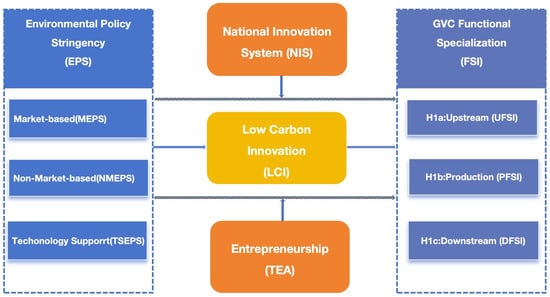
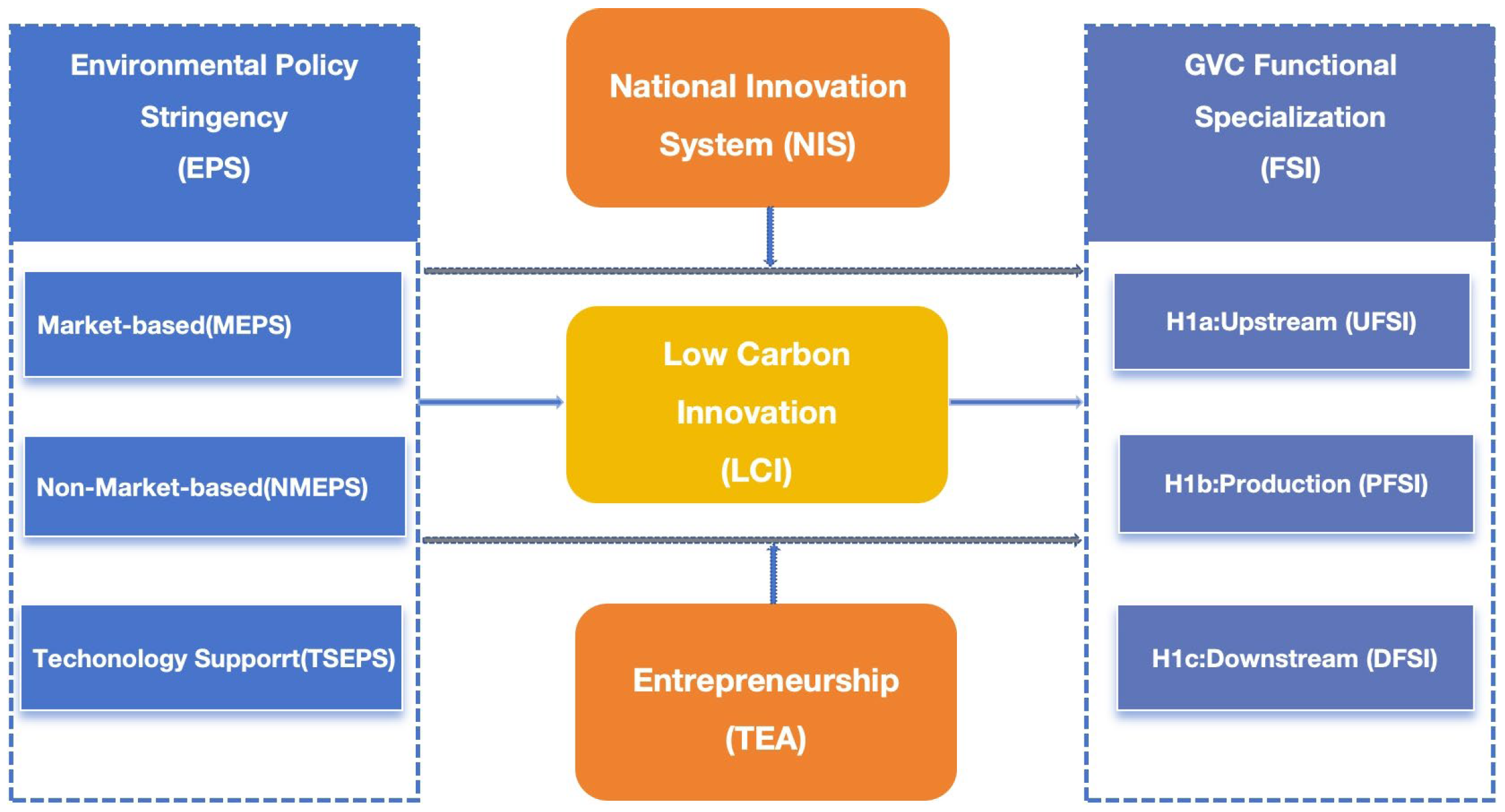
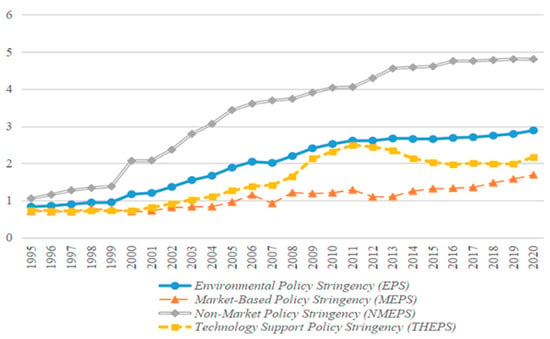
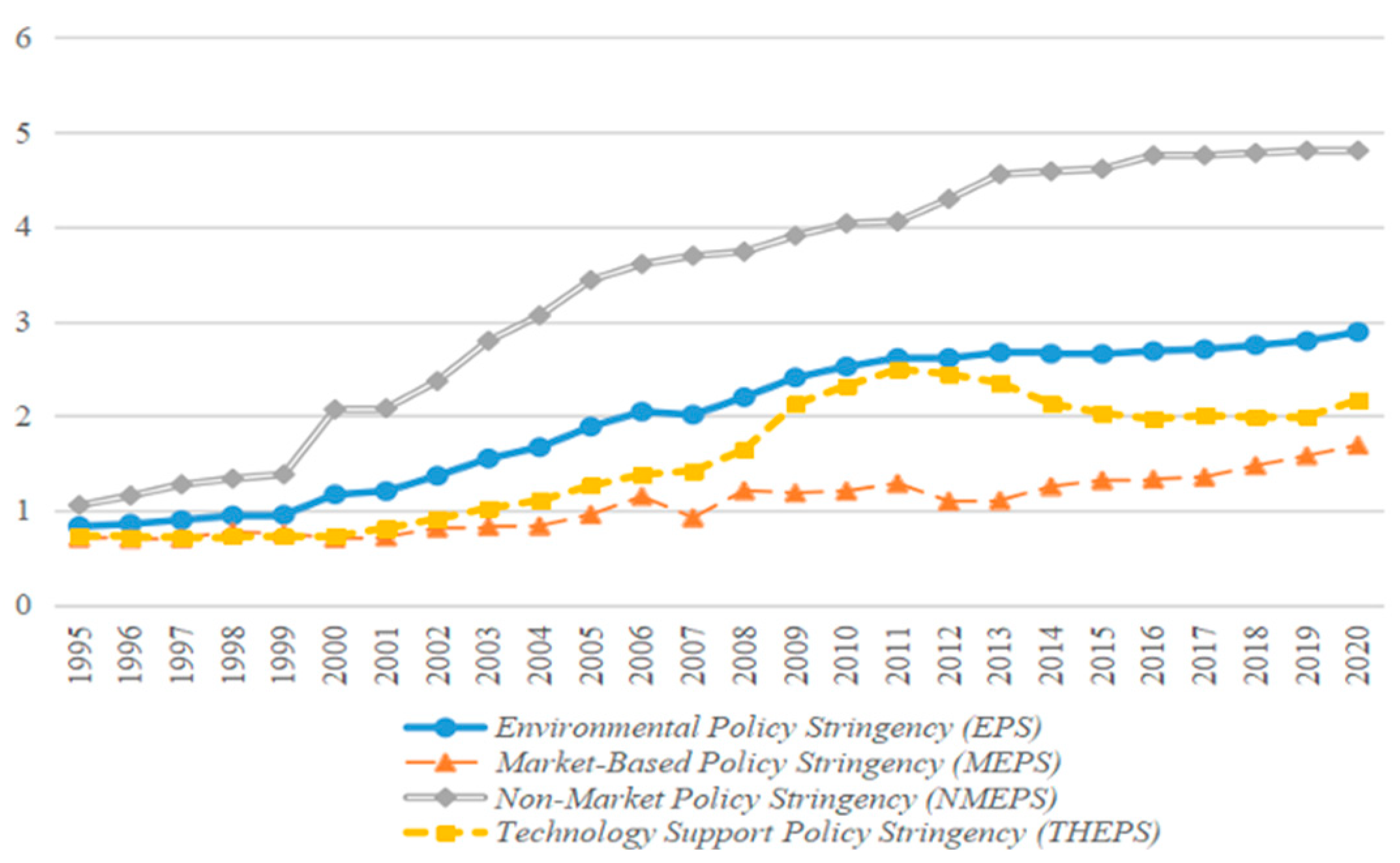

Disclaimer/Publisher’s Note: The statements, opinions and data contained in all publications are solely those of the individual author(s) and contributor(s) and not of MDPI and/or the editor(s). MDPI and/or the editor(s) disclaim responsibility for any injury to people or property resulting from any ideas, methods, instructions or products referred to in the content. |
© 2026 by the authors. Licensee MDPI, Basel, Switzerland. This article is an open access article distributed under the terms and conditions of the Creative Commons Attribution (CC BY) license.