


Highlights
Please indicate how your work links to systems science via your contributions to systems practice, theory, and/or methodology.
- A motivation-aware personalized learning architecture is proposed by integrating ARCS-based motivational criteria into an existing DEMATEL–ANP adaptive learning system.
- The model combines learner characteristics, motivational support needs, learning-object properties, and interdependent decision criteria within a unified network-based decision framework.
What are the main findings and/or the implications of the main findings?
- The proposed ARCS extension enables learning objects to be ranked not only by cognitive and instructional fit, but also by their ability to satisfy individual motivational support needs.
- Illustrative scenarios and sensitivity analysis demonstrated the behaviour and robustness of the proposed architecture under different decision conditions.
Abstract
Personalized learning systems in higher education aim to adapt educational content to individual learner characteristics. Existing approaches typically rely on cognitive factors such as learning styles, cognitive styles, or knowledge levels, while the motivational characteristics of learning materials are rarely incorporated into the personalization process. However, motivation plays a crucial role in sustaining learner engagement and improving learning outcomes. This study proposes a motivation-aware personalized learning system that integrates the motivational potential of learning objects into the recommendation process. The proposed approach extends an existing personalized learning model by introducing motivation as an additional adaptation criterion alongside cognitive style, learning style, and the level of learning objectives based on Bloom’s taxonomy. The motivational characteristics of learning objects are evaluated by teachers using the ARCS (Attention, Relevance, Confidence, Satisfaction) model of motivational design. To assess the degree of matching between learner profiles and learning objects, a multi-criteria decision-making framework integrating DEMATEL (Decision Making Trial and Evaluation Laboratory) and ANP (Analytic Network Process) methods is applied. Differences between learner profiles and learning objects are automatically transformed into DEMATEL influence values using a linear transformation model, enabling the construction of the supermatrix used for prioritizing learning objects. The paper presents the design and architecture of the proposed system, including the integration of motivational criteria into the personalisation mechanism. The computational behaviour of the proposed architecture is examined through illustrative scenarios and targeted sensitivity analysis, demonstrating how motivational criteria can influence learning-object prioritization under different decision conditions. The results demonstrate how incorporating motivational characteristics can alter learning-object prioritization and provide a more comprehensive framework for supporting individualized learning.
1. Introduction
Personalized learning aims to adapt educational content, learning activities, and support to the characteristics and needs of individual learners. Contemporary personalization approaches commonly rely on variables such as prior knowledge, learning preferences, cognitive characteristics, or learning objectives. Although these dimensions can improve the alignment between learners and instructional materials, personalization based primarily on cognitive and instructional characteristics may overlook another important determinant of learning behaviour: motivation. The present study focuses primarily on technology-enhanced personalized learning in higher education, where learners typically interact with digital learning materials with a relatively high degree of autonomy.
Motivation influences whether learners engage with instructional content, persist in learning activities, and perceive learning as meaningful. A learning object may therefore be appropriate in terms of complexity, presentation format, or intended learning objective, yet still be poorly suited to a learner if it fails to attract attention, demonstrate relevance, support confidence, or provide a satisfactory learning experience. Keller’s ARCS model provides a well-established framework for addressing these motivational aspects through four dimensions: Attention, Relevance, Confidence, and Satisfaction [1,2].
The present study approaches motivation as an additional dimension of personalized learning. It builds on a previously developed DEMATEL–ANP model in which learning objects are prioritised according to their compatibility with learner characteristics and learning objectives [3]. The use of the Analytic Network Process is particularly suitable in this context because it enables dependencies and feedback among criteria to be represented rather than assuming that all adaptation dimensions are independent [4]. In the proposed extension, ARCS-based motivational characteristics are incorporated into the existing network so that learning objects can be evaluated not only according to cognitive and instructional compatibility, but also according to their potential to satisfy individual motivational support needs.
Accordingly, this study has two main objectives. The first is to develop an instrument for evaluating the motivational characteristics of learning objects according to the ARCS model. The second is to design a motivation-aware personalized learning architecture for higher-education contexts that integrates these characteristics into a DEMATEL–ANP learning-object recommendation mechanism. In this way, the study contributes both an operational approach for describing the motivational potential of learning materials and a systems-oriented decision model that incorporates motivation into personalized learning-object selection.
2. Literature Review
2.1. Personalized and Adaptive Learning Systems
Personalized and adaptive learning systems aim to move beyond uniform instructional delivery by adjusting learning content, sequencing, feedback, or learning pathways to individual learner characteristics. Developments in artificial intelligence, learning analytics, and educational data mining have expanded the possibilities for such adaptation by enabling learner models to be updated dynamically and used as a basis for automated recommendations and instructional decisions. Systematic reviews indicate that adaptive learning has become an important application area within artificial intelligence in education, particularly in intelligent tutoring, personalized content delivery, learner profiling, and prediction [5,6].
A central component of such systems is the learner model, which represents the characteristics used to determine how instruction should be adapted. These characteristics may include prior knowledge, ability, learning behaviour, preferences, cognitive characteristics, affective states, personality, and motivation. However, knowledge level and learning style remain among the most frequently used variables, while affective and motivational characteristics are incorporated less systematically. In their review of 57 adaptive e-learning studies, Wang, Maeda, and Chang [6] showed that learning styles and knowledge levels continue to dominate learner modelling and argued for the use of multiple theoretically justified learner characteristics rather than a narrowly defined learner profile.
Empirical evidence also suggests that personalization should be viewed as a multidimensional process. Personalized adaptive learning in higher education has been associated with improved academic performance and, although less consistently, with increased engagement [7]. Motivation, metacognition, digital literacy, and academic performance have also been shown to interact within personalized learning environments [8]. These findings suggest that the suitability of instructional resources cannot be determined solely from cognitive characteristics, but may depend on the interaction of cognitive, behavioural, and motivational factors.
From a systems perspective, this multidimensionality creates an important methodological challenge because adaptation criteria may be interdependent rather than independent. A learning resource that is highly suitable with respect to one learner characteristic may be less suitable with respect to another. Recommendation mechanisms therefore require approaches capable of representing multiple learner characteristics, dependencies among criteria, and the relative suitability of alternative learning objects. Multi-criteria decision-making methods are particularly relevant in this context because they provide a formal mechanism for combining heterogeneous and potentially interdependent criteria when selecting or prioritizing learning resources.
2.2. Motivation and the ARCS Model in Technology-Enhanced Learning
Within technology-enhanced and personalized learning environments, motivation is particularly relevant because learners often interact with digital learning materials with a relatively high degree of autonomy. Consequently, cognitive or instructional suitability alone may not be sufficient if a learning object fails to engage the learner, demonstrate relevance, support confidence, or provide a satisfactory learning experience.
One of the most established frameworks for addressing motivation in instructional design is Keller’s ARCS model, which organizes motivational support into four dimensions: Attention, Relevance, Confidence, and Satisfaction [1,9]. Attention refers to capturing and sustaining learner interest; Relevance concerns connecting learning content to learners’ goals, needs, or prior experiences; Confidence relates to expectations of success and perceived control over learning; and Satisfaction concerns reinforcement, accomplishment, and the positive consequences of learning.
ARCS has been applied across online, multimedia, game-based, and computer-supported learning environments. Reviews indicate that the model has been used both as an instructional-design framework and as a theoretical and measurement framework, while its effects vary depending on educational context and implementation [2,10]. This flexibility is particularly relevant to personalized learning because ARCS can be used not only to design motivational strategies but also to operationalize motivational characteristics of learners and instructional materials.
Measurement instruments derived from ARCS further support this role. The Instructional Materials Motivation Survey (IMMS) and its reduced version, RIMMS, measure learners’ motivational responses across the four ARCS dimensions. Such instruments provide a basis for representing motivational state within a learner model. At the same time, instructional materials can be characterized according to the motivational support they provide in the same four dimensions. This creates the possibility of representing two complementary motivational profiles: one describing the learner’s motivational support needs and another describing the motivational potential of a learning object.
For personalized recommendation, this distinction is important. The learner side indicates the type and level of motivational support that may be required, whereas the learning-object side represents the extent to which a particular resource can provide that support. A recommendation mechanism can therefore move beyond treating motivation only as an outcome of instruction and instead incorporate motivational compatibility directly into the selection of learning objects.
2.3. Research Gap
The literature reveals two research streams that have largely developed in parallel. Adaptive and personalized learning research has produced increasingly sophisticated learner models and recommendation mechanisms, while motivational instructional-design research has established theoretically grounded approaches such as ARCS and validated instruments for assessing motivational responses. However, these streams remain only partially integrated.
The first gap concerns the limited use of motivational characteristics as explicit variables in automated learning-object recommendation. Existing adaptive systems continue to rely predominantly on knowledge, learning styles, behavioural information, and other cognitive variables, while motivational characteristics remain comparatively underrepresented in adaptation logic [6]. At the same time, ARCS research has primarily focused on the design and evaluation of motivational interventions rather than on the use of motivational characteristics within automated recommendation procedures [2,10].
A second gap concerns the learning-object side of personalization. Existing learner-modelling approaches may include motivation as a characteristic of the learner, but considerably less attention has been given to systematically representing the motivational potential of alternative instructional materials and matching that potential with individual learner needs. Effective personalization requires not only a representation of the learner but also a structured representation of the alternatives from which the system selects.
A third gap concerns the relationships among adaptation criteria. Motivational dimensions are not necessarily independent of one another or of cognitive and instructional characteristics. Relevance may influence confidence, confidence may contribute to satisfaction, and the motivational suitability of a learning object may interact with its presentation characteristics, cognitive demands, or intended learning objective. Consequently, a simple additive recommendation approach may not adequately represent the dependencies involved in learner–content matching.
The present study addresses these gaps in two connected stages. First, it operationalizes the motivational potential of learning objects through an ARCS-based evaluation instrument developed using expert input. Second, it integrates the resulting motivational representation with learner motivational support needs and existing cognitive and instructional criteria within an extended DEMATEL–ANP decision architecture. In this way, the study connects motivational measurement with personalized recommendation and enables motivation to become an explicit component of learning-object selection rather than only an outcome assessed after instructional delivery.
3. Methodology
3.1. Research Questions
The study was guided by two research questions corresponding to its two main methodological components. The first concerns the operationalisation of motivation at the level of learning objects. Although the ARCS model provides a well-established theoretical framework for motivational design, its use in personalized learning requires a structured way to assess the extent to which individual learning objects provide support related to Attention, Relevance, Confidence, and Satisfaction. Accordingly, the first research question is: RQ1: How can the motivational potential of learning objects be operationalised and evaluated using the ARCS model?
This question is addressed through the development of an expert-based evaluation instrument using the Delphi method. The aim is to identify and refine a set of observable motivational attributes that can be used to describe learning objects according to the four ARCS dimensions.
The second research question concerns the integration of motivation into the existing personalized learning decision architecture. The previous DEMATEL–ANP model already supports the ranking of learning objects according to learning style, cognitive style, and the required learning-objective level. The present study investigates how this architecture can be extended so that motivational support needs of learners and the motivational potential of learning objects become part of the same recommendation mechanism. Therefore, the second research question is: RQ2: How can ARCS-based motivational characteristics be integrated into a DEMATEL–ANP personalized learning system for ranking and recommending learning objects?
This question is addressed by extending the existing network structure with an ARCS cluster, defining learner and learning-object motivational profiles, developing compatibility functions for transforming learner–object fit into DEMATEL values, and incorporating node-specific ARCS cluster weights into the ANP supermatrix procedure.
Together, the two research questions connect the measurement and system-design components of the study. RQ1 provides the motivational information required to characterize learning objects, while RQ2 specifies how this information can be integrated with existing learner-profile criteria in a unified motivation-aware personalized learning architecture.
3.2. Development of an Instrument for the Evaluation of Learning Objects with Respect to Motivation
A measurement instrument is a process, technique, or procedure used to measure a specific characteristic of the object of measurement, and it can be a variable, a test, or some other measurement procedure. Validity and reliability are the fundamental measurement characteristics of an instrument that receive the most attention in social science research [11].
The validity of an instrument tells us whether, and to what extent, it measures what we want it to measure. Validity is most often observed from a content perspective; it tells us to what extent the instrument “covers” the subject of measurement and whether the representation of individual contents is appropriate. The assessment of the level of content validity is carried out through qualitative analysis; in this case, the Delphi method was applied.
The Delphi method is a qualitative research approach that involves structured group communication among experts in a specific field. It is conducted in two or more rounds, with data collected in each round submitted to participants for review and assessment, aiming to reach agreement in decision-making or evaluation [12]. Data processing techniques involve the use of descriptive statistical measures. This research approach consists of three phases: the preparatory phase, the research implementation phase, and the final phase. In the preparatory phase, the subject and purpose of the research are determined based on a review of relevant literature, research questions are defined, and team members are selected. The selection of team members is crucial, as their knowledge and experience serve as the primary source of information. The essence of the Delphi method is the systematic use of individual expert opinions to gain comprehensive insight into the research topic.
Sample size is not strictly required in the Delphi method, but there is some disagreement about the optimal number of team members. The number of participants depends on the research objective; for heterogeneous groups, more than 12 participants are desirable [13]. If the goal is to collect diverse opinions rather than reach consensus, the number can be higher. Participant selection can be done systematically or through chain sampling (the snowball technique). Systematic selection is easier to implement and is based on the judgment of the research leader or team members regarding which experts to invite. However, this approach can compromise impartiality, as the lead researcher may select only easily accessible experts or those whose expertise they recognize. The snowball sampling technique involves inviting all relevant experts identified through theoretical analysis and related to the research topic, allowing for expansion of the participant pool. This approach is more time-consuming, often has an uncertain outcome, and is therefore more expensive than systematic selection. Both approaches require prior consent from potential participants.
The Delphi study involved 20 experts, which is consistent with the use of relatively small, purposively selected expert panels in Delphi research. The purpose of the panel was not statistical representativeness but structured elicitation and convergence of expert judgments. Accordingly, the main limitation is not the absolute number of participants, but the restricted generalizability of the resulting judgments beyond the specific expert panel and educational context represented in the study. The descriptive statistics are therefore interpreted as indicators of the distribution and convergence of expert assessments rather than as population-level inferential estimates.
In the preparatory phase, it is necessary to define the method for monitoring the research process, the data collection procedure, and the statistical data analysis methods. After initial contact and obtaining consent from potential participants, a brief research plan with objectives and a timeline should be provided. The first questionnaire should include both research-related and demographic questions. It is possible to combine open and closed questions, as well as questions with predefined answers. Questions with predefined answers facilitate data processing but can be somewhat limiting. Therefore, it is advisable to allow space for comments and suggestions alongside predefined answers, which supports the main purpose of the Delphi method—gathering opinions—while enabling faster data processing. When using rating scales, a 5- or 7-point Likert scale is preferable.
The initial set of motivational attributes was developed before the Delphi rounds by operationalising the four theoretical dimensions of the ARCS model into observable characteristics of learning objects. The purpose of the subsequent Delphi procedure was not to redefine the four ARCS dimensions themselves, but to assess the relevance and importance of these candidate learning-object attributes, refine the initial set, and identify the attributes considered most appropriate for evaluating the motivational potential of learning objects in the intended higher-education context. Thus, the ARCS dimensions were theory-defined, whereas the observable learning-object attributes used to operationalise each dimension were refined and retained through the Delphi procedure.
The research implementation phase involves distributing the first-round instrument with a clear deadline for responses. After the deadline, data processing begins. The research team analyzes the data and incorporates participant feedback to design the second-round instrument, which is then distributed. Sufficient time should be allowed for each round, but not so much that participants lose interest. After the second round, data processing and analysis continue to prepare the instrument for the next round. In the final phase, the revised third-round instrument is distributed, the collected data is processed and analyzed to reach a final consensus on the research topic, and a report is prepared.
Processing collected data primarily involves quantifying it by frequency or significance. Data collected using this method are processed with descriptive statistical measures to achieve a certain level of agreement. There are different opinions about the optimal procedures and the agreement values achieved. De Loe [14] distinguishes the following levels of agreement: high agreement (70% or more of participants agree on a particular variable); medium agreement (60–69% agree on one variable); low agreement (50–59% agree on one variable); and no agreement (less than 50% agree on one variable). By using statistical programs to process collected data, it has become common to determine reliability by calculating the Cronbach’s alpha coefficient. If the sample size allows, it is possible to implement inferential statistical measures, but this would not correspond to the nature of the Delphi method [15].
The advantage of the Delphi method is that results are achieved through an organized, shared consensus of assessments and opinions. Different opinions and suggestions contribute to the research and allow the research leader to focus on the core of the research problem from various perspectives. The anonymity of research participants ensures there is no influence of groupthink. Participants take part in the research at their chosen time, with only specific dates defined so the research does not take unnecessarily long. A disadvantage of this method may arise from the lack of standards for identifying research participants, particularly in defining criteria for determining expertise, as well as the inability to apply inferential statistical measures due to sample size [16].
As a result, there is a possibility that participants who know each other and exchange opinions related to the research and their answers may affect the objectivity of the collected data. However, objectivity can be ensured by quantitative data processing, analysis of individual descriptive statistics measures, and comparison with other relevant research. The Delphi method is based on the knowledge and experience of a group of scientists and experts who have a professional interest in the research subject, and the anonymity of group discussion ensures that problems of group influence and resistance to authority are overcome. Experts expressed their opinions on a Likert scale from 1 to 5, where 1 represents complete disagreement, and 5 represents complete agreement. All questions in the instrument included space for additional comments and suggestions. In addition to groups of questions related to the content of the instrument, the online survey questionnaire also contained demographic questions for experts who had previously expressed their consent to participate in the research. The expert panel was selected primarily from higher-education institutions because the proposed instrument and personalization architecture were initially designed for use in higher-education and technology-enhanced learning environments. The composition of the panel therefore reflects the intended application context of the present study rather than an attempt to represent all educational levels. The same experts participated in both Delphi rounds. After the first round, participants received controlled feedback consisting of summarized results for each evaluated attribute, including measures of central tendency and dispersion. These results were used as a reference when reassessing the retained attributes in the second round. The predefined mean-rating threshold was used as an operational criterion for retaining attributes for further evaluation, while the median, mode, and standard deviation were used to describe the degree of convergence in expert assessments.
The measurement characteristic reliability needs to be determined in order to show whether the instrument used is appropriate in such a way that its use in repeated measurements yields the same measurement indicators [17]. To assess the reliability of the instrument, we can also rely on statistical indicators by calculating the reliability coefficient, most often the Cronbach alpha coefficient if the Likert scale is used in the instrument [18,19]. In the present Delphi study, Cronbach’s alpha was calculated here only to examine the internal consistency of the experts’ second-round importance ratings. This coefficient is not used as evidence of inter-rater reliability or measurement reliability of the finalized learning-object evaluation instrument.
This research represents a continuation and enhancement of the instrument for evaluating learning objects according to the user profile, considering the criteria of the preferred channel of receiving information (learning style), cognitive style, and the level of learning objectives according to Bloom’s Taxonomy [20]. Since motivation plays a key role in computer-assisted learning, it was a logical choice to upgrade the existing instrument with this criterion.
3.3. Creating the System Architecture for Motivation-Aware Personalized Learning
The second methodological component of the study focused on the design of a motivation-aware personalised learning system. The proposed design was developed as an extension of the previously published DEMATEL–ANP adaptive-learning architecture [3], in which learning objects are prioritised according to their compatibility with the learner’s learning style, cognitive style, and required learning-objective level. The design procedure consisted of four steps. First, the original network structure was extended by introducing motivation as an additional adaptation cluster based on the ARCS model, represented by Attention, Relevance, Confidence, and Satisfaction. Second, two complementary motivational profiles were defined: a learner profile expressing the required level of motivational support and a learning-object profile expressing the motivational potential provided by the instructional material, both represented on a five-point scale. Third, transformation functions were specified to convert the degree of compatibility between learner and learning-object profiles into the common DEMATEL 0–4 scale, enabling the motivational criteria to be integrated with the existing learning-style, cognitive-style, and learning-objective criteria. The four motivational dimensions—Attention, Relevance, Confidence, and Satisfaction—were adopted directly from the ARCS model [1,9]. The initial set of candidate attributes used to operationalise these dimensions at the learning-object level was derived from the ARCS manual [9], which provides specific motivational strategies and characteristics associated with the four dimensions. These attributes formed the starting point for the Delphi procedure.
The purpose of the Delphi study was therefore not to generate the ARCS dimensions or their underlying motivational features, but to evaluate their relevance and importance for assessing the motivational potential of learning objects in the intended higher-education context. Based on the expert assessments across the two Delphi rounds, the initial set was refined, and the retained attributes were used to form the final learning-object evaluation instrument.
The extended network was then represented through an initial matrix, locally normalised into an unweighted ANP supermatrix and subsequently weighted using cluster priorities, while preserving the original model structure wherever possible. Because the four ARCS dimensions do not receive influence from identical sets of clusters, node-specific cluster weights were derived from a common Saaty pairwise-comparison matrix and incorporated into an extended cluster matrix before calculation of the weighted and limit supermatrices.
The computational behaviour of the proposed architecture was examined using ten illustrative scenarios representing different combinations of learner profiles, motivational support needs, learning-object characteristics, and learning-objective requirements. These scenarios were used as developmental plausibility checks rather than as a statistically representative validation sample. One representative scenario is presented in detail in Section 5.2, while the accompanying supplementary spreadsheet (Spreadsheet S1) an executable implementation of the architecture that allows alternative scenario settings to be reproduced and explored.
4. Result 1: Instrument for the Evaluation of Learning Objects with Respect to Motivation
Experts and their knowledge play a key role in the development of the instrument. The selection of respondents was in accordance with the theoretical knowledge of the Delphi method; a systematic selection of experts was used. Twenty-five of them agreed to participate in the research, and 20 of them actually responded, which is consistent with commonly used panel sizes in Delphi studies [15]. The results of the analysis of the demographic group of questions are below.
Of the 20 experts, 14 are female and 6 are male.
Figure 1 shows the number of experts by age. We can conclude that most are aged 40–44, followed by 35–39, and the fewest are aged 50–59 and more than 60.
Figure 1.
Experts by age.
Considering the level of academic education, most of them have a doctorate in science, and equally many have master’s degrees in science and master’s degrees in profession (Figure 2).
Figure 2.
Level of academic education.
As expected, most experts work at the university, then at the polytechnic, and only one in a high school. Almost always, 17 of them use ICT in teaching, and 3 use it often. Most of them conduct about 30% of their teaching online, 5 of them conduct less than 10%, three of them conduct 50% or 90%, and only one expert conducts 70% of teaching online.
The online questionnaire was sent via e-mail with instructions on how to conduct the research and the expected deadlines. After the expected time expired, access to the online questionnaire was disabled and the collected data was processed. Data processing techniques in research using the Delphi method primarily involve the use of descriptive statistics, namely measures of central tendency such as median, mode, and arithmetic mean, and measures of dispersion such as standard deviation [12], if they are suitable for assessing the content validity of the instrument.
Below are the results of the first round of research, related to the development of an instrument for assessing learning objects in a system for dynamically generating learning content as a support for individually personalized teaching, conducted using the Delphi method with regard to the motivation criterion.
The first set of questions related to the parameter of student attention, where the respondents assessed the importance or influence of individual motivational attributes on this parameter, namely: curiosity, desire for knowledge, boredom, monotony, sensationalism, encouragement of creativity, encouragement of unusualness, encouragement of new experiences.
The results of the statistical analysis (Table 1) indicate a clear distribution of the perception of the influence of individual attributes on the attention criterion. The attribute with the highest influence would be the stimulation of curiosity, which has the highest median and mode values, as well as the average, with the lowest dispersion of responses, which actually means that the experts are almost unanimous about it in both rounds of the Delphi method.
Table 1.
Motivational attributes of attention.
Right behind it is the attribute of encouraging the desire for knowledge, although it has high median, mode and average values, the answers are somewhat more scattered in the first round while in the second round they are less scattered, and the arithmetic mean is somewhat higher than in the first round. The next most important influence is the attribute of encouraging creativity, with a noticeably greater difference in opinions among experts in the first round, while in the second round of assessment they were more consistent in their assessment.
Attributes Reduce boredom, Reducing monotony and encouraging new experiences are in the middle of the scale and experts believe their impact is smaller.
At the very bottom is the encouragement of strangeness, which has the lowest ratings and the greatest unevenness in responses. This suggests that experts perceive it as the least important aspect, with opinions quite divided.
After analysing the first-round results, attributes with an average importance rating greater than 4 were generally retained for the second round. The decision to retain one borderline attribute, Reduce monotony (M = 3.95), was not specified as an a priori exception before examination of the first-round data. It was made during the Delphi process after reviewing the first-round results, because the mean was very close to the operational threshold and the research team considered that reassessment in the second round would provide useful additional information. The attribute was therefore retained for reassessment and subsequently obtained a second-round mean of 4.23.
So, for the motivational criterion of attention in the second round, the following attributes were evaluated:
- stimulating curiosity;
- encouraging the desire for knowledge;
- reducing monotony;
- encouraging creativity;
- encouraging new experiences.
All things considered, it can be said that respondents place the greatest importance on what actively engages and arouses interest, rather than what merely reduces monotony. In other words, the emphasis is more on creating a stimulating and curiosity-arousing environment than on eliminating boredom.
The next criterion assessed by the experts was relevance, which was described by the following attributes: inclusion of practical examples, encouragement the development of competencies, relation of content to learning objectives, encouragement of interactivity, encouragement of further interest, encouragement of success, application of multimedia content, encouragement of involvement. The results of the statistical analysis are given below (Table 2).
Table 2.
Motivational attributes of relevance.
When all the results are compared, it is quite clear what the experts see as influential attributes. They consider the inclusion of practical examples to be the most influential attribute. The ratings are high and fairly consistent in both rounds of the research, which suggests that most experts think similarly about its impact. We can conclude similarly for encouraging the development of competencies and connecting content to learning objectives, although these attributes are highly rated, there is still a somewhat greater difference in the answers. It is interesting that interactivity and encouraging further interest have very good averages, but a slightly lower median. This suggests that some experts perceive them as less important, although the majority still rate them relatively highly. Attributes such as multimedia content and general involvement are at the bottom of the scale. Their ratings are both lower and somewhat more dispersed, which may indicate that their perception of their impact depends on personal preferences or the specific teaching situation. In the first round, only the attribute encouraging involvement had an average score lower than 4 and was not evaluated in the second round.
We can conclude that the attributes of this parameter are most appreciated by the respondents which help them to make the content concrete and applicable, while motivational or technical elements are important, but somewhat less so. The motivational criterion confidence is described by the attributes: enabling user control, enabling a positive experience, organization of content from simpler to more complex concepts. The results of both rounds of the Delphi method are presented in Table 3.
Table 3.
Motivational attributes of confidence.
This motivational criterion is described with the fewest attributes. Experts rate the attribute of enabling a positive experience as the most important. This attribute not only has the highest ratings, but the answers are also quite uniform in both circles, so it can be said that there is quite a clear agreement about it. The possibility of control by the user also turns out to be important, but due to the slightly larger range of answers and the larger standard deviation, we can conclude that the experts are not so unified in their assessment. Content organization has stable, but slightly lower values, which suggests that it is important, but does not come to the fore as the previous attributes. The last motivation parameter was satisfaction, described with the attributes: encouraging feedback, using verbal rewards, positive and encouraging comments, providing additional information (interest), and new ways of applying knowledge. Table 4 shows the results of the statistical analysis related to the assessment of the importance of the satisfaction criterion.
Table 4.
Motivational attributes of satisfaction.
The results for the motivational attributes of satisfaction (Table 4) show a high level of importance assigned by respondents in both measurements, as evidenced by ratings ranging from 3 to 5, with no low ratings (1 or 2). The most valued attributes in both measurements are “Positive and encouraging comments” (AS1 = 4.62; AS2 = 4.66) and “Encouraging feedback” (AS1 = 4.58; AS2 = 4.63), with a mode and maximum of 5.0. This confirms that at least half of the respondents gave the highest rating, while the lowest standard deviation values (SD from 0.59 to 0.65) indicate a high level of consensus and homogeneity in responses, which is further strengthened in the second measurement.
The remaining three attributes—“Using verbal rewards” (AS1 = 4.27; AS2 = 4.18), “Providing additional information (interest)” (AS1 = 4.18; AS2 = 4.22), and “New ways of applying knowledge” (AS1 = 4.14; AS2 = 4.20)—have a median and mode of 4.0 in both measurements. For these three attributes, SD shows a slight increase in the second measurement (reaching the highest value of SD = 0.78 for using verbal rewards, where a slight decrease in the average score was also recorded), which indicates somewhat greater individual differences in respondents’ attitudes compared to the extremely uniform perception of encouraging comments and feedback.
After the second round of the Delphi study, Cronbach’s alpha was calculated for the experts’ importance ratings across the complete evaluation instrument, including the dimensions related to learning style, cognitive style, learning objectives based on Bloom’s taxonomy, and motivation based on the ARCS model. The coefficient of α = 0.84 indicates good internal consistency of these expert importance ratings. This coefficient should not be interpreted as evidence of inter-rater reliability or measurement reliability of the finalized ARCS learning-object evaluation instrument when applied by independent evaluators to actual learning objects.
5. Result 2: Motivation-Aware Extension of the DEMATEL-ANP Personalised Learning Model
5.1. Extension of the Content Generation Module with Motivation-Aware Personalisation
The proposed model extends the ANP-DEMATEL framework for adaptive e-learning introduced by Gligora Marković et al. [3]. In that study, the selection of a learning object (LO) was formalised as a multi-criteria decision problem in which a learner profile was matched with the corresponding characteristics of candidate learning objects. The original network included learning style, cognitive style, and the required learning-objective level according to Bloom’s taxonomy. DEMATEL was used to represent interdependencies and feedback, whereas ANP propagated these dependencies through the supermatrix and produced a personalised ranking of learning objects. A key feature of the original framework was the transformation of profile differences into the common DEMATEL 0–4 scale, which enabled automatic construction of criterion-alternative relations and substantially reduced the burden of conventional ANP pairwise comparisons [3].
The present study preserves that architecture but adds learner motivation as a fourth adaptation dimension. Motivation is operationalised through the ARCS model—Attention, Relevance, Confidence, and Satisfaction—originally developed by Keller [1] and subsequently elaborated as a systematic motivational-design approach for instructional environments, including e-learning [9,21]. ARCS has been applied across diverse educational contexts, and reviews indicate that it remains one of the most widely used frameworks for designing and evaluating motivational aspects of instruction [2,10].
The extension is based on two complementary profiles. The learner is described by the level of motivational support needed in each ARCS dimension, whereas every learning object is described by the level of motivational support or motivational potential it can provide. Both are represented on a five-point scale. This distinction is essential: a value of 4 in the learner profile means that substantial support is needed, while a value of 4 in the LO profile means that the material provides substantial support. The numerical scales are intentionally aligned to permit a direct transformation into the DEMATEL scale, but the semantic meaning of the two profiles remains different.
5.1.1. ARCS Profile of the Learner and Learning Object
For the learner-side profile, the Reduced Instructional Materials Motivation Survey (RIMMS) is a suitable empirical basis. RIMMS is a 12-item reduced form of the original 36-item IMMS, with three items for each of the four ARCS dimensions. Loorbach et al. [22] showed that the reduced four-factor structure provided a parsimonious representation of Attention, Relevance, Confidence, and Satisfaction, and subsequent validation in an adaptive-learning context confirmed the four-factor solution and satisfactory reliability [23]. Importantly, IMMS/RIMMS is a situational measure rather than a stable personality inventory; it has been used both as a pre-instruction motivational-needs assessment and as a post-instruction measure of reactions to instructional materials [22,23].
Because standard RIMMS scores represent the level of the motivational state or reaction rather than an algorithmic support need, the present model distinguishes the measured RIMMS score from the need variable used by the recommender. One possible operational transformation is an inverse mapping. If is the learner’s mean RIMMS score for dimension k on the 1–5 scale, the motivational support need can be defined as . Thus, a low observed motivational score is translated into a high support need, and vice versa. This inversion is not part of the standard RIMMS scoring procedure; it is a modelling proposition of the present framework and therefore requires empirical validation in future implementation studies. In the demonstration in Section 5.2, this preprocessing step is assumed to have already been completed: the student profile starts directly with the calculated ARCS support needs.
A linear inverse mapping was selected as the most parsimonious initial operationalisation because the motivational-state and support-need variables are represented on the same five-point scale. The transformation preserves the endpoints of the scale, maintains a monotonic inverse relationship, and treats equal differences on the original scale as equal differences in the derived need score. In the absence of empirical evidence supporting specific thresholds, nonlinear relationships, or population norms, segmented or norm-referenced transformations would introduce additional assumptions that cannot currently be justified from the available data. The linear mapping should therefore be understood as a transparent baseline operationalisation rather than as an empirically established or psychometrically optimal conversion.
The learning-object side is evaluated using the motivation-oriented instrument developed in the first part of the present study. The instrument operationalises the ARCS dimensions through observable characteristics of instructional materials. In the current Delphi-based development, Attention includes attributes such as stimulating curiosity, desire for knowledge, creativity, and new experiences; Relevance includes practical examples, competence development, alignment with learning objectives, and interactivity; Confidence includes user control, positive experience, and progression from simpler to more complex concepts; and Satisfaction includes feedback, positive and encouraging comments, additional information, and opportunities for applying knowledge. The resulting instrument therefore produces four LO scores that can be compared with the four learner-support needs.
For practical application of the instrument, each retained attribute is rated for a learning object on a five-point scale, where 1 indicates that the characteristic is minimally represented and 5 indicates that it is strongly represented in the learning object. The score for each ARCS dimension is obtained by aggregating the ratings of the retained attributes belonging to that dimension (mean). These four dimension-level scores constitute the motivational-potential profile of the learning object used by the recommendation architecture. The whole instrument is given in Appendix B.
5.1.2. Network Structure and Dependencies
The extended model consists of five clusters: Learning Style (LS), Cognitive Style (CS), Motivation (ARCS), Learning Objective (CU), and Learning Objects (LO). LS contains the Visual (V), Auditory (A), and Kinesthetic (K) nodes; CS contains Deep (D) and Surface (S); ARCS contains Attention (A), Relevance (R), Confidence (C), and Satisfaction (S); CU contains the required learning-objective level; and LO contains the candidate instructional materials. The network retains the feedback logic of the original model and adds the motivational cluster and its interdependencies. ANP is particularly appropriate because it allows dependence and feedback within and between clusters rather than forcing the hierarchical independence assumed in AHP [4].
At the cluster level (Figure 3), all four criterion clusters are connected with the LO cluster because every adaptation dimension contributes to the ranking of candidate learning objects and the alternatives participate in feedback relations with the criteria. In addition, LS influences CS and ARCS, CS influences ARCS, CU influences selected ARCS dimensions, and the ARCS cluster contains internal dependencies. These dependencies reflect the decision-model architecture and should not be interpreted as a complete causal theory of human motivation.
Figure 3.
Extended decision network at the cluster level. All four criterion clusters (LS, CS, ARCS, and CU) are connected with the Learning Objects cluster; additional dependencies are retained among the criterion clusters.
The current network structure (Figure 4 and Table 5) and cluster relationships were specified as part of the design of the extended decision architecture rather than estimated from learner-interaction data. This is consistent with common ANP practice, in which dependencies and relative influences may be specified through theory-informed modelling and structured pairwise comparisons when direct empirical estimates are unavailable. In the present study, relations retained from the previous DEMATEL–ANP architecture are treated as inherited parameters, whereas newly introduced ARCS-related dependencies represent theory-informed author-defined modelling assumptions. Future implementations should compare this model-specified structure with relationships derived from empirical learner data and examine whether data-driven parameter estimation improves ranking robustness and predictive validity.
Figure 4.
Extended node-level decision network.
Table 5.
Binary dependency matrix for the extended model (1 = relationship; 0 = no relationship).
The binary matrix (Table 5) defines only whether a direct relation is included in the network. It does not define its final strength. Structural links inside the criterion network are translated into local influence vectors, profile-LO links are calculated from the compatibility functions below, and the cluster-level influence is incorporated later through the cluster-weighting matrix. This separation between network topology, local priorities, and cluster weights follows the logic of ANP supermatrix construction [4] and avoids treating all existing links as equally important at the global level.
5.1.3. Measurement Scales and Compatibility Functions
The extended model uses four measurement domains presented in Table 6. Learning-style values V, A, and K are expressed on a 0–100 scale and sum to 100. Deep and Surface cognitive-style scores are also represented on a 0–100 scale. ARCS learner needs and LO motivational potentials are represented on a 1–5 scale. The learning objective CU is represented on a 1–6 scale corresponding to the adopted Bloom-level coding. As in the previous framework, all criterion-alternative relations are transformed to the common DEMATEL compatibility scale [0,4], where 4 denotes the best fit or full satisfaction of a need and 0 denotes the weakest compatibility.
Table 6.
Criteria, scales, and ideal learner-LO relationships.
The distinction between Attention and the remaining ARCS dimensions is intentional. Attention is modelled as a symmetric fit: too little support is insufficient, while excessive stimulation is not automatically assumed to be optimal. Relevance, Confidence, and Satisfaction are modelled as support-deficit criteria: once the LO provides at least the learner’s required level, additional support is not penalised. This is a transparent modelling assumption rather than an established property of the ARCS measurement model and should therefore be included in sensitivity and empirical validation analyses.
Learning Style and Cognitive Style
For , let denote the learner value and the value of learning object . The absolute difference and its linear transformation are:
A zero difference maps to 4, while the maximum possible difference of 100 maps to 0. It is the same transformation principle used in the original ANP-DEMATEL model [3].
Learning Objective
Because the maximum distance between two levels on the adopted six-level learning-objective scale is five, the coefficient 4/5 linearly maps that maximum distance to zero compatibility.
ARCS Transformation Functions
Let denote the learner’s motivational support need for ARCS dimension , and the motivational potential provided by learning object . For Attention, the symmetric difference is used:
For Relevance, Confidence, and Satisfaction, a one-sided deficit function is used so that exceeding the required support level is not penalised:
The different treatment of Attention and the remaining ARCS dimensions reflects a modelling decision introduced as part of the present extension of the previously developed DEMATEL–ANP personalization framework. Following the logic of the original model, learner–learning-object differences are transformed into a common compatibility scale, while the functional form is adapted to the assumed meaning of each motivational dimension. Attention is treated as a symmetric fit because both insufficient and excessive stimulation may represent a mismatch: too little stimulation may fail to attract or sustain attention, whereas overly salient or instructionally unnecessary elements may divert attention and increase extraneous cognitive load. This interpretation is consistent with research on the seductive-details effect, which shows that interesting but irrelevant instructional elements can impair learning by distracting attention and overloading working memory [24,25]. In contrast, Relevance, Confidence, and Satisfaction are treated as support-deficit dimensions: once a learning object provides at least the level of support required by the learner, additional support is not penalised. The proposed symmetric and deficit-based functions are therefore theory-informed modelling assumptions rather than established ARCS scoring rules and should be further examined through sensitivity analysis and empirical validation.
5.1.4. Construction of the Initial Matrix X
The construction of the extended supermatrix follows the same logic as the initial matrix X in [3]. In the original framework, X was the pre-supermatrix that combined (a) structural influences among the existing learning-style, cognitive-style, and learning-objective components and (b) transformed compatibility values connecting those criteria with the LO alternatives. X was then locally normalised to obtain the unweighted supermatrix. The present study retains exactly this role for X, but expands it by inserting the ARCS cluster, its internal dependency block, new cross-cluster links to ARCS, and ARCS-LO compatibility blocks.
With the cluster order LS, CS, ARCS, CU, and LO, the extended initial matrix can be written in block form as follows. Rows represent influencing elements and columns represent influenced elements.
The B blocks contain local structural influence vectors among criterion nodes. The G blocks contain learner-LO compatibility values derived from Equations (2), (3), and (5)–(9). The transposed G blocks implement the feedback relation between alternatives and criteria. This feedback should be interpreted as an ANP decision-model relation rather than as a claim that an LO causally changes the learner’s stable characteristics.
Within a structural block, equal local values are used where the network specifies equivalent direct influence and no additional empirical information is available. For example, V, A, and K receive equal local shares with respect to each affected node, and D and S receive equal local shares within their respective links. The purpose of these local vectors is to define within-cluster influence. Differences between clusters are introduced separately through the cluster-weighting procedure below.
5.1.5. From X to the Unweighted and Weighted Supermatrices
The initial matrix is locally normalised within every source-cluster block and influenced column. If element belongs to source cluster , the corresponding element of the unweighted supermatrix is:
The unweighted supermatrix therefore contains local priority vectors that sum to one inside each active source-cluster block. However, a conventional unweighted supermatrix is not necessarily column-stochastic at the global level because several clusters may influence the same node. In ANP, the blocks must therefore be weighted by cluster priorities before the limiting process is performed [4]. Hybrid DEMATEL-ANP studies likewise emphasise that equal weighting of clusters can be unrealistic when the intensity of inter-cluster influence differs [26].
5.1.6. Cluster Weights and the Extended Cluster Matrix
The extended architecture combines parameters from different sources. Structural relations and cluster weights retained from the original DEMATEL–ANP model are treated as inherited parameters, while the newly introduced ARCS dependencies, the equal 0.25 contribution of the four adaptation clusters to LO, and the base Saaty comparison matrix represent theory-informed modelling assumptions introduced in the present study. The node-specific ARCS cluster weights are subsequently derived from this common comparison matrix rather than independently specified.
Where possible, the cluster-weighting logic of the original model is retained. LO is the sole influencing cluster for LS and CU, resulting in weights of 1.00. For CS, the previous weights LS → CS = 0.30 and LO → CS = 0.70 are retained. In the original model, LS, CS, and CU contributed equally to LO. After introducing ARCS as a fourth adaptation cluster, the conservative extension assigns each of the four criterion clusters a weight of 0.25 with respect to LO.
This preserves the original equal-contribution logic and avoids artificially favouring the newly introduced motivational dimension.
ARCS requires a more specific treatment because the four ARCS nodes do not receive influence from the same set of clusters. A single ARCS cluster column would therefore lead to non-stochastic weighted columns. To solve this, a base Saaty pairwise-comparison matrix is specified for the five clusters with respect to motivational influence. Pairwise comparison is consistent with ANP’s measurement logic, in which relative influence is expressed on Saaty’s fundamental ratio scale [4]. The complete comparison matrix is given in Table 7.
Table 7.
Pairwise comparison matrix of clusters.
The priority vector of the full comparison is approximately (0.15946, 0.18562, 0.30129, 0.08905, 0.26458) for LS, CS, ARCS, CU, and LO, respectively. The consistency ratio is approximately 0.012, well below the conventional 0.10 threshold. Rather than renormalising these five weights mechanically when a cluster is absent, the appropriate principal submatrix is extracted from the same pairwise-comparison matrix and its eigenvector is recalculated. This preserves the original Saaty judgments and produces node-specific cluster weights (Table 8).
Table 8.
Node-specific cluster priorities derived from the common Saaty comparison matrix.
The resulting extended cluster matrix C* replaces the single ARCS column by four node-specific ARCS columns (Table 9). Every column sums to one and can therefore be used directly for weighting the corresponding blocks of Y.
Table 9.
Extended cluster matrix C*.
Equation (17) multiplies every local-priority element by the cluster weight appropriate to its source and target. Equation (18) expresses the resulting column-stochastic property of the weighted supermatrix Z. Repeated multiplication of Z then produces the limit supermatrix in Equation (19), from which the global priorities of the LO alternatives are obtained.
5.2. Demonstration of the Motivation-Aware Model
To illustrate the complete computational procedure, this section presents one representative scenario from the set of illustrative cases examined during model development. The purpose of this worked example is to demonstrate the complete computational procedure of the motivation-aware architecture rather than to isolate the independent effect of the ARCS component. The extended artifact was demonstrated using a learner profile and three candidate learning objects. The numerical example below is taken from the final spreadsheet implementation of the model. Its purpose is to demonstrate the computational behaviour of the proposed architecture, including the new ARCS transformations, the extended cluster matrix, and the final ANP prioritisation. It is not intended as an empirical effectiveness test.
5.2.1. Demonstration Profiles and Relation to RIMMS
In an operational system, the ARCS learner profile could be obtained from RIMMS. The mean score of the three items belonging to each RIMMS subscale would first produce a four-dimensional motivational-state profile , , , and . If the inverse-need operationalisation proposed above is adopted, the system would then compute . For example, a RIMMS Attention mean of 1 would translate into an Attention support need of 5. Because this transformation has not yet been psychometrically validated as a need score, the current demonstration does not simulate raw RIMMS responses. Instead, it starts from ARCS support needs that are assumed to have already been derived from the learner assessment. The demo-example is presented in Table 10.
Table 10.
Learner profile and profiles of the three candidate learning objects used in the demonstration.
The student is characterised by VAK = (30, 40, 30), a very high Deep score (100), a Surface score of 15, a high Attention support need (5), low Relevance, Confidence, and Satisfaction support needs (all equal to 1), and a target learning-objective level of 4.
The alternatives are intentionally heterogeneous. A1 is an almost exact match on learning and cognitive style but provides relatively low Attention support and is distant from the target CU. A2 differs substantially on cognitive style and also provides low Attention support. A3 is less similar on VAK than A1 but offers the strongest Attention support and is much closer to the target CU. This configuration (Table 10) provides a more informative test of the interaction between cognitive/profile fit and motivational support than a demonstration in which all alternatives are nearly identical.
5.2.2. DEMATEL Compatibility Values
The criterion-alternative values are first transformed to the 0–4 DEMATEL compatibility scale. For example, A2 differs from the student by 10 points on V, which gives . For the Surface criterion, A1 differs from the student by only 2 points, giving 3.92. For Attention, the learner need equals 5 while A1 provides 2, giving . For Relevance, the learner need equals 1 and A1 provides 5; because the deficit is zero, the compatibility remains at the maximum value 4. Finally, A3 has compared with the learner target , producing .
Table 11 shows the intended asymmetric behaviour of the motivational criteria. A1 and A2 receive low Attention compatibility because both underprovide the learner’s high Attention need. In contrast, the alternatives are not penalised for providing more Relevance, Confidence, or Satisfaction support than the student needs. A3 therefore gains a clear motivational advantage through Attention while also performing better on the target learning-objective level.
Table 11.
Learner-LO compatibility values on the DEMATEL 0–4 scale.
5.2.3. Initial, Unweighted, and Weighted Supermatrices
The transformed values are inserted into the G blocks of X together with the structural blocks defined in Section 5.1.4. Local normalisation produces the unweighted supermatrix shown in Table 12. The values correspond directly to the final spreadsheet implementation. Table 12 illustrates the local-normalisation principle. For example, the LO priorities with respect to Attention are 0.16667, 0.16667, and 0.66667 because the original Attention compatibility scores are 1, 1, and 4. The values in each active source-cluster block therefore sum to one, but the full columns still require cluster weighting.
Table 12.
Unweighted supermatrix Y for the demonstration.
The node-specific cluster weights are then applied to the corresponding blocks. The resulting weighted supermatrix is column-stochastic (Table 13). This is particularly important for the ARCS columns: because Attention, Relevance, Confidence, and Satisfaction have different incoming cluster structures, the four separate ARCS columns of C* ensure that each weighted column sums to one without ad hoc post hoc scaling.
Table 13.
Weighted supermatrix Z for the demonstration.
5.2.4. Limit Supermatrix and Final Learning-Object Priorities
The weighted supermatrix is raised to successive powers until convergence. The spreadsheet implementation converges to the limit matrix shown in Table 14. As expected for a converged ANP supermatrix, the values become effectively identical across columns, with only negligible numerical differences due to iteration precision.
Table 14.
Limit supermatrix Z(∞) for the demonstration (rounded to four decimal places).
The global limit weights of the learning objects are 0.138944 for A1, 0.125270 for A2, and 0.164763 for A3. Because these values are part of the complete network priority vector, they are normalised within the LO cluster to obtain directly interpretable recommendation weights (Table 15).
Table 15.
Final priorities and ranking of the candidate learning objects.
The final recommendation is therefore A3 > A1 > A2.
A1 is the strongest alternative with respect to several traditional profile-matching criteria: it exactly matches the learner’s VAK profile, Deep score, and is close on Surface. Nevertheless, it provides insufficient Attention support and is three levels away from the required learning objective. A2 is weaker on cognitive style and also underprovides Attention.
A3 is less similar on VAK but provides a perfect Attention match, remains reasonably close on cognitive style, and is only one level away from the target CU. The network propagation therefore favours A3. This demonstrates the intended purpose of the extension: a learning object should not be selected exclusively because it is the closest cognitive/profile match when another object better satisfies an important motivational need while remaining acceptable on the other adaptation dimensions.
5.3. Sensitivity Analysis
To examine the robustness of the proposed architecture to key modelling assumptions, a targeted sensitivity analysis was conducted across the ten illustrative scenarios.
Six alternative specifications were tested:
- ARCS-to-LO cluster weights of 0.20 and 0.30 instead of the baseline 0.25;
- equal rather than Saaty-derived node-specific ARCS cluster weights;
- symmetric matching for all four ARCS dimensions;
- ±20% changes in the slopes of the linear compatibility transformations.
This analysis is intended as a robustness check of the proposed architecture rather than as a complete empirical validation of its parameterization.
Across the 60 scenario–specification combinations (Table 16), the top-ranked learning object remained unchanged in 56 cases (93.3%). Eight of the ten scenarios retained the same preferred learning object under every tested specification. Ranking changes occurred only in Scenarios 2 and 3, where the leading alternatives had very similar baseline priorities. The results therefore suggest that the proposed architecture is generally robust to moderate changes in the tested modelling assumptions, while also indicating that recommendation outcomes may become sensitive when competing alternatives are nearly equivalent. As an additional benchmark, the ten scenarios were also evaluated using a simple equal-cluster weighted model without network dependencies; the detailed procedure and results are reported in Appendix A.
Table 16.
Sensitivity of the top-ranked learning object to alternative model specifications.
6. Discussion
This study addressed two complementary components of motivation-aware personalized learning: the development of an ARCS-based instrument for evaluating the motivational potential of learning objects and the integration of this information into an extended DEMATEL–ANP recommendation architecture. The first contribution therefore concerns the representation of motivational characteristics at the learning-object level, while the second concerns their integration with cognitive and instructional adaptation criteria within a network-based decision model. Together, these contributions extend personalization beyond the question of whether a learning object matches what a learner knows or how a learner prefers to process information toward the additional question of whether the material provides motivational support appropriate to the learner’s current needs.
6.1. ARCS-Based Evaluation of Learning Objects
Regarding RQ1, the Delphi procedure resulted in a structured set of attributes through which the motivational potential of learning objects can be represented across Attention, Relevance, Confidence, and Satisfaction. The retained attributes indicate that experts did not conceptualise motivational potential as a single general property of instructional material. Instead, different forms of support were associated with different ARCS dimensions: Attention was primarily related to curiosity, interest, creativity, and stimulation; Relevance to practical applicability, competence development, and alignment with learning goals; Confidence to learner control, positive experience, and progression through content; and Satisfaction to feedback, encouragement, and opportunities to apply knowledge.
This pattern is important because it translates the relatively broad constructs of the ARCS model into observable characteristics of learning materials. ARCS was originally developed as a multidimensional framework for motivational design rather than as a learning-object recommendation model [1,9]. The present findings suggest one way in which its four dimensions can be operationalised on the learning-object side of a personalized system. In this sense, the contribution of the Delphi component is not to redefine Attention, Relevance, Confidence, or Satisfaction, but to identify characteristics through which teachers can describe the extent to which individual learning objects provide support associated with these dimensions.
The distinction between the four dimensions also has implications for personalization. If motivational potential were represented by a single overall motivation score, two learning objects with similar totals could be treated as equivalent even though they provide very different types of support. A learning object that strongly attracts attention but offers limited relevance, for example, is motivationally different from one that is highly relevant but less stimulating. Representing motivational potential as an ARCS profile therefore preserves information that can be used when matching instructional materials with specific learner needs. This is consistent with the multidimensional logic of the ARCS model and with previous research showing that ARCS has been used not only as an instructional-design framework but also as a theoretical and measurement framework [2,10].
The Delphi results should nevertheless be interpreted according to the purpose of the method. The expert panel was used to support the content-oriented development and refinement of the learning-object attributes rather than to provide population-level estimates applicable to all teachers or educational contexts. The resulting set of characteristics therefore reflects structured expert judgment within the intended higher-education context. Further evaluation is required to determine whether different teachers apply the instrument consistently to the same learning objects and whether the resulting ARCS profiles remain stable across different types of instructional material.
The internal consistency of the experts’ second-round importance ratings should be interpreted within the same boundary. The reported Cronbach’s alpha concerns the pattern of expert importance ratings during the Delphi procedure and should not be interpreted as evidence that independent teachers will assign reliable ARCS scores to actual learning objects. Establishing such reliability requires a separate study in which several evaluators independently assess the same materials and inter-rater agreement is examined directly.
6.2. Contribution of the Motivation-Aware Architecture
RQ2 concerned how ARCS-based motivational information can be integrated into an existing DEMATEL–ANP personalized learning architecture. The proposed extension addresses this by representing learner motivational support needs and learning-object motivational potential within the same decision network as learning style, cognitive style, and learning-objective compatibility. The main significance of this integration is that motivation becomes part of the recommendation decision itself rather than only an outcome measured after instruction has taken place.
This distinction is relevant because cognitive and instructional compatibility do not necessarily imply motivational suitability. Two learning objects may be similarly appropriate with respect to learning style, cognitive style, or learning-objective level while differing substantially in their capacity to attract attention, demonstrate relevance, support confidence, or provide satisfaction. Conversely, a learning object with strong motivational characteristics should not automatically be preferred if it is poorly aligned with the learner’s other requirements. The purpose of the proposed architecture is therefore not to replace cognitive or instructional personalization with motivational personalization, but to enable these dimensions to contribute jointly to the recommendation.
The worked example illustrates this combined decision logic. A3 receives the highest final priority because of the combined influence of motivational, cognitive, and learning-objective compatibility rather than because motivation alone determines the result. This is an important distinction because the example demonstrates how the extended network integrates several adaptation dimensions, not the isolated causal effect of ARCS information. The broader comparison between the Basic and Upgraded architectures in Appendix A provides additional insight into the role of the motivational extension. In nine of the ten illustrative scenarios, adding ARCS information changes the preferred learning object, while in one scenario the recommendation remains unchanged.
These differences should not be interpreted as instability of the original model. The two architectures operate with different information. The Basic model evaluates alternatives using learning style, cognitive style, and learning-objective compatibility, whereas the Upgraded model additionally considers motivational compatibility. The fact that rankings frequently change therefore indicates that motivational information is not necessarily redundant with the original adaptation criteria. It can provide additional discriminatory information when alternatives that appear similar under the original criteria differ in their motivational characteristics. Scenario 6 is particularly informative in this respect because the alternatives are comparatively similar on the original personalization dimensions, allowing the additional discriminatory role of ARCS information to be observed more directly.
The comparison with the simple weighted baseline provides an additional perspective on the role of the network-based architecture. The baseline assigns equal overall importance to Learning Style, Cognitive Style, ARCS, and Learning Objective and aggregates normalized criterion-level compatibility without modelling dependencies among them. It selected the same preferred learning object as the Upgraded DEMATEL–ANP architecture in eight of the ten illustrative scenarios, suggesting that the motivational information itself provides a strong decision signal in many of the examined configurations. However, different recommendations were obtained in Scenarios 7 and 9. These differences indicate that the network representation and propagation of interdependencies can affect the final recommendation when alternatives are relatively competitive. The comparison should not be interpreted as evidence that one aggregation procedure is empirically superior to the other; rather, it demonstrates that the proposed DEMATEL–ANP architecture is not reducible to a simple equal-cluster weighted sum.
The use of ANP is important in this context because the proposed model does not treat the adaptation dimensions as a set of completely independent additive criteria. The ARCS dimensions are incorporated into a network that includes dependencies among motivational, cognitive, instructional, and learning-object components. This is consistent with the systems perspective underlying ANP, in which feedback and interdependence can be represented explicitly rather than forcing all criteria into a strictly hierarchical structure [4]. The node-specific cluster weights introduced for Attention, Relevance, Confidence, and Satisfaction further reflect the fact that these dimensions do not receive influence from identical parts of the network.
At the same time, the network structure should not be interpreted as an empirically established causal model of learner motivation. Some relations and weights are inherited from the previously developed DEMATEL–ANP architecture, whereas the newly introduced ARCS dependencies and several weighting assumptions represent theory-informed modelling decisions. The architectural contribution is therefore the formal integration mechanism itself: it demonstrates how motivational information can be incorporated into the existing network-based recommendation logic. Whether the current dependencies and weights optimally represent real learner behaviour remains an empirical question.
6.3. Robustness and Practical Implementation
The targeted sensitivity analysis provides an initial indication that the recommendations are not highly dependent on moderate changes in the tested modelling assumptions. Across the 60 scenario–specification combinations, the top-ranked learning object remained unchanged in 56 cases, and eight of the ten scenarios retained the same preferred learning object under every tested specification. Changes occurred only in Scenarios 2 and 3, where the leading alternatives had very similar baseline priorities. This pattern suggests that the architecture is comparatively stable when one alternative has a clearer advantage, whereas model specification becomes more consequential when competing alternatives are nearly equivalent.
This finding has a practical interpretation. Sensitivity near a decision boundary is not unexpected in a multi-criteria recommendation model because small changes in weights or compatibility functions may alter the ranking when alternatives are already close. Such cases may be especially important in operational use because the numerical difference between the first- and second-ranked learning objects may not justify treating one recommendation as unequivocally superior. A future implementation could therefore supplement the final ranking with information about the magnitude of the priority difference or with an indication that several alternatives are effectively comparable.
The sensitivity analysis also provides information about some of the assumptions introduced in the proposed extension. Varying the ARCS contribution to the Learning Object cluster, replacing node-specific ARCS weights with equal weights, using symmetric matching for all ARCS dimensions, and modifying the slopes of the linear compatibility transformations generally preserved the preferred alternative. This does not establish that the baseline assumptions are empirically correct, but it suggests that the reported scenario outcomes are not solely an artefact of one narrowly specified parameter configuration. Broader analyses of network topology, parameter ranges, and empirically estimated weights remain necessary before the model can be considered fully validated.
A second practical issue concerns the distinction between the best available learning object and an adequately matched learning object. Because the proposed model performs relative prioritization, it will identify a highest-ranked alternative even when all available materials provide insufficient support for the learner. The recommendation should therefore not automatically be interpreted as evidence that the selected object is sufficiently appropriate. In a practical system, minimum compatibility thresholds could be introduced for individual ARCS dimensions or for the overall motivational profile. If no available resource reaches the required threshold, the system could identify an unmet need and initiate an alternative action, such as retrieving additional resources, adapting an existing learning object, or requesting instructor intervention. Determining such thresholds requires empirical calibration and lies beyond the present architectural study.
The introduction of node-specific cluster weights increases structural complexity but is not expected to impose a substantial computational burden in a typical higher-education e-learning environment. The network contains a relatively limited number of criteria and clusters, and the main computations involve local normalization, matrix weighting, and calculation of the limit supermatrix. Structural relations and stable cluster weights can be precomputed, while learner-specific compatibility values need to be updated when recommendations are generated. From a systems-design perspective, the more substantial implementation challenge is therefore likely to concern the quality, availability, and maintenance of the required data rather than computation itself. Practical deployment would require current learner profiles, ARCS-based metadata for learning objects, and integration of the recommendation process with an LMS or learning-object repository. Computational scalability should nevertheless be examined for substantially larger repositories and more complex network structures.
6.4. Limitations and Future Validation
Several limitations follow directly from the architectural and developmental nature of the study. First, the transformation of RIMMS motivational-state scores into motivational support needs is a modelling proposition rather than part of standard RIMMS scoring. RIMMS measures motivational responses to instructional materials, whereas the support-need construct required by the recommendation architecture has a different role. A low motivational response should therefore not automatically be interpreted as a stable or context-independent need for an equivalent amount of additional support. The proposed inverse transformation provides an operational starting point, but its validity must be tested with learner data.
Future studies could examine this assumption by estimating learner ARCS profiles, deriving corresponding support-need values, and exposing learners to materials that offer different levels of support across the four ARCS dimensions. The proposed transformation would receive empirical support if learner–object combinations predicted as stronger matches consistently produced more favourable motivational, engagement, persistence, or learning outcomes than combinations predicted as weaker matches. Such studies could also determine whether motivational support needs are sufficiently stable to be used across multiple learning activities or whether they should be treated as context-sensitive and dynamically updated.
Second, the compatibility functions constitute theory-informed modelling assumptions. Attention is represented as a symmetric fit, whereas Relevance, Confidence, and Satisfaction are represented through deficit-based functions. The rationale is that both insufficient and excessive stimulation may create an Attention mismatch, whereas additional support above the required level is not currently penalised for the other three dimensions. The sensitivity analysis showed that applying symmetric matching to all four dimensions did not alter the preferred learning object in the ten examined scenarios, but this does not establish that either formulation best represents actual learner responses. Empirical comparison of alternative compatibility functions is therefore required.
Third, the network dependencies and weighting parameters combine inherited parameters, computationally derived weights, and author-defined modelling assumptions. The current architecture demonstrates how these components can be integrated into a valid ANP supermatrix, but it does not establish that the selected structure represents the optimal or unique network configuration. Future research should compare the current model-specified structure with relationships and weights estimated from learner-interaction data and examine whether alternative network topologies improve predictive performance or recommendation stability.
The scope of the study also affects the transferability of the findings. The proposed architecture was developed primarily for higher-education and technology-enhanced learning contexts, and the Delphi panel predominantly represents higher-education practitioners. Although Attention, Relevance, Confidence, and Satisfaction are not constructs specific to higher education, their operationalisation and relative importance may differ in primary or secondary education, where learner autonomy, teacher mediation, prior knowledge, and curriculum structure differ. Transfer to K–12 settings should therefore involve renewed evaluation of both the learning-object attributes and the recommendation architecture rather than assuming direct generalisability.
Finally, the present scenarios demonstrate computational behaviour and structural plausibility rather than educational effectiveness. Formal validation should address both components of the proposed approach. The ARCS-based learning-object instrument should be examined by asking multiple independent teachers to evaluate the same materials and by assessing inter-rater reliability for the four dimensions. Recommendation quality should be evaluated using predefined and, where possible, blinded reference judgments, with scenario-level comparison between evaluator assessments and system recommendations. Controlled studies with learners should then compare the motivation-aware architecture with the original DEMATEL–ANP model and with non-adaptive approaches. Such studies should measure not only learning achievement but also motivation, engagement, persistence, satisfaction, and knowledge retention, because previous ARCS research indicates that the effectiveness of motivational interventions depends on instructional context and implementation [2,10]. A factorial design could additionally compare cognitive-only, motivational-only, combined cognitive–motivational, and non-personalized conditions in order to estimate the independent and interactive effects of the two personalization components. Accordingly, the practical use of the finalized instrument should be regarded as provisional until its inter-rater reliability and measurement validity have been evaluated using independent assessments of real learning objects.
Taken together, the results support the feasibility of extending personalized learning from predominantly cognitive and instructional matching toward motivation-aware learner–content matching. The principal contribution is methodological and architectural rather than evidence of educational effectiveness at this stage. The study provides an operational representation of the motivational potential of learning objects and a formal mechanism for integrating that information with other personalization dimensions within a network-based recommendation process. The next step is therefore not simply to add further complexity to the architecture, but to determine empirically whether the proposed motivational representations and resulting recommendations lead to measurable benefits for learners.
7. Conclusions
This study developed an ARCS-based instrument for evaluating the motivational potential of learning objects and integrated it into an extended DEMATEL–ANP personalized learning architecture in higher education. The proposed model enables learning objects to be prioritized according to motivational support needs alongside learning style, cognitive style, and learning-objective requirements. The illustrative scenarios and sensitivity analysis demonstrate the behaviour and robustness of the proposed architecture under different decision conditions, while formal empirical validation remains necessary. At the same time, the proposed RIMMS transformation, compatibility functions, and cluster weights require further empirical validation. Future research should therefore evaluate whether motivation-aware recommendations improve learner motivation, engagement, and learning outcomes in real educational settings.
Supplementary Materials
The following supporting information can be downloaded at https://www.mdpi.com/article/10.3390/systems14121534/s1, Spreadsheet S1: The supplementary Excel file contains the computational implementation of the proposed DEMATEL–ANP architecture and enables users to modify learner and learning-object profiles and reproduce the ranking procedure under alternative scenario settings.
Author Contributions
Conceptualization, M.G.M. and N.K.; methodology, M.G.M.; software, N.K.; validation, N.K. and M.G.M.; writing—original draft preparation, M.G.M. and N.K.; writing—review and editing, M.G.M. and N.K.; visualization, N.K. All authors have read and agreed to the published version of the manuscript.
Funding
This research received no external funding.
Data Availability Statement
The data supporting the findings of this study are available from the corresponding author upon reasonable request.
Conflicts of Interest
The authors declare no conflicts of interest.
Abbreviations
The following abbreviations are used in this manuscript:
| AHP | Analytic Hierarchy Process |
| ANP | Analytic Network Process |
| ARCS | Attention, Relevance, Confidence, Satisfaction |
| CS | Cognitive Style |
| CU | Learning Objective/Cognitive Unit |
| DEMATEL | Decision Making Trial and Evaluation Laboratory |
| ICT | Information and Communication Technology |
| IMMS | Instructional Materials Motivation Survey |
| LO | Learning Object |
| LS | Learning Style |
| RIMMS | Reduced Instructional Materials Motivation Survey |
| VAK | Visual, Auditory, Kinesthetic |
Appendix A
Appendix A presents ten illustrative scenarios used to compare three decision approaches: the original (“Basic”) DEMATEL–ANP architecture, the motivation-aware (“Upgraded”) DEMATEL–ANP architecture, and a simple weighted baseline. All three approaches use the same learner and learning-object input profiles. The Basic architecture excludes the ARCS component and retains the original learning-style, cognitive-style, and learning-objective criteria. The Upgraded architecture incorporates the ARCS-based motivational criteria and the network dependencies described in Section 5.1. The Basic-versus-Upgraded comparison can therefore be interpreted as an ablation-style analysis of the motivational extension. The simple weighted baseline (“WB”) provides an additional non-network benchmark. Learning Style, Cognitive Style, ARCS, and Learning Objective are each assigned an overall weight of 0.25. Within each multidimensional cluster, this weight is distributed equally across its criteria: V, A, and K each receive 0.08333; Deep and Surface each receive 0.125; Attention, Relevance, Confidence, and Satisfaction each receive 0.0625; and Learning Objective receives 0.25. For Learning Style, Cognitive Style, Attention, and Learning Objective, learner–learning-object compatibility is normalized as the ratio of the smaller to the larger value:
For Relevance, Confidence, and Satisfaction, a deficit-based normalization is used:
if , and
otherwise.
The final baseline priority of each learning object is calculated as the weighted sum of the ten normalized criterion values. Unlike the DEMATEL–ANP architecture, this baseline assumes independence among criteria and does not model feedback or interdependencies between personalization dimensions.
Table A1.
Illustrative scenarios comparing the Basic, Upgraded, and weighted-baseline approaches.
The simple weighted baseline and the Upgraded DEMATEL–ANP architecture selected the same top-ranked learning object in eight of the ten scenarios. Different recommendations occurred in Scenarios 7 and 9. In Scenario 7, the baseline priorities of A2 (0.7201) and A3 (0.7188) were almost identical, indicating a near-tie under additive aggregation. In Scenario 9, the baseline slightly favoured A1 (0.8681) over A2 (0.8594), whereas the Upgraded DEMATEL–ANP architecture selected A2. These differences illustrate that the network-based architecture is not equivalent to an equal-cluster weighted sum: modelling dependencies and feedback can alter the final recommendation even when the same input profiles are used.
Appendix B
The instrument is intended to evaluate the motivational potential of an individual learning object according to the four dimensions of the ARCS model: Attention, Relevance, Confidence, and Satisfaction. The evaluator assesses the extent to which each retained motivational attribute is represented in the learning object. The instrument is completed separately for each learning object. Each attribute is rated on a five-point scale:
1—The characteristic is not or is minimally represented in the learning object.
2—The characteristic is represented to a low extent.
3—The characteristic is moderately represented.
4—The characteristic is represented to a high extent.
5—The characteristic is very strongly represented in the learning object.
Table A2.
Final ARCS Instrument.
Administration Protocol. The evaluator first selects one learning object to be assessed and reviews the complete instructional material. Each of the 20 attributes is then rated independently using the five-point scale described above. Ratings should reflect the characteristics of the learning object itself rather than the evaluator’s judgment of how important the characteristic is in general. Where an attribute is represented in several parts of the learning object, the evaluator should provide a single overall rating reflecting its representation across the complete learning object. The procedure is repeated separately for every candidate learning object included in the recommendation process.
Scoring Procedure. A separate score is calculated for each of the four ARCS dimensions as the arithmetic mean of the ratings assigned to the attributes belonging to that dimension.
For Attention: A = (A1 + A2 + A3 + A4 + A5)/5
For Relevance: R = (R1 + R2 + R3 + R4 + R5 + R6 + R7)/7
For Confidence: C = (C1 + C2 + C3)/3
For Satisfaction: S = (S1 + S2 + S3 + S4 + S5)/5
The resulting learning-object motivational profile is therefore represented as:
where each dimension score ranges from 1 to 5. Higher values indicate that the learning object provides a higher level of motivational support associated with the corresponding ARCS dimension. The four dimension scores are used separately by the motivation-aware recommendation architecture. No overall ARCS total score is required for the decision model.
Interpretation and Reliability. The present instrument was developed and refined through a two-round Delphi procedure. The reported Cronbach’s alpha in the main study refers to the internal consistency of the experts’ second-round importance ratings and should not be interpreted as inter-rater reliability of the final instrument. Inter-rater reliability of the practical learning-object evaluation procedure remains to be established. Future validation should therefore involve multiple evaluators independently rating the same learning objects, followed by assessment of agreement for the four ARCS dimension scores using an appropriate inter-rater reliability statistic, such as an intraclass correlation coefficient.
References
- Keller, J.M. Development and Use of the ARCS Model of Instructional Design. J. Instr. Dev. 1987, 10, 2–10. [Google Scholar] [CrossRef] [Scilit]
- Li, K.; Keller, J.M. Use of the ARCS Model in Education: A Literature Review. Comput. Educ. 2018, 122, 54–62. [Google Scholar] [CrossRef] [Scilit]
- Gligora Marković, M.; Kadoić, N.; Kovačić, B. A Novel ANP-DEMATEL Framework for Multi-Criteria Decision-Making in Adaptive E-Learning Systems. Mathematics 2025, 13, 3714. [Google Scholar] [CrossRef] [Scilit]
- Saaty, T.L. Fundamentals of the Analytic Network Process—Dependence and Feedback in Decision-Making with a Single Network. J. Syst. Sci. Syst. Eng. 2004, 13, 129–157. [Google Scholar] [CrossRef] [Scilit]
- Kabudi, T.; Pappas, I.; Olsen, D.H. AI-Enabled Adaptive Learning Systems: A Systematic Mapping of the Literature. Comput. Educ. Artif. Intell. 2021, 2, 100017. [Google Scholar] [CrossRef] [Scilit]
- Wang, X.; Maeda, Y.; Chang, H.-H. Development and Techniques in Learner Model in Adaptive E-Learning System: A Systematic Review. Comput. Educ. 2025, 225, 105184. [Google Scholar] [CrossRef] [Scilit]
- du Plooy, E.; Casteleijn, D.; Franzsen, D. Personalized Adaptive Learning in Higher Education: A Scoping Review of Key Characteristics and Impact on Academic Performance and Engagement. Heliyon 2024, 10, e39630. [Google Scholar] [CrossRef] [Scilit]
- Ackermans, K.; Bakker, M.; van Loon, A.-M.; Kral, M.; Camp, G. Young Learners’ Motivation, Self-Regulation and Performance in Personalized Learning. Comput. Educ. 2025, 226, 105208. [Google Scholar] [CrossRef] [Scilit]
- Keller, J.M. Motivational Design for Learning and Performance: The ARCS Model Approach; Springer: New York, NY, USA, 2010. [Google Scholar] [CrossRef] [Scilit]
- Fang, X.; Ng, D.T.K.; Leung, J.K.L.; Xu, H. The Applications of the ARCS Model in Instructional Design, Theoretical Framework, and Measurement Tool: A Systematic Review of Empirical Studies. Interact. Learn. Environ. 2024, 32, 5919–5946. [Google Scholar] [CrossRef] [Scilit]
- Bhattacherjee, A. Scale Reliability and Validity. In Social Science Research: Principles, Methods and Practices, Revised ed.; University of Southern Queensland: Toowoomba, Australia, 2019; Available online: https://usq.pressbooks.pub/socialscienceresearch/chapter/chapter-7-scale-reliability-and-validity/ (accessed on 30 October 2026).
- Hsu, C.-C.; Sandford, B.A. The Delphi Technique: Making Sense of Consensus. Pract. Assess. Res. Eval. 2007, 12, 10. [Google Scholar] [CrossRef]
- Van der Schaaf, M.F.; Stokking, K.M. Construct Validation of Content Standards for Teaching. Scand. J. Educ. Res. 2011, 55, 273–289. [Google Scholar] [CrossRef] [Scilit]
- De Loe, R.C. Exploring Complex Policy Questions Using the Policy Delphi: A Multiround, Interactive Survey Method. Appl. Geogr. 1995, 15, 53–68. [Google Scholar]
- Visković, I. Mogućnosti primjene Delphi metode u pedagogijskim istraživanjima. Napredak 2016, 157, 187–204. [Google Scholar]
- Sackman, H. Delphi Critique: Expert Opinion, Forecasting, and Group Processes; Lexington Books: Lexington, MA, USA, 1975. [Google Scholar]
- Mokkink, L.B.; De Vet, H.; Diemeer, S.; Eekhout, I. Sample Size Recommendations for Studies on Reliability and Measurement Error: An Online Application Based on Simulation Studies. Health Serv. Outcomes Res. Methodol. 2023, 23, 241–265. [Google Scholar] [CrossRef] [Scilit]
- Cronbach, L.J. Coefficient Alpha and the Internal Structure of Tests. Psychometrika 1951, 16, 297–334. [Google Scholar] [CrossRef] [Scilit]
- Cronbach, L.J.; Warrington, W.G. Time-Limit Tests: Estimating Their Reliability and Degree of Speeding. Psychometrika 1951, 16, 167–188. [Google Scholar] [CrossRef] [Scilit]
- Gligora Marković, M. How to Evaluate Learning Object? In Proceedings of the 9th International Conference on Future of Teaching and Education; Mokslinės Leidybos Deimantas: Vilnius, Lithuania, 2025; pp. 25–42. [Google Scholar]
- Keller, J.M.; Suzuki, K. Learner Motivation and E-Learning Design: A Multinationally Validated Process. J. Educ. Media 2004, 29, 229–239. [Google Scholar] [CrossRef] [Scilit]
- Loorbach, N.; Peters, O.; Karreman, J.; Steehouder, M. Validation of the Instructional Materials Motivation Survey (IMMS) in a Self-Directed Instructional Setting Aimed at Working with Technology. Br. J. Educ. Technol. 2015, 46, 204–218. [Google Scholar] [CrossRef] [Scilit]
- Wang, S.; Christensen, C.; Xu, Y.; Cui, W.; Tong, R.; Shear, L. Measuring Chinese Middle School Students’ Motivation Using the Reduced Instructional Materials Motivation Survey (RIMMS): A Validation Study in the Adaptive Learning Setting. Front. Psychol. 2020, 11, 1803. [Google Scholar] [CrossRef] [Scilit]
- Rey, G.D. A Review of Research and a Meta-Analysis of the Seductive Detail Effect. Educ. Res. Rev. 2012, 7, 216–237. [Google Scholar] [CrossRef] [Scilit]
- Cheng, C.; Wu, Y.; Wang, R.; Wang, Z. Seductive Details, Cognitive Load, and Learning Outcomes: A Multi-Level Meta-Analysis and MASEM. Educ. Psychol. Rev. 2026, 38, 28. [Google Scholar] [CrossRef] [Scilit]
- Yang, J.L.; Tzeng, G.-H. An Integrated MCDM Technique Combined with DEMATEL for a Novel Cluster-Weighted with ANP Method. Expert Syst. Appl. 2011, 38, 1417–1424. [Google Scholar] [CrossRef] [Scilit]
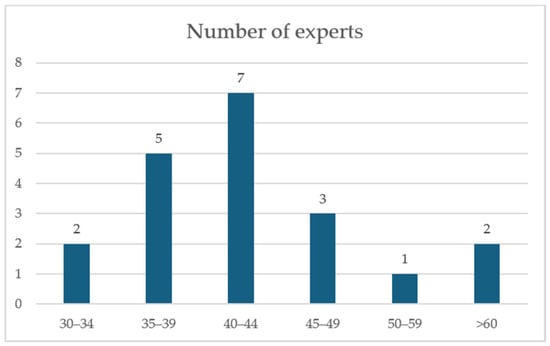
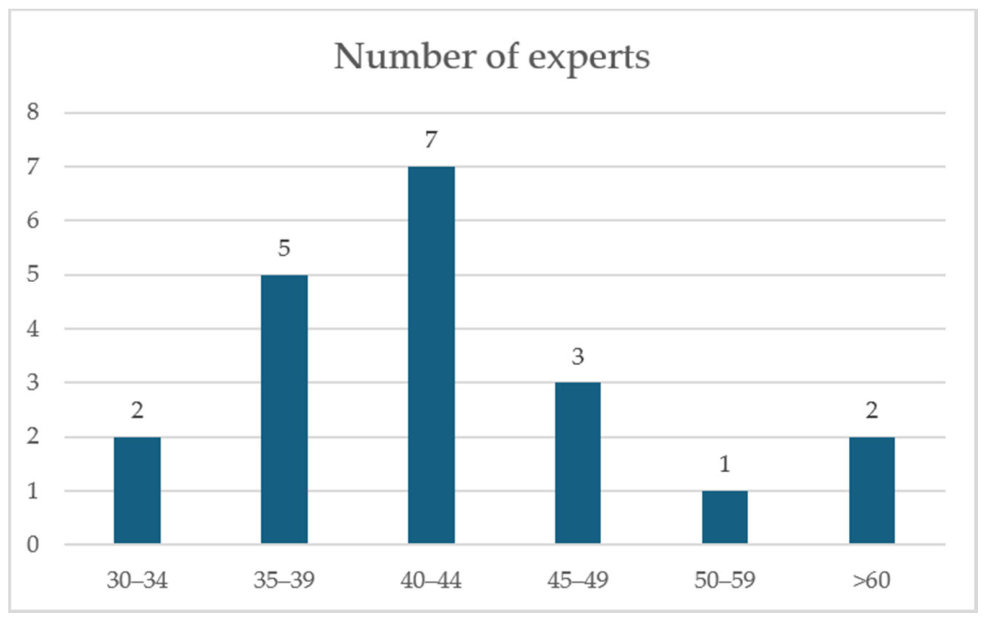
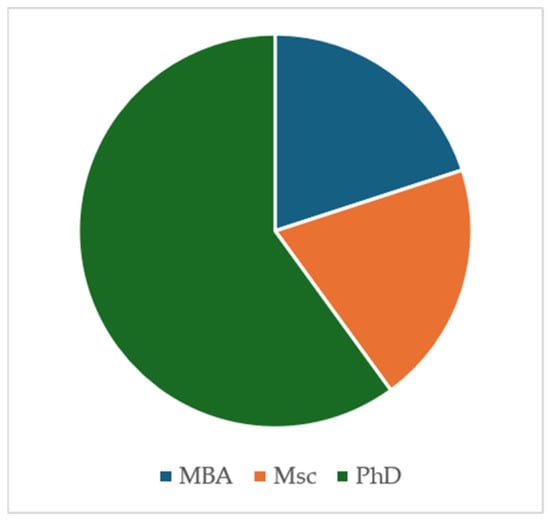
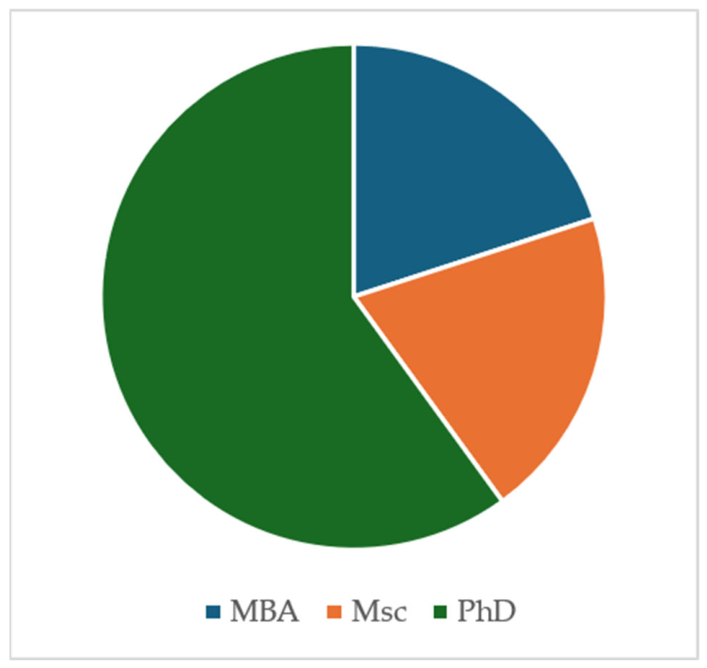
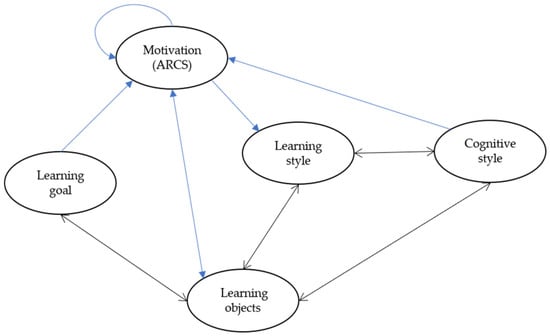
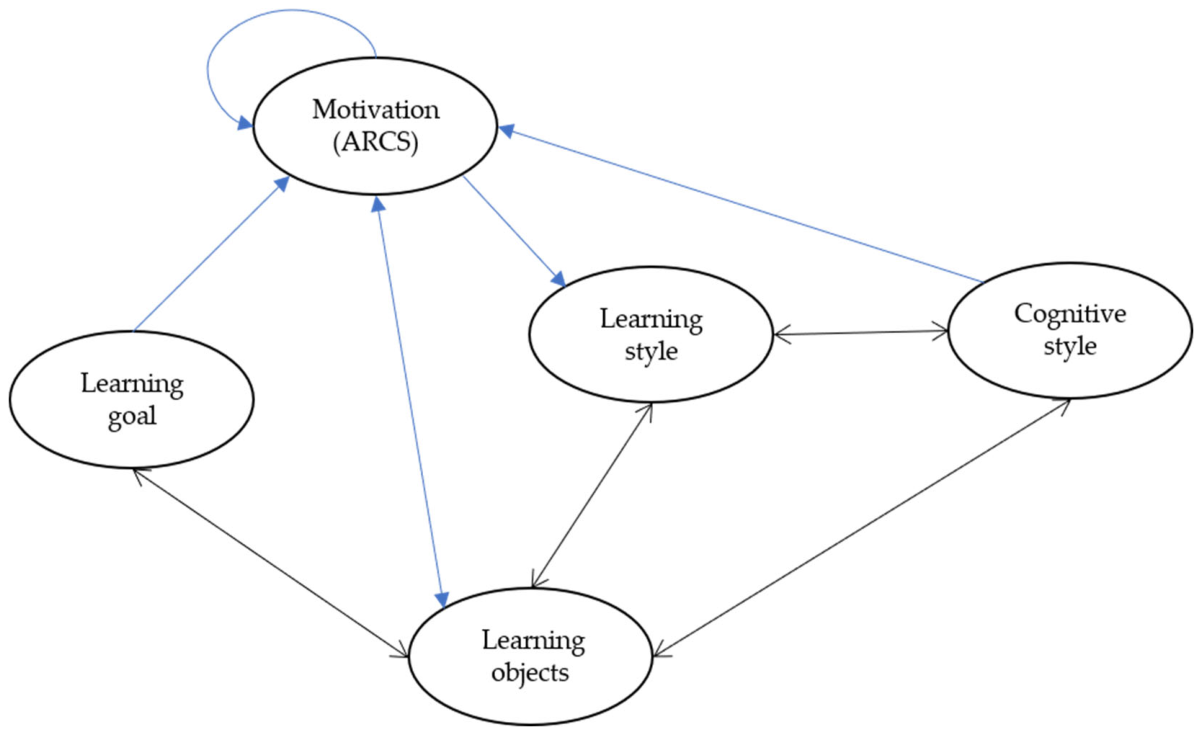
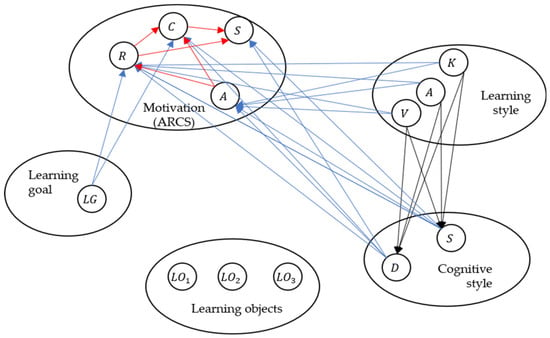
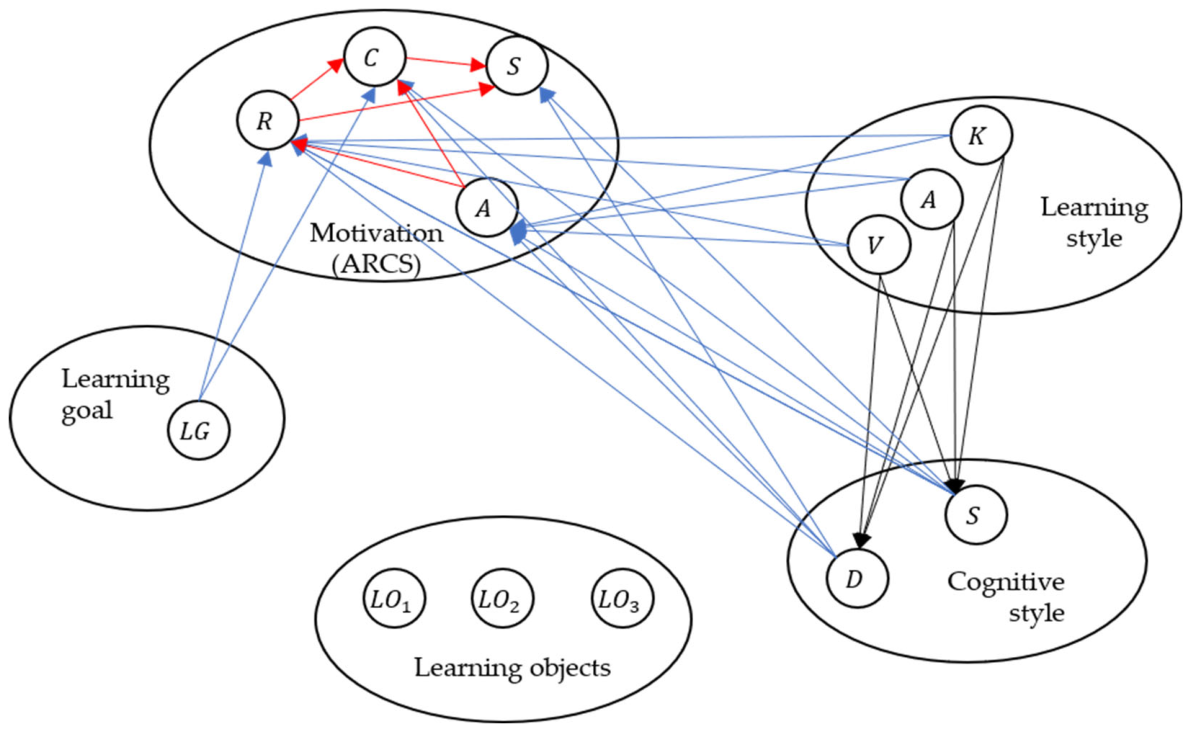

Disclaimer/Publisher’s Note: The statements, opinions and data contained in all publications are solely those of the individual author(s) and contributor(s) and not of MDPI and/or the editor(s). MDPI and/or the editor(s) disclaim responsibility for any injury to people or property resulting from any ideas, methods, instructions or products referred to in the content. |
© 2026 by the authors. Licensee MDPI, Basel, Switzerland. This article is an open access article distributed under the terms and conditions of the Creative Commons Attribution (CC BY) license.