


Highlights
Please indicate how your work links to systems science via your contributions to systems practice, theory, and/or methodology.
- •
- It links green industrial policy, knowledge recombination, and persistent green innovation from a systems perspective;
- •
- It examines how regional environmental regulation and firm-level innovation characteristics condition green industrial policy effectiveness.
What are the main findings and/or the implications of the main findings?
- •
- China’s Green Factory initiative significantly promotes persistent green innovation among manufacturing firms;
- •
- Knowledge recombination creation and reuse emerge as potential pathways, with stronger policy effects under stricter environmental regulation, lower green innovation bubbles, and broader innovation boundaries.
Abstract
Drawing on China’s Green Factory initiative and data from Chinese A-share listed manufacturing firms in the Shanghai and Shenzhen from 2012 to 2024, this study employs a staggered difference-in-differences model to examine the effect of green industrial policy on firms’ persistent green innovation. The results show that green industrial policy significantly promotes sustained green innovation. Mechanism analyses indicate that green industrial policy significantly promotes both knowledge recombination creation and knowledge recombination reuse, and both types of knowledge recombination are significantly positively associated with firms’ persistent green innovation. Heterogeneity analyses show that the effect is more pronounced in regions with stricter environmental regulation, firms with lower levels of green innovation bubbles, and firms with broader innovation boundaries, while it is weaker under less stringent regulation, more severe innovation bubbles, or narrower innovation boundaries. These findings provide empirical evidence and policy implications for jointly advancing economic development and environmental protection.
1. Introduction
In recent years, worsening environmental issues have made sustainable development a consensus, and urged firms to accelerate their green innovation deployment amid the dual context of ecological pressure and rapid technological iteration. Green innovation is not only an important way for firms to respond to environmental regulation and sustainable development requirements, but also a vital pathway to reconcile economic performance with environmental responsibility and build long-term competitive advantages [1]. From the perspectives of social responsibility and stakeholders, firms can reduce the negative externalities of production and business activities on the natural environment through green innovation [2], meet environmental demands and achieve long-term development simultaneously [3]. Therefore, how to promote firms’ green innovation to shift from episodic investment and one-off outputs toward sustained innovative activities has gradually become an important concern in the process of green transition.
Green development has become an important strategic priority in China’s economic and social development. China has identified the greening of manufacturing as an important direction of industrial transformation and has explicitly called for the high-end, intelligent, and green development of manufacturing [4,5]. The 2024 Opinions of the Central Committee of the Communist Party of China and the State Council on "Accelerating the Comprehensive Green Transformation of Economic and Social Development" further emphasized the green and low-carbon transformation and upgrading of traditional industries, the promotion of energy-saving, low-carbon, and clean-production technologies and equipment, the upgrading and optimization of production processes, and support for firms in applying green technologies to transform traditional industries. Meanwhile, since the first batch of national Green Factory lists was released in 2017, China has gradually developed a voluntary environmental policy practice centered on Green Factory development. Through green manufacturing standards, demonstration recognition, and voluntary firm participation, this policy embeds environmental objectives more deeply into firms’ production, operations, and technological innovation, and has played an important role in promoting the green transformation and green innovation of manufacturing [6]. Unlike traditional command-and-control environmental regulation, such policies do not affect firm behavior solely through external constraints; rather, they seek to integrate policy incentives, firms’ resource allocation, and green technological innovation into an interconnected system.
Existing studies have examined the effects of environmental and industrial policies on corporate green innovation, with many focusing on the changes in innovation output, particularly the number of green patents. Xu [7] found that the Made in China 2025 policy promotes green innovation among manufacturing firms, while Zhu and Tan [8] found that green industrial policy facilitates green innovation among heavily polluting firms. In contrast, Li et al. [9] found that the Green Credit Guidelines reduce the number of sustainability-related patents, suggesting that different policy instruments may have divergent effects on innovation output. These studies provide empirical evidence on whether and how policies affect the quantity of green innovation output. However, whether policies can further encourage firms to establish stable and continuous green innovation processes remains insufficiently explored. Green innovation is characterized by substantial uncertainty, knowledge dependence, and long time horizons [10]. An increase in green patent output in a single period does not necessarily indicate that a firm has developed a sustained innovation capability. Therefore, focusing only on changes in the quantity of green innovation may not fully reveal how green industrial policy affects the continuity of firms’ green innovation. In particular, during the green transformation of manufacturing, whether policy can alter the way firms combine knowledge resources and, thereby, transform green innovation from sporadic outputs into a sustained innovation process provides an important entry point for understanding the micro-level effects of green industrial policy.
More broadly, sustained green innovation is not determined by a single factor but results from the joint effects of the policy environment, knowledge base, and innovation capability in which a firm operates. From this systemic perspective, green industrial policy can provide resource support and institutional incentives while also affecting the green innovation process by changing firms’ approaches to knowledge recombination. Knowledge recombination creation helps firms move beyond existing technological combinations and develop new green technology paths, whereas knowledge recombination reuse helps reduce the costs of innovation trial and error and improve the efficiency with which existing knowledge elements are utilized. These two processes correspond to exploration and exploitation in green innovation and may jointly affect its continuity. However, the effects of green industrial policy may not be uniform across firms and contexts. They may also depend on regional environmental regulatory intensity, firms’ green innovation bubbles, and innovation boundaries. It is therefore necessary to examine how green industrial policy affects sustained green innovation and how this effect varies across contexts and innovation boundaries within an interconnected analytical framework of “policy effect–knowledge recombination–sustained innovation.”
Against this background, this study examines the impact of green industrial policy on firms’ persistent green innovation, drawing on data from Chinese A-share listed manufacturing firms in Shanghai and Shenzhen from 2012 to 2024. Using China’s Green Factory initiative as a quasi-natural experiment, a staggered difference-in-differences (DID) model is employed to estimate the policy effect. It further analyzes the underlying mechanisms, contextual conditions, and innovation boundaries. Specifically, we first examine whether green industrial policy promotes sustained green innovation; second, we investigate the potential knowledge mechanisms through which policy affects sustained green innovation from the perspectives of knowledge recombination creation and knowledge recombination reuse; and, finally, we examine the contextual differences associated with regional environmental regulatory intensity, firms’ green innovation bubbles, and the breadth of innovation boundaries to identify the boundary conditions of the policy effect.
The potential contributions of this study are threefold. First, in terms of the research perspective, previous studies have found that green industrial policies and environmental regulations generally promote corporate green innovation, although their effects, underlying mechanisms, and variations across firms differ depending on the specific policy instruments and firm characteristics examined [8,11,12]. However, these studies primarily assess the level or output of green innovation, leaving further scope to examine whether policy interventions support innovation continuity across periods. By focusing on “sustained green innovation” as the key outcome, this study extends the policy effect of green industrial policy from a single innovation output to innovation continuity and provides a new perspective for understanding the micro-level effects of voluntary environmental policy. Second, this study develops a theoretical explanation of how green industrial policy may influence firms’ persistent green innovation from the perspective of knowledge recombination. Unlike studies that explain the innovation effects of green industrial policy primarily in terms of resource support or external incentives, this study distinguishes between knowledge recombination creation and knowledge recombination reuse, examining the persistence of corporate green innovation in terms of knowledge renewal and continuity, respectively. Knowledge recombination creation helps establish new knowledge connections and expand the technological possibilities for subsequent innovation, whereas knowledge recombination reuse activates existing knowledge stocks and supports the continued refinement of green technologies. Accordingly, this study extends the explanation of green industrial policy beyond improvements in external resources and incentives to firms’ internal processes of knowledge recombination and utilization. This perspective provides a basis for understanding how policy support interacts with firms’ knowledge activities to shape the temporal continuity of green innovation. Third, this study incorporates regional environmental regulatory stringency, corporate green innovation bubbles, and the breadth of firms’ innovation boundaries into a unified analytical framework. It examines how the external institutional environment, the substantive nature of innovation output, and firms’ knowledge bases relate to policy effectiveness. The results further indicate that the effects of green industrial policy are context-dependent rather than uniform across settings. This finding shifts the analytical focus from whether green industrial policy is effective to the institutional and firm-level conditions under which it is more effective, thereby advancing the understanding of the contextual boundaries of green industrial policy.
2. Theoretical Analysis and Hypotheses
2.1. Green Industrial Policy and Sustained Green Innovation
Green industrial policy is a comprehensive policy instrument that integrates resource support, institutional incentives, and environmental constraints, and may influence corporate green innovation through multiple transmission channels.
The Porter Hypothesis provides a foundational theoretical framework for analyzing the incentive effects of environmental regulation on corporate innovation. Porter and van der Linde argued that well-designed environmental regulations may stimulate firms to innovate and partially, or, in some cases, fully, offset the increased costs of environmental compliance through the “innovation compensation effect” [13]. Subsequent research has continued to examine the mechanisms underlying the Porter Hypothesis and the conditions under which it applies. Ambec et al. systematically reviewed the relevant theoretical and empirical evidence and noted that no consensus has been reached regarding the effects of environmental regulation on innovation and competitiveness. These effects depend heavily on the design of regulatory instruments and the specific contexts in which they are implemented [14]. Using industry-level panel data from US manufacturing, Jaffe and Palmer found a positive association between environmental regulation and R&D expenditure but no equally clear relationship between regulation and patent counts. This finding suggests that environmental regulation may stimulate innovation investment to some extent, but increased investment does not necessarily translate into a corresponding increase in observable innovation output [15]. A meta-analysis by Cohen and Tubb further revealed a substantial heterogeneity in the relationship between environmental regulation, productivity, and competitiveness, with positive effects observed at the firm, plant, and industry levels lacking universal consistency [16]. Overall, the existing research suggests that environmental regulation has the potential to promote innovation, but its actual effects require further examination in light of specific policy instruments and target entities.
In the context of green innovation, knowledge spillovers coexist with positive environmental externalities, making it difficult for firms to capture all the benefits generated by their innovation activities and potentially weakening their incentives to invest in green innovation. Rennings [17] identified the “double externality problem” as a distinctive feature of eco-innovation. On the one hand, knowledge generated through innovation may spill over to other actors. On the other hand, eco-innovations may generate environmental benefits for society by reducing environmental harm during their diffusion. Because firms cannot fully appropriate the benefits associated with these two types of externalities, their incentives to invest in eco-innovation may be insufficient, potentially resulting in investment below the socially optimal level. This argument suggests that knowledge spillovers and environmental externalities may prevent market mechanisms alone from providing sufficient incentives for eco-innovation, highlighting the importance of coordinating environmental policies and innovation. However, externalities are not the only constraint on innovation. R&D activities are typically characterized by intangible investment, information asymmetry, and uncertain outcomes, making them susceptible to external financing frictions. Hall and Lerner’s review of R&D and innovation financing suggests that financial frictions may lead to underinvestment in R&D. Small firms and start-ups typically face higher costs of capital and are therefore more vulnerable to financing difficulties [18]. Focusing on green innovation, Ghisetti et al. found that financing barriers significantly constrain environmental innovation investment decisions among European manufacturing SMEs. They also noted that environmental innovation often involves substantial technological risks, long investment payback periods, and uncertainty regarding the private appropriability of returns [19]. These studies indicate that green innovation requires not only firms’ willingness to innovate but also adequate financial and other resource support. When resource constraints cannot be effectively alleviated, firms’ capacity to sustain green innovation may be compromised.
China’s Green Factory certification and evaluation policy provides firm-level evidence for examining the innovation effects of green industrial policy in the Chinese context. Using China’s Green Factory certification as the research setting, Liu et al. found a significant positive association between the policy and firms’ green innovation performance, identifying reduced financing constraints and strengthened external monitoring as potential mechanisms [12]. Dong et al. further found that the Green Factory evaluation policy significantly promotes substantive green innovation, with reduced greenwashing and enhanced industry–university–research collaboration identified as potential transmission channels [20]. These two studies provide empirical evidence of the micro-level effects of green industrial policy from the perspectives of general green innovation and substantive green innovation, respectively. However, both focus on contemporaneous or cumulative green innovation output and do not directly examine the persistence of green innovation. Whether the policy not only increases firms’ green innovation output in a given period but also improves the conditions for sustaining innovation over time therefore remains to be established through further theoretical analysis and empirical testing.
From the perspective of resource support, green industrial policy may alleviate firms’ financial pressures associated with green innovation through R&D subsidies, fiscal support, and related incentives, thereby providing resources for innovation activities. Based on R&D grants awarded under the US Department of Energy’s Small Business Innovation Research program, Howell found that early-stage R&D funding increases firms’ subsequent likelihood of obtaining venture capital and positively affects patent output and revenue. These effects are more pronounced among firms facing greater financing constraints [21]. This study suggests that government funding can support innovation by directly providing the financial resources required for R&D. However, its research setting is not China’s green industrial policy, and its findings serve only as general evidence for the resource support mechanism rather than direct evidence of the effects of green industrial policy.
Beyond resource support, policy certification may influence external stakeholders’ assessments of firms’ environmental performance and compliance capabilities through signaling. Connelly et al. explained how signaling theory helps clarify the transmission of information by signalers and its interpretation by receivers under conditions of information asymmetry [22]. Accordingly, Green Factory certification may convey information about firms’ environmental management and green production practices to financial institutions, supply chain partners, and other stakeholders, potentially affecting firms’ access to external resources and collaboration opportunities. It should be noted that this is a potential mechanism derived from signaling theory, rather than a direct finding by Connelly et al. concerning the Green Factory policy. In addition, the dynamic assessment and continuous monitoring arrangements accompanying policy certification may strengthen firms’ long-term commitment to green production and environmental performance. Building on the external monitoring mechanism discussed by Liu et al., it can further be inferred that the combined effects of resource support and external monitoring may create more favorable external conditions for sustained corporate green innovation [12].
Furthermore, persistent green innovation differs from green innovation output in a single period in that it emphasizes the temporal continuity and iterative development of innovation activities rather than the level of output achieved in any particular period. Using patent data from manufacturing firms across multiple countries, Cefis and Orsenigo examined the persistence of corporate innovation and confirmed that innovation activities exhibit significant persistence, providing empirical support for analyzing innovation behavior from a dynamic perspective [23]. However, their study did not specifically address green innovation or the effects of green industrial policy and therefore serves only as general empirical support for the concept of innovation persistence. Compared with general innovation, green innovation encompasses multiple dimensions, including technological R&D, production process upgrading, and environmental management system improvement. Its long investment cycles and high technological uncertainty may make it more dependent on stable resource provision, clear incentive structures, and sustained organizational commitment. If green industrial policy effectively alleviates constraints on innovation resources, improves external stakeholders’ expectations of firms’ green capabilities, and strengthens corporate responsibility for green development through environmental standards and external monitoring, it may create a more favorable institutional environment for sustaining green innovation over time.
Taken together, green industrial policy may promote the continuity of green innovation by improving firms’ resource conditions and incentive structures through multiple channels, including resource support, signaling, and external monitoring. Based on the above theoretical analysis, the following research hypothesis is proposed:
Hypothesis 1.
Green industrial policy significantly increases firms’ level of sustained green innovation.
2.2. Green Industrial Policy, Knowledge Recombination, and Sustained Green Innovation
The sustained pursuit of green innovation depends not only on external resources but also on firms’ ability to continuously form and utilize new knowledge combinations. Knowledge elements constitute an important foundation of green innovation, and innovation is essentially a process in which different knowledge elements are recombined and interact with one another [24]. From the knowledge recombination perspective, firms can recombine existing knowledge elements to establish new technological connections and generate new innovation outcomes; this logic has also been extended to green innovation [25]. Existing studies distinguish knowledge recombination into two dimensions: knowledge recombination creation and knowledge recombination reuse [26,27]. Knowledge recombination creation emphasizes breaking through existing knowledge combinations and forming new knowledge connections, reflecting firms’ exploration of new technological possibilities. Knowledge recombination reuse emphasizes re-establishing connections among existing knowledge elements and improving the efficiency of utilizing existing knowledge [28]. These two dimensions capture novelty-oriented exploration and the utilization of existing knowledge, respectively, and, together, provide an important perspective for understanding corporate innovation processes.
In the formation of sustained green innovation, knowledge recombination creation and knowledge recombination reuse are not two isolated activities but correspond to “renewal” and “continuity” in the innovation process, respectively. On the one hand, knowledge recombination creation enables firms to move beyond existing technological paths and form new green technology combinations, providing a new knowledge base for subsequent green innovation. Green innovation often involves cross-domain knowledge integration, technological experimentation, and process adjustment, making both technological directions and innovation outcomes uncertain. Firms therefore need to commit resources to exploring new technological combinations while bearing potential failure risks. Through financial support, resource incentives, and policy signals, green industrial policy may alleviate resource constraints and improve the conditions for green technological exploration, thereby creating opportunities for exploratory knowledge recombination [29]. Related research indicates that knowledge recombination across technological fields can contribute to the emergence of new green technology fields [30]. Accordingly, knowledge recombination creation can not only generate new green innovation outcomes but also continuously expand the boundaries of firms’ usable knowledge, providing new technological directions and knowledge sources for subsequent innovation. It therefore offers an important impetus for sustained green innovation.
On the other hand, sustained green innovation depends not only on generating new knowledge but also on effectively utilizing existing knowledge, thereby avoiding the high costs associated with restarting the exploration process in each innovation cycle. Knowledge recombination reuse enables firms to develop new technological combinations based on existing technological capabilities by reconnecting and applying established knowledge components. This process improves knowledge utilization efficiency and reduces the time and resources required for repeated exploration [31]. For green technology activities with a high risk of innovation failure, the continued use of existing knowledge helps improve the applicability and effectiveness of technological combinations, allowing firms to extend and iterate green technologies on the basis of existing innovations. Knowledge recombination reuse therefore involves more than simply repeating existing technological practices; rather, it facilitates the transformation of accumulated knowledge into subsequent innovation through its reorganization and application. This process helps maintain the continuity of firms’ green innovation activities and supports the incremental improvement and ongoing development of green technologies.
Taken together, knowledge recombination creation and knowledge recombination reuse therefore jointly constitute an important knowledge foundation for sustained green innovation, although they operate through different pathways. Knowledge recombination creation expands knowledge boundaries and establishes novel technological connections, providing a continuing impetus for innovation renewal. Knowledge recombination reuse activates and redeploys existing knowledge, providing a foundation for innovation continuity. By improving the resource and institutional conditions required for corporate green innovation, green industrial policy may facilitate both types of knowledge recombination, enabling firms to explore new green technological combinations while translating existing knowledge into subsequent innovation outcomes. These processes may help transform green innovation from episodic outputs into a sustained innovation process. Accordingly, the following hypotheses are proposed:
Hypothesis 2.
Green industrial policy strengthens firms’ knowledge recombination creation, thereby promoting sustained green innovation.
Hypothesis 3.
Green industrial policy strengthens firms’ knowledge recombination reuse, thereby promoting sustained green innovation.
3. Research Design
3.1. Model Specification
As an important policy initiative to promote the green transformation of China’s manufacturing sector, the Green Factory initiative is implemented through voluntary firm applications, multilevel reviews, and evaluation and certification procedures, with the competent authorities announcing the lists of certified firms in batches [32]. This batch-based selection and certification process reflects the policy’s phased and ongoing implementation [33]. The policy objectives are consistent with the broader goals of green industrial policy, including promoting green production, technological innovation, and sustainable development. Through firm applications, evaluation and certification, and demonstration and dissemination, the initiative translates green development requirements into firms’ production and operational activities [33]. Accordingly, the initiative provides a suitable quasi-natural experimental setting for identifying the impact of green industrial policy on firms’ sustained green innovation. Accordingly, we construct the staggered difference-in-differences model shown in Equation (1) to examine the effect of green industrial policy on sustained green innovation:
where the subscripts and denote the firm and year, respectively; the dependent variable denotes the level of sustained green innovation of firm in year ; the policy variable indicates whether firm applied for and was recognized as a Green Factory in year ; and the control variables are a set of firm-level characteristics. The intercept is a constant, is the estimated coefficient of on sustained green innovation, and is a vector of coefficients corresponding to the control variables. The firm and year fixed effects, and , are also included, and denotes the random error term.
3.2. Variable Definition and Measurement
(1) Dependent variable. Existing studies commonly measure innovation persistence by examining the relationship between lagged innovation performance and current innovation output. However, this approach provides a limited characterization of innovation dynamics because it does not simultaneously capture the scale of the innovation output and its changes over time. Unlike conventional measures of green innovation, which primarily focus on output levels in a specific period, sustained green innovation emphasizes firms’ ability to maintain green innovation output across consecutive periods and the dynamic evolution of that output. Accordingly, this study uses sustained green innovation as the dependent variable. Based on green patent applications, the measure incorporates both the scale of the green innovation output and its relative changes across consecutive periods to capture the sustained nature of green innovation among manufacturing firms.
Specifically, this study first calculates the ratio of the combined number of green patent applications in years and to that in years and , thereby capturing the relative changes in green patent output across periods. This ratio is then multiplied by the combined number of green patent applications in years and to construct an indicator of sustained green innovation that accounts for both output scale and intertemporal dynamics.
Compared with using green patent applications in a single period to measure innovation performance, this indicator incorporates information on the relative changes across adjacent periods and thus captures the dynamic evolution of the green innovation output. Compared with measures based solely on growth rates, it retains information on the output scale and can identify cases in which the green innovation output remains relatively stable, avoiding the simplistic interpretation of stagnant growth as an absence of sustained innovation. Furthermore, by comparing the combined number of green patent applications over adjacent two-year periods, the indicator accounts for both the current and previous innovation performance, facilitating an assessment of the changes in green innovation output over time. Overall, this measure provides a composite assessment of sustained green innovation among manufacturing firms by incorporating both the output scale and intertemporal dynamics. The specific measure is defined in Equation (2):
where denotes the level of sustained green innovation of manufacturing firm in year . , , and represent the numbers of green patent applications filed by firm in years , , and , respectively. The other parameters are defined as above.
(2) Core explanatory variable. Following Yin et al., this study uses green industrial policy as the core explanatory variable and considers the Green Factory initiative as its specific policy implementation mechanism [32]. China’s Green Factory initiative focuses on mitigating environmental impacts and enhancing firms’ sustainable development capabilities, aligning closely with the central objectives of green industrial policy. The certification process primarily involves a corporate self-assessment, independent third-party evaluation, voluntary application, review and recommendation by local authorities, and final certification by the Ministry of Industry and Information Technology (MIIT). As the policy is implemented in batches annually, firms receive their first Green Factory certification in different years, resulting in a staggered policy implementation pattern.
To construct the policy variable, this study systematically compiles Green Factory policy documents and certification lists published by MIIT over the years. The names of certified firms and their respective certification years are extracted batch by batch and matched against the sample of listed manufacturing firms. Specifically, the officially published certification lists are manually examined to identify certified firms and their corresponding certification years, and the firm names and certification information are subsequently verified. The relevant data are then organized and matched using Excel, after which the matched dataset is imported into Stata 17 to construct the policy variable and conduct subsequent empirical analyses.
The year in which a firm first receives Green Factory certification is defined as its policy treatment year. Based on this timing, the firm-level green industrial policy variable, denoted by , is constructed. Specifically, equals 1 if firm receives its first Green Factory certification in year or has already been certified in an earlier year, and 0 otherwise. Thus, for certified firms, remains equal to 1 from the year of first certification onward, whereas, for firms that never receive certification during the sample period, equals 0 in all sample years. Furthermore, firms are assigned to policy treatment cohorts according to their first certification year, with firms certified in the same year belonging to the same cohort. This approach identifies both the timing of policy treatment and the corresponding cohort classification.
(3) Other control variables. To mitigate omitted-variable bias, we control for the following firm characteristics: (1) firm size (), measured as the logarithm of total assets; (2) profitability (), measured by return on assets, i.e., current net profit divided by total assets at the end of the previous period; (3) leverage (), measured as total liabilities divided by total assets; (4) firm age (), measured as the difference between the current year and the year of listing; (5) revenue growth (), reflecting firm growth and measured as the difference between current and previous-period operating revenue divided by the operating revenue two periods earlier; (6) liquidity (), measured by net cash flow from operating activities divided by total assets; (7) ownership concentration (), measured by the shareholding ratio of the largest tradable shareholder; and (8) firm ownership (), equal to 1 for state-owned firms and 0 otherwise.
To mitigate heteroskedasticity and differences in the variable scale, key continuous variables are transformed using the natural logarithm of one plus the original value.
3.3. Data Sources and Descriptive Statistics
The sample comprises Chinese A-share listed manufacturing firms on the Shanghai and Shenzhen stock exchanges from 2012 to 2024. Following Yin et al., this study defines manufacturing in accordance with the Industrial Classification Guidelines for Listed Companies revised by the China Securities Regulatory Commission in 2012. Manufacturing refers to the physical or chemical processing of materials into new products, whether these products are sold to other firms as intermediate inputs or supplied as final consumer goods [34]. To ensure broad industry representation, the sample covers major manufacturing industries classified under the Industrial Classification of National Economic Activities (GB/T 4754–2017) [35].
The initial sample consists of 5451 firms. The following screening procedures are then applied. First, observations classified as ST, \*ST, or PT are excluded to reduce potential interference from abnormal operating conditions. Second, firms whose industry classifications indicate involvement in finance, insurance, or real estate during the sample period are excluded to ensure that the sample conforms to the manufacturing sector. Third, insolvent firms are removed to minimize the influence of extreme financial conditions on the estimation results. Firm-level patent data, Green Factory certification records, and financial data are subsequently matched, and missing values in the relevant variables are examined. For observations with missing values in key variables used in the baseline regressions, publicly disclosed information, including annual reports and sustainability reports, is consulted to verify and supplement the data where possible. Observations for which complete information remains unavailable are excluded. After these screening and data-processing procedures, the final sample consists of an unbalanced panel of 17,975 firm-year observations covering 2534 manufacturing firms. The panel is unbalanced because firms differ in their listing dates, data availability, and the number of valid observations during the sample period.
The raw data used to measure sustained green innovation, knowledge recombination creation, and knowledge recombination reuse are primarily obtained from the China National Intellectual Property Administration’s Intellectual Property Comprehensive Information Service Platform and the CSMAR Research Database on Listed Firms’ R&D and Innovation, with cross-checks conducted using the Baiteng patent search system. Green Factory policy data are compiled through a systematic review of official policy documents and certification lists published by the State Council and relevant ministries and commissions. Control variables are primarily obtained from the CSMAR and Wind databases.
Table 1 presents the descriptive statistics for the key variables. The mean of , which measures sustained green innovation among the sampled firms, is 1.9365, with a standard deviation of 1.7071 and a minimum and maximum of 0 and 6.2159, respectively. These statistics indicate substantial variation in sustained green innovation across firms, reflecting heterogeneity in the continuity of green innovation activities among manufacturing firms. The mean of is 0.0577, with a standard deviation of 0.2333. This distribution is consistent with the batch-based implementation of the Green Factory policy and reflects differences in firms’ certification timing and treatment status. The control variables also exhibit varying degrees of dispersion, indicating differences in firm size, financial conditions, and corporate governance. These characteristics underscore the importance of controlling for relevant firm-level attributes in the subsequent empirical analysis to further examine the effect of the Green Factory policy on sustained green innovation.
Table 1.
Descriptive statistics.
4. Empirical Results and Analysis
4.1. Baseline Analysis
Table 2 reports the baseline regression results for the effect of green industrial policy on firms’ sustained green innovation. Column (1) presents the specification without controls or fixed effects; column (2) adds firm-level controls but no fixed effects; and columns (3)–(4) additionally include firm and year fixed effects, respectively, while controlling for firm characteristics, thereby accounting for other factors that may affect firms’ sustained green innovation.
Table 2.
Baseline regression results.
According to the results in Column (4), after controlling for firm characteristics and including both firm and year fixed effects, the coefficient on green industrial policy () is 0.6497 and statistically significant at the 1% level. This finding indicates a significant positive relationship between the Green Factory policy and firms’ sustained green innovation. It suggests that the policy helps firms maintain a sustained green technological innovation output. One possible explanation is that the policy incentives and green development orientation associated with Green Factory certification strengthen firms’ long-term commitment to green technology R&D and motivate them to continue engaging in green innovation, thereby extending innovation beyond short-term or episodic outputs. Overall, the baseline regression results are consistent with the theoretical expectation of Hypothesis 1 and provide empirical evidence that green industrial policy promotes sustained green innovation among manufacturing firms.
4.2. Robustness Checks
(1) Evaluation of the parallel-trends assumption. This study employs an event-study approach to examine the dynamic changes in firms’ sustained green innovation before and after Green Factory certification. Specifically, the period immediately preceding a firm’s first certification (i.e., event time Pre_1) is omitted as the reference period, and the dynamic effects for the other relative periods are estimated. Figure 1 presents the results of the parallel-trends assessment. The estimated coefficients for all pre-treatment periods are statistically insignificant, and their confidence intervals include zero, indicating no statistically significant differences in the trends in firms’ sustained green innovation before policy implementation. Furthermore, a joint significance test of the coefficients for all pre-treatment periods yields F(6,2533) = 1.49, with a p-value of 0.1769. Thus, the null hypothesis that the pre-treatment coefficients are jointly equal to zero cannot be rejected. These findings provide further support for the parallel-trends assumption. Meanwhile, the estimated coefficients for the year of policy implementation and the first four post-treatment periods are all significantly positive, indicating that the positive effect of Green Factory certification on firms’ sustained green innovation is evident both in the year of certification and in subsequent periods. Overall, the event-study results support the baseline regression findings.
Figure 1.
Evaluation of parallel trend hypothesis.
(2) Placebo test. We randomly assign the core explanatory variable and repeat the randomization procedure 1000 times to assess whether the baseline result could be driven by random factors. As shown in Figure 2, the distribution of the placebo coefficients is approximately centered around zero and normally distributed, and their absolute values all fall below the absolute value of the actual regression coefficient. This indicates that random shocks are unlikely to generate estimates similar to the baseline result and further supports the robustness of the core finding.
Figure 2.
Placebo test.
(3) Exclusion of the impacts of other policies. In practice, China has introduced a range of policy instruments aimed at reducing negative environmental externalities [36]. To account for potential confounding effects from contemporaneous policies, this study selects three representative environmental policies and incorporates them into the baseline regression model as control variables.
The first is the carbon emissions trading pilot policy. Since 2013, China has launched carbon emissions trading pilots in Beijing, Tianjin, Shanghai, Chongqing, Hubei, Guangdong, and Shenzhen. This market-based mechanism may also affect firms’ green innovation activities. Accordingly, a dummy variable, , is constructed and assigned a value of 1 if a city is covered by the carbon emissions trading pilot policy in a given year, and 0 otherwise.
The second is the new energy demonstration city pilot policy, which aims to increase the share of new energy use and facilitate the green and low-carbon transition. By potentially encouraging the development of urban new energy infrastructure and technological R&D, this policy may affect the green innovation activities of firms located in pilot cities. Accordingly, a dummy variable, , is assigned a value of 1 if a city is covered by the pilot policy in a given year, and 0 otherwise.
The third is the low-carbon city pilot policy. Since 2010, China has implemented low-carbon city pilots in three batches, progressively expanding their geographical coverage. This policy may also influence green innovation among firms located in pilot cities. Accordingly, a dummy variable, , is assigned a value of 1 if a city is included in the low-carbon city pilot program in a given year, and 0 otherwise.
These policy variables are first introduced individually into the baseline regression model to control for the carbon emissions trading pilot policy, the new energy demonstration city pilot policy, and the low-carbon city pilot policy, respectively. The corresponding results are reported in Columns (1)–(3) of Table 3. The coefficient on green industrial policy remains positive and statistically significant in all three specifications, suggesting that the baseline results are not substantially affected by these policies. The three policy variables are then included simultaneously, as shown in Column (4). The estimated coefficient remains positive and statistically significant at the 1% level. Overall, the results remain robust after accounting for the potential effects of other contemporaneous environmental policies, whether these policies are controlled for individually or jointly.
Table 3.
Excluding interference from other policies.
(4) Controlling for city baseline characteristics. To further mitigate the potential confounding effects stemming from pre-existing city attributes, we introduce two city-level variables: dummy variable , which equals 1 if the city where the treated firm is located belongs to the acid rain or sulfur dioxide control zone, and 0 otherwise; and dummy variable , assigned 1 if the city is a municipality directly under the Central Government or a special economic zone, and 0 otherwise. These city baseline factors are added as additional controls into Equation (1). Columns (1)–(3) of Table 4 report the estimation results when controlling for , , and both variables simultaneously, respectively. The coefficient of remains statistically significant at the 1% level across all specifications. This finding suggests that, after accounting for city baseline characteristics, green industrial policy still significantly improves the level of sustained green innovation among manufacturing firms, and our baseline conclusion remains robust.
Table 4.
Controlling for baseline city characteristics.
(5) Sensitivity analysis of the sustained green innovation measure. Although the baseline measure of sustained green innovation accounts for both the green patent output and its relative changes across periods, it remains related to the number of green patent applications. To mitigate the potential measurement bias arising from patent application counts and their short-term fluctuations, this study constructs three alternative dependent variables from three perspectives: the temporal continuity of green innovation activities, the sustained intensity of green innovation output, and the continuity of granted green patents. These alternative measures are used to reassess the effect of green industrial policy on sustained green innovation among manufacturing firms.
First, the proportion of years with green innovation activity over a three-year period is used to measure the temporal continuity of firms’ green innovation . Specifically, an annual dummy variable is constructed based on whether a firm files green patent applications in the current year or either of the preceding two years. The variable equals 1 if the firm independently files at least one green patent application in a given year and 0 otherwise. The proportion of years in which green patent application activity occurs over the three consecutive years is then calculated to measure the temporal continuity of firms’ green innovation. This indicator ranges from 0 to 1, with higher values indicating that the firm filed green patent applications in more years during the preceding three-year period and thus exhibited greater temporal continuity in its green innovation activities. Unlike measures based directly on patent application counts or growth rates, this indicator does not depend on the volume of patent applications in any single year. Instead, it focuses on whether firms continue to engage in green innovation across different years. It can therefore distinguish between concentrated patent filing in a single year and innovation activities undertaken repeatedly across multiple years, helping mitigate the mechanical influence of changes in patent counts on the measurement of continuity.
Second, the minimum number of green patent applications over a three-year period is used to measure the sustained intensity of firms’ green innovation output . Specifically, the number of green patent applications independently filed by a firm in each of the current year and the preceding two years is identified. The minimum annual count over these three years is then increased by one and transformed using the natural logarithm to construct an indicator of sustained green innovation output. This measure captures the minimum level of green patent output that a firm maintains over three consecutive years. Higher values indicate that the firm sustains a stronger green innovation output base during the period. Compared with the continuity indicator, which captures only whether innovation activity occurs, this measure retains information on the intensity of green innovation output. Compared with the baseline measure, which primarily reflects total patent applications and their changes across periods, it places greater emphasis on the minimum output maintained over consecutive years. When a firm files a large number of green patent applications in only one year but generates little or no output in the other years, the indicator does not increase substantially merely because of the temporary surge in applications. A positive value is obtained only when the firm maintains a certain level of green patent application activity in all three consecutive years. This measure therefore complements the assessment of innovation stability by capturing firms’ capacity to sustain green innovation output and reducing the influence of sporadic increases in patent applications.
Third, the proportion of years with granted green patents over a three-year period is used to measure the temporal continuity of firms’ granted green innovation outcomes . Green patent applications reflect firms’ efforts to seek patent protection for technological innovations, whereas patent grants represent outcomes that have passed the relevant examination procedures. Accordingly, an alternative measure based on granted patents is constructed. An annual dummy variable equals 1 if a firm independently obtains at least one green patent grant in a given year and 0 otherwise. The proportion of years in which the firm obtains green patent grants during the current year and the preceding two years is then calculated. This indicator also ranges from 0 to 1, with higher values indicating that the firm obtains green patent grants in more years within the three-year observation window and thus exhibits greater temporal continuity in its granted green innovation outcomes. Compared with measures based on green patent applications, this indicator incorporates patent grant information and provides a complementary assessment of sustained green innovation from the perspective of successfully obtaining patent protection. It thereby reduces the dependence of the findings on a single patent-based measurement approach.
Based on these alternative measures, the regressions are re-estimated using each measure as the dependent variable. The results are reported in Table 5. The estimated coefficients on green industrial policy remain significantly positive across all three specifications and are consistent in direction with the baseline results. The three alternative measures capture complementary dimensions of sustained green innovation: whether innovation activities occur continuously, whether innovation output can be maintained at a certain level, and whether granted innovation outcomes are obtained across different years. Together, these results further strengthen the robustness of the baseline findings.
Table 5.
Alternative measures of the dependent variable.
(6) Propensity score matching (PSM) test. Given that Green Factory certification involves voluntary firm applications and government screening, certified and non-certified firms may differ systematically in firm size, financial conditions, organizational characteristics, and their existing green innovation capacity. Such non-random selection may limit the comparability of the treatment and control groups before policy implementation and potentially affect the baseline estimates. To address this concern, we employ PSM to estimate firms’ propensity scores for entering the treatment group based on their characteristics and restrict the sample to the common support region. We then re-estimate the effect of green industrial policy on sustained green innovation among manufacturing firms to assess the sensitivity of the baseline findings to differences between the treatment and control groups. First, we examine the covariate balance before and after matching. Figure 3 presents the standardized bias test results. Before matching, several covariates exhibit relatively large standardized differences, suggesting that comparisons based on the unmatched sample may be affected by the pre-existing differences in firm characteristics. After matching, the standardized differences for all covariates move substantially closer to zero, with considerable improvements for variables that initially exhibited larger imbalances. The absolute standardized differences of all covariates are low after matching, indicating that PSM improves the balance of observable firm characteristics between the treatment and control groups.
Figure 3.
Standardized bias.
Second, we further compare the propensity score distributions of the treatment and control groups before and after matching. Figure 4 and Figure 5 present the kernel density distributions of propensity scores before and after matching, respectively. After PSM, the kernel density curves for the two groups largely overlap across the main range of propensity scores, and the initial differences in their distributions are substantially reduced. This indicates that the matched groups have more similar propensity score distributions. Together with the standardized bias test results, these findings suggest that PSM improves the covariate balance and enhances the comparability of the treatment and control groups in terms of observable characteristics.
Figure 4.
Kernel density estimates before matching.
Figure 5.
Kernel density estimates after matching.
We further exclude observations outside the common support region and re-estimate the baseline model using the resulting sample. Table 6 reports the corresponding regression results. The estimated coefficients on green industrial policy are positive and statistically significant at the 1% level across all specifications. This indicates that the positive relationship between the Green Factory policy and firms’ sustained green innovation remains significant when the analysis is restricted to firms within the common support region. Overall, these results provide further evidence of the robustness of the baseline findings.
Table 6.
Re-estimation excluding observations outside the common support region.
(7) Heterogeneity-robust staggered difference-in-differences estimation (CS-DID). Firms certified as Green Factories in different batches may exhibit heterogeneous policy responses due to differences in resource endowments, existing green innovation capabilities, and policy implementation timing. When treatment effects vary across policy cohorts and over time, the conventional two-way fixed effects difference-in-differences (TWFE-DID) model may be affected by inappropriate comparisons and implicit weighting issues, potentially biasing the estimated policy effects. To further address these concerns, this study employs the heterogeneity-robust staggered difference-in-differences method (CS-DID) to examine whether the baseline findings are sensitive to treatment effect heterogeneity.
First, we examine the overall average treatment effect of the Green Factory policy. Table 7 reports the CS-DID estimation results. The average treatment effect on the treated (ATT) of green industrial policy is 0.7036, with a standard error of 0.0977 and a Z-statistic of 7.20. The estimate is statistically significant at the 1% level, and its 95% confidence interval is [0.5122, 0.8950], which excludes zero. This indicates that, after accounting for the potential treatment effect heterogeneity across policy cohorts and periods, the estimated average effect of the Green Factory policy on sustained green innovation among manufacturing firms remains consistent in direction with the baseline regression results. These findings further strengthen the reliability of the study’s conclusions.
Table 7.
CS-DID estimation results.
Second, to further examine how the policy effect evolves over time, we plot the dynamic treatment effects based on the CS-DID estimates, as shown in Figure 6. Before policy implementation, the estimated treatment effects generally fluctuate around zero, and the corresponding confidence intervals all include zero. No statistically significant differential effects are detected in the pre-treatment periods. This suggests that, within the available observation window, there is no evidence of significant differential changes between the treatment and comparison groups before policy implementation.
Figure 6.
Dynamic treatment effects.
Taken together, the overall CS-DID estimates and the dynamic treatment effect analysis provide further supporting evidence that green industrial policy promotes sustained green innovation among manufacturing firms. These findings indicate that the baseline results are robust to the use of an alternative estimation method.
4.3. Mechanism Analysis
Because patent citation data are not yet available through domestic patent databases, this study identifies knowledge elements based on patent technology classifications. Specifically, the International Patent Classification (IPC) subclass codes preceding the slash (“/”) in the International Patent Classification (IPC) codes are used as knowledge elements, and each unordered pair of two distinct IPC subclasses appearing in the same patent is defined as a knowledge combination. The use of IPC subclasses as knowledge elements aims to maintain a reasonable and consistent level of technological classification [37], avoiding classifications that are too broad to capture technological differences or too fine-grained to prevent knowledge combinations from becoming excessively fragmented.
Following the measurement approach adopted in previous studies, each knowledge combination contained in patents filed by a firm in year is examined to determine whether it also appeared in patents filed by the same firm during the period from to [37]. The five-year historical observation window is intended to capture the firm’s recently accumulated technological knowledge base and its recombination and utilization in current innovation activities [37]. Specifically, a knowledge combination that has not appeared during the preceding five years is classified as knowledge recombination creation, whereas one that has appeared during this period is classified as knowledge recombination reuse. This classification is conducted at the knowledge-combination level rather than the patent level. Accordingly, for a patent containing both new and previously existing knowledge combinations, the former are classified as knowledge recombination creation and the latter as knowledge recombination reuse. Thus, a single patent can contribute to both measures.
On this basis, all new and previously existing knowledge combinations identified in a firm’s patents filed in year are aggregated at the firm-year level to construct the knowledge recombination creation and knowledge recombination reuse measures, denoted by and , respectively. measures the novelty of the firm’s knowledge combinations in the current year, whereas captures the reuse of previously existing knowledge combinations.
The mechanism test results are reported in Columns (1)–(3) of Table 8. After controlling for firm characteristics and fixed effects, the coefficient on in the regression of is positive and statistically significant at the 1% level, with an estimated value of 0.0792. This indicates that the implementation of the Green Factory policy is significantly associated with increased knowledge recombination creation among firms. It suggests that green industrial policy may help firms move beyond the constraints of existing knowledge combinations, foster new combinations across technological domains, and expand the potential pathways for green technological innovation. Furthermore, the coefficient on in the regression of is 1.2331 and is positive and statistically significant at the 1% level, indicating a significant positive relationship between new knowledge combinations and firms’ sustained green innovation. One possible explanation is that new knowledge combinations help firms overcome existing technological path dependence, broaden their green technology R&D directions, and provide a new knowledge base for subsequent innovation activities. When is further included in the baseline regression model, the coefficient on decreases from 0.6497 to 0.5614 but remains statistically significant at the 1% level. This change is consistent with the theoretical expectation that knowledge recombination creation plays a partial mediating role, suggesting that green industrial policy may promote firms’ sustained green innovation partly by facilitating the formation of new knowledge combinations. These results provide supporting evidence for Hypothesis 2.
Table 8.
Mechanism analysis results.
Columns (4)–(6) of Table 8 report the mechanism test results for knowledge recombination reuse. The coefficient on in the regression of is 0.0580 and is positive and statistically significant at the 5% level, indicating that the implementation of the Green Factory policy helps firms further utilize existing knowledge combinations. Meanwhile, the coefficient on in the regression of is 0.1600 and is positive and statistically significant at the 1% level, suggesting that the continued reuse of existing knowledge combinations is closely associated with improvements in firms’ sustained green innovation. From the perspective of knowledge accumulation, green technological innovation is characterized by substantial cumulative development and path dependence. Reusing and further developing existing knowledge combinations enables firms to exploit the application potential of their accumulated technological knowledge, reduce knowledge search and technological trial-and-error costs in subsequent R&D activities, and maintain continuity in knowledge accumulation, thereby providing a relatively stable technological foundation for sustained green innovation. When is further included in the baseline regression model, the coefficient on decreases from 0.6497 to 0.6408, suggesting that knowledge recombination reuse may play a partial mediating role in the relationship between green industrial policy and firms’ sustained green innovation. This finding is consistent with the theoretical expectation of Hypothesis 3.
Overall, knowledge recombination creation and knowledge recombination reuse provide complementary explanations for how green industrial policy may promote firms’ sustained green innovation. Knowledge recombination creation emphasizes the expansion of firms’ knowledge boundaries for green technological innovation, creating new technological opportunities for sustained innovation. Knowledge recombination reuse, in contrast, emphasizes the further development and application of existing knowledge, helping maintain continuity in innovation activities through knowledge accumulation and the retention of technological experience.
Taken together, the mechanism analysis is broadly consistent with the proposed explanatory framework of knowledge renewal and knowledge continuity. Green industrial policy is positively and significantly associated with both knowledge recombination creation and knowledge recombination reuse, indicating that policy implementation is associated with the strengthening of both types of knowledge activities. Further analysis also shows that both forms of knowledge recombination are significantly positively associated with sustained green innovation. The former findings reflect the empirical relationship between policy implementation and changes in firms’ knowledge activities, while the latter provide complementary evidence for the theoretical association between knowledge recombination and sustained innovation. It should be noted that these results support the proposed potential mechanisms but do not establish knowledge recombination as a strictly causal mediating mechanism. Accordingly, these findings are interpreted as empirical evidence supporting the knowledge recombination framework rather than as direct observations of the entire transmission process.
4.4. Heterogeneity Analysis
Given that the effects of green industrial policy may be jointly influenced by the external institutional environment and firms’ internal innovation characteristics, this study further conducts heterogeneity analyses from three perspectives: regional environmental regulation stringency, the extent of firms’ green innovation bubbles, and the breadth of firms’ innovation boundaries. These analyses examine whether the effect of the Green Factory policy on firms’ sustained green innovation varies across different contexts and further identify the conditions under which the policy is more effective.
(1) Heterogeneity in Regional Environmental Regulation Stringency.
Environmental regulation is an important external institutional factor influencing firms’ green innovation decisions. Regional differences in environmental governance requirements, regulatory intensity, and policy enforcement may lead to variations in the effects of green industrial policy. On the one hand, stricter environmental regulation increases firms’ environmental compliance requirements, encouraging them to place greater emphasis on the development and application of green production technologies. On the other hand, the sustained external constraints imposed by environmental regulation may strengthen firms’ willingness to invest in green technological innovation over the long term, thereby reinforcing the incentive effect of the Green Factory policy.
Based on these considerations, this study constructs an indicator of regional environmental regulation stringency, , and interacts it with to generate the interaction term . Both and are then incorporated into the baseline regression model. The results are reported in Column (1) of Table 9. The coefficient on is positive and statistically significant at the 5% level, consistent in direction with the baseline coefficient on . This indicates that the positive effect of the Green Factory policy on firms’ sustained green innovation tends to strengthen as regional environmental regulation becomes more stringent.
Table 9.
Heterogeneity analysis results.
This finding suggests a potential complementary relationship between environmental regulation and green industrial policy. One possible explanation is that firms in regions with stricter environmental regulation not only benefit from the incentives provided by the Green Factory policy to support their green transition but also face ongoing external constraints arising from environmental governance requirements. Under the combined influence of policy incentives and environmental constraints, firms may be more inclined to incorporate green technological innovation into their long-term development strategies and improve environmental performance through sustained R&D and technological upgrading, thereby enhancing the continuity of green innovation activities. By contrast, in regions with less stringent environmental regulation, weaker environmental compliance pressures may provide less external impetus for green technology R&D, limiting the incentive effect of the Green Factory policy on sustained innovation. Therefore, the effectiveness of green industrial policy may depend not only on its own incentive arrangements but also on the institutional environment for regional environmental governance.
(2) Heterogeneity in the Extent of Firms’ Green Innovation Bubbles.
An increase in green patent applications does not necessarily indicate a corresponding improvement in the quality of firms’ green innovation or their actual technological output. Under the incentives provided by green industrial policy, some firms may increase green patent applications to obtain policy support or meet external evaluation requirements. However, these innovation activities may not be promptly translated into granted patents, creating a divergence between the apparent activity of green innovation and actual innovation output [38]. To some extent, this divergence may reflect a quantity-oriented approach to green innovation and the potential presence of innovation bubbles.
Based on these considerations, this study constructs a proxy measure of potential green innovation bubbles at the firm level based on the gap between green patent applications and grants [39]. Specifically, the number of green patent applications reflects the scale of firms’ green technological innovation activities in terms of applications, whereas the number of green patent grants reflects the number of technological outputs that have obtained approval through the patent examination process. Although patent grants are not fully equivalent to innovation quality, grant data can, to some extent, indicate whether innovation outcomes meet the relevant patentability requirements, providing information beyond application counts alone. Accordingly, this study measures the divergence between green patent applications and grants using the difference between the two and standardizes this difference [40] to construct the green innovation bubble proxy, . A higher value indicates a larger gap between the scale of green patent applications and contemporaneous granted output, suggesting a potentially stronger quantity-oriented innovation tendency.
On this basis, we interact with to construct the interaction term , and include both and in the baseline regression model. The results are reported in Column (2) of Table 9. The coefficient on is negative and statistically significant at the 1% level, opposite in sign to the baseline coefficient on . This indicates that the positive effect of the Green Factory policy on firms’ sustained green innovation tends to weaken as the gap between green patent applications and grants widens.
This finding suggests that the degree of alignment between the expansion of green patent applications and granted output may be an important condition affecting the effectiveness of green industrial policy. One possible explanation is that, when firms place greater emphasis on increasing green patent applications without a corresponding increase in granted output, their innovation activities may become more oriented toward short-term quantitative expansion. Limited R&D resources may then be less consistently allocated to innovation activities that contribute to long-term technological accumulation, weakening the policy’s positive effect on sustained green innovation. By contrast, firms with a smaller gap between green patent applications and grants may be more oriented toward translating innovation efforts into technological outcomes. This may facilitate a more stable technological accumulation and provide a stronger foundation for subsequent R&D, enabling the Green Factory policy to better promote sustained innovation.
(3) Heterogeneity in the Breadth of Firms’ Innovation Boundaries.
The breadth of firms’ innovation boundaries reflects the diversity of their technological knowledge base. Firms with different innovation boundary breadths may differ in knowledge search, technological integration, and the identification of innovation opportunities, thereby affecting the effectiveness of green industrial policy. Firms with broader innovation boundaries generally possess more diverse technological knowledge bases and are better positioned to identify potential knowledge linkages across technological domains, creating more opportunities for knowledge recombination in green technology R&D. By contrast, firms with narrower innovation boundaries may rely more heavily on existing technological domains, limiting their scope for cross-domain knowledge integration and the exploration of new technological pathways.
Accordingly, we construct variable to measure the breadth of firms’ innovation boundaries, captured by the breadth of patent knowledge of manufacturing firms. Specifically, the number of invention patents and utility model patents cumulatively filed by each firm across different IPC main-group categories is first calculated. The breadth of the firms’ innovation boundaries is then measured using the inverse form of the Herfindahl–Hirschman Index (HHI) [32], as shown in Equation (3). This indicator objectively reflects the breadth and complexity of the knowledge applied by firms across multiple technological fields and characterizes the breadth of corporate innovation boundaries. In the calculation, only invention patents and utility model patents are included to avoid matching bias caused by the differences in numbering systems and innovation connotations of design patents. Meanwhile, invalid utility model patents marked due to the “avoidance of repeated authorization” are excluded to prevent duplicate counting arising from same-day filings:
where denotes the cumulative number of invention and utility model patent applications of firm in IPC group up to year , and is the total cumulative patent applications of firm across all IPC groups up to year .
We then construct the interaction term by interacting with , and incorporate both and into the baseline model. Column (3) of Table 9 presents the results. The coefficient of is significantly positive at the 1% level and consistent in sign with the coefficient of in the baseline regression. This demonstrates that the positive effect of the Green Factory policy on firms’ sustained green innovation becomes stronger as the breadth of firms’ innovation boundaries increases. This finding suggests that the diversity of firms’ existing knowledge bases may be an important internal condition influencing the effectiveness of green industrial policy. From the perspective of knowledge search and recombination, firms with broader innovation boundaries can access and utilize a more diverse range of technological knowledge. Under the incentives provided by the Green Factory policy, they are better positioned to identify new directions for green R&D through knowledge linkages across technological domains and apply existing technological expertise to new green innovation contexts. This may not only expand the opportunities for green technological innovation but also reduce firms’ dependence on a single technological path, providing a richer knowledge base for sustained green innovation. By contrast, although firms with narrower innovation boundaries may develop a strong specialization within particular technological domains, their scope for cross-domain knowledge search and technological recombination is relatively limited. When facing evolving green technology demands, they may find it more difficult to explore new R&D directions in a timely manner, thereby constraining the sustained innovation incentives of the Green Factory policy.
Overall, the heterogeneity analysis indicates that the effect of the Green Factory policy on firms’ sustained green innovation is not uniform across all regions and firms but is jointly shaped by the external institutional environment and firms’ internal innovation characteristics. The regional environmental regulation stringency reflects the external institutional constraints under which green industrial policy is implemented; the extent of green innovation bubbles captures the divergence between firms’ green patent application volumes and granted output; and the breadth of innovation boundaries reflects the diversity of firms’ internal knowledge bases.
5. Discussion
5.1. Discussion of Main Findings and Theoretical Implications
Using China’s Green Factory initiative as the research setting, this study examines the relationship between green industrial policy and persistent green innovation among manufacturing firms, with particular attention to the potential role of knowledge recombination and variation across contexts. Beyond examining whether policy is associated with sustained green innovation, the findings raise a broader question: how might firms translate external policy support into a sustained capacity for innovation through their knowledge-related activities?
First, persistent green innovation emphasizes the continuation of innovation activities over time rather than an increase in innovation output in a single period. A firm may generate substantial green innovation output in one period without necessarily sustaining related activities in subsequent periods. Understanding the role of green industrial policy therefore requires attention to its relationship with firms’ capacity to maintain innovation over time. The results show a significant positive association between the Green Factory policy and persistent green innovation. This suggests that the implications of green industrial policy should not be assessed solely in terms of its relationship with innovation output, but also in terms of its association with firms’ ability to sustain green innovation across periods. From this perspective, persistent green innovation provides a dynamic dimension for examining the innovation effects of industrial policy and understanding how policy relates to firms’ longer-term innovation activities.
Second, knowledge recombination creation and knowledge recombination reuse capture two distinct dimensions of firms’ knowledge activities. Knowledge recombination creation focuses on forming combinations that have not appeared previously in the firm’s observed knowledge history, reflecting knowledge renewal and technological exploration. Knowledge recombination reuse concerns the repeated use of existing knowledge combinations, reflecting knowledge continuity and the further development of accumulated technological experience. These activities are not substitutes for one another. Creation can broaden firms’ technological search and provide new combinations for subsequent innovation, whereas reuse can help firms further develop existing knowledge and maintain continuity in innovation activities. For green innovation, which often requires sustained investment and long-term technological accumulation, the formation of new knowledge combinations alone may not ensure that innovation continues. The continued use of existing knowledge also deserves attention.
The mechanism analysis shows that green industrial policy is positively associated with both knowledge recombination creation and knowledge recombination reuse, and that both measures are positively associated with persistent green innovation. These findings provide supportive evidence for understanding persistent green innovation through the complementary dimensions of knowledge renewal and knowledge continuity. By examining knowledge creation and reuse within the same analytical framework, this study emphasizes that persistent innovation involves not only the formation of new knowledge combinations but also the continuation and reuse of existing ones. This perspective helps clarify the relationship between firms’ internal knowledge activities and the persistence of green innovation. However, the mechanism tests primarily capture statistical associations and patterns consistent with the proposed theoretical explanations. They do not independently establish the full causal mediation chain from policy to knowledge recombination and then to persistent green innovation. Knowledge recombination should therefore be understood as a potential pathway for interpreting the relationship between policy and persistent green innovation, rather than a fully identified causal mechanism.
Finally, the variation in the results suggests that the relationship between green industrial policy and persistent green innovation is not uniform across firms and institutional environments. The positive association is more pronounced in regions with stricter environmental regulation, firms with lower levels of green innovation bubbles, and firms with a greater expansion of their innovation boundaries. These findings reveal contextual boundaries associated with both the external institutional environment and firms’ own innovation conditions.
Environmental regulation reflects the external constraints and pressures for green transformation faced by firms. Stricter regulation may strengthen firms’ incentives to improve environmental performance, making policy incentives more closely aligned with firms’ demand for green innovation. Green innovation bubbles concern the substantive nature of firms’ green innovation activities. An increase in the quantity of green innovation does not necessarily indicate the development of technological capabilities with lasting value. When green innovation bubbles are lower, firms’ innovation activities may be more substantive, potentially making it easier to translate policy support into persistent innovation. The expansion of innovation boundaries reflects the breadth of firms’ knowledge bases and the scope for combining knowledge across technological fields. Broader innovation boundaries may provide greater opportunities to access heterogeneous knowledge and combine knowledge from different technological domains, thereby creating more possibilities for persistent green innovation. These interpretations are consistent with the heterogeneity results. However, the results do not establish that these factors are the sole causes of differences in policy effects, nor do they fully identify the independent causal moderating effects of these factors.
Overall, the theoretical implication is that persistent green innovation can be understood as a dynamic process associated with both the policy environment and firms’ internal knowledge activities. The relationship between green industrial policy and sustained innovation concerns not only changes in innovation output, but also firms’ capacity to renew knowledge combinations, maintain accumulated knowledge, and operate under particular institutional and innovation conditions. By distinguishing knowledge recombination creation from reuse and examining the variation across contexts, this study offers a more process-oriented and context-sensitive perspective for understanding the relationship between green industrial policy and persistent green innovation.
5.2. Limitations and Future Research
Despite the various tests conducted to examine the relationship between green industrial policy and persistent green innovation, several limitations remain and warrant further investigation.
First, Green Factory recognition involves voluntary firm applications, evaluation, and government review, and is therefore not entirely random. Recognized firms may differ from non-recognized firms in their prior green innovation capabilities, organizational capacity, resource endowments, or willingness to apply. This study seeks to mitigate potential bias through firm-level controls and fixed effects, propensity score matching, controls for other relevant policies, and methods such as CS-DID. Nevertheless, unobserved factors and selective application cannot be fully ruled out. Future research could collect more detailed information on firm applications, evaluations, and recognition decisions, and use more granular recognition rules or plausibly exogenous variation to further assess the implications of selection into recognition.
Second, the sample consists primarily of Chinese A-share listed manufacturing firms. Listed manufacturers may differ from unlisted firms, small- and medium-sized enterprises, and firms in other industries in their financing conditions, information disclosure, organizational scale, and research and development resources. Whether the findings generalize to other types of firms or remain consistent across institutional environments therefore requires further examination. Future studies could extend the sample to unlisted manufacturers, small- and medium-sized enterprises, and other industries, and compare policy effects across regions and institutional settings to clarify the scope of green industrial policy.
Third, persistent green innovation is measured primarily using green patent data. Patent data help identify firms’ green technological innovation activities and their evolution over time, but do not capture all non-patented green innovation or directly reflect the commercialization, technological quality, and actual environmental performance of all innovation outcomes. Although this study conducts additional tests using alternative measures of the temporal continuity of green innovation activities, sustained output intensity, and the continuity of green patent grants, patent-based measures remain limited. Future research could combine patent data with green product revenues, technology commercialization, energy-saving and emission-reduction outcomes, and other environmental performance indicators to assess the persistence and substantive impact of green innovation more comprehensively.
Fourth, this study adopts a staggered difference-in-differences design and examines robustness through parallel-trend and placebo tests, controls for other relevant policies, propensity score matching, and CS-DID estimation. However, these methods cannot completely rule out all concurrent changes, unobserved factors, or firms’ anticipatory responses to the policy. The results should therefore be interpreted within the scope of the current identification strategy and sample. Future research could use more detailed information on policy implementation, firm applications, and recognition decisions, together with other sources of plausibly exogenous variation, to further evaluate the effects of the Green Factory policy and examine its long-term dynamics.
Fifth, this study defines knowledge elements using IPC subclasses and distinguishes knowledge recombination creation from reuse based on firms’ knowledge combinations observed over the preceding five years. This approach provides an operational measure of knowledge renewal and continuity but has limitations. IPC classifications primarily capture the technological classification of patents and may not fully represent the substantive similarity of the knowledge. The five-year observation window may also affect whether a combination is classified as new or previously used. Moreover, a newly observed knowledge combination does not necessarily indicate high technological originality, and the repeated use of an existing combination does not necessarily imply effective knowledge utilization. Due to data limitations, this study cannot directly observe firms’ internal knowledge exchange, learning processes, or research collaboration. Future research could combine patent texts, patent citations, inventor mobility, joint research and development, and other indicators of knowledge flows. Alternative classification granularity and historical windows could also be used to validate the measurement of knowledge recombination and further examine its relationship with persistent green innovation.
Overall, future research could advance the understanding of green industrial policy by improving identification strategies, broadening sample coverage, diversifying innovation outcome measures, and refining the measurement of knowledge activities. These efforts would help assess the effects and scope conditions of green industrial policy more precisely and explain how firms translate policy support into long-term, stable, and substantive green innovation.
6. Conclusions
6.1. Main Conclusions
Using China’s Green Factory initiative as a quasi-natural experiment and data on manufacturing firms listed on the Shanghai and Shenzhen A-share markets from 2012 to 2024, this study employs a staggered difference-in-differences model to systematically examine how green industrial policy affects sustained green innovation and further analyzes its pathways and boundaries from the perspectives of knowledge recombination and contextual heterogeneity. By placing sustained green innovation at the center of the analysis, this study examines not only whether policy promotes green innovation output but also whether its effects are associated with firms’ continued engagement in innovation activities. Accordingly, the analysis follows the framework of “policy effects–knowledge recombination–sustained green innovation–contextual boundaries.” The main findings are as follows:
Green industrial policy significantly promotes sustained green innovation. The baseline results show that the estimated coefficient of green industrial policy is positive and statistically significant after controlling for firm characteristics and firm and year fixed effects. The conclusion remains unchanged after a series of robustness checks, including tests of parallel trends, placebo tests, the exclusion of interference from other policies, and controls for baseline city characteristics. This indicates that green industrial policy, as represented by the Green Factory initiative, is associated not only with increased green innovation output but also with a greater continuity in green innovation activities. Compared with evaluations that focus solely on innovation output in a specific period, the sustained green innovation perspective further emphasizes the temporal extension of policy effects, facilitating an understanding of the effects of green industrial policy on firms as a dynamic process rather than as a single-period outcome.
The mechanism analysis shows that green industrial policy significantly promotes both knowledge recombination creation and knowledge recombination reuse among manufacturing firms. Moreover, after controlling for green industrial policy and other relevant variables, both forms of knowledge recombination are significantly positively associated with firms’ sustained green innovation, while the estimated coefficient on green industrial policy remains significantly positive. These findings indicate a close relationship between knowledge recombination and firms’ sustained green innovation, providing further empirical evidence for the potential mediating role of knowledge recombination.
The effect of green industrial policy on sustained green innovation has clear contextual boundaries. The heterogeneity analysis shows that the effect is more pronounced in regions with stricter environmental regulation, firms with lower levels of green innovation bubbles, and firms with broader innovation boundaries, while it is relatively limited in the corresponding weaker contexts. This indicates that the effect of green industrial policy is not independent of the firm and regional environment but is jointly shaped by the external institutional environment, firms’ innovation quality, and their knowledge base. Specifically, stricter environmental regulation may intensify external pressure on firms to engage in green innovation, a lower level of green innovation bubbles suggests that innovation activities are less affected by formalistic or non-substantive innovation, and broader innovation boundaries may provide firms with greater opportunities to access and combine heterogeneous knowledge. Therefore, understanding the effects of green industrial policy requires attention not only to policy support itself but also to the institutional environment in which the policy operates and the innovation conditions of individual firms.
Overall, from a systemic perspective, this study identifies a possible pathway through which green industrial policy promotes sustained green innovation: policy support provides external conditions for green innovation and, by promoting knowledge recombination creation and knowledge recombination reuse, facilitates the continuous renewal and effective utilization of green knowledge, thereby supporting the continuity of green innovation activities. At the same time, this effect is shaped by contextual factors such as environmental regulation, green innovation quality, and firms’ innovation boundaries. Thus, this study not only extends the understanding of the innovation effects of green industrial policy from a temporal perspective but also deepens the understanding of firms’ sustained green innovation through the complementary dimensions of knowledge renewal and knowledge continuity. Furthermore, it reveals the contextual nature of policy effects, which do not occur uniformly across all regions and firms.
6.2. Managerial Implications
Based on these findings, policy optimization should build on the effectiveness of the Green Factory policy while paying greater attention to the relationship between firms’ knowledge recombination and sustained green innovation and improving the alignment of policy support with regional conditions and firm-level innovation characteristics.
First, improve the implementation mechanisms of the Green Factory policy to enhance the stability and coordination of policy support. Given that the Green Factory policy significantly promotes sustained green innovation among manufacturing firms, policymakers could further refine certification standards, evaluation procedures, and dynamic management mechanisms. Greater attention should also be paid to firms’ green innovation performance after certification, extending policy incentives beyond one-time certification outcomes to sustained innovation performance. Meanwhile, the coordination between the Green Factory policy and related policy instruments, including green credit, tax incentives, and green technology support, could be strengthened to align certification, resource allocation, and innovation support, thereby creating a more stable institutional environment for sustained green innovation.
Second, place greater emphasis on firms’ knowledge recombination processes by supporting both knowledge creation and knowledge reuse. Understanding how firms develop, combine, and utilize green knowledge can provide further insights into the realization of sustained green innovation. Policy support should therefore accommodate both knowledge recombination creation and knowledge recombination reuse, rather than focusing excessively on green patent counts or short-term innovation outcomes. To encourage knowledge recombination creation, policymakers could expand firms’ access to and opportunities for combining new knowledge through R&D support, innovation platform development, and industry–university–research collaboration. To facilitate knowledge recombination reuse, further measures could be explored, including technological exchanges, technology transfer services, and the alignment of technologies with application scenarios. These measures could promote the application and iterative improvement of existing green technologies, supporting the continued development of green innovation activities.
Third, implement differentiated policy support based on regional conditions and firm-level innovation characteristics. The positive effect of the Green Factory policy is more pronounced in regions with stricter environmental regulation, firms with lower levels of green innovation bubbles, and firms with broader innovation boundaries. This suggests that policy design and implementation should account for the differences in regional institutional environments and firms’ innovation characteristics. In regions with less stringent environmental regulation, the coordination between the Green Factory policy and local environmental governance requirements could be strengthened to improve the institutional conditions for policy implementation. For firms with more pronounced green innovation bubbles, innovation quality evaluation mechanisms could be improved to encourage greater emphasis on the substantive technological value and practical applications of innovation outcomes. For firms with narrower innovation boundaries, cross-domain knowledge exchange, industry–university–research collaboration, and innovation resource matching could help broaden their knowledge sources and technological perspectives, thereby strengthening their capacity for sustained green innovation.
Overall, while continuing to leverage the incentive effects of the Green Factory policy, policymakers should further explore synergies among policy instruments, mechanisms for developing firms’ knowledge recombination capabilities, and differentiated support arrangements. These efforts could help align green industrial policy with firms’ long-term innovation needs and regional green development objectives.
Author Contributions
Conceptualization, Y.L. and L.D.; methodology, Y.L., L.D. and Z.Y.(Zhixiang Yin); software, Y.L., L.D. and Z.Y. (Zhixiang Yin); validation, Z.Y. (Zhixiang Yin) and Z.Y. (Zhenbang Yue); formal analysis, L.D. and L.L.; investigation, L.D. and L.L.; resources, L.L.; data curation, Z.Y. (Zhixiang Yin); writing—original draft preparation, Y.L., L.D., Z.Y. (Zhixiang Yin) and Z.Y. (Zhenbang Yue); writing—review and editing, Y.L., L.D., Z.Y. (Zhixiang Yin), Z.Y. (Zhenbang Yue) and L.L.; visualization, L.L.; supervision, L.L.; project administration, Z.Y. (Zhenbang Yue) and L.L.; funding acquisition, Z.Y. (Zhenbang Yue) and L.L. All authors have read and agreed to the published version of the manuscript.
Funding
This research was funded by the Project of Hubei Provincial Department of Emergency Management (grant number: HBYJ-CS2025-YJF0920); the Guided Research Project of the Hubei Provincial Department of Education in the Field of Philosophy and Social Sciences (grant number: 25Z005); and the Project of the China Youth Research Association (grant number: 2026B126).
Institutional Review Board Statement
Not Applicable.
Informed Consent Statement
Not Applicable.
Data Availability Statement
The data are contained within the article.
Conflicts of Interest
The authors declare no conflicts of interest.
References
- Tu, Y.; Wu, W. How does green innovation improve enterprises’ competitive advantage? The role of organizational learning. Sustain. Prod. Consum. 2021, 26, 504–516. [Google Scholar] [CrossRef] [Scilit]
- Adomako, S.; Nguyen, N.P. Human resource slack, sustainable innovation, and environmental performance of small and medium-sized enterprises in sub-Saharan Africa. Bus. Strategy Environ. 2020, 29, 2984–2994. [Google Scholar] [CrossRef] [Scilit]
- Wang, Y.; Liu, J.; Yang, X.; Shi, M.; Ran, R. The mechanism of green finance’s impact on enterprises’ sustainable green innovation. Green Finance 2023, 5, 452. [Google Scholar] [CrossRef] [Scilit]
- Zhu, W.; Yang, G. Analysis of the spatiotemporal evolution and influencing factors of green development level in the manufacturing industry. Heliyon 2024, 10, e30156. [Google Scholar] [CrossRef] [Scilit] [PubMed]
- Cao, Y.; Liu, J.; Yu, Y.; Wei, G. Impact of environmental regulation on green growth in China’s manufacturing industry—Based on the Malmquist-Luenberger index and the system GMM model. Environ. Sci. Pollut. Res. 2020, 27, 41928–41945. [Google Scholar] [CrossRef] [Scilit] [PubMed]
- Zhang, G.; Wang, J.; He, J.; Liu, Y. Can Voluntary Environmental Regulation Improve Corporate ESG? New Evidence from Green Factories in China. Bus. Strategy Environ. 2025, 34, 9513–9539. [Google Scholar] [CrossRef] [Scilit]
- Xu, L. Towards green innovation by China’s industrial policy: Evidence from made in China 2025. Front. Environ. Sci. 2022, 10, 924250. [Google Scholar] [CrossRef] [Scilit]
- Zhu, Z.; Tan, Y. Can green industrial policy promote green innovation in heavily polluting enterprises? Evidence from China. Econ. Anal. Policy 2022, 74, 59–75. [Google Scholar] [CrossRef] [Scilit]
- Li, T.; Meng, X.; Wang, W.; Yang, D.; Nie, M.; Zhang, Q. Does green credit policy matter for corporate sustainable innovation? Evidence from China. Econ. Anal. Policy 2024, 84, 1788–1806. [Google Scholar] [CrossRef] [Scilit]
- Li, T.; Luo, N. Dividend payments and persistence of firms’ green innovation: Evidence from China. Sustainability 2024, 16, 7975. [Google Scholar] [CrossRef] [Scilit]
- He, L.; Wang, M. Environmental regulation and green innovation of polluting firms in China. PLoS ONE 2023, 18, e0281303. [Google Scholar] [CrossRef] [Scilit] [PubMed]
- Liu, Y.; Huang, H.; Mbanyele, W.; Wei, Z.; Li, X. How does green industrial policy affect corporate green innovation? Evidence from the green factory identification in China. Energy Econ. 2025, 141, 108047. [Google Scholar] [CrossRef] [Scilit]
- Porter, M.E.; Linde, C.V.D. Toward a new conception of the environment-competitiveness relationship. J. Econ. Perspect. 1995, 9, 97–118. [Google Scholar] [CrossRef] [Scilit]
- Ambec, S.; Cohen, M.A.; Elgie, S.; Lanoie, P. The Porter hypothesis at 20, can environmental regulation enhance innovation and competitiveness? Rev. Environ. Econ. Policy 2013, 7, 2–22. [Google Scholar] [CrossRef] [Scilit]
- Jaffe, A.B.; Palmer, K. Environmental regulation and innovation: A panel data study. Rev. Econ. Stat. 1997, 79, 610–619. [Google Scholar] [CrossRef] [Scilit]
- Cohen, M.A.; Tubb, A. The impact of environmental regulation on firm and country competitiveness: A meta-analysis of the porter hypothesis. J. Assoc. Environ. Resour. Econ. 2018, 5, 371–399. [Google Scholar] [CrossRef] [Scilit]
- Rennings, K. Redefining innovation—Eco-innovation research and the contribution from ecological economics. Ecol. Econ. 2000, 32, 319–332. [Google Scholar] [CrossRef] [Scilit]
- Hall, B.H.; Lerner, J. The financing of R&D and innovation. In Handbook of the Economics of Innovation; North-Holland: Amsterdam, The Netherlands, 2010; Volume 1, pp. 609–639. [Google Scholar]
- Ghisetti, C.; Mancinelli, S.; Mazzanti, M.; Zoli, M. Financial barriers and environmental innovations: Evidence from EU manufacturing firms. Clim. Policy 2017, 17, S131–S147. [Google Scholar] [CrossRef] [Scilit]
- Dong, X.; Du, Y.; Xiao, X. How does China’s green factory policy affect substantive green innovation? PLoS ONE 2025, 20, e0325438. [Google Scholar] [CrossRef] [Scilit] [PubMed]
- Howell, S.T. Financing innovation: Evidence from R&D grants. Am. Econ. Rev. 2017, 107, 1136–1164. [Google Scholar] [CrossRef] [Scilit]
- Connelly, B.L.; Certo, S.T.; Ireland, R.D.; Reutzel, C.R. Signaling theory: A review and assessment. J. Manag. 2011, 37, 39–67. [Google Scholar] [CrossRef] [Scilit]
- Cefis, E.; Orsenigo, L. The persistence of innovative activities: A cross-countries and cross-sectors comparative analysis. Res. Policy 2001, 30, 1139–1158. [Google Scholar]
- Shahzad, M.; Qu, Y.; Zafar, A.U.; Rehman, S.U.; Islam, T. Exploring the influence of knowledge management process on corporate sustainable performance through green innovation. J. Knowl. Manag. 2020, 24, 2079–2106. [Google Scholar] [CrossRef] [Scilit]
- Xiao, T.; Makhija, M.; Karim, S. A knowledge recombination perspective of innovation: Review and new research directions. J. Manag. 2022, 48, 1724–1777. [Google Scholar] [CrossRef] [Scilit]
- Zhong, C.; Huang, R.; Duan, Y.; Sunguo, T.; Strologo, A.D. Exploring the impacts of knowledge recombination on firms’ breakthrough innovation: The moderating effect of environmental dynamism. J. Knowl. Manag. 2024, 28, 698–723. [Google Scholar] [CrossRef] [Scilit]
- Liang, Z.; Zhang, Q.; Wu, W.; Liu, X. The synergistic effect of corporate environmental responsibility and technological base on firm performance: From the perspective of knowledge recombination. Corp. Soc. Responsib. Environ. Manag. 2024, 31, 4384–4397. [Google Scholar] [CrossRef] [Scilit]
- Guo, R.; Zhang, Y.; Chen, K.; Wang, Y.; Ning, L. Heterogeneous impact of green finance instruments on firms’ green innovation novelty: Policy mix or mess? Energy Econ. 2025, 144, 108315. [Google Scholar] [CrossRef] [Scilit]
- Ning, L.; Guo, R. Technological diversification to green domains: Technological relatedness, invention impact and knowledge integration capabilities. Res. Policy 2022, 51, 104406. [Google Scholar] [CrossRef] [Scilit]
- Tsouri, M.; Hansen, T.; Hanson, J.; Steen, M. Knowledge recombination for emerging technological innovations: The case of green shipping. Technovation 2022, 114, 102454. [Google Scholar] [CrossRef] [Scilit]
- Schillebeeckx, S.J.; Lin, Y.; George, G.; Alnuaimi, T. Knowledge recombination and inventor networks: The asymmetric effects of embeddedness on knowledge reuse and impact. J. Manag. 2021, 47, 838–866. [Google Scholar] [CrossRef] [Scilit]
- Yin, Z.; Yue, Z.; Yin, Z. Carbon mitigation benefits brought by green manufacturing: Evidence from China’s “green factory” program. J. Clean. Prod. 2026, 544, 147690. [Google Scholar] [CrossRef] [Scilit]
- Yang, L.; Fan, R.; Yin, Z.; Liu, D. Green manufacturing and digital innovation leaps: Evidence from China’s green factories. Appl. Econ. Lett. 2026. Epub ahead of printing. [Google Scholar] [CrossRef] [Scilit]
- Yin, Z.; Fan, R.; Wang, Y.; Yang, L. Sustainable digital infrastructure and firm-level energy consumption: Evidence from China’s manufacturing sector. Energy 2026, 356, 141277. [Google Scholar] [CrossRef] [Scilit]
- GB/T 4754-2017; Industrial Classification for National Economic Activities. National Bureau of Statistics of China: Beijing, China, 2017. Available online: https://openstd.samr.gov.cn/bzgk/std/newGbInfo?hcno=A703F0E23DD165A5A1318679F312D158.
- Yin, Z.; Wang, H. The impact of green transformation in data centers on corporate carbon emission reduction: Empirical evidence from China. Environ. Dev. Sustain. 2026, 28, 9483–9505. [Google Scholar]
- Wei, J.; Guo, Y. The effect of urban capacity in knowledge recombination on digital economy development. Scientometrics 2024, 129, 5373–5402. [Google Scholar] [CrossRef] [Scilit]
- Zhao, K.; Liu, X. Is AI a ‘Substance Driver’ or a ‘Fiction Booster’? The impact of AI application on corporate green innovation bubbles. Finance Res. Lett. 2025, 91, 109100. [Google Scholar] [CrossRef] [Scilit]
- Han, Q.; Que, H. What Deflates Green Innovation Bubbles? Evidence from Intellectual Property Protection. Finance Res. Lett. 2026, 110, 110693. [Google Scholar] [CrossRef] [Scilit]
- Geng, Y.; Chen, J.; Liu, R. ESG rating disagreement and corporate green innovation bubbles: Evidence from Chinese A-share listed firms. Int. Rev. Financ. Anal. 2024, 95, 103495. [Google Scholar] [CrossRef] [Scilit]
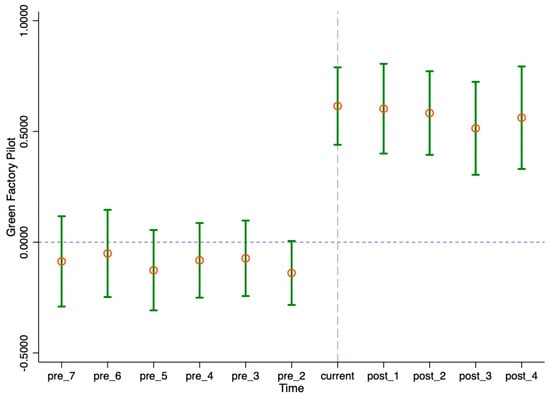
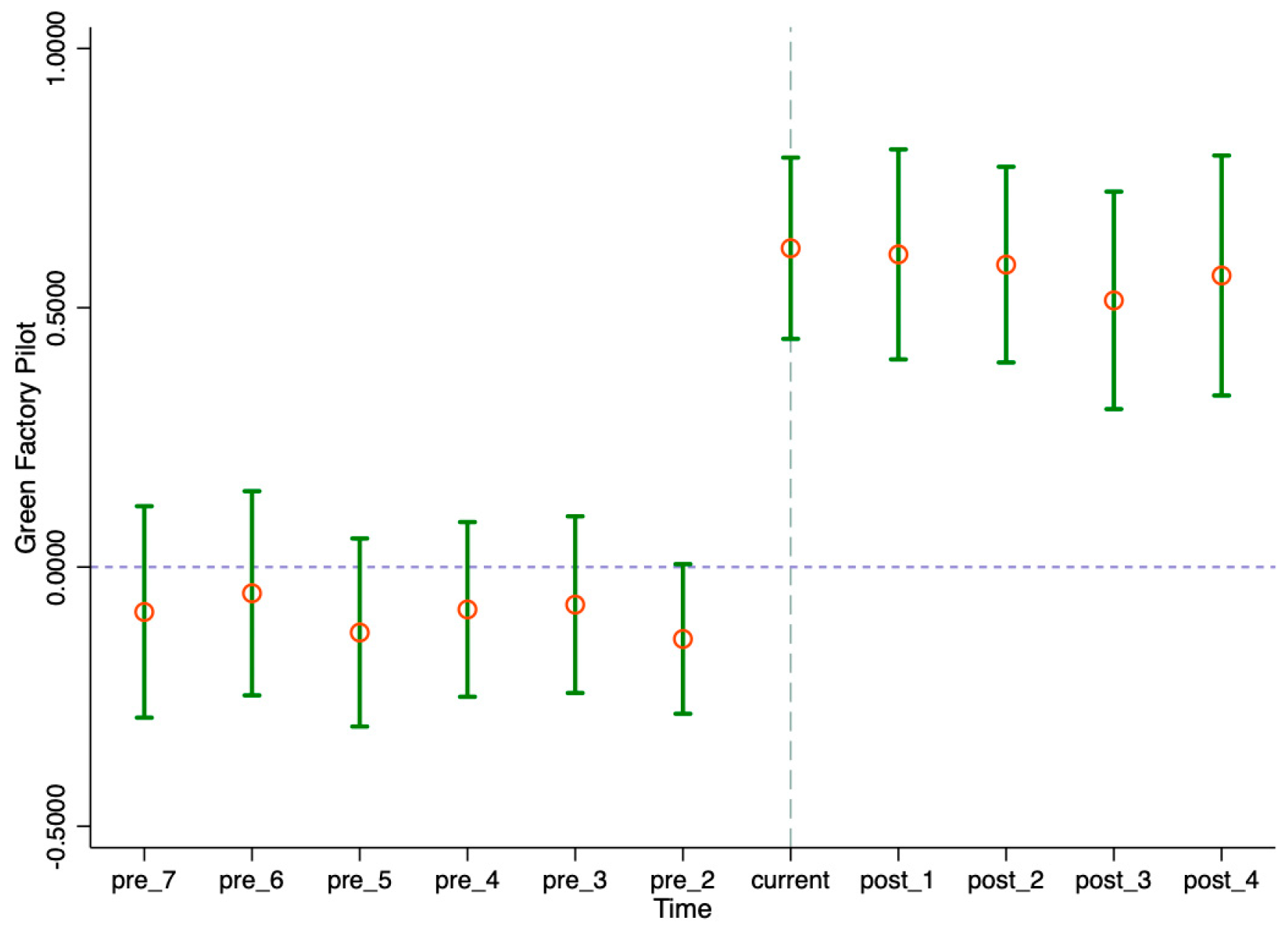
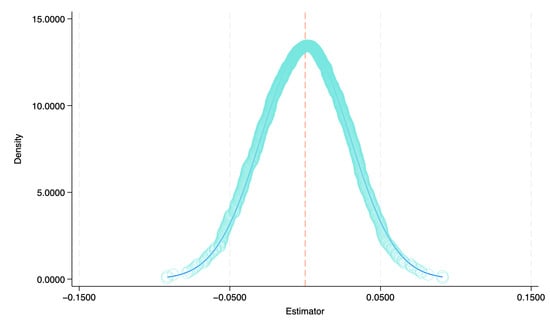
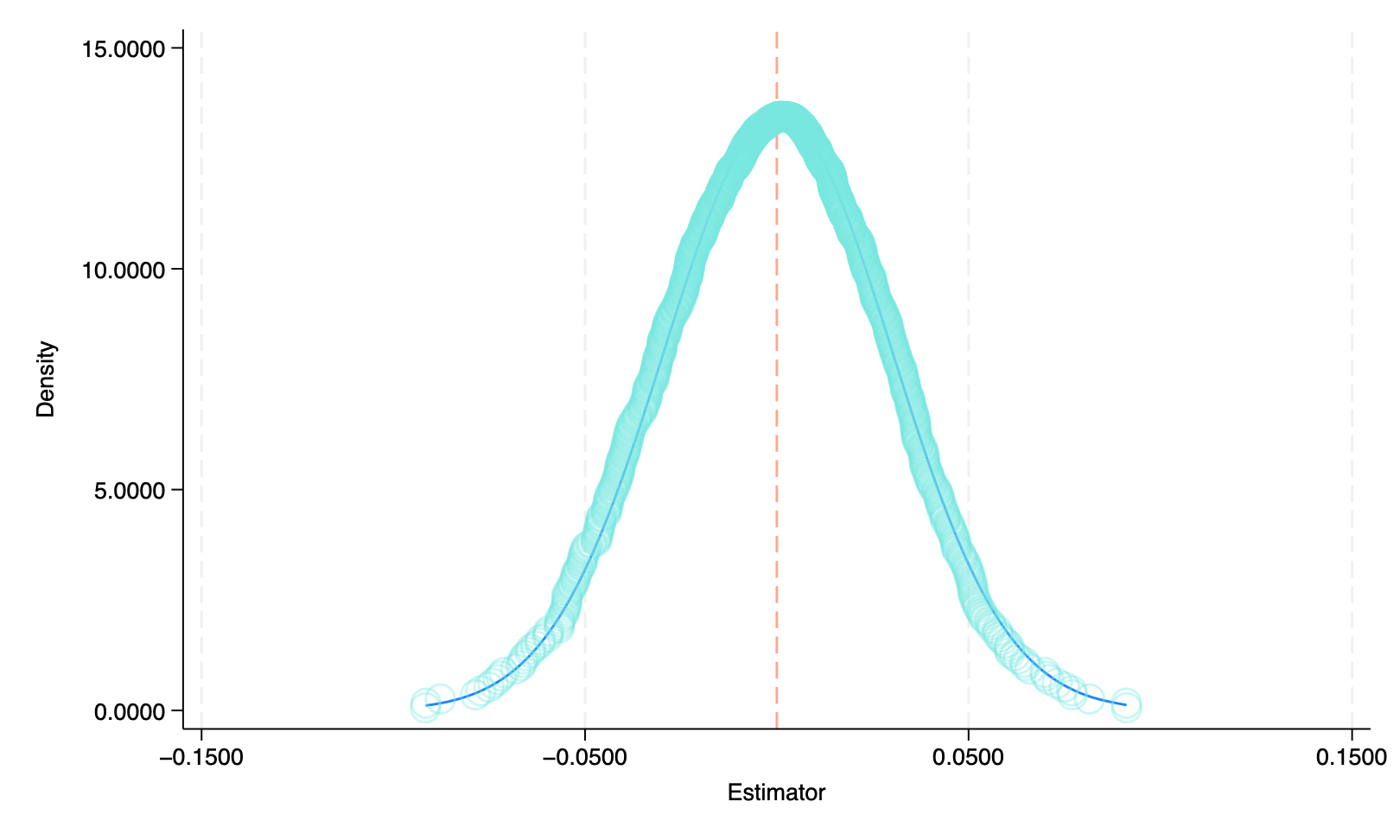
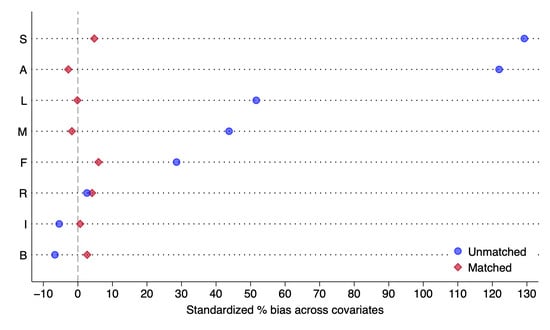
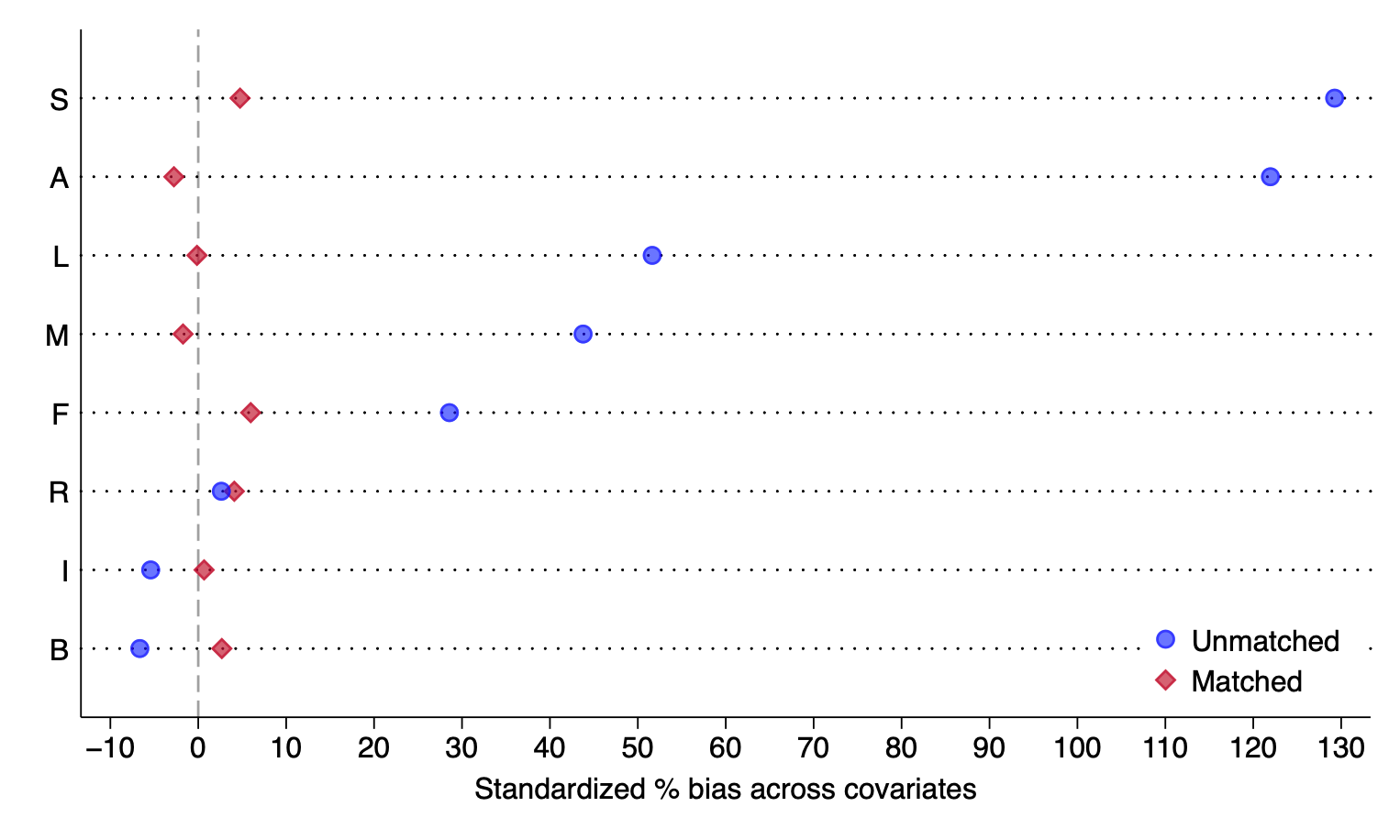
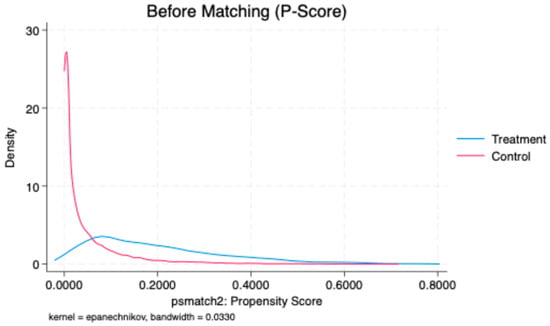
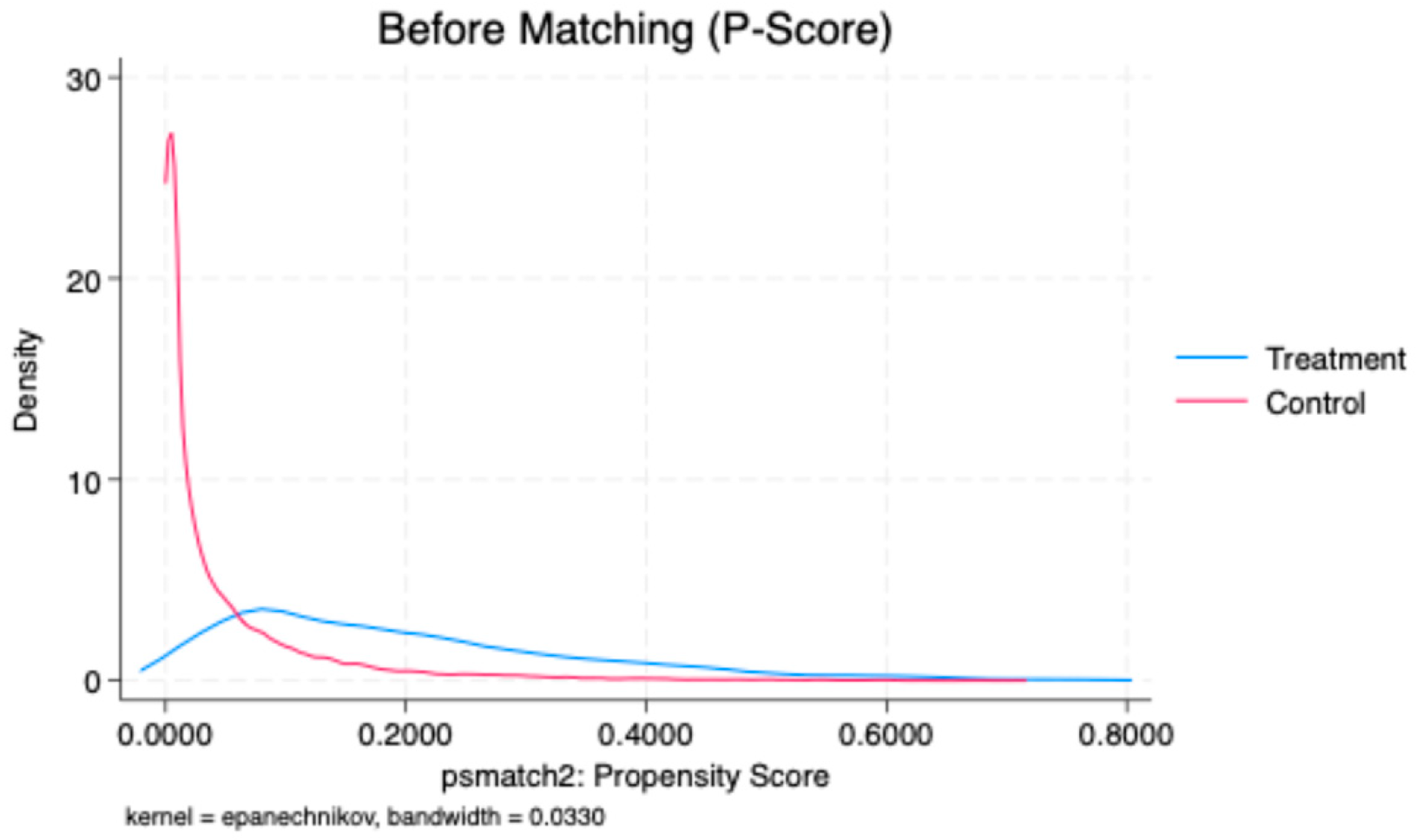
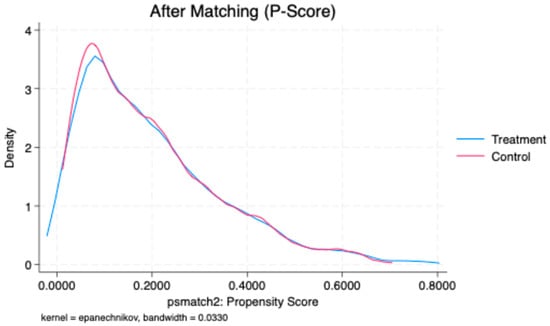
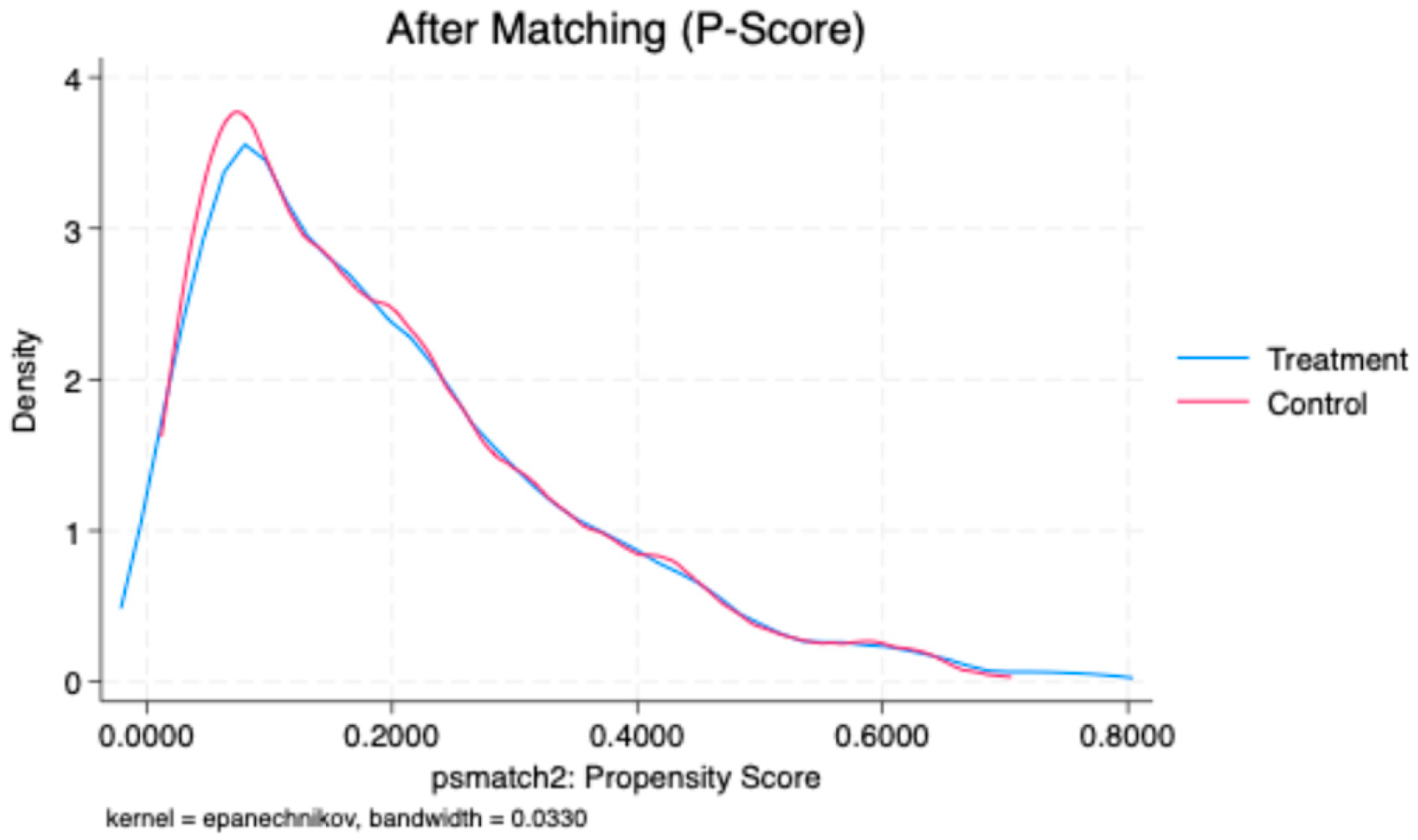
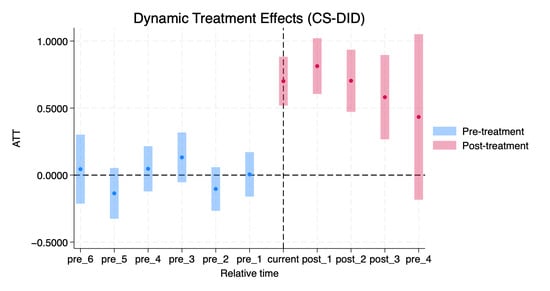
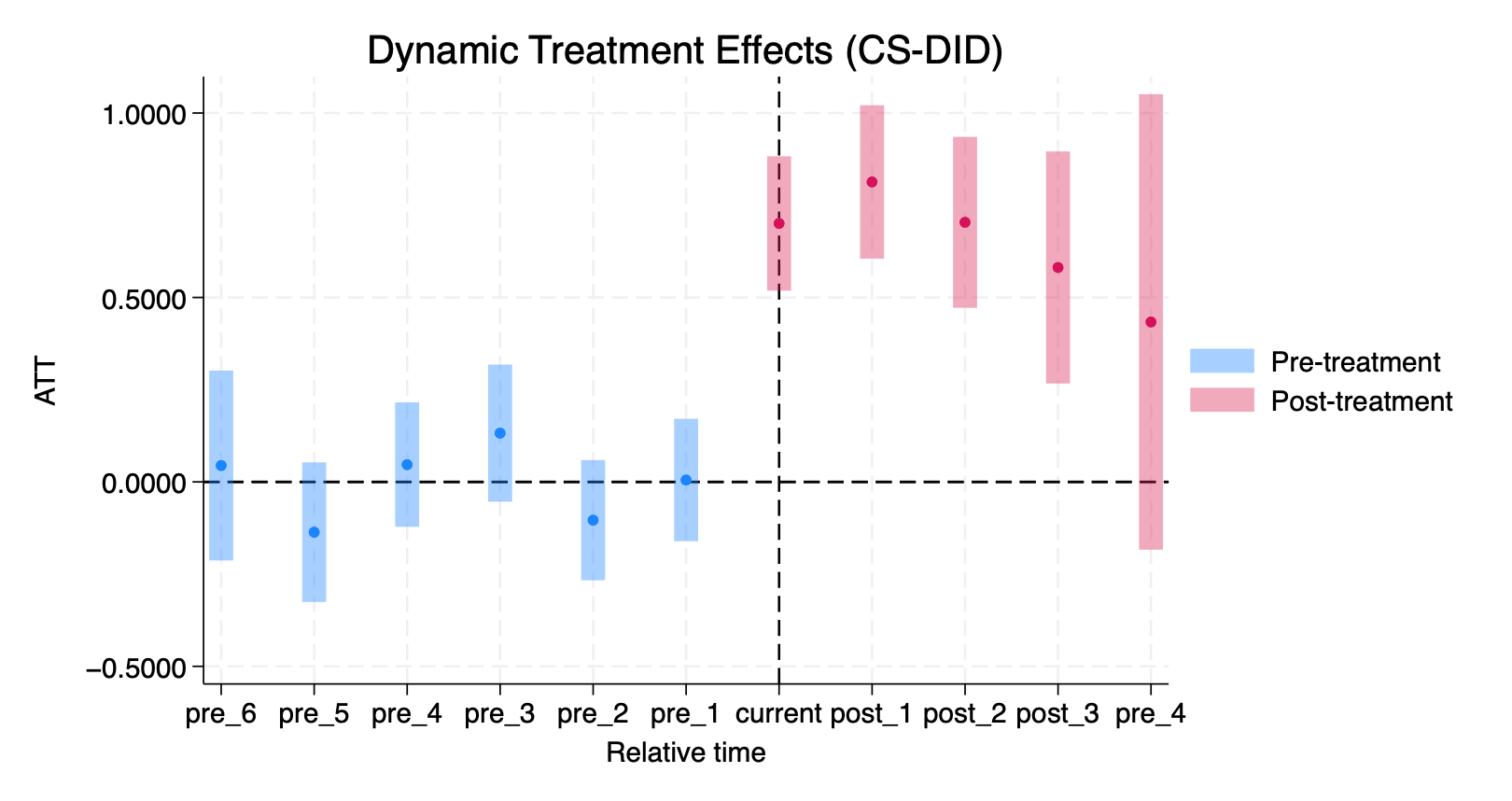

Disclaimer/Publisher’s Note: The statements, opinions and data contained in all publications are solely those of the individual author(s) and contributor(s) and not of MDPI and/or the editor(s). MDPI and/or the editor(s) disclaim responsibility for any injury to people or property resulting from any ideas, methods, instructions or products referred to in the content. |
© 2026 by the authors. Licensee MDPI, Basel, Switzerland. This article is an open access article distributed under the terms and conditions of the Creative Commons Attribution (CC BY) license.