


Highlights
What are the main findings?
- •
- Double-pass stitching significantly reduced seam opening under cyclic loading compared with single-pass stitching. The reduction ranged from 38% to 81%, depending on fabric type and loading direction, demonstrating the important role of stitching configuration in seam stability. The results also revealed differences in the response of individual upholstery fabrics to repeated mechanical loading.
What are the implications of these findings?
- •
- The findings demonstrate the potential of double-pass stitching as a practical approach to improving upholstery seam performance under repeated loading. This technique can enhance seam stability without requiring changes to the fabric material or additional reinforcement components. The results provide useful experimental evidence for selecting suitable stitching configurations in upholstered furniture manufacturing.
Abstract
Seams in upholstery fabrics are subjected to repeated mechanical loading during use, which may lead to progressive seam opening. This study evaluated a double-pass stitching variant in which the second pass follows the same nominal seam line as the first, with the aim of improving local seam stability without changing the basic seam geometry or adding reinforcing material. Four commercial upholstery fabrics were investigated: a plain-woven cotton–linen fabric (T1), a jacquard fabric containing chenille yarns (T2), a predominantly recycled-polyester twill fabric (T3), and a jacquard bouclé fabric (T4). The fabrics were tested in the warp and weft directions using single-pass and double-pass stitching. Three specimens per fabric × direction × stitching combination (48 in total) were subjected to a modified ISO 13936-2 procedure consisting of 10–180–10 N loading cycles up to 1000, with seam opening and specimen displacement recorded at 180 N every 100 cycles. Repeated-measures ANOVA evaluated the effects of fabric, loading direction, stitching variant, loading cycles, and their interactions. T1 was analysed descriptively because all weft specimens failed before the first scheduled measurement. For fabrics T2–T4, stitching variant had a strong effect on seam opening (p < 0.001; ηp2 = 0.984), with the double-pass variant showing approximately 38–81% lower mean seam opening. At 1000 cycles, the largest difference was observed for T4 in the weft direction (13.97 ± 0.64 mm vs. 2.56 ± 0.38 mm). A significant Cycles × Stitching interaction (p < 0.001; ηp2 = 0.504) showed different seam-opening development between the two stitching variants. The effectiveness of double-pass stitching depended on fabric type and loading direction, and inferential conclusions are limited to T2–T4 and the investigated loading conditions.
1. Introduction
Extending the service life of products is one of the fundamental principles of the circular economy and sustainable design. European eco-design legislation emphasizes the need to design products with increased durability, repairability, and longer service life in order to reduce the consumption of primary raw materials, waste generation, and environmental impacts throughout the entire product life cycle [1]. For textile products, extending service life is considered an important strategy for reducing their environmental impacts. Therefore, alongside the development of new fibre materials, increasing attention is also being paid to structural and technological solutions that can enhance product durability without substantially increasing material consumption [2,3,4]. At the same time, the valorisation and recycling of textile waste are increasingly investigated as complementary strategies for improving material circularity in textile-related applications [5,6,7].
One group of products whose service life is strongly influenced by the mechanical durability of textile materials is upholstered furniture. Its functionality and aesthetic quality depend not only on the load-bearing structure but also on the properties of the upholstery fabrics. Premature deterioration of the upholstery may limit the service life of the entire product even when the load-bearing structure remains fully functional. During use, upholstery fabrics are repeatedly subjected to mechanical loading as users sit down, stand up, and change their seating position. Cyclic loading may lead to progressive fabric deformation and changes in its mechanical behaviour [8,9], while the extent of these changes depends on the fabric structure, particularly the weave type, warp and weft yarn density, yarn properties, and friction between the yarns [8,10,11].
Sewn seams are among the most highly stressed areas of upholstery fabrics. Needle penetrations locally affect the fabric structure, while the sewing thread interacts with the warp and weft yarns in the seam region [8,12]. Under mechanical loading, local deformation and yarn displacement may occur, which can result in progressive seam opening and deterioration of the appearance of the upholstery [12,13,14]. The behaviour of a sewn seam therefore results from the combined effects of fabric properties and sewing parameters. Important factors include fabric construction and weave type, yarn density and linear density, yarn surface properties and inter-yarn friction, as well as stitch type, stitch density, sewing thread tension, and sewing direction relative to yarn orientation [8,10,11,12,13,14,15,16].
From the perspective of functional performance, a sewn seam cannot therefore be evaluated solely on the basis of its strength. The ability of the textile structure in the seam region to resist yarn displacement during repeated loading is also important. One characteristic manifestation of this behaviour in woven fabrics is seam slippage, in which warp or weft yarns are displaced relative to one another in the seam region without yarn rupture. This results in increased seam opening, loss of dimensional stability, and deterioration of the appearance of the product. Galuszynski [12] described this phenomenon in relation to the overcoming of frictional forces between warp and weft yarns and highlighted the importance of fabric construction and the mechanical properties of the yarns.
Research on the mechanical behaviour of sewn seams has a long history. Early studies addressed lockstitch seams in knitted fabrics and the strength of seams in woven fabrics [17,18]. Subsequent work developed methods for predicting the strength of lockstitch seams and examined yarn slippage in the seam region [19,20]. These studies progressively broadened the evaluation of sewn seams from their ultimate strength to deformation processes occurring within the fabric–stitch system. Later investigations extended this work to repeated loading. Shimazaki and Lloyd [21] analysed the opening behaviour of type 1.01.01 lockstitch seams produced with stitch type 301 under cyclic loading and demonstrated the combined influence of sewing-thread properties, stitch density, applied load, and the number of loading cycles. Webster et al. [22] subsequently investigated changes in the mechanical properties of seams sewn using stitch type 301, as classified in ISO 4915:1991 [23], during repeated extension and recovery, including their breaking behaviour after cyclic loading. Collectively, these studies showed that sewn-seam behaviour under repeated loading results from interactions among fabric properties, sewing-thread characteristics, stitch construction, and loading history.
The importance of fabric structure has subsequently been demonstrated in several experimental studies. Malčiauskienė et al. [11] and Brnada et al. [10] showed that weave type, warp and weft yarn density, yarn linear density, and the degree of yarn interlacing influence yarn mobility under mechanical loading. Fabrics with a higher number of interlacing points and higher yarn density generally exhibited greater resistance to yarn displacement, whereas more open structures were more susceptible to seam slippage. The importance of these factors is particularly relevant for upholstery fabrics, in which seam opening may result in localized and visually pronounced deterioration of the upholstery.
For upholstery fabrics, this issue was investigated by Pasayev et al. [15,16], who examined the effects of material composition, stitch length, weft yarn density, sewing direction relative to the warp and weft, and fabric construction on seam slippage in chenille fabrics. Their results showed that seam stability cannot be evaluated independently of the fabric structure and the selected sewing parameters. Similarly, Chen and Cheng [14] highlighted the interaction between fabric properties and sewing parameters in the mechanical behaviour of sewn seams, while Vilhanová et al. [13,24] confirmed the importance of technological parameters for the strength of sewn seams in upholstery materials.
In addition to material and technological parameters, the nature of loading during use is also important when evaluating upholstery fabrics. Yildirim [8] highlighted the repetitive nature of mechanical loading acting on sewn seams in seating furniture and demonstrated that the extent of seam opening could be predicted using nonlinear regression models based on fabric construction parameters and stitch density (R2 > 0.90). These findings support the importance of considering fabric structure, sewing parameters, and repeated mechanical loading together when evaluating seam behaviour [8].
Several published studies have evaluated seam slippage using standardized test procedures based on a single loading event or the application of a specified force [14,15,16]. Such tests provide information on the resistance of a fabric to yarn displacement under defined conditions, but they do not provide a detailed picture of the development of seam opening during repeated loading. Although Yildirim [8] used dynamic fatigue loading to model seam opening, and Korunčak et al. [9] highlighted the importance of cyclic loading in the evaluation of yarn displacement, monitoring the development of seam opening at successive stages of cyclic loading remains limited in the available literature.
Previous studies have also focused primarily on the effects of fabric structure and sewing parameters [8,10,13,14,15,16]. Considerably less attention has been paid to the possibility of improving seam stability by modifying the seam construction, specifically by adding a second stitching pass along the same nominal seam line. This configuration differs from the use of two parallel rows of stitches because the second pass follows the line of the previously formed seam and may therefore reinforce the effect of the first stitching pass. Its effect on seam opening under cyclic loading, as well as the possible dependence of this effect on upholstery fabric structure and loading direction, has not yet been sufficiently clarified.
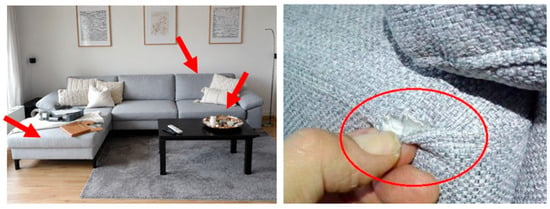
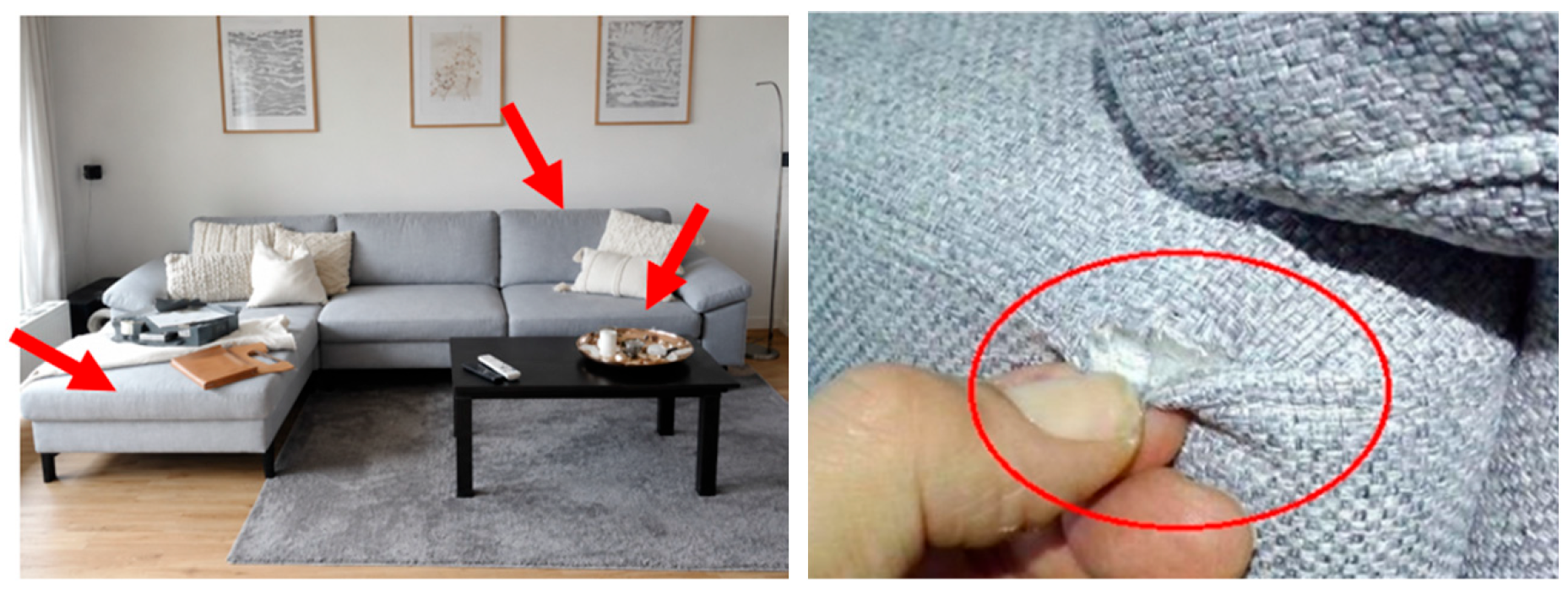
The practical motivation for this study was localized damage to the upholstery fabric in the immediate vicinity of sewn seams observed during the use of upholstered furniture (Figure 1). A service assessment documented damage in several localized areas of the product and identified insufficient resistance of the fabric to yarn displacement in the seam region as one possible cause. This service case served as a practical motivation for the experimental study. The aim was not to reproduce or determine the cause of damage to the specific product. However, it highlighted the practical importance of sewn seam stability and the need to identify simple technological measures that could be applied particularly in locally stressed areas of upholstered products.
Figure 1.
Example of fabric damage adjacent to a sewn seam observed in an upholstered furniture product under service conditions. Red arrows indicate the locations of fabric damage, and the red circle highlights a detail of the damaged seam region.
Based on the above considerations, the aim of this study was to evaluate the effect of repeated stitching along the same nominal seam line on seam opening in upholstery fabrics under cyclic mechanical loading. For this purpose, a modified test procedure based on the principle of ISO 13936-2 [25] was used, enabling not only the final seam opening to be assessed but also its development at successive stages of cyclic loading. The experiment included four upholstery fabrics differing in material composition and construction, tested in the warp and weft directions. A seam produced by a single stitching pass was compared with a variant produced by two consecutive stitching passes along the same nominal seam line.
In contrast to previous studies focused mainly on yarn density, yarn linear density, stitch density, or two parallel rows of stitches, the present study evaluates a second stitching pass performed along the same nominal seam line and examines its effect at successive stages of cyclic loading. During 1000 loading cycles, seam opening and specimen displacement were evaluated at regular intervals. It was hypothesized that seam opening would be affected by the stitching variant, fabric type, loading direction, and number of loading cycles, and that the effect of the stitching variant could vary depending on fabric type, loading direction, and the progression of cyclic loading. Specimen displacement was monitored as a supplementary parameter of the mechanical response.
2. Materials and Methods
2.1. Upholstery Fabric
Four commercially available fabrics intended for furniture upholstery were selected for the experimental evaluation of the proposed stitching method. The materials differed in fibre composition, areal density, mechanical properties, weave structure, yarn density, and yarn characteristics. The selection was deliberately designed to enable comparison of the effects of single-pass and double-pass stitching in fabrics with different material and structural characteristics. The basic characteristics of the tested fabrics are presented in Table 1.
Table 1.
Selected structural, physical, and mechanical characteristics of the tested upholstery fabrics.
T1 was a plain-woven fabric made from a blend of cotton and linen fibres. Both the warp and weft systems consisted of plied staple yarns.
T2 was a jacquard fabric with a combined yarn structure. The warp system consisted of multifilament and chenille yarns, whereas the weft system comprised staple and fancy yarns.
T3 was a twill-woven fabric made predominantly from recycled polyester. The warp system consisted of a combination of multifilament and two-ply staple yarns, whereas the weft system comprised multifilament and fancy yarns.
T4 was a jacquard fabric containing a combination of multifilament and fancy bouclé yarns in both the warp and weft systems. Among the tested materials, it had the highest areal density.
The selected fabrics therefore represented different structural configurations, ranging from the plain-woven cotton–linen fabric T1 to more complex jacquard structures containing chenille or bouclé yarns. The aim of the material selection was not to establish a statistically representative set of all upholstery fabrics, but rather to compare the behaviour of the proposed stitching method in materials with different characteristics relevant to seam stability.
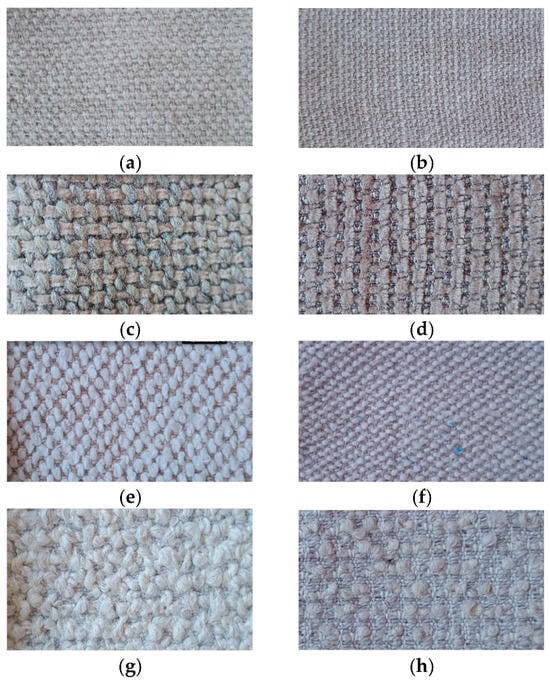
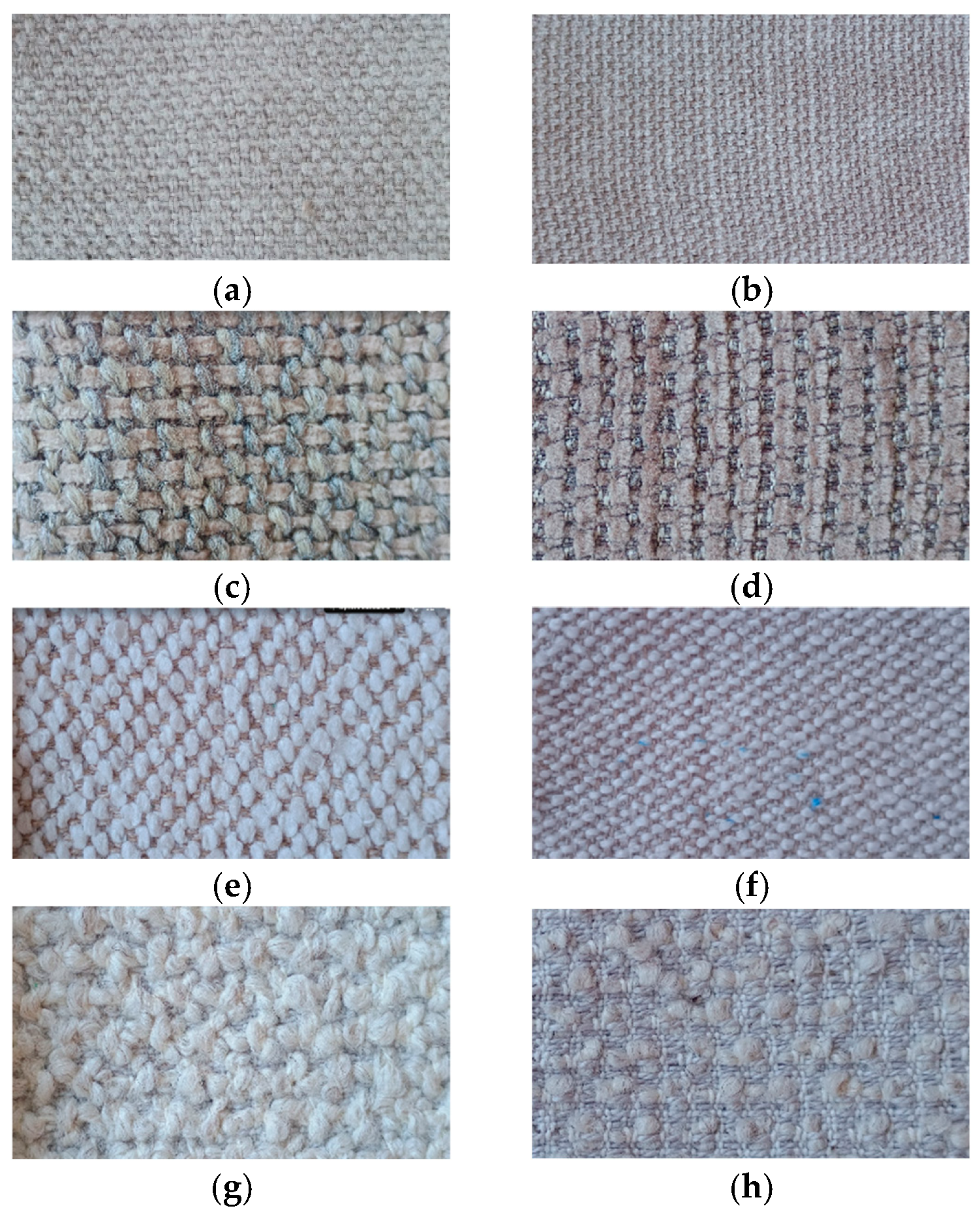
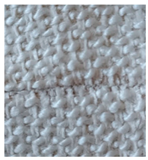
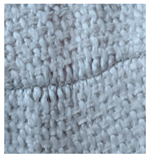
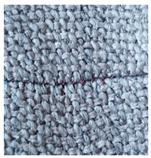
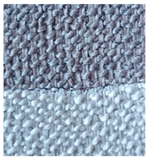
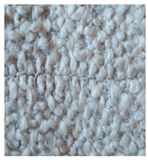
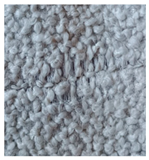
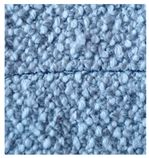
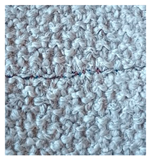
Fabric T1 was intentionally included as a comparative material based on practical experience reported by the upholstered furniture manufacturer regarding seam-related damage. According to the manufacturer, its previous use had been associated with an increased occurrence of service cases involving fabric opening and tearing adjacent to seams produced using conventional single-pass stitching. T1 was therefore included to determine whether double-pass stitching could reduce seam opening under controlled cyclic loading and to compare its response with those of the other upholstery fabrics. All tested materials were commercial upholstery fabrics supplied by an upholstered furniture manufacturer. Their face and reverse sides are shown in Figure 2.
Figure 2.
Face and reverse sides of the investigated upholstery fabrics: (a,b) T1; (c,d) T2; (e,f) T3; (g,h) T4.
2.2. Seam Construction and Preparation of Test Specimens
The seam used for the preparation of the test specimens was seam type 1.01.01 according to ISO 4916:1991 [29] and was produced using lockstitch type 301 according to ISO 4915:1991 [23]. Two stitching variants were compared. The reference variant was produced by a single stitching pass (single-pass), whereas the experimental variant was produced by two consecutive stitching passes along the same nominal seam line (double-pass). The double-pass variant was designed to reduce seam opening associated with yarn displacement under repeated mechanical loading.
The seams were produced with a nominal stitch length of 3 mm using an Nm 110/18 needle with an R-type standard point suitable for woven fabrics. A continuous-filament polyester sewing thread, ticket No. 30, was used. All test specimens were prepared using an industrial single-needle lockstitch sewing machine with compound feed, JUKI DNU-1541 (JUKI Corporation, Tokyo, Japan), at a sewing speed of approximately 2000 stitches min−1. The machine settings and sewing thread tension were kept unchanged throughout the preparation of all specimens.
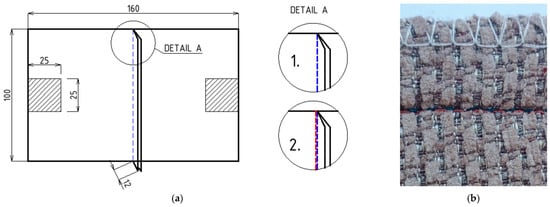
The geometry of the test specimens and the position of the seam were based on the test principle of ISO 13936-2:2004 [25]. The dimensions of the sewn specimen in the unfolded configuration were 100 × 160 mm. The seam line was positioned 12 mm from the joined edges and at the midpoint of the specimen length, perpendicular to the longitudinal axis of the specimen and to the direction of the applied load (Figure 3a). The detailed specimen geometry, orientation of the individual fabric pieces, and seam position are shown in Figure 3a. Because the standard procedure was modified by introducing cyclic loading, the experiment was not performed in full accordance with [25] but rather represented a modified procedure based on its test principle.
Figure 3.
Test specimen geometry and stitching configuration: (a) geometry of the test specimen and seam position with a schematic detail of single-pass (1) and double-pass (2) stitching along the same nominal seam line; (b) photograph of the double-pass seam with the two stitching passes distinguished by differently coloured threads.
The specimens were prepared in two orientations. The warp and weft directions were selected to enable a systematic comparison of the two principal yarn systems within the full-factorial experimental design. For testing in the warp direction, the longitudinal axis of the specimen and the direction of the applied load were parallel to the warp yarns. For testing in the weft direction, the longitudinal axis of the specimen and the direction of the applied load were parallel to the weft yarns. In both cases, the seam was oriented perpendicular to the loading direction.
For the single-pass variant, the fabric pieces were joined by one continuous stitching pass. For the double-pass variant, the first stitching pass was completed and subsequently followed by a second pass along the same nominal seam line. Because the second pass was performed after completion of the first pass, the individual needle penetration points were not necessarily coincident with those of the first pass. The same sewing parameters, including stitch type, stitch length, needle type, and sewing thread characteristics, were maintained for both passes. To enable visual distinction between the two stitching passes, threads of different colours were used; except for colour, the threads had identical material and construction characteristics (Figure 3b).
Three independent test specimens were prepared for each combination of four fabrics, two loading directions, and two stitching variants, resulting in a total of 48 specimens. Each experimental combination was therefore represented by three independent replicates (n = 3). The experiment was designed as a comparative full-factorial study to evaluate the consistency of the effect of double-pass stitching across different fabrics and loading directions. Repeated measurements obtained during cyclic loading represented measurements of the same experimental unit and were not treated as additional independent replicates. Before testing, all specimens were conditioned for at least 24 h at a temperature of 20 ± 2 °C and a relative humidity of 65 ± 4% in accordance with ISO 139:2005 [30].
2.3. Cyclic Loading Test
The specimens were secured in mechanical grips with serrated gripping surfaces measuring 58 × 39 mm. A 25 × 25 × 4 mm plywood insert was used in the gripping zone to define a consistent clamped area and to prevent movement of the specimen within the grips. Grip slippage was assessed by visual observation during testing and by inspecting the clearly imprinted 25 × 25 × 4 mm gripping area after removal of the specimen. No visible displacement of the specimens within the grips was observed.
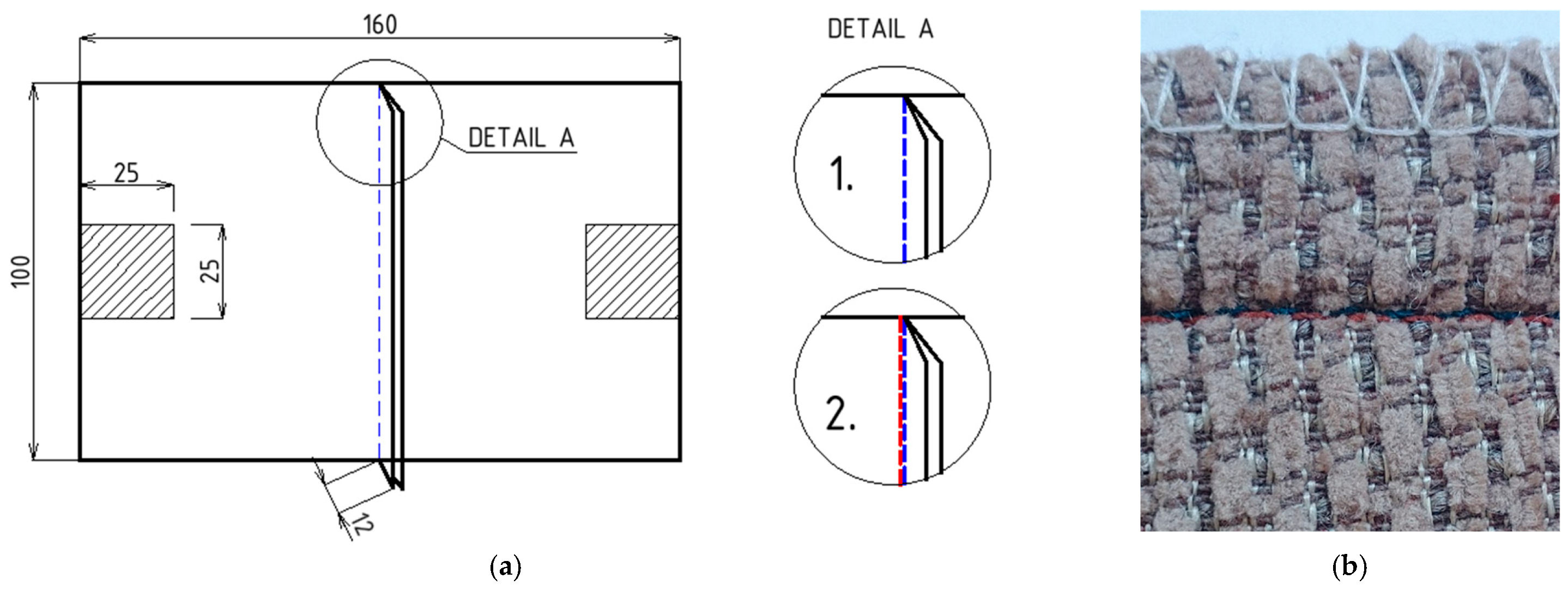
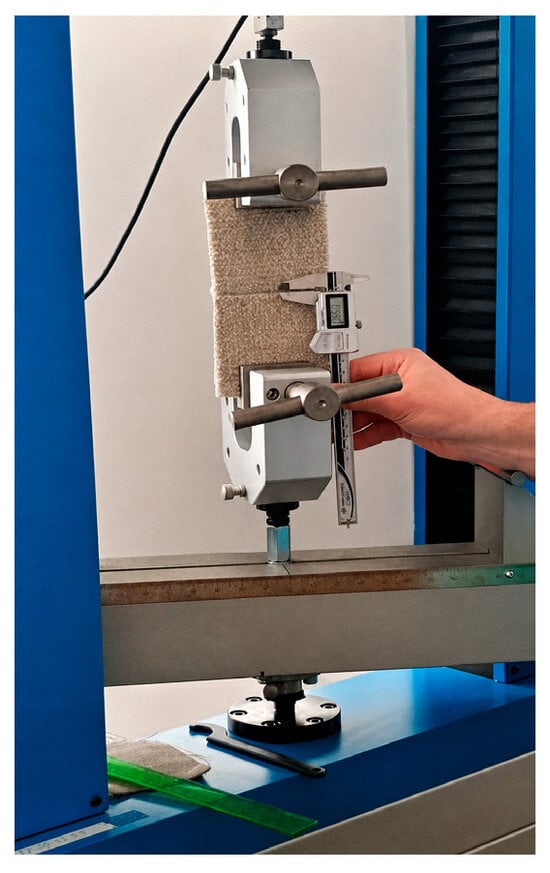
The cyclic loading test was based on the principle of determining the resistance of woven fabrics to yarn slippage at a seam according to ISO 13936-2:2004 [25]. The standard fixed-load procedure was modified by introducing repeated cyclic loading and measurements at defined cycle intervals to monitor the development of seam opening and specimen displacement. Testing was performed using a LabTest 6.10 universal testing machine (LABORTECH, s.r.o., Opava, Czech Republic) equipped with the LabTest control and data acquisition system (Figure 4). The initial distance between the grips was 100 mm.
Figure 4.
Experimental setup for cyclic loading and measurement of seam opening.
Each specimen was mounted with its longitudinal axis aligned with the loading direction and the seam perpendicular to the applied force. A uniaxial tensile configuration was used to allow direct comparison of the warp and weft directions; a ball/plunger test would not permit the directional effect to be isolated as clearly. The specimens were subjected to a maximum of 1000 loading cycles between 10 and 180 N at a crosshead speed of 50 mm·min−1. One loading cycle consisted of increasing the force from 10 to 180 N and subsequently decreasing it to 10 N, without a dwell period. The lower load of 10 N was used to maintain specimen tension and minimize slack between cycles, whereas 180 N was selected as a common upper load producing measurable seam opening under the comparative test conditions. Cyclic loading was interrupted after each block of 100 cycles. At each measurement interval, the specimen was loaded to 180 N and held at this force for approximately 5 s. During this holding period, two parameters were recorded: seam opening and specimen displacement. In contrast to the standard fixed-load procedure, seam opening was measured under the maximum applied load of 180 N in order to evaluate the state of the seam under identical loading conditions at each measurement interval. Seam opening was defined as the maximum visible separation between the opposing fabric edges in the seam region. The seam was visually inspected to identify the location of maximum opening, and the gap was measured directly, perpendicular to the seam line, on the face side of the specimen while it remained clamped in the testing machine. A digital caliper (Mitutoyo Corporation, Kawasaki, Japan) with a resolution of 0.01 mm was used. The recorded value represented the absolute seam opening under load; no initial value was subtracted. In this study, the term “yarn slippage” refers to the displacement of fabric yarns contributing to the formation of the measured gap and was not quantified independently. Specimen displacement at 180 N was obtained from the crosshead displacement recorded by the LabTest system and was used as a supplementary parameter of the overall mechanical response of the specimen.
Measurements were performed after 100, 200, 300, 400, 500, 600, 700, 800, 900, and 1000 loading cycles. No measurement immediately after the first loading cycle was included in the experimental protocol. The same procedure was applied to both loading directions and both stitching variants. If specimen failure occurred during testing and further load transfer through the sewn seam was no longer possible, the test was terminated, and subsequent values were neither recorded nor replaced. At each interval, the entire visible seam region was inspected, and the maximum opening was measured. All measurements were performed by the same operator; repeatability was not assessed separately.
A maximum of 1000 cycles was selected as an intermediate comparative interval, considering previous seam-loading studies extending to 5000 cycles [22]. This interval enabled seam opening to be monitored at ten equally spaced measurement points. The procedure was intended to compare the stitching variants rather than to predict furniture service life.
2.4. Statistical Analysis
Experimental data were analysed using TIBCO Statistica 12 (TIBCO Software Inc., Palo Alto, CA, USA). Results are presented as arithmetic mean ± standard deviation. Each individual test specimen was considered an independent experimental unit. Three independent specimens were tested for each combination of fabric, loading direction, and stitching variant (n = 3). Values recorded from the same specimen between 100 and 1000 loading cycles were treated as repeated measurements.
Prior to statistical analysis, the dataset was screened for completeness, consistency of specimen identification and measurement units, and the correct sequence of repeated measurements. No measured values were removed as statistical outliers, and no missing values were imputed.
The effects of the experimental factors on seam opening were evaluated using repeated-measures analysis of variance. Fabric type, loading direction, and stitching variant were treated as between-specimen factors, while the number of loading cycles was treated as the repeated-measures factor. Main effects and their interactions were evaluated. Specimen displacement at 180 N was treated as a supplementary parameter and was evaluated descriptively using mean values and standard deviations.
Fabric T1 was not included in the multifactorial analysis because all specimens tested in the weft direction failed prematurely before a complete set of repeated measurements could be obtained. Inferential analysis was therefore performed on the balanced dataset for fabrics T2–T4, comprising 36 independent specimens. The results for T1 were evaluated separately using descriptive analysis.
For effects involving the number of loading cycles, the Greenhouse–Geisser correction was applied when the assumption of sphericity was violated. Statistical significance was assessed at α = 0.05. Effect size was expressed as partial eta squared (ηp2). For descriptive comparison of the stitching variants, mean values across all ten measurement intervals and the change in seam opening between 100 and 1000 cycles were also calculated. These derived values were not subjected to separate inferential testing.
3. Results and Discussion
3.1. Development of Seam Opening During Cyclic Loading
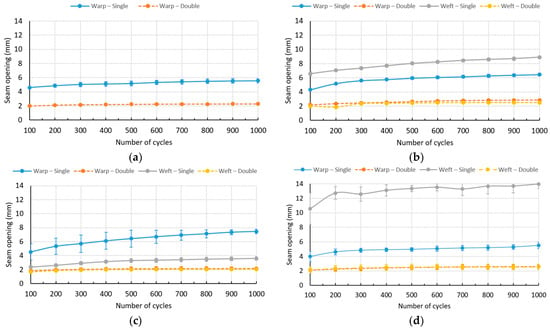
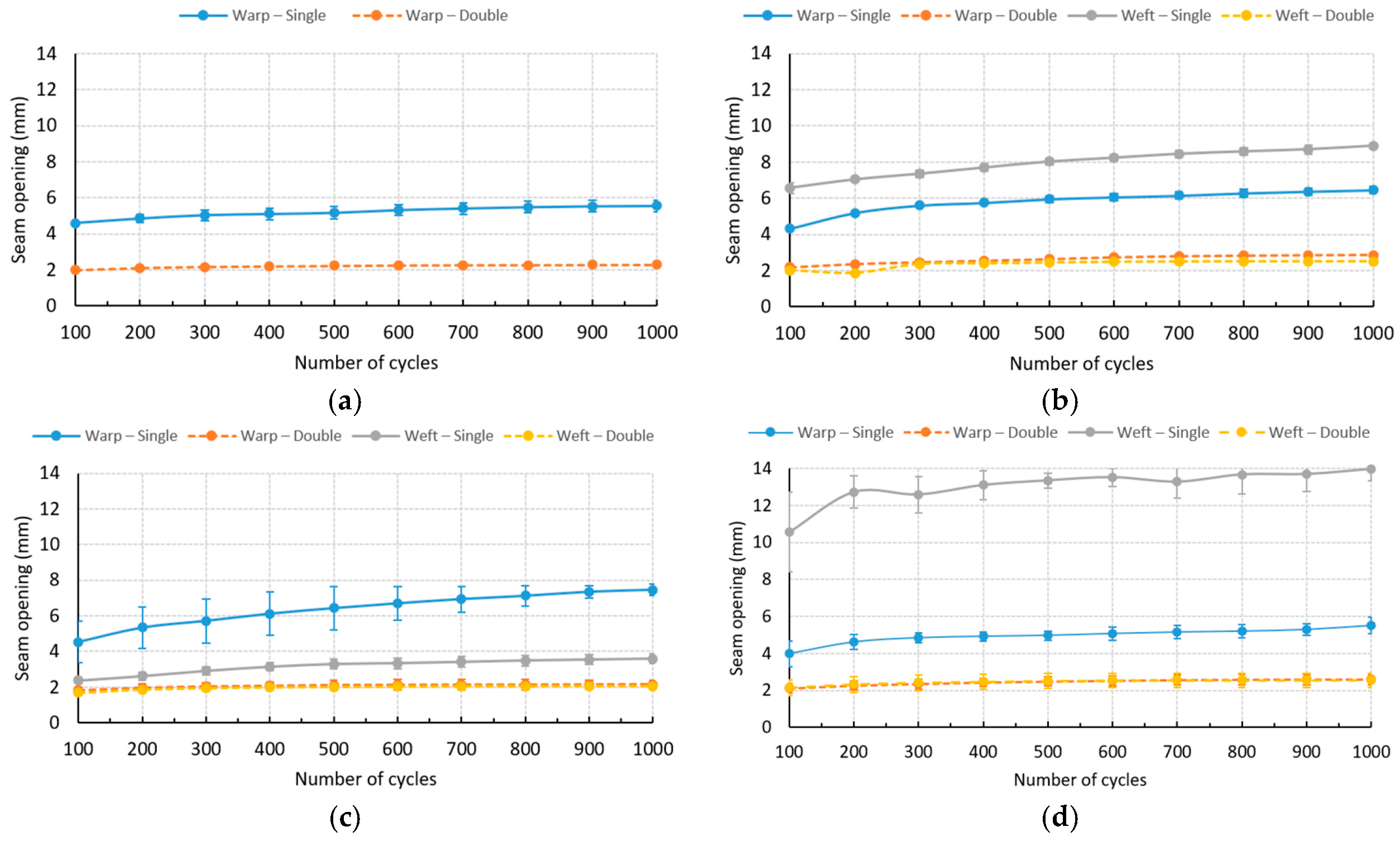
The development of seam opening during cyclic loading as a function of fabric type, loading direction, and stitching variant is presented in Table 2. In most of the investigated configurations, seam opening increased with increasing number of loading cycles. More pronounced changes were generally observed during the earlier stages of loading, whereas at higher numbers of cycles, the incremental increases in seam opening gradually decreased for several configurations. At all evaluation intervals from 100 to 1000 cycles, the double-pass variants exhibited lower mean seam opening values than the corresponding single-pass variants. However, the magnitude of the difference between the two stitching variants depended on the specific fabric and loading direction.
Table 2.
Development of seam opening (mm) during cyclic loading of the investigated upholstery fabrics as a function of loading direction and stitching variant.
Fabric T1 exhibited markedly different behaviour depending on the loading direction. In the warp direction, both stitching variants completed 1000 loading cycles, with final seam opening values of 5.55 ± 0.33 mm for the single-pass variant and 2.28 ± 0.06 mm for the double-pass variant. Thus, the double-pass variant exhibited approximately 59% lower seam opening. In the weft direction, all tested specimens failed before reaching 100 cycles and therefore before the first scheduled measurement. Because complete repeated-measures data were not available for the weft direction, T1 was excluded from the common multifactorial analysis and was evaluated separately. Complete datasets were obtained for fabrics T2–T4 in both loading directions and for both stitching variants. After 1000 loading cycles, the mean seam opening of the double-pass variants ranged from 2.05 to 2.86 mm, whereas the corresponding single-pass variants exhibited values ranging from 3.59 to 13.97 mm. The largest difference was observed for T4 in the weft direction, where seam opening reached 13.97 ± 0.64 mm for the single-pass variant and 2.56 ± 0.38 mm for the double-pass variant, corresponding to a reduction of 81.7%. The development of seam opening for the individual experimental combinations is shown in Figure 5. The progressive increase in seam opening and the smaller increments observed at higher cycle numbers are broadly consistent with earlier studies showing that the mechanical response of stitched seams changes during repeated extension and recovery [21,22]. Webster et al. [22] reported that the influence of the investigated variables differed between the initial 100 cycles and the subsequent range up to 5000 cycles. Shimazaki and Lloyd [21] similarly demonstrated that seam opening under cyclic loading depends on the combined effects of applied load, number of cycles, sewing-thread properties, and stitch density. Although direct quantitative comparison is not possible because of differences in materials and loading protocols, the present results support the earlier conclusion that cyclic seam behaviour is governed by interacting material, stitching, and loading factors.
Figure 5.
Development of seam opening during cyclic loading for the investigated upholstery fabrics with single-pass and double-pass stitching in the warp and weft directions: (a) T1; (b) T2; (c) T3; and (d) T4. Values are presented as mean ± standard deviation (n = 3). For T1, no values are shown in the weft direction because all specimens failed before the first scheduled measurement at 100 cycles.
3.2. Statistical Analysis of Seam Opening
The statistical analysis was performed on the complete and balanced dataset for fabrics T2–T4. The effects of fabric type, loading direction, stitching variant, and number of loading cycles, as well as their interactions, were evaluated. Table 3 presents the main effects and all evaluated interactions.
Table 3.
Effects of experimental factors and their interactions on seam opening during cyclic loading.
The stitching variant had a strong effect on seam opening (p < 0.001; ηp2 = 0.984) and showed the largest effect size among the main effects examined. For the double-pass variant, lower mean seam opening values were observed in all investigated combinations of fabrics T2–T4 and loading directions than for the corresponding single-pass variant. The effect of the number of loading cycles was also statistically significant (p < 0.001; ηp2 = 0.719), showing that seam opening changed over the investigated interval from 100 to 1000 cycles.
The significant interaction between the number of cycles and stitching variant (p < 0.001; ηp2 = 0.504) showed that the single-pass and double-pass variants differed not only in the overall level of seam opening but also in its development during cyclic loading. This result is consistent with the trends shown in Figure 5, where the double-pass variants generally exhibited a smaller increase in seam opening between 100 and 1000 cycles. The remaining interactions involving loading cycles were not statistically significant (p ≥ 0.069), except for the significant four-way Cycles × Fabric × Loading direction × Stitching interaction discussed below.
The effect of the stitching variant also depended on fabric type and loading direction. The Fabric × Stitching (p < 0.001; ηp2 = 0.878), Loading direction × Stitching (p < 0.001; ηp2 = 0.819), and Fabric × Loading direction × Stitching (p < 0.001; ηp2 = 0.939) interactions were significant. The difference between the single-pass and double-pass variants was therefore not equally large for all fabrics and loading directions. A significant Fabric × Loading direction interaction was also observed (p < 0.001; ηp2 = 0.942), indicating that the effect of loading direction differed among the investigated fabrics.
To describe the magnitude of these differences, mean seam opening values were calculated across all ten measurement intervals from 100 to 1000 cycles for each fabric and loading-direction combination (Table 4). The double-pass variant showed lower mean seam opening in all six combinations. The relative reduction compared with the single-pass variant ranged from approximately 38% to 81%, with the magnitude of the effect depending strongly on the specific combination of fabric and loading direction.
Table 4.
Mean seam opening and relative reduction associated with double-pass stitching for individual fabric and loading-direction combinations.
The smallest relative reduction in seam opening was observed for T3 in the weft direction (38.1%), whereas the largest was found for T4 under the same loading direction (81.1%). The marked difference between these two fabrics under identical loading orientation indicates that the effect of double-pass stitching depended on the specific characteristics of the fabric structure. For T2, the reduction was substantial in both loading directions, whereas for T3 and T4 the magnitude of the effect differed more considerably between the warp and weft directions.
The significant interaction between loading cycles, fabric type, loading direction, and stitching variant (p = 0.044; ηp2 = 0.177) further indicated that the difference in the development of seam opening between the single-pass and double-pass variants depended on the specific combination of fabric and loading direction. Given the smaller effect size of this interaction compared with the main effects and interactions involving the stitching variant, this result should be interpreted with caution.
The differences among the fabrics can be considered in relation to their structural and mechanical characteristics listed in Table 1. T3 had the highest tensile strength in both directions and, for the single-pass variant in the weft direction, showed the lowest mean seam opening among the fabrics included in the statistical analysis. In this configuration, the relative reduction associated with the second stitching pass was smaller, although seam opening was still further reduced with the double-pass variant. In contrast, T4 had the highest areal density but showed the largest mean seam opening for the single-pass variant in the weft direction. These results indicate that neither areal density nor tensile strength alone was sufficient to characterize fabric stability in the seam region.
The fabrics also differed in weave structure, yarn density, and the characteristics of the warp and weft yarns. T2 contained multifilament, chenille, staple, and fancy yarns; T3 contained a combination of multifilament, staple, and fancy yarns; and T4 contained multifilament and bouclé yarns. These structural differences may have influenced yarn mobility and load transfer in the immediate vicinity of the seam. Because yarn movement and local changes in the fabric structure were not directly quantified during testing, this explanation represents an interpretation of the observed macroscopic behaviour rather than an experimentally verified mechanism.
The main effects of fabric type (p < 0.001; ηp2 = 0.916) and loading direction (p < 0.001; ηp2 = 0.787) were also significant. However, because these factors were involved in significant interactions with the stitching variant, their effects should not be interpreted independently. Overall, the effectiveness of double-pass stitching depended on the specific combination of fabric structure and loading direction, although lower seam opening with the double-pass variant was observed in all analysed T2–T4 combinations.
To complement the repeated-measures analysis, the change in seam opening between the first and last evaluation intervals was assessed descriptively. The increase in seam opening between 100 and 1000 cycles was calculated using Equation (1):
where ΔS100–1000 is the increase in seam opening between 100 and 1000 loading cycles, and S100 and S1000 are the mean seam opening values after 100 and 1000 cycles, respectively. The relative reduction in this increase for the double-pass variant compared with the single-pass variant was calculated using Equation (2):
where ΔSsingle and ΔSdouble are the increases in seam opening for the single-pass and double-pass variants, respectively. The value RΔS expresses the relative reduction in the seam-opening increase for the double-pass variant compared with the single-pass variant.
For all complete combinations of fabrics T2–T4 and loading directions, the increase in mean seam opening between 100 and 1000 cycles was smaller for the double-pass variant than for the single-pass variant (Table 5). For the single-pass variant, the increase ranged from 1.22 to 3.42 mm, whereas for the double-pass variant it ranged only from 0.33 to 0.69 mm. The largest absolute difference was observed for T4 in the weft direction, where seam opening increased by 3.42 mm between 100 and 1000 cycles for the single-pass variant but by only 0.41 mm for the double-pass variant. The relative reduction in the increase ranged from 67.9% to 88.7% across the individual combinations. This descriptive trend is consistent with the significant Cycles × Stitching interaction (p < 0.001; ηp2 = 0.504), indicating different development of seam opening for the two stitching variants during cyclic loading.
Table 5.
Descriptive change in mean seam opening between 100 and 1000 loading cycles according to fabric, loading direction, and stitching variant.
The effect of loading direction was not the same for all fabrics. For the single-pass variant, mean seam opening was lower in the warp direction for T2 and T4, whereas for T3 it was lower in the weft direction. The strongest directional dependence was observed for T4, for which mean seam opening of the single-pass variant reached 4.95 mm in the warp direction and 13.06 mm in the weft direction. With double-pass stitching, the differences between the two loading directions were substantially smaller for all three fabrics. The smaller warp–weft differences observed with double-pass stitching, together with the significant Loading direction × Stitching interaction (p < 0.001; ηp2 = 0.819), show that the effect of the stitching variant depended on loading direction. However, these results should not be interpreted as evidence that double-pass stitching reduced the intrinsic anisotropy of the fabrics. The results also show that no single fabric orientation can be considered generally preferable for all materials; the structure of the upholstery fabric and the expected direction of mechanical loading should therefore be considered when designing upholstery components.
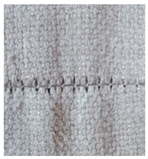
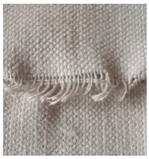
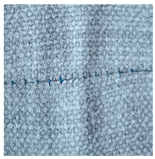
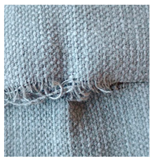
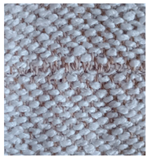
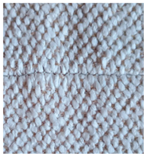
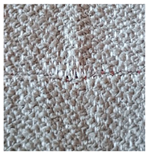
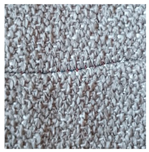
Differences between the stitching variants were also evident in the visual appearance of damage to the test specimens (Table 6). In several cases, the single-pass variant showed more pronounced fabric opening in the seam region, whereas the seam region remained more compact with double-pass stitching. This difference may be associated with the additional stitch interlacing introduced by the second stitching pass, which could provide greater local restraint of the yarns and limit their displacement and subsequent withdrawal from the fabric structure. A distinct failure behaviour was observed for T1 loaded in the weft direction. Failure did not occur through yarn rupture, but through progressive yarn displacement followed by withdrawal of the yarns from the 12 mm seam allowance beyond the seam line, after which the sewn seam was no longer able to transfer the applied load. This behaviour was qualitatively consistent with the practical experience reported by the manufacturer, which was one of the reasons for including T1 in the experiment.
Table 6.
Representative seam-region damage and failure modes of the investigated upholstery fabrics during cyclic loading according to loading direction and stitching variant.
3.3. Development of Specimen Displacement During Cyclic Loading
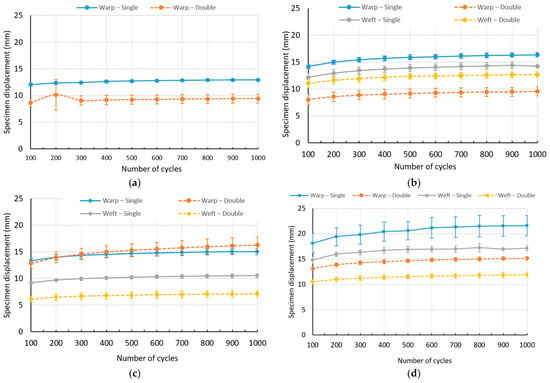
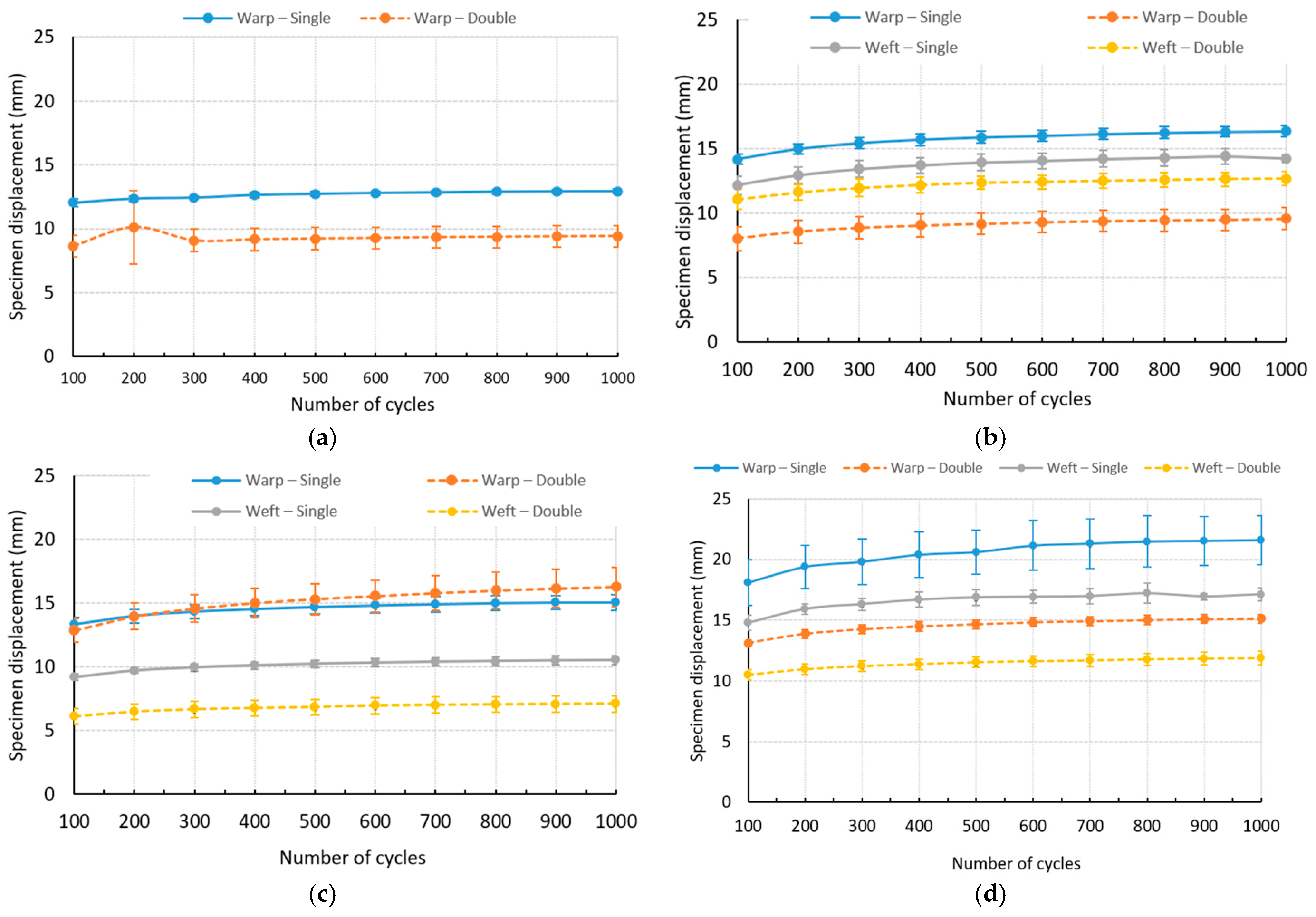
Specimen displacement at 180 N was monitored as a supplementary parameter of the overall mechanical response and was evaluated descriptively. Its development during cyclic loading is shown in Figure 6. In most configurations, specimen displacement increased with the number of loading cycles. Larger changes generally occurred during the earlier stages of loading, whereas the increments became smaller at higher cycle numbers in several configurations.
Figure 6.
Development of specimen displacement during cyclic loading for the investigated upholstery fabrics with single-pass and double-pass stitching in the warp and weft directions: (a) T1; (b) T2; (c) T3; and (d) T4. Values are presented as mean ± standard deviation (n = 3). For T1, no values are shown in the weft direction because all specimens failed before the first scheduled measurement at 100 cycles.
Mean values calculated across the ten measurement intervals were lower for the double-pass variant than for the corresponding single-pass variant in most fabric and loading-direction combinations. This trend, however, was not consistent in all cases. For T3 in the warp direction, the mean values were similar for the two stitching variants, reaching 14.59 mm for single-pass and 15.16 mm for double-pass stitching. Unlike seam opening, specimen displacement therefore did not show a consistent decrease with double-pass stitching across all fabric and loading-direction combinations.
For T1 in the weft direction, specimen displacement data were not obtained at the scheduled measurement intervals because all specimens failed before the first measurement at 100 cycles.
3.4. Comparison of Seam Opening and Specimen Displacement and Discussion of Deformation Behaviour
Seam opening and specimen displacement represented two different aspects of the deformation response during testing. Specimen displacement, derived from crosshead displacement at 180 N, was used as a supplementary measure of the overall deformation response of the specimen, whereas seam opening described the local change directly in the seam region. The two parameters were not completely independent, however, because local seam opening could also contribute to the overall displacement recorded by the testing machine.
The effect of double-pass stitching was more pronounced and consistent for local seam opening than for specimen displacement. For all analysed T2–T4 combinations, mean seam opening was lower with the double-pass variant than with the single-pass variant, whereas the same trend was not observed for specimen displacement in every combination. This difference indicates that specimen displacement should be interpreted only as a supplementary measure of the overall response, because it included deformation of the entire specimen and could not be attributed specifically to the seam region.
Differences among the fabrics also showed that resistance to seam opening cannot be assessed from a single material parameter. Previous studies have reported effects of weave structure, yarn density, yarn characteristics, fabric orientation, and sewing parameters on yarn displacement in the seam region [8,11,13,14,15,16]. Pasayev et al. [15,16] demonstrated the importance of structural parameters and fabric orientation in chenille upholstery fabrics. The present results are consistent with these findings. Among the fabrics included in the statistical analysis, T4 had the highest areal density (630 g/m2), yet it also showed the highest mean seam opening for the single-pass variant in the weft direction (13.06 mm). Higher areal density alone therefore did not provide greater seam stability. The observed behaviour was more likely related to the combined effects of fabric construction, yarn characteristics, and loading direction.
The lower seam opening observed with double-pass stitching may be related to changes in local load transfer within the seam region. Yarn displacement involves stitch deformation, the overcoming of frictional forces between yarns, and yarn movement within the fabric structure [8]. Friction between the sewing thread and fabric yarns, as well as between contacting sewing-thread segments, may restrict relative movement and affect load transfer within the seam. However, interfacial friction was not measured, and its contribution could not be separated from stitch deformation and fabric-yarn displacement. The pronounced fabric and direction dependent differences observed in the present study are also consistent with earlier evidence that seam behaviour is strongly influenced by fabric structure and the mobility of yarns in the seam region [19,20,21]. A second stitching pass along the same nominal seam line may have increased local stability and restricted yarn mobility during repeated loading. Because yarn movement and load distribution in the seam region were not measured directly, this interpretation is based on the observed macroscopic response rather than on a directly verified mechanism.
Repeated needle penetration may also adversely affect fabric structure. Gurarda and Meric [31] reported a relationship between needle penetration and yarn damage, while Choudhary et al. [32] described sewing damage as the result of interactions between material and technological factors. Because microscopic fibre damage and residual seam strength were not evaluated, the present measurements cannot determine whether the second stitching pass caused local damage or affected other mechanical properties of the seam.
Within the investigated materials and loading conditions, double-pass stitching showed potential as a simple method for reducing seam opening. Its effectiveness, however, depended on fabric type and loading direction. Its application should therefore consider the upholstery fabric construction, its orientation in the product, and the expected direction of mechanical loading.
3.5. Study Limitations and Future Research
This study evaluated sewn seam behaviour over 1000 loading cycles under defined laboratory conditions. The results should therefore be regarded as a comparative assessment of the tested configurations rather than as a direct prediction of seam service life in upholstered products. Four commercial upholstery fabrics with different material compositions and structures were examined, with three independent specimens for each experimental combination (n = 3). This small sample size limits statistical power and the generalization of the findings to other upholstery fabrics. In addition, complete repeated-measures data could not be obtained for T1 in the weft direction because all specimens failed before the first scheduled measurement. Considering T1 descriptively does not alter the observed direction of the stitching effect in the available warp-direction data, but it limits generalization because double-pass stitching did not prevent premature failure in the weft direction. As measurements began after 100 cycles, changes occurring during the initial loading stage were not quantified separately. The study was also limited to macroscopic responses, namely seam opening and specimen displacement; yarn movement, local load distribution, microscopic fibre damage, and residual seam strength after cyclic loading were not directly evaluated.
Further work should include longer cyclic loading, larger sample sizes, and a broader range of upholstery fabrics. Microscopic examination of the seam region would help clarify yarn movement and possible damage caused by the second needle pass, while post-loading strength tests could determine whether double-pass stitching affects the residual mechanical properties of the seam. Testing in highly stressed regions of actual upholstered products would also help establish the material and loading conditions under which double-pass stitching provides a practical improvement in seam stability. The use of a single sewing-thread type, stitch type, and test configuration was intentional to keep the sewing and loading conditions constant and thereby isolate the effect of the stitching variant. Only one continuous filament polyester sewing thread with a nominal ticket number of 30 was used throughout the experiment. Thread material, construction, and nominal size were therefore controlled rather than treated as experimental factors, and their possible interactions with fabric type, loading direction, and loading cycles were not evaluated. Future studies should examine different thread materials and linear densities systematically.
4. Conclusions
The results showed that seam opening in upholstery fabrics during cyclic loading depended on the stitching variant, fabric type, loading direction, and number of loading cycles. An important contribution of this study was the evaluation of double-pass stitching performed along the same nominal seam line under progressive cyclic loading. The applied procedure made it possible to evaluate not only the final level of seam opening but also its development between 100 and 1000 loading cycles.
Among the main effects examined, the stitching variant showed the largest effect size (p < 0.001; ηp2 = 0.984). For all analysed combinations of fabrics T2–T4 and loading directions, mean seam opening was lower for the double-pass variant than for the single-pass variant, with relative reductions of approximately 38–81%. The significant Cycles × Stitching interaction (p < 0.001; ηp2 = 0.504) further showed that the two stitching variants differed not only in the overall level of seam opening but also in its development during cyclic loading. Between 100 and 1000 cycles, the increase in seam opening was smaller for the double-pass variant in all complete experimental combinations.
The magnitude of the effect of the second stitching pass depended on the specific combination of fabric and loading direction. The largest difference was found for T4 in the weft direction, corresponding to a reduction of approximately 81%. T4 also had the highest areal density among the tested materials, indicating that areal density alone was not a reliable indicator of seam stability within the investigated set of fabrics. Seam stability should therefore be considered in relation to the specific fabric structure and loading direction.
Comparison of seam opening and specimen displacement at 180 N showed that the effect of double-pass stitching was more consistent in the local seam region than in the overall deformation response of the specimen. While seam opening was lower for the double-pass variant in all analysed T2–T4 combinations, the same trend was not observed for specimen displacement in every configuration. T1 represented a distinct case: in the warp direction, double-pass stitching substantially reduced seam opening, whereas in the weft direction all three specimens failed before 100 cycles as a result of yarn displacement and subsequent withdrawal of the yarns from the seam allowance.
Within the investigated materials and loading conditions, double-pass stitching along the same nominal seam line showed potential as a simple method for limiting seam opening without changing the basic seam geometry or adding reinforcing material. Its effectiveness, however, depended on fabric construction and loading direction and should therefore not be regarded as a universal solution independent of material characteristics. The findings are limited to the upholstery fabrics and cyclic loading conditions investigated in this study. Further testing under longer-term loading and conditions closer to actual service is needed to assess the effect of double-pass stitching on the long-term functional stability of sewn seams. Because yarn movement, microscopic damage, and residual seam strength were not directly evaluated, the underlying mechanism and long-term mechanical benefits of double-pass stitching cannot be confirmed from the present results.
From a broader scientific perspective, the results highlight the value of evaluating the development of seam stability under repeated loading, rather than relying solely on a single-load or end-point assessment. The expected impact of this work is to support evidence-based seam design and manufacturing quality in upholstered furniture by providing experimental evidence for a simple stitching strategy that may improve seam stability without additional reinforcing material, while accounting for fabric construction and loading direction. By helping to limit premature seam-related deterioration, this approach may also contribute to eco-design objectives aimed at extending product service life and reducing avoidable repair, material replacement, and waste.
Author Contributions
Conceptualization, A.V., N.L. and M.K.; methodology, A.V.; software, N.L.; validation, A.V., N.L., J.S. and M.K.; formal analysis, N.L., A.V. and J.S.; investigation, A.V. and N.L.; resources, A.V., N.L. and J.S.; data curation, A.V., N.L. and J.S.; writing—original draft preparation, N.L.; writing—review and editing, A.V. and J.S.; visualization, N.L.; supervision, J.S. and N.L.; project administration, J.S.; funding acquisition, J.S. All authors have read and agreed to the published version of the manuscript.
Funding
This research was funded by the Scientific Grant Agency of the Ministry of Education, Research, Development and Youth of the Slovak Republic and the Slovak Academy of Sciences (VEGA), grant number 1/0450/25, “Innovations in Furniture Joints: Utilization of 3D Printing and Bonding in the Development of Connecting Components”.
Data Availability Statement
The data presented in this study are available from the corresponding author upon reasonable request.
Acknowledgments
The authors would like to thank Boris Lizoň and Marek Vojtkuliak for their technical support during specimen preparation and testing.
Conflicts of Interest
Author Monika Košecká was employed by the company Lind Mobler Slovakia. The remaining authors declare that the research was conducted in the absence of any commercial or financial relationships that could be construed as a potential conflict of interest.
References
- European Parliament; Council of the European Union. Regulation (EU) 2024/1781 of the European Parliament and of the Council of 13 June 2024 establishing a framework for the setting of ecodesign requirements for sustainable products, amending Directive (EU) 2020/1828 and Regulation (EU) 2023/1542 and repealing Directive 2009/125/EC. Off. J. Eur. Union 2024, 2024/1781. Available online: https://eur-lex.europa.eu/eli/reg/2024/1781/oj (accessed on 8 October 2026).
- Abagnato, S.; Rigamonti, L.; Grosso, M. Life cycle assessment applications to reuse, recycling and circular practices for textiles: A review. Waste Manag. 2024, 182, 74–90. [Google Scholar] [CrossRef] [Scilit] [PubMed]
- Aus, R.; Moora, H.; Vihma, M.; Unt, R.; Kiisa, M.; Kapur, S. Designing for circular fashion: Integrating upcycling into conventional garment manufacturing processes. Fash. Text. 2021, 8, 34. [Google Scholar] [CrossRef] [Scilit]
- Indrie, L.; Ilieva, J.; Zlatev, Z.; Tripa, S.; Sturza, A. Development of an algorithm for textile waste arrangement. Sustainability 2023, 15, 11399. [Google Scholar] [CrossRef] [Scilit]
- Suchorab, B.; Wronka, A.; Kowaluk, G. Towards circular economy by valorization of waste upholstery textile fibers in fibrous wood-based composites production. Eur. J. Wood Wood Prod. 2023, 81, 571–577. [Google Scholar] [CrossRef] [Scilit]
- De Felice, F.; Fareed, A.G.; Zahid, A.; Nenni, M.E.; Petrillo, A. Circular economy practices in the textile industry for sustainable future: A systematic literature review. J. Clean. Prod. 2025, 486, 144547. [Google Scholar] [CrossRef] [Scilit]
- Alves, D.I.; Barreiros, M.; Fangueiro, R.; Ferreira, D.P. Valorization of textile waste: Non-woven structures and composites. Front. Environ. Sci. 2024, 12, 1365162. [Google Scholar] [CrossRef] [Scilit]
- Yildirim, K. Predicting seam opening behavior of woven seat fabrics. Text. Res. J. 2010, 80, 472–480. [Google Scholar] [CrossRef] [Scilit]
- Korunčak, I.; Jucienė, M.; Dobilaitė, V.; Mackevičienė, E.I. Influence of industrial washing and cyclic fatigue on slippage of linen fabric threads along the seam. Mater. Sci. 2014, 20, 79–83. [Google Scholar] [CrossRef] [Scilit][Green Version]
- Brnada, S.; Rogina-Car, B.; Kovačević, S. Influence of woven fabric construction on seam thread slippage. J. Fiber Bioeng. Inform. 2016, 9, 213–222. [Google Scholar] [CrossRef] [Scilit]
- Malčiauskienė, E.; Milašius, A.; Laureckienė, G.; Milašius, R. Influence of weave into slippage of yarns in woven fabric. Mater. Sci. 2011, 17, 47–51. [Google Scholar] [CrossRef] [Scilit]
- Galuszynski, S. Some aspects of the mechanism of seam slippage in woven fabrics. J. Text. Inst. 1985, 76, 425–433. [Google Scholar] [CrossRef] [Scilit]
- Vilhanová, A.; Langová, N.; Kłos, R.; Máchová, E. The effect of selected factors on the strength of stitches of upholstery faux leather. Materials 2022, 15, 6585. [Google Scholar] [CrossRef] [Scilit] [PubMed]
- Chen, D.; Cheng, P. Investigation of factors affecting the seam slippage of garments. Text. Res. J. 2019, 89, 4756–4765. [Google Scholar] [CrossRef] [Scilit]
- Pasayev, N.; Korkmaz, M.; Baspinar, D. Investigation of the techniques decreasing the seam slippage in chenille fabrics (Part I). Text. Res. J. 2012, 82, 855–863. [Google Scholar] [CrossRef] [Scilit]
- Pasayev, N.; Korkmaz, M.; Baspinar, D. Investigation of the techniques decreasing the seam slippage in chenille fabrics (Part II). Text. Res. J. 2011, 81, 2075–2081. [Google Scholar] [CrossRef] [Scilit]
- Dorkin, C.M.C.; Chamberlain, N.H. Lockstitch Seams in Knitted Fabrics; Clothing Institute Technological Report No. 11; The Clothing Institute: London, UK, 1962. [Google Scholar]
- Burtonwood, B.; Chamberlain, N.H. The Strength of Seams in Woven Fabrics; Clothing Institute Technological Report No. 17; The Clothing Institute: London, UK, 1966. [Google Scholar]
- Brain, D.H. The prediction of strengths of lockstitch seams in woven fabrics. J. Text. Inst. 1970, 61, 493–505. [Google Scholar] [CrossRef] [Scilit]
- Morris, P.A.; Brain, D.H. Seam slippage. Cloth. Res. J. 1975, 3, 135–144. [Google Scholar]
- Shimazaki, K.; Lloyd, D.W. Opening behavior of lockstitch seams in woven fabrics under cyclic loading conditions. Text. Res. J. 1990, 60, 654–662. [Google Scholar] [CrossRef] [Scilit]
- Webster, J.; Laing, R.M.; Niven, B.E. Effects of repeated extension and recovery on selected physical properties of ISO-301 stitched seams: Part I: Load at maximum extension and at break. Text. Res. J. 1998, 68, 854–864. [Google Scholar] [CrossRef] [Scilit]
- ISO 4915:1991; Textiles—Stitch Types—Classification and Terminology. International Organization for Standardization: Geneva, Switzerland, 1991.
- Vilhanová, A.; Langová, N.; Vojtkuliak, M. The influence of sewing thread fineness and stitch length on sewn joint strength. Acta Fac. Xylologiae Zvolen 2025, 67, 117–126. [Google Scholar]
- ISO 13936-2:2004; Textiles—Determination of the Slippage Resistance of Yarns at a Seam in Woven Fabrics—Part 2: Fixed Load Method. International Organization for Standardization: Geneva, Switzerland, 2004.
- EN 12127:1997; Textiles—Fabrics—Determination of Mass per Unit Area Using Small Samples. European Committee for Standardization: Brussels, Belgium, 1997.
- ISO 13934-1:2013; Textiles—Tensile Properties of Fabrics—Part 1: Determination of Maximum Force and Elongation at Maximum Force Using the Strip Method. International Organization for Standardization: Geneva, Switzerland, 2013.
- EN ISO 12947-2:1998; Textiles—Determination of the Abrasion Resistance of Fabrics by the Martindale Method—Part 2: Determination of Specimen Breakdown. European Committee for Standardization: Brussels, Belgium, 1998.
- ISO 4916:1991; Textiles—Seam Types—Classification and Terminology. International Organization for Standardization: Geneva, Switzerland, 1991.
- ISO 139:2005; Textiles—Standard Atmospheres for Conditioning and Testing. International Organization for Standardization: Geneva, Switzerland, 2005.
- Gurarda, A.; Meric, B. The effects of elastane yarn type and fabric density on sewing needle penetration forces and seam damage of PET/elastane woven fabrics. Fibres Text. East. Eur. 2007, 15, 73–76. [Google Scholar]
- Choudhary, A.K.; Sikka, M.P.; Bansal, P. The study of sewing damage and defects in garments. Res. J. Text. Appar. 2018, 22, 109–125. [Google Scholar] [CrossRef] [Scilit]

Disclaimer/Publisher’s Note: The statements, opinions and data contained in all publications are solely those of the individual author(s) and contributor(s) and not of MDPI and/or the editor(s). MDPI and/or the editor(s) disclaim responsibility for any injury to people or property resulting from any ideas, methods, instructions or products referred to in the content. |
© 2026 by the authors. Licensee MDPI, Basel, Switzerland. This article is an open access article distributed under the terms and conditions of the Creative Commons Attribution (CC BY) license.