


Highlights
What are the main findings?
- A total of 117 PHA-coated wall systems were evaluated via dynamic simulations.
- P3HD achieved the lowest annual energy use and CO2 emissions.
- P3HB4HB ranked highest in overall material performance by MUNRA
- Thermal conductivity strongly depended on polymer crystallinity.
- XPS-insulated wall systems showed the best energy performance.
What are the implications of the main findings?
- Low-crystallinity PHAs can improve building energy efficiency.
- PHA coatings offer sustainable alternatives for façade applications.
- Material crystallinity is critical for coating selection decisions.
- Integrated simulation–MADA supports sustainable material design.
- Bio-based coatings can reduce environmental impacts in buildings.
Abstract
An approach for the thermo-energy and environmental evaluation of polyhydroxyalkanoate (PHA)-based biopolymer coatings in green building envelopes is presented in this study. A boutique hotel designed for Antalya, Türkiye, was selected as a case study, and 117 multi-layer wall composites assemblies incorporating 13 different PHA-based coatings were evaluated. The thermal conductivity values were predicted by a crystallinity-dependent semi-empirical equation and used in dynamic building simulations with Integrated Environmental Solutions–Virtual Environment (IES-VE) to predict the annual energy use and CO2 emissions. The performance of material was evaluated based on biodegradability, density, crystallinity, thermal stability, and mechanical properties by using the integrated LOGSTA–LODECI weighting and MUNRA ranking techniques. P3HB4HB showed the best overall material performance, in contrast to P3HB, which had the lowest energy requirement and emissions. The findings emphasize crystallinity as a key determinant for material and building energy performance.
1. Introduction
Buildings use cladding systems as the outermost layer of the exterior to improve the building’s aesthetic appearance and protect them from weathering. The basic purpose of cladding is to protect the building envelope from weather-related elements like water penetration, solar radiation, wind pressure, and temperature variations, thereby maintaining the structural stability and extending the life of service of building [1,2,3]. In modern construction, the function of cladding, however, has changed drastically to more than just protection and visual appeal. The increasing worldwide energy demand and concerns over climate change have led to building envelopes being considered as fundamental elements in the design and realization of energy-efficient buildings [4,5,6]. Therefore, enhancing the thermal performance of building envelope systems has gained great importance in sustainable building design and engineering.
The building industry accounts for over 40% of worldwide energy use and greenhouse gas emissions, which necessitates the demand for eco-friendly material alternatives [7,8,9]. In this regard, the choice of cladding materials is crucial to reducing the energy needed for buildings and the associated environmental burden. Traditional cladding materials such as metals, concrete, glass, and petroleum-based polymers have been employed in the past due to their mechanical properties, reliability, and environmental stability [10,11,12]. Despite these advantages, they also have severe limitations, from a sustainability point of view, such as high embodied energy, dependence on non-renewable fossil resources, and challengeable end-of-life recyclability [13,14,15].
In particular, polymer-based cladding materials, which are petrochemical-based, are challenging from an environmental standpoint. Their production involves energy use and greenhouse gas emissions, and they are resistant to biodegradation, resulting in long-term environmental persistence and accumulation in solid waste. In addition, thermal degradation in incineration or accidental burning can liberate dangerous and toxic substances into the environment and to human health [16,17,18]. These limitations highlight the challenge to find new materials that satisfy both performance and sustainability aspects. Bio-based polymeric materials have thus been considered an attractive candidate to facilitate green building development in this aspect [19,20,21].
Biopolymers are polymers produced from natural monomers obtained from renewable biological resources or their waste products and are considered among the most promising alternatives to the fossil fuel-based synthetic polymers. Cellulose, starch-based polymers, lignin, chitin, and protein-based polymers possess beneficial characteristics such as biodegradability, renewability, potential for carbon sequestration, and low energy consumption during their processing [22,23,24,25]. These features make biopolymers promising candidates to minimize the environmental impacts of the building materials while controlling their performance. In addition, the development of hybrid systems based on biopolymers and synthetic polymers has led to novel composite materials with improved mechanical properties, enhanced stability, and tailored degradation [26,27,28].
Although these features are promising, most of the current studies have been concentrated on applications in packaging and biomedical and automotive sectors, and limited attention has been paid to building envelope systems [29,30,31]. This gap is more important because of the increasing need for sustainable façade materials that enhance energy and environmental performance. The global biopolymer market is also observing faster growth from North America and Europe due to increasing populations in these regions and rising environmental concerns, which is expected to register a CAGR of around 11.07% for a period from 2021 to 2030, with a revenue of USD 13.7 billion in 2021 to USD 35.25 billion by 2030 [32]. The trend is highlighting the importance of biopolymer applications, mainly in the construction sector.
Among the numerous biopolymer types, the class of polyhydroxyalkanoates (PHAs) has become one of the most promising candidates due to its unique combination of thermoplastic nature, biodegradability, and adjustable physicochemical characteristics [33,34,35]. PHAs can be biosynthesized by a diversity of microbes through renewable carbon feedstocks like sugars and agricultural residues and may thereby be highly integrated into circular economy schemes. The most well-known member of this class, poly(3-hydroxybutyrate) (PHB)’s crystallinity is very high, and its mechanical properties are comparable to those of the conventional polymers like polypropylene, though with relatively lower ductility [36,37,38].
Apart from the favorable mechanical properties, PHAs are intrinsically hydrophobic and chemically stable, which leads to a low requirement for extra surface modifiers and a reduction in unwanted interactions with substrates. These materials’ biodegradability in the environment is a further advantage to apply them for sustainable coating systems [39,40,41]. Such properties make the PHA material an especially good candidate for an exterior cladding coating, where a durable and environmentally friendly solution is a must.
In addition to construction-related applications, PHAs have been studied extensively in a wide range of other areas such as biomedical relevance, drug delivery, tissue engineering, and additive manufacturing technologies, further illustrating their potential and flexibility [42,43,44]. New developments have also pointed out their potential for innovative applications, as in flexible electronics and transient devices, which further support the vision of these materials as multi-functional candidates for future technology [45,46,47].
However, even if a number of studies have been conducted on PHAs, they are mostly focused on single-material assessments and fail to thoroughly investigate the layered performance of a range of PHA-based materials applied as whole-building envelope systems. Specifically, there are no long-term, full-scale studies of the thermal performance of multi-layer wall systems with various PHA-based finishes exposed to real climate conditions.
The thermophysical properties of cladding materials also play a significant role in the determination of the overall energy efficiency of a building. Among these properties, thermal conductivity is considered most influential on heat transfer through building envelopes. However, experimental thermal conductivity results of many PHA-based materials are scarce or do not exist, thus requiring accurate methods to estimate them. Several semi-empirical models that are based on the structure of the material (e.g., crystallinity-dependent models) are available to estimate the heat transfer behavior based on the contributions of the amorphous and crystalline states.
Also, choosing materials for use in a building is a multi-faceted and sometimes competing response to diverse attributes such as thermal performance, mechanical behavior, environmental performance, and cost. Recently, MADA methods have been increasingly applied toward addressing such complex decision-approach problems and for the systematic evaluation and ranking of alternative materials. The coupling of material thermal modeling at the microscopic level, building energy simulation at the macroscopic level, and MADA at the decision level for bio-based cladding materials is still a novelty.
Although there is increasing interest in bio-based polymers for green building, a number of gaps remain unresolved. Most of the previous work has focused on PHA materials in terms of synthesis, physicochemical characteristics, biodegradability, or mechanical properties, and relatively few studies have been devoted to examining their effect on the thermo-energy performance of building envelope systems. To date, studies have focused on material characterization and building energy performance separately, and few of the existing approaches have considered material characterization, dynamic energy simulation, and MADA as one common evaluation framework. As a result, there is still the need for methodologies that can effectively select optimal PHA-based coating materials by concurrently assessing their thermal properties, energy performance, environmental implications, and decision-making quality under the same building operating conditions.
To fill these gaps, the study at hand introduces a holistic Life Cycle Material Assessment (LCMA) approach consisting of (i) crystallinity-dependent thermal conductivity estimation, (ii) dynamic whole-building energy simulation with IES-VE, and (iii) the LOGSTA–LODECI–MUNRA MADA. Instead of focusing on inherent material properties or building performance alone, the developed screening process and decision framework creates a direct and systematic link between thermal behavior at the material level and energy performance at the building level, and can be used as a powerful aid in selecting suitable bio-based coating materials. To our knowledge, this work is the first to perform a simultaneous comparison of 13 PHA-based coating materials for 117 wall configurations by the application of this integrated approach.
In contrast to prior analyses that have typically considered PHA materials from either the materials science or building energy viewpoints, this study introduces a holistic decision support framework, tailored by crystallinity-dependent thermal conductivity prediction and integrated with dynamic whole-building energy simulation (IES-VE) and LOGSTA–LODECI–MUNRA multi-criteria decision analysis in a single procedure. Instead of material properties analysis or operational energy evaluation, the present methodology is a total approach for initial selection and classification of bio-based coating materials based on their thermos-energetic and environmental performances under the same operating environment.
The originality of this work is not to state that a thin bio-based coating could have a significant impact on whole-building energy demand, but to present a comparative, reproducible analysis framework within which the most promising PHA coating candidates can be evaluated under the same simulation conditions. With the combination of theoretical thermal-property estimation, along with dynamic building energy simulation and advanced multi-criteria decision analysis, this work makes it possible to systematically compare alternative PHA formulations before experimental processing. Moreover, the proposed approach delivers a (bio-based) coatings material-benchmarking example between various sustainable building enclosure systems that has the potential to be further developed for low-carbon, circular economy-based building materials in the future.
In order to fill these gaps, this paper is dedicated to an integrated and holistic methodology to assess PHA-based biopolymer coatings for use in building exterior walls. Based on the degree of crystallinity, thermal conductivity of the selected materials is predicted through a semi-empirical model, and their performance under a multi-layer wall system and real-life climatic conditions is evaluated. Building energy simulation tools are used to evaluate the performances of a total of 117 alternative designs, and their performances are ranked using multi-attribute decision-approach techniques.
Results may offer new perspectives on bio-based polymer coatings as sustainable solutions to enhance building energy efficiency and green building solutions, thus providing building materials developers with useful information for the building environment.
Thus, the study is conceived as a theoretical screening analysis combining semi-empirical thermal conductivity modeling, dynamic building energy modeling, and multi-criteria decision-making to single out potential PHA-based coating materials for follow-up result verification.
2. Materials and Methods
In this section, the selection of PHA-based biopolymer materials that are suitable for replacing conventional materials in exterior wall coating applications is reported in terms of properties and decision attributes. The work is dedicated to a representative collection of homopolymer and copolymer PHA derivatives in order to achieve an all-encompassing study of their structural, thermic, and mechanical properties.
2.1. Classification of PHA-Based Polymers
PHAs are a broadly applicable family of biodegradable thermoplastic polymers with different monomer compositions and side-chain group structures. The evaluated PHA-based polymers: chemical structure and side-chain properties are reported in Table 1 [48,49,50,51,52,53,54,55].
Table 1.
Chemical structure classification and side-chain characteristics of evaluated PHA-based polymers.
The chosen polymers include homopolymers (such as P3HB, P4HB, and P3HV) and copolymers (such as PHBV, PHBHHx, and PHBO), offering the opportunity to investigate differences in structure–property relationships. Particularly, side-chain length modification [from short-chain groups (methyl, ethyl) to medium-chain groups (hexyl, heptyl)] is a key factor influencing crystallinity, flexibility, and thermal properties.
Copolymerization has been established to decrease crystallinity and, therefore, enhance ductility, whereas homopolymers generally have greater stiffness and thermal stability properties. Hence, the use of the two types of polymers makes possible a fair comparison of the mechanical strength and the flexibility—both properties are necessary for the exterior cladding to withstand the environmental loading.
2.2. Thermal Conductivity Prediction Using the Semi-Empirical Model
In this work, the thermal conductivity of PHA-based polymers was not directly accessible for all types; thus, a semi-empirical method was applied. The model assumes that (semi-crystalline) polymers are composed of two phases, a dual-phase system with an amorphous phase and a crystalline phase, where heat transport is different in each phase. The effective thermal conductivity (k) of a semi-crystalline polymer can be calculated by using the rule-of-mixtures strategy:
where ka and kc are the thermal conductivities of the amorphous and crystalline phases, respectively, and Xc is the crystallinity fraction. Crystallinity is calculated as below.
This expression is borrowed from the classical theory of composites, in which the matter is considered a two-phase system having parallel heat conduction channels. Because crystalline regions have more ordered molecular structures, phonon transport is more efficient, which leads to higher thermal conductivity in crystalline regions than in amorphous regions.
It is necessary to point out that the developed semi-empirical model based on crystallinity is intended to be a theoretical screening method and not a complete predictive model for real coating systems. While crystallinity is a primary factor that controls heat transfer in semi-crystalline polymers, other factors, such as molecular orientation, crystalline morphology, porosity, additives, processing history, moisture uptake, aging, and coating–substrate interfacial effects, may also affect effective thermal conductivity. These variables were deliberately neglected to allow for a fair comparison of the PHA materials studied. Hence, the predicted values of thermal conductivity are to be regarded as relative estimates for the sake of material screening and not as accurate values of the coating performance in service.
2.3. Building Energy Simulation Framework
The thermos-energetic performance of the proposed multi-layer wall systems was quantitatively analyzed by dynamic building energy simulations in the IES-VE platform. The simulation platform was intended to provide a direct connection between the material thermal characterization and the whole-building energy performance under real operating conditions [56].
The case study draws on a reference building model that serves as a mini boutique hotel and is tailored to the climate requirements of Antalya. The building model was the same for all the simulations for consistency and to avoid any confounder effects: the building shape, orientation, envelope (except for the wall under study), internal heat gains, occupancy schedule, and HVAC (Heating, Ventilation, and Air Conditioning) operation schedule were predefined and fixed for all the runs. This controlled setup allowed for an isolated analysis of the effect of changes in wall material on total building energy load [57].
In total, 117 different wall systems were formulated by adding various PHA-based coating materials and multi-layer wall systems. To each layer were attributed the thermophysical properties, among which the most important were those of thermal conductivity (which were obtained through the semi-empirical model that depends on crystallinity that is explained in Section 3.1). Additional material properties, such as density and heat capacity, were taken into consideration to simulate building material moisture dynamics, as well as transient heat transfer and thermal inertia effects in the building envelope.
The simulations assumed typical weather-year climate data for the selected site, and seasonal and diurnal thermal loads were analyzed. The transient solution of heat transfer in the building envelope under dynamic boundary conditions and coupled heat exchange modes was developed based on transient conduction theory.
Figure 1 shows the climatic boundary conditions of Antalya, which is used as the input for building the energy simulations in this study. The preliminary screening a cooling domination, as observed in the temperature profile where dry-bulb temperatures are high during the summer period while relatively moderate winters give low heating requirements. The difference between the dry-bulb and the wet-bulb temperatures indicates the effect of the humidity that is characteristic of the Mediterranean climate. It can be seen on the sun-path diagram that there is strong solar radiation all year long and more strongly in summer. This highlights the importance of building envelope systems in maintaining thermal stability. Therefore, the thermal properties of the bio-based polymer coatings over the door can be considered a factor to enhance energy efficiency overall.
Figure 1.
The climatic condition used in the IES-VE energy simulations for a building in Antalya, Türkiye. (a) Average monthly dry-bulb and wet-bulb temperature profiles of the typical meteorological year used for the simulations. (b) Annual variation in a sun-path diagram with solar altitude and azimuth angles, which are used to define the seasonal variation in solar radiation incident on the building surface. These climate variables are also the boundary conditions to be applied in the analysis of the thermo-energetic performance of 117 PHA-coated wall assemblies.
Figure 2 shows the annual power consumption variations for Type 1 and Type 117 building models in three dimensions on an hourly and monthly basis. According to the IES-VE simulation results, both models show a distinct seasonal trend in power consumption throughout the year. It is particularly noteworthy that power consumption drops to minimum levels during the summer months (June–August) and reaches maximum values during the winter months (December–February).
Figure 2.
Annual power consumption distribution obtained using IES-VE software: (a) three-dimensional representation of hourly variations for the Type 1 building model and (b) Type 117 building model.
Figure 3 shows the architectural design, digital model, and solar radiation analysis of the case-study mini boutique hotel. The building envelope is formed by a multi-layered system (biopolymer coating, external plaster, insulation, structural wall, and internal plaster) in an externally insulated wall system configuration. The solar radiation calculations show the highest solar gains occur at the roof and the south facades. This distribution highlights the importance of focusing on the materials in these two regions to minimize the cooling load. The findings suggest that the use of bio-based polymer coatings in external wall assemblies has the potential to favorably impact thermal performance under high solar radiation conditions, which can lead to reduced energy use in building envelopes and, consequently, to the development of energy-efficient and sustainable buildings.
Figure 3.
Architectural model and solar radiation analysis of the case-study building. (a) Technical drawings of the building geometry. (b) Three-dimensional model of the mini boutique hotel. (c) Solar radiation distribution on building surfaces.
A schematic cross-section and 3D exploded view of the externally insulated wall system integrated with a biopolymer coating are given in Figure 4.
Figure 4.
Schematic cross-section and 3D exploded view of the externally insulated wall system integrated with a biopolymer coating.
The geometric and constructional parameters of the building model, used as inputs for the energy simulation, are presented in Table 2. The building is a single-story reinforced concrete structure, with a total floor area of 500 m2, an external wall area of 280 m2, and 60 m2 of window-door openings.
Table 2.
General building characteristics and wall layer thicknesses of the case-study model used in the energy simulation.
The assembly is modeled as a multi-layered system with a thickness of 305 mm: a 200 mm structural layer (concrete block), a 50 mm layer of insulation sandwiched between two layers of plaster (internal and external) of 10 mm each, and a 5 mm thickness of the external wall finishing. These variables are considered as constants within the simulation to allow a straightforward comparison between all the alternative wall solutions.
The values of thermal conductivity and density for the relevant materials used in the wall system, including the structural material and the PHA-based biopolymer coating, are shown in Table 3. The difference in thermal conductivity between coating materials (0.130–0.260 W/(m·K)) also reflects a difference in insulation effectiveness. Also, insulating materials like XPS, EPS, and rock wool have low thermal conductivity, which contributes significantly to minimizing heat flow in the building envelope. These thermophysical properties are the key input parameters for the energy simulation model and have a direct impact on total heat transfer, energy consumption, and CO2 emissions.
Table 3.
Thermophysical properties of used materials in this research.
This is the full list of the 117 wall assemblies considered in this work (Table 4). Each variant is multi-layered, containing indoor plaster (2 cm), the structural wall material (20 cm; bims, gas concrete, or brick), an insulation layer (5 cm; rock wool, XPS, or EPS), external plaster (3 cm), and an external biopolymer coating (0.5 cm). The systematic combination of the three structural materials, the three types of insulation, and the thirteen PHA-based coating materials leads to a very rich design space. This grid allows for a rigorous comparison of thermal, energy, and environmental performance. The structured layering of materials facilitates the discovery of optimized solutions and highlights how sensitive building performance is to material selection within the external wall system. The building energy simulation parameters adopted in this study are summarized in Table 5 (compiled from Refs. [58,59,60]).
Table 4.
Configuration matrix of the 117 externally insulated wall assembly alternatives considered in the IES-VE simulations.
Table 5.
Building energy simulation parameters.
2.4. LOGSTA–LODECI–MUNRA Methodology
In this study, the LOGSTA, LODECI, and MUNRA methods were employed. While the weights of the criteria were determined using the LOGSTA and LODECI methods, the alternatives were evaluated using the MUNRA method.
2.4.1. LOGSTA Method
LOGSTA (LOGarithmic normalization and STAndard deviation) is an objective criteria weighting method proposed by Stevic et al. (2025) [57]. The method applies logarithmic normalization to the decision matrix with separate formulas for benefit and cost criteria and combines the resulting standard deviations with a logarithmic scaling factor to derive criterion weights. The procedure consists of four steps.
- Step 1:
- The initial decision matrix Z is constructed form alternatives and n criteria, where zij denotes the performance value of alternative i with respect to criterion j.
- Step 2:
- The decision matrix is normalized using logarithmic normalization. Equation (2) is applied for benefit criteria (j ∈ B); Equation (3) is used for cost criteria (j ∈ C).
- Step 3:
- Matrix G is computed, where each element gj is the product of the standard deviation σj of the normalized values for criterion j and the inverse of the natural logarithm of the sum of tij values.
2.4.2. LODECI Method
LODECI (LOgarithmic DEComposition of criteria Importance) is an objective weighting method introduced by Pala [61]. It measures the discriminatory power of each criterion through pairwise maximum deviations in the normalized decision matrix and then transforms these deviations logarithmically to produce criterion weights. The procedure consists of five steps Pala et al. [62].
- Step 1:
- A decision matrix Z is established, incorporating m alternatives and n criteria. This matrix is presented in Equation (1).
- Step 2:
- The decision matrix is normalized. Equation (7) is applied for benefit criteria; Equation (8) is used for cost criteria.
- Step 3:
- The maximum pairwise deviation is computed for each alternative i under each criterion j, where r ≠ i.
- Step 4:
- The Logarithmic Deviation Value is calculated for each criterion j.
- Step 5:
- The weight of each criterion is obtained by normalizing the values.
The criteria weights obtained from LOGSTA and LODECI are combined using Equation (12).
The shown in Equation (12) represents the combined weight of criterion j. Following the determination of the criteria weights, the MUNRA method is applied to rank the alternatives.
2.4.3. MUNRA Method
MUNRA (Multiple Normalization Rating Analysis) is a novel ranking method proposed by Ulutaş et al. [63]. It integrates three distinct normalization procedures, linear, vector, and nonlinear, to enhance robustness and reduce reliance on any single scaling scheme. The three normalized matrices are each weighted by the criteria weights and then aggregated with equal coefficients (α = β = γ = 1/3) to produce the final performance scores. The procedure consists of four steps.
- Step 1:
- The initial decision matrix Z is established, and this matrix is presented in Equation (1).
- Step 2:
- The decision matrix is normalized using three separate procedures. Equations (13) and (14) represent linear normalization, Equations (15) and (16) vector normalization, and Equations (17) and (18) nonlinear normalization.
- Linear normalization:
- Vector normalization:
- Nonlinear normalization:
- Step 3:
- Weighted arithmetic operations are computed separately for each of the three normalization matrices.
- Step 4:
- The final score vi for each alternative is computed by aggregating the three weighted scores with equal coefficients. The alternative with the highest vi is ranked first.
3. Results and Discussion
In this section, the results of the combined evaluation framework that includes crystallinity-dependent thermal conductivity calculation, dynamic building energy simulation, and MADA analysis are presented. The findings are organized to methodically evaluate the effect of PHA-based biopolymer coatings on the thermal and environmental performance of multi-layer wall systems.
First, we study the PHA materials’ predicted thermal conductivity values’ ranges as a function of crystallinity and structure. These material-scale differences are then mapped to the building scale through energy simulation results to provide a direct comparison of their effect on heating and cooling loads in real-world climate conditions. Subsequently, the total energy use and the related carbon emissions are calculated for all the 117 wall models.
Finally, the alternative configurations are evaluated in terms of performance by applying MADA methods to obtain solution sets (design alternatives) that are best suited to the chosen attribute following the thermal, mechanical, and environmental sustainability attribute. This two-level integrated approach allows for more comprehensive understanding of results, providing, e.g., the trade-offs and synergies between material properties and building performance.
3.1. Semi-Empirical Thermal Conductivity Prediction of PHA-Based Polymers
Based on reported values in the polymer literature, ka was estimated to fall within the range 0.10–0.15 W/m K, and kc was assumed to be 0.25–0.35 W/m K. The values are in line with those observed experimentally for semi-crystalline biopolymers.
The crystallinity range for each material was converted into fractional values and inserted into the above equation to determine a range of thermal conductivity values.
For instance, for P3HB, having an average crystallinity of the order of about 70% (Xc = 0.7):
k = (0.12 × 0.3) + (0.30 × 0.7) = 0.036 + 0.21 k = 0.246 W/mK.
The value obtained is within the range reported in previous works for PHB-based polymers, confirming the applicability of the model. Also, results from less crystalline materials (e.g., P3HD, P4HB) are at the low end of the thermal conductivity scale, while results from more crystalline materials (e.g., P3HB, PHBV) are at the high end of the scale. This is consistent with the physical nature of the model.
Although the model does not capture the full complexity of polymer morphology, in the absence of experimental data, it allows for a sound and scientifically based prediction. As a result, the obtained values of thermal conductivity are deemed appropriate for relative assessment under the simulation.
Figure 5 shows the average thermal conductivity k of the PHA-based polymers, evaluated from the predicted ranges by using a crystallinity-dependent semi-empirical equation. The effective thermal conductivity of a semi-crystalline polymer is considered to be a function of the thermal conductivities of the amorphous and crystalline phases. It can be seen how higher crystalline polymers such as P3HB and PHBV have higher thermal conductivity and low-crystallinity polymers like P3HD and P4HB have low values. The results agree with the well-known dependence of crystallinity on heat transfer for the polymeric material. The results obtained were then used as input variables for simulation analyses to assess the compatibility of these materials with use as outside wall cladding applications.
Figure 5.
Average thermal conductivity of bio-based PHA polymers from crystallinity-dependent semi-empirical calculations vs. experimental data.
From a microscopic viewpoint, the thermal properties of semi-crystalline PHA materials depend on the polymer chain conformation and the presence of the crystalline and amorphous phases. More-ordered chain structures, leads to increased crystallinity, promote closer molecular packing, which in turn facilitates phonon transport in the crystalline regions. As a result, heat transfer is enhanced, which results in highly effective thermal conductivity. On the other hand, the amorphous phases have a larger amount of topological and molecular defects that scatter phonons and thus act as thermal barriers, increasing thermal resistance and decreasing heat transfer. Therefore, the total thermal conductivity of a PHA coating is the result of combined contributions of crystalline/amorphous phases and not only due to the crystallinity degree of the material. Although the direct microscopic characterizations and molecular-level simulations were not conducted in this study, these trends are in line with theoretical heat conduction models for semi-crystalline polymers as well as previously reported experimental ones. The subsequent research can be combined with SEM, XRD, DSC, AFM, and molecular dynamics simulations to present a deeper insight into the structure–property relationships of thermo-energy performances of PHA-based building coatings.
Therefore, this study is the first application of the buffering effect to building-scale thermodynamic energy evaluation supported by material properties estimation; however, the microscopic-scale detailed structure–property relationships are still a challenging issue for further study.
3.2. Thermo-Energy and Environmental Performance of Wall Assemblies by IES-VE Software
The yearly space on energy and CO2 emissions for the PHA-based cover materials calculated from the dynamic simulation model are a clear indication that the thermophysical properties of the cover material had a significant effect on the multi-layer wall system’s thermal performance. The comparative analysis of 117 wall designs demonstrated that the type of insulation layer and the structural wall material influenced the building energy behavior directly, and the thermal conductivity of the outer biopolymer coating acted as the modifying effect parameter.
Yearly building energy use, as calculated by IES-VE for the 117 multi-layer wall assemblies with various combinations of the structural wall material, insulation material, and the PHA-based biopolymer coating is given in Figure 6. Among all the simulation alternatives, the minimum total energy consumption is achieved for Type 20 with 60,929 kWh, while the maximum energy consumption is recorded for Type 117 with 61,173 kWh. Thus, the total improvement in performance of the lowest and highest-performing wall systems was about 244 kWh, which equated to a percentage increase of approximately 0.4%. A similar pattern was also noted for environmental performance, with the minimum CO2 emission value being for Type 20 with 24,388 kgCO2, and the maximum emission value being associated with Type 91 with 24,448 kgCO2. Therefore, the total reduction potential between the two extremes was about 60 kgCO2, which suggests that relatively small changes in the thermal conductivity of the coating can lead to clearly measurable environmental benefits when scaled to the whole-building envelope application.
Figure 6.
Yearly building energy use, as calculated by IES-VE for the 117 multi-layer wall assemblies with various combinations of the structural wall material, insulation material, and the PHA-based biopolymer coating. (a) Bims-based node sets (1–39), (b) gas concrete-based node sets (40–78), and (c) brick-based node sets (79–117).
The detailed analysis of wall assemblies showed that the optimal solution (Type 20) was an internally plastered BIMS block wall with XPS insulation and an external coating of P3HD (Poly(3-hydroxydecanoate)). On the other hand, the best wall assembly (Type 117) was a brick wall, with EPS insulation and an exterior coating of P3HB (Poly(3-hydroxybutyrate)). The reason for the better performance of Type 20 can mainly be found in the extremely low-thermal-conductivity value of P3HD = 0.13 W/m·K, combined with the low heat transfer coefficient associated with the XPS insulation plate. In contrast to this, high energy demand in type 117 was related to the significantly higher thermal conductivity of P3HB (0.26 W/m·K), which leads to a more severe heat flux across the building envelope.
The simulation results also indicated that the coating materials’ rankings were well consistent with their crystallinity-dependent thermal conductivity obtained in the stage of semi-empirical modeling. Lower crystallinity materials, such as P3HD and P4HB, had the lowest thermal conductivity and thus produced lower annual energy consumption values in virtually every wall assembly. Conversely, polymers with high crystallinity like P3HB and PHBV were found to have higher thermal conductivity and consequently lead to higher transmission heat losses and cooling/heating demands. This proves the close connection between polymer morphology and macroscopic building energy performance.
From the perspective of the insulation material, wall systems with XPS insulation performed better than those with rock wool and EPS insulation. The XPS-based designs (types 14–26, 53–65, and 92–104) resulted in the minimal energy use in all types of structural walls because of the lower thermal conductivity coefficient of XPS (0.031 W/m·K). In contrast, EPS-based ones achieved the middle results, while rock wool solutions demonstrated a bit larger total energy use. These results demonstrate that it is critical to consider not just the coating material but also the insulation-structural wall element interaction in an integrated façade system design.
The effect of the bare structural wall can also be seen in later sections of this study. Bims’ block-based designs always resulted in lower energy consumption levels as compared to the gas concrete and the brick variants. The highest annual energy demand was found for brick walls due to the higher thermal conductivity and higher heat transfer capacity. For instance, brick-based designs (Types 79–117) consumed more energy systematically than bims-based designs (Types 1–39), even when they were coated with the same material. This means that the positive impact on energy efficiency of bio-based coatings is further enhanced when they are applied to thermal sink substrate materials. Yearly operational CO2 emissions relating to 117 wall options from dynamic IES-VE simulations are given in Figure 7.
Figure 7.
Yearly operational CO2 emissions relating to 117 wall options from dynamic IES-VE simulations. (a) Bims-based walls, (b) gas concrete-based walls, (c) brick-based walls.
For the study, an equally significant result was that the total energy demand differences between the coat materials closely paralleled their predicted thermal conductivity. The P3HD and P4HB coatings were also among the best-performing options for the lowest crystallinity (6% and 5%, respectively) since that reduced phonon-assisted heat transfer through the polymer matrix. On the other hand, the highest thermal conductivity and thus worst thermal performance were found for P3HB, with the highest crystallinity (70%). This observation validates the application of the crystallinity-dependent semi-empirical model applied in this study and suggests that it can be used for predicting the energy behavior of PHA-based coatings in the building envelope context.
In summary, these findings imply that poor conductive PHA-based biopolymer coatings layered in multi-layered wall constructions can have a positive effect on building energy efficiency and environmental friendliness. In particular, P3HD was the most energy-efficient coating fabric, and P3HB had the poorest thermal performance of all the studied options. Results also indicate that the use of low-crystallinity biopolymers in combination with good insulation materials such as XPS in conjunction with low-conductivity wall materials like BIMS can also achieve high thermo-energetic performance in sustainable building envelopes. These results confirm the excellent potential of bio-based polymer coatings as sustainable façade materials for future energy-efficient buildings.
Table 6 presents the best and worst wall assembly options among the 117 considered cases. The result shows that the proposed framework can differentiate the relative thermos-energy performance of different PHA-based coating materials with the same simulation setup even if the absolute gap of the yearly energy and operational CO2 emissions is quite small due to the thin (5 mm) coating layer.
Table 6.
The best- and worst-performing wall assembly configurations identified from the IES-VE simulations.
An explanation of the energy savings as a function of the coat layer thickness is necessary, as the investigated coat layer thickness is rather small. Since the PHA coating is just a 5 mm surface layer within a wall system that already includes a 50 mm thermal insulation layer, the effect the PHA cladding layer has on the total thermal resistance of the building envelope is by default very small. Therefore, it is anticipated that the differences in annual energy use of these options will be relatively small. Rather than showing large whole-building energy use reductions, these results provide a systematic comparative analysis of the relative performance of various PHA coating materials in a simulation environment. In addition, real building performance can be affected by other sources of uncertainty such as climate variability, occupant behavior, operation of HVAC systems, construction quality and workmanship, and service life material degradation. Hence, the current results should be viewed as comparative theoretical outcomes to assist in making material selection and not as projections of dramatic operational energy savings due to a thin coating layer application alone.
3.3. MADA Evaluation of PHA-Based Coatings
In this study, 13 PHA-based biopolymer coating and insulation-structural materials were evaluated considering 10 criteria. While the criteria weights were determined using the LOGSTA and LODECI methods, the materials were ranked using the MUNRA method. The criteria used in this study are as follows:
- Biodegradability;
- Density (g/cm3);
- Thermal decomp. (°C);
- Crystallinity (%);
- Tg (°C);
- Tm (°C);
- Impact strength (kJ/m2);
- Elongation at break (%);
- Young’s modulus (GPa);
- Tensile strength (MPa).
Together these properties dictate how well the materials will perform as building envelope products. For example, crystallinity was included in the decision model as an indicator of the material performance and not as a measure of potential thermal insulation ability, which is the effect of material fill. Higher degrees of crystallinity are thought to be related to better dimensional stability, mechanical strength and barrier properties of (semi-)crystalline PHAs. The effect on thermal performance was considered separately with the thermal conductivity values adopted in the building energy simulation. Thus, crystallinity and thermal conductivity become two distinct functionalities of material performance in the proposed decision framework. Also, the glass transition temperature (Tg) determines the temperature range over which a material can be used, and the melting temperature (Tm) and the thermal decomposition temperature show the thermal stability at high temperatures.
Mechanical properties, including impact strength, elongation at break, and tensile strength, are also important for the determination of the ability to resist environmental loads such as wind, thermal expansion, and mechanical load. In particular, materials with higher ductility are less susceptible to cracking, and higher stiffness ensures the stability of the structure.
However, it should also be kept in mind that there are considerable differences between the types of PHAs. The short-chain-length PHAs (e.g., P3HB, PHBV) typically exhibit high crystallinity and stiffness and low ductility, while the medium-chain-length PHAs (e.g., P3HO, P3HN) display high flexibility and impact resistance but poor mechanical strength. This inherent trade-off indicates a multi-attribute decision-approach framework is essential.
Due to the multi-faceted nature of material performance, the determination of the best PHA-based coatings involves a multi-attribute decision-making approach. In this work, a number of relevant decision attributes were established from the literature and engineering needs, as described in Table 7.
Table 7.
Selection attributes for decision approach, type of evaluation, and direction of optimization in choosing bio-based polymer coatings by application of decision support techniques.
The attributes are broken down along the lines of three categories: benefit, cost, and target-based. The biodegradability, mechanical strength, and thermal stability parameters are considered benefit attributes and are to be maximized. But density is a cost criterion, because less density means less structural load and more efficient material.
The glass transition temperature (Tg) is considered a beneficial criterion because performance under service conditions could be negatively impacted by too high a value. This procedure enables a more realistic simulation of the material at work.
The chosen attributes address together the main concerns about efficient and effective heating, mechanical strength, and protection of the environment, which will serve as the basis of the next stage, i.e., the MADA analysis.
Of the criteria mentioned above, only the density criterion is a cost criterion, while the remaining criteria are treated as beneficial criteria. The decision matrix is presented in Table 8.
Table 8.
Decision matrix [48,49,50,51,52,53,54,55].
As can be seen, the decision matrix contains negative values; the Z-score method was employed to transform these values into positive ones. The decision matrix adjusted using the Z-score method is presented in Table 9.
Table 9.
Adjusted decision matrix.
The steps of the LOGSTA method are applied to this matrix, and the criteria weights are determined. Table 10 presents the results of the LOGSTA method.
Table 10.
The results of the LOGSTA method.
Following the determination of the criteria weights using the LOGSTA method, the criteria weights are subsequently obtained using the LODECI method. Table 11 presents the results of the LODECI method.
Table 11.
The results of the LODECI method.
The criteria weights obtained from the LODECI and LOGSTA methods are combined using Equation (12). Table 12 presents the weights of the criteria according to the LODECI and LOGSTA methods, along with their combined weights.
Table 12.
The combined weights of the criteria.
According to the combined weights, the criteria are ranked as follows: biodegradability, thermal decomposition, Tg, impact strength, Tm, tensile strength, crystallinity, elongation at break, Young’s modulus and density. Thus, the most important criterion is identified as biodegradability, while the least important criterion is determined to be density. Following the determination of the criteria rankings and weights, the MUNRA method is applied to rank the alternatives. The steps of the MUNRA method are applied to the adjusted decision matrix presented in Table 7. Thus, the ranking of the alternatives is obtained. The rankings are presented in Table 13.
Table 13.
The rankings of the materials.
According to the results of the MUNRA method, the ranking of the materials is as follows: P3HB4HB, PHBHHx, PHBP, PHBD, P3HHp, PHBO, P4HB, P3HO, P3HD, P3HN, PHBV, P3HV, and P3HB. The material with the highest performance is P3HB4HB, while the material with the lowest performance is P3HB.
The difference between the MADA ranking and the results of building energy simulation should be understood in the context of their different evaluation goals. Due to the nature of selection criteria, the MADA framework was constructed to evaluate the intrinsic material properties of the studied PHA coatings, while the dynamic building simulations measured their impact on whole-building thermo-energy performance on a uniform platform of operation. Therefore, the top-ranked material from the MADA analysis is not required to give the minimum annual energy consumption or operational CO2 emissions. Hence, by combining material characterization with dynamic building simulation, a sounder methodology to pick sustainable coating materials can be developed compared to when only one method is used.
One limitation of the present work is that it was only the coating material that was purposefully varied, while all the other parameters were kept the same to provide a fair and controlled comparison among the options under examination. This facilitated the comparison of the thermo-energy performance of different PHA-based coatings on a relative basis by not having to consider the effect of building geometry, insulation type, occupancy schedules, operation of HVAC, or climatic conditions. While it is possible that interaction effects between these parameters also affect the absolute building energy, examining these was beyond the scope of this material-comparative study. In conclusion, research should include factorial experiments, global sensitivity analyses, or multivariable optimization methods to assess the combined influence of coating thickness, insulation properties, climatic conditions, and operational variables on a bio-based building envelope system’s overall performance.
Several additional limitations should also be considered when interpreting the results. The PHA materials studied were not directly measured, but their thermal conductivity values were predicted with a crystallinity-dependent semi-empirical model. Secondly, the life cycle analysis of the building energy consumption focused only on the operational energy use and associated operational CO2 emissions, and the embodied carbon as well as whole life cycle impacts were not considered in the study. Third, to facilitate fair comparisons between the investigated materials, all the simulations were carried out with the same constant coating thickness of 5 mm and under the same operational conditions. As a result, differences reported in the literature should be considered as theoretical comparative results, which can be used as a reference for material screening, rather than absolute predictions of in-service building performance.
3.4. Sensitivity Analysis
3.4.1. Sensitivity Analysis of PHA-Based Coating Materials on Energy Consumption and CO2 Emissions
To enable the assessment of the thermo-environmental performance of the studied PHA-based coatings, a detailed sensitivity analysis was performed with the results of the annual total energy use and the operational CO2 emissions of all 117 multi-layer wall combinations. The analysis was conducted to investigate the effect of coating thermal conductivity and polymer crystallinity on the whole-building performance at the same climate, operation, and building size.
The results from the simulation showed a high correlation between annual energy usage and operational carbon emissions. Lower total energy consumption was always associated with lower wall system CO2 emission values, which implied that the thermal resistance enhancement also improved the environmental performance. This relationship confirms that the thermophysical properties of the building envelope are key factors that influence both the building’s operational energy use and building-related carbon emissions.
Among all the options analyzed, Type 20 had the best overall thermo-environmental performance (lowest annual total energy consumption and CO2). Type 20: internal plaster + BIMs block + XPS + external plaster + P3HD biopolymer coating. The excellent result is mainly due to the low thermal conductivity of P3HD (0.13 W/mK) and the high thermal resistance of XPS, which is completely stacked with the high thermal conductivity of the PC. This combination dramatically reduced conductive heat transfer through the building envelope and subsequently minimized annual heating and cooling loads.
On the other hand, the largest annual total energy consumption was found for Type 117 with 61,173 kWh, and the highest CO2 emission values during the operation were for Types 84 and 91 with 24,448 kgCO2. These wall systems typically include brick structural walls with high crystallinity PHA coatings like P3HB and PHBV. The poor thermo-environmental performance of these systems is attributed to the relatively larger thermal conductivity of the coating materials, which augmented heat transfer into the facade, thereby leading to higher demand for HVAC-related energy and carbon emissions. Relationship between the yearly energy consumption of a building and the operational CO2 emissions for the 117 alternative wall assemblies is presented in Figure 8.
Figure 8.
Relationship between the yearly energy consumption of a building and the operational CO2 emissions for the 117 alternative wall assemblies. [Note: A point corresponds to one wall design configuration. The increasing linear relationship indicates that savings in the annual energy demand translate into a reduction in the operational carbon emissions, which is consistent with the environmental improvement of low-thermal-conductivity PHA-based coatings].
The seemingly dichotomous role of crystallinity is indicative of the polymeric material having to perform several functions. A higher degree of crystallinity can lead to better mechanical/barrier properties, but also the higher thermal conductivity of a more crystalline material can lead to higher heat transfer. Rather than having opposing effects, these two effects represent a trade-off in material design, where gains in one area of performance can lead to losses in another. In the current context, the trade-off was taken into account by treating crystallinity as a material performance attribute and subtracting that out, whereas thermal performance was treated as a separate variable through thermal conductivity and whole-building energy simulator results.
Sensitivity analysis also showed that the performance ranking of the tested coating materials well conformed to the trend of crystallinity-controlled thermal conductivity predicted in the semi-empirical modeling process. Coatings with low crystallinity (P3HD, P4HB, and P3HN) yielded the lowest annual energy and CO2 emissions in almost all wall types and combinations. The lesser crystalline phase content of these polymers minimized the phonon-assisted conductive heat transfer in the material matrix, resulting in an improved thermal resistance of the building envelope.
On the other hand, very crystalline polymers like P3HB, PHBV, and P3HV result in significantly greater annual energy demand and operational emissions of carbon. Out of these materials, the performance of P3HB was the poorest overall, due to its high crystallinity ratio (about 70%) with the corresponding high thermal conductivity value (0.26 W/mK). The highly ordered molecular structure of P3HB also promotes heat transfer through the wall, which decreases the thermal performance of the facade system.
A further relevant result of the study is the evident impact of the type of insulation and construction material of the walls on the thermo-environmental performance of the building enclosure. XPS insulation-paneled wall systems consistently have better results than those using EPS and rock wool and other substitutes due to the lower thermal conductivity value of XPS. In the same way, wall systems made out of BIMs blocks also recorded lower energy and CO2 values when compared to gas concrete and brick solutions. Brick walls regularly produce the highest thermal loads because their thermal conductivity and heat flow rates are the highest.
The scatter distribution of annual energy use versus operational CO2 emissions exhibits an almost linear trend, resembling that of the electricity demand associated with the HVAC system, which was predominantly responsible for operational carbon generation in the building type examined in the simulation model. Thus, the decrease in heat conduction loss through the wall assembly contributed directly to the environmental gain.
While the numerical variances between the coating materials are relatively moderate for a year, these fluctuations become increasingly more impactful when taking into account large building stocks as well as long operation periods. Reductions in energy demand in even a single year can translate into large accumulative energy savings and carbon abatement over building lifetime. As a result, the enhancement and development of the crystallinity and thermal conductivity properties of PHA-based biopolymers could be a potent tool for advancing sustainable architectural systems of the future.
In summary, the sensitivity analysis showed that P3HD and P4HB were the best options for the PHA-based coatings to be applied on building envelopes for energy-saving and green building applications, while P3HB showed the worst thermo-environmental performance among all the candidates considered. These results demonstrate that optimizing crystallinity-controlled thermal conductivity has the potential to substantially impact whole-building energy use and operational environmental emissions, and therefore, bio-based PHA coatings have great potential for low-energy and low-carbon building technologies in the future.
3.4.2. Comparative and Sensitivity Analysis for the MADA Methods
To verify whether the MUNRA ranking held up under alternative aggregation logics, the results were compared with eight established MADA methods: ARAS, WASPAS, CORASO, ALPAS, RAWEC, CRADIS, MARCOS, and CoCoSo. The Spearman rank correlation between MUNRA and each method was uniformly high, ranging from 0.912 for CoCoSo to 0.989 for ARAS, CORASO, ALPAS, CRADIS, and MARCOS, with WASPAS and RAWEC at 0.978. Agreement at the extremes was unequivocal: P3HB4HB and PHBHHx occupied the first two positions and P3HV and P3HB the last two, across every method without exception. The closest agreement was with the ratio-normalization family of ARAS, CORASO, ALPAS, CRADIS, and MARCOS, whose linear ratio logic is close to the linear component of MUNRA and which produced identical orderings among themselves. CoCoSo diverged the most, a consequence of its min-max normalization, and its disagreement was limited to the middle band, where it shifted PHBV, P3HD, and P4HB by a few positions without disturbing the leading or trailing alternatives. The consistency obtained across methods with markedly different mathematical structures gives reasonable confidence that the MUNRA ranking reflects the structure of the underlying data rather than a normalization artifact.
The ranking stability observed here deserves attention beyond the correlation figures alone. A high Spearman coefficient indicates that two methods broadly agree on ordering, but it says nothing about where the disagreements concentrate. In this comparison, the divergence between MUNRA and the eight comparison methods was almost entirely confined to the middle ranks, where the alternatives are genuinely close in performance and small differences in normalization or aggregation naturally produce some reshuffling. The top two and the bottom three held firm regardless of which method was applied. This pattern is more informative than the coefficients alone, since it suggests that the three-stage normalization of MUNRA does not introduce a systematic bias toward any particular alternative but instead adds discriminatory sensitivity precisely in the range where it matters most, among competitors that are difficult to separate on the raw data alone.
To assess whether the MUNRA rankings hold up under conditions of weight uncertainty, a Monte Carlo simulation procedure was carried out over 100 independent runs. In each run, a new set of criteria weights was drawn from a Dirichlet distribution centered on the original weight vector, introducing controlled but realistic perturbations across the weight space. The resulting rank distributions for all thirteen alternatives are summarized in Table 14, which reports the baseline rank, mean rank, standard deviation, observed minimum and maximum, the 95% confidence interval bounds, and a stability index defined as the proportion of simulations in which each alternative retained its baseline rank.
Table 14.
The results of the sensitivity analysis.
The results leave little ambiguity at the extremes of the ranking. P3HB4HB held the first position in 87 of the 100 runs, with a mean rank of 1.15 and a standard deviation of 0.43, confirming it as the most robust top performer underweight uncertainty. The lower end was fixed even more firmly: P3HB, P3HV, and PHBV retained ranks 13, 12, and 11 in every single run, each with a standard deviation of zero and a stability rate of 100%. Because the sampled weight vectors span a meaningful portion of the feasible weight space, this persistence is difficult to attribute to a methodological artifact. The practical implication is that the separation between the leading alternative and the trailing group is wide enough to survive considerable uncertainty in how the criteria are weighted.
The middle of the ranking tells a more nuanced story. P3HD and P4HB, placed 9th and 7th under the baseline weights, showed the highest sensitivity, with standard deviations of 1.59 and 2.18 and observed ranges spanning as many as nine positions across the simulations. Their stability rates of 22% and 50% indicate that, although they remain in the lower-middle band, their precise placement is not something the data can definitively resolve. This is not a deficiency of the method. It reflects genuine closeness in performance that any well-calibrated ranking procedure should expose rather than mask.
At the bottom, P3HB, P3HV, and PHBV remained anchored to the last three positions with complete consistency, mirroring the firmness of P3HB4HB at the top and reinforcing that the extremes of this ranking are robust to the kind of weight variation practitioners are likely to encounter. Across all 100 simulations, the mean Spearman correlation between the perturbed rankings and the baseline was 0.9579, indicating that the global ordering remains highly stable even as individual positions in the middle band shift slightly.
The MADA framework-based results and the energy simulations within IES-VE indicate a significant and scientifically useful differentiation between multi-criteria performance on the material level and performance in terms of thermo-energy performance at the building level. While the P3HB was the best choice among the alternatives based on the LOGSTA–LODECI–MUNRA combined decision-making tool, the IES-VE results indicated that P3HD yielded the minimum annual energy usage and CO2 emission in the multi-layer wall systems. This is clearly a case where the two approaches are not in disagreement, as they measure very different things, each with its own objective function and viewpoint of evaluation.
The MADA evaluation was performed based on physicochemical and thermomechanical properties in Table 12 with the following criteria: biodegradability, density, temperature of thermal decomposition, crystallinity, glass transition temperature, melting temperature, impact strength, elongation at break, Young’s modulus, and tensile strength. In this context, P3HB received the best score in all criteria, ranging from high crystallinity, tensile strength, Young’s modulus, and thermal decomposition stability to melting temperature. Together, these properties represent enhanced structural rigidity, dimensional stability, mechanical strength, and thermal durability. In particular, P3HB’s high degree of crystallinity significantly promotes the intermolecular packing and molecular organization, and consequently, the mechanical integrity and resistance to thermal deformation are enhanced. Thus, the MADA framework can be expected, from a materials engineering and durability perspective, to appropriately identify P3HB as the most well-balanced and technically robust coating material.
Nonetheless, the IES-VE analyses pertain to a whole different realm of performance. The energy simulation model mainly referred to the thermophysical properties of Table 3; the thermal conductivity was the most variable of heat transfer in building envelopes by conduction. In this sense, P3HD showed the best thermo-energetic performance due to its extremely low value of thermal conductivity (0.13 W/mK), which drastically decreased heat flow through the wall assembly and, hence, resulted in the smallest annual HVAC energy consumption and associated operational CO2 emissions. In contrast to the MADA model, the building simulation did not implicitly favor mechanical strength or stiffness or thermal degradation resistance but rather measured the operational energy effects of heat transfer processes in varying climatic conditions.
This separation emphasizes an important scientific understanding: the scalable superior mechanical and physicochemical properties of a material do not guarantee the best building-scale energy efficiency. The better MADA ranking of P3HB is only related to its high crystallinity-dependent mechanical performance, while the better simulation results of P3HD are directly attributed to its low-crystallinity-dependent thermal conductivity. In fact, the same structural feature that increases the mechanical strength of P3HB—its high levels of ordered crystalline morphology—also contributes to phonon scattering and reduces conductive heat transfer in the polymer matrix. Therefore, despite the fact that P3HB is favorable in mechanics, its high thermal conductivity decreases the thermal resistance of the wall construction. On the other hand, the reduced crystallinity of P3HD favors the suppression of phonon-assisted lattice heat conduction, leading to enhanced thermal insulation performance, even though it is not as good mechanically.
Hence, the results of the MADA and IES-VE procedure are not to be misleading as contradicting results, but the analysis results on the various levels of the material characteristics. The MADA methodology selects optimum material from engineering perspective taking into consideration multi-attribute engineering requirements, whereas the energy simulation model selects the material that results in optimum operational energy performance when applied in a real building envelope. This combined interpretation highlights the need for coupling material-scale decision methods with whole-building simulation approaches when assessing novel bio-based façade materials.
From the engineering perspective, the position results suggest that P3HB is more suitable for high structural durability, thermal stability, mechanical resistance-required applications, and P3HD is potentially attractive for low-energy and environment-friendly building envelope systems with thermal insulation as its major function, but also for future energy-considered, environment-friendly building envelope systems. Thus, the investigation illustrates that the best choice of PHA-based biopolymer coatings is highly dependent on the intended purpose of application, and that it will not be possible for one material to fulfill all the functional requirements without compromise.
Consequently, these results highlight the value of multi-scale coupled assessment approaches for the study of sustainable building materials. The methodology of crystalline-dependent thermal modeling combined with dynamic building energy simulation, and advanced MADA approach, leads to better insights on the interplay between polymer morphology, thermophysical properties and operational building performance. Such a holistic assessment scheme provides science-based guidance for the further development and tailoring of bio-based polymer coatings for sustainable, energy-efficient building envelopes.
3.5. Sustainability and Life Cycle Perspective
Even though this paper focuses on energy performance during the use of PHA-based coatings, the material-based environmental sustainability of coating materials should be evaluated with a full life cycle perspective. Operational energy is just one stage in the environmental impact of a building material, but embodied carbon, manufacturing energy, maintenance, longevity, fire safety, and end-of-life scenarios all have significant muddling effects on the environmental outcomes of materials.
PHAs have inherent sustainability benefits when compared with traditional petroleum-based coating polymers. They are produced from renewable biological feedstocks, and they are biodegradable under suitable environmental conditions, lessening the accumulation of long-term plastic waste upon disposal. Moreover, it has been shown in previous investigations that under application of sustainable feedstocks and if production routes are suitably optimized, the embodied carbon of bio-based polymers can be significantly below that of fossil-derived polymers. Yet the magnitude of the overall environmental gain is highly dependent on agriculture, fermentation efficiencies, energy for processing, transport, and manufacturing methods.
From a building engineering viewpoint, both long-term durability and maintenance need to be considered. The durability of coating materials has a direct impact on the replacement rate and building lifetime environmental burden. Similarly, fire retardancy, ultraviolet stability, water resistance, and the aging process should be studied further before removing the restriction on using PHA coatings on building envelopes on a large scale. Sustainable material choice is also influenced by end-of-life management. Differing from many traditional coating materials, PHAs can degrade in a controlled environment (e.g., industrial composting), which could also be leveraged for enhanced waste management. However, biodegradability does change significantly as a function of polymer type, environment, and waste management options.
Thus, the current study has to be seen as an assessment of operational performance and not a full-scale environmental life cycle assessment.
4. Conclusions
The significant energy consumption and greenhouse gas emissions of the construction industry underscore the pressing need for sustainable building materials. Environmental compatibility and sustainability are frequently lacking in conventional cladding materials. Although cladding provides buildings with both protection and aesthetic appeal, sustainable measures must be adopted due to rising global energy usage and environmental concerns. While addressing the drawbacks of traditional synthetic polymers, the use of biopolymer materials in cladding offers a promising way to improve building sustainability.
Because of their low embodied energy, renewability, and biodegradability, biopolymers, which are made from living things or their byproducts, offer a potential remedy. By offering environmentally friendly substitutes that meet the requirements of sustainable building, these materials have the potential to completely transform cladding techniques. Combining biopolymers with synthetic polymers can improve the biodegradability of a material and accelerate its overall breakdown. Prominent biopolymers with sustainability and biodegradability, including PLA, PHAs, starch-based polymers, cellulose, PHB, and PBS, are at the forefront of cladding applications. There is little research to determine the use and constraints of biopolymers as building cladding materials, despite substantial research on biopolymer applications in several fields.
In the present work,
- -
- The applicability of PHA-based biopolymer coatings for multi-layer building envelope systems was assessed by means of a novel thermo-energetic, environmental, and decision-oriented evaluation procedure.
- -
- The methodology presented has been based on combining crystallinity-dependent semi-empirical thermal conductivity modeling on a dynamic building energy simulation with the IES-VE simulation tool with advanced MADA techniques such as LOGSTA, LODECI, and MUNRA.
- -
- The integrated design made it possible to concurrently study material-scale physicochemical processes and whole-building dynamic performance under realistic weather conditions.
- -
- It was found that the thermal conductivity of PHA-based coatings (depending on the degree of crystallinity) is a crucial factor for overall annual building energy use and operational CO2 emissions. -Higher thermal insulation was achieved with materials exhibiting reduced crystallinity, especially P3HD and P4HB.
- -
- The minimum annual energy demand and CO2 emission for the exterior wall were found among 117 configurations for a wall assembly with P3HD coating with XPS insulation and BIMS as the structural wall material.
- -
- Highly crystalline polymers such as P3HB and PHBV showed higher conductive heat transfer through the wall system and thus higher HVAC-related energy demand (due to their higher mechanical strength and thermal stability).
- -
- The MADA result showed P3HB as the first material in the ranking for which the tensile strength, Young’s modulus, crystallinity, and thermal resistance were high.
- -
- The results of building-level simulations also indicated that the highest mechanical performance may not be the best thermodynamic efficiency. This differentiation demonstrates the necessity to consider multi-scale and multi-objective evaluation methods when selecting sustainable materials.
- -
- From an energy operation perspective, P3HB exhibited the worst performance due to its high heat transfer behavior (higher crystallinity) yet higher operational energy efficiency.
- -
- The results of sensitivity and correlation analysis reinforce reliability and consistency of the proposed framework.
- -
- The consistency between MUNRA ranking and the other competing MADA methods, along with robust Monte Carlo sensitivity analysis results, illustrated the reliability of the resultant decision ranking.
- -
- The strong correlation between annual energy consumption and operational carbon emissions highlights the immediate effect of envelope thermal resistance on environmental building performance.
- -
- Although the variation in annual energy usage for the studied options is relatively small due to the thinness of the coating layer, the proposed scheme can effectively differentiate the relative thermo-energy performance of various PHA materials at the same condition. As such, the method is a comparative selection of materials rather than an indication that a thin coating by itself will have a large impact on the building energy demand. Further work is needed to analyze the effect of coating thickness, insulation design, and long-term experimental performance to more accurately quantify the potential effect of PHA-based coatings in actual buildings.
- -
- A key result of this research is that optimal intrinsic material performance and optimal building thermo-energy performance may not be the same. Hence, the sustainable selection of materials needs to account for both material-scale characteristics and whole-building operational performance using two complementary evaluation methods.
Together, the results suggest that PHA-based biopolymer coatings have a lot of promise for next-gen low-carbon and energy-efficient façade solutions. The use of minimally conductive biopolymers with enhanced insulation materials can have a huge impact on decreasing a building’s demand for operational energy while also promoting environmental sustainability. Hence, the present study offers a scientifically sound as well as practically feasible approach for the design of innovative bio-based cladding systems for green building applications.
Future work should concentrate on the experimental confirmation of the thermal conductivity of the manufactured PHA coating systems and the usage of these results in dynamic building energy simulation. A comprehensive cradle-to-grave LCA, including embodied carbon and studies on durability and weathering, fire performance, moisture resistance, and optimization of coating thickness, should be considered as well to demonstrate the long-term environmental and technical feasibility of PHA-based coatings for sustainable building envelope solutions. In addition, the development of the decision support methodology for multi-functional bio-based coating systems with the inclusion of recycled or nano-engineered additives is a potential path for future research work.
Author Contributions
Conceptualization, F.B. and A.U.; methodology, F.B. and A.U.; software, I.A.; validation, F.B.; A.U. and I.A.; formal analysis, F.B. and A.U.; investigation, F.B. and A.U.; resources, F.B. and A.U.; data curation, F.B. and A.U.; writing—original draft preparation, F.B. and A.U.; writing—review and editing, F.B. and A.U.; visualization, F.B. and A.U.; supervision, F.B.; project administration, F.B.; funding acquisition, F.B. All authors have read and agreed to the published version of the manuscript.
Funding
This study was financially supported by the Scientific Research Projects Coordination Unit of Firat University. Project Number: MF.26.102.
Data Availability Statement
Data are contained within this article.
Acknowledgments
Thanks to Firat University for supporting this project.
Conflicts of Interest
The authors declare no conflict of interest.
Abbreviations
The following abbreviations are used in this manuscript:
| Abbreviation | Full Term |
| PHA | Polyhydroxyalkanoate |
| P3HB | Poly(3-hydroxybutyrate) |
| P3HV | Poly(3-hydroxyvalerate) |
| PHBV | Poly(3-hydroxybutyrate-co-3-hydroxyvalerate) |
| PHBH | Poly(3-hydroxybutyrate-co-3-hydroxyhexanoate) |
| IES-VE | Integrated Environmental Solutions–Virtual Environment |
| HVAC | Heating, Ventilation, and Air Conditioning |
| LOGSTA | LOGarithmic normalization and STAndard deviation |
| LODECI | LOgarithmic DEComposition of criteria Importance |
| MUNRA | Multiple Normalization Rating Analysis |
| MADA | Multi-Criteria Decision-Making |
| LCA | Life Cycle Assessment |
| CO2 | Carbon Dioxide |
References
- Hossain, M.D.; Hassan, M.K.; Yuen, A.C.Y.; He, Y.; Saha, S.; Hittini, W. Flame behavior, fire hazard, and fire testing approach for lightweight composite claddings—A review. J. Struct. Fire Eng. 2021, 12, 257–292. [Google Scholar] [CrossRef] [Scilit]
- Hudson, F.S.; Sutrisna, M.; Chawynski, G. A certification framework for managing the risks of non-compliance and nonconformance in building products: A Western Australian perspective. Int. J. Build. Pathol. Adapt. 2021, 39, 312–343. [Google Scholar]
- Hill, C.A.S. The environmental consequences concerning the use of timber in the built environment. Front. Built Environ. 2019, 5, 129. [Google Scholar] [CrossRef] [Scilit]
- Balo, F.; Yucel, H.L.; Ucar, A. Physical and mechanical properties of materials prepared using Class C fly ash and soybean oil. J. Porous Mater. 2010, 17, 553–564. [Google Scholar]
- Özdamar, E.G.; Ateş, M. Rethinking Sustainability: Research on starch-based bioplastic. J. Sustain. Constr. Mater. Technol. 2018, 3, 249–260. [Google Scholar] [CrossRef] [Scilit]
- Sandak, A.; Sandak, J.; Brzezicki, M.; Kutnar, A.; Sandak, A.; Sandak, J.; Brzezicki, M.; Kutnar, A. Designing building skins with biomaterials. In Bio-Based Building Skin; Springer: Berlin/Heidelberg, Germany, 2019; pp. 65–97. [Google Scholar]
- Sagbansua, L.; Balo, F. A novel simulation model for development of renewable materials with waste-natural substance in sustainable buildings. J. Clean. Prod. 2017, 158, 245–260. [Google Scholar] [CrossRef] [Scilit]
- Rong, L.; Chen, X.; Shen, M.; Yang, J.; Qi, X.; Li, Y.; Xie, J. The application of 3D printing technology on starch-based products: A review. Trends Food Sci. Technol. 2023, 134, 149–161. [Google Scholar] [CrossRef] [Scilit]
- Aziz, T.; Haq, F.; Farid, A.; Kiran, M.; Faisal, S.; Ullah, A.; Ullah, N.; Bokhari, A.; Mubashir, M.; Chuah, L.F.; et al. Challenges associated with cellulose composite material: Facet engineering and perspective. Environ. Res. 2023, 223, 115429. [Google Scholar] [CrossRef] [Scilit] [PubMed]
- Huang, K.X.; Zhou, L.Y.; Chen, J.Q.; Peng, N.; Chen, H.X.; Gu, H.Z.; Zou, T. Applications and perspectives of quaternized cellulose, chitin and chitosan: A review. Int. J. Biol. Macromol. 2023, 242, 124990. [Google Scholar] [CrossRef] [Scilit] [PubMed]
- Yano, H.; Fu, W. Hemp: A Sustainable Plant with High Industrial Value in Food Processing. Foods 2023, 12, 651. [Google Scholar] [CrossRef] [Scilit] [PubMed]
- Carvalho, V.R.; Costa, L.C.B.; Baeta, B.E.L.; Peixoto, R.A.F. Lignin-Based Admixtures: A Scientometric Analysis and Qualitative Discussion Applied to Cement-Based Composites. Polymers 2023, 15, 1254. [Google Scholar] [CrossRef] [Scilit] [PubMed]
- Tusnim, J.; Hoque, M.E.; Biswas, M.C. Biopolymers in building materials. In Advanced Processing, Properties, and Applications of Starch and Other Bio-Based Polymers; Elsevier: Amsterdam, The Netherlands, 2020; pp. 185–195. [Google Scholar] [CrossRef] [Scilit]
- Grigoras, A.G. Natural and synthetic polymeric antimicrobials with quaternary ammonium moieties: A review. Environ. Chem. Lett. 2021, 19, 3009–3022. [Google Scholar] [CrossRef] [Scilit]
- Balo, F.; Yucel, H.L.; Ucar, A. Determination of the thermal and mechanical properties for materials containing epoxidised palm oil, clay and fly ash. Int. J. Sustain. Eng. 2010, 3, 47–57. [Google Scholar] [CrossRef] [Scilit]
- García-Guzmán, L.; Cabrera-Barjas, G.; Soria-Hernández, C.G.; Castaño, J.; Guadarrama-Lezama, A.Y.; Rodríguez Llamazares, S. Progress in starch-based materials for food packaging applications. Polysaccharides 2022, 3, 136–177. [Google Scholar] [CrossRef] [Scilit]
- Yu, Z.; Ji, Y.; Bourg, V.; Bilgen, M.; Meredith, J.C. Chitin-and cellulose-based sustainable barrier materials: A review. Emergent Mater. 2020, 3, 919–936. [Google Scholar] [CrossRef] [Scilit]
- Balo, F. Castor Oil-Based Building Materials Reinforced with Fly Ash, Clay, Expanded Perlıte and Pumıce Powder. Ceramıcs-Sılıkaty 2011, 55, 280–293. Available online: https://www.irsm.cas.cz/materialy/cs_content/2011/Balo_CS_2011_0000.pdf (accessed on 20 May 2026).
- Barletta, M.; Aversa, C.; Ayyoob, M.; Gisario, A.; Hamad, K.; Mehrpouya, M.; Vahabi, H. Poly (butylene succinate) (PBS): Materials, processing, and industrial applications. Prog. Polym. Sci. 2022, 132, 101579. [Google Scholar] [CrossRef] [Scilit]
- Friedrich, D. How building experts evaluate the sustainability and performance of novel bioplastic-based textile façades: An analysis of decision approach. Build. Environ. 2022, 207, 108485. [Google Scholar] [CrossRef] [Scilit]
- Khanna, S.; Srivastava, A.K. Recent advances in microbial polyhydroxyalkanoates. Process Biochem. 2005, 40, 607–619. [Google Scholar] [CrossRef] [Scilit]
- Bugnicourt, E.; Cinelli, P.; Lazzeri, A.; Alvarez, V. Polyhydroxyalkanoate (PHA): Review of synthesis, characteristics, processing and potential application in packaging. Express Polym. Lett. 2014, 8, 791–808. [Google Scholar] [CrossRef] [Scilit]
- El-Hadi, A.; Schnabel, R.; Straube, E.; Müller, G.; Henning, S. Correlation between degree of crystallinity, morphology, glass temperature, mechanical properties and biodegradation of poly (3-hydroxyalkanoate) PHAs and their blends. Polym. Test. 2002, 21, 665–674. [Google Scholar] [CrossRef] [Scilit]
- Pedna, A.; Pinho, L.; Frediani, P.; Mosquera, M.J. Obtaining SiO2-fluorinated PLA bionanocomposites with Application as reversible and highly hydrophobic coatings of buildings. Prog. Org. Coat. 2016, 90, 91–100. [Google Scholar] [CrossRef] [Scilit]
- Fiorese, M.L.; Freitas, F.; Pais, J.; Ramos, A.M.; de Aragão, G.M.F. Recovery of polyhydroxybutyrate (PHB) from Cupriavidus necator biomass by solvent extraction with 1,2-propylene carbonate. Eng. Life Sci. 2009, 9, 454–461. [Google Scholar] [CrossRef] [Scilit]
- Chen, G.Q. Plastics Completely Synthesized by Bacteria: Polyhydroxyalkanoates. Microbiol. Monogr. 2010, 14, 17–37. [Google Scholar]
- Fu, Z.; Qu, Y.; Wu, Y.; Xu, Y.; Zhang, H.; Tang, Y.; Jin, Z.; Zhao, J.; Tan, C. Piezoelectric poly(3-hydroxybutyrate-co-3-hydroxyhexanoate) (PHBHHx) microspheres for collagen regeneration and skin rejuvenation. Front. Bioeng. Biotechnol. 2025, 13, 1554825. [Google Scholar] [CrossRef] [Scilit] [PubMed]
- Sha’at, F.; Miu, D.; Eremia, M.C.; Neagu, G.; Albulescu, A.; Albulescu, R.; Deaconu, M.; Vladu, M.G.; Pavaloiu, R.D. Fabrication and evaluation of polyhydroxyalkanoate- based nanoparticles for curcumin delivery in biomedical applications. Molecules 2025, 30, 1216. [Google Scholar] [CrossRef] [Scilit] [PubMed]
- Ghadirian, S.; Karbasi, S.; Kharazi, A.Z.; Setayeshmehr, M. Evaluation of the effects of halloysite nanotubes on physical, mechanical, and biological properties of polyhydroxy butyrate electrospun scaffolds for cartilage tissue engineering applications. J. Polym. Environ. 2024, 32, 1170–1187. [Google Scholar]
- Reyna-Urrutia, V.A.; Leyva-Gómez, G.; Ríos, C.; Gonz’alez-Torres, M. The role of poly(3-hydroxybutyrate)-based derivatives in skin, nerve, cartilage, and bone tissue engineering applications—An updated review. Polym. Adv. Technol. 2024, 35, 6340. [Google Scholar] [CrossRef] [Scilit]
- Kovalcik, A. Recent advances in 3D printing of polyhydroxyalkanoates: A review. EuroBiotech J. 2021, 5, 48–55. [Google Scholar] [CrossRef] [Scilit]
- Mehrpouya, M.; Vahabi, H.; Barletta, M.; Laheurte, P.; Langlois, V. Additive manufacturing of polyhydroxyalkanoates (PHAs) biopolymers: Materials, printing techniques, and applications. Mater. Sci. Eng. C 2021, 127, 112216. [Google Scholar] [CrossRef] [Scilit]
- Duan, B.; Wang, M. Design, selective laser sintering, properties, and in vitro biological evaluation of osteoconductive nanocomposite scaffolds for bone tissue engineering. Soc. Biomater. 2008, 2363. [Google Scholar]
- Ma, L.L.; Wei, Y.Y.; Li, J.; Sun, Y.Y.; Liu, S.R.; Ma, K.M.; Leung, P.H.; Tao, X.M. Clinical study of antibacterial medical textiles containing polyhydroxyalkanoate oligomers for reduction of hospital-acquired infections. J. Hosp. Infect. 2024, 149, 144–154. [Google Scholar] [CrossRef] [Scilit] [PubMed]
- Almeida, J.R.; Miranda Reis, M.A.; Fradinho, J.C. Influence of inorganic carbon on purple phototrophic bacteria polyhydroxyalkanoates production under high reductive stress environment. Bioresour. Technol. 2025, 428, 132462. [Google Scholar] [CrossRef] [Scilit] [PubMed]
- Gesicka, A.; Gutowska, N.; Palaniappan, S.; Oleskowicz-Popiel, P.; Lezyk, M. Enrichment of mixed methanotrophic cultures producing polyhydroxyalkanoates (PHAs) from various environmental sources. Sci. Total Environ. 2024, 912, 168844. [Google Scholar] [PubMed]
- Kumari, P.; Ravi Kiran, B.; Venkata Mohan, S. Polyhydroxybutyrate production by Chlorella sorokiniana SVMIICT8 under nutrient-deprived mixotrophy. Bioresour. Technol. 2022, 354, 127135. [Google Scholar] [CrossRef] [Scilit] [PubMed]
- Tripathi, A.D.; Paul, V.; Agarwal, A.; Sharma, R.; Hashempour-Baltork, F.; Rashidi, L.; Darani, K.K. Production of polyhydroxyalkanoates using dairy processing waste—A review. Bioresour. Technol. 2021, 326, 124735. [Google Scholar] [CrossRef] [Scilit]
- Jiang, T.; Tan, T.; Zong, Z.; Fan, D.; Wang, J.; Qiu, Y.; Teng, X.; Zhang, H.M.; Rao, C. Enhancing oil feedstock utilisation for high-yield low-carbon polyhydroxyalkanoates industrial bioproduction. Metab. Eng. 2025, 91, 44–58. [Google Scholar] [CrossRef] [Scilit] [PubMed]
- He, H.; Jer, N.W.; Hu, Q.; Zhang, Z.; Sun, S.; Xu, G.; Yang, S.; Zheng, S.; Wu, F.; Wu, Q.; et al. Engineering Halomonas bluephagenesis for pilot production of terpolymers containing 3-hydroxybutyrate, 4-hydroxybutyrate and 3-hydroxyvalerate from glucose. Metab. Eng. 2025, 90, 117–128. [Google Scholar] [CrossRef] [Scilit] [PubMed]
- Yuan, Y.; Wang, H.; He, H.; Zhang, Z.; Yang, F.; Chen, Y.; Wu, F.; Wu, Q.; Chen, G.Q. Polyhydroxyalkanoate production by engineered Halomonas grown in lignocellulose hydrolysate. Bioresour. Technol. 2025, 425, 132313. [Google Scholar] [CrossRef] [Scilit] [PubMed]
- Favoino, G.; Krink, N.; Schwanemann, T.; Wierckx, N.; Nikel, P.I. Enhanced biosynthesis of poly (3-hydroxybutyrate) in engineered strains of Pseudomonas putida via increased malonyl-CoA availability. Microb. Biotechnol. 2024, 17, e70044. [Google Scholar] [CrossRef] [Scilit] [PubMed]
- Adetunji, A.I.; Erasmus, M. Green synthesis of bioplastics from microalgae: A state- of-the-art review. Polymers 2024, 16, 1322. [Google Scholar] [CrossRef] [Scilit] [PubMed]
- Fink, P.; Menzel, C.; Kwon, J.H.; Forchhammer, K. A novel recombinant PHB production platform in filamentous Cyanobacteria avoiding nitrogen starvation while preserving cell viability. Microb. Cell Fact. 2025, 24, 43. [Google Scholar] [CrossRef] [Scilit] [PubMed]
- Zheng, S.; Shao, M.; Wang, W.; Chen, G.Q. Next-generation biotechnology inspired by extremes: The potential of extremophile organisms for synthetic biology and for more efficient and sustainable biotechnology. EMBO Rep. 2025, 26, 1191–1195. [Google Scholar] [CrossRef] [Scilit] [PubMed]
- Ulutaş, A.; Balo, F.; Mirković, K.; Stević, Ž.; Mostafa, M.M.H. MCDM model for critical selection of buıldıng and insulation materials for optımısıng energy usage and envıronmental effect ın productıon focus. J. Civ. Eng. Manag. 2023, 29, 587–603. [Google Scholar] [CrossRef] [Scilit]
- Alcantara, J.M.; Distante, F.; Storti, G.; Moscatelli, D.; Morbidelli, M.; Sponchioni, M. Current trends in the production of biodegradable bioplastics: The case of polyhydroxyalkanoates. Biotechnol. Adv. 2020, 42, 107582. [Google Scholar] [CrossRef] [Scilit]
- Sindhu, R.; Madhavan, A.; Arun, K.B.; Pugazhendhi, A.; Reshmy, R.; Awasthi, M.K.; Sirohi, R.; Tarafdar, A.; Pandey, A.; Binod, P. Metabolic circuits and gene regulators in polyhydroxyalkanoate producing organisms: Intervention strategies for enhanced production. Bioresour. Technol. 2021, 327, 124791. [Google Scholar] [CrossRef] [Scilit] [PubMed]
- Wang, S.; Cui, J.; Bilal, M.; Hu, H.; Wang, W.; Zhang, X. Pseudomonas spp. as microbial cell factories for value-added products: From rational design to industrial applications. Crit. Rev. Biotechnol. 2020, 40, 1232–1249. [Google Scholar] [CrossRef] [Scilit] [PubMed]
- Song, H.M.; Joo, J.C.; Lim, S.H.; Lim, H.J.; Lee, S.; Park, S.J. Production of polyhydroxyalkanoates containing monomers conferring amorphous and elastomeric properties from renewable resources: Current status and future perspectives. Bioresour. Technol. 2022, 366, 128114. [Google Scholar] [CrossRef] [Scilit] [PubMed]
- Mai, J.; Kockler, K.; Parisi, E.; Chan, C.M.; Pratt, S.; Laycock, B. Synthesis and Physical Properties of Polyhydroxyalkanoate (PHA)-Based Block Copolymers: A Review. Int. J. Biol. Macromol. 2024, 263, 130204. [Google Scholar] [CrossRef] [Scilit] [PubMed]
- Yao, F.; Yuan, K.; Zhou, W.; Tang, W.; Tang, T.; Yang, X.; Liu, H.; Li, F.; Xu, Q.; Peng, C. Unlocking growth potential in Halomonas bluephagenesis for enhanced PHA production with sulfate ions. J. Ind. Microbiol. Biotechnol. 2024, 51, kuad006. [Google Scholar] [CrossRef] [Scilit] [PubMed]
- Saito, S.; Imai, R.; Miyahara, Y.; Nakagawa, M.; Orita, I.; Tsuge, T.; Fukui, T. Biosynthesis of poly(3-hydroxybutyrate-co-3-hydroxyhexanoate) from glucose by Escherichia coli through butyryl-CoA formation driven by CCR-EMD combination. Front. Bioeng. Biotechnol. 2022, 10, 860177. [Google Scholar] [CrossRef] [Scilit] [PubMed]
- Favaro, L.; Basaglia, M.; Casella, S. Improving polyhydroxyalkanoate production from inexpensive carbon sources by genetic approaches: A review. Biofuels Bioprod. Biorefin. 2019, 13, 208–227. [Google Scholar]
- Ucar, A.; Balo, F. Investigation of wind energy potential in Kartalkaya-Bolu, Turkey. Int. J. Green Energy 2009, 6, 401–412. [Google Scholar] [CrossRef] [Scilit]
- Balo, F.; Ulutaş, A. Energy-Performance Evaluation with Revit Analysis of Mathematical-Model-Based Optimal Insulation Thickness. Buildings 2023, 13, 408. [Google Scholar] [CrossRef] [Scilit]
- Stevic, Z.; Ulutas, A.; Topal, A.; Marinkovic, D.; Cavoski, S. A New Objective Method for Determining Criteria Weights in MCDM Models—LOGSTA. Int. J. Simul. Model 2025, 24, 589–600. [Google Scholar] [CrossRef] [Scilit]
- Balo, F.; Ari, I.; Yigit, A. A Hybrid Simulation-Based Approach for Optimizing Building Envelope Design with Natural Stones: Enhancing Sustainable Energy Efficiency and Material Integration. Int. J. Green Energy 2025, 22, 3402–3435. [Google Scholar] [CrossRef] [Scilit]
- Available online: https://www.iesve.com/about (accessed on 30 May 2026).
- Balo, F.; Sua, L.S. Techno-Economic Optimization Model for “Sustainable” Insulation Material Developed for Energy Efficiency. Int. J. Appl. Ceram. Technol. 2018, 15, 792–814. [Google Scholar] [CrossRef] [Scilit]
- Pala, O. Assessment of the social progress on European Union by logarithmic decomposition of criteria importance. Expert Syst. With Appl. 2024, 238, 121846. [Google Scholar] [CrossRef] [Scilit]
- Pala, O.; Atçeken, Ö.; Omurtak, H.; Şimşir, B. BİST çimento sektöründe LODECI ve CRADIS ile finansal performans analizi. Alanya Akad. Bakış 2024, 8, 956–970. [Google Scholar] [CrossRef] [Scilit]
- Ulutaş, A.; Ecer, F.; Turskis, Z. Multiple Normalization Rating Analysis (MUNRA) and its application to digital supplier selection in the textile industry. Technol. Econ. Dev. Econ. 2025, 31, 2074–2104. [Google Scholar] [CrossRef] [Scilit]
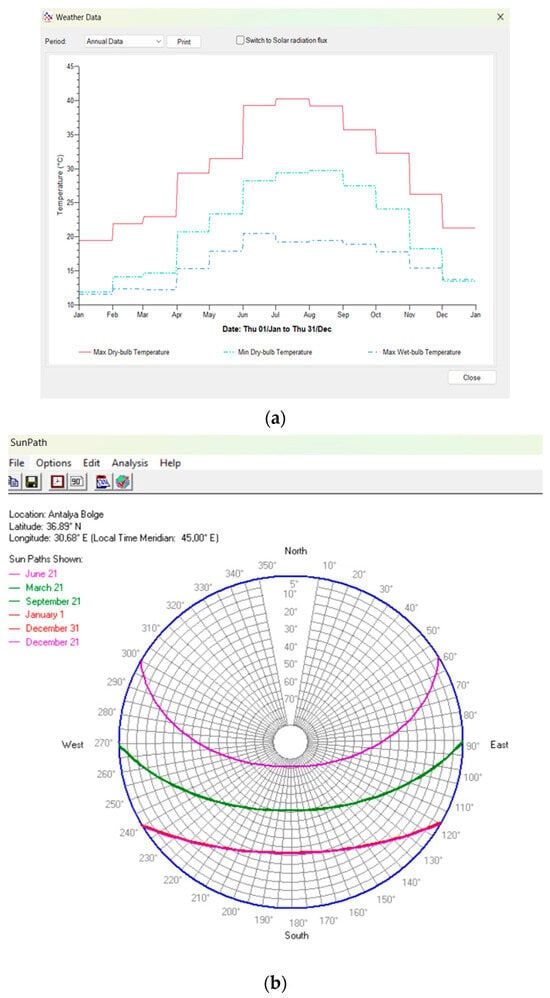
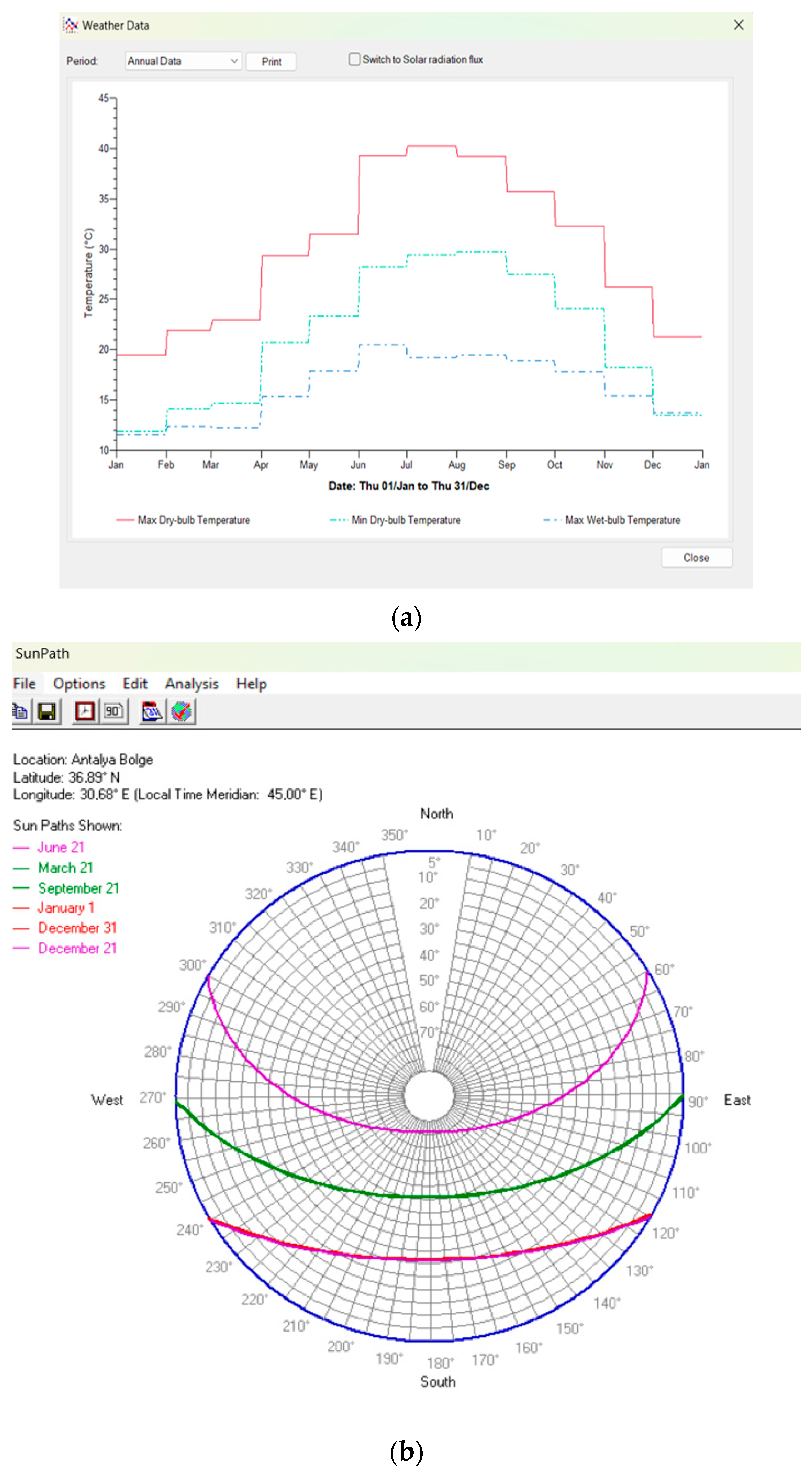
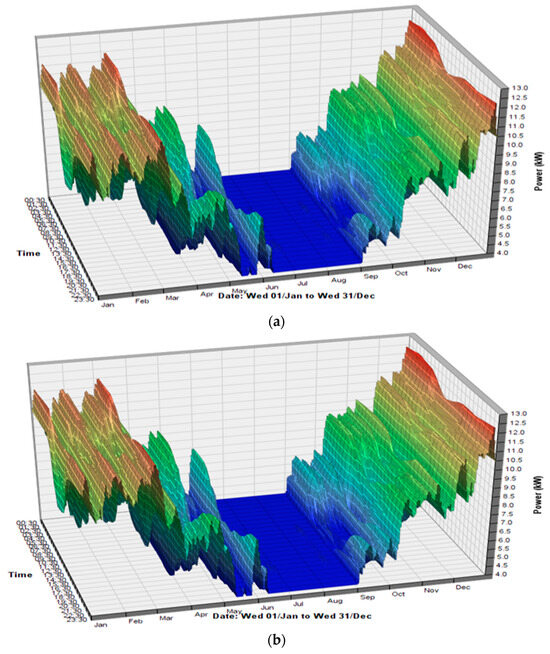
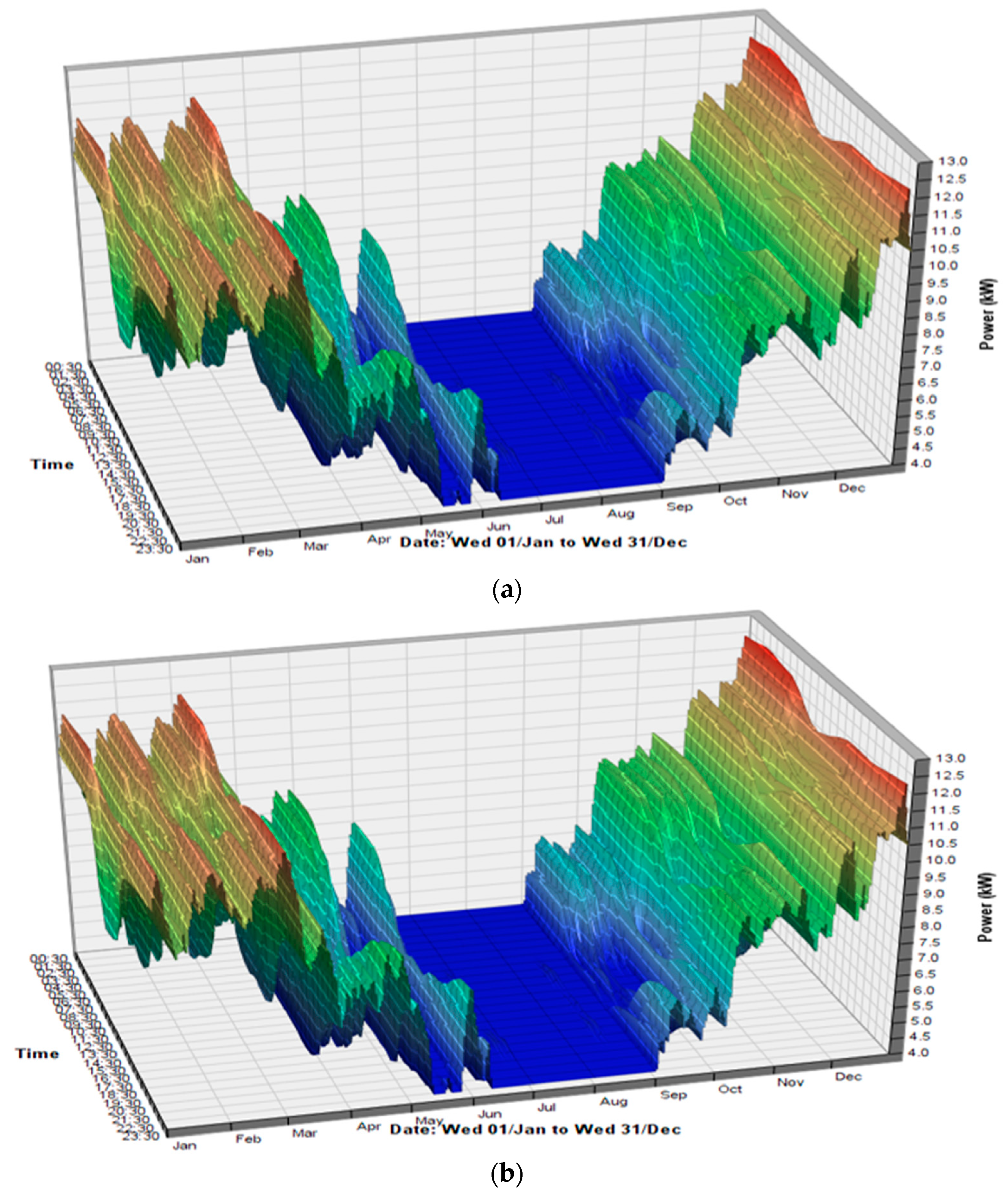
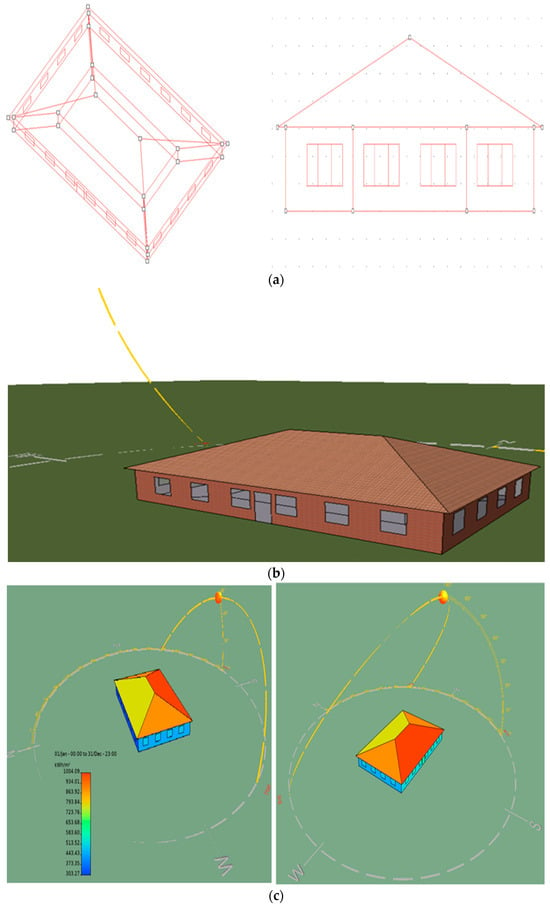
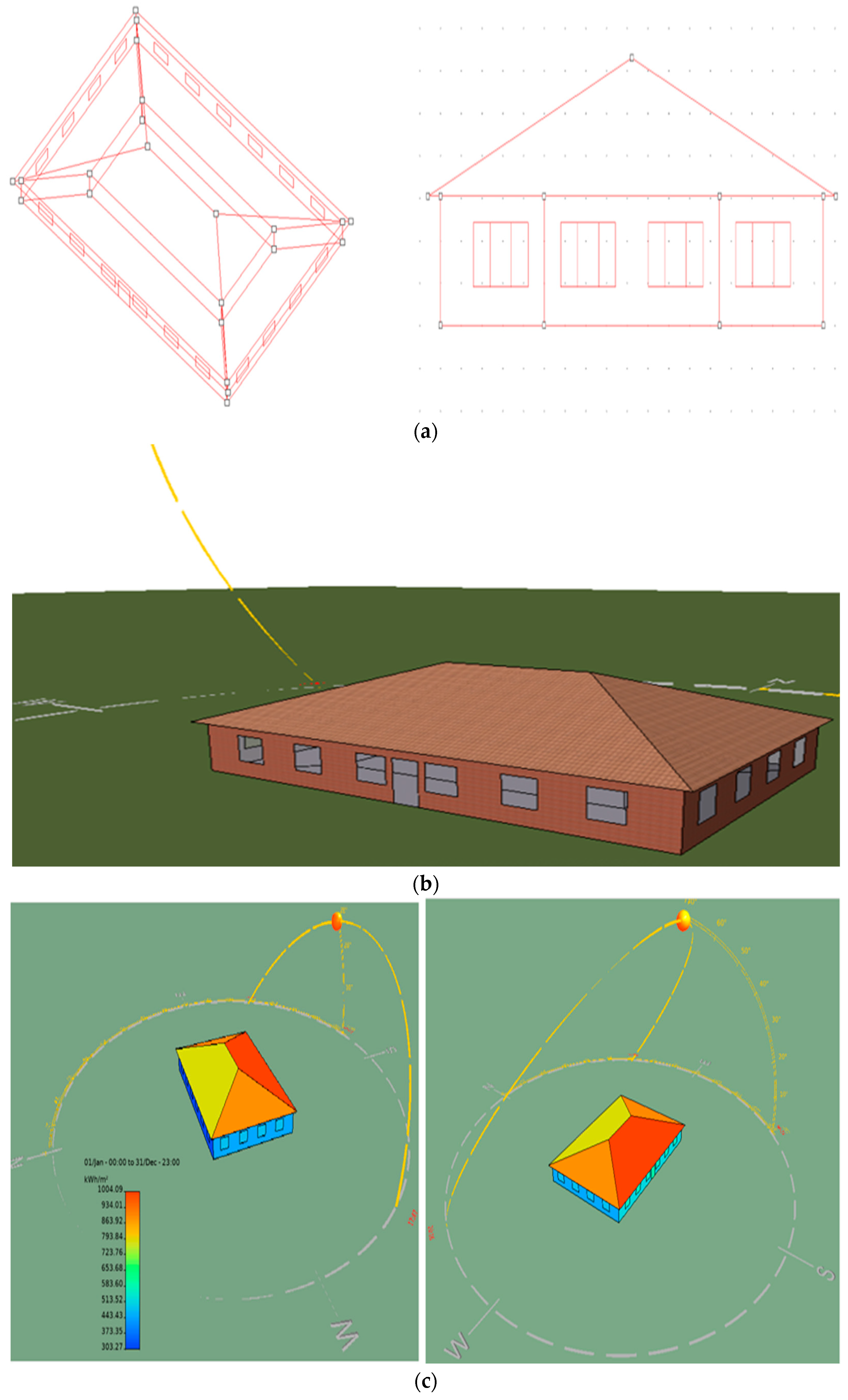
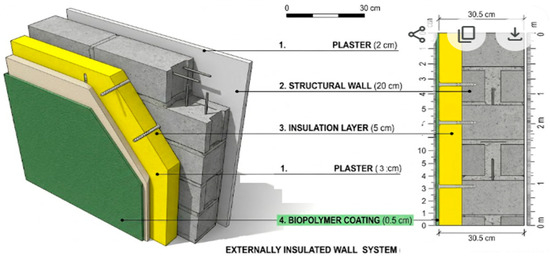
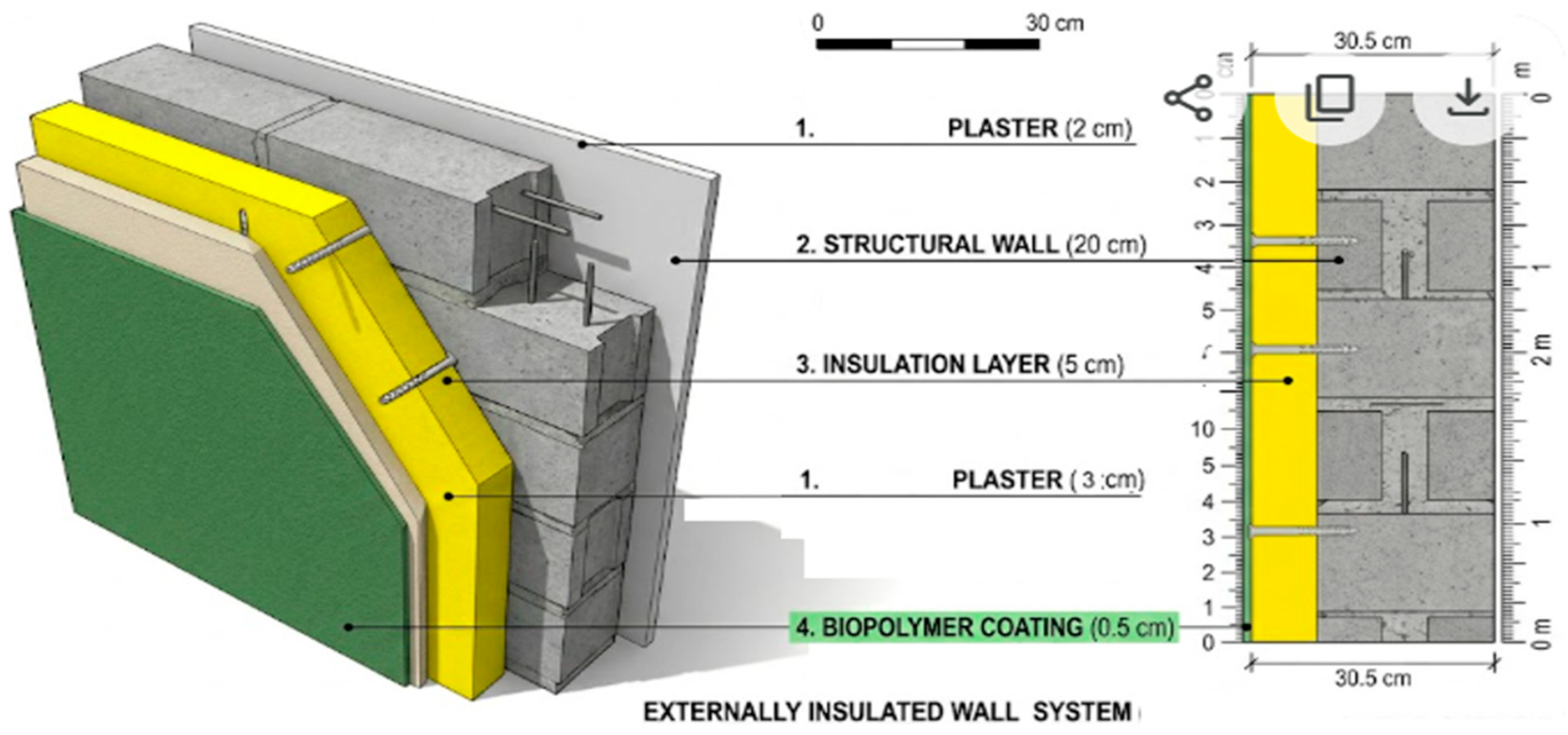
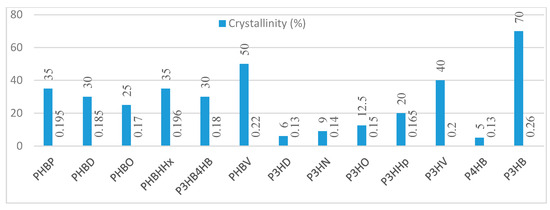
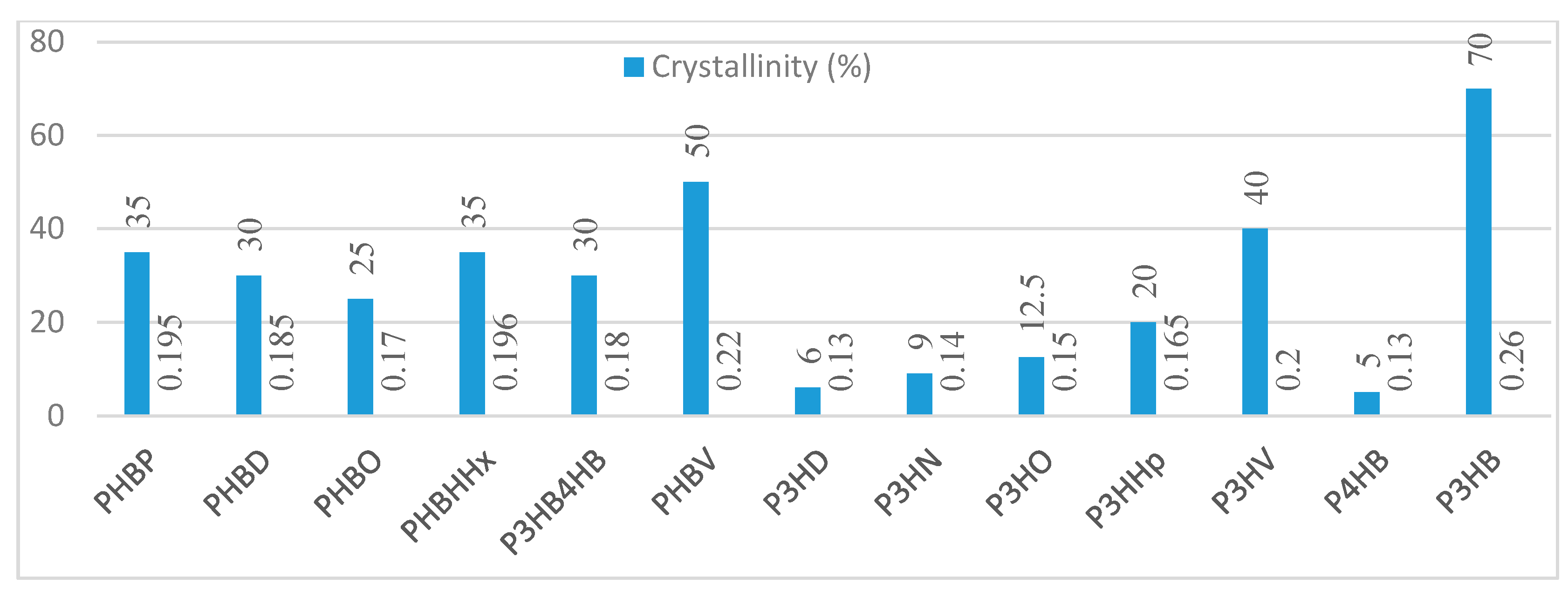
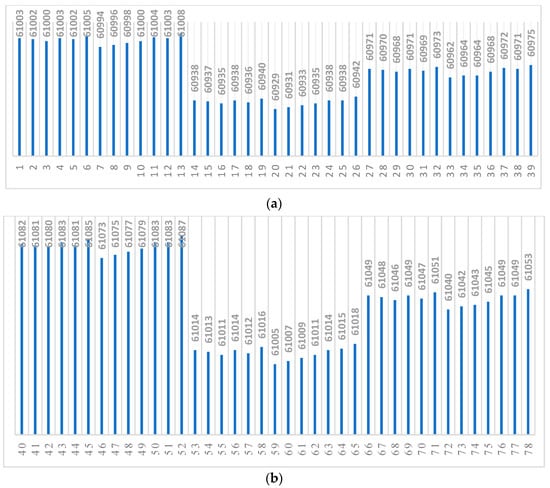
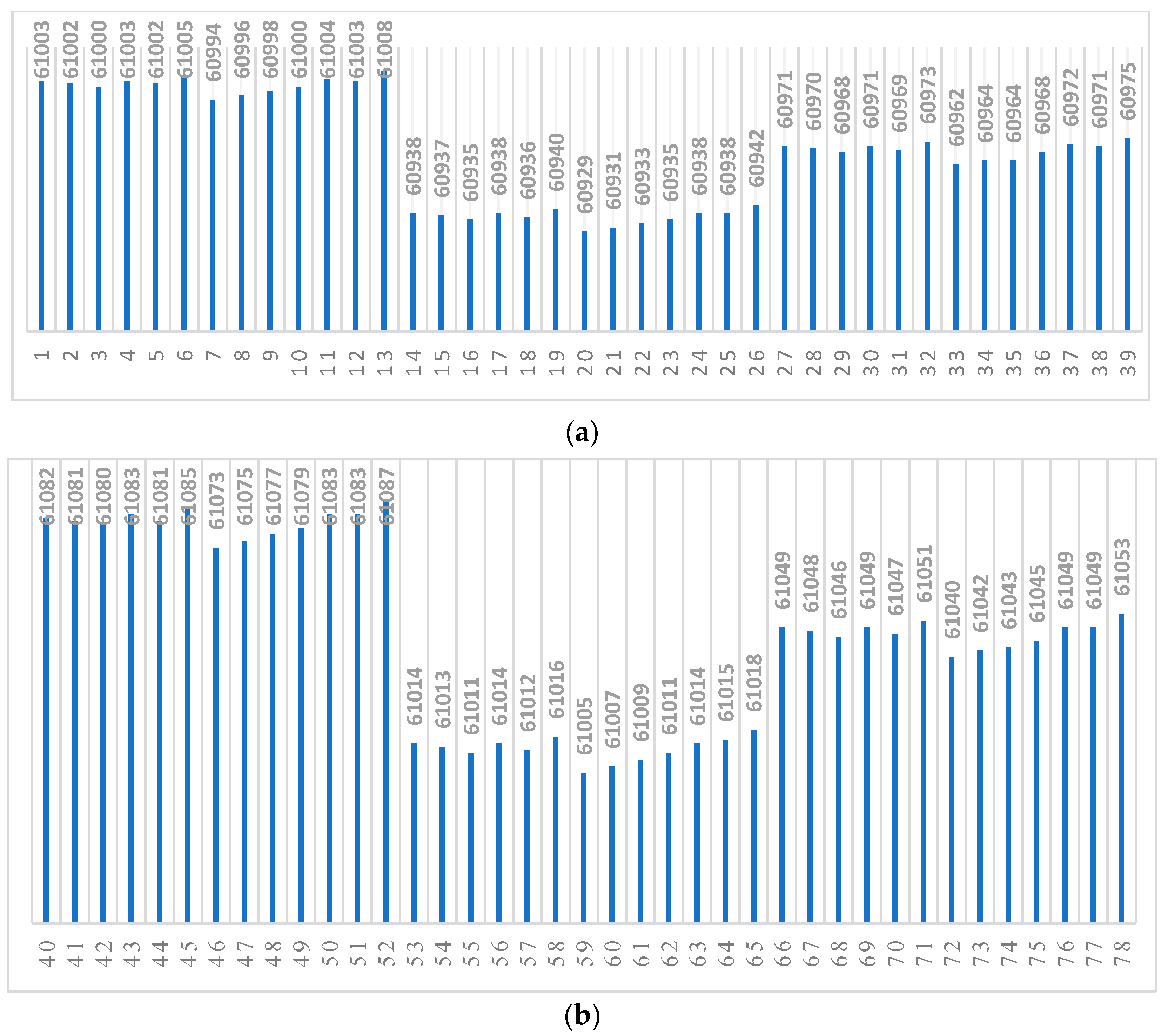
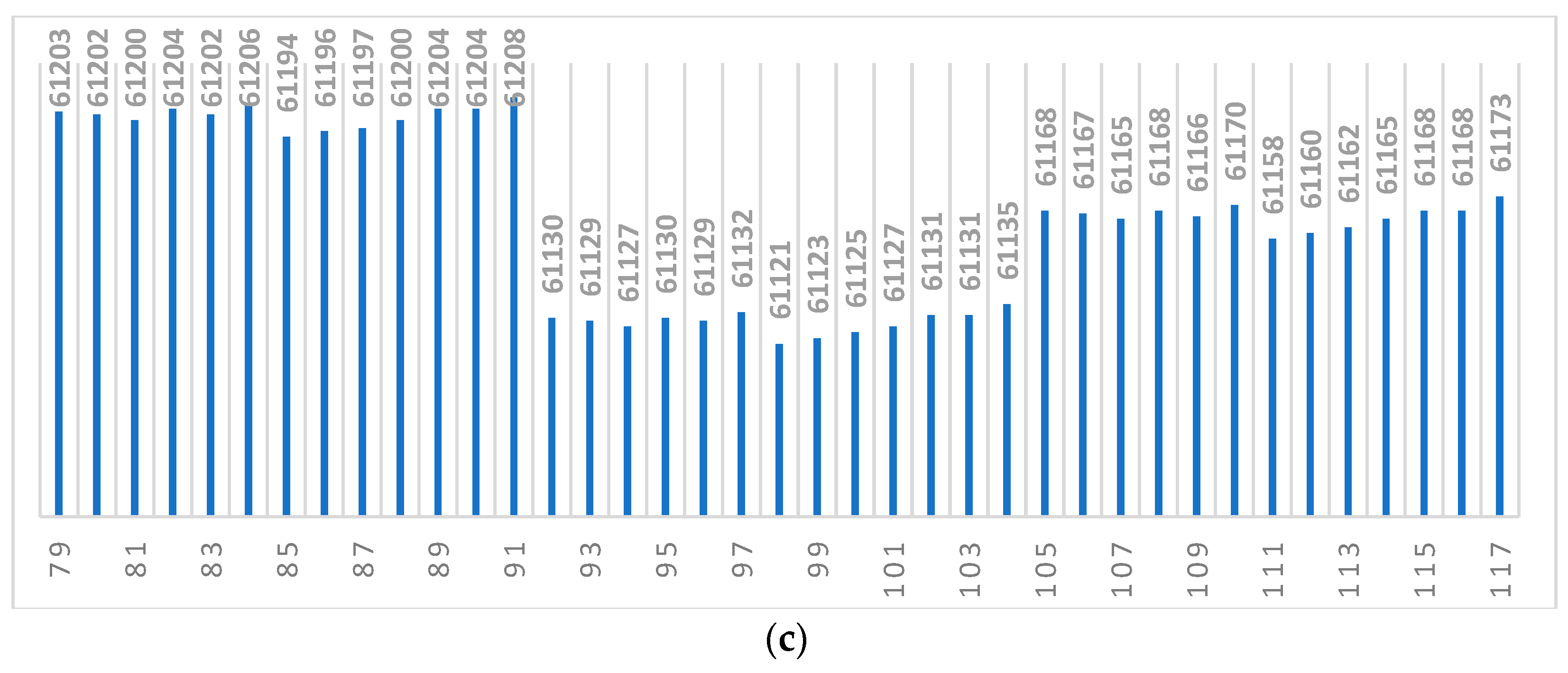
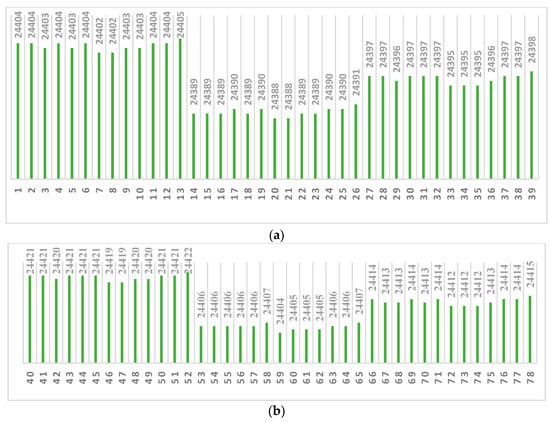
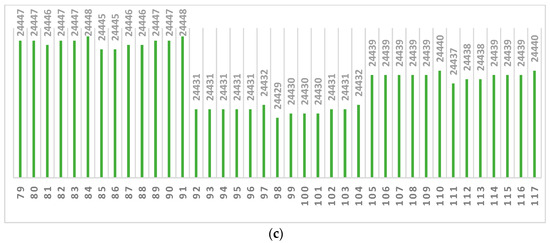
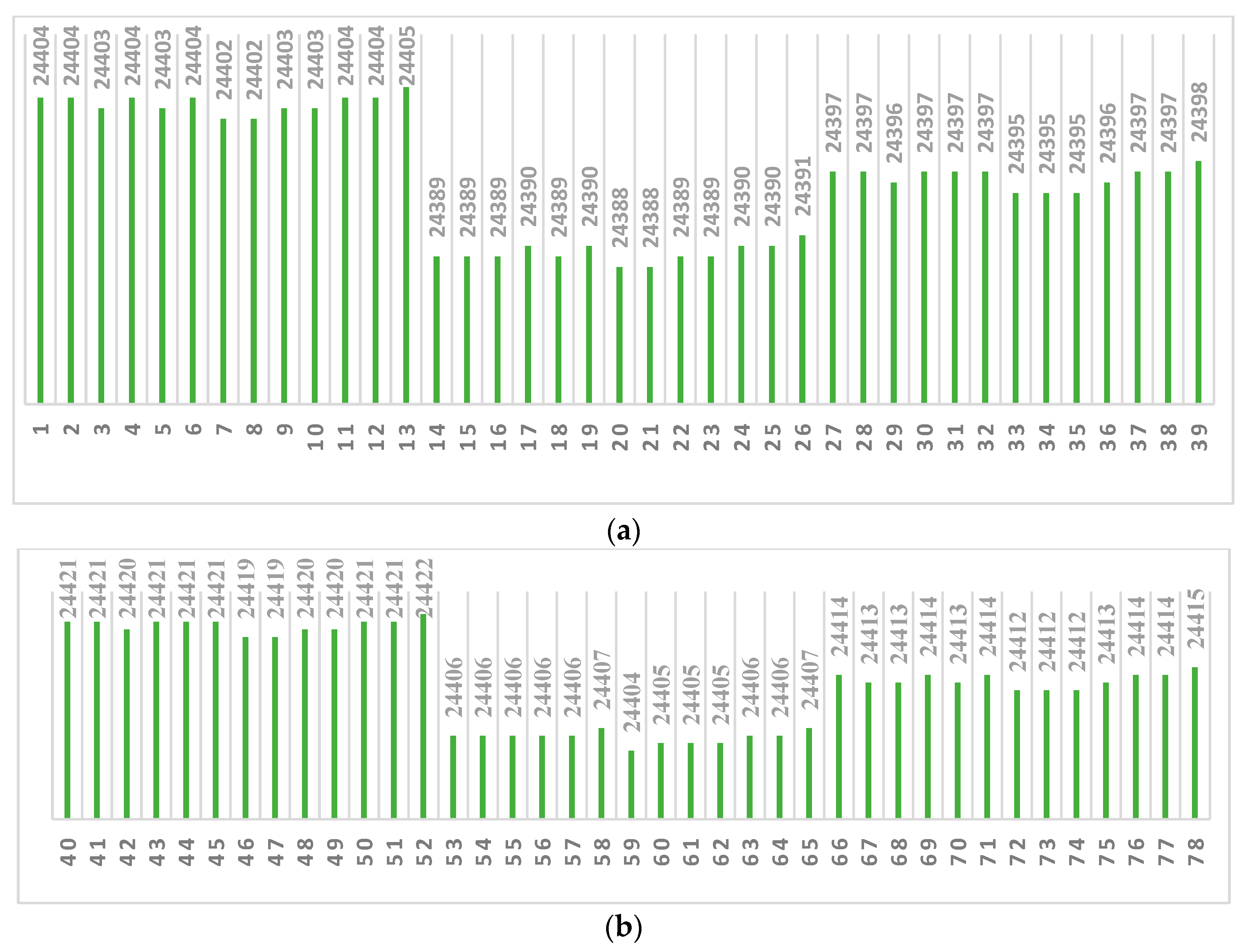
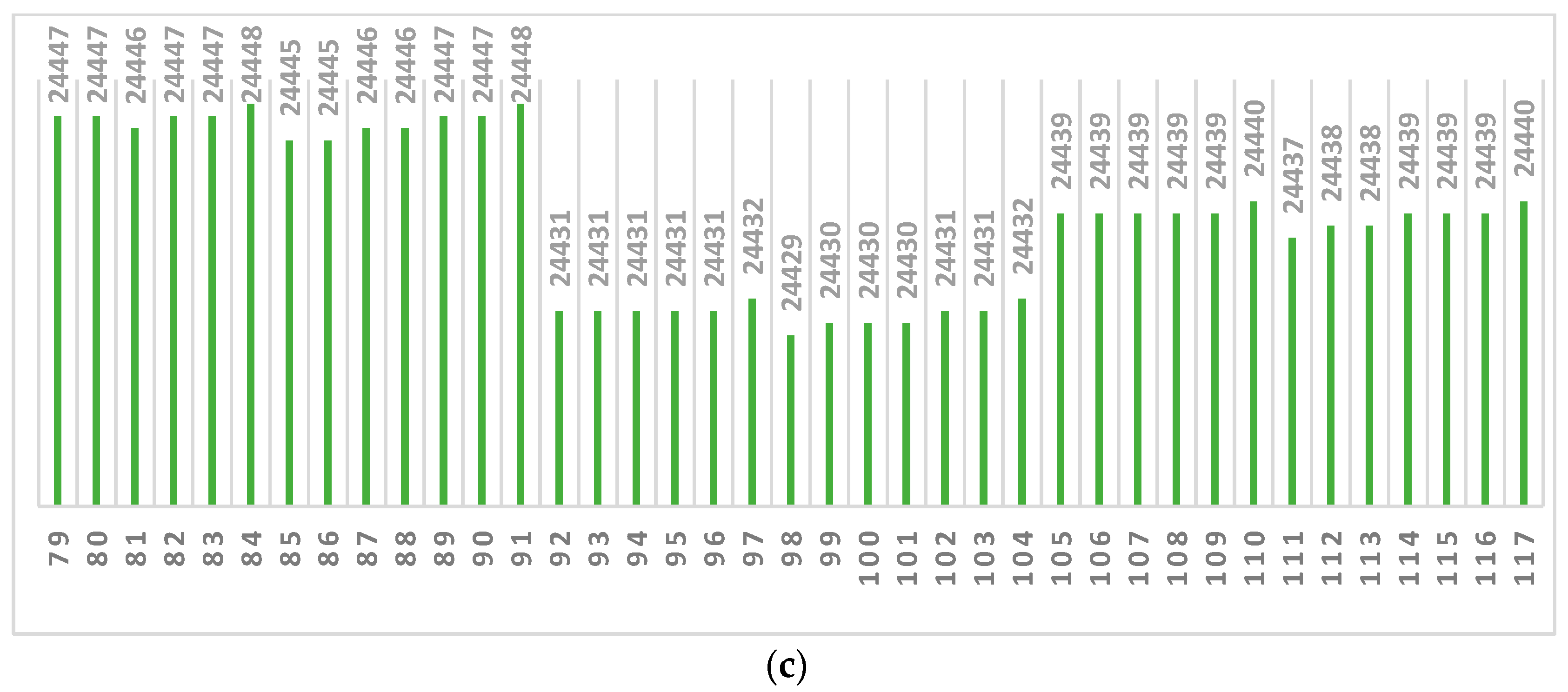
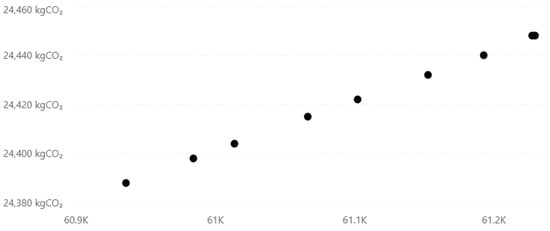
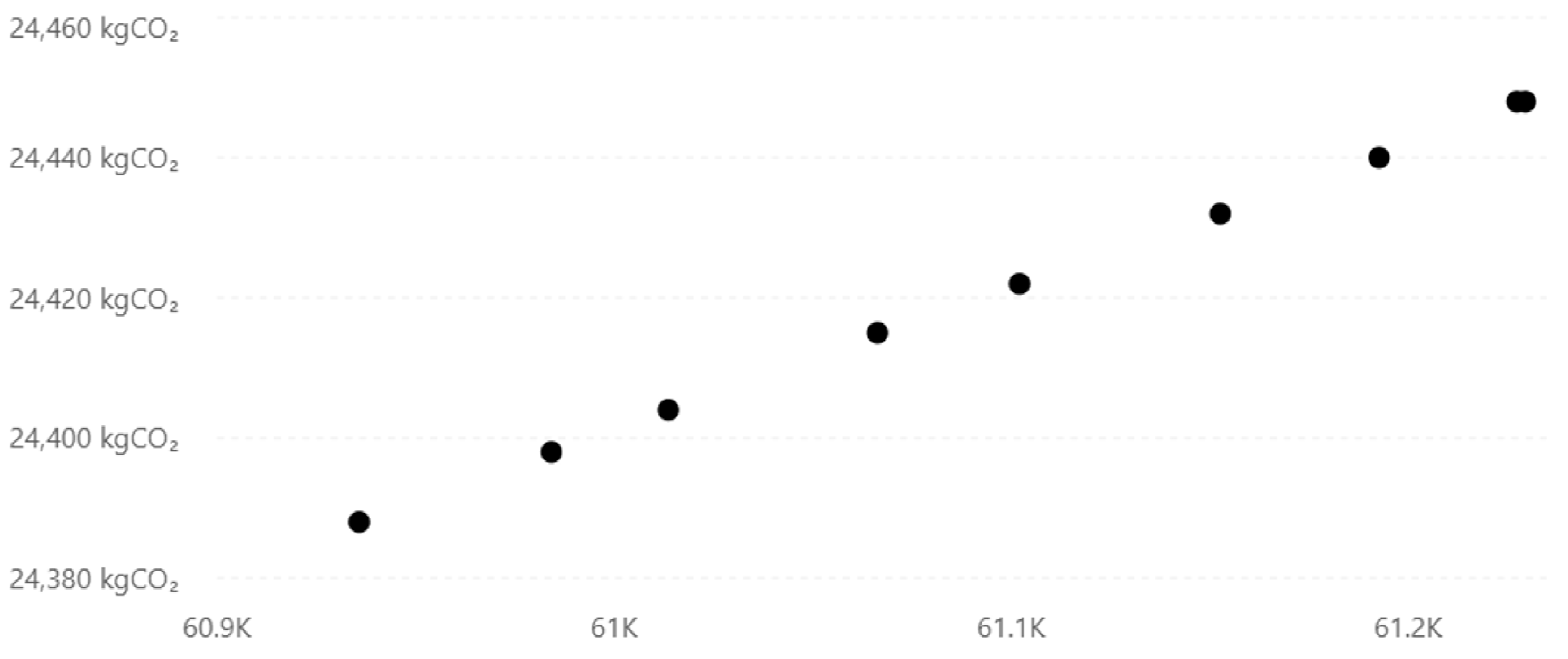

Disclaimer/Publisher’s Note: The statements, opinions and data contained in all publications are solely those of the individual author(s) and contributor(s) and not of MDPI and/or the editor(s). MDPI and/or the editor(s) disclaim responsibility for any injury to people or property resulting from any ideas, methods, instructions or products referred to in the content. |
© 2026 by the authors. Licensee MDPI, Basel, Switzerland. This article is an open access article distributed under the terms and conditions of the Creative Commons Attribution (CC BY) license.