


Abstract
Semi-flexible pavement (SFP) mixture consists of porous matrix asphalt mixture and cement-based grouting material. This composite material gains advantages from both the rigid cementitious material and flexible asphalt mixture. It exhibits excellent anti-rutting capability while no joints are needed. However, SFP is prone to cracks in the field. This study employs water-based epoxy resin and emulsified asphalt as polymer additives to modify the grouting material. A response surface methodology (RSM) model was employed for multi-factor and multi-response optimization design. The ratio of water-based epoxy resin to emulsified asphalt (w/e ratio), polymer content, defoamer content, and mixing speed were considered in the model. Fluidity, compressive strength, and fracture energy were selected as response indicators. It was found that a low mixing speed was not able to produce grouting slurry with acceptable fluidity. The addition of higher polymer contents would lower the compressive strength of the grouting material due to the low stiffness of the polymer and entrained air produced during mixing. The addition of defoamer eliminated the bubbles and, therefore, increased the strength and fracture energy of the samples. By solving for the optimal model solution, the values of optimized parameters were determined to be a w/e ratio of 0.64, polymer content of 3.3%, defoamer content of 0.2%, and mixing speed of 2000 rpm. Microstructural analysis further confirmed that the synergistic effect of water-based epoxy resin and emulsified asphalt can effectively make the microstructure of the hardened samples denser. The anti-cracking ability of the SFP mixture can be increased by 22% using optimally designed grouting material. The findings in this study shed light on the design of toughness-reinforced SFP materials.
1. Introduction
Semi-flexible pavement (SFP) is constructed by pouring cementitious grouting slurry with high fluidity into porous asphalt pavement [1,2,3]. It exhibits both rigid and flexible characteristics. This type of pavement not only exhibits excellent rutting resistance but also provides good driving comfort as it is without joins. All these advantages make SFP widely used in heavy-load sections such as airport runways and highway toll stations [4,5,6,7]. However, it was found in the field that the most prominent distress of SFP was cracking, which limits its further application in the field. Therefore, great attention has been paid to research on improving the cracking resistance of SFP [8,9].
In recent years, existing research related to cracking resistance improvement of SFP has primarily focused on three key aspects. The first involves toughness reinforcement of the matrix asphalt mixture. Research has explored the use of polymer modifiers in asphalt binders, optimization of mixture gradation, and alteration of compaction efforts [10,11,12,13]. The second concentrates on the enhancement of the interfacial adhesion between the asphalt binder and cementitious grouting material, including studies that utilize interfacial modifiers to address the issue of interfacial weak bonding in SFP [14,15,16]. Thirdly, the enhancement of grouting material toughness has emerged as another effective approach to improve the anti-cracking ability of SFP material. By using organic materials as a modifier, it was found that the cracking resistance of traditional cementitious grouting material can be increased significantly [17,18]. In Fang’s research, the interaction mechanisms between cement and asphalt emulsion were investigated, and optimized methods to enhance the cracking-resistant properties of SFP were proposed [19]. Similarly, Zarei evaluated the influence of asphalt emulsion-to-cement ratios on the fatigue performance of SFP material. It was revealed that the anti-fatigue cracking performance was significantly improved as the emulsion content increased [20]. Li conducted research on the performance evaluation of SFP with emulsified asphalt-modified grouting material. The low-temperature cracking resistance was found to improve by 45% [21]. Even though research on the optimal design of grouting material has made significant achievements, several limitations remain to be addressed.
Current studies predominantly focus on the application of a single toughening material (e.g., emulsified asphalt) while only a few studies refer to the utilization of composite toughening materials to increase the flexibility of grouting material. Water-based epoxy resins and emulsified asphalt, as organic materials with excellent toughness, have gained significant attention for their application in other cementitious material research areas. However, the improvements achieved using dual toughening materials in grouting material for SFP have not been comprehensively evaluated. Related studies have demonstrated that the addition of water-based epoxy resins can significantly enhance the mechanical properties and durability of cementitious materials [22,23,24]. It has been shown in the literature that adding water-based epoxy resins into cementitious material can substantially improve its compressive strength, flexural strength, and cracking resistance. Additionally, emulsified asphalt can enhance the toughness of cement-based materials and alleviate the formation of cracks. Research indicates that the addition of emulsified asphalt can optimize the microstructure of cement-based materials. The formed interpenetrating network structure can enhance the toughness of cementitious grouting material [25]. Existing studies have proven the feasibility of using water-based epoxy resins or emulsified asphalt in cement-based grouting material to improve its anti-cracking ability. Therefore, this study aims to develop a highly toughened cementitious grouting material by synergistically incorporating water-based epoxy resins and emulsified asphalt, with the aim of providing new insights into the durability enhancement of SFP.
2. Objectives
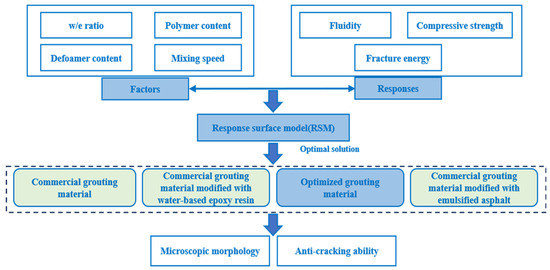
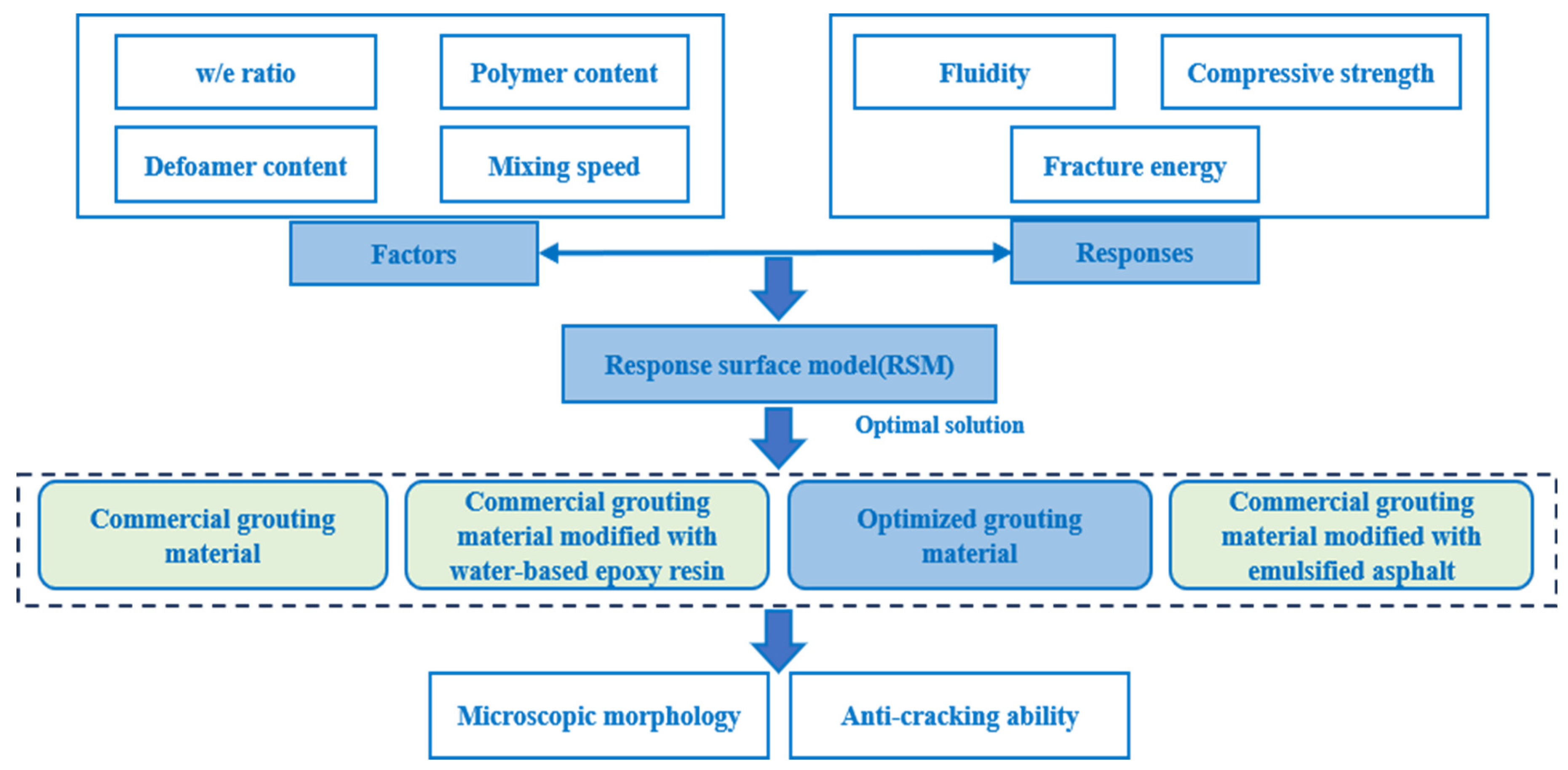
In this study, water-based epoxy resin, emulsified asphalt, and defoamer were simultaneously introduced into cementitious grouting material as modifiers. Four main parameters were considered in the preparation of grouting slurry, namely the ratio of water-based epoxy resin to emulsified asphalt (referred to as the w/e ratio), the polymer content (the total mass content of water-based epoxy resin and emulsified asphalt), the defoaming agent content, and the mixing speed. The response surface optimization method was employed for multi-factor and multi-response analysis. The fluidity, compressive strength, and fracture energy of the grouting slurries were selected as the response indicators. By establishing a response surface model, the influence of each factor on the response indicators was analyzed. The optimal additive ratio and mixing speed were obtained by finding the solution of the model. In determining the optimal parameters, commercial grouting material, epoxy resin-modified grouting material, and emulsified asphalt-modified grouting material were selected as control groups. Through SEM observations of the micro-morphological differences among all four grouting materials, the reinforcing mechanism was investigated. In the end, SFP mixtures fabricated with four different grouting materials were subjected to a semi-circular bending test. Their anti-cracking abilities were evaluated by assessing the fracture energies data and flexibility indexes through a semi-circular bending (SCB) test. The technology flowchart is illustrated in Figure 1.
Figure 1.
Technical flowchart.
3. Materials and Methods
3.1. Materials
One commercial grouting material produced by Jiangsu Sobute New Materials Co., Ltd. (Nanjing, China) was selected in this study. The ratio of water to grouting material for preparation of grouting slurry was set to 0.38. The water-based epoxy resin (including components A and B) was AB-EP-20 produced by Zhejiang Anbang New Materials Development Co. Ltd. (Jiaxing, China). Emulsified asphalt was fabricated using an in-house-developed slow-crack cationic emulsifier. The defoamer was an in-house-developed polyether-based powder. The technical specifications of each material are shown in Table 1, Table 2, Table 3 and Table 4.
Table 1.
Technical performances of grouting slurry.
Table 2.
Technical performances of water-based epoxy resin.
Table 3.
Technical performances of emulsified asphalt.
Table 4.
Technical performances of defoamer.
Porous asphalt mixtures were designed with connected air voids of 24%. Samples were fabricated and poured with grouting slurry according to the procedures introduced in the literature [26]. The information on mixture composition is given in Table 5. The gradation of the porous asphalt mixture is illustrated in Table 6.
Table 5.
Composition of porous asphalt mixture.
Table 6.
Gradation of porous asphalt mixture.
3.2. Test Methods
3.2.1. Design of Response Surface Model
Four parameters (w/e ratio, polymer content, defoamer content, and mixing speed) were selected as key factors to investigate their impacts on the performances of modified grouting slurries. As shown in Table 7, three-factor levels are chosen for each parameter. The response surface methodology (RSM) model experimental design was conducted using Minitab software (Version 21), using the experimental plan outlined in Table 8.
Table 7.
Levels design of the factors.
Table 8.
Experimental point schedule of RSM.
Aiming to balance experimental efficiency and model accuracy, a total of 27 experimental runs were designed using the Box–Behnken design (BBD) within the framework of response surface methodology to efficiently investigate the nonlinear effects of four critical parameters on the performance of the grouting slurry. The BBD approach reduced the number of experiments by 65% compared to a full factorial design (81 runs), while still capturing the main effects, two-way interactions, and quadratic terms.
3.2.2. Fluidity Test
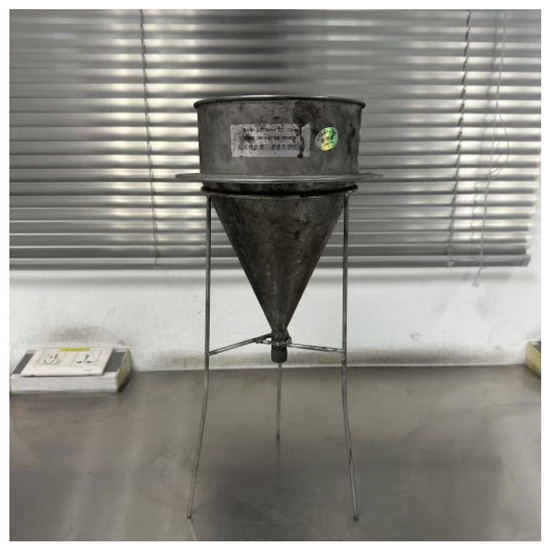
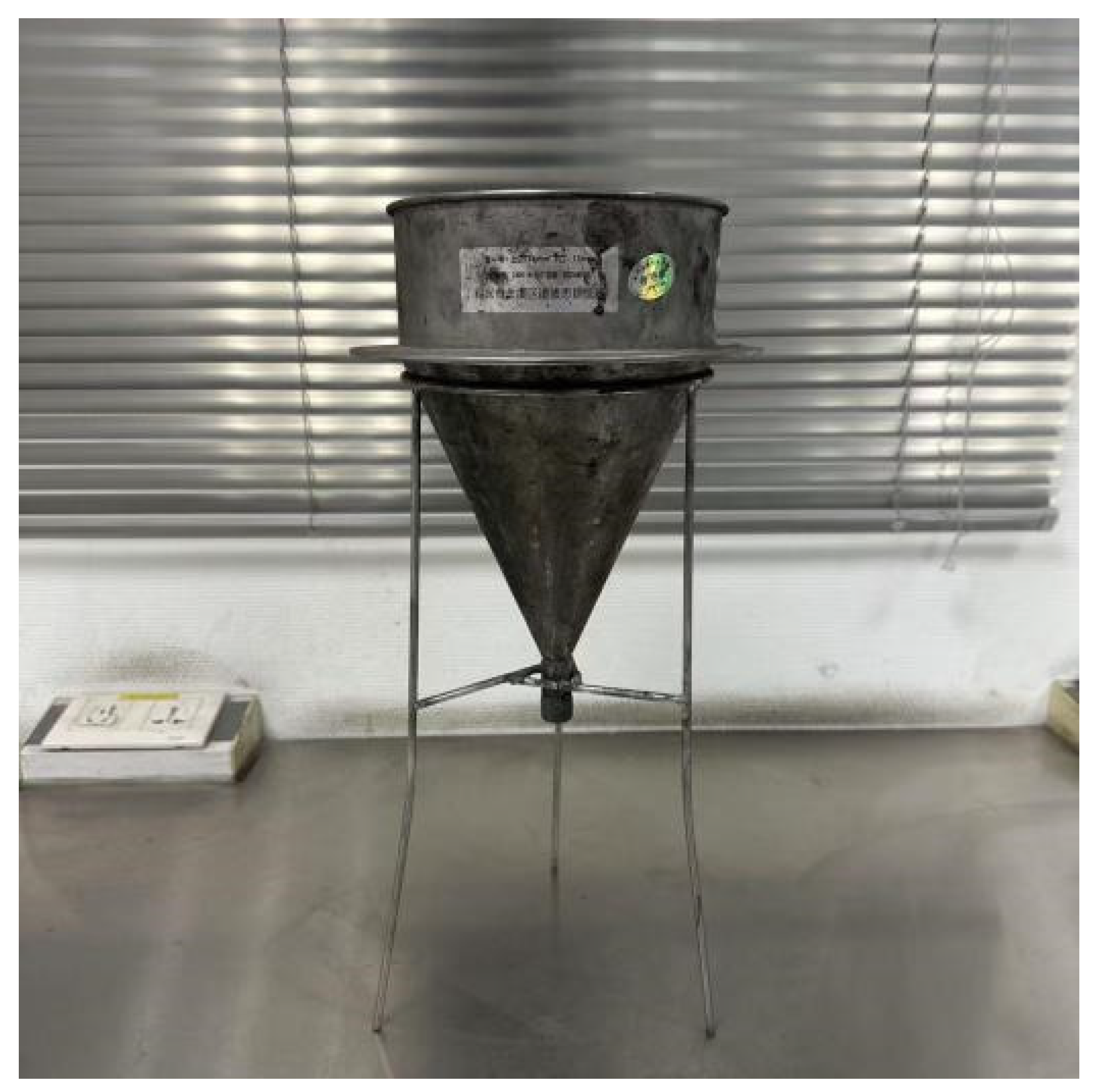
The fluidity of the grouting slurry was tested according to the method specified in T0508-2005 [27]. As shown in Figure 2, the prepared grouting slurry was poured into an inverted cone until it reached the designated mark, and the outlet was then sealed. Afterward, the time required for the whole grouting slurry to flow down was recorded. Each experiment consisted of two replicates.
Figure 2.
Inverted cone device.
3.2.3. Compression Test
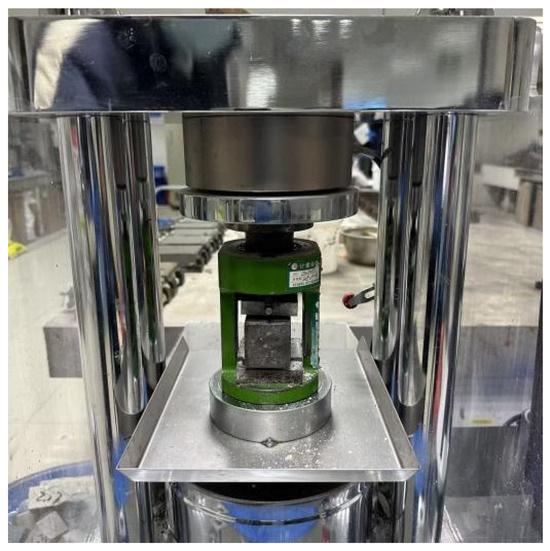
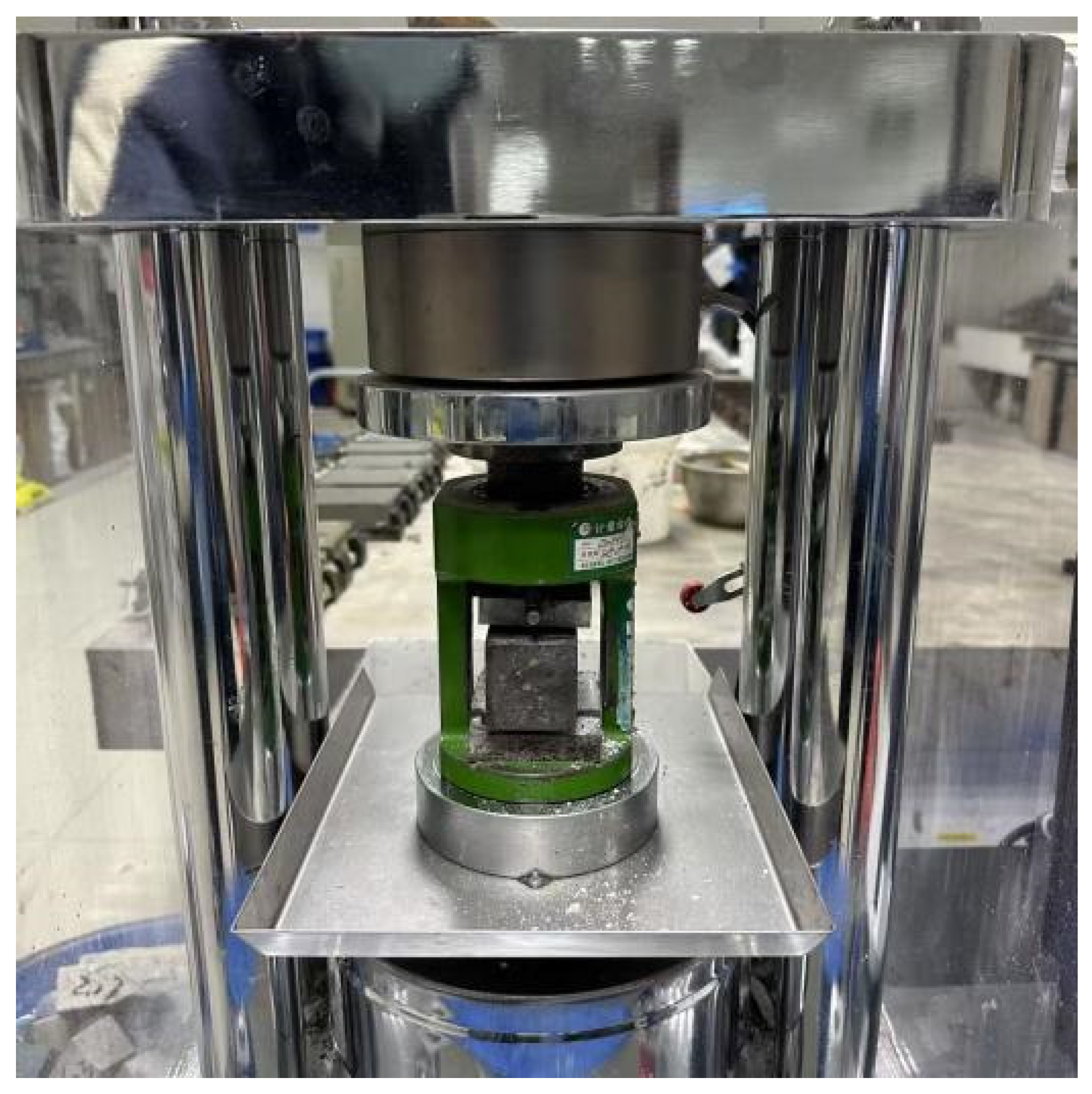
The compressive strength of cement-based grouting material was tested according to GB/T 17671-2021 [28]. The prepared grouting slurry was poured into cubic molds with a size of 40 mm × 40 mm × 40 mm. The prepared specimens were cured for 7 days in a standard curing environment. The testing apparatus is shown in Figure 3. Each experiment consisted of three replicates.
Figure 3.
Compressive strength testing equipment.
3.2.4. Flexural Test
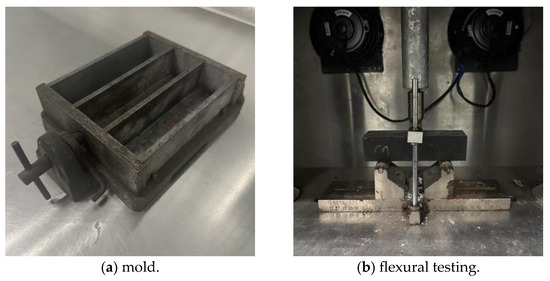
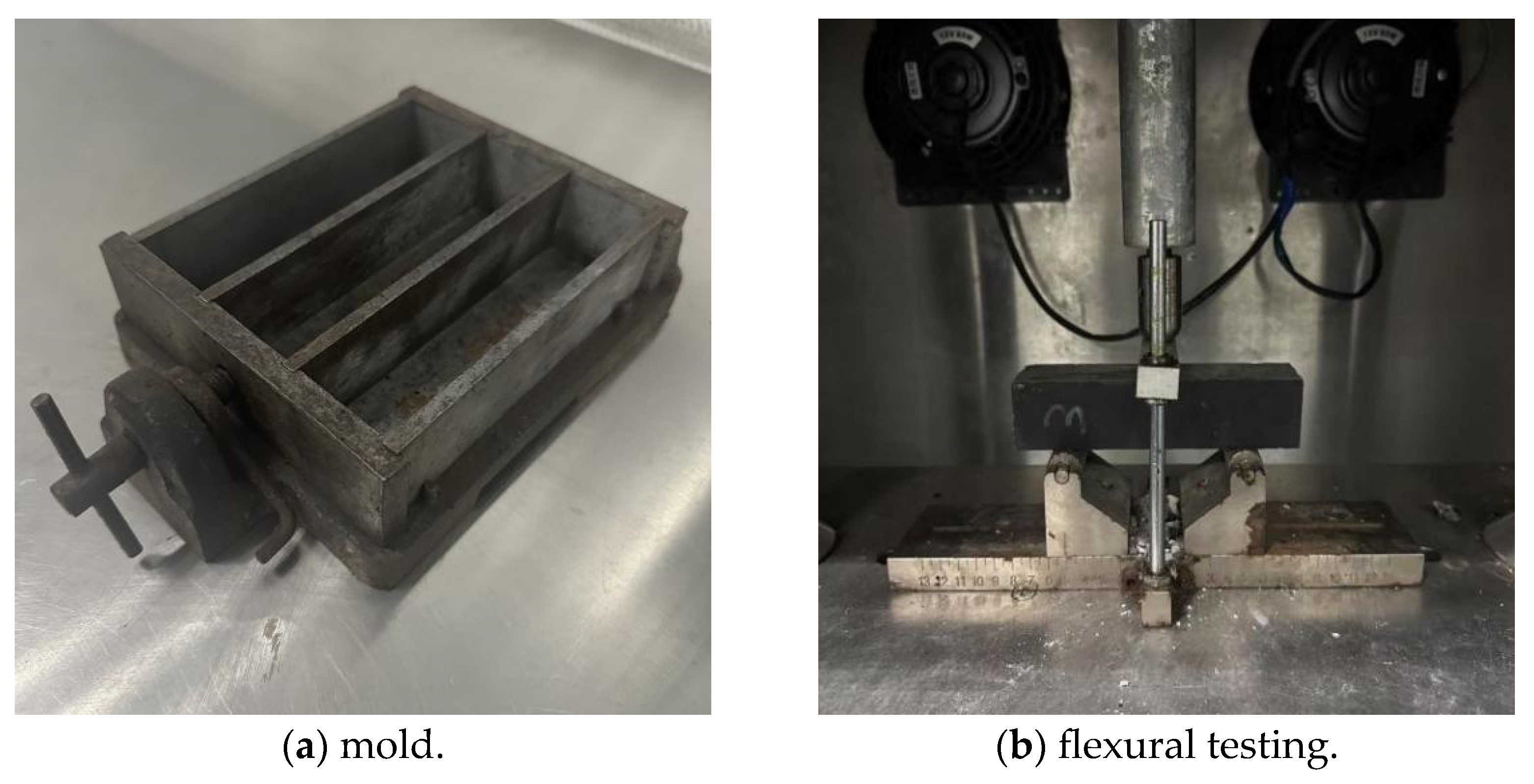
The fracture energy of grouting material can be determined by conducting flexural testing according to GB/T 17671-2021. Prism samples with a size of 160 mm × 40 mm × 40 mm were prepared and cured under standard conditions for 7 days. The test was conducted using a universal testing machine (UTM). The test apparatus is illustrated in Figure 4. Each experiment consisted of three replicates.
Figure 4.
Sample mold and equipment of flexural test.
The fracture energy of the flexural test was calculated according to Equation (1).
Gf = Wf × 106/Arealig
In Equation (1), Gf is fracture energy, J/m3; Arealig is the area of the sample’s fracture zone, mm2; and Wf represents the work of fracture, J, and Wf is obtained by integrating the force–displacement curves from the flexural strength test results.
3.2.5. Scanning Electron Microscopy
Scanning electron microscopy (SEM) was employed to investigate the microstructural characteristics of the hardened grouting slurry samples. A Quanta 250 model scanning electron microscope manufactured by the FEI Company (Hillsboro, OR, USA) was used. A total of four kinds of grouting material samples were analyzed, consisting of commercial grouting material, epoxy resin-modified grouting material, emulsified asphalt-modified grouting material, and optimally designed grouting material derived from RSM analysis results.
3.2.6. Semi-Circular Bending Test
A semi-circular bending (SCB) test was conducted at 25 °C to evaluate the anti-cracking ability of SFP samples with different grouting materials. Half-moon-shaped SCB specimens cut from Superpave gyratory compacted mixtures were used for the testing. Each sample contains 3 replicates. Fracture energy and flexibility index were derived from the force–displacement curves of the SCB test [26].
4. Results and Discussion
4.1. Test Results of Response Metrics for the RSM
A total of 27 modified grouting material samples were prepared according to different designs of the RSM model, labeled sequentially from X-1 to X-27. Following the experimental procedure outlined above, the fluidities, compressive strengths, and fracture energies of all 27 samples were tested and calculated.
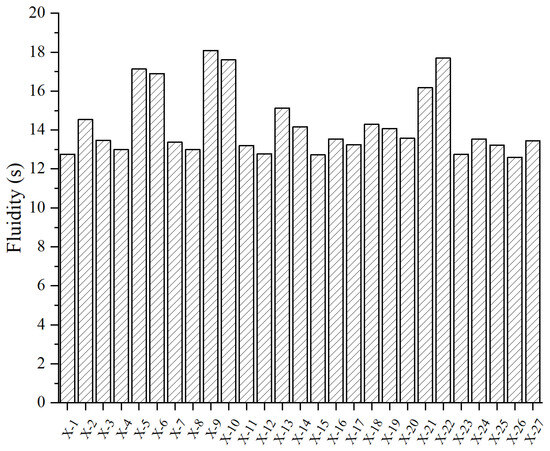
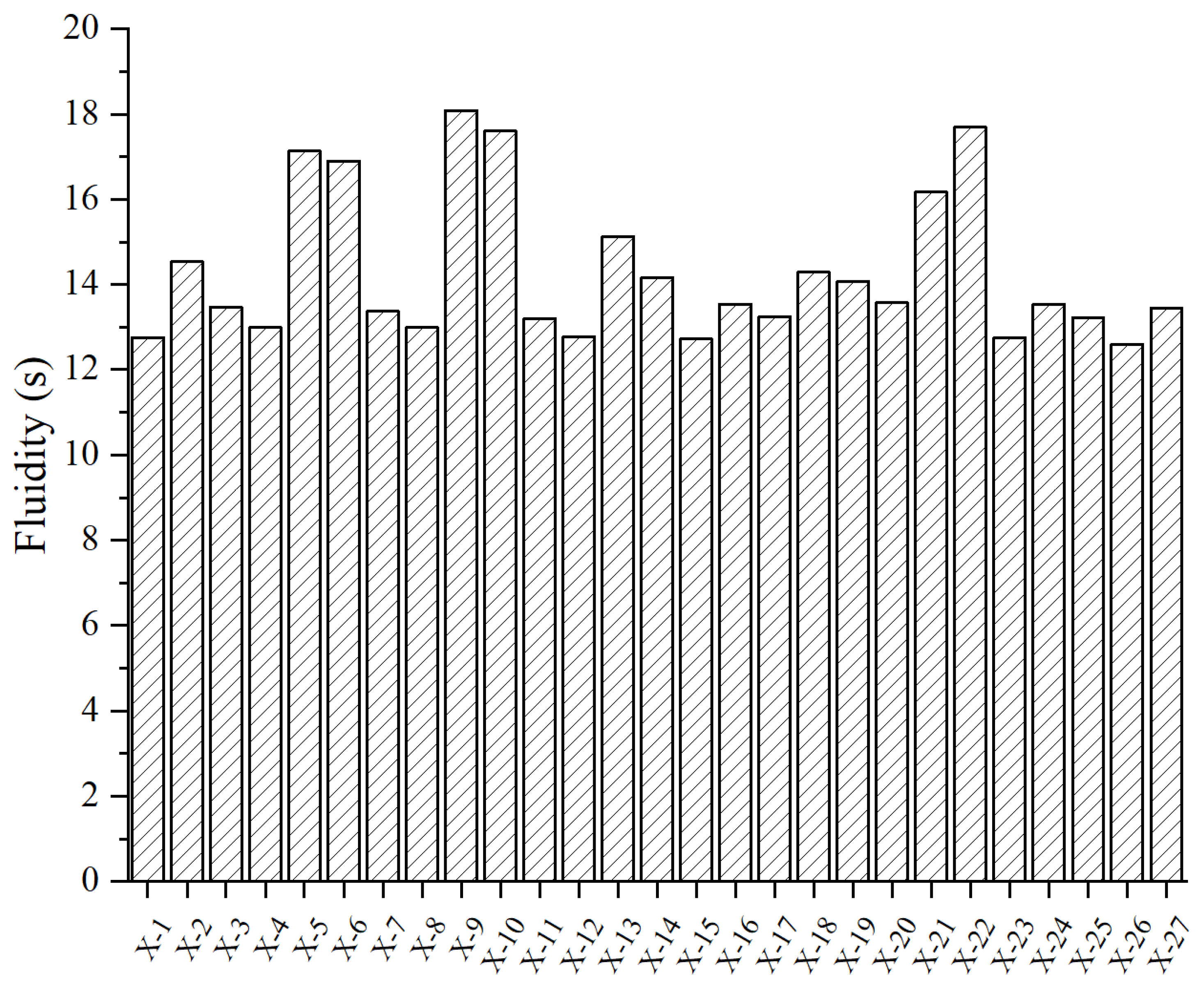
The fluidities of different samples are displayed in Figure 5. It can be seen that all the fluidity values range from 12 to 18 s and the fluidities of samples X5, X6, X9, X10, X21, and X22 are much higher than those of other samples. As shown in Figure 5, a mixing speed of 1000 rpm was used for the preparation of these samples. It is speculated that a low mixing speed was not sufficient to disperse the polymer additives in the grouting materials homogeneously, which increased the viscosities of the grouting material samples. Moreover, the added water-soluble polymer and asphalt emulsion would adsorb on the cement particles. The formation of polymer film and membrane would prevent the interaction between cement particles/admixture and water. Therefore, the flowability of the grouting slurry decreased. Thus, higher mixing speeds (e.g., 2000 rpm and 3000 rpm) should be selected for the preparation of polymer-modified grouting slurries.
Figure 5.
Fluidities of all the grouting slurries.
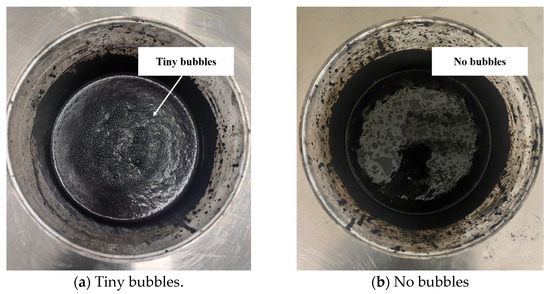
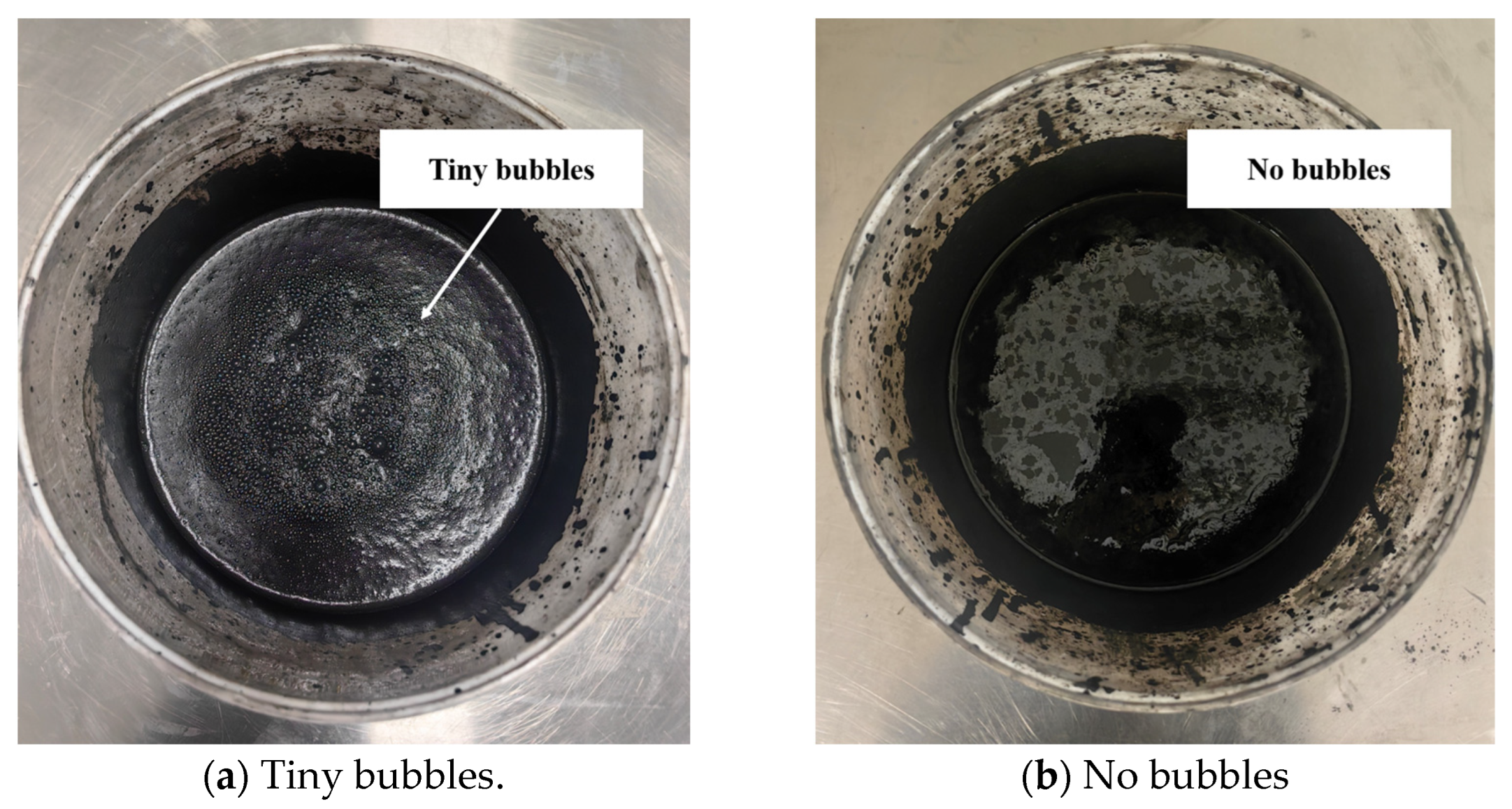
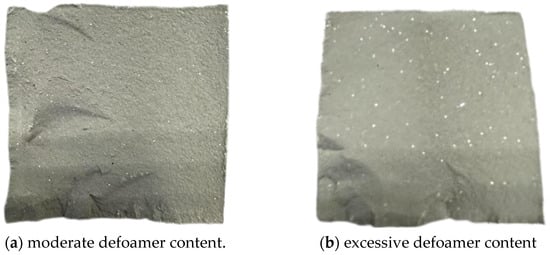
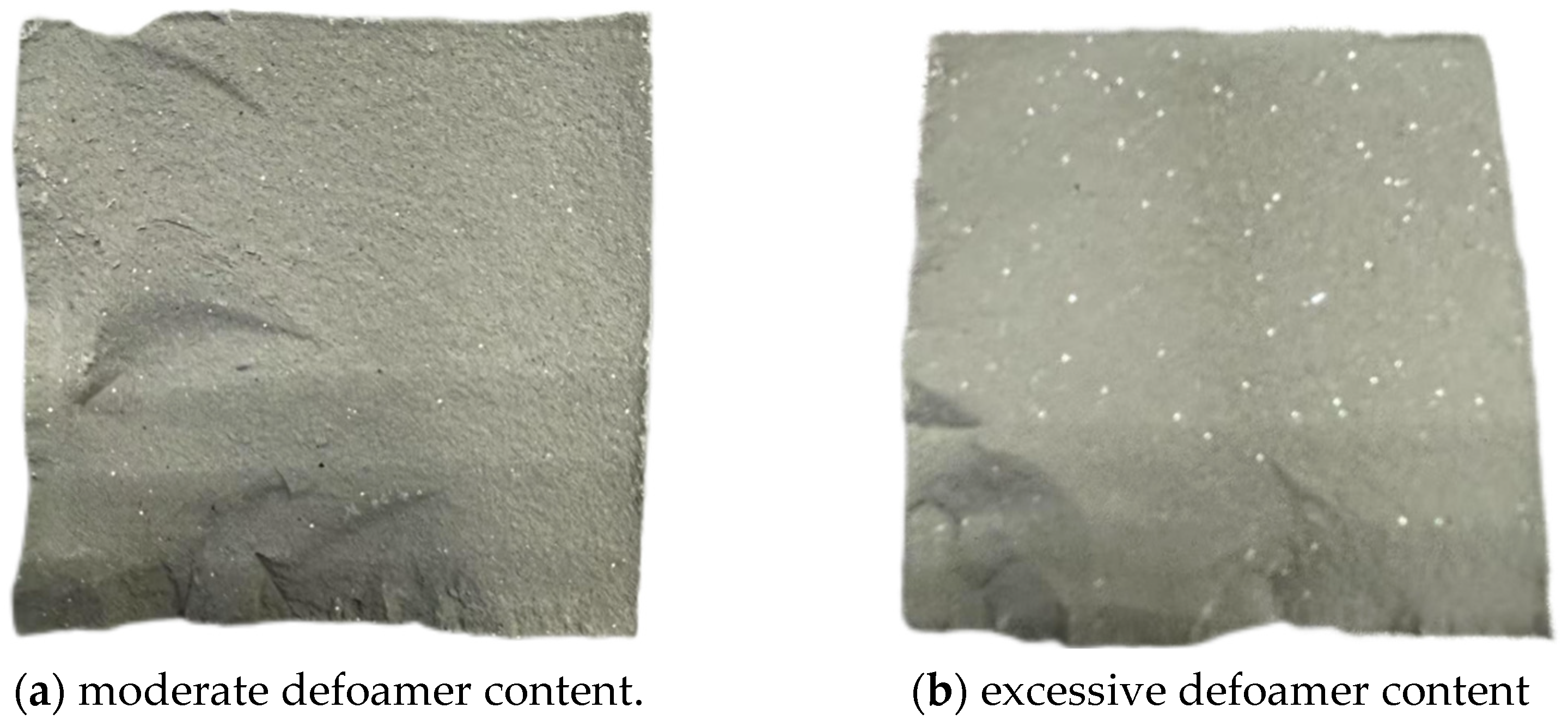
The compressive strengths of all 27 samples are shown in Table 9. By comparing samples with lower polymer content and those with high polymer content (X2 vs. X4, X15 vs. X16, X21 vs. X22, X23 vs. X24), it is shown that the addition of higher polymer contents lowers the compressive strength of the grouting material, which can be attributed to the low stiffness of the polymer and entrained air produced during mixing. It was found that adding defoamer increased the compressive strengths of the modified grouting materials (X5 vs. X6, X14 vs. X16, X17 vs. X19). As observed from the prepared samples shown in Figure 6, there were more tiny bubbles in the grouting slurries with higher polymer content when insufficient defoamer was blended in. As these bubbles would lower the strength of the samples, the defoamer was used to eliminate those bubbles; therefore, the strengths of grouting materials with high defoamer content were higher.
Table 9.
Compressive strength of grouting material samples.
Figure 6.
Comparison of samples X-17 and X-19.
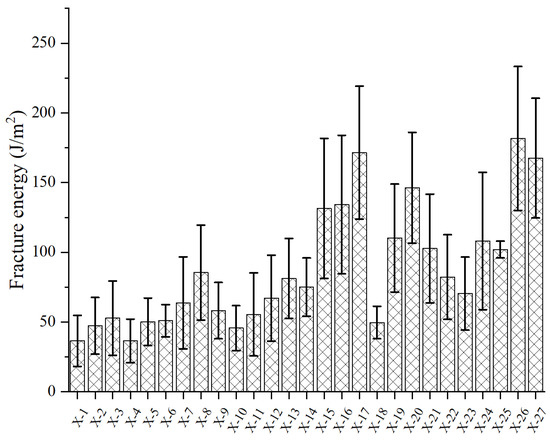
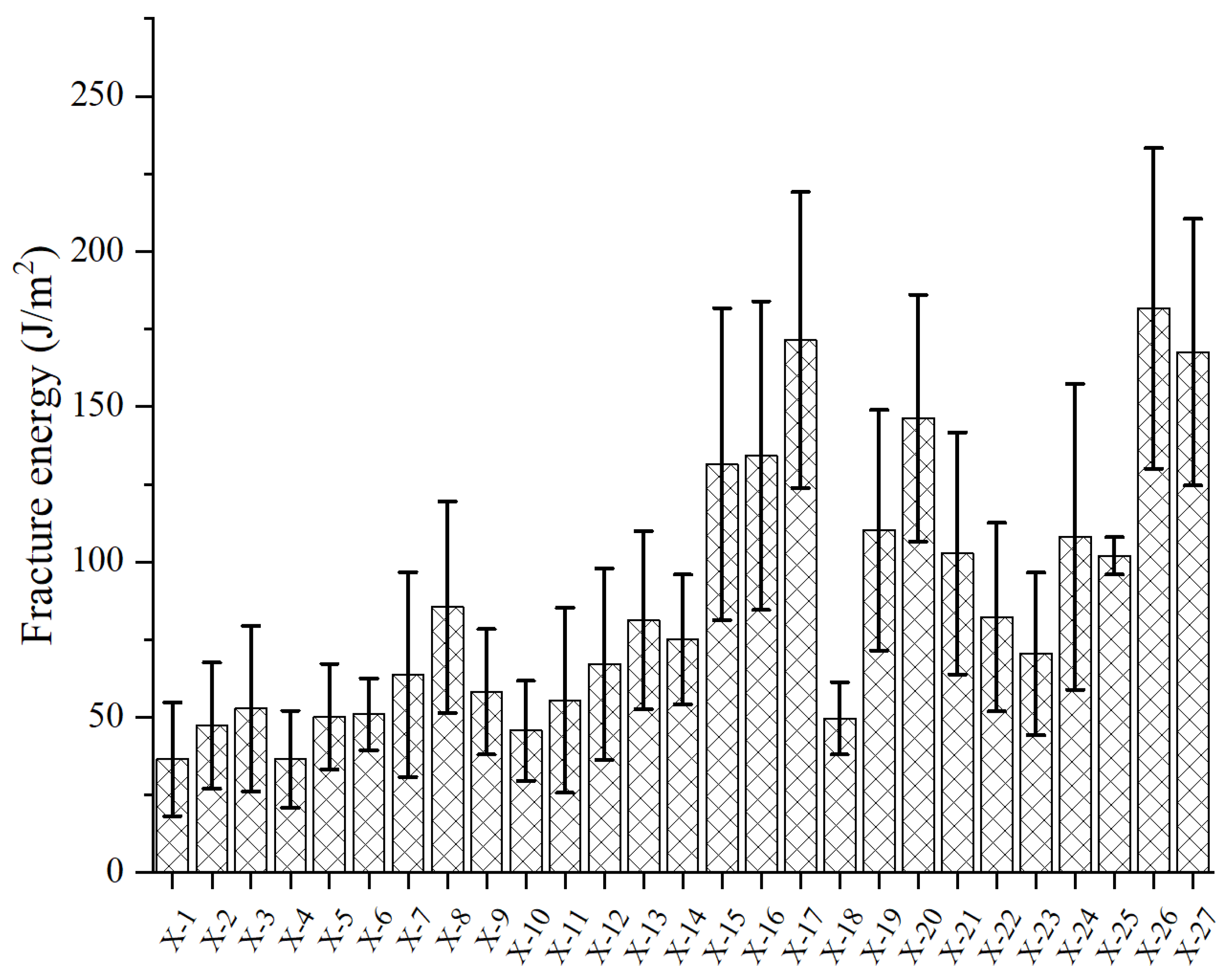
Of special interest, the fracture energies of different samples determined from the flexural test were analyzed and are displayed in Figure 7. Unlike in the fluidity and compressive strength data, different grouting materials exhibit distinct fracture energy values. Notably, the coefficient of variation in fracture energy is relatively the highest among all the test results.
Figure 7.
Fracture energies of grouting material samples.
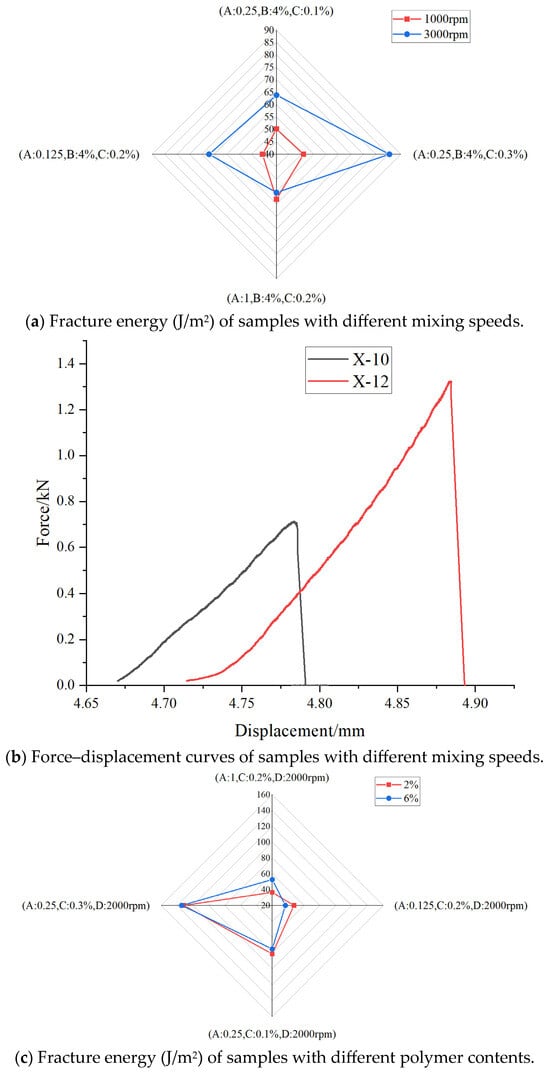
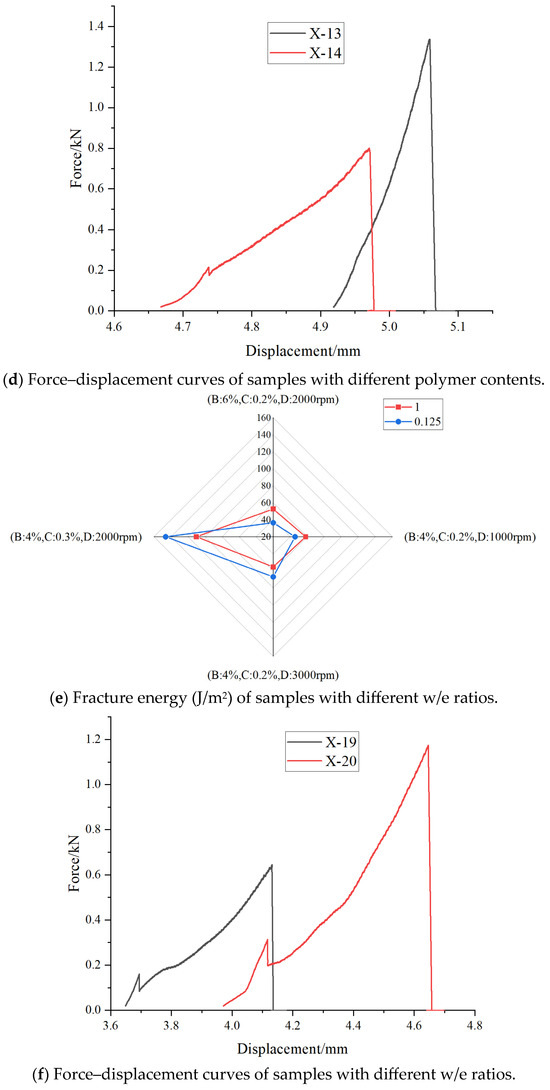
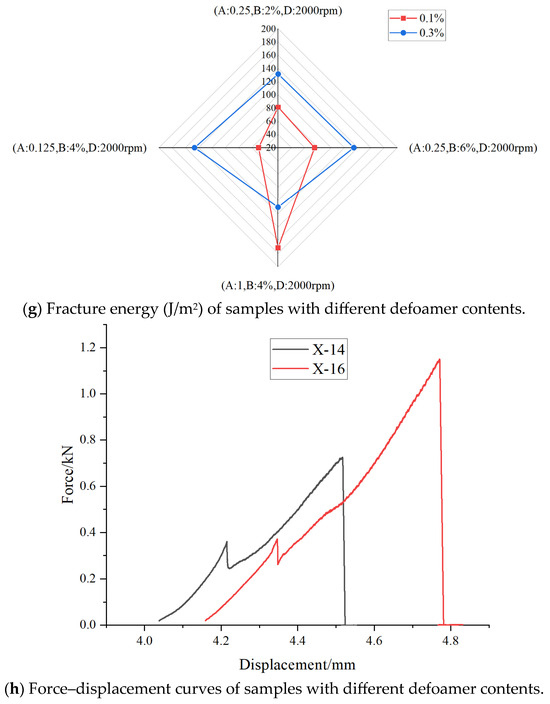
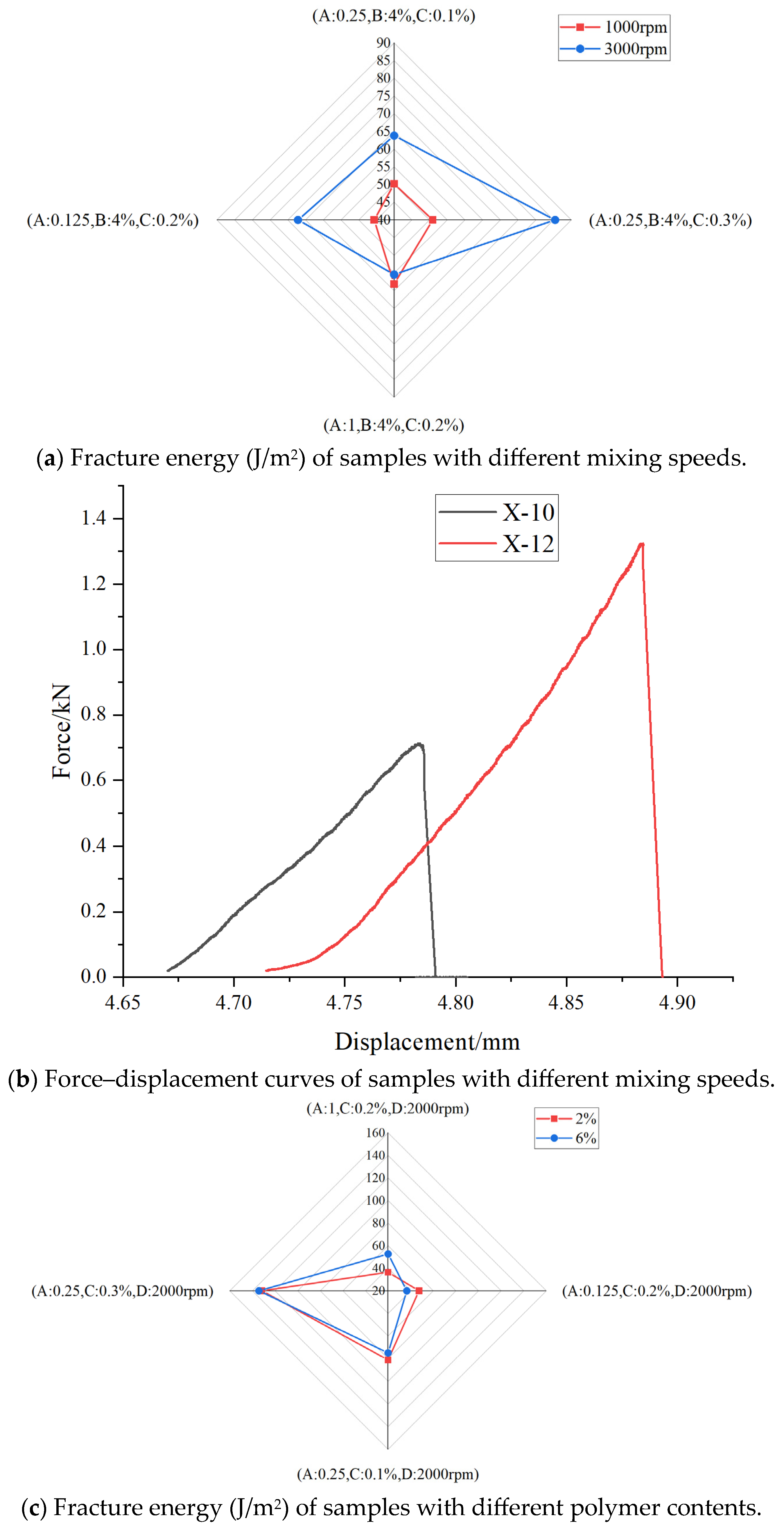
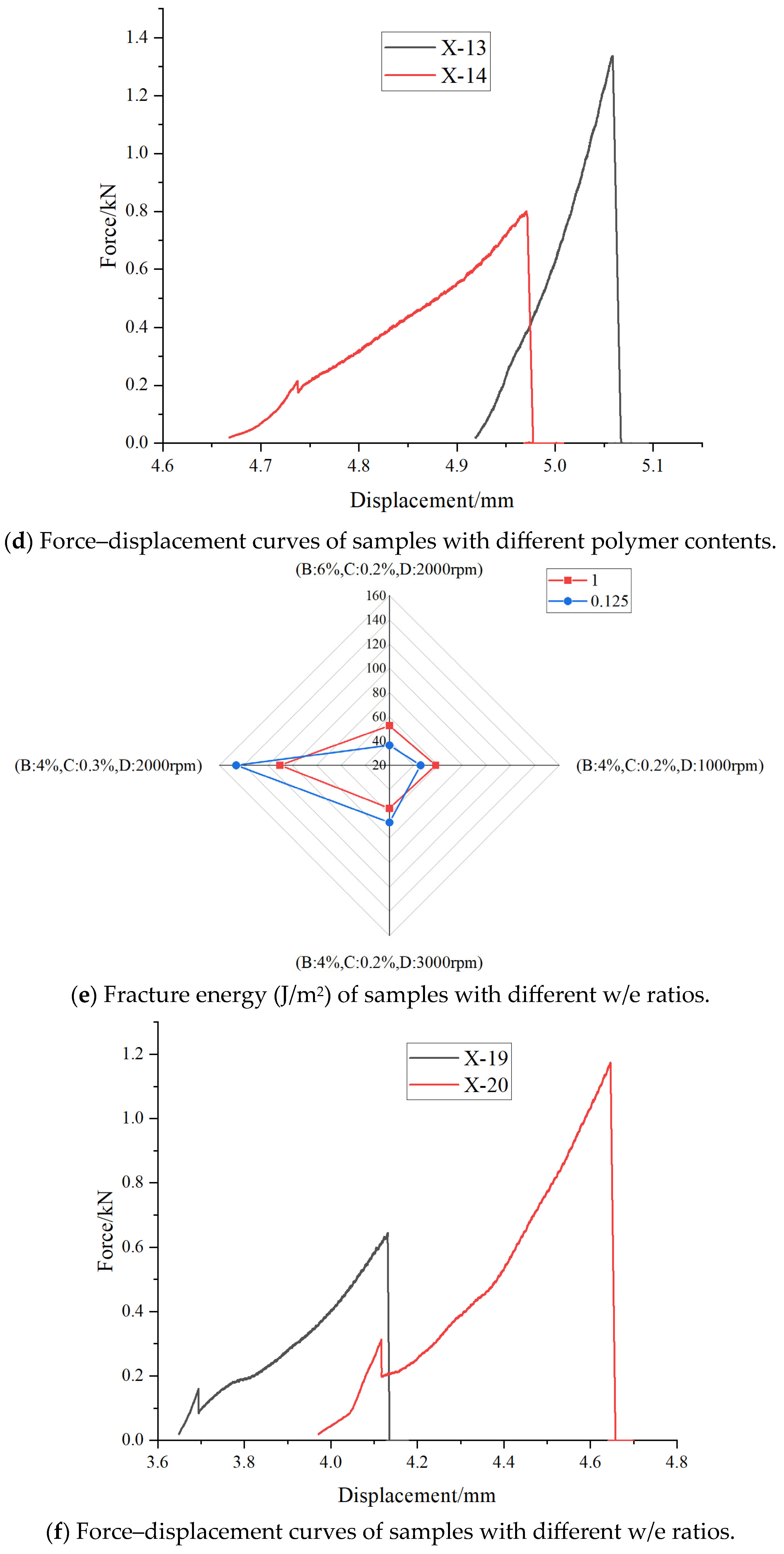
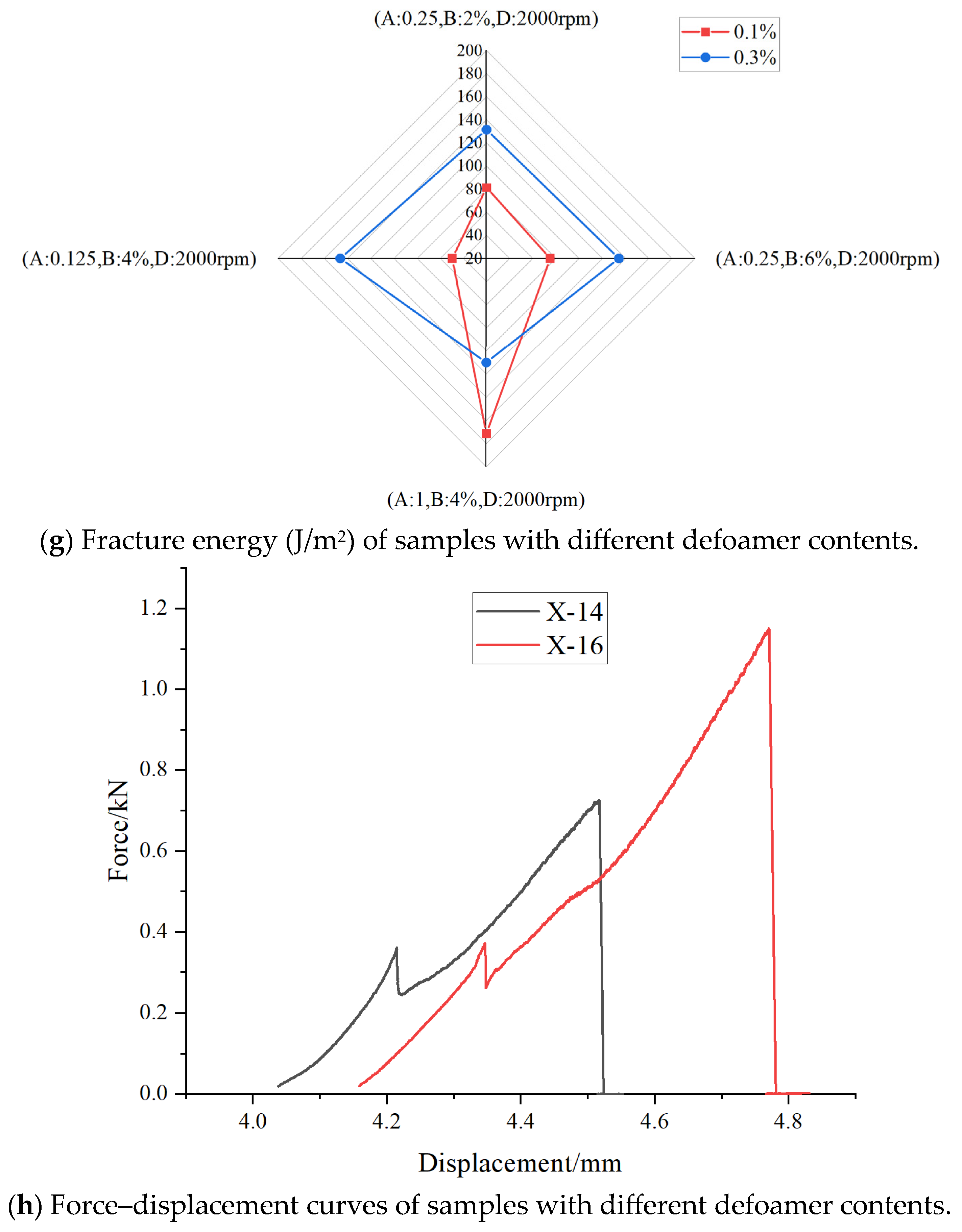
To investigate the influences of different parameters on the anti-cracking abilities of grouting materials, the fracture energy data and force–displacement curves of different samples were compared as shown in Figure 8. Even though each sample has different contents of additives, it is obvious from Figure 8a that a higher mixing speed promotes an increase in the fracture energy of the grouting material. The homogeneously distributed polymer and grouting material contributes to a denser and more refined microstructure. It is interesting to see that the polymer content and w/e ratio only have slight influences on the fracture energies of the eight selected modified grouting materials, although the strengths of the samples were found to decrease after blending with the polymer. However, the dosage of defoamer significantly influenced the fracture energies of the grouting materials. For those samples with relatively low w/e content, the existence of emulsified asphalt promoted the emergence of air bubbles during the preparation process at high mixing speed. If the air does not escape during the formation process of the polymer film, polymer balloons will form, causing voids in the cement matrix that will lower the fracture energy of grouting material samples. The defoamer eliminates these bubbles. As the microstructures of cured grouting material samples become denser, their fracture energies increase. It is worth noting that different groups of the compared samples exhibit similar pre-peak and post-peak slopes in their force–displacement curves except for samples X-13 and X-14. Increasing the polymer content makes the grouting material’s pre-peak curve less steep, while not changing its post-peak slope. It is concluded that the modification mechanism of different additives is quite distinct.
Figure 8.
Comparison of the SCB test results of modified grouting materials.
4.2. Response Analysis of the Factors in the RSM
Based on the results of the modified grouting material performance tests, a central composite response surface mathematical model was constructed using Minitab software. The model incorporates full quadratic terms, which include linear, squared, and interaction terms. The fitted model equations (Z1, Z2, and Z3) correspond to the predicted response values for fluidity, compressive strength, and fracture energy, respectively. The parameters A, B, C, and D represent the actual factor levels of w/e ratio, polymer content, defoamer content, and mixing speed, respectively.
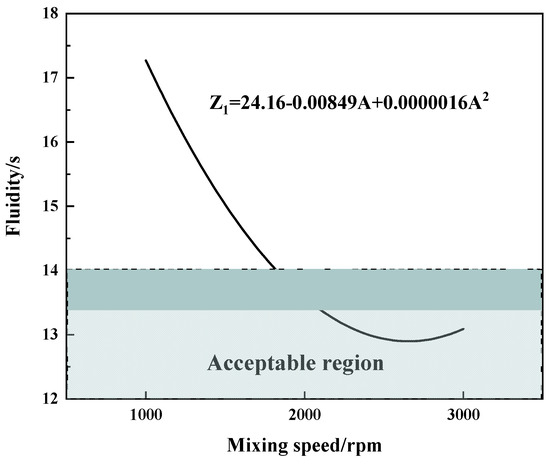
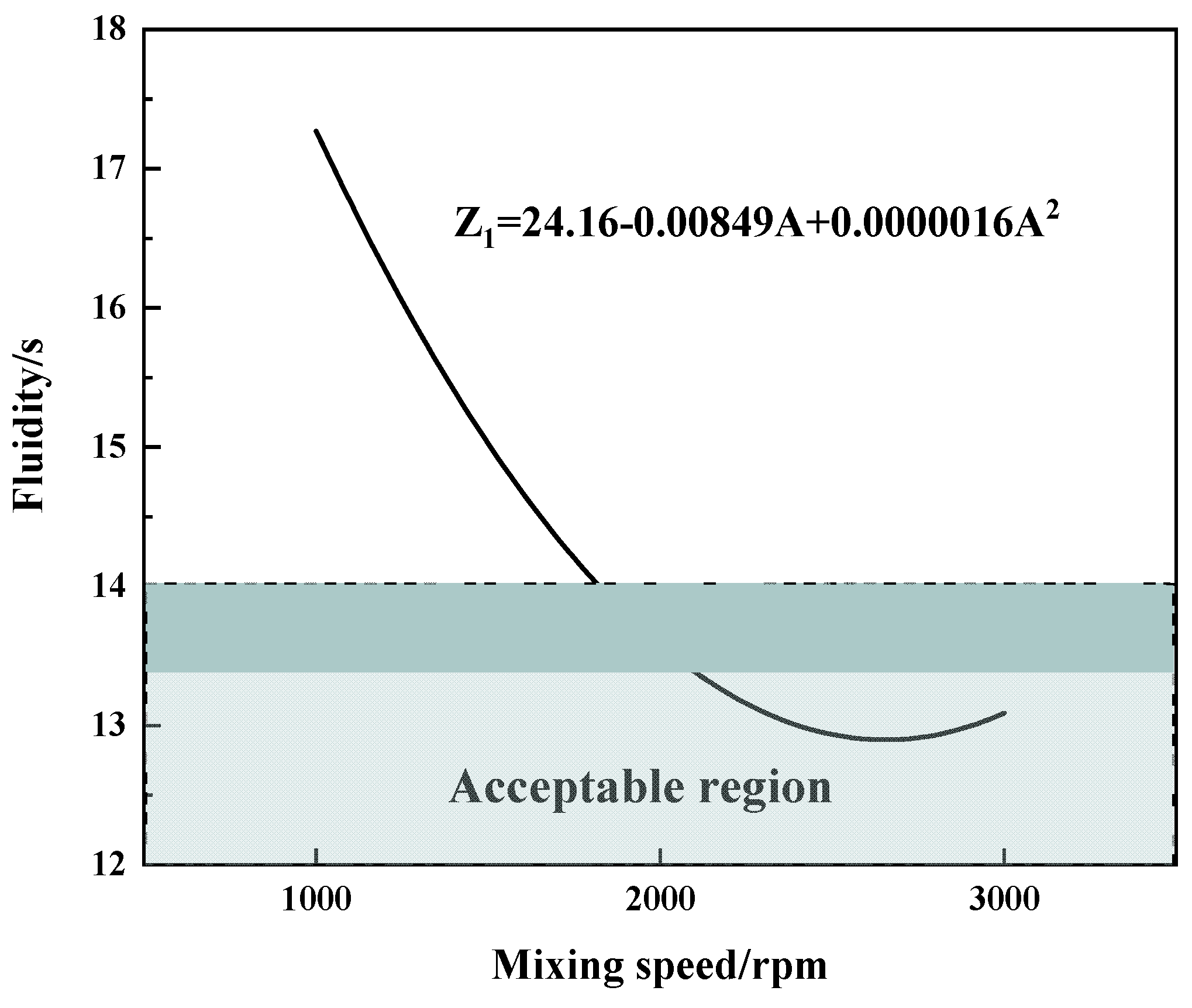
Z1 = 24.157 − 0.00849D + 0.000002D2
Z2 = 11.97 + 39A + 11,600C − 35.2A2 − 2,345,833C2
Z3 = −297 + 582A + 6351B + 0.1896D − 502A2 − 78,400B2 − 0.000046D2
ANOVA was used to test the significance of the regression coefficients and verify the RSM model’s goodness of fit. The analysis result is shown in Table 10. Parameters with a p-value lower than 0.05 are considered to have a significant influence on the properties of grouting materials, while those with a p-value higher than 0.05 are not. For convenience, “***”, “**” and “*” are used to represent extremely significant, very significant, and significant, respectively.
Table 10.
Analysis of variance for the response model parameters.
As shown in Table 10, the p-values for all response models are less than 0.05. This indicates that the probability of the response values derived due to error is less than 0.05, which shows extremely significant statistical differences. Therefore, the mathematical fitting model can be considered highly accurate with a good fit. To further explore the influence trends of factors A, B, C, and D on the response indicators, a thorough analysis of the Z1 to Z3 response models is conducted in the following subsections.
4.2.1. Analysis of Fluidity Response
Based on the fluidity response model, the w/e ratio, polymer content, and defoamer content are all found to be insignificant factors. Therefore, these three factors are excluded from the model. As shown in Table 10, the p-value of the fitting equation between mixing speed and fluidity is less than 0.001. It is concluded that the mixing speed has an extremely significant impact on the fluidity of the grouting slurry.
Figure 9 illustrates the fitted relationship between mixing speed and fluidity. It can be observed that within a certain range, the fluidity of the grouting material decreases rapidly as the mixing speed increases. This phenomenon is attributed to the fact that higher mixing speeds may introduce excessive air bubbles into the slurry, which reduce its viscosity and consequently increases the flowability. Additionally, the shear force within the slurry continuously escalates as the mixing speed increases, potentially weakening the cohesive forces between the water-based epoxy resin/emulsified asphalt and the cementitious slurry. This manifests macroscopically as an improvement in the flowability of the cementitious slurry. However, once the mixing speed exceeds a specific threshold, the fluidity of the slurry begins to go up slightly while no obvious increase in the flowability of the grouting slurry can be observed. This indicates that the mixing speed of 2000 rpm is efficient for mixing modified grouting slurry homogeneously.
Figure 9.
Relationship between mixing speed and fluidity.
4.2.2. Analysis of Compressive Strength Response
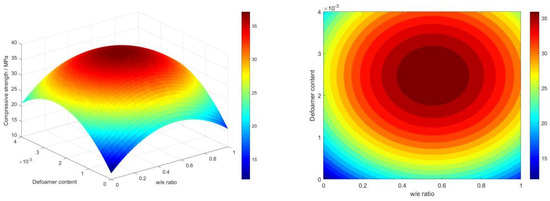
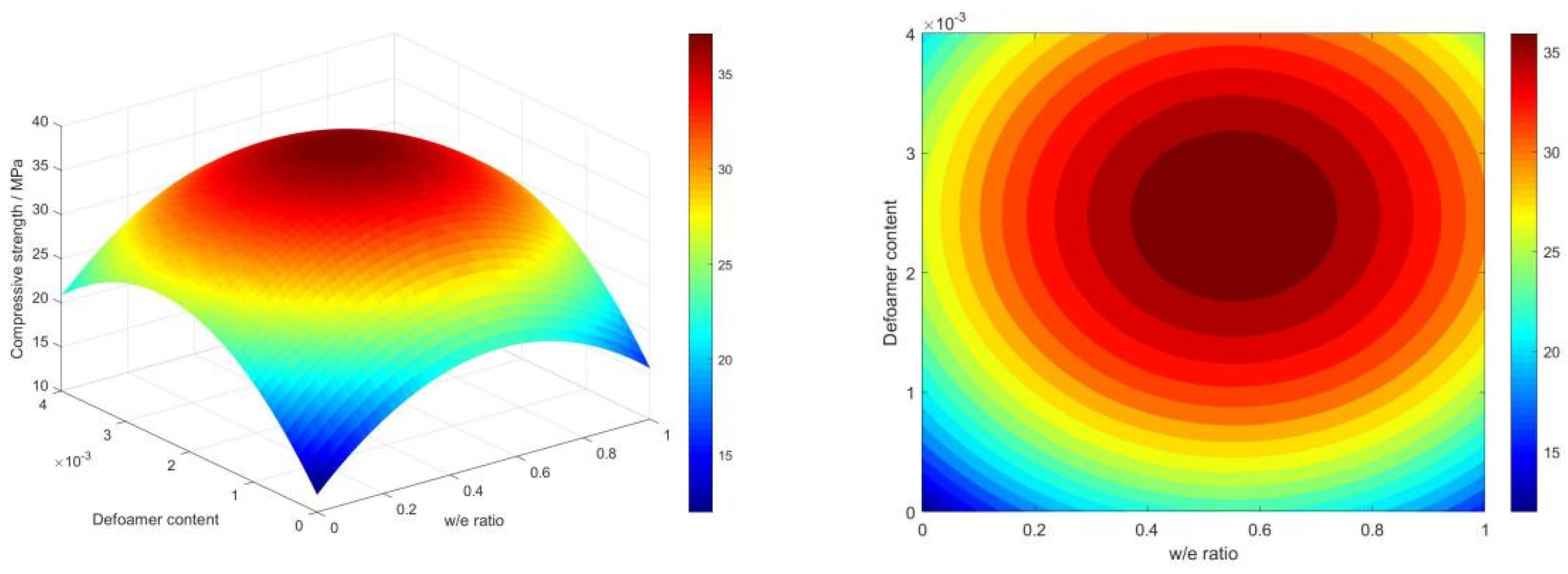
Based on the fitted compressive strength response model, polymer content and mixing speed are found to be insignificant factors. In this regard, they are excluded from the model. The compressive strength response surface model is shown in Figure 10.
Figure 10.
RSM of compressive strength.
As the w/e ratio increases, the compressive strength initially increases and then decreases. This proves that an increase in epoxy resin content within a certain range is beneficial for improving the compressive strength of the grouting material. This can be explained as that water-based epoxy resin can increase the density of the cementitious slurry. However, as the proportion of water-based epoxy resin continues to increase, the compressive strength of the cement slurry begins to significantly decrease when the w/e ratio exceeds 0.7. This can be attributed to the existence of excessive epoxy resin groups surrounding the cement particles. The low stiffness of polymer additives would lower the strength of the grouting material.
With an increase in defoamer content, the compressive strength initially increases and then decreases. This can be explained by the defoamer being able to rapidly reduce the surface tension of the grouting material and spread over the surface of the bubbles formed due to high-speed mixing. This effect lowers the surface strength, elasticity, and viscosity of the liquid film. Within a certain range of defoamer content, this helps accelerate the removal of air bubbles, making the grouting material denser. However, when the content of defoamer is too high, excessive particles disperse and embed within the grouting material, forming micro-defects (as shown in Figure 11). When the grouting material is subjected to external loads, cracks tend to initiate from these micro-defects. The compressive strength of the sample would be reduced thereby.
Figure 11.
The cross-sectional morphology of the grouting material samples.
4.2.3. Analysis of Fracture Energy Response
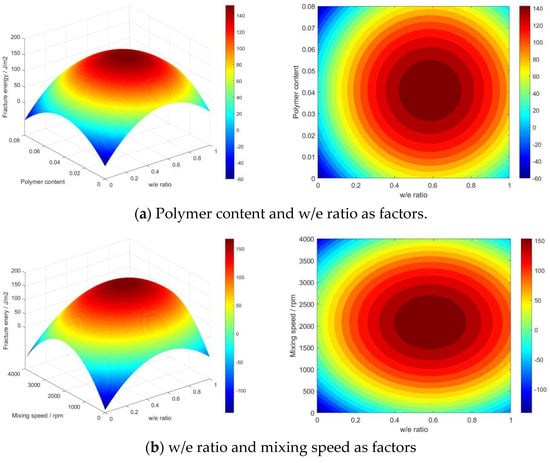
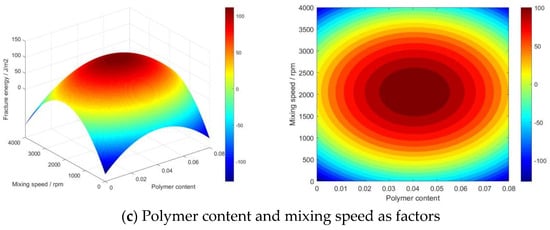
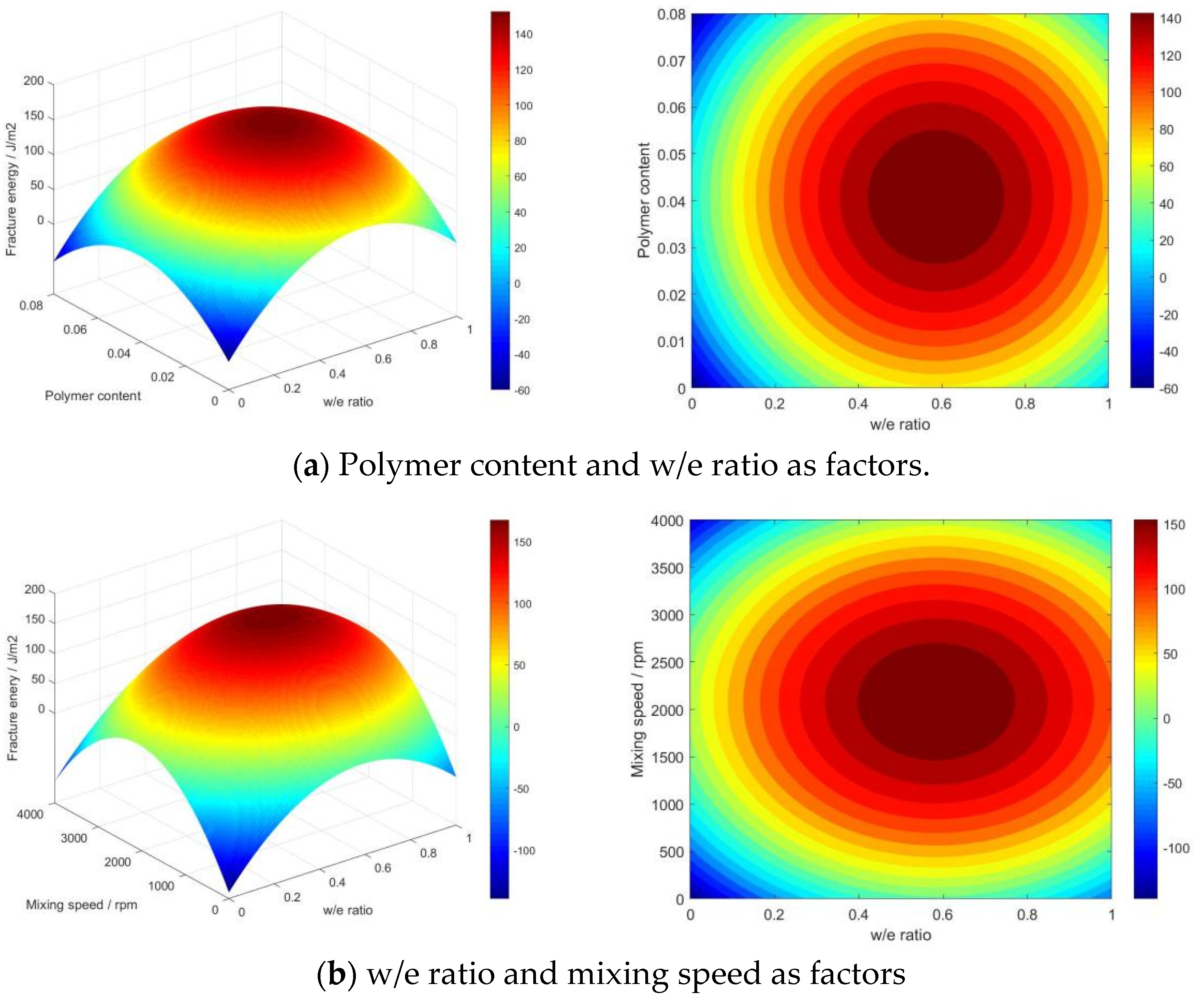
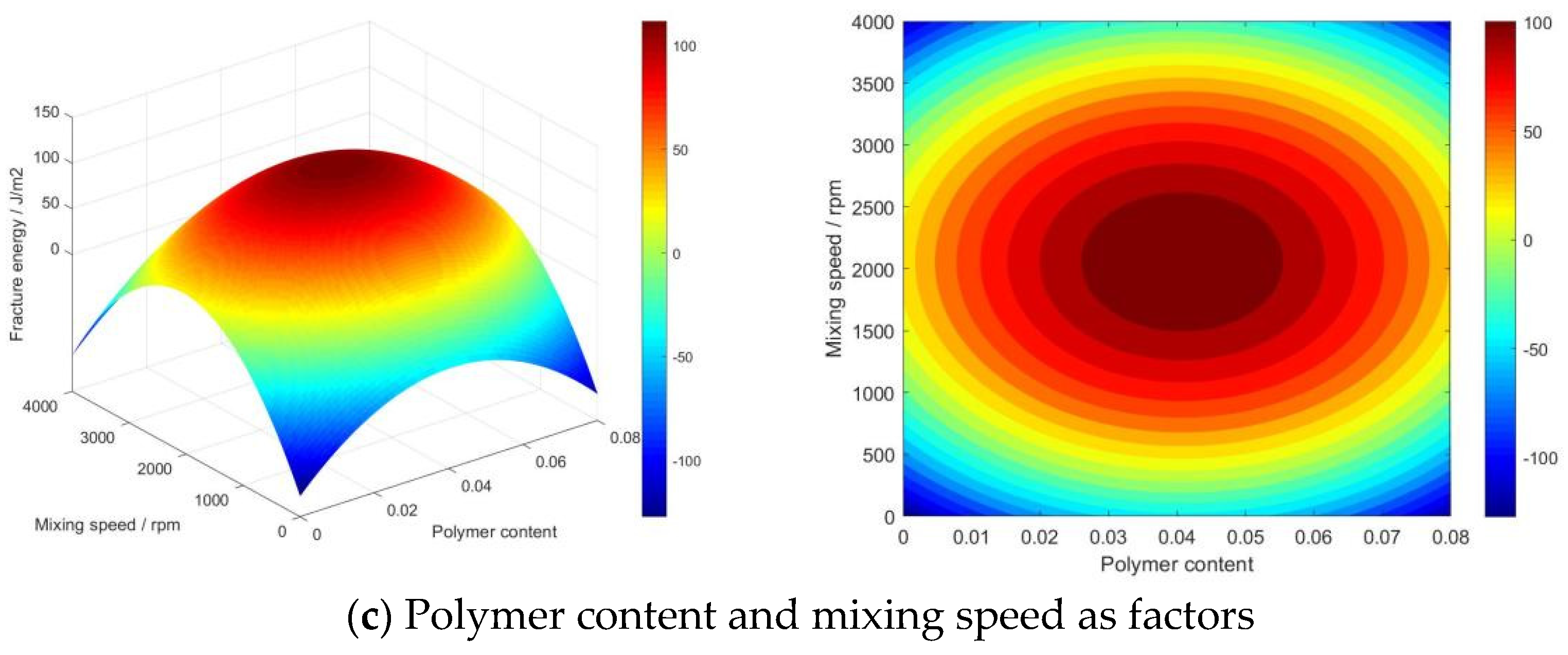
The RSM of fracture energy is illustrated in Figure 12. As demonstrated by the model, the fracture energy exhibits a strong correlation with three key factors: the w/e ratio, polymer dosage, and mixing speed. As the values of these three parameters change, the fracture energy increases initially and then decreases subsequently.
Figure 12.
The RSM of fracture energy.
As the w/e ratio increases, the fracture energy of the cement-based grouting materials exhibits a fluctuating trend. Notably, from 0.5 to 0.7, the fracture energy is relatively high. Conversely, when the ratio is either too low or too high, the fracture energy of the sample stays at a low level. This indicates a significant influence of the w/e ratio on the fracture energy of the slurry. As shown in Figure 12, the most appropriate w/e ratio facilitates the optimization of the cement slurry’s microstructure. The resilience and crack resistance of the samples is enhanced, which corresponds to higher fracture energies. However, an excessively high proportion of epoxy resin/asphalt emulsion leads to increased brittleness of the cementitious slurry, which consequently reduces its fracture energy.
As shown in Figure 12, the polymer content significantly influences the fracture energy of the slurry. When the polymer content is 3% to 5%, the fracture energy increases notably with an increase in the polymer content. Proper amounts of polymer effectively increase the internal resilience of the cement slurry and improve its microstructural compactness, thereby increasing the fracture energy of the grouting material. However, when the polymer content is excessively high, the excessive organic materials surrounding the cement particles may impede the hydration process of the cement, resulting in a decrease in the internal density of the slurry.
Mixing speed also has a significant influence on the fracture energy of cementitious grouting material, as demonstrated in Figure 12. The peak value of fracture energy is observed within the mixing speed range of 1500 rpm to 2000 rpm. An appropriate mixing speed facilitates the uniform distribution of different components. The structural stability of the slurry is enhanced and the fracture energy is consequently improved. However, an excessively low mixing speed may result in a non-uniform distribution of additives, thereby degrading the mechanical properties of the hardened cementitious slurry. Notably, an excessively high mixing speed may introduce more voids in the grouting material samples, which may lower its fracture energy.
4.2.4. Optimal Solutions for the RSM Model
Utilizing the response surface optimization module in Minitab software, compressive strength and fracture energy were set as “maximize-type” response indexes, while fluidity was set as a “target-type” response index. Fixing the optimal levels of each parameter as hold values allows the generation of predicted response values. The optimal mix proportions for the composite toughened grouting material were determined to be a w/e ratio of 0.64, polymer content of 3.3%, and defoamer content of 0.2%. In addition, the optimal mixing speed was chosen to be 2000 rpm. To validate the model’s prediction accuracy, actual measurements were conducted according to the aforementioned experimental scheme. The predicted and measured results are listed in Table 11. It can be seen that all errors between the predicted response values and the actual measured values are within 5%, with the maximum error being 3.2%. Based on this, the model is considered valid and has good prediction accuracy.
Table 11.
Predicted and actual response values for optimally designed grouting materials.
4.3. Analysis of Micromorphology
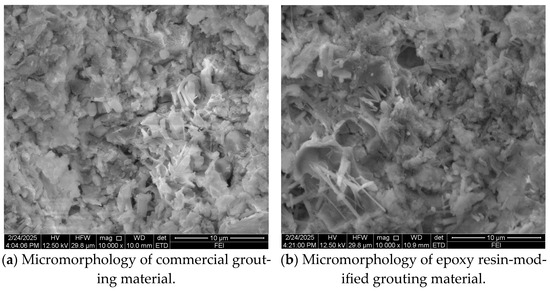
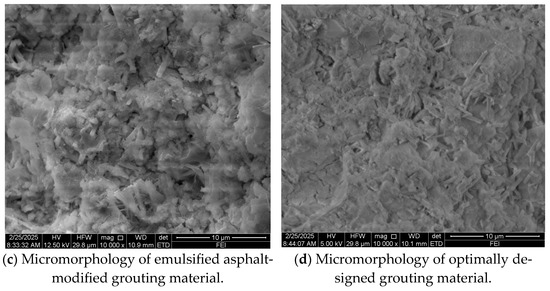
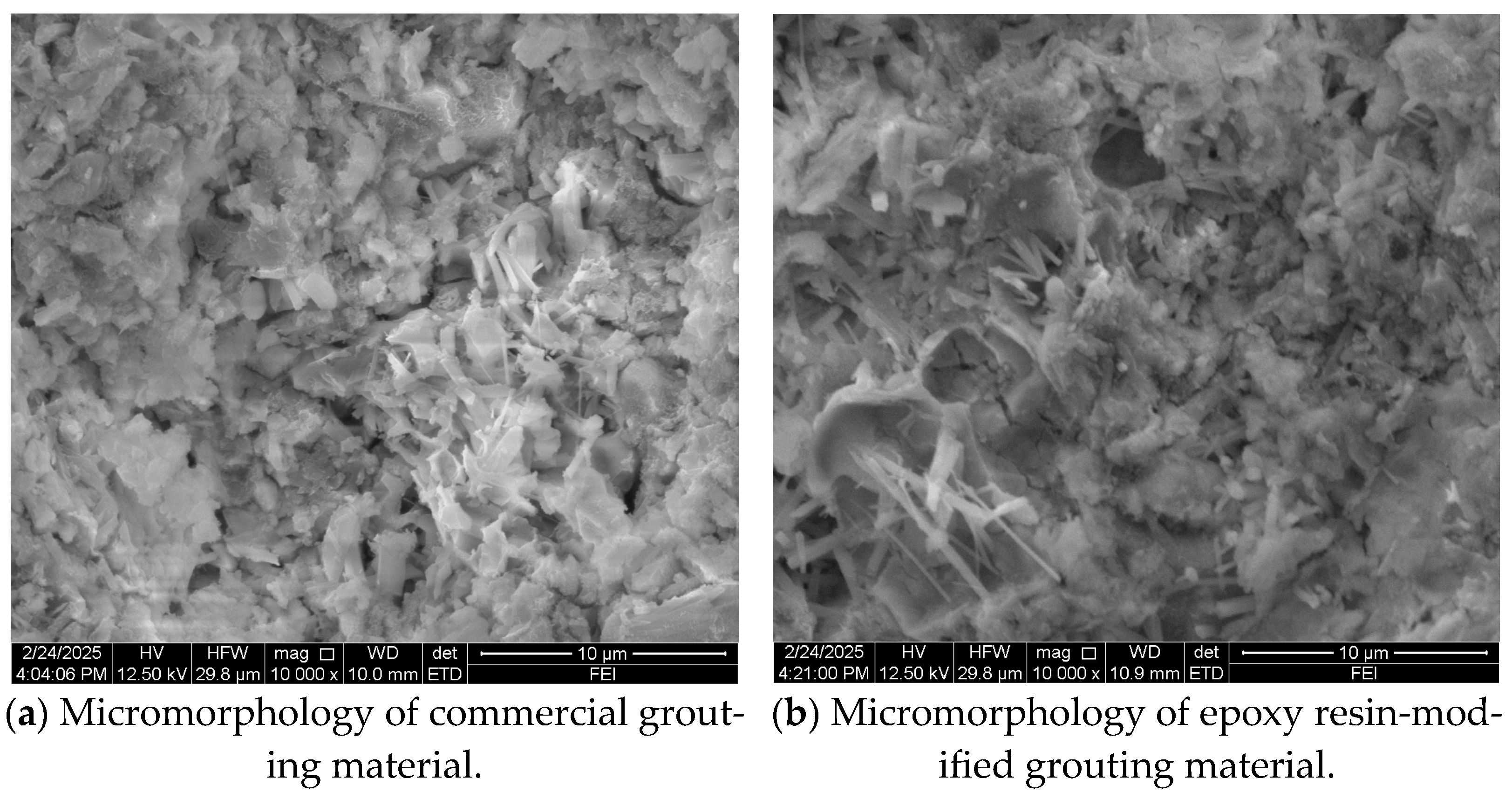
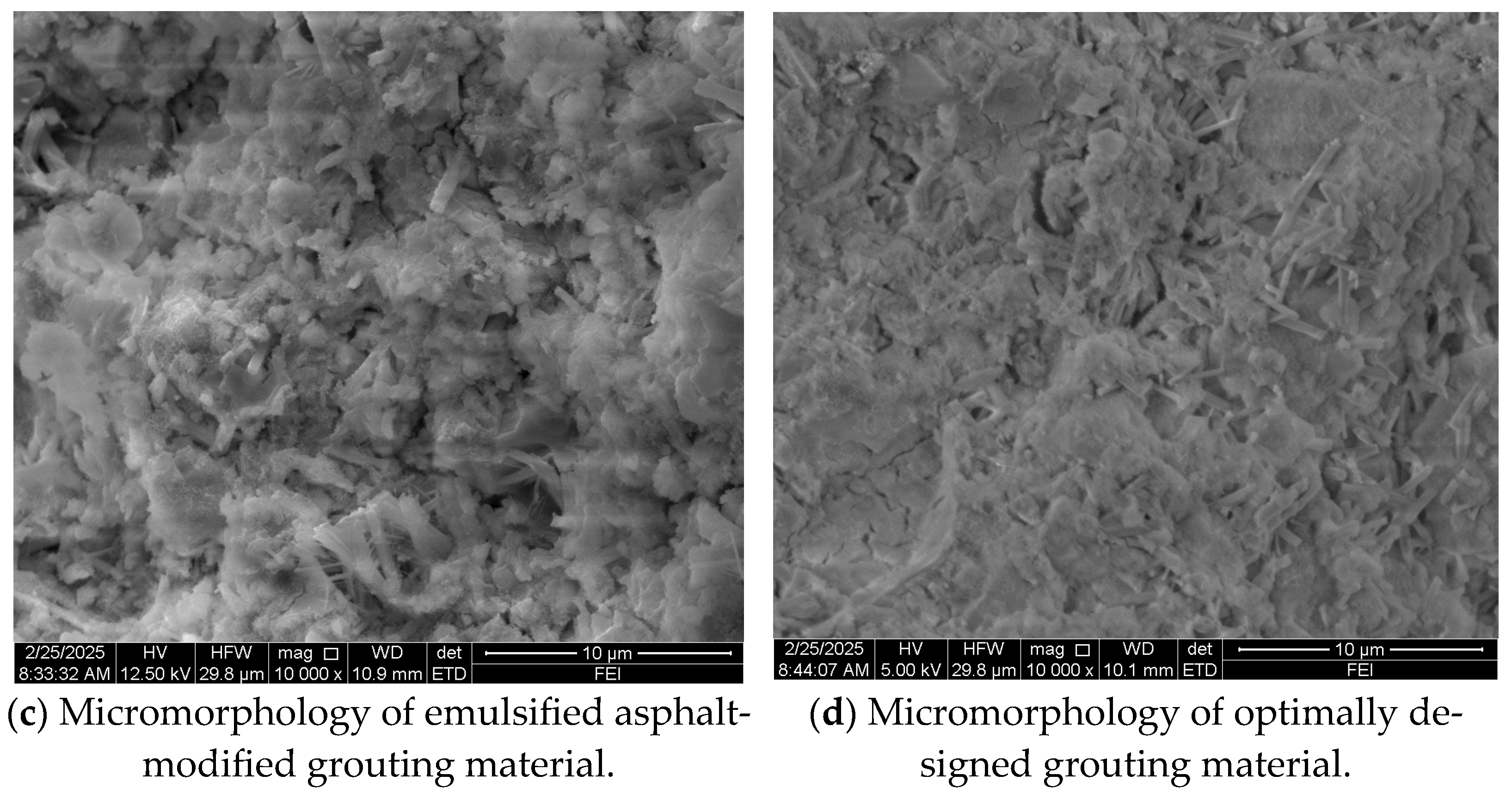
According to Section 4.2.4, four kinds of grouting materials were prepared, namely commercial grouting material, grouting material modified with 3.3% water-based epoxy resin, grouting material modified with 3.3% emulsified asphalt, and the optimally designed grouting material from Table 11. All the grouting slurries were prepared with a mixing speed of 2000 rpm. The SEM micromorphologies of all the grouting materials are shown in Figure 13. The amorphous C-S-H gels and numerous needlelike ettringites (Aft) were found in the samples. As observed, the micro-morphological comparison between the optimally designed grouting material and the compared groups reveals distinct differences in their microstructural characteristics. The commercial grouting material exhibits poor internal compactness with the presence of microcracks, which are responsible for its inadequate toughness. When water-based epoxy resin was added to the commercial grouting material, the epoxy group in the epoxy resin and the amino group in the curing agent underwent dehydration condensation and then cross-linking to form a huge interpenetration polymer network. The gaps between hydrated products were also filled by polymer particles.
Figure 13.
SEM results of different grouting materials.
In contrast, the addition of emulsified asphalt to the commercial grouting material resulted in a reduction in the size of microcracks as seen in Figure 13c, which contributed to a moderate improvement in toughness. However, the most notable enhancement was observed in the optimally designed grouting material, as evidenced in Figure 13d. This material demonstrated a significant increase in density, with a marked reduction in both the number and size of microcracks. The integration of water-based epoxy resin and emulsified asphalt into the cement-based grouting material formed a three-dimensional spatial network structure. In this network, cement hydration products served as the continuous phase and emulsified asphalt and epoxy resin act as the modified dispersed phase. The formed three-dimensional network structure was beneficial to enhancing the flexural performance of grouting material. The hardened polymer films acted like microfibers, inhibiting the formation and development of cracks. This structural configuration not only improved the material’s resistance to drying shrinkage stress but also enhanced its durability and long-term performance.
4.4. Evaluation of the Anti-Cracking Ability of SFP Mixture
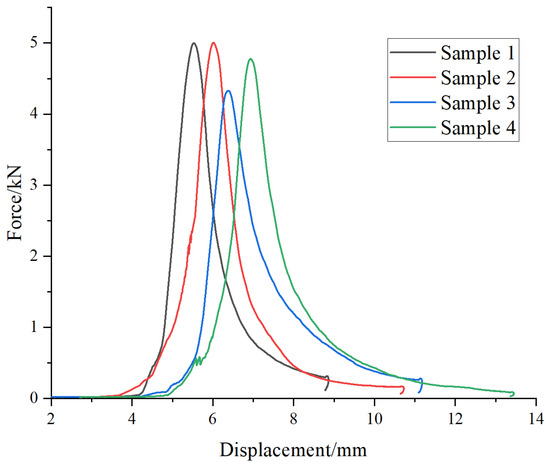
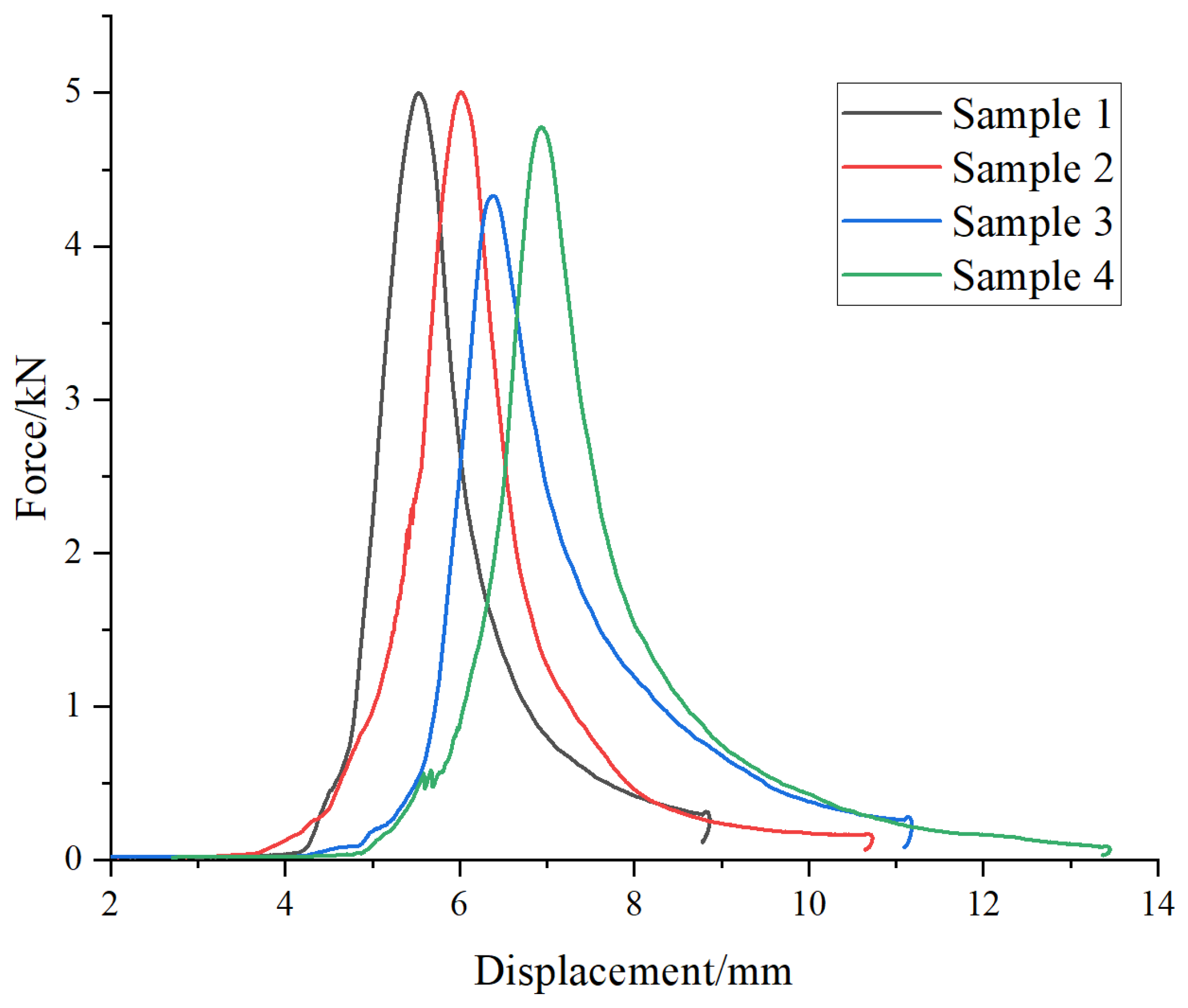
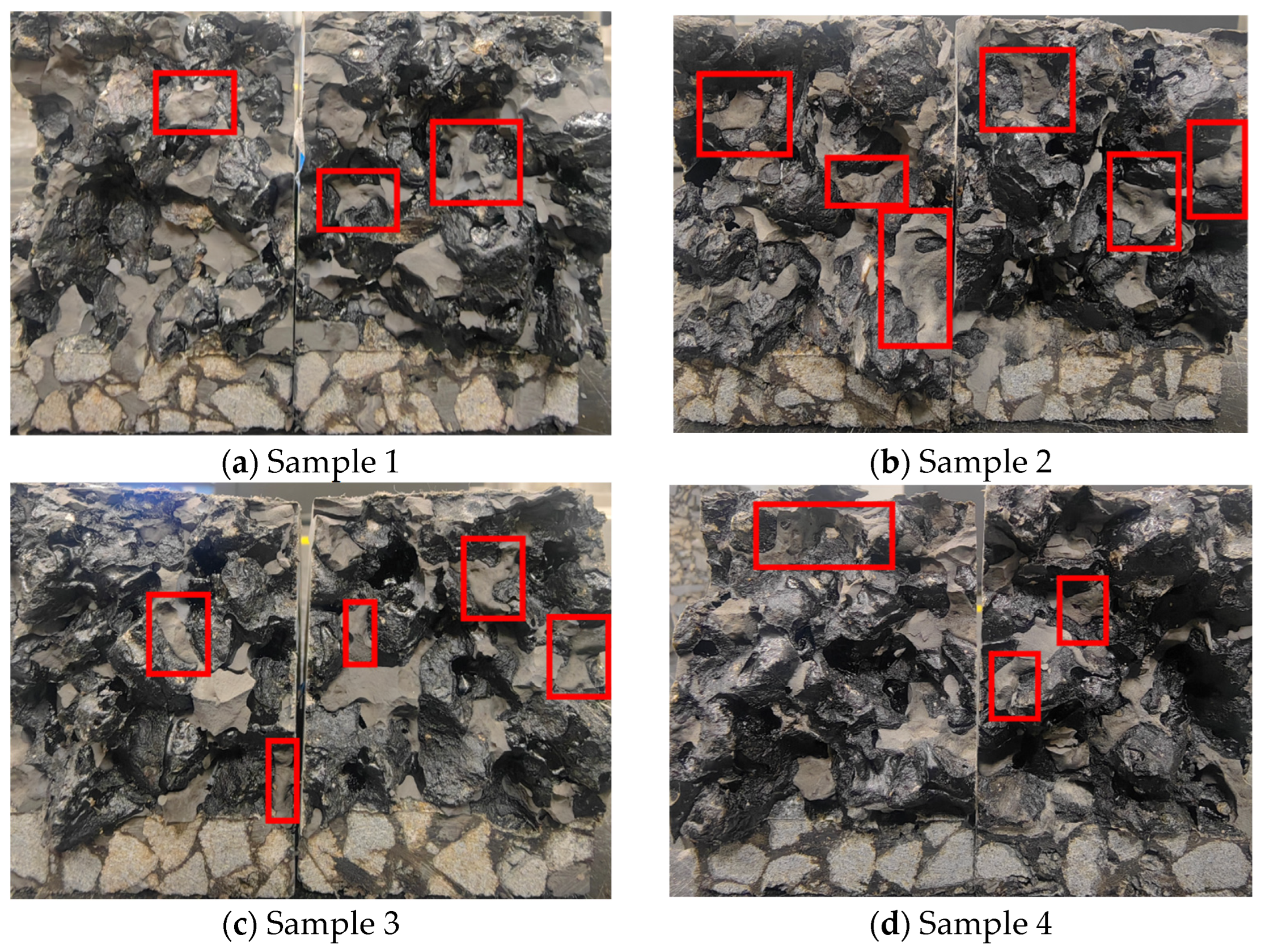
For convenience, semi-flexible pavement mixtures fabricated using commercial grouting material, water-based epoxy resin-modified grouting material, emulsified asphalt-modified grouting material, and optimized grouting material were designated as Samples 1, 2, 3, and 4. The force–displacement curves of all the mixtures are shown in Figure 14. It can be seen that adding water-based epoxy resin into the grouting material does not lower the peak force of the SFP material. Notably, the force–displacement curve of Sample 3 demonstrated the lowest peak force value among all the samples. As shown in Table 12, the fracture energies of the SFP samples increased slightly by using polymer-modified grouting materials. It is worth noting that Sample 4 has the highest FI value, showing the best anti-cracking ability. In Figure 15, the grouting material–asphalt mastic interfacial failures are marked as red areas. The cement side of the failed interface can be clearly seen in the marked area of one fractured sample. The asphalt side of the failed interface can be found in the symmetric site of the other fractured sample. It is observed that Sample 2 has the largest areas of interfacial failures, which corresponds to the lowest FI value among all the mixtures. Qualitatively, Sample 4 displays more adhesive failures than the other samples, while Sample 1 shows more brittle cementitious failures. This phenomenon indicates that the stress may distributed more evenly in Sample 4 due to the enhancement in the grouting material’s toughness and interfacial bonding.
Figure 14.
Force–displacement curves of SFP mixtures.
Table 12.
SCB test results of SFP mixtures.
Figure 15.
Fracture surface of SCB samples.
5. Conclusions
By introducing water-based epoxy resin and emulsified asphalt, a novel design method for composite toughened cement-based grouting material is proposed. The influences of w/e ratio, polymer content, defoamer content, and mixing speed on the fluidity, compressive strength, and fracture energy of the grouting material are analyzed. The modification mechanism is explored. The main conclusions that can be drawn are as follows:
- (1)
- A low mixing speed was not sufficient to produce grouting material with acceptable fluidity. Higher polymer contents would lower the compressive strength of grouting material due to the low stiffness of the polymer and entrained air produced during mixing. The addition of defoamer eliminates the bubbles and, therefore, increases the strength of the samples.
- (2)
- Grouting slurry prepared with a high mixing speed exhibits higher fracture energy. In the SCB test, the addition of polymer changes the fracture behavior of the grouting material. Increasing the polymer content makes the grouting material’s pre-peak curve less steep, while not changing the post-peak slope.
- (3)
- The optimal mix proportions and preparation parameters are as follows: a w/e ratio of 0.64, polymer content of 3.3%, defoamer content of 0.2%, and mixing speed of 2000 rpm. The designed grouting material exhibits excellent fluidity, high compressive strength, and significantly improved fracture energy.
- (4)
- Microstructural analysis indicates that the synergistic effect of both water-based epoxy resin and emulsified asphalt can optimize the internal structure of cement-based grouting materials, forming a denser and refined microscopic network structure.
- (5)
- SCB test results show that the anti-cracking ability of the SFP mixture can be increased by 22% by using optimized grouting material.
This study validates the feasibility of applying water-based epoxy resin and emulsified asphalt to enhance the properties of cement-based grouting materials. Findings provide practical guidance for improving the durability of semi-flexible pavements in the future.
6. Limitations and Recommendations
Although a toughness-reinforced grouting material was optimally designed in the present paper, several limitations remain. The fracture behavior of the grouting material and SFP samples were characterized at intermediate temperatures. Their low-temperature performance should be evaluated in future studies. Furthermore, the interfacial properties of asphalt mastic and polymer-modified grouting material in SFP need to be studied comprehensively.
It is recommended that more attention should be paid to the incorporation of waste solids into the grouting material to increase its environmental benefits. Life cycle analysis needs to be conducted to check the economic advantages of the SFP material by using toughened grouting material during the whole service life.
Author Contributions
Conceptualization, M.G.; Methodology, P.L. and M.G.; Investigation, M.G.; Resources, P.L.; Writing—original draft, M.G.; Supervision, P.L. All authors have read and agreed to the published version of the manuscript.
Funding
This research was funded by National Natural Science Foundation of China [grant number: 52408481] and Transformation of Scientific and Technological Achievements in Jiangsu Province [grant numbers BA2023021].
Institutional Review Board Statement
Not applicable.
Informed Consent Statement
Not applicable.
Data Availability Statement
Data are contained within the article.
Conflicts of Interest
The authors declare no conflicts of interest.
References
- Songqiang, C.; Jian, Z.; Xi, W.; Zining, C. Research on innovative preparation and performance of semi flexible pavement materials. Case Stud. Constr. Mater. 2024, 20, e03050. [Google Scholar] [CrossRef] [Scilit]
- Fan, J.; Gong, M.; Jiang, L.; Cheng, J.; Li, S.; Li, Z.; Zhu, X.; Hong, J. Interlayer failure characteristics of semi-flexible composite pavement structures (SFCPS) at high temperatures. Constr. Build. Mater. 2024, 441, 137563. [Google Scholar] [CrossRef] [Scilit]
- Wu, K.; Liu, X.; Cai, X.; Huang, W.; Yu, J.; Nie, G. Performance and fracture analysis of composite interfaces for semi-flexible pavement. Coatings 2021, 11, 1231. [Google Scholar] [CrossRef] [Scilit]
- Xiong, Y.; Wang, H. Analysis of the grouting fullness and road performance of hot-recycled semi-flexible pavement materials. Case Stud. Constr. Mater. 2024, 20, e02755. [Google Scholar] [CrossRef] [Scilit]
- Khan, M.I.; Sutanto, M.H.; Yusoff, N.I.M.; Zoorob, S.E.; Rafiq, W.; Ali, M.; Fediuk, R.; Vatin, N.I. Cementitious grouts for semi-flexible pavement surfaces-a review. Materials 2022, 15, 5466. [Google Scholar] [CrossRef] [Scilit]
- Spadoni, S.; Graziani, A.; Canestrari, F. Laboratory and field investigation of grouted macadam for semi-flexible pavements. Case Stud. Constr. Mater. 2022, 16, e00853. [Google Scholar] [CrossRef] [Scilit]
- Hassani, A.; Taghipoor, M.; Karimi, M.M. A state of the art of semi-flexible pavements: Introduction, design, and performance. Constr. Build. Mater. 2020, 253, 119196. [Google Scholar] [CrossRef] [Scilit]
- Sun, Z.; Hou, X.; He, G. Research on the crack resistance at low temperature and the mechanism of semi-flexible pavement. In International Conference on Chemical, Material and Food Engineering; Atlantis Press: Dordrecht, The Netherlands, 2015. [Google Scholar]
- Liang, X.; Xie, B. Analysis of the effect of the cement mortar admixture on the fatigue resistance of the semi-flexible pavement. In Advances in Machinery, Materials Science and Engineering Application; IOS Press: Amsterdam, The Netherlands, 2022; Volume 24. [Google Scholar]
- Hou, S.; Xu, T.; Huang, K. Aggregate gradation influence on grouting results and mix design of asphalt mixture skeleton for semi-flexible pavement. J. Test. Eval. 2017, 45, 591–600. [Google Scholar] [CrossRef] [Scilit]
- Zou, X.; Liang, X.; Wu, W.; Wu, W. Influences of matrix asphalt on performance of irrigated semi-flexible pavement. In Proceedings of the Materials Science, Energy Technology and Power Engineering III (MEP 2019), Hohhot, China, 28–29 July 2019. [Google Scholar]
- Gong, M.; Xiong, Z.; Deng, C.; Peng, G.; Jiang, L.; Hong, J. Investigation on the impacts of gradation type and compaction level on the pavement performance of semi-flexible pavement mixture. Constr. Build. Mater. 2022, 324, 126562. [Google Scholar] [CrossRef] [Scilit]
- Song, J.; Chen, B.; Sun, M.; Wu, K.; Chen, J.; Cai, X. Study on the improvement of fatigue and crack resistance of semi-flexible pavement materials using the mixing -molding method. Constr. Build. Mater. 2024, 450, 138728. [Google Scholar] [CrossRef] [Scilit]
- Ling, S.; Jelagin, D.; Sun, D.; Fadil, H. Experimental and numerical analyses on the fracture characteristics of cement-asphalt mastic-aggregate interface. Constr. Build. Mater. 2023, 401, 132971. [Google Scholar] [CrossRef] [Scilit]
- Liu, X.; Wu, K.; Cai, X.; Huang, W.; Huang, J. Influence of the composite interface on the mechanical properties of semi-flexible pavement materials. Constr. Build. Mater. 2023, 397, 132466. [Google Scholar] [CrossRef] [Scilit]
- Hu, B.; Huang, W.; Yu, J.; Xiao, Z.; Wu, K. Study on the adhesion performance of asphalt-calcium silicate hydrate gel interface in semi-flexible pavement materials based on molecular dynamics. Materials 2021, 14, 4406. [Google Scholar] [CrossRef] [Scilit]
- Huang, C.; Liu, J.P.; Hong, J.X.; Liu, Z.F. Improvement on the crack resistance property of semi-flexible pavement by cement-emulsified asphalt mortar. Key Eng. Mater. 2012, 509, 26–32. [Google Scholar] [CrossRef] [Scilit]
- Zarei, S.; Alae, M.; Ouyang, J.; Zhao, Y. Rutting and surface-initiated cracking mechanisms of semi-flexible pavements with cement asphalt emulsion pastes. Int. J. Pavement Eng. 2022, 24, 2024187. [Google Scholar] [CrossRef] [Scilit]
- Fang, L.; Zhou, J.; Yang, Z.; Yuan, Q.; Que, Y. Interaction between cement and asphalt emulsion and its influences on asphalt emulsion demulsification, cement hydration and rheology. Constr. Build. Mater. 2022, 329, 127220. [Google Scholar] [CrossRef] [Scilit]
- Zarei, S.; Ouyang, J.; Alae, M.; Liu, W. Evaluating the effects of cement asphalt emulsion paste as a grouting material on the fatigue and thermal contraction properties of semi-flexible asphalt composite pavement. Can. J. Civ. Eng. 2024, 52, 275–287. [Google Scholar] [CrossRef] [Scilit]
- Li, X.; Qi, X.; Cui, C.; Zhao, L. Research on the preparation and performance of modified emulsified asphalt grouting material for semi-flexible pavement. Highw. Eng. 2024, 49, 127–133. [Google Scholar]
- Anagnostopoulos, C.A.; Sapidis, G.; Papastergiadis, E. Fundamental properties of epoxy resin-modified cement grouts. Constr. Build. Mater. 2016, 125, 184–195. [Google Scholar] [CrossRef] [Scilit]
- Liu, S.; Wu, X.; He, M.; Zhou, P.; Liu, G.; Li, M. Influence of oil well cement on the structure and properties of thermosetting resin cementing fluids. J. Dispers. Sci. Technol. 2024. [Google Scholar] [CrossRef] [Scilit]
- Wang, Y.; Liu, Q. Investigation on fundamental properties and chemical characterization of water-soluble epoxy resin modified cement grout. Constr. Build. Mater. 2021, 299, 123877. [Google Scholar] [CrossRef] [Scilit]
- Hu, G.; Yang, Q.; Qiu, X.; Liu, H.; Qian, Y.; Xiao, S. Assessment of interaction behaviors of cement-emulsified asphalt based on micro-morphological and macro-rheological approaches. Materials 2022, 15, 1070. [Google Scholar] [CrossRef] [Scilit] [PubMed]
- Gong, M.; Xiong, Z.; Cheng, H.; Deng, C.; Chen, X.; Yang, J.; Zhu, H.; Hong, J. Evaluation on the cracking resistance of semi-flexible pavement mixture by laboratory research and field validation. Constr. Build. Mater. 2019, 207, 387–395. [Google Scholar] [CrossRef] [Scilit]
- T0508-2005; Cement Slurry Flow Determination Method. Ministry of Transport of the People’s Republic of China: Beijing, China, 2005.
- GB/T 17671-2021; Test Method of Cement Mortar Strength (ISO Method). The Standardization Administration of the People’s Republic of China: Beijing, China, 2021.

Disclaimer/Publisher’s Note: The statements, opinions and data contained in all publications are solely those of the individual author(s) and contributor(s) and not of MDPI and/or the editor(s). MDPI and/or the editor(s) disclaim responsibility for any injury to people or property resulting from any ideas, methods, instructions or products referred to in the content. |
© 2025 by the authors. Licensee MDPI, Basel, Switzerland. This article is an open access article distributed under the terms and conditions of the Creative Commons Attribution (CC BY) license (https://creativecommons.org/licenses/by/4.0/).