Article

Microbiological Deterioration of Epoxy Coating on Carbon Steel by Pseudomonas aeruginosa

1
National Materials Corrosion and Protection Data Center, Institute for Advanced Materials and Technology, University of Science and Technology Beijing, Beijing 100083, China
2
BRI Southeast Asia Network for Corrosion and Protection (MOE), Shunde Innovation School, University of Science and Technology Beijing, Foshan 528399, China
3
State Key Laboratory of Metal Material for Marine Equipment and Application, Anshan 114002, China
*
Author to whom correspondence should be addressed.
Coatings 2023, 13(3), 606; https://doi.org/10.3390/coatings13030606

Submission received: 8 February 2023 / Revised: 28 February 2023 / Accepted: 8 March 2023 / Published: 12 March 2023

Abstract

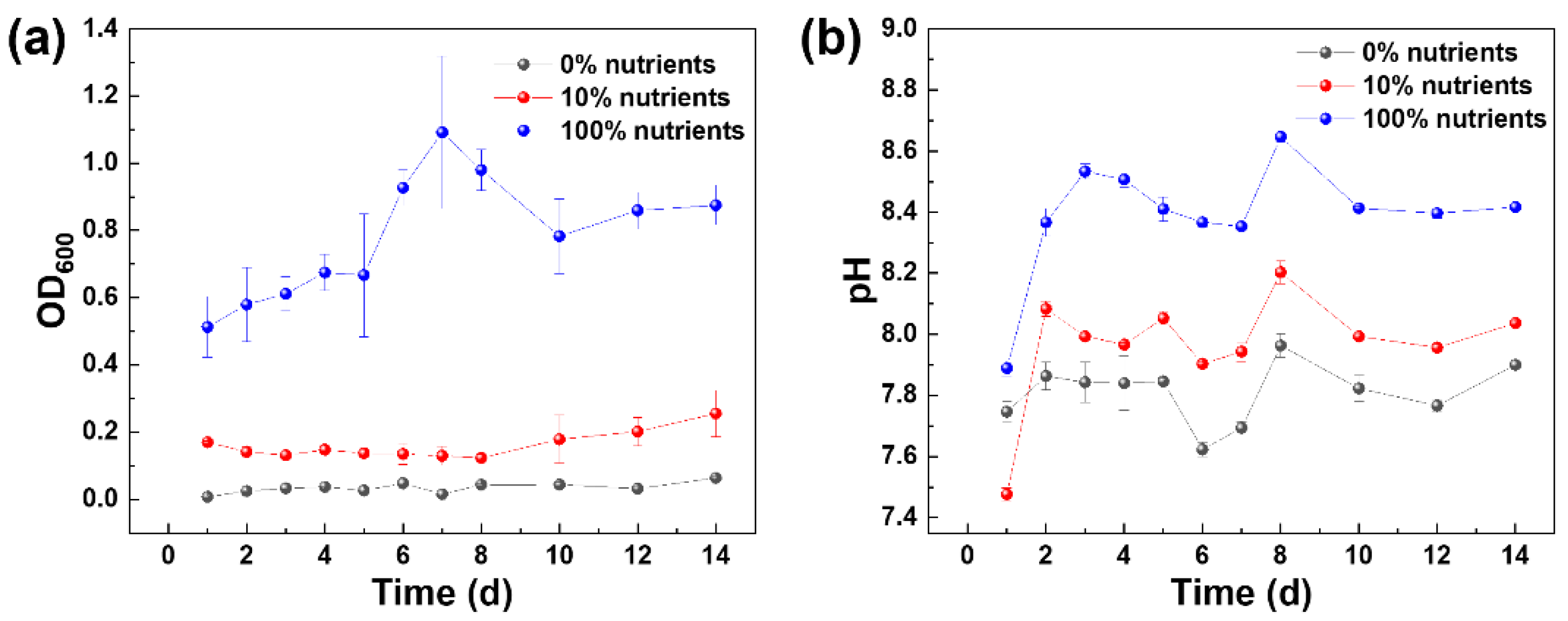
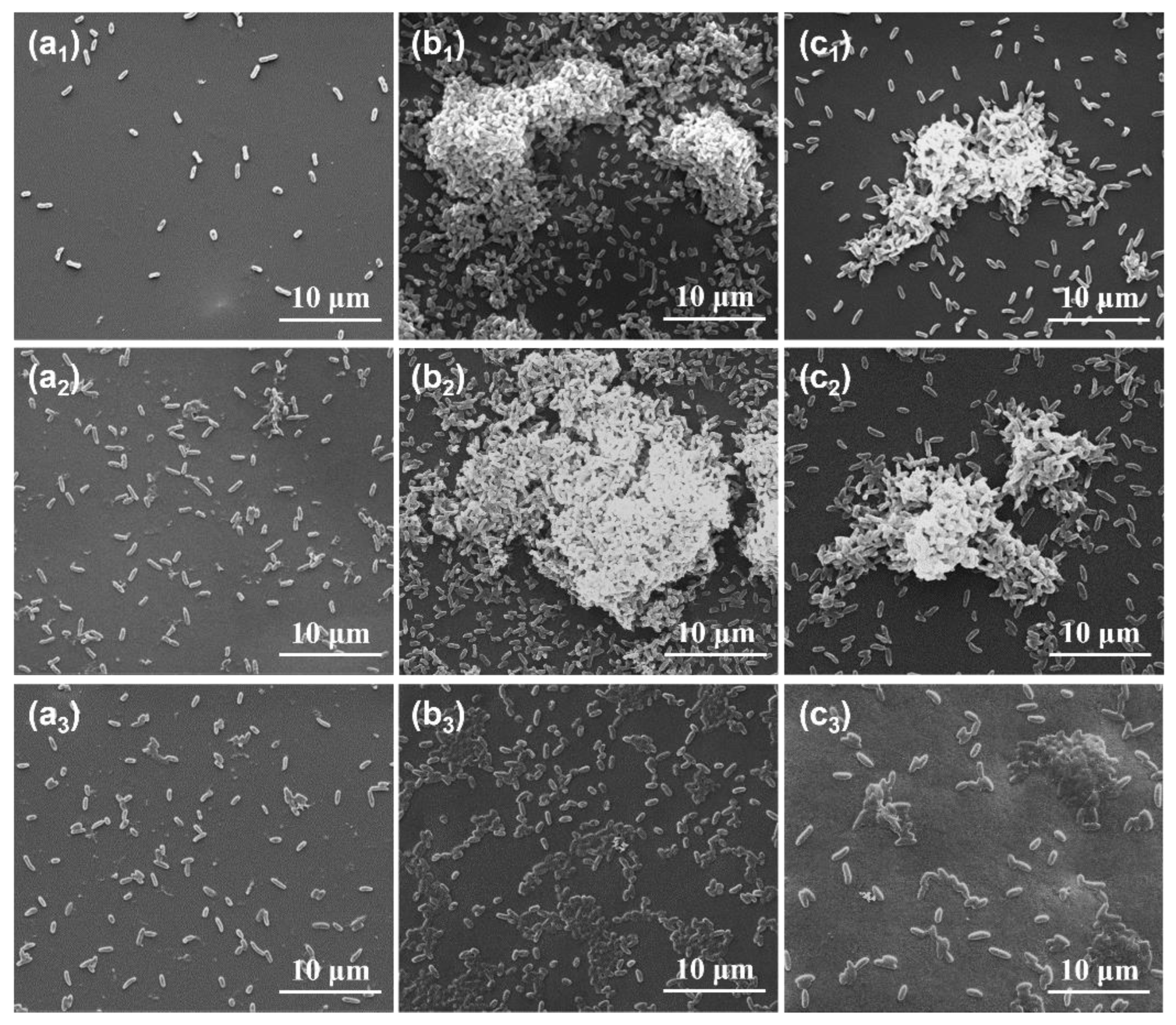
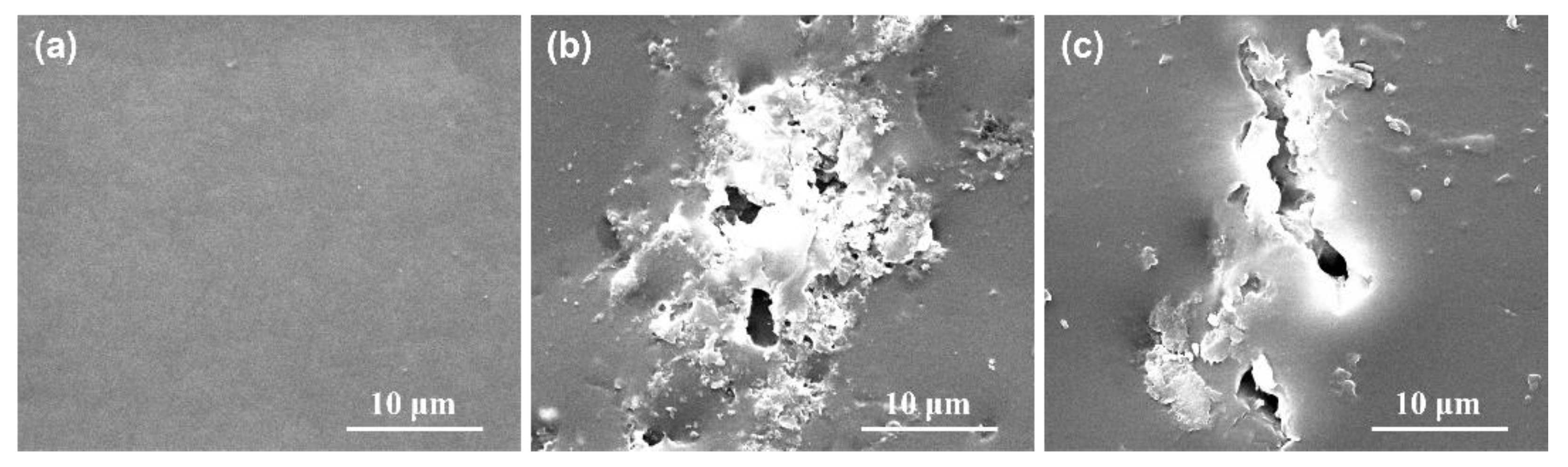
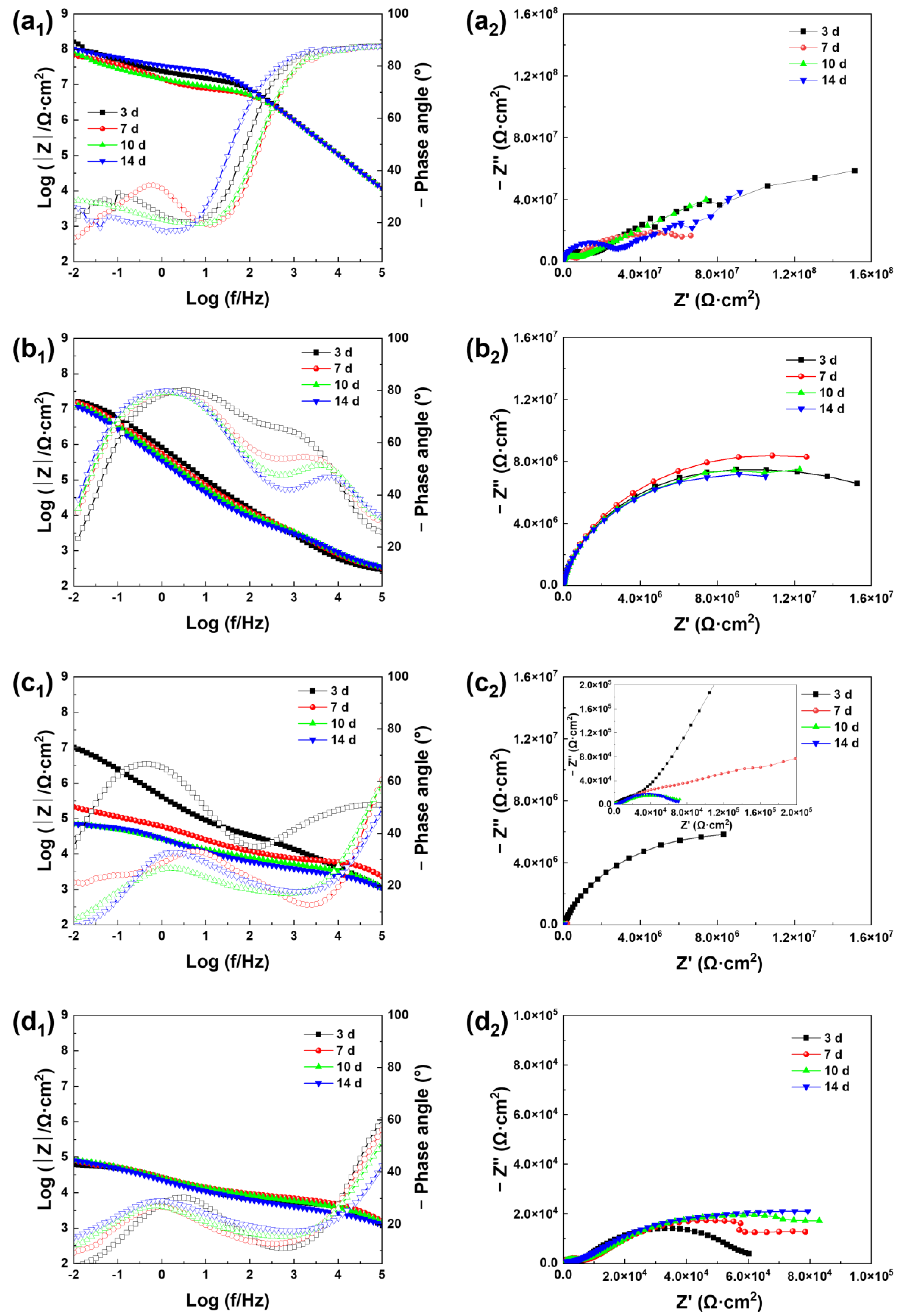
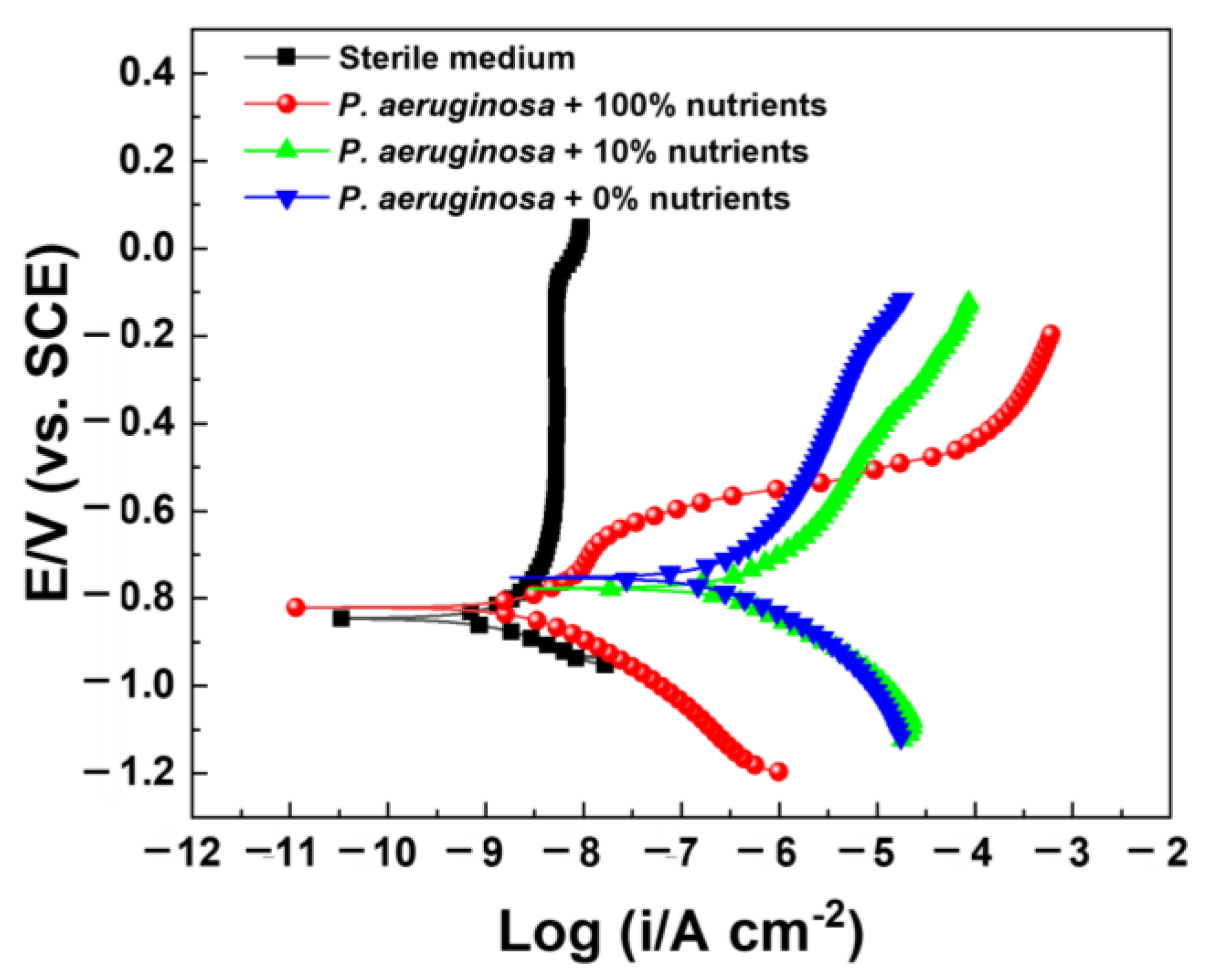
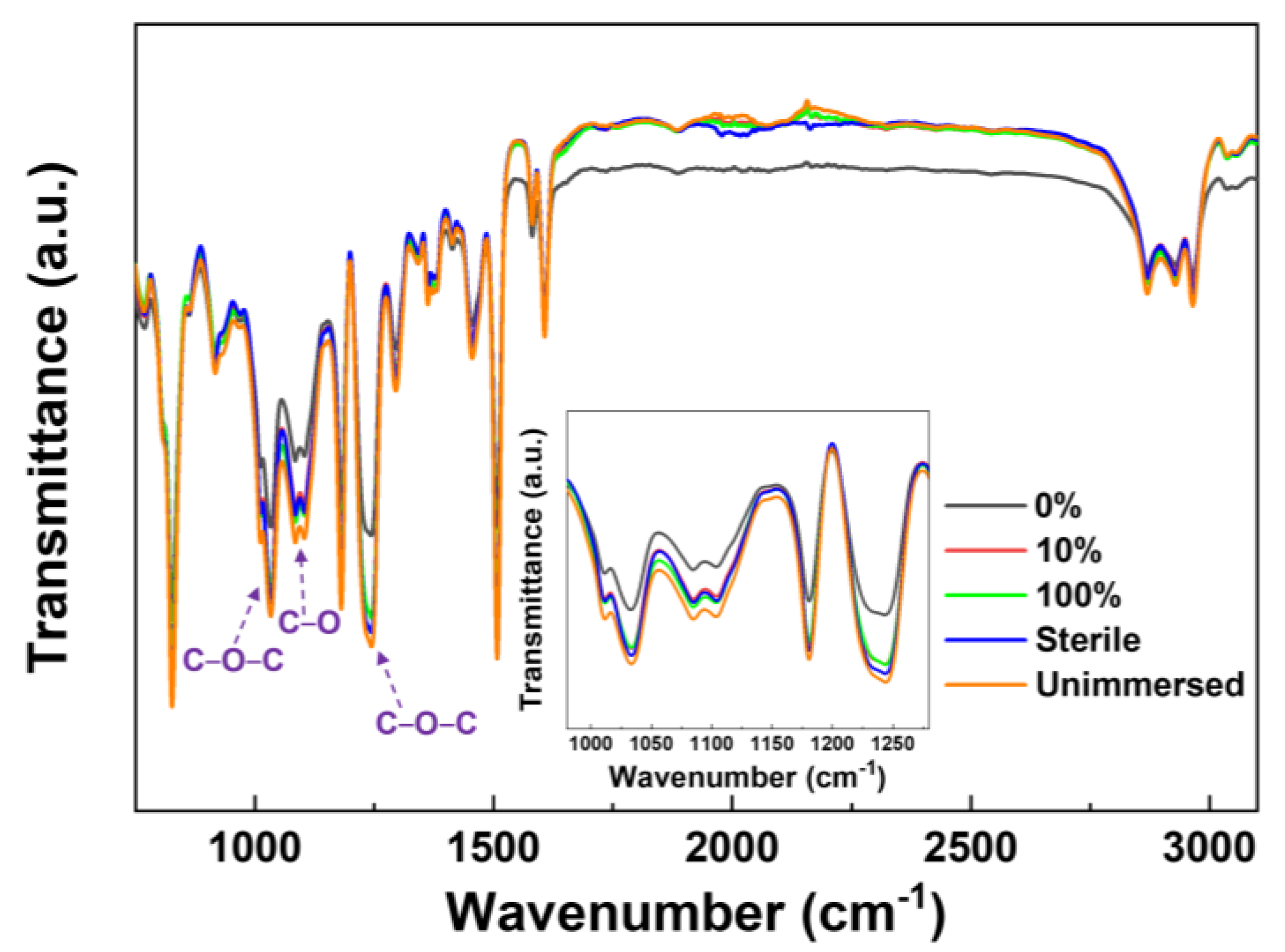
Epoxy coating is a commonly used anticorrosive coating on metal surfaces. Pseudomonas aeruginosa has been reported to be able to accelerate the corrosion of metal materials, but its effect on the corrosion resistance of epoxy coatings is rarely reported. In this work, the accelerated deterioration of epoxy coating on carbon steel caused by marine Pseudomonas aeruginosa was investigated. The immersion tests of epoxy coatings in the sterile and P. aeruginosa-inoculated culture media with 100%, 10%, and 0% nutrients were performed. When the nutrient concentration was reduced, the number of P. aeruginosa cells attached to the coating surface was improved, and the coatings suffered more degradation under starvation conditions. The results of electrochemical impedance spectroscopy (EIS) and potentiodynamic polarization measurements showed that the presence of P. aeruginosa promoted the degradation of epoxy coating, and the coating had lower low frequency impedance modulus and higher corrosion current density in the inoculated medium with starvation conditions. The results of Fourier transform infrared spectroscopy (FTIR) indicated that the peak intensities of C-O-C and C-O groups of coatings decreased as nutrient concentration dropped in the inoculated medium. It indicated that P. aeruginosa accelerated the degradation of epoxy coatings through destroying the C-O-C and C-O groups.
Keywords: microbiological deterioration; epoxy coating; electrochemical tests; carbon steel microbiological deterioration; epoxy coating; electrochemical tests; carbon steel